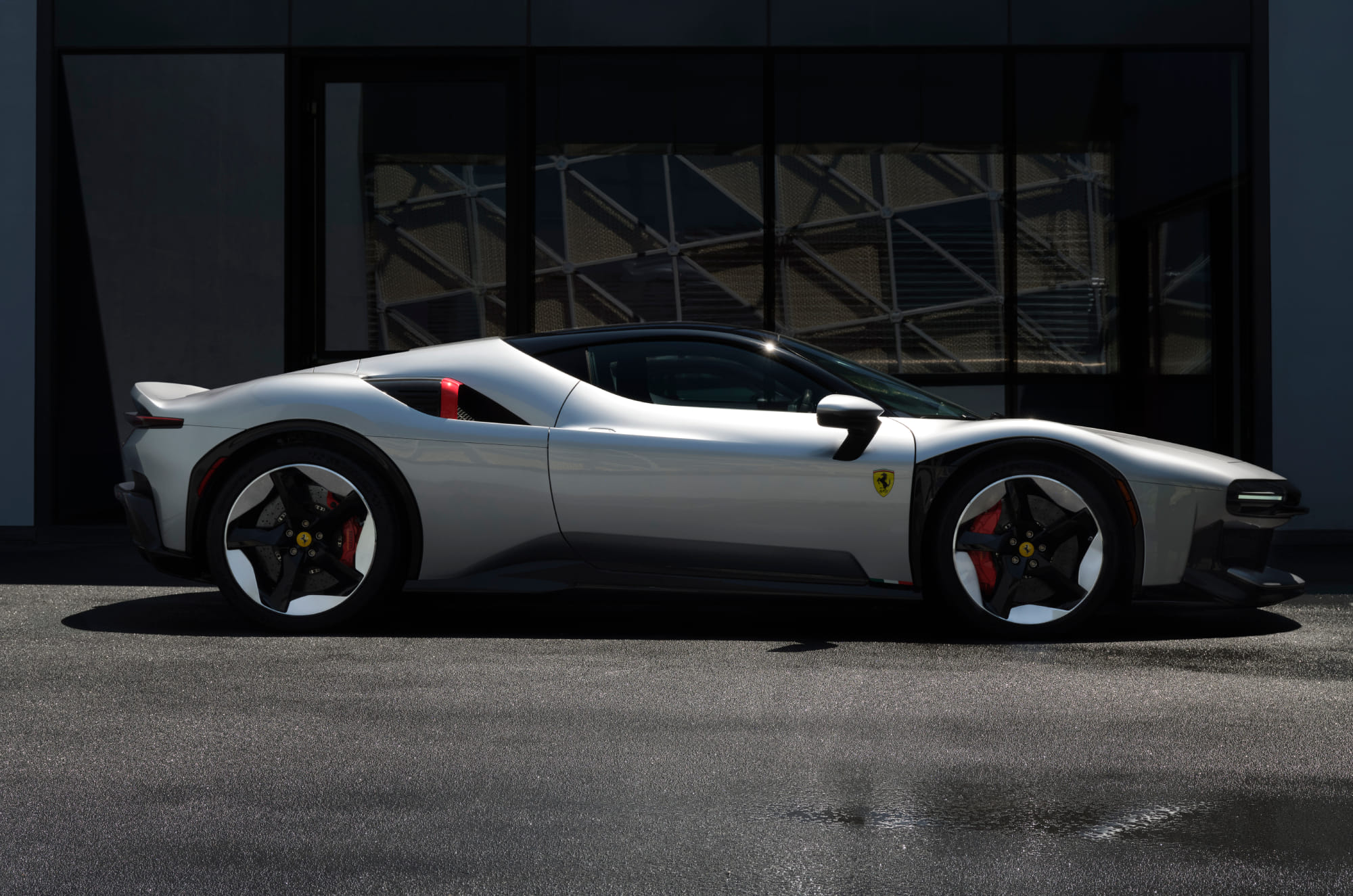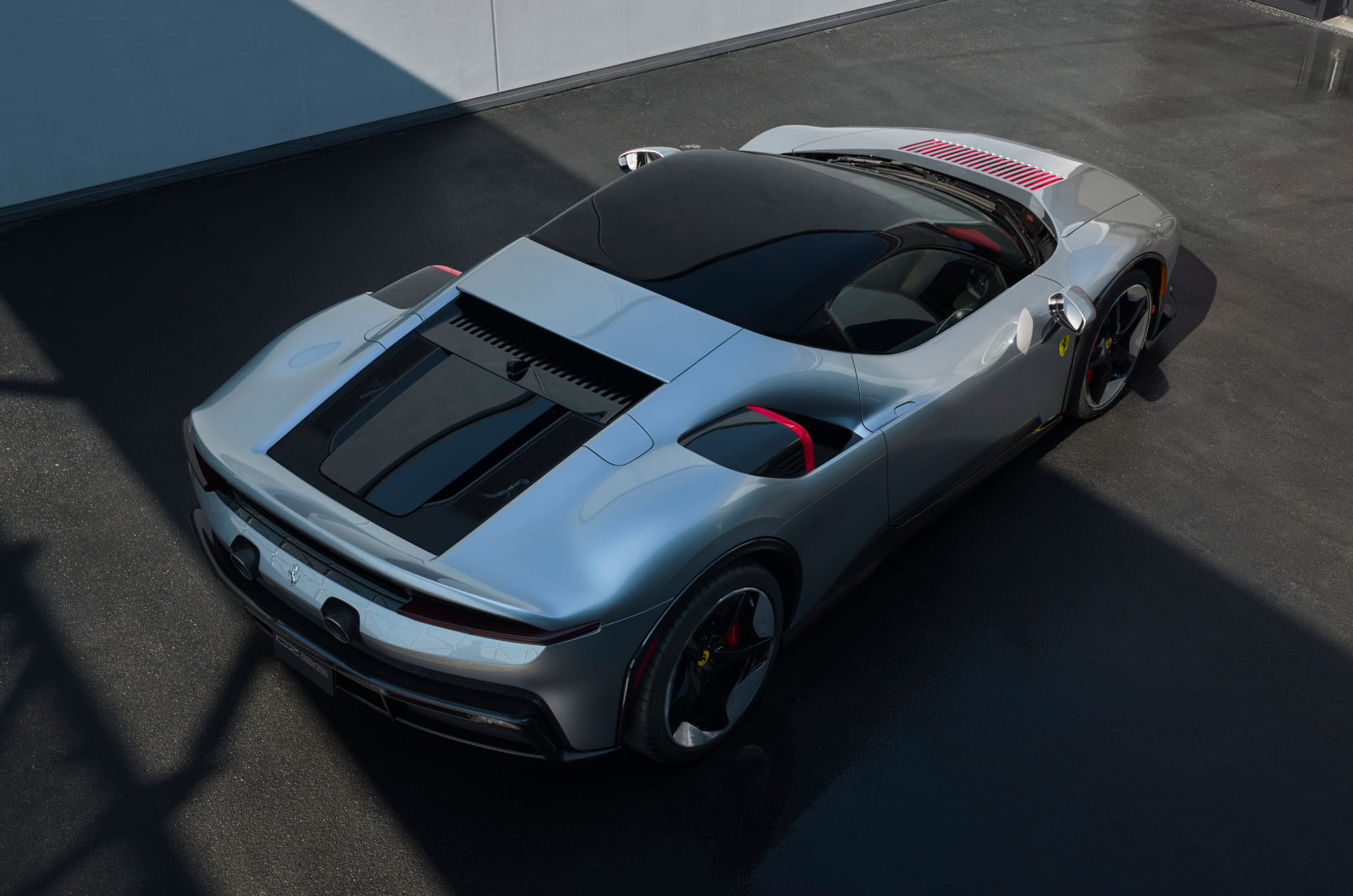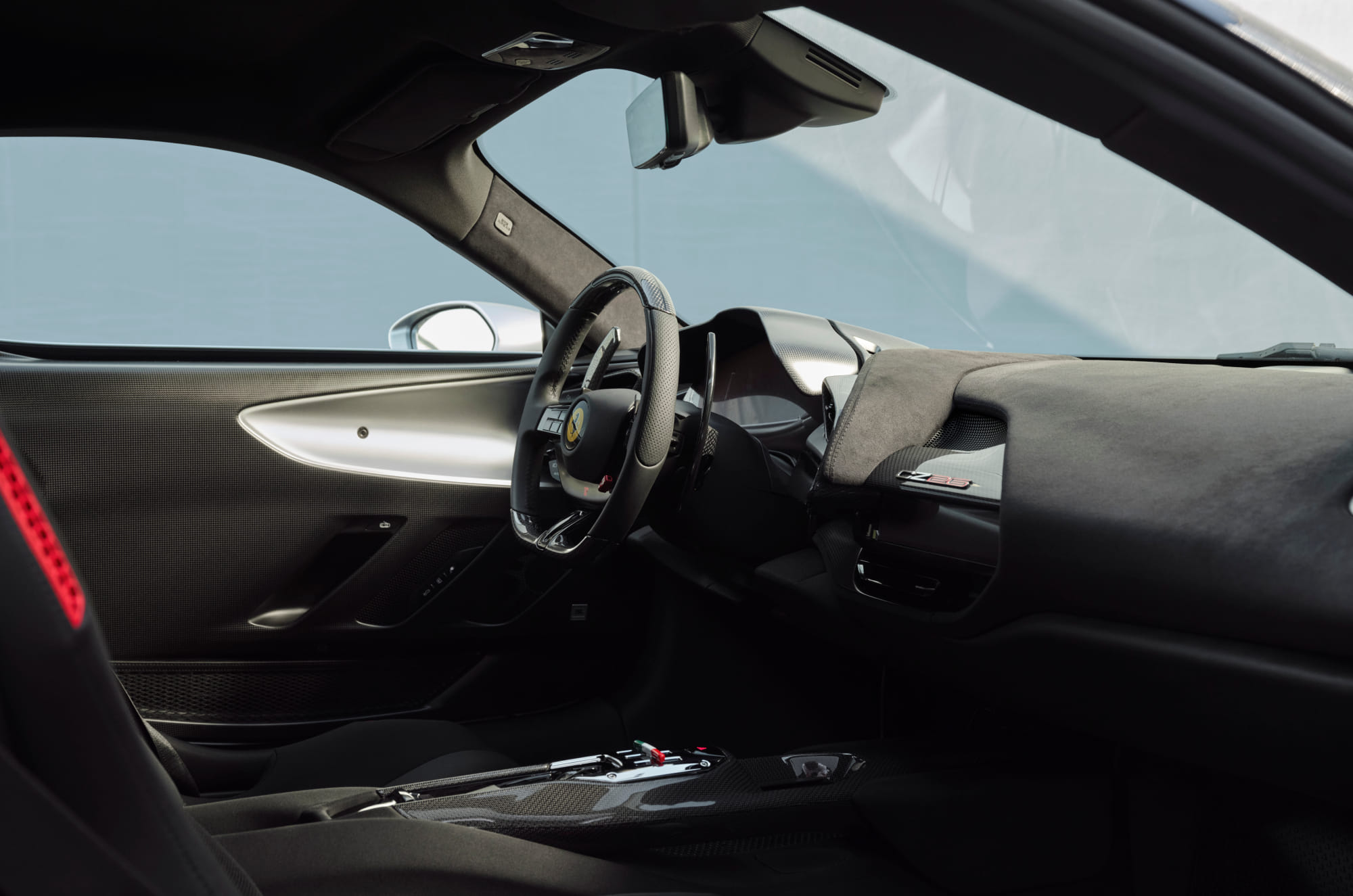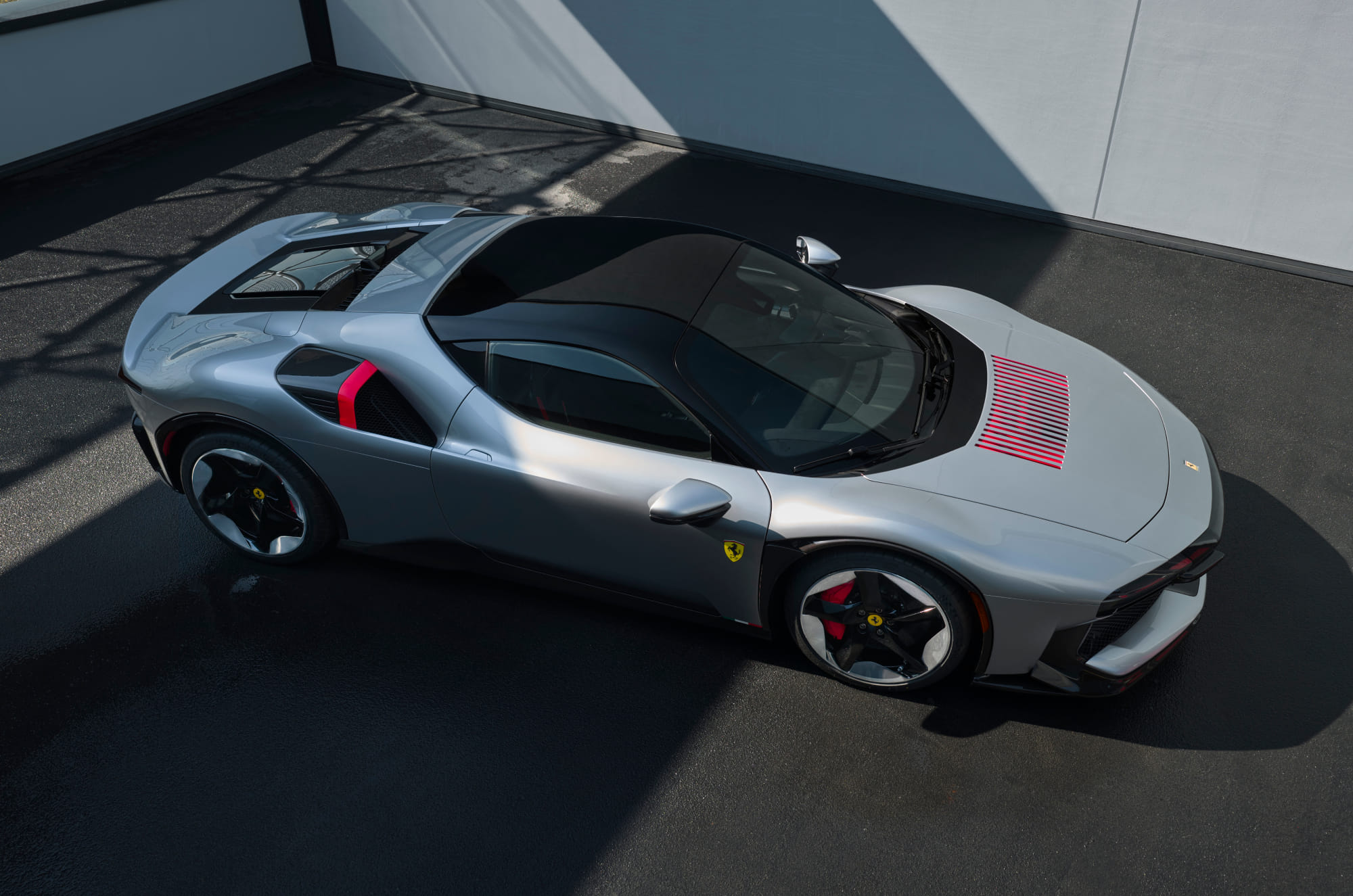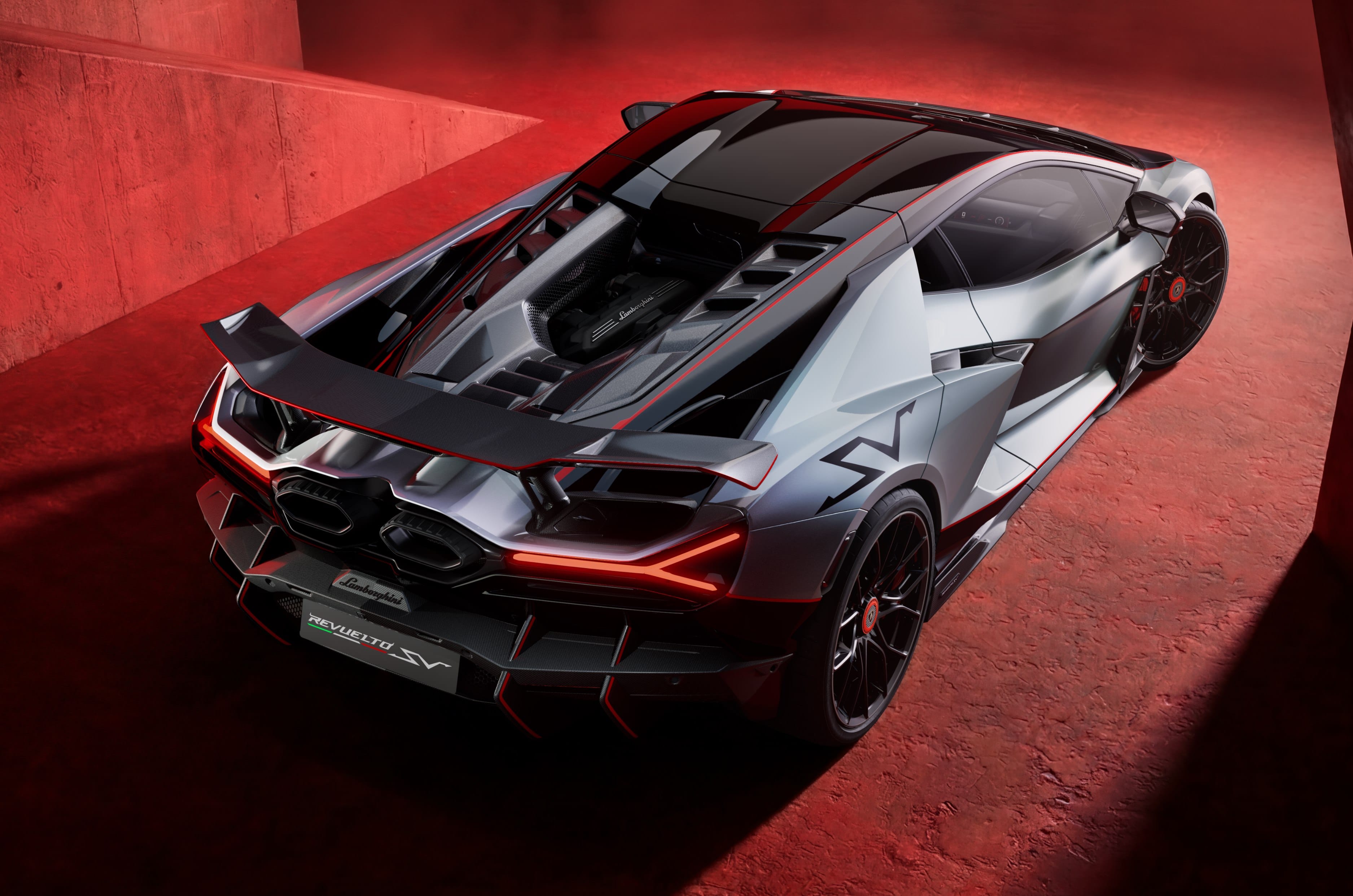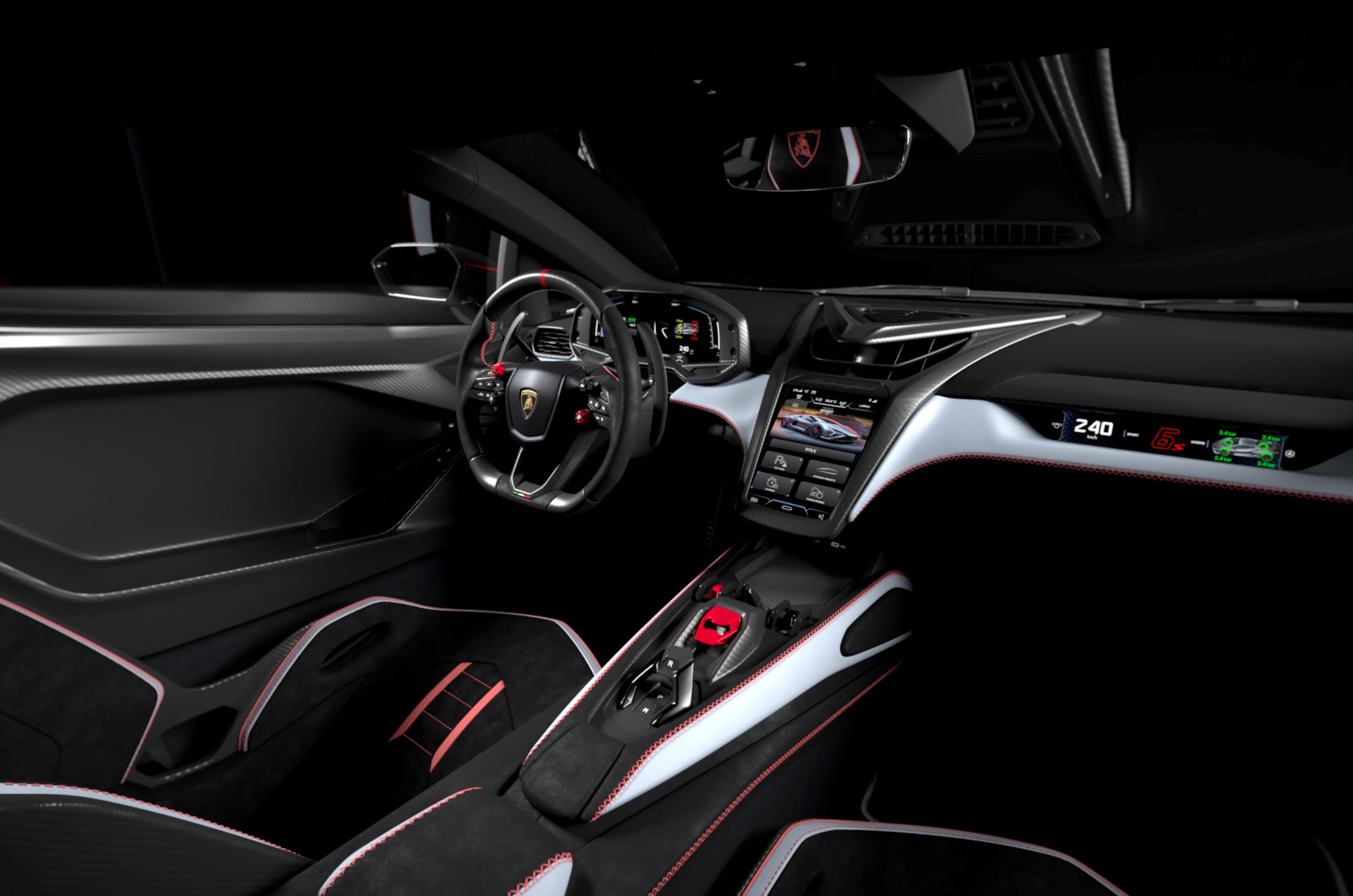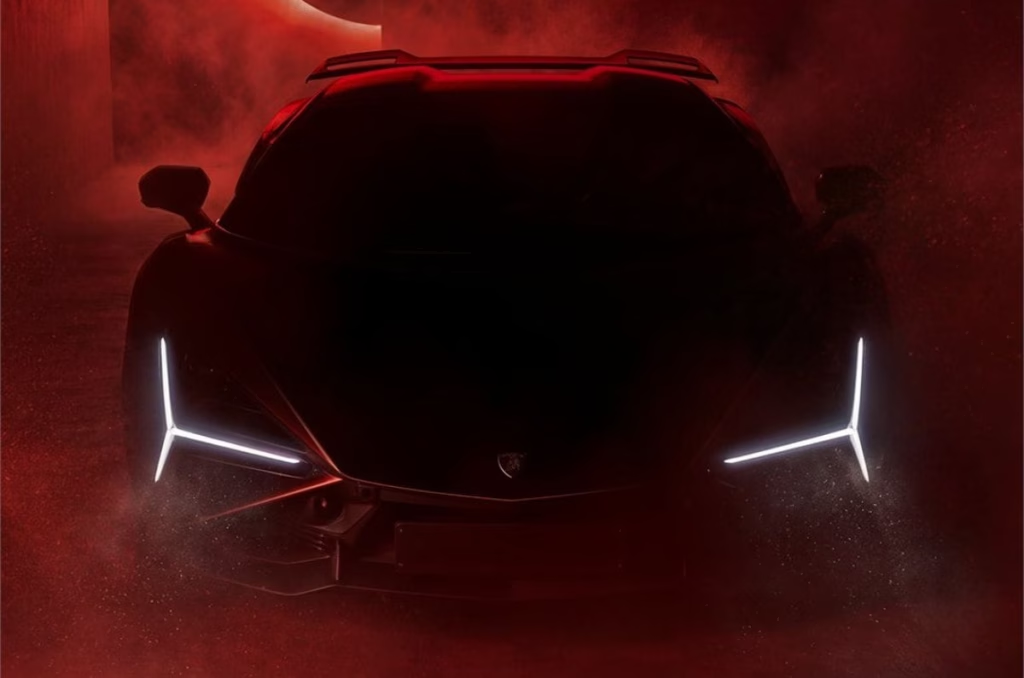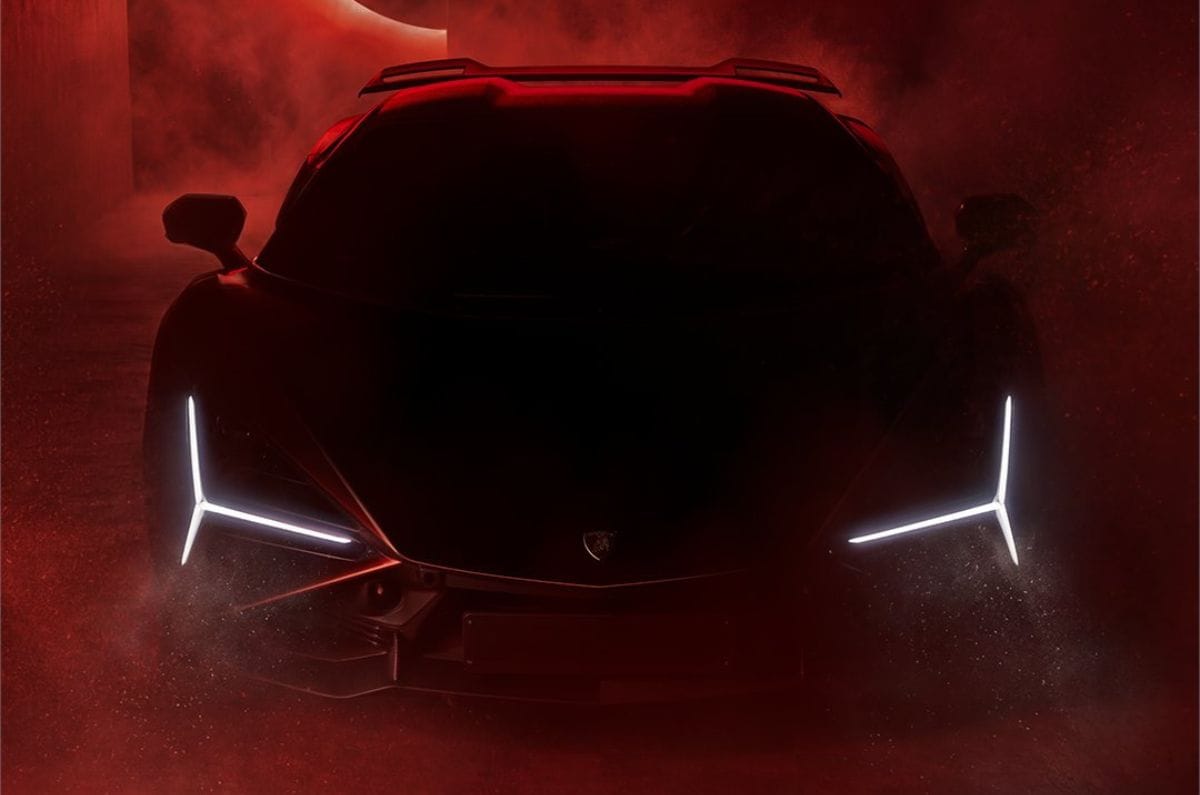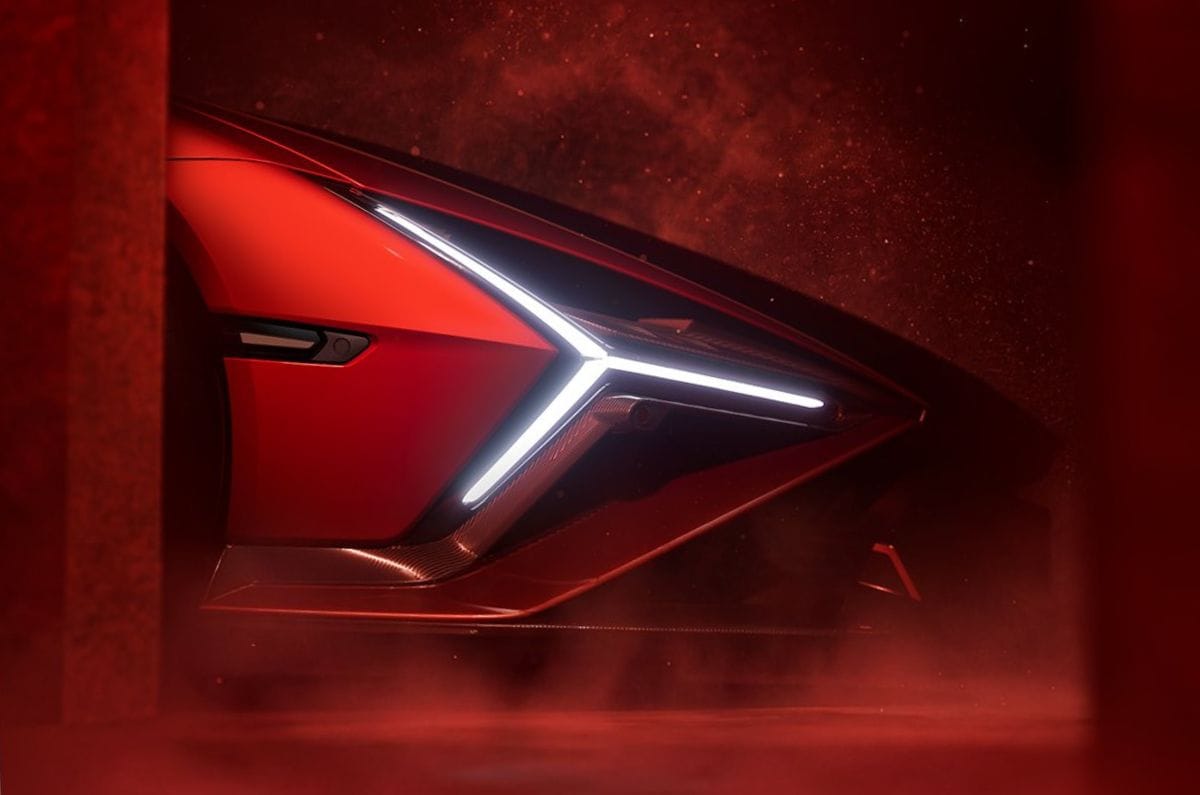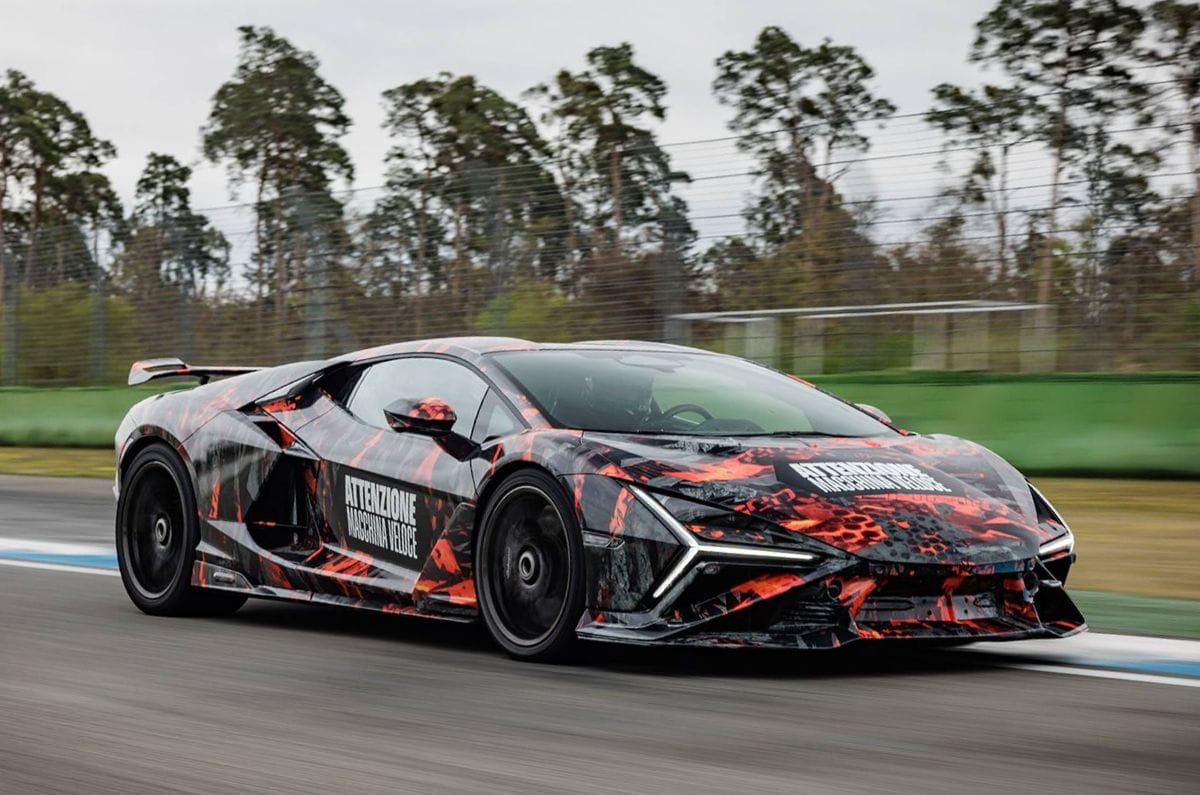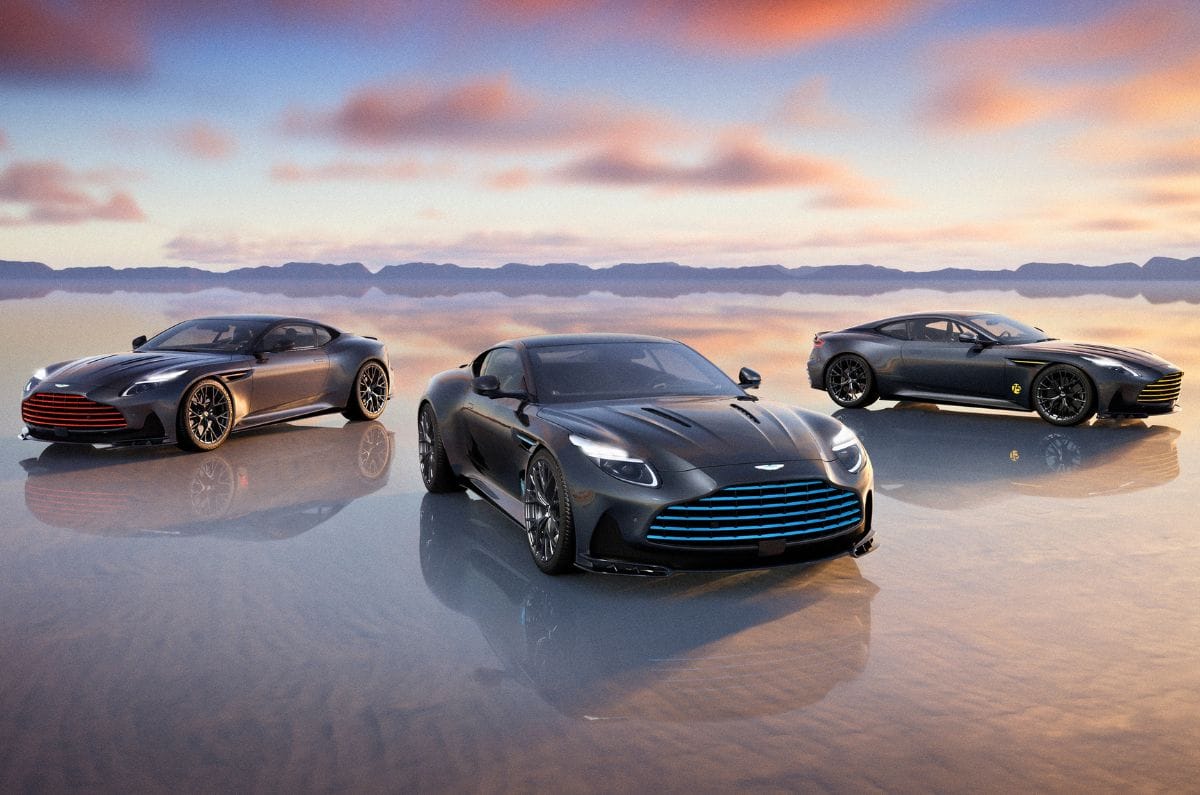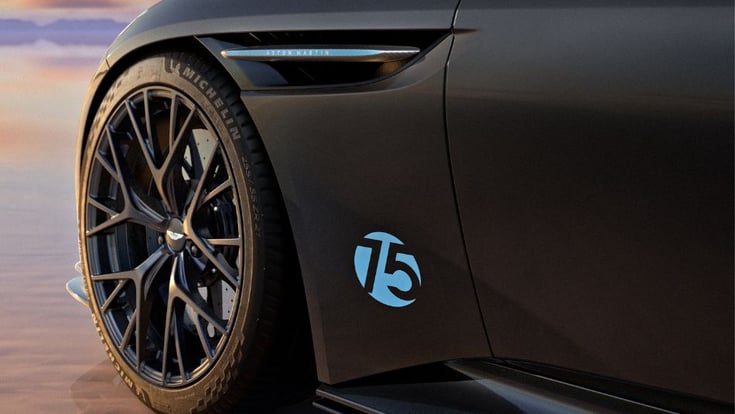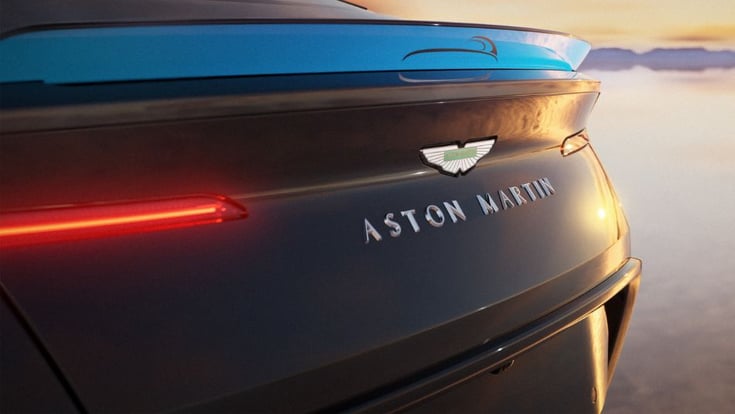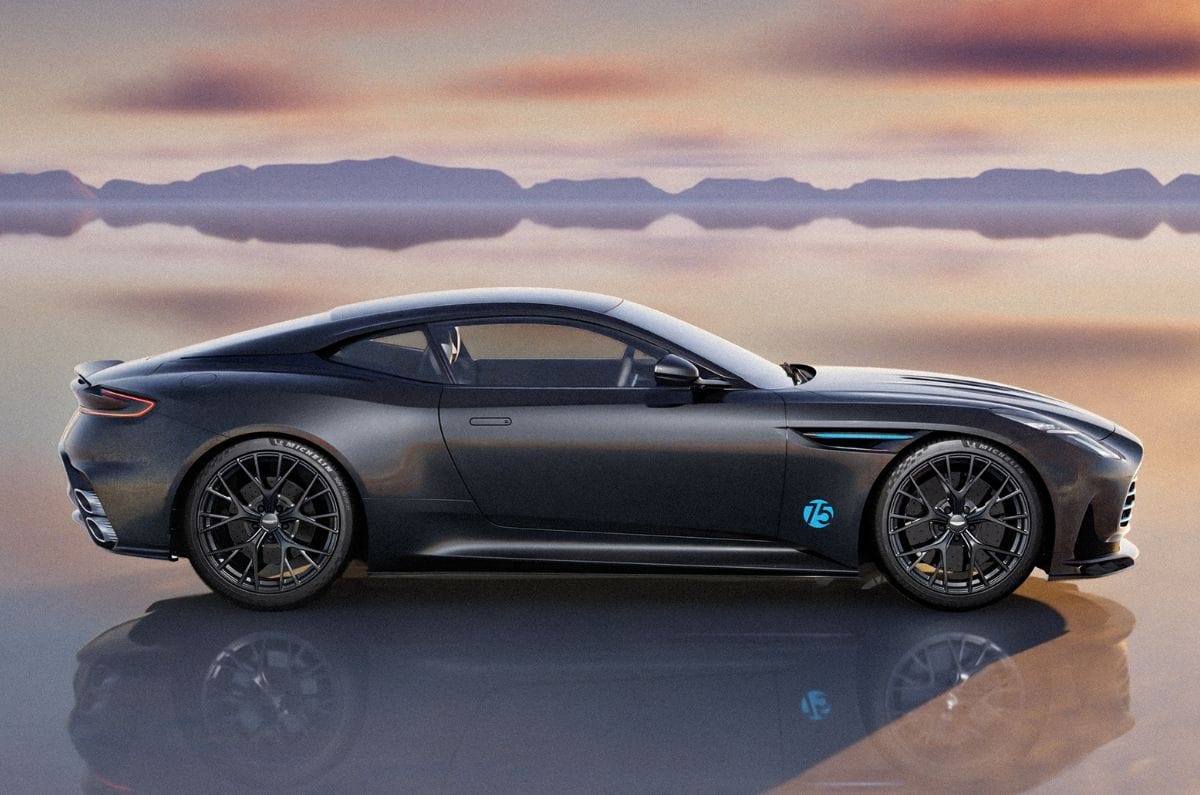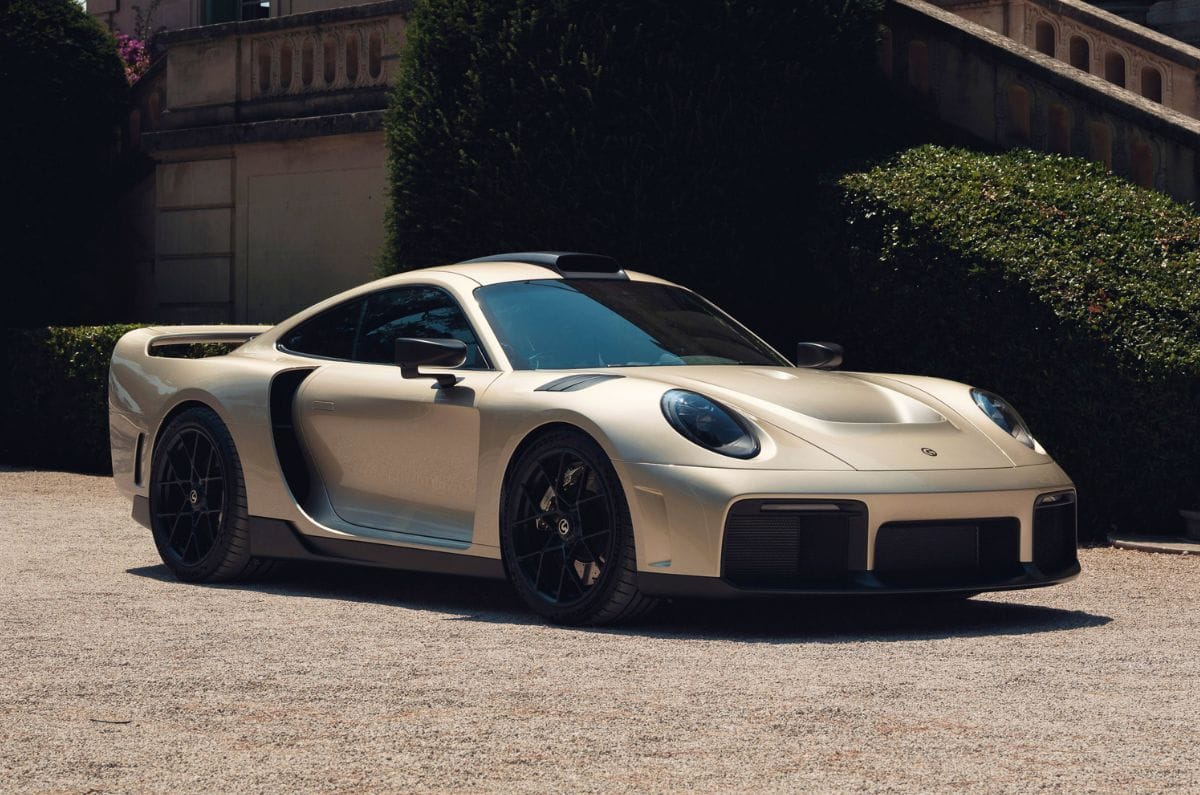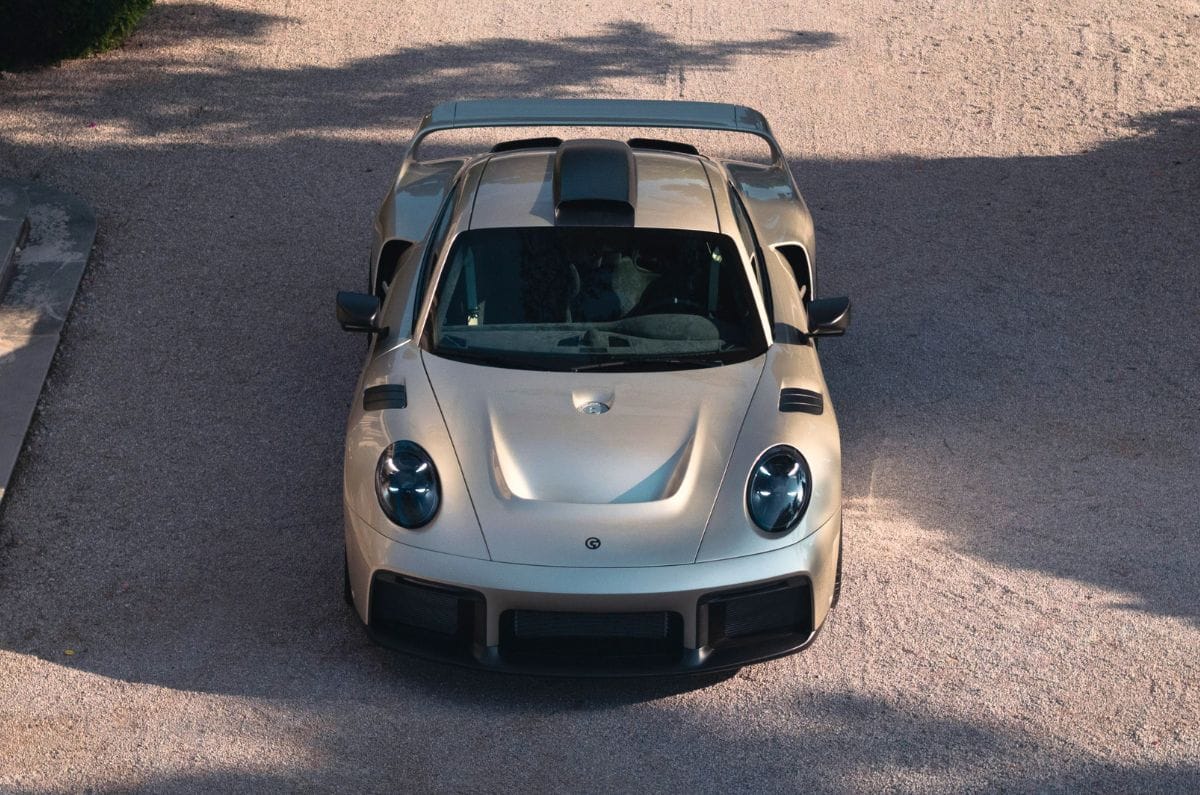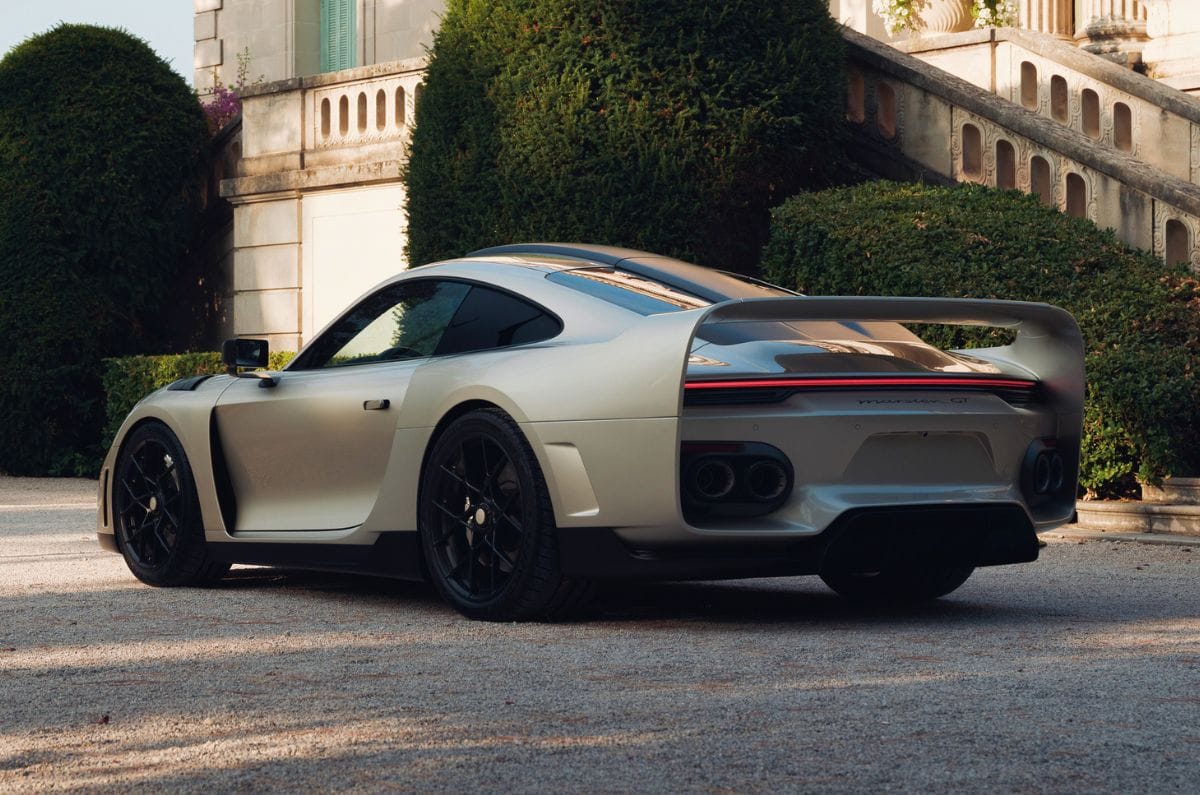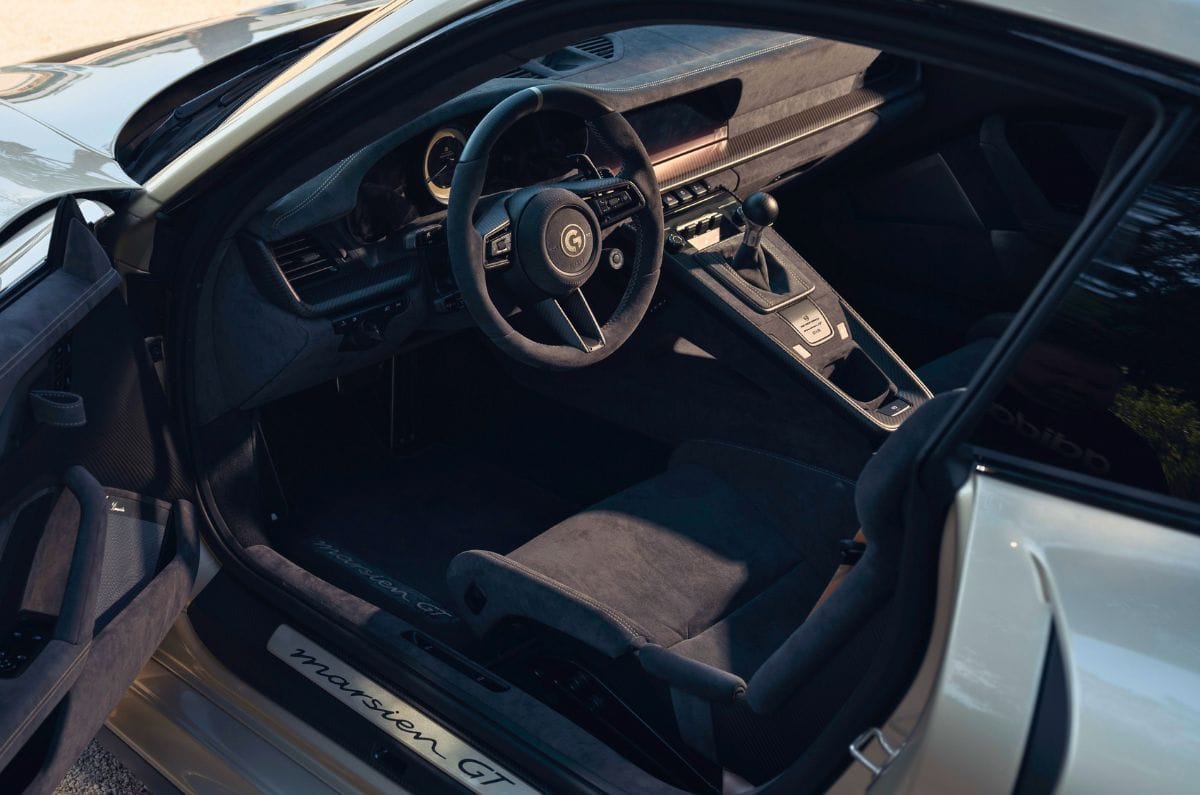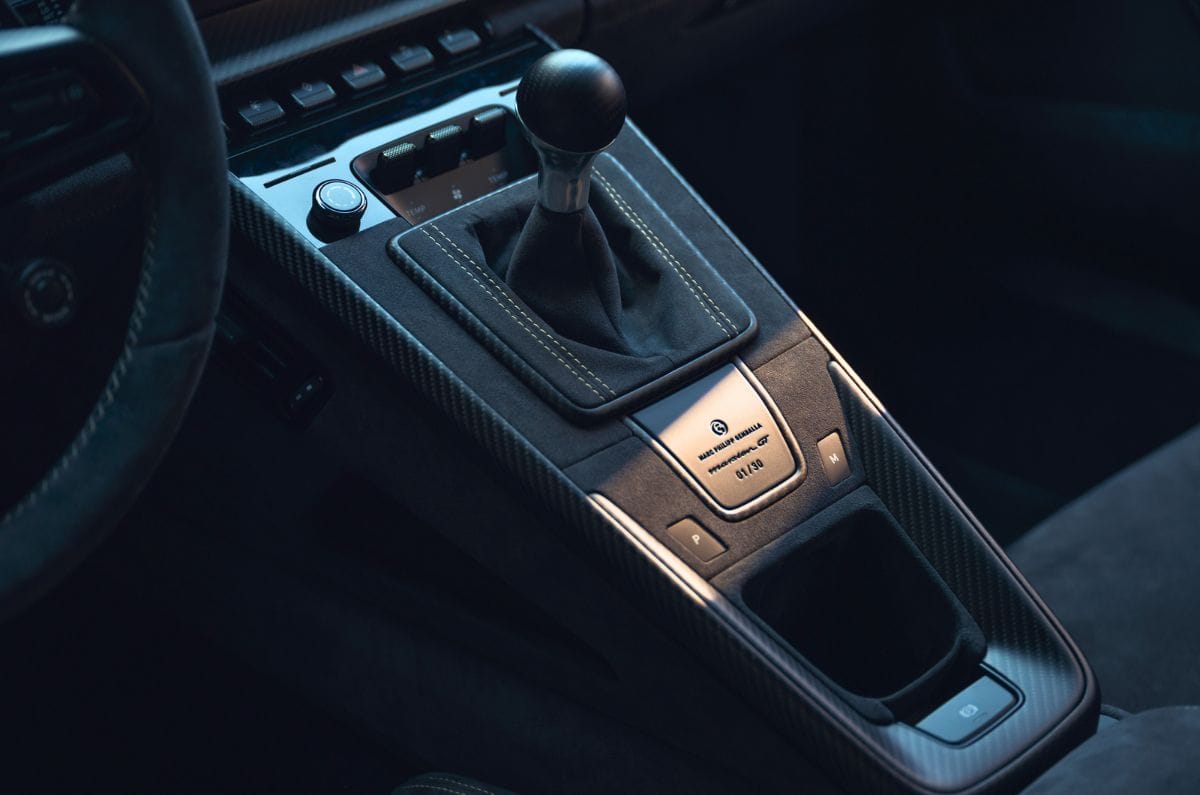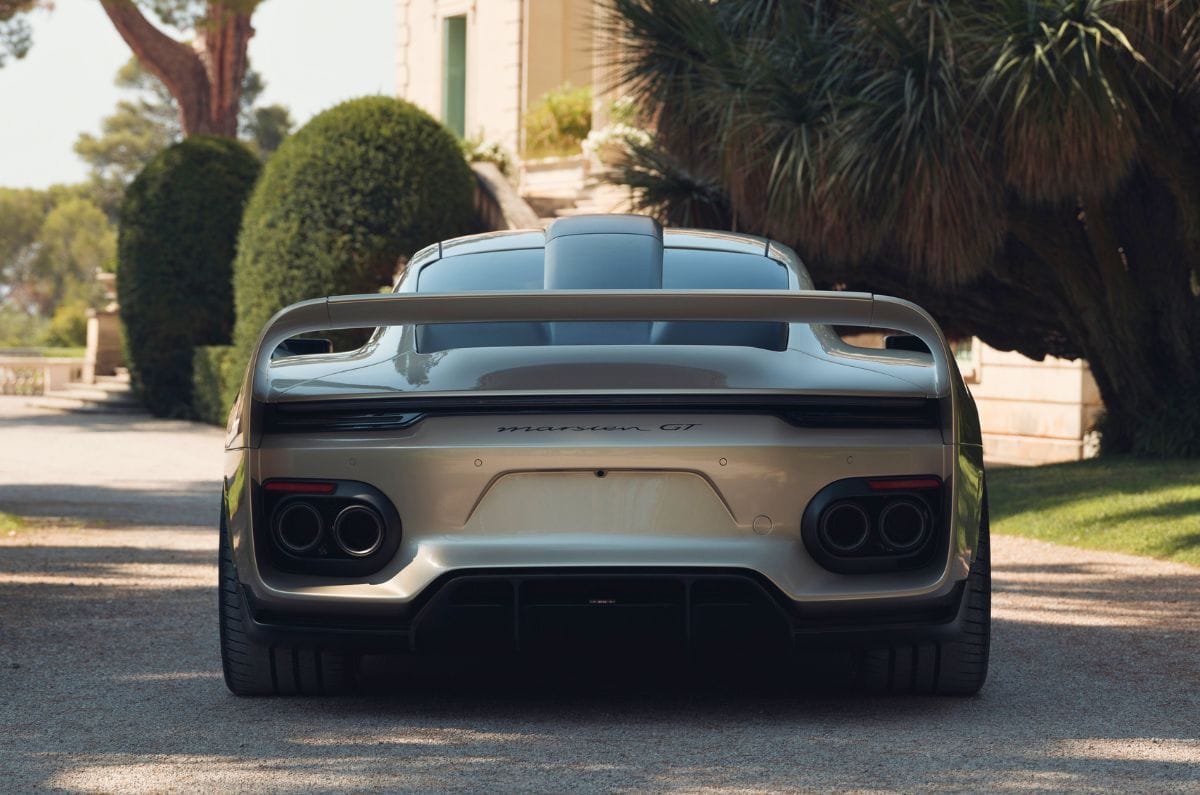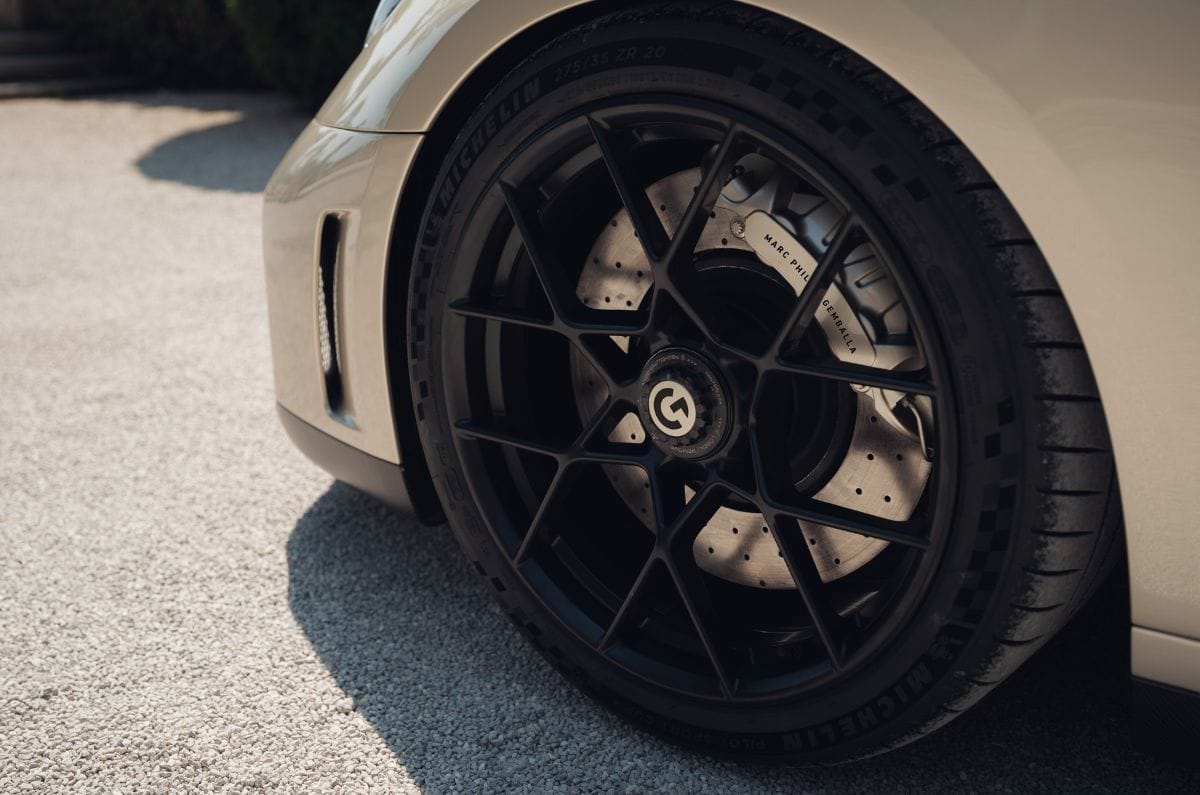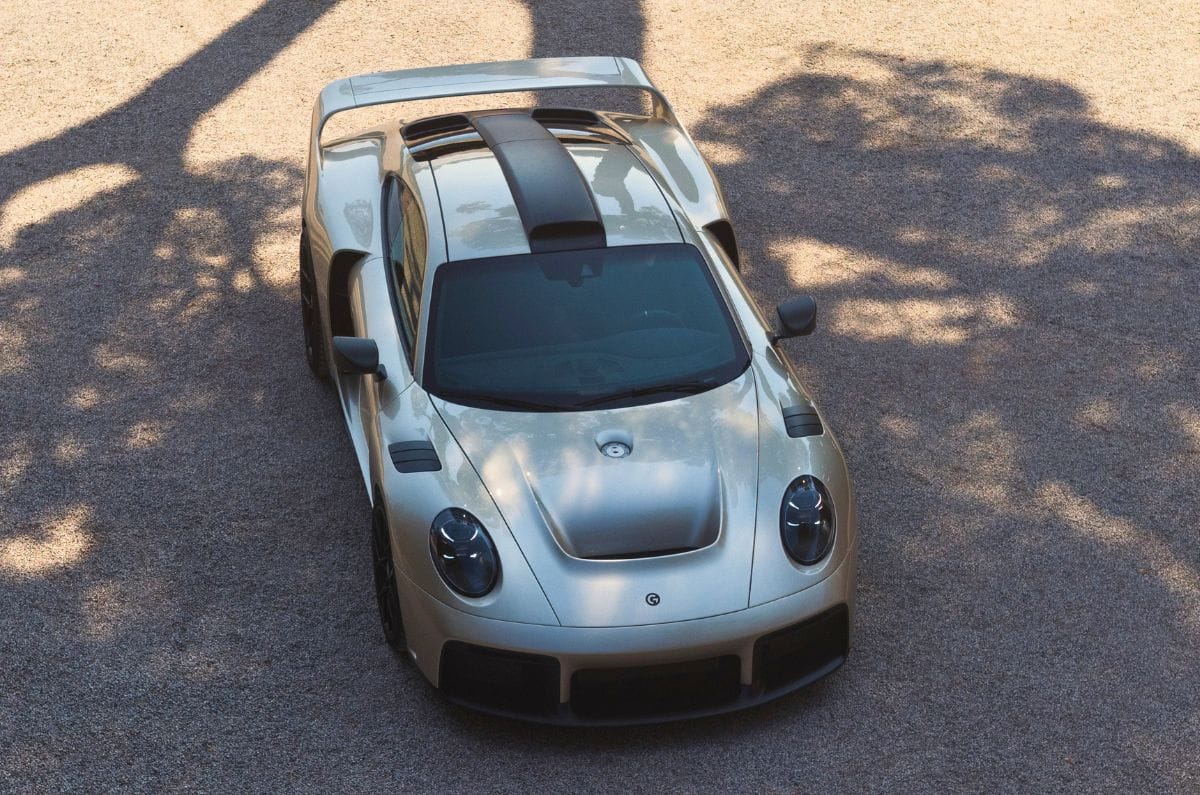
Bugatti Destrier image gallery

Bugatti Destrier

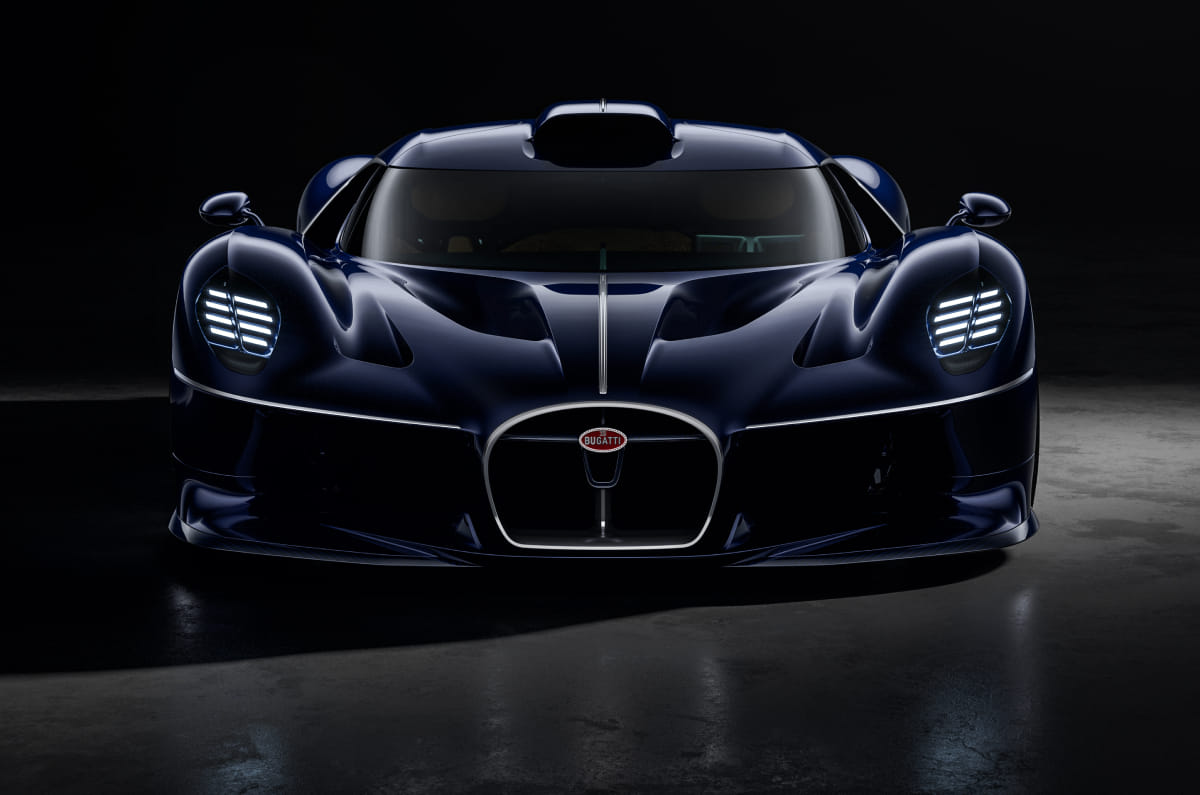
The Bugatti Destrier is a one-off hypercar created under the brand’s Programme Solitaire bespoke division. Based on the track-only Bolide, it retains the carbon-fibre chassis and 1,600hp quad-turbo W16 engine but features an all-new body inspired by the legendary Type 57SC Atlantic. Unlike the Bolide, the Destrier has been designed with a greater emphasis on elegance, craftsmanship and grand touring rather than outright track performance. It is also the lowest Bugatti ever built at just 1 metre tall and wears a bespoke ‘Sapphire Celeste’ paint finish. Bugatti has not disclosed the Destrier’s price, as with its previous Solitaire projects.

Bugatti reveals one-off Destrier hypercar

Bugatti Destrier

Bugatti has revealed the Destrier, a one-off hypercar created under its Programme Solitaire bespoke division. The third one-off commission after the Brouillard and F.K.P. Hommage, the Destrier is based on the track-only Bolide but adopts an all-new body inspired by the Buggati Type 57SC Atlantic, widely regarded as one of the most beautiful cars ever built. While it retains the Bolide’s W16 powertrain, the Destrier has been conceived as a design-led grand touring hypercar rather than one focused on outright lap times.

  1. Based on the Bugatti Bolide’s carbon-fibre chassis
  2. Retains the 1,600hp quad-turbo W16 engine
  3. Third one-off created under Bugatti’s Programme Solitaire

Bugatti Destrier: exterior

The Destrier shares its carbon-fibre monocoque with the Bolide but wears completely new bodywork. Inspired by the Type 57SC Atlantic, it features a cleaner, more sculpted design with fewer aerodynamic add-ons than its track-focused sibling. The signature Bugatti C-line has been reinterpreted, while redesigned lighting elements, a wider horseshoe grille, blended rear wing and pronounced rear haunches distinguish it from the Bolide.

Standing just 1 metre tall, the Destrier is the lowest Bugatti ever built. It rides on 20-inch front and 21-inch rear wheels, with the proportions intended to resemble those of a medieval war horse, from which the car takes its name. The one-off is finished in a bespoke Sapphire Celeste paint shade created exclusively for its owner, with polished aluminium trim and tinted exposed carbon-fibre accents.

Bugatti Destrier: interior

Unlike the stripped-out cockpit of the Bolide, the Destrier’s cabin has been redesigned with a greater emphasis on craftsmanship and luxury. It uses ‘Ambre Voyageur’ leather and nubuck upholstery, together with a bespoke 3D-knitted textile woven with copper yarn. 

Hammered metal finishes on the door handles, air vents, steering wheel hub and entry plates reference the car’s medieval inspiration, while a discreet French flag pays tribute to Bugatti’s heritage.

Bugatti Destrier: engine and performance

Power comes from the Bolide’s 8.0-litre quad-turbocharged W16 engine, producing 1,600hp. The company has not disclosed performance figures, stating that the Destrier’s focus is on design and craftsmanship rather than outright speed.

The Destrier continues to use the Bolide’s carbon-fibre chassis and running gear, although Bugatti has not confirmed any mechanical changes beyond the new bodywork.

The Destrier is a one-off (1/1) commission created under Bugatti’s Programme Solitaire and will make its public debut during Monterey Car Week, culminating at the Pebble Beach Concours d’Elegance on August 16, 2026. As with previous Solitaire projects, Bugatti has not disclosed the price.

Bentley Torcal EV interior teased ahead of September 23 reveal

Bentley Torcal EV interior teased ahead of September 23 reveal

The upcoming Bentley Torcal’s interior design has been teased ahead of its global debut on September 23. The Torcal is Bentley’s first take on an all-electric car, whose pre-production began in November 2025 at the manufacturer’s Crewe facility in England. 

  1. The teaser shows physical buttons for dual-zone AC and volume controls
  2. A rotary dial on the centre console is used to select between 4 drive modes
  3. Drive modes alter mechanical settings and the in-cabin environment

Originally slated to debut in 2025, the Torcal has been delayed as Bentley revised its electric plans in response to weakening global demand for luxury EVs.

Bentley Torcal EV interior teased: What was spotted?

Bentley will offer a lot of physical buttons with the Torcal EV

While the full interior will be seen on September 23, the teaser reveals that Bentley, always known for its tactile interior controls, is not doing away with physical buttons on the Torcal. The Torcal will get these physical controls on the steering wheel and the centre console. 

The teaser video also reveals a curved climate control panel on the centre console, which could be integrated with the infotainment system, like on the Porsche Cayenne Electric. Beneath the screen are a slew of physical controls for AC, volume and starting/stopping the EV. In fact, the temperature, blower control buttons and volume scroller are not only finished in silver for added contrast but also textured.

Another standout feature is the illuminated rotary dial surrounding the push-button start/stop. This control operates the ‘Curation Engine’, tailoring the EV’s character through four drive modes: Bentley, Comfort, Sport, and Refresh. Each mode goes beyond adjusting the vehicle’s driving dynamics, also transforming the cabin atmosphere by altering the lighting, soundscape, and even air quality for a distinct sensory experience for the user.

Other bits seen on the teaser include winged seat headrests, light-coloured seat upholstery with embroidered Bentley logos, a mix of fabric, carbon-fibre and leather materials on the door pads with ambient lighting, and carbon-fibre and wooden trims on the dashboard. Physical buttons for locking and unlocking the doors, circular speakers and circular AC vents can also be spotted. 

Bentley Torcal EV: Other details

Built on the PPE platform; will get a 113kWh battery pack with around 500km range

The Bentley Torcal EV shares its underpinnings with the Volkswagen Group’s PPE platform. The Bentley EV will not only share the platform with the Porsche Cayenne Electric, but will also use its 113kWh battery supporting up to 390kW DC fast-charging speeds. Commenting on the Torcal’s range, Bentley’s director of design, Robin Page, previously told our sister publication Autocar UK that “customers are basically telling us that 300-350 miles (483-563km) is that sweet spot”. 

The Bentley Torcal is expected to be offered with a dual-motor all-wheel-drive setup as standard. However, it will be interesting to see whether it matches the Cayenne Electric Turbo’s total output of 1,156hp and 1,500Nm. 

Hennessey Blackbird revealed with naturally aspirated V8, manual gearbox

Hennessey Blackbird

Hennessey has unveiled the Blackbird, its latest hypercar inspired by the Lockheed SR-71 Blackbird reconnaissance aircraft. While the Venom F5 was developed with outright speed and power as its priority, the Blackbird instead places greater emphasis on driver engagement through a naturally aspirated V8, rear-wheel-drive layout, a 6-speed manual gearbox and a screen-free cabin. Production will be limited to 71 units, and customer deliveries are scheduled to begin in 2029.

  1. Naturally aspirated 6.2-litre V8 revs to over 9,000rpm
  2. Targets sub-1,360kg dry weight and 354kph top speed
  3. Screen-free cabin with analogue dials and manual gearbox

Hennessey Blackbird: Engine and performance

Powering the Blackbird is an all-new 6.2-litre naturally aspirated V8, developed with Ilmor Engineering, the company known for its work in IndyCar and NASCAR. Hennessey says the engine will produce 811-862hp, rev beyond 9,000rpm and be the world’s most powerful production naturally aspirated V8. Power is sent exclusively to the rear wheels via a 6-speed manual gearbox with an exposed gate and an exposed linkage.

Without turbochargers or hybrid assistance, Hennessey says the V8 has been engineered to deliver immediate throttle response, linear power delivery and a more engaging soundtrack.

Hennessey claims the Blackbird can sprint from a standstill to 97kph in under 3.0 seconds and reach a 354kph top speed. The Blackbird uses a bespoke carbon-fibre monocoque and carbon-fibre bodywork, giving it a targeted dry weight of under 1,360kg, while also featuring adaptive suspension, Michelin Pilot Sport Cup 2 tyres, ABS and traction control. Despite these performance figures, Hennessey says the focus remains on delivering a more involving driving experience and long-distance usability than on outright performance figures.

Hennessey Blackbird: Exterior design

The Blackbird’s styling takes direct inspiration from the SR-71 Blackbird aircraft. The most distinctive elements are the pair of active vertical stabilisers at the rear, which deploy at speeds above 71mph (114kph) and sit at +/-71 degrees to improve stability and downforce. The diamond-shaped quad exhaust is inspired by the Bell X-1, the first aircraft to break the sound barrier, while the sculpted side pods and bodywork are said to be influenced by Formula 1 and aerospace design. The crisp body-side chine line is another defining styling element of the Blackbird, directly inspired by the SR-71.

Beyond its aircraft-inspired styling, the Blackbird has been engineered for high-speed stability and improved usability. Hennessey says improvements such as a larger glasshouse, better visibility and increased luggage capacity over the Venom F5 are intended to make the car more practical for longer journeys.

Hennessey Blackbird: Interior

The Blackbird’s cabin adopts a deliberately analogue layout. Instead of a digital instrument cluster and central touchscreen, it gets traditional analogue dials, an exposed gear linkage, physical switchgear and a traditional, insert-and-twist ignition key. Smartphone connectivity is handled through the “Hennessey holster”, a dedicated phone mount rather than an integrated infotainment system, while the steering wheel is free of buttons.

Hennessey says the cabin offers more space than the Venom F5 and enough luggage capacity for two full-size carry-on bags. The company also claims the Blackbird has been designed to cover over 1,200km comfortably in a single day, underlining its touring-focused brief.

Hennessey Blackbird: Production

Production of the Blackbird will begin in Texas in 2029, and prices start at USD 2.5 million (around Rs 24 crore), before taxes. Just 71 examples will be built, and more than two-thirds of production has already been allocated ahead of its public debut on August 14 at The Quail during Monterey Car Week in California.

Mercedes-AMG E53 Hybrid 4MATIC+ review: Current Affair

Mercedes-AMG E53 front quarter tracking

The Mercedes-AMG E53 Hybrid 4MATIC+ arrives at a time when performance cars are being asked to do more than simply go fast. It has to deliver the pace and character expected of an AMG while embracing electrification to meet increasingly stringent emissions norms and changing buyer expectations. The result is a plug-in hybrid performance sedan that combines a 3.0-litre turbo-petrol inline-six engine with an electric motor for a formidable system output of 585hp, while also offering enough electric-only range for mundane daily drives.

But this isn’t just an E-Class with a bigger battery and more power. The E53 gets AMG-specific chassis hardware, all-wheel drive, rear-wheel steering and a suite of performance-focused electronics designed to counter the added weight. Can this electrified AMG still deliver the thrills enthusiasts expect while remaining a genuinely usable luxury sedan every day?

Mercedes-AMG E53 Exterior Design and Engineering

Expectedly, the E 53 has put on quite a bit of muscle. The front bumper is sportier, with large air dams. The Panamericana grille gets illuminated surrounds and is wide enough to gulp massive amounts of air to cool the engine, while the power lines on the bonnet add more intent to its character.

The E53 has good amount of muscle with aggressive bumpers, big grille and power lines

The profile flaunts flared wheel arches, larger 20-inch wheels (the last-gen E 53 featured 19-inchers) and, like before, a standard wheelbase, giving it sportier proportions than the long-wheelbase E-Class.

At the rear, there’s an E 53 badge with red highlights, a quad-exhaust setup that isn’t actually connected to the exhaust pipes, a diffuser and a ducktail spoiler that’s large enough to be noticed but won’t do much for downforce.

Not being a long wheelbase gives it perfect proportions

Overall, it’s a handsome-looking car with just the right amount of restraint. However, if you’re looking for a bit more visual drama, you’ll have to pay extra for the MANUFAKTUR paint finishes, as the standard colour palette is more E-Class than AMG.

Mercedes-AMG E53 Interior Space and Comfort 

Inside, the E 53 strikes an appealing balance between luxury and sportiness. Instead of carbon-fibre or piano-black trim, Mercedes has used open-pore wood that feels rich and tactile. A large central MBUX touchscreen dominates the dashboard, while the passenger display found on the standard E is absent – not particularly bothersome given how good the main screen is.

Red and black upholstery looks racy while open pore wood adds luxe factor

The AMG sports seats offer plenty of support and adjustment, although ventilated and massage functions are missing. Likewise, the chunky AMG steering wheel feels superb in hand but is cluttered with touch-sensitive controls that remain frustrating to use.

Rear-seat space is naturally tighter than the long-wheelbase E-Class, but there’s still enough room for two adults to travel comfortably. Manual sunblinds and a panoramic sunroof add to the ambience, although the large transmission tunnel makes this a strict four-seater.

There’s good space in the rear despite this not being a long wheelbase

The boot, however, sees the biggest compromise. At 370 litres, it’s 170 litres smaller than the standard E-Class because the battery sits beneath the floor. There’s no spare wheel either, with its space instead occupied by the charging cable and puncture repair kit.

Mercedes-AMG E53 Features and Safety

The E 53 is a well-equipped sedan despite missing features such as ventilated seats. The centre screen is the brains of the operation and, unfortunately, many of the controls are routed through it, making them difficult to operate on the move.

We’ve praised the MBUX infotainment system for its clear interface and high-resolution display, but usability isn’t its strongest suit. The large screen makes it difficult to accurately select the desired function while driving.

Too many controls on the steering is distracting

The E 53 gets a comprehensive suite of driver assistance systems, including Lane Keep Assist, Automatic Emergency Braking, Rear Cross Traffic Alert and Blind Spot Monitoring. Thankfully, these systems can also be switched off manually if required.

The 360-degree camera is crisp and high-resolution, while the 17-speaker Burmester 4D audio system delivers an exceptional listening experience. As impressive as the sound system is, however, it ultimately plays second fiddle to the performance on offer.

Mercedes-AMG E53 Performance and Refinement

Like before, the new E 53 is powered by a 3.0-litre turbo-petrol straight-six engine. This time, however, it gets support from a 28.6kWh battery pack and an electric motor, taking the combined output to 585hp and 750Nm.

585hp six-cylinder engine makes 150hp more than before

Unlike the bigger PHEV AMGs, the E 53 isn’t an ‘E PERFORMANCE’ model, which means the electric motor is mounted within the gearbox housing rather than integrated into the rear axle. Power is sent to all four wheels via the familiar 9-speed automatic transmission, and the E 53 gets a host of drive modes that are noticeably different from one another.

‘Individual’ lets you tailor the engine, gearbox and suspension to your liking. ‘Battery Hold’ prevents the car from using the battery charge, saving it for when you truly need it. ‘EL’ is the full-electric mode, provided there’s sufficient charge in the battery. ‘Comfort’ offers a more relaxed setup, ‘Sport’ sharpens the responses, and ‘Sport+’ is the most aggressive setting.

Naturally, Sport+ is the mode you’ll spend most of your time in if you want the E 53 to feel like a proper AMG. The exhaust note, the urgency of the power delivery and the firmer suspension all come together beautifully. With the engine and electric motor working at full tilt, straight-line performance is genuinely rapid. Acceleration is smooth yet thrilling, as the engine piles on speed rapidly without the neck-snapping brutality of a powerful EV. Power delivery is strong and linear across the rev range, and the gearbox complements the aggressive character of Sport+ perfectly. 0-100kph takes just 4 secs with the ‘Race Start’ which is essentially launch control included in the AMG Dynamic Plus package as power jumps up to 612hp.

For greater driver involvement, you can also engage ‘M’ mode, which gives you full manual control of the gearbox. It will happily bounce off the limiter without automatically upshifting until you pull a paddle.

The exhaust note is a bit of a mixed bag. It’s genuine, but it’s also channelled into the cabin through the speakers and a subwoofer in the boot. It’s not the ideal solution because, outside the car, the engine and exhaust produce a genuinely enjoyable snarl. Still, in an era of synthesised, computer-generated soundtracks, a real exhaust note—even if it’s amplified through the speakers—is worth appreciation.

Switch to Comfort mode and the E 53 adopts an entirely different character. It’s calm, refined and smooth, with gentler power delivery that’s well suited to long-distance cruising.

Where the powertrain disappoints is in city traffic and slow stop-start driving. The gearbox is simply too eager and, even in Comfort mode, it feels a bit like walking an overexcited Rottweiler. It’s constantly trying to surge forward and grab the next gear before you’ve asked it to. The constant shuffling through the lower gears results in unnecessary jerks that spoil the experience.

The solution is to engage EL mode. It’s almost as if it was designed specifically for this scenario. In EL, the E 53 feels smooth and effortless. There’s very little noise apart from the drone generated by the Michelin Pilot Sport 4S tyres, which can be quite rumbly, especially on concrete surfaces.

Braking is less convincing, however. Despite massive 390mm front discs and regenerative braking, the pedal never delivers a natural or consistent feel. Stopping power is strong, but the spongy, inconsistent pedal detracts from an otherwise polished driving experience.

Mercedes-AMG E53 Mileage and Efficiency

One of the biggest talking points of the new E 53 isn’t its staggering performance, but the fact that it can deliver it without constantly visiting a fuel station. This plug-in hybrid marks a significant shift in AMG’s philosophy, combining electrification with a silky-smooth six-cylinder engine to create a performance sedan that’s as comfortable commuting as it is attacking a mountain road.

Charging via an 11kW AC charger will replenish the battery in 2.25 hrs; No DC charging option

The headline figure is a claimed electric-only range of up to 100km, courtesy a 28.6kWh battery pack. You can expect 75-90km on electric power alone making it entirely possible to complete daily urban commutes without firing up the engine. 

Once the battery begins to deplete, the turbocharged 3.0-litre inline-six takes centre stage. Even then, the hybrid system continues to contribute through regenerative braking and electric assistance, ensuring the E 53 feels responsive while reducing fuel consumption compared to a conventional performance sedan. Mercedes has also equipped the car with four regenerative braking modes, allowing drivers to maximise energy recovery or opt for a more natural driving experience. For owners with access to home or workplace charging, fuel stops could become surprisingly infrequent. Charging is equally convenient, with the 11kW AC onboard charger replenishing the battery in around three hours.

28.6kWh battery allows for an electric-only range of 100km

Mercedes-AMG E53 Ride Comfort and Handling

For those who enjoy being behind the wheel, the E 53 delivers in abundance. Despite carrying the additional weight of a sizable battery pack, it feels remarkably composed. In Sport and Sport+, the car tightens up noticeably. Body roll is kept firmly in check, the dampers become more alert, and the steering gains welcome heft. What impresses most is how well the chassis disguises its mass. The battery may add considerable weight, but it’s mounted low in the car, lowering the centre of gravity and lending the E 53 impressive stability through fast corners.

The rear-biased 4MATIC+ all-wheel-drive system plays a major role here. The rear wheels can turn up to 2.5 degrees, which isn’t a huge amount, as you’ll still find yourself making the occasional three-point turn. Above 60kph, however, they turn in the same direction as the front wheels, adding another layer of stability through corners.

It is over 400kg heavier than the last-gen model but you just can’t feel it from behind the wheel

The Michelin Pilot Sport 4S tyres aren’t the quietest, but they allow the driver to deploy the combined output with confidence, even when exiting slower bends. Turn-in is crisp, and while the steering isn’t overflowing with feedback, it’s accurate enough to place the car confidently on a winding road. 

At low speeds, the adaptive AMG Ride Control suspension does an admirable job of filtering out broken tarmac, expansion joints and sharp-edged potholes. It isn’t perfect, though. Compared with the last-generation E 53, which rode on smaller 19-inch wheels with taller-profile tyres, the new car’s 20-inch wheels have sacrificed a degree of ride compliance. As a result, the low-profile tyres transmit the occasional thud over particularly nasty potholes.

The adaptive dampers mated with the active engine mounts offer terrific stability

Ultimately, the Mercedes-AMG E 53 Hybrid 4MATIC+ isn’t as razor-sharp as a dedicated sports sedan, nor is it as pillowy as the standard E-Class. Instead, it strikes an impressive middle ground, blending everyday comfort with genuine driver engagement. It’s a car that feels just as at home soaking up kilometres on the expressway as it does carving through a series of fast, flowing corners.

Mercedes-AMG E53 Value for Money

Prices start at Rs 1.45 crore for the Performance Edition and Rs 1.48 crore for the Racing Edition. In this price range, there isn’t a direct rival to the E 53. The BMW M5 is both more powerful and considerably more expensive, while the BMW M4 is effectively rivalled by the Mercedes-AMG CLE 53 as a two-door coupe. The Audi RS5, meanwhile, hasn’t been launched in India yet.

The E 53 succeeds because it doesn’t try to be everything at once. It delivers the pace, handling and character expected of an AMG while introducing meaningful electric-only capability that genuinely enhances everyday usability. The brakes may lack the natural feel you’d expect from a performance sedan, and the gearbox can feel over-eager in slow-moving traffic, but these shortcomings do little to overshadow what is otherwise a remarkably accomplished package.

Fast, engaging and surprisingly efficient, the new E53 Hybrid is one of the most complete performance sedans on sale today. More importantly, it proves that electrification doesn’t have to dilute the AMG experience—it can make it even more usable.

Audi debuts Q9 as its new flagship SUV

Audi debuts Q9 as its new flagship SUV

Audi has unveiled the Q9, its new flagship and largest SUV yet, marking the first use of the ‘9’ designation. Positioned above the Q7 as the brand’s second three-row SUV, the Q9 is set to launch in India in the second quarter of 2027 and will be locally assembled in the country. Globally, it is manufactured at Audi’s Bratislava plant in Slovakia. It will compete with the likes of the BMW X7 and Mercedes-Benz GLS.

  1. Offered in three trims globally: Advanced, S Line and SQ9 
  2. Gets Digital Matrix LED headlights, automatic doors, curved digital OLED taillights
  3. Features 7 seats as standard, while a 6-seater option is also offered at extra cost

The Audi Q9 is priced at 108,400 euros (around Rs 1.18 crore before taxes and duties), with international deliveries to commence in November 2026.

Audi Q9 SUV exterior design

Gets a plethora of exterior lighting features for improved safety

Up front, the Audi Q9 features a split-headlight setup with slim LED DRLs and Digital Matrix LED headlights. These incorporate micro-LED modules capable of projecting warning symbols onto the road surface, while the advanced turn signals project directional indicators onto the ground at night to improve visibility for other road users. The front fascia is dominated by a massive grille with illuminated vertical slats, giving it a distinct look compared to other Audi models. It also features an illuminated 2D Audi logo, while the bumper houses large air intakes and a centrally mounted radar sensor for the advanced driver assistance system (ADAS) suite.

In profile, the Audi Q9 adopts a clean and elegant design, with wheel sizes ranging from 20 to 23 inches. The 22- and 23-inch alloys come standard with acoustic foam inserts to reduce tyre noise, while black cladding around the wheel arches adds a rugged touch. The Q9 also features soft-closing automatic doors with collision-detection sensors. Grey brake callipers are standard, while red callipers are available as an option.

Audi is offering the Q9 with curved digital OLED taillights connected by a lighting strip featuring an illuminated Audi logo. The rear bumper’s black centre section and gloss-black surrounds create a bold contrast with the bodywork, while sharp creases and twin exhaust tips add to the SUV’s sporty character.

Here are the dimensions of the Audi Q9 SUV:

New Audi Q9 SUV dimensions

Length

5.31 metres

Width

2.21 metres

Height

1.81 metres

Wheelbase

3.14 metres

In the international market, Audi is selling the Q9 in standard ‘Advanced’, ‘S-Line’ and ‘SQ9’ avatars. 

SQ9 gets a different design for the grille, bumpers and alloy wheels

Compared to the standard Q9, the SQ9 gets a sportier front-end design with a revised grille featuring silver L-shaped inserts that give it a more elegant appearance. The front bumper also features a honeycomb mesh pattern for the air intakes. It rides on a new set of alloy wheels and gets silver trim around the window line and rear quarter glass. At the rear, the overall design remains largely unchanged, but the SQ9 stands out with a silver-accented bumper and quad exhaust tips, with two outlets on either side.

Audi Q9 SUV interior design and features

The SUV offers 7 seats and a triple-screen setup on the dashboard as standard

While the debut offers the first look at the Q9’s exterior, Audi had already revealed the interior in May. The Q9 is a three-row SUV offered as a seven-seater as standard, with an optional six-seat layout featuring captain’s chairs in the second row. Sport seats come standard in the front, and all three rows feature power-adjustable seats. The front seats also offer ventilation and massage functions, while the third row can be folded electronically via the infotainment system or controls in the boot.

To enhance the cabin’s luxurious appeal, Audi has incorporated extensive wooden trim across the dashboard and centre console. The dashboard features a three-screen layout, comprising a 12.3-inch digital driver’s display, a 14.5-inch driver-oriented infotainment touchscreen, and a 12.3-inch passenger display with a dedicated privacy mode. A new four-spoke steering wheel with a 2D Audi logo sits ahead of the driver, while the infotainment system runs on Android Automotive OS, allowing access to built-in apps without requiring a connected smartphone.

Gets a panoramic sunroof, 22-speaker sound system and Level-2 ADAS

The Q9 also comes equipped with Audi’s largest panoramic sunroof to date, a 22-speaker Bang & Olufsen 4D sound system with front-seat headrest speakers and actuators, dual wireless phone chargers, and USB Type-C charging ports for all three rows. Optional features include heated door and centre armrests, along with a panoramic sunroof that offers switchable transparency and illuminated elements that sync with the ambient lighting.

On the safety front, the Q9 is equipped with a Level 2 advanced driver assistance system (ADAS), a 360-degree camera, automated parking assist, and front and rear parking sensors. It also features Adaptive Driving Assistant Plus, which enables partial automated driving on approved highways and Autobahn sections at speeds of up to 130kph. Audi says this is a first for any model in its lineup.

The SQ9 is offered with a different cabin theme and carbonfibre trims

Compared to the standard Q9’s beige and black interior theme, the SQ9 gets a sportier black-and-white cabin theme along with a three-spoke steering wheel featuring an ‘S’ badge. The wood trim is replaced with carbon fibre elements, further enhancing its performance-oriented character.

Audi Q9 SUV powertrain options

Offered with a 3L V6 diesel engine with standard Quattro system

While manufacturers are shying away from diesel engines, Audi is offering the Q9 in the German market with a 3.0-litre V6 diesel engine that produces 299hp and 630Nm. It is offered with an 8-speed Tiptronic automatic transmission and ‘Quattro’ all-wheel-drive (AWD) setup. This engine is paired with a mild-hybrid system, offering 24hp of additional power for “powerful starts and highly efficient driving”.

A detuned version producing 245hp and 500Nm, mated to the same Tiptronic transmission, ‘Quattro’ AWD and mild-hybrid system, will be offered in the European market.

Audi is offering the Q9 SUV with adaptive air suspension as standard. While this suspension system automatically adjusts based on the speed, load and driving conditions, it can be manually adjusted by up to 90mm via the drive select menu. The Q9 also features all-wheel steering to increase manoeuvrability at low speeds and improve stability as the speeds increase. For optimal stopping power, it gets lightweight composite disc brakes at both ends, with 400mm discs at the front and 350mm units at the rear.

Weight Loss: वजन घटाने की शुरुआत करने जा रहे हैं? 116 से 60 किलो तक पहुंची कोच की ये 10 बातें जरूर पढ़ें

वजन कम करना सिर्फ शरीर में बदलाव लाने की प्रक्रिया नहीं, बल्कि धैर्य, अनुशासन और सही आदतों की लंबी यात्रा होती है। कई लोग इस सफर में शुरुआत तो करते हैं, लेकिन लगातार मेहनत और सही दिशा बनाए रखना सबसे बड़ी चुनौती बन जाता है। ऐसी ही प्रेरणादायक कहानी है अनुरीत क्वात्रा की, जिन्होंने अपनी मजबूत इच्छाशक्ति और सही रणनीति के दम पर करीब 56 किलो वजन कम किया। दो साल की लगातार मेहनत के बाद उन्होंने न सिर्फ अपना ट्रांसफॉर्मेशन किया, बल्कि अपनी फिटनेस और ताकत को भी नई ऊंचाई दी।

आज अनुरीत खुद फिटनेस कोच और न्यूट्रिशनिस्ट के रूप में लोगों को स्वस्थ जीवनशैली अपनाने में मदद कर रही हैं। अपने अनुभव से उन्होंने वजन घटाने से जुड़ी कई जरूरी बातें साझा की हैं, जो उन लोगों के लिए उपयोगी हो सकती हैं जो फिटनेस की राह पर आगे बढ़ना चाहते हैं।

प्रोटीन और स्ट्रेंथ ट्रेनिंग को बनाएं हिस्सा

अनुरीत के अनुसार, वजन घटाने के लिए सिर्फ कार्डियो करना काफी नहीं है। डाइट में पर्याप्त प्रोटीन और वेट ट्रेनिंग को शामिल करना जरूरी है। इससे शरीर में मांसपेशियां मजबूत होती हैं, फैट कम होता है और बॉडी शेप बेहतर होती है। साथ ही शरीर ज्यादा कैलोरी बर्न करने में सक्षम बनता है।

रोजाना ज्यादा चलने की आदत डालें

वर्कआउट जरूरी है, लेकिन पूरे दिन की छोटी-छोटी गतिविधियां भी वजन कम करने में बड़ा असर डालती हैं। रोजाना पैदल चलना, ज्यादा एक्टिव रहना और लंबे समय तक बैठे रहने से बचना फिटनेस लक्ष्य हासिल करने में मदद करता है।

फाइबर को नजरअंदाज न करें

वजन घटाने के दौरान प्रोटीन की तरह फाइबर भी बेहद जरूरी है। फाइबर लंबे समय तक पेट भरा महसूस कराने में मदद करता है, पाचन बेहतर करता है और बार-बार खाने की इच्छा को नियंत्रित करने में सहायक होता है।

कार्ब्स से डरने की जरूरत नहीं

कई लोग वजन कम करने के लिए कार्बोहाइड्रेट से दूरी बना लेते हैं, लेकिन अनुरीत का कहना है कि कार्ब्स शरीर के लिए ऊर्जा का मुख्य स्रोत हैं। खासकर वर्कआउट करने वालों के लिए सही मात्रा में कार्ब्स जरूरी होते हैं।

छिपी हुई कैलोरी पर रखें नजर

कई बार वजन कम न होने की वजह खाने की बड़ी चीजें नहीं, बल्कि छोटी-छोटी अतिरिक्त कैलोरी होती हैं। खाना बनाने का तेल, सॉस, ड्रेसिंग और बिना ध्यान दिए खाए गए स्नैक्स कैलोरी बढ़ा सकते हैं। इसलिए इनका हिसाब रखना जरूरी है।

बिना सोचे-समझे स्नैकिंग से बचें

अगर डाइट में प्रोटीन और फाइबर की कमी हो तो बार-बार कुछ खाने का मन कर सकता है। बिस्किट, नमकीन और छोटे-छोटे स्नैक्स देखने में कम लगते हैं, लेकिन ये आसानी से अतिरिक्त कैलोरी बढ़ा सकते हैं।

पसंदीदा खाने को पूरी तरह छोड़ें नहीं

वजन घटाने के लिए पसंदीदा चीजों से पूरी तरह दूरी बनाना जरूरी नहीं है। अनुरीत के अनुसार, संतुलन बनाकर और सीमित मात्रा में पसंदीदा भोजन का आनंद लिया जा सकता है। इससे डाइट लंबे समय तक फॉलो करना आसान होता है।

पहले से प्लान करें अपना खाना

मील प्लानिंग से फिटनेस लक्ष्य पर टिके रहना आसान हो जाता है। पहले से तय भोजन करने से अचानक गलत चीजें खाने की संभावना कम होती है और डाइट मैनेज करना आसान हो जाता है।

शरीर को पर्याप्त पानी दें

पानी पीना भी वजन घटाने की प्रक्रिया का अहम हिस्सा है। पर्याप्त हाइड्रेशन से शरीर में ऊर्जा बनी रहती है, पाचन बेहतर होता है और भूख को नियंत्रित करने में मदद मिलती है।

जरूरत पड़े तो एक्सपर्ट की मदद लें

अनुरीत का मानना है कि सही कोच या विशेषज्ञ की सलाह लेने से गलतियां कम होती हैं, लक्ष्य पर बने रहने में मदद मिलती है और वजन घटाने का सफर आसान हो जाता है।

परफेक्शन नहीं, निरंतरता जरूरी है

अनुरीत का सबसे बड़ा सुझाव है कि लोग परफेक्ट बनने की बजाय लगातार कोशिश करने पर ध्यान दें। वजन घटाने के अच्छे परिणाम किसी एक दिन की मेहनत से नहीं, बल्कि रोजाना अपनाई गई अच्छी आदतों से मिलते हैं।

डिस्क्लेमर: इस लेख में दी गई जानकारी सामान्य स्वास्थ्य सुझावों पर आधारित है। इसे किसी योग्य चिकित्सा राय का विकल्प न मानें। किसी भी नए व्यायाम को शुरू करने से पहले विशेषज्ञ या डॉक्टर से सलाह जरूर लें।