
McLaren McL 6GT concept: brand’s first manual since the F1

McLaren McL 6GT concept: brand's first manual since the F1
McLaren McL 6GT

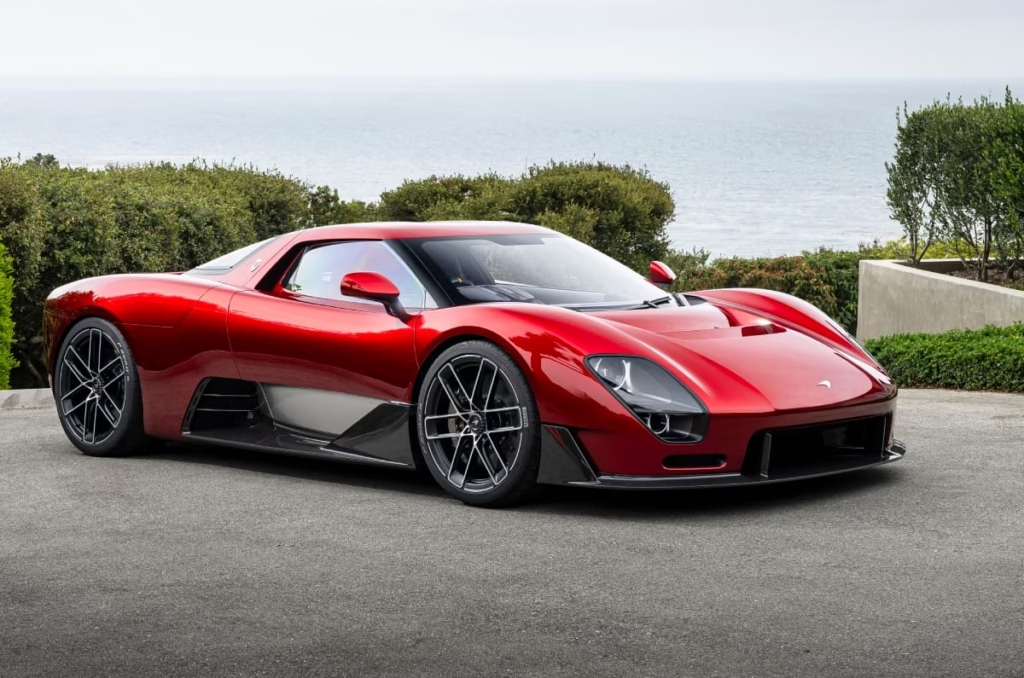
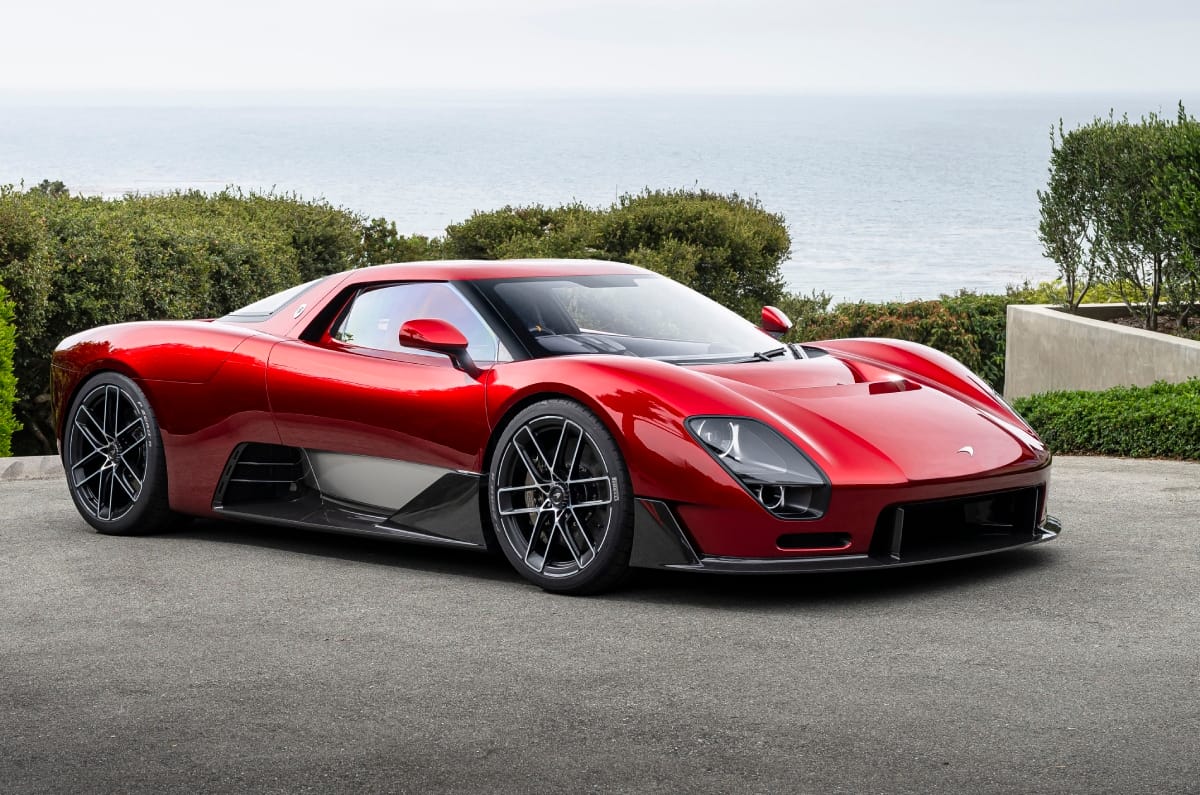
McLaren has revealed the McL 6GT concept at the 2026 Monterey Car Week. Inspired by Bruce McLaren’s unfinished M6GT road car project from the late 1960s, it previews a production model due in 2028 and becomes the first McLaren since the F1 to feature a manual transmission.

  1. First manual McLaren since the F1 launched in 1992
  2. Inspired by Bruce McLaren’s original M6GT road car
  3. Production version confirmed for launch in 2028

McLaren McL 6GT exterior
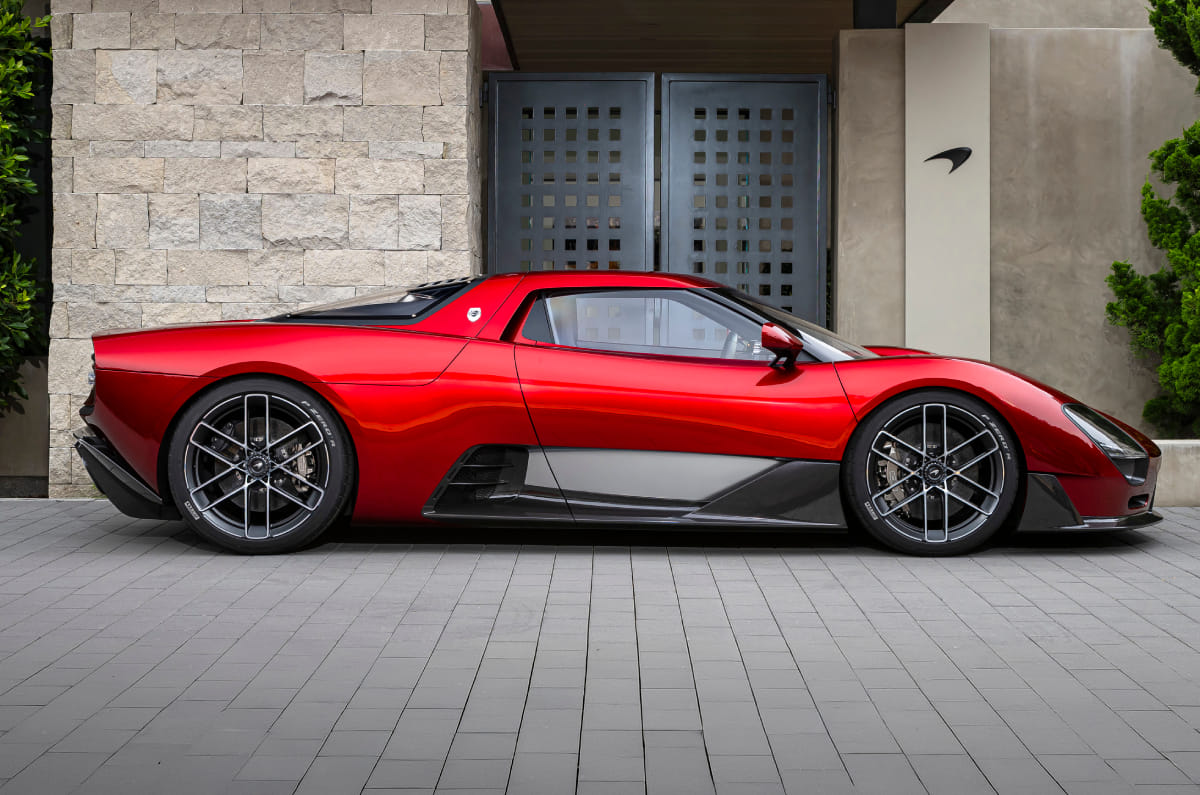
The McL 6GT takes inspiration from the original M6GT, the road-going version of the M6A Can-Am race car that Bruce McLaren had intended to build before the project was abandoned. The concept combines classic proportions with a contemporary design, featuring a low nose, wide stance, clean surfacing and a Kammback-style rear. McLaren says the car has been developed to honour the original M6GT while previewing a future low-volume production model.
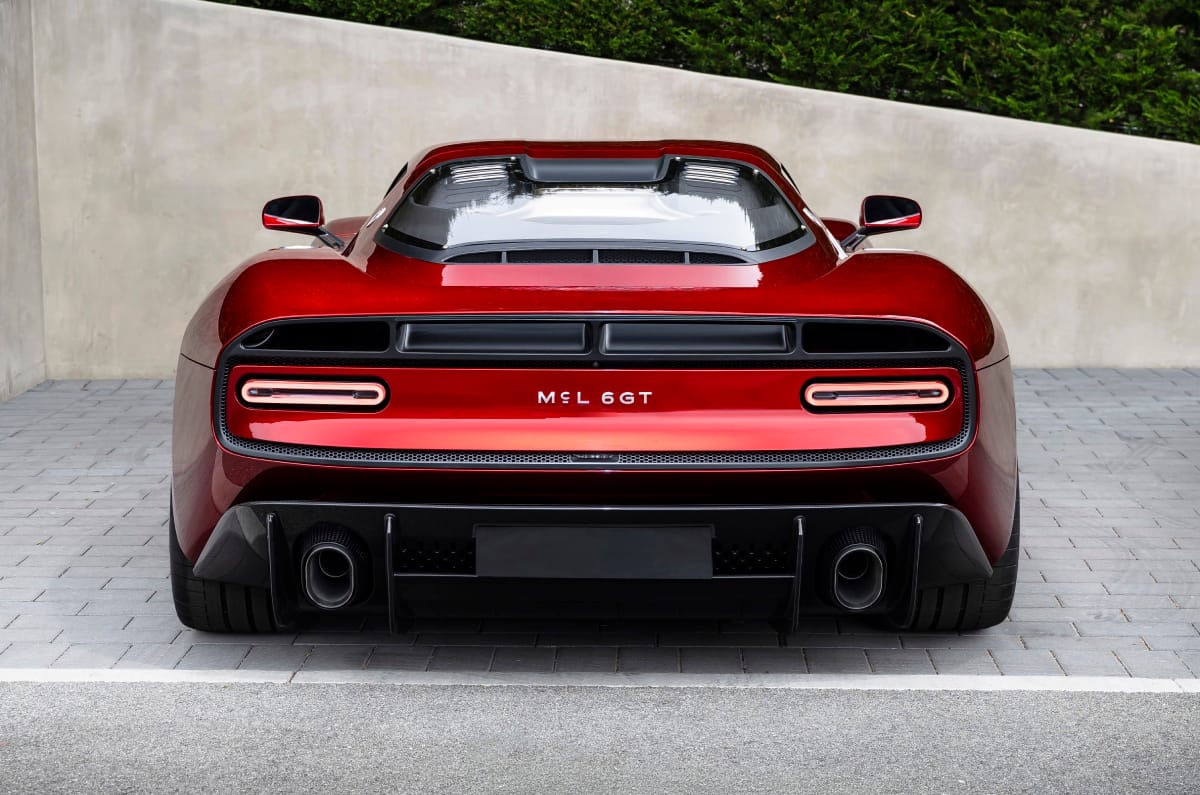
The concept is built around a carbon-fibre monocoque with carbon-fibre body panels. Other design details include a new “Racing Loop” tail-light signature, Bruce McLaren’s signature on the engine cover and the historic Speedy Kiwi emblem engraved into the fuel filler cap.

McLaren McL 6GT interior
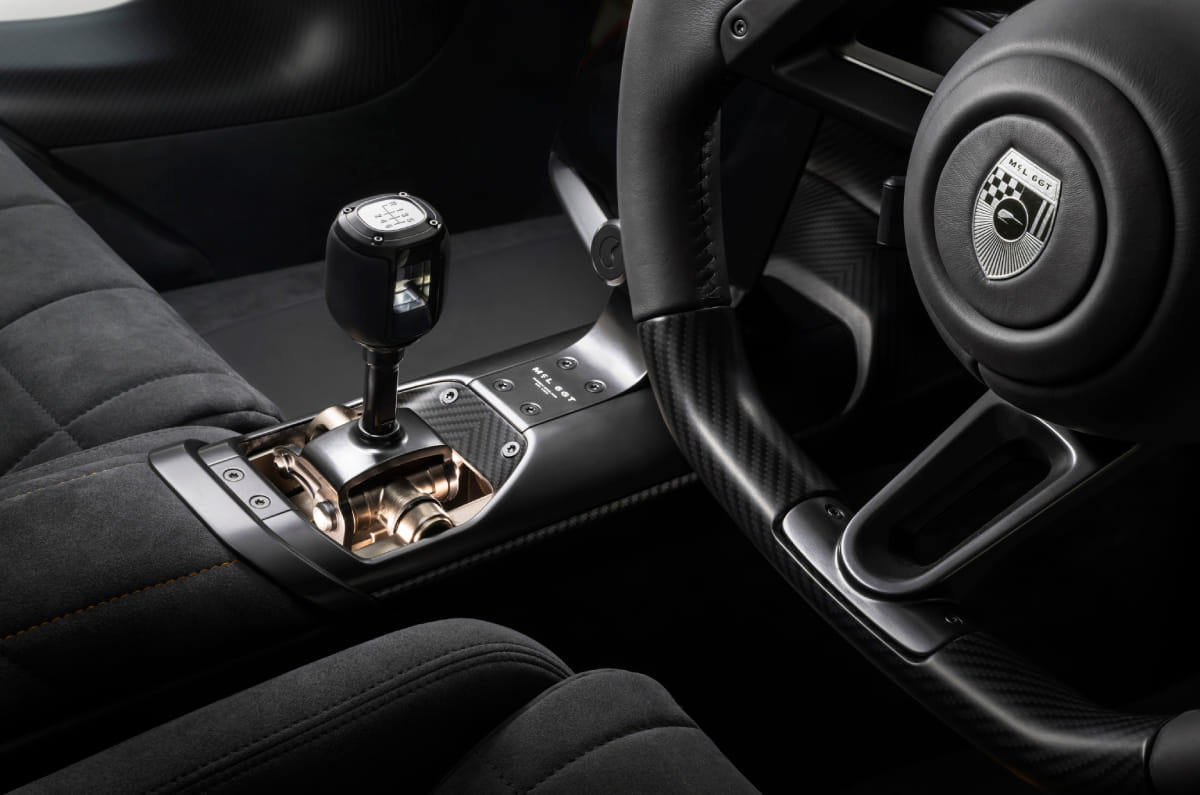
The cabin combines modern technology with design cues inspired by the original M6GT. It features a digital instrument display, machined aluminium controls, exposed carbon-fibre trim and upholstery patterned after the quilted seats of Bruce McLaren’s road car. Physical switchgear has been retained throughout, while the manual gear lever incorporates a three-dimensional Speedy Kiwi emblem. McLaren says the interior has been designed to prioritise driver engagement while maintaining the simplicity of the original M6GT.

McLaren McL 6GT powertrain
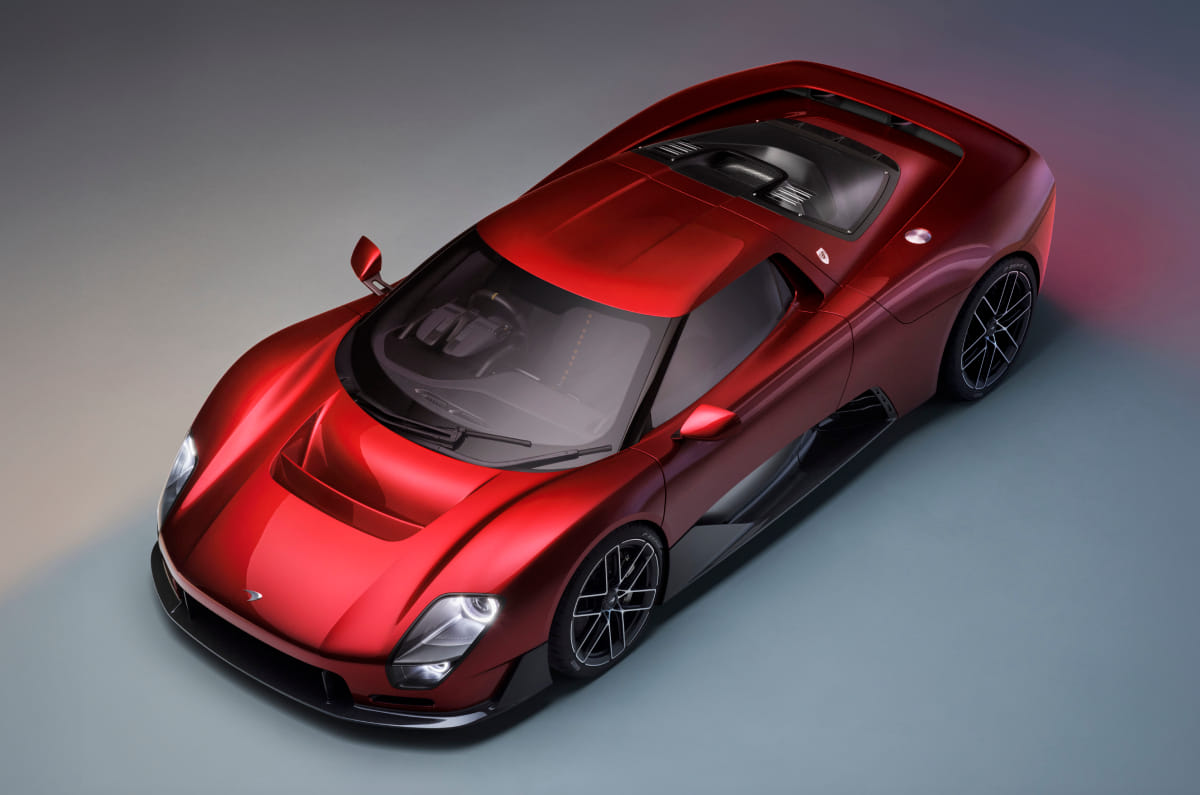
Power comes from a rear-mounted V8 petrol engine paired with a manual transmission, driving the rear wheels. It is the first McLaren road car to offer a manual gearbox since the F1, which was introduced in 1992. The company has not disclosed engine output, displacement or performance figures.

McLaren says the McL 6GT has been engineered to deliver a more mechanical driving experience, with hydraulic steering, traditional controls and a manual gearshift forming the core of the driving experience.

McLaren McL 6GT production
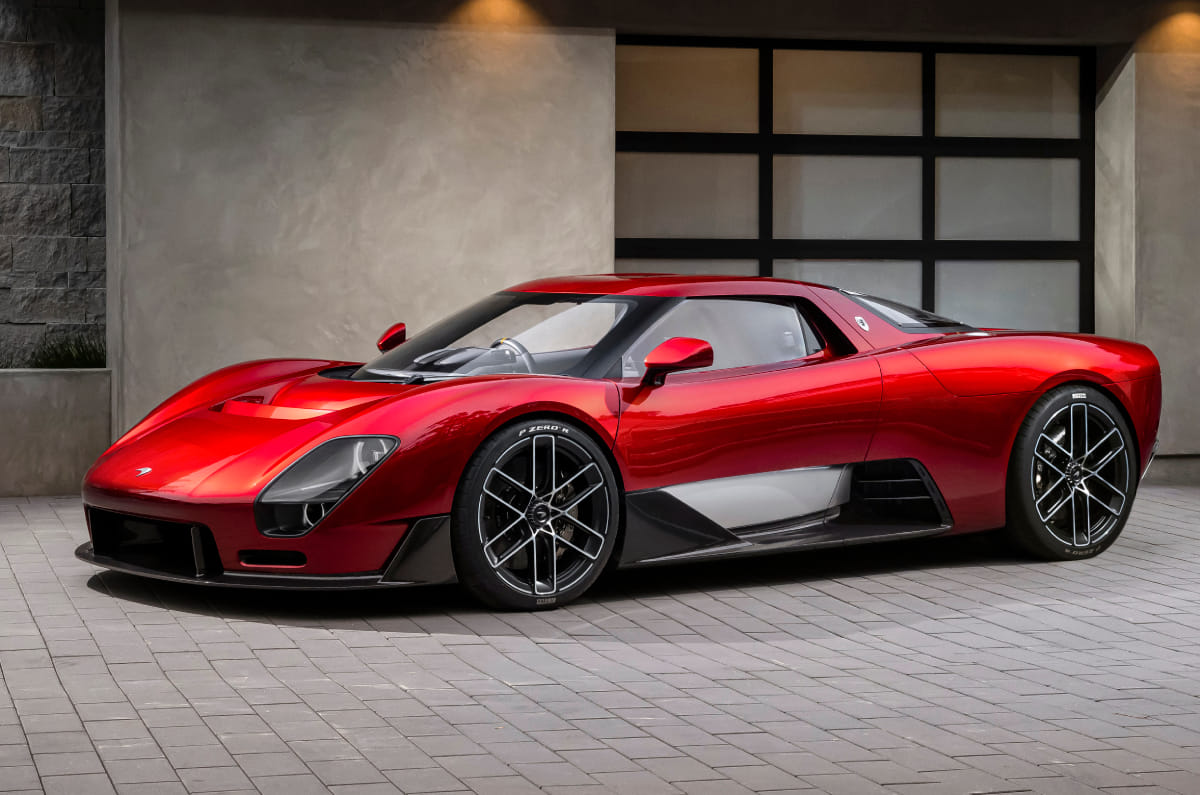
McLaren has confirmed that the McL 6GT will enter production in 2028 as a low-volume model positioned outside the brand’s core product range. It joins the company’s growing line-up of limited-production models inspired by its history, although pricing and production numbers have not yet been announced.
Ferrari unveils one-off CZ26 based on SF90 Stradale

Ferrari unveils one-off CZ26 based on SF90 Stradale
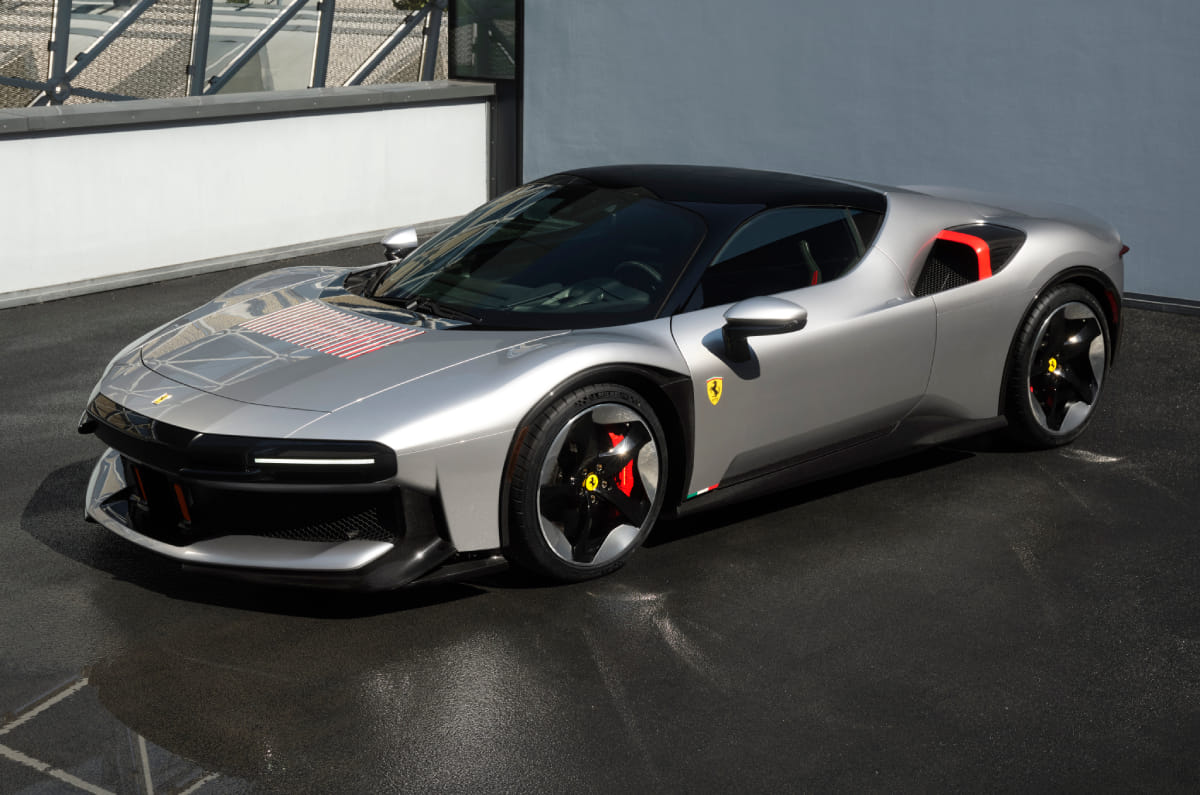
Ferrari CZ26

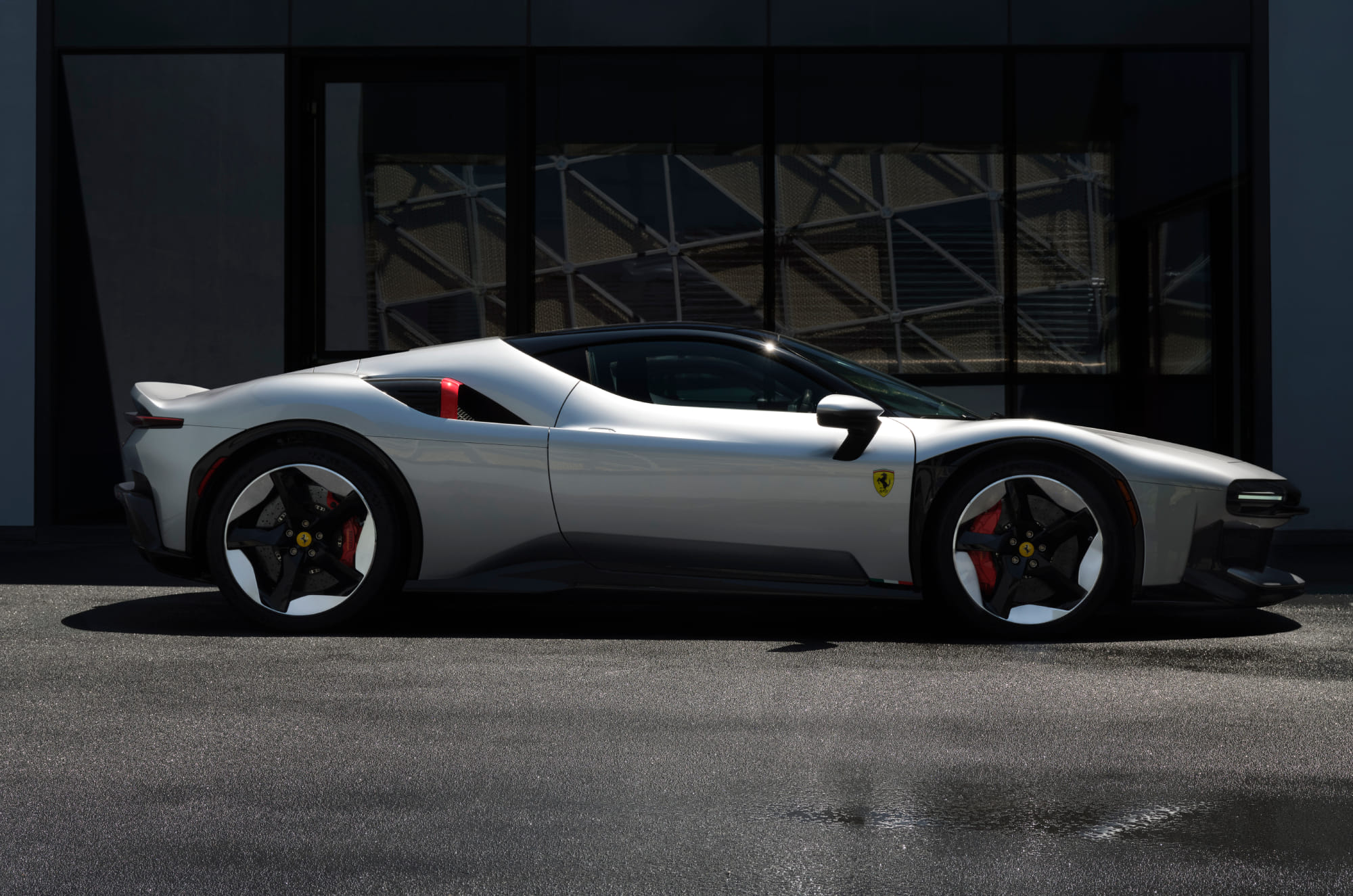
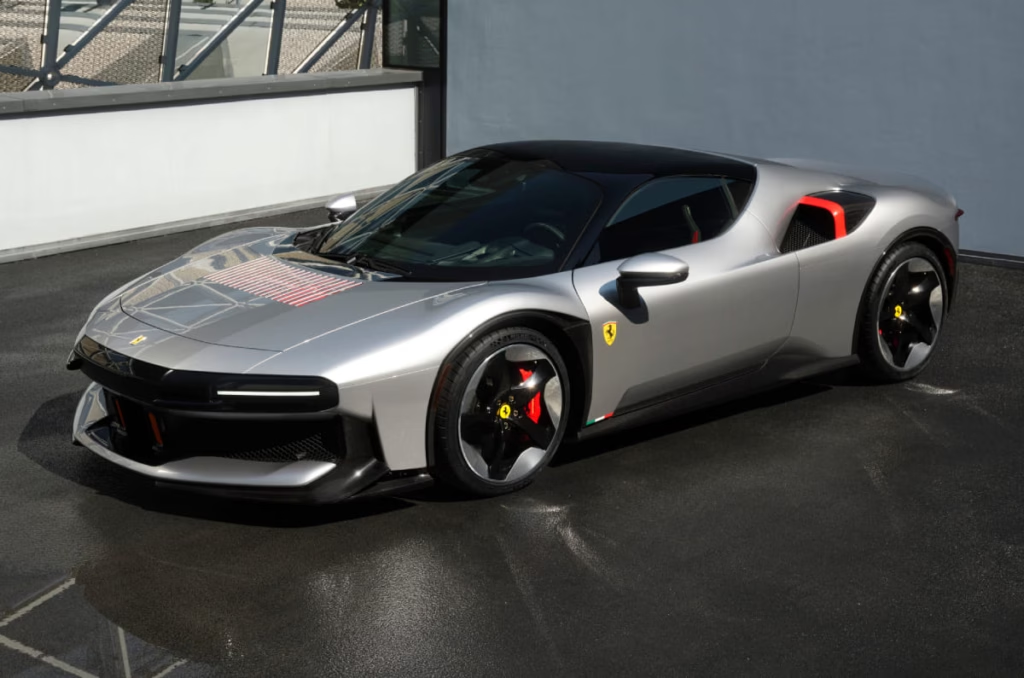
Ferrari has unveiled the CZ26, a one-off supercar created through its Special Projects programme for a US client. Based on the SF90 Stradale, it gets bespoke exterior and interior design, revised aerodynamics and unique detailing while retaining the plug-in hybrid powertrain comprising a twin-turbo V8 and three electric motors.

  1. One-off Special Projects model based on the SF90 Stradale
  2. Bespoke bodywork inspired by 1970s Italian industrial design
  3. Retains SF90’s plug-in hybrid powertrain

The CZ26 was designed by the Ferrari Design Studio under Flavio Manzoni as part of Ferrari’s Special Projects programme, where one-off projects typically take around two years to complete.

Ferrari CZ26: exterior design

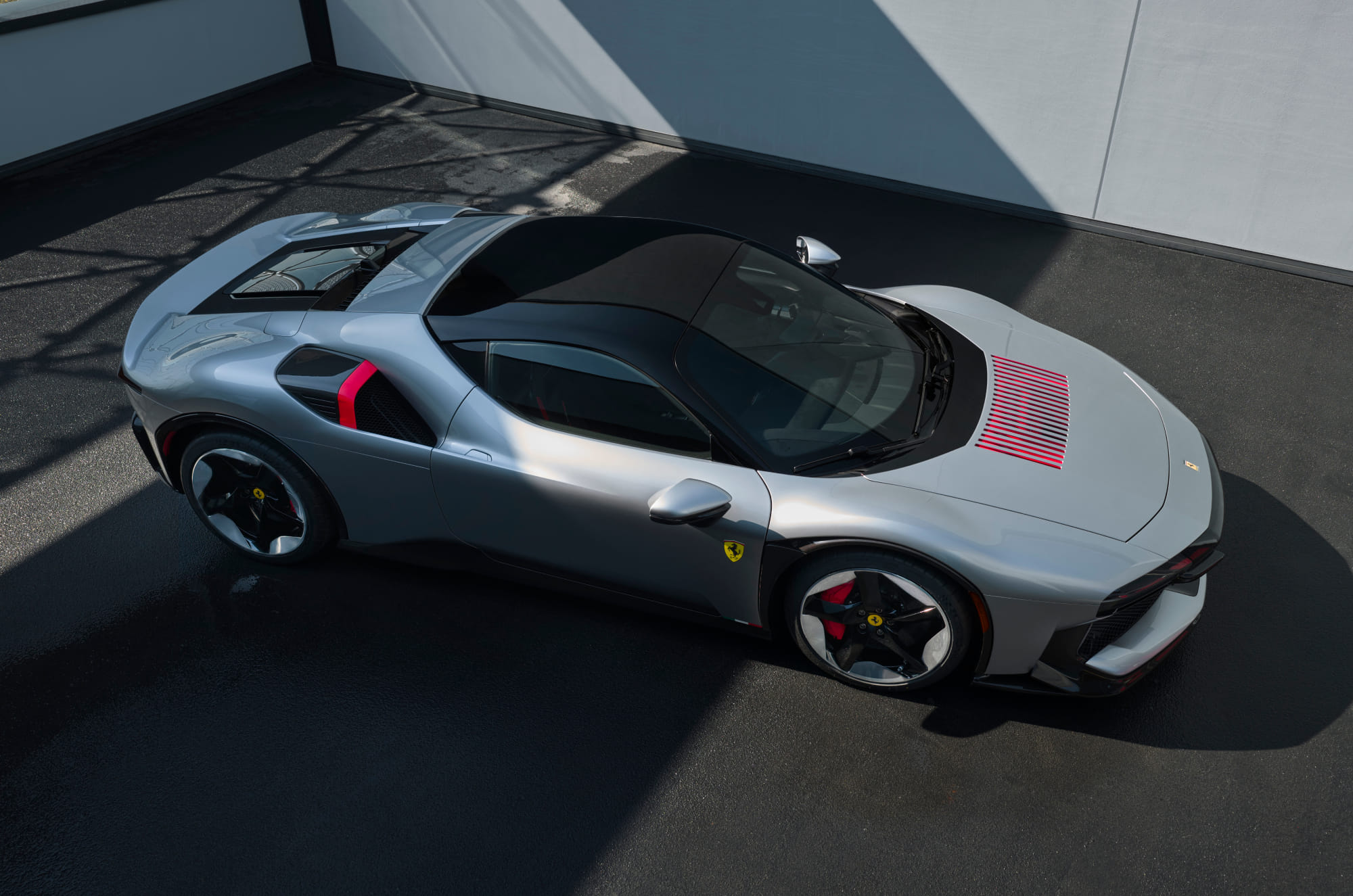
Based on the SF90 Stradale, the CZ26 gets completely bespoke bodywork with a clean two-box silhouette, pronounced wheel arches and a truncated rear. Ferrari says the project was developed to give the car an immediately recognisable identity while retaining the SF90’s underlying architecture.

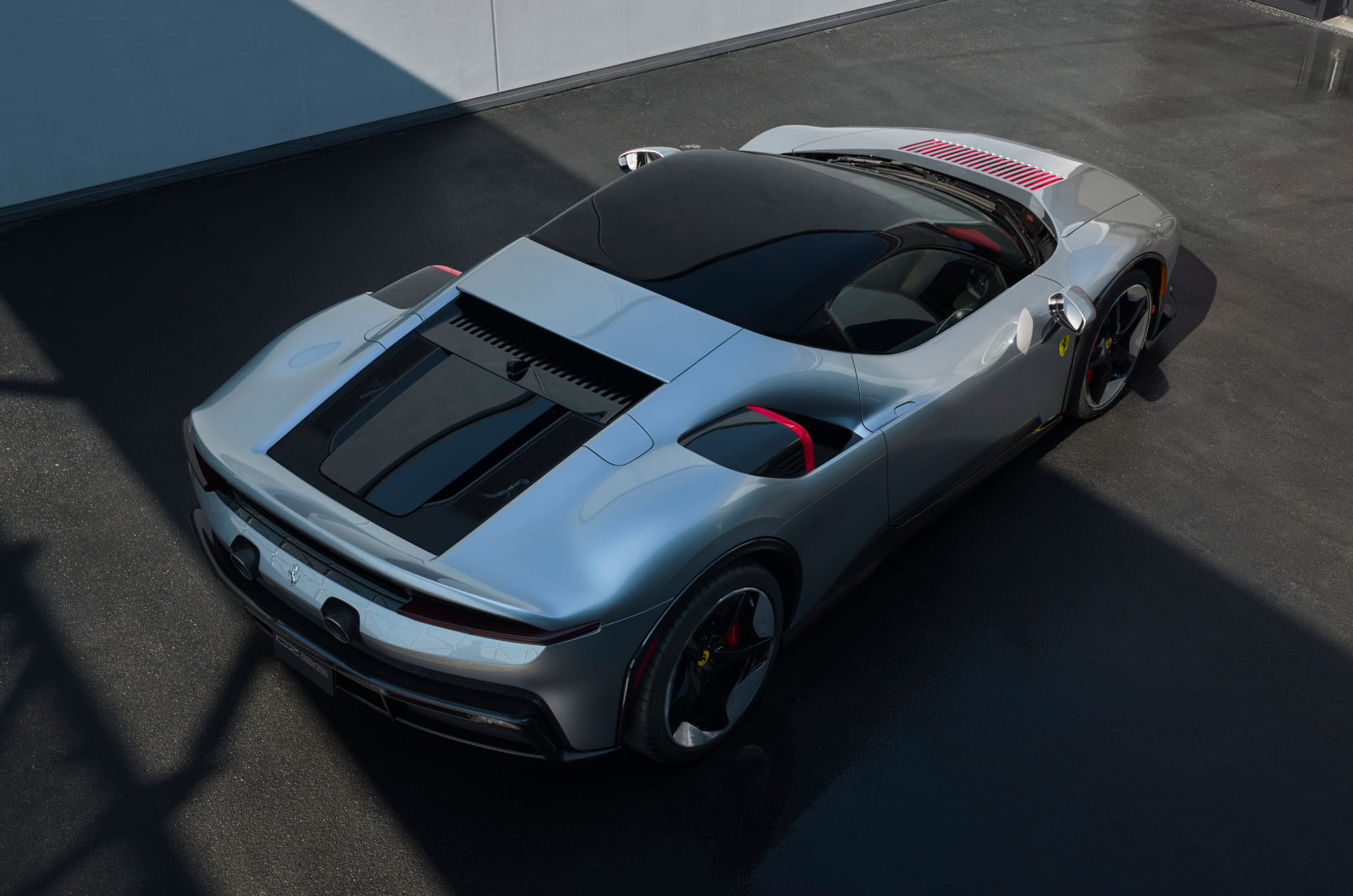
Up front, the CZ26 gets a full-width functional grille housing ultra-slim concealed lighting, brake cooling intakes and sensors. At the rear are cantilevered tail-lamps, a redesigned diffuser and titanium exhaust tips. The body is finished in an exclusive Argento Veloce silver paint with Rosso Lampante accents and exposed carbon-fibre elements. Ferrari says the styling draws inspiration from Italian industrial design of the 1970s, reinterpreted through a contemporary design language.

Ferrari has also reworked the aerodynamics. The cooling system, airflow management, underbody and vortex generators have all been redesigned, while an air-curtain system, a larger rear spoiler, a new diffuser and revised engine cover improve downforce, aerodynamic efficiency and engine cooling.

Ferrari CZ26: interior

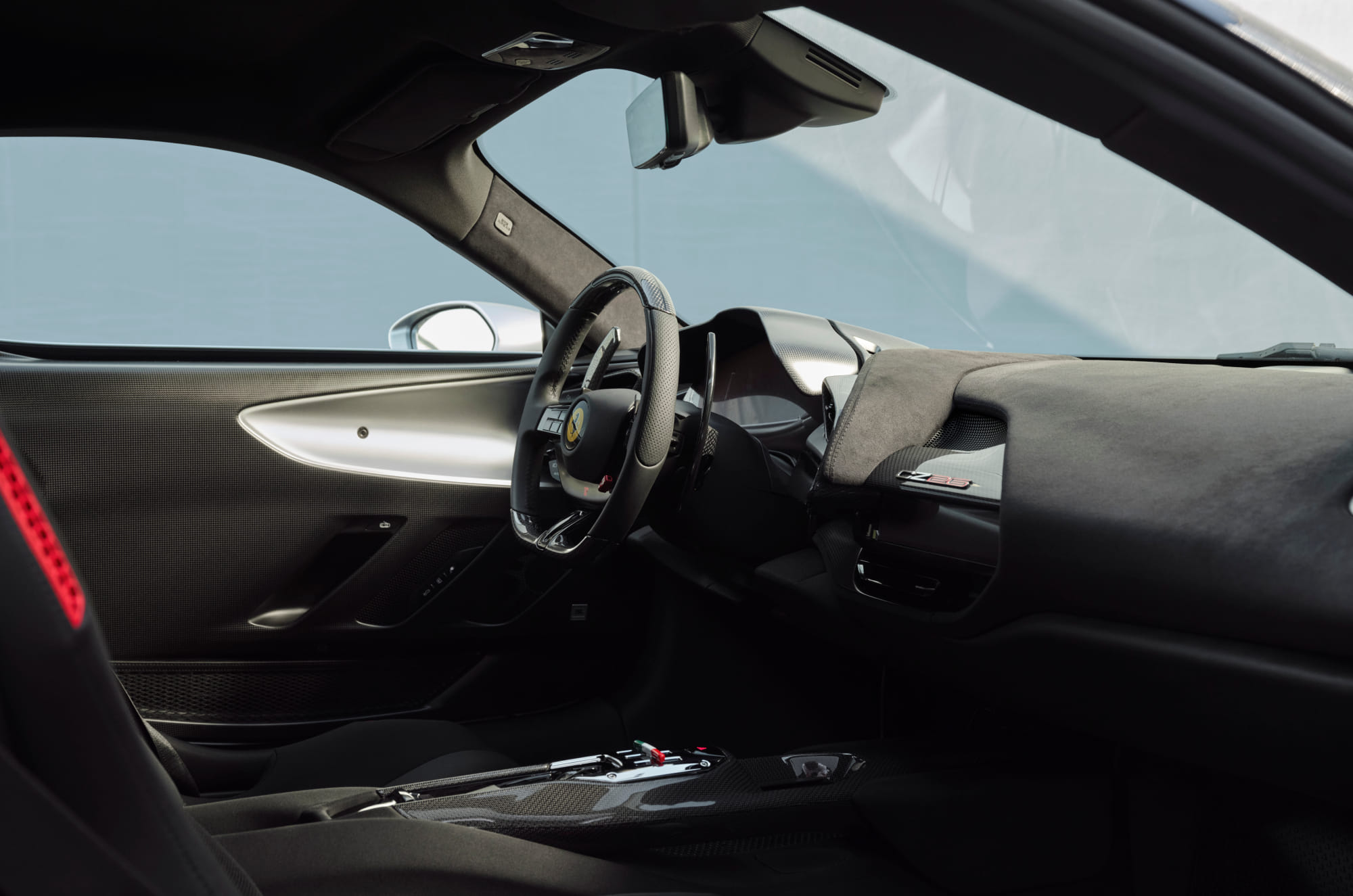
The cabin receives a bespoke design to match the exterior theme. It features bespoke black technical fabric upholstery, additively manufactured seat inserts developed specifically for the CZ26, satin-finish carbon fibre trim and gloss carbon-fibre elements with metallic filaments. Rosso Lampante accents and body-coloured dashboard and door trim mirror the exterior finish, while an embroidered CZ26 logo highlights its one-off status.

Ferrari CZ26: powertrain and performance

Mechanically, the CZ26 remains unchanged from the SF90 Stradale. It is powered by a 4.0-litre twin-turbocharged V8 engine producing 797hp and 804Nm, paired with three electric motors that contribute a further 220hp. Combined system output stands at 1,000hp. The plug-in hybrid system uses a 7.9kWh battery offering an electric-only range of 25km and is paired with an 8-speed dual-clutch transmission. Ferrari claims a 0-100kph time of 2.5 seconds and a top speed of 328kph.

The CZ26 will make its public debut at Monterey Car Week in California. It joins Ferrari’s growing list of Special Projects one-offs, a programme that uses existing Ferrari models as the basis for bespoke customer commissions. Previous projects include the SP48 Unica, SP51, SP-8, KC23 and HC25. Ferrari has not disclosed the price of the CZ26.

Lamborghini Revuelto SV debuts as supercar’s track-focused version

Lamborghini Revuelto SV debuts as supercar's track-focused version
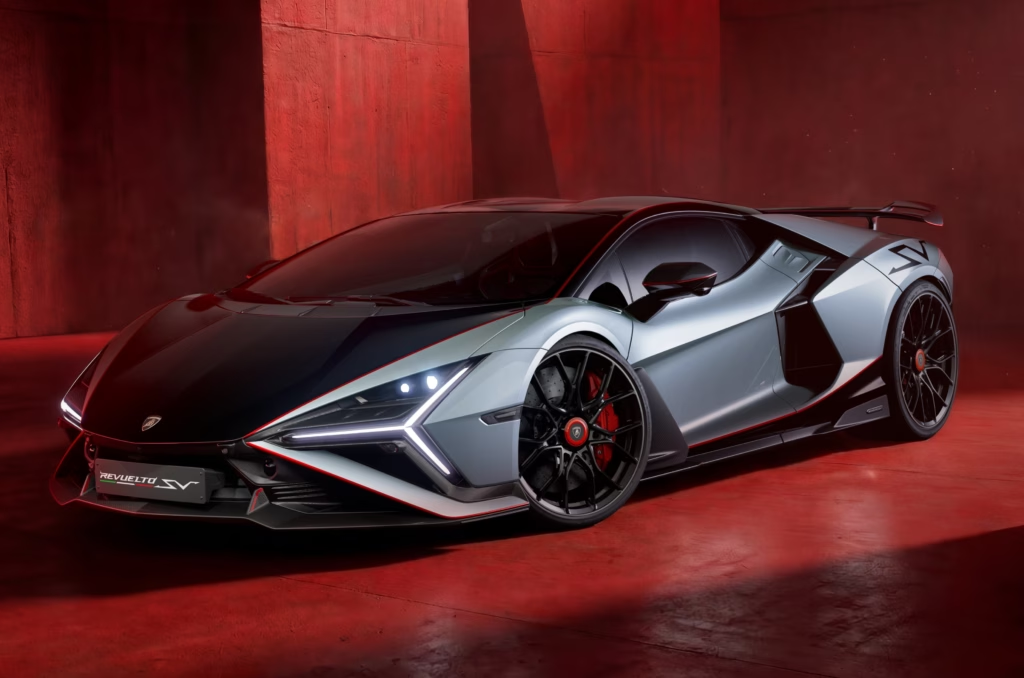
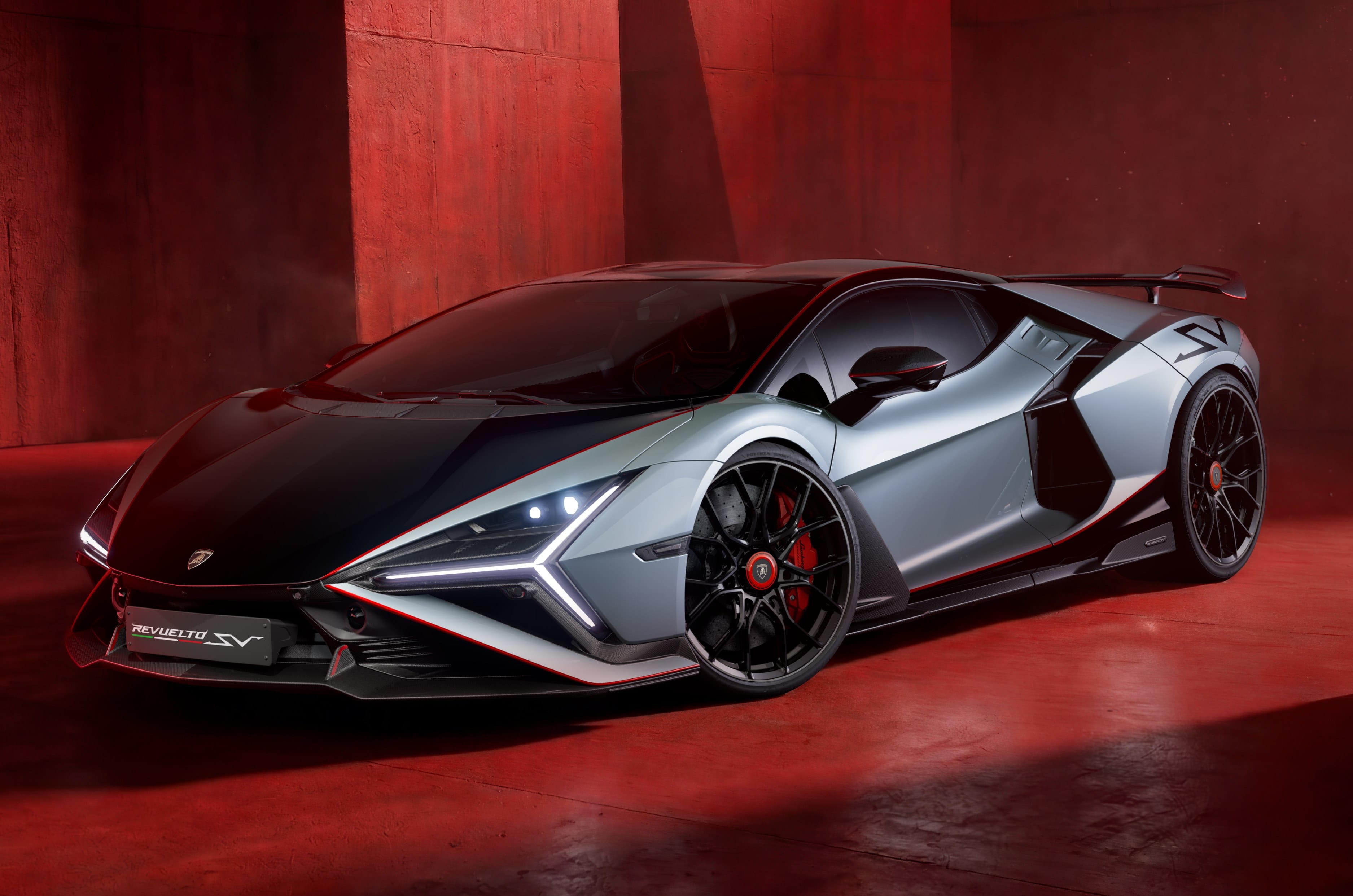
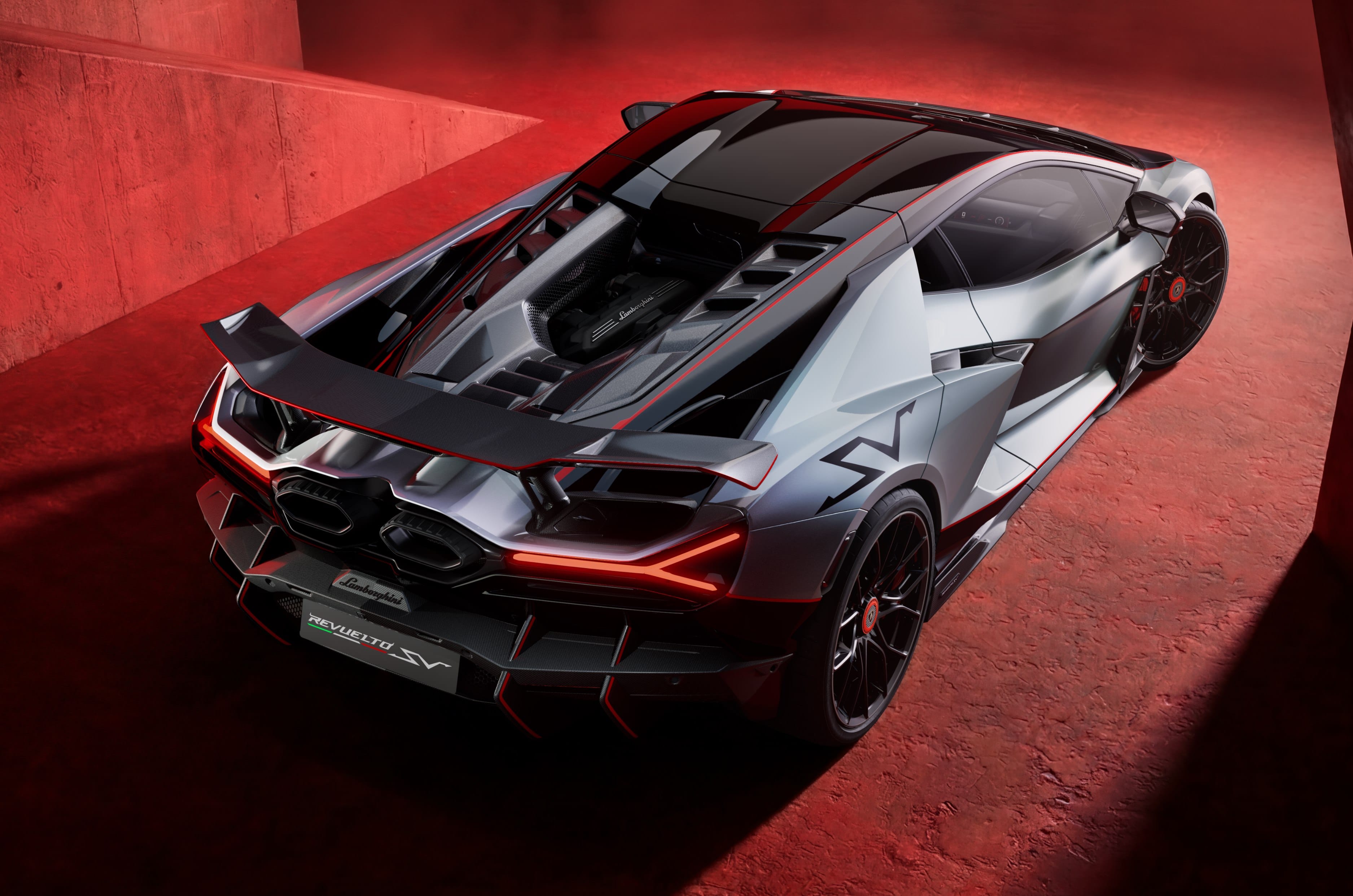
Lamborghini Revuelto SV in studio

Lamborghini has unveiled the Revuelto Super Veloce (SV), a more extreme version of the Italian marque’s flagship series-production supercar. Only 1,963 units of the Revuelto SV will be built – a reference to Lamborghini’s founding year – and that too for the brand’s “most loyal customers and collectors.” Pricing has not been disclosed yet, but the SV is expected to command a significant premium over the vanilla Revuelto, which costs Rs 8.89 crore before options. 

Lamborghini Revuelto SV powertrain and performance

Makes 50hp more than the standard Revuelto

The Revuelto SV carries forward the standard model’s 825hp 6.5-litre naturally aspirated V12 (which revs to a wailing 9,500rpm), 7.3kWh battery pack, and trio of electric motors, but the latter’s output has been uprated from 190hp to 299hp. Combined output for the Revuelto SV’s V12 PHEV powertrain stands at 1,065hp – up 50hp over the standard version. The 8-speed dual-clutch automatic gearbox and AWD layout remain unchanged.

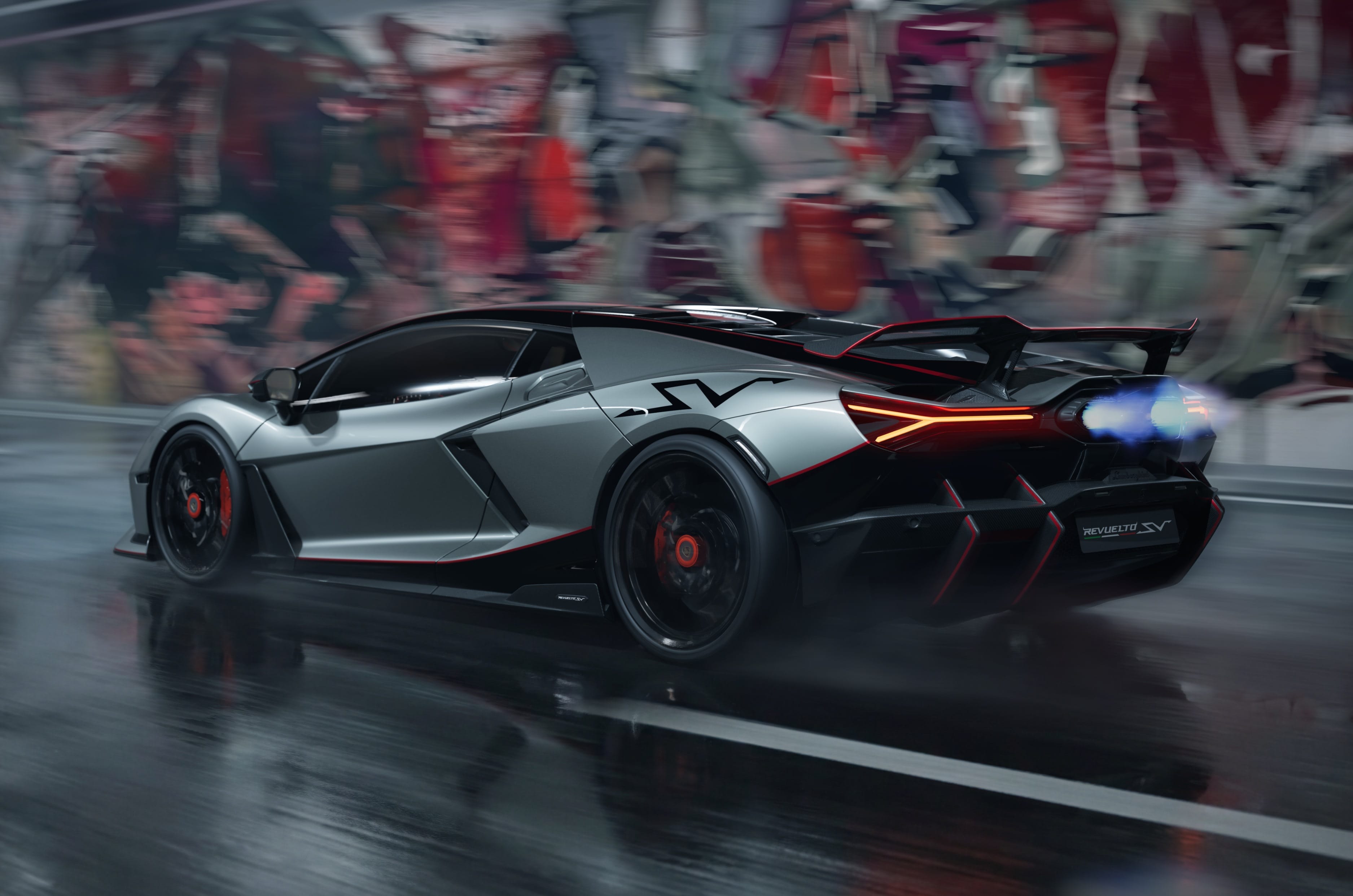
0-100kph flashes by in a brisk 2.4 seconds (claimed) for the Revuelto SV, with 0-200kph taking just 6.7 seconds. The top speed, meanwhile, remains in excess of 345kph. A new sports exhaust system is part of the package, and thanks to weight savings, the Revuelto SV boasts a power-to-weight ratio of 602.4hp/tonne, which is up from the standard version’s 571.4hp/tonne. A new ‘Pilota’ drive mode has been introduced too, unlocking a custom motorsport-derived state of tune built around a bespoke five-stage traction control system that adapts to track conditions and tyre wear.

Enhanced suspension damping and braking system

On the dynamics front, Lamborghini has upgraded the Revuelto SV’s suspension with manually adjustable dampers derived from GT3 racing, which promise a 17 percent increase in agility and a 10 percent bump in lateral grip over the Revuelto. The SV also packs a revised braking control system and new CCM-R carbon-ceramic brake discs (420mm up front, 410mm at the rear), claiming an 11 percent higher peak deceleration, 23 percent better heat dissipation, and a 12 percent drop in brake disc temperatures.

Thanks to all of the aforementioned mechanical improvements, the Revuelto SV clocked a lap time of 1:41.6 around Hockenheimring, making it the second-fastest car to be officially timed at the German circuit.

Lamborghini Revuelto SV exterior updates

More menacing body kit

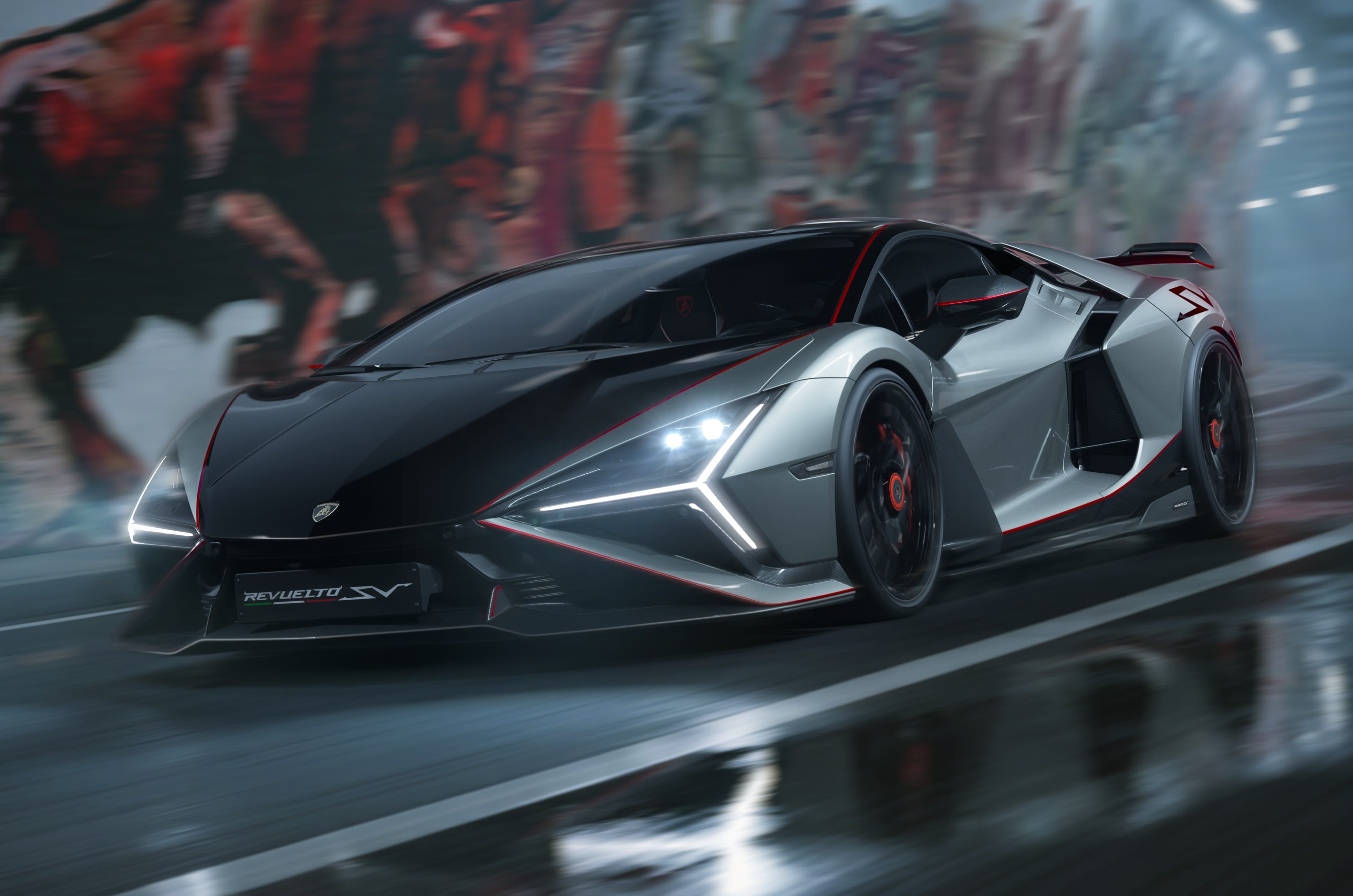
On the outside, the Revuelto SV looks much more aggressive than the standard version, courtesy of a new front diffuser with red accents, a revised rear diffuser, a massive rear wing, exclusive SV liveries and badging, contrast accents, and extensive use of carbon-fibre trim pieces. It also features a fresh set of lightweight centre-lock alloy wheels (20 inches front, 21 inches rear) shod in bespoke Bridgestone Potenza Race R tyres.

Lamborghini Revuelto SV interior updates

Bucket seats and new interior finishes

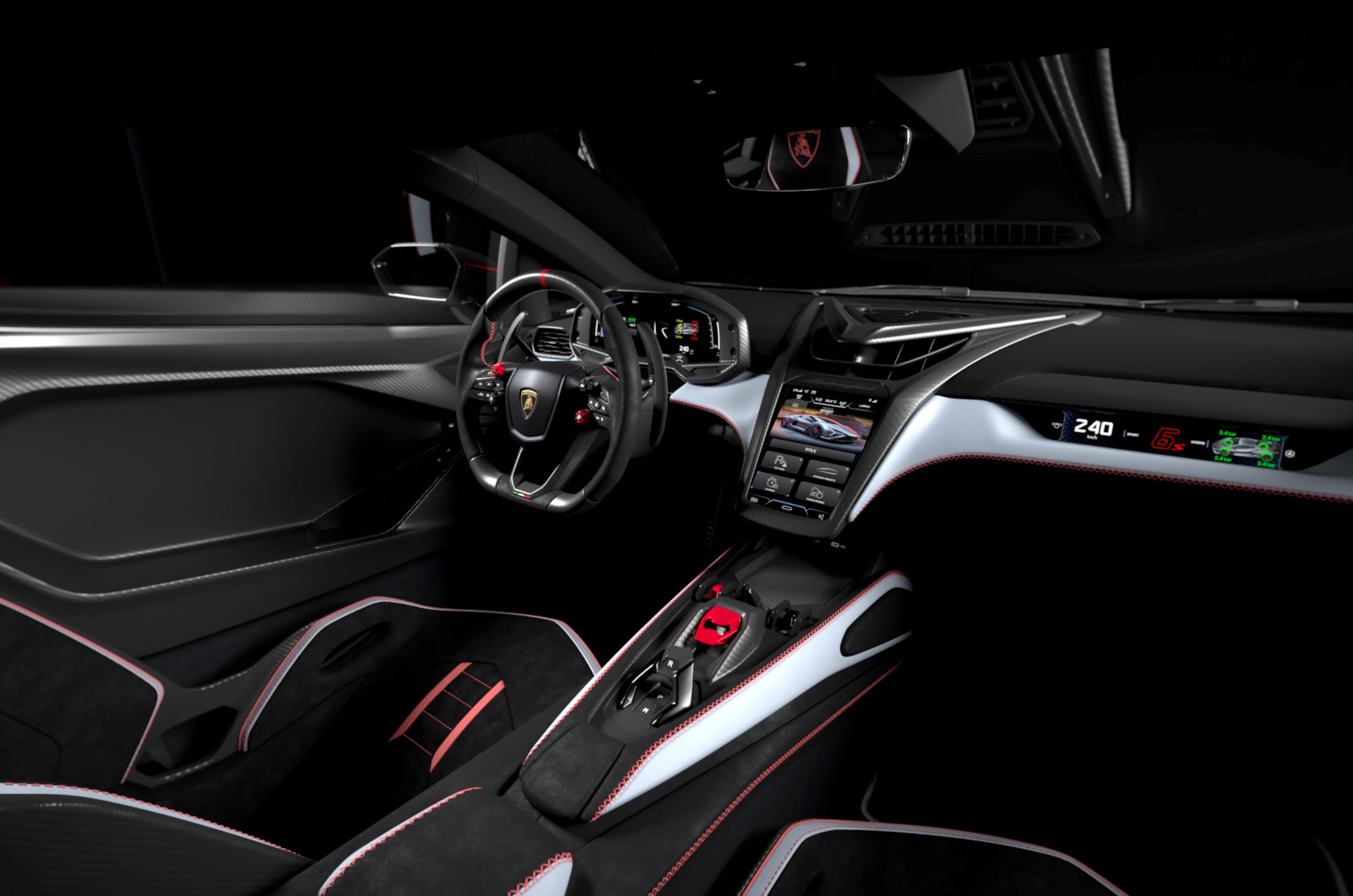
The Revuelto SV’s interior layout is largely unchanged from that of the standard version, but you do get new racing bucket seats, SV badging, and an expanded roster of upholsteries and colour options.

Harley-Davidson files trademarks for new cafe racer and flat-tracker models

Harley-Davidson files trademarks for new cafe racer and flat-tracker models
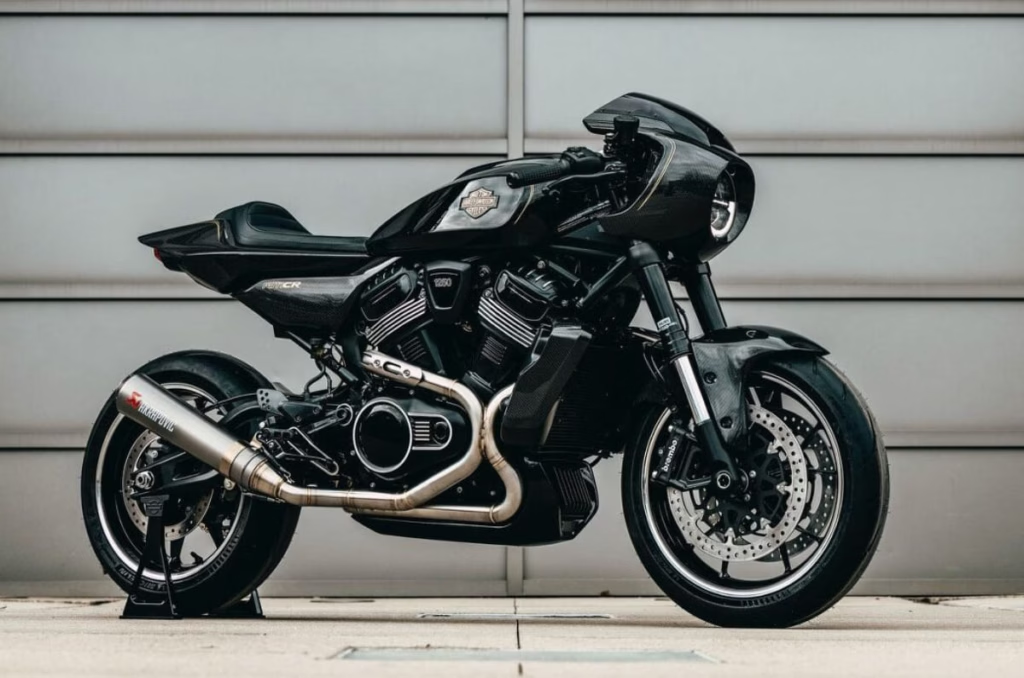
Harley-Davidson RMCR concept

Harley-Davidson has filed trademark applications for the names RMCR and RMXR with the US Patent and Trademark Office, according to reports – the clearest signal yet that a production version of the Revolution Max Cafe Racer concept could be on its way, along with what appears to be a flat-tracker sibling.

  1. Trademark applications for RMCR and RMXR filed in the US
  2. RMCR is believed to be the Revolution Max Cafe Racer; RMXR likely a flat-tracker derivative
  3. Both filed on an intent-to-use basis; production not guaranteed

Harley-Davidson RMCR and RMXR: What to expect

The RMCR concept was previously showcased at the Mama Tried Motorcycle Show earlier this year

Reports suggest the RM prefix in both names stands for Revolution Max – Harley-Davidson’s liquid-cooled DOHC V-twin platform, which is currently available in 975cc and 1,250cc configurations. The CR suffix in RMCR is widely read as standing for Cafe Racer, while XR draws a direct lineage from the company’s storied flat-track heritage – the XR750 race bike and XR1200 being some examples.

The RMCR concept was first shown at the Mama Tried Motorcycle Show in Milwaukee in February this year, featuring pinstriped carbon-fibre bodywork, Brembo brakes and a custom Akrapovic exhaust. The concept featured the larger 1,250cc version of the Revolution Max engine, which produces peak output figures of 150hp and 127.4Nm.

It is worth noting that Harley-Davidson trademarks filed in the past haven’t always made it to production. However, with the company now attempting a new approach with its Back to the Roots strategy, we could see the brand revisit some of the platform styles from its history. Along those lines, flat-tracker and cafe racer concepts based on the Revolution Max platform surfaced in a leaked investor presentation as far back as 2020, although those were early sketches and it’s unclear whether they bear any resemblance to these potential production models.

As with any trademark filing, this doesn’t necessarily mean a production version is imminent, but it does raise the possibility that Harley-Davidson could be preparing new models based on the Revolution Max platform.

Source: Motorcycle.com

Harley-Davidson files trademarks for new cafe racer and flat-tracker models

Harley-Davidson files trademarks for new cafe racer and flat-tracker models
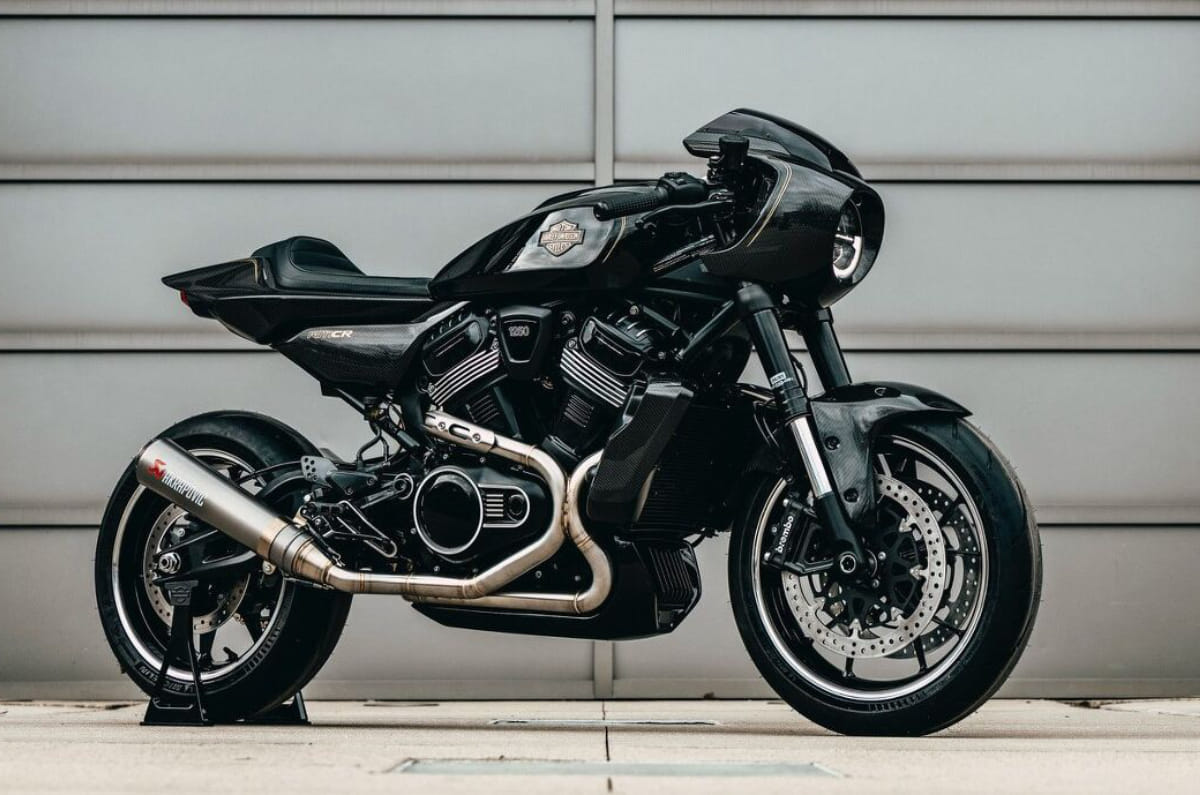
Harley-Davidson RMCR concept

Harley-Davidson has filed trademark applications for the names RMCR and RMXR with the US Patent and Trademark Office, according to reports – the clearest signal yet that a production version of the Revolution Max Cafe Racer concept could be on its way, along with what appears to be a flat-tracker sibling.

  1. Trademark applications for RMCR and RMXR filed in the US
  2. RMCR is believed to be the Revolution Max Cafe Racer; RMXR likely a flat-tracker derivative
  3. Both filed on an intent-to-use basis; production not guaranteed

Harley-Davidson RMCR and RMXR: What to expect

The RMCR concept was previously showcased at the Mama Tried Motorcycle Show earlier this year

Reports suggest the RM prefix in both names stands for Revolution Max – Harley-Davidson’s liquid-cooled DOHC V-twin platform, which is currently available in 975cc and 1,250cc configurations. The CR suffix in RMCR is widely read as standing for Cafe Racer, while XR draws a direct lineage from the company’s storied flat-track heritage – the XR750 race bike and XR1200 being some examples.

The RMCR concept was first shown at the Mama Tried Motorcycle Show in Milwaukee in February this year, featuring pinstriped carbon-fibre bodywork, Brembo brakes and a custom Akrapovic exhaust. The concept featured the larger 1,250cc version of the Revolution Max engine, which produces peak output figures of 150hp and 127.4Nm.

It is worth noting that Harley-Davidson trademarks filed in the past haven’t always made it to production. However, with the company now attempting a new approach with its Back to the Roots strategy, we could see the brand revisit some of the platform styles from its history. Along those lines, flat-tracker and cafe racer concepts based on the Revolution Max platform surfaced in a leaked investor presentation as far back as 2020, although those were early sketches and it’s unclear whether they bear any resemblance to these potential production models.

As with any trademark filing, this doesn’t necessarily mean a production version is imminent, but it does raise the possibility that Harley-Davidson could be preparing new models based on the Revolution Max platform.

Source: Motorcycle.com

Lamborghini Revuelto SV teased ahead of global debut tomorrow

Lamborghini Revuelto SV teased ahead of global debut tomorrow
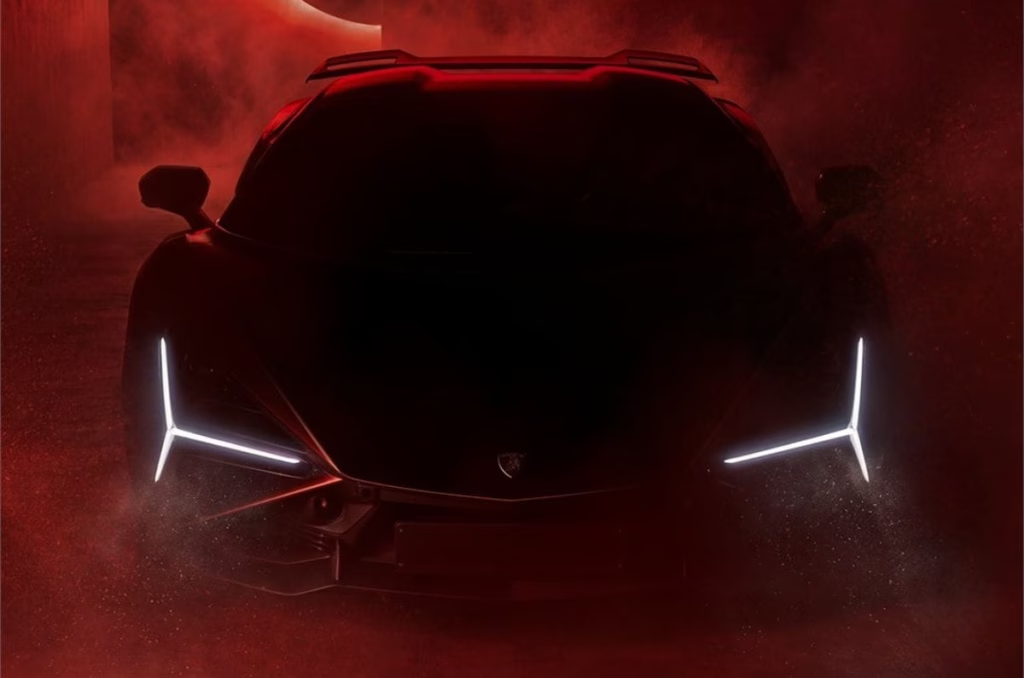
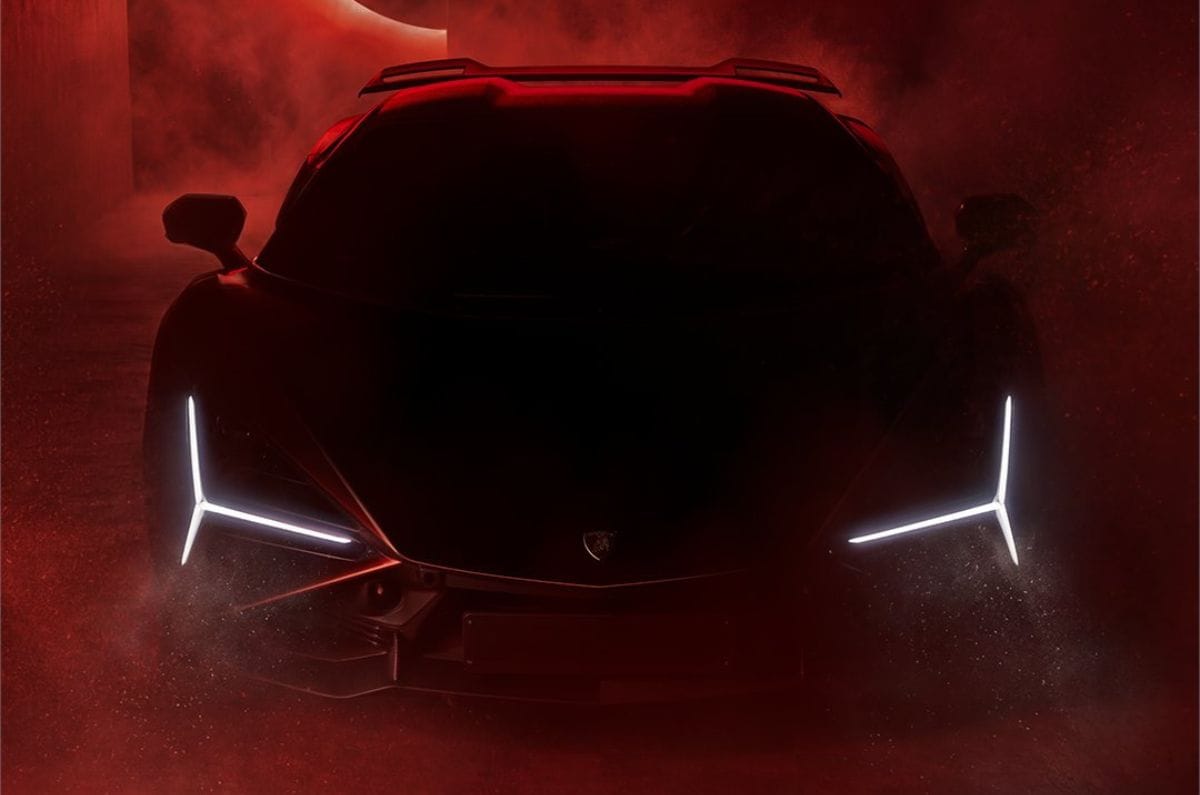
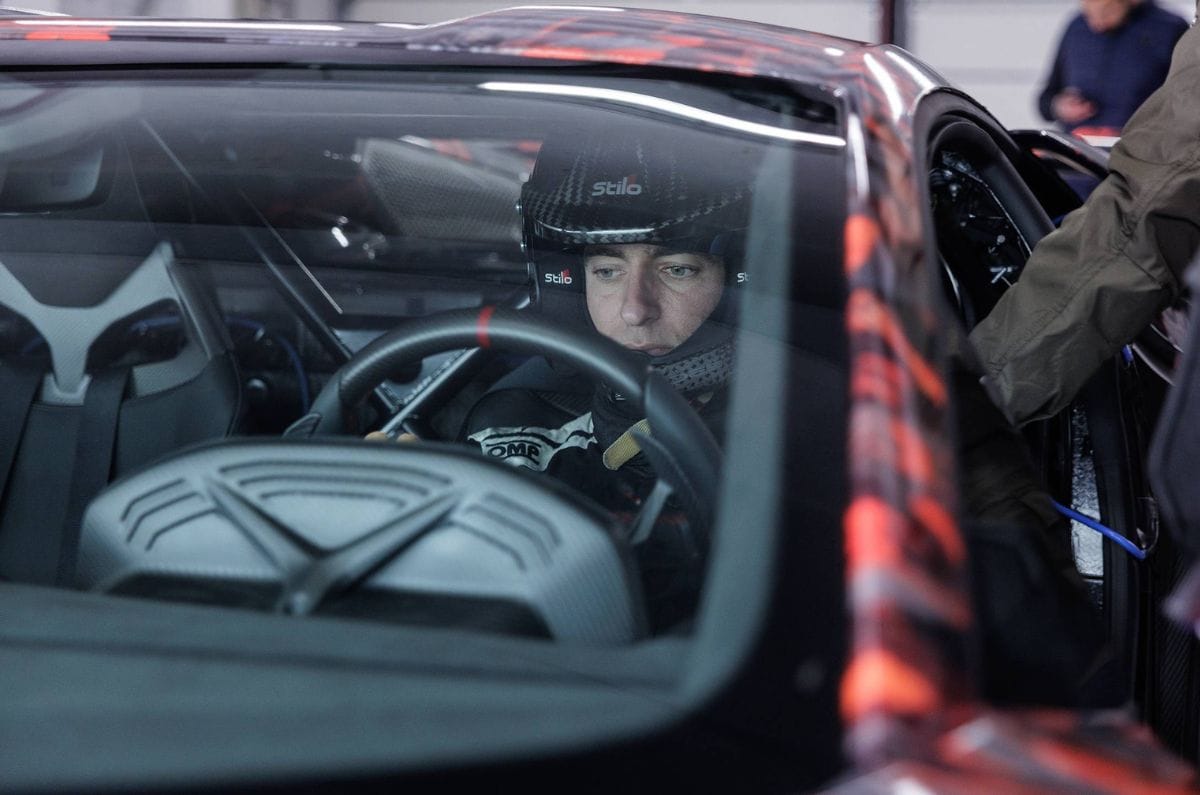
Lamborghini Revuelto SV teaser

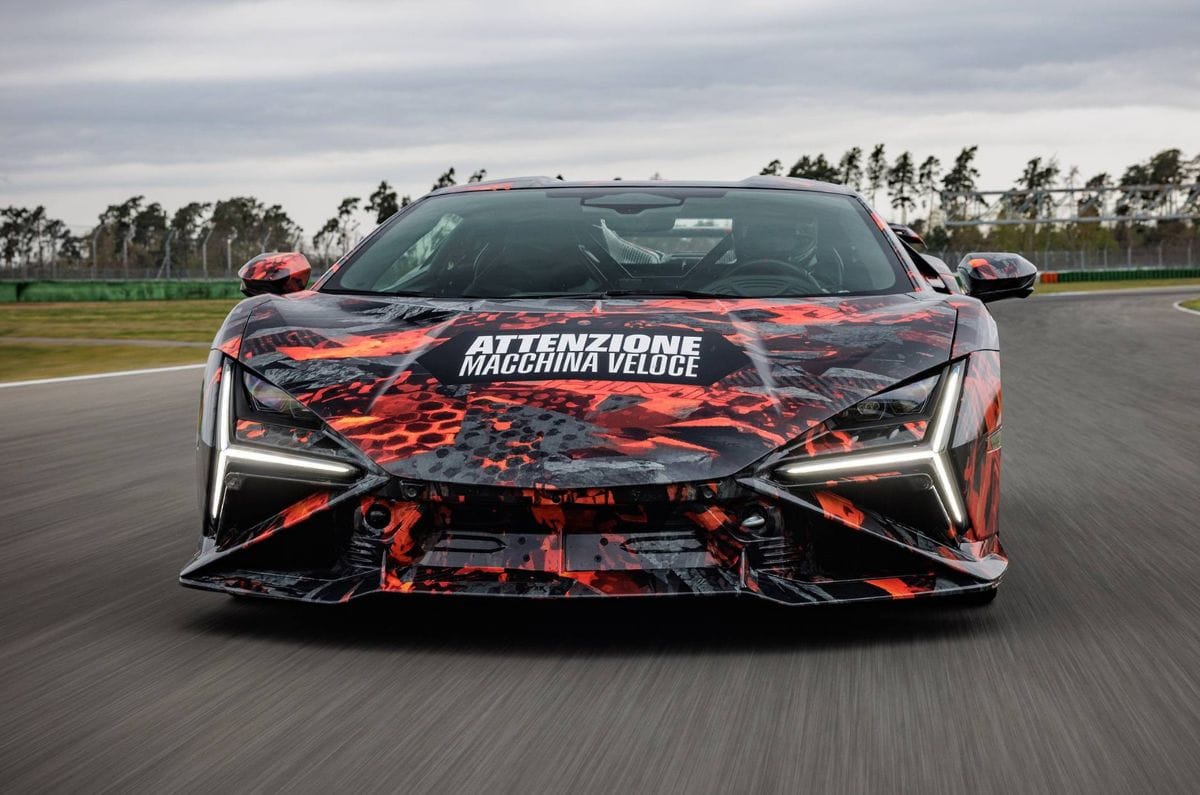
Lamborghini has teased the upcoming Revuelto SV, which is due for its global debut on August 14, 2026, at the Monterey Car Week. This comes just a week after the brand released images of a camouflaged test mule of its V12 supercar belting around Hockenheimring in Germany. Upon its arrival, the Revuelto SV will become the latest in the line of Lamborghini’s SV line-up that includes the erstwhile Aventador SV. The ‘SV’ stands for Super Veloce, which roughly translates to ‘Super Speed’.

  • Exterior features more aggressive intakes and specialised aero
  • Interior to come with version-specific detailing and trim
  • Hybrid powertrain to offer more power

Lamborghini Revuelto SV: What we know so far

Exterior

Lamborghini Revuelto SV teaser front bumper
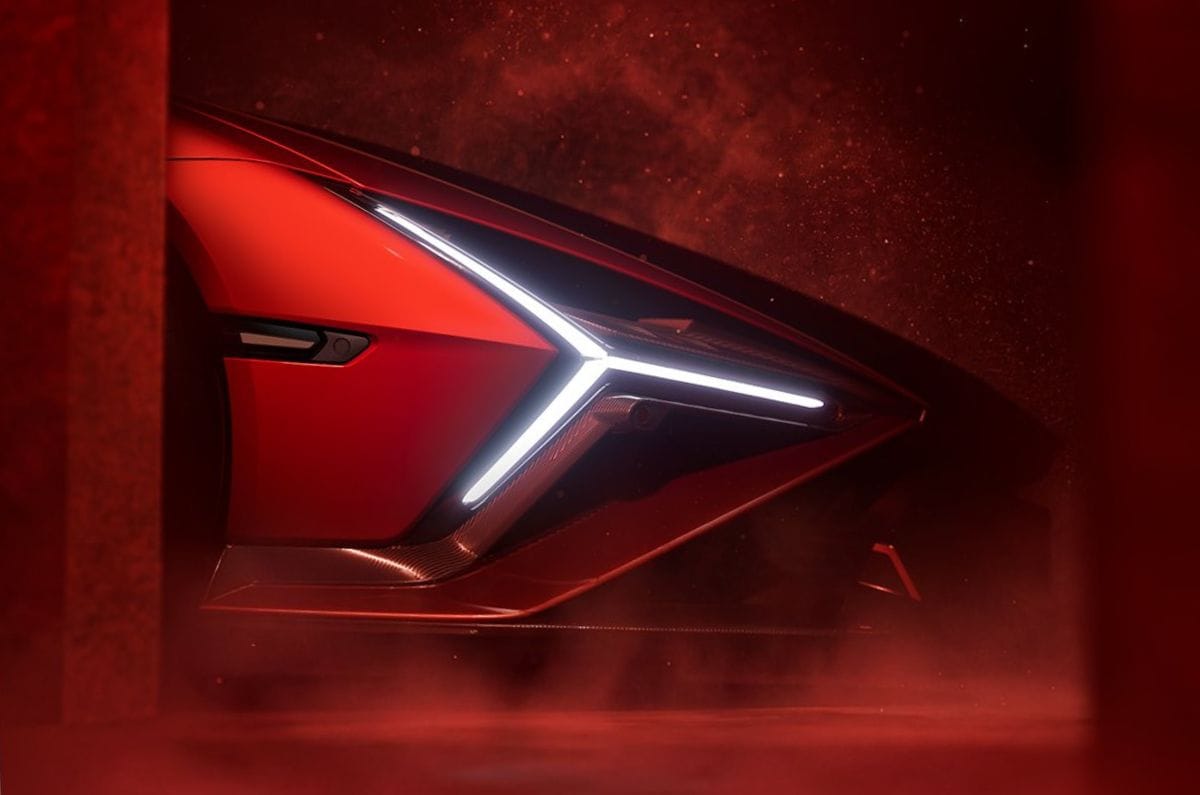
Lamborghini’s latest teaser shows the front bumper of the Revuelto SV in greater detail.

Much of the Revuelto SV’s performance enhancement measures on the outside over the standard model are quite discernible. The fascia looks even sportier as the heavily revised bumper features new carbon-fibre elements plus a larger and more aggressive front splitter and intakes.

Lamborghini Revuelto SV teaser front quarter
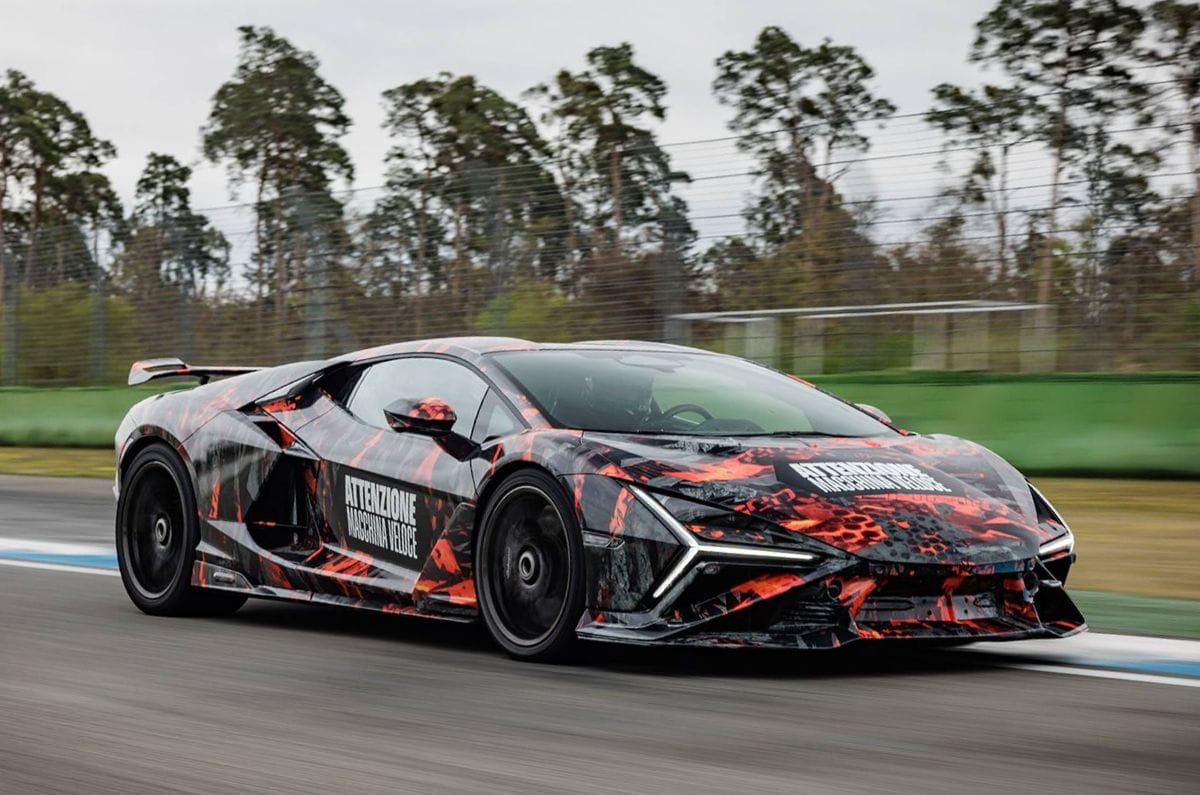
Test mule of the Lamborghini Revuelto SV at Hockenheimring, Germany.

Lamborghini has also added a large fixed wing at the back, while a specially designed underbody and active flaps are also likely additions to enhance the Revuelto SV’s aerodynamic performance on the track. Similarly, lightweight carbon-fibre wheels and race-spec brakes are expected to be part of the package as well, along with unique paint options and exterior detailing exclusive to the SV.

Interior

Lamborghini Revuelto SV teaser interior
Test mule of the Lamborghini Revuelto SV at Hockenheimring, Germany.

The first teaser campaign from the brand provides us a glimpse into the Lamborghini Revuelto SV’s interior. Noticeable in the interior image is a heavy-duty roll cage, exposed metal surfaces and a bare-bones rear-cabin section. Other details that are visible here include a leather & carbon fibre-trimmed steering wheel with a red centre marker and carbon-fibre shift paddles. The bucket seats are also likely to be carbon-fibre units, whilst the shrouding for the digital driver’s display uses the same weight-saving material. The Revuelto SV’s interior could feature plenty of Alcantara/suede, depending on how a customer specs it. One can also expect to see ‘SV’ branding and other edition-specific detailing on this interior.

Powertrain and performance

Powering the Lamborghini Revuelto SV will be the familiar 6.5-litre naturally aspirated V12, along with three electric motors and a compact lithium-ion battery pack. Lamborghini is likely to have reworked the 8-speed dual-clutch transmission for quicker shifts, and the combined output from the hybrid powertrain is expected to go up as well.

Lamborghini Revuelto SV teaser
Test mule of the Lamborghini Revuelto SV at Hockenheimring, Germany.

Lamborghini recently set a lap record of 1:41.6 at the Hockenheimring track, with the brand claiming this to be the fastest lap ever recorded at this facility by a production car. The standard Revuelto offers 1,015hp and 725Nm of torque, allowing it to hit a top speed of over 350kph and accelerate from 0-100kph in a claimed 2.5 seconds. The SV is likely to be even faster, with retuned suspension and sharper steering also expected for improved handling on the track.

Also read

JCB Hydromax hydrogen-powered car sets new land speed record of 653.90kph

Volkswagen Kylaq-based compact SUV confirmed for India

New Ducati Panigale V4 SP in the works

New Ducati Panigale V4 SP in the works
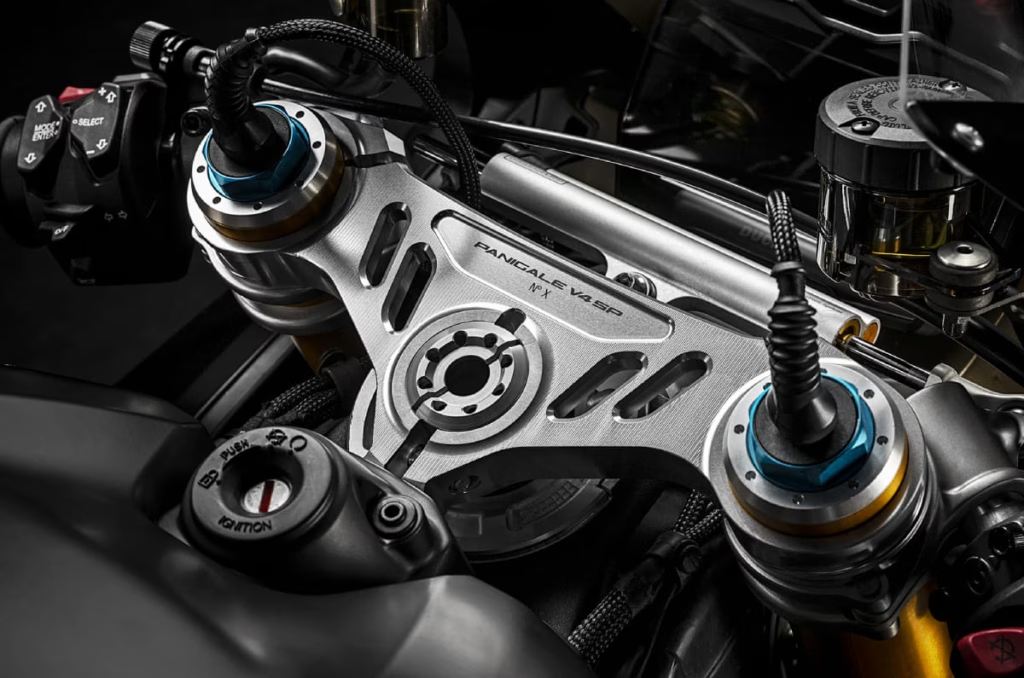
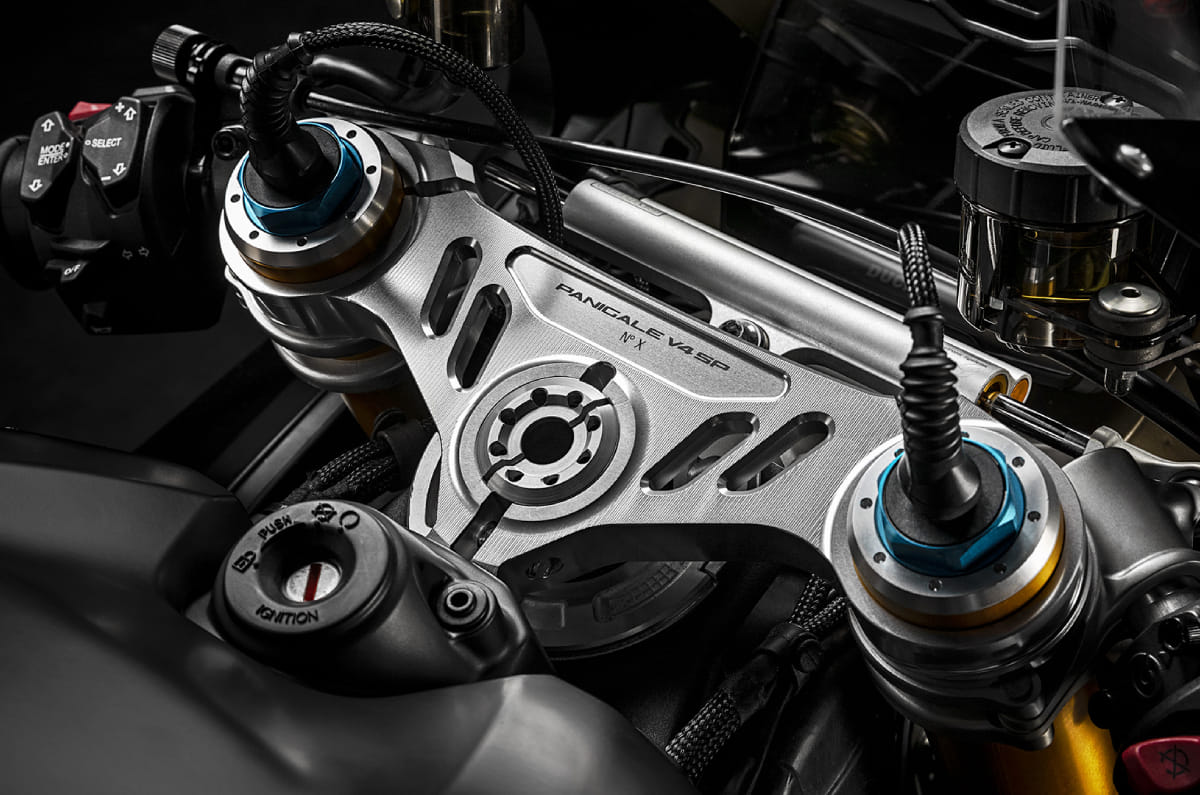
Close up of Panigale V4 SP steering head with numbered badge

A 2027 Ducati Panigale V4 SP has been confirmed via a California Air Resources Board (CARB) certification in the US. According to reports, the filing was originally submitted for the 2027 Panigale V4 line-up in March, but Ducati updated it in July to add an SP variant to the certification.

  1. 2027 Ducati Panigale V4 SP confirmed via US emission certification
  2. Will use the same 1,103cc engine as the standard 2027 Panigale V4
  3. Expected to add a dry clutch, carbon-fibre wheels and upgraded Brembo brakes 

2027 Ducati Panigale V4 SP: What to expect

The previous-generation Panigale V4 was available in both SP and SP2 variants

The SP nameplate – which stands for Sport Production – has, in recent history, typically represented the top-of-the-line version of a production Ducati. The brand introduced a Panigale V4 SP for the 2021 model year, followed by an SP2 for 2022. Both were positioned above the standard Panigale V4 S but below the track-homologated V4 R.

Based on that precedent, we could see the 2027 Panigale V4 SP offer similar upgrades to those seen on its predecessors – a dry clutch replacing the standard hydraulic unit, carbon-fibre wheels, a lightweight chain, adjustable billet-aluminium footpegs, a brushed-aluminium fuel tank and upgraded Brembo braking hardware. The engine will likely be shared with the rest of the road-going 2027 Panigale V4 line-up, and we’ll have to wait to see if output figures change with the SP badge. Notably, that wasn’t the case with the last generation. For reference, the 1,103cc V4 in the standard bike produces 216hp and 120.9Nm.

Currently, the global Panigale V4 line-up includes the standard V4, the V4 S, the track-homologated V4 R and the V4 S 100 limited-run model as part of the Centenario collection. All except the latter are also available in India. Ducati has been prompt in making most of its global models available in our market, so when the V4 SP does go into production, we could expect it to launch here as well. It will likely command a premium over the Rs 39.79 lakh (ex-showroom, India) price of the V4 S.

Source: Motorcycle.com

JCB Hydromax hydrogen-powered car sets new land speed record of 653.90kph

JCB Hydromax hydrogen-powered car sets new land speed record of 653.90kph
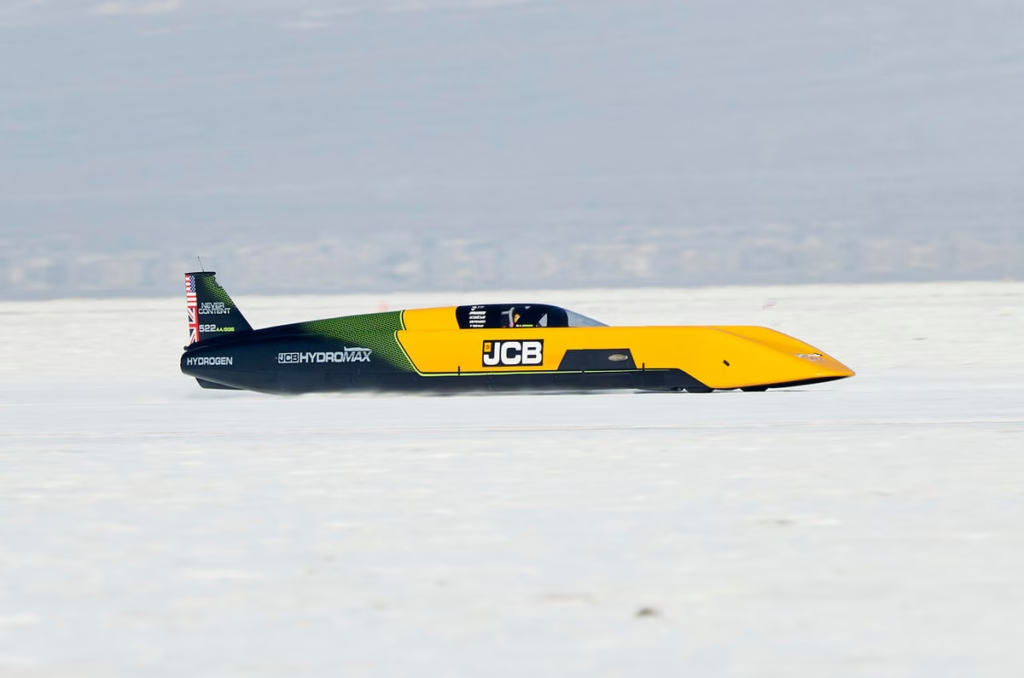
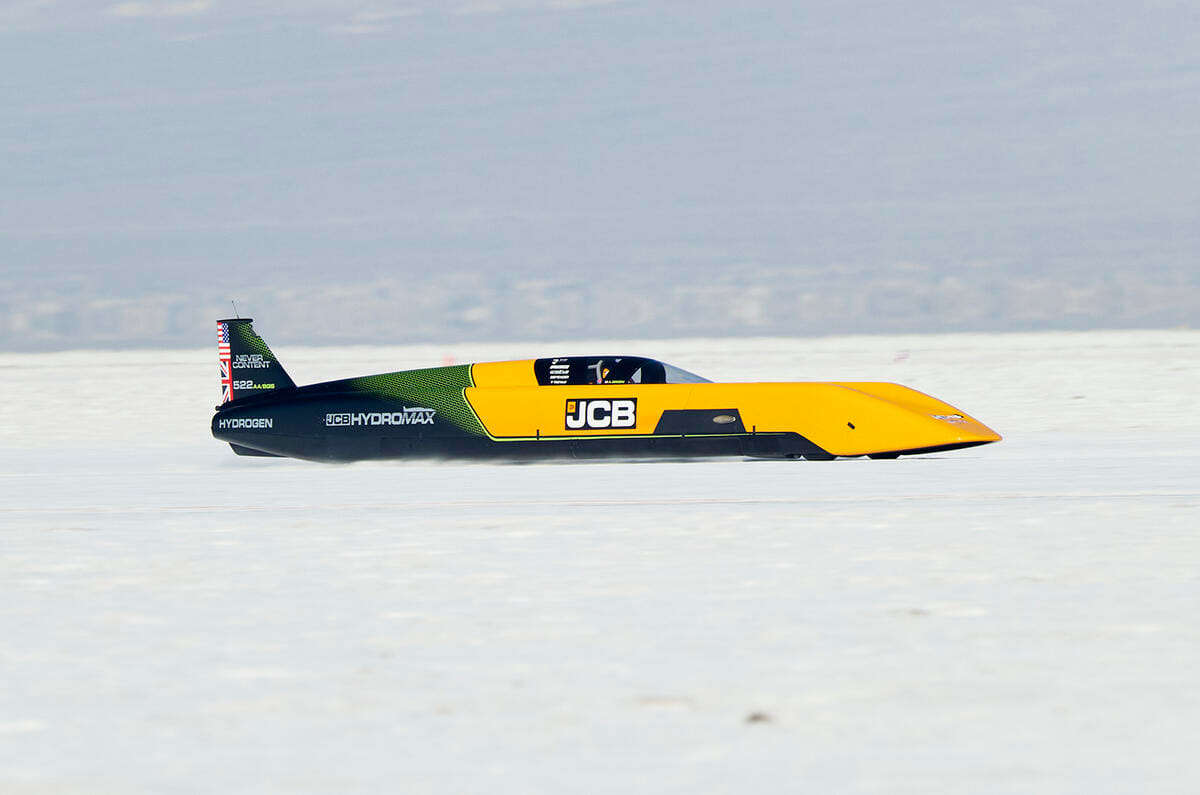
JCB Hydromax side tracking

While bulldozers usually come to one’s mind when the JCB brand is mentioned, in a new development, the British engineering giant has set a new world land speed record for a hydrogen-powered combustion vehicle. Performing the record-breaking feat was JCB’s in-house-developed Hydromax speedster, which achieved an average top speed of 653.90kph, with Andy Green behind the wheel. The record was set at the Bonneville Salt Flats in Utah, USA.

  1. Hydromax outputs a combined 1622hp from two 4.8-litre hydrogen combustion engines
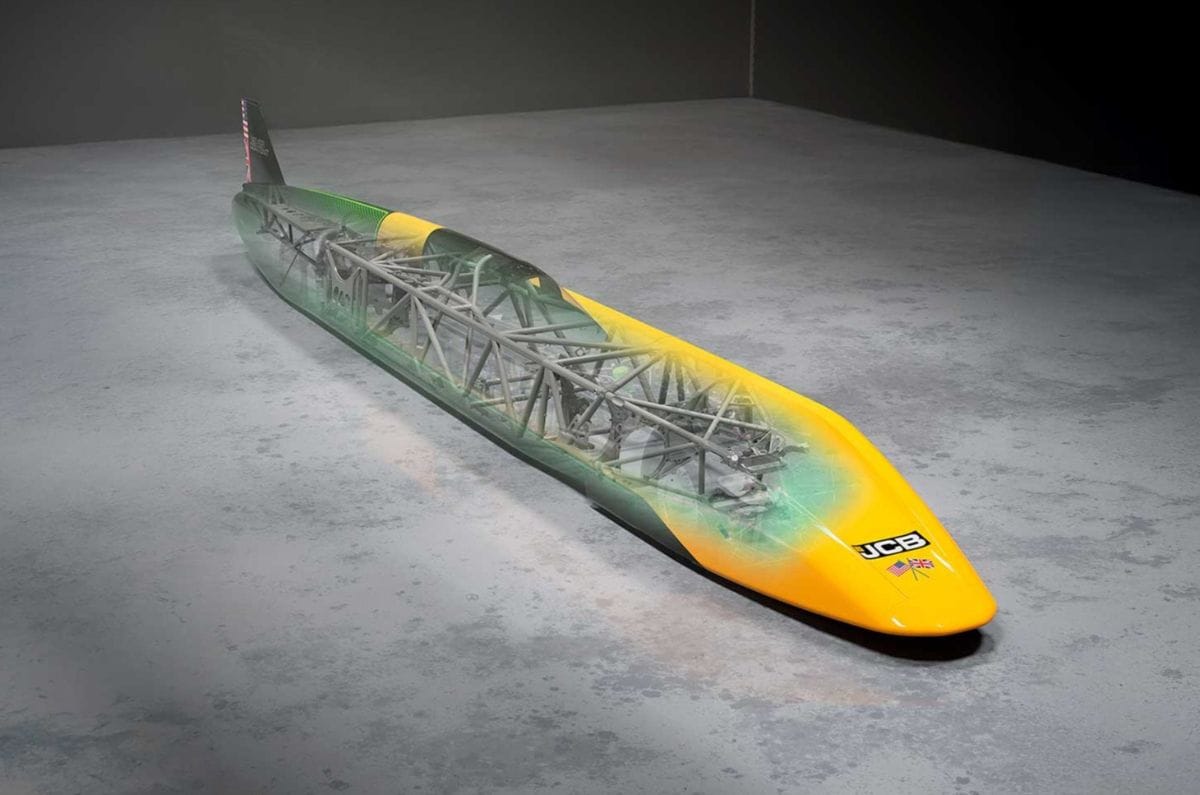
  2. The vehicle is 9.75 metres long and features a steel frame chassis

For Andy Green, this marks his third world record, with previous feats including the world land speed record for a diesel-powered car through a JCB Dieselmax 20 years ago in 2006. Before that was a world land speed record with the sound barrier-breaking Thrust SSC in 1997.

JCB hydrogen combustion world land speed record: Additional details 

On its first run, the Hydromax recorded an average speed of 644.74kph, while it achieved 663.26kph on its second run. The average speed of the two runs was 653.90kph, helping it beat the record that was previously set by the BMW H2R in 2004, which achieved a speed of 298.53kph. At its average top speed, JCB says that the Hydromax is the fastest hydrogen-powered vehicle of any kind in history. 

JCB Hydromax: What’s underneath it?

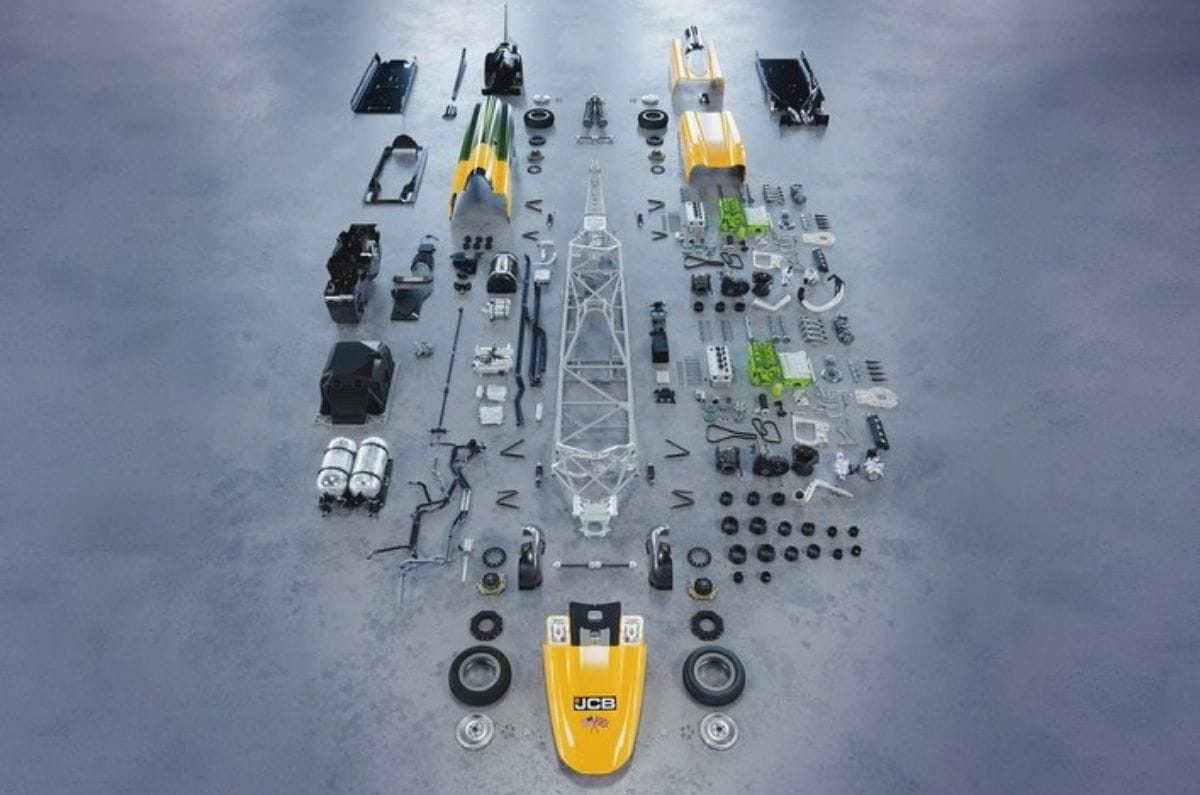
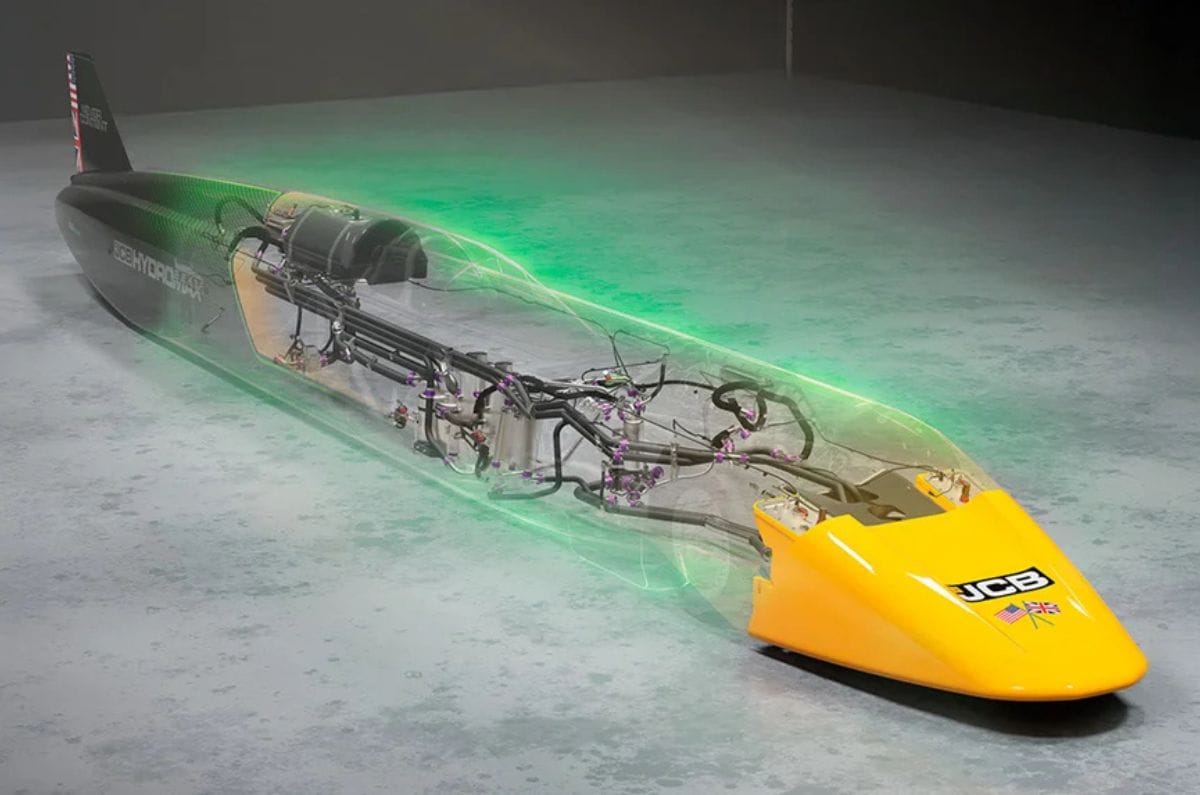
The 9.75-metre-long speedster uses two hydrogen-powered engines with a total capacity of 9.6 litres. The engines produce a combined power output of 1622hp and come with a single-stage motorsport turbocharger to deal with the high altitude of the Bonneville Salt Flats. Additionally, it utilises spark plugs designed for a Le Mans car.

The engines are laid on the sides of the car chassis, with one driving the front axle and the other the rear axle, while both are paired to a 6-speed sequential gearbox each. The company stated that the clutches used for the gearboxes were taken from a JCB digger, since motorsport-spec clutches weren’t designed to handle the loads of a speed-record car.

The Hydromax is built on a steel-frame chassis, while the driver sits in a carbon fibre monocoque sub-chassis. The windscreen is sculpted to mitigate drag, while the hydrogen tank sits behind the carbon fibre sub-chassis. Sculpted channels under the nose of the Hydromax are designed to channel salt from the car’s underbody to reduce drag.

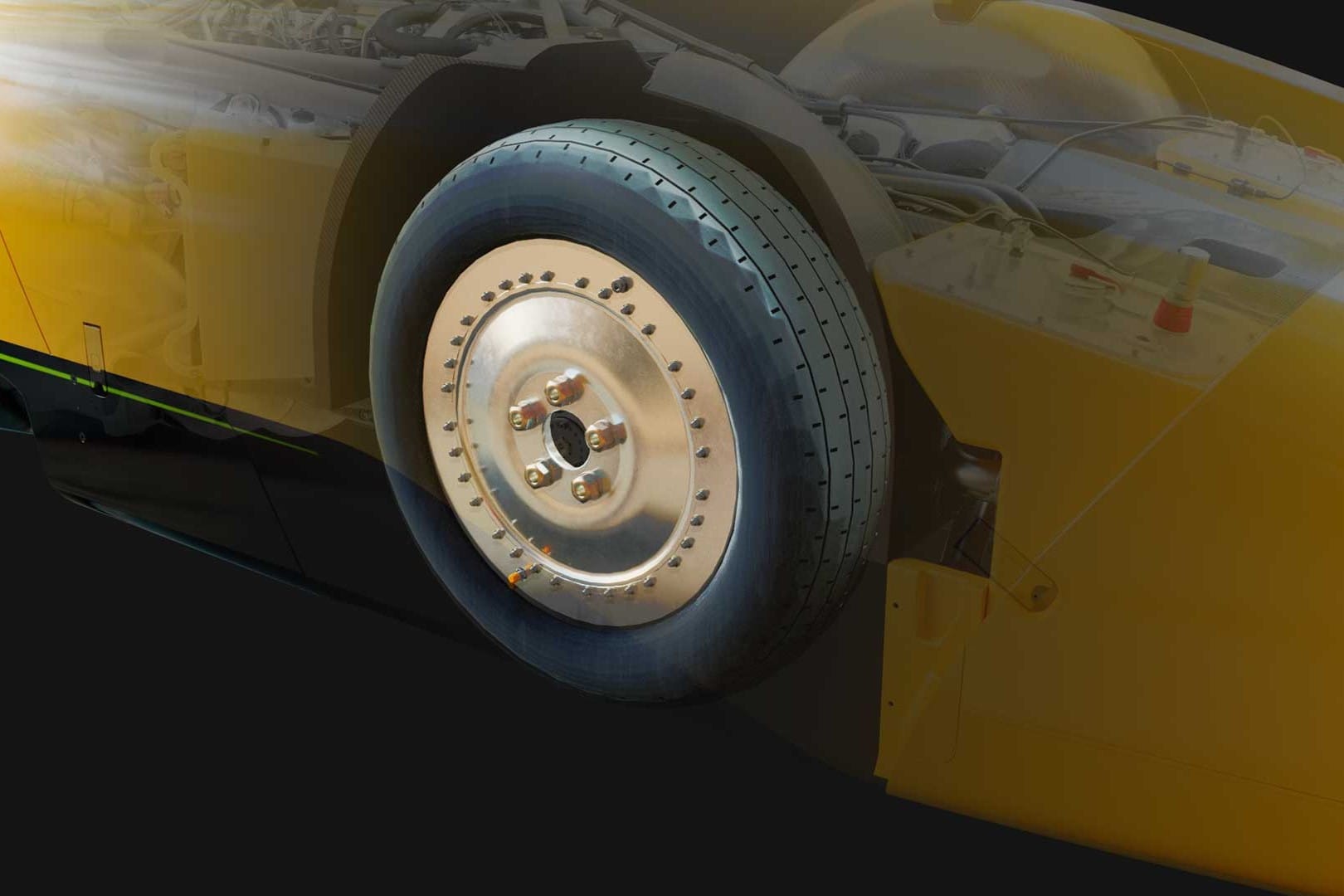
For the Hydromax, JCB commissioned an all-new tyre that grows at high speeds, due to which the front wheel arches had to be redesigned and enlarged. Instead of a cooling inlet to reduce engine temperature, it utilises two tanks of ice, with 250kg required for each run. It was claimed that on the full record run, the Hydromax would consume just over 2kg of hydrogen and produce 18 litres of water.

Aston Martin reveals Le Mans-inspired DB12 S models

Aston Martin reveals Le Mans-inspired DB12 S models
Aston Martin reveals Le Mans-inspired bespoke DB12 S models

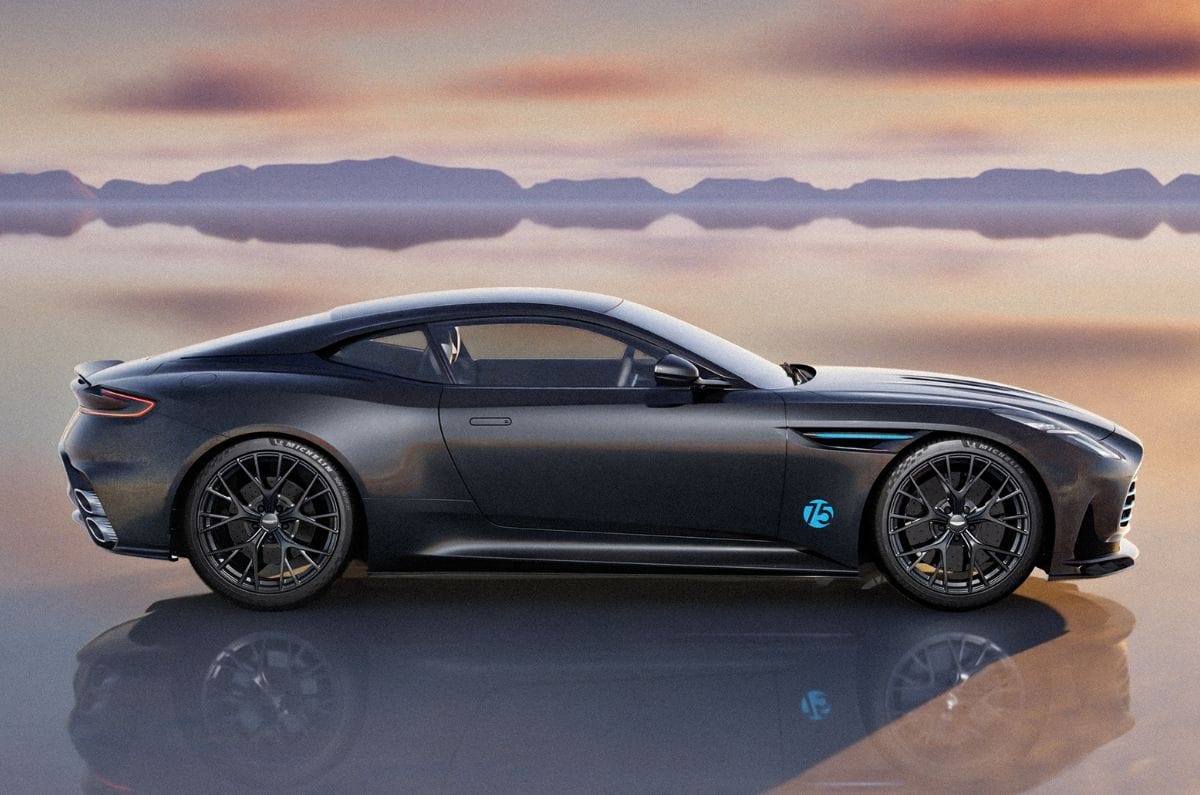
Aston Martin has revealed three bespoke DB12 S Coupe models, called the VMF 63, VMF 64, and VMF 65, at the ongoing Monterey Car Week 2026. These one-off models are curated by the manufacturer’s in-house ‘Q’ personalisation department and take inspiration from the DB2 race cars from the 1951 24 Hours of Le Mans. These new VMF models feature a black exterior paint, distinct hues for the grille vanes, additional carbon fibre elements outside, contrast stitching inside and some ‘75’ badges inside-out.  

  1. Gets black exterior hue, different paint on grille vanes and some carbon fibre elements
  2. Features contrast stitching and bespoke embroideries and door sill plates inside

The British manufacturer says that the three DB12 S ‘VMF’ cars “celebrate and honour the racing roots of the Pebble Beach Concours D’Elegance”, which is seeing its 75th anniversary this year. 

Aston Martin DB12 S ‘VMF’ cars: All you need to know

All VMF models get the same exterior colours but different accent and stitching hues

Aston Martin DB12 S 'VMF' car
 

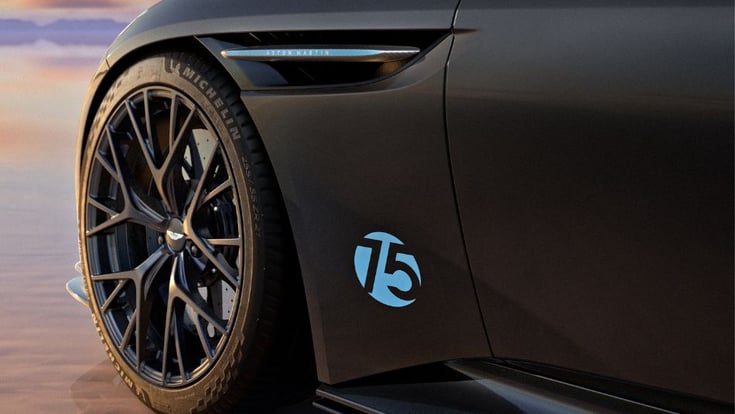
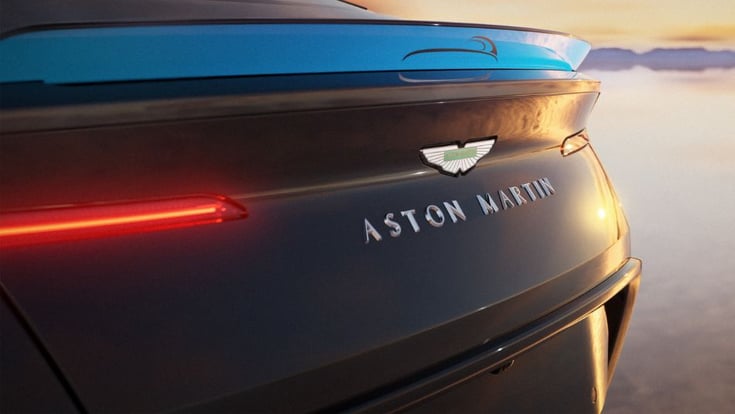
Aston Martin’s ‘Q’ department has distinguished the models with a Carbon Black exterior paint and painted grille vanes – Rosso Red on the VMF 63, Speed Yellow on the VMF 64, and Ellwood Blue on the VMF 65. There’s a ‘75’ decal on the fenders and painted carbon fibre side strakes. The models also get a painted carbon fibre ‘Aeroblade’ and a DB2 silhouette logo graphic at the rear.

Inside, the Aston Martin VMF 63, VMF 64, and VMF 65 feature contrast stitching on the seats, the colour coordinated with the exterior accent hue. The front seat backs have an embroidered DB2 silhouette, while the rear seats sport ‘75’ stitching. The door sills have bespoke ‘75’ plaques, and the start/stop rotary dial and paddle shifters are painted.

Powertrain details of the VMF models are yet to be revealed

While Aston Martin has yet to reveal the powertrain specifications of the VMF 63, VMF 64, and VMF 65, they could be similar to the DB12 S, on which the bespoke models are based. For reference, the DB12 S is powered by a 4.0-litre twin-turbo V8 petrol engine that produces 700hp and 800Nm, and is paired with an 8-speed automatic transmission. It does a 0-100kph run in 3.5 seconds before reaching an electronically limited top speed of 325kph. 

The 75th edition of Monterey Car Week is themed around early 1950s sports cars and racing icons. The one-off models highlight Aston Martin’s racing heritage and the evolution of performance design since the first Pebble Beach Concours d’Elegance. Alongside the three DB12 S ‘VMF’ cars, Aston Martin is also displaying a DB2 heritage model, the limited-run Vanquish 25 Special Edition from its ‘Q’ bespoke division, and its current ‘S’ lineup, comprising the DB12 S, Vantage S, and DBX S.

Marc Philipp Gemballa Marsien GT revealed with over 830hp

Marsien GT front quarter

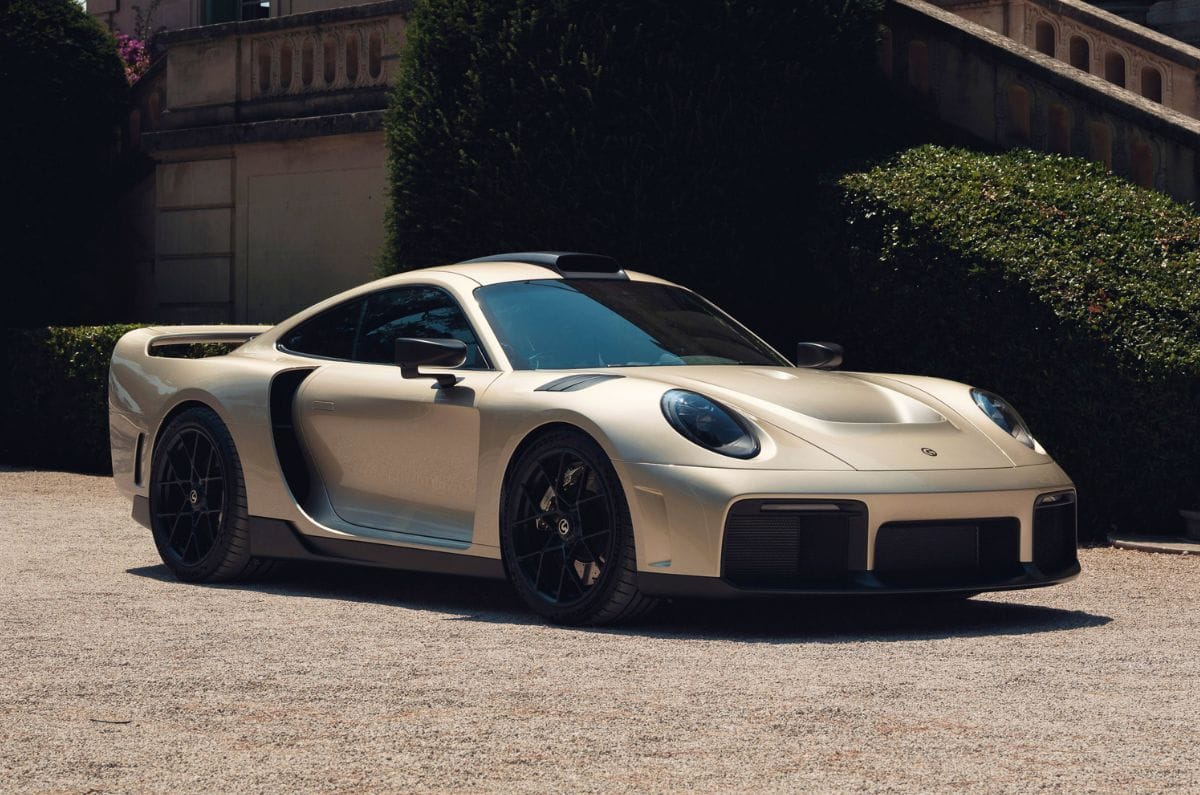
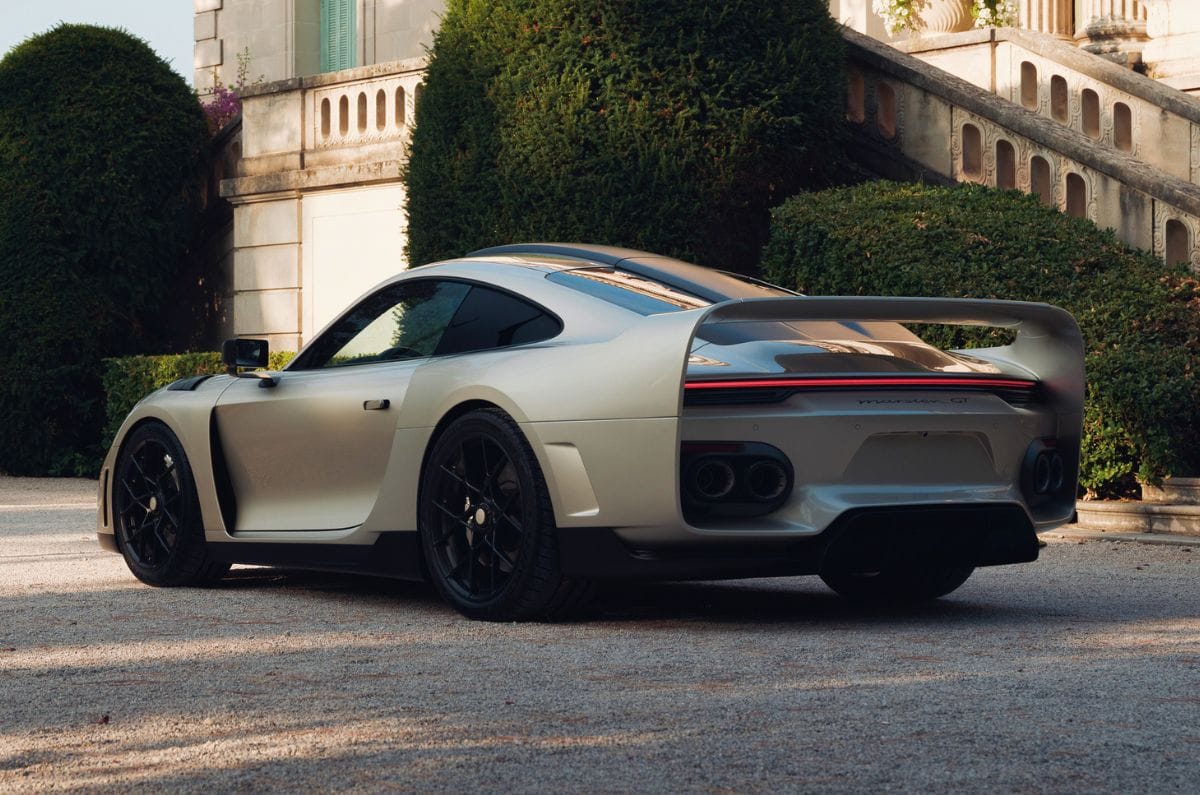
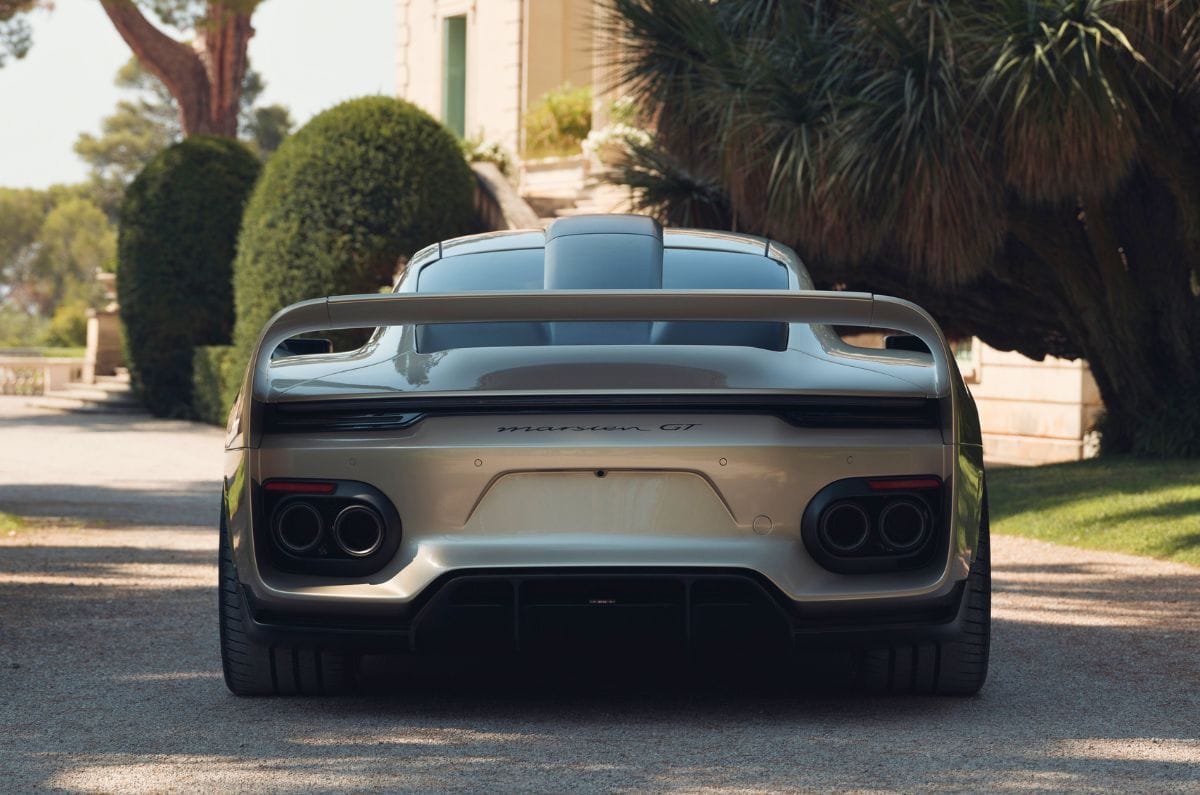
Based on the 992-series Porsche 911 Turbo S, the Marsien GT has been revealed ahead of its global premiere at the Pebble Beach Concours d’Elegance on August 13, 2026. Produced by Marc Philipp Gemballa GmbH, the Marsien GT is the company’s second limited-edition model – the first was the desert-focused Marsien of 2021. Including 40 units of the latter and another 30 examples of the grand tourer (GT), there’ll be a total of 70 Marsiens produced. The 70-unit combined production run honours the 70th anniversary of Uwe Gemballa, Marc Philipp Gemballa’s father, the marque stated.
  • Has a carbon-fibre exterior, active aero and custom colour options
  • Gets Michelin Pilot Sport Cup 2 tyres and an Akrapovic titanium exhaust system
  • Revised six-cylinder boxer engine outputs over 830hp and 930Nm

Marsien GT design and interior

Marsien GT front

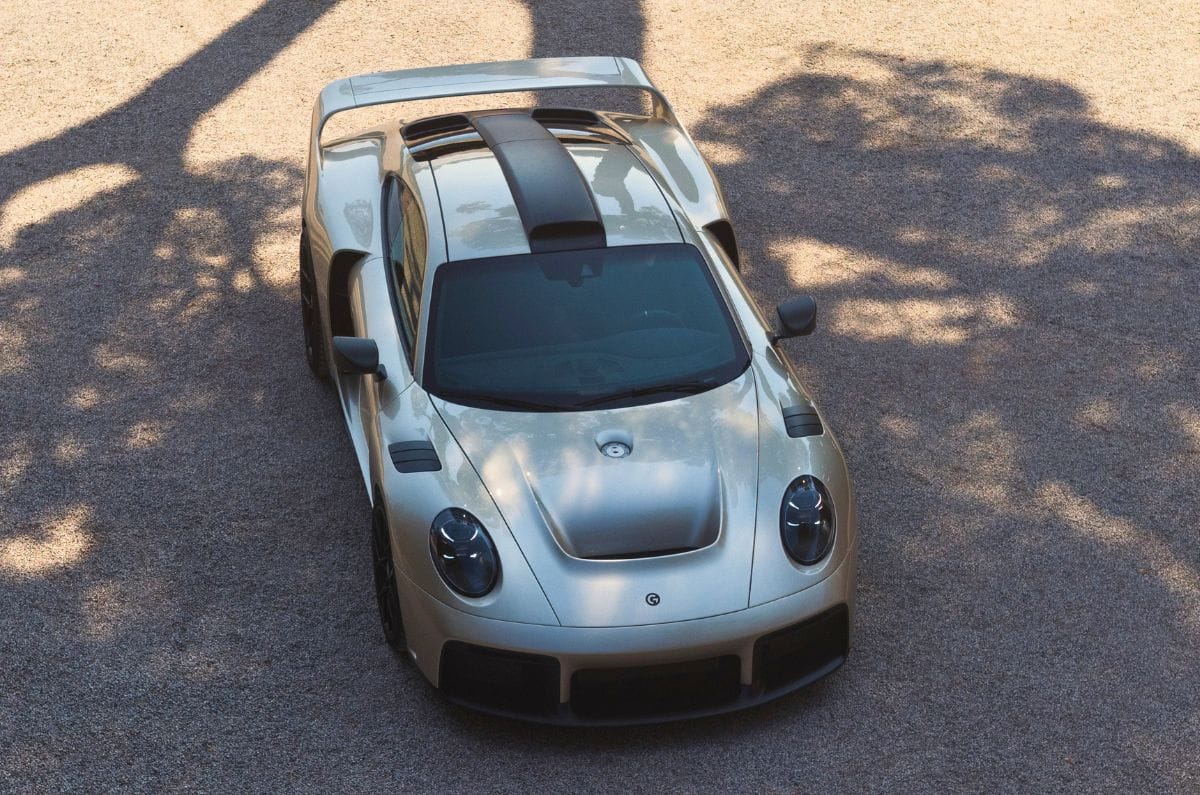
The exterior styling of the Marsien GT is the work of French automotive designer Alan Derosier. It features a one-off four-layer metallic colour called Anniversary Liquid Champagne Gold, in honour of the 70th anniversary of Uwe Gemballa. The colour is applied at a paint studio that the brand claims can “fulfil the most daring customer colour requests.” The brand also says that the Marsien GT has a full carbon-fibre exterior, consisting of over a hundred individual carbon-fibre components. The front axle-lift system has been retained from the 911 Turbo S, though.

Marsien GT rear quarter

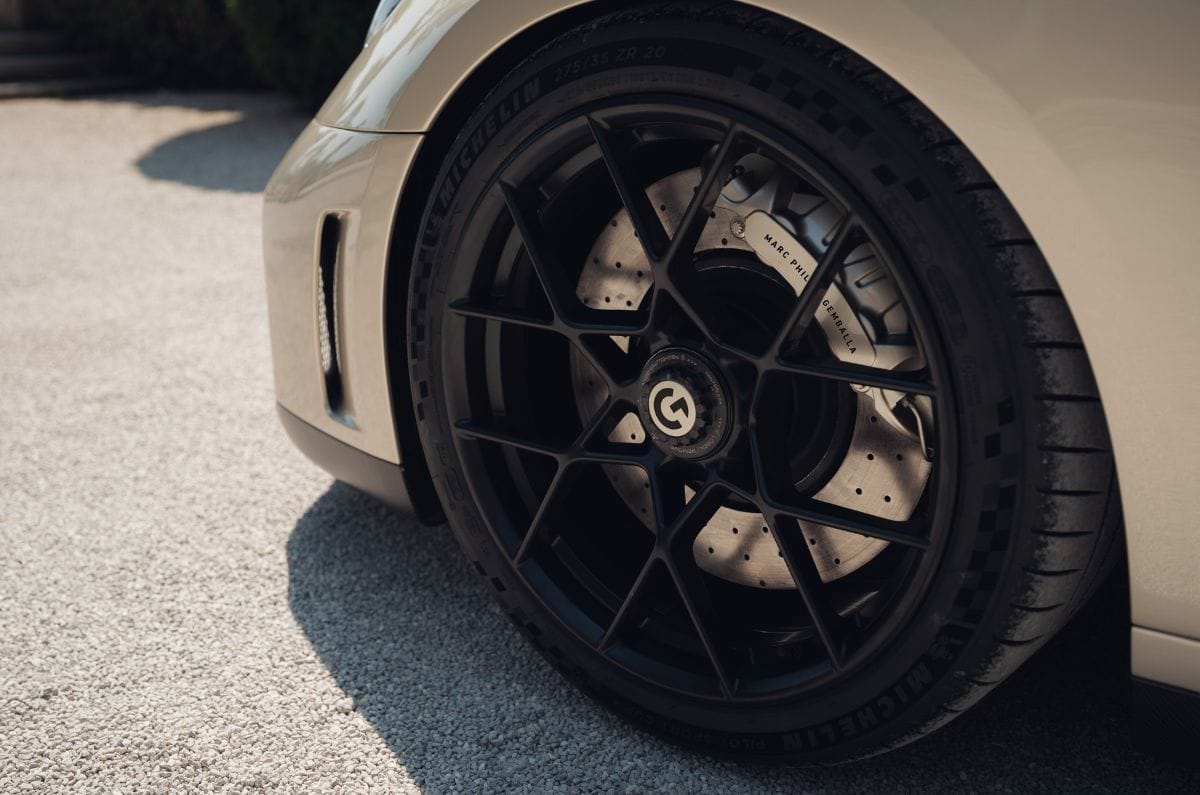
Noticeably different elements over the donor vehicle include the uniquely shaped outside rearview mirrors (ORVMs), a top-mounted scoop, active air flaps on the front fenders, ram-air intakes, side skirts with integrated air channels, and a large active rear wing whose design is reminiscent of the Porsche 959’s. Adding to these are the forged aluminium wheels wrapped in Michelin Pilot Sport Cup 2 tyres, an Akrapovic titanium exhaust system, and a carbon-fibre underfloor. All these lightweight measures ensure weight savings of 75kg over the donor vehicle, whilst the active aero features cool the brakes and reduce turbulence from the wheel arches, as per the brand.
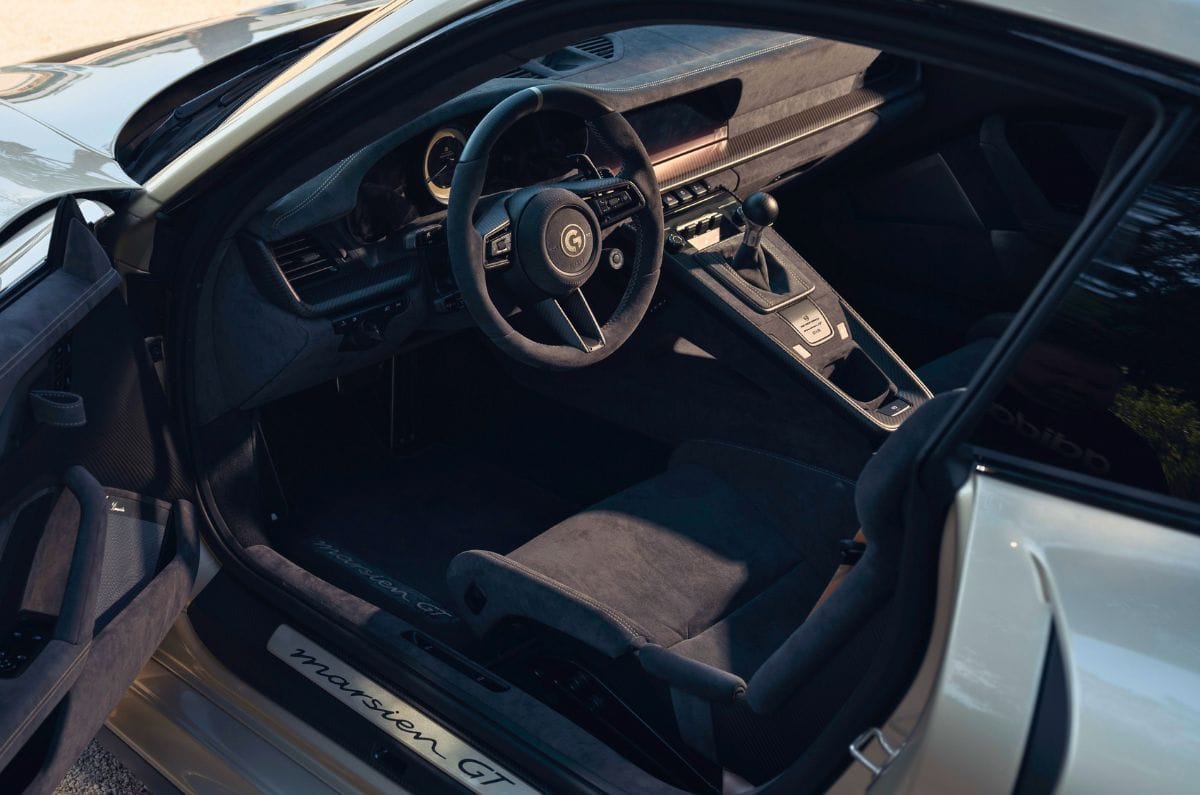
Marsien GT interior

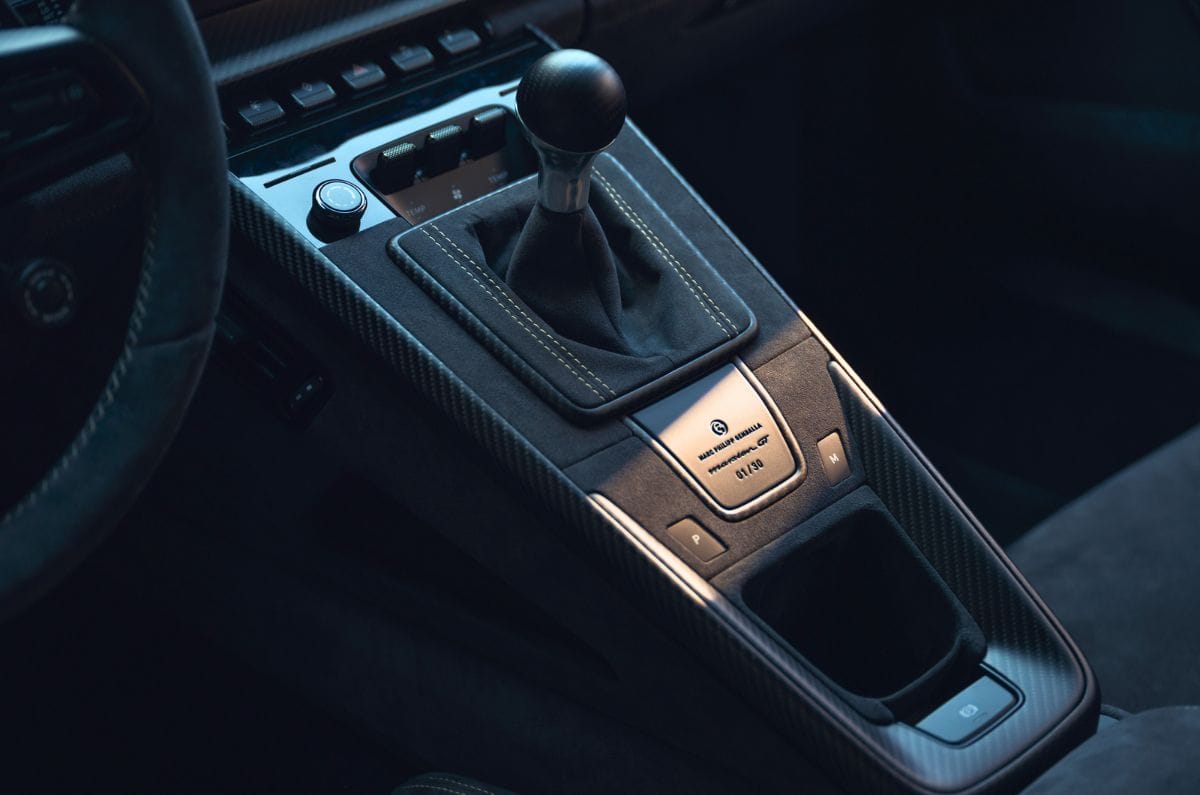
Some of the stand-out design elements inside the Marsien GT are visible along the centre console, which itself is raised over what’s seen in the standard 911 Turbo S, but there’s also an aluminium gear lever that’s inspired by the unit found in the Carrera GT. Customers can opt this gear lever to be covered in either exposed carbon or mahogany wood, instead of softer materials like leather or Alcantara. The interior also features hand-stitched brand logo on the steering wheel, headrests, armrest and floor mats.
Marsien GT gear lever

The centre console also sports a metal badge displaying the individual production number of each vehicle. Apart from the carbon bucket seats and dark grey Alcantara, the interior of this launch-ready example features champagne accents for much of the stitching, plus on the seatbelts and within the instrument cluster. There are also matte carbon-fibre accents and an Alcantara-trimmed roll bar. According to the brand, customers can purchase a carbon-fibre interior package that adds even more exposed carbon-fibre elements.

Marsien GT powertrain and suspension

Marsien GT rear

Porsche engine specialist RUF Automobile is key behind the powertrain of the Marsien GT. Uwe Gemballa and RUF Automobile have collaborated to produce powertrains for various vehicles in the 1980s, said Marc Philipp Gemballa GmbH. Compared to the 911 Turbo S, the six-cylinder boxer engine of the Marsien GT features a remapped ECU (engine control unit) and enhanced variable-geometry turbochargers – this results in a claimed output of over 830hp and 930Nm of torque. The 8-speed dual-clutch automatic transmission (DCT) has also been revised to handle the extra power and torque.

The brand is currently working on a second-stage engine upgrade option, which will take the output to over 900hp. Even in its current avatar, the Marsien GT has a claimed top speed of 330kph and a 0-97kph sprint time of 2.4 seconds. That said, the Marsien GT retains the all-wheel-drive (AWD) system of the Porsche 911 Turbo S.

Marsien GT wheels

However, Marc Philipp Gemballa GmbH has partnered with KW Automotive for its car’s suspension needs. It claims that the new double-wishbone front setup has been specifically developed for the Marsien GT, with its electronically controlled dampers capable of adjusting and responding to changing road conditions within just 20 milliseconds. This suspension setup ensures that the Marsien GT offers precise control without sacrificing ride comfort that’s expected of a grand tourer, according to the brand.

Marsien GT price

Marsien GT exterior top-down

The Marc Philipp Gemballa Marsien GT will be making its world premiere during the upcoming 2026 Monterey Car Week at the Pebble Beach Concours d‘Elegance in California, USA. Production will begin in 2027, with first customer deliveries commencing later the same year. The starting price of the Marsien GT will be EUR 770,000, not including the cost of the donor vehicle, i.e., the 992 Porsche 911 Turbo S. For reference, the latter starts at EUR 271,000 in Germany.

Also read

Mahindra BE 6 Sporteq teased with new triple screen setup

What to expect from Mahindra’s 2026 Independence Day event