दिग्गज फाइनेंस कंपनी Bajaj Finance के बोर्ड ऑफ डायरेक्टर्स ने कंपनी के लिए ₹17,500 करोड़ तक की रकम जुटाने के प्रस्ताव को मंजूरी दे दी है। कंपनी यह पैसा QIP और प्रेफरेंशियल वारंट इश्यू के जरिए जुटाएगी।
बोर्ड ने गुरुवार को हुई बैठक में दोनों प्रस्तावों को मंजूरी दी। हालांकि, इसके लिए रेग्युलेटरी मंजूरियां लेनी होंगी। इसमें कंपनी के शेयरधारकों की मंजूरी भी शामिल है।
QIP से ₹11,700 करोड़ जुटाएगी कंपनी
Bajaj Finance QIP यानी क्वालिफाइड इंस्टीट्यूशनल प्लेसमेंट के जरिए ₹11,700 करोड़ तक जुटा सकती है। QIP में लिस्टेड कंपनी क्वालिफाइड इंस्टीट्यूशनल बायर्स को नए इक्विटी शेयर जारी करके पैसा जुटाती है।
कंपनी ने बताया कि QIP में ₹1 फेस वैल्यू वाले इक्विटी शेयर जारी किए जाएंगे। यह इश्यू SEBI के ICDR Regulations 2018, Companies Act 2013 और लागू दूसरे नियमों के तहत किया जाएगा।
वारंट इश्यू से ₹5,800 करोड़
बजाज फाइनेंस ₹5,800 करोड़ तक के प्रेफरेंशियल वारंट भी जारी करेगी। ये वारंट रखने वाले निवेशकों को तय नियमों और शर्तों के तहत उन्हें उतनी ही संख्या के इक्विटी शेयरों में कन्वर्ट करने का अधिकार मिलेगा।
इस तरह QIP से ₹11,700 करोड़ और वारंट इश्यू से ₹5,800 करोड़ जुटाने पर Bajaj Finance कुल ₹17,500 करोड़ तक की रकम जुटा सकती है।
शेयरधारकों से भी लेनी होगी मंजूरी
दोनों प्रस्तावों के लिए कंपनी शेयरधारकों की मंजूरी लेगी। इसके लिए EGM बुलाई जाएगी।
कंपनी ने कहा है कि फंड जुटाने की पूरी प्रक्रिया जरूरी रेग्युलेटरी और वैधानिक मंजूरियों के अधीन होगी। इसमें SEBI, संबंधित नियमों और शेयरधारकों से मिलने वाली मंजूरी शामिल है।
बजाज फाइनेंस का शेयर पिछले कारोबारी सत्र में 1.20% की गिरावट के साथ 947.90 रुपये पर बंद हुआ। पिछले 6 महीने में स्टॉक ने 14.64% का रिटर्न दिया है।
Disclaimer: यहां मुहैया जानकारी सिर्फ सूचना के लिए दी जा रही है। यहां बताना जरूरी है कि मार्केट में निवेश बाजार जोखिमों के अधीन है। निवेशक के तौर पर पैसा लगाने से पहले हमेशा एक्सपर्ट से सलाह लें। मनीकंट्रोल की तरफ से किसी को भी पैसा लगाने की यहां कभी भी सलाह नहीं दी जाती है।
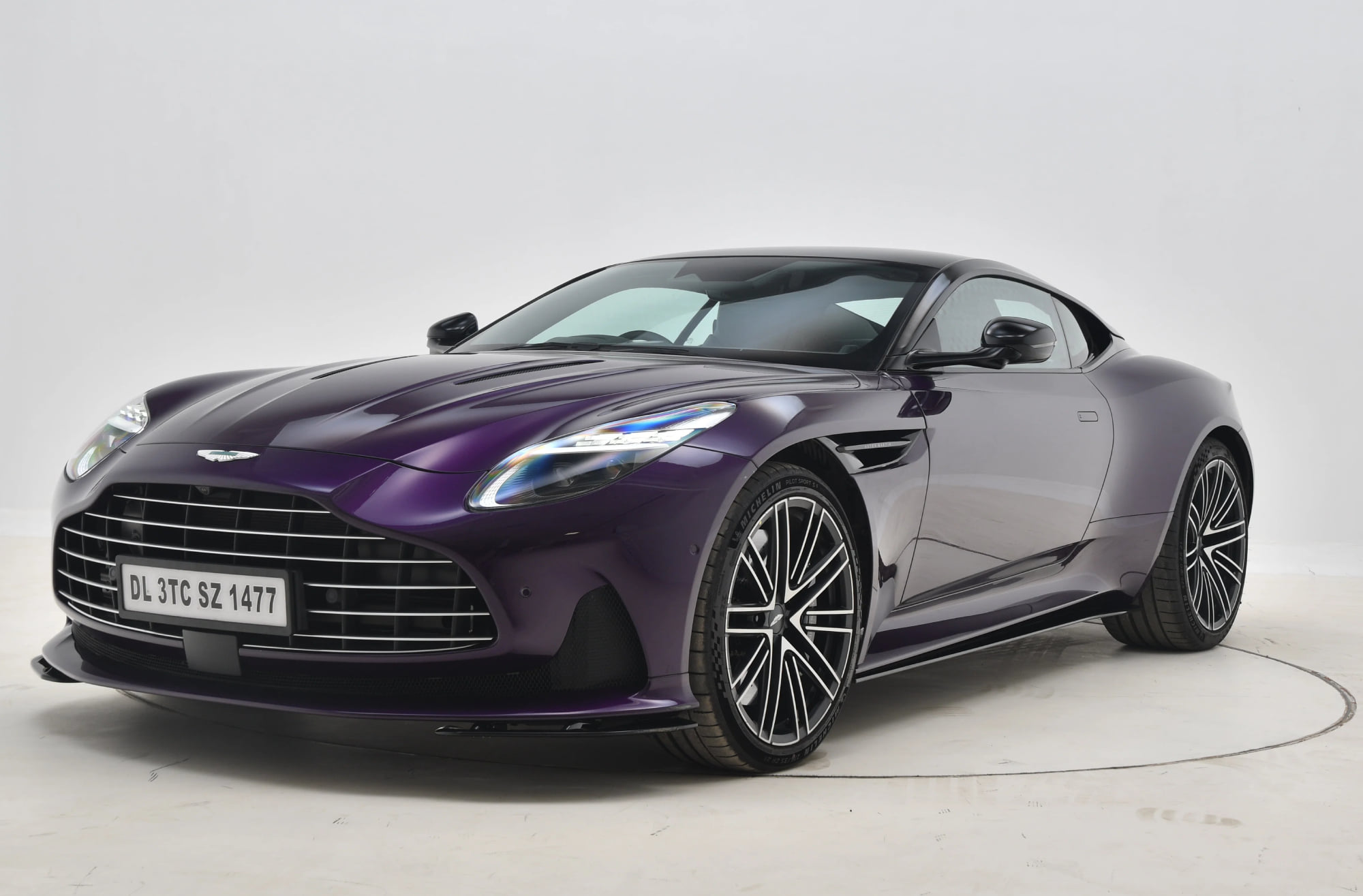
Aston Martin has delayed the launch of its first electric car to 2033 or later, with CEO Adrian Hallmark saying the company no longer has a fixed launch date. Speaking to our sister publication Autocar UK, Hallmark said, “We only need BEVs to be compliant for legislative reasons [in certain markets] just before 2035,” adding that the timing “could be 2035, it might be 2033”. He described Aston Martin as “not BEV deniers but BEV delayers”, and said the company will be “predominantly ICE-based” until 2035.
Aston Martin EV launch delayed again
Aston Martin’s EV plans have been pushed back several times. The company had previously targeted 2025, later moved the launch to 2026, and subsequently indicated that its first EV would arrive by 2030. The latest timeline moves it into the 2033-35 window.
Hallmark said the change reflects the pace at which EV demand and legislation are evolving. He said they are “changing way faster than any car company can cope with”, making it difficult for Aston Martin to set a firm launch date. “I’m not going to give an absolute date, because it’s imprecise. It could be 2035, it might be 2033, but it’s in that three-year-window. It’s not 2031,” Hallmark added.
The latest delay follows comments from executive chairman Lawrence Stroll in 2024 that EV demand at Aston Martin’s price point was lower than expected. At the time, the company had outlined plans for four EVs based on a dedicated architecture, spanning a GT, SUV, crossover and mid-engined supercar.
Lucid technology to underpin future EVs
Aston Martin has an agreement with Lucid for EV technology and has a partnership with current engine supplier Mercedes-Benz. Hallmark said the delay will give the company more time to assess how the technology develops before making major investments.
“Because we delayed, by the time we activate that deal, the technology that we will get is totally different to what we signed up the original contract for,” Hallmark said. He added that “looking at BEVs in the future, even if [we launch our first in] 2033, we’ve got three years where we can keep looking, keep thinking and keep evaluating different technologies and how they’re changing, and the markets and the legislation. And it’s only then that we would need to kick off investment. So today we’ve got very low-level investment, but it’s research and study, not even single-digit millions of investment.”
V8 and V12 engines to continue
Aston Martin Vantage’s 665hp V8
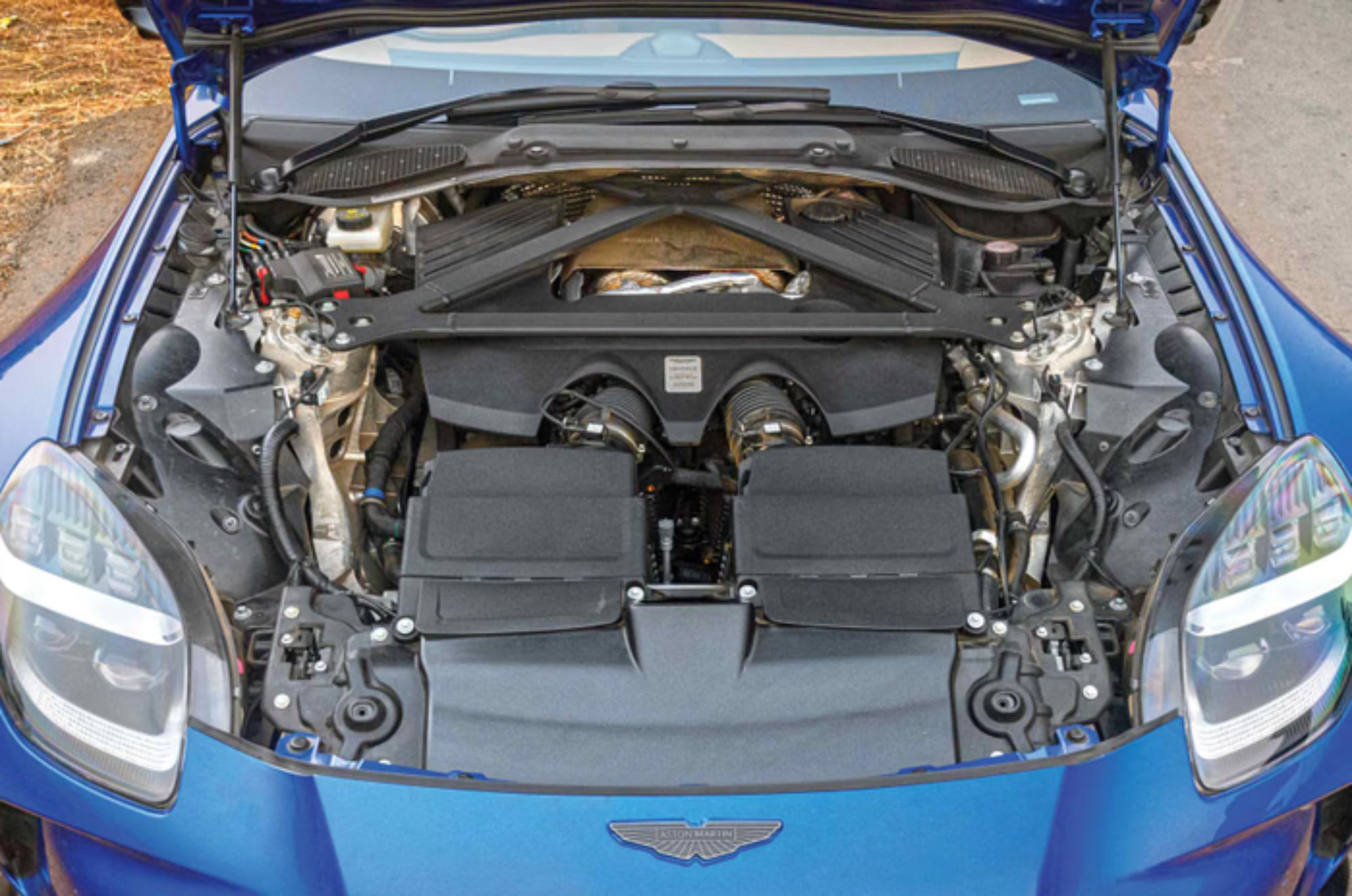
Aston Martin plans to continue offering combustion-engined cars well into the 2030s. Hallmark said the company has a roadmap to keep both its V8 and V12 engines compliant through at least 2035. “We have a roadmap to keep the bigger and smaller engines alive and compliant all the way through to the end of that period,” Hallmark said.
This extends the approach outlined by Stroll in 2024, when he said Aston Martin would continue making combustion-engined cars for as long as regulations allowed. The company had also increased its investment in plug-in hybrid technology as its EV plans were pushed back. Stroll had said Aston Martin had “decided to invest very heavily in PHEVs” – technology, he said, that would “play out for a long while and we will have an extensive offering”.
However, the latest strategy is different from that earlier plan. Hallmark said Aston Martin will use hybridisation, but “probably not” plug-in hybrid systems because of their added weight. “There would be hybridisation,” Hallmark said. “Probably not plug-in, because we don’t need it; we don’t need the 200kg penalties.”
Hallmark said “between 2030 and 2035 everything will be replaced” in Aston Martin’s product line-up, adding that “the attributes, performance and quality of the vehicles will take them up a level”. He also confirmed that Aston Martin will continue with the Valhalla hypercar, hinting that “there might be a derivative of it that has a different roof”. The company is investing in the Valhalla platform for future low-volume special edition models, he said.
Rapide E never entered production
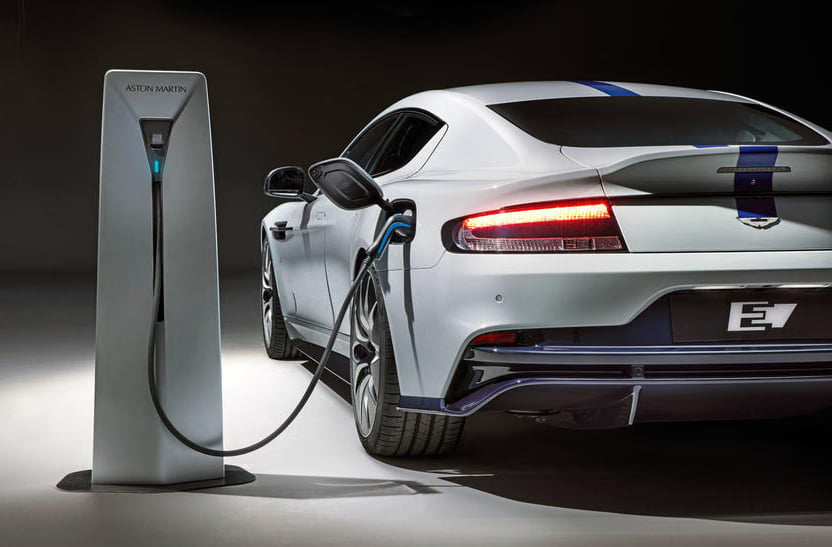
Aston Martin had planned to build 155 examples of the Rapide E, which was revealed as an electric four-door in 2019, but the production programme was cancelled before customer cars were built. The project was instead turned into an electrification research project, rather than being sold to customers. The Rapide E used an 800V battery and two electric motors with a combined target output of more than 610hp and 950Nm.
भारतीय खाद्य सुरक्षा और मानक प्राधिकरण यानी FSSAI ने पनीर को लेकर एक बड़ा प्रस्ताव रखा है। इसके तहत दूध से नहीं बने एनालॉग प्रोडक्ट को ‘पनीर’ नाम से बनाने और बेचने पर रोक लग सकती है। इसका मकसद है कि ग्राहक को प्रोडक्ट की असली सामग्री को लेकर भ्रम न हो।
क्या है एनालॉग पनीर?
डेयरी के मामले में एनालॉग ऐसे फूड प्रोडक्ट होते हैं, जो दूध या दूध से बने सामान जैसे दिखते हैं। उनका स्वाद या इस्तेमाल भी वैसा ही हो सकता है। लेकिन इनमें दूध काफी कम या बिल्कुल नहीं होता। इसकी जगह गैर-डेयरी सामग्री का इस्तेमाल होता है।
FSSAI ने क्या प्रस्ताव दिया?
FSSAI ने Food Safety and Standards (Prohibition and Restrictions on Sales) Amendment Regulations, 2026 का ड्राफ्ट जारी किया है। इससे 2011 के नियमों में बदलाव किया जाएगा।
ड्राफ्ट में Regulation 2.1.1 के तहत एक नया क्लॉज जोड़ने का प्रस्ताव है। इसमें दूध से नहीं बनी सामग्री वाले पनीर को शामिल किया गया है।
60 दिन में मांगे सुझाव
FSSAI ने इस ड्राफ्ट पर आम लोगों और संबंधित पक्षों से आपत्तियां और सुझाव मांगे हैं। आधिकारिक राजपत्र में नोटिफिकेशन की कॉपी सार्वजनिक होने के 60 दिन बाद इस प्रस्ताव पर आगे विचार किया जाएगा।
कई राज्यों में पहले से कार्रवाई
FSSAI के मुताबिक, कई राज्यों ने पहले ही एनालॉग पनीर के निर्माण और बिक्री पर रोक लगा रखी है। अब केंद्रीय स्तर पर भी इसके नाम और लेबलिंग को लेकर नियम सख्त करने का प्रस्ताव आया है।
ई-कॉमर्स कंपनियों पर भी कार्रवाई
पिछले छह महीनों में FSSAI ने फूड बिजनेस ऑपरेटरों और ई-कॉमर्स प्लेटफॉर्म के खिलाफ कार्रवाई तेज की है। इसमें भ्रामक दावे, गलत लेबलिंग, हाइजीन से जुड़ी कमियां और दूसरे खाद्य सुरक्षा नियमों का उल्लंघन शामिल है।
बुधवार को FSSAI ने Amazon, Swiggy Instamart, BigBasket, Flipkart India और Zepto के खिलाफ भी पेनल कार्रवाई शुरू की। इन पर भ्रामक दावों और प्रतिबंधित प्रोडक्ट की बिक्री समेत नियमों के पालन में कमी के मामले सामने आए हैं। एनर्जी ड्रिंक बनाने वाली कंपनियों और अल्कोहलिक बेवरेज कंपनियों पर भी कार्रवाई की गई है।
दिल्ली में 4,100 किलो मिलावटी सामान जब्त
त्योहारों से पहले दिल्ली सरकार के फूड सेफ्टी विभाग ने एक महीने तक अभियान चलाया। इस दौरान 4,100 किलो से ज्यादा मिलावटी खोया, छेना और एनालॉग पनीर जब्त कर नष्ट किया गया।
दिल्ली मुख्यमंत्री कार्यालय के मुताबिक, मोरी गेट खोया मंडी से 30 सैंपल लिए गए थे। इनमें से 22 इंसानों के खाने के लिए असुरक्षित पाए गए। इसके अलावा खोया और छेना के 19 सैंपल में से 12 घटिया गुणवत्ता वाले मिले। ये दोनों चीजें मिठाई बनाने में बड़े पैमाने पर इस्तेमाल होती हैं।
Hallmarking Fees Hike: देश में त्योहारी खरीदारी का सीजन शुरू होने वाला है। इससे पहले ब्यूरो ऑफ इंडियन स्टैंडर्ड्स यानी BIS ने सोने और चांदी के गहनों की हॉलमार्किंग फीस में बदलाव किया है। नए नियम 14 सितंबर 2026 को जारी नोटिफिकेशन के साथ लागू हो गए हैं।
हॉलमार्किंग किसी कीमती धातु से बने गहने की शुद्धता पहचानने का मुख्य तरीका है। इससे पता चलता है कि गहना कितने कैरेट का है। जैसे 22 कैरेट या 24 कैरेट। हॉलमार्क ये भी प्रमाणित करता है कि गहना BIS के मानकों के मुताबिक है।
सोने की हॉलमार्किंग फीस ₹75 हुई
BIS (Hallmarking) Regulations, 2026 में बदलाव किया गया है। इसके बाद मान्यता प्राप्त Assaying and Hallmarking Centres यानी AHCs में सोने के गहने जमा कराने वाले ज्वेलर्स को ₹75 प्रति गहना हॉलमार्किंग फीस देनी होगी। पहले ये फीस ₹45 थी यानी इसमें 66.67% का इजाफा किया गया है।
एक कंसाइनमेंट पर न्यूनतम फीस ₹200 होगी। यानी गहनों की संख्या कम होने पर भी कम से कम ₹200 फीस देनी होगी। चांदी के गहनों के लिए फीस ₹35 प्रति गहना तय की गई है। एक कंसाइनमेंट पर न्यूनतम फीस ₹150 होगी।
हॉलमार्किंग सेंटर की फीस भी तय
नए नियमों में AHCs की ओर से BIS के लिए ली जाने वाली फीस भी तय की गई है। सोने के गहनों पर यह फीस ₹7.50 प्रति गहना होगी। एक कंसाइनमेंट पर न्यूनतम फीस ₹20 रहेगी।
चांदी के गहनों के लिए यह फीस ₹3.50 प्रति गहना होगी। इसकी न्यूनतम सीमा ₹15 प्रति कंसाइनमेंट तय की गई है। इन सभी फीस पर लागू टैक्स अलग से लिया जाएगा।
छोटे और हल्के गहनों पर ज्यादा असर
AIJGF के राष्ट्रीय महासचिव नितिन केडिया ने कहा कि हॉलमार्किंग फीस बढ़ने का असर कम वजन वाले गहनों पर ज्यादा पड़ेगा। वजह साफ है। आप चाहे आधा ग्राम का गहना बनवाएं या और पांच ग्राम का, दोनों पर ₹75 की फीस समान होगी। इसलिए कम वजन वाले गहनों की कीमत में इस फीस का प्रतिशत असर ज्यादा होगा।
केडिया के मुताबिक, इससे कम मार्जिन वाले गहनों की लागत भी बढ़ेगी। इसका असर छोटे ज्वेलर्स पर ज्यादा पड़ सकता है। बड़े और संगठित कारोबारियों के मुकाबले छोटे ज्वेलर्स के लिए प्रतिस्पर्धा करना और मुश्किल हो सकता है।
त्योहारी सीजन से पहले बदलाव क्यों अहम?
हॉलमार्किंग फीस में बदलाव ऐसे समय हुआ है, जब ज्वेलरी कारोबार में त्योहारी खरीदारी की तैयारी शुरू हो रही है। सितंबर को आमतौर पर फेस्टिव सीजन से पहले खरीदारी वाला महीना माना जाता है। इसके बाद नवरात्रि और दशहरा आते हैं। फिर दिवाली का सीजन आता है। इसके बाद शादी का सीजन भी शुरू होता है।
ऐसे में ज्वेलर्स के लिए नई हॉलमार्किंग फीस एक अतिरिक्त लागत बन सकती है। उन्हें त्योहारी सीजन के लिए ज्वेलरी का स्टॉक तैयार करते समय इसका भी हिसाब रखना होगा।
ग्राहकों के लिए क्या मतलब?
ग्राहकों के लिए भी हॉलमार्किंग फीस में बदलाव को समझना जरूरी है। क्योंकि इसकी लागत का बोझ ज्वेलर्स उन्हीं पर डाल सकते हैं।
अंतिम बिल में मेकिंग चार्ज और दूसरी लागतें भी जुड़ती हैं। ऐसे में ग्राहक को सोने की कीमत के साथ इन सभी चार्ज को देखकर ही गहने की कुल कीमत समझनी चाहिए।
Disclaimer: मनीकंट्रोल.कॉम पर दिए गए सलाह या विचार एक्सपर्ट/ब्रोकरेज फर्म के अपने निजी विचार होते हैं। वेबसाइट या मैनेजमेंट इसके लिए उत्तरदायी नहीं है। यूजर्स को मनीकंट्रोल की सलाह है कि कोई भी निवेश निर्णय लेने से पहले हमेशा सर्टिफाइड एक्सपर्ट की सलाह लें।
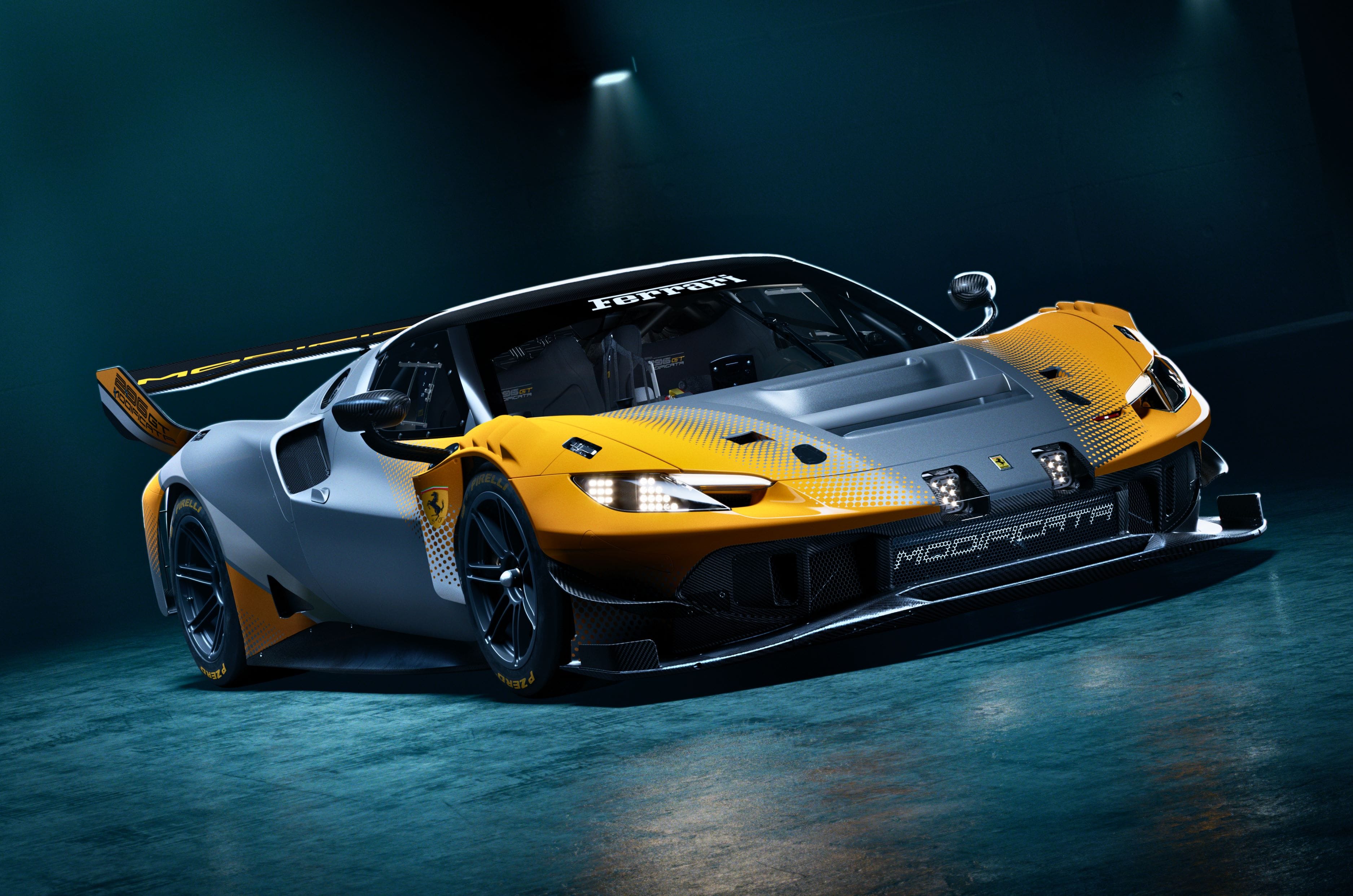
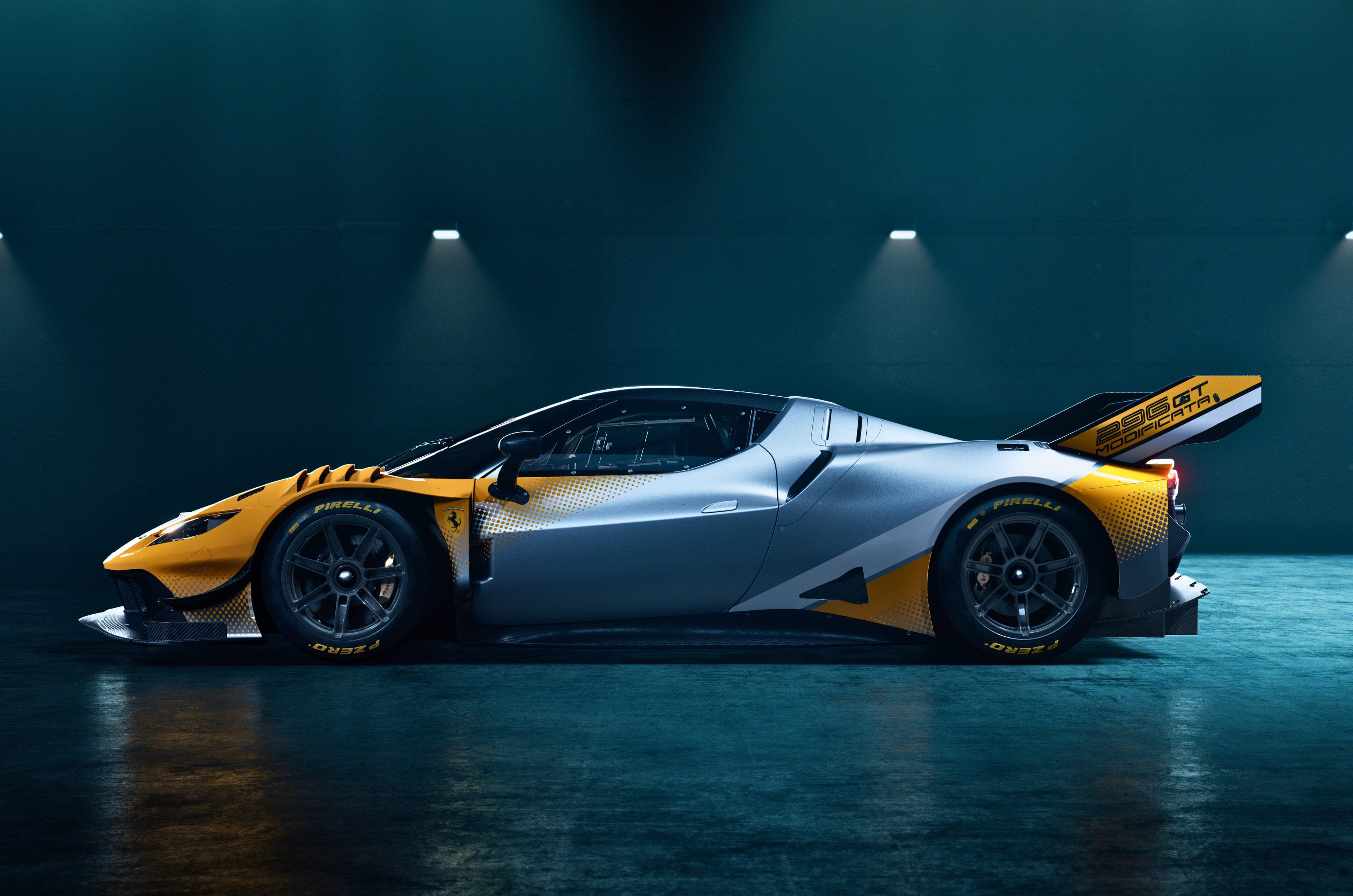
Ferrari has pulled the wraps off the 296 GT Modificata, a track-only special based on the 296 GT3 Evo race car. Touted as the most extreme version of the 296 yet, the Modificata takes the lessons learned from Ferrari’s GT3 racing programme and applies them to a machine that isn’t restricted by FIA or IMSA GT3 regulations.
It’s much the same formula as seen in the 488 GT Modificata and 499P Modificata. The 296 GT Modificata is being produced in “extremely limited numbers” for members of Ferrari’s Club Competizioni GT track experience programme. The membership includes two years, or 12 rounds, of participation in the customer racing series.
Ferrari 296 GT Modificata powertrain and performance
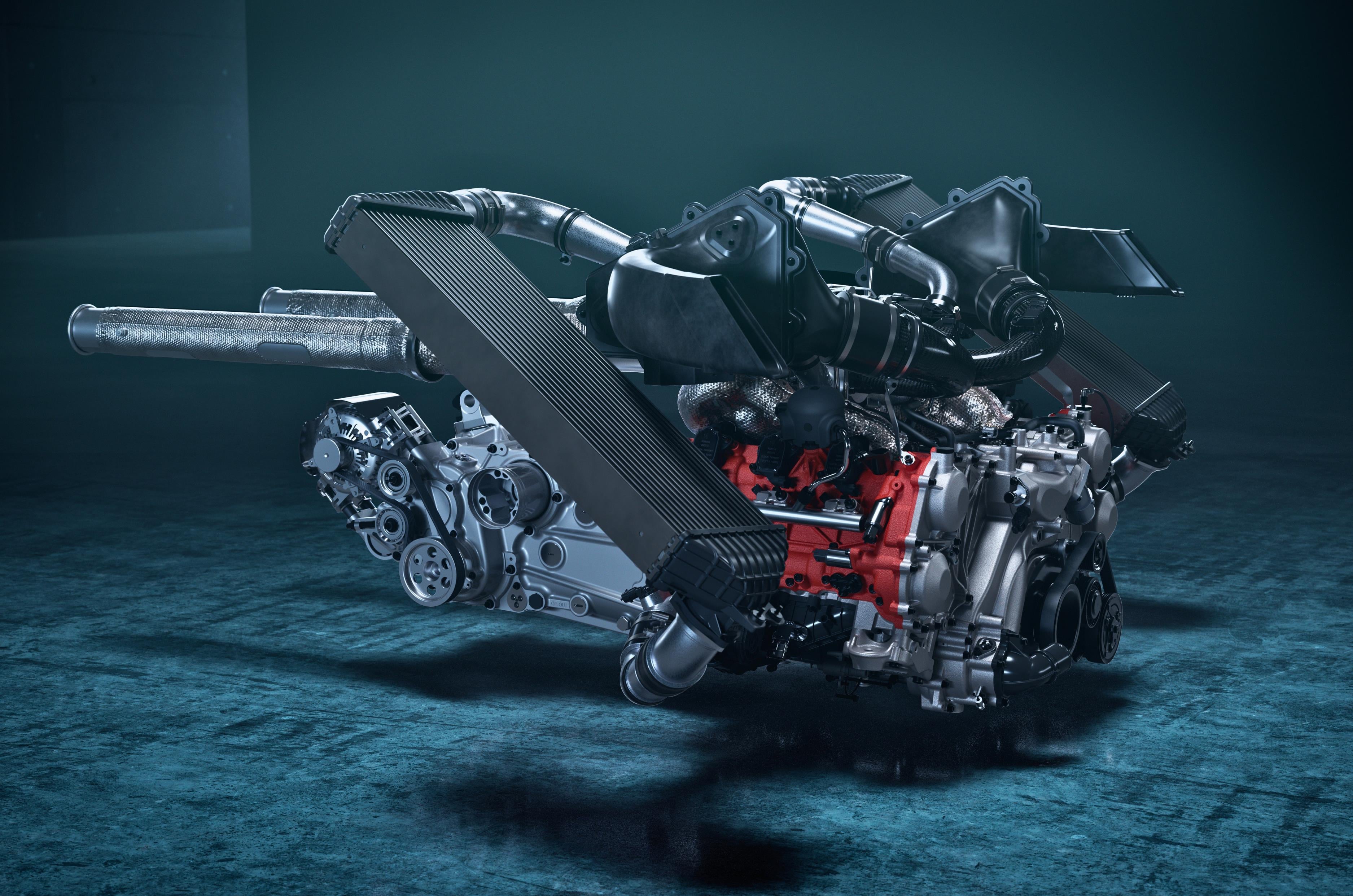
The 296 GT Modificata uses the GT3 Evo’s 3.0-litre twin-turbo V6, which doesn’t feature the plug-in hybrid system found in the road-going 296 GTB. Ferrari has upgraded the engine with new connecting rods and camshafts, along with revising the air intake, intercoolers, turbochargers, and exhaust system. These changes raise the engine’s redline from 8,000rpm to 8,500rpm, while total output increases to 730hp (130hp more than the 296 GT3 Evo) and 800Nm. The engine is mated to a 6-speed sequential gearbox with revised gear ratios.
Ferrari has upgraded the braking system with new front discs and additional cooling hardware designed to allow the brakes to be used more aggressively during extended track sessions. Speaking of which, Ferrari says the 296 GT Modificata can lap the Fiorano test track in 1 minute and 11 seconds – three seconds faster than the 296 GT3 Evo.
Ferrari 296 GT Modificata exterior
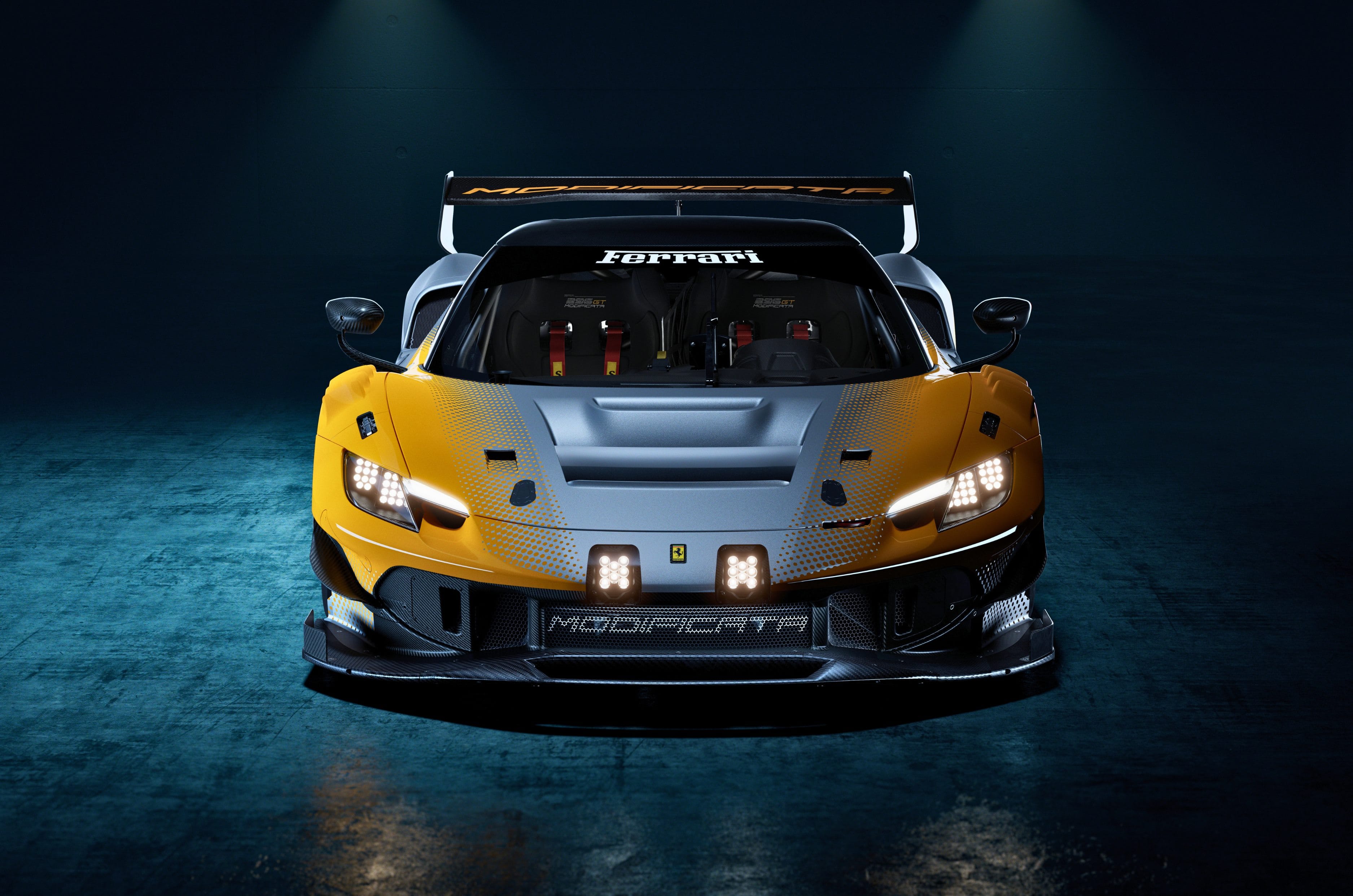
The 296 GT Modificata gets a heavily revised aerodynamic body kit, which includes a new front splitter, a redesigned engine cover, more heavily sculpted surfaces, and a large fixed rear wing. There are larger air intakes on the front to meet the engine’s increased cooling requirements, as well as ‘Modificata’ painted into the grille. Like with the 296 GT3 Evo, the Modificata sports fitments like driving lights, bumper canards, bonnet latches, front fender air ducts, and more.
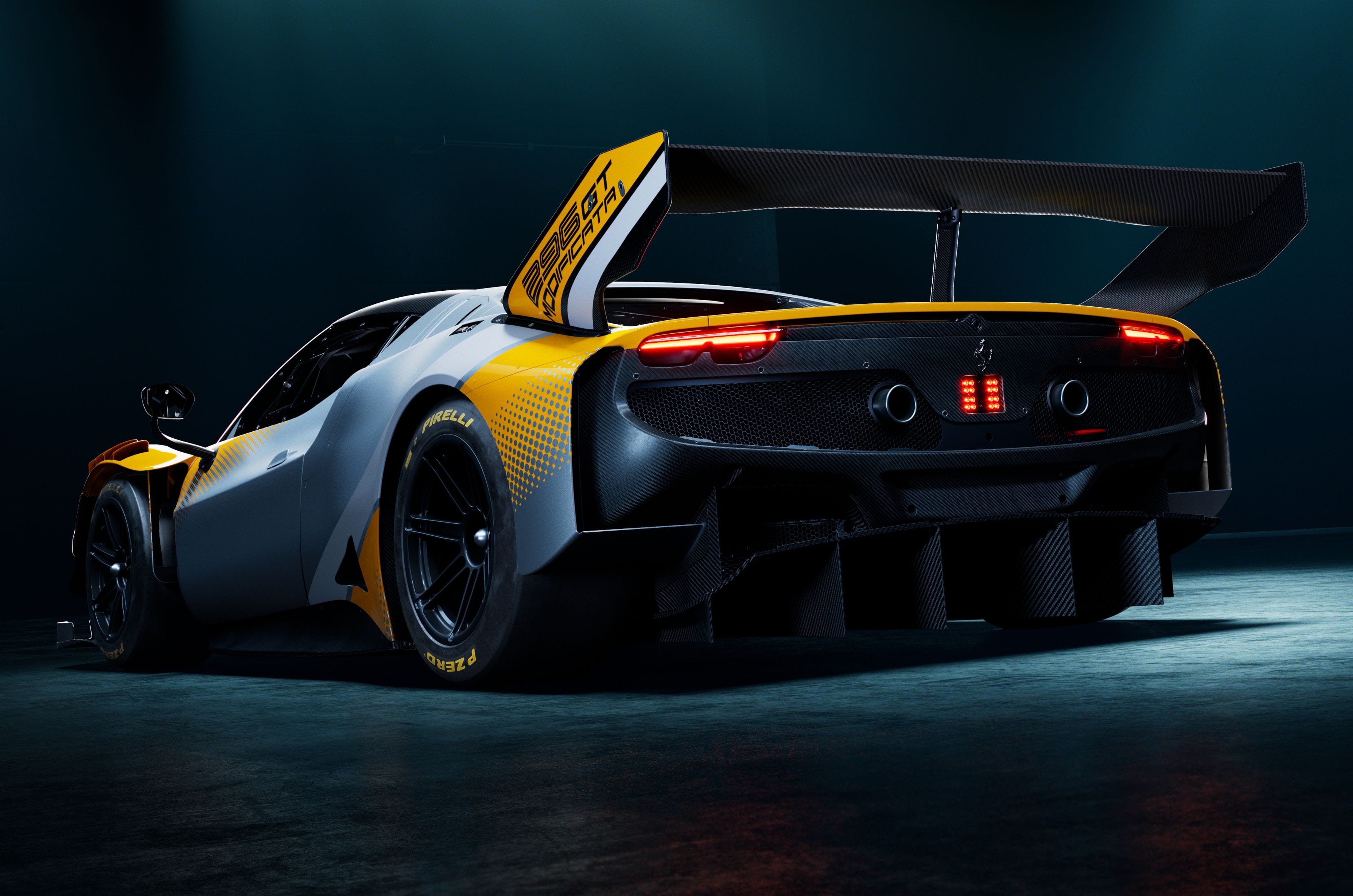
Over to the side, the 296 GT Modificata comes with 18-inch wheels shod in Pirelli P Zero rubber, while at the rear, it gets a thoroughly updated rear wing that includes a new centre pylon, a 5mm Gurney flap, and endplates. The exhaust tips are also of a completely new design for the 296 GT Modificata, while the massive rear diffuser is barely unchanged from the one on the GT3 Evo.
Ferrari 296 GT Modificata interior
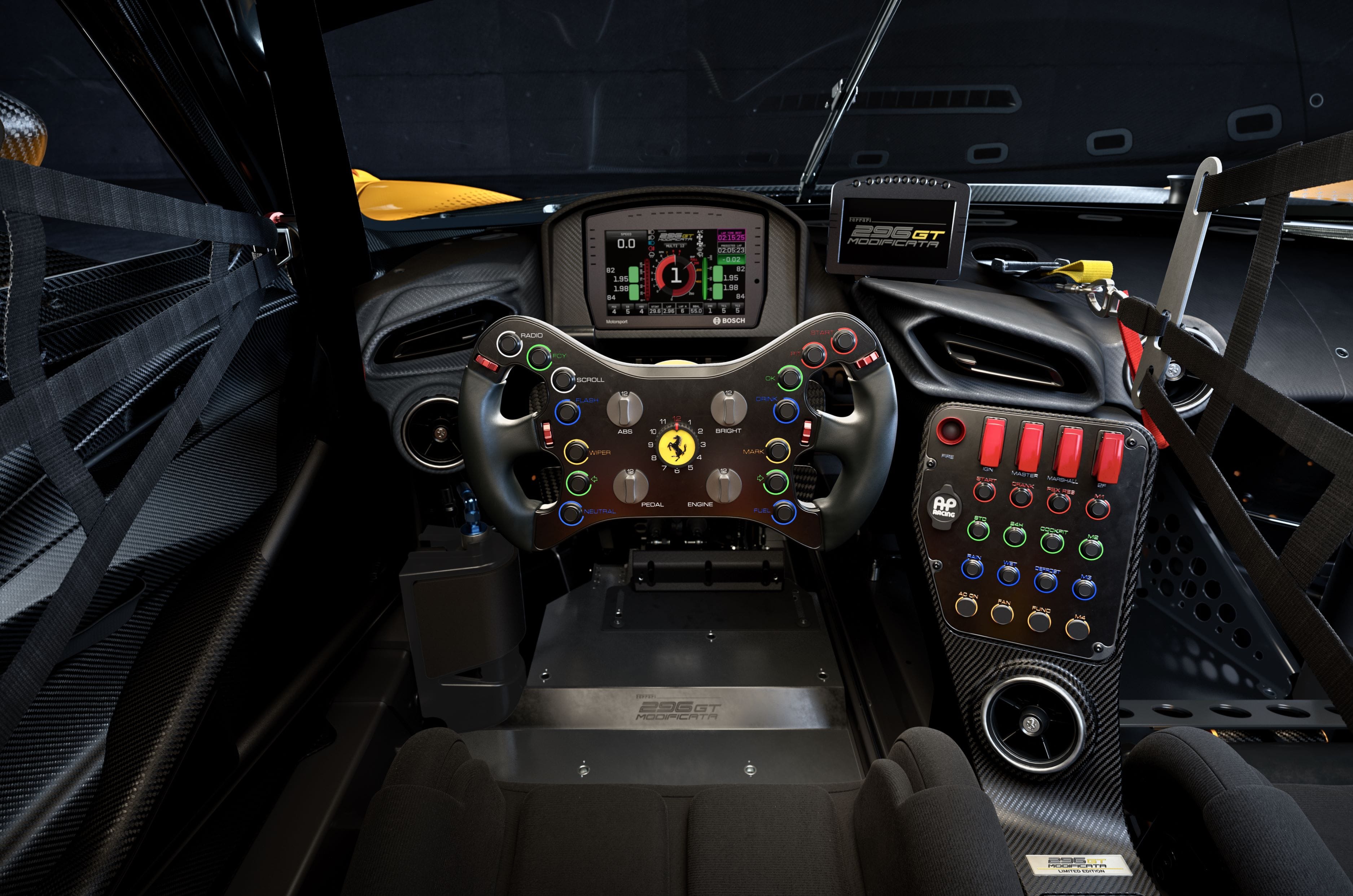
Inside, the 296 GT Modificata is expectedly designed around track use, so it features racing bucket seats with harnesses, a pared-back dashboard full of switches and buttons, and a motorsport-derived steering wheel. Unlike the single-seat GT3 Evo race car, the 296 GT Modificata has a two-seat layout, allowing owners to take a passenger or driving coach along. To help both occupants communicate, Ferrari has included an intercom system.
The Suzuki SV650 is set for a significant update for 2027, confirmed via a California Air Resources Board (CARB) certification. The update brings with it a new version of the 645cc V-twin engine that debuted on the SV-7GX earlier this year, while also signalling the SV650’s return to European markets, where the current model had been discontinued due to Euro5+ regulations.
2027 Suzuki SV650 confirmed via CARB certification
Will share the updated 645cc V-twin engine with the SV-7GX
Expected to return to European markets; EICMA reveal anticipated in November
2027 Suzuki SV650: What the certification reveals
Ride-by-wire, traction control and a quickshifter expected alongside the new engine
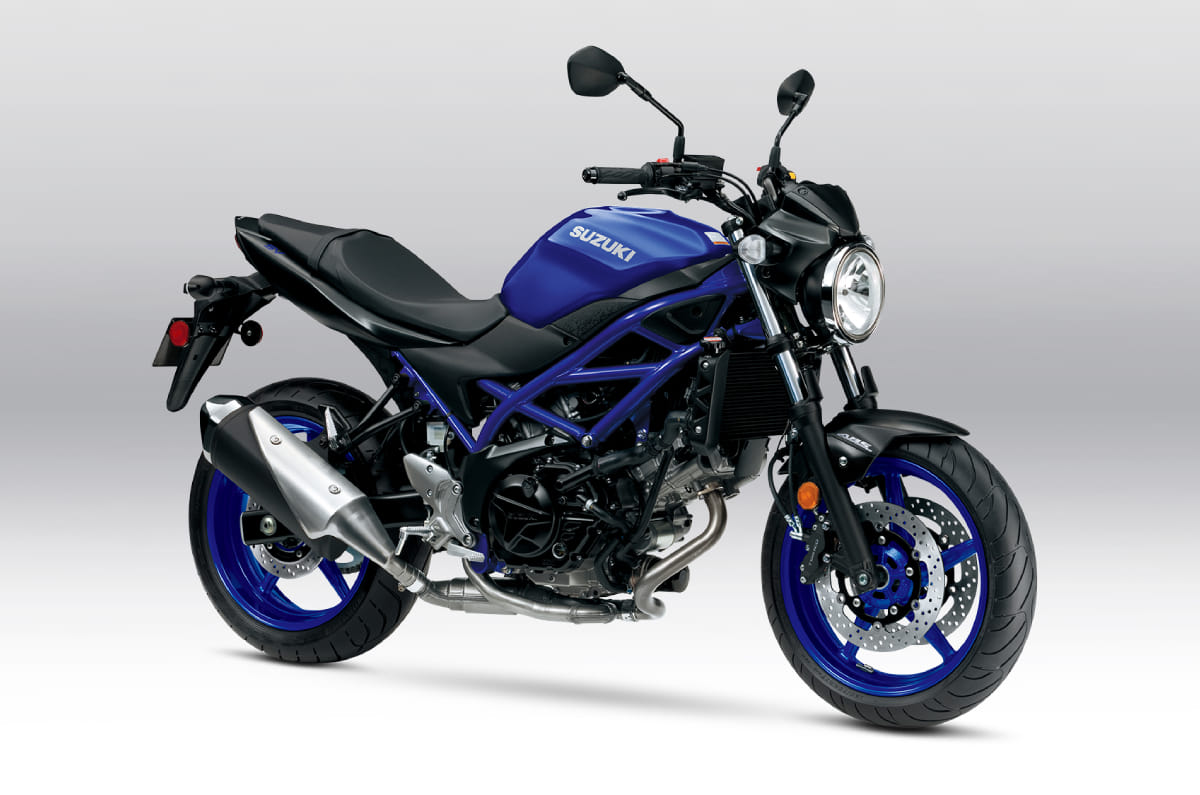
Reports note that the CARB filing identifies the new model with the code SV650RQM7, where the M7 is understood to indicate a 2027 model year, while the RQ designation has been used for Suzuki street bikes. Since the SV650 is being added to the SV-7GX’s existing certification, it will share the same engine and emissions control hardware, which should also allow Suzuki to reintroduce the model to European markets. For reference, on the SV-7GX, the 645cc V-twin makes peak output figures of 73.4hp and 64Nm.
We could also see some of the other features from the SV-7GX make their way onto the updated SV650. These include a ride-by-wire throttle, riding modes, traction control, a bidirectional quickshifter and a 4.2-inch TFT display. Whether the chassis, suspension or styling will also see any changes remains unclear.
The SV650 is a fairly popular model overseas, but it was never officially sold in our market. However, we did get access to the same powerplant in the now-discontinued V-Strom 650. Whether the updated SV650 could change that remains to be seen.
For the global market, the filing for the 2027 model year in the US suggests that we could see a global unveiling later this year, perhaps at EICMA, where Suzuki unveiled the SV-7GX for the first time at last year’s edition.
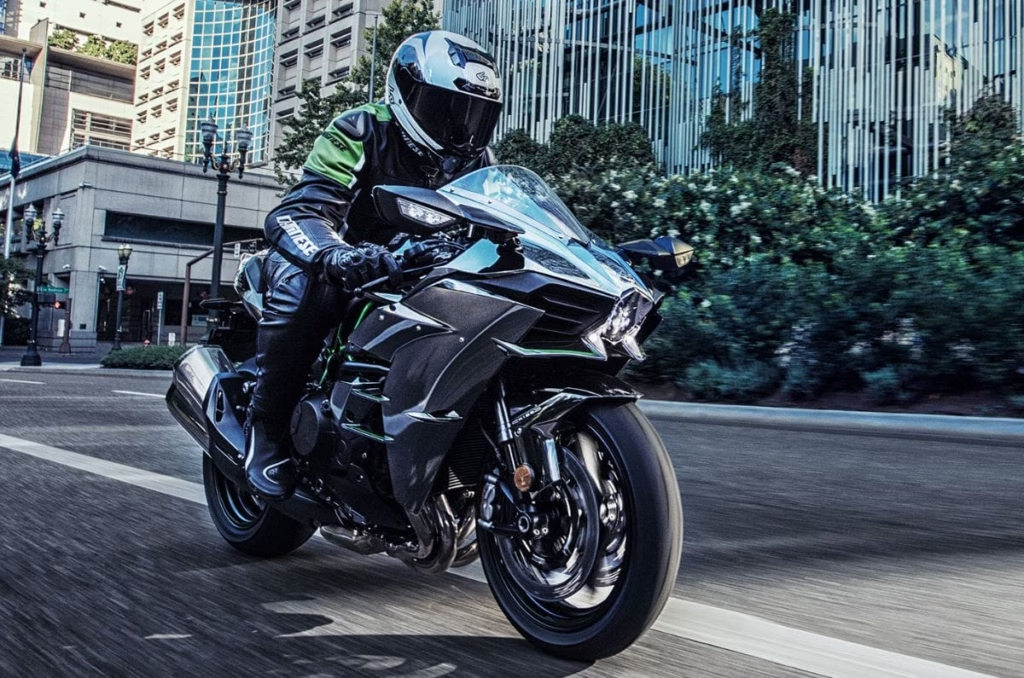
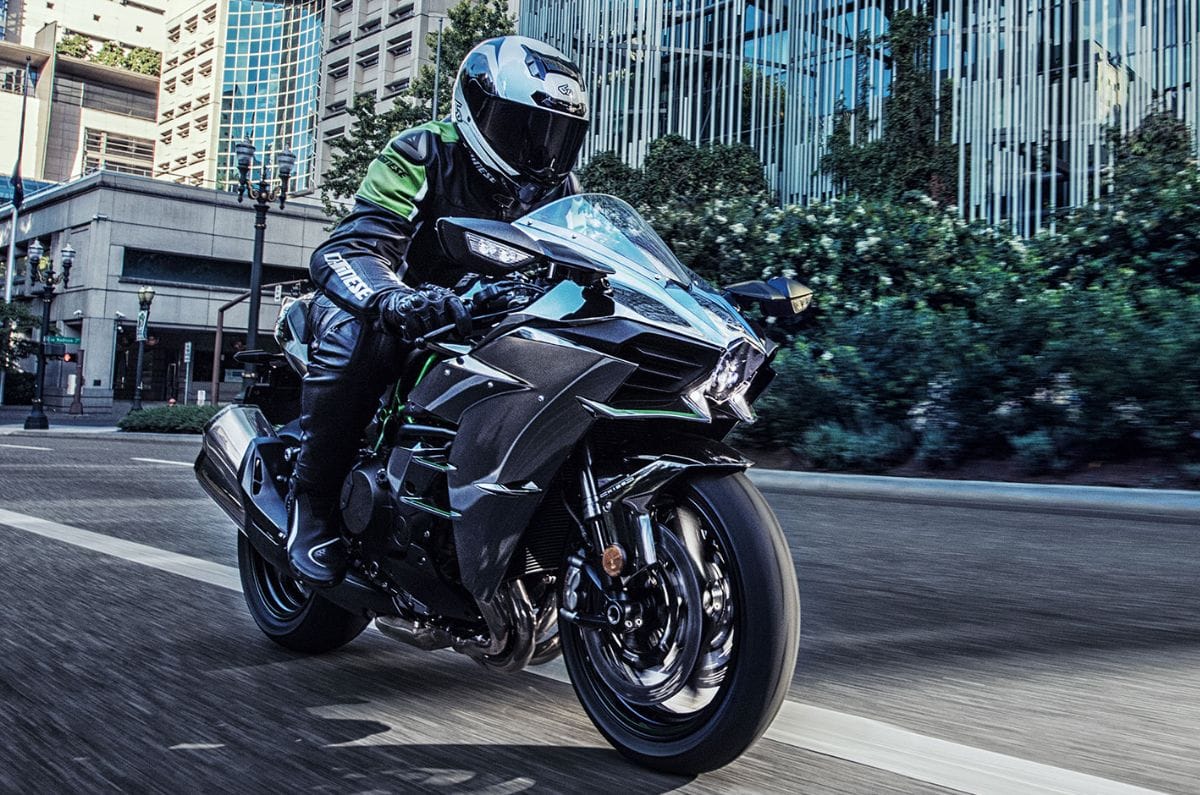
Kawasaki launched the Ninja H2 at EICMA 2014, and later the H2R, as supercharged sportbikes unlike anything else. Receiving its last major update in 2019, the H2 was the most powerful road-legal sportbike at the time, with 228hp of power. It was discontinued in the UK in 2021, following the Euro5 regulations kicking in, though it continues to be available in the US. Cut to now, and Kawasaki appears to be bringing back the most powerful Ninja.
The 2021 version was the most powerful road legal sportbike at the time
2027 Ninja H2 appears to share a lower power engine with the Z H2
International debut likely to be at EICMA 2026
Ninja H2 making a European comeback in 2027
International launch likely at EICMA 2026; Indian launch unconfirmed
On their social media, Kawasaki UK has posted a short teaser with a caption “Return To Beyond Belief” accompanied by the soundtrack of an engine accelerating through the gears and the recognizable supercharger flutter. What makes us believe that this is indeed the H2, is the caption’s callback to the original, 2014 launch slogan for the series, “Built Beyond Belief”. In July, we had reported that Kawasaki appears to be bringing back the Ninja H2 but with a lower 197hp engine, shared with the super-naked, Z H2. Since the information was obtained from Kawasaki’s US filings, we can expect the detuned H2 to head there as well, alongside the UK.
In its last version, the Ninja H2 had a hyperbike-like stance with a hefty 238kg of kerb weight. It remains to be seen whether the new one will change the design in any way, or drop a few kilos to become more agile, in line with a conventional sportbike. Besides the loaded caption and the engine’s sound, Kawasaki’s post did not reveal any details about the Ninja H2’s launch; but we could see it debut at EICMA 2026, just like the very first iteration.
As for India, the iteration of the H2 platform we last had access to was in the form of the Ninja H2 SX SE. The sports-tourer was listed on Kawasaki India’s website until July, but it’s since been removed. Kawasaki hasn’t revealed any plans to bring the updated H2 to India—which isn’t unusual—so we will have to wait and see if that changes in the future.
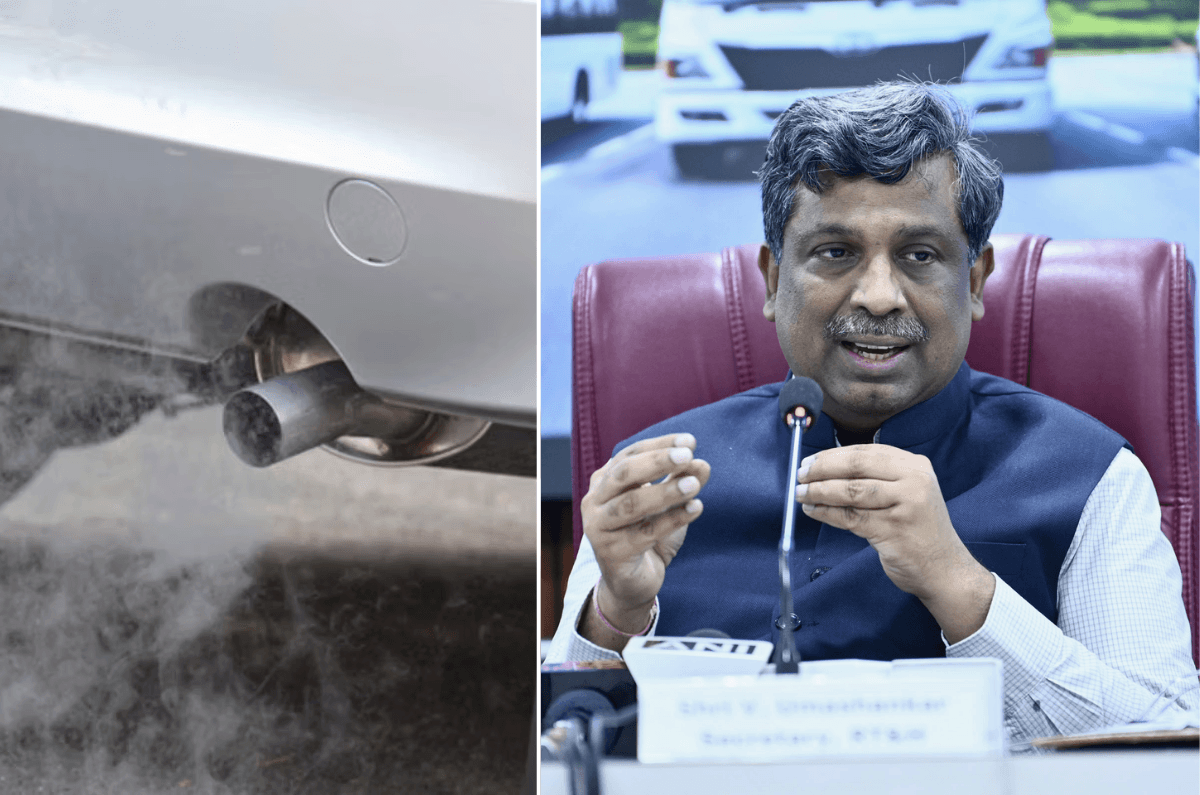
“We are ready with the next level of Bharat Stage [emission] standards and the final consultations are underway. We hopefully should be in a position to bring out the draft in a couple of months’ time for the BS 7 introduction,” Ministry of Road Transport and Highways (MoRTH) Secretary V Umashankar said at the 2026 SIAM Annual Convention in Delhi.
Bharat Stage norms limit the emissions of pollutants like hydrocarbons, sulphur and oxides of nitrogen from vehicles. India currently follows BS6 Phase 2 (or BS6.2) norms, which came into effect on April 1, 2023. “I think the industry is also preparing itself for it. The key challenge there would be the timelines,” Umashankar added.
What changes with BS7?
BS7 will put a greater focus on pollution levels from vehicles in real-world driving conditions rather than laboratory testing. Unlike the dramatic transition from BS4 to BS6, the move to BS7 is a natural progression from BS6. This should put relatively less pressure on manufacturers to upgrade their vehicles. Prices may also go up slightly due to the upgrades. Some models could even be discontinued if upgrading them to meet BS7 norms is not financially viable, something that we saw during the move from BS4 to BS6 in 2020.
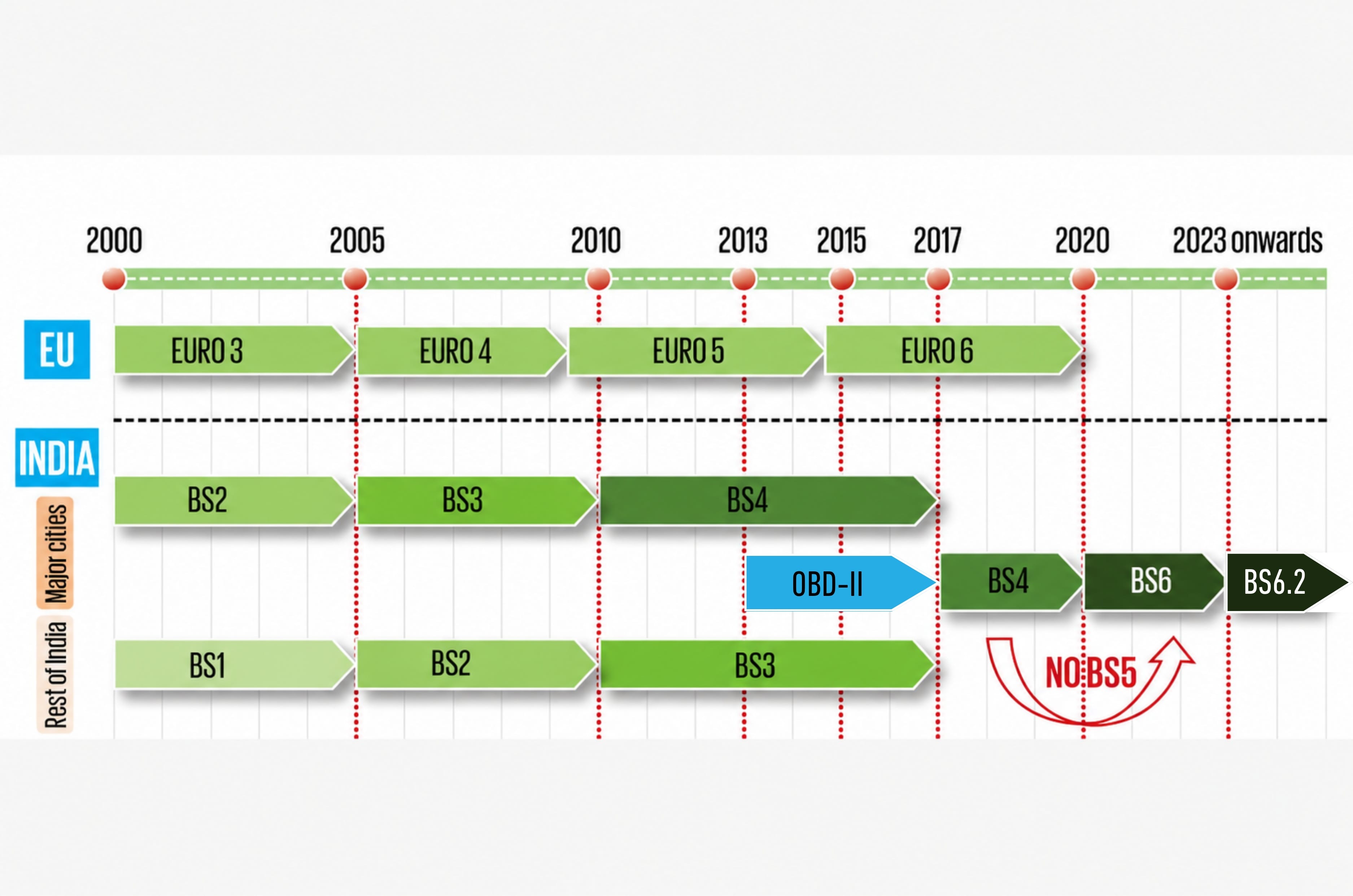
Bharat Stage emission norms so far
Bharat Stage emission norms were introduced in India in the year 2000 with the implementation of BS1 standards, while also rolling out BS2 across major cities in a phased manner. BS2 was based on European emission regulations, with the main difference being the test cycle’s top speed – 90kph versus 120kph in Europe.
India remained one stage behind Europe until 2010, after which the oil industry could not supply the low-sulphur fuel needed to progress to BS5 before eventually leapfrogging from BS4 to BS6 in 2020.
How are CAFE norms different from BS standards?
Corporate Average Fuel Economy (CAFE) norms deal with overall fuel consumption, specifically the quantity of fuel consumed. Imposed on a carmaker’s entire fleet, and not on an individual model, it’s a limit set on the total emission of carbon dioxide produced. These norms force manufacturers to make more fuel efficient cars, which impacts many other things. Whereas, Bharat Stage norms measure emissions at a vehicular level.
Kinetic Watts & Volts (KWV) is evaluating seven international markets as the Pune-based electric two-wheeler maker looks to expand beyond India. Turkey, Nepal, Sri Lanka, Bangladesh, Kenya, Nigeria and Egypt are currently being assessed, with KWV studying local regulations, customer requirements, electric two-wheeler demand and potential distribution partners.
International expansion to cover markets across Europe, South Asia and Africa
Makarand Joshi appointed to lead KWV’s international business development
Company plans to add 40 more exclusive showrooms in India
Kinetic EV international expansion plans
It has also issued 150 LOIs to prospective dealership partners.
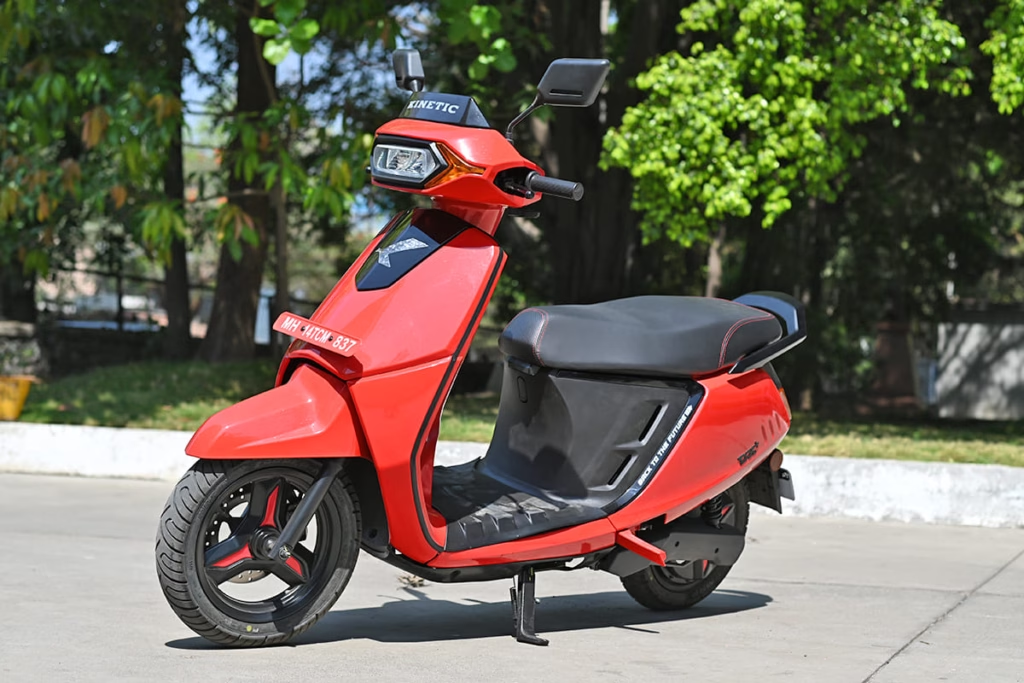
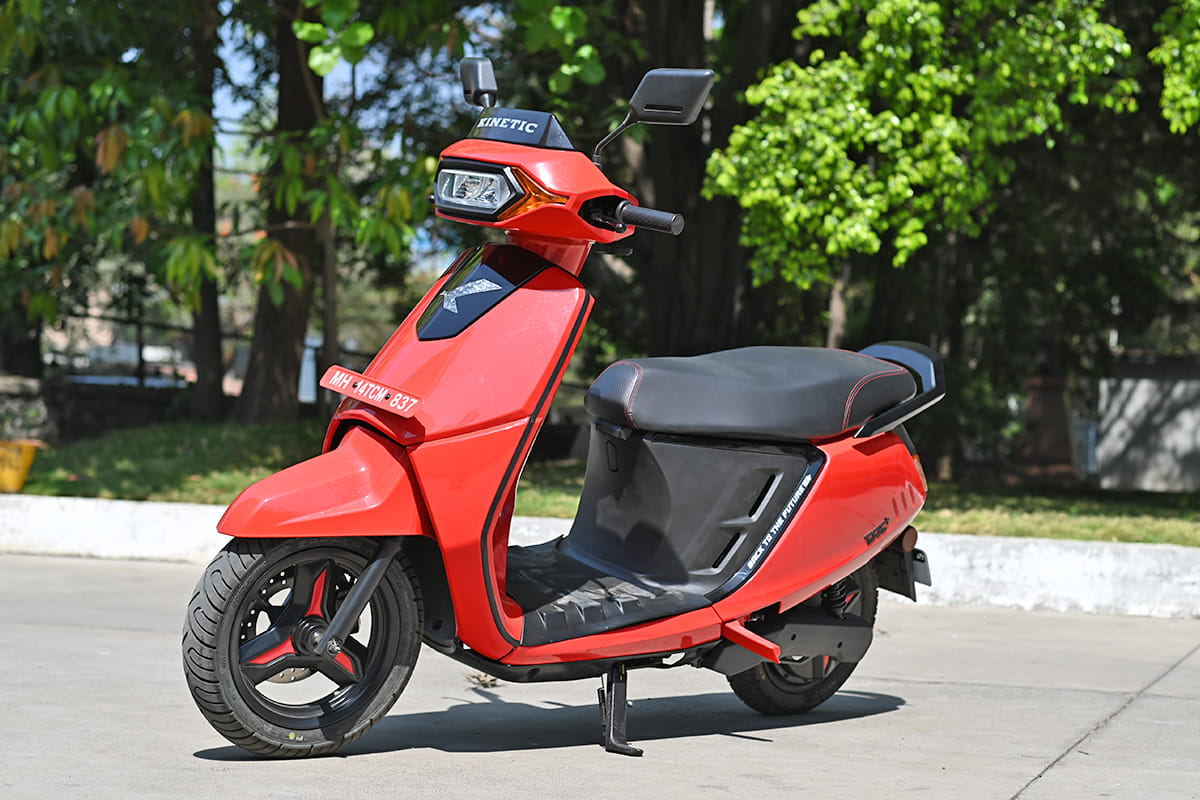
KWV currently sells the Kinetic DX and DX+ electric scooters in India, with the range positioned around accessible urban mobility. The company is now looking to identify markets and distribution partners that can support its next phase of growth overseas.
KWV has appointed Makarand Joshi as head of international business development to lead its overseas plans. Joshi has more than two decades of experience in developing overseas markets for Indian automotive products, with experience across Asia, the Middle East, Europe and Africa. His background includes two-wheelers, commercial vehicles and tractors, as well as international distribution and market-entry strategies.
Ajinkya Firodia, Vice Chairman and Managing Director, Kinetic Watts & Volts, said the company’s products had been designed with a broad range of markets in mind. He added that the momentum of its domestic business had allowed KWV to begin laying the groundwork for international expansion. The company is yet to confirm which of the seven markets it will enter or provide a timeline for its overseas launch.
KWV’s international plans come as it continues to build its presence in the Indian market. The company currently has 45 exclusive showrooms and expects another 40 outlets to become operational within the next two months. It has also issued 150 Letters of Intent (LOI) to prospective dealership partners.
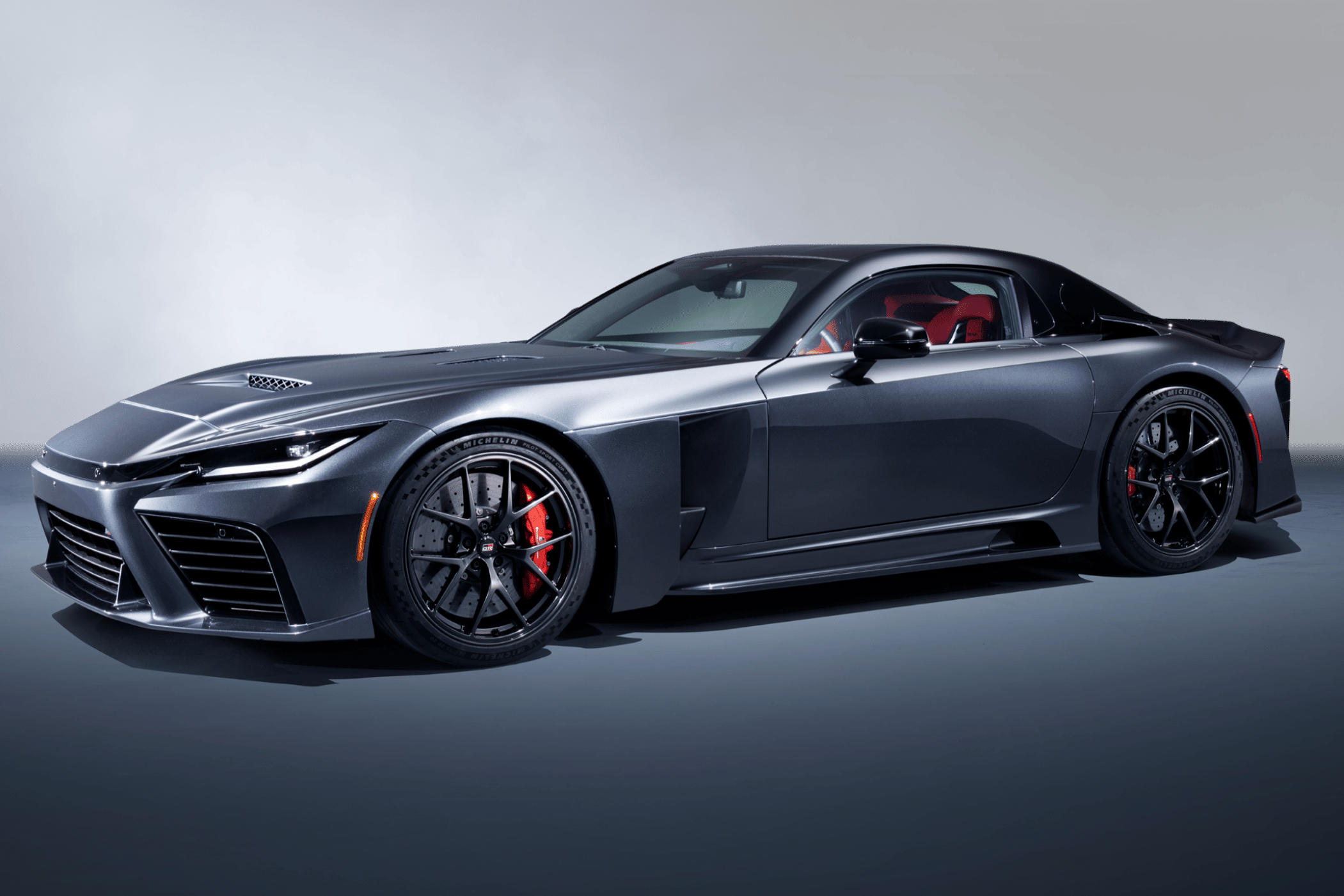
Over two decades after the Toyota Celica nameplate was discontinued with the seventh-generation model, the Japanese carmaker is set to bring the moniker back with a new hybrid all-wheel drive sports coupe, per a new report from Autocar UK. Internally referred to as the Celica Sport, the eighth-gen model will serve as an entry point to Toyota’s performance-focused GR line-up, and is expected to directly rival the Honda Prelude.
The Celica’s return was officially confirmed by Toyota in late 2024 as part of an effort to revive the “three brothers,” which is chairman Akio Toyoda’s affectionate nickname for the Supra, Celica, and MR2. The Supra nameplate came back as part of a joint collaboration with BMW in 2019 for the fifth-gen model (codename: A90), with the Celica likely to be next. A new mid-engined MR2 is tipped to be in development too.
Eighth-gen Toyota Celica: Everything we know
Toyota Corolla Concept. Image used for representation only.
Like prior generations of the Celica, the eighth-gen model is anticipated to use the underpinnings of a mainstream Toyota car, possibly the next-gen Corolla. The front-engined coupe is likely to be powered by Toyota’s all-new 2.0-litre 4-cylinder turbo-petrol engine that debuted last year, which is codenamed the G20E. This motor has a shorter piston stroke than Toyota’s current engines, making it lighter and more compact, and is expected to output around 400hp and 500Nm in road-going applications.
The G20E engine will be paired with a hybrid system in the new Celica – it remains unclear whether the setup will be strong hybrid or plug-in hybrid. A Toyota spokesperson confirmed to Autocar UK that the eighth-gen Celica will be fitted with AWD as well.
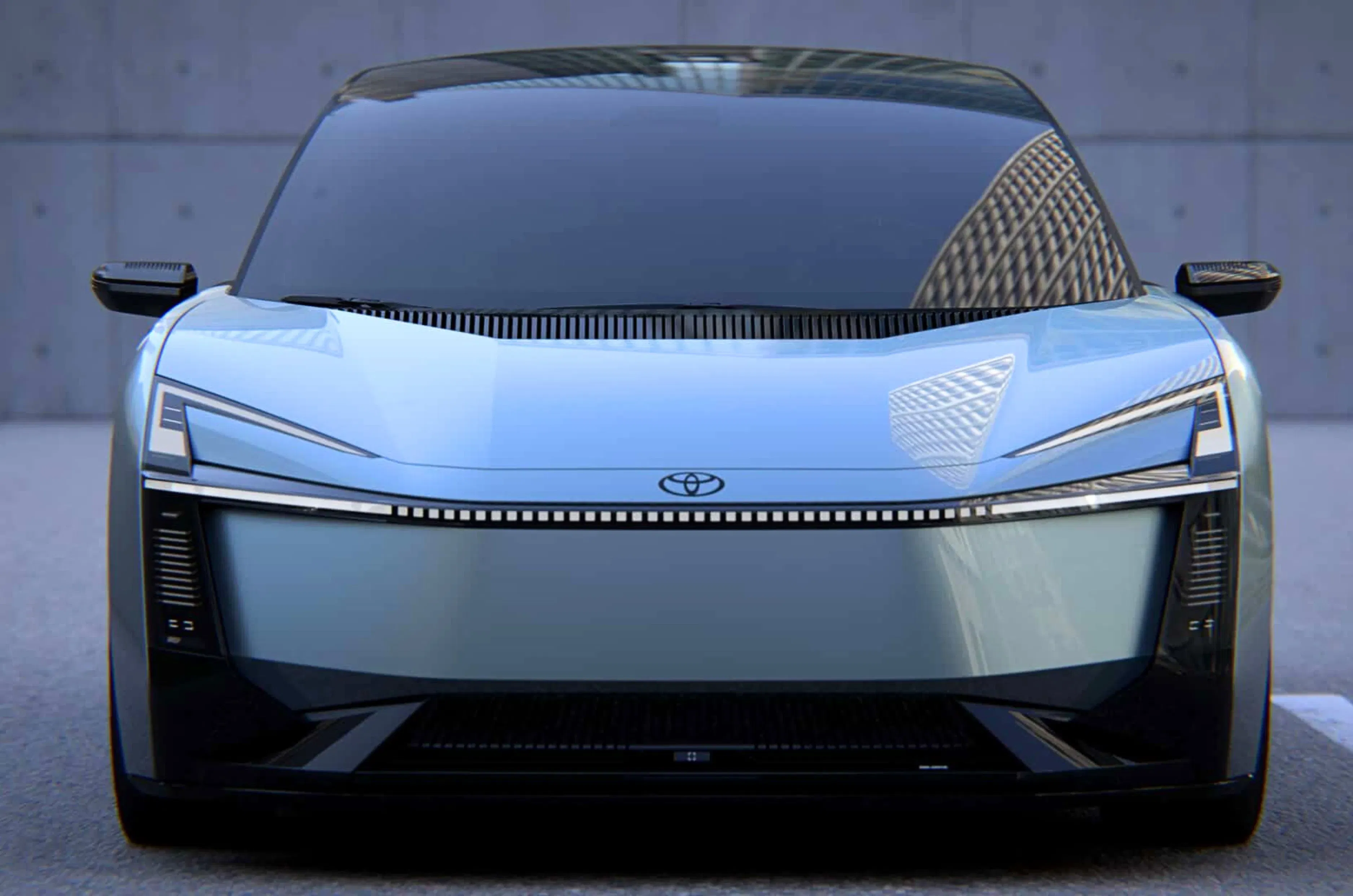
Toyota GR GT. Image used for representation only.
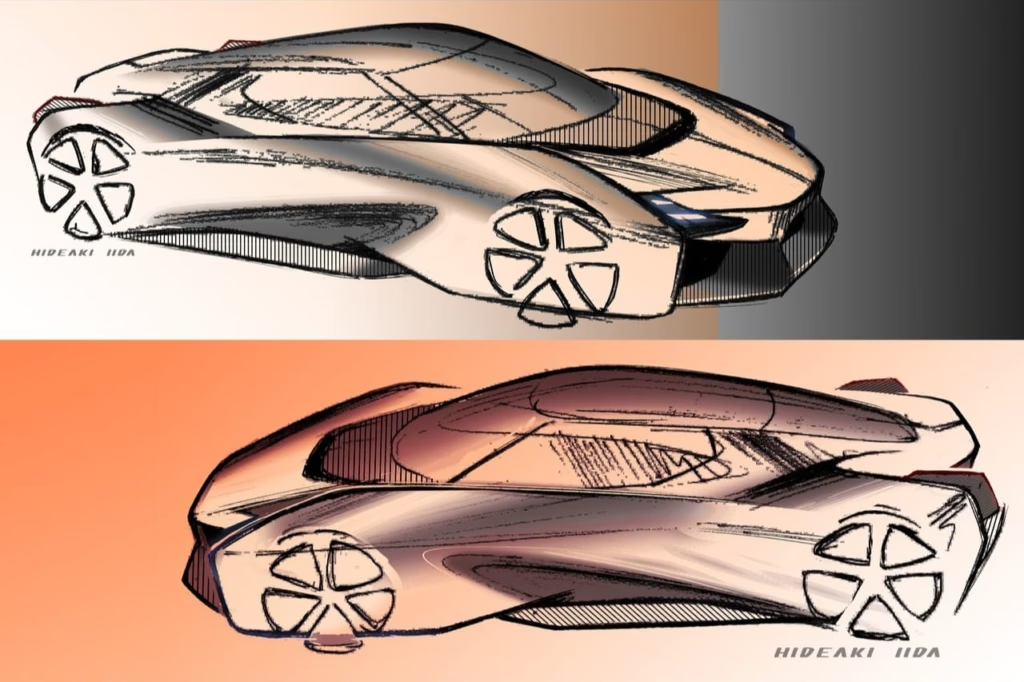
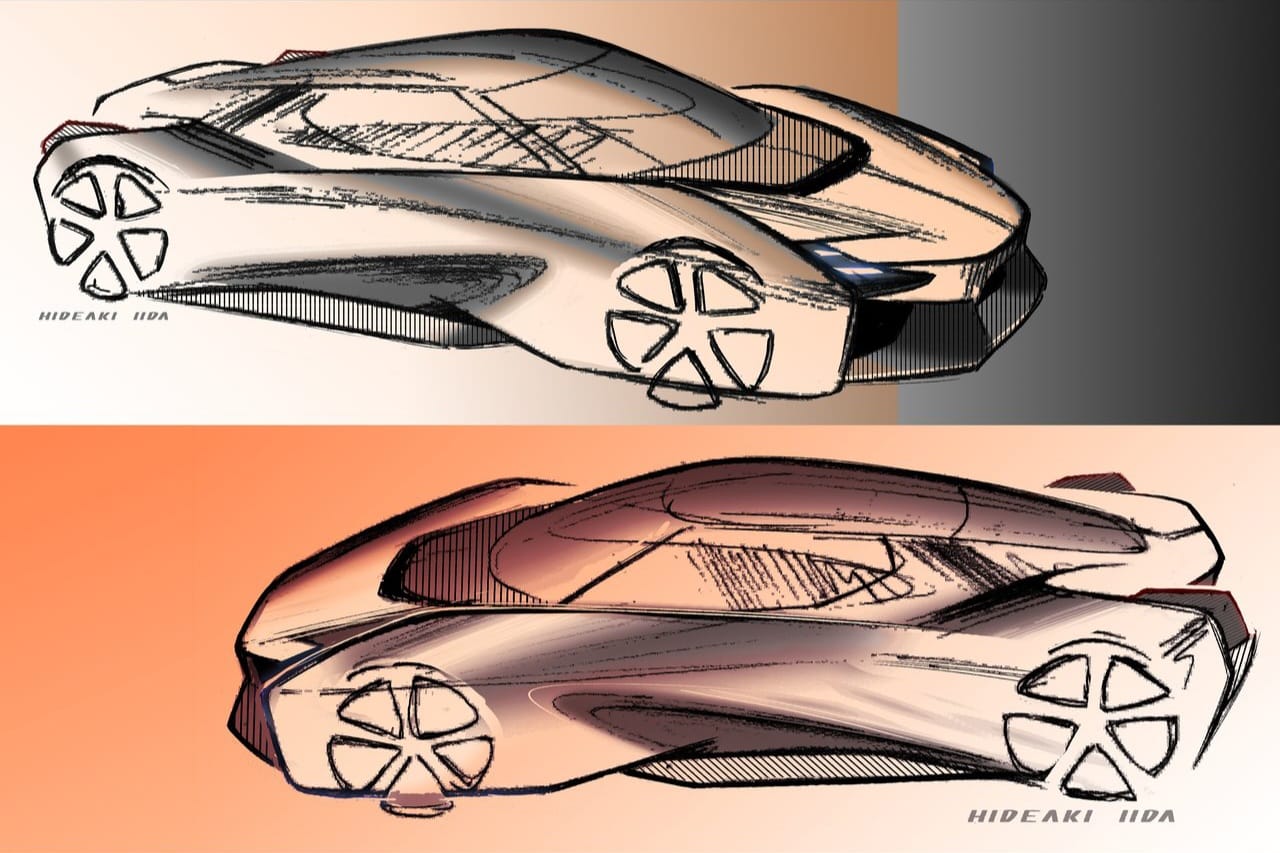
As for the form factor, expect the eighth-gen Celica to be a two-door coupe, much like its predecessors. Styling may draw inspiration from the top-of-the-line Toyota GR GT supercar, which looks quite rakish and menacing. Interestingly, there will be a WRC version of the new Celica for the 2027 season. A prototype of the same was spotted testing a few months ago, sporting an all-new, relatively compact two-door body.
Since the 2027 WRC regulations mandate a 1.6-litre engine, however, the rally Celica is expected to use an evolved version of the GR Yaris’s 3-cylinder turbo-petrol motor. Speaking to Autocar UK, Gazoo Racing marketing manager Mikio Hayashi said, “The displacement size of 1.6 litres, for example, cannot meet emission regulations. So we have to consider the possibility of a 2.0-litre” for the road-going Celica, lending further credence to the utilisation of the G20E.