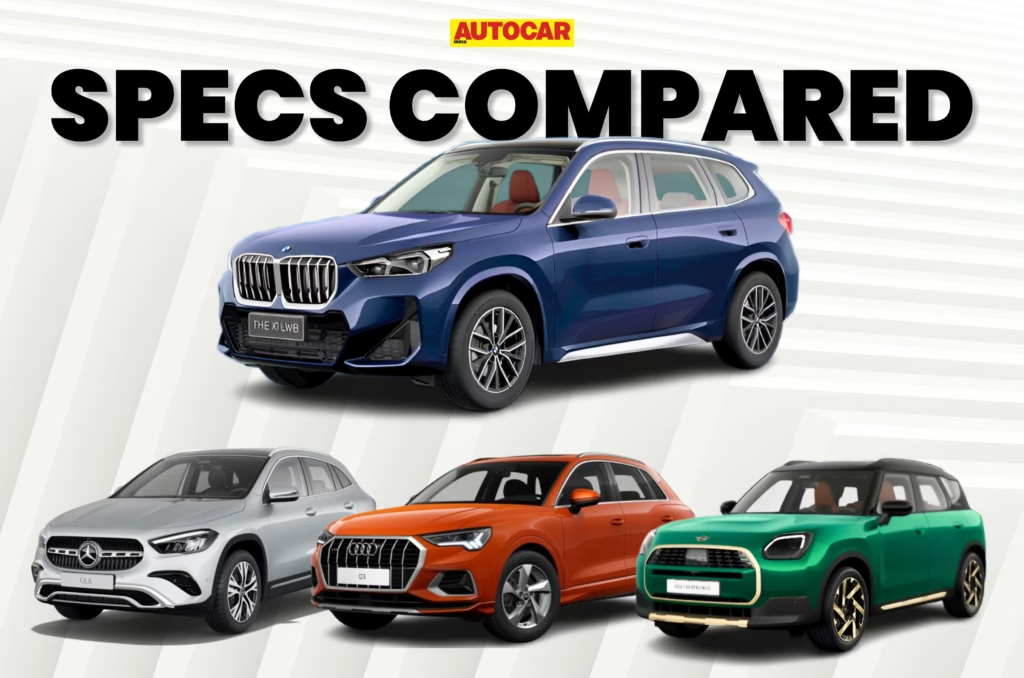
After introducing the iX1 in long-wheelbase (LWB) guise, BMW India has given the same treatment to its ICE-powered X1. With a focus on chauffeur-driven customers who prioritise rear seat space and comfort, the German carmaker has been bringing certain models to India in LWB versions. In this article, we compare the specifications of the X1 LWB against other entry-level luxury SUVs.
BMW X1 LWB vs rivals: Dimensions
X1 LWB has the longest length and wheelbase
BMW X1 LWB vs rivals: Dimensions
BMW X1 LWB
Mini Countryman C
Mercedes-Benz GLA
Audi Q3
Length (mm)
4,616
4,447
4,412
4,482
Width (mm)
1,845
1,843
1,834
1,849
Height (mm)
1,641
1,661
1,616
1,607
Wheelbase (mm)
2,800
2,692
2,729
2,680
Ground clearance (mm)
190
190
183
170
Boot space (litres)
540
505
425
530
Wheel size (inches)
18
19
18 – 19
18
When we previously compared the standard X1 against its rivals, it had the longest length, but fell short of having the longest wheelbase. The new X1 LWB not only extends its lead in the length department, but also has the longest wheelbase in the segment. Additionally, it has the largest boot among the models here and rides highest off the ground along with the Countryman C. Meanwhile, the Countryman C is tallest, while the Audi Q3 is widest. Only the Mercedes-Benz GLA offers both 18-inch and 19-inch wheels depending on the variant.
BMW X1 LWB vs rivals: Powertrain options
X1 LWB has the least powerful petrol engine
BMW X1 LWB vs rivals: Powertrain options
BMW X1 LWB
Mini Countryman C
Mercedes-Benz GLA
Audi Q3
Engine
1.5 turbo-petrol
1.5 turbo-petrol
1.3 turbo-petrol | 2.0 turbo-diesel
2.0 turbo-petrol
Power (hp)
156
156
163 | 190
190
Torque (Nm)
230
240
270 | 400
320
Drive layout
FWD
FWD
FWD
AWD
Transmission
7DCT
7DCT
7DCT | 8DCT
7DCT
The X1 LWB and all its rivals come powered by turbo-petrol engines. However, only the Mercedes GLA offers a diesel engine as well. Comparing all petrol engines side by side, the Audi Q3 develops the most power and torque figures, while the X1 delivers the lowest numbers. Interestingly, despite the X1 LWB and Countryman C having the same engine, the latter develops more torque. Meanwhile, only the Audi Q3 comes with an AWD setup as standard, while the rest are FWD models only. The only commonality among all SUVs here is a 7-speed DCT for their petrol-powered versions.
BMW X1 LWB vs rivals: Price
X1 LWB is the third most expensive petrol-powered SUV here
BMW X1 LWB vs rivals: Price (Rs lakh)
BMW X1 LWB
Mini Countryman C
Mercedes-Benz GLA
Audi Q3
Petrol
49.90
47.5
51.8
43.67 – 53
Diesel
–
–
53 – 55
–
BMW has priced the iX1 LWB at Rs 49.9 lakh ex-showroom. Notably, it’s more affordable than the regular X1 by 1 lakh. Compared to petrol-powered models, it is the third most expensive here. Interestingly, the Q3 is the most affordable here with petrol power, while its high-end variant is also the most expensive. Meanwhile, the diesel-powered GLA is the priciest in this comparison.
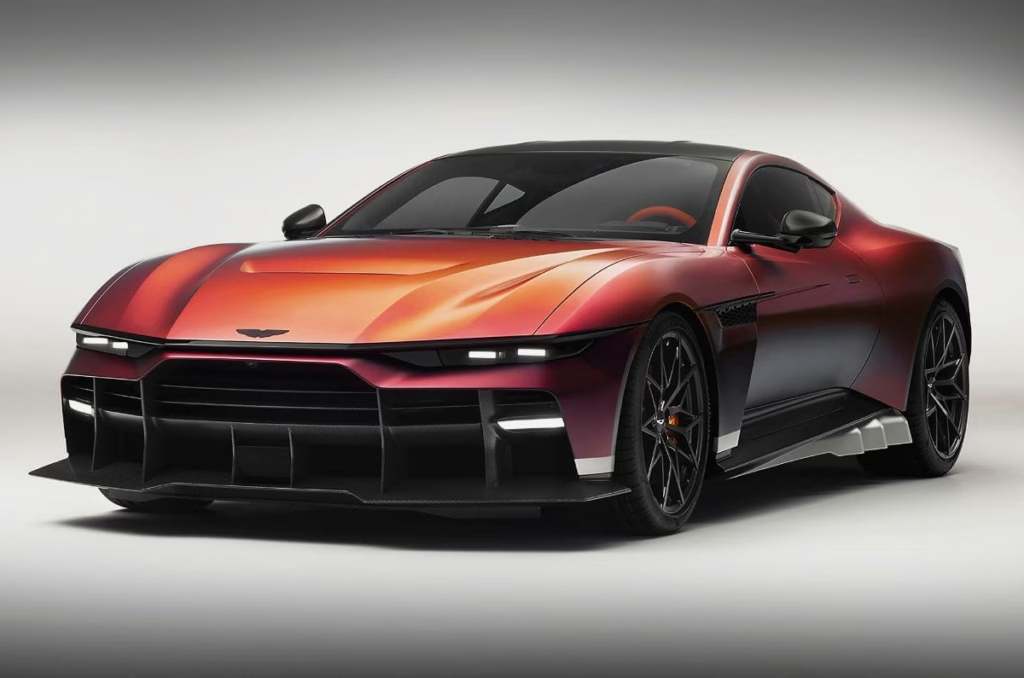
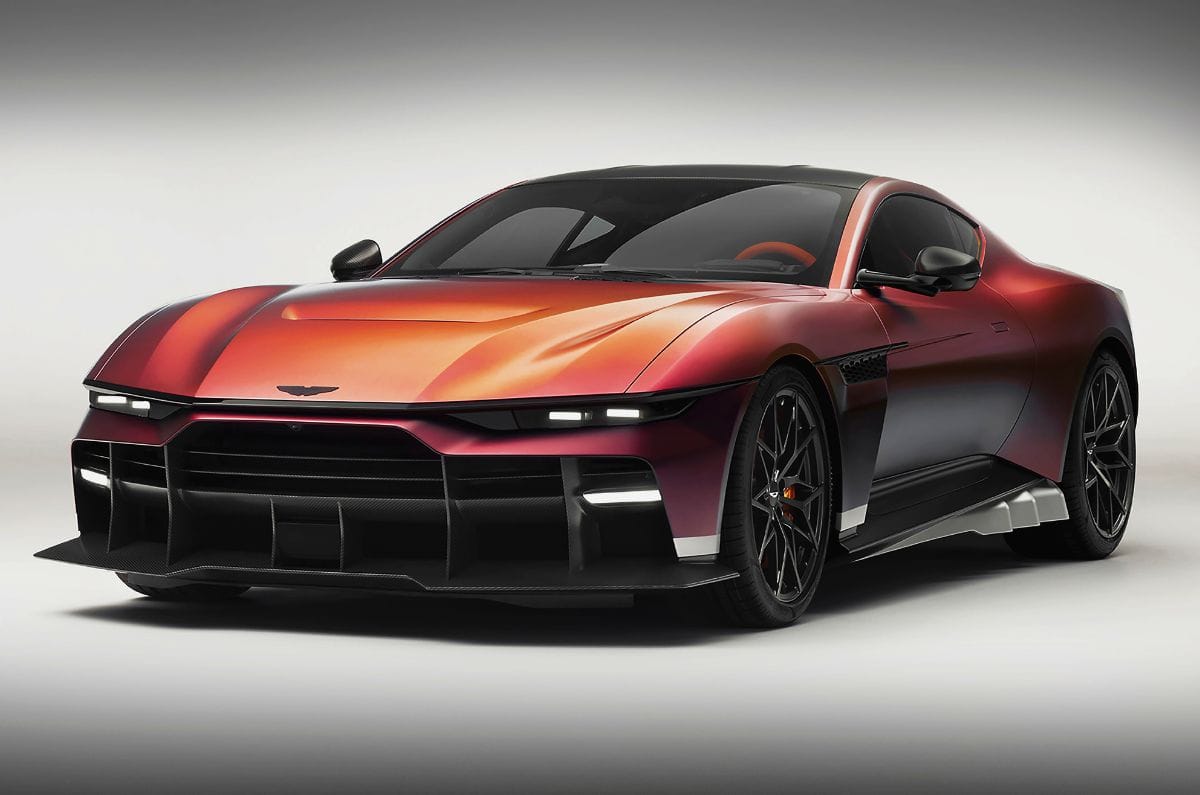
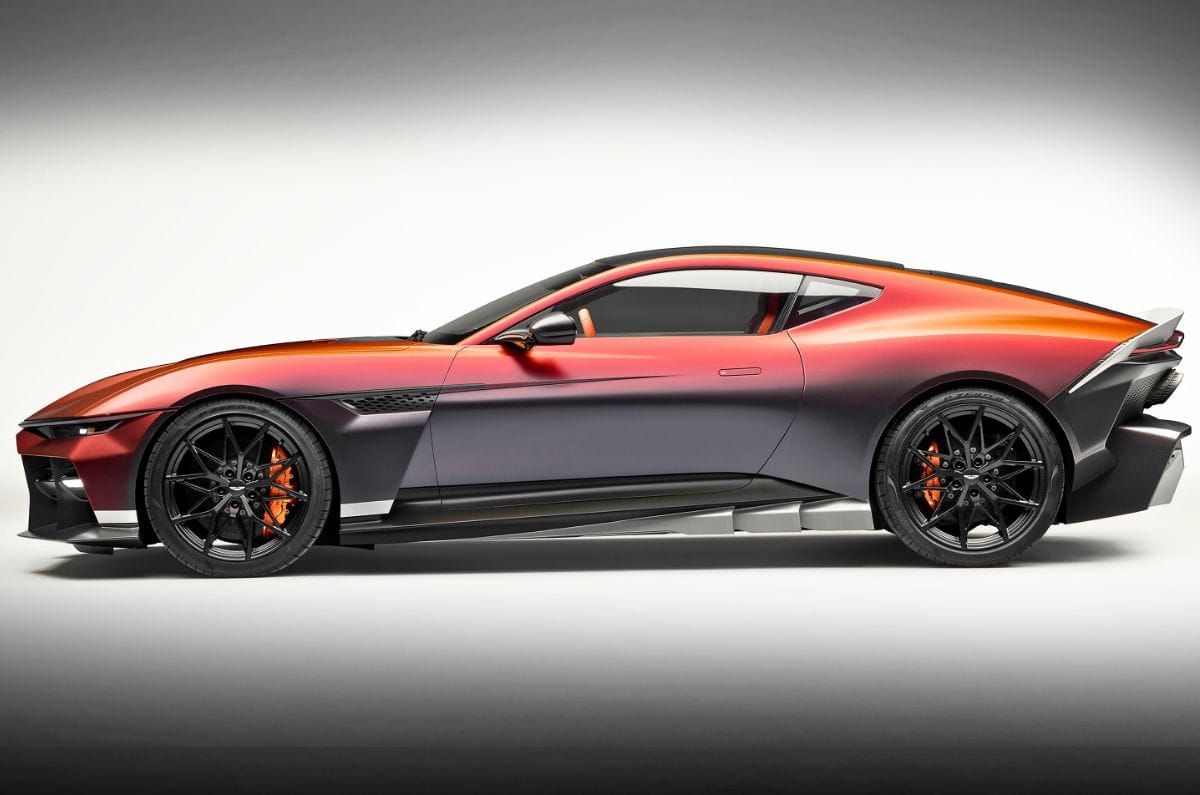
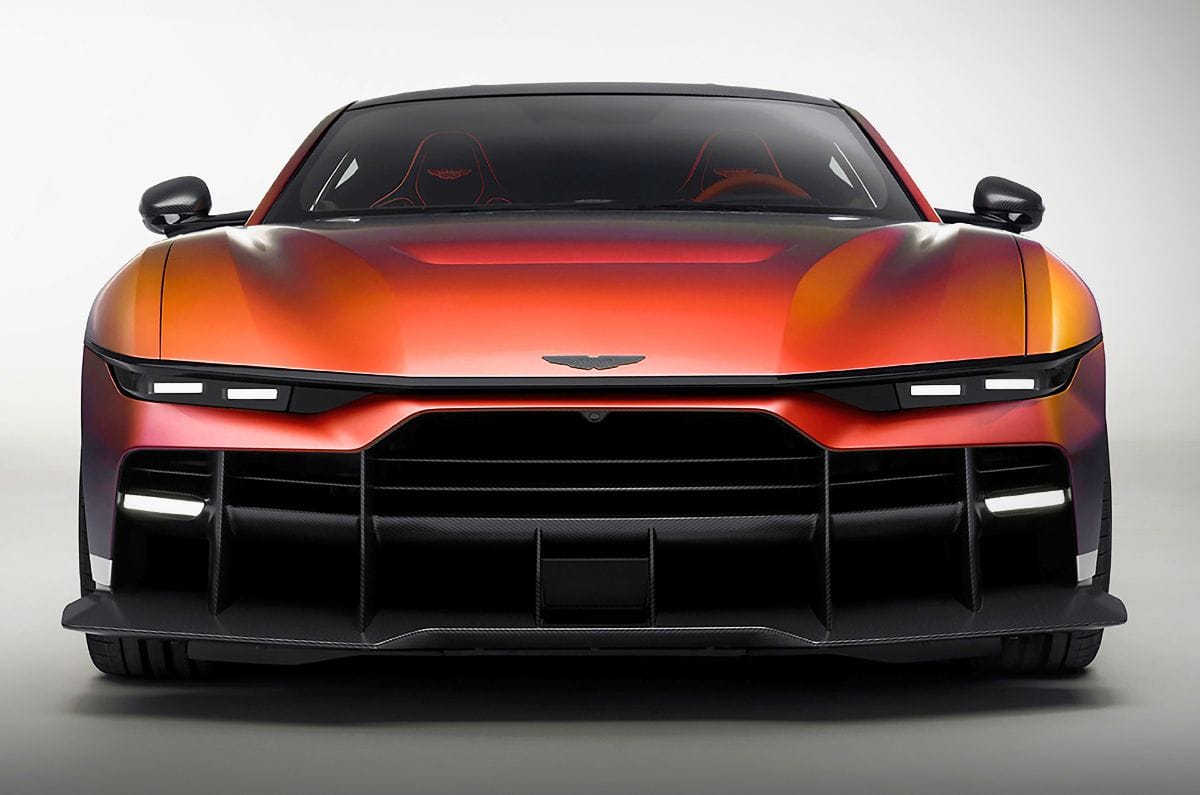
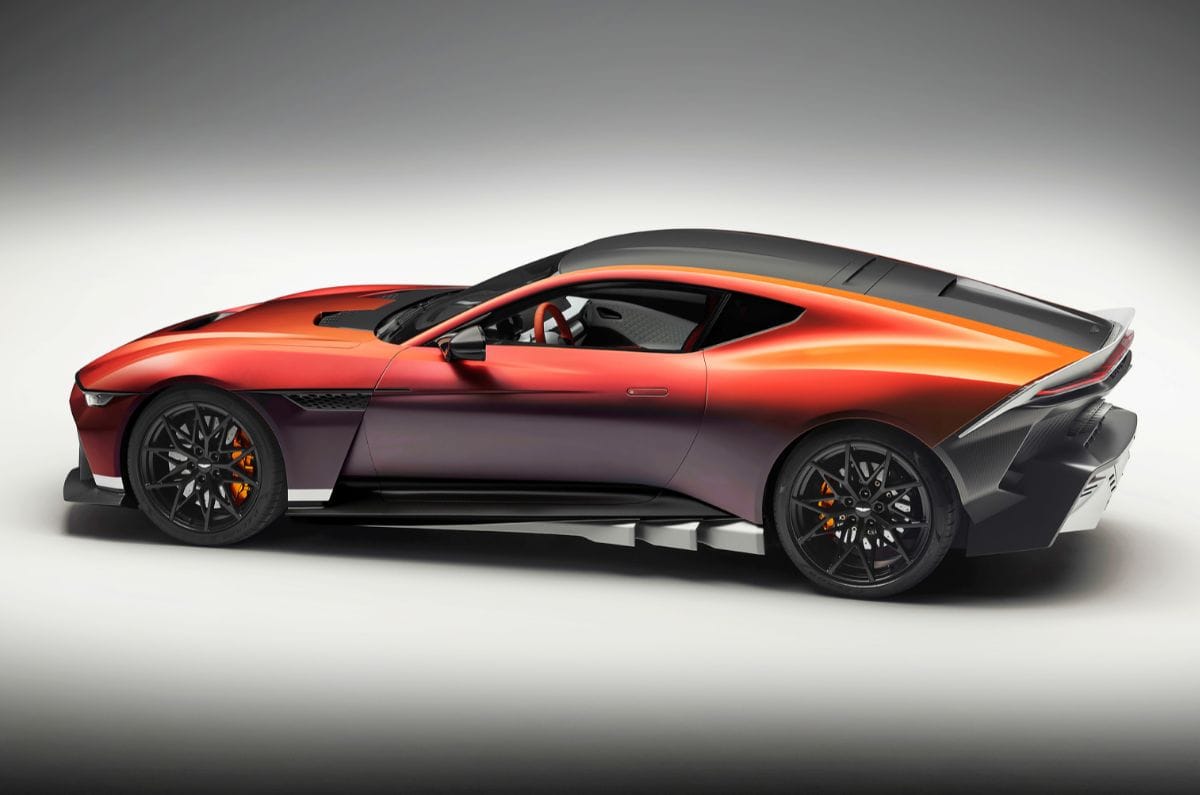
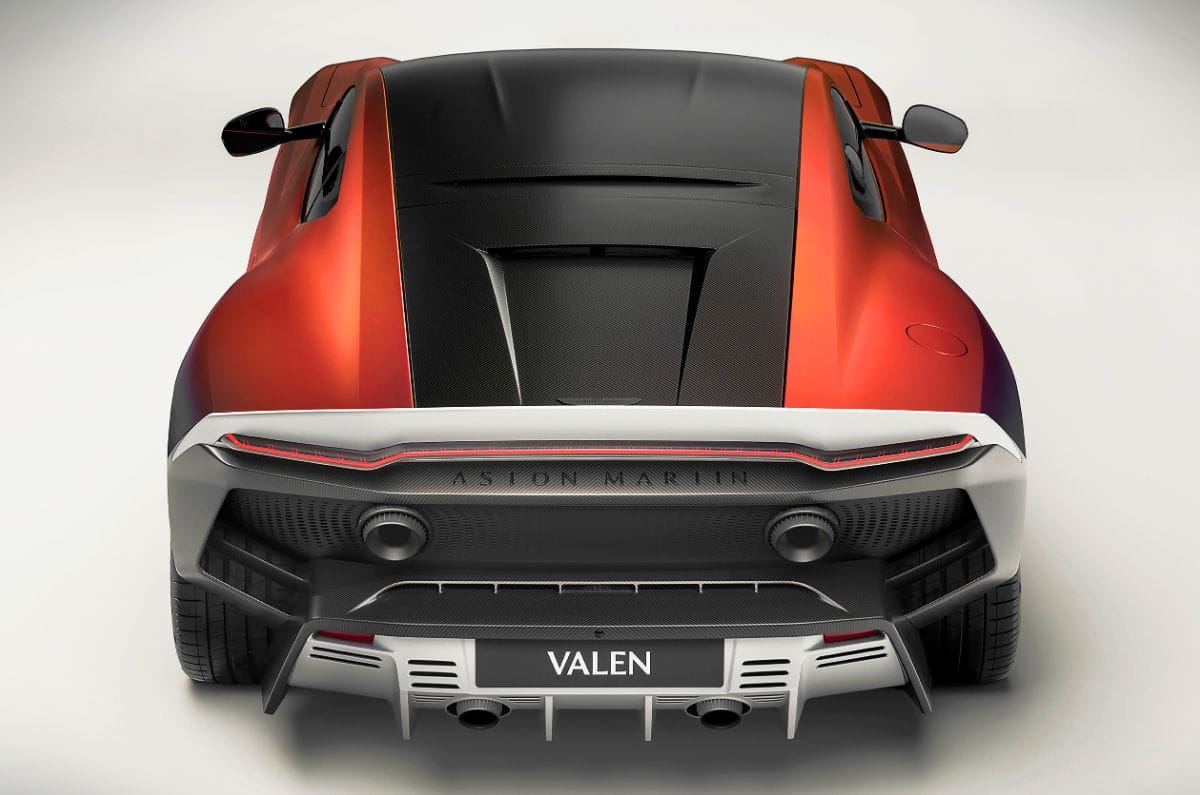
Aston Martin has revealed the Valen as its most powerful front-engined production car at the 2026 Monterey Car Week. An 850hp, 5.2-litre twin-turbo V12 engine, derived from the Vanquish, powers this GT car. Only 150 units of the Valen are being built by the manufacturer’s ‘Q’ personalisation department, with deliveries commencing in the second quarter of 2027.
Claimed 0-100kph time is 3.1 seconds and top speed is 345kph
Uses carbon fibre, aluminium, titanium, and magnesium elements in plenty
Weighs 110kg less than the Aston Martin Vanquish
Aston Martin Valen powertrain details
Produces 15hp more than the Vanquish and is 0.2s faster in a 0-100kph sprint
The Aston Martin Valen is powered by the same 5.2-litre twin-turbo V12 engine as the Vanquish GT, but with more performance. It produces 850hp (15hp more) and 1,000Nm (same as the Vanquish) and is mated to an 8-speed automatic transmission that sends power to the rear wheels (RWD). The gearbox software has, however, been remapped with the Vantage GT4 racecar’s software for “more engaging shifts in all drive modes”. With the Valen, Aston Martin claims a 0-100kph time of 3.1 seconds (0.2s faster than the Vanquish) and an electronically limited top speed of 345kph.
The Valen is 110kg lighter than the Vanquish due to the use of lightweight motorsport-inspired materials, including carbon fibre, aluminium, titanium and magnesium. Aston Martin has also made “significant hardware changes and targeted software calibration” to the ESP, throttle, braking and steering systems. The suspension system uses stiffer springs for reduced roll and pitch motions to driver inputs for increased agility.
Aston Martin Valen exterior design
Looks sportier and brutish than the other Aston Martin models
The Valen looks sportier than the gentlemanly designs Aston Martin is generally known for and, as per chief creative officer Marek Reichman, “the Valen is a significant departure from what has gone before”. At the front, the Valen sports a new snout with an aggressive bonnet featuring a functional top vent to draw more air to the engine. The signature Aston Martin grille motif extends to the ends of the fascia. The LED DRLs and LED headlights are slim horizontal bars that make the Valen look menacing. It also gets an “acutely angled” front splitter to channel the air into the GT’s internals.
In profile, it sports lightweight magnesium wheels shod with Pirelli P Zero R tyres (275/35 ZR21 front, 325/30 ZR21 rear), specifically developed for the Valen. The GT also gets Pirelli’s latest Cyber Tyre technology, allowing real-time tyre data sharing with the vehicle’s dynamic control systems. The traditional side strakes incorporate large functional vents that extract air from the wheel arch, guiding it towards the rear for improved downforce.
The rear design is bold as well, replacing a traditional fixed rear windscreen with a solid tailgate that opens to reveal 170 litres of boot space. The tailgate features an aerodynamic wing that acts as a Gurney flap that “generates downforce with minimal drag and negates the need for a conventional rear wing”. Beneath this wing is a slim LED taillight bar and 3D-printed quad titanium exhausts stacked in a 2-up, 2-down arrangement. The upper exhaust outlets are always open, while the lower ones open in the raciest drive modes.
The Valen is available with an optional fully exposed carbon fibre exterior that can be tinted in both satin- and gloss-finished hues by the ‘Q’ customisation department.
Aston Martin Valen interior design
Features a minimalistic dashboard and a well-loaded cabin
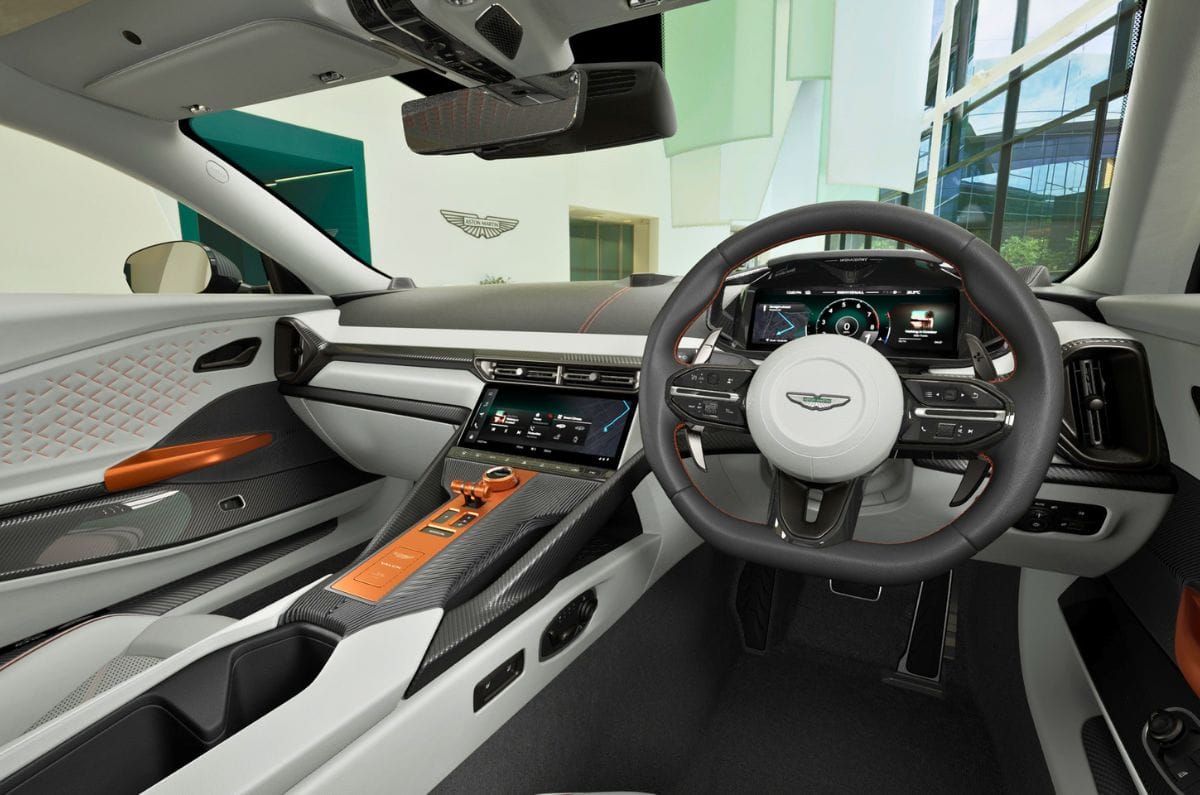
The Valen’s interior is heavily influenced by the Vanquish and hence offers a minimalistic dashboard with a 10.25-inch-inch digital driver’s display, a 3-spoke steering wheel and a 10.25-inch touchscreen infotainment system. What’s different from the Vanquish is that the centre console has been 3D-printed for “greater precision to the surfaces you regularly interact with”. This console has a carbon fibre finish and features a push-button start-stop and an aircraft-style drive mode selector.
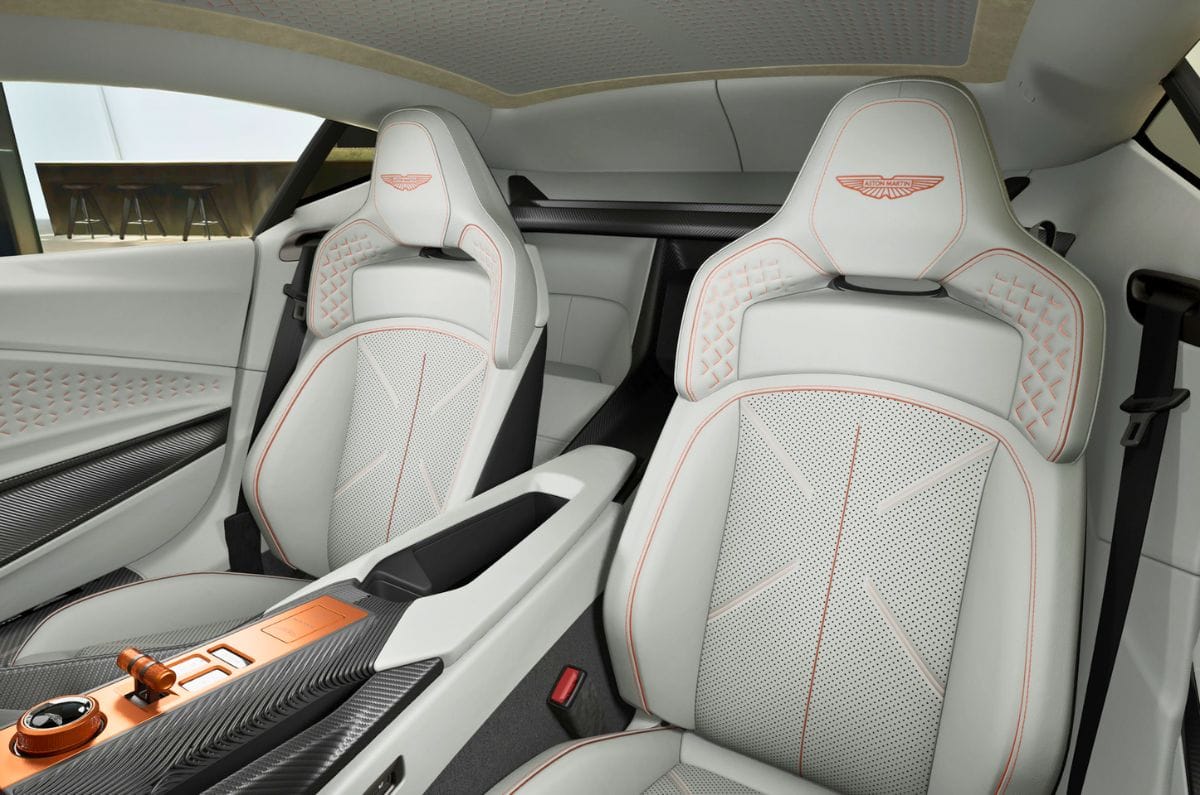
The Aston Martin Valen offers an option between ‘Sport Plus’ seats that “combine support with long-distance comfort” or carbon-fibre ‘Performance’ seats that offer “a more focused driving experience”. Features include a 15-speaker Bowers & Wilkins sound system, a 360-degree camera system, a digital inside rearview mirror (IRVM), a powered steering column and a wireless phone charger.
Reichman says, “Valen gave us the opportunity to explore and express more extreme emotions through a new form language and surface treatment.” Reflecting this bold design approach, Aston Martin has priced the Valen at 1.5 million pound (approximately Rs 19.46 crore), before buyers choose from the extensive catalogue of optional extras.
Ahead of its launch on August 18, 2026, Skoda India has shared another teaser of the Slavia facelift. The teaser gives a glimpse of a few design elements that the updated Slavia will receive.
Updated Slavia to have subtly refreshed exterior.
To continue with 1.0 and 1.5-litre turbo-petrol engines.
1.0-litre engine to have a new 8-speed automatic transmission.
Skoda Slavia facelift: What did the teaser reveal?
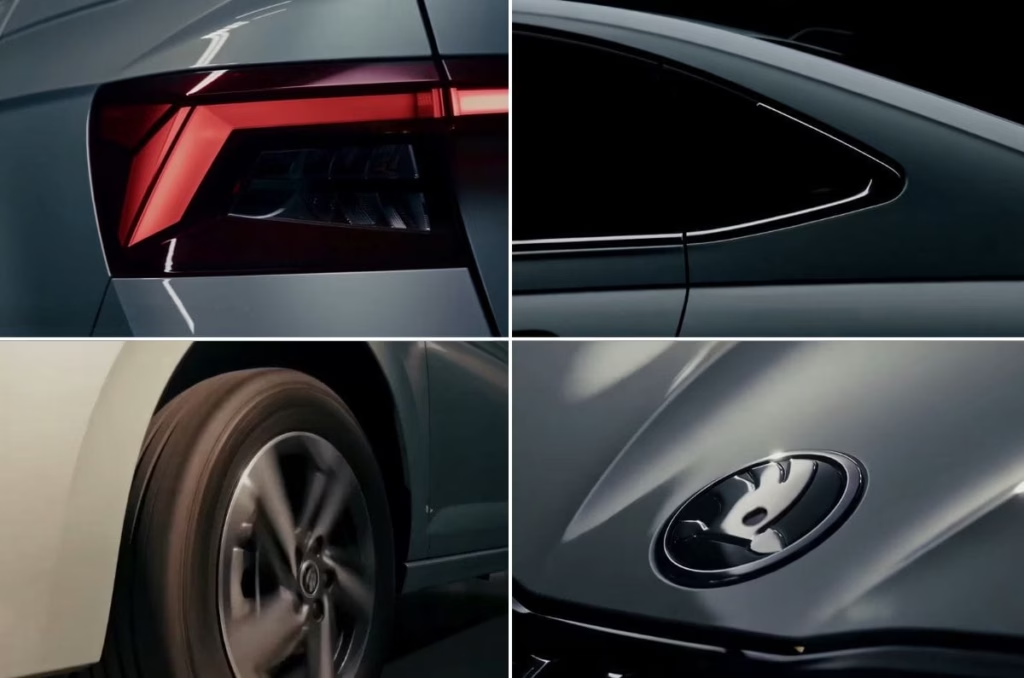
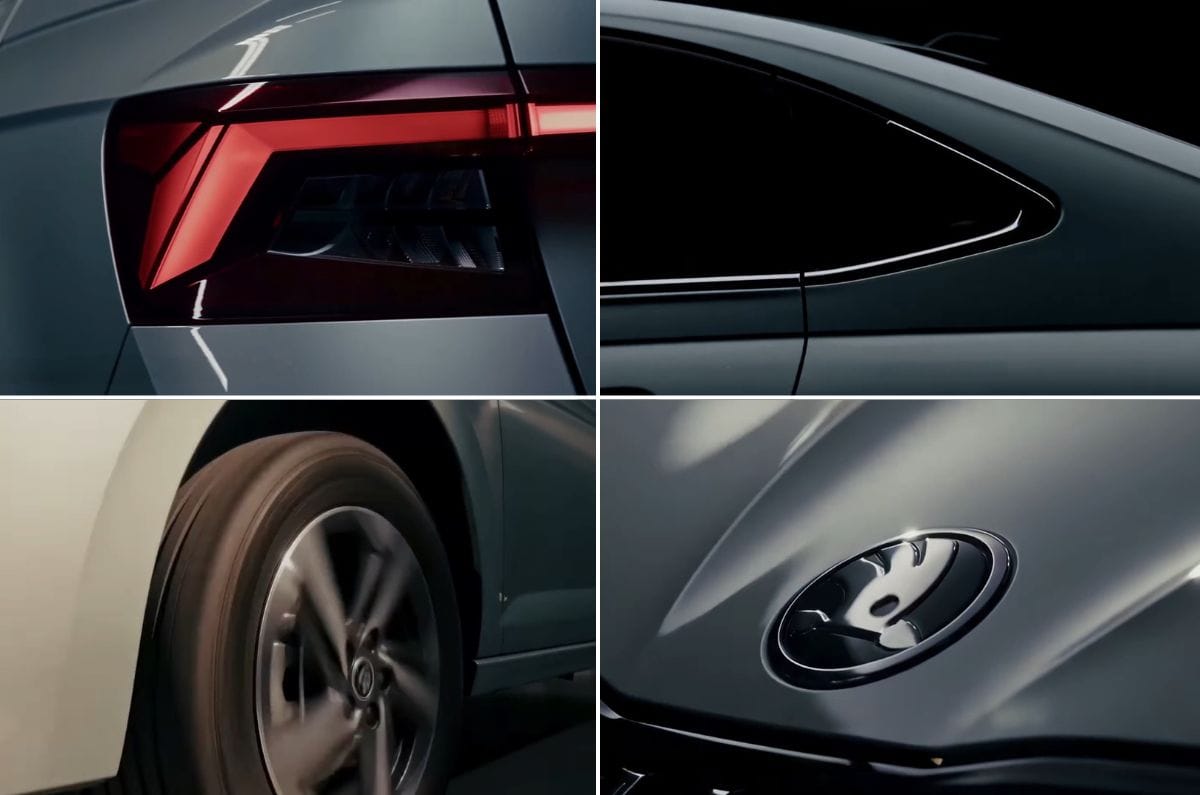
At the front, the grille was spotted studded with chrome detailing. The Slavia facelift is also expected to have revised detailing for the headlamps and restyled bumpers with new fog lamp housings. The tail-lights were spotted as well with similar detailing as the current version, but it’s yet to be seen if it gets the connected treatment like the Kushaq. Additionally, a new sporty five-spoke design for the alloy wheels was spotted, which will likely continue to be 16 inches in size, like the current version. The facelift continues to get chrome treatment for the window line, like the current version.
Skoda Slavia facelift: What to expect?
Current version’s interior used for representation.
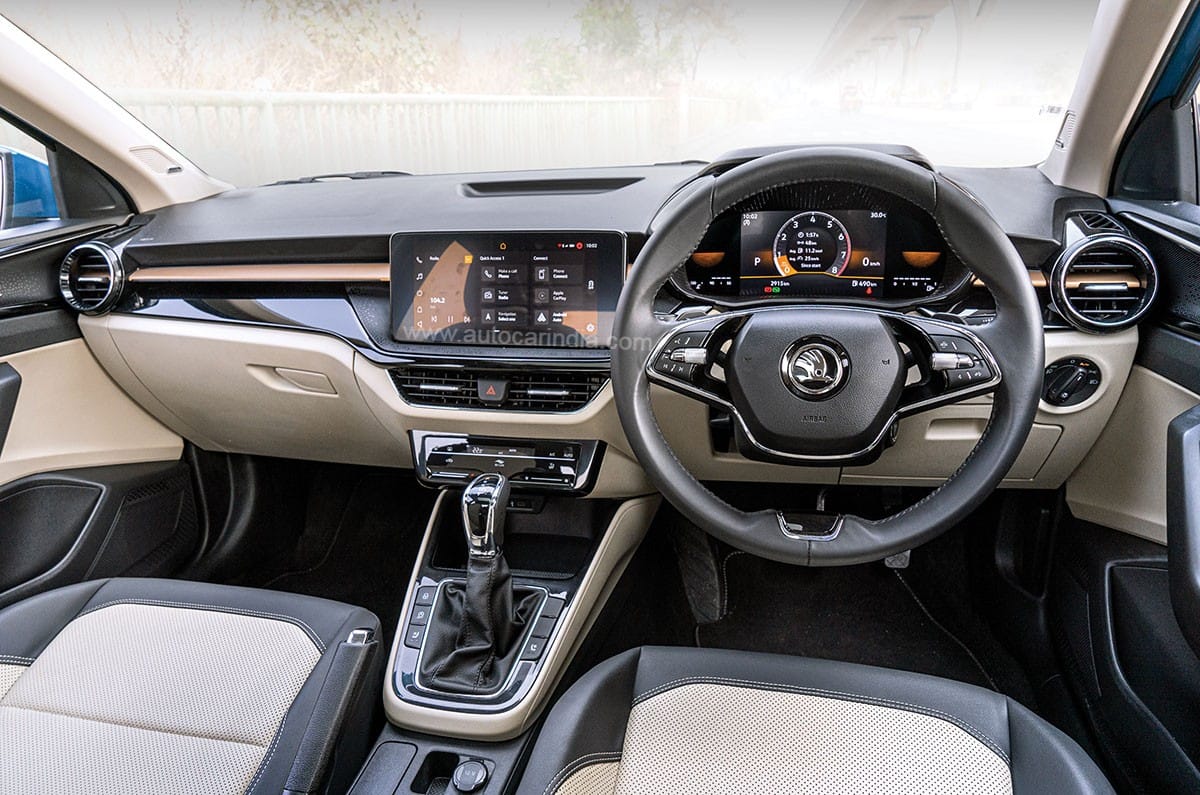
On the inside, the Slavia facelift is likely to continue with the same cabin layout, albeit with updated colours and trim materials. It is expected to borrow the Kushaq’s 10.25-inch digital driver’s display. Whether it gets the Kushaq’s segment-only rear massaging seats is yet to be seen. Meanwhile, features like a single-pane sunroof, powered and ventilated front seats, wireless phone charger will continue to be offered.
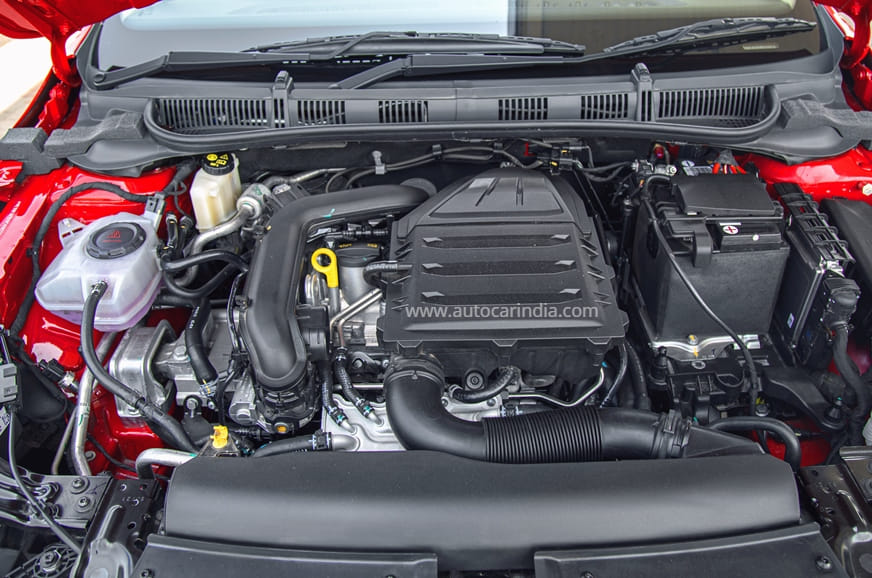
Current Slavia 1.0-litre engine used for representation.
As for powertrains, the Slavia facelift will continue to be powered by the current version’s 1.0 and 1.5-litre direct-injection turbo-petrol engines. The former develops 115hp and 178Nm, while the latter delivers 150hp and 250Nm of torque. While the 1.0-litre unit will continue to be paired with a 6-speed manual, automatic versions will get a new 8-speed torque converter gearbox, replacing the current version’s 6-speed unit. On the other hand, the 1.5-litre mill will continue to come solely with a 7-speed DCT.
In terms of price, the Slavia facelift is expected to be slightly pricier than the current version, which retails for Rs 9.99 lakh to Rs 18.19 lakh. It will continue to take on rivals like the Hyundai Verna, Honda City and the Volkswagen Virtus.
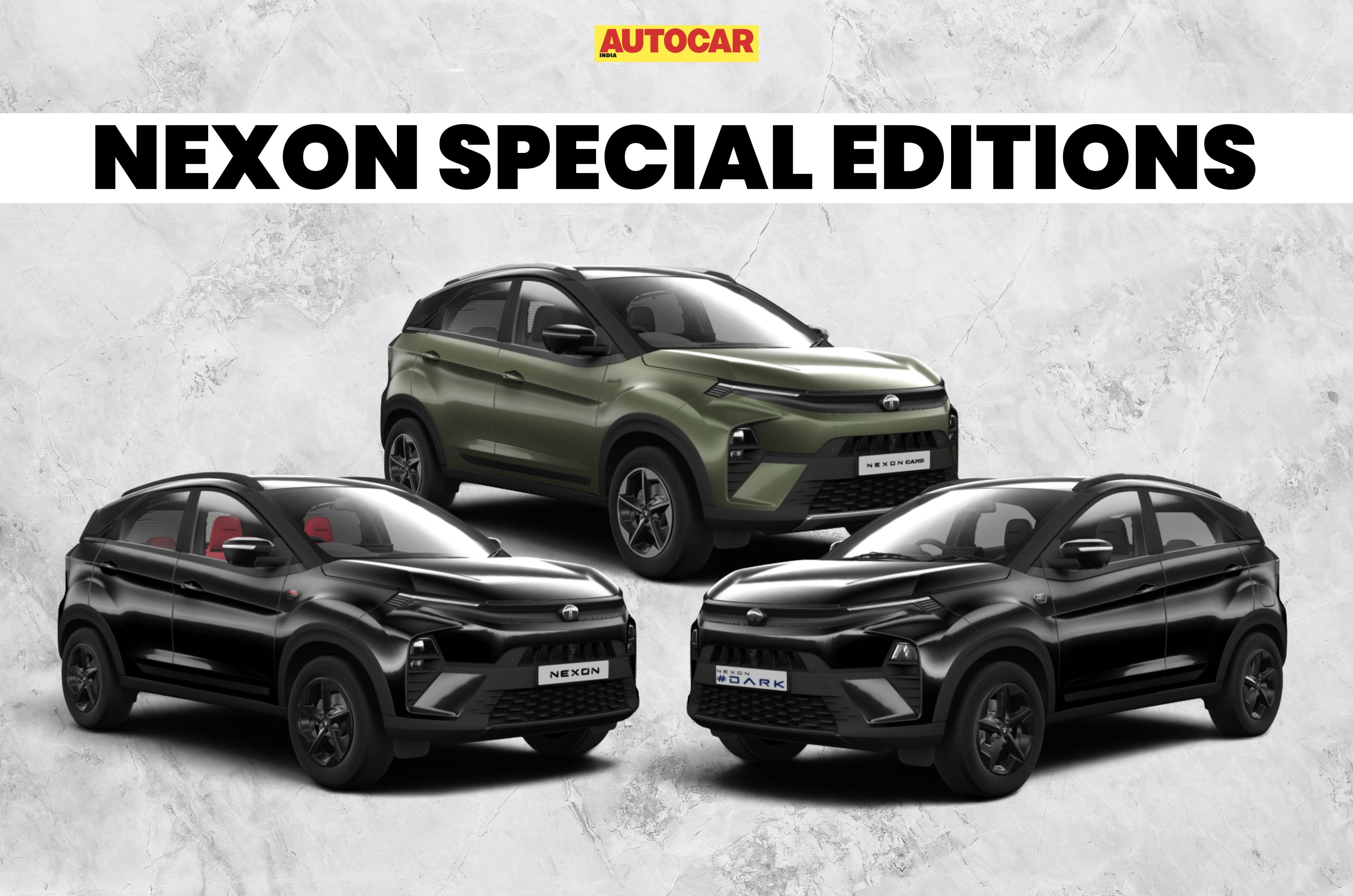
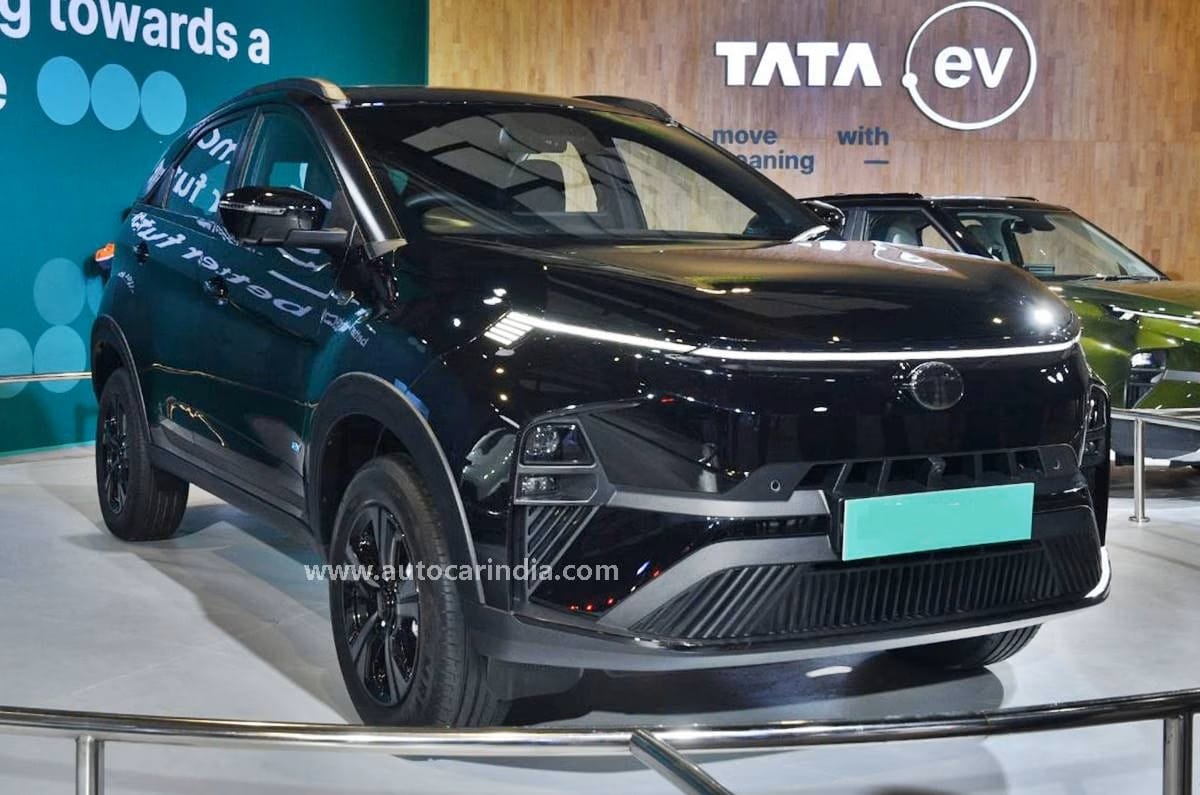
Over the years, Tata Motors has introduced multiple special editions of the Nexon, each aimed at buyers seeking a more distinctive appearance or additional features over the standard model. The Nexon is currently the only compact SUV in India to be offered with three factory-backed special editions.
While all three retain the standard Nexon’s engines and mechanical package, each follows a different approach. The Camo Edition adds exclusive colours and a handful of equipment upgrades, whereas the Dark and Red Dark editions primarily focus on cosmetic changes. All three editions can also be specified with an ADAS suite, although it remains available only on the top-spec petrol dual-clutch automatic variant. Here’s what sets each special edition of the Nexon apart.
Tata Nexon Camo Edition
The Camo Edition is the latest addition to the Nexon range and is available for a limited period. Based on the Creative+ and Fearless+ trims, it is the only special edition that adds equipment over the equivalent standard variants.
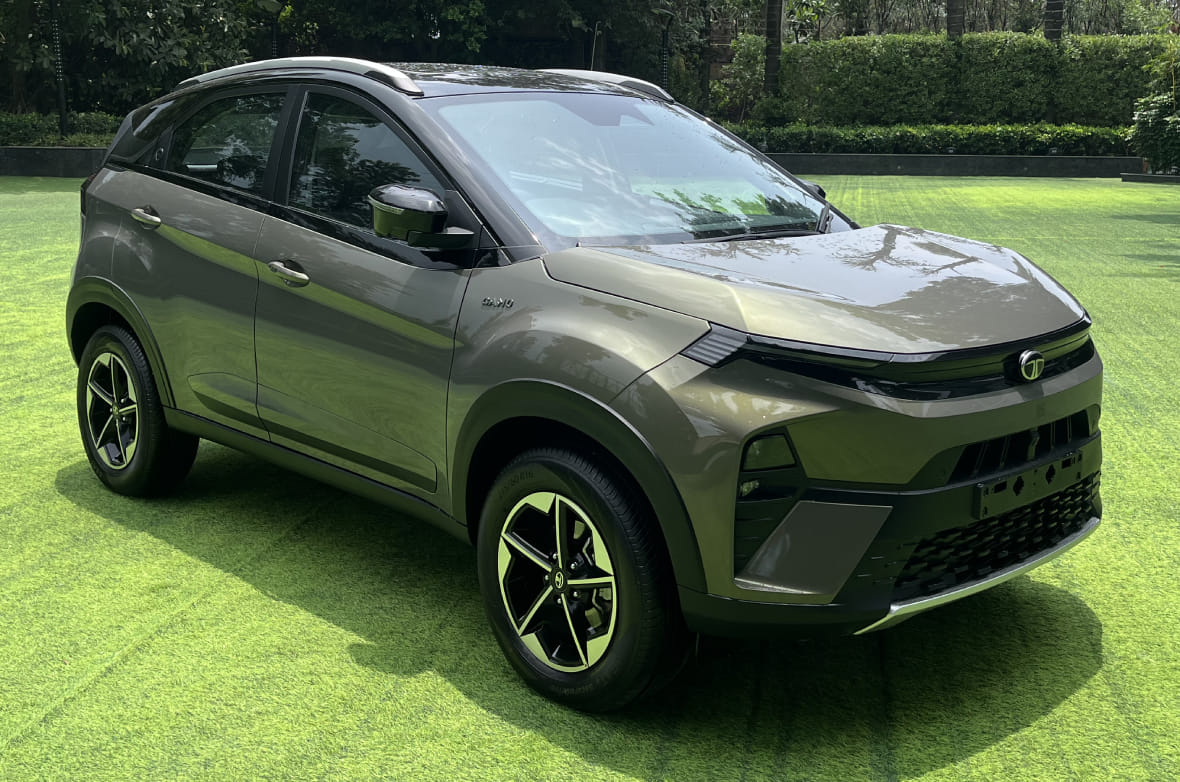
The Camo Edition is offered in two exclusive exterior colours, Munnar Mist and Coorg Cloud, along with a ‘Camo’ badge on the front fender and Camo-themed perforation on the front-seat headrests.
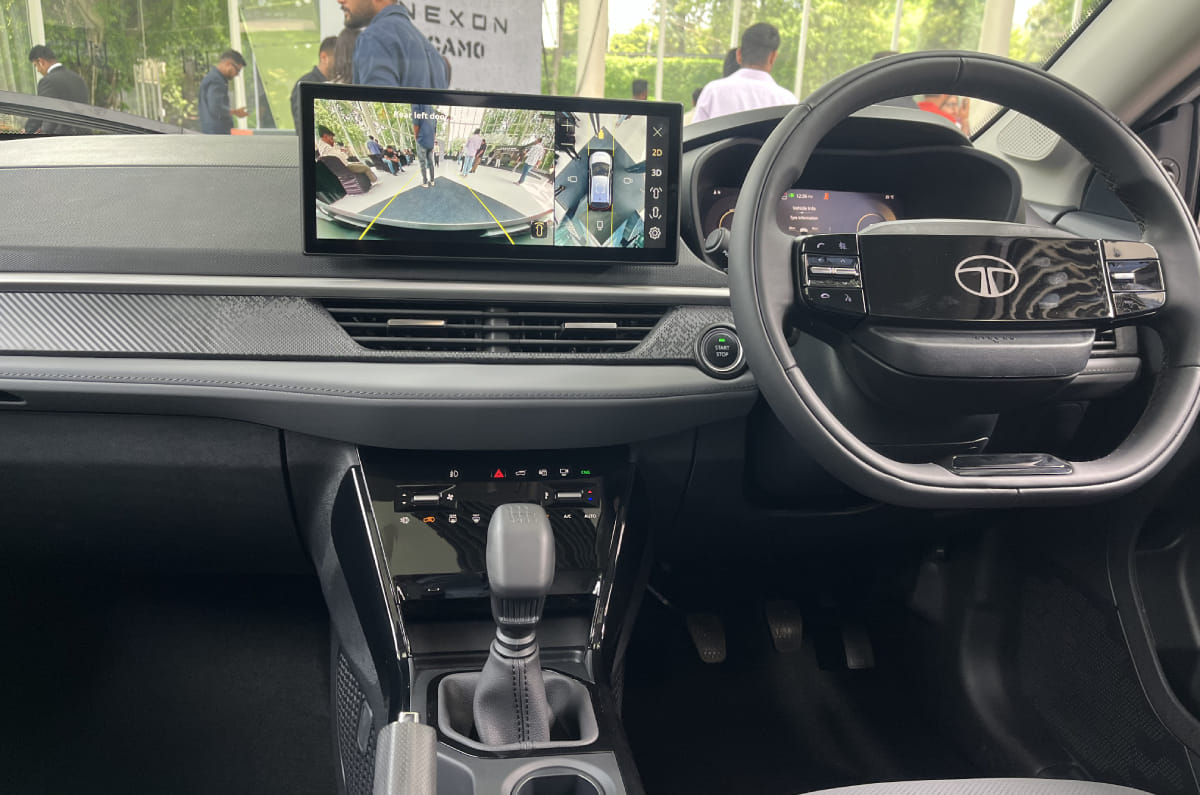
Inside, it upgrades to Tata’s 12.3-inch touchscreen, replacing the 10.25-inch unit fitted to the equivalent standard Nexon variants. This is also the only Nexon to get the larger 12.3-inch touchscreen, which is otherwise seen on larger Tata models such as the Harrier and Safari. It also adds an integrated dashcam that works with the 360-degree camera system.
Like the standard Nexon, the Camo Edition is available with petrol, diesel and CNG engines across manual and automatic gearbox options.
Tata Nexon Dark Edition
Unlike the Camo Edition, the Dark Edition does not introduce any exclusive equipment. Instead, it focuses on giving the Nexon a darker appearance inside and out while retaining the features of the underlying trim.
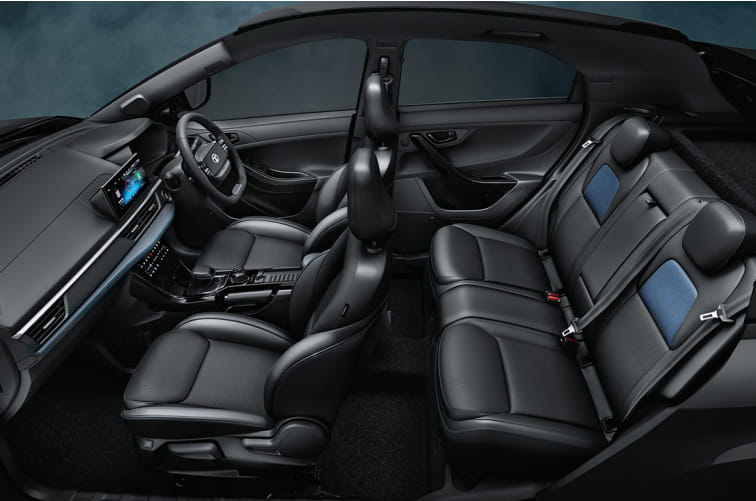
The Dark Edition receives an all-black exterior treatment, including black-finished alloy wheels, a black skid plate and ‘#Dark’ badging on the front fender. Inside, it gets an all-black cabin with black leatherette upholstery, black dashboard trim with a blue insert and blue contrast stitching, giving it a more understated appearance than the standard model.
The Dark Edition is available in Nexon’s Creative+ and Fearless+ trims with petrol, diesel and CNG powertrains, depending on the variant.
Tata Nexon Red Dark Edition
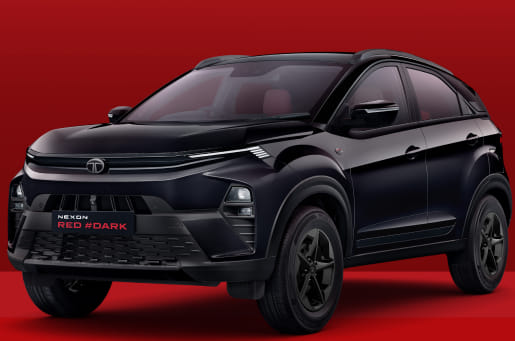
The Red Dark Edition combines the Dark Edition’s blacked-out exterior with a contrasting red-themed cabin. Like the Dark Edition, it is primarily a cosmetic package and does not introduce any exclusive features over the equivalent standard variant.
The exterior carries forward the all-black Dark Edition styling, while the cabin switches to ‘Carnelian Red’ leatherette upholstery, red contrast stitching and matching interior accents.
Like the Dark Edition, the Red Dark Edition is offered with petrol, diesel and CNG powertrains with manual and automatic gearbox options.
The Tata Nexon special edition line-up
The Nexon remains one of the few compact SUVs in India to be offered with special editions. While most rivals are sold only in their standard trims, Tata has steadily expanded the Nexon range with the Dark, Red Dark and now the Camo Edition.
These editions have also proved popular with buyers. Tata Motors has previously said that special editions contribute around 15 percent or more of sales, depending on the model, while Dark Editions account for an even higher share on the Harrier and Safari. With three distinct special editions now on sale, the Nexon offers buyers more choice than any other compact SUV in the segment without altering its underlying mechanical package.
उत्तराखंड के नैनीताल जिले में सामने आई एक घटना ने सोशल मीडिया पर नई चर्चा छेड़ दी है। यहां छेड़छाड़ के आरोपों का सामना कर रहे दो युवकों को पुलिस के हवाले करने से पहले ग्रामीणों द्वारा दी गई कथित सजा का वीडियो वायरल हो गया। वीडियो में दोनों युवकों के चेहरे काले किए गए और उन्हें बिच्छू बूटी से रगड़ते हुए देखा गया। इस घटना के बाद लोगों के बीच महिलाओं की सुरक्षा, अपराधियों पर कार्रवाई और कानून हाथ में लेने जैसे मुद्दों को लेकर बहस शुरू हो गई। कुछ यूजर्स ने ग्रामीणों के गुस्से को सही ठहराया, तो कुछ ने सार्वजनिक सजा देने के तरीके पर सवाल उठाए। मामले ने सोशल मीडिया पर अलग-अलग राय को जन्म दे दिया है।
सतौली गांव में सामने आया मामला
जानकारी के मुताबिक, यह घटना नैनीताल के मुक्तेश्वर क्षेत्र के सतौली गांव की बताई जा रही है। आरोप है कि मुरादाबाद, उत्तर प्रदेश के रहने वाले दो युवकों ने गांव से गुजरते समय स्थानीय लड़कियों पर आपत्तिजनक टिप्पणियां कीं। इसके बाद ग्रामीणों और संबंधित महिलाओं ने दोनों को रोक लिया।
वायरल वीडियो में दिखा ग्रामीणों का गुस्सा
सोशल मीडिया पर सामने आए वीडियो में लोगों की भीड़ दोनों युवकों के आसपास नजर आई। आरोपियों के चेहरे काले किए गए थे और उन्हें चप्पलों से पीटते हुए भी देखा गया। इसके बाद ग्रामीणों ने उन्हें बिच्छू बूटी से रगड़ा, जो त्वचा पर तेज जलन और खुजली पैदा करने के लिए जानी जाती है। बाद में दोनों को पुलिस के हवाले कर दिया गया।
Two men harassed a girl in Satauli village, Uttarakhand.
Faces of both men were blackened using natural charcoal and were given further ayurvedic treatment using a plant called Bichhu Booti or Stinging Nettle.
वीडियो वायरल होने के बाद इंटरनेट पर लोगों की प्रतिक्रियाएं सामने आने लगीं। कई यूजर्स ने महिलाओं के सम्मान के खिलाफ होने वाले व्यवहार पर सख्ती की बात करते हुए ग्रामीणों के कदम का समर्थन किया। कुछ लोगों ने कहा कि ऐसे मामलों में कड़ा संदेश जाना जरूरी है।
कुछ लोगों ने उठाए कानून हाथ में लेने पर सवाल
वहीं, कई यूजर्स ने इस तरह की सार्वजनिक सजा पर सवाल भी उठाए। उनका कहना था कि उत्पीड़न एक गंभीर अपराध है और दोषियों पर कार्रवाई पुलिस और कानून के जरिए होनी चाहिए। लोगों ने पूछा कि क्या किसी भी स्थिति में भीड़ को खुद सजा देने का अधिकार मिलना चाहिए?
घटना ने छेड़ी न्याय और भीड़ की कार्रवाई पर बहस
इस मामले ने एक बार फिर महिलाओं की सुरक्षा, अपराधों पर कार्रवाई और कानून व्यवस्था जैसे मुद्दों पर चर्चा शुरू कर दी है। जहां कुछ लोग इसे अपराधियों के खिलाफ सख्त संदेश बता रहे हैं, वहीं कुछ का मानना है कि न्याय की प्रक्रिया कानून के दायरे में ही होनी चाहिए।
Back in 2004, Toyota debuted its ‘Innovative International Multi-purpose Vehicle’ platform (or IMV for short), which spawned the 7th generation Hilux and the 1st generation of the Fortuner and Innova. As for the Hilux, it moved on to the 8th generation in 2015 and we now have this, the new 9th generation model, still underpinned by the IMV platform, albeit with major modifications and updates.
2026 Toyota Hilux Exterior Design and Engineering – 7/10
IMV platform sees massive update; front styling goes all angular
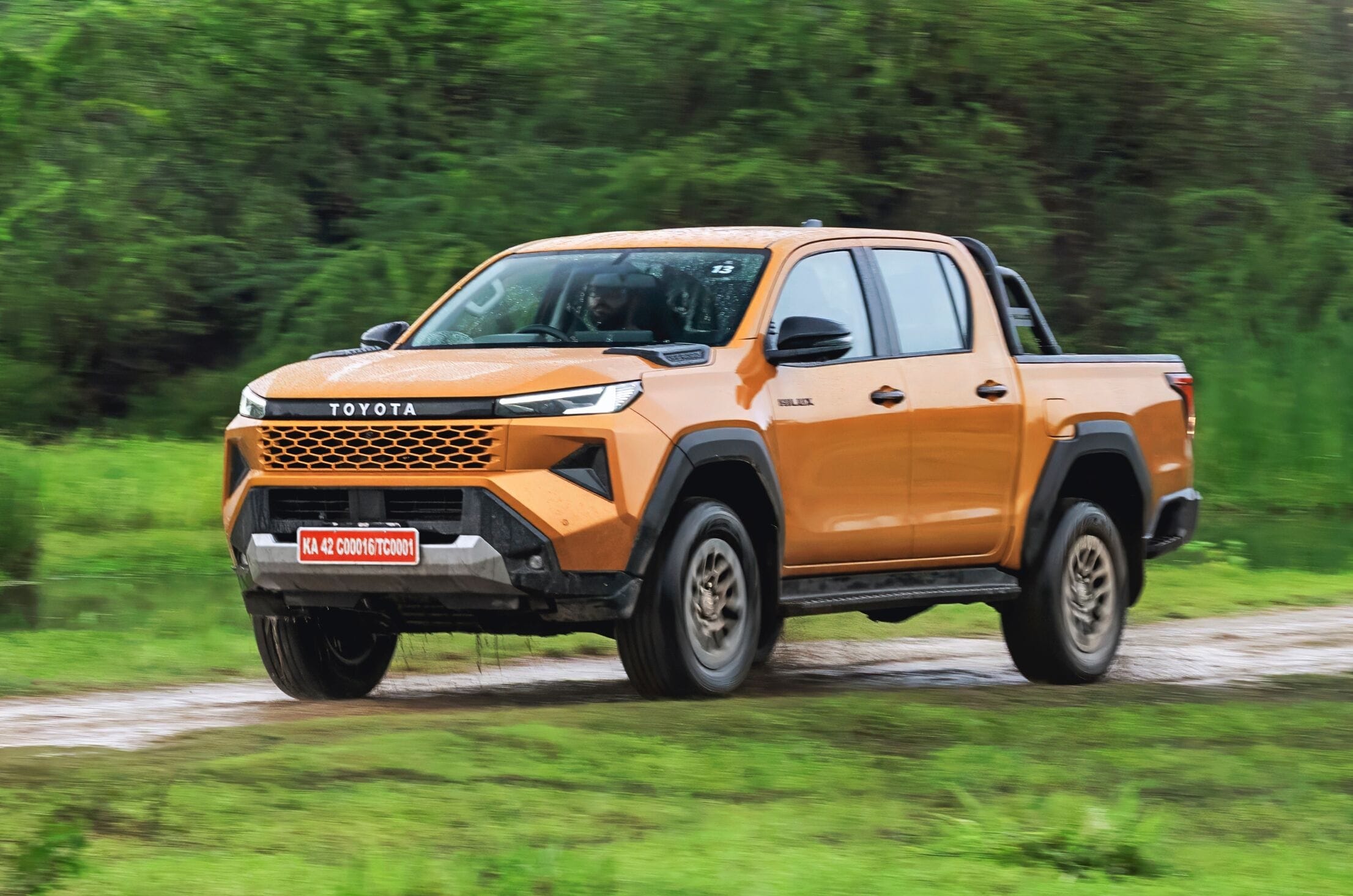
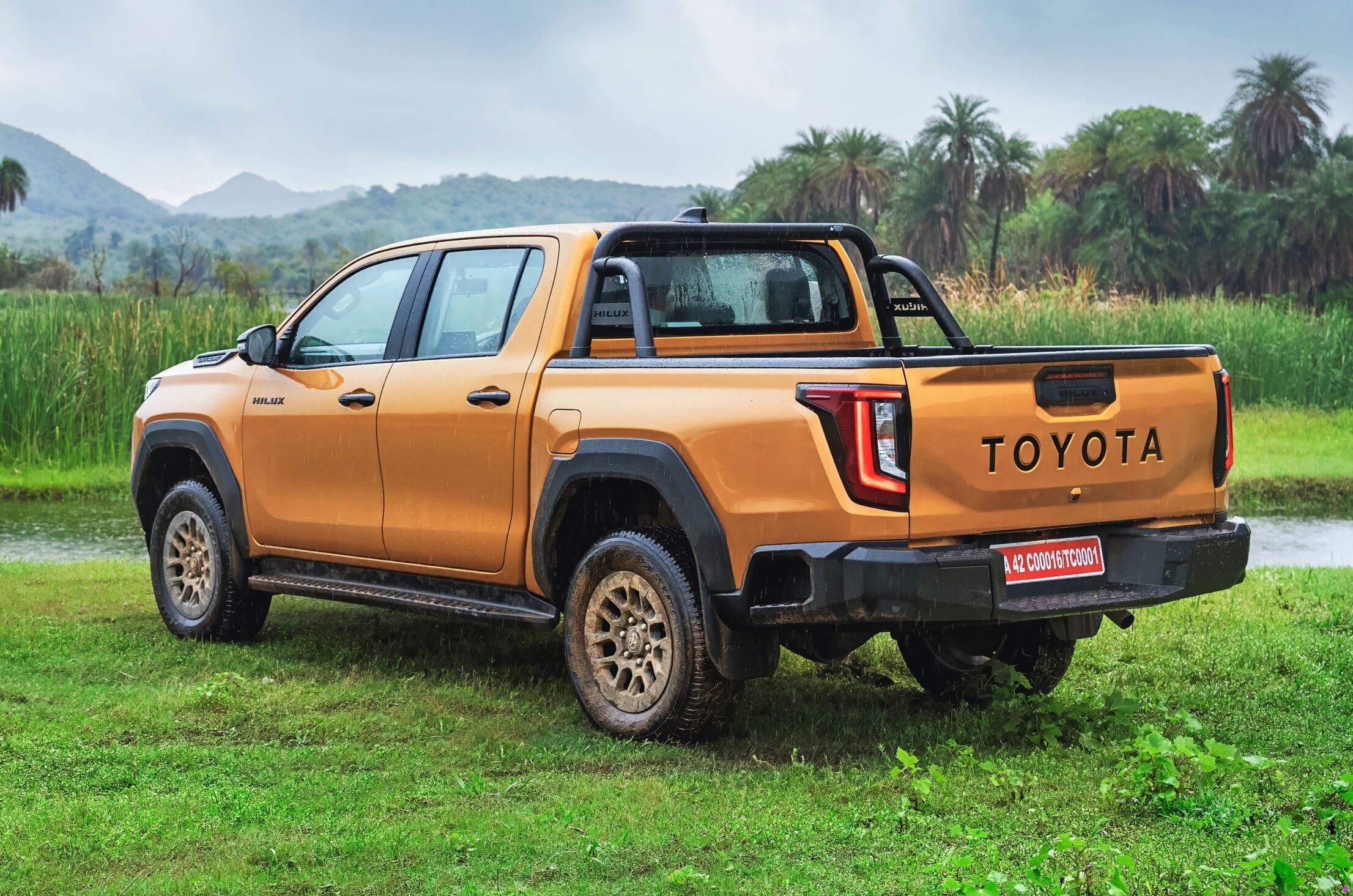
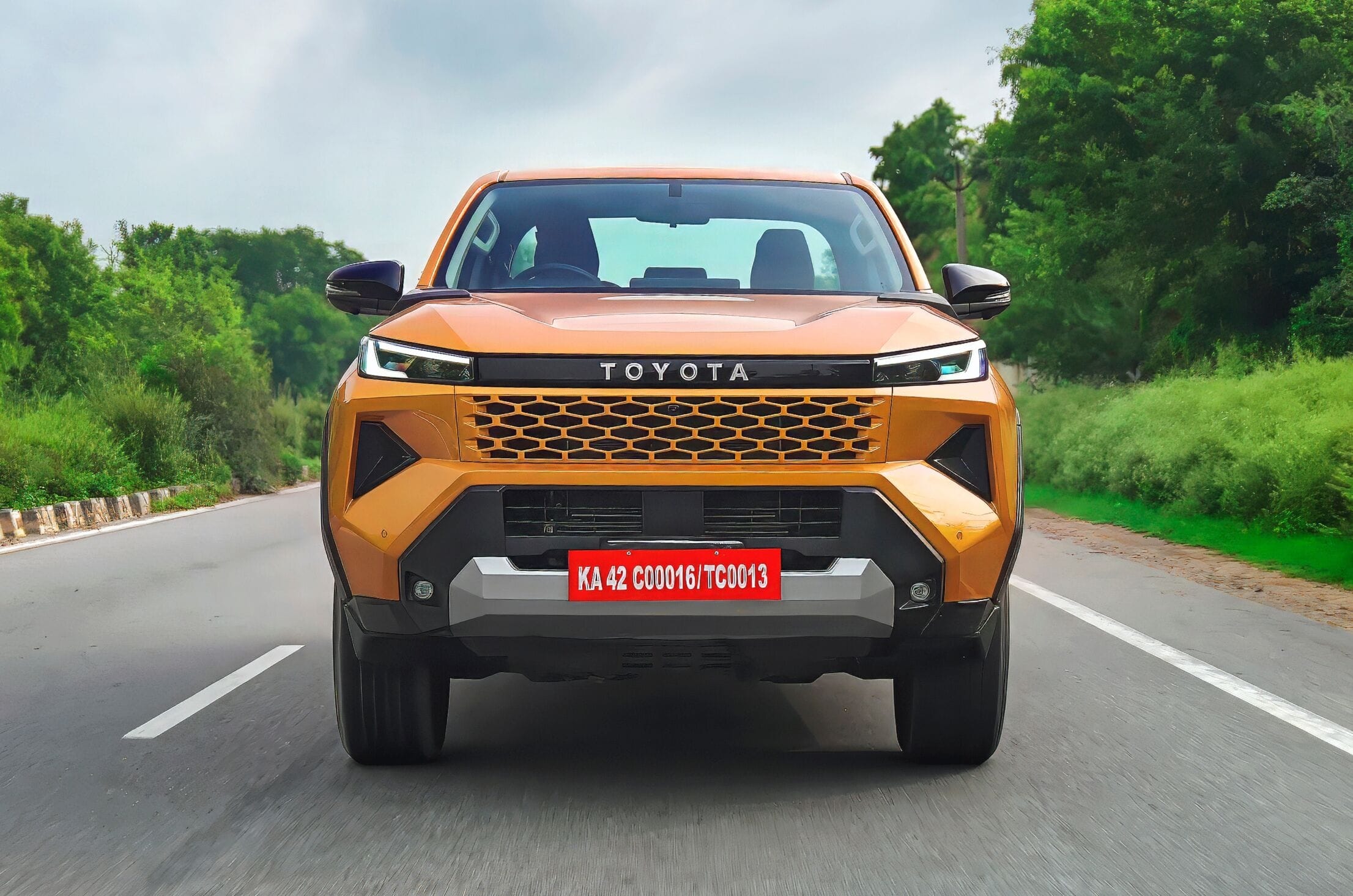
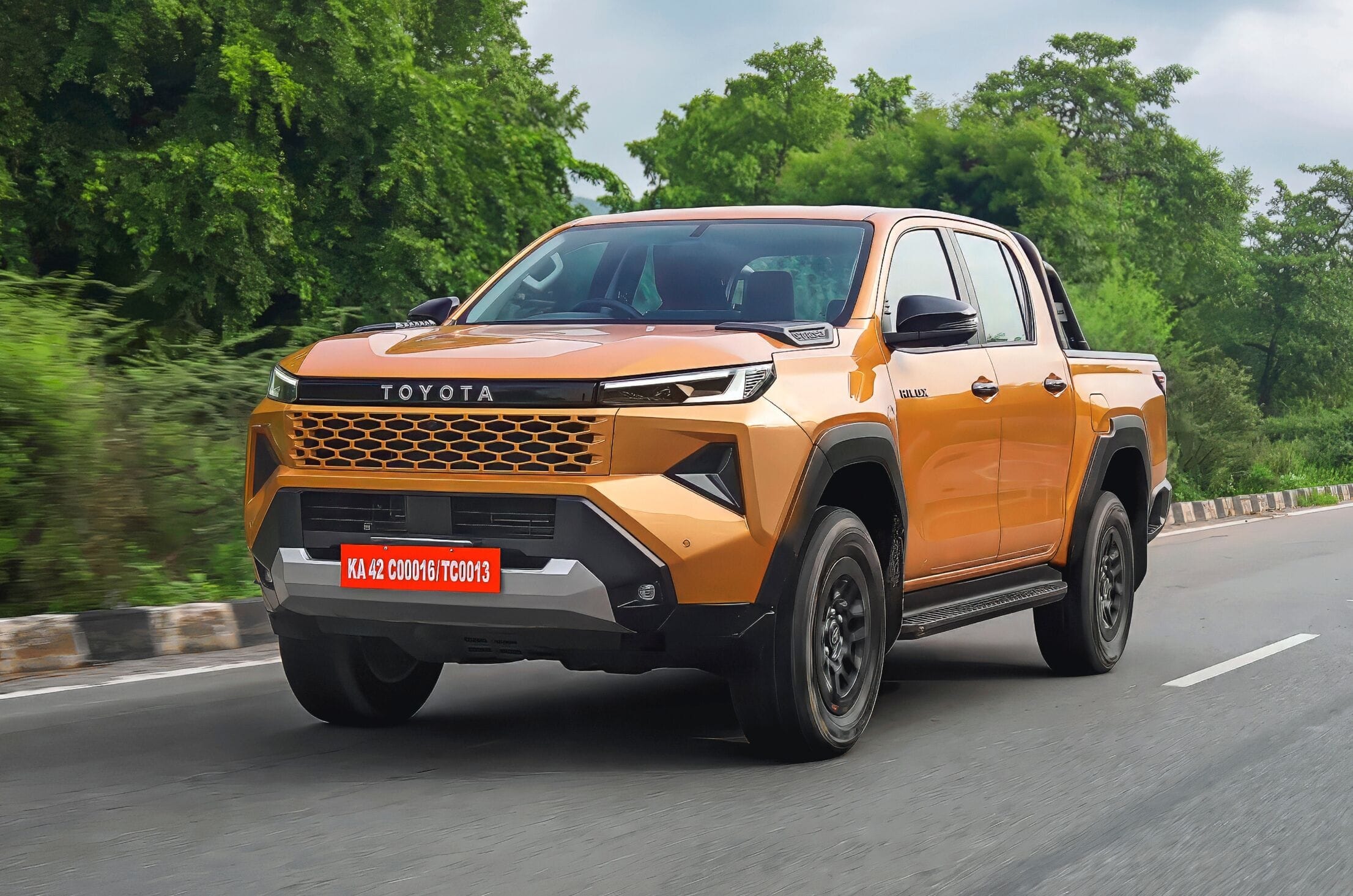
The front end is now all very edgy and sharp. Cyber-Sumo is how Toyota describes the styling.
As with its predecessors the ladder-frame construction remains, but plate thickness in the frame side rails has been increased to enhance rigidity and better resist torsional forces. The body too has seen an increase in rigidity with the floor featuring an additional 36 spot welds, this also helps decrease vibrations.
Interestingly, the platform is now fully electrified. Impressive given that installing a battery pack with a ladder frame is tricky given the narrower – than the body – width and the presence of cross members too. It shows, the all-electric Hilux features a rather modest 59.2kWh battery pack, it’s unlikely to make its way here though.
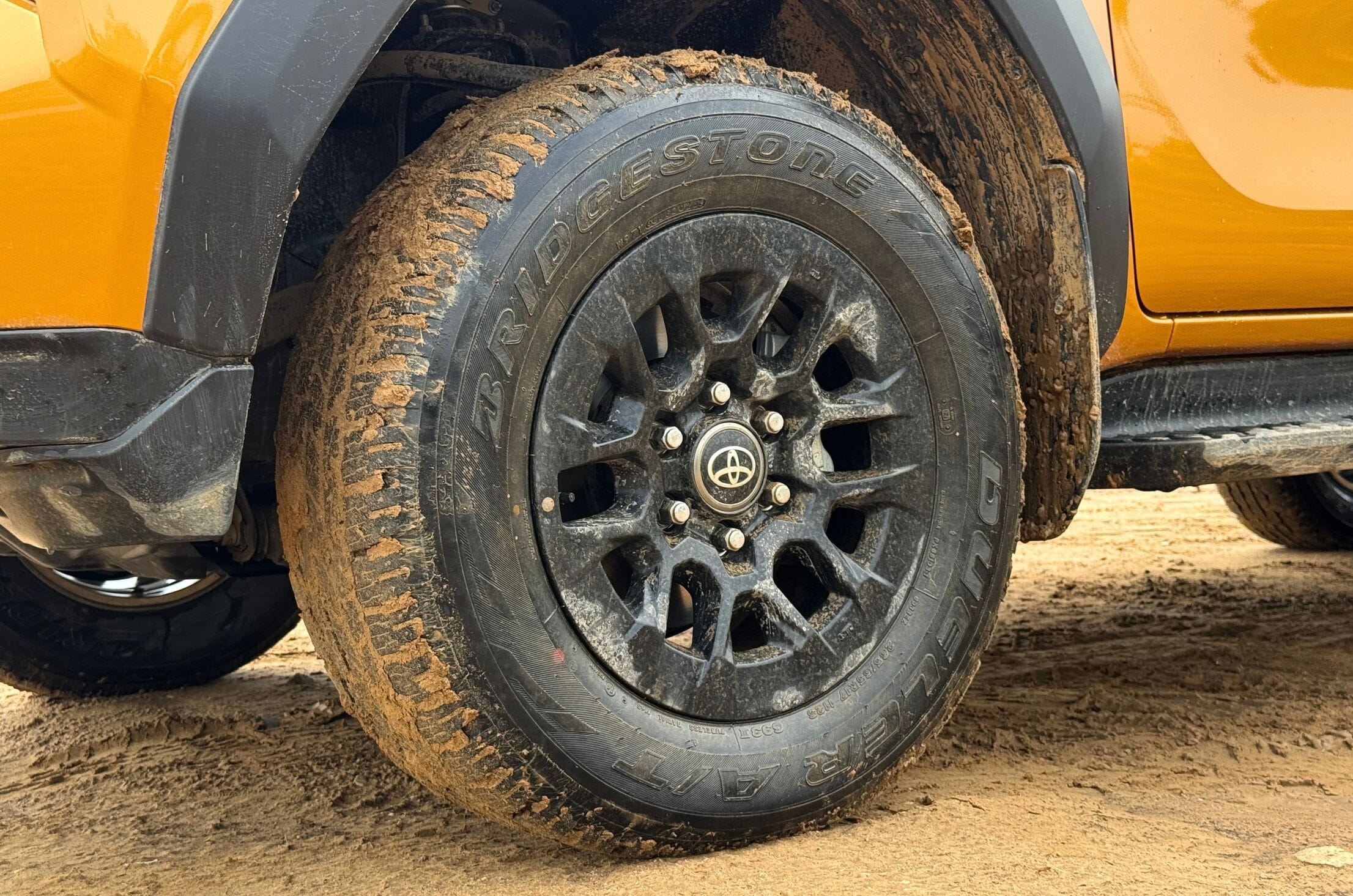
17-inch rims provide for taller sidewalls, handy off-road.
Other changes to the platform include a switch from hydraulic to an all-electric power steering system and spring and damper tweaks to improve ride comfort. As with the previous two generations, wheelbase remains the same at 3,085mm and the length is identical to its predecessor at just over 5.3 meters.
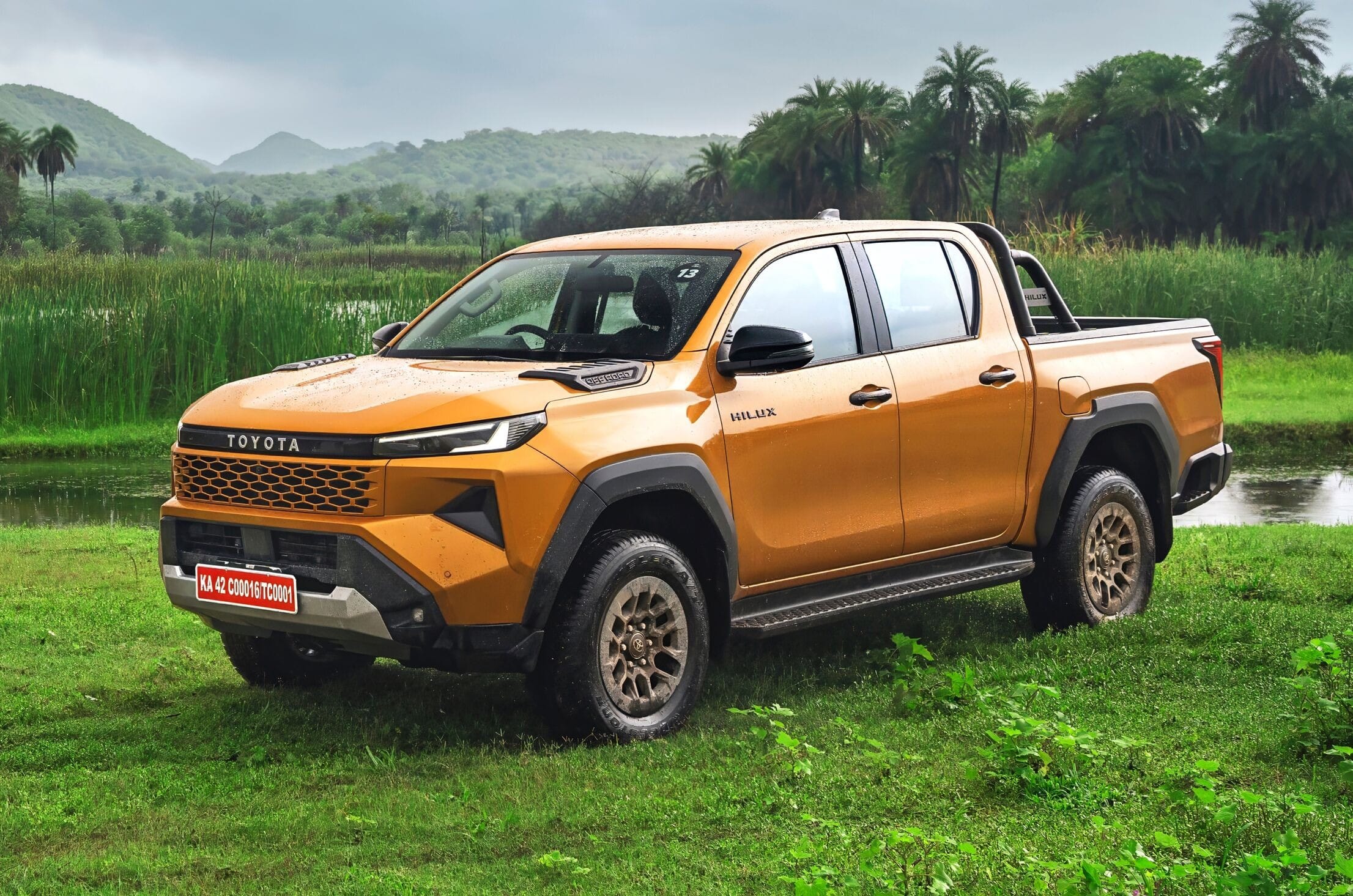
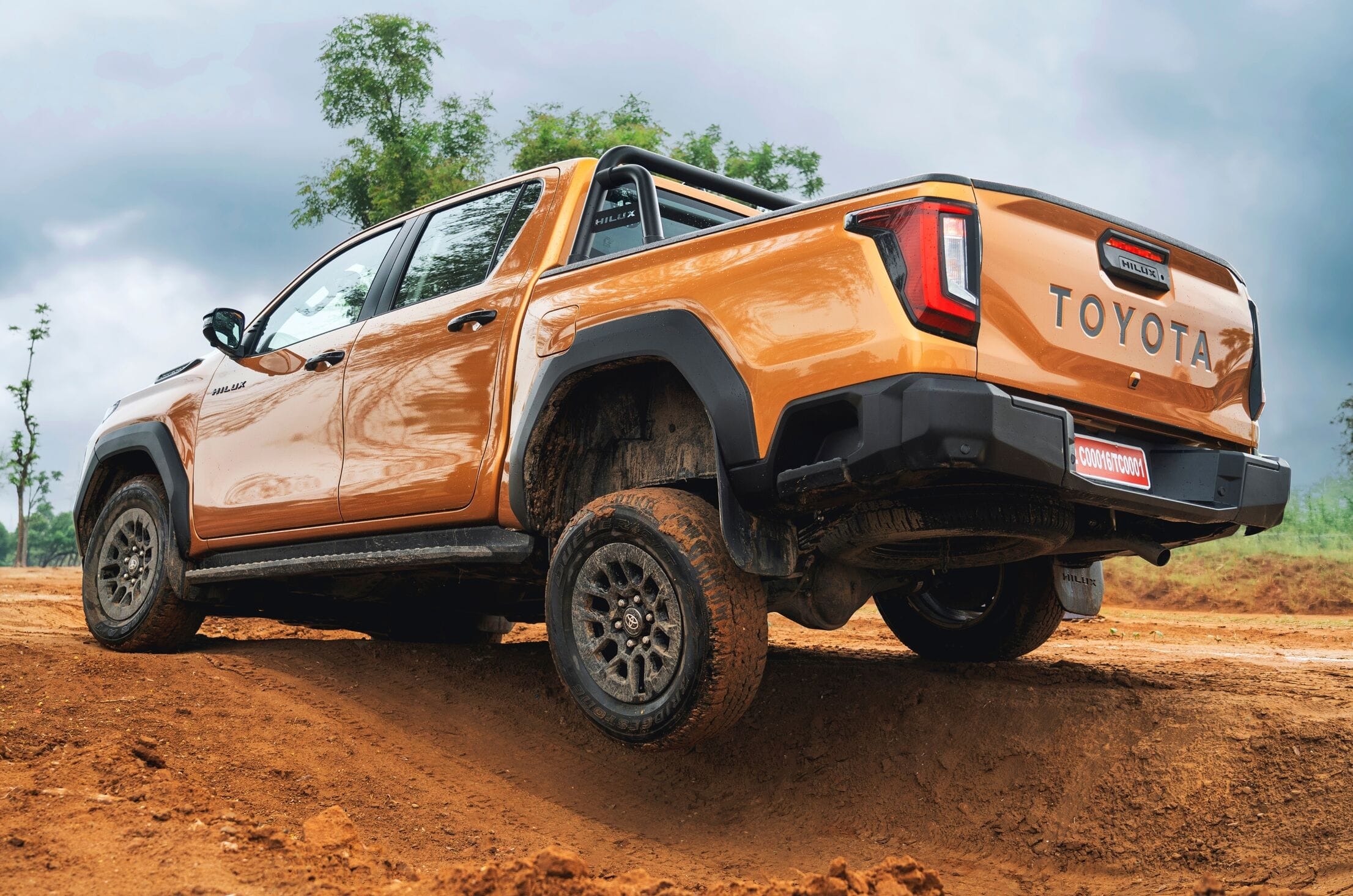
Front styling sees the biggest difference from the earlier car, its now all very edgy and sharp. Cyber-Sumo is how Toyota describes it, a cyborg Sumo wrestler if you will. The headlights feature sharp DRLs, are much slimmer and flow into a black panel emblazoned with the Toyota lettering. Below is a honeycomb grille flanked by triangular stylistic insets and the lower end of the bumper carries on with the angular treatment with sharp cuts to define its shape.
Taillights now more angular; bumper features integrated footsteps on the rear as well as on the sides.
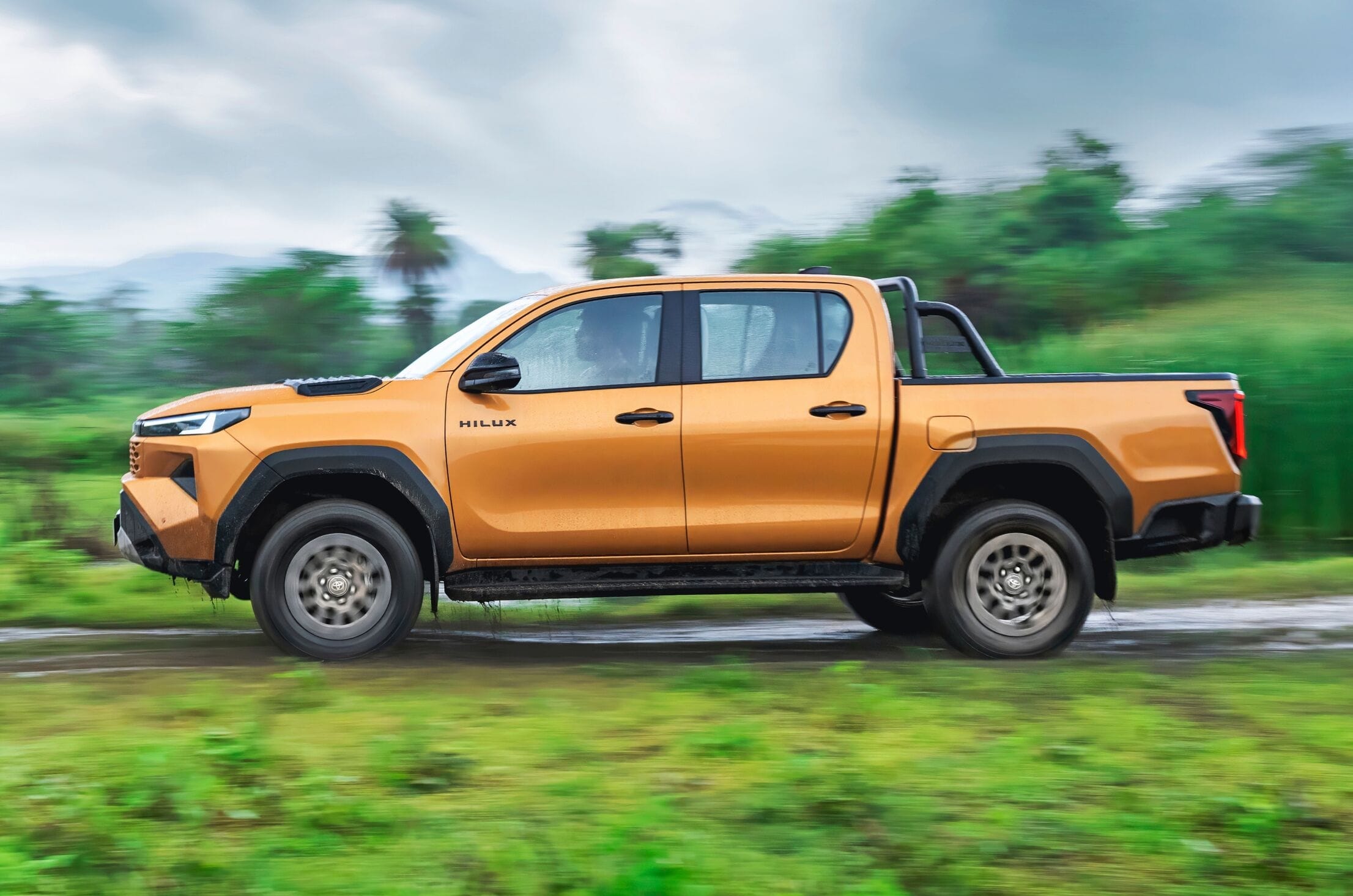
The side however is more curved with the doors gently profiled and resembling the previous car, the cladding however is a bit angular and runs the length of the car. At the rear end there is now a side step to make loading and unloading cargo easier. Rear taillights are sharply outlined and flow more into the side profile and of course, the rear sees the now iconic large Toyota lettering across the tailgate, which has a damped release.
2026 Toyota Hilux Interior Space and Comfort – 7/10
Adequate cabin space, but not what you might expect given the overall size.
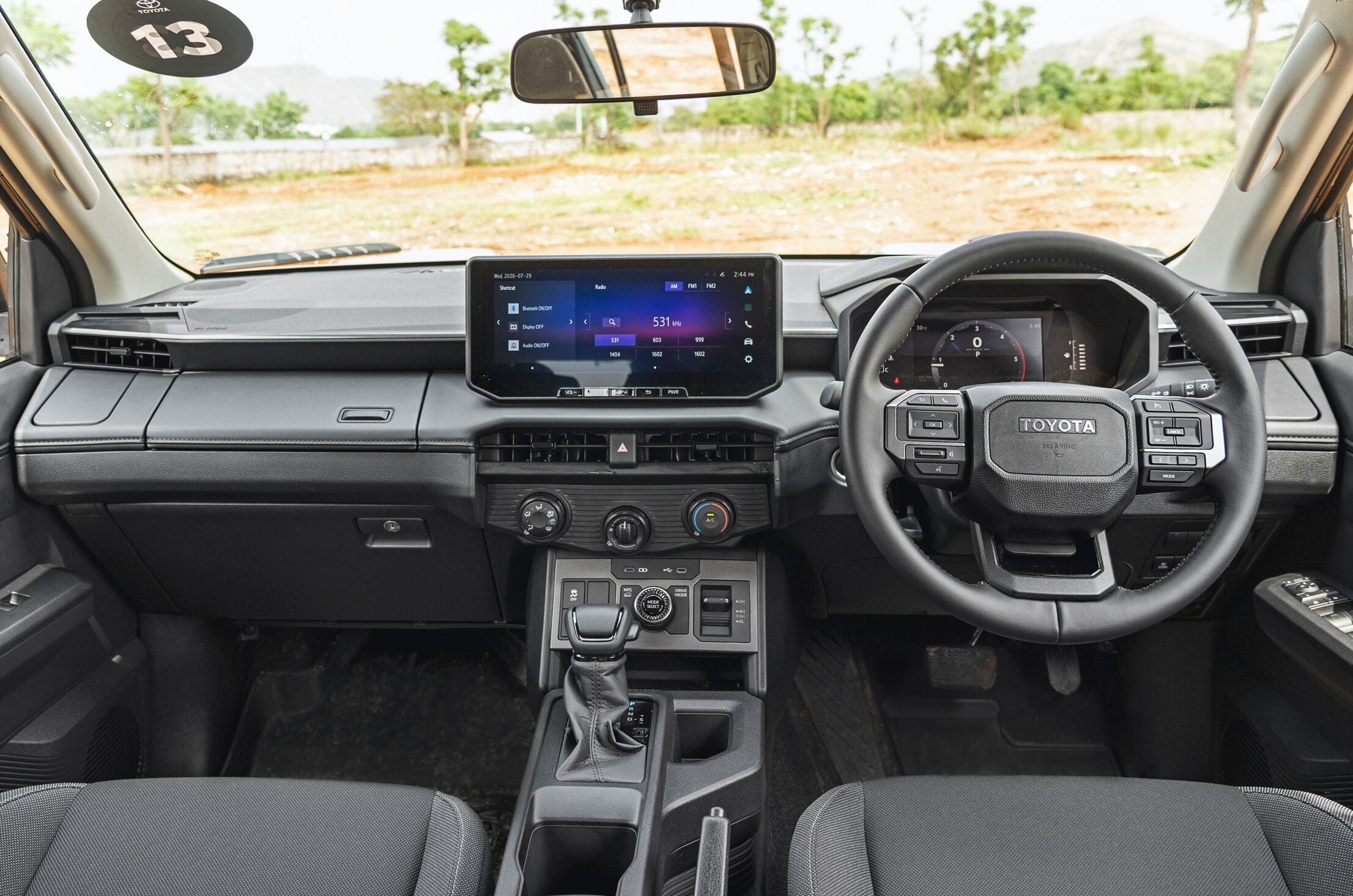
Dashboard get a retro-modern style, very similar to the Land Cruiser Prado.
Like the front-end styling, the new dashboard sees a big departure is styling too, very retro-modern with straight lines and chunky elements, similar to the Land Cruiser Prado. It houses rectangular AC vents and a pop-up center touchscreen with chamfered lower edges. The steering wheel looks like a straight lift from the Prado with the same three spoke design, rectangular center boss and chunky rectangular buttons.
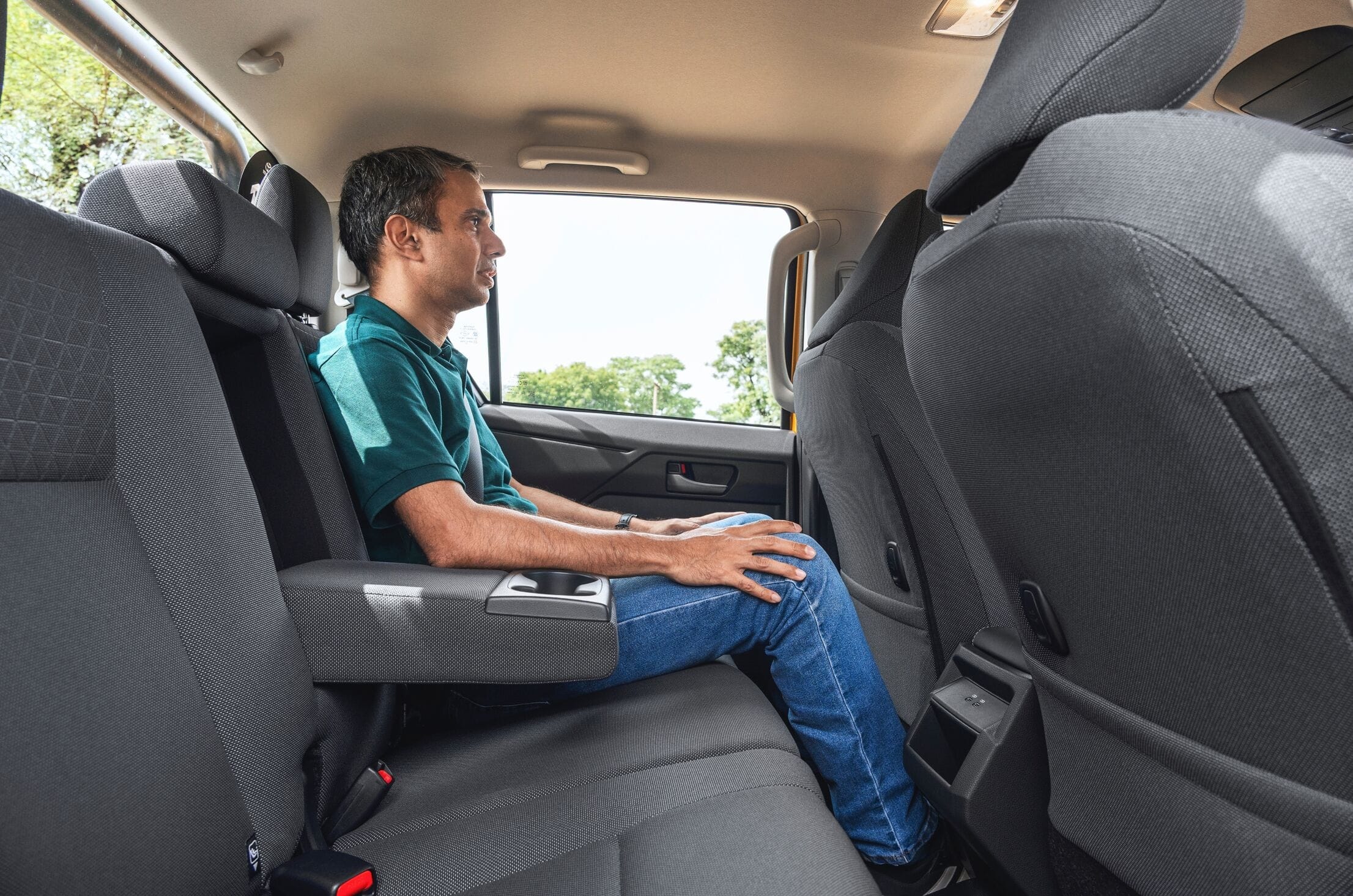
Cabin dimensions remain the same, but reprofiled seat gives the backrest a tad bit more recline.
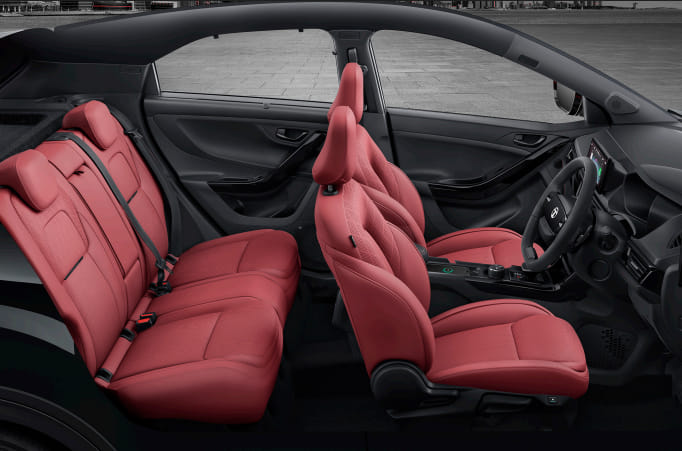
The 8th gen Hilux received a larger interior cabin volume and this cabin carries over to the new 9th gen car, space inside is thus decent but going by the large vehicle footprint you’d be forgiven if you expected more. At the rear, legroom is adequate even with a taller adult seated front, the seat backrest is still upright when seen against regular SUV but the seats themselves have been reprofiled and that makes it feel just a bit more reclined than before. Headroom is good and seating three adults at the rear is possible but will feel sung. At the front, the seats feel nice and supportive and are well profiled with prominent side bolstering that should suit a wide body frame well. They are also upholstered in a fabric that feels nice to the touch.
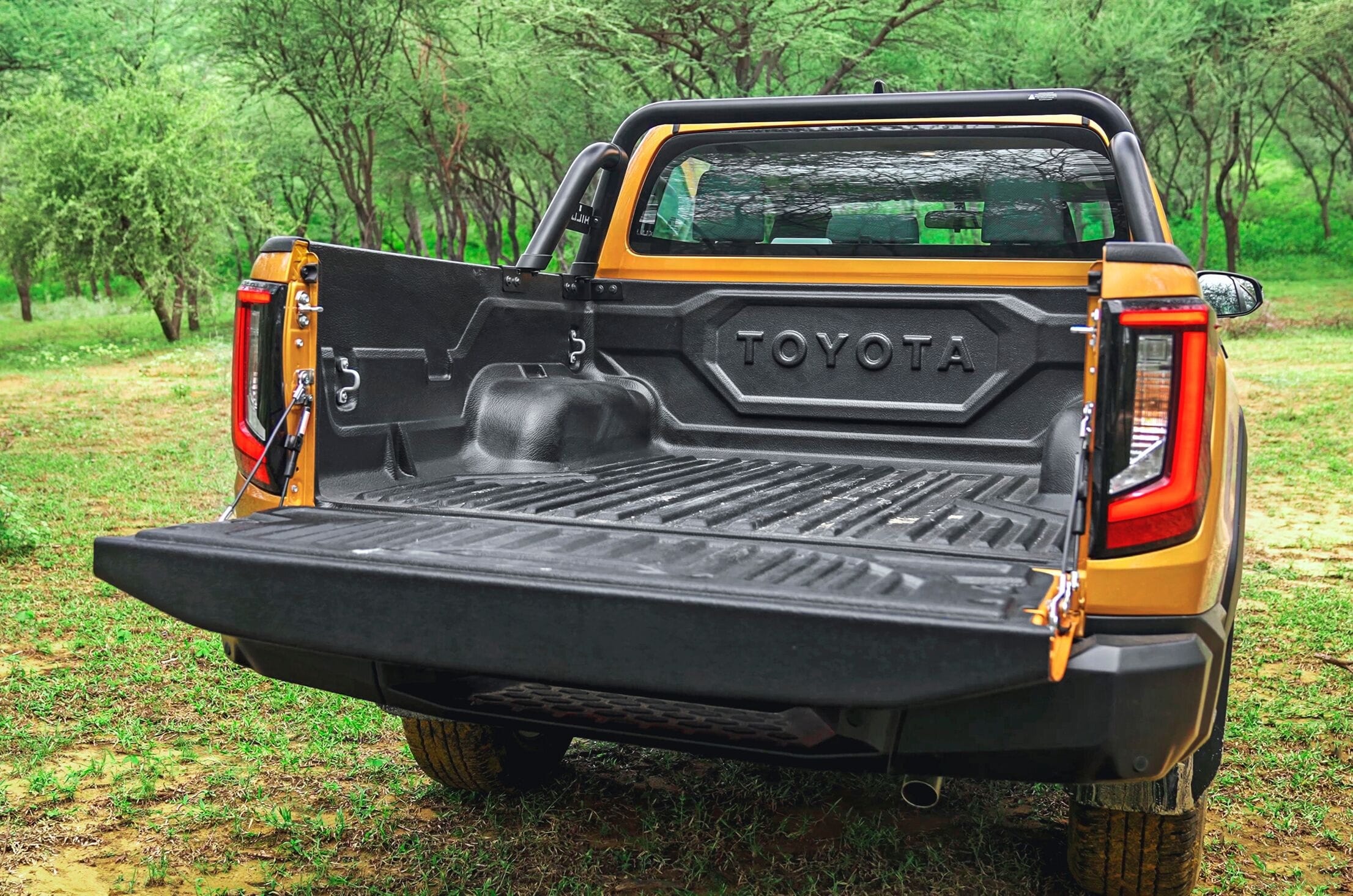
Tailgate features damped release; payload is around 500kgs.
The load bed is large enough for stuff like camping gear but it’s quite high off the ground so you’ll have to haul stuff in and out. The bumper has an integrated step at the rear and on either side as well, to make this easier. Toyota has not yet disclosed payload capacity but expect it to remain the same as before at 470kgs.
2026 Toyota Hilux Features and Safety – 7/10
High on safety kit, but many comfort and convenience features missing
360-degree camera handy, but of poor resolution.
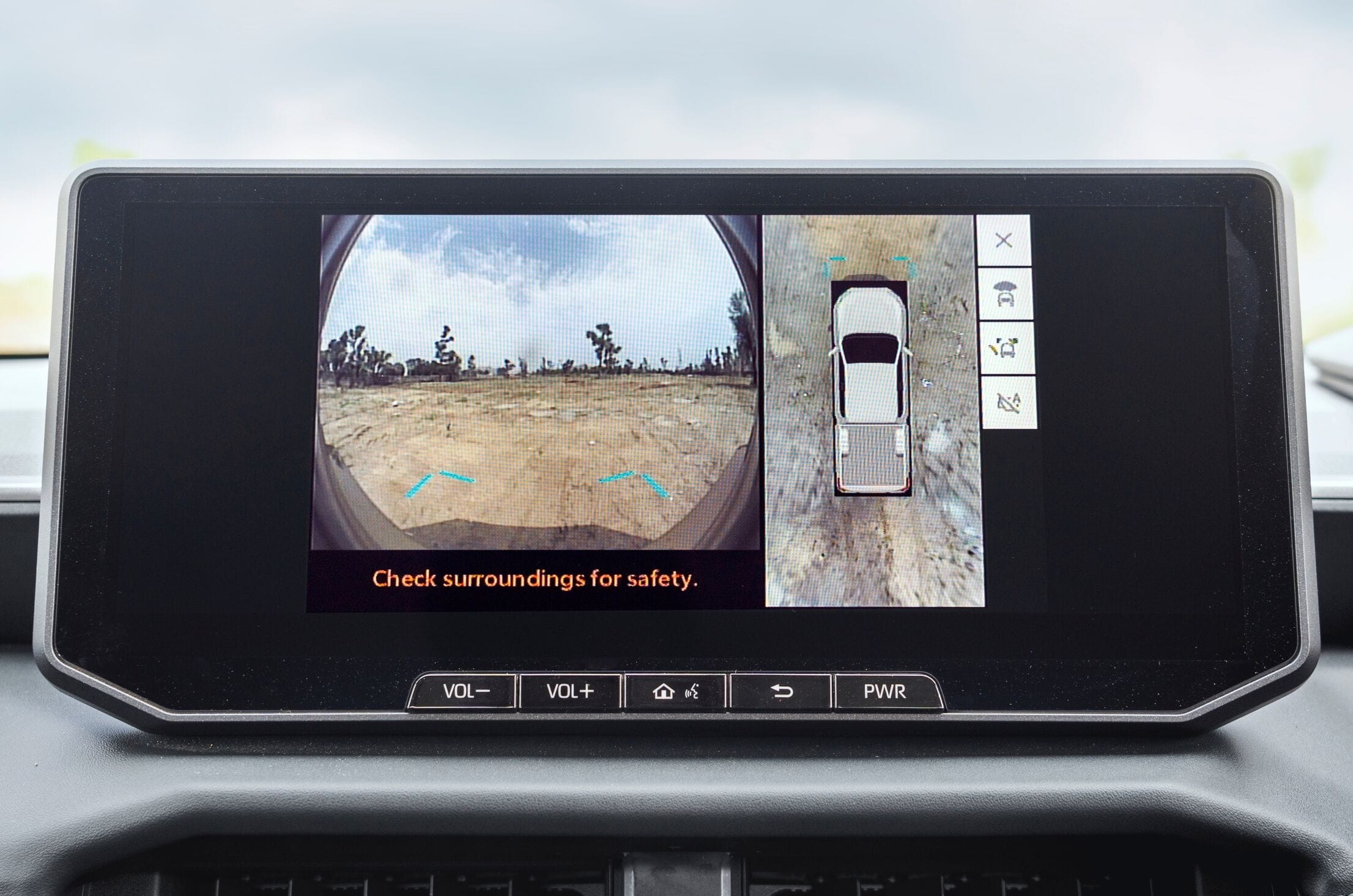
The new Hilux comes in three grades with the top spec car featuring kit like a 360-degree camera view – though resolution is poor – an 8-inch digital instrument panel and a 12.3-inch central touchscreen with wireless phone connectivity. The native OS styling appears quite outdated but the screen resolution is good. There’s a wireless phone charging slot but quite deep and retrieving you phone needs slim hands.
Besides these and basic bits like power windows and ORVMs, there’s not much else on the new Hilux. Features like auto HVAC, powered or ventilated seats, rear defogger are all missing even at the top spec car.
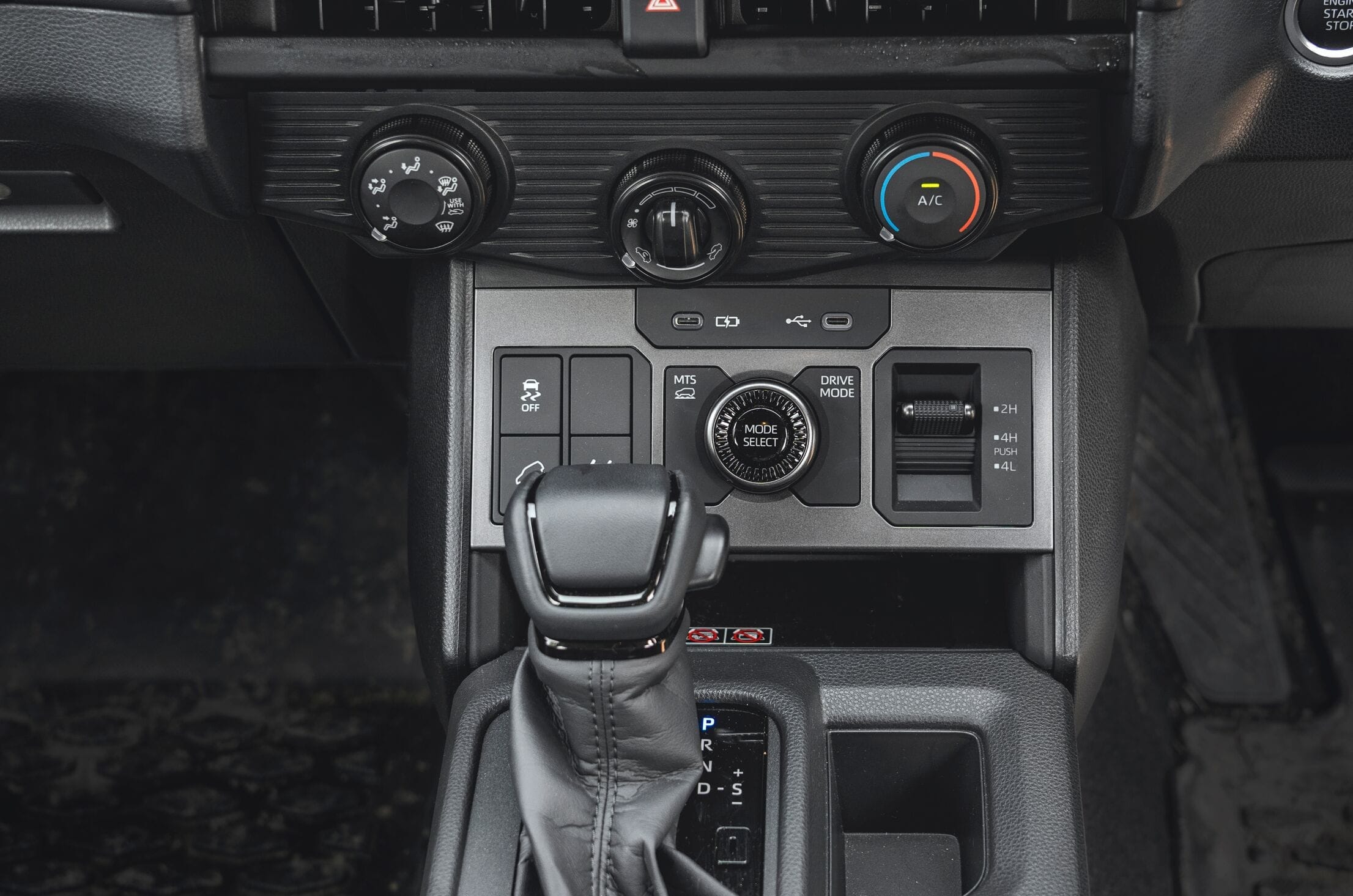
Misses key equipment like automatic climate control; has drive as well as terrain modes.
Safety kit is good, with 7 airbags standard on all variants as is also ESP, a tyre pressure monitoring system however is only present on the top variant. As for a crash rating the new Hilux does not come with a Bharat or Global NCAP rating but the Australia spec scores 5-stars under the ANCAP protocol.
2026 Toyota Hilux Performance and Refinement – 9/10
Good pulling power with a very refined engine and a vibe free interior
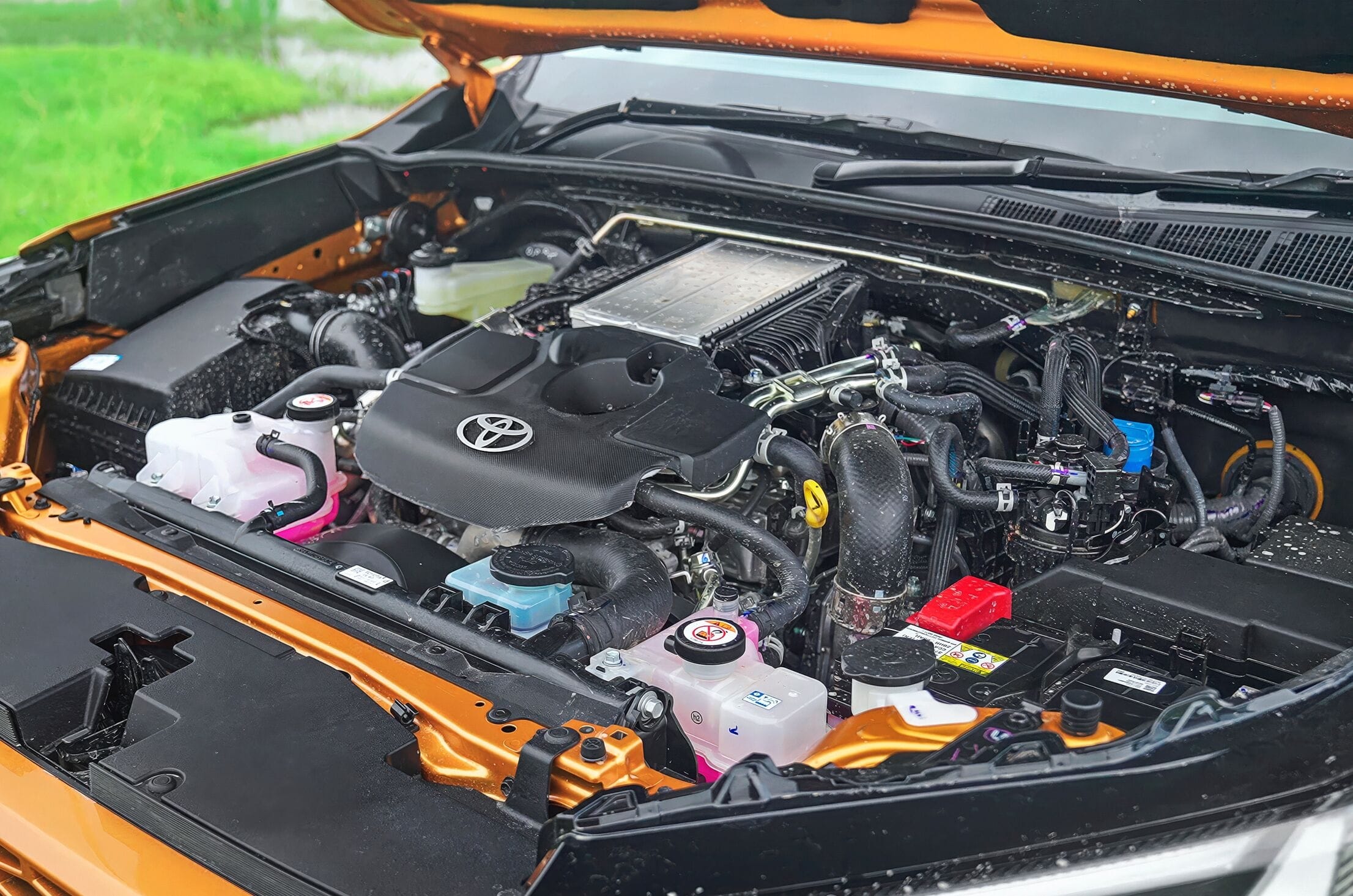
The new Hilux carries on with the same 2.8 liter 4-cylinder diesel. It makes an identical 204 hp and 500Nm of torque. A 6-speed torque convertor automatic is now the only gearbox option and for the first time Toyota India is offering the Hilux with a 4X2 drivetrain too.
2.8 litre diesel engine has new mounts and is extremely refined, with low noise and vibration levels.
There are three drive modes – Eco, Normal and Sport, all feel quite useable. Performance is strong and even when pushed hard it never feels like its out of breath. There’s a good amount of power to be had low down in the rev range and through a forest trail with stones and muck it was easy modulating power to keep momentum.
Shifts are expectedly smooth from the 6-speed autobox and in Sport mode the downshifts are quick enough both when left to its own system or via inputs from the gear lever.
Performance is quite potent and it never feels out of breath.
At high revs the engine does get vocal, but for what is a workhorse its quite acceptable. In fact, at every day motoring speeds sound levels are low and refinement is excellent, with minimal to no vibrations around the cabin. Toyota says they have worked on improving this aspect with both hydraulic and shear type engine mounts, a stiffened body frame and better cabin insulation.
2026 Toyota Hilux Mileage and Efficiency – 8/10
With a kerb weight of over two tonnes, expect single digit real world efficiency figures
Toyota have yet to disclose ARAI rated fuel efficiency figures but given the carry over powertrain expect a similar figure of around 12kpl on the standard test cycle. In real world usage figures will hover in the single digit zone and only relaxed highway cruising would see you get double digits.
2026 Toyota Hilux Ride Comfort and Handling – 7/10
Comfy and unfazed over the big stuff but skittish and firm on smaller ruts and bumps
Off road is where the Hilux excels, 4X4 model has low ratio as well as rear locking differential.
Suspension architecture carries over with an independent double wishbone coil spring setup at the front and a rigid axle with leaf springs at the rear. Toyota says they have reworked it to bring in a bit more comfort, it’s hard to say in isolation and perhaps a back-to-back drive would indicate this. On its own, it can soak up the tough bits like large rocks and deep potholes, sharp edges too are well smoothened. Through a forest trail strewn with loose rocks it felt confident and sure footed. Much of the trail was manageable in 4X2 mode, but some bits required 4X4 which was all too easy for the Hilux. There’s also a 4-Low ratio as well as terrain modes that help traction over loose surfaces.
Ride is jittery at speed and with rear cargo bed unloaded.
Where is gets unsettled is over the smaller ruts and bumps that really shake up the cabin. The main reason here is the rigid rear-axle which with the load bed empty simply skips over these imperfections resulting in a skittish and bouncy ride. Rear passengers in particular will feel this more. A weighed down rear will improve things but will not bring this to passenger SUV comfort levels.
As for handling, high-speed stability is good but you know it’s a heavy car and you can feel its weight through corners. The switch to electric power steering hasn’t changed effort which remains heavy at low speeds, and with the cars massive length it feels quite ponderous.
2026 Toyota Hilux Value for Money – 7/10
4X2 makes it affordable than before, but there’s lots of features missing
Toyota has launched the new Hilux with the top variant priced the same as before; Rs 36.69 lakh ex-showroom India while the entry 4X2 variant starts lower than any previous variant coming in at Rs 31.99 lakh ex-showroom. But in doing so there’s a lot of features missing even going by its predecessors list. Its appeal then depends on which aspect of its ‘lifestyle pickup’ description you value more.
It’s sharp styling and sheer size give it that lifestyle vehicle presence, however inside it feels utilitarian, the cabin isn’t premium with regards to materials and its very under equipped. The heavy steering and bouncy ride also mean a workhorse like experience rather than luxury SUV.
But that workhorse bit is exactly where the Toyota Hilux excels. The load bed is handy and can haul odd bits of gear, the engine it torquey and powerful and what’s nice is that its refined too. The 4X4 system is very capable and it’s got tough bones that will outlast pretty much anything you can throw at it. If a luxury SUV is what you’re after, you’ll be better off elsewhere, but if you’re looking for a rough and tough, go anywhere, do anything, outdoors kind of vehicle that looks the part and plays it too, then in all probability your search will end right here.
छुट्टियों (vacation) पर जाने का उत्साह जितना पैकिंग (packing) का होता है, उतना ही खुद को तैयार करने का भी होता है। अगर ट्रिप से पहले बालों (hair), त्वचा (skin) और शरीर (body) की थोड़ी-सी देखभाल कर ली जाए, तो सफर (traveling) के दौरान बार-बार तैयार होने की जरूरत नहीं पड़ती। इससे आप अपना ज्यादा समय घूमने-फिरने और यादगार पल बिताने में लगा सकते हैं:
Waxing and Body Polish (वैक्सिंग और बॉडी पॉलिश – सॉफ्ट स्किन)
अगर छुट्टियों में बीच (beach), पूल (beach) या स्लीवलेस आउटफिट पहनने का प्लान है, तो ट्रिप से कुछ दिन पहले प्रोफेशनल वैक्सिंग (professional wax) करवा लेना अच्छा ऑप्शन हो सकता है। इससे बार-बार शेविंग (shaving) करने की जरूरत नहीं पड़ती और स्किन कई दिनों तक मुलायम बनी रहती है। इसके साथ बॉडी पॉलिश (body polish) कराने से डेड स्किन सेल्स हट जाते हैं, स्किन टेक्सचर बेहतर होता है और स्किन पहले से ज्यादा साफ, स्मूद और ग्लोइंग नजर आती है।
यात्रा से पहले ऐसा फेशियल (facial) चुनें जो स्किन को हाइड्रेट करे, न कि बहुत ज्यादा हार्श ट्रीटमेंट दे। हाइड्राफेशियल जैसे ट्रीटमेंट स्किन की गहराई से सफाई करते हैं, हल्का एक्सफोलिएशन (exfoliation) करते हैं, पोर्स साफ करते हैं और स्किन को भरपूर नमी देते हैं। इससे चेहरा फ्रेश, हेल्दी और नेचुरल ग्लो के साथ नजर आता है। ट्रिप के दौरान भी स्किन को सिर्फ सनस्क्रीन (sunscreen) और हल्के मेकअप की जरूरत पड़ती है।
Lash Lift and Tint (लैश लिफ्ट और टिंट)
आप छुट्टियों (vacation) में बार-बार मस्कारा (mascara) लगाने से बचना चाहती हैं, तो लैश लिफ्ट और टिंट अच्छा ऑप्शन हो सकता है। इससे पलकों को बिना मेकअप के भी घना और कर्ल्ड लुक (urled look) मिलता है। पूल या बारिश में भी मस्कारा फैलने की चिंता नहीं रहती और सुबह तैयार होने में भी कम समय लगता है। फोटो में आंखें ज्यादा अट्रैक्टिव नजर आती हैं।
Hair Treatment (हेयर ट्रीटमेंट – फ्रिज-फ्री हेयर)
ट्रैवल के दौरान धूप, नमी और बदलते मौसम का असर सबसे पहले बालों पर दिखता है। ऐसे में ट्रिप से पहले प्रोटीन बेस्ड (protein-based) या डीप कंडीशनिंग हेयर ट्रीटमेंट (deep-conditioning hair treatment) कराने से बाल मजबूत, मुलायम और चमकदार बने रहते हैं। इससे फ्रिज कम होता है, बाल आसानी से सेट हो जाते हैं और हर दिन स्टाइलिंग के लिए ज्यादा समय नहीं देना पड़ता।
Gel Manicure and Spa Pedicure (जेल मैनीक्योर और स्पा पेडीक्योर)
घूमने-फिरने, सामान उठाने और लगातार ट्रैवल करने के दौरान रेगुलर नेल पॉलिश (nail polish) जल्दी खराब हो सकती है। इसलिए ट्रिप से पहले जेल मैनीक्योर (Gel Manicure ) करवाना बेहतर रहता है, क्योंकि यह कई हफ्तों तक टिक सकता है। वहीं स्पा पेडीक्योर (Spa Pedicure) पैरों की डेड स्किन हटाकर एड़ियों को मुलायम बनाता है, जिससे सैंडल या फ्लिप-फ्लॉप पहनने पर पैर भी खूबसूरत दिखते हैं।
Eyebrow and Upper Lip Grooming (आईब्रो और अपर लिप ग्रूमिंग)
छुट्टियों के दौरान बार-बार पार्लर (salon) ढूंढने की जरूरत न पड़े, इसके लिए ट्रिप से पहले ही आईब्रो शेप और अपर लिप ग्रूमिंग करवा लेना अच्छा रहता है। इससे चेहरा साफ-सुथरा दिखता है और बिना ज्यादा मेकअप (makeup) के भी लुक फ्रेश नजर आता है।
Lip and Body Hydration (लिप और बॉडी हाइड्रेशन)
फ्लाइट और मौसम में बदलाव की वजह से लिप और स्किन जल्दी ड्राई हो सकते हैं। इसलिए ट्रिप से पहले लिप स्क्रब, लिप मास्क और अच्छी बॉडी मॉइस्चराइजिंग (body moisturizer) जरूर करें। इससे होंठ मुलायम रहते हैं और स्किन लंबे समय तक हाइड्रेटेड व हेल्दी नजर आती है।
यह छोटी-सी तैयारी पूरे ट्रिप के दौरान आपके लुक को फ्रेश बनाए रखने में मदद करती है।
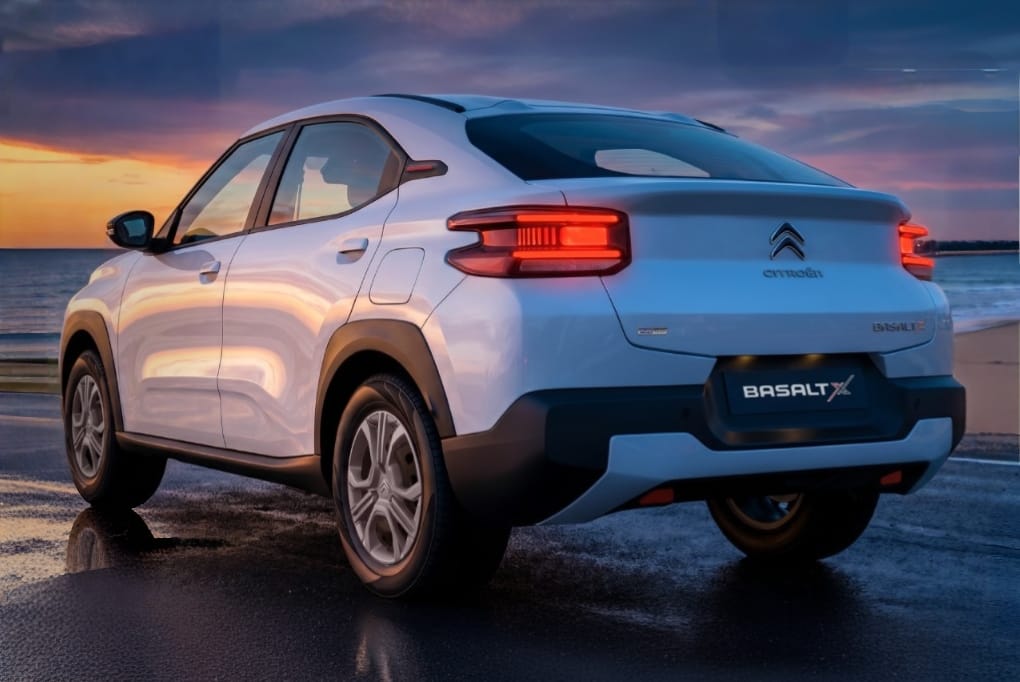
Citroen India has launched the Basalt X Comfort Edition at an ex-showroom price starting at Rs 8.75 lakh. This special edition for the Citroen coupe-SUV, as the brand says, brings a range of “comfort-oriented features for the interior”. The Basalt is the second Citroen model to get the ‘Comfort Edition’ treatment. The brand first introduced it with the Aircross X.
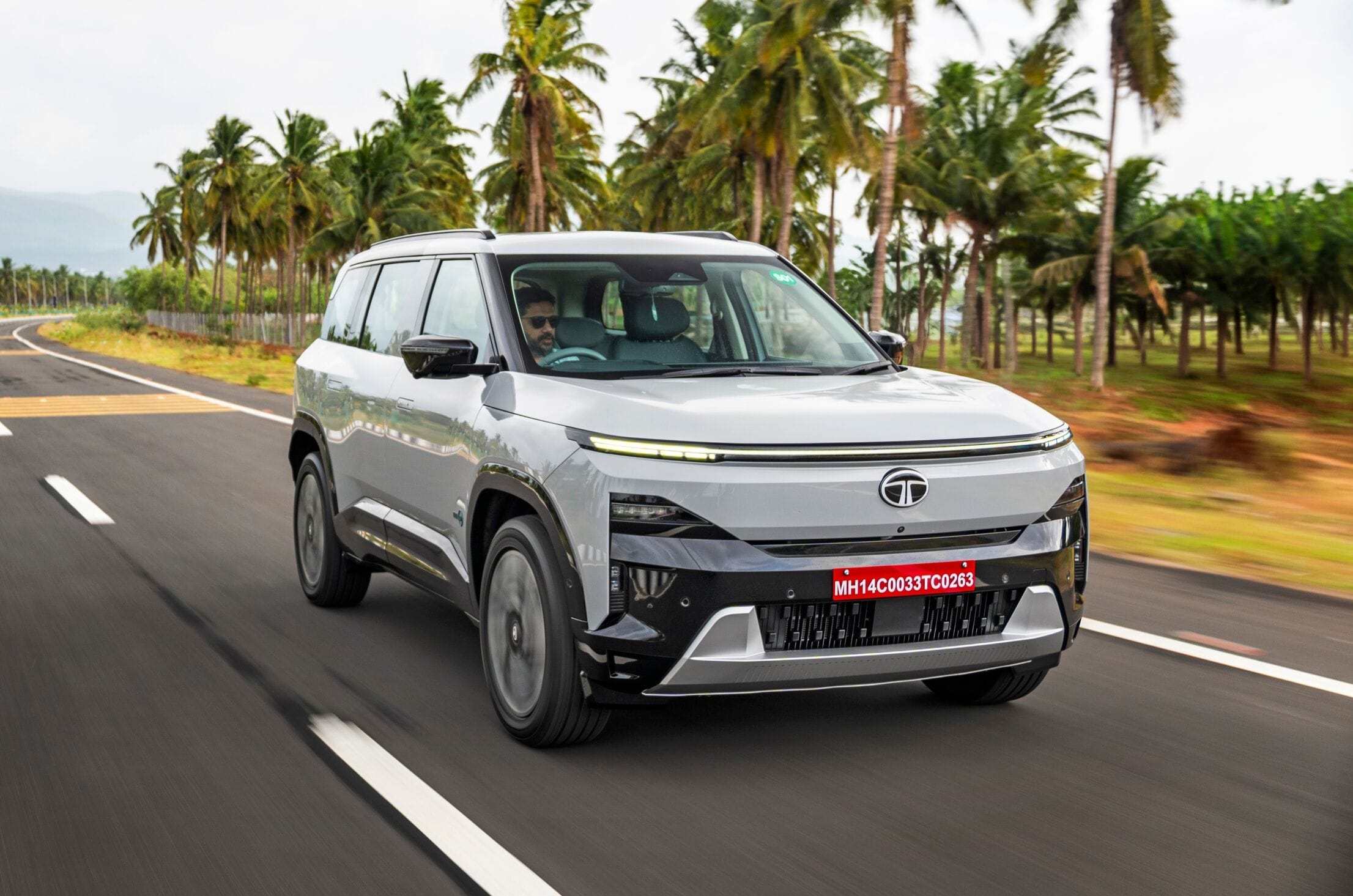
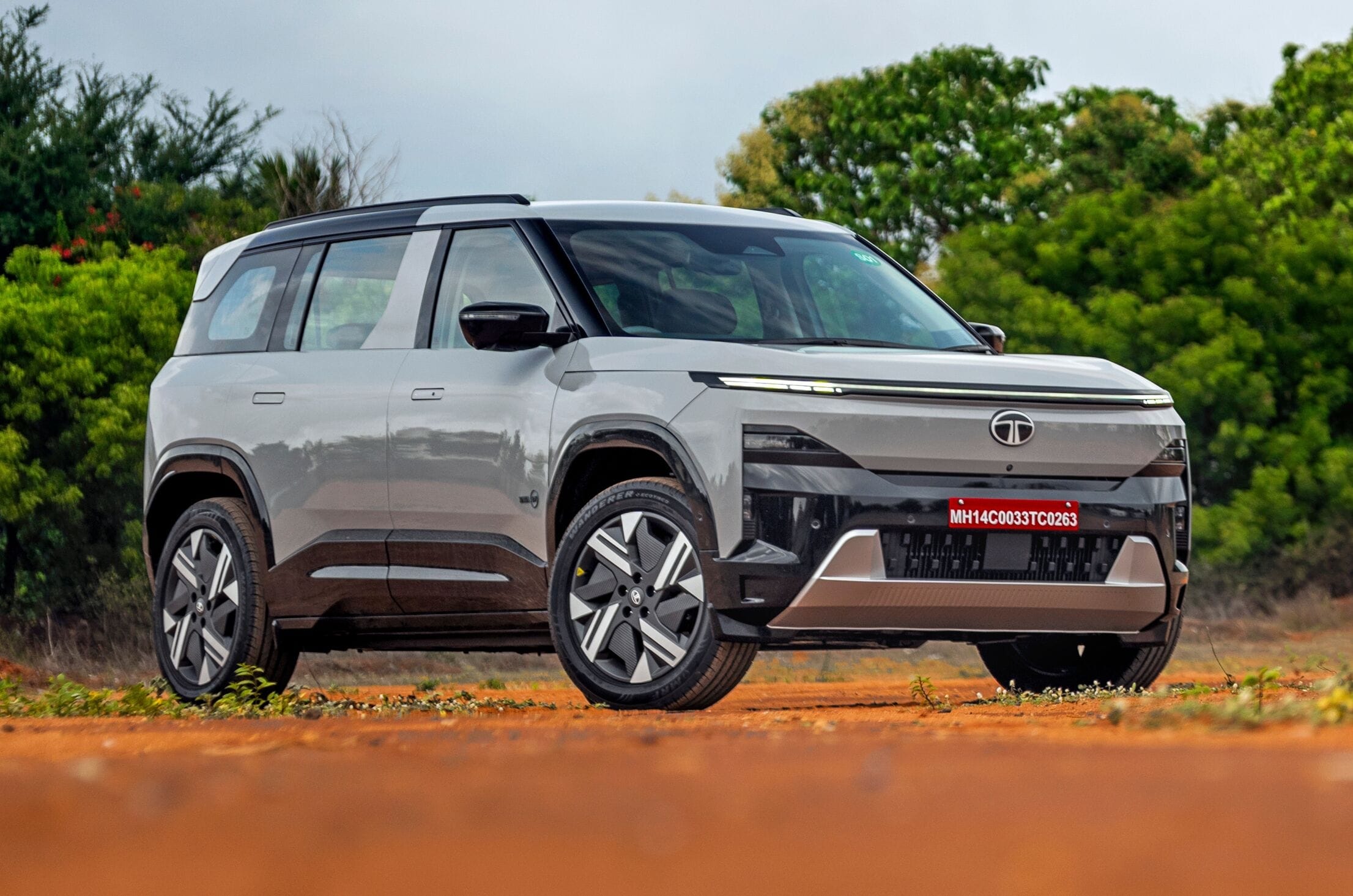
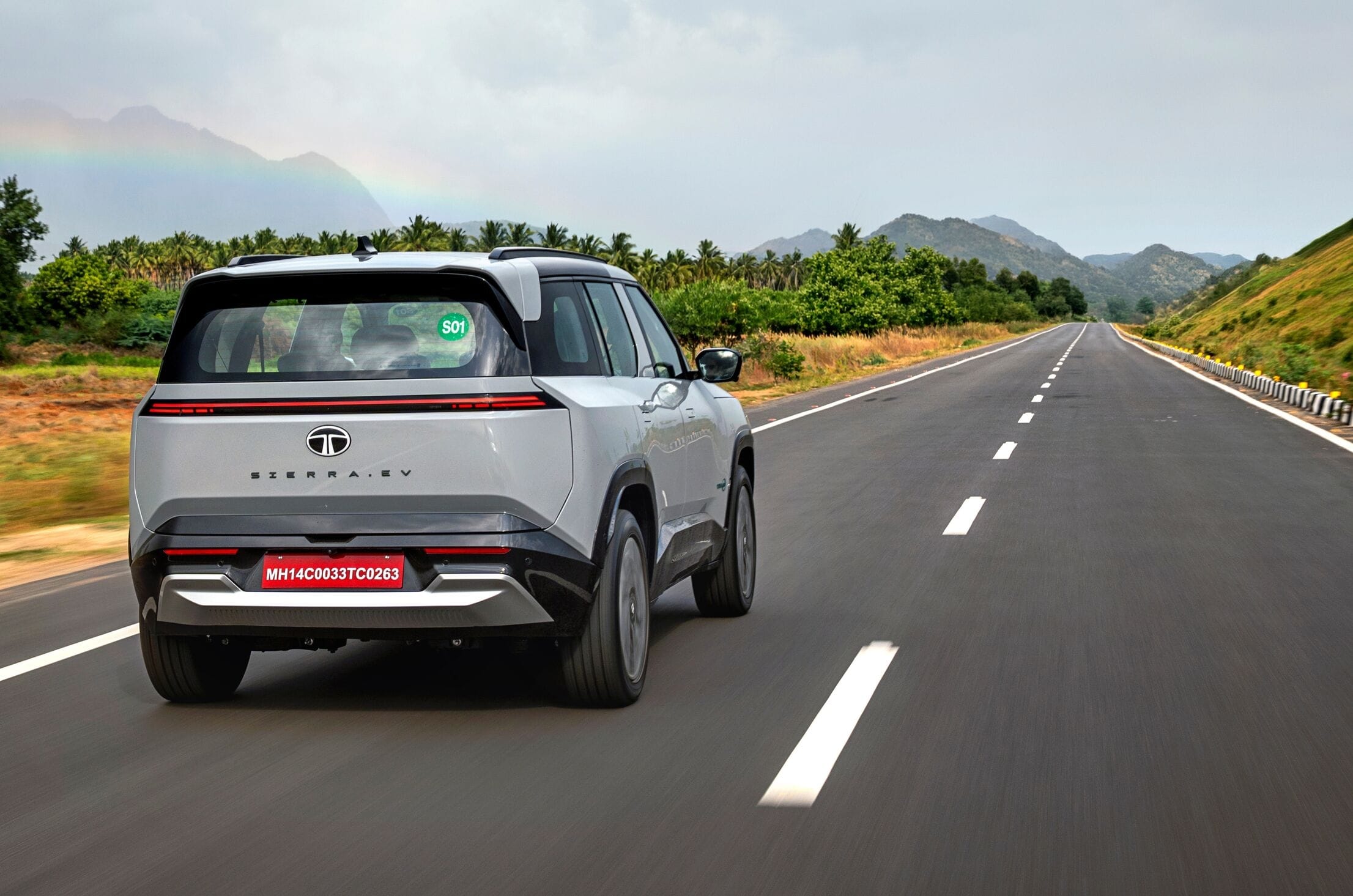
We’ve said in the past, the Sierra is the best Tata model on sale currently, representing the best of the brand’s learnings over the years. We’ve also said Tata’s electric powertrains are better than the equivalent combustion engines on offer. So, combine the two, and it’s undoubtedly a winning formula. But with EV tech and customer expectations moving so rapidly these days, is that necessarily a foregone conclusion?
2026 Tata Sierra EV exterior design and engineering – 9/10
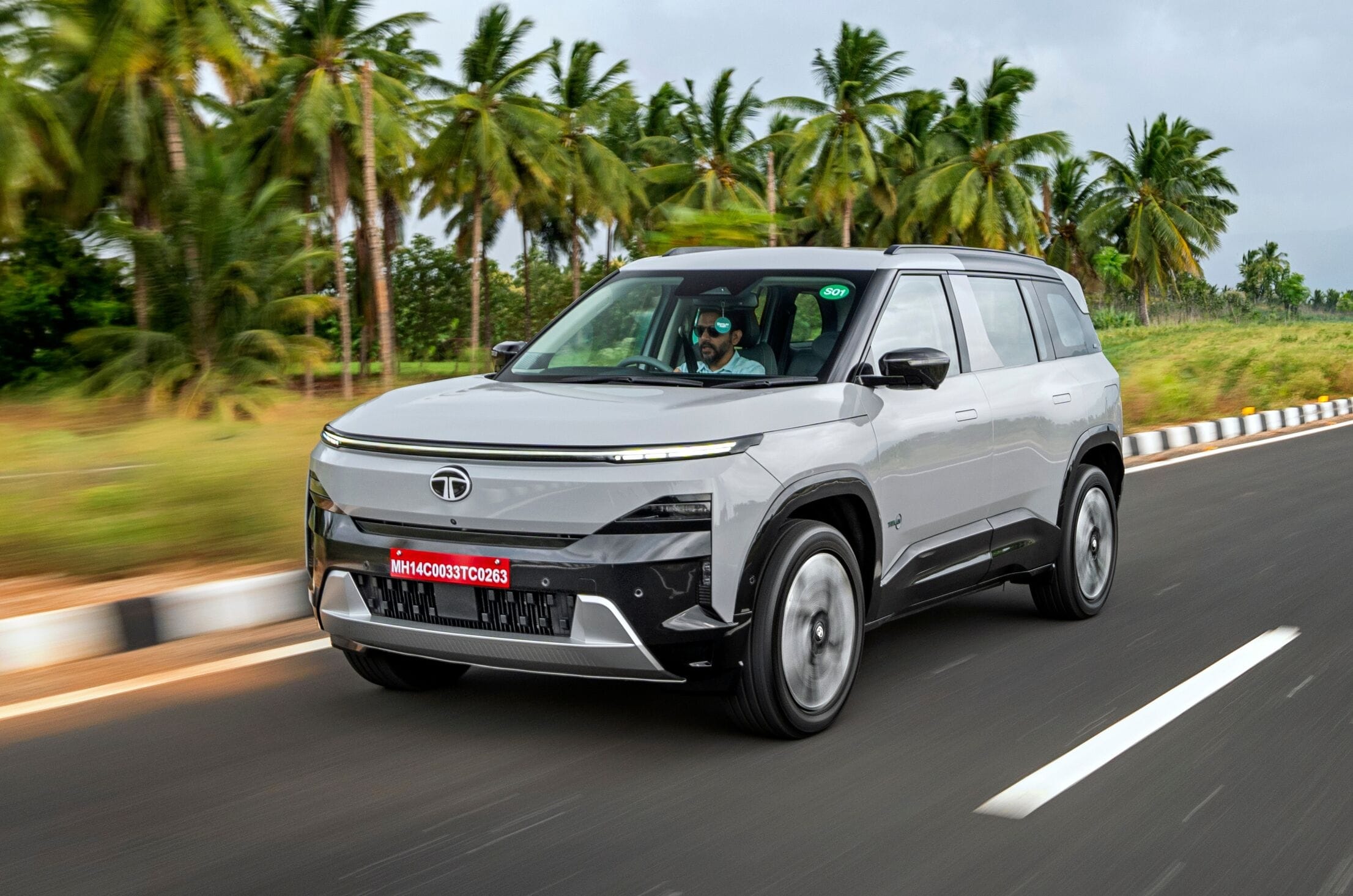
Retains the ICE version’s sharp looks and practicality while incorporating a large battery.
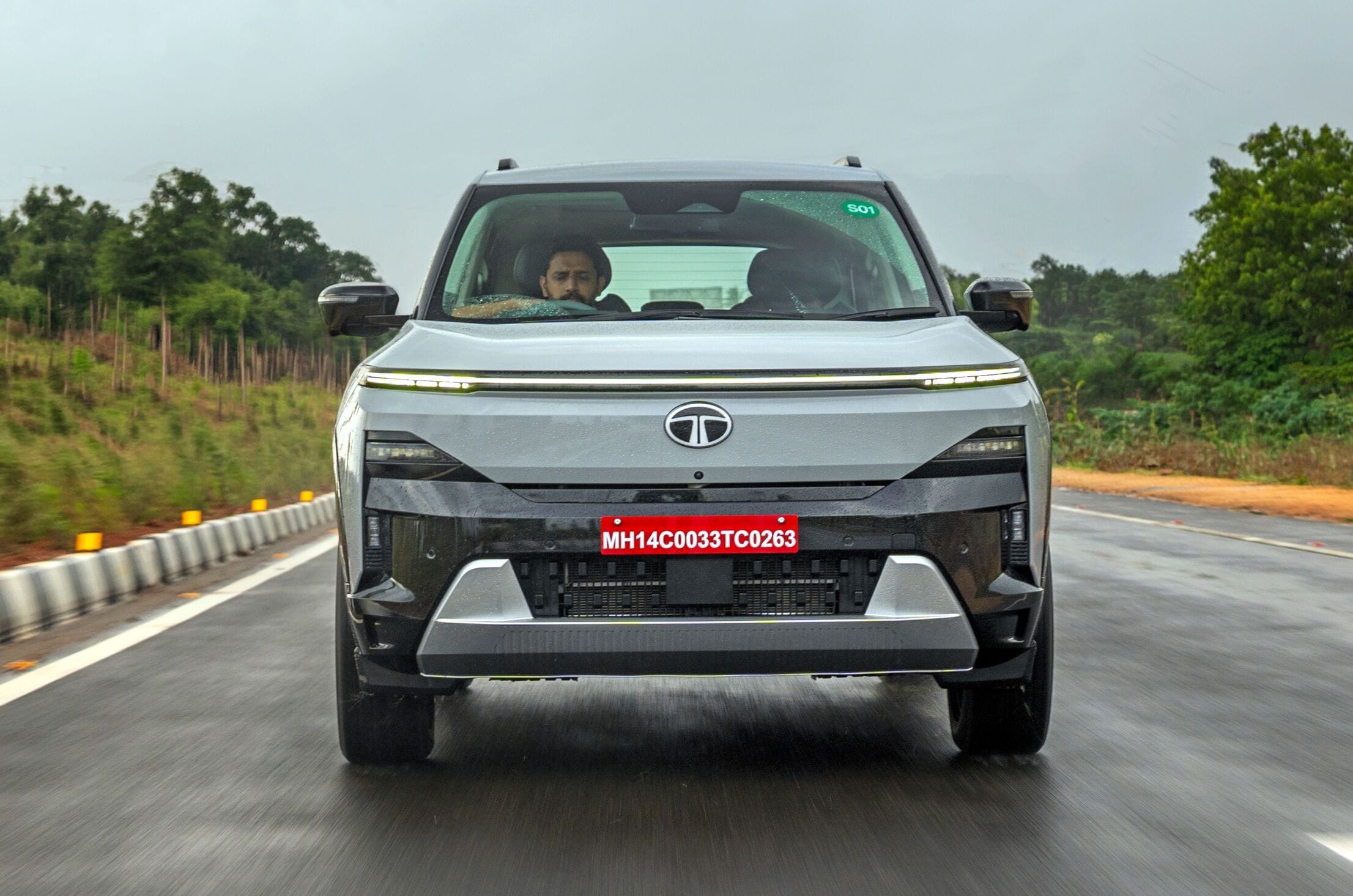
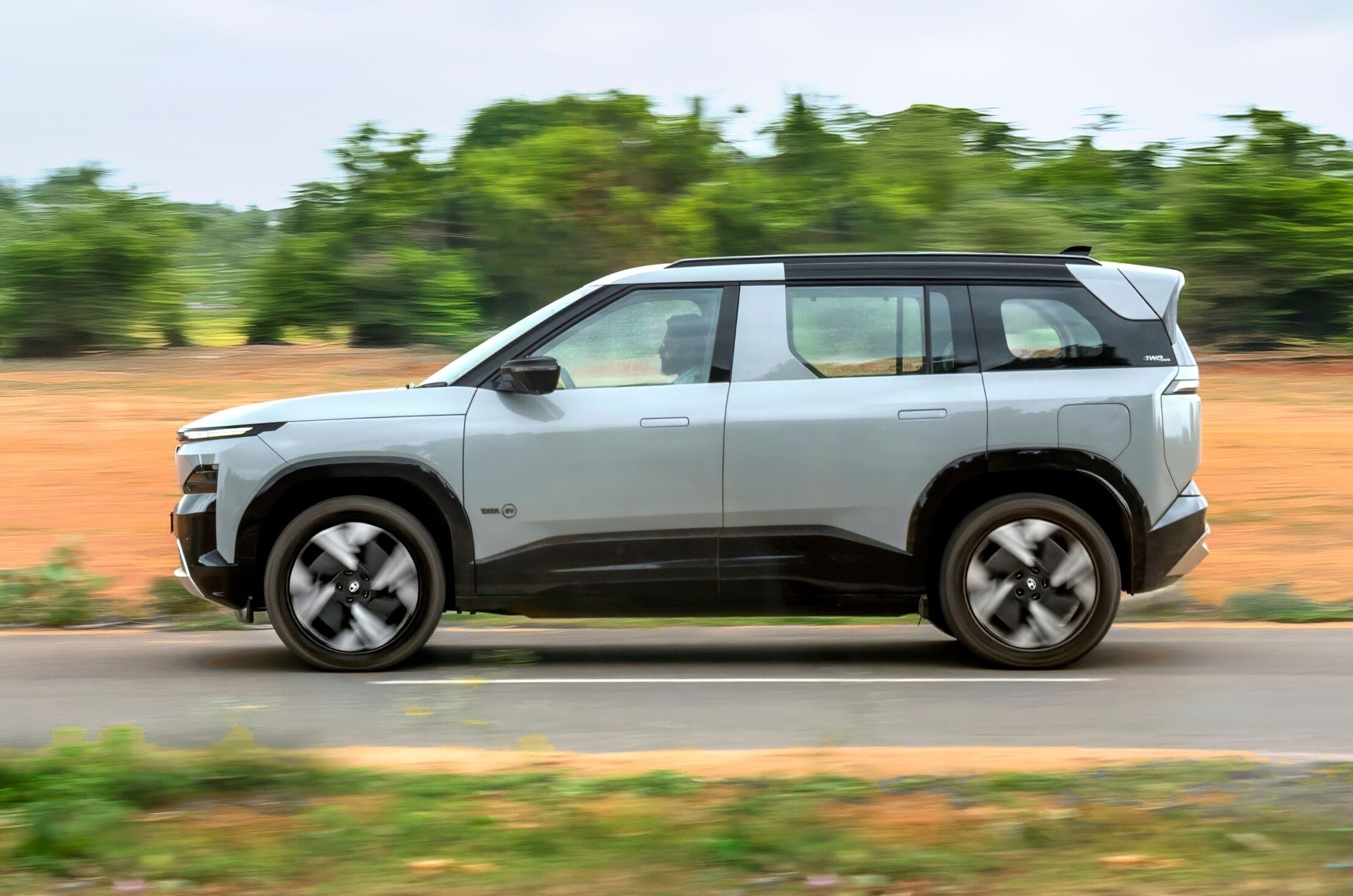
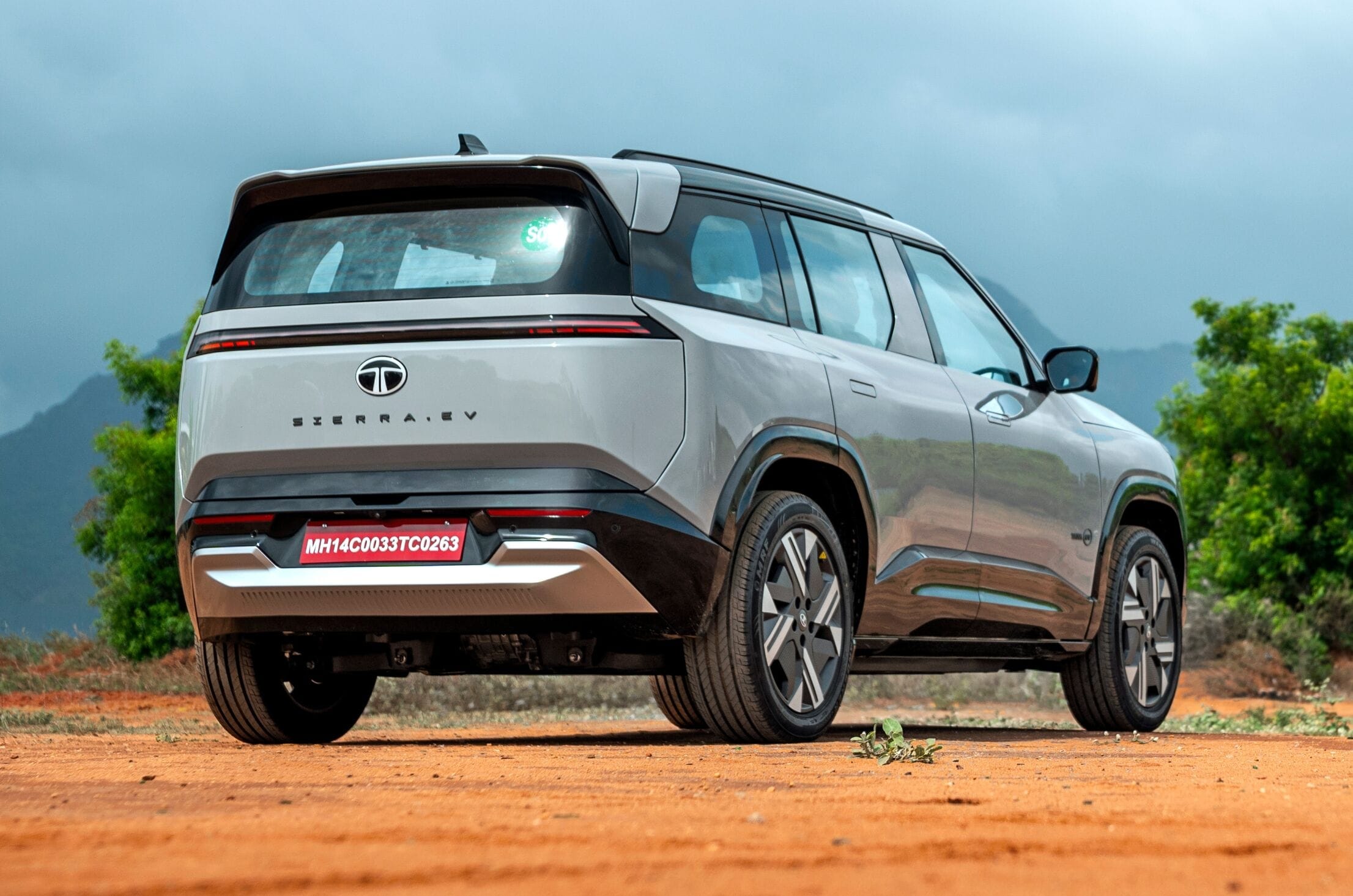
The new Sierra is a bold piece of design, and this has been carried over to – and perhaps even improved – on the electric version. It’s a welcome departure from the notion that all EVs need to be shaped like bars of soap for better aero efficiency. Instead, it is upright and boxy, albeit smoothed out just enough for air to flow over it a bit better.
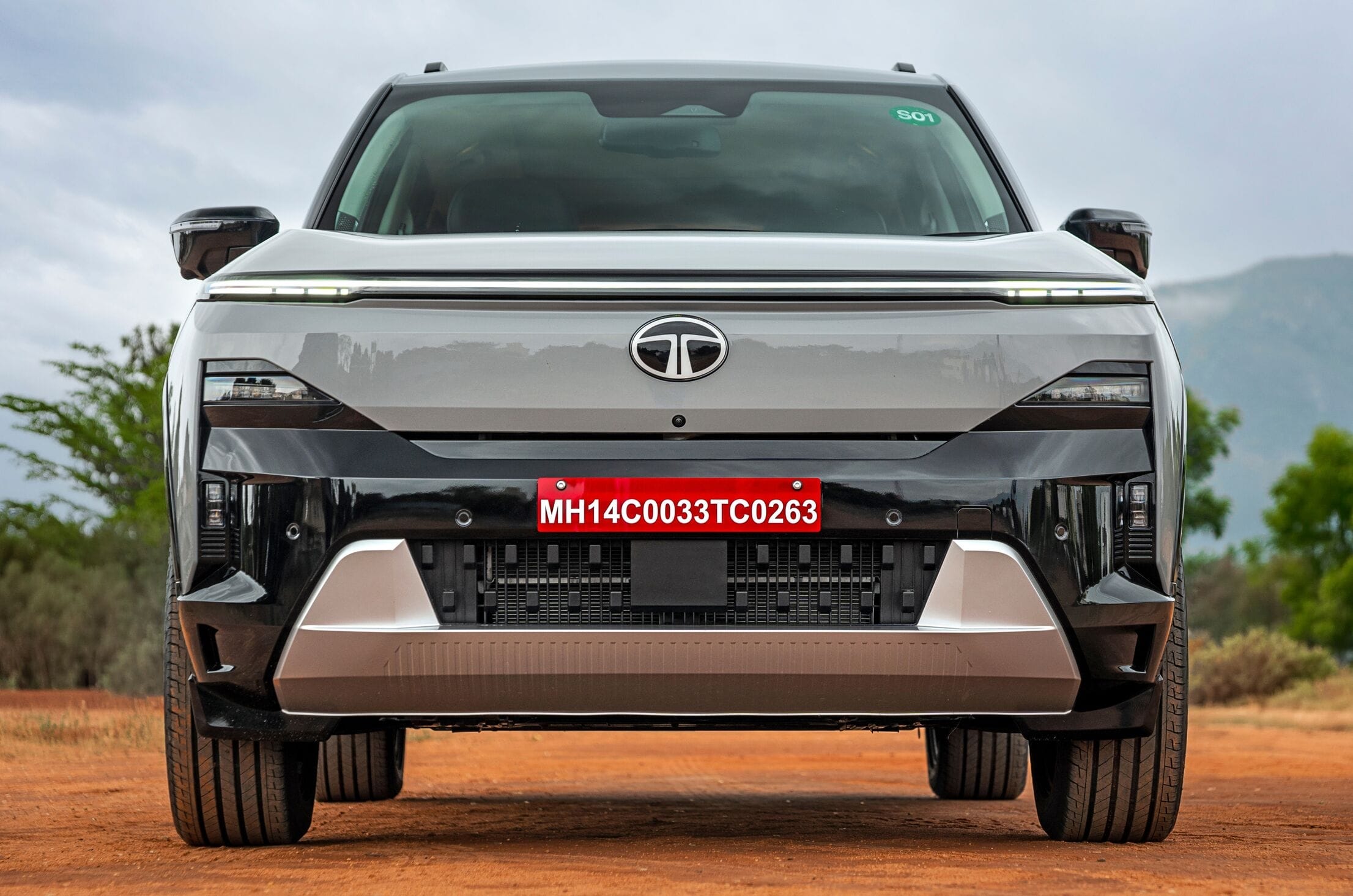
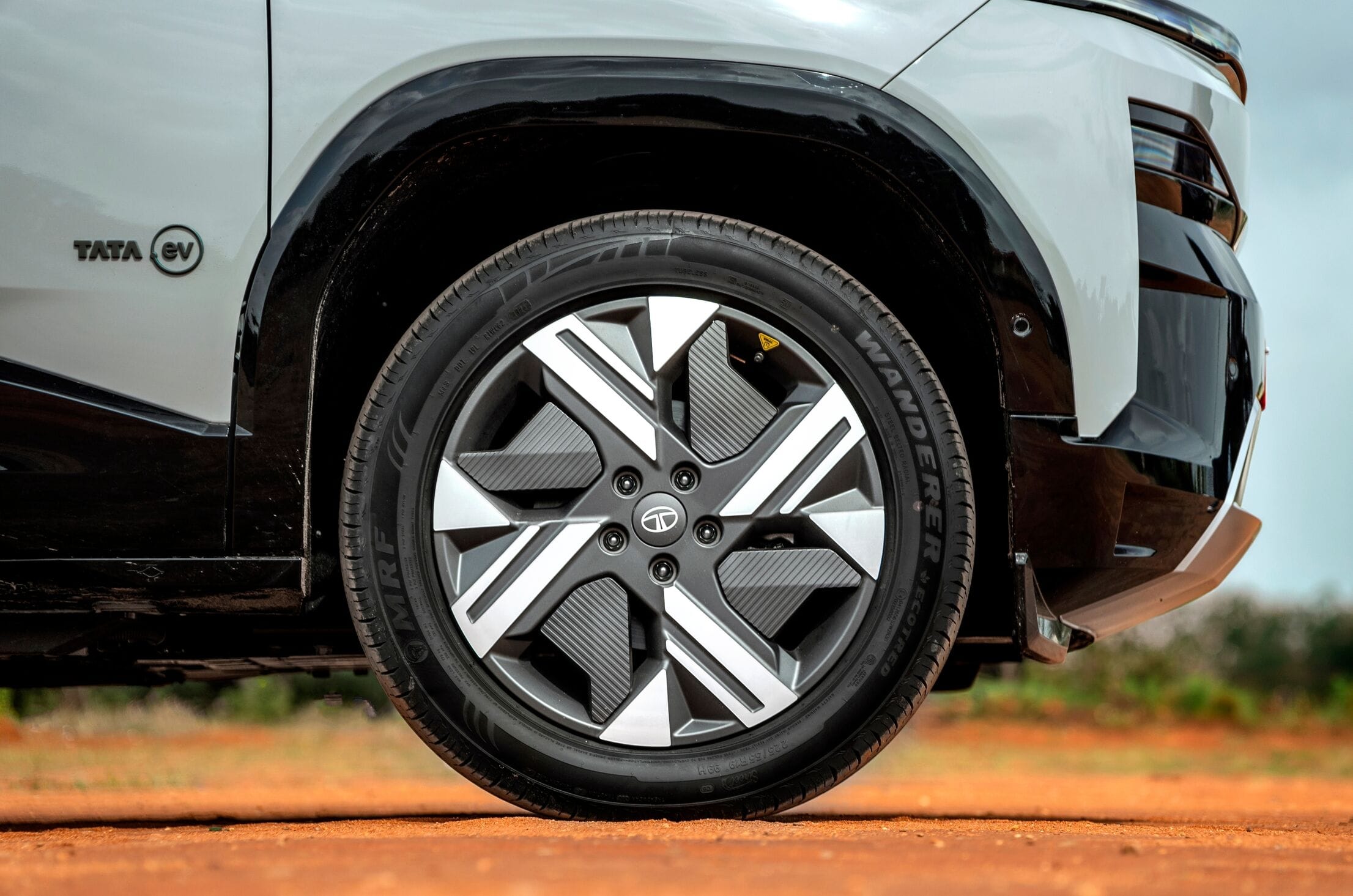
The difference is up front, where the gloss black surround for the headlamps found in the ICE version has been replaced by a body-coloured panel to give that EV-typical ‘grille-less’ look. For contrast, the gloss black treatment has been applied lower down in the bumper instead. Perhaps the wheels could have been more different – they are the same design as the ICE model, albeit in a matte finish rather than gloss. The badges now say ‘Sierra.ev’ on the sides and rear, and have a blue-coloured outer edge.
To the untrained eye, it might not immediately be apparent which version is which, but conversely, this is unmistakably a Sierra, and that is perhaps more important.
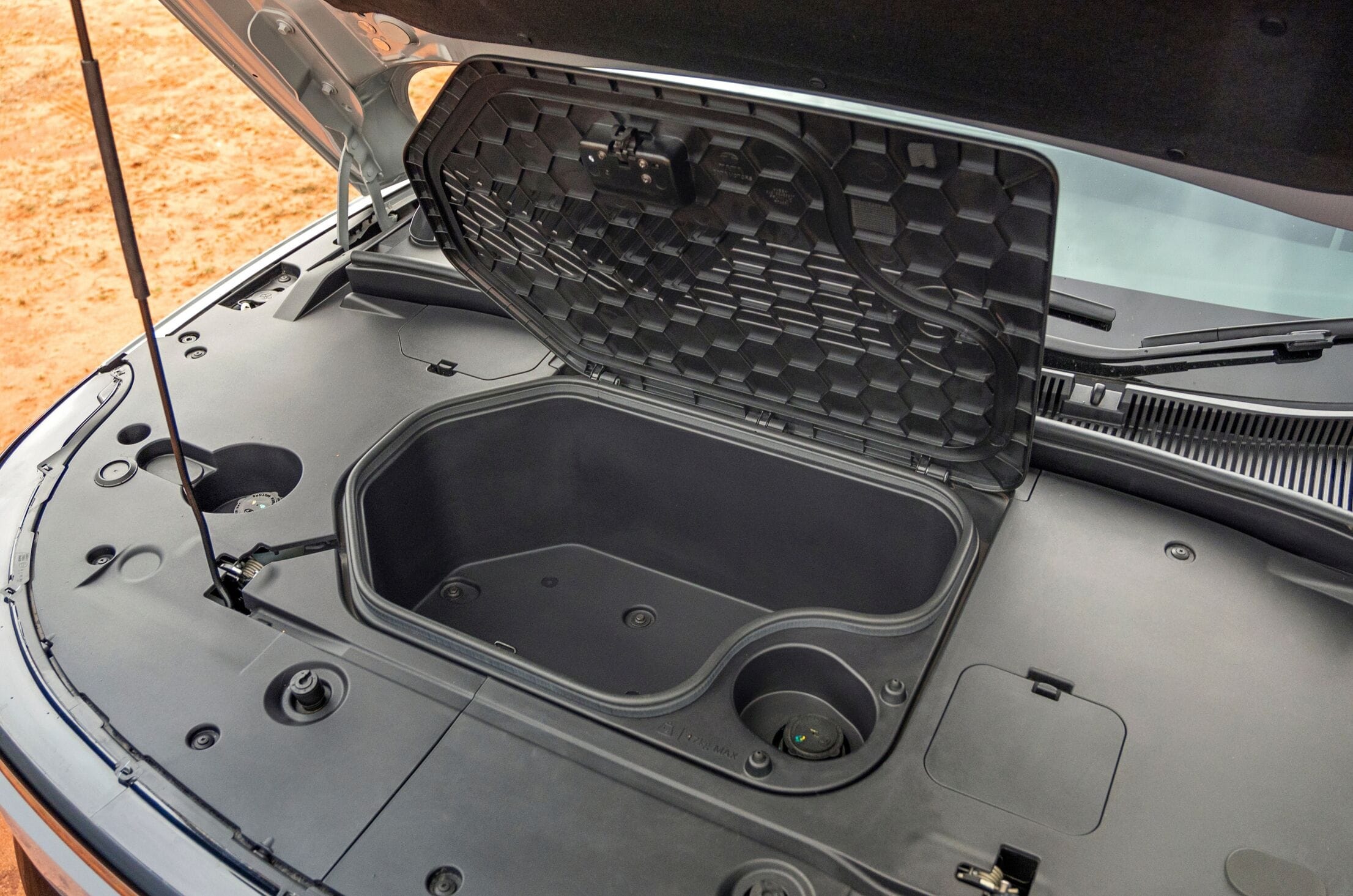
Little practicality has been lost in the move to electric; in fact, some has been gained. Almost as if to drive the point home that, despite the similar looks, this is a pure EV underneath, it gets a frunk that holds 55 litres in the single-motor models, and 35 litres in the dual-motor version. Good enough for the charging cable or small valuables you don’t want to keep in the main boot.
There’s also still 205mm of ground clearance, despite the battery pack, and thanks to its use of prismatic cells and C2P (cell to pack) packaging, it doesn’t weigh or impede on cabin and boot space as much as conventional batteries of similar capacity (like the ones in the Harrier EV).
2026 Tata Sierra EV interior space and comfort – 7/10
Superb space and comfort, though quality inconsistencies and ergonomic gaffes remain.
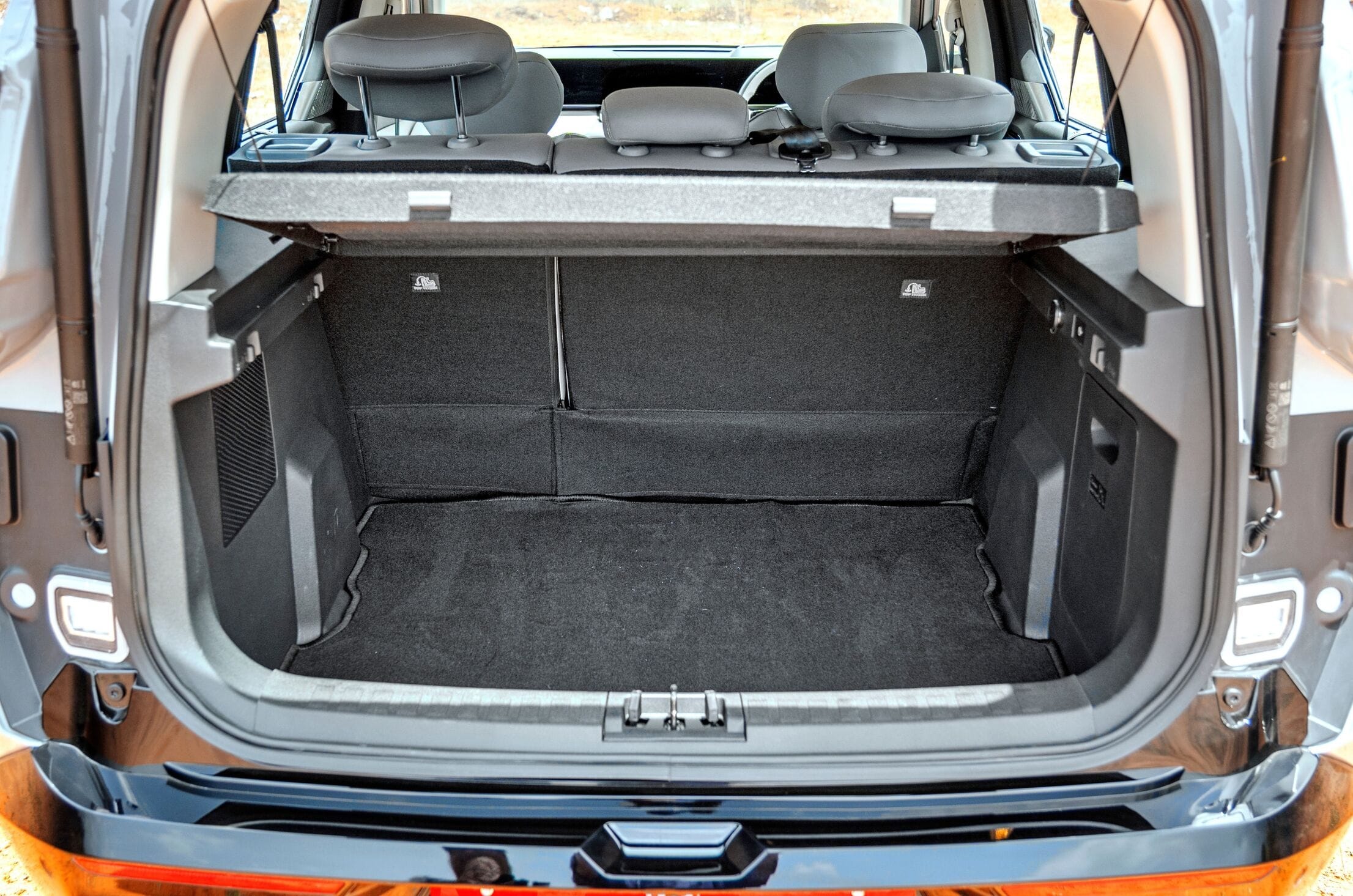
However, while boot space has been retained at a cavernous 622 litres (floor to roof), a casualty of the battery pack is the spare wheel, which was previously mounted under the body. You now only get a puncture repair kit.
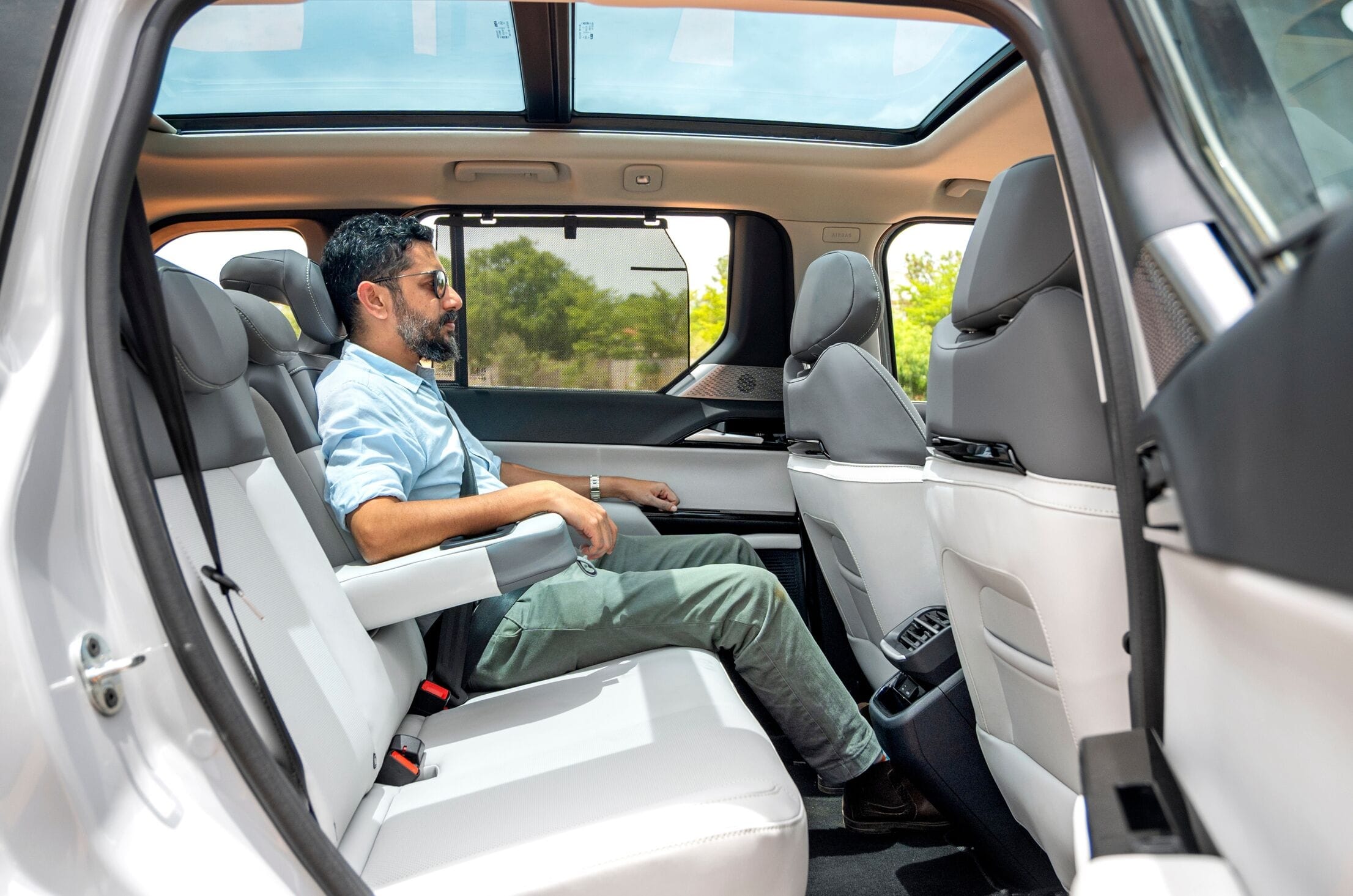
There’s seemingly no compromise to space or comfort in the cabin in the move to electric power. Engineers say the floor height has gone up by less than an inch compared to the ICE Sierra, and in truth there is no perceptible difference when you’re sat in the back seat. It remains spacious and comfortable, and even gets a small amount of backrest recline. The awkward L-shaped B-pillar returns, leaving a conspicuous gap next to the sun blind that could have easily been avoided. As before, you get a gigantic sunroof on top-spec trims that lets in a lot of light.
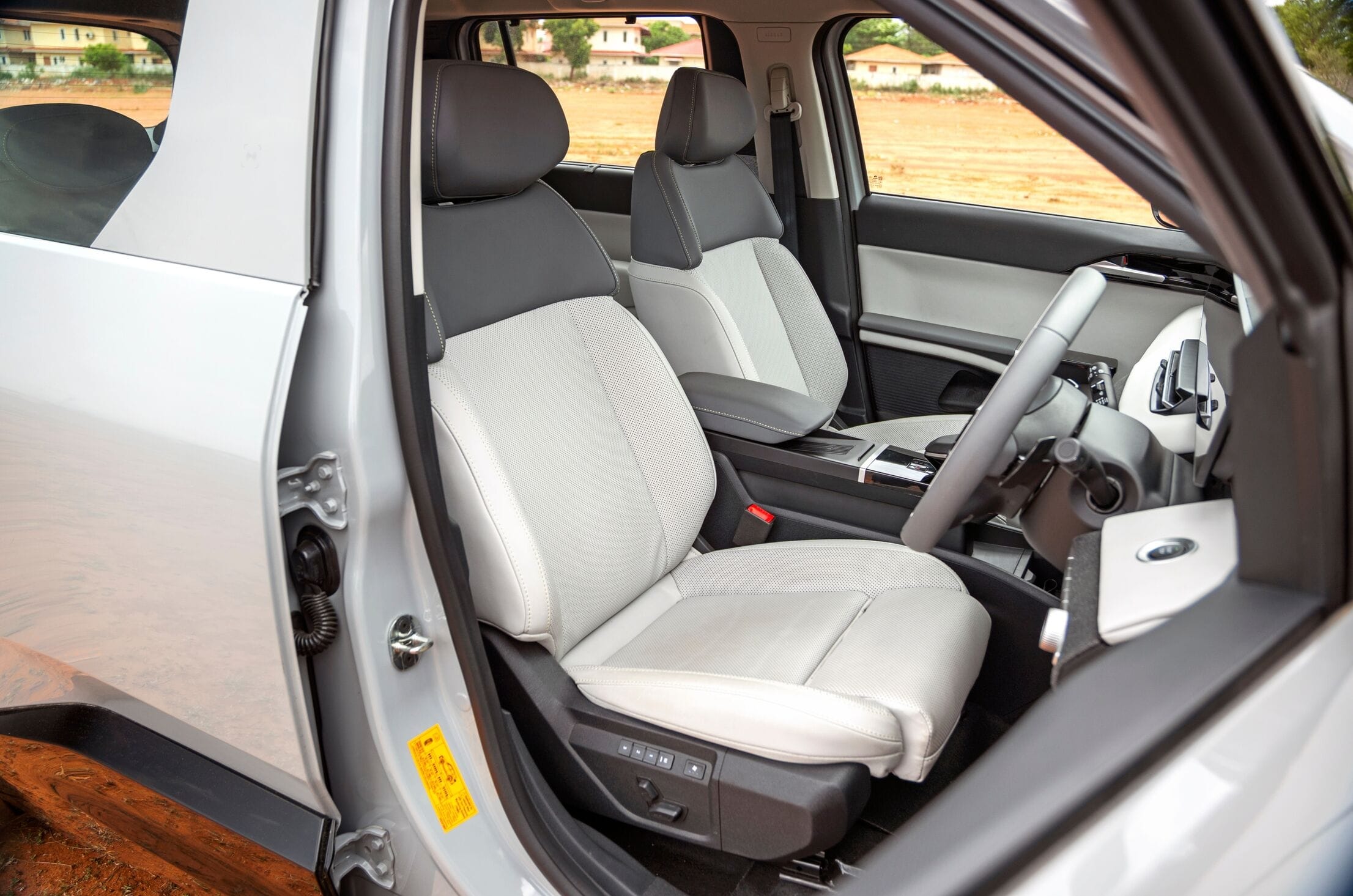
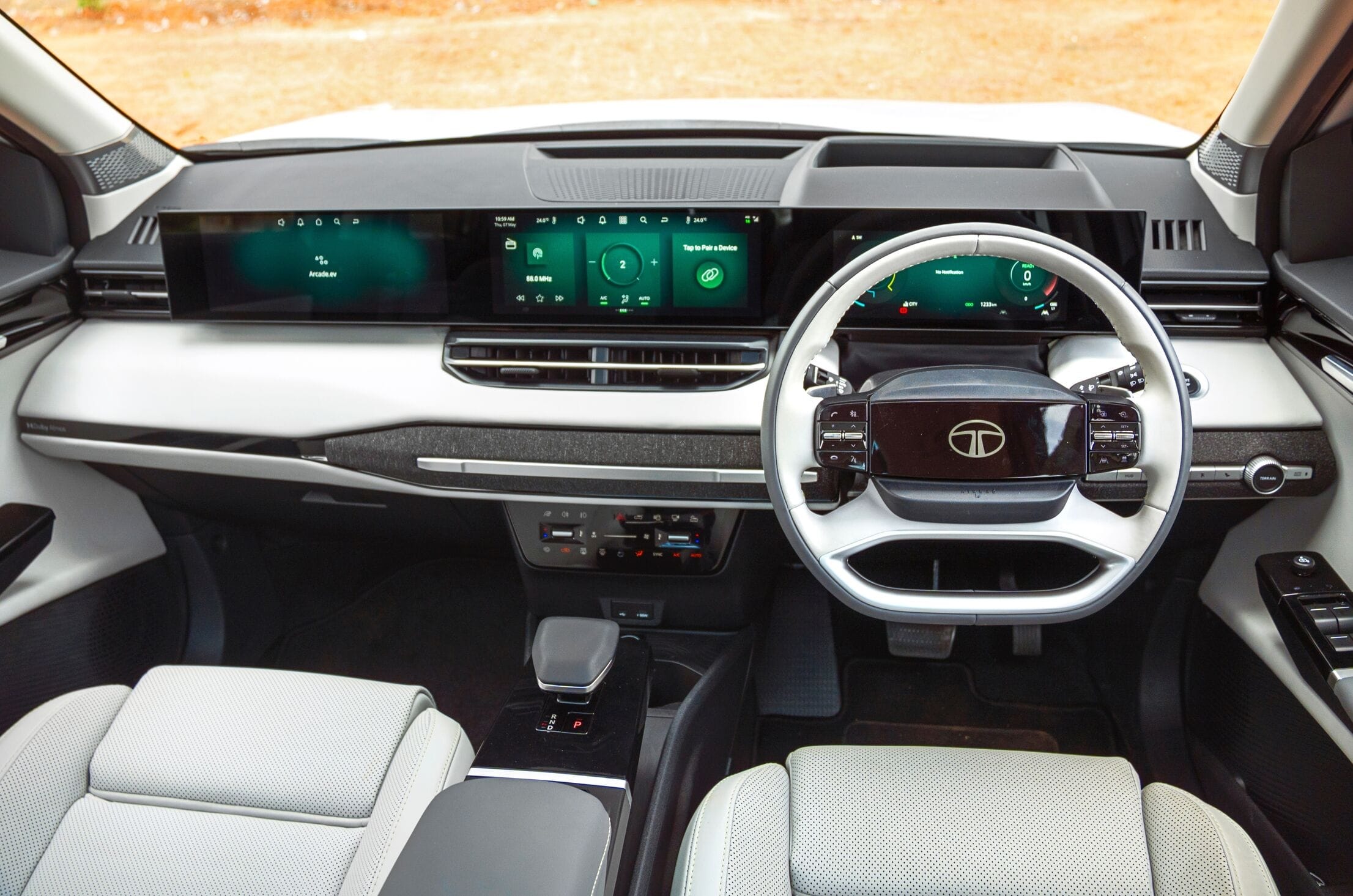
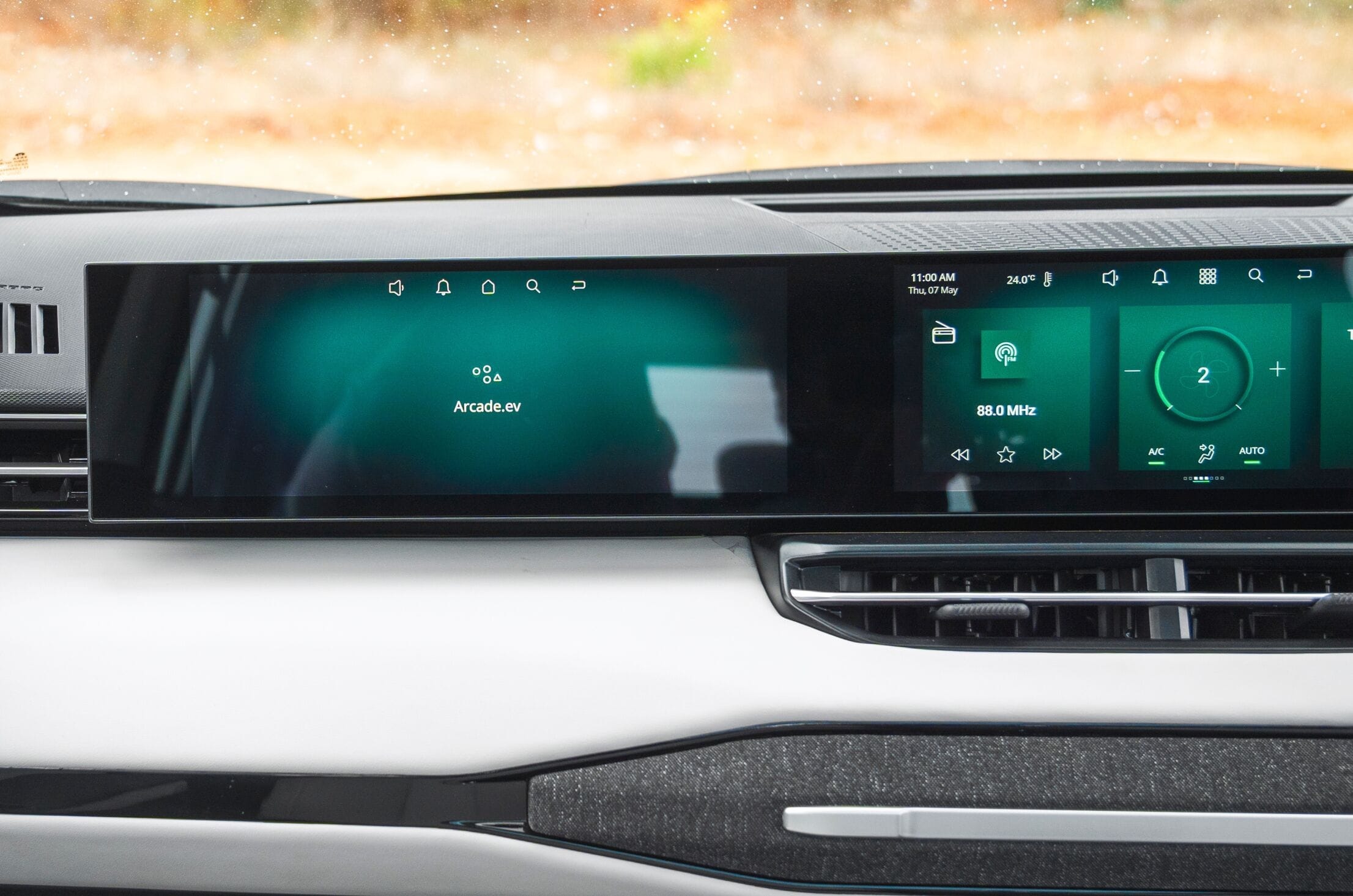
Up front, the lounge-like ambiance remains, with a cream-coloured, leatherette-bound dashboard and a textured fabric surface for the ‘sound bar’ central speaker. The three-screen stack adds a techy vibe to this atmosphere, and between the seats is a pedestal for the drive selector. The front seats are very comfortable and offer a good amount of shoulder support – something often overlooked in seat design.
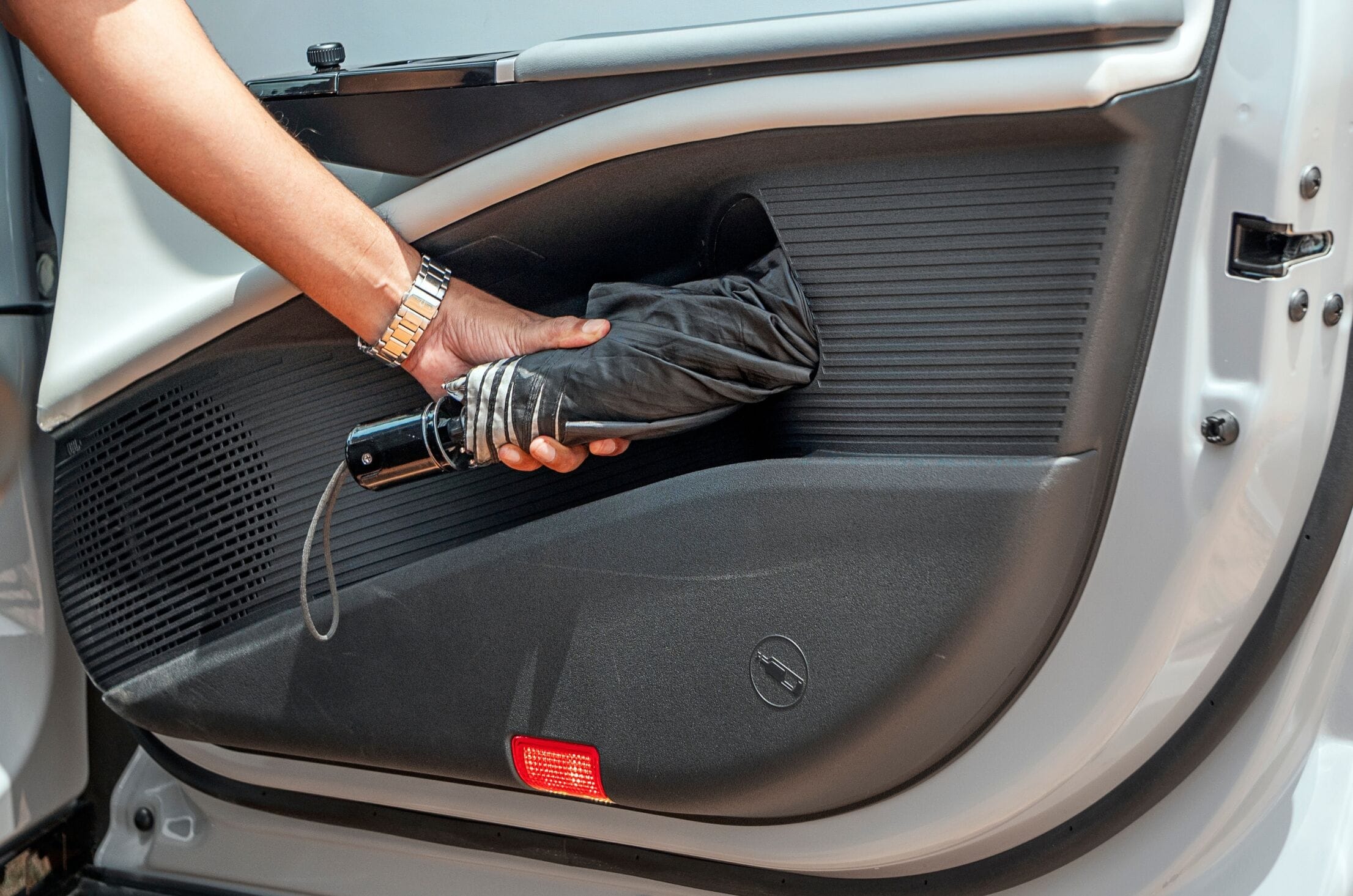
For every soft surface and attractive trim piece, however, there is visible hard plastic, rough edges, crooked stitching and misaligned panel fit, which are an eyesore, especially at this price. And while the design is attractive, its execution could have been far better considered from a practicality and ergonomics standpoint. For example, the pedestal-mounted drive selector is set at a comfortable height, but wastes the space below it. Consequently, the storage box behind it is narrow, tall and harder to reach, while the cupholders are tiny and forced to the base of the dashboard. And while the inclusion of small umbrella holders in the door cards is a nice touch, there is no drain plug, so surplus water will collect in the door pockets. Good intentions; poor execution.
2026 Tata Sierra EV features and safety – 9/10
Packed to the gills with safety and tech, more so even than the ICE version.
Tata in the last few years has caught up to the features freight train that has the Indian car industry in a stranglehold. The Sierra EV is, thus, one of if not the best equipped in its segment, with every conceivable gizmo imaginable on the top-spec Empowered A variant. And as always, the EV gets a small edge on its ICE counterpart, which comes in the form of a powered front passenger seat, as well as an HUD alongside the three-screen layout (instead of either one or the other).
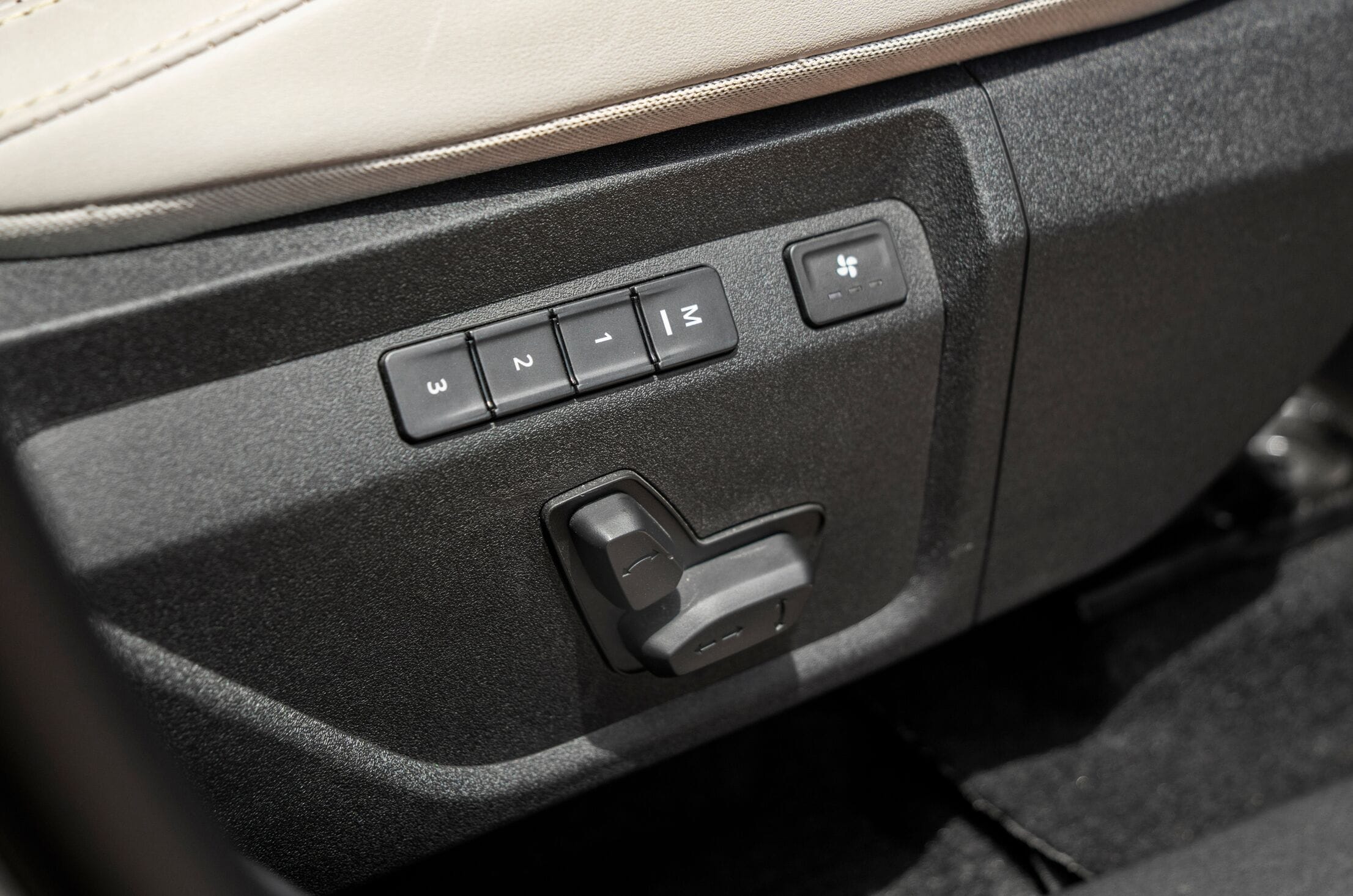
Those front seats are ventilated too, and the driver gets a memory function. There’s a full ADAS suite, drive modes, regen modes and terrain modes, the panoramic sunroof, dual-zone auto climate control, a 12-speaker JBL Black sound system with Dolby Atmos, an onboard air purifier, connected car tech and much, much more. There’s also a clever integration with Google Maps that predicts what the car’s SOC will be when you reach your destination, helping you plan better.
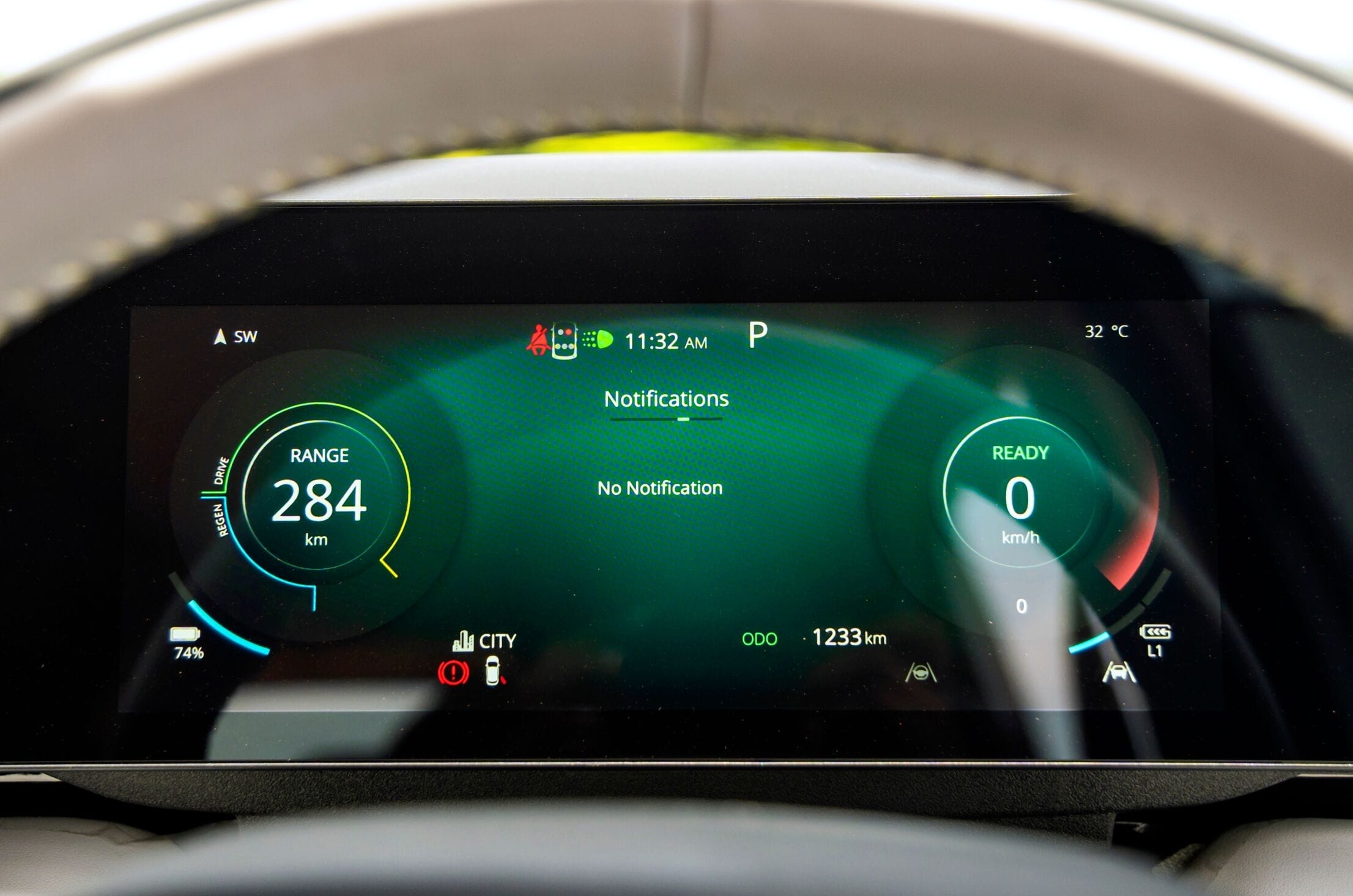
The screens are crisp and smooth in their animations, although as before, the 10.25-inch driver’s display feels a bit too cluttered; the HUD actually provides a cleaner and more focused driver display. And while Tata is not the first brand to do it, the passenger screen feels like a gimmick, more so now that there is a multiplayer gaming suite that lets all passengers connect their phones to the car and play from their own device.
While there hasn’t been a crash test of the EV specifically, the ICE Sierra scored a 5-star Bharat NCAP rating, which should feasibly carry forward to this car too. Apart from an extensive ADAS suite on the top trim, there are 6 airbags as standard, as well as several other safety features.
2026 Tata Sierra EV performance and refinement – 8/10
Dual-motor QWD version brings AWD to the segment and delivers class-best performance.
The Sierra EV can be had in one of three powertrain configurations – a 63kWh battery with a rear motor, a 75kWh battery with a rear motor, or the one we’ve got to test drive – the 75kWh battery with dual motors. This makes the Sierra the first to bring AWD to this segment and is, expectedly, the most potent version, with a class-leading output of 306hp and 504Nm. Despite weighing in at around 2.1 tonnes, the SUV can sprint to 100kph from a standstill in a claimed 5.8sec. However, while it is undoubtedly capable of that, it doesn’t feel neck-snappingly quick off the line. Instead, it is quite undramatic, and frankly that is fine in a family SUV such as this. It’s a smooth and refined powertrain, as we’ve come to expect from Tata Motors’ EVs over the years.
That said, it perhaps feels a bit too similar to older Tata EVs, considering this is a new-generation model. Where newer EVs now have greater responsiveness off the line, this one still has a small dead zone at the start of the pedal travel, after which power comes in abruptly, and this requires care in stop-go traffic. Thereafter, it’s delivered in a constant lump of torque, where others have managed to program in some sort of progression. A minor criticism, and it’s still a far better experience than any ICE powertrain, but the EV game has since moved on.
There are drive modes, though apart from a noticeable dullness in Eco mode, the rest – City, Sport and Boost – don’t feel too different from one another. Similarly, the regen modes – easily accessible using the steering-mounted paddles – don’t feel all that different from one another.
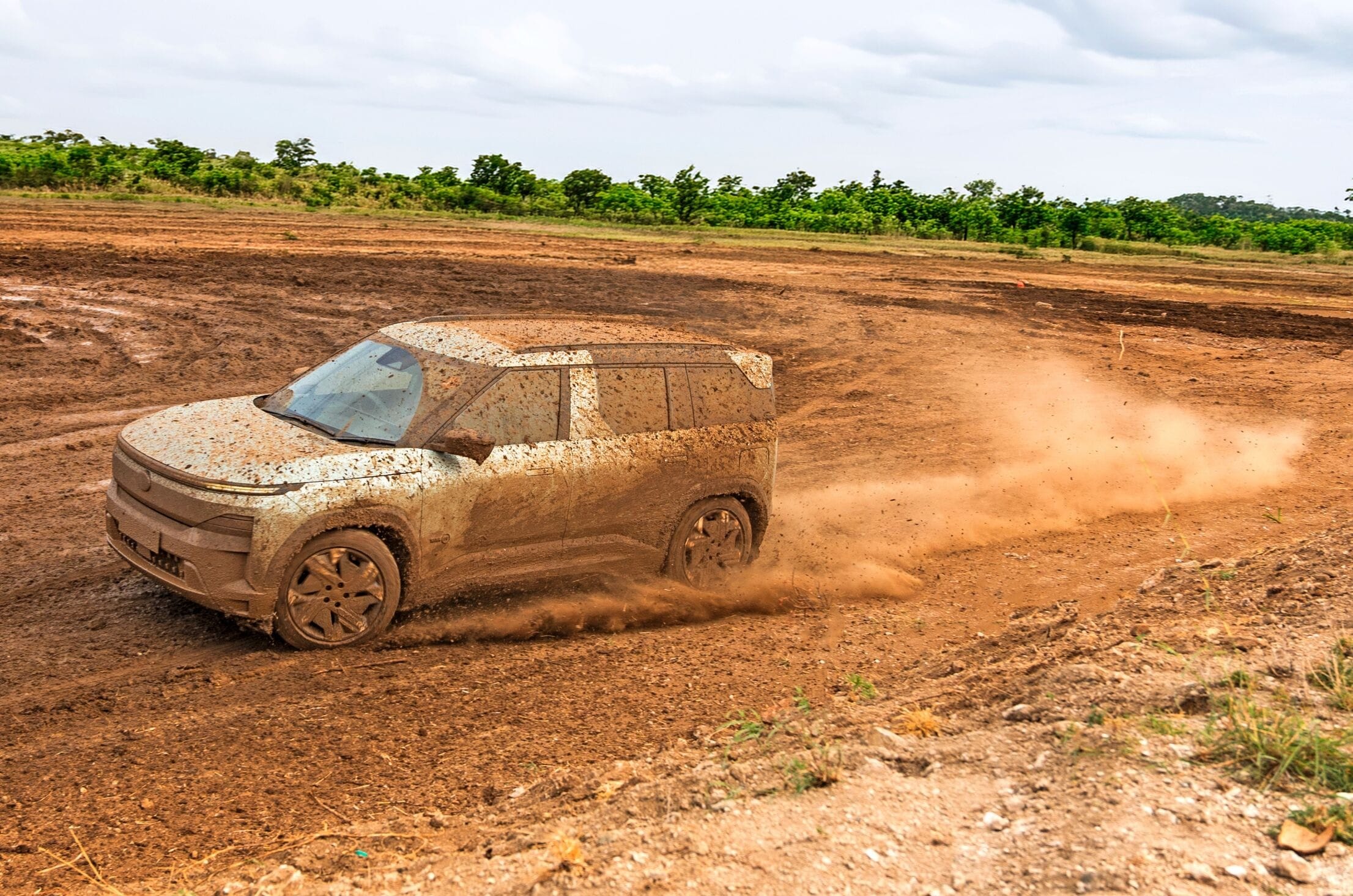
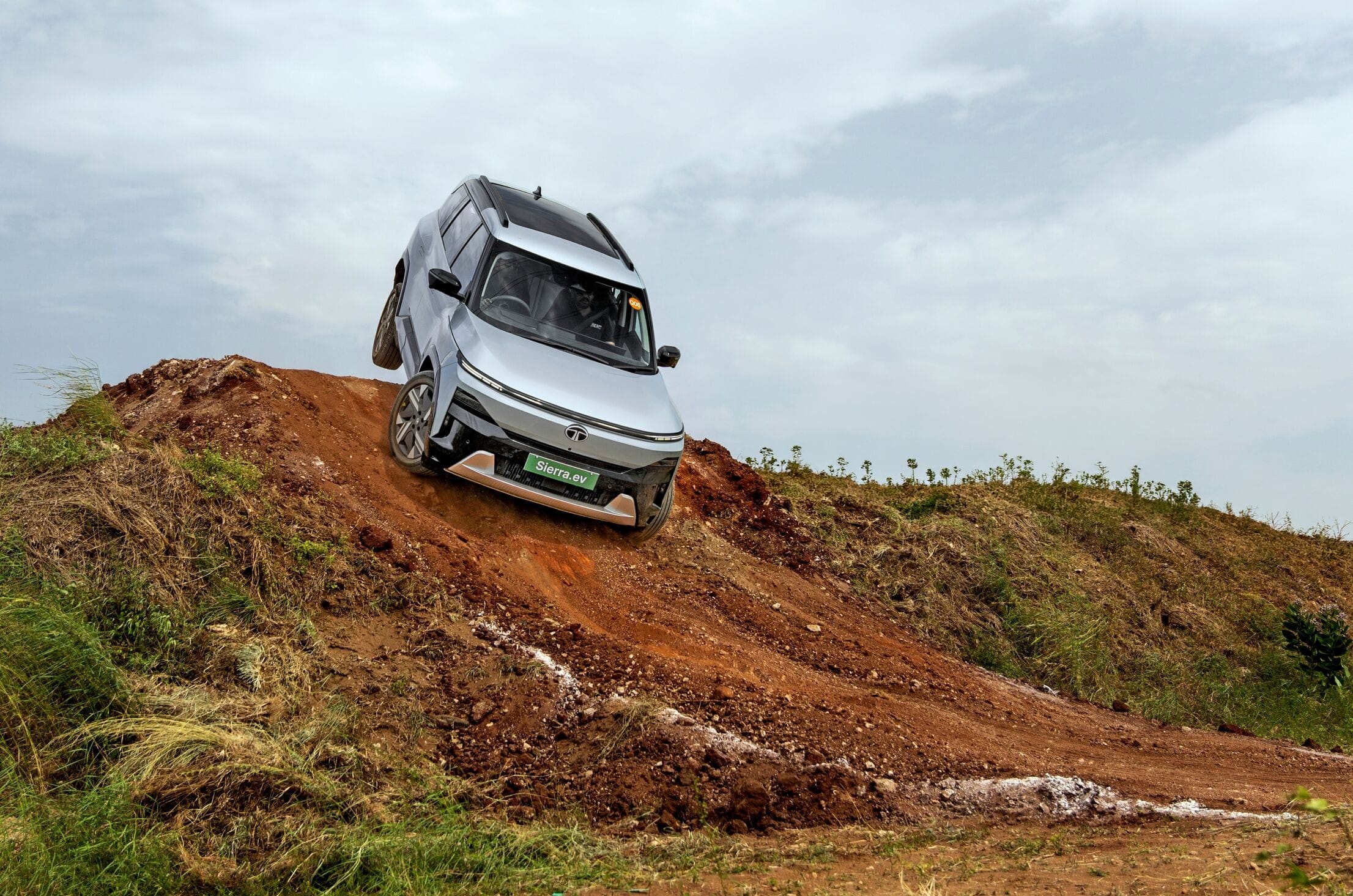
The Sierra EV QWD was rather impressive on the off-road course Tata Motors set up for it, which wasn’t the usual walk in the park, and had some pretty significant obstacles. Put it down to the short overhangs that improve approach and departure angles, or the responsiveness of the e-motors, but the result was surprisingly effortless. We didn’t even need to delve into the terrain modes for the most part, though there were instances where it would fumble shifting torque between the left and right wheels mid obstacle.
2026 Tata Sierra EV range and efficiency – 8/10
Big battery means big numbers, though a real-world test remains.
63kWh and 75kWh are among the bigger batteries offered in this segment, with only the Mahindra BE 6 offering a larger 78kWh unit. The Sierra’s smaller pack is rated at 565km on the MIDC, while the larger at 665km for the single motor and 624km for the dual motor. Tata itself says the MIDC rating won’t be achieved in real-world use, but that the larger battery can deliver upwards of 500km realistically.
When it comes to charging, on a 7.2kW AC charger, the 63kWh pack will take 8.9 hours to get from 10-100 percent, while the 75kWh pack will take 10.5 hours. On a 120kW DC charger, meanwhile, both will do a 20-80 percent top-up in about 26 minutes. At what rate the car actually accepts charge, however, remains to be seen. Tata offers a 15-year warranty on the battery of the Sierra EV, which is reassuring.
2026 Tata Sierra EV ride comfort and handling – 8/10
No compromise on comfort, despite added weight. Handles amicably too.
Tata SUVs have always been great in the dynamics department, and that continues here too. Despite the 19-inch wheels and the 2.1-tonne kerb weight, the Sierra EV can handle any manner of surface with equal composure and comfort. Put it down to the frequency dependent dampers (FDD) but no pothole is too big, nor surface too broken to upset the SUV.
It holds its line well at high speeds and lane change manoeuvres can be made with confidence and little effort. Similarly, at low speeds, the steering is light without feeling loose, letting you change direction easily even in traffic.
High-speed handling too is also pretty engaging, helped no doubt by its lower centre of gravity, and if you really wanted to, you could lean onto the Sierra EV quite hard. That said, it is a tall, high-riding vehicle, so an acceptable amount of body roll is present. The boxy profile, however, does result in some wind noise around the A-pillars at high speed, made more apparent by the silent powertrain.
2026 Tata Sierra EV price and verdict – 7/10
Overlaps with Curvv and Harrier, but feels the better EV than either of them.
It’s not much of a surprise that the Sierra EV is the best Tata you can buy right now, as it the latest product of the brand’s strategy of constant evolution and improvement. It’s not without its flaws, of course, but these feel less like huge deal breakers, and more like matters of finesse in manufacturing and calibration that Tata should take the time to address.
Apart from being a great EV, it’s also just a very good family car, offering space, comfort and the features Indian buyers now expect. The bigger problem for Tata could be where it fits between the Curvv and Harrier EVs, because there is some price overlap, and in our opinion, it surpasses them both overall. And while, at Rs 18.79 lakh to Rs 25.99 lakh, it is priced at the upper end of its segment, it does pack in a lot, and sits on par with the BE 6, which doesn’t have an AWD variant. Which of these two is better is a question for another time, but for now, the Sierra EV has the makings of a winner.
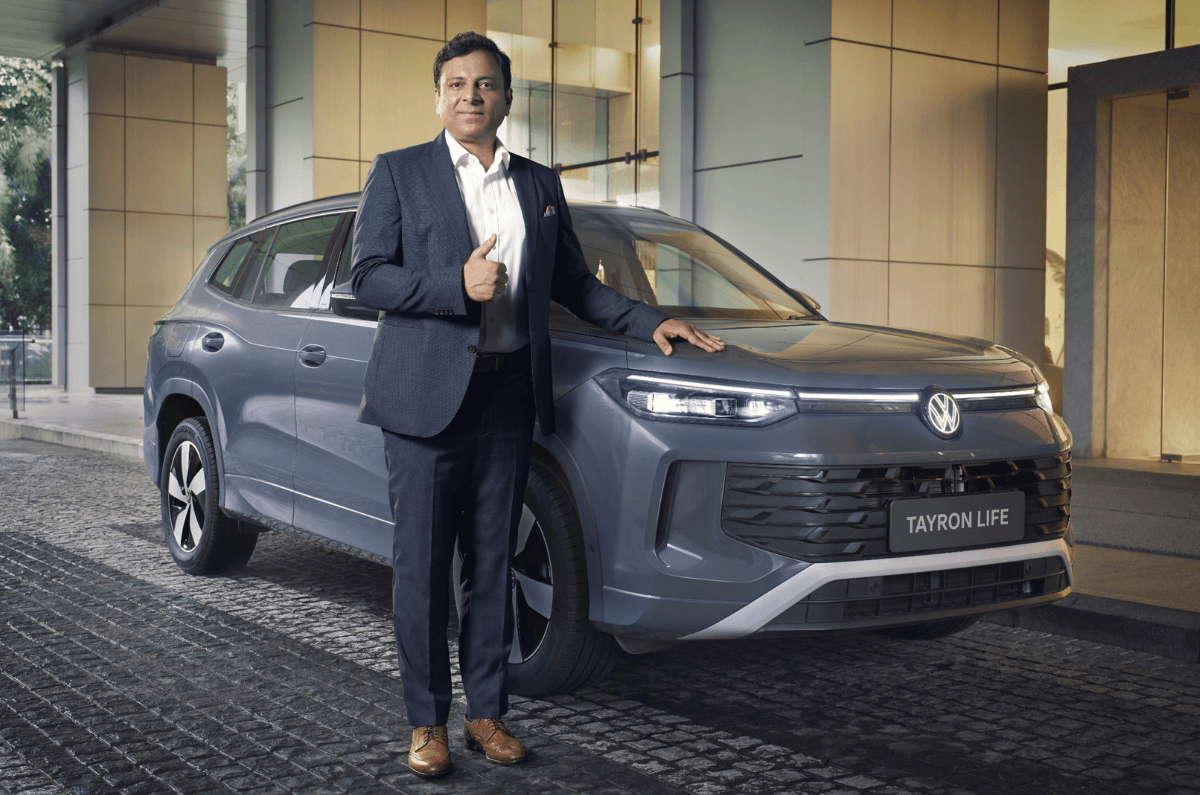
Volkswagen has introduced the lower-spec Tayron Life trim in India at Rs 41.99 lakh, pricing it Rs 5 lakh lower than the range-topping R-Line. Compared to the Tayron R-Line, the Life trim misses out on the sporty cosmetic treatment and a pair of seats in the third row.
Volkswagen Tayron Life engine and gearbox details
The same 204hp, 320Nm 2-litre turbo-petrol unit used in the R-Line also does duty in the Tayron Life. Similarly, transmission duties are handled by a 7-speed dual-clutch automatic gearbox, which sends drive to all four wheels.
Volkswagen Tayron Life exterior highlights
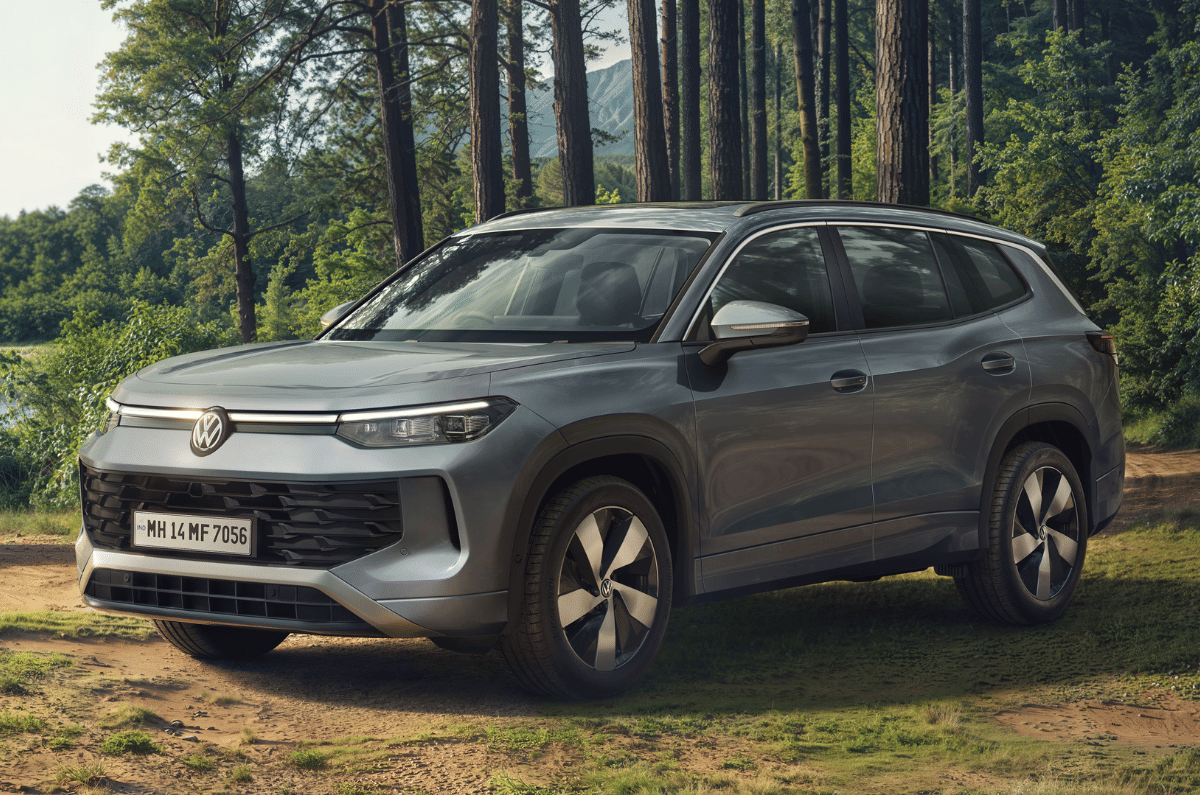
Since it misses out on the R-Line styling package, parts like the front grille, cladding under the doors and over the wheel arches and rear bumper trim are not finished in gloss black. Speaking of the bumper ahead, it has a much cleaner look with L-shaped slats (inverted on the left half section) on the grille. A silver-painted trim is placed below the grille, which complements the overall look. That said, slim Matrix LED headlights and an illuminated VW roundel bridged by a wide light bar are similar to the top-spec trim.
The Tayron is a 4,792mm-long SUV, with a wheelbase of 2,789mm. In profile, it’s easy to notice a different design for the alloy wheels, which measure relatively an inch less at 18 inches. In fact, the wheels resemble those on the Volkswagen Golf GTI. Styling continues to be clean with neat lines. The shoulder line swells from the rear doors to the tail and the silver surround dips down from the roof to the rear glass section. A chrome strip adds to the look as well.
At the back, changes are limited to a simpler design for the bumper, while features like intricately done tail-lights with LED elements, a light bar, illuminated VW logo and roof spoiler have been carried over.
Volkswagen Tayron Life interior and features
Save for the ‘R’ badges on certain parts and third-row seats, not a lot differs when it comes to the interior. Even the list of features between the two trims is largely similar, including a 15-inch touchscreen, a 10.25-inch digital instrument cluster, a panoramic sunroof, three-zone automatic climate control, powered front seats with ventilation and massaging functions, two wireless smartphone charging pads, 360-degree camera, 9 airbags and Level 2 ADAS.
Volkswagen Tayron rivals
The VW Tayron is up against rivals like the Skoda Kodiaq and Jeep Meridian. Like the R-Line, the Life trim is locally assembled at the carmaker’s Chhatrapati Sambhajinagar (previously Aurangabad) facility in Maharashtra.