थक्कू के पिता सिक्योरिटी गार्ड हैं और मां घरों में काम करती हैं।
दोनों हर दिन मेहनत करते हैं, ताकि अपनी बेटी को वह सब दे सकें, जिसकी उसे जरूरत है :yellow_heart:
थक्कू Cutis Laxa नाम की एक दुर्लभ बीमारी के साथ जी रही है, जो उसकी त्वचा और चेहरे को प्रभावित करती है।
इस समय उसे सबसे ज्यादा जरूरत है सही इलाज और जरूरी मेडिकल केयर की, जिसका खर्च उसके माता-पिता अकेले नहीं उठा सकते।
लेकिन प्यार, धैर्य और अपनी बेटी पर भरोसा देने में उन्होंने कभी कोई कमी नहीं छोड़ी।
छोटी सी थक्कू बड़ी होकर डॉक्टर बनना चाहती है।
आइए, उसके माता-पिता की मदद करें, ताकि उसे जरूरी इलाज और देखभाल मिल सके और वह अपने इस सपने के करीब पहुंच सके :yellow_heart:
Name- Miss. Aizza Akhil
S/D/H/o: Akhil K C
अकाउंट नंबर: 41187200386
IFSC: SBIN0070321
Instagram: @thakku_aizza
@thakku_aizza
“आपकी 6 साल की बेटी 80 साल की दिखती है”| 6-Year-Old Thakku Looks 80 | 6 year old girl with Cutis Laxa
[Cutis Laxa treatment support for a child in India, Help a 6 year old girl with Cutis Laxa get medical treatment, Financial help for child with rare genetic skin disorder, Medical treatment support for underprivileged children in India]#thebetterindia#goodnews#positivestories#indianews#thebetterindiahindi#hindi
वेस्टइंडीज़ के ख़िलाफ़ होने वाली आगामी घरेलू सफ़ेद गेंद सीरीज़ के लिए वनडे टीम में नमन धीर और आक़िब नबी को पहली बार वनडे प्रारूप में चुना गया है। धीर को घरेलू क्रिकेट में पंजाब के लिए और आईपीएल में मुंबई इंडियंस के लिए किए गए प्रभावी प्रदर्शन का इनाम मिला है। दूसरी ओर नबी ने इंग्लिश काउंटी क्रिकेट में सरे के लिए दमदार प्रदर्शन कर पहली बार राष्ट्रीय एकदिवसीय टीम में जगह बनाई है।
अबूधाबी में हुए IPL नीलामी में दिल्ली कैपिटल्स से 8.40 करोड़ रुपये की भारी भरकम रकम मिली।नबी ने पिछले दो रणजी ट्रॉफी सत्र में कुल 104 विकेट लिए थे, जिनमें 2025-26 सत्र में लिए गए 60 विकेट भी शामिल हैं। उन्होंने जम्मू कश्मीर को पहली बार रणजी ट्रॉफी जिताने में अहम भूमिका निभाई थी। वह बल्लेबाजी में भी उपयोगी योगदान देने में सक्षम हैं।
हालांकि सफेद गेंद से उनका प्रदर्शन प्रभावशाली नहीं रहा लेकिन वह लाल गेंद के सिद्धहस्त गेंदबाज माने जाते हैं। इस कारण से उनके चयनित होने पर आलोचना भी हो रही है।वजह यह है कि उनकी औसत गति 125 किमी प्रति घंटा है जो कि एकदिवसीय प्रारुप के लिए कम है। वहीं नमनधीर के चयन पर भी सवाल खड़े हुए हैं क्योंकि उन्होंने 14 लिस्ट ए मैचों में 39 की औसत से 400 रन बनाए हैं।
According to Gautam Gambhir & Ajit Agarkar, Aqib Nabi with his 125 KPH bowls is a better ODI prospect than Mohammed Shami.
Its a shame that a mid cricketer like Agarkar is treating our legend this way. Shami is the greatest ODI WC pacer & he deserved better treatment!
Punjab lobby quota player lives 50 over cricket so much that he has played 14 List A games and has 400 odd runs with a 39 average.
Indian cricket is in shambles, most selections are based upon politics. https://t.co/zHg6f7v1Ap
जनवरी में आख़िरी बार न्यूज़ीलैंड के ख़िलाफ़ खेलने वाले रवींद्र जडेजा ने भी लंबे समय बाद वनडे में वापसी की है।हार्दिक पंड्या को फिटनेस के मामले में अभी क्लियरेंस नहीं मिली है। इसको देखते हुए नीतीश कुमार रेड्डी को एशियन गेम्स टीम से निकालकर वनडे सीरीज़ में शामिल किया गया है। वहीं ऋषभ पंत को टीम में जगह नहीं मिली है। विकेटकीपर बल्लेबाज़ के रूप में ध्रुव जुरेल जरूर वनडे सीरीज़ की टीम में शामिल किए गए हैं।
भारत की वनडे टीम: शुभमन गिल (कप्तान), रोहित शर्मा, विराट कोहली, ऋतुराज गायकवाड़, केएल राहुल (उपकप्तान), ध्रुव जुरेल, नीतीश कुमार रेड्डी, रवींद्र जडेजा, कुलदीप यादव, प्रसिद्ध कृष्णा, गुरनूर बराड़, मोहम्मद सिराज, आक़िब नबी, यशस्वी जायसवाल, नमन धीर।
एक वक्त था, जब काला-अजार का इलाज गरीब परिवारों के लिए बीमारी से कम और एक बड़ी आर्थिक सजा से ज्यादा था। करीब 30 दिन का इलाज, 15 इंजेक्शन, लंबे समय तक अस्पताल में रहना और महंगे इलाज का बोझ—कई परिवारों के लिए ये सब झेलना आसान नहीं था।
फिर एक डॉक्टर ने इस मुश्किल को सिर्फ एक medical problem की तरह नहीं देखा, बल्कि इसे बदलने की ठानी। एक ऐसा बदलाव, जिसने इलाज को आसान बनाया और उन परिवारों के लिए उम्मीद की नई राह खोली, जिनके लिए बीमारी के साथ गरीबी भी एक बड़ी लड़ाई थी।
कभी-कभी बदलाव किसी बड़े संसाधन से नहीं, एक इंसान के उस सवाल से शुरू होता है क्या इसे बेहतर बनाया जा सकता है? Share करें, उनकी ये कहानी ताकि ऐसी मिसालें ज्यादा लोगों तक पहुँचें!
काला-अजार का सस्ता इलाज बनाकर डॉक्टर डॉ. श्याम सुंदर ने बचाईं सैकड़ों ज़िंदगियाँ | Doctor Who Transformed Kala-Azar Treatment | Dr. Shyam Sundar’s
[Dr Shyam Sundar Kala Azar Treatment Breakthrough in India, Indian Doctor Who Changed Kala Azar Treatment for Poor Patients, Kala Azar Treatment From 15 Injections to Single Dose, Padma Shri Dr Shyam Sundar Kala Azar Research Story, Liposomal Amphotericin B Single Dose Kala Azar Treatment].
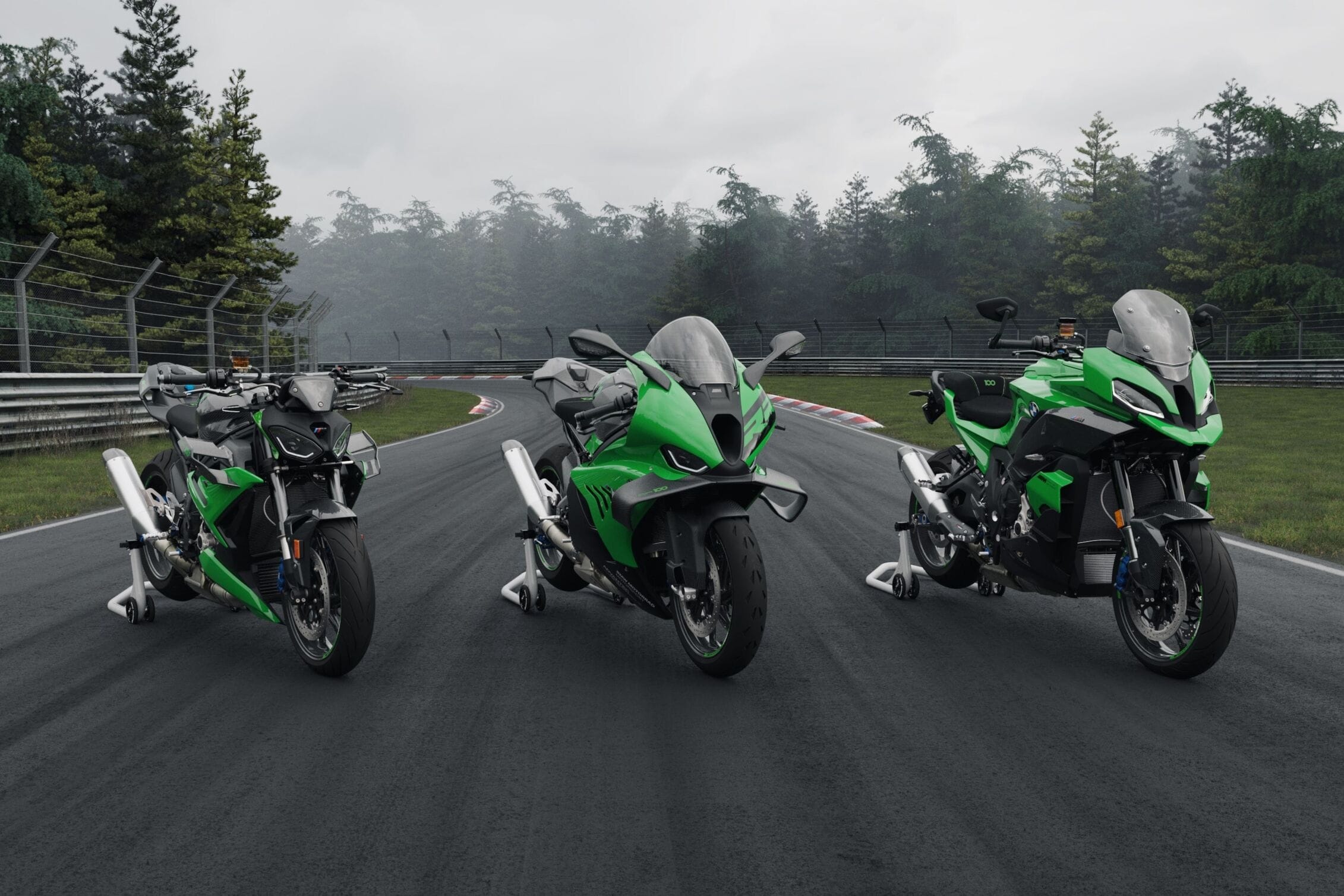
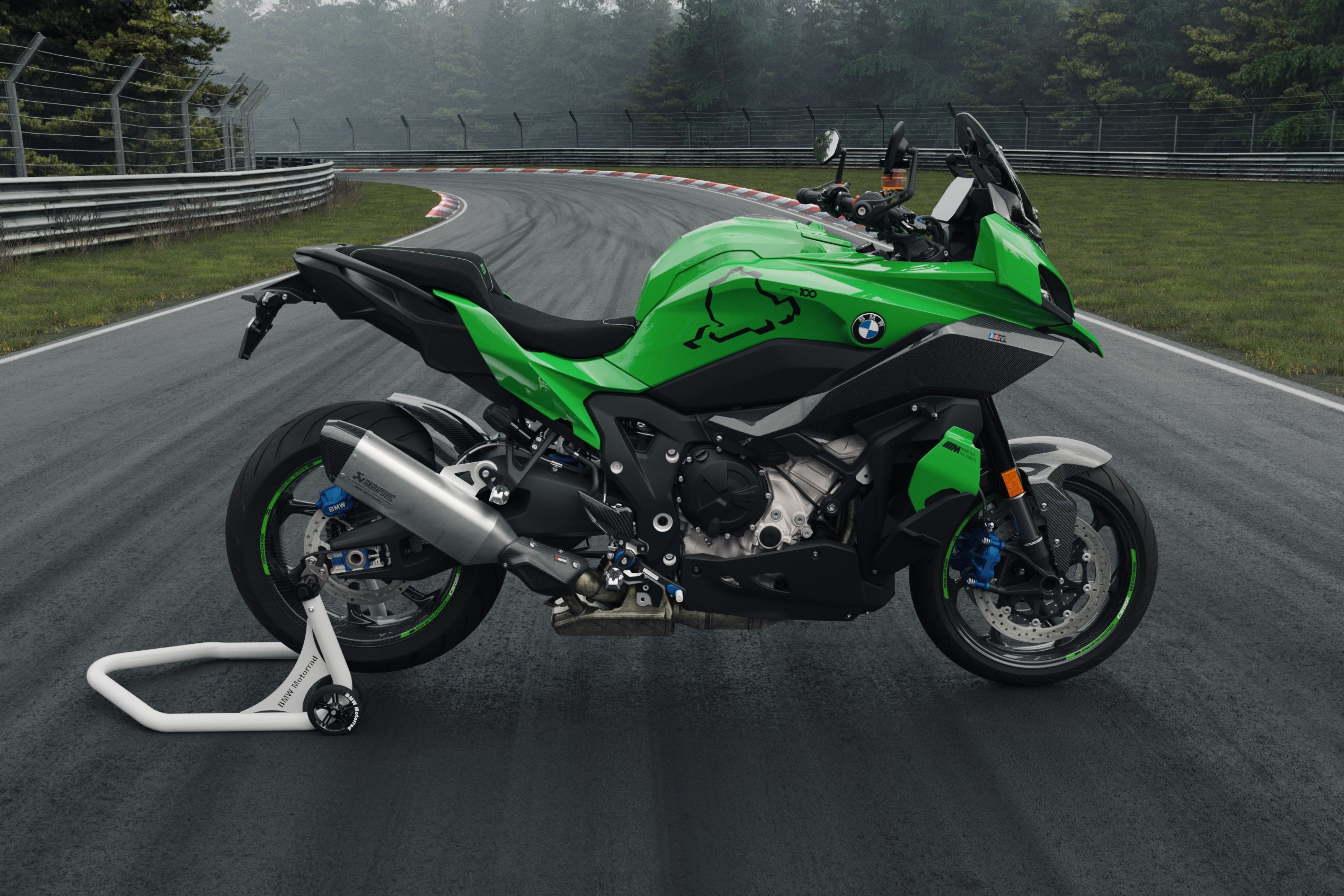
The special-edition motorcycles have been developed in collaboration with BMW M and feature an exclusive Nürburgring green colour scheme, along with styling and equipment inspired by the German racetrack. The M 1000 RR, M 1000 R and M 1000 XR 100 Jahre Nürburgring editions will each be limited to just 100 units worldwide. All three models are scheduled to arrive in late 2027.
Each of these motorcycles are limited to 100 units worldwide.
They all feature an exclusive Nürburgring green colour scheme.
Pricing not yet revealed.
Nürburgring-inspired styling
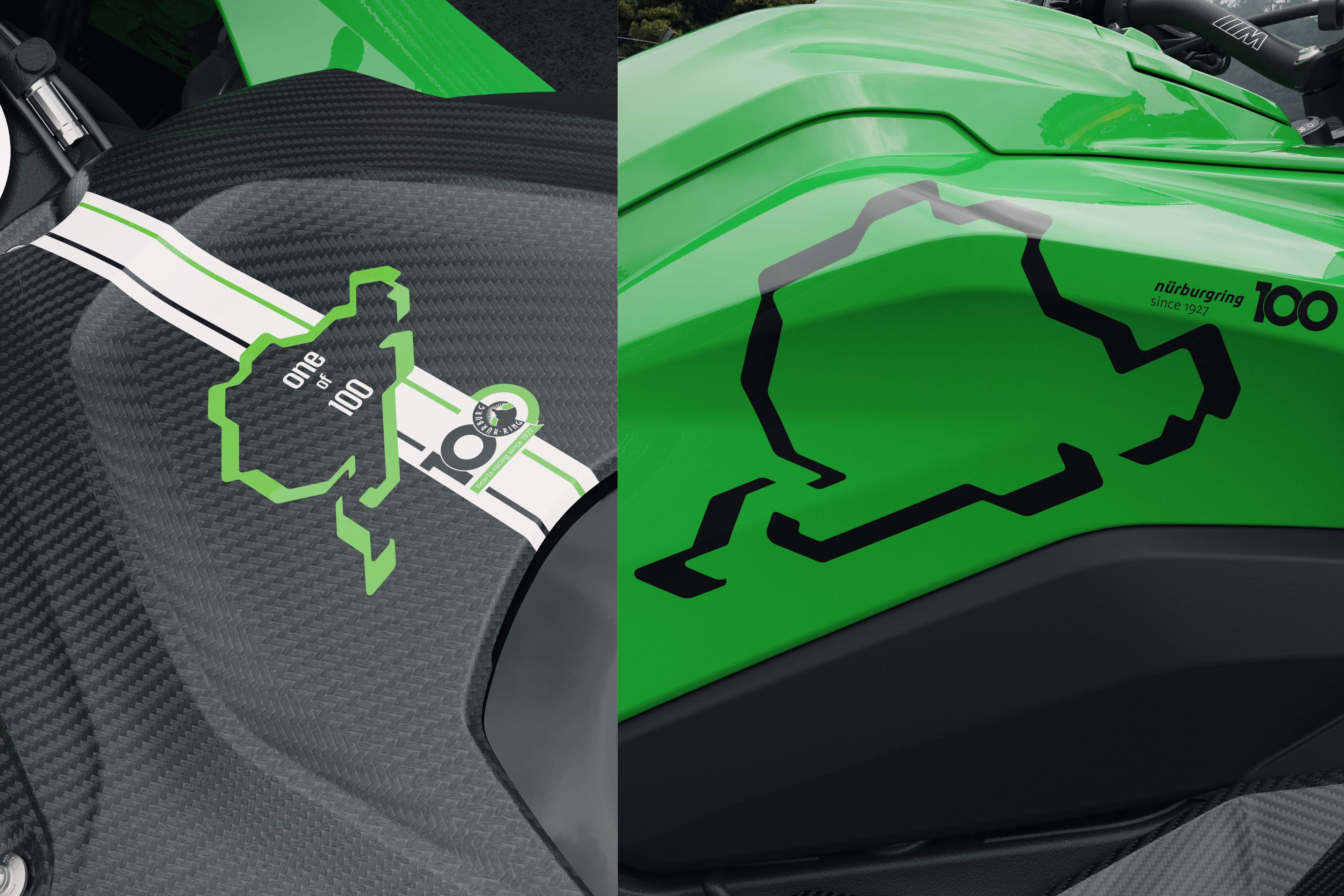
The three motorcycles share a number of exclusive design details, including a silhouette of the Nürburgring’s Nordschleife on the fuel tank, an anniversary design on the airbox cover and black rear frames and swingarms. They also feature seats with an Alcantara look and ‘100’ embroidery, along with carbon wheels finished with Nürburgring green graphics.
The special editions come with a certificate of authenticity, an M Track package as standard and a Nürburgring anniversary motorcycle mat. A rear assembly stand with a mounting pin is also included.
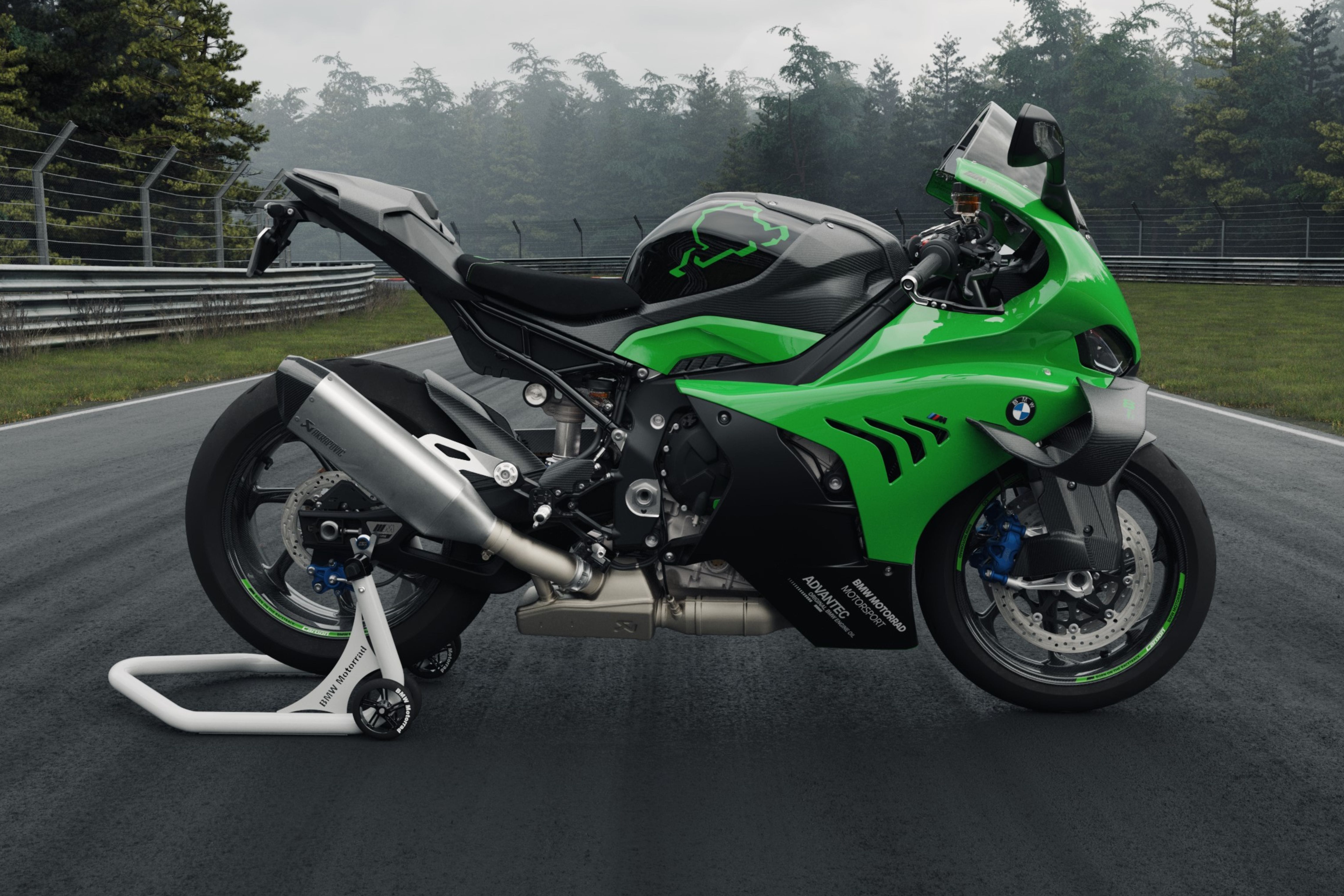
M 1000 RR Nürburgring Edition
The M 1000 RR 100 Jahre Nürburgring is the most track-focused motorcycle of the three. The model’s engine has competed in the World Superbike and FIM Endurance World Championship, while its aerodynamic package is designed to aid high-speed track riding. This edition also comes with the M Cover kit as standard, further emphasising its track-focused character.
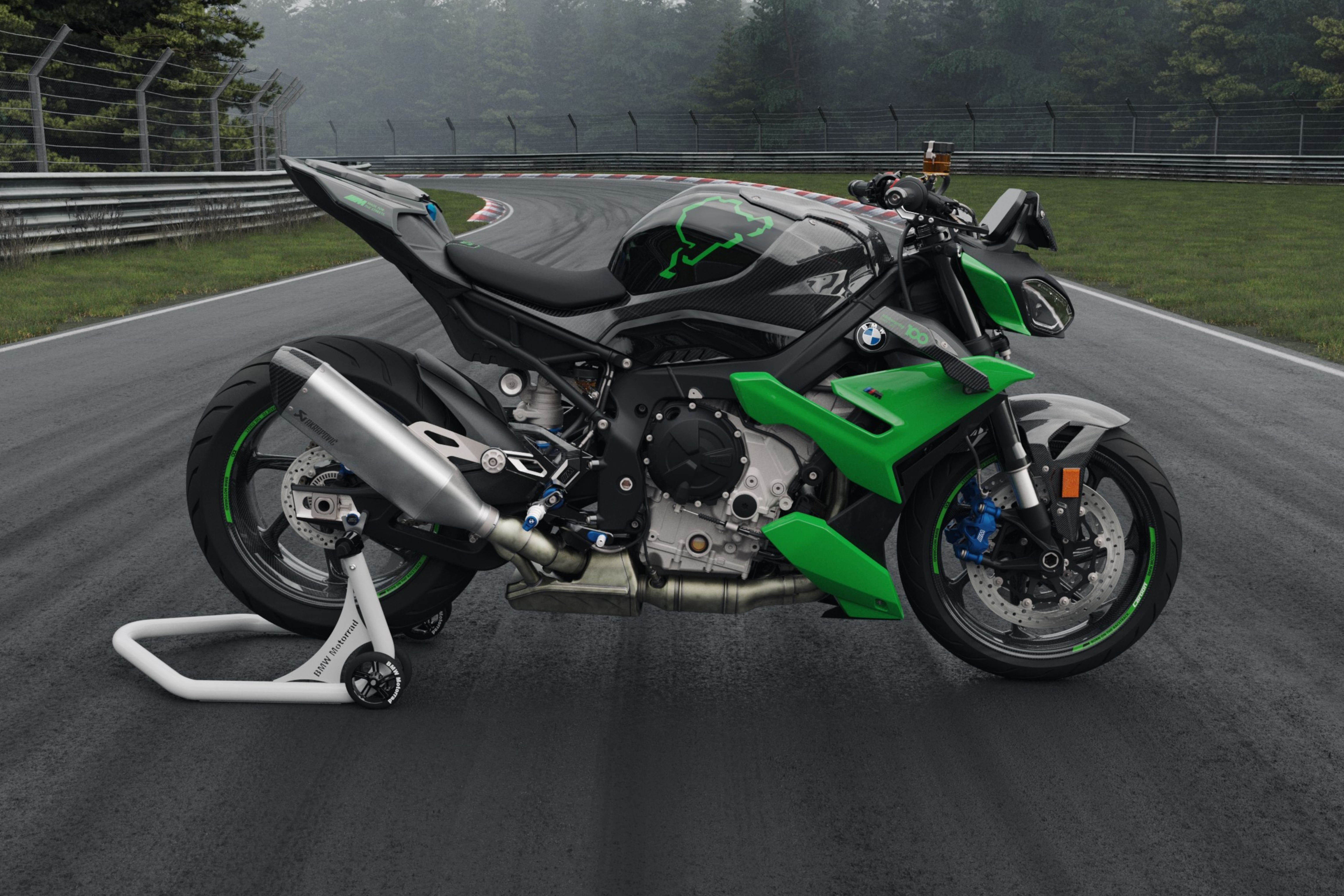
M 1000 R Nürburgring Edition
The M 1000 R 100 Jahre Nürburgring brings the same limited-edition treatment to BMW’s performance naked. The bike combines a high-performance engine, race-developed chassis and electronic assistance systems with the exclusive Nürburgring colour scheme. Like the M 1000 RR, it gets the M Cover kit as standard, allowing owners to prepare the motorcycle for track use.
M 1000 XR Nürburgring Edition
The M 1000 XR 100 Jahre Nürburgring is the touring-oriented member of the trio. It combines the model’s long-distance ergonomics with performance-focused technology and the special-edition design details. BMW Motorrad says the motorcycle is designed to offer strong performance over long distances, while retaining the capability to tackle demanding racetracks such as the Nürburgring’s 12.9-mile Nordschleife.
Availability
Each of the three Nürburgring editions will be limited to 100 motorcycles worldwide. BMW Motorrad has not announced pricing or confirmed whether any of these special editions will be offered in India. The motorcycles are expected to arrive in late 2027.
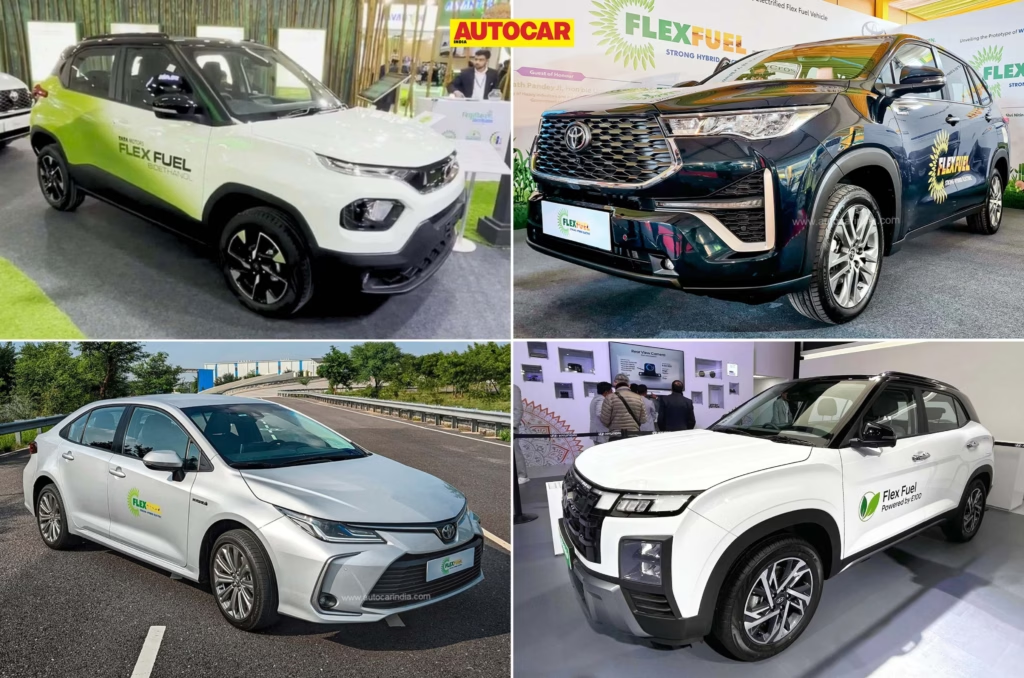
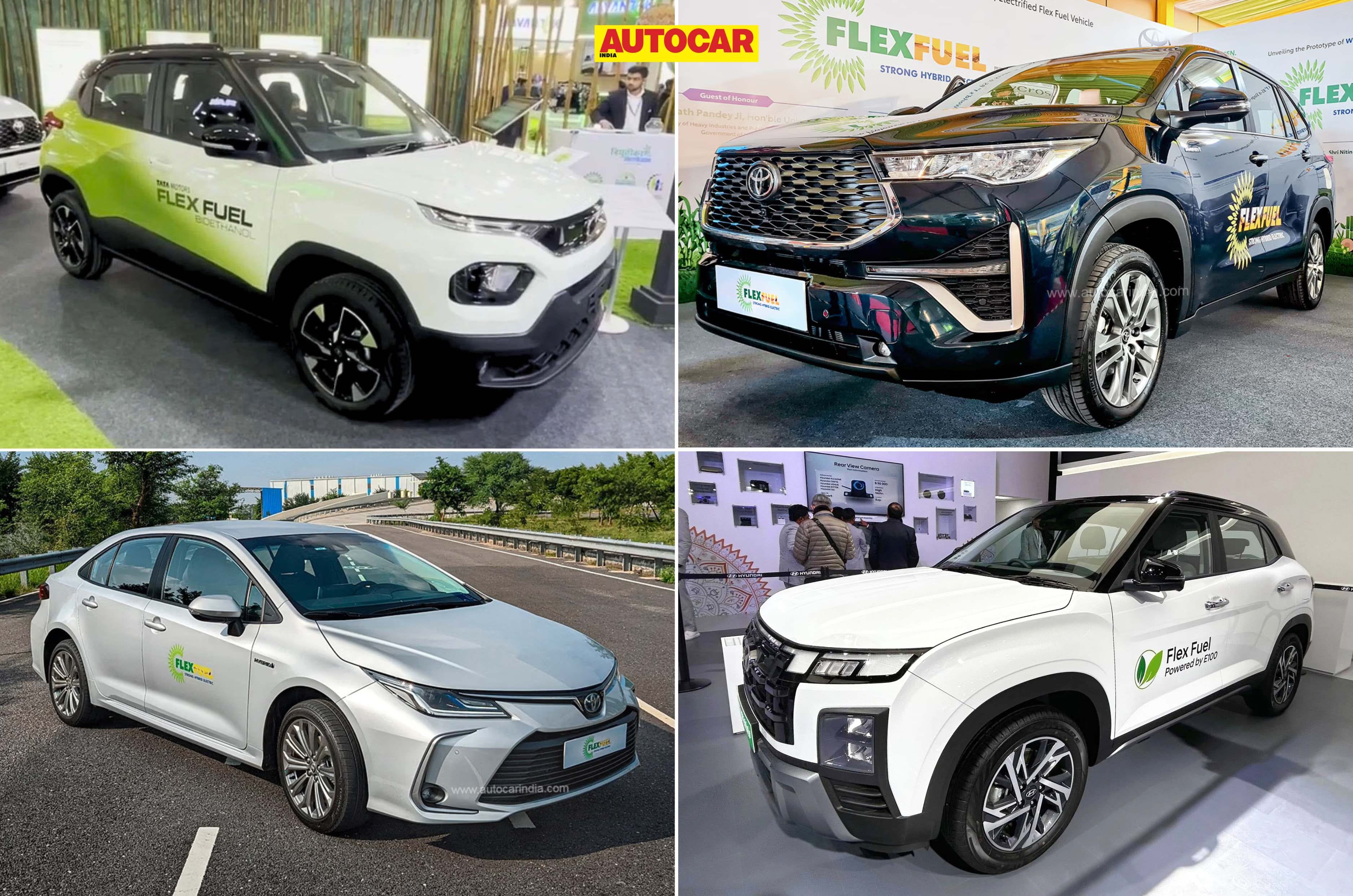
With authorities pushing for higher ethanol-blended petrol, mass-market carmakers have been working toward bringing flex-fuel vehicles to our market. Infact, Maruti Suzuki was the first carmaker to begin production and launch a flex -fuel vehicle with the Wagon R Bioflex. Other carmakers such as Toyota, Hyundai, Tata, and Kia have also showcased flex-fuel models that show readiness for higher blends of ethanol-blended petrol. With E85 fuel dispensing stations being established across the nation, more carmakers could join the flex-fuel bandwagon in the future. Below is a list of all the flex-fuel cars showcased in India, with some capable of running purely on ethanol as well.
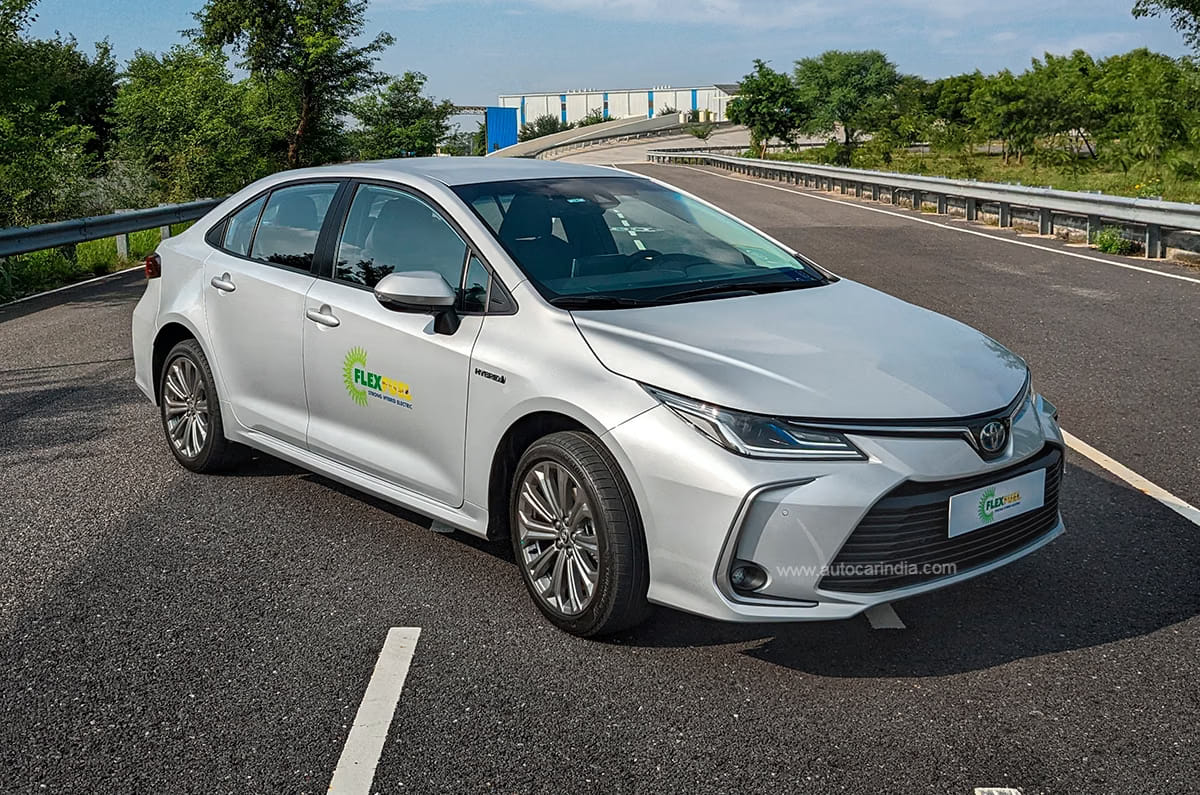
Toyota Corolla flex fuel
Toyota showcased its flex-fuel technology capabilities with the Corolla hybrid. Revealed in October 2022, the sedan uses a 102hp, 142Nm 1.8-litre petrol engine mated to a strong hybrid system and is capable of running on E100 fuel. It is unlikely to make it to our market, but at the time, Toyota said that its flex-fuel vehicle could arrive here if E85 or pure ethanol can be supplied across India, given that the technology is ready. We even had the opportunity to experience the flex-fuel Corolla on a test track.
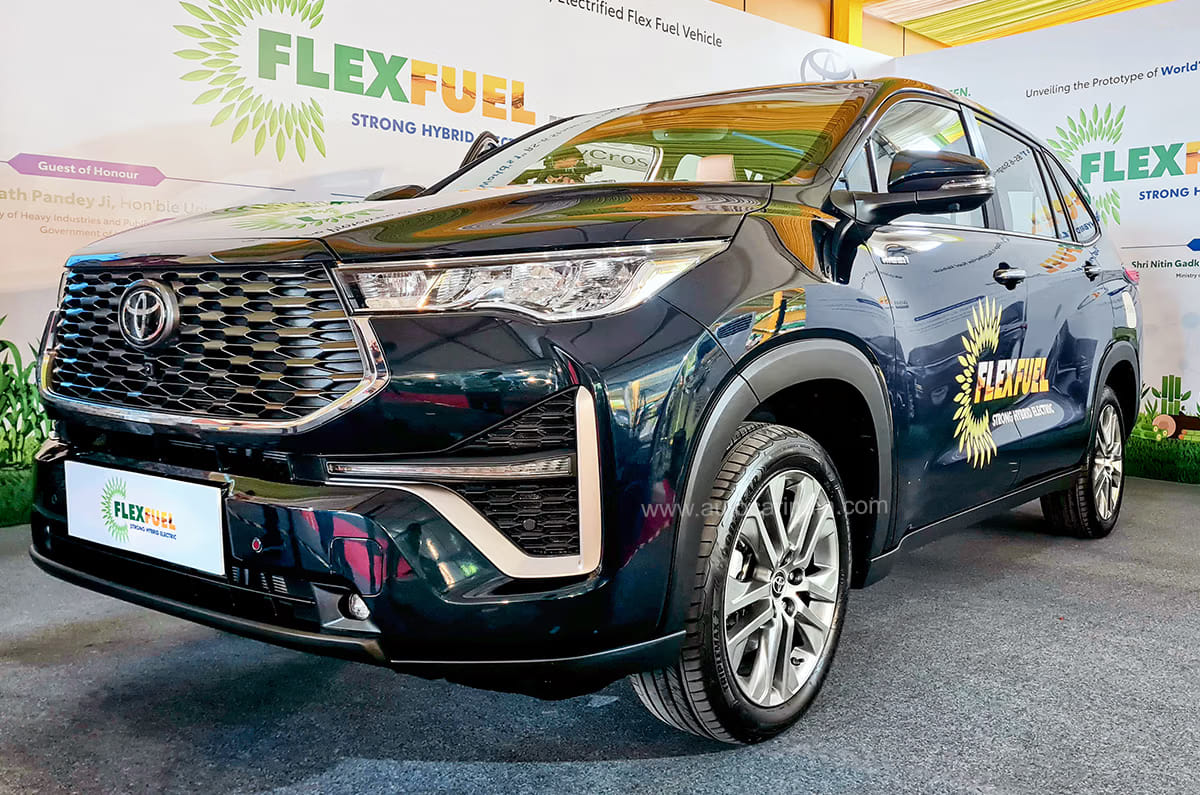
Toyota Innova Hycross flex fuel prototype
In August 2023, Toyota revealed a prototype of the Innova Hycross flex fuel. Like the standard Hycross, it utilises the same 2.0-litre Atkinson-cycle petrol engine paired to an electric motor. Engine tweaks include different spark plugs and piston ring tops, as well as valves and valve seals designed to be water-resistant and prevent corrosion. It also gets a three-way catalyst in the exhaust system to reduce hydrocarbon emissions. Ethanol-compatibility modifications have been done to the vehicle’s fuel filter, fuel pump and fuel lines.
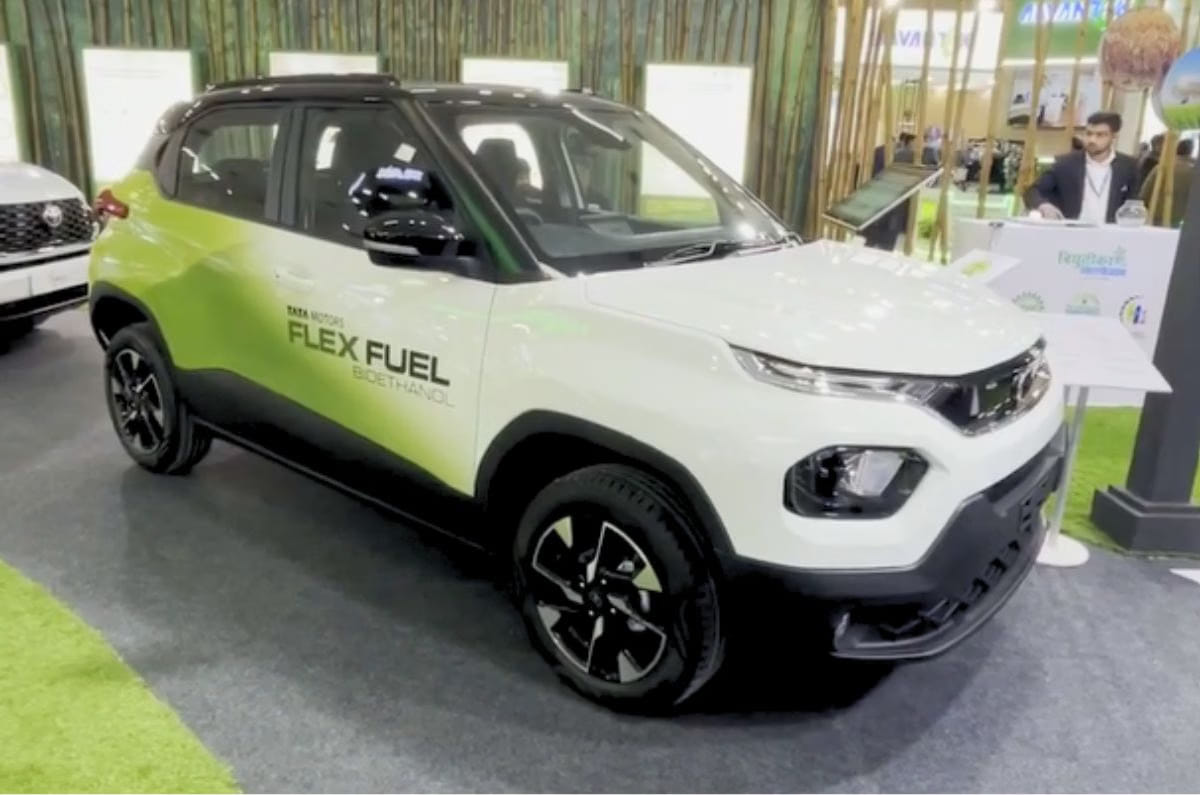
Tata Punch flex fuel
Tata showcased its first flex-fuel model in the form of the Punch SUV, though in pre-facelift guise. It has the 88hp, 115Nm 1.2-litre petrol engine that also powers the current model. The engine is capable of running on blends of up to E85 and has modified ECU software, fuel injector systems and an exhaust after-treatment system to adapt to different ethanol blends.
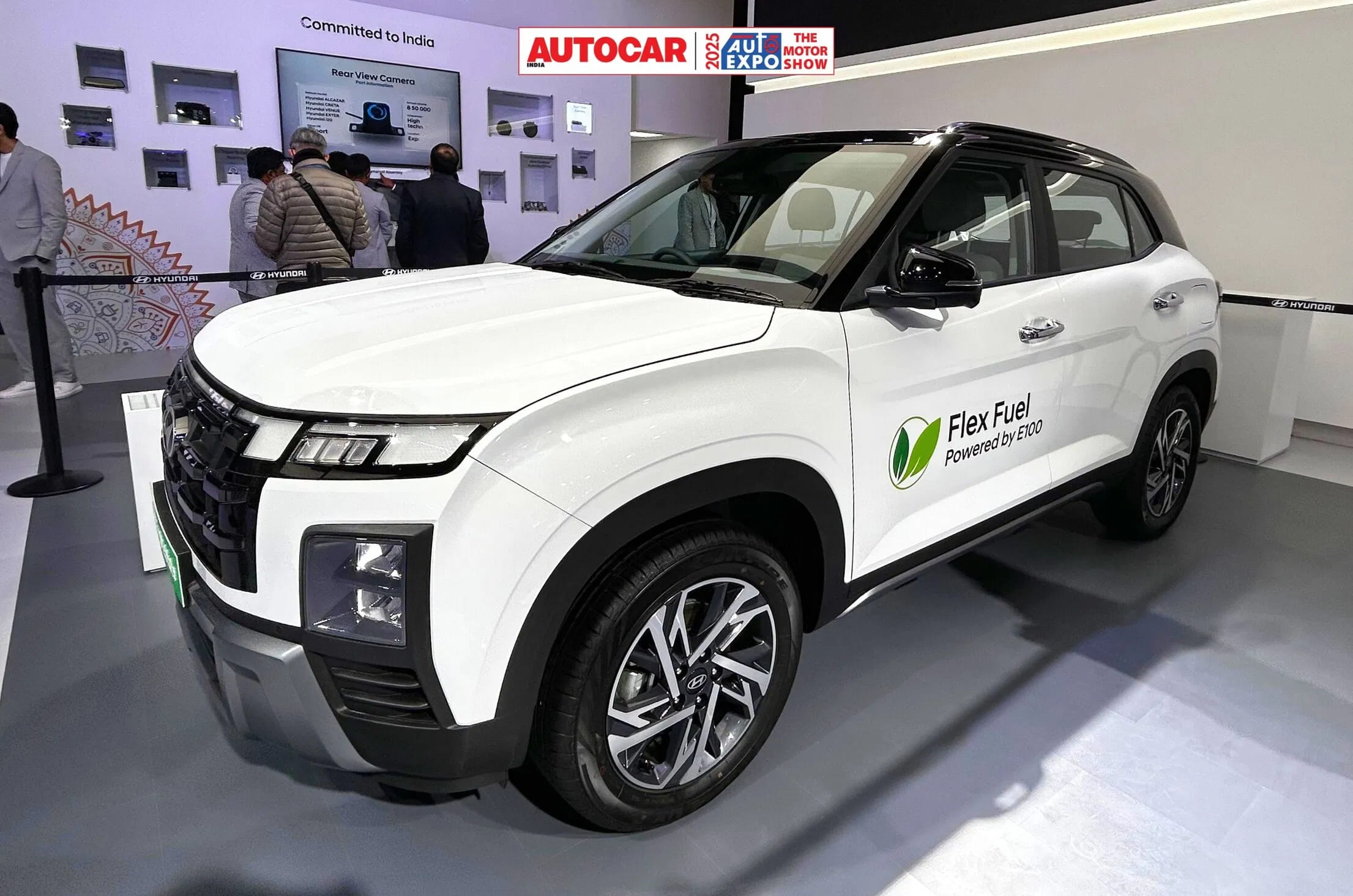
Hyundai Creta flex fuel
Hyundai revealed the Creta flex fuel at the Auto Expo 2025 to highlight its readiness for flex-fuel technology. The SUV’s engine has been modified to run on E100 ethanol. But instead of using the 1.5-litre naturally aspirated petrol or turbo-petrol that’s available on the India-spec model, it gets a 1.0-litre turbo-petrol engine that does duty in the Venue and i20 N Line. It develops 120hp and 172Nm, and is paired to a 6-speed torque converter automatic, unlike the 7-speed DCT on the Venue and i20.
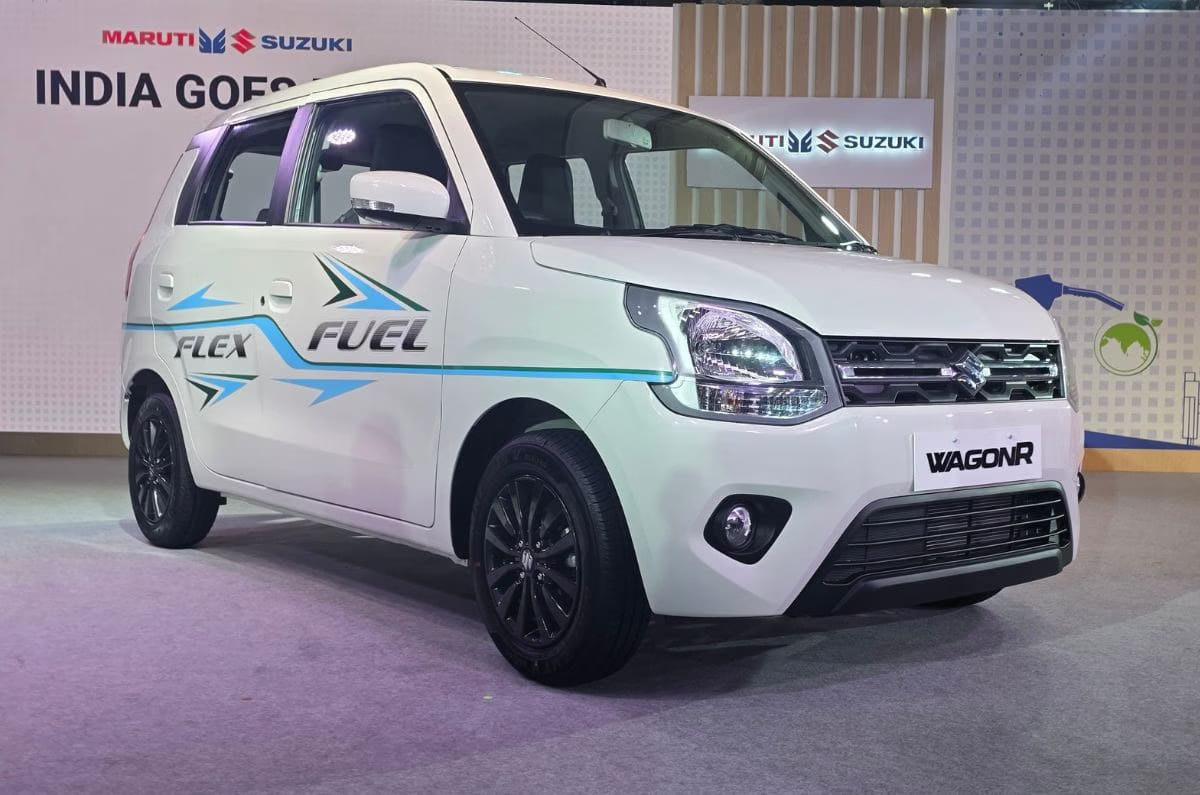
Maruti Suzuki Wagon R flex fuel
The Maruti Wagon R Bioflex is the first flex-fuel car that went on sale in the country. Maruti unveiled the production-spec Wagon R flex fuel years after unveiling its prototype in 2022. It is powered by the 1.2-litre petrol engine that also does duty in the standard model. While the Wagon R is compatible with running on E100 fuel, it has been homologated to only run on E85 fuel. Like the rest of the cars here, it gets upgraded fuel injectors and fuel pumps, new fuel lines, a newly calibrated ECU, and an ethanol sensor for ethanol compliance.
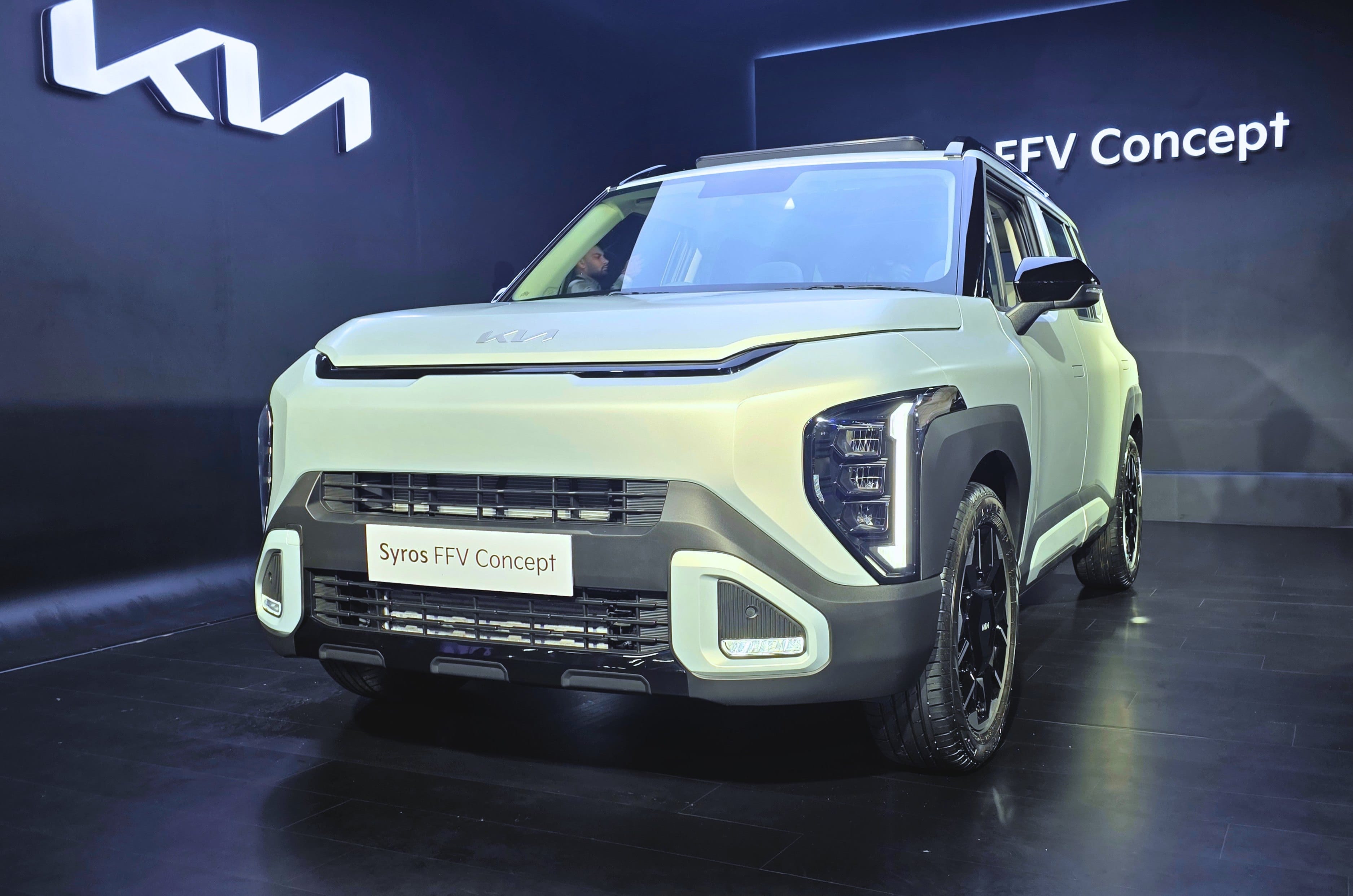
Kia Syros FFV Concept
Kia India showcased its commitment to bringing flex-fuel cars to India with the Syros flex fuel vehicle (FFV) concept. According to Kia, the Syros FFV is capable of running on pure petrol, pure ethanol, and varying ethanol-petrol blends. It looks identical to the standard Syros, but under the bonnet is a 1.0-litre three-cylinder direct-injection turbocharged engine which has tweaked components for compatibility with ethanol and is paired with a 6-speed torque converter automatic. The arrival of a production-spec version is yet to be confirmed by Kia.
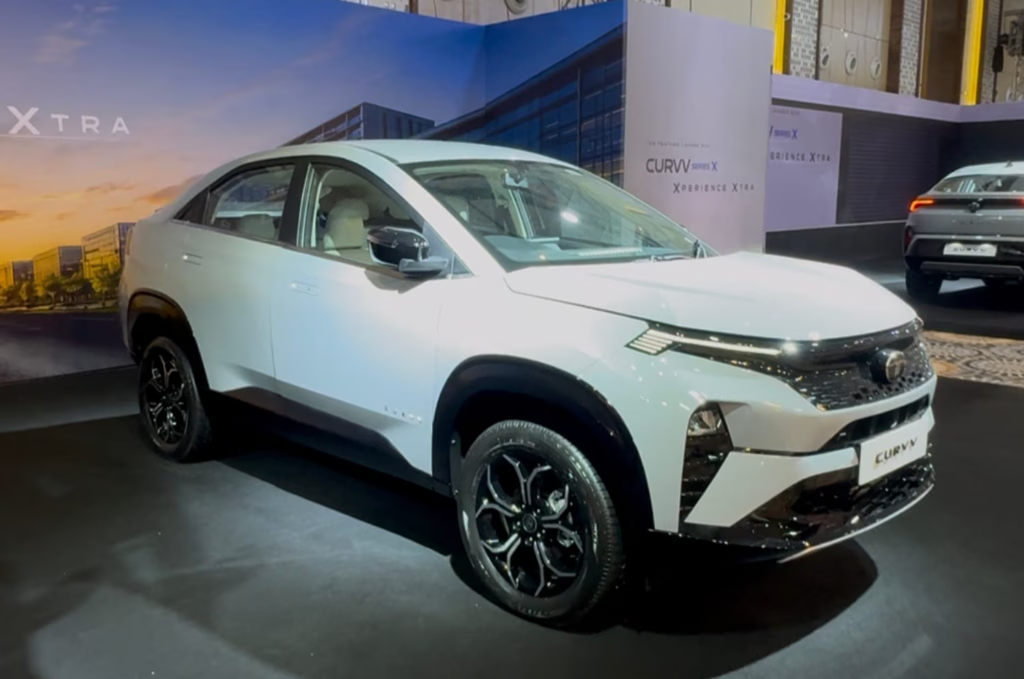
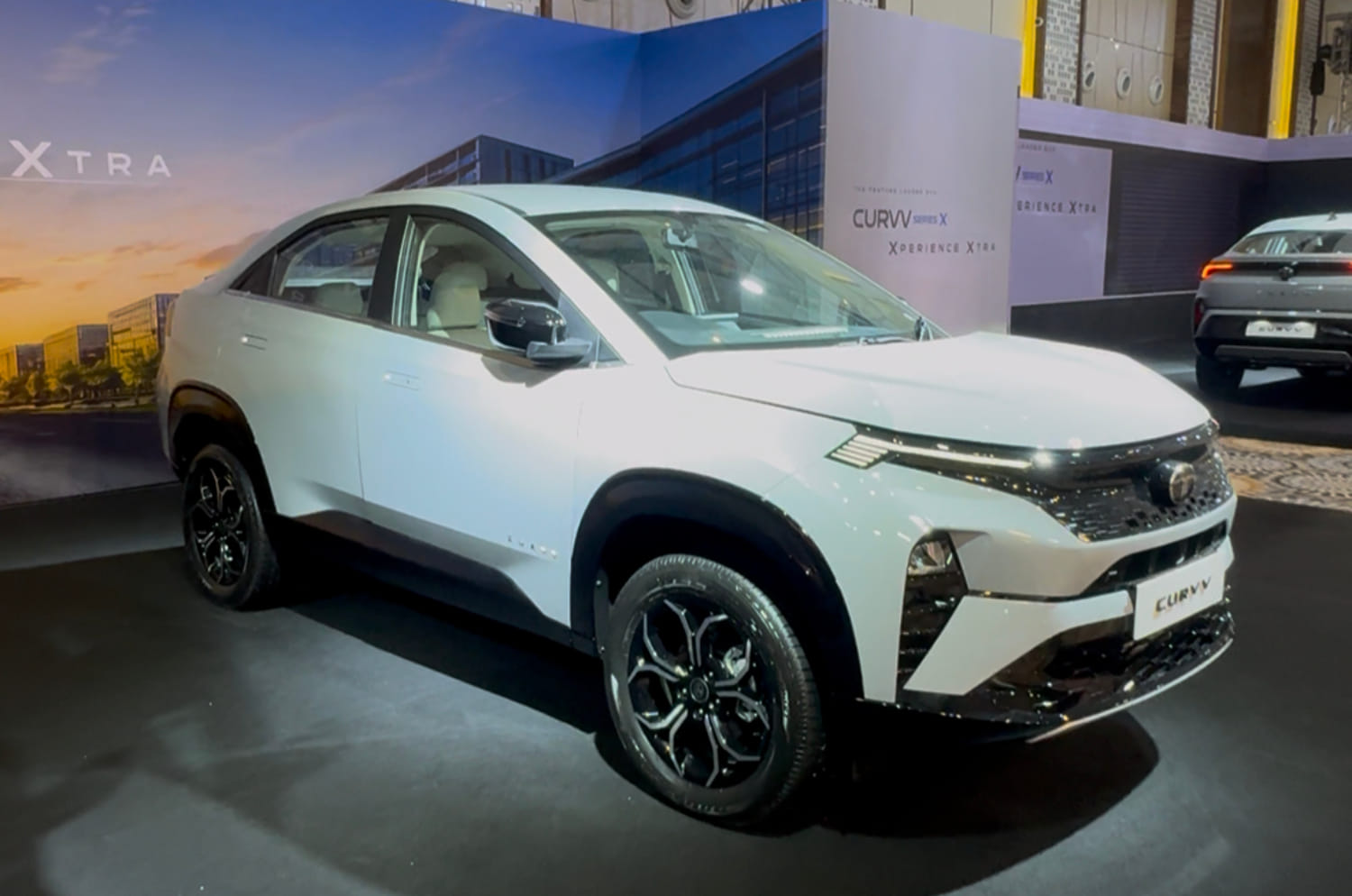
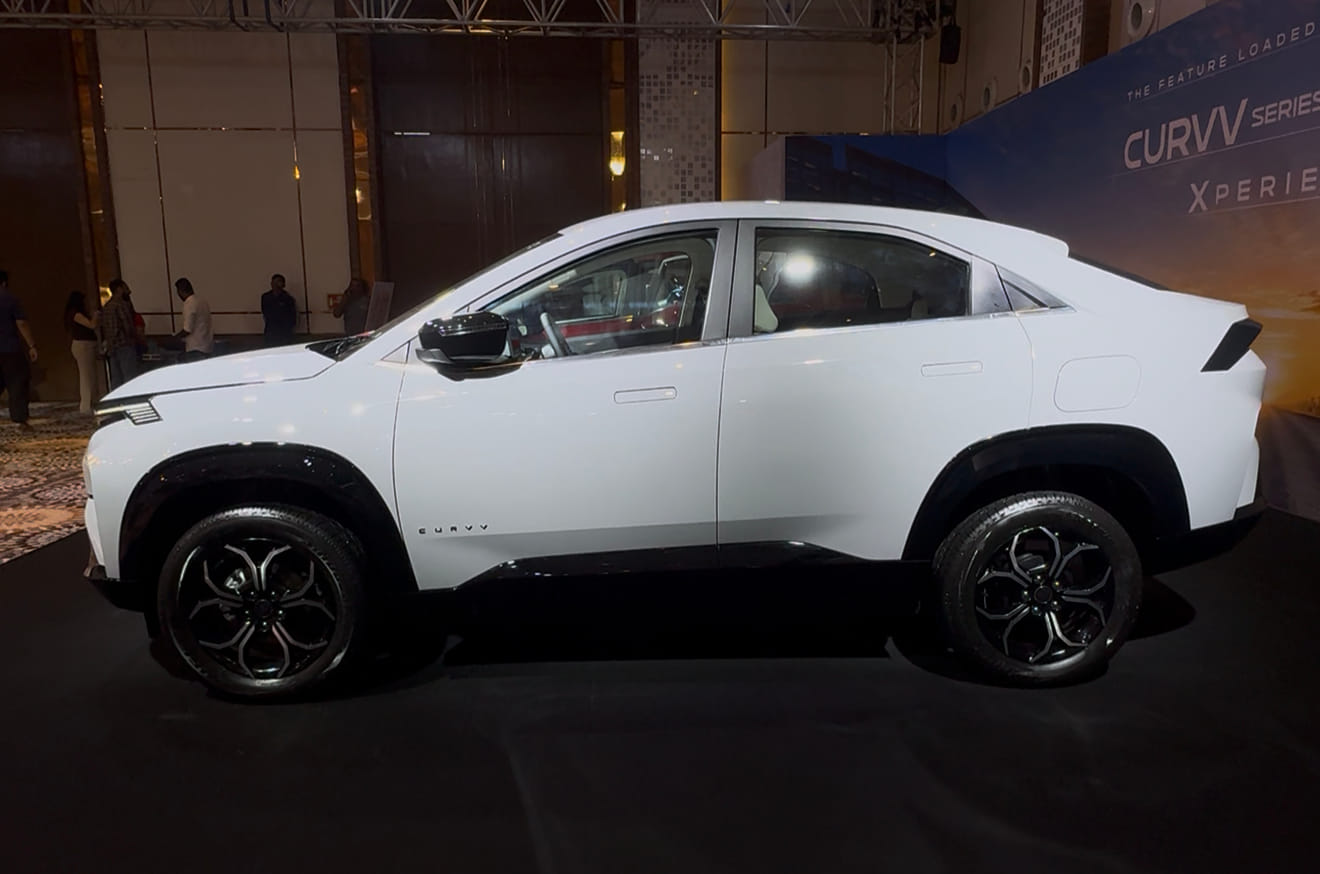
Tata Motors has introduced the Curvv Series X, with prices ranging from Rs 9.9 lakh to Rs 18.5 lakh (ex-showroom). The new range gets a reshuffled variant lineup, with features from higher variants moved to lower and mid-spec versions. Tata has also expanded the availability of the #DARK edition across the range, while the powertrain remains unchanged.
Tata Curvv Series X price
Tata Curvv Series X ex-showroom prices
Variant
Price
Smart X
Rs 9.9 lakh
Pure X
Rs 10.99 lakh
Pure X+
Rs 11.79 lakh
Creative X
Rs 12.91 lakh
Accomplished X
Rs 13.99 lakh
Accomplished X+
Rs 18.5 lakh
The Smart X is the most affordable variant in the lineup, priced Rs 14,000 higher than the previous base trim. The petrol-diesel price gap has been reduced to Rs 1.3 lakh from Rs 1.5 lakh previously, while the premium for the automatic gearbox has also come down to Rs 1.3 lakh from Rs 1.5 lakh.
Tata Curvv Series X interior and features
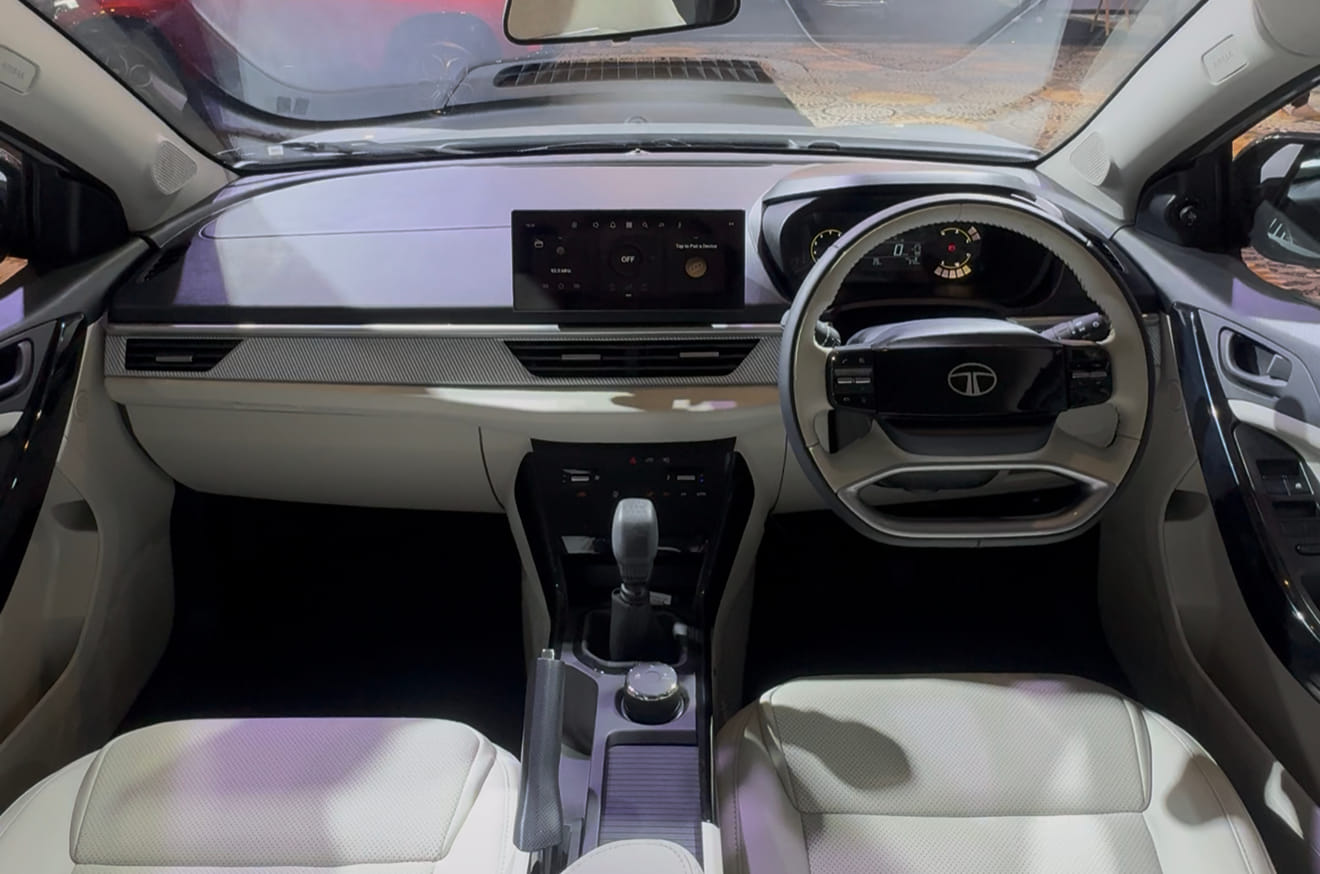
The Curvv Series X gets a 10.25-inch infotainment screen with wireless Android Auto and Apple CarPlay, automatic climate control, cruise control and a rear-view camera. It also gets a 10.25-inch digital cockpit, smart key with push-button start, front and rear USB ports, Wi-Fi connectivity and multiple drive modes.
The cabin gets a lighter interior theme with leatherette upholstery and leatherette finishes on the steering wheel, gear-shift knob and centre-console armrest. Rear passengers get dedicated AC vents, a rear armrest and reclining rear seats. The front seat-back is 10mm slimmer, while the rear seat has been moved 20mm rearwards and 10mm lower.
Other features include a panoramic sunroof, 360-degree 3D surround-view camera with a blind-view monitor, front parking assist, rain-sensing wipers and automatic headlamps. Safety equipment includes six airbags, ESP, hill-hold control, ABS with EBD and rear parking sensors.
Tata Curvv Series X exterior
The Curvv Series X retains the SUV-coupe design of the existing model, with flush door handles, an illuminated four-spoke steering wheel, LED headlamps, DRLs and tail-lamps, and a rear spoiler. The Series X gets a black grille treatment in place of the earlier chrome finish. The #DARK edition is now available from lower down the range, with a blacked-out exterior and Obsidian-themed interior. It gets 17-inch diamond-cut alloy wheels, while higher versions offer 18-inchers.
Tata Curvv Series X powertrain
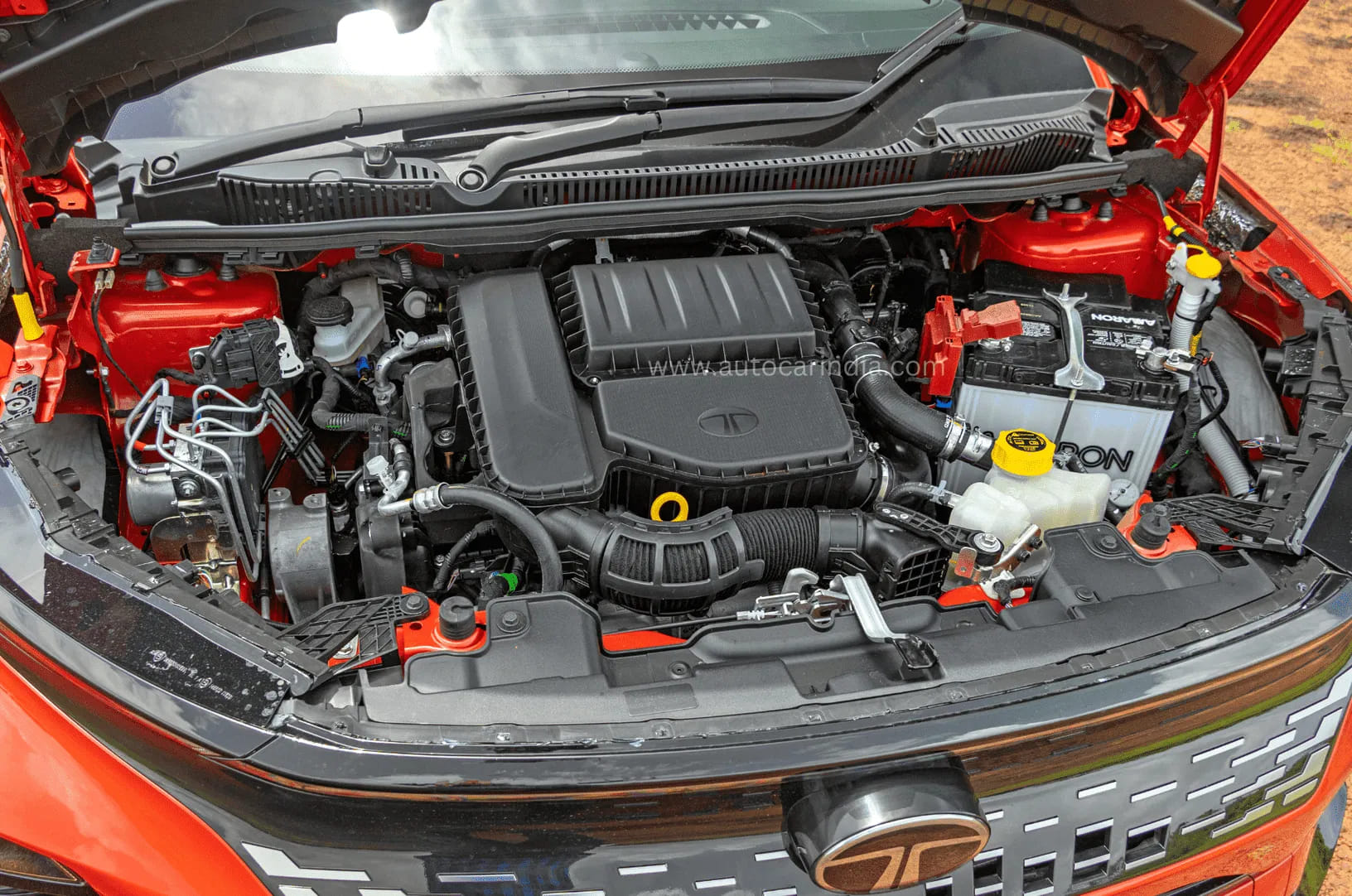
The Curvv Series X continues with three engine options: a 1.2-litre turbo-petrol producing 120hp and 170Nm, a 1.2-litre direct-injection turbo-petrol producing 125hp and 225Nm, and a 1.5-litre diesel producing 118hp and 260Nm.
The 1.2-litre turbo-petrol and 1.5-litre diesel are available with a 6-speed manual and 7-speed dual-clutch automatic, while the 1.2-litre direct-injection turbo-petrol is exclusive to the top-spec Accomplished X+ and is paired with the 7-speed DCA.
Purchasing an automobile is one of life’s special moments in India. After all, you are not only paying a lot of money but also laying significant faith into a manufacturer’s ability to have properly engineered a safe, reliable and enjoyable product. There’s also the fact that you are entering a long-term relationship with that manufacturer when it comes to service. With three-year warranties becoming common and extended warranties being sold for just a few thousand rupees, the duration of said relationship is now longer than ever. Unfortunately, a lot of customers these days don’t feel like they are being given the treatment they deserve in this ‘relationship’.
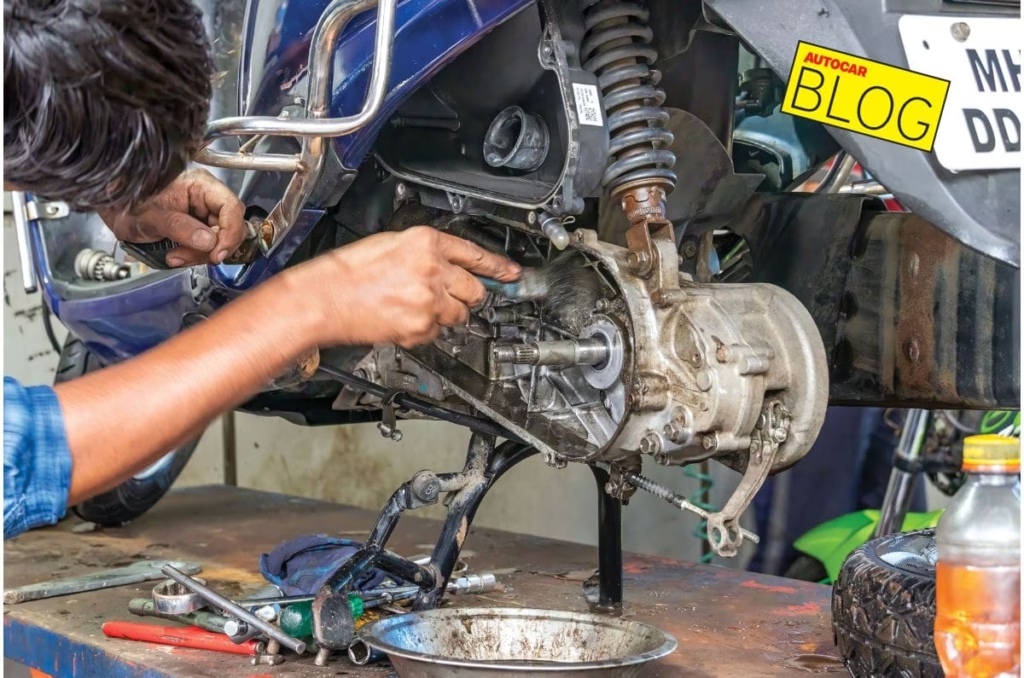
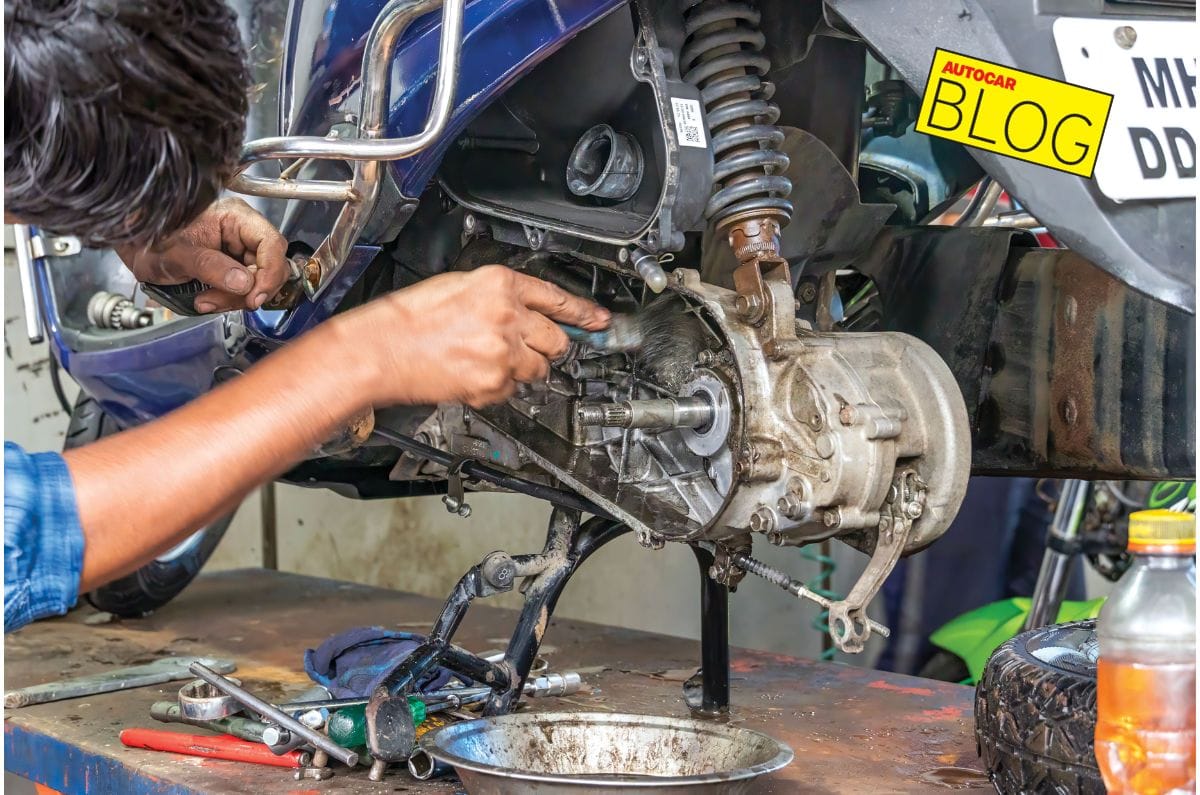
While the quality of products coming from domestic two-wheeler manufacturers has grown tremendously in recent years, the same can’t be said for the service support. While some manufacturers fare worse than others, you will find plenty of reports of shoddy work or general ineptness when it comes to authorised service centres. The reasons behind this are multifold.
The first is that motorcycles today are far more complicated than they used to be. Electronics are everywhere, and even the simplest of commuters now have ECUs, electronic fuel pumps and fuel injectors. 150cc bikes and above are constantly increasing the amount of performance, tech and gadgets on offer, and all of this brings in more complication. Caring for more advanced motorcycles requires a more technical approach.
The “chalta hai/chalega sir” attitude that is a universal truth in India presents a challenge when the job gets more technical. Another cultural aspect at play is that people are far more proud of how quickly a job gets done (or with how much ‘jugaad’) rather than how well the job gets done. Case in point, I once insisted on a torque wrench being used on my KTM 790 Duke at an official service centre a couple of years ago. This led to a stool being brought out to reach an overhead cabinet, from which a dusty torque wrench was liberated. Clearly, that tool was almost never used, and the fact is, most mechanics in India simply use their biceps to decide how much force needs to go into tightening a bolt.
Money is the other big challenge. Time is money, so the more vehicles that are serviced, the better. More so, most junior mechanic salaries are very low, which results in high job attrition. It’s also difficult for dealerships to have enough trained staff and sufficient workshop space for the amount of money that is earned per service. With automobile sales records being broken every other month, there is a big strain on the system.
The ideal scenario is that big cities need more workshops, staff should be trained better and workshop managers need to be more diligent about implementing proper operating procedures. At the end of the day, quality work can only be provided by someone who has been trained well and is remunerated fairly for the job. And that will increase the cost of service for the customer, primarily in terms of the labour cost.
It is inevitable that service costs in India will rise, as does the constantly improving standard of our motorcycles and the ever increasing cost of living. The big challenge for manufacturers is to ensure that customers get their money’s worth for these increasing costs.
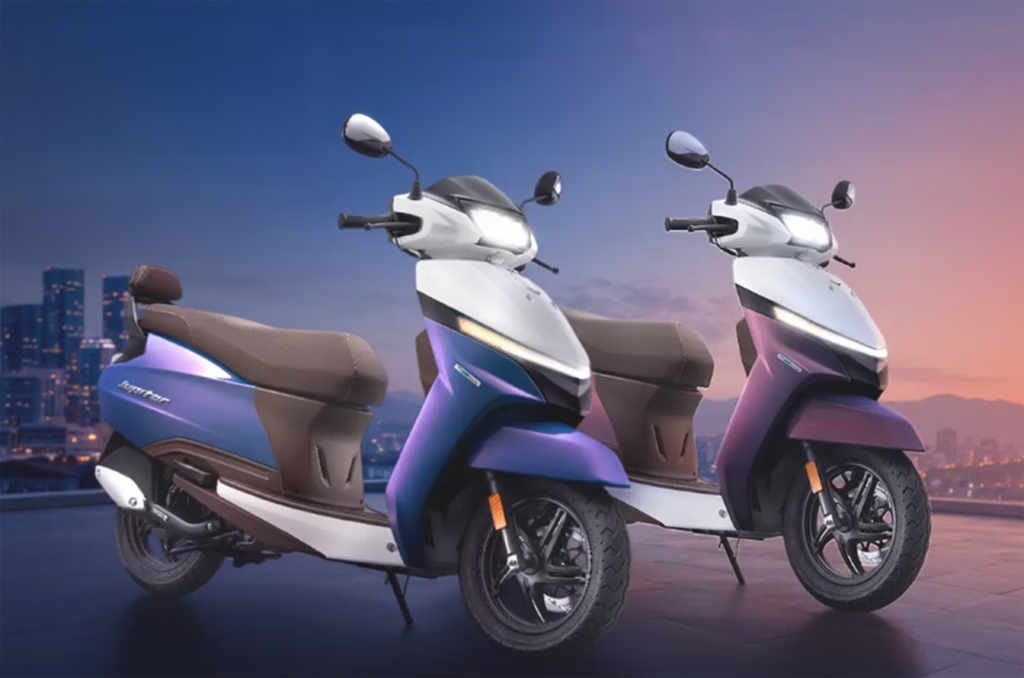
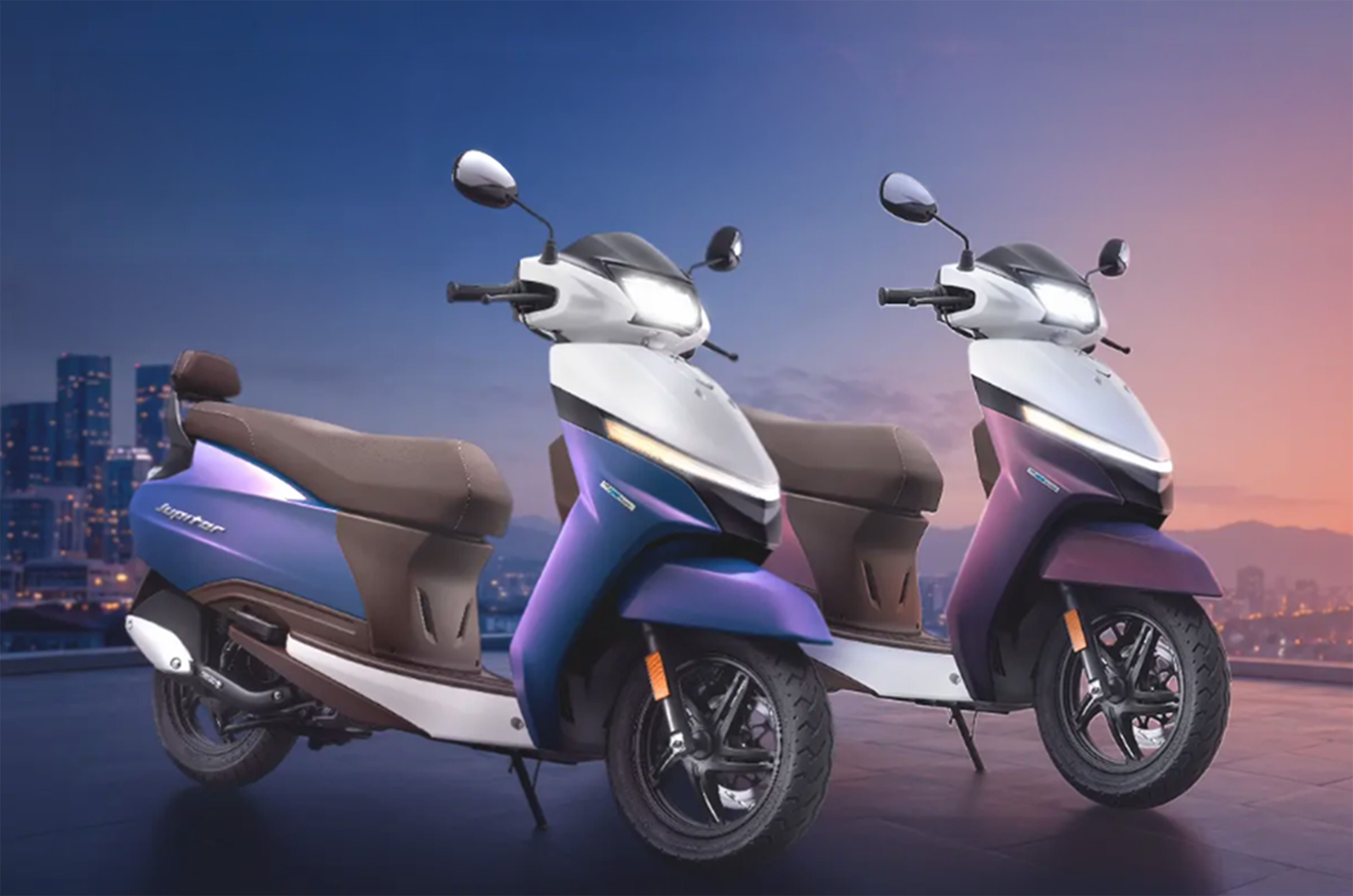
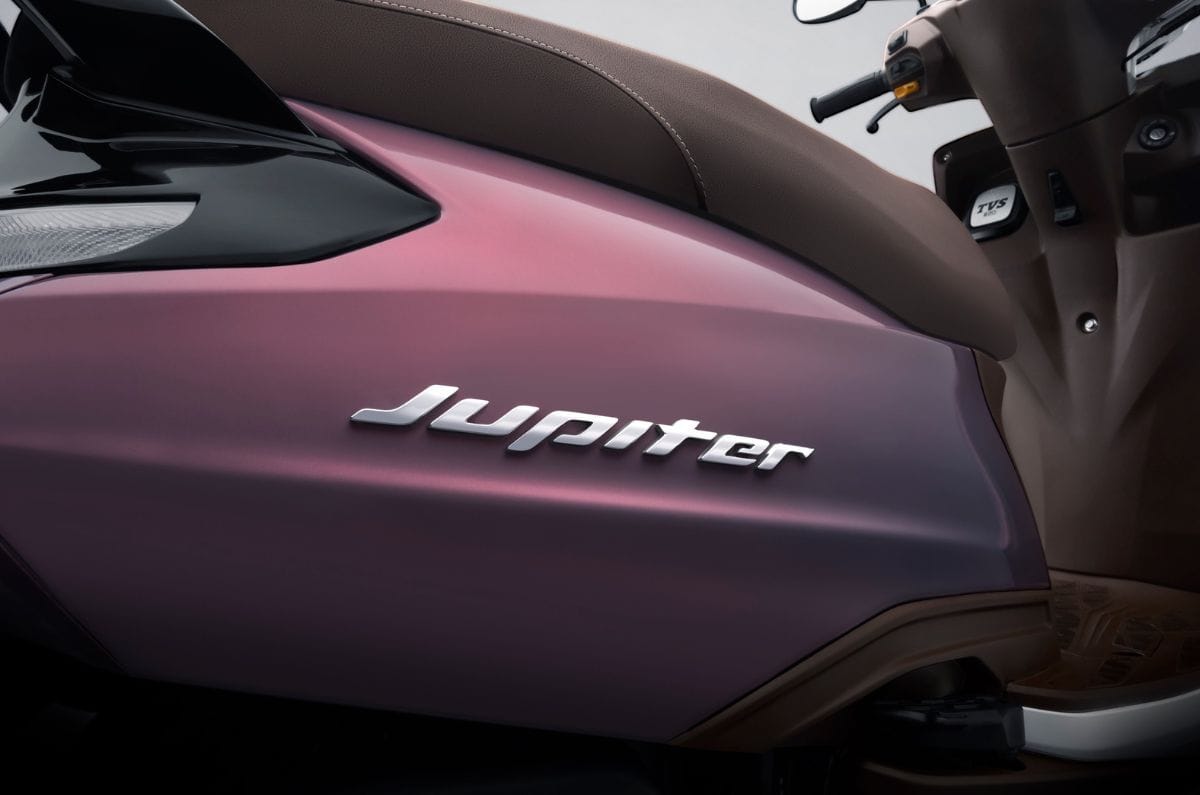
TVS has launched a new range-topping variant for its bestselling Jupiter 110 scooter in two colours, Spectral Blue and Spectral Copper. The snazzy new colour treatment is complemented by colour co-ordinated inner panels, new seat colour, and partial chrome mirrors. The new top variant is already listed on the website.
Spectral is now the most expensive Jupiter 110 variant
Gets integrated backrest and sequential indicators
Remains mechanically identical to the Disc SXC and Special variants
TVS Jupiter 110 now has 7 variants
Continues with the 113.3cc engine, 33L underseat storage area
The spectral range is the new top variant for the brand’s most popular ICE scooter. Besides the new colours, the Spectral variant on the Jupiter 110 offers two additional features, an integrated backrest and sequential indicators, of which the latter is a segment-first feature. Besides that, the scooter continues with a 113.3cc engine with 8hp of power and 9.8Nm of torque. Also unchanged are its segment-leading features like 33 litres of underseat storage, an apron-mounted fuel tank, an Integrated Starter Generator (ISG) which enables silent start and fuel-saving start/stop tech, and SmartXonnect connected technology.
TVS has priced the dual tone spectral range at Rs 89,825, a Rs 3,000 increase over the SmartXonnect Disc variant and a Rs 525 increase over the Special Edition variant. TVS says the scooter will be available soon at dealerships across the country.
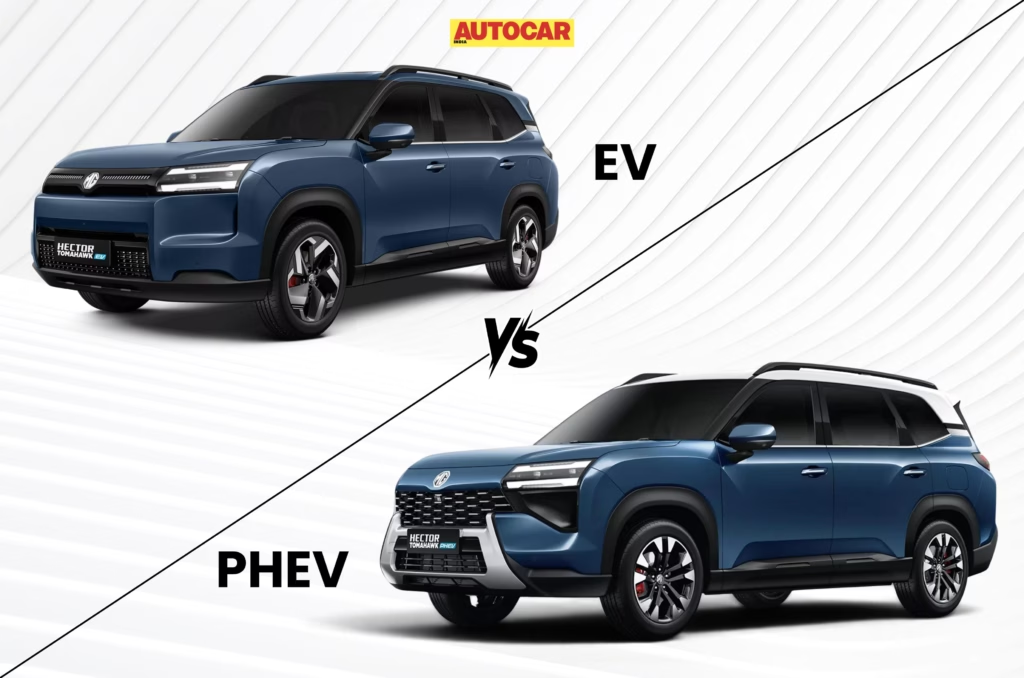
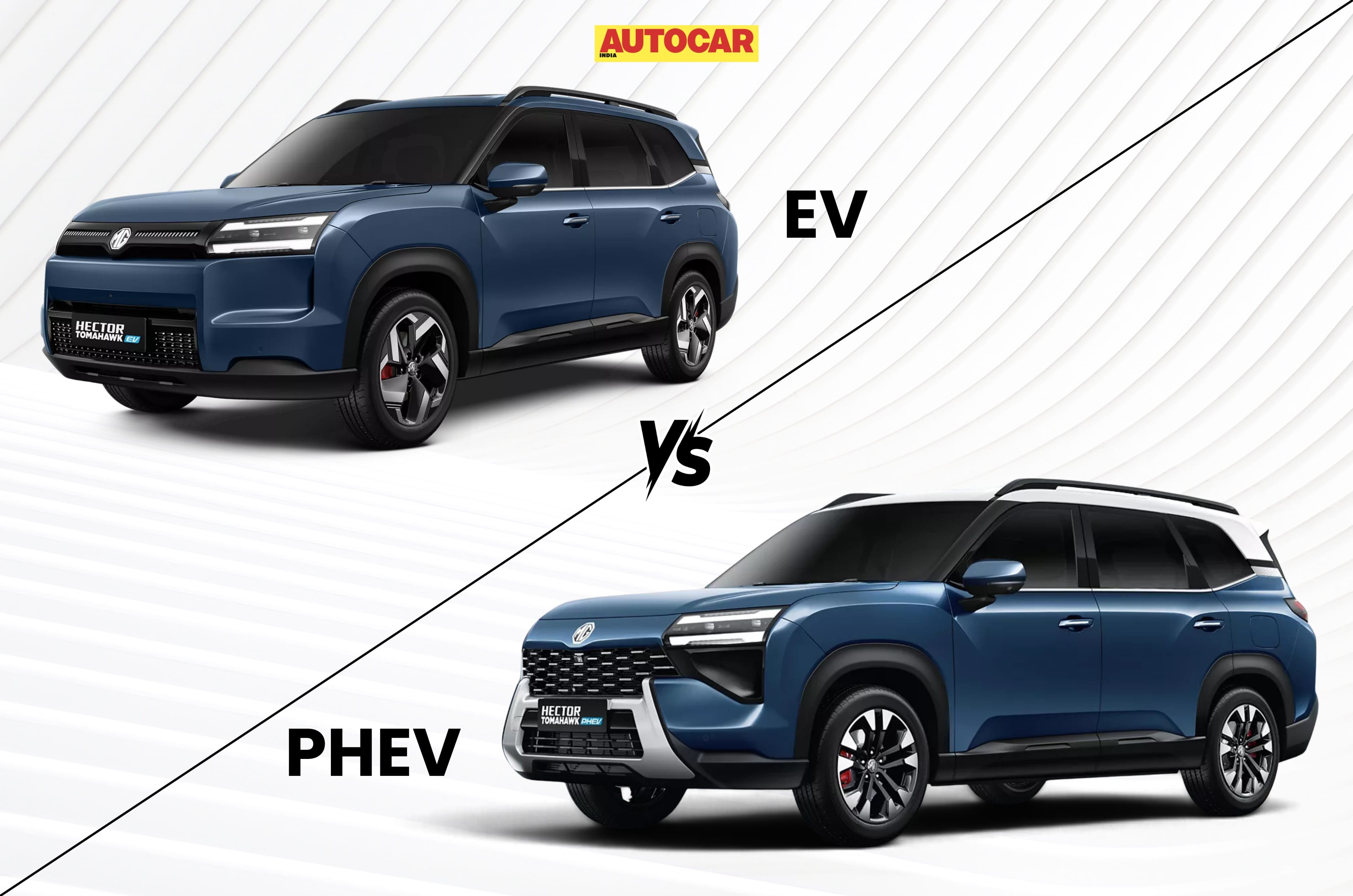
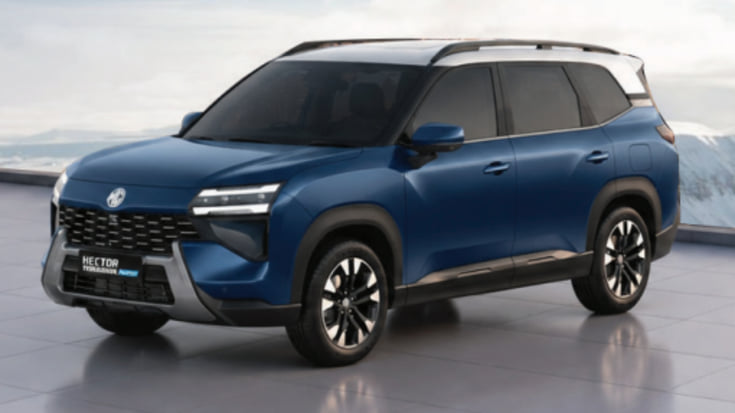
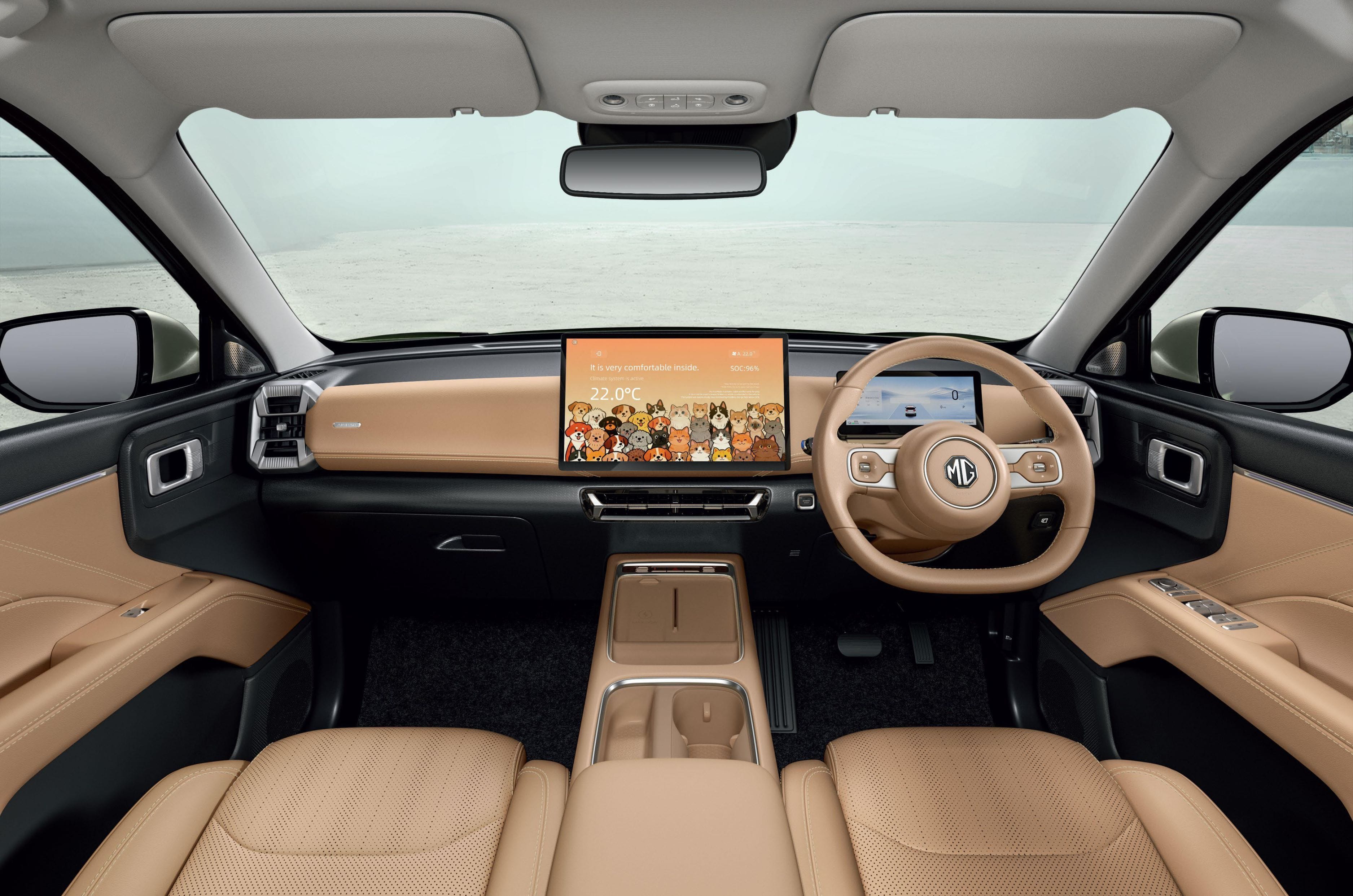
JSW MG Motor has launched the Hector Tomahawk with two electrified powertrains: a fully electric version and a plug-in hybrid. Although the two share the same basic dimensions and cabin design, there are several differences in their exterior detailing, equipment, seating configuration, battery and charging systems. Here’s how the two versions compare.
MG Hector Tomahawk EV vs PHEV: Price and variants
Variant
Seating
EV price (ex-showroom)
EV BaaS*
PHEV price (ex-showroom)
PHEV BaaS*
Excite
7-seat
Rs 19.49 lakh
Rs 13.99 lakh
–
–
Exclusive
7-seat
Rs 21.99 lakh
Rs 15.99 lakh
Rs 25.70 lakh
Rs 21.79 lakh
Essence
7-seat
Rs 23.49 lakh
Rs 17.49 lakh
Rs 27.80 lakh
Rs 23.89 lakh
Essence
5-seat
Rs 22.99 lakh
Rs 16.99 lakh
–
–
*For the EV, the battery rental is Rs 4.90 per km, while for the PHEV it is Rs 3.20 per km.
The Hector Tomahawk EV is priced from Rs 19.49 lakh to Rs 23.49 lakh (ex-showroom). It is available in Excite, Exclusive and Essence trims in the seven-seat configuration, while the five-seat version is offered only in the Essence trim at Rs 22.99 lakh.
The PHEV is positioned higher in the range, with prices starting at Rs 25.70 lakh for the Exclusive seven-seater and going up to Rs 27.80 lakh for the Essence seven-seater. Unlike the EV, however, a 5-seat configuration is not available here.
MG Hector Tomahawk EV vs PHEV: Exterior
Both versions measure 4,745mm in length, 1,850mm in width and 1,770mm in height, with a 2,810mm wheelbase. They share the rectangular LED projector headlamps with LED DRLs and an illuminated MG logo, but the front-end treatment is completely different.
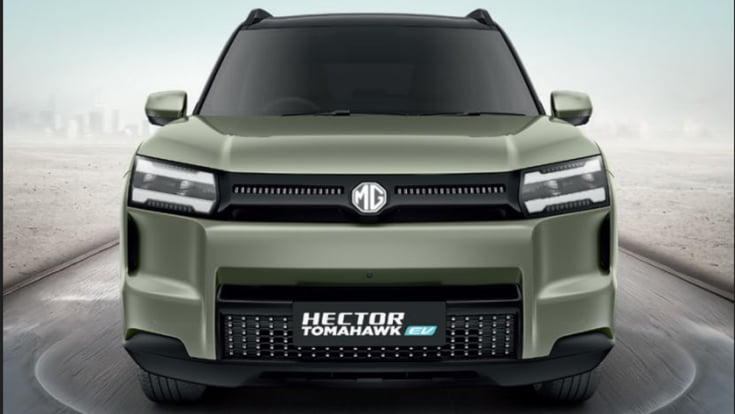
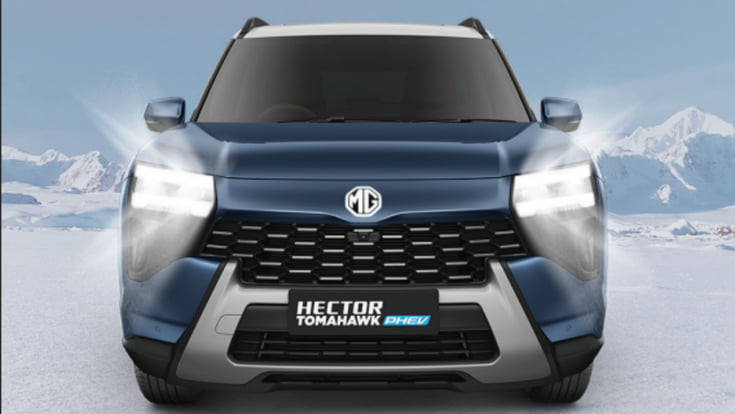
The PHEV versions gets a conventional three-dimensional grille with chrome inserts, gloss-black elements below the headlamps and a chunky bull bar-like silver trim piece on the lower bumper. Meanwhile, the EV gets a closed-off fascia, lending it a more minimalistic look than the PHEV version. The PHEV also gets red brake callipers on the higher-spec version.
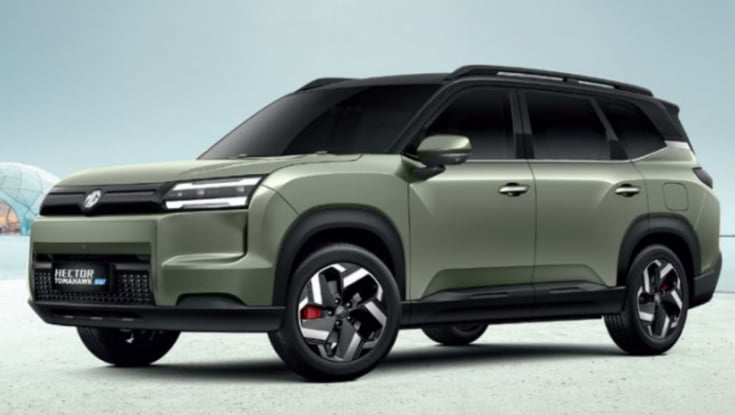
The two versions use different wheel designs for the 18-inch dual-tone alloys. There is also a difference in the dual-tone treatment. The EV gets a black roof, while the PHEV gets a white roof. Both, however, get roof rails, a powered tailgate and wraparound LED tail-lamps.
MG Hector Tomahawk EV vs PHEV: Interior
The two versions have the same basic cabin layout, but differ in colour. The EV gets a beige interior, while the PHEV gets a brown interior. Both get a panoramic sunroof, ventilated front seats, 256-color ambient lighting, wireless charging and an 8.8-inch digital driver’s display. The top versions of both get the 15.6-inch infotainment screen. Both versions also use a stalk-type drive selector, positioned behind the steering wheel.
The more significant difference is the seating configuration. The EV is available as a five- or seven-seater, while the PHEV is offered only as a seven-seater. The five-seat EV has 610 litres of boot space, expanding to 1,053 litres with the second row folded. The seven-seat EV offers 192 litres with all three rows in use and 528 litres with the third row folded. The PHEV, being seven-seat only, has 604 litres of boot space in the Exclusive and 579 litres in the Essence with the third row folded.
The EV also has a slightly different seating position because of its battery packaging, with occupants sitting in a more knees-up position than in the PHEV.
MG Hector Tomahawk EV vs PHEV: Powertrain
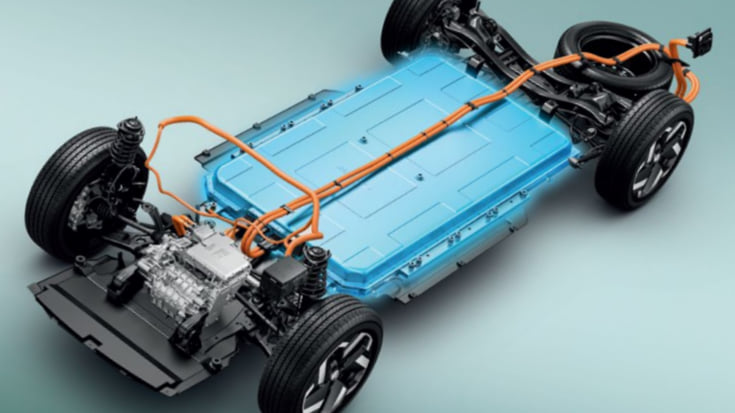
The Hector Tomahawk EV uses a 204hp electric motor that produces 310Nm. It is powered by a 69.2kWh battery and has a claimed MIDC range of 517km. The EV supports up to 90kW DC fast charging, with MG claiming a 30-80 percent charge time of around 35 minutes.
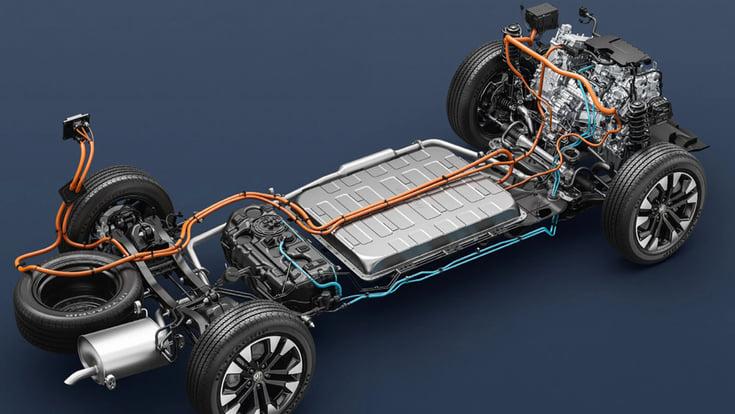
The PHEV combines a 1.5-litre naturally aspirated petrol engine, electric motor and 20.5kWh battery, with a dedicated hybrid transmission with an e-clutch. The powertrain produces a combined 198hp and 230Nm. MG claims an electric-only range of over 115km and around 40kpl combined fuel efficiency. A full tank of fuel and a fully charged battery can take it more than 1100km.
The PHEV supports up to 25kW DC charging and is claimed to take around 35 minutes to charge from 30-80 percent. It can also be charged using a 3.3kW AC charger, which takes around 7.5 hours for a 10-100 percent charge.
The key difference is that the EV is powered solely by its battery and electric motor, while the PHEV combines a smaller battery and electric motor with a petrol engine, allowing it to operate on electric power or use the engine when required.
Going by the amount of social media chatter around any NCAP test, you’d think India is one safety-obsessed nation. Awareness is rising, but safety is far from ingrained in our ethos like it is in, say, Japan. We all know the current state of road safety is appalling, but I’m not talking about driving manners or vehicle collisions or crash ratings. Of late, there’s another aspect of road safety that’s really been bothering me; the road itself and everything around it.
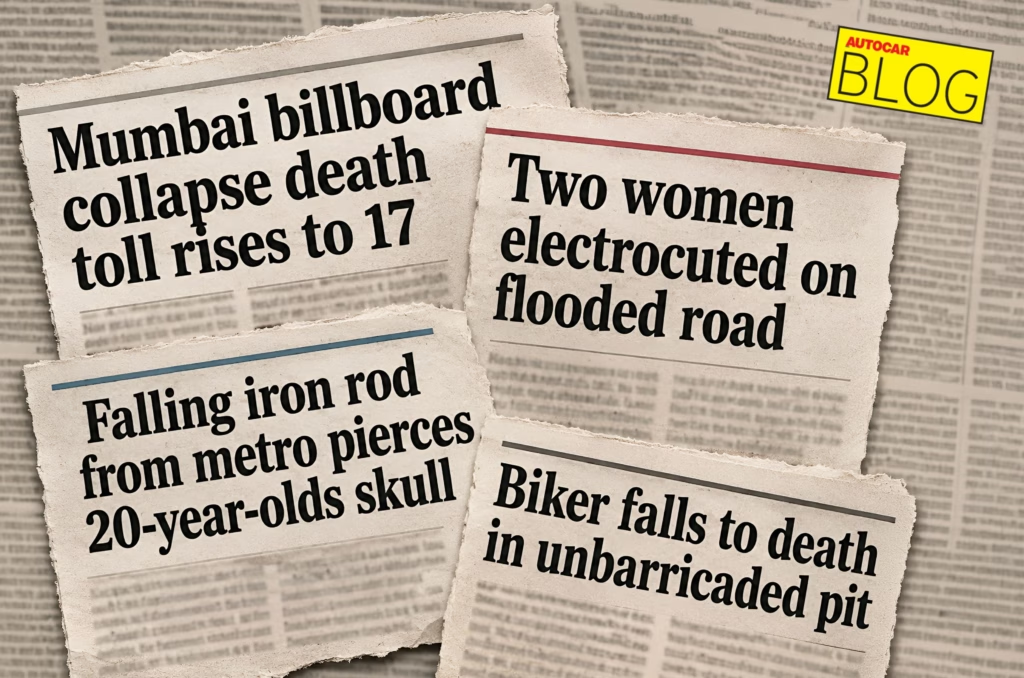
During the rains in Mumbai last month, two girls were electrocuted in a water-logged street. Luckily, timely intervention from a passer-by and medical treatment at a hospital saved them. Last year, an auto-rickshaw driver had his head
pierced by a falling iron rod from metro construction; thankfully emergency neurosurgery saved him too. Not everyone is so lucky though, if you can even call these accidents lucky. A concrete slab from an under-construction girder bridge fell onto a moving auto-rickshaw and car and resulted in one death and multiple injuries.
You would have read the horrific news of a 25-year-old biker in Delhi who died after his motorcycle plunged into an unbarricaded, 14-foot-deep construction pit dug up and left open. And it’s not just bikes; people have fallen into open manholes, flooded over with water, and lost their lives, and recently a 20-year-old student died after his car plunged into an open drain. Two years ago, a massive illegal billboard blew over and killed 17 people and injured over 75 others during heavy winds in Mumbai. This monsoon season, a tree collapsed onto a school bus and took the life of an 11-year-old child.
This is the aspect of road safety that has been bothering me recently, not because car crashes and other accidents do not, but because these are all too often termed ‘freak accidents’ or ‘random happenings’. Nonsense! These are not freak incidents, but accidents caused by negligence and unaccountability. So many folks say, ‘oh, his/her time had come’. Again, nonsense. Would you say all those poor kids who died in Africa due to starvation died because their time had come? No. They died because of human action, or inaction.
So, really, I write this column only to highlight this fact; to remind us all that it isn’t random. As the saying goes, ‘everything happens for a reason’. Here it’s callousness, from those in charge and from us. So, the next time you express outrage over a non-5-star NCAP-rated car, spare some words of outrage for these incidents too.