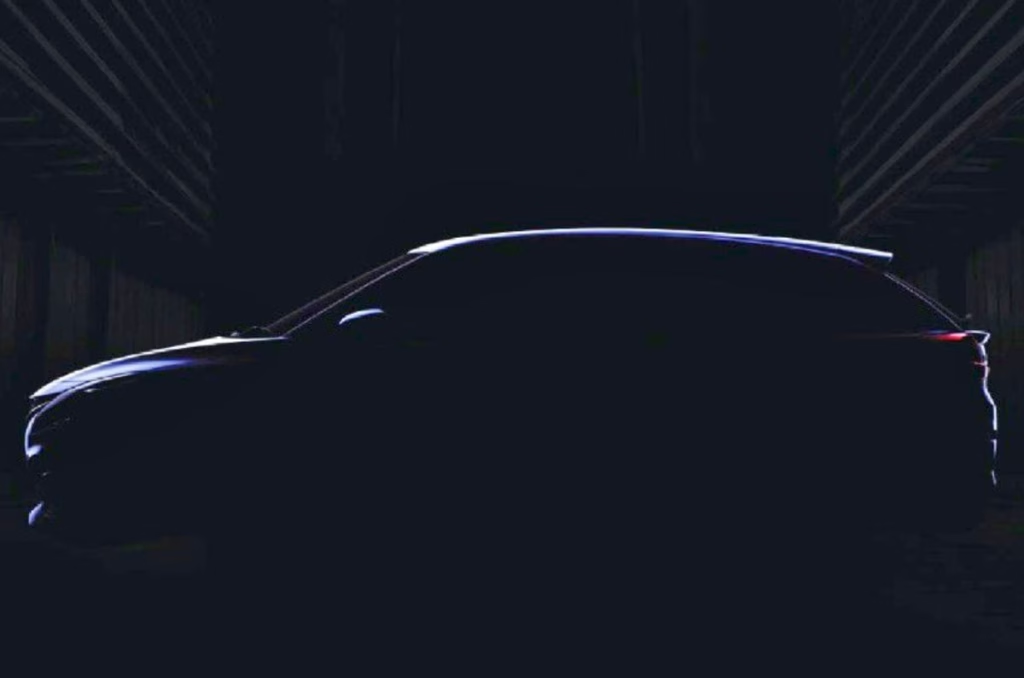
Maruti has revealed it will launch the Baleno facelift on September 5, 2026. The Baleno is currently in its second-generation avatar, which launched in 2022, and is due for an update. While further details about the facelifted Baleno are awaited, some test mules have hinted at the expected changes on the hatchback.
Expected to get a revised fascia with a new grille and front bumper
Rear design is likely to be similar, save for a revised rear bumper
Dashboard design could be similar; could get new upholstery
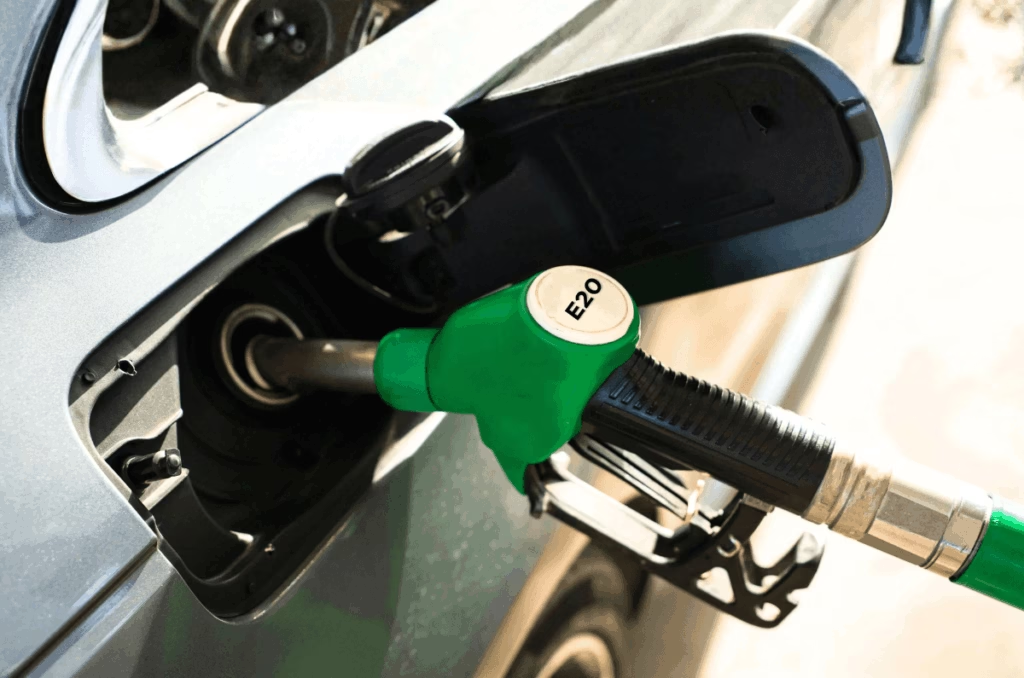
Earlier this month, several media reports said the Society of Indian Automobile Manufacturers (SIAM) had urged the government to introduce mandatory chloride limits in fuel standards after high levels of chloride and moisture were found in E20 petrol. SIAM later withdrew the communication, saying some of the figures mentioned in it needed further verification.
The government has been trying to address growing concerns around E20 with support from the industry. Oil marketing companies (OMCs) have rejected claims of widespread E20 fuel contamination after conducting tests across the country. Brands such as Toyota, Maruti Suzuki and Hero MotoCorp have also publicly backed the E20 programme.
However, separate communications between industry executives investigated by Reuters show that earlier, Maruti Suzuki, Tata Motors and Mahindra had privately raised concerns about contamination in E20. The data compiled by these carmakers was the most extensive fuel testing since E20 was officially rolled out nationwide last year. Their emails reveal that the carmakers were concerned about contaminants such as chloride and moisture in the fuel, which they said were affecting vehicles, even as they publicly supported the government’s E20 rollout.
Data flags high chloride contamination, moisture content
The data reviewed by Reuters shows that the three automobile manufacturers had carried out detailed testing by collecting more than 250 fuel samples from petrol pumps across 21 states and Union Territories over a year. The tests found high chloride levels in many samples from 18 states, along with high moisture content. Interestingly, the emails reviewed by Reuters did not raise any concerns about the authenticity of the data.
State
Number of samples
Chloride (ppm)
Uttar Pradesh
36
1.2-175
Maharashtra
31
10-357
Delhi/NCR
28
1.4-420
Tamil Nadu
27
1.3-24.0
Kerala
24
1.0-2.2
Punjab
20
1.9-110
Karnataka
15
1- 2.2
Rajasthan
14
6.0-570
Madhya Pradesh
11
4.1-550
Source: SIAM via Reuters.
The data showed chloride levels of 6 to 570 parts per million (ppm) in Rajasthan, 1.4 to 420ppm in New Delhi and 10 to 357ppm in Maharashtra. The government’s permissible limit is 3ppm.
High chloride levels in the fuel can corrode vehicle components, while high moisture content can cause a vehicle to stop working immediately after refuelling, SIAM had stated earlier. In group emails exchanged between Maruti, Tata, Mahindra and SIAM, a senior Maruti executive raised concerns about the high chloride readings and said the matter had even been privately discussed with the Ministry of Petroleum on July 26.
Moisture levels found 333 percent above limit
Additionally, the same data showed moisture levels of up to 13,000ppm in Andhra Pradesh and 12,500ppm in Uttar Pradesh, against the government’s permissible limit of 3,000ppm. The exact cause of the contamination is not known. However, SIAM said in its now-withdrawn letter that it had seen an increase in chloride levels since E20 was introduced and asked the government to direct OMCs to identify the root cause.
When asked about the private emails, SIAM told Reuters that the data was meant only for internal circulation, discussion and validation, and had been collected by a very small number of automakers. SIAM added that the communication was withdrawn because the testing basis and sample size were not enough to support firm conclusions and that it had been sent accidentally. The organisation stated further that it plans to conduct a proper scientific study.
As for the high moisture levels, SIAM’s letter said the cause could be poor maintenance of underground storage tanks and pipelines at petrol pumps.
Carmakers raise concerns over vehicle failures
In a July 26 email, a senior Maruti official said that current fuel injectors can tolerate a maximum chloride level of 1ppm, and keeping it below 1ppm in E20 would be in accordance with international standards and discussions with the petroleum ministry. Same is in line with discussion held with the petroleum ministry, he stated.
Meanwhile, a senior Mahindra official wrote that organic chloride was responsible for the rapid vehicle failures in recent times and could damage engines just within 200km. The executive said that most cases reported immediately after refuelling were due to organic chloride and added that Mahindra had “strong evidences” from fuel samples collected at retail outlets. Mahindra later said the conclusions drawn from its executive’s emails were “completely baseless and incorrect”. The company said the industry data was limited and preliminary and that it did not see any issues with E20.
What does the government say?
The Ministry of Petroleum and Natural Gas did not respond to requests for comment made by Reuters. Petroleum Minister Hardeep Singh Puri said on Friday that OMCs had started “rigorous testing” at retail outlets to check for contamination two weeks before SIAM’s letter was received. According to Puri, only four cases of contamination had been found. OMCs, as mentioned earlier, said that their extensive testing had found no reason for alarm over fuel contamination.
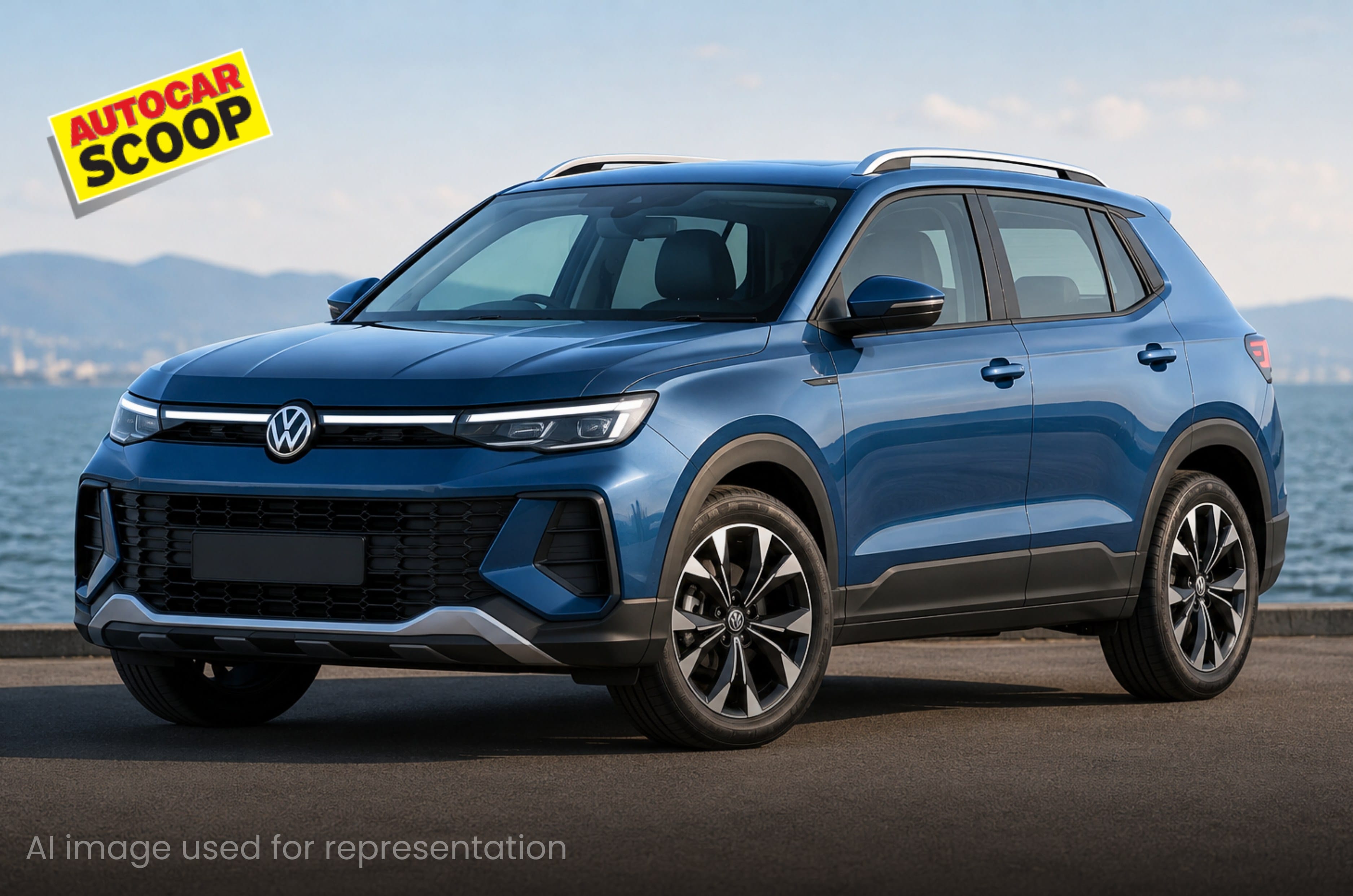
Volkswagen has been working on its version of the Skoda Kylaq, which we first reported on six months ago. Volkswagen India has now secured global approval for the project, which is estimated to cost around 25 million euros (Rs 275 crore). The green light paves the way for Volkswagen’s re-entry into India’s high-volume sub-four-metre vehicle market, which the brand had exited following the discontinuation of the Ameo compact sedan and Polo hatchback.
VW compact SUV to share powertrain options with Kylaq
Differentiation will come in the form of design, features and positioning
Will mark VW’s return to the sub-4m space since the discontinuation of Polo
Volkswagen compact SUV: what to expect?
The programme will mark an important step in a broader expansion of Volkswagen’s India portfolio, allowing the brand to reach customers in segments below the Taigun and Virtus.
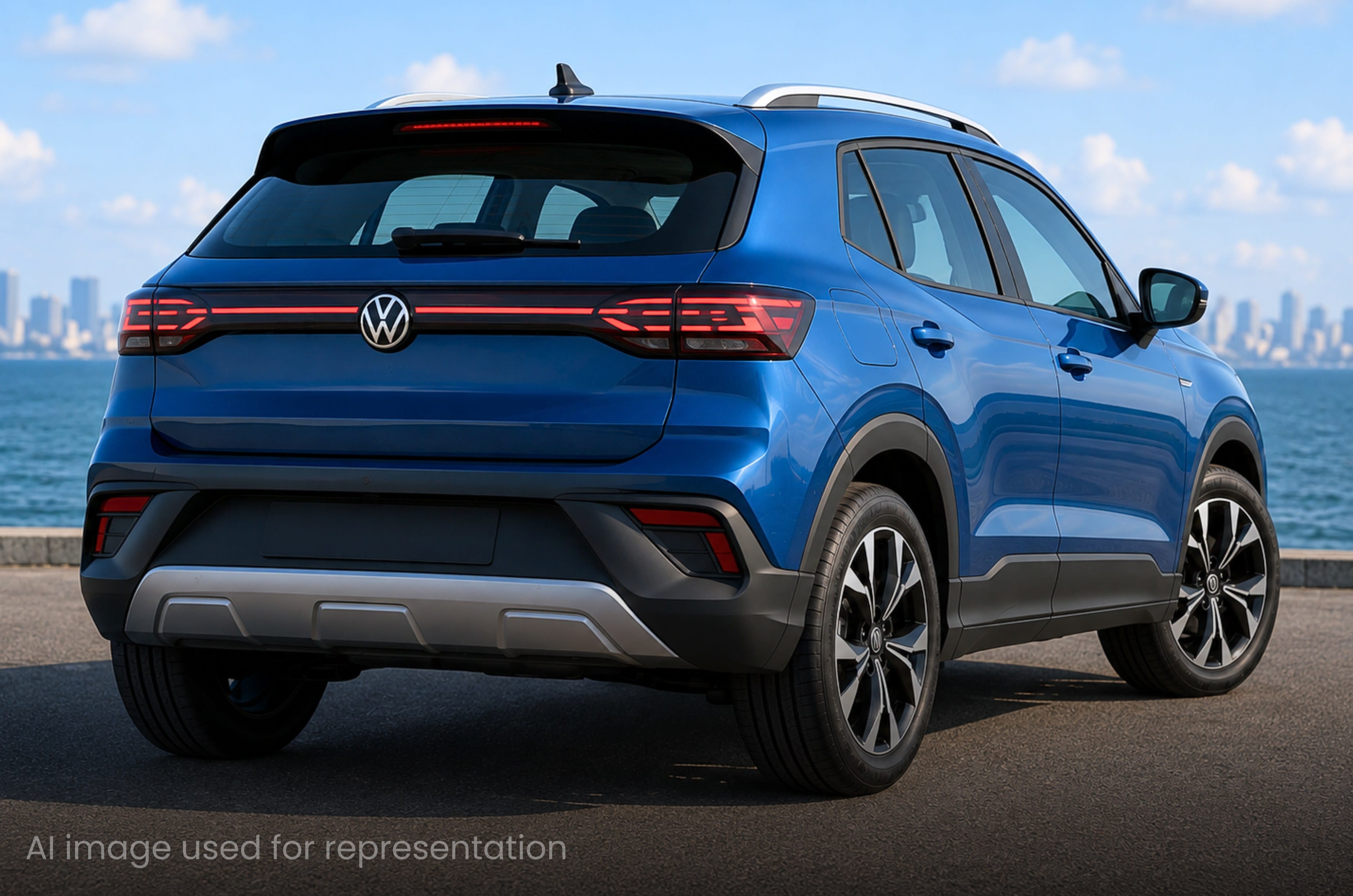
The new compact SUV will essentially be a badge-engineered version of the Kylaq, but will receive substantial design changes to give it a distinct Volkswagen identity. The differentiation is expected to extend to the exterior, interior, features and positioning.
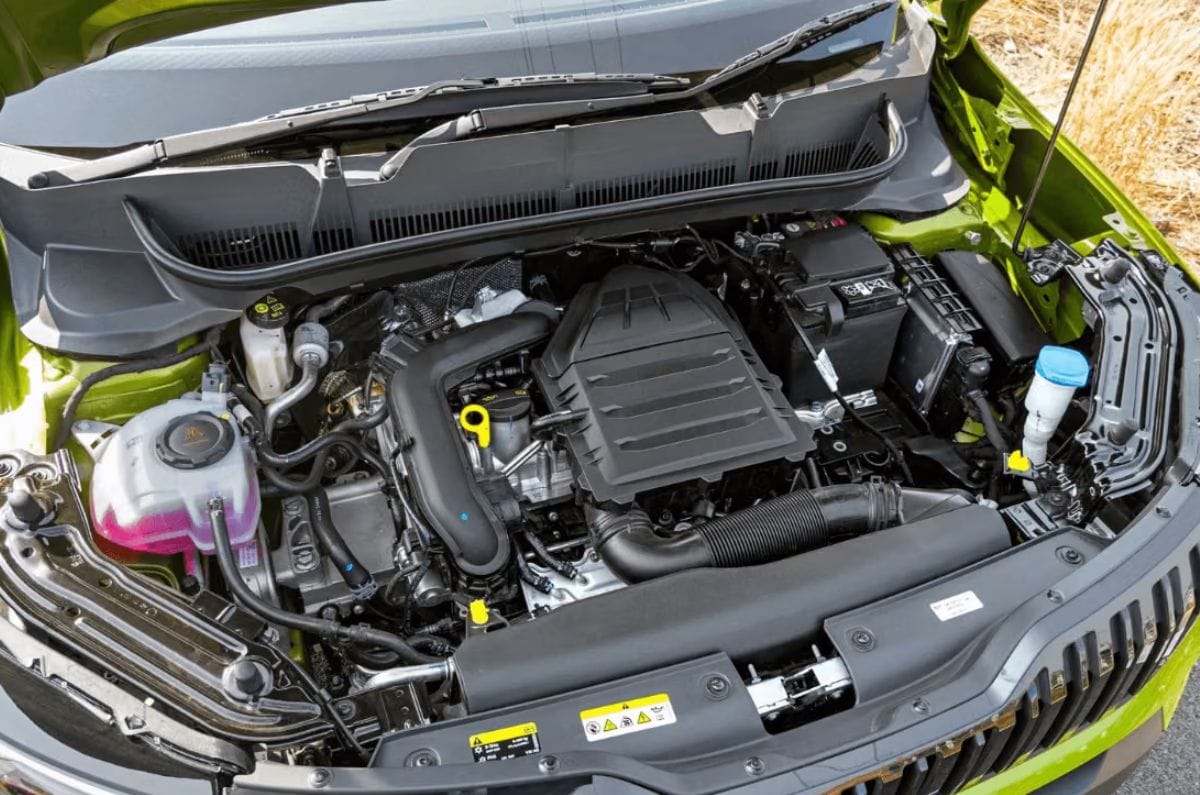
The 1.0-litre TSI engine will be shared with the Kylaq
It will use the same 1.0-litre TSI petrol engine as the Kylaq, paired with manual and automatic gearbox options. At launch, the Volkswagen compact SUV will get an 8-speed automatic transmission rather than the 6-speed automatic currently offered on the Kylaq. The Kylaq, however, is also expected to receive the 8-speeder with its next update.
It’s unclear what the compact SUV will be named upon launch, but Volkswagen already sells the Tera in the Brazilian market that’s closely related to the Skoda Kylaq. It remains to be seen what it will be called here in India. Prices can be expected to range between Rs 8-13 lakh (ex-showroom).
Scope of the compact SUV segment
The model will give Volkswagen access to one of India’s largest vehicle categories. The broader sub-four-metre SUV market, comprising compact and micro-SUVs, currently generates monthly sales of around 1.1 lakh units. The category accounts for around 30 percent of India’s passenger vehicle sales and more than half of utility vehicle volumes. Its growth has been supported by hatchback buyers moving to SUVs, the drastic reduction of GST from 28 percent to 18 percent last year on cars meeting prescribed length and engine-capacity limits, and the availability of multiple powertrain options.
The market is led by Tata Motors with the Punch and Nexon, followed by Maruti Suzuki with the Fronx and Brezza. Sister brand Skoda too has grown significantly after the launch of the Kylaq last year, further underscoring the need for a compact SUV in VW’s portfolio.
This will mark VW’s return to the compact SUV space since the Polo was discontinued in 2022.
Volkswagen’s locally produced portfolio is currently limited to the Taigun and Virtus, both positioned above the compact vehicle market. The Kylaq-based SUV will lower the entry point to the Volkswagen brand and give it access to a substantially larger customer base.
Additional volumes from the compact SUV could also improve capacity utilisation at Skoda Auto Volkswagen India’s Chakan plant and deliver better economies of scale, helping lower costs for both Volkswagen and Skoda.
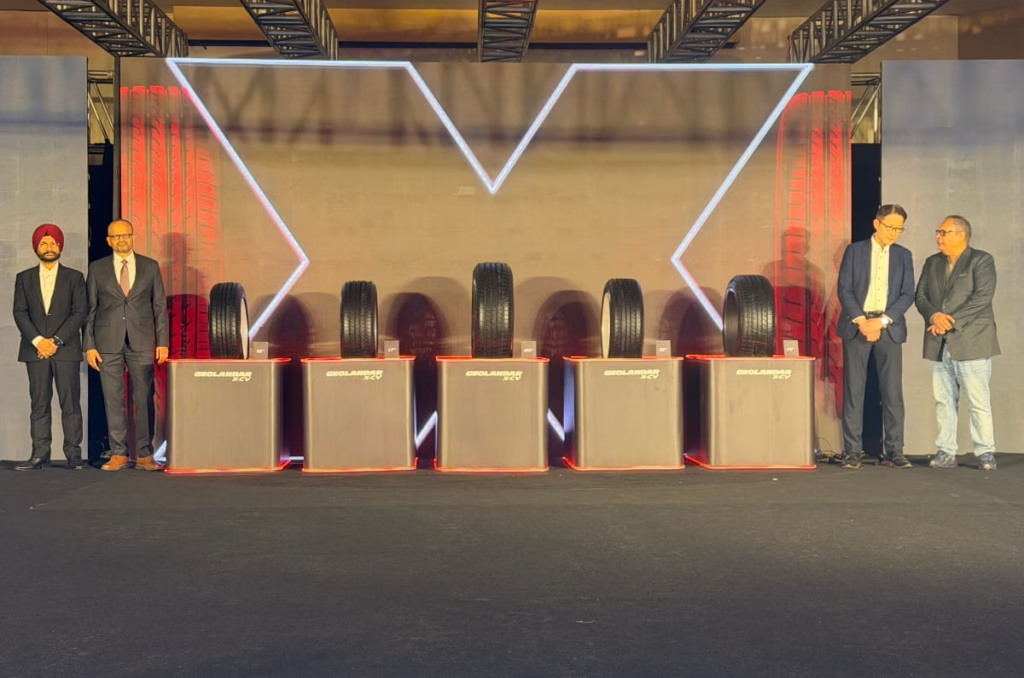
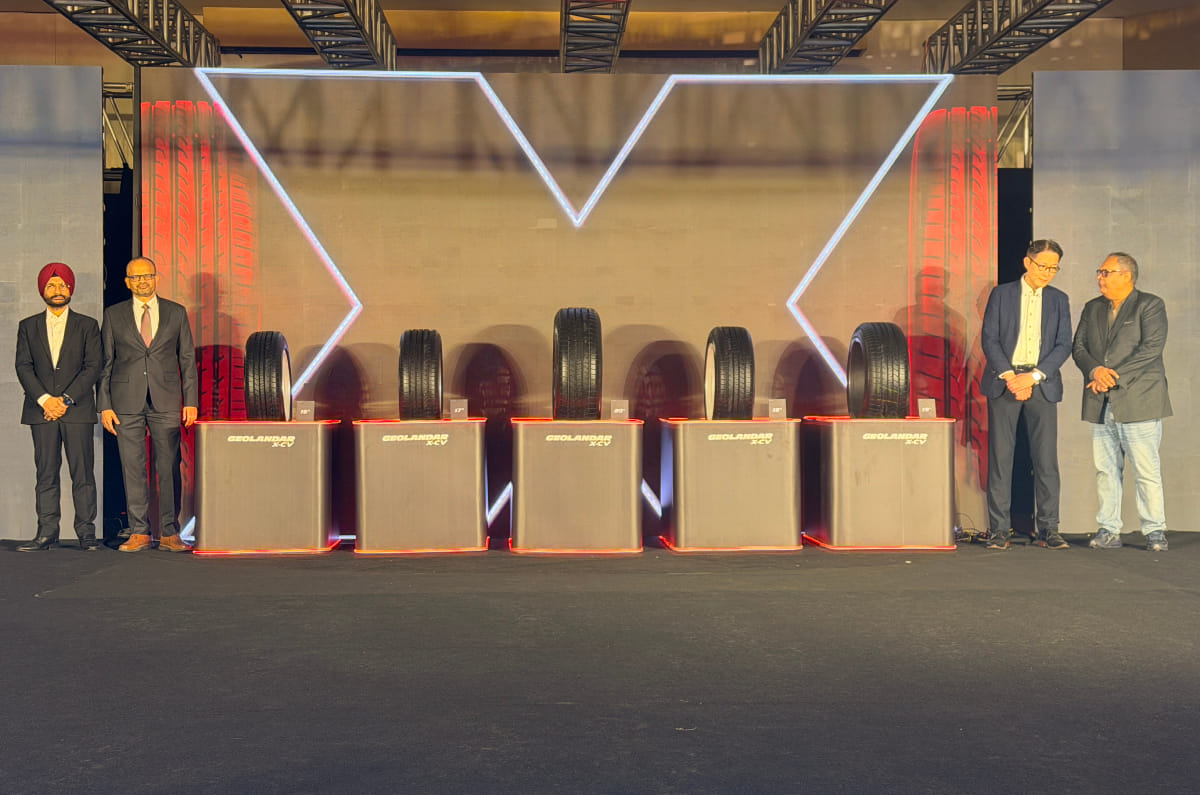
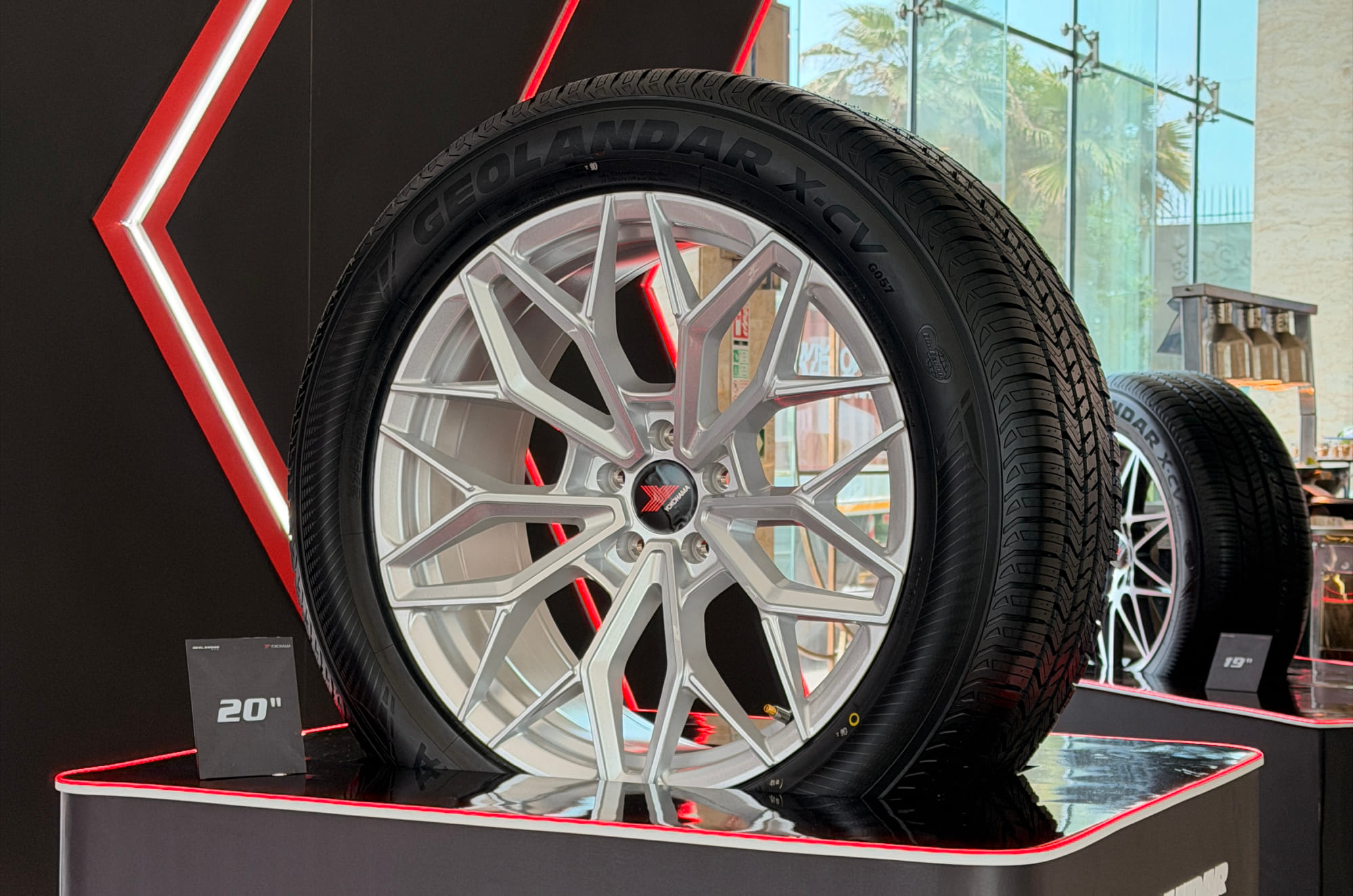
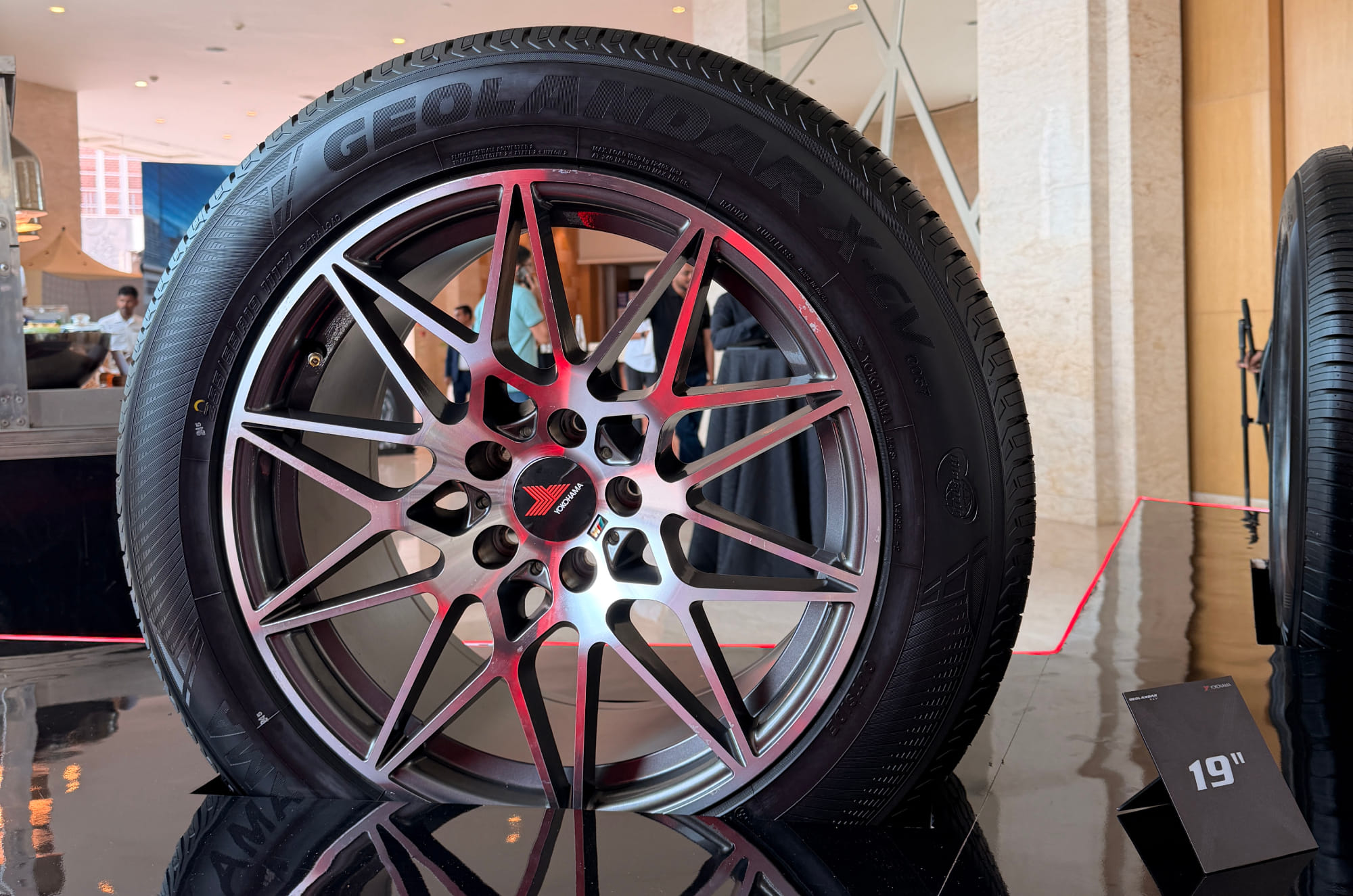
Yokohama India has launched the Geolandar X-CV tyre range for crossover and premium SUVs. Originally developed for larger luxury SUVs, the locally manufactured Geolandar X-CV is now being offered in 16-inch wheel sizes for the first time, expanding its reach to compact and midsize SUVs. The range will eventually be available in 32 sizes spanning 16 to 20 inches, with 17 sizes available immediately and the remaining 15 sizes set to be introduced over the next two to three months. Yokohama claims the new tyre delivers 20 percent better wet grip and 10 percent longer tyre life than its conventional tyre, based on the company’s internal testing.
Available in 32 sizes from 16-20 inches
Claimed 20 percent better wet grip and 10 percent longer tyre life
17 sizes available now; remaining to follow
Yokohama Geolandar X-CV: what does it fit?
The Geolandar X-CV has been developed for a wide range of crossover and premium SUVs. Yokohama says it is suitable for compact and midsize models such as the Maruti Suzuki Brezza, Kia Sonet, Tata Nexon EV, Harrier EV, Mahindra XUV700 and Kia Seltos, while also catering to luxury SUVs including the BMW X5, Porsche Cayenne, Volvo XC90, Mercedes-Benz GLS, Audi Q7 and Range Rover models.
Yokohama Geolandar X-CV: features
According to Yokohama, the Geolandar X-CV has been developed to meet the requirements of crossover SUVs and electric vehicles. It features an asymmetric tread pattern, four wide circumferential grooves, Micro Silica compound, 2D and 3D sipes, five-pitch variation technology, a reinforced two-ply sidewall and a full nylon cover. The company says these technologies are designed to improve wet grip, cornering stability, braking performance, wear characteristics, durability, high-speed stability and cabin refinement.
The tyre is also EV-compatible, with its construction designed to handle the higher weight and instant torque characteristics of electric SUVs while maintaining durability and driving refinement. The Geolandar X-CV will be available from August 2026 through Yokohama Club Network outlets and select authorised dealers, with a no-cost EMI offer available at launch.
Mahindra is offering discounts across much of its ICE line-up in August 2026. The Thar Roxx and Scorpio N receive the highest benefits among the brand’s mainstream SUVs this month, while offers are also available on the Scorpio Classic, Thar, XUV 3XO, Bolero Neo and Bolero Neo Plus. Offers are valid until August 31 and may vary depending on the region, dealer and stock availability.
Disclaimer: Offers may vary by region, dealer, stock availability and customer eligibility. Please check with your nearest authorised Mahindra dealership for exact details.
Mahindra Scorpio N discounts in August 2026
Up to Rs 1.25 lakh off
The Scorpio N is available with benefits of up to Rs 1,25,000. These include a cash discount of Rs 1,00,000 and accessories worth Rs 25,000. These discounts apply to existing pre-facelift stock available with dealers.
The Scorpio N is priced between Rs 13.69 lakh and Rs 25.49 lakh (ex-showroom). It rivals the Tata Safari and Thar Roxx. It impresses with its smooth petrol and diesel engines and off-road capability, although the third-row seats and luggage space are not great.
Mahindra Thar Roxx discounts in August 2026
Up to Rs 1.20 lakh off
The Thar Roxx receives benefits of up to Rs 1.20 lakh this month. This comprises a cash discount of Rs 92,000 along with a ceramic coating package worth Rs 28,000. Priced between Rs 12.52 lakh and Rs 23.52 lakh, the Thar Roxx rivals the Force Gurkha 5-door and serves as a more practical alternative to the three-door Thar. It combines the Thar’s off-road capability with a more practical cabin, better refinement and stronger road manners.
Mahindra Scorpio Classic discounts in August 2026
Up to Rs 75,000 off
Mahindra is offering benefits of up to Rs 75,000 on the Scorpio Classic. The offer comprises a cash discount of Rs 50,000 and accessories worth Rs 25,000. Priced between Rs 13.37 lakh and Rs 17.40 lakh, the Scorpio Classic continues to appeal with its refined diesel engine and rugged character, although it lacks the features and driving sophistication of newer rivals.
Mahindra Thar discounts in August 2026
Up to Rs 50,000 off
The three-door Thar is available with a cash discount of up to Rs 50,000 this month. Priced between Rs 10.32 lakh and Rs 18.00 lakh, the Thar rivals the Force Gurkha and Maruti Suzuki Jimny. It offers great off-road capability and is offered with refined and punchy petrol and diesel engine options, although luggage space is limited and access to the rear seats can be cumbersome.
Mahindra Bolero Neo and Bolero Neo Plus discounts in August 2026
Up to Rs 45,000 off
The Bolero Neo and Bolero Neo Plus receive cash discounts of up to Rs 45,000. The Bolero Neo is priced between Rs 8.99 lakh and Rs 10.79 lakh, while the Bolero Neo Plus costs Rs 11.39 lakh to Rs 12.49 lakh. Both SUVs are built to withstand rough roads and heavy use, although they are not as refined or as well equipped as newer compact SUVs.
Mahindra XUV 3XO discounts in August 2026
Up to Rs 40,000 off
The XUV 3XO is available with a cash discount of up to Rs 40,000 this month. Priced from Rs 7.79 lakh to Rs 15.04 lakh (ex-showroom), the XUV 3XO rivals the Maruti Brezza, Tata Nexon, Hyundai Venue, Kia Sonet, Skoda Kylaq and Nissan Magnite. It offers strong petrol and diesel engines along with a feature-rich cabin, although its boot is smaller than several rivals.
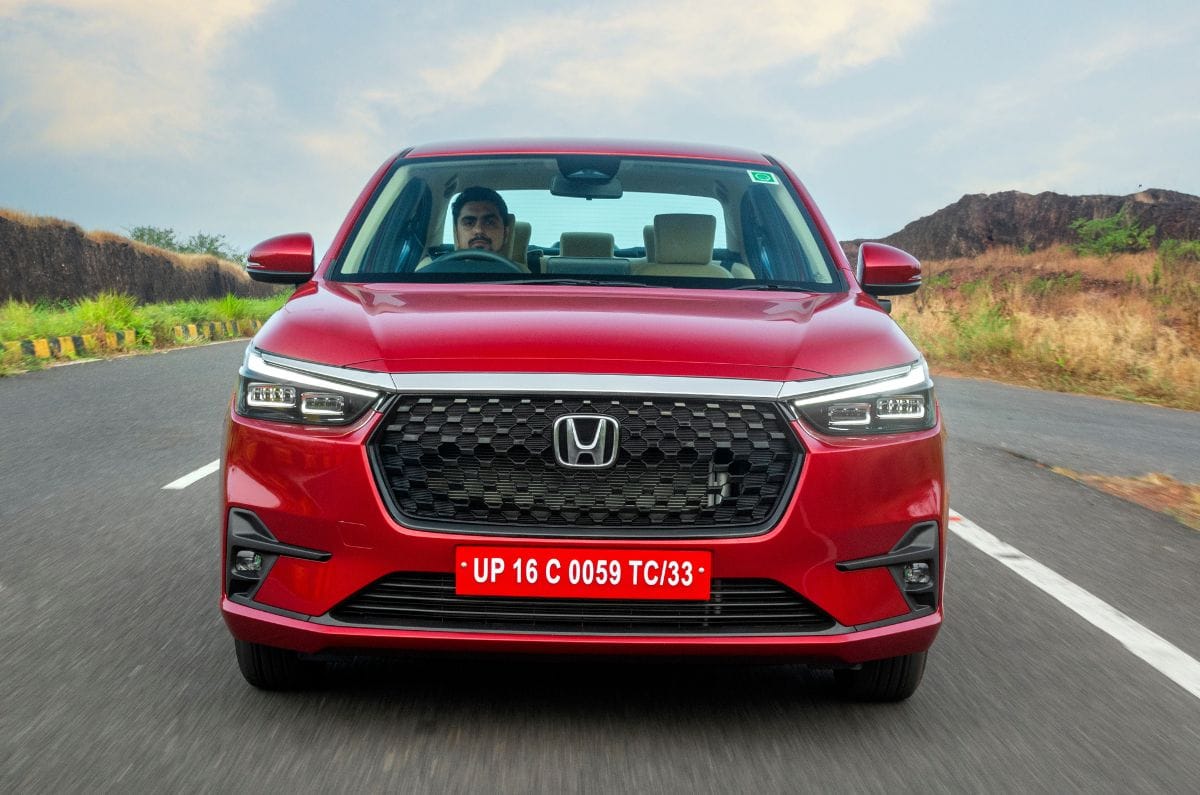
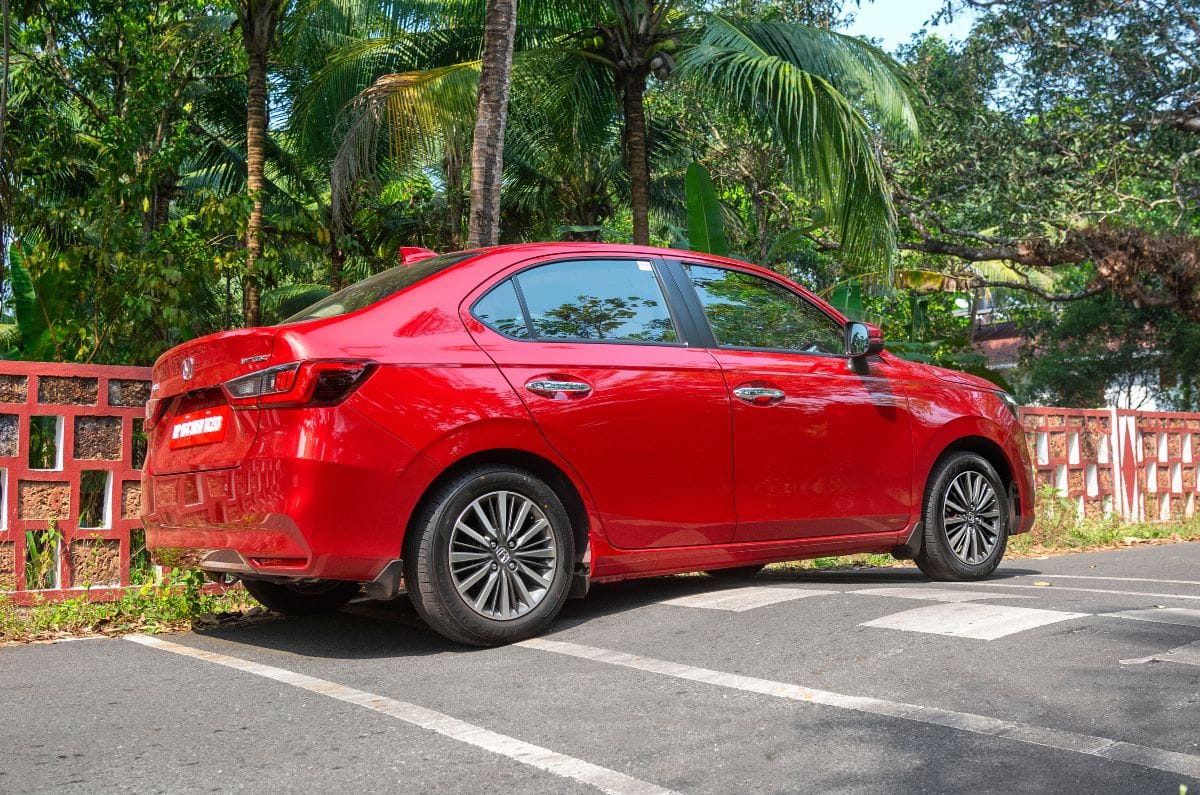
Honda sells both the second-gen and third-gen iterations of the Amaze in India. However, our focus here would be solely on the latter as it’s the latest and thus the best-equipped to tussle with other sub-4-metre sedans. As the Japanese brand’s most affordable offering, the Amaze carries a price tag of between Rs 7.65 lakh and 10.00 lakh (ex-showroom). Considering the brand’s badge appeal and some segment-first features, should you buy the Honda Amaze? Let’s find out.
Reasons to buy the Honda Amaze
Rear-seat comfort and a spacious boot
Usable interior space and a large boot add practicality to the Amaze
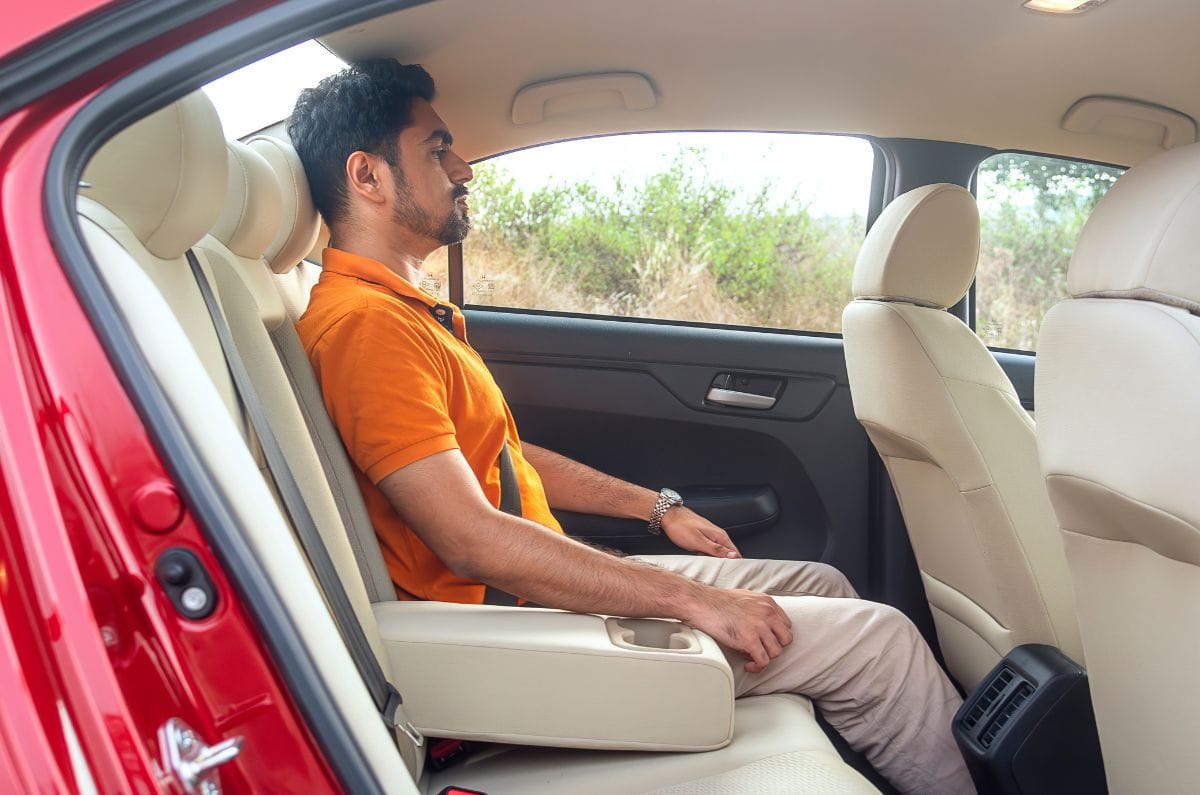
The rear seats of the Amaze are especially more comfortable than the front ones. Not only do the outer seats provide ample support, but their backrest angle is good too. Making these back seats more comfortable is the usable amount of kneeroom and legroom on offer, partly helped by the scooped-out portion of the front seatbacks. Further aiding comfort here are the dedicated AC vents, a centre armrest with cupholders, and headrests for all three passengers.
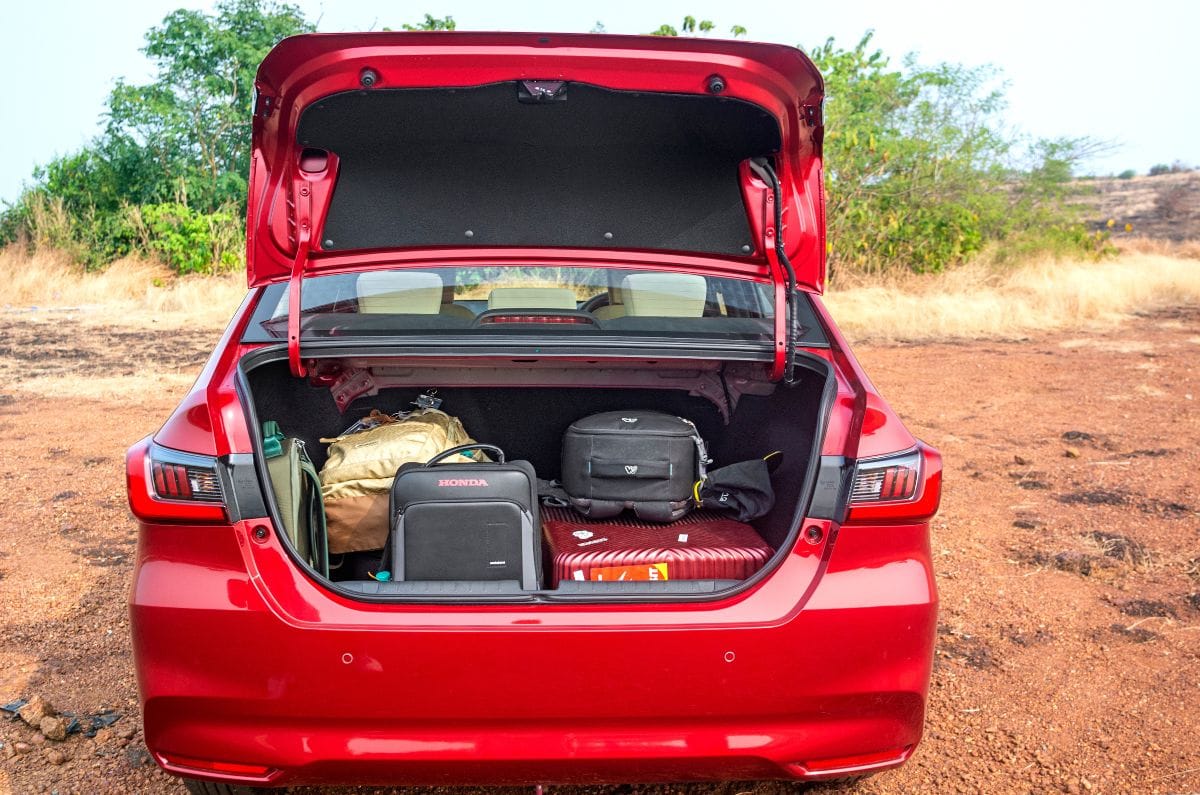
As for the Amaze’s luggage-carrying capacity, its 416-litre boot is one of the most spacious in the segment, easily trumping the Maruti Dzire and Hyundai Aura. While the loading lip is high, The Amaze’s boot offers plenty of width and depth to accommodate your luggage.
Easy to live with
The Amaze gets several user-friendly details right while also feeling more premium
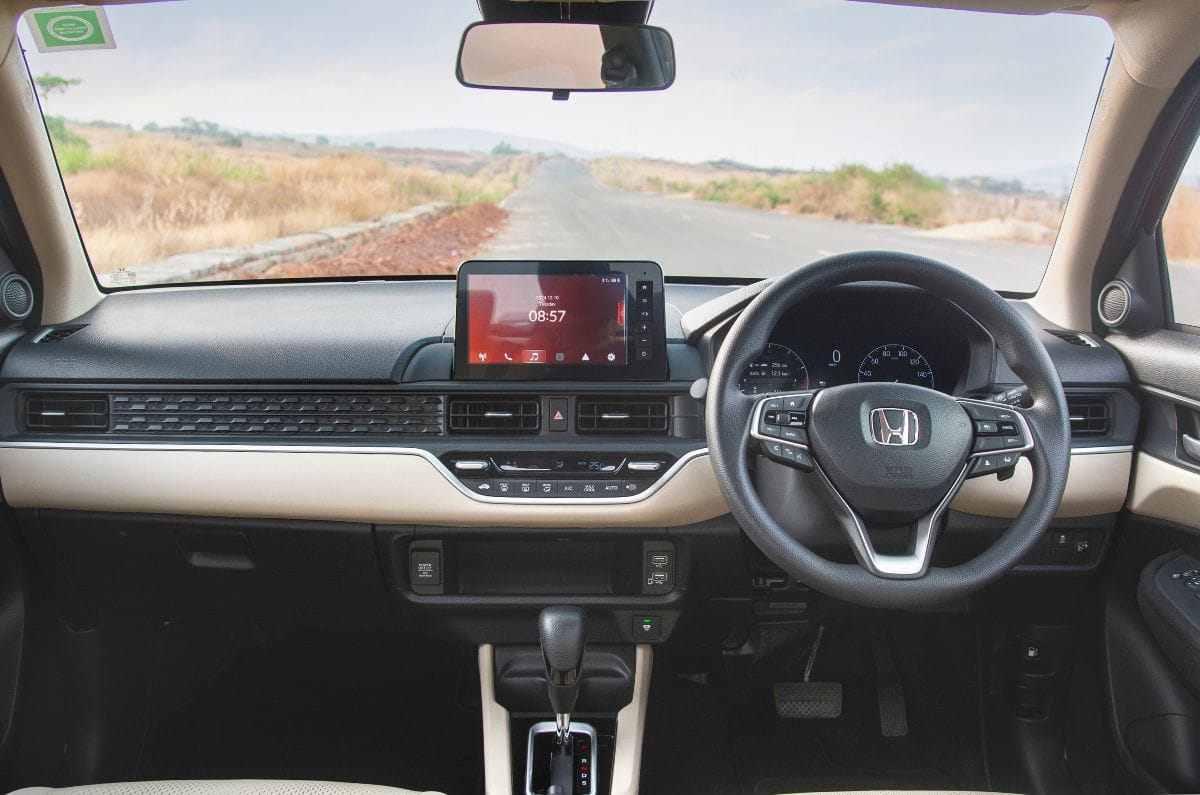
The Amaze’s beige-black interior theme, an expansive glass area and a low-set dashboard make its cabin feel light and airy. This two-tone colour scheme, along with the high perceived quality and overall levels of fit & finish, make the Honda Amaze’s interior feel more premium over its rivals.
The light steering and clutch, a tight turning radius plus an easy-to-use manual gearbox mixed with good all-round visibility, make pottering around town easy. If you go for the CVT (continuously variable transmission) option, driving the Honda Amaze becomes a hassle-free affair. It comes with paddle shifters that react promptly and also come in handy when there’s a need for engine braking. Meanwhile, the physical controls for the HVAC system allow users to adjust the temperature or the fan speed without getting too distracted.
ADAS is available
This is the only car in its class to feature advanced driver-assistance systems
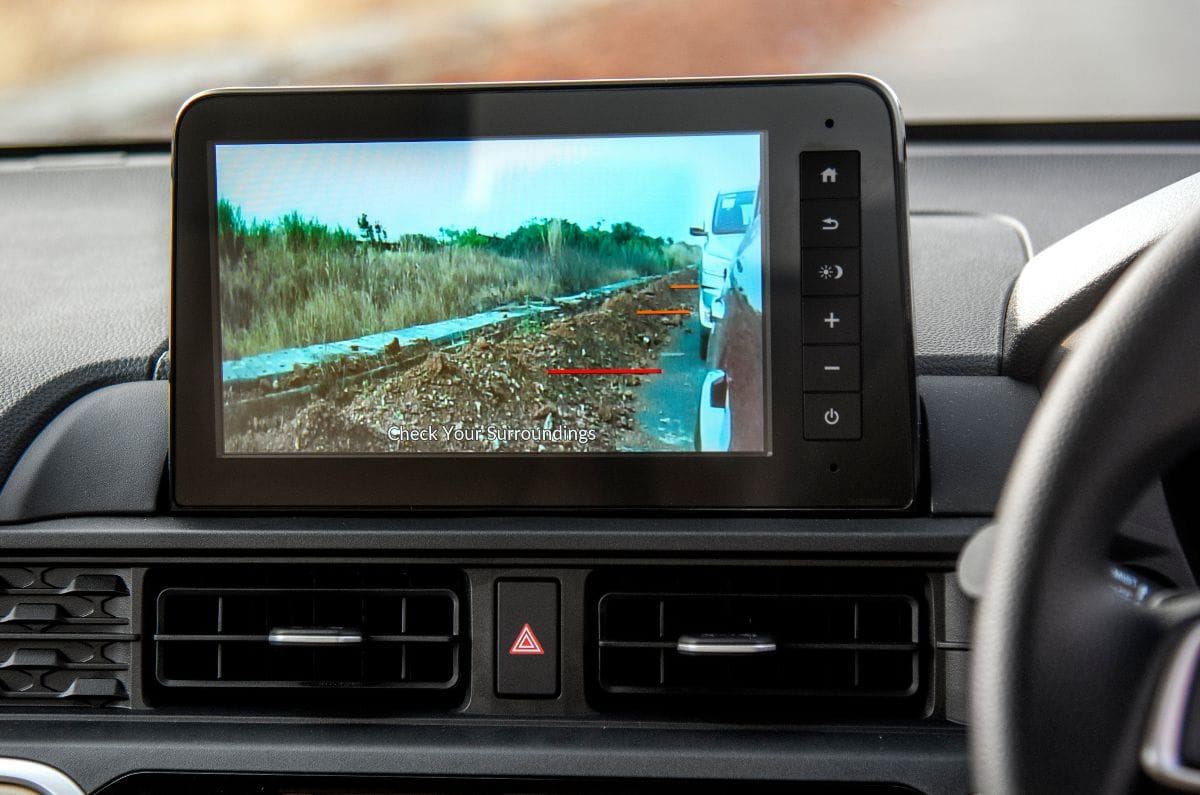
The Amaze is offered with the camera-based Honda Sensing ADAS (advanced driver-assistance systems) suite on the top-spec ZX trim. For those who want that extra layer of active safety nannies, features such as adaptive cruise control with autonomous emergency braking, lane-keeping assist and automatic high-beam will be useful add-ons. The Amaze can also be had with the brand’s LaneWatch Camera system, which displays the camera feed on the infotainment screen, aiding situational awareness.
Reasons to avoid the Honda Amaze
Poor cabin insulation
The Amaze’s cabin is quite an audible one
One of the aspects of driving the Honda Amaze is its lack of proper cabin insulation. Apart from engine and road noises, even ambient sounds from the outside world make it into this cabin with relative ease. This means that the Amaze’s cabin never really feels as relaxing as it could have been.
Underwhelming performance
This Honda sedan lacks engine punch to keep up with some rivals
The 1.2-litre four-cylinder petrol engine of the Honda Amaze is happy to rev to its redline without complaint, but it isn’t a punchy unit. While there’s enough grunt once you get past the 4500rpm mark, this engine feels weak below 2,000rpm. Honda has tried to counter this by providing shorter ratios for the first and second gears.
However, this leads to one having to downshift constantly when driving in bumper-to-bumper traffic or even when trying to drive away from speed-breakers. Even though the CVT masks this engine’s weak low-end and mid-range performance, pushing it results in the type’s characteristic rubber-band effect becoming apparent. The soft suspension means that the Amaze sags under load, raising the risk of scraping the belly on large speed-breakers. It also causes the Amaze to roll noticeably in the corners.
Pricier than rivals
The Amaze remains the most expensive offering in its segment
Unlike the top-spec Maruti Dzire, which is Rs 64,000 cheaper the fully loaded Honda Amaze, it still gets a powered sunroof and a 360-degree camera setup. The Amaze also lacks Type-C USB ports, offering just Type-A and 12-volt outlets. While the higher price tag of the top-spec trim can be explained away due to the inclusion of ADAS, buyers would still want the aforementioned missing features at this price bracket.
Maruti Suzuki Biogas Plant: देश की सबसे बड़ी पैसेंजर व्हीकल कंपनी मारुति सुजुकी अब बायोगैस पर बड़ा दांव लगाने जा रही है। कंपनी 561 करोड़ रुपये के निवेश से पहले चरण में 4 बायोगैस प्लांट लगाएगी। इसका मकसद अपने मैन्युफैक्चरिंग प्लांट्स में स्वच्छ और रिन्यूएबल एनर्जी का इस्तेमाल बढ़ाना है।
खारखोदा प्लांट से होगी शुरुआत
पहले चरण में हरियाणा के खारखोदा प्लांट में 10 टन प्रतिदिन (10 TPD) क्षमता का बायोगैस प्लांट लगाया जाएगा। इसके FY27 में शुरू होने की उम्मीद है। पूरी क्षमता पर पहुंचने के बाद यह प्लांट फैक्ट्री की करीब 20% गैस जरूरत पूरी करेगा।
कंपनी ने मानेसर प्लांट में भी बायोगैस क्षमता 0.2 TPD से बढ़ाकर 0.7 TPD कर दी है। यहां से हर साल करीब 3.6 लाख स्टैंडर्ड क्यूबिक मीटर बायोगैस बनने की उम्मीद है। इस प्लांट में खाने का बचा हुआ कचरा, नेपियर घास और धान का पुआल इस्तेमाल होता है। जरूरत पड़ने पर गोबर भी मिलाया जा सकता है।
FY31 तक बड़ा लक्ष्य
मारुति सुजुकी के चेयरमैन आर. सी. भार्गव ने कहा कि पहले चरण में चार बायोगैस प्लांट लगाए जाएंगे। इसके बाद तकनीक और अनुभव के आधार पर इस क्षेत्र में और बड़ा निवेश किया जाएगा।
कंपनी का लक्ष्य FY31 तक हर दिन 20 टन से ज्यादा बायोगैस का इस्तेमाल करना है। कंपनी ने हंसलपुर प्लांट में भी प्राकृतिक गैस की जगह करीब 10% ऊर्जा जरूरत बायोगैस से पूरी करनी शुरू कर दी है।
किसानों को भी होगा फायदा
आर. सी. भार्गव का कहना है कि भारत को नेट जीरो लक्ष्य हासिल करने के लिए कई तरह की तकनीकों की जरूरत होगी। बायोगैस स्थानीय संसाधनों से बनाई जा सकती है। इससे आयातित CNG पर निर्भरता कम होगी। साथ ही यह पूरी तरह स्वच्छ ईंधन है।
उन्होंने कहा कि बायोगैस बनाने के बाद बचने वाली जैविक खाद खेतों की उपज बढ़ाने में मदद करेगी। इससे मिट्टी की गुणवत्ता भी सुधरेगी। फसल जलाने की जरूरत कम होगी। प्रदूषण घटेगा। किसानों की आय बढ़ेगी। खेती में मशीनों का इस्तेमाल भी बढ़ेगा।
सरकार भी दे रही है बढ़ावा
Maruti Suzuki पिछले दो साल से भारतीय कृषि अनुसंधान संस्थान (IARI), पूसा के साथ इस क्षेत्र में काम कर रही है। कंपनी का कहना है कि शुरुआती नतीजे उत्साहजनक रहे हैं।
इसी बीच केंद्र सरकार ने 6 अगस्त को GOBARdhan योजना को मंजूरी दी है। 23,731 करोड़ रुपये की यह योजना FY27 से FY36 तक चलेगी। इसका मकसद गोबर, कृषि अवशेष, जैविक कचरे और दूसरे बायोमास से कंप्रेस्ड बायोगैस (CBG) बनाना है। इससे स्वच्छ ऊर्जा को बढ़ावा मिलेगा और ग्रामीण इलाकों में आय के नए अवसर भी बनेंगे।
Disclaimer: यहां मुहैया जानकारी सिर्फ सूचना के लिए दी जा रही है। यहां बताना जरूरी है कि मार्केट में निवेश बाजार जोखिमों के अधीन है। निवेशक के तौर पर पैसा लगाने से पहले हमेशा एक्सपर्ट से सलाह लें। मनीकंट्रोल की तरफ से किसी को भी पैसा लगाने की यहां कभी भी सलाह नहीं दी जाती है।
Maruti Suzuki Biogas Plant Investment: देश की सबसे बड़ी पैसेंजर व्हीकल निर्माता कंपनी मारुति सुजुकी इंडिया अपनी मैन्युफैक्चरिंग फैसिलिटीज की ऊर्जा जरूरतों को पूरा करने के लिए रिन्यूएबल एनर्जी पर बड़ा दांव लगाने जा रही है। कंपनी के चेयरमैन आरसी भार्गव ने शेयरधारकों को जानकारी दी है कि मारुति सुजुकी चार बायोगैस प्लांट लगाने के लिए ₹561 करोड़ का निवेश करेगी।
आरसी भार्गव ने मारुति सुजुकी की FY26 वार्षिक रिपोर्ट में बताया कि बोर्ड ने पहले चरण में ₹561 करोड़ की लागत से 4 बायोगैस प्लांट शुरू करने की मंजूरी दे दी है। इसके बाद प्रक्रिया और तकनीक की गहरी समझ बनने के बाद कंपनी बायोगैस के उत्पादन और वितरण में और भी भारी-भरकम राशि का निवेश करेगी।
खरखौदा और मानेसर प्लांट में तेजी से बढ़ रहा काम
मारुति सुजुकी ने अपनी उत्पादन इकाइयों को हरित ऊर्जा से संचालित करने की दिशा में ठोस कदम उठाए हैं। पहले चरण के तहत खरखौदा संयंत्र में 10 टन प्रति दिन क्षमता वाला बायोगैस प्लांट स्थापित किया जाएगा। यह प्लांट FY27 में चालू होने की उम्मीद है और अपनी पूरी क्षमता पर पहुंचने के बाद यह प्लांट की कुल गैस आवश्यकता का लगभग 20% हिस्सा पूरा करेगा।
कंपनी ने अपने मानेसर प्लांट की बायोगैस क्षमता को 0.2 TPD से बढ़ाकर 0.7 TPD कर दिया है। इससे सालाना लगभग 3.6 लाख स्टैंडर्ड क्यूबिक मीटर बायोगैस का उत्पादन होने की उम्मीद है। मानेसर में फूड वेस्ट, नेपियर घास और धान के पुआल का उपयोग किया जाता है, साथ ही गोबर के इस्तेमाल का भी प्रावधान है।
गुजरात के हंसलपुर प्लांट में प्राकृतिक गैस की जगह बायोगैस का इस्तेमाल शुरू कर दिया गया है, जिससे लगभग 10% ऊर्जा जरूरतें पूरी हो रही हैं। कंपनी का लक्ष्य FY31 तक रोजाना 20 टन से अधिक बायोगैस का उपयोग करने का है।
सीएनजी का विकल्प और किसानों की आय में इजाफे का विजन
आरसी भार्गव ने बायोगैस के व्यापक फायदों को रेखांकित करते हुए कहा कि भारत को नेट जीरो लक्ष्य हासिल करने के लिए मल्टीपल टेक्नोलॉजीज का इस्तेमाल करना होगा। बायोगैस स्थानीय संसाधनों से बड़ी मात्रा में तैयार की जा सकती है। यह आयातित सीएनजी का विकल्प बनेगी, जो शून्य आयात सामग्री के साथ पूरी तरह से स्वच्छ और नवीकरणीय ईंधन है।
फसल के अवशेषों का उपयोग बायोगैस में होने से पराली जलाने की समस्या से राहत मिलेगी, जिससे पर्यावरण साफ रहेगा और मिट्टी के सूक्ष्मजीवों को नुकसान नहीं पहुंचेगा। बायोगैस उत्पादन के दौरान मिलने वाला उप-उत्पाद खेतों की उर्वरता और उत्पादकता बढ़ाएगा।
कृषि अवशेष और गोबर की बिक्री से किसानों की आय बढ़ेगी और कृषि के यंत्रीकरण को बढ़ावा मिलेगा। इसके लिए कंपनी पिछले दो वर्षों से पूसा स्थित भारतीय कृषि अनुसंधान संस्थान (IARI) के साथ काम कर रही है।
सरकार की GOBARdhan योजना से मिलेगा बूस्ट
केंद्रीय मंत्रिमंडल ने 6 अगस्त को ₹23,731 करोड़ के कुल परिव्यय के साथ GOBARdhan योजना को मंजूरी दी है। यह योजना FY27 से FY36 तक लागू की जाएगी, जिसका उद्देश्य कंप्रेस्ड बायोगैस (CBG) को भारत के भविष्य के ऊर्जा मिश्रण का प्रमुख हिस्सा बनाना है।
सरकार को उम्मीद है कि इस योजना से घरेलू बायोगैस उत्पादन में लगभग 10 गुना बढ़ोतरी होगी और इस सेक्टर में निजी निवेश को बढ़ावा मिलेगा। मारुति सुजुकी का यह निवेश इस दिशा में एक बड़ा कॉर्पोरेट कदम माना जा रहा है।
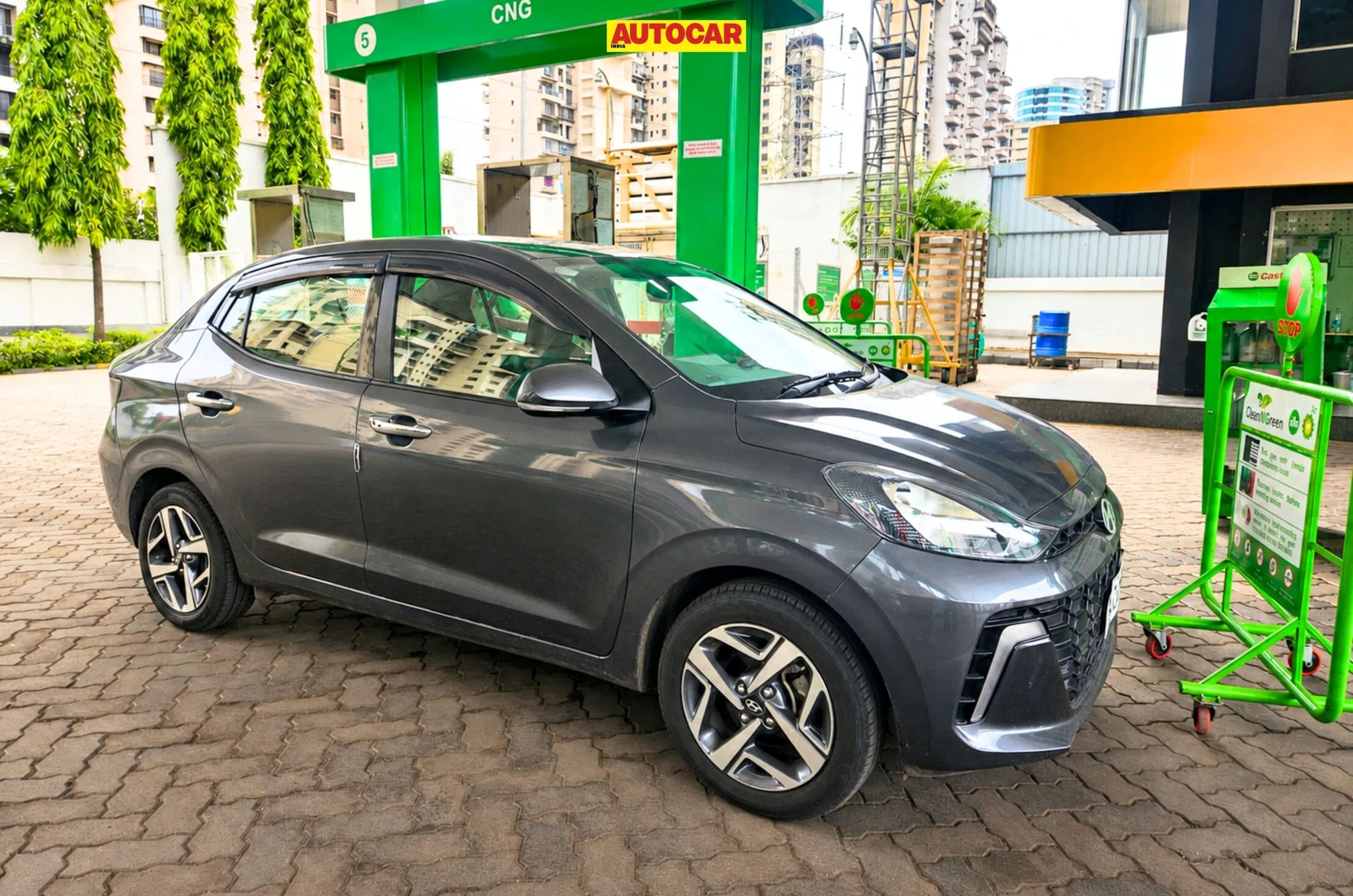
Launched in 2020, the Hyundai Aura has been available with a factory-fitted CNG option since its introduction. It is currently offered in three variants – S CNG (Rs 7.8 lakh), Corporate CNG (Rs 7.9 lakh) and SX CNG (Rs 8.6 lakh). We put the Aura CNG through our real-world fuel-efficiency tests to see how it fares.
No automatic engine stop-start system
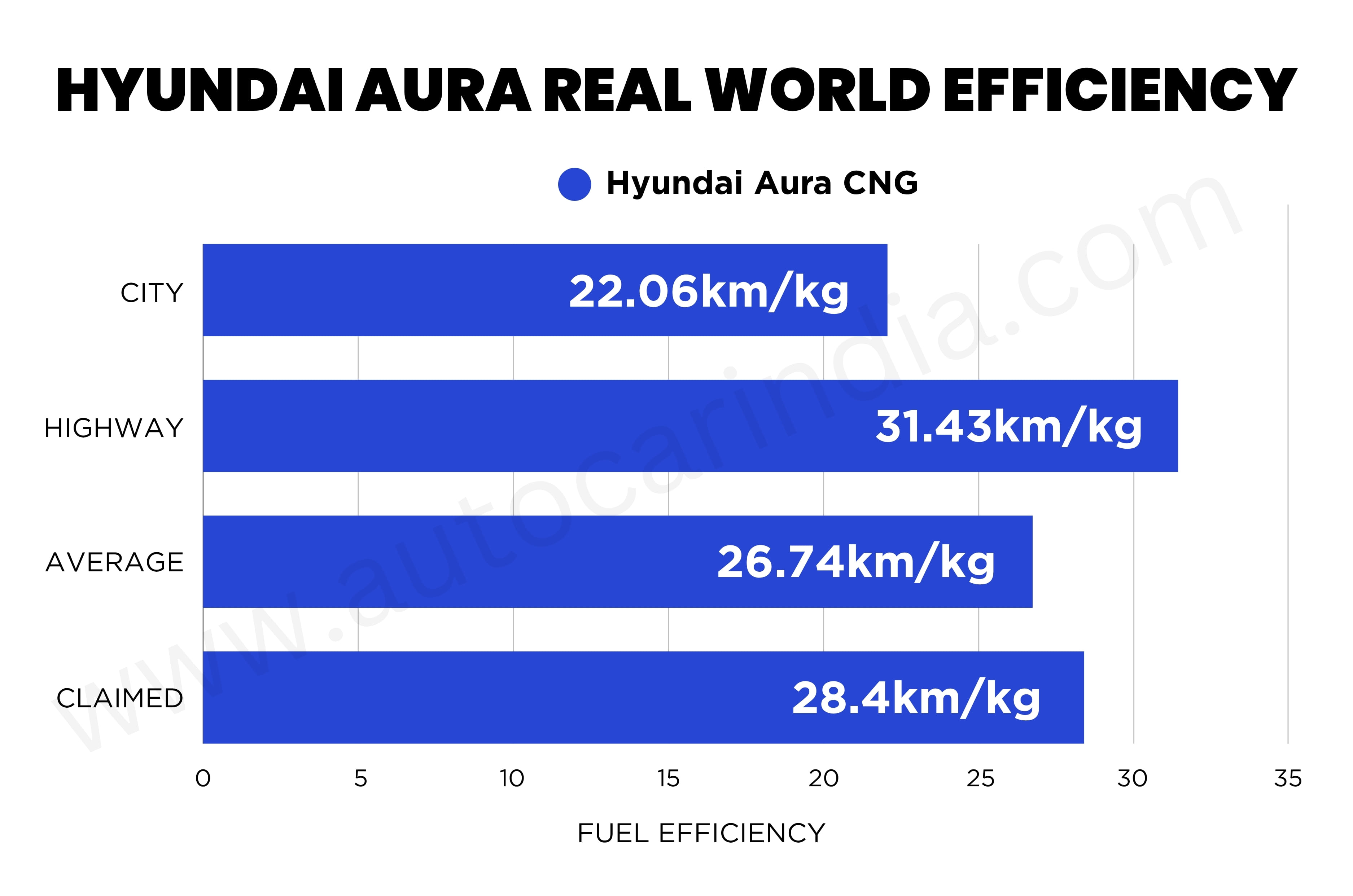
Claimed fuel efficiency: 28.4km/kg
Priced Rs 90,000 higher than comparable petrol variants
Hyundai Aura CNG fuel efficiency explained
Powering the Aura CNG is a 1.2-litre, four-cylinder engine that produces 69hp and 95.2Nm when running on CNG. Transmission duties are handled by a 5-speed manual gearbox.
In our tests, the Aura CNG returned 22.06km/kg in the city and 31.43km/kg on the highway, resulting in an overall average efficiency of 26.74km/kg. Based on these figures, owners can expect a real-world driving range of around 240km on a full tank of CNG.
Interestingly, when refilling the Aura’s empty 65-litre CNG tank, it accommodated 8.95kg of gas. Under favourable conditions, such as higher pump pressure and cooler ambient temperatures, the tank should be able to hold close to 10kg of CNG.
For context, the Maruti Dzire CNG is equipped with a smaller 55-litre CNG tank, while the Tata Tigor CNG features a larger 70-litre dual-cylinder setup.
Autocar India’s fuel-efficiency testing
Since CNG tanks are more difficult to fill consistently due to variables such as ambient temperature and pump pressure, we did not use our standard tankful-to-tankful methodology. Instead, for our real-world tests, we emptied the CNG tank and refilled it with 2kg of CNG. We then drove the vehicle in city conditions until the gas was exhausted. The same process was repeated for the highway run. Throughout both tests, the Aura was driven exclusively in CNG mode.
Before our real-world fuel efficiency tests, we maintain tyre pressures based on the manufacturer’s recommendations. These cars are driven in fixed city and highway loops in and around Navi Mumbai, and we maintain certain average speeds. Throughout the tests, there is only one person in each car, and the aircon is set to fan speed 2 with temperature dialed to the lowest position. We operate other electricals, such as the audio system, indicators and wipers, just like a regular user would. Periodic driver swaps further neutralise variations in driver patterns.