ADAS Meets Autopilot: The Hyundai Venue and the Akasa Boeing 737 Max

ADAS Meets Autopilot: The Hyundai Venue and the Akasa Boeing 737 Max
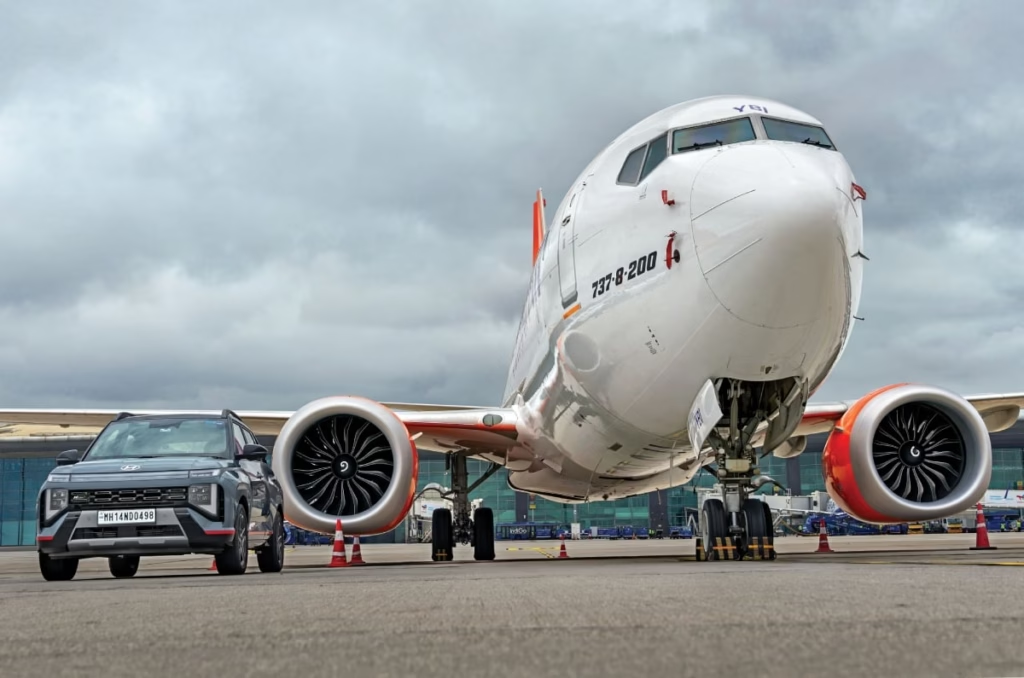
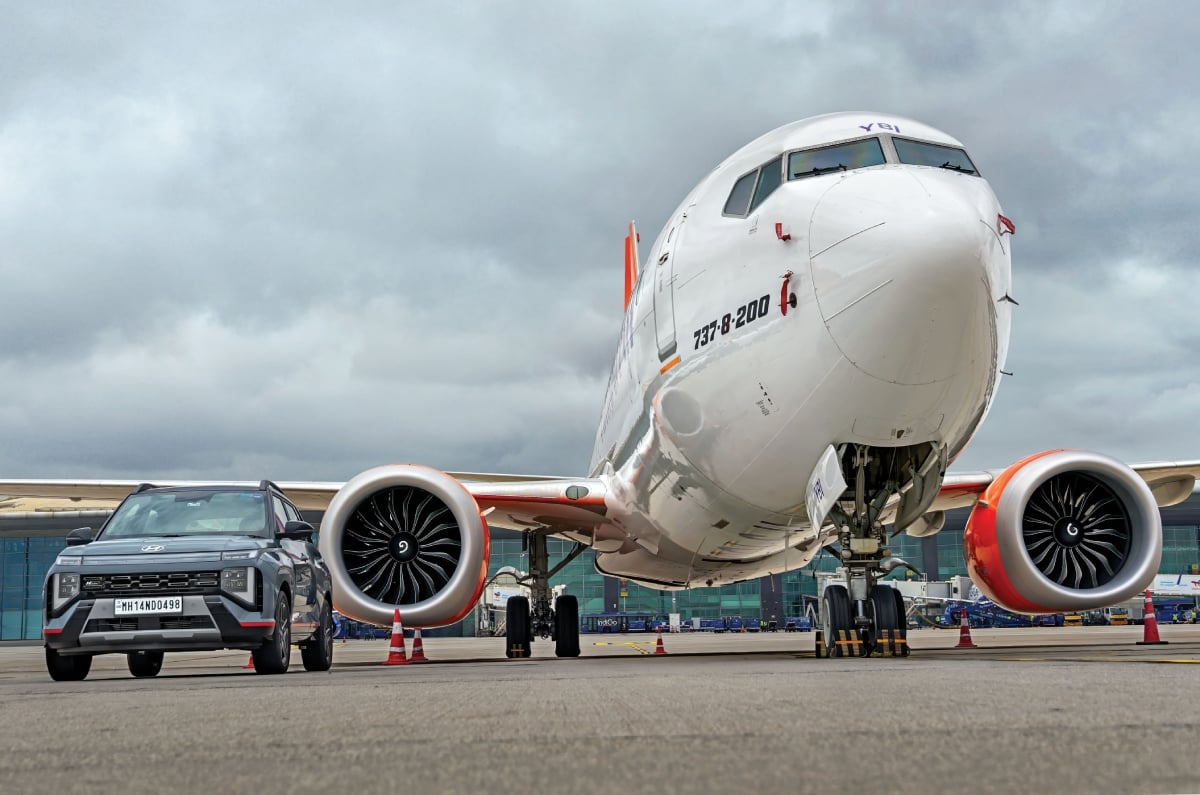
Hyundai Venue N Line with Akasa Boeing 737 Max

A Hyundai Venue N Line runs down a well-lined access road, its sensors alive. Off to the left overhead, an Akasa Boeing 737 Max makes its way down gracefully, flaps extended, ready to land. Both machines are bristling with technology that allows them to operate with a degree of independence once unthinkable. The car can keep itself within a lane, regulate speed in relation to the car ahead, and brake in emergencies. The aircraft can fly itself across continents, execute complex routes, and even land in zero visibility. Welcome to the new world where machines are self-aware and can operate for long stretches on their own.
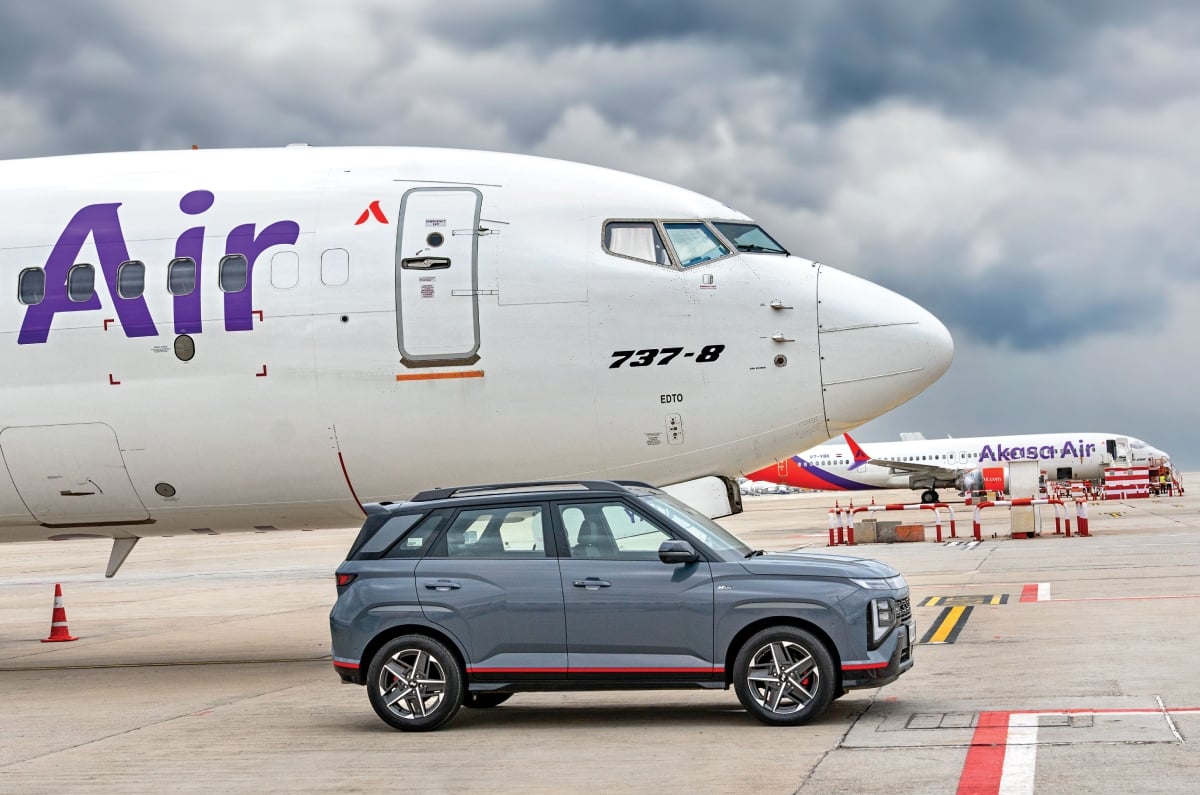
Hyundai Venue N Line and Akasa Boeing 737 Max side profile

Today, we dive deep into tech and compare how Advanced Driver Assistance Systems (ADAS), found in modern cars like the Hyundai Venue work, and juxtapose them against how advanced autopilot systems on airliners like the Boeing 737 Max function. Want to know how this Hyundai Venue senses lane markings, what it picks up, how it processes the data, makes a decision and executes a steering manoeuvre to keep the car within the lane, or how aircraft like the Boeing 737 Max are programmed to fly themselves and how they can even land automatically? Read on; there’s plenty of fascinating tech ahead. 

Sensor fusion 
Akasa Boeing 737 Max sensors

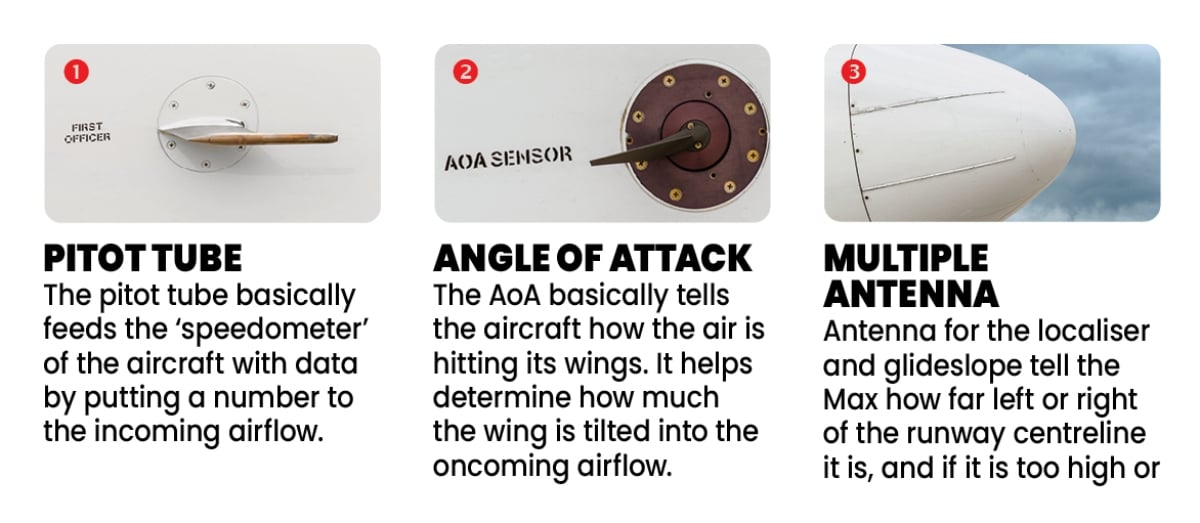
Walk around the attractive-looking Akasa 737 Max, now one of forty-three, and you notice the nose of the aircraft bristling with sensors. It’s from where a vast majority of the data for the Autopilot is collected. Showing me around and explaining things is Captain Svetlana from Akasa. 
First up, the speed sensors – elbow-shaped pitot tubes that stick out at an angle. This tube helps measure the airflow and, hence, the speed of the aircraft. For accuracy, this speed data is correlated with the static port, mounted flush on the side of the aircraft, which measures the real atmospheric pressure at the height the aircraft is flying. 

Then there’s the AOA or Angle Of Attack sensor that basically tells you how the air is hitting the wings or how much the wing is tilted into the oncoming airflow. This is essential to know just how much lift the wing is making and how close the aircraft is to stall. 
Hyundai Venue N Line sensors

Then, inside the nose cone, apart from the weather radar, are antennas for the localiser and glideslope. Both pick up radio beams sent from transmitters positioned near the runway. The localiser tells the aircraft how far left or right of the runway centreline it is, and the glideslope tells if the aircraft is too high or too low. Together, they give the aircraft a complete three-dimensional picture of the ideal path to the runway. They feed data to the Instrument Landing System (ILS) and are what lets a 737 Max line up and descend precisely even when visibility is poor.


Further back are a pair of TCAS antennas, one on the belly and one on the top. They listen for nearby transponders (that also help flightradar24 funtion) to keep the aircraft clear of traffic. 
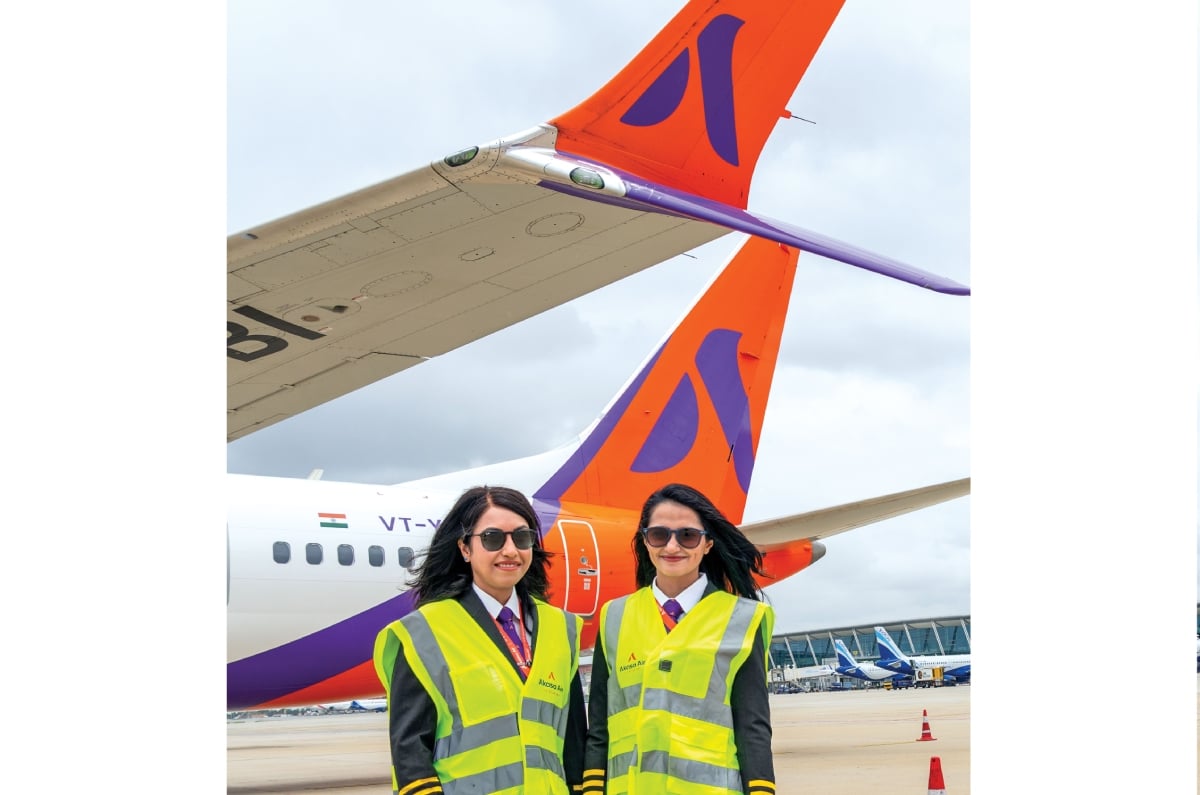
Akasa Air Captains
Capt. Svetlana and Capt. Sanaya help us get to grips with how the autopilot on the 737 Max functions. 

Positioning is done with the help of a GPS antenna on the roof. Another system, known as the Inertial Reference System, uses laser gyroscopes bolted to the airframe to sense every turn the aircraft makes. It uses accelerometers that sense every change in speed. A computer fuses the two, continuously tracking exactly how far and in which direction it’s travelled from a known starting point, which is set by the pilots at the gate.

Road and track 
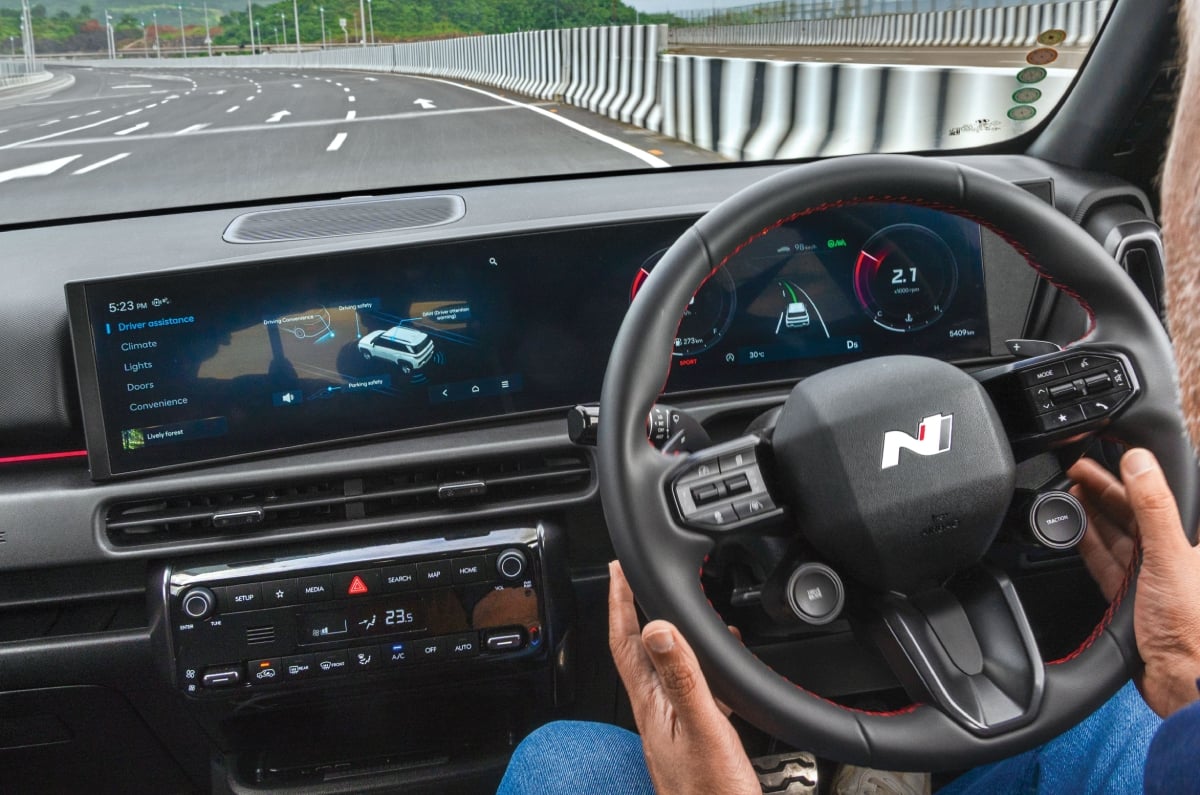
Hyundai Venue N Line interior
Though this is a high-tech and complex system, functionality is slick and smooth.

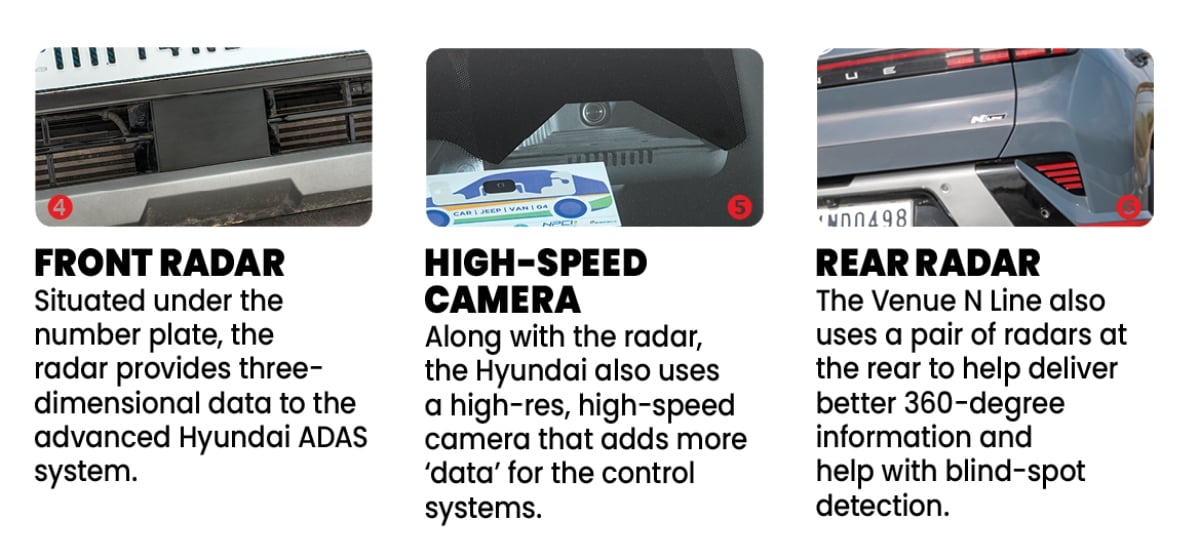
Now swap the open skies for chaotic tarmac. Here, the Venue N Line’s ADAS Level 2 suite runs off far fewer sensors or data points. The difference, however, is that the car actually ‘sees’ what is ahead, correlating data from the radar and the high-resolution camera into a single picture. Sensor fusion is essential on both the 737 and the Venue. What’s different is that the reactions of the car have to be immediate, and that means Smart Sense on the Venue not only has to process gigabytes of data every second, it also has to be ready with, say, a braking solution in milliseconds, just in case that petulant biker cuts across the Venue’s nose. 

One of the primary sensors is the radar. Located behind the black square plastic panel under the number plate up front, it acts as a measuring tape, constantly tracking the exact distance and closing speed of the car ahead. Similar to a fruit bat, the radar sends out bursts of high-frequency radio waves (or chirps) that vary between 10,000-50,000 bursts per second. Just as important is how quickly the data is processed and passed on, which provides enough sharpness and resolution to differentiate between shapes ahead. This data is used by the Forward Collision-Avoidance Assist (FCA) to stop the Venue often before human reflexes can even respond to danger. In addition, the system uses a pair of rear-mounted radars, ultrasonic sensors and parking and proximity cameras for a more secure 360-degree ‘picture’. 
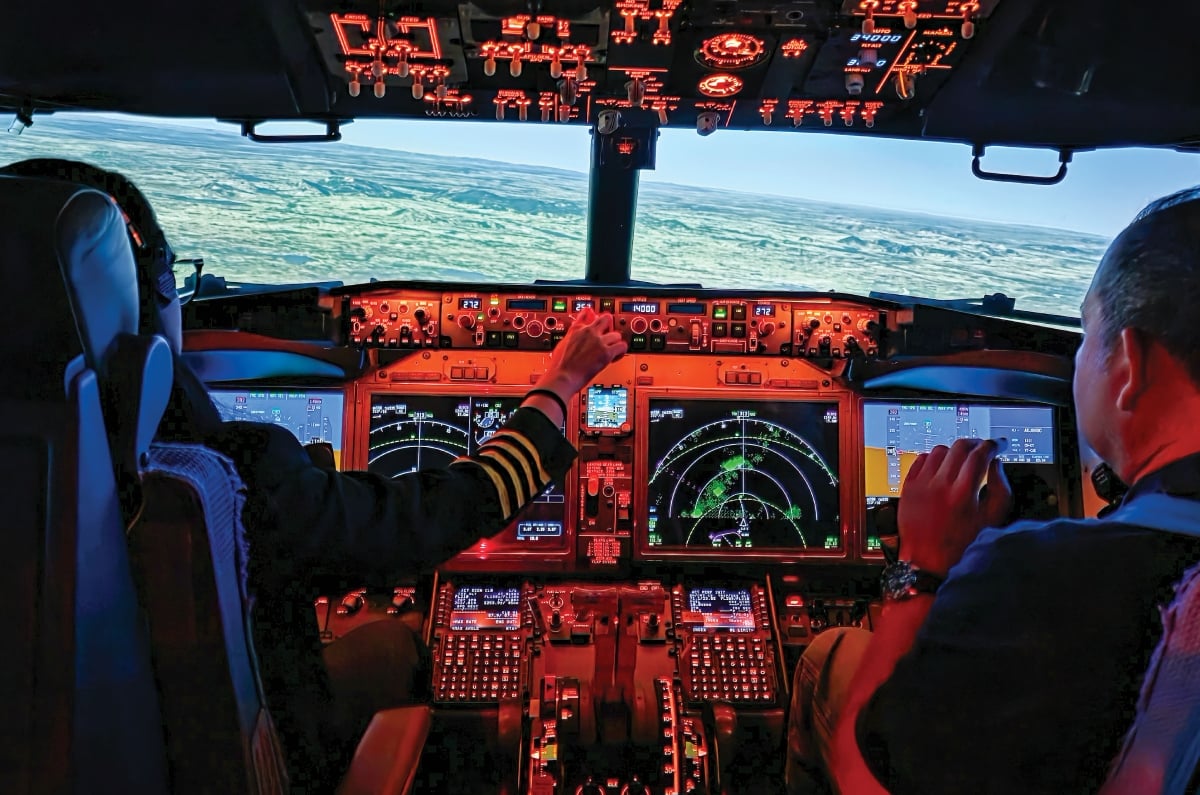
Akasa Boeing 737 Max cockpit
Captain Sanaya adjusts the heading knob in the sim, the aircraft reacts in real time without disengaging the system. 

The other important data source is a high-resolution, high-speed camera at the top of the windshield. While its primary job is to look for lane markings and obstacles, it also works along with the radar up front, sharing the workload. The camera, for example, sees every detail but lacks depth perception (or 3D vision), and a radar tracks distance but cannot see the same amount of detail as the camera. The camera sends data via a special, automotive application-optimised CMOS sensor, similar to the one on your Sony mirrorless camera that also has a high dynamic range (for bright lights). Hyundai’s system can even detect faded lines with its edge-detection, texture-tracking, and colour-reading systems. 
Hyundai’s SmartSense also integrates Artificial Intelligence (AI) and Machine Learning. So, instead of using rigid “if-then” decision-making software, it uses embedded neural networking to interpret real-time sensor data. 

Together, these systems form a nervous system that feeds into the car’s brain, which then nudges the steering, modulates throttle, or applies brakes. Unlike aviation, redundancy is limited. A sensor failure usually hands control back to the driver, who remains the ultimate fallback.

Steering wheels and yokes
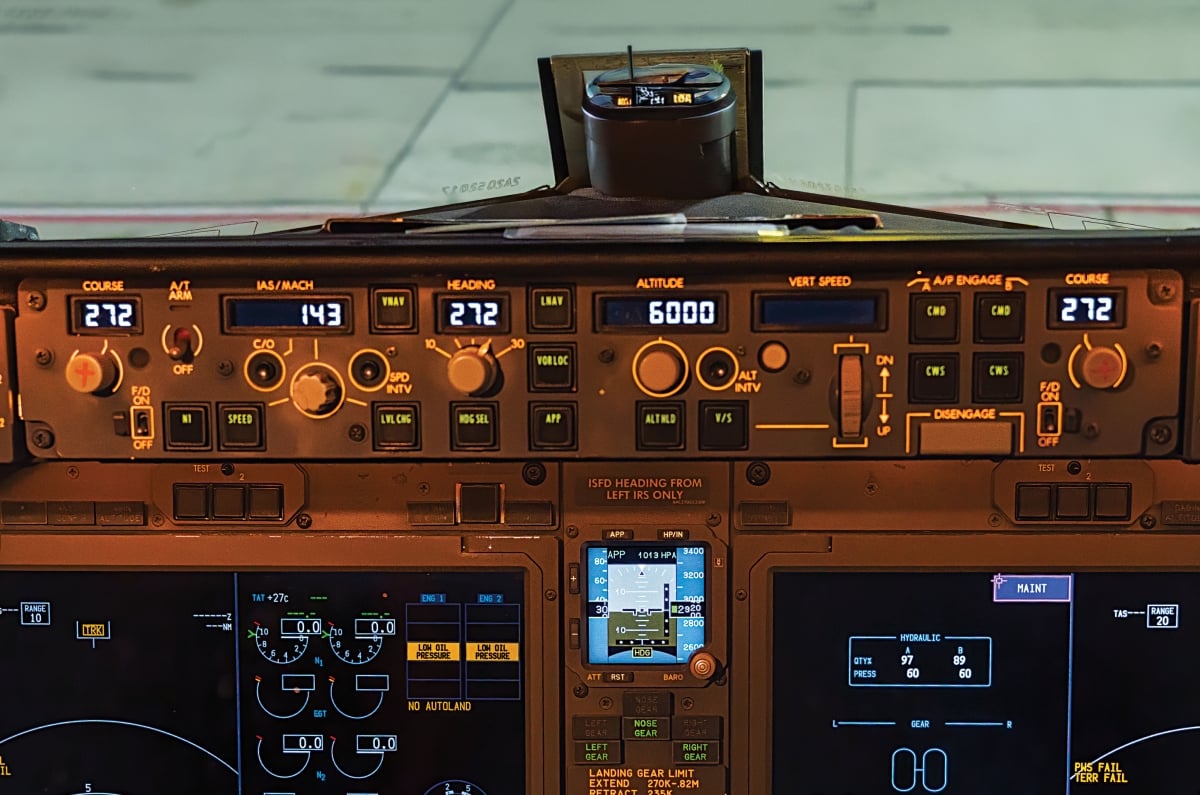
Akasa Boeing 737 Max cockpit 2
Hit ‘A/P Engage’ on mode control panel to activate autopilot; course, speed, heading and altitude are also adjustable here.

Once behind the wheel of the Venue, engaging the ADAS is seamless. You need to be above 30kph and on a well-lined road. To engage the system, you have to zoom into the left spoke of the steering wheel. Here you find the four buttons that help activate and operate the system. The first activates the Smart Cruise Control, the second allows you to increase or decrease the speed you want to run at, the third helps you set the desired safe distance to the car ahead and the fourth activates Lane Keep Assist (LKA). 
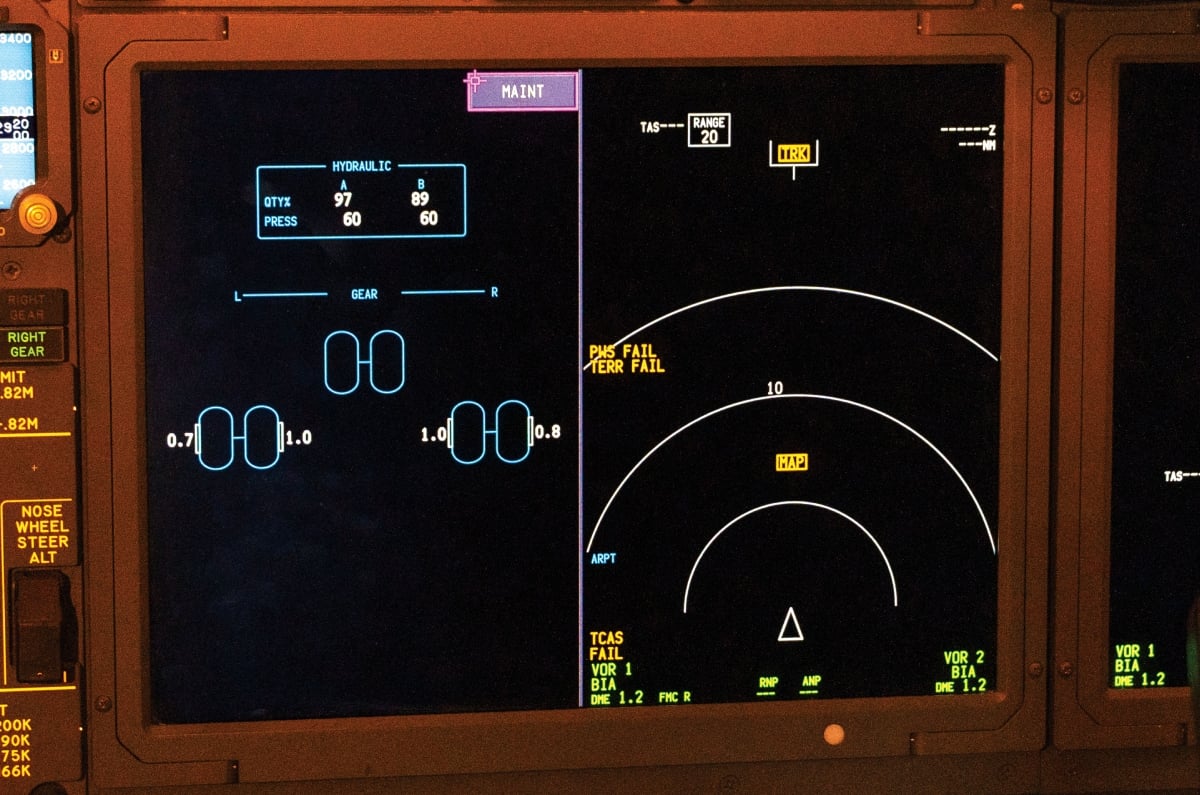
Akasa Boeing 737 Max tyre pressure
 Tyre pressure essential here too.

Activating LKA for me comes first, and you do this when you are running in a lane on a well-marked road. You know the system is engaged when the green steering icon lights up on the instrument panel and the car icon shows it running between the lines. Then you engage the smart cruise control and set the speed you want to run at, stepping off the accelerator simultaneously. The display on the instrument cluster lights up with the speed set, and you also get a horizontal bar showing the distance to the car ahead; which can be adjusted by the button with the distance icon. 

Unseen by the driver and passengers in the car, the camera immediately begins scanning lane markings, and radar modules measure the distance to the vehicle ahead. The steering wheel then nudges itself gently to follow curves, while the throttle and brakes modulate to maintain speed and distance. The system makes split‑second decisions to help keep you out of harm’s way. 
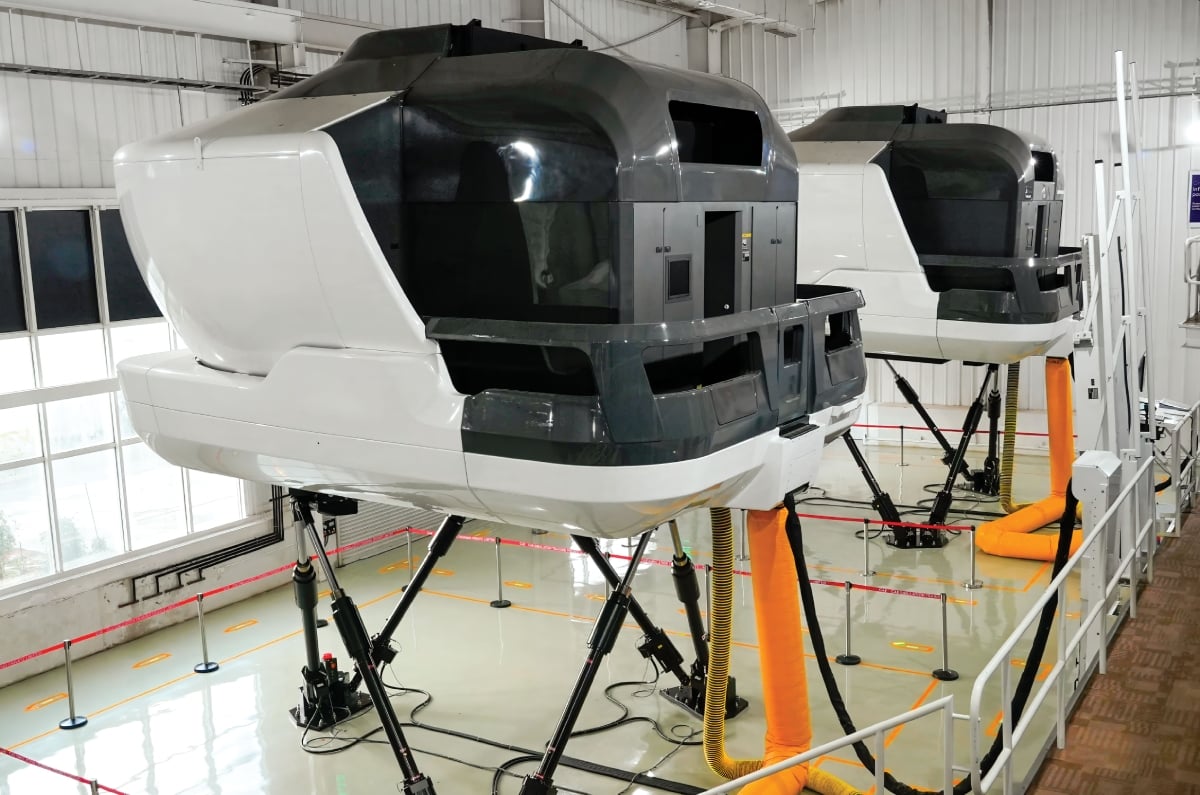
Akasa Air flight simulator
We took the assistance of the full-fledged 737 Max simulator that pilots train on to help us understand the systems better. 

Climbing into the Akasa Boeing 737 Max cockpit is an immediate sensory overload. Hundreds of buttons, switches, levers and dials just overwhelm you. They are ahead of you, to your left, your right, and even above. There are, in fact, so many switches, buttons and dials above, I have to duck-walk in. And I’m not exactly Joel Garner or Kareem Abdul-Jabbar. Once seated, I slide the seat to the left and forward by depressing a lever, no powered seats here. And forget about comparing screen size, this is a proper ‘glass cockpit’ with wall-to-wall screens. My feet rest on the pedals that work the rudder in the tail, and ahead of me is Boeing’s famous yoke; unlike a regular joystick, you bank by turning the semi-circular bit of the ‘wheel’. 

In contrast to our chaotic driving environment, the autopilot in the 737 Max operates on different principles. The environment is structured and regulated. There are no sudden jaywalkers or rogue bikers at thirty‑five thousand feet. So, unlike the Venue, the 737 doesn’t use optical cameras to see where it’s going. It doesn’t need to look for lanes or lines at 800kph. Instead, it relies on a combination of GPS, Inertial Reference Systems, antennas and sensors in the aircraft’s nose and cheek to get a fix on the exact heading, speed and altitude.
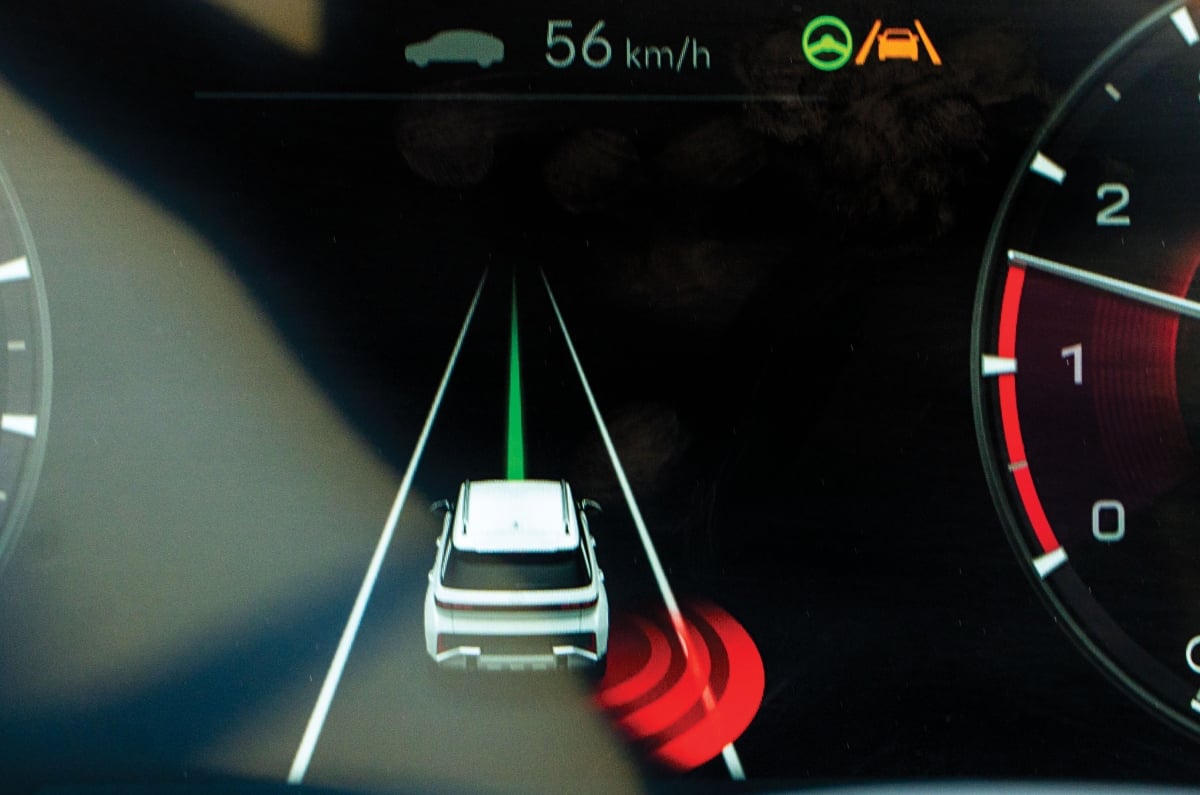
Hyundai Venue N Line ADAS
Driver’s display shows detailed ADAS information.

After taking a good look at the real cockpit and understanding some of the controls that help initiate the autopilot sequence, we shift to a full-scale moving platform simulator used to train airline pilots around the world. The cockpit is identical, down to the last detail, and here we have Captain Sanaya Chothia to help us conduct a simulated flight. Can’t help noticing, the 737 also has a tyre pressure monitor; of course, it does. 

First up, a full-bore take off in the sim, Capt. Sanaya working the rudder pedals to keep the aircraft running down the centre line. Wow, this feels real, the sound, the visuals, the motion all combined. What a thing! After climbing out, we take a quick look at the sequence used to initiate the autopilot, most of the steps done on the long horizontal panel that sits between the pilots, directly in their line of vision. The first step involves checking if the auto throttle is engaged, and then all the pilot needs to do is press a single button on the autopilot panel. Unlike ADAS, the route the aircraft has to take is already pre-programmed into the navigation computer, a fairly long and detailed process. The speed, the height, the course, the heading, everything. And the autopilot just follows this.  
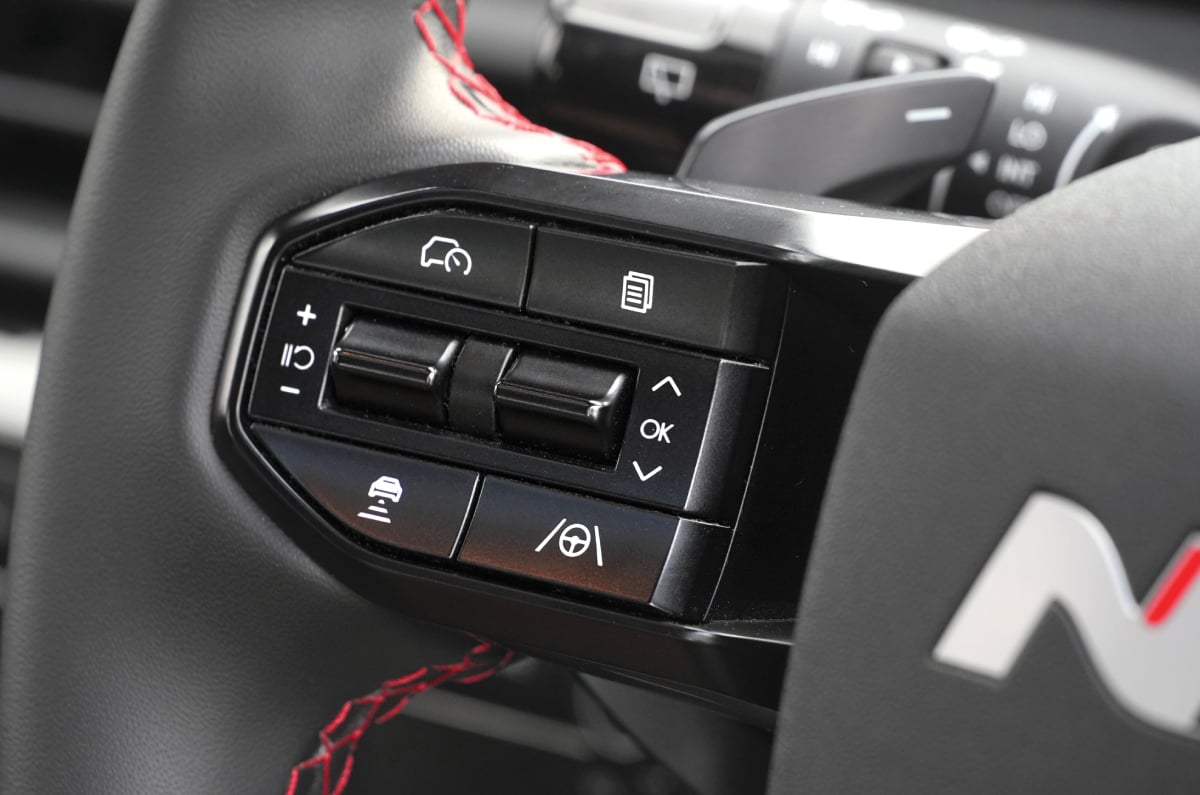
Hyundai Venue N Line ADAS controls
The buttons that initiate ADAS are all placed here. 

Once the system is initiated, the throttles move on their own, adjusting thrust; the yoke makes deliberate corrections and the screens display the aircraft banking smoothly along its GPS track. As the flight progresses, pilots can keep the aircraft on autopilot and make plenty of alterations to the route, either to avoid weather, get a more direct route or as directed by Air Traffic Control. There are knobs on the panel to alter course, speed, heading and altitude, with even the rate of descent and ascent adjustable. 

We even execute an autoland, where the aircraft lands itself. The Instrument Landing System frequency is first inputted into the Multi-Mode navigation panel, the final approach course is set for the runway on the Mode Control or autopilot panel (272 for runway 27 in this case), and then the APP or approach mode is selected once the aircraft is positioned correctly. Doing this arms the localiser and glideslope systems that, as we’ve mentioned earlier, have their sensors in the nose cone. Seeing the aircraft adjust, manoeuvre, manage its path, height and distance, and land itself is an eye-opener. What an incredible piece of technology! 
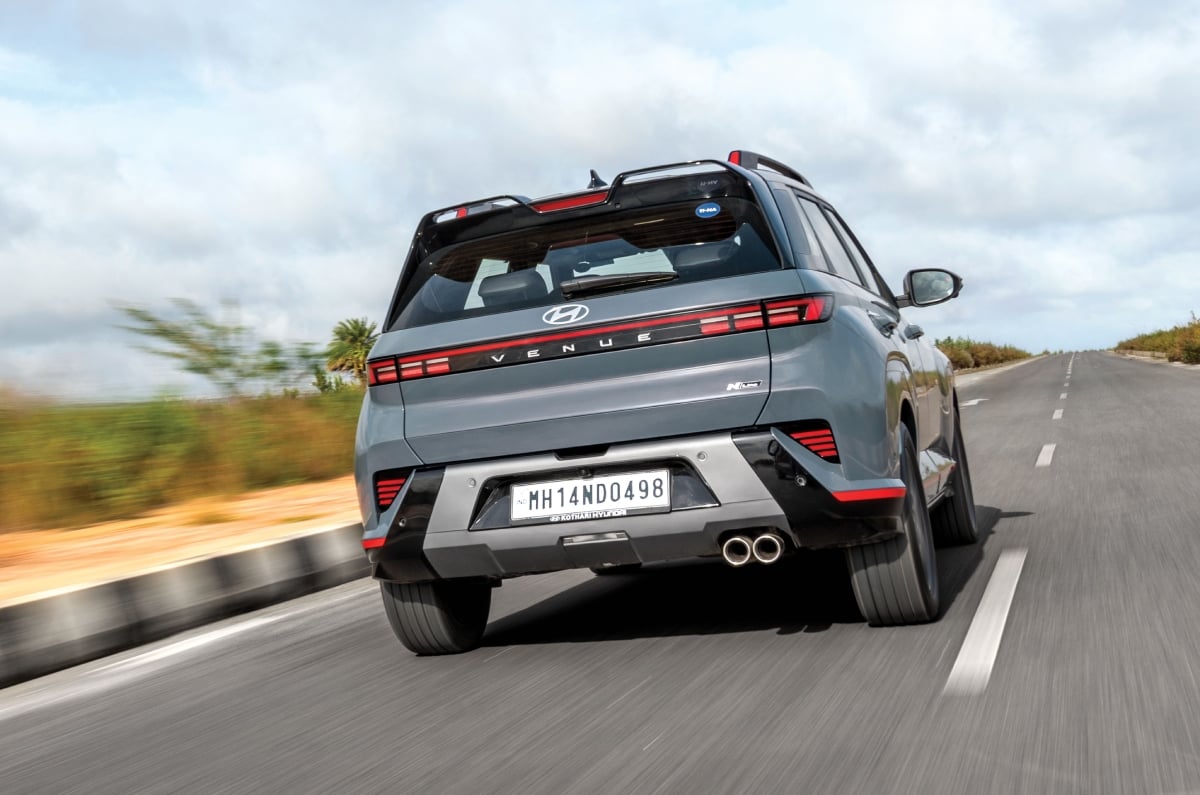
Hyundai Venue N Line rear action
Level 2 ADAS on the Hyundai Venue N Line integrates data from all its sensors for a smooth, seamless drive. 

What’s fascinating is that both systems have boundaries. In aviation, autopilot is trusted to fly for hours, even land. Pilots monitor, manage and intervene when necessary, but the system is designed to shoulder the bulk of the workload. Take offs, however, are always manual. In cars, ADAS is an assistant with a much narrower scope. It reduces fatigue, takes a load off the driver and adds a safety net, but ultimately the driver is always on call at short notice and is the one in control. 

Sharing the workload
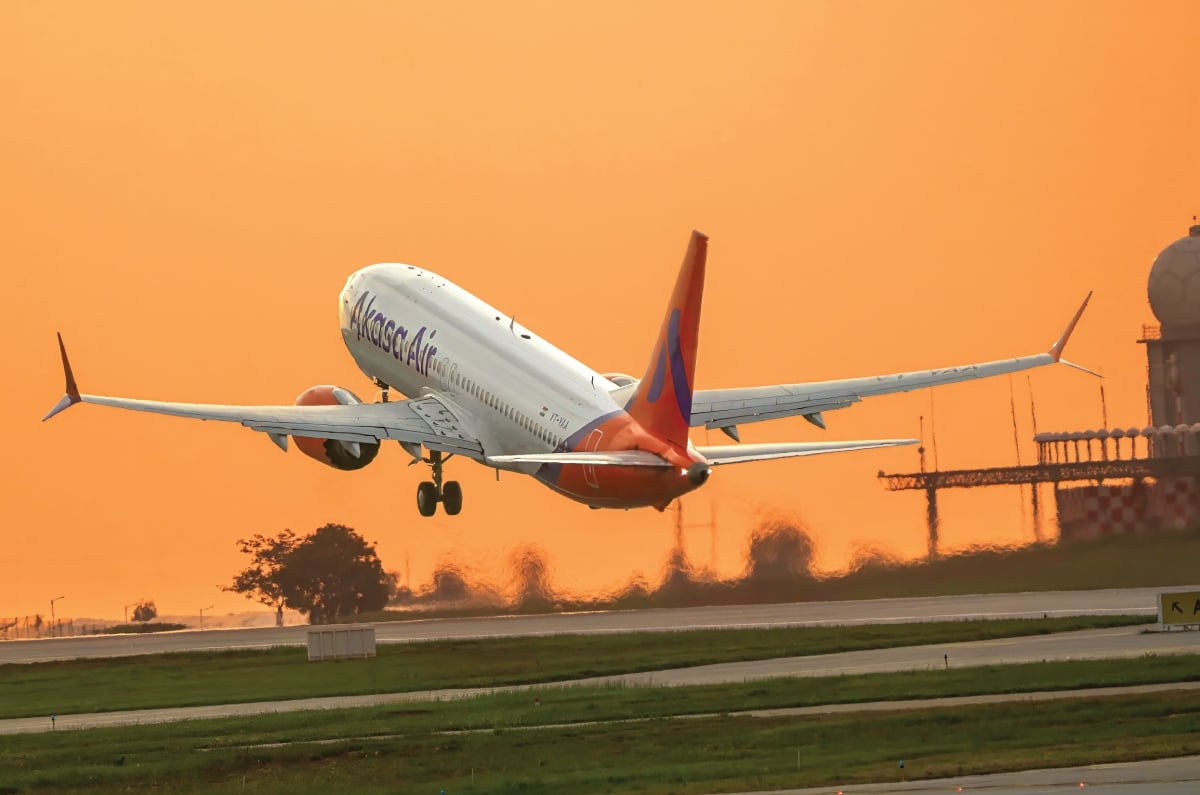
Akasa Boeing 737 Max take off
Modern aircraft like this Akasa 737 Max can get onto autopilot soon after take off.

Similar in execution but very different in how they function, ADAS and Autopilot both overlap but also exist in isolation. One is designed to keep you from bumping into a hatchback on the Western Express Highway, while the other is designed to guide an 80-tonne metal tube across oceans. Both are glimpses into a future where machines will shoulder more of the burden of control and blow us away with the technology on offer. But for now, if you step into an aircraft, know that while autopilot may be doing a bulk of the flying, a pilot is always watching, and when you engage ADAS to ease your commute, keep your eyes on the road, your hands on the wheel.
Hot Stocks : बाजार में बढ़त के साथ हो रहा कारोबार, शॉर्ट टर्म में करना चाहते हैं बंपर कमाई तो इन दो शेयरों पर लगाएं दांव

Hot Stocks : भारतीय बेंचमार्क इंडेक्स बढ़त के साथ कारोबार कर रहे हैं और निफ्टी 22700 के ऊपर दिख रहा है। सुबह 10:40 बजे के आसपास सेंसेक्स 227 अंक यानी 0.31 प्रतिशत बढ़कर 72,756 पर और निफ्टी 4.60 अंक या 0.02 प्रतिशत बढ़कर 22,720 पर दिख रहा था। सेक्टर के हिसाब से देखें तो IT, मीडिया और PSU बैंक में 1-2% की बढ़त हुई है। जबकि मेटल और फार्मा में लगभग 1-1% की गिरावट आई है। निफ्टी मिडकैप और स्मॉलकैप इंडेक्स में 0.5-0.5% की बढ़त दिख रही है।

मार्केट आउटलुक

जियोजित इन्वेस्टमेंट्स में चीफ इन्वेस्टमेंट स्ट्रैटेजिस्ट, वी के विजयकुमार का कहना है कि सितंबर में अब तक निफ्टी में आई 5.67% की भारी गिरावट की मुख्य वजह कच्चे तेल की ऊंची कीमतें और अमेरिकी बॉन्ड यील्ड का बढ़ना है। पिछले कुछ दिनों में जब FIIs ने बड़े पैमाने पर बिकवाली की तो यह गिरावट और तेज हो गई। पिछले चार ट्रेडिंग दिनों में FIIs ने 24,054 करोड़ रुपये के शेयर बेचे, जो कि बहुत बड़ी बिकवाली है। 10 साल के अमेरिकी बॉन्ड यील्ड के 5.2% के आसपास आ गए हैं। इसको देखते हुए,FIIs की यह बिकवाली एक समझदारी भरा कदम है।

भारतीय निवेशकों के नजरिए से बाजार में आई यह भारी गिरावट एक मौका दे रहा है। अच्छी ग्रोथ की संभावनाओं वाली लार्ज-कैप कंपनियां आकर्षक वैल्यूएशन पर आ गई हैं। यह ‘वैल्यू बाइंग'(सही कीमत पर खरीदारी) का मौका है। फाइनेंशियल (खासकर बड़े बैंक), कैपिटल गुड्स, टेलीकॉम और ऑटोमोबाइल जैसे सेक्टर में खरीदारी के अच्छे मौके हैं। इन सेक्टर की मार्केट लीडर कंपनियों में निवेश के लिए रिस्क-रिवॉर्ड रेशियो बहुत अच्छा है।

कच्चे तेल की कीमतों में गिरावट से बाजार में तेजी आ सकती है और जब ऐसा होगा तो ये लार्ज-कैप कंपनियां उस तेजी को आगे बढ़ा सकती हैं। मीडियम से लॉन्ग-टर्म निवेशकों के लिए,यह बाजार ‘वैल्यू बाइंग’के शानदार मौके दे रहा है।

बाजार में आज के लिए क्या हो रणनीति?

निफ्टी पर रणनीति

बाजार पर अपनी आज की रणनीति साझा करते हुए सीएनबीसी-आवाज़ के वीरेंद्र कुमार ने कहा कि निफ्टी के लिए पहला रेजिस्टेंस 22851-22910 पर और बड़ा रेजिस्टेंस 22971-23033-23110 पर है। इसके लिए पहला बेस 22573-22621 पर और बड़ा बेस 22469-22519 पर है। नई सीरीज की शुरुआत में FIIs के नेट शॉर्ट 2.67 लाख के पार हैं। ग्लोबल बाजारों से हैंडओवर फ्लैट रहे लेकिन रुझान निगेटिव है। कच्चा तेल थोड़ा नरम पड़ा है, लेकिन बॉन्ड यील्ड अब भी ऊंची है।

नई सीरीज के पहले दिन काउंटर ट्रेंड की गुंजाइश रहती है। लेकिन रिवर्सल के लिए मैक्रो इंडिकेटर्स का साथ जरूरी है। रेजिस्टेंस-1 के नीचे खरीदारी का कोई मजबूत संकेत नहीं है। फिलहाल SELL ON RISE की रणनीति पर फोकस बेहतर रहेगा। रेजिस्टेंस-1 पार हुआ तो रेजिस्टेंस-2 जोन तक पुलबैक संभव है। बेस-1 और कल के LOW पर खास फोकस रहेगा। अगर बेस-1 टिकता है तो रिवर्सल ट्रेड मिल सकता है। बेस-1 टूटा तो SLs लगेंगे और बेस-2 का दबाव बढ़ेगा।

बैंक निफ्टी पर रणनीति

वीरेंद्र कुमार ने कहा कि बैंक निफ्टी के लिए पहला रेजिस्टेंस 54810-55040 पर और बड़ा रेजिस्टेंस 55291-55589 पर है। इसके लिए पहला बेस 54009-54177 पर और बड़ा बेस 53711-53856 पर है। कल इसमें तेज गिरावट आई। बेस-2 तक पहुंचकर रिकवरी दिखी। बैंकों का स्ट्रक्चर कमजोर है। शॉर्ट रोलओवर का दबाव है। 54800-55000 जोन में कॉल राइटर्स की पहली दीवार है। सबसे ज्यादा कॉल राइटिंग 56000 पर हुई है। 54000 पुट पर ठीक-ठाक OI है,बेस के लिए अहम है। आज कच्चे तेल और रुपए पर खास नजर रहेगी। रेजिस्टेंस-1 के नीचे SELL ON RISE की रणनीति काम कर सकती है। बेस-1 पर शॉर्ट करें, टिकने पर रिवर्सल की गुंजाइश होगी। 55040 के ऊपर ही स्ट्रेंथ और शॉर्ट कवरिंग के संकेत मिलेंगे।

चकाचक चार्ट वाले शेयर

चकाचक चार्ट वाले शेयर बताने के लिए हमारे साथ जुड़े हैं Prakashgaba.com के प्रकाश गाबा। इनको आज Hyundai और Kaynes Tech में कमाई के मौके दिख रहे हैं। Hyundai में इनकी 2175 रुपए के टारगेट के लिए, 2050 रुपए के स्टॉप-लॉस के साथ खरीदारी की सलाह है। वहीं, Kaynes Tech में इनकी 3450 रुपए के टारगेट के लिए, 3550 रुपए के स्टॉप-लॉस के साथ बिकवाली की सलाह है


Stock Market Trend : मार्केट ट्रेंड अभी भी निगेटिव, कमजोर बाजार में कमाई के लिए इन दो शेयरों पर रहे नजर


डिस्क्लेमर: मनीकंट्रोल.कॉम पर दिए गए विचार एक्सपर्ट के अपने निजी विचार होते हैं। वेबसाइट या मैनेजमेंट इसके लिए उत्तरदाई नहीं है। यूजर्स को मनी कंट्रोल की सलाह है कि कोई भी निवेश निर्णय लेने से पहले सर्टिफाइड एक्सपर्ट की सलाह लें।

Renault India believes strong hybrids can be major volume drivers

Renault India believes strong hybrids can be major volume drivers
Renault India believes strong hybrid cars can be major volume drivers

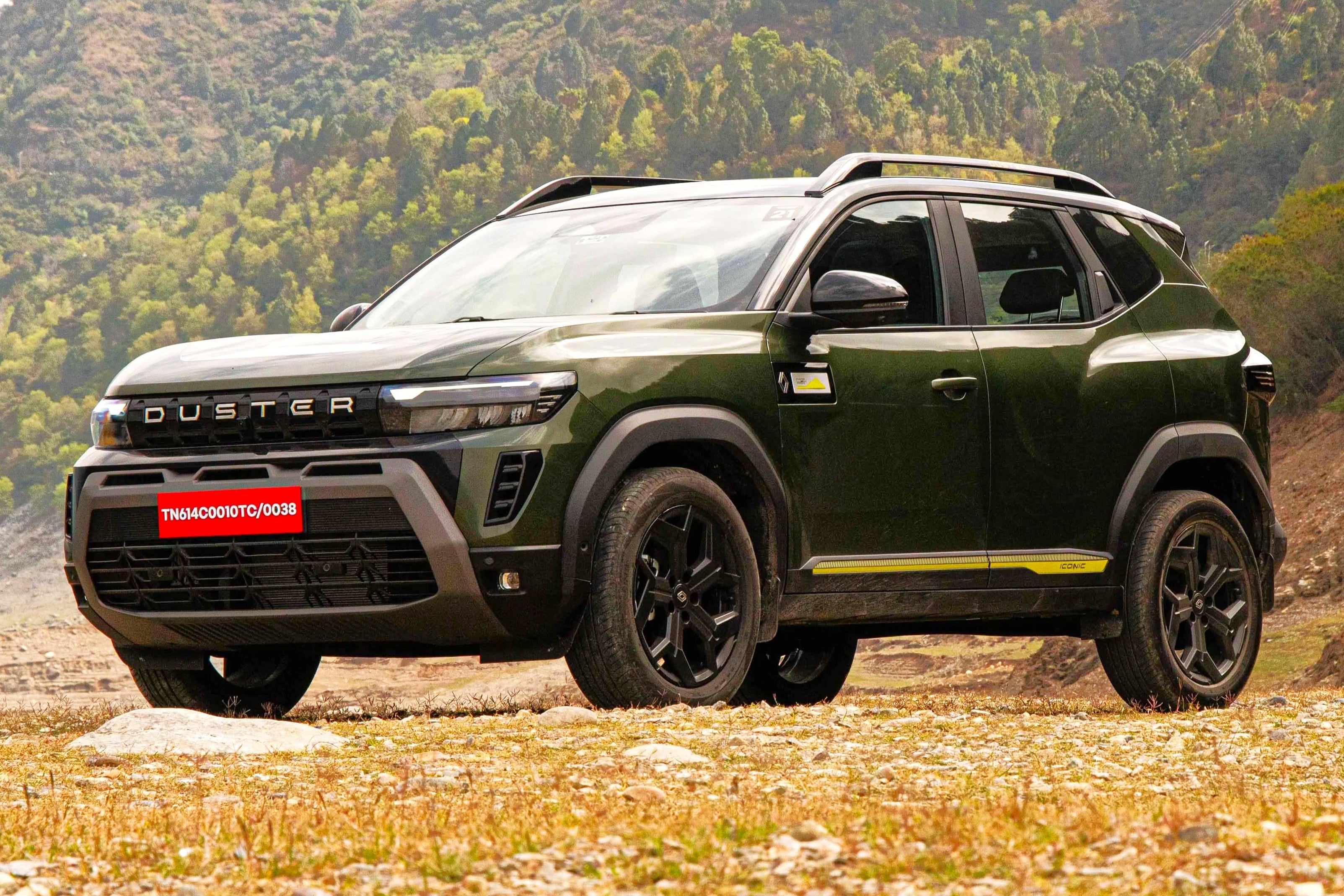
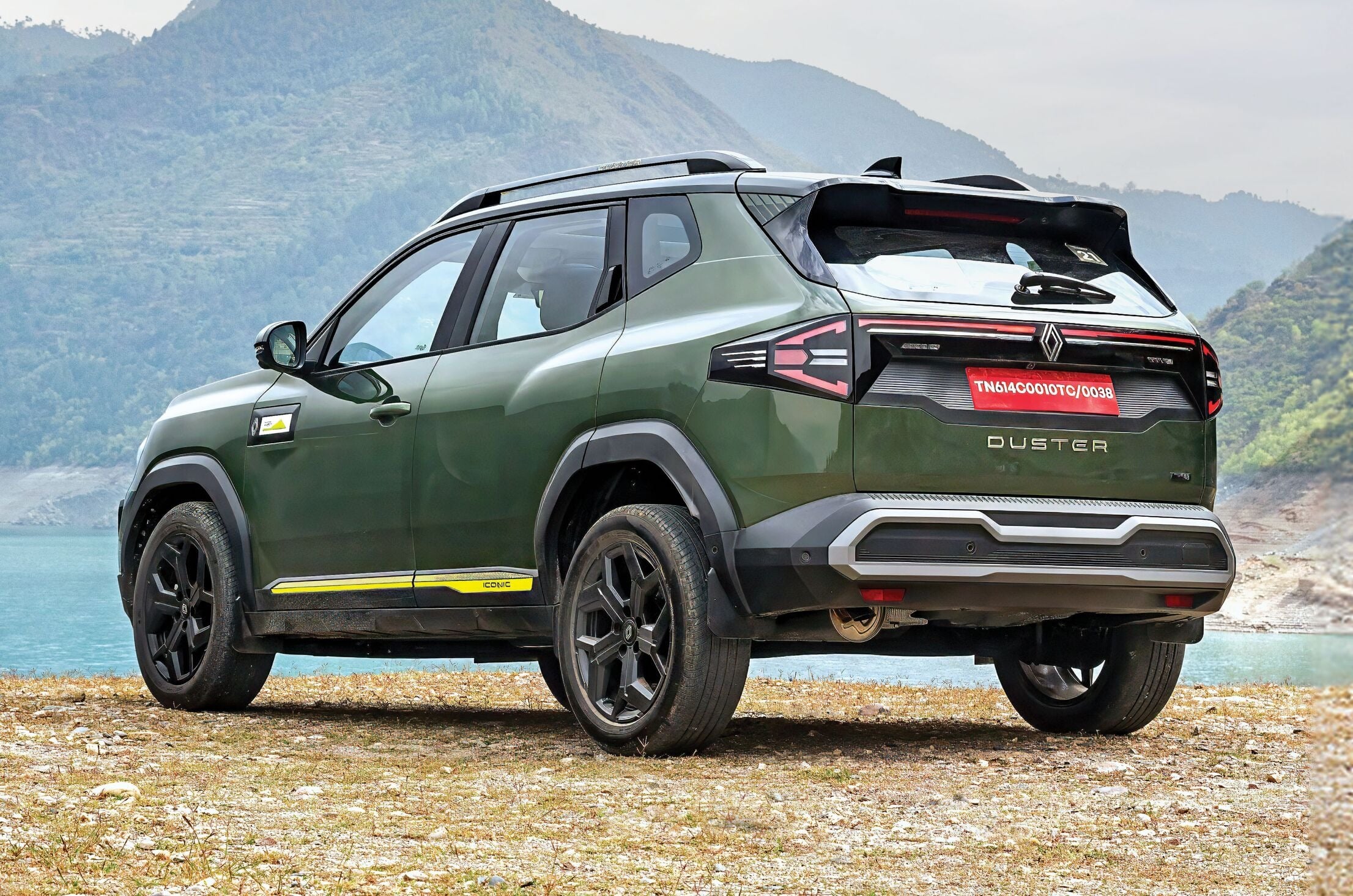
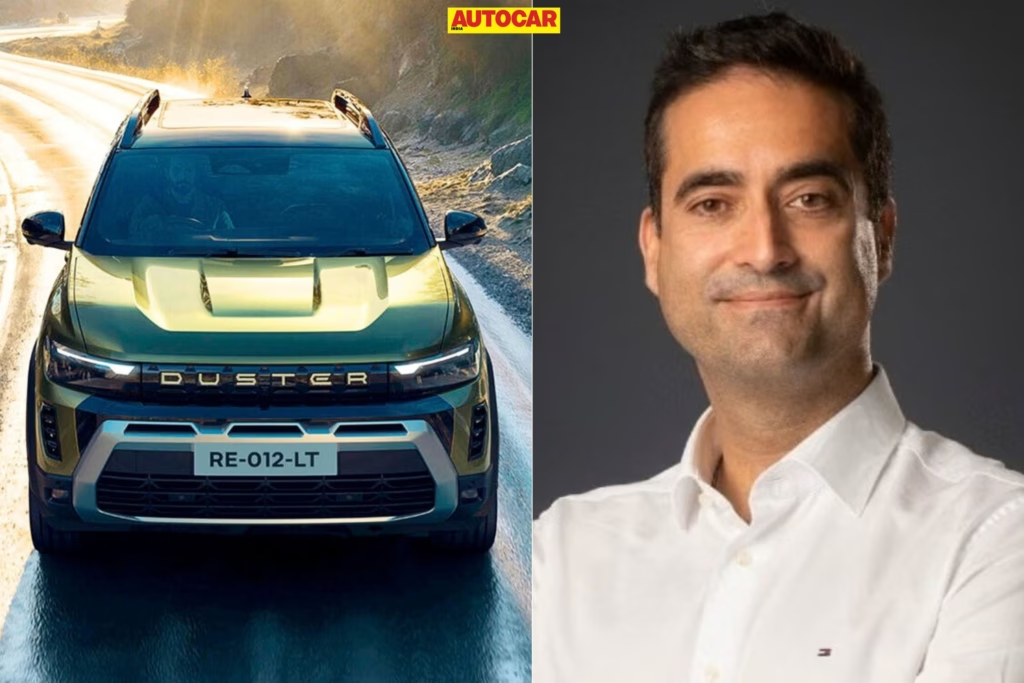
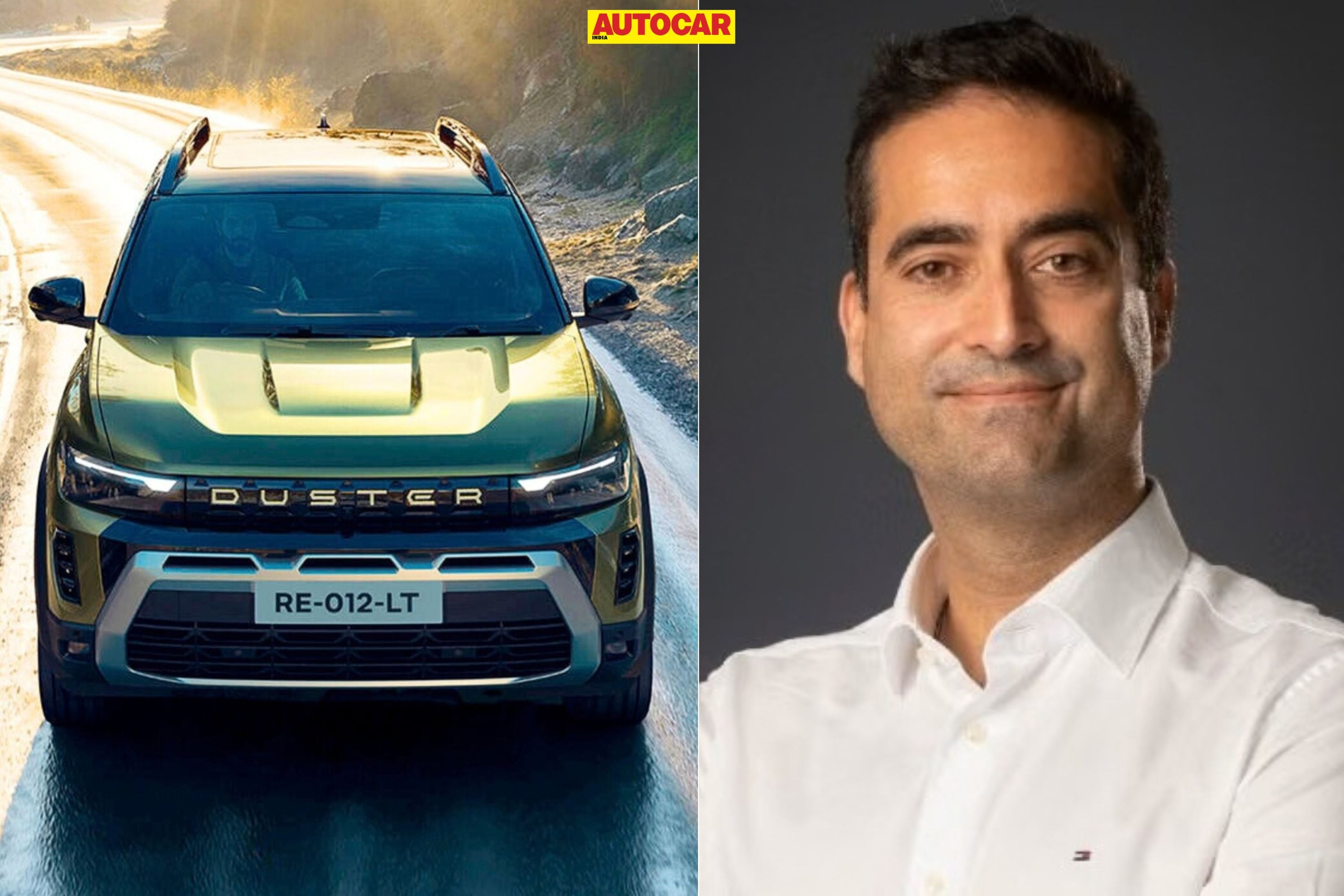
Renault India is gearing up to launch its first strong-hybrid powertrain under the bonnet of the Duster on October 17. The French carmaker expects strong-hybrid cars to become major volume drivers in India over the coming years. Speaking to our sister publication, Autocar Professional, Francisco Marques – Renault India’s Vice President for Sales and Marketing – described strong hybrids as a bridge between combustion-powered cars and EVs: “Hybrid is the perfect transition.”

Strong hybrids could drive sales for the next 20 years, says Marques

Marques expects this transitional period to last much longer than the immediate future. “Hybrid is going to be the main volume-making technology probably for the next 10, 15, or 20 years to come,” he said. According to Marques, EVs are not yet ready to dominate the Indian market on their own, with charging infrastructure and charging capacity likely to limit the pace of adoption.

The Indian passenger vehicle market continues supporting multiple powertrain technologies, including hybrids, CNG, and EVs, instead of one technology immediately replacing another. “Until EVs become something more, then there will be hydrogen,” Marques stated. He also expects strong hybrids to attract customers who might otherwise opt for diesel. “I see diesel declining, I see a strong hybrid growing very fast. And it’s related to the offer,” he said. Interestingly, diesel car sales grew by 15 percent year-on-year in the first half of CY2026, indicating that there still is a lot of demand for them.

More powertrain variety can improve the Duster’s slow sales pace

Since it went on sale in March, the Duster has been available exclusively with turbo-petrol engines – a sore point for many fans of the original Duster and its punchy 1.5-litre K9K diesel mill. It doesn’t help that many of the Duster’s midsize SUV rivals feature broader powertrain offerings: naturally aspirated petrol, diesel, CNG, hybrid, and electric. The lack of variety in fuel types is likely one of the reasons why the Duster has been falling behind in the sales charts – it managed a mere 406 wholesales in August, and has sold fewer than 7,000 units since launch. For perspective, the Kia Seltos sells an average of 10,000-11,000 units a month, while the segment-dominating Hyundai Creta averages 15,000-16,000 units sold.

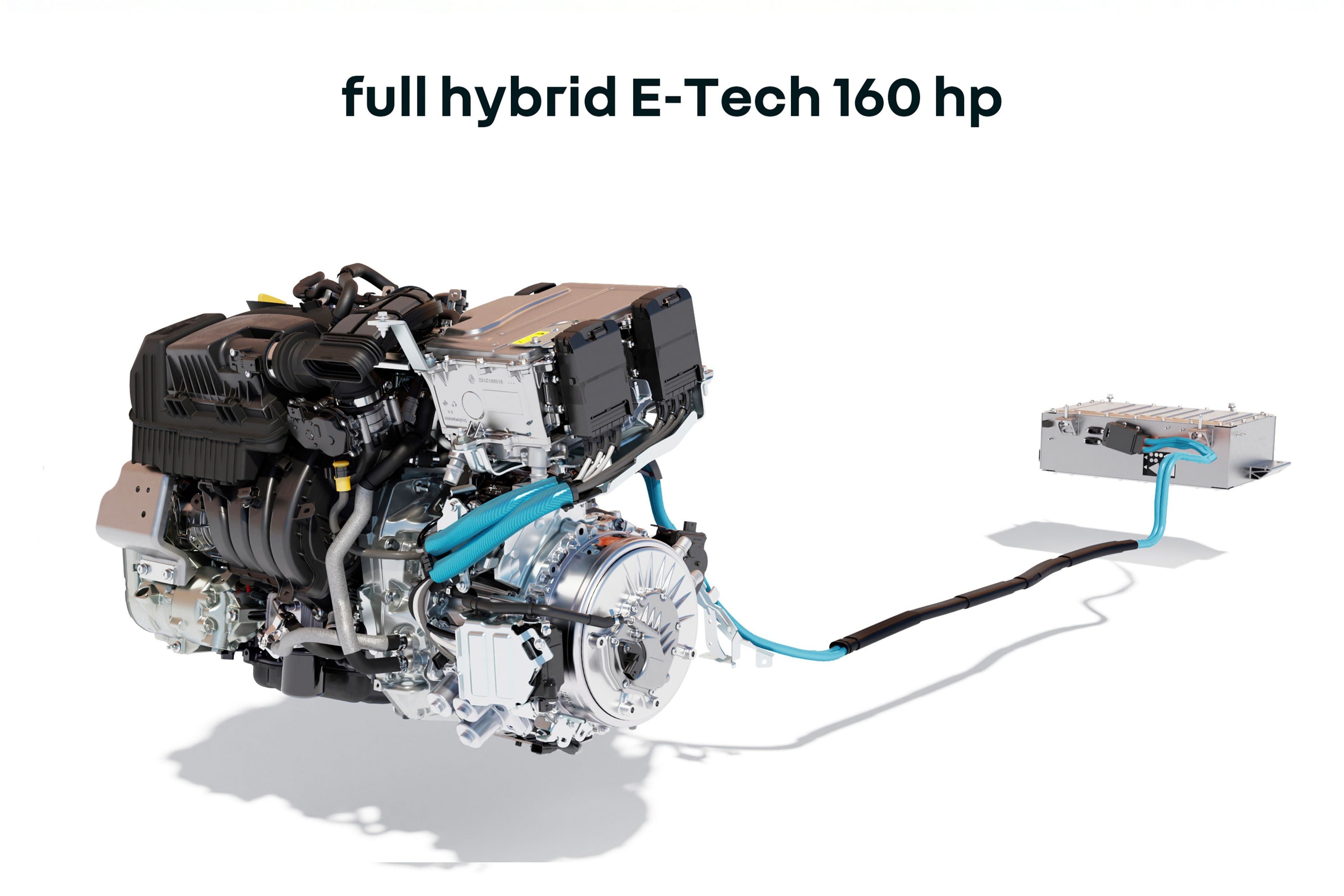
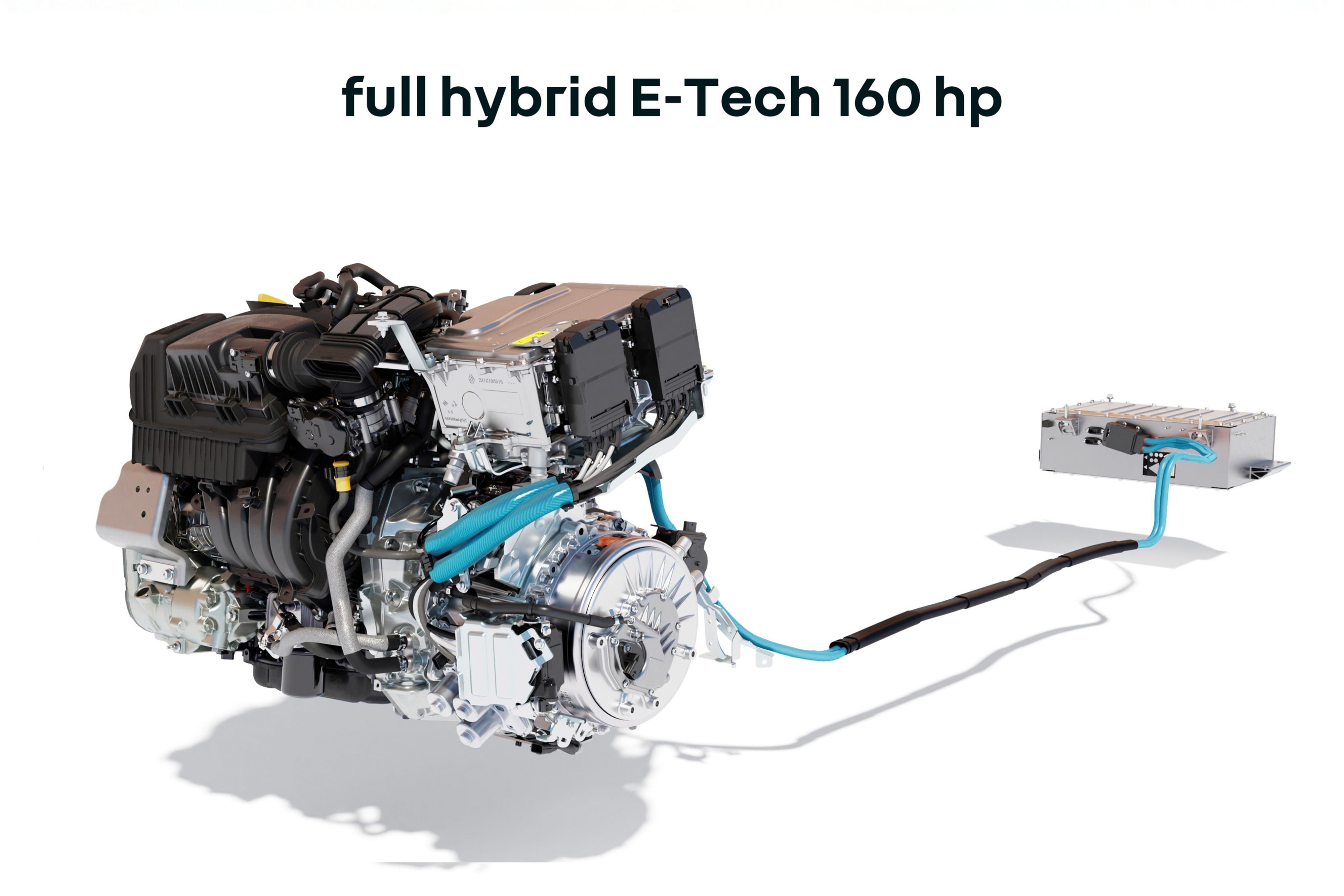
A strong-hybrid powertrain will let the Duster directly rival the subset of hybrid midsize SUVs, namely the Toyota Hyryder, Maruti Grand Vitara, and Maruti Victoris. On paper, the Duster’s upcoming ‘E-Tech 160’ hybrid setup has an edge over those of its rivals. Where the Hyryder, Victoris, and Grand Vitara use a 116hp 1.5-litre three-cylinder strong-hybrid system and an e-CVT gearbox, the Duster’s E-Tech 160 powertrain combines a larger 1.8-litre four-cylinder naturally aspirated petrol engine, two electric motors, and a 1.4kWh battery pack (the Hyryder has a 0.6kWh unit). Combined output is 160hp and 172Nm, with drive sent to the wheels through a segment-first 8-speed dedicated hybrid transmission. Renault also claims that the E-Tech 160 can deliver 80 percent of urban driving in all-electric mode.

That said, pricing is likely to be crucial to the Duster hybrid’s reception in the market, which is why Renault has been working on localising the E-Tech 160. Strong-hybrid variants of the Grand Vitara, Hyryder, and Victoris are priced in the Rs 16 lakh-20 lakh (ex-showroom) ballpark, so if the Duster hybrid is priced similarly, or even lower, Renault can trigger renewed interest in its midsize SUV.

Upcoming car launches and debuts in October 2026

Upcoming car launches and debuts in October 2026

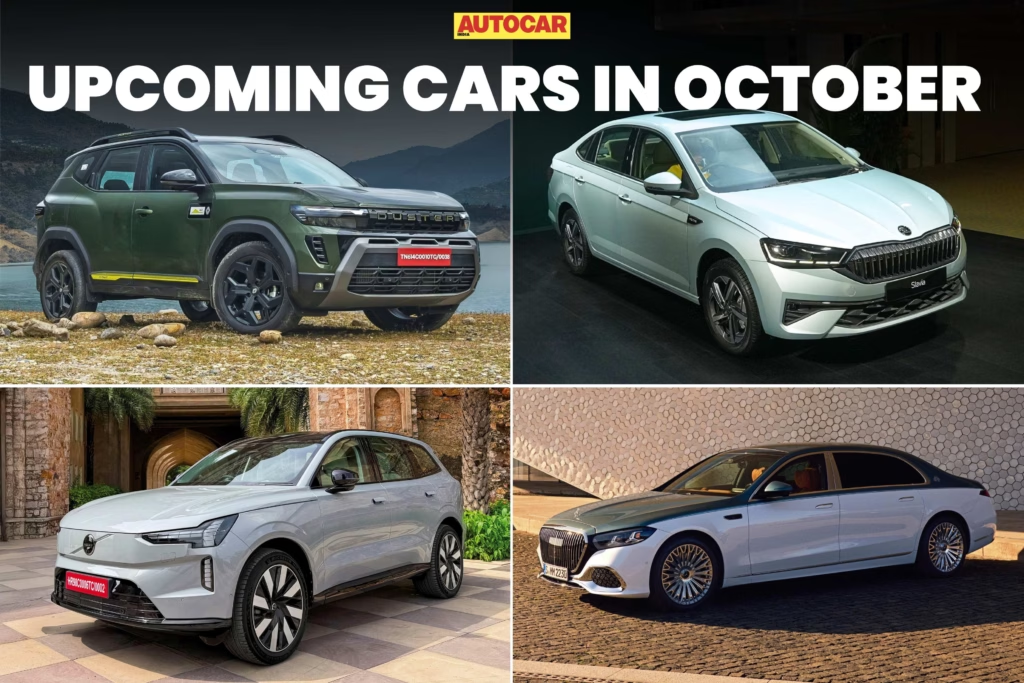
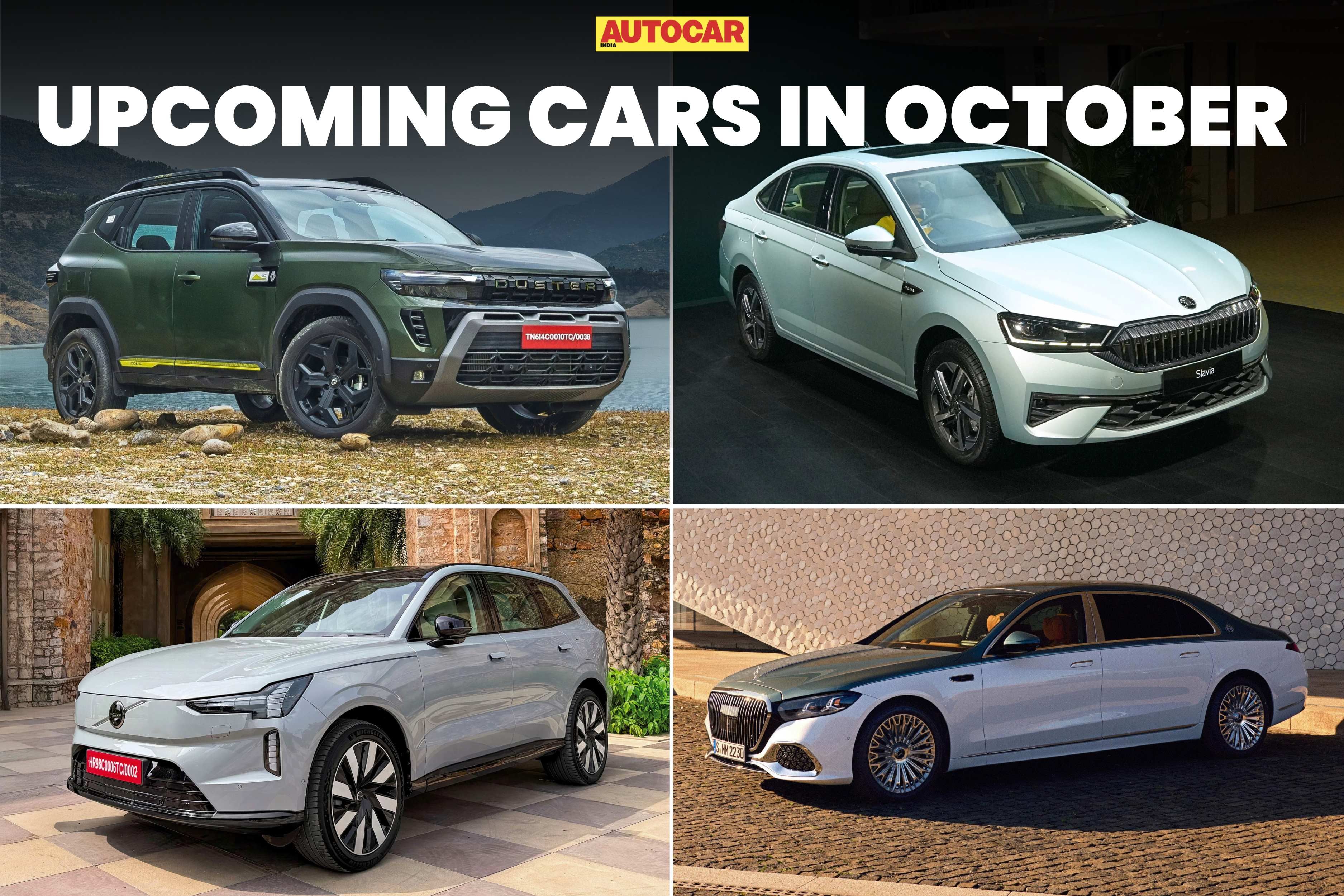
October marks the onset of the festive season in India, which means manufacturers line up a barrage of new car launches and debuts for prospective buyers to consider. It’s no different this year, with October 2026 looking quite stacked with fresh launches and debuts, especially during the first half of the month. Let’s delve into every new car that will either go on sale or debut in India next month.

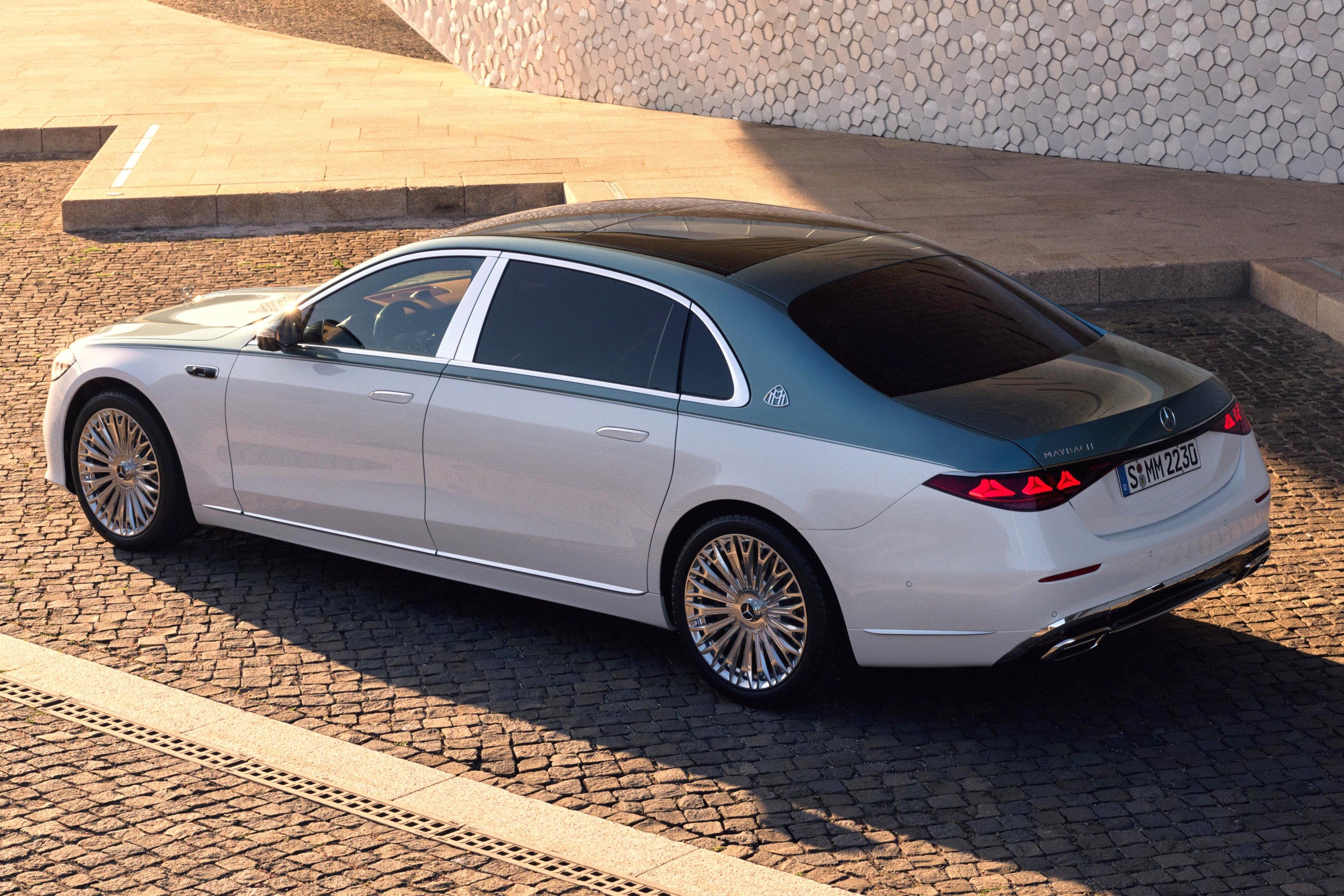
Mercedes-Benz Maybach S-Class facelift

Launch: 5 October

Following the launch of the 2026 S-Class facelift back in June, Mercedes-Benz India will bring the sedan’s longer and more luxurious Maybach derivative in October. Compared to its standard version, the Maybach S-Class facelift continues to be 180mm longer, but carries styling differentiators like a vertically-slatted grille adorned with a ‘Maybach’ wordmark, mildly revised bumpers, bespoke wheel designs, lots of Maybach logos peppered across the bodywork, and the signature dual-tone exterior finish.

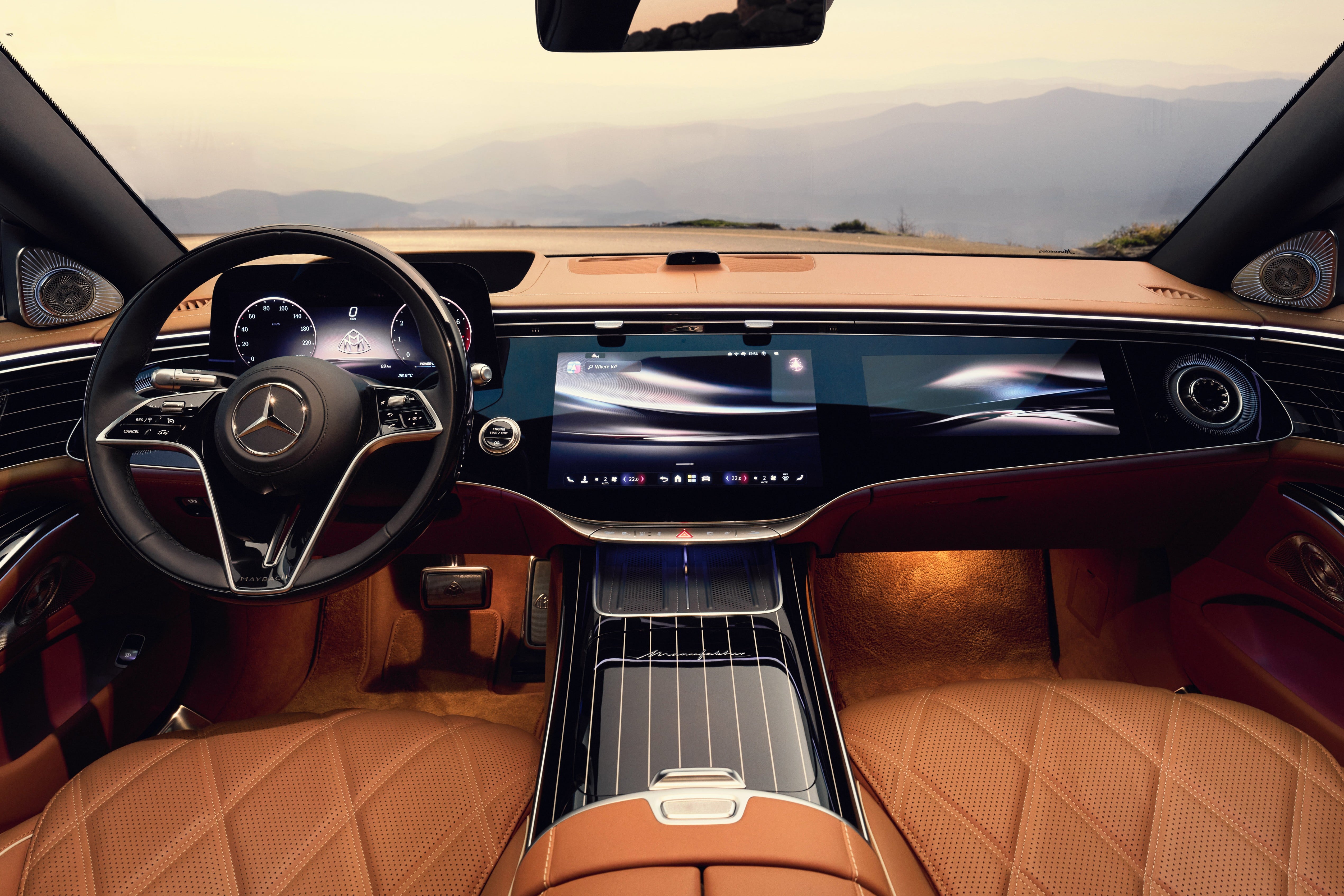
Inside, the Maybach prominently retains the standard S-Class’s Superscreen setup, comprising a 12.3-inch digital driver’s display, a 14.4-inch central touchscreen, and a 12.3-inch passenger display. New upholstery choices include extended leather and a leather-free vegan option. The rear seats remain largely unchanged, offering up to 43 degrees of recline, along with heating, ventilation, and massage functions. Globally, the Maybach S-Class can be had with either a 4.0-litre twin-turbo mild-hybrid V8 (S 580), a 4.0-litre twin-turbo V8 plug-in hybrid (S 580e), or a 612hp 6.0-litre twin-turbo V12 (S 680). Mercedes-Benz India is likely to offer the updated Maybach S-Class in S 580 or S 580e spec.

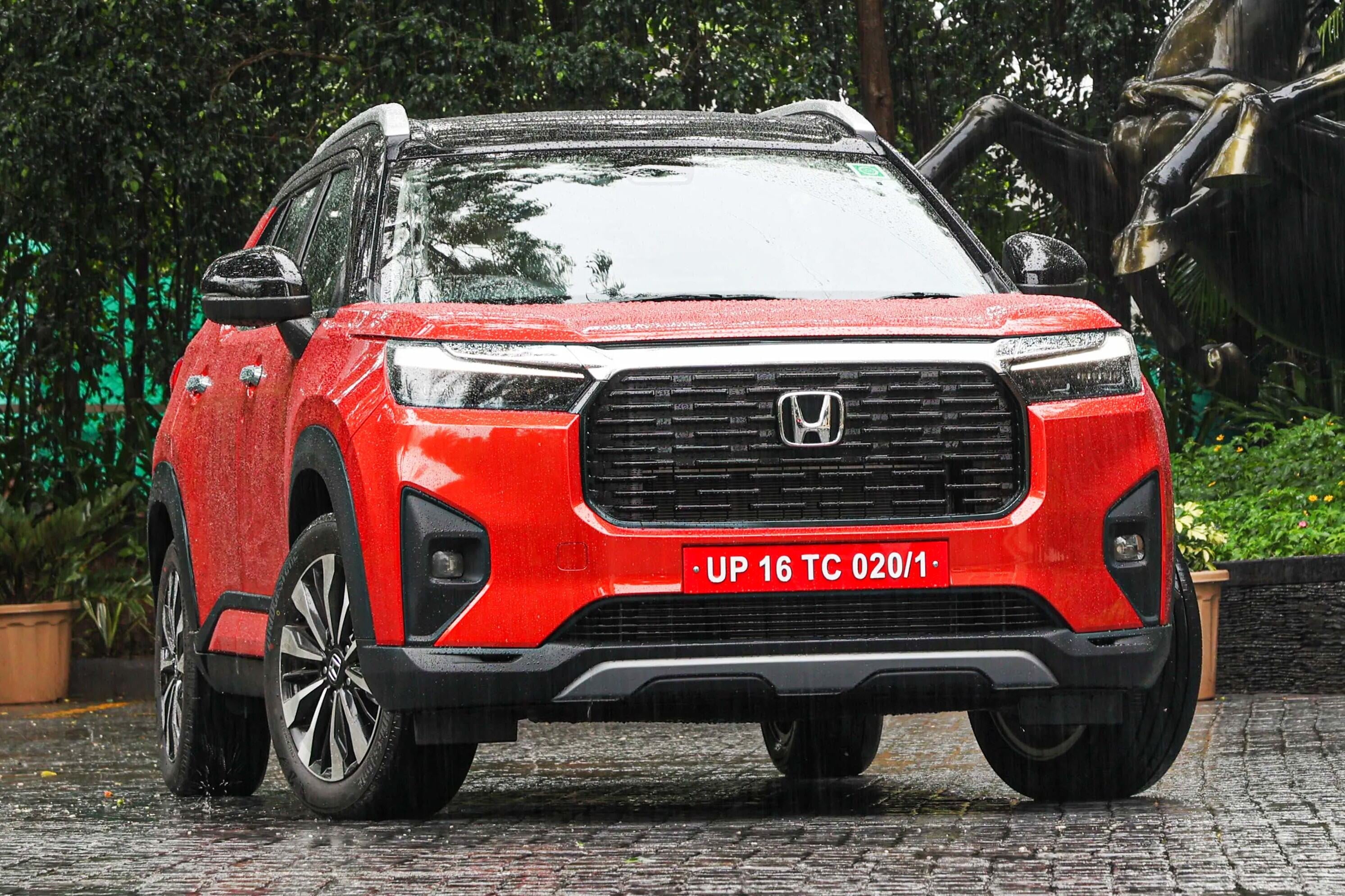
Honda Elevate facelift

Launch: 6 October

Current Honda Elevate. Image used for representation only.

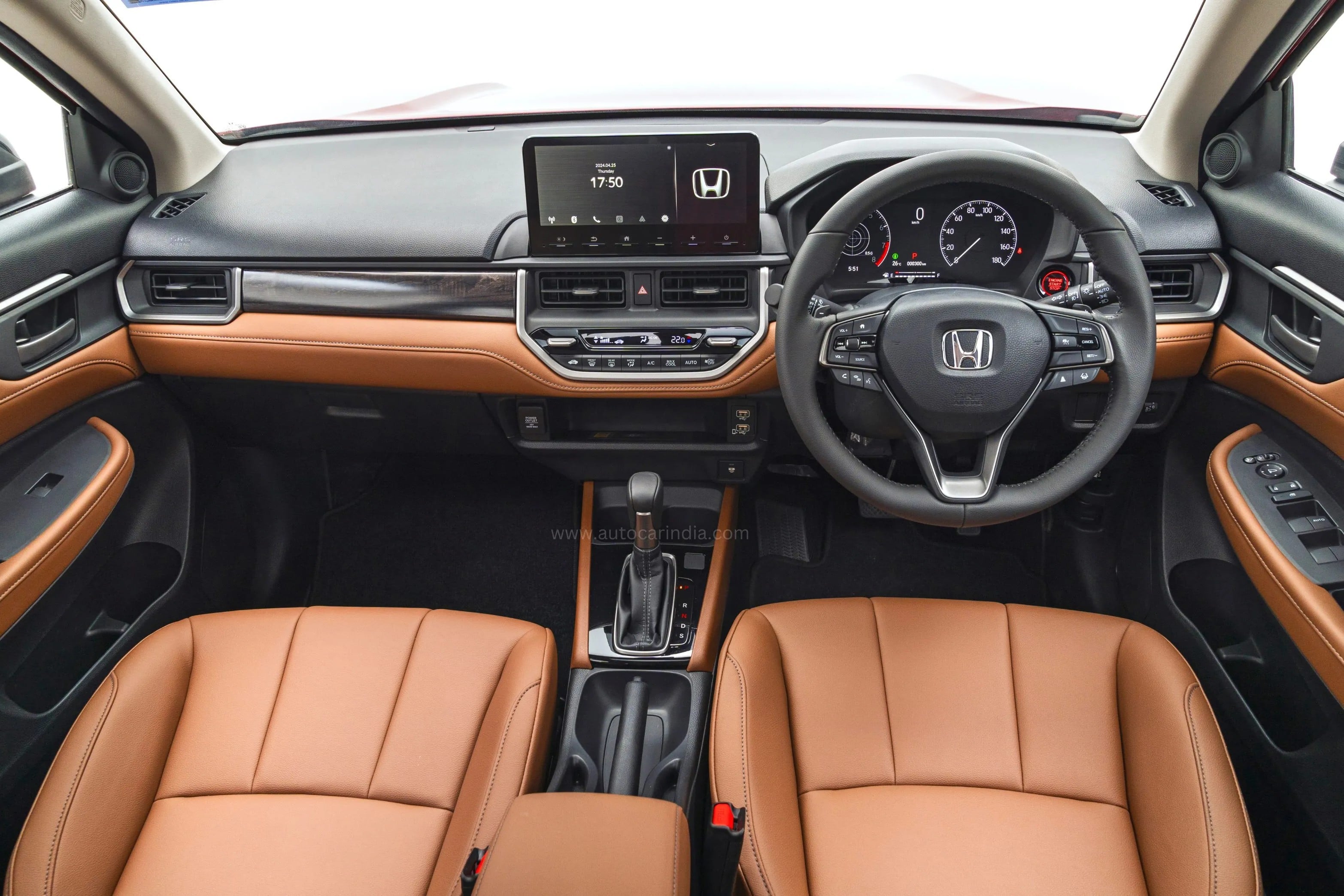
Following in the footsteps of the 2026 City facelift, Honda will launch an updated version of the Elevate SUV in October. Expect the Elevate facelift to sport revised styling cues, including the headlamps, tail-lamps, bumpers, grille, and wheels. The interior is anticipated to see changes like a larger infotainment touchscreen and revised colour schemes, along with feature upgrades like ventilated front seats, a 360-degree camera, ambient lighting, and more.

Current Honda Elevate interior. Image used for representation only.

The facelifted Elevate is likely to retain the current model’s 121hp 1.5-litre four-cylinder naturally aspirated petrol engine, and its 6-speed manual and CVT automatic gearbox options. It remains to be seen if Honda will additionally offer the Elevate facelift with the City e:HEV’s 126hp 1.5-litre four-cylinder petrol-hybrid powertrain, which is solely mated to an e-CVT automatic. A strong hybrid version of the Elevate would allow it to compete directly with established hybrid midsize SUVs like the Maruti Grand Vitara, Victoris, and Toyota Hyryder, as well as the upcoming Renault Duster hybrid – also slated for launch next month.

Skoda Slavia facelift

Launch: 6 October

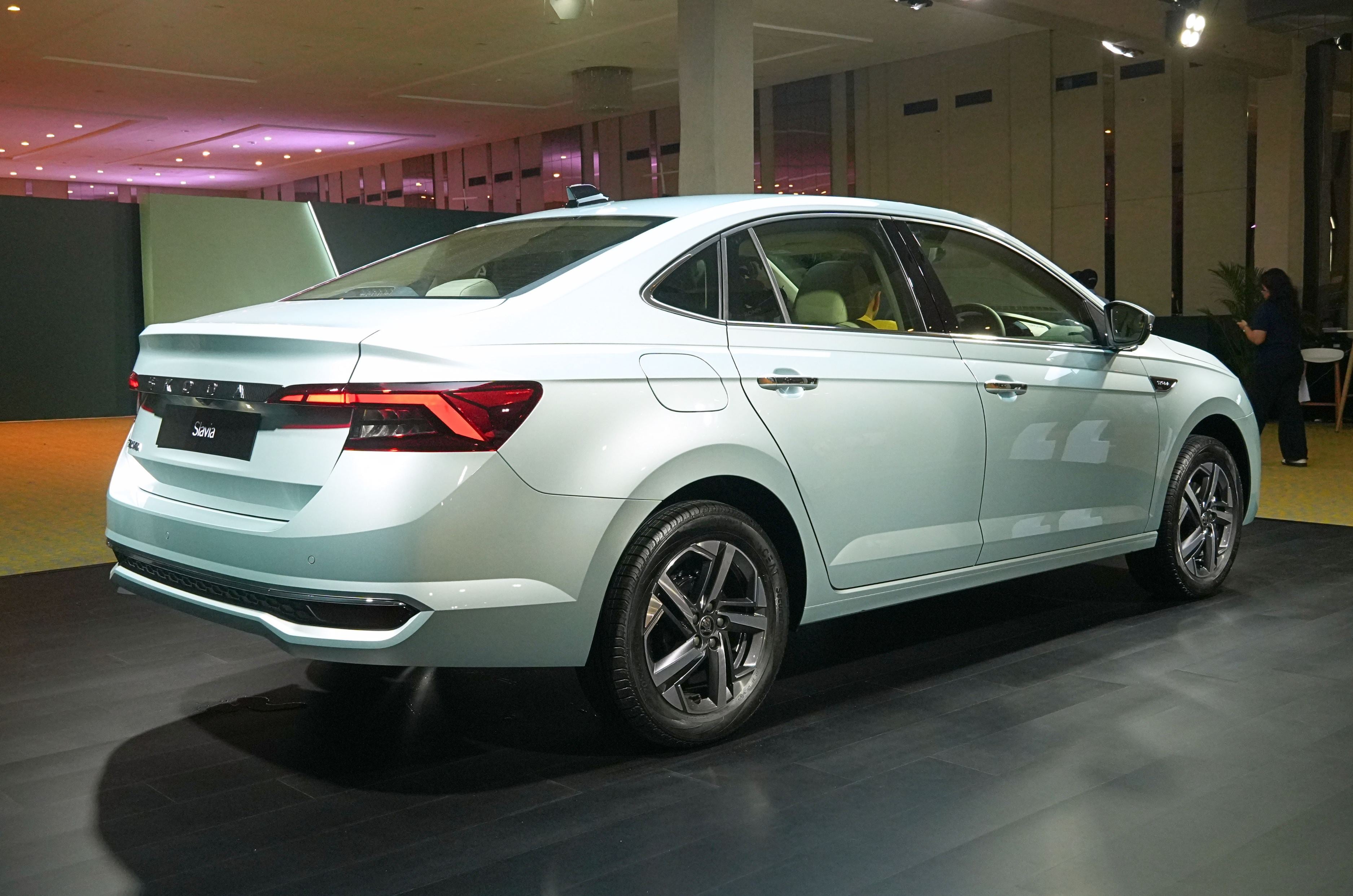
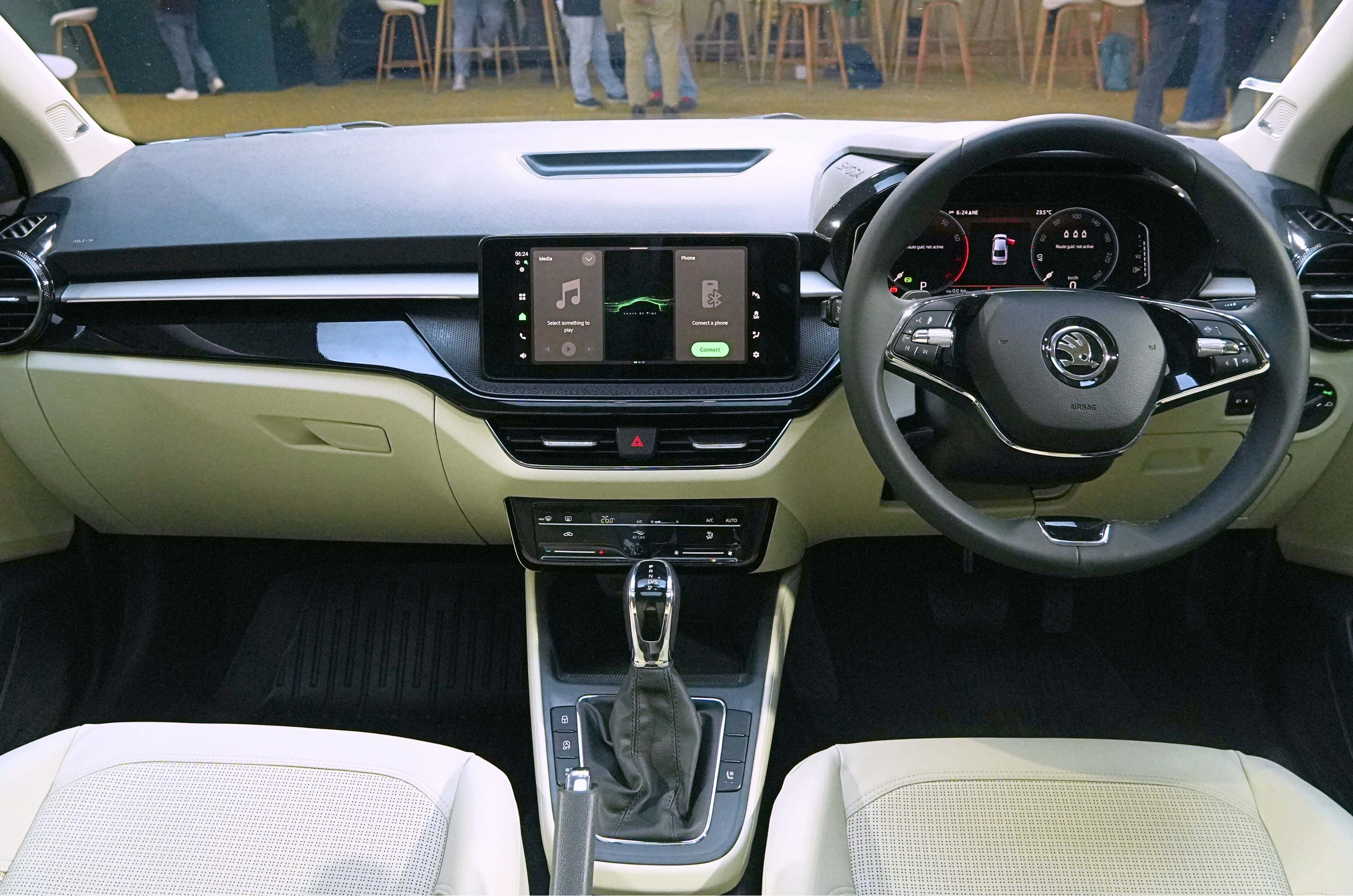
Having debuted back in August, the facelifted Skoda Slavia’s prices will be announced next month. The Slavia facelift brings a host of exterior tweaks, like new DRL signatures for the headlamps, an updated grille, redesigned bumpers, and fresh alloy wheels. Not much has changed on the inside, but there are new colour schemes on offer. Skoda has also added features like a 360-degree camera, a massage function for the outboard rear seats, a larger 10.25-inch digital driver’s display, a Google-based AI assistant, an upgraded variable-geometry AC compressor, and front parking sensors.

Under the bonnet, the Slavia facelift retains its 115hp 1.0-litre three-cylinder direct-injection turbo-petrol and 150hp 1.5-litre four-cylinder direct-injection turbo-petrol engines. The big change here is that the 6-speed torque converter automatic that was previously available for the 1.0 TSI has been swapped with an 8-speed unit, which should deliver better fuel efficiency on the highway. A 6-speed manual gearbox is also available for the 1.0 TSI, whereas the 1.5 TSI continues to be paired exclusively with a 7-speed dual-clutch automatic. The 1.5 TSI will be offered with rear disc brakes too – a much-requested upgrade.

Volvo ES90

Launch: 12 October

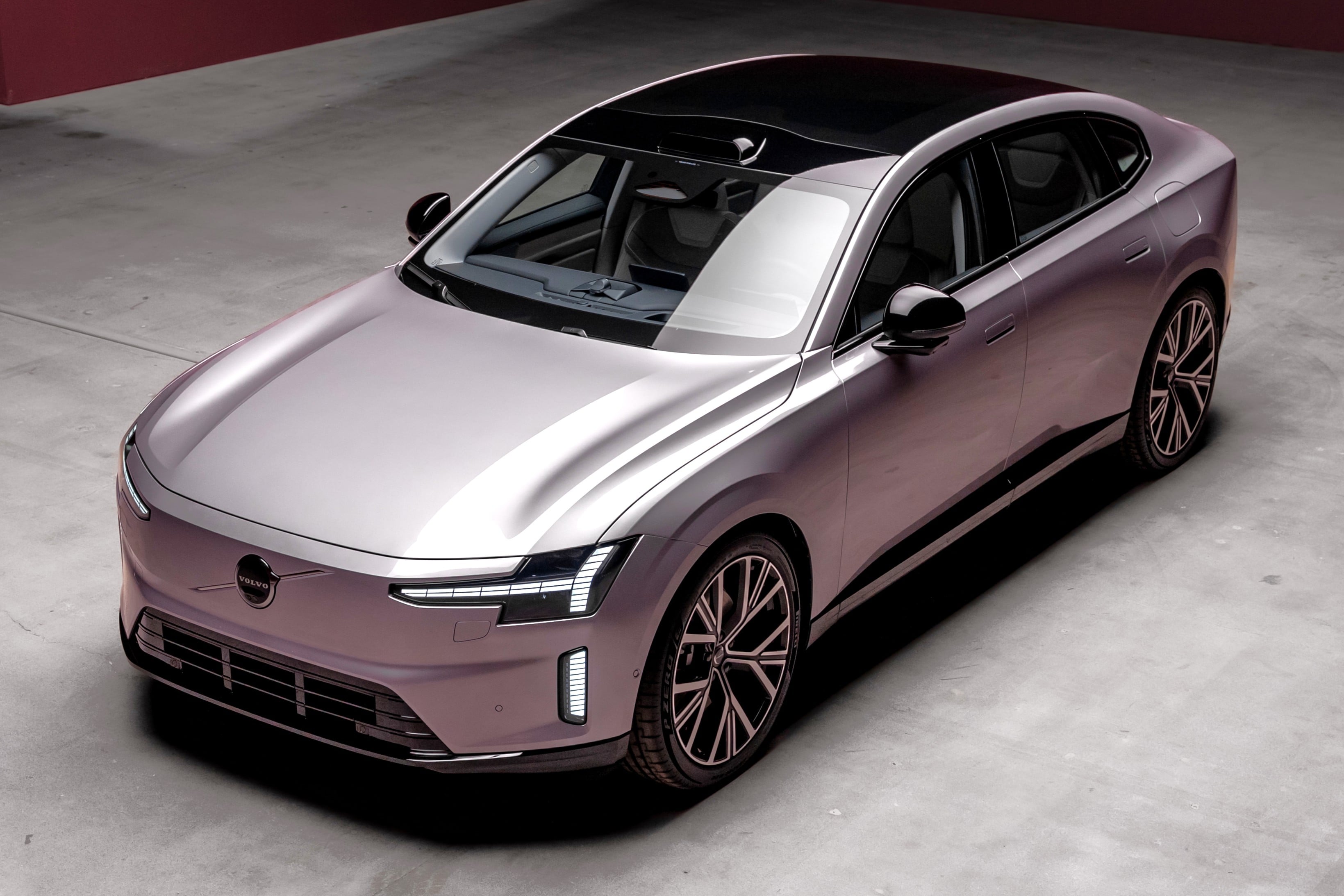
Volvo will return to the luxury sedan space next month with the launch of the all-electric ES90. It’s based on Volvo’s 800V SPA2 platform, and is likely to be offered with a 106kWh battery, dual-motor AWD setup in India. Combined output is pegged at 456hp and 670Nm, which is good for a claimed 0-100kph time of 5.3 seconds. As for WLTP range, the ES90 is rated at 696km, and the sedan can charge at up to 350kW DC, taking 22 minutes for a 10-80 percent top-up.

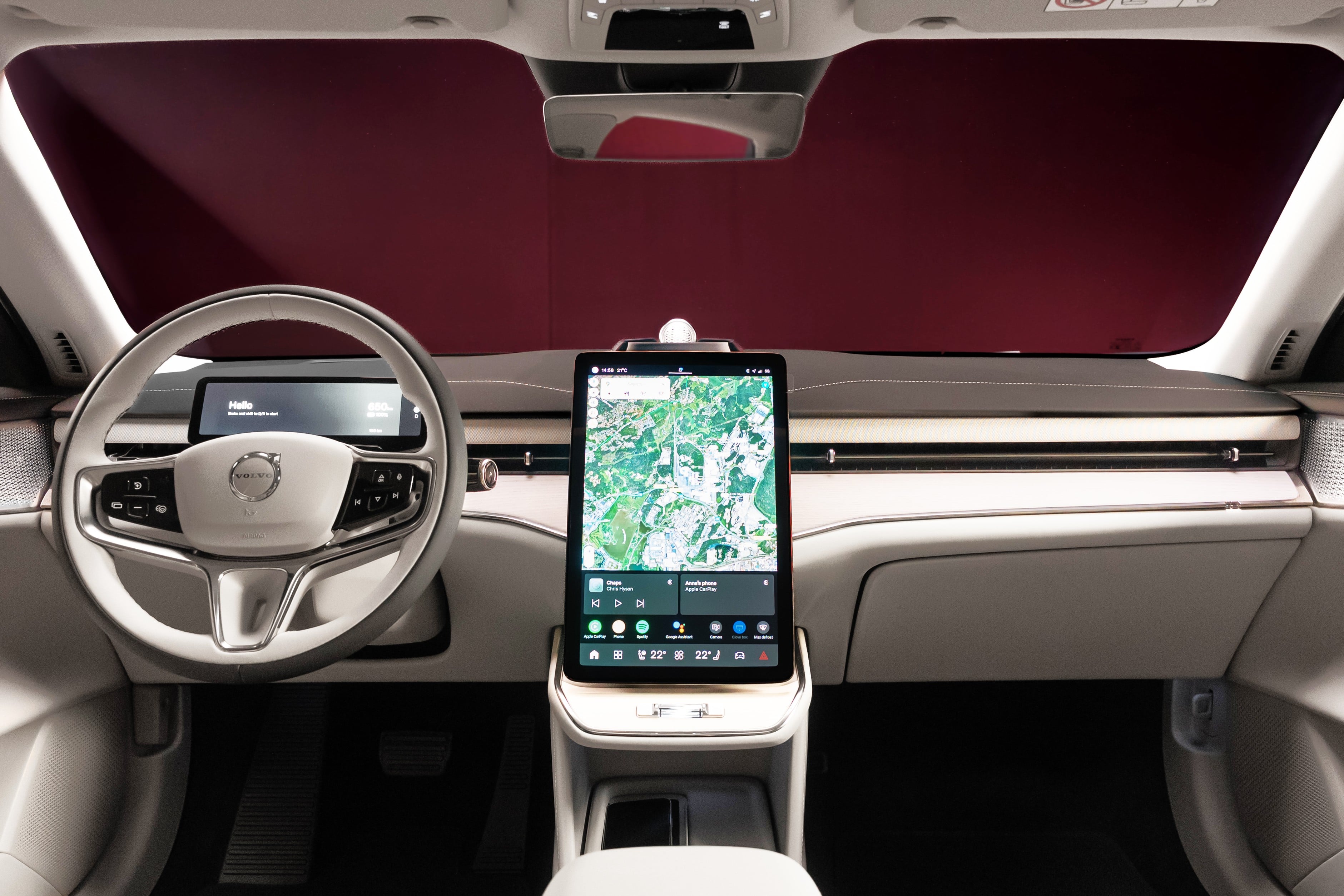
On the outside, the ES90 looks sleek and quietly aggressive, with T-shaped LED headlamps, vertically oriented front fog lamps, clean panelling, and C-shaped tail-lamps. Moreover, it has a drag coefficient of 0.25, making it the most aerodynamic Volvo car yet. Inside, the ES90 packs a 14.5-inch Google-based portrait touchscreen, a floating centre console, a three-spoke steering wheel,  a slim 9-inch digital driver’s display, a 13.2-inch head-up display, a panoramic glass roof, four-zone climate control, powered front seats, Level 3 ADAS, and a Bose sound system.

Volvo EX90

Launch: 12 October

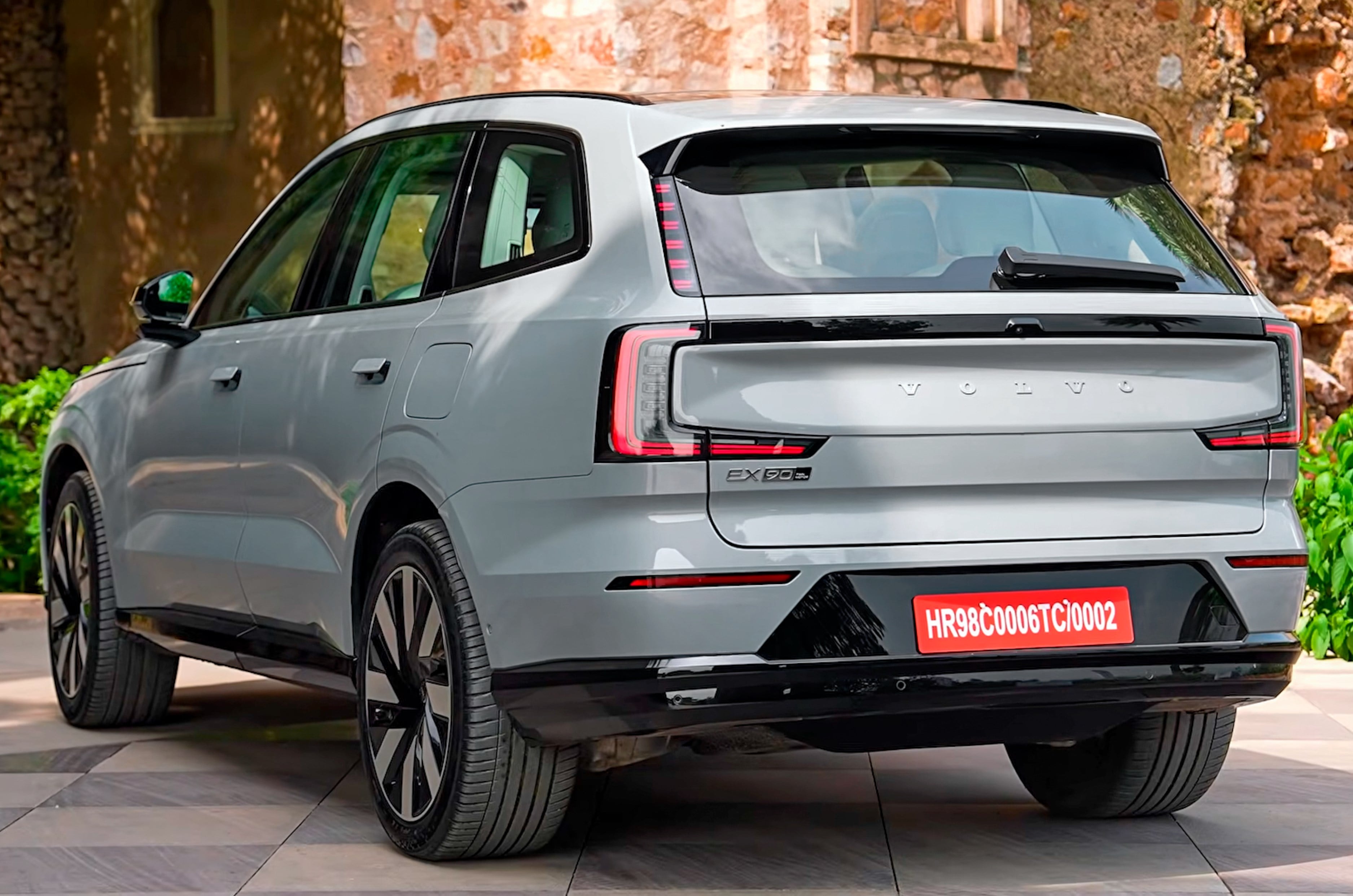
Alongside the ES90, Volvo will launch its SUV counterpart, the EX90. The electric SUV is also based on the SPA2 platform and is expected to offer the same 106kWh dual-motor AWD powertrain. Owing to its higher-riding stance, the EX90’s WLTP range is slightly lower at 625km, but the SUV impressively claims the same 5.3sec 0-100kph time.

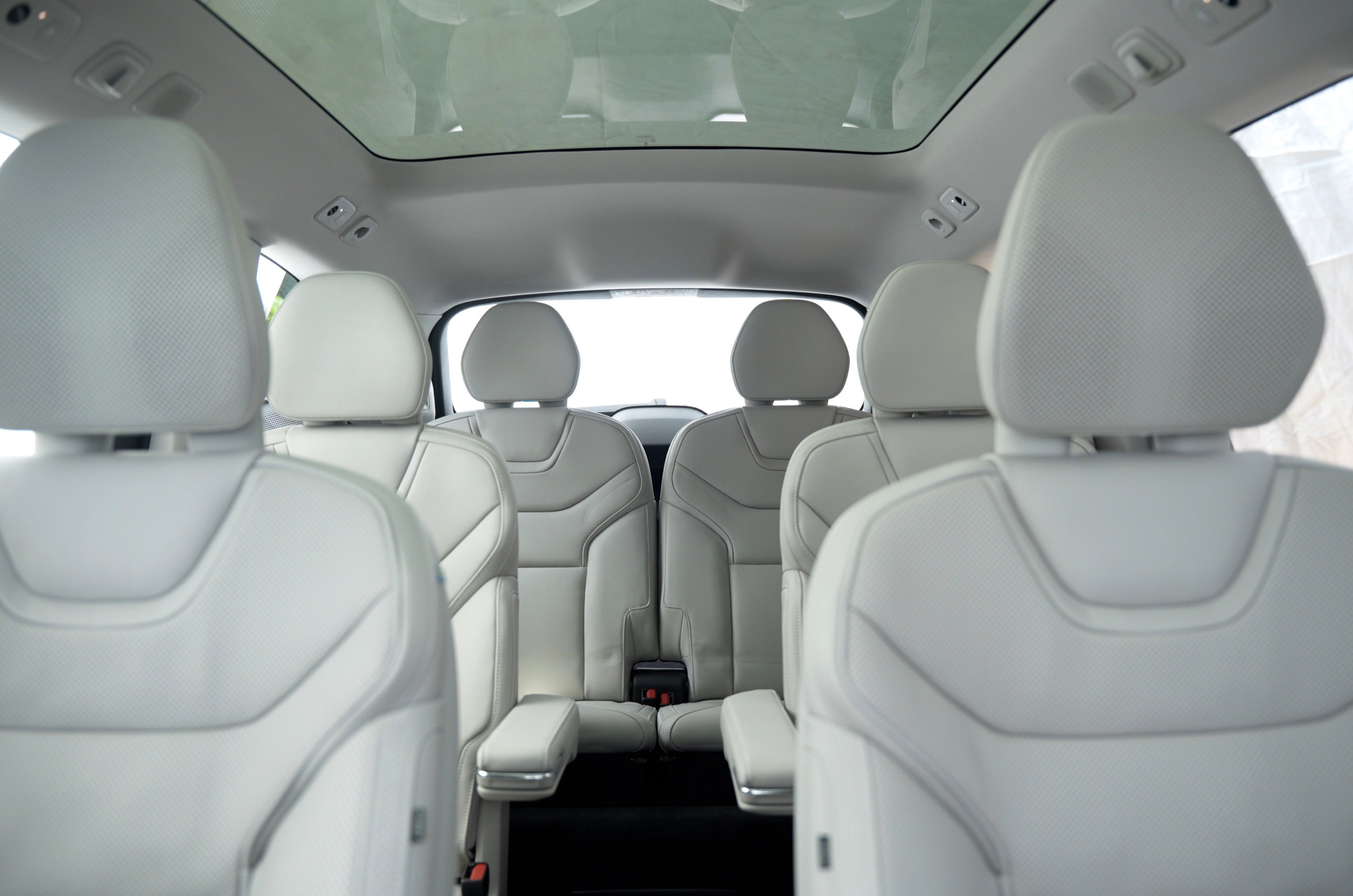
Even in terms of exterior design, the core elements are quite similar between the EX90 and ES90. The same holds true for the interior and equipment list as well, with the only major difference being that the EX90 can seat up to six occupants and gets second-row captain’s chairs.

Toyota Glanza facelift

Debut: 14 October

Current Toyota Glanza. Image used for representation only.

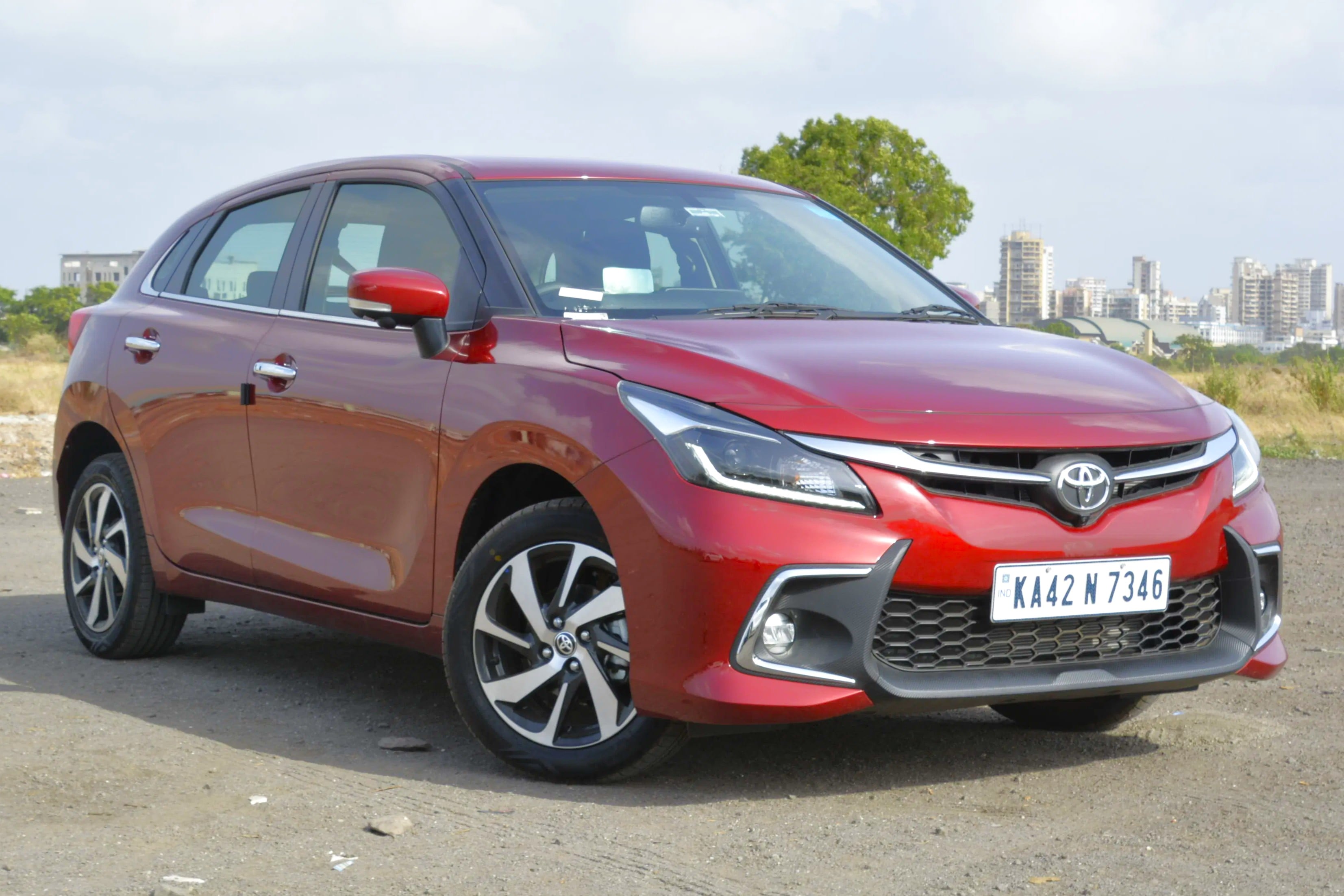
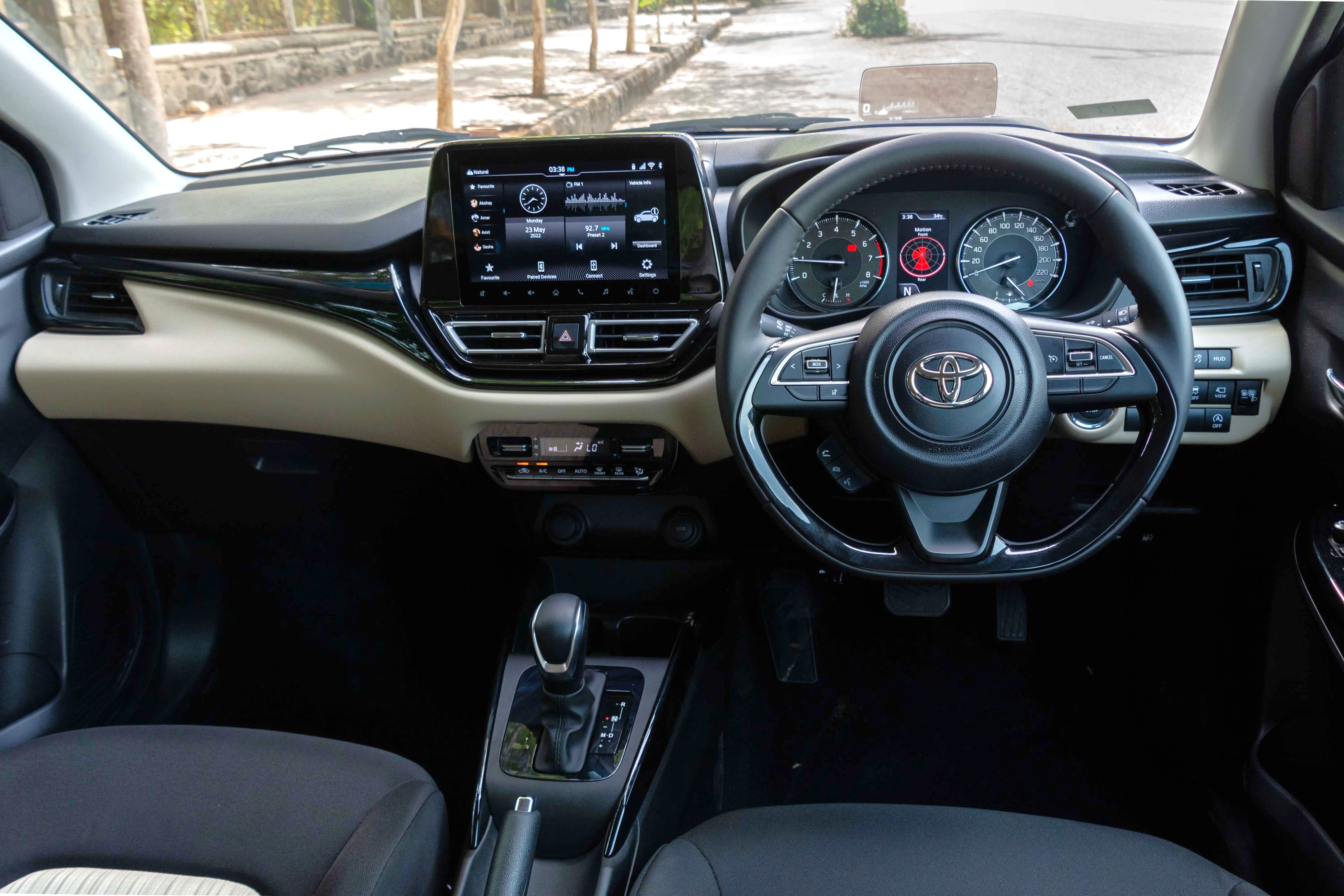
Just a month after the launch of the Baleno facelift, the updated form of its Toyota-badged counterpart, the Glanza, will be revealed. The Glanza facelift is likely to feature styling revisions similar to those of the updated Baleno, like a larger grille, redesigned bumpers, and new alloy wheel designs. Inside, the Toyota hatchback’s dashboard layout is expected to be largely unchanged, save for fresh seat upholstery. New creature comforts are likely to include Level 2 ADAS, a wireless charging pad, and ventilated front seats.

Current Toyota Glanza interior. Image used for representation only.

Under the bonnet, the Glanza facelift is anticipated to mirror the Baleno in dropping its current 90hp 1.2-litre four-cylinder K12N petrol engine in favour of the 83hp 1.2-litre three-cylinder Z12E mill. Like in the Baleno facelift, this engine is expected to be offered with either a 5-speed manual or 5-speed AMT in the updated Glanza, along with a 70hp CNG option.

Third-gen Audi Q3

Launch: 16 October

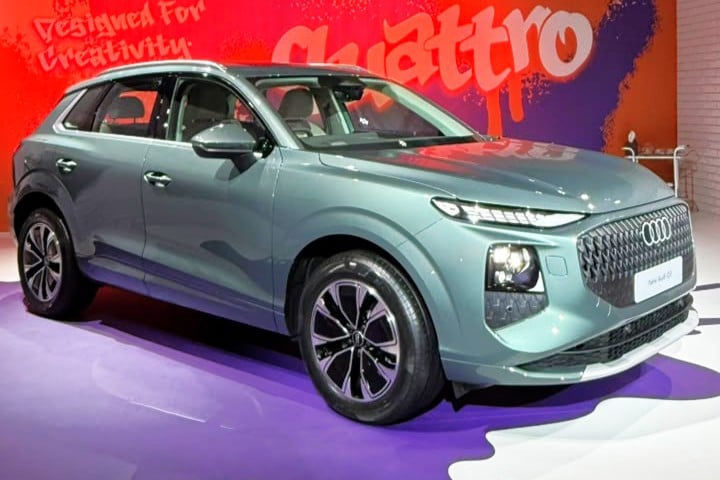
Audi India will launch the latest generation of its entry-level SUV, the Q3, next month. The India-spec third-gen Q3 was unveiled back in August, and will continue to rival the BMW X1 and Mercedes-Benz GLA. On the outside, the new Q3 is larger than its predecessor in every dimension and bears a sharper design language, which includes split LED headlamps, a wide grille, 18-inch alloy wheels, and a rear light bar with an illuminated Audi emblem.

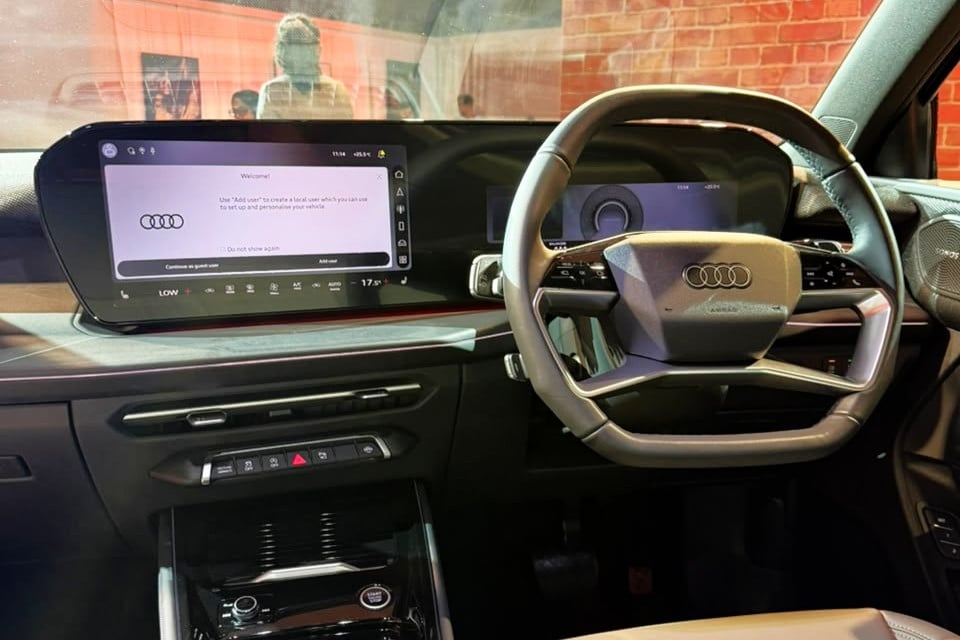
The interior of the third-gen Q3 is more modern and feature-loaded too, offering a 12.8-inch touchscreen, an 11.9-inch digital driver’s display, a new squircle-shaped four-spoke steering wheel, ambient lighting, a Sonos sound system, a panoramic sunroof, ambient lighting, a 360-degree camera, dual-zone climate control, among others. Under the bonnet, the Q3 continues to get a 204hp 2.0-litre four-cylinder direct-injection turbo-petrol engine, mated to a 7-speed dual-clutch automatic and Audi’s Quattro AWD system. 0-100kph comes up in a claimed 7.1 seconds, and the top speed is rated at 229kph.

Renault Duster hybrid

Launch: 17 October

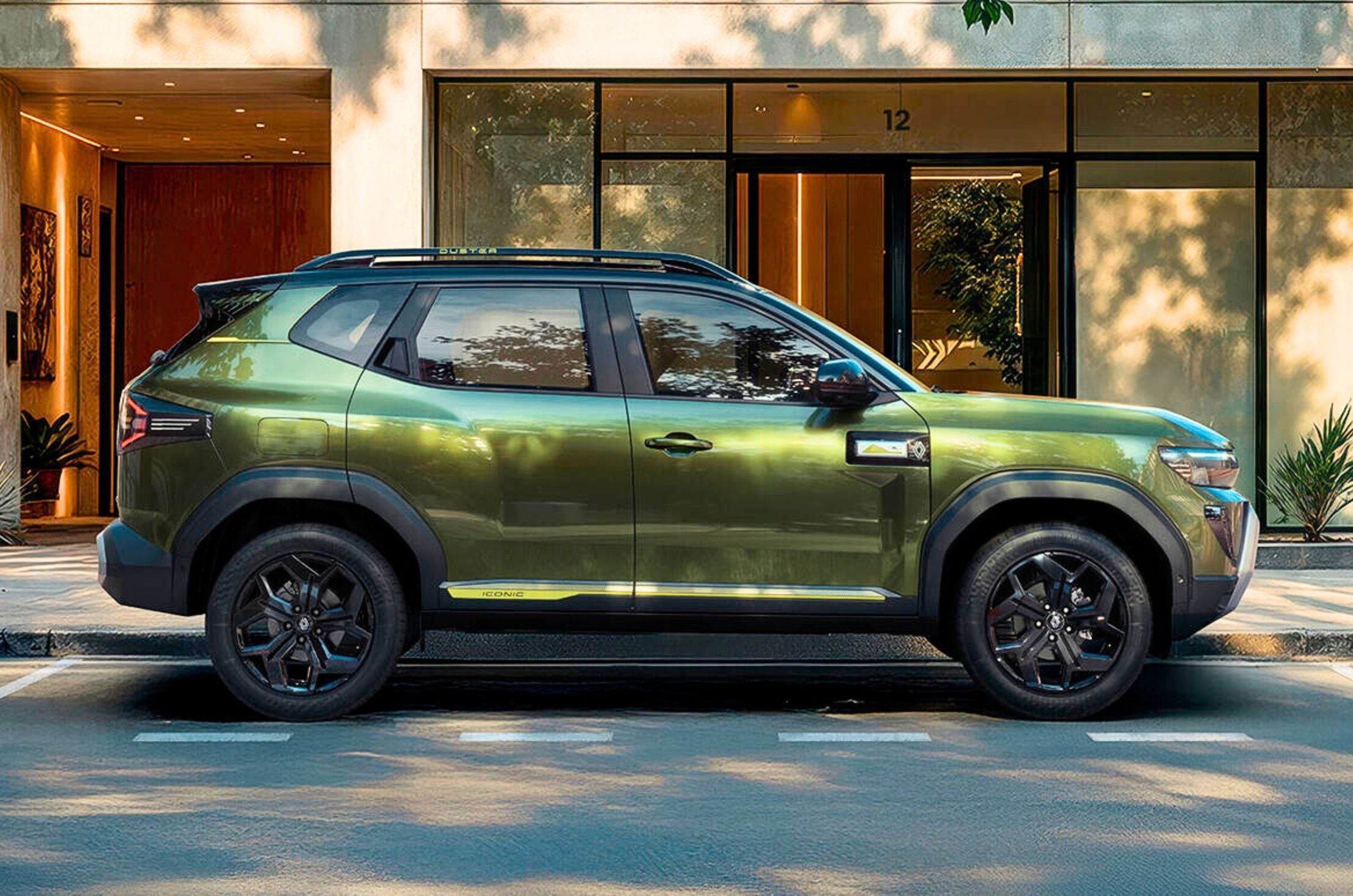
Since its launch earlier this year, the Renault Duster has been available with a couple of turbo-petrol engines only, but that will change come October 17. Renault will bolster the Duster’s line-up with a strong hybrid powertrain dubbed the E-Tech 160. It pairs a 1.8-litre four-cylinder naturally aspirated petrol engine with two electric motors and a 1.4kWh battery pack, developing a combined 160hp and 172Nm.

This setup will be paired with a segment-first 8-speed dedicated hybrid transmission (DHT) that uses fixed gear ratios, unlike the e-CVTs seen in hybrid SUV rivals like the Grand Vitara, Victoris, and Hyryder. The DHT should therefore enable a more natural driving feel to the Duster hybrid. Thanks to its 1.4kWh battery, the E-Tech 160 is also claimed to deliver 80 percent of urban driving in all-electric mode, which should help the Duster hybrid achieve great fuel efficiency.

Hyundai Bayon

Launch: Mid to late October

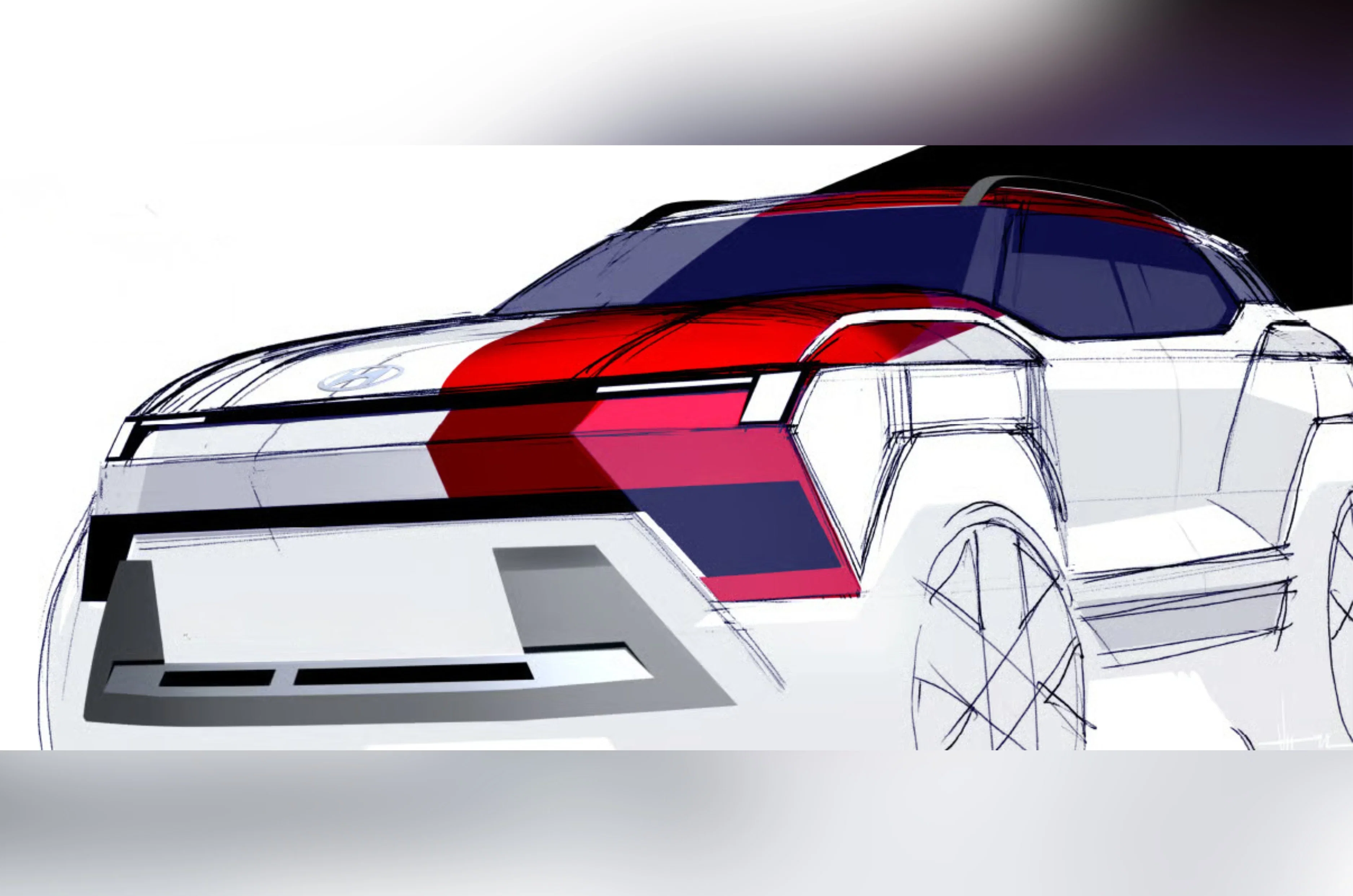
Hyundai’s second midsize SUV for India, the Bayon, is expected to be fully revealed and launched next month – bookings commenced on 23 September. The Bayon will slot between the Venue and Creta, offering the latter’s 1.5-litre naturally aspirated engine in petrol and CNG guises. Gearbox options are likely to include a 6-speed manual and CVT automatic. On the outside, the Bayon will feature Hyundai’s ‘Art of Steel’ design language, with styling cues like L-shaped front and rear LEDs, rakish proportions, an upward-sloping window line, and more. It’s also expected to be the first Hyundai car to come with an underbody CNG tank.

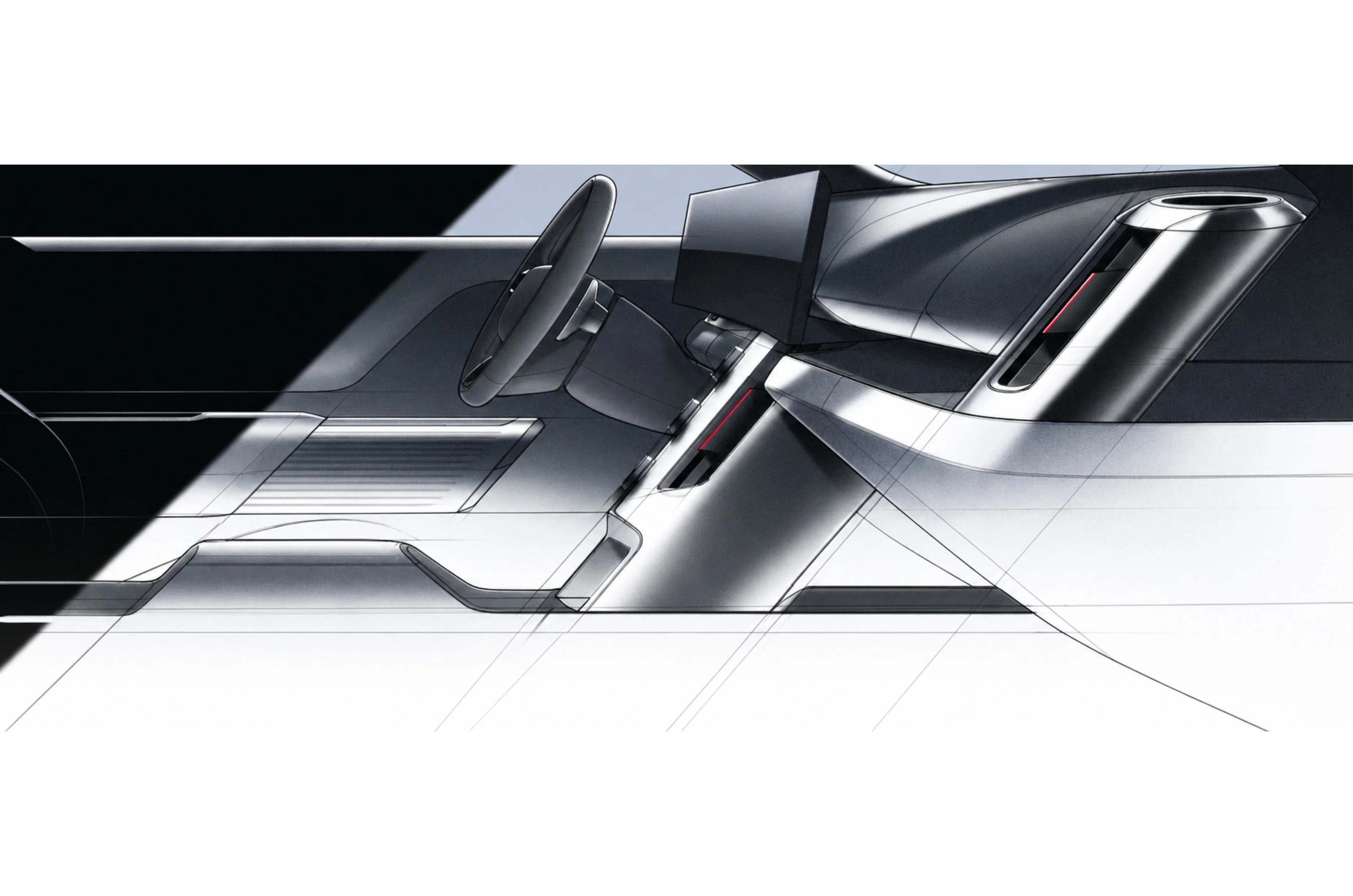
The interior of the Bayon is likely to offer a curved dual-screen setup, a three-spoke steering wheel bearing Hyundai’s four-dot motif, and a vertically oriented centre console – the dashboard layout will resemble that of the fourth-gen i20, which was revealed for the Brazilian market a few months ago.

Stock Market Today : बाजार पर आज इन खबरों का दिखेगा असर, कोई ट्रेड लेने से पहले इन पर डाल लें एक नजर

Market news : अक्टूबर सीरीज की कमजोर शुरूआत के संकेत मिल रहे हैं। गिफ्ट निफ्टी करीब 4 अंक ऊपर कारोबार कर रहा है। हालांकि ग्लोबल संकेत ठीक-ठाक हैं। एशियाई बाजार मजबूत दिख रहे हैं। निक्केई और कोस्पी 1-1% ऊपर हैं। 30 साल की US ट्रेजरी यील्ड कई दशकों के ऊपरी स्तरों पर पहुंचने के बावजूद अमेरिकी बाजारों में निचले स्तरों से रिकवरी दिखी। डाओ फ्यूचर्स भी 125 प्वाइंट ऊपर दिख रहा है। कच्चे तेल में नरमी आई है। कच्चे तेल में नरमी के बावजूद 30 साल की US ट्रेजरी यील्ड कई दशकों के ऊपरी स्तरों पर पहुंचने से टेंशन है। डॉलर इंडेक्स भी 101 के ऊपर है।

यहां हम आपके लिए तमाम समाचार प्लेटफॉर्मों पर चल रही आज की ऐसी अहम खबरों की एक सूची जारी कर रहें हैं जो भारतीय और अंतर्राष्ट्रीय बाजारों को प्रभावित कर सकते हैं।

मार्केट ओवरव्यू

उतार-चढ़ाव भरे सेशन में 29 सितंबर को भारतीय शेयर बाज़ार लगातार दूसरे दिन गिरावट के साथ बंद हुए। F&O एक्सपायरी के बीच निफ्टी 22,700 के आसपास बंद हुआ। कारोबार के अंत में सेंसेक्स 242.65 अंक या 0.33 प्रतिशत गिरकर 72,529.07 पर और निफ्टी 64.05 अंक या 0.28 प्रतिशत गिरकर 22,716.20 पर बंद हुआ।

गिफ्ट निफ्टी

GIFT निफ्टी सपाट कारोबार कर रहा है। यह 22,830 के आसपास नजर आ रहा है। ये भारतीय बाजारों के लिए सुस्त शुरुआत के संकेत हैं।

एशियाई बाजार

एशियाई शेयरों में तीन सेशन में पहली बार बढ़त देखने को मिल रही है। US सेमीकंडक्टर शेयरों के अहम इंडेक्स में बढ़त के बाद टेक्नोलॉजी कंपनियों की अगुवाई में MSCI एशिया पैसिफिक इंडेक्स 0.4% ऊपर चढ़ा है। US इक्विटी इंडेक्स फ्यूचर्स में भी थोड़ी बढ़त हुई है। निक्केई में 1.20 फीसदी की तेजी है। वहीं, स्ट्रेट टाइम्स 0.05 फीसदी की हल्की कमजोरी है। हैंग सेंग में भी 0.42 फीसदी की कमजोरी दिख रही है। ताइवान का बाजार 1.45 फीसदी और कोस्पी 0.08 फीसदी बढ़त दिखा रहा है। शांघाई कंपोजिट में भी 0.24 फीसदी की तेजी है।

अमेरिकी बाजार

मंगलवार को अमेरिकी शेयर बाज़ार में मामूली गिरावट के साथ कारोबार बंद हुआ। महंगाई और लेबर मार्केट के आंकड़ों से पहले सरकारी बॉन्ड यील्ड में बढ़ोतरी जारी रही, जबकि निवेशकों ने ब्याज दरों की दिशा को लेकर फेडरल रिजर्व के अधिकारियों की टिप्पणियों पर फोकस बनाए रखा। डाओ जोन्स इंडस्ट्रियल एवरेज 131.59 अंक या 0.26% गिरकर 51,349.92 पर आ गया। S&P 500 में 12.85 अंक या 0.17% की गिरावट आई और यह 7,670.84 पर बंद हुआ। जबकि नैस्डैक कम्पोजिट 22.84 अंक या 0.08% गिरकर 26,797.54 पर आ गया।

एशियन करेंसी

अमेरिकी डॉलर के मुकाबले एशियाई करेंसी में मिला-जुला कारोबार दिख रहा है। दक्षिण कोरियाई वॉन में सबसे ज़्यादा 0.43% की गिरावट आई है,जबकि इंडोनेशियाई रुपिया और फिलीपीन पेसो में 0.02% की गिरावट दर्ज की गई है। सिंगापुर डॉलर में 0.01% की मामूली गिरावट आई है।

वहीं दूसरी ओर जापानी येन में 0.16% की मज़बूती आई है,इसके बाद ताइवान डॉलर में 0.11%, मलेशियाई रिंगित में 0.07% और चीनी रेनमिनबी में 0.06% की बढ़त हुई है। थाई बाहत में 0.02% की मामूली बढ़त देखी गई है।

क्रूड कीमतों में नरमी, ब्रेंट $102 के पास, 7 हफ्ते के निचले स्तर पर गोल्ड

पश्चिम एशिया से सप्लाई सुधरने से क्रूड में नरमी आई है। ब्रेंट क्रूड 102 डॉलर के पास दिख रहा है। होर्मुज के रास्ते तेल शिपमेंट PRE-WAR लेवल के करीब है। रिकवरी के बावजूद सोना 7 हफ्ते के निचले स्तर पर है। कॉमेक्स गोल्ड 4200 डॉलर के ऊपर है। डॉलर इंडेक्स भी 101 के ऊपर दिख रहा है।

ट्रंप ने कहा बहुत जल्द खत्म होगा ईरान से युद्ध, जॉन विलियम्स ने कहा दरें बढ़ाने की जल्दबाजी नहीं

बाजारों के लिए 2 पॉजिटिव बयान आए हैं। ट्रंप ने कहा है कि ईरान से युद्ध बहुत जल्द खत्म होगा। इधर FOMC के रेट तय करने वाली कमिटी के वाइस चेयरमैन जॉन विलियम्स का बड़ा बयान आया है। इसमें कहा गया है कि सितंबर के बाद दरें बढ़ाने की जल्दबाजी नहीं है। इस बयान के बाद अक्टूबर में 25 bps रेट हाइक की संभावना 70% से घटकर 50% हो गई है।

आज से निफ्टी में बदलाव लागू

आज से निफ्टी में बदलाव लागू होगा। निफ्टी 50 में विप्रो की जगह BSE शामिल होगा। वहीं Nifty Next 50 में विप्रो,हिताची एनर्जी पॉलीकैप, Vedanta Aluminium, Vodafone Idea जैसे शेयर जुड़ेंगे।

Avalon Tech और Gland Pharma में बड़े सौदे संभव

आज दो बड़ी ब्लॉक डील्स पर बाजार की नजर रहेगी। Avalon Tech में 862 करोड़ रुपए के ब्लॉक संभव है। प्रोमोटर 6 परसेंट हिस्सा बेच सकते हैं। Indicative प्राइस 2150 से 2302 रुपए प्रति शेयर के बीच है। वहीं, Gland Pharma में 450 करोड़ रुपए के बड़े सौदों की संभावना है। फ्लोर प्राइस 2990 रुपए प्रति शेयर है।

विदेशी निवेशकों की बिकवाली जारी

29 सितंबर को विदेशी संस्थागत निवेशकों (FIIs) ने लगातार चौथे सत्र में भी बिकवाली जारी रखी और लगभग ₹10,000 करोड़ के शेयर बेचे। वहीं, घरेलू संस्थागत निवेशकों (DIIs) ने बाज़ार को सहारा देना जारी रखा और इस सत्र के दौरान लगभग ₹7,000 करोड़ के शेयर खरीदे।


Market cues : बाजार का टेक्निकल स्ट्रक्चर सभी पैमानों पर कमजोर, 22570 के नीचे जाने पर निफ्टी में बढ़ेगी गिरावट

Suzuki developing lower-cost ADAS that could reach affordable cars

Suzuki developing lower-cost ADAS that could reach affordable cars

Suzuki is planning to make core advanced driver assistance system (ADAS) functions standard across its future India lineup, including affordable cars, as it develops a lower-cost system suited to Indian road conditions. The aim is to offer greater access to accident prevention. “Fitting expensive advanced driver assistance systems only to a few luxury cars does not reduce accidents across society,” said Katsuhiro Kato, Suzuki’s chief technology officer, at the company’s recent technology strategy briefing, citing more than 1.77 lakh road accident fatalities in India in 2024.

  1. Proposed system’s cameras and AI tech to eliminate the need for a front radar
  2. Suzuki is working on lighter bodies designed to protect occupants in crashes

Core ADAS functions to become standard

Kato said Suzuki intends to make safety functions such as automatic emergency braking and lane departure prevention standard, while reserving additional comfort and convenience functions for higher variants. The manufacturer describes the approach as “just-right ADAS”, with the system being developed specifically around Indian traffic conditions and the need to keep costs down.

Cameras and AI to eliminate the need for a front radar

To reduce the cost of the system, Suzuki plans to use high-resolution cameras and AI chips, while integrating driver and occupant monitoring with ADAS. The proposed setup will also do away with the front radar sensor. The company says it is targeting “major cost reductions” while maintaining “equal or better safety performance”. These, however, are development targets, and Suzuki has not released performance results for a production version of the system.

The manufacturer says it is approaching vehicle safety from two directions: preventing accidents through ADAS and protecting occupants when a crash occurs. Alongside its electronic safety systems, the company is working on lighter vehicle bodies designed to protect occupants in a collision.

New electronic architecture could cut costs

The carmaker’s ADAS plans form part of its wider “SDV Right” strategy, which aims to simplify the electronic architecture of its future vehicles. The manufacturer plans to combine communication, power distribution and body-control functions into a Central Zone ECU. Suzuki estimates that this controller could cost around 30 percent less and weigh about 15 percent less than its conventional arrangement.

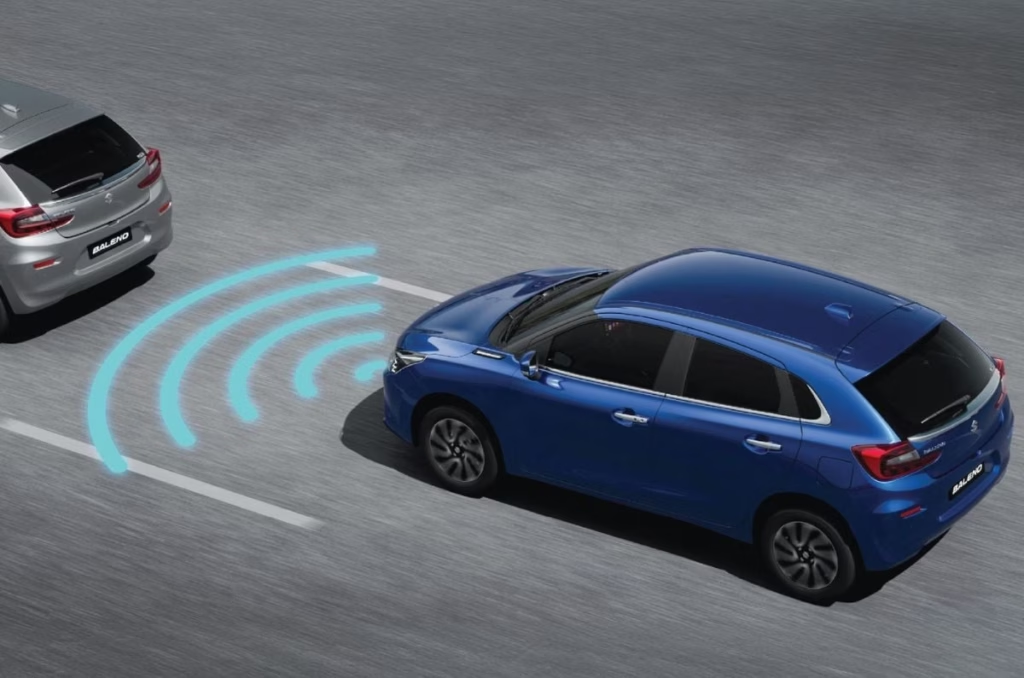
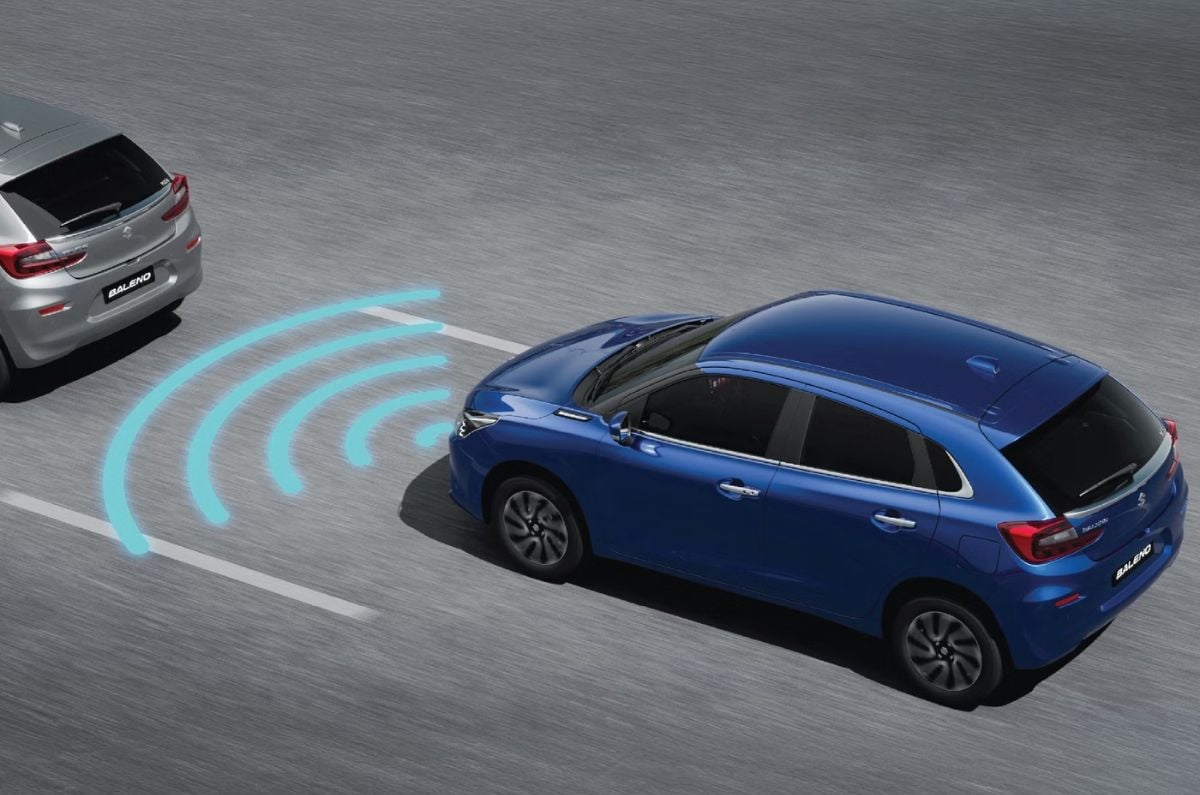
Suzuki has not yet announced which models will get the new ADAS system or when it will be introduced. In the small-car segment, the Baleno is currently Maruti Suzuki’s most affordable model to offer an ADAS suite, which was introduced with its recent facelift. The technology is currently not offered by any of its premium hatchback rivals.

With inputs from Kiran Murali.

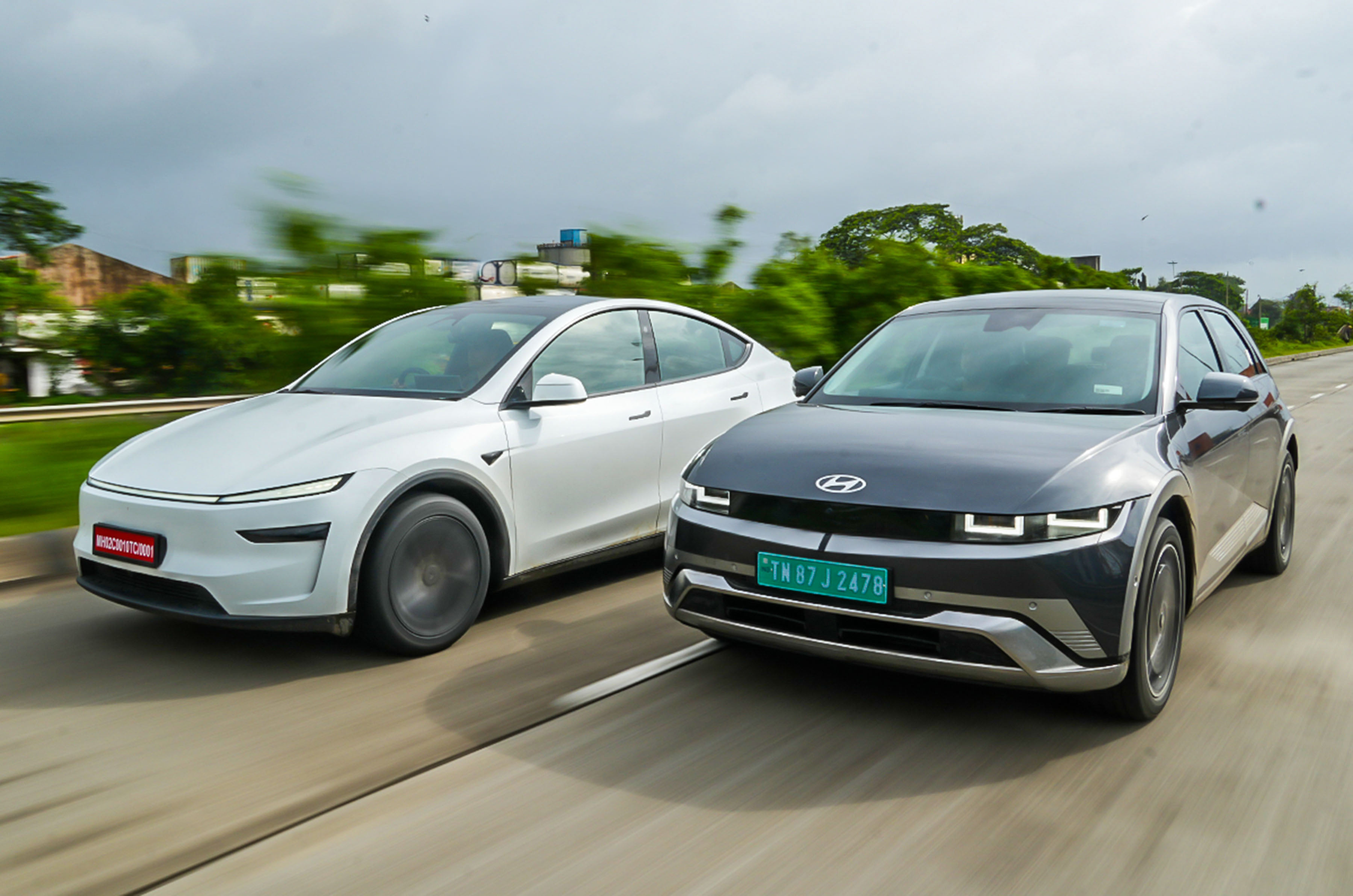
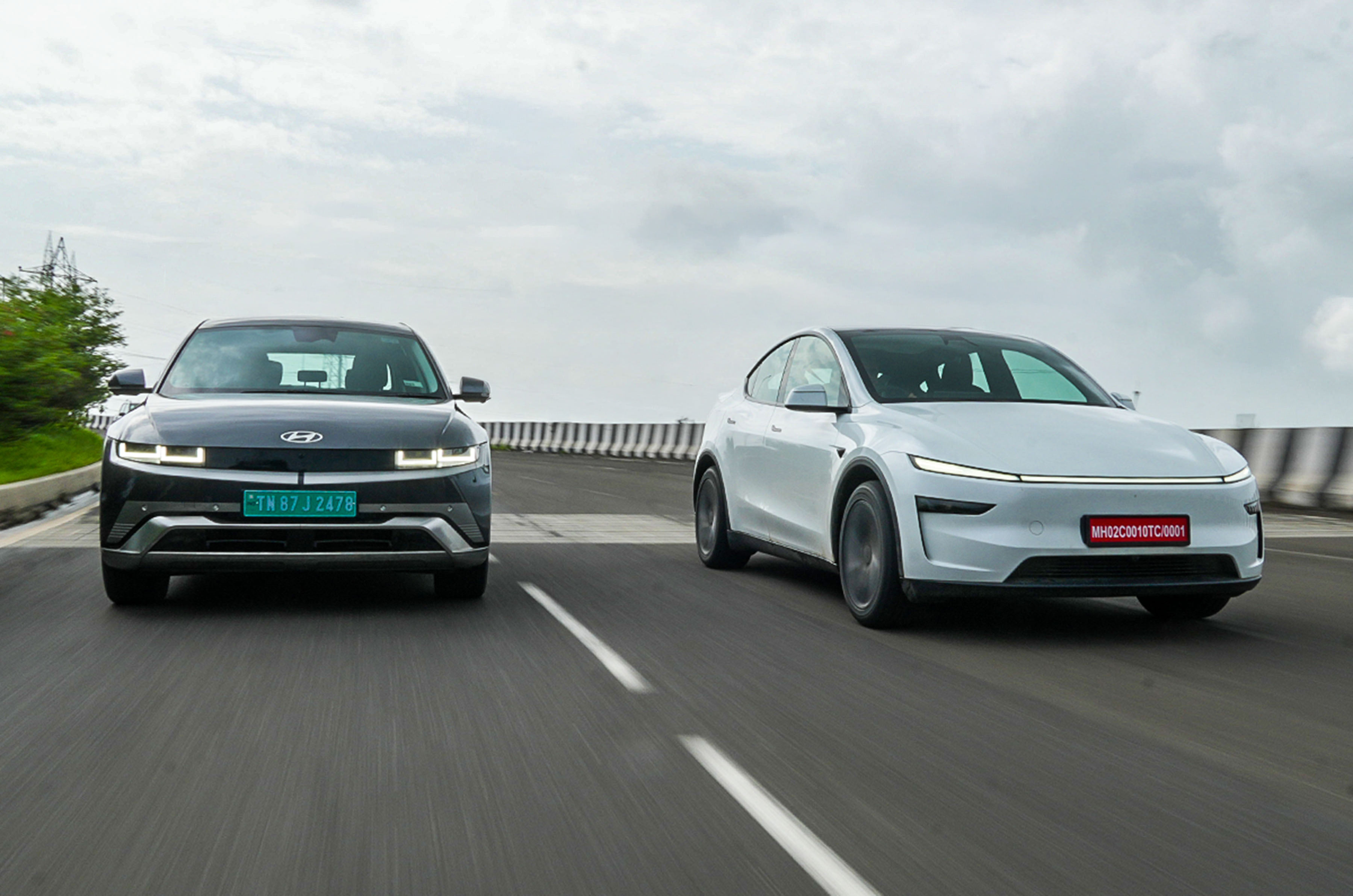
Tesla Model Y vs Hyundai Ioniq 5 comparison: Tech’in to the max

Tesla Model Y vs Hyundai Ioniq 5 comparison: Tech'in to the max

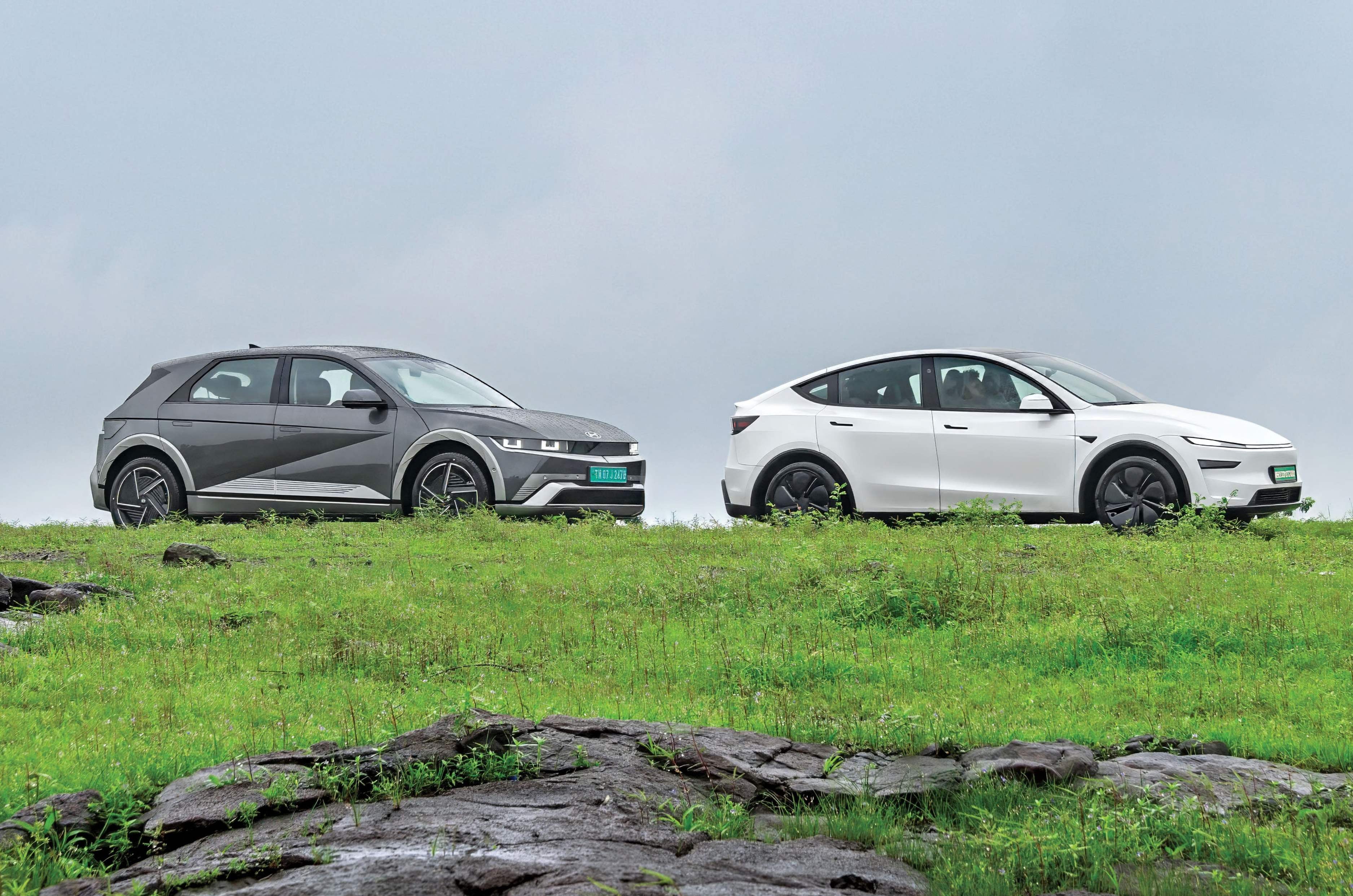
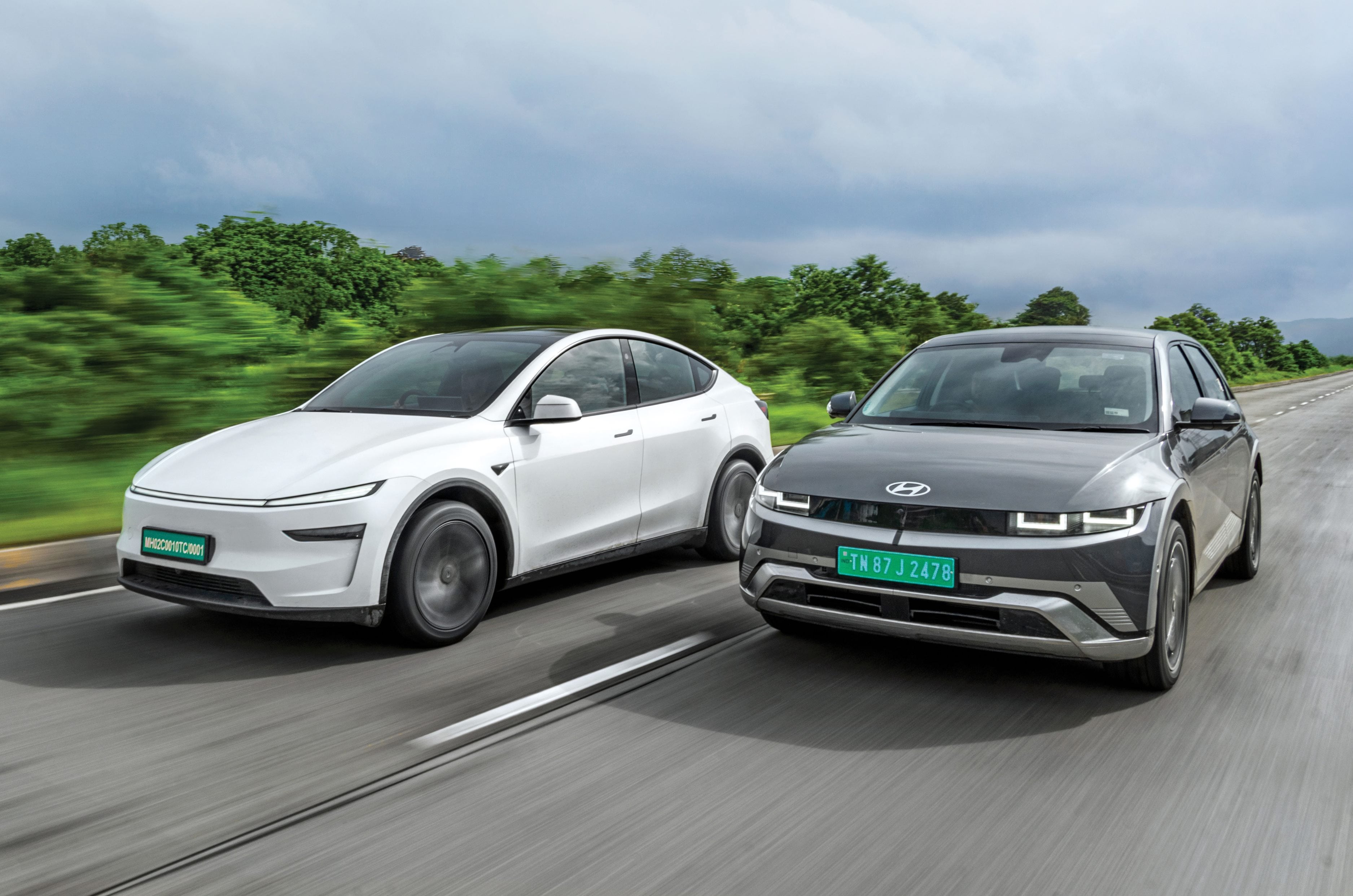
The Hyundai Ioniq 5 has been one of the standout EVs of recent years, so much so that we crowned it our 2024 Car of the Year. Back then, besides being one of the most impressive electric cars on sale, it was also among the most affordable in its segment. And when compared with rivals like the BYD Sealion 7 and BMW iX1, the Ioniq 5 came out on top thanks to its comfort, practicality and value.

Fast forward to 2026, and the landscape has changed. Hyundai has updated the Ioniq 5, and the biggest talking point is its larger 84kWh battery. But in the process, this value-focused EV has become one of the most expensive options available.

Tesla, meanwhile, has dropped prices. The Model Y now starts at just under Rs 51 lakh, undercutting the Ioniq 5 and transforming itself from one of the pricier alternatives into the more affordable option. With the pricing hierarchy flipped, this comparison has become more interesting than ever.

Tesla Model Y vs Hyundai Ioniq 5: Exterior design


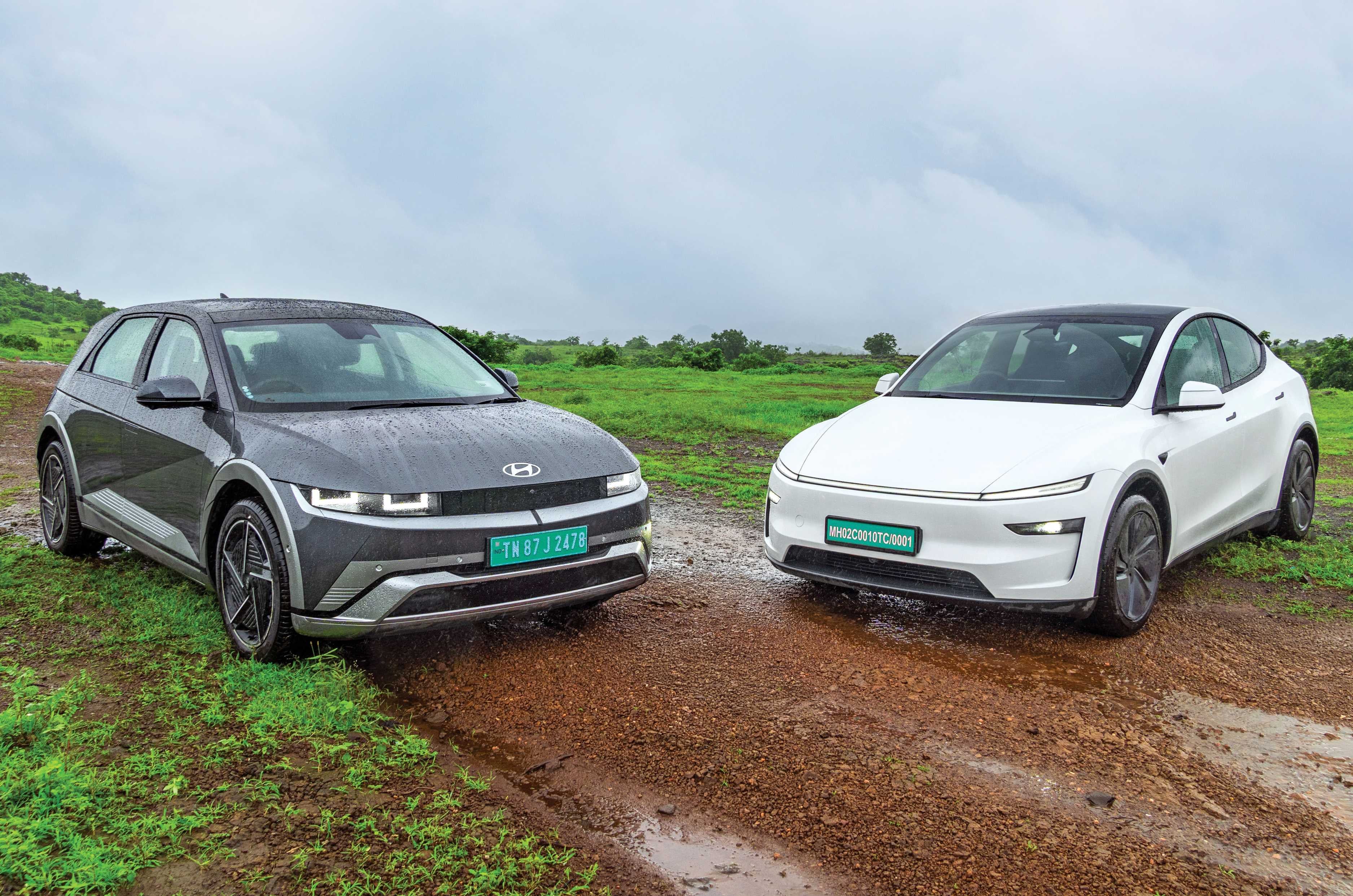
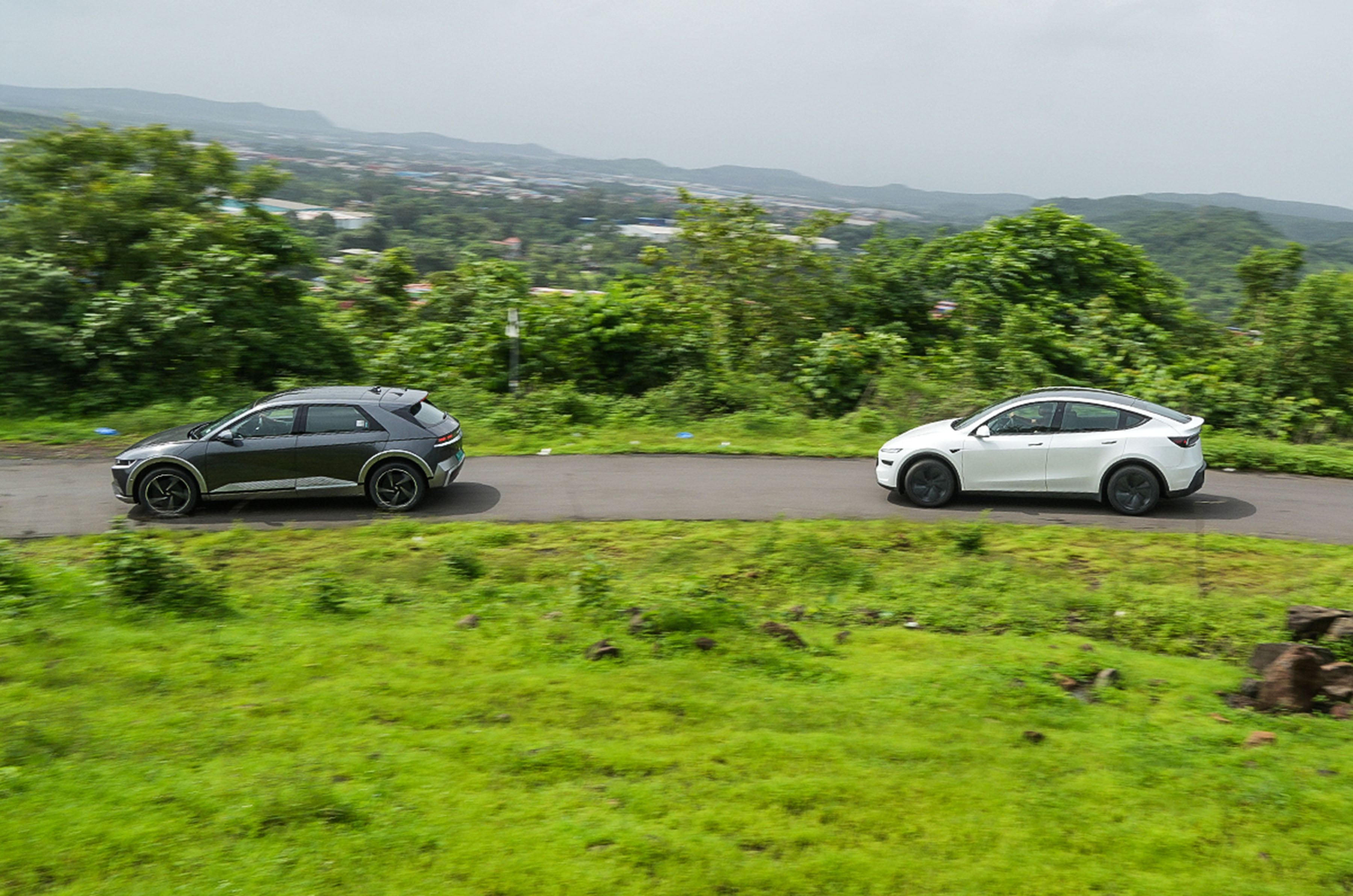
The Tesla Model Y is the larger vehicle overall, although the Hyundai counters with a longer wheelbase. Neither car follows a traditional SUV or sedan template, with muscular proportions and aggressive styling, but the Ioniq 5 stands out with its retro-futuristic design language, blending hatchback and crossover cues into a shape that is both distinctive and characterful. That said, its styling will continue to divide opinion.

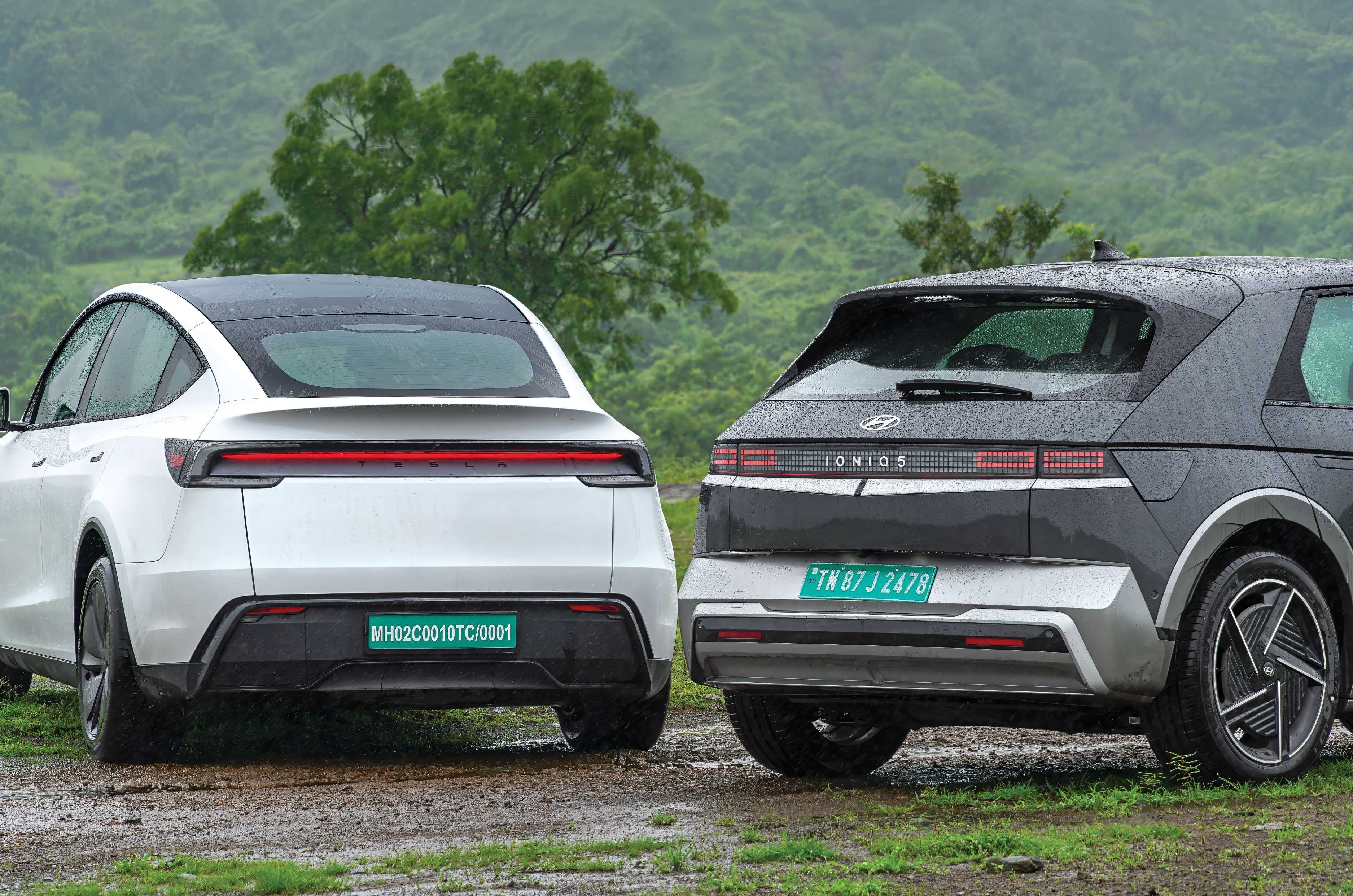
The Tesla, by comparison, plays it a little safer. It too wears a crossover body style, but with a minimalist design that is unlikely to offend anyone. Frameless windows and a unique tail-lamp treatment with a hidden light bar add some flair to its otherwise fuss-free styling. 

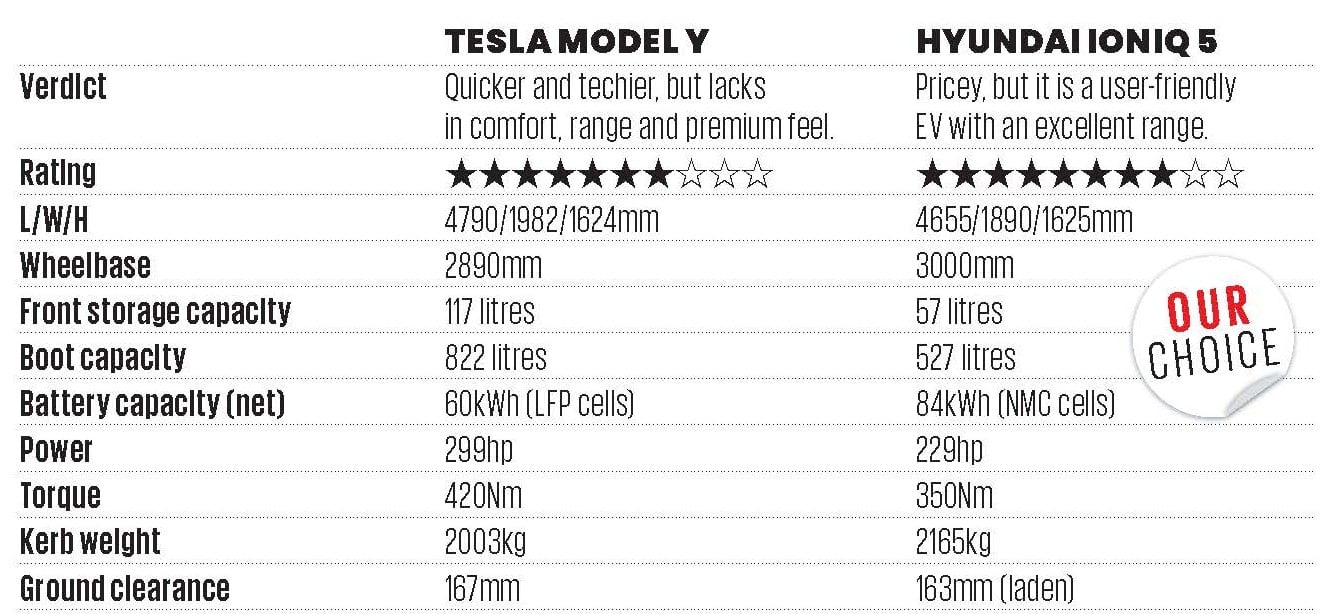
It’s worth noting that Tesla lists ground clearance at 167mm (unladen), while the Ioniq’s figure is specified as laden, coming in at 163mm. In the real world, the Tesla occasionally scrapes over unusually large speed breakers, while the Hyundai clears most of them despite its longer wheelbase.

Tesla Model Y vs Hyundai Ioniq 5: Interior and features

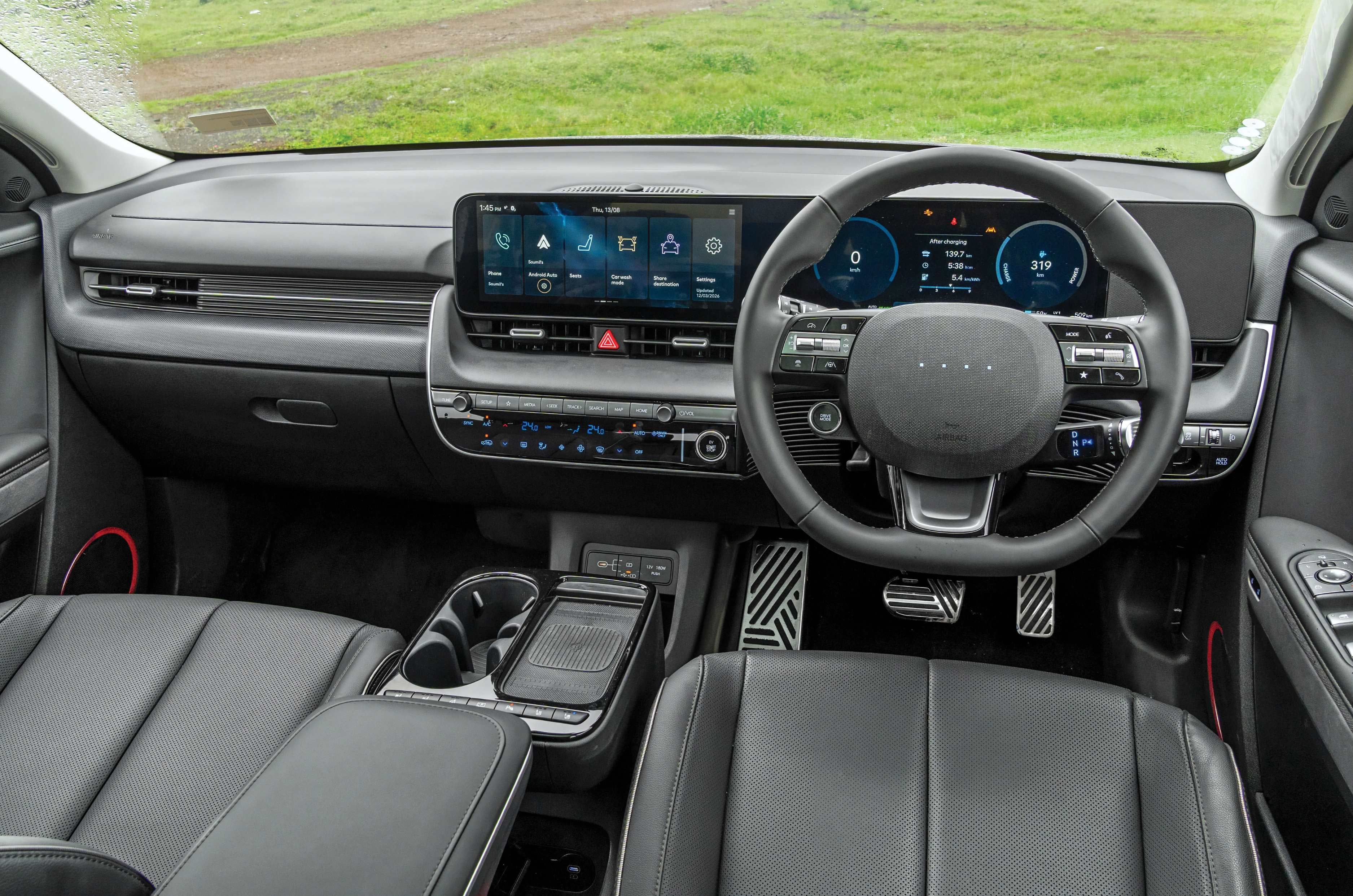
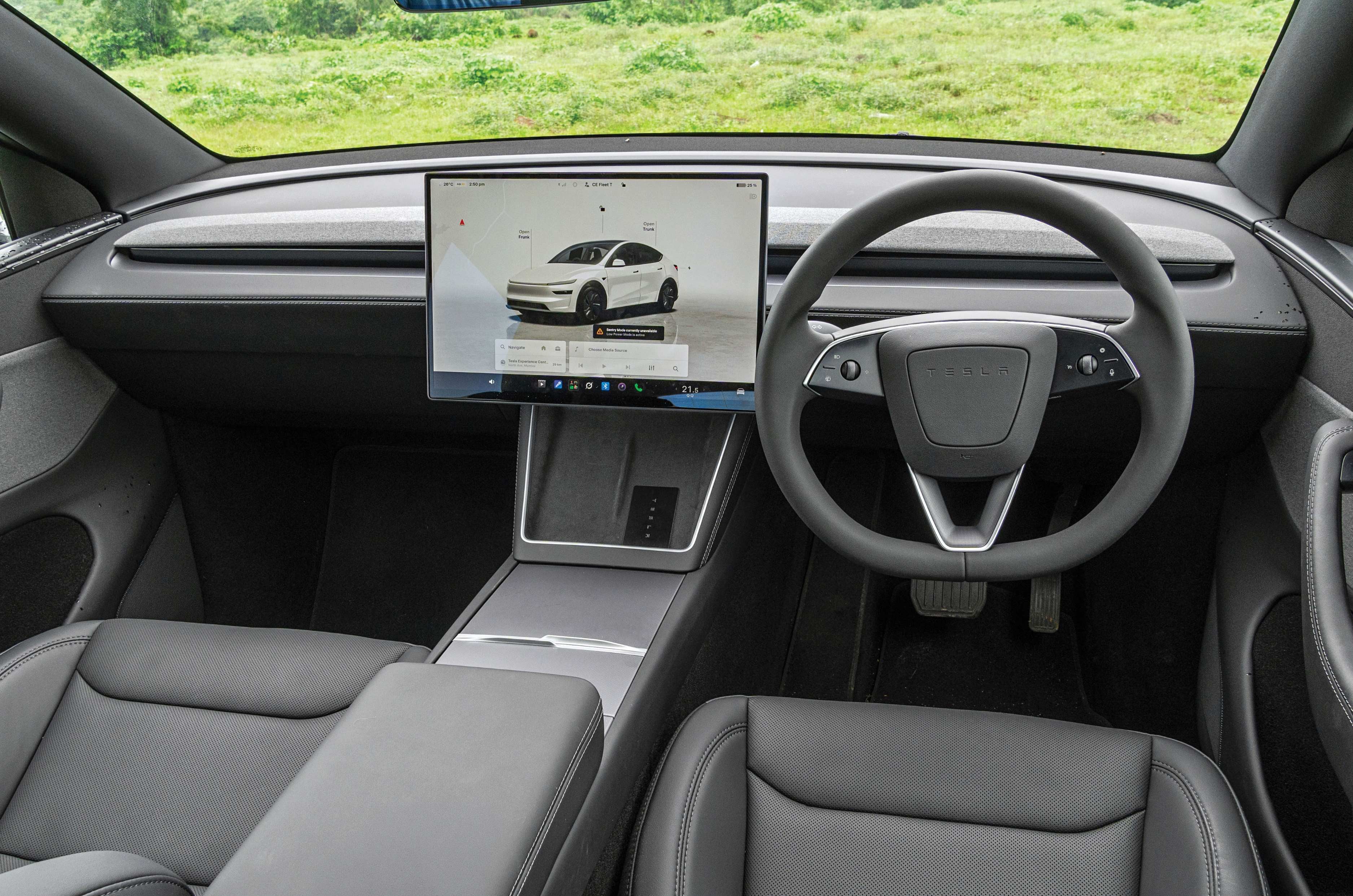
Takes minimalism to a whole different level, with merely a handful of physical controls. Lack of design elements, vegan materials don’t feel special.

Tesla’s non-motorised flush door handles remain a usability frustration, requiring an awkward push-and-pull action to operate. On the inside, the Model Y’s cabin embraces minimalism to an even greater extent. Even the air vents are hidden. The lack of design elements looks clean, but this and the choice of materials diminish the sense of occasion one expects at this price point.

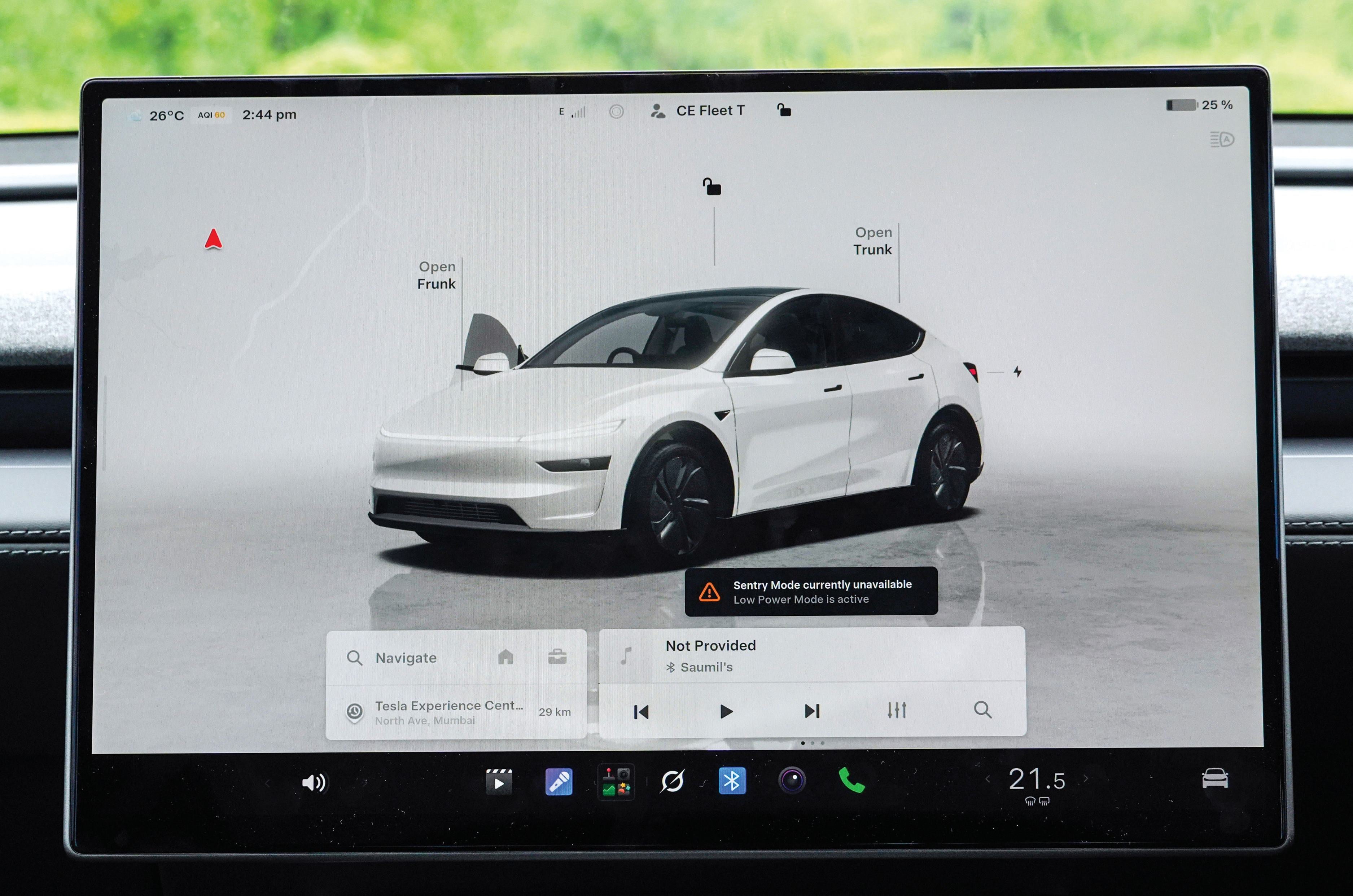
All functions are relegated to its slick screen.

Taking centre stage, quite literally, is a massive touchscreen. Nearly every function is controlled via the screen, including controls for the frunk, tailgate, glovebox, climate control, seats and steering, and mirror adjustments, among many others. This over-reliance on the touchscreen is daunting at first, but Tesla’s software experience is exceptional. The interface remains the benchmark for responsiveness, fluidity and overall usability.

The steering wheel features multi-function controls that take some time to get accustomed to. The high-beam flasher is integrated into the steering wheel too. Thankfully, the indicators and power-window switches remain physical controls. The lack of buttons might seem futuristic, but it often feels as though technology has taken precedence over usability. There are two charging pads, and below them sits an unusually bulky centre console that robs the cabin of some of its sense of space. Hampering usability further is the exceptionally deep storage area, which requires you to stretch to reach items placed inside.

Albeit a bit low-set, this space feels airy thanks to its low window line.

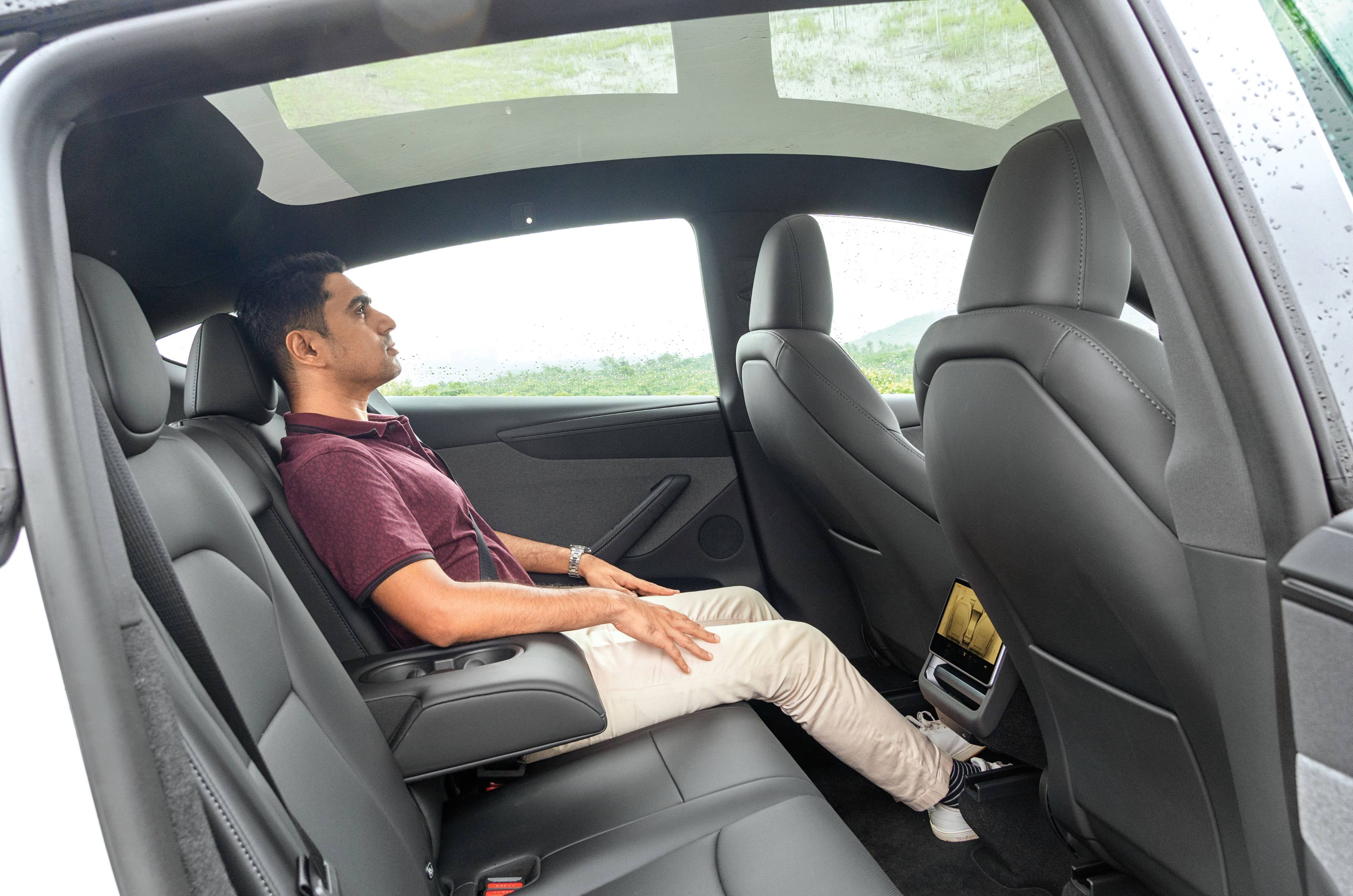
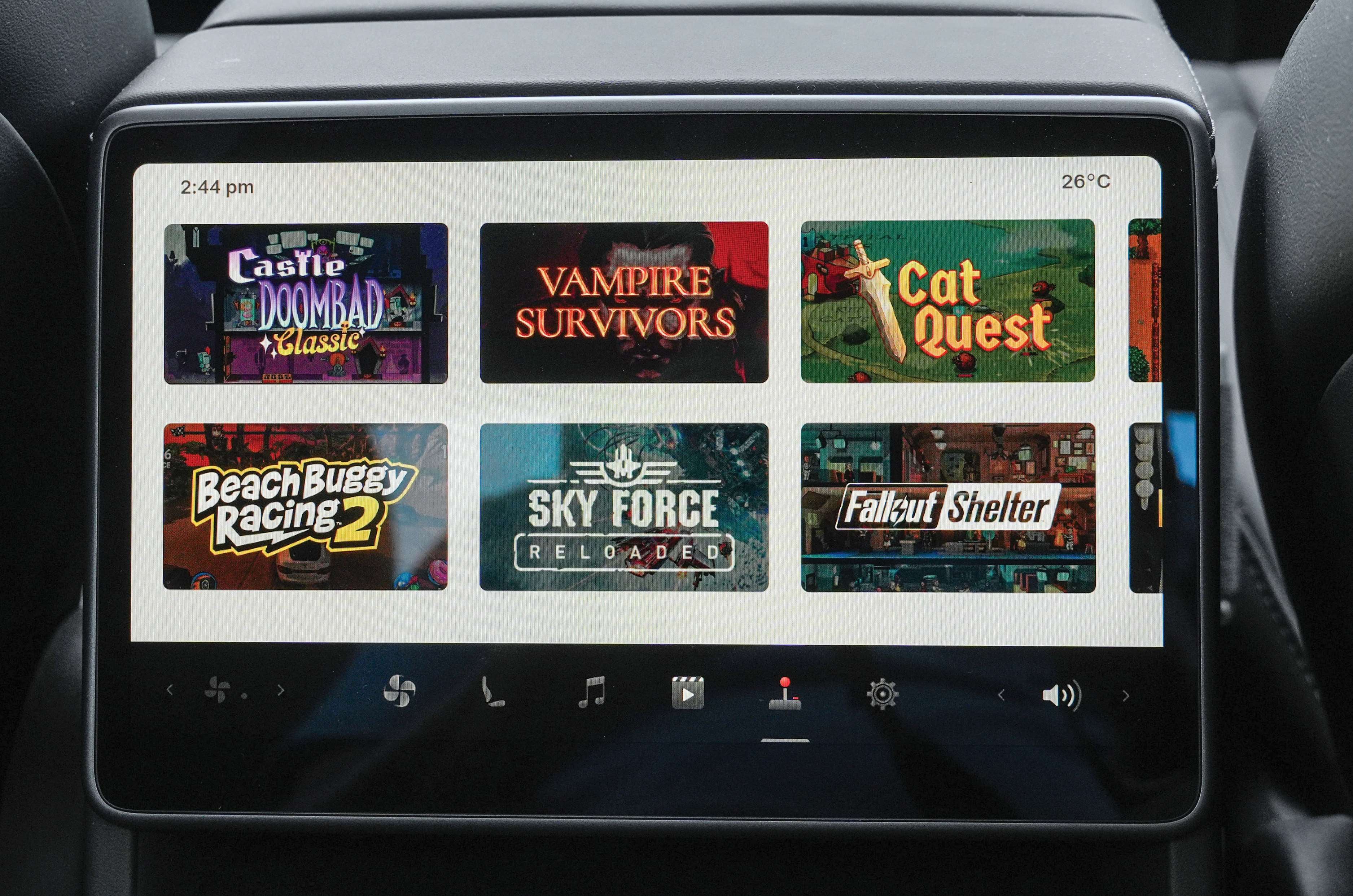
The front seats look simple and are surprisingly comfortable, with heating and ventilation functions. The rear seat is equally comfortable, although the seating position is somewhat low, resulting in a knees-up posture. What’s nice is that the backrest reclines to a comfortable angle. Rear-seat passengers are also treated to a dedicated touchscreen capable of controlling climate functions, streaming content and even gaming.

Rear screen for controls, games and videos.

One major drawback is that the sunroof still lacks a dedicated sunshade, causing the cabin to heat up considerably under the afternoon sun. The rear windows also miss out on sunshades.

More suited to our conditions, the black interiors are well-finished. It gets full marks as far as storage, ergonomics and usability goes.

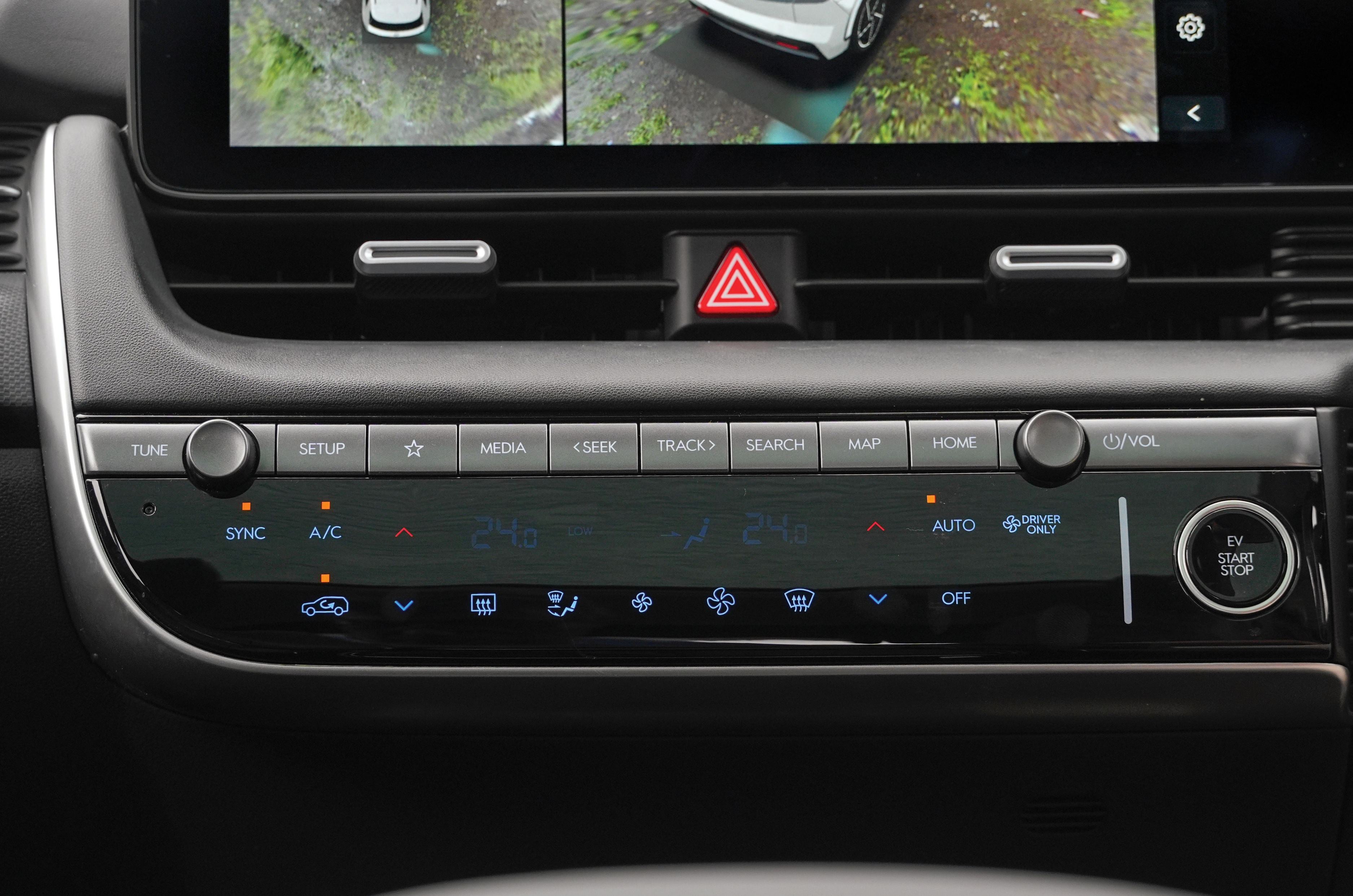
The Ioniq 5’s interior takes a more balanced, user-friendly approach. Not only does it get motorised pop-out door handles, but its cabin also combines touch-sensitive controls with physical buttons and knobs, creating an environment that feels intuitive from the moment you step in.

Thankfully, it retains physical controls.

Material quality is impressive, and where the Hyundai truly excels is in comfort and practicality. Storage areas are thoughtfully integrated throughout the cabin, and the sense of space is outstanding, making the Ioniq 5 particularly easy to live with.

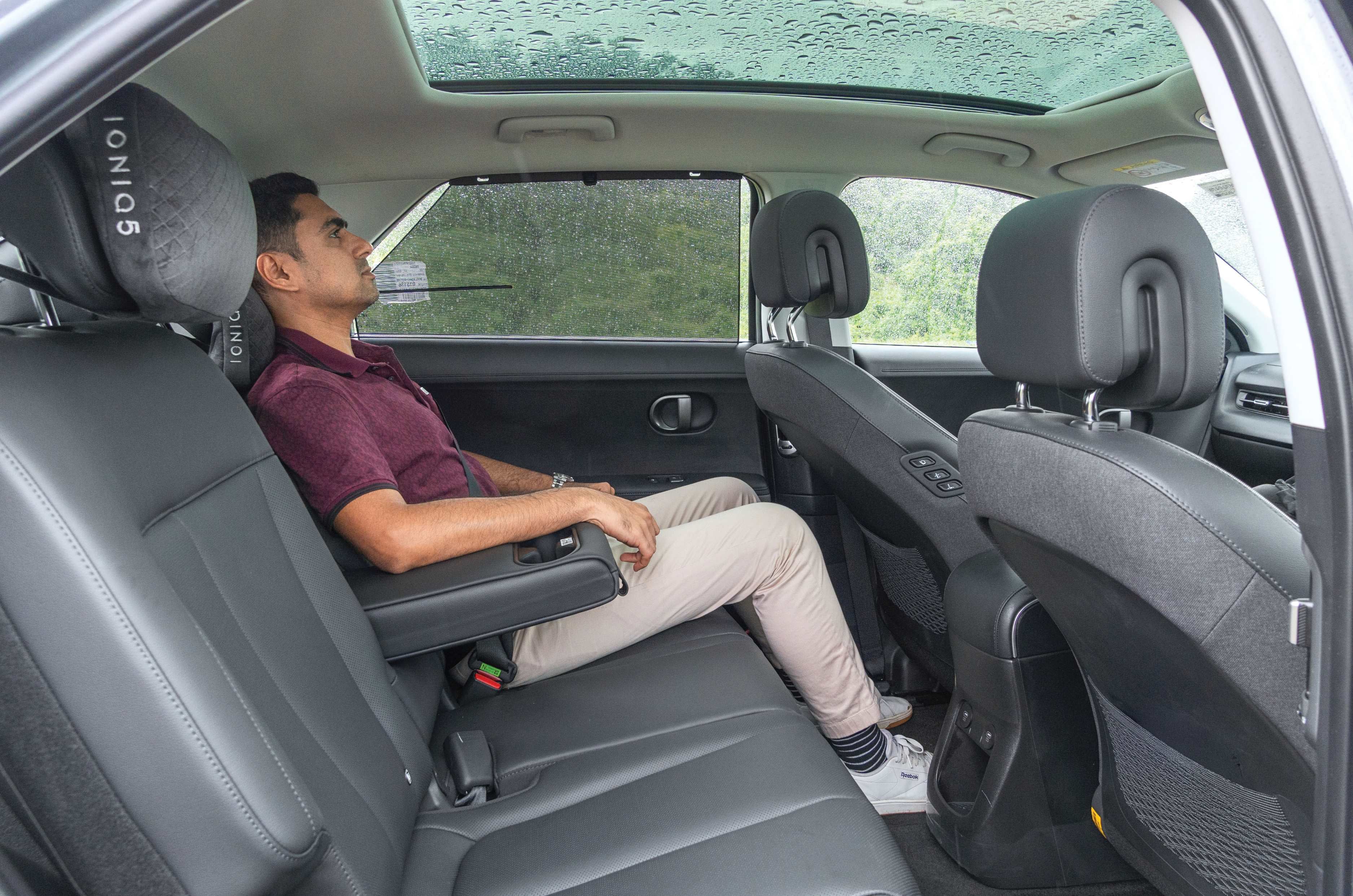
Slide, recline, boss function and sunshades mean a better rear experience.

The front seats are broader and more comfortable, with extensive adjustment, including an ottoman-style leg support. Both front seats can be set up in a ‘zero-gravity’ position, where your back is reclined and legs lifted on the ottoman, making it very comfy. Plus, you can have the seats cooled or heated too, which adds to the relaxing experience. Rear-seat comfort is equally impressive, thanks to a bench that both slides and reclines. While it doesn’t get a dedicated rear screen like the Tesla, it does offer window sunshades and a 3-pin socket to power larger electronic devices.

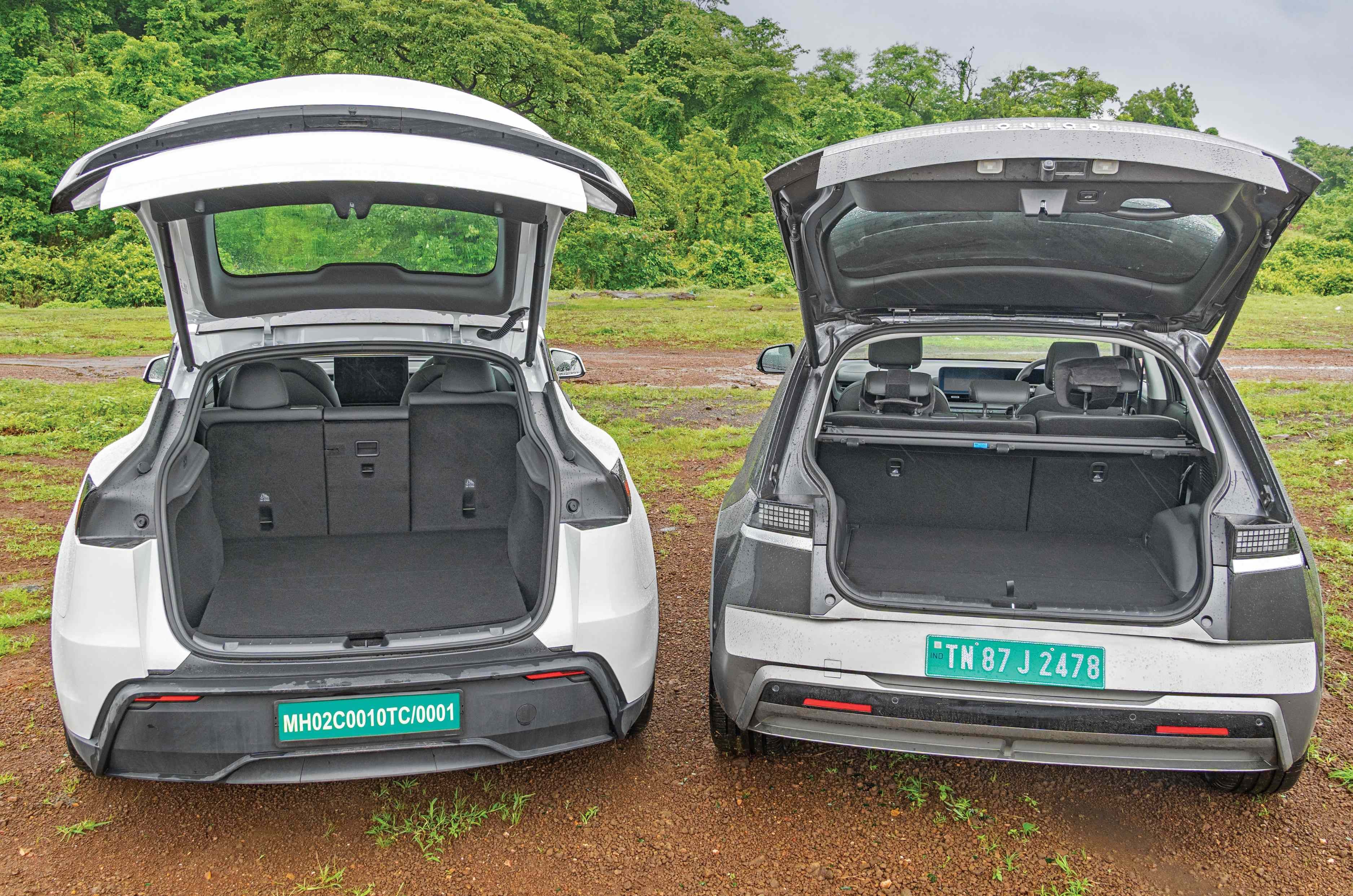
Along with a larger boot, the Tesla gets substantial underfloor storage.

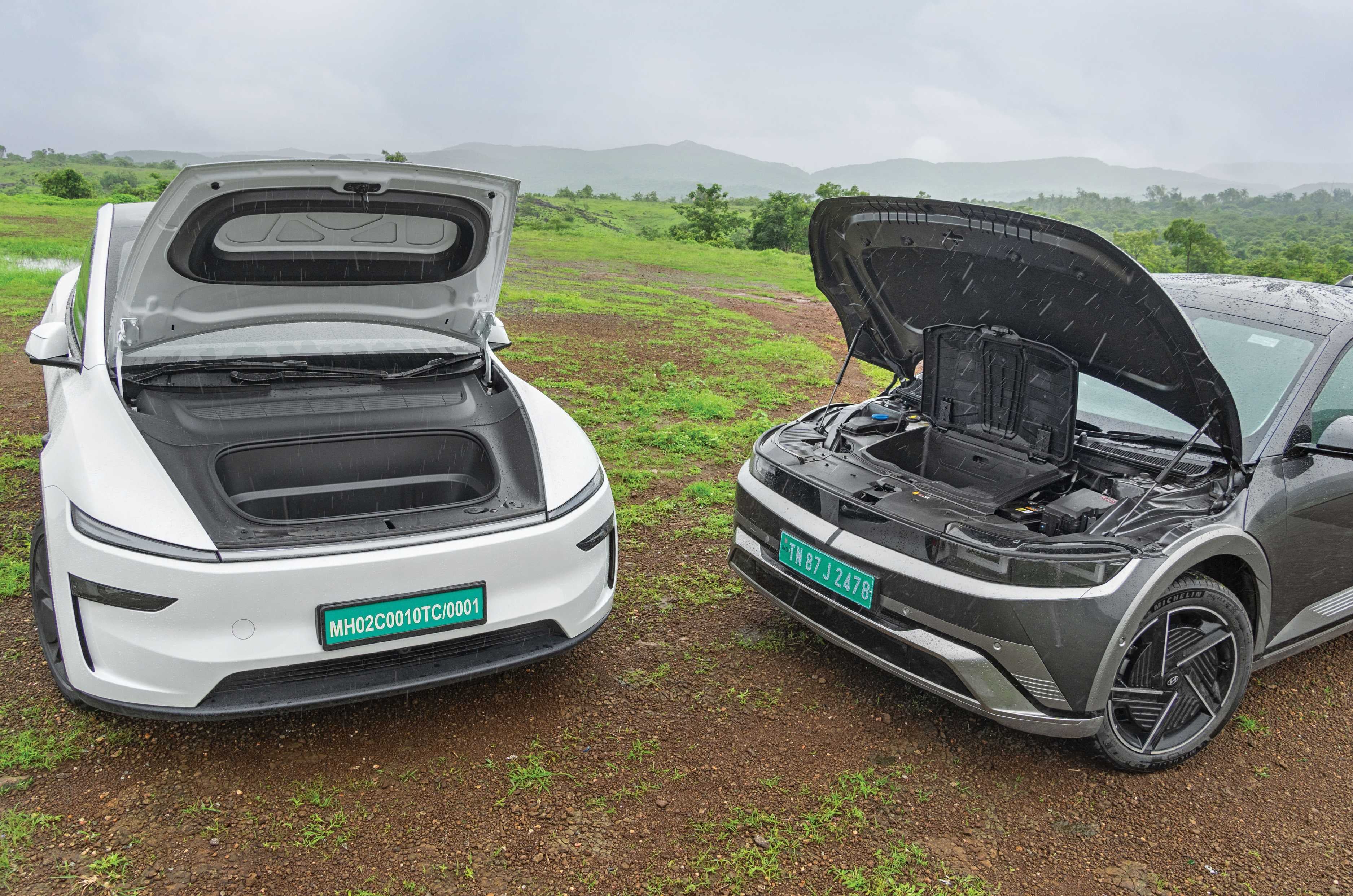
The Tesla regains some lost ground when it comes to luggage-carrying capacity. Its front luggage compartment is broader and deeper than the Ioniq’s, and its boot is more spacious too. Additionally, it offers even more storage space beneath the boot floor. The Ioniq 5, on the other hand, not only falls a bit short in outright boot capacity, but also has a relatively higher loading lip, making it slightly more challenging to load heavy luggage.

The Model Y has a deeper and wider front-loading area than the Hyundai.

Tesla Model Y vs Hyundai Ioniq 5: Powertrain and performance

Hyundai has increased the battery size from 72.6kWh to 84kWh (gross capacity) while continuing to use Nickel Manganese Cobalt (NMC) cell chemistry. This feeds a 229hp/350Nm rear-mounted motor, which is 12hp more than before. However, the larger battery has pushed kerb weight up to 2,165kg, which is 150kg more than the outgoing version.


In contrast, the Model Y uses a 64kWh (gross capacity) battery with Lithium Ferrous Phosphate (LFP) cell chemistry, powering a 299hp/420Nm rear-mounted electric motor. While it is significantly more powerful, the Tesla is also 162kg lighter. As a result, its performance feels considerably stronger. It feels quicker off the line, accelerates harder and responds more eagerly to throttle inputs than the Hyundai. 

Tesla keeps things simple with just two drive modes: Standard and Chill, the latter serving as an economy setting. Impressively, Chill mode remains highly usable and, despite being toned down, still accelerates as strongly as the Hyundai in its sportiest setting.

Tesla Model Y vs Hyundai Ioniq 5: Acceleration test (in seconds)


Tesla Model Y

Hyundai Ioniq 5

20kph

1.29

1.31

40kph

2.33

2.66

60kph

3.48

4.05

80kph

4.69

5.71

100kph

6.19

7.97

120kph

8.23

10.83

140kph

10.78

14.63

160kph

14

20.27

To put its performance into perspective, the Model Y accelerates from 0-100kph in just 6.19 seconds in Standard mode and reaches its 203kph top speed in roughly 25 seconds. Even in Chill mode, it completes the 0-100kph run in a respectable 8.25 seconds, just 0.28 seconds slower than the Ioniq 5. More interestingly, the Tesla reaches 160kph in 18.58 seconds, making it 1.6 seconds quicker to the mark.

Tesla Model Y vs Hyundai Ioniq 5: Regenerative braking distance (80-20kph)


Tesla Model Y

Hyundai Ioniq 5

Strongest

116.71m (Standard)

136.45m (i-Pedal)

Weakest

223.55m (Reduced)

391.50m (Level 1)

In the Model Y, regenerative braking has just two modes – Standard and Reduced – and the retardation is seamless, though quite strong when you lift off the accelerator. Notably, Standard mode generates stronger deceleration than the Ioniq 5 in its most aggressive single-pedal setting. And while both cars support true one-pedal driving, the Tesla’s implementation feels more natural and intuitive. The Ioniq, though, with its multiple levels, can be set up to have retardation feel more ICE-like and thus very familiar.


Turning our attention to the Hyundai Ioniq 5, it may not dominate traffic-light drag races, but the good news is that power delivery is exceptionally smooth, and the overall driving experience feels highly refined. It offers multiple drive modes that alter part-throttle responses, steering feel and brake-pedal feel, although outright acceleration remains largely unchanged between them.

In general, the Ioniq 5’s cabin feels slightly more hushed than the Model Y’s, with a quieter motor and lower levels of road and tyre noise. Notably, though, the Tesla’s frontal sound insulation is exceptional – from inside the cabin, you would swear its horn is rather meek, but we assure you, that isn’t the case.

Tesla Model Y vs Hyundai Ioniq 5: Ride and handling 

The Model Y is quicker, but the Ioniq 5 betters it on range and fast-charging speed.

On the move, the Model Y inspires confidence. High-speed stability is excellent, and it changes direction with greater eagerness compared to the Ioniq. The small-diameter steering wheel offers different weight settings, but even its lightest mode feels substantial; it isn’t that light, one-finger-twirl setup and does come across as heavy. Ride comfort also doesn’t feel particularly plush. The suspension is quite firm and thuds noticeably over potholes and broken surfaces, making it less suited to rough Indian roads.

The Ioniq 5 takes a different approach. It feels far more comfortable and user-friendly, thanks to lighter steering and a softer suspension that, despite its 20-inch alloy wheels, absorbs road imperfections with much greater composure than the Tesla. The result is a more relaxed and comfortable driving experience. Sure, it doesn’t feel as sporty while changing direction and can feel a touch floaty at higher speeds, but that is a compromise many buyers will gladly accept for its low-speed pliancy and overall comfort.

Tesla Model Y vs Hyundai Ioniq 5: Range and efficiency

For our real-world range test, we ran the Hyundai Ioniq 5 in Eco mode and the Model Y in Chill mode, with the former’s regenerative braking set to Level 2 in the city and Level 1 on the highway, and the latter’s set to Standard in the city and Reduced on the highway.

As far as efficiency goes, the Ioniq 5 was more efficient in the city, delivering 6.22km/kWh, while the Model Y managed 5.84km/kWh. On the highway, the Tesla’s superior aerodynamics yielded 6.52km/kWh, whereas the Ioniq 5 managed 5.71km/kWh. However, thanks to Hyundai’s substantially larger battery, its overall average range extrapolates to 501km, comfortably ahead of the Tesla’s 371km.

Tesla Model Y vs Hyundai Ioniq 5: Real-world range and efficiency 


Tesla Model Y

Hyundai Ioniq 5

Claimed range

500km

690km

City range

350km

523km

City efficiency

5.84km/kWh

6.22km/kWh

Highway range

391km

479km

Highway efficiency

6.52km/kWh

5.71km/kWh

Average range

371km

501km

Average efficiency

6.18km/kWh

5.96km/kWh

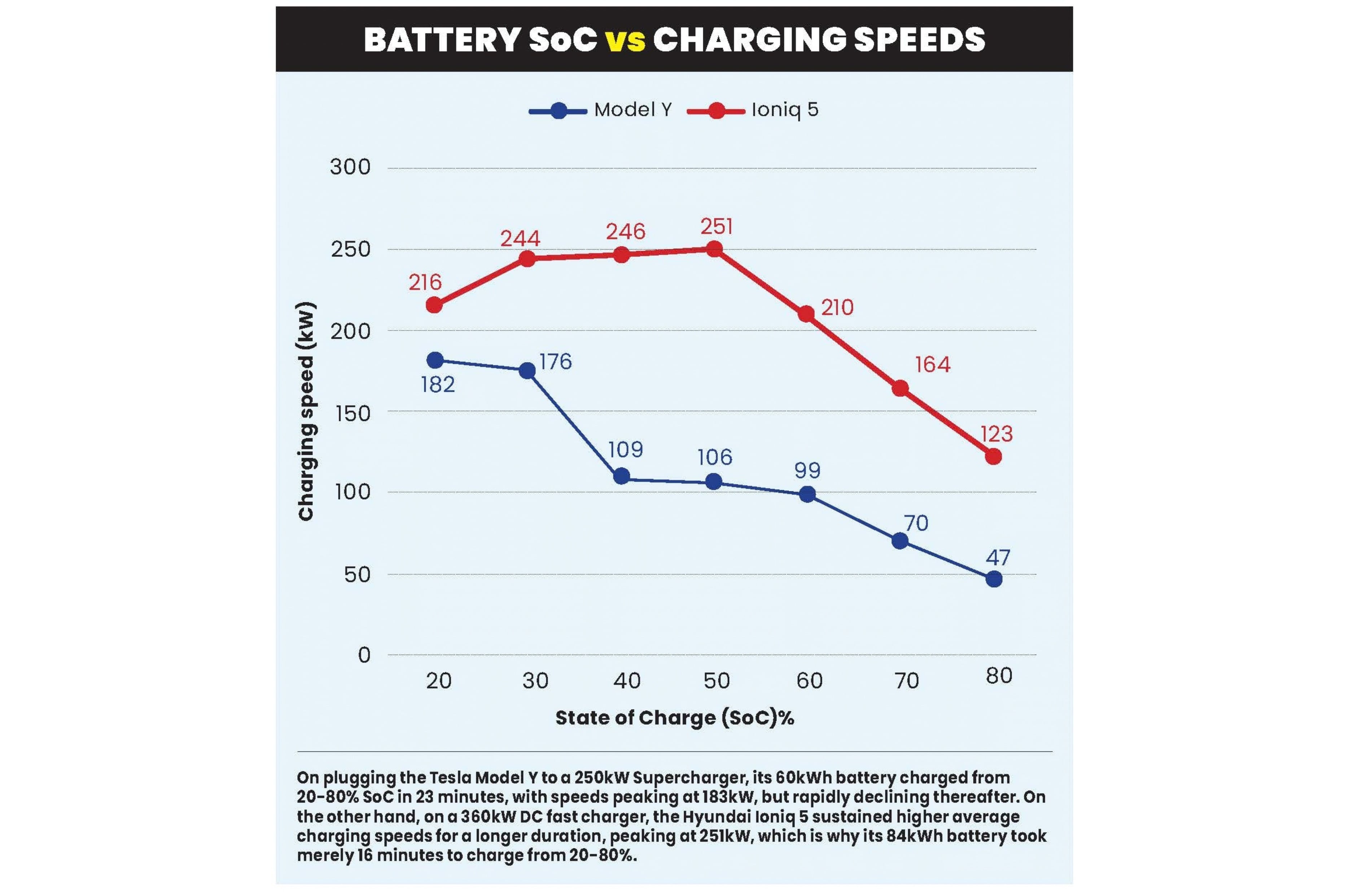
As for charging performance, we plugged the Model Y into a 250kW Tesla Supercharger, where it achieved peak charging speeds of 183kW. However, the Model Y does not sustain such high speeds for long, and its 60kWh battery is charged from 20-80 percent SoC in 23 minutes. From there, it took an additional 30 minutes to reach a full charge.

The Hyundai Ioniq 5 performs even better. Connected to a 360kW DC fast charger, its 800V electrical architecture enabled it to consistently maintain higher average charging speeds, peaking at 251kW. As a result, its 84kWh battery charged from 20-80 percent SoC in just 16 minutes. Like the Tesla, however, it required an additional 33 minutes to charge from 80 percent to full.

Tesla Model Y vs Hyundai Ioniq 5: Verdict

The Ioniq 5 no longer offers the value it once did. The Model Y, however, does.

The Tesla Model Y makes a compelling case for itself. It is quicker, more technologically advanced and backed by software that remains among the best in the automotive world. Crucially, it is now the more affordable option, making it a very tempting proposition. However, its over-reliance on the touchscreen, heavy steering, a firm low-speed ride and limited range due to the smaller battery count against it.

In comparison, the Hyundai Ioniq 5 remains the more rounded package. Its superior ride comfort, more intuitive cabin, significantly longer real-world range and impressive charging performance give it a clear edge where it matters most. More importantly, it feels better adapted to Indian roads and daily usage, thanks to its lighter steering and more comfortable ride.

At current prices, though, the Hyundai no longer holds the value card, nor does the brand command the same equity or snob value as some similarly priced rivals. But judged purely on its merits, the Hyundai Ioniq 5 continues to be the best all-round EV at this price point and thus gets our vote.

Mercedes-Benz 140 Years, 140 Places odyssey: Wandering Stars

Mercedes-Benz 140 Years, 140 Places odyssey: Wandering Stars

Mercedes-Benz’s 140 Years, 140 Places odyssey is a celebration of the carmaker’s origins in 1886. Spanning six continents, covering over 60,000 kilometres, it is as massive in significance as it is in scale. The tour kicked off at the Mercedes-Benz Museum in Stuttgart on the 29th of January, the same day Carl Benz received the patent for his first car 140 years ago! The cars then went to the Daimler house in Bad Cannstatt, they tracked the original route of Bertha Benz’s historic 1888 drive and drove the iconic Spa-Francorchamps racetrack in Belgium in wheel tracks of the W109 ‘Red Pig’ that made such a splash in 1971. The cars then went to the US, visiting the first plant in the US started by William Steinway (of Steinway & Sons, the famous German Piano makers), South America, Australia, Japan, Korea and Japan.

Legacy and history

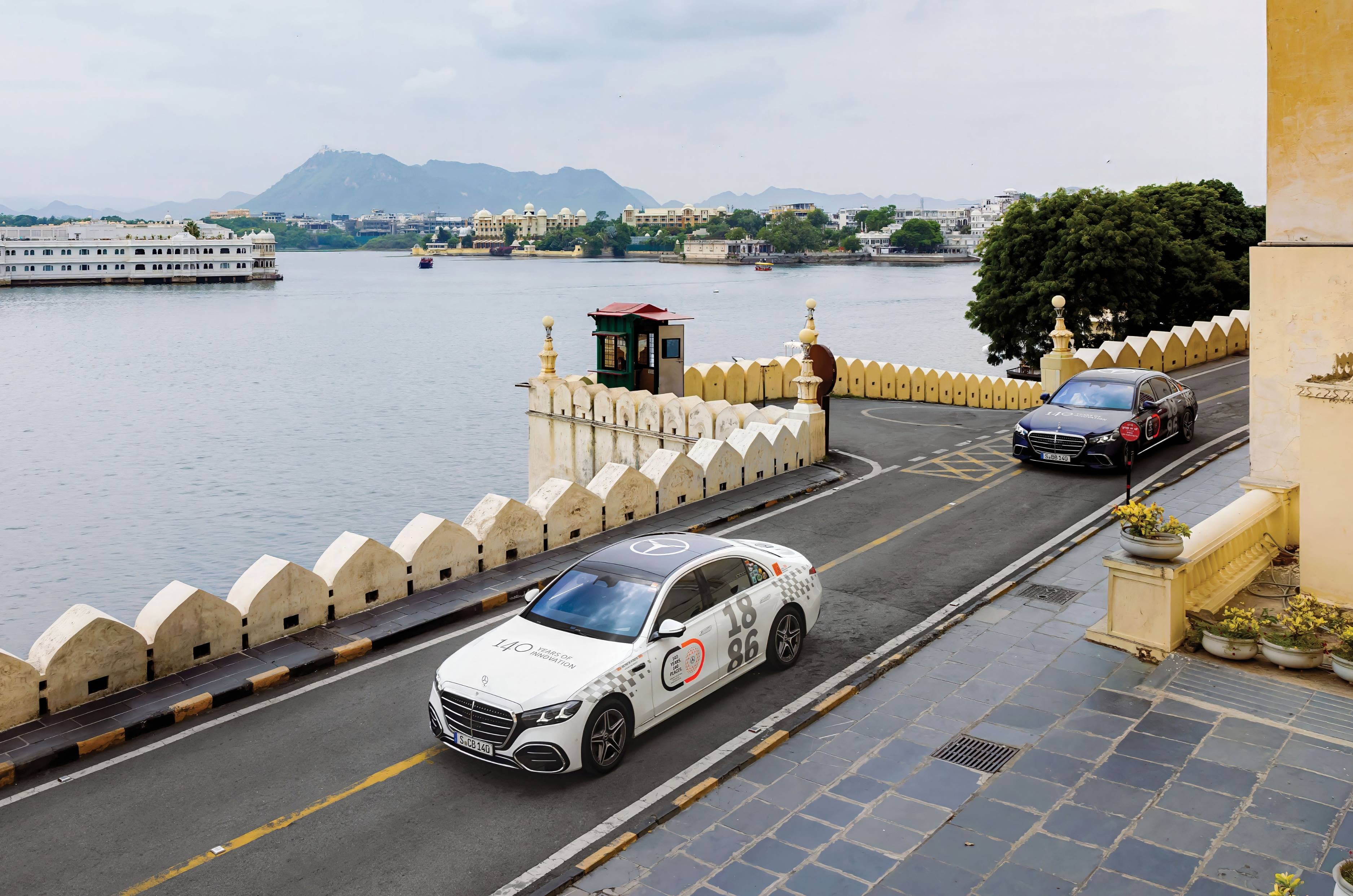
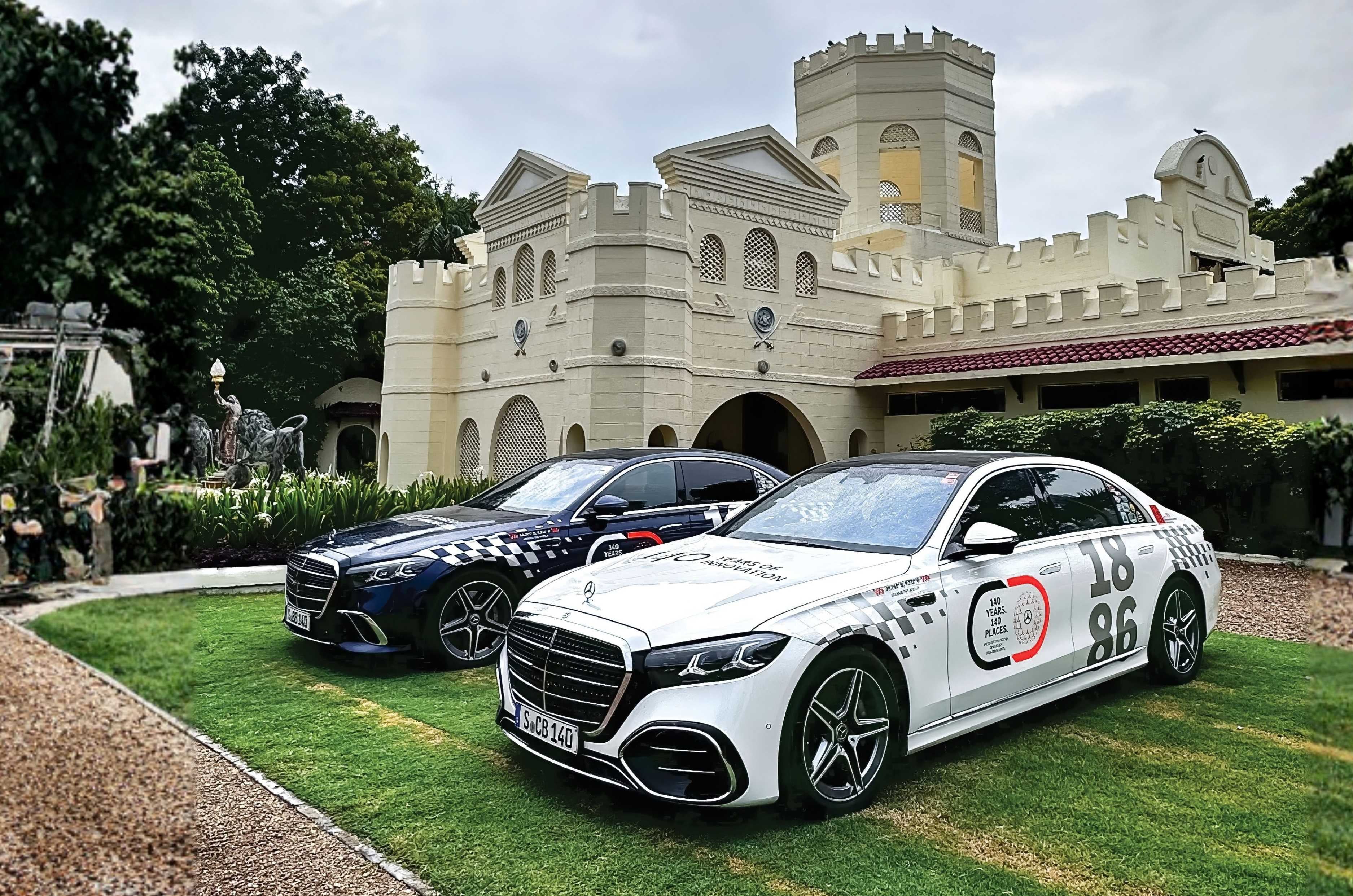
With their royal and regal air, the S-Classes feel right at home in Udaipur.

Part of the 140 Years, 140 Places expedition, Udaipur is one of the more stunning locations the Mercedes drive will visit on this India leg, and what’s incredible is that we have been chosen to be a part of it. What a privilege. The lake city of Udaipur also has tremendous historical significance. Home to one of the longest-serving dynasties, one that spans 1,500 years, this leg sees a coming together of the world’s oldest carmaker and one of the oldest dynasties. And while this trans-continental excursion is called 140 Years, 140 Places, it could also easily have been called 140 Years of Automotive Technology. With these S-Class pre-production cars dripping with both mechanical and electronic tech, what we are also celebrating is the journey of the car from a three-wheeler with a single-cylinder engine to this technological marvel. The company that invented the motorcar is still widely regarded as the one that makes ‘the best car in the world’.

Luxe Supreme

Everything is perfectly still. Not a gauge in the car is moving, and there’s no real sensation of speed. I must have dozed off. Blame it on the incredibly comfortable back seats and the sensory isolation. This car just shuts you off from the rest of the world. Then I discover we are cruising at 100kph, and not just 30 or 40. Up ahead is the lake city of Udaipur. Ahh.

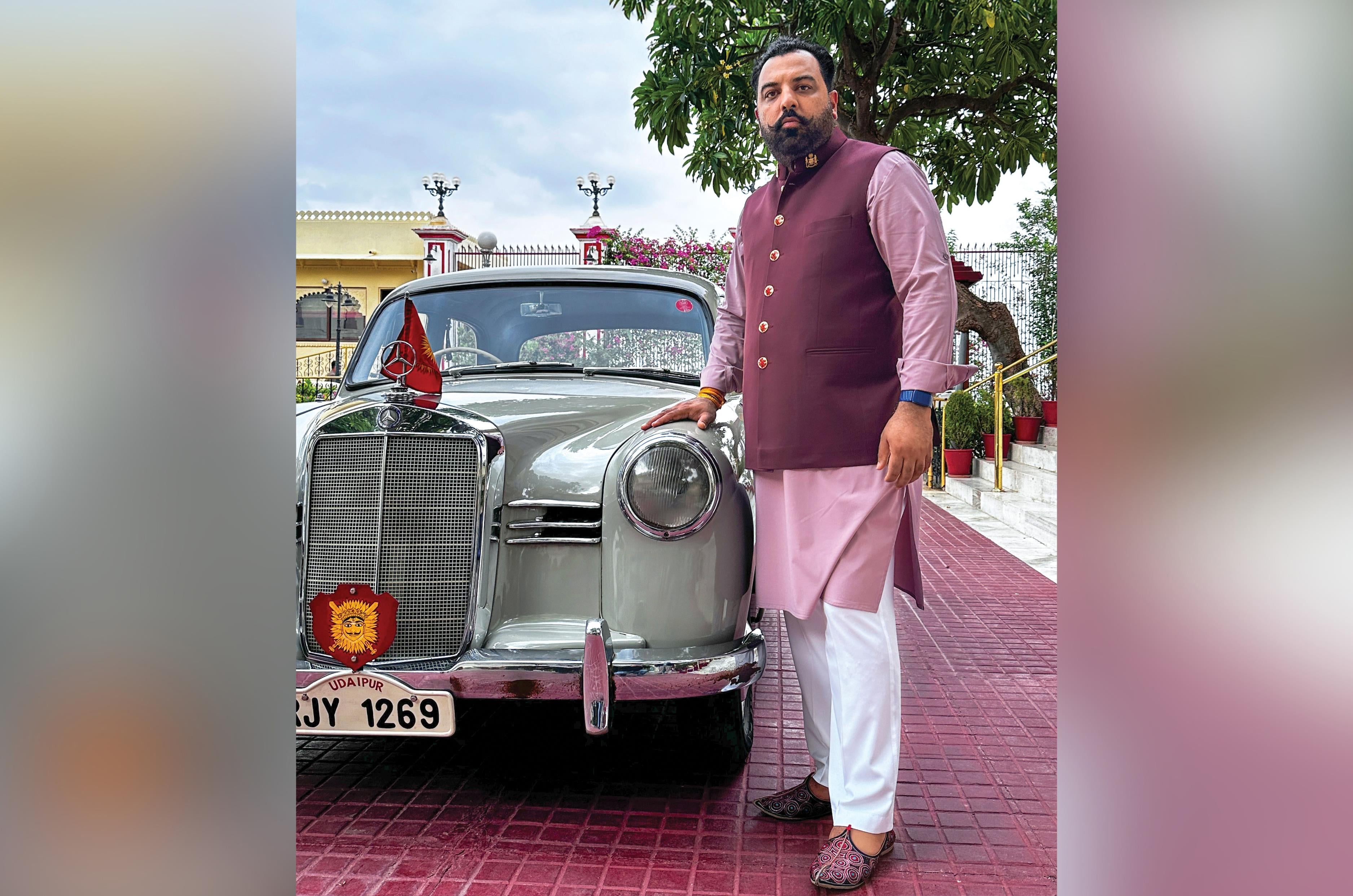
The Maharana of Udaipur with a car that has been in his family for three generations.

We start our journey on this leg from a very significant place, the palace situated on the lakeside at Udaipur. And not only does Lakhsyaraj, the 77th Custodian of the House of Mewar (formally Shriji Huzoor Dr Lakshyaraj Singh of Udaipur), play the perfect host, but he also parks an olive-green 180D in the foyer, a car that has been used by three generations of his family. The symbolism is rich; two legacies converging in a place that embodies the spirit of grandeur and continuity.

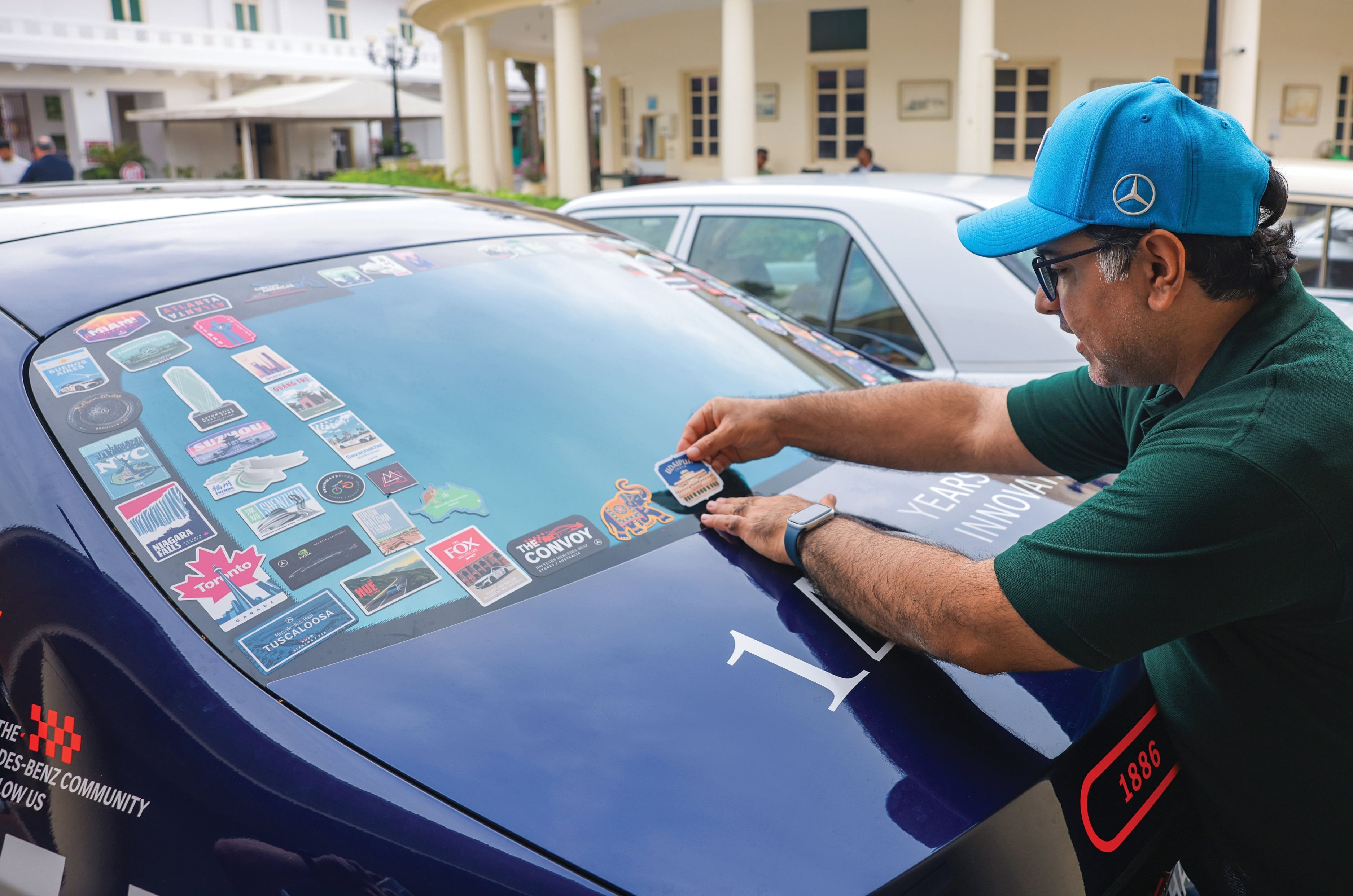
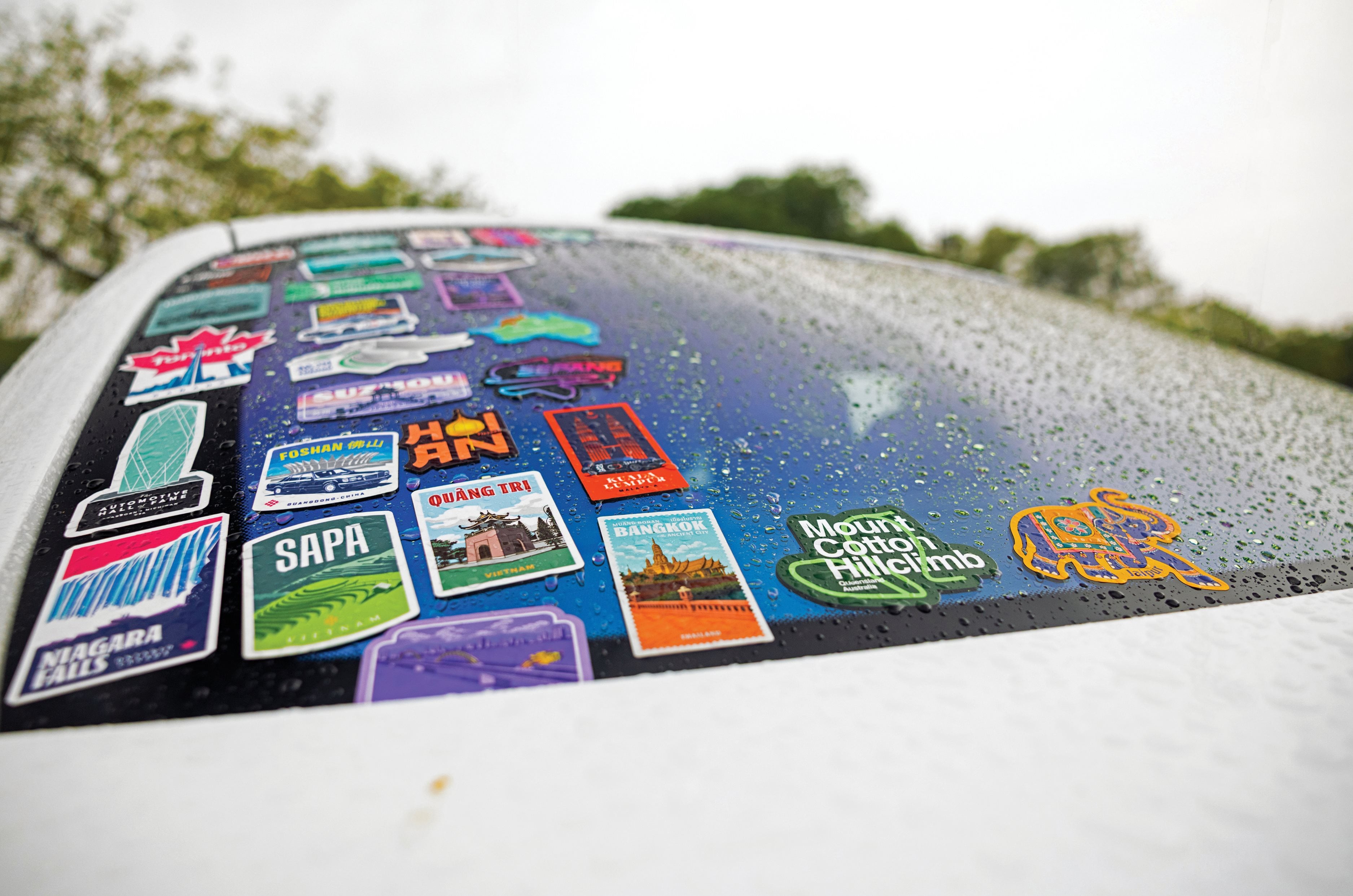
Perseus places the sticker on ‘Bertha’ in Udaipur.

Since Udaipur is one of the 140 iconic destinations on the drive, Mercedes asks him to place an Udaipur sticker on the rear of the car; fitting. These cars, all three (the third is on another leg elsewhere in India), will eventually be housed in the Mercedes museum in Stuttgart, and what’s cool is that you can trace their journey via the stickers. Lakshyaraj then takes one of the cars for a brief drive. He wants to see just how much better this new version, with all its 2,700 new bits, is over his pre-facelifted car. And yes, he loves driving. I’d bumped into him earlier in the day at the airport, where his S-Class had come to pick him up, flags flying and uniformed driver and assistant in tow. But instead of climbing into the rear, he’d gotten straight behind the wheel. Tells you a lot.  
Still at the top

Late prototypes of the New S-Class made the journey.

Later in the day, I get another demonstration of why the S-Class is so special. We decide to drive around the lake for the cameras, the orange glow of the setting sun adding to the drama of this once James Bond film set. Sitting in the back feels almost magical, as the S-Class slips forward effortlessly, the sun glistening off the lake. It skips over cratered roads, glides silently through noisy bazaars and intersections and then, as the road around the lake opens out, I barely hear it even though Mercedes’ test driver is pulling the torque-y straight-six hard. This car is named Bertha, after Carl Benz’s wife, the one who undertook the world’s first long-distance drive; quite a story that. And the other, the white one, is Carl; BB and CB, both on Stuttgart number plates.

Hello Grandpa

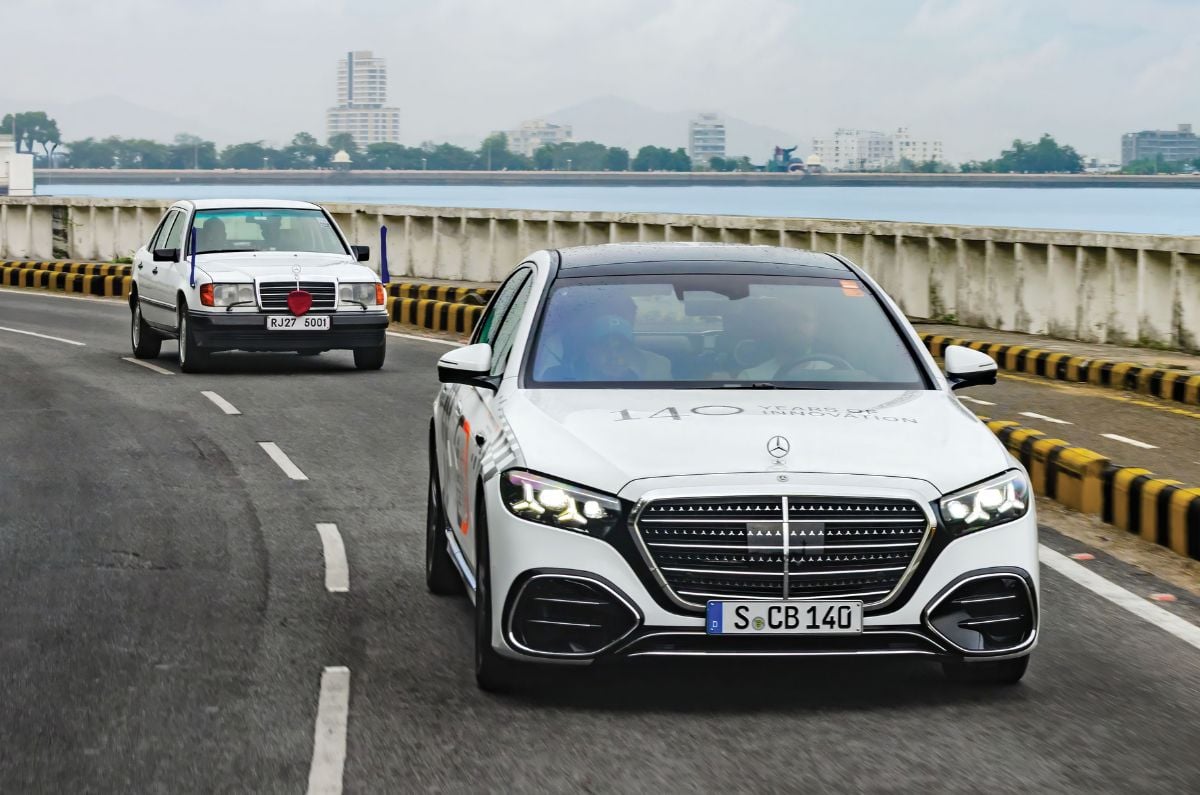
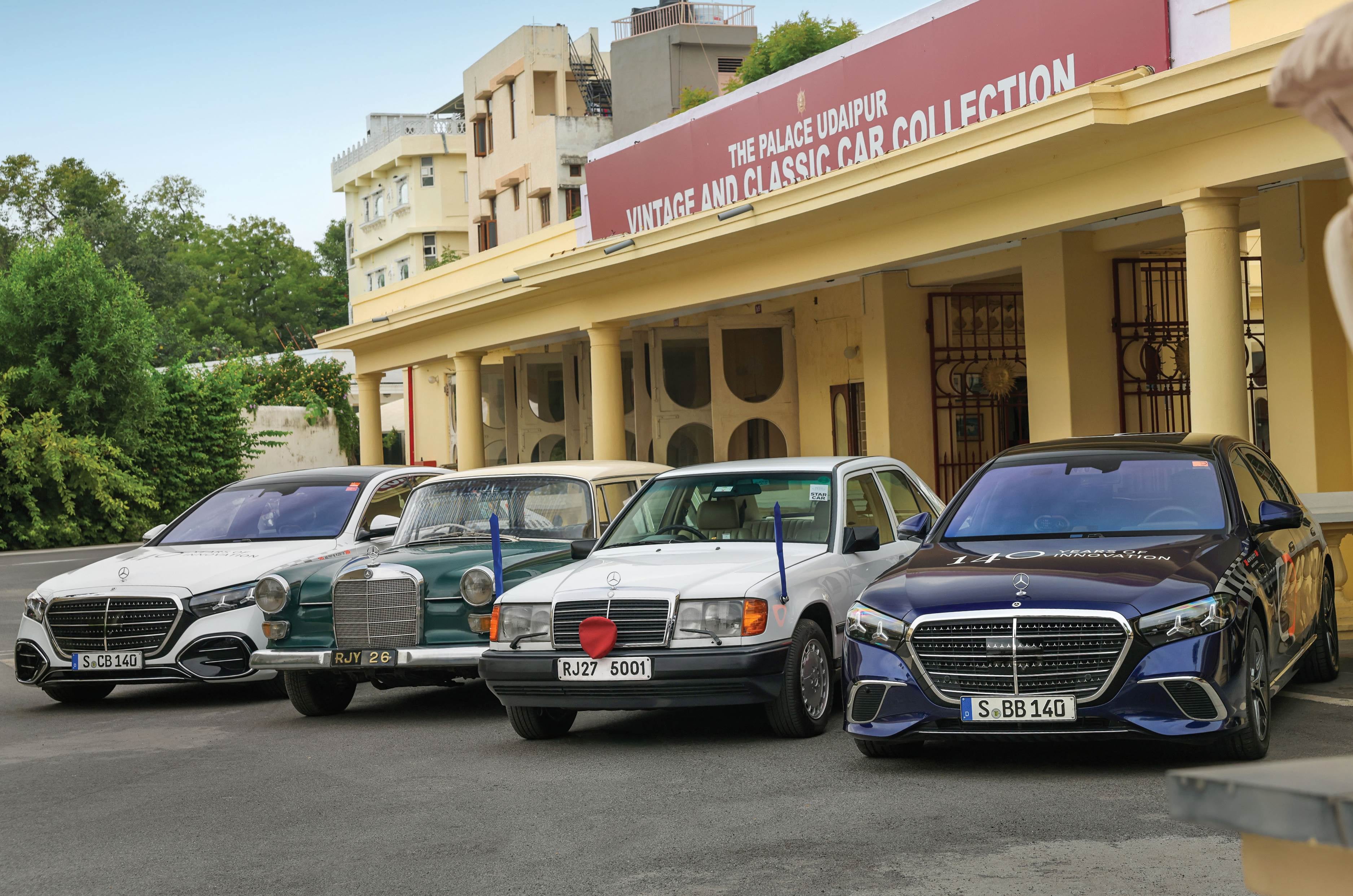
The S-Classes, along with the fin-tail and the 300D.

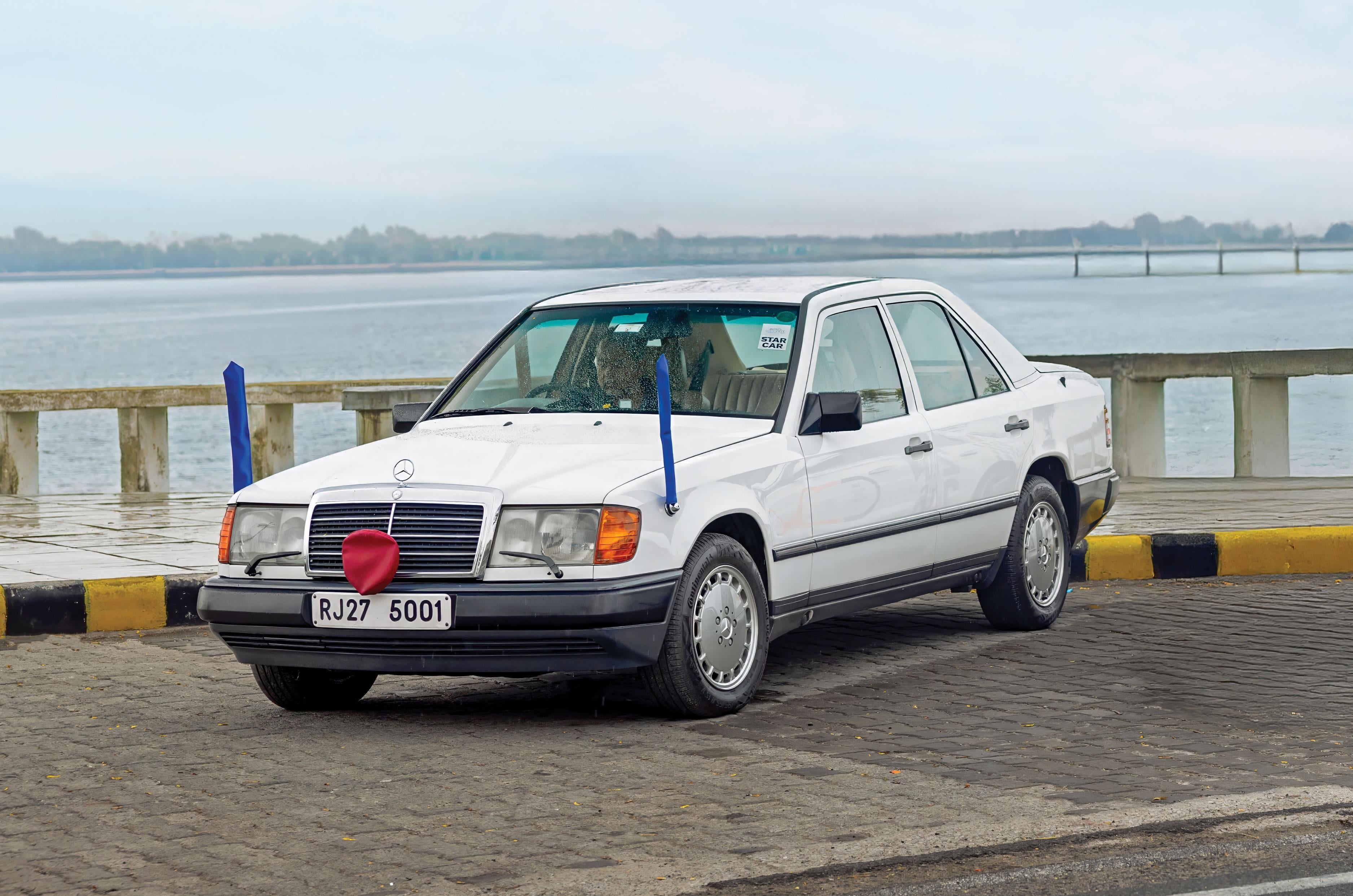
The next day, we set off to see the Udaipur Royal Garage, where we are met by other Mercedes cars. There’s a fin-tail that was used to pick up and drop off guests of the Royal family from neighbouring ‘states’ and a very special W124 300D. The latter, an import rather than a locally assembled W124, stands out from Indian-assembled cars with its black bumpers, headlamp wipers and amber indicators. This six-cylinder diesel with more than 2,00,000km on the clock was used by Shri Arvind Singh Mewar, the earlier Maharana, to cover long distances like Ahmedabad or Jodhpur. Recently restored, it was presented at the Mercedes-Benz Classic Car Rally in Mumbai. The 300D is in such fine nick, I can’t resist a quick spin around another of Udaipur’s stunning lakes, Fateh Sagar.

Why the 300D is such a legend

The W124 300D is an import. 

On the outside, the 300D looks sort of underwhelming. Starting up the straight-six diesel is relatively straightforward, although I have to wait for the glow plug to heat up (remember those?). While the roughly 110hp engine doesn’t feel responsive, it feels smooth and refined for a diesel, especially after 2,500rpm. And though it is slow by today’s standards, it doesn’t feel like you’re dragging anchor either. The chunky 300D also feels as tough as a Godrej safe. 

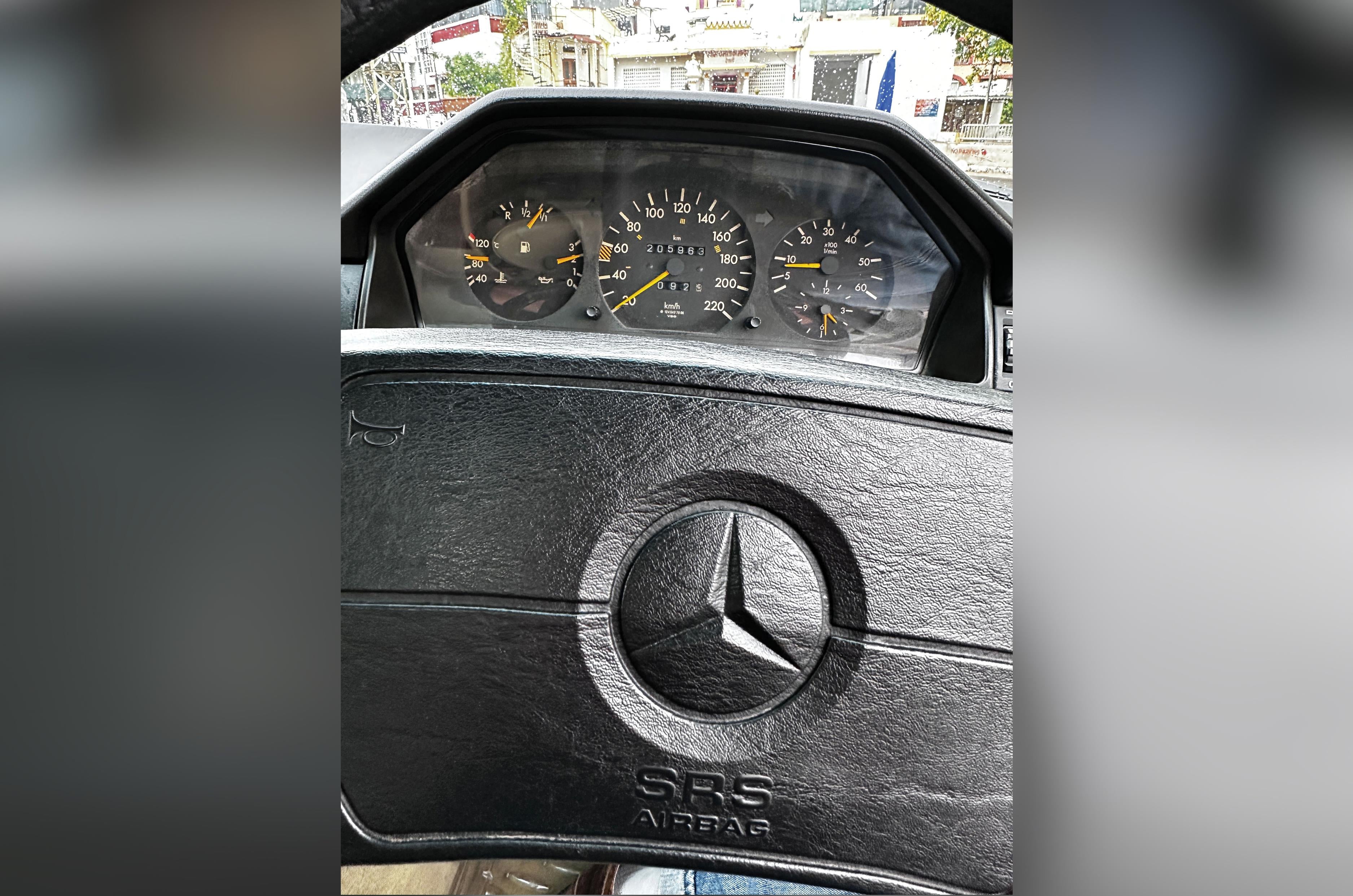
It has 2,00,000km on the odo, but hardly feels like it.

Then I catch a glimpse of the odometer; it reads in excess of 2,00,000 kilometres! Surely my eyes are playing tricks on me. Yes, this car has been recently refurbished, and the suspension has been tightened up, but this thing feels like it has just rolled out of the showroom only recently. It tracks straight, the steering is well weighted and, when I plonk my foot down, it even generates a reasonable amount of torque. This ‘OM603’ straight-six uses indirect injection and a pre-chamber, and has a simple two-valve-per-cylinder setup. Legend has it, it can do a million miles with only basic care. And what of turbo lag, you ask? It doesn’t have one.

Performance tech

The next morning, I get straight behind the wheel of CB or Carl Benz. I’m particularly excited because Carl has a V8 under the hood. What makes this V8 different is that it has some unique tech. This new S-Class is fitted with the ‘M177 Evo’ V8 engine that uses a flat-plane crankshaft! Made popular by Ferrari, a flat-plane crank is used on sportscars to help bunch up the firing order of the cylinders, so you get more of a kick from overlapping strokes. These engines, however, are not as smooth. So why has Mercedes used it in the S-Class, an out-and-out luxury car? Simple: it delivers better efficiency and lower emissions, as the crankshaft is lighter and there’s less reciprocating mass. And what of the vibrations? Mercedes says it has thrown tech at the problem.

V8-equipped S-Class feels effortlessly quick.

Initially, the going is slow as we exit the city. But once we get onto the wide highway, a small tap on the throttle releases a swell of torque just off 2,000rpm. And with 537hp propelling the limousine forward, it just shrinks the long straights on the highway. What’s cool is that the engine never feels brutish or AMG-like; the V8 soundtrack and rumble are superbly muted. The tech works. The new engine, in fact, is so well behaved that I have to check if it is indeed the one with the flat plane crank. At the next stop, I turn around and ask Mario Schneider, head of development for all Mercedes-Benz sedans, who just happens to be in the rear seat.

Also along for the drive is Perseus Bandrawalla, Autocar India’s curator of classic and modern classic events. Five minutes behind the wheel and he is waxing lyrical about the Mercedes V8 engines of days gone past – the M100, the M119 that powered the SL and others. It brings into perspective just how many great V8s Mercedes has had over the years, the 6.3 AMG V8, of course, included.

Cruise control

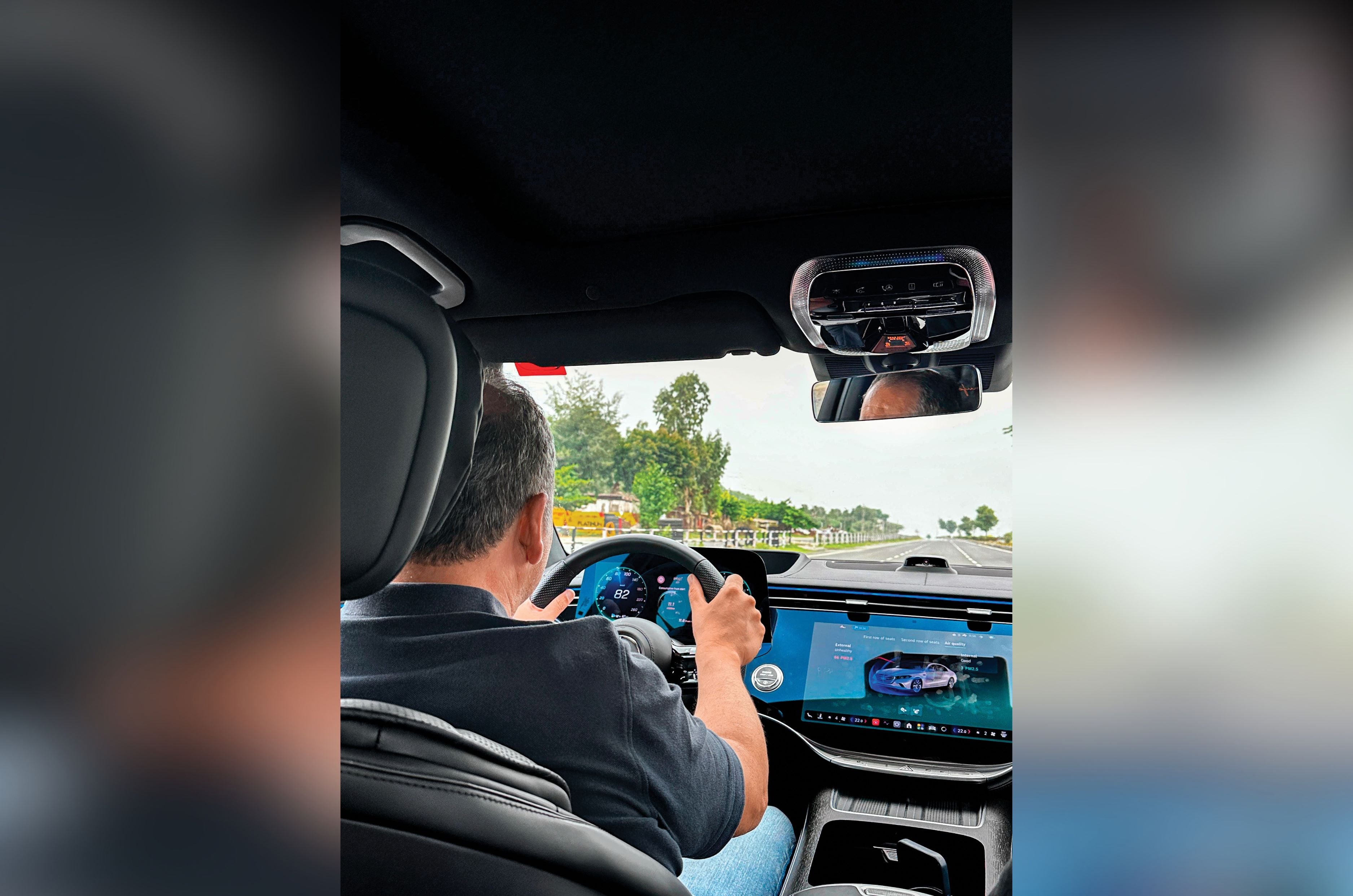
The three screens and updated cabin created a futuristic setup in a traditional environment.

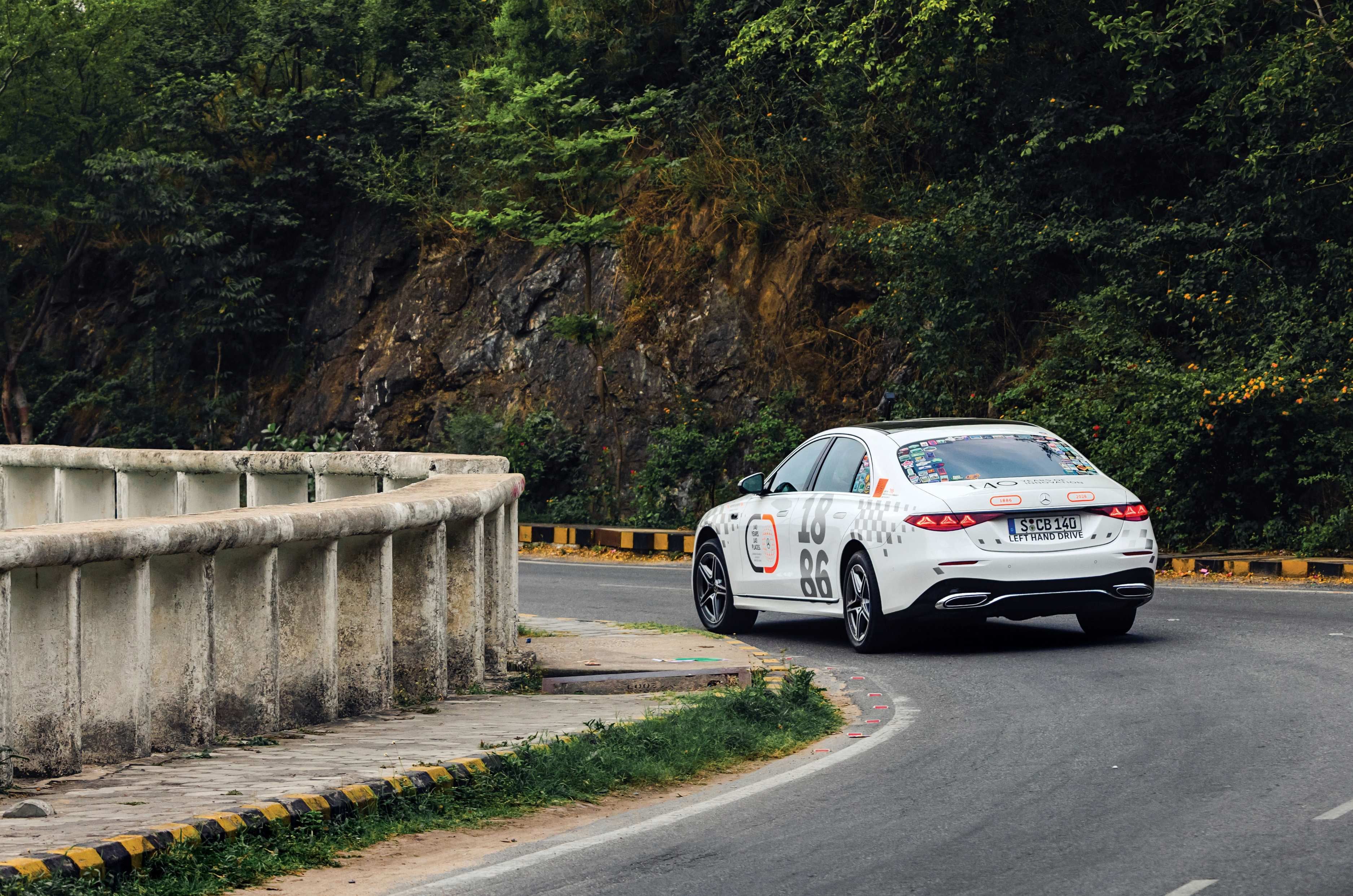
Further up, we get to a ghat section. Not only does the ride on this updated air suspension and adaptive dampers feel a bit more supple, it also feels at home on the winding road, the rear-wheel steering helps it into corners neatly. Even cooler, despite all the tech, it retains a natural fluidity and a sense of mechanical harmony, which make long drives feel just effortless. Are city-bound S-Class owners missing what’s best about this car? Absolutely! Talking about tech, this car also gets Level 3 autonomous driving (in places where it’s allowed), where the driver can be hands off, and even eyes off, with Mercedes Drive Pilot taking responsibility for safety. It is only one of two cars to get this globally.

As we get into traffic, what I notice is that the updated cabin, with its three screens and ambient lighting, creates an environment that is both futuristic and traditional. The seats, with massage and cooling functions, are thrones in their own right. And it’s not just the size, specifications and features it has; it’s how well everything is executed, from the solid build of the cabin to the new phone-like remote controls in the rear.

Collector’s edition

Streamlined Maybach SW38 four door could do 160kph

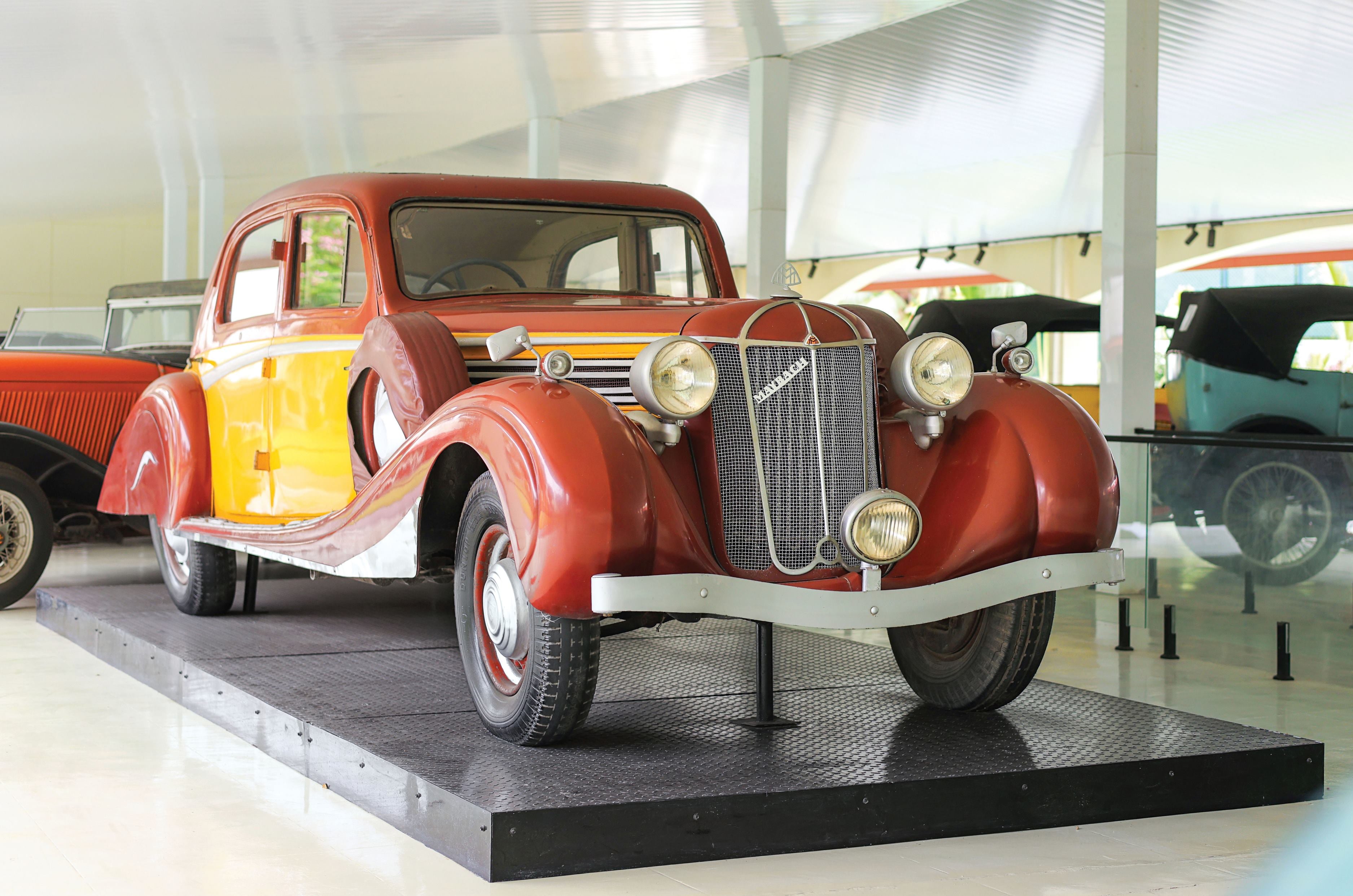
As we get to Ahmedabad, we turn into another historical location, Dastan Auto World – collector extraordinaire Pranlal Bhogilal’s collection, where the modern S-Classes met some more of their ancestors. A Maybach SW38, ordered by Maharaja Umaid Singh of Kota, draws admiring stares from the German members of the Mercedes crew, especially its aerodynamic profile. Capable of nearly 160kph, it was one of the fastest four-doors of its time. Equally captivating are Mercedes’ post-war comeback cars – the 300S ‘Adenauers’. Named after Germany’s first Chancellor, who famously rode in one with his hat on, this limousine is what eventually evolved into the S-Class.

Heritage and high tech

You can trace the journey via the stickers on the cars.

The 140 Years, 140 Places drive captured the duality of Mercedes perfectly; the brand embodies both heritage and innovation in equal measure, both streams converging seamlessly. As the convoy continues its odyssey, what’s clear is that this is a celebration not only of Mercedes’ past, but also the brand’s ability to connect eras, cultures and people through the universal language of the automobile.

2026 Mahindra Thar OG – Modern tech, classic look

2026 Mahindra Thar OG – Modern tech, classic look

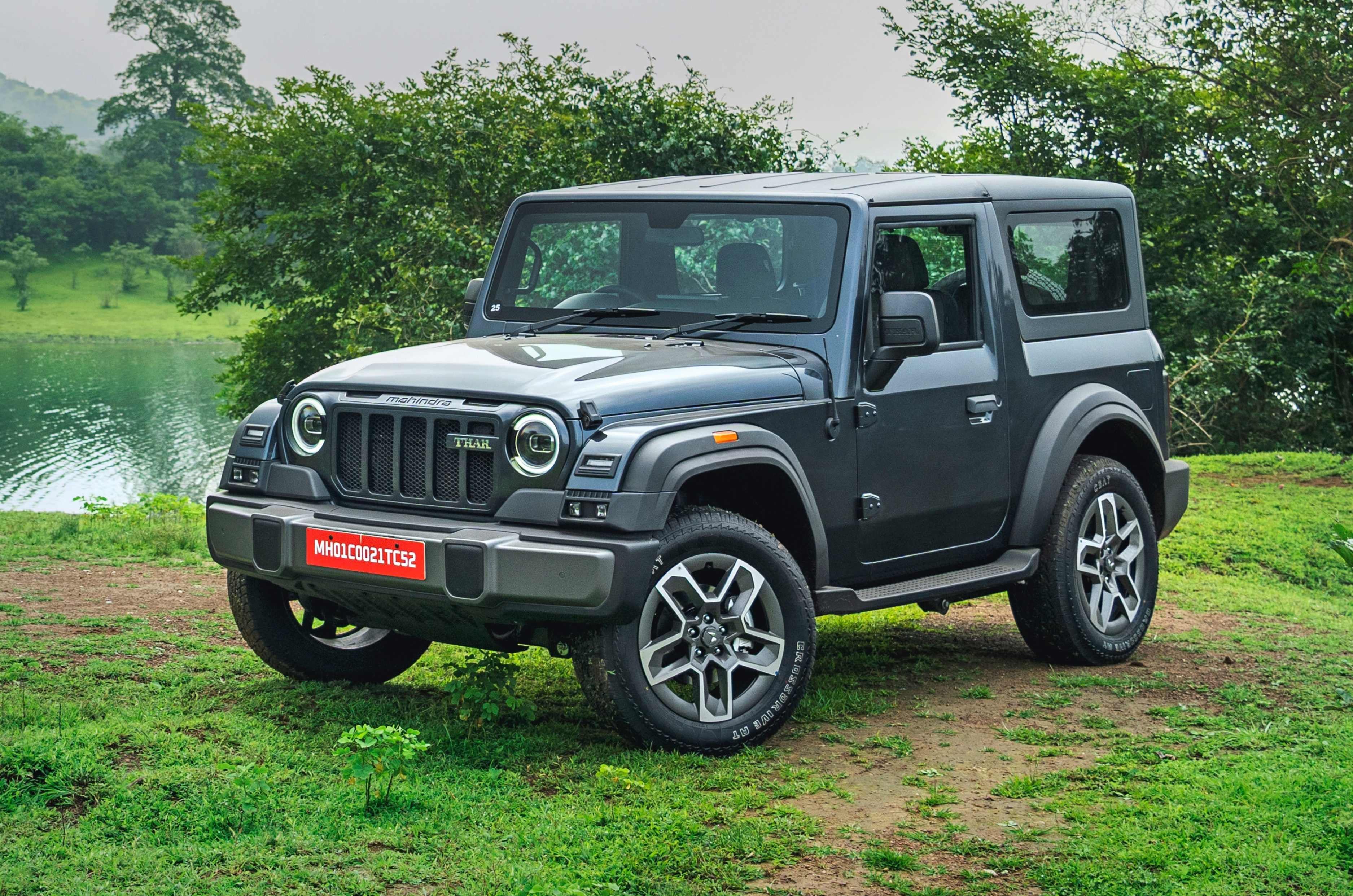
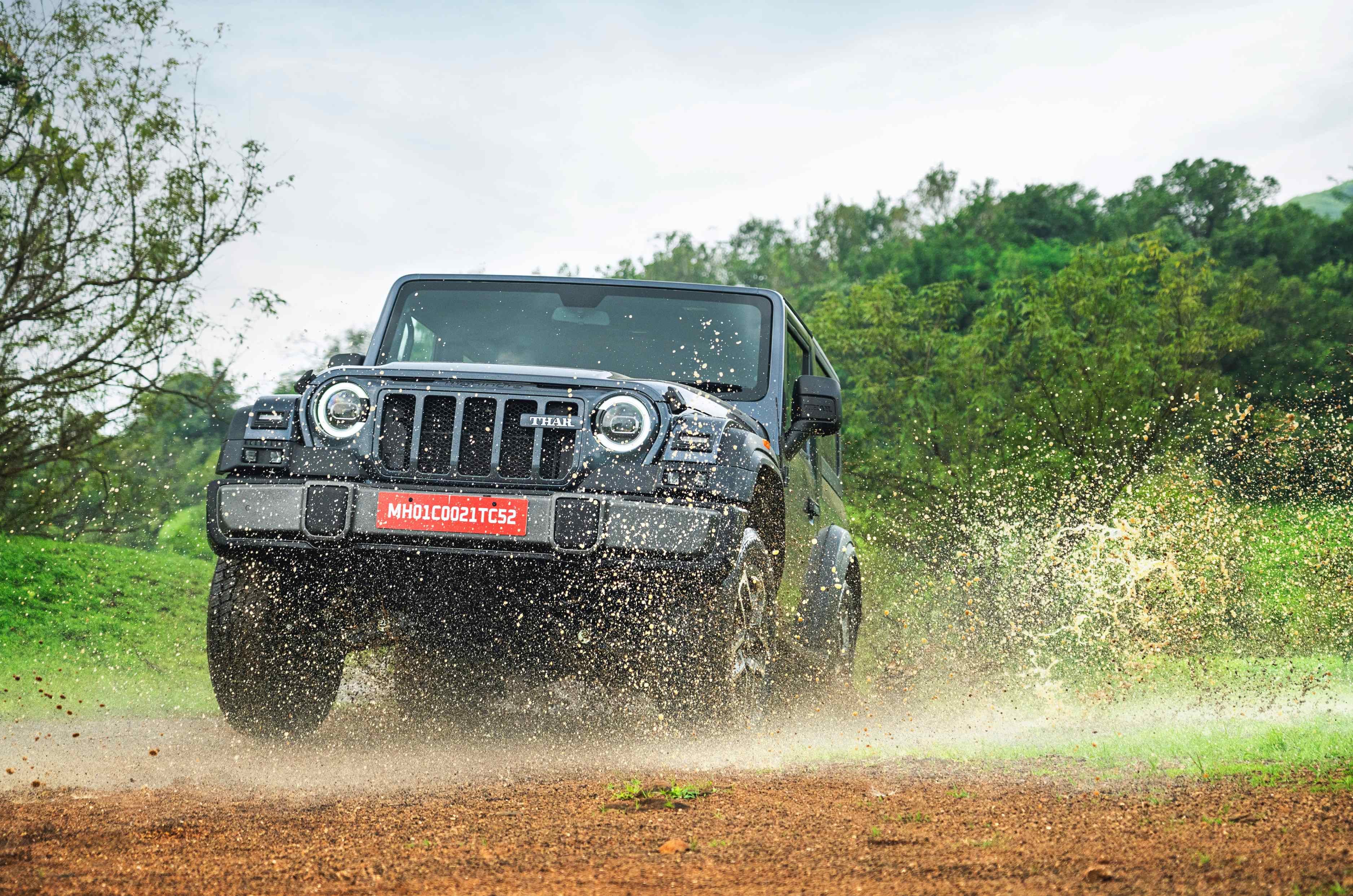
Not too long after a significant update, Mahindra has given the Thar yet another shot in the arm. The Thar OG now gets a whole new set of upgrades to the design, interior and, mainly, under the skin. A new suspension, new steering and added features are all part of the aim to make it more liveable and urban-friendly while retaining the Thar’s butch and bullyish character. Have they succeeded?

Mahindra Thar OG exterior design and engineering – 9/10

Design updates have retained the classic Thar look and road presence.

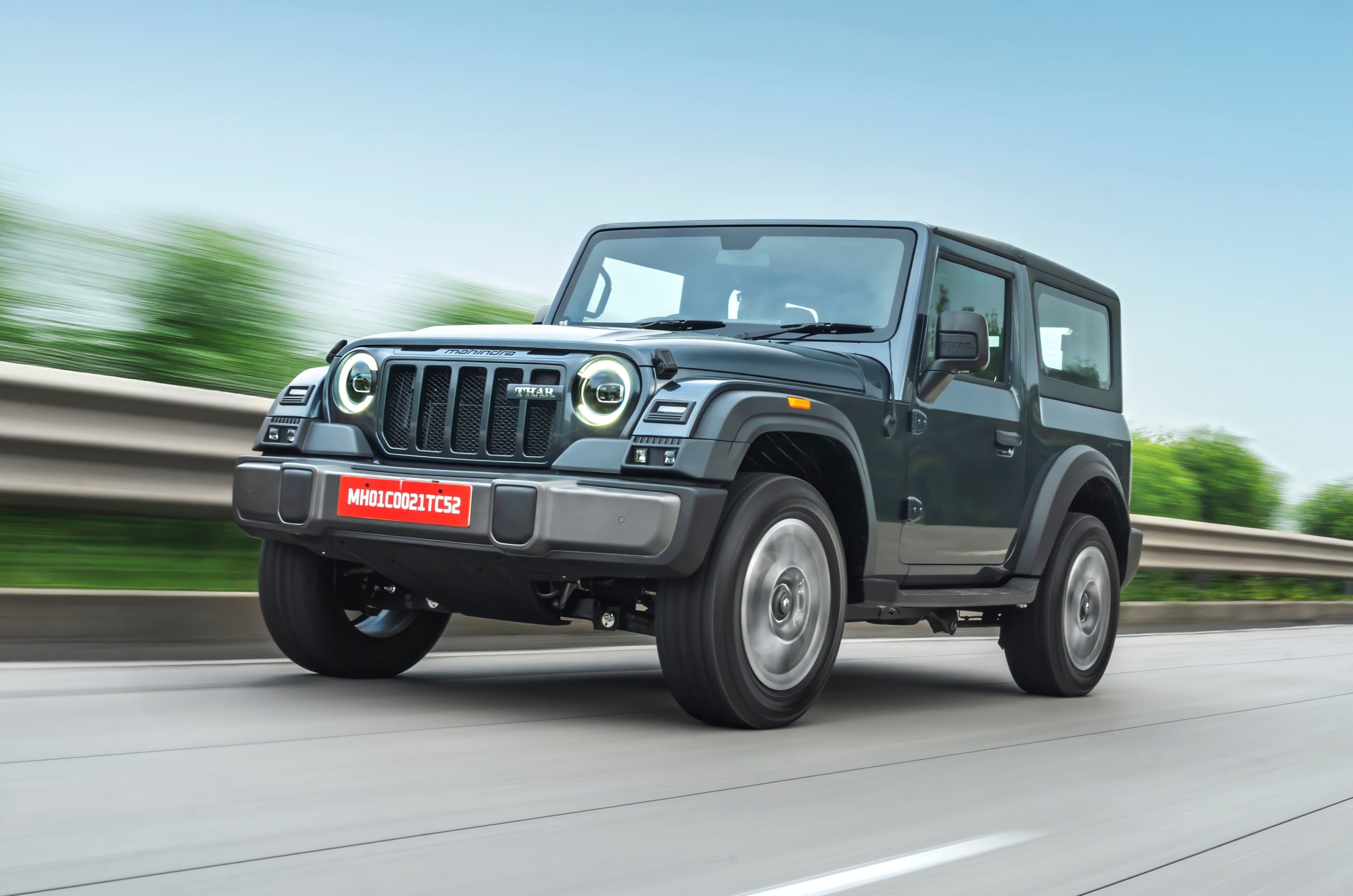
The design is why the Thar stands out, so Mahindra has not done much to change its character. However, it now gets some modern touches. At the front, the halogens are replaced with LED headlamps with C-shaped LED DRLs, along with LED fog lamps. The grille has been redesigned, with the Thar logo forged into it, and so has the front bumper. Look closer, and you will also see front parking sensors now, while the track has been widened for more stability.

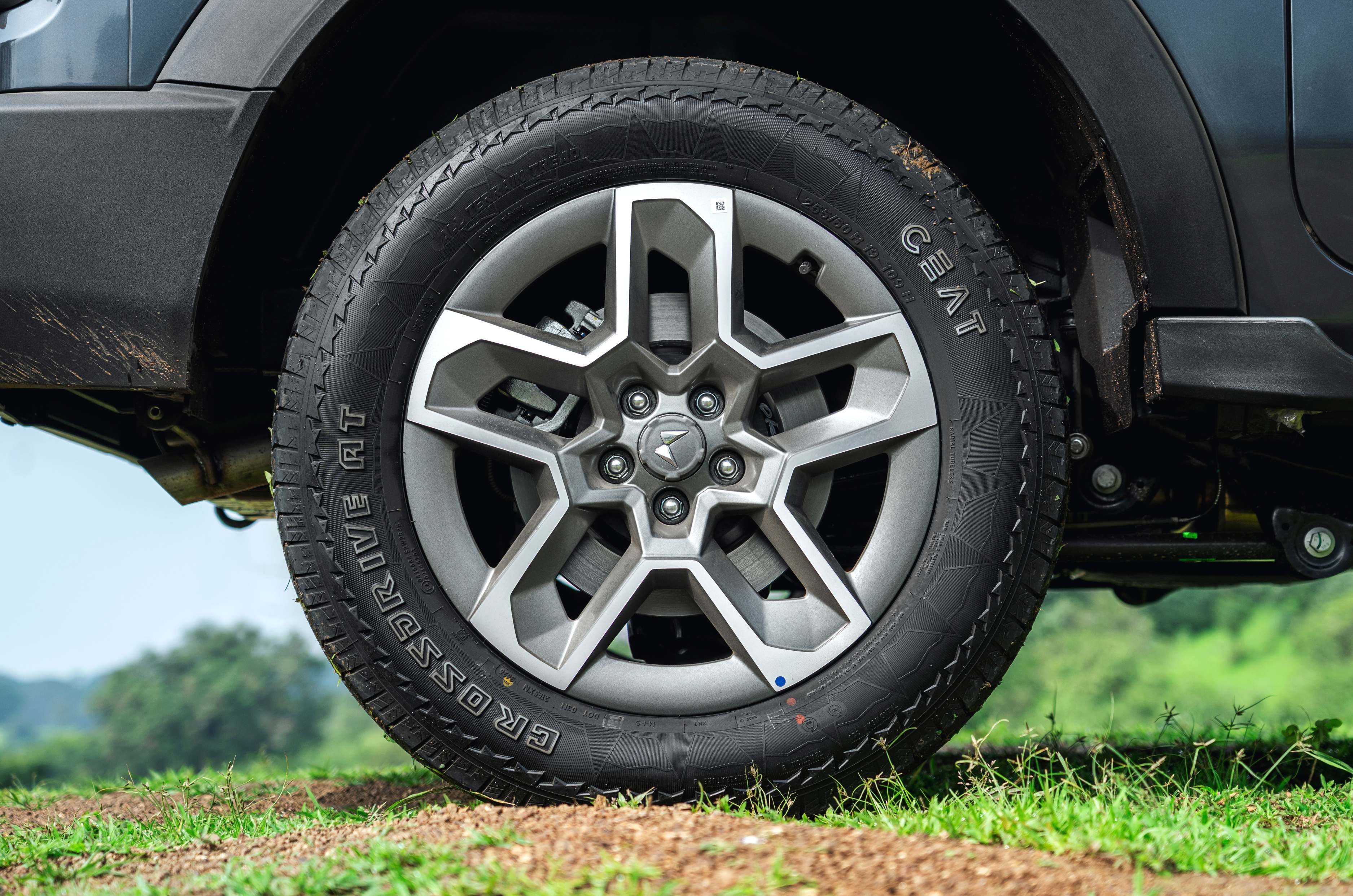
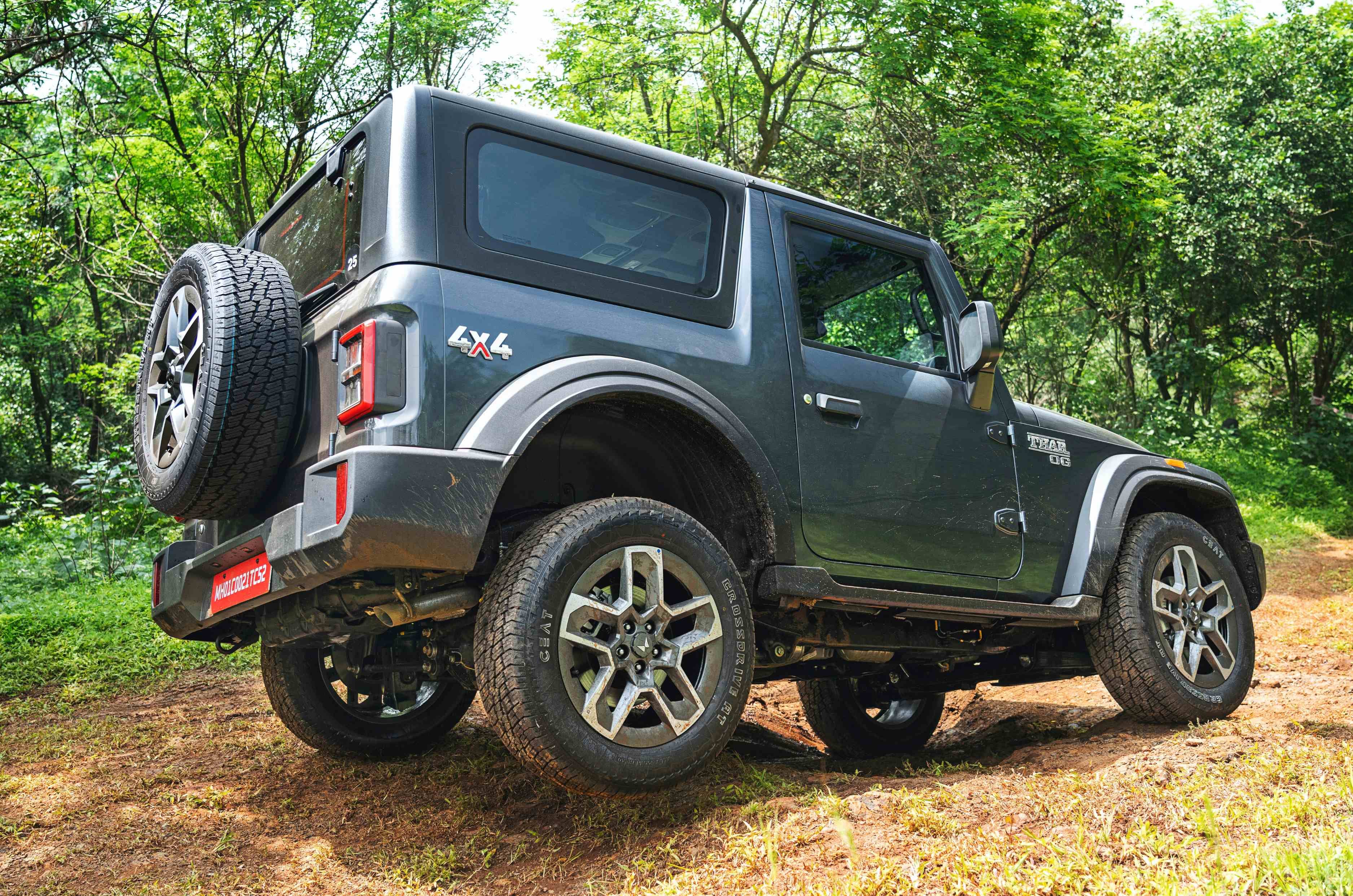
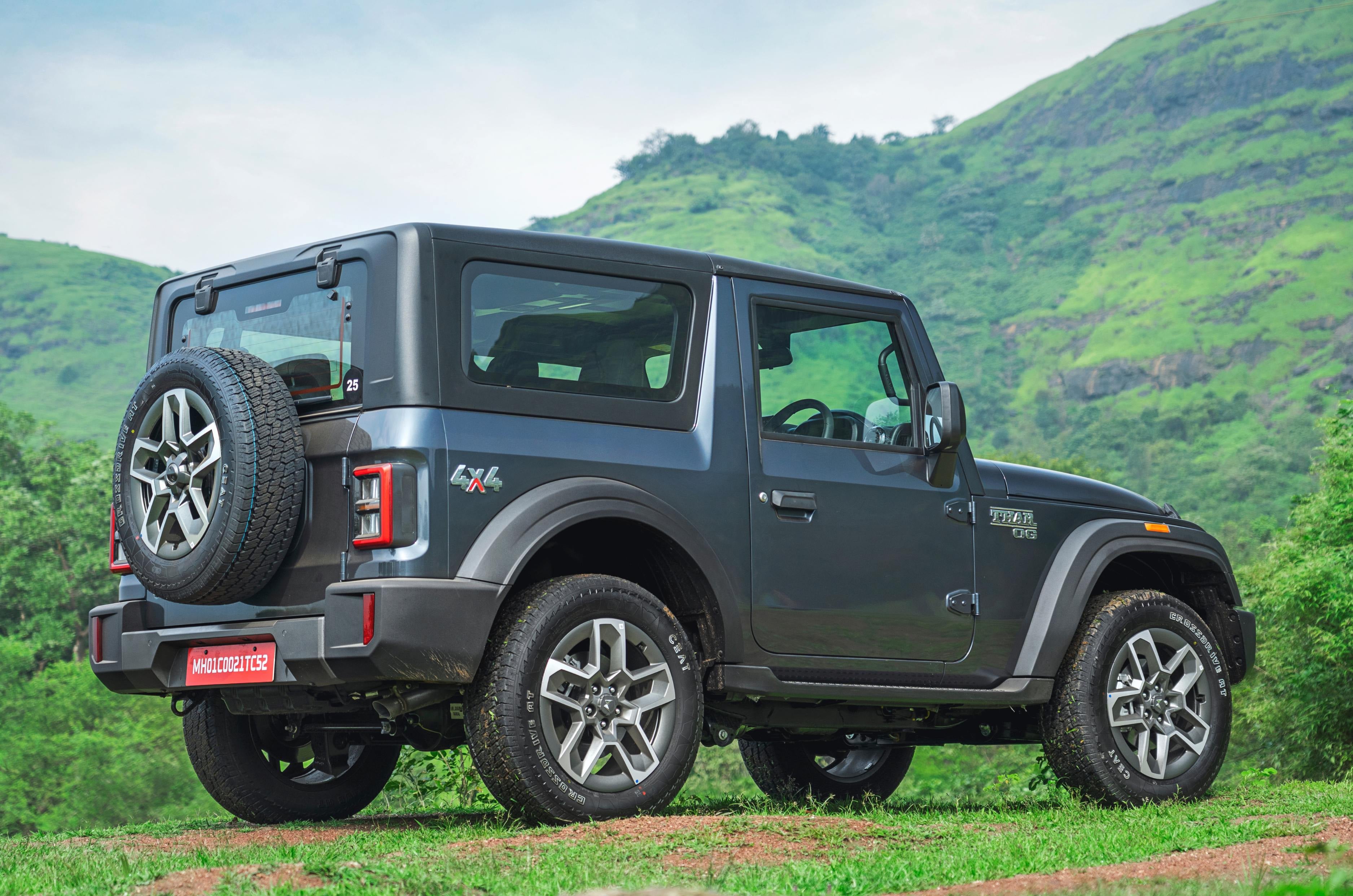
19-inch alloy wheels with AT tyres add to the toughness.

What you don’t see is the new platform the Thar sits on. The OG is now based on the Gen 4 chassis, dubbed M-Glyde, which also serves the Roxx.
The side profile flaunts new 19-inch wheels with AT tyres, the Thar OG badge and a new design for the cladding.

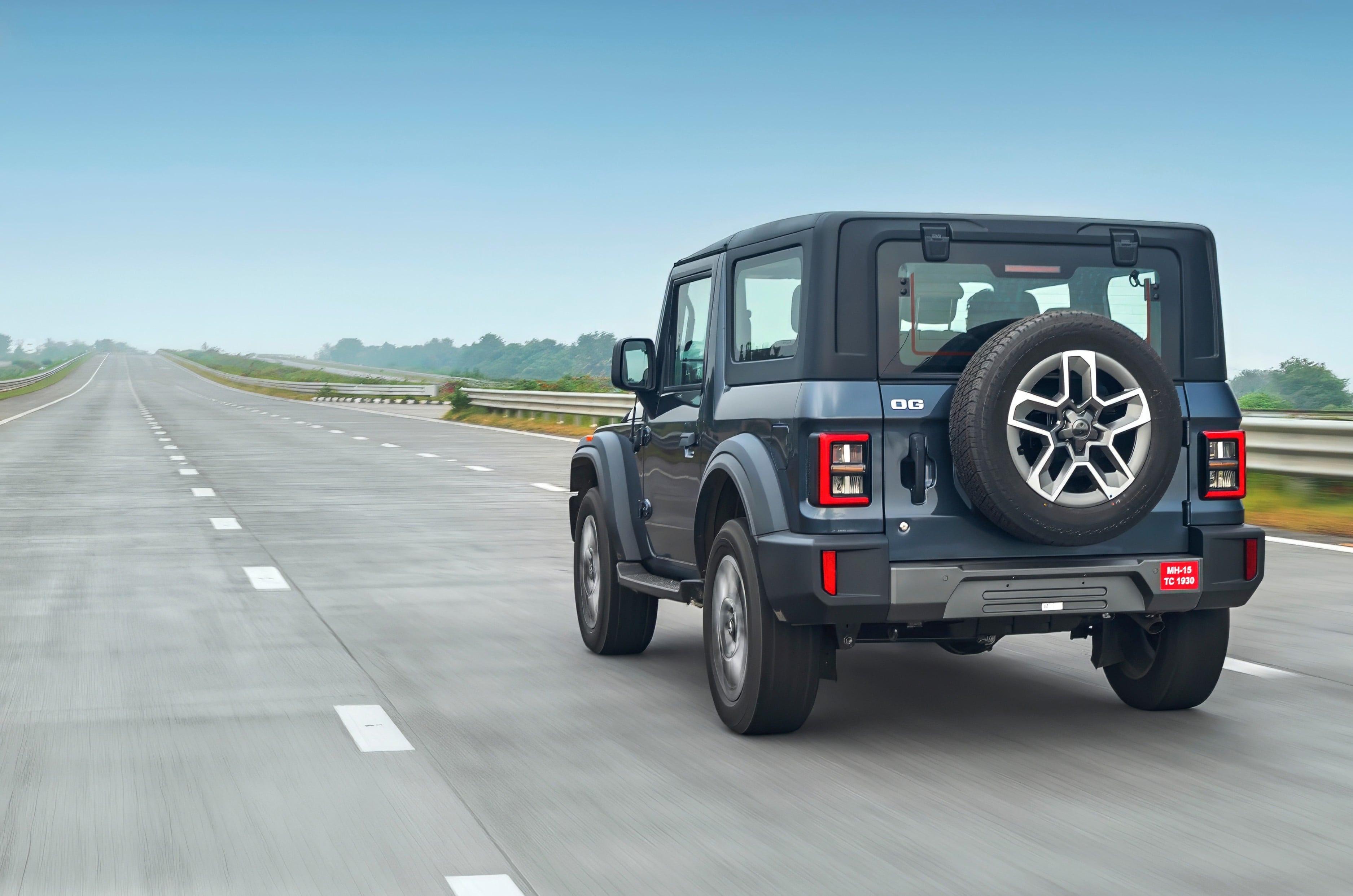
LED taillamps are similar to the Thar Roxx.

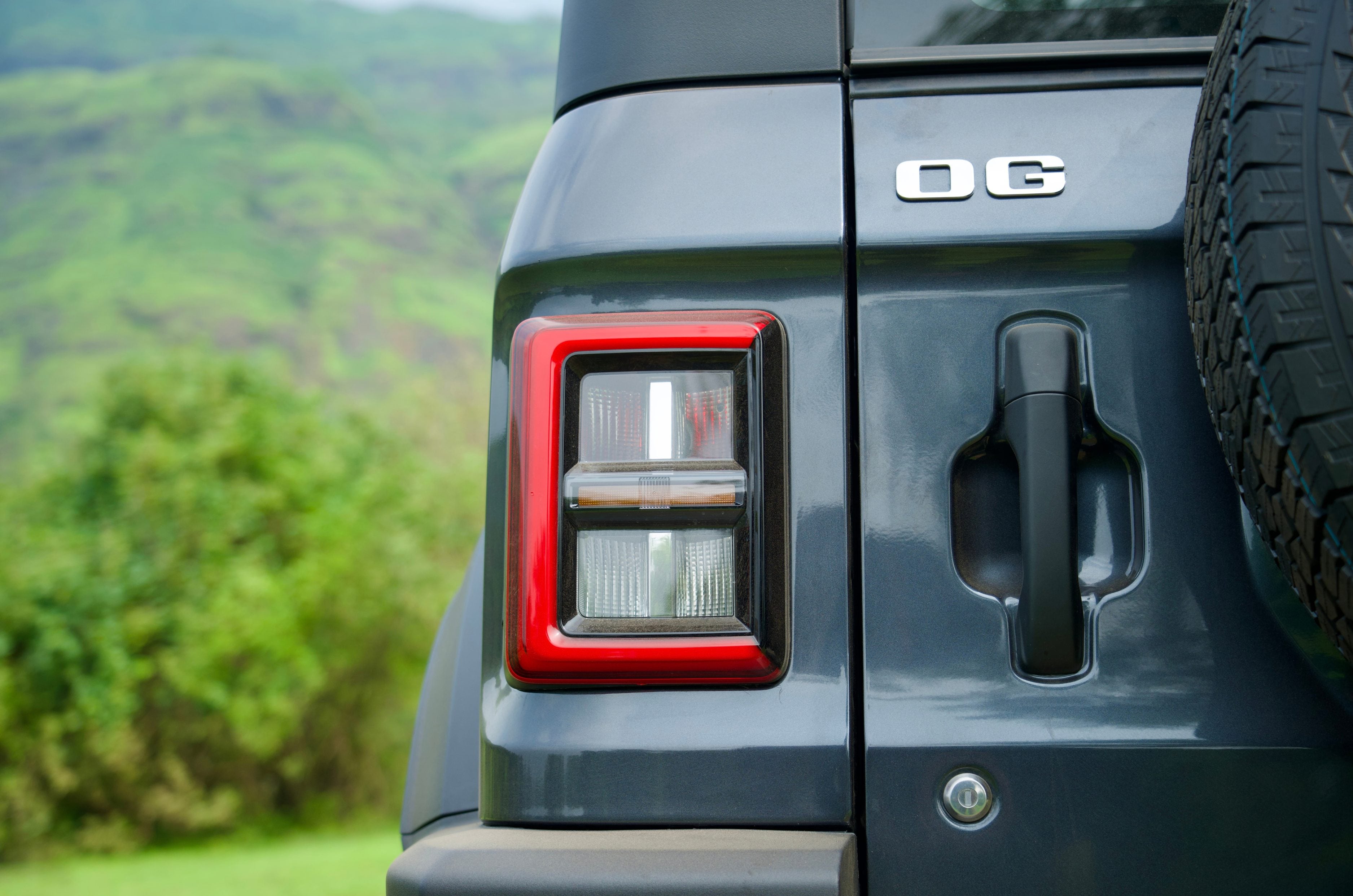
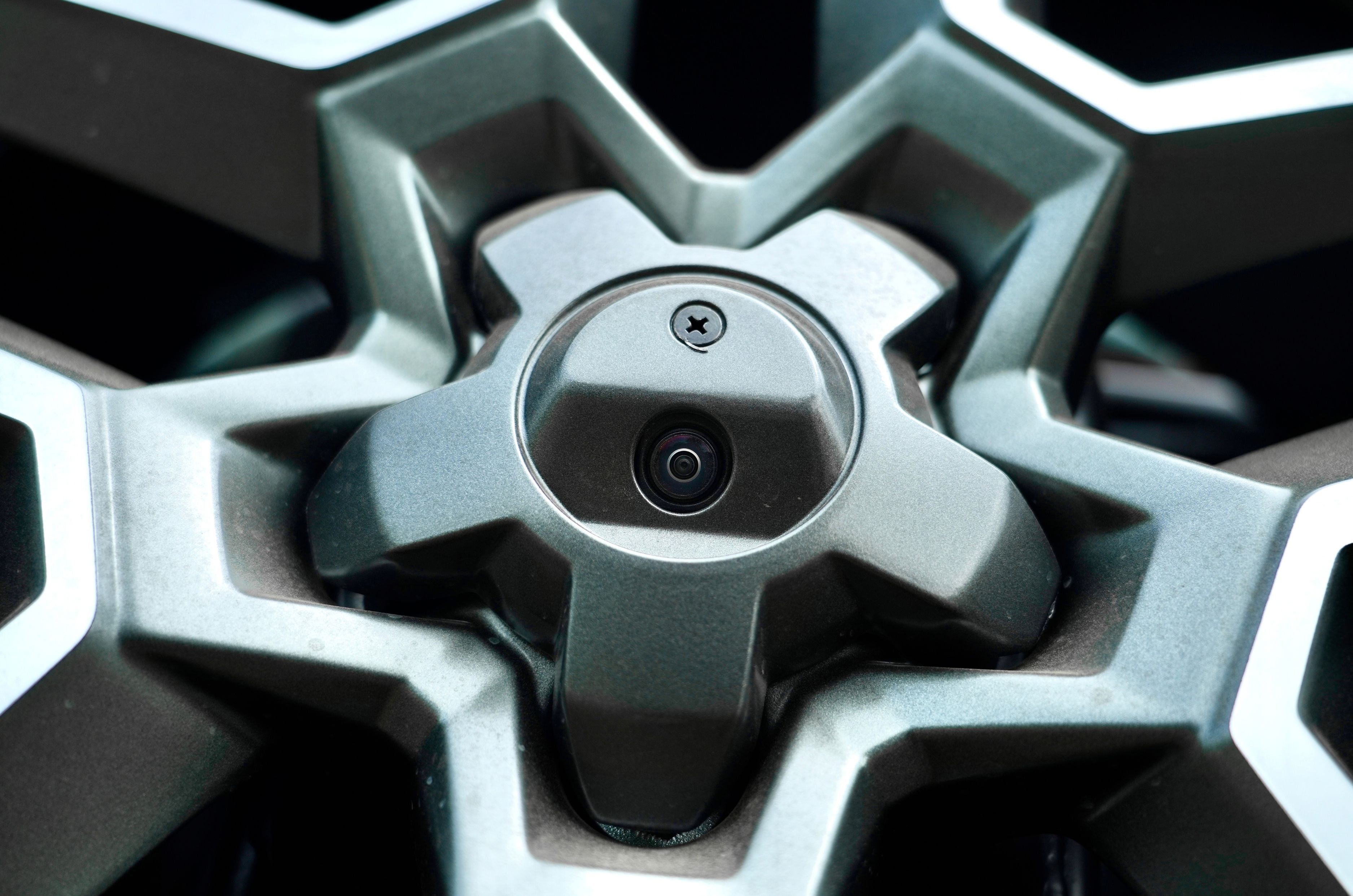
The rear continues with the LED treatment, with C-shaped taillamps, a new bumper and another OG logo. A closer look reveals a rear camera in the centre of the spare wheel.
The reversing camera is tucked in the centre of the spare wheel.
Overall, the imposing, butch design remains, with new modern touches.

Mahindra Thar OG interior space and comfort – 6/10

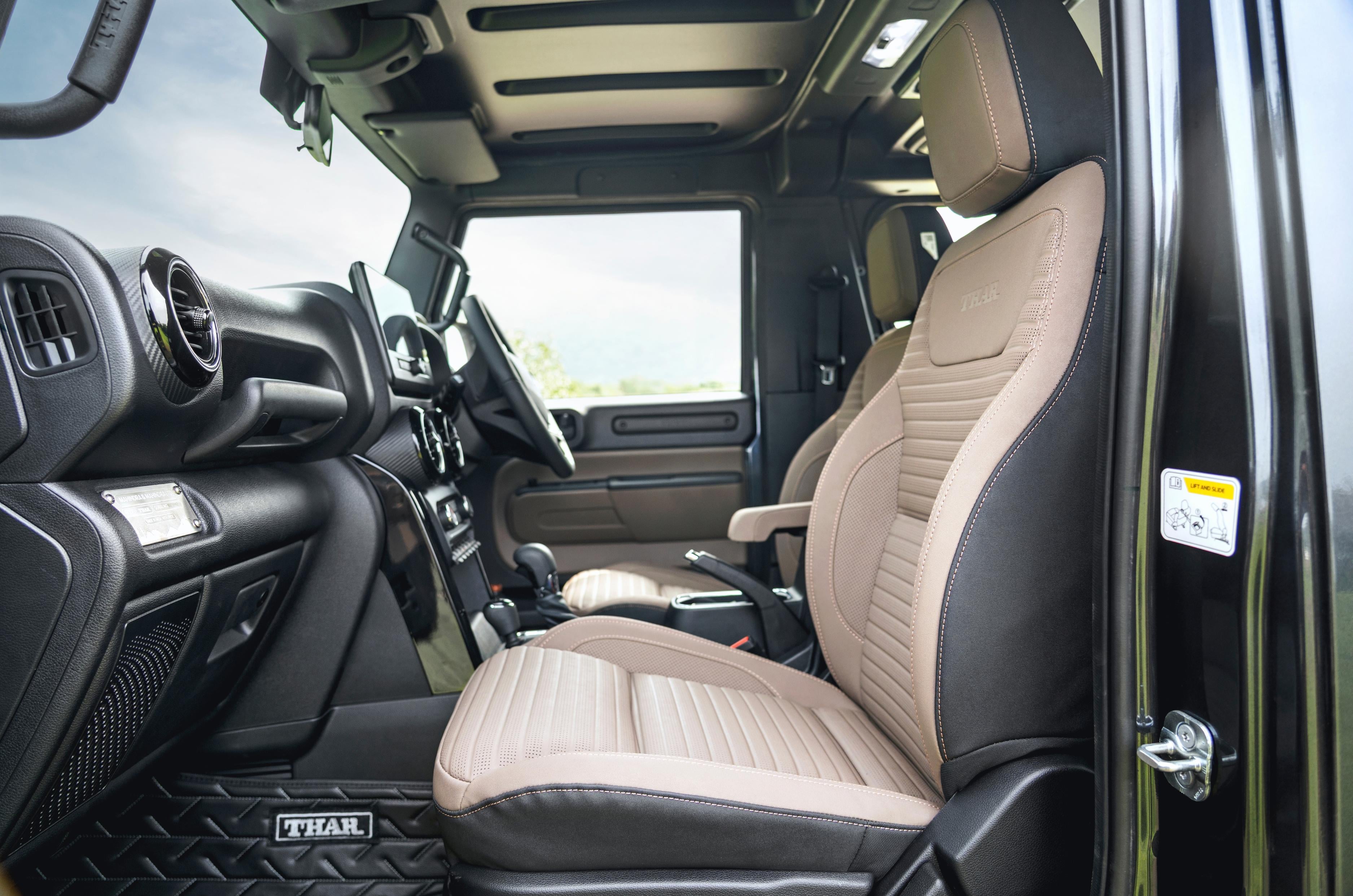
Top-spec ZXT trim gets leatherette upholstery in a new shade.

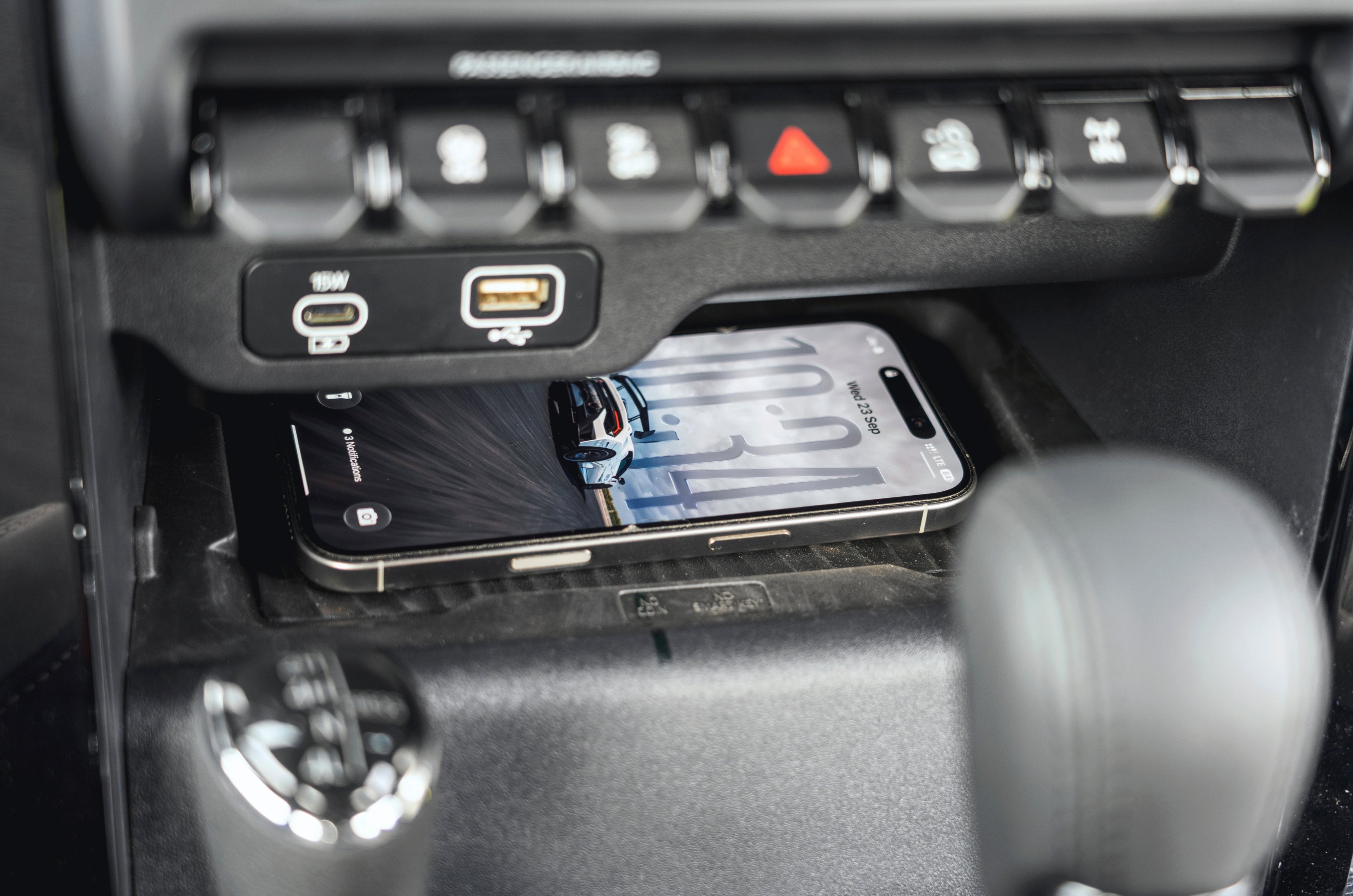
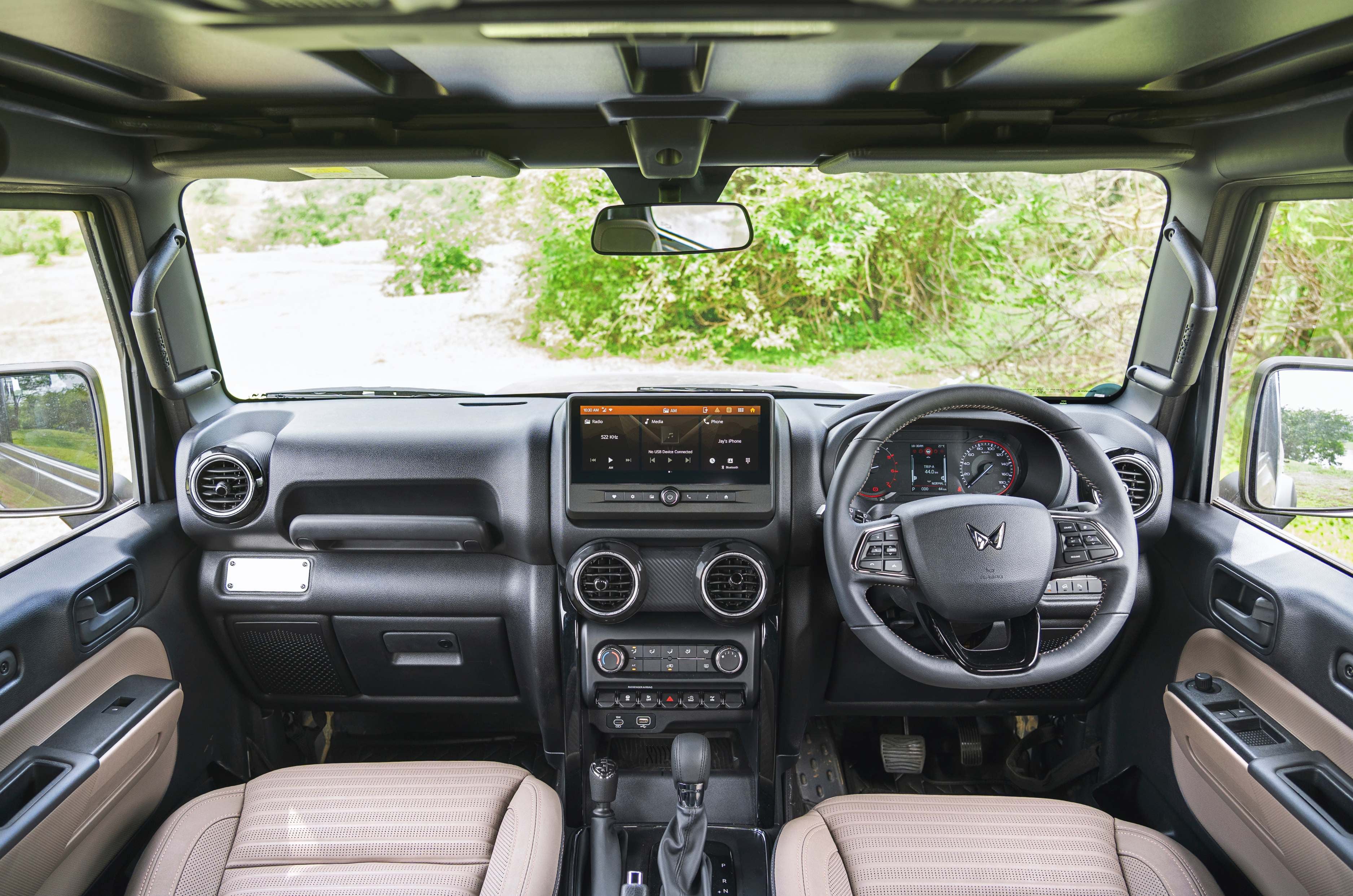
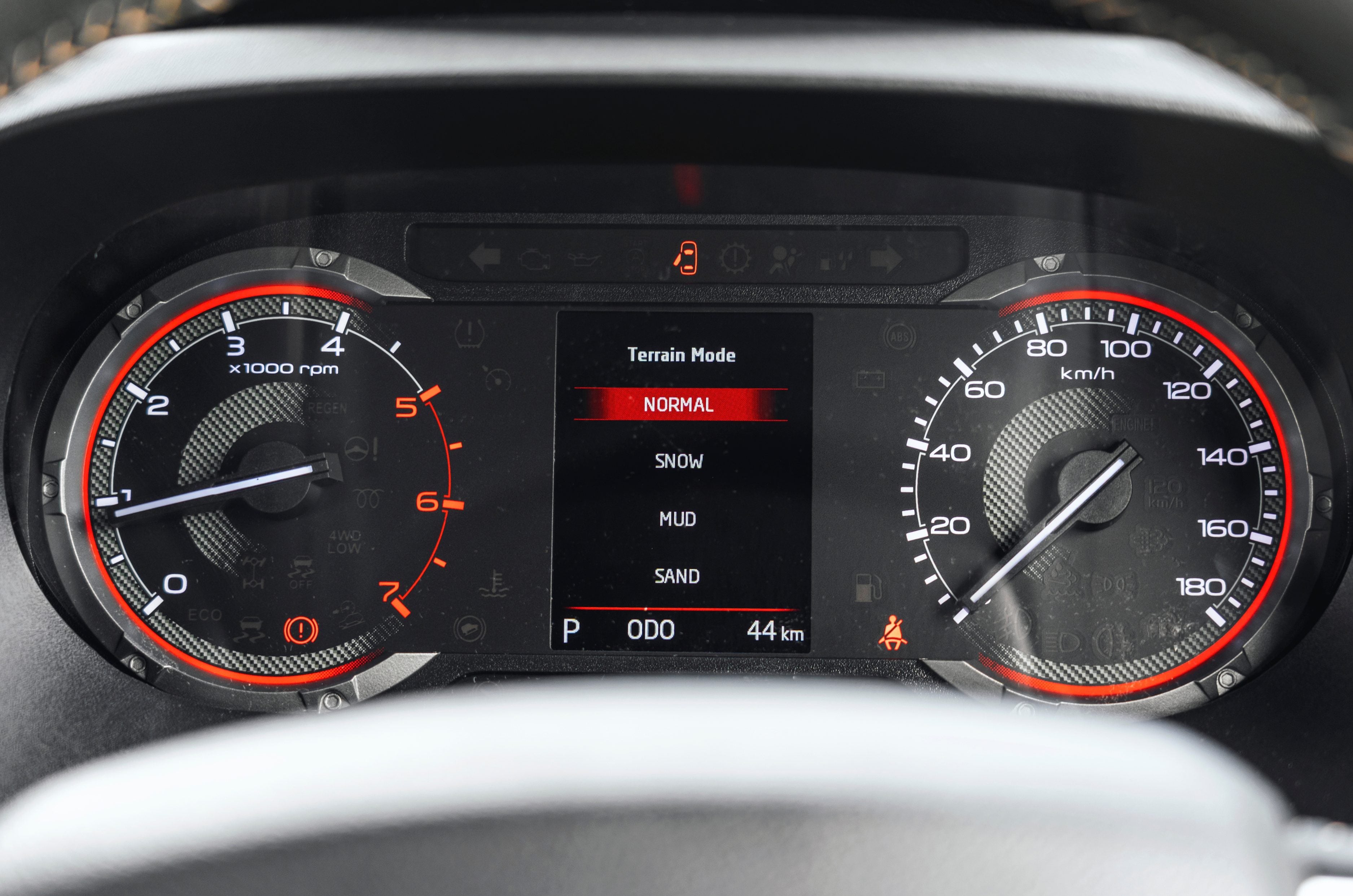
Compared to the exterior, the changes on the inside are a lot more subtle. The new top-spec ZXT trim gets leatherette upholstery finished in a shade of brown, which looks premium with the exposed stitching. There is a new wireless charger and two new switches on the centre console: one for the terrain modes and the other to engage the electronic locking differential.

Gets a new wireless phone charger and different switchgear.

The Thar received a facelift around a year ago, when the cabin was brought up to date with a new steering wheel, touchscreen and dashboard, and these features have been carried over to the OG. The seats are broad and comfy but miss out on ventilation. The two dummy buttons on the centre console will hopefully be used for this feature soon.

Dashboard design is unchanged from the 2025 facelift. 

The steering wheel is also the same as before, as is the analogue instrument cluster with an MID in the centre. The plastics, however, feel low-rent, especially when you consider the rivals in the same price bracket.

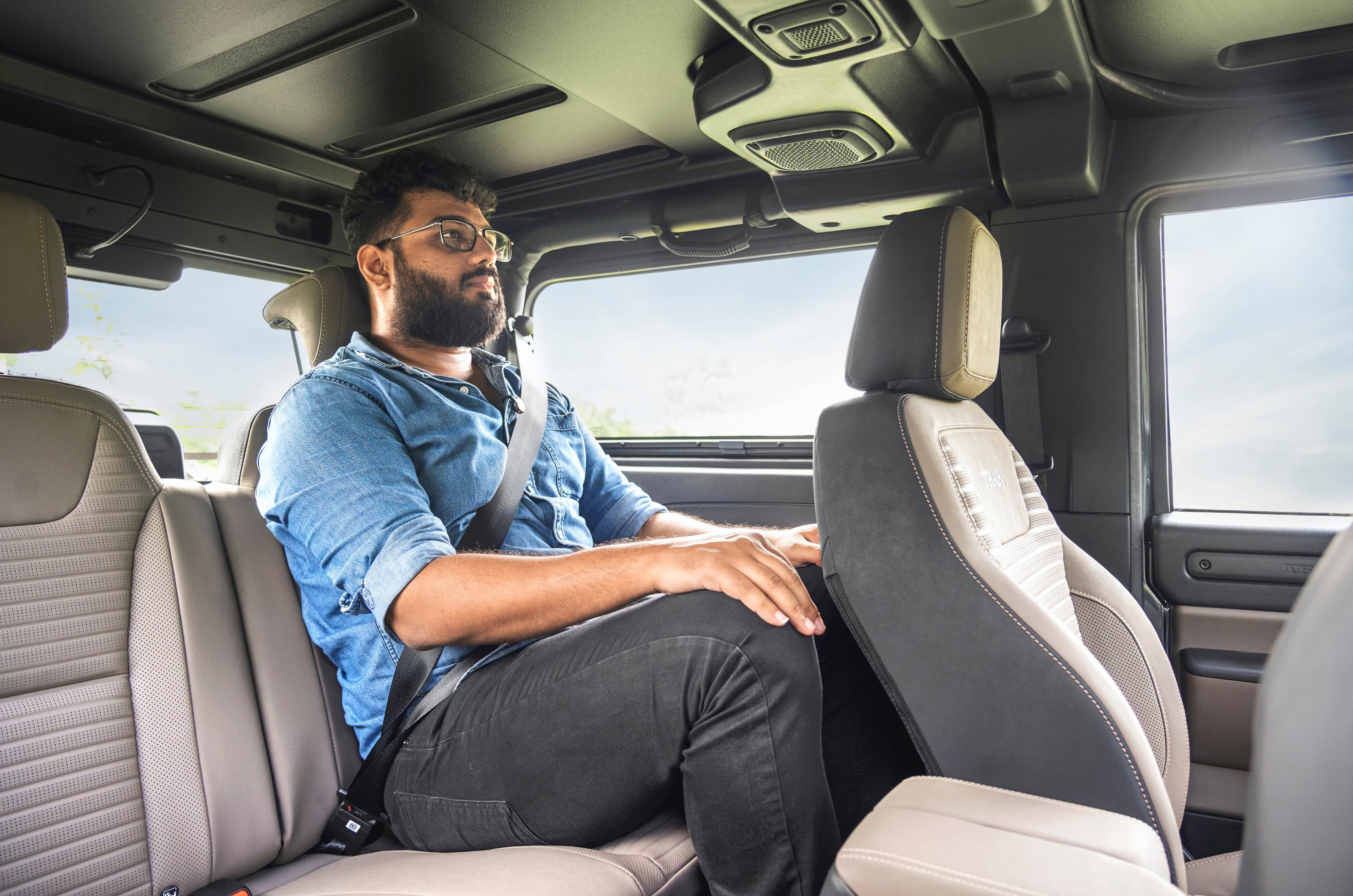
Just enough room in the rear seat; gets AC vents now.

At the rear, space remains as it was, and it is exclusively a two-seater. However, the addition of AC vents, a USB-C port and soft-plastic armrests with cupholders has enhanced comfort. The backrest can recline, and short drives should be easy once you settle in.

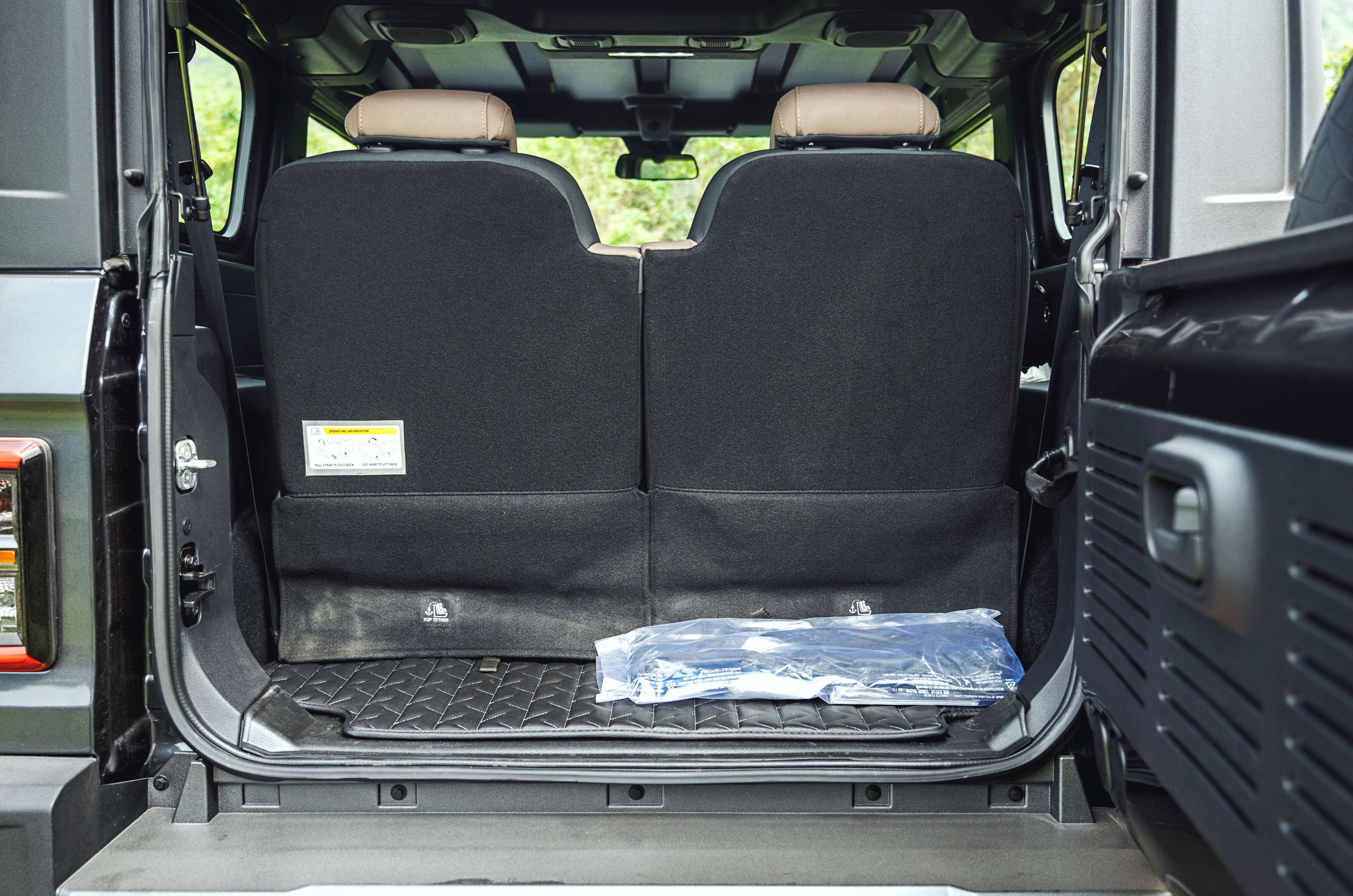
Boot space is still not adequate for long trips or airport runs without folding the second row.

The boot space remains a weak point too, with barely any room for an airport run. Large suitcases will require folding down the second row.

Mahindra Thar OG features and safety – 7/10

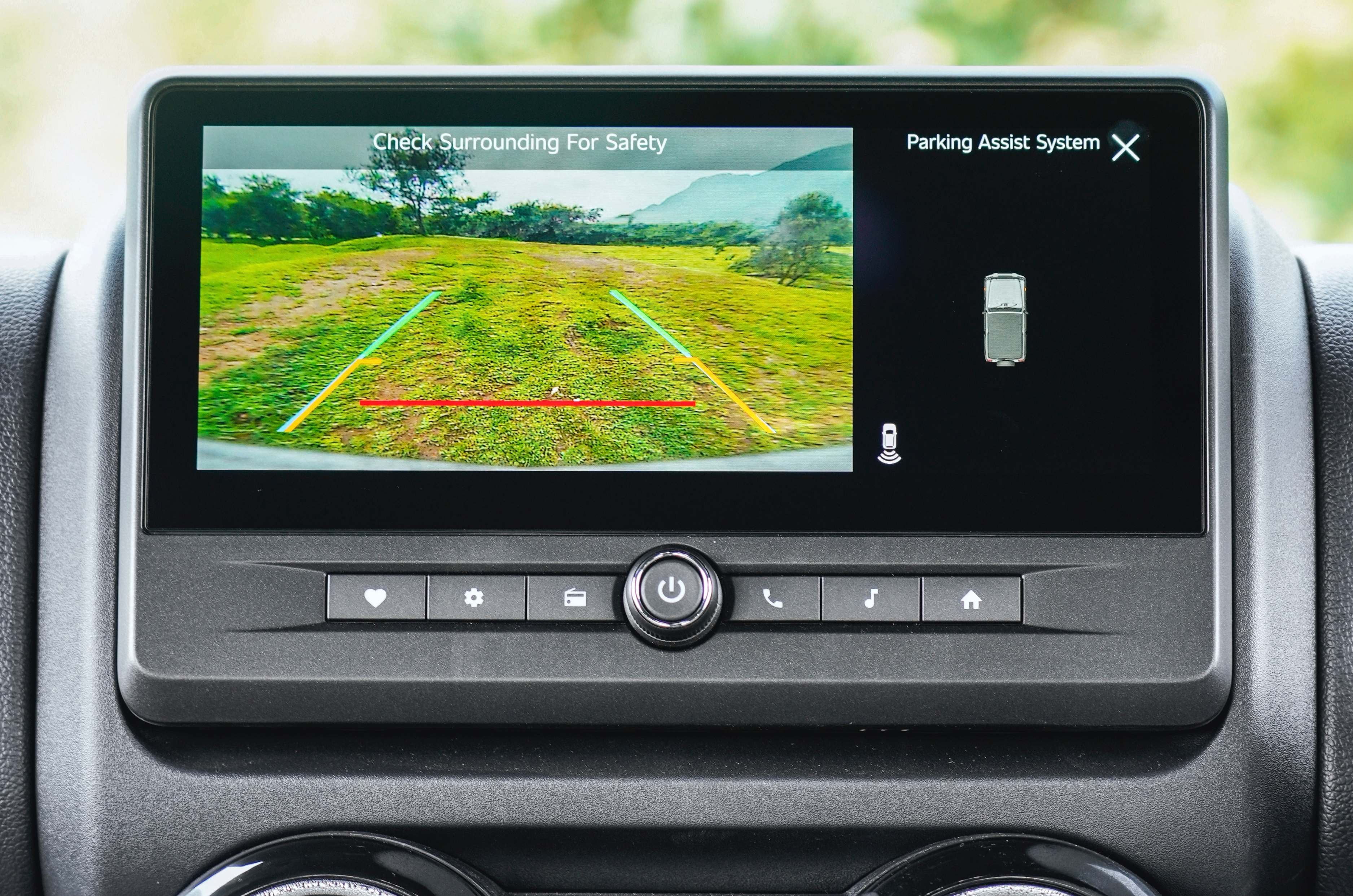
Not the best clarity and misses a 360-degree view, which is essential for off-roading.

The Thar OG isn’t on par with rival mid-size SUVs but does get the essentials this time around. There are grab handles, manual AC controls, a USB-A port for Apple CarPlay since it isn’t wireless, and a USB-C port for charging. Android Auto gets wireless connectivity.

Crucially, the ZXT trim gets six airbags now, with the launch of the new HPTS airbags, which stand for Head, Pelvis, Thorax and Shoulder. There are front parking sensors with a reversing camera now, although, given the Thar’s off-road bias, a 360-degree camera would have been a lot more useful.
The ESP also gets a retune for better response, and then there are the big mechanical updates under the skin.

Mahindra Thar OG performance and refinement – 8/10

The bump in power and torque makes it better at highway cruising.

Powering the Thar OG is the same powertrain lineup as before, but with a bump in power and torque for the turbo-petrol engine and the bigger diesel. We had the 2.2-litre diesel engine on test with the six-speed automatic gearbox. The engine now produces 152hp and 330Nm, which is 18hp and 30Nm more than the outgoing unit.
To be honest, the jump in performance is not evident initially, as Mahindra engines have always had a good off-the-line response. Where the power comes in is in the second half of the rev band. Highway cruising at triple-digit speeds is a bit more effortless now, but you wouldn’t enjoy rushing the Thar. Sedate cruising is what it does best.

Highway stability is better now, but over an uneven stretch it still tosses you around.

What Mahindra has also improved is NVH, and the cabin is a bit more muted now. You still hear the diesel drone past 2,500rpm, but overall sound damping has been improved.

The gearbox, too, likes to pace itself, and quick overtakes come at the cost of engine noise. The shifts are smooth but relaxed, and even in manual mode, you don’t get much better response. Enthusiastic driving is not something the Thar enjoys, contrary to the infamous videos circulating online.

Mahindra Thar OG ride comfort and handling – 7/10

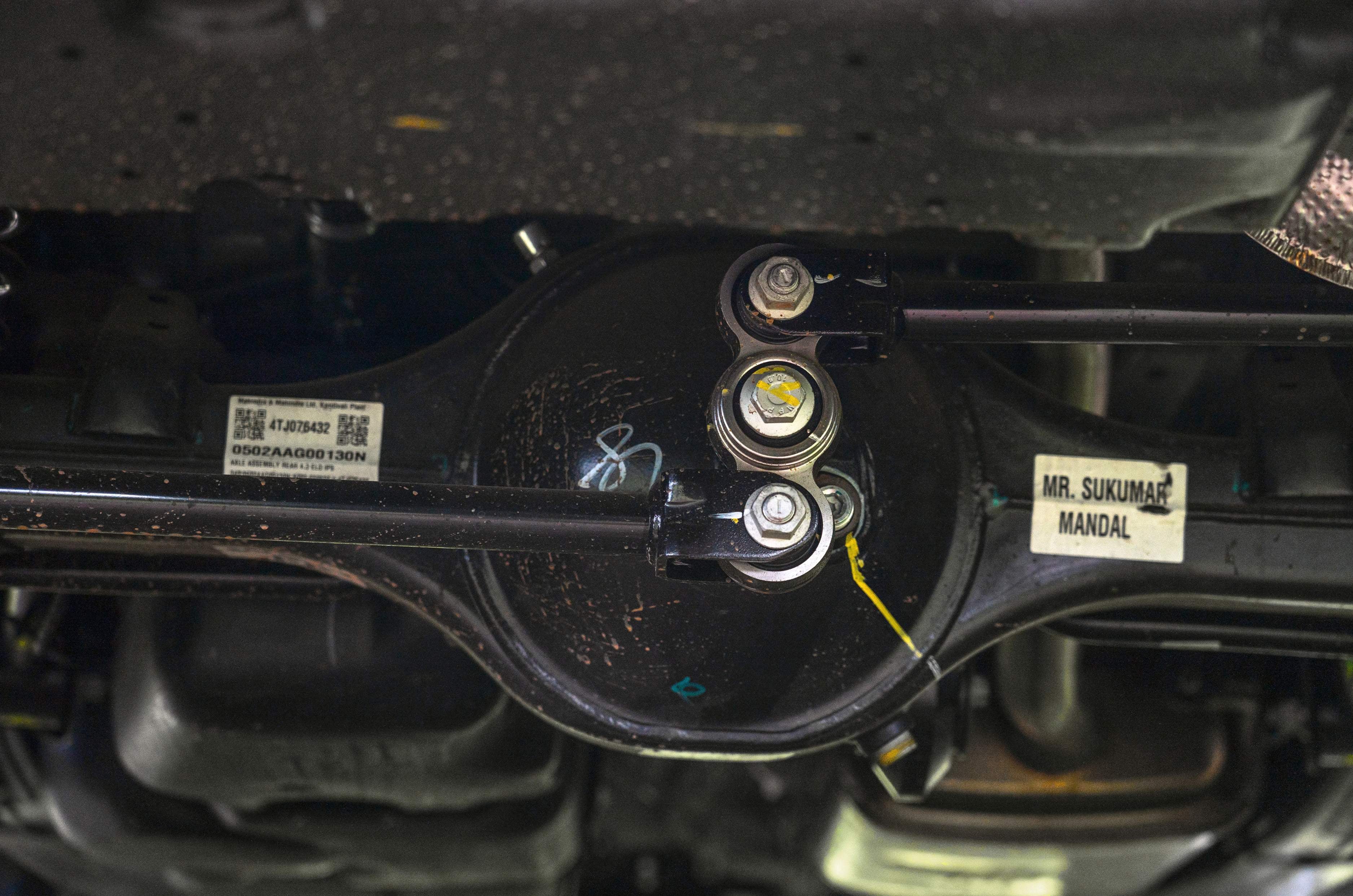
Rear pentalink suspension with Watts linkage for added stability and comfort.

The biggest advances to the Thar OG have taken place under the body. The stiffer Gen 4 chassis is paired with a new Pentalink suspension at the rear, with a Watts linkage and DAVINCI dampers. Frequency-dependent damping, however, is only available on the top-spec trim. But has that improved the Thar on the road? The simple answer is yes.

The Watts linkage is responsible for adding stability at the rear. Imagine you’re pushing a shopping trolley. If one wheel suddenly moves sideways while you hit a bump, the trolley gets wobbly. The Watts linkage basically tells the axle: “You can go up and down, but please stay in the middle.” The effect is less bouncing over uneven highways and bad patches.

The electronic locking differential is now convenient to use, making the Thar just as capable as before.

Then there is the DAVINCI damping that was seen on the XUV 7XO. The thuds coming from sharp, low-speed bumps are now not as harsh and, while it will still toss you around, if you hit a bad bump, it won’t unsettle the car. To add even more comfort with the bigger 19-inch wheels, the ZXT trim also gets frequency-dependent dampers along with the DAVINCI setup. Over a rough patch, you can tell they are working full-time to keep the cabin unfazed.

New gen 4 platform seen on the Roxx now underpins the 3-door Thar.

Now, as sophisticated as all of this is, the Thar OG is still a hardcore body-on-frame SUV at the end of the day. The new tech has certainly improved its on-road manners, but if you want a plush, supple ride, the Thar won’t cut it. A long drive will now be more comfortable, but you will still get knocked awake from your snooze.

Terrain modes work with ESP, throttle control and steering input for maximum assistance while off-roading.

The new EPS, however, has made a huge difference. The amount of effort needed to steer and turn the Thar is no longer a game of might. Under 20kph, the steering is light enough to twirl with just one finger, but as the speed rises, it gains heft so as not to feel uncomfortably light at speed. So, there is no need to wrangle with the steering to make a three-point turn anymore.

Also new and exclusive to the ZXT trim are rear disc brakes, which have added to the stopping power. The bite is stronger, and the Thar feels a lot more confident when slowing down now.

Mahindra Thar OG price and verdict – 8/10

The Thar OG is improved in all areas without sacrificing its character.

With a starting price of Rs 10.32 lakh, the Thar OG is rather tempting. However, for most of the new bells and whistles, you will have to opt for the top-spec ZXT trim, which starts at Rs 13.99 lakh for the 1.5-litre engine with RWD. The diesel-AT version we drove will set you back Rs 18.99 lakh, so you need to be sure of what you want. The Thar OG is mighty capable, has a lot of character and is a lot better in every area than before. But as an everyday car, you’d still want some more practicality, creature comforts and refinement. However, if you are someone who likes to off-road or even just take the long way home with little regard for plushness, there is nothing like the Thar OG under Rs 65 lakh.

इस आईटी कंपनी ने प्रति शेयर ₹8 अंतरिम डिविडेंड का किया ऐलान, जानिए रिकॉर्ड डेट सहित दूसरी जरूरी जानकारियां

आर सिस्टम्स इंटरनेशनल ने दूसरे अंतरिम डिविडेंड का ऐलान किया है। कंपनी प्रति शेयर 8 रुपये का अंतरिम डिविडेंड शेयरहोल्डर्स को देगी। कंपनी ने इस बारे में स्टॉक एक्सचेंजों को शुक्रवार यानी 25 सितंबर को बताया। शुक्रवार को कंपनी का शेयर 0.18 फीसदी गिरकर 237 रुपये पर बंद हुआ।

24 अक्टूबर को या इससे पहले डिविडेंड का पेमेंट हो जाएगा

R Systems International के एक शेयर की फेस वैल्यू 1 रुपये है। इसका मतलब है कि अंतरिम डिविडेंड फेस वैल्यू का 800 फीसदी होगा। कंपनी ने कहा है कि शेयरहोल्डर्स को डिविडेंड का पेमेंट 24 अक्तूबर, 2026 को या इससे पहले कर दिया जाएगा। कंपनी ने कहा है कि डिविडेंड के लिए रिकॉर्ड डेट 1 अक्तूबर होगी। इसका मतलब है कि 1 अक्तूबर तक जिन शेयरहोल्डर्स के डीमैट अकाउंट में कंपनी के शेयर होंगे, वे डिविडेंड के हकदार होंगे।

कंपनी ने मार्च में प्रति शेयर 6 रुपये डिविडेंड का ऐलान किया था

यह डिविडेंड साल 2026 के लिए होगा। इससे पहले कंपनी ने 6 मार्च को प्रति शेयर 6 रुपये अंतरिम डिविडेंड का ऐलान किया था। इसके लिए कंपनी ने 12 मार्च रिकॉर्ड डेट तय की थी। दोनों डिविडेंड को मिलाकर कंपनी का कुल अंतरिम डिविडेंड 2026 में 14 रुपये पहुंच गया है।

दुनियाभर में कंपनी के 18 डिलीवरी सेंटर

आर सिस्टम्स इंटरनेशनल ने गुरप्रीत सिंह को कंपनी सेक्रेटरी एवं कंप्लायंस अफसर नियुक्त किया है। यह नियुक्ति 25 सितंबर से प्रभावी हो गई है। आर सिस्टम्स इंटरनेशनल की शुरुआत 1993 में हुई थी। कंपनी आईटी सर्विसेज ऑफर करती है। इसका फोकस प्रोडक्ट इंजीनियरिंग पर है। इसके क्लाइंट्स में कई बड़ी कंपनियां शामिल हैं, जिनमें Amazon Web Services, Microsoft और Google Cloud शामिल हैं। इसके नॉर्थ अमेरिका, यूरोप, एशिया पैसेफिक और भारत में 18 डिलीवरी सेंटर हैं।

आर सिस्टम्स इंटरनेशनल का शेयर इस साल 42% गिरा

आर सिस्टम्स इंटरनेशनल के शेयरों पर आईटी सेक्टर पर दबाव का असर पड़ा है। यह शेयर 2026 में अब तक करीब 42 फीसदी गिरा है। इस दौरान दूसरी आईटी कंपनियों के शेयरों में भी गिरावट आई है। TCS का शेयर इस दौरान 35 फीसदी से ज्यादा फिसला है। Infosys का शेयर करीब 39 फीसदी गिरा है। HCL Tech का शेयर 23 फीसदी और विप्रो का शेयर करीब 39 फीसदी टूटा है।

यह भी पढ़ें: Clean Max Enviro Energy में ब्लॉक डील, ऑगमेंट इंडिया बेच सकती है ₹1063 करोड़ के शेयर

शेयर बाजारों का सेंटिमेंट लगातार कमजोर 

शेयर बाजारों में सेंटीमेंट लगातार कमजोर बना हुआ है। इसकी बड़ी वजह मध्यपूर्व क्राइसिस है। इसकी वजह से क्रूड की कीमतों में उछाल आया है। इससे दुनियाभर में महंगाई बढ़ने का डर बढ़ा है। हालांकि, 25 सितंबर को भारतीय शेयर बाजारों के प्रमुख सूचकांकों में रिकवरी देखने को मिली। इनवेस्टर्स की नजरें अब अगले हफ्ते बाजार की चाल पर हैं।