In what’s set to be the largest and most ambitious product offensive in its 99-year history, Volvo announced that it’ll launch 13 new cars by the end of 2030. The line-up will consist of 7 models for Western markets and 6 models for China, spread across pure-electric (EV) and hybrid powertrains. Volvo is also aiming to make a few design changes while reducing the over-reliance on touchscreens, with Head of Design Thomas Ingenlath saying, “we have to aim for a better harmony, a better balance between the interactions we have with our digital device and the physical interaction.”
New models to include sedans and estates.
China-only cars will share platforms, tech and supply chain with Geely.
Western-market models will use existing SPA2 and SPA3 platforms.
Volvo also plans to rework the on-board user interface.
New Volvo models to include sedans and estates
Chinese models will be co-developed with Geely; US market to get a new electric SUV
Volvo’s new 13-car product offensive was revealed at the brand’s ‘Strategy Update’ event in Stockholm, where it was announced that there will be separate models to suit different market requirements. Cars bound for Western markets such as the EU, UK and US will be based on the existing SPA2 and SPA3 platforms, running the HuginCore computing architecture.
Volvo will be introducing new sedans and estates to its European portfolio, while a new full-size electric SUV is planned for the American market. The Swedish brand also said that it will be collaborating with parent company Geely for its China-specific models. The exercise will see the two automakers sharing platforms, a dedicated tech stack and a shared parts and supply-chain ecosystem.
Reworking design cues and the user interface
Upcoming models to integrate updated design elements and a more user-friendly interface
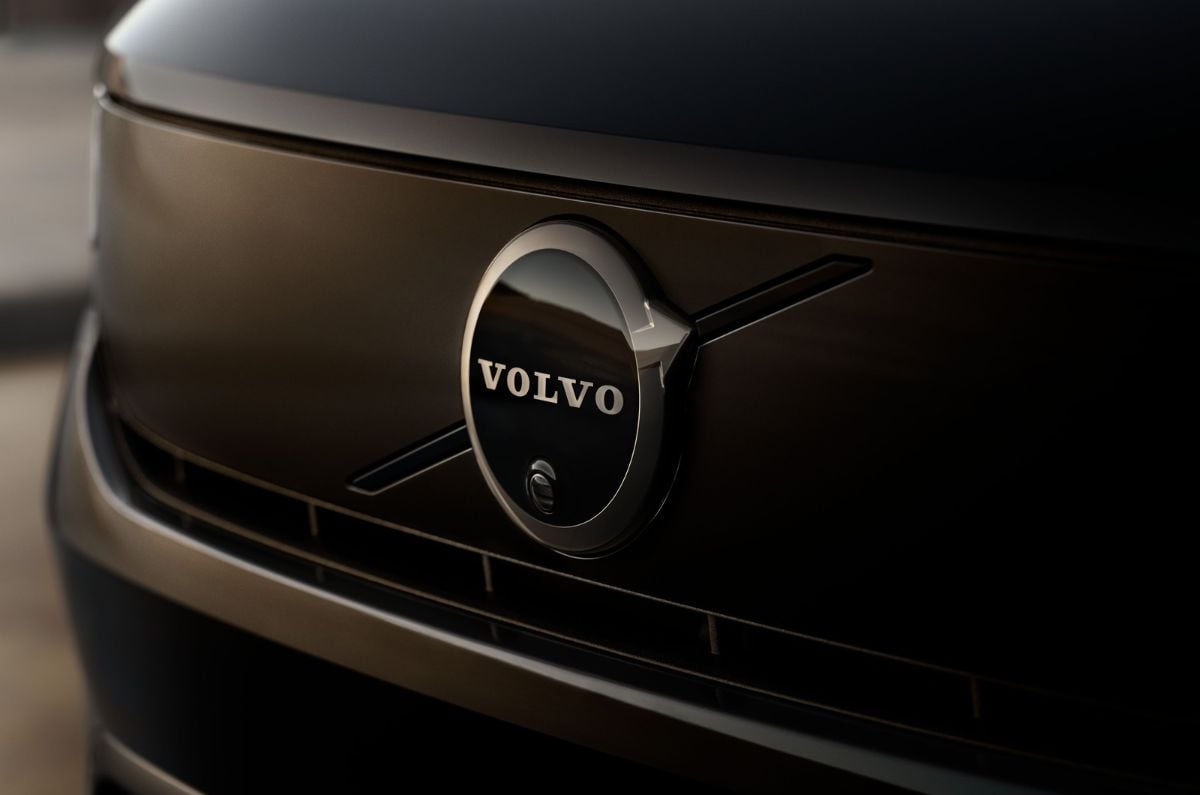
Coinciding with the Swedish brand’s 100th anniversary in 2027, Volvo is expected to introduce a new design language through a concept. While no details have been put forth, Ingenlath stated that the brand’s signature ‘Ironmark’ badge and diagonal grille slash will see a reiteration. Meanwhile, drawing parallels with Leica cameras, Ingenlath said that the aim is to strike a better balance between touchscreens and physical switchgear.
“The touchscreen is about flexibility and displaying what you don’t need to display all the time. So, use the touchscreen for what it’s good for and reintroduce a couple more buttons than what’s offered in today’s cars,” highlighted Ingenlath. “A function shouldn’t live permanently on a screen just because it can,” he continued. However, the design chief was quick to note that this approach could vary based on market preferences. Since digital interactions are more popular in China compared to most other markets, the models that will be sold there could sport a screen-heavy design.
Volvo’s regionalised approach to boost profitability
The brand aims to take advantage of increasing regionalisation to better match customer preferences
Volvo hasn’t disclosed model-wise details based on their target markets yet. However, it said that the plan is to double the brand’s market share in the pure-electric (BEV) segment while also offering the new third-generation hybrid powertrains for buyers who are reluctant to go fully electric. “Our showrooms will look very different in 2030. This is our strongest product pipeline ever, tailored to regional needs, and emphasises our ambition to be the leading premium car brand,” Volvo President and CEO Hakan Samuelsson said.
By developing regionally specific models through its ‘Strategy Update’ initiative, Volvo aims to tackle technology restrictions and trade tariffs alongside changing customer preferences. “The challenges for the car industry are immense, but our strategy gives a clear answer to how we adapt to these and our ambition is to be the leading premium car brand,” Samuelsson said.
Volvo expects to increase the commonality in parts shared with Geely to reach 30 percent, while the savings on material costs (apart from additional indirect savings) to hit 5 percent by 2030. Utilisation of existing SPA or shared hybrid platforms means lower investment per car when compared to the previous ‘first-car-on-platform’ launches such as the EX60. The company said that it will also be working on internal efficiency improvements to curb corporate overheads and increase productivity across the value chain. Combined, Volvo aims to push operating profit margins to go beyond 8 percent.
Vijay Kedia Multibagger Strategy: शेयर बाजार के दिग्गज निवेशक और ‘सुपरस्टार इनवेस्टर’ विजय केडिया ने दलाल स्ट्रीट पर मल्टीबैगर शेयर ढूंढने का अपना सीक्रेट फॉर्मूला शेयर किया है। बाजार की भीड़ किसी शेयर के पीछे भागे, उससे पहले 10x या उससे ज्यादा रिटर्न देने वाले स्टॉक्स की पहचान करने के लिए वे एक खास ‘R.I.S.E.’ रणनीति का इस्तेमाल करते हैं।
विजय केडिया का मानना है कि मल्टीबैगर रिटर्न पाने का असली जरिया अगले 15-20 सालों के लंबे समय वाले मेगा-थीम्स पर सही समय पर दांव लगाना है। जानिए विजय केडिया की यह R.I.S.E. स्ट्रेटेजी क्या है और वे शेयर चुनते समय किस ‘गोल्डन रूल’ को फॉलो करते हैं।
क्या है विजय केडिया का ‘R.I.S.E.’ फॉर्मूला?
केडिया के अनुसार, निवेशकों को ऐसे सेक्टर्स और कंपनियों की तलाश करनी चाहिए जिनमें अगले एक-दो दशक तक लगातार ग्रोथ की क्षमता हो। R.I.S.E. का हर अक्षर एक बड़े और भविष्य के मेगा-थीम को दर्शाता है:
1. R – Renewable Energy & Energy Transition (अक्षय ऊर्जा और एनर्जी ट्रांजिशन)
दुनिया तेजी से पारंपरिक ईंधन से ग्रीन एनर्जी की तरफ शिफ्ट हो रही है। इसमें विंड एनर्जी, ग्रीन हाइड्रोजन, न्यूक्लियर पावर और बैटरी टेक्नोलॉजी/एनर्जी स्टोरेज आते है। विजय केडिया का मानना है कि इस थीम के पास अगले 15 से 20 साल का लंबा रनवे है, जहां कंपनियों के लिए ग्रोथ की अपार संभावनाएं हैं।
2. I – Infrastructure (इंफ्रास्ट्रक्चर और केपेक्स)
देश में बुनियादी ढांचे का विकास और कंपनियों द्वारा किया जाने वाला बड़ा पूंजीगत खर्च। टर्नअराउंड कंपनियां, जो अपने बुरे दौर से निकलकर नए केपेक्स के दम पर मजबूत वापसी कर रही हैं। भारत जैसे तेजी से बढ़ते देश में इंफ्रास्ट्रक्चर और मैन्युफैक्चरिंग ही देश की आर्थिक वृद्धि की रीढ़ बनते हैं।
3. S – Security (साइबर सुरक्षा और रक्षा क्षेत्र)
साइबर थ्रेट्स के बढ़ते दौर में डिजिटल और राष्ट्रीय सुरक्षा सबसे बड़ी प्राथमिकता बन चुकी है। साइबर सिक्योरिटी कंपनियां और डिफेंस यानी रक्षा उपकरण बनाने वाली कंपनियां। वैश्विक तनावों और डिजिटलाइजेशन के चलते सरकारों और कॉरपोरेट्स का सिक्योरिटी बजट हर साल तेजी से बढ़ रहा है।
4. E – Emerging Tech (उभरती हुई टेक्नोलॉजी)
आने वाला दौर पूरी तरह नई तकनीकों के नियंत्रण में होगा। इलेक्ट्रिक व्हीकल्स (EVs), आर्टिफिशियल इंटेलिजेंस (AI) और डेटा सेंटर्स। ये ऐसे सेक्टर्स हैं जो पुराने बिजनेस मॉडल को पूरी तरह से बदलकर रख रहे हैं। जो कंपनियां इनमें शुरुआती बढ़त बनाएंगी, वे भविष्य की दिग्गज बनेंगी।
अब जानिए विजय केडिया का ‘गोल्डन रूल’
अक्सर रिटेल निवेशक किसी अच्छे सेक्टर की कंपनी को किसी भी कीमत पर खरीद लेते हैं। इस पर चेतावनी देते हुए विजय केडिया ने एक महत्वपूर्ण गोल्डन रूल दिया है:
‘Buying a good sector at ANY price is a recipe for bad returns.’ यानी किसी भी अच्छे सेक्टर के शेयर को किसी भी भाव पर खरीद लेना खराब रिटर्न की गारंटी है।विजय केडिया के अनुसार शेयर चुनते समय हमेशा इस 3-स्टेप हायरार्की को फॉलो करना चाहिए:
1. सही सेक्टर की पहचान
2. कंपनी की गुणवत्ता और बैलेंस शीट
3. सही वैल्यूएशन और अनुशासन
इसका मतलब साफ है कि अगर सेक्टर बहुत शानदार है, लेकिन कंपनी पर भारी कर्ज है या उसकी बैलेंस शीट खराब है, तो वह मल्टीबैगर नहीं बनेगी। और अगर सेक्टर व कंपनी दोनों अच्छे हैं, लेकिन आपने शेयर बहुत महंगे वैल्यूएशन पर खरीद लिया है, तो भी आपको बाजार में अच्छा रिटर्न नहीं मिलेगा।
रिटेल इन्वेस्टर्स के लिए टेकअवे
विजय केडिया का यह R.I.S.E. फॉर्मूला रिटेल निवेशकों को किसी भी फैंसी या ट्रेंडिंग शेयर में बिना सोचे-समझे पैसा लगाने से रोकता है। शेयर बाजार में लंबी अवधि में बड़ा पैसा बनाने के लिए सेक्टर की ग्रोथ के साथ-साथ कंपनी के फंडामेंटल्स और सही एंट्री प्राइस का ध्यान रखना बेहद जरूरी है।
Disclaimer: यहां मुहैया जानकारी सिर्फ सूचना के लिए दी जा रही है। यहां बताना जरूरी है कि मार्केट में निवेश बाजार जोखिमों के अधीन है। निवेशक के तौर पर पैसा लगाने से पहले हमेशा एक्सपर्ट से सलाह लें। मनीकंट्रोल की तरफ से किसी को भी पैसा लगाने की यहां कभी भी सलाह नहीं दी जाती है।
Parag Parikh Flexi Cap Fund Portfolio Changes: देश की सबसे बड़ी फ्लेक्सी-कैप स्कीम पराग पारिख फ्लेक्सी कैप फंड (PPFAS) में नए पैसों का आवक बीते पांच महीनों में काफी सुस्त पड़ा है। मार्च 2026 के मुकाबले अगस्त तक फंड में नया निवेश लगभग 72% तक घट चुका है।
वैसे, राहत की बात यह है कि इनफ्लो में सुस्ती के बावजूद फंड का कुल एसेट अंडर मैनेजमेंट (AUM) मार्च के ₹1.32 लाख करोड़ से बढ़कर अगस्त 2026 तक ₹1.47 लाख करोड़ पहुंच चुका है।
फंड के मुख्य निवेश अधिकारी (CIO) राजीव ठक्कर और उनकी टीम ने ₹1.47 लाख करोड़ के इस विशाल पोर्टफोलियो में कई बड़े री-एलोकेशन और रणनीतिक बदलाव किए हैं।
इनफ्लो में 72% की बड़ी गिरावट और शॉर्ट-टर्म रिटर्न का हाल
ACE MF के आंकड़ों के अनुसार, फंड में हर महीने आने वाला नया निवेश तेजी से कम हुआ है:
मार्च 2026: ₹3,949.93 करोड़
अप्रैल 2026: ₹3,613.57 करोड़
जून 2026: ₹2,360.52 करोड़
जुलाई 2026: ₹1,583.47 करोड़
अगस्त 2026: ₹1,098.94 करोड़
रिटर्न का हाल: हालिया महीनों में सुस्त रिटर्न के चलते नए निवेशकों की रफ्तार धीमी हुई है। अगस्त अंत तक यह फंड YTD आधार पर 6.38% नीचे और पिछले 1 साल में 4.46% की गिरावट में था। हालांकि, 3 साल का सालाना रिटर्न 11.56% रहा है।
कैश पूल में से निकाले पैसे, कोर इक्विटी में बढ़ाई हिस्सेदारी
राजीव ठक्कर ने बाजार के मौकों का फायदा उठाने के लिए रिजर्व रखे गए कैश को बाजार में लगाना शुरू कर दिया है। मार्च में फंड के पास 18.94% पैसा कैश, डेट और आर्बिट्राज में रखा था, जो अगस्त में घटकर 11.58% रह गया। इसमें केवल कैश का आवंटन घटकर 3.42% बचा है। भारतीय शेयरों में कोर इक्विटी एलोकेशन मार्च के 66.75% से बढ़ाकर अगस्त में 71.2% कर दिया गया। वहीं विदेशी इक्विटी में हिस्सेदारी 11% के आसपास स्टेबल बनी हुई है।
रियल एस्टेट और REITs पर बढ़ाया दांव
पोर्टफोलियो में सबसे चौंकाने वाला बदलाव रियल एस्टेट और रीयल एस्टेट इनवेस्टमेंट ट्रस्ट( REITs) में देखने को मिला है। मार्च में REITs का हिस्सा पूरे पोर्टफोलियो में महज 1.51% था। अगस्त तक यह बढ़कर 6.2% पहुंच गया।
कौन-से शेयर आए, कौन से बाहर?
फंड ने Mindspace Business Parks REIT से पूरी तरह एग्जिट कर लिया है। अब इसके पास Knowledge Realty Trust (2.09%), Embassy Office Parks REIT (2.48%) और Brookfield India REIT (1.60%) में हिस्सेदारी है। जुलाई में रियल एस्टेट दिग्गज DLF में फंड का दांव महज 0.03% था, जो अगस्त में बढ़कर 0.64% हो गया।
IT और बैंकिंग शेयरों में खरीदारी
राजीव ठक्कर ने दिग्गज आईटी और बैंकिंग कंपनियों में अपनी हिस्सेदारी मजबूत की है, जबकि पीएसयू कंपनियों में से फंड निकाला है:
IT सेक्टर्स में खरीदारी: मार्च से अगस्त के बीच HCL Tech (3.11% से बढ़कर 4.15%), Infosys (2.61% से बढ़कर 3.29%) और TCS (2.27% से बढ़कर 2.88%) में हिस्सेदारी बढ़ाई गई है। तीनों बड़ी आईटी कंपनियों की कुल हिस्सेदारी अब 10% से ऊपर है।
बैंकिंग व ऑटो: ICICI Bank का वेटेज 5.03% से बढ़कर 5.67%, Bajaj Holdings का 4.09% से 5.14% और Mahindra & Mahindra का 3.36% से बढ़कर 3.97% हो गया।
किसे दिया झटका?
Power Grid की हिस्सेदारी 7.16% से घटाकर 5.58% और Coal India की 6.11% से घटाकर 5.02% कर दी गई। HDFC Bank हल्का घटकर 7.63% रहने के बावजूद पोर्टफोलियो का सबसे बड़ा होल्डिंग बना हुआ है।
पोर्टफोलियो में बढ़े शेयर, पर टॉप-10 का दबदबा कायम
अप्रैल में फंड के पोर्टफोलियो में केवल 38 शेयर थे, जो अगस्त तक बढ़कर 59 शेयर हो गए। नए शेयर जुड़ने के बावजूद टॉप-10 शेयरों की कुल हिस्सेदारी 52.27% पर केंद्रित है जो अप्रैल में 51.52% थी। फंड का बड़ा हिस्सा लार्ज कैप (65.29%) में ही बना हुआ है। मिड-कैप में हिस्सेदारी 3.44% और स्मॉल-कैप में 4.35% है। पोर्टफोलियो टर्नओवर करीब 43% पर स्थिर है, जो दर्शाता है कि फंड मैनेजर अपने लॉन्ग-टर्म बाय-एंड-होल्ड फिलॉसफी पर ही कायम हैं।
Disclaimer: यहां मुहैया जानकारी सिर्फ सूचना के लिए दी जा रही है। यहां बताना जरूरी है कि मार्केट में निवेश बाजार जोखिमों के अधीन है। निवेशक के तौर पर पैसा लगाने से पहले हमेशा एक्सपर्ट से सलाह लें। मनीकंट्रोल की तरफ से किसी को भी पैसा लगाने की यहां कभी भी सलाह नहीं दी जाती है।
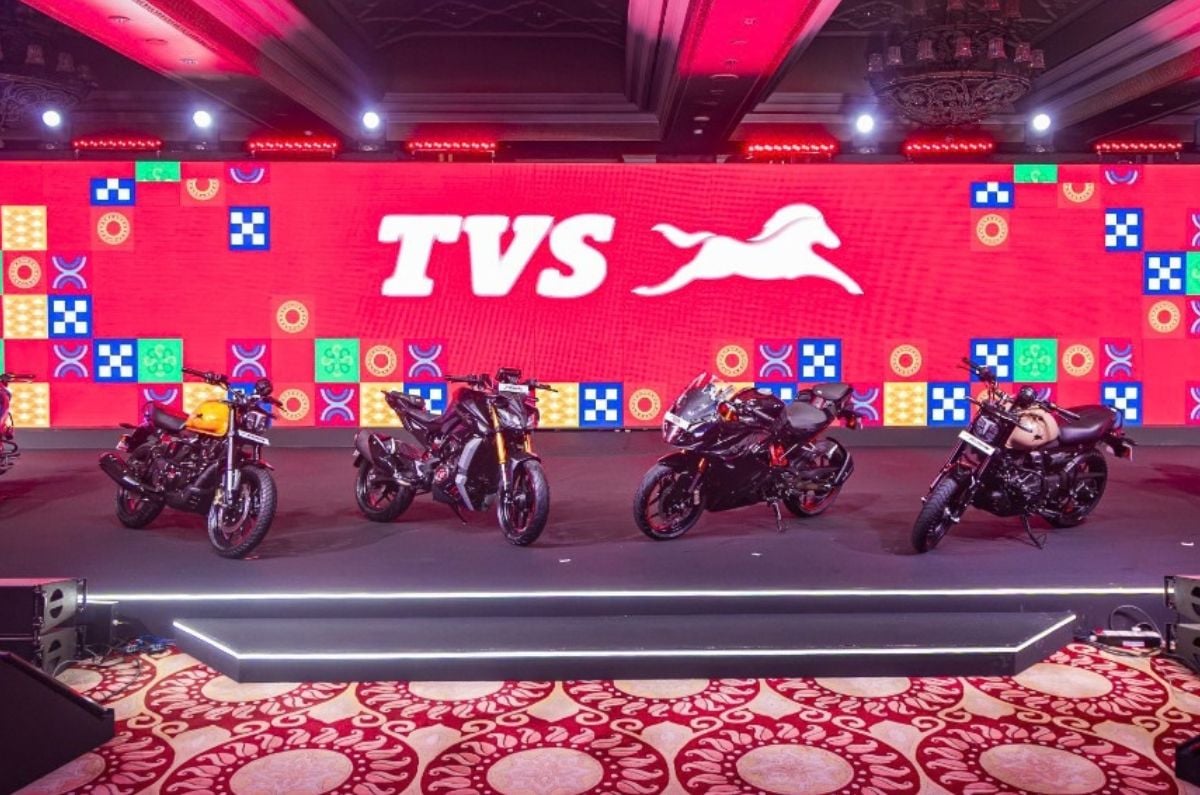
TVS has introduced new top variants for the Apache RTR 160, RTR 160 4V and RTR 200 4V, along with feature updates across the Ronin range, while the RTR 310 and RR 310 get new Black Diamond editions.
New Apache variants get added tech, including traction control, Google Maps mirroring and Type-C charging port
Deliveries of the new motorcycles will begin this festive season
TVS Apache range gets new variants
Apache RTR 160
The Apache RTR 160’s new top variant is priced at Rs 1.28 lakh. It gets traction control, hazard lights and LED indicators. It is available in four colours.
Apache RTR 160 4V
Priced at Rs 1.41 lakh, the new top variant of the Apache RTR 160 4V gets Google Maps mirroring, a panic brake alert and a Type-C charging port. Even the 4V is available in four colour options.
Apache RTR 200 4V
The new top variant of the Apache RTR 200 4V is priced at Rs 1.50 lakh. TVS says it is India’s most technologically advanced 200cc motorcycle, equipped with features such as Google Maps mirroring, a panic brake alert, a Type-C charging port and an adjustable front USD fork. The motorcycle is available in four colours.
Deliveries of the smaller-capacity Apaches are set to begin this festive season.
TVS RTR 310, RR 310 get Black Diamond editions
The TVS RTR 310 and RR 310 are now available in new Black Diamond editions, priced at Rs 2.49 lakh and Rs 2.88 lakh, respectively. Both editions get keyless-go technology.
TVS Ronin range updated
The Ronin Base+, priced at Rs 1.42 lakh, gets two new colour options and dual-channel ABS. Priced at Rs 1.51 lakh, the mid-spec Ronin gains a Type-C charging port, connected instrumentation, dual-channel ABS and a gold-finished USD fork. The range-topping Ronin, priced at Rs 1.63 lakh, gets a premium seat, traction control, a Type-C charging port and adjustable levers.
जर्मनी की स्पोर्ट्सवियर और फुटवियर कंपनी Adidas ने गुरुग्राम स्थित अपने India Tech Hub में करीब 50% कर्मचारियों की छंटनी कर दी है। इसका असर सॉफ्टवेयर इंजीनियर, डेटा साइंटिस्ट और डेटा इंजीनियर समेत कई कर्मचारियों पर पड़ा है।
रिपोर्ट के मुताबिक, इस Tech Hub में करीब 700 कर्मचारी हैं। इनमें से करीब 300 से 350 लोगों की नौकरी जा सकती है। कंपनी ने मंगलवार, 15 सितंबर को टाउन हॉल मीटिंग में कर्मचारियों को इस फैसले की जानकारी दी।
कंपनी ने इसे बताया मुश्किल फैसला
Adidas ने इसे ‘मुश्किल फैसला’ बताया है। कंपनी का कहना है कि वह अपने काम करने के तरीके को आसान बनाना चाहती है। साथ ही, टेक्नोलॉजी टीम को कारोबार की बदलती जरूरतों के हिसाब से तैयार करना चाहती है।
कंपनी ने कहा कि संगठन के कुछ हिस्सों को सरल बनाया जाएगा। जरूरी क्षमताओं को मजबूत किया जाएगा। Adidas के मुताबिक, इससे तेजी से बदलते कारोबारी और टेक्नोलॉजी माहौल में कंपनी को लंबे समय के लिए मजबूत बनाने में मदद मिलेगी।
300 से 350 कर्मचारियों की नौकरी पर असर
Adidas ने India Tech Hub की शुरुआत 2021 में की थी। इसका मकसद टेक्नोलॉजी और इंजीनियरिंग के क्षेत्र में अच्छी प्रतिभाओं को जोड़ना था। यहां काम करने वाले कर्मचारी Adidas के प्रोडक्ट्स से जुड़े टेक्नोलॉजी प्रोजेक्ट्स पर काम करते थे।
अब करीब पांच साल बाद इस हब के 300 से 350 कर्मचारियों पर छंटनी की तलवार लटक गई है। रिपोर्ट के मुताबिक, कर्मचारियों को दो ग्रुप में बांटा गया है। पहले ग्रुप को 15 सितंबर को ही एग्जिट लेटर दे दिया गया। दूसरा ग्रुप 15 दिसंबर तक कंपनी में रहेगा। इस दौरान ये कर्मचारी अपनी जिम्मेदारियां दूसरे कर्मचारियों को सौंपेंगे।
प्रभावित कर्मचारियों को सपोर्ट देगी Adidas
Adidas ने प्रभावित कर्मचारियों के योगदान के लिए आभार जताया है। कंपनी ने कहा कि वह छंटनी से प्रभावित लोगों को सम्मान के साथ सपोर्ट करेगी।
कंपनी के मुताबिक, कर्मचारियों को उचित ट्रांजिशन सहायता भी दी जाएगी। हालांकि, इस सहायता की पूरी जानकारी सामने नहीं आई है।
टेक सेक्टर में छंटनी का दौर
Adidas में यह छंटनी ऐसे समय हुई है, जब टेक सेक्टर में नौकरियों में कटौती जारी है। कई बड़ी टेक कंपनियां अपने खर्च और संगठन के ढांचे में बदलाव कर रही हैं।
Oracle में भी छंटनी की एक नई लहर शुरू होने की खबर है। रिपोर्ट के मुताबिक, वहां प्रभावित कर्मचारियों को 14 सितंबर को बताया गया कि उनकी भूमिकाएं खत्म की जा रही हैं। Oracle की छंटनी भी कंपनी की व्यापक रिस्ट्रक्चरिंग का हिस्सा बताई जा रही है।
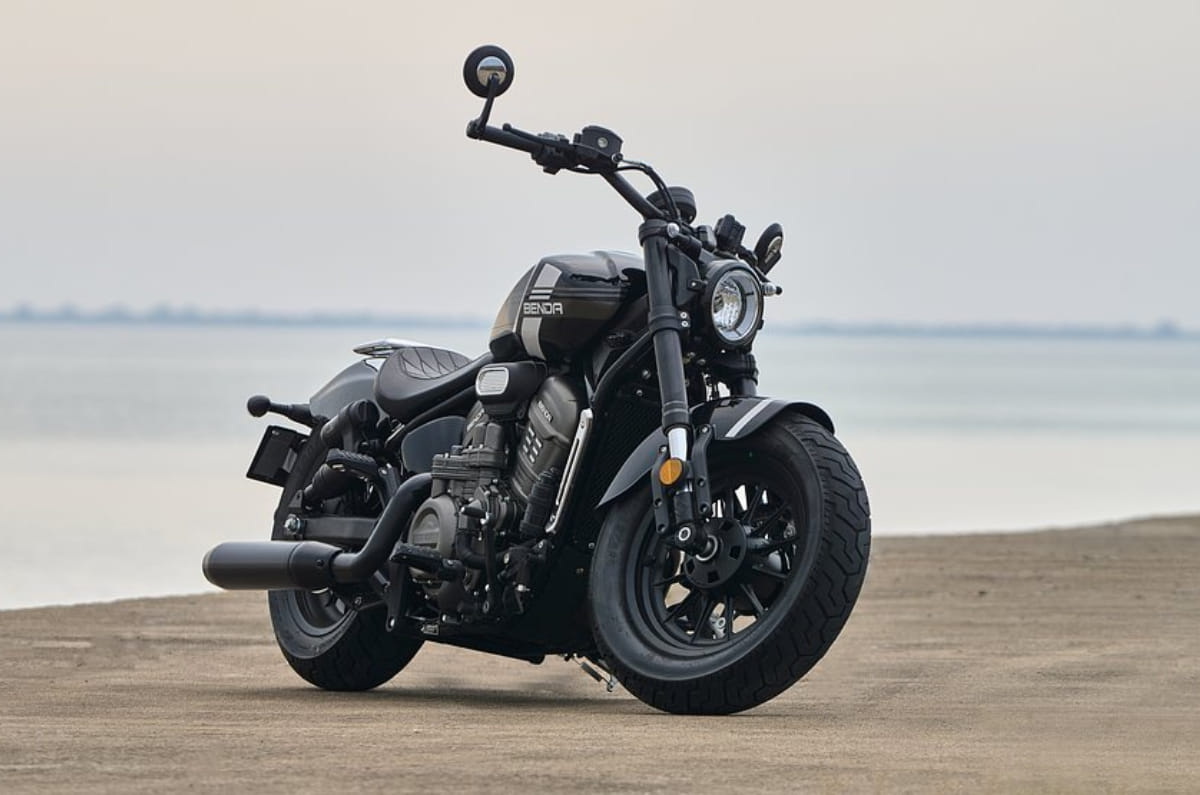
Chinese motorcycle manufacturer Benda has revealed the Rock 707, the latest addition to its Rock cruiser family, ahead of a European market launch in mid-September. The bike combines a 692cc V-twin engine with two interesting pieces of tech – an electronically controlled adaptive air rear suspension system and an electronic clutch.
692cc V-twin produces 73hp at 9,000rpm and 68Nm at 6,500rpm
Gets electronically controlled dual-chamber air rear suspension
Electronic clutch allows clutchless gear changes; manual clutch control remains available
Benda Rock 707 details
Air suspension automatically lowers the bike at a standstill and returns to full height on the move
The most distinctive feature on the Rock 707 is its rear suspension. A dual-chamber adaptive air system responds electronically to rider and passenger load and road conditions, automatically lowering the bike by up to 30mm when coming to a stop and raising it again once the rider pulls away. The system enables a seat height adjustable between 690mm and 720mm, which should make it notably easier to manoeuvre, especially for shorter riders.
The Rock 707 also features the brand’s BEC MK-III electronic clutch, which is similar to Honda’s E-Clutch technology in application. It allows the rider to pull away, shift gears and come to a stop without operating the clutch lever, while retaining full manual clutch control at any time.
Powering the motorcycle is a 692cc V-twin that produces peak output figures of 73hp at 9,000rpm and 68Nm at 6,500rpm. Benda says it is tuned for accessible low- and mid-range performance suited to the bike’s cruiser character. Power is sent to the rear wheel via a belt drive.
The chassis comprises a USD fork and the aforementioned electronically controlled rear air suspension. Front braking is handled by a 320mm single disc, while the rear gets a 260mm disc, and the motorcycle has a kerb weight of 235kg. Other notable features include cruise control, traction control and a 3.6-inch TFT display.
Benda has a close relationship with Keeway, with both brands sharing ownership under the same Chinese parent company, Qianjiang Group, which also owns Benelli. There are no signs indicating that Benda products will reach India through Keeway’s existing distributor network here.
LOOK OUT FOR: Suspension wear, Infotainment issues
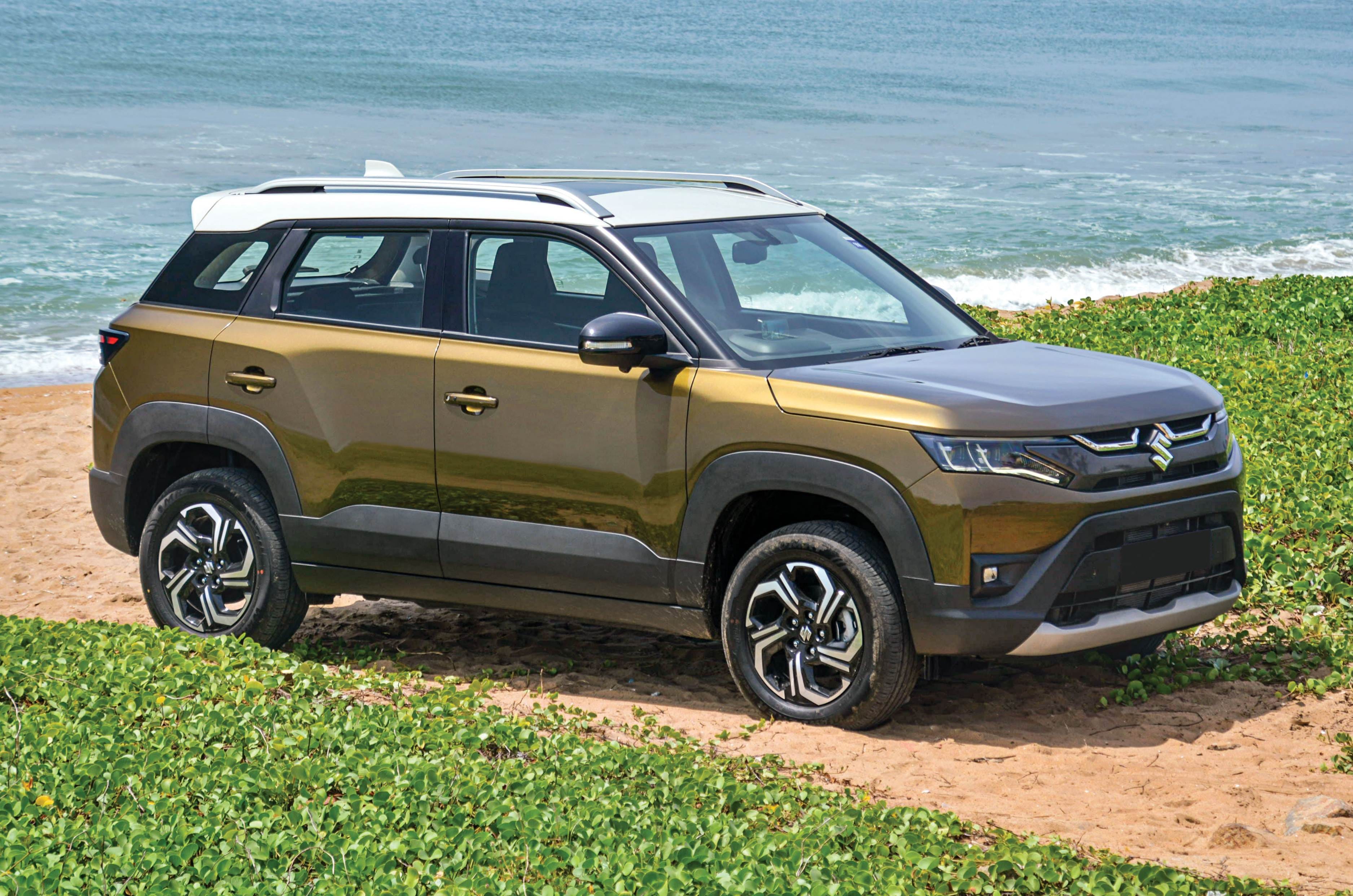
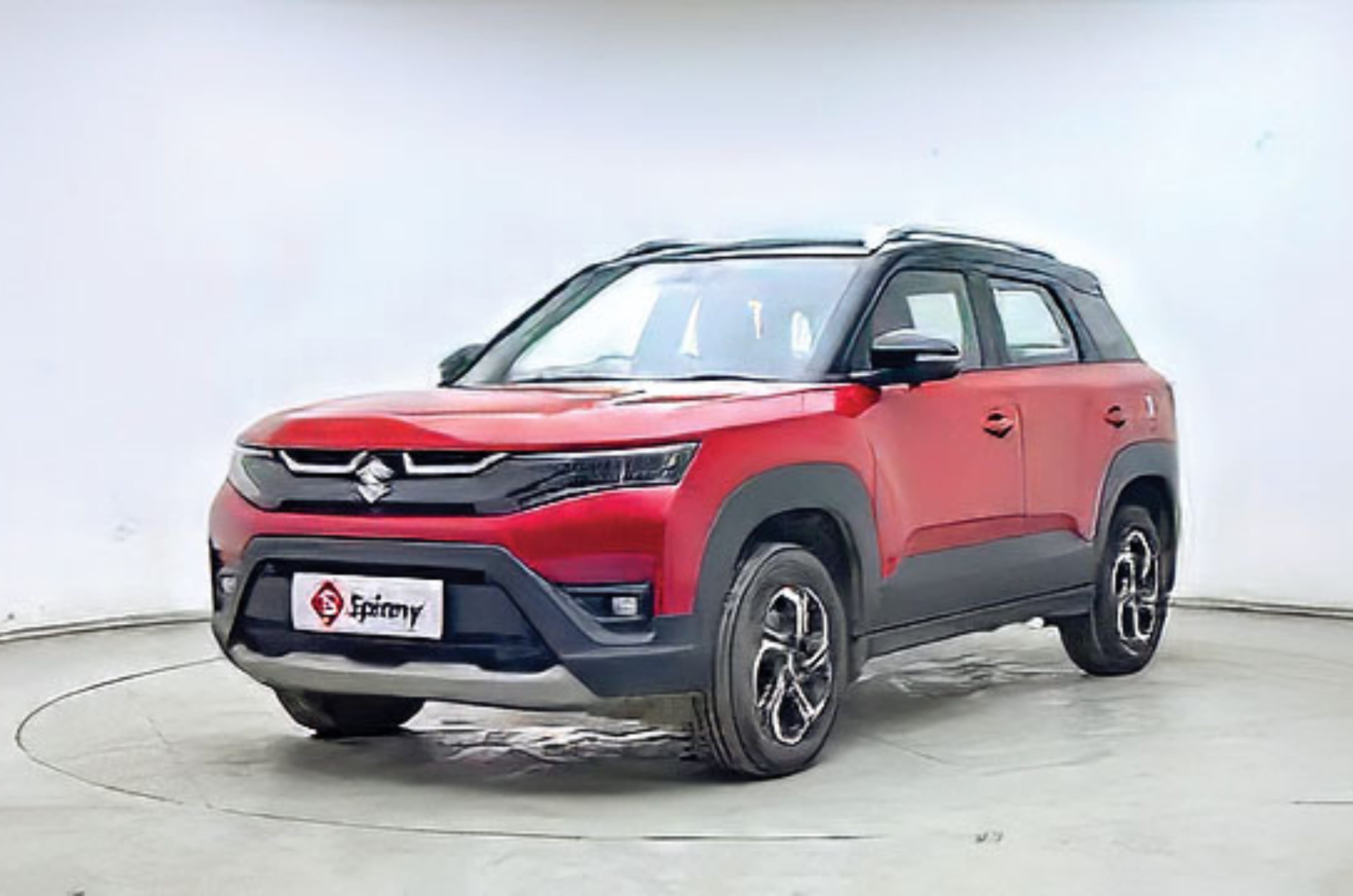
The Maruti Brezza has long been one of the most sensible choices in the compact SUV segment, and the 2022 update made it considerably more desirable. It brought a sharper design, a more efficient petrol engine, a new automatic gearbox and a substantial increase in equipment. Being comfortable, practical and relatively inexpensive to run, the Maruti Brezza makes a strong case as a used buy. Here’s all you need to know when looking for one.
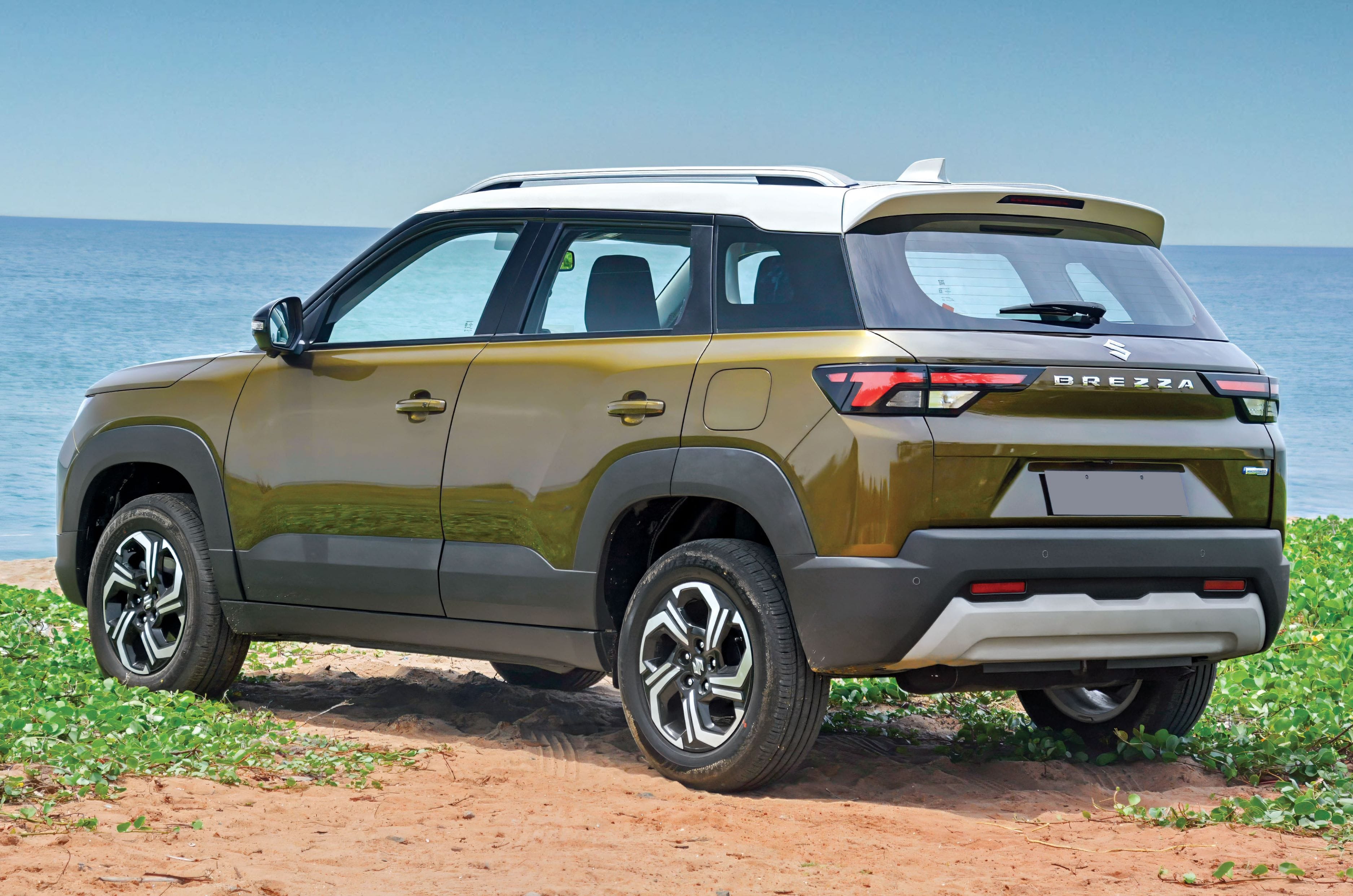
In terms of cosmetics, the 2022 Brezza was a complete reskin with new sheet metal all around and a new grille and bumpers, slimmer LED headlamps, new LED tail-lights and fresh 16-inch alloy wheels. The rear number plate was moved down onto the bumper, while the sharper surfacing and revised lighting gave it a more contemporary appearance. Dual-tone colour options were also offered, giving it a more upmarket look.
Petrol and CNG powertrains; up to 20.15kpl claimed mileage
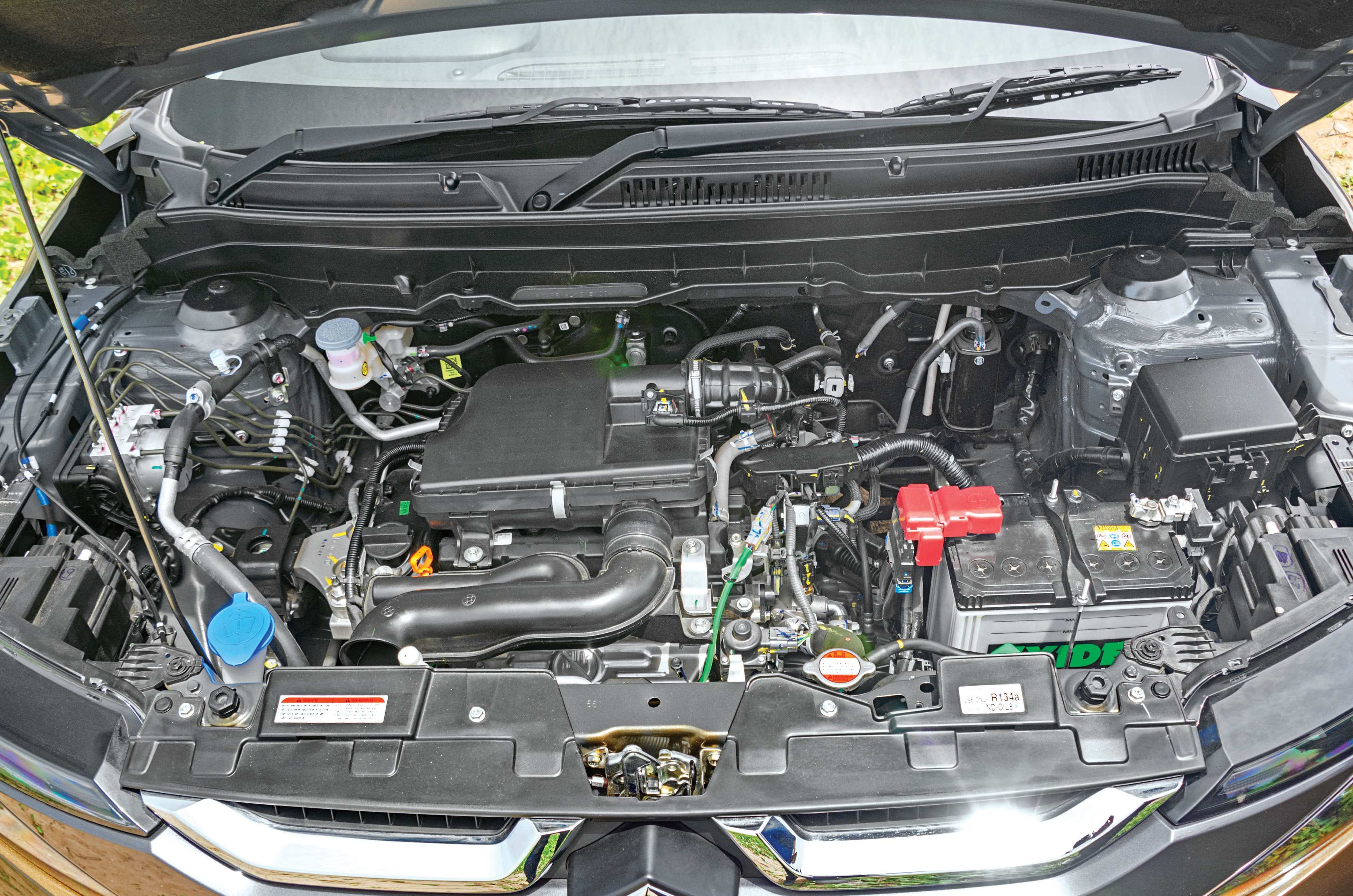
The biggest change was under the hood, with the Brezza receiving Maruti’s 1.5-litre K15C DualJet petrol engine. It uses two injectors per cylinder and, together with the Smart Hybrid system, puts out 103hp and 137Nm. The other major change was the new 6-speed torque-converter automatic gearbox with paddle shifters, replacing the older 4-speed unit. The standard 5-speed manual gearbox was carried over. The updated Brezza also got auto start-stop and a lithium-ion battery as part of its mild-hybrid system. Maruti claimed fuel efficiency of 20.15kpl for the manual and 19.80kpl for the automatic.
In 2023, Maruti also launched the Brezza CNG, which used the same 1.5-litre engine that put out a lower 88hp and 121.5Nm on CNG and came with the manual only. The Brezza CNG was offered in three trims, and Maruti claimed a fuel economy of 25.51km/kg.
The petrol manual is ideal for most users as it’s easy to drive, reasonably efficient and generally the most affordable version to buy. Those doing most of their running in the city should consider the automatic, which is smooth and far more convenient in traffic. Meanwhile, the CNG makes sense for high-mileage users. The 1.5-litre engine isn’t punchy, so don’t buy the Brezza expecting strong performance, especially when overtaking at highway speeds.
Maruti Suzuki Brezza variants and features
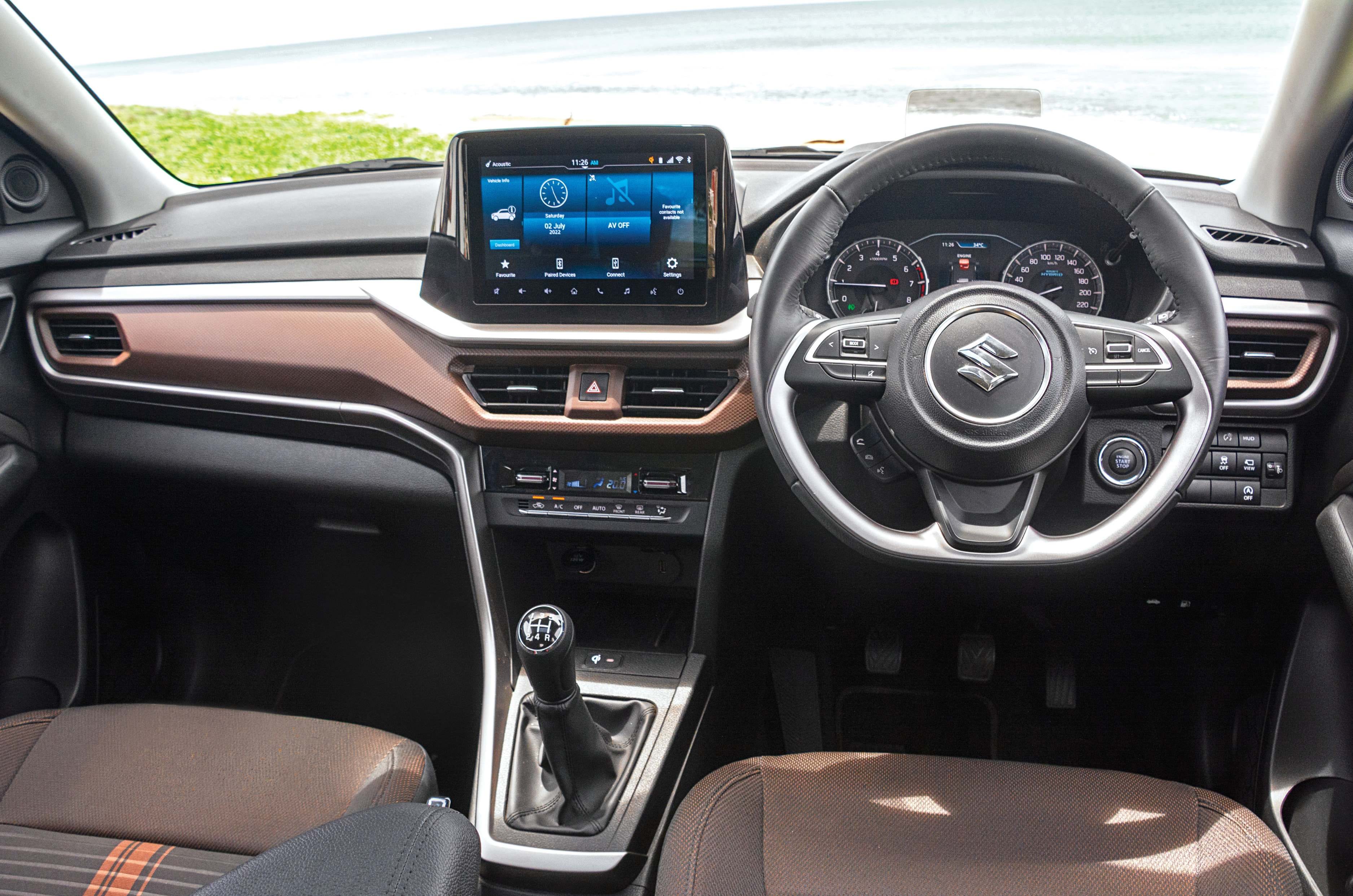
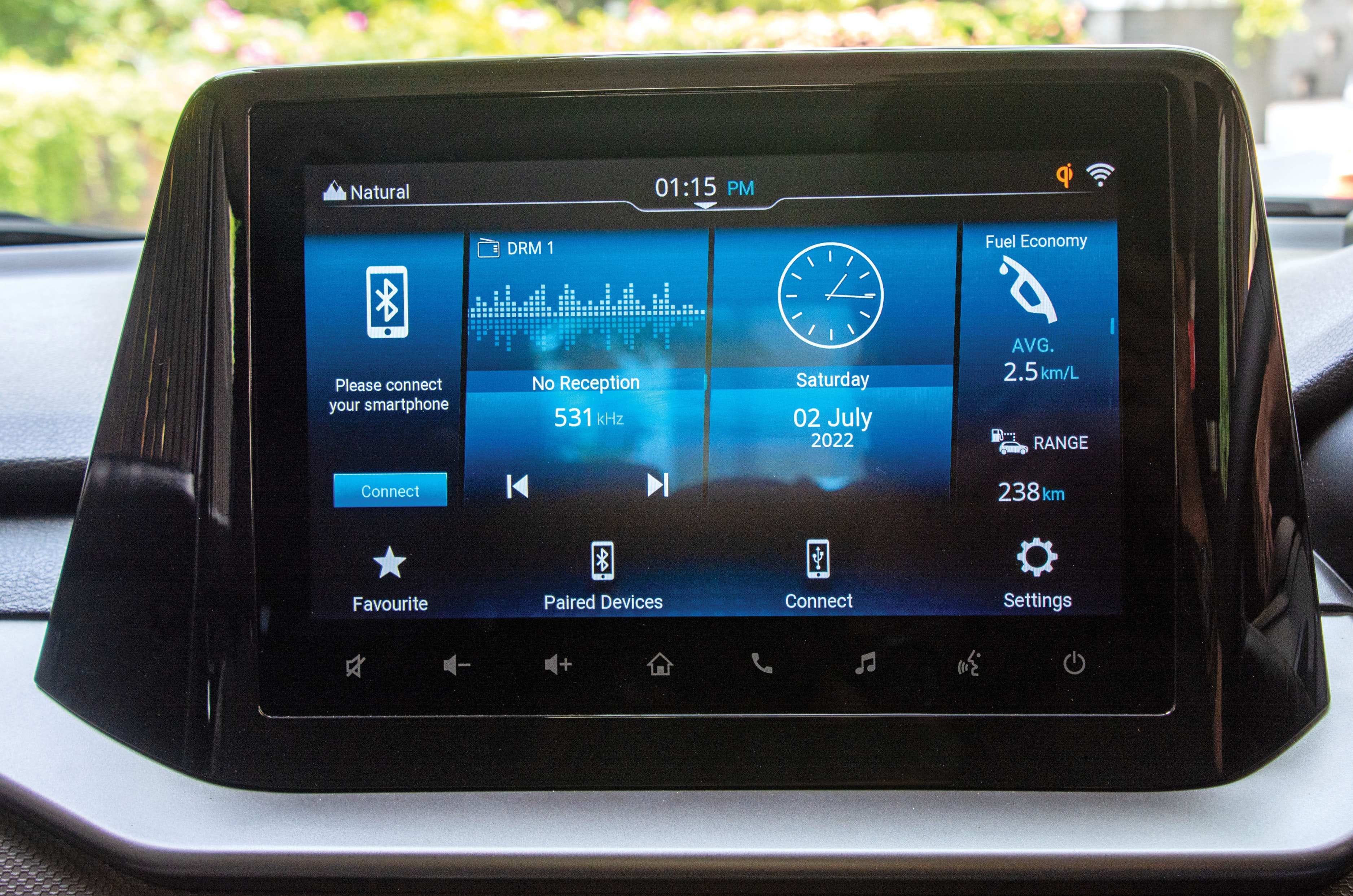
9-inch infotainment system, 360-degree camera, head-up display and more
As for variants, there were four main trims – LXi, VXi, ZXi and ZXi+. The top-spec ZXi+ packs in features such as a 9-inch SmartPlay Pro+ touchscreen with Android Auto and Apple CarPlay, a 360-degree camera, head-up display, sunroof, connected-car tech, cruise control, auto climate control, LED lighting and six airbags. Lower variants are reasonably well equipped too, so it’s worth choosing the car based on condition and service history rather than simply chasing the highest trim.
Brezza aftersales details
Being a Maruti product, the Brezza is easy to maintain and spare parts are widely available. Maruti’s extensive service network is another advantage, particularly for buyers intending to keep the car for several years. The Brezza also has strong resale demand, which helps lower depreciation. It’s worth looking for an example with a complete service history and, where applicable, an extended warranty.
What to look out for in a used Maruti Suzuki Brezza
Suspension wear
Brezza owners have reported of noises or looseness from the suspension as the car ages. Drive the car over uneven roads and speed breakers, and listen for any noises or excessive crashing. Also check the condition of the tyres, as uneven wear can point towards alignment or suspension issues.
Infotainment issues
The Brezza gets a 9-inch touchscreen, 360-degree camera and head-up display. While the screen is generally responsive, owners have reported glitches, including camera display problems and phone disconnections. Before buying, test the touchscreen thoroughly, connect Android Auto/Apple CarPlay and make sure the 360-degree camera and HUD work correctly.
Potential defect in front seatbelts and airbag
Brezza units manufactured between November 2 and November 28, 2022, were recalled over a possible defect in a child part of the front seatbelt shoulder height adjuster assembly. Later, Brezza’s manufactured between December 8, 2022 and January 12, 2023, were included in another recall involving a possible airbag-controller defect. Make sure any car from these periods has had the relevant recall work completed.
Second-hand Maruti Suzuki Brezza price and resale value
Rs 7 lakh-11 lakh
The Brezza continues to command a healthy price in the used market. Current listings show examples spanning a wide range depending on variant, mileage and condition. However, be careful about paying too close to the price of a new Brezza. A low-mileage, single-owner example with a full service history is worth paying a little extra for, but condition should remain the priority.
Maruti Suzuki Brezza fact file
Years produced
2022-2026
Price when new
Rs 8 lakh-13.96 lakh (ex-showroom, India)
Engine
4 cyls, 1462cc, petrol / 4 cyls, 1462cc, petrol+CNG
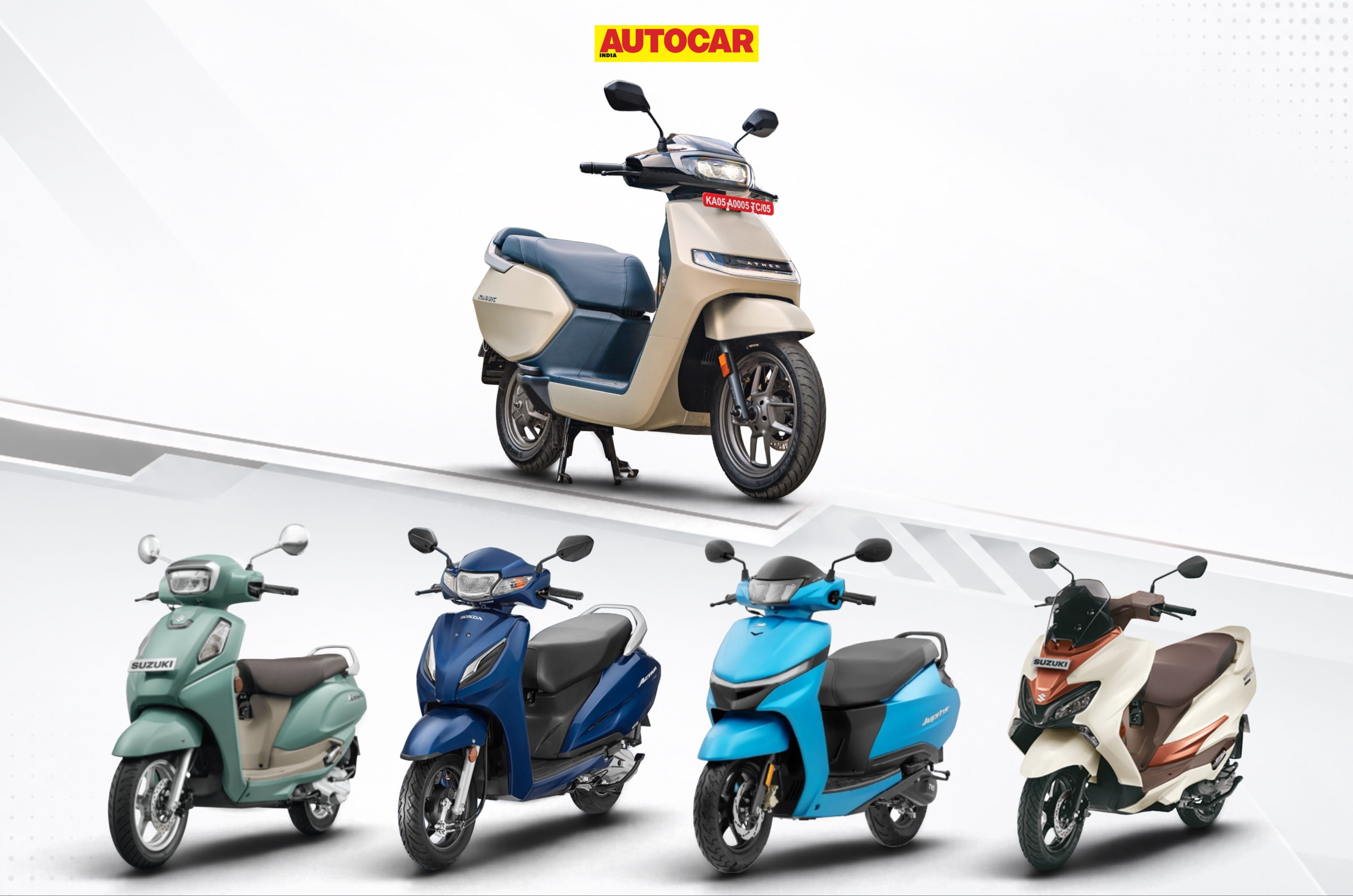
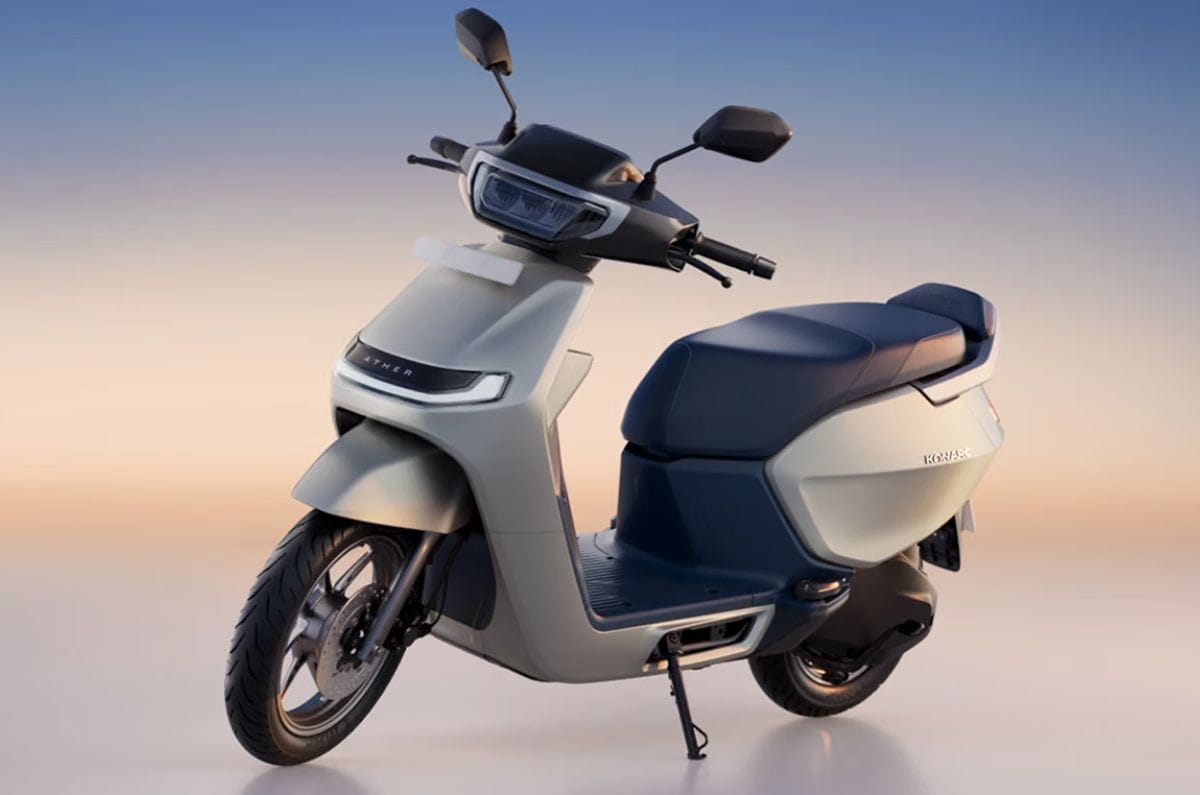
Family scooter. As soon as you read that, probably one specific scooter comes to your mind, summing up how the scooter industry has functioned the past two decades. However, over the past few years, EVs like the TVS iQube, River Indie, and the Ather Rizta have shown that they can go toe-to-toe with petrol scooters. The brand-new Ather Konarc is poised to add to that arsenal. However, if you aren’t quite convinced yet, here are some internal combustion engine (ICE) scooters you can look at instead.
All scooters are being compared to the Ather Konarc S 100, priced at Rs 99,999 (ex-showroom, Bengaluru). For Konarc, we haven’t considered features that require Ather StackPro subscription. All the other scooter prices mentioned are ex-showroom, Delhi.
Honda Activa
Rs 76,083 onwards
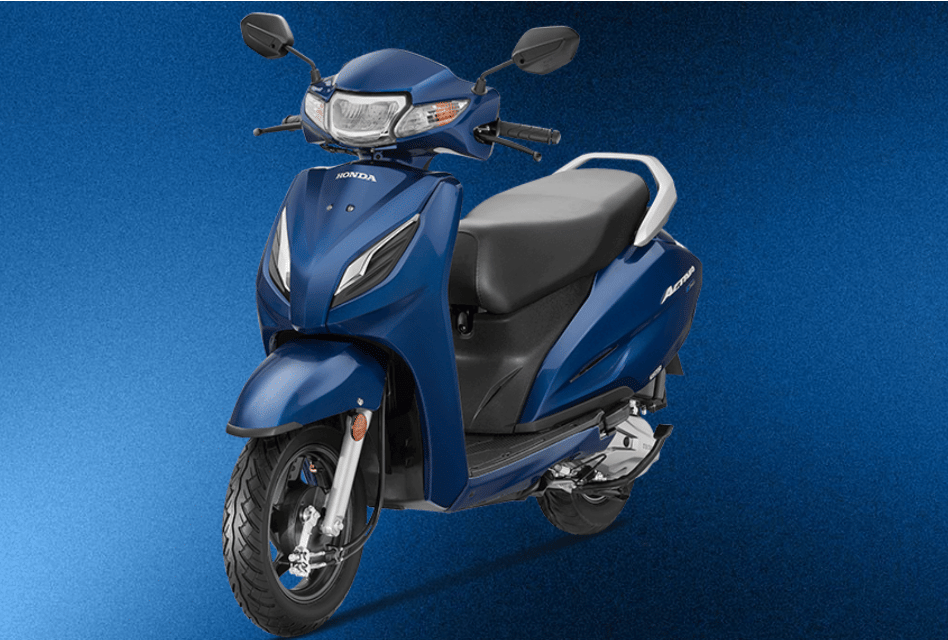
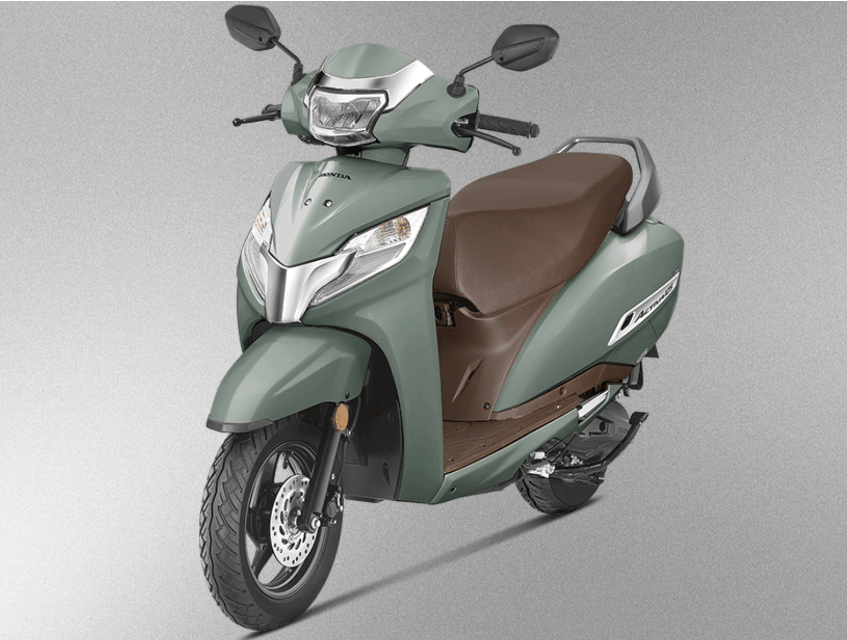
The default family scooter and the one your mind reminded you of when you started reading this. You cannot go wrong with the Activa’s reliable 110cc engine and the trust the brand brings you. However, this and the 125 have a lean feature set compared to the other ICE scooters here. The Activa 110 gets a 4-inch TFT instrument cluster with turn-by-turn navigation, smartphone connectivity, a silent start and stop-start system via an Integrated Starter Generator (ISG), and a smart key on the top variant. With the Activa’s 54.4kpl fuel economy, you’re looking at a 270km range before coming to a standstill. The Activa’s prices tops out at Rs 91,082 which makes it close to the entry-level variants of the Ather Konarc and the Simple Wave.
By paying Rs 9,000 more for the Konarc, you’ll get 100km IDC range, 70kph top speed, two ride modes, bigger 14/12-inch front/rear wheels, a bigger 31L under seat storage.
Honda Activa 125
Rs 91,178 onwards
The bigger Activa bumps up the cubic capacity to 124cc and increases the power by 0.4hp to 8.3hp and increases the torque by 1.4Nm to 10.5Nm compared to the 110, but is otherwise almost exactly the same as the 110. For that extra power and torque, the Activa 125 bumps up the prices and tops out at Rs 95,622. As such, the extra features you gain by switching to the Konarc also remain the same.
TVS Jupiter (110)
Rs 74,125 onwards
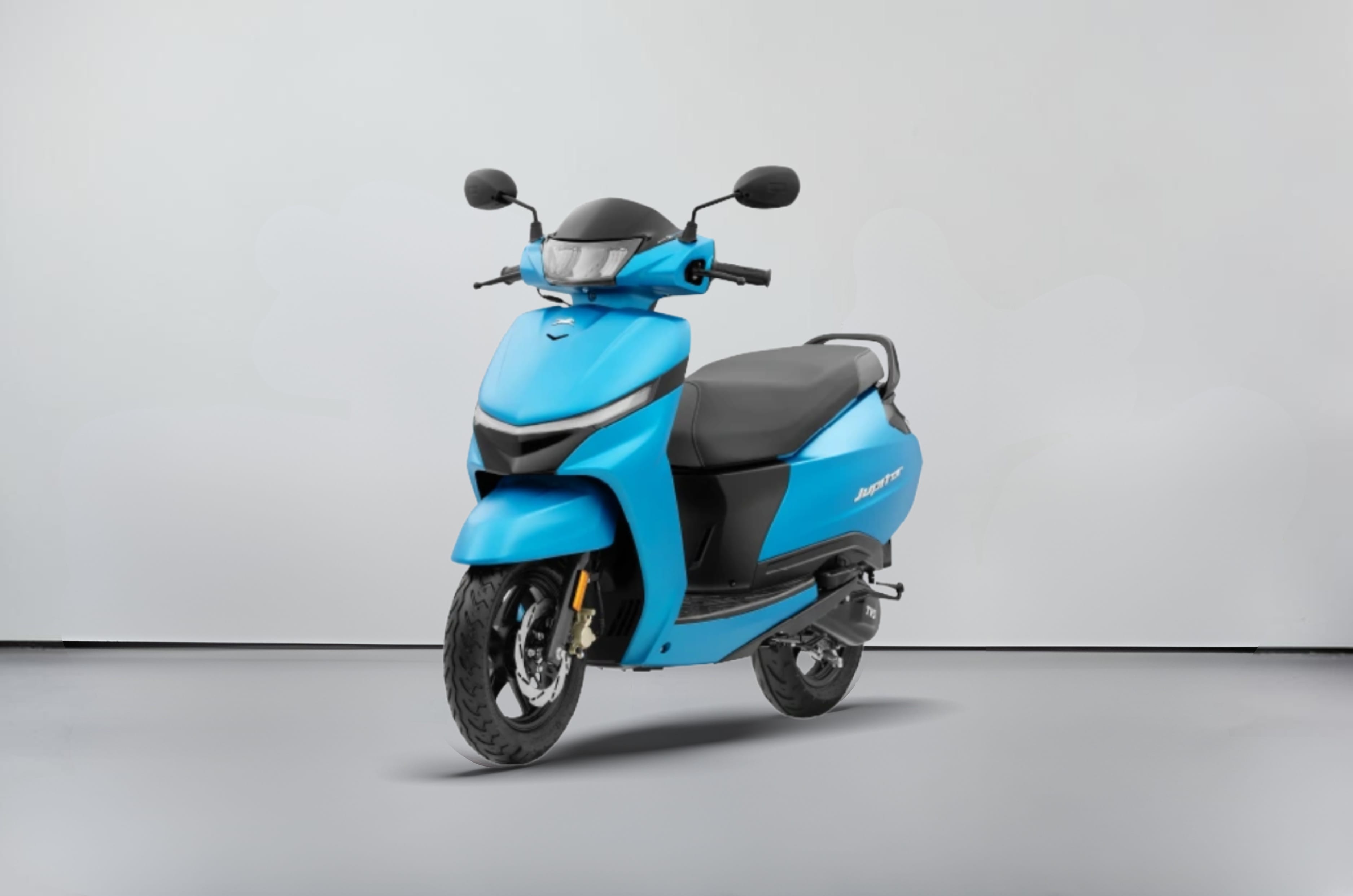
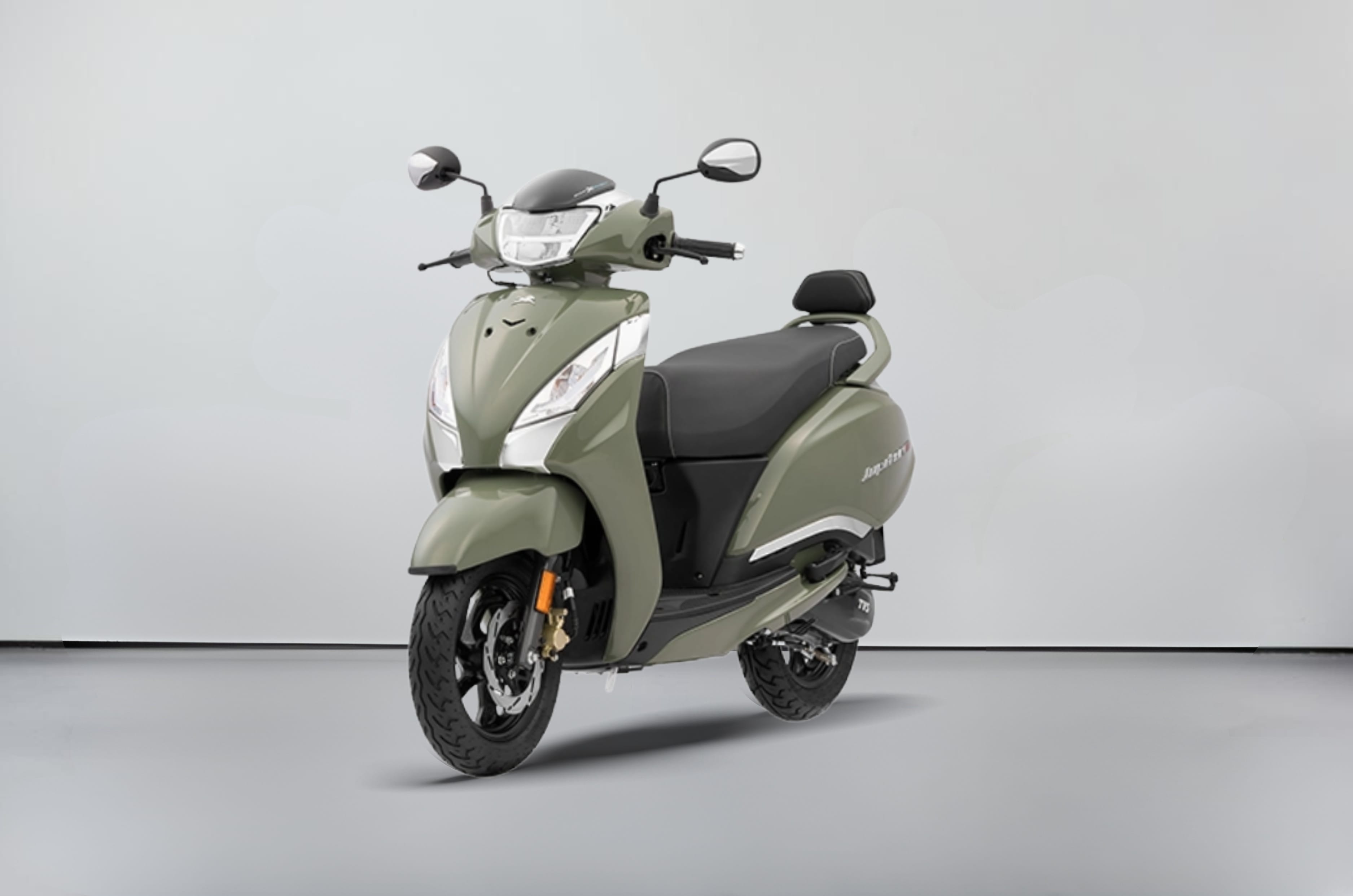
The Activa’s biggest competitor is the Jupiter which received a comprehensive upgrade in 2024. TVS gave it an all-new 113.3cc engine with 7.9hp and 9.8Nm of torque (with 0.6Nm from the ISG). It also received a much sleekier design over its predecessor. As things stand today, the Jupiter has perhaps the largest feature set of any ICE scooter. Thanks to sharing the platform with its bigger brother, the new Jupiter gets a front fuel tank, 33L under seat storage (that’s still the largest on an ICE scooter). It also gets a wide floorboard, more storage on the front apron storage, an ISG, smartphone connectivity, 12-inch wheels at both ends, a front disc brake on higher variants, and a design that’s much more modern than any of its peers. With its 57kpl fuel economy, the Jupiter also has the Activa beat with a higher 285km range. The Jupiter starts at Rs 74,125 and tops out at Rs 89,825 for the dual-tone variant.
By stepping up to the Konarc by paying an additional Rs 10,174 over the top-most variant, you gain a larger 14-inch front wheel.
TVS Jupiter 125
Rs 81,700 onwards
The bigger Jupiter unfortunately didn’t quite get the rejuvenation. It’s stuck to essentially the same design from its debut in 2021. With the larger 124.8cc engine, you get 0.5hp extra power and 1.3Nm extra torque over the 110, with the ISG’s assistance; without it, they become 0.1hp and 0.7Nm extra, respectively. Sharing the same platform means that the new 110 has caught up to most of the 125’s features. Though, you do get a TFT display on the 125’s cluster, but it isn’t adding any real value. The Jupiter 125 starts at Rs 81,700 and tops out at Rs 89,935.
By stepping up to the Konarc for approximately Rs 10,000 extra, you gain a larger front tyre.
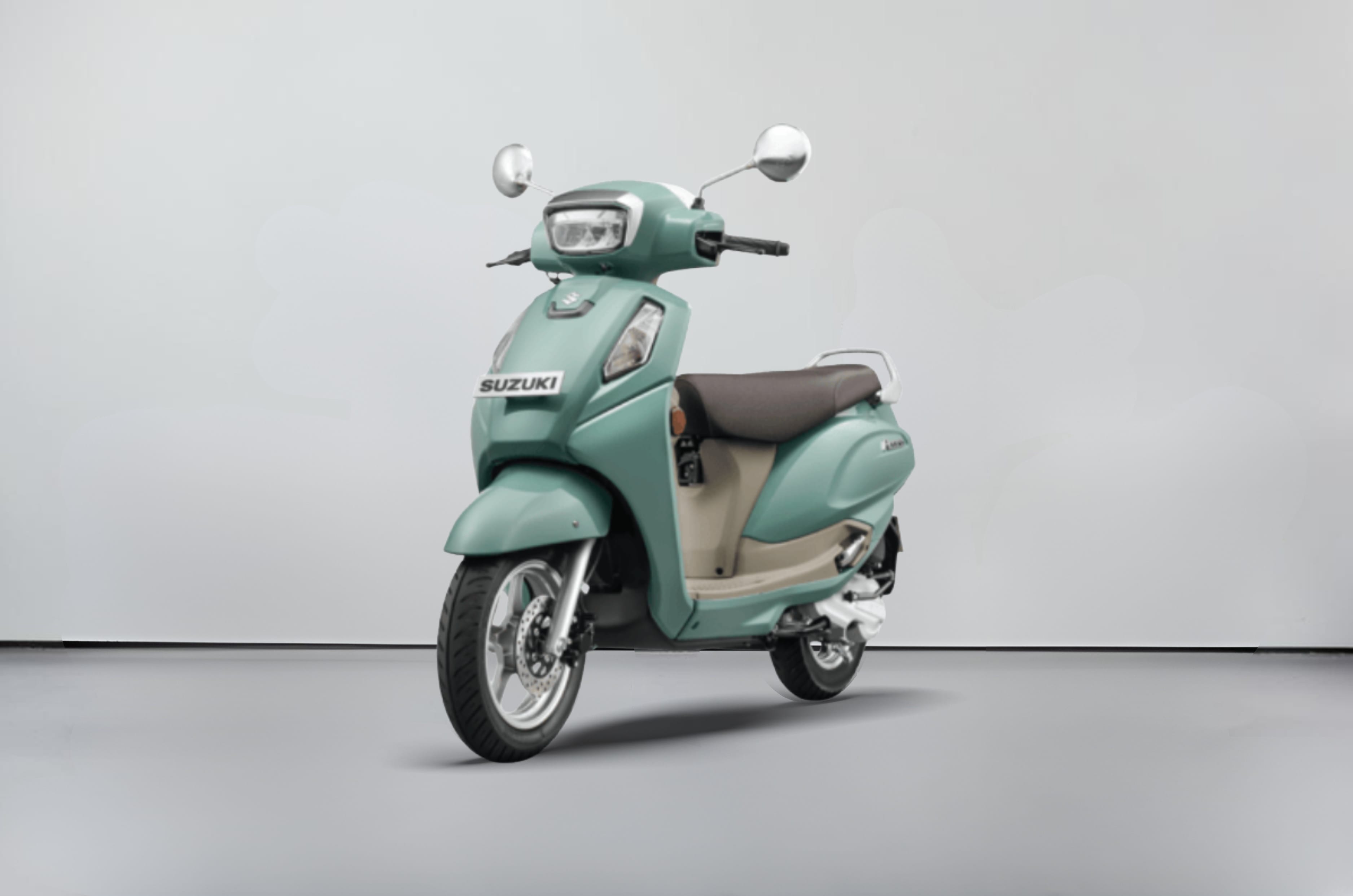
Suzuki Access (125)
Rs 82,185 onwards
The Suzuki Access has silently been one of the best-selling scooters in the family scooter segment and it received a comprehensive upgrade in early 2025. While there wasn’t a brand-new engine, Suzuki gave it a new frame and made scores of minute improvements to the engine that added up to make it a comprehensively better scooter. However, that also means there aren’t any new features to help the Access’ case. It sticks to a 12/10-inch front and rear wheel setup, a 24.4L under seat storage that now feels measly even for the ICE world. Suzuki did give it a TFT instrument cluster and single-channel ABS on the highest variant, but that’s about it. The Access starts at Rs 82,185 and will set you back by Rs 1.02 lakh for the TFT-ABS variant.
With the Ather Konarc, you will end up paying Rs 3,000 less and gain a larger 14/12-inch front and rear wheels, two ride modes, and a considerably larger 31L under seat storage but the Access is the only scooter here that offers the safety net of an ABS system.
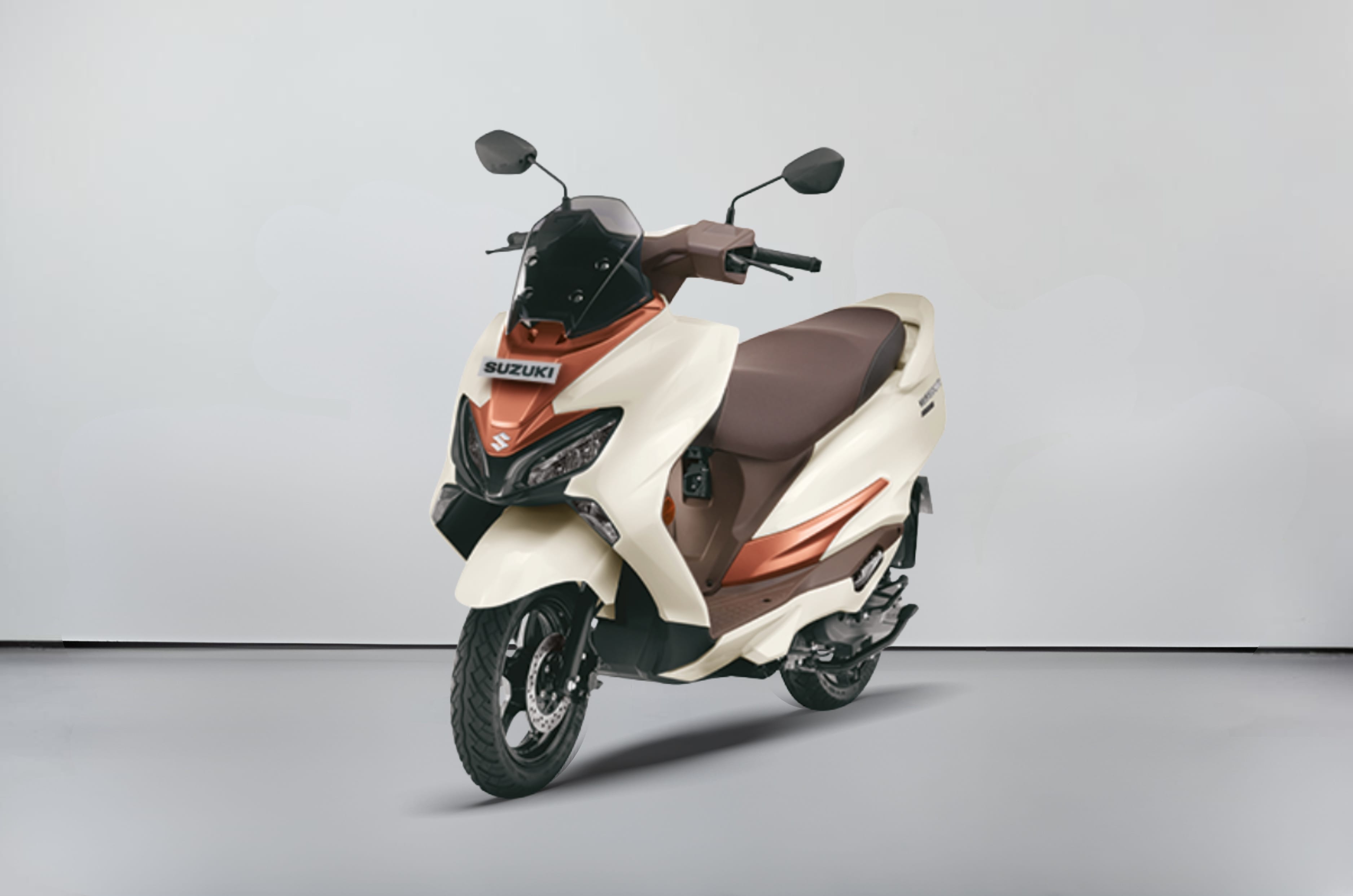
Suzuki Burgman Street
Rs 1.03 lakh onwards
The Burgman received most of the same upgrades as the Access in early 2026, with the maxi-scooter stance as its biggest differentiation. The Burgman Street exclusively gets a keyless system on the top-variant, but loses out on the single-channel ABS compared to the Access. On the dimensions front, it gets a 25mm longer wheelbase, 7kg additional weight, and 0.2 litres larger fuel tank compared to the Access. It’s also one of the two Suzuki scooters to have a 12/12-inch front and rear wheel setup in India; the older Burgman Street EX being the other one. Except for these differences and a different design, the Burgman Street shares its mechanicals and convenience features with the Access. The Burgman Street starts at Rs 1.03 lakh and the top TFT variant with the keyless system costs Rs 1.15 lakh.
By getting the Konarc instead, you end up saving about Rs 4,000 (Rs 12,000 compared to the top variant) and you gain a larger 14-inch front wheel, two ride modes, and of course, the larger 31L under seat storage.
Summary and conclusion
We understand that this article makes it seem like there’s no point in choosing the Ather Konarc in most cases; that’s not quite true. Getting an EV scooter might be the best decision for some people, especially ones with a fixed daily travel distance, living in either their own house, or a housing society that’s generous with setting up a home charger, and all the tech enthusiasts who would like to see how far EVs have come in the past few years. Just the novel riding experience of an EV might be enough to choose the Konarc for you. So, take a test ride of the Konarc S 100 when it becomes available. We’d like you to be aware of the closest ICE options, if you end up deciding the Konarc isn’t for you.
With Ather StackPro and Ather Connect subscription, the Konarc S can offer more smart features that none of the others here can hope to match, but there’s an additional price to be paid for them. Hence, if you’re after the most value for your money, there’s no question that ICE vehicles still offer more for their asking price.
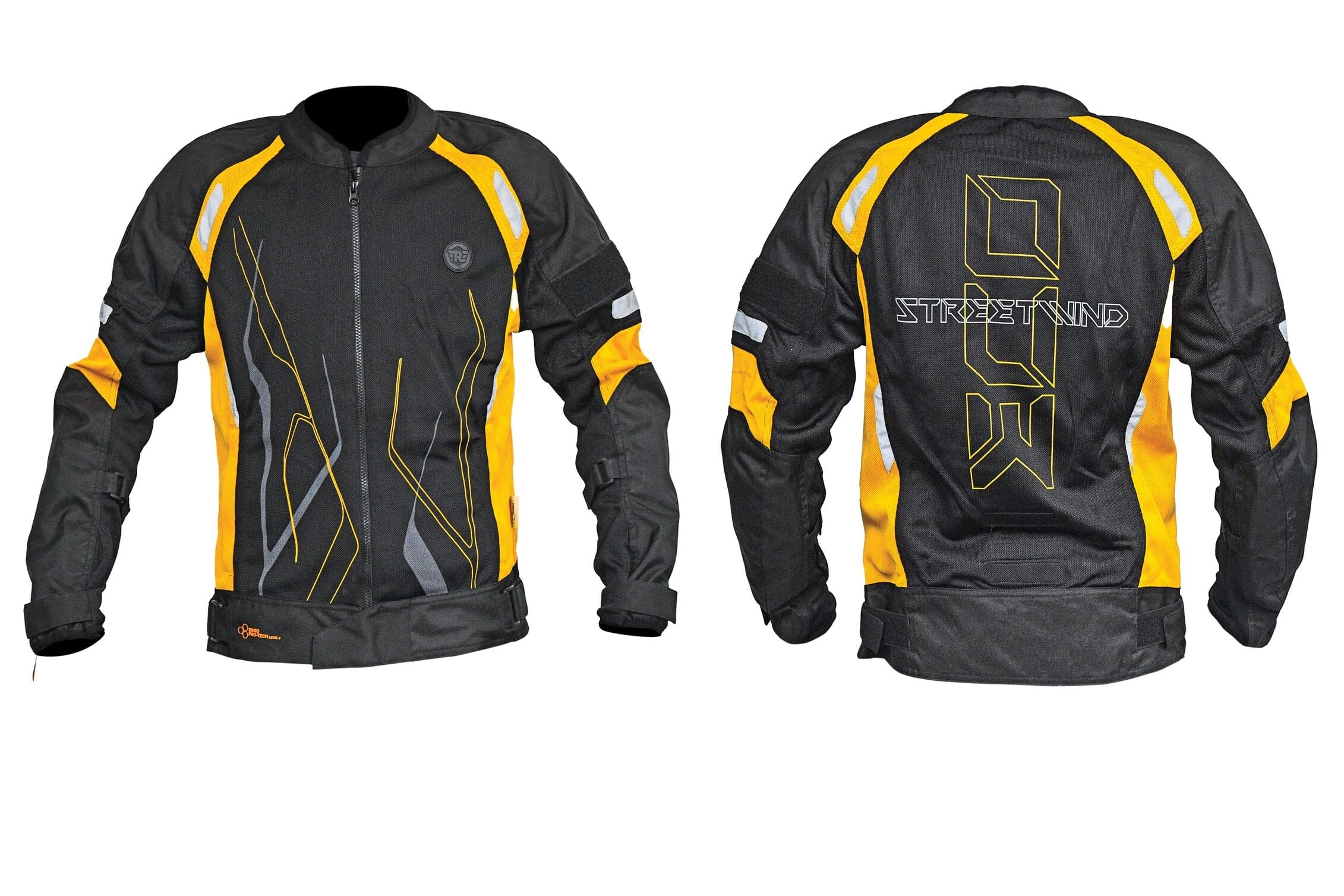
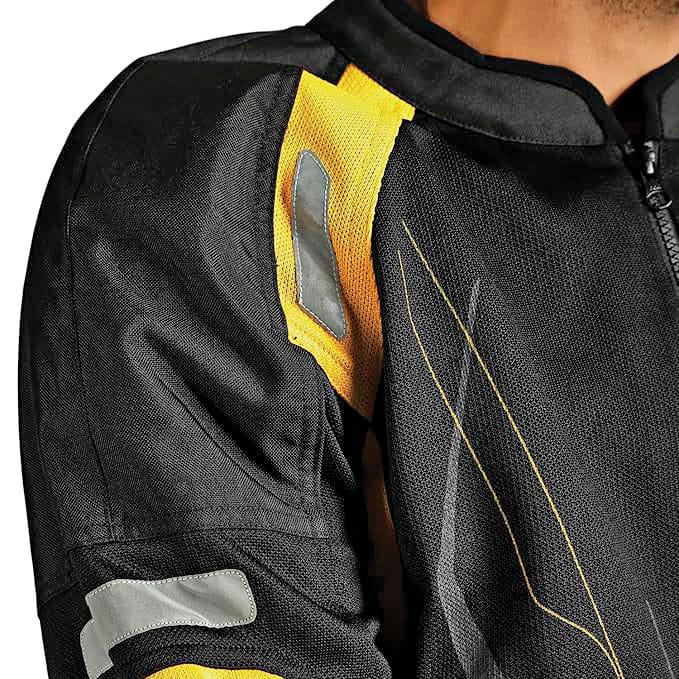
We’ve previously tested this jacket’s predecessor – the Streetwind Eco – and the biggest difference between it and the Eco 2 is in the aesthetics. Where the Eco sported a solid yellow chest and back area, the Eco 2 uses black with fine yellow and grey graphic lines, while the back gets neatly done Streetwind and Eco lettering. Like before, the jacket is available in other colourways too, but in this ‘Yellow’ version, the shade is now used as highlights on the forearms, chest and rib areas, so it’s less in-your-face but still striking enough to stand out from a sea of dull, all-black jackets.
Besides that, nothing much has changed since, but that’s just fine. Royal Enfield says this is India’s first sustainable riding jacket, made from recycled plastic bottles that are turned into yarn to weave the jacket. The weave is, of course, a mesh – RE says 90 percent is made of mesh – and it is very breathable.
We’ve had this all through summer, and ventilation has been good throughout. What’s nice is that even when you stop, you don’t feel like you’re steaming up inside. The feel of the fabric, too, is just fine and fairly soft against your body. It also has a cushioned collar, which feels nice and prevents the chafing that you tend to get from stronger fabrics. The fit seems to have improved, where earlier it felt a bit baggy, it fits tighter now, though this was on different testers this time around, but the size used was the same – small. As is the norm, there are regular adjustment tabs on the cuffs, waist, biceps, and forearms.
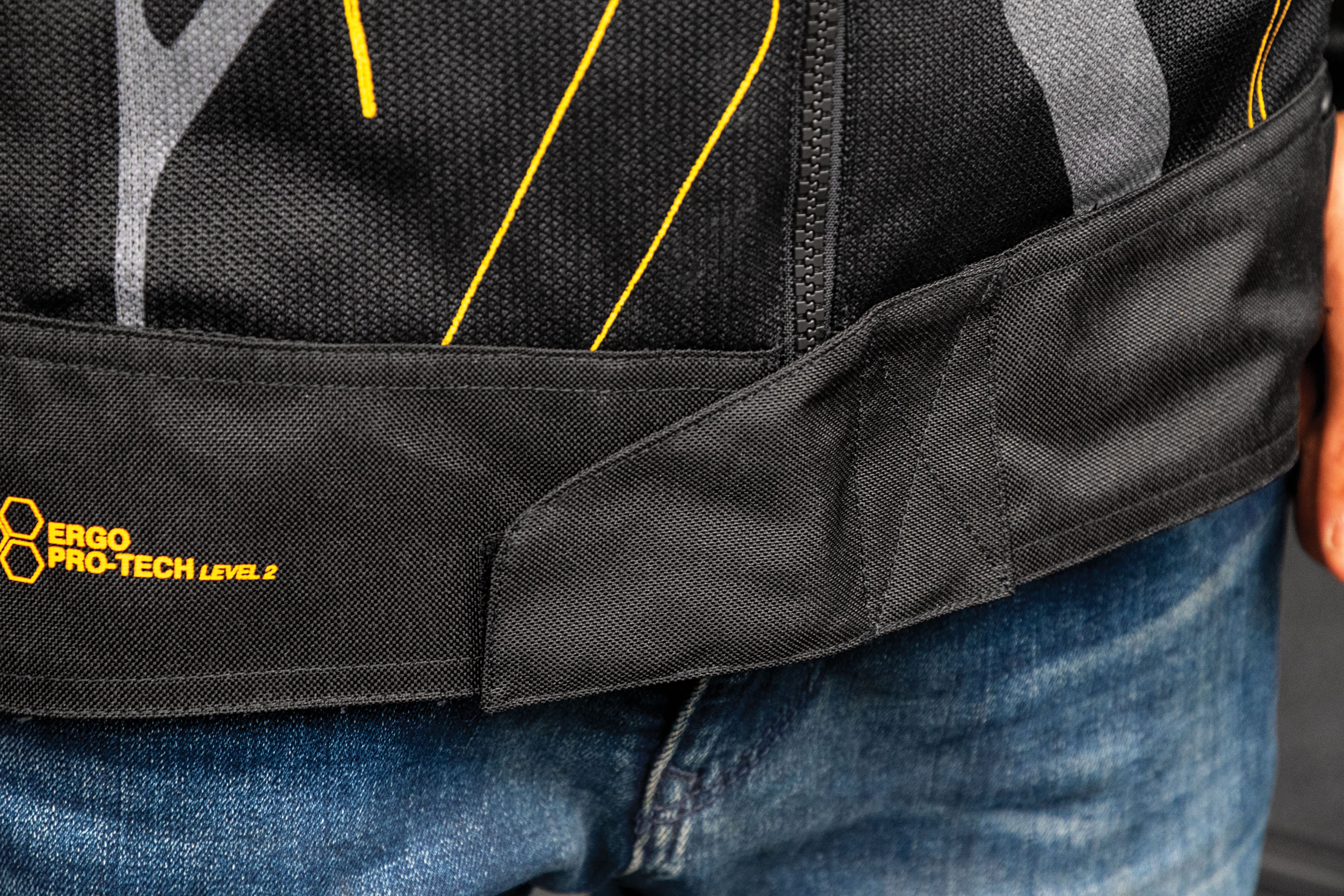
In terms of protection, the jacket is constructed with the recycled and abrasion-resistant 600d polyester and 610d Cordura fabric at impact zones. It offers CE level 2 protection via Royal Enfield’s Ergo pro-tech protectors at the shoulder and elbow. It does not have back or chest protectors; however a back protector can be added via the pocket provided.
As for utility, there are reflective accents at the front and back, along with Velcro patches on the left shoulder for any personalisation, and two front pockets with zippers, enough to accommodate a plus-sized phone.
If you are in the market for this jacket, you might find a few ongoing discounts. The MRP for this jacket stands at Rs 6,500. However, you can get it with quite a substantial discount of Rs 2,500 on multiple e-commerce websites, depending on size, bringing its effective price down to around Rs 4,000.
At its discounted price, the RE Streetwind ECO 2 does make a strong case for itself and could very well be your first investment in a proper riding jacket for the city and the occasional highway rides.
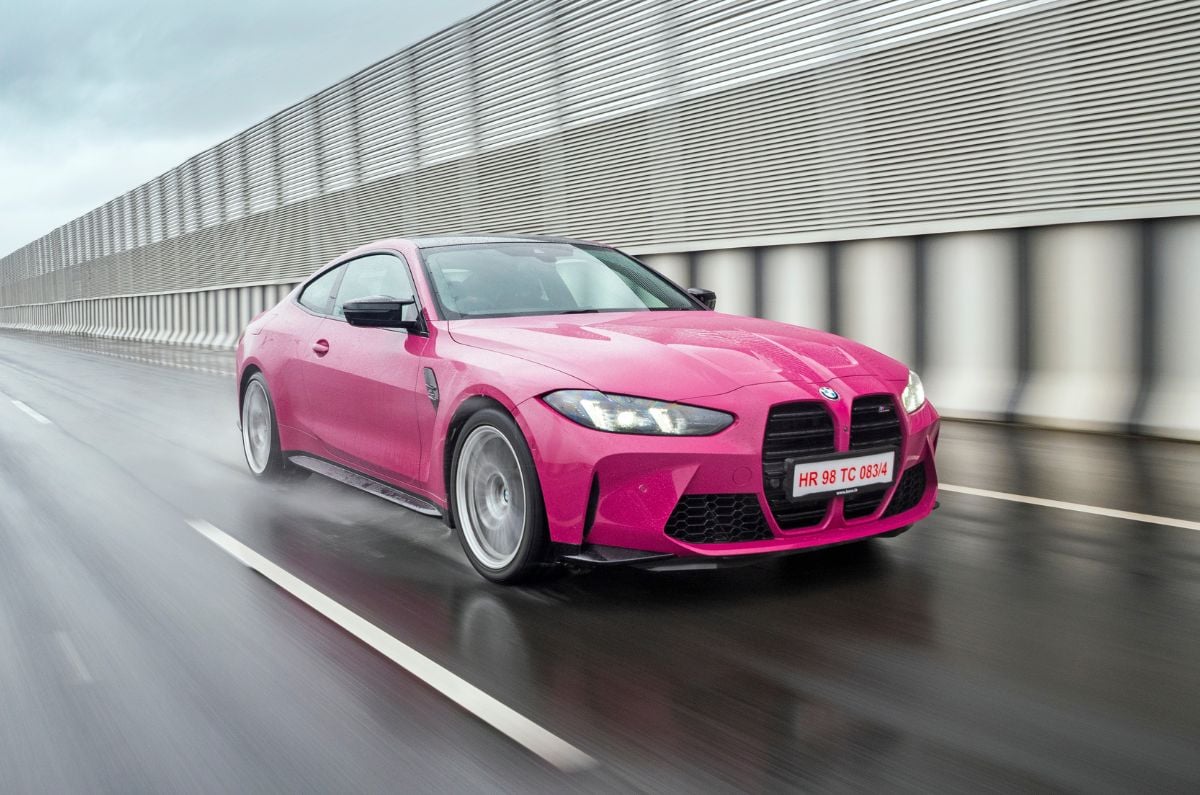
This G82-gen BMW M4 that you see has been on sale internationally since 2020, it came to India in 2022, and it even received a facelift (LCI or Life Cycle Impulse in BMW speak) a few years back. Yet, somehow, we never got a chance to drive it on Indian tarmac all these years. Now, however, we’ve finally spent some meaningful time with the BMW M4 Competition on home turf to see what it’s like.
BMW M4 Competition exterior design and engineering – 8/10
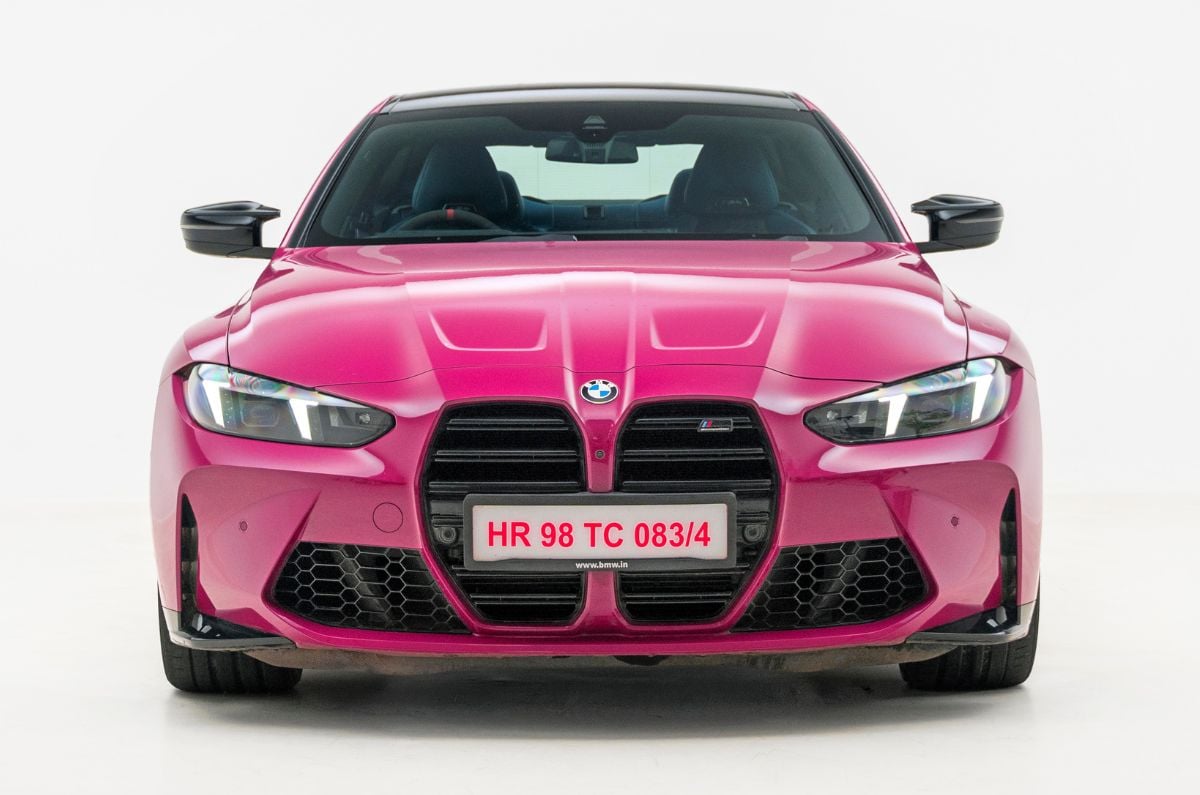
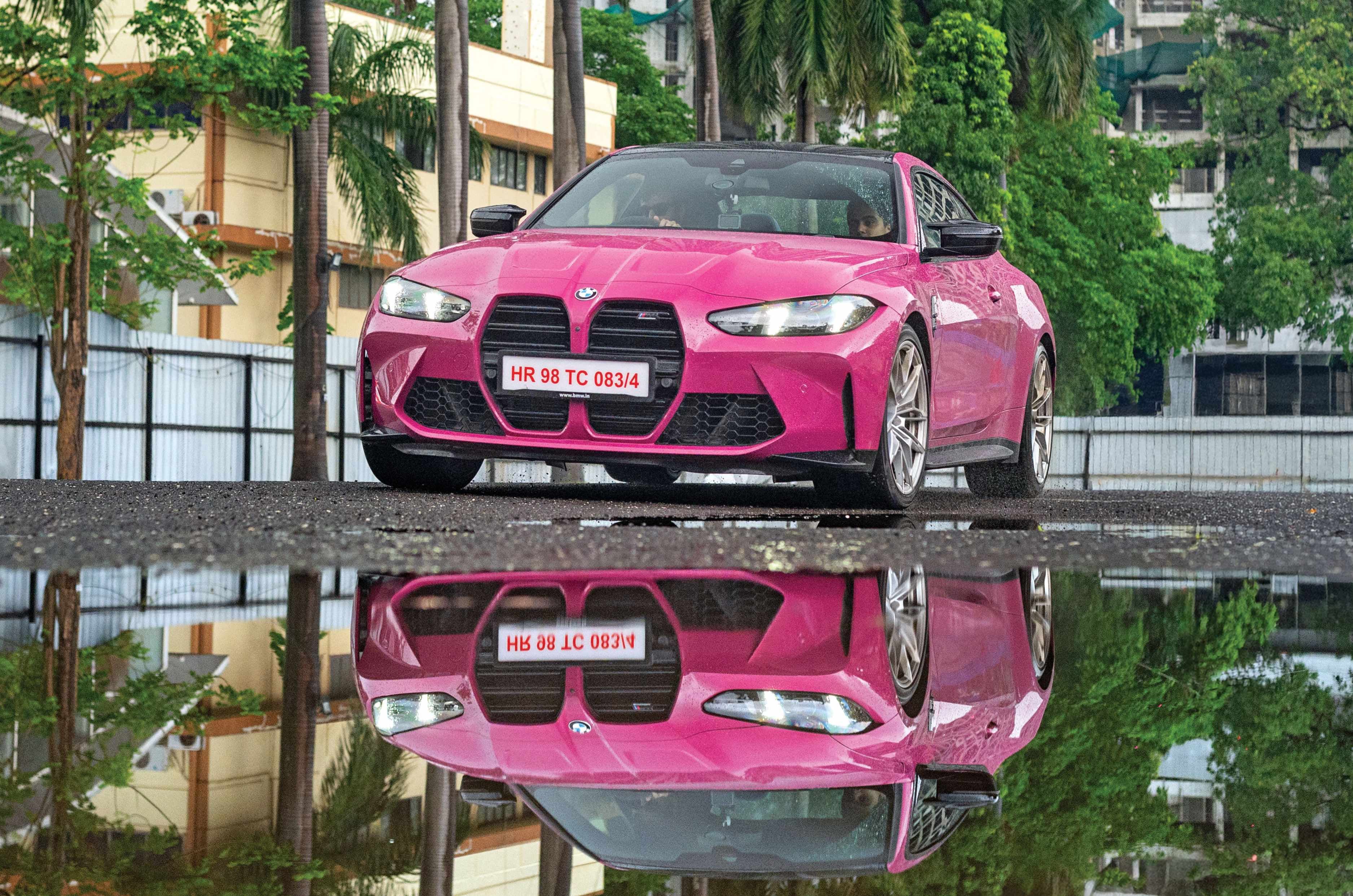
Whether you like it or not, the huge kidney grille gives it an imposing road presence.
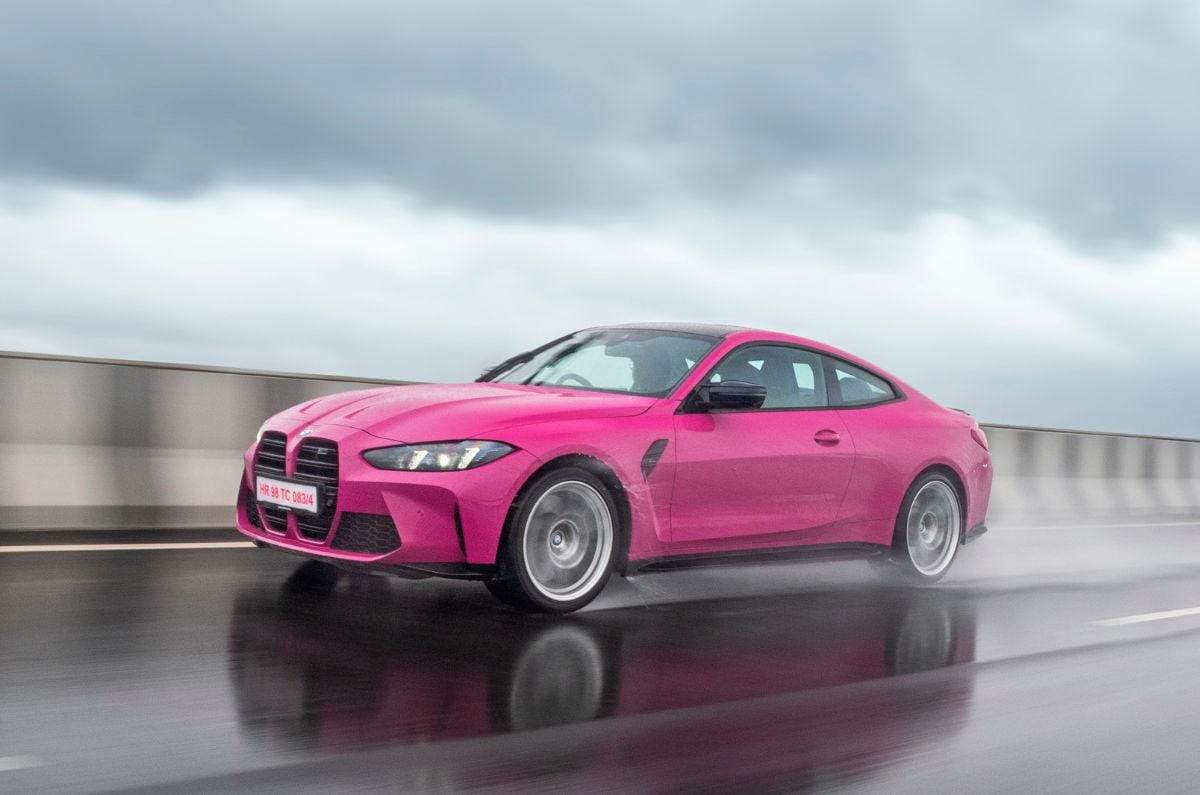
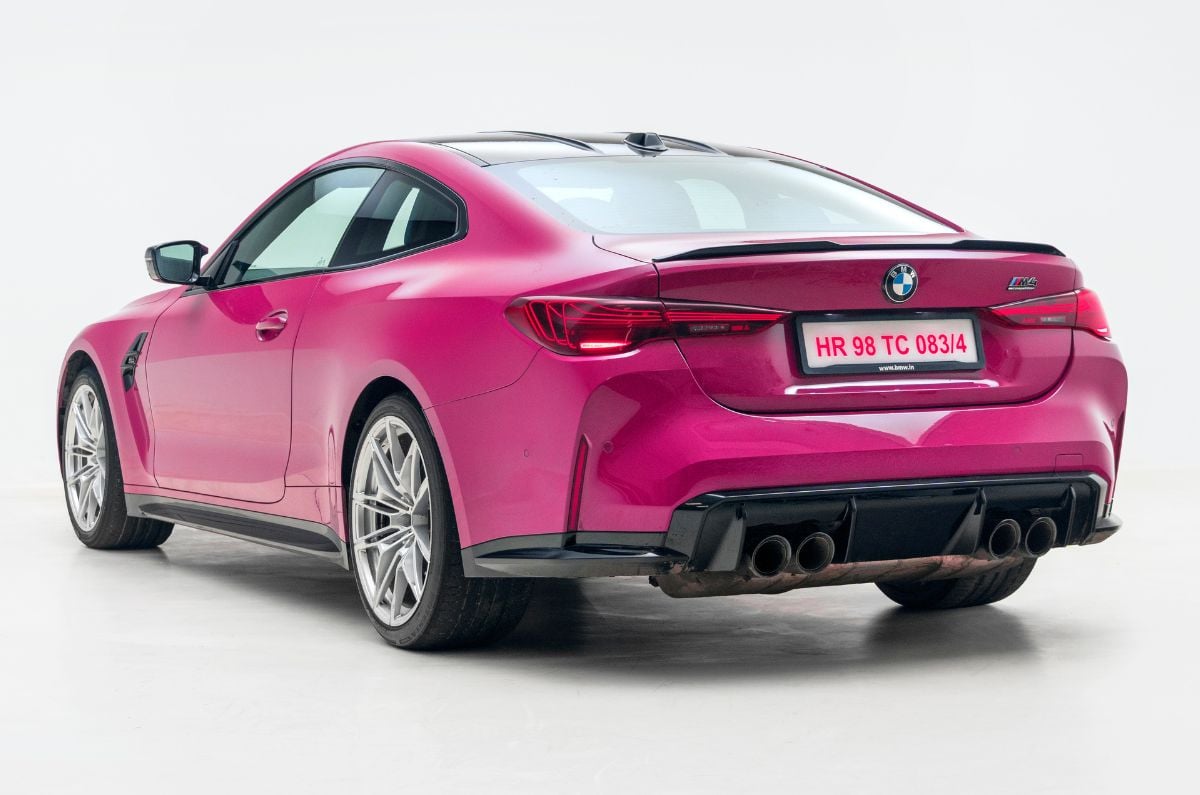
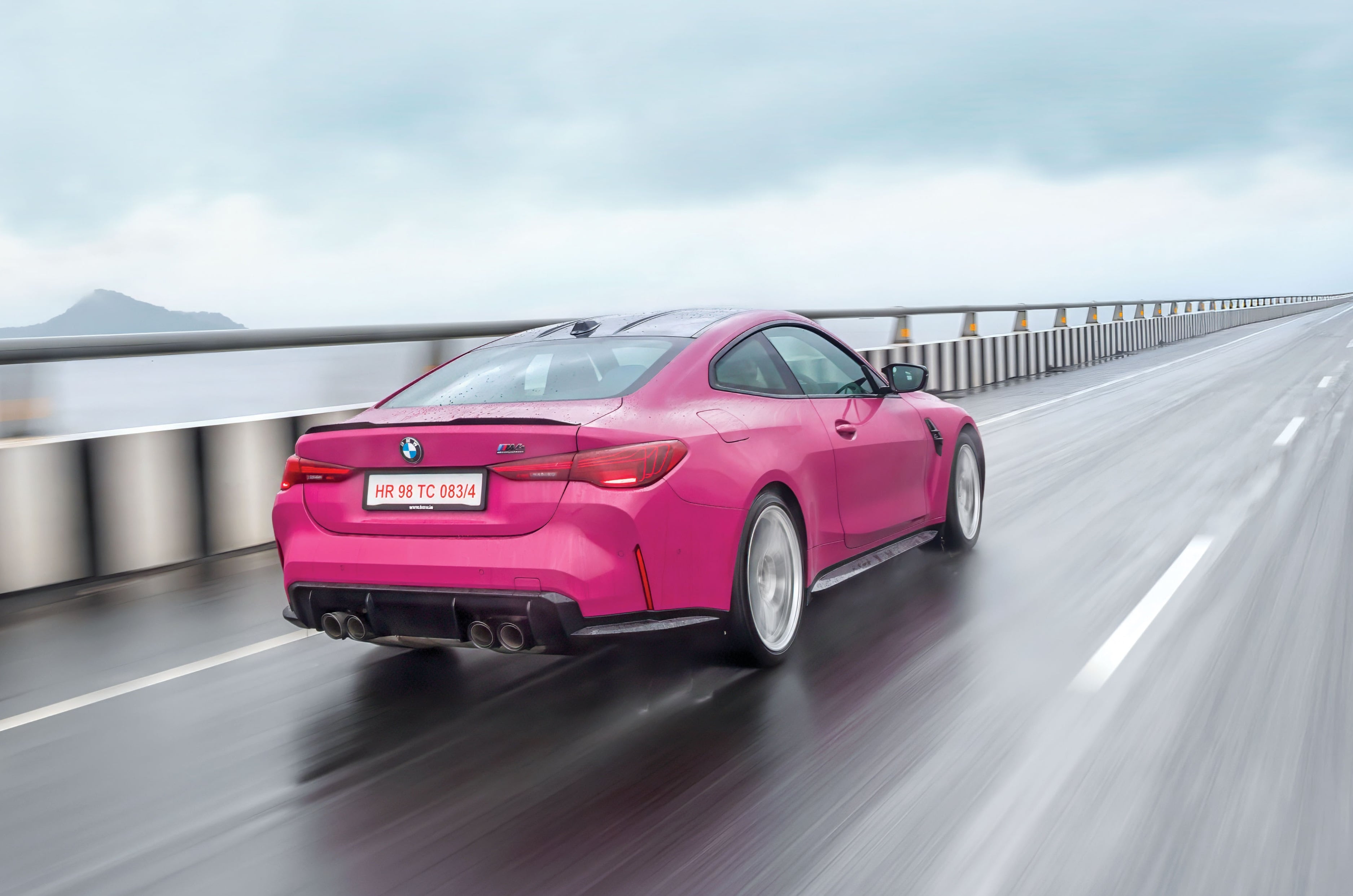
The BMW M4 Competition remains one of those cars that gets people talking before they’ve even heard it start. The enormous kidney grille is still the defining feature, and whether you like it or not, it gives the M4 a face that is impossible to mistake for anything else. The rest of the design is far more cohesive, with a long bonnet, heavily sculpted surfaces, flared wheel arches and a low, wide stance. At the rear, the quad exhausts, bootlip spoiler and prominent diffuser just add more drama to the design.
There’s serious engineering behind the visual drama, too. The M4 gets M-specific suspension hardware and aluminium suspension components, while the near-50:50 weight distribution helps give it the balance expected of an M car. And unlike all previous M3s and M4s, this one gets BMW’s M xDrive all-wheel-drive system, and it rides on staggered 19-inch front and 20-inch rear wheels.
Quad exhausts is an M signature and this LCI also gets beautifully detailed Laser LED taillights.
At 4,801mm long and 1,887mm wide, it’s a substantial car, and at 1,850kg, it’s certainly not light. But BMW has worked hard to keep the mass low and central, like with the use of a carbon-fibre roof, for example.
BMW M4 Competition interior space and comfort – 8/10
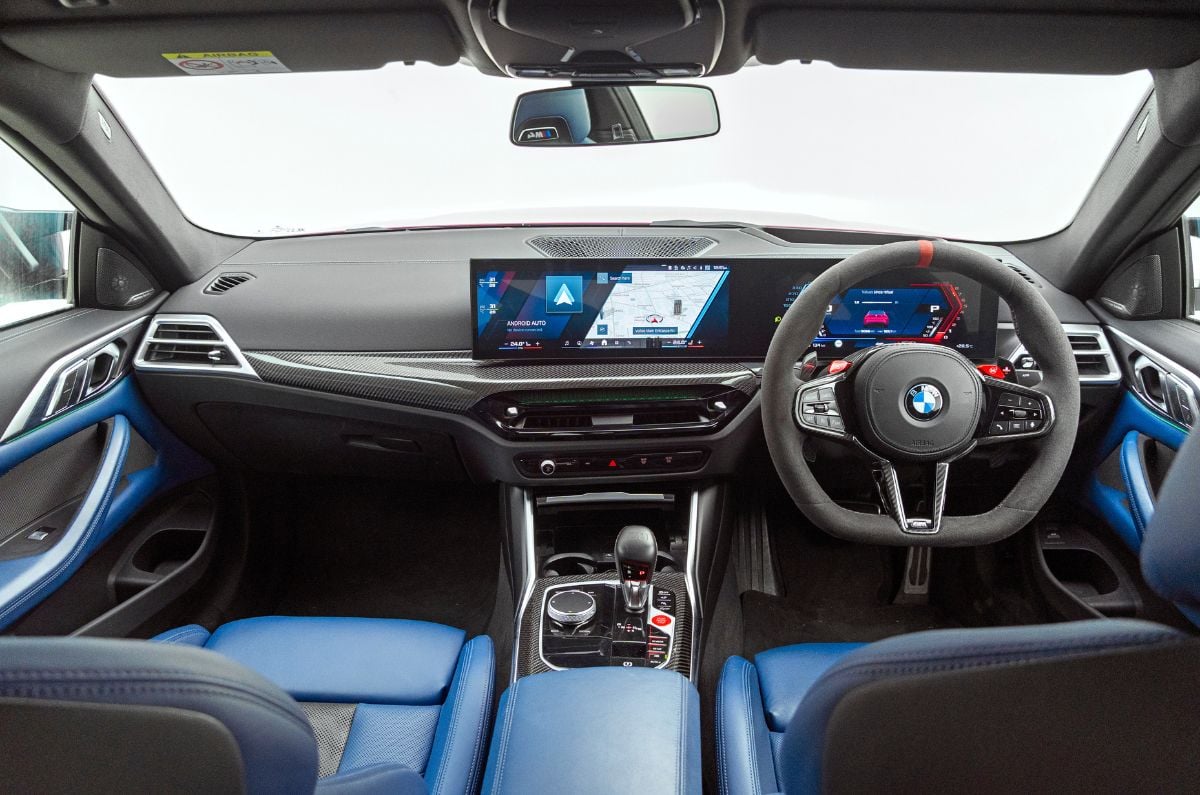
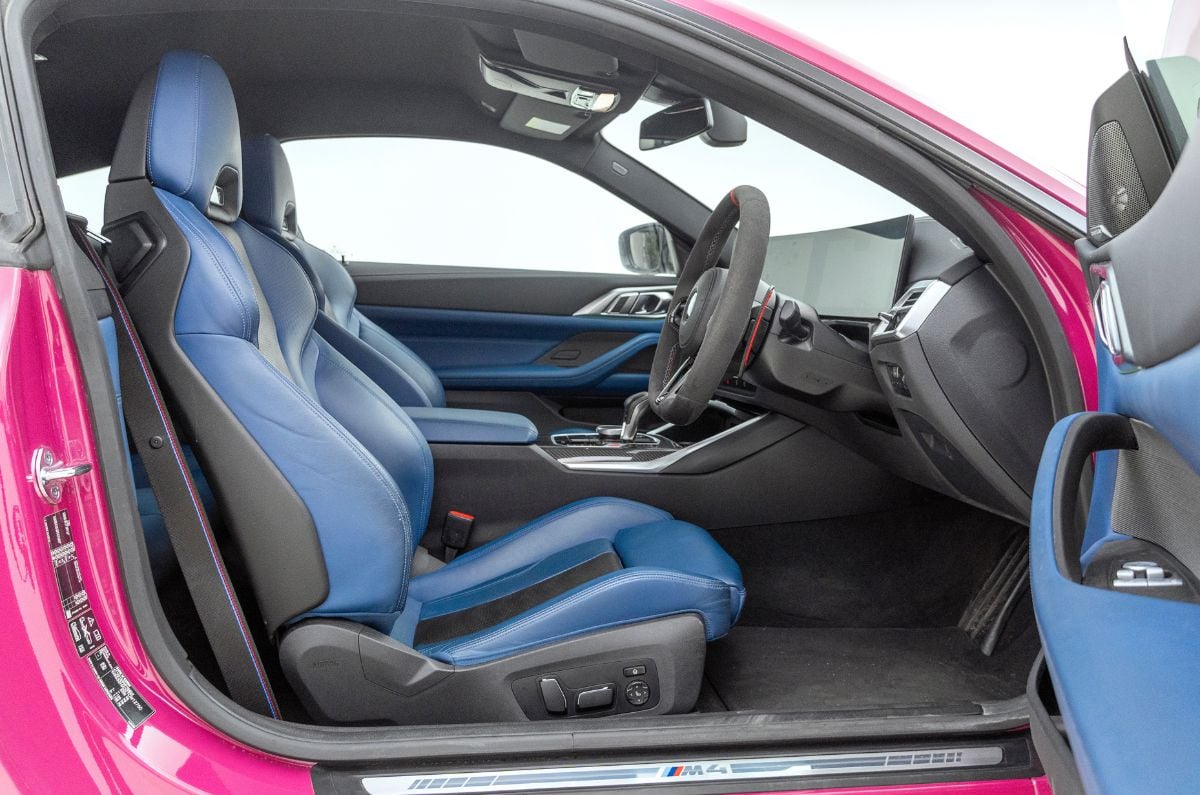
High-quality, driver-focused cabin is a mix of leather, carbon fibre and Alcantara.
The M4’s cabin is a good example of how far modern M cars have moved from being purely performance machines. There’s plenty of everyday usability here, but the driving position still feels special. You sit low, the steering wheel is perfectly positioned, and the large front seats are supportive and comfortable, and hold you securely when you start driving enthusiastically.
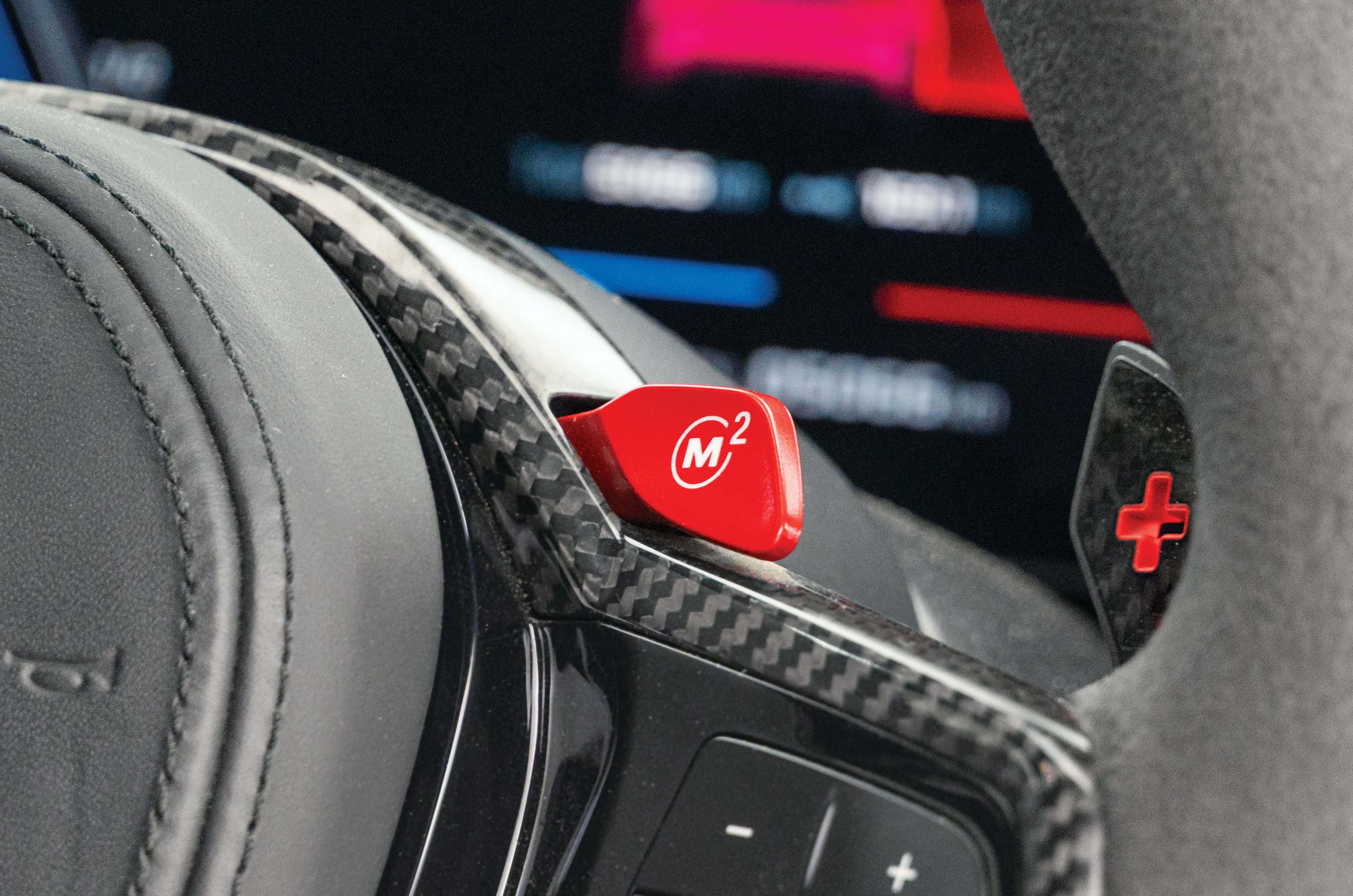
The dashboard follows BMW’s familiar layout, dominated by the curved display, while M-specific details like carbon-fibre trim throughout, M colours on the seatbelts and the red M1 and M2 buttons give the cabin enough visual distinction.
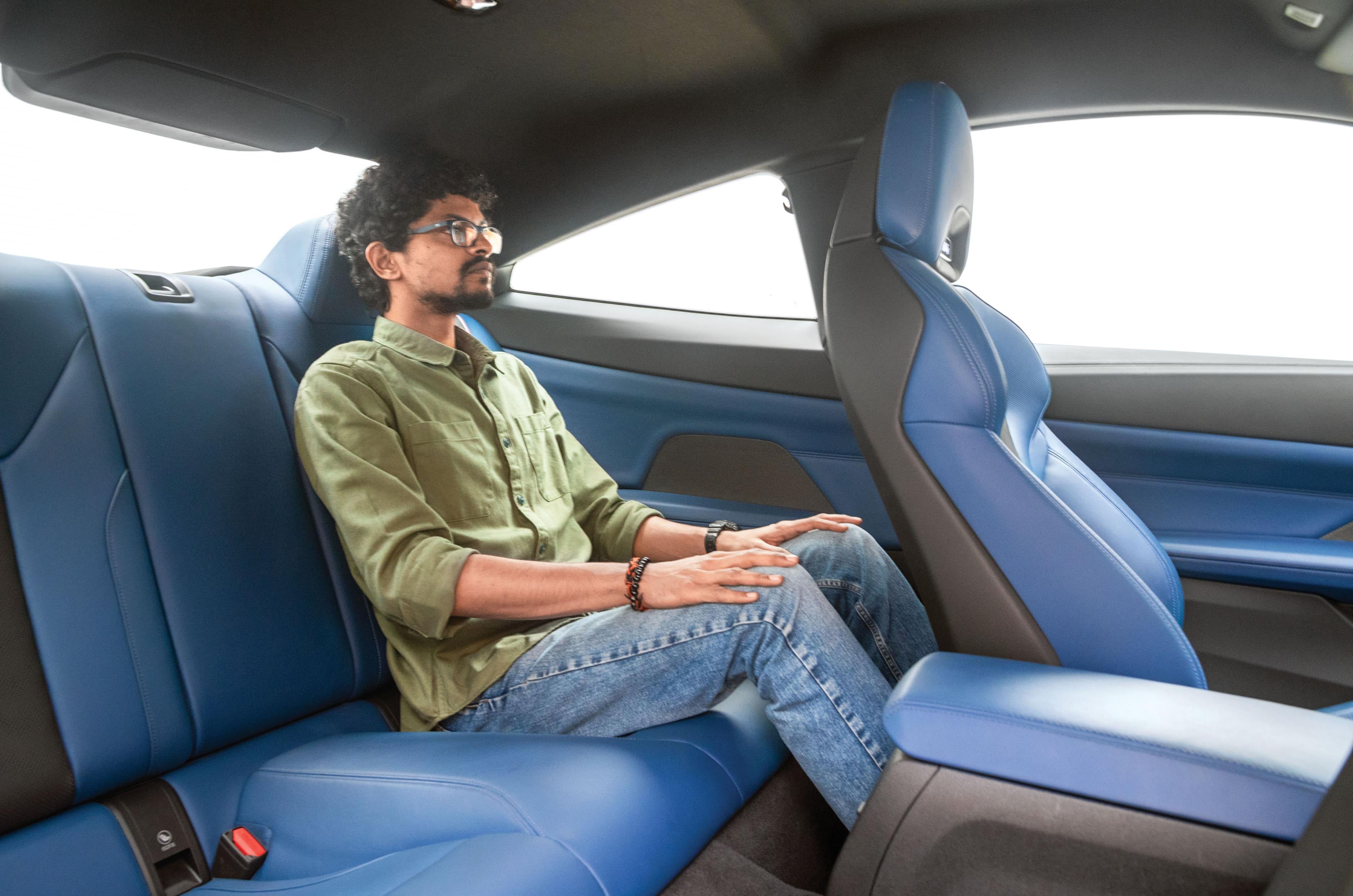
Access to the rear is tricky, though it’s a reasonably spacious place to be.
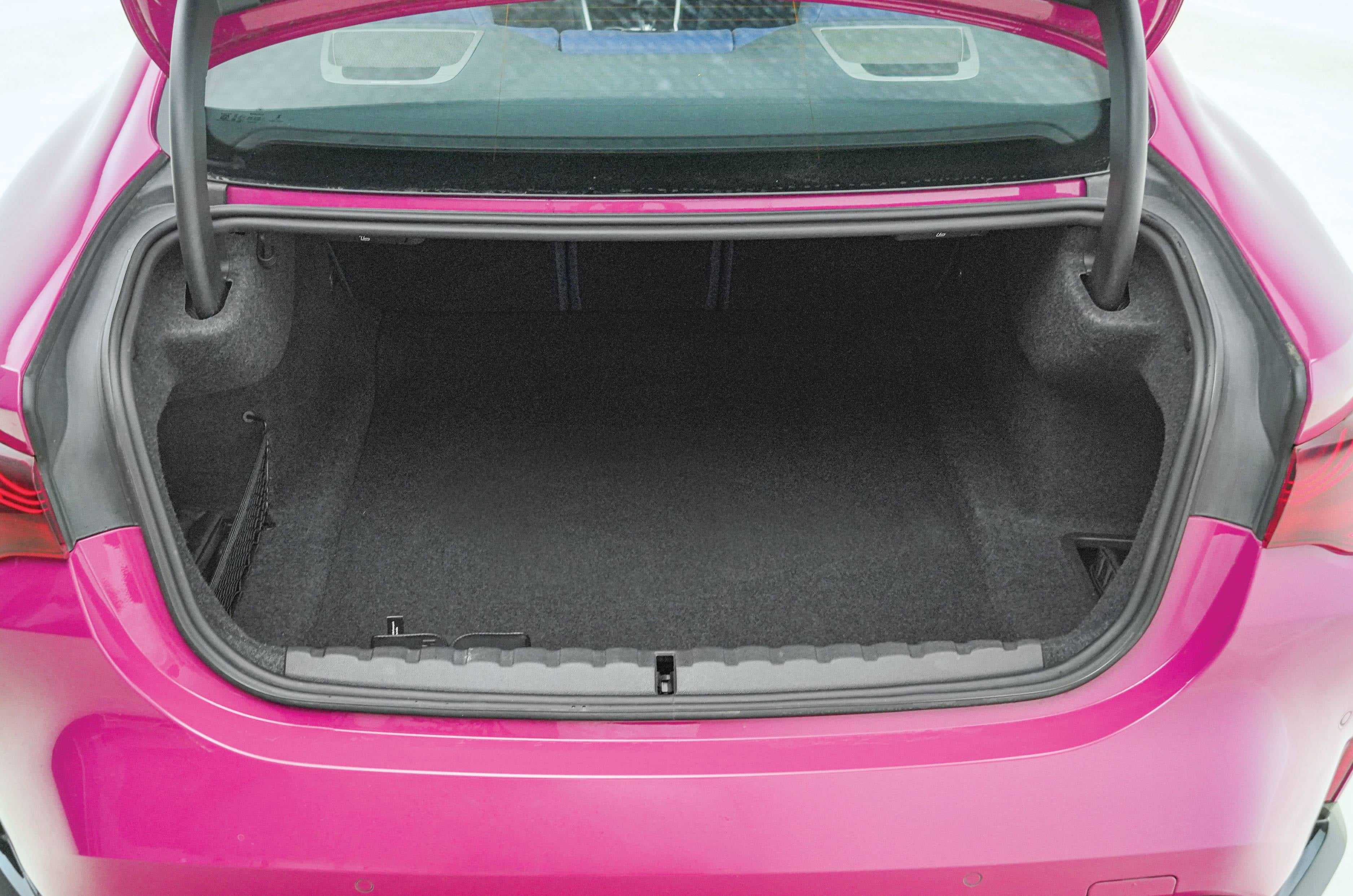
The coupe body does limit rear-seat access and space, but the back seats are still surprisingly usable, and not merely for show. There’s also a 440-litre boot, which means the M4 can manage luggage for a weekend away without too much hassle. That combination of usable cabin room and decent boot space is one of the car’s biggest strengths; very few cars with this level of performance are this practical.
440-litre boot can easily swallow up your luggage for the weekend.
It’s also relatively easy to live with in everyday conditions. The visibility is manageable, the controls are familiar and, at low speeds, the M4 is far more relaxed than its appearance suggests.
BMW M4 Competition features and safety – 8/10
The M4 Competition gets the technology expected of a modern BMW, but the really interesting equipment is the hardware and software designed to make its performance accessible.
M1 and M2 buttons are shortcuts for your preferred, pre-selected drive settings.
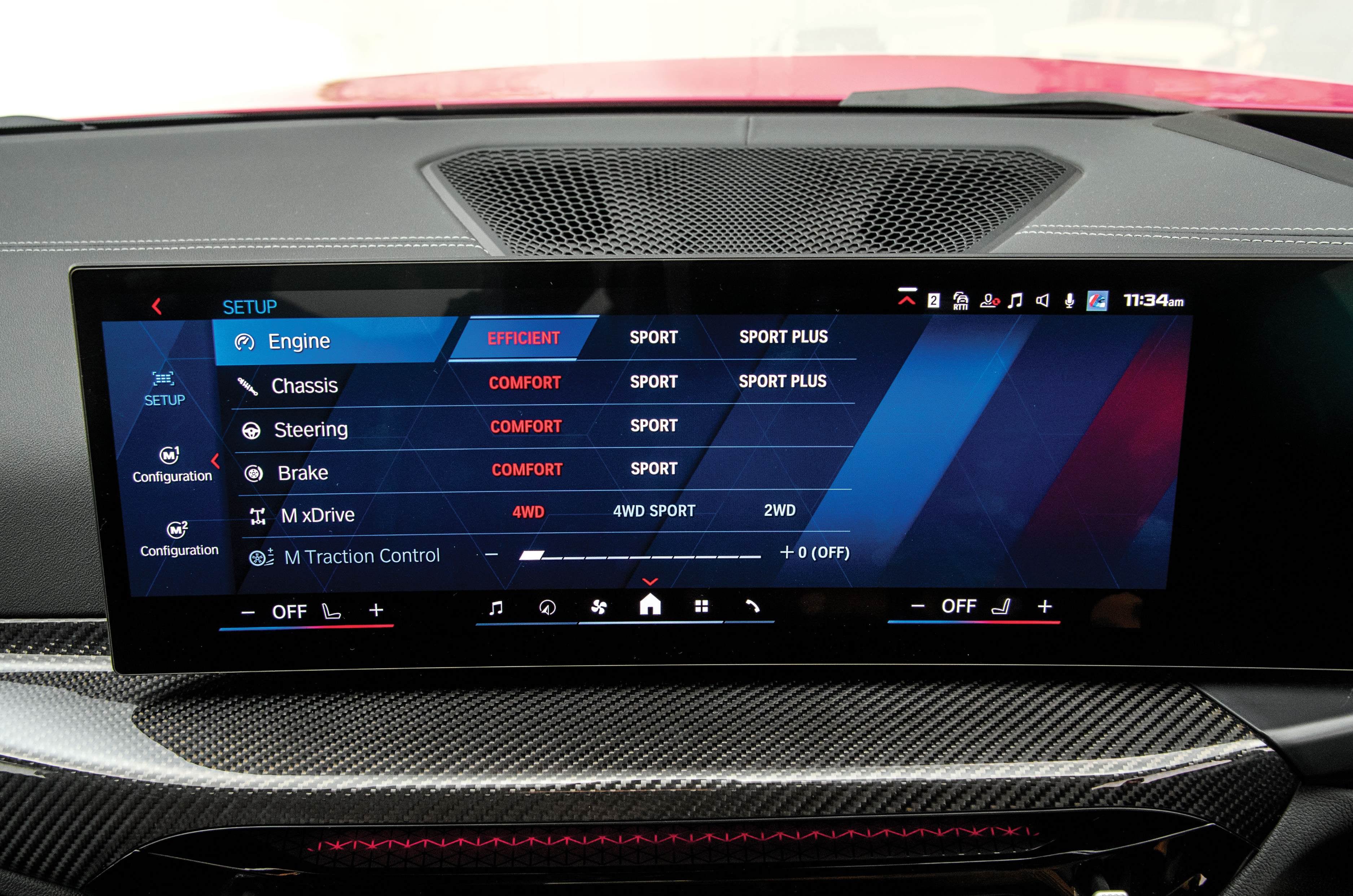
The adaptive M suspension can be adjusted through Comfort, Sport and Sport Plus settings, allowing the car to switch between everyday usability and sharper responses. M Drive lets you save preferred combinations of chassis, steering, engine and transmission settings, and these preferred settings can be designated to the M1 and M2 buttons on the chunky steering wheel.
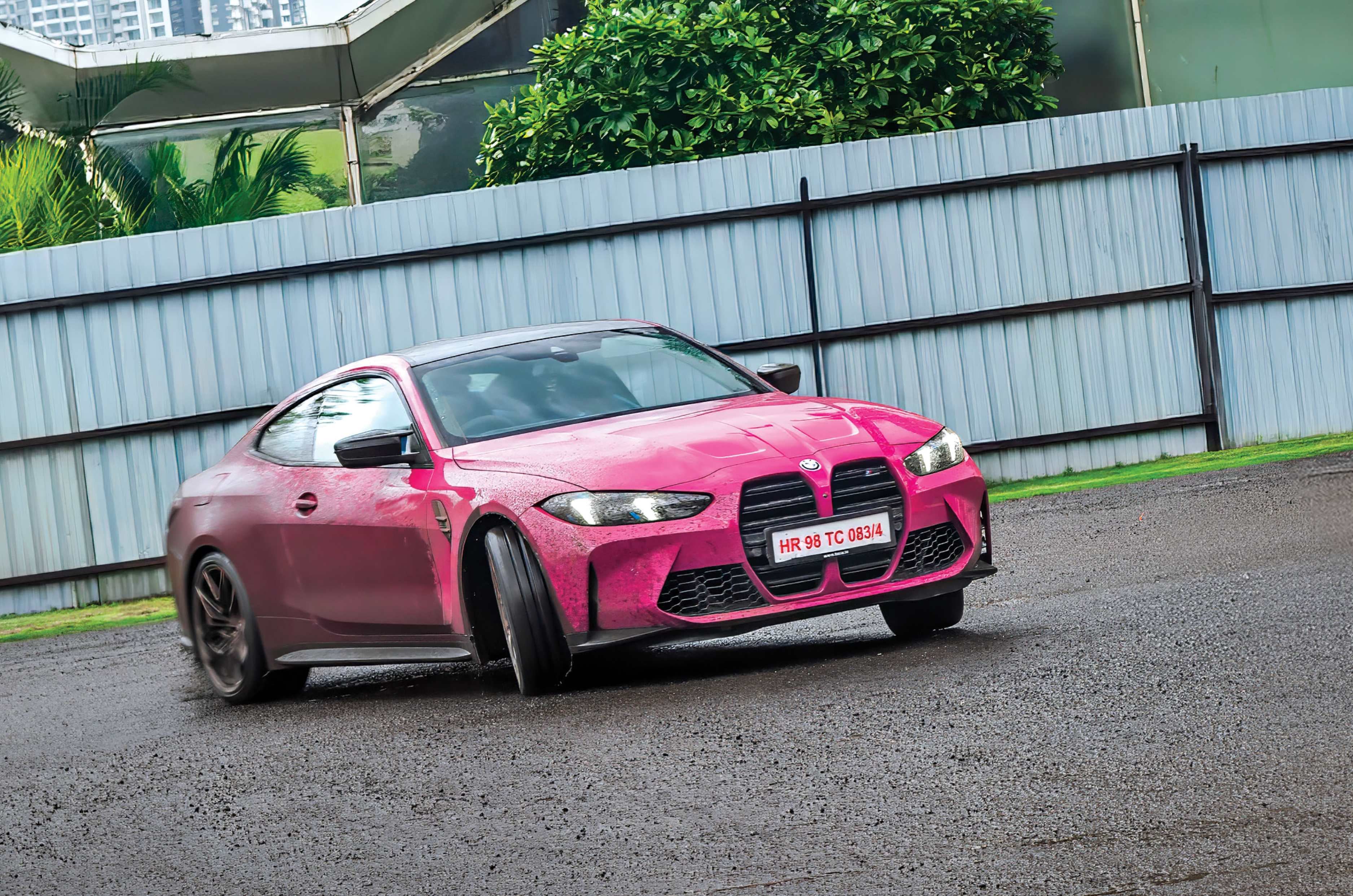
Then there’s the more serious performance tech. The M4 gets a selectable rear-wheel-drive mode, which essentially allows you to turn the all-wheel-drive M4 into a rear-driven machine, while the M Drift Analyser adds another layer of entertainment for those inclined to explore the car’s limits in a controlled environment. While it’s nice to have this level of customisation, some may find configuring it a bit too confusing and overwhelming.
The screen is crisp, but navigating through the sub-menus gets confusing.
And that’s the case with the touchscreen as well. It’s super-crisp, slick to the touch and has M-coloured themes, which look quite cool, but the myriad apps and sub-menus are confusing to operate, to say the least. And that problem is amplified when you’re trying to make adjustments on the move.
Front seats are large, supportive and feature ventilation too.
There’s a three-zone climate control, powered and ventilated front seats, a HUD, a Harman/Kardon sound system, wireless smartphone integration, a wireless charger, a curved display, and so much more. So, the M4 isn’t lacking in the areas that matter for everyday use.
As for safety, there are multiple airbags, ADAS tech, stability and braking systems and electronic assistance systems working in the background, although in a car like this, it’s the multiple drive modes and traction systems that are arguably the more important features.
BMW M4 Competition powertrain and performance – 9/10
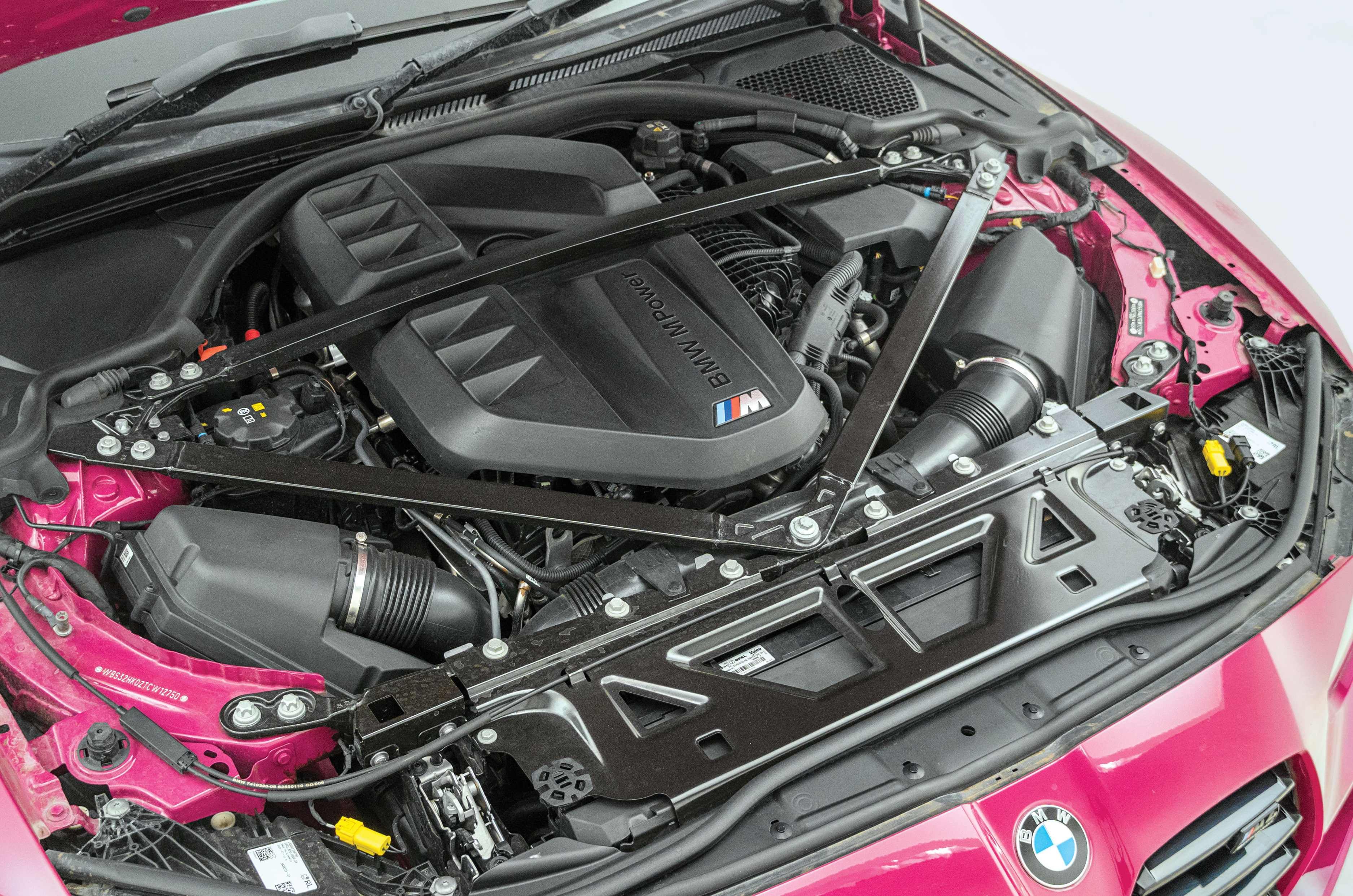
530hp, twin-turbo, straight-six pulls relentlessly and sounds good too.
The M4 Competition’s 3.0-litre twin-turbocharged S58 straight-six is the real star of the show, however. In this form, it develops 530hp and 650Nm and sends power through an 8-speed torque converter automatic to all four wheels, and BMW claims 0-100kph in 3.5sec.
What makes the engine so impressive isn’t just the numbers, but the way it delivers them. There’s almost none of the old-fashioned turbo lag here. Instead, power builds in an almost naturally aspirated fashion, with the engine pulling strongly through the rev range. It’s linear, responsive and keeps pulling hard all the way till the redline.
Be it drifting or touring, the M4 is up for both.
The gearbox is smooth when left to its own devices and can be calibrated to shift much more aggressively when you start driving harder. It can occasionally feel less urgent than you might expect, especially in comparison to the last-gen M4’s DCT, but the sheer performance of the engine means there’s never any shortage of pulling power.
The all-wheel-drive setup also makes it devastatingly effective when you have the space to exploit it, and it doesn’t scare you like the older rear-wheel-drive M4. The best part is that it doesn’t feel like a car that needs to be driven at ten-tenths to be entertaining. More importantly, the M4 doesn’t compromise everyday usability simply because it is so performance-focused. Driven gently, the drivetrain can be remarkably civilised.
The ride is compliant enough to make long distance travel feasible.
There’s also a pleasing authenticity to the engine note. It may not have the theatrical soundtrack of some older M cars, but the straight-six’s sound is sufficiently characterful without relying heavily on artificial enhancement.
BMW M4 Competition fuel efficiency – 6/10
Fuel economy, expectedly, isn’t the M4’s strongest suit, but the 59-litre fuel tank gives it enough range to be usable as a long-distance car, although enthusiastic driving will inevitably bring that figure down considerably.
BMW M4 Competition ride comfort and handling – 8/10
At city speeds, the M4 can be surprisingly subdued. The steering is light, and there’s little indication of the aggression that lies underneath. The ride, though, even with the adaptive dampers set to Comfort, is firm, and sharp bumps do filter through to the cabin.
What’s impressive is how effectively BMW disguises the M4’s 1,850kg mass. It is a heavy car, but it rarely feels unwieldy when you’re attacking a sequence of corners. There is a bit of understeer, but there’s virtually no body roll, making it feel agile. The M4’s grip is immense, and the xDrive system allows you to put down its considerable power remarkably effectively. Yet, it isn’t simply a point-and-shoot machine. The adjustable traction control and rear-wheel-drive mode (or even the semi-lenient ‘AWD Sport’ mode) allow considerably more freedom, revealing the car’s playful side that isn’t immediately apparent in normal driving.
Rear wheel drive mode and adjustable traction settings allow for some proper tail out fun.
The electric power steering isn’t as feelsome as the hydraulic-steering M cars of old, but the accuracy is excellent. The M4 goes precisely where you point it, and the chassis remains composed even when you begin to carry serious speed. It’s decently capable at dealing with speed breakers too, as long as you take them slow and the large ones at an angle. Road noise, however, does become apparent at higher speeds over concrete surfaces.
The M4 really has a dual personality. Around town, it can be relaxed and relatively easy to live with; on an open road, it becomes seriously fast and agile. The ride is not plush or comfy, but it is compliant enough to make long-distance driving feasible.
BMW M4 Competition value for money and verdict – 8/10
As far as fast, versatile coupes go, there’s few better than the M4 Competition.
At Rs 1.60 crore (ex-showroom, before options), the M4 Competition is a difficult car to categorise, with no real direct rivals, and that is precisely why it works so well. It has the performance to keep up with exotic sports cars, yet it retains usable rear seats, a decent boot, and it is easy enough to be driven every day.
The polarising styling remains subjective, the ride quality is stiff and the infotainment interface is unintuitive. But once you find an open road, those shortcomings simply melt away. What you’re left with is a very capable all-rounder. The 530hp straight-six provides devastating performance without being difficult to manage, the all-wheel-drive system provides great traction and a useful safety net, and it has enough adjustability to keep even the most experienced driver entertained. Fast, practical, hugely capable and remarkably usable, that versatility is ultimately what makes the M4 Competition such a compelling performance car.