SCOOP: BYD’s Denza to launch 1000hp+ Z9 GT in India

SCOOP: BYD's Denza to launch 1000hp+ Z9 GT in India
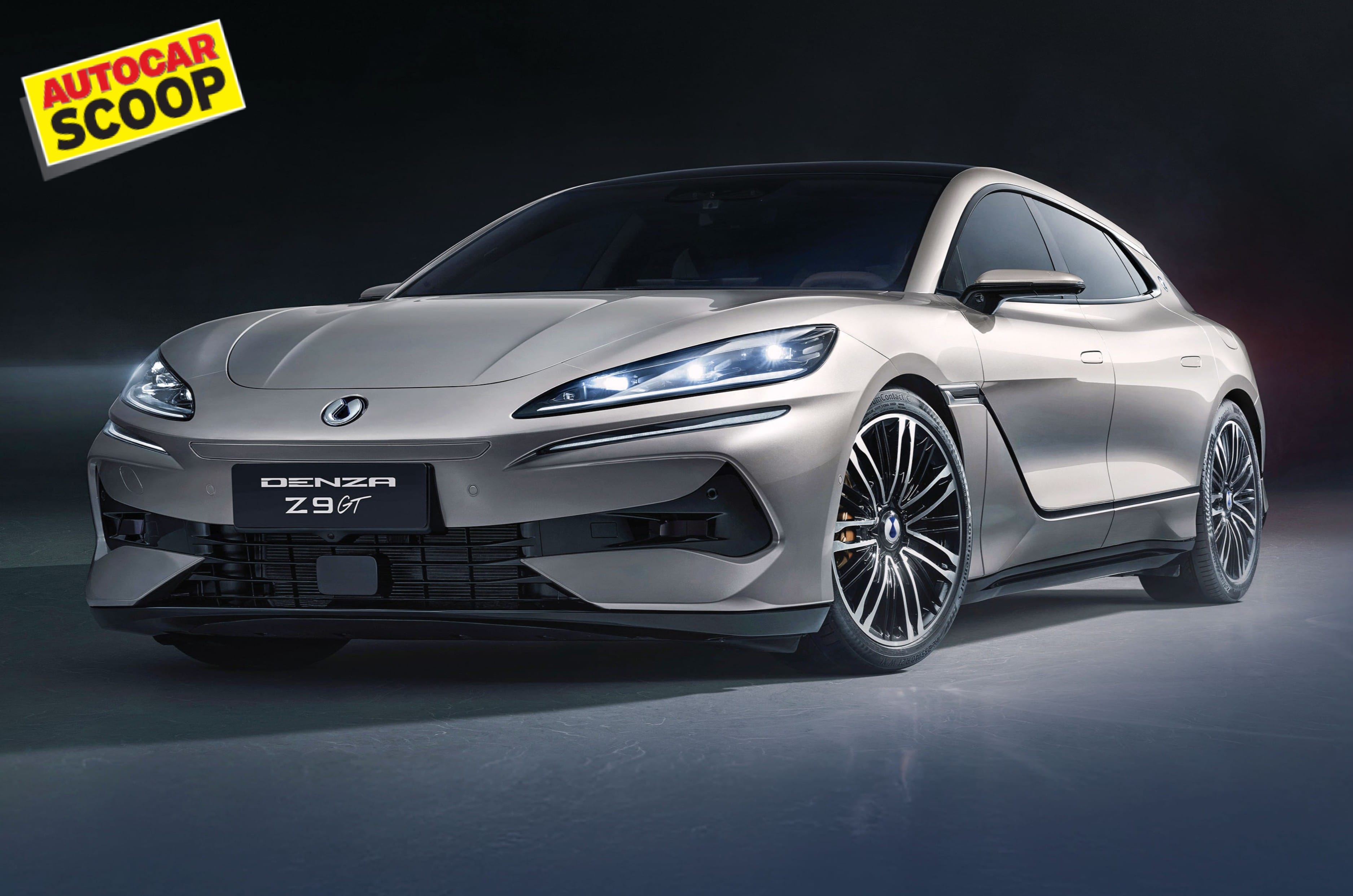
Denza Z9 GT front quarter static

It’s not every day that a new brand enters the Indian market, but by the end of this year, we’ll have two – JSW and Denza. Last month, we exclusively reported on Denza’s intention to enter India, and now we bring you all the additional juicy details.

A little bit about the brand first. Founded in May 2010 as a joint venture between BYD and Daimler AG (now Mercedes-Benz Group AG), the company announced its brand name ‘Denza’ two years later. Mercedes has since exited the partnership, and in 2022, BYD repositioned the brand and is generally concentrating its efforts at the higher end of the market. 

In India, Denza will be positioned above BYD’s existing portfolio, with products at around Rs 80 lakh and above, while BYD will occupy the Rs 20 to Rs 80 lakh space. Leading Denza’s charge will be two models, the  Z9 GT high-performance fastback and the D9 luxury MPV. Both will be brought in as completely built-up units.

Denza Z9 GT: Enormously powerful yet practical fastback
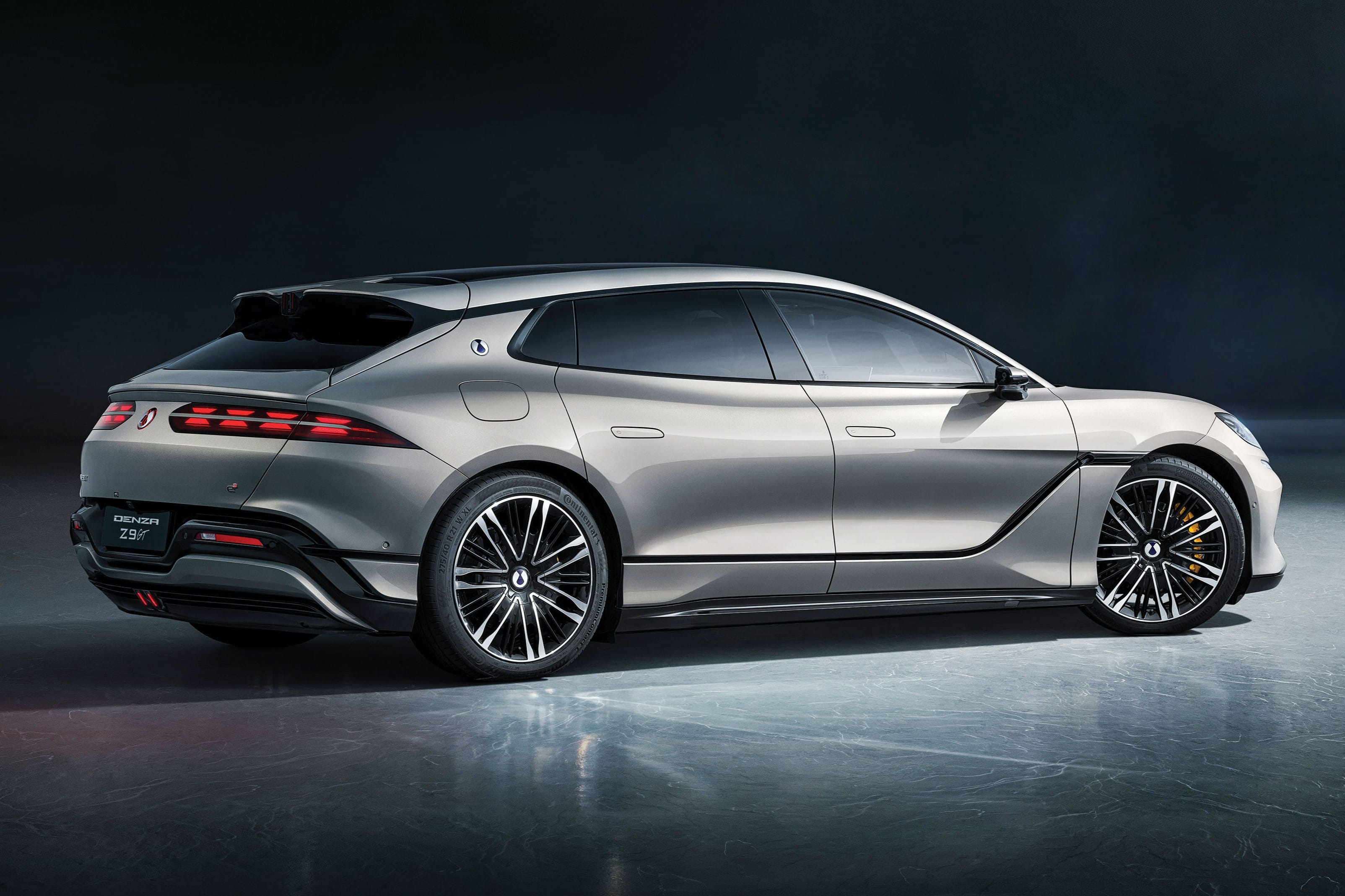
The Z9 GT is Denza’s take on a fastback or, as the company puts it, a shooting brake with four-door practicality. It has both EV and PHEV options globally, but for India, we’ll get just the electric version, and its numbers are staggering. It weighs 2.9 tonnes, puts out a colossal 1,156hp from three electric motors (one at the front and two at the rear),  that propel it from 0-100kph in 2.7sec and on to a top speed of 270kph. The only modest number is the range, which stands at 600km on the combined WLTP cycle. Charging, though, is super quick, with the company’s 1,500kW Flash ultra-fast charging that can take the GT’s 122.5kWh battery from 10 to 97 percent in just nine minutes. It stops at 97 percent to preserve the life of the battery. Expect to pay premium pricing for this level of performance, though; the GT would retail in India somewhere in the Rs 1.2 to 1.5 crore mark.
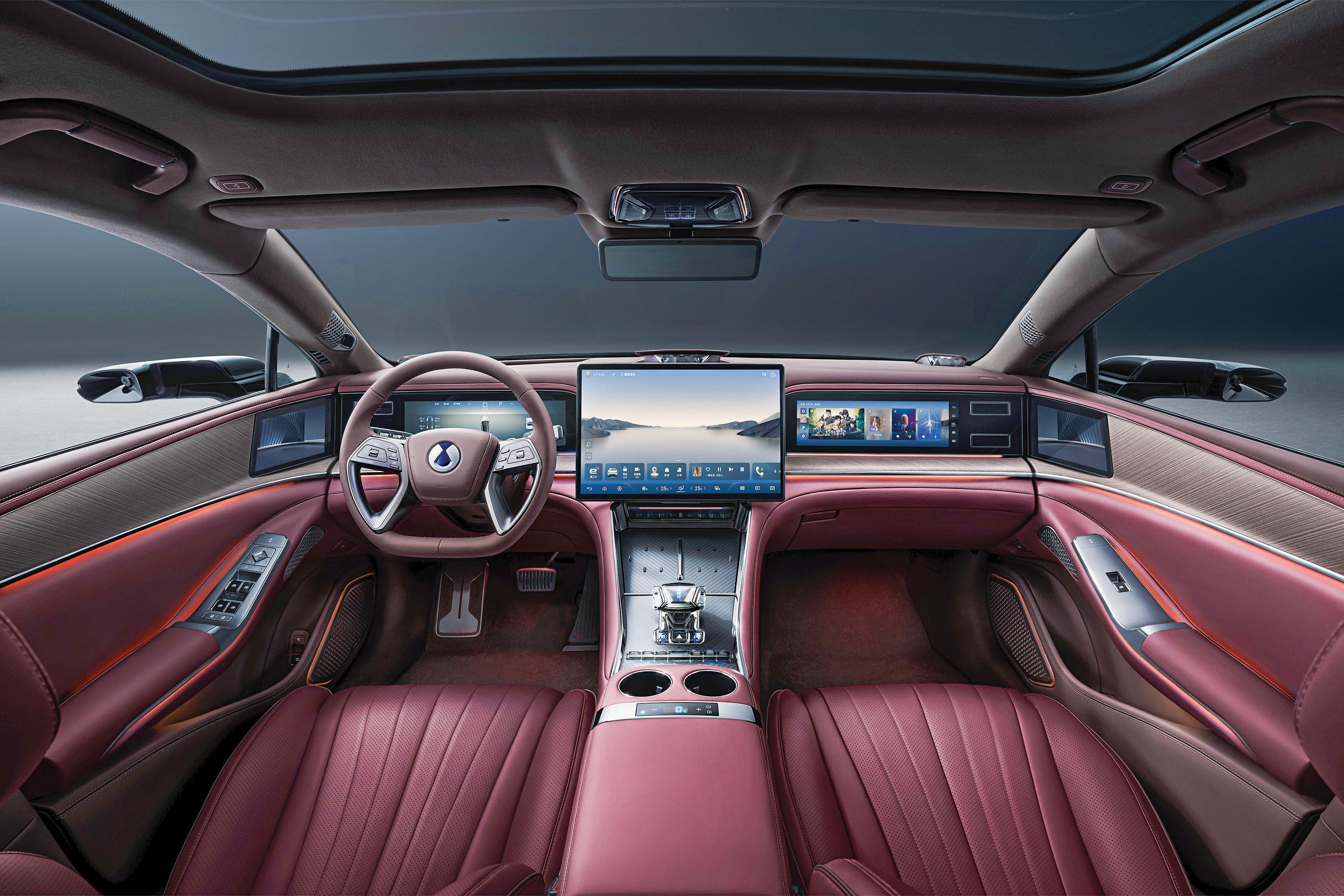
Five screens dominate dash; flank screens are for outside rear-view camera feed.

Here too, there’s a cell-to-body construction that integrates the blade cells directly into the vehicle structure, plus rear-wheel steering with a sideways crab-crawl ability, buttons to open and close power doors and, of course, Level 2+ ADAS. Inside, the GT seats five and pampers the four outer passengers with adjustable under-thigh support, heating, cooling, and massage functions, and the rear seats also recline. As with so many EVs today, the dashboard is dominated by screens, five in total, with two on the flanks for the outside rear-view ‘mirror’ camera feed.

Denza D9: Vellfire Challenger
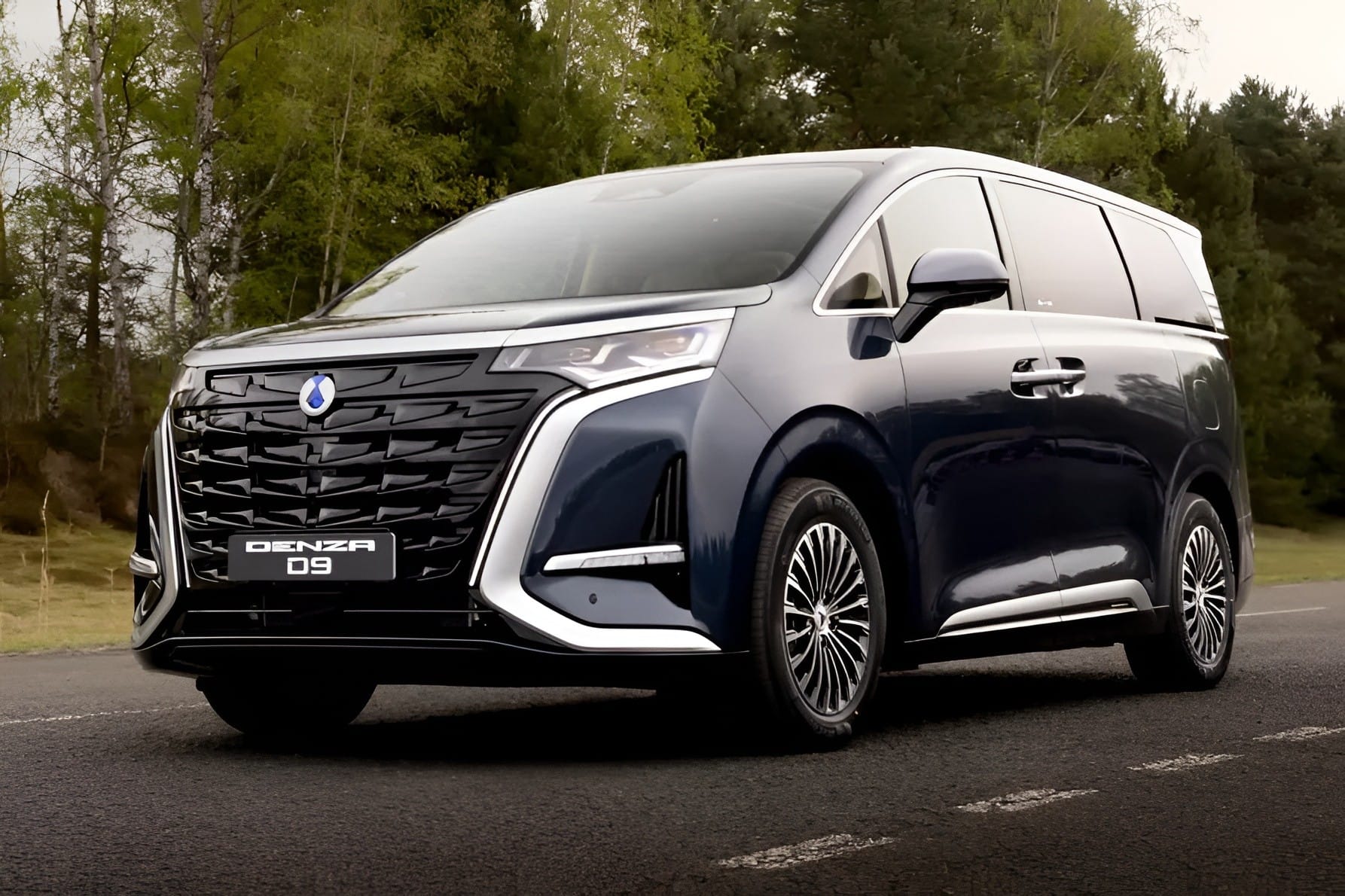
The D9 MPV is available with electric or plug-in hybrid power globally too. For India, it’s the EV that will arrive, and in front-wheel-drive form. Expect prices at around the Rs 80 lakh mark, positioning the D9 above the MG M9 but below the Toyota Vellfire.

Power stands at 313hp and 360Nm of torque, and it’s fed by a 103kWh blade cell battery. Claimed range is 520km on the combined WLTP cycle, while charging speed peaks at 200kW on a DC fast charger. 

The seating configuration is 2+2+3 with the centre captain seats offering full power adjustment, heating, ventilation and massagers, along with armrest-integrated control pads. Middle-row occupants also enjoy fold-out tables and extendable leg-rests. Other creature comforts include a three-zone climate control, premium Dynaudio sound system and full leather upholstery. 
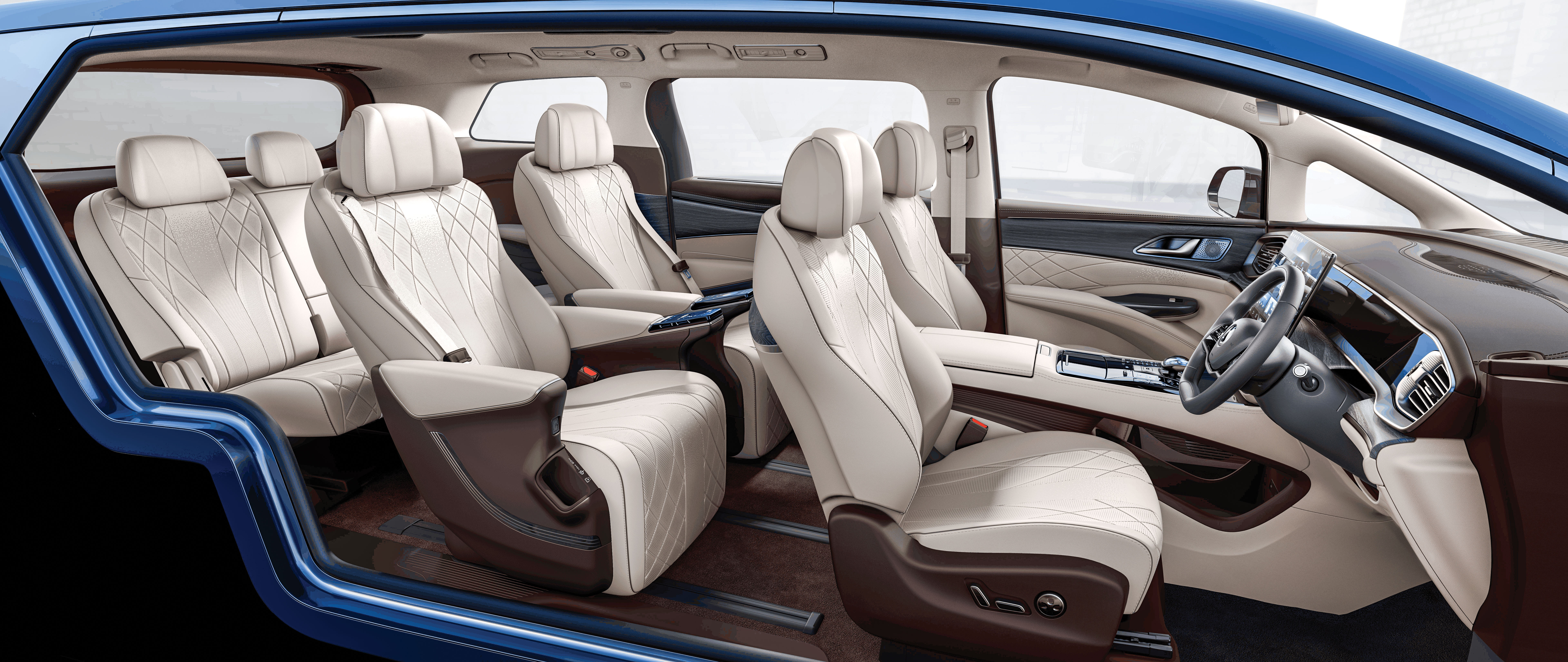
Middle row the place to be with fully powered individual loungers that feature heating, ventilation, massagers, leg rests, and a fold-out table.

The D9 also features BYD’s cell-to-body construction that helps reduce weight and increase body rigidity. The luxury MPV also comes with an active body control system that, the company says, eliminates fore-aft pitching motion to keep the cabin flat during “nose-up” acceleration and “nose-down” braking forces. 

Where does Denza fit in India’s automotive landscape?

The name Denza is an invented one and loosely translates to ‘rising power’ or ‘gathering momentum’, and that is what BYD will be hoping for in India. Hamstrung by the Indian government’s restrictions around Chinese investments, BYD – the world’s largest EV manufacturer – has not been able to grow. Its proposed $1 billion investment, along with a local partner, to scale up its small semi-knocked-down (SKD) plant in Tamil Nadu has been slowed by Press Note 3 – a 2020 policy that requires foreign investments from countries sharing a land border with India to get prior state approval. 

Thus, given the limited playing field it’s been put into, getting into niches like luxury MPVs is a smart move from BYD. The segment accounts for about 2,000 units a year and is seeing rising customer interest and growth, attracting players like the Toyota Vellfire, the Lexus LM and Mercedes V-Class. The D9, then, has competitors to contend with, while the Z9 GT sits in a smaller niche, with just the Porsche Taycan as a similar rival. It’s likely to sell fewer numbers but will serve as a technology showcase and a brand shaper. 

Interestingly, Denza will be retailed through exclusive showrooms separate from BYD. This may seem odd given the limited volumes, at least in the short term, but our sources tell us the company wants to provide Denza customers with a highly personalised shopping experience. The premium positioning will limit its network to larger cities; launch likely to be in the Delhi-NCR and Mumbai regions only. For BYD, though, it plans to scale up, thus keeping the two brands separated allow each to focus on their distinct goals. 

So far, BYD India has managed a decent start and enjoys an awareness much higher than its actual market volume, enviable for a new brand. That’s all thanks to products that deliver consistently, with innovative tech like the famed blade cells. For Denza, though, the company also needs to build a high level of desirability, because at the upper end of the luxury spectrum, badge value accounts for nearly as much as, if not more than, engineering prowess itself, and that is what the company seems to be setting out to do. 
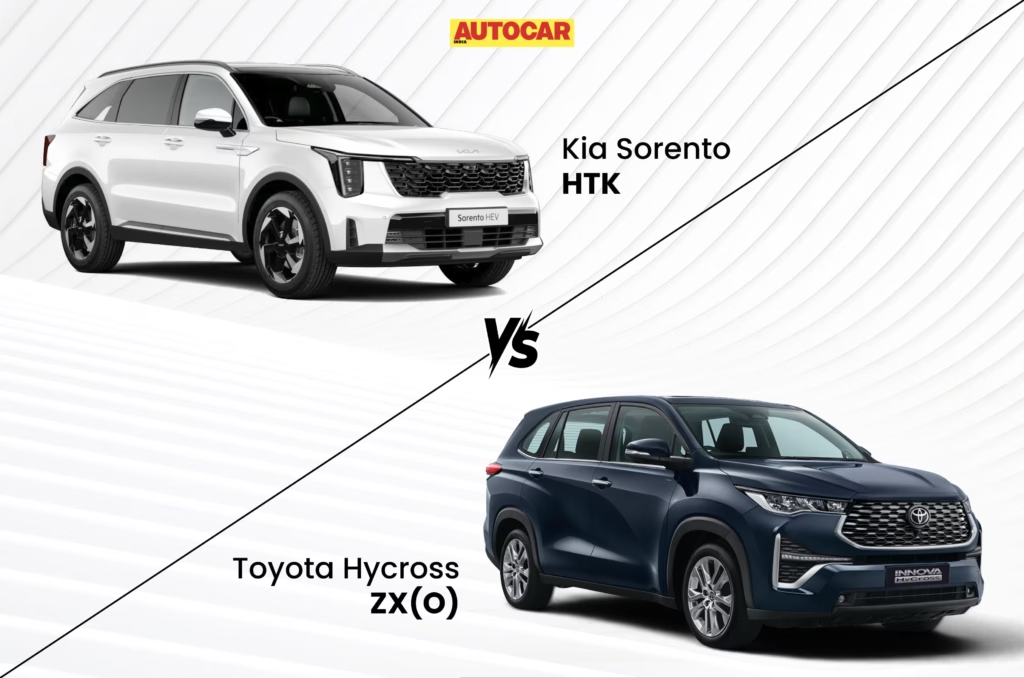
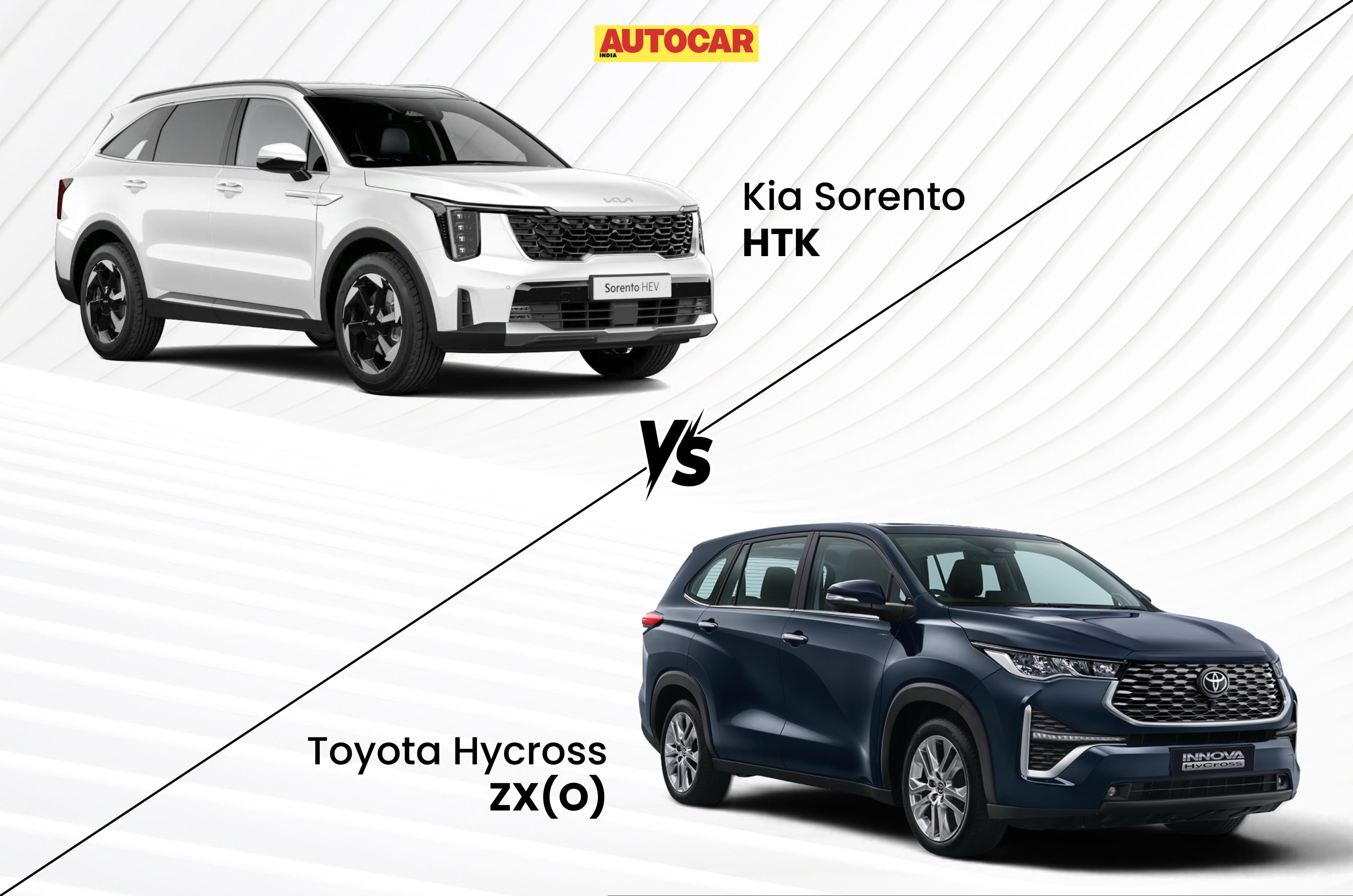
Kia Sorento HTK vs Toyota Innova Hycross ZX(O): Which one offers better value?

Kia Sorento HTK vs Toyota Innova Hycross ZX(O): Which one offers better value?
Kia Sorento HTK vs Toyota Innova Hycross ZX(O) specs and features compared

While the Kia Sorento is a direct rival to premium three-row SUVs such as the Volkswagen Tayron and Skoda Kodiaq, it can also be viewed as an indirect competitor to the Toyota Innova Hycross – both are three-row strong hybrids that somewhat overlap in price. Specifically, if you are looking to buy the top-spec Innova Hycross ZX(O) Hybrid, a relatively small budget extension will also put the mid-spec Sorento HTK Hybrid within your reach. Below, we’ve compared everything these Sorento and Innova Hycross variants offer to help you decide which one you should pull the trigger on.

Kia Sorento HTK vs Toyota Innova Hycross ZX(O): Dimensions

Sorento is longer overall and wider, Hycross offers longer wheelbase


Sorento HTK Hybrid

Innova Hycross ZX(O) Hybrid

Length (mm)

4,815

4,755

Width (mm)

1,900

1,850

Height (mm)

1,785

1,790

Wheelbase (mm)

2,815

2,850

Seating capacity

6/7

7

Wheel size (inches)

19

18

Among the key exterior distinctions between these two is that the Sorento is an SUV, and the Innova Hycross is an MPV. The Sorento is a good 60mm longer than the Innova Hycross overall, but the latter interestingly has a 35mm advantage on the wheelbase front. Height is also a narrow victory for the Innova Hycross, but the Sorento wins when it comes to width and alloy wheel size. The Kia SUV even offers a 6-seat layout but for a premium of Rs 20,000.

Kia Sorento HTK vs Toyota Innova Hycross ZX(O): Powertrains

Sorento has a smaller engine but makes much more torque


Sorento HTK Hybrid

Innova Hycross ZX(O) Hybrid

Engine

1.6-litre turbo-petrol

2.0-litre petrol

Cylinder count

4

4

Engine power (hp)

180

–

Engine torque (Nm)

265

191

Motor power (hp)

65

–

Motor torque (Nm)

264

206

Combined power (hp)

–

184

Gearbox

6-speed AT

e-CVT

Fuel tank capacity

67

52

As noted previously, both the Sorento and Innova Hycross are powered by strong hybrid setups. However, the Sorento gets a smaller direct-injection turbo-petrol engine, while the Innova Hycross gets a larger naturally aspirated mill. The Sorento’s torque figures are higher than those of the Innova Hycross, and the Toyota MPV’s combined power output is also not much higher than the Kia SUV’s engine output. Their gearboxes are quite different too, with the Sorento using a 6-speed torque converter, and the Innova Hycross an e-CVT. Lastly, the Sorento has a substantially larger fuel tank as well.

Kia Sorento HTK vs Toyota Innova Hycross ZX(O): Exterior features

Sorento gets sequential indicators and roof rails over Hycross


Sorento HTK Hybrid

Innova Hycross ZX(O) Hybrid

Auto LED headlamps

Yes

Yes

LED DRLs

Yes

Yes

Front fog lamps

Yes

Yes

LED tail-lamps

Yes

Yes

Sequential indicators

Yes

No

Roof rails

Yes

No

Powered ORVMs

Yes

Yes

Powered tailgate

Yes

Yes

Shark-fin antenna

Yes

Yes

Rear spoiler

Yes

Yes

Colour options

7, monotone

6, monotone

The Sorento and Innova Hycross are quite evenly matched in terms of functional features, with the Toyota missing out only on roof rails and sequential indicators. Exterior colours are again a win for the Sorento, as it offers one extra option over the Innova Hycross.

Kia Sorento HTK vs Toyota Innova Hycross ZX(O): Interior features

Sorento fares better on tech, but Hycross has a few aces up its sleeve


Sorento HTK Hybrid

Innova Hycross ZX(O) Hybrid

Infotainment screen

12.3-inch

10.1-inch

Instrument cluster

12.3-inch

Analogue with MID

Panoramic sunroof

Yes

Yes

Wireless charger

Yes

Yes

Powered front seats

Yes

Driver only

Ventilated front seats

Yes

Yes

Dual-zone climate control

Yes

Yes

Ambient lighting

64-colour

Blue only

Sound system

12-speaker Bose

9-speaker JBL

Apple CarPlay and Android Auto

Wireless

Wireless

Cabin air purifier

No

Yes

Connected car tech

Yes

Yes

Rear window sunshade

No

Yes

Rear centre armrest

Yes

Yes

Sliding, reclining rear seats

Yes

Yes

Rear-seat leg rests

No

Yes, powered

The Sorento is a step above the Innova Hycross when looking at nice-to-have features, such as a bigger touchscreen, a digital driver’s display, configurable ambient lighting, more speakers, a powered co-driver’s seat and more. However, the Innova Hycross holds its own on the comfort and convenience front, courtesy of goodies such as a rear window sunshade, a cabin air purifier, and powered leg rests for the second row.

Kia Sorento HTK vs Toyota Innova Hycross ZX(O): Driving features

Hycross offers adaptive cruise control


Sorento HTK Hybrid

Innova Hycross ZX(O) Hybrid

Drive modes

3

3

Acoustic vehicle alert system

Yes

Yes

Paddleshifters

Yes

Yes

Cruise control

Yes

Adaptive

Both hybrids are almost identical when it comes to driving features, but the Innova Hycross edges ahead thanks to adaptive cruise control, which can automatically adjust the car’s speed based on its proximity to the vehicle in front, making it superior to the Sorento’s standard cruise control system.

Kia Sorento HTK vs Toyota Innova Hycross ZX(O): Safety features

Sorento has 7 airbags and side sensors, while Hycross gets Level 2 ADAS


Sorento HTK Hybrid

Innova Hycross ZX(O) Hybrid

Level 2 ADAS

No

Yes

Airbags

7

6

ABS with EBD

Yes

Yes

ESC

Yes

Yes

Hill-hold control

Yes

Yes

TPMS

Yes

Yes

360-degree camera

Yes

Yes

Parking sensors

Front, rear, side

Front, rear

Electronic parking brake

Yes

Yes

Rain-sensing wipers

Yes

No

Rear wiper, defogger

Yes

Yes

Isofix child-seat anchors

Yes

Yes

Disc brakes

Front, rear

Front, rear

In its top-spec form, the Innova Hycross offers Level 2 ADAS, which the mid-spec Sorento lacks. ADAS can make highway cruising much easier, so buyers who frequently head out of the city will likely appreciate the Toyota more in this regard. The Sorento, on the other hand, offers a driver knee airbag and side parking sensors; the latter can make manoeuvrability much easier in the city.

Kia Sorento HTK vs Toyota Innova Hycross ZX(O): Prices

Hycross is Rs 2.15 lakh more affordable


Sorento HTK Hybrid 7S

Innova Hycross ZX(O) Hybrid 7S

Price (in Rs lakh)

33.99

31.84

The Sorento HTK Hybrid 7-seater commands a premium of Rs 2.15 lakh over the Innova Hycross ZX(O) Hybrid 7-seater. Some prospective buyers may find the price difference steep, but the Sorento makes it worthwhile if you want a more tech-laden and premium-looking cabin, as well as better performance. The Innova Hycross, on the other hand, packs a lot of comfort and convenience features that may interest buyers who are chauffeur-driven or frequently ferry around their families.

All prices are ex-showroom, India.

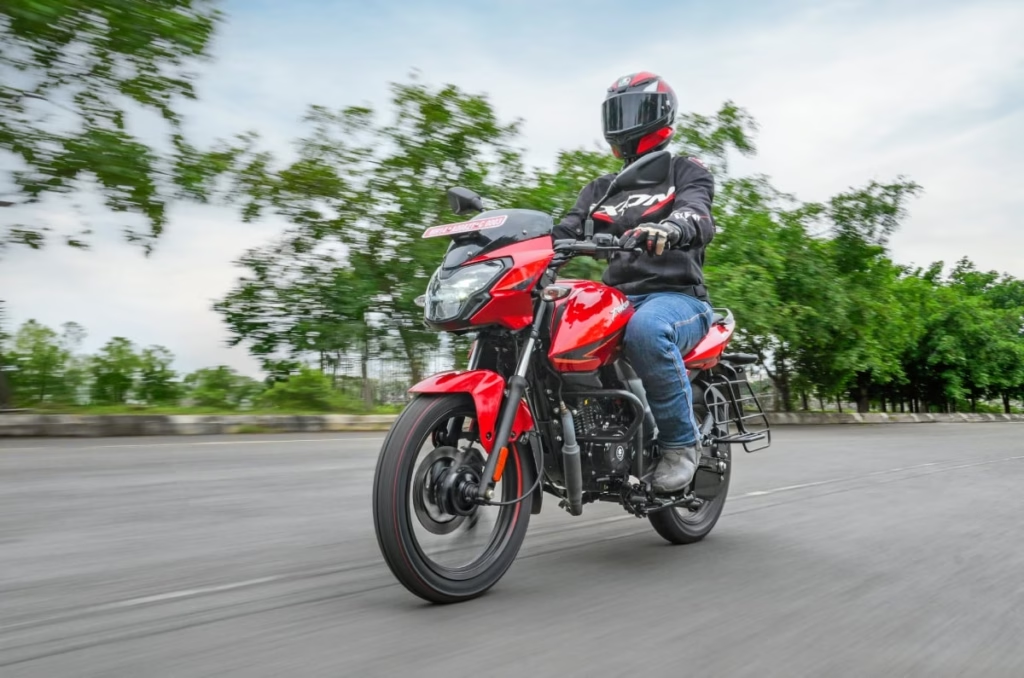
Bajaj Pulsar 150 review: Familiar yet very different

 Bajaj Pulsar 150 review: Familiar yet very different

When the first Bajaj Pulsar 150 broke onto the scene in 2001, it shattered the mould of what was expected of an accessible yet sporty commuter motorcycle. This recipe saw such widespread success that nothing Bajaj brought out since has been able to replace it. Therefore, the company went back to the drawing board and has now brought out a new generation of Classic Pulsars, spearheaded by the 125 and 150. In this review, we’ll share what the larger one was like to ride. 

Bajaj Pulsar 150: What’s changed compared to before?

From the mechanicals to the tech, it is all-new

To start with, gone are the double-cradle frame and twin shock absorbers, replaced by a lighter and stiffer diamond frame and monoshock, respectively. Complementing the new chassis is a brand new motor. This engine started life as an engine from a similar displacement N model, but Bajaj has made certain changes to suit this application. The state of tune, various internals and the exhaust system are all different over here. 

The Pulsar 150, understandably, has the sprightlier performance of the two.
Unlike before, the motor is now used as a stressed member of the chassis, and Bajaj has also peppered in the learnings it has made from the N range. For starters, the gearbox now has shorter, more tractable ratios, and there’s also a low rpm assist function, which raises engine rpm slightly to reduce stalling when you’re crawling at a higher gear at low speeds. Furthermore, higher variants of the 150 also come equipped with an Integrated Starter Generator (ISG), which brings in silent start and a reasonably quick start/stop system. 
Pulsar 150 design and quality – 8/10

Looks uncannily similar to the older bike; feels very similar to sit on, too

Considering how much has changed underneath, it’s especially commendable that the Pulsar 150 looks this similar to before. Bajaj’s design team has deliberately gone to great lengths to package everything neatly and retain the bike’s instantly recognisable silhouette. Pulsar hallmarks that people appreciate, like a ‘wolf eye’ headlight, a chunky tank, sharp tank extensions and a pointy tail, all continue, and you won’t be mistaking it for anything other than a classic Pulsar. There are no complaints when it comes to quality, and it’s as well-finished as you’d expect from a commuter bike today. 

Top variants come with a split seat.

Just like the near-unchanged design, the Pulsar 150’s ergonomics are almost the same as before – but that’s a good thing. You’re sat very neutrally, and the riding position is that of a textbook commuter with only slightly rearward pegs for the sporty touch that a Pulsar is known for. With a perch that’s just 795mm off the ground, the 150 strikes a nice chord by being friendly and approachable for both shorter folks and 6’1 Rishaad. To cater to the wants of different riders, Bajaj will sell you a Pulsar equipped with either a single piece seat or split seats. Both options are spacious – the single piece seat understandably more so – and decently padded, capable of accommodating two full-size people without them getting acquainted with each other too intimately. 

Pulsar 150 performance – 8/10

Has enough pep for city and highway duties, engine stalls a little too easily, though 

City traffic is where most Pulsar riders spend most of their time, so we did the same and found that the bike behaves exactly as you’d expect from a commuter. The motor has good low- and mid-range torque, and paired with the super light clutch, wading through the drudgery of traffic doesn’t feel too taxing. 

The new engine is also super smooth, and should you choose to venture out onto the highway, the Pulsar can do that as well. The upper limit of the 150’s comfortable cruising speed is 90-95kph in its top 5th gear, which is par for the course in this class. 

Engine

149.5cc, single-cylinder, air-oil cooled

Power

14hp at 8,000rpm

Torque

14.1Nm at 6,500rpm

Gearbox

5-speed

However, for all its strengths, the engine in the Pulsar 150 unit we were allotted displayed a tendency to stall a little too easily, and this happened on multiple occasions to both myself and Rishaad, who rode the bike. 

Pulsar 150 ride and handling – 8/10

Behaves predictably and handles all situations well

While the chassis is largely the same between the 125 and 150, one noteworthy difference is that the bigger one uses a fatter 33mm fork, compared to the 31mm unit on the smaller bike. Also, unlike the 125, the Pulsar 150 comes with the government-mandated safety net of single-channel ABS. All variants come with a 260mm disc brake at the front, paired with either a 230mm drum brake on the lowest variant or a 230mm disc on the higher two variants. 

Pulsar 150 behaves neutrally and predictably when subjected to a variety of riding conditions.

The best way to describe the new Pulsar 150’s handling is neutral and predictable. Neither does it feel as vague as the previous-gen model, nor does it feel as responsive as the N / NS models. The Classic Pulsar 150 retains its surefootedness in a straight line while introducing a newfound taut feeling when taking a corner. Its demeanour is predictable at all times, which is sure to inspire confidence in the varied sort of riders it will cater to. The brakes work well and bring the Pulsar to a stop in a quick fashion without much drama, although overenthusiastic usage will result in the rear locking up.

Fuel tank

14 litres

Seat height

785mm

Ground clearance

165mm

Kerb weight

141kg

Wheelbase

1,320mm

However, for all its strengths, the Pulsar 150 is not perfect, and there are some areas of improvement. The rear suspension feels slightly underdamped and springy, throwing you off the seat over larger road imperfections. The gearshifts, too, felt a little rubbery and vague, lacking a snick feel. 

Pulsar 150 features and safety – 8/10

Comes with a lot of tech-y features on the top two variants

Following today’s market trends, even a humble commuter like this one now packs a dollop of tech. This includes a USB-C charging port, 4 riding modes (Sport, Tour, Road and Rain), Bluetooth connectivity for the dash via Bajaj’s app, which brings in a host of functions, and you can even cast your phone’s screen onto the TFT display, although some of these functions are still not available yet and will be rolled out at a later date. 

Top variants also come with a colour TFT display and riding modes

To control the TFT display’s functions and switch between the riding modes on the top variants, you also have more comprehensive switchgear whereas the colour LCD dash on the lower variants is paired with a simpler switch cluster. Both displays are informative and well laid-out and bring an air of premiumness from the rider’s POV. Admittedly, most of these features aren’t going to add much value for most everyday riders but for the few that want their motorcycle to double up as a gadget, they’re there. 

Pulsar 150 price and verdict – 8/10

It suits its intended purpose quite well

Aside from a few small misses, the new Pulsar 150 is a lovely commuter, which comes in at a price point that is more or less in line with the competition today. Prices start at Rs 1.15 lakh and go up to Rs 1.23 lakh (ex-showroom, Delhi). Compared to the last-gen 150, this latest-gen Pulsar’s prices have gone up by Rs 4,000-Rs 6,000, which is a digestible amount considering the sheer scale of new components in use here. 

Given the huge demand for a bike that looks like a Classic Pulsar and the fact that this new-gen model is such a quantum leap ahead compared to the old ones while costing just a few thousand rupees more, Bajaj seems to have a winner on its hands.  

Bajaj Pulsar 125 review: VFM Pulsar reinvented

Bajaj Pulsar 125 review: VFM Pulsar reinvented
Bajaj Pulsar 125 tracking shot

The classic Pulsar 125 has always been the most affordable way into Bajaj Pulsar ownership and while the 2026 model might look largely the same as before, underneath, it is actually all new.

Bajaj Pulsar 125 what’s changed under the skin?

Everything from stem to stern is all-new

To start with, gone are the double-cradle frame and twin shock absorbers, replaced by a lighter and stiffer diamond frame and monoshock, respectively. Complementing the new chassis is a brand-new motor. This engine started life as an engine from an N model of a similar displacement, but Bajaj has made certain changes to suit this application. For instance, the new 124.58cc engine on the smaller Pulsar has the lightest crank inertia among its peers– claims Bajaj– and the company has saved 1.2kg here alone, compared to before. Speaking of weight, the 125 weighs 131kg with its 11 litre fuel tank brimmed.

Despite all under-the-skin changes, the Pulsars retain their traditional styling to cater to market demand.

The new engine is also used as a stressed member of the chassis, and Bajaj has also peppered in the learnings it has made from the N range over here. For starters, the gearbox now has shorter, more tractable ratios and there’s also a low-rpm assist function, which raises engine rpm slightly to reduce stalling when you’re crawling at a higher gear at low speeds. Furthermore, the Pulsar 125’s higher variants also come equipped with an Integrated Starter Generator (ISG) which brings in silent start and a reasonably quick start/stop system.

Bajaj Pulsar 125 Design and seating comfort – 8/10

Looks uncannily similar to the older bike; feels very similar to sit on too

Considering how much has changed underneath, it’s especially commendable that the Pulsars look so similar to before. Bajaj’s design team has deliberately gone to great lengths to package everything neatly and retain the bikes’ instantly recognizable silhouette.

Pulsar hallmarks like a ‘wolf eye’ headlight, chunky tank, sharp tank extensions and a pointy tail, all continue and you won’t be mistaking them for anything other than a classic Pulsar. Overall quality is quite nice for the price that the Pulsar 125 commands.

Lower variants come with a single-piece seat.

The seating position also echoes the near-unchanged design and you’re sat very neutrally with the riding position best described as that of a textbook commuter.The only difference is that the pegs are set slightly rearward for the sporty touch that Pulsars are known for. With a perch that’s just 795mm off the ground, the Pulsar 125 feels friendly and approachable for shorter folks as well as 5’11 me. 

Engine

124.6cc, single-cylinder, air-cooled

Power

12.1hp at 8,500rpm

Torque

11.4Nm at 6,500rpm

Gearbox

5-speed

To cater to the needs of different riders, Bajaj will sell you a bike equipped with either a single-piece seat or split seats, depending on the variant you buy. Both options are spacious and decently padded, capable of accommodating two full-size people without them getting acquainted with each other too intimately.

Bajaj Pulsar 125 Performance – 8/10

Engine is smooth and responsive; gearshifts can feel a little vague though

City traffic is where a majority of Pulsar riders spend their time, so we did the same and found that the bike behaves exactly as you’d expect from a commuter. The new engine is smooth with good low- and mid-range torque and paired with the super-light clutch, wading through the drudgery of traffic demands very little effort from the rider.

The Pulsar 125 behaves neutrally and predictably when subjected to a variety of riding conditions.

Even at highway speeds, the engine retains its smooth characteristics, and should you choose to venture out onto the highway, the Pulsar 125 is up for it. The upper limit of the 125’s comfortable cruising speed is 80-85kph in its top 5th gear, which is quite respectable considering the displacement.

The monoshock feels a little springy and underdamped; it can kick you off the seat over sharper and larger bumps.

Bajaj Pulsar 125 ride and handling – 8/10

Feels trustworthy and neutral

Coming to how the Pulsar behaves on the side of the tyre, the best way to describe it is neutral and predictable. Neither does it feel as flaccid as the previous-gen model, nor does it feel as agile as the N / NS models. The bike has a good sense of surefootedness, both around a corner as well as in a straight line, which is sure to inspire confidence in the varied sort of riders it will cater to.

Two full-size adults will fit comfortably.

The lowest variant of the 125 comes with a 130mm drum front brake whereas higher variants come with a 260mm disc brake, although there’s no ABS on offer here. All variants of the 125 come with a 130mm rear drum brake. The braking power is more than sufficient for the power on tap and the drum brake also works predictably.

Tyres (F/R)

80/100-17 / 100/90-17

Brakes (F/R)

260mm disc / 130mm drum

Suspension (F/R)

Telescopic fork / monoshock

However, for all its strengths, the Pulsar 125 is not perfect and there are some areas of improvement. The rear suspension feels slightly underdamped and springy, throwing you off the seat over larger road imperfections, and the gearshifts, too, felt a little rubbery and vague, lacking a snick feel.

With this generation change, the Pulsar 125 is now a substantial 15 kilos lighter than before.

Bajaj Pulsar 125 Features – 8/10

Higher variants have a lot of tech

Following today’s market trends, humble commuters like these now also pack a dollop of tech. This includes a USB-C charging port, 4 riding modes (Sport, Tour, Road and Rain), Bluetooth connectivity for the dash via Bajaj’s app, which brings in a host of functions, and you can even cast your phone’s screen onto the TFT display, although some of these functions are still not available yet, and will be rolled out at a later date.

Lower variants feature a negative colour LCD display.

To control the TFT display on the top variants, you also have more comprehensive switchgear, whereas the colour LCD dash on the lower variants is paired to a simpler switch cluster. Both displays are informative and well-laid-out and bring an air of premiumness to the rider’s POV. Admittedly, most of these features aren’t going to add much value for most everyday riders, but for the few that want their motorcycle to double up as a gadget, they’re there.

Bajaj Pulsar 125 Price and verdict – 8/10

It’s an accomplished commuter with very few misses

Aside from a few foibles, the new Pulsar 125 is a good commuter which comes in at a price point that is more or less in line with the competition today. Prices start at Rs 92,990 and top out at Rs 1.04 lakh (ex-showroom, Delhi). Compared to the bargain basement Pulsar 125 Neon, the 2026 bike’s price has risen quite significantly, but if you were to compare the actual Pulsar 125 base model, the increment is much smaller.

Given the huge demand for a bike that looks like a Classic Pulsar, and the fact that this new-gen model is such a quantum leap ahead compared to the old ones while costing just a few thousand rupees more, Bajaj seems to have a winner on its hands. 
 

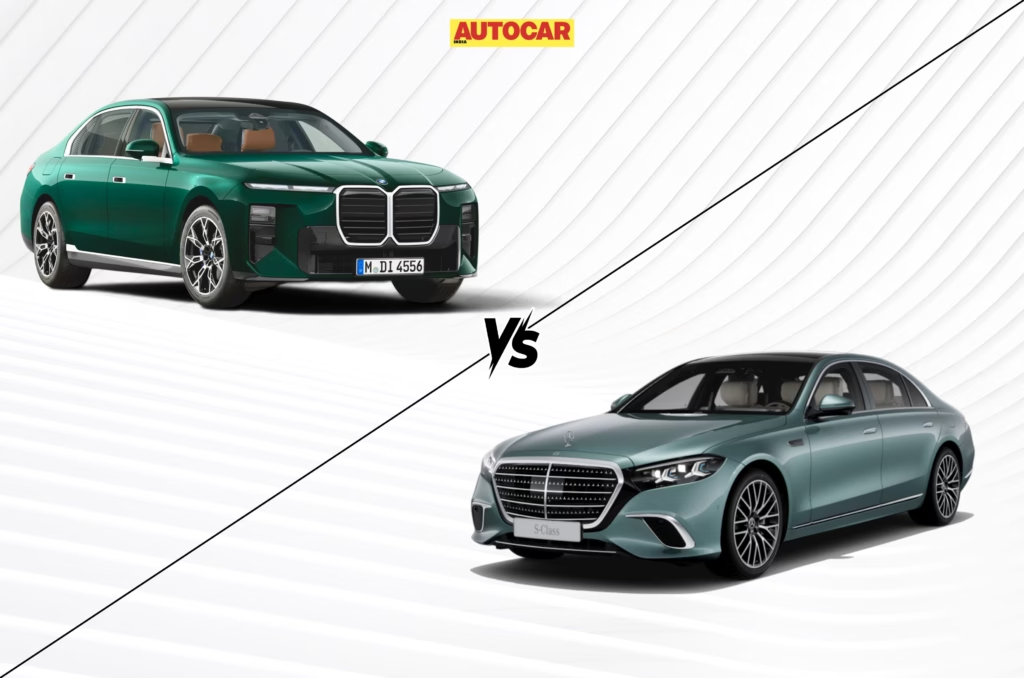
2026 BMW 7 Series vs Mercedes S-Class: Which is the better sedan?

2026 BMW 7 Series vs Mercedes S-Class: Which is the better sedan?
2026 BMW 7 Series vs Mercedes S-Class: Which is the better luxury sedan?

BMW has launched the facelifted 7 Series in India, bringing a redesigned exterior and interior, more features, and a more powerful powertrain. Its arch-rival, the Mercedes-Benz S-Class, also received a facelift earlier this year. The two have been fierce competitors in the luxury sedan segment since their respective introductions. Now that the updated versions are on sale, which one makes the better buy? Let’s find out.

2026 BMW 7 Series vs Mercedes S-Class: Dimensions

The 7 Series has a slightly larger wheelbase and is overall a bit longer than the S-Class

2026 BMW 7 Series vs Mercedes S-Class: Dimensions and other specifications


BMW 7 Series

Mercedes S-Class

Difference

Length (mm)

5,395

5,304

+91

Width (mm)

1,950

1,921

+29

Height (mm)

1,550

1,503

+47

Wheelbase (mm)

3,215

3,216

-1

Boot space (litres)

540

345

+195

The 2026 BMW 7 Series is longer and slightly taller than the S-Class, while the two sedans have a similar wheelbase and width. The BMW also offers a 195-litre larger boot, giving it a clear advantage in terms of luggage capacity. The 7 Series is also expected to offer more cabin space, as the S-Class’ underbody battery pack for its plug-in-hybrid (PHEV) powertrain takes up some of the available space.

2026 BMW 7 Series vs Mercedes S-Class: Powertrain specs

Both sedans get similar engines, but the S-Class has a PHEV powertrain

2026 BMW 7 Series vs Mercedes S-Class: Engine specifications and driving tech


BMW 7 Series

Mercedes S-Class

Engine

3.0-litre 6-cyl petrol  

3.0-litre 6-cyl petrol  

Hybrid type

Mild hybrid

Plug-in hybrid 

Power (hp)

400

435

Torque (Nm)

540

680

Transmission

8-speed AT

9-speed AT

Drivetrain

RWD

RWD

Fuel efficiency

NA

32.3kpl (WLTP)

0-100kph

5.4 seconds

5.7 seconds

Top speed

250kph

250kph

All-electric range

NA

115km (WLTP)

Both the BMW 7 Series and Mercedes-Benz S-Class are powered by 3.0-litre six-cylinder petrol engines. However, the S-Class gets a plug-in hybrid (PHEV) powertrain, while the 7 Series is offered with a mild-hybrid setup. As a result, the S-Class has a claimed all-electric range of 115km, a feature the 7 Series does not offer. BMW is yet to reveal the 7 Series’ claimed fuel efficiency, but the S-Class PHEV will be the more efficient of the two.

The S-Class is also more powerful, producing 35hp and 140Nm more than the 7 Series. Despite this, it is 0.3 seconds slower from 0-100kph, with the added weight of the PHEV components likely contributing to the difference.

Both sedans are rear-wheel-drive (RWD) models and come equipped with air suspension and rear-axle steering.

2026 BMW 7 Series vs Mercedes S-Class: Exterior

Exterior features are similar on both luxury sedans

2026 BMW 7 Series vs Mercedes S-Class: Exterior


BMW 7 Series

Mercedes-Benz S-Class

Headlights

Auto LED

Auto LED

DRLs

LED

LED

Taillights

LED

LED

Carpet lights

Yes

Yes

Other illumination

Grille surrounds

Grille surrounds

Alloy wheels

20-inch

20-inch

On the exterior front, the features are similar, with both sedans getting an all-LED lighting system, including illuminated grille surrounds and carpet lights. The alloy wheel sizes are also similar at 20 inches.

2026 BMW 7 Series vs Mercedes S-Class: Interior, features

The 7 Series offers larger screens

2026 BMW 7 Series vs Mercedes S-Class: Interior and features


BMW 7 Series

Mercedes-Benz S-Class

Instrumentation screen

Panoramic iDrive display

12.3-inch display

Infotainment screen

17.9-inch

14.4-inch

Front passenger display

14.6-inch 

12.3-inch

Android Auto, Apple CarPlay

Wireless

Wireless

Head-up display

Coloured, 3D

Coloured, AR-based

Audio system

35-speaker Bowers & Wilkins

31-speaker Burmester

Rear screen

Yes, one 31.3-inch display

Yes, two 13.1-inch displays

Roof

Panoramic glass roof

Panoramic sunroof

Climate control

4-zone

4-zone

Seat upholstery

Leather

Leather

Wireless phone charger

Both rows

Both rows 

1st row seat heating, ventilation, massage

Yes

Yes

2nd row seat heating, ventilation, massage

Yes

Yes

Window sunshades

Yes, powered

Yes, powered

Rear windshield sunshade

Yes, powered

Yes, powered

Powered doors

Yes

Yes

Powered tailgate

Yes

Yes

Ambient lighting

Yes

64 colours

USB ports

Type-A and C

Type-A and C

Connected car tech

Yes

Yes

While both sedans are loaded with features, the 7 Series emerges as the more tech-laden of the two. It gets a larger infotainment and passenger display, along with BMW’s Panoramic iDrive display, which shows key instrumentation across the lower portion of the windscreen. Its rear-seat entertainment display is also larger than the two rear entertainment screens offered in the S-Class.

While this is unlikely to influence a buying decision, one notable distinction is the roof design. The 7 Series gets a panoramic glass roof, whereas the S-Class is equipped with a panoramic sunroof.

2026 BMW 7 Series vs Mercedes S-Class: Safety

S-Class offers more airbags

2026 BMW 7 Series vs Mercedes S-Class: Safety features


BMW 7 Series

Mercedes-Benz S-Class

Airbags

7

15

ADAS

Level-2 

Level-2

Camera setup

360-degree

360-degree

Driver monitor camera

Yes

Yes

Parking sensors

Front and rear

Front and rear

Auto park assist

Yes

Yes

Parking brake

Electronic

Electronic

Disc brakes

Front and rear

Front and rear

TPMS

Yes

Yes

IRVM

Auto-dimming

Auto-dimming 

Hill start assist

Yes

Yes

Hill descent control

Yes

Yes

ESC

Yes

Yes

The Mercedes-Benz S-Class gets 15 airbags, eight more than the BMW 7 Series. However, both sedans offer a similar suite of safety features, including Level 2 advanced driver assistance systems (ADAS), a 360-degree camera, and auto-parking assistance.

2026 BMW 7 Series vs Mercedes S-Class: What to choose?

7 Series is slightly more affordable than the S-Class

2026 BMW 7 Series vs Mercedes S-Class: Prices (ex-showroom)

Model

Price range (in Rs, crore)

BMW 7 Series

1.95

Mercedes-Benz S-Class

2.20-2.38

The BMW 7 Series is Rs 25 lakh more affordable than the S-Class, yet it offers more technology, a larger boot, and quicker 0-100kph acceleration. With all these advantages at a significantly lower price, the 7 Series makes a stronger case for itself and is the more recommendable choice over the S-Class.

Prices are ex-showroom, India.

Volvo reveals facelifts of XC40, EX40 and EC40

Volvo reveals facelifts of XC40, EX40 and EC40
Volvo EC40, EX40 and XC40

Volvo has updated its entire 40 series range, which includes the XC40, EX40, and EC40. The Swedish carmaker has brought in subtle exterior revisions, new interior decor options, updated tech, and safety enhancements.

  1. New 11.2-inch infotainment with Google Gemini integration.
  2. Level 2 ADAS and a 360-degree camera are optional fitments. 

There’s no confirmation on whether the facelifted EC40 will arrive here, considering it’s the only 40 series SUV sold in India. Volvo has delisted the EX40 from its India website; the XC40 was discontinued in 2023

Volvo 40 Series: What’s new?

The front-end on all models receives revisions for the matrix LED headlamps with ‘Thor’s Hammer’ DRL signatures and a cleaner look for the bumper. There’s also a new grille design for the XC40 that helps set it apart from the EC40 and EX40, which get a blanked-off finish. At the rear, only the XC40 and EX40 sport new LED tail-lamps and a revised tailgate and bumper. The alloy wheels on all models have been restyled, with the XC40 now offering 18- to 20-inch rims. Black Editions are also available, which come with blacked-out exterior elements.

Inside, there’s a larger 11.2-inch infotainment system with Volvo’s latest operating system. There’s also Google Gemini integration onboard, which helps drivers have natural conversations with the in-car assistant. Volvo has also introduced new upholstery and decor options for the interior.

Volvo says that, as standard, all models respond to potential collisions in real time with features like automatic emergency steering and braking. Optional safety features include a Level 2 ADAS suite and a 360-degree camera. The Swedish carmaker says that the XC40, EX40 and EC40 will “improve over time” with OTA updates.

Under the hood, the XC40 is powered by a 2.0-litre turbocharged petrol engine available in two states of tune. Lower-spec versions produce 163hp and 265Nm while higher-spec versions deliver 197hp and 300Nm. Power is sent to the front wheels via a 7-speed DCT. The EC40 and EX40 provide multiple battery choices ranging from 66kWh to 79kWh. Depending on the variant, you either get a rear-mounted motor or a dual-motor setup that enables AWD. The maximum e-motor power output is 442hp and 670 Nm, and WLTP-certified range figures for the EX40 and EC40 are 575km and 584km, respectively. 

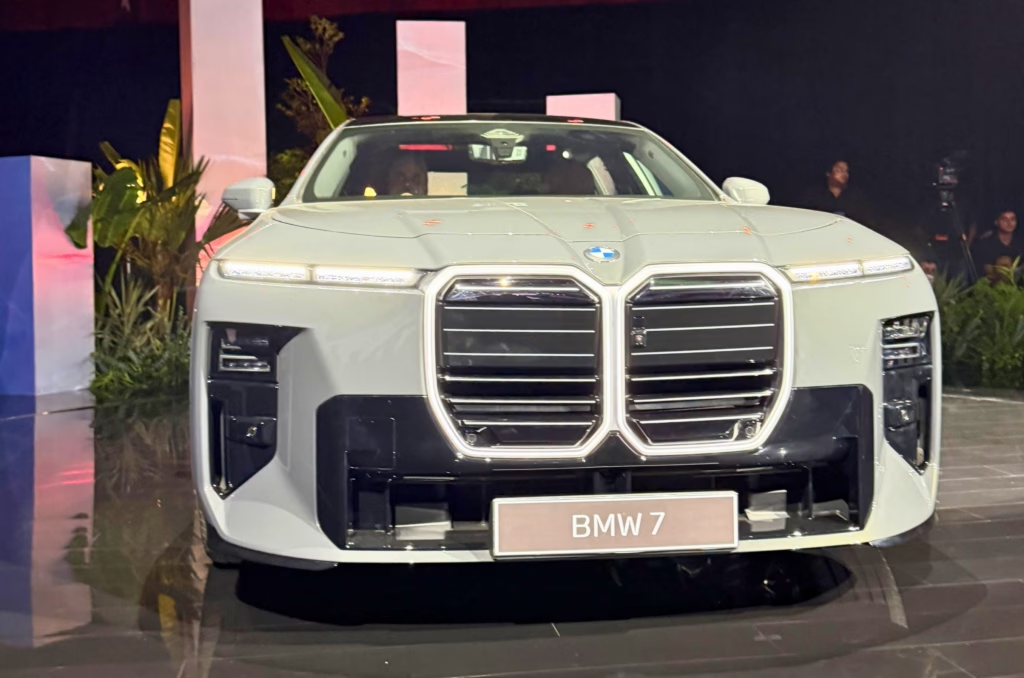
2026 BMW 7 Series facelift launched at Rs 1.95 crore

2026 BMW 7 Series facelift launched at Rs 1.95 crore
2026 bmw 7 series on stage

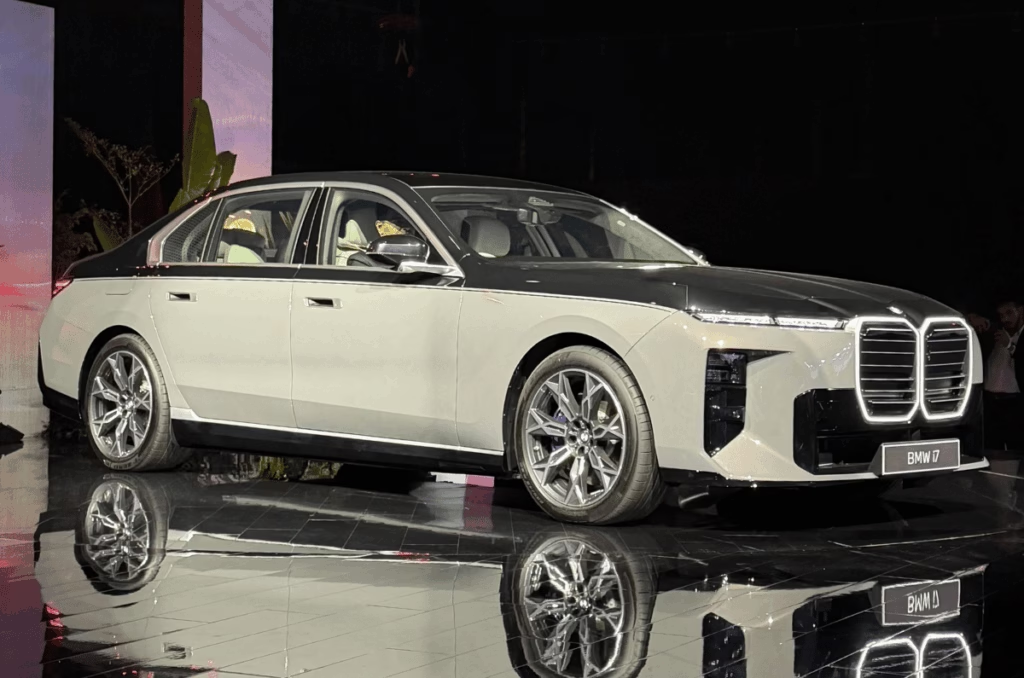
BMW has launched the 2026 7 Series facelift in India at a starting price of Rs 1.95 crore. Globally unveiled earlier this year, the 7 Series facelift brings a slew of changes to the flagship sedan’s exterior and interior, along with some powertrain upgrades. The 7 Series continues to rival the Mercedes-Benz S-Class, a facelift of which also went on sale in India a few months ago.

In addition to the ICE-powered 7 Series, BMW launched the luxury sedan’s updated all-electric counterpart, the i7, in eDrive50 and M70 guises. The 7 Series and i7 eDrive50 will be locally assembled at BMW’s Chennai plant.

2026 BMW 7 Series facelift price list

VariantPrice (Rs, crore)
7401.95

The ICE-powered 7 Series facelift is available in only one variant in India: the petrol-powered ‘740’. BMW has dropped the prior model’s ‘740d’ diesel version. Compared to the outgoing 7 Series, which was priced at Rs 1.85 crore, the facelift is pricier by Rs 10 lakh. Compared to the S-Class, which costs Rs 2.20 crore-2.38 crore, the 2026 7 Series is up to Rs 43 lakh more affordable.

2026 BMW 7 Series facelift exterior changes

The front end of the 7 Series facelift sees the most drastic changes, with a more slab-sided and imposing look. BMW has revised the split headlamps, with a slim pair of DRLs extending outwards from the top of the grille, and the main LED units relocated right above the redesigned vertical air intakes. The kidney grilles are now more squared-off and have horizontal slats, and continue to get an illuminated surround. Lastly, the air dam below the grille is much wider.

Over to the side, the 7 Series facelift gets updated side skirts and new alloy wheel designs – 20-inchers are fitted as standard, which can be optioned up to 22 inches. The rear end, meanwhile, features a pair of new wide LED tail-lamps and a smoother-looking bumper.

2026 BMW 7 Series facelift interior changes

On the inside, the 7 Series facelift has been updated to resemble BMW’s newer Neue Klasse models. The dashboard notably features a rhomboidal 17.9-inch infotainment touchscreen, a 14.6-inch passenger screen, a pillar-to-pillar Panoramic Vision display, and a four-spoke steering wheel. Lower down, the centre console has been redesigned with a larger storage space, fewer buttons, and a new cylindrical rotary drive selector.

As for features, the facelifted 7 Series packs an 18-speaker Bowers & Wilkins surround sound system, ambient lighting, powered doors, wireless Apple CarPlay and Android Auto, over-the-air updates, a fixed panoramic glass roof, Boss mode, powered leg rests, connected car tech, Level 2 ADAS, and powered, heated, ventilated, and massaging seats. Buyers can also opt for a 31.3-inch 8K rear entertainment screen and embedded LEDs for the fixed panoramic glass roof that sync up with the ambient lighting.

2026 BMW 7 Series facelift engine and gearbox

The 7 Series facelift carries forward the outgoing model’s 3.0-litre direct-injection turbo-petrol straight-six, which is mated to a 48-volt mild hybrid system. Thanks to internal upgrades, the 740 now produces up to 400hp and 540Nm – up 19hp and 20Nm over its predecessor. As noted previously, the 2026 7 Series facelift is not available with a diesel engine in India, even though the option is offered in some global markets.

An 8-speed torque converter automatic sends power to the rear wheels, enabling a claimed 0-100kph time of 5.4 seconds for the 740. Top speed is electronically limited to 250kph. Additionally, the 7 Series facelift packs rear-wheel steering and adaptive suspension.

All prices are ex-showroom, India.

2026 BMW i7 facelift launched at Rs 1.95 crore

2026 BMW i7 facelift launched at Rs 1.95 crore
BMW i7

BMW India has launched the 2026 i7 facelift at Rs 1.95 crore (eDrive 50 trim), ex-showroom. The range-topping M70 xDrive trim costs Rs 2.65 crore. With this year’s mid-lifecycle update, BMW’s flagship electric sedan gets powertrain upgrades, along with several exterior and interior design tweaks.

2026 BMW i7 facelift: Powertrain specs

The range-starting i7 eDrive 50 trim makes 455hp and 600Nm, accelerating from 0-100kph in 5.5 seconds and topping out at 210kph. It uses a 112.5kWh battery pack, allowing for a single charge range of 728km (WLTP rated). BMW claims that is an increase of 125km over the outgoing model.

The top-spec i7 M70 xDrive (all-wheel drive in BMW speak) makes higher outputs of 680hp, and 1,015Nm (in Sport mode) and 1,100Nm (with Sport Boost function). As a result, it does the sprint from rest to 100kph in just 3.8 seconds; top speed is 250kph. Range, however, stands at 686km (also WLTP).

With a 250kW DC fast charger, a 10-80 percent charge takes 28 minutes; BMW claims that a 10-minute charging top-up can add a range of 235km. Whereas, it takes about six hours to charge the battery from 0-100 percent with a 22kW AC charger. Both trims come with a complimentary wallbox charger with installation. It can be installed at home to enable charging at speeds of up to 22kW.

2026 BMW i7 facelift: Exterior highlights

The updated i7 sedan receives subtle styling revisions, though it carries over the overall design of the outgoing model. Part of the changes include a  more squared-off kidney grille with illuminated surrounds, revised LED headlamps and a new front bumper. Along the sides, BMW has introduced a new alloy wheel design while retaining the flush-fitting door handles. At the rear, the i7 gets new tail-lamps with smoked lenses, along with a redesigned tailgate and bumper.

Compared to the standard sedan, i7 M70 xDrive gets a larger front air intake. In addition to the grille, this trim also gets M badges on the Hofmeister kink of the side windows and on the outer edges of the rear lights. The M70 rides on 21-inch wheels.

2026 BMW i7 facelift: Interior features

The biggest changes are inside the cabin. Instead of a traditional driver’s display, the facelift gets BMW’s Panoramic Vision full-width projection at the windscreen’s base. The rhomboidal touchscreen in the centre measures 17.9 inches, and it runs the latest BMW Operating System X, supports over-the-air updates, wireless Apple CarPlay and Android Auto, and features improved voice controls. There’s a new passenger screen as well, and it measures 14.6 inches. 

Even the centre console has been redesigned with a more storage space, lesser buttons, and a new cylindrical rotary drive selector. BMW has also redesigned the dashboard, introduced a new four-spoke steering wheel like in its Neue Klasse models. 

As before, the i7 gets a massive 31.3-inch 8K Theatre Screen at the rear. Audio duties are taken care of by a Bowers & Wilkins surround sound system with Dolby Atmos. Powered doors have been retained as well. The panoramic glass roof can be specified with more than 40 LED lights. Other features include Boss mode, powered ottomans, connected car tech, Level 2 ADAS, and powered, heated, ventilated, and massaging seats. 

The 2026 BMW i7 eDrive 50 will be locally-assembled at the company’s Chennai plant, while the M70 xDrive version will arrive here as a fully imported model.

Top 10 most affordable ICE cars with ADAS

Top 10 most affordable ICE cars with ADAS

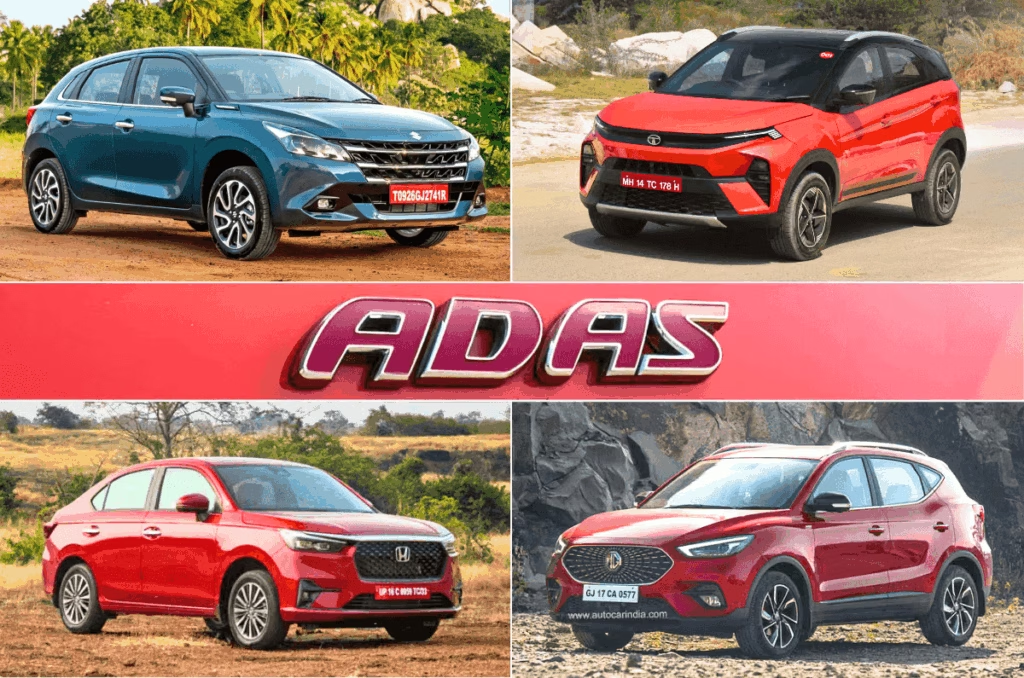
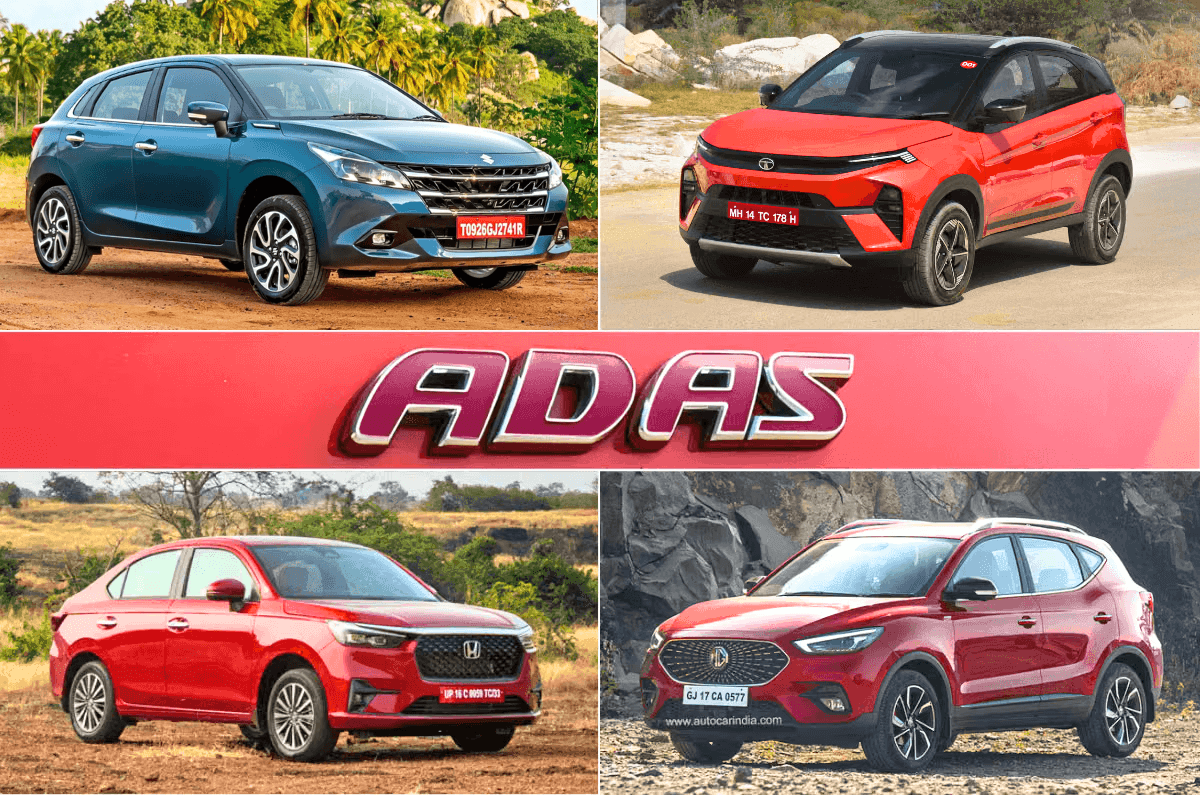
The democratisation of advanced driver assistance systems (ADAS) is visible in the Indian market, with many car brands now offering the safety tech in their mass-market models. Cars in this segment currently offer two stages of autonomous driving: Level 1, with features such as forward-collision warning and lane-keep assist, and Level 2, which adds adaptive cruise control and blind-spot monitoring. If you are looking for cars with ADAS, here are the 10 most affordable combustion-powered models in India that offer the advanced safety system, priced from highest to lowest.

10. Nissan Tekton

Rs 15.39 lakh-18.59 lakh

Nissan Tekton

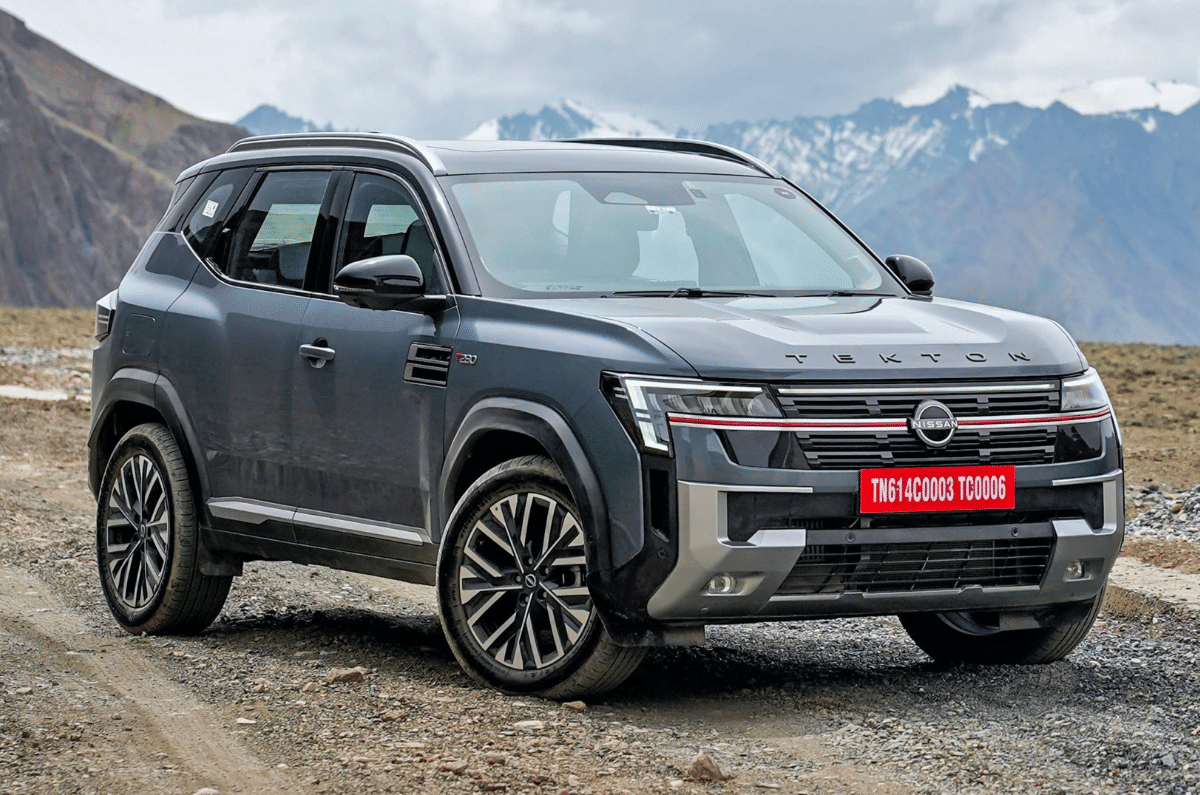
Starting this list is the Nissan Tekton, the Japanese carmaker’s newest SUV. It gets a Level 2 ADAS suite in the Tekna and Tekna+ trims. The Tekna trim is available with two powertrain options: a 100hp 1.0-litre turbo-petrol engine with a manual transmission (MT), and a 163hp 1.3-litre turbo-petrol engine with either an MT or dual-clutch transmission (DCT). Save for the 1.0-litre turbo-petrol MT powertrain, the top-spec Tekna+ trim offers the rest.

9. MG Astor

Rs 15.3 lakh

MG Astor

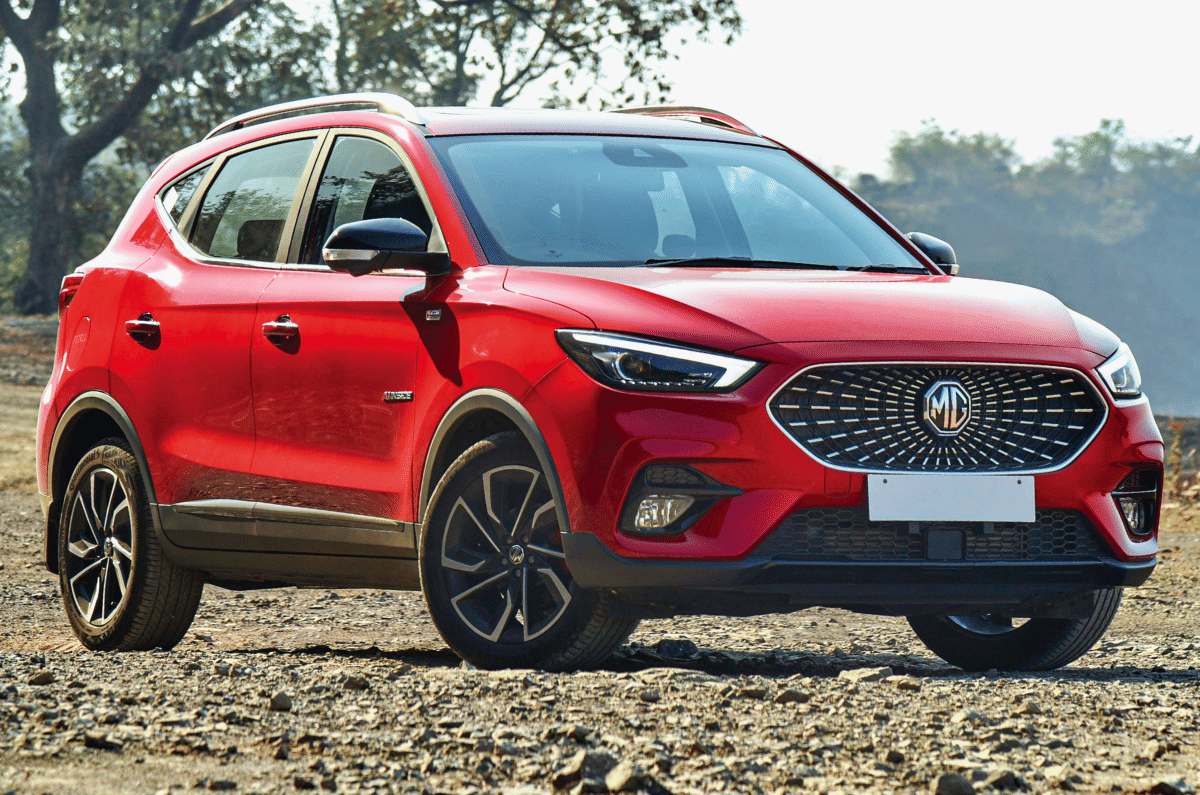
When the MG Astor was launched in 2021, it was the only midsize SUV to feature ADAS. MG offers Level 2 ADAS on the Astor’s top-spec Savvy Pro trim, which is available only with a 110hp 1.5-litre petrol engine paired with a CVT unit.

8. Honda Elevate

Rs 15.19 lakh-16.36 lakh

Honda Elevate orange color

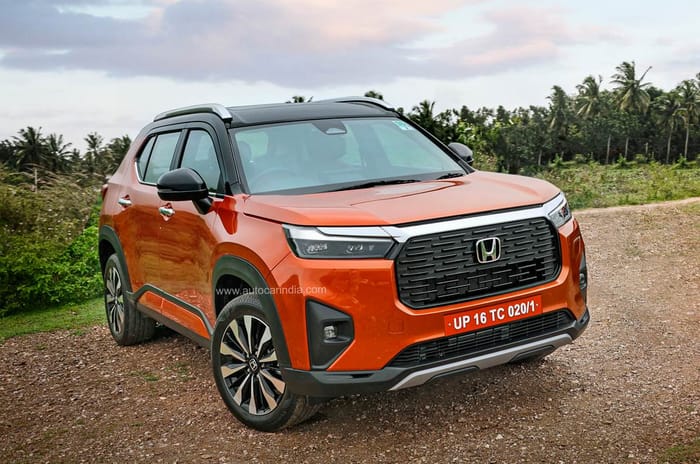
The top-spec Honda Elevate ZX trim comes equipped with an ADAS suite; it’s also available on the ZX Black and ADV editions. Under the hood, the Elevate has a 121hp 1.5-litre petrol engine that can be paired with an MT or a CVT.

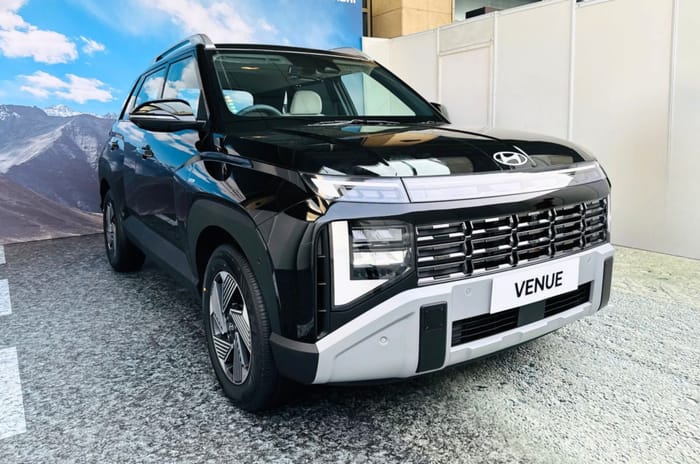
7. Hyundai Venue

Rs 14.65 lakh-15.65 lakh (standard), Rs 15.49 lakh (N Line)

Instead of the previous model’s Level 1 ADAS features, the new Hyundai Venue gets a Level 2 suite. Hyundai offers it on the top-spec HX 10 and HX 10 Knight trims, powered by a 120hp 1.0-litre turbo-petrol engine with DCT. The HX 10 trim also offers the choice of a 116hp 1.5-litre diesel engine with an automatic gearbox. The Hyundai N Line’s N10 trim also gets Level 2 ADAS, and it is equipped with the 120hp turbo-petrol-DCT powertrain.

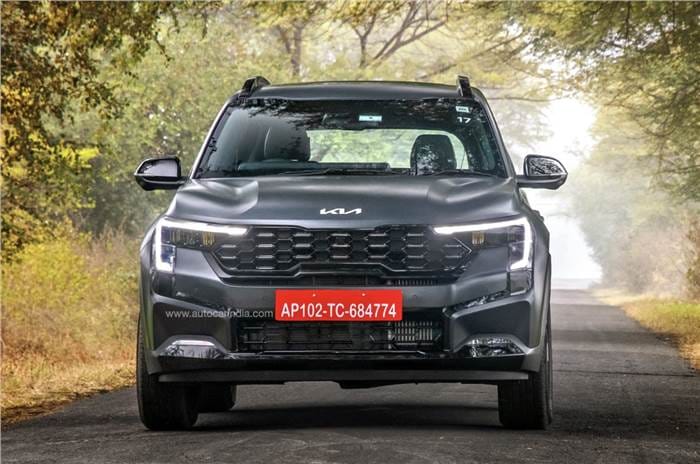
6. Kia Sonet

Rs 13.66 lakh-14.37 lakh

Kia Sonet black color

The Kia Sonet settles for a Level 1 system, available on the GTX+ and X-Line trims. The GTX+ trim is powered by a 120hp 1.0-litre turbo-petrol engine paired with a DCT or a 116hp 1.5-litre diesel mill mated to a torque-converter gearbox. The X-Line, however, only comes with the turbo-petrol and DCT combination. The Sonet could upgrade to a Level 2 suite with its next generation, due in 2027.

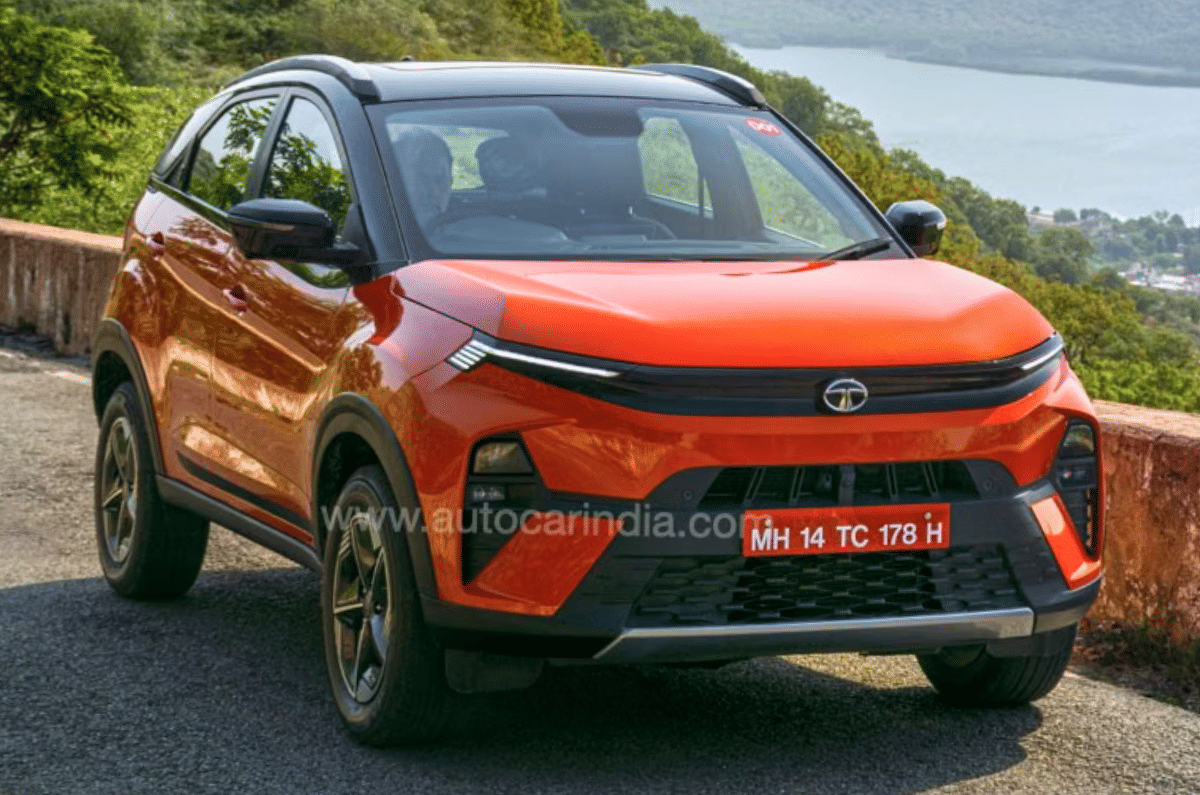
5. Tata Nexon

Rs 13.62 lakh-13.82 lakh

Tata Nexon

Next on this list of most affordable cars with ADAS is the Tata Nexon compact SUV. It gets Level 2 ADAS in the Fearless+ PS trim, but only with the 1.2-litre turbo-petrol engine with the DCT gearbox. The Fearless+ PS Red Dark edition, too, features an ADAS suite with the turbo-petrol-DCT powertrain. Note that the Nexon diesel does not get an ADAS suite.

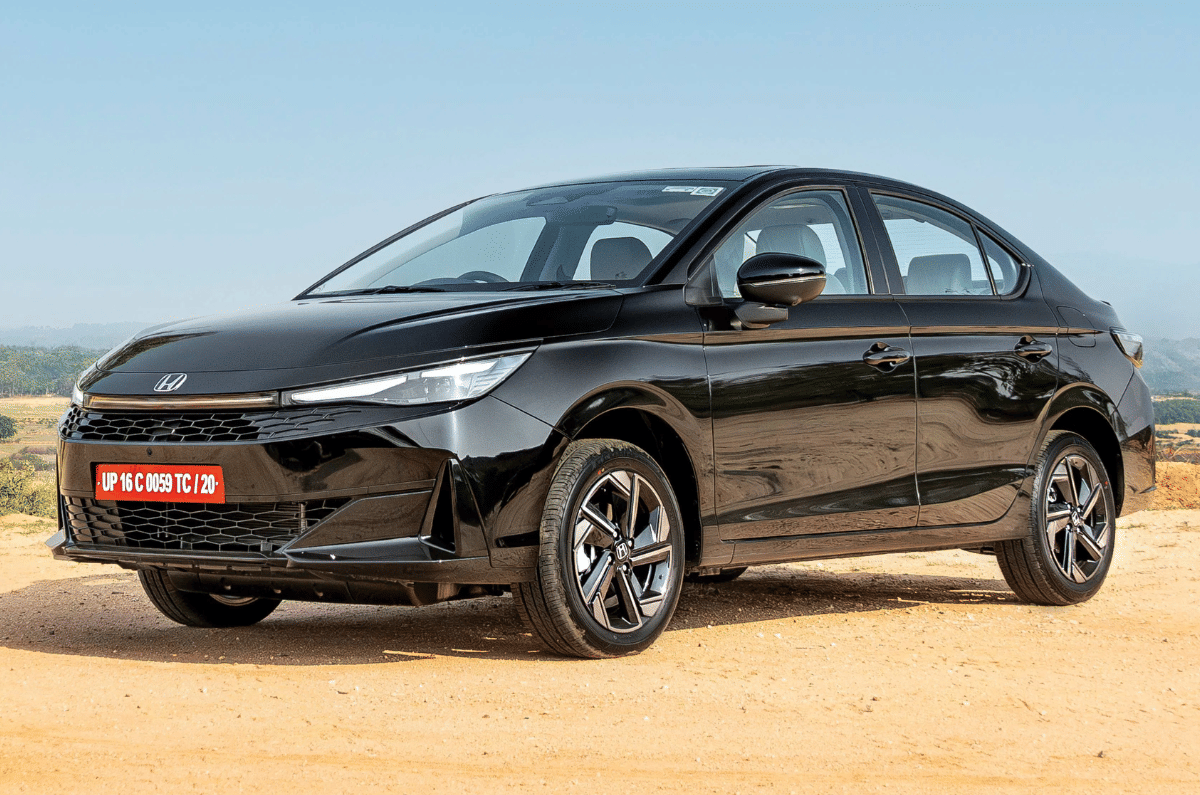
4. Honda City

Rs 13.59 lakh-17.44 lakh (petrol), Rs 21.44 lakh (hybrid)

Honda City

Excluding the base SV variant, a Level 2 ADAS suite is available on all Honda City trims. These include the V, ZX and ZX+, which are powered by Honda’s 121hp 1.5-litre petrol engine, paired with an MT or a CVT. The strong-hybrid iteration, the City e:HEV ZX+, also comes with an ADAS suite. Its powertrain, paired with an e-CVT gearbox, produces a combined 126hp and 253Nm.

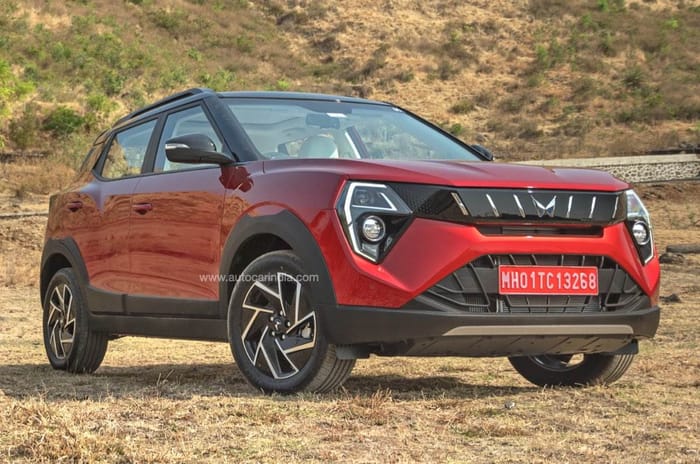
3. Mahindra XUV 3XO

Rs 12.02 lakh-15.03 lakh

Mahindra XUV 3XO red color

Just the higher-spec AX5 L and the top-spec AX7 L Mahindra XUV 3XO trims get the Level 2 ADAS suite. While the AX5 L is available only with the 131hp 1.2-litre turbo-petrol engine with MT and torque-converter choices, the AX7 L offers an additional 117hp 1.5-litre diesel engine with a manual gearbox.

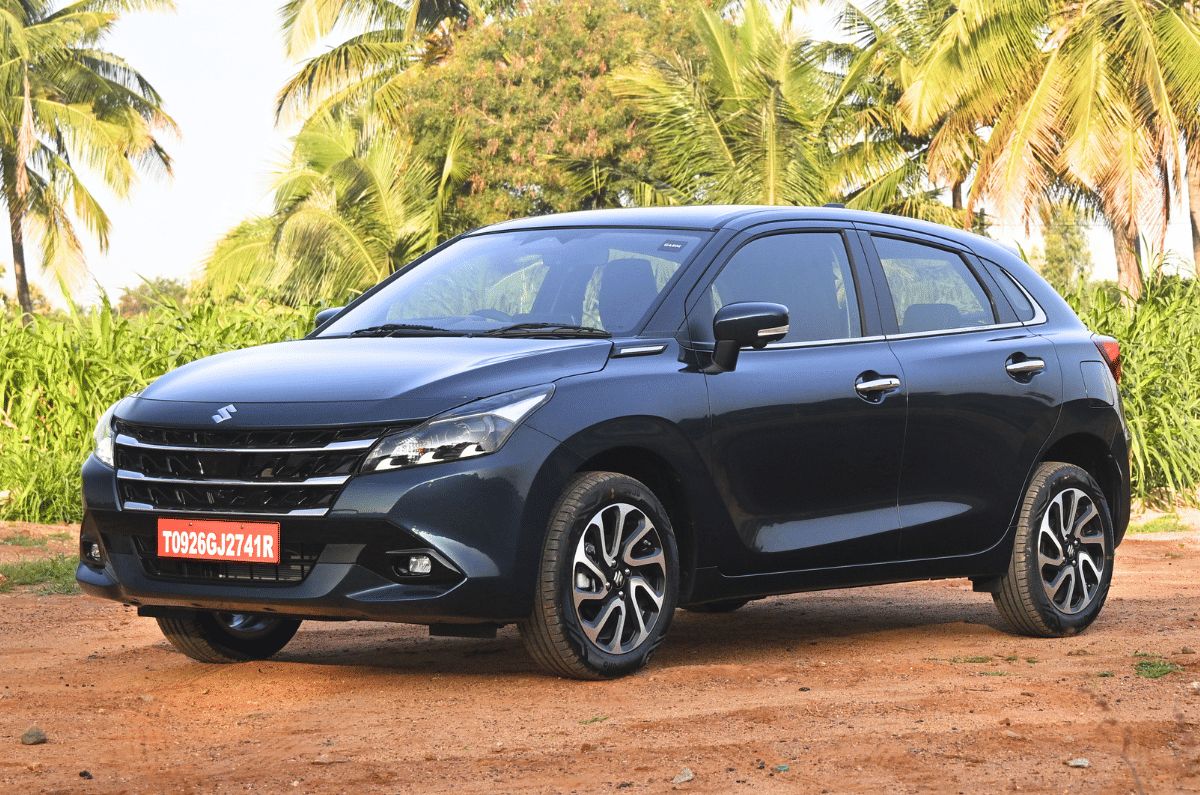
2. Maruti Baleno

Rs 9.55 lakh-9.99 lakh

Maruti Baleno

The updated Maruti Baleno is the newest model under Rs 10 lakh to get an ADAS suite. It is also the only hatchback on this list and the only hatchback in its segment to offer ADAS. The Baleno gets a Level 2 ADAS suite on the top-spec Alpha (O) trim, which is available only with the 1.2-litre, 3-cylinder petrol engine, and manual and AMT options.

Honourable mention: The Maruti Brezza received a couple of safety feature upgrades with its mid-lifecycle update earlier this year, including front parking sensors. This has enabled a few more advanced driver assists, such as blind-spot warning and rear cross-traffic alert, though it is not the full ADAS system you get in the Victoris, or which rivals offer. The Brezza offers these features in ZXi and ZXi+ trims, priced from Rs 9.85 lakh to Rs 13.55 lakh.

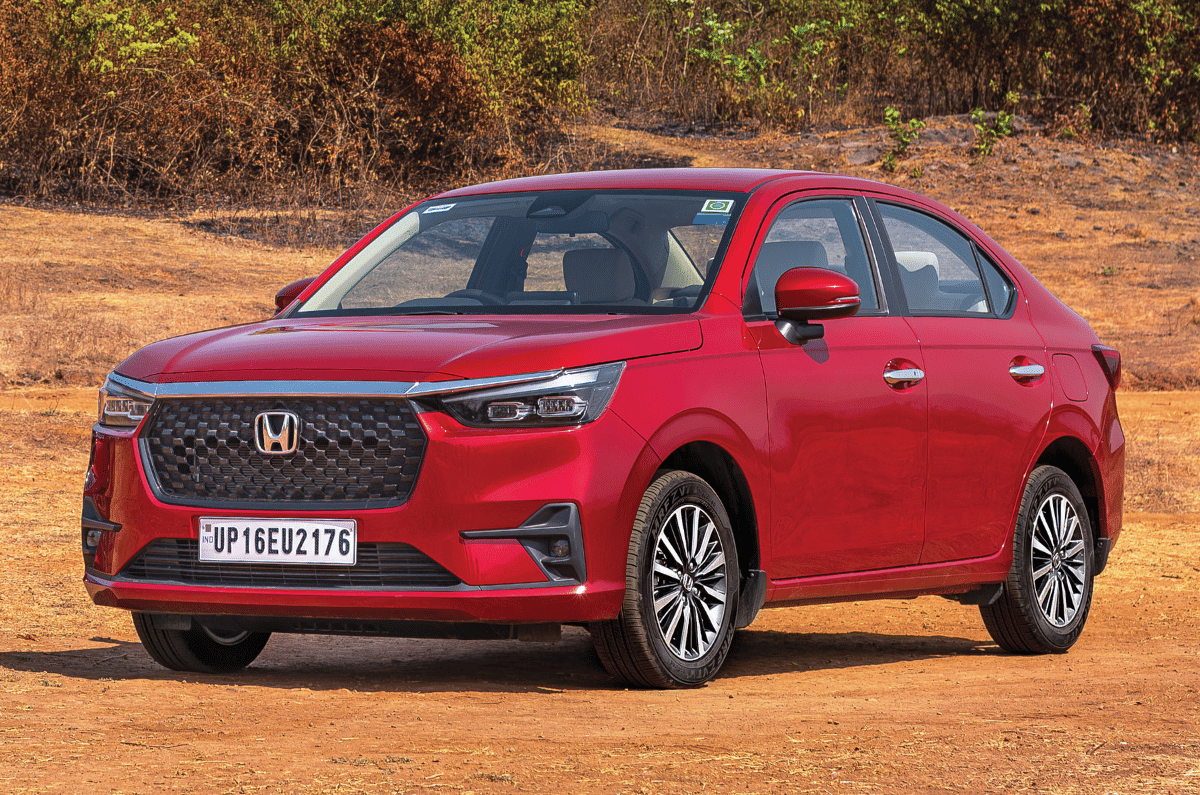
1. Honda Amaze (third generation)

Rs 9.39 lakh-10 lakh

Honda Amaze

Apart from being the most affordable car with ADAS in India, the third-generation Honda Amaze is currently the only sedan under 4 metres in length to come with the safety suite, which is reserved for its top-spec ZX variant. Under the hood, the Amaze gets a 90hp 1.2-litre petrol engine with MT and CVT options.

Ex-showroom prices mentioned above are as of September 10, 2026.

Stock Split: 6 महीनों में 85% और 3 साल में 160% तेजी, अब 5 टुकड़ों में टूटेगा शेयर; रिकॉर्ड डेट 22 सितंबर

इंजीनियरिंग और टेक्नोलॉजी सॉल्यूशंस देने वाली कंपनी TAAL Tech Ltd का स्टॉक, स्प्लिट होने वाला है। इस कॉरपोरेट एक्शन के तहत 10 रुपये फेस वैल्यू वाला एक शेयर, 2 रुपये फेस वैल्यू वाले 5 शेयरों में टूट जाएगा। रिकॉर्ड डेट 22 सितंबर 2026 है। इस तारीख तक जिन लोगों के नाम शेयरों के लाभार्थी मालिकों के तौर पर रजिस्टर ऑफ मेंबर्स ऑफ द कंपनी या डिपॉजिटरीज के रिकॉर्ड्स में दर्ज होंगे, उनके स्टॉक स्प्लिट हो जाएंगे।

कंपनी का पुराना नाम TAAL Enterprises Limited था। स्टॉक स्प्लिट की घोषणा अगस्त में हुई थी। यह कंपनी ग्लोबल ओरिजनल इक्विपमेंट मैन्युफैक्चरर्स, EPCs और ऑपरेटर्स के लिए इंजीनियरिंग डिजाइन पार्टनर है। इसका हेडक्वार्टर बेंगलुरु में है। इसके कस्टमर्स दुनिया भर में हैं। जिन प्रमुख इंडस्ट्रीज को कंपनी अपनी सर्विस देती है, उनमें आर्किटेक्चर, प्लांट इंजीनियरिंग, एयरोस्पेस, इंडस्ट्रियल मशीनरी, इंडस्ट्रियल ऑटोमेशन, ऑटोमोटिव, ऑफ-हाइवे, ट्रेलर्स और ट्रक्स, रेल शामिल हैं।

शेयर की कीमत BSE पर 10 सितंबर को 6 प्रतिशत बढ़त के साथ 5188.30 रुपये पर बंद हुई। कंपनी का मार्केट कैप 1600 करोड़ रुपये से ज्यादा है। शेयर का BSE पर 52 सप्ताह का एडजस्टेड हाई 5,242 रुपये और एडजस्टेड लो 2,610 रुपये है।

TAAL Tech का शेयर 6 महीनों में 85 प्रतिशत मजबूत

कंपनी का शेयर एक सप्ताह में 15 प्रतिशत और 3 महीनों में 50 प्रतिशत उछला है। 6 महीनों में यह 85 प्रतिशत की तेजी देख चुका है। 3 साल में कीमत लगभग 160 प्रतिशत और 10 साल में 2200 प्रतिशत से ज्यादा चढ़ी है। TAAL Tech में जून 2026 के आखिर तक प्रमोटर्स के पास 50.80 प्रतिशत हिस्सेदारी थी।

कंपनी की वित्तीय सेहत

अप्रैल-जून 2026 तिमाही में TAAL Tech का रेवेन्यू 63.23 करोड़ रुपये रहा। इस बीच शुद्ध मुनाफा 18.35 करोड़ रुपये और प्रति शेयर अर्निंग 58.87 करोड़ रुपये दर्ज की गई। पूरे वित्त वर्ष 2026 के दौरान कंपनी का रेवेन्यू 190.10 करोड़ रुपये, शुद्ध मुनाफा 53.75 करोड़ रुपये और प्रति शेयर अर्निंग 172.48 करोड़ रुपये रही।

SS Retail IPO: मोबाइल फोन रिटेल चेन का इश्यू 16 सितंबर से, जुटाए जाएंगे ₹500 करोड़; चेक करें प्राइस बैंड, लिस्टिंग डेट

Disclaimer: यहां मुहैया जानकारी सिर्फ सूचना के लिए दी जा रही है। यहां बताना जरूरी है कि मार्केट में निवेश बाजार जोखिमों के अधीन है। निवेशक के तौर पर पैसा लगाने से पहले हमेशा एक्सपर्ट से सलाह लें। मनीकंट्रोल की तरफ से किसी को भी पैसा लगाने की यहां कभी भी सलाह नहीं दी जाती है।