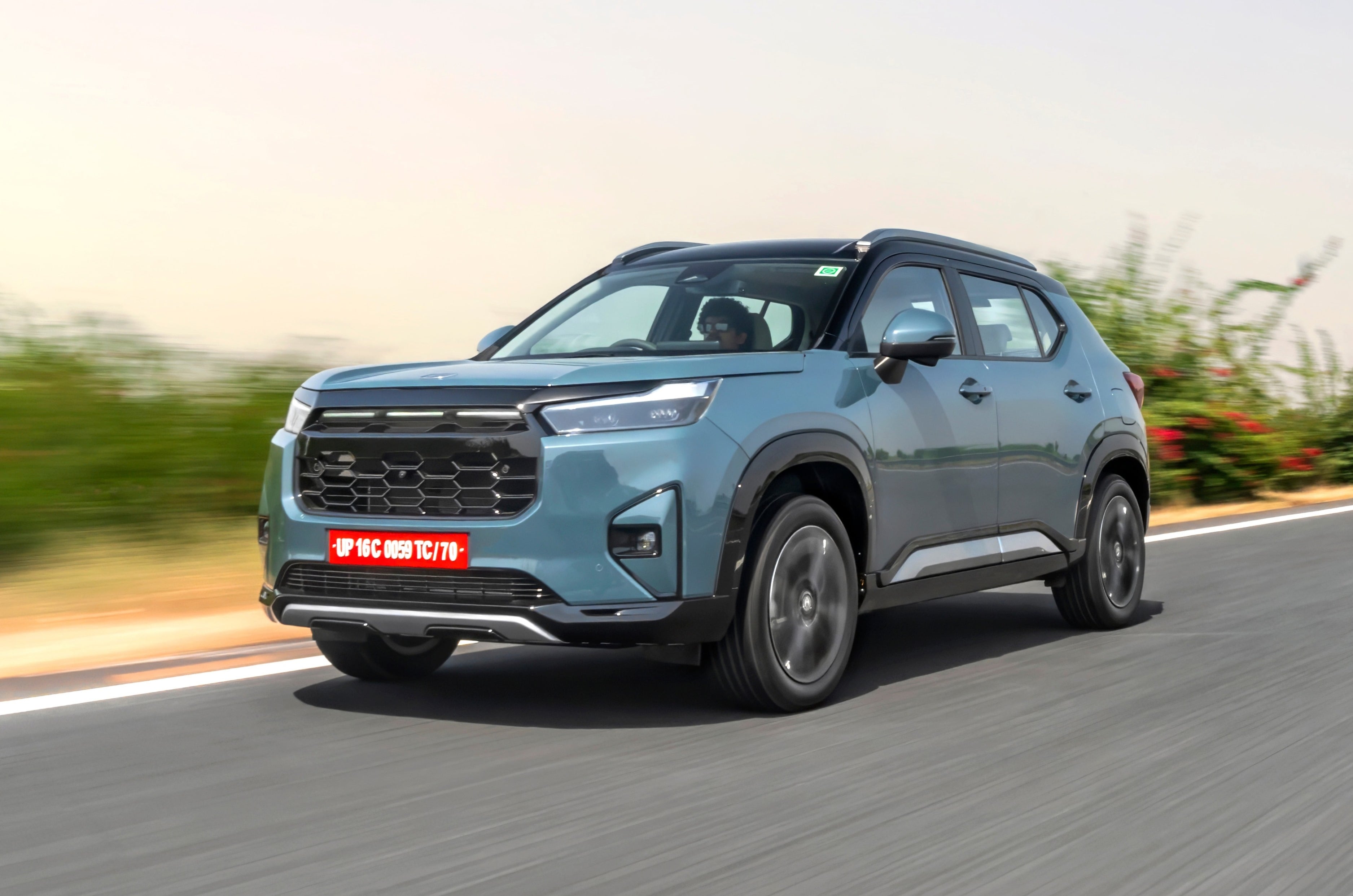
Honda Elevate facelift review: Up a notch?

Honda Elevate facelift review: Up a notch?
2026 Honda Elevate facelift review

The midsize SUV space is now more competitive than ever. Just the last few months have seen new launches in the form of the Tata Sierra, Renault Duster, Nissan Tekton and the facelifts of the Volkswagen Taigun and Skoda Kushaq. Then there are the venerable Kia Seltos and the Hyundai Creta, the latter of which is set to receive a new-gen model next year, and an all-new entrant, the Hyundai Bayon, is about to join the ranks.  Powertrain choices have been expanding too; diesel continues to be popular, turbo petrols add a dose of excitement, CNG is fast becoming the high-mileage option and there’s electrification in the form of hybrids and full EVs.  So in a bid to keep it relevant, Honda has updated its midsize SUV contender, the Elevate, and here’s how it all comes together.

Design and engineering – 8/10
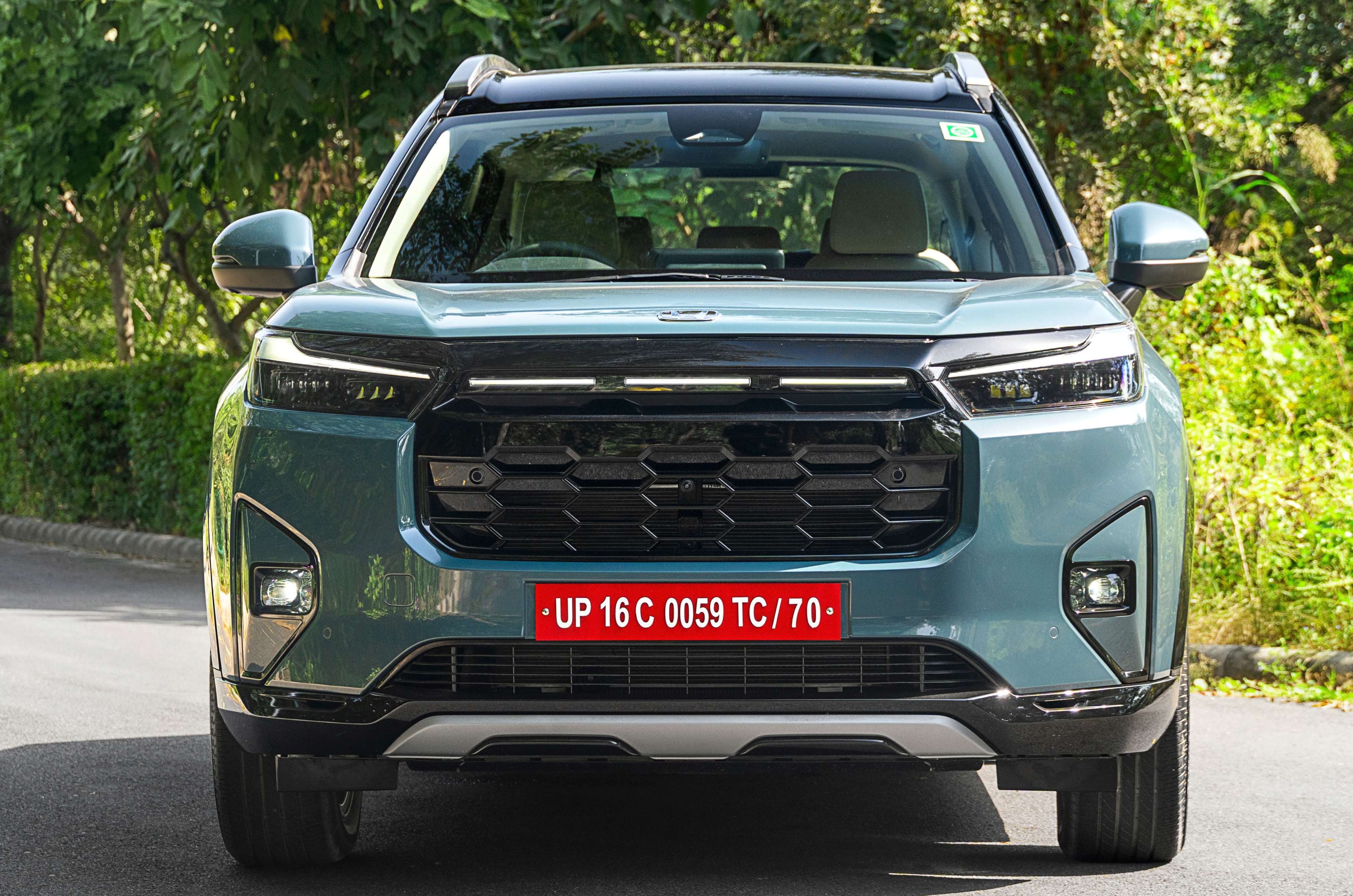
Honda Elevate Facelift Front Static
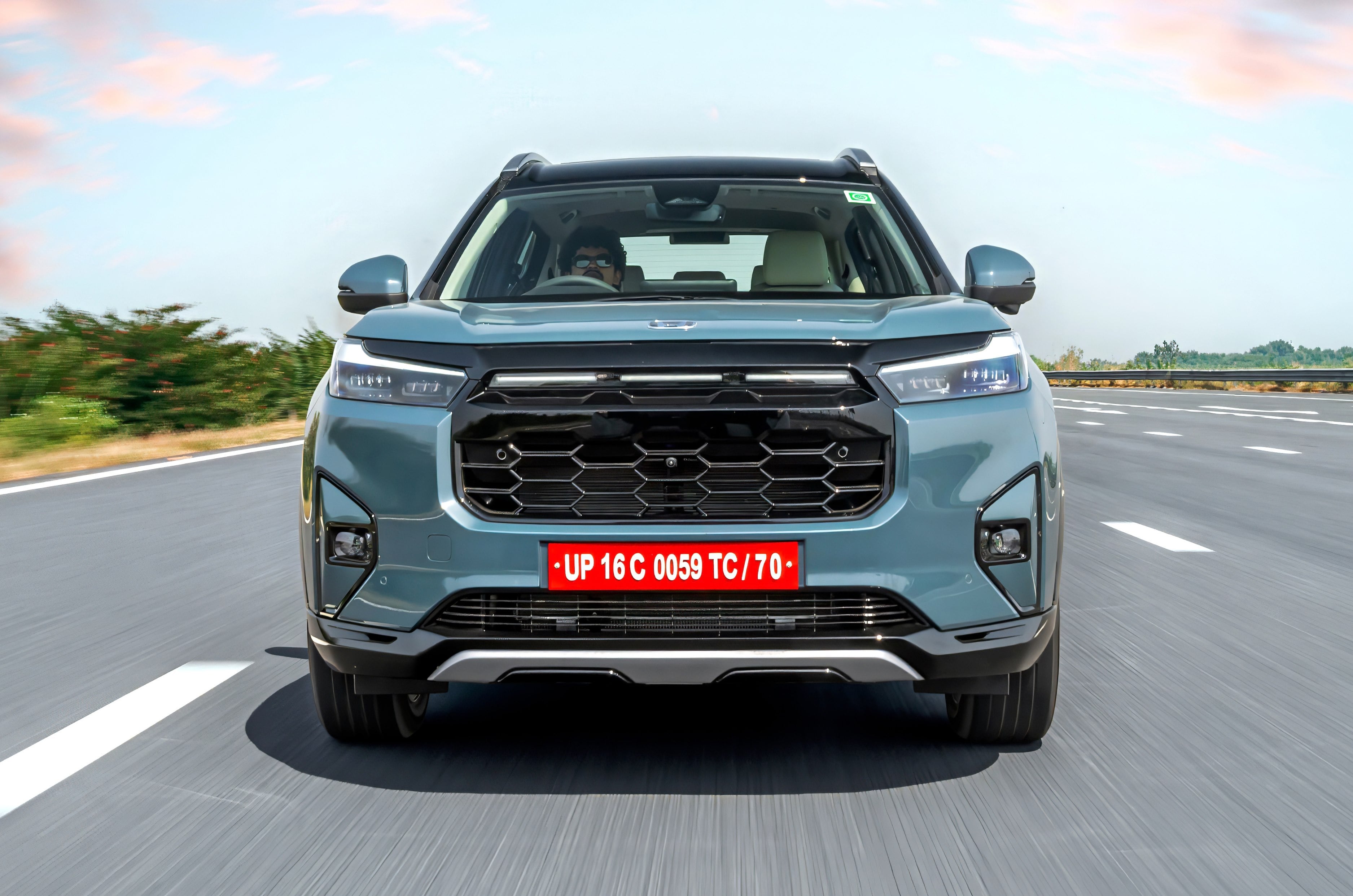
Features a new gloss black grille with a honeycomb pattern and a segmented LED light bar.

Honda has given the Elevate a subtle design update, but the changes are effective enough to give the SUV a fresher, more contemporary look without straying far from the original design. The biggest revisions are concentrated at the front end, where a new segmented LED light strip links the LED headlamps and the thick chrome band above them has been replaced with gloss black trim. The front grille gets a revised mesh pattern and a gloss-black finish, lending the front end a slightly sportier, more butch appearance. The Honda badge now sits on the bonnet rather than within the grille, while the fog-lamp housings are now finished in body colour instead of black for a cleaner look.
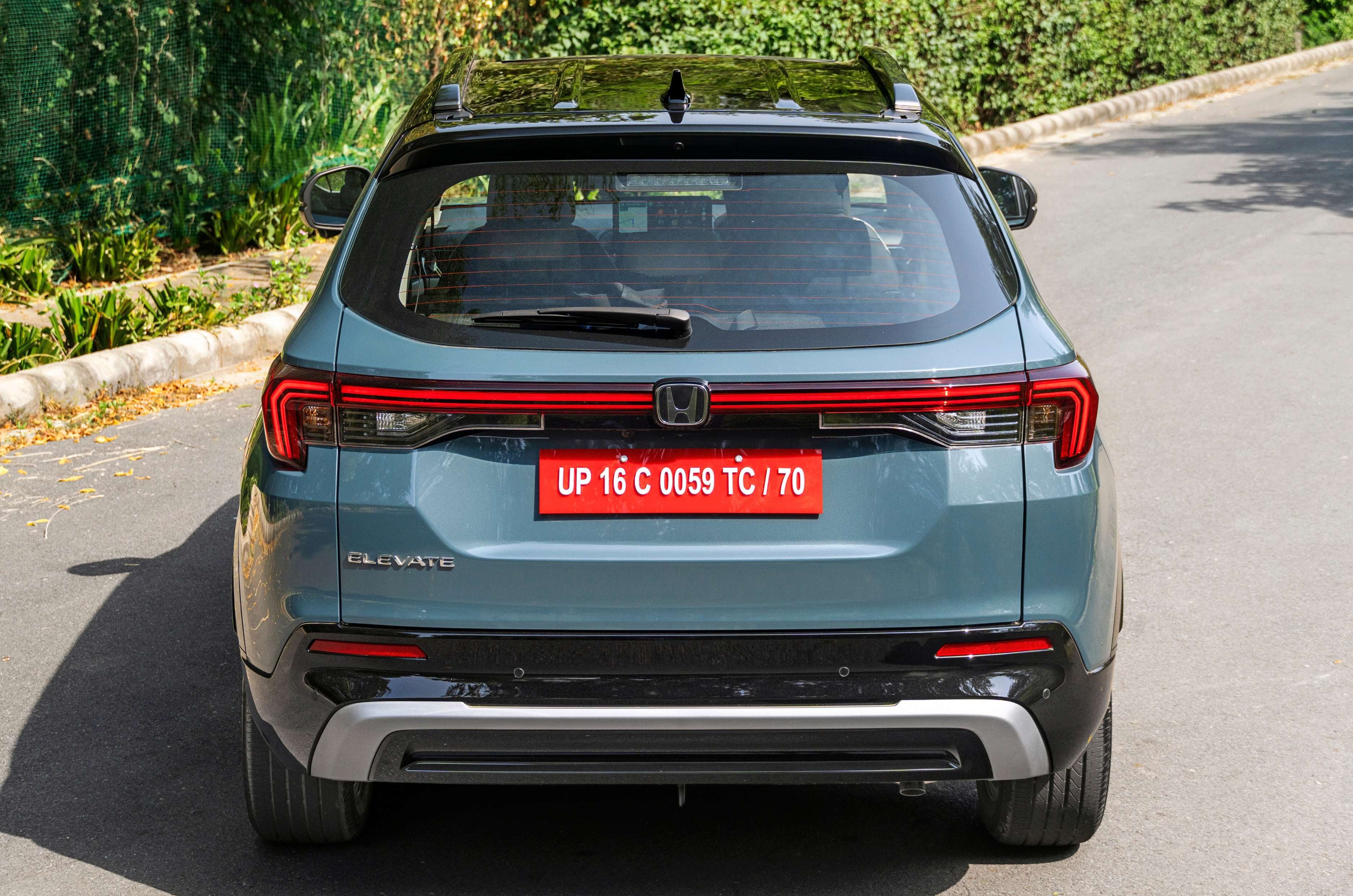
Honda Elevate Facelift Rear Top Static
New LED light bar now connects the tail-lamps, giving it a more cohesive appearance.

It’ll take a keen eye to spot the changes along the sides as they’re limited to a new gloss black body cladding instead of a matte finish, silver coloured inserts in the cladding on the doors instead of body colour and a darker finish for the 17-inch alloy wheels which continue with the same design. At the rear, the facelift introduces a new LED light bar that connects the tail-lamps, giving the tailgate a wider, more cohesive appearance, particularly after dark. Rounding off the updates is a new Nordic Forest Pearl paint shade, as you can see in the pictures here.

As for dimensions, it continues to measure 4.3 metres in length, nearly 1.8 metres in width and just over 1.6 metres in height. It’s based on the City platform, but gets a stretched 2650mm wheelbase, wider tracks front and rear and a substantial 220mm of ground clearance.

Interior space and comfort – 8/10

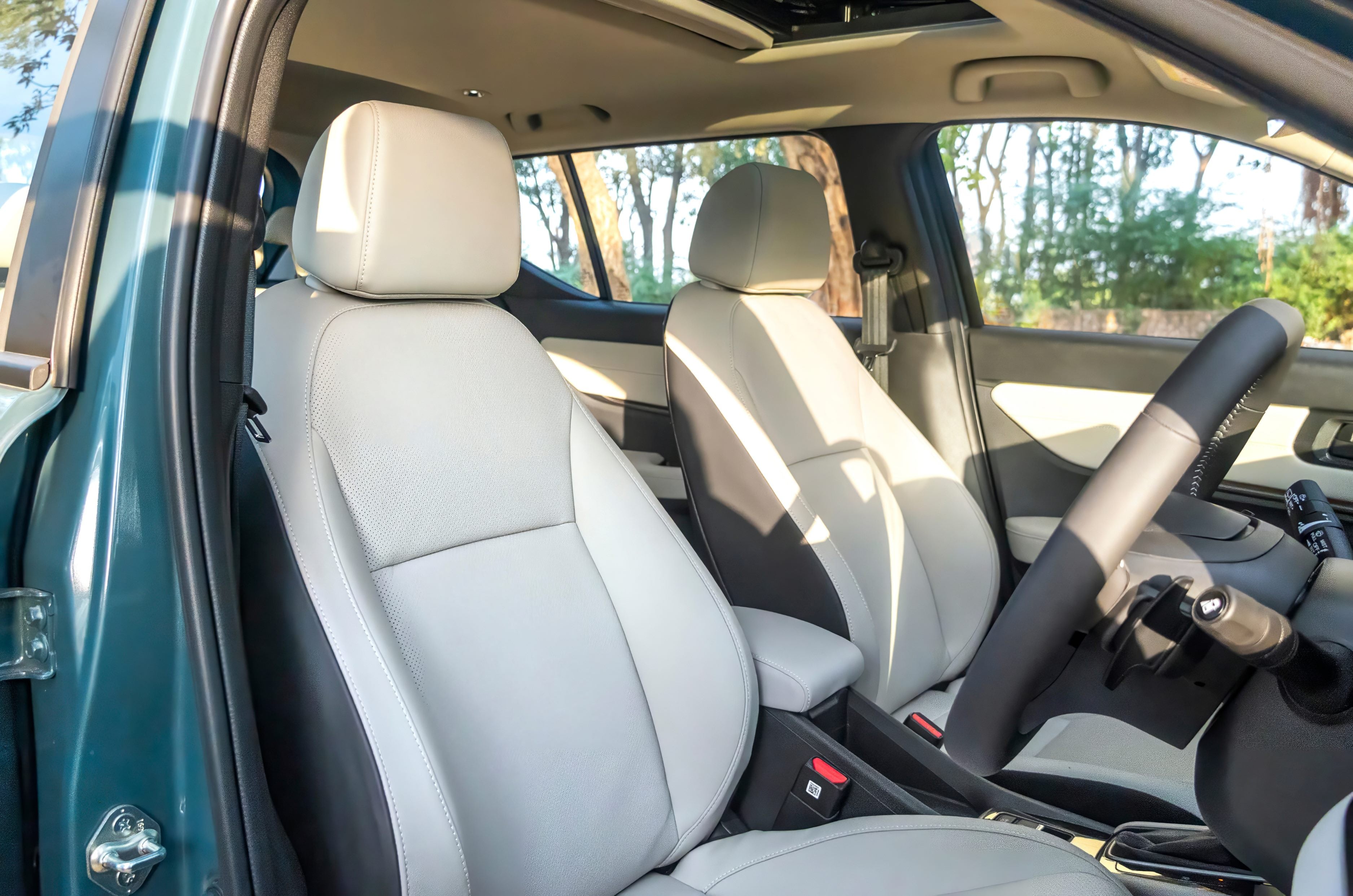
The cabin gets more substantial updates than the exterior, with the changes aimed at improving comfort and perceived quality. To start off, there’s a new ivory and black dual-tone upholstery theme that enhances the sense of space inside and is perhaps more neutral than the tan upholstery earlier. It will be tough to clean though, thankfully there is the option of all-black upholstery with the ‘Black’ edition Elevate.
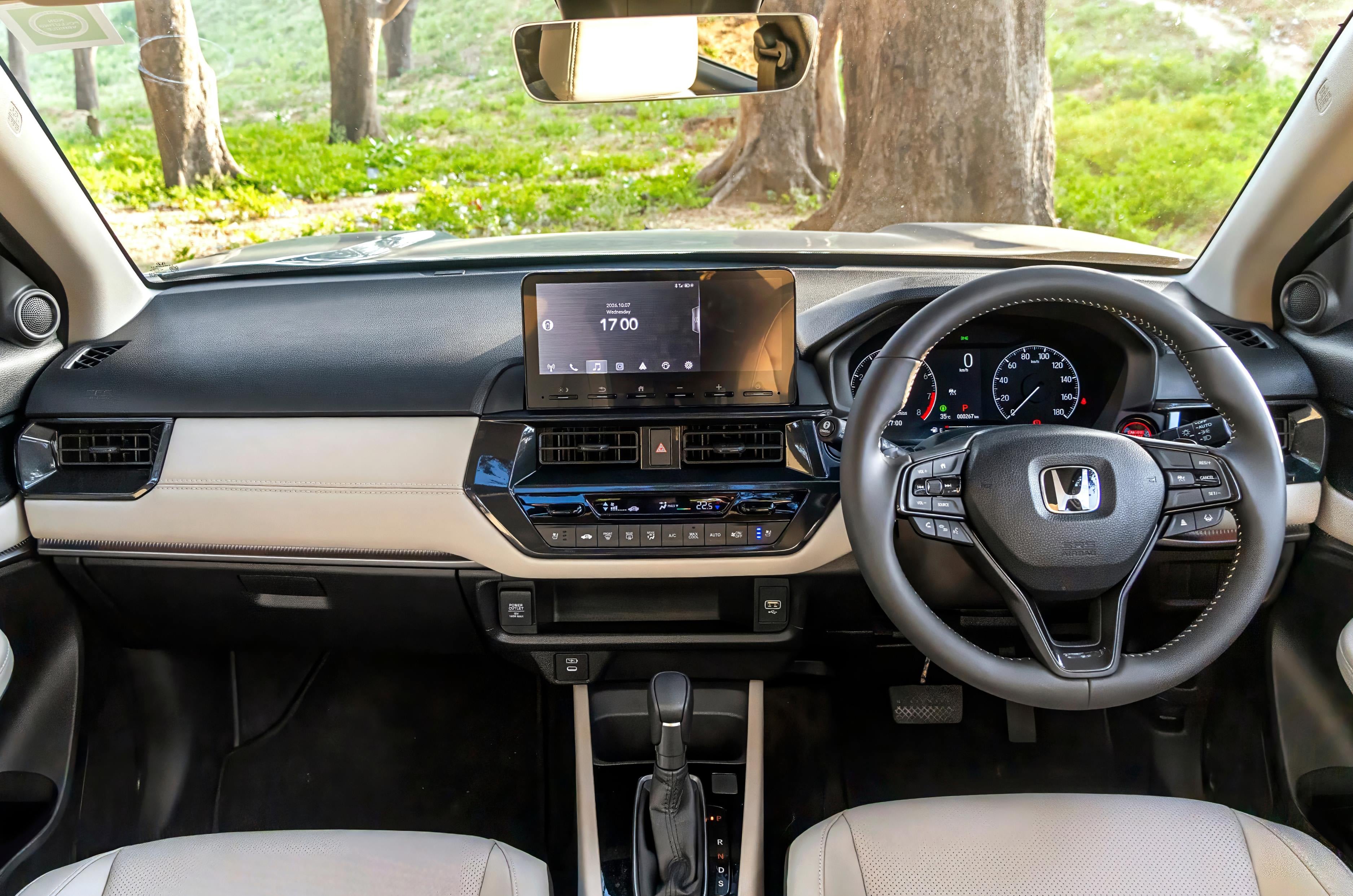
Honda Elevate Facelift Interior
Upholstery is now ivory and black with a new leatherette panel on the dash; cabin remains practical and feels well-built.

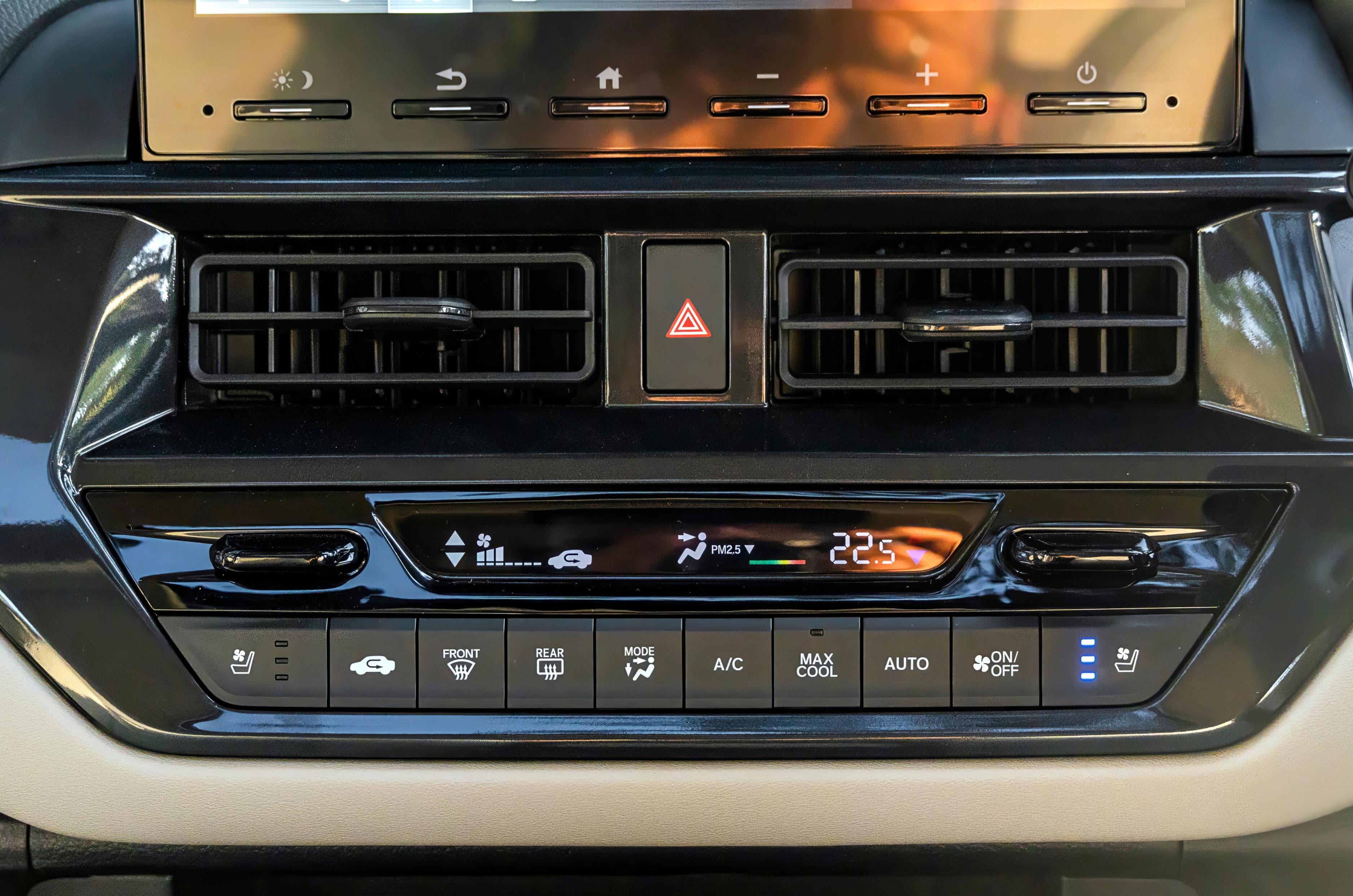
The dashboard has been revised too, with more white leatherette padding and stitching replacing the outgoing model’s faux wood trim, and the AC controls have been revised, now housing the seat ventilation buttons. Honda has even updated the roofliner fabric which looks and feels much nicer than the older woven roofliner. All of this gives the cabin a fresher look, although the overall layout remains familiar.
Honda Elevate Facelift Front Seats
Front seats remain comfortable and now feature ventilation and power adjustment.

Ergonomics remain a strong point, with the Elevate offering a commanding driving position and supportive front seats that make it easy to get comfortable behind the wheel. The lumbar support, however, might feel excessive for some and taller people may find underthigh support a bit lacking.
Honda Elevate Facelift Rear Seats
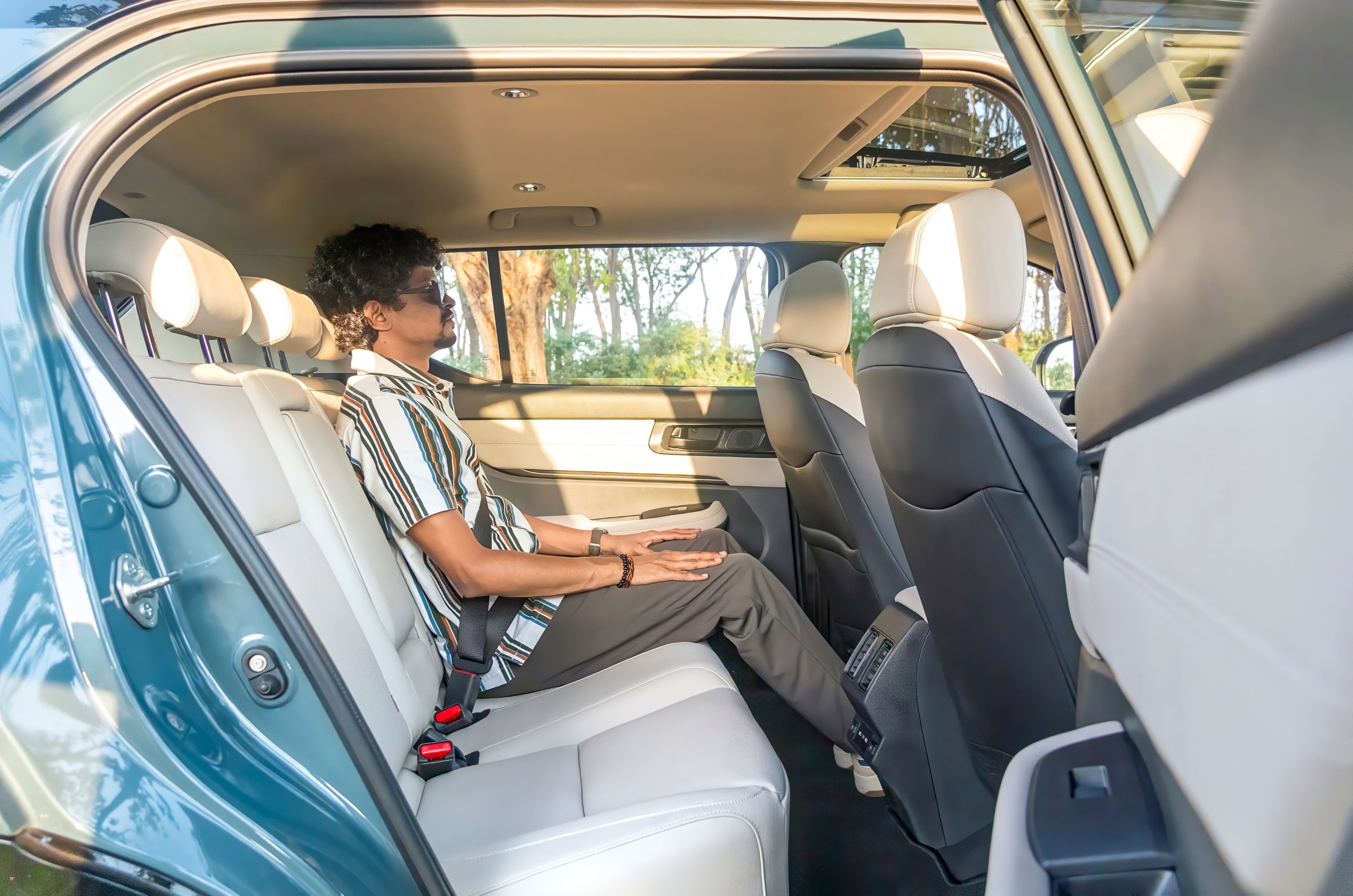
Ample headroom and kneeroom but best for two adults thanks to the narrow width and raised centre seat.

At the rear, space is generous, with plenty of kneeroom and headroom making it a very comfy place for two adults. However, fitting a third passenger will be tight thanks to the cabin’s limited width and raised centre seat. There are no sunblinds either, but Honda has added an adjustable headrest and a three-point seatbelt for the centre passenger, which was an omission earlier. Features back here include dedicated AC vents, USB charging ports, a fold down centre armrest with cupholders, new capacitive-touch LED reading lamps and the most prominent, seat ventilation.
Honda Elevate Facelift Boot
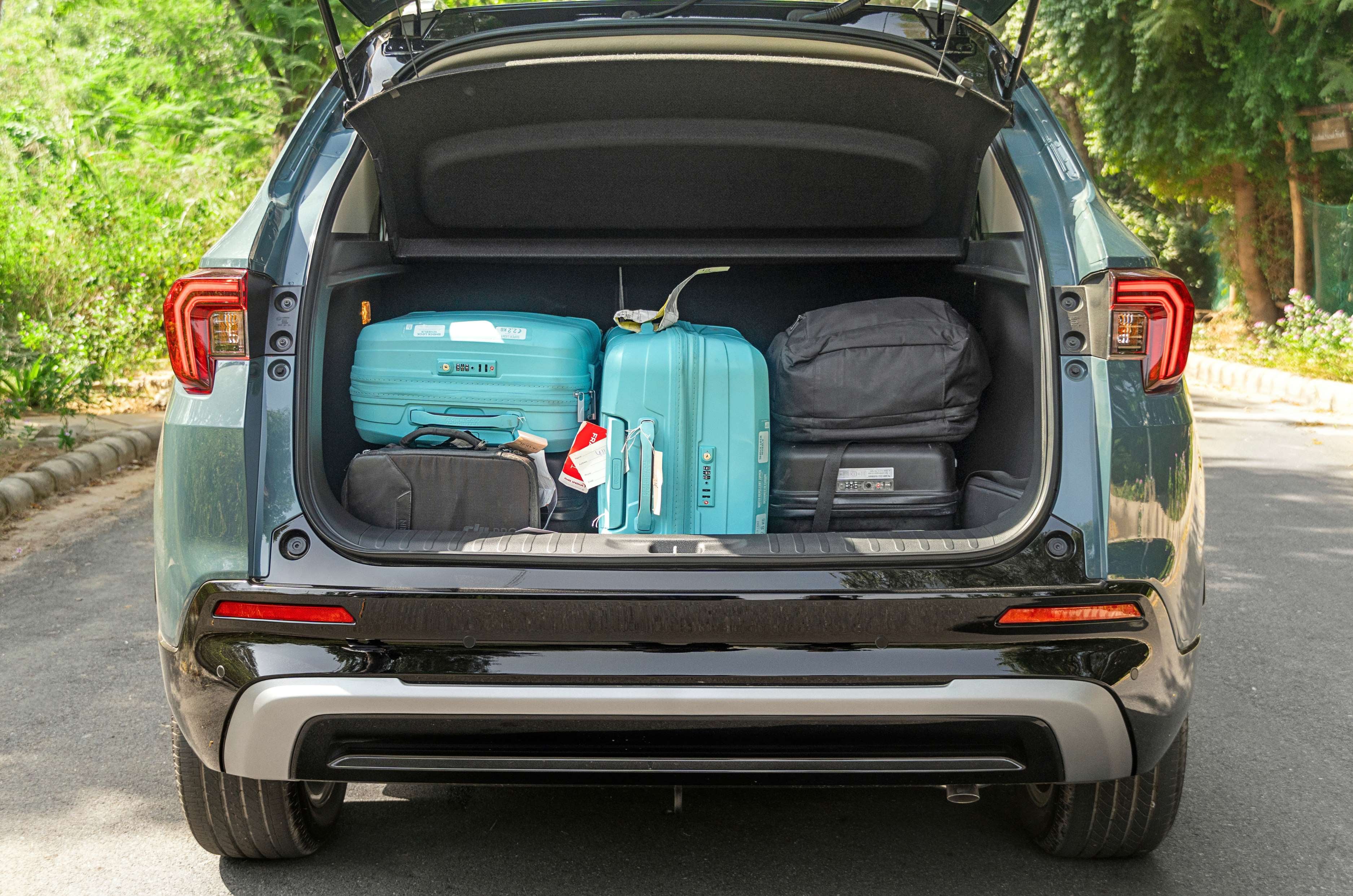
428-litre boot can fit in more than the number suggests; continues to feature a spare tyre under the boot floor.

Practicality, meanwhile, remains a strength, with the Elevate offering ample storage spaces throughout the cabin. The boot is also a substantial 458-litres and can pack in much more than the number would suggest. What’s also nice is that it continues to get a spare tyre under the boot floor.

Features and safety – 8/10
Honda Elevate Facelift 360 Camera
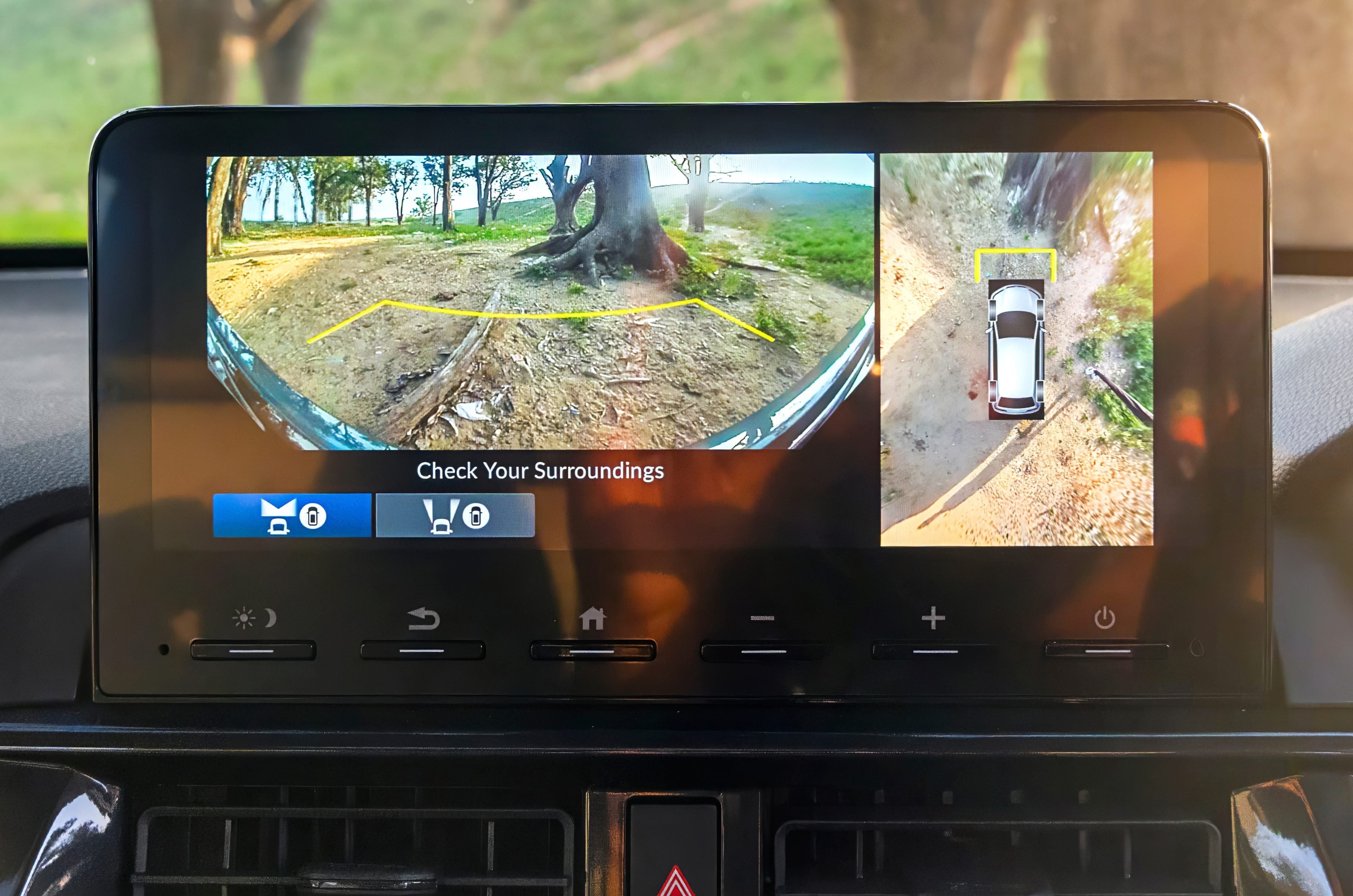
360-degree parking camera is a helpful addition but has limited angles of view and a small display on the screen.

The Elevate facelift addresses some of the key equipment gaps in the outgoing model, bringing a more comprehensive feature set to the table. In terms of safety features, there’s now a 360-degree camera (its display on the screen is quite small though, with limited angles of view), which works alongside the existing ‘LaneWatch’ camera, though curiously this feature is still only for the left hand side.
Honda Elevate Facelift Instrument Cluster
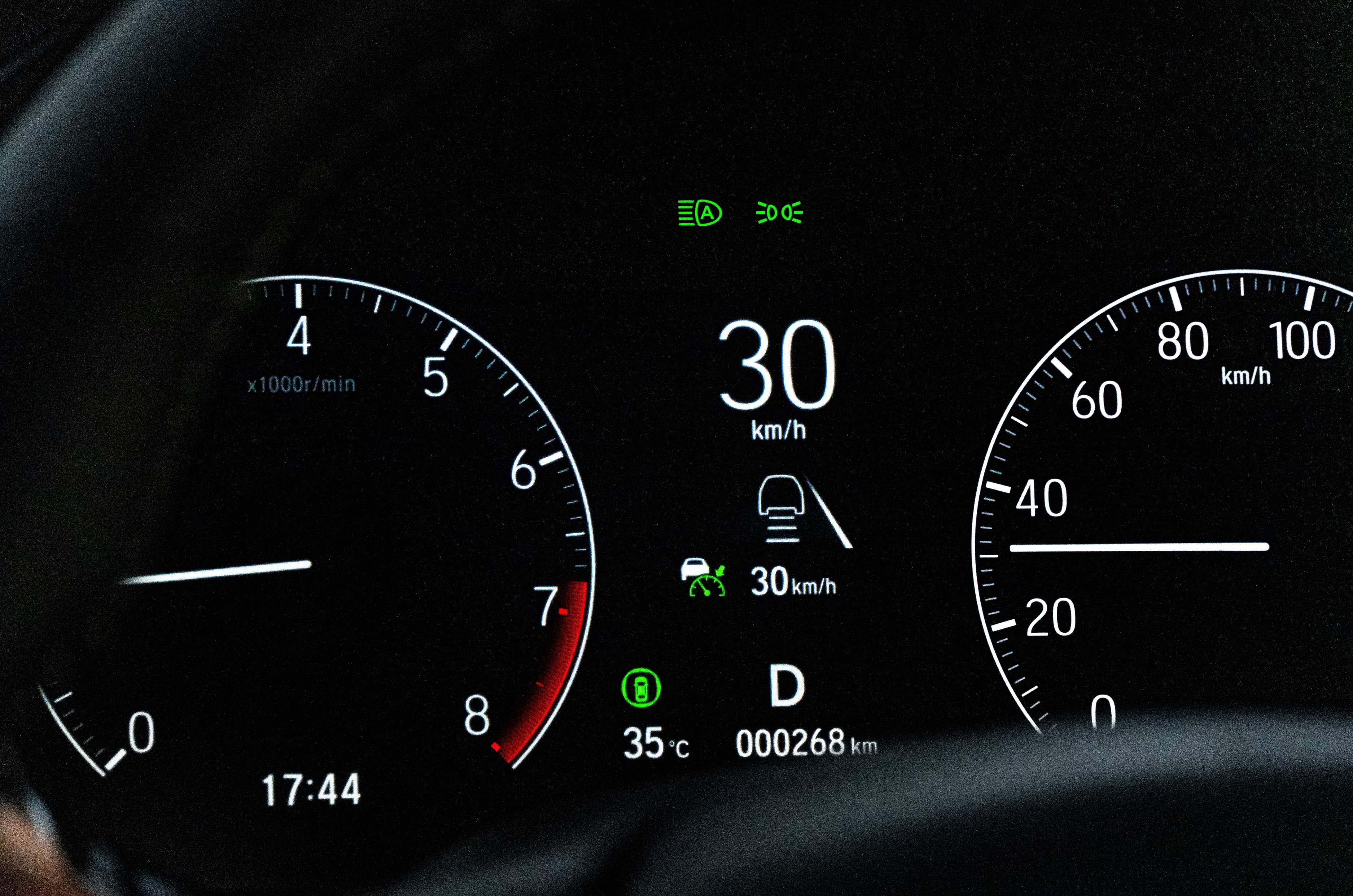
ADAS suite now packs in a useful low-speed follow function for the adaptive cruise control.

Front parking sensors have also been added to make parking and manoeuvring in tight gaps easier. However, the CVT variants get even more safety kit in the form of an electronic parking brake with auto hold function, rear disc brakes and the addition of a low-speed follow function for the adaptive cruise control, which is useful in stop-and-go traffic.
Honda Elevate Facelift Rear Seat Ventilation
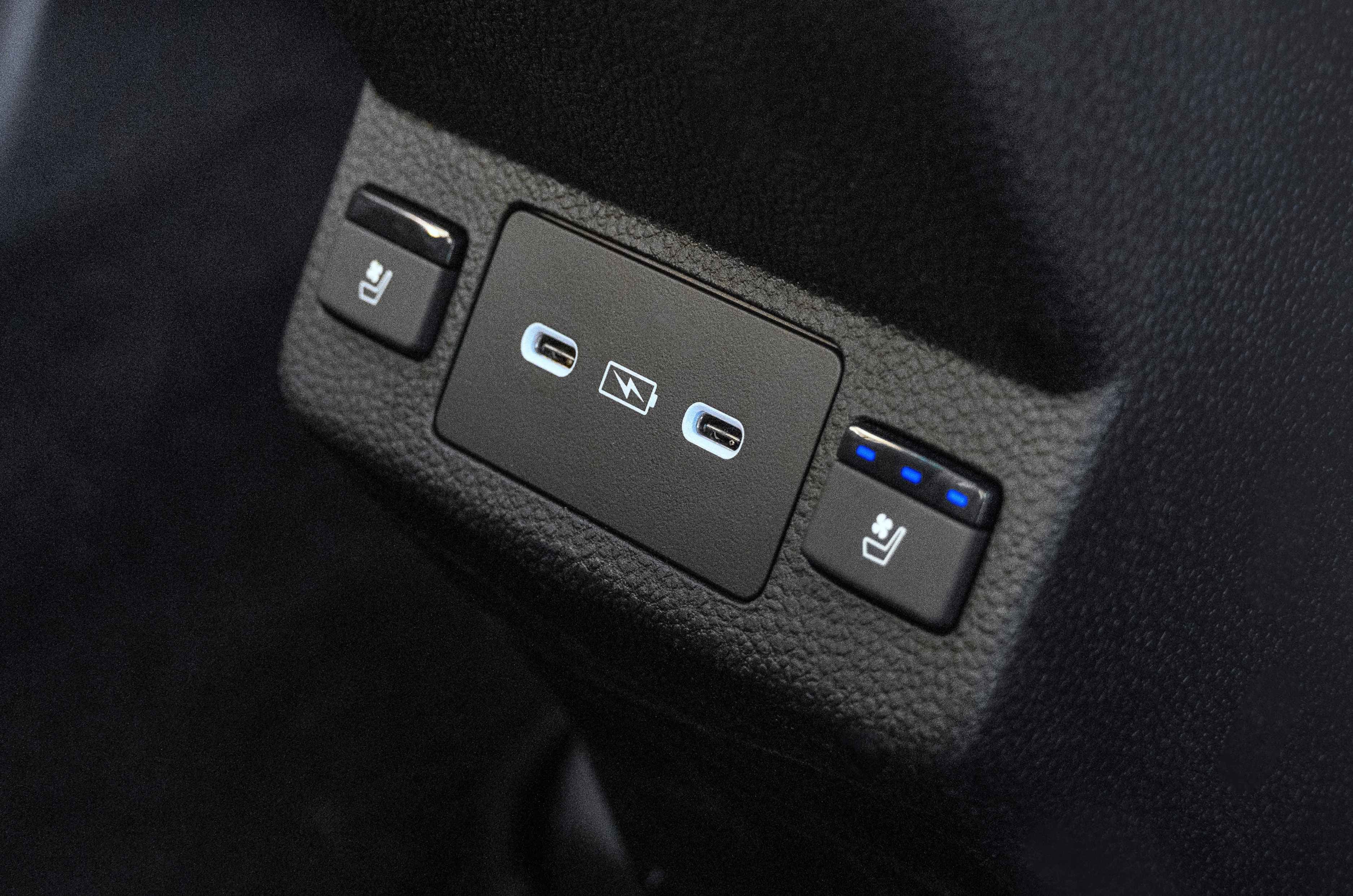
Rear-seat ventilation is a first-in-segment, but it’s only available in the top-spec ZX+ trim.

As for comfort and convenience features, the most important additions are the ventilated front and rear seats, the latter which is a segment-first. Though they take some time to cool effectively, it has enhanced the Elevate’s cabin comfort. Then there’s powered front seats – 8-way for the driver and 4-way for the passenger – ambient lighting and a PM2.5 air purifier. Other than that, much of the existing equipment has been carried over unchanged.
Honda Elevate Facelift AC Controls
AC controls have been revised with new buttons for seat ventilation; now features an air purifier too.

There’s a 10.25-inch infotainment touchscreen with wireless smartphone integration (though its software and feature set still feel basic at best), semi-digital instrument cluster, a single-pane sunroof, wireless phone charger, six airbags, ESC, traction control, camera-based ADAS tech including auto emergency braking, lane keep assist and more. Still however, there are some features missing that rivals offer like a dual-zone for the auto climate control, panoramic sunroof and powered tailgate. 

Powertrain and refinement – 8/10
Honda Elevate Facelift Engine
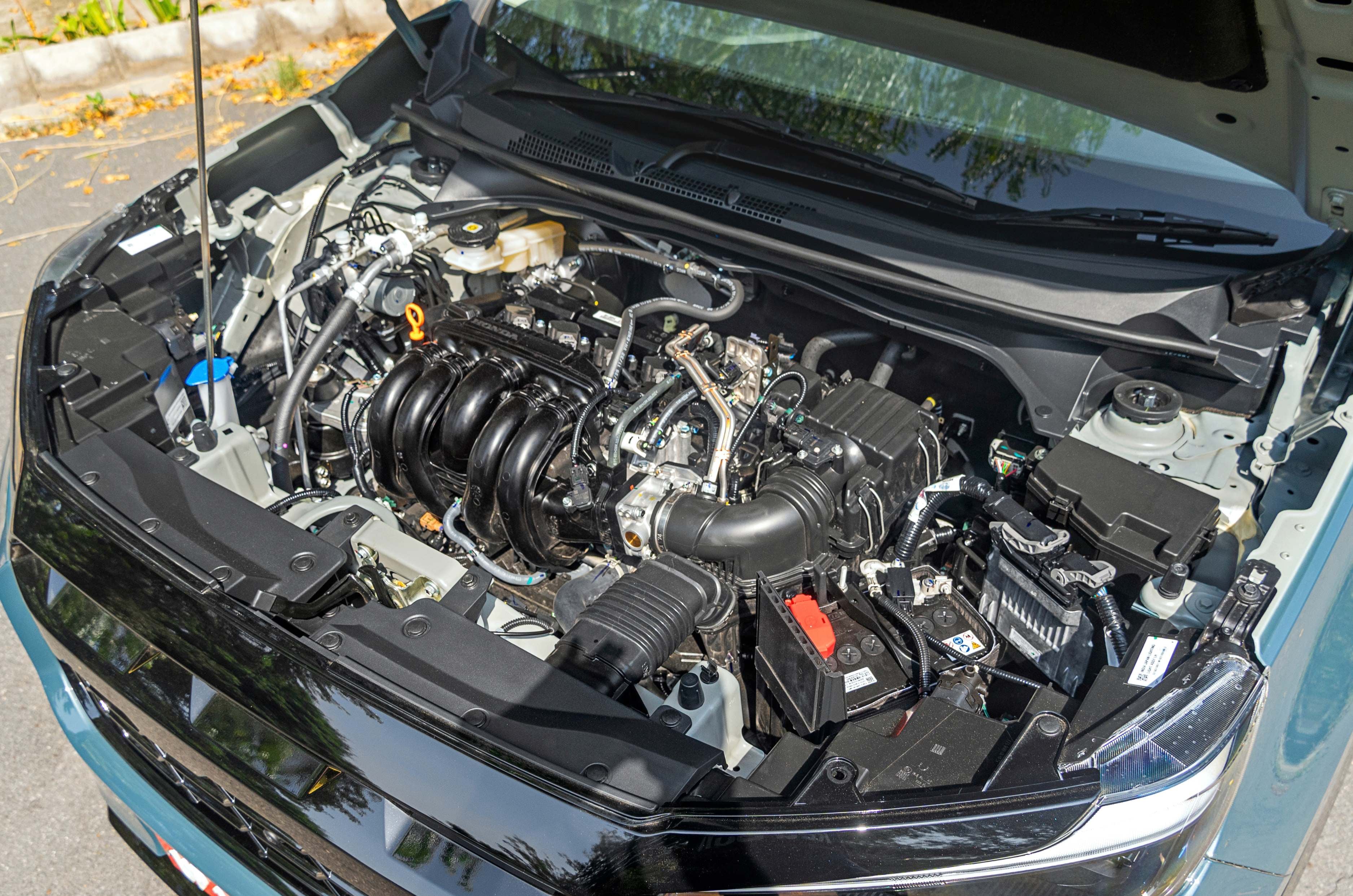
121hp, free-revving, naturally aspirated 1.5 petrol remains the only engine option with the Elevate.

There have been no changes under the hood of the Honda Elevate. It still continues to be powered by a 1.5-litre, four-cylinder, naturally aspirated petrol engine that produces 121hp and 145Nm. Gearbox options remain unchanged too, with a 6-speed manual and a 7-step CVT automatic, and we got to sample the latter. However, the engine has been future-proofed and is now WLTP emissions norms compliant while already being E20 fuel compatible.

This i-VTEC engine still impresses however. Throttle response is immediate, with no noticeable delay, making the engine feel sharp and eager. As before, the naturally aspirated motor pulls cleanly from idle all the way to the redline, in a smooth and progressive manner. However, it feels most energetic higher up the rev range, where it feels at its most potent too.
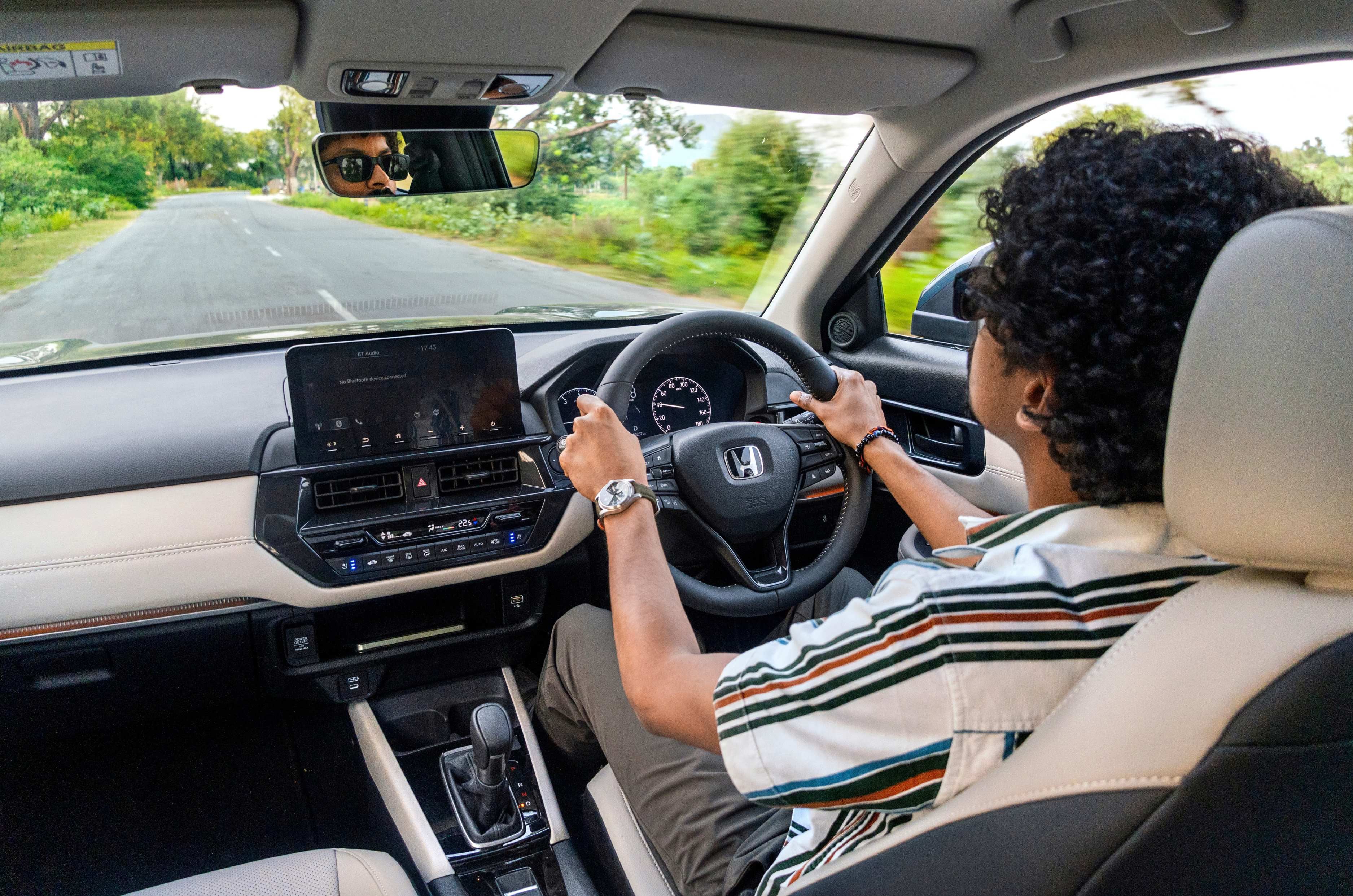
Honda Elevate Facelift Interior Driving

The 7-step CVT works well as an automatic, making light work of everyday commuting with its smooth operation. Paddle shifters with pre-set ratio points also give it some resemblance to a conventional automatic, allowing you to have greater control. However, push the throttle hard and the familiar ‘rubber band’ effect becomes apparent, with the engine holding on to high revs for extended periods, which doesn’t make for a relaxed driving experience. In this respect, Hyundai and Kia’s chain-driven CVT feels a bit smoother and more responsive than this belt-driven one. 

As for performance, we managed a 0-100kph time of 11.89sec with the pre-facelift Elevate CVT and you can expect this facelifted model to be in the same ballpark. Expectedly, the manual does a quicker 10.82sec time to 100kph. 

However, like before the lack of powertrain options is disappointing. In a time when rivals are offering diesels, turbo petrols, strong hybrids and CNGs, the Elevate has to soldier on with a solitary, naturally-aspirated petrol engine which restricts its appeal.
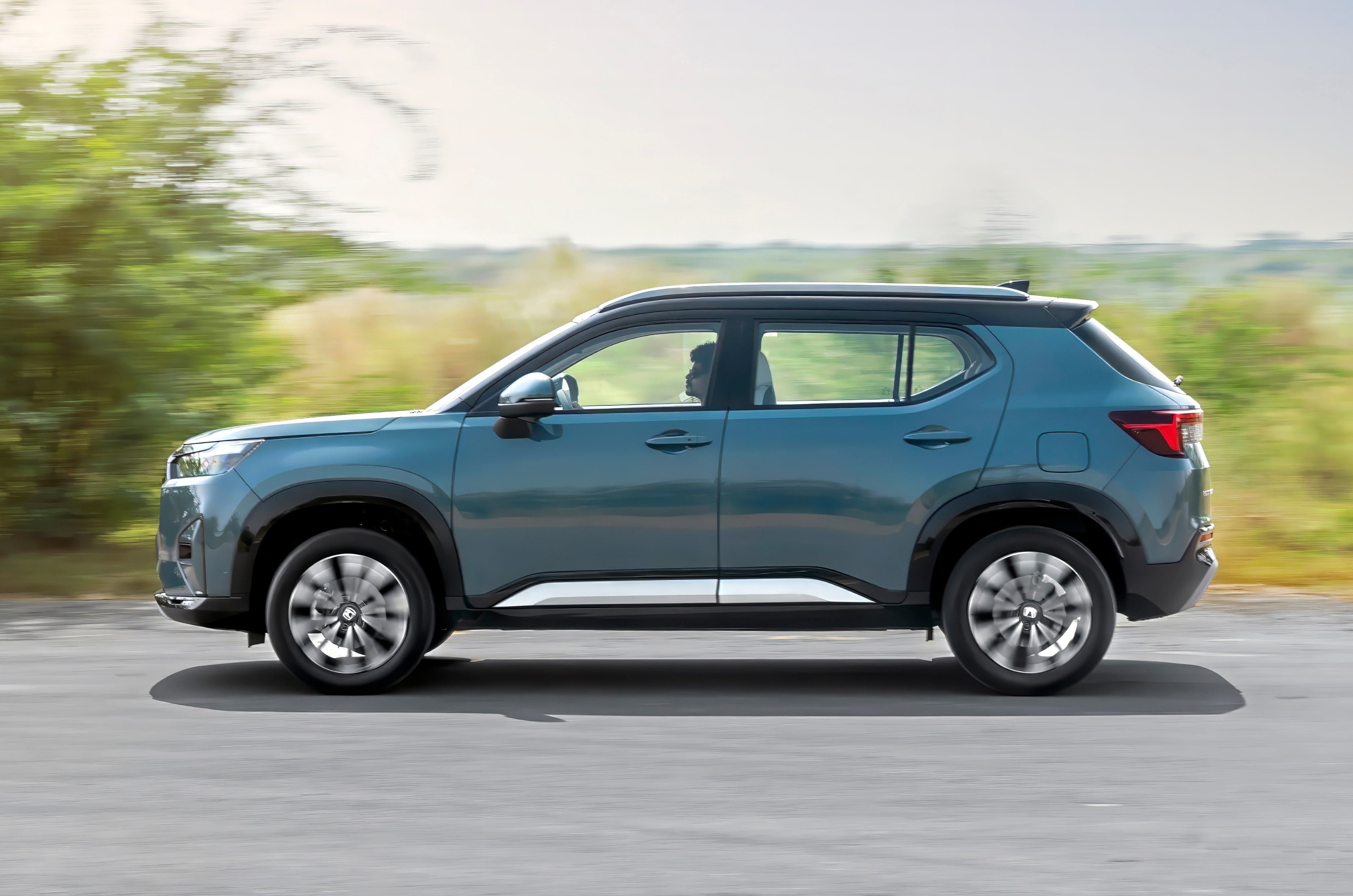
Honda Elevate Facelift Side Tracking
It feels quieter than before but there’s still prominent engine and road noise filtering into the cabin, especially on highways.

Honda has also worked on improving the Elevate’s noise insulation, an area where the existing model lacked. The company claims better isolation from both engine and road noise, but that has worked only to a small extent, in our experience. It feels quieter than before but there’s still prominent engine and road noise filtering into the cabin, especially at highway speeds, and there’s definitely more room for improvement here.

Fuel efficiency – 7/10

Given our short test drive, we didn’t subject the Elevate facelift to our real-world mileage tests. For reference though, the pre-facelift Elevate CVT did 8.60kpl in the city and 13.10kpl on the highway while the Elevate MT managed 8.7kpl in the city and 13.30kpl out on the highway. The Elevate CVT misses out on an Eco drive mode and auto start/stop, which certainly affects its fuel efficiency.

Ride comfort and handling – 8/10
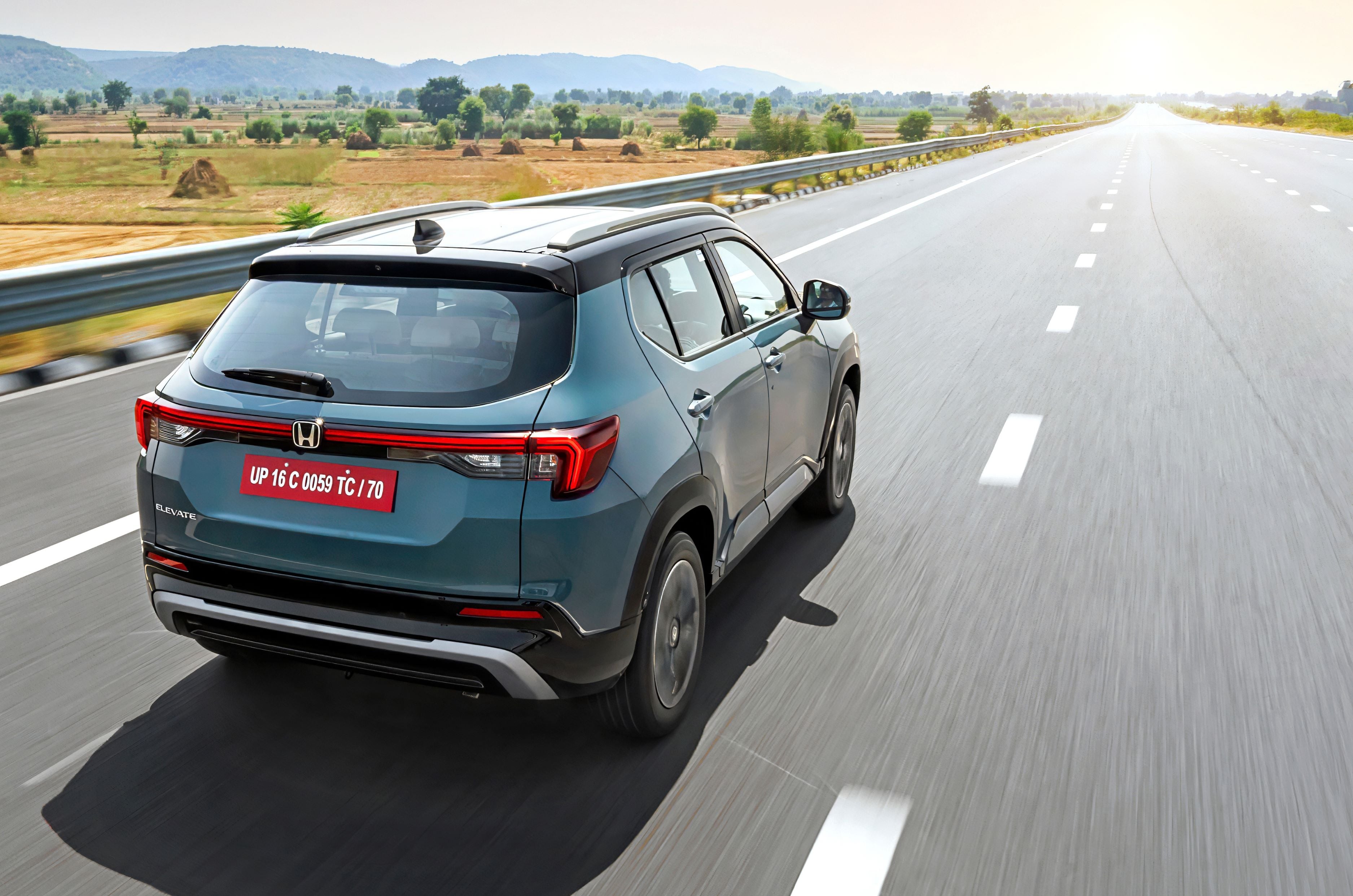
Honda Elevate Facelift Rear Top Quarter Tracking
Despite being a high-riding SUV, the Elevate feels remarkably composed on the move.

As before, the Honda Elevate continues to impress with its ride and handling balance. Despite being a tall riding SUV, it feels remarkably composed on the move. Suspension damping, though on the firmer side, is well judged and does a good job of ironing out road imperfections. It’s only when you’re travelling at triple digit speeds on an undulating highway is where you’ll notice quite a bit of vertical movement in the rear seat. But apart from that, the Elevate feels planted on the road. 
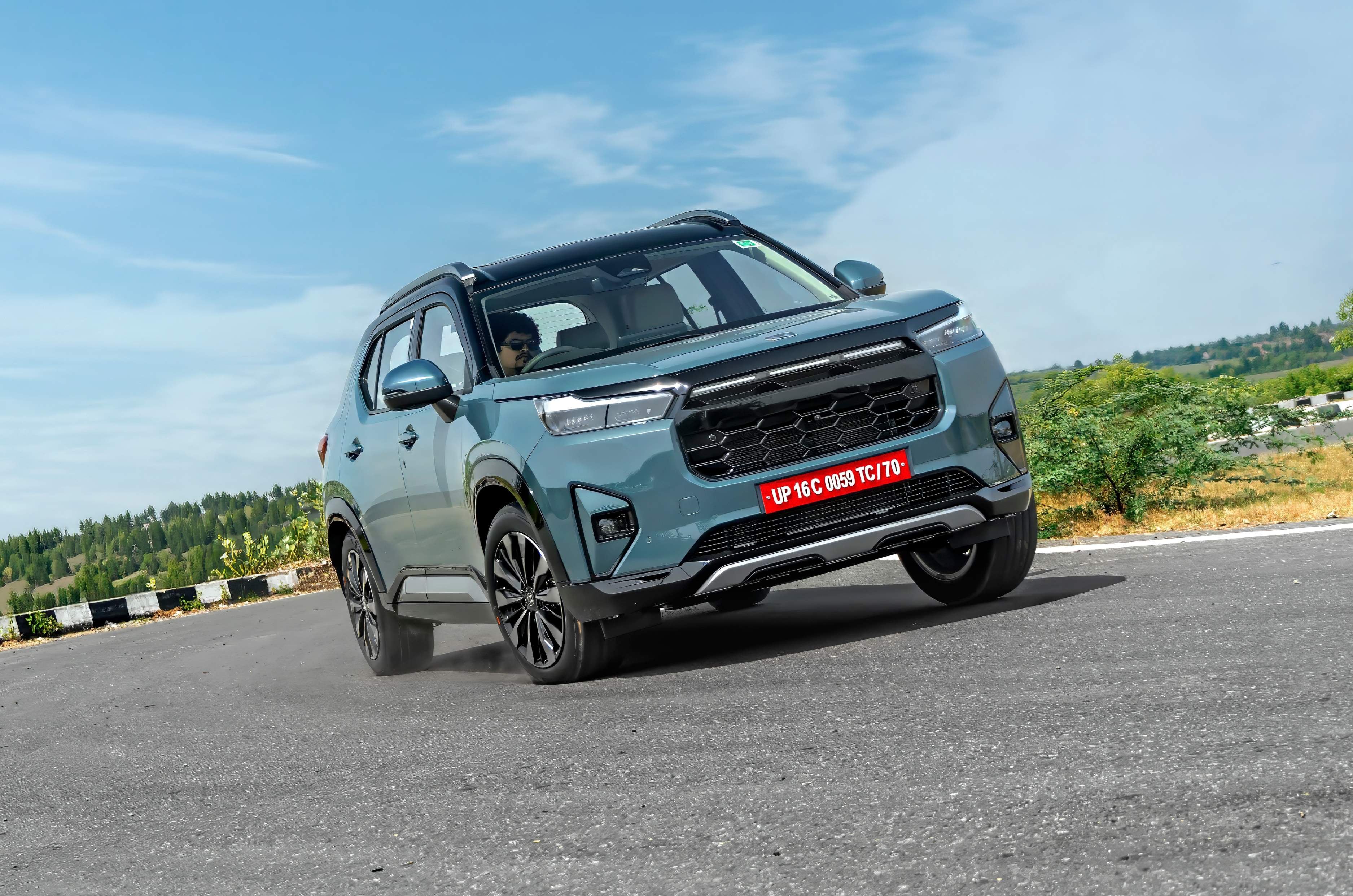
Honda Elevate Facelift Cornering
Body roll is also well contained for a tall SUV, making it predictable around bends.

The steering is accurate and light at slow speeds, which helps with manoeuvrability, but it picks up weight progressively which is reassuring. Body roll is also well contained for a tall SUV and as such, it’s predictable around bends. As for the brakes, the CVT has gained rear discs but that hasn’t made a noticeable difference. Braking performance, like before, remains strong with a nice, progressive feel.

Value for money and verdict – 7/10

With this facelift, Honda has addressed some of the Elevate’s earlier shortcomings with some much-needed features and the updated look and feel inside the cabin. However, some drawbacks still remain like the lack of powertrain options and the below-par sound insulation. 
Honda Elevate Facelift Front Tracking
It remains a sensible, practical midsize SUV that continues to prioritise the essentials over outright novelty.

What the Elevate continues to get right, though, are the fundamentals. It continues to offer a comfortable and practical cabin, a responsive engine and a well-sorted ride and handling package. Add to that the design refresh and the fairly expansive features list, and the Elevate facelift feels more rounded than before. Priced from Rs 11.80 lakh to Rs 18.40 lakh (ex-showroom), it’s still very competitively priced, though the new top ZX+ variant is up there with the heavy hitters.

Ultimately, the Elevate remains a sensible, practical midsize SUV that continues to prioritise the essentials over outright novelty. As a result, the Elevate facelift represents a great option for buyers who value comfort, everyday usability, reliability and the peace of mind associated with the Honda badge.
Starlink Row In India: कमल हासन से लेकर कुणाल कपूर तक, भारत में स्टारलिंक विवाद पर बोले एक्टर्स

Starlink Row In India: कमल हासन के बाद बॉलीवुड एक्टर कुणाल कपूर ने SpaceX के फाउंडर और CEO एलन मस्क के उस दावे पर प्रतिक्रिया दी है, जिसमें उन्होंने कहा था कि भारत में कुछ ताकतवर लोगों (ओलिगार्क्स) ने मार्केट पर अपना कब्जा बनाए रखने के लिए उनकी सैटेलाइट इंटरनेट सर्विस, स्टारलिंक (Starlink) को “ब्लॉक” कर दिया है। कुणाल ने एलन की सोच को “औपनिवेशिक मानसिकता” (colonial mindset) बताया और टेक अरबपतियों की “मसीहा बनने की भावना” (saviour complex) की ओर इशारा किया।

कुणाल ने एलन मस्क की ‘औपनिवेशिक मानसिकता’ पर सवाल उठाए

कुणाल ने लिखा- “इस वीक एलन मस्क की बातों को सुनकर लगा कि वह पश्चिमी टेक अरबपतियों का मसीहा बनने की कोशिश में लगे हैं। वे आपके देश में आकर आपको भविष्य बेचते हैं। अगर आप उनका स्वागत करते हैं तो आप एक ऐसे देश माने जाते हैं जो तरक्की चाहता है। अगर आप उन्हें इंतजार करवाते हैं तो अचानक आपके लोग पीड़ित बन जाते हैं, जिन्हें किसी ‘चुने हुए व्यक्ति’ द्वारा उनके अपने ही संस्थानों से बचाने की जरूरत होती है।”

कुणाल ने अतीत की उन घटनाओं का जिक्र किया जब देशों ने एलन की मदद लेने से इनकार किया था। उन्होंने नकारात्मक प्रतिक्रिया दी थी। एक्टर ने 2018 में थाईलैंड में हुए बचाव अभियान का जिक्र किया, जब वाइल्ड बोअर्स सॉकर टीम के 11 से 16 साल की उम्र के 12 सदस्यों और उनके 25 साल के असिस्टेंट कोच को थाम लुआंग गुफा परिसर से बचाया गया था। बचाव दल ने उस मिनी-सबमरीन का इस्तेमाल नहीं किया जो एलन ने ऑपरेशन के लिए दी थी, जिससे वे नाराज हो गए थे।

उन्होंने अगस्त 2024 में ब्राजील के सुप्रीम कोर्ट द्वारा X (पहले ट्विटर) को देश भर में सस्पेंड करने का भी जिक्र किया, क्योंकि यह प्लेटफॉर्म कोर्ट के आदेशों का पालन करने में विफल रहा था। कुणाल ने लिखा, “यह एक पैटर्न है। जब थाई बचाव दल ने फंसे हुए लड़कों के लिए मस्क द्वारा भेजी गई मिनी-सबमरीन का इस्तेमाल नहीं किया और गोताखोर वर्नोन अनस्वर्थ ने इस विचार को अव्यावहारिक बताया, तो मस्क ने उन पर ‘पेडो गाइ’ (बच्चों का शोषण करने वाला व्यक्ति) होने का आरोप लगाया।

जब ब्राजील के सुप्रीम कोर्ट ने X को अपने फैसलों का पालन करने का आदेश दिया, तो मस्क ने जज को ‘तानाशाह’ कहा। स्क्रिप्ट शायद ही कभी बदलती है। बस देश बदलता है। औपनिवेशिक मानसिकता का मतलब हमेशा किसी देश पर राज करना नहीं होता। कभी-कभी यह सोच होती है कि आप वहां एक मसीहा बनकर आए हैं और अगर देश तुरंत आपको ऐसा नहीं मानता, तो जरूर देश में ही कुछ गड़बड़ है।”

एलन मस्क ने क्या कहा था?

एलन ने भारत में स्टारलिंक की संभावनाओं के बारे में कई ट्वीट किए हैं, जिनमें अंबानी परिवार का भी जिक्र किया गया है। उन्होंने लिखा, “स्टारलिंक के पास 165 से ज्यादा देशों में लाइसेंस है और इसने भारत सरकार के हर नियम और जरूरत को पूरा करने में पांच साल बिताए हैं, तो फिर अभी तक लाइसेंस क्यों नहीं मिला? क्या अंबानी ही भारत के असली बॉस हैं?”

क्या बोले कमल हासन

टेक अरबपति की चौंकाने वाली बातों के तुरंत बाद एक्टर और नेता कमल हासन ने उन पर सवाल उठाते हुए कहा, “किसी भी अरबपति को देश की पॉलिसी तय नहीं करनी चाहिए – चाहे वह भारत हो या अमेरिका।” शुक्रवार को हासन ने मस्क की पहली पोस्ट को री-शेयर किया और स्टारलिंक-भारत विवाद पर अपनी राय रखी। एक्टर ने कहा कि, “भारत जानता है कि हमारे नेटवर्क और स्पेक्ट्रम रणनीतिक इंफ्रास्ट्रक्चर हैं न कि सिर्फ कमर्शियल एसेट्स। भारत की राष्ट्रीय सुरक्षा से जुड़ी सुरक्षा व्यवस्थाओं पर कोई समझौता नहीं किया जा सकता।”

एक कड़े बयान में हासन ने कहा कि भारत को भारतीय और ग्लोबल, दोनों तरह के प्रोवाइडर्स का स्वागत करना चाहिए, जो भी दूर-दराज के इलाकों के लिए सबसे प्रैक्टिकल और किफायती ‘लास्ट-माइल सॉल्यूशन’ दे सके।

भारत के संचार मंत्रालय ने इस सुझाव को खारिज कर दिया कि देश का रेगुलेटरी फ्रेमवर्क भेदभावपूर्ण है। गुरुवार को जारी एक बयान में मंत्रालय ने कहा, “सोशल मीडिया पर सैटेलाइट कम्युनिकेशन सेवाओं के लिए भारत के रेगुलेटरी फ्रेमवर्क की निष्पक्षता के बारे में एक पोस्ट शेयर किया जा रहा है, जिसमें यह सुझाव दिया गया है कि इसे भेदभावपूर्ण तरीके से लागू किया जा रहा है। सरकार ने सैटेलाइट कम्युनिकेशन सेवाओं सहित सभी टेलीकम्युनिकेशन सेवाओं के लिए एक निष्पक्ष और भेदभाव-रहित ऑथराइजेशन फ्रेमवर्क लागू किया है।”

Volkswagen ID. Tiguan revealed with up to 600km range

Volkswagen ID. Tiguan revealed with up to 600km range
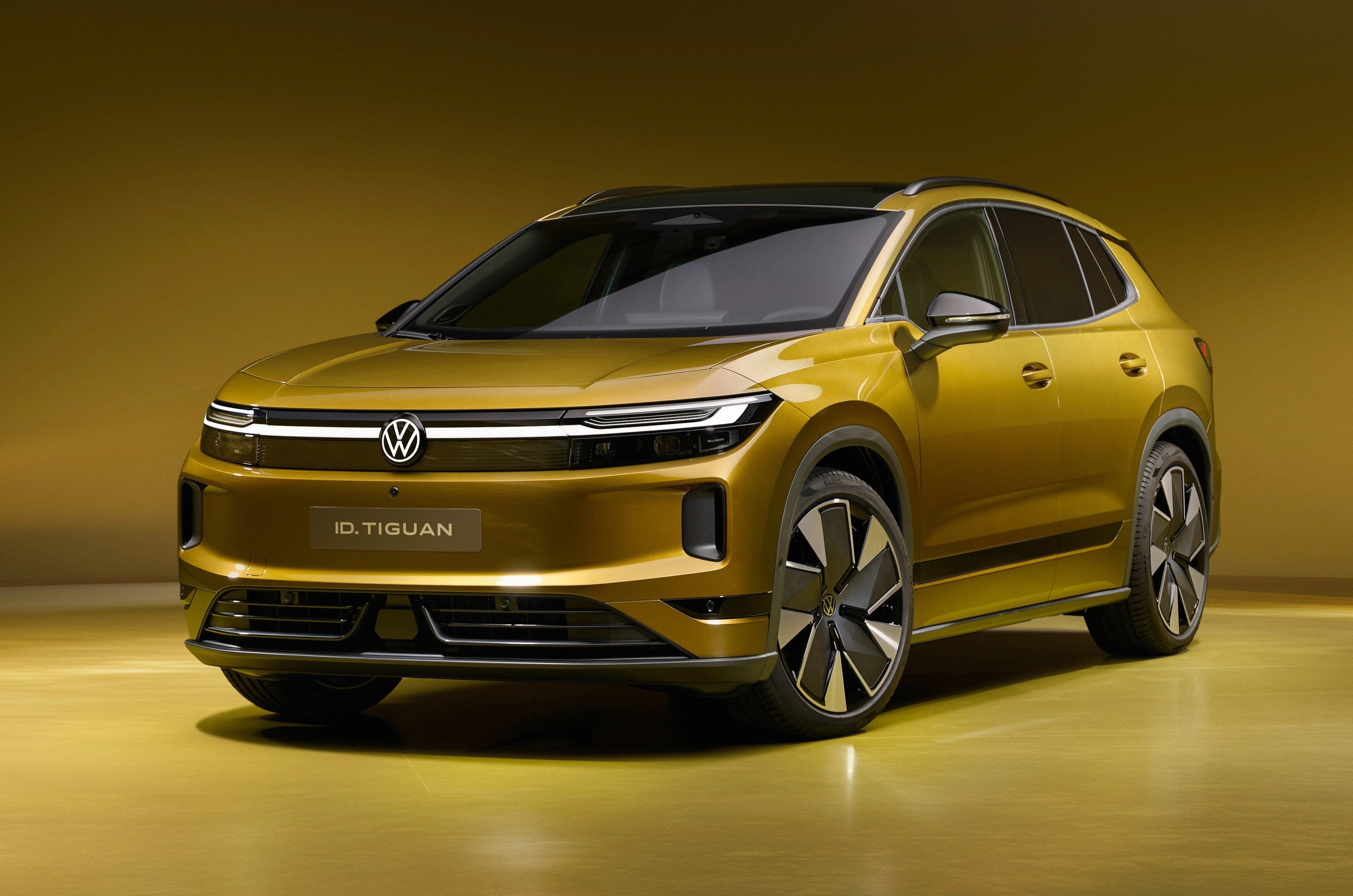
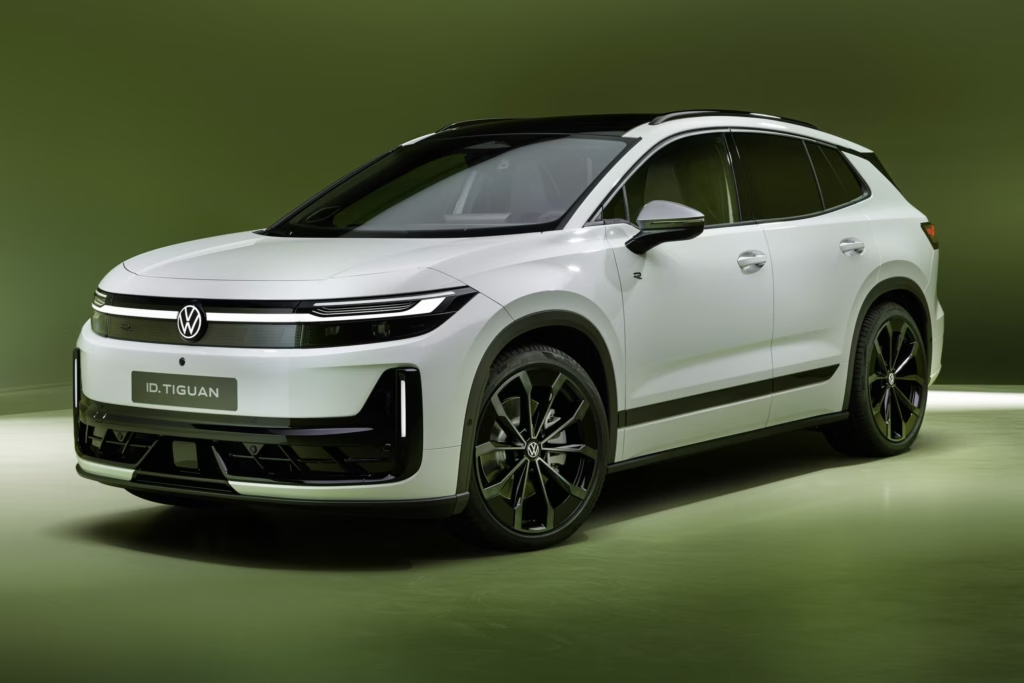
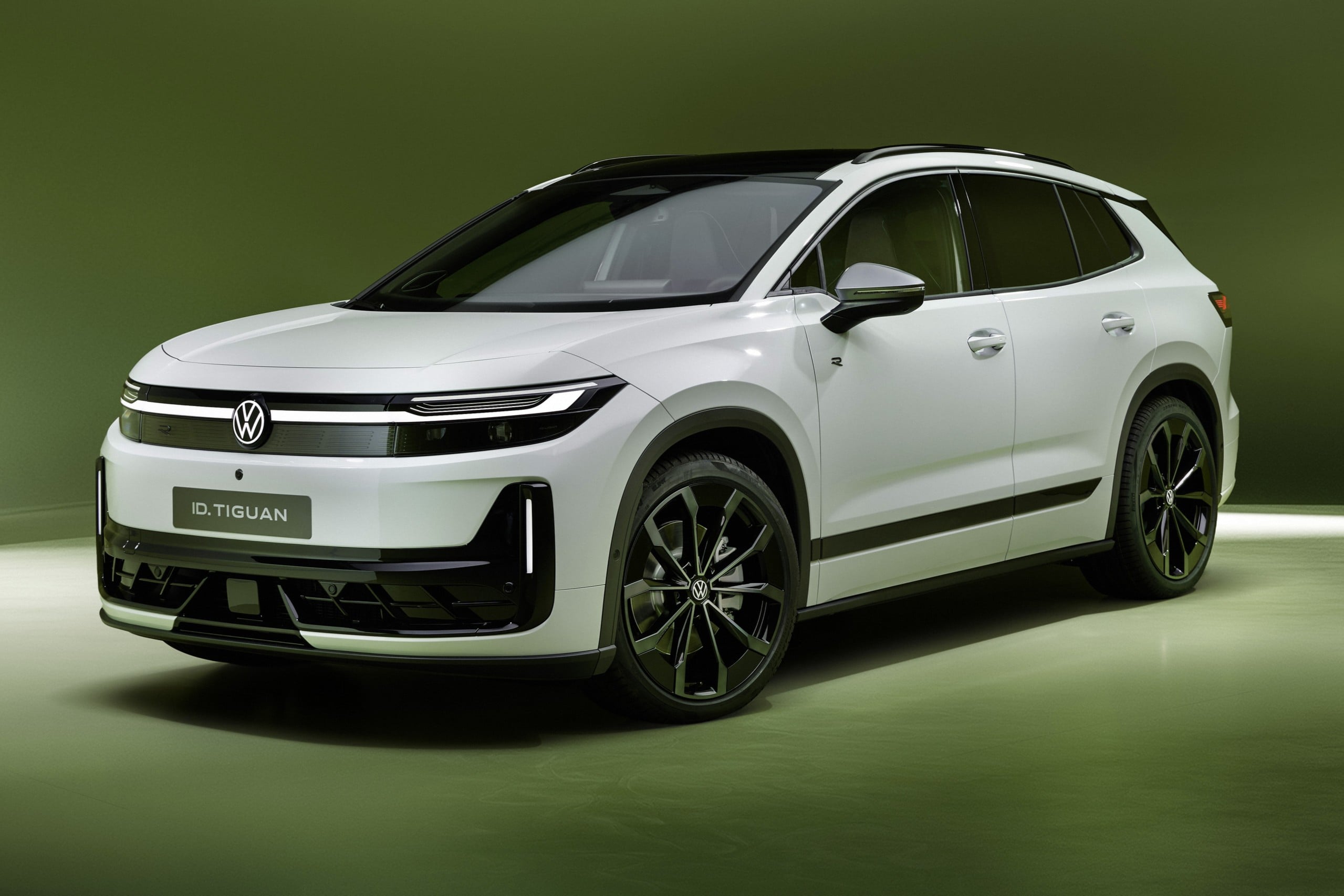
Volkswagen ID. Tiguan front quarter static

Volkswagen has revealed the ID. Tiguan for the European market. Slated to launch in 2027, the ID. Tiguan is a successor to the ID. 4 and ID. 5, says Volkswagen. The eSUV will be offered with 58kWh and 77kWh battery packs in RWD and AWD layouts. The ID. Tiguan will continue to sell alongside the ICE-powered Tiguan in global markets. 

Volkswagen ID. Tiguan Exterior

The ID. Tiguan is underpinned by the MEB+ platform and gets the brand’s ‘Pure Positive’ design language. Additionally, the brand says it has given the ID. Tiguan a more SUV-like design as opposed to the crossover-esque look of the ID. 4 and 5. LED headlamps, connected LED DRLs, and an illuminated logo are encased in a black trim. 

Volkswagen ID. Tiguan. Interior and features

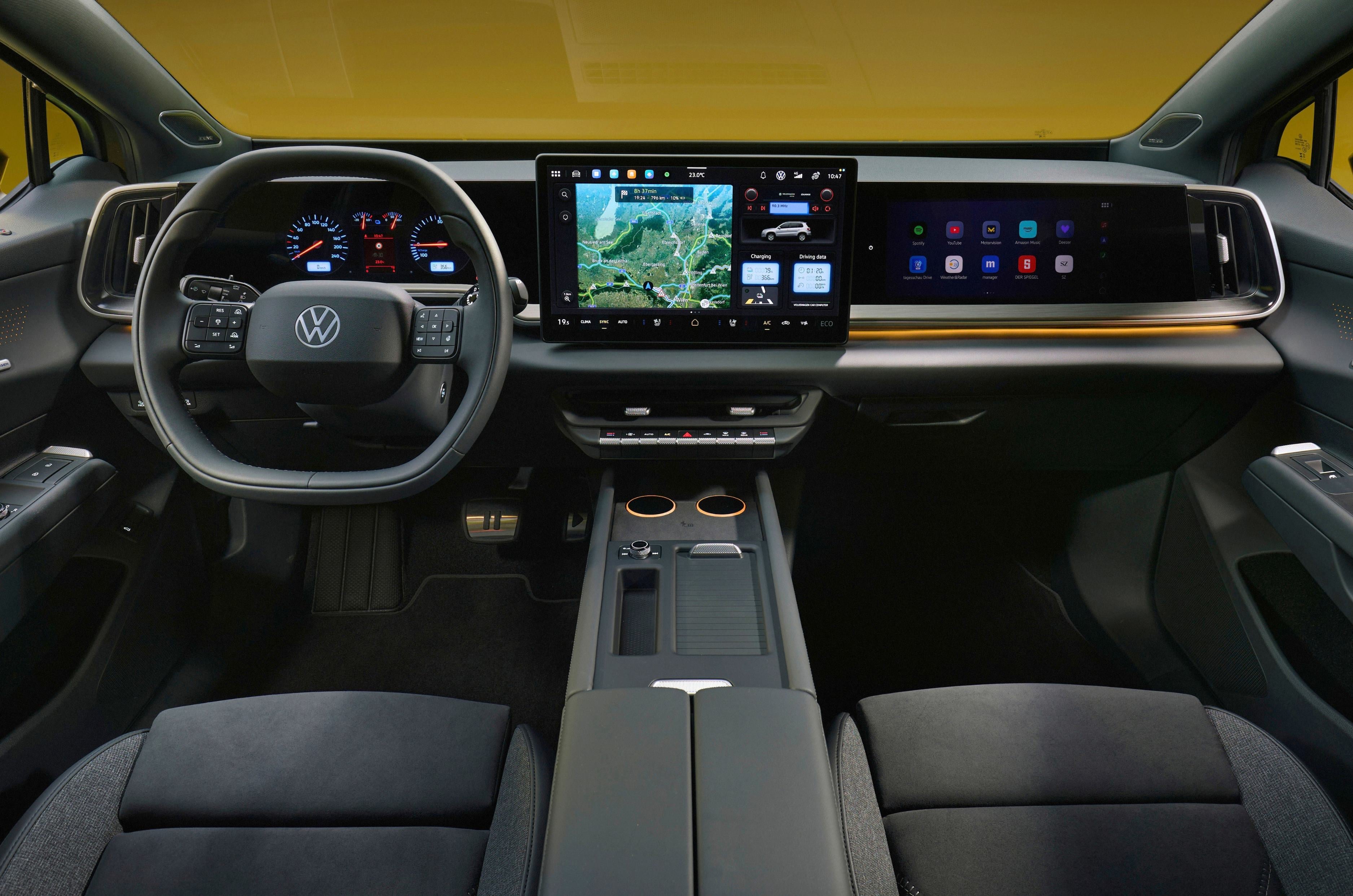
All-black theme, triple screen setup and powered, ventilated front seats 

Inside, the ID. Tiguan gets an all-black theme with silver accents. Flanking the layered dashboard is a triple-screen setup, which is surrounded partly by silver trim. You get physical buttons for HVAC controls, and the high-set centre console comes with cubbyholes. There’s also a two-spoke steering wheel with a plethora of physical buttons, and behind it is a digital driver’s display with themes displaying dials from older VW models.

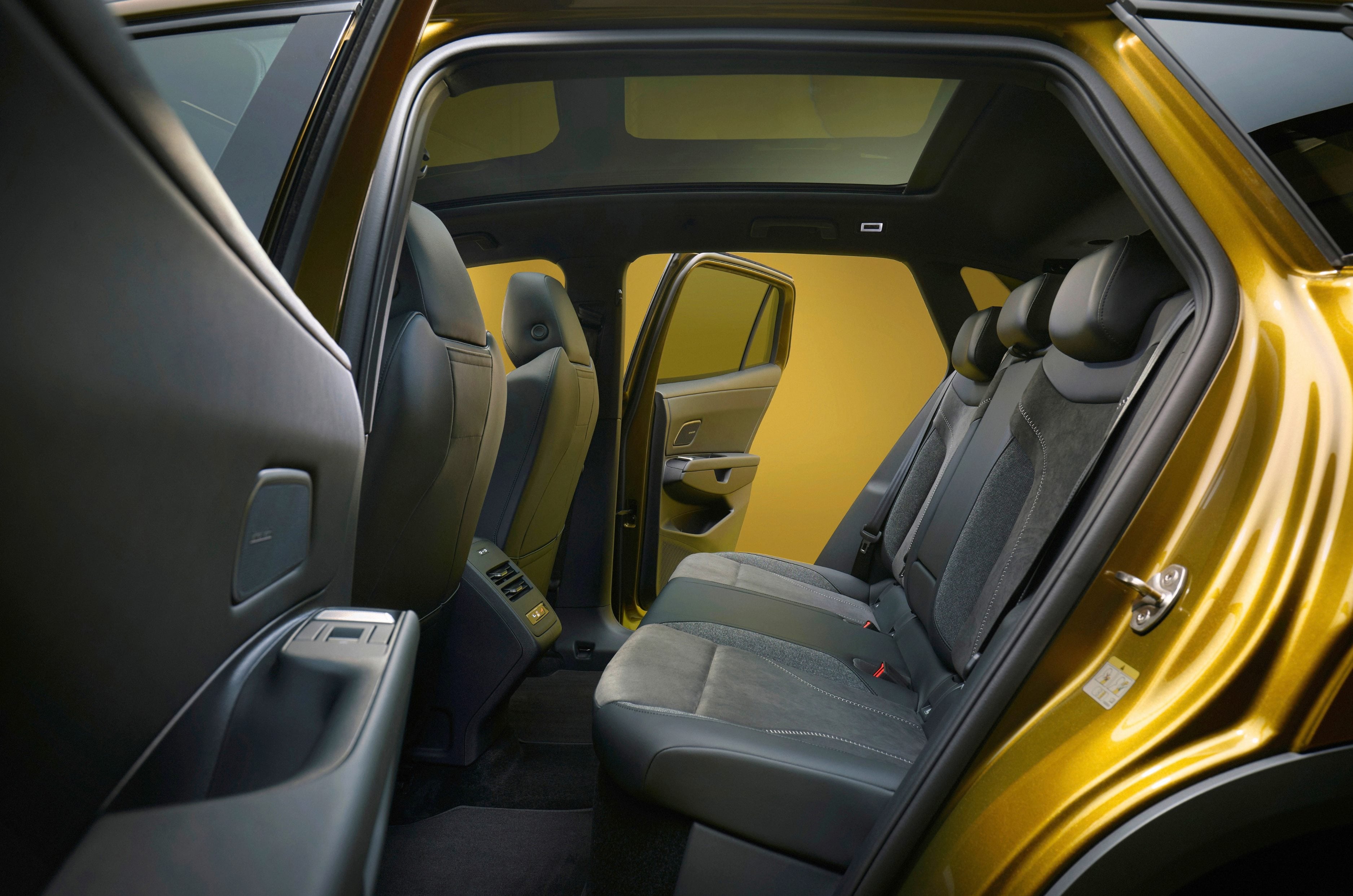
The Tiguan will be sold in four trim levels, namely, Trend, Life, Style, and R-Line. Niceties include a 15-inch infotainment system, 10-inch digital driver’s display, 12-inch passenger screen, an ADAS suite, powered front seats with memory, massage, and ventilation functions, Harmon Kardon sound system, panoramic sunroof, a wireless phone charger, connected car tech, ambient lighting, and V2L functionality.

Volkswagen ID. Tiguan powertrains

Up to 299hp, RWD and AWD options 

The ID. Tiguan will be offered with 58kWh and 77kWh battery packs. The former is paired solely with a rear-mounted motor producing 190hp. The larger 78kWh battery pack is available in RWD and AWD layouts, producing 286hp and 299hp, respectively. The carmaker forecasts a WLTP range of up to 600km. Additionally, Volkswagen claims a towing capacity of up to 2 tonnes depending on the battery pack chosen. However, charging speed support and time details remain under wraps. 

Flying Flea now available in Hyderabad

Flying Flea now available in Hyderabad
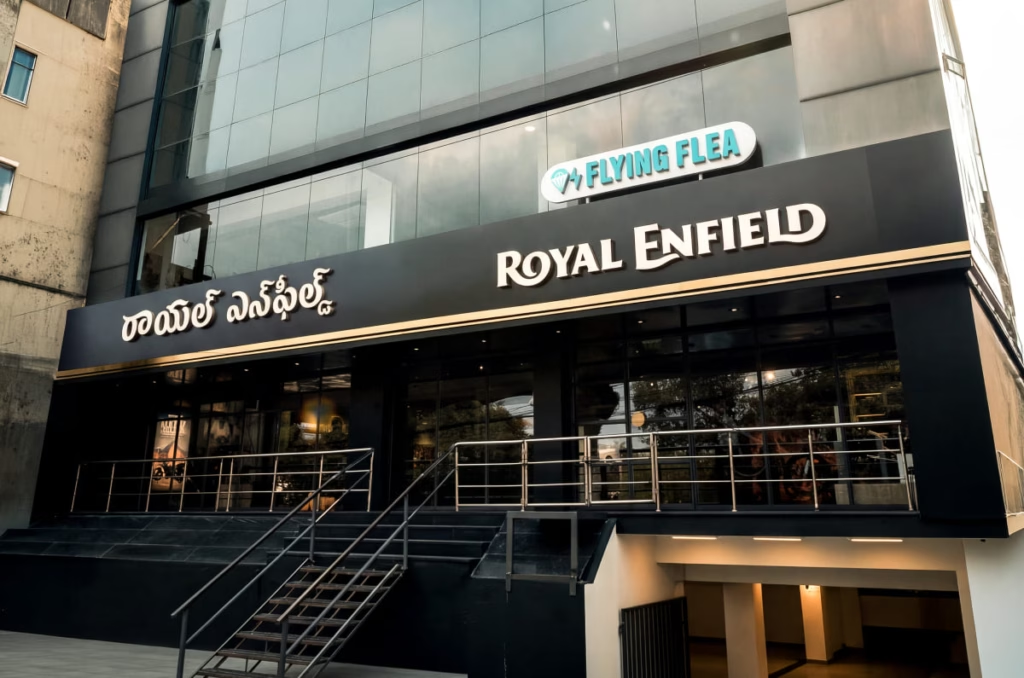
Flying Flea Hyderabad showroom

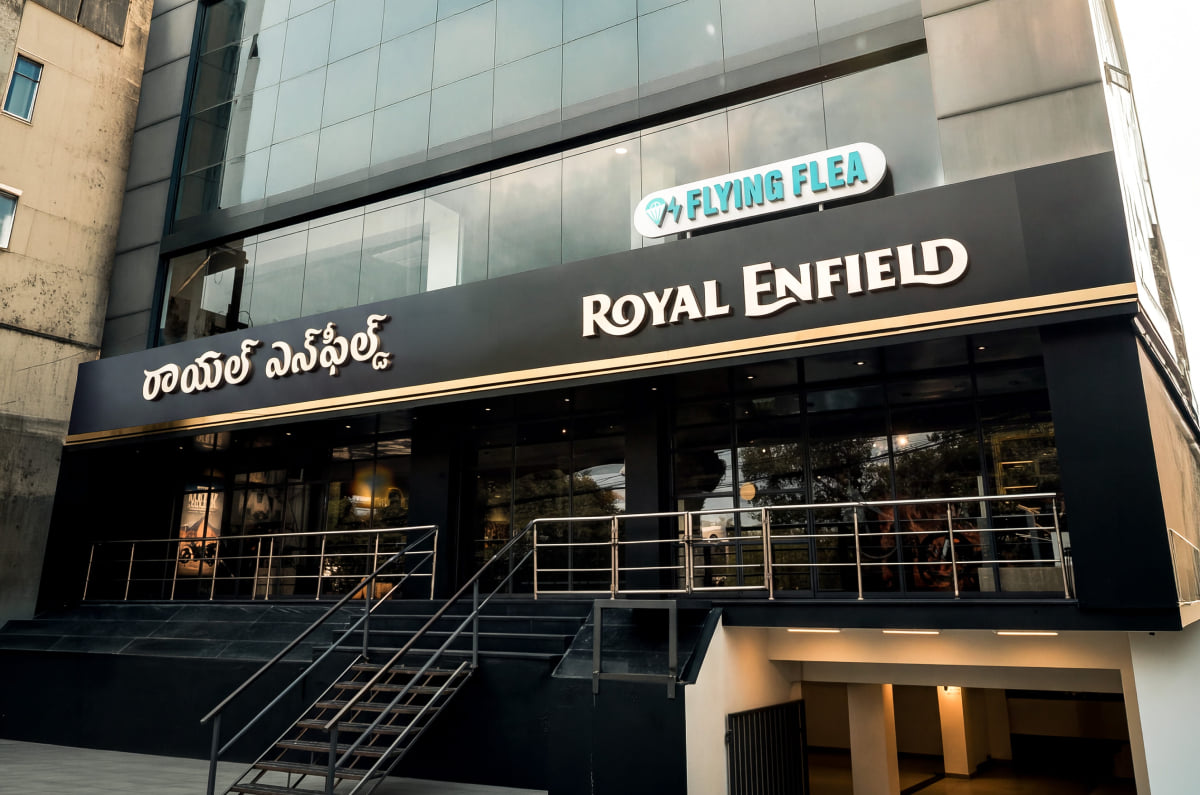
Royal Enfield’s electric sub-brand Flying Flea has expanded its India presence to Hyderabad, opening four customer touchpoints across the city. Hyderabad becomes the second city in the country to host Flying Flea stores, following Bengaluru.

  1. Flying Flea C6 now available in Hyderabad across four touchpoints
  2. Network follows hub-and-spoke model, with a dedicated technical hub at Erragadda
  3. C6 priced at Rs 2.79 lakh, ex-showroom

Flying Flea Hyderabad network

For now, the brand has a company store and three other touchpoints in Hyderabad

The Hyderabad network spans one company store and three dealership outlets spread across the city. The move comes after customers in Bengaluru collectively clocked over 1 lakh kilometres on the Flying Flea C6, the brand’s sole product at the moment.

Flying Flea is also replicating its hub-and-spoke ownership model in Hyderabad. The company store in Erragadda serves as the dedicated hub for specialised technical support, while the spoke centres at Vanasthalipuram, Hi-Tech City and Kondapur will handle routine servicing and maintenance.

The expansion comes on the back of strong uptake in Bengaluru, where Flying Flea has since grown its presence to 11 touchpoints across the city. The brand has also recently expanded into Europe and the UK, with stores in Paris, London, Berlin, Barcelona and Rome.

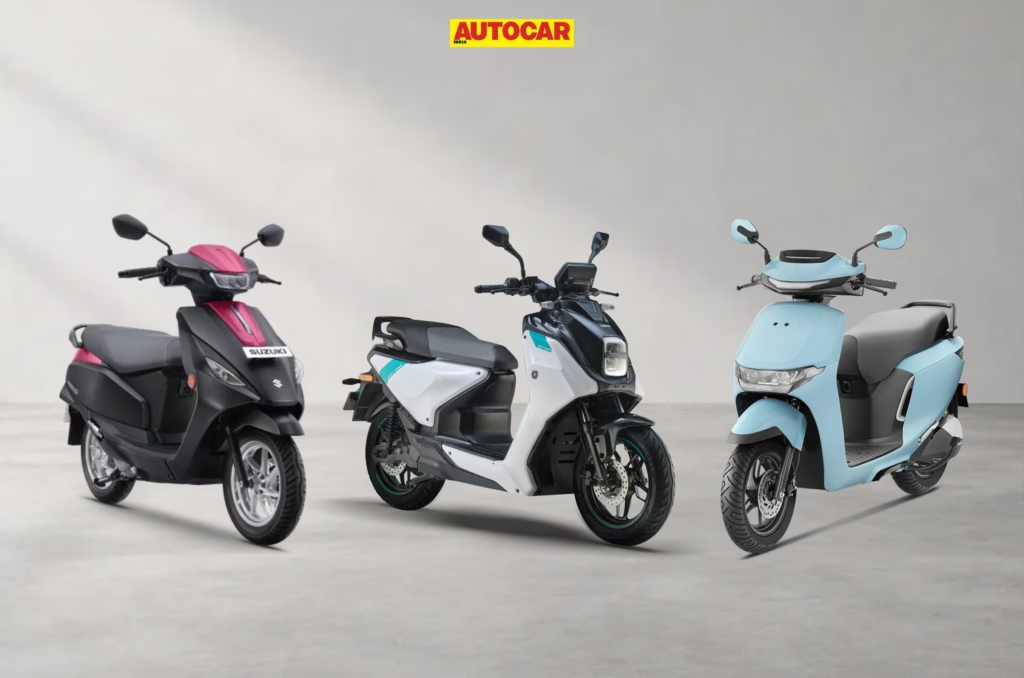
Honda, Suzuki and Yamaha e-scooter sales cross 10,000 units in 2026

Honda, Suzuki and Yamaha e-scooter sales cross 10,000 units in 2026
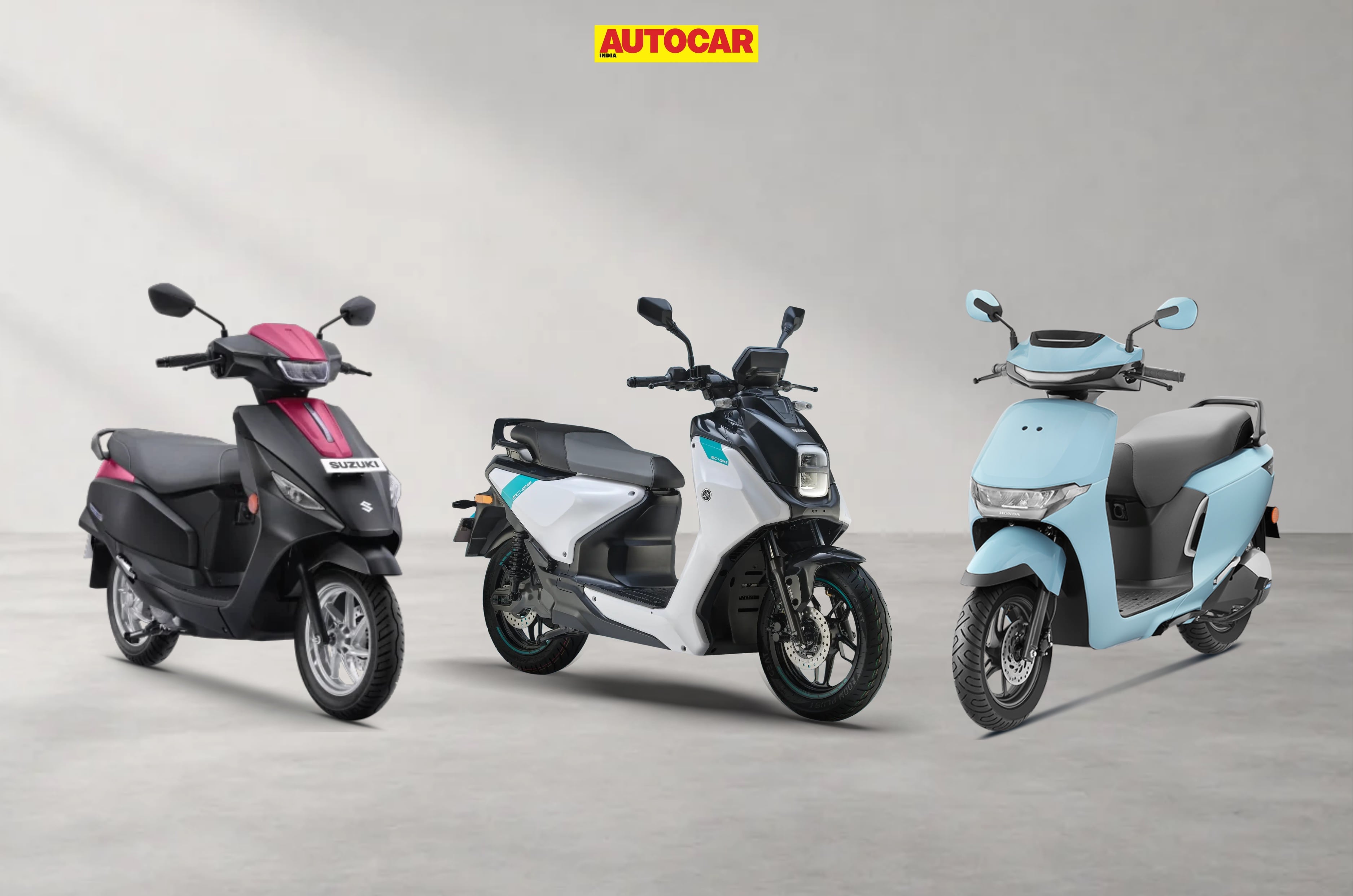
Graphic with Honda, Suzuki and Yamaha e-scooters

Cumulative retail sales of the three Japanese electric scooter manufacturers in India – Honda, Suzuki and Yamaha – have crossed the 10,000-units mark for the first time in a calendar year. As per the latest Vahan statistics, this triumvirate have delivered 10,735 units to their customers between January 1 and October 8 in 2026. 

Last year, Honda, which was the sole e-2-wheeler OEM in India, had sold 7,730 units of the Activa-e and QC1, less of the former and more of the latter. While Suzuki entered the market in January 2026 with its e-Access, Yamaha plugged in two months later in March with its EC-O6. This makes 2026 the first year when all these three Japanese OEMs are part of the Indian electric scooter market.

A look at the OEMs’ monthly performance reveals that Honda Motorcycle & Scooter India has sold 5,536 units in this year to date, accounting for 51 percent of the total 10,735 Japanese e-scooters delivered. HMSI’s best monthly sales this year were in September (1,107 units), marking the first time the OEM has crossed 1,000 units. This number can only improve following the recent launch of its third e-scooter for India – the QC3. 

The initial rollout of the QC3 will be limited to five cities across the country: Delhi, Agra, Cuttack, Surat and Kollam, with a nationwide rollout to follow in a phased manner.. 

Suzuki Motorcycle India, which entered the India e-2W market with its e-Access in January this year as an alternative to the popular petrol-engined Suzuki Access 125, has delivered 4,133 units till October 8. This gives the company a 39 percent share of the three Japanese OEM’s total e2W retail sales. The monthly sales chart reveals that monthly sales have crossed 600 units for three months running: July (606 units), August (674 units) and September (657 units). Rather creditable considering this is an expensive product, priced at Rs 1.88 lakh (ex-showroom) and the costliest amongst the Japanese EVs. 

India Yamaha Motor, which plugged into the e-2W market this March, has retailed 1,066 units, which gives it a 10 percent share of the 10,735 units delivered by Honda, Suzuki and Yamaha. Yamaha’s vehicle of entry is the EC-06, its first electric scooter developed in collaboration with River Mobility. IYM’s highest monthly sales to date were in September (232 units)

Japanese OEMs have 0.66 percent share of e-2Ws sold in 2026 so far

As the monthly retail sales data table depicts, combined Honda-Suzuki-Yamaha sales were at their highest in September 2026 (1,996 units), which gives them a 1 percent share of the record 2,07,850 e-2Ws sold in India last month. Of the total 16,10,854 e-2Ws sold between January 1 and October 8, these three Japanese OEMs with 10,735 units have a meagre 0.66 percent share. 

Among the reasons for their minimal presence in this booming segment of the Indian EV industry is that Honda, Suzuki and Yamaha entered the e-2W market late, as compared to their ICE legacy rivals TVS Motor Co (January 2020), Bajaj Auto (January 2020) or Hero MotoCorp Vida (November 2022).

While market leader TVS has sold 4,22,274 iQubes and Orbiters for a 26 percent market share of the e-2W sales in 2026 to date, Bajaj Auto has delivered 3,61,988 Chetaks (22 percent share), Ather Energy has sold 2,67,579 units (17 percent share) and Hero Vida 1,77,541 e-scooters (11 percent share). 

There is also the issue of their stiff model pricing in a value-conscious market, which has a plethora of more affordable e-scooters which are also more tech-laden, as well as a limited sales network compared to the Indian legacy OEMs as well as a host of startups which are regulars in the monthly Top 10 e-2W OEM chart. 

Renault Duster hybrid mileage compared with strong-hybrid rivals

Renault Duster hybrid mileage compared with strong-hybrid rivals

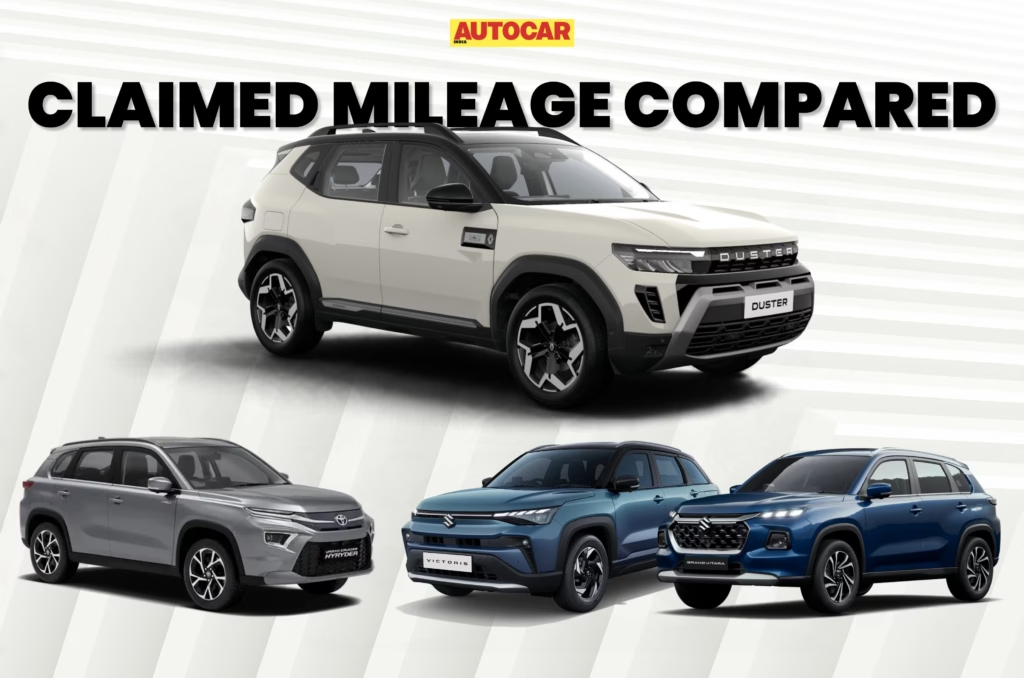
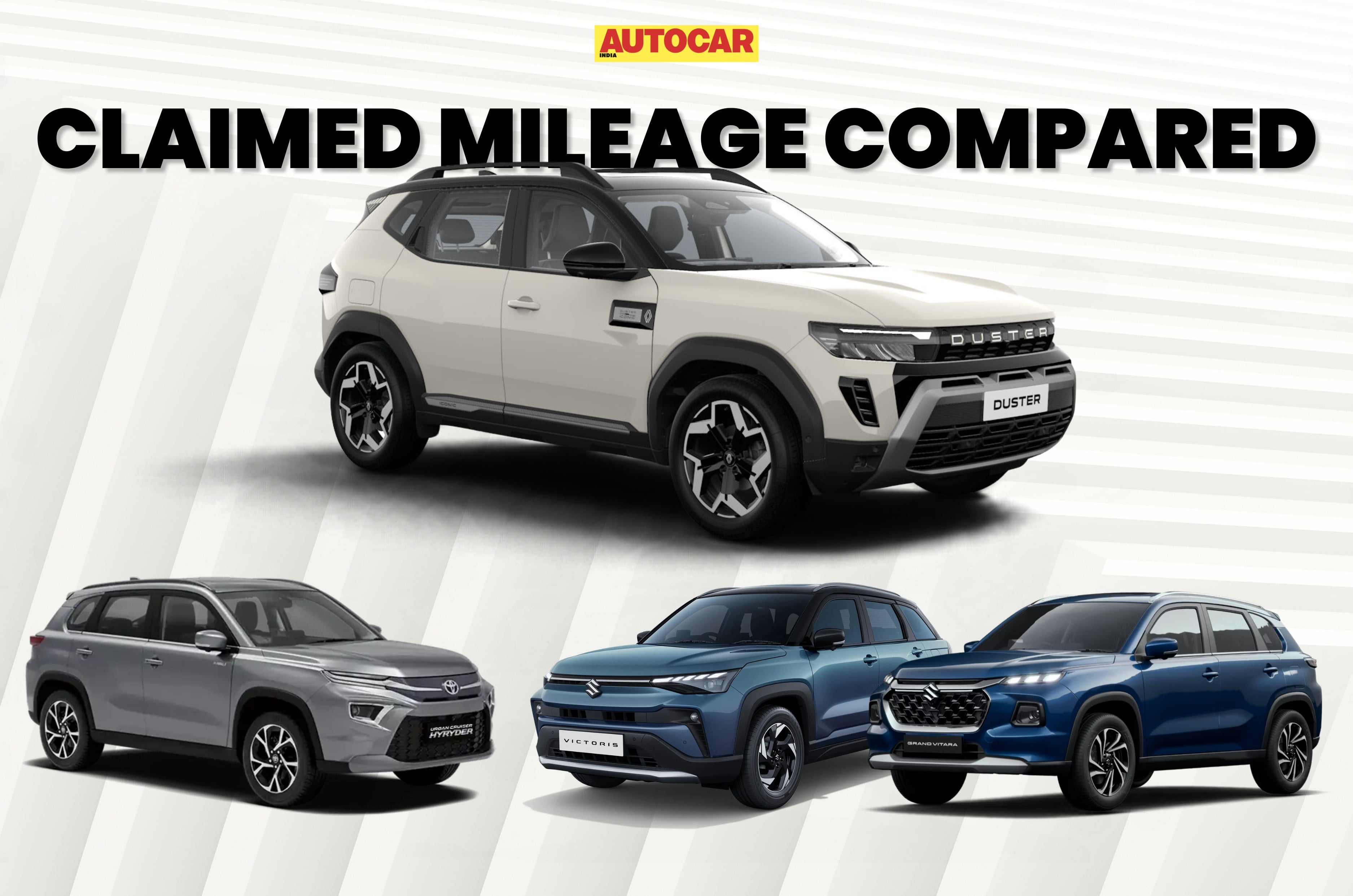
Around seven months after launching the new-gen Duster in India, Renault is now getting ready to bring the hybrid version of its midsize SUV. Featuring what the French brand calls “strong hybrid E-Tech 160” powertrain, this version of the Duster is aimed at buyers who want good mileage without sacrificing performance. Having said that, let’s see how the Renault Duster hybrid compares in terms of claimed fuel efficiency when compared to segment rivals.

Renault Duster hybrid vs rivals: Claimed mileage 

The Duster hybrid’s ARAI mileage of 29kpl gives it an upper hand among its strong-hybrid rivals

Renault Duster hybrid vs rivals: ARAI claimed mileage (kpl)

Renault Duster hybrid

29

Maruti Suzuki Grand Vitara strong hybrid

27.97

Maruti Suzuki Victoris strong hybrid

28.65

Toyota Urban Cruise Hyryder strong hybrid

27.97

The Renault Duster hybrid’s ARAI-claimed mileage of 29kpl, which is 1.03kpl higher than what its Maruti Grand Vitara strong hybrid and Toyota Urban Cruise Hyryder strong hybrid rivals claim. It is only the Maruti Victoris with its strong-hybrid powertrain that comes close to matching the claimed figure of the Renault SUV, with a margin of just 0.35kpl between the two cars.

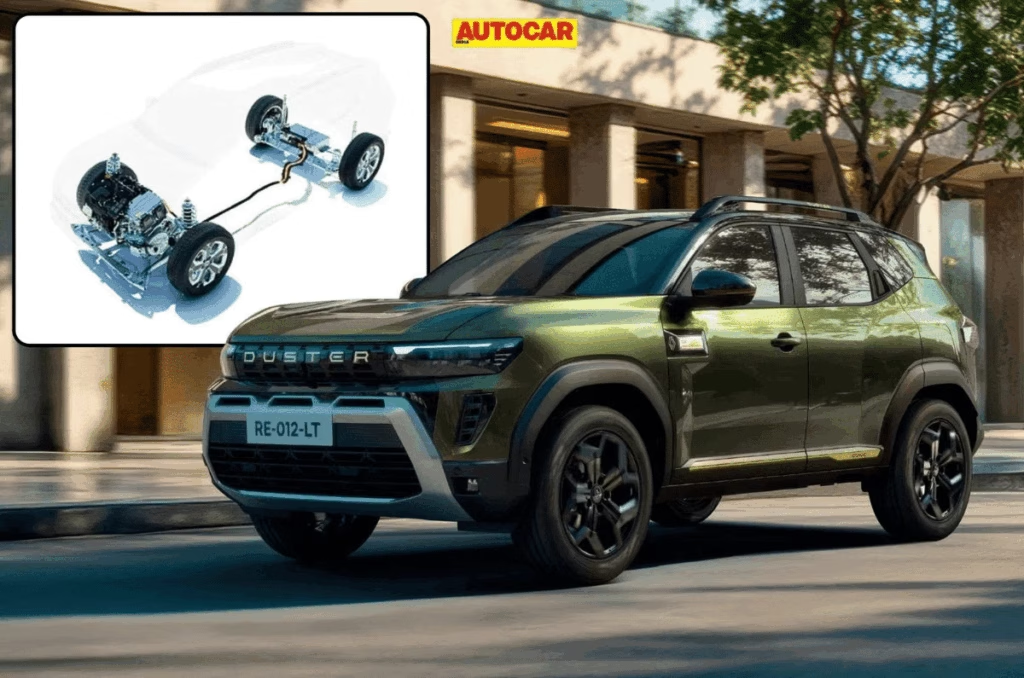
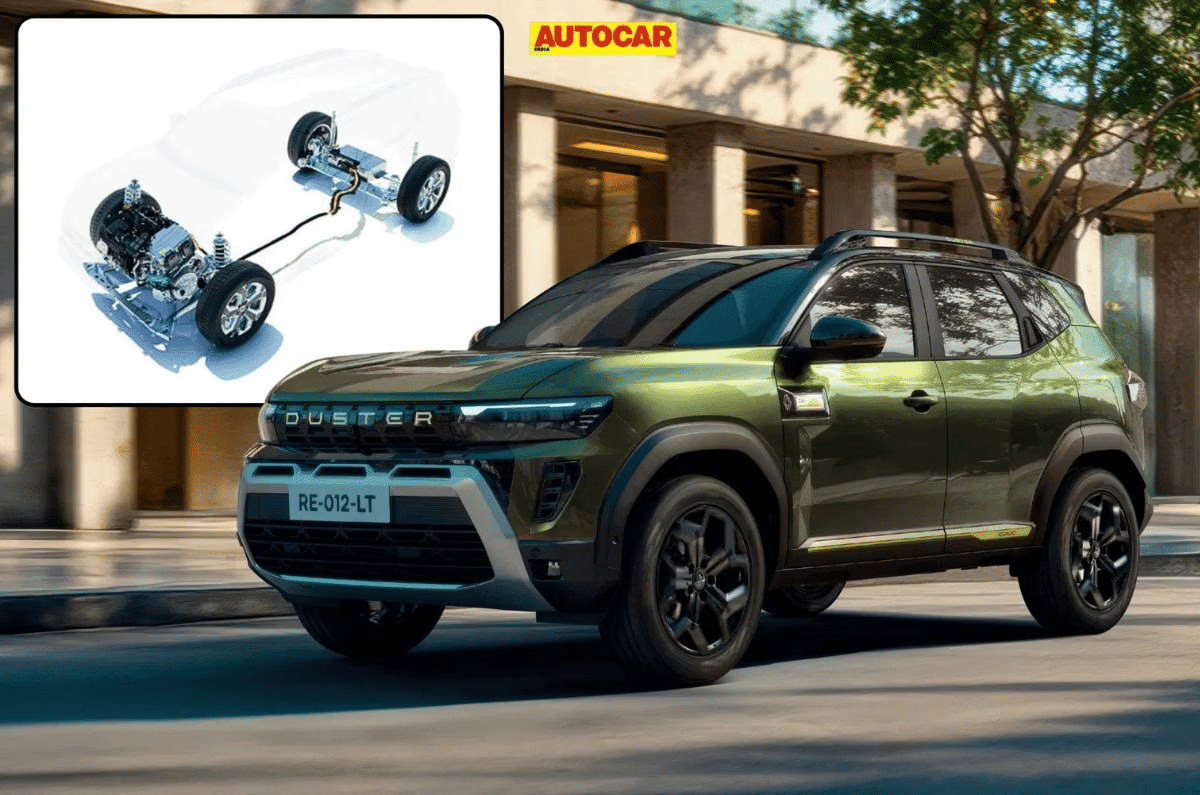
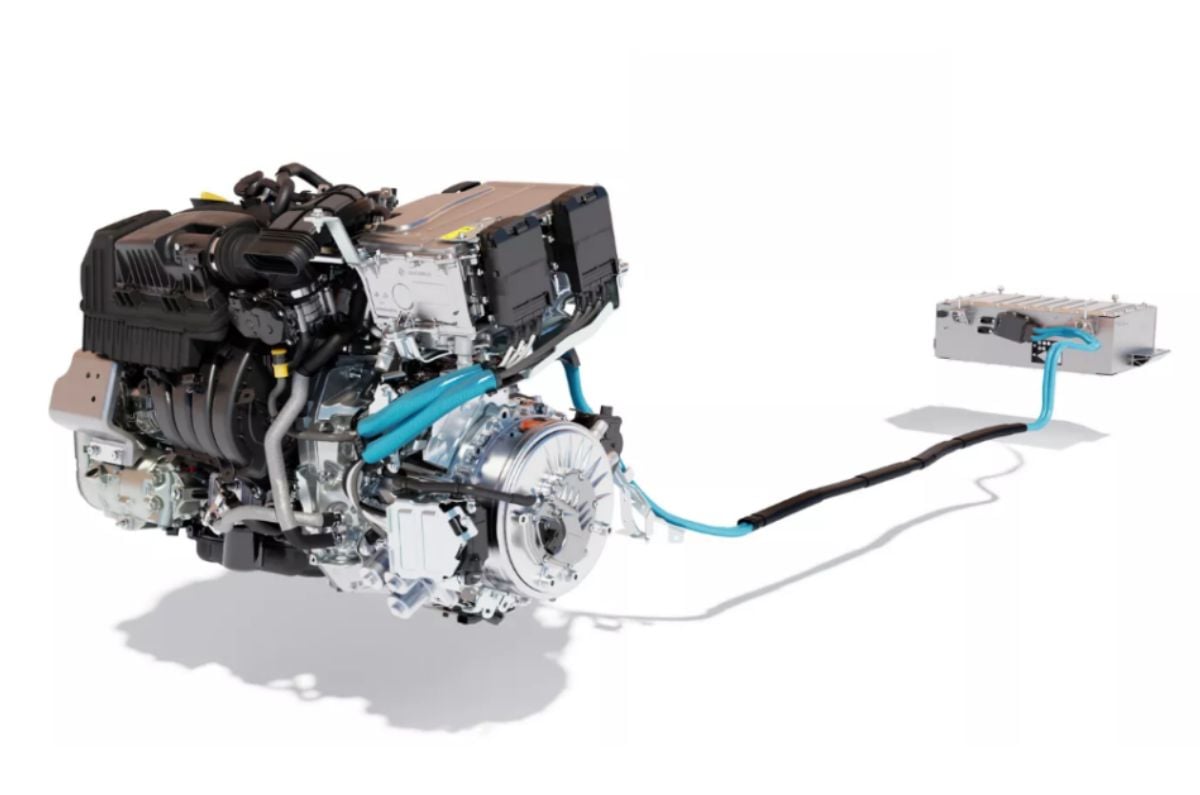
The Renault Duster’s strong hybrid powertrain comprises a 1.8-litre four-cylinder petrol engine that’s assisted by two electric motors and a 1.4kWh battery pack, resulting in a combined output of 160hp and 172Nm. According to Renault, the electric motors of the Duster hybrid include a 20hp unit that acts as a generator and a 49hp motor that drives the front wheels. While all models here offer an automatic transmission, the Duster hybrid features what Renault calls an “intelligent multi-mode transmission”. The rest come equipped with an e-CVT (electronically controlled continuous variable transmission).

The battery pack of the Renault Duster hybrid is larger than what the Urban Cruiser Hyryder strong hybrid offers. Considering the latter shares its underpinnings with the Grand Vitara strong hybrid, their battery packs would be the same too. For reference, the Toyota Urban Cruiser Hyryder’s strong-hybrid version is equipped with a 0.60kWh lithium-ion battery, which makes it less than half the size of the battery pack fitted to the Duster hybrid. This capacity advantage also likely explains the Renault SUV’s higher claimed range.

Renault Duster hybrid bookings open ahead of October 17 launch

Renault Duster hybrid bookings open ahead of October 17 launch

Renault India has opened the Duster hybrid’s bookings for Rs 21,000, ahead of its launch on October 17. This will be the third powertrain option for the Renault Duster, adding to the existing 1.0-litre and 1.3-litre turbo-petrol engines. Called the E-Tech system, it draws from the carmaker’s experience and expertise in Formula 1. Renault has also revealed that the Duster hybrid has an ARAI-rated fuel efficiency figure of 29kpl.

Renault Duster hybrid powertrain details

The Duster hybrid combines a naturally aspirated 1,789cc four-cylinder petrol engine with two electric motors, a 20hp unit acting as a generator and a 49hp motor powering the wheels. Combined, the system produces 160hp and 172Nm, and it is supported by a 1.4kWh battery pack. The Duster’s hybrid combines a petrol engine with electric drive and a battery, and it sends power to the wheels through a multi-mode automatic gearbox. The transmission uses fixed gear ratios and can shift between them. This means engine rpm is expected to rise and fall more like a conventional automatic, and you may notice gear engagements as it switches between electric drive, engine drive and a combination of both.

Renault Duster hybrid powertrain
Renault’s 160hp E-Tech hybrid powertrain.

As with any full hybrid, the efficiency gains come from low-speed electric running, regenerative braking and the ability to keep the petrol engine off when it is not needed. However, real-world fuel economy will still depend on traffic conditions, speed, ambient temperature and driving style. That said, Renault claims the engine will enable 80 percent of city drives to be done in EV mode.

The choice of a hybrid powertrain is expected to help make up for the absence of a diesel option on the new Duster. This will also directly compete with the Maruti Grand Vitara, Victoris and Toyota Hyryder, all of which currently offer a hybrid powertrain option.

BMW iX4 electric coupe SUV revealed

BMW iX4 electric coupe SUV revealed
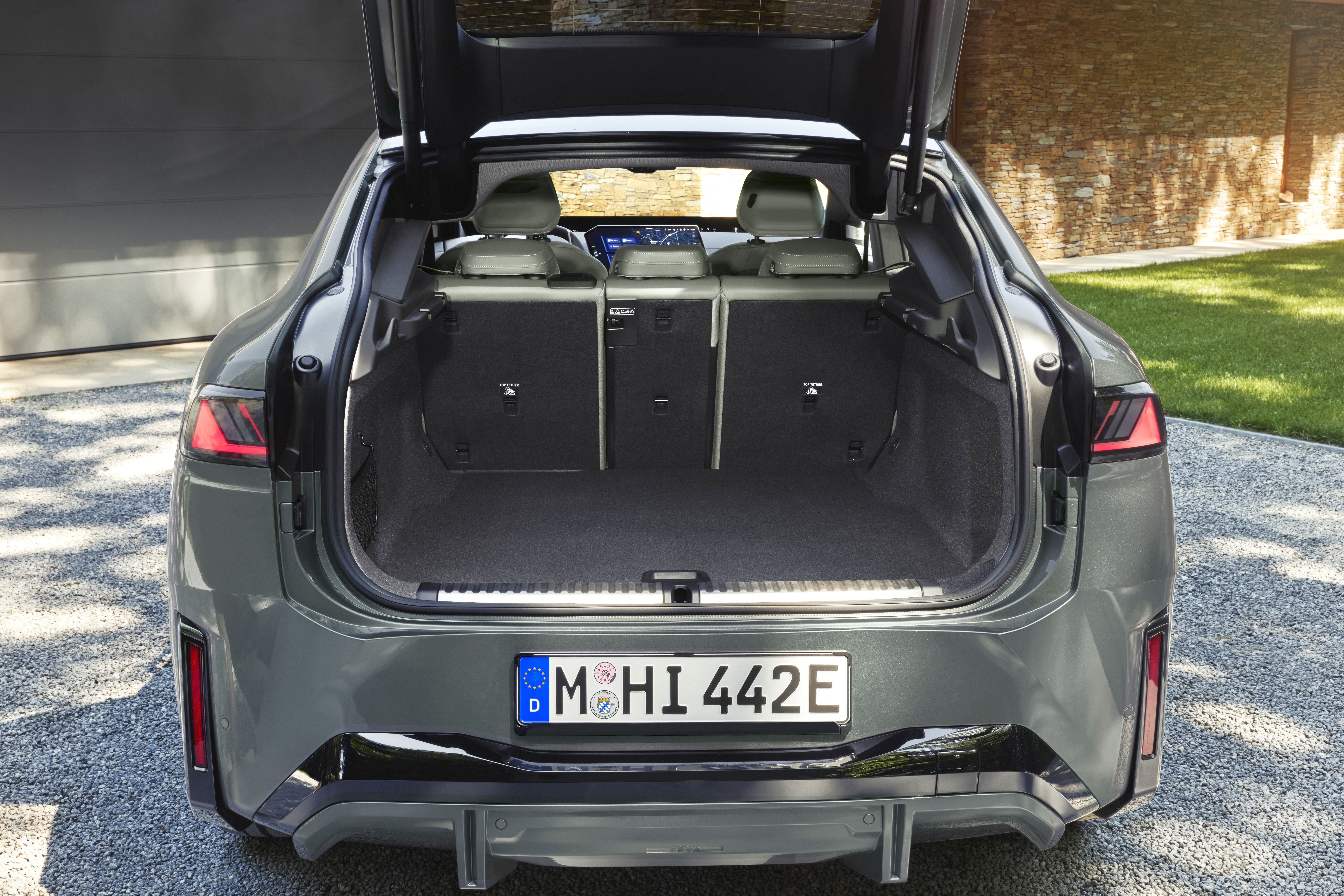
BMW iX4

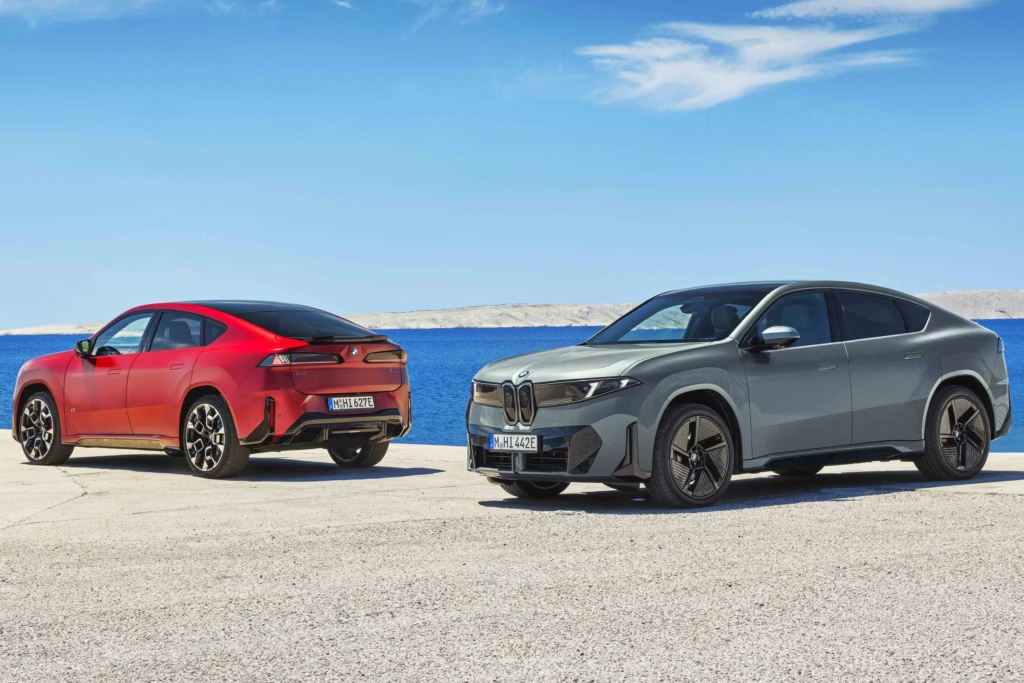
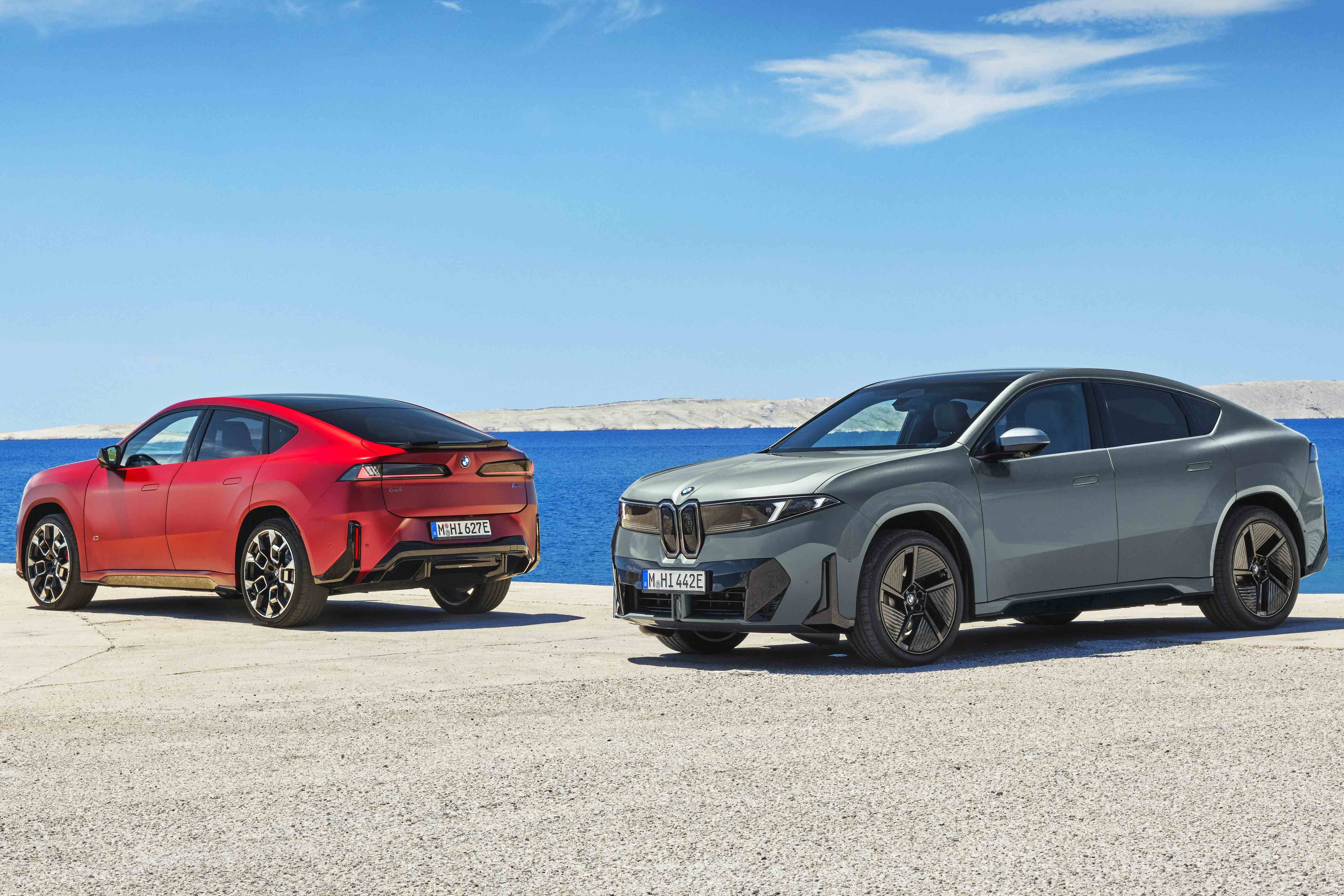
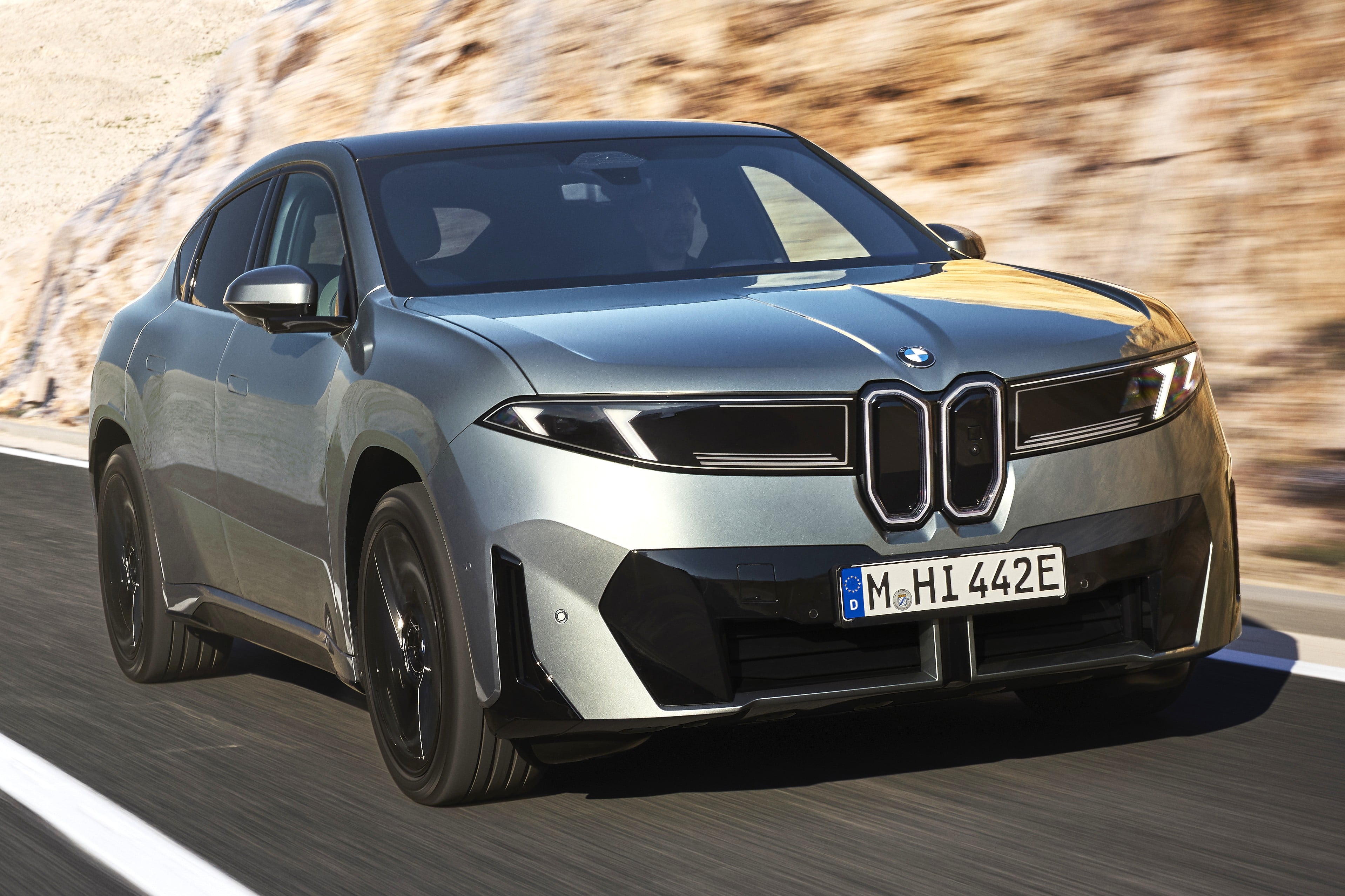
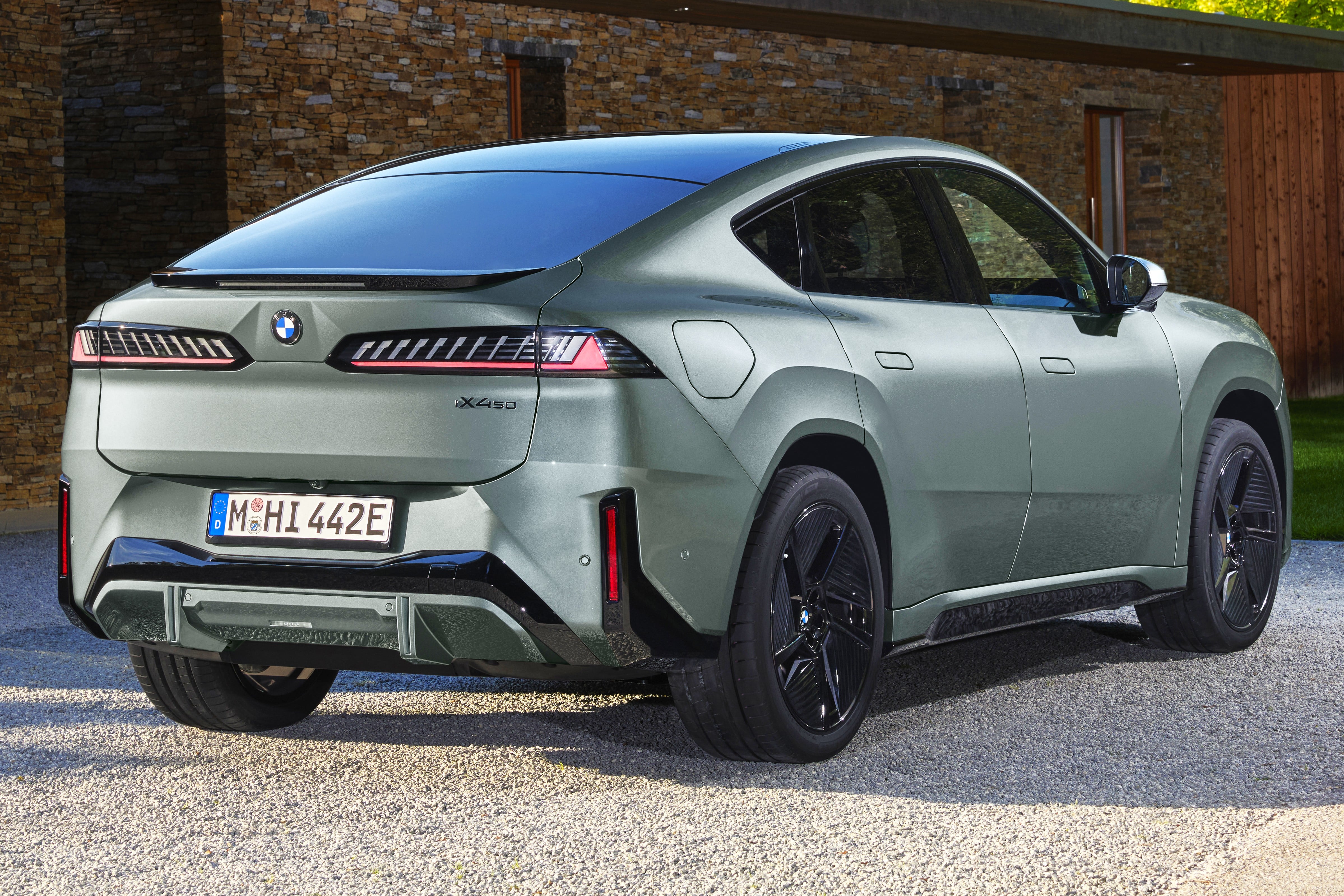
BMW has pulled the wraps off the iX4, a coupe-SUV derivative of the iX3 and the third Neue Klasse offering from the German carmaker. The iX4’s global launch is scheduled for March 2027, and it will be available in two variants initially: 40 xDrive and 50 xDrive. A sportier, range-topping variant dubbed the M60 xDrive will join the iX4 line-up at a later date.

BMW iX4 powertrain and performance

iX4 50 xDrive

The iX4 rides on BMW’s 800-volt Neue Klasse platform and borrows the iX3’s battery options. Specifically, the iX4 40 xDrive comes with an 82.6kWh battery delivering a WLTP range of 526km-638km, while the 50 xDrive gets a 108.7kWh unit that’s good for a 680km-828km range. The iX4 M60 xDrive is likely to use the same 108.7kWh battery, but is rated for a maximum WLTP range of 777km.

iX4 M60 xDrive

All iX4 variants get a dual-motor all-wheel drive setup as standard, with the 40 xDrive developing 374hp and 520Nm, the 50 xDrive churning out 469hp and 645Nm, and the M60 xDrive producing 603hp and 875Nm. The 40 xDrive claims a 0-100kph time of 5.6 seconds and a 200kph top speed, the 50 xDrive is good for a 4.9-sec 0-100kph run and a 210kph top speed, and the M60 xDrive manages a 3.9-sec 0-100kph dash and a 240kph top speed. Adaptive sports suspension is also fitted as standard in the M60 xDrive, and is available as an option in the other variants.

iX4 50 xDrive

As for charging, all three iX4 versions can be charged at up to 22kW from an AC source, while DC fast charging is capped at 300kW for the 40 xDrive and 400kW for the 50 xDrive. A 10 to 80 percent DC charge takes 21 minutes for both variants. Furthermore, BMW claims that when charging at the maximum DC wattage, the iX4 40 xDrive can add up to 301km of range in 10 minutes, whereas the 50 xDrive delivers a range top-up of up to 387km in the same timeframe.

BMW iX4 exterior design

iX4 50 xDrive

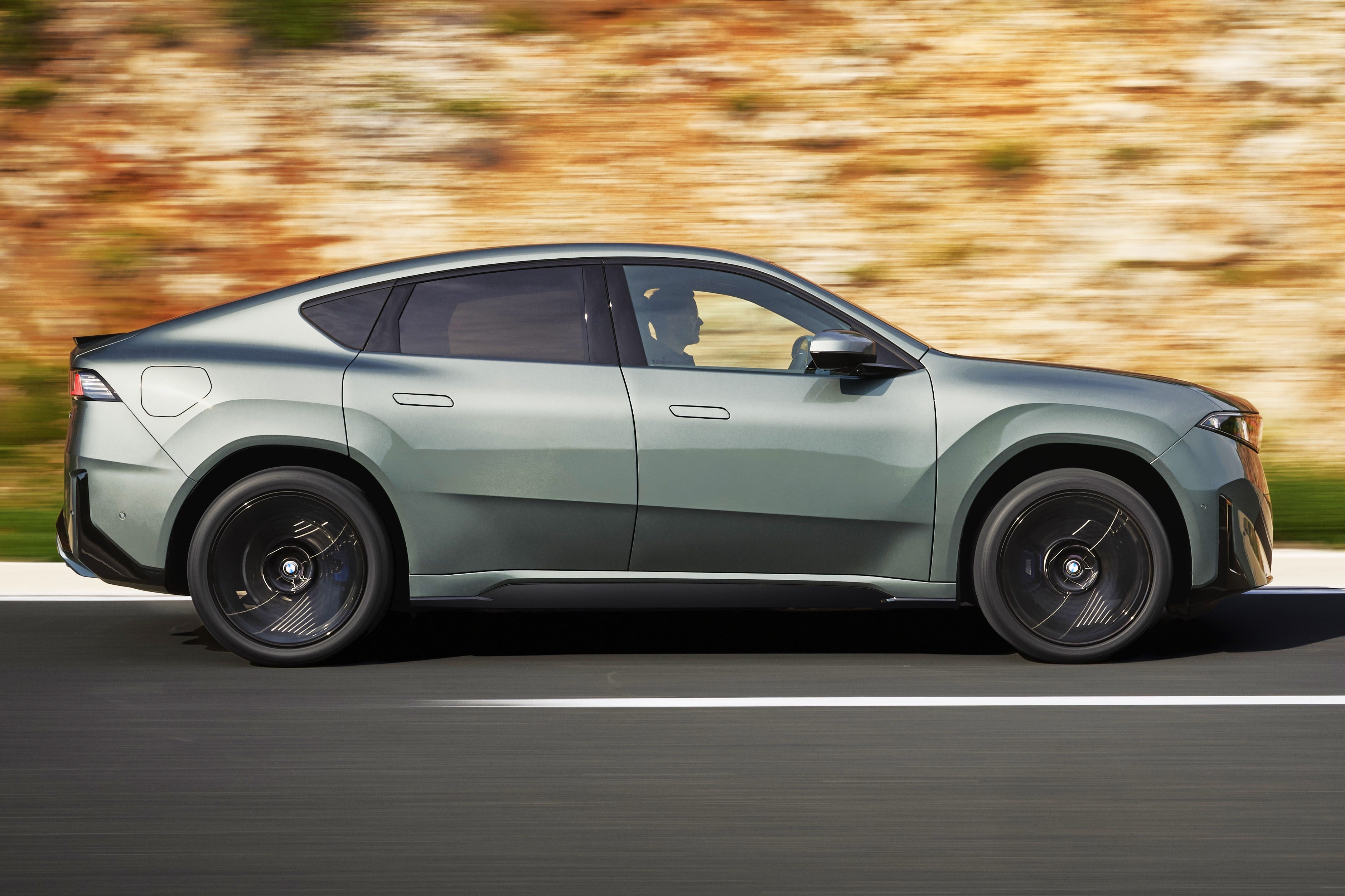
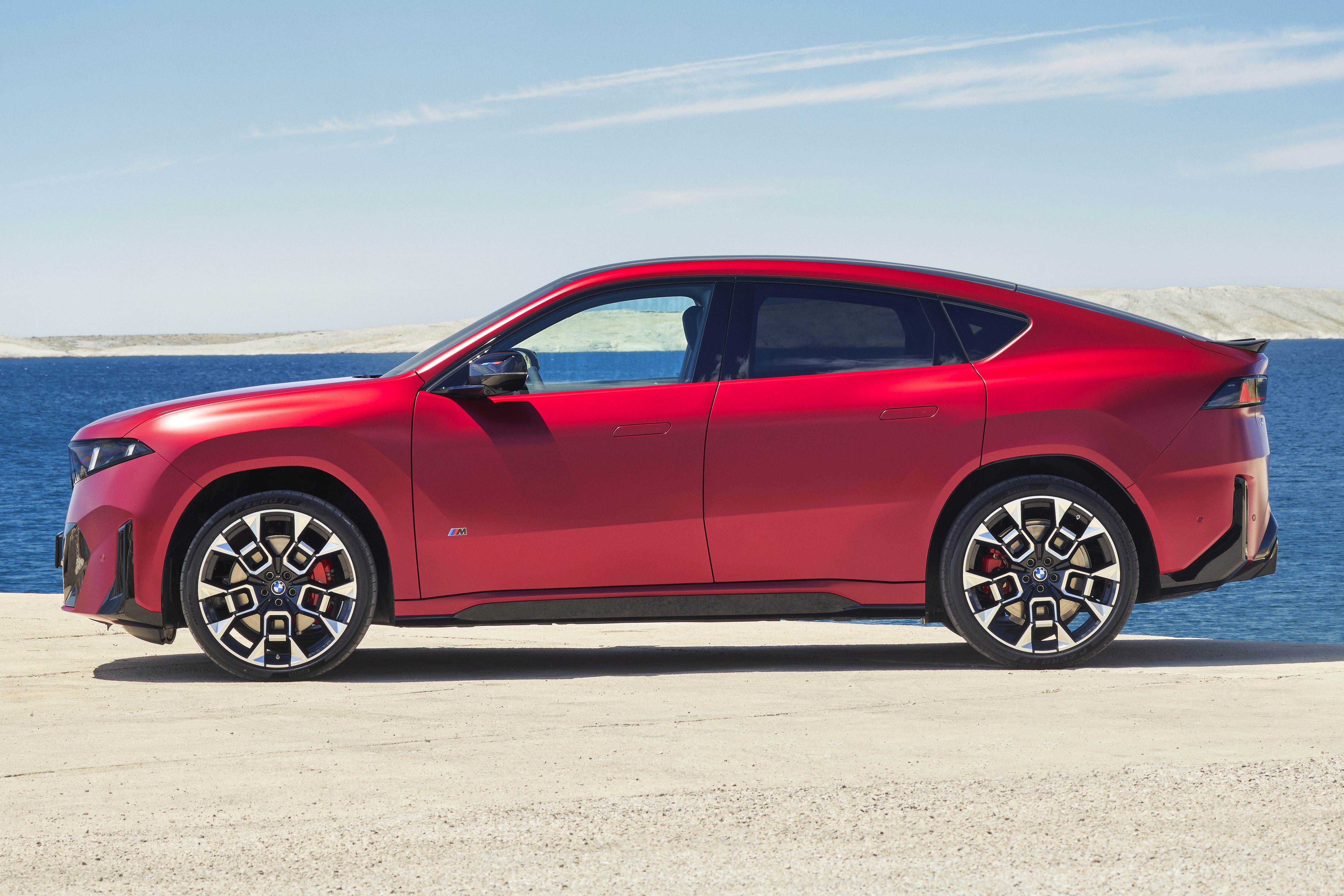
Measuring 4,782mm in length, 1,895mm in width, 1,595mm in height, and with a wheelbase of 2,897mm, the iX4 is 40mm shorter than the iX3. The iX4 retains many of the Neue Klasse styling cues seen on the iX3, but with distinctions like a steeply-raked roofline, unique alloy wheel designs (20-inchers are standard, which can be optioned up to 22 inches), clear-lens tail-lamps, a bootlid spoiler, and a slightly more sculpted rear bumper.

iX4 M60 xDrive

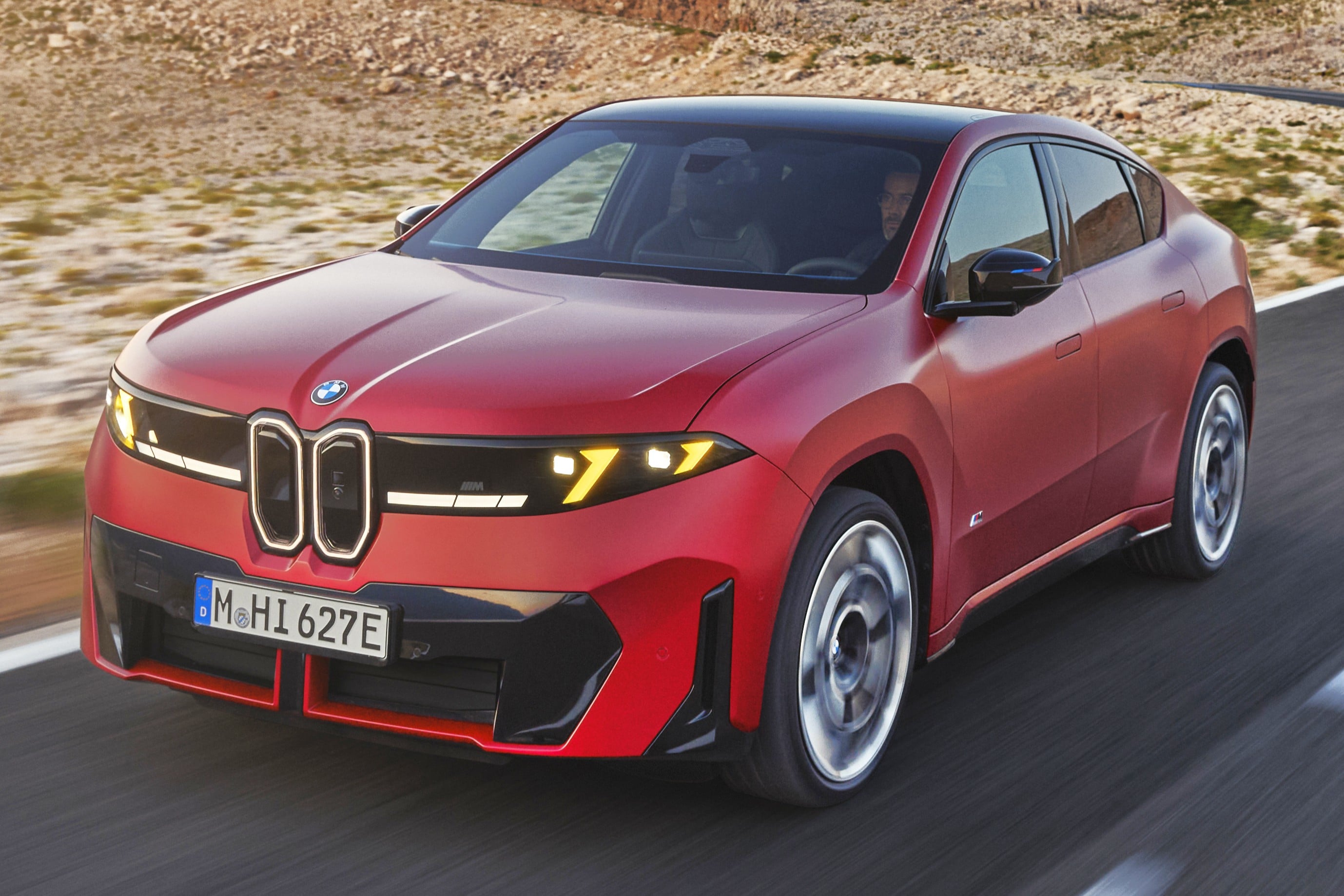
The iX4 M60 xDrive further differentiates itself with adaptive LED headlamps, unique lighting signatures in the grille area, yellow-coloured daytime running lights (activated only when the low-beams are on), larger 21-inch alloy wheels, M badging, M-spec ORVM housings, a bigger bootlid spoiler, and blacked-out exterior trim.

BMW iX4 interior and features

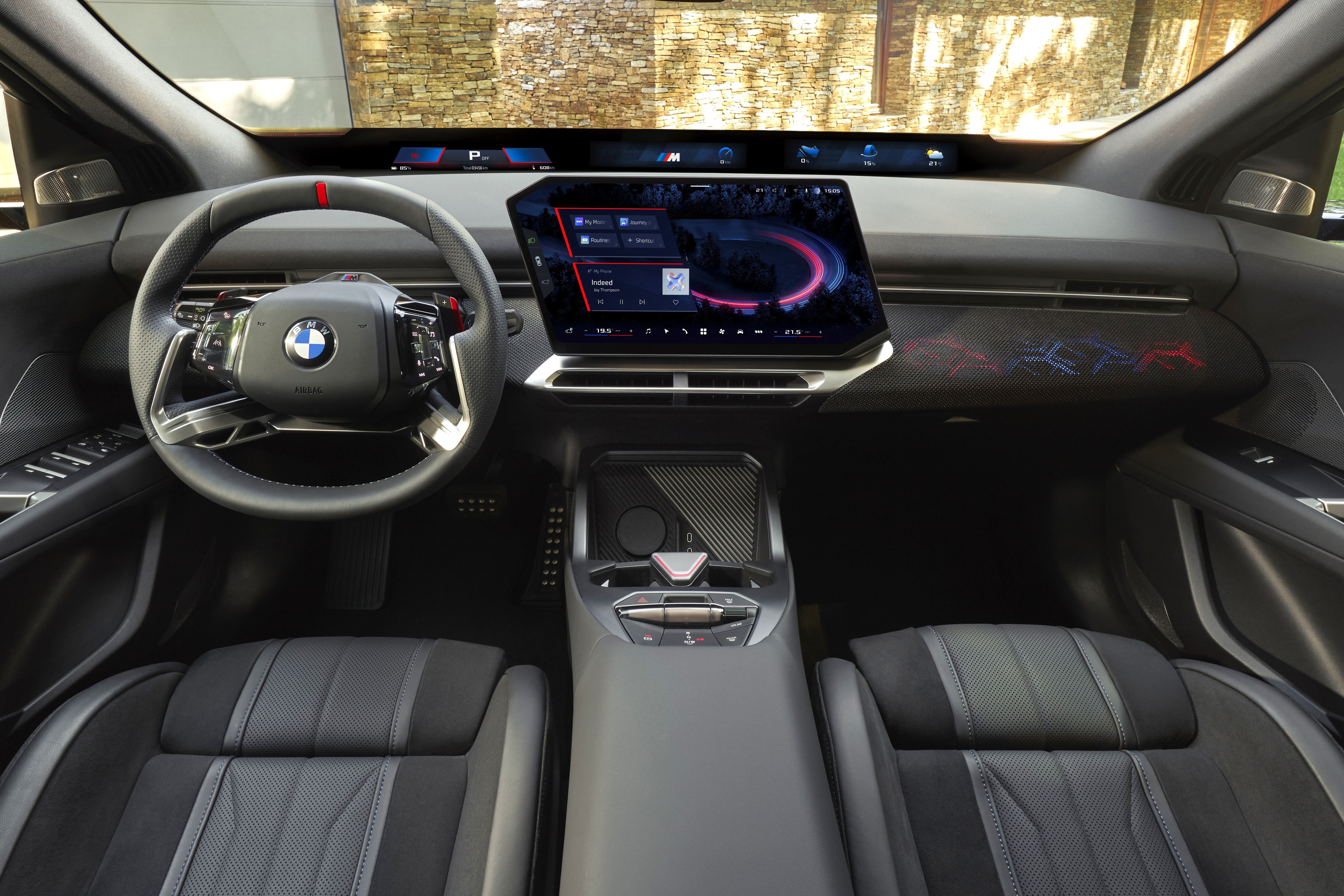
iX4 50 xDrive interior

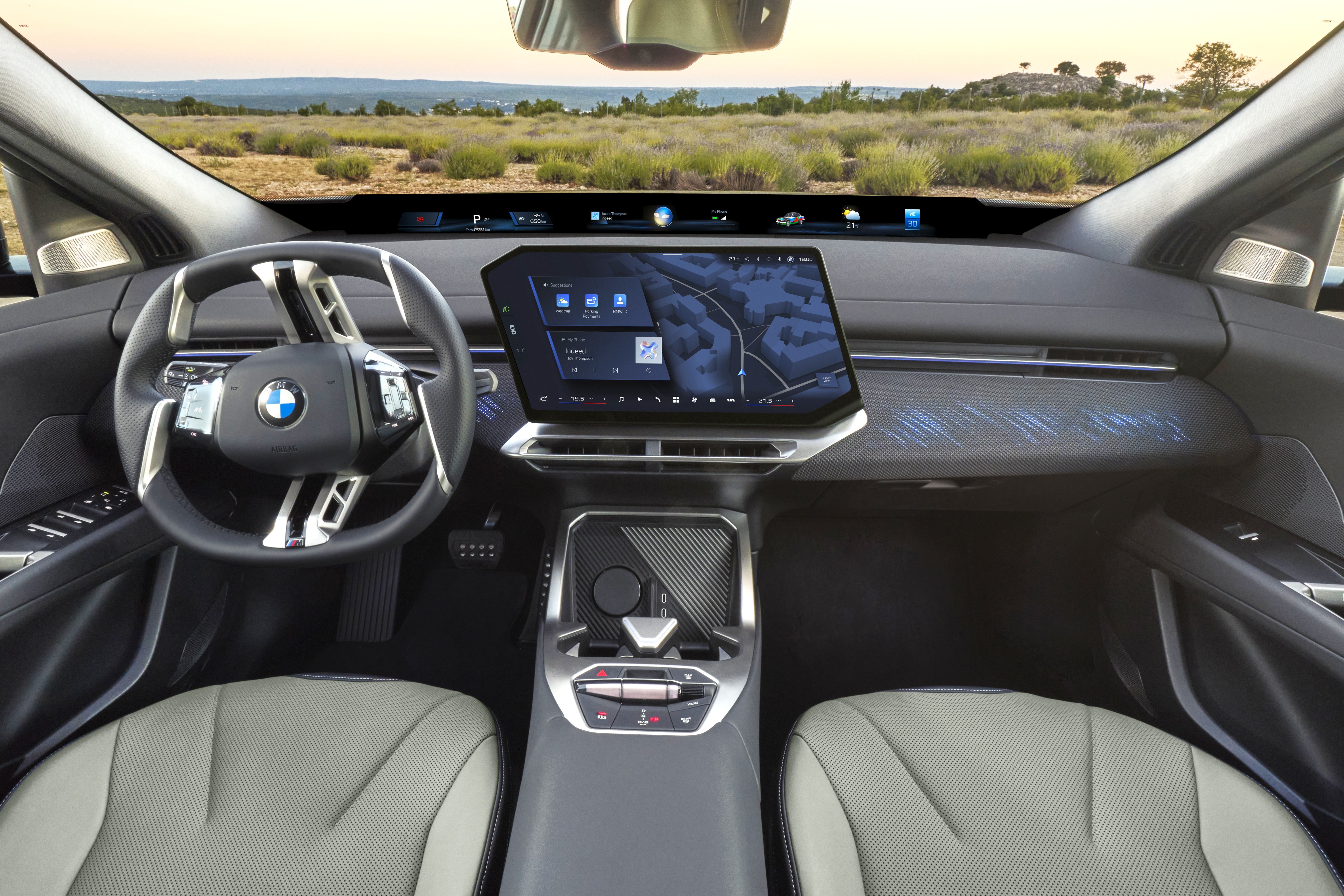
The interior of the iX4 is identical to that of the iX3, save for a bit less headroom in the second row on account of the sloping roofline, and a smaller 490-litre boot. A rhomboidal 17.9-inch infotainment touchscreen sits proud on the centre of the dashboard, while a pillar-to-pillar Panoramic Vision display can be seen at the base of the windshield. The unconventional-looking four-spoke steering wheel and high-set central tunnel are also retained from the iX3.

iX4 50 xDrive

As for standard features, the iX4 40 xDrive and 50 xDrive come with configurable ambient lighting, a panoramic sunroof, wireless Apple CarPlay and Android Auto, powered front seats with memory functions, Level 2 ADAS, a 7-speaker sound system, connected car tech, an AI-powered digital assistant, Veganza leatherette upholstery, a wireless charging pad, power-opening doors, among others.

iX4 M60 xDrive interior

The top-spec M60 xDrive’s cabin further differentiates itself with a black finish, M-spec steering wheel, M Sport seats with massage functions, a 13-speaker Harman Kardon sound system, and more.

IIIT Delhi Placements 2026: दिल्ली के इस संस्थान के बीटेक छात्र को मिला ऐसा धाकड़ पैकेज, देखते रह गए IIT-NIT के छात्र

IIIT Delhi Placements 2026: बीटेक में प्रवेश लेने वाले ज्यादातर छात्रों की यही चाहत होती है कि कोर्स पूरा होने के साथ ही उन्हें किसी मल्टीनेशनल कंपनी में तगड़े सैलरी पैकेज पर नौकरी मिल जाए। देश के प्रतिष्ठित आईआईटी या एनआईटी संस्थानों से बीटेक करने वाले छात्रों का ये सपना पूरा होता भी है। लेकिन इस साल दिल्ली के इंजीनियरिंग संस्थान IIIT Delhi ने बाजी मार ली है। यहां के एक बीटेक छात्र को 1.22 करोड़ रुपये से ज्यादा का सालाना पैकेज ऑफर किया गया है। इसके अलावा, इंस्टीट्यूट के कई कोर्स में प्लेसमेंट के आंकड़े भी अच्छे रहे हैं। आइए जानते हैं दिल्ली के इस इंस्टीट्यूट और उसके प्लेसमेंट आंकड़ों के बारे में

प्लेसमेंट के दौरान यहां के B.Tech छात्रों को अलग-अलग श्रेणी में ऑफर मिले हैं। इनमें 372 A+ ऑफर शामिल थे, जिनका सालाना CTC 12.50 लाख रुपये था। इसके अलावा, 222 A कैटेगरी के ऑफर मिले, जिनका CTC 7 लाख रुपये से ज्यादा और 12 लाख रुपये से कम था। वहीं, 88 B कैटेगरी के ऑफर ऐसे थे, जिनका CTC 7 लाख रुपये से कम था। इनमें से 60 ऑफर बाद में A या A+ कैटेगरी में अपग्रेड हो गए।

IIIT दिल्ली के B.Tech छात्र ने झटका तगड़ा पैकेज

इंद्रप्रस्थ इंस्टीट्यूट ऑफ इन्फॉर्मेशन टेक्नोलॉजी (IIIT) दिल्ली के B.Tech प्लेसमेंट 2026 में सबसे ज्यादा सालाना पैकेज 122.76 लाख रुपये यानी करीब 1.22 करोड़ रुपये रहा। इंस्टीट्यूट की ऑफिशियल वेबसाइट पर जारी आंकड़ों के अनुसार, M.Tech के लिए सबसे ज्यादा पैकेज 38.38 लाख रुपये सालाना दर्ज किया गया। वहीं, फॉरेन प्लेसमेंट में सबसे ज्यादा पैकेज 48.65 लाख रुपये रहा।

क्या कहते हैं प्लेसमेंट 2026 के आंकड़े ?

IIIT दिल्ली के प्लेसमेंट आंकड़ों के अनुसार, इस साल कुल 868 ऑफर दर्ज किए गए। इनमें 682 फुल टाइम जॉब ऑफर और 186 समर इंटर्नशिप ऑफर शामिल थे। वहीं, B.Tech छात्रों का औसत सालाना सैलरी पैकेज 20.77 लाख रुपये रहा, जबकि M.Tech छात्रों का औसत पैकेज 17.05 लाख रुपये दर्ज किया गया। इसके अलावा, इंस्टीट्यूट का कुल एवरेज पैकेज 19.59 लाख रुपये रहा।

प्लेसमेंट के दौरान छात्रों को भारत और विदेश, दोनों जगह नौकरी के ऑफर मिले। आंकड़ों में 679 भारतीय और 2 विदेशी ऑफर दर्ज किए गए। हालांकि, इन ऑफरों की संख्या और कुल प्लेसमेंट ऑफरों की संख्या में अंतर है, क्योंकि प्लेसमेंट के आंकड़ों में अलग-अलग तरह के ऑफर शामिल हो सकते हैं।

सीएसई में सबसे ज्यादा 98.26 % रहा प्लेसमेंट

IIIT दिल्ली में अलग-अलग बीटेक ब्रांच में कंप्यूटर साइंस एंड इंजीनियरिंग (CSE) में सबसे ज्यादा 98.26% छात्रों को प्लेसमेंट मिला। वहीं, CSAM में 94.55% और CSSS में 92.68% छात्रों को नौकरी के ऑफर मिले। इसके अलावा, CSAI ब्रांच में प्लेसमेंट प्रतिशत 92% और CSB में 91.11% रहा। EVE में 87.50% छात्रों को प्लेसमेंट मिला, जबकि ECE में यह आंकड़ा 69.70% दर्ज किया गया। इन आंकड़ों से पता चलता है कि इंस्टीट्यूट में कंप्यूटर साइंस से जुड़ी कई ब्रांच का प्लेसमेंट प्रदर्शन बेहतर रहा।

क्यों खास है IIIT दिल्ली?

आईआईआईटी दिल्ली के प्लेसमेंट 2026 के आंकड़े बताते हैं कि यहां बीटेक के एक छात्र को 1.22 करोड़ रुपये से ज्यादा का पैकेज मिला, जबकि बीटेक का औसत पैकेज 20.77 लाख रुपये रहा। इसलिए इंजीनियरिंग में एडमिशन लेने की योजना बना रहे छात्रों के लिए यह इंस्टीट्यूट भी विचार करने लायक विकल्प हो सकता है। हालांकि, एडमिशन से पहले अपनी पसंद की ब्रांच और उससे जुड़े प्लेसमेंट के आंकड़ों की जांच जरूर करनी चाहिए।

Maha Ashtami & Maha Navami 2026: शारदीय नवरात्रि में कब होगी महा अष्टमी और महा नवमी? जानें तारीख, पूजा मुहूर्त और पारण का समय

Renault E-Space Concept previewed ahead of 2026 Paris Motor Show debut

Renault E-Space Concept previewed ahead of 2026 Paris Motor Show debut
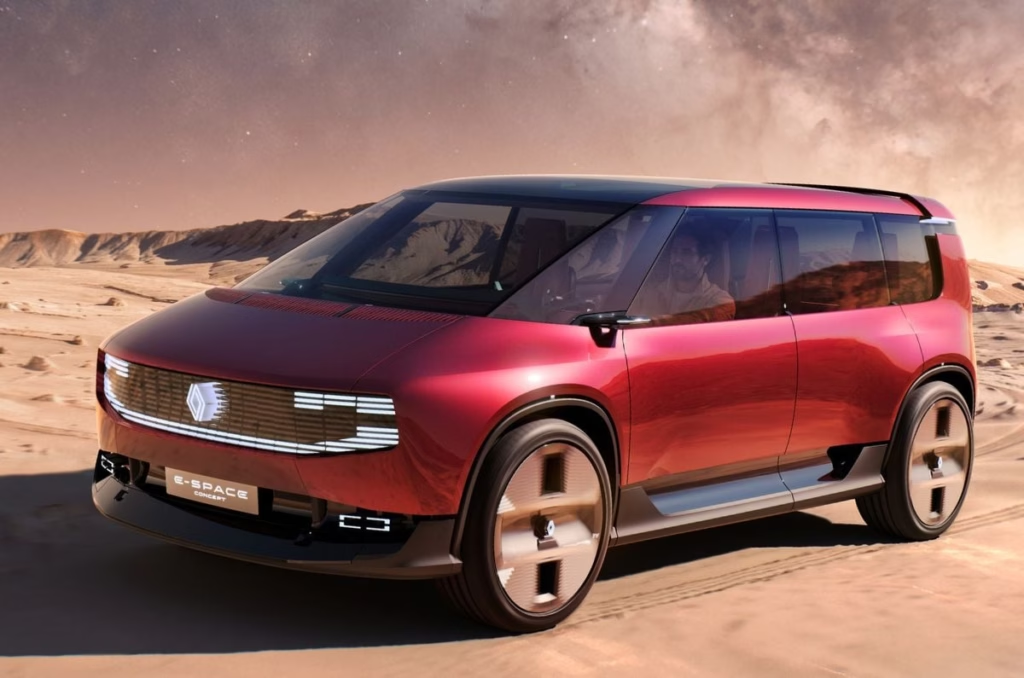
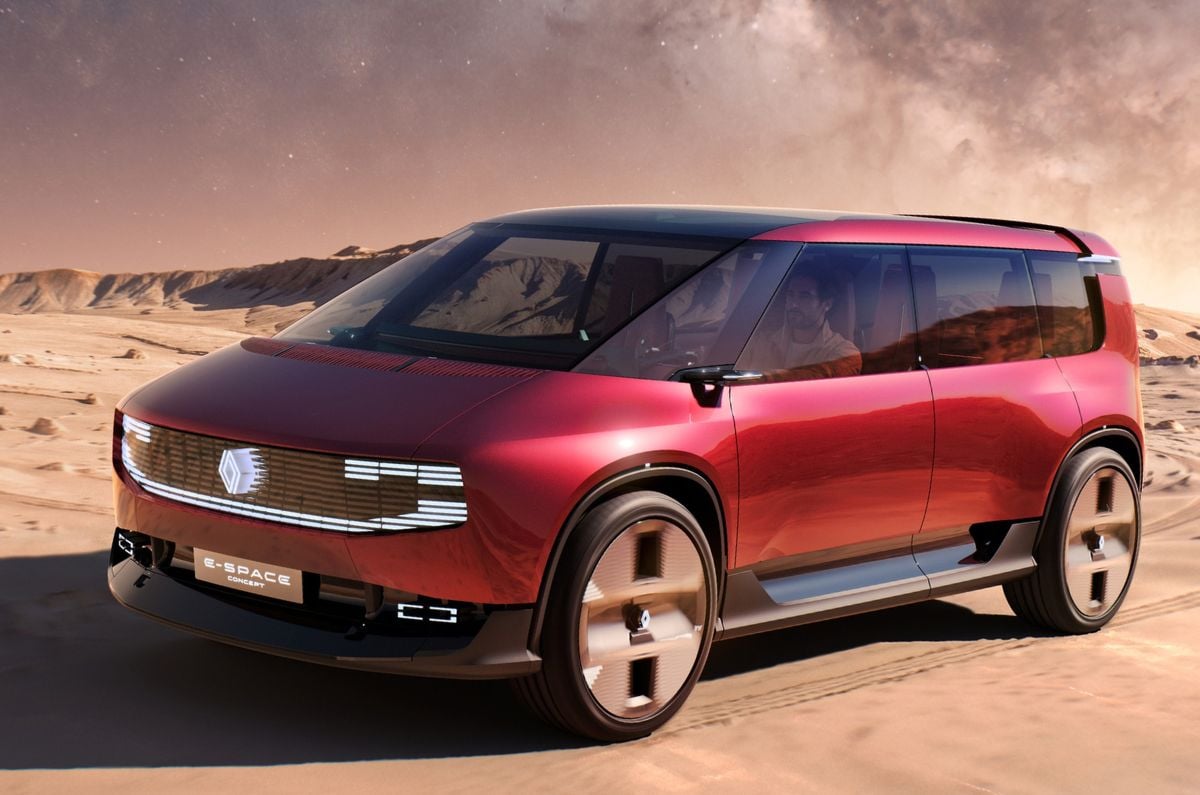
Renault E-Space Concept front quarter

Renault has previewed the E-Space Concept ahead of its global debut at the 2026 Paris Motor Show on October 12. According to the French automaker, this upcoming concept is meant to be “a future-focused vision of the original Espace”, an MPV which first broke cover in 1984.

  • The E-Space Concept is 4.70 metres long.
  • Black rube exterior shade and Espace-inspired styling.
  • Gets U-shaped LEDs and an illuminated Renault logo.

What is the Renault E-Space Concept?

With only one official image of the E-Space Concept released by Renault, most design details of this car remain unknown. While understanding ‘Space’ in ‘E-Space’ is pretty straightforward, Renault says that the ‘E’ is a reference to E-Tech (or Electrified Technology) – a term the brand uses for the tech used in its electrified model range.

The E-Space Concept measures 4.70 metres long, and appears to sport a one-box silhouette like the original Espace MPV. There’s a sharply raked front with a short bonnet and a squared-off rear, characteristic of the ‘Espace’ nameplate. The front and rear feature U-shaped LED lighting, along with an illuminated Renault logo on the front grille and rectangular LED elements in the front bumper. The concept also showcases a sharp beltline, a ‘floating’ roof design, and large wheels that have been pushed out to the corners. Renault says that the exterior of the E-Space Concept is finished in what it calls “black rube”. 

While nothing concrete is known about the interior, the brand claims that it has been designed keeping the “in-car experience” and “user needs” in mind. Like with the Espace, this electric MPV concept will also offer a roomy cabin that’s expected to be both “welcoming” and “high-tech”. The overall design and proportions of the E-space Concept is expected to lay the foundation for the automaker’s future family cars.

There are no details available regarding the powertrain, battery or range of the Renault E-Space Concept. At the upcoming 2026 Paris motor show, the E-Space Concept will be displayed alongside two other Renault concepts – the 8 Gordini Concept and the 4 JP4x4 Concept. Renault will also be showcasing the new Megane E-Tech electric, a customised version of the 5 Turbo 3 E, new Trafic E-Tech electric, a limited-edition of the flagship Rafale hypnotic SUV-coupe, and a new range of lithium-iron-phosphate (LFP) batteries at this event.