Plastic Waste Startup: दिल्ली में प्लास्टिक कचरा एक बड़ी समस्या है, लेकिन पति-पत्नी की एक जोड़ी ने इसी कचरे को अपने बिजनेस के लिए रॉ मटीरियल में बदल दिया। सोनल शुक्ला और वैभव वर्मा ने 2020 में Econscious की शुरुआत की। प्लास्टिक कचरे को सिर्फ कूड़ा समझने के बजाय, उन्होंने इसे काम की चीज़ोंचीजों में बदलने का एक मॉडल तैयार किया।
आज उनकी कंपनी प्लास्टिक कचरे से पार्क बेंच, डस्टबिन, प्लांटर और आम लोगों के इस्तेमाल की दूसरी चीजें बनाती है। इस कंपनी की शुरुआत महामारी के दौरान प्लास्टिक कचरे की बढ़ती समस्या को देखते हुए की गई थी।
ट्रेक के दौरान आया आइडिया
पहाड़ी इलाकों में यात्रा करते समय, सोनल और वैभव ने देखा कि हर तरफ प्लास्टिक का कचरा फैला हुआ था। इस बात ने उन्हें यह सोचने पर मजबूर किया कि कचरे को लैंडफिल में फेंकने के बजाय किसी काम की चीज़ में कैसे बदला जा सकता है। अपनी टेक्निकल जानकारी का इस्तेमाल करते हुए, उन्होंने प्लास्टिक कचरे को रीसायकल करके नए प्रोडक्ट बनाने पर काम करना शुरू किया। बता दें कि सोनल शुक्ला और वैभव वर्मा, दोनों ने NIT कुरुक्षेत्र से M.Tech किया है।
घर और कंपनियों से आता है कच्चा माल
Econscious का मॉडल सिर्फ प्लास्टिक से सामान बनाने तक ही सीमित नहीं है। कंपनी प्लास्टिक कचरे को उसके स्रोत से इकट्ठा करने का काम भी करती है और दिल्ली-NCR इलाके में घर-घर जाकर प्लास्टिक कचरा उठाने की सर्विस देती है। इसके अलावा, यह कई कंपनियों और संगठनों के साथ मिलकर काम करती है।
इकट्ठा किए गए प्लास्टिक को प्रोसेस करके अलग-अलग डिजाइन वाले प्रोडक्ट बनाए जाते हैं। जहां आम तौर पर बिजनेस को नया कच्चा माल खरीदना पड़ता है, वहीं यहां प्लास्टिक जिसे आमतौर पर कचरा माना जाता है, प्रोडक्ट बनाने का आधार बनता है। यही बात इस मॉडल को सर्कुलर इकॉनमी से जोड़ती है।
प्लास्टिक से बन रही बेंच और डस्टबिन
कंपनी के प्रोडक्ट्स में बेंच, डस्टबिन, प्लांटर्स और दूसरी ऐसी चीजें शामिल हैं जिन्हें पार्क और सार्वजनिक जगहों पर इस्तेमाल के लिए बनाया गया है। Econscious ने P&G, जिलेट, नेस्ले, ITC, बिसलेरी और HCL फाउंडेशन जैसे संगठनों के साथ कई प्रोजेक्ट्स पर काम किया है। कंपनी के मुताबिक, बिसलेरी की बोतलों के ढक्कनों का इस्तेमाल करके रीसाइकल किए गए प्लास्टिक की बेंच बनाई गई हैं। साथ ही, HCL फाउंडेशन के लिए नोएडा में कई जगहों पर बेंच बनाकर लगाई भी गई हैं।
लाखों किलो प्लास्टिक को बनाया उपयोगी
इस बिजनेस का सबसे अहम पहलू इससे होने वाली कमाई है। सोनल शुक्ला ने बताया कि Econscious ने अब तक लगभग 3,50,000 किलोग्राम प्लास्टिक कचरे को रीसायकल किया है। साथ ही, कंपनी ने अपनी शुरुआत से अब तक ₹1 करोड़ से ज्यादा की कमाई की है।
सोनल के अनुसार, कंपनी की कमाई सिर्फ रीसायकल किए गए प्रोडक्ट्स को बेचने से ही नहीं होती, प्लास्टिक कचरा मैनेजमेंट, उसे इकट्ठा करना और अलग-अलग ऑर्गनाइजेशन के लिए कस्टमाइज़्ड प्रोजेक्ट्स भी इस बिजनेस का हिस्सा हैं।
कमाई का मॉडल सिर्फ एक प्रोडक्ट बेचने तक सीमित नहीं है। यह प्रोसेस कचरा इकट्ठा करने से शुरू होता है, फिर प्रोसेसिंग होती है, और आखिर में रीसायकल किए गए मटीरियल का इस्तेमाल करके ग्राहकों की ज़रूरतों के हिसाब से प्रोडक्ट्स बनाए जाते हैं। इस पूरे प्रोसेस के दौरान अलग-अलग स्टेज पर वैल्यू क्रिएट होती है।
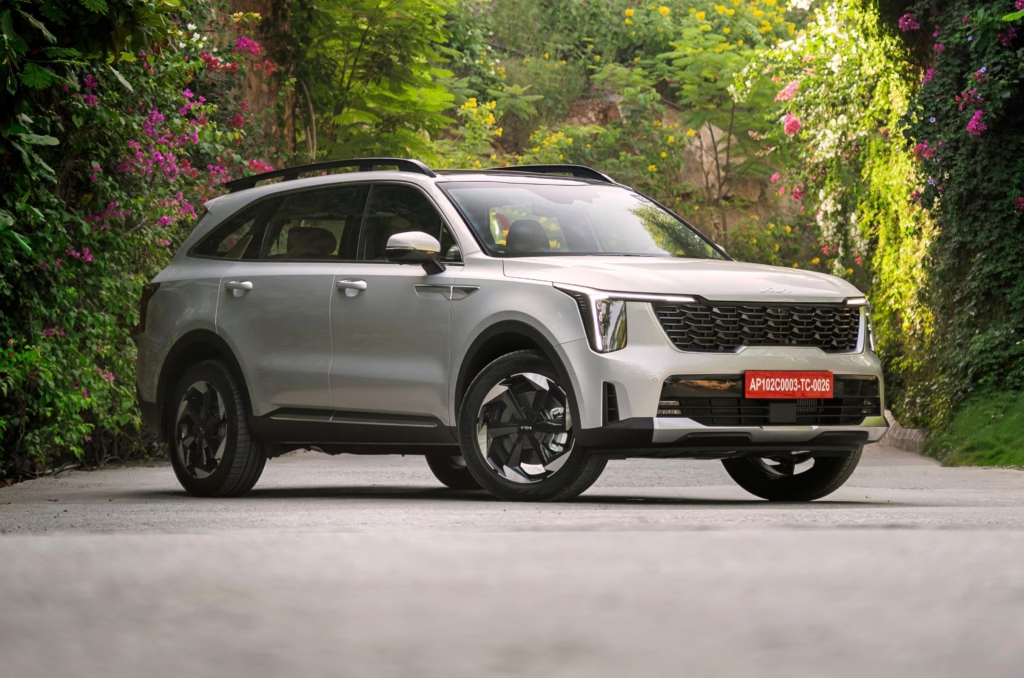
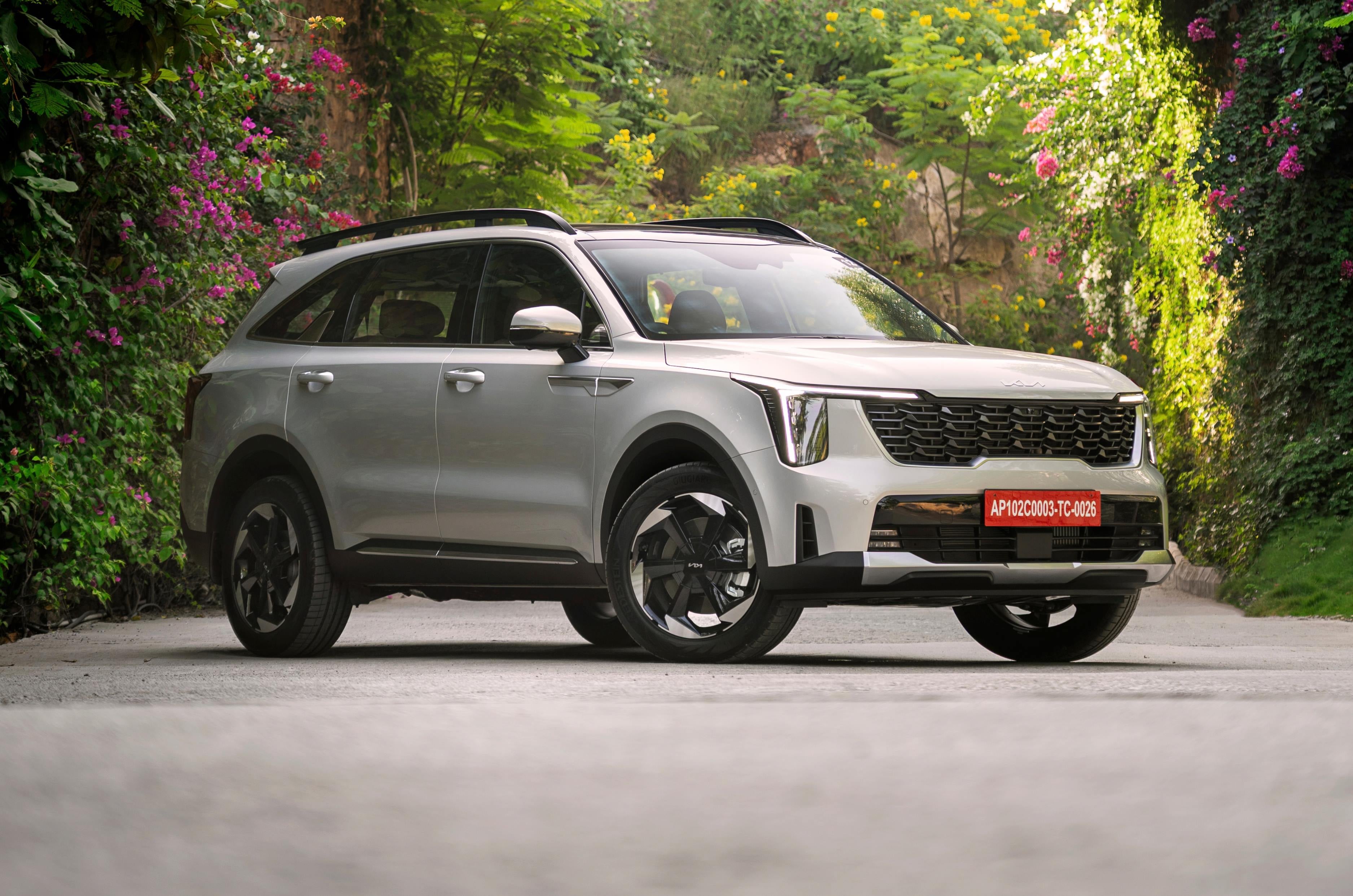
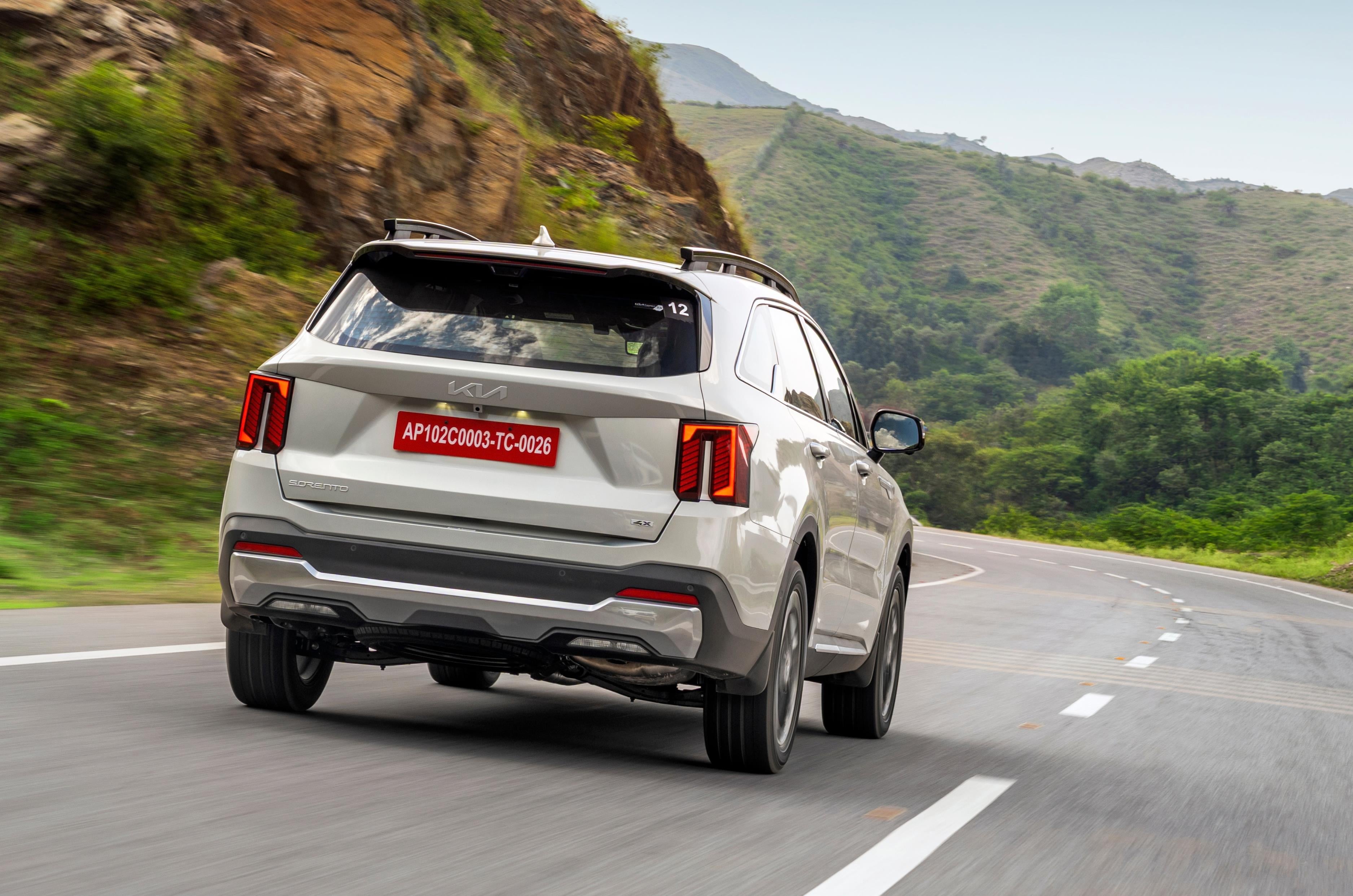
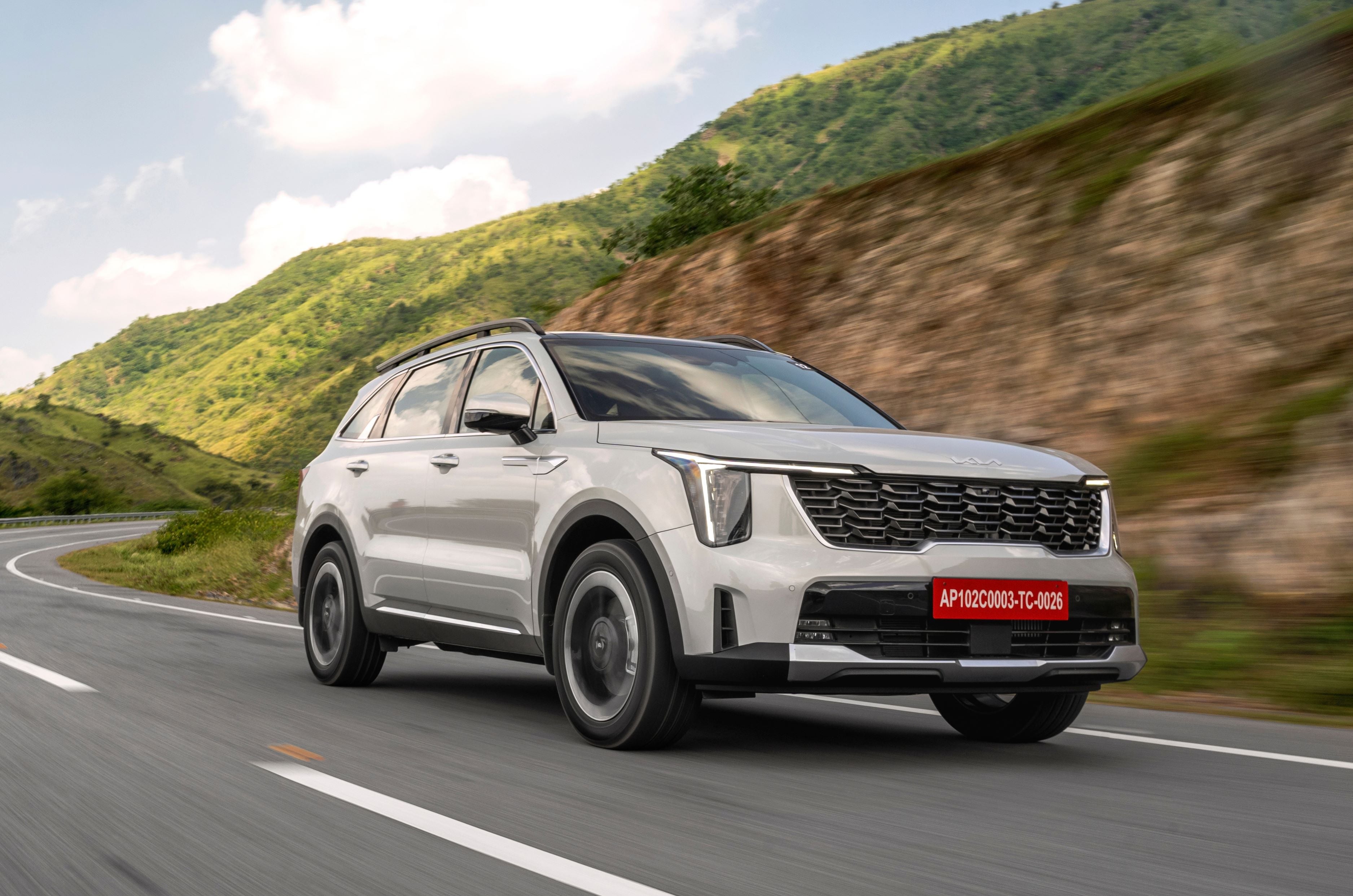
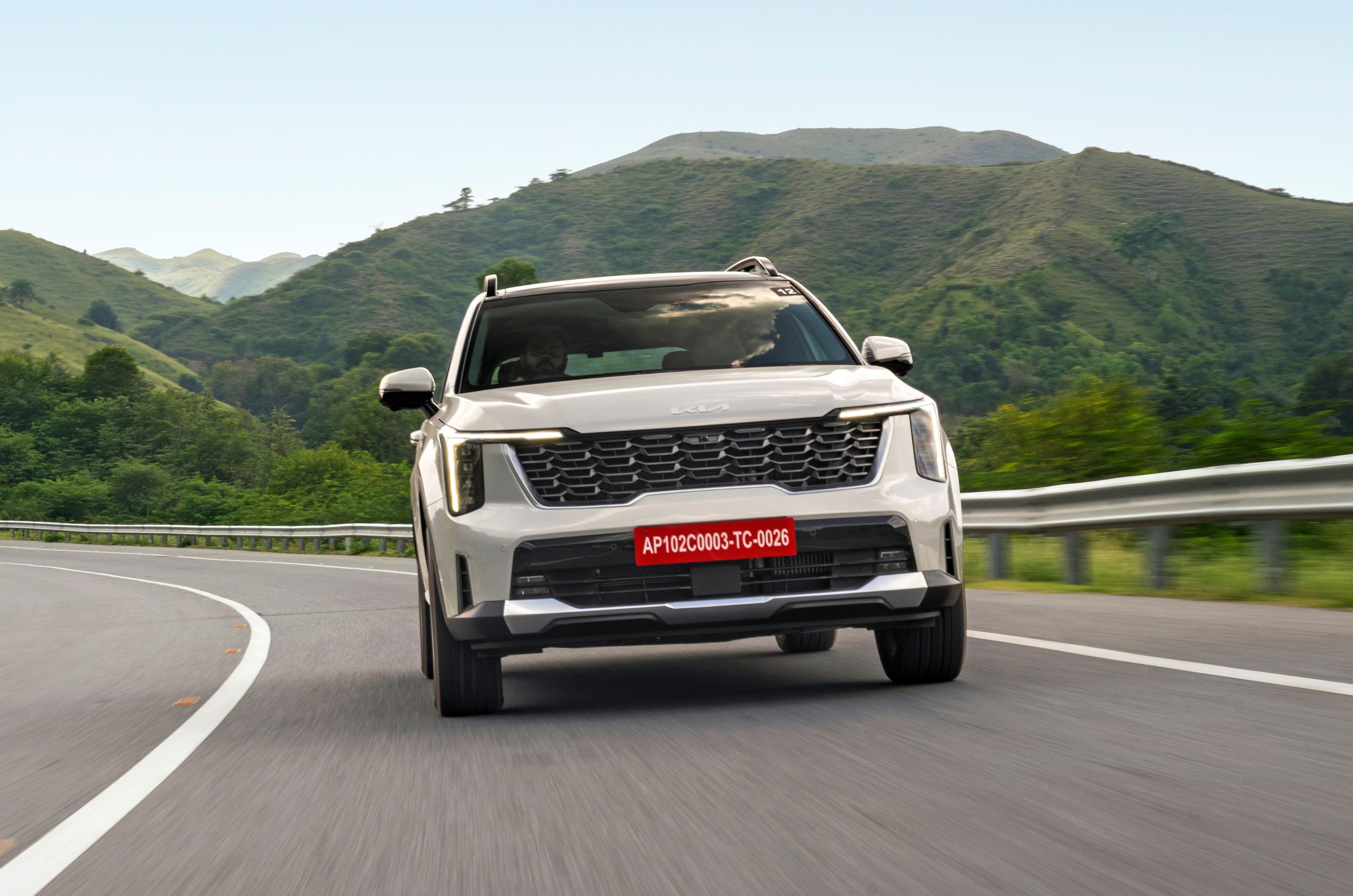
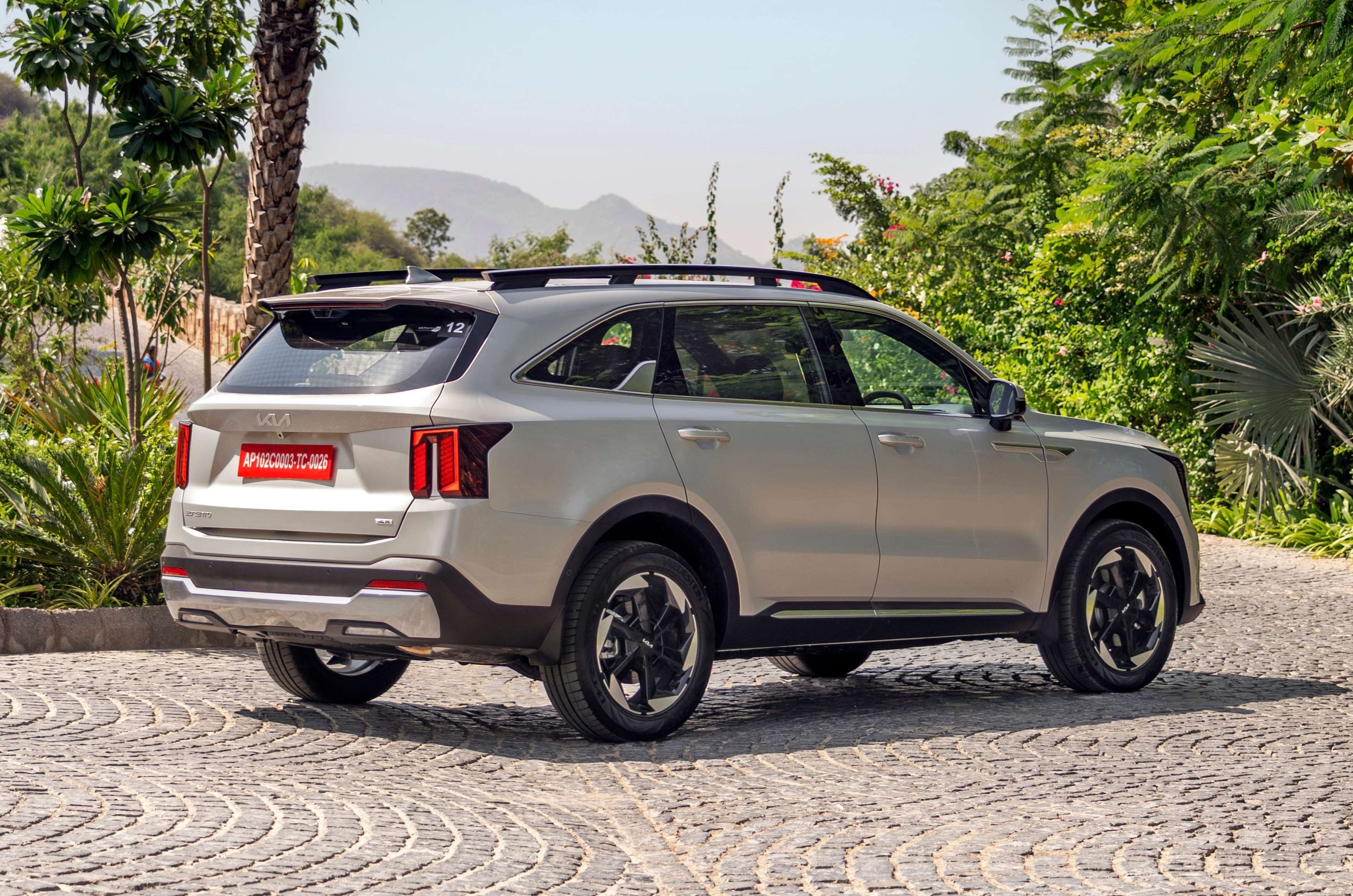
The Sorento is Kia’s flagship combustion-powered SUV for the Indian market. It’s also Kia India’s first hybrid offering, but if that doesn’t strike your fancy, a diesel is also on offer. The Sorento contends in the premium three-row SUV segment, locking horns with the Volkswagen Tayron, Jeep Meridian, and Skoda Kodiaq. Now that we’ve reviewed the Kia Sorento, here are three reasons why you should bring one home, and three reasons why you may want to consider one of its rivals.
Pros
Well-judged powertrain offerings
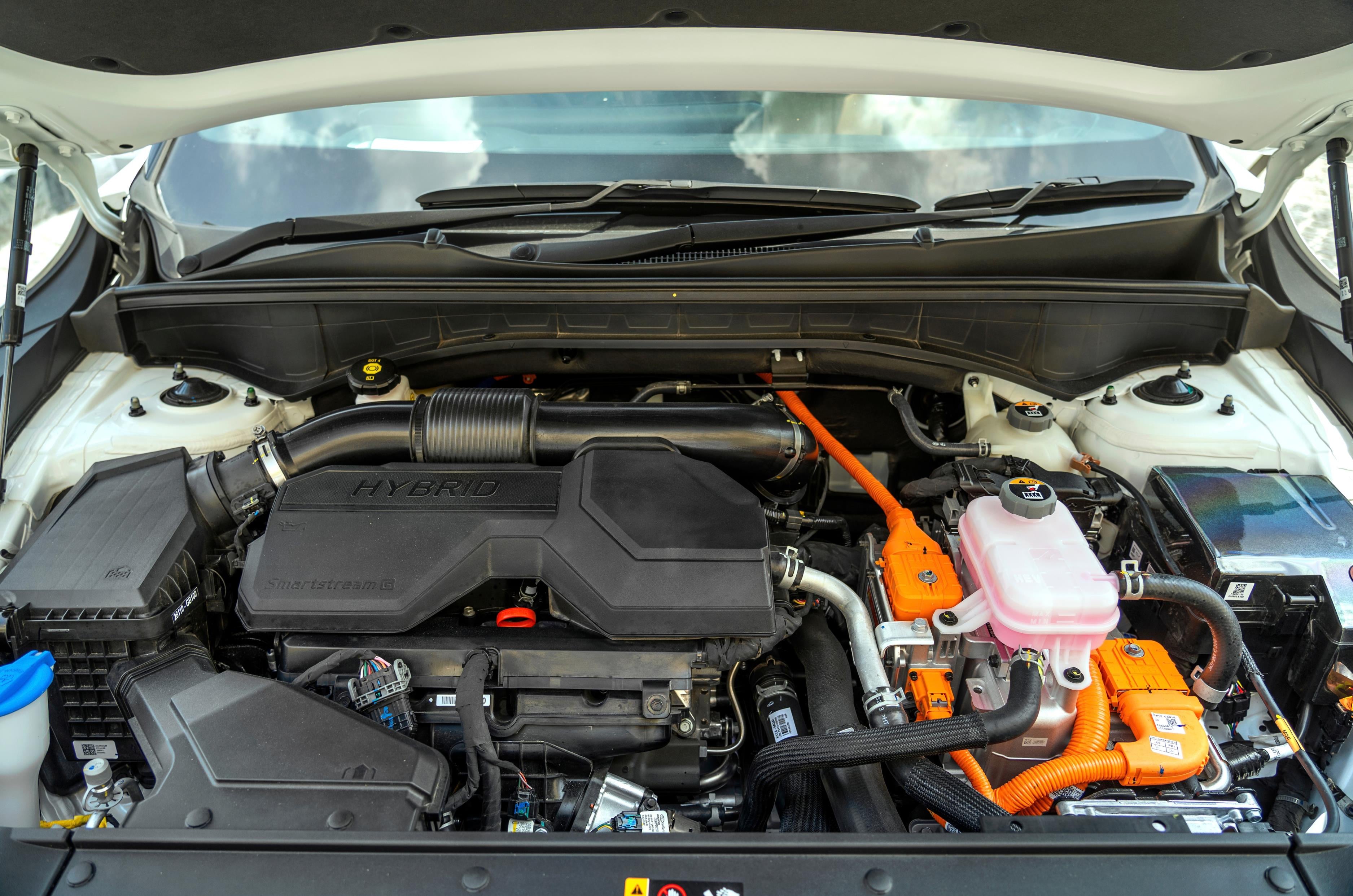
The Sorento can be had with either a 1.6-litre direct-injection turbo-petrol strong hybrid powertrain (230hp, 380Nm) mated to a 6-speed torque converter, or a 2.2-litre diesel engine (193hp, 442Nm) coupled to an 8-speed dual-clutch automatic. Both are available with front-wheel drive and all-wheel drive too. Of these, the hybrid is our pick for city driving because it’s smooth, instantly responds to throttle inputs, and the 1.49kWh battery pack allows it to run in pure-electric mode for better fuel efficiency – speaking of which, the Sorento hybrid claims 19.6kpl with FWD and 17.7kpl with AWD. On the highway, though, the turbo-petrol gets vocal and starts to run out of breath if pushed hard.
Highway frequenters, then, should look towards the diesel-powered Sorento. The low-end response is good, but not as immediate as the hybrid’s, and torque is delivered in a strong, linear surge, making it an excellent highway cruiser. Another highlight is the wet-clutch DCT, which slurs its gear changes like a torque converter and adds to the smoothness of the driving experience. Refinement is also good for the most part, with the diesel engine emitting a gruff note only under hard acceleration.
Feature-packed cabin with a premium feel
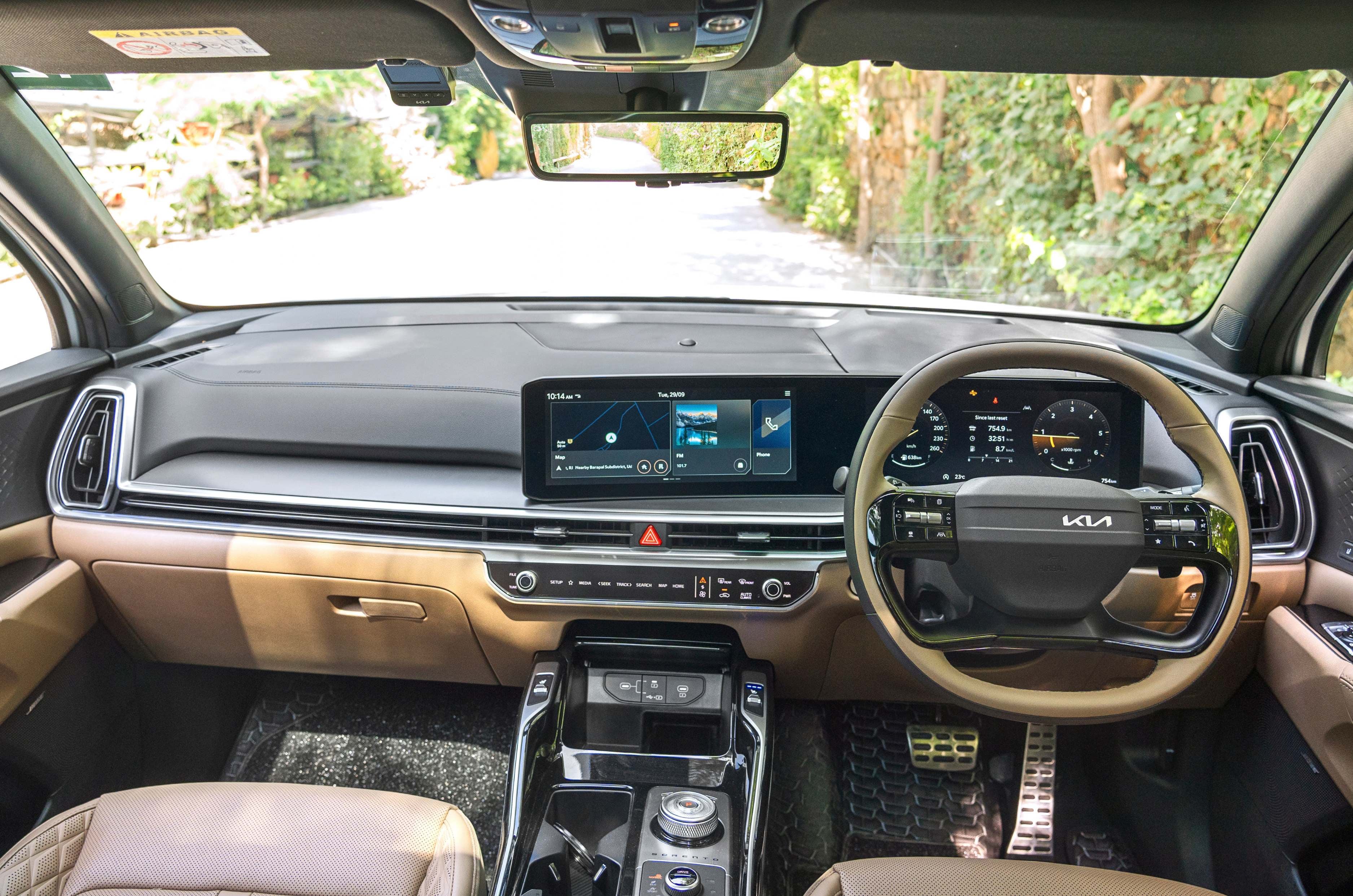
Inside, the Sorento offers a blend of quality, technology, and ergonomics that majorly outclasses rivals. The dashboard is decked out in soft-touch materials, there’s a healthy amount of physical controls, and overall quality levels are fabulous for the price.
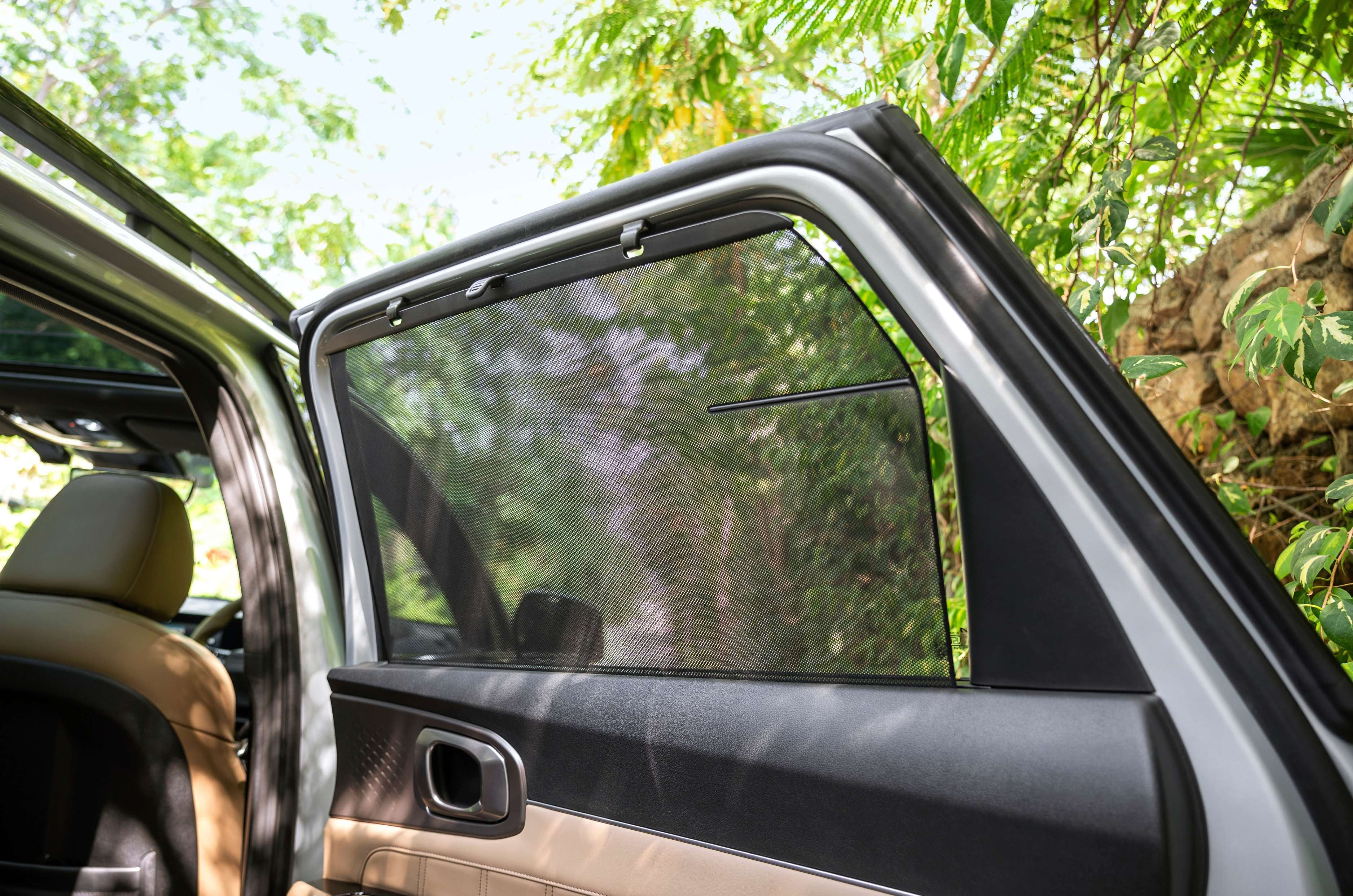
As for features, the Sorento is absolutely loaded, especially in higher variants. You get goodies like dual 12.3-inch screens, a heads-up display, a panoramic sunroof, powered and ventilated front seats, ventilated second-row captain’s chairs (6-seat), Level 2 ADAS, a 12-speaker Bose sound system, dual-zone climate control, 64-colour ambient lighting, a camera-based IRVM, rear-window sunshades, a powered tailgate, connected car tech, and more.
Outstanding ride quality
Kia has tuned the Sorento’s suspension exceptionally well, with a clear prioritisation of comfort over sportiness. It glides along bad roads at high speeds with ease, almost never needing you to lift off. Part of the credit here goes to the tall-sidewall tyres, which round off sharp jolts and filter high-frequency shocks. While there is a bit of body movement at highway speeds, the Sorento never feels unsettled or busy.
Cons
Knees-up seating in third row
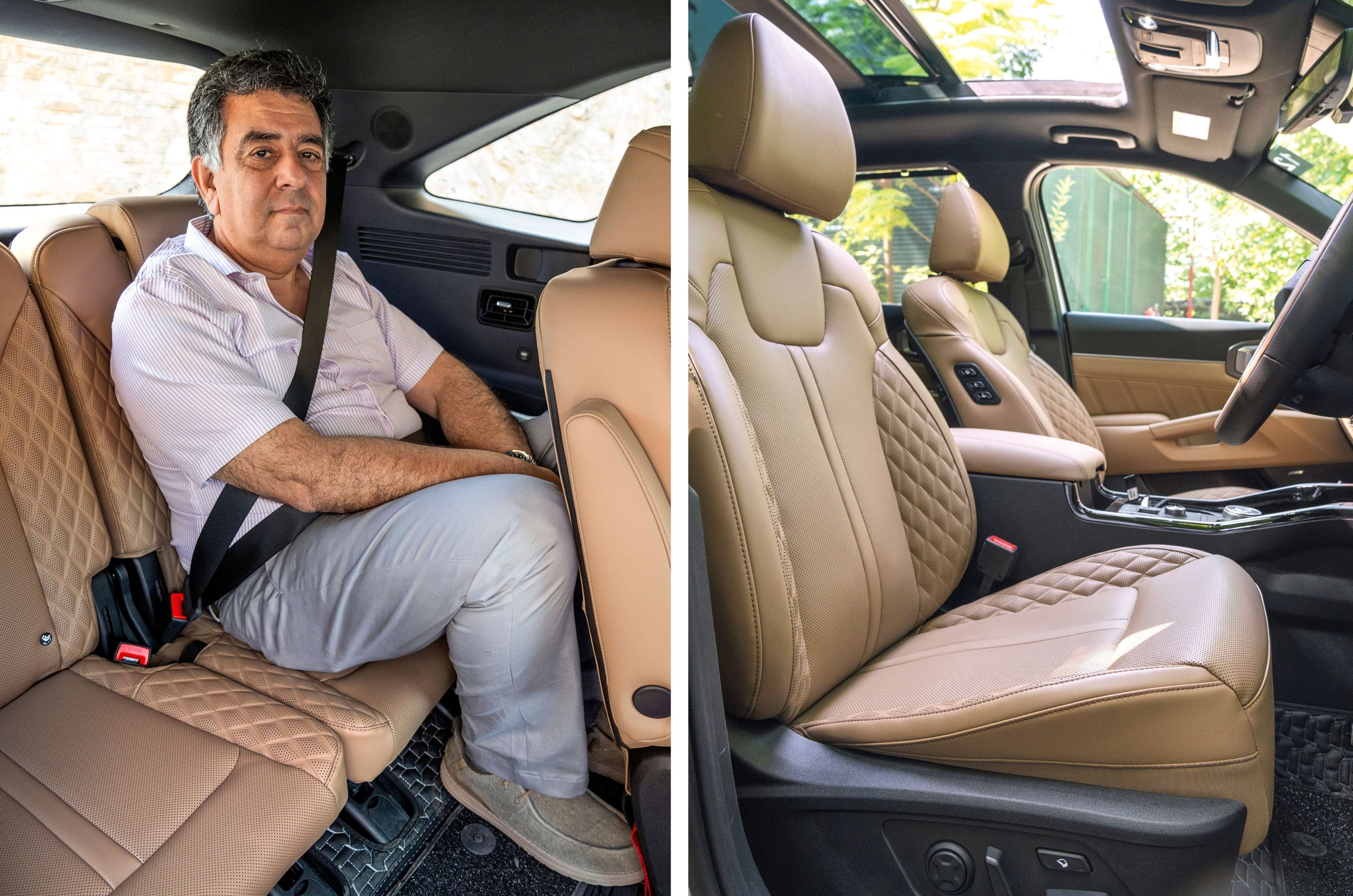
While the first and second rows of the Sorento are very spacious and comfortable, the outlook on the third row (left image) is mixed. Legroom is decent, but the seat base is mounted nearly flat on the floor, which means there’s no under-thigh support and you’re sat knees-up. The Sorento’s third row, then, is best-suited to small children.
Not as engaging to drive as European rivals
Since the Sorento is softly-sprung and has a higher 208mm ground clearance, it isn’t quite as dynamically sharp as the Tayron and Kodiaq – a bit of body roll rears its head during hard cornering. The steering feel is light, but not as fluid or progressive as those of the Sorento’s European rivals, and there’s a dead zone around the straight-ahead position too.
Top-end variants are expensive
Pricing for the Sorento is very broad and competitive, starting at Rs 27.99 lakh for the base-spec diesel-FWD variant. However, prices for the top-spec HTX and HTX(A) trims range from Rs 37.49 lakh to Rs 40.19 lakh, which is rather steep. It doesn’t help that these trims are offered solely with AWD – FWD versions could’ve helped bring the HTX’s price down.
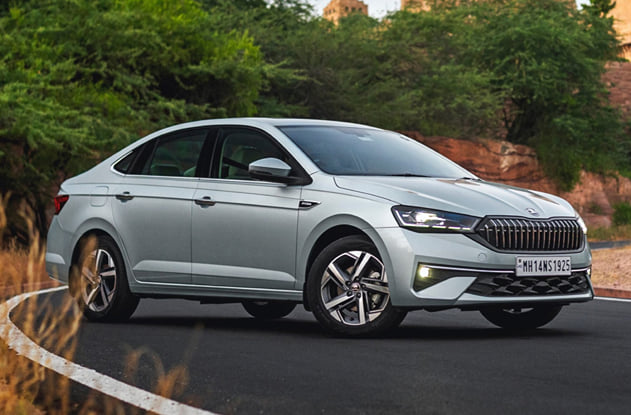
Skoda’s Slavia sedan has received its first major update since its introduction back in 2022. In order to keep it in touch with recently updated rivals like the Hyundai Verna and Honda City, the Slavia gets sharper styling, more equipment and even a significant mechanical change. Here’s what it’s like.
Skoda Slavia facelift exterior design and engineering – 8/10
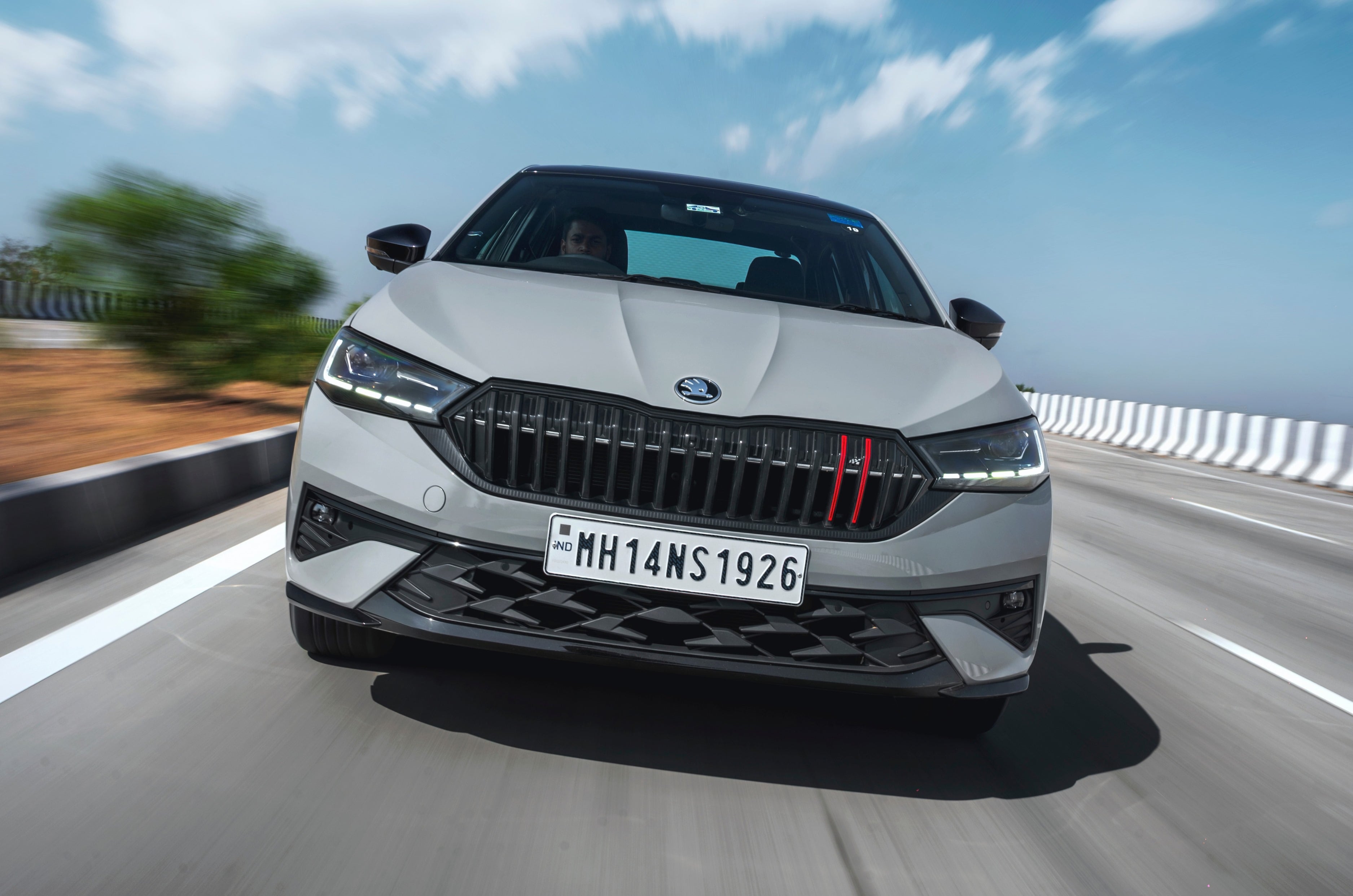
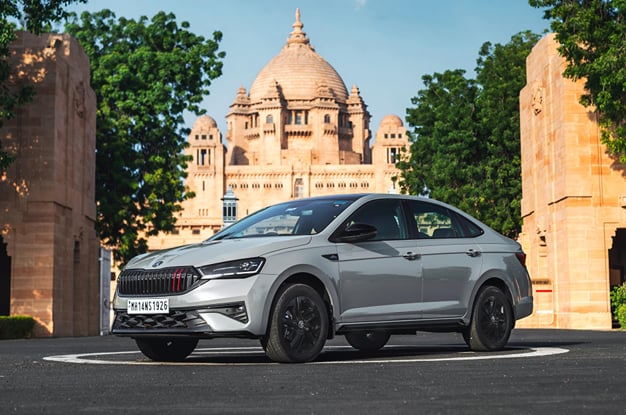
Skoda Slavia Prestige (left) and Monte Carlo (right)
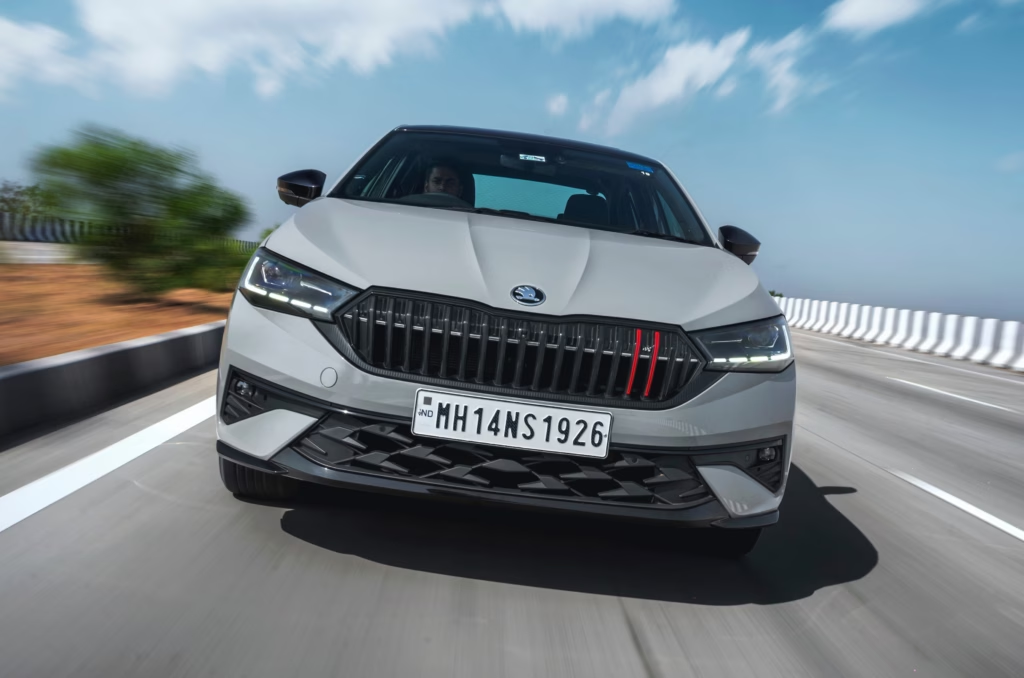
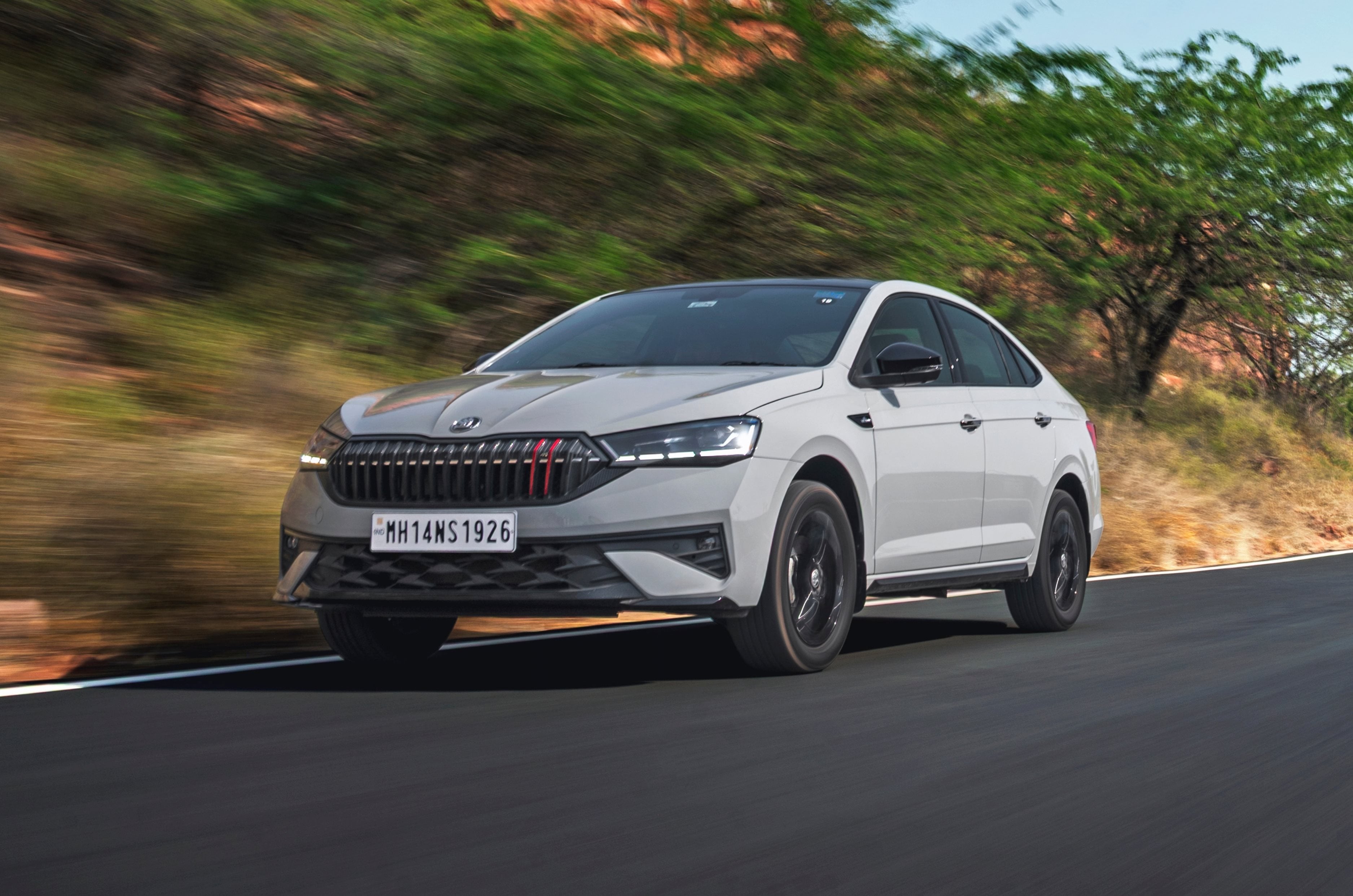
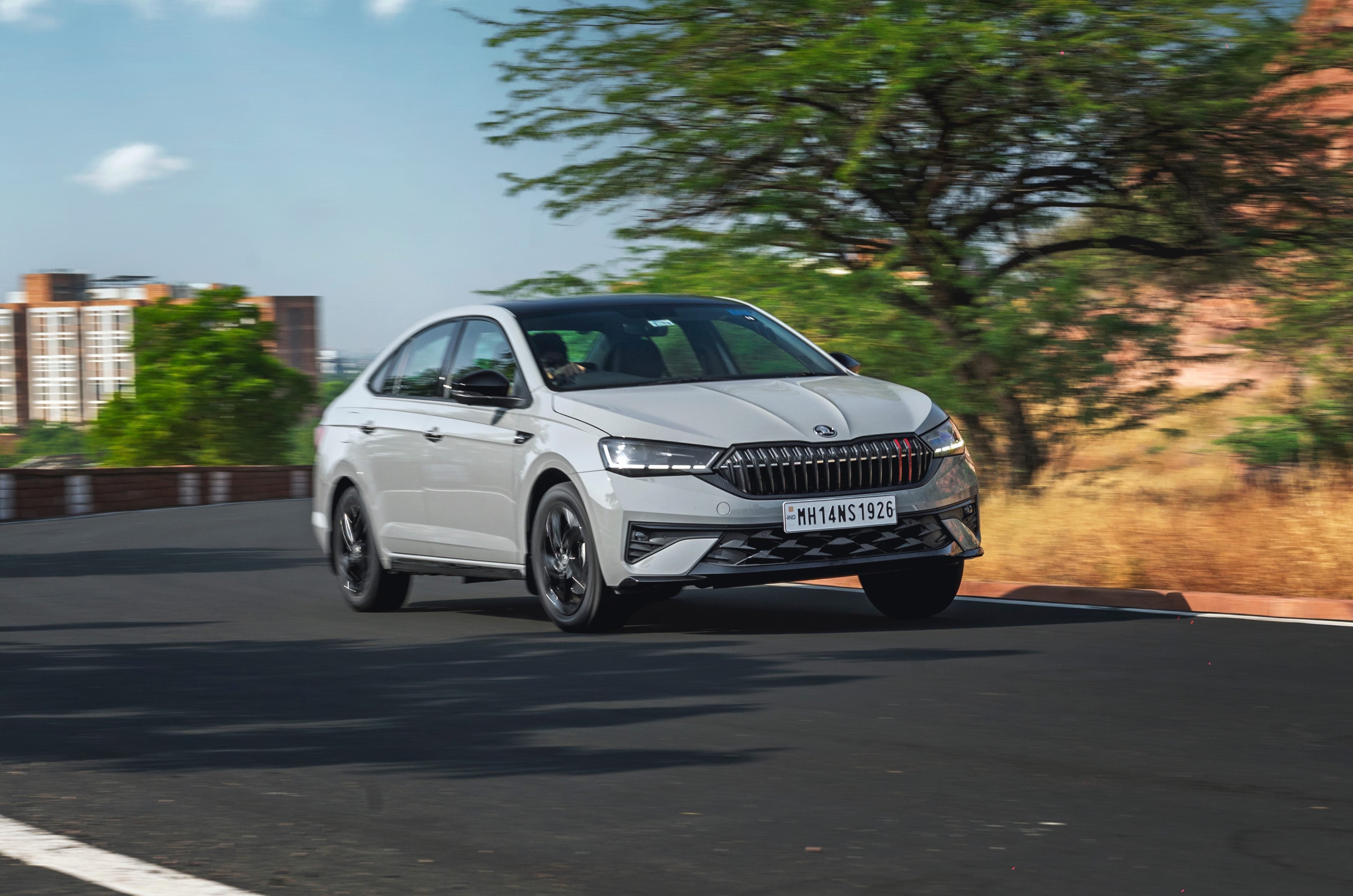
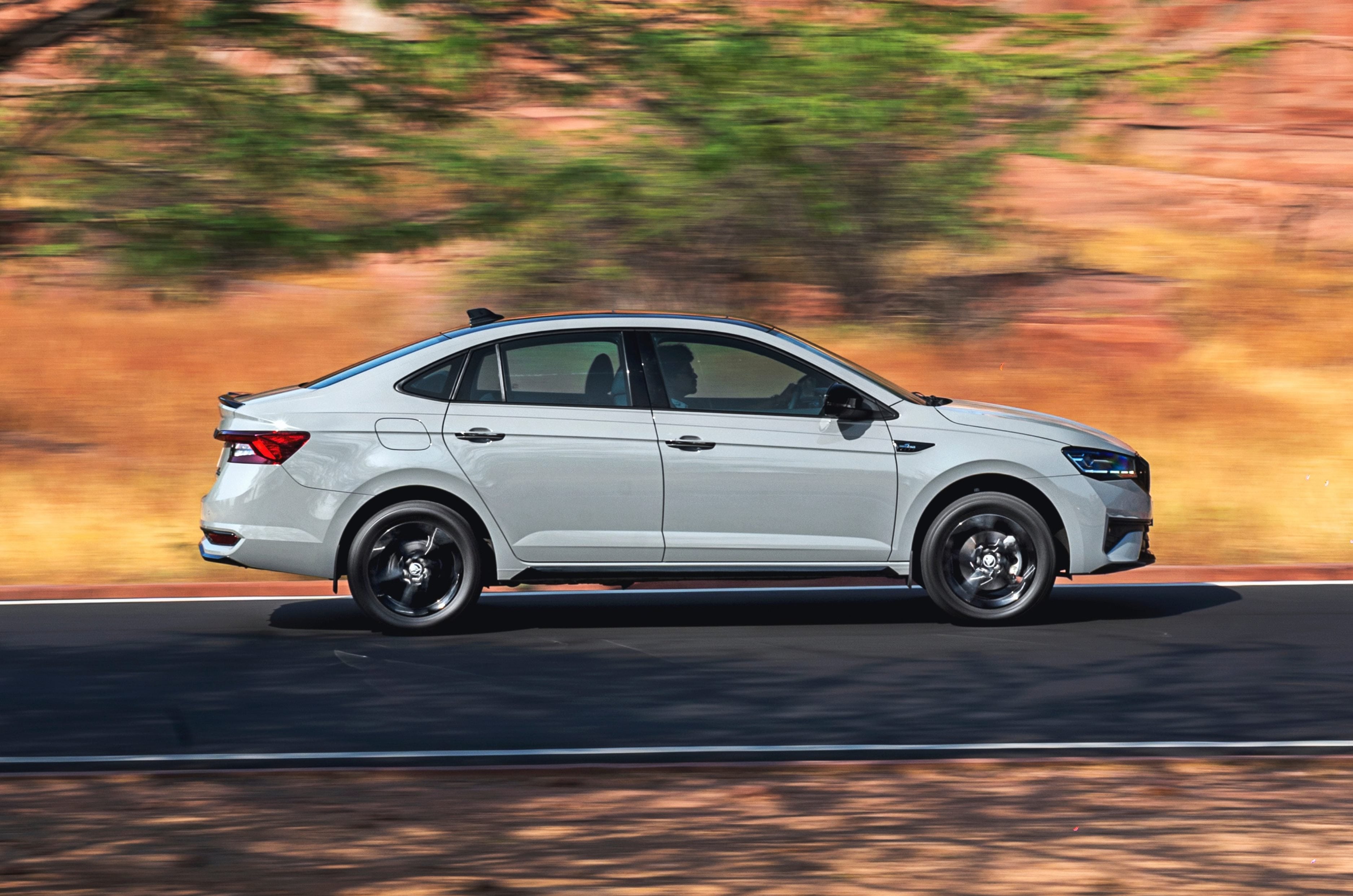
Being a facelift, the Slavia’s overall silhouette and proportions are unchanged, and that’s a good thing. Its design is clean and elegant rather than flashy, with crisp body lines, a long bonnet and a flowing roofline giving it a distinctly European appearance. The signature butterfly grille features new segmented chrome trim and sharp LED headlamps also get a new segmented LED DRL signature. The bumper is all new, featuring new LED fog lamps along with a reworked airdam. Along the sides, there’s a new design for the 16-inch alloys while the 179mm (unladen) ground clearance gives it a degree of SUV-like usability without making the sedan look too ungainly.
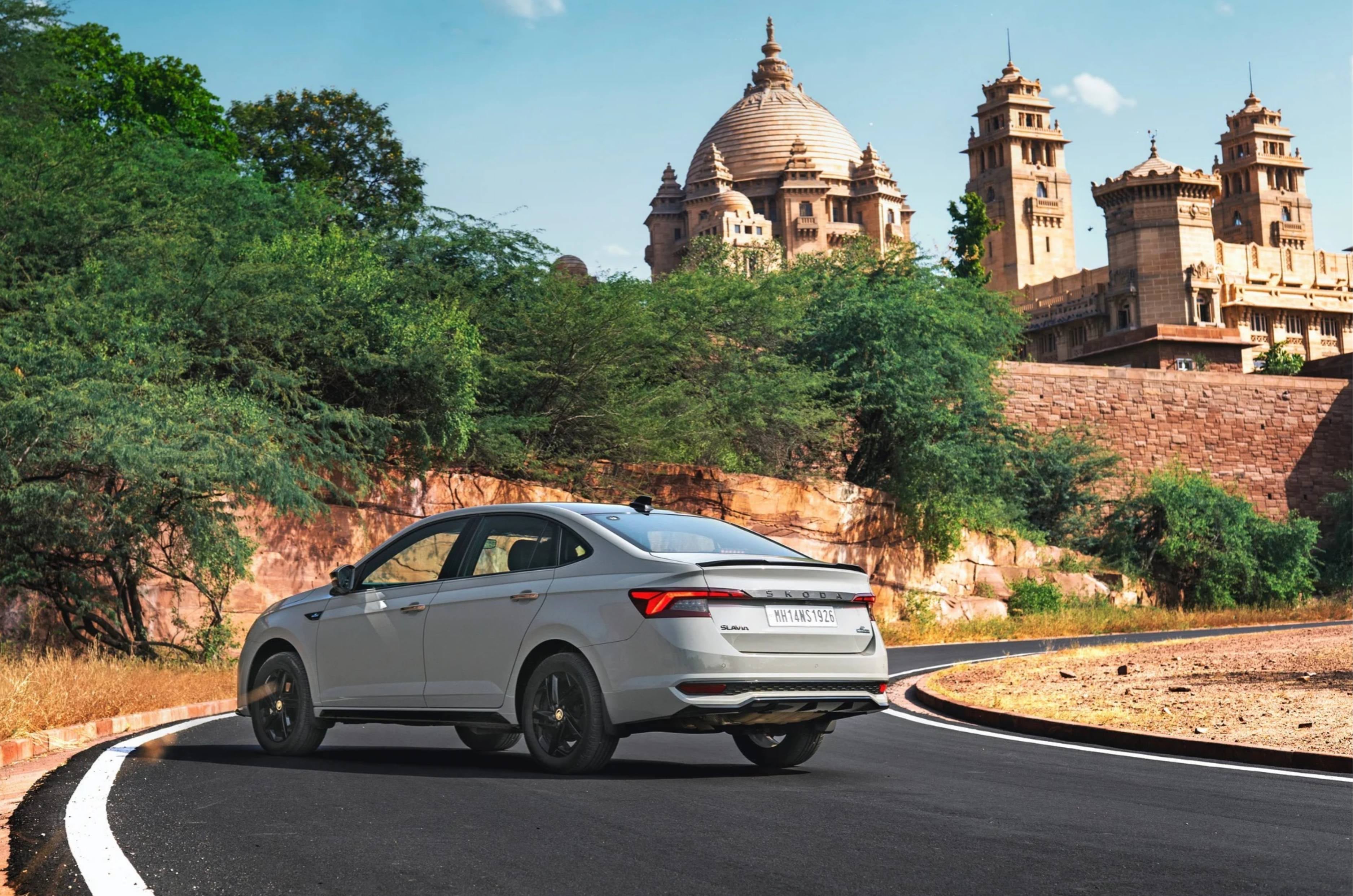
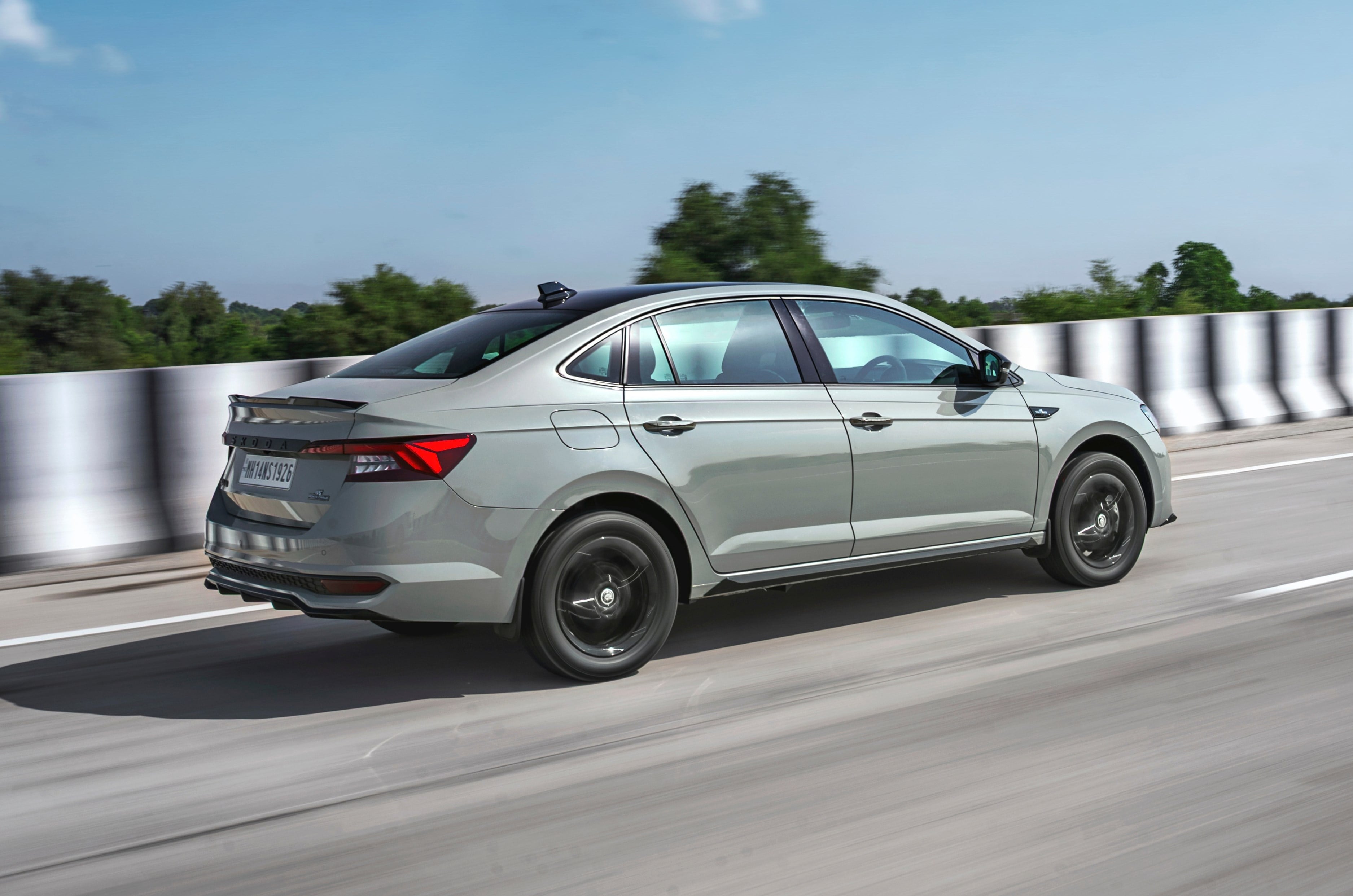
At the rear, it gets new sequential turn indicators and different LED elements in the tail lights. There’s a new trim piece connecting the tail-lights, with prominent ‘SKODA’ lettering, which gives the rear a cleaner, more contemporary look. As before, the Slavia is offered in a more luxurious Prestige trim, which brings chrome elements and a dual-tone finish for the alloys, and a sporty Monte Carlo trim that features blacked-out elements which include the grille, alloys, ORVMs, roof and bootlid spoiler. There’s also two new colours, Arctic Silver and Cappuccino Beige, which the former looking particularly tasteful.
Under the skin, the Slavia continues to use the MQB A0 IN platform, shared with the Kushaq and Volkswagen Virtus. This India-specific architecture allows the Slavia to retain its proper three-box sedan proportions while offering the ground clearance and practicality needed for Indian road conditions. Overall, the updates are evolutionary rather than revolutionary, but they do enough to keep the Slavia’s understated design looking fresh.
Skoda Slavia facelift interior space and comfort – 8/10
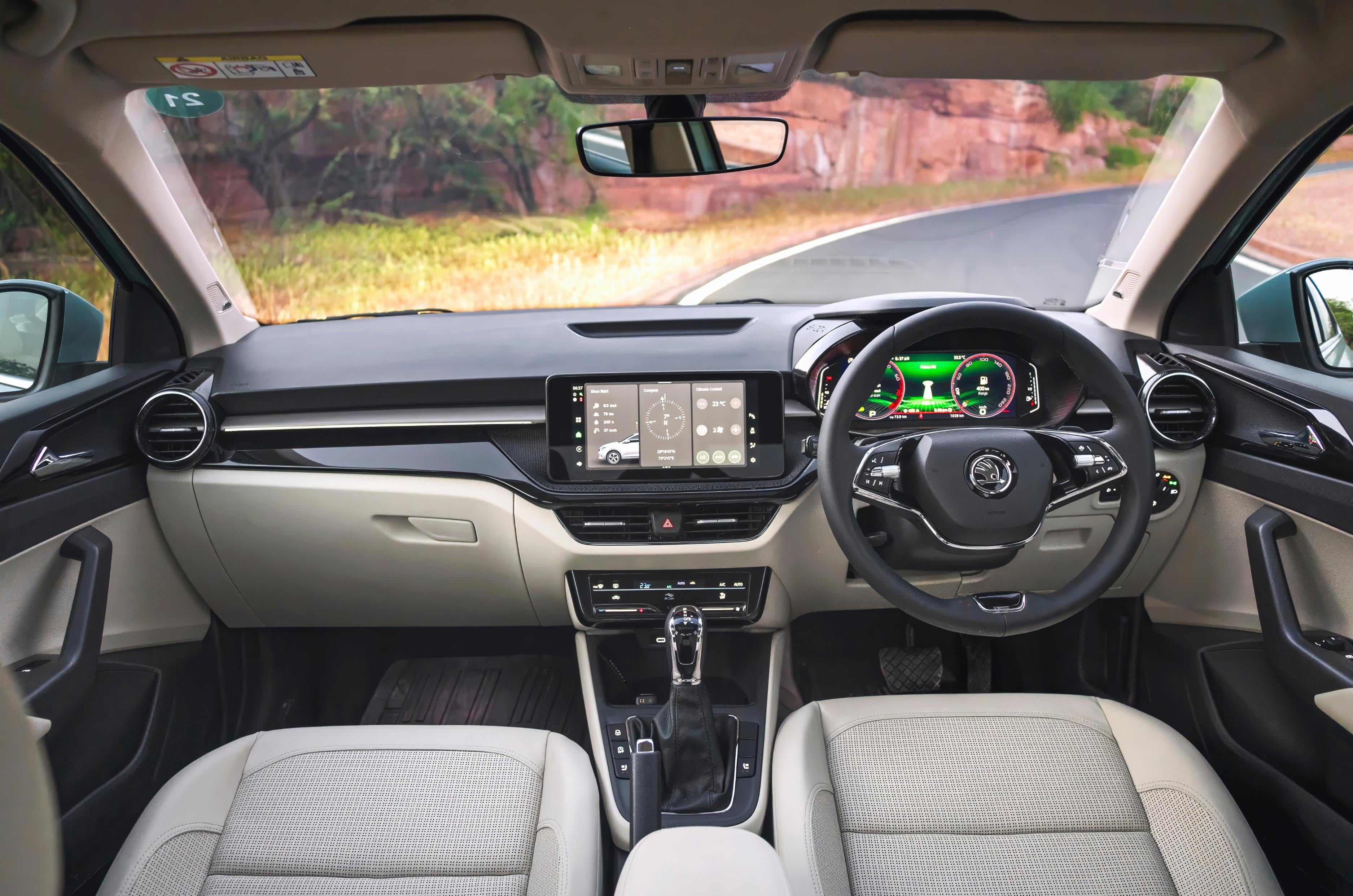
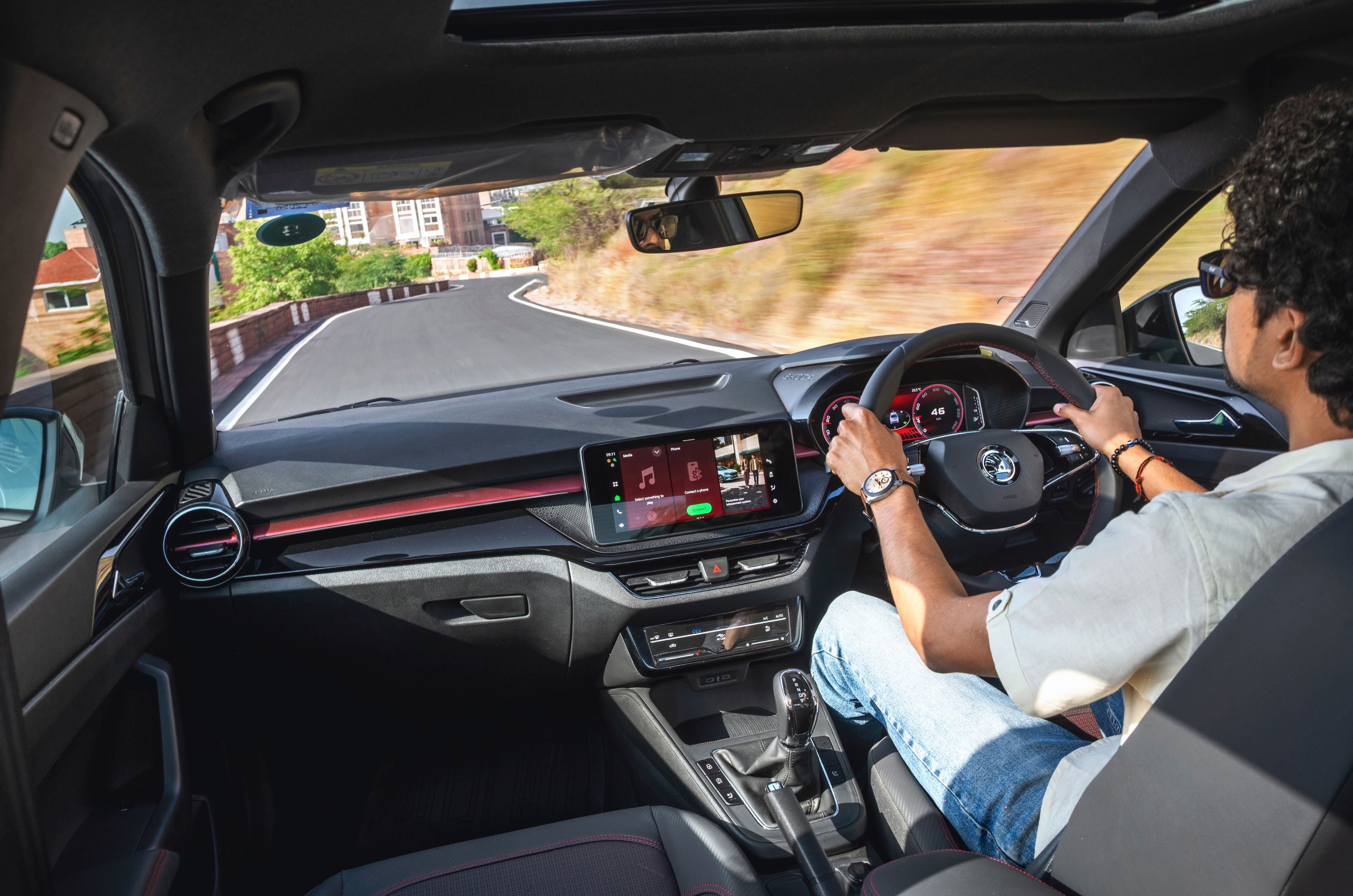
Step inside, and the door shuts with a reassuring thud and you’re greeted by the same layered dashboard. Like the exterior, the interior trim differs too depending on which trim you opt for. The more luxurious Prestige trim gets a beige and black upholstery with copper-coloured inserts on the dash, while the sporty Monte Carlo gets an all-black theme with contrasting red details on the dashboard, the stitching and the seat perforation. Build quality is solid overall, with a well put-together feel to the cabin. It’s also a practical space with plenty of storage spaces and the typical Skoda “Simply Clever” features like a ticket holder, coat hooks, phone pocket in the seatbacks and more.
The front seats are wide and supportive, with generous cushioning that makes the Slavia comfortable over long journeys, and finding your ideal driving position is easy too thanks to the electrically adjustable seats and reach/rake adjustment for the steering.
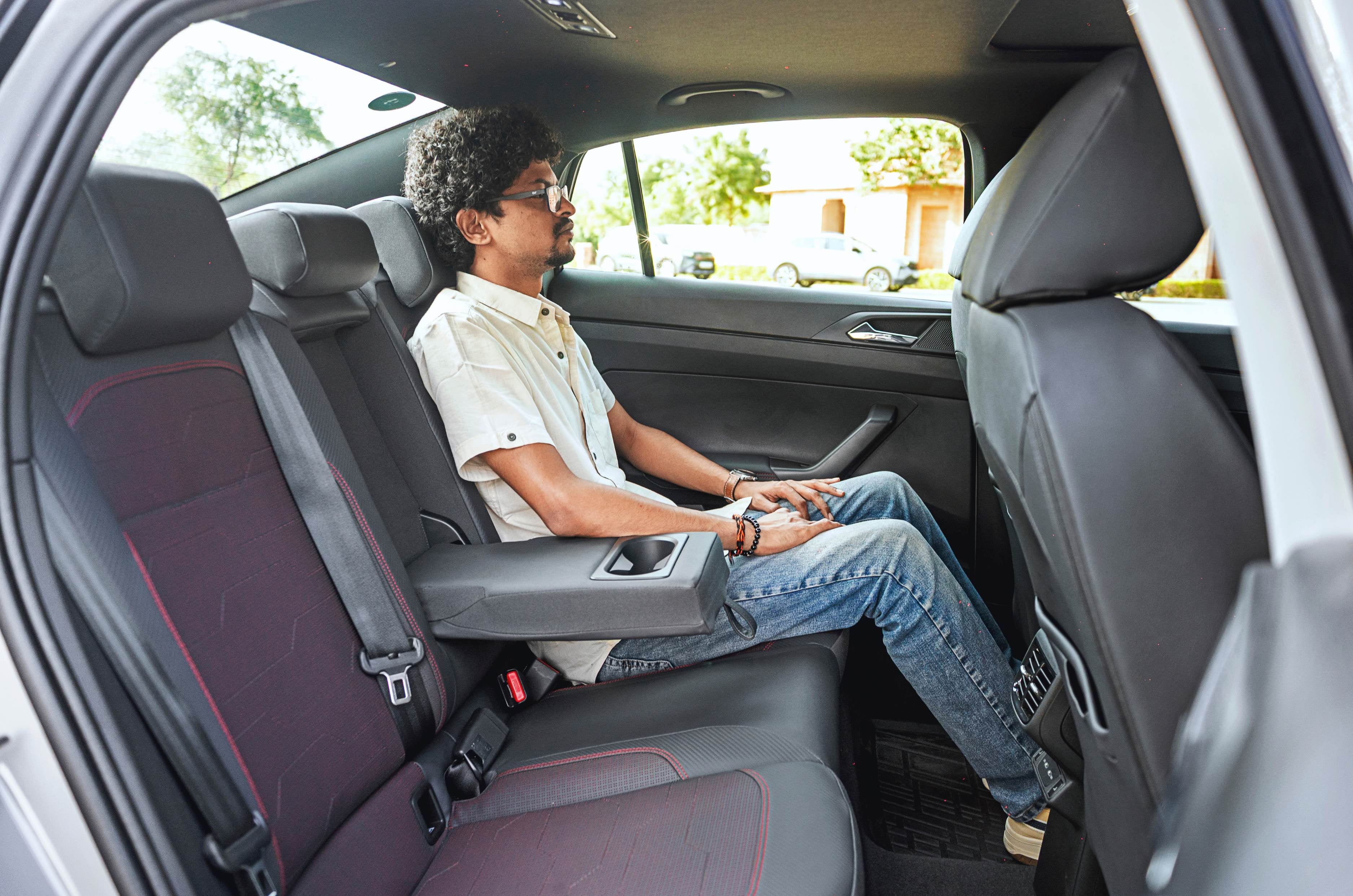
Rear-seat space remains one of Slavia’s biggest strengths. The long wheelbase translates into generous legroom and ample footroom, and the windows are also large enough. Headroom though, can be a little tight for taller passengers, and the contoured rear bench along with the transmission hump in the centre mean it’s more naturally suited to two adults than three.
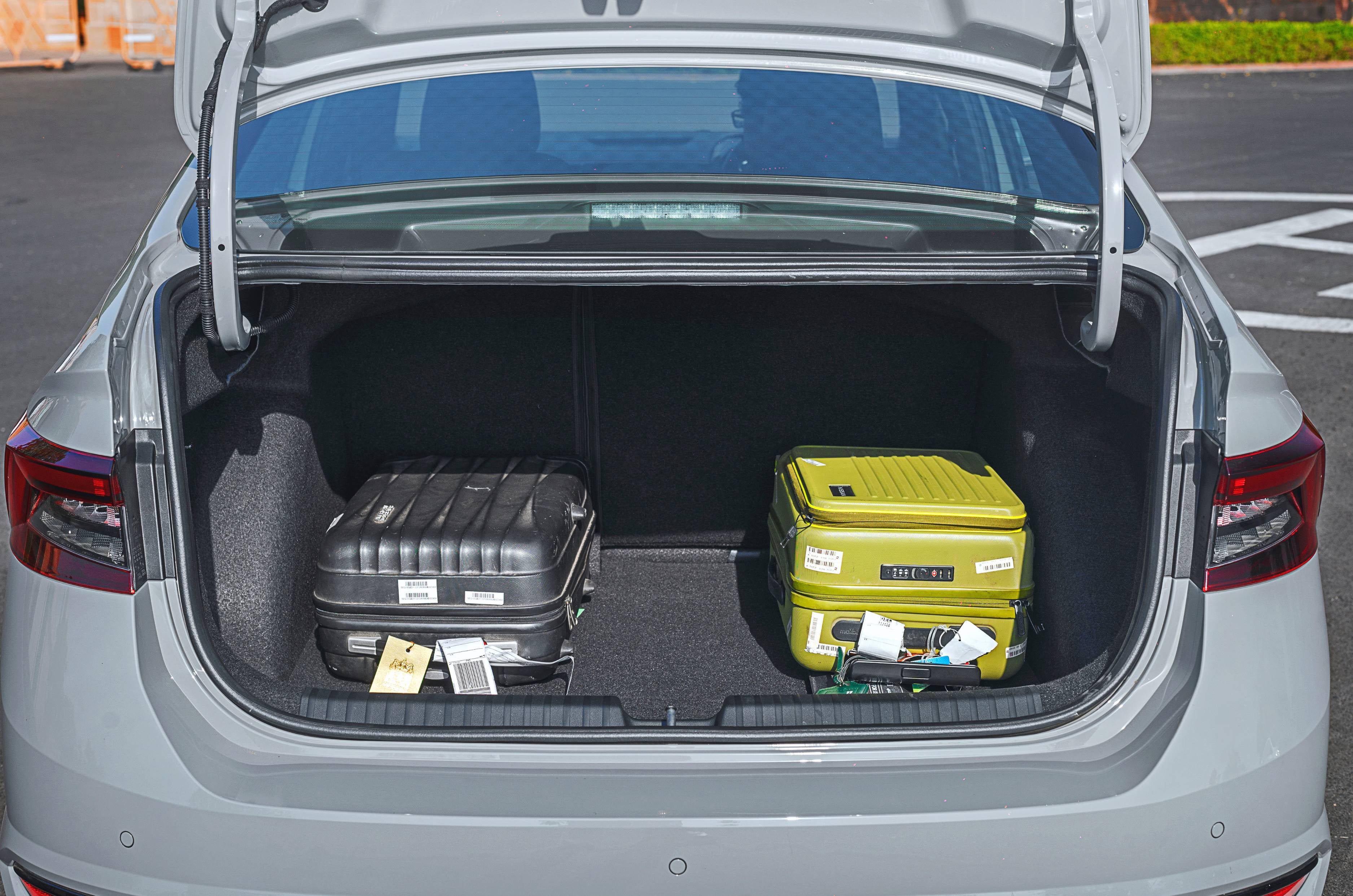
The 521-litre boot is among the largest in the segment, and the squared-off shape makes it easy to load. The 60:40 split-folding rear seats add further versatility. It also continues to get a space tyre and a subwoofer under the boot floor.
Skoda Slavia facelift features and safety – 9/10
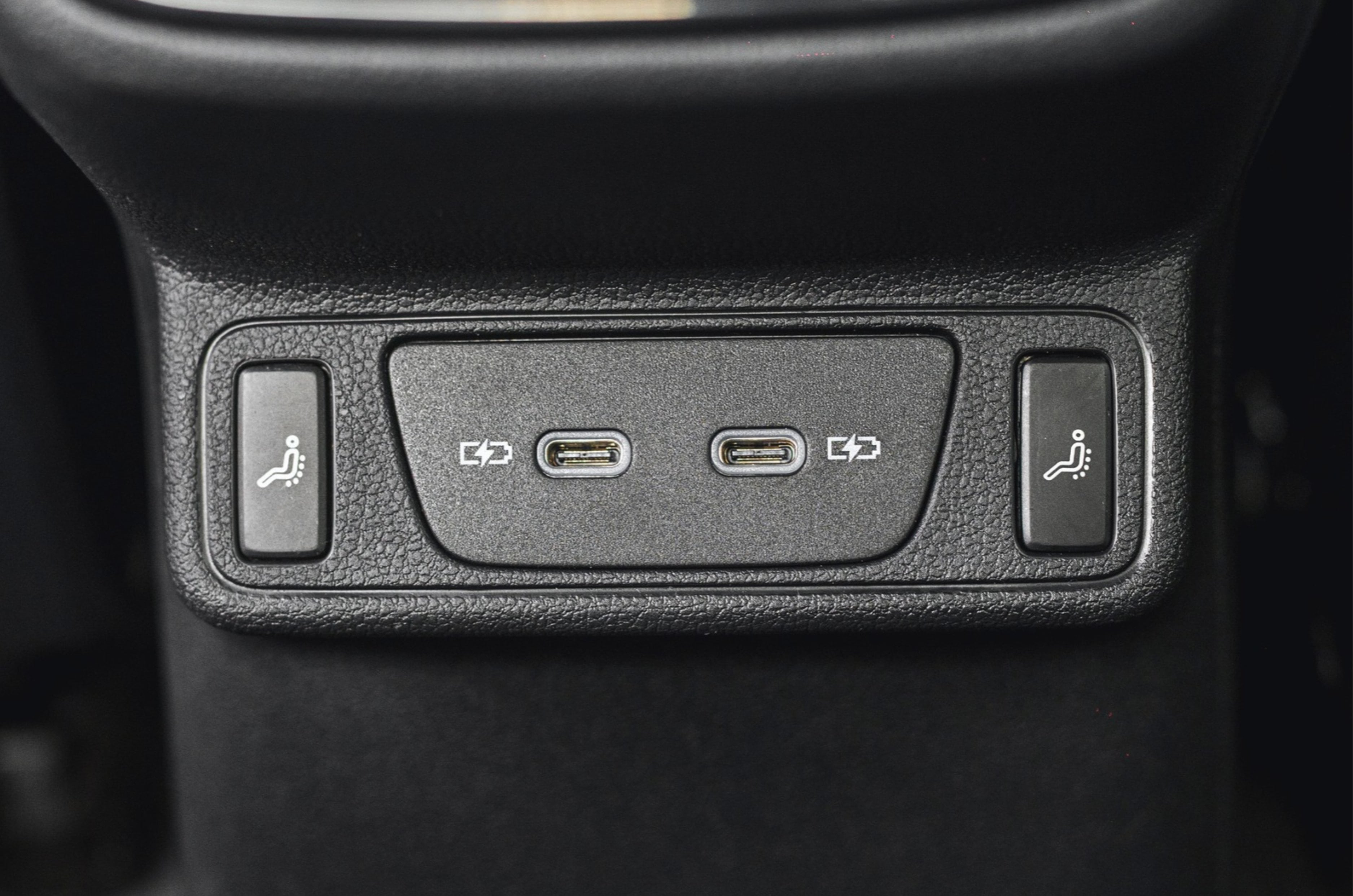
The Slavia facelift brings a useful upgrade in equipment, with the highlight being a segment-first rear seat massaging function. It’s a feature more commonly associated with larger, more expensive cars and adds another layer of comfort to what is already a spacious rear bench. This feature works very well and will be a hit with the chauffeur-driven.
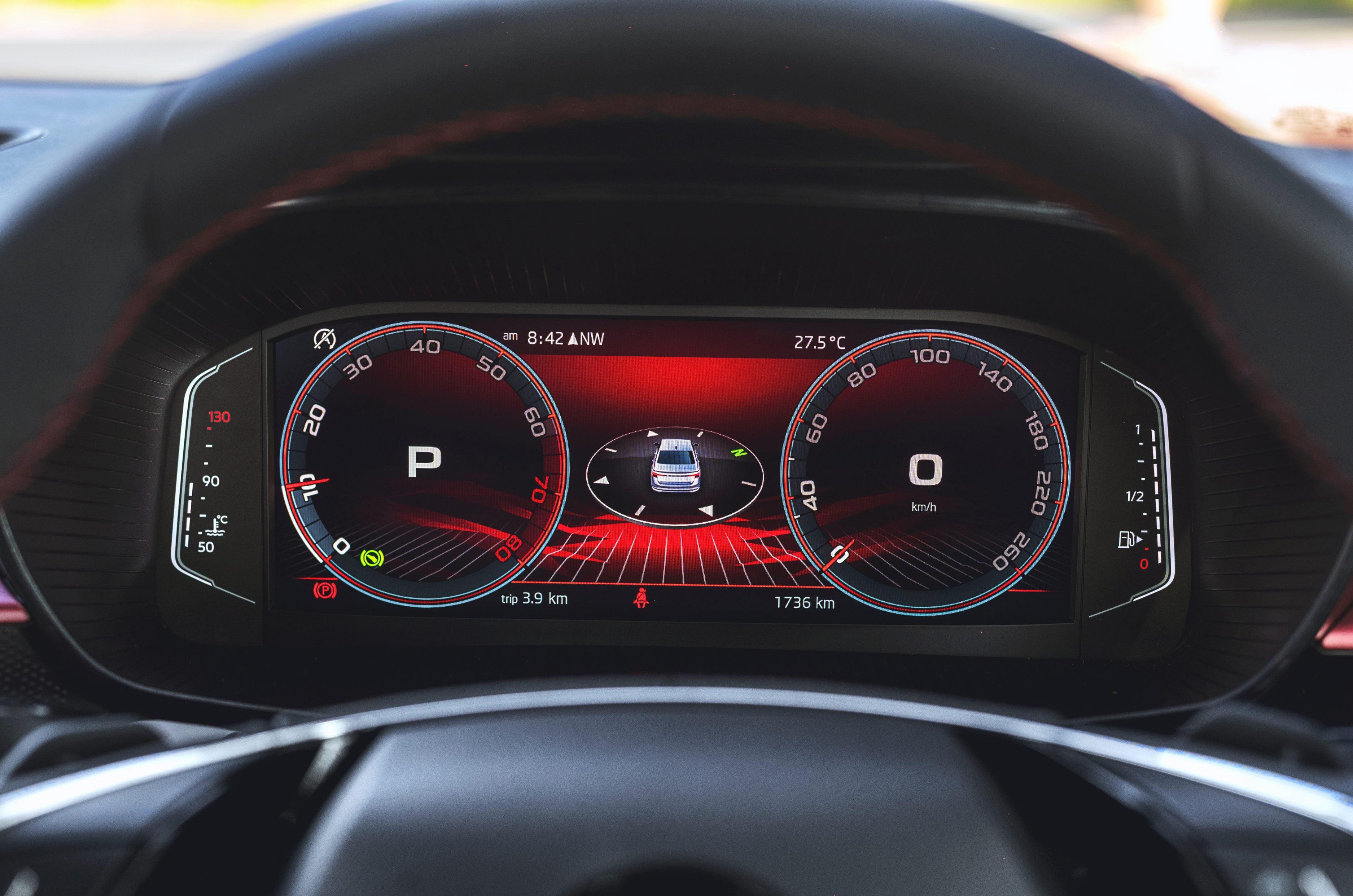
The infotainment and instrumentation have also been upgraded. The previous 10-inch touchscreen has been replaced by a slightly larger 10.1-inch unit, while the driver’s display grows substantially from 8 inches to 10.25 inches. Both screens get new graphics and additional features, giving the cabin a more contemporary feel and bringing the Slavia’s interface up to date. The touchscreen has a slick interface and also benefits from an AI voice assistant and connected car features, while the digital cluster gets multiple layouts along with a turn-by-turn navigation feature. The themes for both these screens also differ depending on whether you’ve gone for the Prestige or the Monte Carlo trim.
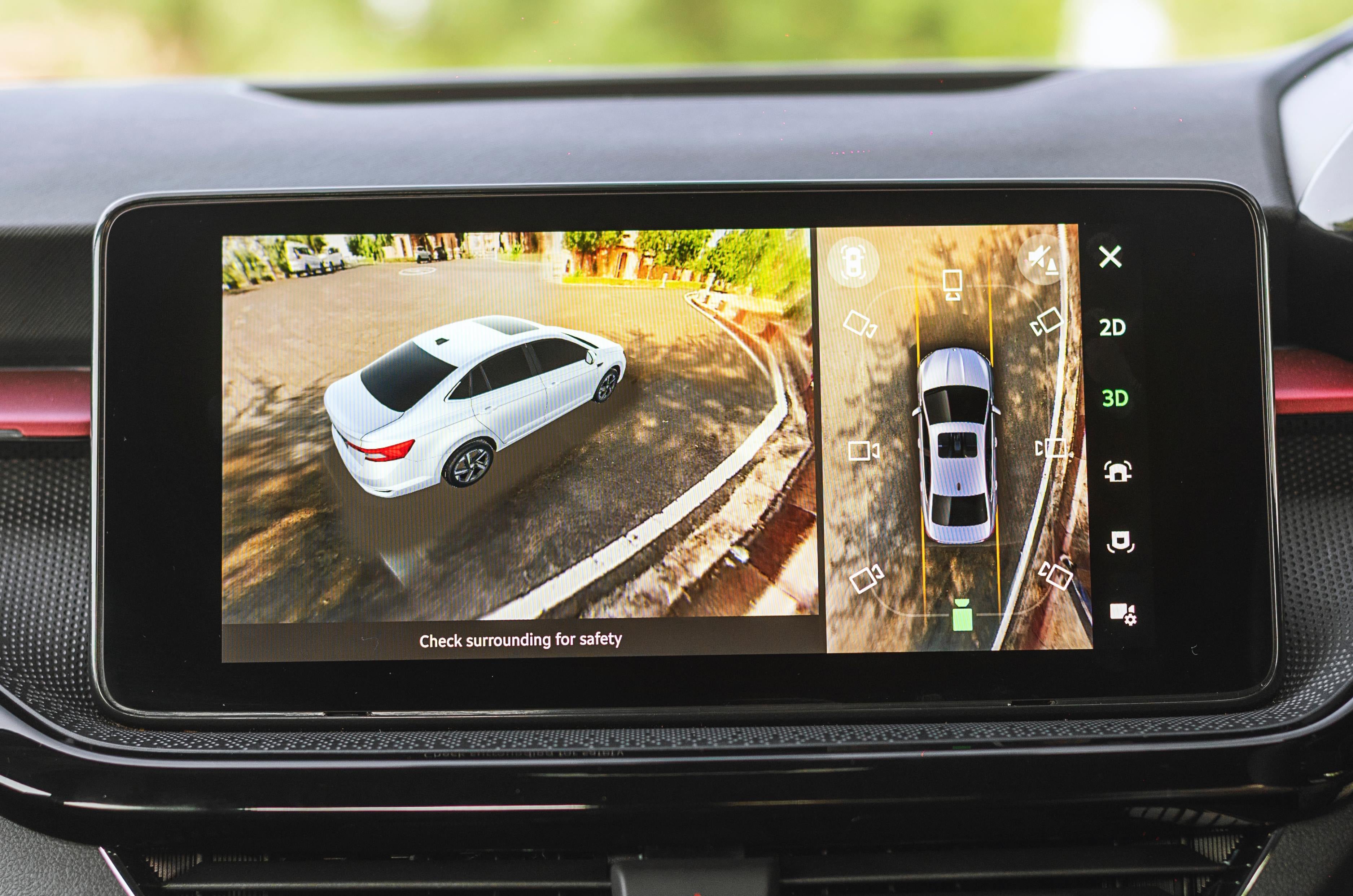
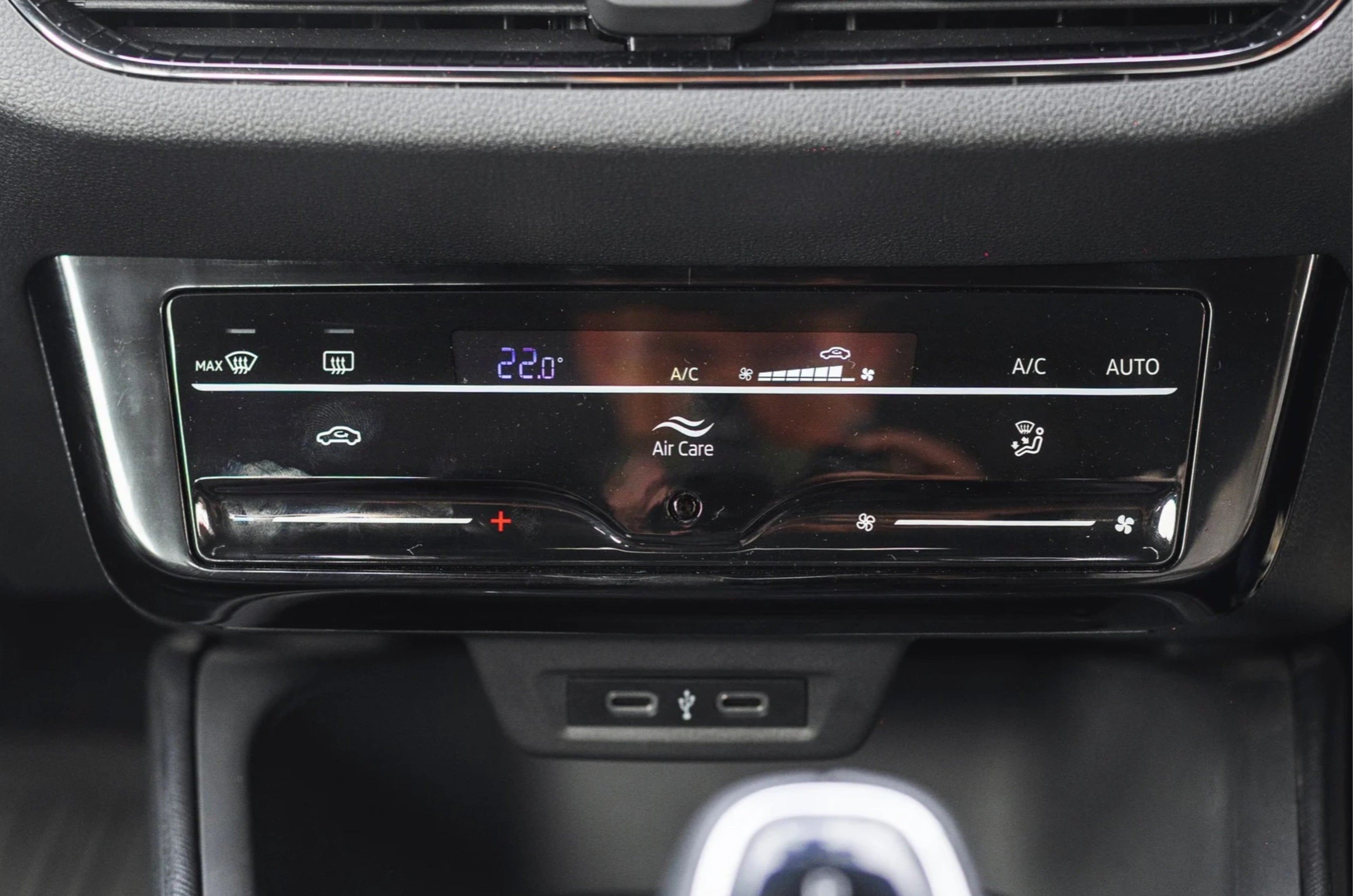
Another significant upgrade is the addition of a 360-degree camera, replacing the previous rear-view-only camera. This marks a huge improvement and the clarity and crispness of this camera is one of the best at this price point. And finally, like the Kushaq, the Slavia facelift also gets a new variable geometry compressor instead of a fixed geometry unit for the AC system, which has improved the cooling performance significantly.
Other than these, it continues to feature ventilated and powered front seats, a sunroof, wireless smartphone integration, a great-sounding audio system, auto climate control, ambient lighting, LED lights, auto headlamps/wipers, cruise control, leatherette upholstery, 6 airbags, ESC, traction control, hill-hold assist and much more. The pre-facelift Slavia has also received a full 5-star crash safety rating from Global NCAP. However, some features that rivals offer and are missing here include an electronic parking brake and ADAS tech.
All together, the feature additions make the facelift feel more complete, with the new screens, 360-degree camera and rear seat massage adding both convenience and a greater sense of sophistication to the cabin.
Skoda Slavia facelift powertrain and performance – 8/10
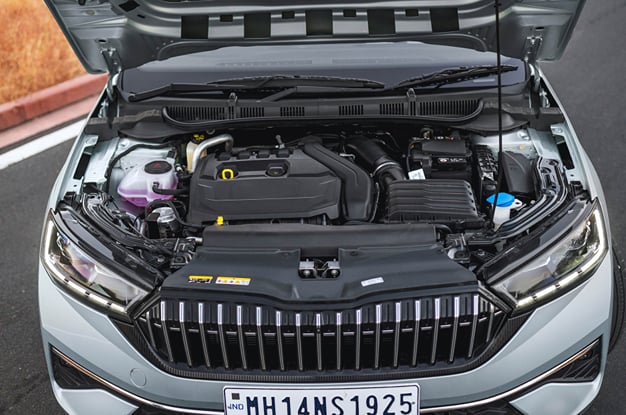
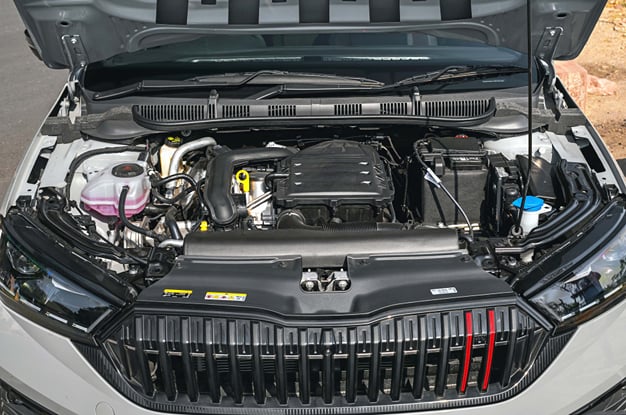
Skoda Slavia 1.0-litre TSI engine (left), 1.5-litre TSI engine (right)
The Slavia retains the same engine options as earlier, so you have a choice between two direct-injection turbo petrols. There’s a 1.0-litre, three-cylinder unit that puts out 115hp and 178Nm and a 1.5-litre, four-cylinder mill that produces 150hp and 250Nm.
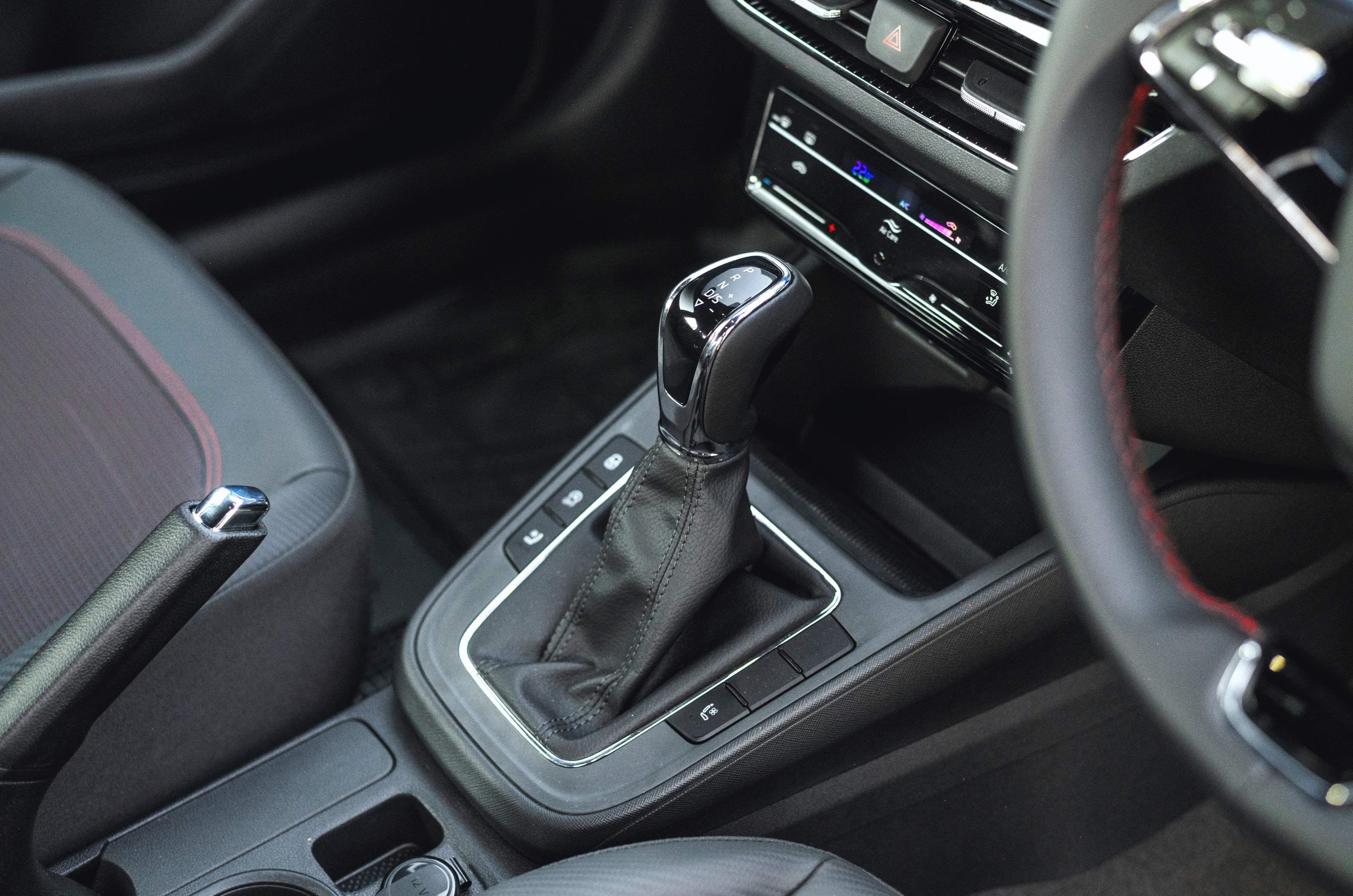
The 1.5 TSI can only be had with a 7-speed dual clutch automatic and enthusiasts will miss the option of a 6-speed manual with this engine, which was on offer earlier. The 1.0 TSI does get a 6-speed manual option, but the gearbox of major interest with this engine is the new 8-speed torque converter automatic. It’s the Aisin-sourced AQ300, replacing the earlier AQ250 6-speed unit, and this helps lower emissions and fuel consumption.
The new gearbox brings a welcome improvement to the Slavia’s low-speed manners. While the previous car had a tendency to leap forward from a standstill, this one now feels much more controlled than before. Once on the move, shifts are smooth and seamless, as you’d expect from a torque-converter automatic. What’s particularly impressive, though, is the speed of the manual shifts, whether you use the paddles or the Tiptronic gear lever. In manual mode, the gearbox also allows the engine to rev close to its limit before shifting up which makes the Slavia 1.0 TSI engaging to drive. The only real gripe with the gearbox is that all the ratios feel rather short. Third tops out at just over 100kph, while at 100kph in 8th, the engine is spinning at a little over 2,000rpm, which is higher than you’d expect given the number of ratios it has to play with.
Although we didn’t get a chance to time it, expect it to complete the 0-100kph sprint in around 11sec, similar to the 6-speed AT’s 11.16sec time. At idle, there is some of that familiar vibrations of a three-cylinder engine. It settles when you drive gently, but push beyond 3000rpm and the gravelly note makes itself heard inside. For the smaller and less powerful petrol engine, refinement could have been better, and more insulation would have helped too.
The 1.5-litre four-cylinder TSI continues unchanged and remains the stronger, more effortless performer of the two. Acceleration is brisk and flat-out performance is strong, while shifts via the paddles are, as expected, quick. The pre-facelift Slavia 1.5 TSI DSG managed 0-100kph in 8.96sec in our tests, and performance with the updated car should remain in the same ballpark.
Between the two engines, the 1.5 TSI is the one that feels more complete, not just because of its stronger performance but also because it is smoother and benefits from cylinder-deactivation technology. Under light engine loads, two of its four cylinders shut down to save fuel, and the transition is seamless as well. However like the 1.0, the 1.5-litre also becomes quite audible when worked hard and some road noise from coarse surfaces also make its way into the cabin.
Skoda Slavia facelift fuel efficiency – 7/10
Our brief test drive meant we didn’t get a chance to test the fuel efficiency of the Slavia facelift, however we have tested the Kushaq facelift which is mechanically identical. In our real-world fuel efficiency tests, the Kushaq 1.0 TSI AT averaged better than the 1.5 TSI DSG by 0.48kpl. In the city, the 1.0 TSI (10.7kpl) was more efficient than the 1.5 TSI (9.55kpl) by 1.15kpl, thanks to the 1.0’s lighter kerb weight and aggressive start/stop system. In contrast, the 1.5’s twin-cylinder deactivation tech helped it be more efficient on the highway (15.29kpl) than the 1.0 (15.10kpl) by 0.19kpl. However, we’re yet to test the 1.0 MT’s fuel efficiency.
Skoda Slavia facelift ride comfort and handling – 8/10
Ride and handling are areas where the Slavia continues to impress. Despite its generous 179mm ground clearance, the handling doesn’t feel compromised. Body roll is well controlled, while the car remains composed and predictable when you go around corners. The steering is on the lighter side but picks up weight progressively as speeds rise.
There is that typical low-speed firmness in the ride quality that you’d normally associate with European cars. But it never feels overly stiff and instead gives it tremendous stability at highway speeds. The suspension also deals with broken surfaces and undulations with maturity, absorbing sharper imperfections without becoming unsettled. It is this combination of an agile chassis, well-controlled body movements and mature ride quality that makes the Slavia enjoyable to drive.
The Slavia’s braking performance remains strong and reassuring but the 1.5 TSI has now gained rear disc brakes. During our test drive, we didn’t find a noticeable difference to the earlier drum brake setup. The 1.0 TSI meanwhile, continues with the same setup as before.
Skoda Slavia facelift value for money and verdict – 8/10
Prices for the Skoda Slavia facelift are set to be announced in the coming days, but expect it to cost a bit more than the Rs 10 lakh to 18.20 lakh (ex-showroom) the pre-facelift model demanded. What’s nice though is that the new 8-speed AT can be had right from the second-to-base Classic+ trim. As before, it continues to go up against the likes of the Hyundai Verna, Honda City and its Volkswagen sibling, the Virtus.
With this facelift, Skoda has enhanced the Slavia further with a sleeker design that looks timeless, important comfort and safety feature additions and relevant technical updates. Some shortcomings remain, like the slightly firm low speed ride, the absence of a manual gearbox with the more potent engine and it does miss a couple of features compared to rivals. But then whatever features have been added have enriched the experience, like the rear seat massage, the new AC compressor and the 360-degree camera. And as before, it remains very enjoyable to drive thanks to the punchy engines, the sorted handling and the mature high speed manners.
The Slavia facelift then, stands out as one of the most complete and well-rounded sedans around, with a great blend of comfort, practicality, features and driving pleasure.
कभी आर्थिक तंगी के चलते NIT की पढ़ाई छोड़ने वाला एक युवक आज अपनी कमाई को लेकर सोशल मीडिया पर चर्चा में है। पवन चिंडकुर ने NIT आंध्र प्रदेश में B.Tech ECE की पढ़ाई शुरू की थी, लेकिन परिवार की खराब आर्थिक स्थिति और पिता की तबीयत से जुड़ी परेशानियों के बीच उन्हें पहले ही साल पढ़ाई छोड़नी पड़ी। हालात ऐसे थे कि एक समय उन्होंने Uber ड्राइवर बनने तक का विचार किया। इसके बाद दोस्तों की सलाह पर लोन लेकर लैपटॉप खरीदा और YouTube से टेक्नोलॉजी सीखना शुरू किया।
Reddit और Discord जैसी ऑनलाइन कम्युनिटीज से जुड़कर उन्होंने अपनी स्किल्स को निखारा और ₹3,000 महीने की नौकरी से शुरुआत की। धीरे-धीरे उनकी कमाई बढ़ती गई और अब रिपोर्ट के मुताबिक वह करीब ₹58 लाख सालाना की रिमोट नौकरी कर रहे हैं। उनकी कहानी ने सोशल मीडिया पर पढ़ाई, स्किल्स और करियर के रास्तों को लेकर नई चर्चा छेड़ दी है।
परिवार की हालत ने बदल दी पढ़ाई की राह
COVID-19 महामारी के दौरान पवन के परिवार की आर्थिक स्थिति काफी मुश्किल हो गई थी। उनके पिता ऑटो चलाते थे और उस दौरान उनकी तबीयत भी ठीक नहीं रहती थी। परिवार की जिम्मेदारियों को देखते हुए पवन ने NIT आंध्र प्रदेश में B.Tech ECE की पढ़ाई पहले साल के बाद छोड़ दी। उस समय उनके सामने आगे पढ़ने से ज्यादा जरूरी परिवार को संभालना था।
कभी Uber ड्राइवर बनने का भी आया ख्याल
पढ़ाई छोड़ने के बाद पवन के सामने करियर को लेकर कोई आसान रास्ता नहीं था। एक समय उन्होंने Uber ड्राइवर बनने तक के बारे में सोचा। लेकिन दोस्तों की सलाह ने उनकी दिशा बदल दी। उन्होंने लोन लेकर एक लैपटॉप खरीदा और YouTube के जरिए टेक्नोलॉजी सीखना शुरू कर दिया।
YouTube से शुरू हुई असली तैयारी
पवन ने सिर्फ वीडियो देखकर सीखने तक खुद को सीमित नहीं रखा। उन्होंने Reddit और Discord जैसी ऑनलाइन कम्युनिटीज से जुड़कर अपनी स्किल्स पर काम करना शुरू किया। इसी दौरान उन्हें पहली नौकरी मिली, जहां उनकी कमाई महज ₹3,000 प्रति माह थी। छोटी शुरुआत के बावजूद उन्होंने सीखना और काम करना जारी रखा।
₹3,000 से ₹60 हजार महीना
करियर में अगला बड़ा मोड़ तब आया, जब पवन ने दुबई की एक स्टार्टअप कंपनी जॉइन की। यहां उनकी कमाई बढ़कर करीब ₹60,000 प्रति माह हो गई। इसके बाद LinkedIn पर बने एक कनेक्शन ने उन्हें Cactro में नौकरी दिलाने में मदद की। यहां उनकी मासिक सैलरी करीब ₹1.2 लाख तक पहुंच गई।
फिर आया ₹58 लाख वाला बड़ा ब्रेक
पवन की सबसे बड़ी छलांग इसके बाद लगी। रिपोर्ट के मुताबिक, उन्होंने Lingk.io में रिमोट रोल हासिल किया, जहां उनका सालाना पैकेज करीब ₹58 लाख बताया जा रहा है। उनकी कहानी को शेयर करने वाले पोस्ट में इसे एक लाइन में समेटा गया “Skills >>>>>> Traditional Path.”
क्या डिग्री से ज्यादा जरूरी हैं स्किल्स?
पवन की कहानी सामने आने के बाद सोशल मीडिया पर शिक्षा और करियर को लेकर बहस छिड़ गई। कई लोगों ने कहा कि सेल्फ-लर्निंग, प्रैक्टिकल स्किल्स और नेटवर्किंग भी करियर बनाने में अहम भूमिका निभा सकते हैं।
हालांकि, कुछ यूजर्स ने यह भी याद दिलाया कि पवन का मामला एक असाधारण उदाहरण है और इसे हर छात्र के लिए पारंपरिक कॉलेज शिक्षा का विकल्प नहीं माना जा सकता।
सोशल मीडिया पर लोगों ने क्या कहा?
एक यूजर ने पवन की सफलता की तारीफ करते हुए NIT आंध्र प्रदेश के 2025 NIRF आंकड़ों का संदर्भ दिया और कहा कि पवन की कमाई एक आउटलेयर उदाहरण है। वहीं दूसरे यूजर ने उनकी लगातार सीखने की आदत और वास्तविक काम से जुड़ी स्किल्स की तारीफ की। एक अन्य प्रतिक्रिया में कहा गया कि कई बार स्किल्स ऐसे मौके खोल सकती हैं, जो पारंपरिक रास्ते से आसानी से नहीं मिलते।
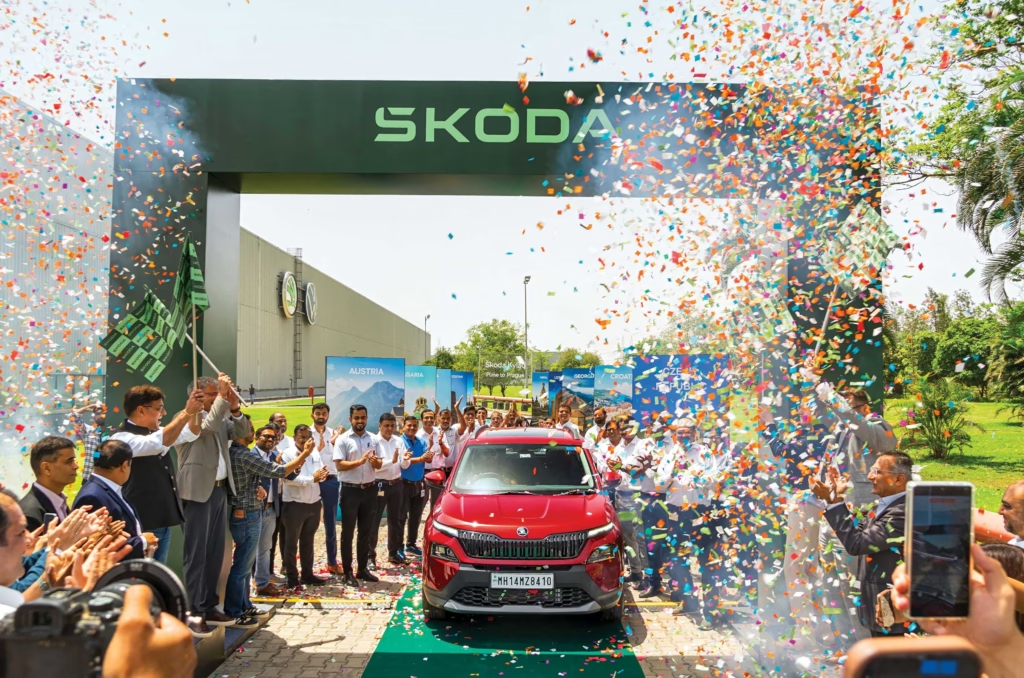
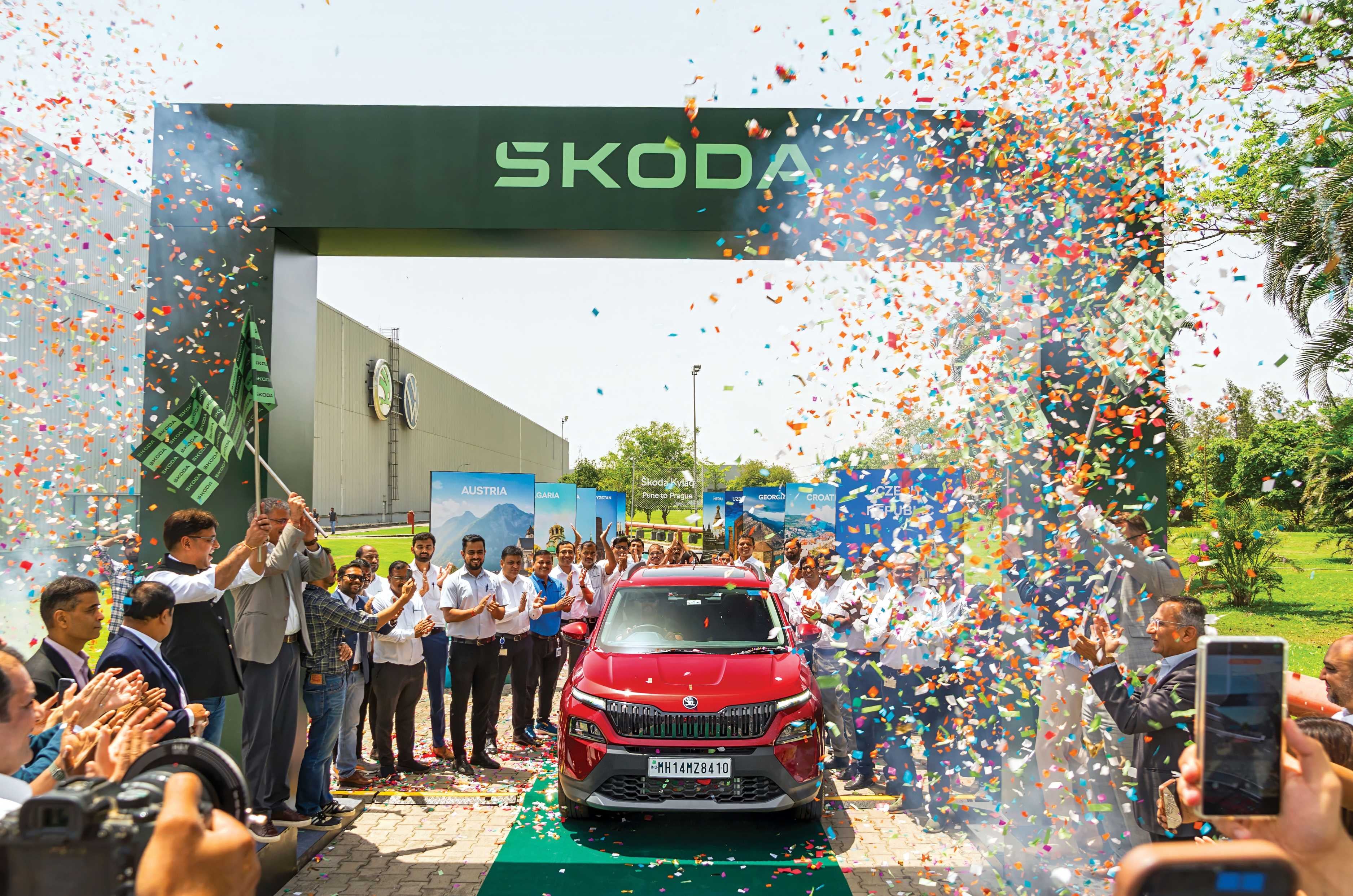
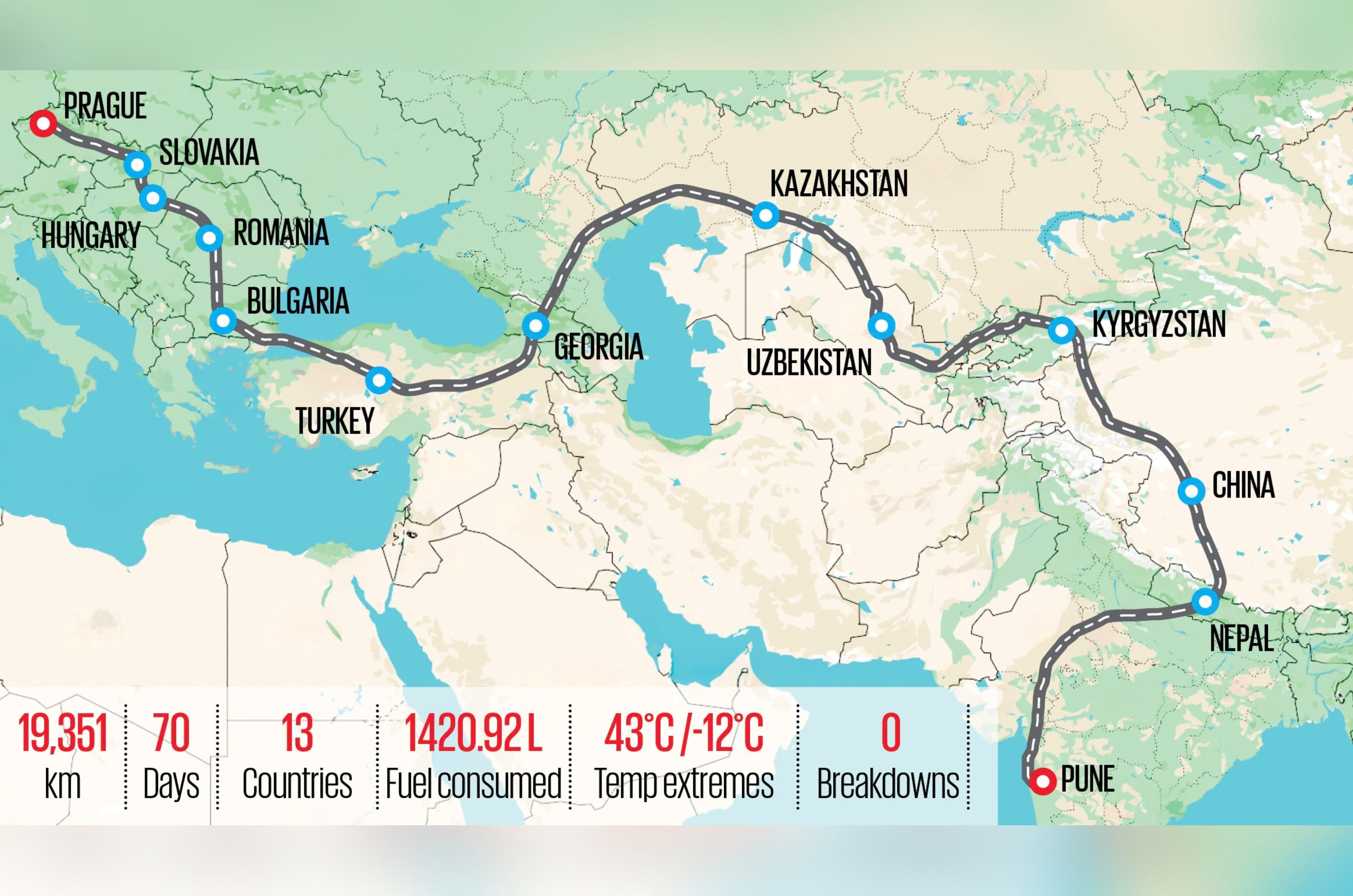
There are road trips, there are overland expeditions, and then there are journeys that become conversations with continents. This one starts in the industrial heart of Maharashtra, inside Skoda India’s sprawling Chakan facility. The end point lies nearly 20,000 kilometres away at Skoda Auto’s headquarters near Prague in Mladá Boleslav, Czech Republic, where bicycles evolved into automobiles and a 130-year-old story continues to be written.
Between these two factories lie thirteen countries, four major mountain ranges, countless cuisines, dozens of languages and enough history to fill libraries.
Our companion? Not a flagship SUV or a luxury grand tourer, but Skoda’s smallest SUV – the Kylaq, which recently celebrated its one-year anniversary. Driving it from Pune to Prague is a tall order, but surviving one year in India and being accepted with flying colours is enough cred one needs to take on the world.
India – Home Turf
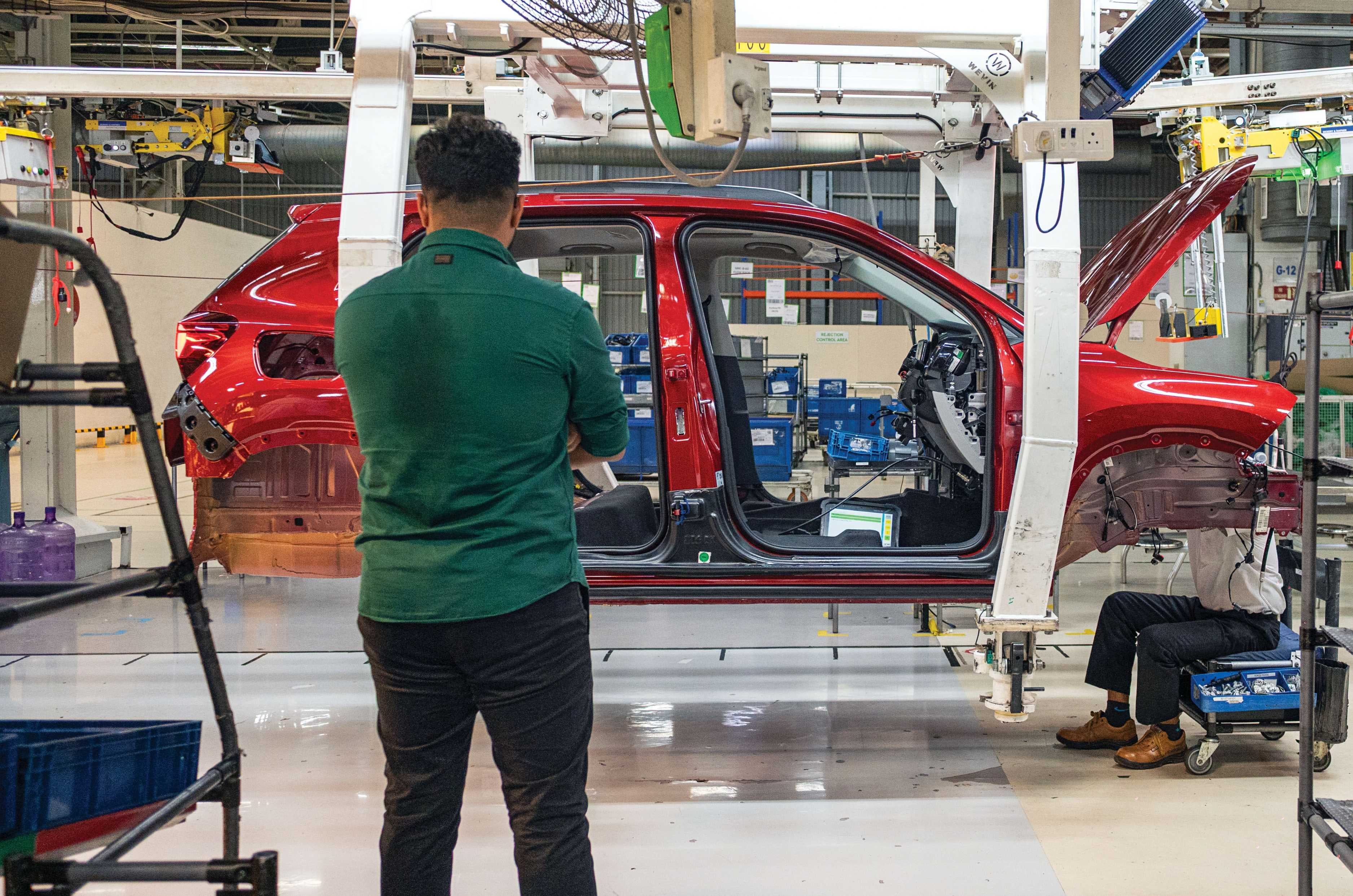
Witnessing the Kylaq’s birth added more responsibility.
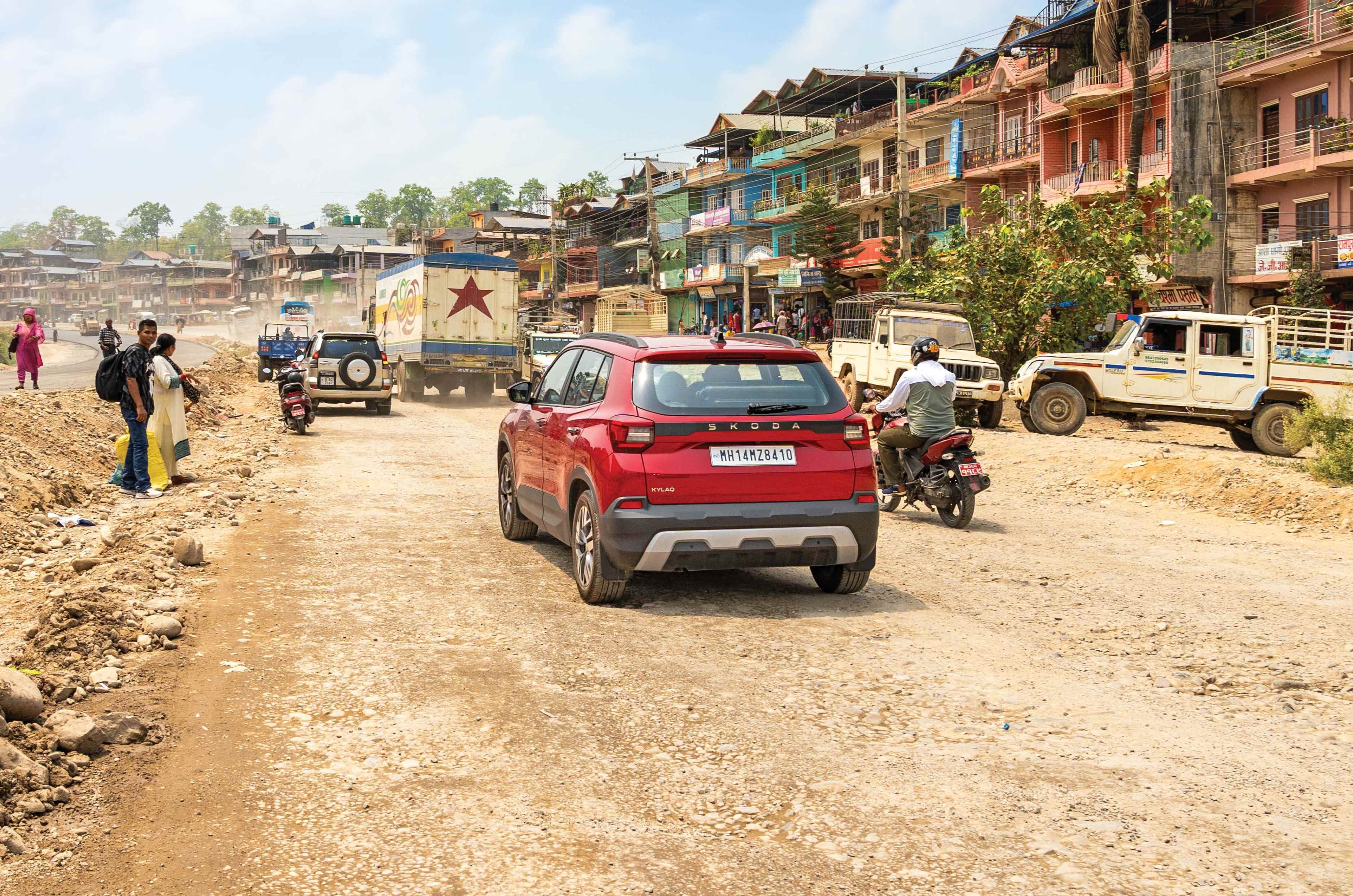
On a cross-country road trip, you’d imagine the home country would be the easiest leg. With India, it was the opposite. To some, it’s organised chaos, but honestly, it’s anything but organised. Erratic traffic, erratic egos, and road conditions fit only for a Mars rover – India was the biggest challenge on the drive from Pune to Prague. As the odometer ticked over its first kilometre, right outside the gate of Skoda’s Chakan plant, a blood-red PMPML bus was ready to trade paint with the cherry-red Kylaq. A dinged-up Kylaq parked on the streets of Prague wouldn’t be a good look, so it was imperative that I babysit this compact SUV like a million-dollar supercar. Having watched the car being assembled on the factory floor, from bare bones to the finished package, only added to the emotion – driving it in traffic felt like walking a toddler across a football field. Eyes wide open, ready to block any attack.
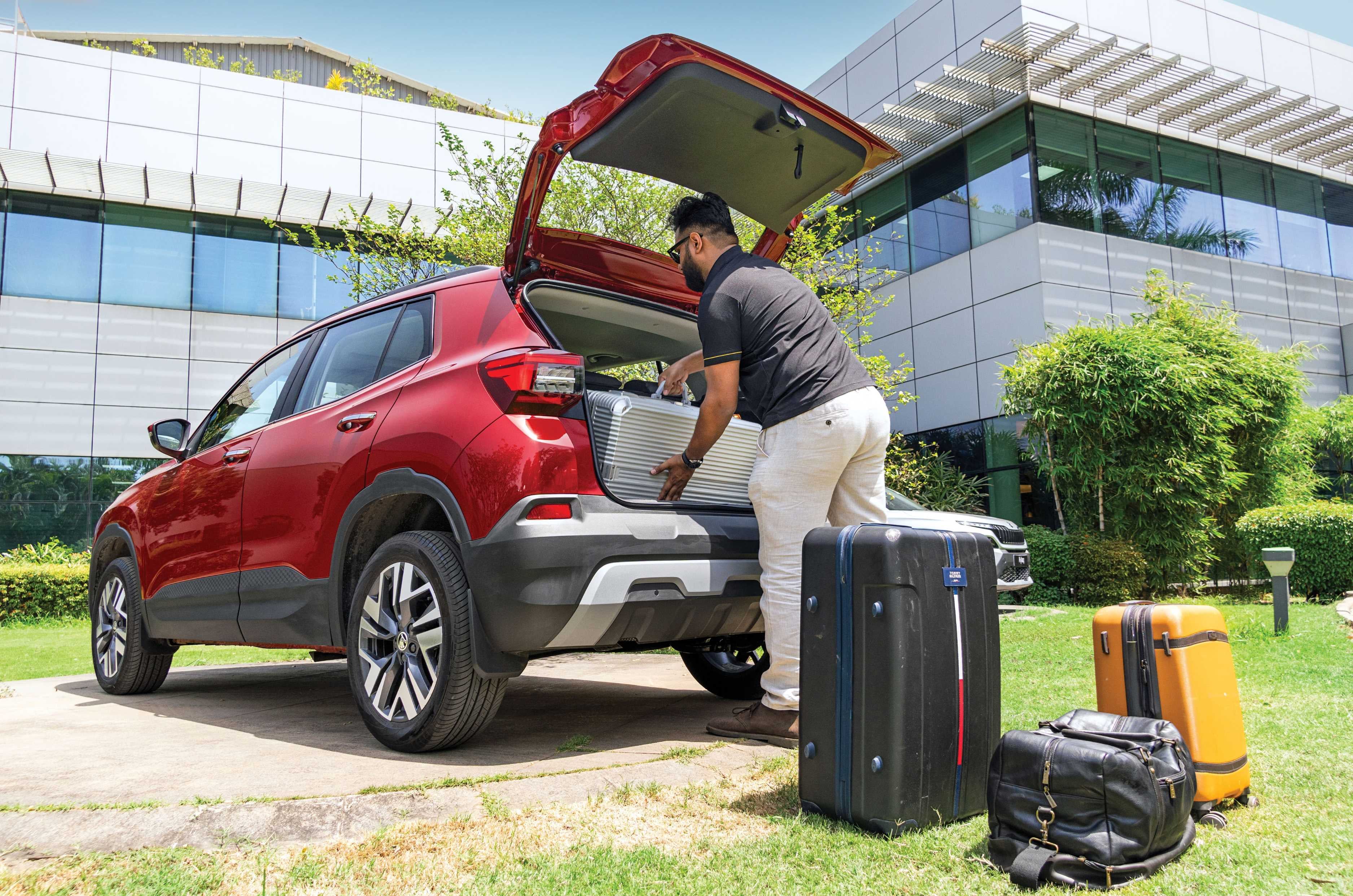
446-litre boot packed to the brim for 70 days on the road.
We got onto the Pune expressway and then crossed the Atal Setu in Mumbai, the longest sea bridge on the entire journey. Mumbai was home, both to me and to the Autocar India office, so after a few greetings from co-workers and the obligatory photos, we headed towards our first state crossing. The infamous Western Express Highway that leads out of Mumbai lived up to its reputation, but with a little anxiety, panic and a few expletives, we made it onto the national highway.
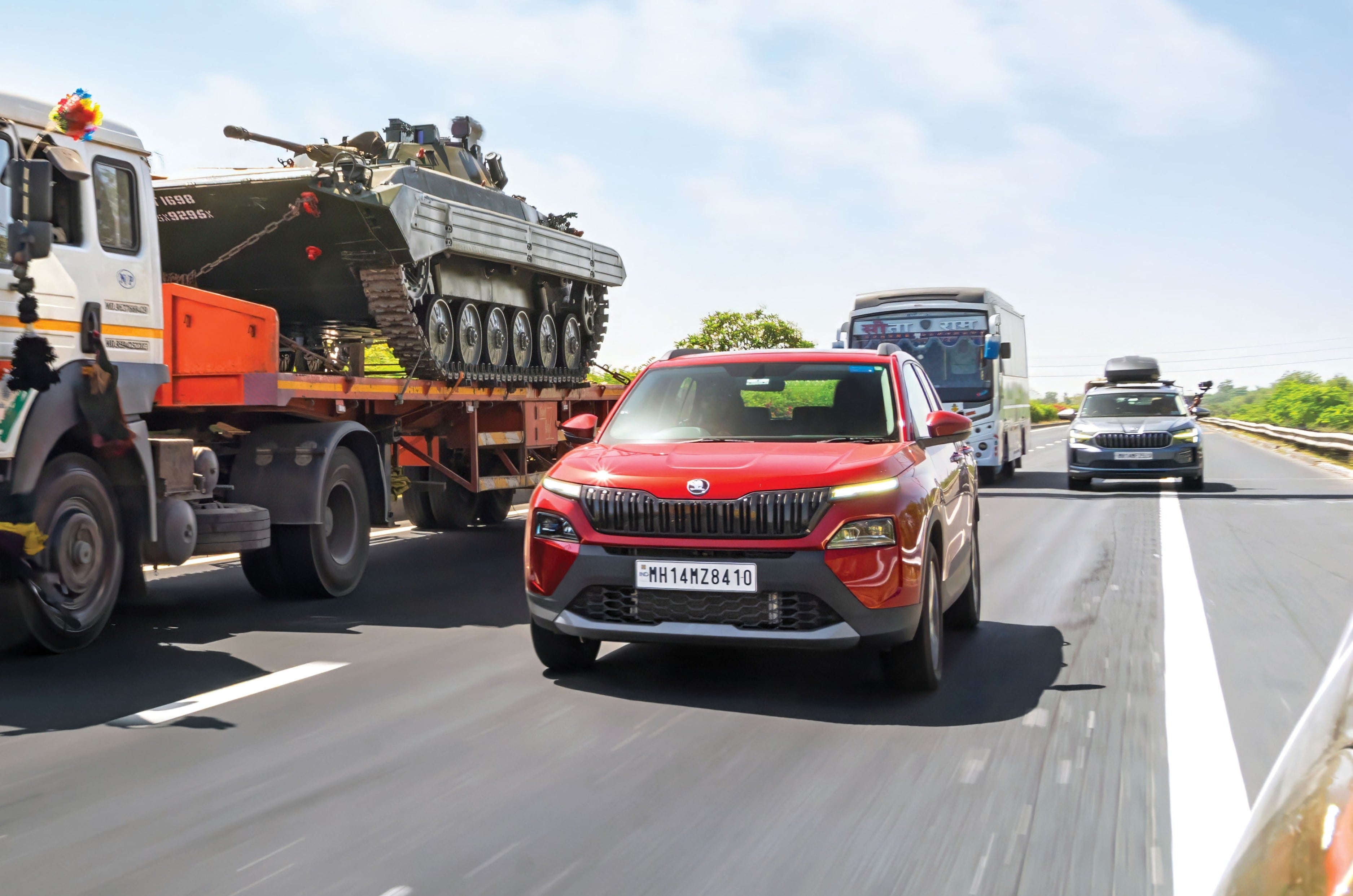
No telling what you’d spot on Indian highways.
The first of countless food stops was Hotel Ahura, renowned for its akuri and kheema. Needless to say, we carb-loaded to the max and made a beeline for Vadodara.
Pune-Birgunj in numbers
Distance covered
2,487km
Fuel consumed
234.46 litres
Average fuel economy
10.62kpl
Approximate fuel cost
Rs 23,629
Average per-litre fuel cost
Rs 100.87
Total time driven
55hrs 20min
Average speed
44.95kph
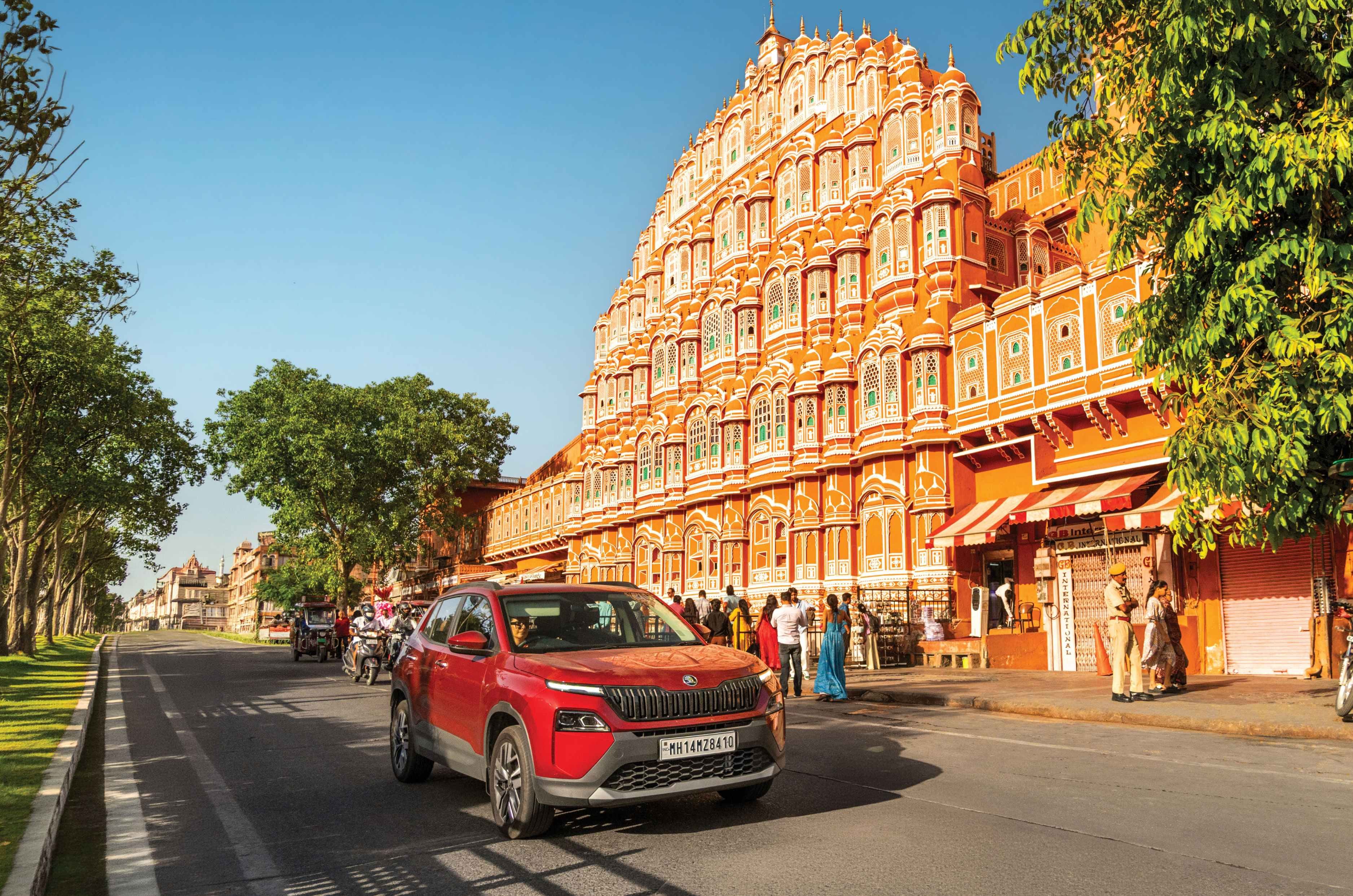
Crossing into Gujarat, the Kylaq could finally stretch its legs and spool up that turbo on the state’s spotless highways. The stability and effortless cruising were a welcome relief, since the bulk of the kilometres on this drive would be covered on long, open highways. Gujarat was a short stint – we made only an overnight halt in Vadodara before slipping out ahead of the morning traffic. The drive into Rajasthan was seamless, and Udaipur greeted us with a mix of heat and traffic. The City of Lakes is worth taking the time to explore, but a late arrival and early morning departure left us with just enough time to grab a traditional meal. All that driving had built up an appetite, so we put it to a vote between a massive vegetarian thali and laal maas – the latter won by a landslide. From the City of Lakes, we headed to Jaipur, the Pink City: just as picturesque as Udaipur, and just as colourful and chaotic. The sun setting over the beautiful Amer Fort made for a cracking backdrop, and a few glimpses of the Jal Mahal on the way back were a treat too. The iconic Hawa Mahal, with its 953 windows, never fails to amuse, but getting a photo of the five-storey icon without a chorus of honks is next to impossible. The next morning, after threading through Jaipur’s narrow lanes, we made it back onto the highway, heading for Agra.
Iconic Hawa Mahal ought to be seen first-hand.
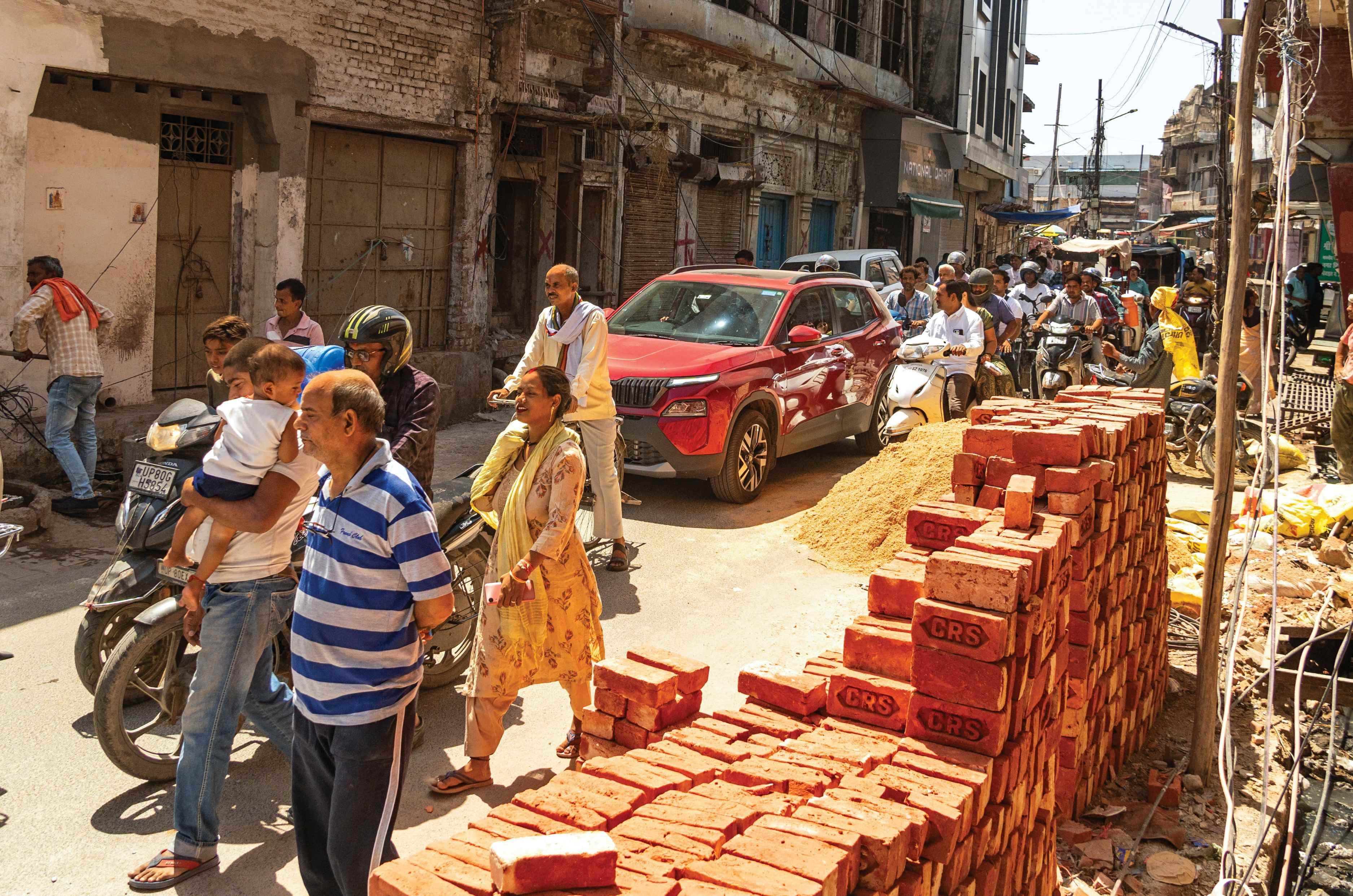
Agra is synonymous with the Taj Mahal, but the Agra Fort – from which you can see the Taj in the distance – is just as mesmerising. The detailing and architecture are second to none, and you could spend hours walking through its courtyards and passages, taking endless pictures. We, of course, also made it to the Taj itself, amid the hordes of tourists, if only to avoid the guilt of visiting Agra without a shot of the world-famous white dome. Tourism done, it was time for some petha – though the lanes near the petha shops seemed to be the exact width of the Kylaq, and that’s where peak anxiety set in. We got out of the mess, walked around the car to check for scratches and scribbles, and sighed in relief. India was adding to the tension, and we were barely halfway through it.
Agra’s narrow lanes were a nightmare to drive through.
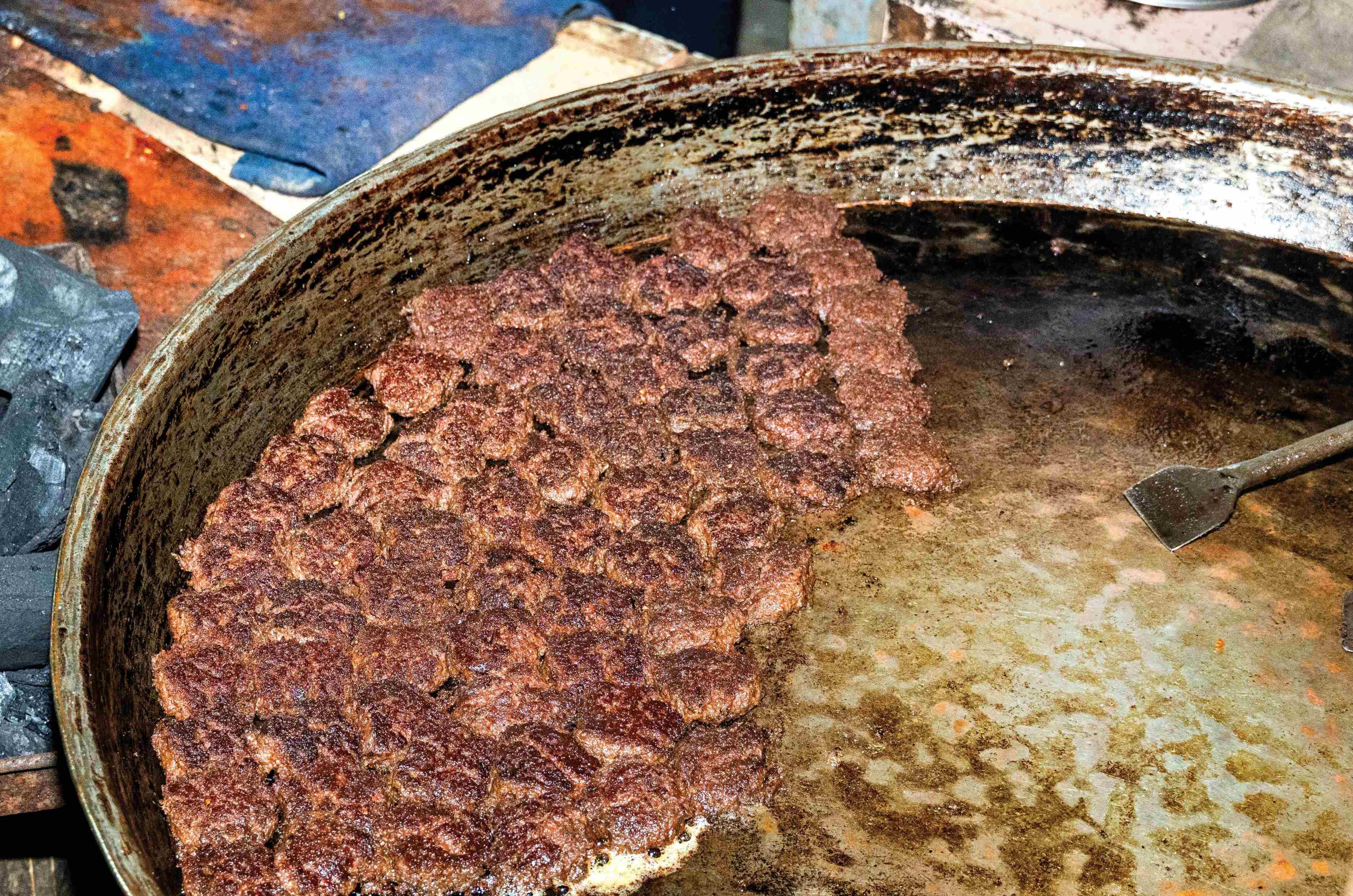
Our next stop from Agra was foodie heaven – Lucknow. The biryanis, kebabs, and tandoors were exactly what we expected, and exactly what Lucknow delivered. Finding your way here is easy – you could do it blindfolded, following the smoke and sizzle to wherever you need to be. Tunday Kababi is a must, and after a heap of biryani laced with kebabs, a long walk through the countless chikankari shops helps burn off some of the calories.
Lucknow’s Tunday Kababi still has us drooling over Galouti kebabs.
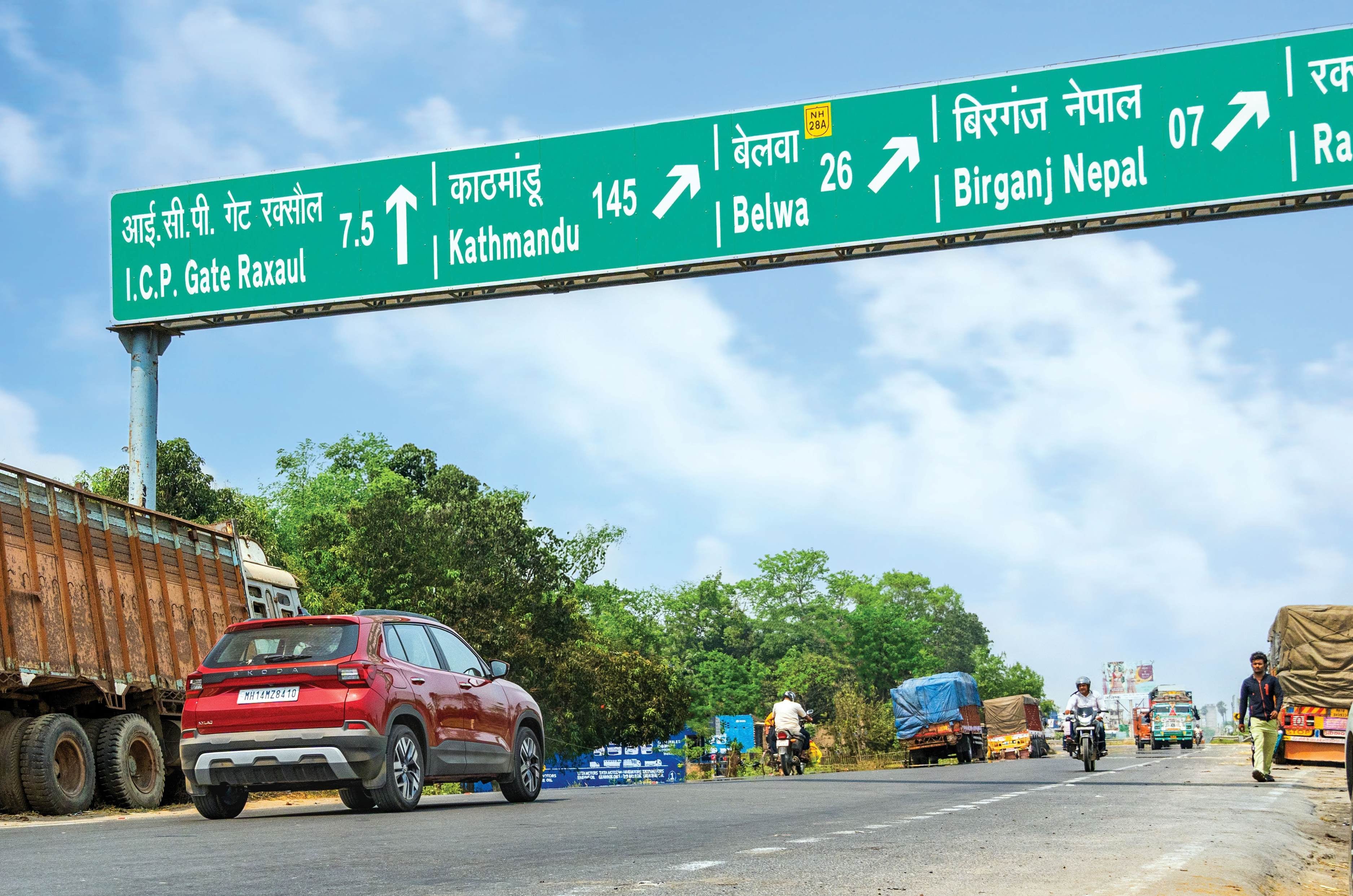
We were closing in on the end of the India leg, with one last stop in Gorakhpur before the Nepal border. To celebrate, a group of Skoda owners, officially known as the ‘Fans of Skoda’ joined us for a celebratory convoy as we drove out – everything from Octavia RS models to Kodiaqs and Kushaqs turned up as a send-off before we went international. The loud, chaotic border towns past Gorakhpur delivered one final challenge as we exited through Raxaul.
Final stretch before the Kylaq left India for the first time.
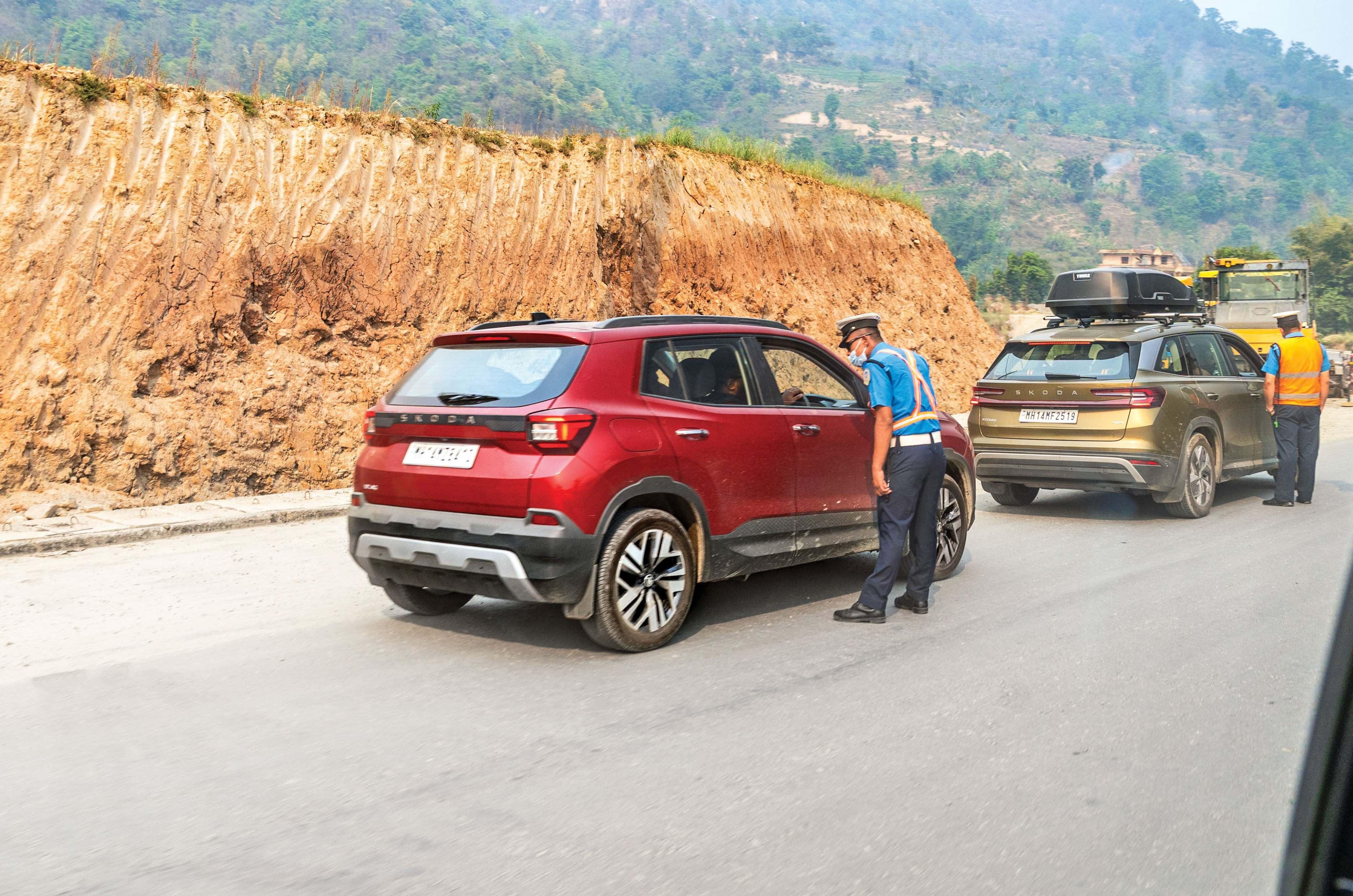
The India-Nepal border is still raw and basic, with none of the high-tech systems you might expect. A drive of this scale comes with a mountain of paperwork – visas, carnets, insurance, and more – and sifting through all of it manually takes a while. After a gruelling five hours, the Kylaq crossed out of India for the very first time.
Nepal – Old World Charm
Nepal’s state highways give Indian roads a run for their money.
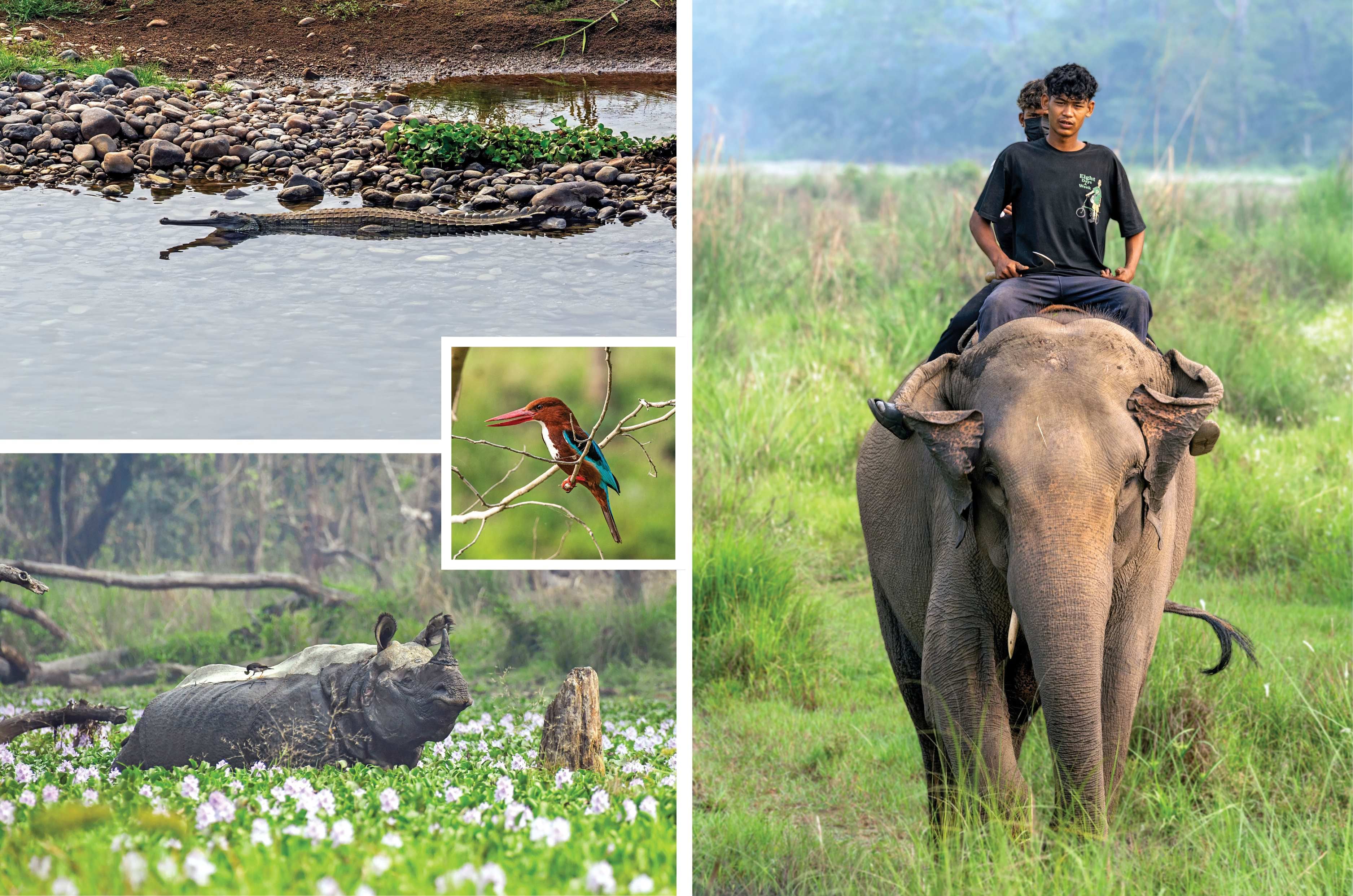
If the Indian side of the border was old-school, Nepal’s immigration post is almost antique. Drive past it, and you’d likely miss it altogether – the only tell-tale sign is a simple gate with ‘Immigration Office’ hand-painted on it. This humble-looking house is, in fact, the immigration office, where, just like on the Indian side, every check is done manually. Fine print, identity proofs, and everything in between were checked meticulously before we were welcomed into Birgunj. Our main draw in Nepal was the bustling capital, Kathmandu, but there were magnificent stops along the way, starting with Chitwan National Park. Home to nearly 700 one-horned rhinos, the park also shelters elephants, Bengal tigers, cobras, the elusive gharial, and abundant flora. The Kylaq would have been fun to explore it in, but we opted for the park’s safari vehicle to relax and take in the surroundings. Paddling a beaten-up wooden kayak past crocodiles and snakes adds a rush, but it’s nothing compared to a rhino staring you down in all its magnificence. The park gave us a welcome break from long hours behind the wheel.
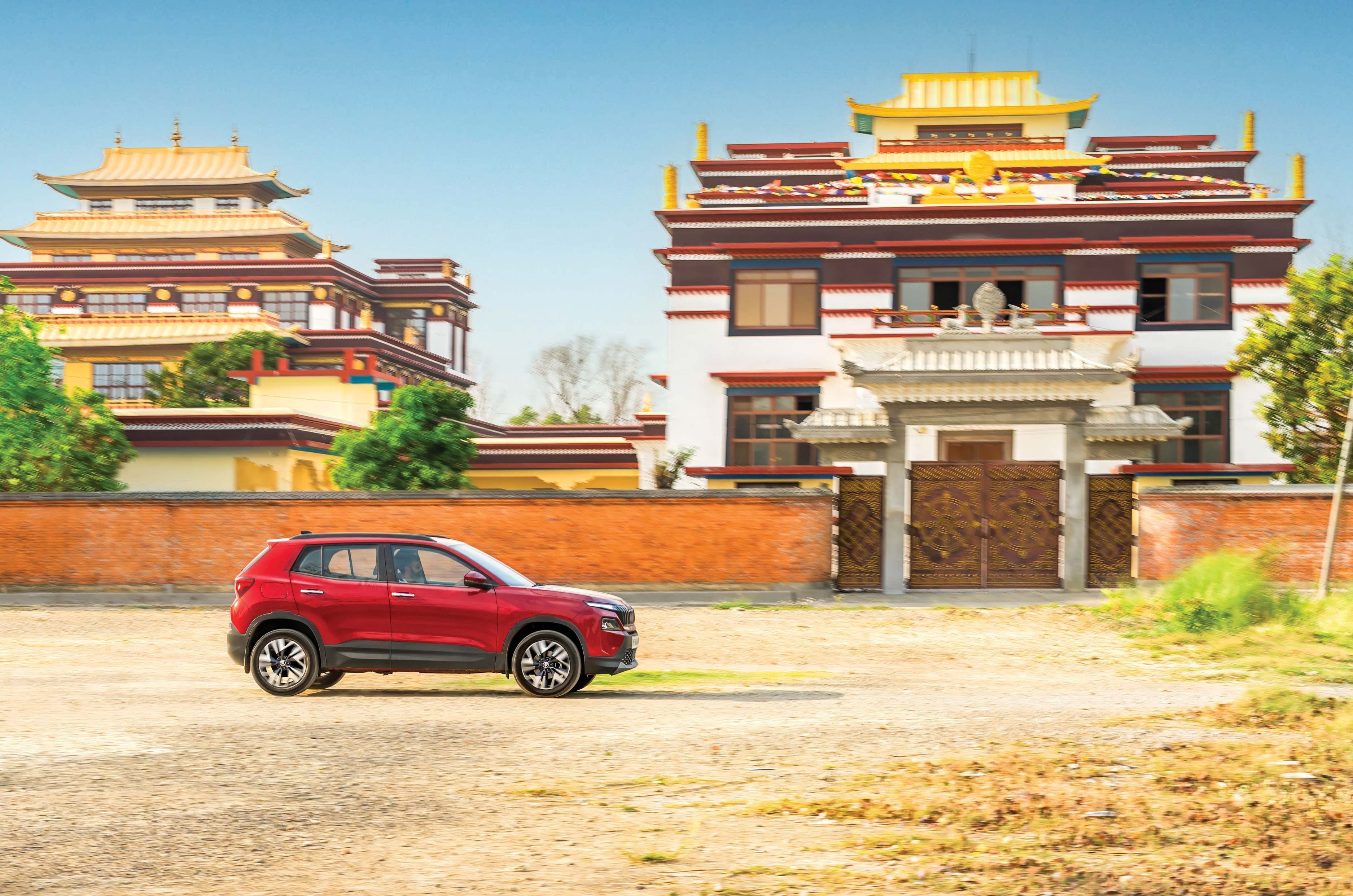
Lumbini is home to 32 unique styles of monasteries.
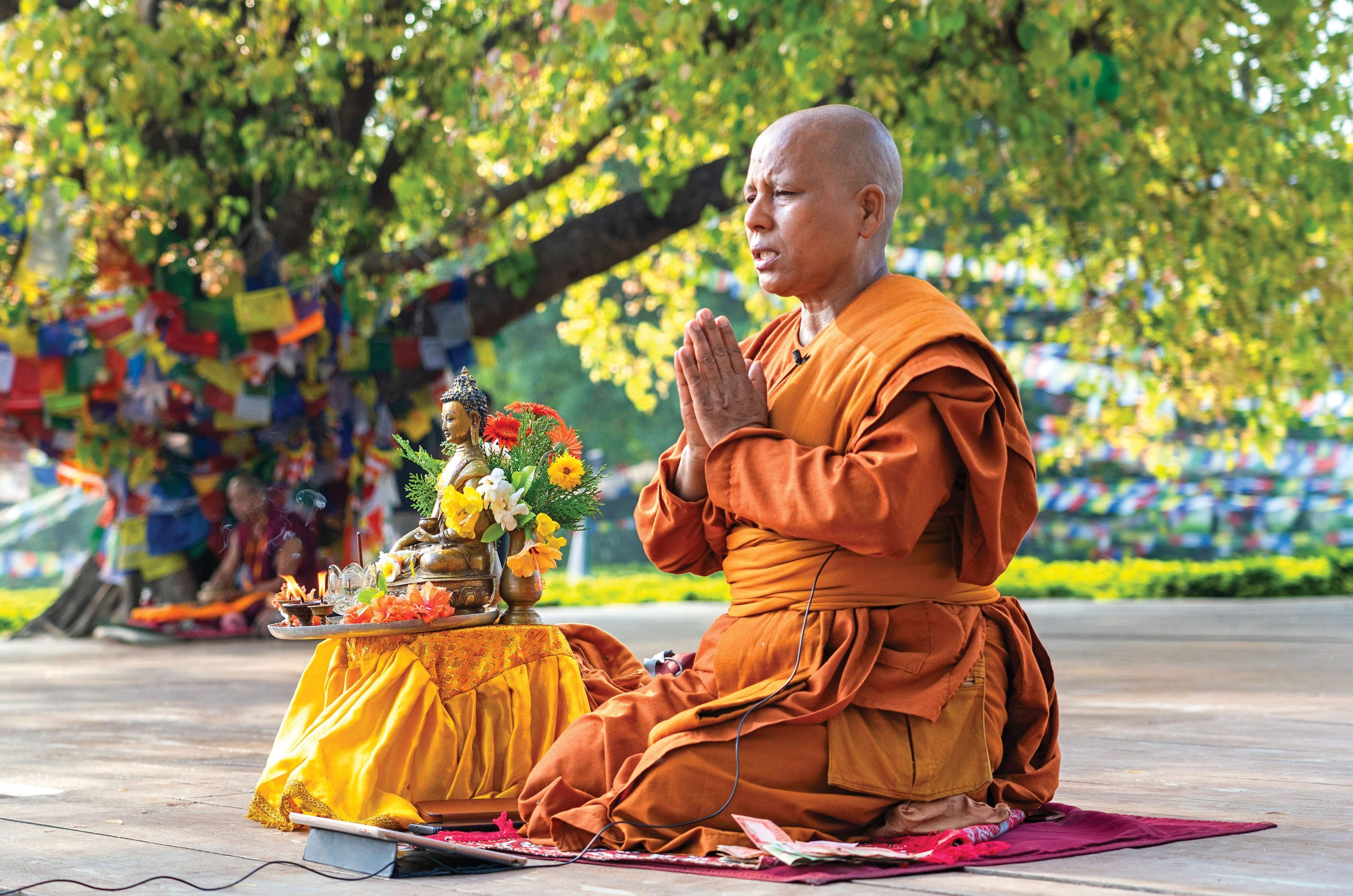
Next was Lumbini, a spiritual haven and, more importantly, the birthplace of Siddhartha Gautama (Lord Buddha) around 563 BC. Its fascinating monastic zone showcases monasteries built by Buddhist nations from around the world, each reflecting its own culture through design and architecture – a remarkable collection of temples spanning diverse traditions. The feeling of peace there was unlike anything I’d experienced, but it was soon disrupted by the road to Pokhara.
Lumbini provided a moment of calm through the chaos.
Mountain passes are notorious for destroying Google’s ETAs – landslides, breakdowns, and deteriorating roads mean a stretch that should take an hour could take five, depending on your luck. We braced for traffic and drove straight into a landslide clearing. A two-hour wait meant the sun was setting as we rolled into the quaint town of Pokhara. Bustling with cafés and pop culture, it felt like a mini Kathmandu, but with the stunning Phewa Lake turning orange at sunset. The calm that began in Chitwan came full circle on the shores of Phewa Lake.
Chitwan is home to the gharial and over 700 one-horned rhinos.
Kathmandu, though, was a different animal entirely – every bit a capital city, and a world away from the slow pace of Chitwan or Lumbini. The music is loud, the traffic is hectic, and the city is anything but quiet. Ironically, the only quiet things on the road are the cars – China’s dominance in Nepal is stark, with three in five cars on the road being Chinese EVs. Geely, BYD, and GWM rule the market, with only a handful of Hyundais and Kias as competition.
Authorities were always curious thanks to Indian number plates.
The party scene rules Kathmandu too. At night, the city comes alive as a hub for tourists from around the world. Hiking gear and North Face apparel go for a fraction of the price – and, often, a fraction of the quality – alongside quirky masks and fridge magnets at every tourist stop. Spend a little more time, though, and you’ll find excellent coffee shops and the famous Thakali thali: thick buckwheat porridge with salads, meat, and plenty of flavour. Good thing too, since walking through Durbar Square works up quite an appetite. Partly destroyed by the devastating 2015 earthquakes, the temples have since been restored to their former glory, though you can still spot the scars in a few bent pillars and roofs. It’s a culture and tradition worth preserving, and Nepal deserves credit for doing exactly that.
Birgunj-Sino-Nepal Border in numbers
Distance covered
922km
Fuel consumed
115.96 litres
Average fuel economy
7.13kpl
Approximate fuel cost
Rs 15,846
Average per-litre fuel cost
Rs 136.65
Total time driven
34hrs 25min
Average speed
27kph
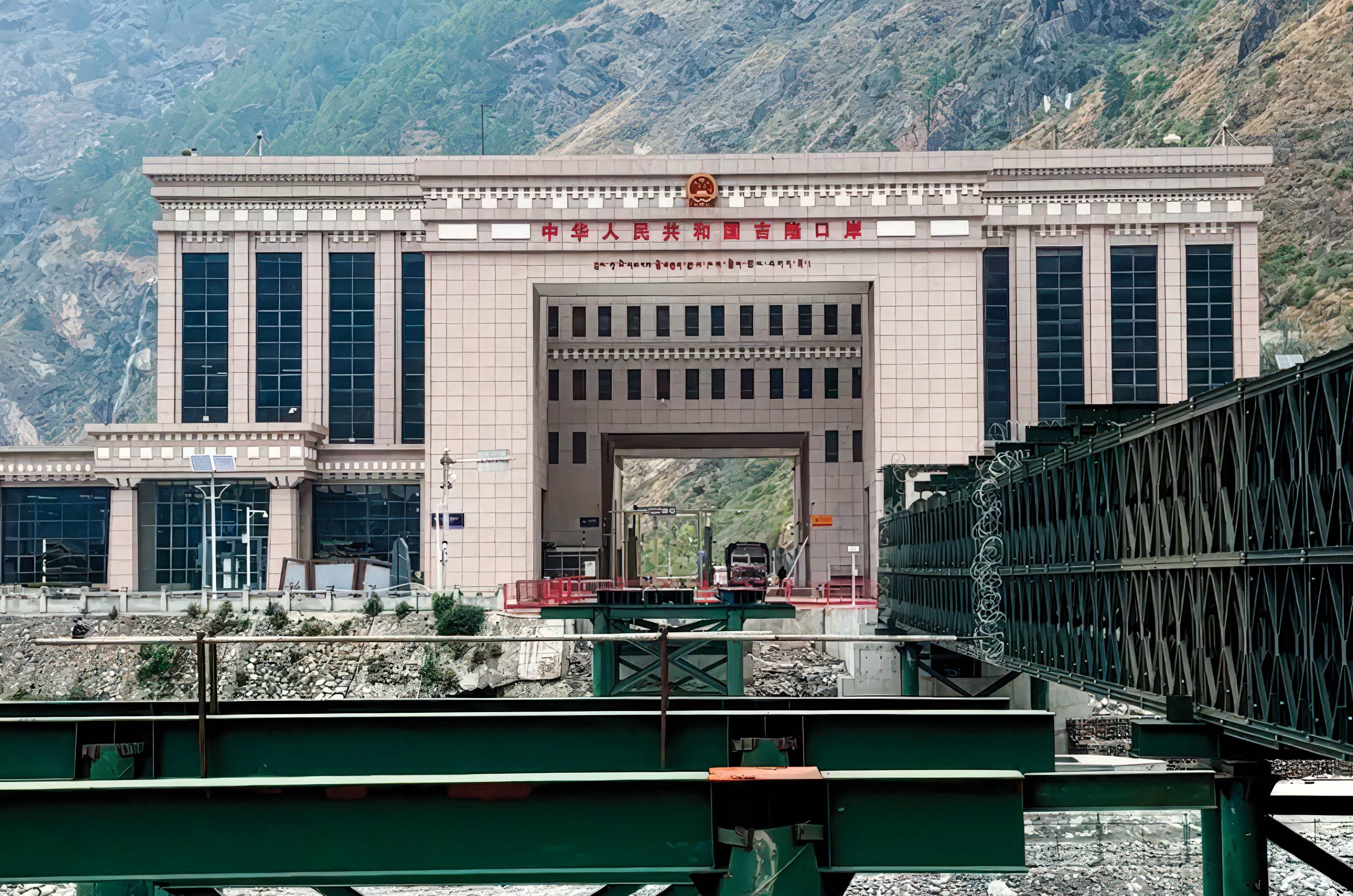
With Kathmandu explored, we headed towards our second border crossing – and this one was far more intense. Once we left Kathmandu, we left the tarmac behind too. Muddy back roads, still wet from the previous night’s rain, meant slush and a constant need for 4WD. Even so, though packed to the brim with luggage, the Kylaq stayed light enough and had enough clearance to pick its way around the mud on the approach to the Rasuwa Bridge. From there, you can see the Chinese immigration building towering over everything around it. With the Kylaq thrumming with excitement, we crossed into Tibet – the roof of the world.
Tibet/China – Roof of the World
China’s border crossing is as imposing as it gets.
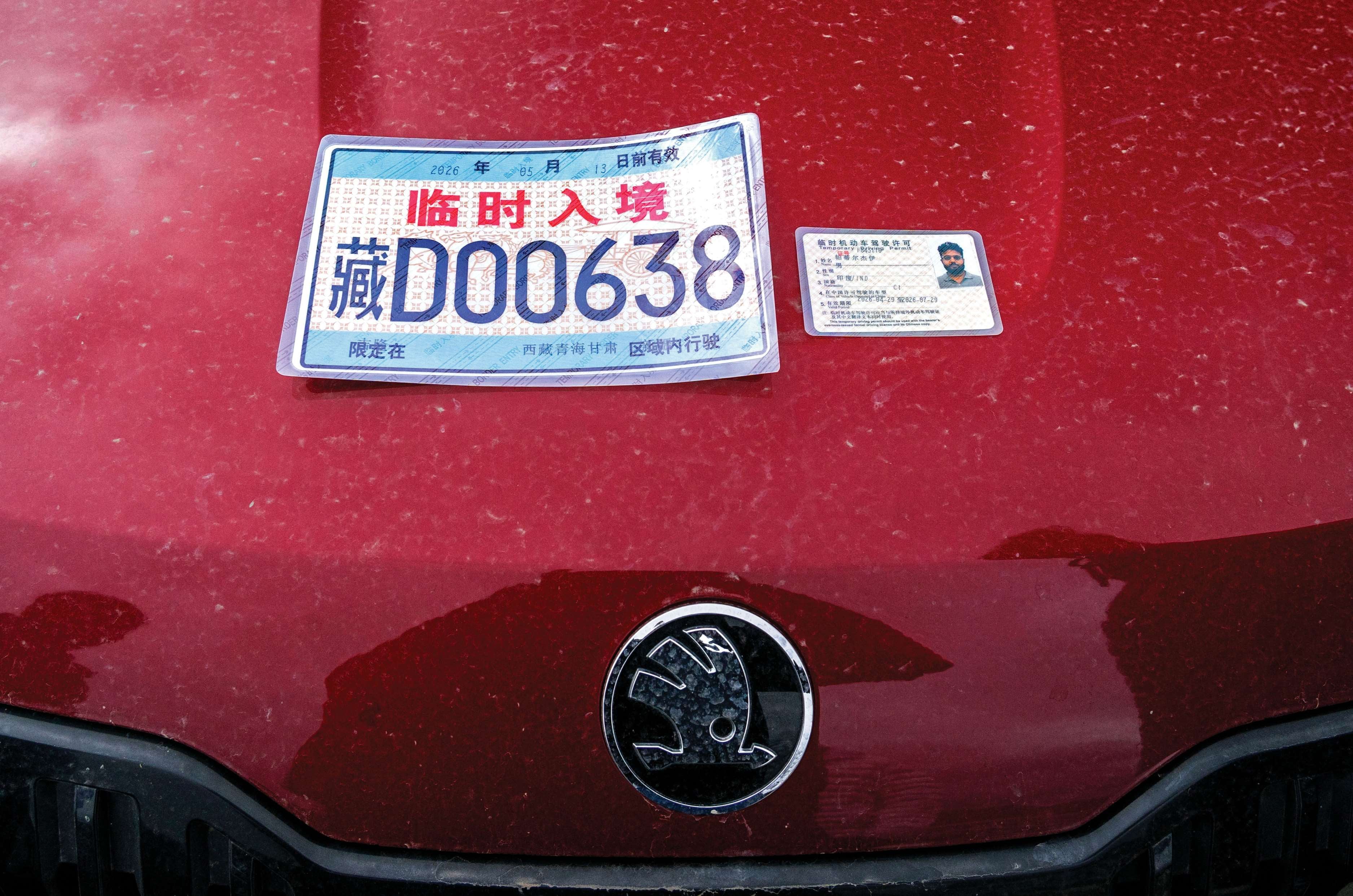
Crossing into Tibet felt like crossing into the future. For a region tucked deep into the mountains, it’s exceptionally developed – the roads are smooth and well-signed from the moment you cross the bridge, barely a hundred metres before the immigration office. In China, we weren’t taking any chances, knowing any misstep here could jeopardise the rest of the journey. After answering the customs officers honestly – and impressing them with the scale of the Kylaq’s challenge – we entered the lovely town of Gyirong. Old Chinese architecture, plenty of red, and signboards we couldn’t quite read were early signs that we really were in a different world now. Nepal had shared plenty with India – the cars, the food, the roads – but China felt entirely its own. We thought we’d seen our share of speed cameras, but China put us to shame – they appear every 50 metres or so, complete with flashes. There’s simply no room for error, and you’re monitored everywhere you go – aneerie feeling that takes some getting used to. Another non-negotiable is to obtain a special driving licence for every person that will be driving and a China-specific number plate, which you have to place on your dashboard so the cameras can pick up any infringements. A regular India-style RTO office with long queues and a lack of urgency got us homesick for a bit.
Local license and registration are non-negotiables in China.
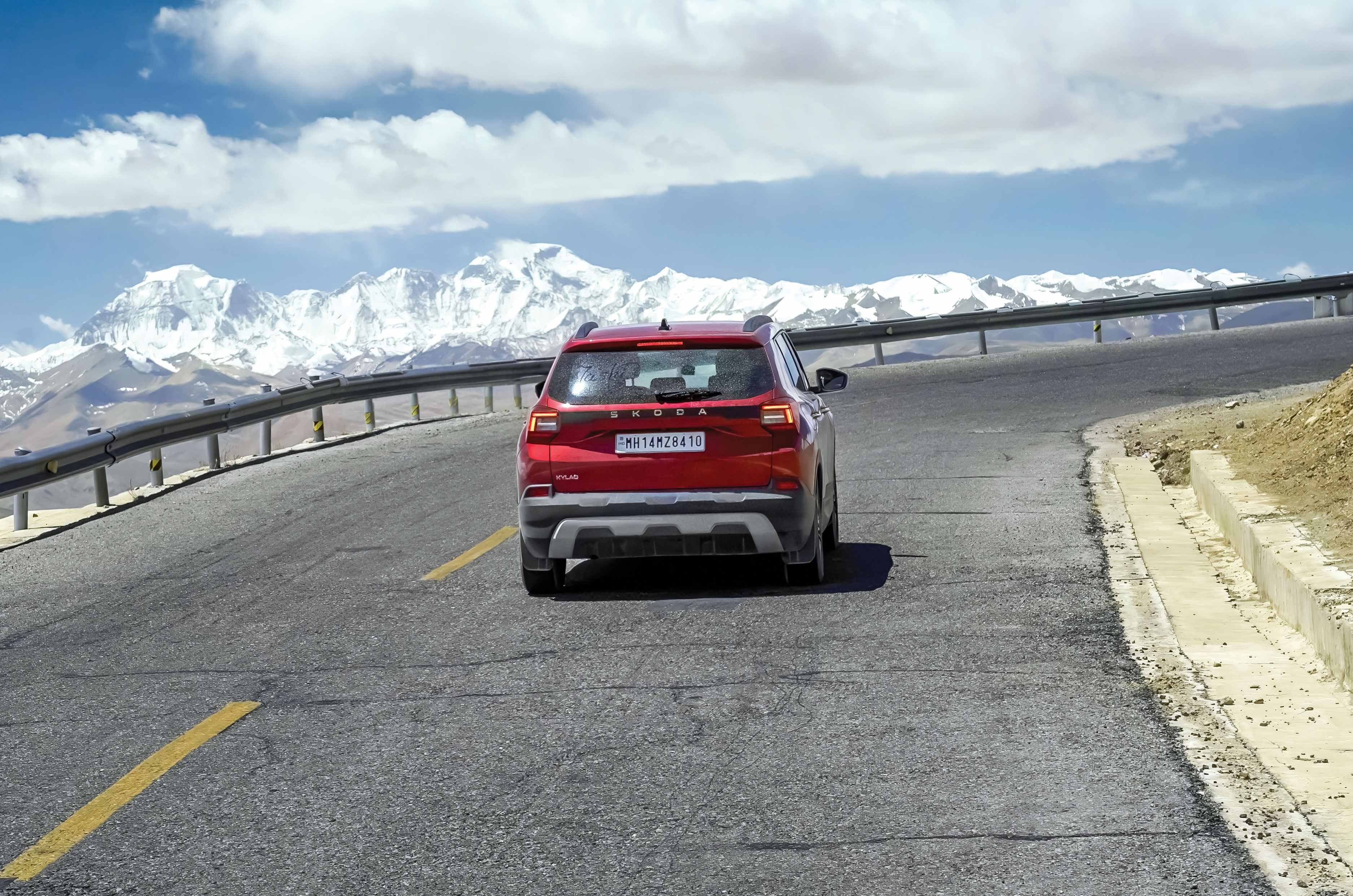
A few mugs of hot ginger-lemon tea eased us into the chill, and we set off for Mount Everest Base Camp. High altitudes are usually punishing for small-capacity engines, but thanks to its turbocharged engine, the Kylaq barely broke a sweat, buzzing through the passes. Its 6-speed automatic had been a great convenience through the chaos of India and Nepal, but the winding mountain roads and immaculate tarmac meant I could switch to manual and take control via the paddle shifters. Paddle-shift response is often sluggish, but not here – the shifts were quick, and the taut suspension held its ground even through tight hairpins.
Everest hove into view long before we made it to base camp.
It made for a great drive and great footage, right up until we spotted the peak in the distance. Even from afar, Everest is breathtaking, and mercifully the clouds stayed clear as we got closer. You can’t take a car near base camp itself – a one-hour bus ride covers that final stretch. It’s strange how you lose your breath as you approach Everest – partly the thin air and altitude, but you’d lose it all the same just from the view. Words don’t do it justice, and don’t be surprised if you shed a tear or two – it’s overwhelming.
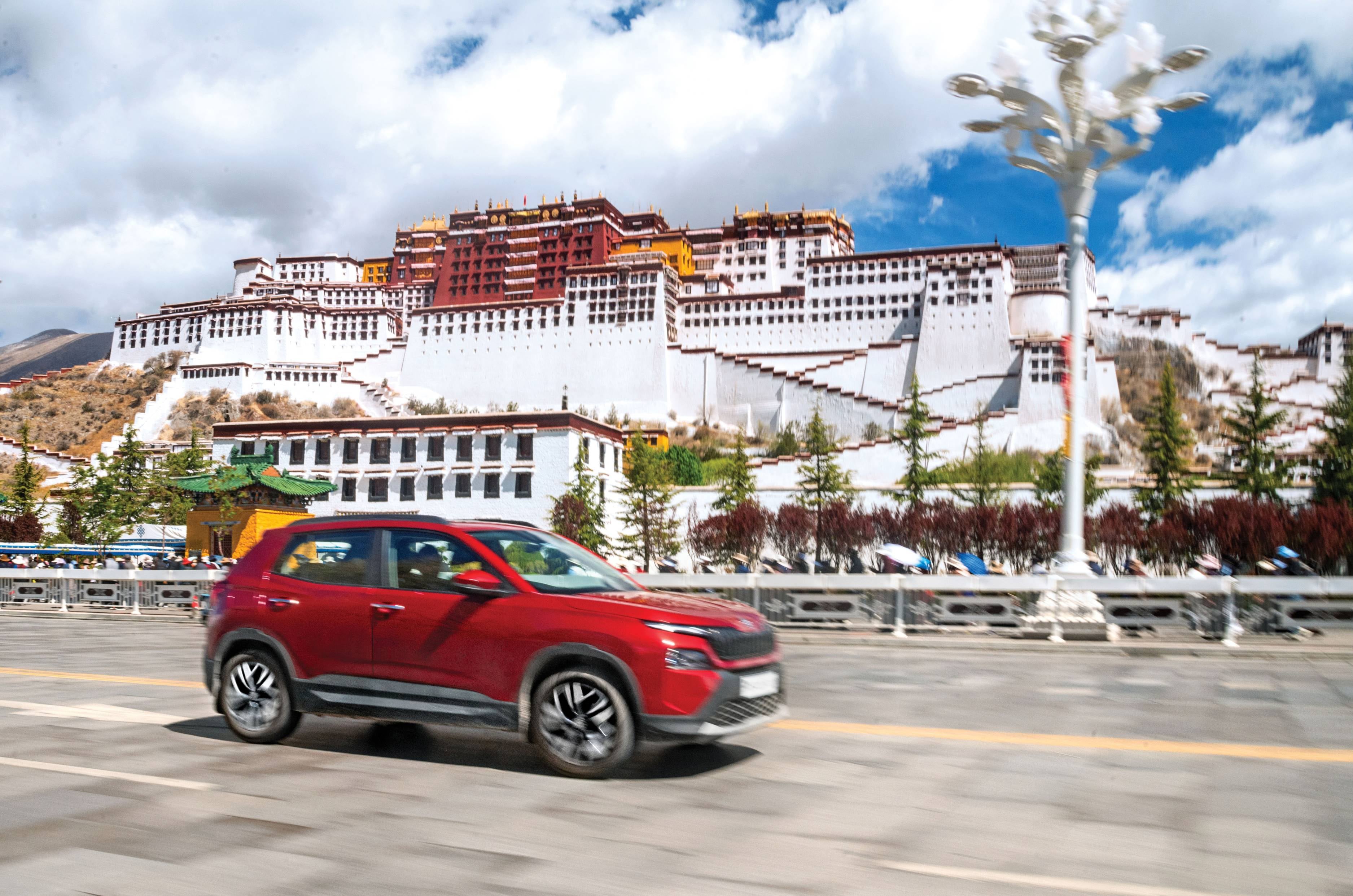
Stunning Potala Palace; once home to the Dalai Lamas.
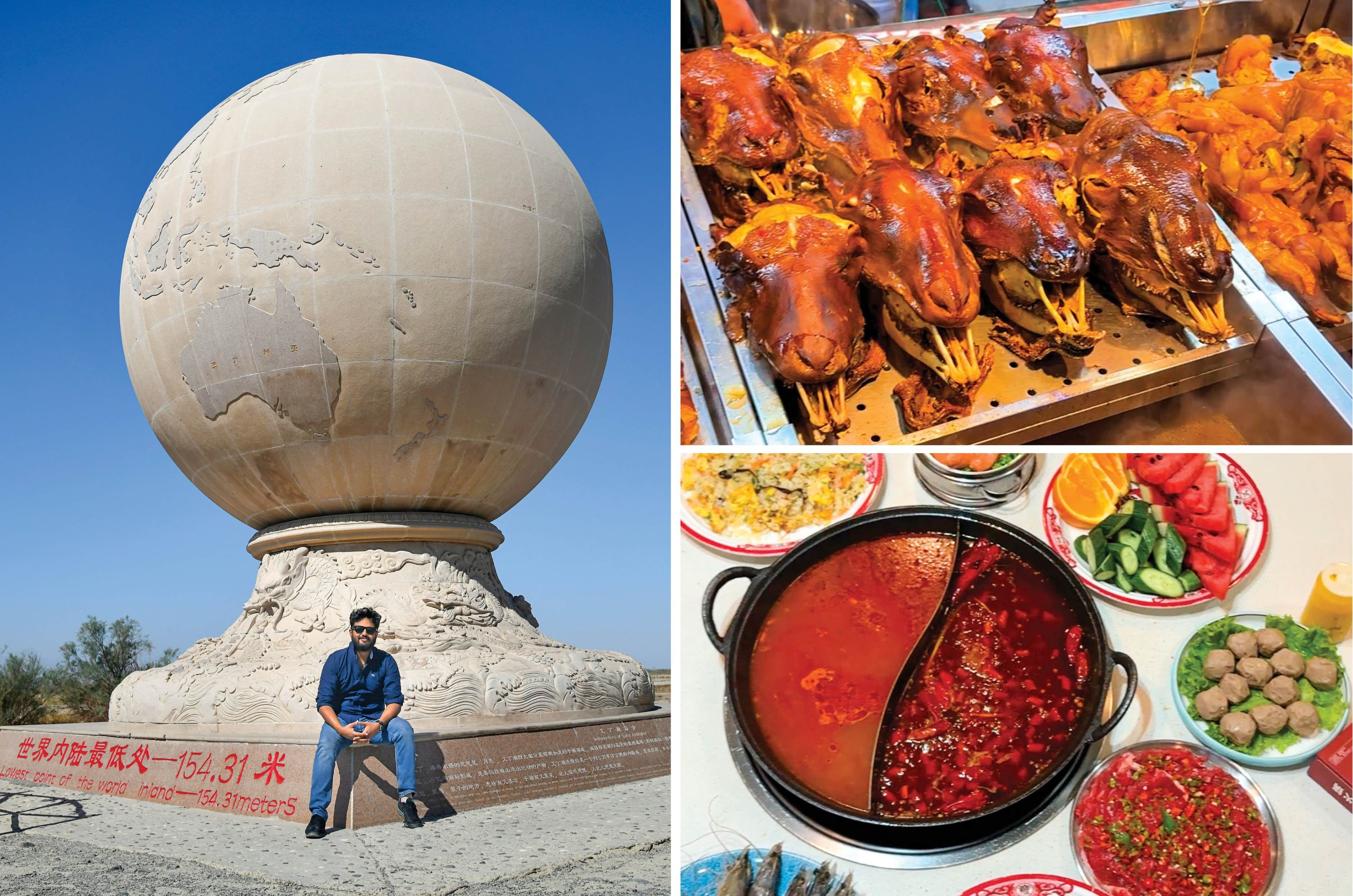
With Everest ticked off, it was time to take on China’s vastness. We headed to Lhasa, the spiritual capital of Tibet, home to the grand Potala Palace. Once home to monks and lamas, this stunning palace holds incredible history and artefacts – spiritual or not, its significance to the country’s history is unmistakable. The drive kept revealing itself through unique food, dialects, faces, and even geography. One day we were freezing thousands of feet above sea level; days later, in Turpan, we were below sea level in blistering heat. From boiling hotpots to grocery-store instant noodles, China pushed us well outside our comfort zone, and the Kylaq wasn’t spared either.
L: From EBC’s high to Turpan Depression’s low – Jay was at 154m below sea level here. R: Street food in China not for the faint-hearted.
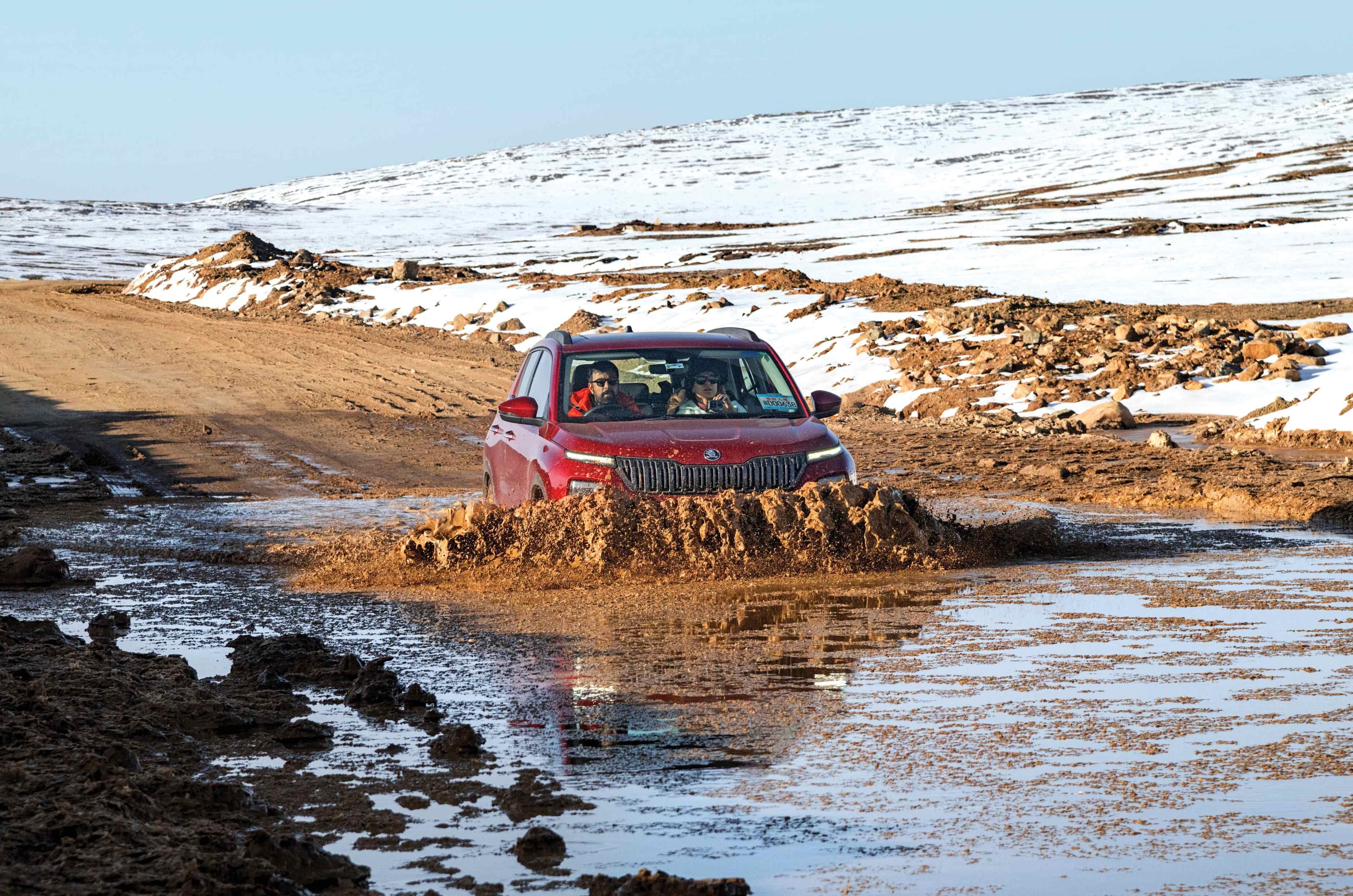
Two full days on the way to Golmud were entirely off-road, taking over 13 hours of driving, with our average speed dropping to 18kph as the Kylaq waded through water up to its bonnet and emerged without complaint.
In China, you get perfect roads or, simply, no roads.
A stretch that would have broken most cars left the Kylaq unscathed. China hit hard, but the Kylaq hit back harder. From day one, it had faced challenge after challenge, and from day one, it had come out on top. Three countries in, it still carried the same zeal it started with – and while we were rattled, it stood strong each night, ready for the next day.
मोल्ड-टेक ग्रुप की दो कंपनियां बोनस शेयर देने जा रही हैं। ये कंपनियां हैं- मोल्ड-टेक पैकेजिंग और मोल्ड-टेक टेक्नोलॉजीस। दोनों कंपनियों ने इस कॉरपोरेट एक्शन की घोषणा अगस्त महीने में की थी। दोनों के बोनस इश्यू के लिए रिकॉर्ड डेट 9 अक्टूबर है। इस तारीख तक जिन लोगों के नाम शेयरों के लाभार्थी मालिकों के तौर पर रजिस्टर ऑफ मेंबर्स ऑफ द कंपनी या डिपॉजिटरीज के रिकॉर्ड्स में दर्ज होंगे, वे बोनस शेयर पाने के हकदार होंगे।
मोल्ड-टेक पैकेजिंग और मोल्ड-टेक टेक्नोलॉजीस के शेयरहोल्डर्स को उनके पास मौजूद हर एक शेयर पर 1 नया शेयर बोनस के तौर पर मिलने वाला है। मोल्ड-टेक पैकेजिंग के शेयर की फेस वैल्यू 5 रुपये है, जबकि मोल्ड-टेक टेक्नोलॉजीस के शेयर की फेस वैल्यू 2 रुपये है। दोनों कंपनियों की ओर से बोनस शेयरों का अलॉटमेंट 12 अक्टूबर 2026 को किया जाएगा।
Mold-Tek Technologies का शेयर 6 महीनों में 80 प्रतिशत मजबूत
Mold-Tek Technologies के शेयर की वर्तमान में BSE पर कीमत 203.70 रुपये है। कंपनी का मार्केट कैप 586 करोड़ रुपये से ज्यादा है। शेयर 3 महीनों में 50 प्रतिशत और 6 महीनों में 80 प्रतिशत से ज्यादा मजबूत हुआ है। BSE पर 52 सप्ताह का एडजस्टेड हाई 227.20 रुपये और एडजस्टेड लो 101.30 रुपये है। कंपनी में जून 2026 के आखिर तक प्रमोटर्स के पास 50.47 प्रतिशत हिस्सेदारी थी।
Mold-Tek Tech का अप्रैल-जून 2026 तिमाही में रेवेन्यू 45.52 करोड़ रुपये और शुद्ध मुनाफा 10 करोड़ रुपये रहा। पूरे वित्त वर्ष 2026 के दौरान कंपनी का रेवेन्यू 142.81 करोड़ रुपये और शुद्ध मुनाफा 10.58 करोड़ रुपये दर्ज किया गया।
दूसरी ओर Mold-Tek Packaging के शेयर की कीमत वर्तमान में BSE पर 659.10 रुपये है। यह शेयर BSE 1000 इंडेक्स का हिस्सा है। कंपनी का मार्केट कैप 2200 करोड़ रुपये के करीब है। शेयर का BSE पर 52 सप्ताह का एडजस्टेड हाई 830.35 रुपये और एडजस्टेड लो 453.80 रुपये है। शेयर 6 महीनों में 30 प्रतिशत से ज्यादा चढ़ा है। कंपनी में जून 2026 के आखिर तक प्रमोटर्स के पास 33.21 प्रतिशत हिस्सेदारी थी।
Mold-Tek Packaging का अप्रैल-जून 2026 तिमाही में रेवेन्यू 300.45 करोड़ रुपये और शुद्ध मुनाफा 25.57 करोड़ रुपये रहा। पूरे वित्त वर्ष 2026 के दौरान कंपनी का रेवेन्यू 886.61 करोड़ रुपये और शुद्ध मुनाफा 72.87 करोड़ रुपये दर्ज किया गया।
Disclaimer: यहां मुहैया जानकारी सिर्फ सूचना के लिए दी जा रही है। यहां बताना जरूरी है कि मार्केट में निवेश बाजार जोखिमों के अधीन है। निवेशक के तौर पर पैसा लगाने से पहले हमेशा एक्सपर्ट से सलाह लें। मनीकंट्रोल की तरफ से किसी को भी पैसा लगाने की यहां कभी भी सलाह नहीं दी जाती है।
Only recently, I made the sweeping and somewhat heavy-handed statement that EVs have taken the excitement out of speed. That once you’ve done one ballistic acceleration run in an EV, you’ve done them all, and without a roaring engine, vibrations pulsating through the wheel and gearshifts jolting you in the small of your back, it all feels a bit sanitised. Well, as it turns out, all an EV needs to solve this conundrum is… even more power.
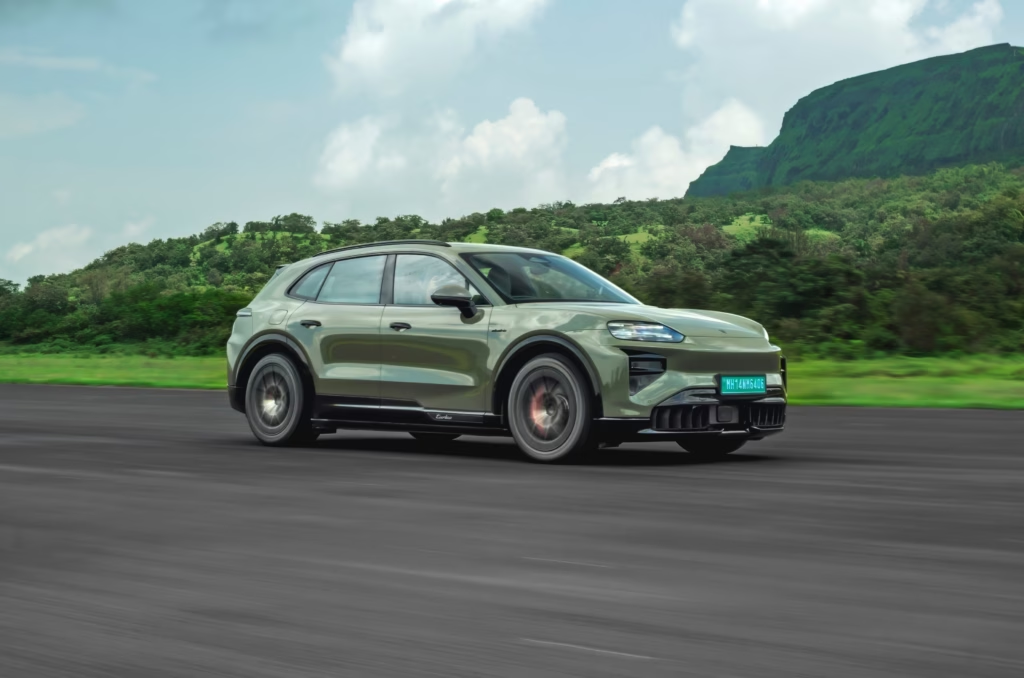
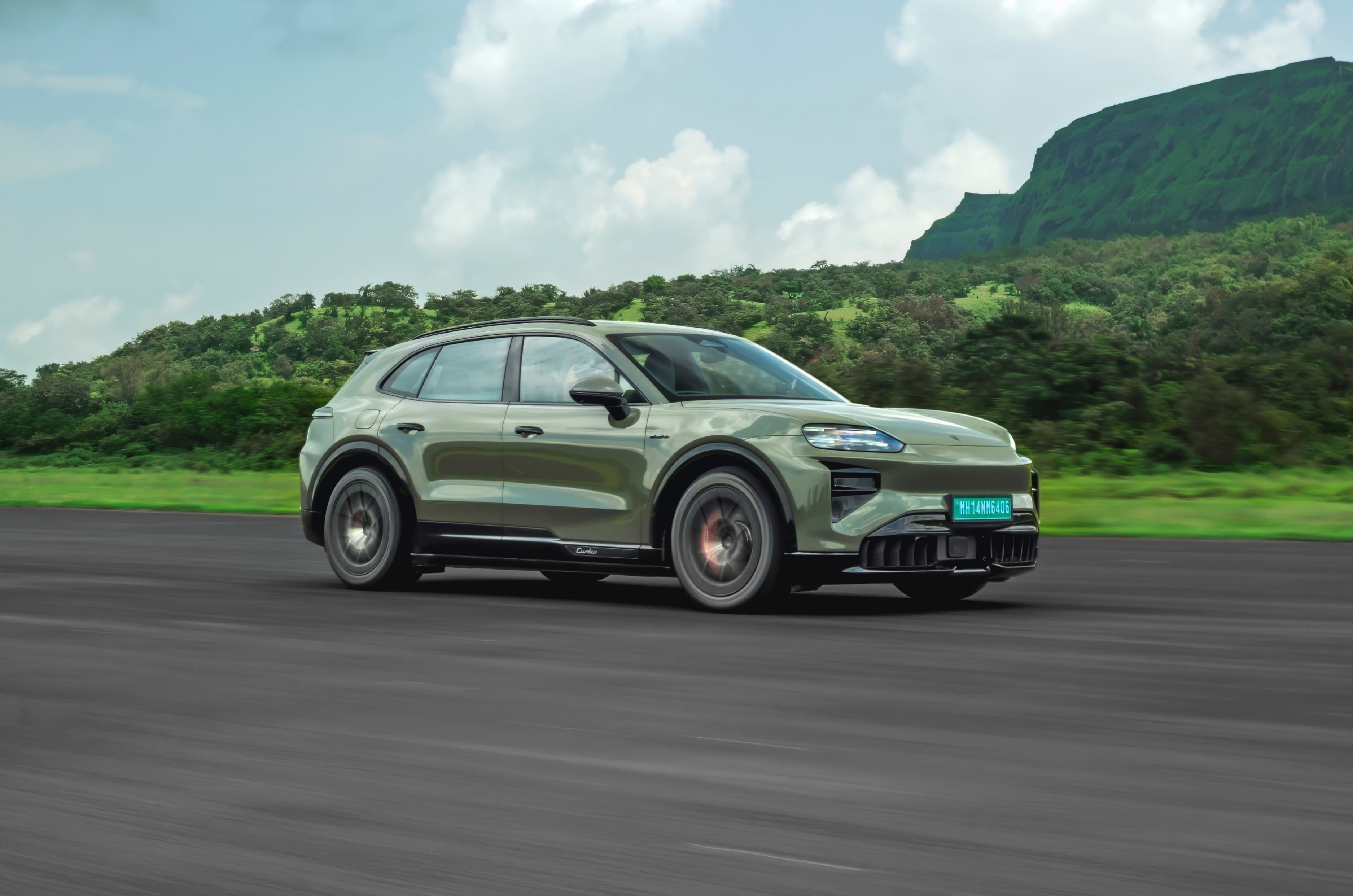
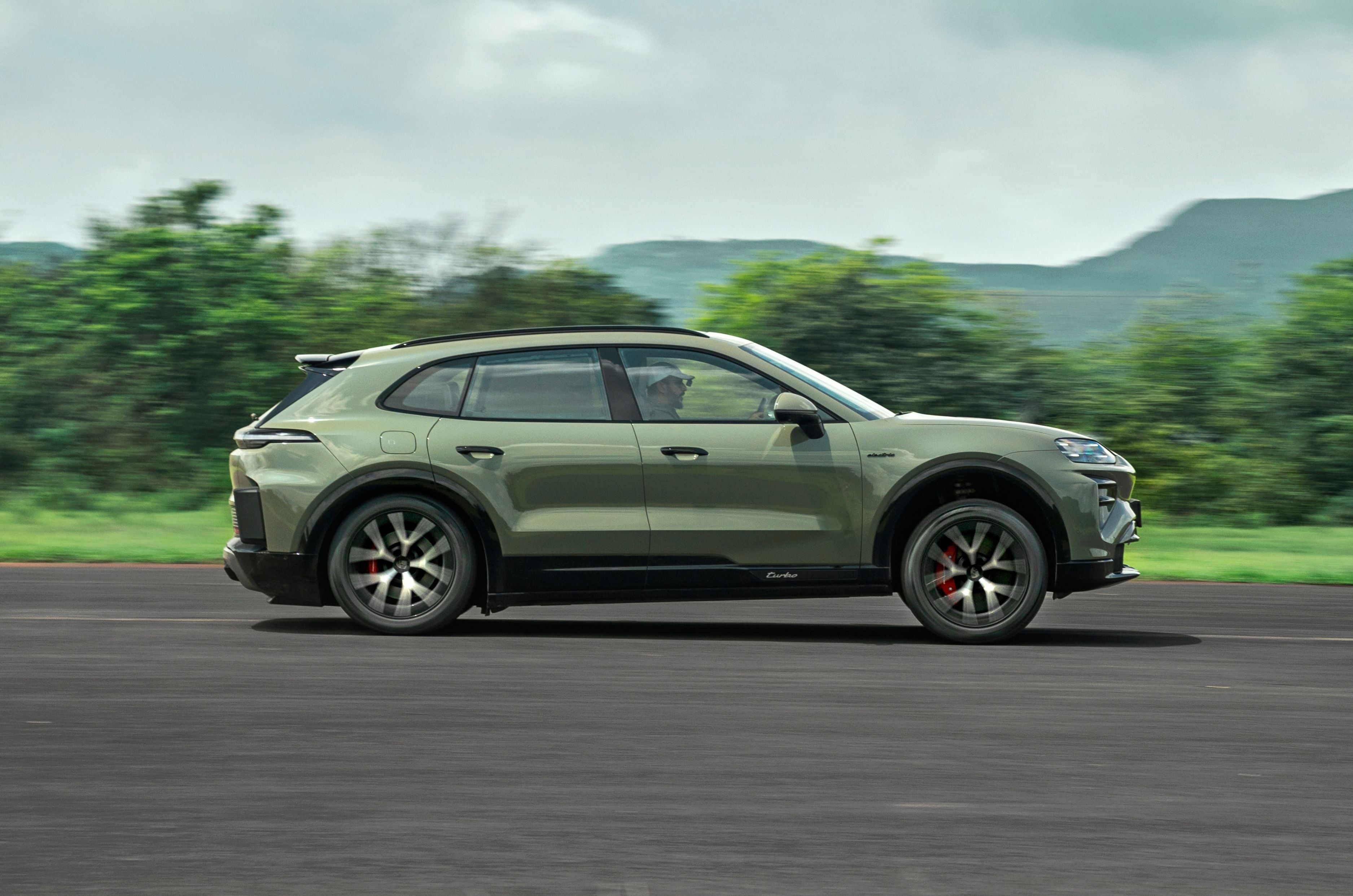
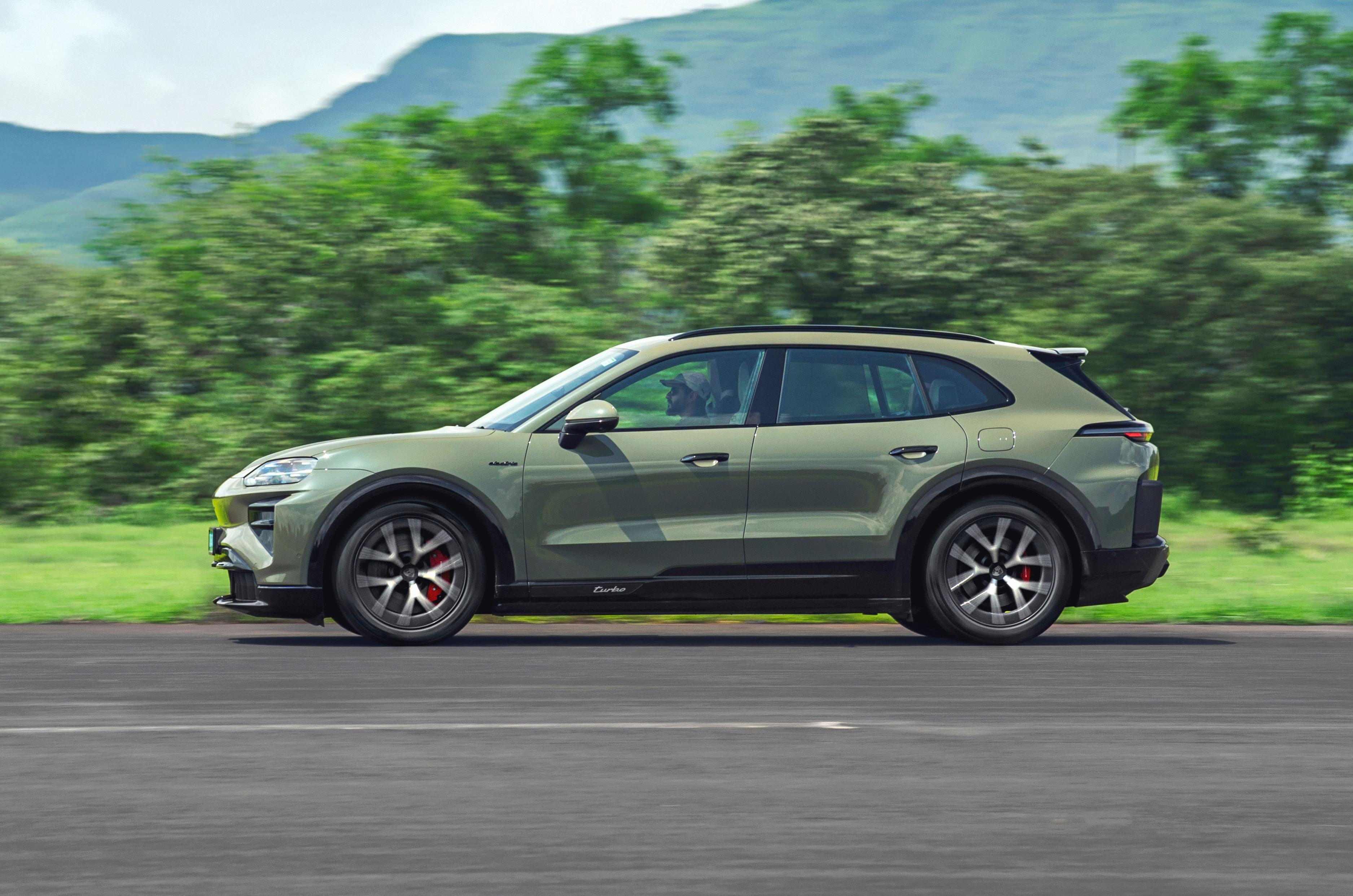
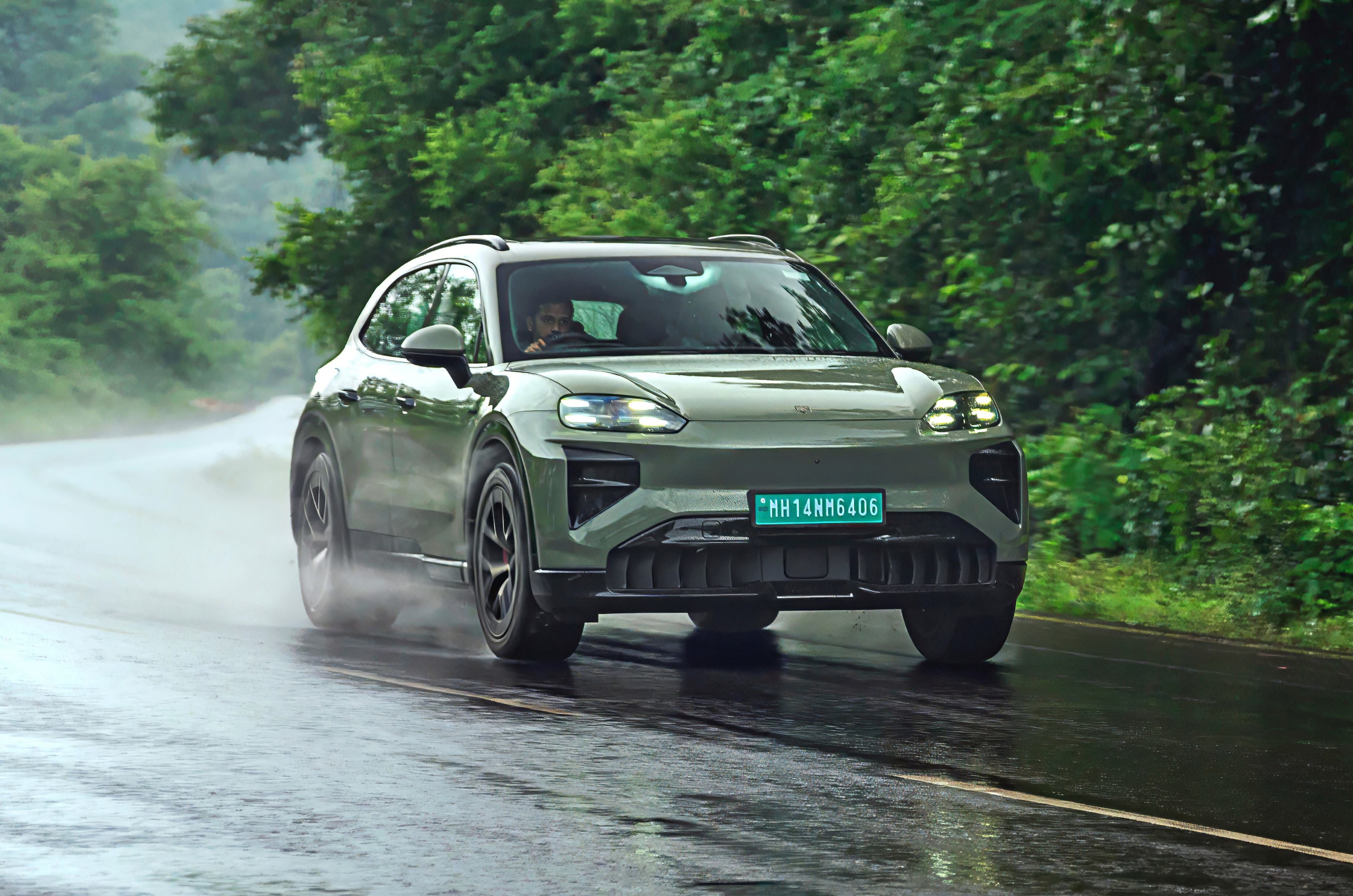
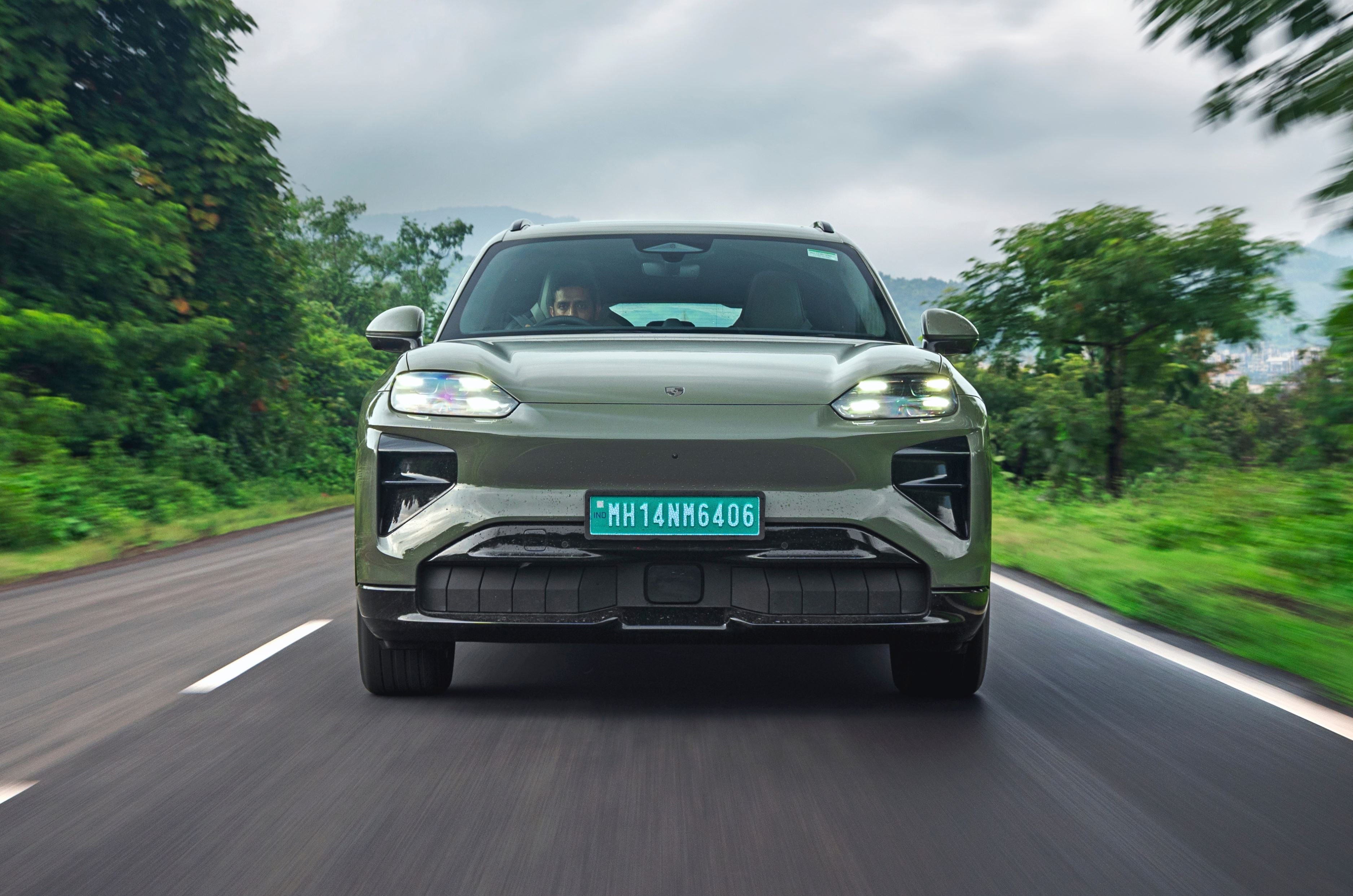
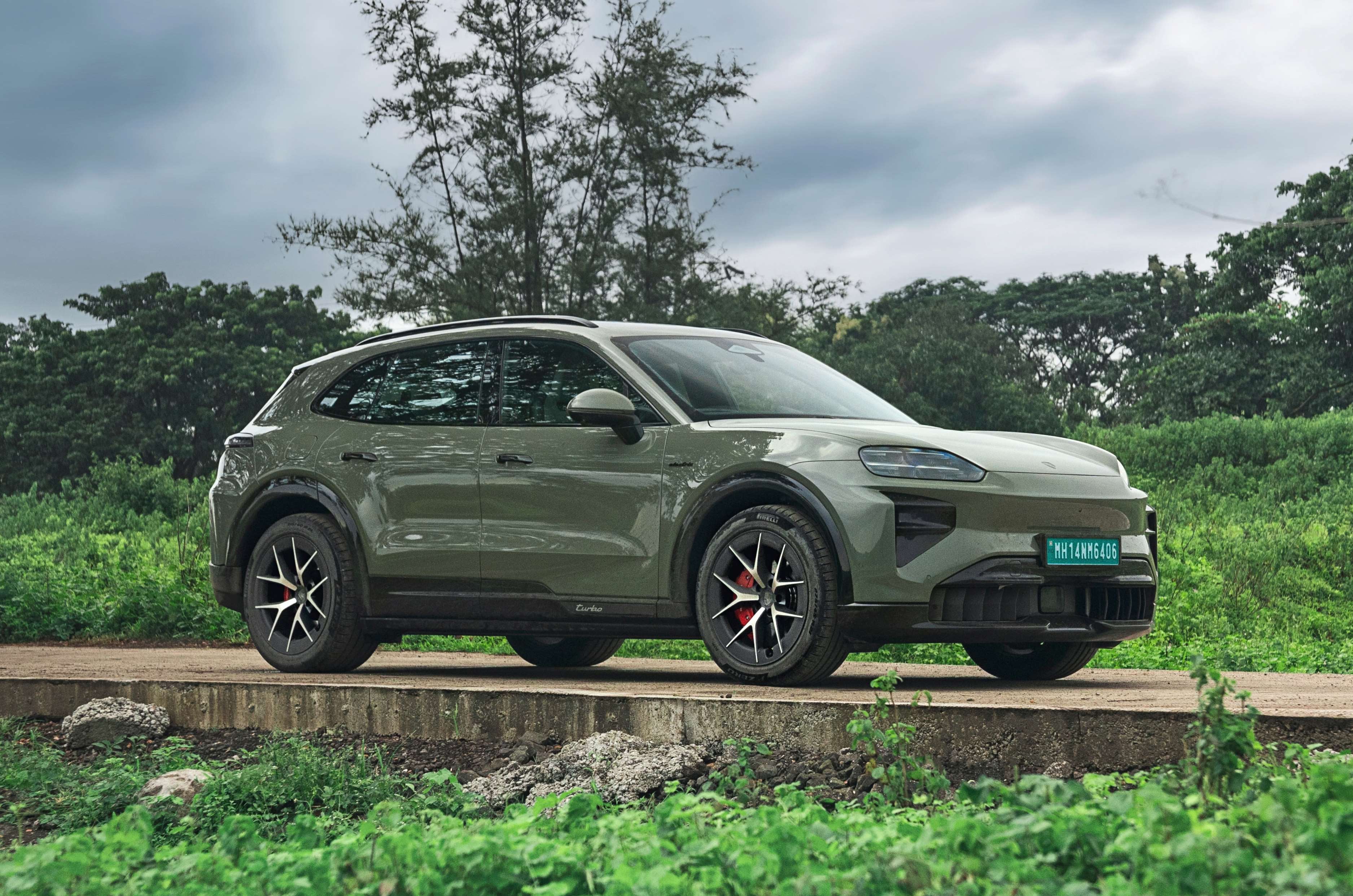
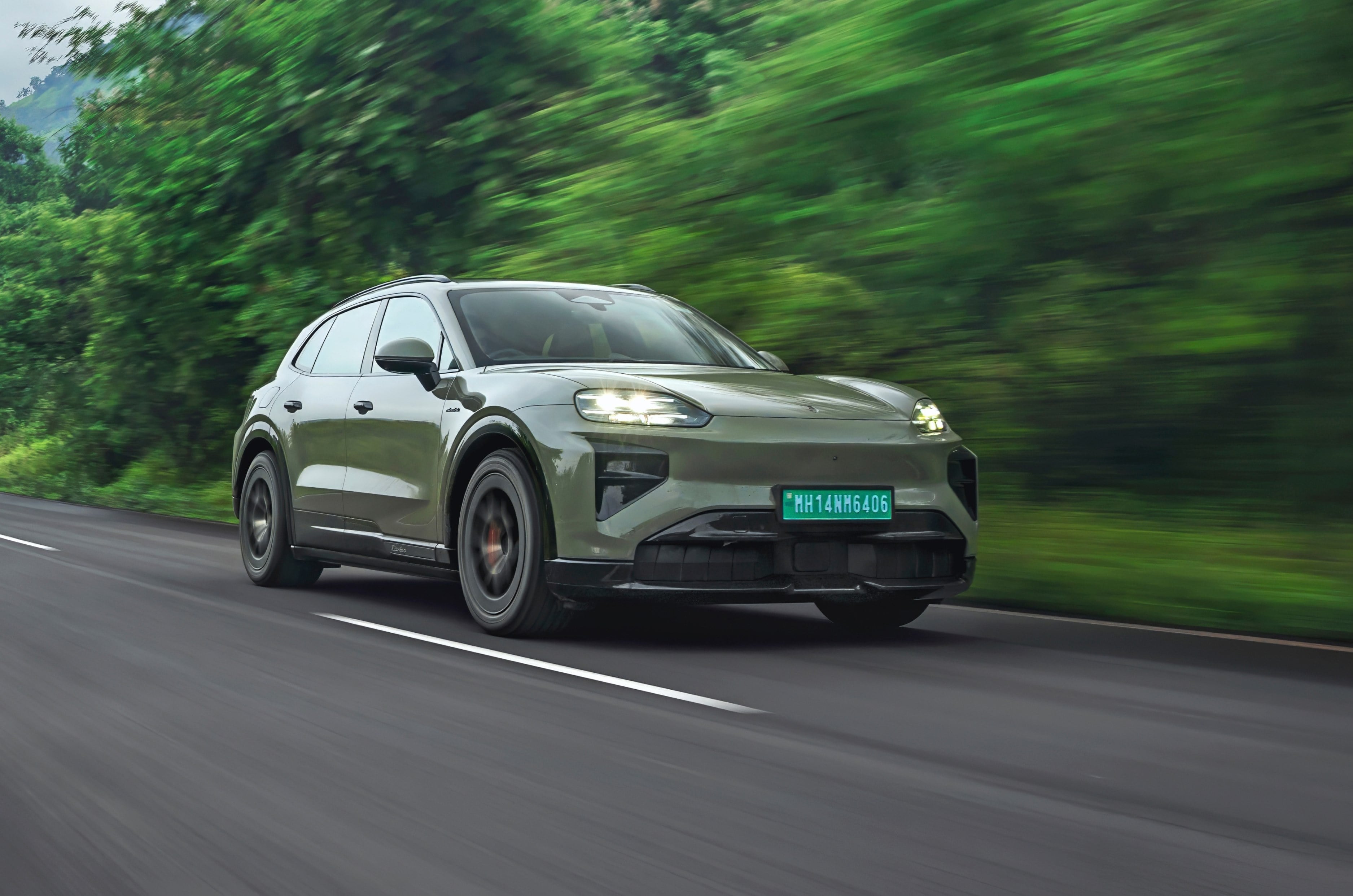
Remember when 1,000 horsepower was the sort of million-dollar pipe dream that we thought we’d only ever see on bedroom posters or YouTube videos? Well, it’s not that insane a proposition anymore, and in fact, three cars on sale in India have crossed the fabled 1,000hp mark. Two are ultra-exotic supercars that cost north of Rs 10 crore – the 1,015hp Lamborghini Revuelto and 1,050hp Ferrari Testarossa. And the third is this, the 1,156hp Porsche Cayenne Turbo Electric – a full Maruti Brezza more powerful than those Italian supercars – and yours for a fraction of the price, at Rs 2.28 crore.
That’s not a lot of money for what is the most powerful car ever to go on sale in India, and that raises a somewhat existential question. Have they gone too far?
2026 Porsche Cayenne Turbo Performance – 10/10
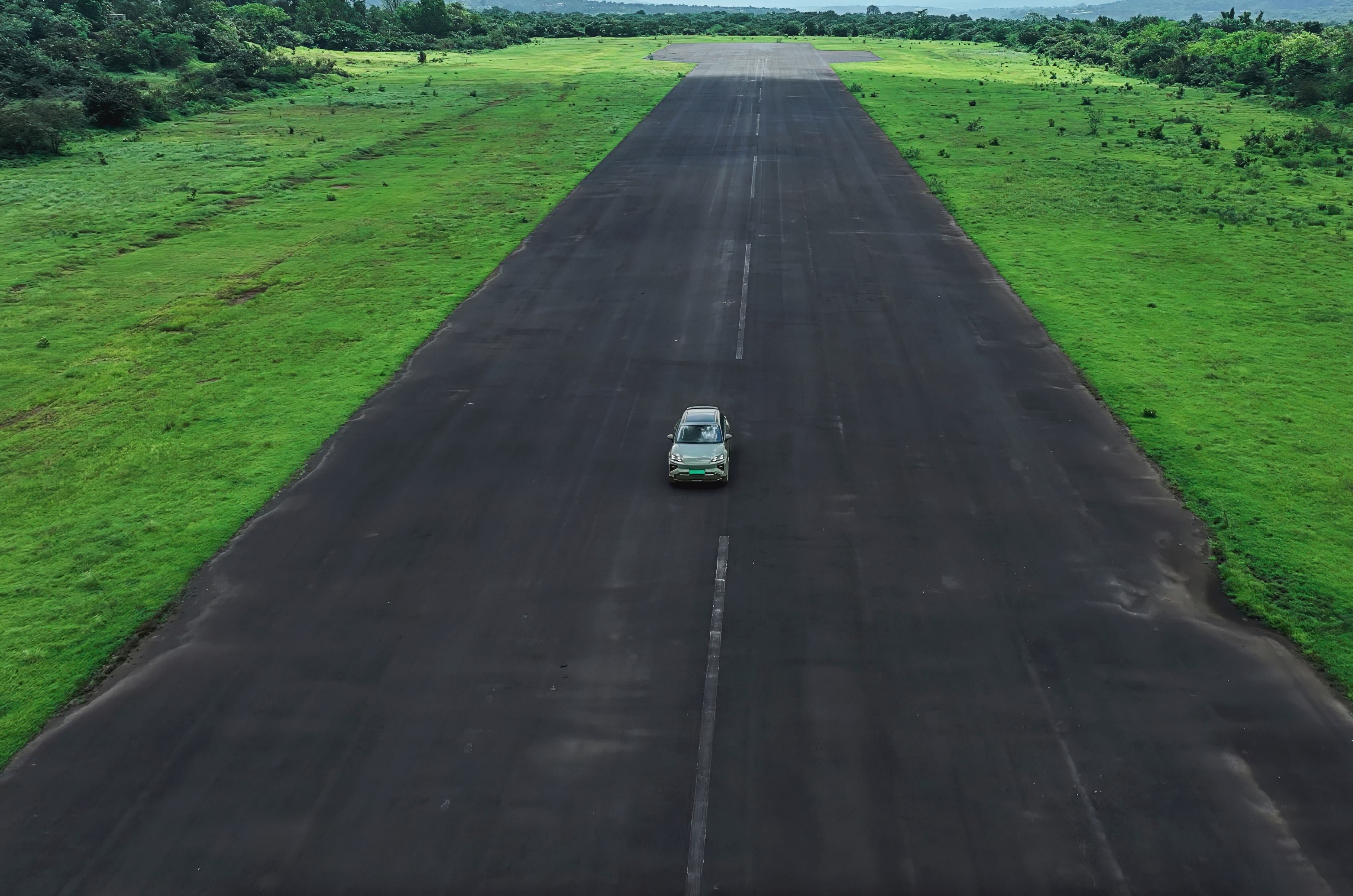
I have the Aamby Valley airstrip rolled out like a red carpet in front of me, perhaps the only place other than a race track where unlocking this hyper-SUV’s full accelerative potential is possible, and I’m about to let it rip. The process is familiar and simple enough. Twist the mode dial to Sport Plus, hold the brake with your left foot and mash the accelerator until it says ‘Launch Control Activated’. Up until this point, it’s nowhere near as dramatic as something with a four-digit power output has any right to be. The electronic sound it makes to signify all the power swelling up is gentle, and it doesn’t even give you any feedback through the pedals. Things are disconcertingly calm for what’s about to happen. I let go of the brake.
The nose lurches upwards and points to the sky like a fighter jet leaving an aircraft carrier, as the huge SUV squats onto its rear axle. It’s in this gut-twisting moment that I realise Porsche India hasn’t specified the Active Ride Control option on this car, which I’m told suppresses this issue by force-tilting the car forward, Power deployment is brutally efficient initially, with barely a chirp from the tyres and not a single of those 1,500 newton metres wasted off the line. But then I notice the nose start to go light and weave from left to right. I steady the wheel as the speed continues to build. With no engine weighing down the front axle and so much rearward lean, there is a frightening lack of traction from the front wheels at speed.
Never before has launching a car attacked so many sections of my body. It’s usually just the abdomen; a really fast car will wind you. Right now, my neck is straining as the head restraint is too far back, my cheeks are starting to ache like I’ve been pretending to find someone’s jokes funny for an hour, there’s a weird pressure coursing through my arms and legs, and my eyes are starting to water as they dart around in their sockets, not knowing what to focus on. Oh, and I’ve been winded well and good.
I’ve launched dozens of really, really fast cars down this very runway, but I don’t recall the scenery ever passing by so quickly. I can’t get a frame of reference so I glance down at the speedo. Two hundred and a blurry something; that’s way more than I expected to see and it’s climbing too fast. This doesn’t compute; it’s usually at this speed that I think about braking. But we aren’t even at the halfway mark yet; how? Brave face on, I keep my foot in. 230, 250, 27- wait, the brochure said it maxes out at 260. It lied. Then suddenly the braking point flashes by and I jump onto the wide pedal. All those forces reverse their polarity as the big Cayenne squirms down to a halt, still well clear of the end of the runway. Let’s do it again!
2026 Porsche Cayenne Turbo: Real-world acceleration test
Speed
Time (in seconds)
20kph
0.45
40kph
0.94
60kph
1.45
80kph
1.96
100kph
2.52
120kph
3.18
140kph
4.01
160kph
4.96
180kph
6.12
200kph
7.47
220kph
9.06
240kph
10.92
260kph
13.20
And it will do it again, and again, and again. Because if there’s one thing we’ve learnt about Porsches over the years, it’s that they’re engineered to perform repeatedly and consistently. The dual-motor Turbo has been certified to deliver a 2.5sec 0-100kph time; our VBOX confirmed the same several times over. But eventually, as the battery SOC dipped below 75 percent, the times started to go up, a tenth of a second at a time.
The biggest victim of the repeated runs, however, were the brakes – even for mammoth 420mm discs, arresting 2.7 tonnes is no joke, and soon their squeal was louder than their bite. I don’t usually advocate for carbon ceramic brakes on SUVs, but perhaps this is the one time Porsche India should have shelled out for the Rs 13.5 lakh option.
2026 Porsche Cayenne Turbo: Real-world braking test
80-0kph distance
23.47 metres
80-0kph time
2.08 seconds
2026 Porsche Cayenne Turbo ride comfort and handling – 8/10
However, by the twenty-seventh-or-so sprint down the runway, the car seldom missing a beat and the excitement never waning, my body decided it had taken enough of a beating. From longitudinal g-forces, at least; the lateral attack was yet to come. So we waved goodbye to the gentleman in the tower, who’s probably used to seeing much slower-moving traffic on the runway, and made our way back to reality via the twisting roads leading down to Lonavala.
It’s been a few years since I’ve come to our old stomping ground of Tiger Point and its surrounding twisties, and I can’t think of a nicer car to reacquaint myself with my favourite corners in. Muscle memory kicks in as I enter the first, fast right-hander. I lean in instinctively, but then the car starts to lean too; unexpected. It does the same on the next left, and right, and once again I start to wish they specified that Active Ride Control option. Porsche engineers are usually among the best at taming big mass, but perhaps they’ve finally met their match.
On its standard air springs and adaptive dampers, the Cayenne Turbo displays a disappointing amount of body roll, exacerbated only by the enthusiasm from the motors that begging you to push it harder. The steering too is encouraging, what with the small-diameter wheel and the fact it’s as sharp and direct as you expect. Here, too, I will say that rear-axle steering would have added a welcome extra degree of agility, but once again, Porsche India hasn’t ticked the option. It can still link together a series of corners with greater alacrity than most other big SUVs, but for the first time in recent memory, I’m not feeling that distinct Porsche magic at my fingertips.
Through the narrow and bustling streets of Lonavala, I’m starting to explore the other end of this SUV’s capability spectrum. And that’s just the beauty of EVs, isn’t it? One minute you’re clocking 0-200kph in 7.4 seconds, the next you’re ambling silently through a school zone. Like the best of them, it’s refined, smooth and incredibly easy to modulate, and you could be forgiven for forgetting there’s 857hp at your behest (the full 1,156 only comes with launch control). One spec deficiency I’m glad for right now, however, is the choice of more sensible 21-inch wheels rather than the optional 22s. They don’t look as nice, but they’re soaking up the harsh hits from the rutted road beneath me.
2026 Porsche Cayenne Turbo range, battery and charging – 7/10
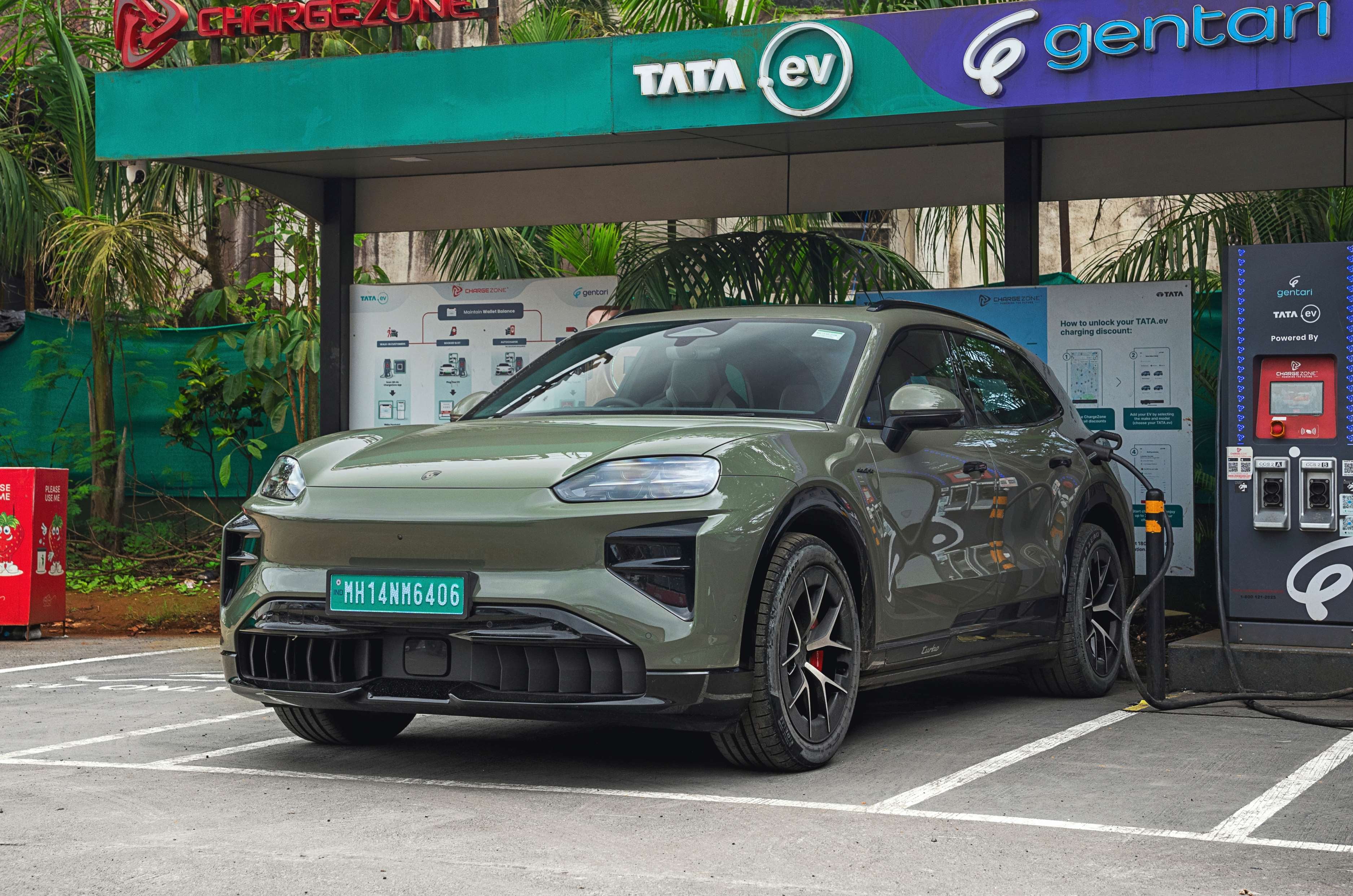
Between racing repeatedly down the runway and then trying to extract that Porsche spice in my favourite corners, I’ve reached Lonavala city with around 20 percent left in the 113kWh tank- er, pack? The Cayenne Turbo is rated at 623 kilometres on the WLTP cycle, so the ‘real’ real-world range should be far more palatable than this; to obliterate such a large chunk in such a short time requires the prolonged buffoonery I just subjected it to. Probably best to find a place to plug in soon, and grab some lunch while I’m at it. On a mythical 400kW plug, the Cayenne can be charged from 10-80 percent in just 16 minutes, but on a rainy Wednesday at a hill station, the best we can do is 60kW, so it’ll take much longer.
Today is a study in why India is far from ready for full EV adoption. Apart from ICE cars parked in charging spaces, malfunctioning plugs, unfathomable apps and an absent mobile network, we were also waylaid by two power cuts.
2026 Porsche Cayenne Turbo features and safety – 9/10
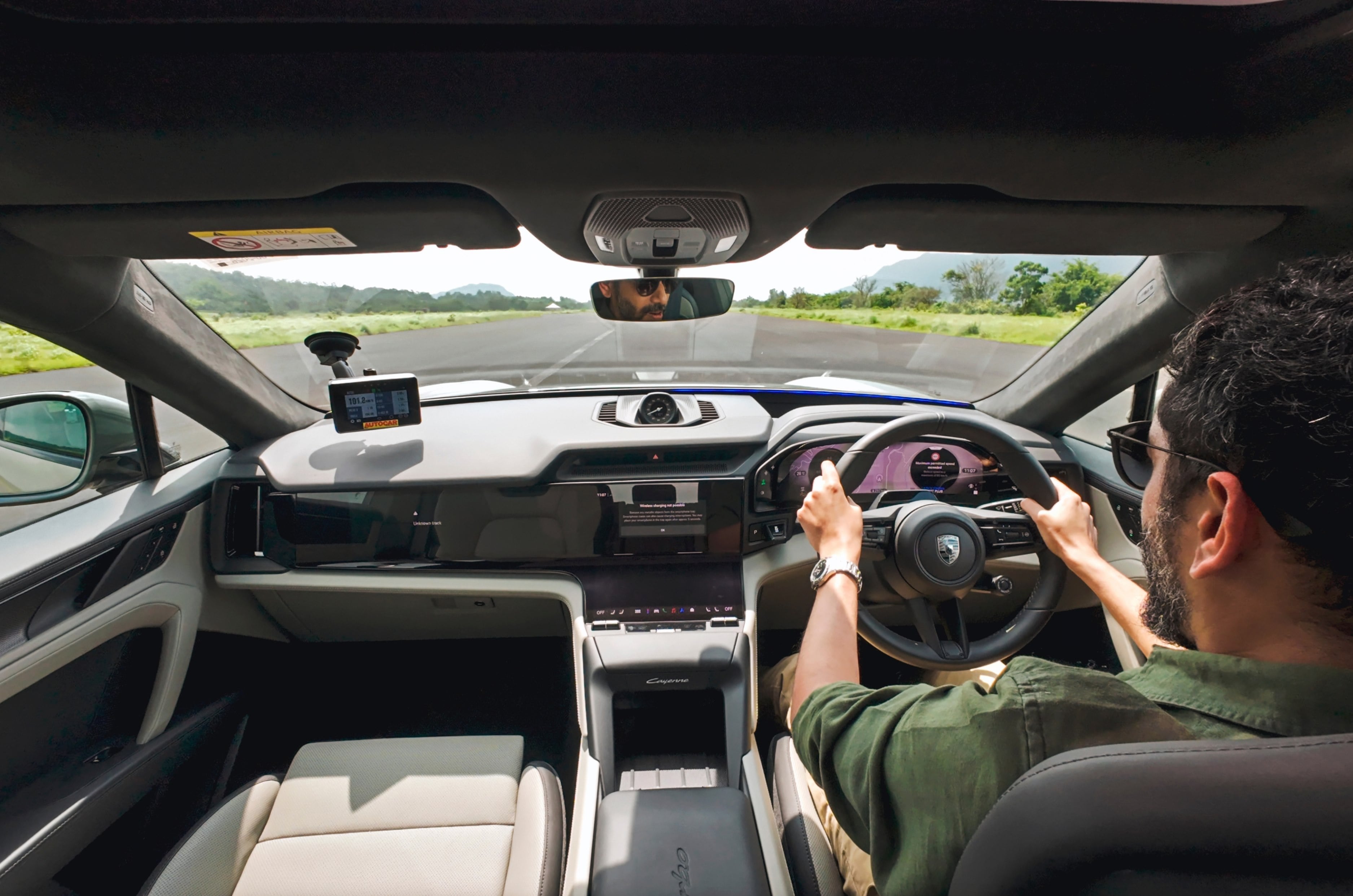
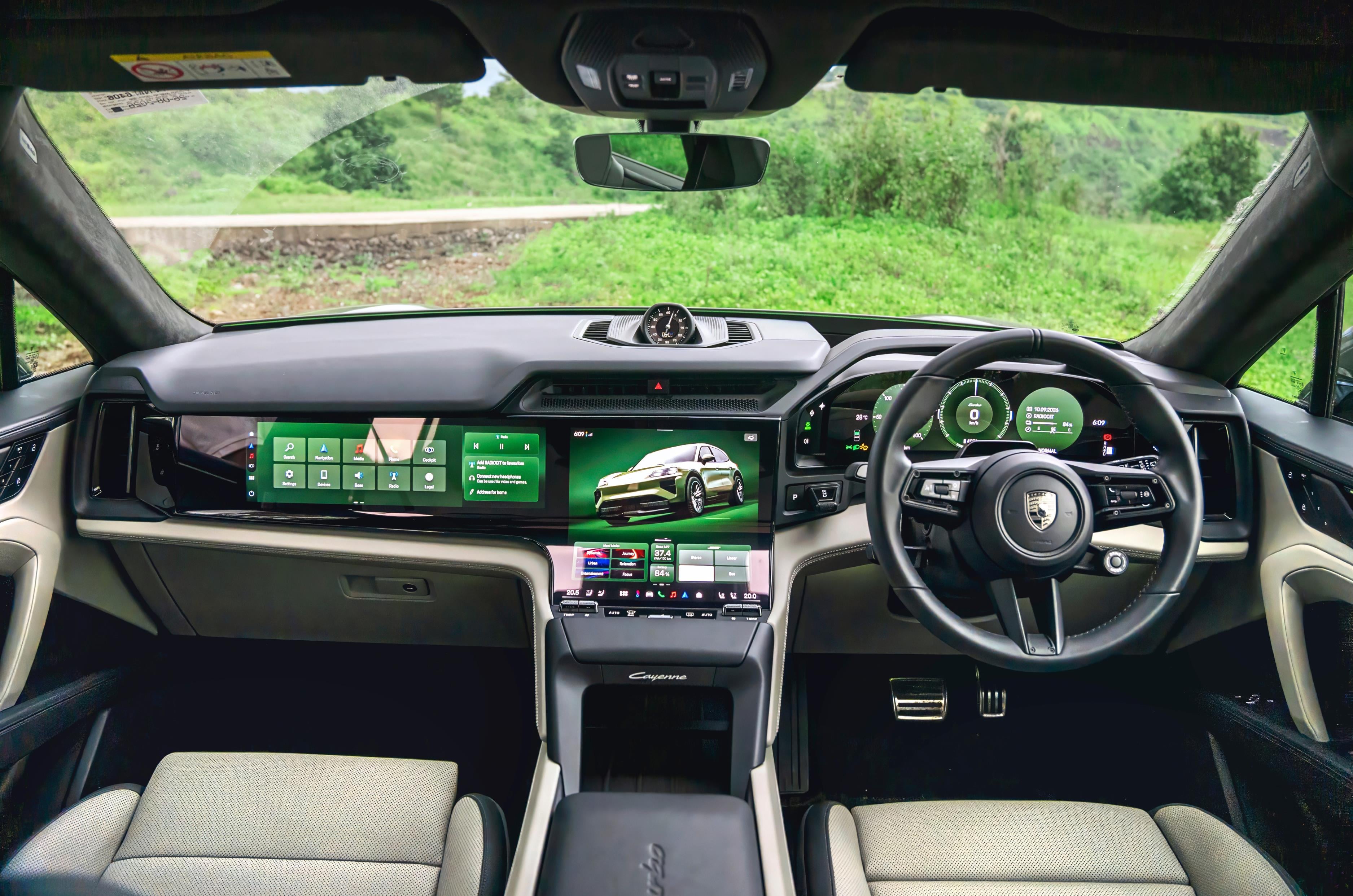
On the upside, all this gave me a chance to have a play around with the Cayenne’s new and tech-heavy interior. The passenger screen is a Rs 2 lakh option I would not tick, but the centrepiece is the cascading curved touchscreen. It looks gimmicky but actually functions really well, the bottom half of the ‘bend’ housing the major functions, while the more upright top functioning as the display. The AC vents are adjusted from the touchscreen sadly, but otherwise there are plenty of physical controls.
There’s no shortage of features here and you can add even more from the options list. For instance, the panoramic sunroof is standard, but there’s no sunshade. Instead, you can option an electrochromic function that masks out the glass in sections.
2026 Porsche Cayenne Turbo interior space and comfort – 8/10
Functionality comes first in a Porsche, and you can see that in the compact but tactile steering wheel, the clear dial-style driver’s display and the sporty ergonomics. In fact, despite all the tech, this feels instantly like a Porsche from behind the wheel.
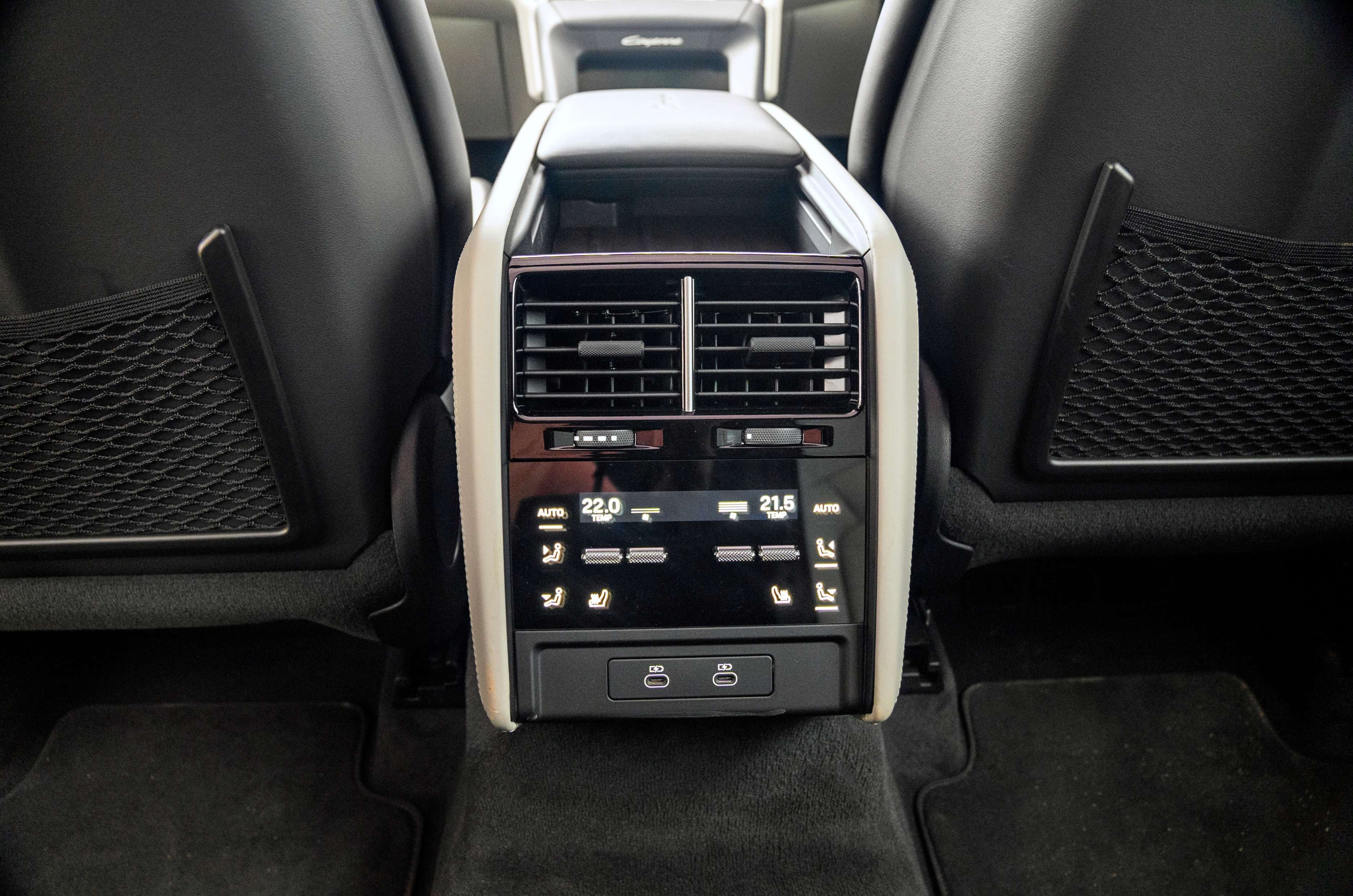
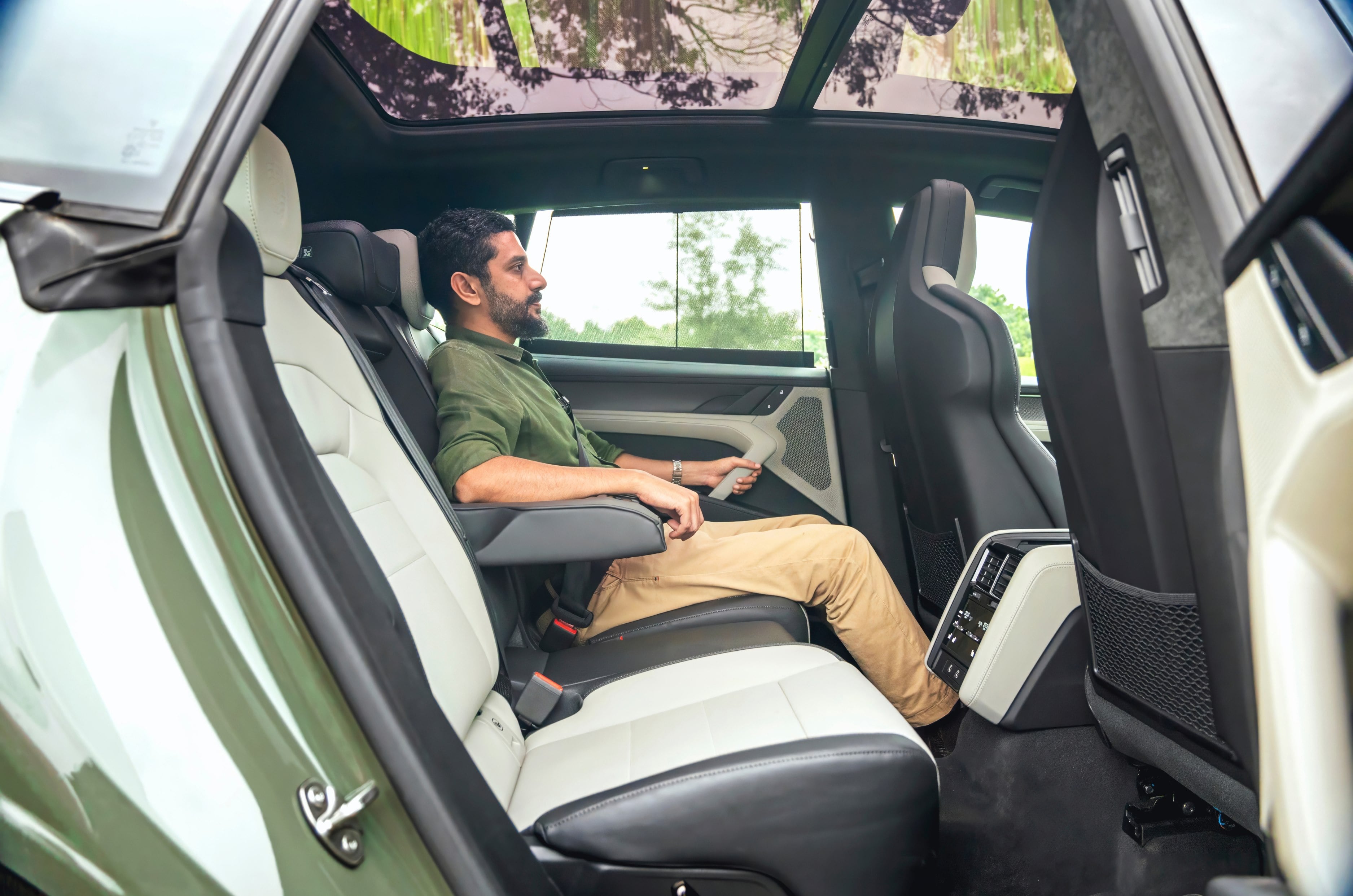
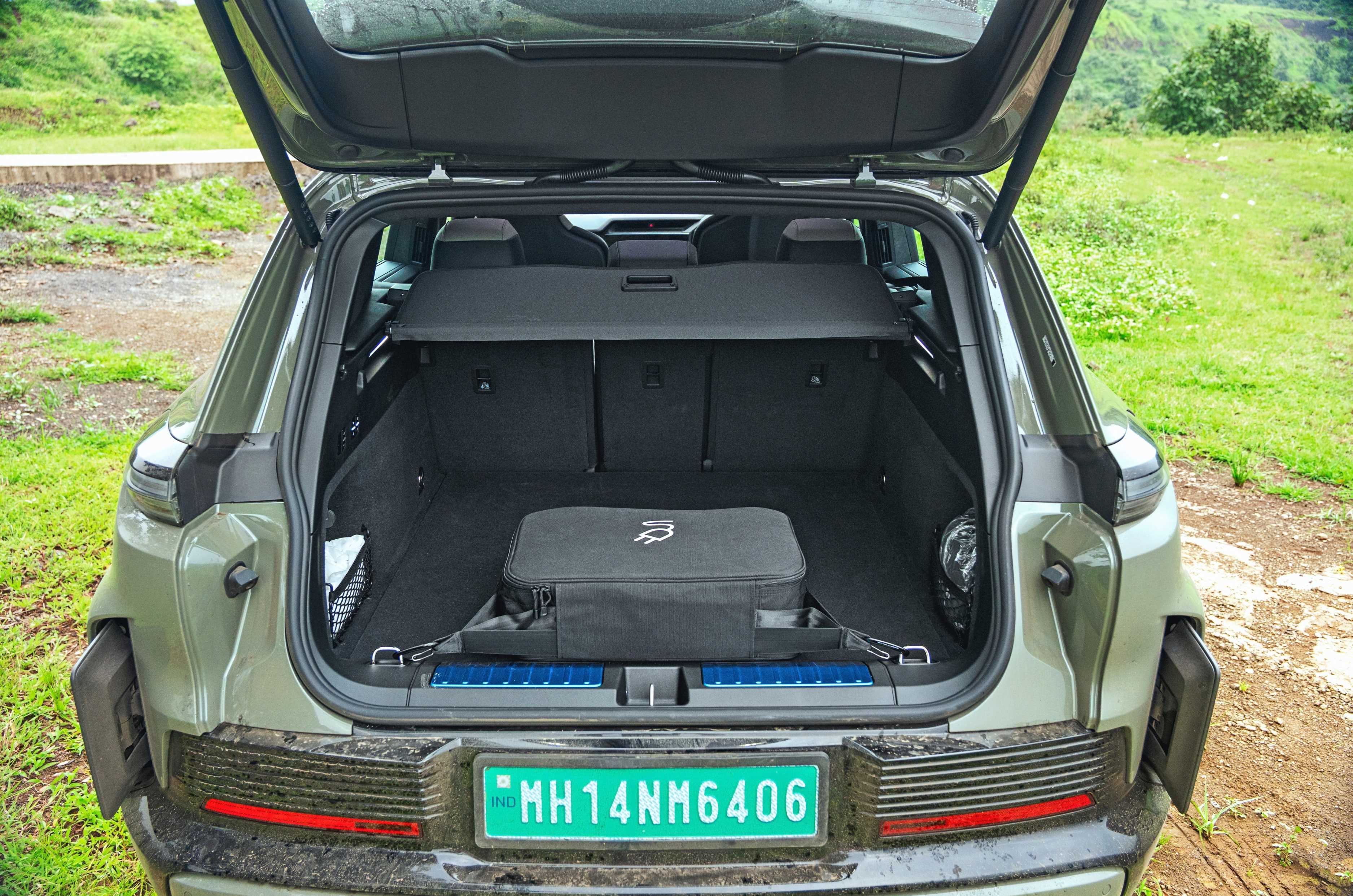
This is easily the most spacious Porsche yet, though, with the huge 3,023mm wheelbase liberating massive seating room, as well as a huge 747-litre boot and 90-litre frunk. It’s well equipped, it’s luxurious, it’s sporty; it’s almost hard to fault here.
2026 Porsche Cayenne Turbo exterior design and engineering – 7/10
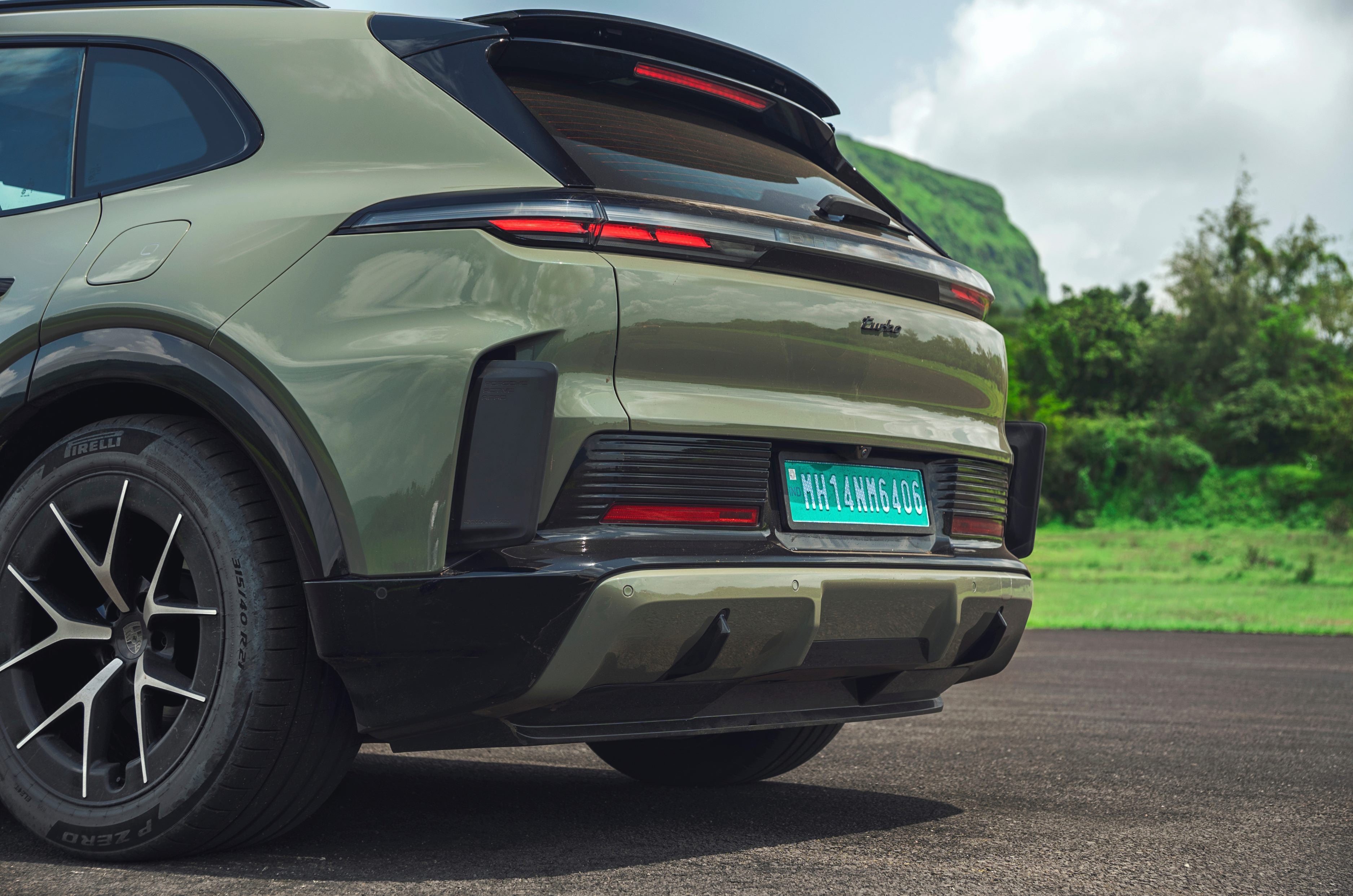
I’m less convinced by the exterior, though. It certainly has size on its side; this is the largest Porsche ever, a fact exaggerated by its slim headlamps and tail-lamps. Even the gigantic 21-inch wheels look a size down against the mass of bodywork. They’ve worked around it with plenty of contrast black details, and there are lots of cool details, like the active aero vanes up front and the flaps that extend from the rear bumper to reduce drag at speed. They’ve even got the GPS co-ordinates of Porsche’s wind tunnel embossed into them.
However, it’s also this size that works against it, as the proportions make it look bulky and a bit ungainly. This might be fine most big luxury SUVs, but in a Porsche, there’s a certain visual agility that’s missing.
2026 Porsche Cayenne Turbo price and verdict – 9/10
Is it wrong that for a car with such eye-watering headline figures, it’s the slow cruise back home that I appreciate the most? Having been pulverised by the acceleration in the morning, I’m happy to let the ventilated 18-way seats soothe my back, as my favourite tunes stream through 14 Bose speakers and adaptive cruise control keeps an Expressway pace.
Because it’s an EV, you can switch quite easily between its two personalities, and because it’s a Porsche, it does both reliably as many times as you need it to. Some of that special sauce has been lost along the way, and the smaller Macan Electric does a much better job in this regard, but I’d argue the Cayenne has an even greater breadth of ability. It’s easy to launch India’s most powerful car to stratospheric speeds, but it’s even easier to forget that you can, and perhaps that’s its biggest triumph
Policybazaar प्लेटफॉर्म की पेरेंट कंपनी PB Fintech के शेयरों में गुरुवार को लगातार छठे दिन गिरावट है। बीएसई पर शेयर पिछले बंद भाव से 7 प्रतिशत तक टूटकर 988.30 रुपये के लो तक गया। यह शेयर का 52 सप्ताह का नया निचला स्तर है। कंपनी का मार्केट कैप घटकर 46200 करोड़ रुपये पर आ गया है। पीबी फिनटेक के शेयर में 24 सितंबर से लगातार गिरावट आ रही है। इंश्योरेंस रेगुलेटर IRDAI का डिस्ट्रीब्यूशन सुधारों पर नया ड्राफ्ट आने के बाद शेयर में जबरदस्त बिकवाली का सिलसिला शुरू हुआ और अभी तक जारी है। माना जा रहा है कि कमीशन को लेकर ड्राफ्ट पेपर में प्रस्तावित कटौती से PB Fintech को सबसे ज्यादा नुकसान होगा, क्योंकि इन टेक-रेट पर कॉल सेंटर की लागत नहीं निकल पाएगी।
इंश्योरेंस रेगुलेटरी एंड डेवलपमेंट अथॉरिटी ऑफ इंडिया (IRDAI) ने कुछ स्ट्रक्चरल सुधारों का प्रस्ताव दिया है। इनका मकसद इंश्योरेंस की लागत कम करना, उन लोगों तक कवरेज पहुंचाना जिन्हें अभी तक यह सुविधा नहीं मिली है, और इस सेक्टर को टिकाऊ विकास की राह पर वापस लाना है। एक दिन पहले सामने आया था कि ब्रोकरेज फर्म बर्नस्टीन ने पीबी फिनटेक के शेयर के लिए टारगेट प्राइस 2310 रुपये से घटाकर 1085 रुपये प्रति शेयर कर दिया है। लेकिन आउटपरफॉर्म रेटिंग बरकरार रखी है।
IRDAI का ड्राफ्ट आने के बाद बर्नस्टीन ने अपने नोट में लिखा कि कमीशन में प्रस्तावित कटौती बहुत बुरी है और ड्राफ्ट पेपर में प्रस्तावित ‘टेक रेट’ से PB Fintech का यूनिट-इकोनॉमिक्स बिगड़ जाएगा। कम जनरल इंश्योरेंस टेक रेट पीबी फिनटेक की मौजूदा लागत को पूरा करने के लिए पर्याप्त नहीं हो सकते हैं। IRDAI के ड्राफ्ट पेपर में कोटेशन (Rates) बनाने के लिए कॉन्टैक्ट डिटेल्स इकट्ठा करने पर साफ तौर पर रोक लगाई गई है। बर्नस्टीन के अनुसार, PB Fintech के लिए यह कस्टमर बनाने का एक अहम जरिया है।
PB Fintech के लिए दूसरे ब्रोकरेज की रेटिंग
पीबी फिनटेक के शेयर के लिए HSBC ने रेटिंग घटाकर होल्ड कर दी है। टारगेट प्राइस 2,100 रुपये से घटाकर 1,150 रुपये प्रति शेयर कर दिया है। मोतीलाल ओसवाल ने 1,150 रुपये के टारगेट के साथ न्यूट्रल रेटिंग बरकरार रखी है। मैक्वेरी ने शेयर की रेटिंग आउटपरफॉर्म से घटाकर न्यूट्रल कर दी है। टारगेट प्राइस 1,150 रुपये प्रति शेयर दिया है।
PB Fintech के शेयर में पिछले 5 दिनों में 43 प्रतिशत से ज्यादा की गिरावट आई है। शेयर अकेले 24 सितंबर को 36 प्रतिशत नीचे आया था। शेयर की फेस वैल्यू 2 रुपये है। यह BSE 100 इंडेक्स का हिस्सा है। कंपनी में जून 2026 के आखिर तक पब्लिक शेयरहोल्डर्स के पास 99.86 प्रतिशत हिस्सेदारी थी।
Disclaimer: मनीकंट्रोल.कॉम पर दिए गए सलाह या विचार एक्सपर्ट/ब्रोकरेज फर्म के अपने निजी विचार होते हैं। वेबसाइट या मैनेजमेंट इसके लिए उत्तरदायी नहीं है। यूजर्स को मनीकंट्रोल की सलाह है कि कोई भी निवेश निर्णय लेने से पहले हमेशा सर्टिफाइड एक्सपर्ट की सलाह लें।
TVS Motor Company has announced that the sixth edition of its flagship motorcycling festival, TVS MotoSoul, will be held in Goa on December 11 and 12, 2026.
TVS MotoSoul to return to Goa for its sixth edition
Last year’s edition saw the launch of the TVS Ronin Agonda Edition and 20th anniversary Apache models
TVS MotoSoul 6.0: What to expect
Product reveals and custom builds have been a fixture at every edition
Previous editions of MotoSoul have seen TVS use the platform for product and tech announcements. The 2023 edition saw the launch of the Apache RTR 160 4V with dual-channel ABS. In 2024, TVS unveiled the RT-XD4 300 engine platform, which eventually made its way into the RTX 300. In 2025, TVS launched the Ronin Agonda Edition alongside limited-run models to celebrate the 20th anniversary of the Apache brand.
Custom builds have been another consistent highlight, with TVS collaborating with international builders across multiple editions to create bespoke versions of the Apache and Ronin, including café racer, bobber, scrambler, supermoto and flat-track-inspired interpretations. Merchandise and accessory collaborations have also expanded year on year, with past editions announcing tie-ups with Alpinestars, GIVI and MT Helmets.
With the sixth edition of MotoSoul, we can expect TVS to carry on that tradition, and we’ll share more details once we have them.
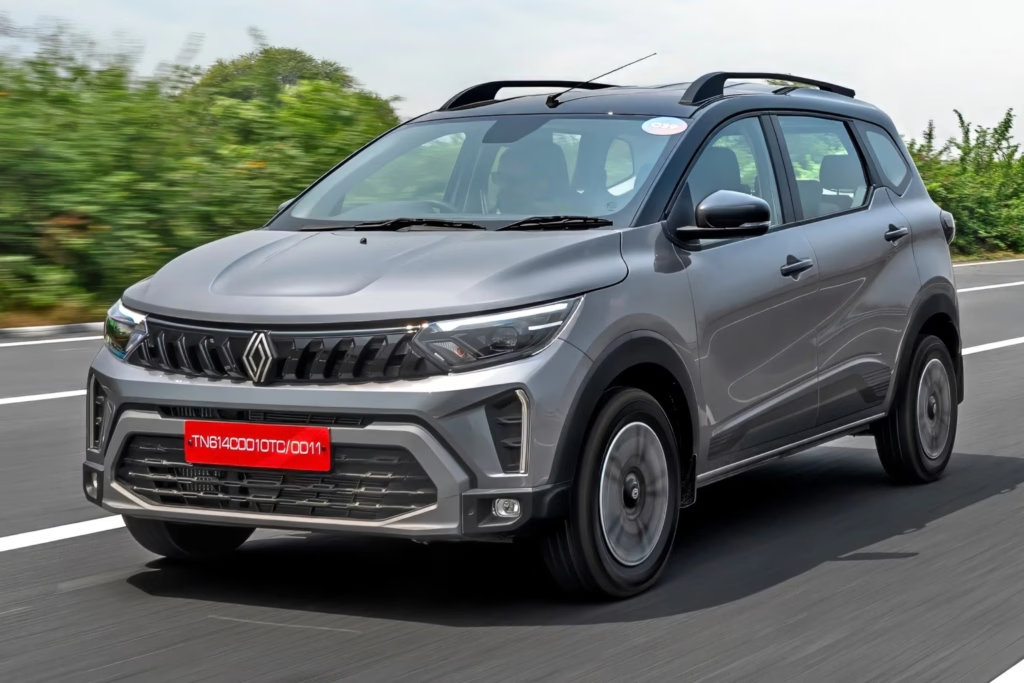
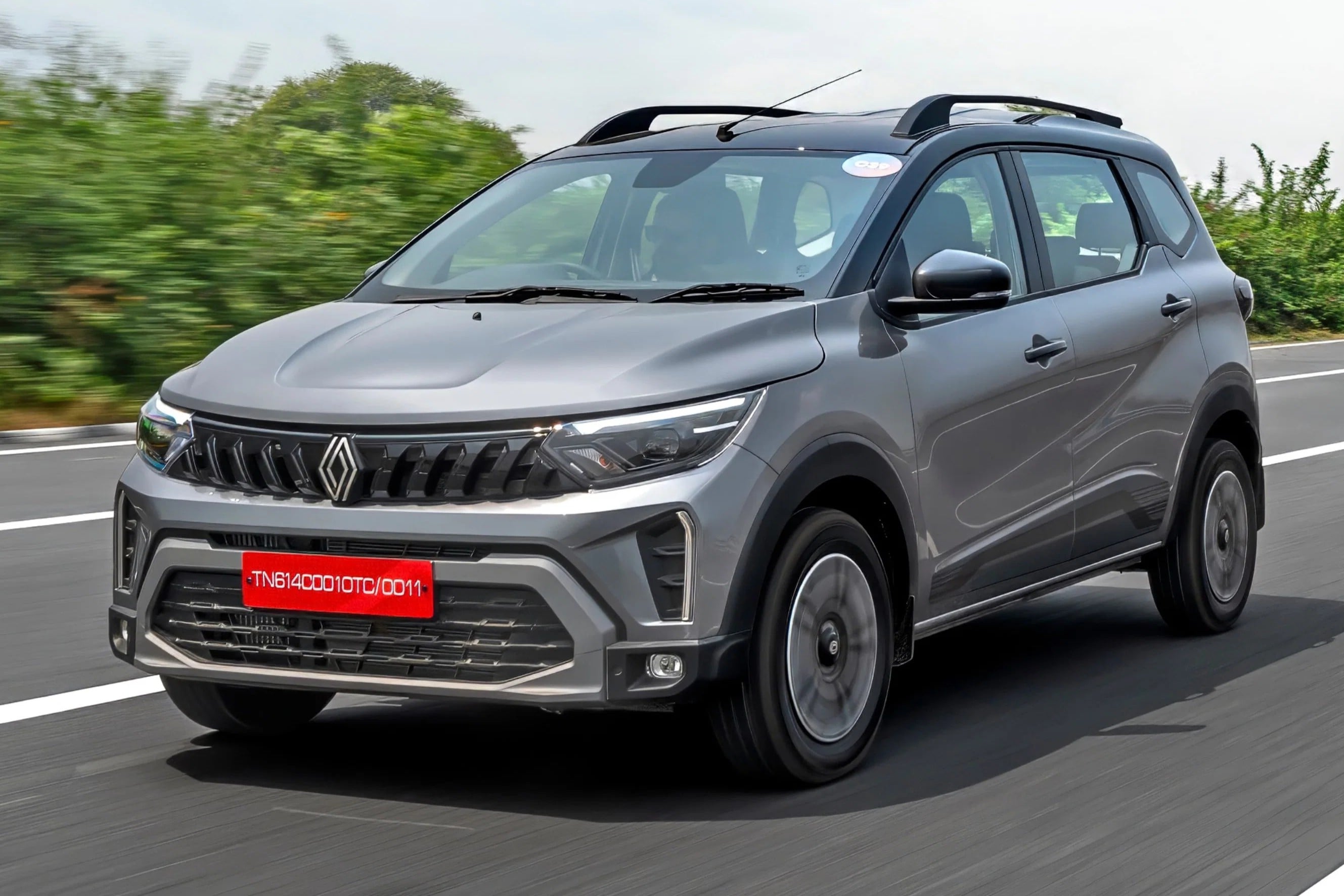
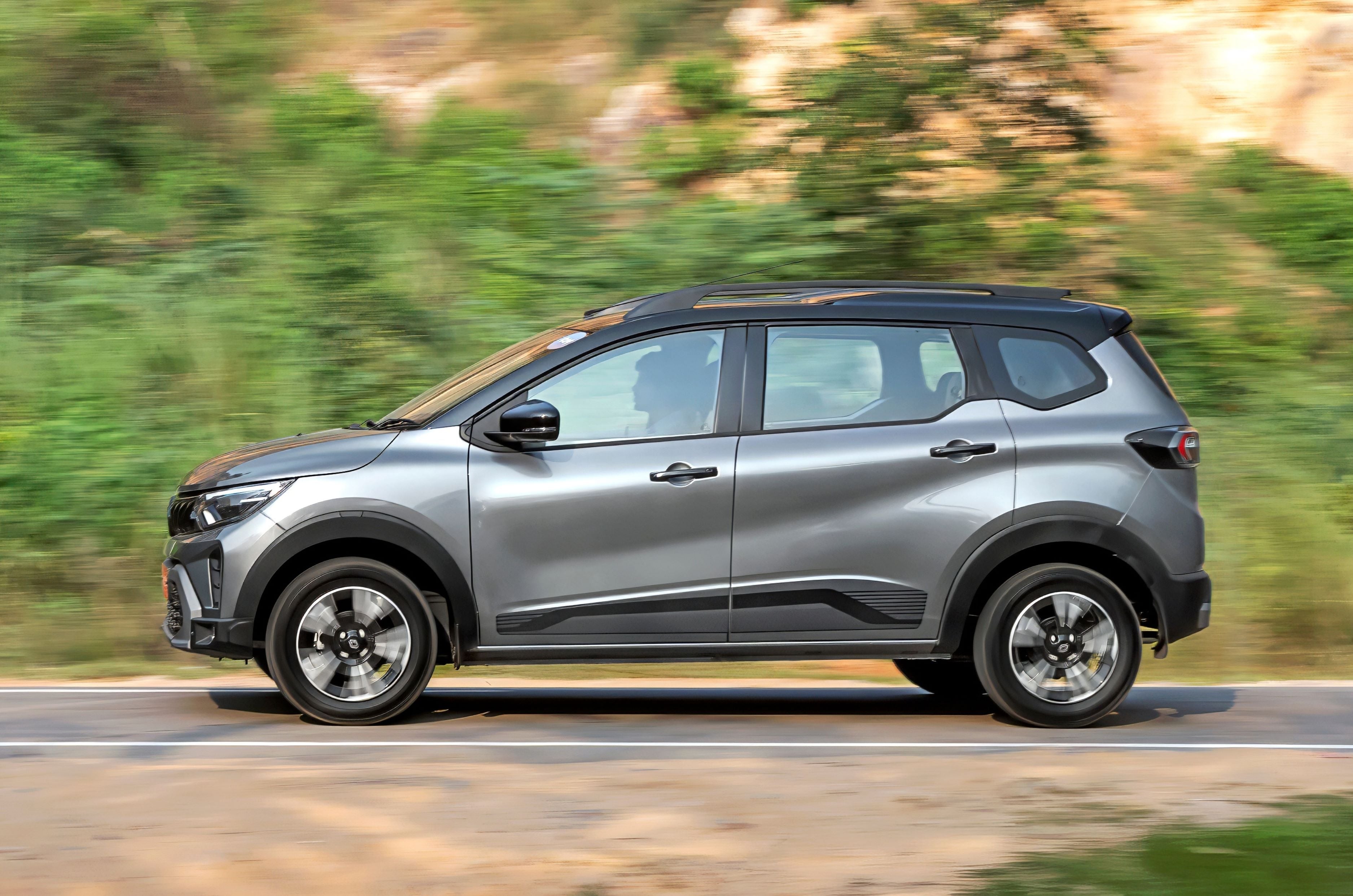
If you’re in the market for an affordable and compact 7-seater, the Renault Triber comes across as a well-packaged choice. For 2026, the Triber has been updated — it sits on a reengineered platform for better structural durability, gets a beefier suspension setup, and most importantly, it gets a much-needed turbo-petrol engine option. If you’re seriously considering the Triber, we bring a comprehensive list of reasons to go for one and reasons to look at another option.
Reasons to buy Renault Triber turbo
Punchy turbo-petrol engine
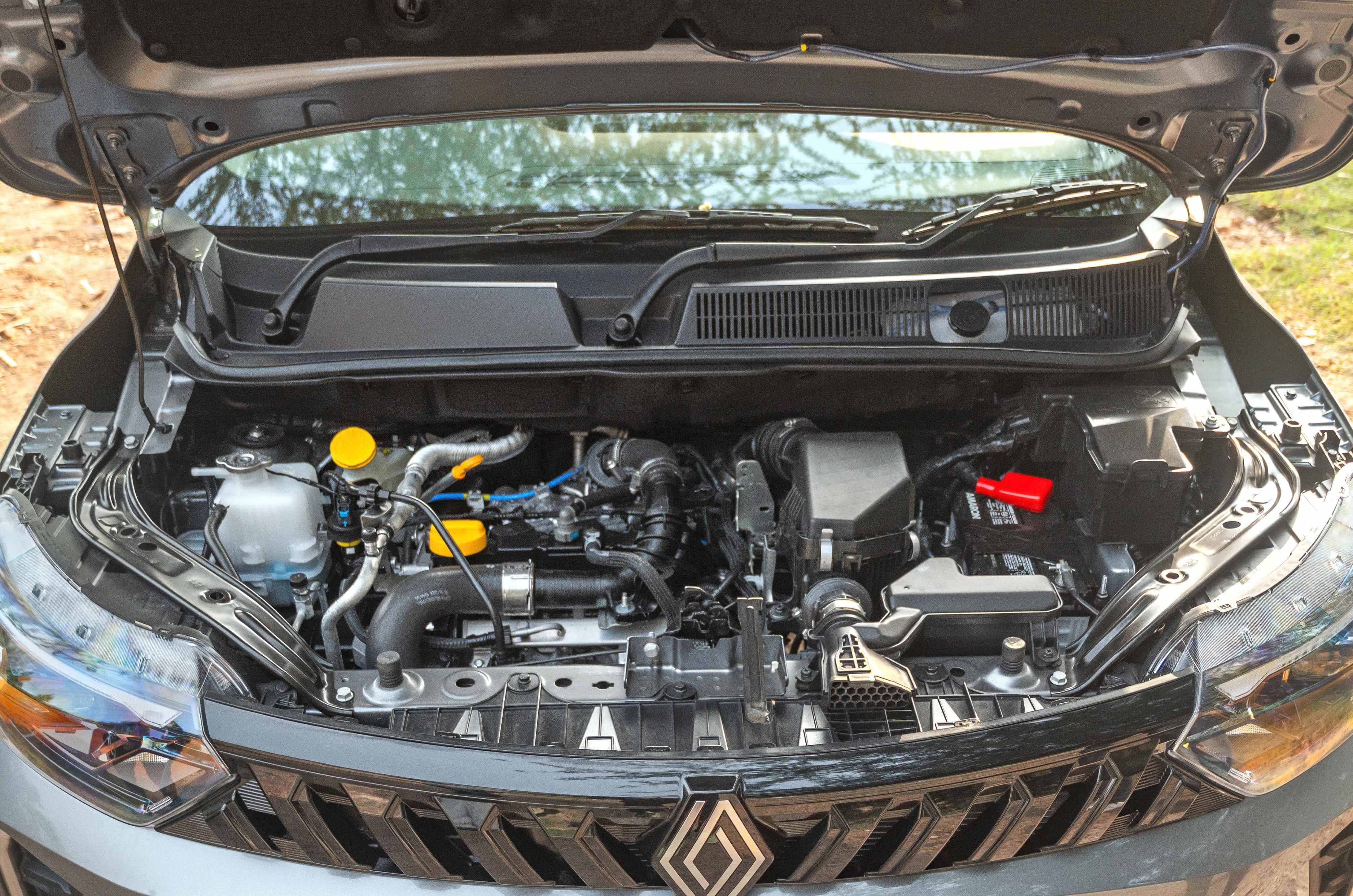
Turbo-petrol versions of the Triber get the same ‘HR10’ 1.0-litre, 3-cylinder unit as the Kiger and Duster. Power stands at an identical 100hp. But the Triber delivers more torque (180Nm) than both those SUVs thanks to a new engine management system. Pass the 2,500rpm mark and the Triber Turbo surges ahead with a strong midrange punch. In fact, pulling power feels sufficient even when fully loaded. This engine addresses the power gap left by the naturally aspirated petrol engine very well.
Clever packaging
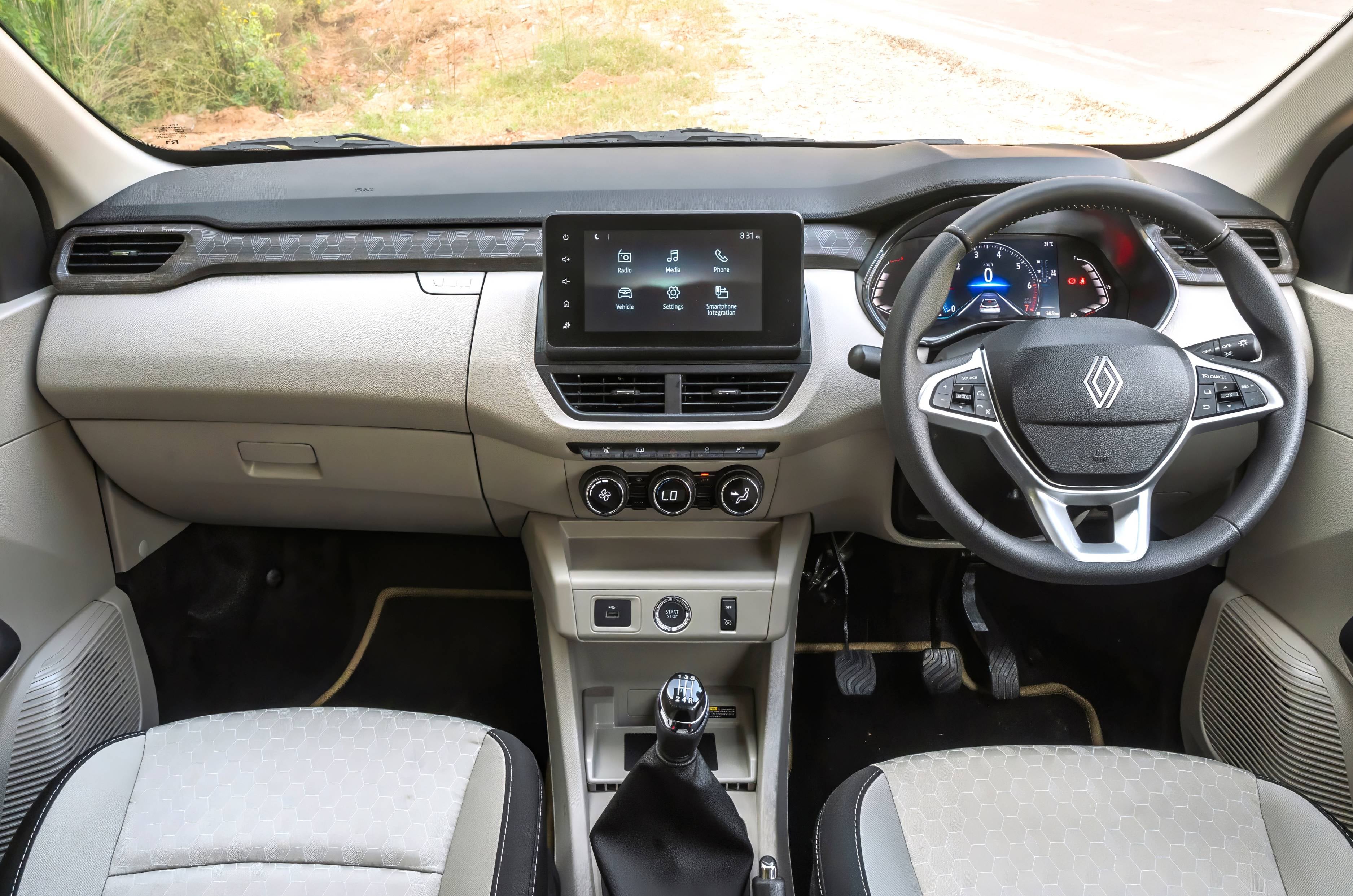
For its size and price, Renault has packaged the Triber’s cabin impressively with a surprising amount of room. Additionally, the light upholstery lends an airy feel to the cabin, and there’s plenty of storage space, including two large glove boxes, a smartphone shelf, two cup holders, a useful cooled storage bin and sizeable door pockets.
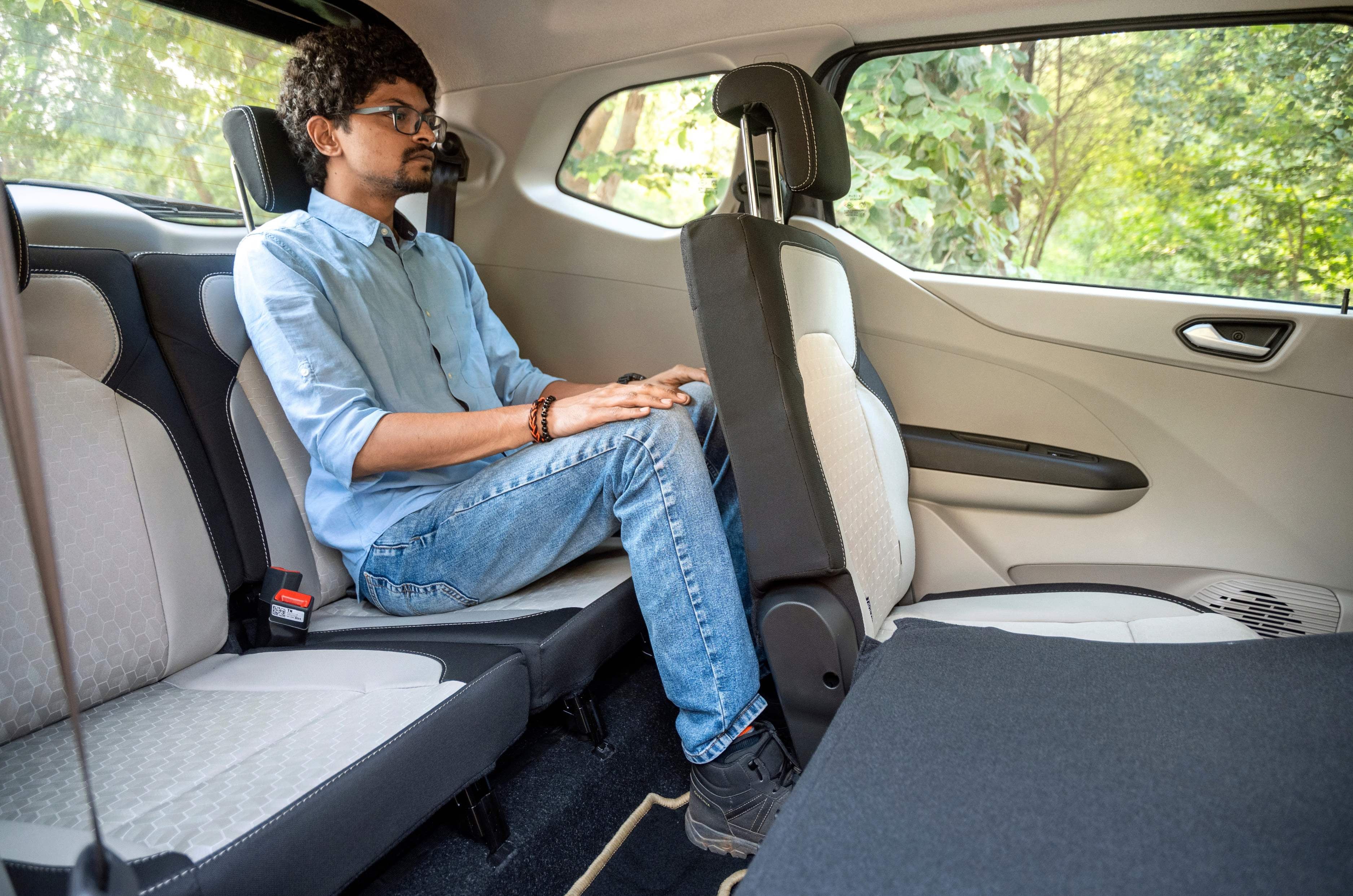
The second-row seats can slide, recline, tumble forward, and split-fold, making them quite versatile, and space is sufficient while the seats themselves are comfortable. Even third-row seat comfort is adequate, especially over short distances. Additionally, the third-row seats can be removed completely to provide extra boot space. Moreover, there are dedicated air vents and three-point seat belts for each row.
Composed ride quality
With the update, Renault has introduced new valve tech in the Triber’s shock absorbers and added anti-roll bars at the front and rear. These improvements have led to more stable ride quality, with better-controlled body roll around corners. Overall ride composure is impressive considering its 1-tonne kerb weight.
Reasons not to buy the Kiger turbo
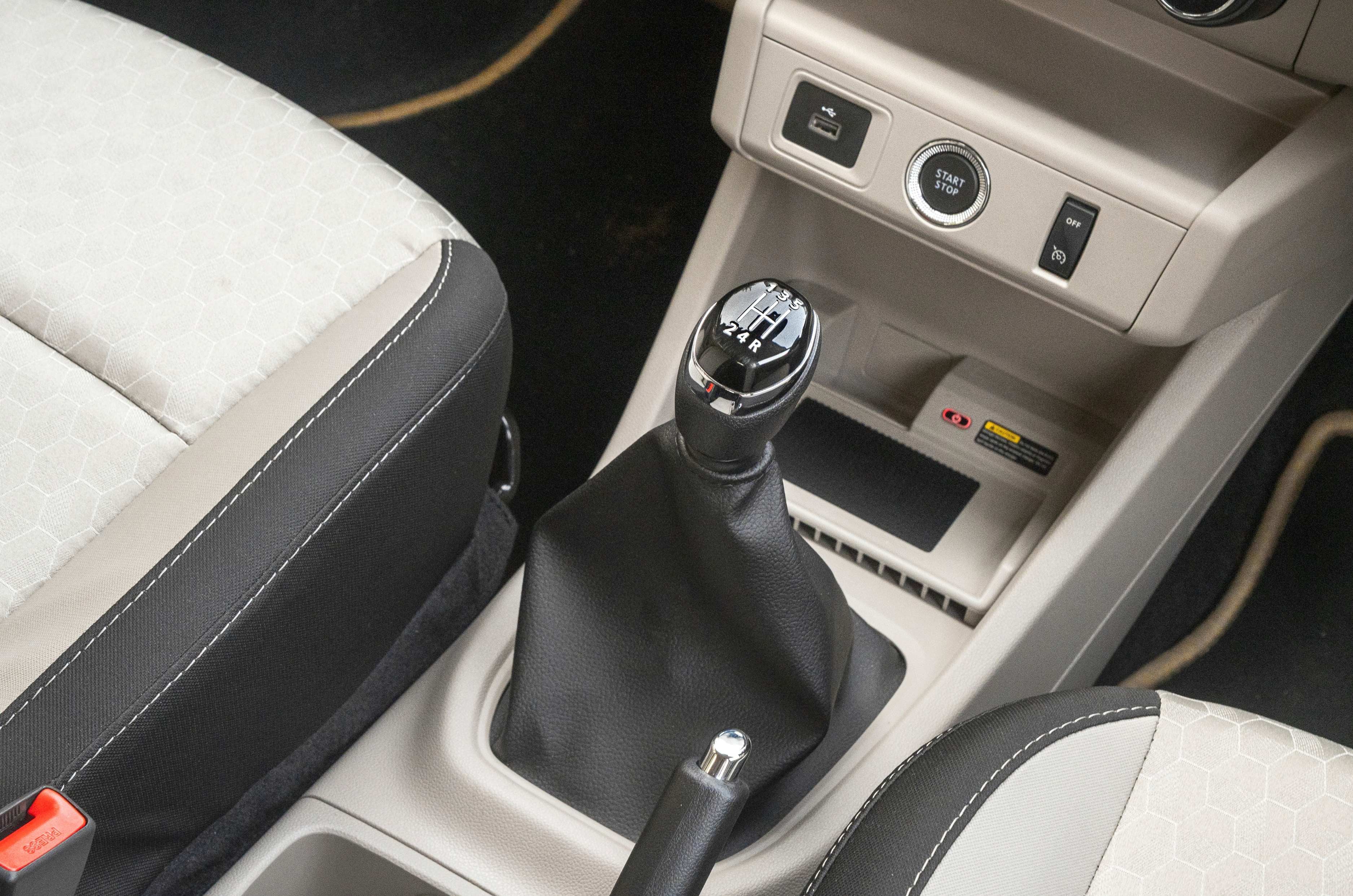
Notchy manual gearbox
Though the turbo petrol mill brings much-needed power, accessing it, however, will be a task. Like its naturally aspirated counterpart, the 5-speed manual gearbox isn’t slick and requires more effort than usual to slot it into a desired gear. Meanwhile, the light nature of the clutch pedal does aid with city driving.
Light steering
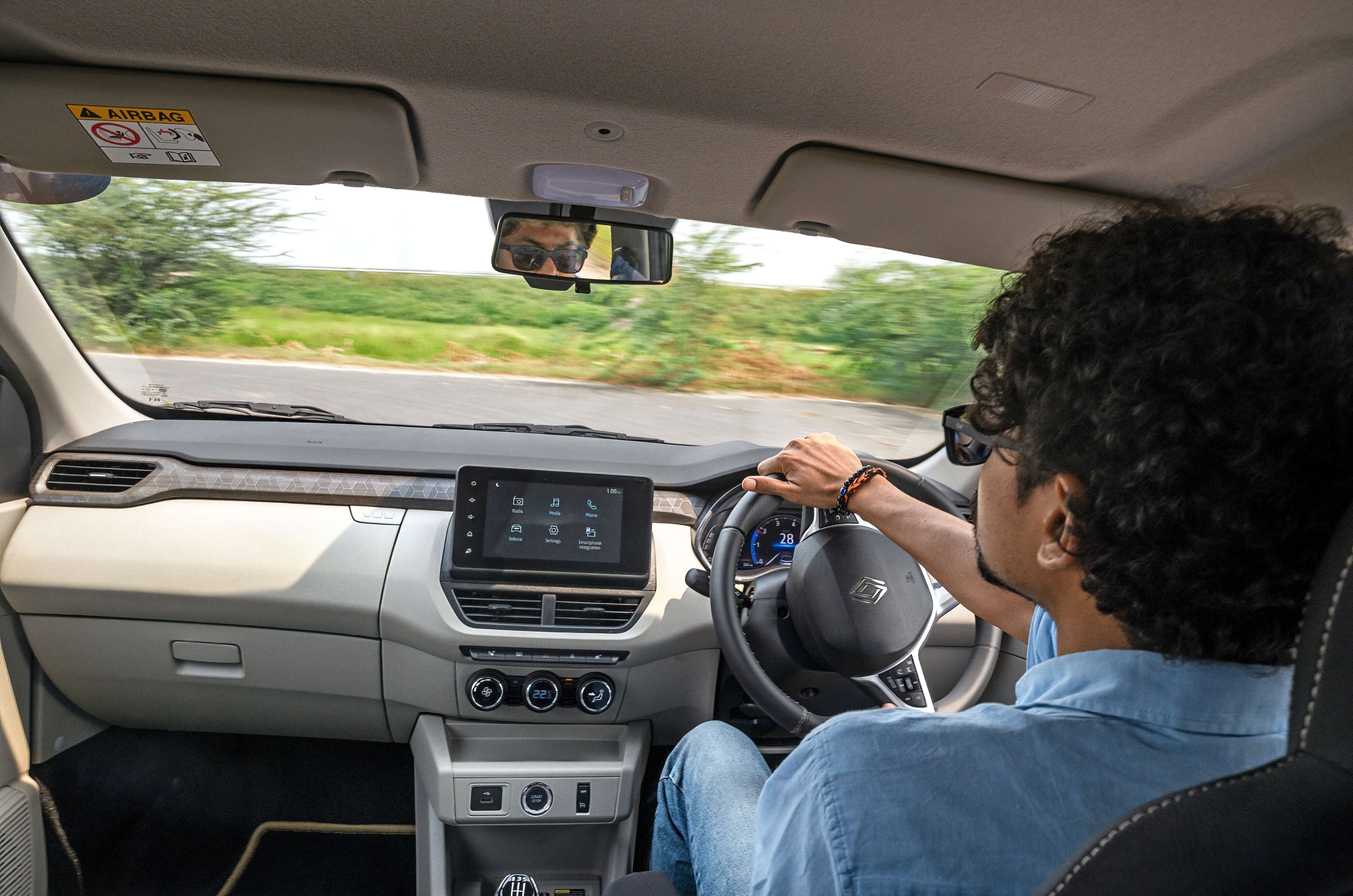
With the Triber turbo, Renault has lightened the steering to compensate for the added weight. However, it has been done excessively, making it devoid of feel, and it increasingly feels disconnected as speeds rise. Though a light steering is useful for parking and navigating tight spaces, the one in the Triber lacks feedback.
High NVH levels
Overall refinement levels in the Renault Triber aren’t something to write home about. Its 3-cylinder turbo mill has the typical thrum when idling and gets noisy when you rev it hard. Road and tyre noises are also loud, especially at higher speeds.