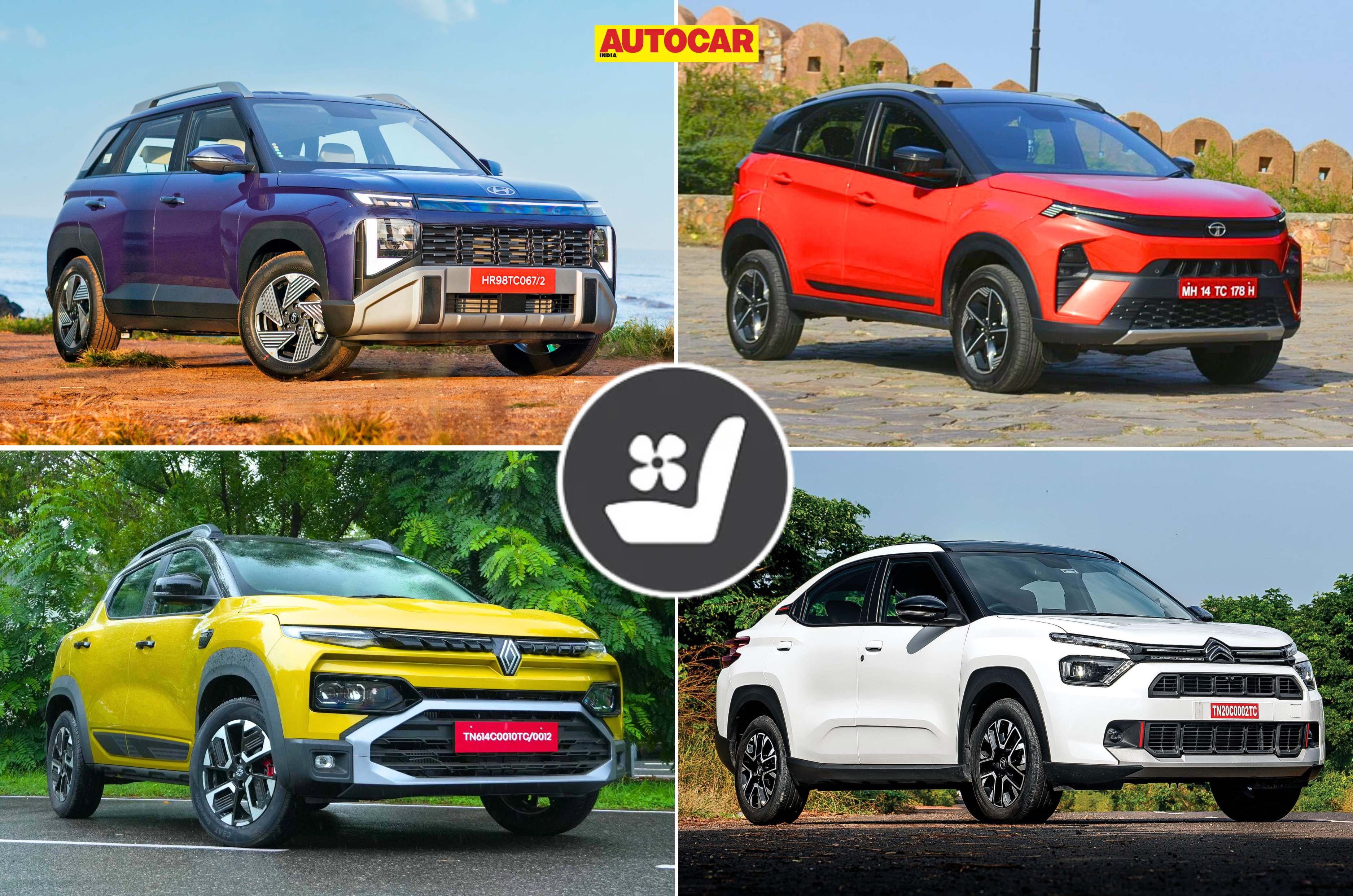

Tata Curvv EV benefits in August 2026 go up to Rs 3.35 lakh

Tata Curvv EV showroom image

Prospective EV buyers headed to a Tata Motors dealership will be offered a variety of benefits in August 2026. Depending on the model and variant, benefits available include cash discounts, exchange offers, plus scrappage and loyalty incentives. Tata’s August 2026 discounts do not include the Tigor EV and Sierra EV, while the Nexon EV gets the lowest benefits this month. The offers mentioned here will be valid till August 31, 2026.

Disclaimer: Offers/benefits may vary by city and are subject to stock availability. Buyers are advised to check with their local dealer for exact figures.

  • Curvv EV gets highest discounts; Nexon EV gets least
  • Curvv EV benefits reach Rs 3.35 lakh, Harrier EV’s Rs 2.75 lakh
  • Select models offered with loyalty benefits

Tata Curvv EV offers in August 2026

Benefits up to Rs 3.35 lakh

Tata is offering select variants of the Curvv EV with exchange benefits worth Rs 30,000 or scrappage incentives of Rs 35,000. Existing Tata customers opting for a new Curvv X series, switching from either an ICE (internal combustion engine) or EV (electric vehicle) model are also offered with loyalty benefits of Rs 30,000. In all, customers of the Curvv EV X variants can avail discounts up to Rs 65,000.

Tata Curvv EV front quarter

Those going for a non-X trim of the Tata Curvv EV can avail maximum benefits of up to Rs 3.35 lakh. This is made possible by a cash discount of Rs 3 lakh, plus scrappage incentives of Rs 35,000. These exchanges/scrappage schemes aside, buyers of the Curvv EV Creative trim will be offered with a cash discount of Rs 2.50 lakh – taking the overall discount to Rs 2.85 lakh.

Tata Harrier EV offers in August 2026

Benefits up to Rs 2.75 lakh

Buyers opting for the Adventure, Fearless+ or Empowered trims of the Harrier EV will be offered an exchange bonus of Rs 50,000 or a scrappage incentive worth Rs 75,000. There are loyalty benefits of Rs 50,000 for those moving from an existing Tata ICE model to a new Tata EV, with existing Tata EV owner moving to a new fully electric model being offered Rs 1 lakh.

Tata Harrier EV front quarter

Tata is also offering customers the ‘Freedom Offer’ this August. It discounts the price of the Harrier EV Adventure trim by an additional Rs 75,000 and by Rs 1 lakh for the Harrier EV’s Fearless+ and Empowered trims. In total, the former is available with benefits of up to Rs 2.50 lakh this August, while the other two can be had with discounts of up to Rs 2.75 lakh.

Tata Punch EV offers in August 2026

Benefits up to Rs 1.45 lakh

Pre-facelift Tata Punch EV rear quarter

Select variants of the Punch EV Medium Range, Long Range, and Smart variants are available this August with an exchange bonus of Rs 30,000 or a scrappage benefit of Rs 35,000. Additionally, cash discounts on the Medium Range is Rs 90,000 and that on the Long Range is Rs 1.10 lakh – overall benefits for the Punch EV Medium Range and Long Range are Rs 1.25 lakh and Rs 1.45 lakh, respectively. Meanwhile, the Smart trim is available with a cash discount of Rs 60,000, with total discounts amounting to up to Rs 95,000.

Tata Tiago EV offers in August 2026

Benefits up to Rs 1.45 lakh

Pre-facelift Tata Tiago EV front quarter

Like the Punch EV, the Tata Tiago EV is also available with August 2026 benefits amounting to up to Rs 1.45 lakh. However, this is only applicable to the LR (Long Range) XT variant of the old model – combining a cash discount of Rs 70,000 and the ‘Freedom Offer’ worth Rs 50,000. Customers can also avail an exchange benefit of Rs 20,000 or a scrappage bonus of Rs 25,000.

The exchange/scrappage benefits are offered with select trims of the Tiago EV MR (Medium Range) and LR (Long Range) variants, too. The former’s total benefits amount to Rs 65,000, whilst the latter’s is Rs 1.25 lakh.

Tata Nexon EV offers in August 2026

Benefits up to Rs 45,000

Tata Nexn EV rear quarter

The Tata Nexon EV is available with benefits of up to Rs 45,000 in August 2026. This takes into account a cash discount of Rs 10,000, a scrappage scheme worth Rs 35,000, or an exchange bonus worth Rs 25,000.

Also read

Benefits up to Rs 1.25 lakh on Tata Curvv in August 2026

Kia opens official Sorento bookings ahead of launch


Vida surpasses 3 lakh sales milestone

Vida VX2 static

Vida, Hero MotoCorp’s electric two-wheeler brand, has surpassed the 3 lakh retail sales milestone in the Indian market. As per the latest Vahan numbers, cumulative retail sales from November 2022 till August 1, 2026 are 300,458 units.

  1. Vida sold its first 1 lakh units in around 33 months
  2. Whereas, the 2 lakh to 3 lakh sales milestone took just 5 months
  3. With its strong growth trajectory, Vida could garner over 2-lakh sales in a single year for the first time.

Vida’s BaaS has been a key sales driver

Vida currently has coverage across India with over 900 touchpoints

The surge in demand for the Vida e-scooters is seen in the strong growth, particularly over the past year. While the first 1 lakh units were sold in around 33 months, the run from 1 lakh to 2 lakh units took a little over seven months. Now the last 1 lakh units – from 2 lakh to 3 lakh – have taken just five months, reflecting the surging demand for Vida e-scooters this year. With July (22,883 units) being the new monthly high, beating the previous best of June (21,893 units) this year.

From 4 percent in CY2024 to 11 percent in CY2026 Year-to-date, Hero Vida has reaped strong gains in India’s booming e-2W market. Expect it to achieve total retail sales of around 2.25 lakh units this calendar year.

It’s been a noteworthy run for the world’s largest two-wheeler company in the EV space. Vida now stands at No. 4 in the e-2W market share after TVS Motor Co, Bajaj Auto and Ather Energy and is ahead of Ola Electric and Greaves Electric Mobility.

With strong sales tailwinds emanating from a growing number of ICE buyers transitioning to e-mobility due to the multiple price hikes in petrol in May 2026 as well as the upcoming festive season, it can be expected that Vida will maintain the same strong growth trajectory. This would mean Hero MotoCorp’s annual e-2W sales will cross the 2-lakh units milestone in a single calendar year for the first time in CY2026. Estimate them to be in the region of 2.25 lakh to 2.35 lakh units.

Another strategic sales driver for Vida has been the introduction of the Battery-As-a-Service (BaaS) ownership model which significantly reduces the upfront ownership cost, making electric mobility more affordable and accessible to a wider customer base, and has since been adopted by Ather Energy and TVS Motor among a host of other OEMs.

The company, which opened its first Experience Centre in November 2022, currently has coverage across India with over 900 touchpoints spanning 415 cities and 700-plus dealers. Hero MotoCorp enables Vida users to access charging at over 5,900 locations including the Ather Grid network owned by Ather Energy in which Hero MotoCorp is an early investor (with a 29.48 percent stake at present) and has recently invested an additional Rs 1,000 crore.

Manufacturing capacity expansion is also on the cards for Vida. In May this year, Hero MotoCorp revealed details of its planned capital expenditure of over Rs 1,500 crore in FY2027. Cognisant of the strong growth potential in its e-2W business, the company has outlined a strategic manufacturing expansion for its Vida brand. Having already ramped up capacity by 66 percent from 15,000 units per month to 25,000 units, the company has outlined plans for further expansion by doubling monthly capacity to 50,000 units at its plant in Chittoor in Andhra Pradesh to cater to growing demand.
 

Top 10 cars with front parking sensors under Rs 20 lakh

Top 10 cars with front parking sensors under Rs 20 lakh

While pretty basic in their operation, parking sensors alleviate the strain involved when space is at a premium. Once the dominion of premium models, front parking sensors have now found their way into more affordable ones. We have listed the top 10 cars that get parking sensors at the front as well, and that too at an ex-showroom price of under Rs 20 lakh.

10. Kia Carens Clavis EV

Prices start at Rs 18.04 lakh

Kia Carens Clavis EV front

All variants of the 7-seat Kia Carens Clavis EV get front parking sensors. However, we are only considering the HTK+ and HTX E, since the rest are priced above Rs 20 lakh. These trims are offered with a 42kWh battery pack with an MIDC-claimed range of 404km. The single electric motor of the Clavis EV generates 133hp, while charging the battery from 10-80 percent takes 39 minutes when plugged into a 100kWh DC fast-charger.

Variants

Prices (Rs, lakh)

HTK+

18.04

HTX E

20.00

9. Maruti Suzuki Victoris

Prices start at Rs 15.39 lakh

Maruti Suzuki Victoris front

The Maruti Suzuki Victoris gets front parking sensors, but only on the ZXI Plus and the top-spec ZXI Plus (O), priced at Rs 19.99 lakh. These are available with manual and automatic transmissions, petrol and strong-hybrid options, and in front-wheel drive or all-wheel drive configurations. The naturally aspirated (NA) 1.5-litre engine of the Victoris manages 103hp, whereas the strong-hybrid’s powertrain achieves a combined output of 116hp.

Variant range

Price range (Rs, lakh)

ZXI Plus – ZXI Plus (O)

15.39 – 19.99

*Dual-tone options cost around Rs 14,500 more

8. Kia Carens Clavis

Prices start at Rs 15.28 lakh

Kia Carens Clavis front

Front parking sensors are on the equipment list for the HTK+, HTK+ (O), HTX, GTX, and HTX (O) trims. The latter costs Rs 19.96 lakh, with higher trims breaching our stipulated Rs 20 lakh price cut-off. Like its EV sibling, the Carens Clavis is also a 7-seater. Kia is offering three 1.5-litre engines: a 115hp petrol, a 160hp turbo-petrol with direct injection, and a 116hp turbo-diesel. Transmissions include a 6-speed manual, a 6-speed torque converter automatic (AT) and a 7-speed dual-clutch automatic (DCT).

Variant range

Price range (Rs, lakh)

HTK+ – HTX (O)

15.28 – 19.96

7. Hyundai Venue

Prices start at Rs 14.65 lakh

New Hyundai Venue N Line front

The second-gen Hyundai Venue adds front parking sensors to its already lengthy list of features. However, it is only the range-topping Venue HX10 and Venue N Line N10 variants of Hyundai’s compact SUV that get this nifty addition. The top-spec trim has a 1.5-litre turbo-diesel engine with 116hp, and costs Rs 15.65 lakh.

The HX10 also gets a 1.0-litre direct injection turbo-petrol with 120hp, which is shared with the N Line’s N10 trim. The diesel mill’s gearbox options are a 6-speed manual and a 6-speed torque converter automatic, whilst the petrol engine gets the manual and 7-speed DCT options.

Variants

Prices (Rs, lakh)

HX10 Turbo-Petrol (DCT)

14.65

HX10 Diesel (AT)

15.65

N Line N10 (DCT)

15.49

*Dual-tone options cost an additional Rs 18,000

6. Kia Seltos

Prices start at Rs 14.52 lakh

Kia Seltos front quarter

The entry-level HTE, HTE (O) and HTK trims of the Kia Seltos come equipped only with rear parking sensors. To get them on the front as well, you’ll need to step up to the HTK (O) at the bare minimum. Keeping our sub-20-lakh budget, the most expensive Seltos trims with front parking sensors are the GTX (A) and X-Line. Depending on the trim level, the Seltos can be had with one of three 1.5-litre engines and one of five gearboxes. For an in-depth look at those, click here.

Variant range

Price range (Rs, lakh)

HTK (O) – X-Line

14.52 – 20.00

5. Kia Sonet

Prices start at Rs 13.76 lakh

Only the top-two trims of the Kia Sonet get front parking sensors, and these are the GTX+ and X-Line. These trims are only available with the 120hp, 1.0-litre direct injection turbo-petrol engine and 116hp, 1.5-litre turbo-diesel mill. Transmission choices with these trims are a 7-speed DCT and 6-speed AT, respectively. For more information on the Kia Sonet, check out our detailed review.

Variant range

Price range (Rs, lakh)

GTX+ – X-Line

13.76 – 14.37

4. Hyundai Verna

Prices start at Rs 13.20 lakh

Hyundai Verna front quarter

Buyers of the HX6, HX6+, HX8 and HX10 trims of the Hyundai Verna will benefit from having front parking sensors. The midsize sedan’s range-topping HX10 trim is priced at Rs 18.26 lakh. There are two 1.5-litre petrol mills; the naturally aspirated unit produces 115hp, with the direct injection turbo-petrol motor making 160hp. While both engines get a 6-speed manual as standard, the NA can be had with an IVT (Intelligent Variable Transmission). However, only the turbo-petrol variants get the 7-speed DCT.

Variant range

Price range (Rs, lakh)

HX6 – HX10

13.20 – 18.26

3. Mahindra XUV 3XO

Prices start at Rs 12.20 lakh

Only the AX7 and AX7 Luxury variants of the Mahindra XUV 3XO get front parking sensors, with the latter costing Rs 15.04 lakh. The sub-4-metre SUV gets a 1.2-litre MPFI (multi-point fuel injection) and 1.2-litre direct injection turbo-petrol engines producing 111hp and 131hp. A 1.5-litre turbo-diesel engine with 117hp is also available, mated to a 6-speed manual or a 6-speed AMT (automated manual transmission). The petrol versions get a 6-speed manual and a 6-speed torque converter automatic.

Variants

Prices (Rs, lakh)

AX7

12.20

AX7 Luxury

15.04

2. Tata Nexon

Prices start at Rs 11.40 lakh

The most affordable Tata Nexon variant with front parking sensors is the Creative + PS. Meanwhile, the most expensive Fearless + A PS costs Rs 13.70 lakh. Tata’s popular compact SUV is available with petrol, diesel and CNG options.

The petrol and CNG versions use a 1.2-litre turbocharged engine with up to 120hp, while the 1.5-litre diesel mill produces 115hp. The transmission choices encompass a 6-speed manual, a 6-speed AMT and a 7-speed DCT.

Variant range

Price range (Rs, lakh)

Creative + PS – Fearless + A PS

11.40 – 13.70

*Dark Edition costs around Rs 18,300 on top of the Dual Tone option

1. Renault Triber

Prices start at Rs 8.05 lakh

The most affordable car with front parking sensors is the Renault Triber. Only the top-end Emotion trim of this three-row MPV gets this feature, and the range tops out at Rs 8.53 lakh. The Triber is powered by a 1.0-litre three-cylinder petrol engine that produces 72hp and 96Nm. While there is only one engine option, buyers can choose between a 5-speed manual or a 5-speed AMT.

Variant

Price (Rs, lakh)

Emotion

8.05-8.53

*Dual-tone options cost an additional Rs 21,000

All prices are ex-showroom.

Also read

Top 5 most affordable cars with hill hold feature

Top 10 most affordable ADAS cars in India

TVS posts record monthly EV sales as electric 2W segment hits new peak

July 2026 electric two-wheeler sales

India’s electric two-wheeler segment crossed the 2 lakh monthly sales mark for the first time, with retail figures of 2,04,266 units in July 2026 – beating the previous best of 1,99,411 units set in March this year. Cumulative sales for the first seven months of 2026 now stand at 11.7 lakh units, up 56 percent year-on-year, while the first four months of FY27 have delivered 7,29,573 units – a 73 percent jump over the same period last year.

  1. Electric two-wheeler sales cross 2 lakh units in a month for the first time
  2. TVS posts best-ever monthly sales of 55,477 units; market share rises to 27 percent
  3. Ola Electric is the only top-10 OEM to register a year-on-year decline

July 2026 electric two-wheeler sales: OEM breakdown

TVS Motor Co: 55,477 units

TVS Motor Company delivered a record 55,477 electric scooters in July – a 135 percent year-on-year increase and the brand’s highest-ever monthly figure, surpassing the previous best of 51,632 units in March. The result gives TVS a 27 percent market share, up from 22 percent a year ago. Cumulative FY27 sales of 1,86,034 units are already 52 percent of its full-year FY26 tally, putting it on course to cross 5.5 lakh annual sales for the first time. The iQube remains TVS’s highest-selling model, with the Orbiter seeing growing demand alongside it.

Bajaj Auto: 45,592 units

Bajaj Auto sold 45,592 Chetak scooters in July, marking a 122 percent year-on-year increase, and giving it a 22 percent market share, up from 19 percent a year ago. This was Bajaj’s second-highest monthly figure after March’s 47,751 units. Cumulative FY27 sales of 1,63,236 units are 54 percent of its full-year FY26 total. Bajaj Auto’s Joint MD Rakesh Sharma noted that the newly launched Chetak 2501 now accounts for approximately 12 percent of the Chetak portfolio.

Ather Energy: 30,323 units

Ather Energy delivered 30,323 units in July, up 70 percent year-on-year, consolidating its position as the third-largest electric two-wheeler maker in India. Cumulative FY27 sales of 1,18,983 units are already 47 percent of its FY26 total. 

In July, Ather also updated the battery chemistry of the 450 and Rizta ranges, with the Rizta now available in both LFP and NMC configurations. The brand will launch its first EL platform-based scooter – expected to be priced between Rs 1 lakh and Rs 1.25 lakh – at Ather Community Day on August 29.

Vida: 22,887 units

Vida posted its best-ever monthly sales of 22,887 units in July – a 111 percent year-on-year increase – surpassing its previous highs of 22,201 units in March and 21,893 units in June. Cumulative FY27 sales of 79,940 units are already 53 percent of its full-year FY26 total. The brand expanded its lineup in July with the VX2 Plus 4.4kWh at Rs 1.43 lakh and the new VX2 Go FB – a fixed-battery variant with a 3.1kWh pack priced at Rs 1.13 lakh.

Ola Electric: 14,105 units

Ola Electric was the only top-10 OEM to register a year-on-year decline in July, selling 14,105 units – down 24 percent from 18,449 units in July 2025. After three months of sequential growth through April, May and June, July also saw a 13 percent month-on-month drop. Ola’s market share has fallen sharply to 7 percent from 17 percent a year ago, when it ranked third overall.

Other notable performers

Greaves Electric Mobility delivered 10,125 units – up 137 percent year-on-year. River Mobility hit its highest-ever monthly sales with 5,951 units of the Indie, up 254 percent year-on-year, following the rollout of its 50,000th unit from its Hoskote plant. Bgauss Auto sold 5,518 units, up 213 percent year-on-year. Simple Energy sold 1,648 units, with the brand’s upcoming Simple Arrive family scooter set to launch on September 2. Lectrix Vehicles rounded out the top 10 with 1,397 units.

The top 10 OEMs combined accounted for 94 percent of all electric two-wheeler sales in July, with the remaining 6 percent approximately 180 other manufacturers.

Ather Energy Q1 Results: घाटे में बड़ी कमी, रेवेन्यू 88% उछला; 1 साल में 223% चढ़ा स्टॉक

Ather Energy Q1 Results: इलेक्ट्रिक टू-व्हीलर बनाने वाली कंपनी Ather Energy ने जून तिमाही में मजबूत नतीजे पेश किए हैं। कंपनी का शुद्ध घाटा घटकर ₹51 करोड़ रह गया। पिछले साल इसी तिमाही में यह ₹178.2 करोड़ था। वहीं, कंपनी का रेवेन्यू सालाना आधार पर 88.8% बढ़कर ₹1,217 करोड़ पहुंच गया।

कंपनी का EBITDA घाटा भी काफी कम होकर ₹33.4 करोड़ रह गया। एक साल पहले यह ₹134.3 करोड़ था। इसका मतलब है कि बिक्री बढ़ने के साथ कंपनी की ऑपरेटिंग परफॉर्मेंस भी बेहतर हुई है।

EV बाजार में दिख रहा बड़ा मौका

Ather Energy का कहना है कि भारत में इलेक्ट्रिक गाड़ियों की मांग लगातार बढ़ रही है। कंपनी के मुताबिक, दिल्ली EV पॉलिसी और केंद्र सरकार की PM E-Drive जैसी योजनाएं इस सेक्टर को मजबूती दे रही हैं।

इसके अलावा पेट्रोल की बढ़ती कीमतें और ईंधन की उपलब्धता को लेकर चिंता भी है। इससे ग्राहक EV अपनाने की तरफ बढ़ रहे हैं। कंपनी का कहना है कि हालिया पेट्रोल कीमतों में बढ़ोतरी से पहले ही EV की मांग तेज होने लगी थी।

जल्द लॉन्च होगा नया स्कूटर

Ather अब अपने नए EL स्कूटर को लॉन्च करने की तैयारी में है। जून तिमाही में इसका होमोलोगेशन पूरा हो गया है और बड़े पैमाने पर प्रोडक्शन ट्रायल भी शुरू हो चुके हैं।

कंपनी के होसुर प्लांट में FY27 की दूसरी तिमाही से इसका कमर्शियल प्रोडक्शन शुरू होगा। अगस्त में होने वाले Ather Community Day के दौरान इस स्कूटर को लॉन्च किया जाएगा।

कंपनी आने वाले समय में अपनी उत्पादन क्षमता बढ़ाकर 60,000 गाड़ी प्रति माह करने की योजना पर काम कर रही है।

हाल ही में जुटाए ₹1,300 करोड़

Ather Energy ने इसी महीने क्वालिफाइड इंस्टीट्यूशनल प्लेसमेंट (QIP) के जरिए ₹1,300 करोड़ जुटाए हैं। कंपनी ने 1.08 करोड़ इक्विटी शेयर ₹1,202 प्रति शेयर के भाव पर जारी किए।

टेक्नोलॉजी फीचर्स पर भी फोकस

एथर एनर्जी लगातार अपने सॉफ्टवेयर फीचर्स भी मजबूत कर रही है। हाल ही में उसने ‘Pothole+ Alerts’ फीचर लॉन्च किया है। यह फीचर 450 Apex, 450X और Rizta Z समेत Gen 2 और उसके बाद के स्कूटरों में उपलब्ध है।

यह फीचर Ather के कनेक्टेड स्कूटरों से मिले डेटा की मदद से रास्ते में गड्ढों, टूटी सड़कों, ऊबड़-खाबड़ रास्तों और स्पीड ब्रेकर की पहले से जानकारी देता है। इससे राइडिंग ज्यादा सुरक्षित और आसान हो सके।

Ather Energy के शेयरों का हाल

एथर एनर्जी का शेयर सोमवार को 1.56% की बढ़त के साथ 1,280 रुपये पर बंद हुआ। पिछले 6 महीने में इसने 89.38% का रिटर्न दिया है। वहीं 1 साल में इसने 223.27% का रिटर्न दिया है। कंपनी का मार्केट कैप 50.16 हजार करोड़ रुपये है।

आईपीओ टलते ही अनलिस्टेड मार्केट में मची खलबली! 5 दिनों में 23% टूटा जेप्टो का शेयर, ऑल-टाइम हाई से 60% गिरा भाव

Disclaimer: यहां मुहैया जानकारी सिर्फ सूचना के लिए दी जा रही है। यहां बताना जरूरी है कि मार्केट में निवेश बाजार जोखिमों के अधीन है। निवेशक के तौर पर पैसा लगाने से पहले हमेशा एक्सपर्ट से सलाह लें। मनीकंट्रोल की तरफ से किसी को भी पैसा लगाने की यहां कभी भी सलाह नहीं दी जाती है।

3 reasons to buy the Tata Curvv EV, 2 reasons not to

3 reasons to buy the Tata Curvv EV, 2 reasons not to

Tata launched the Curvv EV in 2024 as a distinct-looking coupe-SUV in the heavily contested midsize class. In the manufacturer’s lineup, it sits between the smaller Nexon EV and larger Sierra EV, and along with the different looks, it also offers a feature-loaded cabin, spacious cabin, a large battery pack and a powerful electric motor. If you’re interested in the Curvv EV, here are the reasons to consider it, and some reasons to think otherwise.

Reasons to buy

Offers good performance without compromising on range

The Tata Curvv EV is offered with a 55kWh battery pack and produces 167hp and 215Nm from its front-axle-mounted (FWD) electric motor. It gets three drive modes: Eco, City and Sport, which alter the throttle response based on the chosen mode. The Curvv EV is the most energetic in Sport mode, offering full torque reserve at the tap of the accelerator pedal, unlike the other two modes where torque output is restricted to around 70 percent. Tata claims a 0-100kph time of 8.6 seconds for the Curvv, but in our real-world tests, it completed the 0-100kph sprint in 9.25 seconds in Sport mode. The fact that the Tata Curvv EV did a 0-100kph run in 11.6 seconds with the most docile Eco mode shows its quick acceleration.

However, quick acceleration does not come at the expense of efficiency, as in our real-world tests, we found that the Curvv EV’s 55kWh variant offered an economy of 6.64km/kWh, translating to a total range of 365km, which allows for intracity travel.

Offers a lot of comfort and convenience features

Like other Tata EV offerings, the Curvv EV is also loaded with features to its gills. It gets a 12.3-inch touchscreen infotainment system and a 10.25-inch digital driver’s display, the latter of which can be configured to show navigation. However, when using turn indicators, it shows the blind spot monitor feed instead of the navigation. This can be avoided if the blind spot monitor display is configured to display on the touchscreen. Both screens are crisp and have menus, but it is easy to get used to them. The infotainment system is offered with Tata’s arcade.ev app suite, which includes streaming services and games that can be used when the Curvv EV is charging. 

Other features include a panoramic sunroof, configurable ambient lighting, an electric tailgate with gesture control, a 9-speaker JBL sound system, a wireless phone charger with cooling vents, powered and ventilated front seats, and Level-2 advanced driver assistance systems (ADAS). 

It is a value-for-money offering in its class

With prices ranging from Rs 16.99 lakh to Rs 19.19 lakh, the Tata Curvv EV is on par with the petrol/diesel midsize SUVs, and undercuts rivals like the Hyundai Creta Electric, Mahindra BE 6, and Tata Sierra. At this price, it is offered with concept-car-like looks, a spacious interior, a feature-loaded cabin, a large battery and a potent electric motor, making it one of the most value-for-money offerings in its class.

Reasons to skip

Taller passengers may feel uncomfortable on the rear seats

The coupe-SUV design of the Curvv EV eats up the headroom on the rear seats, which will be uncomfortable for taller passengers, especially if they are taller than 6 feet. Such passengers will also find the under-thigh support underwhelming, as they have to sit in a knees-up position due to the battery cells placed under the floor. However, legroom is in plenty and will be appreciated by passengers of all sizes. 

It suffers from some ergonomic issues

The Curvv EV shares much of its dashboard design with the Nexon EV,  and hence, does not get proper cupholders for the front passengers. The cupholders are placed inside the glovebox, which does not make them usable, especially on the move. The phone charging ports are placed ahead of the drive selector knob and are hard to reach. The storage space under the front centre armrest is also small. However, the fit and finish inside the cabin is decent for the Curvv EV’s price.

Hyundai Creta discounts go up to Rs 1 lakh in August 2026

hyundai creta in showroom

Hyundai India is offering compelling benefits on the Creta, Verna, Exter, Grand i10 Nios, Aura, Creta Electric, i20, Venue, and Alcazar this month. These benefits comprise cash discounts, scrappage/exchange bonuses, corporate offers, and additional upgrade incentives.

Disclaimer: Offers/benefits may vary by city and are subject to stock availability. Buyers are advised to check with their local dealer for exact figures.

Hyundai Creta discounts in August 2026

Up to Rs 1 lakh

The base E petrol trim of the Creta gets benefits of up to Rs 85,000 this month, while the SUV’s CVT variants are available at up to Rs 90,000 off. Benefits on all other Creta petrol and N Line variants total Rs 1 lakh in August. Meanwhile, buyers of any diesel Creta variant get a much lower benefit of up to Rs 10,000. The Hyundai Creta price (including N Line) starts at Rs 10.91 lakh and extends to Rs 19.95 lakh.

Hyundai Venue offers in August 2026

Up to Rs 5,000

Buyers looking to bring home a Venue this month don’t get much in the way of offers, with only a benefit of up to Rs 5,000 on all of the compact SUV’s variants. The Venue price range, including the N Line variants, is Rs 8 lakh to Rs 15.65 lakh.

Hyundai Exter offers in August 2026

Up to Rs 55,000

Though the Exter received an update earlier this year, units of the pre-facelift model continue to be available. The pre-facelift Exter’s EX and EX(O) trims (petrol and CNG) get a benefit of up to Rs 10,000 only, while all other variants can be had at up to Rs 55,000 off. As for the facelifted Exter, benefits stand at up to Rs 10,000 for the base HX2 variants, and up to Rs 50,000 for all other variants. Prices for the 2026 Exter start at Rs 5.81 lakh and extend to Rs 9.46 lakh.

Hyundai Verna discounts in August 2026

Up to Rs 95,000

CVT variants of the pre-facelift Verna sedan feature benefits of up to Rs 95,000, while all other variants get up to Rs 70,000 off. Those looking to purchase the updated Verna, on the other hand, can take advantage of up to Rs 65,000 in benefits across all variants. Prices for the 2026 Verna start at Rs 10.99 lakh and climb to Rs 18.26 lakh.

Hyundai Creta Electric discounts in August 2026

Up to Rs 50,000

All variants of the Creta’s EV derivative, the Creta Electric, are available with benefits of up Rs 50,000 in August, which is a fair bit lower than the maximum Rs 85,000 discount offered last month. Offered with 42kWh and 51.4kWh battery options, the Creta Electric is priced between Rs 18.03 lakh and Rs 23.67 lakh, exclusive of home charger and installation costs.

Hyundai Alcazar discounts in August 2026

Up to Rs 75,000

Much like last month, petrol variants of the Alcazar three-row SUV can be purchased with benefits ranging up to Rs 75,000. Meanwhile, diesel Alcazar variants get benefits of up to Rs 45,000. The Hyundai Alcazar price range is Rs 14.51 lakh to Rs 21.10 lakh.

Hyundai Grand i10 Nios discounts in August 2026

Up to Rs 70,000

Hyundai’s most affordable model in India, the Grand i10 Nios, gets up to Rs 25,000 in benefits for its base Era variant. All other petrol variants of the Grand i10 Nios sport much higher benefits of up to Rs 70,000. Lastly, all CNG variants of the hatchback are available at up to Rs 65,000 off. The Grand i10 Nios price starts at Rs 5.60 lakh and tops off at Rs 8.04 lakh.

Hyundai i20 offers in August 2026

Up to Rs 45,000

Aside from the base Era variant of the i20, which is available at up to Rs 25,000 off, all variants of the premium hatchback (including the sporty N Line versions) can be purchased with up to Rs 45,000 in benefits. Pricing for the standard and N Line variants of the i2 ranges from Rs 6 lakh to Rs 11.59 lakh.

Hyundai Aura offers in August 2026

Up to Rs 30,000

The S, SX, and Corporate CNG variants of the Aura compact sedan are available with benefits totalling Rs 30,000. Meanwhile, all other petrol variants of the Aura get benefits of up to Rs 20,000 this month. The Aura is priced from Rs 6 lakh to Rs 8.6 lakh.

All prices are ex-showroom, India.

July 2026 EV sales: Monthly volumes cross 30,000 units for the second time

July EV sales

Retail sales of electric passenger vehicles breached the 30,000-unit mark for the second month in a row in July 2026. After a record 33,307 units in June, buyers took home a total of 32,609 EVs last month, up 83 percent year-on-year, as per Vahan data. Tata Motors recorded its highest-ever monthly EV sales, while Mahindra and Maruti Suzuki posted their second-highest monthly totals.

Tata Motors

July 2026: 13,578 units, up 102 percent YoY

Tata Motors, which recently expanded its EV portfolio with the launch of the Sierra EV, recorded its best-ever monthly retail sales of 13,578 units in July. This is 102 percent higher than July 2025 and 6 percent more than June 2026. The company also crossed the 40 percent EV market share mark after a long gap. Its 42 percent share in July is 4 percentage points higher than the 38 percent it held a year ago, despite growing competition.

July was also the second consecutive month that Tata sold more than 12,000 EVs, after 12,756 units in June. Cumulative sales between April and July stood at 46,697 units, up 108 percent YoY.

Mahindra 

July 2026: 7,677 units, up 125 percent YoY

Mahindra crossed the 7,000-unit mark for the second month in a row. It sold 7,677 electric SUVs in July, up 125 percent over July 2025, although this was 498 units fewer than June. The performance helped Mahindra increase its market share to 22 percent, up from 19 percent a year ago. The BE 6 and XEV 9e continue to see strong demand. The XEV 9S, Mahindra’s first three-row born-electric SUV, has further strengthened its EV line-up.
JSW MG Motor India

July 2026: 5,642 units, down 4 percent YoY

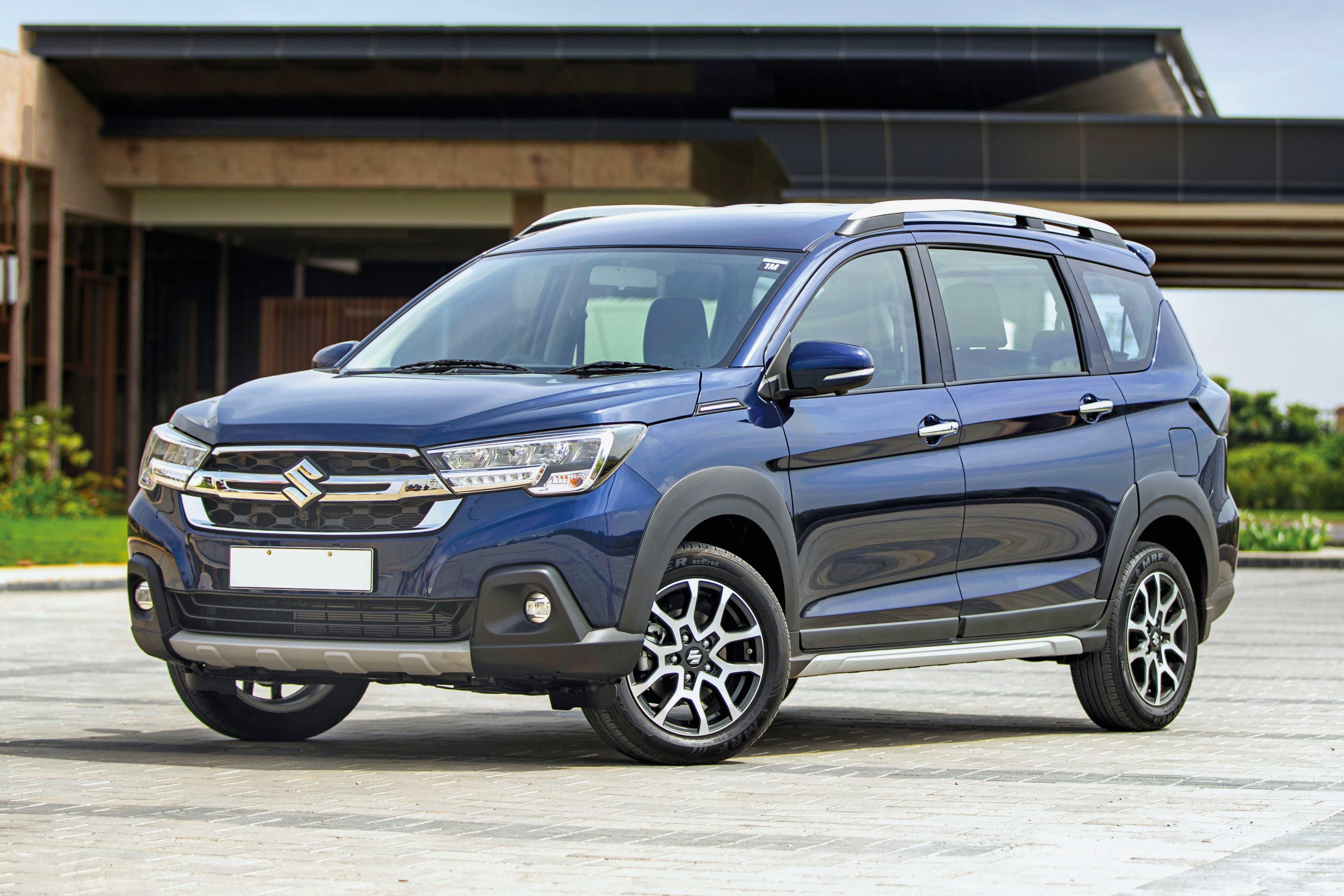
JSW MG Motor India sold 5,642 EVs in July, down 4 percent YoY and 9 percent lower than June 2026. Its market share stood at 16 percent, down sharply from 33 percent in July 2025. The Windsor EV continues to be MG’s best-selling model.
Maruti Suzuki 

July 2026: 1,590 units

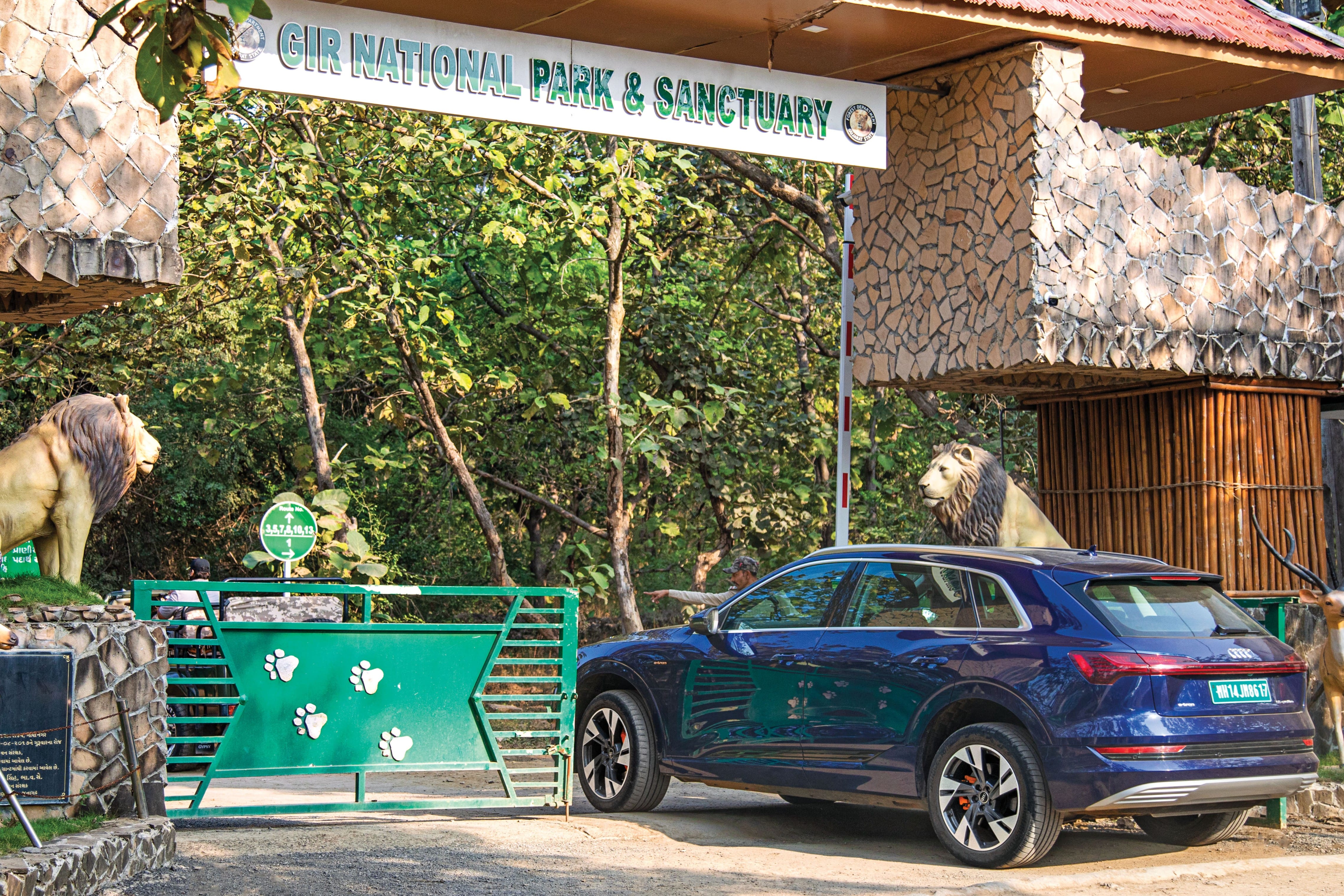
Maruti Suzuki sold 1,590 e Vitaras in July. This was the fifth consecutive month of four-digit sales, following March, April and May. However, July sales were 20 percent lower than June, which remains the model’s best month so far. Until now, domestic sales of the e Vitara were limited because a larger share of production was allocated for exports. This is expected to change with the start of production at a new fourth manufacturing line at Maruti Suzuki’s Hansalpur, Gujarat plant. The expanded facility now builds the e Vitara, Fronx, Baleno and Swift.

Vinfast India

July 2026: 1,478 units

Vinfast ranked fifth among the country’s 18 electric passenger vehicle manufacturers. The Vietnamese carmaker recorded its highest-ever monthly sales in July with 1,478 units, surpassing its previous best of 1,448 units in June by 30 units, or 2 percent. This gave the company a 4 percent EV market share in July.

According to wholesales data, the VF Limo Green (for commercial use) is currently its best-selling model. In Q1 FY2027 (April-June 2026), SIAM wholesale data shows the Green Limo accounted for 2,746 units, or 46 percent of Vinfast India’s total sales of 6,001 units, well ahead of the VF7, VF6 and MPV7.

BYD India

July 2026: 742 units, up 47 percent YoY

BYD sold 742 EVs in July, up 47 percent over July 2025. However, sales were 20 percent lower than June 2026, which remains the company’s best monthly performance so far. On July 1, BYD increased prices of its EVs by 1-2 percent, marking its second price hike of the year after the one on May 1. The company’s current line-up includes the Atto 3 SUV, e-Max 7 MPV, Seal sedan and Sealion 7 SUV. BYD has also confirmed that it will launch the Seal U PHEV later this year.

Hyundai

July 2026: 565 units, down 21 percent YoY

Hyundai sold 565 EVs in July, down 21 percent compared to 719 units in July 2025. However, on a month-on-month basis, sales were up 51 percent from the 374 units sold in June 2026. At present, Hyundai’s EV portfolio in India consists of just two models: the Creta Electric and the Ioniq 5.

Kia India

July 2026: 464 units, up 614 percent YoY

Kia  ranked eighth with retail sales of 464 units in July. This is a 614 percent year-on-year increase over the low base of 65 units in July 2025. However, sales were 14 percent lower than 539 units in June 2026. Kia’s monthly sales have improved since the launch of the mass-market Carens Clavis EV MPV, which joined the much more expensive EV6 and EV9, both of which are imported as CBUs.

Toyota Kirloskar Motor

July 2026: 123 units

Toyota delivered 123 units of the Urban Cruiser Ebella in July. This placed the company 11th among the country’s electric passenger vehicle manufacturers. The Urban Cruiser Ebella is the badge-engineered version of the Maruti e Vitara, and it is currently available in a single E3 variant.

Carmaker July 2026July 2025YoY Change (in percent) 
Tata Motors 13,5786,712102
Mahindra 7,6773,416125
JSW MG Motor 5,6425,900-4
Maruti Suzuki 1,590
Vinfast 1,478
BYD 74250547
Hyundai 565719-21
Kia46465614
BMW36727036
Mercedes-Benz 16311542
Toyota123
Tesla115
Stellantis5168-25
Volvo484214
Porsche 68-25
Audi 01-100
Rolls-Royce 02-100
Jaguar Land Rover 00
Total 32,60917,82383

Luxury electric carmakers sell record  units in July

Demand for luxury electric cars continued to grow in July 2026. Carmakers in this segment sold 699 EVs, up 60 percent year-on-year. However, sales were 17 percent lower than the record 847 units sold in June 2026. BMW and Mercedes-Benz continued to lead the luxury EV market, while Tesla India crossed the 100-unit mark for the first time with its highest-ever monthly sales.

BMW India 

BMW remained the leader in the luxury EV segment with 367 units. This is 36 percent higher than 270 units sold in July 2025, giving the brand a 52 percent segment share. However, sales were 29 percent lower than 517 units in June 2026. After topping the luxury EV segment in FY2026 with a record 3,898 units, BMW has sold 1,606 EVs between April and July, which is 41 percent of its FY2026 total.

Mercedes-Benz

Mercedes- Benz sold 163 EVs in July, up 42 percent from 115 units in July 2025. However, this was 33 percent lower than the 243 units sold in June 2026. The brand’s growth has been supported by the launch of the CLA electric sedan at the end of April.

Tesla

Tesla recorded its highest-ever monthly sales in India, selling 115 Model Ys in July. This is a 203 percent increase over 38 units sold in June 2026. Its luxury EV market share also rose sharply from 4 percent in June to 16 percent in July, allowing it to move ahead of Volvo Auto India. The strong growth follows Tesla India’s decision to reduce the price of the Model Y by Rs 9 lakh, bringing the starting price down to Rs 50.89 lakh, ex-showroom.

Volvo

Volvo, now ranked fourth in the luxury EV segment, sold 48 EVs in July. This is 14 percent higher than 42 units sold in July 2025 and 23 percent more than the 39 units sold in June 2026. The Swedish carmaker increased prices of its models by up to Rs 1 lakh from May 1, citing ongoing global supply chain challenges and fluctuations in foreign exchange rates. Volvo’s market share stood at 7 percent in July, down from 10 percent a year ago.

Porsche, Audi and Rolls-Royce 

Porsche sold 6 EVs in July. According to Vahan data, Audi, Rolls-Royce and JLR India did not sell a single EV during the month.

Overall, luxury EV makers accounted for 2.14 percent of the 32,609 electric passenger vehicles sold in July 2026, compared to 2.45 percent in July 2025 and 2.54 percent in June 2026.

Kia Syros EV vs Vinfast VF6: Whose top trim offers more value?

Kia Syros EV vs Vinfast VF6

The Kia Syros EV and Vinfast VF6 are the most affordable electric vehicles from their respective brands. The premium Kia offering is sold in the compact SUV space, one below the VF6’s midsize SUV segment. So, can it match or even outdo the larger VF6 when it comes to specifications and features? We compare the Kia Syros EV X-Line ER and Vinfast VF6 Wind Infinity top-spec variants to find out.

Kia Syros EV X-Line ER vs Vinfast VF6 Wind Infinity: Dimensions


Syros EV

VF6

Length (mm)

3,995

4,241

Width (mm)

1,805

1,834

Height (mm)

1,670

1,615

Wheelbase (mm)

2,550

2,730

Ground clearance (mm)

197

190

Frunk (L)

16

No

Boot space (L)

390-465

423

Wheel size (in)

17

18

Clearly, the Vinfast VF6 is the larger SUV between the two. It is 246mm longer, 29mm wider and has a 180mm longer wheelbase than the Kia Syros EV. However, the Syros is 55mm taller and offers a 7mm higher ground clearance. It also gets a 16-litre frunk, a feature missing on the VF6. In terms of luggage space, the VF6 offers 423 litres of boot space, but the Syros EV can hold up to 465 litres when its sliding rear seats are pushed forward, although capacity drops to 390 litres with the seats in their rearmost position. The VF6 also rides on larger 18-inch alloy wheels, compared to the 17-inch units on the Syros EV.

Kia Syros EV X-Line ER vs Vinfast VF6 Wind Infinity: Powertrains


Syros EV

VF6

Battery size (kWh)

51.4

59.6

Electric motor setup

Single motor

Single motor

Drive layout

FWD

FWD

Power (hp)

171

204

Torque (Nm)

255

310

Claimed 0-100kph time (s)

8.1

8.9

ARAI range (km)

526

463

The two SUVs use a single-motor, front-wheel-drive setup, but the VF6 has the bigger 59.6kWh battery pack, compared to the Syros EV’s 51.4kWh unit. It also produces 33hp more power and 55Nm more torque. Despite this, the Syros EV is quicker, with a claimed 0-100kph time of 8.1 seconds, compared to the VF6’s 8.9 seconds. It also has a clear advantage in terms of claimed driving range, offering 526km on a single charge, which is 63km more than the VF6’s 463km, despite having a smaller battery pack.

Kia Syros EV X-Line ER vs Vinfast VF6 Wind Infinity: Charging speeds


Syros EV

VF6

AC charging (10-100 percent)

4.5 hrs (11kW unit)

Time not specified (7.2kW unit) 

DC fast charging (10-70 percent)

25 mins (100kW unit)

DC fast charging (10-80 percent)

39 mins (100kW unit)

Both the Syros EV and VF6 support 100kW DC fast charging. However, Kia claims a 39-minute charging time for a 10-80 percent top-up, while Vinfast’s claimed 25-minute figure is for the slightly lower 10-70 percent charging window. On the AC charging front, the Syros EV supports charging speeds of up to 11kW, taking 4.5 hours to charge from 10 to 100 percent. The VF6, meanwhile, supports up to a 7.2kW AC charger, although Vinfast has not yet revealed its charging time.

Kia Syros EV X-Line ER vs Vinfast VF6 Wind Infinity: Exterior features


Syros EV

VF6

Headlamps

LED

LED projector

Front fog lamps

LED

No

LED tail-lamps

Yes

Yes

Powered ORVMs

Yes

Yes

Alloy wheels

Yes

Yes

Flush door handles

Yes

No

Body cladding

Yes

Yes

Rear spoiler

Yes

Yes

Not a lot separates them when it comes to exterior features, with both offering LED tail-lamps, powered ORVMs, alloy wheels, body cladding and a rear spoiler. However, the VF6 comes with LED projector headlamps, while the Syros EV gets LEDs with reflectors. Another differentiation is that the Syros EV gets flush-fitting door handles, whereas the VF6 is equipped with conventional pull-type door handles.

Kia Syros EV X-Line ER vs Vinfast VF6 Wind Infinity: Interior features


Syros EV

VF6

Infotainment screen (in)

12.3

12.9

Digital driver’s display (in)

12.3

No

Climate control display (in)

5

No

Sunroof

Panoramic, openable

Panoramic, fixed

Wireless charger

Yes

Yes

Driver’s seat powered adjustment

4-way

8-way

Ventilated front seats

Yes

Yes

USB ports

2 Type C (f/r), including 1 100W (f)

2 Type A (f/r), 1 90W Type C (r)

Rear AC vents

Yes

Yes

Rear seat base ventilation

Yes

No

Climate control

Single zone

Dual zone

All window one touch up/down

Yes

Yes

Ambient lighting

Yes

Footwell only

Sound system

8-speaker Harmon Kardon

8 speakers

Apple CarPlay and Android Auto

Wireless

Wireless

Connected car tech

Yes

Yes

Rear sunshades

Yes

No

Rear centre armrest

Yes

Yes

Sliding, reclining rear seats

Yes

No

Speaking of interior features, both are well equipped and offer a wireless phone charger, ventilated front seats, connected car technology, one-touch up/down function for all windows, wireless Apple CarPlay and Android Auto and an 8-speaker sound system. The VF6 gets a slightly larger 12.9-inch infotainment screen, an 8-way power-adjustable driver’s seat and dual-zone climate control.

The Syros EV, meanwhile, stands out with a 12.3-inch digital driver’s display, a 5-inch climate control display, an openable panoramic sunroof, rear sunshades, rear seat base ventilation, and sliding and reclining rear seats. It also gets USB Type-C ports throughout the cabin, while the VF6 has Type-A ports at the front and rear, and only a single 90W Type-C port for rear passengers. Additionally, the Syros EV features a premium Harman Kardon sound system and more comprehensive ambient lighting (dashboard, doors and footwell area), whereas the VF6 offers just footwell lighting.

Kia Syros EV X-Line ER vs Vinfast VF6 Wind Infinity: Driving features


Syros EV

VF6

Drive modes

Eco, Normal, Sport

Eco, Normal, Sport

Household-style interior 3-pin socket

Yes

No

Regen braking

Yes

Yes

Paddleshifters for regen

Yes

No

Adaptive cruise control

Yes

Yes

Differences here are less, save for the Syros EV’s household-style 3-pin power socket to power certain electrical devices, along with steering-mounted paddle shifters to adjust the level of regenerative braking. Regen levels can be adjusted via the touchscreen on the VF6, but an internal V2L charging socket is absent here. Drive modes and adaptive cruise control are offered by both models.

Kia Syros EV X-Line ER vs Vinfast VF6 Wind Infinity: Safety features


Syros EV

VF6

Bharat NCAP rating

Yet to be tested

5 stars

Airbags

6

7

ABS with EBD

Yes

Yes

Electronic stability program

Yes

Yes

Hill-start assist

Yes

Yes

Tyre pressure monitoring system

Yes

Yes

360-degree camera

Yes

Yes

Front parking sensors

Yes

Yes

Electronic parking brake

Yes

Yes

Rain-sensing wipers

No

Yes

Auto-dimming IRVM

Yes

Yes

Isofix child seat anchors

Yes

Yes

Rear wiper, defogger

Yes

Yes

Disc brakes

Front, rear

Front, rear

Level 2 ADAS

Yes

Yes

Again, not much separates the them when it comes to safety kit. Both offer ABS with EBD, electronic stability control, hill-start assist, TPMS, a 360-degree camera, front parking sensors, an electronic parking brake, an auto-dimming IRVM, ISOFIX child seat anchors, front and rear disc brakes, and Level 2 ADAS. 

The VF6, however, gets seven airbags, one more than the Syros EV’s six, along with rain-sensing wipers. It has also secured a full 5-star Bharat NCAP safety rating. The Syros EV’s Bharat NCAP crash test rating, meanwhile, is yet to be revealed at the time of writing, but it is likely to score a 5-star rating like its ICE counterpart.

Kia Syros EV X-Line ER vs Vinfast VF6 Wind Infinity: Prices and verdict


Syros EV

VF6

Price (in Rs lakh)

20

19.99

There’s no doubt that both the Kia Syros EV and Vinfast VF6 are feature-rich electric SUVs. However, despite being positioned a segment below the VF6, the Syros EV makes a strong case for itself with its overall package. It offers several features aimed at pampering the rear seat passengers, including sliding and reclining seats with ventilation (seat base only), sunshades and an openable panoramic sunroof. While it has a smaller footprint than the VF6, we found in our review that the Syros EV still offers a spacious cabin, helped by its boxy design and good interior packaging.

The Syros EV also has an advantage when it comes to claimed driving range. Despite using a smaller battery pack, it offers a higher single charge range, an important factor for most EV buyers. While both SUVs are priced very close to each other at the top-end, the Syros EV is clearly on the expensive side for its segment. However, the overall package goes a long way towards justifying its price. Buyers can also reduce the upfront cost by quite a lot by opting for the battery as a service (BaaS) scheme with the electric Syros, though this option is not available with the VF6.

Another advantage for the Syros EV is Kia’s wider sales and service network across the country, along with its stronger brand recognition among buyers. Vinfast, on the other hand, is still new to the market, with a relatively limited sales and service network. This could also play an important role in the overall ownership experience.

Hero Vida VX2 Go : नई फिक्स्ड बैटरी के साथ लॉन्च हुआ नया वेरिएंट, 128 किमी रेंज; कीमत 1.13 लाख रुपए

इलेक्ट्रिक स्कूटर खरीदने की तैयारी कर रहे ग्राहकों के लिए Hero MotoCorp ने Vida VX2 e-scooter का नया वेरिएंट लॉन्च किया है। कंपनी ने Vida VX2 Go 3.1 kWh Fixed Battery वेरिएंट को भारतीय बाजार में उतारा है। इसकी एक्स-शोरूम दिल्ली कीमत ₹1.13 लाख रखी गई है।

ALSO READ: 2 सितंबर को सस्ते Electric Scooter की धमाकेदार एंट्री, तहलका मचा देंगे फीचर्स

फिक्स्ड बैटरी वाला यह वेरिएंट खास तौर पर उन ग्राहकों को ध्यान में रखकर तैयार किया गया है, जिनकी रोजाना की यात्रा लगभग तय रहती है और घर पर इलेक्ट्रिक स्कूटर चार्ज करने की सुविधा उपलब्ध है। ऐसे ग्राहकों के लिए यह कॉम्पैक्ट इलेक्ट्रिक स्कूटर रोजमर्रा के इस्तेमाल में आसान विकल्प हो सकता है। शहरी उपयोगकर्ताओं के लिए हर दिन रिमूवेबल बैटरी निकालकर चार्ज करने की तुलना में फिक्स्ड बैटरी का विकल्प ज्यादा सुविधाजनक लग सकता है। 128 किमी की IDC रेंज


नए Vida VX2 Go में 3.1 kWh की फिक्स्ड बैटरी दी गई है। कंपनी के मुताबिक, यह बैटरी IDC सर्टिफाइड 128 किलोमीटर की रेंज देती है। ऐसे ग्राहक जो रोजाना शहर में आवागमन के लिए इलेक्ट्रिक स्कूटर तलाश रहे हैं, उनके लिए यह रेंज उपयोगी हो सकती है।

ALSO READ: EV Home Charging Safety Tips: घर पर Electric Scooter चार्ज करने से पहले जरूर रखें इन बातों का ध्यान, वरना हो सकता है बड़ा हादसा

65 मिनट में 80% तक चार्ज


Vida VX2 Go की बैटरी DC फास्ट चार्जिंग को सपोर्ट करती है। कंपनी के अनुसार, बैटरी को 0 से 80 प्रतिशत तक चार्ज करने में करीब 65 मिनट का समय लगता है। इससे लंबी यात्रा के दौरान चार्जिंग के लिए ज्यादा समय रुकने की जरूरत कम हो सकती है।


70 किमी/घंटे की टॉप स्पीड


नए फिक्स्ड बैटरी वेरिएंट में वही 6 kW इलेक्ट्रिक मोटर दी गई है, जो Vida VX2 के दूसरे वेरिएंट्स में मिलती है। यह मोटर स्कूटर को 70 किमी/घंटे की अधिकतम रफ्तार तक पहुंचाने में सक्षम है।


27.2 लीटर अंडरसीट स्टोरेज


फीचर्स की बात करें तो Vida VX2 Go में 27.2 लीटर का अंडरसीट स्टोरेज मिलता है। इसमें 4.3-इंच LCD इंस्ट्रूमेंट कंसोल दिया गया है, जो स्मार्टफोन कनेक्टिविटी और टर्न-बाय-टर्न नेविगेशन जैसे फीचर्स को सपोर्ट करता है।

ALSO READ: Electric scooter खरीदने से पहले जान लें कौन-सी बैटरी है सबसे बेहतर? रेंज, चार्जिंग और लाइफ में कितना फर्क और कैसे करें चेकALSO READ: Electric scooter खरीदने से पहले जान लें कौन-सी बैटरी है सबसे बेहतर? रेंज, चार्जिंग और लाइफ में कितना फर्क और कैसे करें चेक

किसके लिए है यह स्कूटर?


Vida VX2 Go 3.1 kWh Fixed Battery वेरिएंट उन ग्राहकों के लिए खास हो सकता है, जो पेट्रोल स्कूटर के विकल्प के तौर पर इलेक्ट्रिक स्कूटर चाहते हैं और जिन्हें 128 किमी की IDC रेंज, फास्ट चार्जिंग और कनेक्टेड फीचर्स की जरूरत है। VX2 Go FB में शहरी इलेक्ट्रिक स्कूटर के लिहाज से जरूरी प्रैक्टिकल फीचर्स दिए गए हैं। इसमें 4.3 इंच का LCD इंस्ट्रूमेंट क्लस्टर मिलता है, जो स्मार्टफोन कनेक्टिविटी और टर्न-बाय-टर्न नेविगेशन को सपोर्ट करता है।


स्कूटर में 27.2 लीटर का अंडर-सीट स्टोरेज भी दिया गया है। इसके अलावा इसमें लंबी सिंगल-पीस सीट मिलती है, जिससे रोजाना के छोटे-मोटे कामों और शहर में आने-जाने के दौरान स्कूटर का इस्तेमाल अधिक सुविधाजनक हो सकता है।