


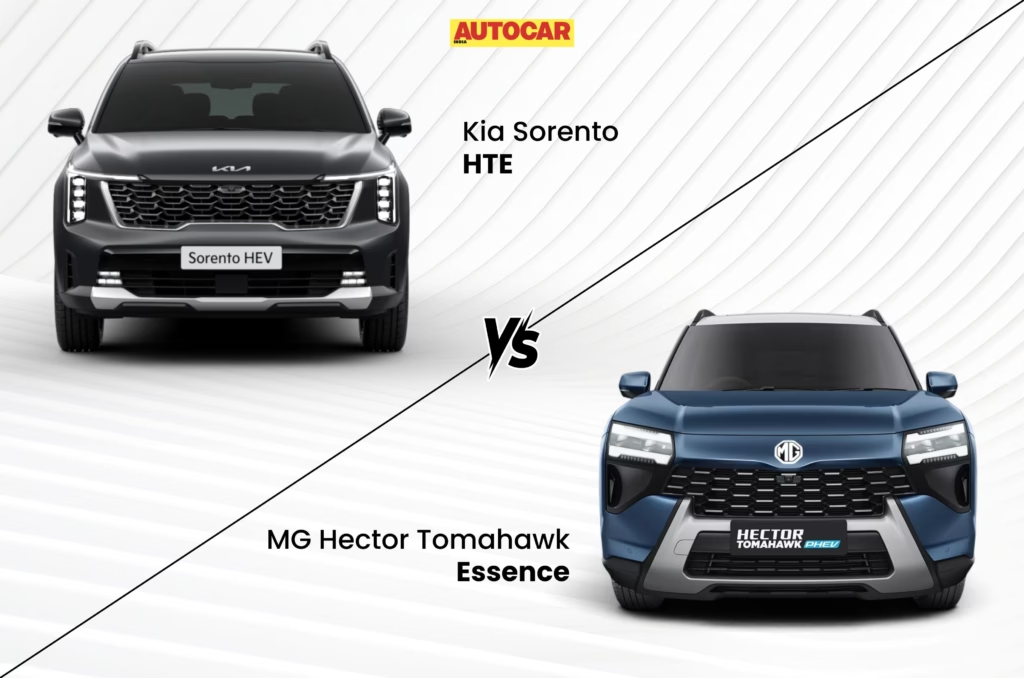
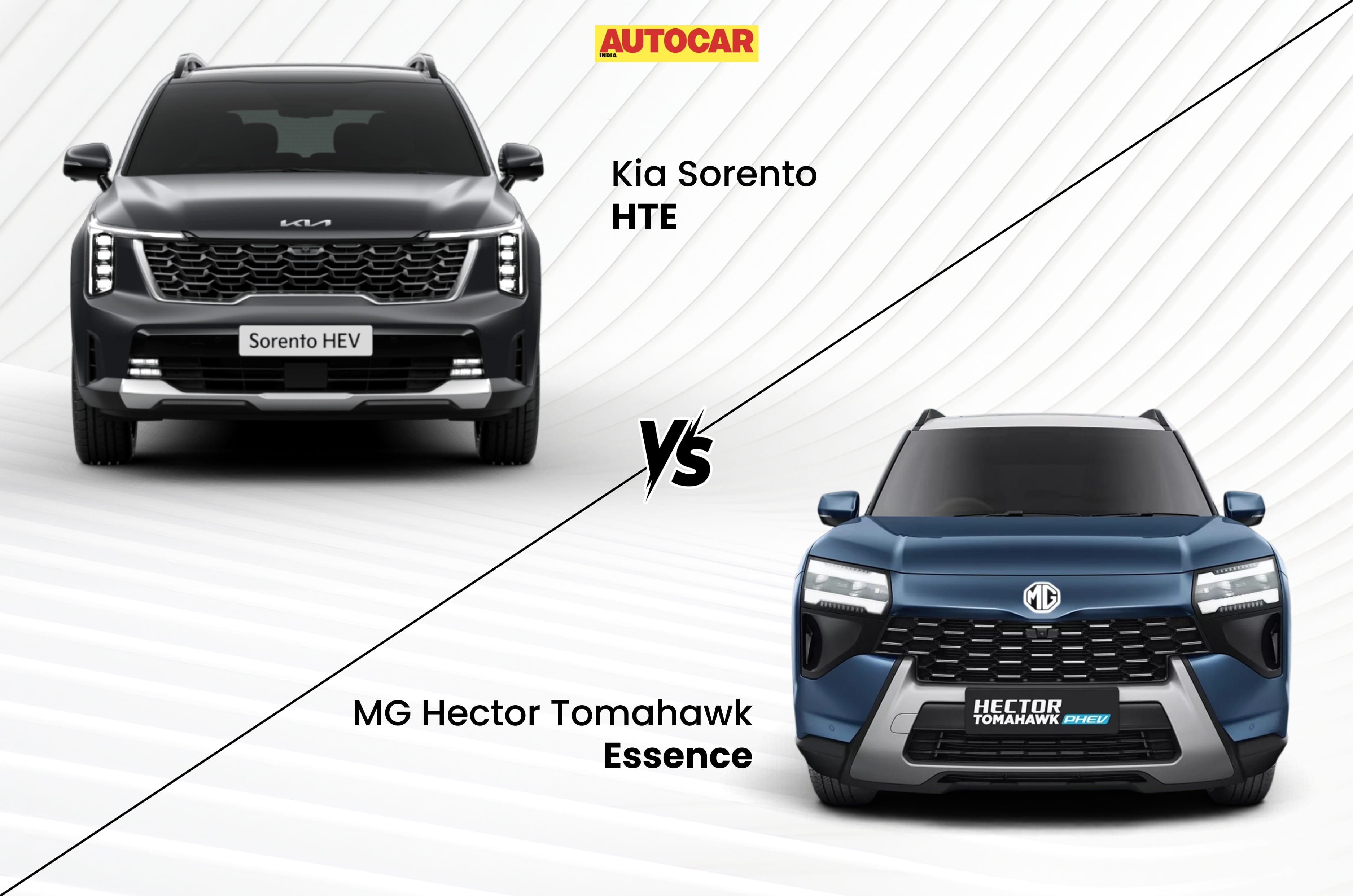
The Sorento is Kia’s first hybrid car to hit the Indian market. A few weeks prior, MG Motor India also launched its first hybrid car, the Hector Tomahawk PHEV. The Sorento is a strong hybrid, meaning it has a relatively small battery pack and isn’t designed for extended periods of pure-electric driving. On the other hand, the Hector Tomahawk PHEV is a plug-in hybrid, which means it gets a much larger battery that delivers a usable all-electric range.
If you’re looking to purchase a 7-seater hybrid SUV under the Rs 30 lakh price point (ex-showroom), the Sorento hybrid’s base variant (HTE) and the Hector Tomahawk PHEV’s top-spec variant are both within your reach. We examined their spec sheets closely to find out which of them is more value-for-money.
Kia Sorento hybrid base-spec vs MG Hector Tomahawk PHEV top-spec: Dimensions
Sorento is larger overall, while Hector Tomahawk PHEV has a bigger boot
| Sorento Hybrid HTE | Hector Tomahawk PHEV Essence |
Length (mm) | 4,815 | 4,745 |
Width (mm) | 1,900 | 1,850 |
Height (mm) | 1,785 | 1,770 |
Wheelbase (mm) | 2,815 | 2,810 |
Boot space* | 179 | 192 |
Wheel size (inches) | 18 | 18 |
*Measured with third row up.
While the Sorento is a good 70mm longer than the Hector Tomahawk PHEV, the difference between their wheelbases is just 5mm. The Kia SUV is 50mm wider and 15mm taller too, but the Hector Tomahawk PHEV has a slightly larger boot.
Kia Sorento hybrid base-spec vs MG Hector Tomahawk PHEV top-spec: Powertrains
Sorento has more powerful engine, while Hector Tomahawk PHEV offers more electric range
| Sorento Hybrid HTE | Hector Tomahawk PHEV Essence |
Engine | 1.6-litre turbo-petrol | 1.5-litre petrol |
Cylinder count | 4 | 4 |
Engine power (hp) | 180 | 102 |
Engine torque (Nm) | 265 | 125 |
Motor power (hp) | 65 | 201 |
Motor torque (Nm) | 264 | 237 |
Combined power (hp) | – | 198 |
Combined torque (Nm) | – | 230 |
Gearbox | 6-speed AT | DHT |
Battery capacity (kWh) | – | 20.5 |
Claimed electric range (km) | – | 115 |
Fuel tank capacity | 67 | 52 |
3.3kW AC charging time | – | 7.5 hrs (10-100%) |
25kW DC charging time | – | 35 mins (30-80%) |
The Sorento is the first car in India to offer a turbo-petrol strong hybrid powertrain, while the Hector Tomahawk PHEV is the first plug-in hybrid to be available in the mass-market segment. In terms of pure combustion power, the Sorento’s direct-injection turbo-petrol engine is much stronger than the Hector Tomahawk PHEV’s naturally aspirated mill. The MG’s electric motor makes over three times more power than that of the Sorento, but less torque.
Kia has not yet disclosed the combined output of the India-spec Sorento hybrid, so it’s difficult to compare it with the Hector Tomahawk PHEV in this regard. The Hector Tomahawk PHEV gets a substantial 20.5kWh battery pack, which can supply a claimed all-electric range of 115km (overall driving range is rated at over 1,100km) and can be charged via AC or DC wallboxes. On the other hand, the Sorento’s self-charging hybrid system means the engine solely charges the battery. The increased dependence on the engine means the Sorento’s fuel tank is larger too.
Kia Sorento hybrid base-spec vs MG Hector Tomahawk PHEV top-spec: Exterior features
Hector Tomahawk PHEV offers LED tail-lamps, rear fog lamps, and powered tailgate
| Sorento Hybrid HTE | Hector Tomahawk PHEV Essence |
LED headlamps | Yes | Yes |
Rear fog lamps | No | Yes |
LED tail-lamps | No | Yes |
Illuminated logo | No | Yes |
Roof rails | Yes | Yes |
Powered ORVMs | Yes | Yes |
Powered tailgate | No | Yes |
Rear spoiler | Yes | Yes |
Colour options | 7, monotone | 8, monotone+dual-tone |
The Hector Tomahawk PHEV easily takes the win here, offering equipment like LED tail-lamps, rear fog lamps, a powered tailgate, and an illuminated logo over the Sorento. The MG SUV also offers dual-tone exterior finishes, while the Sorento comes in monotone colours only.
Kia Sorento hybrid base-spec vs MG Hector Tomahawk PHEV top-spec: Interior features
Hector Tomahawk PHEV is packed with several more goodies than the Sorento
| Sorento Hybrid HTE | Hector Tomahawk PHEV Essence |
Infotainment screen | 12.3-inch | 15.6-inch |
Instrument cluster | Analogue w/ MID | 8.8-inch |
Sunroof | No | Panoramic |
Wireless charger | Yes | Yes |
Powered front seats | Driver only | Yes |
Ventilated front seats | No | Yes |
Dual-zone climate control | Yes | No |
Ambient lighting | No | Yes |
Sound system | 6-speaker | 10-speaker Infinity |
Apple CarPlay and Android Auto | Wireless | Wireless |
Cabin air purifier | No | Yes |
Connected car tech | No | Yes |
Rear window sunshade | No | Yes |
Rear centre armrest | Yes | Yes |
Sliding, reclining rear seats | Yes | Yes |
Expectedly, the Hector Tomahawk PHEV edges ahead of the Sorento on this front too. The MG has a larger screen, a digital driver’s display, ventilated and powered front seats, a panoramic sunroof, a superior sound system, ambient lighting, cabin air purifier, and more. The Sorento’s only point against the Hector Tomahawk PHEV is the inclusion of a dual-zone climate control system.
Kia Sorento hybrid base-spec vs MG Hector Tomahawk PHEV top-spec: Driving features
Sorento gets virtual engine sounds, while Hector Tomahawk PHEV offers adaptive cruise control
| Sorento Hybrid HTE | Hector Tomahawk PHEV Essence |
Drive modes | 4 | 4 |
Virtual engine sounds | Yes | No |
Paddle shifters | Yes | Yes |
Cruise control | Yes | Adaptive |
The Sorento holds its own in this department, matching the Hector Tomahawk PHEV in most aspects and even additionally offering virtual engine sounds. However, the Hector Tomahawk PHEV gets adaptive cruise control, which can automatically adjust the speed based on proximity to the vehicle in front, whereas the Sorento gets conventional cruise control with manual speed limit adjustment.
Kia Sorento hybrid base-spec vs MG Hector Tomahawk PHEV top-spec: Safety features
Sorento has 7 airbags, but Hector Tomahawk PHEV gets ADAS, 360-deg camera, and more
| Sorento Hybrid HTE | Hector Tomahawk PHEV Essence |
Level 2 ADAS | No | Yes |
Airbags | 7 | 6 |
ABS w/ EBD | Yes | Yes |
ESC | Yes | Yes |
Hill hold control | Yes | Yes |
TPMS | Yes | Yes |
Camera setup | Rear | 360-degree |
Parking sensors | Front, rear | Front, rear |
Electronic parking brake | Yes | Yes |
Rain-sensing wipers | Yes | Yes |
Isofix child-seat anchors | Yes | Yes |
Disc brakes | Front, rear | Front, rear |
Both SUVs are pretty well-matched when it comes to safety features, but yet again, the Hector Tomahawk PHEV pulls ahead by way of offering Level 2 ADAS and a 360-degree camera. The Sorento, on the other hand, comes with an additional airbag.
Kia Sorento hybrid base-spec vs MG Hector Tomahawk PHEV top-spec: Prices
Hector Tomahawk PHEV is more affordable by Rs 1.69 lakh
| Sorento Hybrid HTE | Hector Tomahawk PHEV Essence |
Price (in Rs, lakh) | 29.49 | 27.80 |
If all the extra bells and whistles weren’t enough, the top-spec Hector Tomahawk PHEV turns out to be the more affordable option too, undercutting the base Sorento hybrid by Rs 1.69 lakh. Therefore, if you want a sedate, refined SUV that offers EV efficiency for city commutes and ICE dependability during highway trips, the Hector Tomahawk PHEV is our pick. On the other hand, if you can forgo a lot of the Hector Tomahawk PHEV’s features in the pursuit of better performance, the Sorento hybrid is worth a look.
All prices are ex-showroom, India.
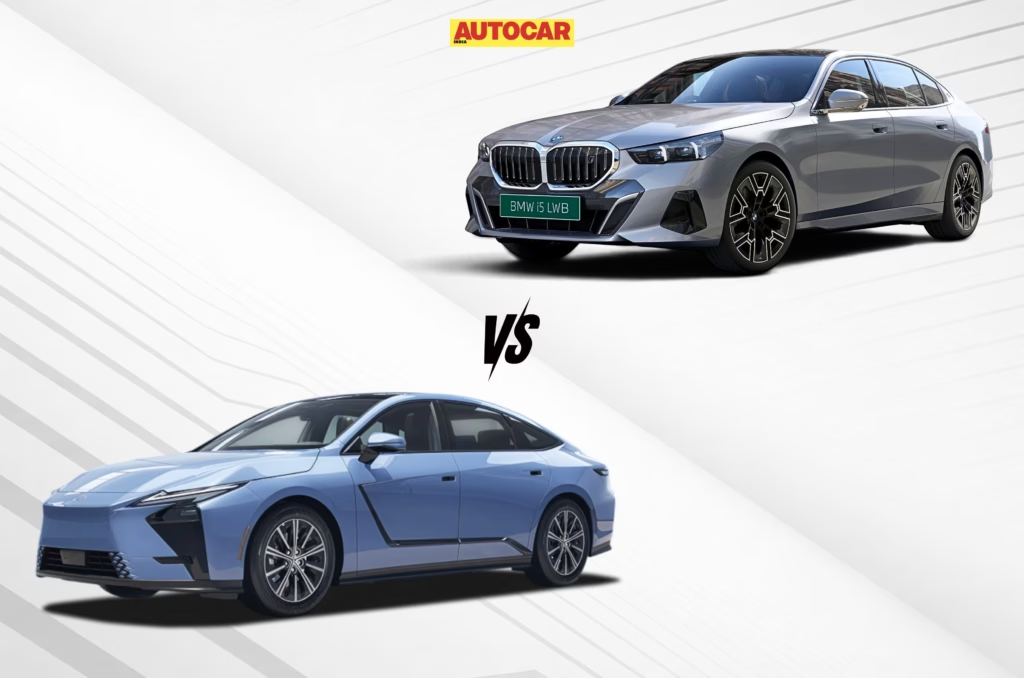
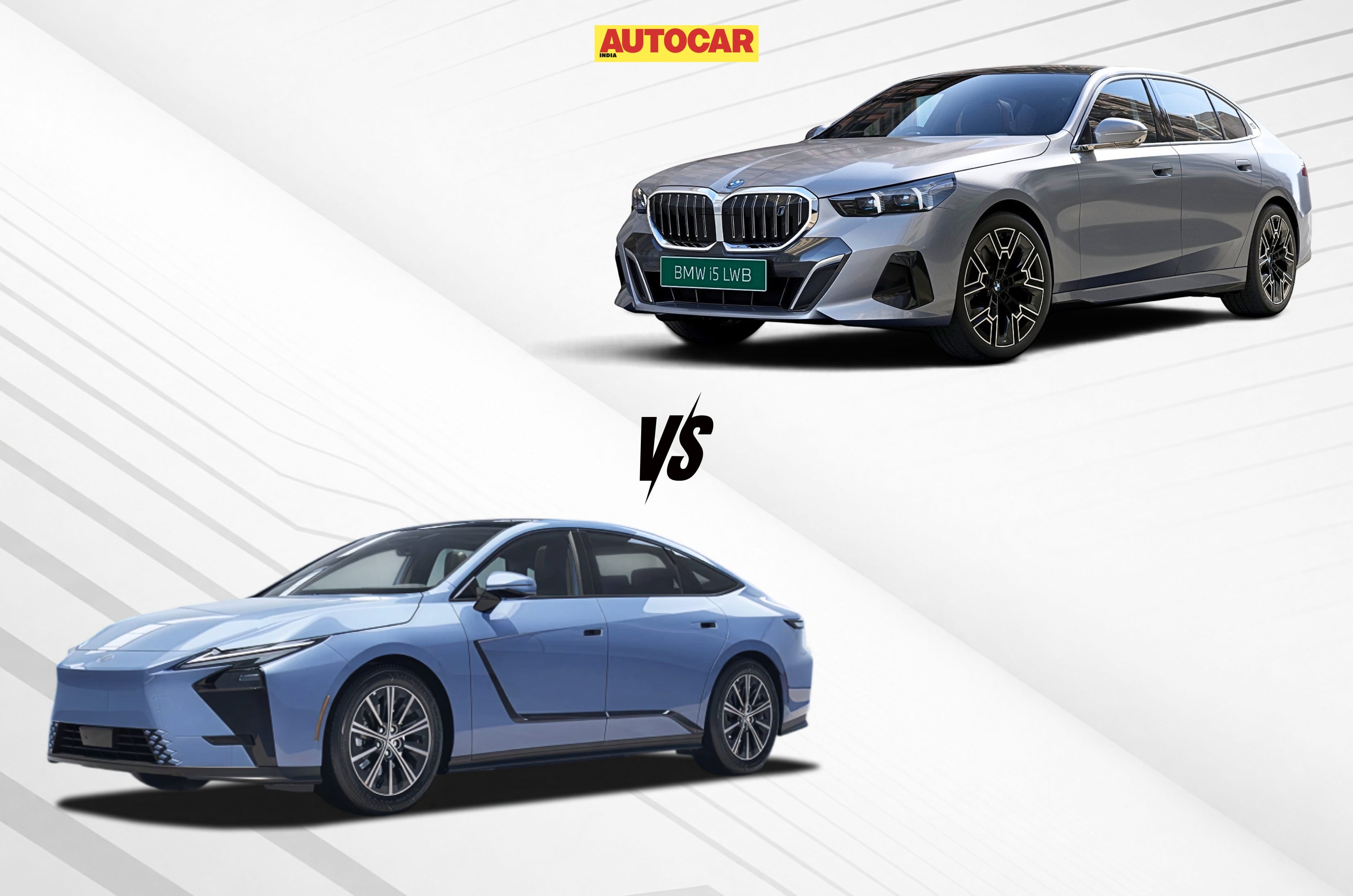
The BMW i5 LWB (long wheelbase) and Lexus ES 500e are two of the latest additions to the luxury electric sedan segment. Both pack an extensive list of features, but each has an advantage in some areas. They also get different battery pack sizes, and their peak power and torque outputs vary as well. So, how different are the two on paper? We find out.
BMW i5 LWB vs Lexus ES 500e: Dimensions
| BMW i5 LWB | Lexus ES 500e |
Length | 5,175mm | 5,145mm |
Width | 2,156mm | 1,920mm |
Height | 1,520mm | 1,575mm |
Wheelbase | 3,105mm | 2,950mm |
Boot space | Not disclosed | 377 litres |
Wheel size | 20 inch | 21 inch |
The BMW i5 LWB is slightly longer by 30mm than the Lexus ES 500e, but the bigger difference is in width. The i5 LWB is 236mm wider than the Lexus; however, the ES 500e is 55mm taller. The BMW sedan also has a 155mm longer wheelbase. In terms of wheels, the Lexus EV rides on 21-inch units, which are 1 inch larger than the i5’s 20-inch ones. BMW has not disclosed the i5 LWB’s boot capacity at the time of writing. Meanwhile, the Es 500e has a 377 litre boot.
Another point of difference is the suspension. The i5 LWB gets rear-axle air suspension, which should offer better ride comfort in real-world conditions, while the ES 500e uses a multi-link setup.
BMW i5 LWB vs Lexus ES 500e: Powertrain specs
| BMW i5 LWB | Lexus ES 500e |
Battery size | 81.6kWh | 74.68kWh |
Drive configuration | RWD | AWD |
Power | 268hp | 343hp |
Torque | 410Nm | 438Nm |
0-100kph | 6.7 seconds | 5.5 seconds |
Claimed range | 669km (MIDC) | 580km (WLTP) |
AC charging (0-100 percent) | Not revealed (11kW charger) | ~4 hours (22kW charger) |
DC charging (10-80 percent) | 33 minutes (160kW charger) | 28 minutes (150kW charger) |
Clearly, the dual-motor setup of the ES 500e makes much more peak outputs that the i5 LWB, which gets just a rear-mounted electric motor. Compared to the i5, the ES 500e has a 75hp and 28Nm advantage. It’s also quicker, taking 5.5 seconds to go from 0-100kph, which is 1.2 seconds quicker than the BMW. The BMW, however, gets a larger 81.6kWh battery than the Lexus’ 74.68kWh unit.
As for the claimed range figures of the two sedans, it should be noted that the i5 LWB’s 669km figure is based on the modified Indian driving cycle (MIDC), which is more relaxed than the worldwide harmonised light vehicles test procedure (WLTP). The ES 500e, meanwhile, claims a range of 580km on the stricter WLTP cycle.
When it comes to fast charging times, the ES 500e has the upper hand. On DC charging, the Lexus takes 28 minutes from 10-80 percent compared to 33 minutes for the BMW. Although the BMW supports a slightly higher maximum charging speed of 160kW compared to the Lexus’ 150kW, its longer charging time could be due to the BMW sedan’s larger battery pack.
BMW i5 LWB vs Lexus ES 500e: Exterior features
| BMW i5 LWB | Lexus ES 500e |
LED headlamps | Yes | Yes |
LED DRLs | Yes | Yes |
LED tail-lights | Yes | Yes |
Fog lamps | No | Yes |
Powered ORVMs | Yes | Yes |
Door handles | Flap type | Flush-fitting |
Shark-fin antenna | Yes | Yes |
Powered tail-gate | Yes | Yes |
In terms of exterior features, both sedans are similarly equipped. Both get LED headlamps, LED DRLs, LED tail-lights, powered ORVMs, shark-fin antennas and powered tail-gates. The Lexus, however, stands out here with fog lamps. The two also differ in their door-handle designs. The i5 LWB uses flap-type handles, while the ES 500e gets flush-fitting units.
BMW i5 LWB vs Lexus ES 500e: Interior features
| BMW i5 LWB | Lexus ES 500e |
Touchscreen | 14.9 inch | 14 inch |
Digital driver’s display | 12.3 inch | 12.3 inch |
Speakers | 17-speaker Bowers & Wilkins | 17-speaker Mark Levinson |
Sunroof | Fixed, panoramic | Openable, single-pane |
Ventilated front seats | Yes | Yes |
Rear centre armrest | Yes | Yes |
Wireless charger | Front and rear (1 each) | Front (2) |
Ambient lighting | Yes | Yes |
Apple CarPlay and Android Auto | Wireless | Wireless |
Connected car tech | Yes | Yes |
Rear sunshades | No | Yes |
Soft-close doors | No | Yes |
Digital IRVM | No | Yes |
The two sedans get a 12.3-inch digital driver’s display, 17 speakers, ventilated front seats, rear centre armrest, ambient lighting, wireless Apple CarPlay and Android Auto, and connected car tech. While the BMW gets a Bowers & Wilkins sound system, the Lexus opts for a Mark Levinson setup.
The BMW gets a slightly larger 14.9-inch touchscreen compared to the Lexus’ 14-inch unit. The sunroof setup is different too, with the i5 LWB getting a fixed panoramic unit with integrated lights, while the ES 500e has an openable single-pane unit. The BMW also gets one wireless charger each at the front and rear, whereas the Lexus gets two at the front. The Lexus claws back some ground with rear sunshades, soft-close doors and a digital IRVM, all of which are missing on the BMW.
BMW i5 LWB vs Lexus ES 500e: Safety features
| BMW i5 LWB | Lexus ES 500e |
Airbags | 8 | 8 |
360-degree camera | Yes | Yes |
Electronic parking brake | Yes | Yes |
Digital IRVM | No | Yes |
ISOFIX seat anchors | Yes | Yes |
Rear defogger | Yes | Yes |
ADAS | Yes | Yes |
Both the sedans are evenly matched on most safety features. Both get eight airbags, a 360-degree camera, electronic parking brake, ISOFIX child seat anchors, rear defogger and ADAS. The Lexus, however, offers a digital IRVM, which is not offered on the BMW.
BMW i5 LWB vs Lexus ES 500e: Verdict
| BMW i5 LWB | Lexus ES 500e |
Ex-showroom price (Rs lakh) | 79.60 | 89.99 |
Pricing is one area where the BMW i5 LWB and Lexus ES 500e differ quite significantly, by Rs 10.39 lakh to be precise. The other difference is in outright performance. The ES 500e’s AWD setup gives it an advantage in acceleration from 0-100kph. However, for most buyers, the i5 LWB makes more sense, as it gets a relatively larger battery pack and is much more accessible in terms of price. In addition to that, you also get the BMW badge value.
ESDS Software Solutions के शेयर में मंगलवार को भी जोरदार तेजी रही। शेयर 20% के अपर सर्किट पर पहुंचकर ₹1,289.55 पर आ गया। इसके साथ ही IPO प्राइस के मुकाबले शेयर करीब 200.60% चढ़ चुका है।
AI बेस्ड डेटा सेंटर इंफ्रास्ट्रक्चर कंपनी ने IPO के लिए ₹408 से ₹429 का प्राइस बैंड रखा था। IPO से कंपनी ने ₹720 करोड़ जुटाए थे।
IPO प्राइस से 200% ज्यादा चढ़ा शेयर
ESDS Software की लिस्टिंग पिछले शुक्रवार को हुई थी। NSE पर शेयर ₹757 पर लिस्ट हुआ था। यह IPO प्राइस ₹429 से 76.46% ज्यादा था।
BSE पर शेयर ₹746.30 पर लिस्ट हुआ। यहां लिस्टिंग करीब 73.95% प्रीमियम पर हुई थी। इसके बाद शेयर में तेजी बनी रही। मंगलवार को लगातार तीसरे दिन शेयर 20% के अपर सर्किट पर पहुंच गया।
IPO को 136 गुना सब्सक्रिप्शन
ESDS Software का IPO 28 अगस्त से 1 सितंबर तक खुला था। इसे कुल 135.88 गुना सब्सक्राइब किया गया। IPO को 63.01 लाख से ज्यादा आवेदन मिले थे। इसमें करीब ₹72,000 करोड़ की बोलियां आई थीं।
ब्रोकरेज ने दिया ₹1,550 का टारगेट
Choice Institutional Equities ने ESDS Software पर कवरेज शुरू की है। ब्रोकरेज ने शेयर को ‘BUY’ रेटिंग दी है। इसके साथ 12 महीने का टारगेट प्राइस ₹1,550 रखा है। ब्रोकरेज ने कंपनी की वैल्यूएशन FY28E EV/EBITDA के 18 गुना पर की है।
क्लाउड मार्केट से कंपनी को फायदा
Choice के मुताबिक, भारत का क्लाउड मार्केट FY25 के ₹65,100 करोड़ से बढ़कर FY30 तक करीब ₹1.9 लाख करोड़ हो सकता है। इस दौरान क्लाउड मार्केट के करीब 23.6% CAGR से बढ़ने का अनुमान है। एंटरप्राइज डिजिटाइजेशन, BFSI में बढ़ता इस्तेमाल और सरकारी कामकाज में क्लाउड की बढ़ती जरूरत से इसे सपोर्ट मिलने की उम्मीद है।
ESDS का कारोबार Enterprise, Government और BFSI सेगमेंट में है। कंपनी के कारोबार में इनकी हिस्सेदारी क्रमशः 55.1%, 27.4% और 17.5% है।
AI और GPU मार्केट पर भी नजर
Choice ने भारत के क्लाउड GPU मार्केट को भी ग्रोथ का बड़ा मौका बताया है। इसके FY30 तक करीब 50% CAGR से बढ़ने का अनुमान है। कंपनी की ग्रोथ में कोर बिजनेस, क्षमता बढ़ाने, ग्राहकों से कमाई बढ़ाने और ऑपरेटिंग लीवरेज की भूमिका रह सकती है।
$1.25 अरब का AI कॉन्ट्रैक्ट
Choice ने कंपनी के $1.25 अरब के AI कॉन्ट्रैक्ट को भी अहम ग्रोथ ड्राइवर बताया है। ब्रोकरेज के मुताबिक, अगर कंपनी इस कॉन्ट्रैक्ट को सही तरीके से लागू करती है और इसका रैंप-अप तेज रहता है, तो कमाई और वैल्यूएशन में और बढ़त की गुंजाइश बन सकती है।
इन जोखिमों पर भी नजर
ब्रोकरेज ने कुछ जोखिम भी बताए हैं। इनमें AI कॉन्ट्रैक्ट को लागू करने की चुनौती, कुछ बड़े ग्राहकों पर निर्भरता, ज्यादा कैपेक्स और बढ़ती प्रतिस्पर्धा शामिल हैं।
इन वजहों से कंपनी की कमाई की रफ्तार प्रभावित हो सकती है। साथ ही, क्षमता के इस्तेमाल, मार्जिन और रिटर्न पर भी दबाव आ सकता है।
Vodafone Idea Share: 47% गिर सकता है शेयर! HSBC ने ‘Reduce’ रेटिंग के साथ ₹8.25 का टारगेट दिया
Disclaimer: मनीकंट्रोल.कॉम पर दिए गए सलाह या विचार एक्सपर्ट/ब्रोकरेज फर्म के अपने निजी विचार होते हैं। वेबसाइट या मैनेजमेंट इसके लिए उत्तरदायी नहीं है। यूजर्स को मनीकंट्रोल की सलाह है कि कोई भी निवेश निर्णय लेने से पहले हमेशा सर्टिफाइड एक्सपर्ट की सलाह लें।
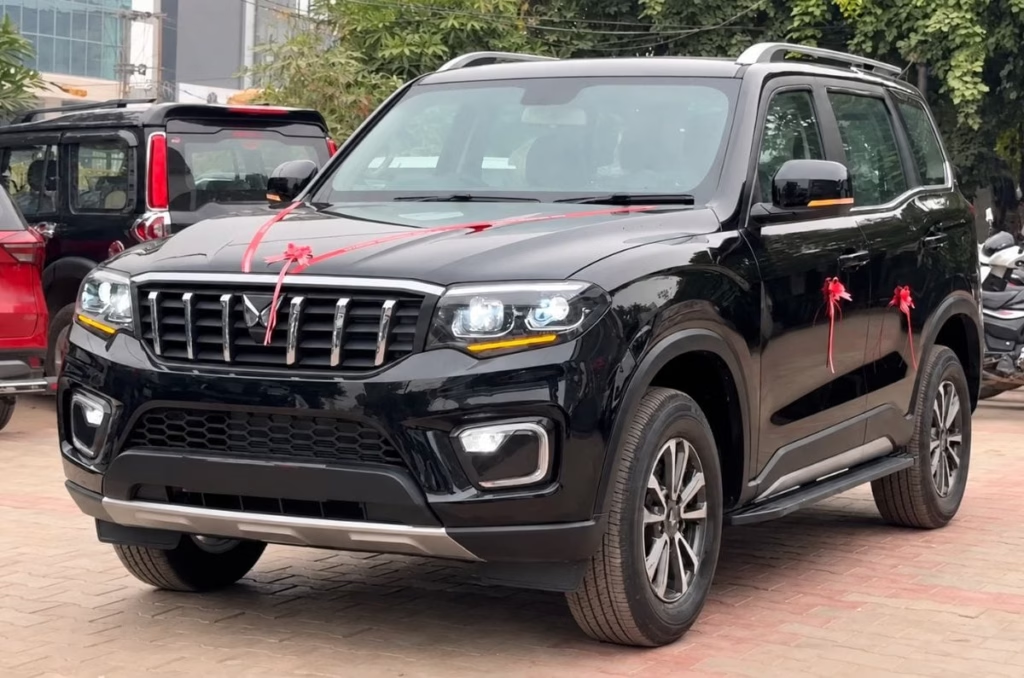
September 2026 offers on Mahindra models, including the Scorpio N, Thar Roxx, 3-door Thar and XUV 3XO. The maximum benefits are available with the older Scorpio N stock, followed by the Thar Roxx. However, the XUV 7XO, or any EV, including BE 6 Sporteq, XEV 9e and XEV 9S, are not carrying any official benefits. Let us take a look at the model-wise offer breakdown for Mahindra models in India for the month of September 2026.
Note: The mentioned offers are applicable till September 30 and may vary by city, dealership and stock availability. Please check with your nearest Mahindra dealership for the exact figures.
Mahindra Scorpio N September 2026 offers
Up to Rs 3 lakh
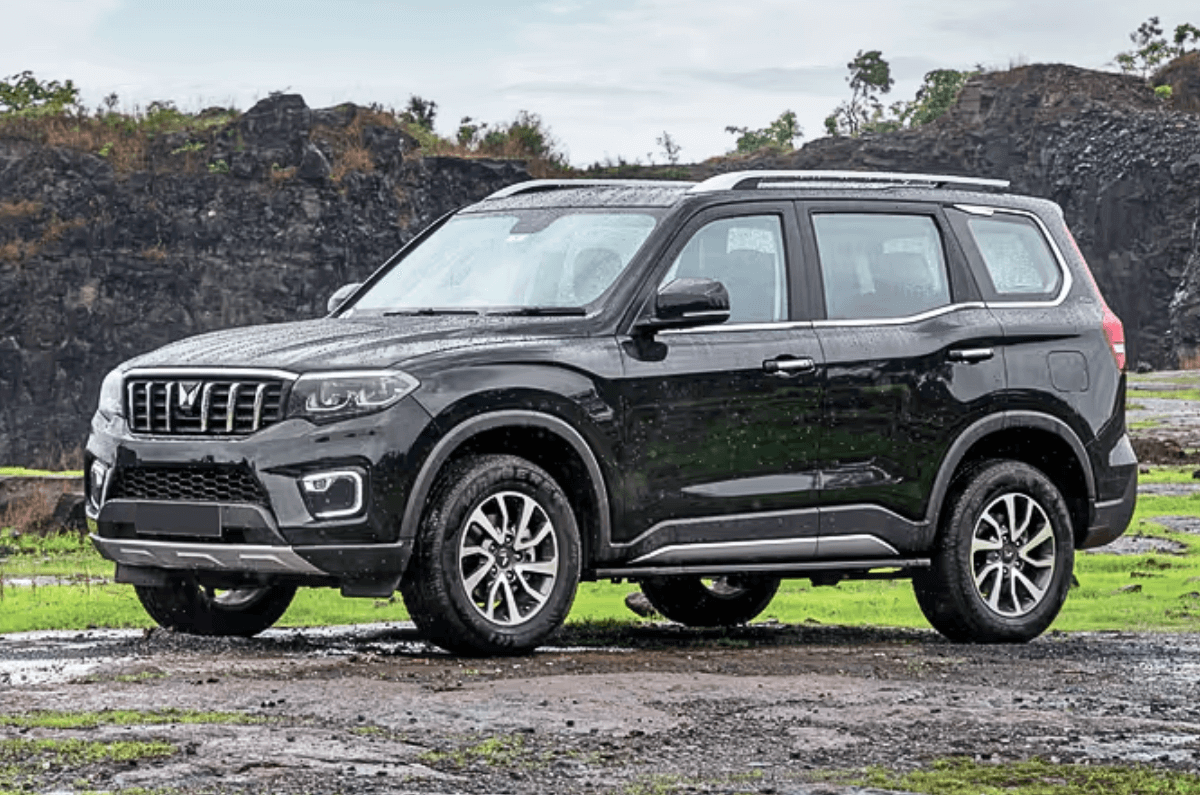
Select variants of the older-stock Mahindra Scorpio N are being offered with benefits up to Rs 3 lakh. This includes consumer offers of up to Rs 1.50 lakh, cash discounts of up to Rs 1.25 lakh and free accessories worth up to Rs 25,000. The current-spec Mahindra Scorpio N is priced from Rs 13.69 lakh to Rs 25.49 lakh and serves as an alternative to 3-row SUVs like the Tata Safari, Mahindra XUV 7XO, MG Hector Plus and Hyundai Alcazar.
Mahindra Thar Roxx September 2026 offers
Up to Rs 2.40 lakh
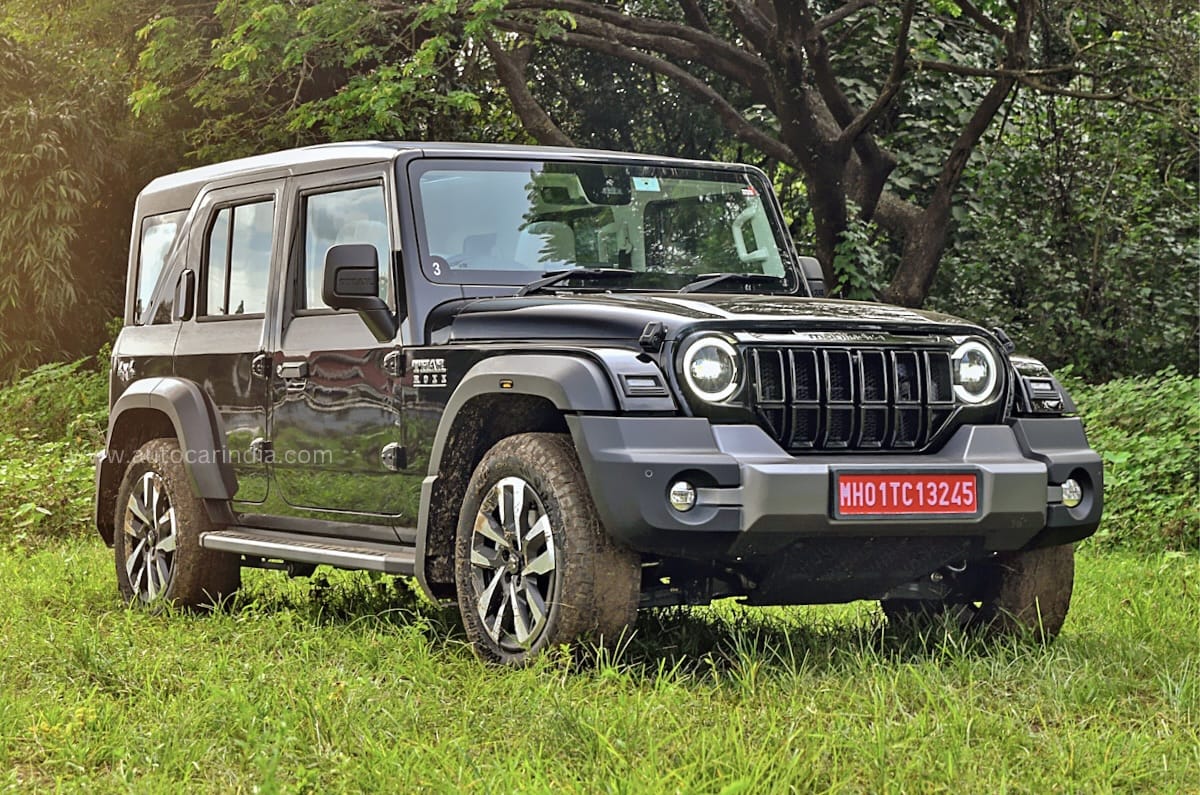
Select variants of the Mahindra Thar Roxx are available with offers of up to Rs 2.40 lakh in September 2026. Total benefits include consumer offers of up to Rs 1.20 lakh, cash discounts of up to Rs 90,000 and free accessories of up to Rs 30,000, depending on the variant chosen. The Mahindra Thar Roxx prices range from Rs 12.52 lakh to Rs 23.52 lakh. It locks horns with the Force Gurkha 5-door and can be considered an alternative to midsize SUVs like the Hyundai Creta, Tata Sierra and Renault Duster.
Mahindra XUV 3XO September 2026 offers
Up to Rs 1.20 lakh
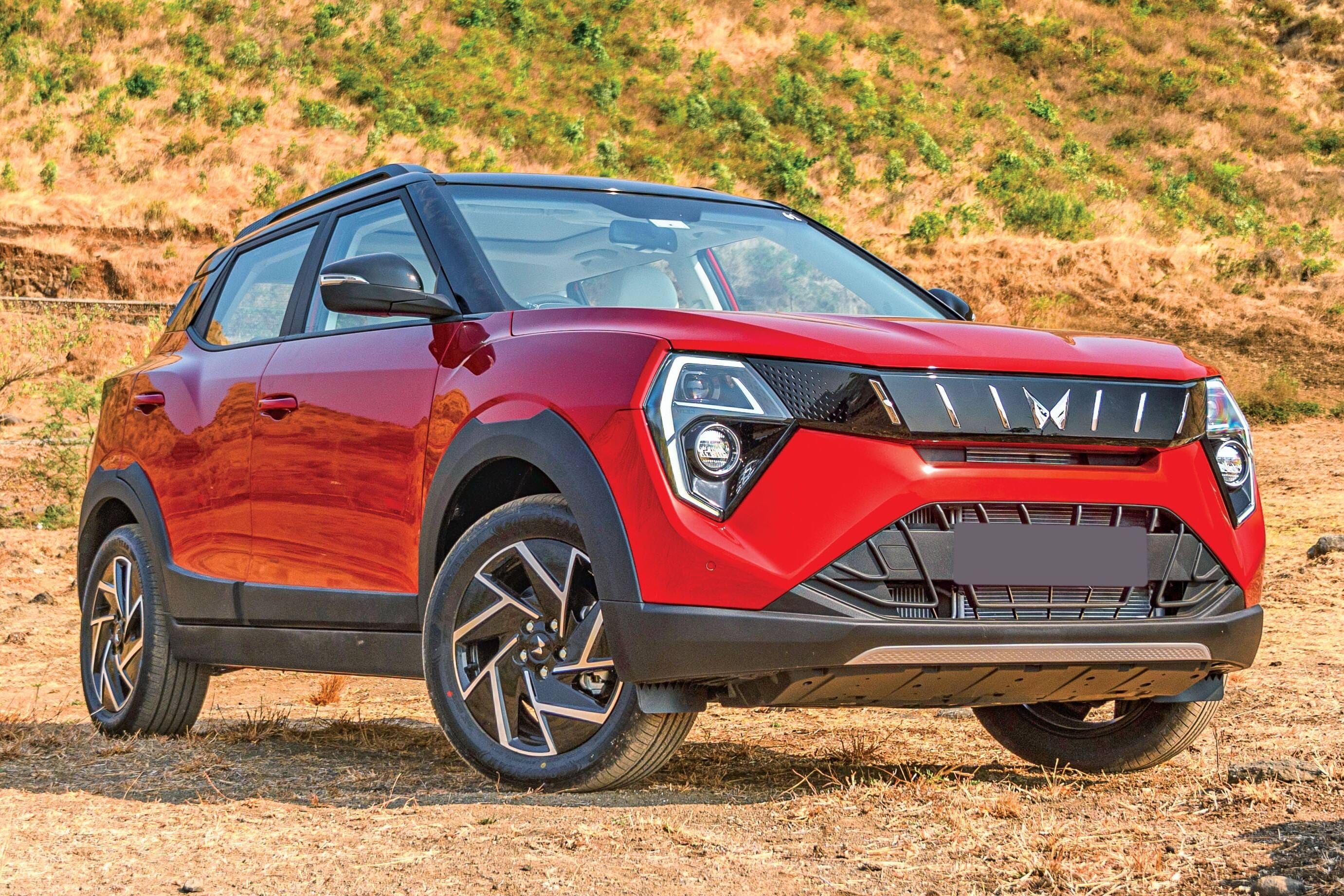
The Mahindra XUV 3XO is offered with total benefits of up to Rs 1.20 lakh, depending on the selected variant. These include up to Rs 60,000 in consumer offers, up to Rs 40,000 cash discount and up to Rs 20,000 worth of free accessories. The Mahindra XUV 3XO is priced from Rs 7.79 lakh to Rs 15.04 lakh, and rivals compact SUVs such as the Tata Nexon, Hyundai Venue, Kia Sonet, and Maruti Suzuki Brezza.
Mahindra Scorpio Classic September 2026 offers
Up to Rs 1.10 lakh
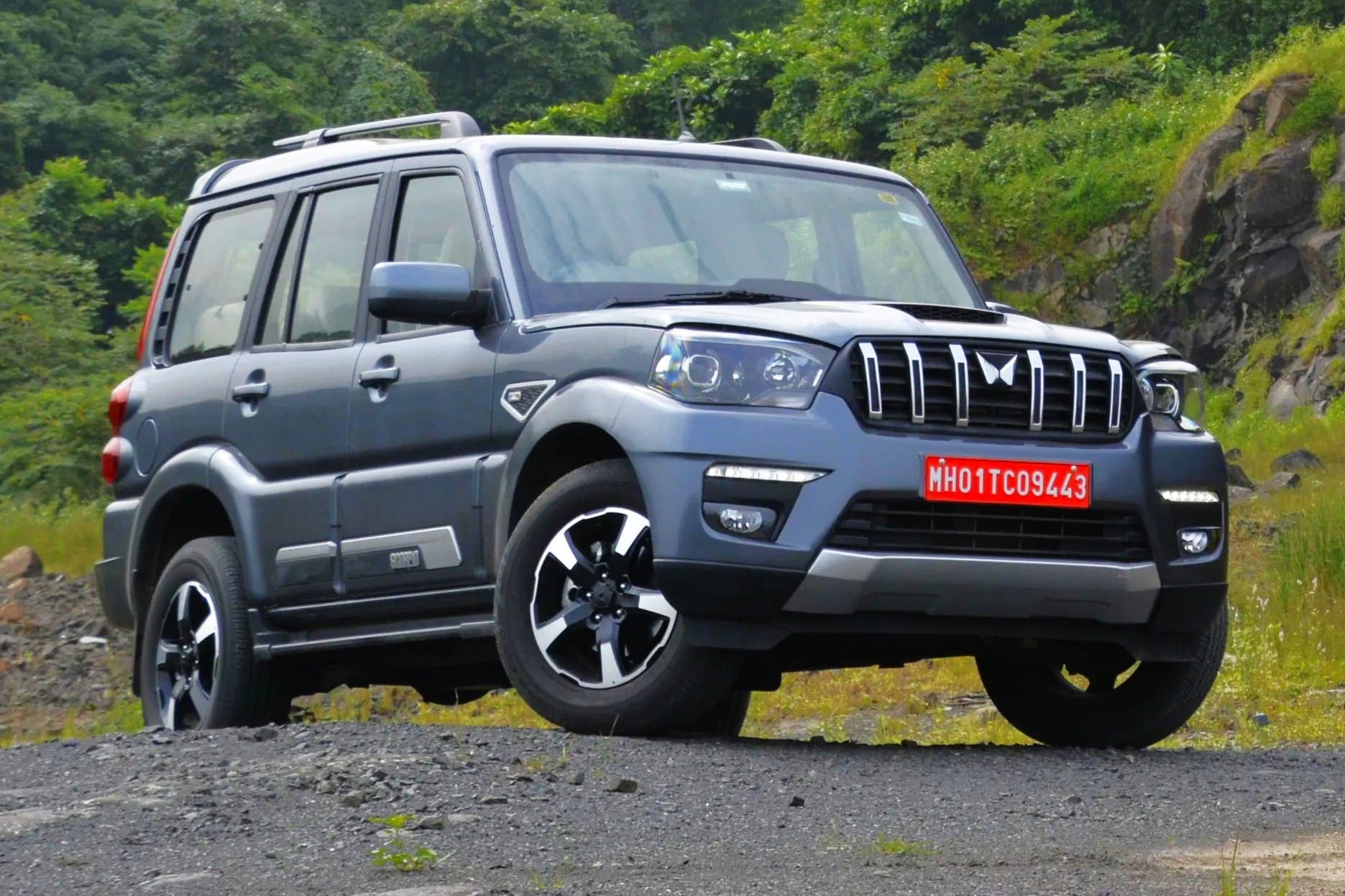
The Scorpio Classic is being offered with total benefits of up to Rs 1.10 lakh in September 2026. Along with consumer offers worth Rs 50,000, it also includes a cash discount of up to Rs 30,000 and free accessories worth up to Rs 30,000, depending on the variant. Prices of the Mahindra Scorpio Classic range from Rs 3.37 lakh to Rs 17.40 lakh.
Mahindra Thar 3-door September 2026 offers
Up to Rs 1 lakh
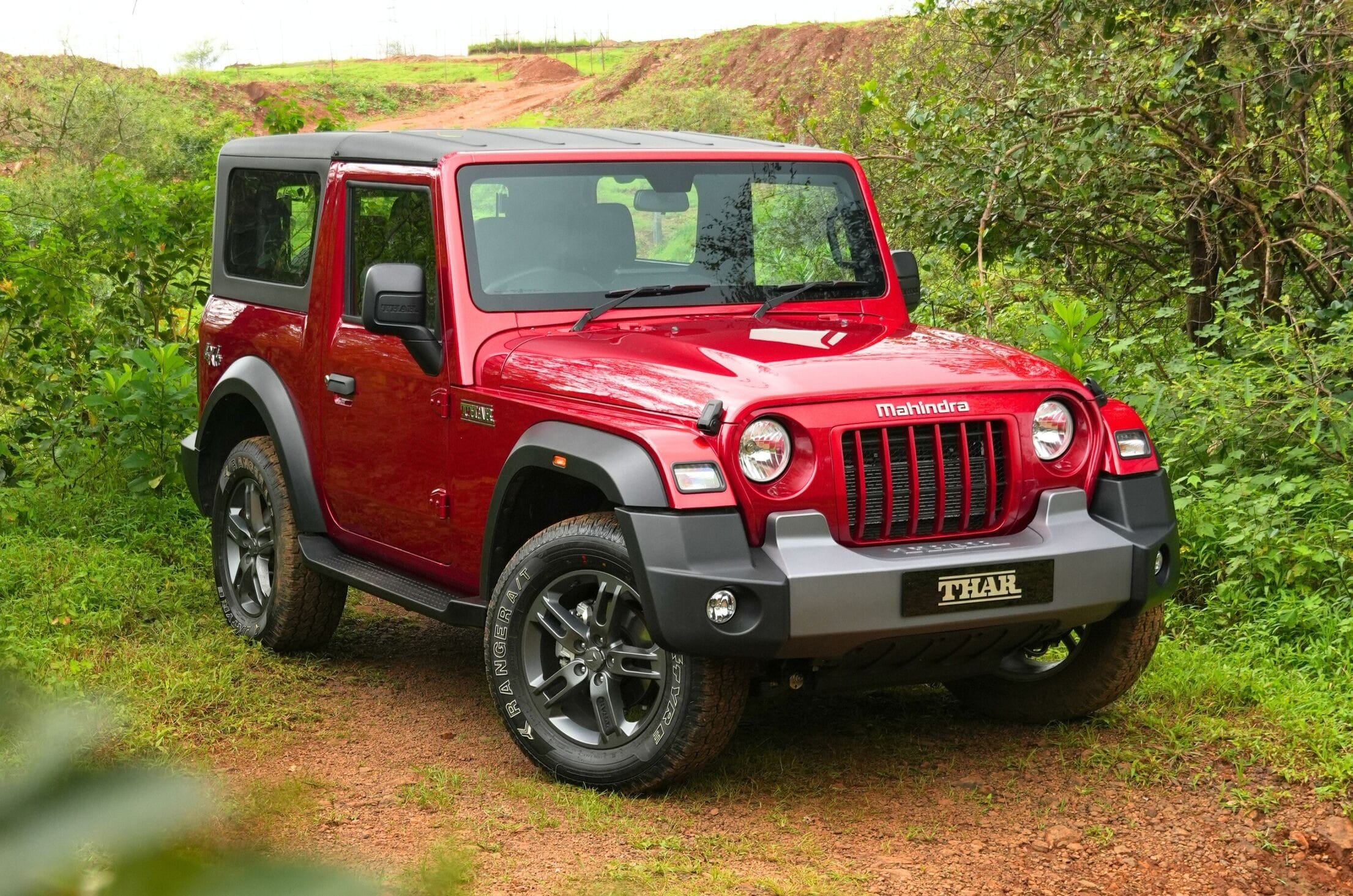
Mahindra is offering the 3-door Thar’s four-wheel-drive (4WD) variants with benefits of up to Rs 1 lakh, which includes consumer offers of up to Rs 50,000, cash discounts of up to Rs 30,000 and free accessories worth up to Rs 20,000. The rear-wheel-drive (RWD) variants, however, are offered with no official offers. The Mahindra Thar is priced from Rs 10.32 lakh to Rs 18 lakh and it locks horns with Force Gurkha 3-door and can be considered an alternative to the Maruti Suzuki Jimny.
Mahindra Bolero Neo (including Neo Plus) September 2026 offers
Up to Rs 50,000
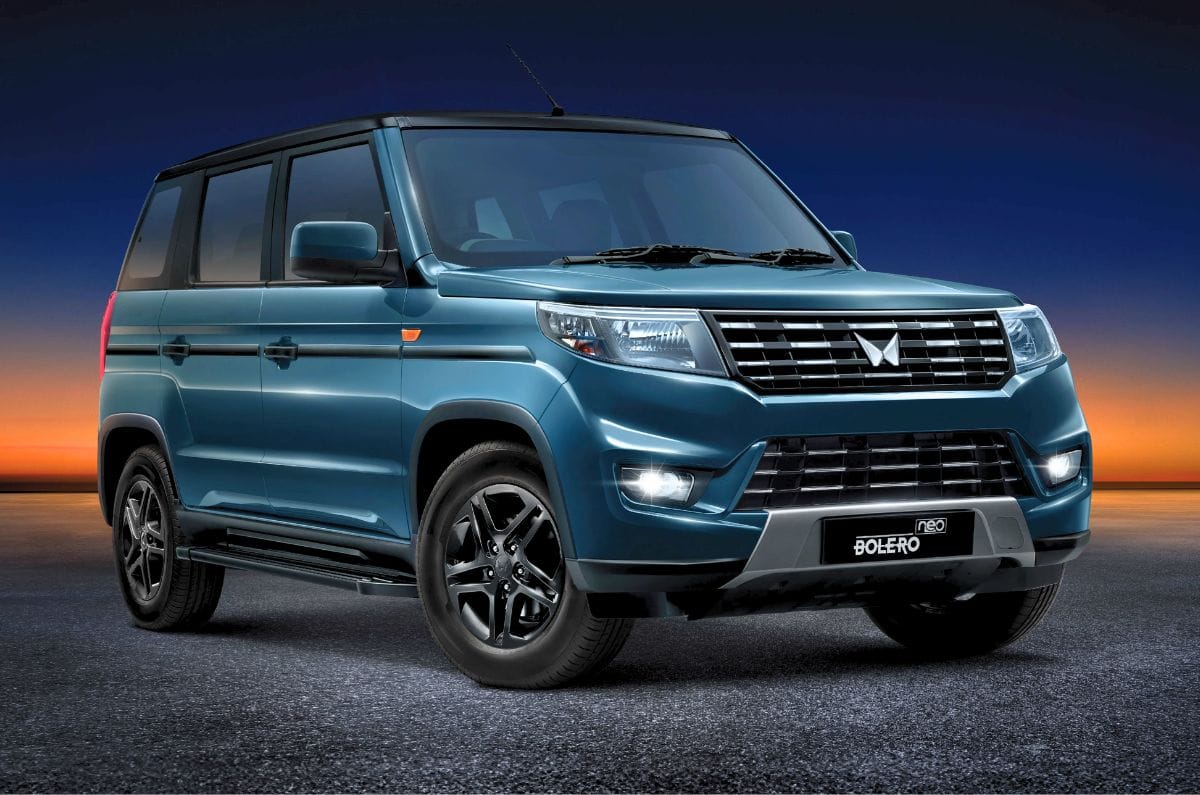
Mahindra is offering the Bolero Neo Plus with offers up to Rs 50,000, including a consumer offer of up to Rs 25,000, a cash discount of up to Rs 15,000 and free accessories worth up to Rs 10,000, depending on the variant. The Bolero Neo gets lower benefits of up to Rs 20,000, which includes a consumer offer and a cash discount of up to Rs 10,000 each. The Bolero Neo Plus is priced from Rs 11.39 lakh to Rs 13.49 lakh, while the smaller Bolero Neo prices range from Rs 8.99 lakh to Rs 10.79 lakh.
Prices are ex-showroom, India.
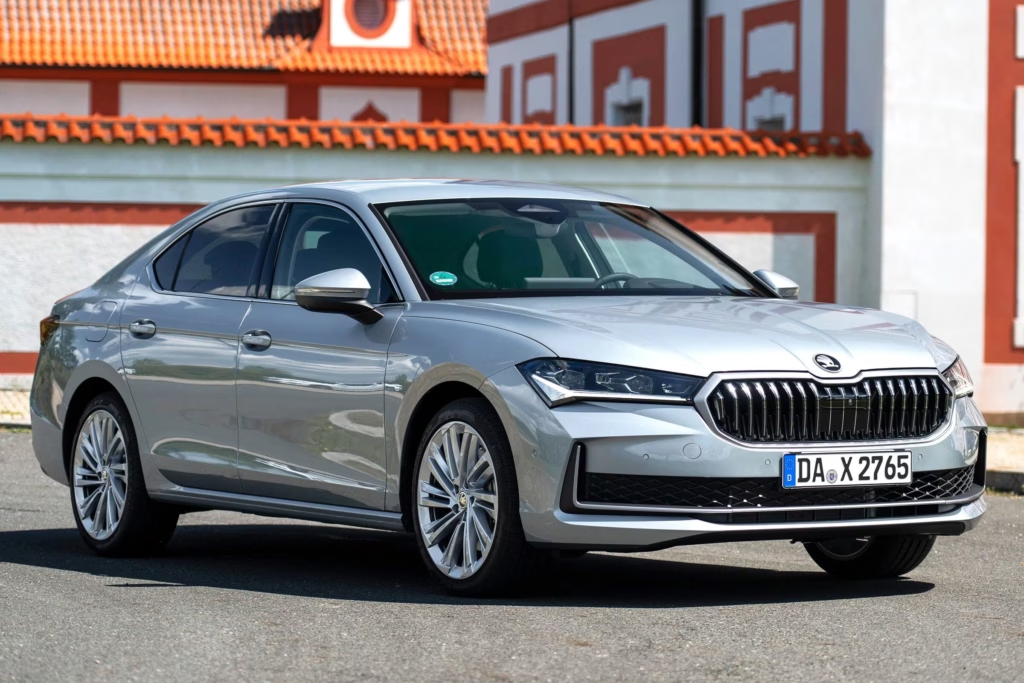
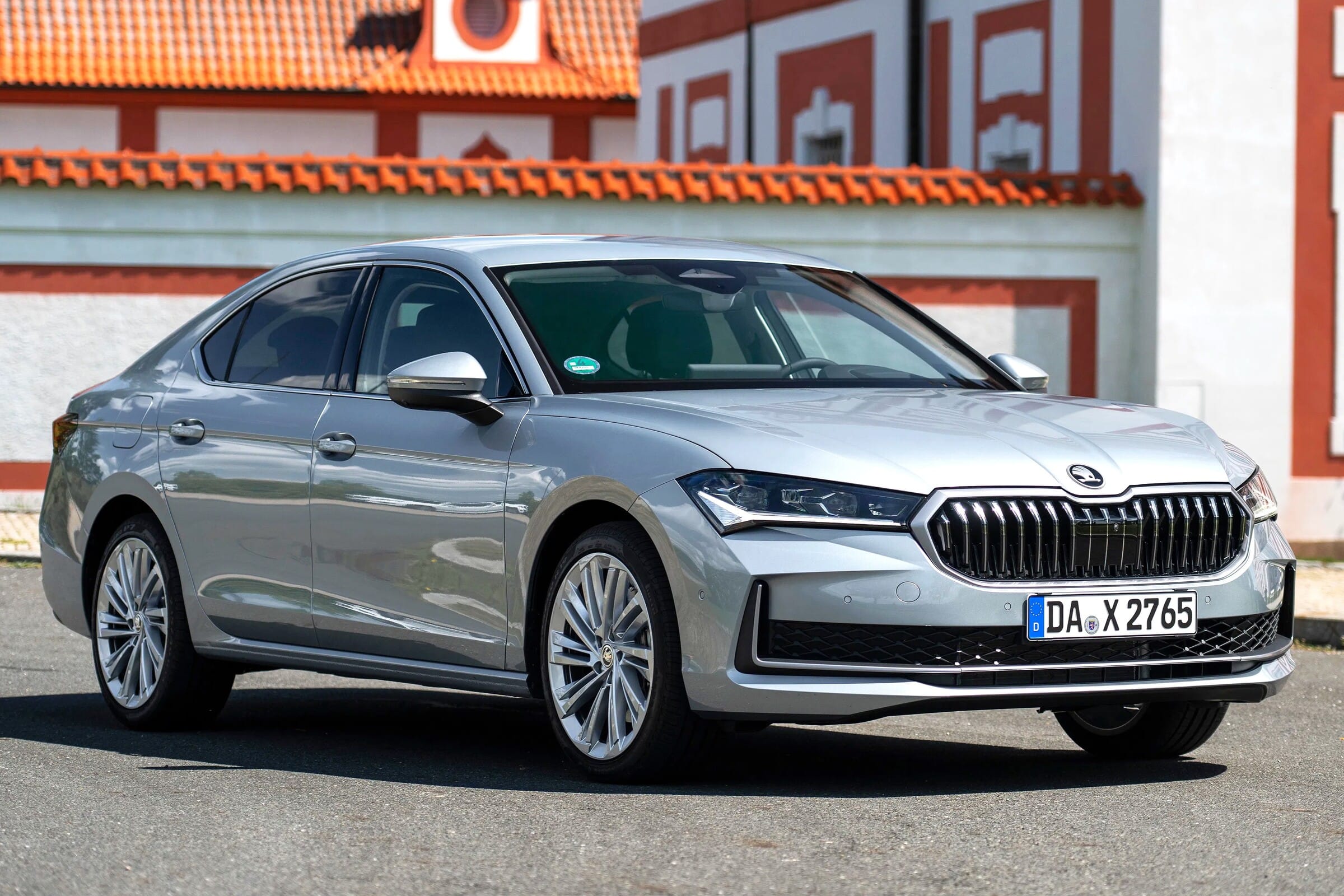
Skoda is evaluating the discontinuation of its flagship sedan, the Superb, amid a larger cost-reduction effort by the Volkswagen Group – the conglomerate aims to halve the number of models it sells within the next decade. First introduced in 1934, the Superb nameplate was originally used for a full-size luxury car made by Skoda up until 1949. Skoda revived the Superb nameplate in 2001 for its flagship sedan, which is now in its fourth generation and has sold over 1.6 million units to date worldwide.
Skoda Superb might end up on the chopping block
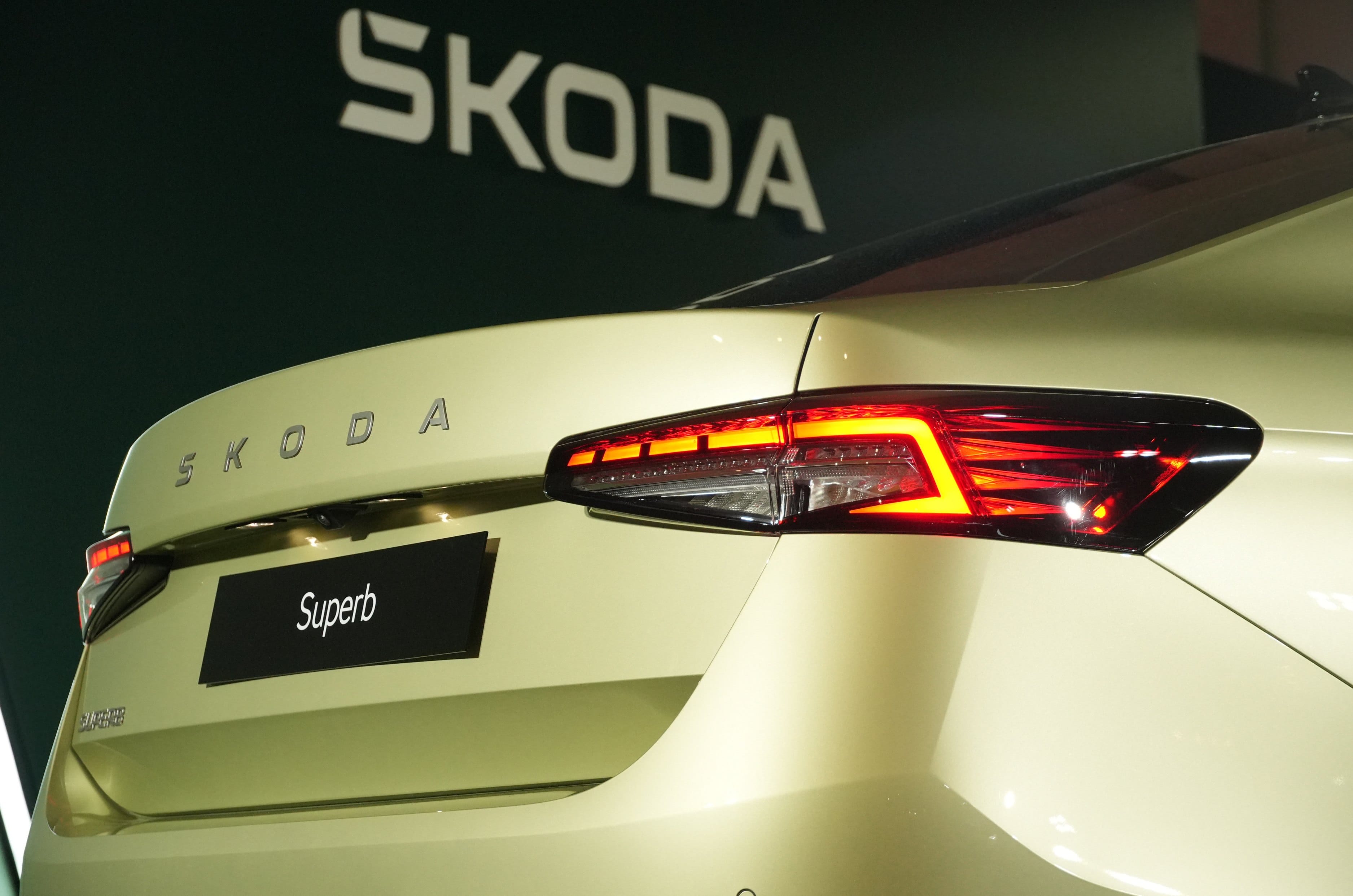
In a recent media interaction (reported on by Autocar UK), Skoda CEO Klaus Zellmer said it’s “not a given” that it wouldn’t shrink its model line-up in the future. This is despite the fact that the Czech carmaker reported its most profitable H1 numbers yet in 2026 – €16 billion in revenue and an 8.5 percent return on sales.
Zellmer hinted that Skoda’s sedan and estate line-up could be subject to reductions due to fading buyer interest in these body styles. “The big question is going forward: saloons and limousines and combis [estates] are not on the rising path. The [next-gen SSP] platform caters for wiggle room to go up to Superb dimensions. We’re currently looking into whether we still need the full monty, or whether we will have a smart way to cover both segments and target groups,” he said.
The fourth-gen Superb is offered as both a sedan and an estate, while the Octavia sits below it and has sold nearly 8 million units over its 30-year tenure. Zellmer said the “Octavia has led its segment since 2016,” giving the carmaker a strong seller that increasingly overlaps with the Superb in terms of size and practicality. Therefore, Skoda is examining whether it needs two models covering these buyers or whether a single model could serve both groups more efficiently.
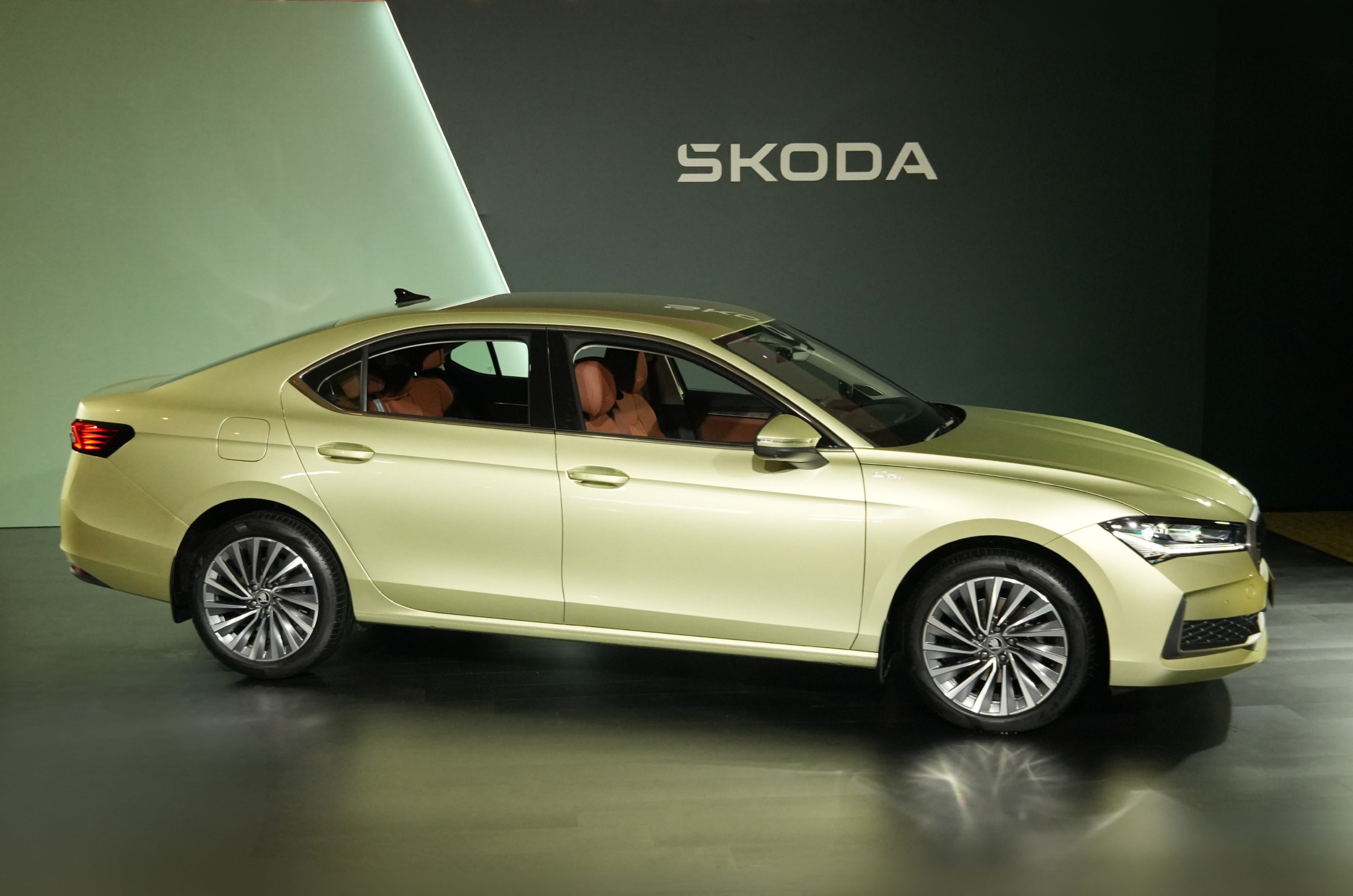
Interestingly, the fourth-gen Superb is set to launch in India as a fully-imported model sometime during the first half of 2027. The Superb will also mark the return of diesel power for Volkswagen Group’s India portfolio, as the sedan will come equipped with a 150hp 2.0-litre TDI engine.
Could the production-spec Vision O replace the Superb?
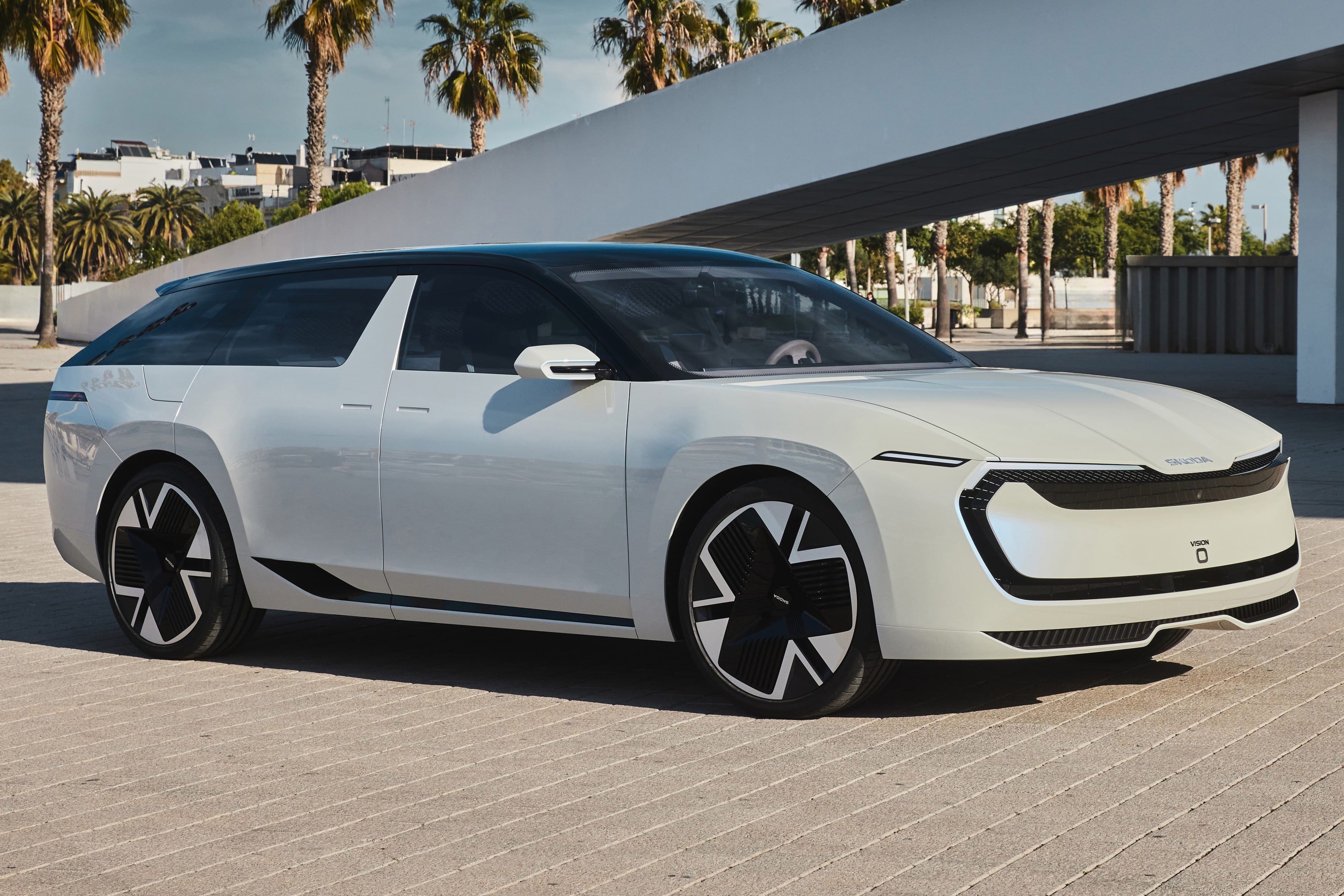
Skoda’s Vision O concept, which was unveiled in 2025 and previews the next-gen Octavia, provides a possible indication of how the carmaker could consolidate its future estate offerings. The 4,850mm-long concept previews the next-generation Octavia as an electric estate, and is 152mm longer than the current Octavia Combi (4,698mm) and just 52mm shorter than the Superb Combi (4,902mm).
This could enable the next-gen Octavia to move upmarket and provide the space and practicality currently offered by the Superb, thus allowing Skoda to axe the latter nameplate. That said, Skoda has not confirmed if the production-spec Vision O will replace the Superb. The concept’s production version is expected to land by the end of the decade and will use the Volkswagen Group’s next-gen SSP architecture.
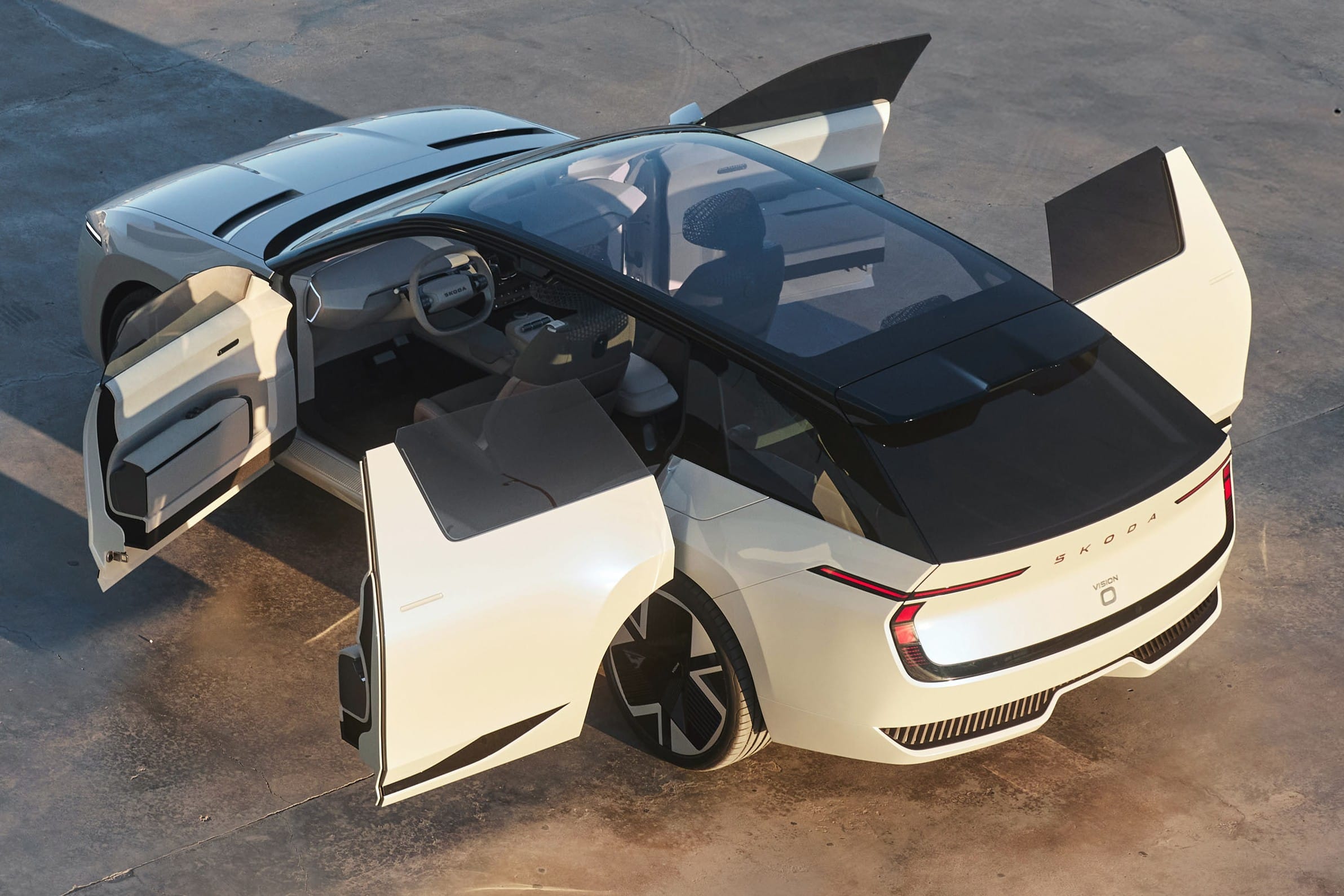
Skoda is also keeping its options open on powertrains in light of slowing EV adoption, with Zellmer stating that the carmaker’s current model line-up is the largest in its history as a result of “catering for a market still divided between combustion drivetrains and electric vehicles, and everything in between such as mild hybrid, full hybrid, plug-in hybrid.” To that end, a range-extender hybrid setup is being considered for the production-spec Vision O. The EV sales downturn may prompt Skoda to extend the lifespan of its ICE-powered models as well.
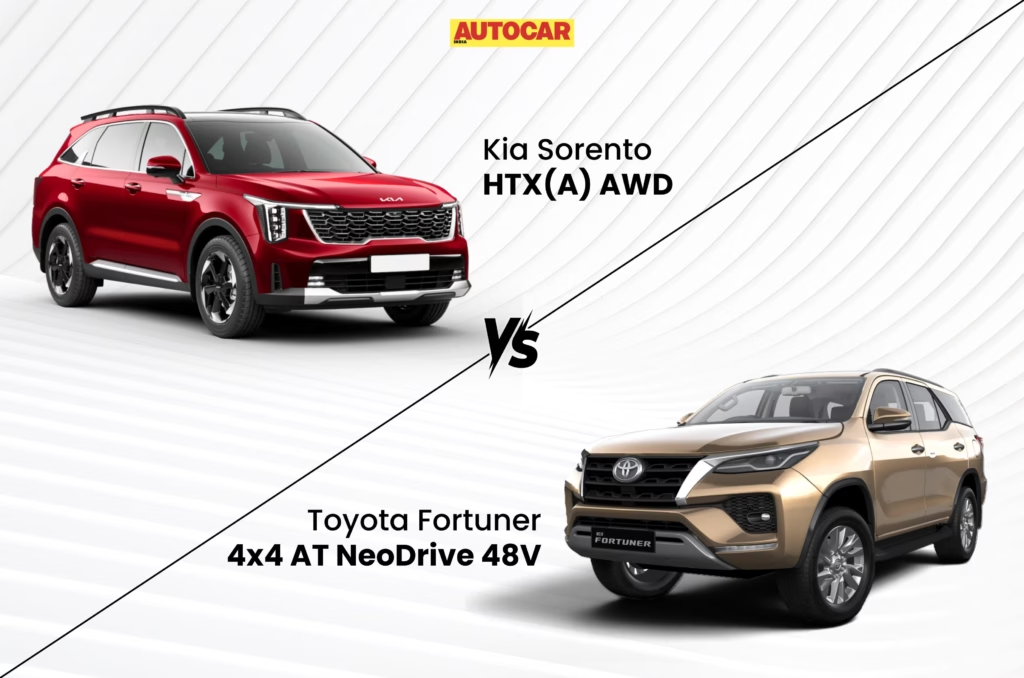
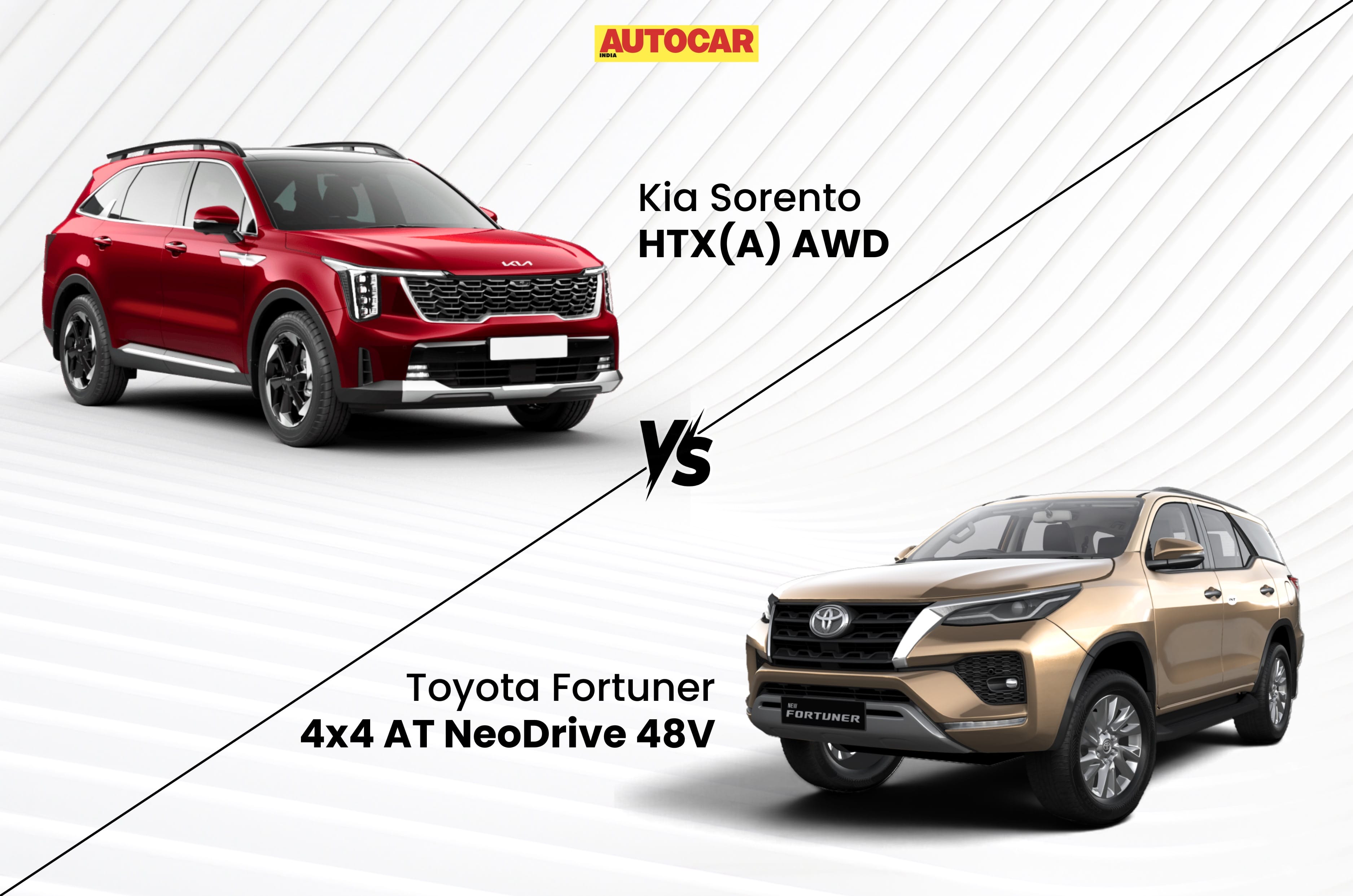
The Kia Sorento is now on sale in India as the Korean carmaker’s flagship ICE-powered SUV. It contends in the three-row premium SUV segment, directly rivalling the likes of the monocoque-based Skoda Kodiaq, Volkswagen Tayron, and Jeep Meridian. Additionally, the Sorento’s pricing overlaps with that of the ladder-frame-based Toyota Fortuner, which is one of the most popular SUVs in the Rs 30 lakh-50 lakh price bracket.
While the Fortuner isn’t as up-to-date or premium as the Sorento is, the Toyota SUV has accrued a reputation for toughness, reliability, and off-road prowess. Below, we’ve put together the top-spec diesel variants of the Sorento and Fortuner – the HTX(A) and 4×4 AT NeoDrive 48V, respectively – to see which one delivers more bang for your buck.
Kia Sorento vs Toyota Fortuner: Top-spec variant dimensions
Sorento is longer and wider, while Fortuner is taller
| Sorento HTX(A) | Fortuner 4×4 AT NeoDrive 48V |
Length (mm) | 4,815 | 4,795 |
Width (mm) | 1,900 | 1,855 |
Height (mm) | 1,785 | 1,835 |
Wheelbase (mm) | 2,815 | 2,745 |
Seating capacity | 6/7 | 7 |
Wheel size (inches) | 19 | 18 |
The Sorento is just 20mm longer than the Fortuner overall, but the Kia SUV’s wheelbase is 70mm longer. It’s also 5mm wider than the Fortuner, comes with larger wheels, and even offers a 6-seat layout with second-row captain’s chairs. However, the Fortuner does claw back some points on the height front, sitting 50mm taller than the Sorento.
Kia Sorento vs Toyota Fortuner: Top-spec diesel variant powertrains
Syros EV is quicker, e Vitara claims higher range and has a bigger battery
| Sorento HTX(A) | Fortuner 4×4 AT NeoDrive 48V |
Engine | 2.2-litre, 4 cyls | 2.8-litre, 4 cyls |
Power (hp) | 193 | 204 |
Torque (Nm) | 442 | 500 |
Gearbox | 8-speed DCT | 6-speed AT |
Mild hybrid system | No | Yes, 48V |
Drive layout | FWD, AWD | AWD |
The Fortuner undoubtedly has a larger and more powerful diesel engine than that of the Sorento, that too paired with a 48-volt mild hybrid system for functions like torque assist under load, engine start/stop, and brake energy recuperation. On the other hand, the Sorento comes with an 8-speed gearbox instead of a 6-speed one, which could enable better fuel efficiency on the highway. The top-spec Sorento diesel variant also offers a front-wheel drive layout for buyers who don’t need the enhanced go-anywhere capabilities afforded by all-wheel drive.
Kia Sorento vs Toyota Fortuner: Top-spec diesel variant exterior features
Sorento offers sequential indicators and more colours, while Fortuner gets more lighting
| Sorento HTX(A) | Fortuner 4×4 AT NeoDrive 48V |
LED auto headlamps | Yes | Yes |
Front LED fog lamps | Yes | Yes |
Rear fog lamps | No | Yes |
LED tail-lamps | Yes | Yes |
Puddle lamps | No | Yes |
Roof rails | Yes | Yes |
Powered ORVMs | Yes | Yes |
Sequential indicators | Yes | No |
Powered tailgate | Yes | Yes |
Rear spoiler | Yes | Yes |
Colour options | 8, monotone | 5, monotone |
In this department, both SUVs are fairly well matched. The Sorento is uniquely equipped with sequential indicators, while the Fortuner is the only one here to offer rear fog lamps and puddle lamps. As for colour options, both are sold in monotone finishes only, with the Sorento offering two more than the Fortuner does.
Kia Sorento vs Toyota Fortuner: Top-spec diesel variant interior features
Sorento easily takes the win here
| Sorento HTX(A) | Fortuner 4×4 AT NeoDrive 48V |
Infotainment screen | 12.3-inch | 8-inch |
Instrument cluster | 12.3-inch digital | Analogue w/ MID |
Heads-up display | Yes | No |
Sunroof | Panoramic | No |
Wireless charger | Yes | No* |
Powered front seats | Yes | Yes |
Ventilated front seats | Yes | Yes |
Second-row ventilation | Yes | No |
Dual-zone climate control | Yes | Yes |
Ambient lighting | Yes | No |
Sound system | 12-speaker Bose | 11-speaker JBL |
Apple CarPlay & Android Auto | Wireless | Wired |
Connected car tech | Yes | Yes |
IRVM | Digital | Auto-dimming |
Rear centre armrest | Yes | Yes |
Sliding, reclining rear seats | Yes | Yes |
*Available as an optional accessory.
The Sorento is majorly ahead of the Fortuner in terms of creature comforts. The Kia SUV has larger screens, a big sunroof, more speakers, wireless phone connectivity, rear-seat ventilation, ambient lighting, a fully digital IRVM, and more.
Kia Sorento vs Toyota Fortuner: Top-spec diesel variant driving features
Sorento gets more drive modes, adaptive cruise control, and auto park assist
| Sorento HTX(A) | Fortuner 4×4 AT NeoDrive 48V |
Drive modes | 4 | 3 |
Terrain modes | 3 | 6 |
Auto park assist | Yes | No |
Paddle shifters | Yes | Yes |
Cruise control | Adaptive | Yes |
While the Sorento gets one additional drive mode (Eco, Sport, Smart, Normal) over the Fortuner (Eco, Normal, Sport), the latter signals its off-road focus by offering two more terrain modes (Mud, Sand, Rock, Dirt, Deep Snow) than the Kia SUV (Snow, Mud, Sand) does. However, the Sorento ups the convenience ante by including a smart park assist function, as well as adaptive cruise control, which can automatically adjust the car’s speed.
Kia Sorento vs Toyota Fortuner: Top-spec diesel variant safety features
Sorento packs several more safety features than the Fortuner does
| Sorento HTX(A) | Fortuner 4×4 AT NeoDrive 48V |
ADAS | Yes | No |
Airbags | 10 | 7 |
ABS w/ EBD | Yes | Yes |
ESC | Yes | Yes |
Hill hold control | Yes | Yes |
TPMS | Yes | No* |
360-degree camera | Yes | No* |
Parking sensors | Front, rear, side | Front, rear |
Built-in dashcams | Yes | No |
Electronic parking brake | Yes | No |
Rain-sensing wipers | Yes | No |
ISOFIX child seat anchors | Yes | Yes |
Disc brakes | Front, rear | Front, rear |
*Available as an optional accessory.
Much like interior features, it’s a square win for the Sorento on the safety front. It not only packs side parking sensors and three more airbags over the Fortuner, but gets features completely missing from the Toyota SUV, like Level 2+ ADAS, rain-sensing wipers, an electronic parking brake with auto-hold, a tyre pressure monitoring system, a 360-degree camera, built-in dual-channel dashcam, and more.
Kia Sorento vs Toyota Fortuner: Top-spec diesel variant prices
Sorento is more affordable despite all the additional features
| Sorento HTX(A) | Fortuner 4×4 AT NeoDrive 48V |
| Price (Rs, lakh) | 38.49-38.69 | 43.12 |
Not only is the top-spec Sorento diesel much more feature-packed than the Fortuner, it’s cheaper by around Rs 4.5 lakh as well. The Fortuner is nearly a decade old, and it shows when compared to a more modern car like the Sorento. If you primarily drive on paved roads and want your car to be packed with bells and whistles, the Sorento is the obvious choice. However, if off-roadability, power, and outright durability are your main concerns, there’s still some merit in buying a Fortuner.
All prices are ex-showroom, India.
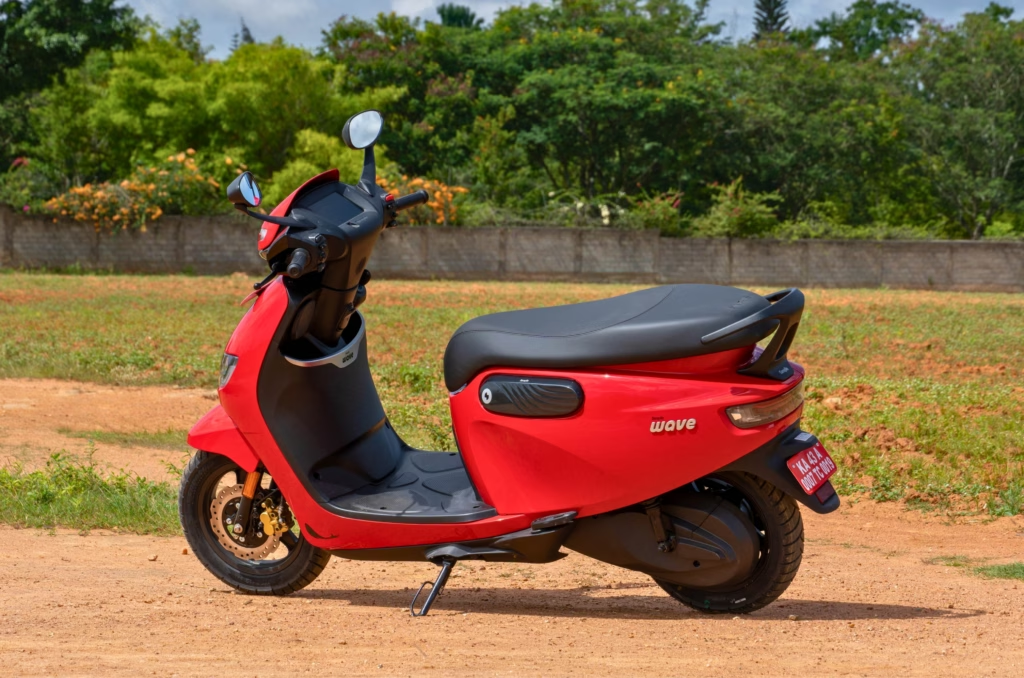
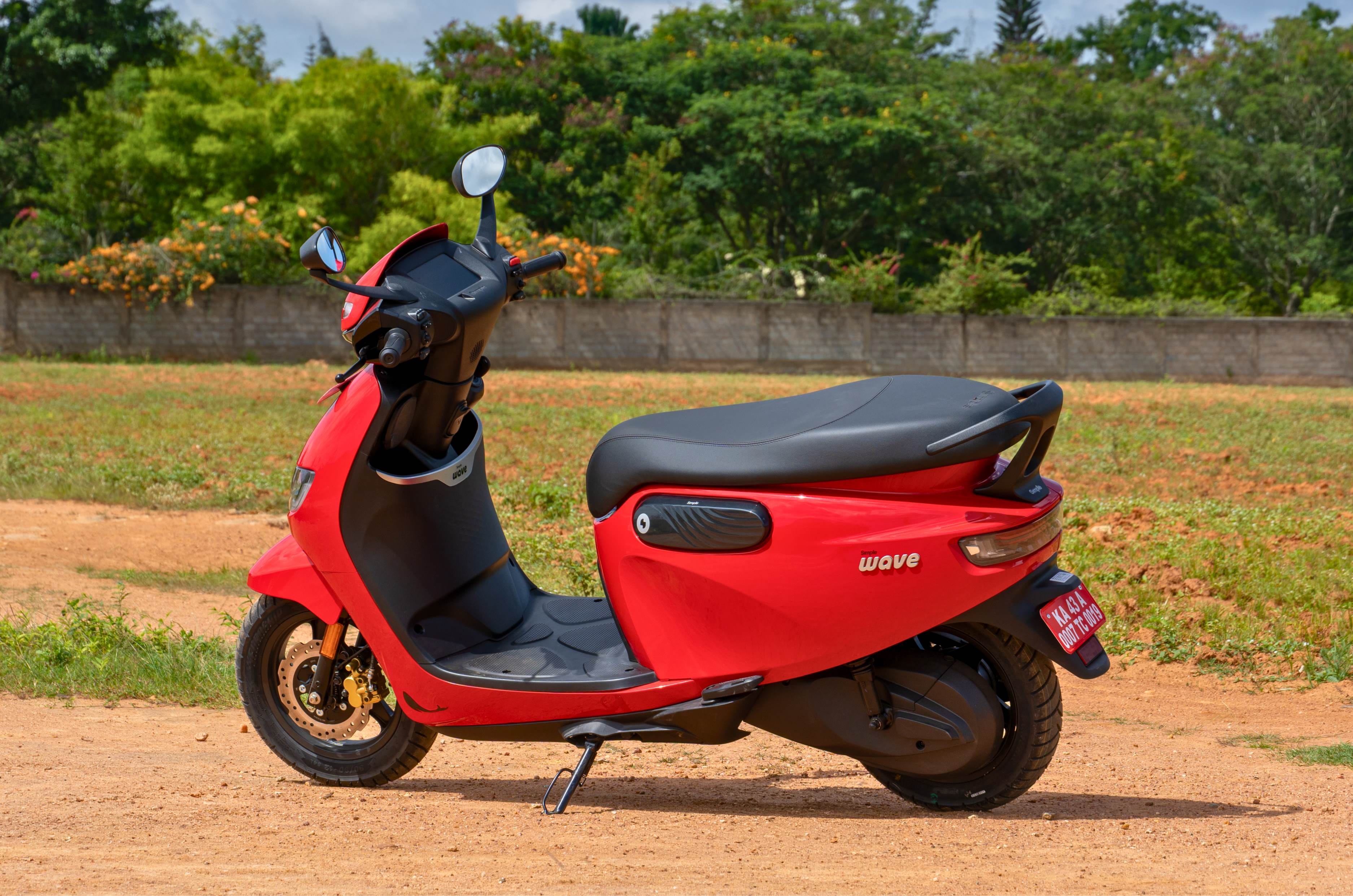
Simple Energy, which has been a regular in the monthly top 10 electric 2W OEM listing since February 2026 with its Simple One performance EV scooter, has clocked cumulative sales of over 10,000 units in the first eight months of this year. As per Vahan, between January and August 2026, the Bengaluru-based EV startup registered deliveries of 10,429 units, which is 203 percent more compared to last year’s 3,436 units for the same period. This momentum comes just as Simple launched its most affordable scooter yet, Wave, priced at Rs 1.10 lakh (ex-showroom, Bengaluru) and its entry into the family scooter segment.
- Wave makes the brand more accessible with a lower Rs 1.10 lakh ex-showroom price
- Brand has consistently averaged as the top nine EV seller in India since February 2026
Wave is expected to be the sales topper for Simple
The family EV scooter is based on One, but more practical
With the Wave, Simple Energy is hoping to make, well, waves in the family e-scooter segment, which has been dominated by the TVS iQube, Bajaj Chetak and Hero Vida for the past couple of years. Add Ather Rizta with its steadily growing sales, and the new Konarc to that list of rivals as well. Compared to the more performance-based One, Wave targets a much wider customer with its base S 2.2 variant pricing (Rs 1.10 lakh, ex-showroom) as also the focus around everyday practicality, ride comfort, and usability across different rider demographics.
The scooter has four variants as per the battery capacity. The base Wave S is offered in two battery capacities: 2.2kWh (110km IDC range) and 2.7kWh (132Km IDC range). While the middle variant, Wave, has a 3.7kWh battery and 171km of IDC range, and the top Wave + variant has a 5kWh battery and has a 243km IDC range, the highest in its segment. Simple has announced that deliveries will commence on September 25.
Production capacity and showrooms are being increased
The increased presence is expected to improve the brand’s sales
In tandem with the Wave’s launch and expected market demand, the company states that it is scaling its manufacturing and retail footprint. The company currently has a production capacity of 3,000 units per month, and has over 75 outlets across 63 cities in India including Bengaluru, Delhi, Patna, Nagpur, Bhopal, Agra, Goa, Vijayawada, Hyderabad, Kochi, and Chennai.
For Simple, whose highest monthly retails were in March 2026 (1,780 units), the new Wave gives it an opportunity to target the highest-selling sub-category in e-2Ws: the family scooter. Simple ranked 13 in CY2025 sales and entered the top 10 for the first time in February 2026 and has consistently averaged ninth position since. The brand has cumulatively sold 18,556 units since sales began in 2023. It remains to be seen if the Wave turns out to be the much needed boost for the brand to climb up higher on that list.
With inputs from Stephen Raj Antony.
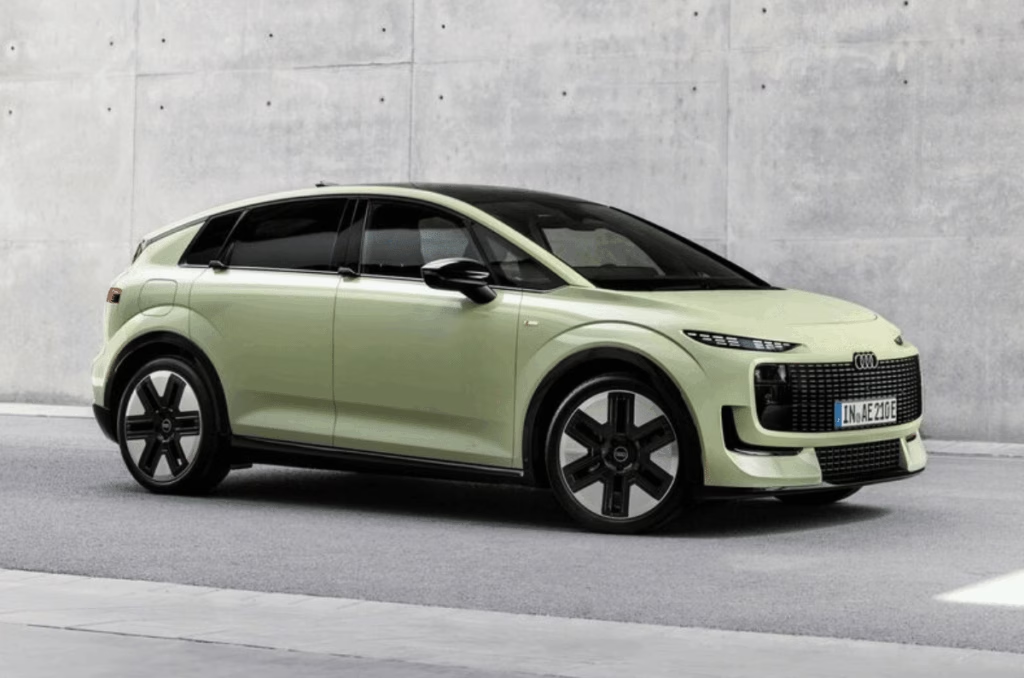
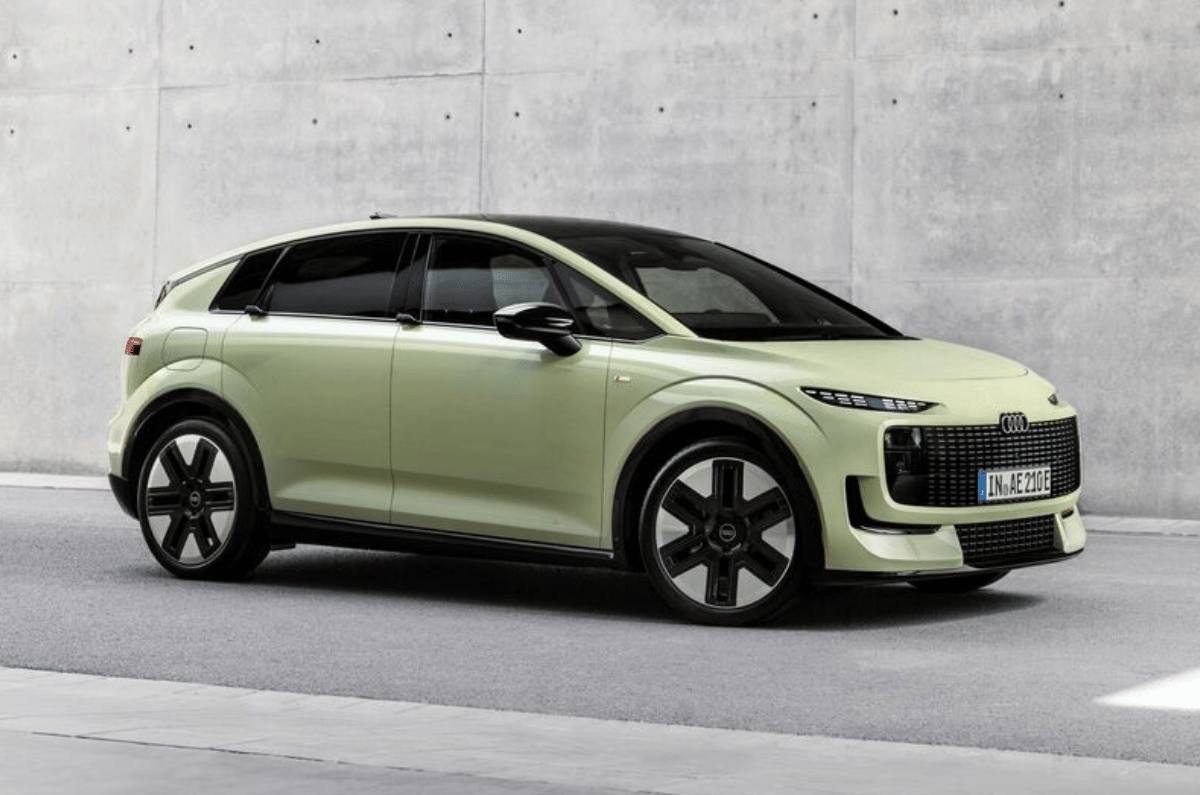
Audi has taken the wraps off the A2 e-tron hatchback, its most efficient production EV yet with a range of up to 646km (according to WLTP cycle). The original, combustion-run Audi A2, sold from 1999 to 2005, was also built to deliver excellent fuel economy, and its EV successor clearly follows the same efficiency-first approach.
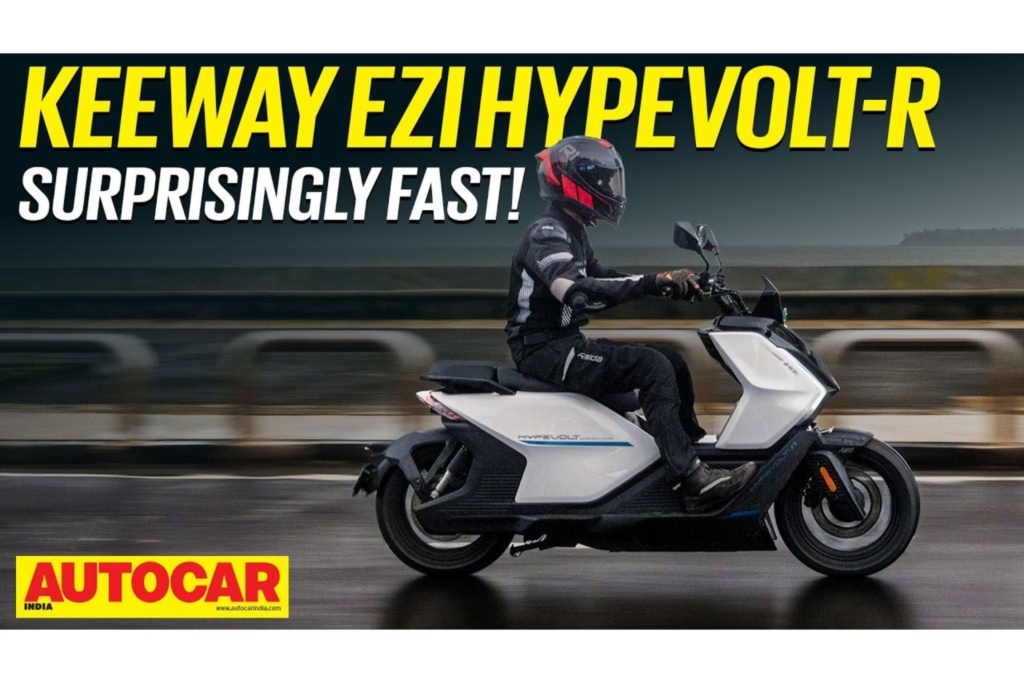
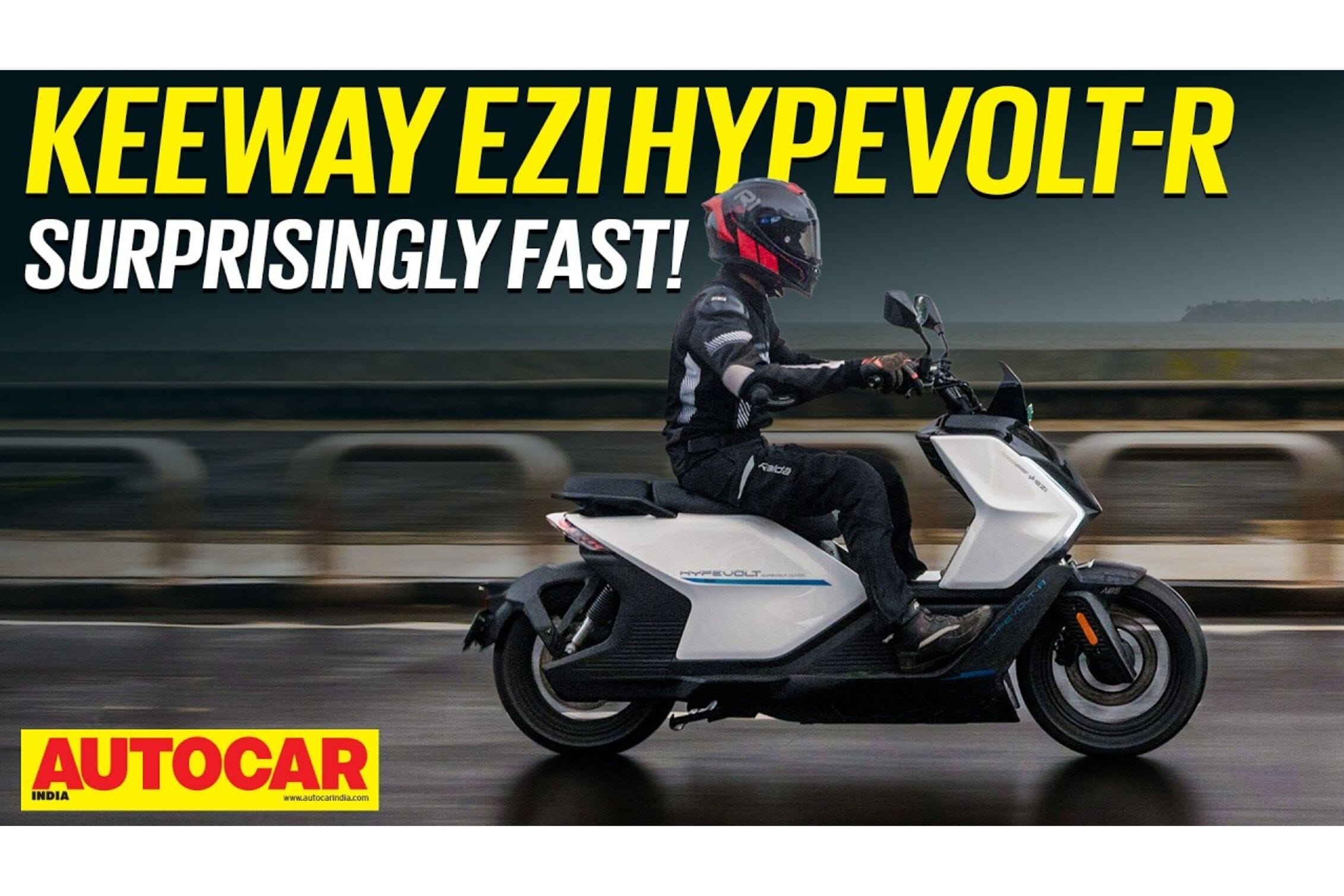
The Hypevolt-R is the first electric scooter from Keeway’s EZI sub-brand to come to India. We spent time with this sporty, feature-packed EV to see how it performs on the road and whether it can justify its Rs 2 lakh price tag.