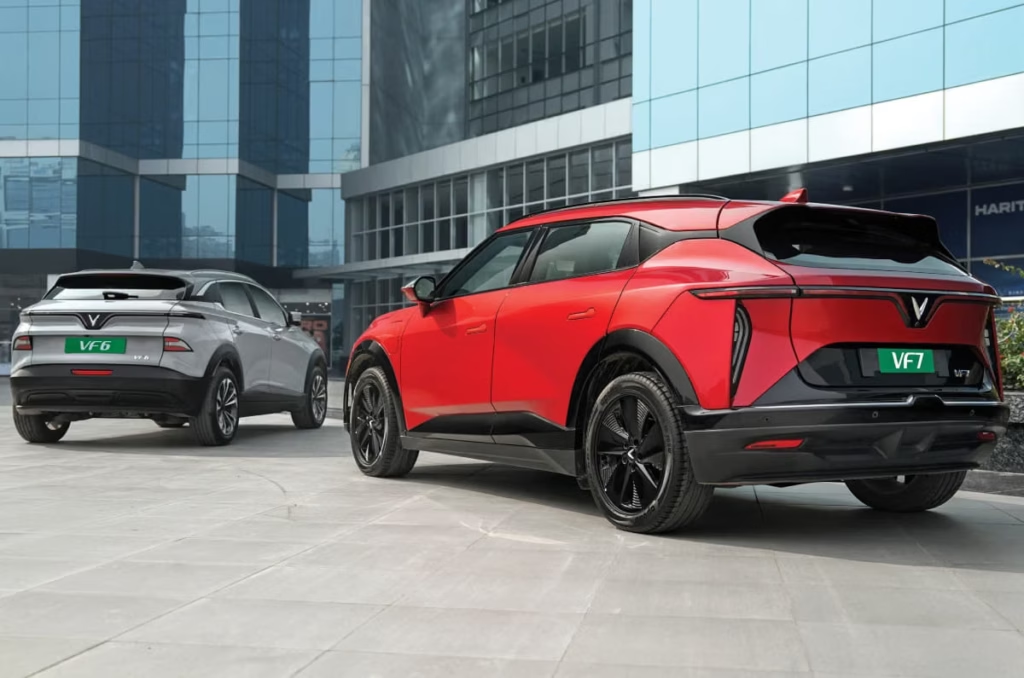
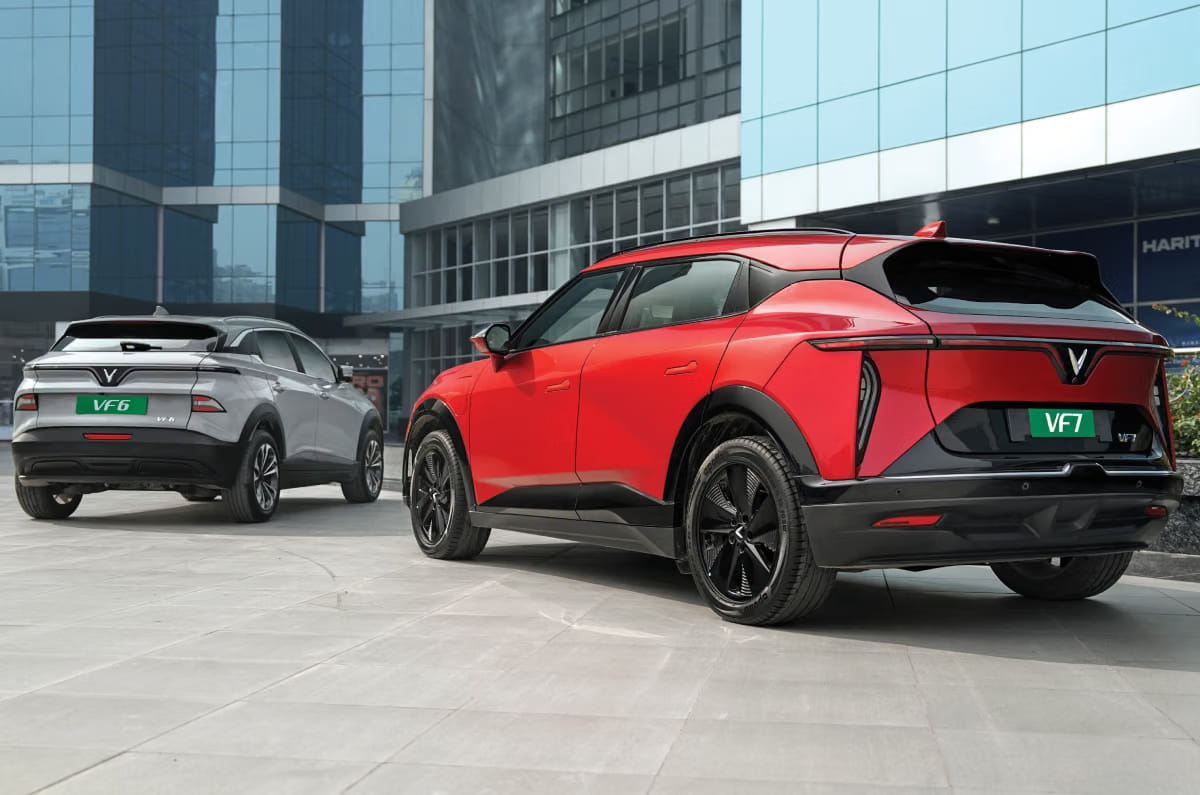
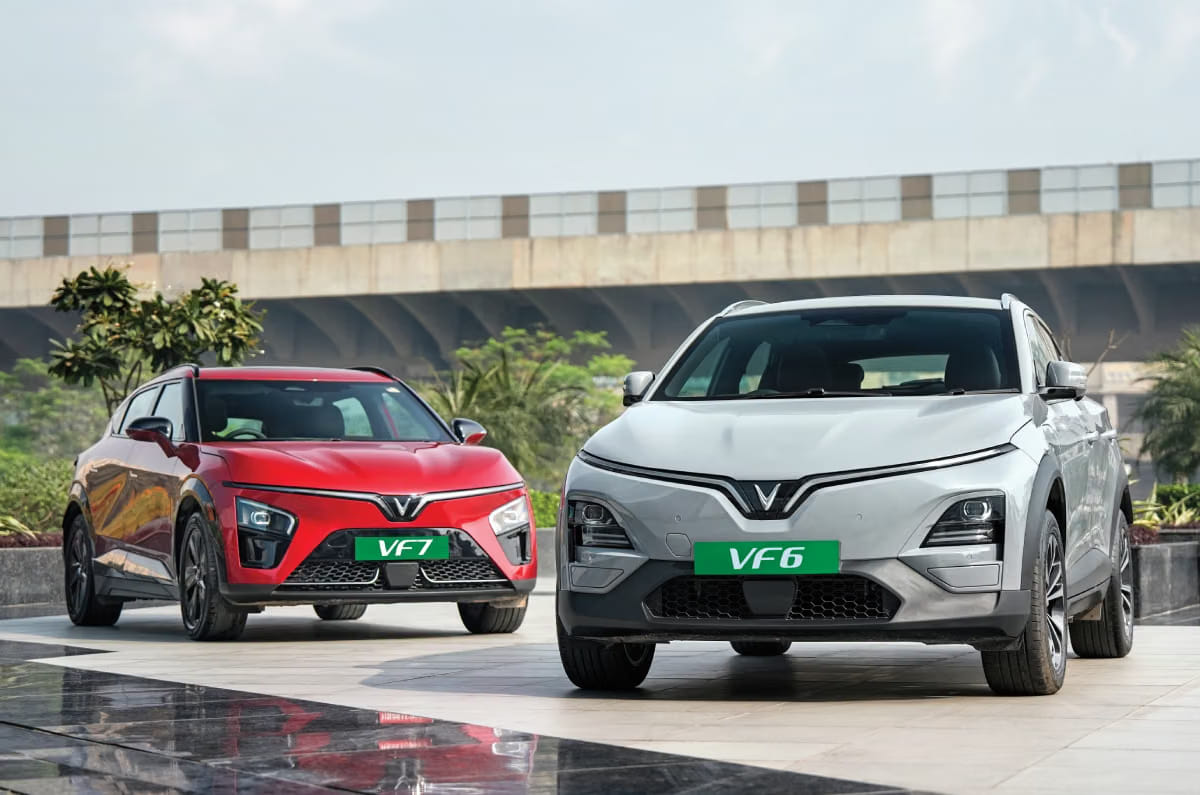
Vinfast plans to design, develop and manufacture electric vehicles specifically for India as it expands its operations in the country. The Vietnamese EV maker has also received investment approval for Phase 2 of its Thoothukudi plant in Tamil Nadu, although it has not disclosed the investment amount, additional production capacity or timeline for the expansion.
Phase 2 of Vinfast’s Thoothukudi plant gets investment approval
Vinfast to increase sourcing from Indian suppliers
India-specific EVs won’t be existing cars adapted for the market
Vinfast says its upcoming models will not simply be existing products adapted for India. The company plans to develop them specifically for local requirements and with a higher level of localisation.
“For upcoming models, Vinfast’s approach is not simply to bring existing products from our global portfolio into the market, but to design, develop and manufacture products specifically for India, tailored to the needs of local customers, while also targeting a much higher level of localisation,” a Vinfast spokesperson told our sister publication, Autocar Professional.
The company said it has conducted market studies and customer clinics to understand Indian customer requirements. Feedback from these exercises has already been used to make changes to products such as the VF6 and VF7 for the Indian market.
VF6, VF7 CKD assembly to continue
VinFast currently assembles the VF6 and VF7 from completely knocked down (CKD) kits at its Thoothukudi facility. The company has clarified that it has neither changed nor suspended production plans for the two SUVs and will continue CKD assembly for India. The clarification follows a Reuters report that had raised questions over the carmaker’s production plans for the two models.
Vinfast said India remains an important part of its long-term business and manufacturing strategy, adding that the initial response to its products has helped it consistently rank among the five largest electric passenger vehicle brands in India.
Vinfast to expand local supplier base
The carmaker is also working to increase sourcing from Indian suppliers. It has held supplier conferences in India and Vietnam involving more than 300 Indian suppliers to explore sourcing opportunities and increase localisation.
“Building a sustainable and resilient supply chain is the foundation of Vinfast’s long-term strategy in India. Accordingly, we are accelerating our operations in line with the ‘Make in India’ direction,” the spokesperson said.
Vinfast is also engaging with government agencies on policy measures aimed at supporting further production and investment by global EV manufacturers in India. The company described the approval for Phase 2 of the Thoothukudi plant as an important step towards expanding its manufacturing capacity.
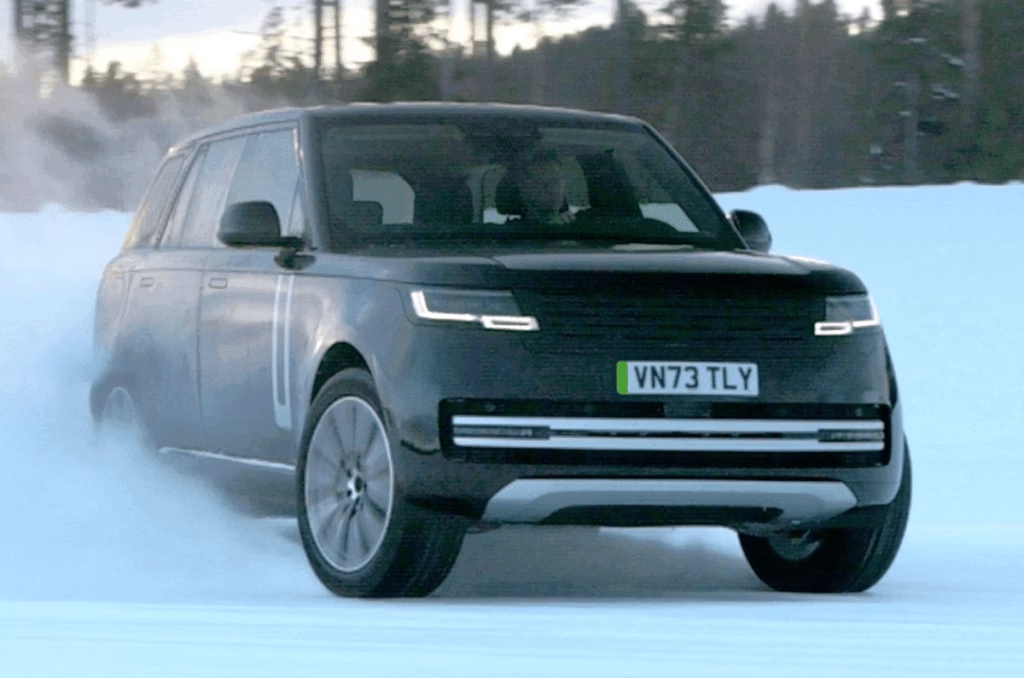
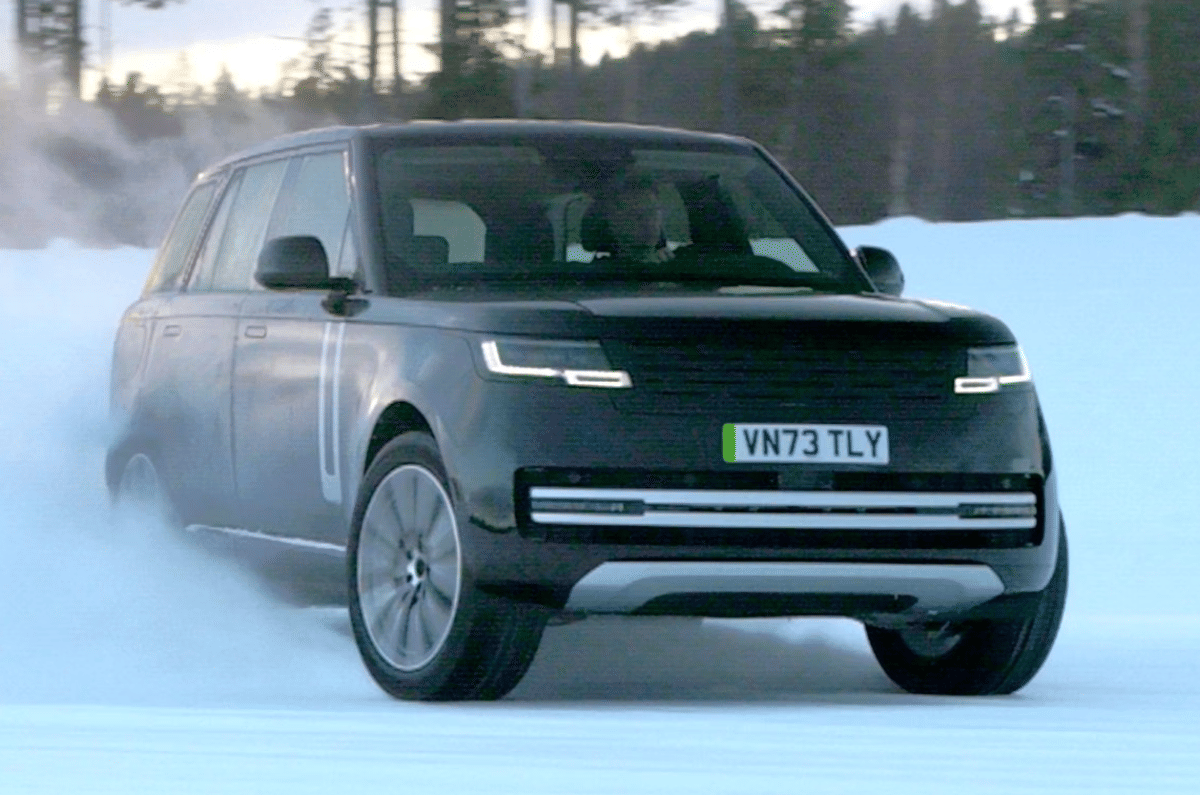
Bookings for the Range Rover Electric have commenced in India from today. Order books are open for Range Rover Electric standard wheelbase in Autobiography and long-wheelbase in SV, SV Ultra and SV Black versions. The company is also accepting bookings for the standard wheelbase Range Rover Electric First Edition.
The Range Rover Electric is Jaguar Land Rover’s (JLR) second EV after the Jaguar I-Pace. However, unlike the contract-manufactured Jaguar I-Pace, the Range Rover Electric is the first EV to be fully developed and built in-house at JLR.
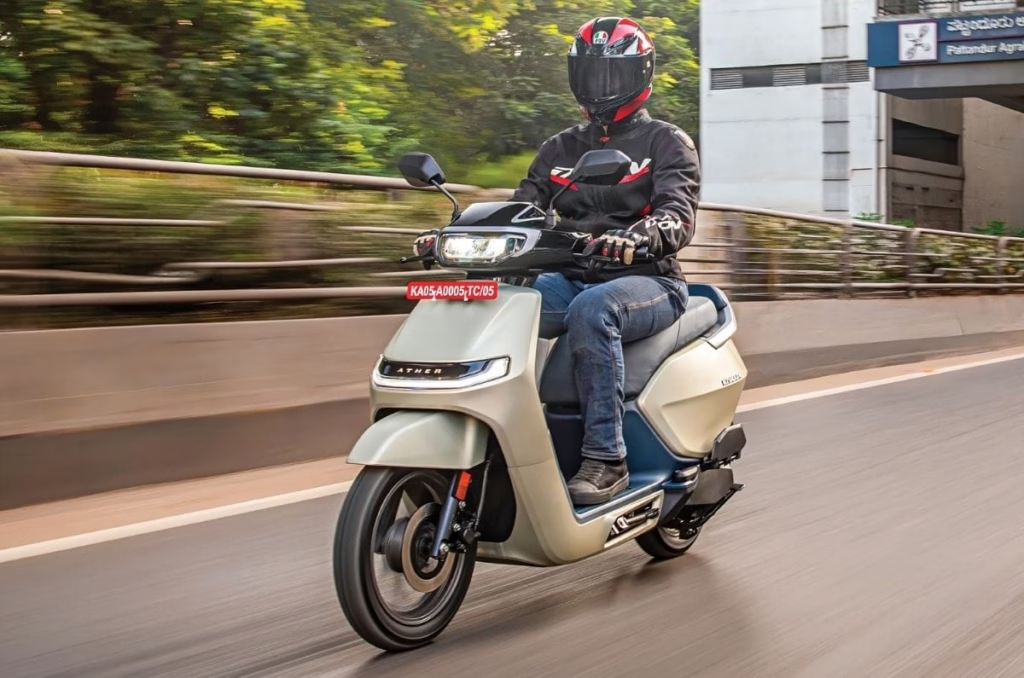
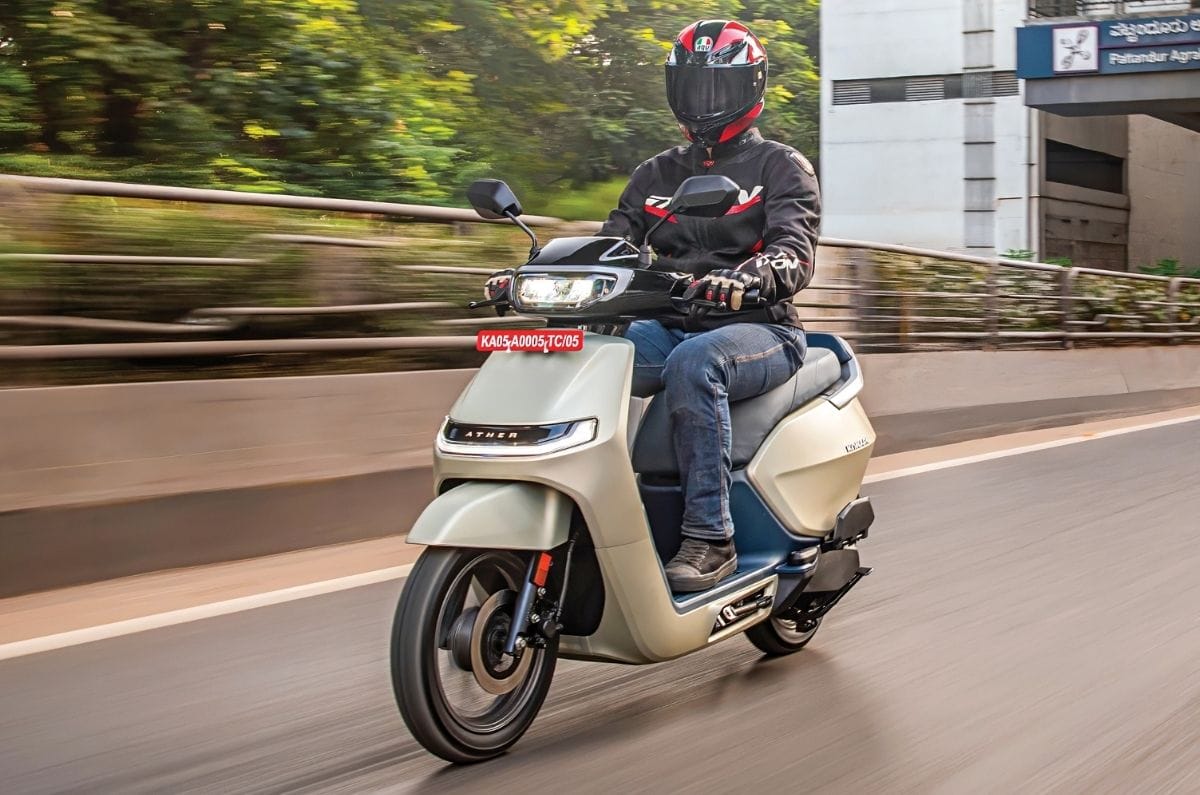
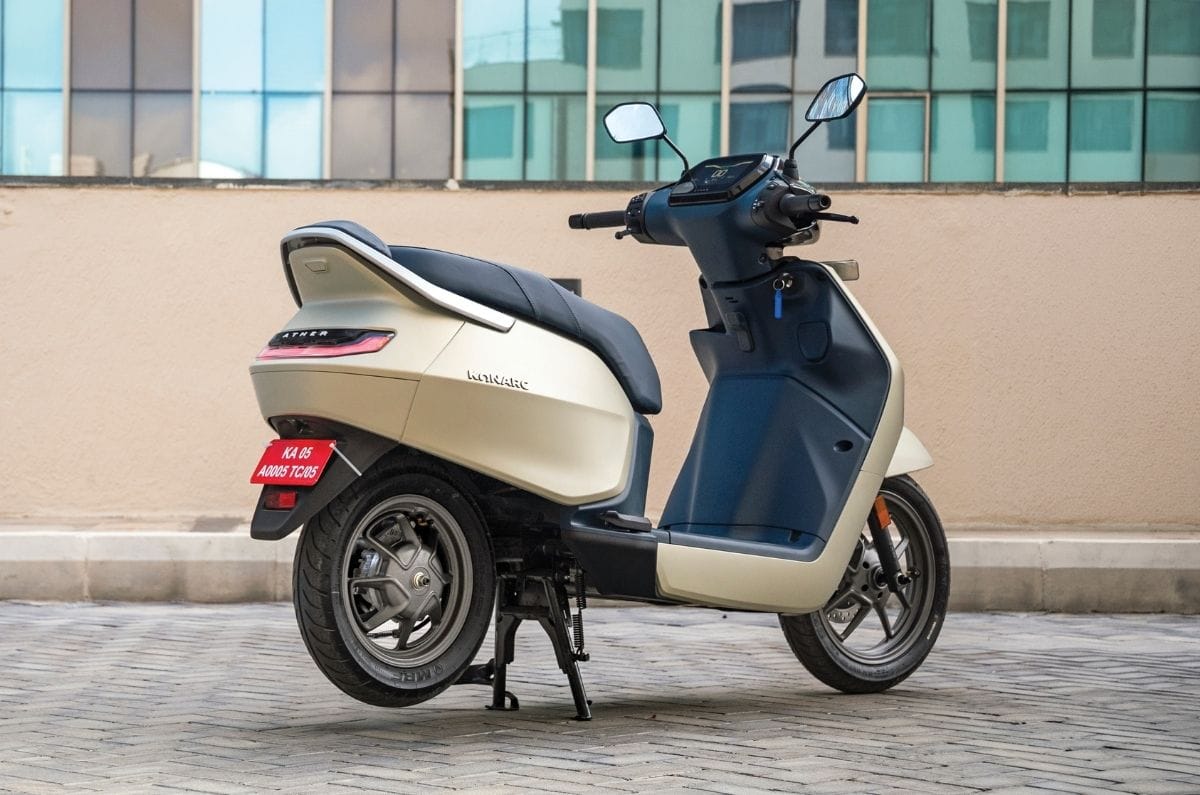
It’s not a stretch to say that the Konarc is the most important product from Ather yet, because the company hopes this new EV will help it unlock segments and markets hitherto untouched by it. The question then is, will the Konarc live up to the lofty expectations placed on its shoulders?
Konarc Design and Quality – 9/10
Straightforward design with high quality finish
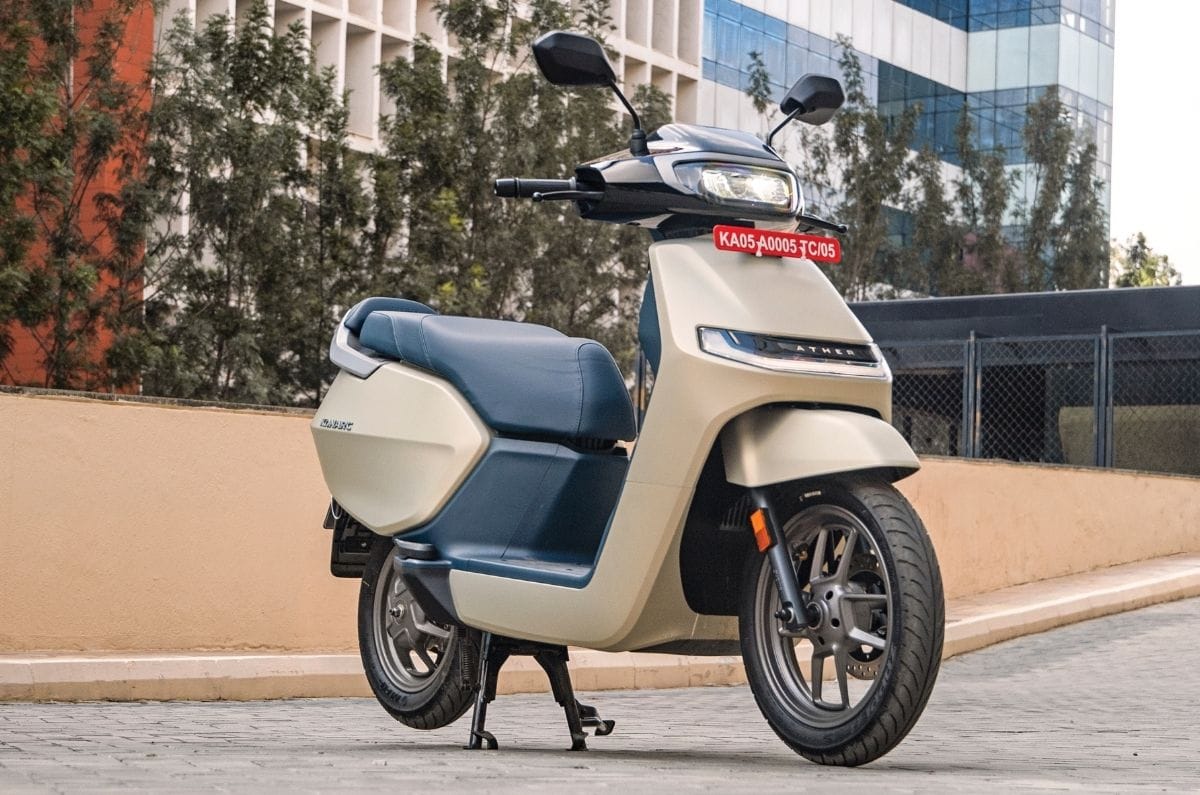
The Konarc S is offered in four classy yet inoffensive colours
Striking looks aren’t a trait family scooters are known for and Ather wanted to play it very safe with the Konarc to bring in buyers that typically shop for ‘decent-looking’ scooters. While it does look a bit plain, it will still not completely meld into the ocean of humdrum two-wheelers on the road. Further reinforcing its family scooter aspirations are a quartet of very classy, yet inoffensive colours.
Another aspect that the Konarc’s prospective customers will appreciate is its excellent finish and quality levels all across – a typical Ather trait.
Konarc Ride and Handling – 9/10
Excellent ride and seating comfort, planted and surefooted handler
One big reason Ather moved to the new EL platform is that its earlier platform was never built for outright comfort and practicality. In this application, the main focus was to maximise comfort for both rider and pillion. The use of a 14-in front wheel and suspension with 90mm/100mm (F/R) of travel are two key factors in providing lovely ride comfort here.
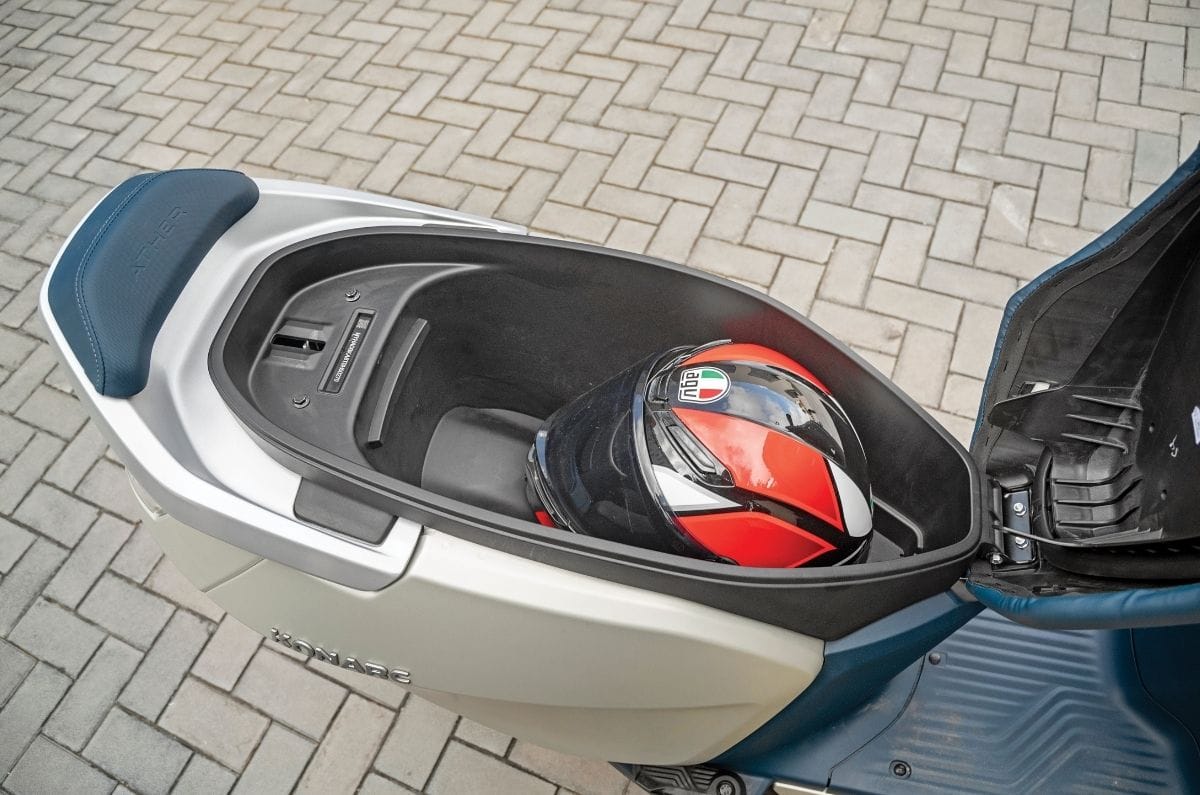
31L boot is deep enough to fit a premium helmet
Point the Konarc towards most bumps and it will round them off without getting unsettled while isolating you from the shock to a great extent. In the scooter space, this is one of the most comfortable options available. Ofcourse, this is still a scooter and really big bumps will filter through – don’t expect motorcycle-like comfort.
Specifications
Values
Wheelbase
1352 mm
Kerb Weight
126.5 kg
Chassis type
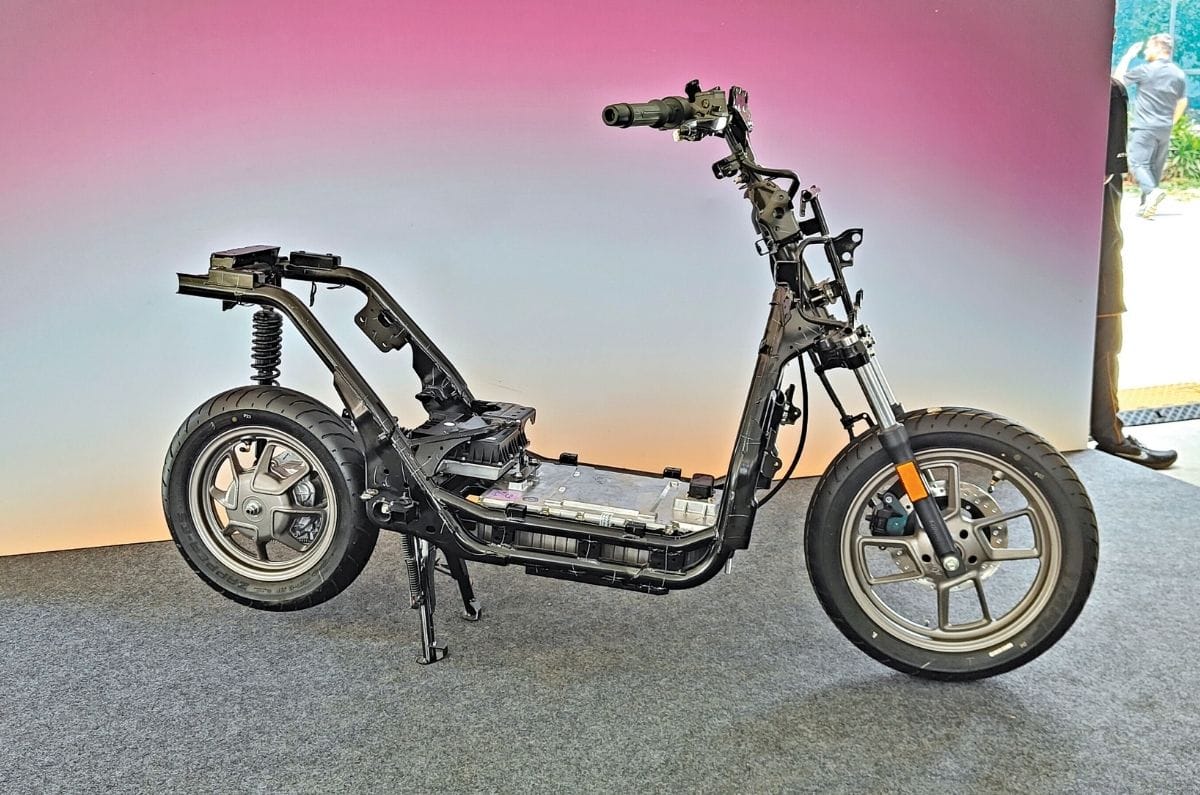
Monocoque Full – Steel Body Construction
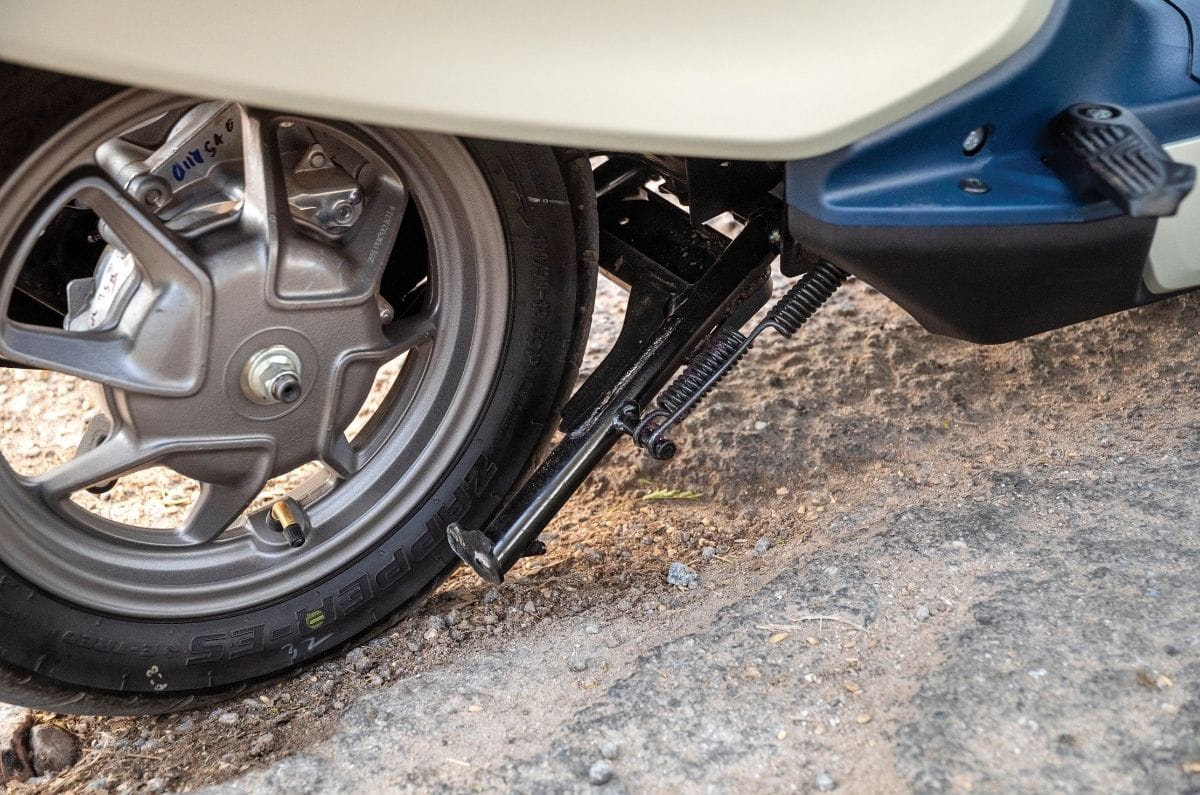
Something that a typical family scooter buyer values is a centre stand and the Konarc becomes the first Ather to offer it. Like other family scooters, the Konarc’s chassis is geared towards stability and ease of use. Despite the larger 14-in wheel and long 1352mm wheelbase, it felt very straightforward to ride. Its low 770mm seat height will help shorter folks get their feet down comfortably although its wide floorboard will have an impact here.
Main stand can touch down in deep ruts
A spacious seat with a padded backrest means two full-size riders will fit comfortably on the Konarc. Another nice feature is that the front end doesn’t get flighty even with a heavy pillion onboard, despite no preload adjustability on the monoshock. The only ergonomic miss is that riders taller than 5’10 will find their knees touching the handlebar during full-lock turns.
Specifications
Values
Wheel Size
Front – 14 inch, Rear – 12 inch
Front Tyre Size
90/90-14
Rear Tyre Size
100/90-12
Brake type
Front – Disc, Rear – Drum
Front Brake Size
220 mm
Rear Brake Size
130 mm
Front Suspension Type
Telescopic Fork, 90mm travel
Rear Suspension Type
Dual Hydraulic Coil Spring, 100mm travel
Konarc Performance – 8/10
Has enough performance, new motor has very silent running
Not only is the Konarc a big leap ahead in terms of comfort, its riding experience is also well-suited to city commuting. A big part of that is down to the comfort but its new swingarm-mounted motor also contributes here. Unlike the Rizta and 450 which used a rather noisy and relatively more maintenance intensive belt final drive, this motor is whisper quiet. It also directly powers the rear wheel without a chain or belt, reducing the number of components in the powertrain.
Specifications
Values
Fuel Type/ Propulsion
Electric
Motor Type
PMSM
Max Motor Power
4.7 kW
Max Motor Torque
16 Nm
EV Battery Capacity
2.7 kWh
With 4.7kW and 16Nm of torque on tap, the Konarc’s performance is best described as sufficient, but only in the top Power mode. Here, the scooter is capable of negotiating its way through big city traffic reasonably quickly. Switching to Eco / SmartEco dulls acceleration significantly and unless you’re running out of juice or you live in a small town, this level of performance will feel out of place.
450W onboard charger integrated into motor controller means you only need to carry a small cable around
Except for the bottom 2.1, all S variants come with a front disc brake, a rear drum and CBS. This setup is capable of bringing the Konarc to a halt quickly and safely with almost no hiccups. The one concern with the combined braking system was that the front could lock up when braking on sandy, gravelly loose surfaces using the rear brake lever exclusively. Only the Z variants launching next year come with Ather’s AeBS (Advanced Electronic Braking System) which uses the regen system to shorten braking distances.
Konarc Features – 8/10
S variants are decently equipped but Z gets all the feel-good ones
And that is a good segue into the way Ather has distributed features across the S and Z. The keyless ignition system, automatic seat opening, AeBS, Magic Twist regen braking, traction control, the colour TFT display and all the smart functions enabled by it are reserved only for the Z. Common to all Konarcs is the 31L underseat storage area, which can easily swallow an imported full-face helmet with room to spare.
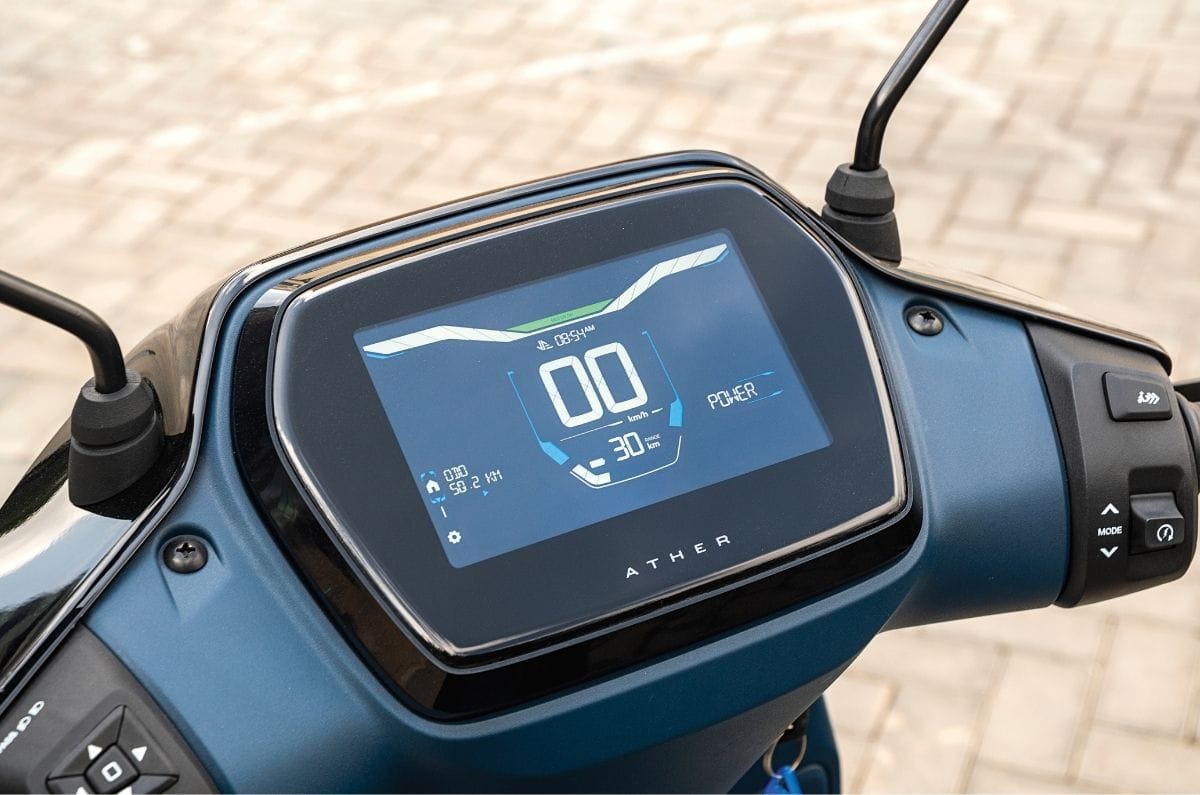
7-inch dash informative and legible but not full colour
What three S variants (except the most affordable one) get is the 7-in simple TFT dash with Bluetooth connectivity, hill hold assist, reverse, several app-based functions, a 450W onboard charger and Airwalk. Airwalk is basically the Konarc’s motor sending a tiny amount of power to the rear wheel when you’re pushing it around to help make your life easier – this is truly effective and makes the 129kg Konarc feel far lighter than it is when moving it around. While the S has a good number of features, when you bring pricing into the equation, it stings a little.
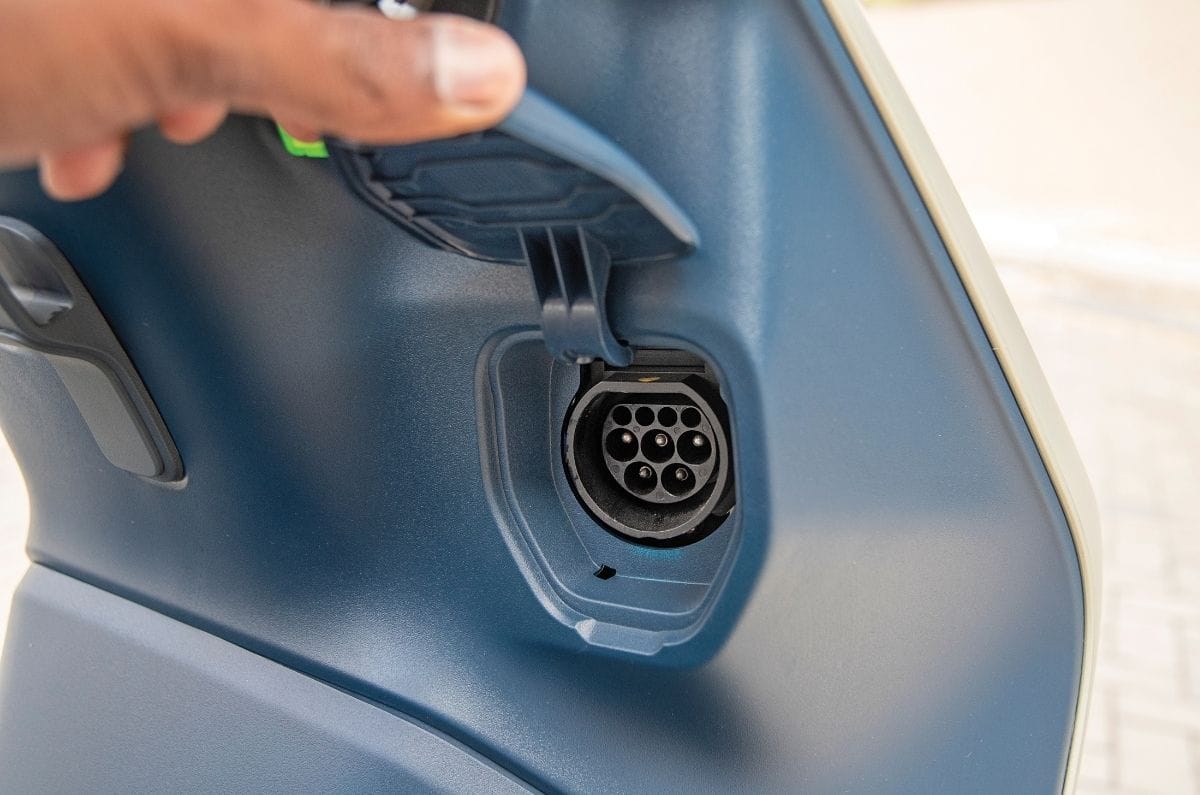
Same charging port for both onboard & portable chargers
Konarc Price and Verdict – 8/10
Not a cutthroat price but this is still a polished and competitive scooter
The two S variants which are on sale right now, S 125 and S 161, are priced at Rs 1.22 lakh and Rs 1.45 lakh, respectively – near identical pricing to the Rizta S. Like the Rizta, you have to pay extra for the Ather StackPro which unlocks many of the smart electronic features.
The base S 2.1 (Rs 99,999) misses out on niceties like the disc brake and backrest and comes with rudimentary tech and a basic 4.2-in display. In that sense, the Konarc isn’t really pushing the envelope when it comes to an alluring price.
Variant
Price (ex-showroom)
Konarc S 100
Rs 1 lakh
Konarc S 125
Rs 1.22 lakh
Konarc S 161
Rs 1.45 lakh
However, as a scooter, the Konarc is a well-thought out product that nails comfort, promises enough performance, predictable range and lower maintenance costs. Ather claims a 10,000km / 1 year service interval and lower service charges owing to fewer parts and quicker turnaround times.
It may not have made as stellar an impression as it could have with more aggressive pricing, but nonetheless the Konarc definitely has what it takes to elevate Ather to a higher echelon in the market.
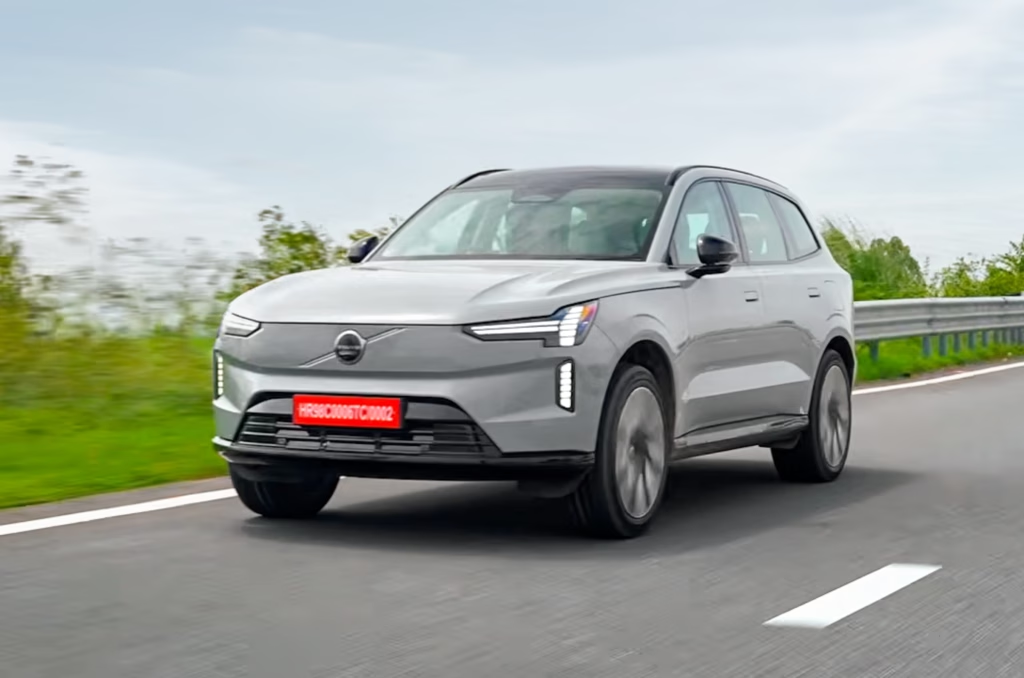
Volvo’s flagship EV, the EX90, has been on sale overseas since 2022. Ahead of its launch on October 12, the manufacturer has revealed details of the India-spec model. It will be sold here in the range-topping ‘Ultra’ variant, which we got to experience recently. If you are interested in the flagship Volvo EX90, here are two reasons to choose it and two reasons to think otherwise.
Reasons to buy the Volvo EX90
Offers a comfortable driving experience on all types of roads
The Volvo EX90 features an air suspension system that offers a good balance between ride comfort and handling. The car takes microseconds to adjust to the various undulations on the road. Volvo is offering this system with three adjustable modes: Soft, Standard and Firm. ‘Soft’, as the name suggests, offers a comfortable drive over broken roads at medium to high speeds, but it results in a bit more body roll, which does not make it feel confident. ‘Standard’ offers a comfortable ride on bad roads but without feeling overly soft in the corners. ‘Firm’ adds a layer of stability through sharp corners and high speeds.
Has adequate performance and impressive cabin insulation
The India-spec Volvo EX90 Ultra will be offered with a 106kWh battery pack powering dual electric motors producing 456hp and 670Nm. Volvo claims a 0-100kph time of 5.5 seconds, which is fairly quick given its size. However, the SUV builds speed linearly, and the powertrain feels more relaxed and laid-back. Volvo is offering the EX90 with four driving modes: Range, Standard, Performance and Off-road. Even in ‘Performance’ mode, outright zippy acceleration associated with EVs is missing, and the SUV builds up pace gradually.
As engine sounds are absent on an EV, wind and road noises that filter into the cabin tend to get amplified, especially with larger wheels. However, this is not the case with the Volvo EX90, which offers top-notch cabin insulation. This keeps the cabin feeling near-silent.
Reasons not to buy the Volvo EX90
Essential drive settings buried within the infotainment system menus
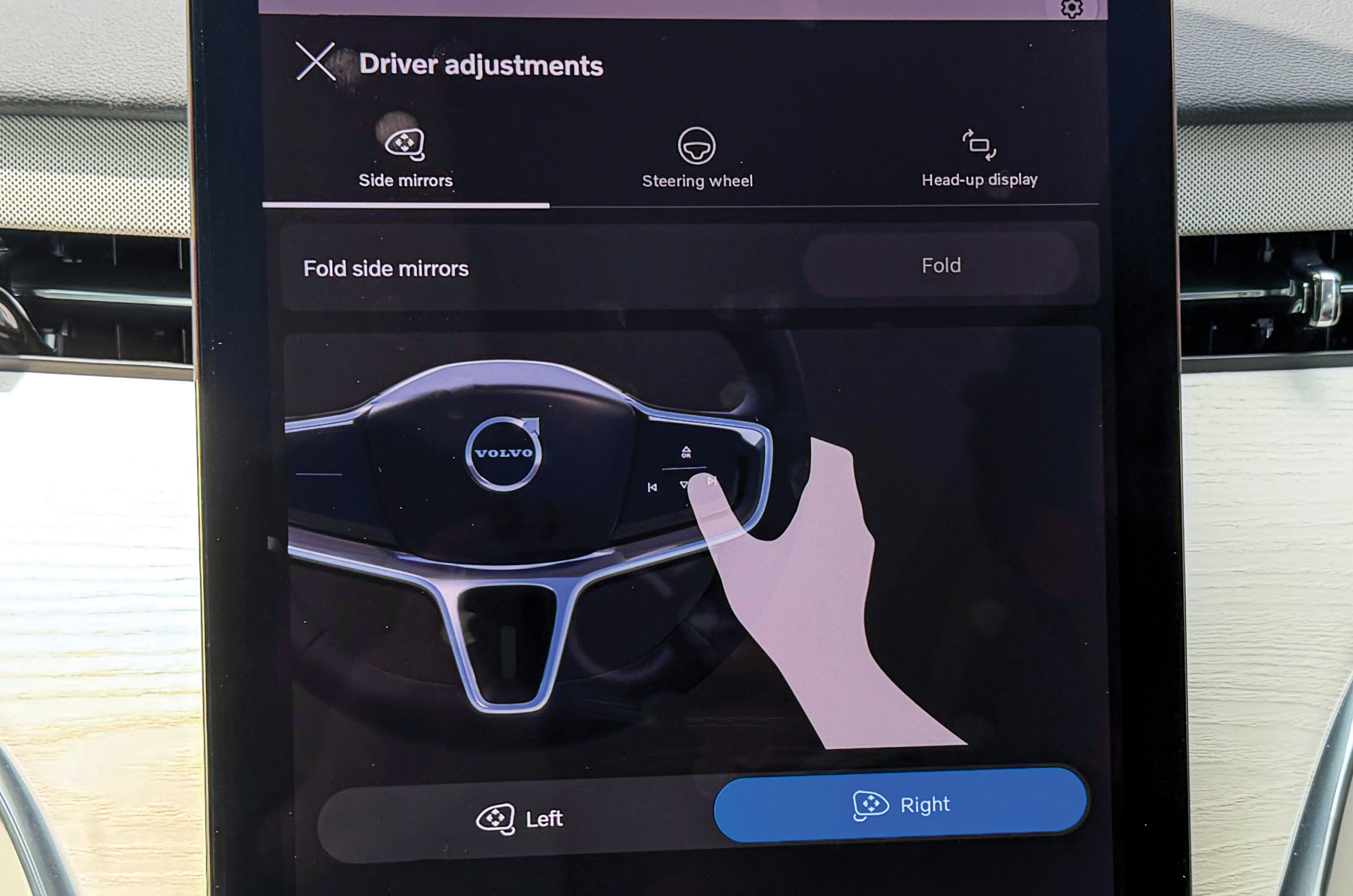
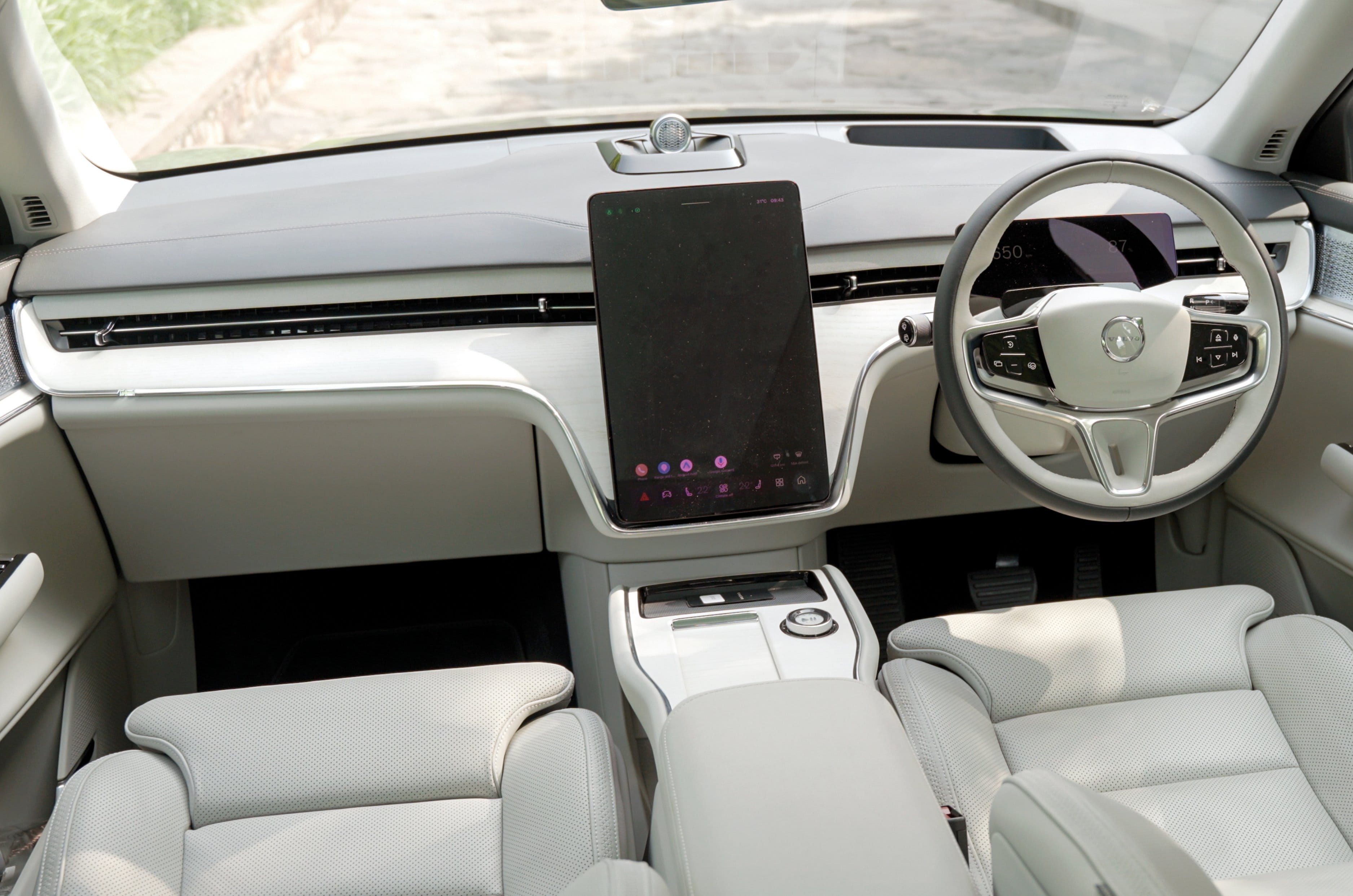
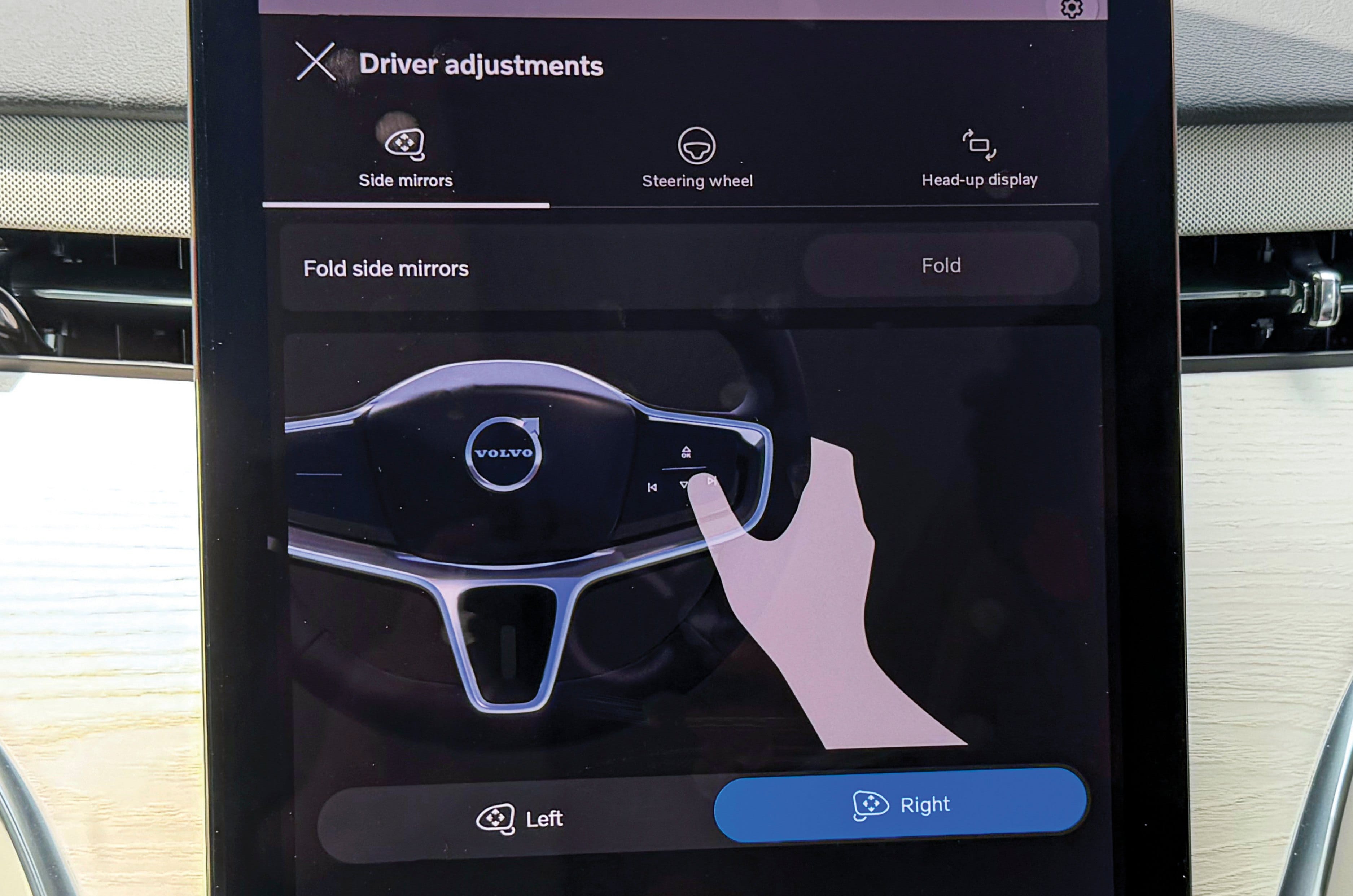
The Volvo EX90’s dashboard is devoid of buttons. All functions can be accessed through the steering-mounted controls or the massive 14.5-inch touchscreen infotainment system that sits in the centre of the dashboard. Simple but essential tasks such as adjusting the outside rearview mirrors (ORVMs) require navigating menus and multiple inputs, which is neither convenient nor safe while on the move. Some hard-coded climate control functions are in the bottom section of the touchscreen, but operating them requires taking your eyes off the road.
Inconsistent brake bite point
Volvos are generally known for offering a strong safety suite, and the flagship EX90 is no different. However, the braking performance is inconsistent due to a variable brake bite point. This is because the EX90 employs regenerative braking with traditional hydraulic brakes, and the transition, depending on the battery’s state of charge and drive modes, causes the bite point to vary.
As mentioned earlier, the Volvo EX90 will launch on October 12. It is expected to have a small premium over its ICE counterpart, the XC90, which currently starts at Rs 98.80 lakh (ex-showroom).
India’s passenger vehicle market remained on a strong growth path in August 2026, with most carmakers reporting higher domestic wholesales compared with the same month last year. Maruti Suzuki retained the top spot, while Tata Motors remained ahead of Mahindra for second place. Hyundai held fourth position, while Kia overtakes Toyota for the fifth spot.
July 2026 carmaker-wise sales in India
Carmaker
Aug 2026 sales
Jul 2026 sales
MoM change
Aug 2025 sales
YoY change
Maruti Suzuki
1,76,971
1,96,203
-9.80%
1,31,278
34.8%
Tata Motors
67,753
62,611
4.22%
43,315
56%
Mahindra
59,257
60,048
-1.32%
39,399
50%
Hyundai
54,396
54,210
0.3%
43,966
23.6%
Kia
29,042
28,200
3%
19,608
48.1%
Toyota
28,410
30,516
-7%
29,302
-3%
MG
7,508
8,158
-8%
6,687
12.3%
Nissan
3,426
3,006
14%
1,384
147%
Renault
2,842
3,293
-14%
3,015
-5.7%
Maruti Suzuki
Sales: 1,76,971 units. Change: 34.8 percent YoY
Maruti Suzuki retained its position as India’s largest carmaker in August, with domestic passenger vehicle sales rising 34.8 percent year on year. Utility vehicless, including the Brezza, Ertiga, e Vitara, Fronx, Grand Vitara, Invicto, Jimny, Victoris and XL6, accounted for 79,045 units, while compact and mid-size segment, led by the Baleno, Swift, Dzire and WagonR, contributed 77,166 units. The mini segment, comprising the Alto and S-Presso, added 8,799 units, while the Eeco contributed 11,961 units.
The carmaker also crossed one million total sales in the first five months of FY2026-27. Its total August sales, including exports and sales to other OEMs, stood at 2,19,220 units.
Tata Motors
Sales: 67,753 units. Change: 56 percent YoY
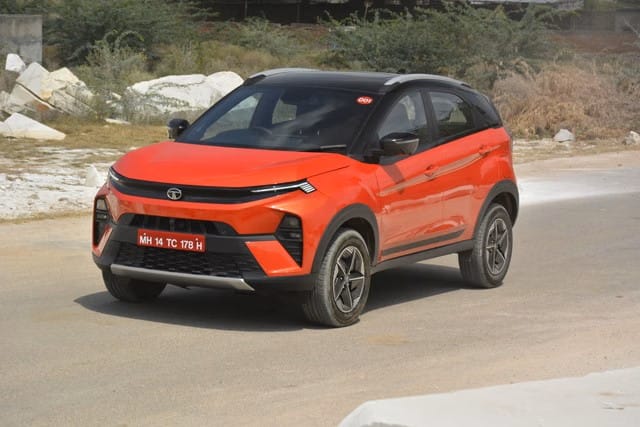
Tata Motors retained second place with 67,753 domestic passenger vehicle sales in August, up 56 percent from the same month last year. Electric vehicle sales, including domestic and international volumes, stood at 16,549 units, almost doubling from 8,540 units in August 2025. Tata also announced a price hike across its passenger vehicle range from September 1.
Mahindra
Sales: 59,257 units. Change: 50 percent YoY
Mahindra remained in third place, recording domestic SUV sales of 59,257 units in August, a 50 percent increase over the 39,399 units sold in August 2025. Its overall vehicle sales, including exports, stood at 1,07,648 units, up 42 percent year on year.
During the month, Mahindra launched the updated Scorpio-N and BE 6 SporteQ, and also introduced its Battery-as-a-Service option for the XEV 9e and XEV 9S.
Hyundai
Sales: 54,396 units. Change: 23.6 percent YoY
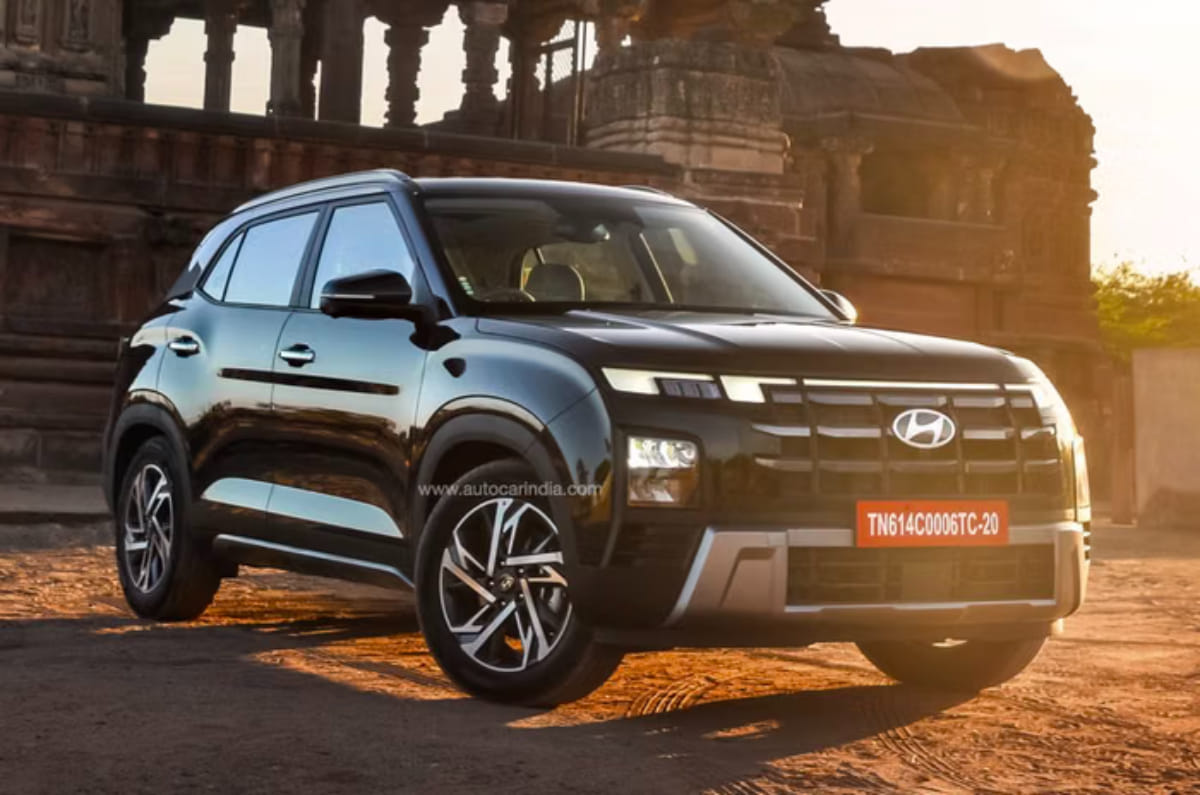
Hyundai recorded 54,396 domestic sales in August, up 23.6 percent year on year. The company said this was its highest-ever domestic sales figure for an August. Hyundai has introduced an assured buyback programme for the Creta Electric, while the carmaker is also set to increase prices from this September 2026.
Kia
Sales: 29,042 units, Change: 48.1 percent YoY
Kia recorded 29,042 units in August, up 48.1 percent from 19,608 units in the same month last year. This was the carmaker’s highest-ever August wholesale volume since entering India. The Seltos and Sonet continued to account for a large share of Kia’s volumes, while the newly launched Syros EV also contributed to the brand’s performance.
Toyota
Sales: 28,410 units, Change: -3 percent YoY
Toyota recorded domestic sales of 28,410 units in August 2026, down 3 percent from 29,302 units in the same month last year. The company remains optimistic about demand during the upcoming festive season, with the Innova Hycross, Urban Cruiser Hyryder and Glanza continuing to drive sales.
JSW MG Motor India
Sales: 7,508 units. Change: 12.3 percent YoY
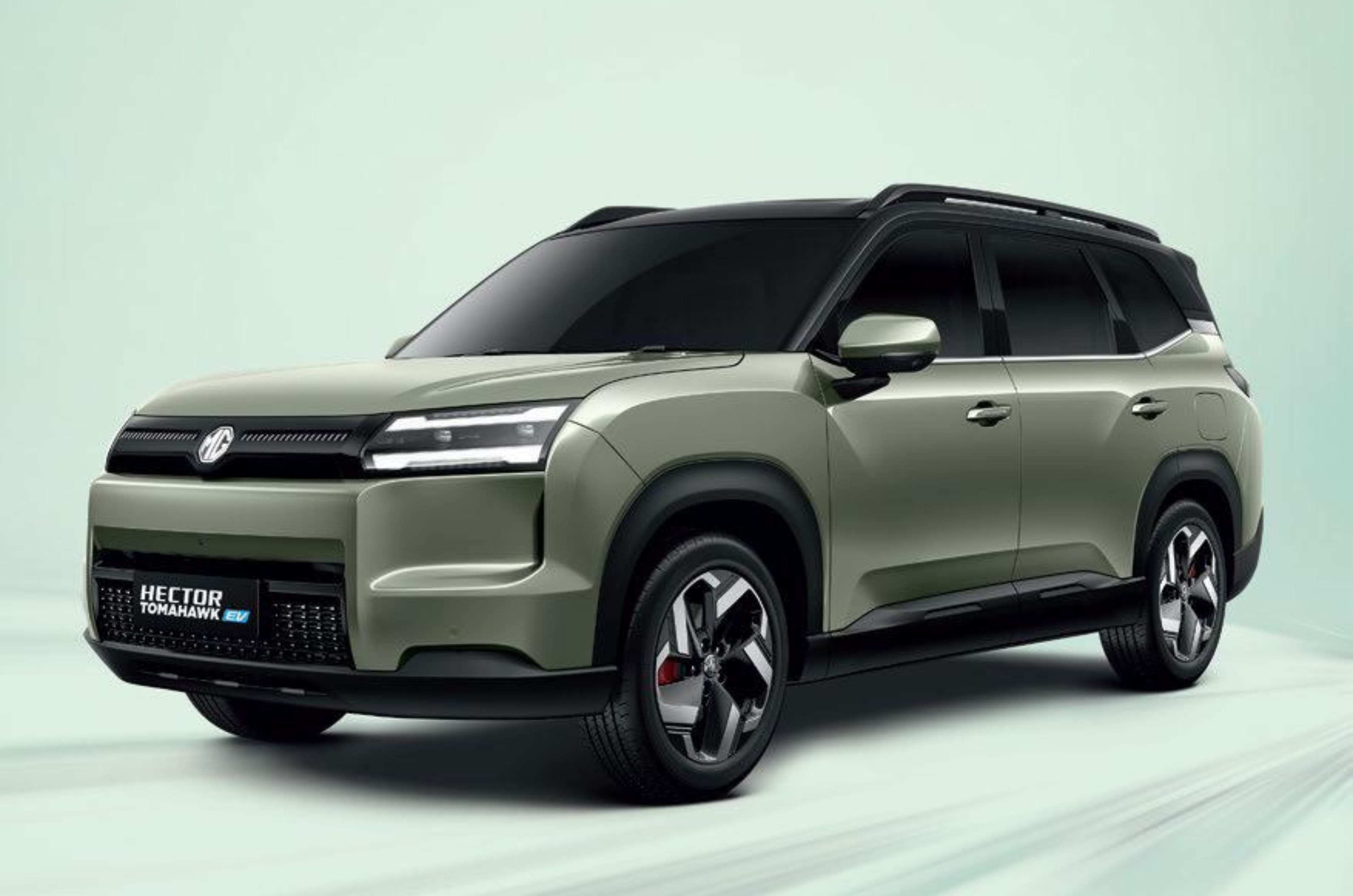
JSW MG Motor recorded sales of 7,508 units in August, up 14 percent year on year. The company launched the Hector Tomahawk in both EV and PHEV forms during the month. Bookings for both versions are open, while deliveries of the Tomahawk EV are scheduled to begin in September. PHEV test drives and deliveries are scheduled to start in November.
Nissan
Sales: 3,426 units. Change: 147 percent YoY
Nissan recorded domestic wholesale sales of 3,426 units in August, up 147 percent year on year. The company attributed the performance to demand for the Magnite and Gravite, along with the response to the recently launched Tekton. Nissan also began exporting the Tekton to South Africa, Bhutan and Nepal during the month, with the first batch comprising more than 1,300 units.
Renault
Sales: 2,842 units, Change: -5.7 percent YoY
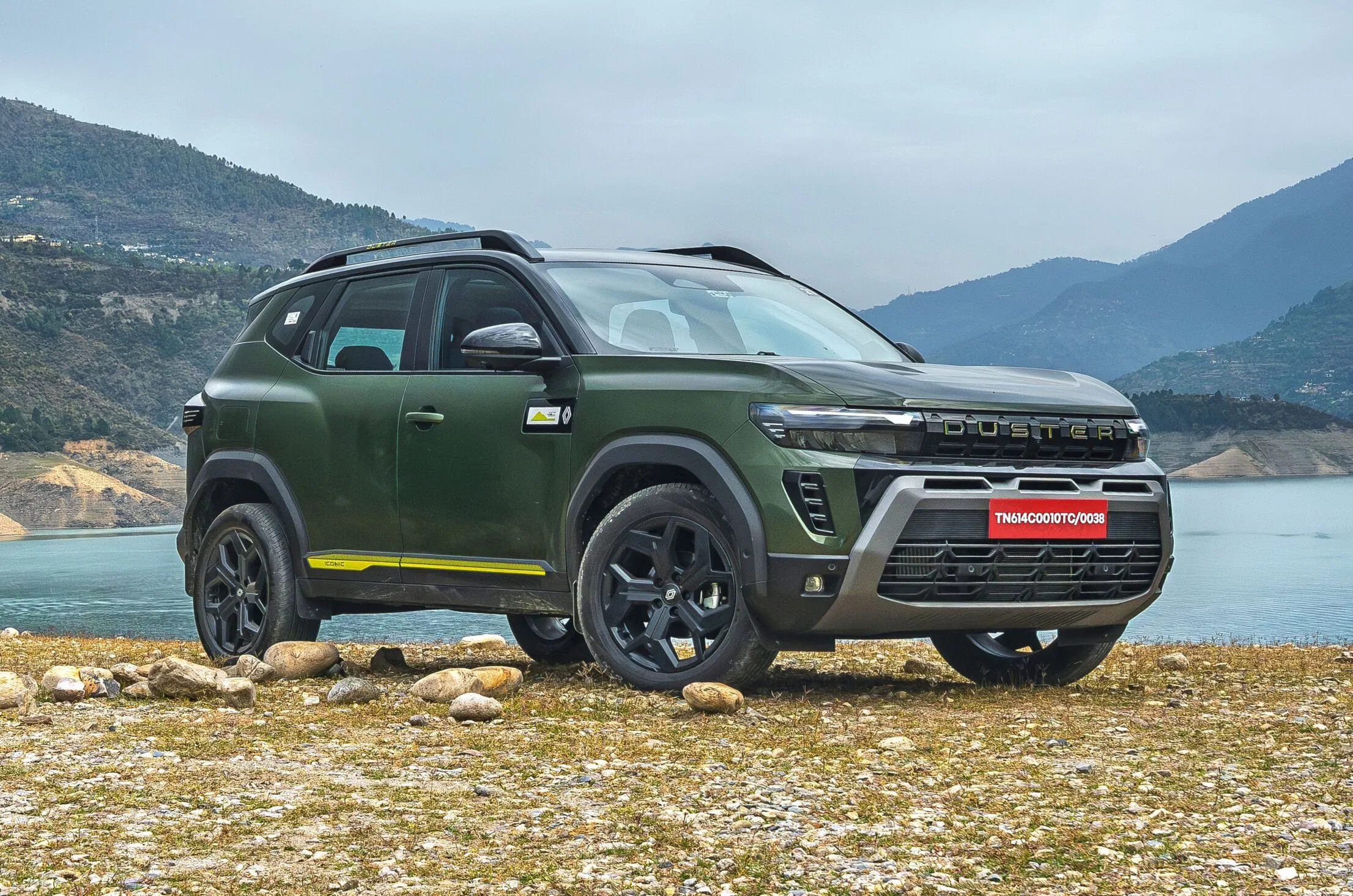
Renault recorded sales of 2,842 units in August 2026, down 5.7 percent from 3,015 units in August 2025. The carmaker’s cumulative domestic wholesales for January-August 2026 stood at 31,979 units, up 47.9 percent from 21,621 units in the same period last year. The company will add another powertrain option to the Triber range with the Triber Turbo, which is scheduled to arrive in late September 2026.
Ather Energy Share Price: इलेक्ट्रिक टू-व्हीलर कंपनी Ather Energy ने इस साल शेयर बाजार में Tesla, BYD और Xiaomi जैसी दिग्गज कंपनियों को भी पीछे छोड़ दिया है। कंपनी के शेयर 2026 में अब तक करीब 130% चढ़ चुके हैं। विश्लेषकों को बढ़ते मार्केट शेयर की वजह से स्टॉक में आगे भी तेजी की उम्मीद है।
Ather के शेयर में तेजी ने ग्लोबल निवेशकों का भी ध्यान खींचा है। सोमवार को BlackRock Global Funds ने ओपन मार्केट से कंपनी में 1% से कम हिस्सेदारी खरीदी है।
इसके उलट EV कंपनियों से जुड़े 104 शेयरों को ट्रैक करने वाला ब्लूमबर्ग इंडेक्स इस साल करीब 1% गिरा है। Tesla, BYD और Xiaomi जैसी बड़ी कंपनियों के कमजोर प्रदर्शन का असर इस इंडेक्स पर पड़ा है।
पिछले महीने शेयर 36% से ज्यादा चढ़ा
Hero MotoCorp की हिस्सेदारी वाली Ather Energy इलेक्ट्रिक टू-व्हीलर की डिजाइनिंग, मैन्युफैक्चरिंग और सर्विसिंग करती है। कंपनी का अपना चार्जिंग नेटवर्क भी है। भारत में EV की बढ़ती मांग का कंपनी को फायदा मिल रहा है।
बेंगलुरु की कंपनी का शेयर पिछले महीने 36% से ज्यादा चढ़ा। मई 2025 में लिस्टिंग के बाद यह किसी एक महीने में कंपनी की सबसे बड़ी तेजी है। बाजार में कंपनी की ग्रोथ को लेकर भरोसा बढ़ा है।
FY28 तक 26% मार्केट शेयर का अनुमान
Emkay Global Financial Services का अनुमान है कि FY28 तक Ather Energy का मार्केट शेयर बढ़कर 26% हो सकता है। मार्च के अंत में कंपनी का मार्केट शेयर करीब 17% था।
ब्रोकरेज का मानना है कि नए प्रोडक्ट लॉन्च और कंपनी की इन-हाउस टेक्नोलॉजी से Ather को फायदा मिल सकता है। इससे कंपनी घरेलू प्रतिद्वंद्वी Ola Electric को कड़ी टक्कर दे सकती है। पिछले हफ्ते Ather ने Konarc इलेक्ट्रिक स्कूटर लॉन्च किया था। इसे कंपनी की अपनी EV आर्किटेक्चर पर बनाया गया है। यह मास मार्केट सेगमेंट के लिए तैयार किया गया है।
Konarc से दोगुना हो सकता है बाजार
Nomura Holdings के एनालिस्ट्स का कहना है कि Konarc की वजह से Ather का एड्रेसेबल मार्केट दोगुना हो सकता है। यानी कंपनी के पास पहले के मुकाबले ज्यादा ग्राहकों तक पहुंचने का मौका होगा।
एनालिस्ट्स का कहना है कि भारत में इलेक्ट्रिक टू-व्हीलर का बाजार अब अहम मोड़ पर पहुंच रहा है। इस सेगमेंट में लंबी अवधि के लिए Ather को सबसे मजबूत विकल्पों में शामिल माना जा रहा है।
लिस्टिंग के बाद 440% चढ़ा शेयर
लिस्टिंग के बाद से Ather Energy का शेयर करीब 440% चढ़ चुका है। पिछले पांच साल में ₹2,500 करोड़ या उससे ज्यादा का IPO लाने वाली भारतीय कंपनियों में Ather Energy का प्रदर्शन सबसे बेहतर रहा है।
तेजी के बावजूद एनालिस्ट्स अभी भी स्टॉक को लेकर बुलिश हैं। ब्लूमबर्ग के मुताबिक, कंपनी को कवर करने वाले सभी 14 एनालिस्ट्स शेयर पर खरीदारी की सलाह दे रहे हैं।
Axis Capital ने Ather Energy का टारगेट प्राइस ₹2,100 रखा है। सोमवार के क्लोजिंग प्राइस के मुकाबले इसमें करीब 22% की तेजी की संभावना बताई गई है।
अगले 3-4 साल में शेयर दोगुना हो सकता है
Emkay के एनालिस्ट चिराग जैन का मानना है कि अगले तीन से चार साल में मौजूदा स्तर से भी Ather Energy का शेयर दोगुना हो सकता है।
उनका कहना है कि Ather सिर्फ फीचर्स हटाकर कीमत कम करने के पक्ष में नहीं है। कंपनी लागत कम करके कीमत घटाने की रणनीति पर काम कर रही है, ताकि ब्रांड और प्रोडक्ट क्वालिटी पर असर न पड़े।
एथर एनर्जी का शेयर मंगलवार को 1.07% की तेजी के साथ 1,736 रुपये पर बंद हुआ।
Disclaimer: मनीकंट्रोल.कॉम पर दिए गए सलाह या विचार एक्सपर्ट/ब्रोकरेज फर्म के अपने निजी विचार होते हैं। वेबसाइट या मैनेजमेंट इसके लिए उत्तरदायी नहीं है। यूजर्स को मनीकंट्रोल की सलाह है कि कोई भी निवेश निर्णय लेने से पहले हमेशा सर्टिफाइड एक्सपर्ट की सलाह लें।
पश्चिम बंगाल की पूर्व मुख्यमंत्री ममता बनर्जी की 28 वर्षीय भतीजी बृष्टि मुखर्जी (Bristy Mukherjee) की मंगलवार को बीरभूम जिले के रामपुरहाट में मौत हो गई। बृष्टि का शव उनके गांव स्थित आवास में फंदे से लटका मिला। पुलिस के एक वरिष्ठ अधिकारी के अनुसार, बृष्टि मुखर्जी का शव रामपुरहाट इलाके के कुसुम्बा स्थित उनके घर की दूसरी मंजिल के एक कमरे से बरामद किया गया। शव को पोस्टमॉर्टम के लिए भेज दिया गया है और मामले की जांच जारी है।
रिपोर्टों के मुताबिक, बृष्टि मुखर्जी उन करीब 26,000 शिक्षण और गैर-शिक्षण कर्मचारियों में शामिल थीं, जिनकी नियुक्तियों को लेकर पश्चिम बंगाल शिक्षक भर्ती मामले में जांच हुई थी। बृष्टि बोलपुर के एक अपर प्राइमरी स्कूल में गैर-शिक्षण कर्मचारी के तौर पर कार्यरत थीं। हाईकोर्ट के आदेश के बाद नौकरी गंवाने वाले उम्मीदवारों की सूची में उनका नाम कथित तौर पर 608वें स्थान पर था। हाईकोर्ट के फैसले को बाद में सुप्रीम कोर्ट ने भी बरकरार रखा था।
रिपोर्टों के अनुसार, शिक्षक भर्ती मामले में अदालत के फैसले के बाद बृष्टि मानसिक तनाव में थीं। परिवार की ओर से बताया गया कि उनका इलाज भी चल रहा था। हालांकि, उनकी मौत के वास्तविक कारण और परिस्थितियों को लेकर पुलिस जांच कर रही है। अधिकारी के मुताबिक, पोस्टमॉर्टम और अन्य कानूनी प्रक्रियाओं के बाद मौत से जुड़ी परिस्थितियां स्पष्ट हो सकेंगी।
क्या है West Bengal SSC भर्ती मामला?
यह मामला 2016 West Bengal State Level Selection Test (SLST) के जरिए स्कूलों में हुई शिक्षक और गैर-शिक्षक कर्मचारियों की भर्ती से जुड़ा है। आरोप था कि बड़ी संख्या में उम्मीदवारों को कथित तौर पर अनियमित तरीके से नौकरी दी गई। मामले की जांच के दौरान भर्ती प्रक्रिया में कथित भ्रष्टाचार और पैसों के लेनदेन के आरोप सामने आए थे।
इसी मामले के चलते करीब 26,000 शिक्षण और गैर-शिक्षण कर्मचारियों की नियुक्तियां रद्द करने का मामला अदालत तक पहुंचा। यह प्रकरण पश्चिम बंगाल में तत्कालीन ममता बनर्जी सरकार के कार्यकाल के दौरान सामने आए प्रमुख भर्ती विवादों में शामिल रहा है। पुलिस फिलहाल बृष्टि मुखर्जी की मौत की परिस्थितियों की जांच कर रही है। पोस्टमॉर्टम रिपोर्ट और जांच के बाद ही मौत के कारणों को लेकर स्थिति स्पष्ट होगी।
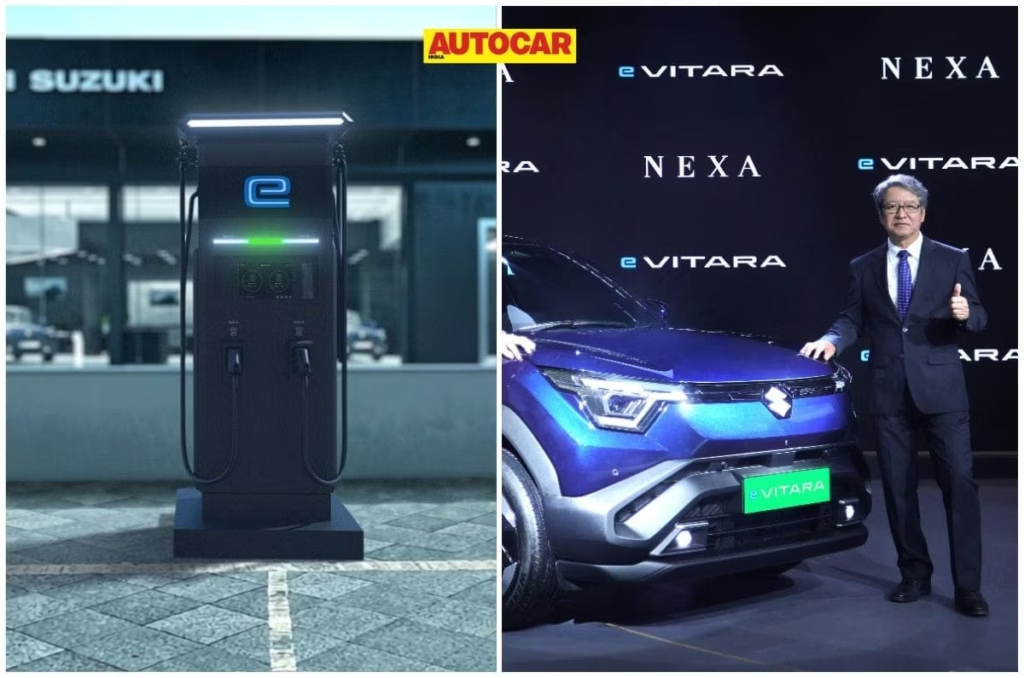
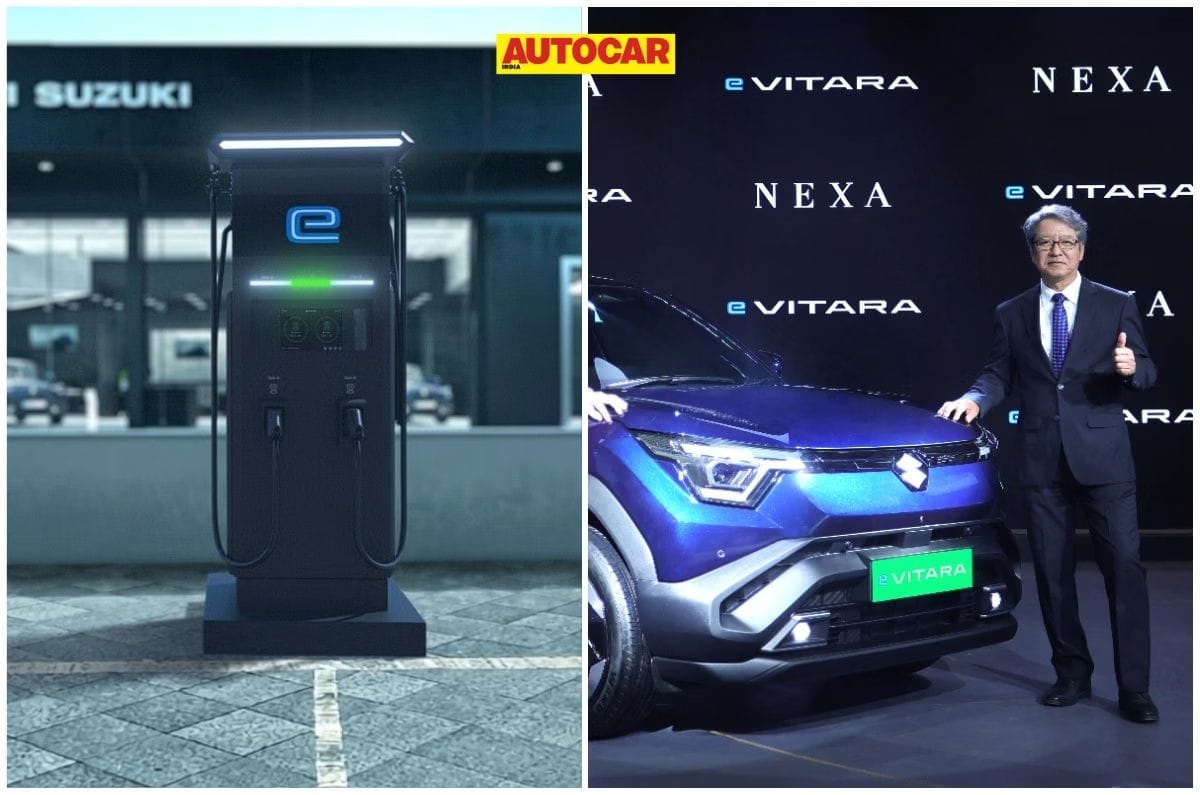
Maruti Suzuki plans to add smaller EVs to its India line-up once it has developed the charging infrastructure needed to support them. At the company’s annual general meeting, Managing director and CEO Hisashi Takeuchi said, “As soon as our EV charging will be ready in India, we will add smaller EVs in our portfolio.”
More than 2,000 exclusive chargers installed across 1,100-plus cities
Claims around 90 percent share of India’s EV exports
Plans to build EVs, hybrids, CNG and ICE cars on the same line
Maruti Suzuki’s charging network plans
Maruti Suzuki has partnered with 13 charge-point operators and has already installed more than 2,000 exclusive charging points across over 1,100 cities. The company is also working to improve charging coverage on highways and expressways, while its plan for the top 100 cities calls for chargers at key locations around 5-10km apart.
The carmaker has set a larger target of more than 1,00,000 charging points across India by the end of this decade. The company has linked the introduction of smaller EVs to the expansion of this charging network.
Maruti currently sells the e Vitara as its only EV in India, while competitors Tata Motors and JSW MG Motor India already have smaller electric models on sale.
Maruti Suzuki expands EV exports
Maruti Suzuki is also expanding its electric vehicle exports. “We have started our EV exports to Europe first. Now, we are the largest exporter of EVs from India, with about 90 percent share in total EV exports from India,” he said. Takeuchi said the company exports vehicles to nearly 120 countries and shipped more than 4.4 lakh vehicles last year, a 34 percent increase overall.
Japan has become Maruti’s second-largest market, according to Takeuchi, while the company expects trade agreements to create further export opportunities in markets including the UK, Germany and France.
ICE, hybrid and CNG investments to continue
Maruti Suzuki will continue investing in internal-combustion engine, hybrid and CNG vehicles alongside EVs. Takeuchi said ICE vehicles would remain an important part of the company’s business, with compressed biogas also expected to support their continued demand.
“Investment in ICE facilities will continue to be an integral part of our manufacturing process,” he said. The company is designing its new manufacturing facilities to build different types of vehicles on the same production line, allowing production to be adjusted as demand changes. “In our new plants, we can make EVs, hybrid vehicles, CNG and ICE vehicles on the same line,” Takeuchi said.
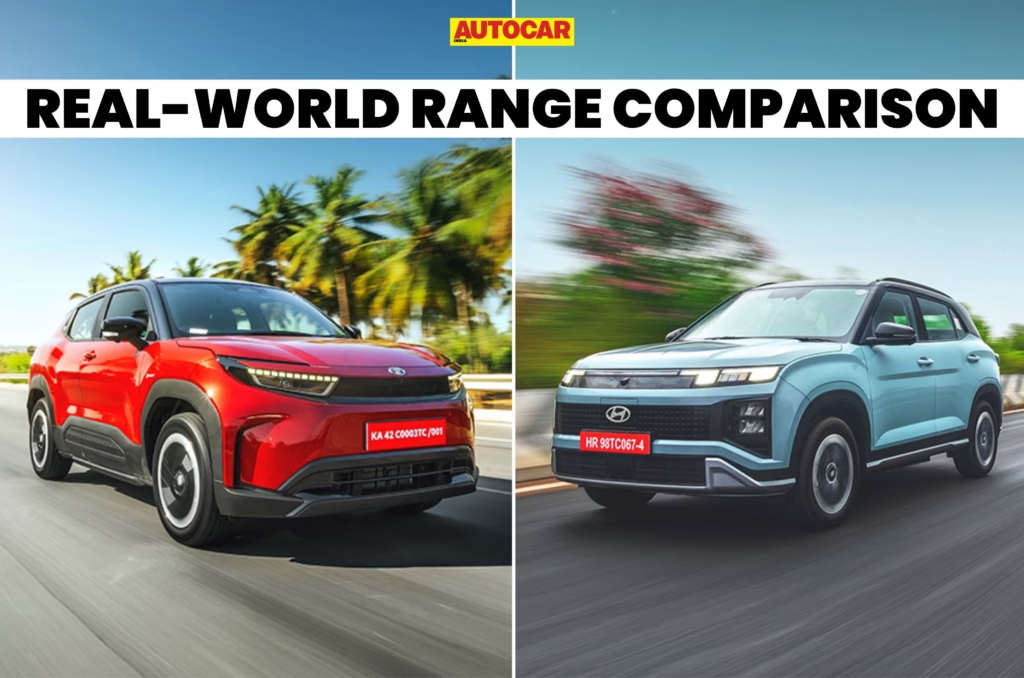
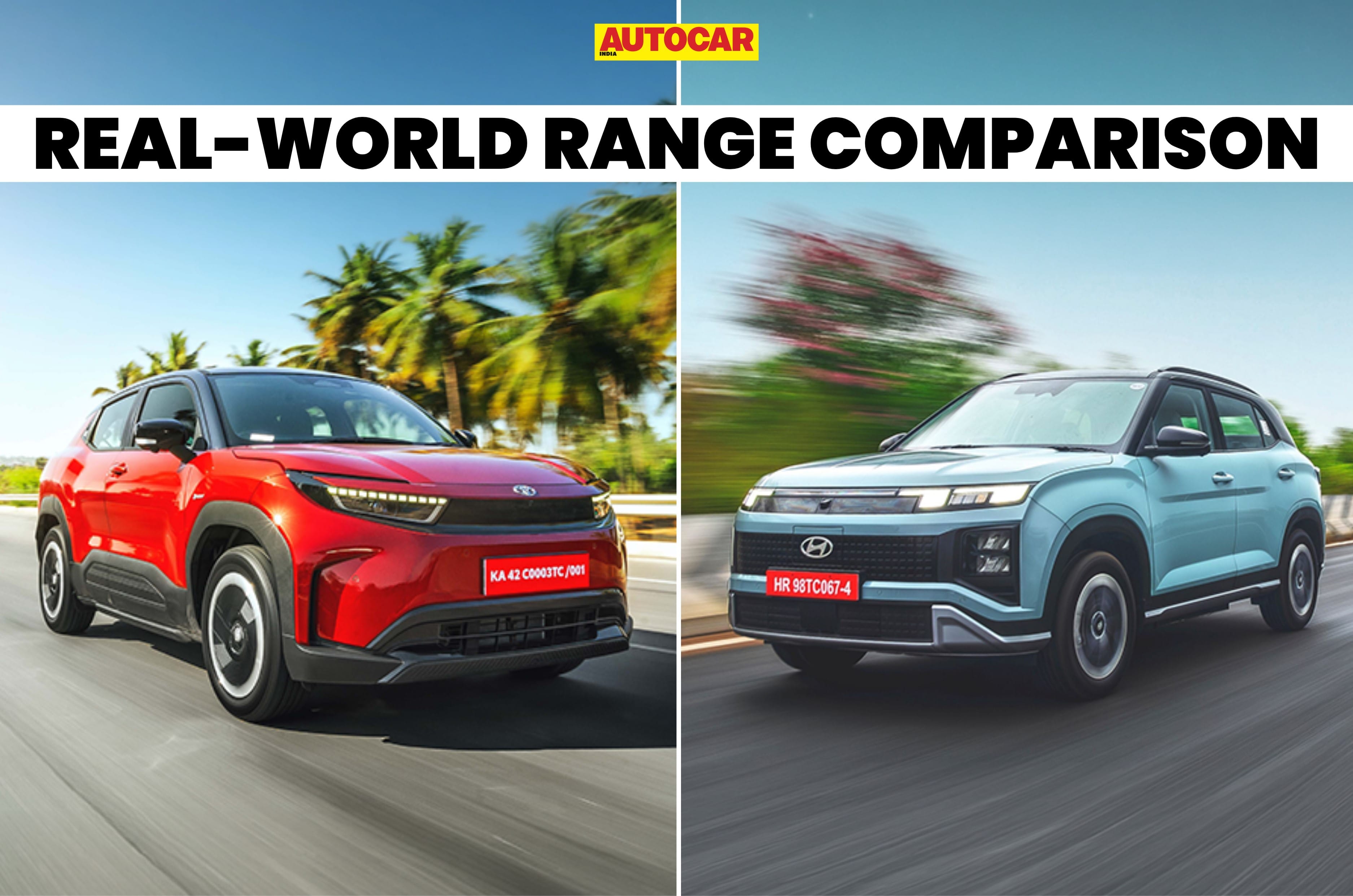
The Toyota Urban Cruiser Ebella is one of the newer entrants in the electric midsize SUV segment, which the Hyundai Creta Electric has been a part of since early 2025. Both electric SUVs are rated at over 500km of range by MIDC, but which one travels further on a single charge in the real world? We put the Urban Cruiser Ebella and Creta Electric through our detailed range tests to find out.
Toyota Ebella vs Hyundai Creta Electric: Specifications
Ebella
Creta Electric
Battery capacity (kWh)
61
51.4
Motor setup
Single, front
Single, front
Power (hp)
174
171
Torque (Nm)
193
255
MIDC range (km)
543
510
Kerb weight (kg)
1,815
1,577
The Ebella’s battery pack is nearly 10kWh larger than that of the Creta Electric, allowing the Toyota EV to claim a higher MIDC range. However, the Ebella is nearly 240kg heavier, which can detract from its real-world range. Both electric SUVs are similar in terms of power output, but the Creta Electric develops over 60Nm more torque.
Toyota Ebella vs Hyundai Creta Electric: Real-world range
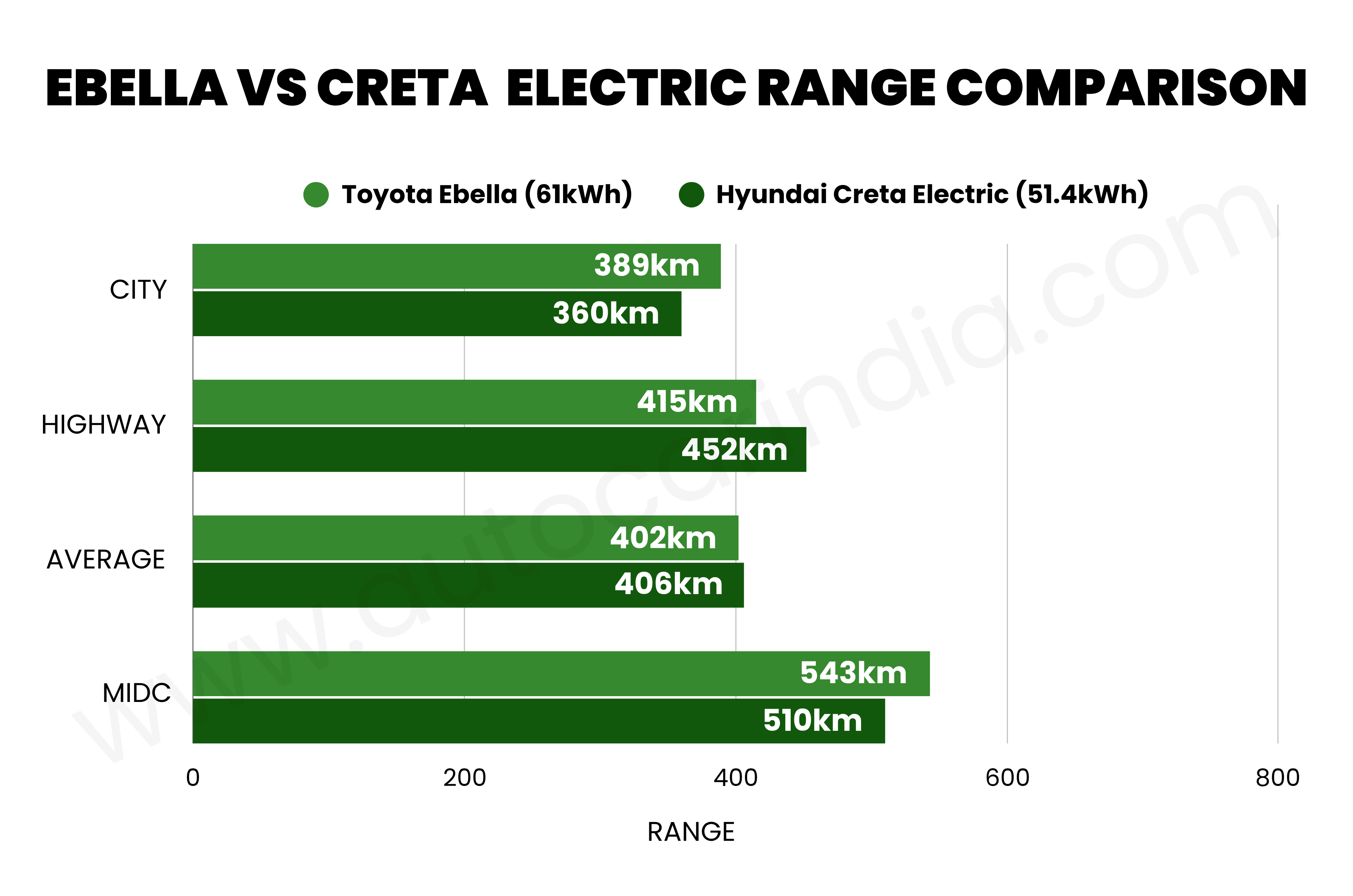
Despite the Ebella’s battery capacity advantage, the Creta Electric emerged as the overall winner in our real-world range tests. The Hyundai EV formed a 37km lead over the Ebella on the highway, while the Toyota SUV was ahead by 29km in urban conditions. In terms of battery efficiency, the Creta Electric achieved higher numbers across the board.
Toyota Ebella vs Hyundai Creta Electric real-world efficiency
Ebella
Creta Electric
Tested city efficiency (km/kWh)
6.37
7.00
Tested highway efficiency (km/kWh)
6.80
8.80
Tested average efficiency (km/kWh)
6.59
7.90
Averaging the range figures above, the Creta Electric beat the Ebella by a slim 6km margin. With a gap of 104km, the Creta Electric’s real-world range adhered better to its MIDC figure too, while the Ebella recorded a 141km deficit for the same.
Toyota Ebella vs Hyundai Creta Electric: Prices
Price range (Rs, lakh)
Ebella
23.60
Creta Electric (51.4kWh)*
20.00-23.67
*Prices exclusive of home charger and installation cost.
The Ebella is available in just one 61kWh variant, which is priced on par with the Creta Electric’s top-spec 51.4kWh version. Since the Creta Electric 51.4kWh is sold in multiple variants, it undercuts the Ebella by up to Rs 3.6 lakh. That said, the Ebella comes bundled with a home charger, while Hyundai charges an extra Rs 73,000 for it.
Autocar India’s range testing
Before our real-world range tests, the battery of our test car was fully charged, and we maintained tyre pressures in accordance with the manufacturer’s recommendations. The car was driven on a weekday in Mumbai city and on the adjoining state highway in a fixed loop, and we maintained the set average speeds. At the end of each cycle, we calculated the range based on the percentage charge consumed.
Throughout our tests, the climate control was set to 22deg C in a full-auto setting, and other electricals, such as the audio system, indicators and ventilated front seats, were used when required, just as a regular user would. We take pride in our testing data, which isn’t merely consistent but also gives users an accurate indication of what they can expect in the real world.
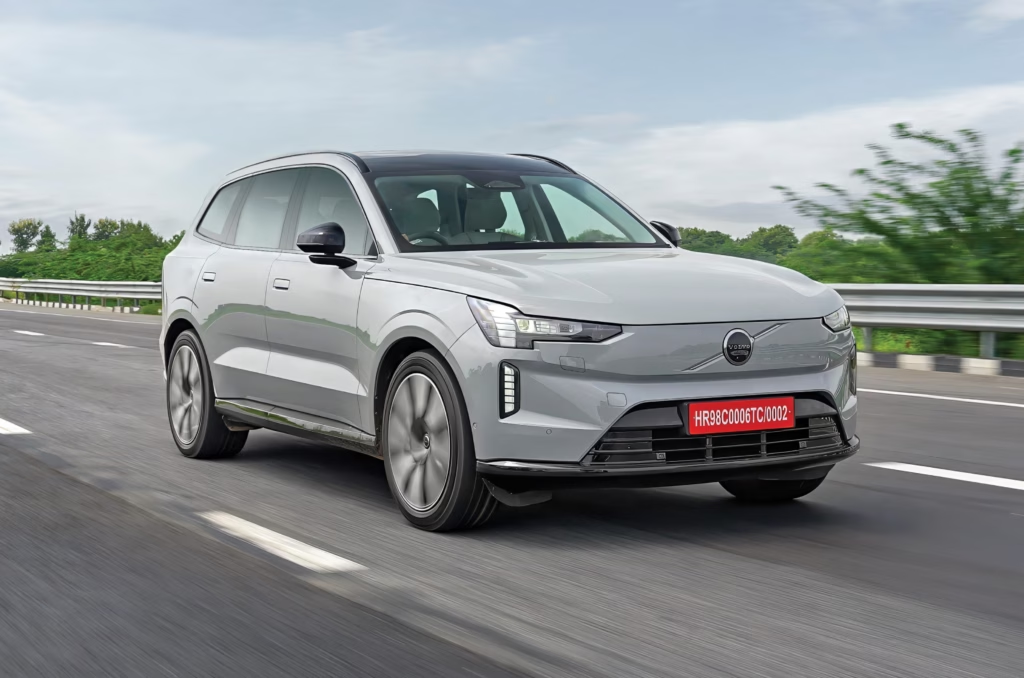
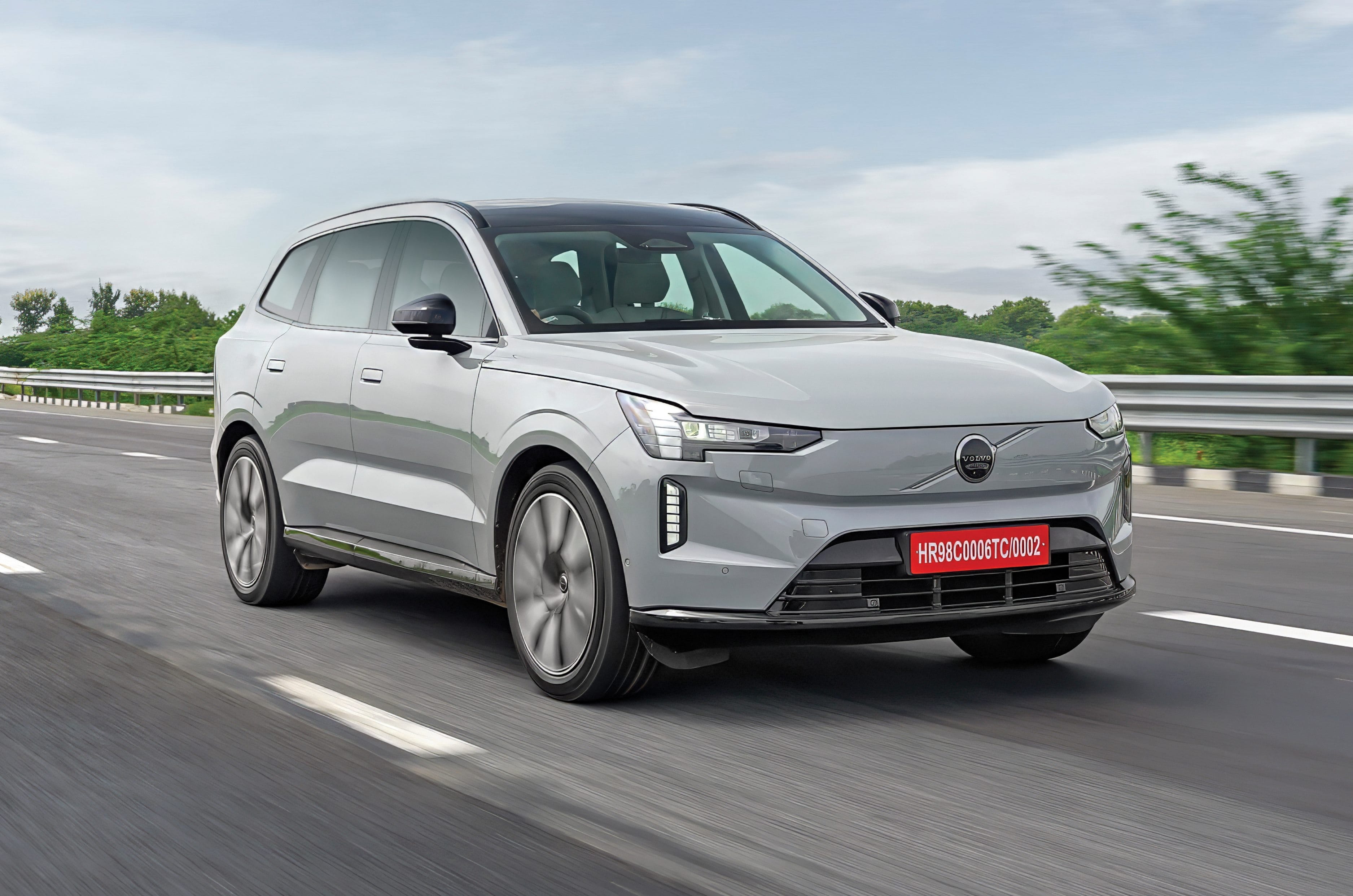
The EX90 is Volvo’s latest offering in India and also its most premium one. The EX30 and EC40 compete in the entry-level luxury EV segment, but the EX90 is the brand’s flagship electric SUV. It comes in a single, fully loaded variant with all the bells and whistles, along with a dual-motor setup and a claimed range of over 600km. Can it bring in a new audience or convert some XC90 customers? It certainly has the traits to do both.
EX90 Exterior Design and Engineering – 9/10
Built on Volvo’s SPA2 dedicated EV platform that has hints of the XC90.
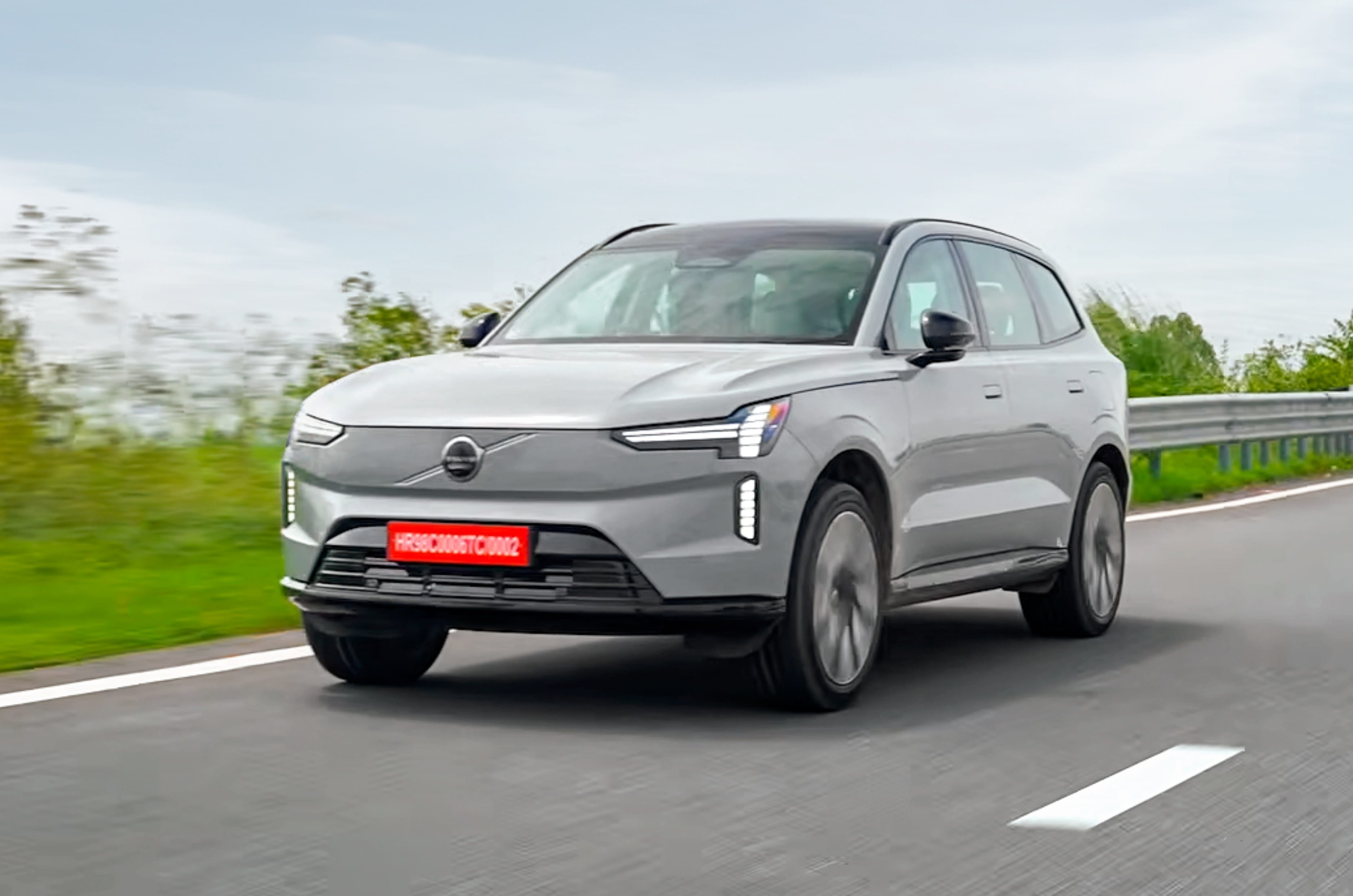
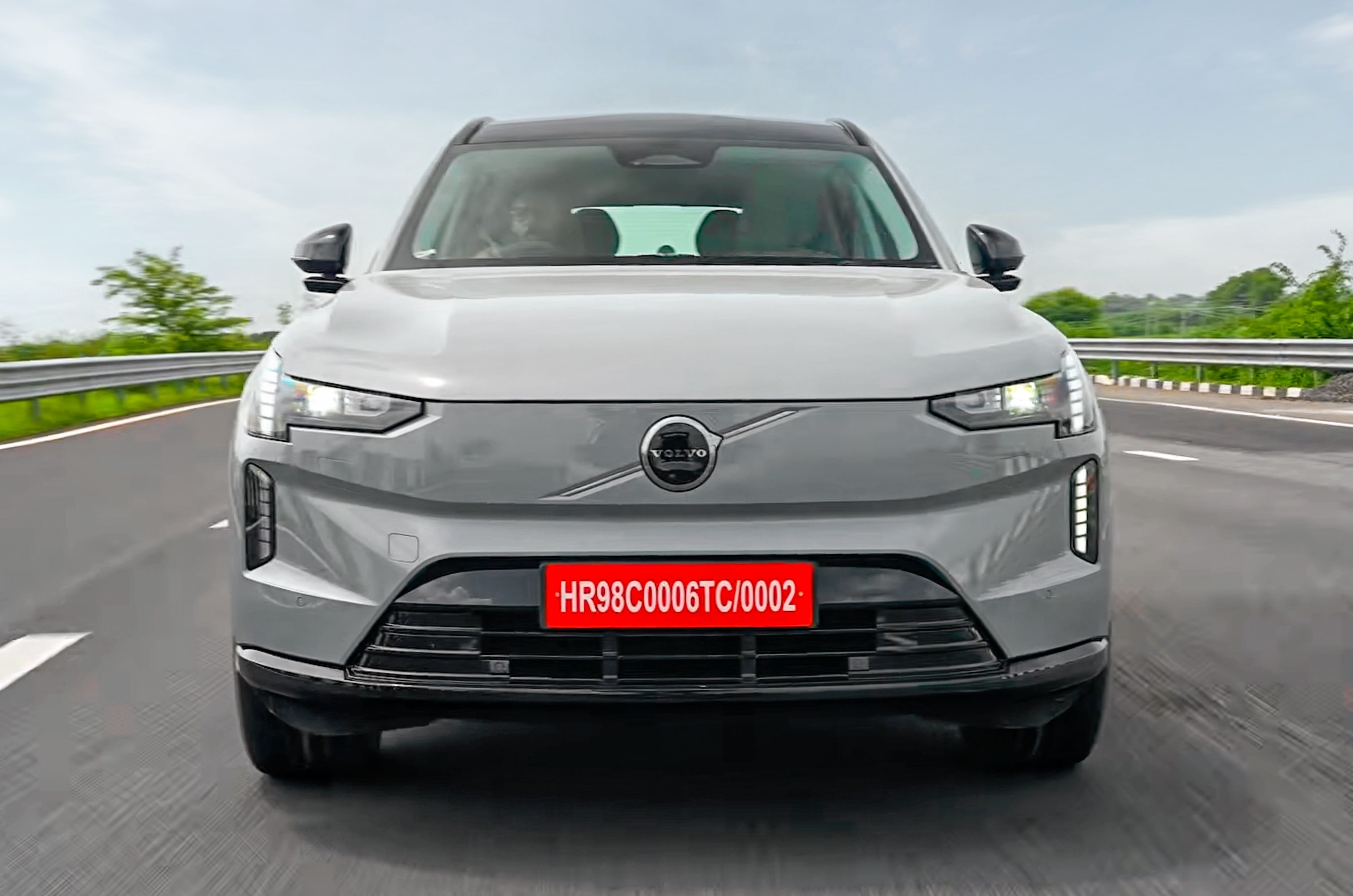
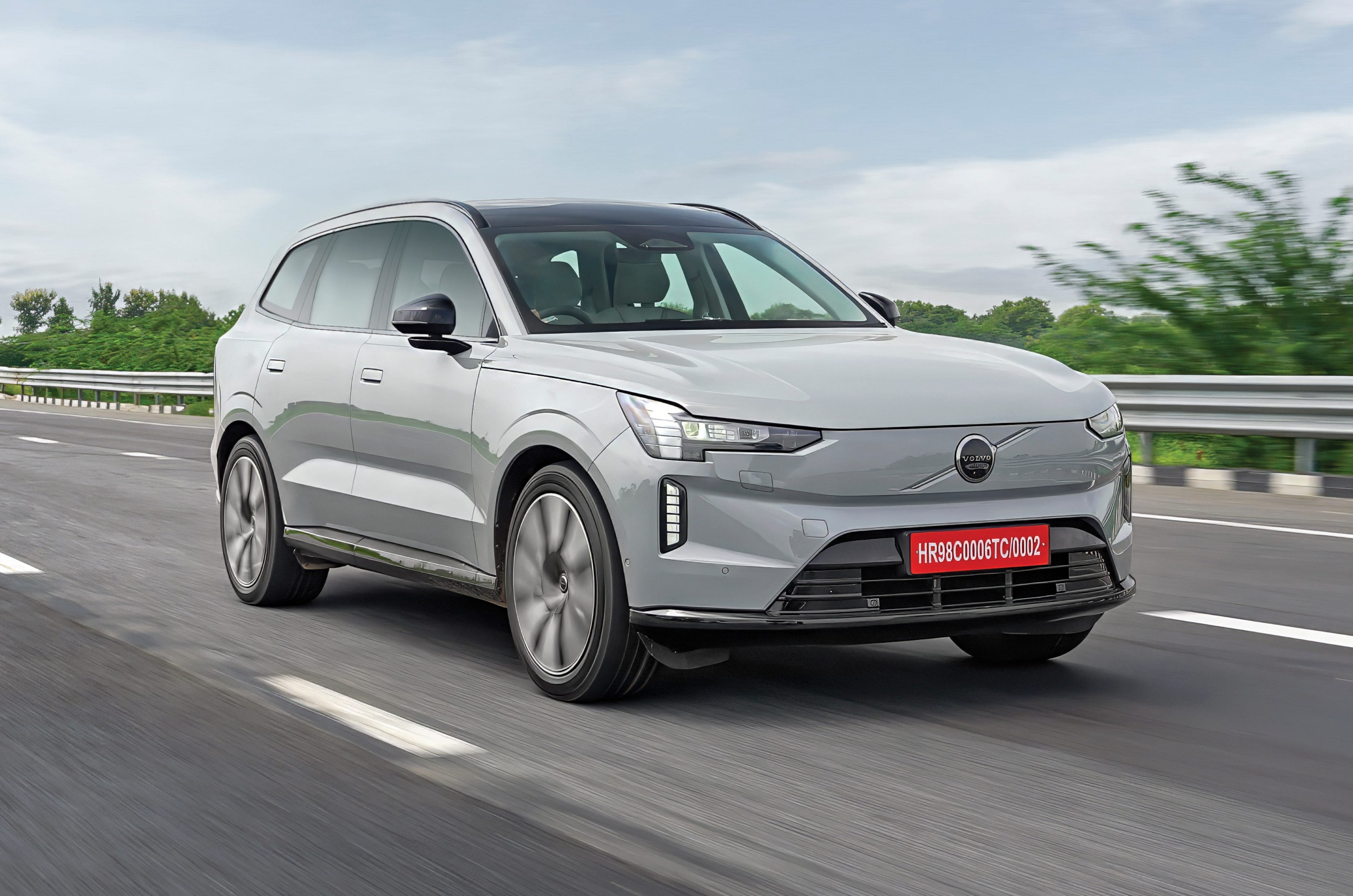
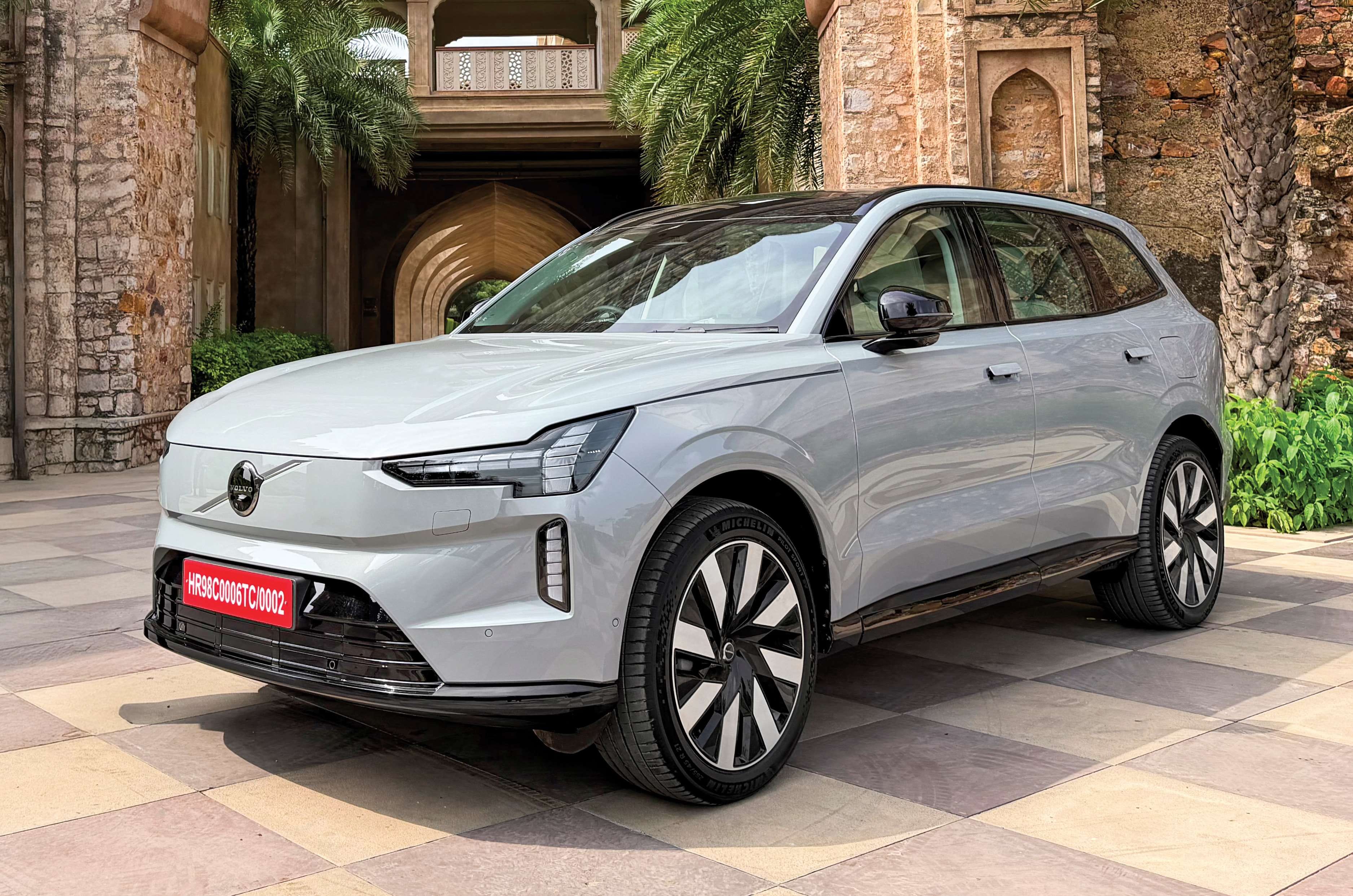
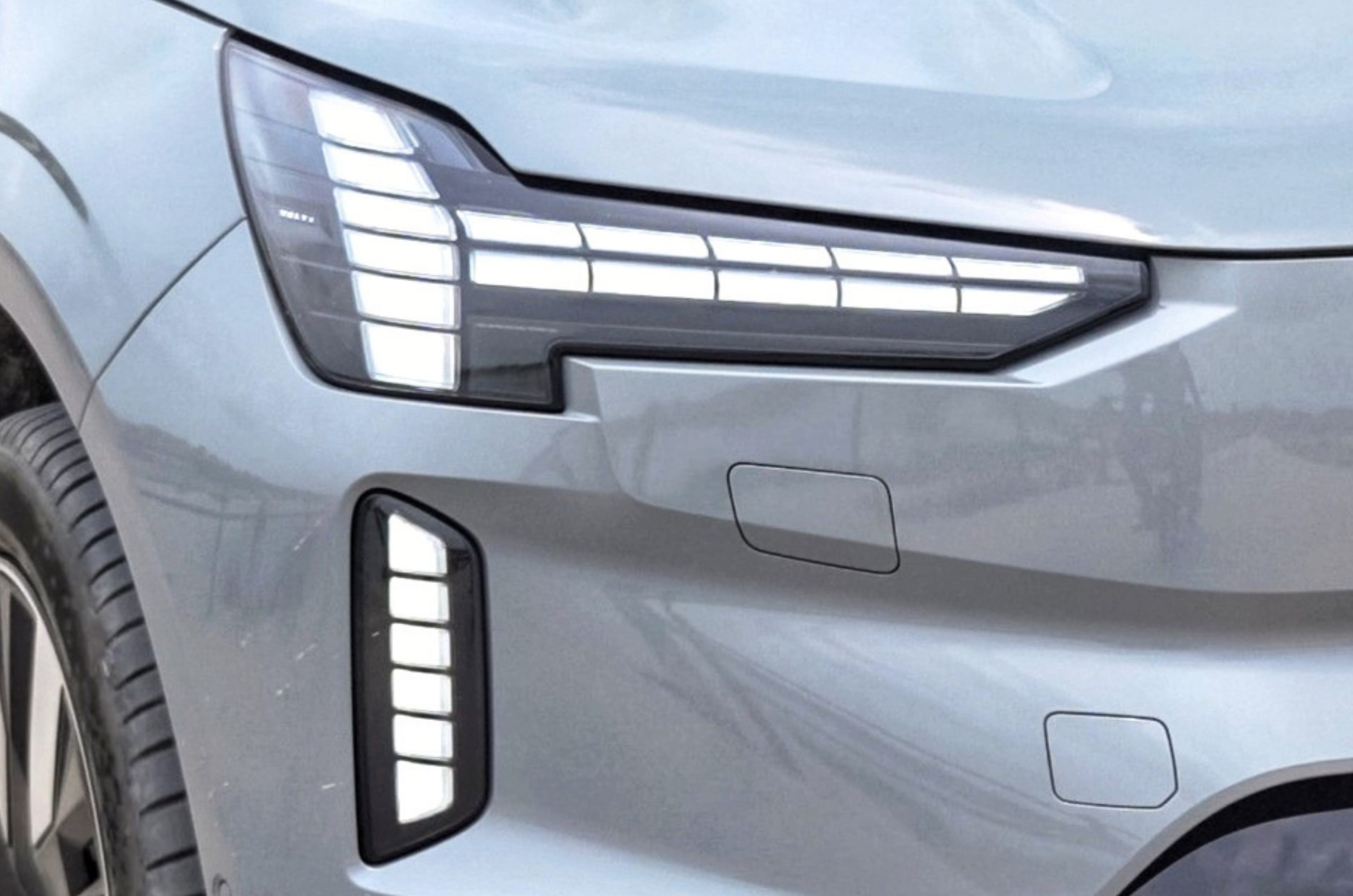
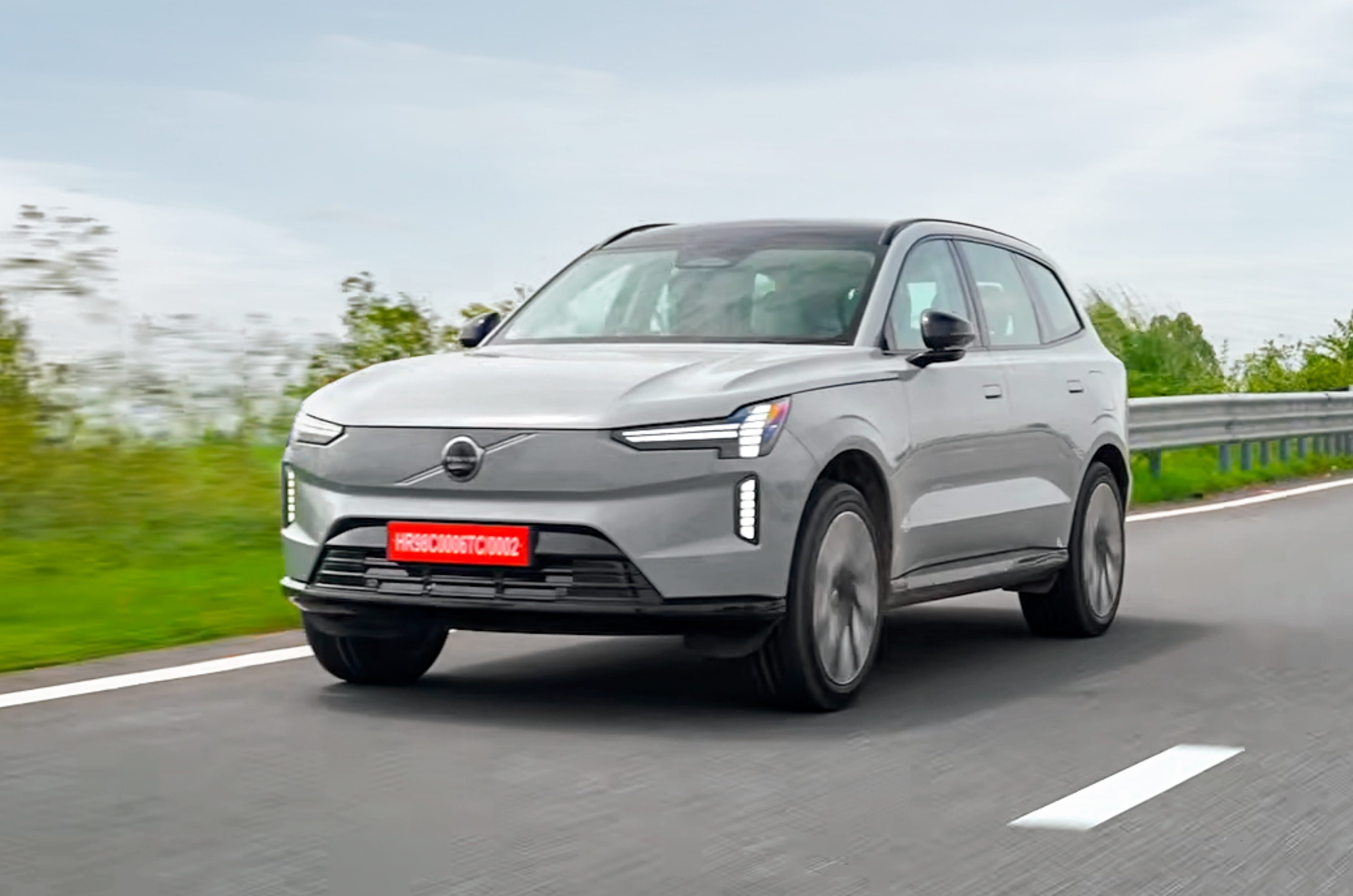
Based on the new SPA2 architecture, which has its roots in the previous SPA platform but is built specifically for EVs, the EX90 does share some resemblance to the XC90 in its shape and form factor. However, the details are different. As expected, the overall design is simple and far from outlandish or attention-seeking. This is in keeping with the brand’s image, and the restraint actually works. The flat, closed-off front end dismisses any chances of a blingy chrome grille, and what adds drama instead are the LED lights that split open to reveal the main headlamps behind. These, too, have an impressive party trick; with over a million pixels, they can individually light up or switch off and constantly shape a light beam to avoid dazzling oncoming traffic. Further down, you get some more DRL strips, one on each side, and a rather simple, fuss-free bumper.
DRLs that spilt open to reveal headlamps add drama.
Over to the side, the EX90 is slightly longer than the XC90, while the rest of its dimensions see a marginal bump. 21-inch wheels are standard, and the 210mm of ground clearance at its lowest setting is plenty. The air suspension also allows you to raise the car up to 250mm for off-road use. The door handles are pop-up, flip-up-style units, and you no longer get a key. Instead, you get a card that you need to tap at the right spot, with the Volvo logo facing the right way, for the handle to pop up. Alternatively, you can simply link your phone to the car and use it as a key. It seems convenient on paper, but the card system needs to be a lot more seamless to be hassle-free.
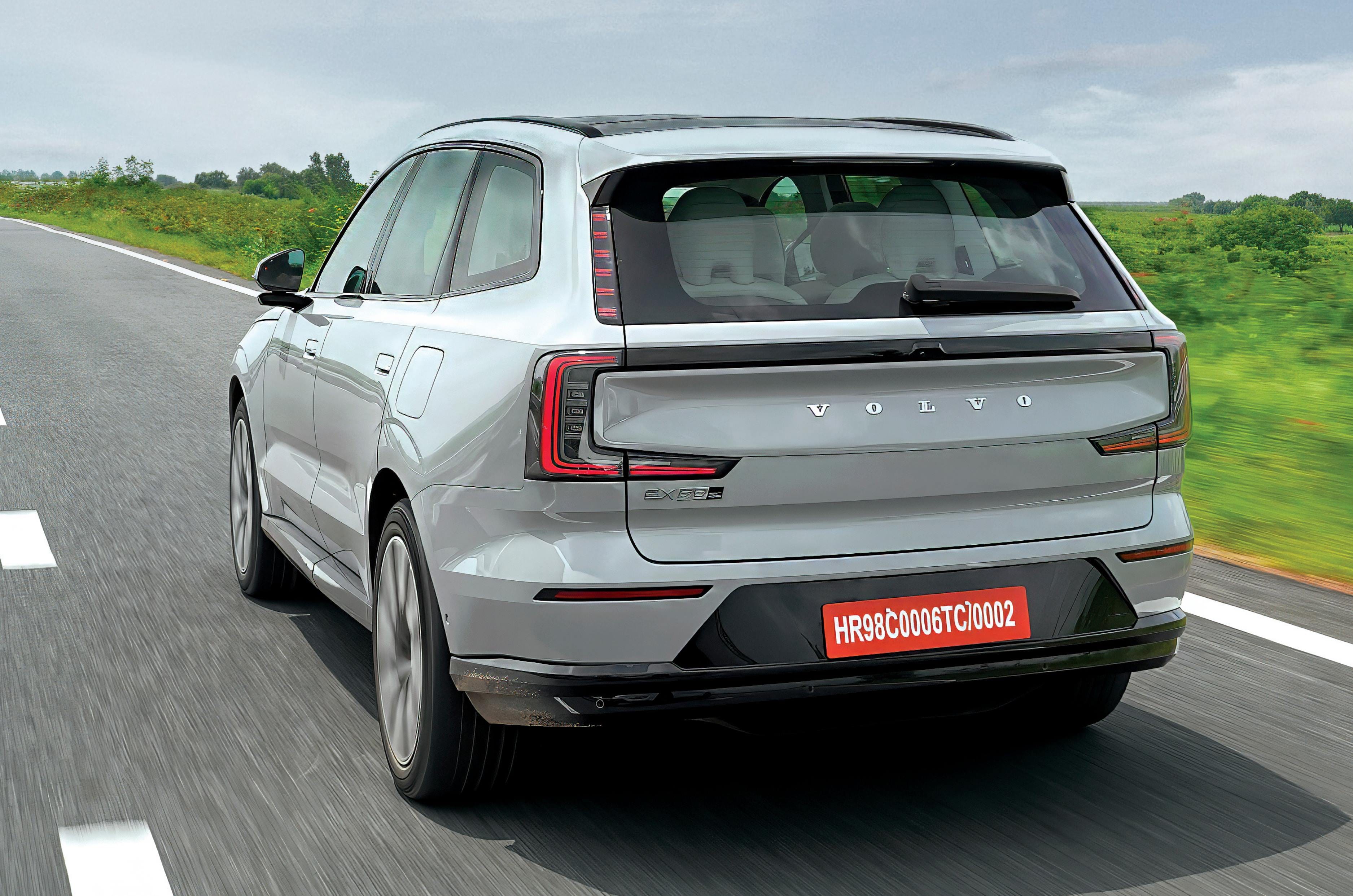
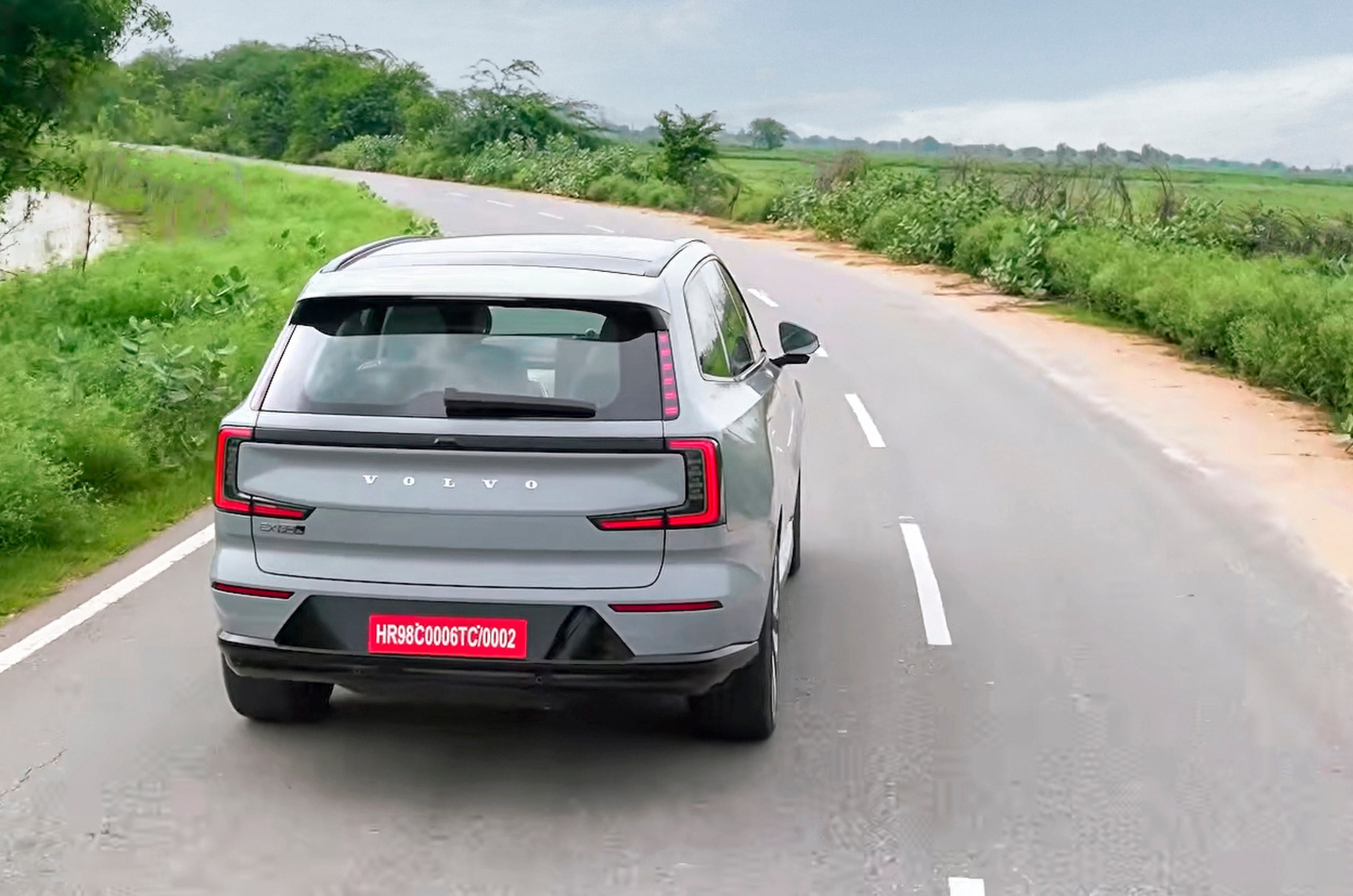
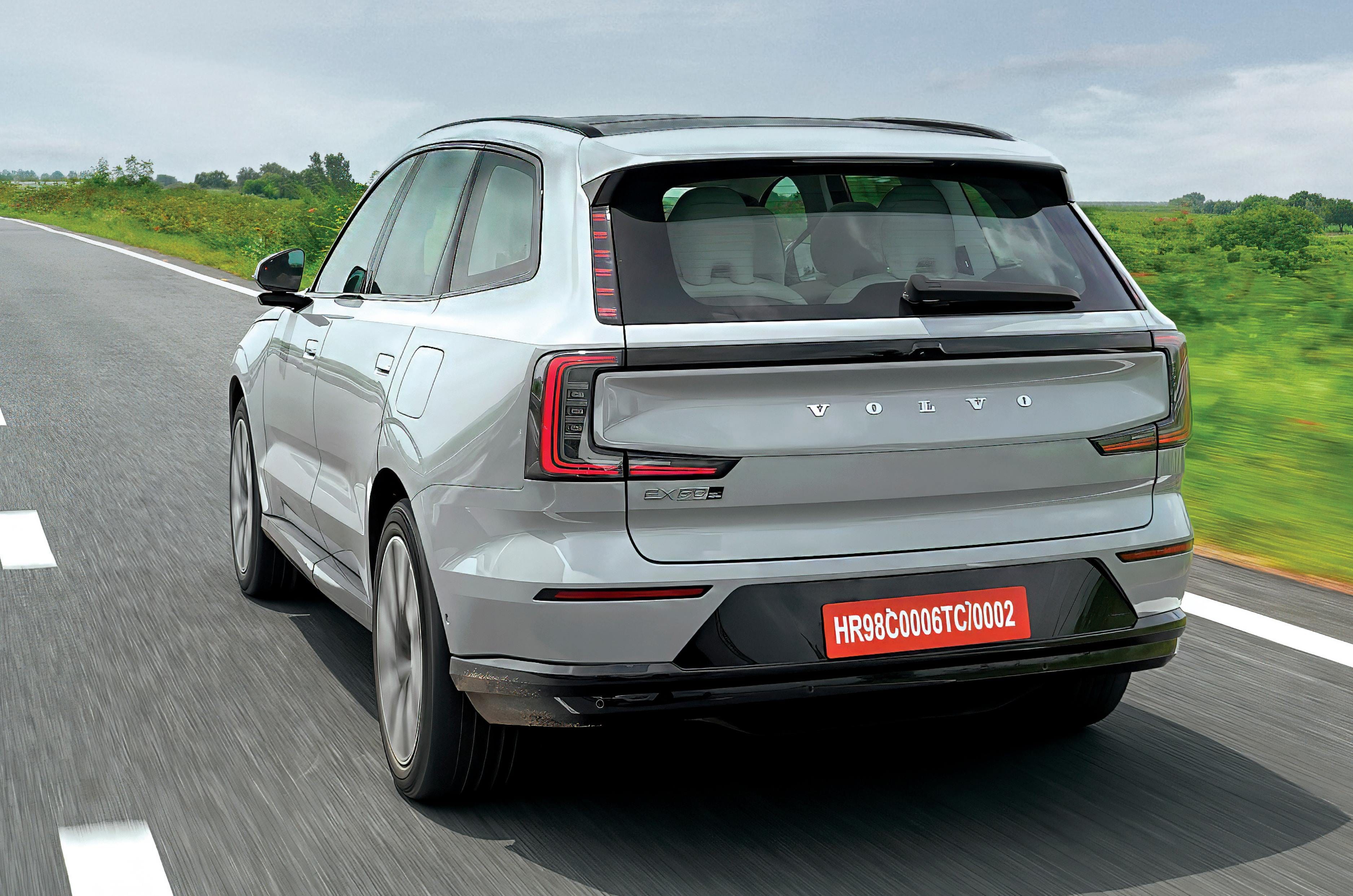
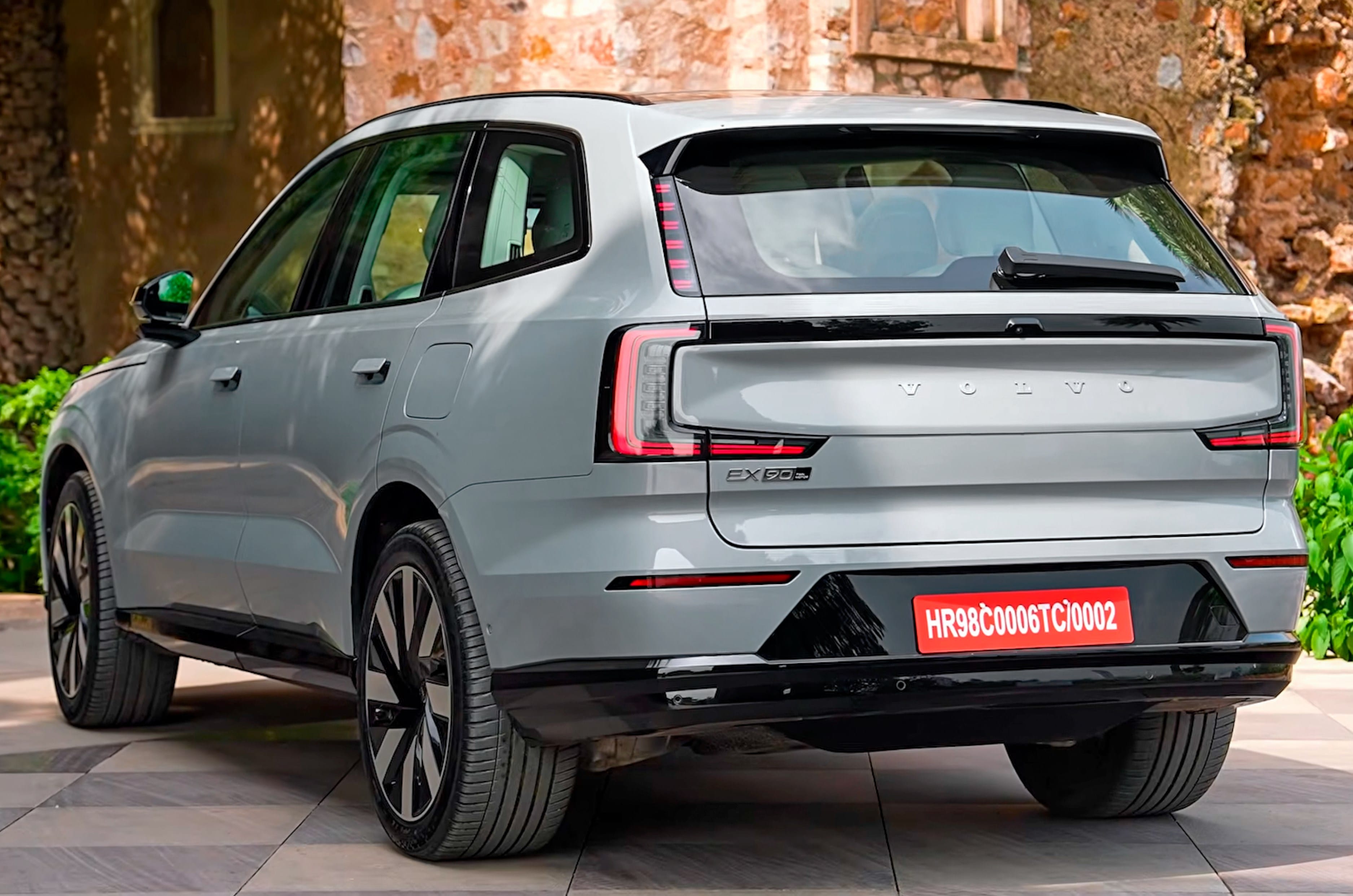
At the rear, it gets a split setup for the LED tail-lamps, with C-shaped LEDs on the lower half and vertically stacked LEDs in the D-pillar. There isn’t a single strip of chrome, and even the cladding is minimal. Subtlety is what Volvo aims for with its design, and the EX90 offers just that.
EX90 Interior Space and Comfort – 8/10
Two-tone upholstery looks rich and materials feel plush.
Inside, the minimalist approach continues and even takes precedence. The dashboard is devoid of any buttons whatsoever, and the majority of the real estate is taken up by the 14.5-inch touchscreen. However, the bright seats and upholstery, along with the bright open-pore wood, lift the cabin ambience significantly. There is generous use of brushed aluminium as well, and the Nappa leather is fantastic to the touch. The centre console also features wireless charging and a rotary knob for media control.
There is plenty in the front seats to pamper you. They offer excellent support, and feature heating, ventilation and a whole host of massage options. Plenty of electric adjustment also means finding an accurate driving position is easy, and all-round visibility is very good.
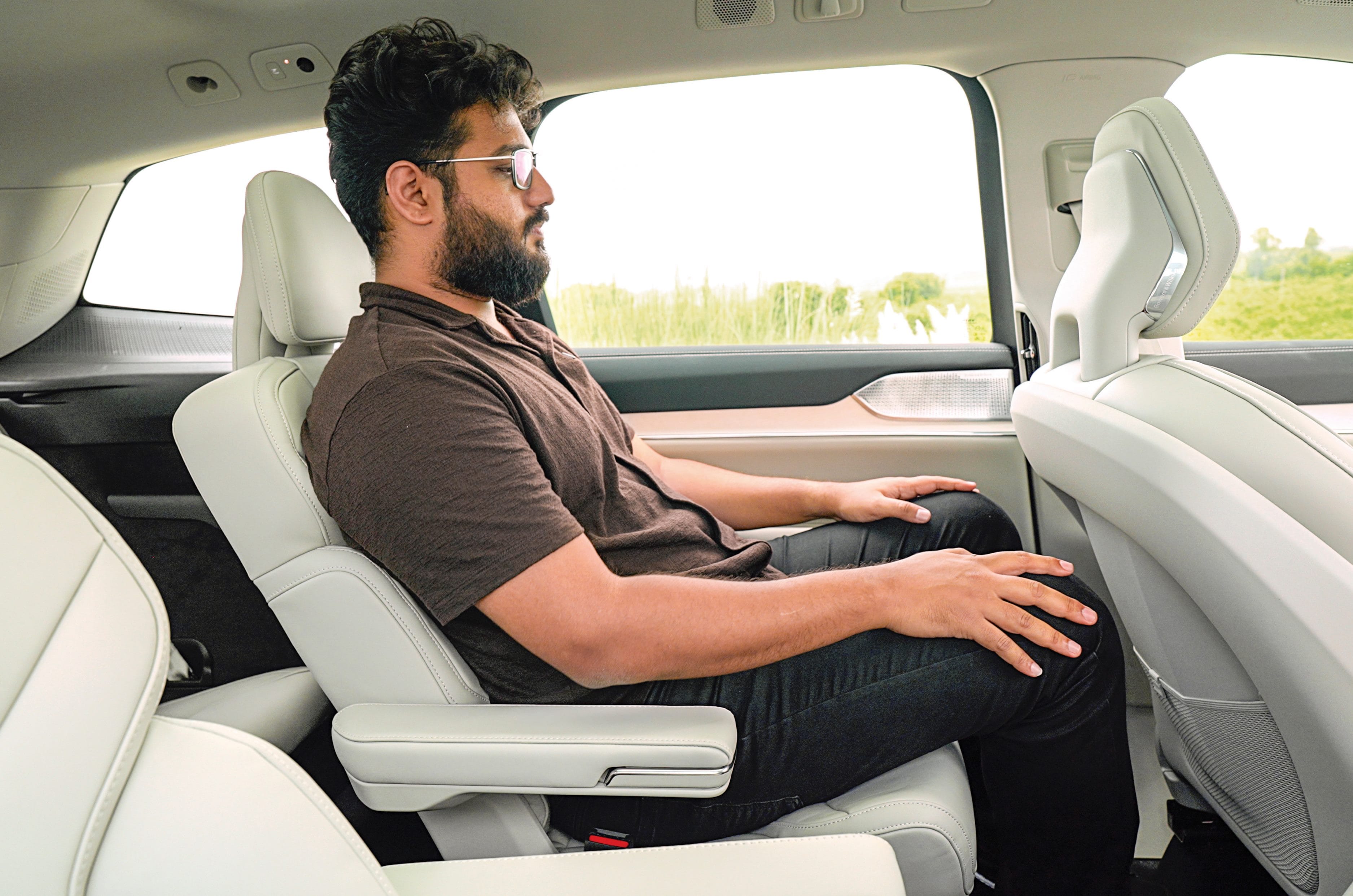
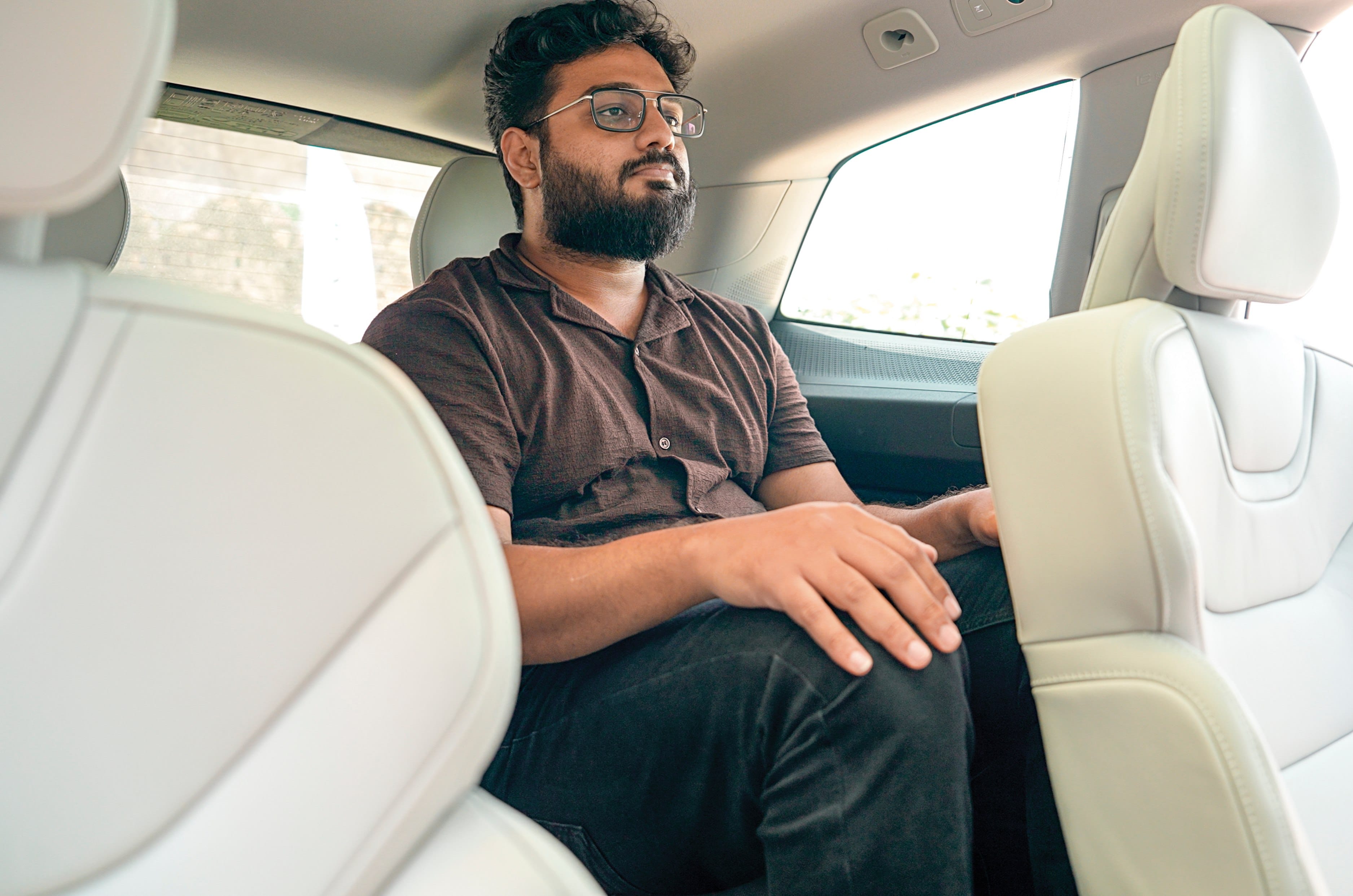
Exclusively a six-seater with good space and comfort.
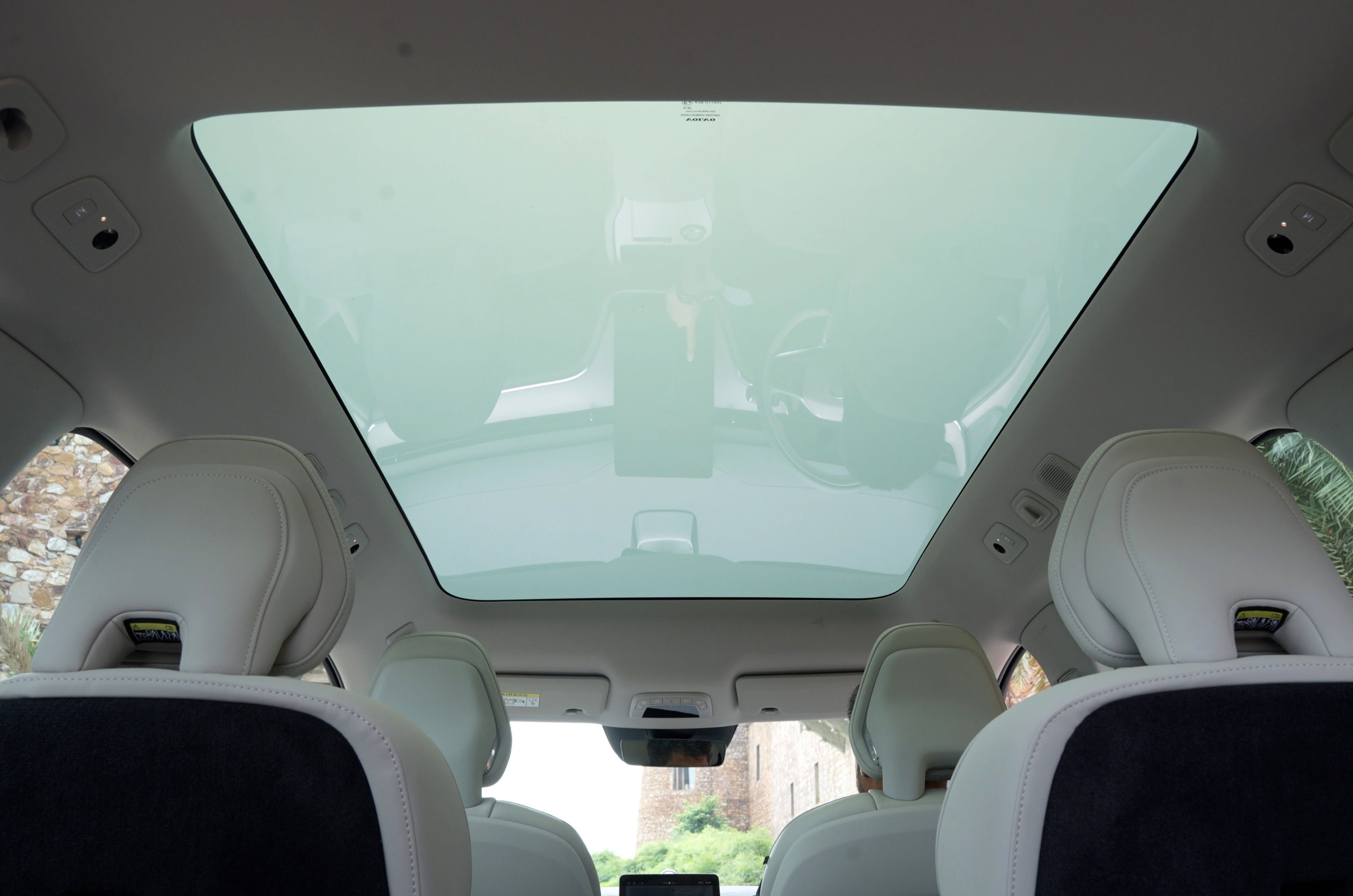
The EX90 is only available as a six-seater, so in the middle row you get captain’s chairs, but these would feel snug for some, and for a luxury car that would be chauffeur-driven, you don’t get the same level of pampering as in the front seats. There is no electric adjustment, heating, ventilation or massage either. There aren’t any sunblinds for the windows too, and even though the huge panoramic sunroof is electrochromic, at the tap of a button you get a bit of tint in the glass, on a hot day with the sun overhead, you will need more.
Massive panoramic glassroof gets electrochromic shade. Physical sunshade is an accessory.
The accessories list has a proper roof shade to protect you from that, and it is an extra we recommend you select. On the plus side, space is good, and the seats can be adjusted for legroom and recline too. You get four-zone climate control, with AC vents in the pillars that are a lot more effective, and cupholders stowed within the armrests. Also, being a modified platform, the floor is raised, and you notice this while getting in and out of the car.
Access to the third row is easy from between the captain’s chairs, thanks to the flat floor, but there is no tumble feature for the seats. Instead, they only slide forward, opening a cavity to get in. Room in the last row is at a premium for tall adults, but kids or shorter adults will do just fine with a little adjustment to the middle row.
Third row best suited for kids or short adults over quick drives.
With all three rows up, boot space stands at a healthy 324 litres, and with the third row folded away, it is a sufficient 690 litres. There is a 46-litre frunk too for stowing charging cables. Impressively, there is a full-size spare wheel as standard, which will eat up some boot space but is a huge relief given the low-profile tyres and our roads.
EX90 Features and Safety – 8/10
Annoyingly every control is within the 14.5-inch Google-powered screen.
Most of the EX90’s features are accessed through the massive, vertically oriented touchscreen. Being Google-powered, it runs a smooth OS, but simple tasks like adjusting the ORVMs require multiple inputs and navigation through the menus, which isn’t easy while on the move. There are some hard-coded functions at the bottom of the touchscreen, such as climate control, but you still need to focus on the screen and cannot operate them easily while driving. There is also a 9-inch driver display with nothing but the absolute necessary figures, such as range, speed and battery percentage. You can also load up the maps there, and it displays the traffic around you too. However, don’t expect multiple dials and a loaded, fighter-jet-like cockpit experience, the instrumentation is all minimal but feels sparse too.
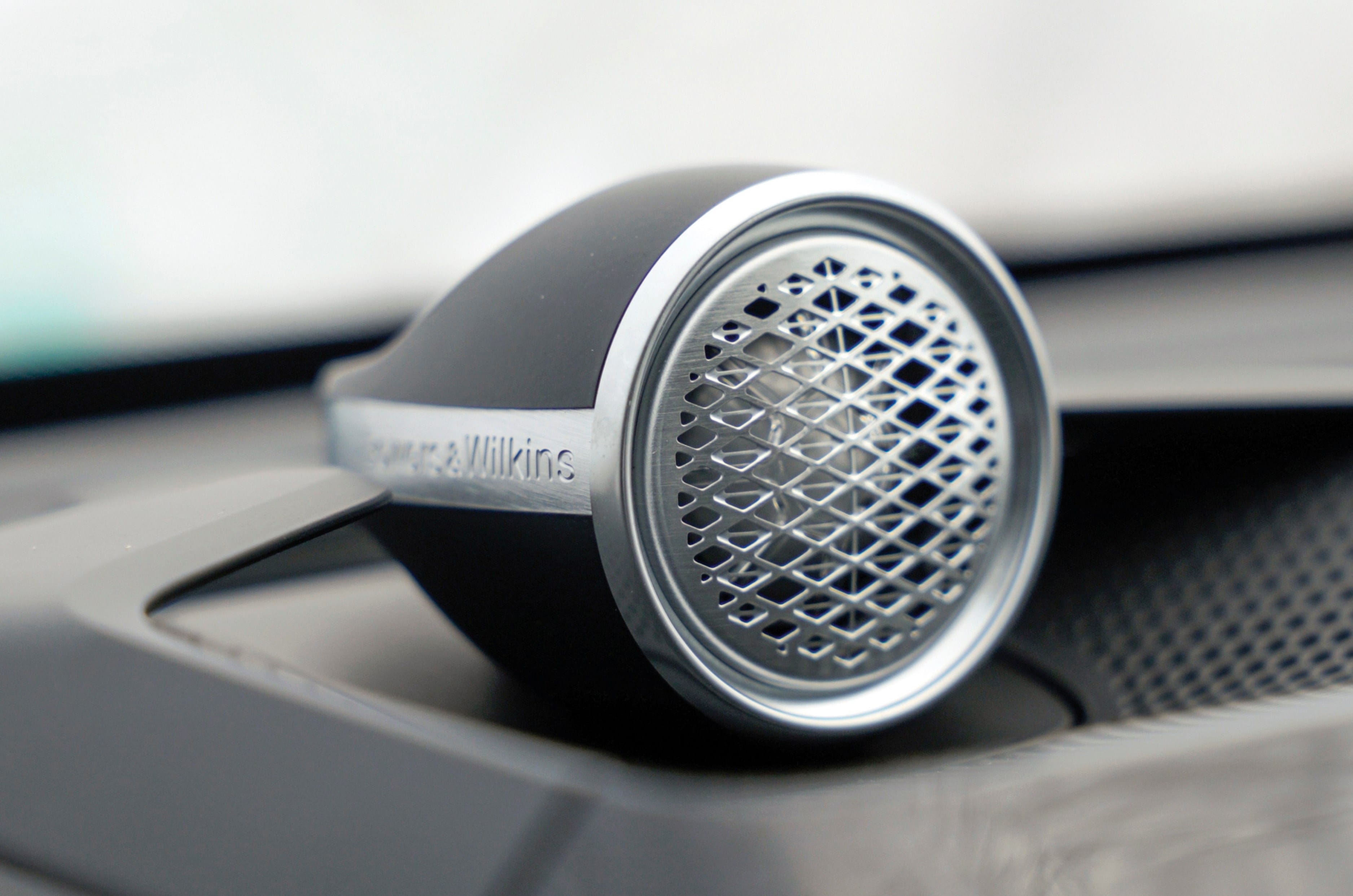
Bowers & Wilkins Hi-Fi audio system is epic.
What is excellent, however, is the music system: a 1,610W, 25-speaker Bowers & Wilkins Hi-Fi audio system with custom presets and modes that truly transform the cabin. If you enjoy your music, there are few cars in the world that offer something at this level or better. Safety is where Volvo excels, and the EX90, being the flagship, has all the bells and whistles – active and passive. Nine airbags, five cameras, five radars and 12 ultrasonic sensors, powering a full ADAS suite including door-opening alert and post-impact braking, make it exceptionally well equipped. Essentials like a 360-degree camera and auto-parking further make it easy to live with.
EX90 Performance and Refinement – 9/10
It is just as nice to drive as it is to be chauffeured in.
The EX90 comes in a single variant in India, with a dual-motor setup and a 106kWh battery pack. It develops 456hp and 670Nm, making it quick off the line. 0-100kph takes just 5.5sec, which, given its size and type, is pretty impressive. However, from behind the wheel, the experience aligns with its laid back character. You can alter the dynamics using the four drive modes. ‘Range’ prioritises efficiency, and power and torque are heavily restrained, although in bumper-to-bumper traffic, you will not notice the dip. There is a creep function too for peak-hour jams. ‘Standard’ is a balance that suits the car well for the most part, while ‘Performance’ is for that rare time when you want to add some enthusiasm.
Despite its strong power figures, performance feels more like an airliner than a fighter jet.
Don’t expect fighter-jet levels of reactions, though. Even in ‘Performance’ and with a heavy right foot, the EX90 builds pace gradually. It is almost like taking off in an aeroplane, where the speed rises in a strong and linear manner. This mode zaps power swiftly, so it is best to use the ‘Standard’ mode and get the best of all worlds. If you end up venturing off the tarmac, the ‘Off-road’ mode allows for more ground clearance (250mm), and it alters traction control and ESP settings to allow for more traction on loose surfaces.
Once on the move, what is extremely impressive is cabin refinement. With no engine sound to distract you, EV cabins amplify ambient sounds like wind and road noise, especially with large tyres, but the EX90 is a different story. Cabin insulation is top-notch, and it is near-silent on the inside. It also has a neat trick, microphones all around the car can relay conversations via the speakers clearly no matter where you are seated. You only have to talk in your natural tone for your voice to clearly go through the microphone and speakers. So passengers sitting at the first and third row can have a conversation without having to speak loudly.
EX90 Mileage / Range and Efficiency – 9/10
The 106kWh battery can eke out 625km according to the WLTP cycle. In our short test drive, we saw an efficiency of 5km/kWh in mixed driving conditions, resulting in a range of 530km. That is rather respectable, and considering a majority of our drive was on the highway, this number should only get better in the city.
The EX90 also has regenerative braking, and you can go from having it completely off to low or high, or just leave it in Auto, where it does all the thinking for you. Feel, though, leaves a lot to be desired, the pedal never feels consistent in its bite point. You get an 11kW AC charger for your home or office, which takes 11 hours for 0-100 percent. But being an 800V system, it can charge at up to 350kW on a DC charger, taking just 23 minutes for 10-80 percent. The car will also pre-condition the battery, meaning it gets the battery up to its optimum temperature to charge as quickly as possible.
EX90 Ride Comfort and Handling – 8/10
The EX90 rides on air suspension, which, over broken roads at medium or high speeds, is excellent. The car adjusts within microseconds, and you barely feel bumps inside. You can firm it up for the highway, so there is none of the wallowy feel associated with a softly sprung setup. Three modes to choose from give you flexibility depending on the road surface. ‘Standard’ offers the best balance, as it has the softness without feeling overly soft in the corners, while ‘Firm’ adds a layer of stability at speed and on fast bends. ‘Soft’ is a bit too soft, and the car ends up diving or rolling a tad more than necessary. In the city, there is none of the harshness over low-speed bumps, and the composed nature of the suspension is its highlight.
EX90 Value for Money – 8/10
The EX90 offers just about everything you need in a luxury EV
Prices for the EX90 will be out in October, and it will be the brand’s flagship SUV, sitting above the XC90. If you are looking for a chauffeur-driven luxury EV, it will tick the right boxes. That said, sunblinds would have been nice, and as a driver, it will frustrate you with an over-reliance on the touchscreen and a fiddly key card. On the whole, though, it does a lot to impress and allows you to forgive these shortcomings. You get everything you expect from a luxury EV, the cabin is plush and comfortable, the materials and feel are excellent, the design is subtle but svelte, and the ride comfort is truly impressive. It rivals the Mercedes-Benz EQS and BMW iX, and while it may not be as feature-loaded in the rear seat as the EQS or as powerful and fun to drive as the iX, it does find a very nice middle ground and would be top of the list for those looking for minimalist class and luxury.