MG Hector Tomahawk EV: What’s in a name?

MG Hector Tomahawk EV: What’s in a name?
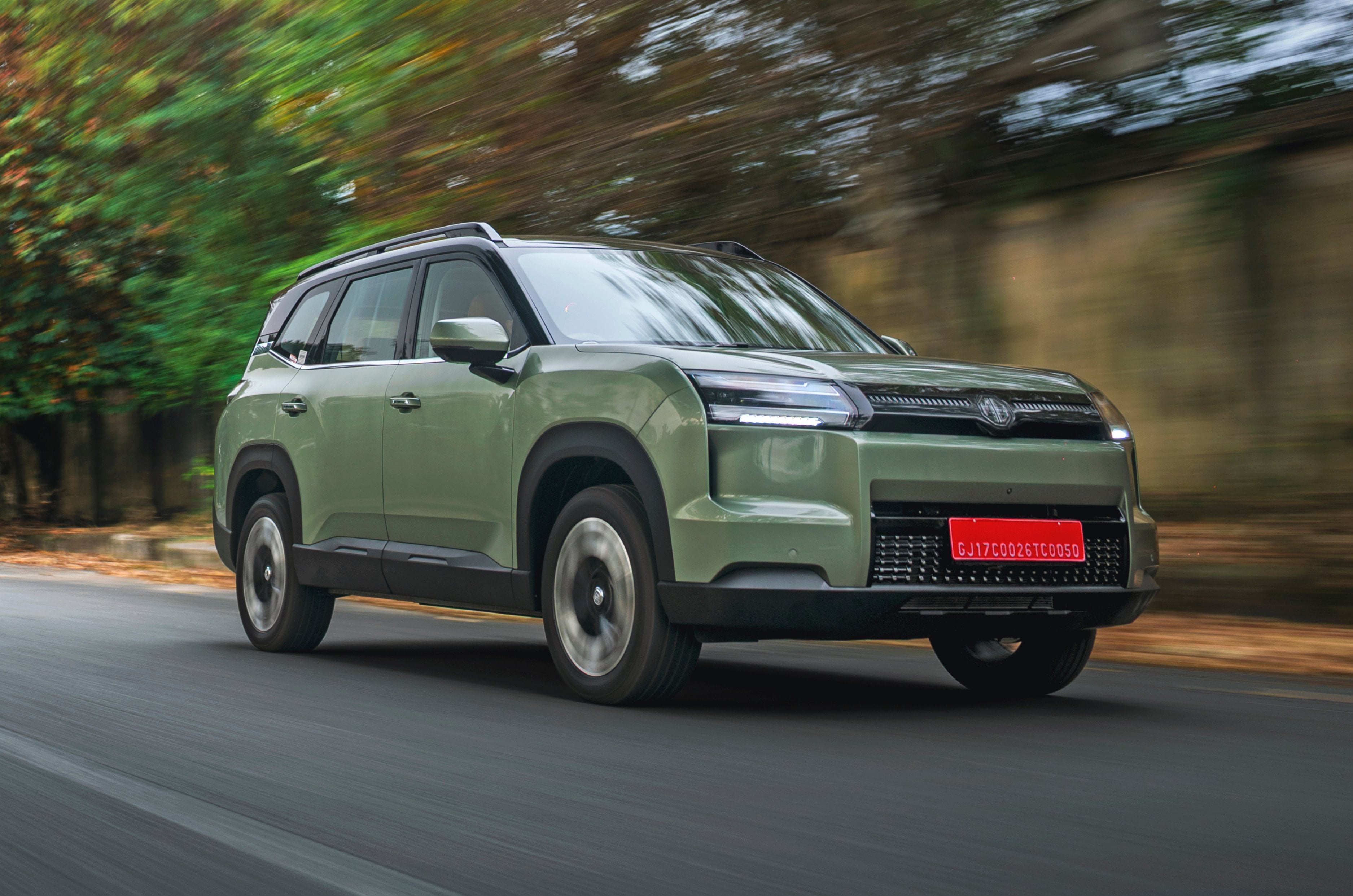
MG Hector Tomahawk EV front quarter tracking

MG’s newest SUV has been christened the Hector Tomahawk, but despite the name, it shares nothing with the ICE-powered Hector we’ve known since 2019. The Hector Tomahawk EV and PHEV are the first models on MG’s ADAPT architecture, which will eventually spawn strong hybrids and range-extender hybrids. We drove the Tomahawk EV in sunny Kochi to see how it stacks up in the ever-growing segment.

MG Hector Tomahawk EV Exterior Design and Engineering – 6/10

Let’s talk dimensions first. At 4,745mm long, 1,850mm wide, 1,770mm tall and with a 2,810mm wheelbase, the Tomahawk is larger than the Mahindra XEV 9S in all areas except width. Ground clearance, at 230mm (measured to battery), is also class-best. However, these numbers don’t translate to a particularly imposing stance. Instead, it straddles the line between an MPV and SUV.
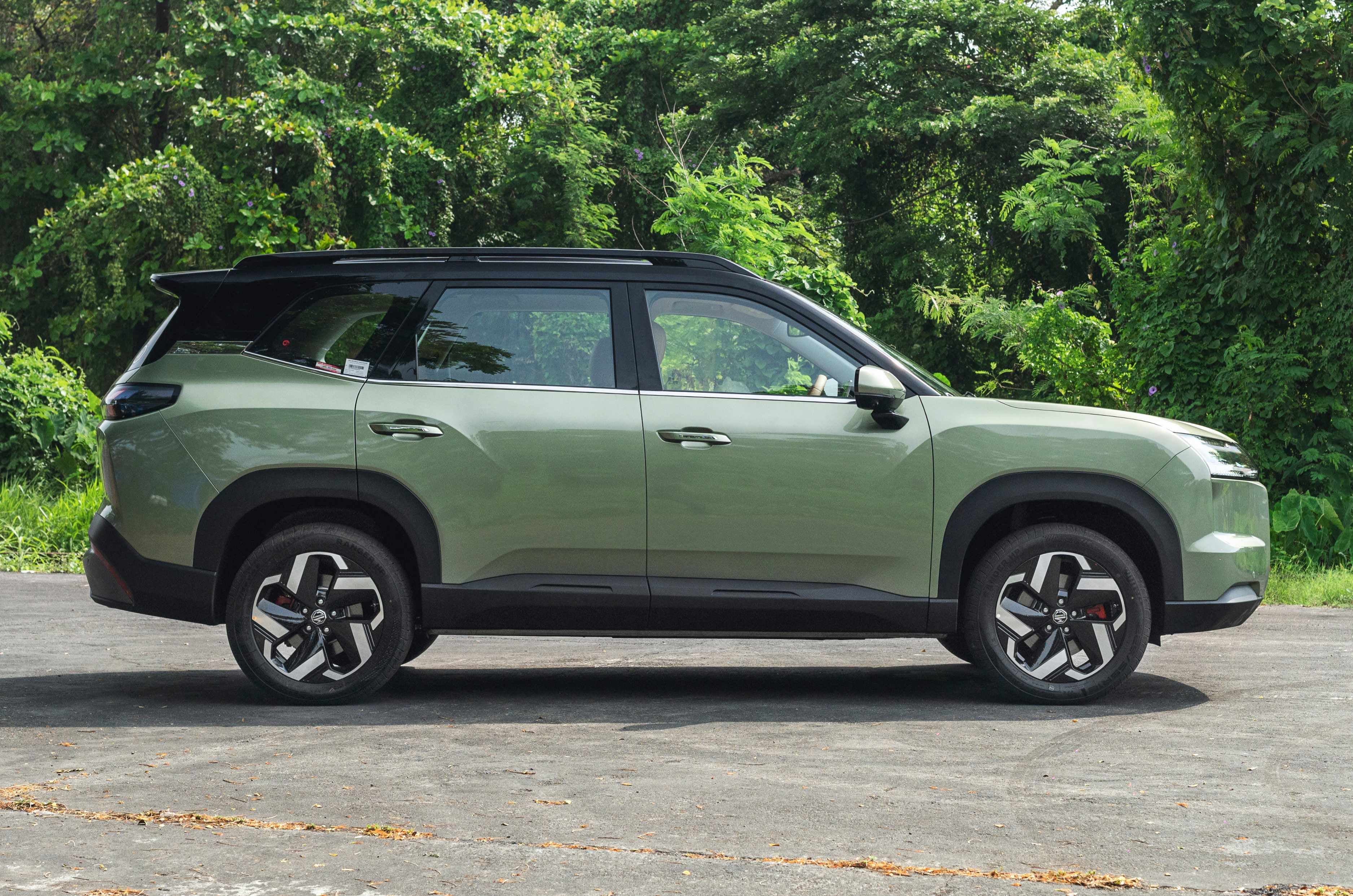
Size doesn’t translate to an imposing stance; it straddles the line between an MPV and an SUV.

The design is clean and quite handsome, if a bit uninspiring. The front bumper is squared off with pass-through aero vents on the edges and chunky cladding lower down. Cooling requirements are met by slim slots in the centre section with some chrome detailing, while the conventional grille is blanked off and finished in gloss black. No light bar here, thankfully, but the MG logo does glow and is flanked by rectangular LED headlights with a subtle H-shaped light signature.
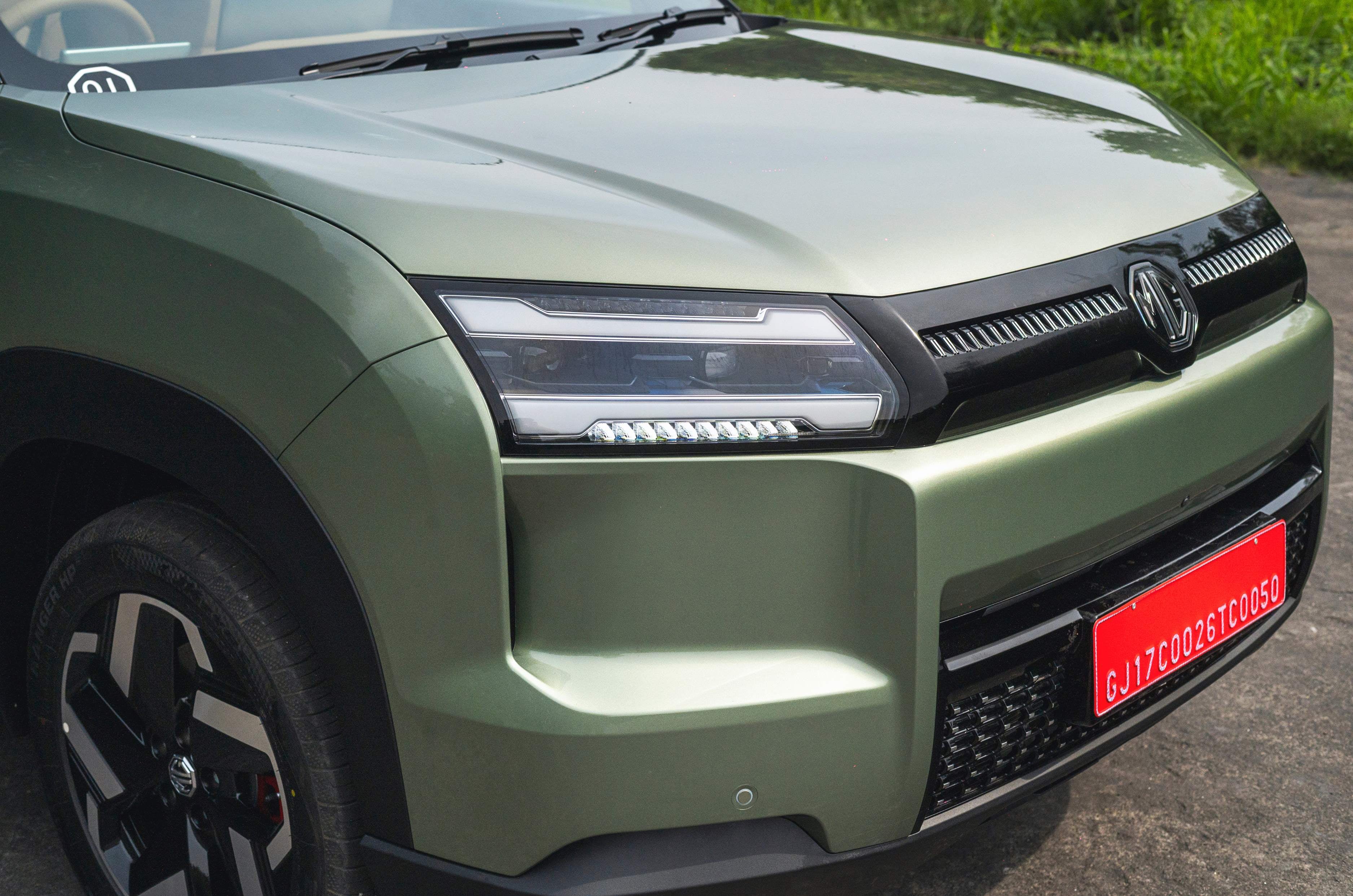
Large rectangular LED headlights have a subtle H in them; no light bar, but the MG logo glows.

In profile, it looks quite slab-sided, with sharp creases along the fenders and plastic wheel-arch cladding adding some definition. These, along with the chunky door cladding, attempt to give it a rugged appearance but are let down by 18-inch wheels that look a tad too small. No electric door handles here, just good old-fashioned pull types.

Further back are a set of intricate LED tail-lights that again resist the connected trend. MG’s love for badging is clear though, with four on the powered tailgate. Finishing things off nicely is a sculpted bumper with a grey trim piece and a centre-mounted reverse lamp. Overall, it’s a reasonably pleasing design, but it looks a tad dated and lacks the butch appeal of some rivals.
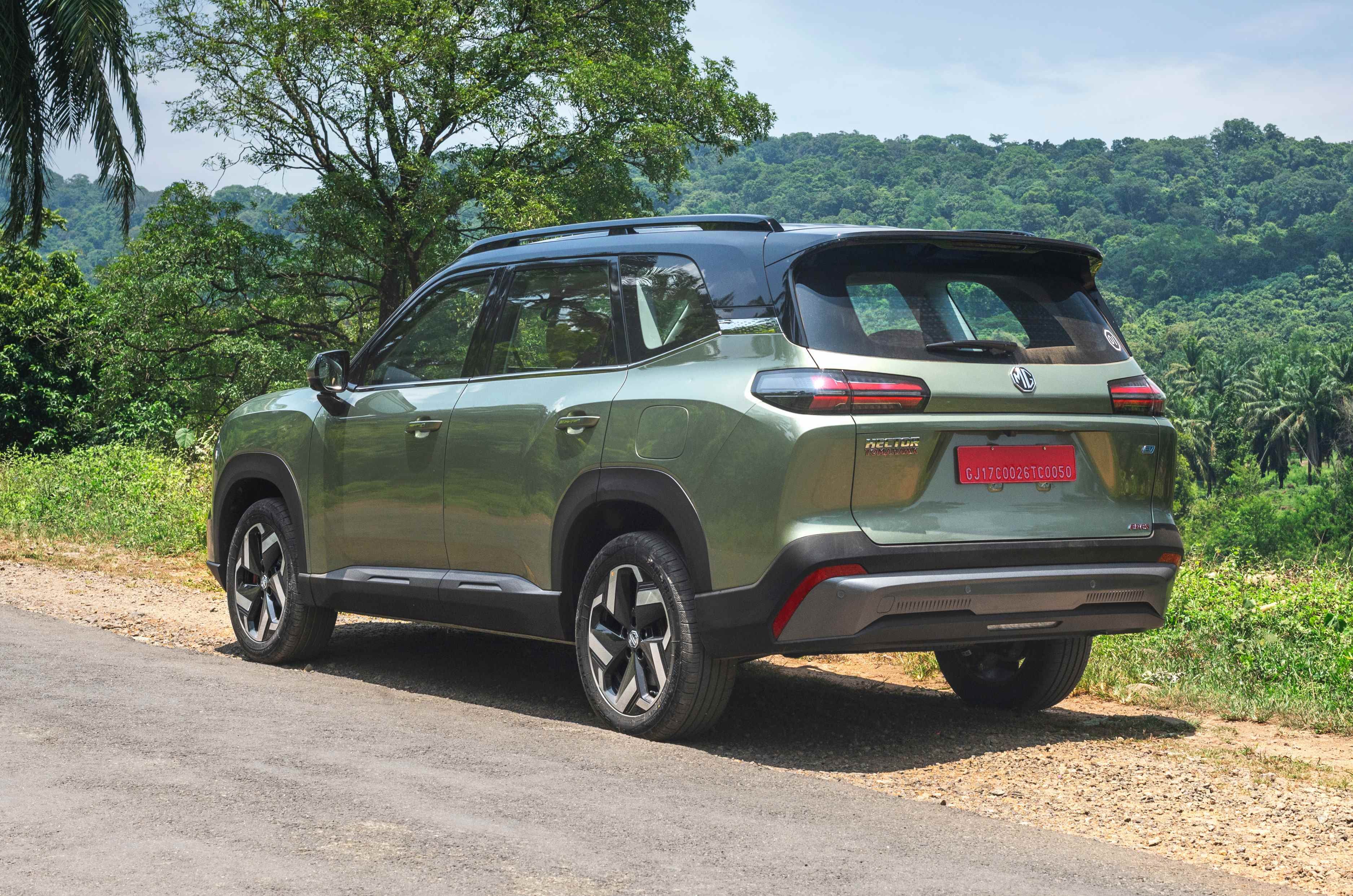
Overall styling is neatly done but somewhat uninspiring.

MG Hector Tomahawk EV Interior Space and Comfort – 8/10

Inside, the dash features a familiar minimalistic layout with a large touchscreen front and centre. It looks premium and features soft-touch materials on the dash and doors, but lacks a certain wow factor, and the light tan colour palette might not be to all tastes. That said, the light tone and large windows do give it an airy ambience. Look hard, and you will find areas where fit and finish could be improved. The centre console in particular feels poorly textured and finished, which we were told is down to a supplier issue. Speaking of the centre console, the column-mounted drive selector frees up space here for a wireless charger, cupholders, multiple bins as well as a large pass-through cubby lower down, and the door bins are enormous too.
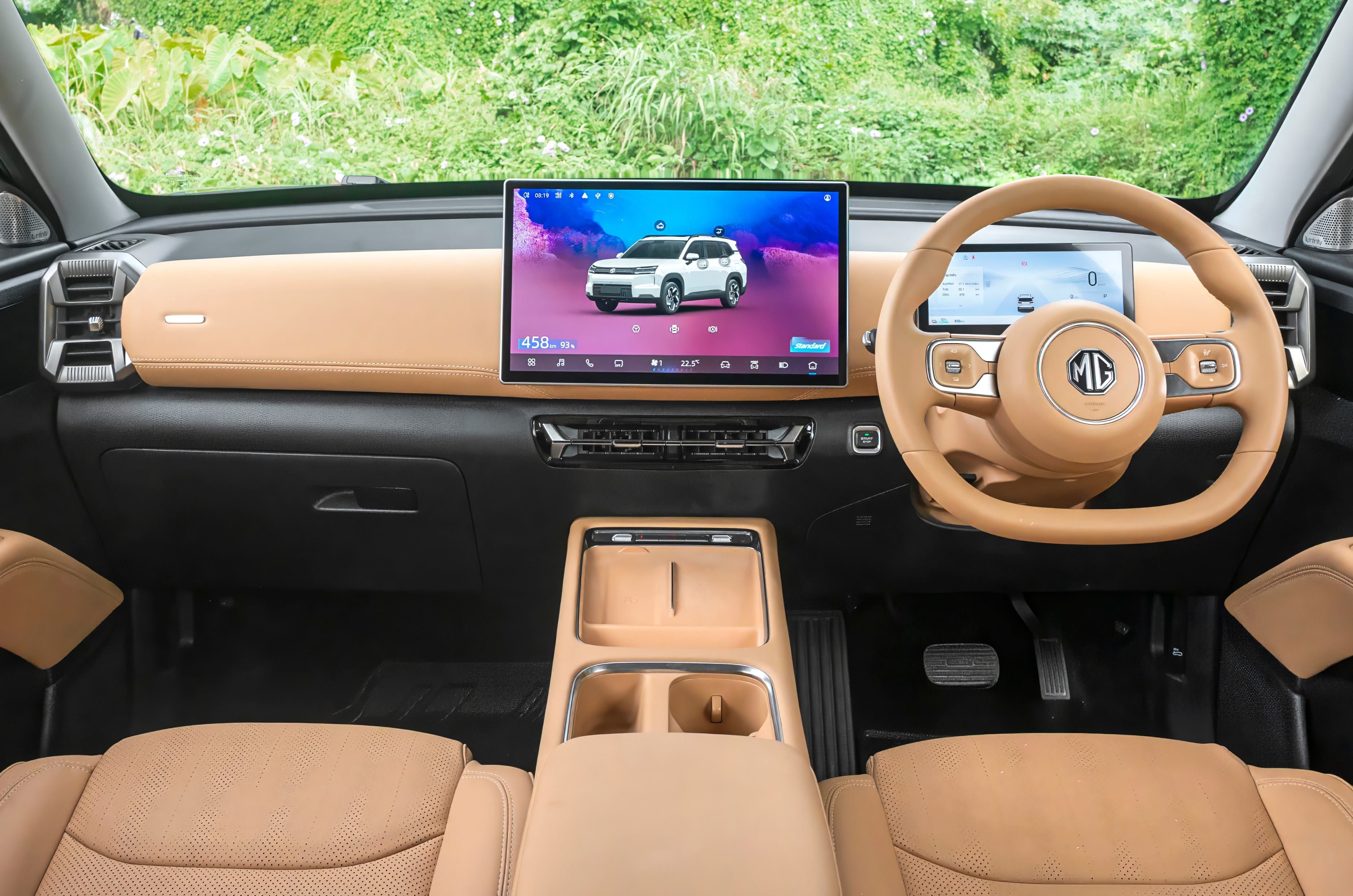
Minimalistic interior looks premium, but the light tan colour palette might not be to all tastes.

It’s easy to get into a comfortable and commanding driving position using the power-operated seats and reach-and-rake adjustment for the steering wheel. The seats themselves are wide, and despite the firm cushioning, they felt comfortable on our full day of driving. They are ventilated too, and the driver’s seat also gets a memory function.
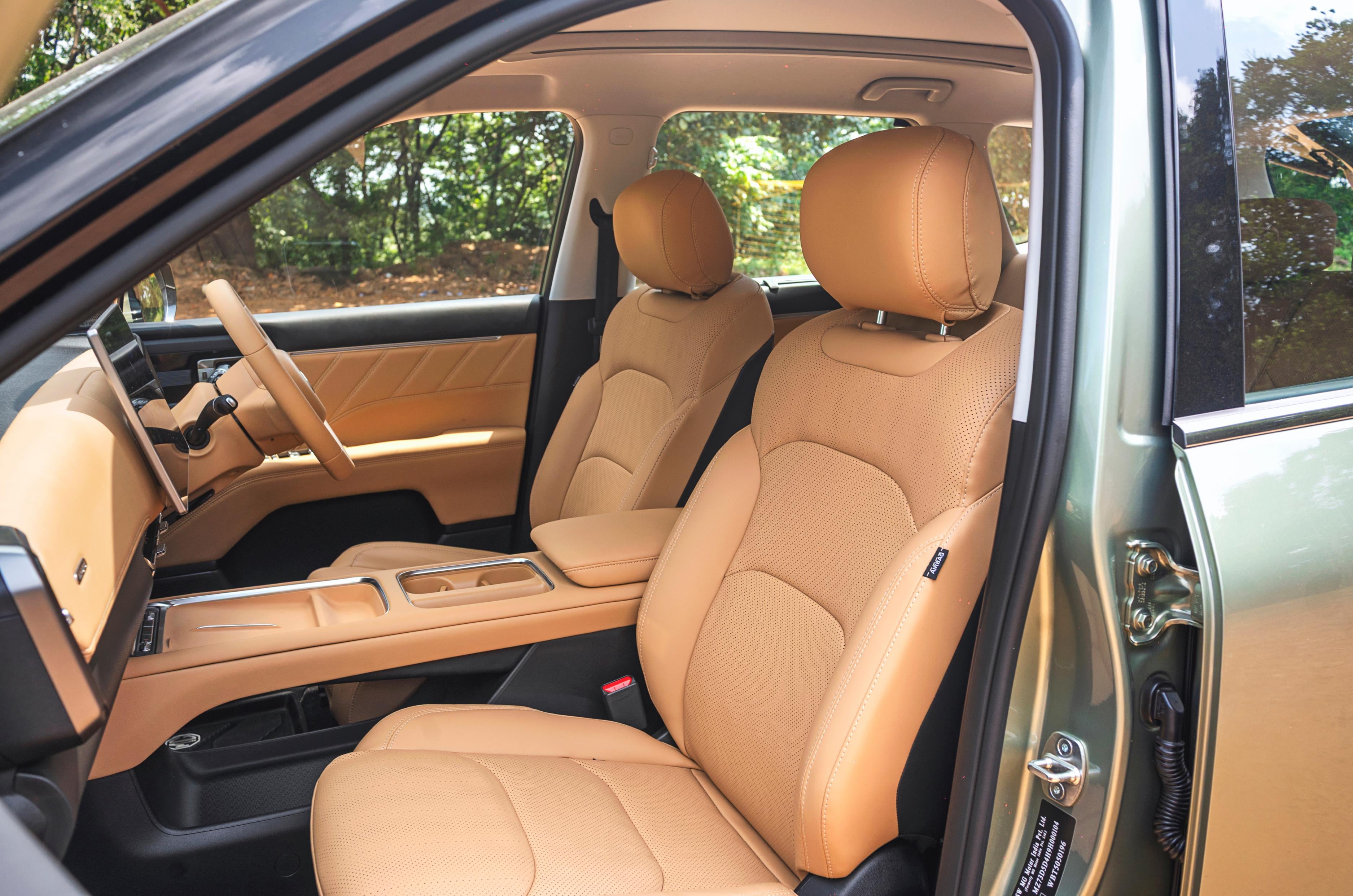
Powered and ventilated front seats are wide and comfortable; driver’s seat gets a memory function.

The Tomahawk has the second-longest wheelbase in class (next only to the Vinfast MPV 7), and it shows in the second row. Legroom is excellent, and while you do sit slightly knees-up, thigh support is adequate too. The seatback reclines pretty far back and features an armrest and three adjustable headrests. Window sunshades, AC vents and Type-C USB ports add to the rear-seat comfort and convenience.

The chauffeur-driven are well taken care of, with a comfy reclining bench, plenty of room all around and sunblinds.

The Tomahawk EV is available in both 5- and 7-seater guises. The latter adds a sliding second row with one-touch tumble to access the third row, as well as more AC vents on the roof and a dedicated fan-speed control. Getting into the last row is surprisingly dignified thanks to a large aperture, but kneeroom depends largely on the middle-row passengers’ generosity, and the low seat means thigh support is non-existent. Headroom is good, though, and for short journeys, adults will be fine back there.
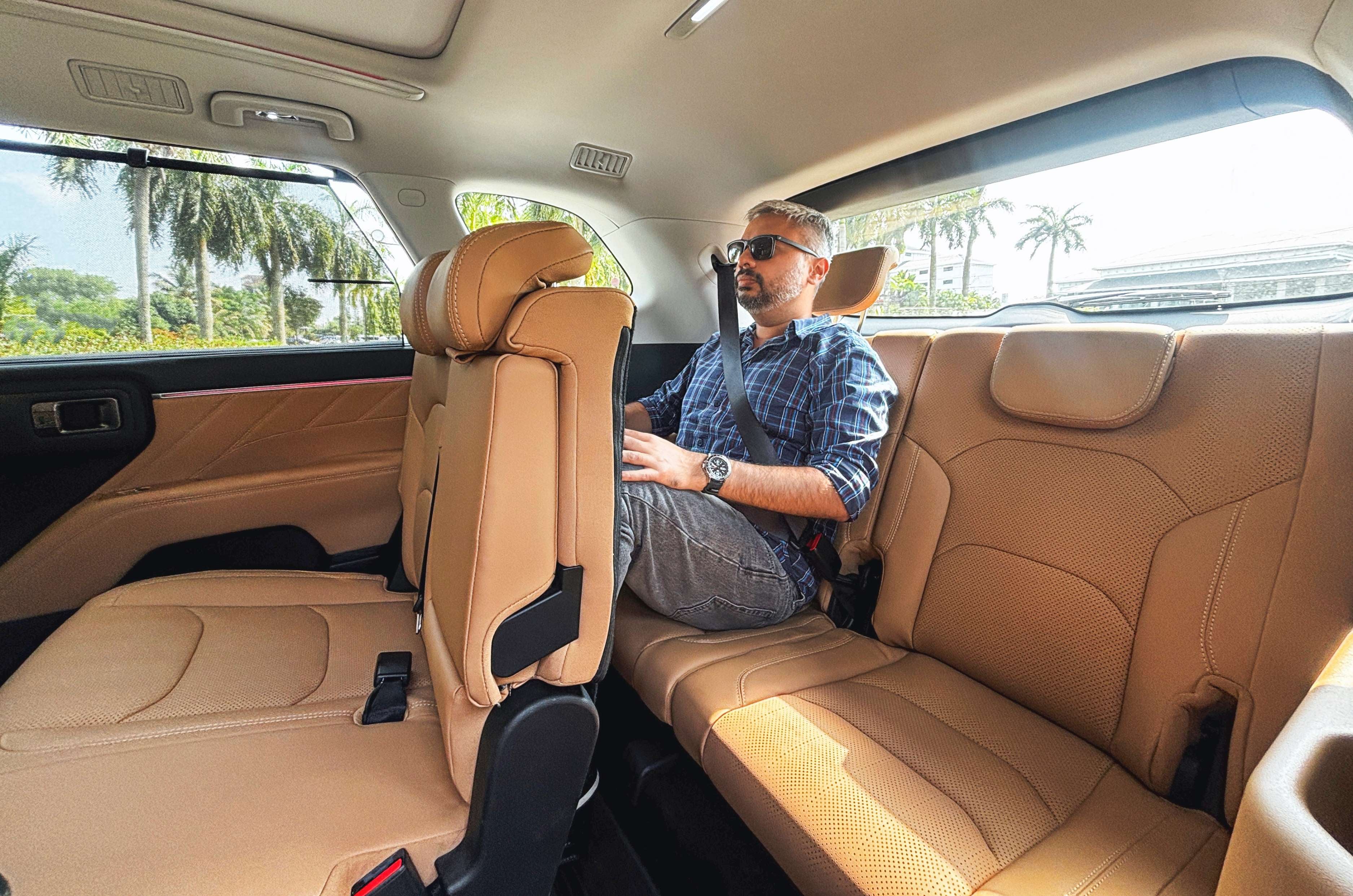
Third row will fit adults but with a slight compromise to the middle-row space.

With the third row up, boot space stands at 192 litres – enough for a couple of carry-on bags – expanding to a generous 528 litres with it stowed. Under the boot floor are a few more storage cubbies, which are handy since there is no frunk – a miss considering there appears to be enough space under the bonnet. A space-saver spare is mounted underneath the car.

MG Hector Tomahawk EV Features and Safety – 8/10

The minimalist interior layout means you reach for the 15.6-inch infotainment screen for most functions. While this can get distracting, physical and swipe-gesture controls together handle most basic HVAC and audio functions with surprising ease. Anything beyond basic, though, will require a deep dive into the screen. While the screen is sharp and snappy and the UI is clean, it can take a while to find your way through the maze of sub-menus. Wireless Android Auto and Apple CarPlay are also present, but using either hides the row of shortcuts at the bottom of the screen. Hardcoding these buttons to always stay on top would improve usability. The screen also often catches glare, which takes away from the otherwise sharp 360-degree camera.
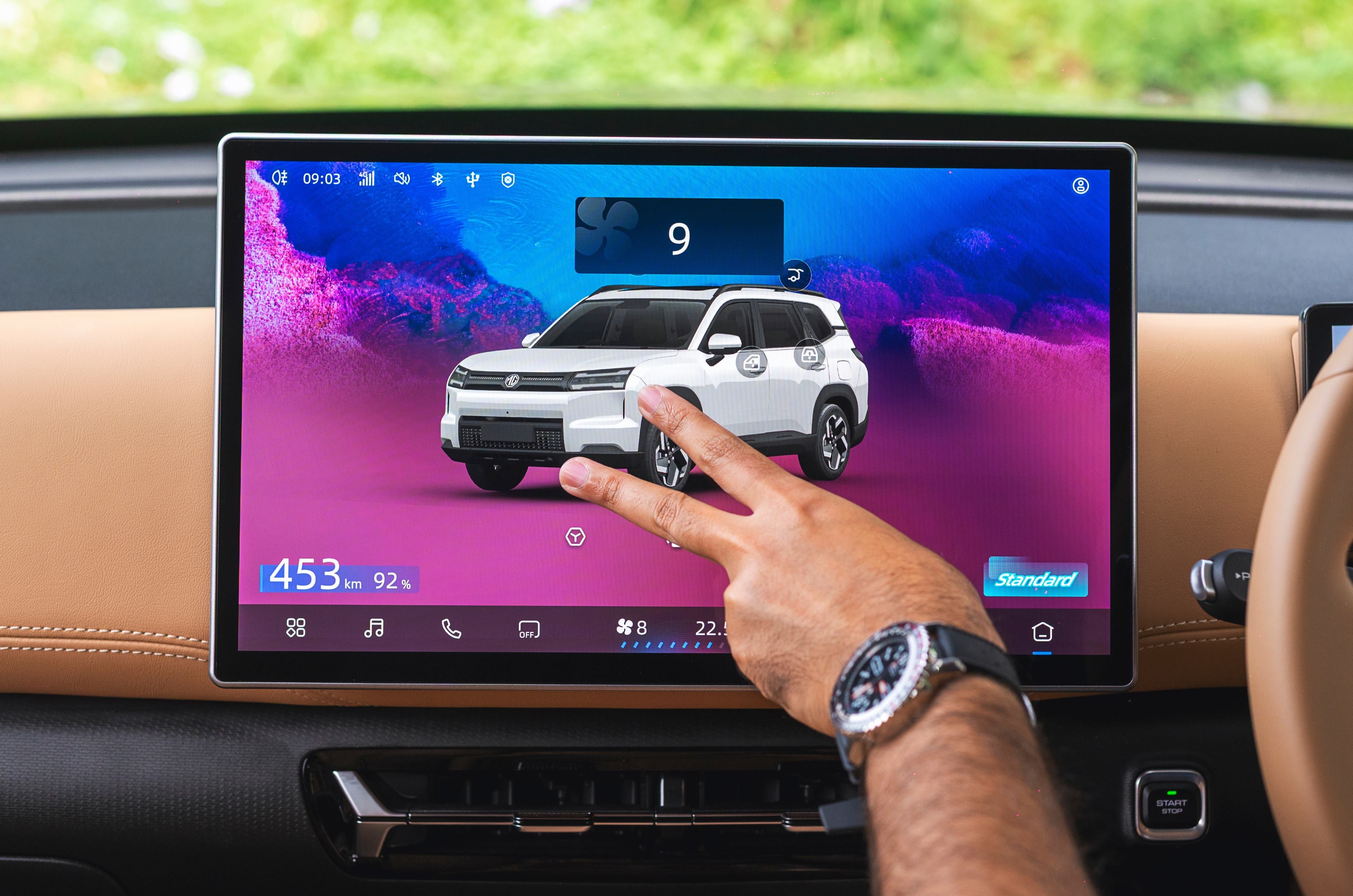
Several functions are baked into the 15.6-inch touchscreen, but gesture controls for essential functions are quite intuitive.

Instrumentation is handled by an 8.8-inch display directly in front of the driver. The screen itself is sharp, but some smaller fonts might have you reaching for your reading glasses. Its real estate could also be better utilised by displaying the blind-view camera feed rather than the current pop-up on the centre screen. Other feature highlights include a sweet-sounding 10-speaker Infinity audio system, a panoramic sunroof that stretches over the second row, 256-colour ambient lighting, connected car tech, an AI assistant and more. It’s worth mentioning that the Tomahawk EV also gets a physical start/stop button, which is absent on the brand’s other EVs.
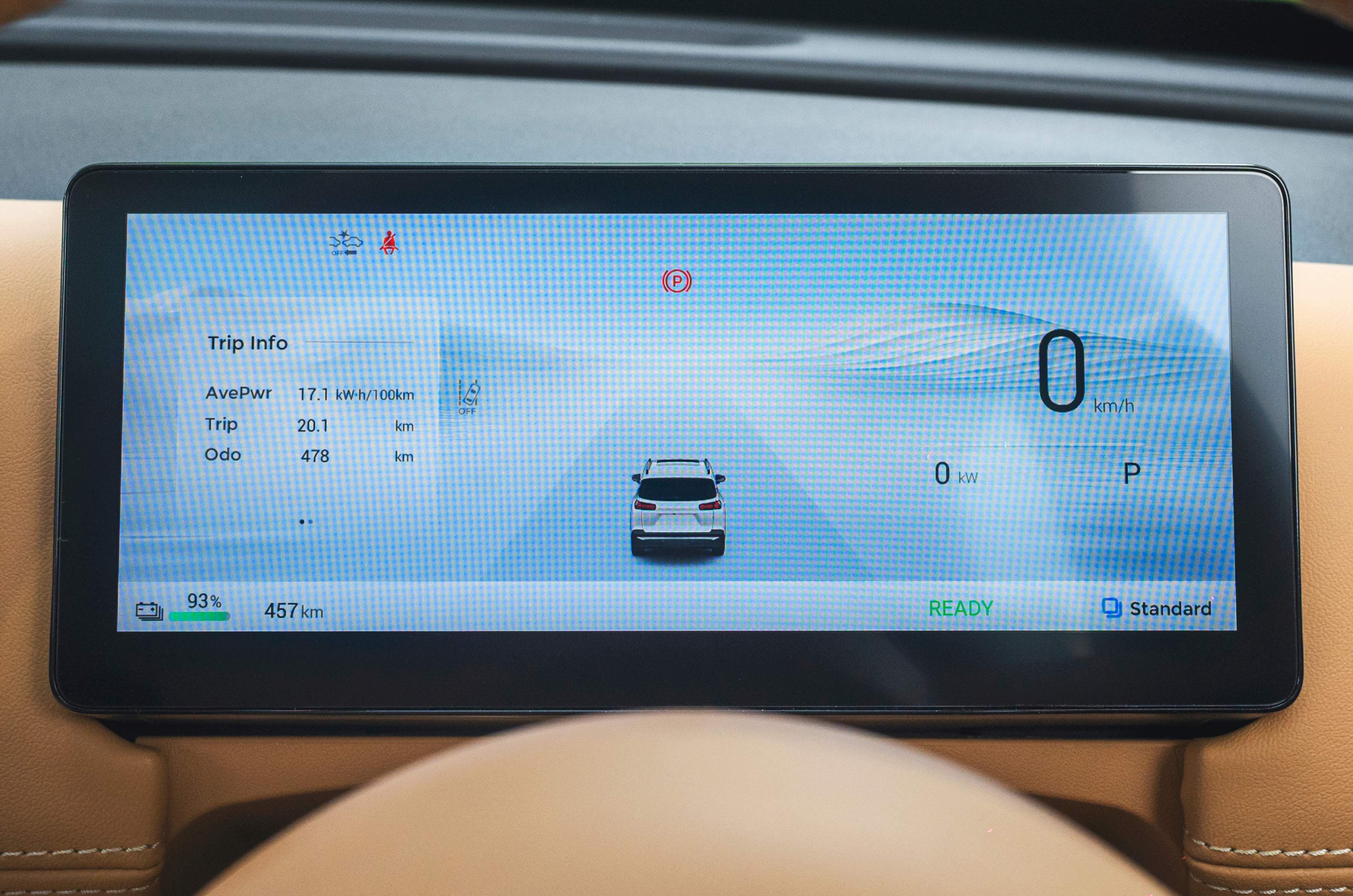
8.8-inch driver’s display is sharp, but some smaller fonts might have you reaching for your reading glasses.

A Level 2 ADAS suite is also available on the top Essence trim, with functions such as adaptive cruise control, lane keep assist and auto emergency braking. While there isn’t an official crash-test rating yet, the robust standard safety kit, including six airbags, ESP, all-wheel disc brakes and Isofix mounts, provides some confidence.

MG Hector Tomahawk EV Performance and Refinement – 7/10

The Tomahawk EV offers just one powertrain configuration – a 69.2kWh LFP battery pack powering a single motor on the front axle, producing 204hp and 310Nm, good for a claimed 0-100kph time of 8.2 seconds. Its front-wheel-drive layout puts it at a disadvantage against rivals from Tata and Mahindra, who offer either rear- or all-wheel drive and higher power outputs. The front-driven Hyundai Creta Electric or Kia Carens Clavis EV are closer matches, and the Tomahawk EV betters them on power and torque.
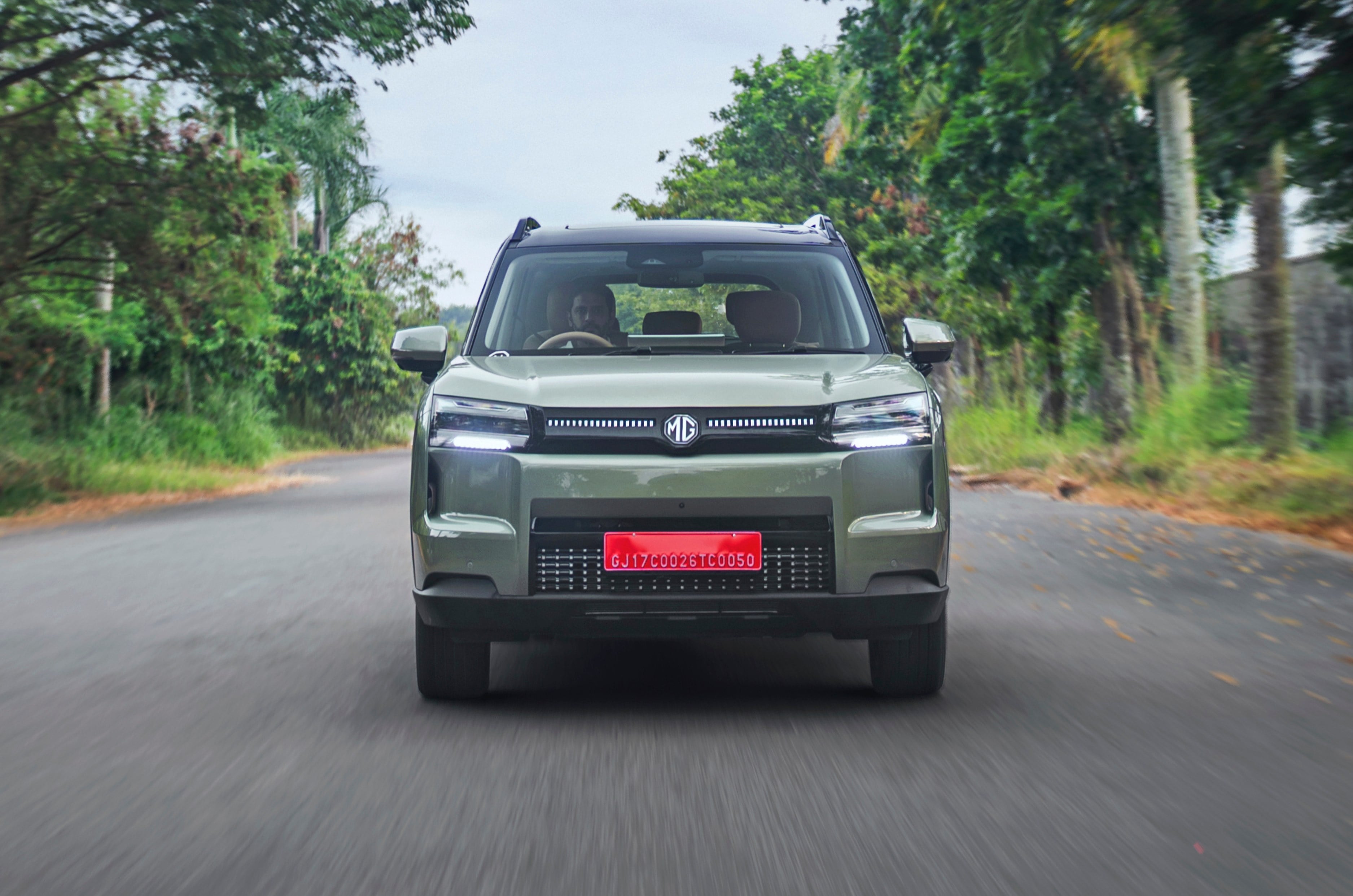
First EV on MG’s ADAPT architecture pairs a 69.2kWh battery with a front-mounted motor producing 204hp and 310Nm.

Initial throttle response is mild, making it quite easy to amble around town, but push harder, and you get a power spike resulting in torque steer. In Sport mode, you’ll hear the front tyres protest when made to put all that torque down on a less-than-perfect road. Standard mode dulls response slightly, but it can still catch new drivers off guard. With time, it is possible to drive around this, but the latest crop of rival EVs has mastered a more linear delivery. Eco mode feels a bit tepid and is best saved to counter range anxiety, while a Custom mode lets you customise power output and regen braking in increments of 10 percent. There are also three preset regen modes – Standard, Comfort and Strong – but no paddles to control them or one-pedal mode. Instead, you get an Intelligent setting that uses the ADAS sensors to adjust regen in real time based on the traffic in front of you.
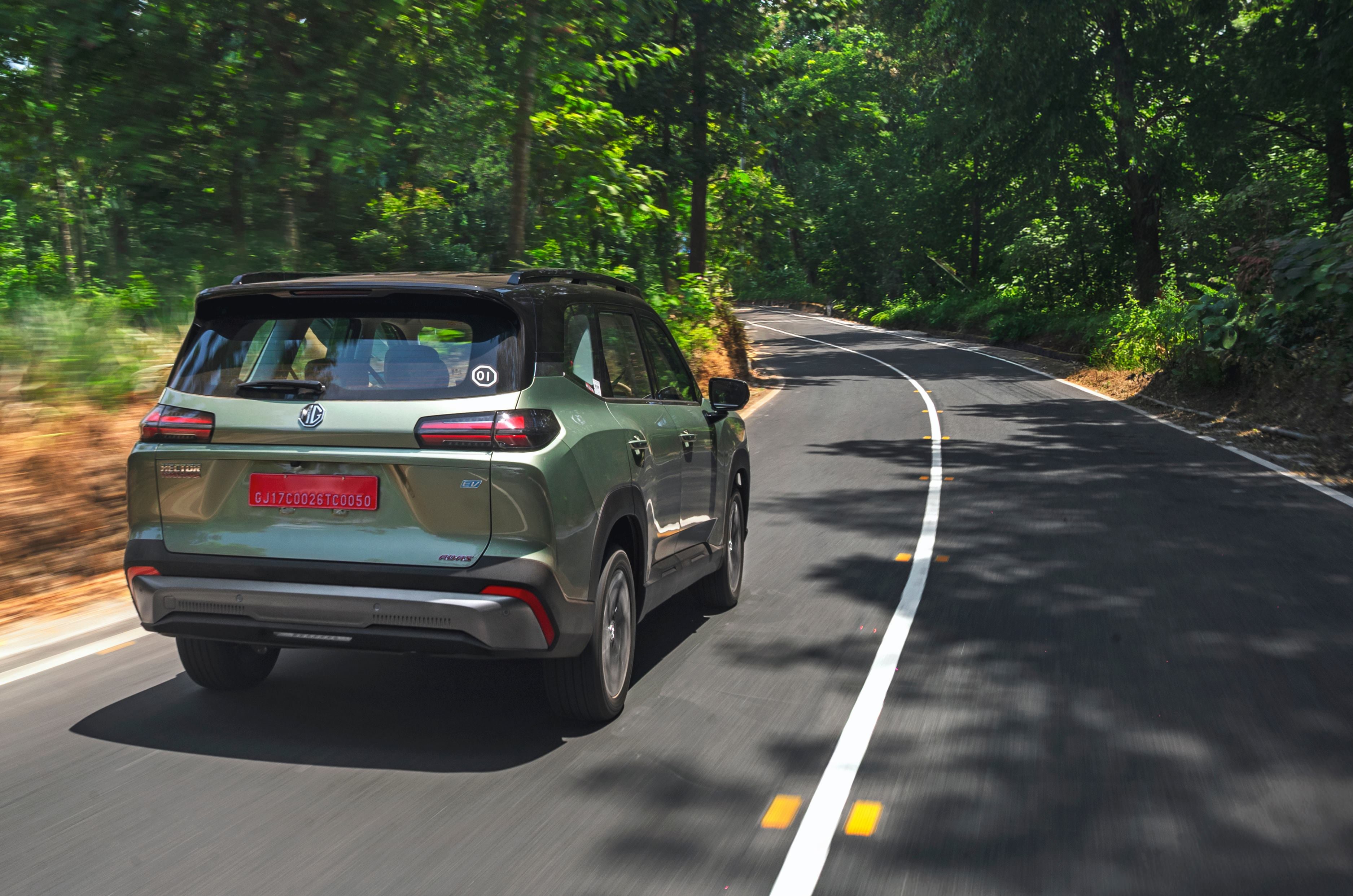
Grip levels and body control are good, but FWD layout struggles to put power down.

Refinement is a bit of a mixed bag. While the motor is fairly muted and there is little wind or tyre noise coming through, you hear the suspension at work on rough patches.

MG Hector Tomahawk EV Range and Efficiency – 7/10
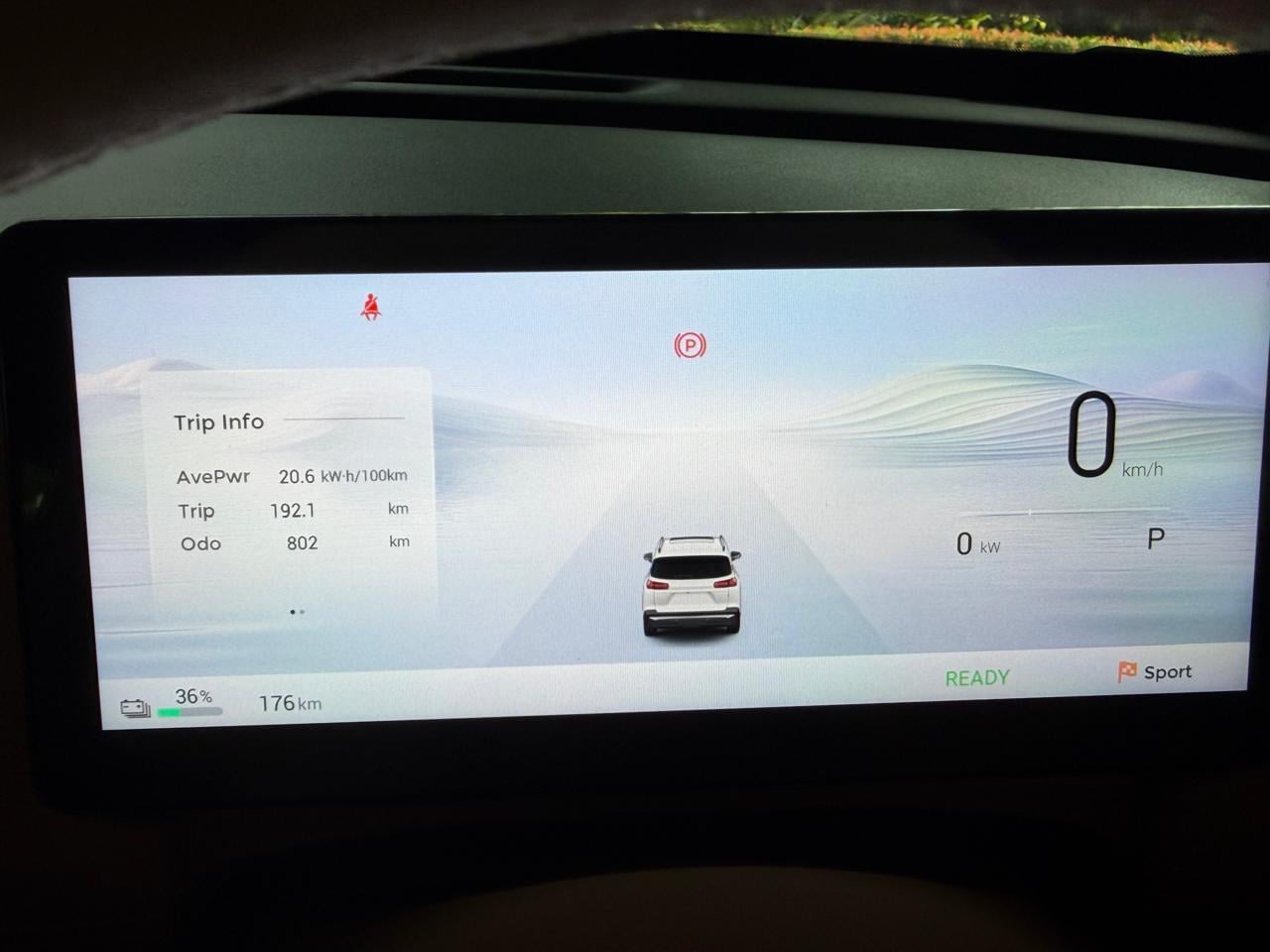
 A spirited highway drive from Kochi to Kozhikode covering 192km, resulted in an overall efficiency of 4.85km/kWh.

While the Hector name is often associated with poor fuel efficiency, the new EV and PHEV hope to change that. MG claims an MIDC range of 517km from its 69.2kWh battery pack. On a spirited drive from Kochi to Kozhikode covering 192km, we recorded an overall efficiency of 4.85km/kWh, translating to a real-world range of 336km. This was on a fast highway run, where the Tomahawk’s tall shape won’t do its efficiency any favours. We’ll put it through our standard real-world efficiency test when we have the car for longer.
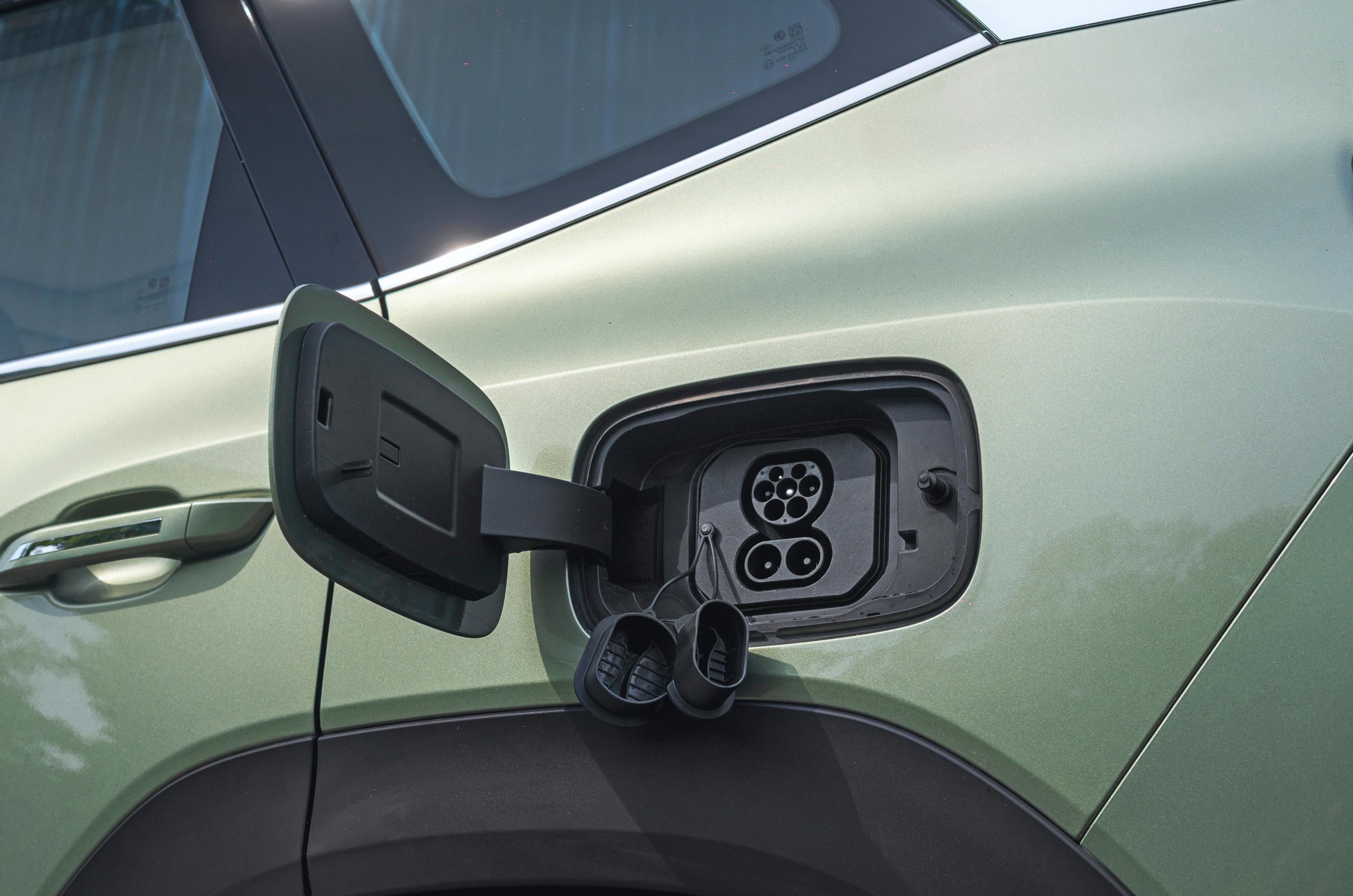
DC fast charges at 90kW – slower than rivals but enough for a 30 to 80 percent top-up in a claimed 35 minutes.

Topping up the battery from 10 to 100 percent using the 7.4kW charger is said to take around 12.5 hours. It can also DC fast charge at speeds of up to 90kW, which is lower than its immediate rivals but still enough to take the battery from 30 to 80 percent in about 35 minutes.

MG Hector Tomahawk EV Ride Comfort and Handling – 7/10
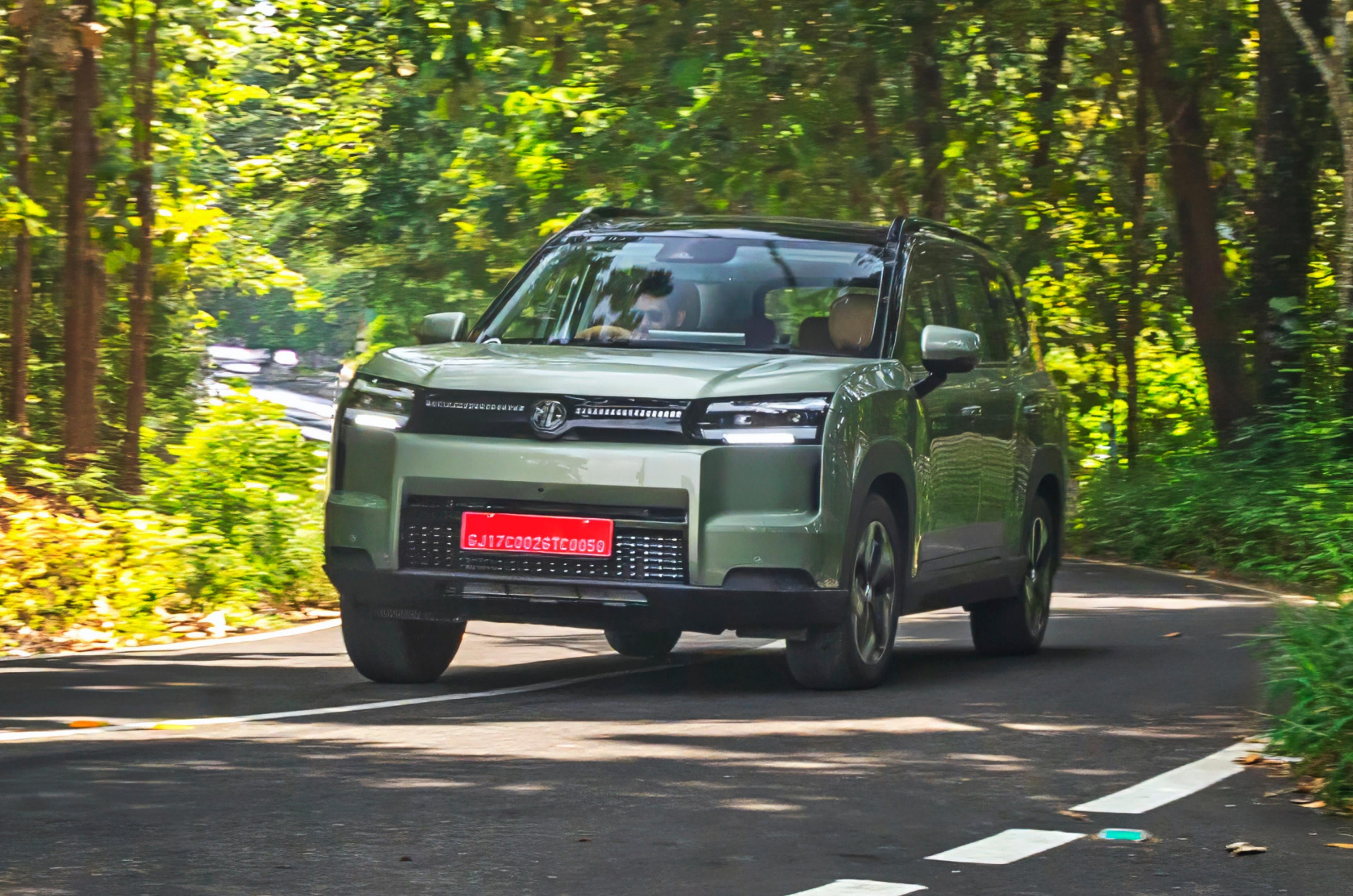
Rides with more maturity than previous MG EVs, but suspension can be heard working.

The Hector Tomahawk EV makes a big step up in ride and handling compared to the ICE Hector, but there is still some room for improvement. It rides with more maturity than previous MG EVs, comfortably absorbing most of what we threw at it. However, you do hear the suspension working. Sharper bumps reveal an underlying firmness that occasionally comes through to the cabin. Most roads around Kochi were relatively smooth, and we weren’t able to experience it on rippled concrete, so we will reserve full judgement until we have the car for longer.

A big positive is how easy the Tomahawk is to drive for something this large. Visibility all around is excellent, and you can see the bonnet’s edges from the driver’s seat. A light steering also helps, and overall, it feels less intimidating to drive through tight traffic than, say, the XEV 9S.
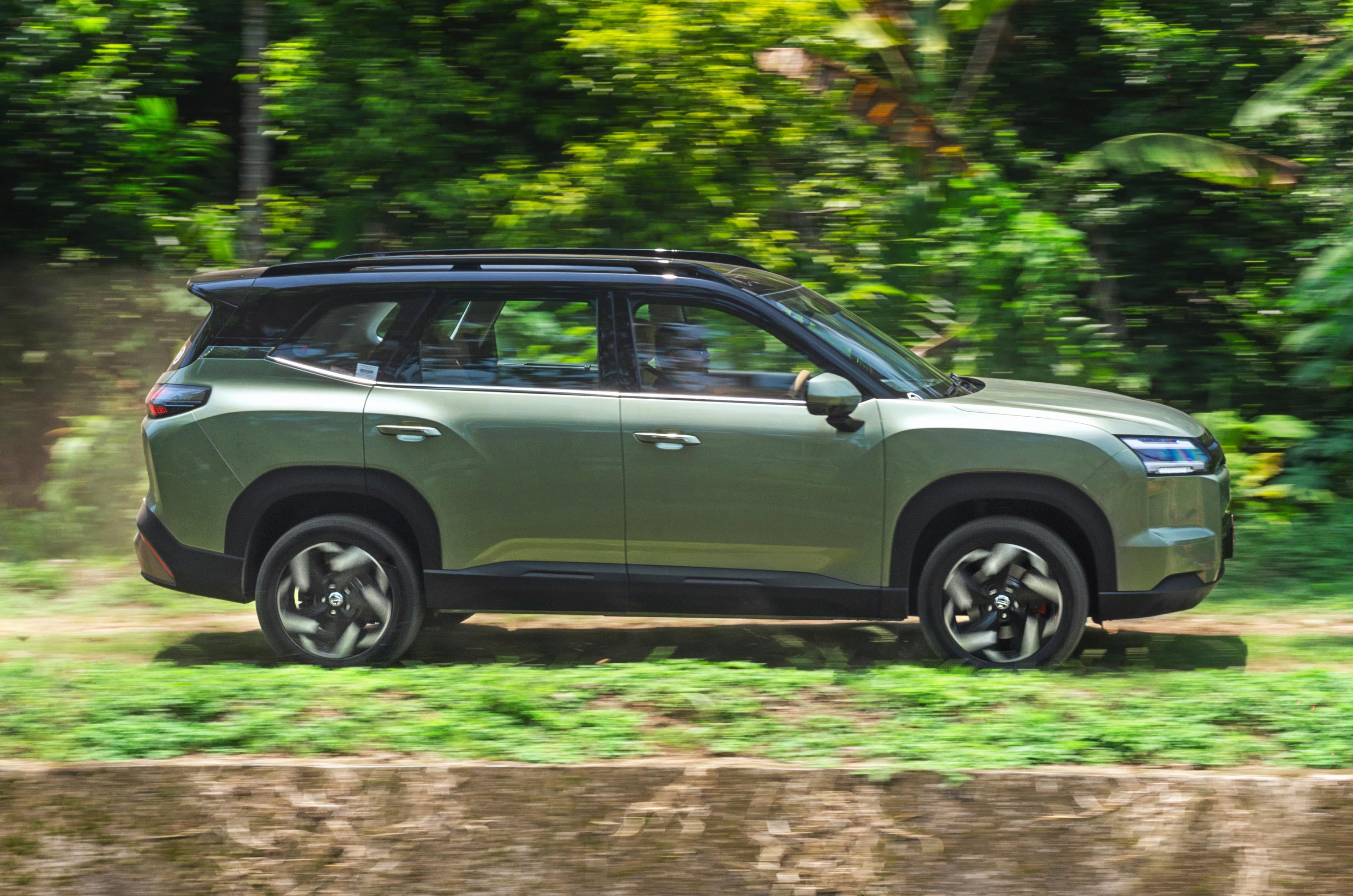
230mm claimed ground clearance is best in class; wheelbase second only to VF MPV 7.

The steering also weighs up as speeds rise and feels reasonably direct, though the sheer amount of torque going to just the front wheels corrupts the feel. At a quick pace through the twisties, you feel the wheel tugging at your hands as you apply power. Body control is good, and it stays composed through quick direction changes, but a sedate pace is more its element. Braking is strong, with four-wheel discs bringing the heavy SUV to a confident halt.

MG Hector Tomahawk EV Value for Money – 7/10

Introductory pricing for the Hector Tomahawk EV starts at Rs 19.49 lakh and tops out at Rs 23.49 lakh. The Battery-as-a-Service (BaaS) scheme lowers the entry barrier to Rs 13.99 lakh, with battery rental set at Rs 4.90 per km. While all these prices are applicable to limited units only, this is quite aggressive pricing from MG.
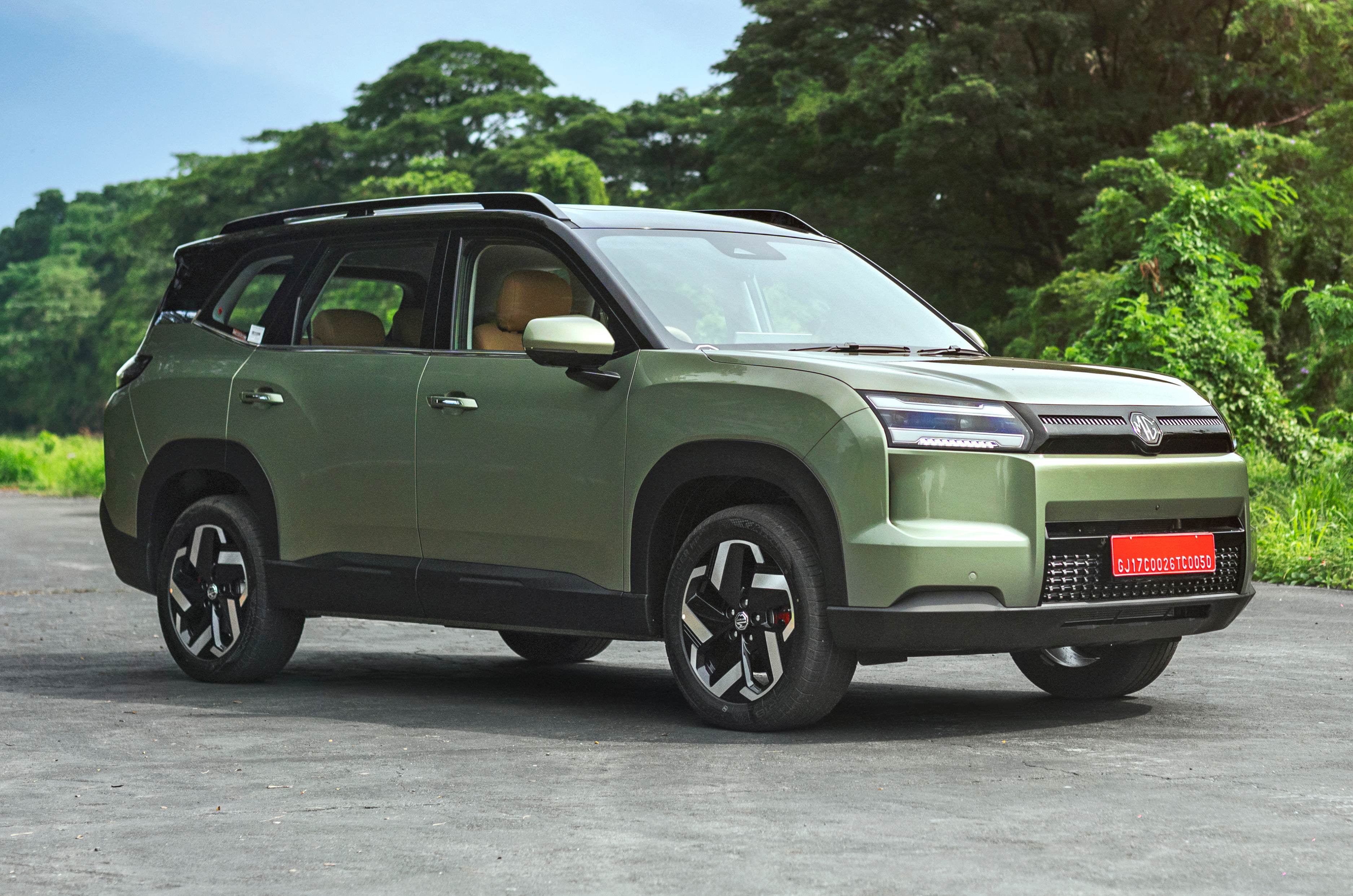
Practical, comfortable and no-nonsense SUV will appeal to the chauffeur-driven but lacks the dynamic polish of its rivals.

When compared spec-for-spec, it undercuts the competition from Tata and Mahindra while offering a bigger battery and more performance than its Korean rivals. It has a spacious and comfortable cabin, a comprehensive feature set and is surprisingly easy to drive for its size. However, it lacks the dynamic polish of its rivals and therefore doesn’t feel like a latest-generation EV. As such, its Hector name starts to make more sense. It is a practical, comfortable, no-nonsense SUV that will appeal to the chauffeur-driven just like its forebear. Those looking to do the driving, though, are better off looking elsewhere.

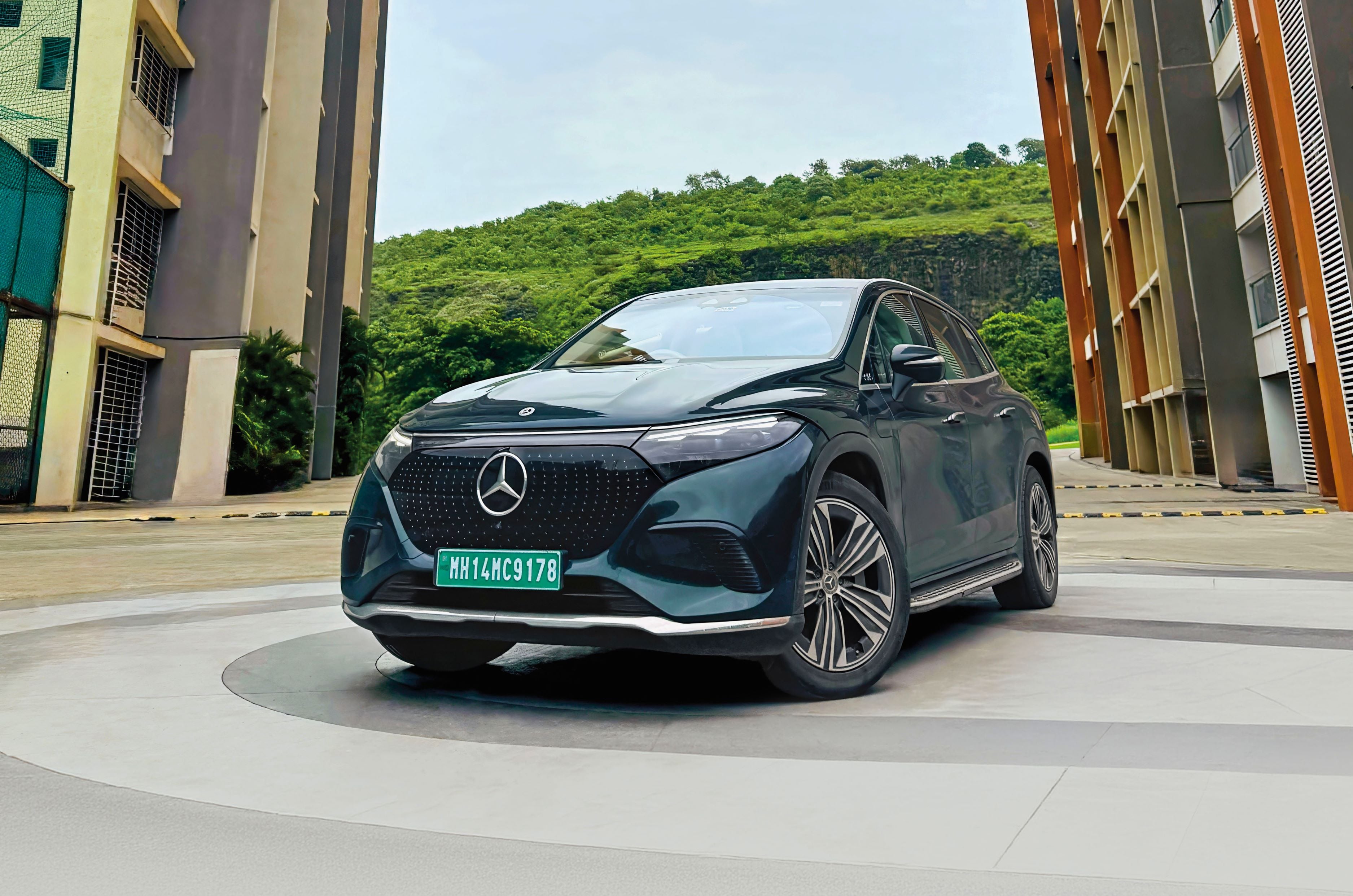
Mercedes-Benz EQS SUV long-term review, 31,000km report

Mercedes-Benz EQS SUV long-term review, 31,000km report
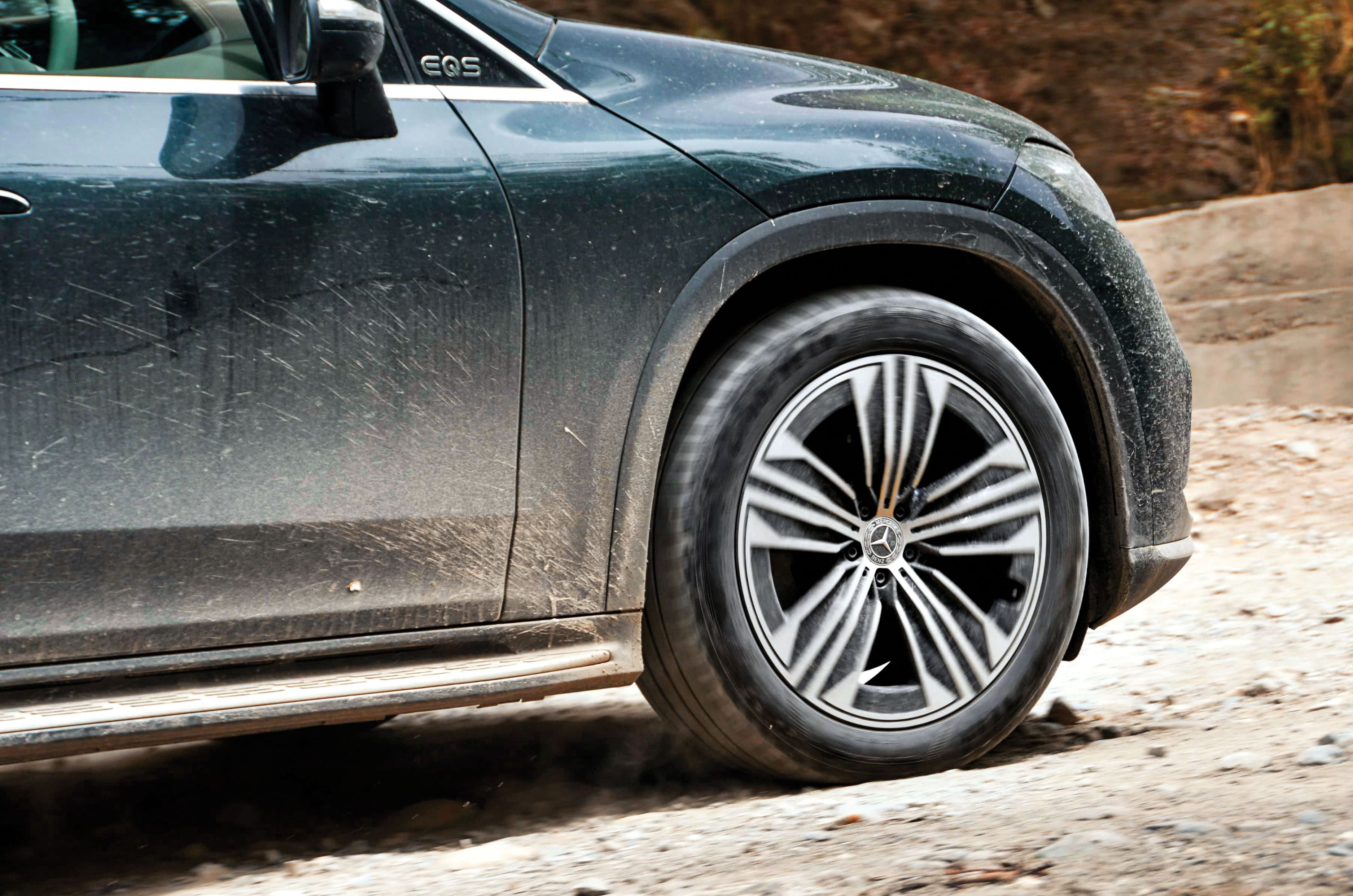
mercedes benz eqs suv

The Mercedes-Benz EQS SUV is back in the Autocar India long-term fleet, and after spending the last month with it, I can understand why I was happy to see it return. I have used it for everything from Mumbai office commutes and daily errands to highway runs and even as a cargo hauler, and it has quickly slipped back into the role of a comfortable and effortless family companion. In fact, the more I use it, the more I find myself appreciating just how easy this enormous luxury SUV is to live with.

The EQS SUV is a large SUV, and it feels every bit as luxurious as you would expect from a Mercedes. The cabin is beautifully appointed, the materials feel expensive, and the seats are extremely welcoming and comfortable. My family particularly loves the space and comfort it offers. There is plenty of room inside, and the overall ambience is one of calm and refinement. Being an EV, it is also extremely refined, with the near-silence of the electric powertrain adding to the sense of luxury.

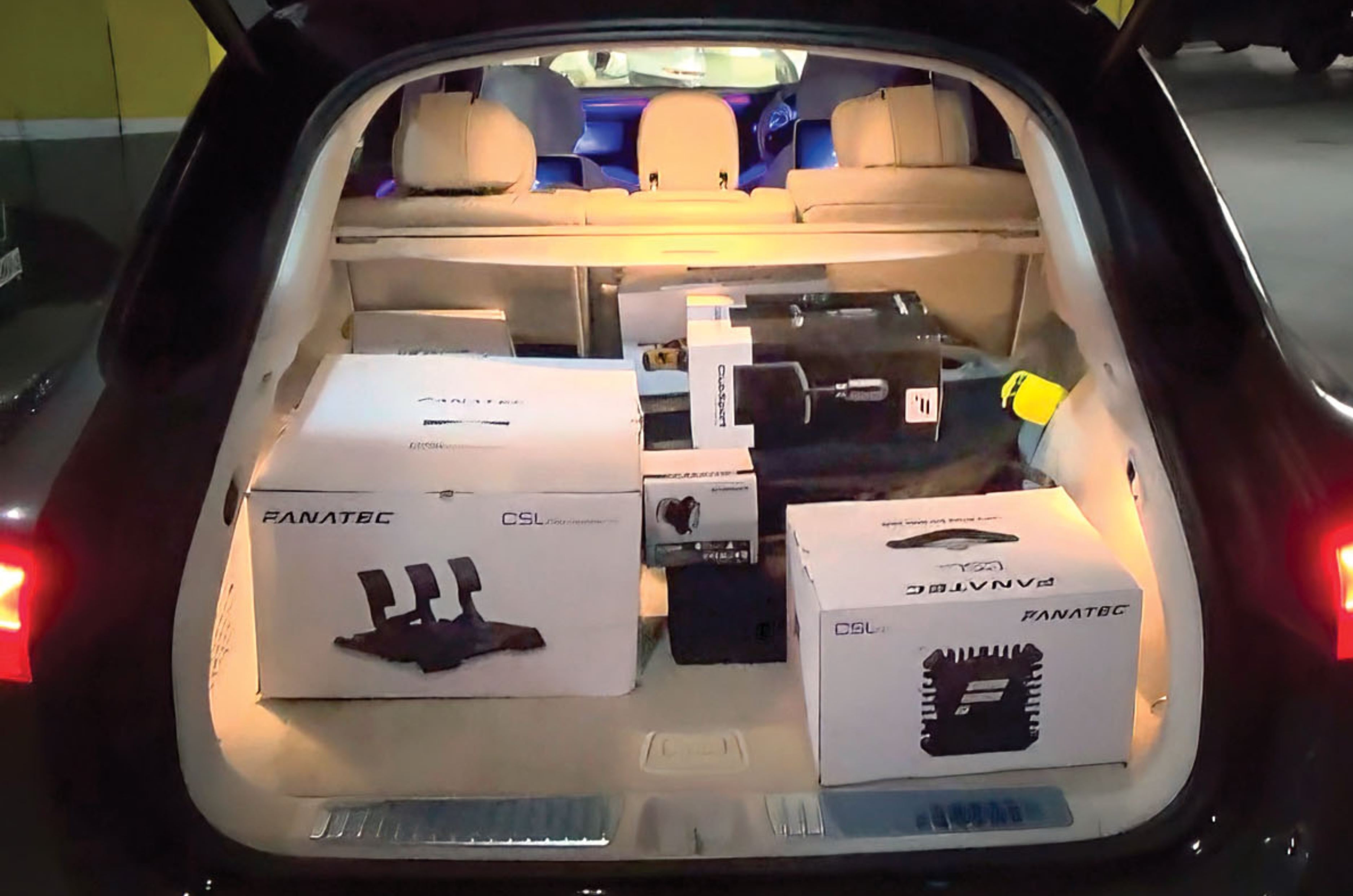
When your driving simulator needs an SUV-sized boot.

Despite its size, the EQS SUV doesn’t feel too big to drive. At more than 5.1 metres long, you would expect it to feel cumbersome, particularly in tight spaces, but that hasn’t been my experience. All-round visibility is very good, which makes it relatively easy to place on the road. The real party trick, however, is the rear-wheel steering. It makes turning around in tight spots remarkably easy, and you quickly stop worrying about the car’s size.

For some perspective, the EQS SUV has a turning circle of just 10.1 metres. That’s actually shorter than my wife’s much smaller Kia Sonet. It is a remarkable statistic and, more importantly, something you can genuinely appreciate when manoeuvring the car in the real world.

Rear-wheel steering makes this 5.1-metre-long SUV surprisingly easy to manoeuvre.

The EQS SUV’s 122kWh battery has also thrown range anxiety right out of the picture for me. I experienced this recently when I shifted from Pune to Mumbai. I had to carry a few important and expensive items, but one trip wasn’t enough to move everything, so I had to make the journey twice.

That meant doing roughly two trips of around 500km in the same day, and the EQS SUV managed it with battery to spare. It was an excellent demonstration of the advantage of having such a large battery. Instead of worrying about where I would have to stop and charge, I could simply concentrate on getting the job done. For an EV that is also expected to undertake long journeys, that kind of range is extremely reassuring.

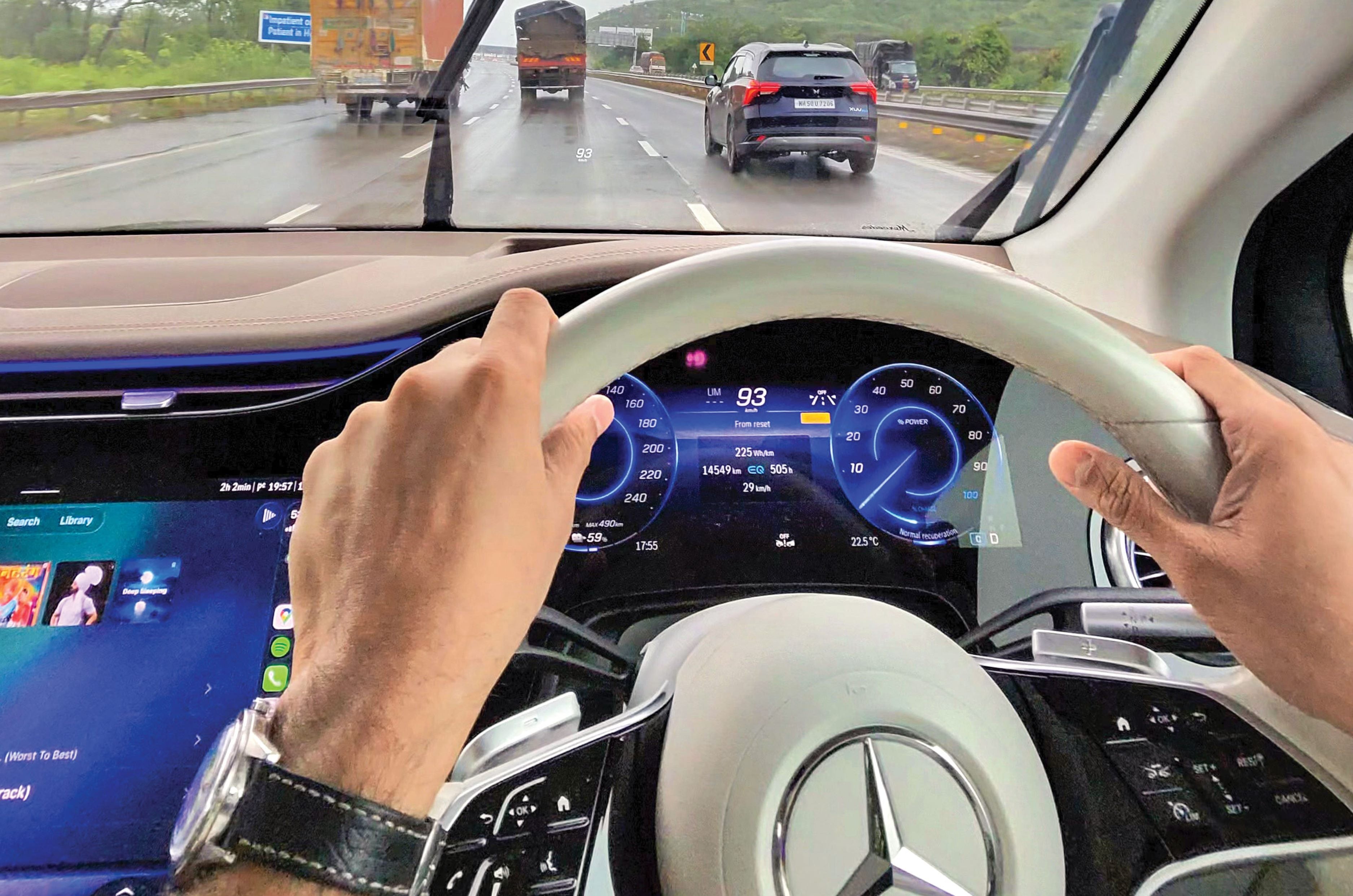
It settles into a relaxed rhythm on the highway, making long-distance journeys feel easy.

On the highway, the EQS SUV just glides. It is an extremely relaxed long-distance tourer, and I found myself feeling surprisingly fresh even after longer drives. The combination of its refinement, comfort and electric powertrain makes covering distance very easy. There is no engine noise or vibration, and the car simply settles into a comfortable rhythm on the highway. The Burmester 3D Surround Sound System also kept me good company on these longer drives.

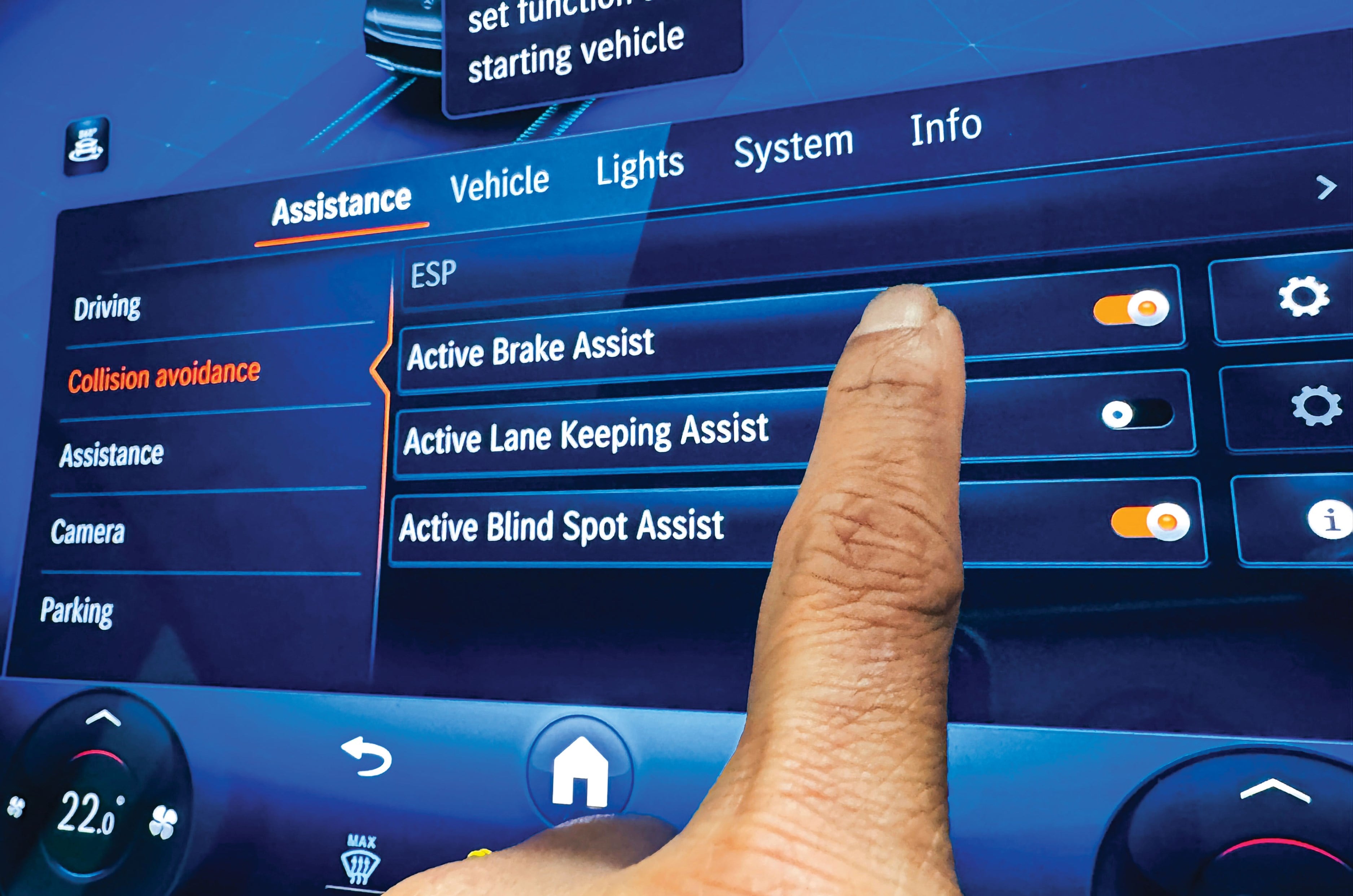
There are, however, a couple of things that I don’t particularly like. The first thing I do in any Mercedes is switch off the emergency brake assist. It is a system designed for situations where traffic moves in a relatively organised manner, but I find it extremely sensitive in our chaotic traffic conditions.

Active Brake Assist can be overly sensitive in chaotic traffic, with sudden braking that can really startle you.

I was reminded of this when I once forgot to switch it off. I was driving onto a crowded road when the system suddenly slammed on the brakes. It startled everyone inside the car, but I was also worried about the possibility of someone behind me rear-ending the car. In India, where traffic can be unpredictable and vehicles often follow each other very closely, an unexpected intervention like this can be unsettling. Ideally, there should be an option that allows the driver to switch the system off and keep it off even after the car is restarted.

The other issue is with the ride over bad roads. At low speeds, the ride is cushy and plush, but the EQS SUV’s weight does occasionally make itself felt. If one side of the wheels goes into a pothole at really slow speeds, you can feel the side-to-side movement of the car. It isn’t a major issue, but it is a reminder of just how much car you are driving.

There is also a mild thud if you take a pothole a little faster than you should. The air springs don’t seem to have much negative travel, and you can feel the suspension hit the bump stops.

The plush low-speed ride can get unsettled over potholes, with the EQS’ weight making itself felt.

Other than these two niggles, the EQS SUV has been a comfortable and luxurious companion for me and the family. It has handled my office commutes, daily errands, highway runs and even the demanding Pune-Mumbai move without fuss. Its huge battery has made range anxiety almost irrelevant, while its excellent comfort and refinement make long journeys particularly enjoyable.

Despite its size, the rear-wheel steering makes it surprisingly easy to manoeuvre, and the cabin is exactly the sort of place you want to spend time in. After a month, I am still very fond of the EQS SUV, and I am looking forward to seeing how the experience develops as our long-term stint continues.

Mercedes-Benz EQS SUV 450 4Matic test data

Odometer31,119km
PriceRs 1.33 crore (ex-showroom)
Economy5.3 km/kWh
Maintenance costNone
FaultsNone

Volvo to launch 13 new cars globally by end of 2030

Volvo to launch 13 new cars globally by end of 2030
Volvo logo

In what’s set to be the largest and most ambitious product offensive in its 99-year history, Volvo announced that it’ll launch 13 new cars by the end of 2030. The line-up will consist of 7 models for Western markets and 6 models for China, spread across pure-electric (EV) and hybrid powertrains. Volvo is also aiming to make a few design changes while reducing the over-reliance on touchscreens, with Head of Design Thomas Ingenlath saying, “we have to aim for a better harmony, a better balance between the interactions we have with our digital device and the physical interaction.”

  • New models to include sedans and estates.
  • China-only cars will share platforms, tech and supply chain with Geely.
  • Western-market models will use existing SPA2 and SPA3 platforms.
  • Volvo also plans to rework the on-board user interface.

New Volvo models to include sedans and estates 

Chinese models will be co-developed with Geely; US market to get a new electric SUV

Volvo’s new 13-car product offensive was revealed at the brand’s ‘Strategy Update’ event in Stockholm, where it was announced that there will be separate models to suit different market requirements. Cars bound for Western markets such as the EU, UK and US will be based on the existing SPA2 and SPA3 platforms, running the HuginCore computing architecture.

Volvo will be introducing new sedans and estates to its European portfolio, while a new full-size electric SUV is planned for the American market. The Swedish brand also said that it will be collaborating with parent company Geely for its China-specific models. The exercise will see the two automakers sharing platforms, a dedicated tech stack and a shared parts and supply-chain ecosystem.

Reworking design cues and the user interface 

Upcoming models to integrate updated design elements and a more user-friendly interface

Coinciding with the Swedish brand’s 100th anniversary in 2027, Volvo is expected to introduce a new design language through a concept. While no details have been put forth, Ingenlath stated that the brand’s signature ‘Ironmark’ badge and diagonal grille slash will see a reiteration. Meanwhile, drawing parallels with Leica cameras, Ingenlath said that the aim is to strike a better balance between touchscreens and physical switchgear.

“The touchscreen is about flexibility and displaying what you don’t need to display all the time. So, use the touchscreen for what it’s good for and reintroduce a couple more buttons than what’s offered in today’s cars,” highlighted Ingenlath. “A function shouldn’t live permanently on a screen just because it can,” he continued. However, the design chief was quick to note that this approach could vary based on market preferences. Since digital interactions are more popular in China compared to most other markets, the models that will be sold there could sport a screen-heavy design.

Volvo’s regionalised approach to boost profitability 

The brand aims to take advantage of increasing regionalisation to better match customer preferences

Volvo hasn’t disclosed model-wise details based on their target markets yet. However, it said that the plan is to double the brand’s market share in the pure-electric (BEV) segment while also offering the new third-generation hybrid powertrains for buyers who are reluctant to go fully electric. “Our showrooms will look very different in 2030. This is our strongest product pipeline ever, tailored to regional needs, and emphasises our ambition to be the leading premium car brand,” Volvo President and CEO Hakan Samuelsson said.

By developing regionally specific models through its ‘Strategy Update’ initiative, Volvo aims to tackle technology restrictions and trade tariffs alongside changing customer preferences. “The challenges for the car industry are immense, but our strategy gives a clear answer to how we adapt to these and our ambition is to be the leading premium car brand,” Samuelsson said.

Volvo expects to increase the commonality in parts shared with Geely to reach 30 percent, while the savings on material costs (apart from additional indirect savings) to hit 5 percent by 2030. Utilisation of existing SPA or shared hybrid platforms means lower investment per car when compared to the previous ‘first-car-on-platform’ launches such as the EX60. The company said that it will also be working on internal efficiency improvements to curb corporate overheads and increase productivity across the value chain. Combined, Volvo aims to push operating profit margins to go beyond 8 percent.

Also read

Hyundai teases new design details of Bayon

McLaren confirms it’s building an SUV


Tata Safari EV interior spied with triple-screen setup

Tata Safari EV interior spied with triple-screen setup
tata safari ev triple screens

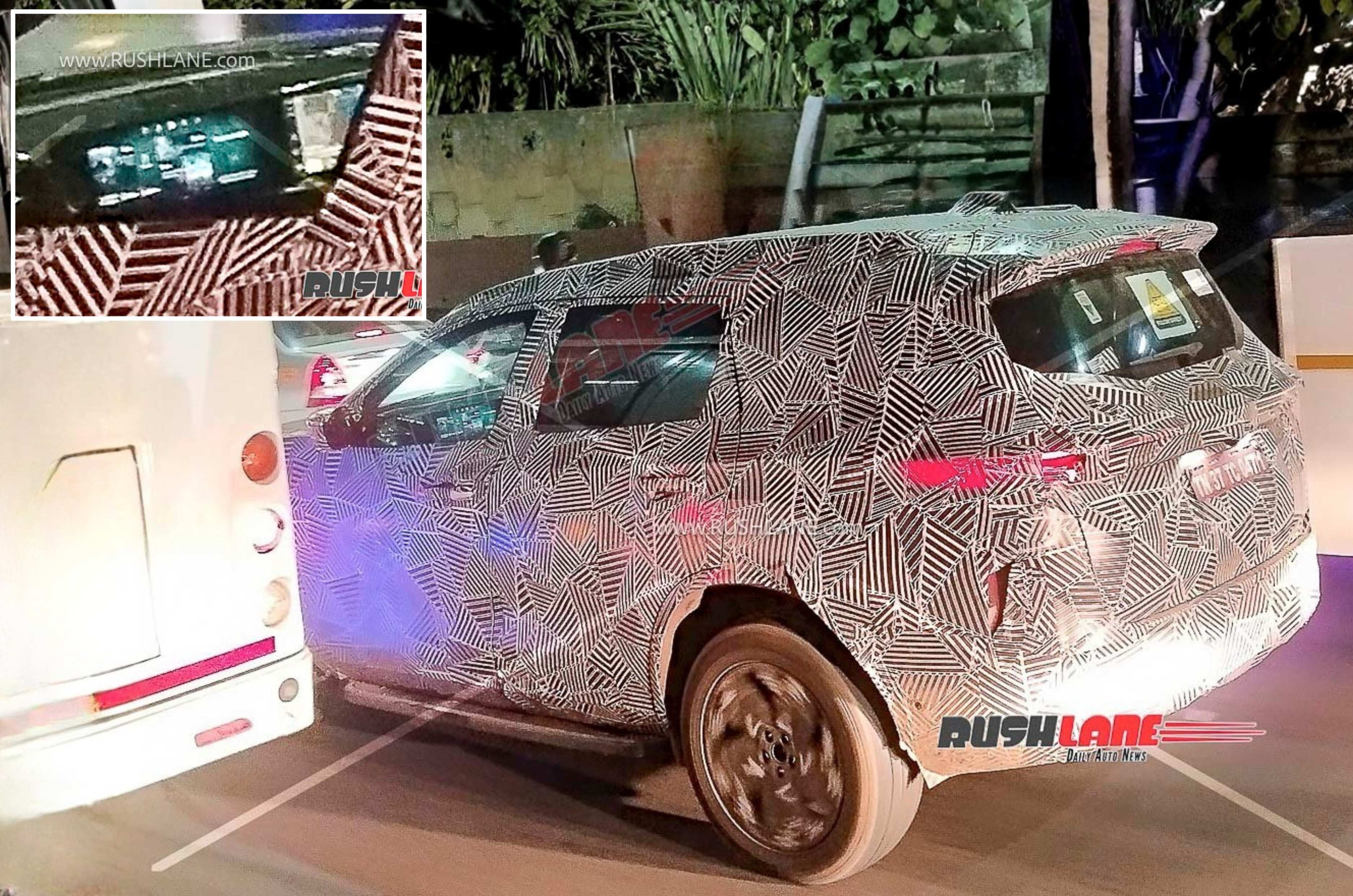
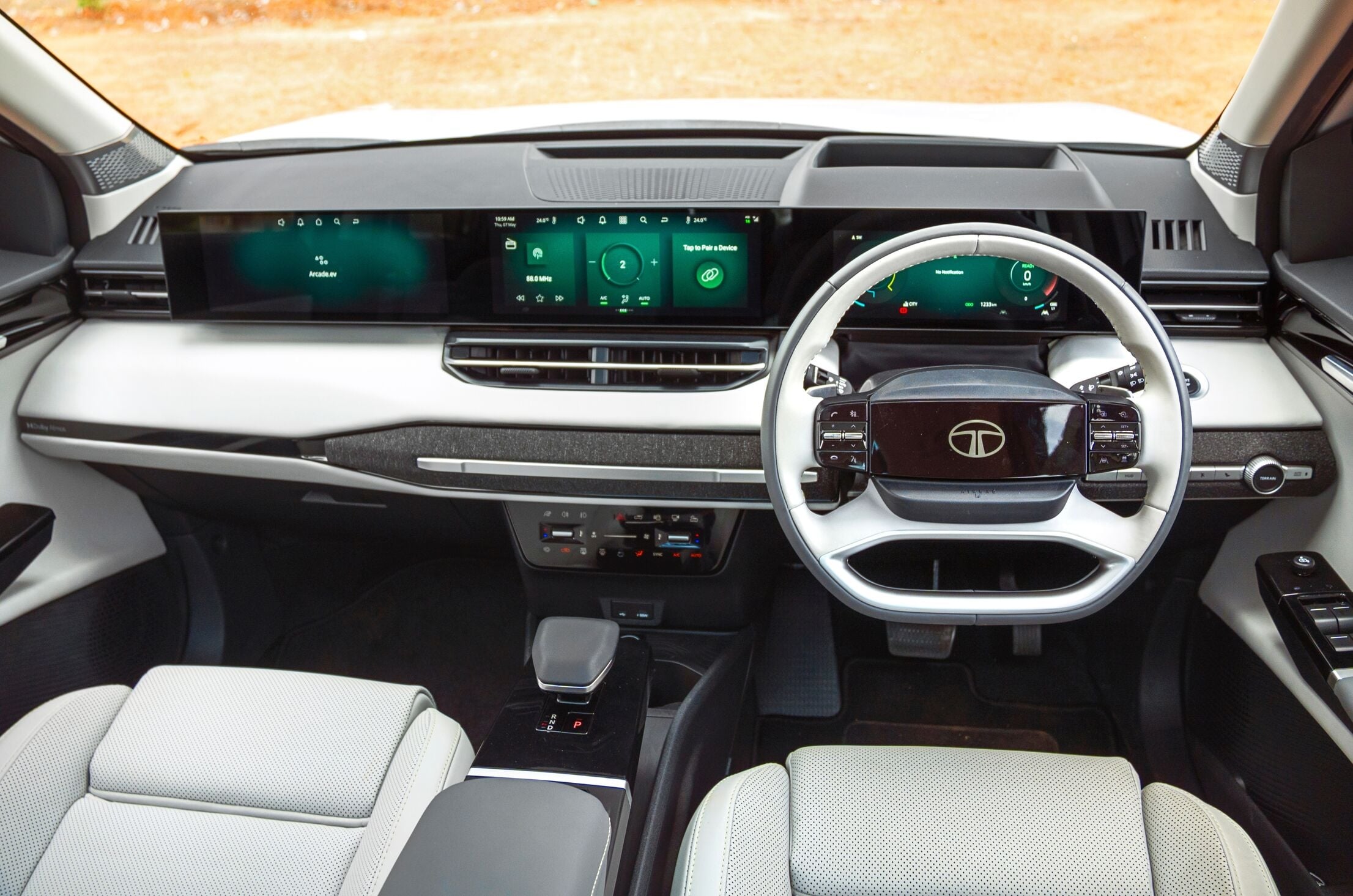
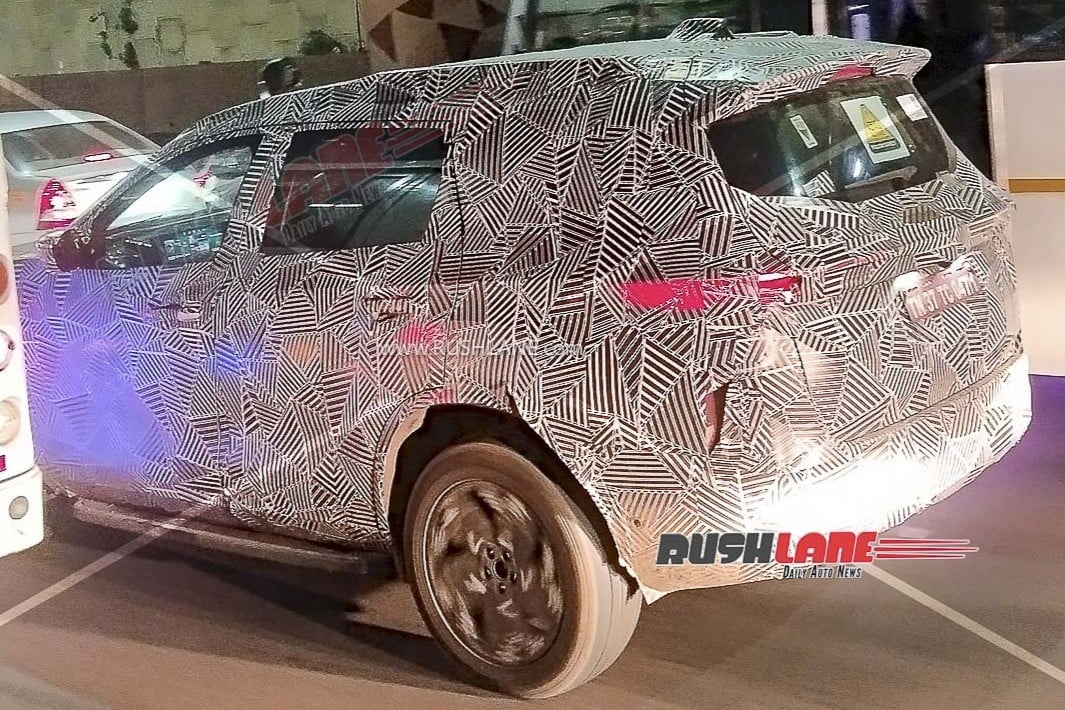
Newly surfaced spy shots of a Tata Safari EV test mule indicate that the electric three-row SUV will offer a triple-screen layout on the inside. The current ICE-powered Tata Safari does not get this feature, which implies that the electric version will be more feature-rich, at least at launch. Speaking of which, the Safari EV is expected to go on sale during the festive season of 2026.

Tata Safari EV may borrow Sierra EV’s triple screens

Credit: Rushlane

At present, the only electric Tata to come with a triple-screen setup is the Sierra EV – the ICE Sierra is also the only combustion-powered Tata to offer the feature. With the Safari EV set to arrive in a few months as Tata’s flagship electric car, though, it appears the SUV will be fitted with a triple-screen setup to reflect its positioning. This will also help the Safari EV better compete with its direct rival, the Mahindra XEV 9S, which offers a triple-screen setup from the base variant itself.

Tata Sierra EV triple-screen setup. Image used for representation only.

The Sierra EV’s triple-screen setup comprises a 10.25-inch digital driver’s display, a 12.3-inch central touchscreen, and a 12.3-inch passenger display. The driver’s display and central touchscreen handle instrumentation, infotainment, and navigation, while the passenger display allows the co-driver to stream TV shows and movies, or play a selection of games either by using their smartphones as controllers or by directly pairing a gamepad to the screen via Bluetooth. Expect the Safari EV’s triple-screen setup to function similarly. It remains to be seen if Tata could also bring the triple-screen setup to the ICE-powered Safari. 

Tata Safari EV battery and range

Credit: Rushlane

We expect the Safari EV to retain the Harrier EV’s 65kWh and 75kWh battery options. In the Harrier EV, both batteries are paired with a single rear-mounted motor (RWD) as standard, developing 238hp and 315Nm. The 75kWh battery additionally offers a dual-motor AWD layout that generates a combined 313hp and 504Nm. As for MIDC-certified range, the Harrier EV claims 538km for the 65kWh RWD, 622km for the 75kWh AWD, and 627km for the 75kWh RWD versions. The larger and heavier Safari EV is likely to feature slightly lower range figures.

McLaren confirms its building an SUV

McLaren confirms its building an SUV
Mclaren

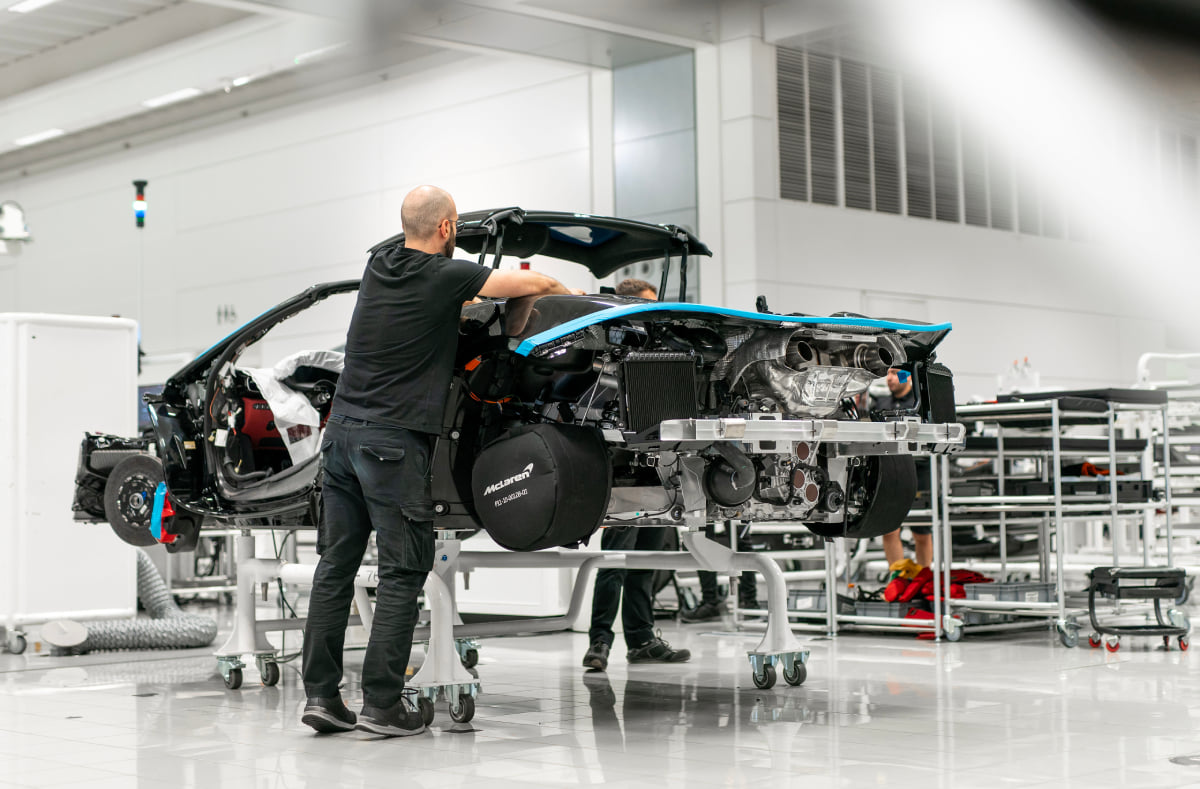
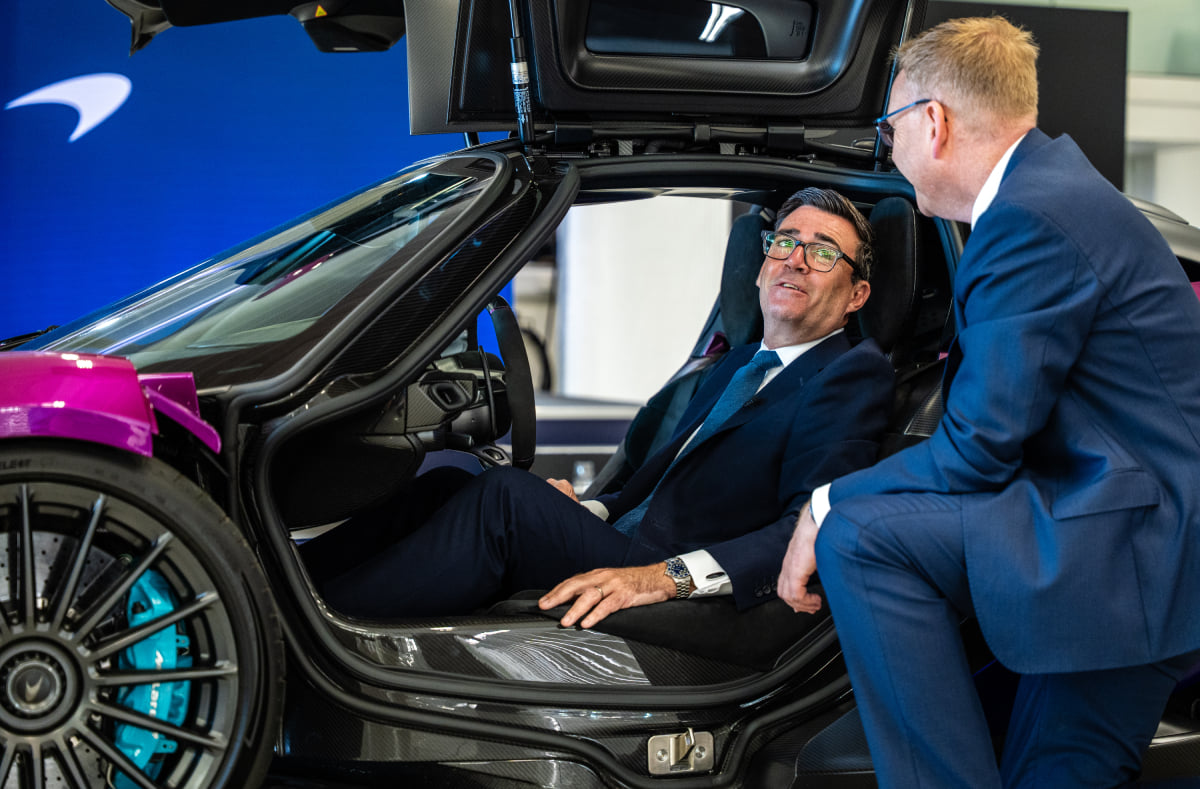
McLaren has confirmed plans to build its first SUV in the UK as part of a GBP 500 million investment in its manufacturing and engineering operations. The unnamed performance SUV is in the early stages of development and is planned to launch before 2030.

The investment will also fund a second vehicle assembly facility in the UK, expand McLaren’s existing facilities and bring engine development and production in-house for the first time. The programme is expected to create at least 1,000 jobs within and around McLaren, with a further 3,000 jobs expected across its supply chain.

Speaking to Autocar UK, McLaren COO Michael Straughan said “there’s a roadmap for about the next 10 years that gives us real confidence. We’ve got a growth plan and a delivery perspective on how we can get to where we want to get to.”

McLaren SUV confirmed

McLaren had previously ruled out an SUV, with former CEO Mike Flewitt saying the company could not afford to develop one and that it “just doesn’t fit the brand”. The company is one the last supercar makers to add an SUV to its range, following rivals including Ferrari, Lamborghini and Aston Martin.

The SUV will use one of the company’s new hybrid powertrains. Straughan said the SUV remains in the early stages of development, although McLaren is targeting a launch before 2030. The company has not yet announced its name, technical details or exact launch date.

The SUV will be the first McLaren road car to move beyond the mid-engined supercar format that has defined the brand since its road-car business was established. “No longer will we be only rear-engined, rear-wheel-drive cars. There’s going to be front-engined, and either four-wheel drive or perhaps rear-wheel drive in the future. It’s very difficult off one assembly line, so we need another assembly line – wherever we decide to put that”, Straughan said. 

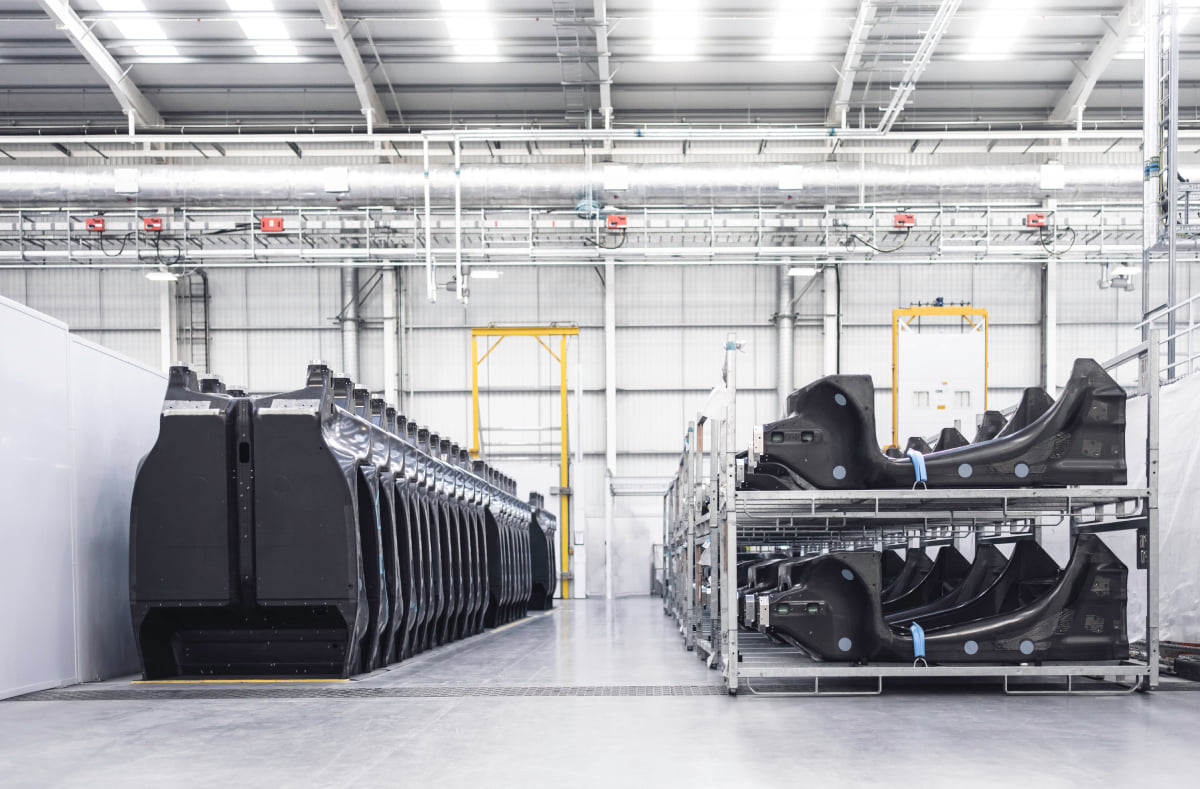
The SUV’s body structure is still being decided. McLaren is considering several options, including carbonfibre, drawing on its expertise in lightweight composite construction. “It’s one of the discussions we’re having at the moment, because nobody has ever done this before,” he said. “Every other SUV [of this type] has been aluminium, and we’ve got a number of options at the moment for what the body structure will be in the future. If we went that way, it would be the first. It would be incredibly special.” he added. 

The SUV is the only new model McLaren has confirmed. However, the front-engined layout could support other models in future. Straughan said there are no firm plans for additional models, but that the layout “opens up other opportunities”. McLaren has not confirmed any further derivatives or changes to its existing supercar range.

New engines and gearboxes

McLaren will develop and manufacture future engines and gearboxes in-house for the first time. Its current V6 and V8 engines are supplied by Ricardo, which has powered all of McLaren’s core models since the company’s relaunch with the 12C in 2011. The engines are exclusive to McLaren.

McLaren hasn’t alluded to their technical specifications, but says they will support “the company’s hybrid engine strategy”. The company says they will be developed and tuned to maximise driver engagement. Asked about the technical make-up of these new engines, Straughan said: “Obviously it’s going to start with the current V8 products or the future generation of that, but once you start building engines there are lots of opportunities”. 

Confirmation of plans for two distinct engine programmes suggests McLaren will offer different cylinder counts and capacities across its line-up going forward. McLaren’s partnership with Ricardo will continue for other engineering work, but future engines will be built by McLaren rather than shipped to Woking by Ricardo.

No immediate McLaren EV

McLaren has no immediate plans for a fully electric road car. COO Michael Straughan said the company will wait until customer demand is strong enough, although its integration with Forseven has provided experience in electric-vehicle development. Straughan said it was important that McLaren launched an EV “at the right time”.

“It’s inevitable – it will come, and we’ve got to be ready for when it does come. But the market reception to EVs in this space is not fantastic at the moment, so we can’t afford to make a mistake with the product, and therefore we will hold off until we’re certain that the customer demand is there”, he added.

Second UK factory planned

The new facility will supplement the McLaren Production Centre in Woking, although its location has not yet been confirmed. “We can’t build a front-engined car on the same line as a rear-engined car,” Straughan said. “We’re not going to use somebody else’s production line,” Straughan said. “We’ll build our own”, he added. 

McLaren will also expand its existing production facility in Woking, which built around 2,000 cars in 2025, as well as its carbonfibre manufacturing and research centre in South Yorkshire. The company has recently opened a design and innovation centre in Bicester and a testing and vehicle development facility in the Midlands.

Together, these sites will support McLaren’s UK operations across design, engineering, vehicle development and manufacturing, increasing production capacity for its next generation of models. “We can’t stop making the cars we make today,” Straughan said. “We have to introduce the new products alongside them”, Straughan said.

Honda becomes scooter sales topper again in August, overtakes TVS

Honda becomes scooter sales topper again in August, overtakes TVS
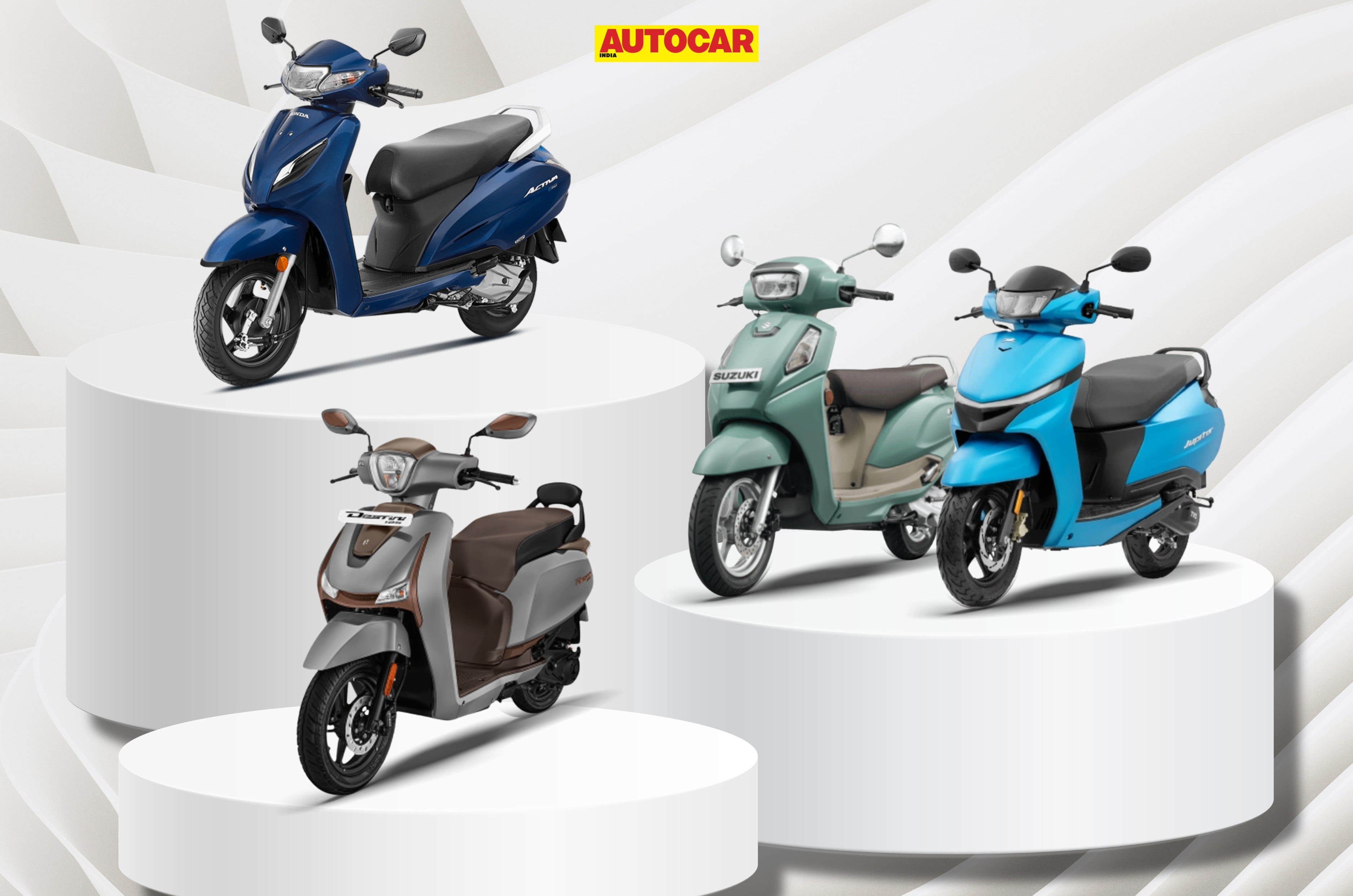
Render showing the Honda Activa at the top, followed by TVS Jupiter, Suzuki Access, and Hero Destini 125.

Long-standing scooter market leader Honda, who was outsold by TVS for the first time in July 2026, has bounced back into the lead in August. Honda dispatched 2.85 lakh units to showrooms across the country, posting 6 percent sales growth compared to August 2025. However, Honda’s market share has gone down by 6 percent compared to last year. The top 10 scooter manufacturers delivered a record 8.55 lakh units to their showrooms in August 2026, up by 24 percent compared to August 2025. This beats the previous best in October 2025 (8.24 lakh units), the only other time monthly scooter sales crossed 8 lakh.

  1. One in every five TVS scooter sold is an e-scooter
  2. River dispatched the highest number Indies so far in August 2026
  3. Honda sold its highest number of e-scooters so far in August 2026

2026 cumulative sales so far have increased by 31 percent compared to 2025

Honda, TVS, Suzuki and Hero lead the charge

Month

CY2026

CY2025

Percentage change

January

7,50,580

5,48,201

37%

February

7,29,774

5,12,783

42%

March

7,61,422

5,86,485

30%

April

6,91,993

5,48,370

26%

May

7,39,669

5,80,696

27%

June

7,44,823

5,35,307

39%

July

7,98,190

6,45,022

24%

August

8,55,715

6,91,430

24%

Total

60,72,166

46,48,294

31%


Data: Society of Indian Automobile Manufacturers (SIAM)

That’s not the only news from August. At 60.7 lakh units, cumulative scooter sales for the first eight months of 2026 have registered a handsome 31 percent YoY growth (January-August 2025: 46.4 lakh units). TVS dispatched 2.56 lakh scooters last month, up by 24 percent compared to August 2025. This gives the Hosur-based manufacturer a 30 percent market share, unchanged from last year. TVS’ monthly sales continue to benefit from its two EVs – iQube and Orbiter – which added 57,523 units, up by 135 percent from last year.

Ranked third is Suzuki with 1.01 lakh scooters, up by 11 percent, and a 12 percent market share; the Access 125 remains its best-selling product. Suzuki sold 668 units of the eAccess in August 2026, its only EV at the moment.

Hero dispatched 72,150 scooters last month, up 49 percent from last year, giving it an 8 percent market share, up by one percent compared to August 2025. Like TVS, Hero is also benefiting from the sustained demand for its Vida EVs, which sold 25,558 units, up by 108 percent.

Bajaj, which produces the electric Chetak and Yulu models, sold 53,748 e-2Ws in August, up 279 percent YoY; the high growth is due to the company’s production and sales finally recovering from the supply chain issues it faced last year.

Yamaha registered 23 percent growth for a 4 percent market share. It was the last Japanese manufacturer to start selling EVs and dispatched 475 EC-06 e-scooter last month.

Manufacturer

Domestic market sales (in units)

Market share percentage

August 2026

August 2025

Percentage change

August 2026

August 2025

Honda

2,85,527

2,69,923

6%

33.36%

39.02%

TVS

2,56,442

2,06,598

24%

29.96%

29.87%

Suzuki

1,01,267

91,065

11%

11.83%

13.17%

Hero

72,150

48,304

49%

8.43%

6.98%

Bajaj

53,748

14,164

279%

6.28%

2.04%

Yamaha

34,279

27,944

23%

4.00%

4.04%

Ather

29,694

22,757

30%

3.47%

3.29%

Greaves Electric Mobility (GEM)

12,439

5,804

114%

1.45%

0.83%

River

6,567

2,229

195%

0.76%

0.32%

Piaggio (Aprilia and Vespa)

3,602

2,602

38%

0.42%

0.37%

Okinawa

0

40

-100%

0.00%

0.01%

Total

8,55,715

6,91,430

24%

100%

100%


Data: Society of Indian Automobile Manufacturers (SIAM)

Ather, which launched its mass-market family scooter Konarc on August 29, sold 29,694 units of the Rizta and 450 models in August, up 30 percent YoY, for a 3 percent overall scooter market share.

Greaves Electric Mobility – manufacturer of Ampere Electric scooters – is the newest SIAM member. The company has reported dispatches of 12,439 units last month, up 114 percent from August 2025. River, which currently only sells the Indie, dispatched a record 6,567 units in August, up 195 percent from last year and by 9 percent compared to July 2026. Piaggio, which markets the Aprilia and Vespa brands, wraps up the Top 10 scooter manufacturers list with wholesales of 3,602 units, up 38 percent compared to August 2025.

The stellar performance of the scooter segment last month ensured that overall 2W sales hit a new high for the month of August with 20 lakh units. With the festive season ahead, we can expect to see further increases in sales by the end of the year.

With inputs from Stephen Raj Antony

3 reasons to buy the BMW i5 LWB and 3 reasons not to

3 reasons to buy the BMW i5 LWB and 3 reasons not to
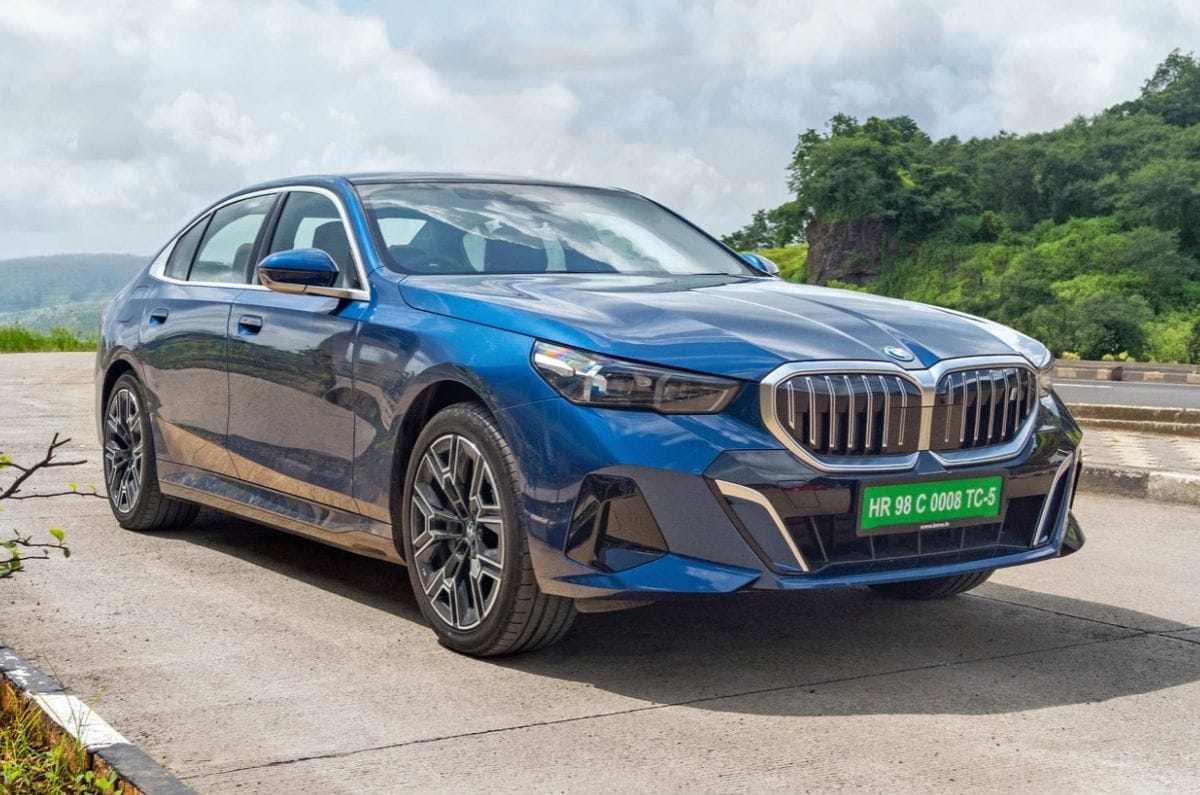
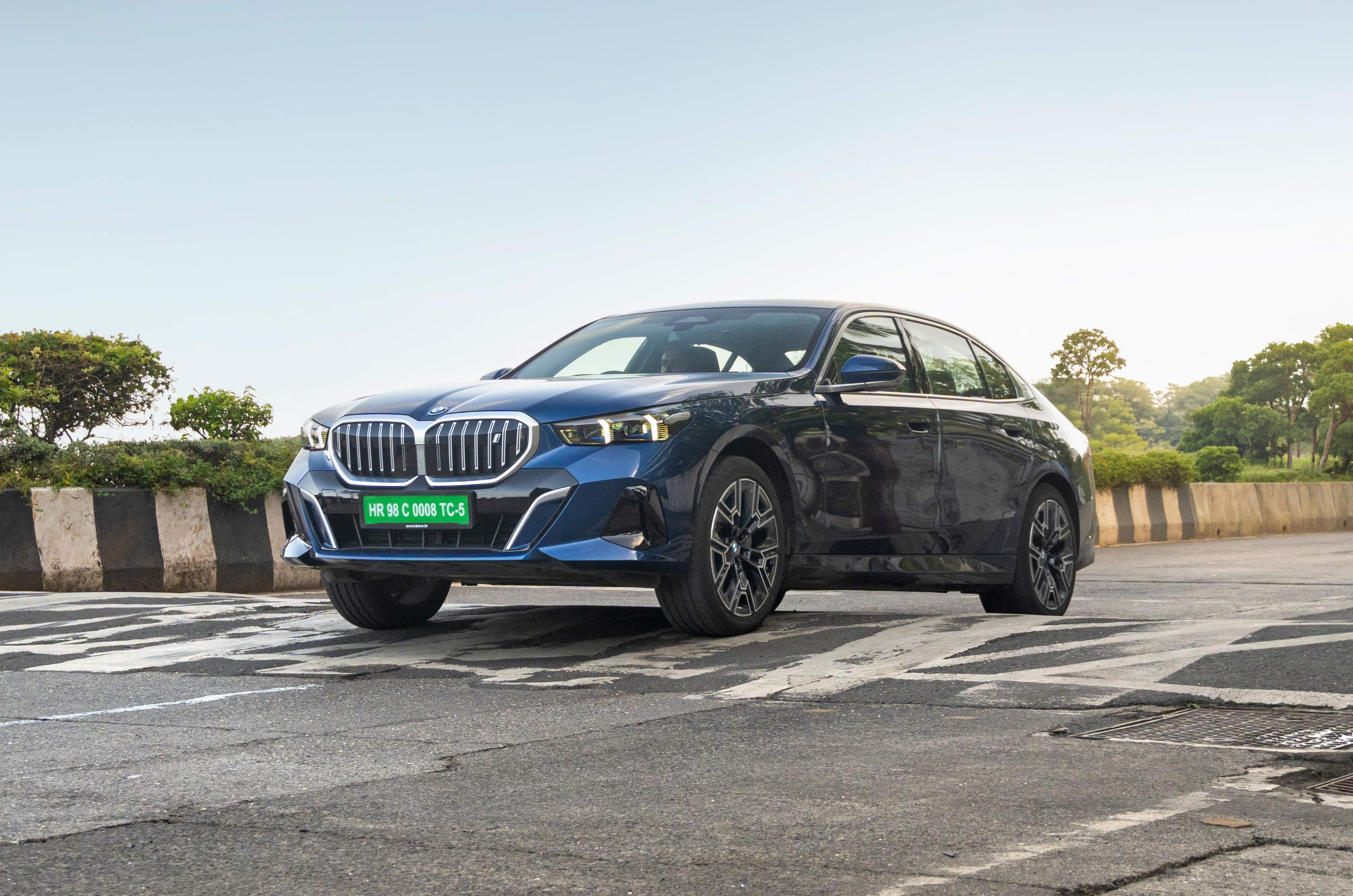
BMW i5 LWB Front Quarter Static

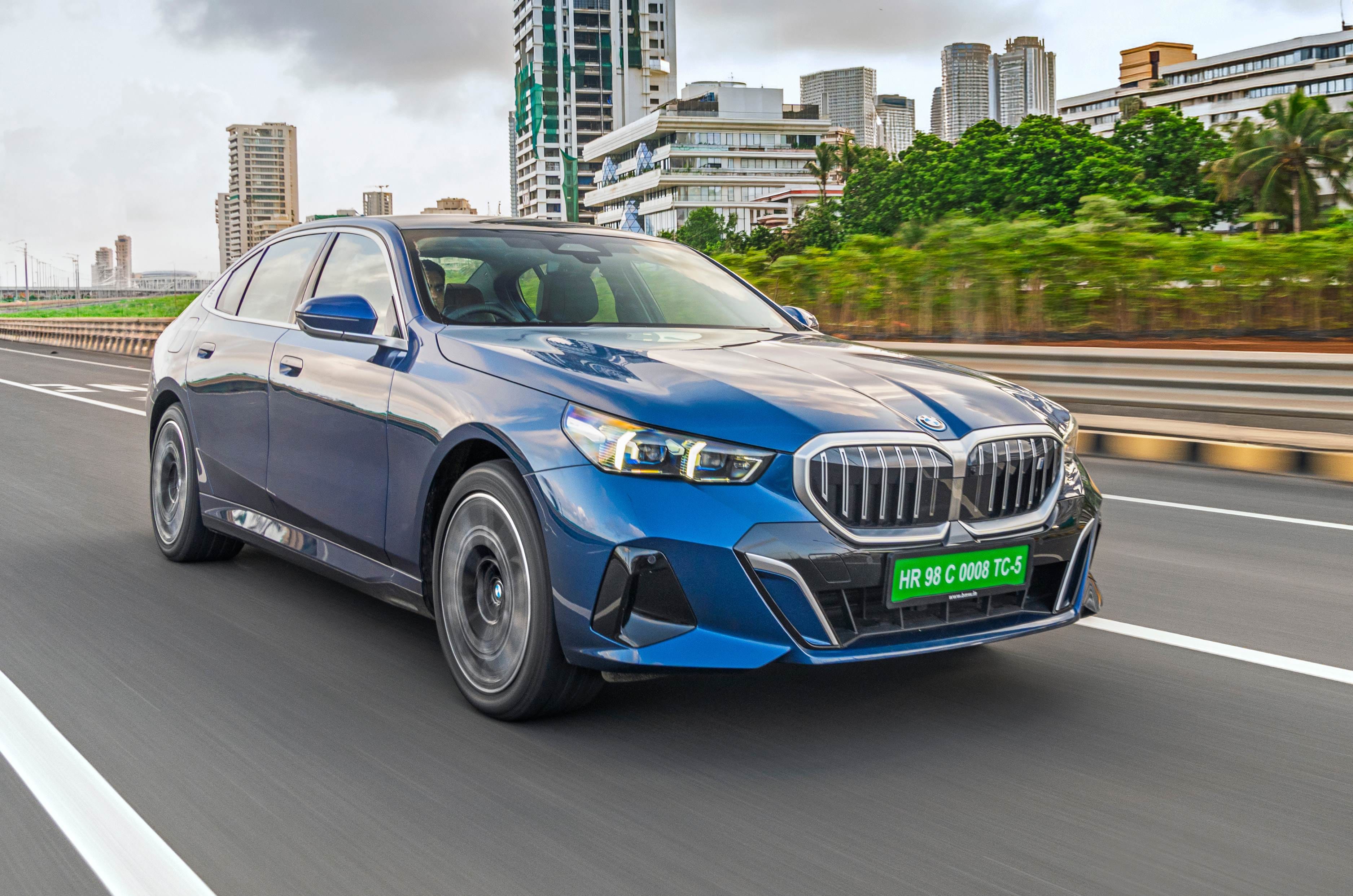
Starting at Rs 79.60 lakh, the i5 LWB eDrive 35L M Sport variant costs Rs 3 lakh more than its petrol-powered 530Li M Sport sibling. Within the BMW i5 line-up in India, the i5 LWB slots below the range-topping standard-wheelbase i5 M60 xDrive, which costs Rs 39.90 lakh more. Here are some of the main pros and cons of the BMW i5 LWB.

Reasons to buy the BMW i5 LWB

More wheelbase equals more interior space

Carrying four occupants in the i5 LWB will be a breeze

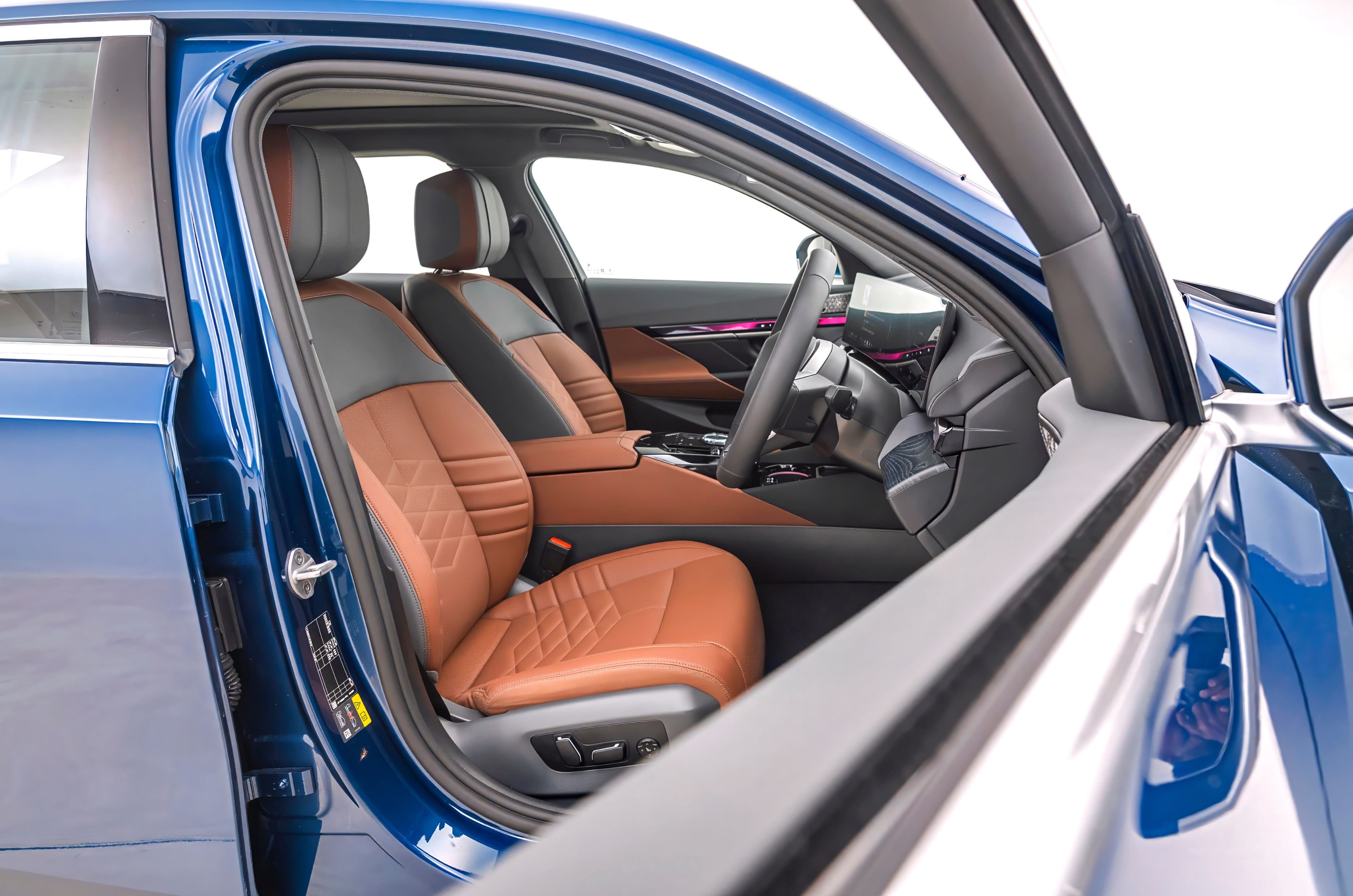
BMW i5 LWB front seats

The additional 110mm gained between the front and rear wheels of the BMW i5 LWB over the standard-wheelbase i5 means that space on the inside isn’t on short supply. Despite lacking the manually adjustable thigh support feature found in earlier 5 Series models, the ventilated front seats of the i5 LWB feel really comfortable and supportive. There’s also plenty of legroom at the back, with the long wheelbase allowing occupants to stretch out and relax – perfect for the chauffeur-driven. Furthermore, the contouring of the rear bench provides the outer occupants with a true sense of luxury.

Plush ride

Bad roads will not pose a problem for the BMW i5 LWB

BMW i5 LWB ride quality

While the i5 LWB gets larger (20-inch) alloy wheels shod with lower-profile tyres when compared to the petrol-powered 5 Series LWB, it adds a rear air suspension system. This helps make the i5 LWB’s ride plush as it absorbs bad roads in its stride, ensuring occupants don’t get tossed around. The raised ground clearance (by 18mm) of the i5 LWB means that driving over poor surfaces and speed bumps even with four occupants onboard remains a relatively stress-free experience.

Brimming with tech

The long-wheelbase i5 offers plenty in the way of modern-day equipment

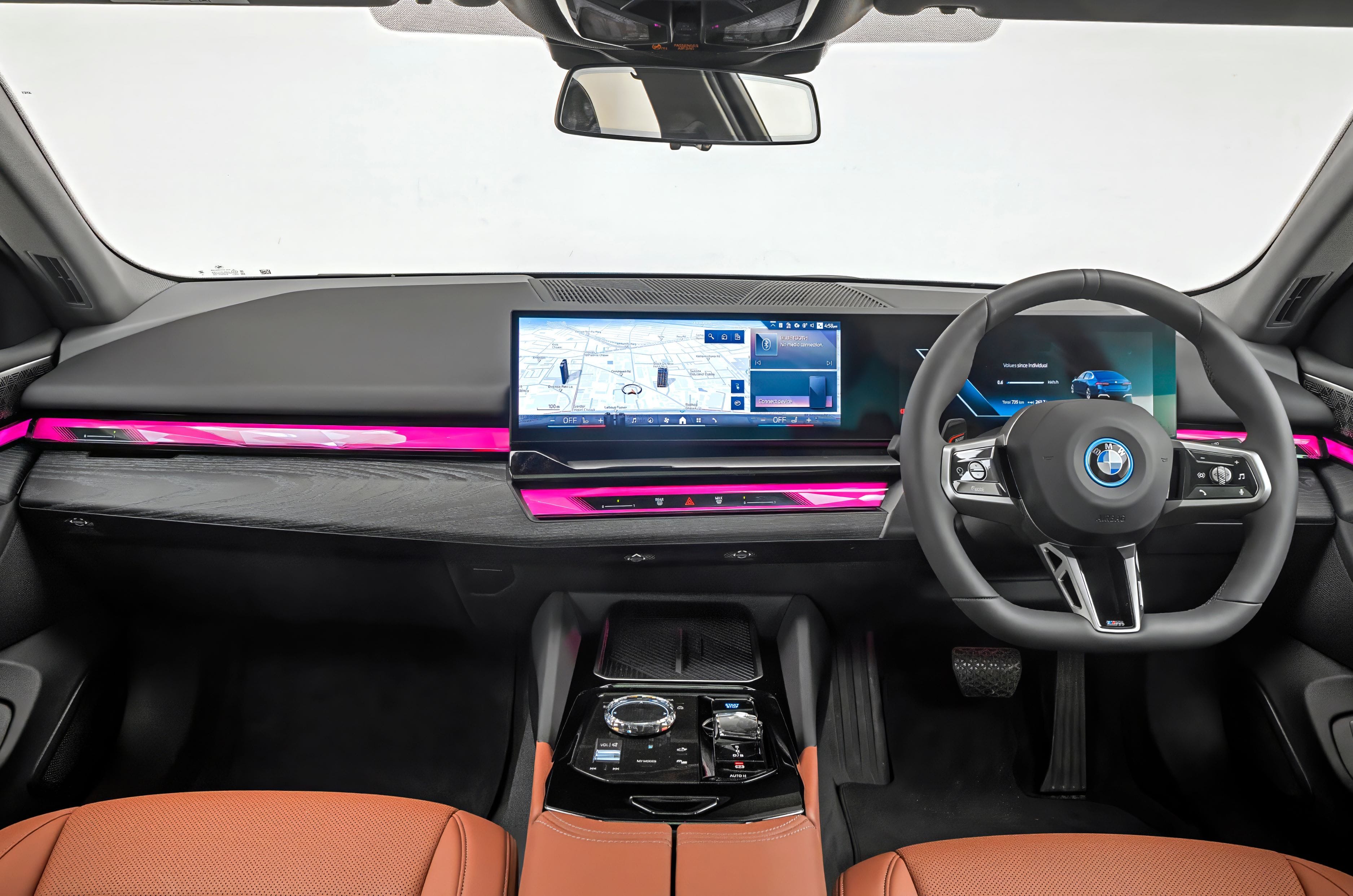
BMW i5 LWB interior features

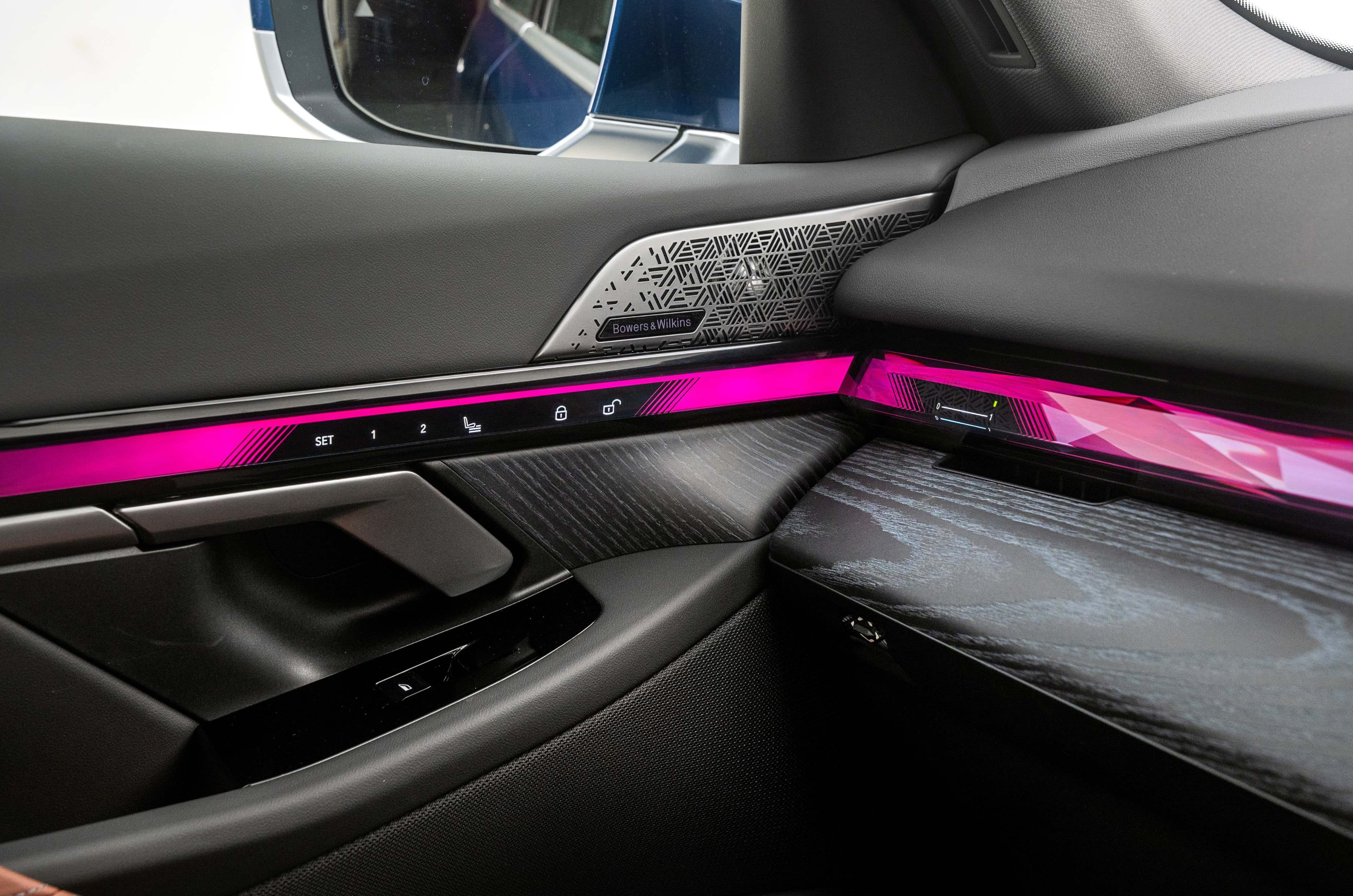
Adaptive LED headlamps and a powered boot aside, the BMW i5 LWB comes with a fixed panoramic glass roof with integrated LEDs, multi-colour ambient lighting, a four-zone climate control system, and dual curved displays powered by the BMW OS 8.5. There’s also the My BMW app, wireless Apple CarPlay & Android Auto, an immersive 17-speaker Bowers & Wilkins audio system, an onboard camera enabling selfies, and wireless charging pads for the front- & rear-seat occupants.

BMW i5 LWB Bowers & Wilkins audio system

The catalogue of the long-wheelbase i5 also includes adaptive cruise control, auto-emergency braking, active steering assist, cross-traffic alert, automatic parking assistance, etc. The i5 LWB’s useful feature set adds multiple regenerative braking settings – there’s Adaptive, High, Mid and Low settings. Finally, the dedicated one-pedal ‘B’ mode allows the EV to be brought to a complete halt without touching the brake pedal.

Reasons to not buy the BMW i5 LWB

Missing rear-seat features

BMW could have offered more in the way of conveniences for rear-seat passengers

BMW i5 LWB rear seats

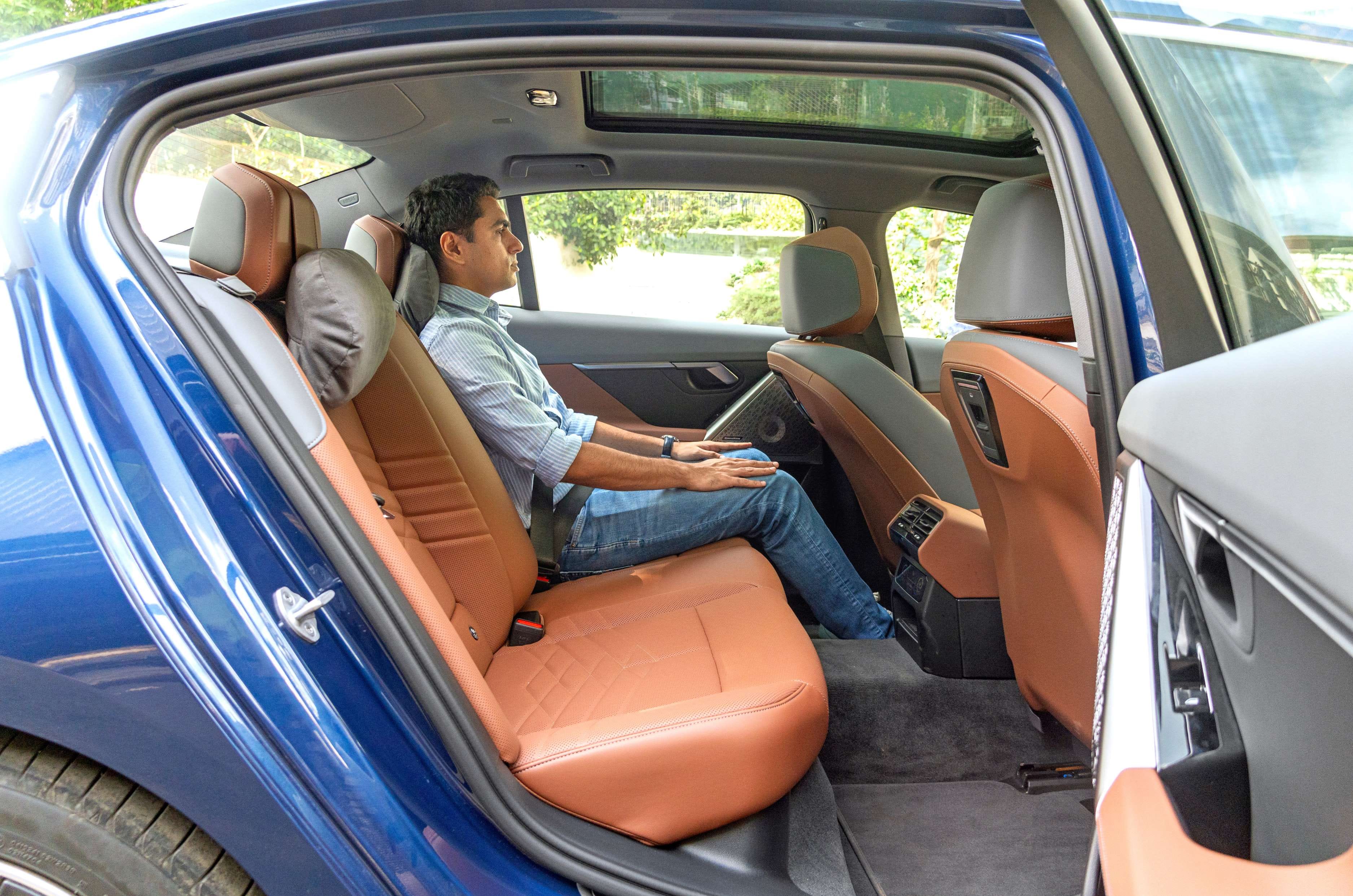
The outer rear seats of the BMW i5 LWB cannot be adjusted for recline, and the protruding head cushions aren’t as comfortable as those in a Mercedes-Benz E-Class. The battery pack, along with the tall central tunnel on the floor, results in a raised seating position, especially impacting headroom for the rear-centre passenger. While the i5 LWB misses out on a head-up display, it’ll be the lack of rear sunblinds, a ‘boss’ mode for the front-passenger seat, dedicated rear audio controls and soft-close doors that chauffeur-driven buyers will come to miss.

Compromised boot

The boot space of the i5 LWB isn’t as accommodaing as the combustion-powered 5 Series

BMW i5 LWB boot

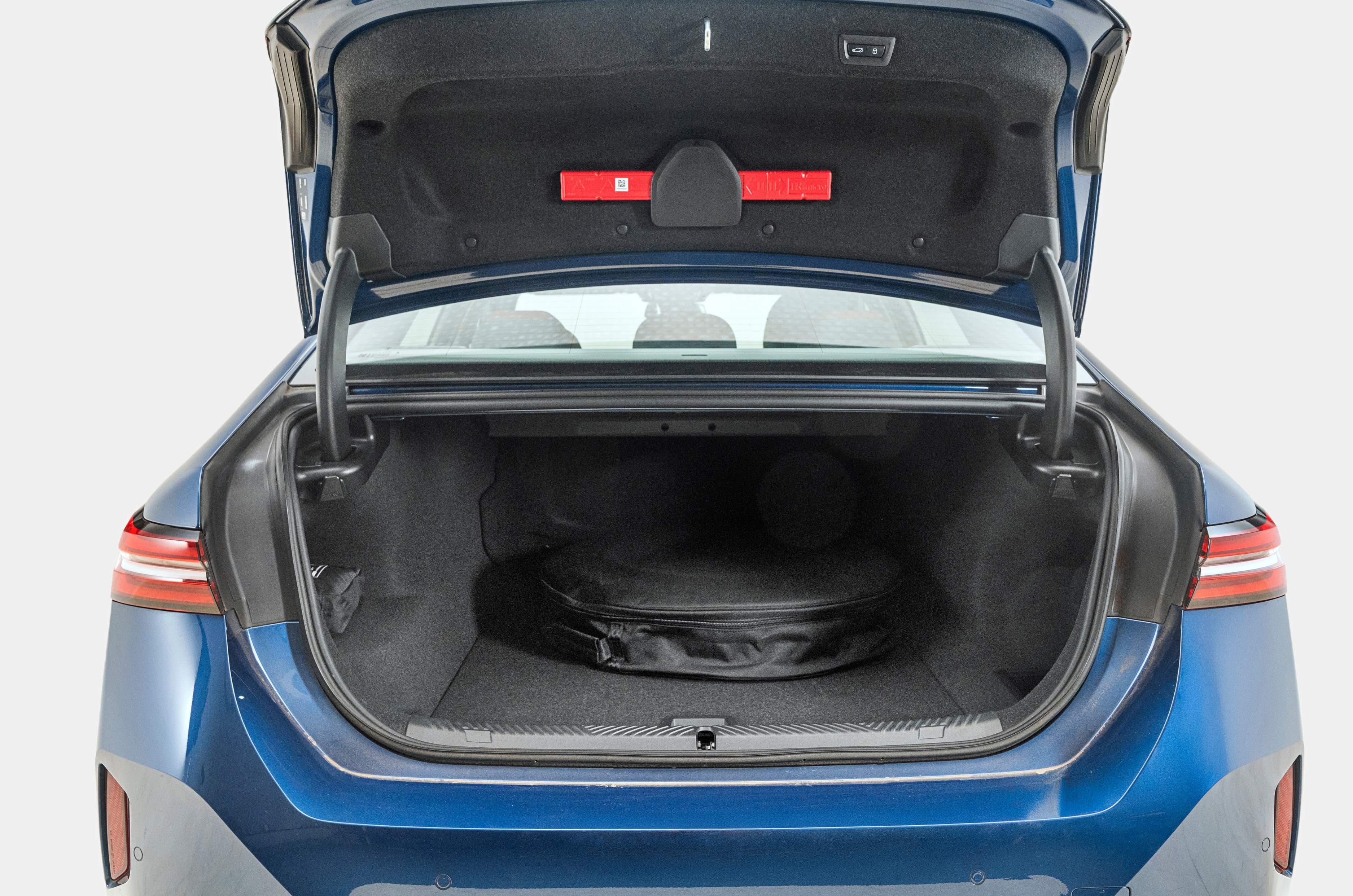
When it comes to carrying cargo, buyers of the BMW i5 LWB will be left a little disappointed. While the 500-litre capacity is comparable to that of the combustion-powered 5 Series LWB, the space-saver spare wheel is placed in the boot rather than tucked underneath it. This eats into valuable cargo room, which could otherwise have been used to accommodate more luggage.

Not BMW enough when behind the wheel

The electric 5 Series is not the most engaging 5 Series to drive

The electric powertrain of the i5 LWB offers enough poke up to 100kph, while feeling smooth and responsive to inputs. However, not only did we find the i5 LWB to be a touch slower from 0-100kph but also in our 20-80kph and 40-100kph acceleration tests than the 530Li. Then there’s the brake pedal, which lacks feel, while the transition from regenerative braking to mechanical braking also doesn’t feel natural.

BMW i5 LWB performance

BMW has managed to achieve a perfect 50:50 weight distribution with the i5 LWB, but the higher ground clearance and softer suspension setup has resulted in this fully electric 5 Series feeling less engaging to drive. Those with a verve for driving will notice the lack of precision and sharpness that’s usually associated with a 5 Series.

Also read

Buying a used Maruti Brezza: What to look out for

3 reasons to buy the Innova Crysta and 2 to skip it


Jio Users के लिए बड़ा ऑफर, 12 महीने तक मुफ्त Canva Pro, ₹4,000 तक की बचत, जानें कौन उठा सकता है फायदा

Jio Users के लिए बड़ा ऑफर, 12 महीने तक मुफ्त Canva Pro, ₹4,000 तक की बचत, जानें कौन उठा सकता है फायदा

जियो यूजर्स अब बिना अतिरिक्त पैसे दिए Canva के प्रीमियम डिजाइन टूल्स इस्तेमाल कर सकेंगे। जियो और Canva ने साझेदारी की है, जिसके तहत पात्र ग्राहकों को 12 महीने तक Canva Pro या Canva Pro Lite मुफ्त मिलेगा। कंपनी के मुताबिक इस ऑफर की कीमत ₹4,000 तक है और इसे 16 सितंबर से MyJio ऐप के जरिए एक्टिव किया जा सकेगा।

ALSO READ: 5,000 का डिस्काउंट, 10,000mAh बैटरी और 3,500 निट्स डिस्प्ले, सस्ते स्मार्टफोन्स ने मचाया तहलका

किस ग्राहक को कौन-सा Canva मिलेगा, यह उसके जियो रिचार्ज प्लान पर निर्भर करेगा। ₹399 के प्लान पर Canva Pro मिलेगा, जबकि ₹349 और ₹349 से ऊपर के पात्र 2GB प्रतिदिन डेटा वाले प्लान पर Canva Pro Lite दिया जाएगा। ऑफर के लिए कोई अतिरिक्त शुल्क या छिपा हुआ चार्ज नहीं होगा।

इसका सीधा फायदा छात्रों, कंटेंट क्रिएटर्स, प्रोफेशनल्स और छोटे कारोबारियों को मिल सकता है। Canva की मदद से मोबाइल पर ही स्कूल प्रोजेक्ट, सोशल मीडिया पोस्ट, प्रेजेंटेशन, मार्केटिंग मटीरियल और फेस्टिवल ग्रीटिंग जैसे डिजाइन बनाए जा सकते हैं। हिंदी समेत कई भारतीय भाषाओं में भी कंटेंट तैयार किया जा सकेगा।

ALSO READ: EV Scooter को लेकर बड़ी खबर, iQube Orbiter, Bajaj Chetak और Ather Energy क्यों मचा रहे हैं धमाल

Canva Pro Lite में लाखों प्रीमियम टेम्पलेट, फोटो, वीडियो और फॉन्ट के साथ बैकग्राउंड रिमूवर, Magic Resize और 50GB क्लाउड स्टोरेज जैसे फीचर मिलेंगे। वहीं Canva Pro में इसके अलावा Canva AI, Content Planner, ज्यादा AI लिमिट और 100GB क्लाउड स्टोरेज जैसे अतिरिक्त फीचर होंगे।

ALSO READ: iPhone Duo vs Galaxy Z Fold 8 : दोनों फोल्डेबल में कौन है ज्यादा दमदार? जानें फीचर्स और कीमत

रिलायंस इंडस्ट्रीज के प्रेसिडेंट किरण थॉमस ने कहा कि इस साझेदारी के जरिए जियो लाखों भारतीयों तक AI आधारित डिजाइन टूल्स मुफ्त पहुंचाना चाहता है, ताकि छात्र, क्रिएटर्स और छोटे कारोबारी अपनी पसंद की भाषा में सीख और काम कर सकें। ऑफर का लाभ लेने के लिए पात्र जियो यूजर को MyJio ऐप खोलकर Canva ऑफर पर टैप करना होगा। इसके बाद वह सीधे डिजाइन बनाना शुरू कर सकेगा।

5,000 का डिस्काउंट, 10,000mAh बैटरी और 3,500 निट्स डिस्प्ले, सस्ते स्मार्टफोन्स ने मचाया तहलका

5,000 का डिस्काउंट, 10,000mAh बैटरी और 3,500 निट्स डिस्प्ले, सस्ते स्मार्टफोन्स ने मचाया तहलका

xioami smartphones

Xiaomi ने भारत में अपनी Redmi Note 17 सीरीज के दो नए स्मार्टफोन Redmi Note 17 Pro और Redmi Note 17 Pro Max लॉन्च कर दिए हैं। इनमें Pro Max को ज्यादा प्रीमियम मॉडल के तौर पर पेश किया गया है। इसकी सबसे बड़ी खासियत 10,000mAh की सिलिकॉन-कार्बन बैटरी है। वहीं Redmi Note 17 Pro में 9,000mAh की बैटरी दी गई है। दोनों फोन में 6.83 इंच का 1.5K AMOLED डिस्प्ले, 120Hz रिफ्रेश रेट और 3,500 निट्स तक की पीक ब्राइटनेस मिलती है। फोन Android 16 पर आधारित Xiaomi के HyperOS 3 पर चलते हैं।

ALSO READ: EV Scooter को लेकर बड़ी खबर, iQube Orbiter, Bajaj Chetak और Ather Energy क्यों मचा रहे हैं धमाल

Redmi Note 17 Pro की कीमत

Redmi Note 17 Pro को दो स्टोरेज वेरिएंट में लॉन्च किया गया है।


8GB RAM + 128GB: ₹33,999

8GB RAM + 256GB: ₹36,999


इस फोन की बिक्री 17 सितंबर से शुरू होगी।


Redmi Note 17 Pro Max की कीमत


Pro Max की कीमत ज्यादा है, लेकिन इसमें बड़ी बैटरी और ज्यादा पावरफुल फीचर्स मिलते हैं।


8GB RAM + 256GB: ₹44,999

12GB RAM + 256GB: ₹50,999


इसकी बिक्री 23 सितंबर से शुरू होगी।


कंपनी नए फोन पर बैंक ऑफर के तहत ₹5,000 तक की छूट भी दे रही है। दोनों स्मार्टफोन Amazon, Xiaomi के ऑनलाइन स्टोर और चुनिंदा ऑफलाइन रिटेल स्टोर्स के जरिए खरीदे जा सकेंगे।


3,500 निट्स की ब्राइटनेस वाला AMOLED डिस्प्ले


Redmi Note 17 Pro और Pro Max दोनों में 6.83 इंच का 1.5K AMOLED डिस्प्ले दिया गया है। इसका रिफ्रेश रेट 120Hz है, जिससे स्क्रॉलिंग और एनिमेशन ज्यादा स्मूद नजर आ सकते हैं।


डिस्प्ले में:


  • 1.5K रेजोल्यूशन
  • 120Hz रिफ्रेश रेट
  • 3,200Hz टच सैंपलिंग रेट
  • 3,500 निट्स तक पीक ब्राइटनेस
  • 12-बिट कलर टेक्नोलॉजी
  • 68.7 अरब तक कलर्स का सपोर्ट


मिलता है।


स्क्रीन को Corning Gorilla Glass Victus 2 से सुरक्षा दी गई है। दोनों फोन में Dolby Atmos सपोर्ट वाले स्टीरियो स्पीकर भी मिलते हैं। बैटरी में बड़ा अंतर, Pro Max में 10,000mAh


बैटरी इन दोनों फोन की सबसे बड़ी खासियतों में से एक है।


Redmi Note 17 Pro में 9,000mAh की सिलिकॉन-कार्बन बैटरी दी गई है, जो 67W फास्ट चार्जिंग सपोर्ट करती है। वहीं Redmi Note 17 Pro Max में 10,000mAh की सिलिकॉन-कार्बन बैटरी है और यह 100W फास्ट चार्जिंग सपोर्ट करता है।


Xiaomi के मुताबिक Pro Max की बैटरी 1,600 से ज्यादा चार्जिंग साइकल के बाद भी 80 प्रतिशत क्षमता बनाए रखने के लिए रेटेड है। इसमें 27W वायर्ड रिवर्स चार्जिंग का फीचर भी दिया गया है। यानी जो यूजर फोन को बार-बार चार्ज नहीं करना चाहते या लंबे समय तक गेमिंग, वीडियो और दूसरे काम करते हैं, उनके लिए Pro Max ज्यादा आकर्षक विकल्प हो सकता है।

ALSO READ: EV Scooter को लेकर बड़ी खबर, iQube Orbiter, Bajaj Chetak और Ather Energy क्यों मचा रहे हैं धमाल

कैमरा में 50MP का मेन सेंसर


दोनों स्मार्टफोन में डुअल रियर कैमरा सेटअप दिया गया है।


इसमें:


50MP मेन कैमरा

8MP सुपर-वाइड एंगल कैमरा


शामिल हैं।


हालांकि सेल्फी कैमरे में दोनों मॉडल अलग हैं। Redmi Note 17 Pro Max में 32MP फ्रंट कैमरा, जबकि Redmi Note 17 Pro में 16MP सेल्फी कैमरा दिया गया है। फोन में AI आधारित इमेजिंग फीचर्स भी मिलते हैं, जिनकी मदद से फोटो से ग्लेयर, रिफ्लेक्शन और अनचाही वस्तुओं को हटाया जा सकता है।


Pro और Pro Max में अलग-अलग प्रोसेसर


परफॉर्मेंस के लिए दोनों मॉडल में अलग चिपसेट दिए गए हैं। Redmi Note 17 Pro में Snapdragon 6s Gen 4 प्रोसेसर और 8GB तक RAM मिलती है। Redmi Note 17 Pro Max में Qualcomm Snapdragon 6 Gen 5 प्रोसेसर और 12GB तक RAM का विकल्प है। इसलिए दोनों में केवल बैटरी ही नहीं, बल्कि प्रोसेसिंग पावर और RAM के मामले में भी अंतर है।


HyperOS 3 और Android 16


दोनों फोन Xiaomi के HyperOS 3 पर चलते हैं, जो Android 16 पर आधारित है। कंपनी ने इन स्मार्टफोन के लिए 4 साल के OS अपडेट और 6 साल के सिक्योरिटी अपडेट देने का वादा किया है। लंबे समय तक फोन इस्तेमाल करने वाले ग्राहकों के लिए यह एक महत्वपूर्ण बात है।


पानी और धूल से सुरक्षा


Redmi Note 17 Pro सीरीज में मजबूत प्रोटेक्शन भी दिया गया है। दोनों फोन को IP66, IP68 और IP69K रेटिंग के साथ पेश किया गया है। Pro Max में एक फोटोक्रोमिक रियर पैनल का विकल्प भी मिलता है, जो सीधी धूप पड़ने पर अपना रंग/शेड बदल सकता है।

ALSO READ: EV Scooter को लेकर बड़ी खबर, iQube Orbiter, Bajaj Chetak और Ather Energy क्यों मचा रहे हैं धमाल

Redmi Note 17 Pro या Pro Max, किसे खरीदना बेहतर?

अगर आपका बजट करीब ₹34,000-₹37,000 है और आप बड़ी बैटरी के साथ AMOLED डिस्प्ले वाला फोन चाहते हैं, तो Redmi Note 17 Pro पर विचार किया जा सकता है। वहीं अगर आपका बजट ₹45,000 से ऊपर है और आपकी प्राथमिकता बड़ी बैटरी, 100W चार्जिंग, ज्यादा RAM और बेहतर सेल्फी कैमरा है, तो Redmi Note 17 Pro Max ज्यादा फीचर वाला विकल्प है। खास तौर पर 10,000mAh बैटरी और 100W चार्जिंग Pro Max को उन यूजर्स के लिए अलग बनाती है जो बैटरी बैकअप को सबसे ज्यादा महत्व देते हैं।