Porsche reveals a one-off 911 Slantnose

Porsche reveals a one-off 911 Slantnose
Porsche 911 Slantnose revealed

Porsche revealed a one-off 911 Slantnose, also known as the Flachbau, at the 2026 Monterey Car Week. It’s mechanically based on a 991.2-generation 911 GT2 RS with the Weissach Package from 2018, while the design has been inspired by the 1978 Porsche 935 Le Mans race car called ‘Moby Dick’. The brand claims teams from Weissach and Manthey, alongside its own in-house design studio, motorsport division and the Sonderwunsch (‘special request’ in German) department, took three years to complete this project.

  • Gets staggered headlamps, a custom rear wing and unique detailing
  • Loses rear seats, infotainment & audio systems and sound-deadening
  • Weighs 31.6kg less due to aggressive weight-saving measures
  • Claimed top speed is 340kph

Porsche 911 Slantnose exterior

Features a custom Manthey Kit and some elements inspired by the 911 GT3 R rennsport

Porsche 911 Slantnose front fascia

The silhouette of this Porsche 911 GT2 RS is understandably different due to its Slantnose conversion. The front fascia sports new, staggered LED headlamps that look sleek– the low-beam, high-beam and DRL elements are stacked above one another. These are integrated into the black U-shaped portion around the bonnet, which extends to right above the lowered front fenders. The latter has specially designed vents to prevent the build-up of air pressure in the wheel arches, claims Porsche.

Porsche 911 Slantnose front quarter

The custom Manthey Kit brings along a redesigned front bumper with small canards on the sides, a new underbody structure, plus a different front splitter and rear diffuser. While the front alloy wheels are of a conventional design, the carbon-fibre aero discs used for the rear units help reduce drag, according to Porsche. The Slantnose gets a large rear wing with S-shaped mounts inspired by the 911 GT3 R rennsport, allowing three manually adjustable positions. At the car’s top speed, Porsche claims that this wing generates 554kg of downforce.

Porsche 911 Slantnose rear quarter

The one-off Slantnose is painted in the brand’s Grand Prix White colour, but gets contrasting black accents and a black finish on the bonnet and roof. Adding more contrast are the black brake callipers and exposed carbon-fibre trim. There are ‘Flachbau RS’ lettering and decals, too, while the Nordschleife is depicted on the rear wing. Since the shape of the front fenders had been altered, the fuel-filler flap and its underlying mechanism also has to be modified, says Porsche. “Our aim was to reinterpret the iconic look of the 935 without compromising on safety, technology or road legality”, Alexander Fabig, Vice President Product Offering & Individualisation at Porsche, said.

Porsche 911 Slantnose interior

The brand has stripped this interior bare of most of its convenience features

Porsche 911 Slantnose door sill

Opening the doors will reveal ‘Flachbau RS’ branding on the sills and seat headrests. There’s an outline of the Nordschleife drawn behind the front seats, along with a small gold-coloured plaque mentioning ‘Sonderwunsch’ and ‘Factory One-Off 2026 | Flachbau RS’ on the dashboard. Meanwhile, the interior continues to use the red Alcantara, black leather and exposed carbon-fibre trim originally available in the customer’s 911 GT2 RS.

Saving weight has been another important goal with this one-off Slantnose. To that effect, Porsche says it has removed the rear seats and individual wires, instead opting for simpler protective sheaths to cover newly laid wiring. Generous use of carbon fibre aside, the brand has removed the donor car’s infotainment system, replacing it with a leather-trimmed storage compartment.

Porsche 911 Slantnose dashboard

Other features to have been deleted include the audio system, floor coverings in the cabin and luggage space, and sound-deadening materials throughout the car. The end result of all these weight-saving measures means that this Slantnose is 31.6kg lighter than the donor vehicle it’s based on.

Porsche 911 Slantnose powertrain and other details

This one-off model retains the donor vehicle’s powertrain setup

Powering this one-off Slantnose is the same 3.8-litre twin-turbocharged six-cylinder engine found in the 991.2-generation 911 GT2 RS. This unit churns out 700hp and 750Nm of torque, and it drives the rear wheels via a 7-speed dual-clutch transmission. The claimed top speed of this one-off 911 is 340kph.

Porsche 911 Slantnose front

Porsche says that it built three test vehicles for validating data, while aerodynamic calculations being carried out using Computational Fluid Dynamics (CFD) to further optimise the overall design. These prototypes were subjected to multiple wind-tunnel tests, real-world road tests, and 50 laps on the Nurburgring-Nordschleife.

Also read

Ferrari Luce ‘Chassis 0’ sells for record USD 40 million at auction

GMA S1 reinterprets iconic McLaren F1 for the modern era

Aston Martin Valen revealed at the Monterey Car Week

Aston Martin Valen revealed at the Monterey Car Week
Aston Martin Valen front quarter static

Aston Martin has revealed the Valen as its most powerful front-engined production car at the 2026 Monterey Car Week. An 850hp, 5.2-litre twin-turbo V12 engine, derived from the Vanquish, powers this GT car. Only 150 units of the Valen are being built by the manufacturer’s ‘Q’ personalisation department, with deliveries commencing in the second quarter of 2027.

  1. Claimed 0-100kph time is 3.1 seconds and top speed is 345kph
  2. Uses carbon fibre, aluminium, titanium, and magnesium elements in plenty
  3. Weighs 110kg less than the Aston Martin Vanquish

Aston Martin Valen powertrain details

Produces 15hp more than the Vanquish and is 0.2s faster in a 0-100kph sprint

The Aston Martin Valen is powered by the same 5.2-litre twin-turbo V12 engine as the Vanquish GT, but with more performance. It produces 850hp (15hp more) and 1,000Nm (same as the Vanquish) and is mated to an 8-speed automatic transmission that sends power to the rear wheels (RWD). The gearbox software has, however, been remapped with the Vantage GT4 racecar’s software for “more engaging shifts in all drive modes”. With the Valen, Aston Martin claims a 0-100kph time of 3.1 seconds (0.2s faster than the Vanquish) and an electronically limited top speed of 345kph.

The Valen is 110kg lighter than the Vanquish due to the use of lightweight motorsport-inspired materials, including carbon fibre, aluminium, titanium and magnesium. Aston Martin has also made “significant hardware changes and targeted software calibration” to the ESP, throttle, braking and steering systems. The suspension system uses stiffer springs for reduced roll and pitch motions to driver inputs for increased agility. 

Aston Martin Valen exterior design

Looks sportier and brutish than the other Aston Martin models

The Valen looks sportier than the gentlemanly designs Aston Martin is generally known for and, as per chief creative officer Marek Reichman, “the Valen is a significant departure from what has gone before”. At the front, the Valen sports a new snout with an aggressive bonnet featuring a functional top vent to draw more air to the engine. The signature Aston Martin grille motif extends to the ends of the fascia. The LED DRLs and LED headlights are slim horizontal bars that make the Valen look menacing. It also gets an “acutely angled” front splitter to channel the air into the GT’s internals. 

In profile, it sports lightweight magnesium wheels shod with Pirelli P Zero R tyres (275/35 ZR21 front, 325/30 ZR21 rear), specifically developed for the Valen. The GT also gets Pirelli’s latest Cyber Tyre technology, allowing real-time tyre data sharing with the vehicle’s dynamic control systems. The traditional side strakes incorporate large functional vents that extract air from the wheel arch, guiding it towards the rear for improved downforce.

The rear design is bold as well, replacing a traditional fixed rear windscreen with a solid tailgate that opens to reveal 170 litres of boot space. The tailgate features an aerodynamic wing that acts as a Gurney flap that “generates downforce with minimal drag and negates the need for a conventional rear wing”. Beneath this wing is a slim LED taillight bar and 3D-printed quad titanium exhausts stacked in a 2-up, 2-down arrangement. The upper exhaust outlets are always open, while the lower ones open in the raciest drive modes.

The Valen is available with an optional fully exposed carbon fibre exterior that can be tinted in both satin- and gloss-finished hues by the ‘Q’ customisation department. 

Aston Martin Valen interior design

Features a minimalistic dashboard and a well-loaded cabin

The Valen’s interior is heavily influenced by the Vanquish and hence offers a minimalistic dashboard with a 10.25-inch-inch digital driver’s display, a 3-spoke steering wheel and a 10.25-inch touchscreen infotainment system. What’s different from the Vanquish is that the centre console has been 3D-printed for “greater precision to the surfaces you regularly interact with”. This console has a carbon fibre finish and features a push-button start-stop and an aircraft-style drive mode selector.

The Aston Martin Valen offers an option between ‘Sport Plus’ seats that “combine support with long-distance comfort” or carbon-fibre ‘Performance’ seats that offer “a more focused driving experience”. Features include a 15-speaker Bowers & Wilkins sound system, a 360-degree camera system, a digital inside rearview mirror (IRVM), a powered steering column and a wireless phone charger. 

Reichman says, “Valen gave us the opportunity to explore and express more extreme emotions through a new form language and surface treatment.” Reflecting this bold design approach, Aston Martin has priced the Valen at 1.5 million pound (approximately Rs 19.46 crore), before buyers choose from the extensive catalogue of optional extras.

2027 Maserati Grecale review: V6 sense

2027 Maserati Grecale review: V6 sense
Maserati Grecale Modena

The Grecale is Maserati’s take on the mid-size luxury SUV and in SUV-crazy India will likely be the first port of call for buyers intrigued by the iconic brand. It’s been updated outside, inside and under the hood to help convert that mystique into sales.

2027 Maserati Grecale Exterior Design and Engineering – 8/10

Like most Maseratis, the Grecale is one of those cars that looks better in the metal than it does in photographs. There’s Italian flair to the design, with the proportions finely balanced across its 4.8m length. The classic Maserati cues – voluptuous fenders, vents aft of the front wheels and the cut of the glasshouse – are all there and help establish the marque, even in profile.

Maserati Grecale Exterior
The 2027 Grecale gets a more prominent concave grille with the Trident logo at its centre.

The key visual change comes at the front. A strong horizontal crease visually divides the face into two distinct sections. The upper portion retains the familiar sculpted Maserati look, while the lower section adopts a far more technical and aggressive appearance. Larger air intakes flank a more pronounced concave grille, with the Trident logo taking centre stage. The changes aren’t dramatic, but they make the Grecale look considerably sportier and give it much stronger road presence. Ahem, that visual link to the humble Suzuki Swift is also less pronounced now.

Maserati Grecale Modena
Signature vents on the front fenders add character to the Grecale’s profile.

There are minor tweaks to the trim elsewhere and, as ever, there’s lots of scope to customise the appearance. I wouldn’t change our test car’s arresting Verde Royale-on-black colour scheme, thank you very much.

2027 Maserati Grecale Interior Space and Comfort – 8/10

Maserati Grecale Modena
The cabin continues to combine rich leather upholstery with stitched dashboard detailing.

Not much has changed inside, but that’s no bad thing because this remains a cabin that strikes a nice balance between modern technology and traditional Italian craftsmanship.

There are still four displays: a digital instrument cluster, a large central touchscreen, a lower touchscreen for climate control functions and Maserati’s signature clock. Each has been subtly updated. The digital clock gets a revised face and new glass designed to mimic the appearance of a conventional analogue timepiece while retaining its digital functionality.

Maserati Grecale Modena
The digital clock gets a new face and glass designed to imitate an analogue timepiece.

Lower down, the old gear selector buttons have made way for metallic toggle switches that look and feel richer. The steering wheel has also been redone with a squared-off shape that feels great to hold. Behind it sit Maserati’s trademark oversized aluminium paddle shifters, mounted to the steering column, and they remain among the most satisfying paddle shifters you’ll use in any performance SUV.

Maserati Grecale Modena
Grecale’s aluminium paddle shifters are among the most satisfying to use.

Despite the screen-heavy layout, the Grecale’s interior isn’t lacking on warmth. Rich leather upholstery, beautifully stitched dashboard trim and some plush materials (exposed carbon fibre for the win) tell you a lot of love and work has gone into putting the interior together. Some plastics do feel ordinary, though.

Maserati Grecale Modena
Rear passengers get good kneeroom and headroom, although the backrest is not reclinable.

The front seats are supportive and are the best ones in the house. While rear seat space is better than that of a Porsche Macan (the car the Grecale was built to beat), it’s not the ideal buy for chauffeur-driven buyers who will see more value in a like-priced Merc GLE or BMW X5.

Rear-seat passengers will find kneeroom and headroom more than adequate, although a reclinable backrest would have added another layer of comfort.

2027 Maserati Grecale Performance and Refinement – 8/10

The Grecale continues to be offered in three flavours – GT, Modena and Trofeo – but today’s Modena isn’t exactly the same as the one before. While the Modena was powered by a 2.0-litre four-cylinder turbo-petrol producing 330hp, the new Modena, confusingly enough, also gets Maserati’s 3.0-litre Nettuno V6, with output pegged at 390hp. It neatly bridges the gap between the entry-level 300hp Grecale GT and the full-fat 530hp Trofeo.

Maserati Grecale Modena
2027 Grecale Modena switches to 3.0-litre V6 from the erstwhile 2.0-litre 4-cylinder mill.

It’s easy to fall for the charms of the ‘new’ Modena. The new 390hp V6 comes across as a much more natural fit for something with the Maserati badge. There’s ready power at hand and a nice pull past 6,500rpm when the roads allow. There’s great fun working through the gears too, partly because of the feel at the paddles and partly because of the ‘braaap’ from the exhaust during shifts. The soundtrack, in general, is very appealing, with a gentle growl growing into a muscle-car burble. How much of that sound originates from the engine and exhaust, and how much is enhanced through the speakers, is difficult to tell, but the end result is undeniably enjoyable.

2027 Maserati Grecale Ride Comfort and Handling – 8/10

Maserati Grecale Modena
Its sporty setup lets some road imperfections through, but it stops short of feeling uncomfortable.

What’s also easy to glean is that the Grecale isn’t trying to be a soft, comfort-focused luxury SUV. There is a definite sporting edge to the way it rides and handles. You’ll feel bumps and imperfections in the road more readily than you would in some rivals, although it never crosses the line into feeling harsh or uncomfortable.

Maserati Grecale Modena
Adaptive dampers let you adjust the suspension response through via drive modes.

Adaptive dampers allow you to tailor the suspension’s responses depending on the selected drive mode, and while they do make a noticeable difference, even the most comfort-oriented setting stops short of completely isolating you from the road. The way to look at it is that it allows a little more of the driving experience to filter through, reminding you that this is a Maserati first and an SUV second. The crisp handling is up there with the now-retired Porsche Macan ICE, and that’s high praise.

2027 Maserati Grecale Price and Verdict – 8/10

The updates for 2026 may not completely transform the Grecale, but they make an already distinctive luxury SUV a more convincing proposition. The sharper styling gives it greater visual presence, while the introduction of the V6-powered Modena fills an important gap in the range. More importantly, it strengthens the Grecale’s case for anyone in the market for an SUV that prioritises driver appeal.

Maserati Grecale Modena

The timing couldn’t be better either. Maserati is renewing its focus on India with a new dealer network and a stronger push in the market. The Grecale will continue to command a premium over similarly sized luxury SUVs (we expect the range to start at Rs 1.2 crore ex-showroom), but it has the style and character to charm its way into contention.

2026 Mini Countryman C Review – Can it be a serious luxury SUV?

2026 Mini Countryman C Review – Can it be a serious luxury SUV?
2026 Mini Countryman C driving

It’s all too easy to start every review of the Mini Countryman with some variation of the phrase ‘the Mini that’s not so mini’, because that’s always been true. The SUV of the Mini range, by definition, is always going to fit that description; the difference this time is that Mini itself is onboard with the idea. Where previously it was always marketed as a Mini first and an SUV second, this time the script has been flipped. No longer content with being a niche offering for the fashion forward, they want this to be your family car, or more specifically your first luxury SUV. You’ll see how the vehicle attempts to achieve that in the paragraphs ahead, but the intent is clear with the price of this locally assembled third-generation ‘U25’ Countryman C, which at Rs 47 lakh (ex-showroom), is bang on par with ‘conventional’ entry luxury SUVs, like the Mercedes-Benz GLA, Audi Q3 and even its own cousin, the BMW X1.

2026 Mini Countryman C Exterior Design and Engineering – 9/10

Clearly prioritises practicality more this time, but retains that Mini charm.

Looks sharper, boxier and visibly larger than before. 

As with every successive generation, the new Countryman has grown (it’s now the tallest SUV in the class, with the highest ground clearance), but this time it has deliberately been made to ‘look’ large as well. Gone are the cartoonish and bulbous features of previous models, and in their place are smaller, sharper, more angular elements. The headlamps, grille and even the roofline have a boxier look, and this points to the greater space inside. It’s more recognisable as a Mini from the rear, where the familiar cues of a contrast roof, ‘Countryman’ lettering on the tailgate and Union Jack tail-lamps are easy to spot. 

We’ve seen this look already in the Countryman Electric, and all that’s changed here is the grille that isn’t closed off. We’ve also already seen it on the CBU-imported Countryman JCW All4, which, apart from its more powerful engine and AWD, gets a sportier body kit.

19-inch alloys look great, but they hurt ride quality. 

This one being a locally assembled model, however, it’s available in a single, fully loaded ‘Favoured’ spec with no optional extras, save for some accessories. It looks the business, however, with champagne-coloured accents all around, the contrast roof as well as huge 19-inch dual-tone alloy wheels. You get a choice of five colours, but Mini has been sure to pick more extroverted options than conventional luxury SUVs – British Racing Green is still the most popular Mini colour bought in India.

2026 Mini Countryman C Interior Space and Comfort – 8/10

Genuinely usable space and practicality make it feasible as a luxury SUV.

Generous headroom and legroom at the rear, though thigh support is not the best.

The results of the grown dimensions are immediately obvious in the greater interior space. It feels larger and airier than any Countryman before it, and betters some rivals in this regard. Without the battery of the EV, the floor is lower, giving a comfier seating position, though rear-seat thigh support is still not the best. And though the huge panoramic sunroof lets some light in, we wish the windows were a touch larger. Still, this can realistically be used as a chauffeur-driven car now.

The other area where it delivers more than the EV is the boot, whose volume has gone up by 50 litres to 505 litres. You can free up some more by sliding the rear seat forward on rails, and what’s more, they’ve even included a space-saver spare tyre, which you don’t get in the EV.

In the front seat, there’s no mistaking this for anything but a Mini, thanks to the clean dashboard with a big circular touchscreen at the centre. While this does function as the speedometer, a nod to the original Mini, there is also a flip-up HUD, which presents the info in your line of sight.

Knitted fabric on the door cards and dashboard lends the cabin an upmarket feel. 

The dash is trimmed in an upmarket-feeling knitted fabric, which then extends onto the door cards, where it blends from blue to brown in colour. There are plenty of uniquely Mini touches, like slim, vertical AC vents, a row of toggle switches to start the car and change modes, more champagne gold trim and vertical inside door handles. But there is also more BMW switchgear than ever before, which, though high quality, looks a bit ordinary.

Storage space and ergonomics are well thought out, with an open centre console, a neat covered storage box and a sliding armrest. The front seats, meanwhile, are large and accommodating and give a commanding view outward.

2026 Mini Countryman C Features and Safety – 8/10

Generously kitted out with lots of standard equipment, on par with rivals.

Edge-to-edge circular screen is responsive, high-res and full of cutesy graphics. 

As mentioned before, there is only one variant of the Countryman C, with a fixed features list and no optional add-ons. It’s a generous spec that features more than what some rivals offer, including wireless Apple CarPlay and Android Auto, powered front seats with memory and massage function for the driver, surround camera with auto park function, a Harman/Kardon audio system, heated steering wheel, panoramic sunroof, 13.7-inch diameter OLED touchscreen, heads-up display, voice assistant, wireless phone charging and a digital key system, to name a few. 

As seen on all current-generation Minis, the dish-like circular touchscreen is a work of art. Where the previous generation housed a rectangular touchscreen within the circle, the new one is an edge-to-edge circular screen. It’s responsive, bright, high of resolution and full of Mini-typical cutesy graphics. Even the audio cues aren’t like normal cars, with cute ethereal chimes replacing boring warning beeps. There aren’t drive modes but Experience Modes (more on these later), which not only change the colour of the ambient lighting, but the screen display and can even activate certain features, like the seat massage. 

Hard buttons only for few functions such as media controls and Experience Modes

However, once the novelty fades, you start to realise this circular design isn’t great ergonomically. While there, thankfully, are hard buttons for music volume and track control, as well as dri- sorry, Experience Modes, AC controls and all other functions are on the screen. With no bezel or edge to rest your hand on, and small, rounded graphics to tap, it is quite tricky to perform basic functions on the move. And as it’s based on BMW’s current i-Drive system, there are far too many sub-menus to go through.

2026 Mini Countryman C Performance and Refinement – 7/10

Downsized turbo-petrol engine lacks the zest associated with a Mini.

Performance feels merely adequate from the 156hp, 1.5-litre turbo-petrol engine. 

This car shares its UKL1 architecture with the BMW X1, as well as its 1.5-litre three-cylinder direct-injection turbo-petrol engine. As in the BMW, it produces 156hp and 240Nm, sent to the front wheels via a 7-speed dual-clutch automatic gearbox, and as in the BMW, it feels merely adequate. While easier to digest in the X1, which has long since transitioned from ‘Ultimate Driving Machine’ to comfy family cruiser, the Mini’s go-kart intentions are still on display, and the expectation for more performance is higher. 

Like in modern BMWs, the Experience Modes are mostly cosmetic, with only Green (Eco) and Go Kart (Sport) altering drive performance. Expectedly, the former dulls things down, while the latter primes the engine and gearbox to be more reactive, and they work as expected. There is, however, no scope to set individual parameters in any mode; for instance, ESC is off by default in Go Kart mode and you can’t turn it back on.

Gearbox is intuitive and quick, but there’s no manual control whatsover. 

Also missed are paddle shifters, or in fact any means of shifting manually, though the gearbox is quite intuitive and quick to shift for the most part. It’s only at crawling speeds where this powertrain falls into the triple-whammy trap of turbo lag, gearbox hesitation and no off-boost power that’s typical of downsized engines. Things improve drastically in the mid-range, where the Countryman C feels most comfortable.

The engine also remains pretty refined for the most part, and it’s only if you absolutely stretch it out that you’re made aware it’s a three-cylinder unit.

2026 Mini Countryman C Mileage and Range – 8/10

Decent for a reasonably large turbocharged petrol luxury SUV.

Fuel economy is officially rated at 15.92kpl. 

The advantage of the sizing-down is, of course, fuel economy, which will no doubt be better than with a larger 2.0-litre engine. It’s officially rated at 15.92kpl, which is not bad for a turbo petrol luxury SUV, and you realise that it’s because it’s not too heavy – clocking in at around 1,700kg. Other factors helping this include a quick-acting engine stop/start system and a good drag coefficient of just 0.26. Expect a real-world average comfortably in the two digits. And like all new BMW cars, this one is E25 compliant.

2026 Mini Countryman C Ride Comfort and Handling – 7/10

Still fun, but drives like a big car now; large wheels hurt ride quality.

Handling is a noticeable departure from the Go Kart feel that’s typified all modern Minis. 

More so even than the powertrain, the Go Kart feel that’s typified all modern Minis comes from the chassis setup and handling, and this new Countryman represents the first noticeable departure. But that’s not necessarily a bad thing, and is in keeping with its new, more grown-up luxury-SUV persona.

The steering is much lighter and not as tightly wound as before, for a start, and that means despite the increased size, the Countryman is even easier to manoeuvre. What you lose in the process is some urgency in direction changes and some agility, but you don’t mind that thanks to the aforementioned benefits. 

It feels reassuring and has great road-holding at highway speeds,

The good news is the suspension setup still allows it to handle corners tidily and with not too much body roll. And this despite being slackened off quite a bit to be noticeably comfier and more compliant than the previous Countryman. It also has great road-holding at high speeds and feels far more reassuring at highway speeds, and the overall sensation is that you’re commandeering a proper SUV rather than a high-riding hatchback. The only spoilsport here are the 19-inch wheels; while they look great, they crash hard through potholes and even over some steeper speed breakers.

2026 Mini Countryman C Price and Verdict – 8/10

Competitive pricing and big space make it a credible rival to other entry luxury SUVs.

The Mini Countryman C is priced at Rs 47.5 lakh (ex-showroom, India) which is incredibly competitive. It ducks under both, the Mercedes GLA and BMW X1, with only the entry-level version of the Audi Q3 being slightly cheaper. The best part is that, where previous locally assembled Countrymans (Countrymen?) felt stripped down compared to their CBU counterparts, here you get a well turned out and generously equipped luxury SUV that doesn’t leave you wanting.

It’s clear that Mini is on a war footing to break into the mainstream, and that’s something it certainly can’t do with its hatchbacks, which remain fun to drive and upmarket, but ultimately niche fashion statements. The Countryman C delivers on space, features, luxury and comfort that’s more than a match for others in the segment, and despite a slightly underwhelming engine, adds some much-needed pizzazz to the ranks of entry level luxury SUVs.

अंतरिक्ष में मिला 100 अरब गुना शक्तिशाली ‘ब्लैक होल स्टार’, करीब 1 लाख सूर्यों जितना मास, दुनिया चकित!

अंतरिक्ष से जुड़ी एक रहस्यमयी खोज ने वैज्ञानिकों के साथ-साथ सोशल मीडिया यूजर्स का भी ध्यान खींचा है। खगोलविदों (एस्ट्रोनॉमर्स) को अंतरिक्ष में एक ऐसी अनोखी वस्तु के संकेत मिले हैं, जो वैज्ञानिकों के लिए काफी दिलचस्प बनी हुई है। खगोलविदों (एस्ट्रोनॉमर्स) ने इसे संभावित ‘ब्लैक होल स्टार’ कहा जा रहा है। माना जा रहा कि, इसमें एक तेजी से बढ़ता ब्लैक होल घनी गैस के बीच छिपा हो सकता है। अगर इस खोज की पुष्टि होती है, तो इससे शुरुआती ब्रह्मांड में विशाल ब्लैक होल के तेजी से बढ़ने का रहस्य समझने में मदद मिल सकती है। फिलहाल शोधकर्ता इस संभावित ‘ब्लैक होल स्टार’ की प्रकृति और इसकी खासियतों का अध्ययन कर रहे हैं।

शुरुआती जानकारी के मुताबिक, यह वस्तु एक विशाल तारे और तेजी से बढ़ते ब्लैक होल का अनोखा मिश्रण हो सकती है। इसकी पुष्टि होने पर JWST की कुछ रहस्यमयी खोजों को समझने में मदद मिल सकती है।

‘ब्लैक होल स्टार’ के बारे में

इस संभावित खोज ने तब लोगों का ध्यान खींचा, जब X अकाउंट @latestinspace से जुड़ी एक पोस्ट सोशल मीडिया पर तेजी से वायरल हुई। पोस्ट में दावा किया गया कि खगोलविदों को एक नई तरह की अंतरिक्षीय वस्तु मिली है, जिसे ‘ब्लैक होल स्टार’ कहा जा रहा है। पोस्ट के मुताबिक, ये वस्तु आकार में लगभग हमारे सोलर सिस्टम जितनी हो सकती है और सामान्य तारों के मुकाबले कई गुना ज्यादा ऊर्जा पैदा करने में सक्षम हो सकती है।

वैज्ञानिकों ने क्या कहा

वैज्ञानिकों के मुताबिक, ये संभावित ‘ब्लैक होल स्टार’ JWST से शुरुआती ब्रह्मांड में दिखाई दिए रहस्यमयी ‘छोटे लाल डॉट्स’ को समझने में मदद कर सकता है। इस अनोखी वस्तु को लेकर वैज्ञानिकों का मानना कि बाहर से ये एक बहुत बड़ा तारा नजर आता है, लेकिन इसके अंदर या केंद्र में एक बेहद भारी ब्लैक होल हो सकता है। यह ब्लैक होल अपने आसपास मौजूद घने गैस के बादल से घिरा हुआ हो सकता है, जिससे यह वस्तु सामान्य तारों से काफी अलग दिखाई देती है। इस संभावित ‘ब्लैक होल स्टार’ की चमक नॉर्मल तारों से अलग तरीके से पैदा होने की बात कही जा रही है। आम तारों के उलट, इस वस्तु की चमक न्यूक्लियर फ्यूजन के बजाय ब्लैक होल में गिरने वाले पदार्थ से पैदा होने वाली ऊर्जा से हो सकती है।

MIT के वैज्ञानिकों ने शुरुआती ब्रह्मांड में मौजूद चमकीले स्रोत MoM-BH-1 का अध्ययन किया है। यह बिग बैंग के करीब 66 करोड़ साल बाद का है। वैज्ञानिकों का मानना है कि इसके केंद्र में एक ब्लैक होल हो सकता है, जो घनी गैस से घिरा हुआ है। JWST ने शुरुआती ब्रह्मांड में कई रहस्यमयी ‘छोटे लाल डॉट्स’ देखे हैं। वैज्ञानिकों का मानना है कि इनमें से कुछ घनी गैस से घिरे ब्लैक होल हो सकते हैं, जो बाहर से तारों जैसे दिखते हैं। इसी तरह की संभावित संरचना को ‘ब्लैक होल स्टार’ कहा जा रहा है।

यूजर ने किया कमेंट

वायरल पोस्ट सामने आने के बाद सोशल मीडिया यूजर्स ने इस पर तरह-तरह की प्रतिक्रियाएं दीं। एक यूजर ने कहा, “ब्लैक होल स्टार नाम रखना सही नहीं है, क्योंकि यह बिल्कुल भी तारा नहीं है। इसकी तेज चमक फ्यूजन की वजह से नहीं, बल्कि गैस के ब्लैक होल में जाने से पैदा होती है। लेकिन, ‘चमकते लाल बादल वाला ब्लैक होल’ नाम भी काफी मुश्किल लगता है।” दूसरे यूजर ने कहा, “इनके बारे में 2012 से ही थ्योरी मौजूद है। इन्हें क्वासी-स्टार कहा जाता है। मुझे खुशी है कि आखिरकार इन पर ध्यान दिया जा रहा है।”

एक अन्य यूजर ने कहा, “ध्यान रखें कि हम इस वस्तु को बिग बैंग के करीब 660 मिलियन साल बाद की स्थिति में देख रहे हैं और इसकी चमक शायद एडिंगटन लिमिट से ज्यादा है। आज यह वस्तु शायद सुपरमैसिव ब्लैक होल को बहुत कम मात्रा में फीड कर रही हो।”

Kia evaluating new B- and C-segment models for India

Kia evaluating new B- and C-segment models for India
Upcoming Kia models in India

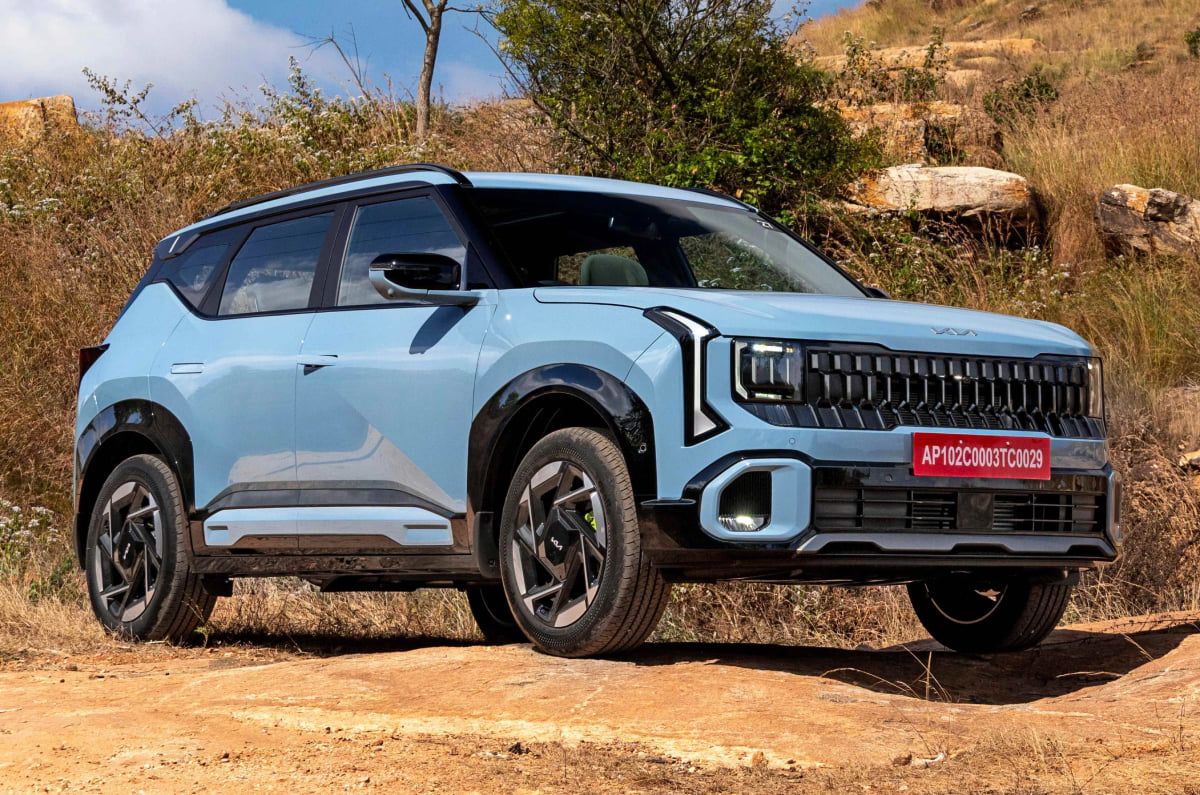
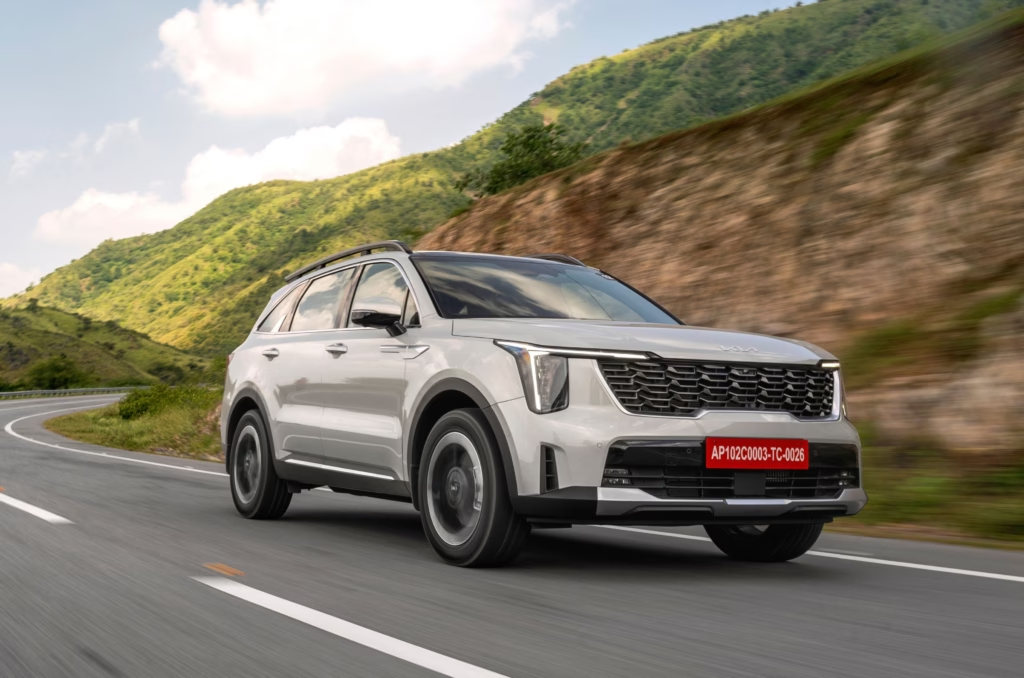
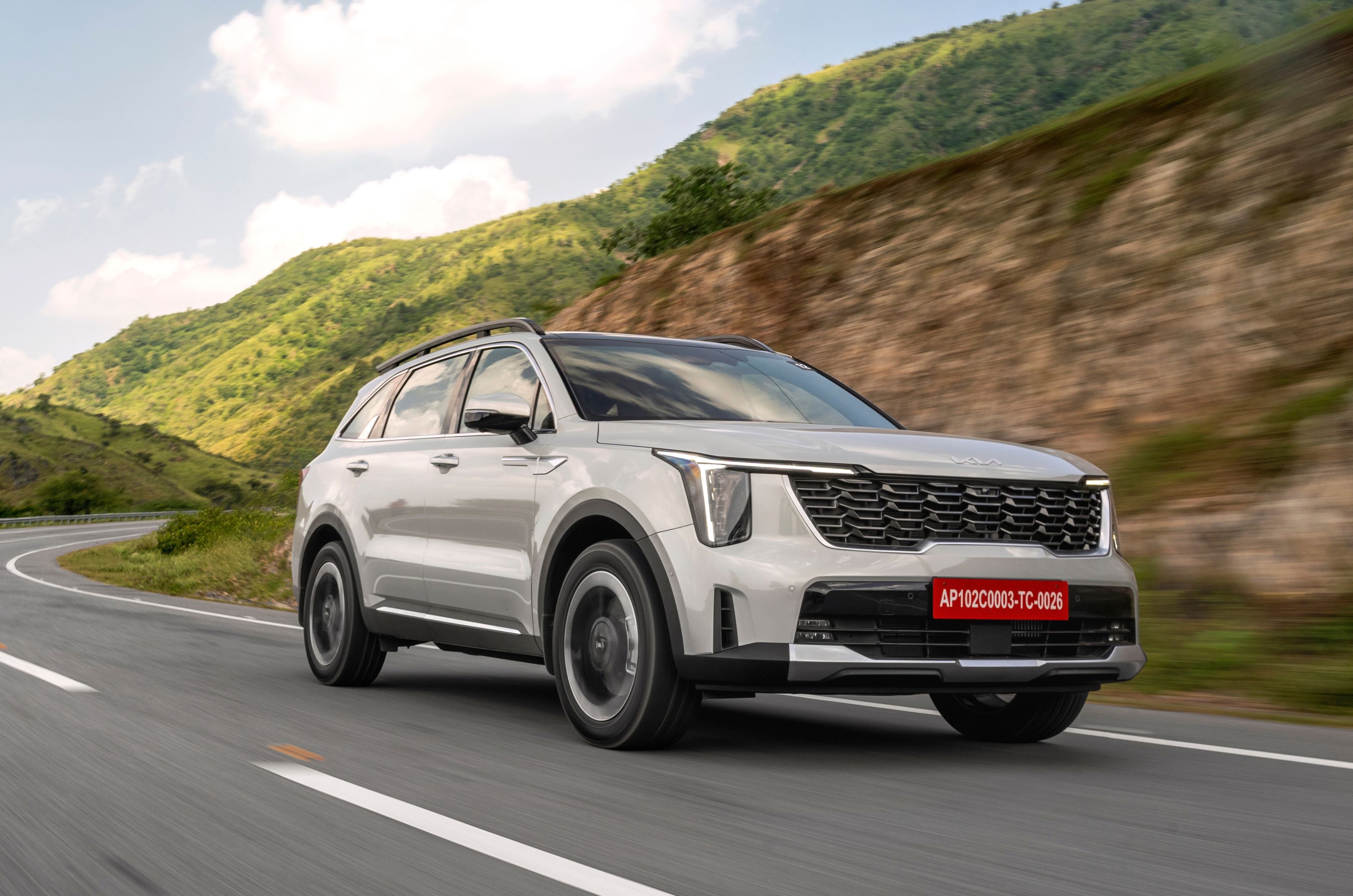
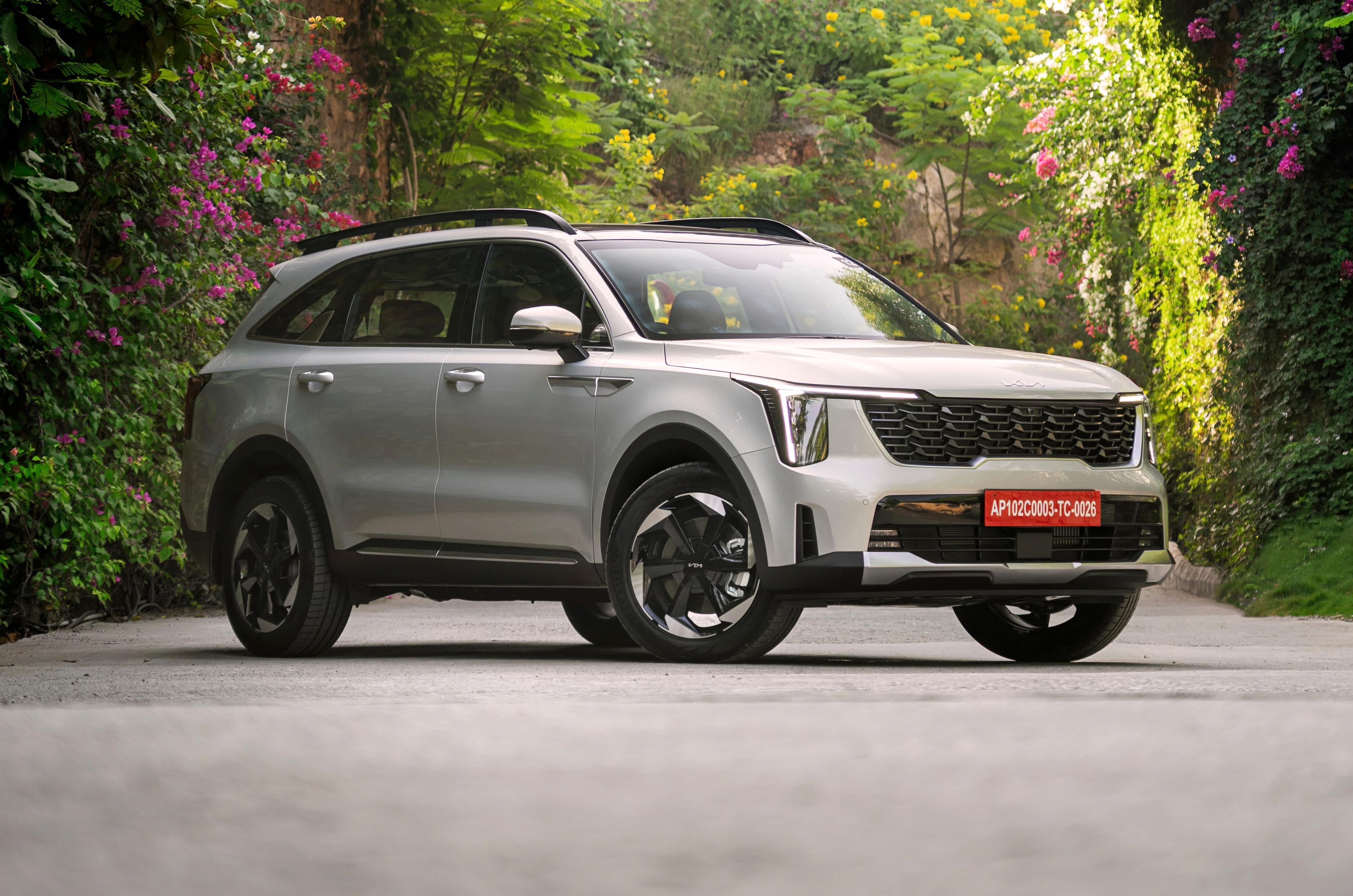
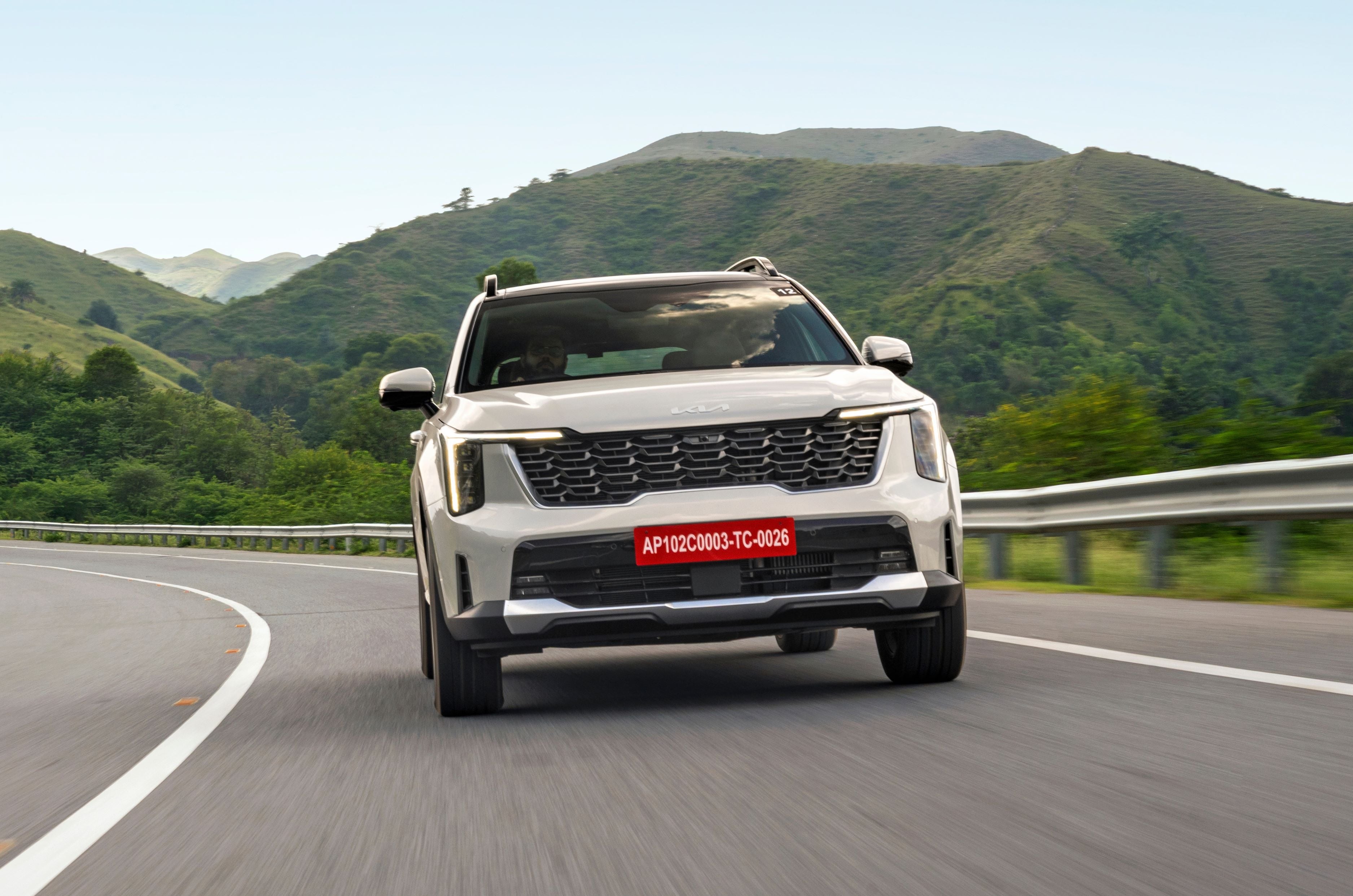
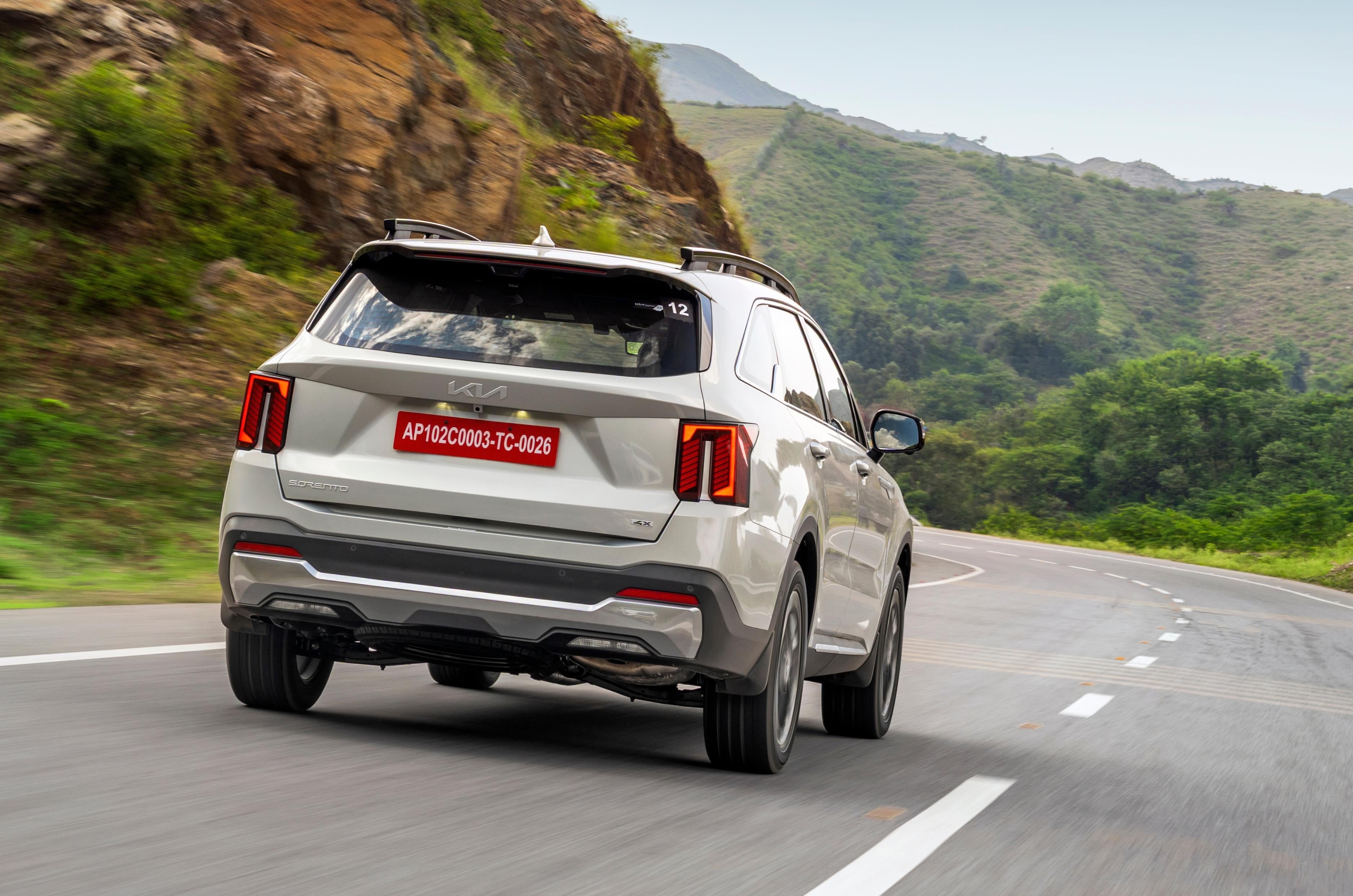
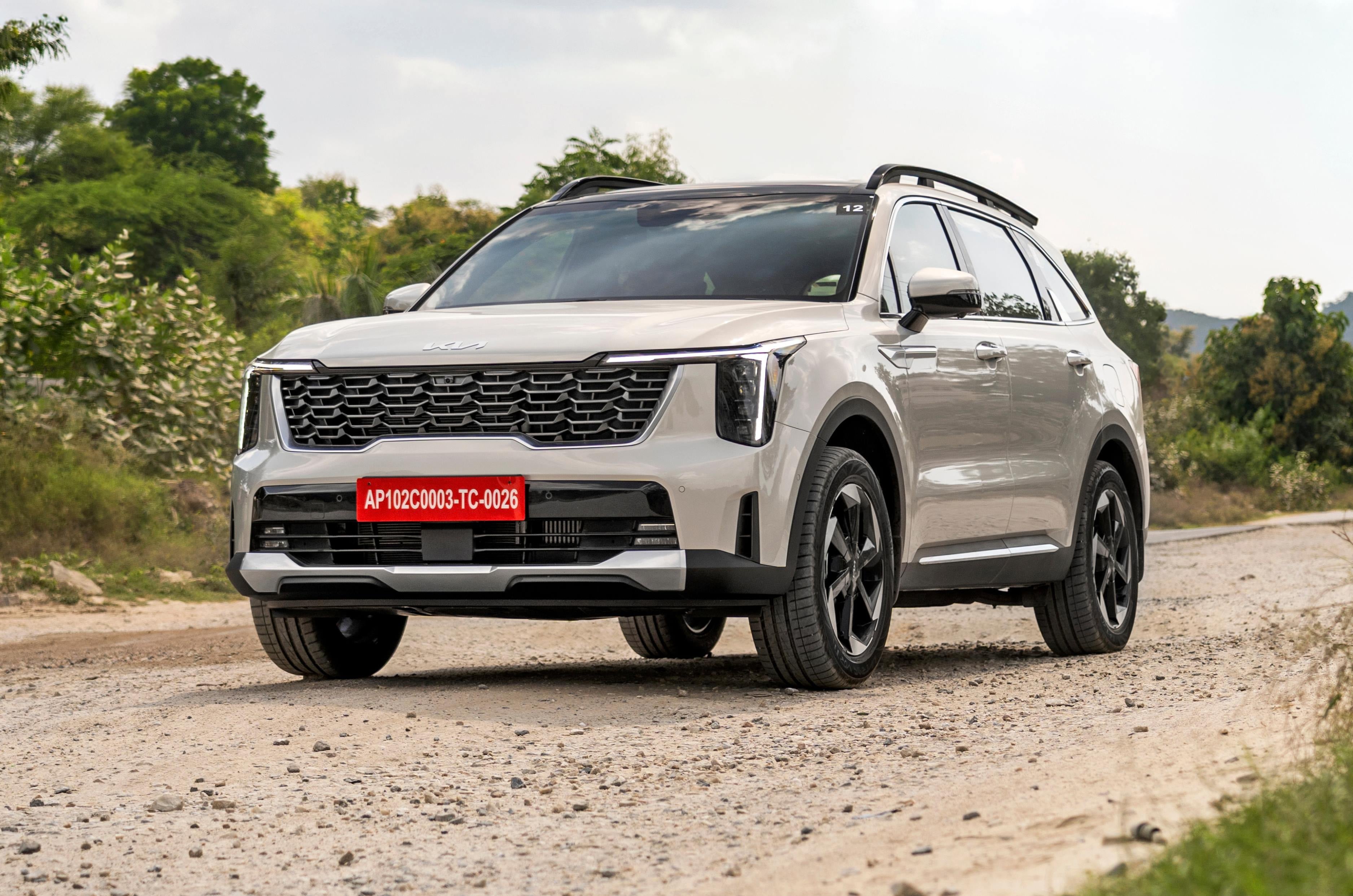
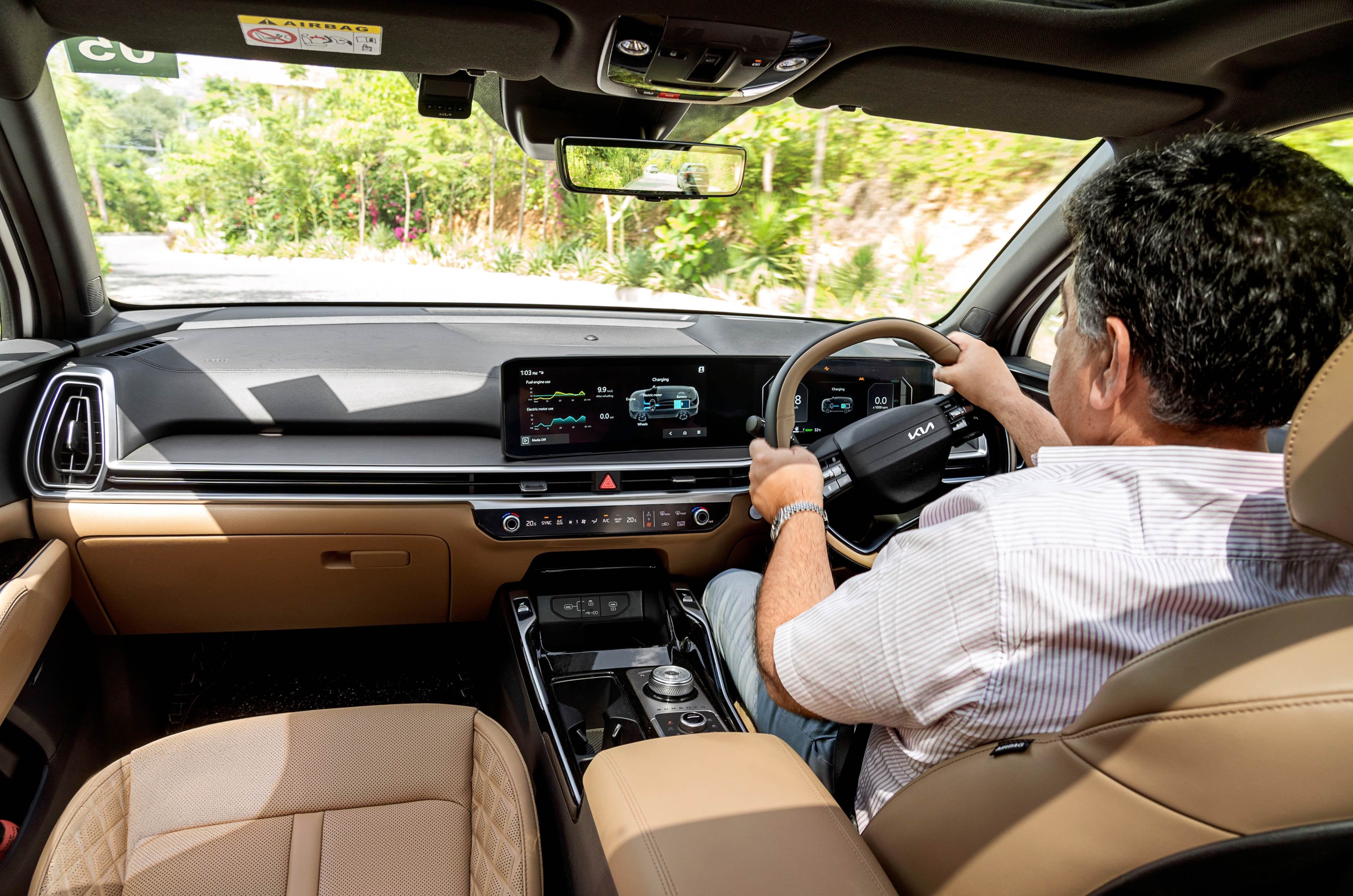
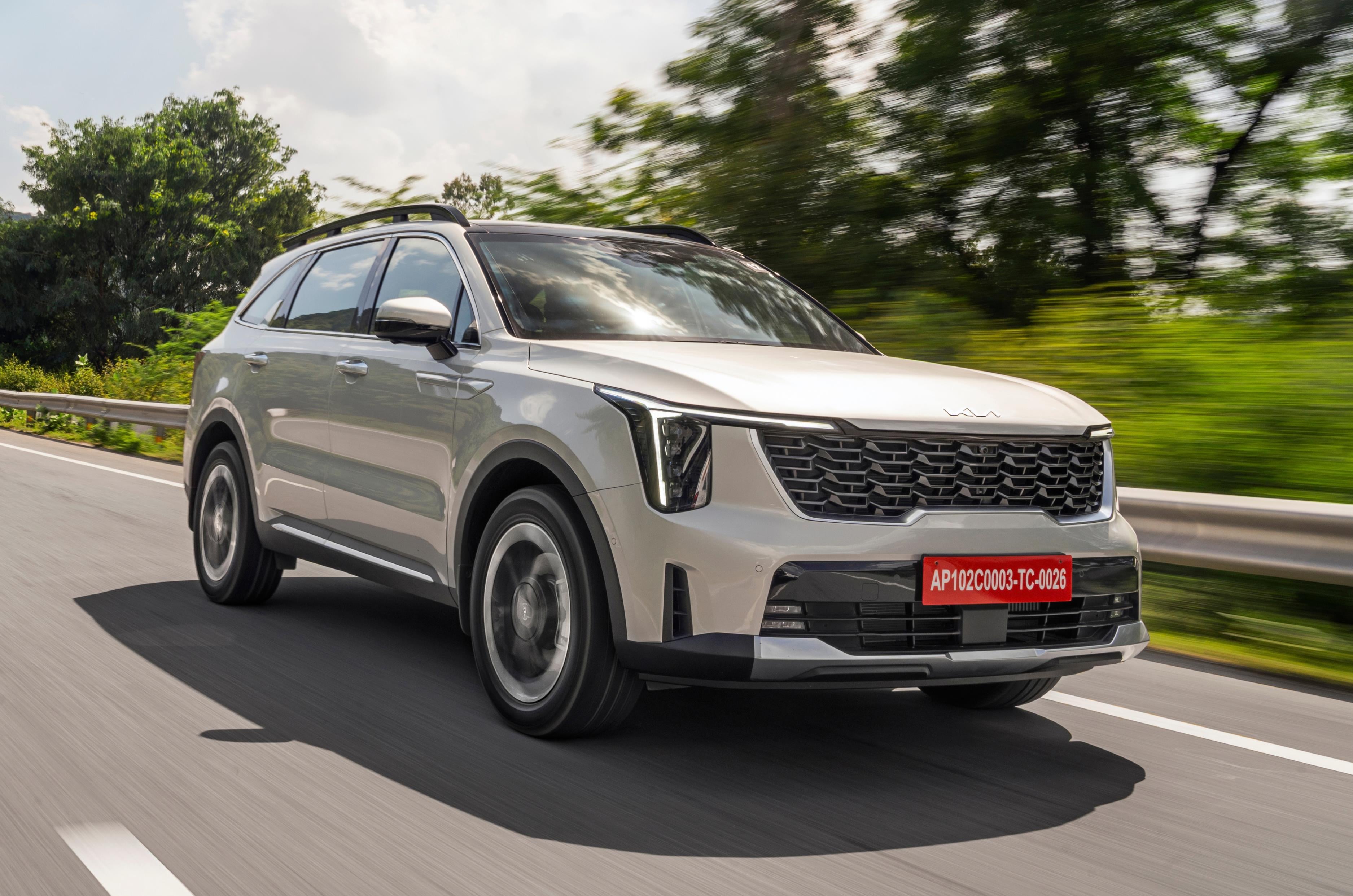
Kia has a barrage of new products lined up for India over the next couple of years, which includes the likes of the Sorento, Seltos and Carnival hybrids and also the next-generation Sonet. However, despite the expansive lineup of products, there will still be a couple of key gaps in the carmaker’s portfolio in India. 

Specifically speaking, given Kia’s price and positioning strategy, there exists a gap between the Syros and Seltos, and going forward, there will be a space to fill between the Seltos and Sorento as well. Our sources have indicated that Kia is looking to address these exact gaps with two additional models that could launch by 2028-29. 

New Kia B-segment model: what to expect?

The new-gen Seltos (priced between Rs 10.99 lakh – Rs 21.82 lakh) has moved a notch up on the premium-ness ladder, leaving a sizeable space between itself and the Syros (priced between Rs 8.42 lakh – Rs 15 lakh). Kia is looking at a two-pronged strategy to tackle the midsize SUV segment, much like Hyundai will be doing with the Creta and upcoming Bayon-based SUV.  

This upcoming B-segment model is expected to slot in the sweet spot between the Syros and the Seltos, likely measuring around 4.2 meters in length. It is not clear yet what exactly will be the body style of this upcoming model, but Kia could be leaning towards an SUV given the market’s preference. It can be expected to be powered by Kia’s existing petrol and diesel engines along with an electrified powertrain option as well.

New Kia C-segment model: what to expect?

When the Sorento arrives later this year, it is expected to be priced between Rs 30-35 lakh (ex-showroom), meaning there will be a sizeable gap created between the Seltos and Sorento. This is expected to be filled up by a new C-segment model that will be positioned against the likes of the Hyundai Alcazar and other three-row SUVs. This, too, is expected to come with a diverse range of powertrain options, including electrified ones. 

While the B-segment model is all but confirmed, Kia is still understood to be studying the feasibility of the C-segment model, and is yet to take a final call on it. 

Kia has previously confirmed that it plans to expand local portfolio to 10 models by 2030, and these two upcoming models will be a crucial part of the puzzle. In fact, sources say the carmaker is even mulling setting up another assembly line at its plant to address the production of these upcoming models. These models are expected to give Kia a much more complete lineup as it looks to solidify its place among the top five carmakers in India.

With inputs from Ketan Thakkar

Mahindra BE 6 Sporteq launched at Rs 19.45 lakh

Mahindra BE 6 Sporteq launched at Rs 19.45 lakh
Mahindra BE 6 Sporteq

Mahindra has launched the BE 6 Sporteq at a starting price of Rs 19.45 lakh (ex-showroom). Positioned as the new flagship variant in the BE 6 range, the Sporteq brings a redesigned dashboard, a new triple-screen layout, new connected features and fresh interior trim, while retaining the existing powertrain options. The standard BE 6 is currently priced between Rs 18.90 lakh and Rs 26.90 lakh (ex-showroom), with the Sporteq commanding a premium.

  1. Triple 12.3-inch screen layout and redesigned dashboard
  2. No mechanical changes over the standard BE 6
  3. New TEQ software features including Google Gemini integration

Mahindra BE 6 Sporteq exterior

On the outside, the Sporteq retains the BE 6’s coupe-SUV styling, including the LED lighting, sharp body creases, flush-fitting door handles and 20-inch alloy wheels. The primary changes on the Sporteq launch edition are a ‘Sporteq’ badge and a new Graphite Storm paint shade. 

Mahindra BE 6 Sporteq interior and features

The biggest changes are inside the cabin. The Sporteq replaces the standard dual-screen setup with three 12.3-inch displays, similar to the layout seen on the XEV 9e and XEV9s. It also gets a redesigned dashboard that replaces the earlier halo-like loop around the driver with a cleaner horizontal layout.

The new dashboard improves access to the wireless charging pad and USB Type-C ports, while also creating additional storage space. The Sporteq also introduces a black-and-tan cabin theme, with revised upholstery and dashboard trim.

The BE 6 SportEQ builds on the regular BE 6’s equipment list while adding a number of new connected and software-based features. Mahindra has introduced six new “TEQ” technology suites, bringing features centred around personalisation, connectivity and vehicle functions.

New additions include TEQ_Me, which automatically recognises the driver and loads a personalised user profile, TEQ_Talk with Google Gemini integration, and TEQ_xting, which allows owners to display personalised messages on the rear tailgate display.

The SUV also gets TEQ_Drive, which adds features such as a custom drive mode, Tribe Drive, Drift Mode, Acceleration Boost and the new Revive SOS function. Mahindra says Revive SOS can provide enough energy to drive up to 13km to the nearest charging station after the battery reaches zero percent. The feature can be used up to five times over the battery’s lifetime.

Apart from these Sporteq-specific updates, the SUV continues to offer features such as a panoramic glass roof, Harman Kardon audio system, ventilated front seats, dual-zone climate control, wireless Apple CarPlay and Android Auto, connected car technology, a 360-degree camera, ADAS and multiple drive modes.

Mahindra BE 6 Sporteq powertrain

The BE 6 Sporteq continues with Mahindra’s existing electric powertrain. It is offered with 59kWh and 79kWh battery packs paired with a rear-mounted electric motor producing up to 286hp and 380Nm. The larger battery pack delivers a claimed MIDC range of up to 682km.

Charging options and performance figures remain unchanged from the standard BE 6.

Volkswagen Kylaq-based compact SUV confirmed for India

Volkswagen Kylaq-based compact SUV confirmed for India
Volkswagen compact SUV India launch details

Volkswagen has been working on its version of the Skoda Kylaq, which we first reported on six months ago. Volkswagen India has now secured global approval for the project, which is estimated to cost around 25 million euros (Rs 275 crore). The green light paves the way for Volkswagen’s re-entry into India’s high-volume sub-four-metre vehicle market, which the brand had exited following the discontinuation of the Ameo compact sedan and Polo hatchback.

  1. VW compact SUV to share powertrain options with Kylaq 
  2. Differentiation will come in the form of design, features and positioning 
  3. Will mark VW’s return to the sub-4m space since the discontinuation of Polo 

Volkswagen compact SUV: what to expect?

The programme will mark an important step in a broader expansion of Volkswagen’s India portfolio, allowing the brand to reach customers in segments below the Taigun and Virtus.

The new compact SUV will essentially be a badge-engineered version of the Kylaq, but will receive substantial design changes to give it a distinct Volkswagen identity. The differentiation is expected to extend to the exterior, interior, features and positioning.

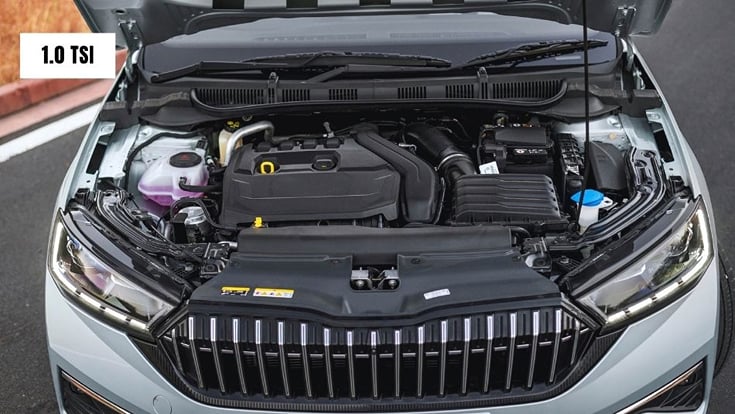
The 1.0-litre TSI engine will be shared with the Kylaq

It will use the same 1.0-litre TSI petrol engine as the Kylaq, paired with manual and automatic gearbox options. At launch, the Volkswagen compact SUV will get an 8-speed automatic transmission rather than the 6-speed automatic currently offered on the Kylaq. The Kylaq, however, is also expected to receive the 8-speeder with its next update.

It’s unclear what the compact SUV will be named upon launch, but Volkswagen already sells the Tera in the Brazilian market that’s closely related to the Skoda Kylaq. It remains to be seen what it will be called here in India. Prices can be expected to range between Rs 8-13 lakh (ex-showroom). 

Scope of the compact SUV segment 

The model will give Volkswagen access to one of India’s largest vehicle categories. The broader sub-four-metre SUV market, comprising compact and micro-SUVs, currently generates monthly sales of around 1.1 lakh units. The category accounts for around 30 percent of India’s passenger vehicle sales and more than half of utility vehicle volumes. Its growth has been supported by hatchback buyers moving to SUVs, the drastic reduction of GST from 28 percent to 18 percent last year on cars meeting prescribed length and engine-capacity limits, and the availability of multiple powertrain options.

The market is led by Tata Motors with the Punch and Nexon, followed by Maruti Suzuki with the Fronx and Brezza. Sister brand Skoda too has grown significantly after the launch of the Kylaq last year, further underscoring the need for a compact SUV in VW’s portfolio. 

This will mark VW’s return to the compact SUV space since the Polo was discontinued in 2022. 

Volkswagen’s locally produced portfolio is currently limited to the Taigun and Virtus, both positioned above the compact vehicle market. The Kylaq-based SUV will lower the entry point to the Volkswagen brand and give it access to a substantially larger customer base.

Additional volumes from the compact SUV could also improve capacity utilisation at Skoda Auto Volkswagen India’s Chakan plant and deliver better economies of scale, helping lower costs for both Volkswagen and Skoda.

Ultraviolette registers highest monthly sales yet in July 2026

Ultraviolette registers highest monthly sales yet in July 2026
Multiple Ultraviolette F77 bikes inside the factory

Since their inception, Ultraviolette Automotive has been focussed on the premium end of the EV two-wheeler market with their products prices from Rs 2.49 lakh to Rs 4.59 lakh, a challenge for high sales numbers. However, with the changing winds in the ICE world, Ultraviolette looks to have turned a corner for the better. With almost no direct competition, this shouldn’t be a surprise, but it’s noteworthy regardless.

  1. Ultraviolette registers 406 percent increase in sales YoY
  2. BaaS and more versatile X-47 model looks to have helped this
  3. Ultraviolette has two more lower price models in the works

Largest EV motorcycle monthly sales in July 2026

Only behind Revolt and Oben

As per the retail sales data on the Vaahan portal, Ultraviolette Automotive has delivered 694 units in July 2026, a 406 percent increase compared to last year. Till July 2026, the brand has sold 3200 vehicles, the best since the brand was founded in 2023. Although the increase in sales numbers could be attributed to them offering more products, it’s hard not to consider this a sign of premium motorcycle buyers now trusting EV motorcycles more.

The brand is showing no signs of slowing down either. Already present in 40 locations across India, the brand intends to increase that number to 100 by the end of 2026. It’s worth mentioning that they had recently opened their first showroom in the North east, in Aizwal, Mizoram. The focussed efforts from the brand should help them finish the year on a high note, considering the upcoming festive season.

If we consider the sales numbers of other EV manufacturers who sell motorcycles, the brands ahead of Ultraviolette are Revolt Motors (6,876 units so far in 2026) and Oben Electric (3,347 units so far in 2026). However, it should be noted that Ultraviolette operates at a considerably higher premium level compared to these two brands. Other EV manufacturers who currently offer EV motorcycles in their lineup are Ola, KLB Komaki, Matter Motor Works, Okaya EV, Wardwizard Innovations, and the latest entrant Royal Enfield with their Flying Flea sub brand.

In addition to their current lineup of four motorcycles (F77 Mach 2, F77 Superstreet, X-47, and X-47 Desert Wing), Ultraviolette is also preparing to launch their first-ever scooter, the Tesseract, and an off-roader, the Shockwave. The Shockwave, starting at Rs 1.75 lakh, is aimed at eco-friendly and efficient city commutes and short weekend, adventure-focussed rides. The Tesseract on the other hand is expected to be priced at Rs 1.45 lakh with a claimed 261km IDC range and a top speed of 125kph. Deliveries for the Shockwave were previously supposed to start in Q2 2026 (we’re currently in Q3), and the Tesseract delivery has been delayed to Q1 of 2027.

What made this possible for Ultraviolette

The brand has upcoming challenges and opportunities

The two biggest factors that look to have helped the brand increase their numbers are the BaaS option from the brand for all their motorcycles and of course, the uncertainty surrounding ICE vehicles at the moment. The brand, however, is also looking to improve their existing international presence. Speaking to Autocar Professional, the CEO Narayan Subramaniam said “India is a key market but we were clear right at the start that we need to take this brand global. Europe is critical because it has amongst the most stringent certification processes. While the F-77 has been certified for sale in Europe, certification for the X-47 is at an advanced stage, and the bike should hit the European market this year as well. At present, we are in about 10 countries across Europe, including Germany, France, the UK, Spain, Portugal, the Netherlands, Belgium and Italy.”

With their current momentum and the upcoming favourable winds, the brand is looking to increase their numbers and subsequently their market share further. The only other player currently capable to take them head on, surprisingly, is Royal Enfield, who started selling their Flying Flea C6 in April 2026 with a Scrambler-like S6 on the way; but, their sales numbers are much lower with the brand selling a total of 124 units till July 2026. That said, the Flying Flea C6 is currently available only in Bengaluru.

Developments on the EV motorcycle space have been slow mainly because customers are expected to pay higher prices for a less capable machine for the money, especially compared to their ICE counterparts. The EV two-wheeler market has so far been carried forward by scooters. As such, EV motorcycles doing even a small fraction of the 13 million vehicle sales done by ICE two-wheelers should be phenomenal, and assuming Ultraviolette Automotive continues to make the right moves, it should remain a key name in the field.

Top Five diesel-automatic midsize SUVs under Rs 25 lakh ranked

Top Five diesel-automatic midsize SUVs under Rs 25 lakh ranked
Best diesel automatic SUVs under Rs 25 lakh

SUVs are best had with diesel engines, but given our policies and the disapprobation surrounding this fuel, most carmakers have entirely withdrawn themselves from offering diesel engines. What’s interesting is that where diesel is still on offer, it continues to make up a sizeable portion of that segment, meaning that demand is still healthy but customers only have a handful of options to choose from. So, if you are in the market looking for a diesel-automatic SUV, here we have compiled a list of the five best diesel-AT midsize SUVs available within a budget of Rs 25 lakh. 

Mahindra XUV 7XO 

Price: Rs 15.29 lakh – Rs 25.79 lakh 

Mahindra is almost synonymous with large diesel SUVs and the XUV 7X0’s 185hp, 2.2-litre diesel is a benchmark for refinement and performance. It’s the most powerful SUV here, and the 6-speed torque converter automatic gearbox that’s offered with this engine is smooth, too. A premium and spacious interior with generous levels of equipment and a sorted ride and handling balance are some of XUV 7XO’s other strengths. The third-row isn’t particularly spacious, but it at least offers the flexibility of one.  

Kia Seltos 

Price: Rs 15.32 lakh – Rs 21.82 lakh 

Although much lesser in capacity and power output than the XUV 7X0, the Seltos’s 116hp, 1.5-litre diesel also stands out for smoothness and refinement. With linear power delivery and max torque coming in at just 1500rpm, it makes for a comfortable cruiser. However, it lacks that outright diesel punch and urgency, even in Sport mode. The gearbox, while smooth, is also a slow shifter, even via the paddles. The Seltos, too, is a very spacious and premium on the inside, and arguably has the best UI/UX for the infotainment system. 

Hyundai Creta 

Price: Rs 16.08 lakh – Rs 20.11 lakh 

The Creta uses the same 116hp, 1.5-litre diesel engine as the Seltos, so the smooth and refined character of the engine applies here as well. However, being an older generation model and slightly smaller than the new Seltos, it doesn’t feel lack lustre in terms of performance. It’s also quite efficient, making the diesel-auto one of the best powertrain choices on the Creta. Otherwise, too, the Creta remains one of the most competent offerings in the segment faring well on space, features and premium-ness despite its relative age compared to its rivals. 
Tata Sierra 

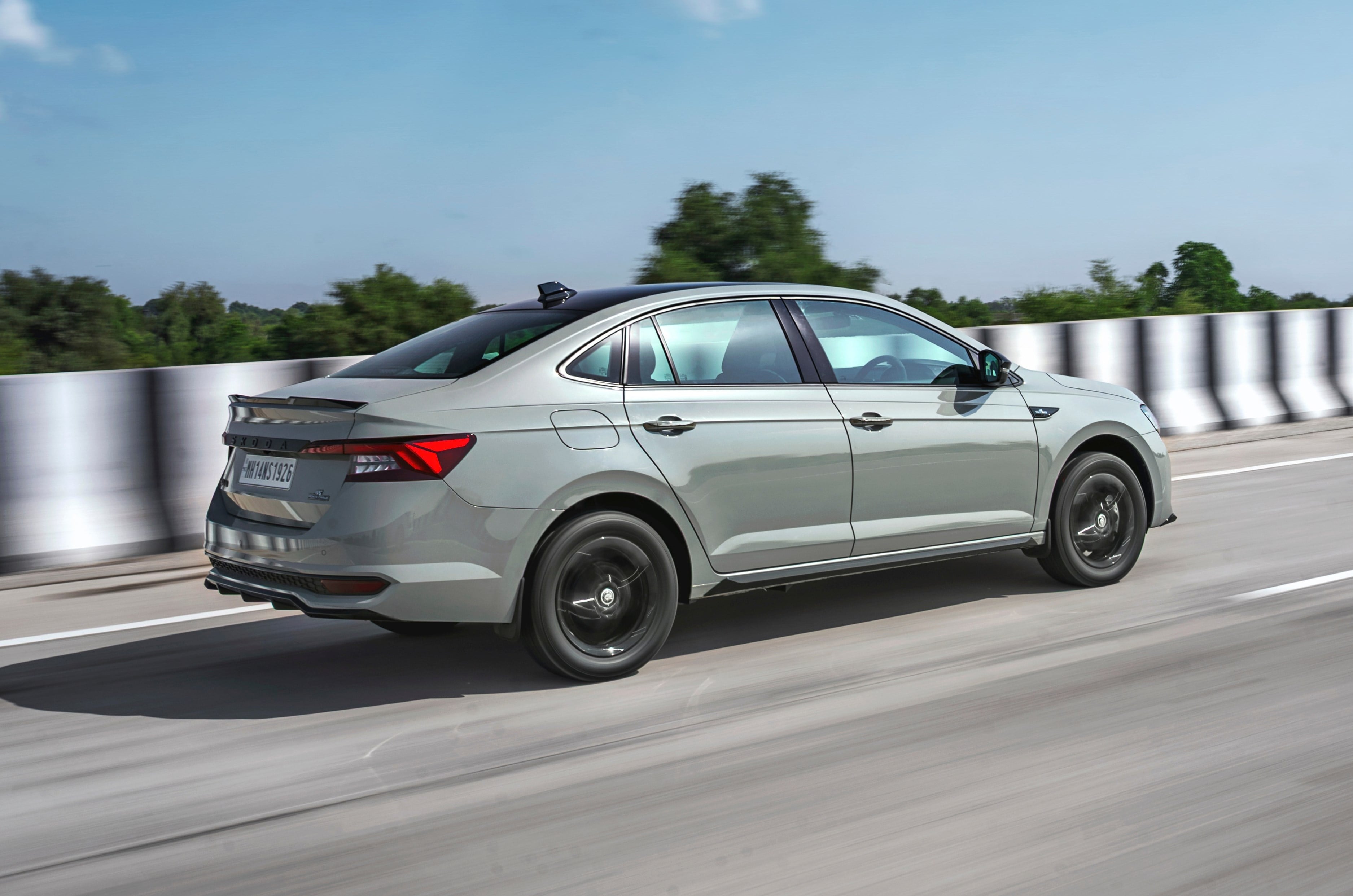
Price: Rs 15.99 lakh – Rs 21.29 lakh 

The Sierra uses the same 1.5-litre diesel engine that’s offered on the Curvv and the Nexon, but it has been up-tuned to produce 118hp and 280Nm. This 1.5 unit doesn’t have the midrange punch associated with diesels; instead, it builds power linearly. It also isn’t particularly refined as you can feel vibrations at all times, which makes it known to you that you are, in fact, driving a diesel. The torque-converter auto, however, is a smooth unit that keeps the engine in the meat of the powerband. Elsewhere, the Sierra impresses with its space, features and well-judged ride and handling balance. 
Mahindra Scorpio N 

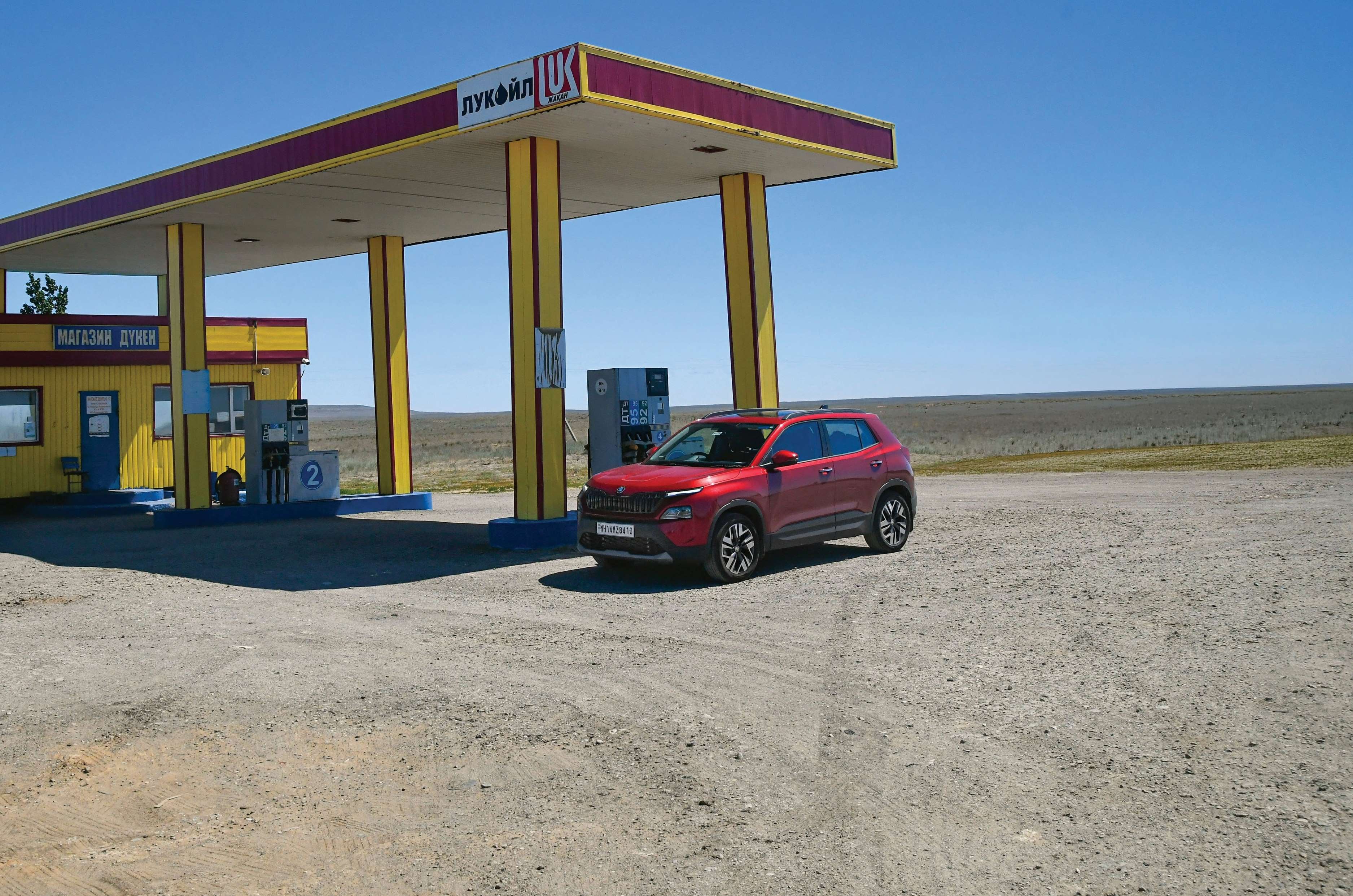
Price: Rs 14.19 lakh – Rs 25.49 lakh


The Scorpio N uses the same 2.2-litre diesel engine as the XUV 7XO, but in a slightly different state of tune, producing 175hp and 370Nm (400Nm in 4×4 guise) here. Given the Scorpio N’s hardy underpinnings and rugged nature, the diesel engine makes for a great fit on this SUV, thanks to its strong reserves of torque. The 6-speed AT gearbox isn’t particularly quick shifting or sporty, but it is smooth. The Scorpio N is also the only SUV on this list to come with an optional 4×4 system, and you’d be surprised by how capable it is off the tarmac. It also has a premium interior and is well-specced with features, but third-row is quite limited on space.