JSW MG ‘Hector Hawk’ SUV to launch on August 28

MG Hector Hawk

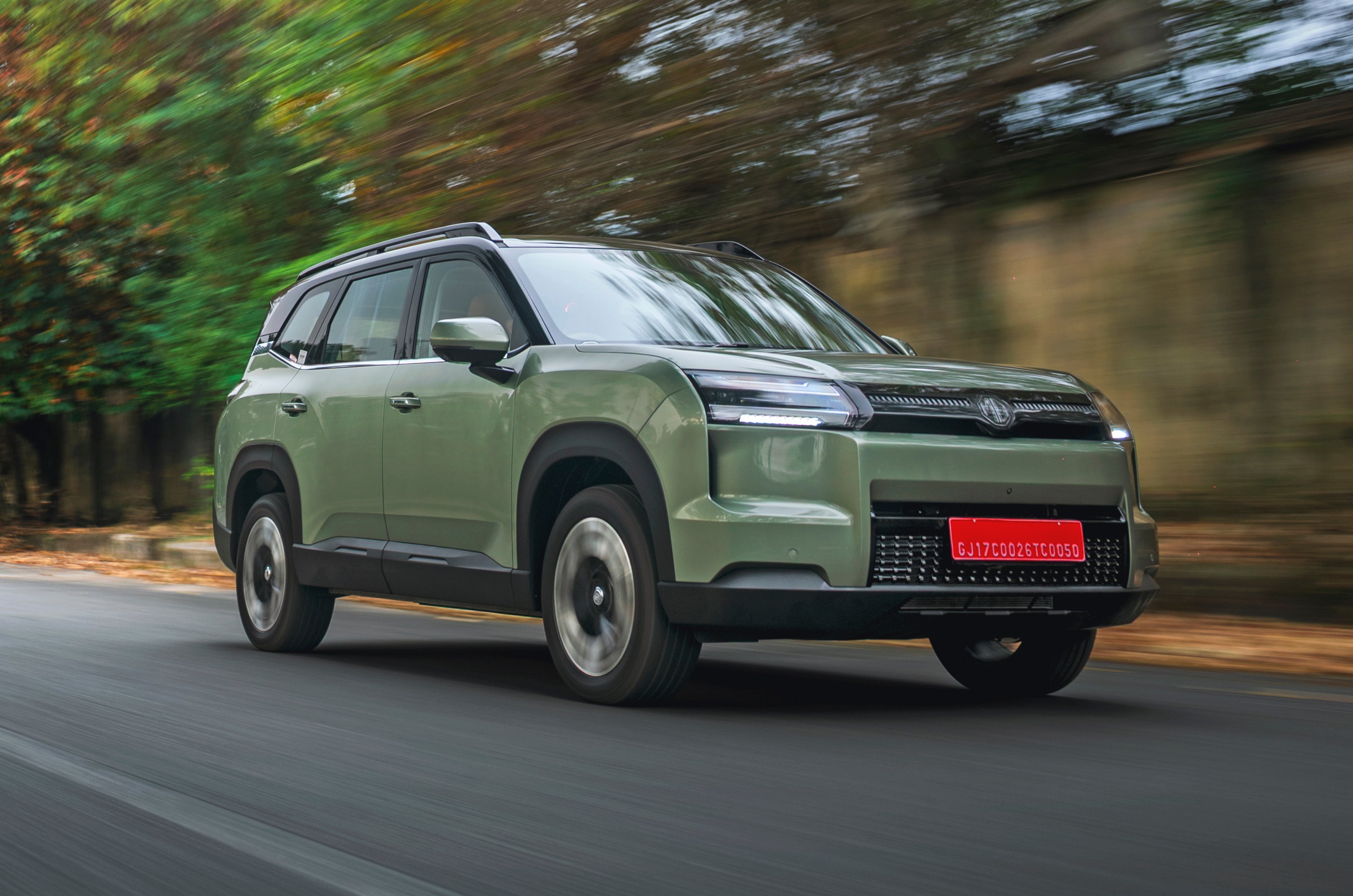
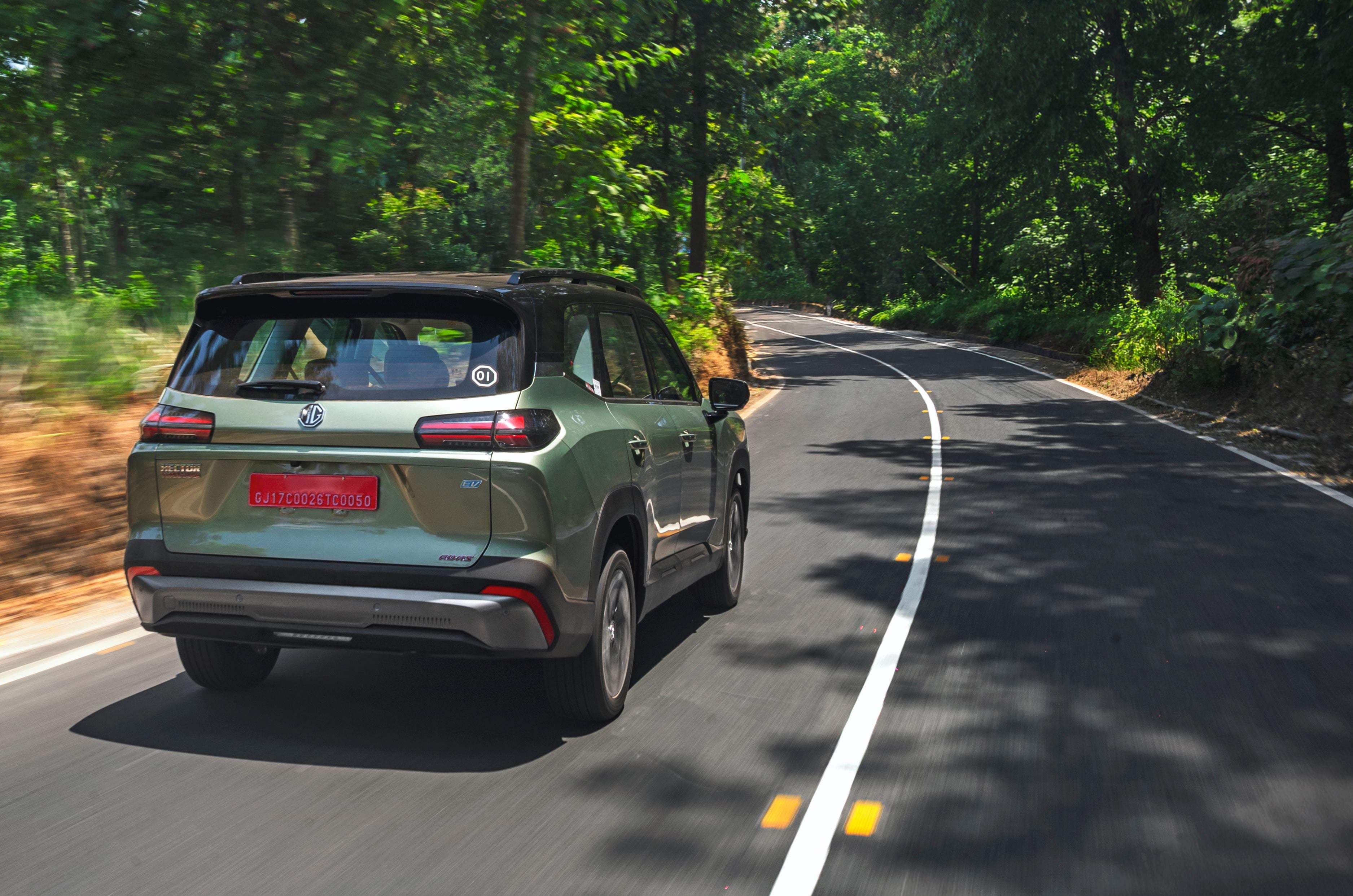
JSW MG Motor India will launch its new SUV on August 28. Expected to be called the Hector Hawk, it will be the first model based on the company’s new ADAPT platform and will be offered with both battery electric (EV) and plug-in hybrid (PHEV) powertrains. 

  1. EV version expected with a 69.2kWh battery pack
  2. PHEV likely to offer up to 125km electric-only range
  3. Likely to rival the Mahindra XEV 9S and XUV 7XO

JSW MG Hector Hawk: what to expect

Wuling Starlight EV. Image used for representative purposes only. 

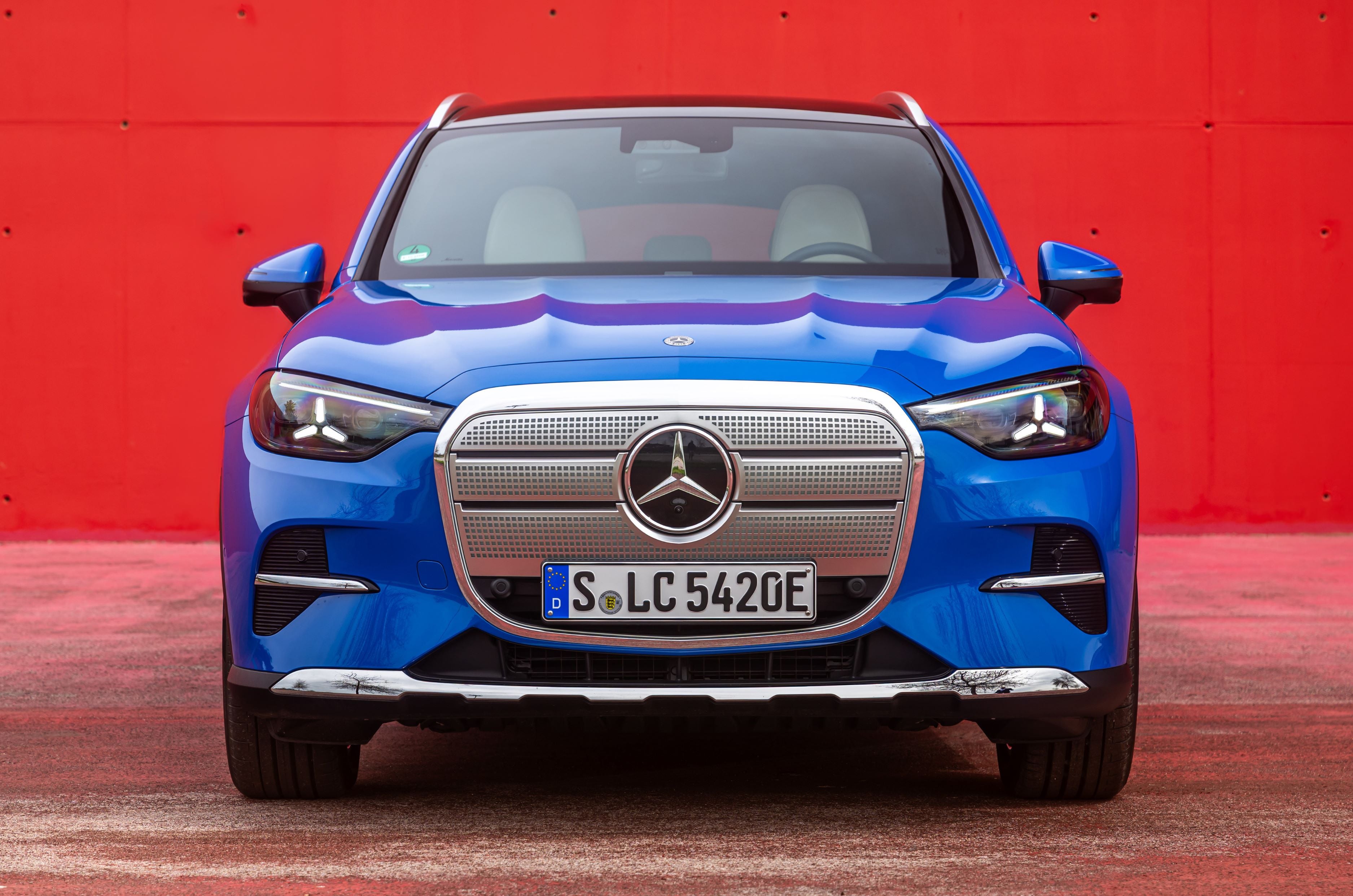
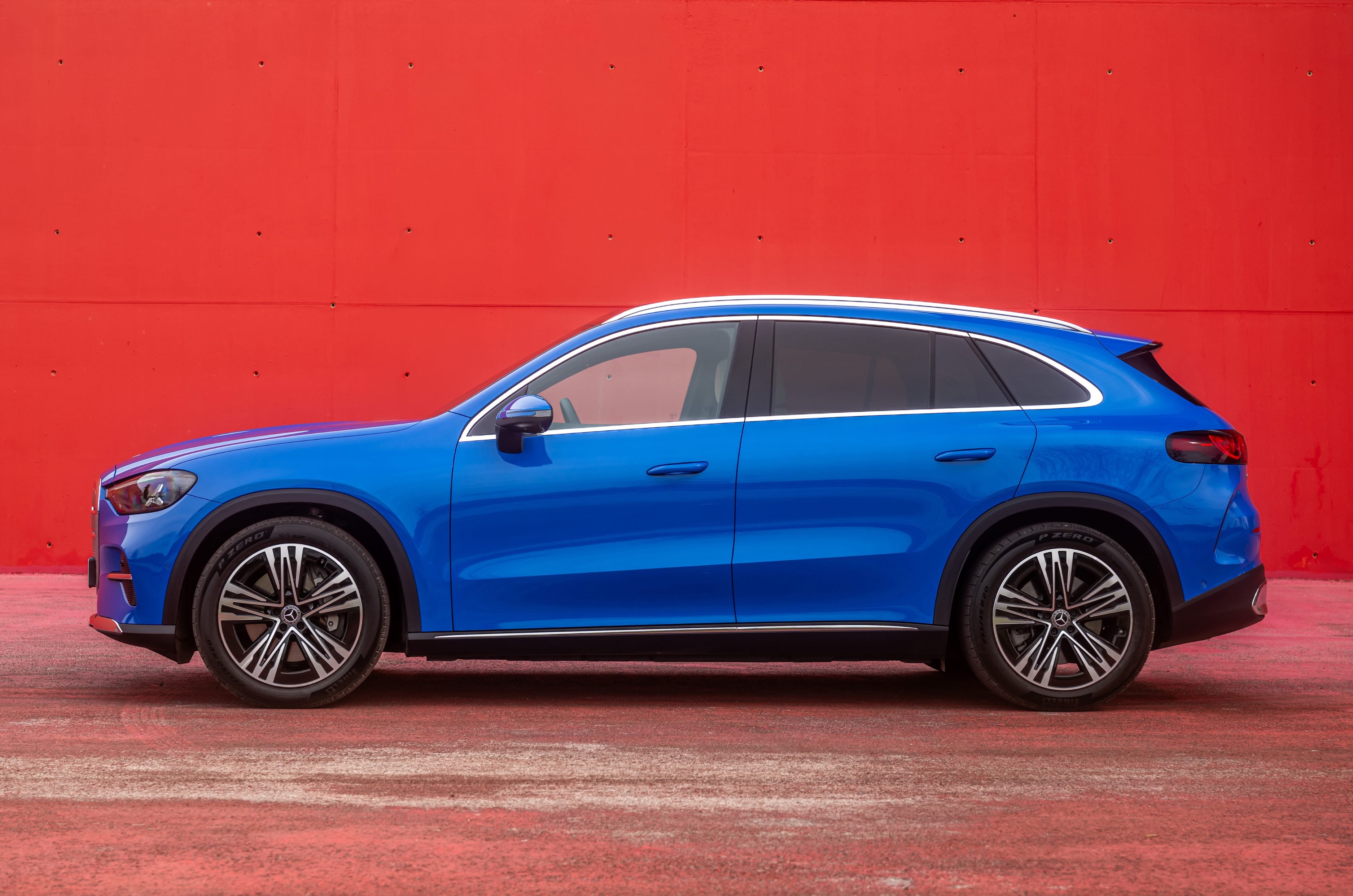
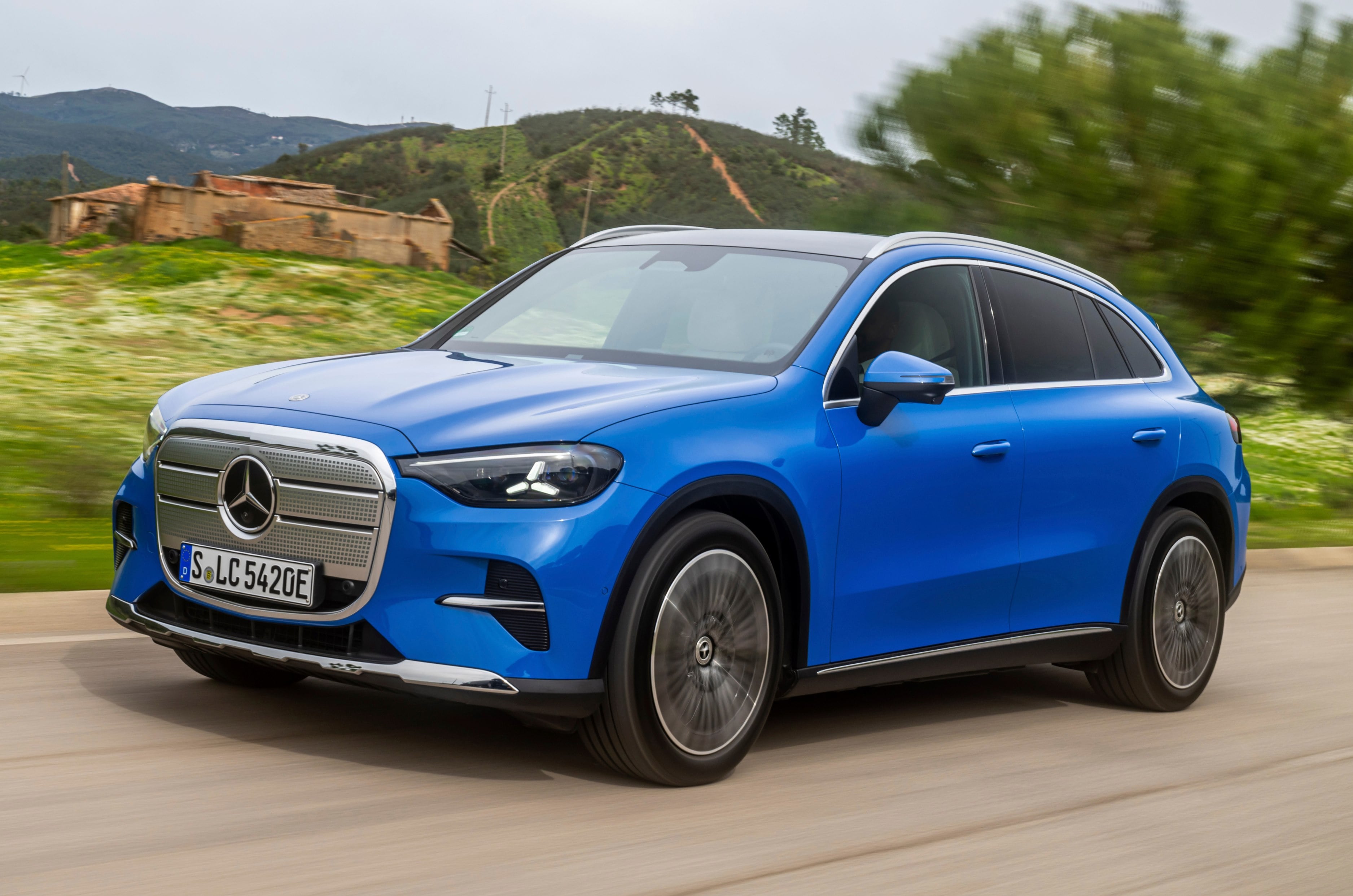
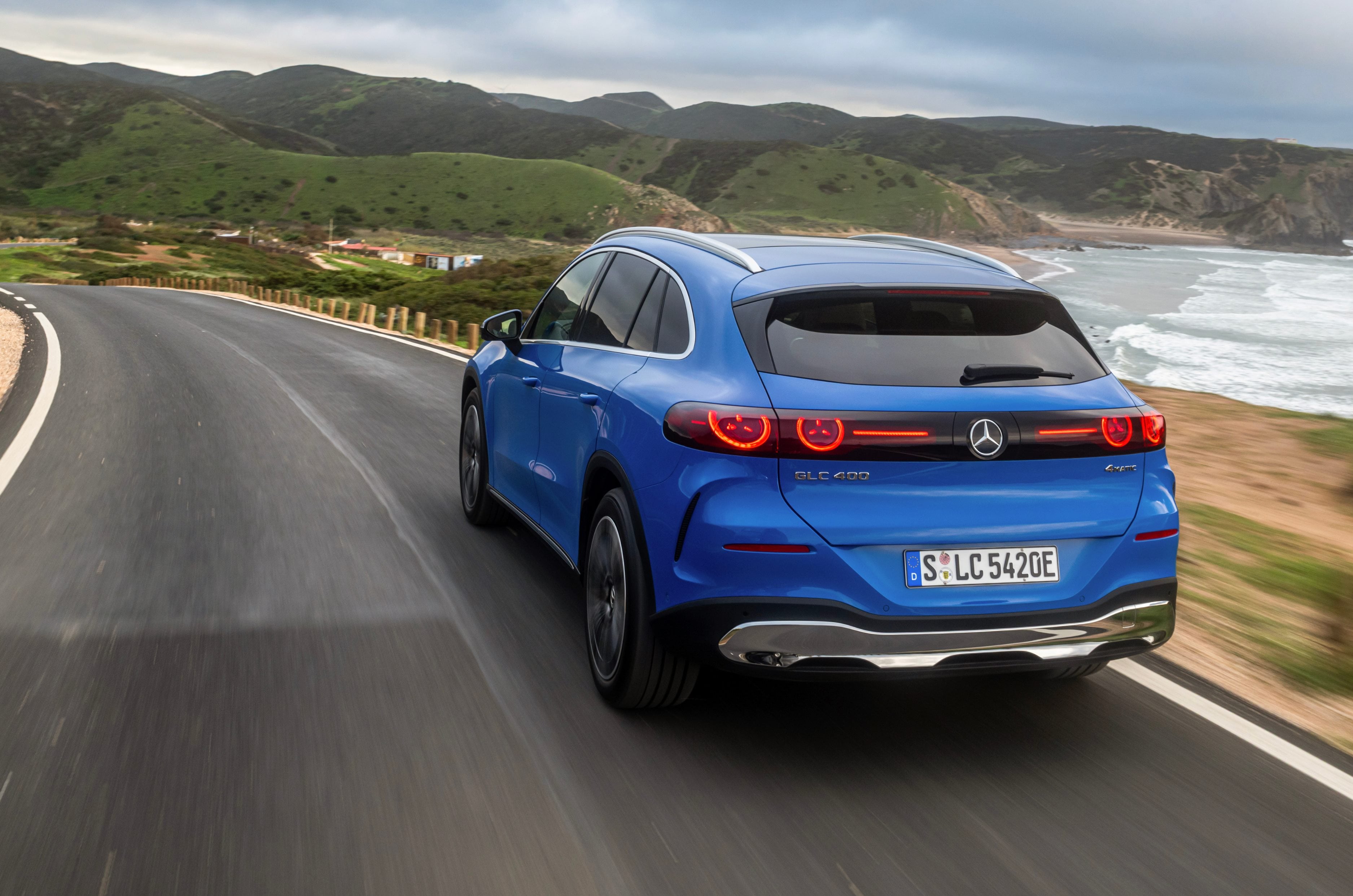
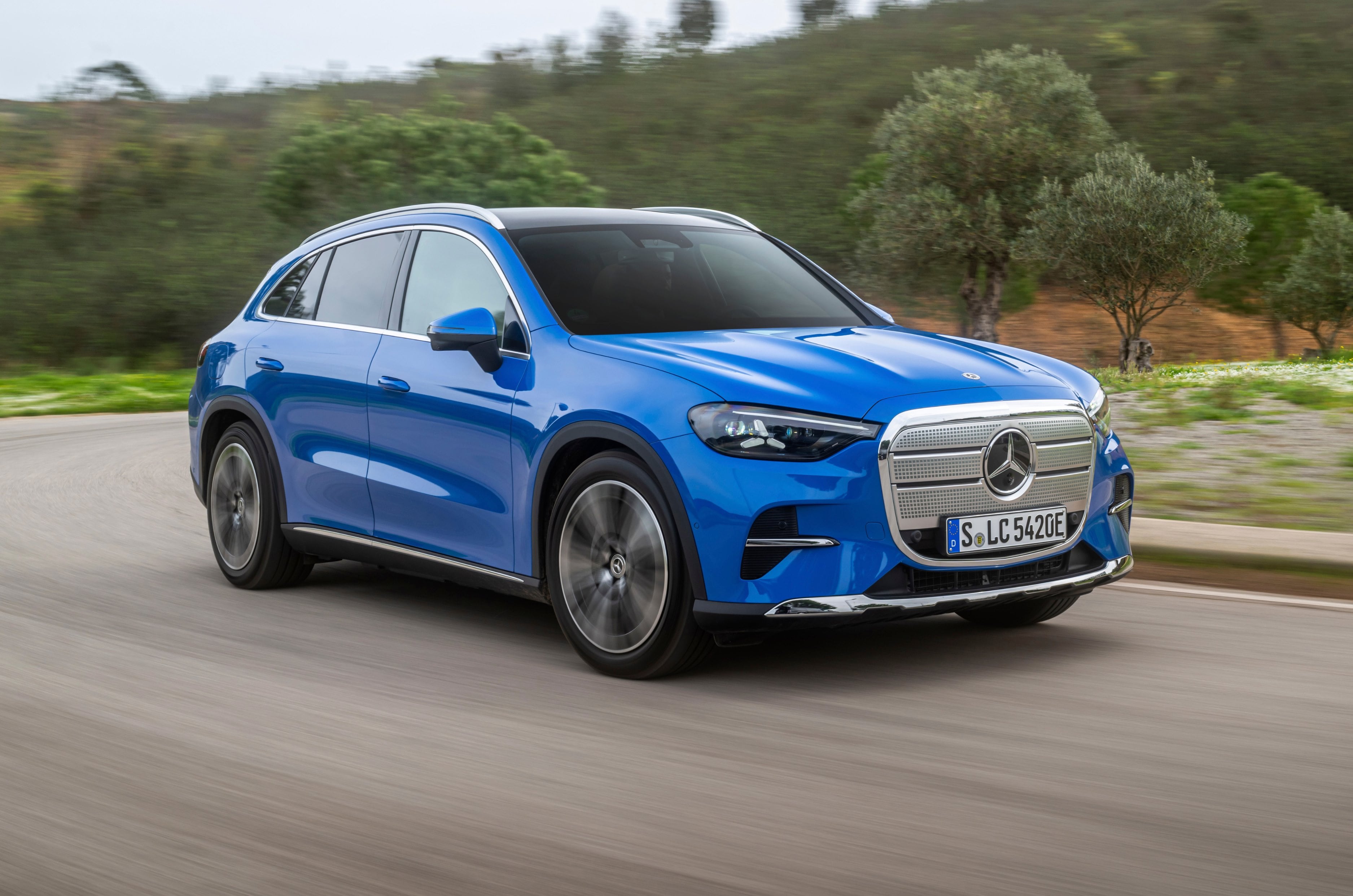
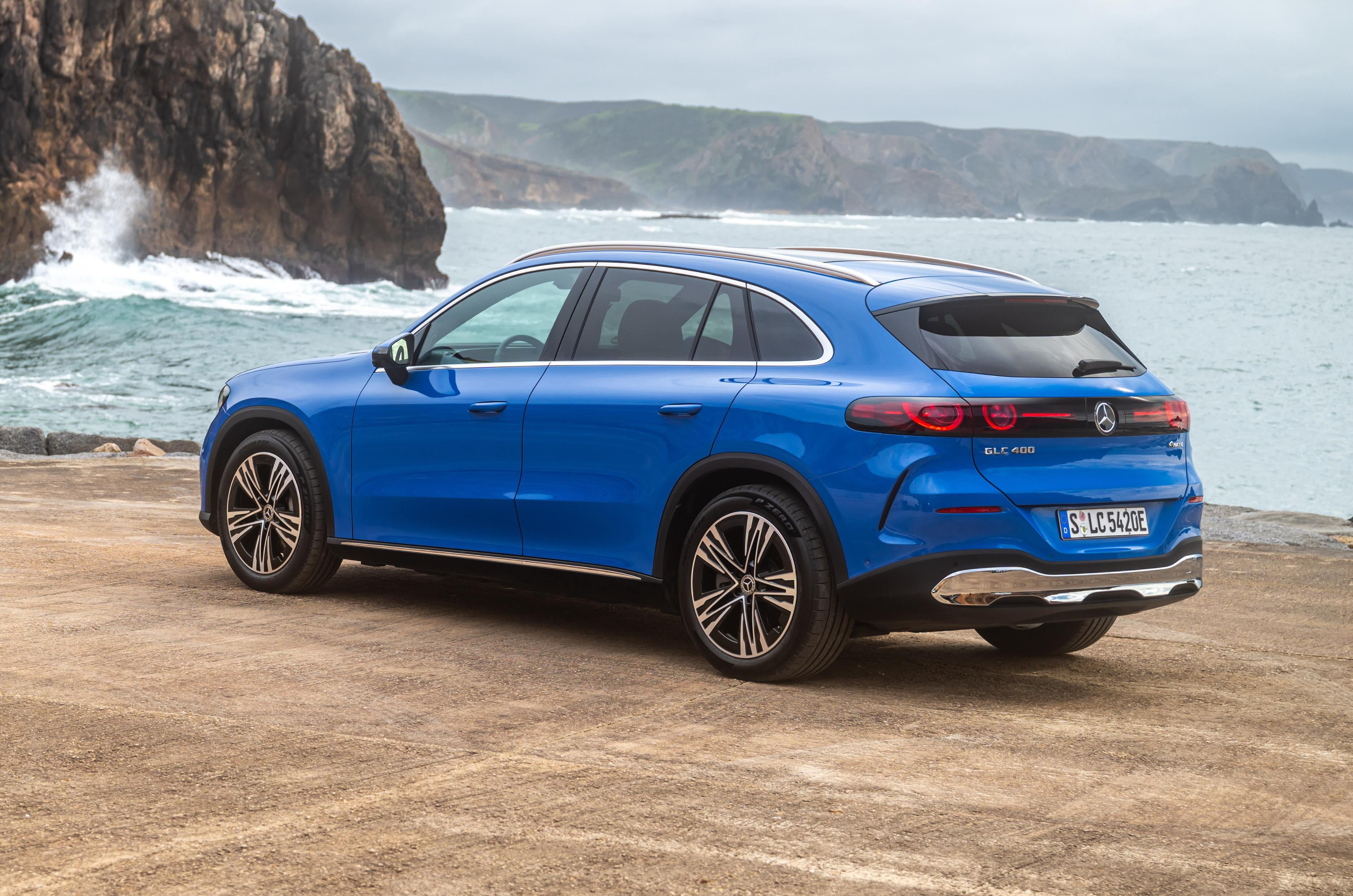
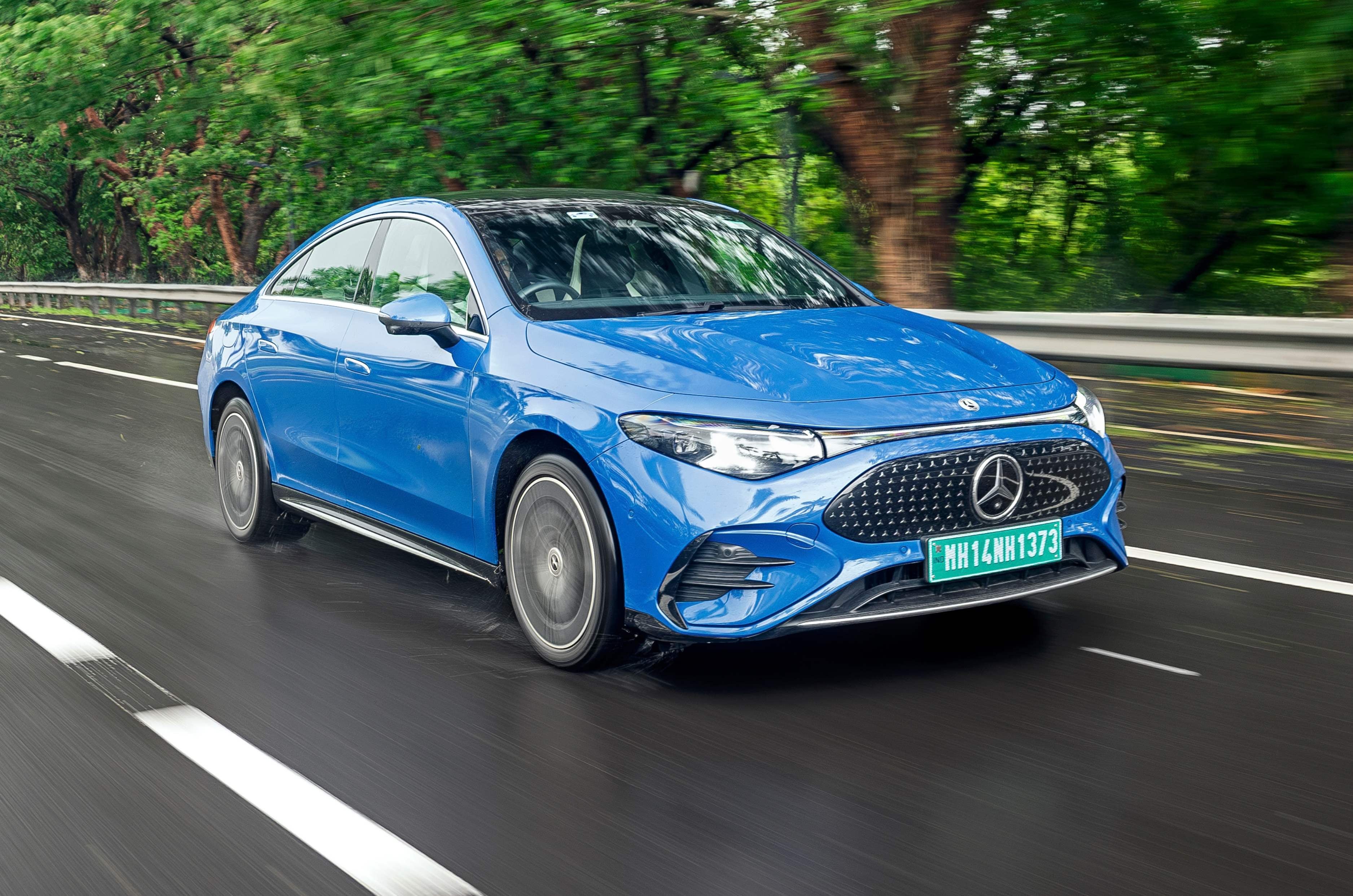
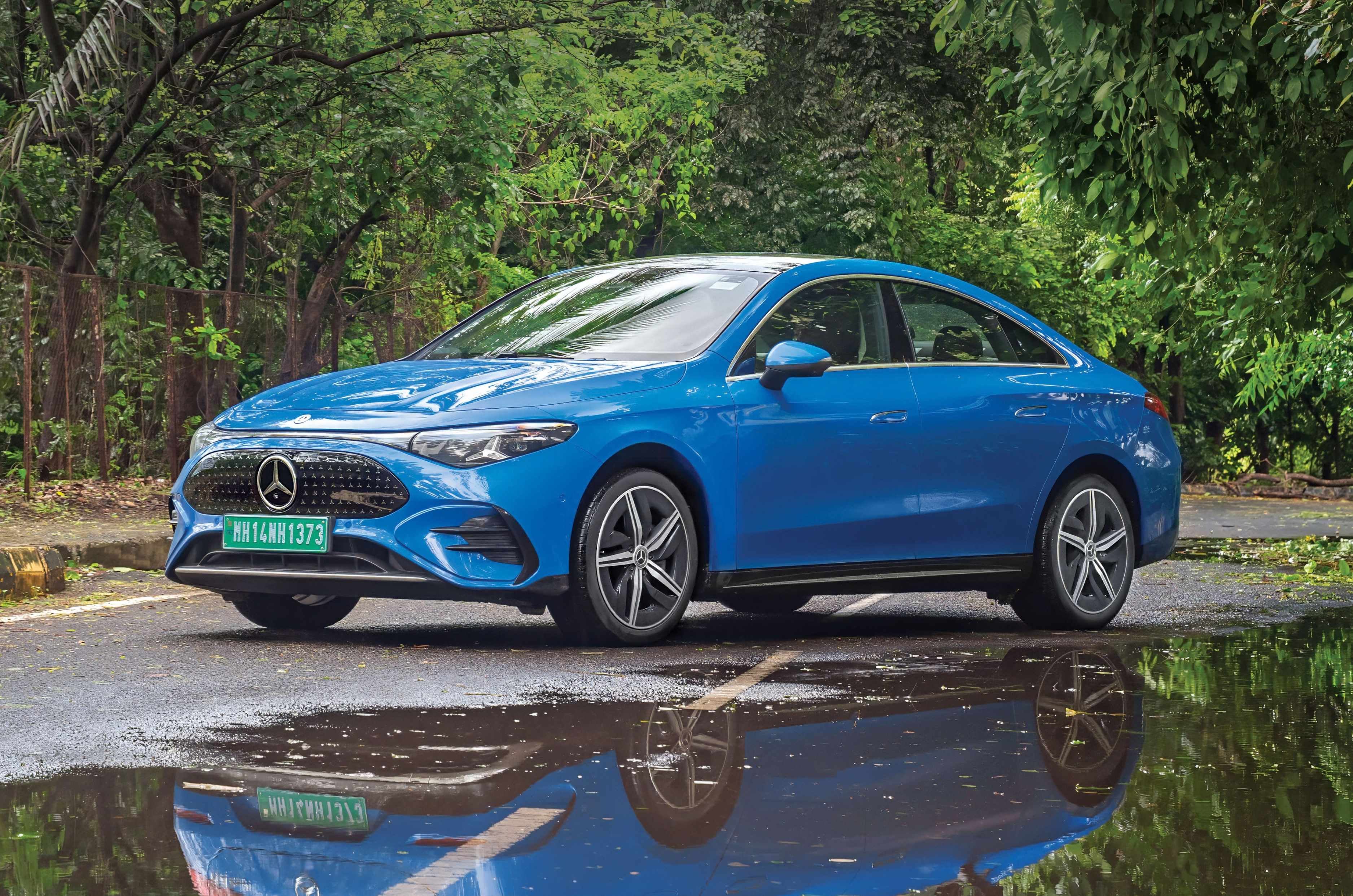
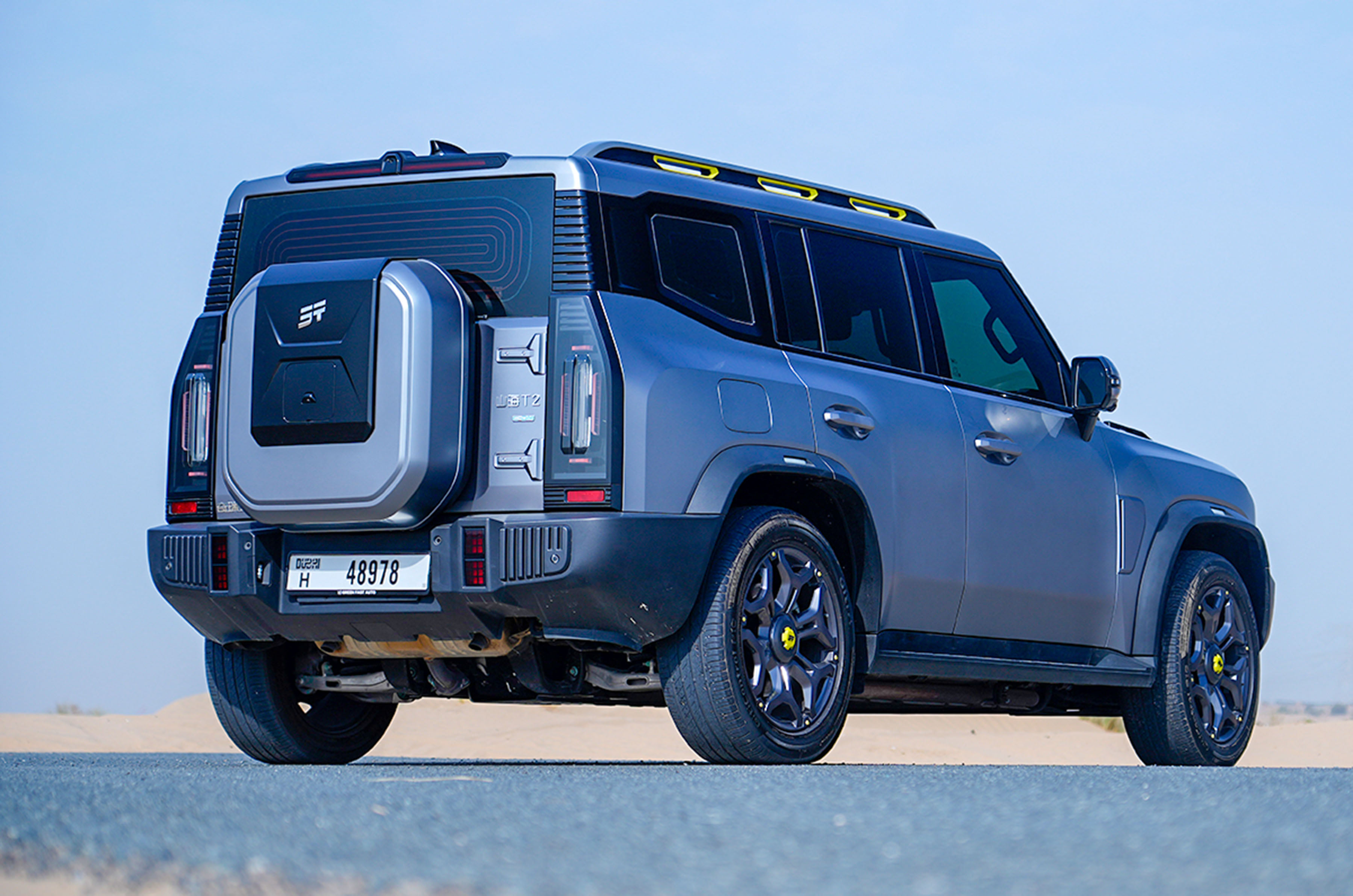
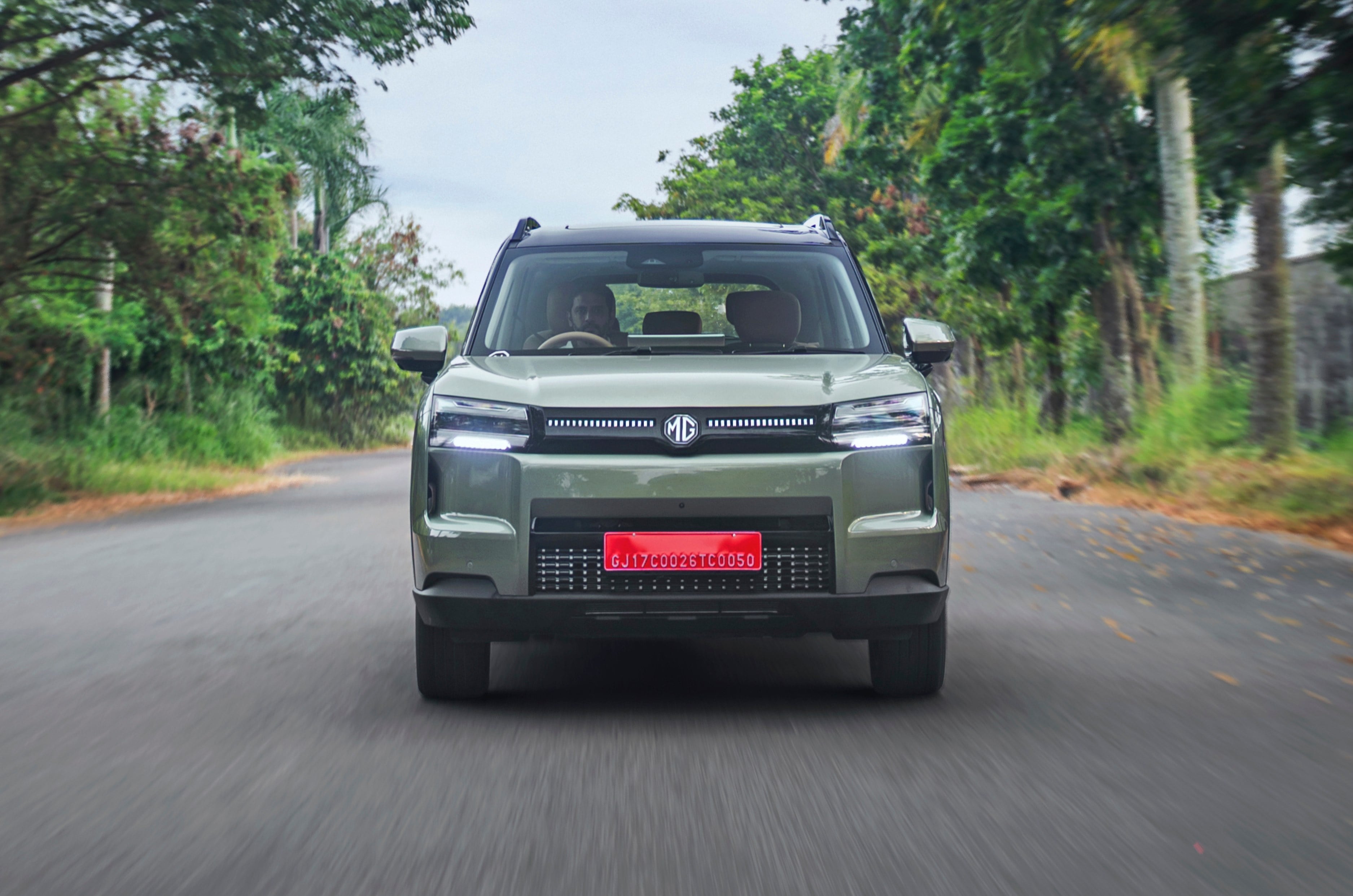
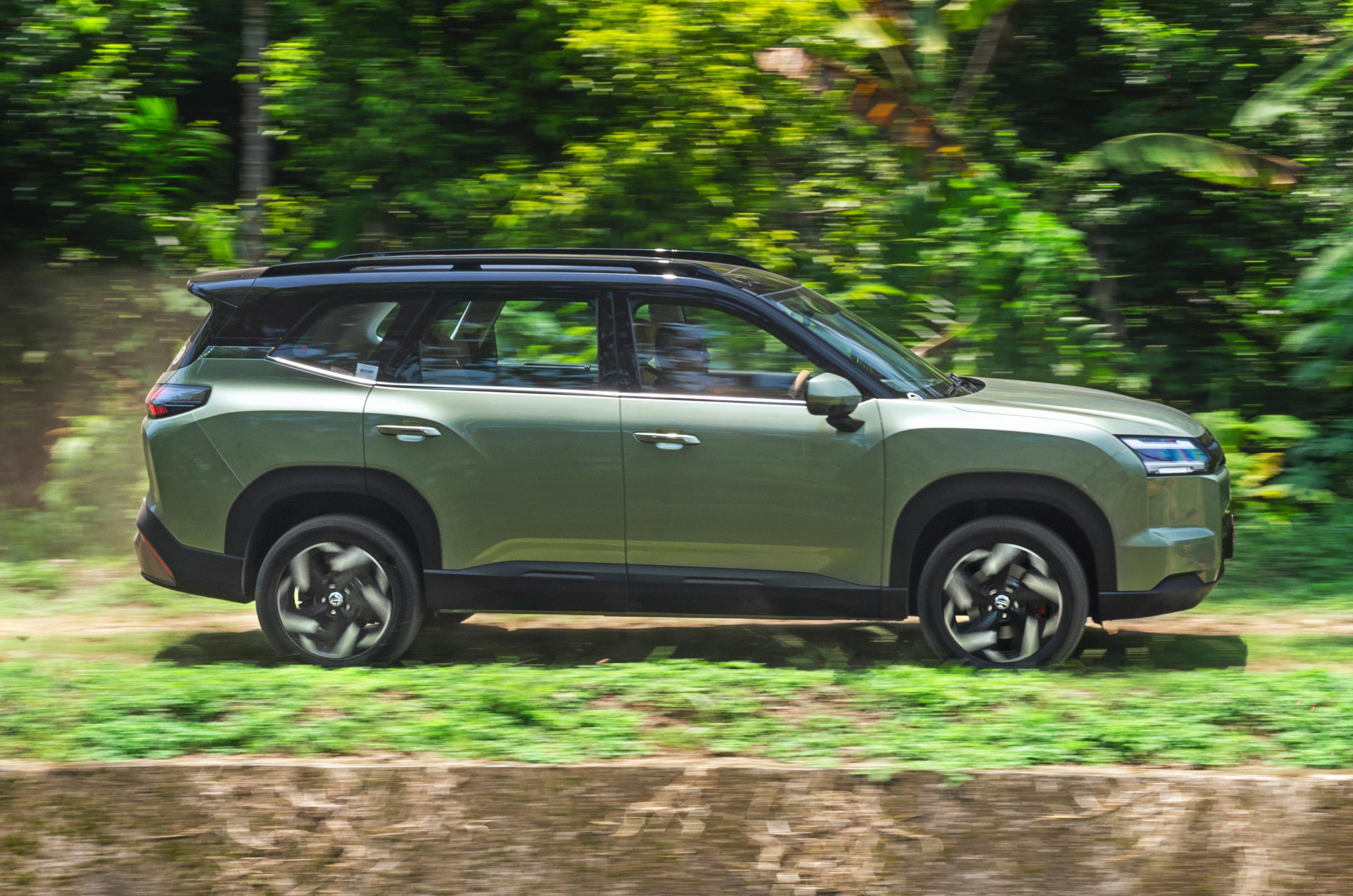
The Hector Hawk is based on the Wuling Starlight 560 sold in international markets which measures 4.7m in length, 1.85m in width and 1.7m in height. The car has been spied testing on our roads with spy shots revealing rectangular LED headlamps with LED daytime running lamps (DRLs) at the top and bottom, a blanked-off grille (expected to be the EV version), wraparound LED tail-lamps, a roof-mounted spoiler and a charging port on the left rear fender. 

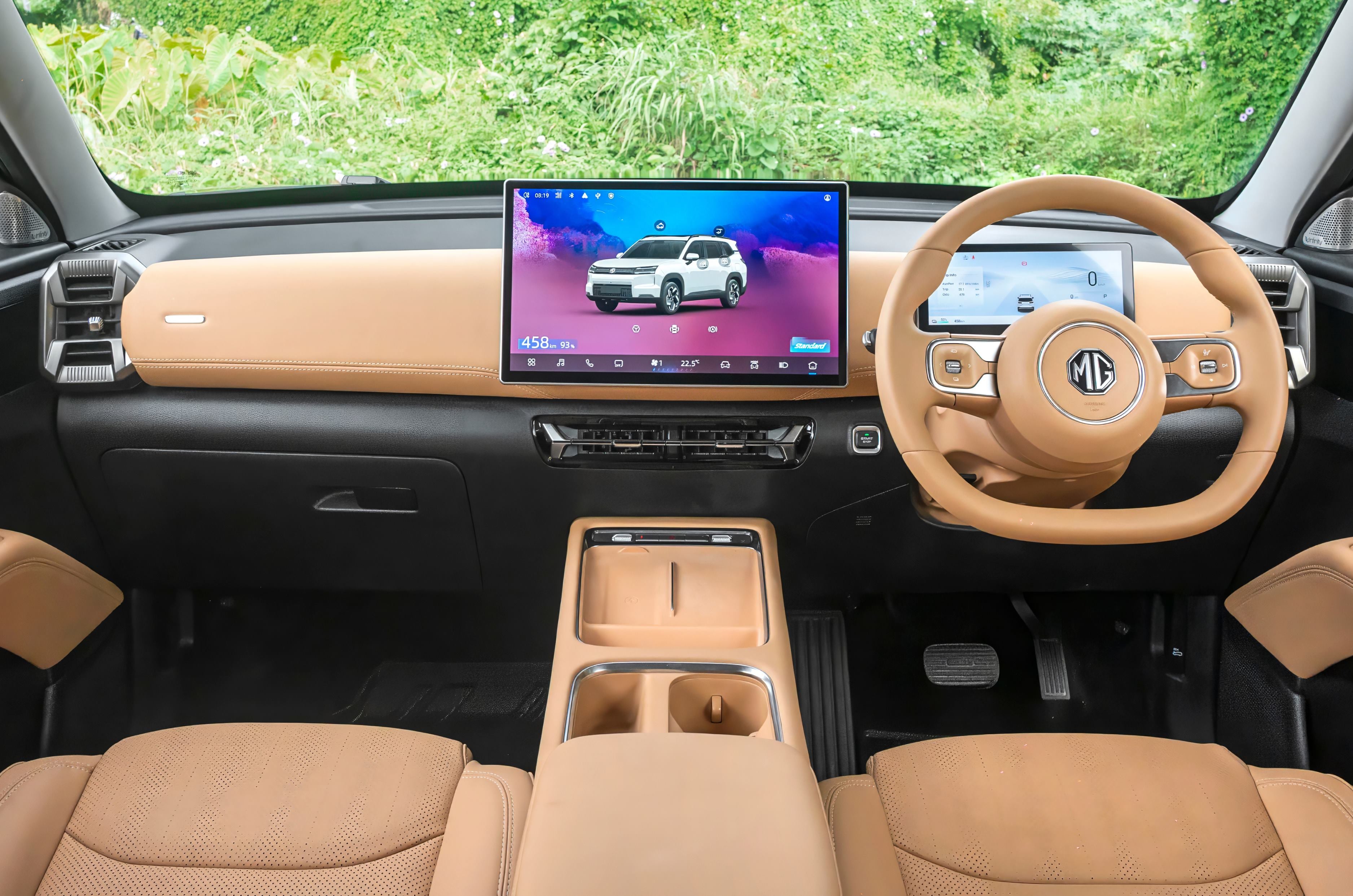
Wuling Starlight 560’s dashboard shown for representative purposes only. 

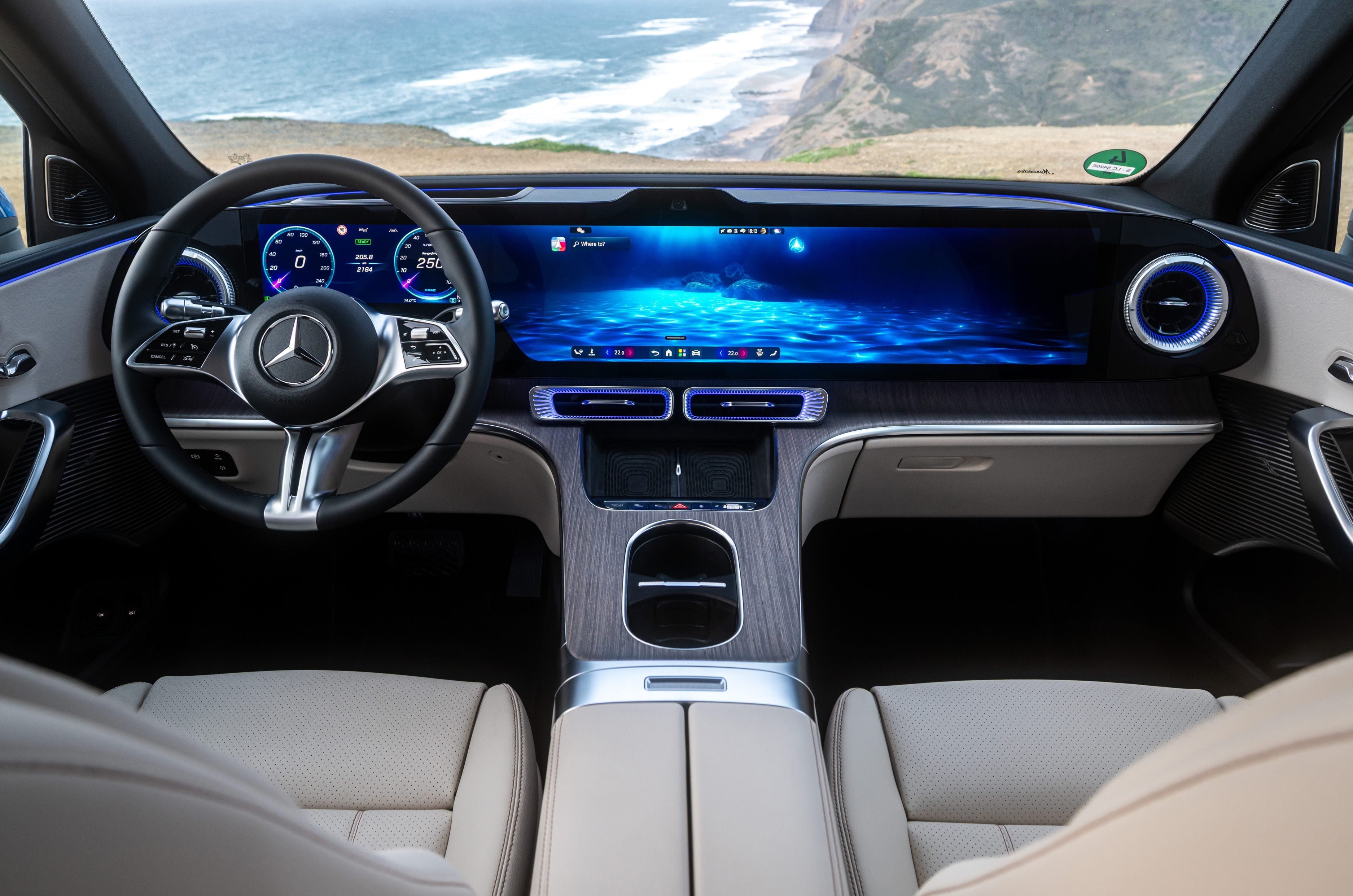
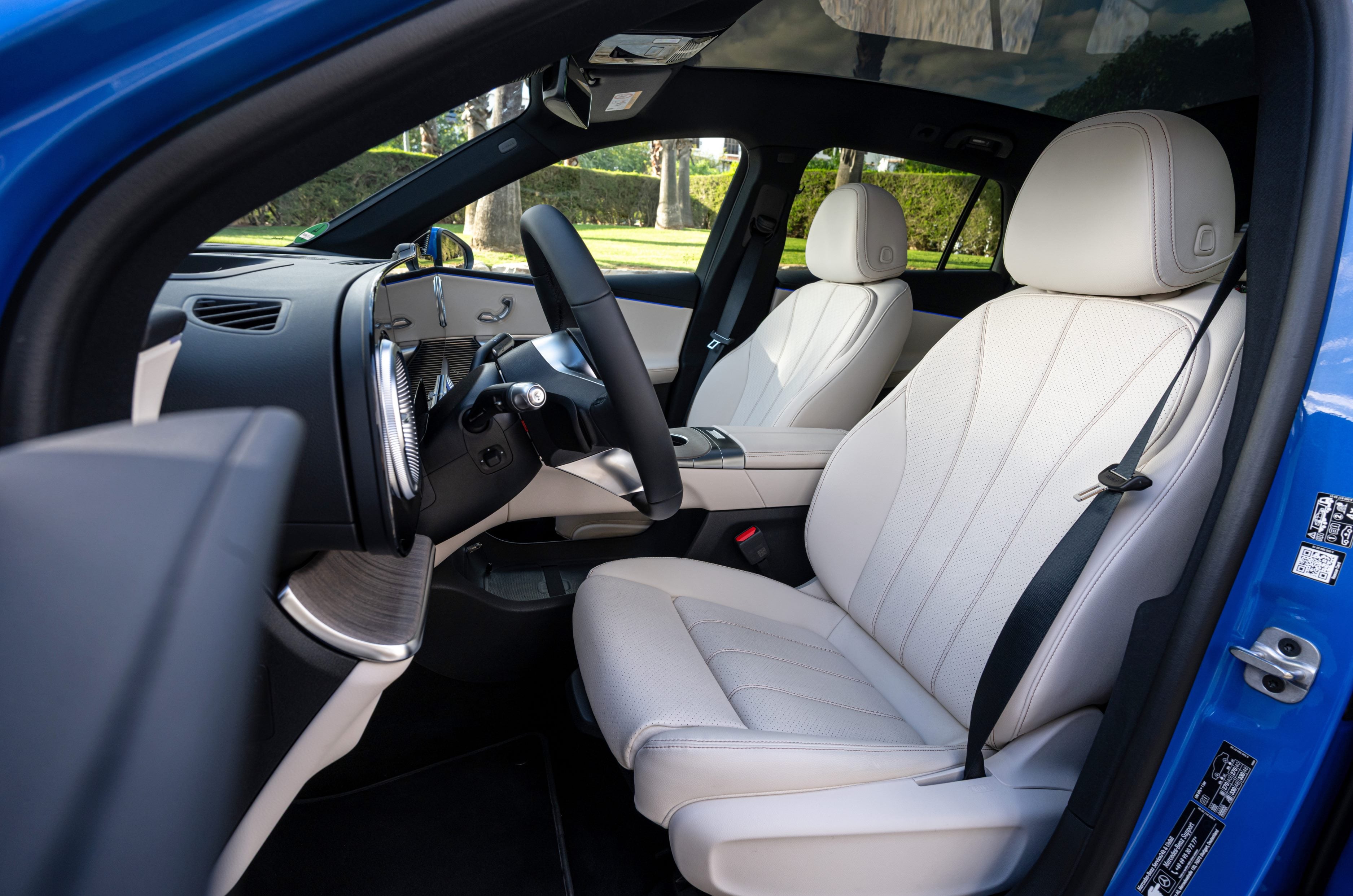
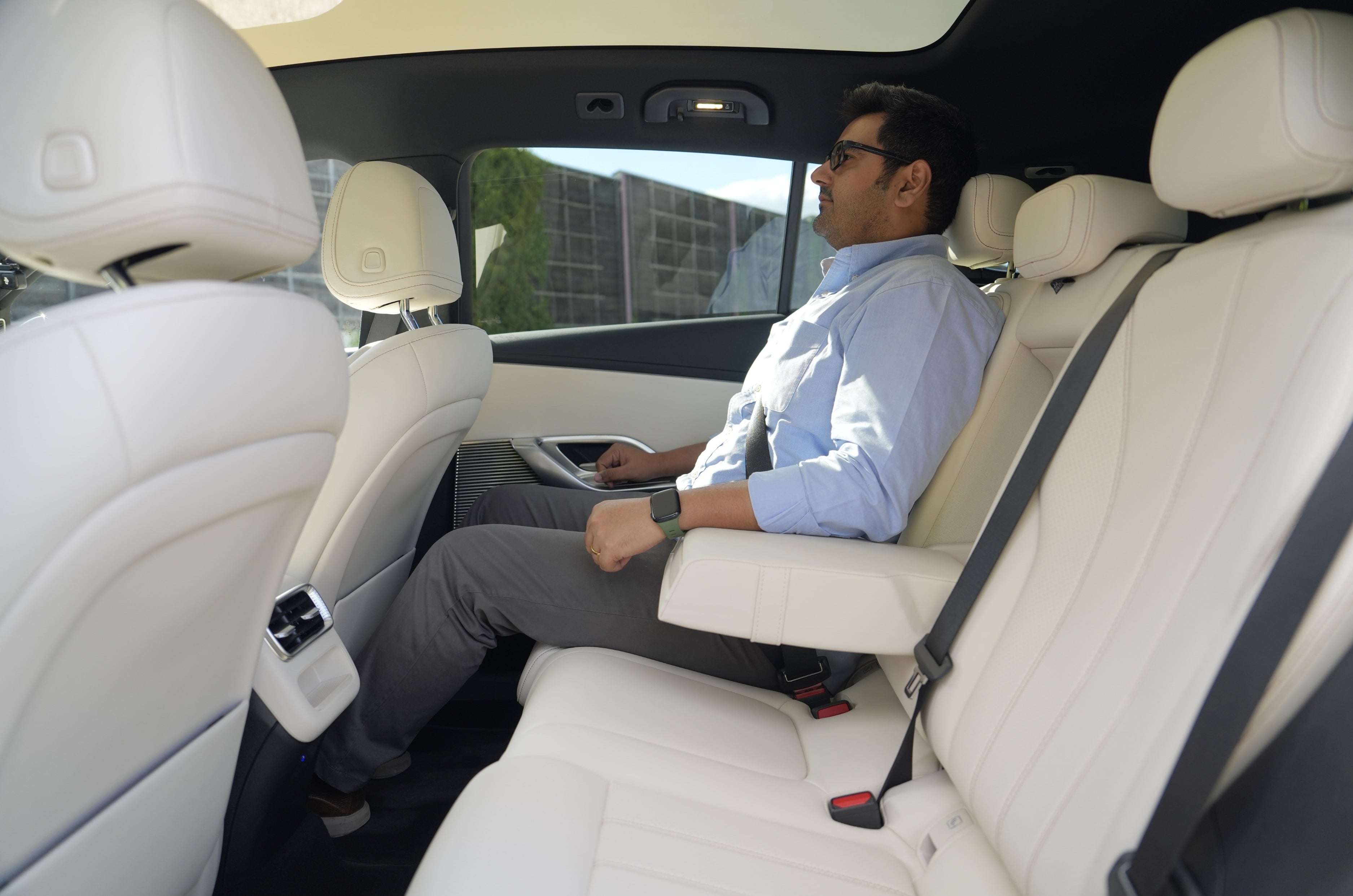
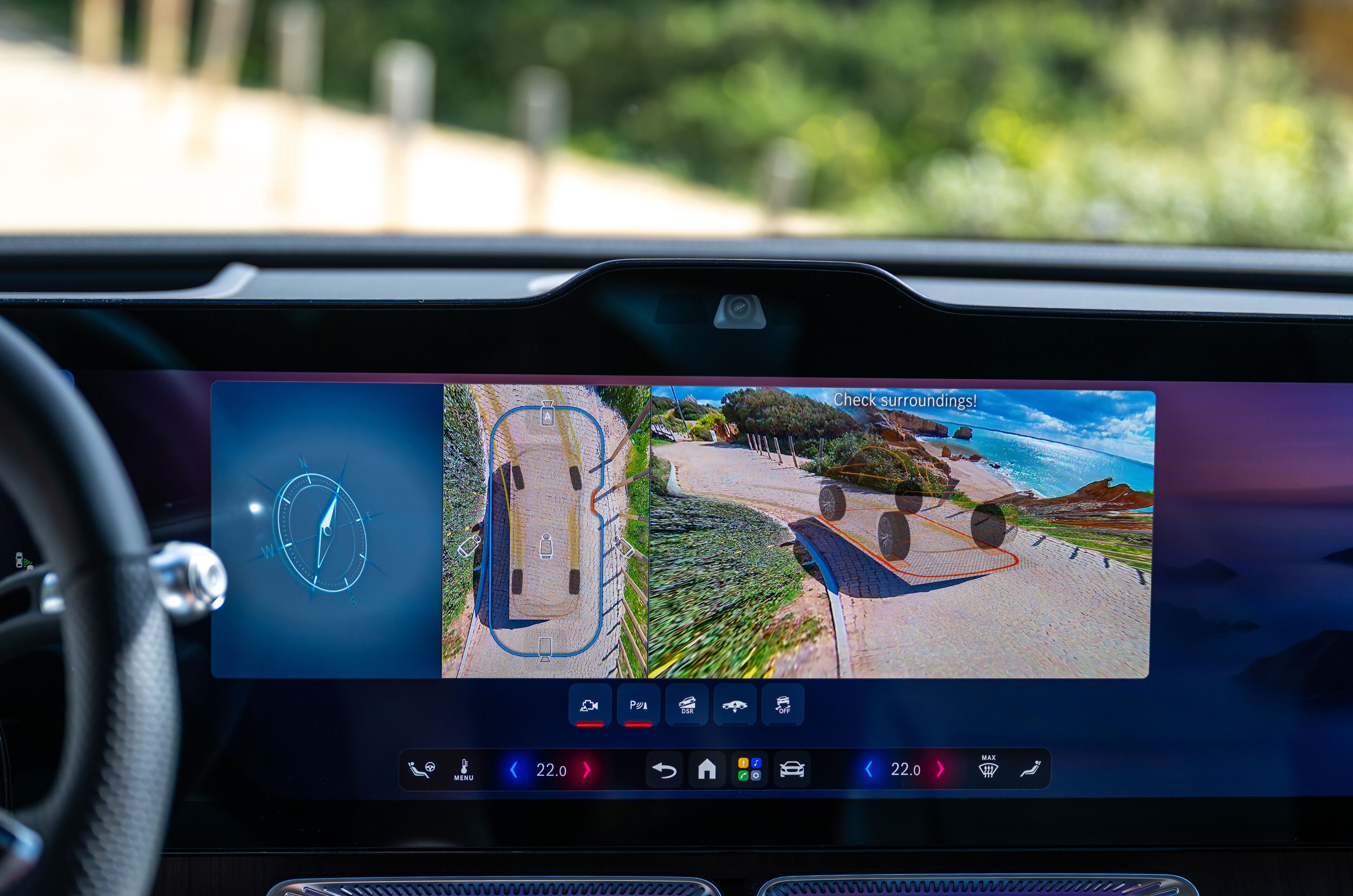
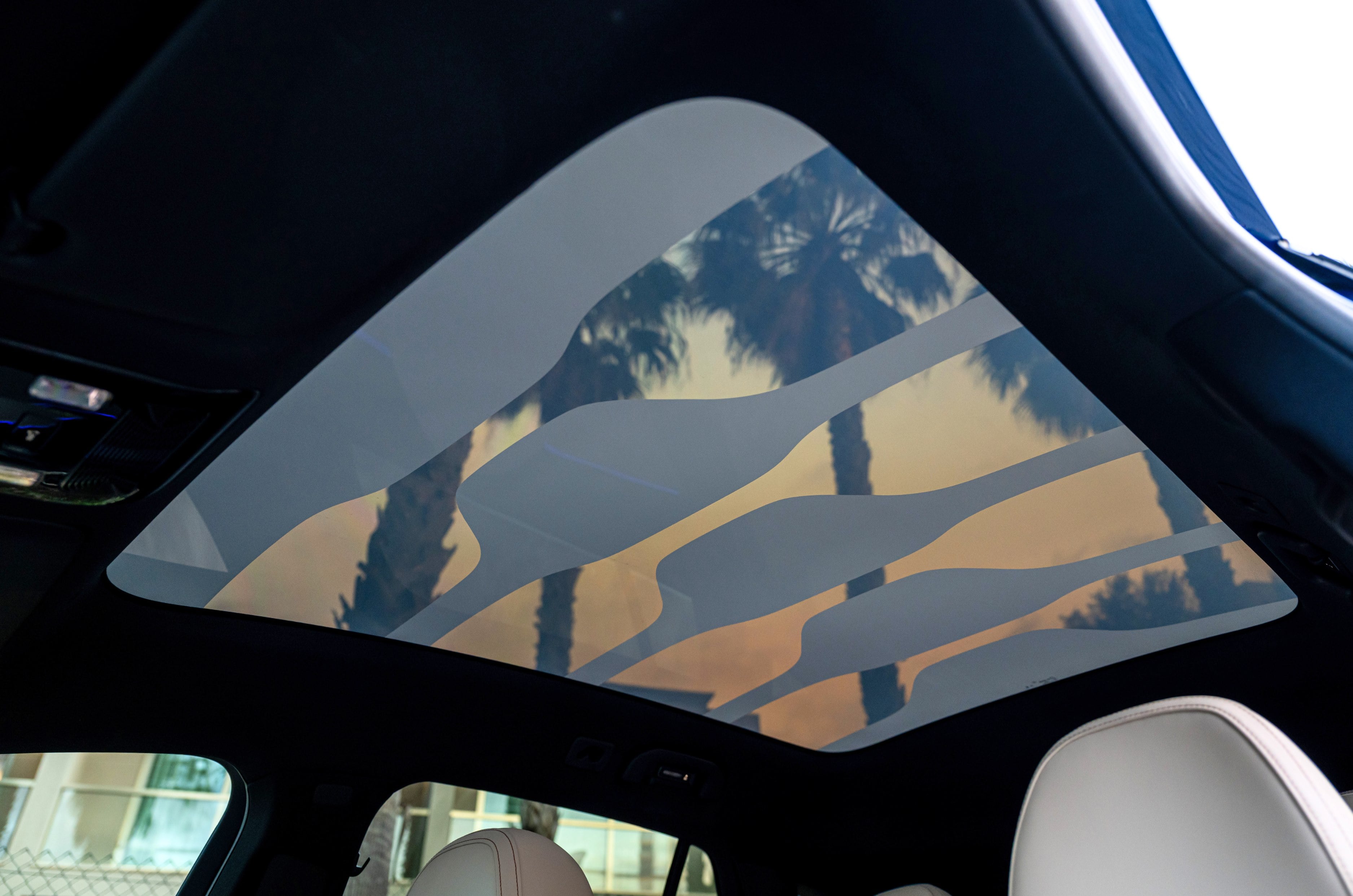
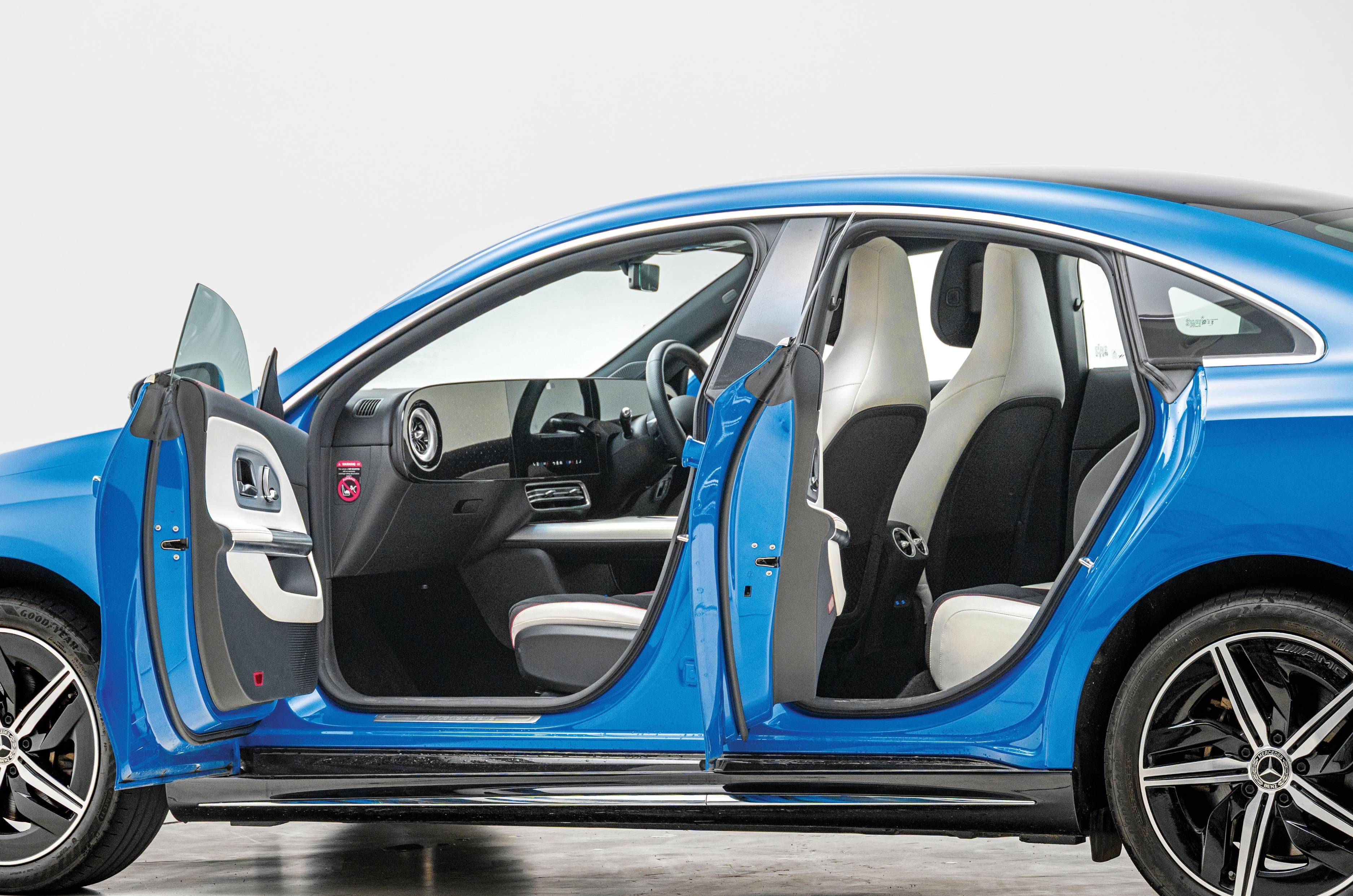
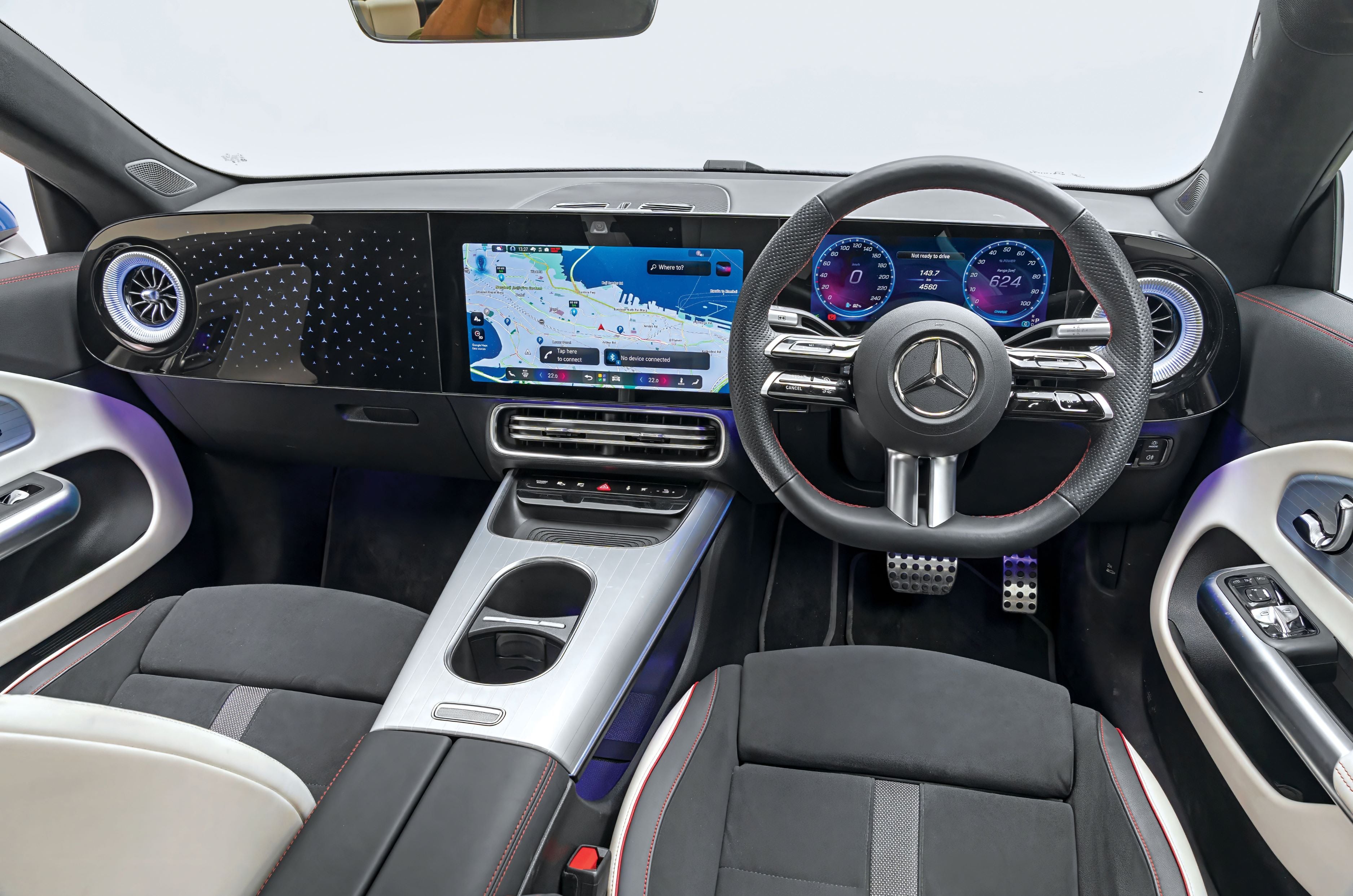
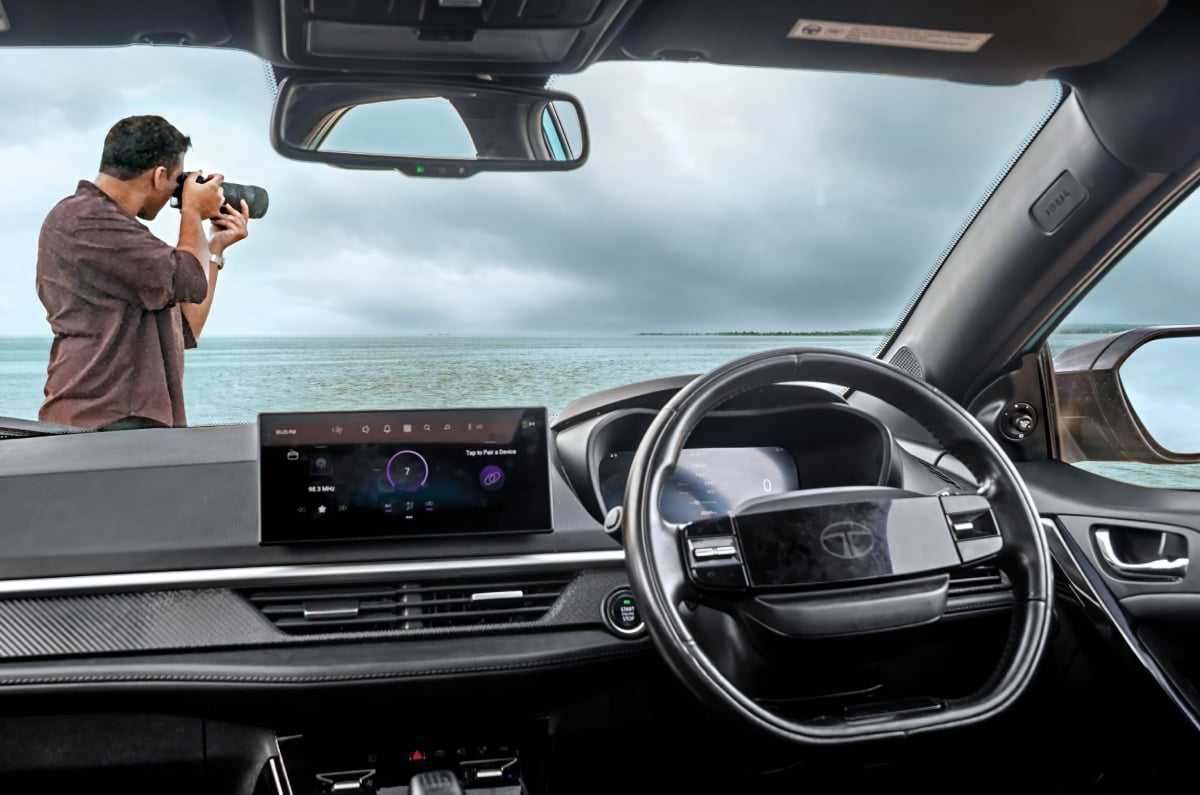
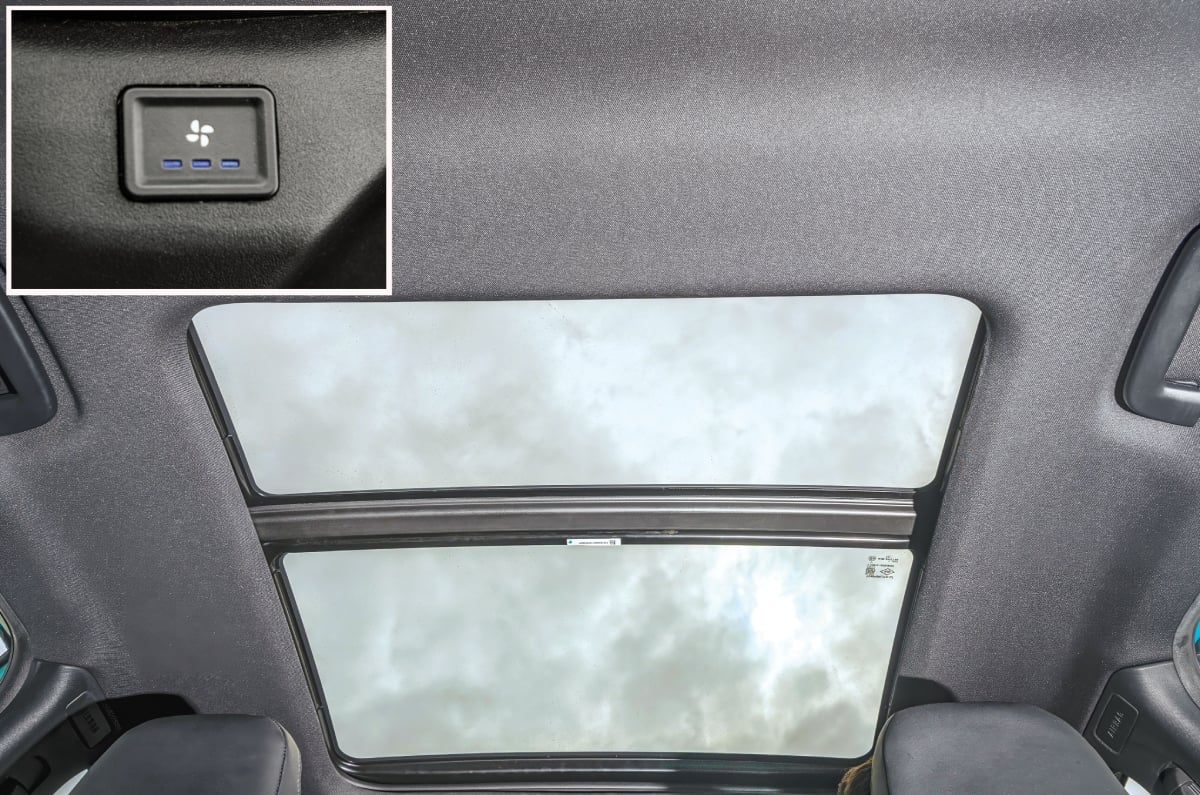
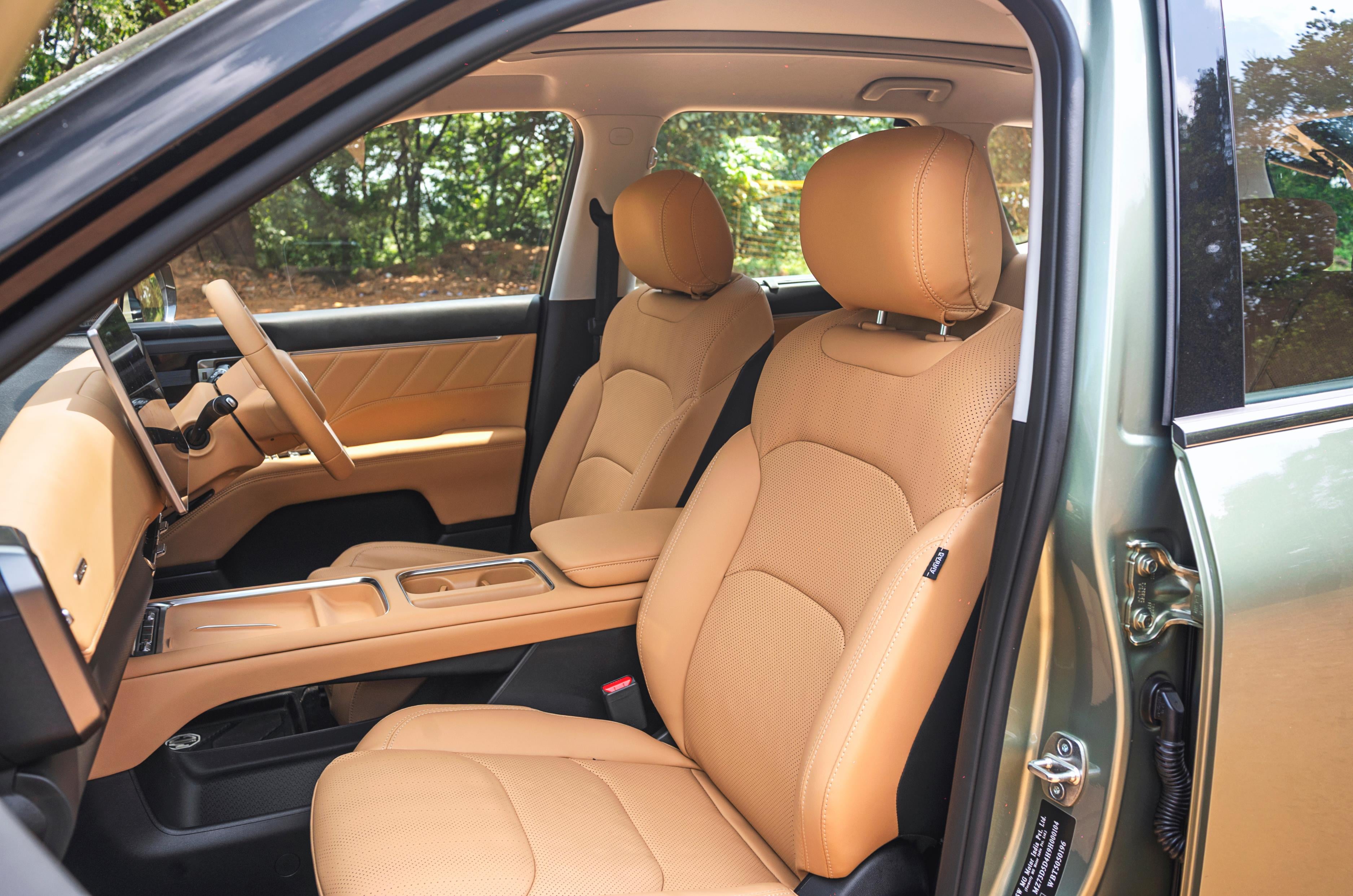
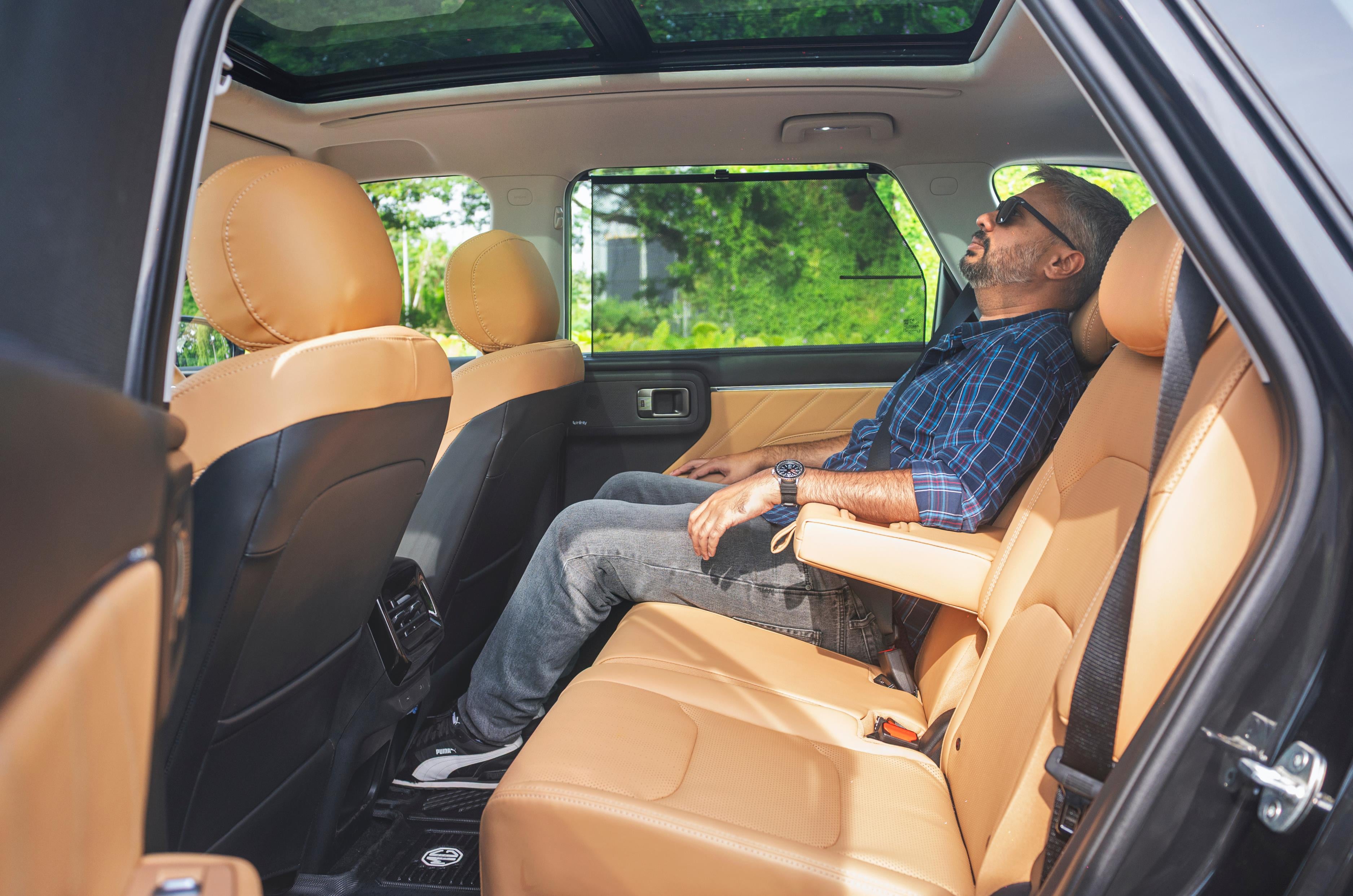
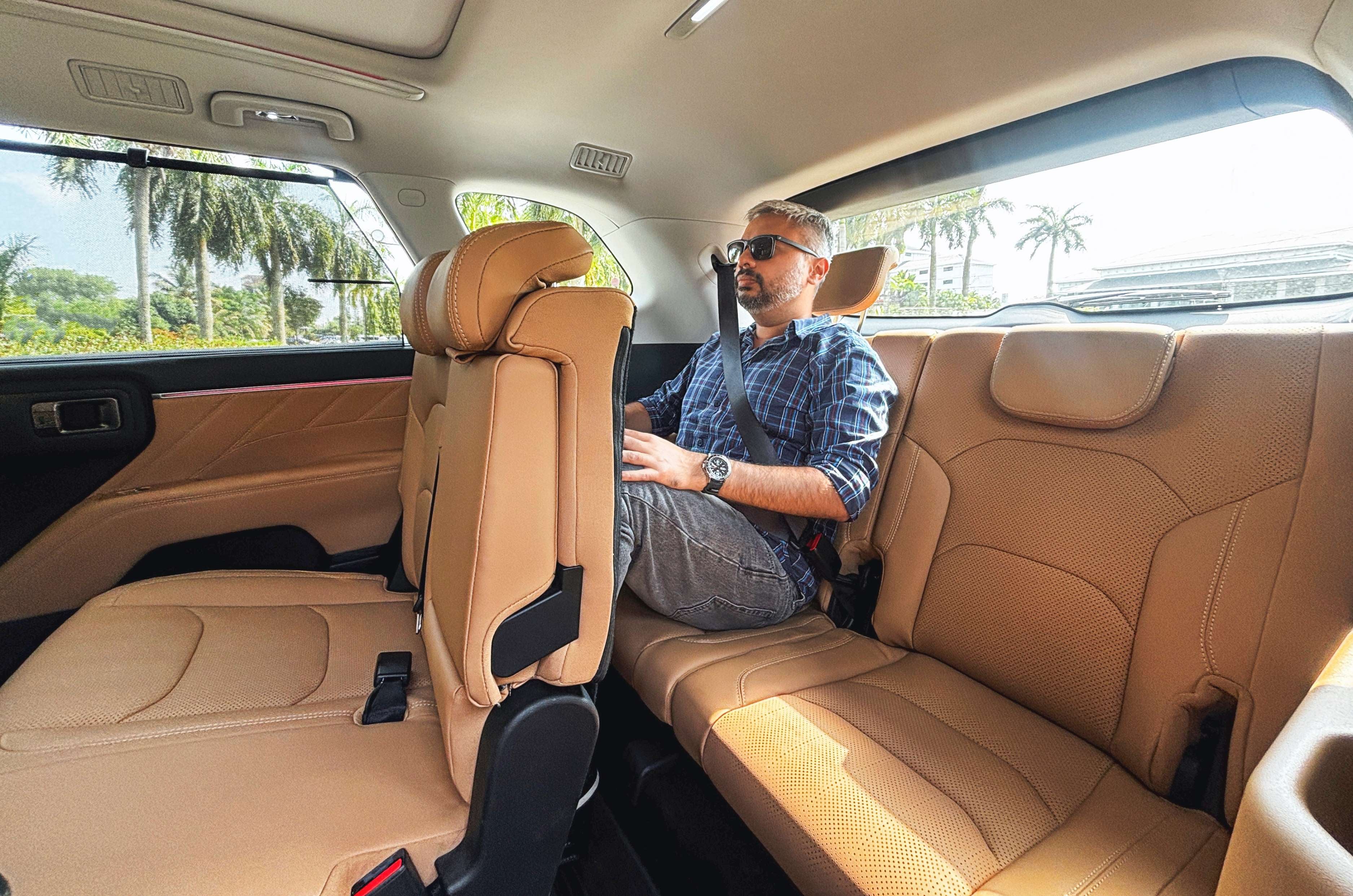
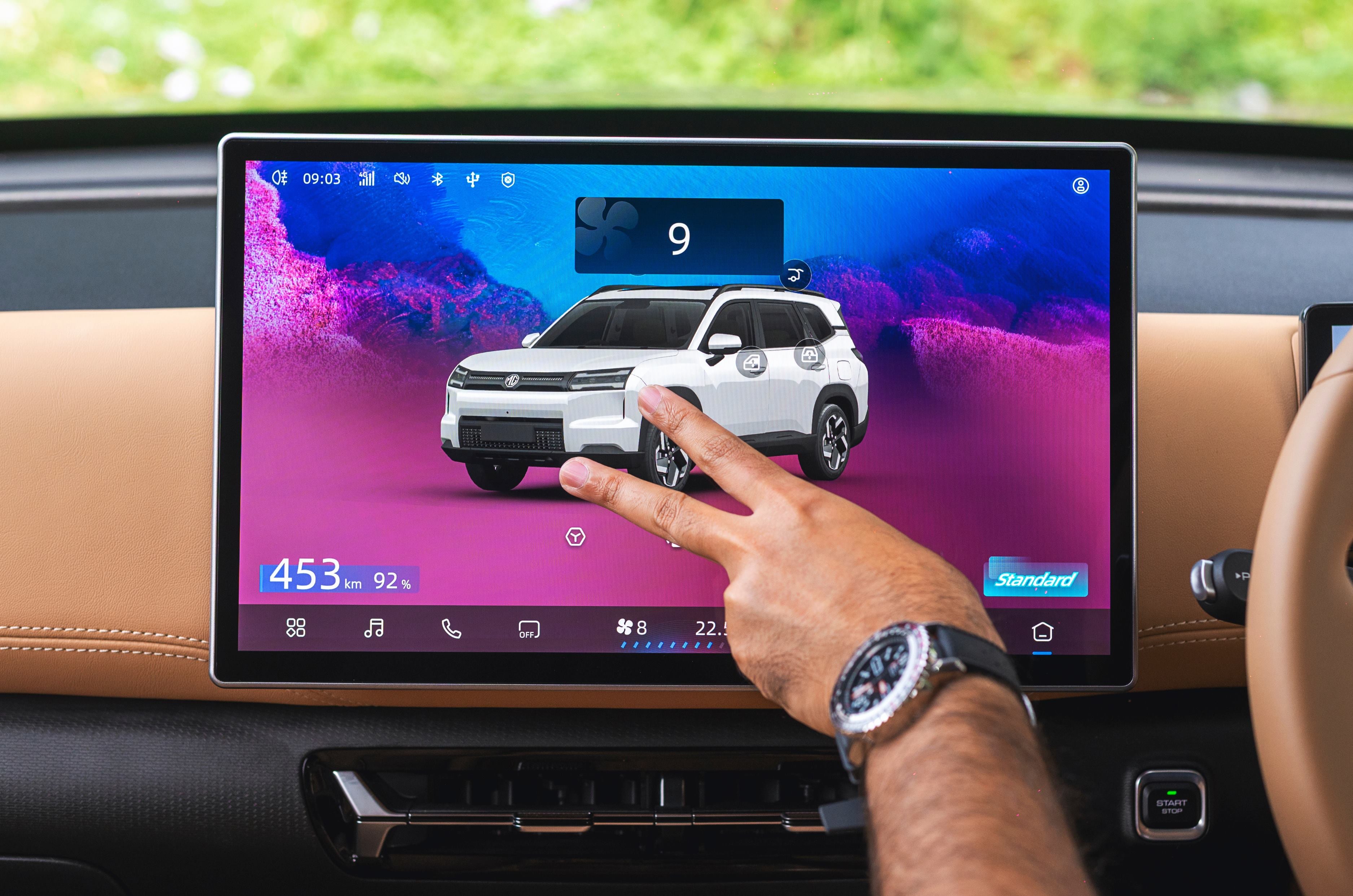
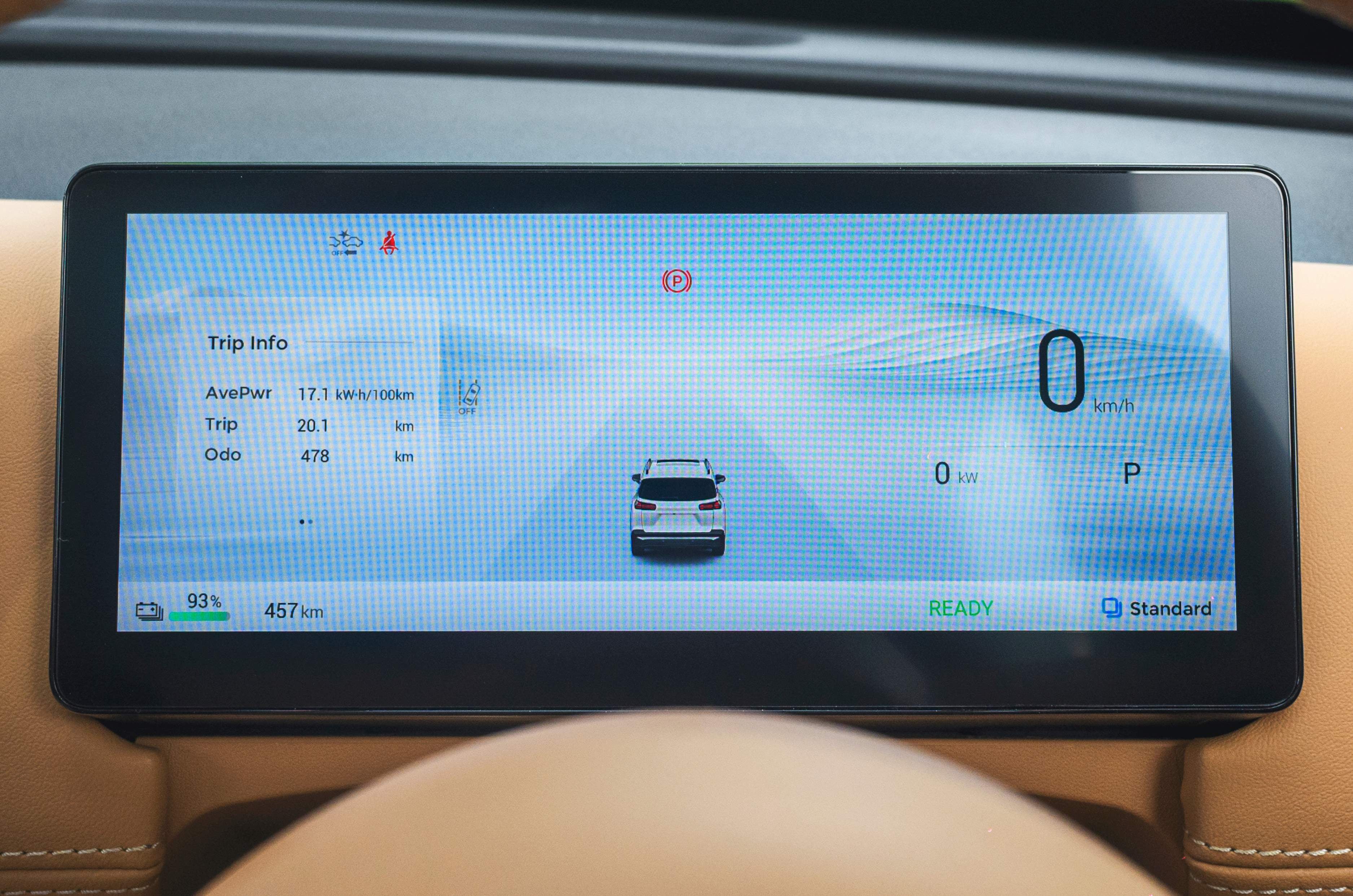
Inside, the SUV is expected to feature a minimalist dashboard with an 8.8-inch digital instrument cluster and a 12.8-inch touchscreen infotainment system. Other expected features include a panoramic sunroof, powered and ventilated front seats, a 50W wireless phone charger, a 6-speaker sound system and automatic climate control with rear AC vents.

The safety suite could have 6 airbags as standard, a tyre-pressure monitoring system (TPMS), hill-hold assist, an electronic parking brake, a rear parking camera with sensors and advanced driver assistance systems (ADAS).

Powertrains and platform

Wuling Starlight PHEV. Image used for representative purposes only. 

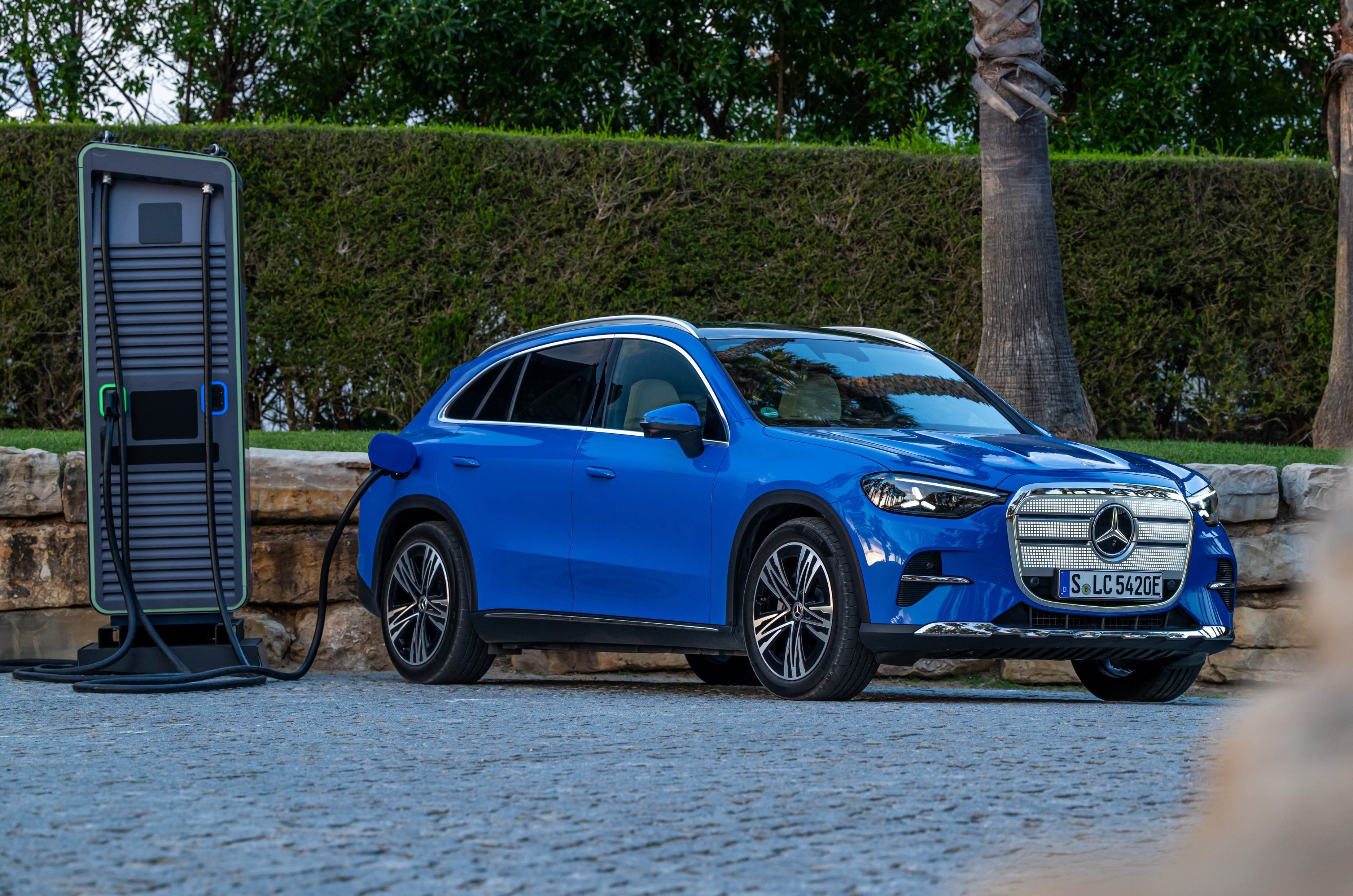
The EV version is expected to get a 69.2kWh battery pack paired with a 201hp, 310Nm front-mounted electric motor, offering a CLTC-claimed range of 530km. The PHEV version is expected to combine a 1.5-litre petrol engine with a 20.5kWh battery pack and an electric motor, offering a total output of 195hp and 230Nm and an all-electric range of 125km.

Strong hybrid powertrain based on ADAPT

The Hector Hawk will be the first model in India based on MG’s ADAPT platform, which supports battery electric, plug-in hybrid, range-extender and strong-hybrid powertrains. JSW MG has confirmed that it will initially focus on EVs and PHEVs.

In MG’s India lineup, the Hector Hawk is expected to be positioned above the current Hector. The EV version is likely to rival the Mahindra XEV 9S, while the PHEV is expected to take on the Mahindra XUV 7XO and Tata Safari.

3 reasons to buy the Mahindra Scorpio Classic, 2 reasons not to

Mahindra Scorpio Classic

When the Scorpio N went on sale in 2022 as the second generation of the Scorpio nameplate, Mahindra did not retire its predecessor. Instead, Mahindra updated the prior-gen model on many fronts and rebranded it the Scorpio Classic, which serves as a tougher, no-frills alternative to the Scorpio N. If you’re confused about which Scorpio to go for, we’ve assembled a list of the Classic’s notable strengths and weaknesses to help you decide.

Pros

Refined engine

Throttle responses are also sharp

Among the key changes to the Scorpio Classic is the usage of a newer 2.2-litre diesel engine that churns out 130hp and 300Nm, and is mated solely to a 6-speed manual gearbox. As noted in our Scorpio Classic review, this engine is quite silent and transmits barely any vibrations to the cabin. The gearbox is also cable-operated for better sound insulation.
It also goes without saying that the Scorpio Classic feels punchy to drive, with most of the diesel engine’s torque flowing in from as low as 1,000rpm. In fact, the SUV can feel a bit too eager to cover ground, even in third gear. All told, you’re unlikely to find complaints with the Scorpio N’s ability to perform quick overtakes.

Amazing sense of space

Light colour scheme and big windows majorly contribute

Haul yourself up into the Scorpio Classic’s cabin and you’ll be pleased with the simplicity on offer. The old-school dashboard design, with its mostly flat top and limited distractions, along with the beige colour scheme and large glass area, makes for a great all-around view to the outside and a generous sense of space.

This is further enhanced by the high-set driver’s seat, which allows you to surveil the road ahead with ease. The throne-like front seats are immensely comfortable for long-distance cruising too, and get individual armrests.

Sails over rough roads

Great for rural areas

In line with its reputation, the Scorpio Classic is a champ over bad roads. Thanks to its chunky tyres and body-on-frame chassis, the Scorpio Classic simply glides across rough patches, making the Scorpio Classic a suitable choice for buyers in rural areas.

Cons

Bouncy ride quality

Leans a lot during high-speed cornering too

While the Scorpio Classic excels over the rough stuff, it isn’t all that comfortable over flat roads with cracks and potholes. Occupants are tossed around both vertically and horizontally, and while cornering, the Scorpio Classic exhibits quite a lot of body roll on account of its tall height and narrow wheel tracks.

Ergonomic flaws

Lacks some convenience-enhancing features too

For all the sense of space it offers, the Scorpio Classic’s cabin has its ergonomic foibles. There are no bottle holders in the front door pockets, the cavity to access the seat height adjustment is extremely narrow, and the rear seat squab is too long for short passengers. The Scorpio Classic also misses out on useful features like Apple CarPlay and Android Auto connectivity, and rear USB ports.

3 reasons to buy the new Toyota Hilux, 2 reasons not to

Toyota Hilux 2026

The ninth-gen Toyota Hilux has gone on sale in India at a starting price of Rs 31.99 lakh (ex-showroom). It uses the same body-on-frame IMV platform as its predecessor, but features major styling revisions inside and out. Now that we’ve reviewed the new Hilux, here are three reasons why you should bring one home, and two reasons why you may want to think twice.

Pros

Punchy engine

Retains prior Hilux’s 204hp 2.8-litre diesel mill

Under the bonnet, the ninth-gen Hilux carries forward its predecessor’s 2.8-litre 4-cylinder diesel engine, outputting an identical 204hp and 500Nm. This engine is mated solely to a 6-speed torque converter automatic transmission, and we found this combination to work very well in the new Hilux.

Performance feels strong, especially in the lower bounds of the rev range, and it’s easy to keep momentum, even when driving off-road. The gearbox shifts smoothly and quickly, regardless of whether you leave it to its own devices or feed inputs via the gear lever.

Thanks to the stiffened chassis and improved insulation, refinement is excellent at normal driving speeds, with little to no vibrations felt in the cabin. However, the engine tends to get vocal at higher revs.
Excellent off-road capability

Can take any off-road trail you point it towards

Off-road prowess is a core tenet of the Hilux, and the ninth-gen model does not disappoint on this front. The suspension setup comprises independent double wishbones and coil springs up front, and a rigid axle with leaf springs at the rear. 4×2 is offered in the base variant only, with all other Hilux variants packing 4×4.

Large rocks, deep potholes, and sharp-edged sections are gobbled up by the Hilux, and it felt confident and sure-footed through a forest trail littered with loose rocks. The Hilux handled most of the trail we drove on in 4×2 mode, and the more extreme bits that required 4×4 were also a cakewalk for the pickup truck.

Lots of cargo space

Estimated payload capacity of 470kg

Being a pickup truck, the Hilux obviously has a large open bed behind the passenger compartment. Though Toyota has yet to disclose the bed’s payload capacity, we expect it to match the prior Hilux’s 470kg figure. The bed is big enough to stow camping gear and a decent amount of luggage. Integrated steps on the sides and rear make loading and unloading easier too.

Cons

Misses out on numerous features

360-degree camera’s image quality is also poor

The India-spec ninth-gen Hilux is not very well-specced. Even in the top-spec Hilux VX 4×4 AT variant, which costs Rs 36.69 lakh (ex-showroom), comfort and convenience features like automatic climate control, powered and ventilated front seats, a rear defogger, ADAS, leatherette upholstery, and the like are missing.

While you do get feature upgrades like a 12.3-inch infotainment touchscreen and a 360-degree camera in the new Hilux, the former’s software interface looks quite dated and the latter’s resolution is poor.

Bouncy low-speed ride

Tends to skip over road imperfections when bed is empty

Though the Hilux rides deftly on broken roads, off-road trails, and at high speeds, it feels unsettled and skittish over smaller ruts and bumps. This is a consequence of the rigid rear axle, which tends to skip over surface undulations, especially when the bed is empty. Adding weight to the bed will improve the Hilux’s low-speed ride to an extent, but not enough to be comparable to an equivalent SUV. It also doesn’t help that the electric power steering is hefty at low speeds, and the Hilux’s 5.3-metre length makes low-speed manoeuvres feel daunting.

Lamborghini Huracan Sterrato driven at Nanoli Speedway before the tarmac arrives

Lamborghini Huracan Sterrato rear quarter tracking

Somewhere in the folds of the Western Ghats, where the Mumbai-Pune Expressway peels off from Lonavala into quieter country, a piece of land is being reshaped into what will, by this time next year, become Maharashtra’s first race track. Except to call it just a race track undersells the ambition entirely. What is rising here, on the grounds of the Nanoli Stud Farm, is a race resort, where cars are not just driven or raced, but lived with.

The Dhunjibhoy family has owned this land for decades, ever since the Nanoli Stud and Agricultural Farm was set up in the early 1990s. Khushroo Dhunjibhoy has spent a lifetime around shipping and thoroughbreds, and it is that same instinct for breeding something exceptional that he and his son, Zahir, have turned toward motorsport.

Aerial view of Nanoli before the tarmac is laid. This 3km circuit will be Maharashtra’s first and a haven for enthusiasts in western India.

Their plan is not a bare circuit with a pit lane bolted on. It is villas, high-end rooms and a clubhouse built into the same grounds as the horses. There will also be a 100-car garage with humidity control to protect exotic machinery from the heat, sun, dust and monsoons. The paddock and pit buildings will be state-of-the-art, with a hospitality deck that gives you a bird’s-eye view of nearly half the circuit. The circuit itself, designed to FIA Grade 3 specs by Driven International out of the UK, will eventually stretch close to three kilometres, with the option to split into shorter east and west configurations, depending on what the day calls for.

None of that exists yet in finished form. What does exist, right now, is the base layer. The dirt has been laid and compacted to a finish so smooth, it could pass for a rally special stage, which is roughly how we decided to treat it.

The obvious car for an afternoon like this would have been something with four-wheel drive and a reassuring amount of ground clearance. Something like an Urus or an RS Q8 – the kind of SUV that turns loose surfaces into a non-event. But ‘obvious’ has never made for a good story. So instead, we brought a Lamborghini Sterrato, which is, in essence, a Huracán that someone at Sant’Agata decided should grow up into a WRC car.

Before the tarmac arrives, the Sterrato enjoys Nanoli in its rawest form, with the future pit and hospitality complex taking shape behind it.

The Sterrato is not a styling exercise with some plastic cladding glued on. Lamborghini jacked the ride height by 44mm, fitted bespoke Bridgestone all-terrain rubber wrapped around 19-inch wheels, widened the front and rear tracks, and reworked the all-wheel-drive system and suspension geometry so the car can absorb a rutted surface without snapping its splitter off in the first hundred metres. Underneath sits the same naturally aspirated 5.2-litre V10 found in the rest of the Huracán range, here tuned to 610hp, still screaming to over 8,000rpm with no turbos to soften the theatre. Only 1,499 Sterratos were built before Lamborghini closed the production run, and of those, 15 made their way to India.

The example driven here belongs to Dinesh Thakkar, who was not only generous enough to hand over the key for a day, but also had the distinction of setting what can be considered the first recorded lap at Nanoli Speedway. 

His time of 2m34.80sec won’t be the quickest, but it’s a significant milestone for a circuit that is yet to officially open.

Mechanically, the Sterrato retains the naturally aspirated 5.2-litre V10, producing 610hp and driving all four wheels through a dual-clutch transmission. On paper, it remains very much a Huracán. In practice, the changes in character are immediately evident.

On the compacted dirt, the first impression is one of adaptability. Turn-in is not as immediate as it would be on tarmac, but the front axle bites with a reassuring consistency. The real shift comes under power. Where a standard Huracán demands restraint, the Sterrato encourages exploration.

The recalibrated driving modes, particularly Rally mode, allow for controlled slip. The rear steps out progressively, and crucially, predictably. There is a fluidity to the way the car moves, a willingness to rotate that transforms the experience. It is less about outright speed and more about managing balance.

5.2-litre V10 a nod to the best of internal combustion.

The additional suspension travel plays a defining role. Over the subtle undulations of the track, the car remains composed, absorbing variations in the surface without unsettling the chassis. It allows you to commit earlier, carry speed through sections that would otherwise require caution, and rely on the car to work with the terrain rather than against it.

The V10 is natural aspiration at its best. It sounds absolutely brilliant; the sharp throttle response allows you to precisely meter every one of those 610 horses, and every tap of the throttle feels utterly engaging. Under the sonorous wail of the V10 is the muted rattle of gravel ricocheting off the underbody, giving the full effect of a WRC car.

For Thakkar, setting that first lap was less about outright pace and more about being part of something that will only happen once. Once the tarmac goes down, no one will ever again get to slide a supercar through Nanoli’s corners on loose dirt. That window closes the day the asphalt trucks arrive, which made every lap feel like it mattered a little more than it should have for what was, on paper, just a test session on an unfinished track.

Sterrato owner Dinesh Thakkar is all smiles after a memorable day.

What Nanoli represents, once finished, goes well beyond a fun afternoon for a few car nuts and a Lamborghini. Mumbai’s supercar owners have long had money and machinery with nowhere proper to use either. The city’s roads are hostile to anything with a low chin, and Pune offers little better. A circuit within striking distance of both cities, built to international standards and backed by a family that clearly does not believe in doing things by half measures, could genuinely change how western India’s car culture behaves. This is not simply about building a track. It is about creating an ecosystem. The members-only model ensures exclusivity, but also fosters a focused community. For enthusiasts in Mumbai and Pune, long constrained by infrastructure, this represents a fundamental shift. It’s a controlled environment where cars can be driven to the max without fear of speed cameras or speed breakers.

The tarmac will come soon enough, and Nanoli will become a proper circuit with lap times and lap records and all the polish that comes with a finished facility. But for one afternoon, before any of that, it was just a dirt track, a Sterrato V10, and the kind of first lap that only ever happens once.

3 reasons to buy the Hyundai i20 and 2 to skip it

i20

The Hyundai i20 has long been one of the benchmarks in the premium hatchback segment. Along with a spacious cabin, comfortable ride and a feature-rich interior, it offers buyers a choice of manual and automatic transmissions, while those seeking more performance can opt for the sportier i20 N Line. However, its premium pricing (Rs 6 lakh to Rs 11.59 lakh) means it faces stiff competition from both premium hatchbacks and similarly priced compact SUVs. Here’s a look at the Hyundai i20’s biggest strengths and weaknesses.

Pros

1. Spacious and comfortable cabin

One of the i20’s biggest strengths is its cabin. It offers generous rear-seat space for a premium hatchback, with enough legroom and headroom to comfortably accommodate taller passengers. The front seats are supportive, the dashboard layout is intuitive, and the cabin feels airy thanks to its low-set dashboard. Practicality is another strong point, with a 311-litre boot that’s well suited to everyday use and weekend trips.

2. Well-equipped across the range

The i20 continues to offer one of the strongest feature lists in its class. Higher variants come with a 10.25-inch touchscreen infotainment system, a digital instrument cluster, connected car technology, a Bose sound system, wireless phone charging, automatic climate control, a sunroof and ambient lighting. Safety equipment is equally comprehensive, with six airbags, electronic stability control (ESC), a tyre-pressure monitoring system (TPMS) and Isofix child-seat mounts available on higher trims.

3. Comfortable ride and refined road manners

The i20 is tuned with comfort in mind. Its suspension absorbs broken roads well without feeling unsettled, while the light steering makes it easy to manoeuvre in the city. On the highway, the hatchback feels stable and composed, giving it a more mature driving experience than many of its rivals. Overall, it strikes a good balance between everyday comfort and confident handling.

Cons

1. Expensive for its segment

The i20 is among the most expensive premium hatchbacks on sale. While its cabin quality, comfort and equipment help justify the asking price, buyers shopping in this price bracket also have the option of several compact SUVs, which offer greater ground clearance and a stronger road presence for similar money.

2. The 1.2-litre petrol engine isn’t particularly peppy

Hyundai 1.2 Kappa engine. 

The naturally aspirated 1.2-litre petrol engine is smooth and refined, but it isn’t particularly strong at lower engine speeds. It often requires downshifts to gather pace in stop-start traffic or during overtaking manoeuvres, making it feel less effortless than some turbo-petrol rivals. Buyers looking for stronger performance may find the standard i20’s engine lacking. The i20 does come with a punchier 1.0-litre turbo-petrol engine on the N Line variants but for a much higher asking price.

Hyundai to launch Bayon-based midsize SUV this festive season

Hyundai Bayon based SUV

Tarun Garg, MD and CEO of Hyundai India, confirmed on the company’s Q1 FY27 earnings call that the brand will launch a new mid-size SUV during the festive season. Following this, the brand will also launch a new compact electric SUV within this fiscal year.

  1. New mid-size SUV likely to offer an underbody-mounted CNG kit.
  2. Compact electric SUV to sit on a new architecture and utilise Exide batteries.

New Hyundai mid-size SUV: What do we know so far?

To sit below the Creta and likely offer petrol and CNG powertrains 

Before the next-generation Creta debuts in 2027, Hyundai will introduce another product in the mid-size SUV space during the festive season to strengthen its presence. This SUV (codename: Bc4i) will utilise the Bayon crossover’s platform that’s sold abroad. It will measure around 4.18 metres in length, suggesting that it would be positioned below the Creta.

Heavily camouflaged mules of this mid-size SUV have been spied abroad and on our roads, giving a glimpse of what it could look like. Prototypes were spotted with a crossover-esque design, roof rails, dual-tone alloys, split lamp design, rising windowline and all-wheel disc brakes. While the interior has not been spied yet, Hyundai is likely to load it up with features and advanced driver assistance systems (ADAS).

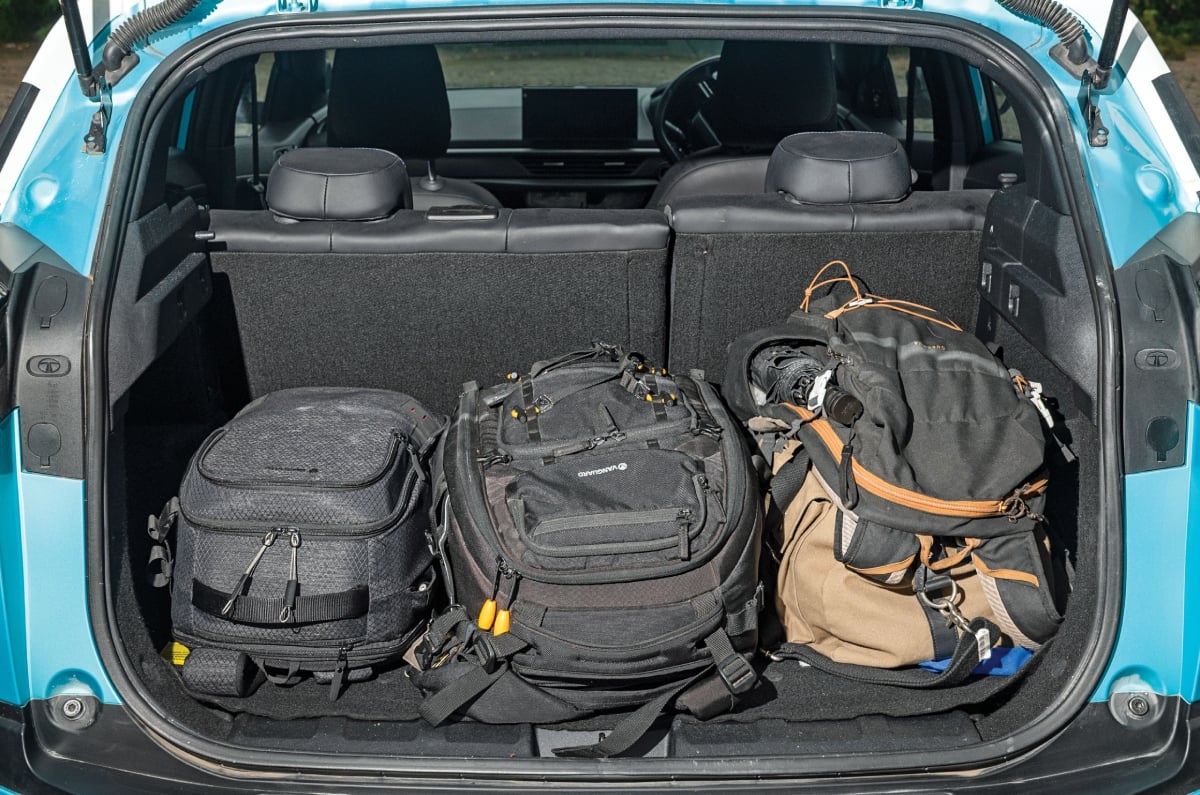
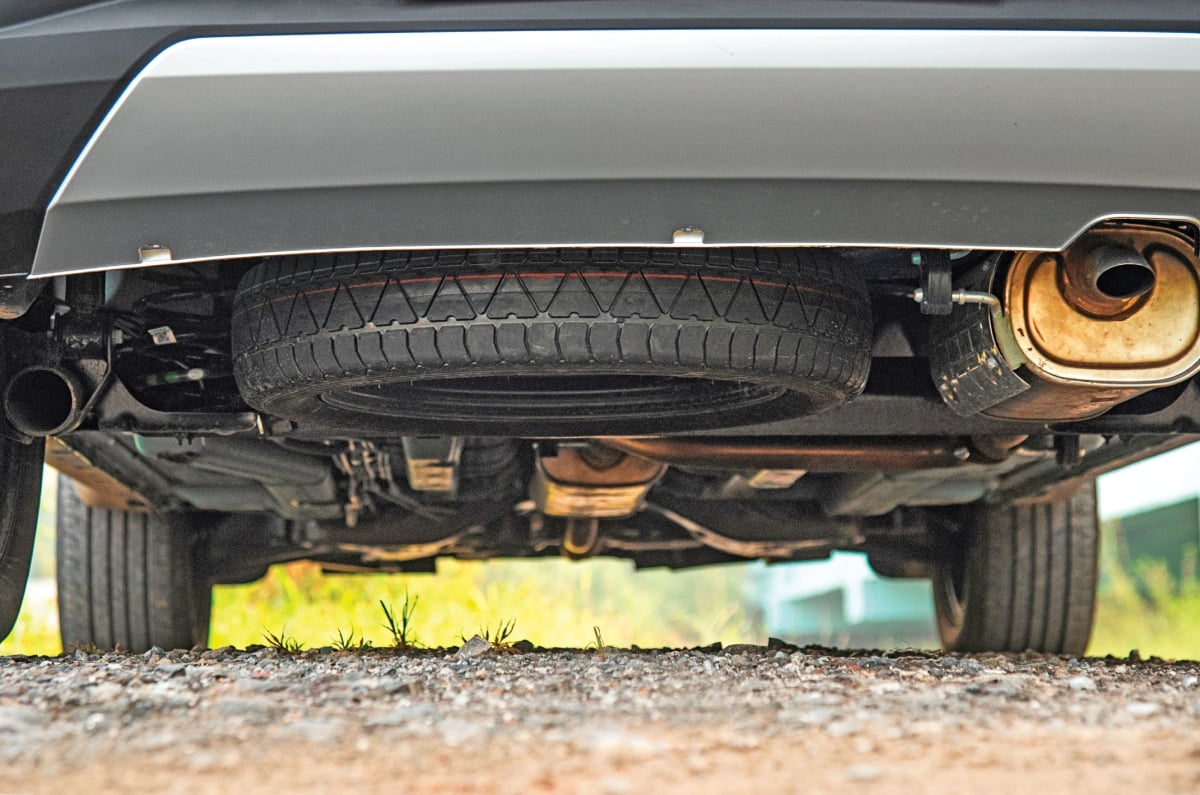
The model will be powered by a 1.5-litre naturally aspirated engine, our sources indicate. This engine already powers the Creta and can be paired with either a manual or CVT gearbox. Additionally, Hyundai is expected to pair a CNG kit with this engine, making it the first CNG-powered model above 4 metres in its lineup. The kit would be fitted to its underbody, like the Maruti Victoris, but also have a spare wheel, unlike the Maruti.

With a second contender in the mid-size SUV segment, Hyundai is taking a similar approach to Maruti Suzuki, which has the Victoris and Grand Vitara in this space. While this SUV will come with economical powertrains and occupy the lower rung, the new-gen Creta sitting above it will come with wider powertrain options, including a hybrid. 

New Hyundai compact electric SUV: What to expect?

Expected to rival the likes of the Kia Syros EV, Tata Nexon EV, and Mahindra XUV 3XO EV

Hyundai Inster used for representation

Following the mid-size SUVs’ launch, Hyundai will also introduce a challenger in the growing compact electric SUV space. The arrival of this SUV was first announced back in 2025, when the carmaker stated that it would be localised and “designed, engineered and built in India for Indian customers.”

During the earnings call, the brand confirmed that the EV would be built on a new architecture rather than being an EV counterpart of the Venue. Codenamed HE1i, it is expected to sit on the E-GMP (K) platform, which is also utilised by the Inster sold abroad. It will be produced at the carmaker’s Sriperumbudur facility in Tamil Nadu and use localised batteries from Exide. The eSUV will be offered in standard range and long range versions. While specifications are yet to be confirmed for this model, for reference, the Euro-spec Inster is offered with 42kWh (standard range) and 49kWh (long range) battery packs with WLTP ranges of 300km and 355km respectively.

With inputs from Mugdha Mishra

JSW Motors’ Chery iCar V23-based electric SUV to offer AWD

Chery iCar V23

JSW Motors’ third model, an electric SUV based on the Chery iCar V23, is expected to be sold with a dual-motor all-wheel drive powertrain in India, per our sources. This EV will be the first mass-market electric off-roader in India, and its closest rival will be the Mahindra Thar Roxx, which is ICE-powered, but also a 5-door off-road-focused SUV. We even reported previously that JSW’s iCar V23-based EV may be priced under Rs 20 lakh (ex-showroom).

JSW Motors’ iCar V23-based electric SUV: Powertrain

In global markets, the dual-motor AWD version of the iCar V23 packs an 81.76kWh NMC battery pack with an NEDC-certified range of 430km. Combined output is pegged at 211hp and 292Nm, which makes for a rather brisk 0-100kph time of 7.5 seconds (claimed). Top speed is rated at 140kph. The global-spec iCar V23 also supports up to 6.6kW AC and 104kW DC charging speeds.

JSW Motors’ iCar V23-based electric SUV: Exterior and interior

Credit: @torqueculturee via Instagram

Test mules of JSW’s iCar V23-based EV have been spotted on Indian roads on several occasions, hinting at a very similar design to that of the global model. For reference, the global-spec iCar V23 measures 4,220mm in length, 1,915mm in width, and 1,845mm in height, with a wheelbase of 2,735mm. It also has an unladen ground clearance of 210mm.

Size-wise, then, the iCar V23 slots between the Maruti Jimny and Thar Roxx. Styling highlights for the iCar V23 include butch and boxy proportions, muscular bumpers, flared and squared-off fenders, 21-inch alloy wheels, circular LED headlamps, low-set rectangular tail-lamps, and a bootlid-mounted spare wheel.

Inside, the iCar V23 sports a minimalist dashboard layout, comprising a massive 15.4-inch infotainment touchscreen, a three-spoke steering wheel, and two rows of physical controls on the centre console. As for features, the global-spec iCar V23 packs wireless Apple CarPlay and Android Auto, a 540-degree camera, six drive modes, ADAS, powered and ventilated front seats, V2L functionality, a digital key, a 7-speaker sound system, and more.

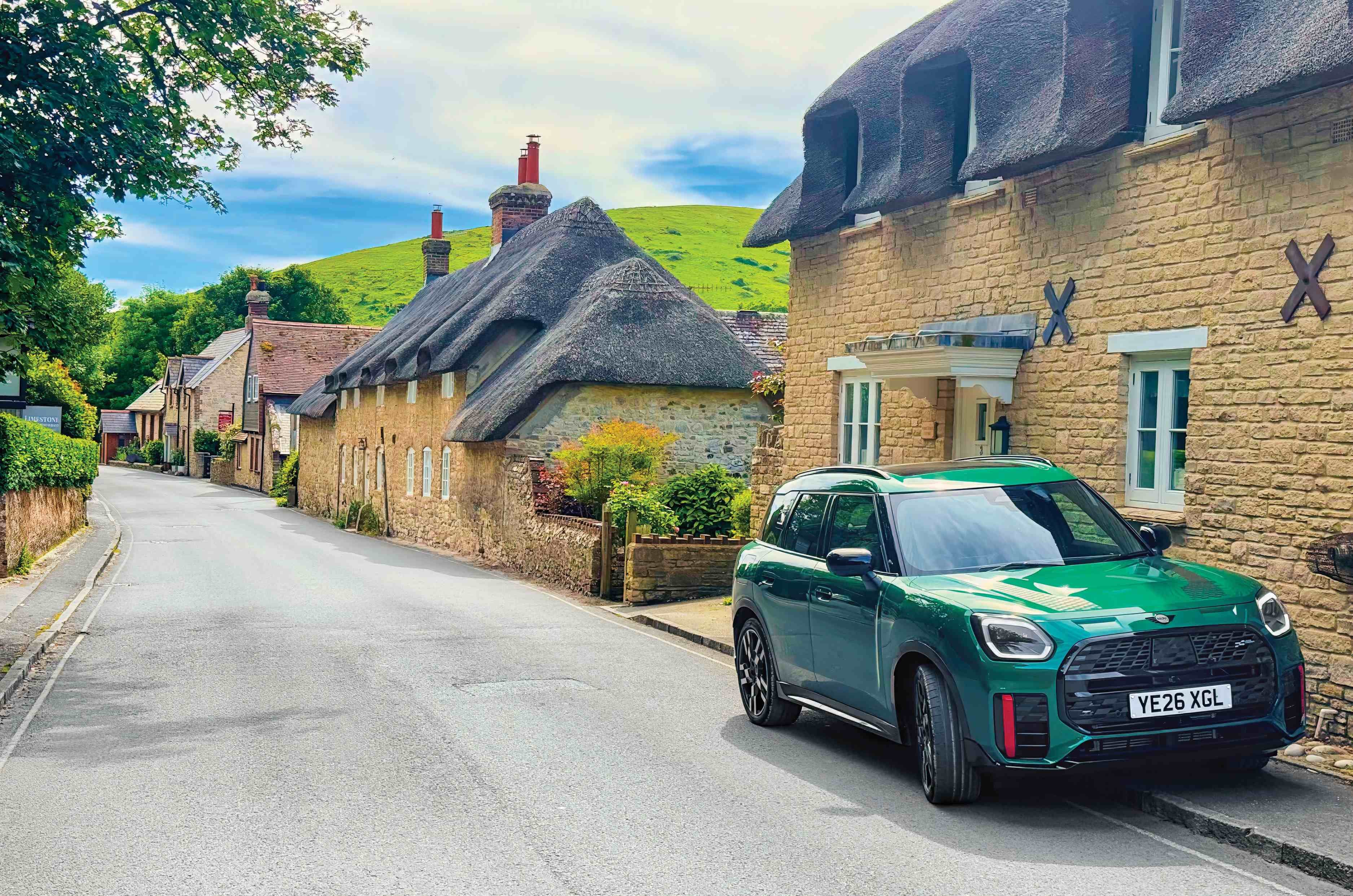
Mini previews rugged Countryman derivative ahead of October debut

Countryman

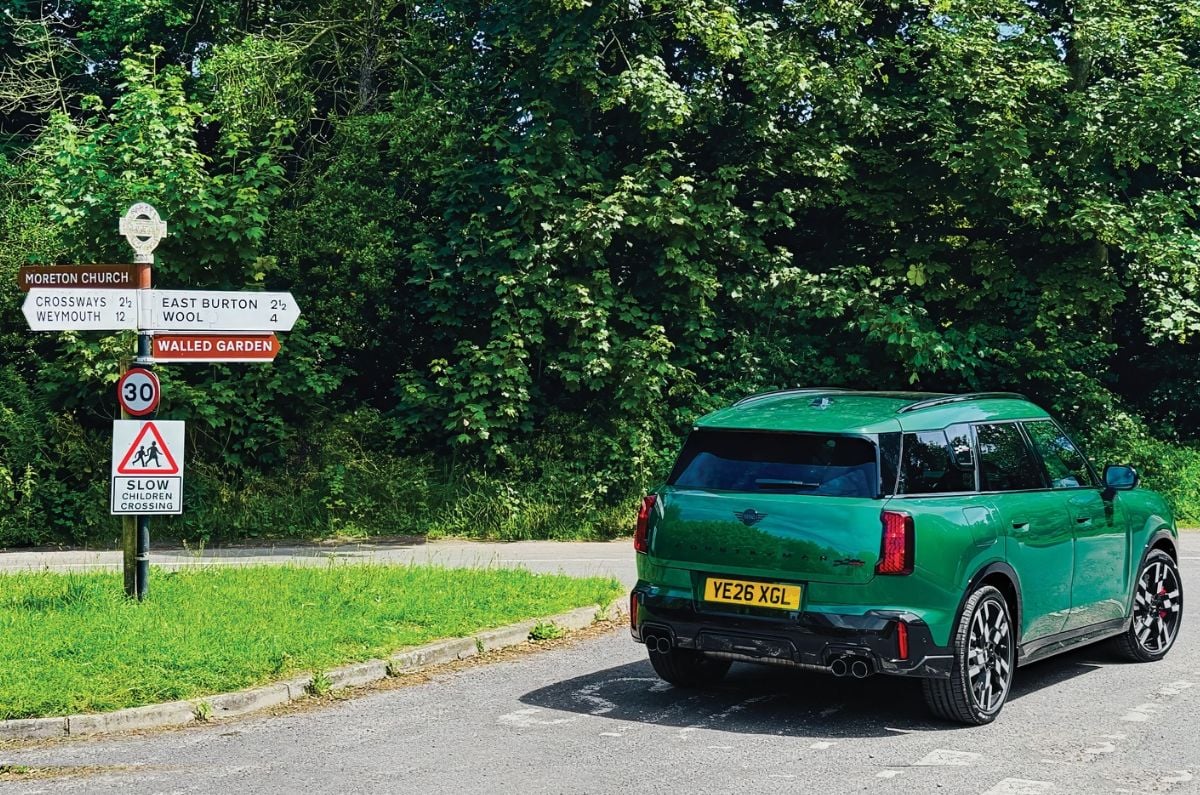
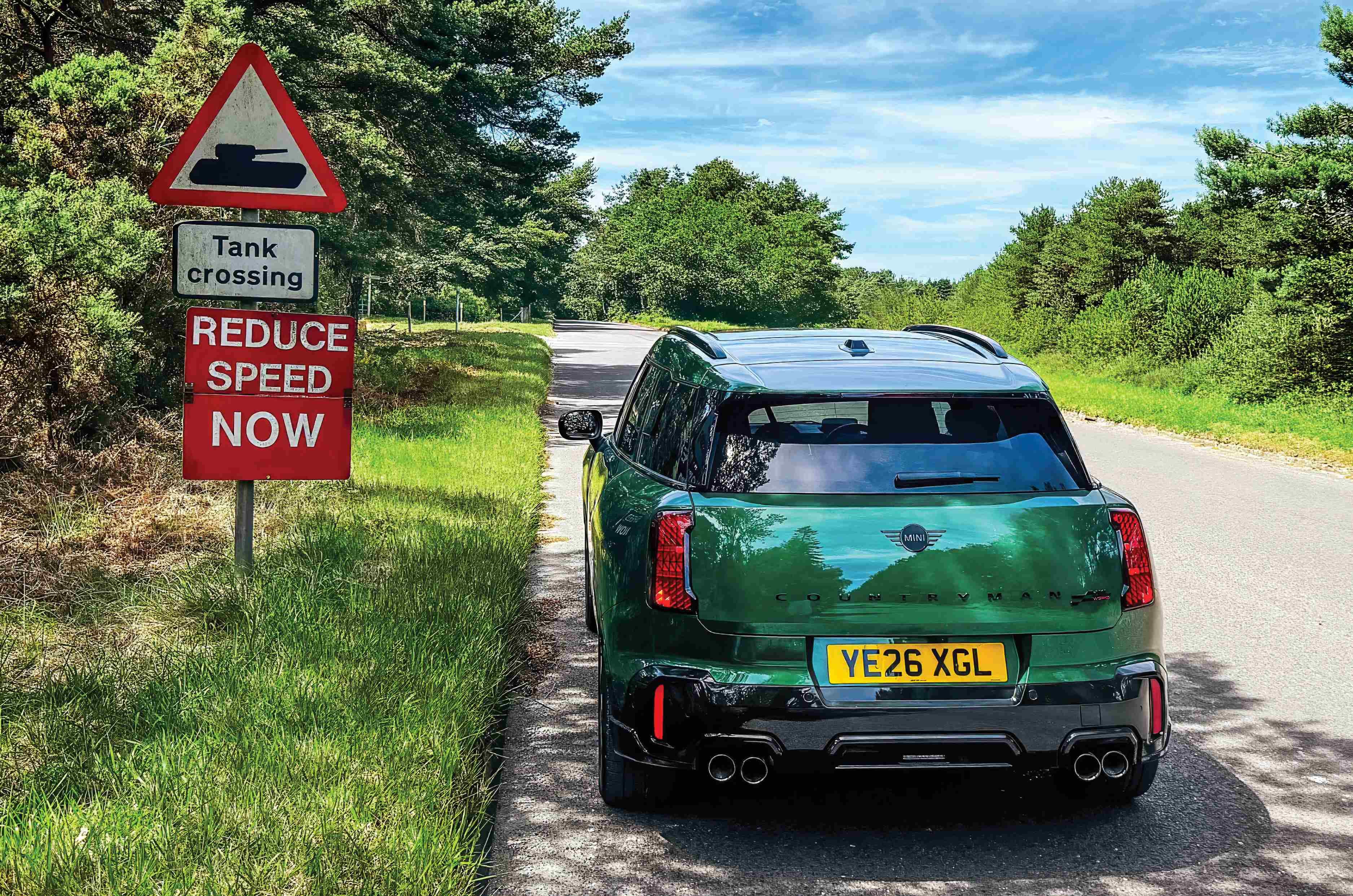
Mini has previewed a new off-road-inspired version of the Countryman, which is set to make its full debut in October. Revealed as a prototype, the new derivative gets suspension and styling changes aimed at improving its ability away from paved roads, and forms part of the brand’s strategy to broaden its range with more lifestyle-focused special editions.

  1. Production version to be unveiled in October
  2. Part of Mini’s strategy to expand its range of special editions

Prototype hints at off-road-focused updates

The prototype features a raised suspension, chunky off-road tyres and a roof-mounted tent, underlining its outdoor-focused positioning. Mini has released images of the vehicle testing in Colorado’s Rocky Mountain National Park, where rugged versions of family SUVs have become increasingly popular.

Mini boss Jean-Philippe Parain said the company is “just one step away” from unveiling the production version, which is scheduled to debut in October.

Inspired by outdoor lifestyle trend

According to Mini design chief Holger Hampf, the new Countryman derivative reflects growing demand for vehicles suited to outdoor activities and weekend adventures. He also indicated that the production model will draw inspiration from the Vagabund concepts revealed earlier this year, which reimagined the Countryman with an off-road theme.

The new derivative is also part of Mini’s broader plan to introduce more special editions and offer greater scope for customisation through collaborations and lifestyle-focused variants.

The current Mini Countryman is offered with two petrol engine options in India. The Countryman C is powered by a 1.5-litre, three-cylinder turbo-petrol engine producing 156hp and 240Nm, paired with a 7-speed dual-clutch automatic gearbox driving the front wheels. Above it sits the Countryman JCW All4, which gets a 2.0-litre, four-cylinder turbo-petrol engine developing 300hp and 400Nm, mated to a 7-speed dual-clutch automatic transmission and an all-wheel-drive system. The JCW is capable of sprinting from 0-100kph in a claimed 5.4 seconds.

E20 Janta Party campaign demands choice of ethanol-free petrol

fuel dispensers

Not long after the success of the Cockroach Janta Party’s (CJP) protests, a new social media-led campaign calling itself the E20 Janta Party has cropped up. It demands that Indian vehicle owners be given the option to purchase ethanol-free petrol alongside E20 fuel, as well as the resignation of Union Road Transport and Highways Minister Nitin Gadkari, who is a major proponent of the government’s ethanol blending policy.

For context, the E20 rollout started in April 2025, and it was mandated as the baseline petrol blend exactly one year later – all in an effort to reduce dependence on crude oil imports. This is despite the fact that E20 compliance was mandated in April 2023 as part of the BS6 Phase 2 emission norms, which means a hefty chunk of vehicles plying on Indian roads are not E20-compliant.

E20 Janta Party wants more transparency and options for fuel

No demands for E20 to be discontinued

Inspired by the CJP’s satirical, meme-driven approach, E20 Janta Party declared itself as a consumer rights movement that is not seeking the withdrawal of E20 petrol, but instead greater transparency and freedom of choice at fuel stations. Although ethanol-free fuel has been available in the form of 100-octane premium petrol (XP100, Speed100, and Power100), it’s sold only at select fuel stations and costs significantly more than standard E20, limiting its feasibility for most motorists.

“Our demand is very clear. E20 Janta Party is a people-powered movement demanding transparency, accountability, and the right of every Indian to know how the E20 policy affects their vehicles, wallets, and consumer rights,” the group said in a social media post. The campaign even referenced CJP’s initial call to mobilisation with a post stating, “What if all bike/car owners come together?”

The E20 Janta Party says it is not opposed to ethanol blending, nor is it asking for subsidies or free fuel. Instead, it wants fuel stations to offer consumers the choice between unblended petrol and ethanol-blended fuel. E20 Janta Party is also demanding transparent fuel labelling, publication of government data on the costs and benefits of different fuel blends, and independent scientific studies into mileage, engine performance, emissions, and maintenance costs, with the findings made publicly available.

Support pouring in for E20 Janta Party

At the time of writing, E20 Janta Party’s Twitter and Instagram accounts have attracted over 31,000 followers cumulatively, and the campaign has even begun attracting support beyond social media. Political commentator Tehseen Poonawalla announced a “Gaadi March” on July 31 against the E20 policy, while the Delhi Taxi and Tourist Transporters and Tour Operators Association planned a march to Parliament on August 4. The taxi association has raised concerns over fuel efficiency, maintenance costs and engine performance, particularly in older vehicles.

Govt continues to stand strong on ethanol blending policy

In recent months, motorists have expressed heightened acrimony surrounding the impact of E20 petrol on fuel efficiency and vehicle durability, whereas the government remains steadfast in its defence of the policy, saying E20 is a safe and cleaner fuel backed by scientific evaluation. A few weeks ago, prominent manufacturers like Maruti Suzuki, Toyota, and Hero Motocorp also backed E20 at a government briefing, notably claiming that they have found no significant concerns regarding accelerated wear and tear in older, non-compliant vehicles.

Petroleum Minister previously ruled out offering pure petrol or E10 alongside E20

Replying to a question in Parliament last week, Minister of State for Petroleum Suresh Gopi said the government had not received any “widespread or substantiated” complaints linking E20 petrol to vehicle performance issues. Petroleum Minister Hardeep Singh Puri earlier shot down the prospect of offering unblended and E10 petrol alongside E20, citing tremendous logistical issues like separate storage, transportation, and dispensing infrastructures.

Ethanol content in petrol could increase; diesel likely to be blended with isobutanol

The government is even looking to increase the baseline ethanol blend in petrol, with the Automotive Research Association of India (ARAI) tasked to examine the effects of E25 on existing E10- and E20-compliant vehicles. Plans are also underway to blend ethanol-derived isobutanol into diesel in the near future, even though the government has not laid out any isobutanol compliance framework for any diesel-powered passenger vehicle in India.

Honda unveils XR300L and XR300 Rally dual-sport motorcycles in India

Honda unveils XR300L and XR300 Rally dual-sport motorcycles in India

Honda has showcased two new small-capacity dual-sport motorcycles – the XR300L and XR300 Rally – that will be manufactured here in India. Interestingly, both motorcycles are powered by the same 293.5cc air/oil cooled single-cylinder engine that currently does duty in the CB300F.

  1. XR300L targets dual-sport and trail riding
  2. XR300 Rally adds touring-focused equipment and Honda RoadSync
  3. Both appear to share the CB300F’s 293.5cc engine

Honda XR300L unveiled: 

Honda says the XR300L has been developed as a lightweight dual-sport motorcycle intended to balance off-road capability with everyday usability. It is aimed at riders looking to tackle trails, gravel roads and other off-road terrain while remaining practical enough for daily commuting. Long-travel suspension, a gas-charged Pro-Link rear monoshock, switchable dual-channel ABS and Honda Selectable Torque Control (HSTC) are among its headline features. Honda says the XR300L is for the new riders that are looking to or have just started venturing into off-road riding. 

XR300 Rally unveiled:

The more touring-oriented XR300 Rally builds on the same platform but adds equipment aimed at longer-distance mixed-terrain riding. Honda describes it as a motorcycle inspired by its Dakar-winning rally machines, with greater wind protection, touring comfort and rally-inspired styling. The Rally also gets Honda RoadSync smartphone connectivity.

Both motorcycles feature front and rear disc brakes with switchable dual-channel ABS, while the shared 293.5cc engine strongly suggests they are based on the CB300F platform. Honda has not disclosed output figures, but if the engine largely remains unchanged, it is likely to produce figures similar to the CB300F’s 24.5hp and 25.9Nm.

The arrival of these motorcycles would give Honda a proper entry into the growing lightweight adventure and dual-sport segment in India that has gained momentum in recent years. The XR300L would rival trail-focused offerings, while the XR300 Rally would cater to riders seeking an affordable adventure tourer with greater long-distance capability.

Honda XR300 duo launch details:

Honda has yet to announce launch timelines or market availability for either motorcycle and are expected to do so, later in the day. We will update this story when we have further details.