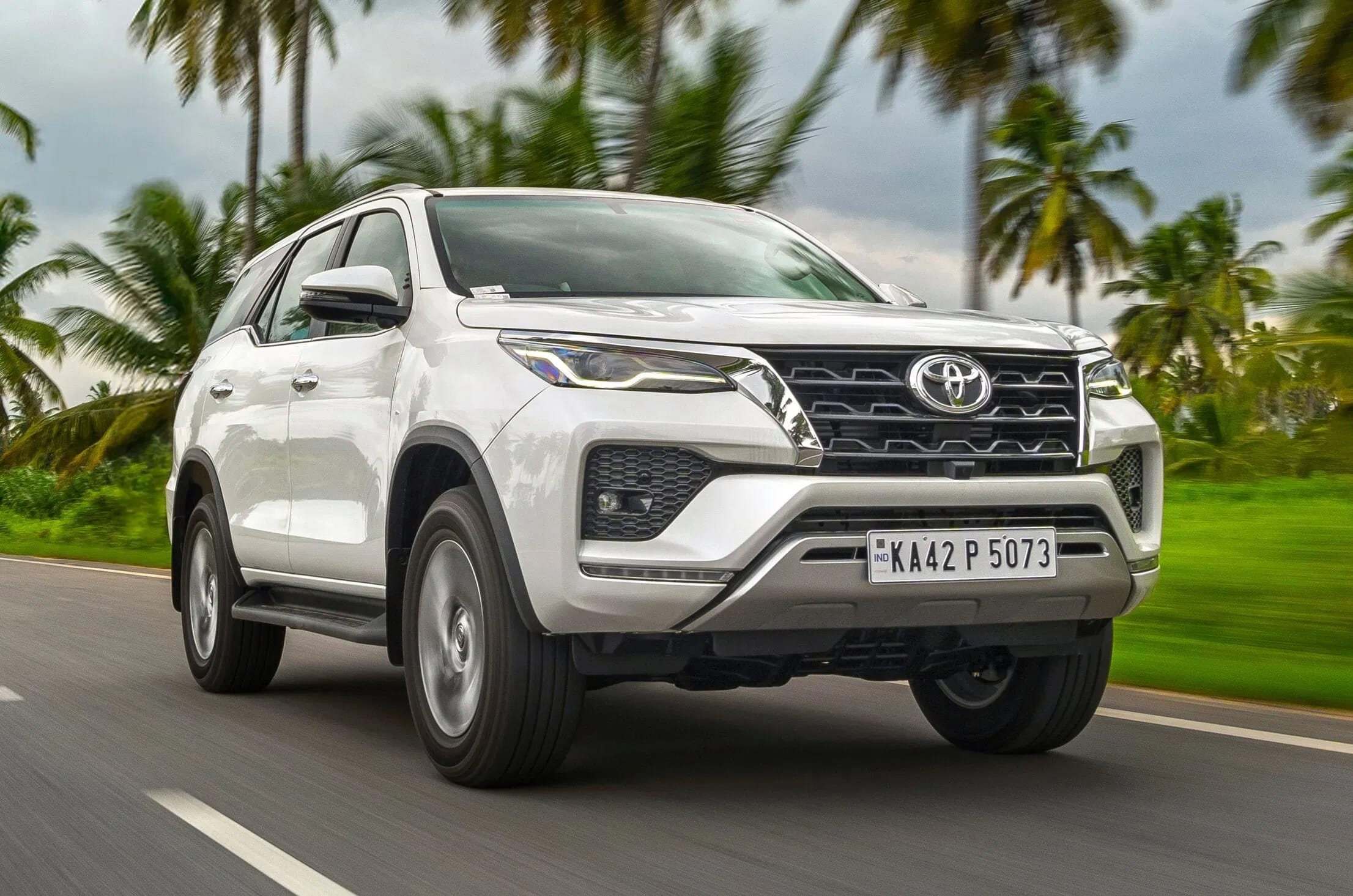
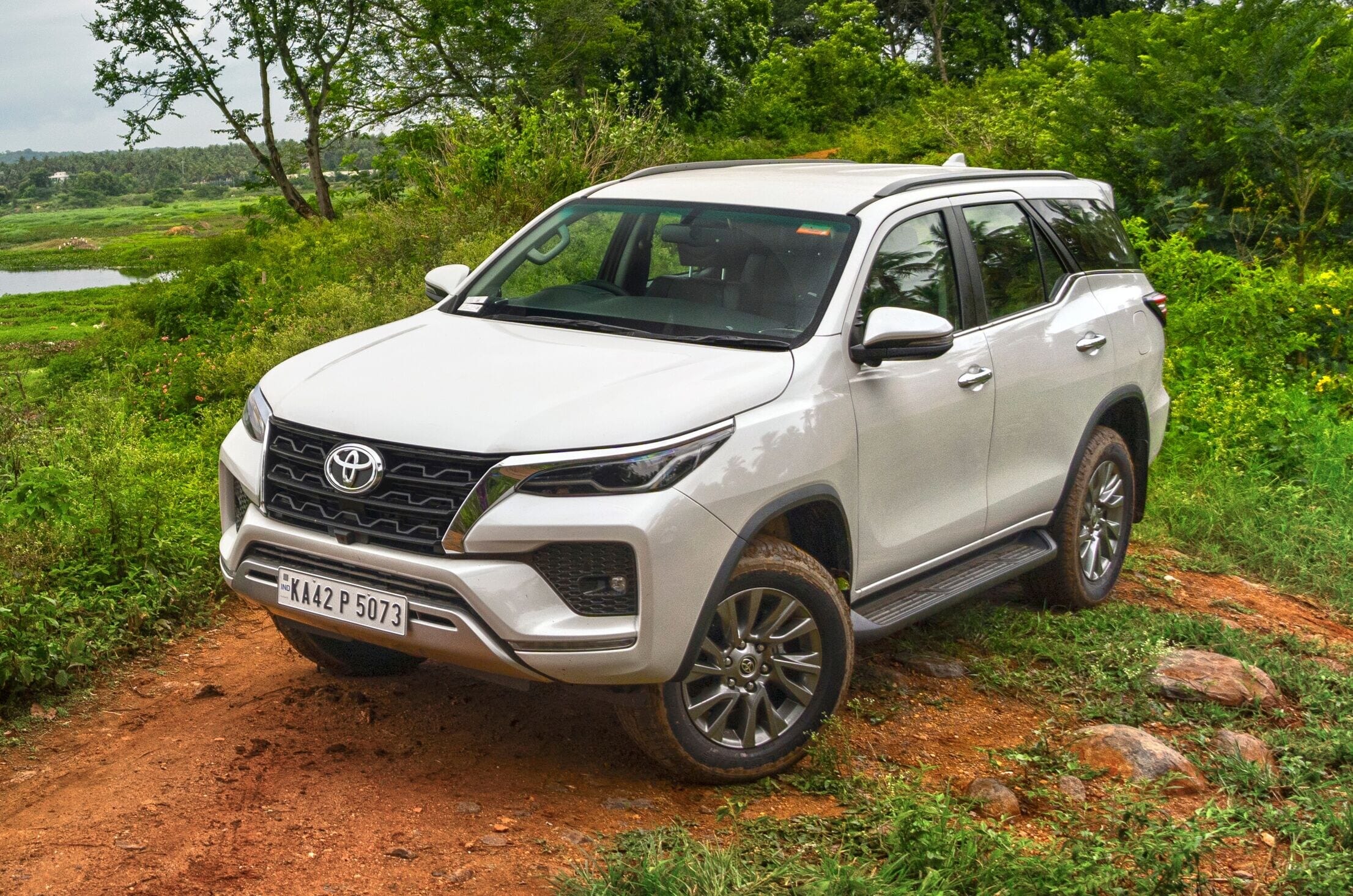
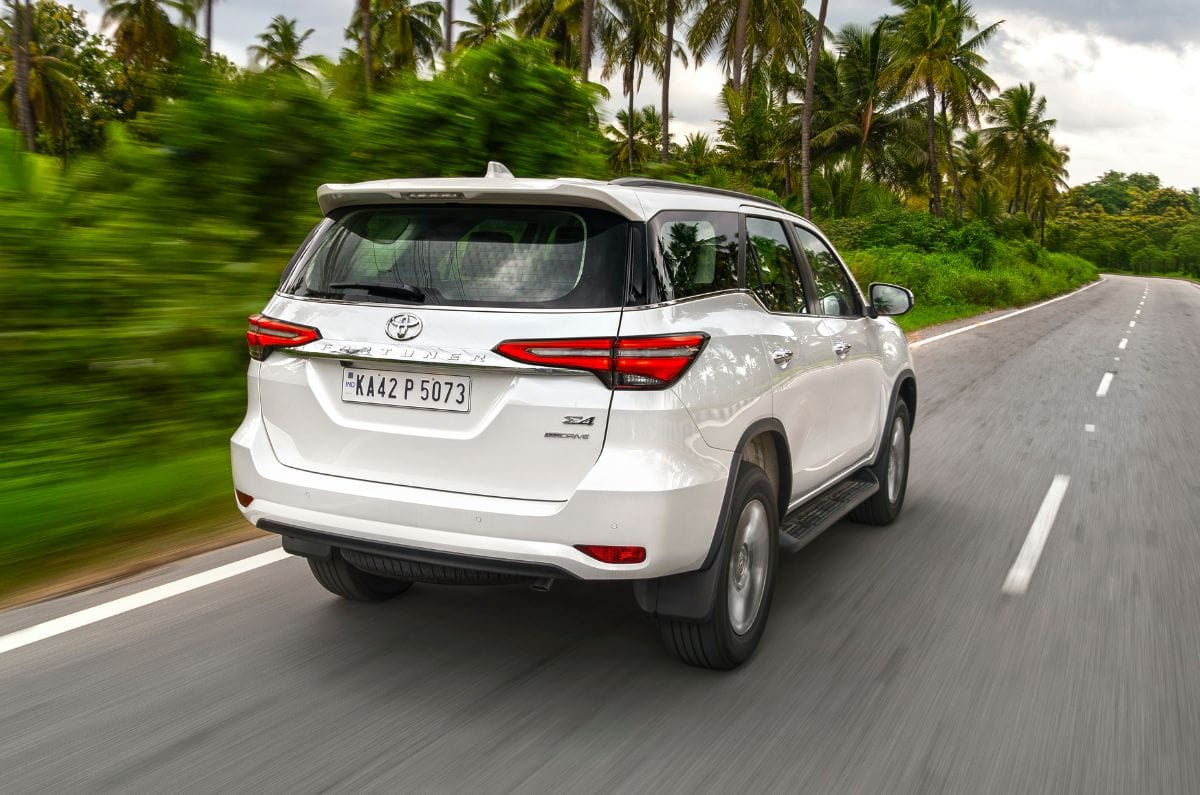
The Toyota Fortuner is one of the most popular SUVs in India and continues to be among Toyota’s bestselling models. It is known for its powerful engines, rugged construction, off-road ability, and Toyota’s reputation for reliability. The SUV is currently available in its second-generation facelift, which was launched in 2021. If you’re planning to buy one, here are two reasons to consider the Fortuner and two reasons why you may want to look at other options. Let’s start with the positives.
Reasons to buy the Toyota Fortuner:
Feels indestructible
Robust suspension and body-on-frame construction make it feel bulletproof
The Toyota Fortuner’s body-on-frame construction makes it feel solid and built to last. Its suspension is tough and is designed to handle rough roads with ease. While the ride feels firm at low speeds and small bumps can be felt inside the cabin, the suspension handles large potholes, broken roads, and unpaved tracks without much trouble.
The Fortuner is also one of the most capable off-road SUVs in its segment. It comes with a low-range transfer case, Multi-Terrain Select (MTS) modes, an electronic differential lock, and a water wading capacity of 700 mm. These features make it easy to drive through muddy trails, rocky paths, steep inclines, and even waterlogged roads. Whether you’re heading to the mountains or exploring off the beaten path, the Fortuner has the hardware to handle it with confidence.
Offers a strong performance
The torquey diesel engine allows for a sub-10s 0-100kph real-world run time
One of the Fortuner’s biggest strengths is its engine options. It is offered with a 2.7-litre petrol engine that makes 166hp and 245Nm, and a 2.8-litre diesel engine that produces 204hp and up to 500Nm. The diesel engine is also available with a 48V mild-hybrid system.
We tested the diesel-automatic version, which sprinted from 0-100 kmph in 9.96 seconds. That’s impressive for an SUV of this size and weight. The diesel engine delivers its maximum torque from low revs, so the Fortuner feels effortless to drive in the city and while overtaking on highways. It doesn’t need to be revved hard, although performance starts to taper off at higher revs.
The six-speed automatic gearbox is tuned for smooth and reliable performance rather than quick gear changes. It works well for daily driving and long-distance cruising, but enthusiasts may find it less engaging than the faster-shifting automatic transmissions offered by some newer SUVs.
Reasons to not buy the Toyota Fortuner:
Interior does not feel premium
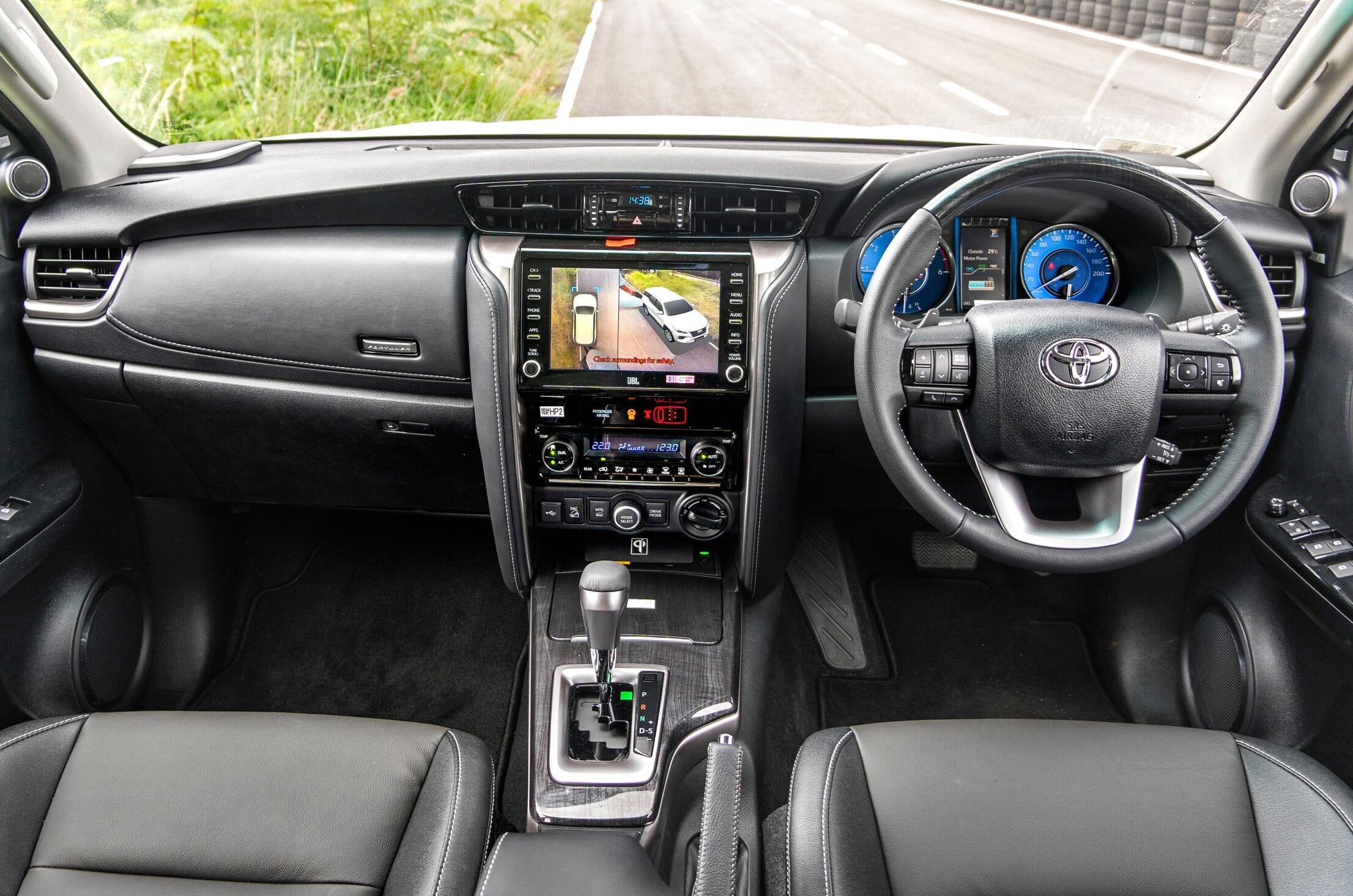
The cabin looks dated and misses out on a lot of feel-good features
The Toyota Fortuner’s interior is starting to feel dated compared to newer rivals. While the 2021 facelift brought some updates, the overall dashboard design and cabin layout have remained largely unchanged since the second-generation model arrived in India. Compared to SUVs like the MG Majestor, Skoda Kodiaq, Volkswagen Tayron, and Jeep Meridian, the Fortuner’s cabin does not feel as modern or premium. The use of hard plastics and average-quality switches also remind you that this is an older design. At a price point that goes close to Rs 50 lakh, the cabin feels like it could offer more in terms of quality and sophistication.
The Fortuner’s feature list is another area where it falls behind newer rivals. It gets useful features like ventilated front seats, an 8-inch touchscreen infotainment system, dual-zone climate control, an 11-speaker JBL audio system, a 360-degree camera, and a powered tailgate on select variants. However, it misses out on features like a sunroof, advanced driver assistance system (ADAS), powered front seats, and an electronic parking brake, which are now available in several more affordable SUVs. Even the 360-degree camera quality feels average compared to newer competitors, making the Fortuner feel less tech-focused than its rivals.
Prices are on the steeper end
The Fortuner is priced at a premium over its rivals
Toyota Fortuner ex-showroom prices vs rivals
Model
Price range
Toyota Fortuner
Rs 34.76 lakh to Rs 50.46 lakh
MG Majestor
Rs 40.99 lakh to Rs 44.99 lakh
Jeep Meridian
Rs 23.33 lakh to Rs 35.96 lakh
Skoda Kodiaq
Rs 36.99 lakh to Rs 46.99 lakh
Volkswagen Tayron
Rs 41.99 lakh to Rs 46.99 lakh
The Toyota Fortuner is priced from Rs 34.76 lakh to Rs 50.46 lakh (ex-showroom), making it one of the most expensive SUVs in its segment. At this price, it is expected to offer a more premium experience, but its dated cabin, average material quality, and missing modern features make it feel expensive compared to newer rivals.
However, the Fortuner’s appeal goes beyond features and cabin quality. Its rugged construction, off-road capability, proven reliability, strong resale value, and Toyota’s widespread service network continue to attract buyers. For many, the confidence of owning a durable and low-maintenance SUV outweighs the lack of premium features offered by newer rivals. These qualities have helped the Fortuner maintain a strong following in India, despite falling behind competitors in areas like interior quality and technology.
शुक्रवार, 24 जुलाई को इंफोसिस, मीशो, NTPC, बैंक ऑफ बड़ौदा, इंडिगो समेत कई शेयरों में तेज उतारचढ़ाव देखने को मिल सकता है। इनमें से कुछ कंपनियों ने एक दिन पहले तिमाही नतीजे जारी किए थे। वहीं कुछ कंपनियां आज वित्तीय नतीजे जारी करने वाली हैं। कुछ कंपनियां ऐसी भी हैं, जिन्होंने एक दिन पहले नई डील, कॉन्ट्रैक्ट्स और अन्य तरह के डेवलपमेंट्स की जानकारी दी थी। इन पर बाजार शुक्रवार को प्रतिक्रिया देगा। इसके अलावा 40 से ज्यादा कंपनियों के शेयर 24 जुलाई को एक्स-डिविडेंड ट्रेड करने वाले हैं। साथ ही मेनबोर्ड सेगमेंट में कैलिबर माइनिंग एंड लॉजिस्टिक्स की लिस्टिंग होने वाली है। आइए डिटेल में जानते हैं किन शेयरों पर रहेगी नजर…
आज इन कंपनियों के तिमाही नतीजे
NTPC, श्रीराम फाइनेंस, टाटा कंज्यूमर प्रोडक्ट्स, SBI लाइफ इंश्योरेंस कंपनी, SBI कार्ड्स एंड पेमेंट सर्विसेज, बैंक ऑफ इंडिया, CG पावर एंड इंडस्ट्रियल सॉल्यूशंस, हिंदुस्तान जिंक, ACC, बैंक ऑफ बड़ौदा, कंटेनर कॉर्पोरेशन ऑफ इंडिया, क्रेडिटएक्सेस ग्रामीण, डालमिया भारत, जिंदल स्टील, लोढ़ा डेवलपर्स, न्यू इंडिया एश्योरेंस कंपनी, डॉ. लाल पैथलैब्स, REC, स्टील अथॉरिटी ऑफ इंडिया और वेल्सपन कॉर्प
25 जुलाई को ये कंपनियां जारी करेंगी तिमाही रिजल्ट
AU स्मॉल फाइनेंस बैंक, SBFC फाइनेंस, बिड़ला कॉर्पोरेशन, फाइव-स्टार बिजनेस फाइनेंस, IDFC फर्स्ट बैंक, डोडला डेयरी, शेषासायी पेपर एंड बोर्ड्स और ZEN टेक्नोलोजिज
आज इन शेयरों पर रहेगी नजर
Infosys: Q1 (अप्रैल-जून 2026 तिमाही) में कंपनी का शुद्ध कंसोलिडेटेड मुनाफा सालाना आधार पर 12.2% बढ़कर 7,769 करोड़ रुपये हो गया। रेवेन्यू 14% बढ़कर 48,211 करोड़ रुपये हो गया। EBIT 15.4% बढ़कर 10,163 करोड़ रुपये और EBIT मार्जिन बढ़कर 21.1% हो गया। डॉलर रेवेन्यू 2.8% बढ़कर 508.2 करोड़ डॉलर हो गया। कंपनी के बोर्ड ने आशीष कुमार डैश को मार्च 2027 तक के लिए चीफ एग्जीक्यूटिव ऑफिसर (CEO) डेजिग्नेट नियुक्त किया है। वह 1 अप्रैल, 2027 से चीफ एग्जीक्यूटिव ऑफिसर और मैनेजिंग डायरेक्टर होंगे।
Meesho: Q1 में कंपनी का शुद्ध कंसोलिडेटेड घाटा सालाना आधार पर घटकर 132.8 करोड़ रुपये रह गया। रेवेन्यू 48.3% बढ़कर 3,712.8 करोड़ रुपये हो गया।
Interglobe Aviation (Indigo): Q1 में कंपनी ने कंसोलिडेटेड बेसिस पर 238 करोड़ रुपये का घाटा देखा। एक साल पहले यह 2,176.3 करोड़ रुपये के मुनाफे में थी। रेवेन्यू सालाना आधार पर 19.9% बढ़कर 24,584.1 करोड़ रुपये हो गया। EBITDA 33.2% घटकर 3,832.5 करोड़ रुपये हो गया। EBITDA मार्जिन 28% से घटकर 15.6% पर आ गया।
Cyient: Q1 में शुद्ध कंसोलिडेटेड मुनाफा सालाना आधार पर 32.3% घटकर 104.1 करोड़ रुपये हो गया। रेवेन्यू 21.3% बढ़कर 2,075.7 करोड़ रुपये हो गया।
Orient Cement: Q1 में शुद्ध कंसोलिडेटेड मुनाफा सालाना आधार पर 62.4% घटकर 77 करोड़ रुपये हो गया। रेवेन्यू 30.3% घटकर 604 करोड़ रुपये रह गया।
Sona BLW Precision Forgings: Q1 में शुद्ध कंसोलिडेटेड मुनाफा सालाना आधार पर 46.7% बढ़कर 178.5 करोड़ रुपये हो गया। रेवेन्यू 52.4% बढ़कर 1,301.2 करोड़ रुपये हो गया।
Motilal Oswal Financial Services: Q1 में शुद्ध कंसोलिडेटेड मुनाफा सालाना आधार पर 9.6% बढ़कर 1,273.1 करोड़ रुपये हो गया। रेवेन्यू 25.1% बढ़कर 3,425.8 करोड़ रुपये हो गया।
Suryoday Small Finance Bank: Q1 में शुद्ध कंसोलिडेटेड मुनाफा सालाना आधार पर 113.1% बढ़कर 75.2 करोड़ रुपये हो गया। नेट इंटरेस्ट इनकम 27.8% बढ़कर 315.7 करोड़ रुपये हो गई। ग्रॉस NPA 6.6% रहा, जबकि नेट NPA 1.27% दर्ज किया गया।
Shadowfax Technologies: एट रोड्स (Eight Roads), फ्लिपकार्ट और कोरिया का IMM इंडिया फंड ब्लॉक डील के जरिए शैडोफैक्स में ₹1,000 करोड़ से ज्यादा के शेयर बेच सकते हैं। इसके लिए फ्लोर प्राइस ₹197 प्रति शेयर तय किया गया है।
Coforge: कंपनी ने ‘कोफोर्ज न्यूरॉन’ लॉन्च करने की घोषणा की है। यह एक AI ऑपरेटिंग सिस्टम है, जिसे कंपनियों को अलग-थलग AI पहलों से आगे बढ़ने और पूरे बिजनेस में AI-बेस्ड नतीजों को बड़े पैमाने पर लागू करने में मदद करने के लिए डिजाइन किया गया है।
बल्क डील्स
धाबरिया पॉलीवुड: आशीष रमेशचंद्र कचोलिया ने ₹22.29 करोड़ में 5,76,000 शेयर बेचकर धाबरिया पॉलीवुड से लगभग पूरी तरह से एग्जिट कर लिया है। सूर्यवंशी कमोट्रेड ने भी 1 लाख शेयर ₹3.87 करोड़ में बेचे हैं। इस बीच अबाकस वेंचर अपॉर्चुनिटीज फंड ने 6,01,341 शेयर खरीदे। कुल कीमत ₹23.32 करोड़ है।
Gandhar Oil Refinery India: सोसाइटे जेनरल ने ₹19.22 करोड़ में गंधार ऑयल रिफाइनरी इंडिया के 6.84 लाख शेयर खरीदे हैं।
Oswal Pumps: VQ फास्टरकैप फंड ने ₹20.54 करोड़ में ओसवाल पंप्स के 5.98 लाख शेयर बेचे हैं।
स्प्लिट और बोनस इश्यू के लिए ये स्टॉक करेंगे एक्स-ट्रेड
ज्यूपिटर लाइफ लाइन हॉस्पिटल्स
कालिंद
Disclaimer: यहां मुहैया जानकारी सिर्फ सूचना के लिए दी जा रही है। यहां बताना जरूरी है कि मार्केट में निवेश बाजार जोखिमों के अधीन है। निवेशक के तौर पर पैसा लगाने से पहले हमेशा एक्सपर्ट से सलाह लें। मनीकंट्रोल की तरफ से किसी को भी पैसा लगाने की यहां कभी भी सलाह नहीं दी जाती है।
Stocks to Watch: शेयर बाजार में 24 जुलाई को कई बड़े स्टॉक्स एक्शन में रह सकते हैं। जून तिमाही के नतीजों, प्रोडक्ट लॉन्च, ब्लॉक डील और अहम कॉरपोरेट अपडेट्स के चलते इन शेयरों पर निवेशकों की नजर रहेगी। कुछ कंपनियों ने उम्मीद से बेहतर प्रदर्शन किया है, जबकि कुछ के नतीजे अनुमान से कमजोर रहे। ऐसे में इन 10 स्टॉक्स पर निवेशकों की करीबी नजर रहेगी।
Infosys
आईटी सर्विसेज कंपनी Infosys का जून तिमाही में कंसोलिडेटेड शुद्ध मुनाफा तिमाही आधार पर 8.6% घटकर 7,769 करोड़ रुपये रहा। यह CNBC-TV18 के अनुमान से कम है। कंपनी का रेवेन्यू 3.9% बढ़कर 48,211 करोड़ रुपये रहा। EBIT 10,163 करोड़ रुपये और EBIT मार्जिन 21.1% रहा।
IndiGo
एविएशन कंपनी IndiGo जून तिमाही में 238 करोड़ रुपये के घाटे में आ गई। पिछले साल इसी तिमाही में कंपनी को 2,176 करोड़ रुपये का मुनाफा हुआ था। कंपनी का रेवेन्यू 20% बढ़कर 24,854 करोड़ रुपये रहा। विमान ईंधन पर खर्च बढ़ने से EBITDAR मार्जिन 15.6% पर आ गया।
Maruti Suzuki
ऑटोमोबाइल कंपनी Maruti Suzuki की नई Brezza को Bharat NCAP में 5-स्टार सेफ्टी रेटिंग मिली है। कंपनी 24 जुलाई को इसे लॉन्च करेगी। सभी वेरिएंट में 6 एयरबैग स्टैंडर्ड होंगे। इसके साथ कई एडवांस सेफ्टी फीचर्स भी मिलेंगे।
Sona BLW
ऑटो कंपोनेंट कंपनी Sona BLW का शुद्ध मुनाफा 46.7% बढ़कर 178.5 करोड़ रुपये रहा। कंपनी का रेवेन्यू 52.4% बढ़कर 1,301 करोड़ रुपये और EBITDA 42.6% बढ़कर 293.3 करोड़ रुपये हो गया। हालांकि EBITDA मार्जिन 22.5% रह गया।
Cyient
इंजीनियरिंग और आईटी सर्विसेज कंपनी Cyient का शुद्ध मुनाफा तिमाही आधार पर 90% बढ़कर 104 करोड़ रुपये रहा। कंपनी का रेवेन्यू 7.7% बढ़कर 2,076 करोड़ रुपये रहा। EBIT 20% बढ़कर 187 करोड़ रुपये हो गया। EBIT मार्जिन 9% पर पहुंच गया।
Suryoday SFB
स्मॉल फाइनेंस बैंक Suryoday SFB का शुद्ध मुनाफा 75 करोड़ रुपये रहा, जो पिछले साल 35 करोड़ रुपये था। बैंक की नेट इंटरेस्ट इनकम (NII) 27.8% बढ़कर 316 करोड़ रुपये हो गई। नेट NPA 1.27% और ग्रॉस NPA 6.6% रहा।
Motilal Oswal
ब्रोकिंग कंपनी Motilal Oswal का ऑपरेटिंग प्रॉफिट 14.04% बढ़कर 609 करोड़ रुपये रहा। एसेट और प्राइवेट वेल्थ मैनेजमेंट कारोबार का ऑपरेटिंग PAT 46% बढ़कर 335 करोड़ रुपये हो गया। हाउसिंग फाइनेंस कारोबार का मुनाफा 36% बढ़ा, जबकि वेल्थ और कैपिटल मार्केट कारोबार में दबाव रहा।
Shadowfax Tech
लॉजिस्टिक्स टेक कंपनी Shadowfax Tech में करीब 1,047.5 करोड़ रुपये की ब्लॉक डील हो सकती है। Eight Roads, Flipkart और IMM India Fund 9.08% तक हिस्सेदारी बेच सकते हैं। सौदा 197 रुपये प्रति शेयर के फ्लोर प्राइस पर होने की संभावना है।
Orient Cement
सीमेंट कंपनी Orient Cement का शुद्ध मुनाफा 62.4% घटकर 77 करोड़ रुपये रह गया। कंपनी का रेवेन्यू 30.3% घटकर 604 करोड़ रुपये रहा। EBITDA 144 करोड़ रुपये रहा। हालांकि EBITDA मार्जिन बढ़कर 23.8% हो गया।
NIIT Learning
एडटेक कंपनी NIIT Learning का शुद्ध मुनाफा 16.4% बढ़कर 57.4 करोड़ रुपये रहा। कंपनी का रेवेन्यू 25.2% बढ़कर 565 करोड़ रुपये रहा। EBITDA 92.8 करोड़ रुपये रहा। हालांकि EBITDA मार्जिन 16.4% पर आ गया।
पहली तिमाही के नतीजे
सीमेंट, बैंकिंग, इलेक्ट्रिकल और कैपिटल गुड्स सेक्टर की कई कंपनियां शुक्रवार (24 जुलाई) को जून तिमाही के नतीजे जारी करेंगी। इनमें ACC, Bank of Baroda, Bank of India, CG Power and Industrial Solutions, Aaron Industries, Arihant Capital Markets और Automotive Stampings and Assemblies शामिल हैं। निवेशकों की नजर इन कंपनियों के रेवेन्यू, मुनाफे और ऑपरेशनल प्रदर्शन पर रहेगी।
Disclaimer: यहां मुहैया जानकारी सिर्फ सूचना के लिए दी जा रही है। यहां बताना जरूरी है कि मार्केट में निवेश बाजार जोखिमों के अधीन है। निवेशक के तौर पर पैसा लगाने से पहले हमेशा एक्सपर्ट से सलाह लें। मनीकंट्रोल की तरफ से किसी को भी पैसा लगाने की यहां कभी भी सलाह नहीं दी जाती है।
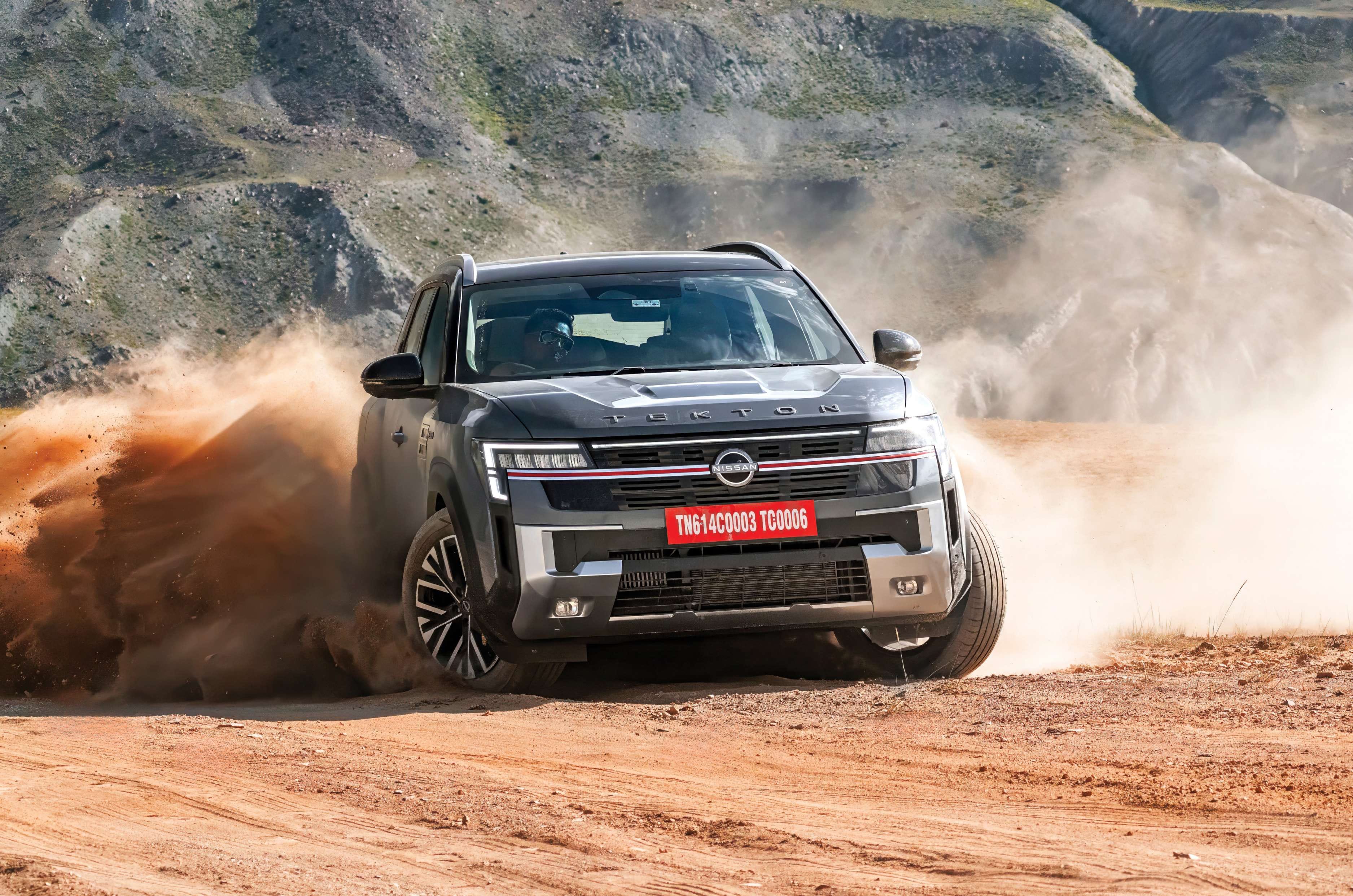
For our first drive of the all-new Tekton, Nissan organized an elaborate 700km plus test drive from Chandigarh to Leh, tackling everything from crowded city traffic and fast highways to mountain passes and broken roads. The aim was to find out whether Nissan’s new midsize SUV has what it takes to take on the Hyundai Creta, Kia Seltos and Maruti Victoris in the real world.
Nissan Tekton Exterior Design and Engineering – 9/10
The Tekton is, in essence, a badge-engineered Renault Duster. It is built at the same plant, on the same assembly line, and shares its platform, powertrains and several components with its French sibling. Nissan, however, has worked hard to give it a distinct identity, drawing inspiration from its flagship Patrol SUV.
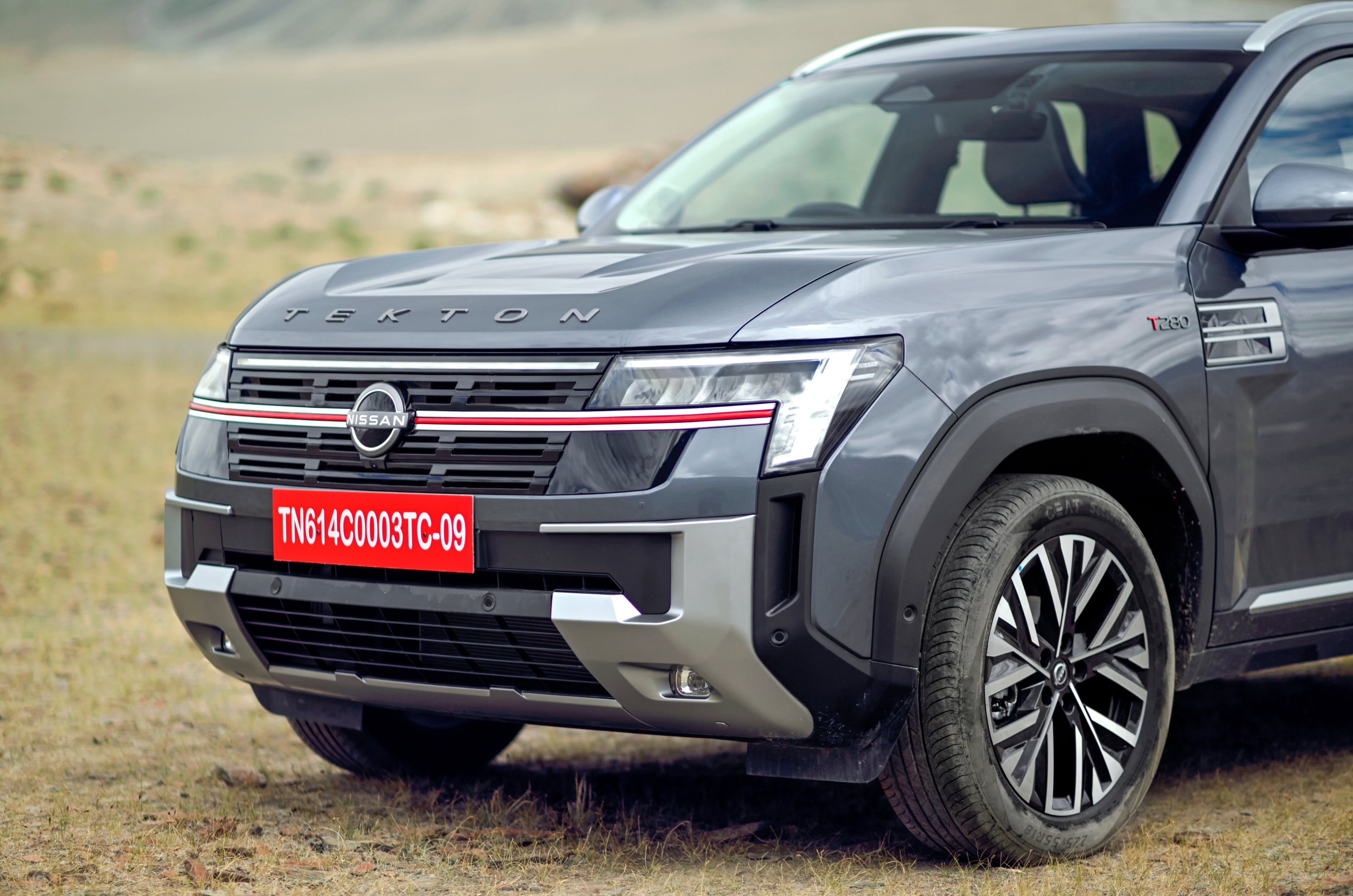
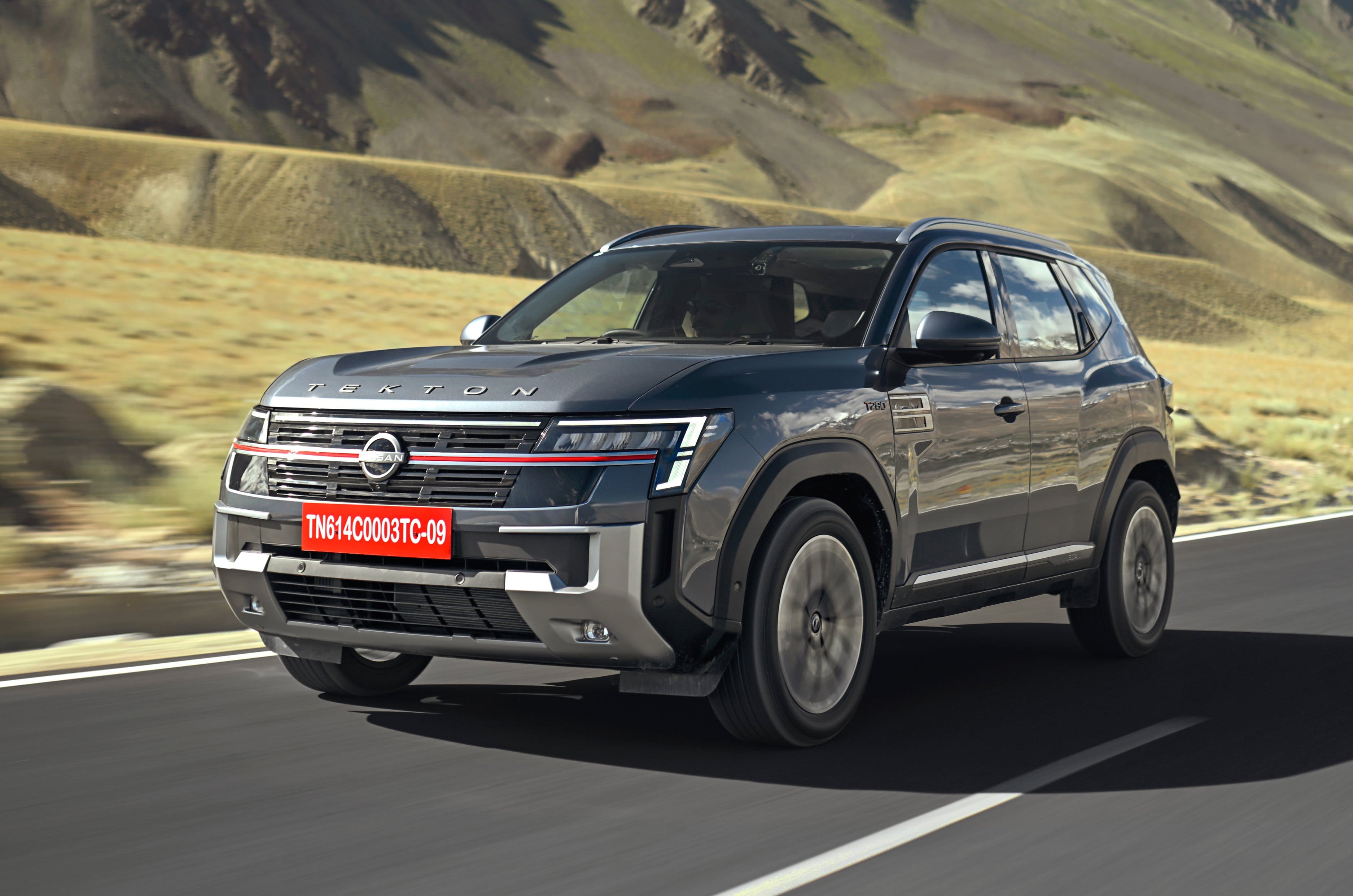
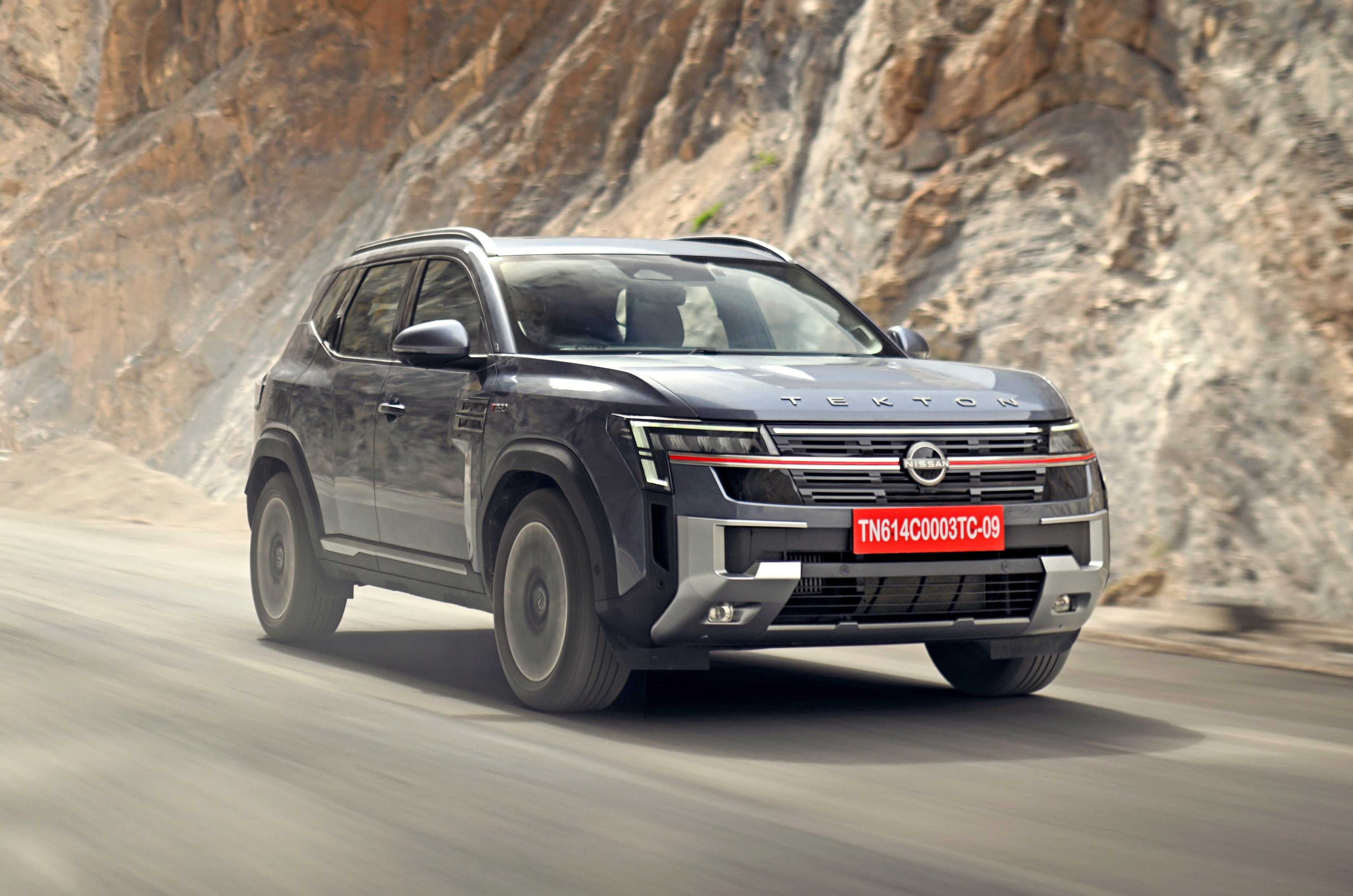
1.3 turbo variants can be identified by the red strip on the grille and T280 badge.
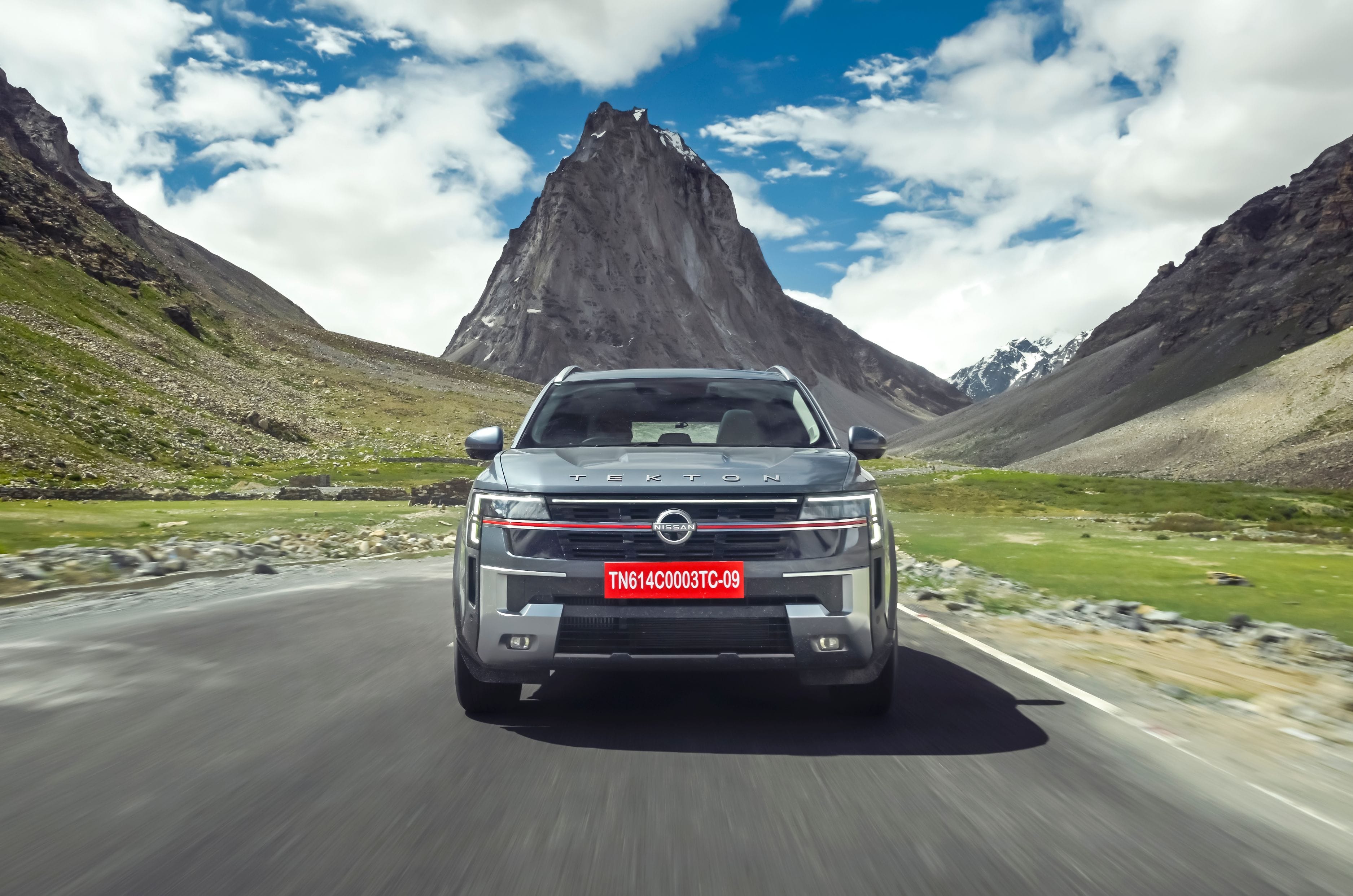
The front end is undoubtedly the highlight. The grille, connected light bar and red accents on the 1.3-litre turbo variants lend it a bold and distinctive look. It even gets functional bumper air scoops and fog lamps, the latter being an increasingly rare feature in this segment. The sculpted bonnet adds plenty of visual muscle, while the side profile is enhanced by attractive 18-inch alloy wheels wrapped in chunky, high-profile tyres.
Practicality extends beyond appearances. Ground clearance stands at an impressive 212mm, making the Tekton well suited to rough terrain. The T280 badge on the front fender denotes the 280Nm produced by the 1.3-litre turbo-petrol engine, while a unique applique depicting the Himalayas adds a touch of character. Its pillar-mounted rear door handles link ties to Nissan SUVs of yore like the Pathfinder and X-Terra.
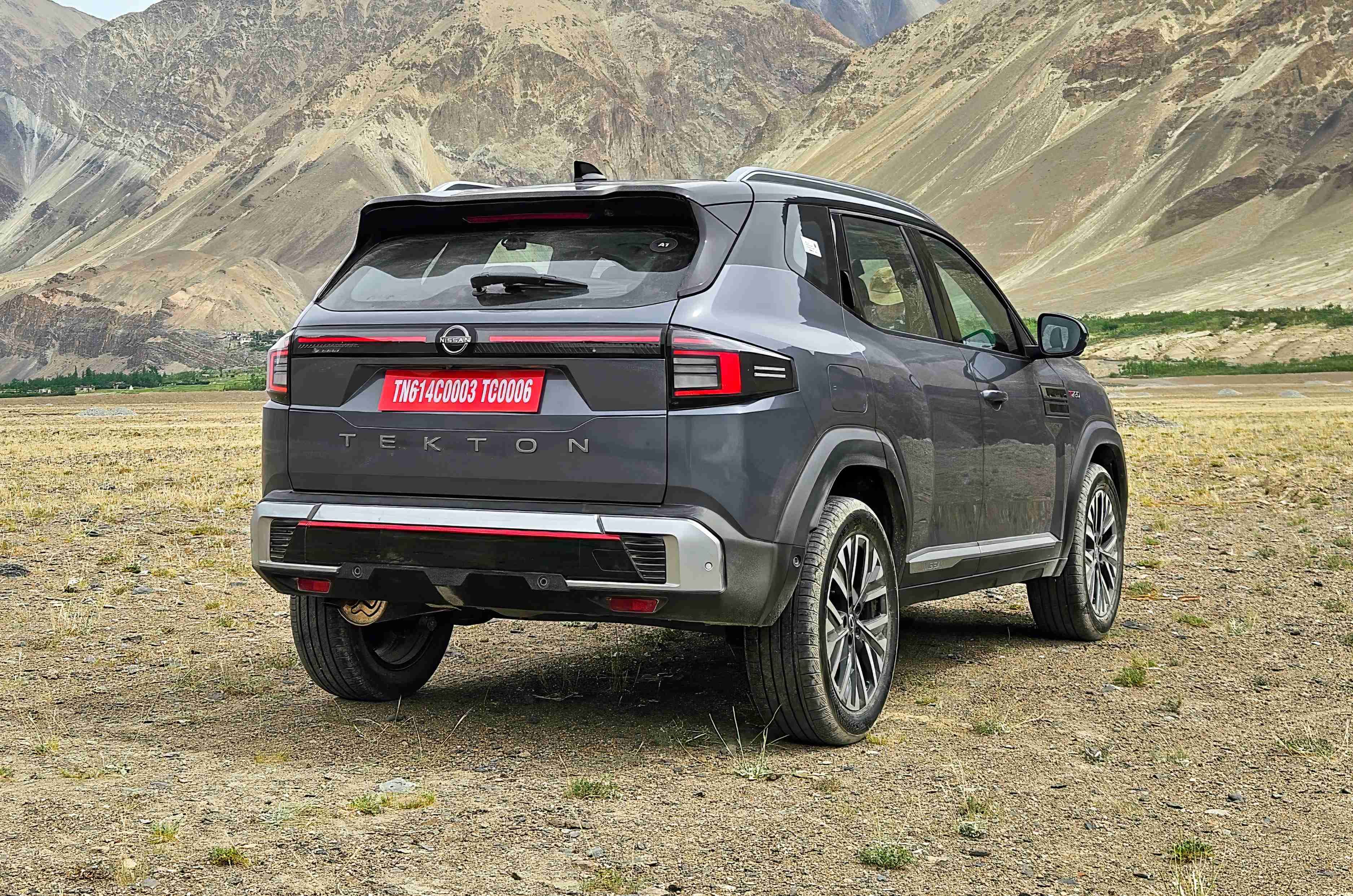
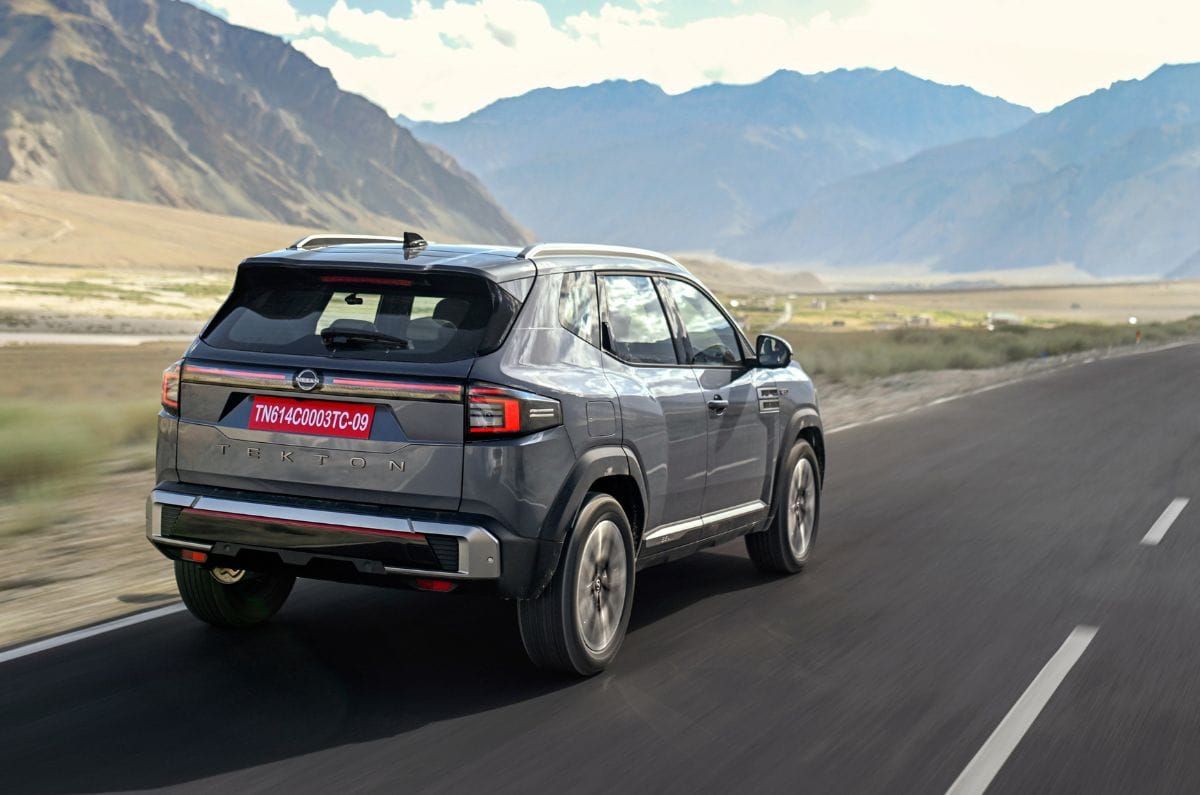
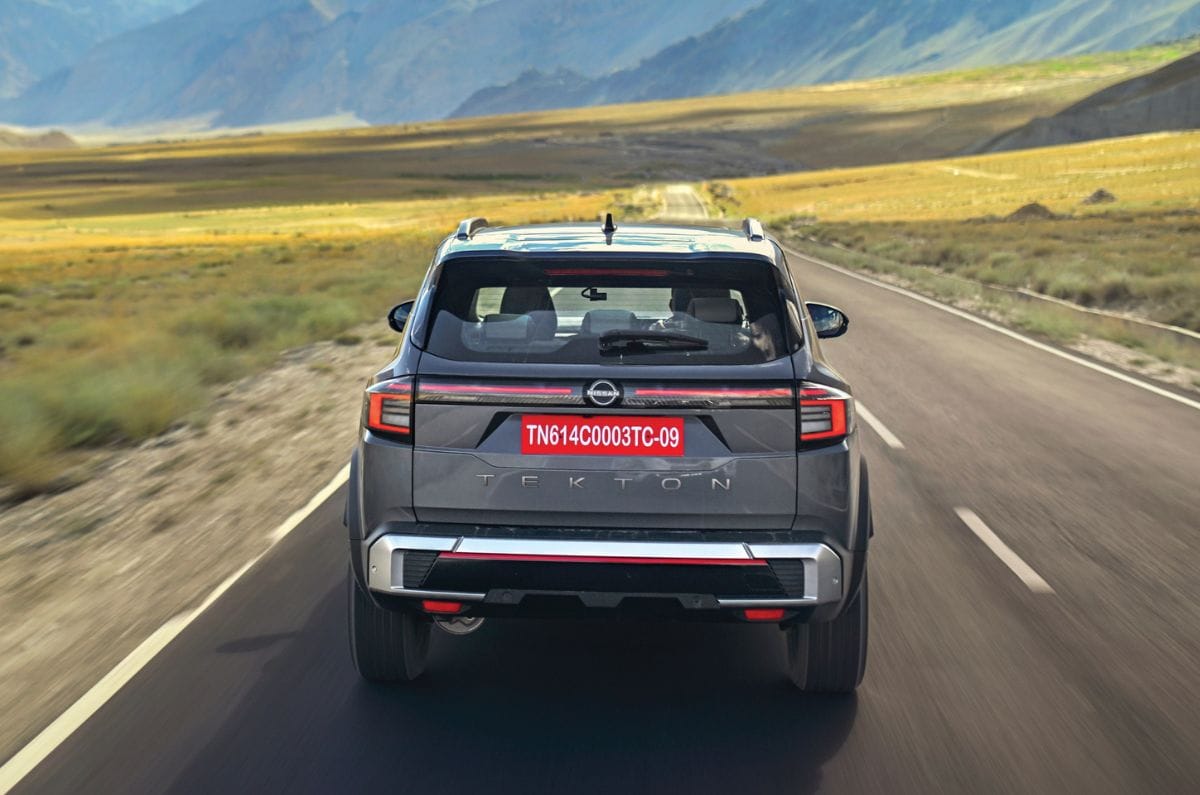
The execution of its tail-lamp design is spot on, looking most similar to the Patrol.
At the rear, the tail-lamp design bears the strongest resemblance to the Patrol and is executed rather well. While the Tekton isn’t the largest SUV in its class, it strikes a pleasing balance between road presence and urban friendliness. We suspect its styling is likely to be one of its biggest selling points.
Nissan Tekton Interior Space and Comfort – 8/10
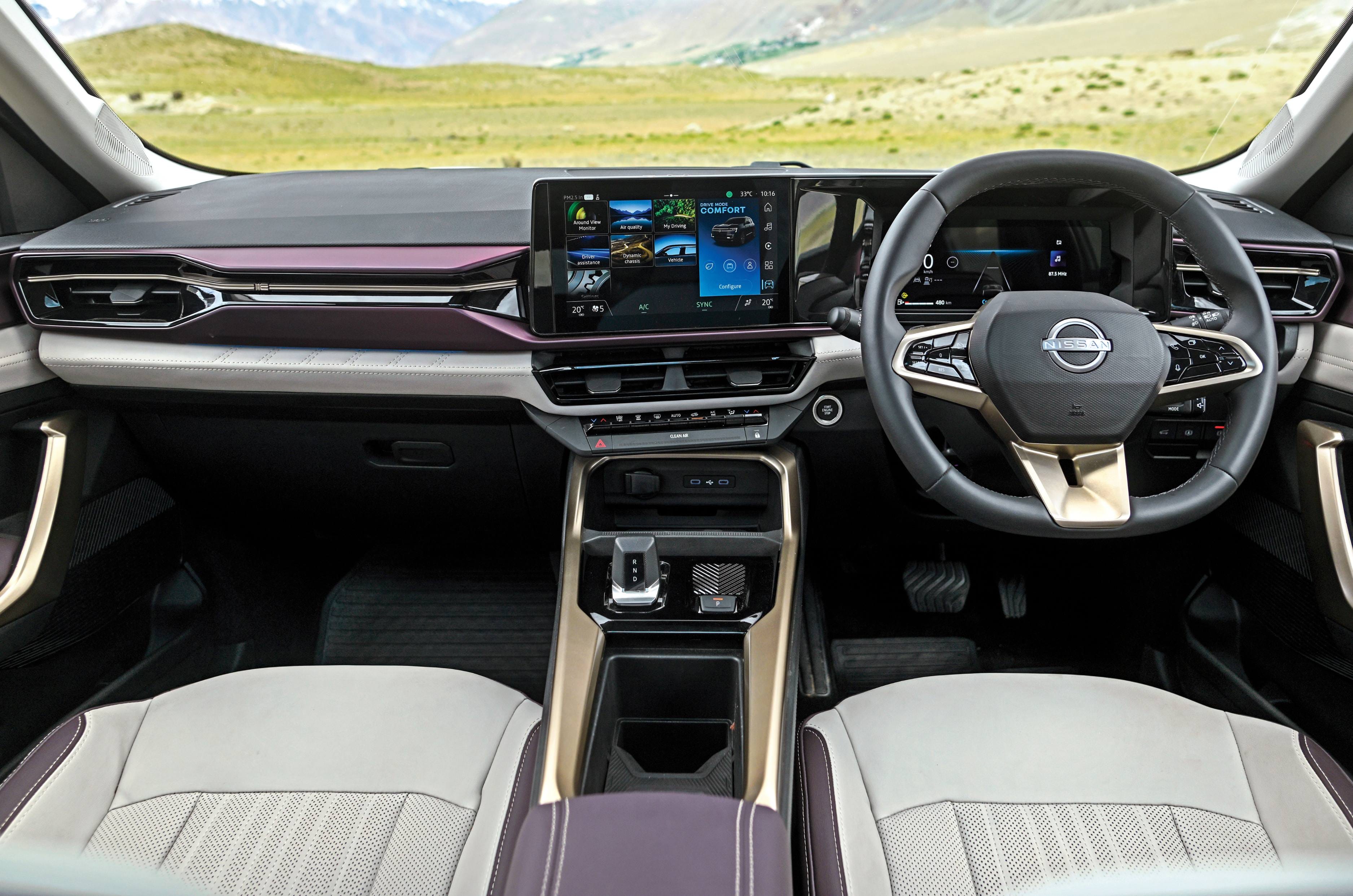
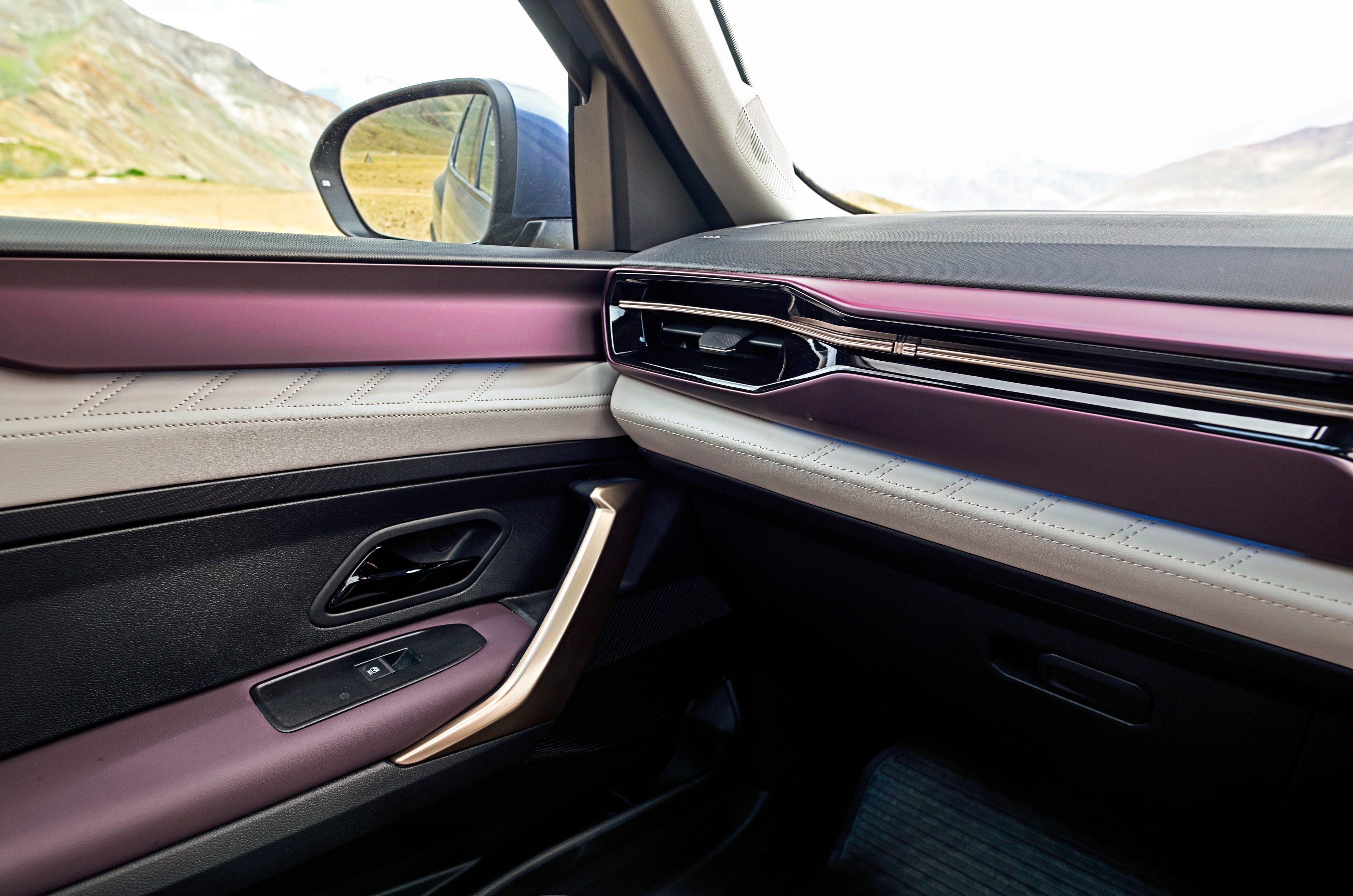
Inside, Nissan has done a commendable job differentiating the cabin from the Renault Duster. The layout remains familiar, but the padded leatherette on the dash and doorpads look classy and along with the burgundy, gold and light cream colour scheme lends the interior a more premium ambience. There are also subtle Nissan-specific touches on the dash fascia, including an Easter egg inspired by Japanese numerals represented by 2 vertical lines (Ni) and three horizontal lines (san).
Neatly dressed-up interior look and feel quite upmarket.
The driving position is excellent. Visibility is strong, the bonnet is clearly visible from the driver’s seat, and most controls fall easily to hand. Ergonomics are largely spot-on, though taller drivers who prefer a high seating position may find the large plastic panel near the A-pillar slightly intrusive.
Burgandy, gold and light cream colour scheme, along with the soft leatherette paddings enhance the cabin’s premium feel.
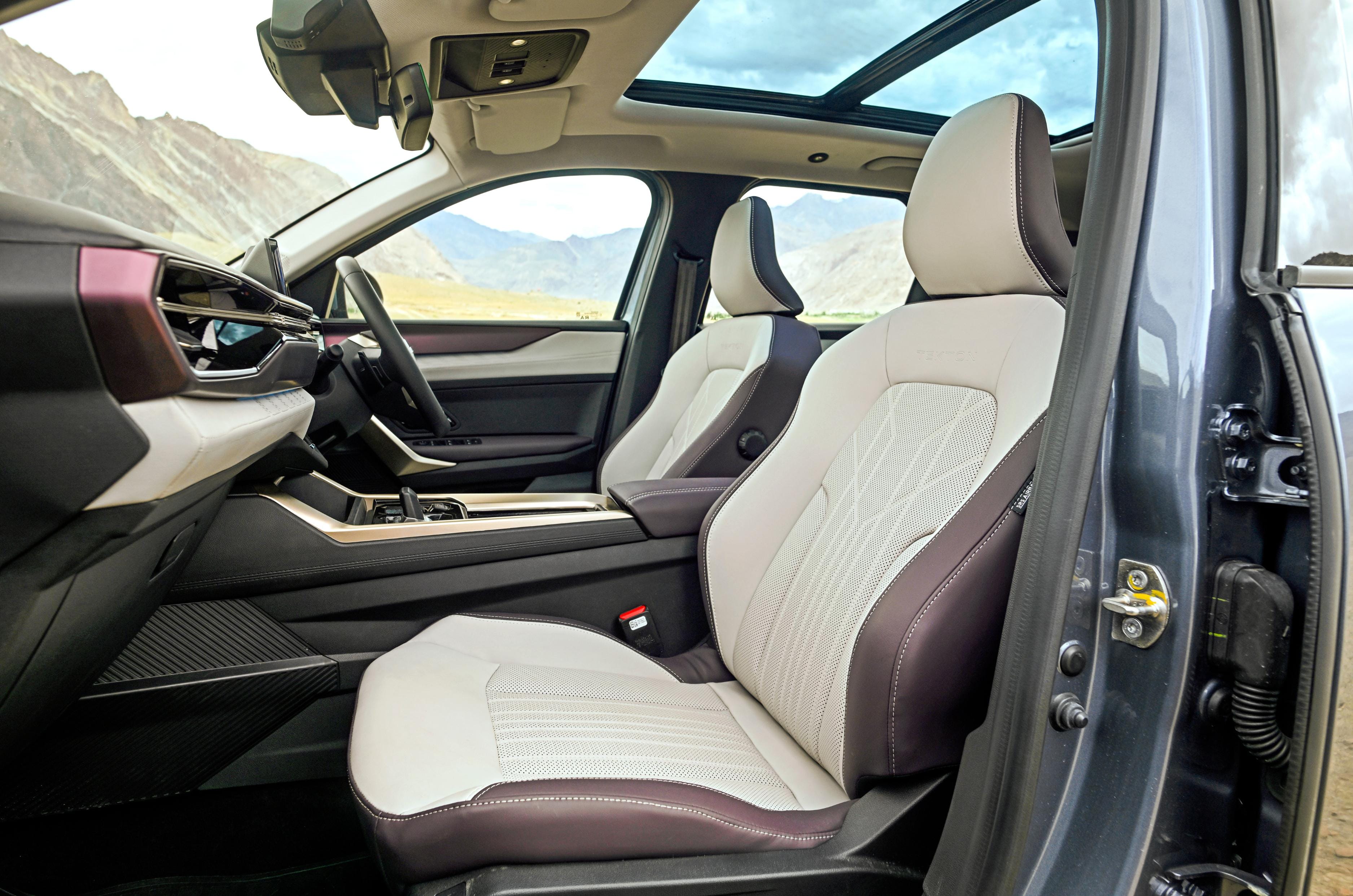
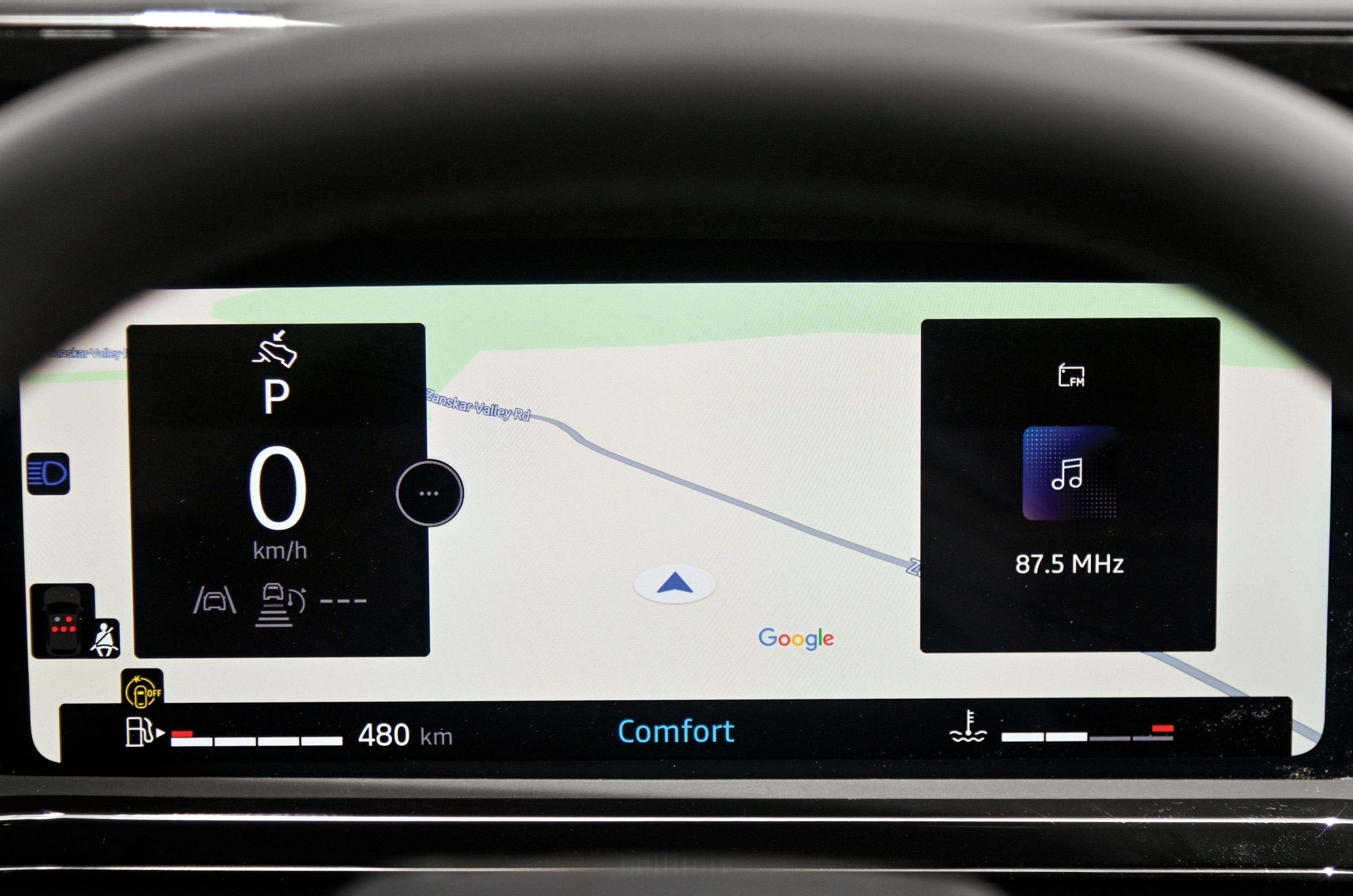
One area where the Tekton needs improvement is air conditioning performance. Even at the lowest temperature setting, the cabin takes time to cool down. Thankfully, the ventilated front seats are highly effective and help offset this weakness. The seats themselves deserve praise for their excellent support and long-distance comfort. The digital instrument cluster is clear and easy to read, offering multiple display layouts, including a full-map view. Unlike the Duster’s less intuitive tachometer display, the Nissan gets a more conventional and user-friendly setup. Physical controls for climate functions, audio settings and ADAS shortcuts are particularly welcome in an era increasingly dominated by fiddly touch panels.
Powered front seats are supportive and have a very effective ventilation function.
Storage solutions are generally well thought out. The cooled wireless charging pad prevents phones from overheating, while USB-C ports and a 12V socket are provided. However, 1-litre bottles cannot be stored vertically in the front door bins; although they can be placed vertically in the rear door bins. Useful storage spaces include deep cupholders and a large central armrest console. The glovebox is generous, though part of it is compromised by the fuse box, just as in the older-gen Duster.
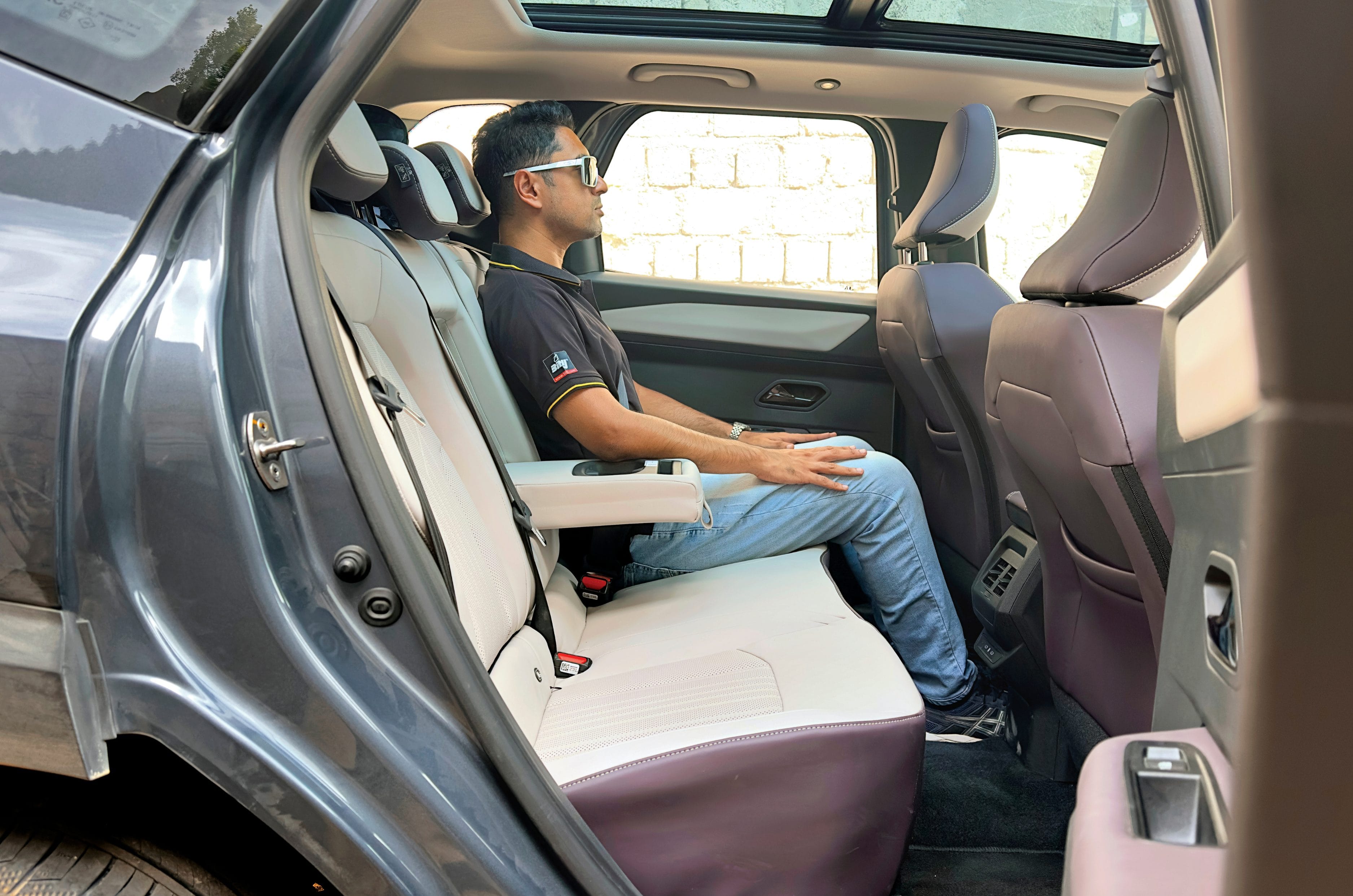
Cabin space is adequate for four adults; seats are very comfy.
Accessing the rear seat requires a bit of effort due to the high step-in and narrow opening, but once seated, comfort levels are impressive. The seat backrest is well angled, under-thigh support is good, and there’s plenty of room beneath the front seats to stretch out. The rear bench is best suited to two adults rather than three, although all occupants get individual headrests and three point seatbelts.
Rear-seat amenities include seatback pockets, rear AC vents, two USB charging ports, a centre armrest and a phone holder. The panoramic sunroof adds a real sense of occasion, especially on scenic drives through the mountains. That said a boss mode for the electrically adjustable front passenger seat and rear sunshades aren’t available.
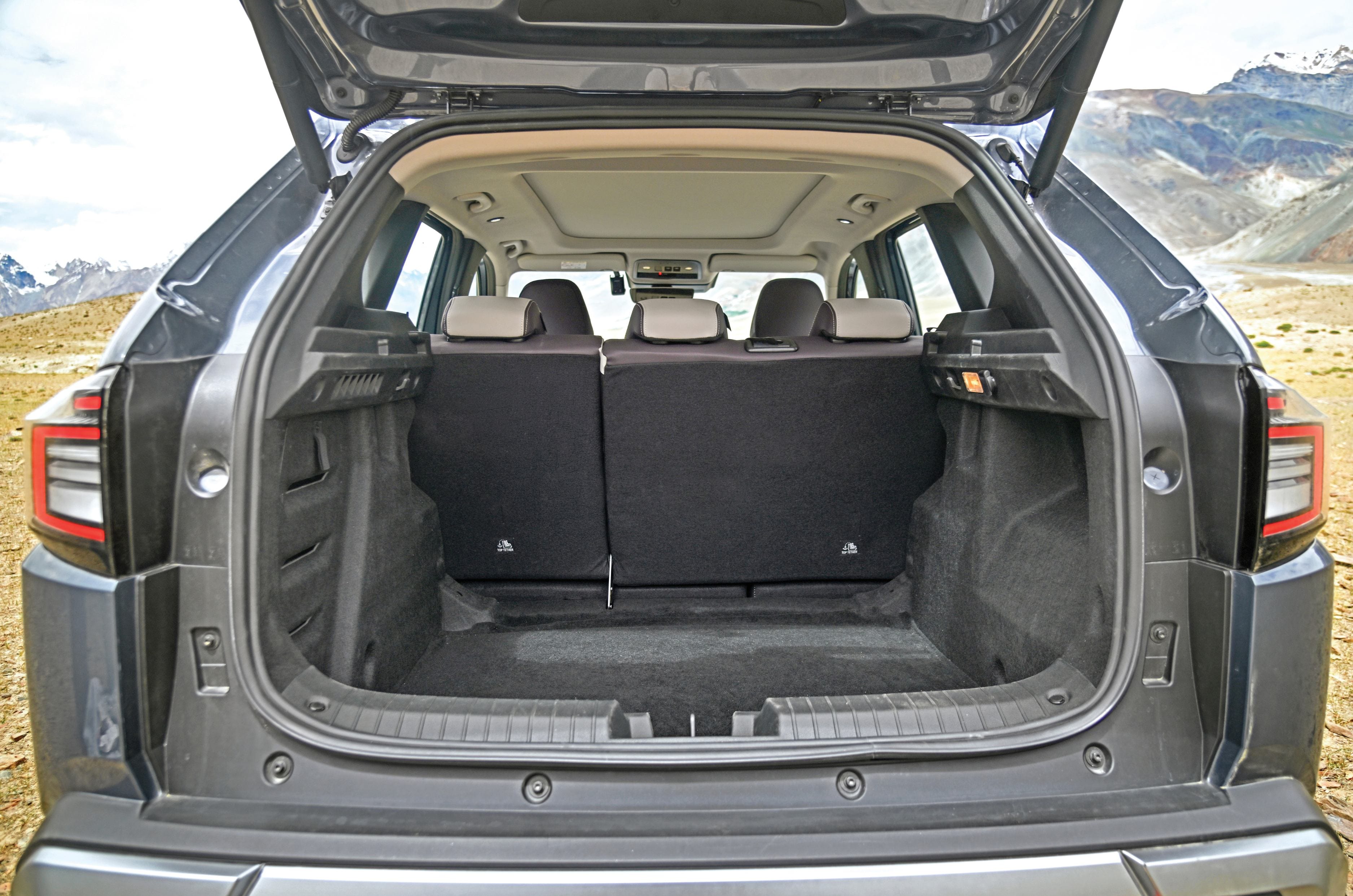
Cavernous 518-litre boot is ideal for road trips; gets a spare wheel too.
Open the electrically operated tailgate and you’re greeted by a massive 518-litre boot. It comfortably swallows luggage and is the largest in its class, making it ideal for long-distance touring. There’s a full-size spare tyre too.
Nissan Tekton Features and Safety – 9/10
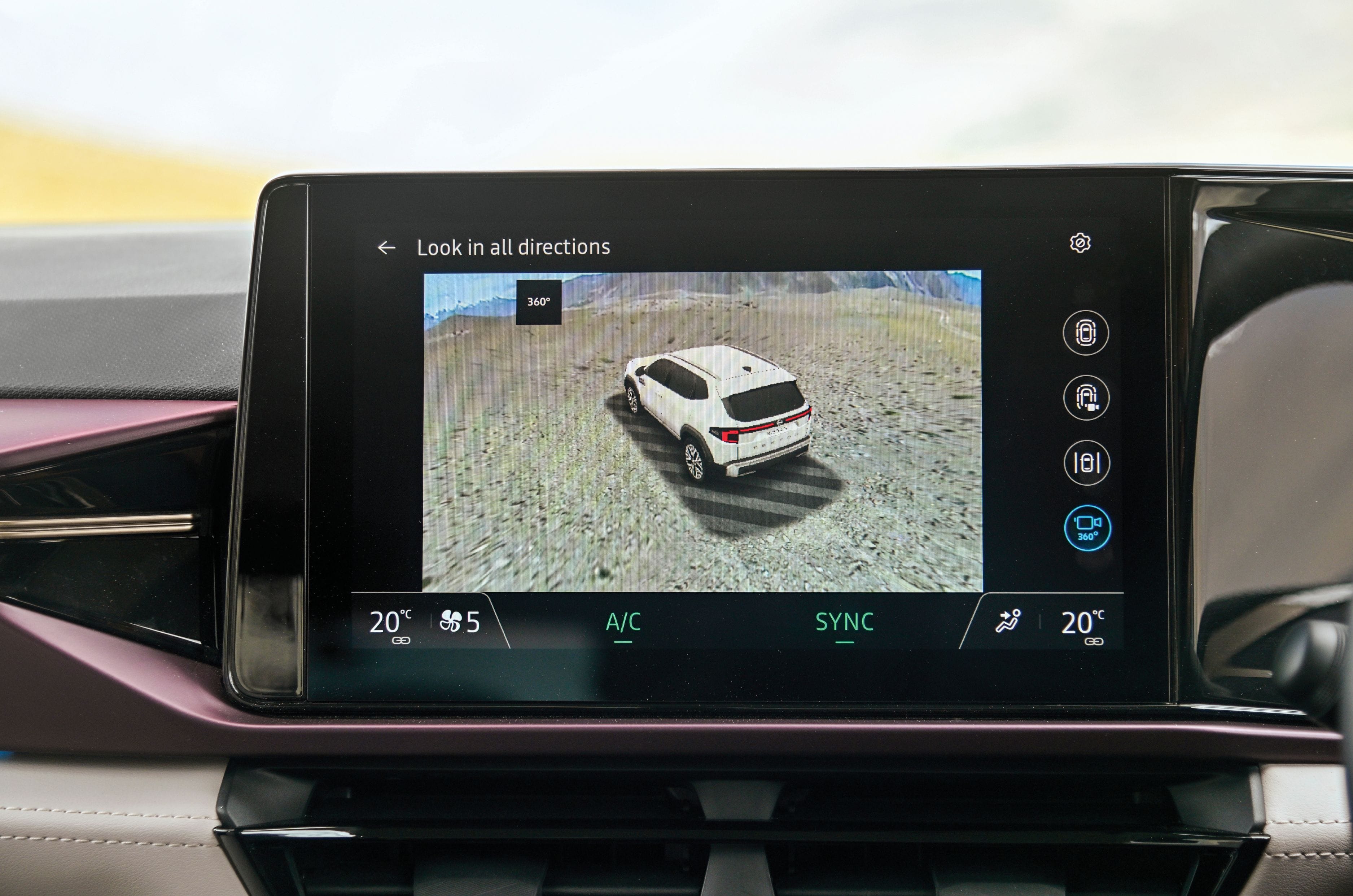
The Tekton is otherwise generously equipped with kit like panoramic sunroof, powered and ventilated front seats, 10.25-inch instrument cluster, 10.1-inch touchscreen which not only gets wireless Android Auto and Apple CarPlay, but it also gets native Google integration including Gemini voice assistant, among other notable features. The only real disappointment is the below par quality of the 360-degree camera system.
With in-built Google, screen works well; 360-degree camera quality is below par.
Safety credentials are strong. Along with a comprehensive ADAS suite, the Tekton has secured a five-star Bharat NCAP rating, just like its Renault sibling. The lane-keep assist didn’t seem to keep the vehicle properly centred within the lane, and it tended to weave between the lane markings.
The adaptive cruise control system also performed well, maintaining safe distances and slowing progressively with traffic. Its acceleration back to the set speed, however, feels somewhat slow regardless of drive mode.
10.25-inch instrument cluster is well executed; gets a full map view too.
Nissan Tekton Performance and Refinement – 7/10
The entry-level powertrain is a 1.0-litre turbo-petrol shared with the Magnite. With some updates though that has taken torque higher to 166Nm – up from 160Nm, while power remains the same at 100hp. It is paired exclusively with a six-speed manual gearbox.
To compensate for the Tekton’s weight and performance demands, Nissan has equipped this version with shorter gearing than the 1.3-litre variants. Around town, it feels perfectly adequate, but the small-capacity turbo engine suffers from noticeable turbo lag. Steep inclines often require clutch slip to get moving, and enthusiastic driving demands frequent gear changes to keep the engine in its power band. Peak boost arrives beyond 3,000rpm, while the gearbox itself lacks the slickness of some Korean and Japanese rivals.
If you love to drive, this is one of those cars that you’re surely going to like.
The 1.3-litre turbo-petrol is significantly more appealing. Refinement levels are better, performance is considerably stronger, and overtaking requires much less planning. Turbo lag is reduced compared to the 1.0-litre, though it hasn’t been eliminated entirely. On steep gradients and under stop-start conditions, the engine occasionally struggles to build revs quickly enough, exposing a weak bottom-end response.
Once past 2,500rpm, however, the turbo wakes up and the Tekton gathers speed with enthusiasm. The engine also produces an appealing turbo whoosh at higher revs, though some may find it intrusive.
Enthusiasts are likely to yearn for a bit more responsiveness from both the engines.
This engine comes with a manual as well as a six-speed wet-clutch dual-clutch automatic transmission, which is the one we drove. Shifts are impressively smooth and seamless, but responses are slower than expected. The gearbox’s tendency to upshift early can make the Tekton feel less responsive than it actually is, often prompting the use of the paddle shifters for quick overtakes.
There are two drive modes – Comfort and Eco – though enthusiasts will miss the absence of a Sport mode. Fortunately, manual mode allows greater control over the transmission and proved particularly enjoyable on mountain roads. In city traffic, however, the combination works well, with smooth low-speed behaviour and a well-calibrated creep function.
Even though we didn’t get a chance to test the Tekton for outright performance and fuel efficiency, we have extensively tested its Renault sibling, and the numbers aren’t particularly impressive. Expectedly, the Duster’s performance testing revealed that the 1.3-litre manual is the quickest variant to 100kph (10.32 sec), , while the 1.3 DCT’s reluctance to allow aggressive launches affects its outright acceleration times (11.33 sec). The 1.0-litre (13.26 sec) delivers acceleration comparable to the naturally aspirated 1.5-litre engines found in the Creta and Seltos.
Nissan Tekton Mileage and Efficiency – 6/10
Once again, taking the Duster’s figures for refence, average real-world fuel efficiency is quite weak too with the 1.0 version (10.98kpl) faring only slightly better than the 1.3 versions (10.47kpl for DCT, 10.64kpl for MT). Like the Duster, all variants of the Tekton get an Eco mode as well as an auto engine stop-start function to keep a check on fuel consumption.
Nissan Tekton Ride Comfort and Handling – 9/10
As with the Renault Duster, Nissan has absolutely nailed the ride-and-handling balance. Unlike many European cars, the Tekton does not feel overly firm at low speeds. Instead, it delivers a supple, absorbent ride that shrugs off poor road surfaces with ease. Even sharp potholes generate more noise than impact inside the cabin.
Unlike some rivals, its low speed ride doesn’t have the typical underlying firmness.
Handling is equally impressive. The Tekton changes direction eagerly and inspires confidence, making it genuinely enjoyable to drive. Its electronic power steering offers Light and Heavy modes, though the lighter setting strikes the better balance between ease and precision. The steering feel is among the best in the segment.
Braking performance is another strong point. Throughout our drive to Leh, the brakes consistently inspired confidence, delivering strong stopping power and natural pedal feel.
Nissan Tekton Value for Money – 8/10
Priced between Rs 10.50 lakh and Rs 18.5 lakh, the Tekton commands a premium of Rs 10,000-50,000 over an equivalent Renault Duster. The range consists of 12 variants: six powered by the 1.0-litre turbo petrol, two by the 1.3-litre manual and four by the 1.3-litre auto, indicating Nissan’s focus on the smaller engine.
The biggest drawbacks of the powertrains though are the lack of outright punch and responsiveness, as well as fuel efficiency that may not satisfy high-mileage users. Neither Renault nor Nissan offers a diesel option, and while the Duster is expected to receive a hybrid powertrain, Nissan has ruled out one for now.
However after 700km behind the wheel, the Nissan Tekton leaves an overall positive impression. It is handsome, well equipped and comfortable, with a premium-feeling cabin and class leading 518-litre boot. The rear seat may not be the most spacious in the segment, but it comfortably accommodates four adults, while its ride-and-handling balance ranks among the very best in class. The Tekton then is a thoroughly competent midsize SUV. And in a segment packed with strong contenders, this one too deserves serious consideration.
After four years of being on sale, Audi India is slated to replace the second-generation Q3 in India. Our dealer sources have indicated that the third-generation Q3 will launch in October 2026. In the months leading up to its debut, Audi’s entry-level luxury SUV has been spied on our roads.
Third-generation Audi Q3 exterior details
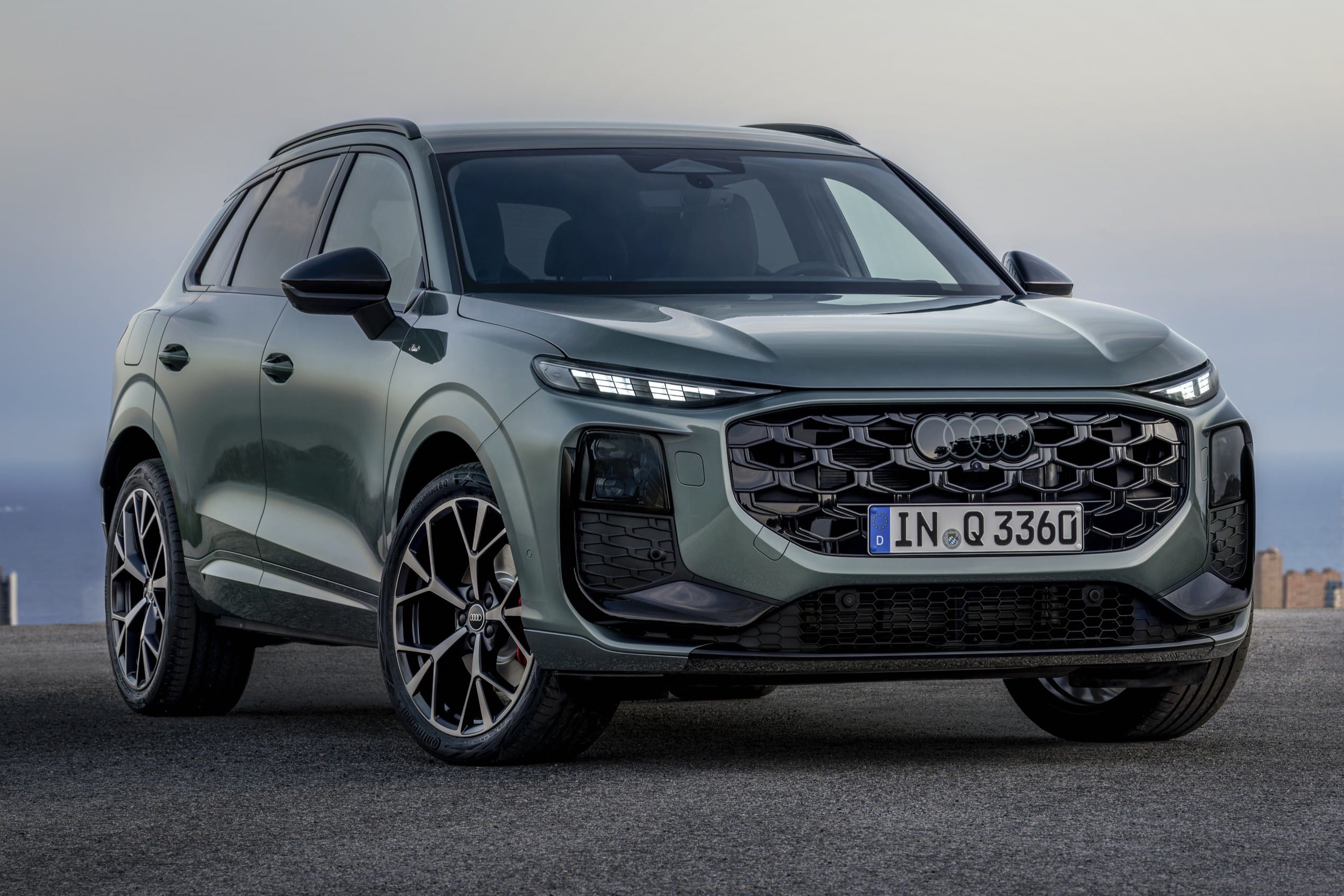
Gets a more aggressive look in comparison to the previous-gen
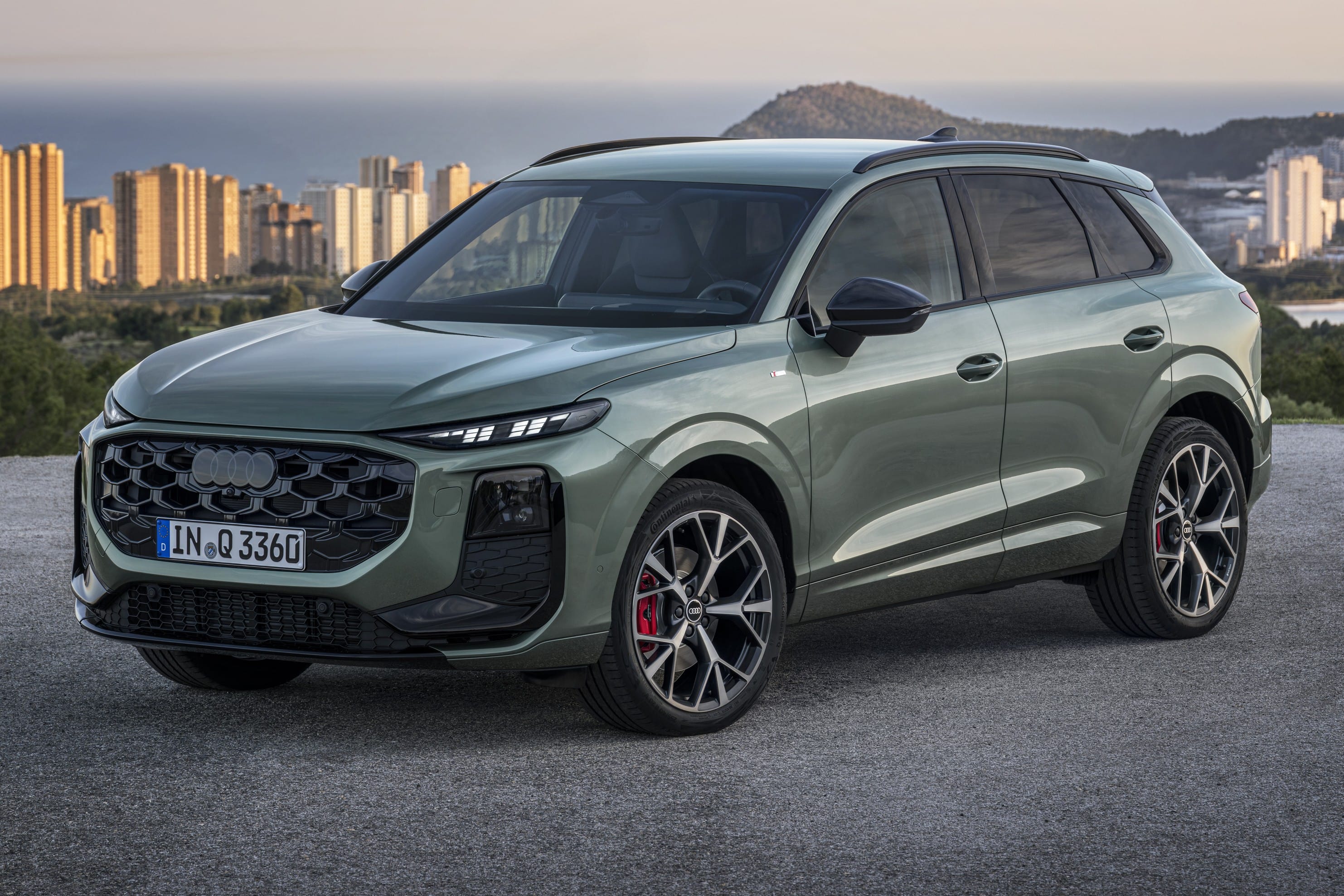
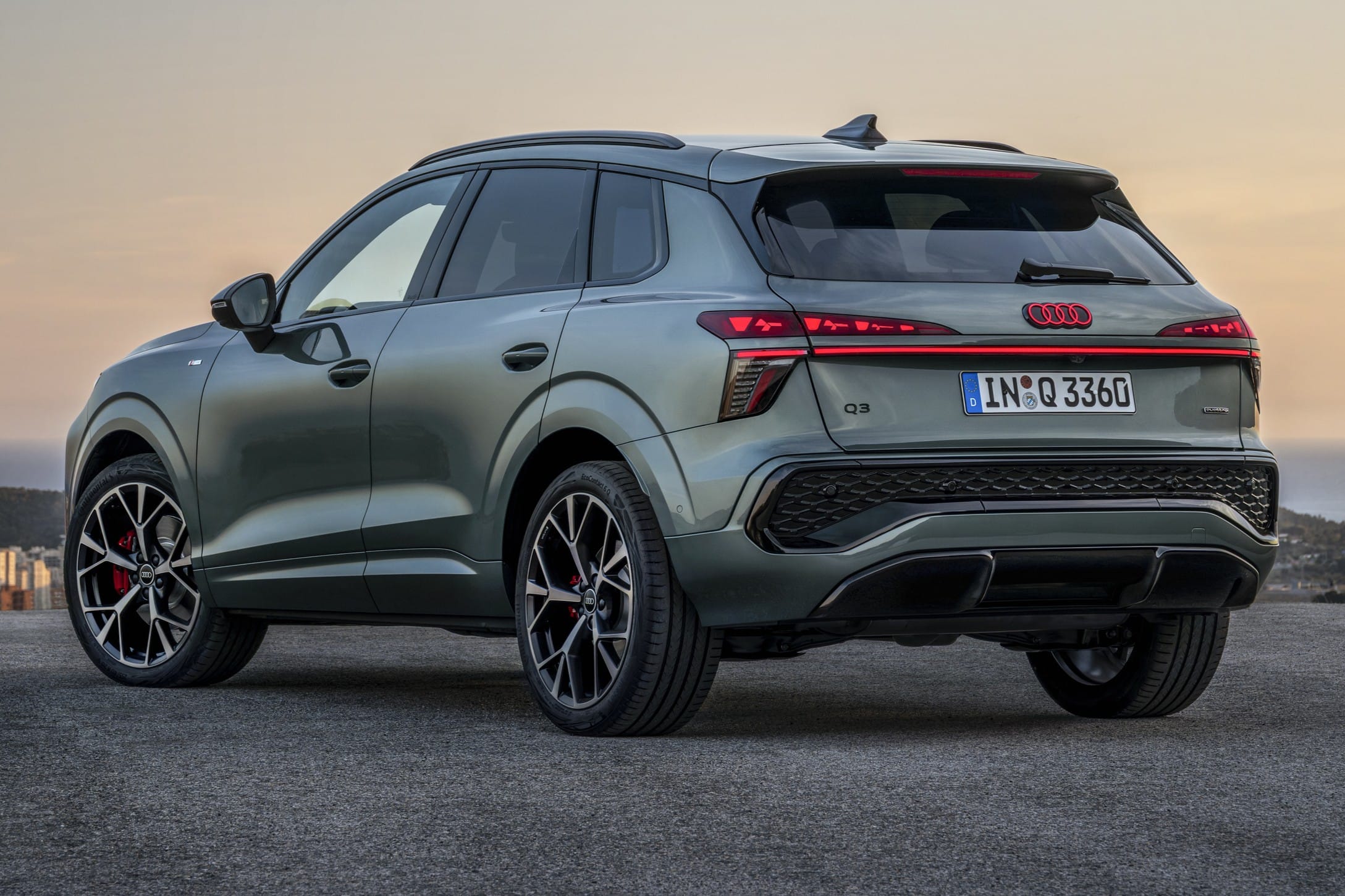
While the previous-gen Q3’s design took an understated approach, the new-gen goes for a flamboyant look. The imposing front-end has a split headlamp design, with slim LED DRLs with four configurable light signatures and vertically stacked LED headlamps. The grille is larger than before, featuring a hexagonal pattern and a 2D Audi logo. The bumper gets a dual-tone look with black surrounds for the headlamps, and there are wide air intakes with a honeycomb pattern.
In profile, the Q3 gets a clean design with subtle moulding for the lower side of the doors, and creases over the wheel arches. You also get a split-lamp design for the back, with the main units having a striking design with optional OLED illumination. Additionally, you also get a thin light bar, and the Audi logo is illuminated. Though the global-spec Q3 gets wheel sizes ranging from 18 to 20 inches, expect the India-spec version to have 18-inch rims.
The third-gen Q3 sits on the latest version of the VW Group’s MQB platform. The global-spec version is 4,531mm long, 1,859mm wide, 1,601mm tall, and gets a 2,681mm wheelbase. Compared to the previous generation, it is 96mm longer, 10mm wider, and 6mm shorter, while the wheelbase is 1mm longer.
Third-generation Audi Q3 interior and features
Comes with a driver-focused cabin and updated tech
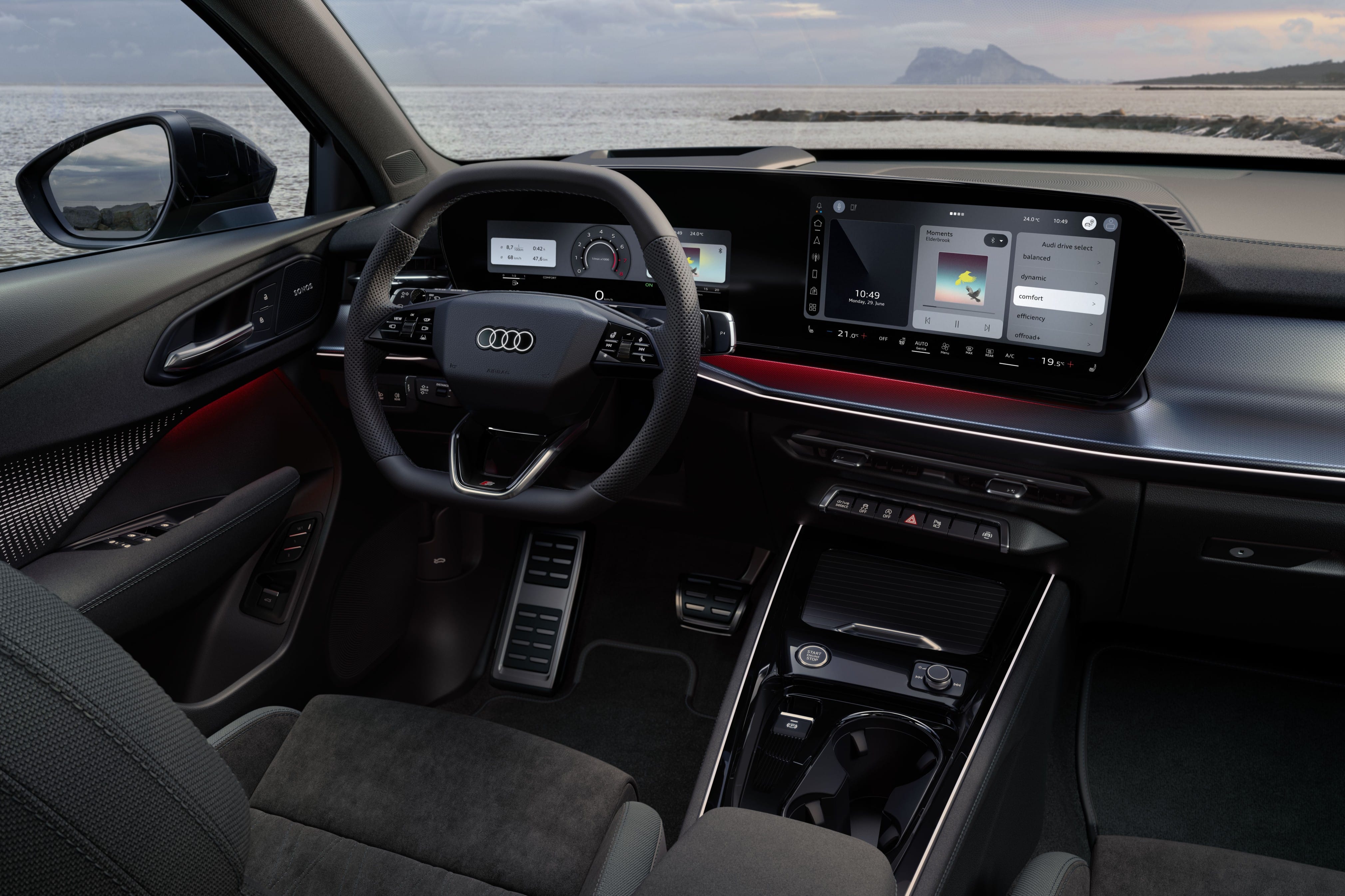
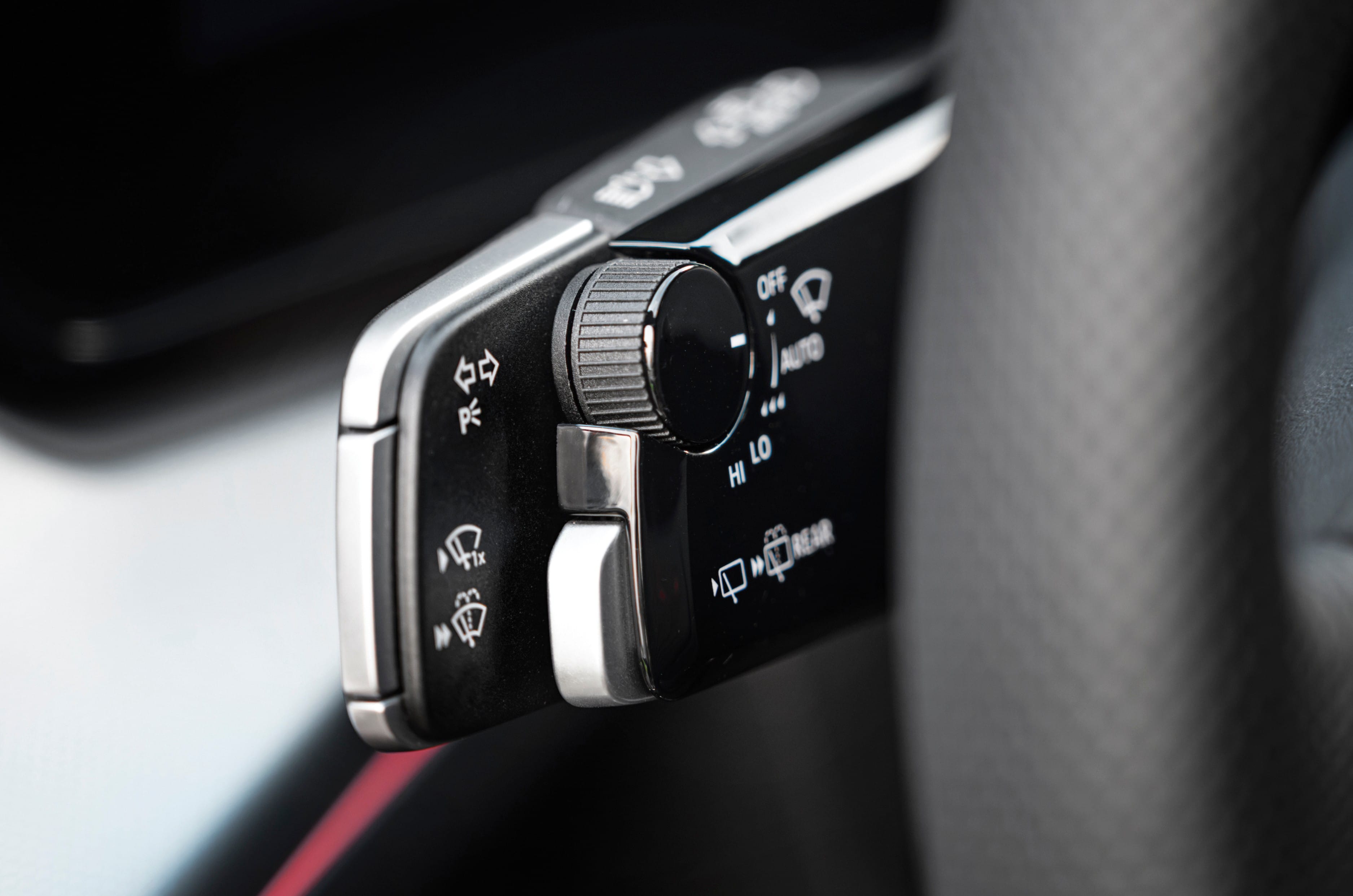
Like the exterior, the interior is also a departure from the current version, with the dashboard angled toward the driver. You get a curved dual-screen setup dominating the dashboard, a new sporty-looking three-spoke flat-bottom steering wheel, and the gear lever has moved from the centre console to the steering column. A unique touch is that controls for the lights, wipers and indicators are combined into a single stalk. However, like most manufacturers, Audi has reduced the number of physical buttons. While the global-spec Q3 gets a black theme for the interior and offers a choice of black or beige seats, it remains to be seen how the India-spec version’s interior would be specced.
As for equipment, the Audi Q3 is expected to have a 11.9-inch digital driver’s display, a 12.8-inch infotainment system with Apple CarPlay and Android Auto, configurable ambient lighting, 3-zone climate control, a panoramic sunroof, a powered driver’s seat, and cooled front seats. The safety kit could include an ADAS suite and a 360-degree camera, along with essentials like 7 airbags, ABS, and ESC.
Third-generation Audi Q3 expected powertrains
Likely to be powered by a single petrol engine
The Q3 is expected to arrive with petrol-only powertrains as its previous generation. It will likely utilise an updated version of the current 2.0-litre TSI unit, churning out 14hp more power at 204hp and 320Nm. A 7-speed DCT handles transmission duties, while you get Quattro AWD as standard.
Third-generation Audi Q3 expected price and rivals
To likely be priced from Rs 50 lakh onward
Expect the new-gen Q3 to be pricier than the previous version. The second-gen that’s currently sold in India has an ex-showroom price of Rs 43.67 lakh to Rs 53 lakh. It will take on the likes of the Mercedes-Benz GLA and the BMW X1. We even had the opportunity to drive the third-gen Q3 in global-spec guise.
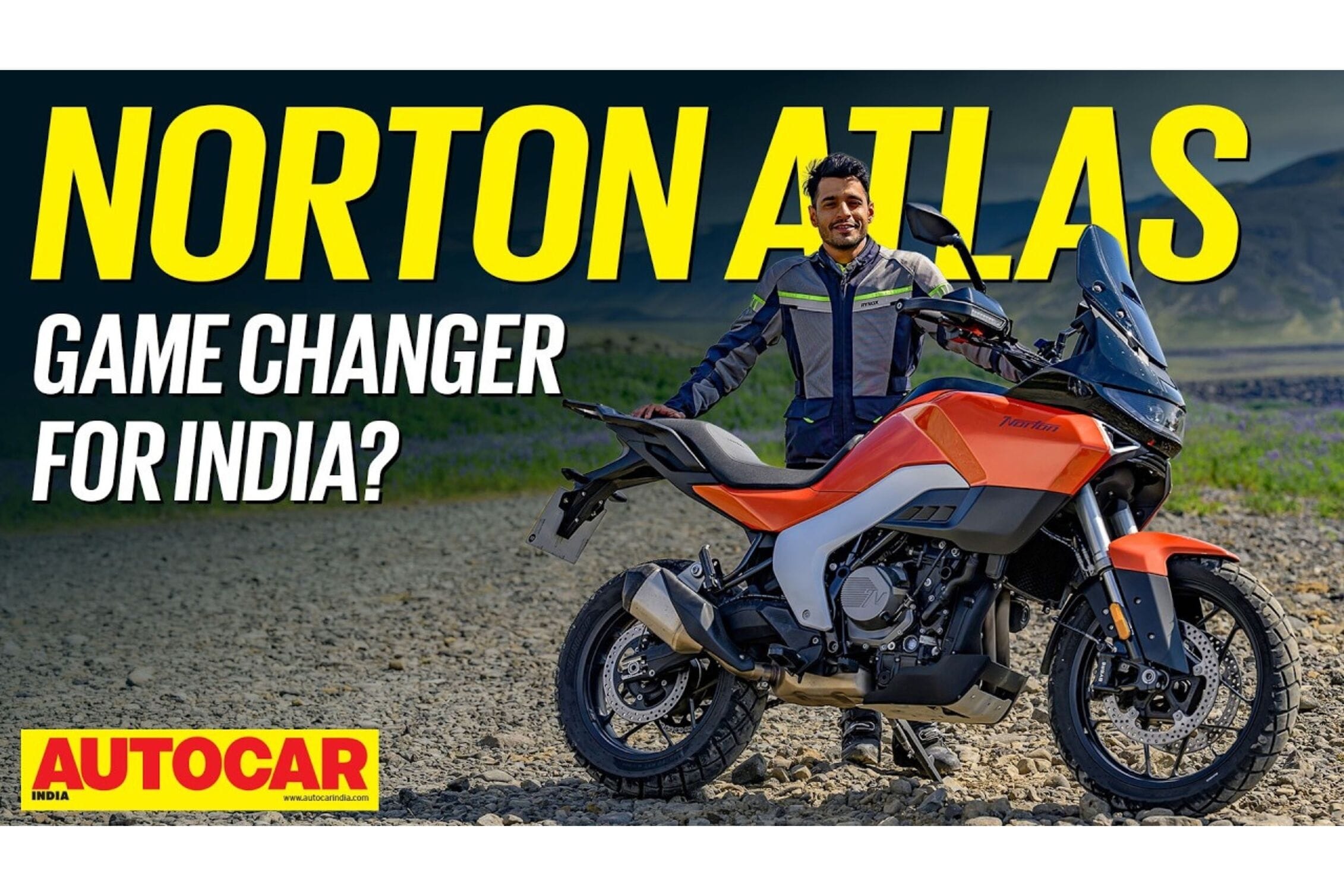
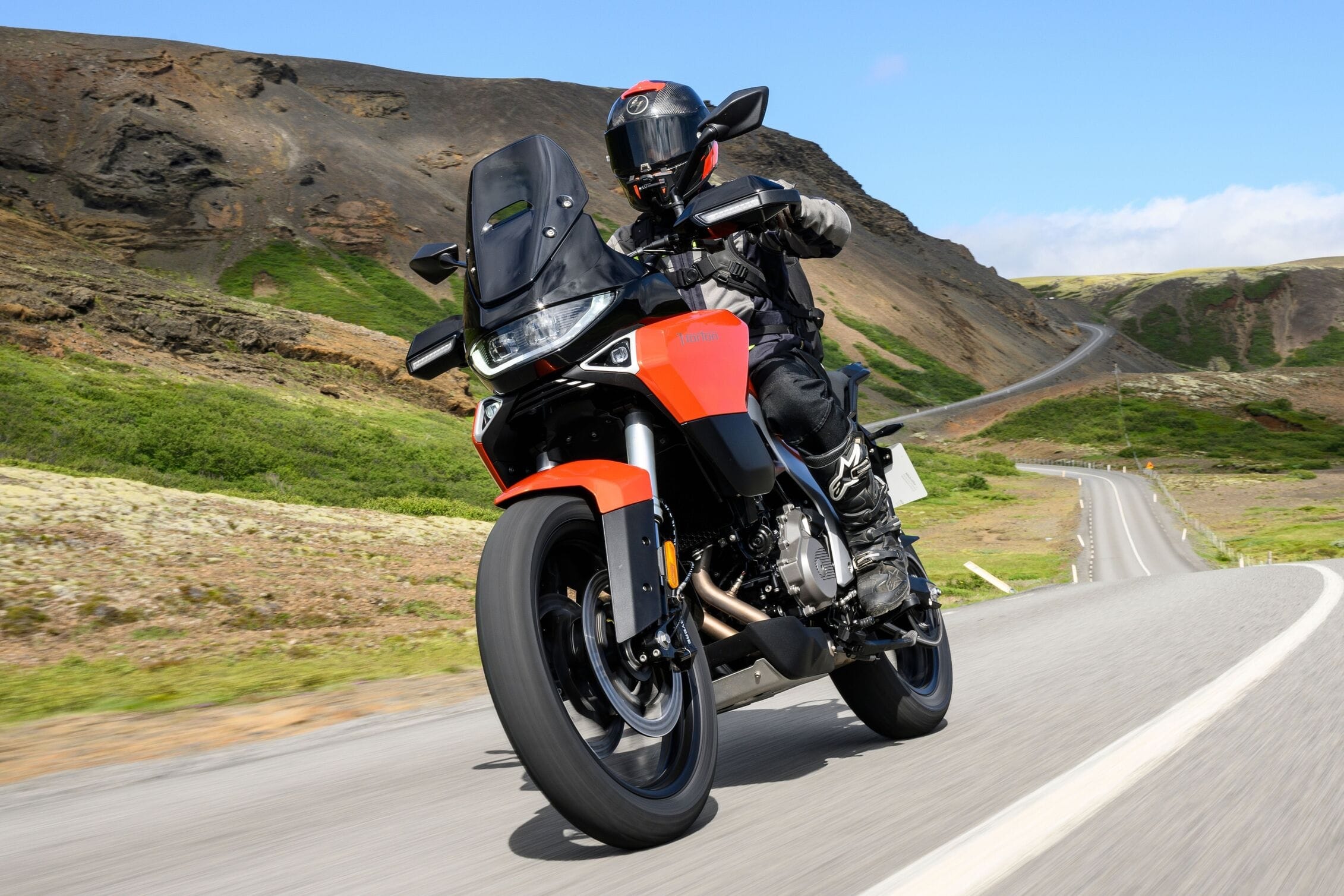
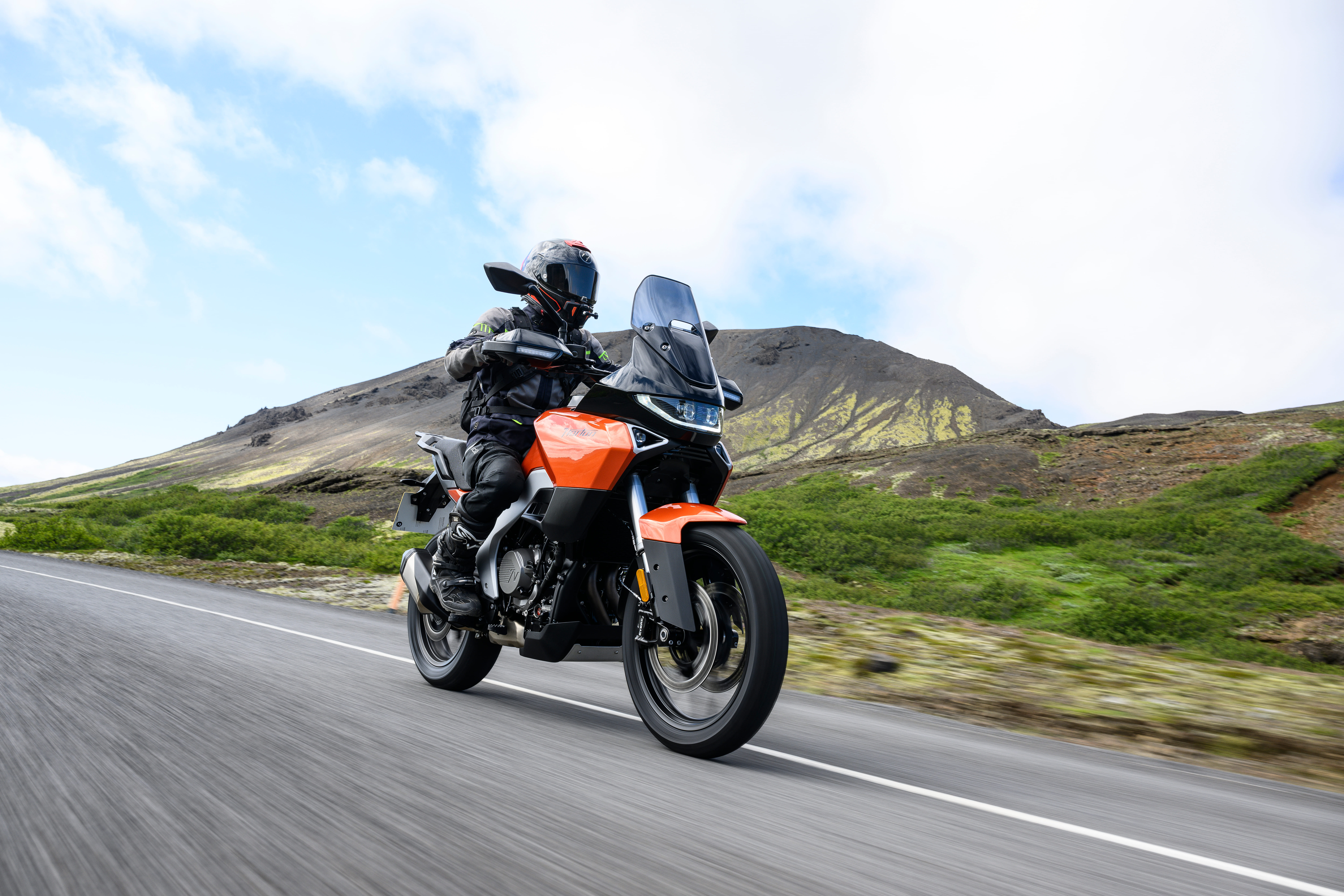
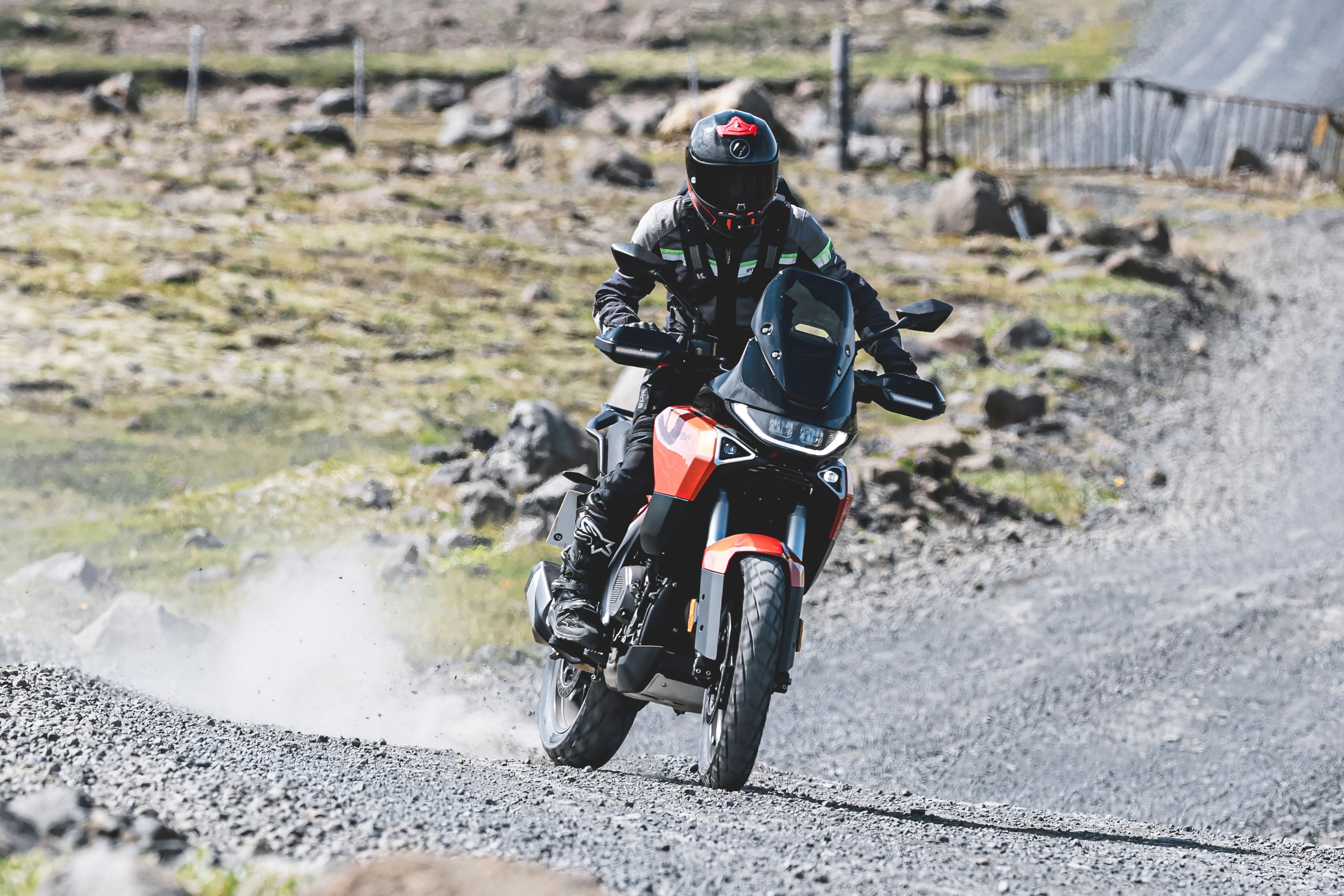
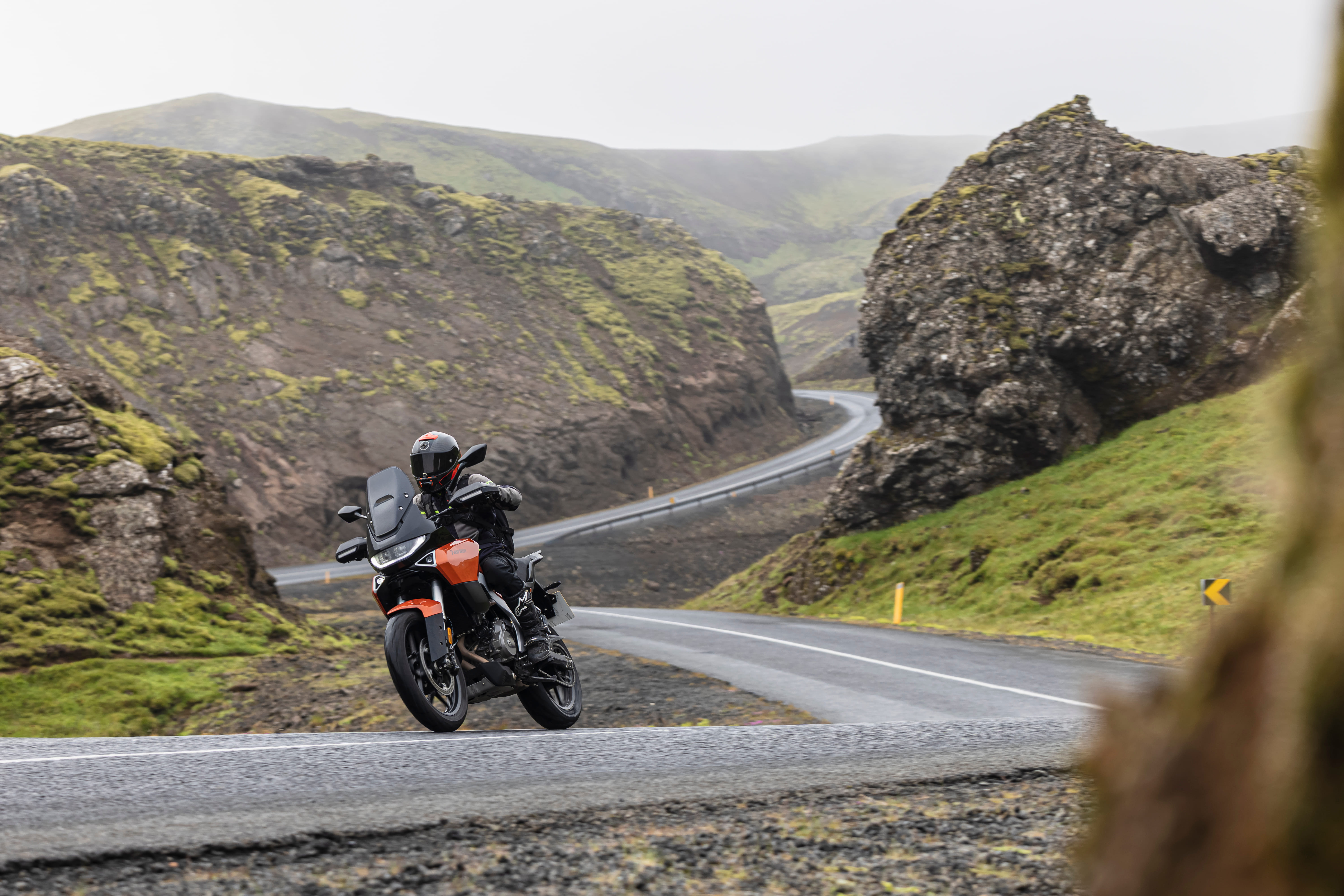
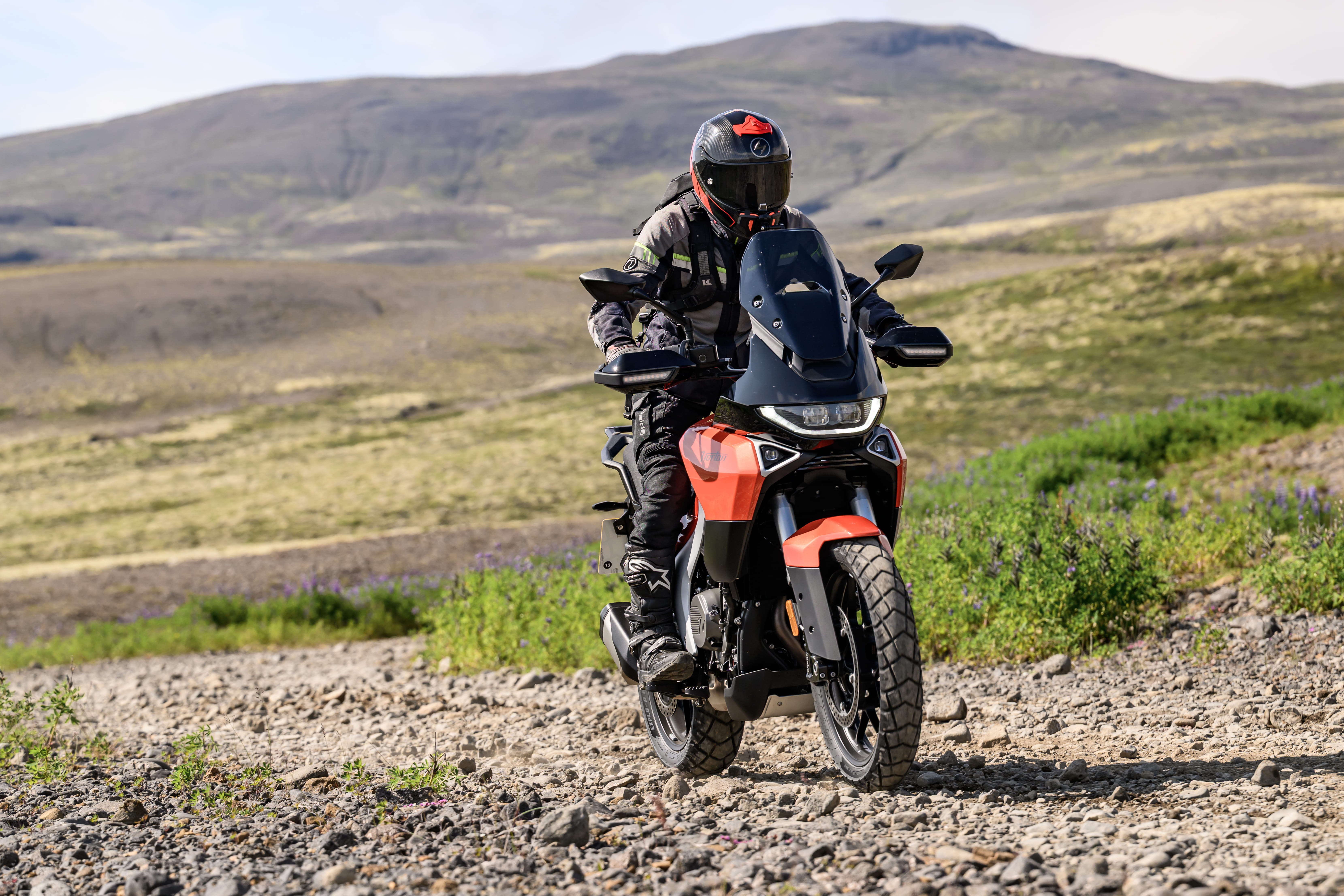
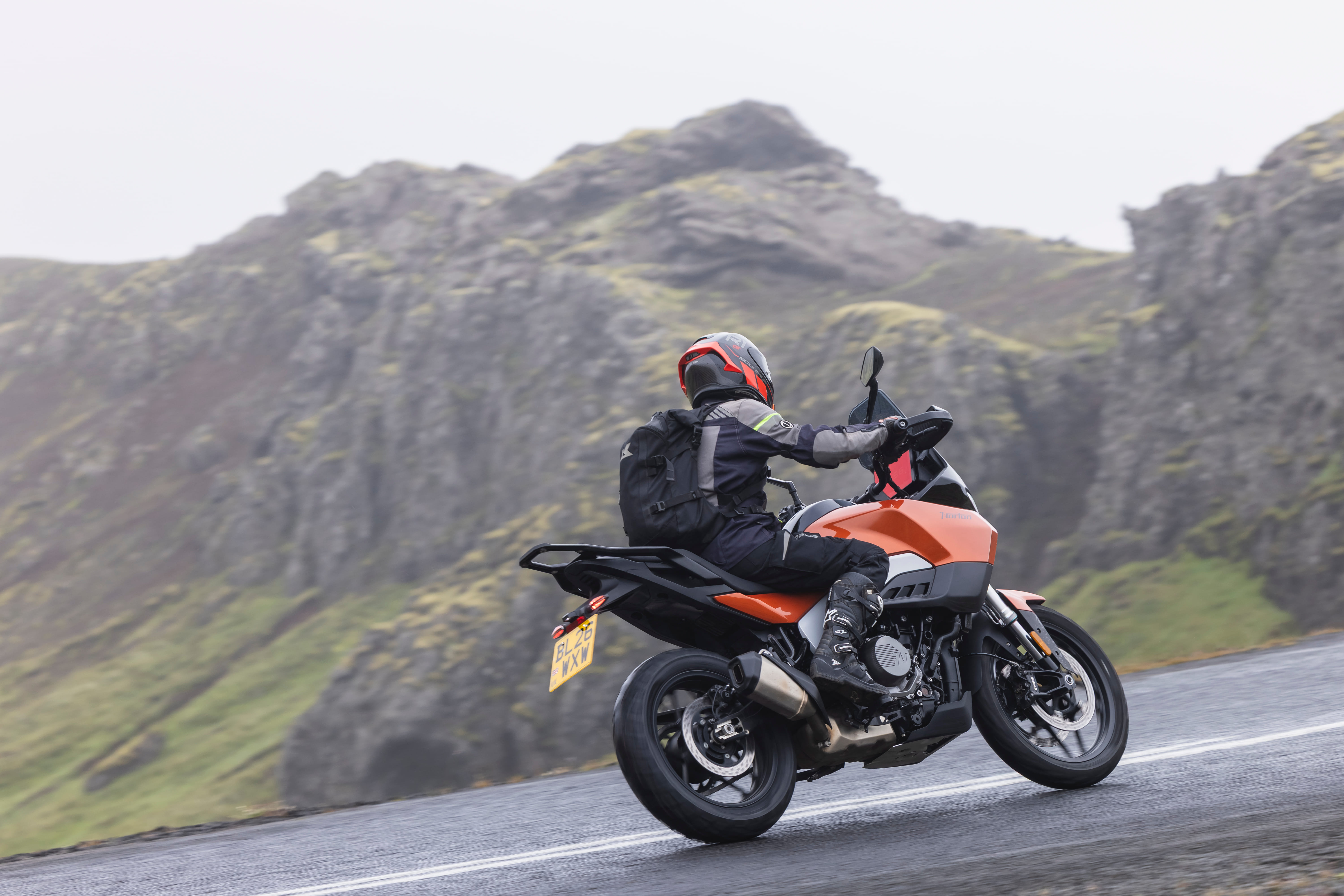
Over the course of nearly 200km, we rode across Iceland’s sweeping mountain roads before venturing onto gravel trails to understand where the Atlas fits in the competitive adventure-touring segment.
The Atlas is only the second motorcycle to emerge from the revived Norton under TVS ownership, following the Manx R. For this first ride, we got to ride the fully-loaded Apex variant, equipped with a 19-inch front and 17-inch rear alloy wheel, alongside a full suite of electronic rider aids. Over the course of nearly 200km, we rode across Iceland’s sweeping mountain roads before venturing onto gravel trails to understand where the Atlas fits in the competitive adventure-touring segment.
Design and Quality – 8/10
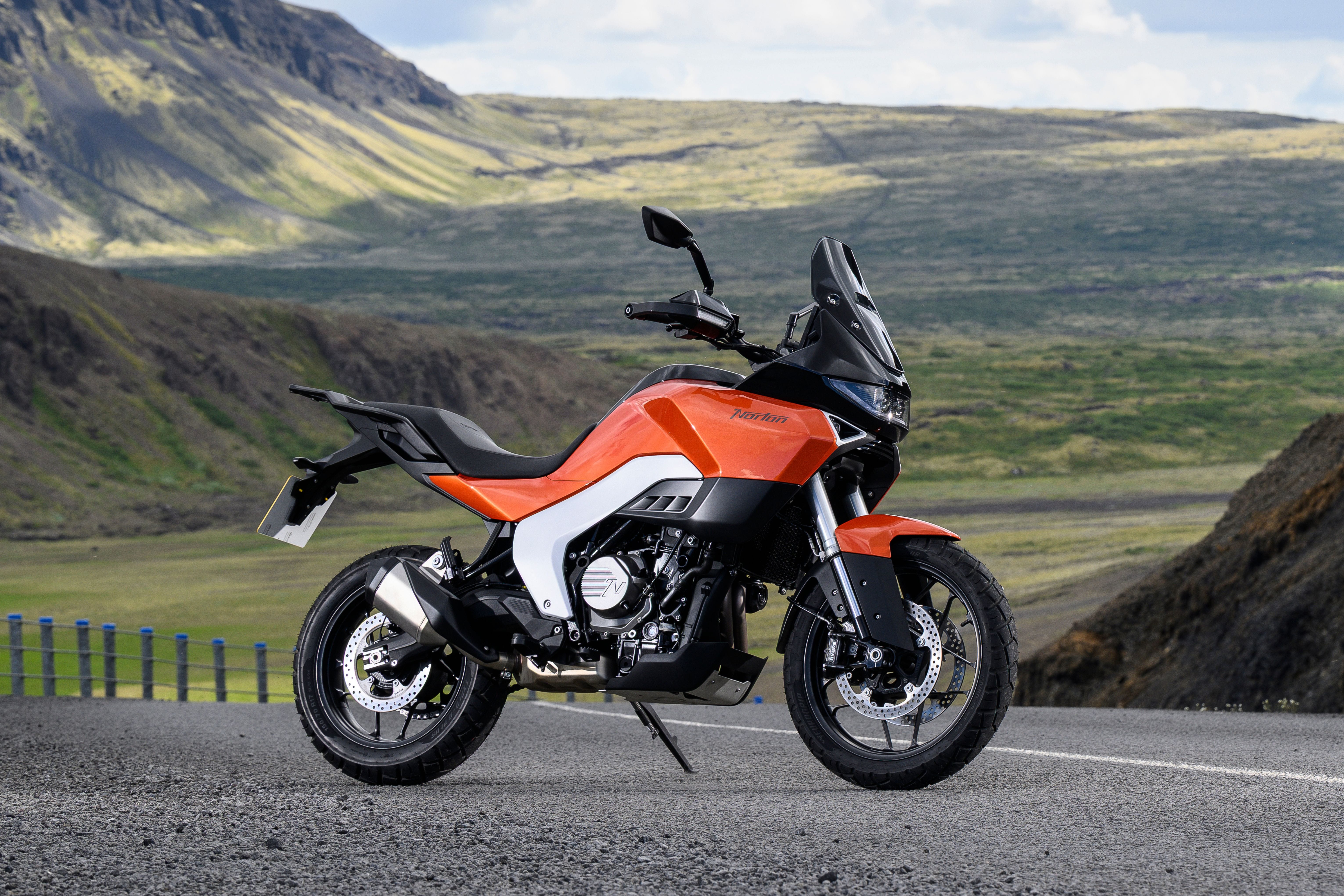
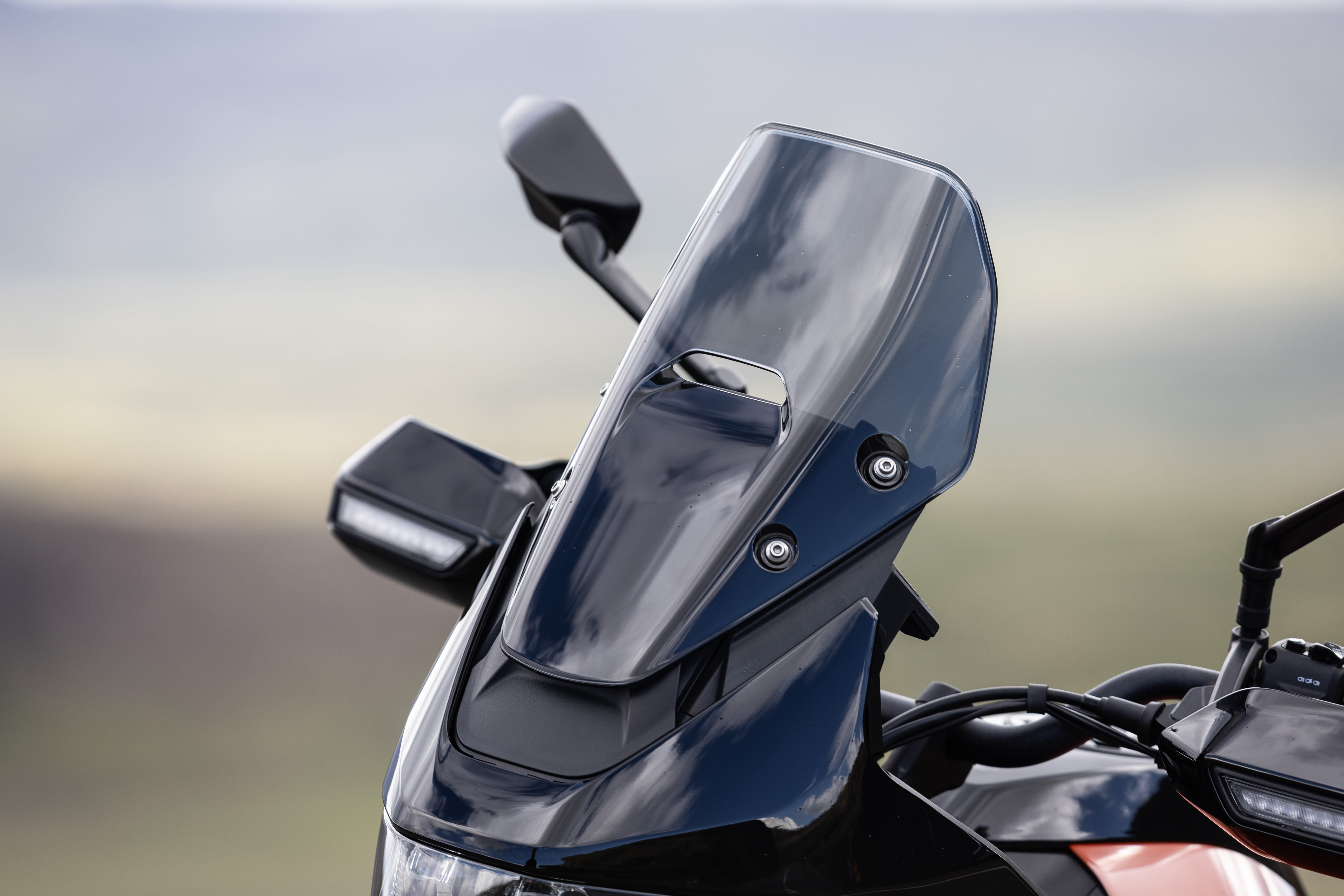
The Atlas follows the same flowing design philosophy as the Manx R, with clean bodywork and proportionate styling that looks better in person than it does in photographs. The front end is particularly distinctive. A unique LED headlamp sits at the centre, flanked by triangular cornering lights. The indicators are neatly integrated into the handguards, giving the bike a clean appearance, while an adjustable windscreen sits above. Adjusting it requires pressing buttons on either side simultaneously, which means you can only do so while stationary.
The 15.4-litre fuel tank appears well-sized for long-distance touring, and towards the rear there’s a practical luggage rack, tail-light integrated into the indicators, and a one-piece seat. The fit and finish leaves a positive impression with consistent panel gaps, good switchgear, and it is an overall well-built motorcycle.
Position and Comfort – 9/10
Despite its touring intentions, the Atlas strikes an interesting balance in terms of ergonomics. With an 845mm seat height, it certainly isn’t low. At 5ft 7in, I couldn’t completely flat-foot the motorcycle, although reaching the ground did not feel intimidating. More importantly, once seated, the riding position feels natural and commanding.
The wide, raised handlebar offers excellent leverage while keeping you upright during long hours in the saddle. Meanwhile, the footpegs are positioned slightly rearset compared to many adventure motorcycles. That gives the Atlas a subtly sporty riding position without compromising comfort, allowing you to enjoy curving mountain roads just as much as relaxed highway cruising.
The seat comfort was surely impressive and even after an entire day in the saddle, it remained supportive with no soreness. The Apex variant weighs 192kg without fuel, which translates to roughly 204kg with a full tank of fuel. You certainly notice the weight while manoeuvring at walking pace, but once on the go, the weight is not felt as much.
Performance – 9/10
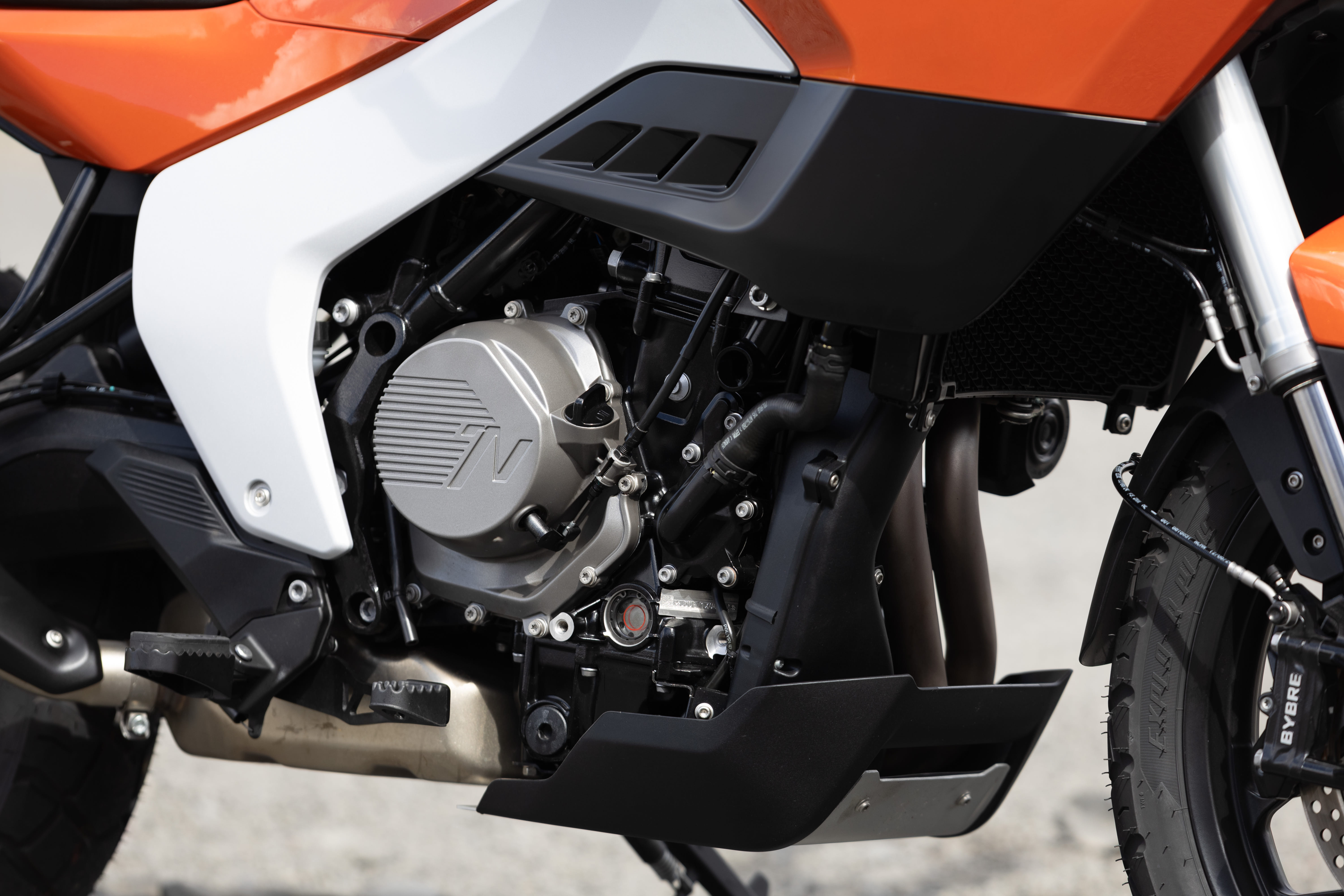
Powering the Atlas is an all-new 585cc parallel-twin engine producing 70hp and 57.5Nm. It features a 270 degree crankshaft, giving it a distinctive exhaust note and an engaging character. The cylinders are plasma-coated, which Norton says reduces friction, lowers weight and improves durability. Another interesting engineering detail is the removable cassette style six-speed gearbox, which can be serviced without moving or removing the engine.
Out on the road, the engine has strong low-end torque. Pulling away from a standstill requires little effort, and there is a healthy surge in the lower half of the rev range. Around 5,000rpm, the torque curve begins to flatten and the power delivery becomes progressively more linear towards the top end. It never felt intimidating, but was certainly entertaining.
Cruising refinement is equally impressive. The engine remains smooth for the most part, with only mild vibrations creeping through the motorcycle at higher revs. They’re noticeable, but never intrusive enough to spoil the riding experience.
The bike also gets a bi-directional quickshifter as standard. Downshifts are slick and seamless, but upshifts tell a slightly different story. At city speeds around 60kph it performs well, although at higher speeds it cuts power fractionally longer than expected, resulting in shifts that occasionally feel jerky.
Features and Safety – 9/10
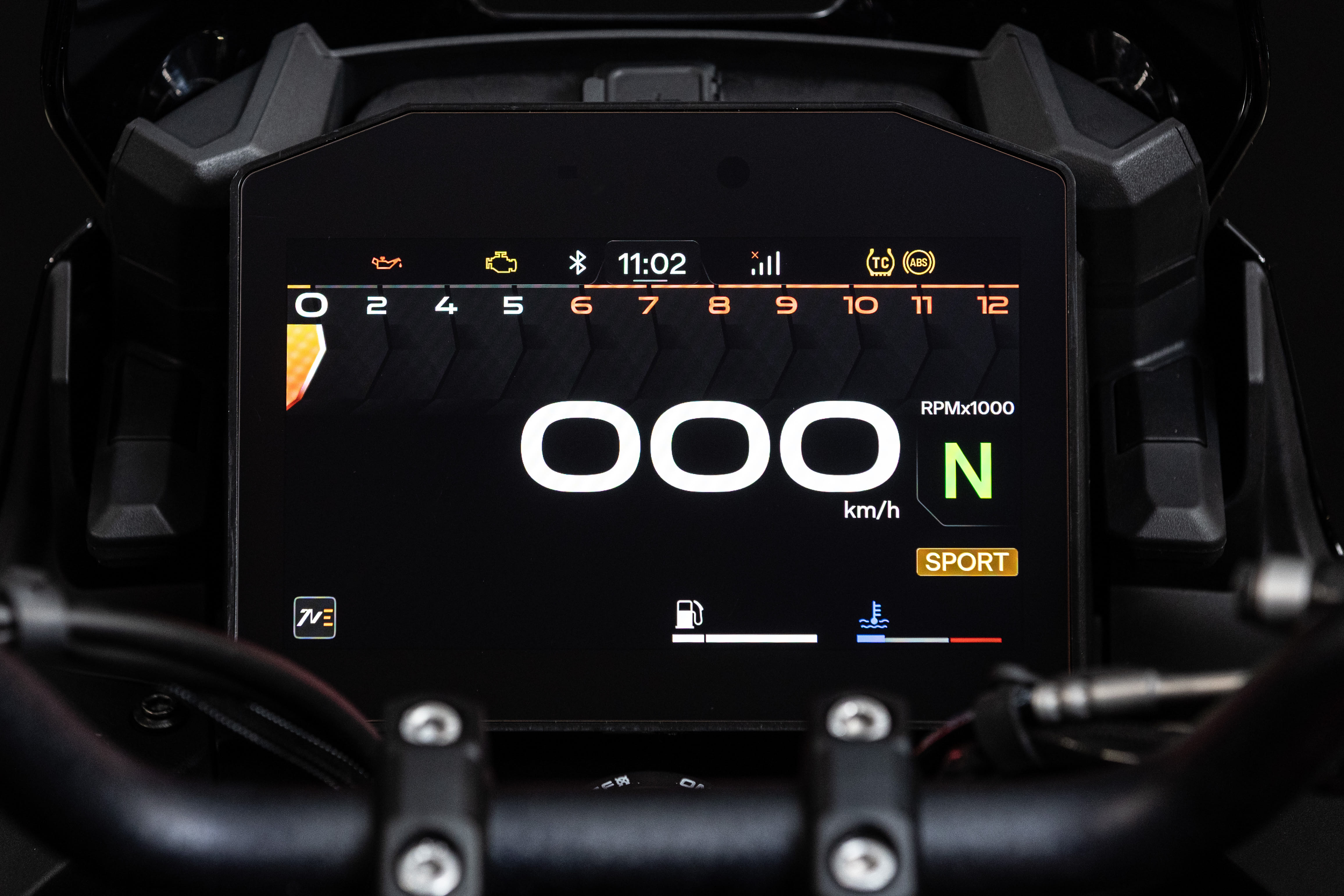
The Atlas Apex comes loaded with technology. It uses the same 8-inch TFT touchscreen similar to the unit seen on the Manx R. The display is bright, crisp and easy to read, while the touchscreen itself responds well to inputs. It is paired with a comprehensive electronics package including traction control, cornering ABS, cruise control, hill hold assist and heated grips. Given Iceland’s chilly weather, the heated grips proved to be helpful throughout the day, while cruise control made covering long stretches of open highway effortless.
Five riding modes are available, each altering throttle response, engine braking, traction control and ABS intervention. I spent most of my time in touring mode and it offered good throttle response that was perfectly suited to the flowing roads we spent most of the day riding. Sport mode noticeably reduces the intervention from both traction control and ABS, allowing a more spirited riding experience, while Enduro mode also tweaks the throttle response for loose surfaces and disengages rear ABS.
One feature that stood out was the slide control calibration in Enduro mode. On gravel roads, it allows enough rear-wheel movement to enjoy controlled slides without things getting risky. Adding to the practicality is a dedicated traction control button on the left switchgear, allowing riders to disable the system altogether without navigating through multiple menus.
There are, however, a couple of minor annoyances. The TFT display takes longer than expected to boot up after switching on the ignition. The keyless system also feels unnecessarily complicated, requiring you to press an unlock button on the key fob every single time before starting the bike. This was a small inconvenience that could become frustrating during long tours with frequent stops, but it is something that Norton could fix with a software update.
The adjustable windscreen also generates noticeable buffeting at higher speeds, although it is worth mentioning that Iceland’s notoriously strong crosswinds likely exaggerated the issue.
Ride and Handling – 8/10
Suspension duties are handled by a fully-adjustable, 43mm KYB upside-down fork up front and a KYB monoshock at the rear with remote preload adjustment. The remote preload adjuster is a welcome feature for touring, although its placement requires reaching deep inside the motorcycle to make adjustments. Suspension travel measures 180mm at both ends. The standard setup leans towards the firmer side, but that suits the motorcycle’s road-focused personality perfectly.
On sweeping mountain roads, the motorcycle feels composed. It changes direction with confidence, remains planted through long corners and inspires plenty of confidence at higher cruising speeds. The chassis remained stable despite battling strong crosswinds for much of the day. Even when exposed on wide, open stretches of road, the Atlas never felt nervous or unsettled.
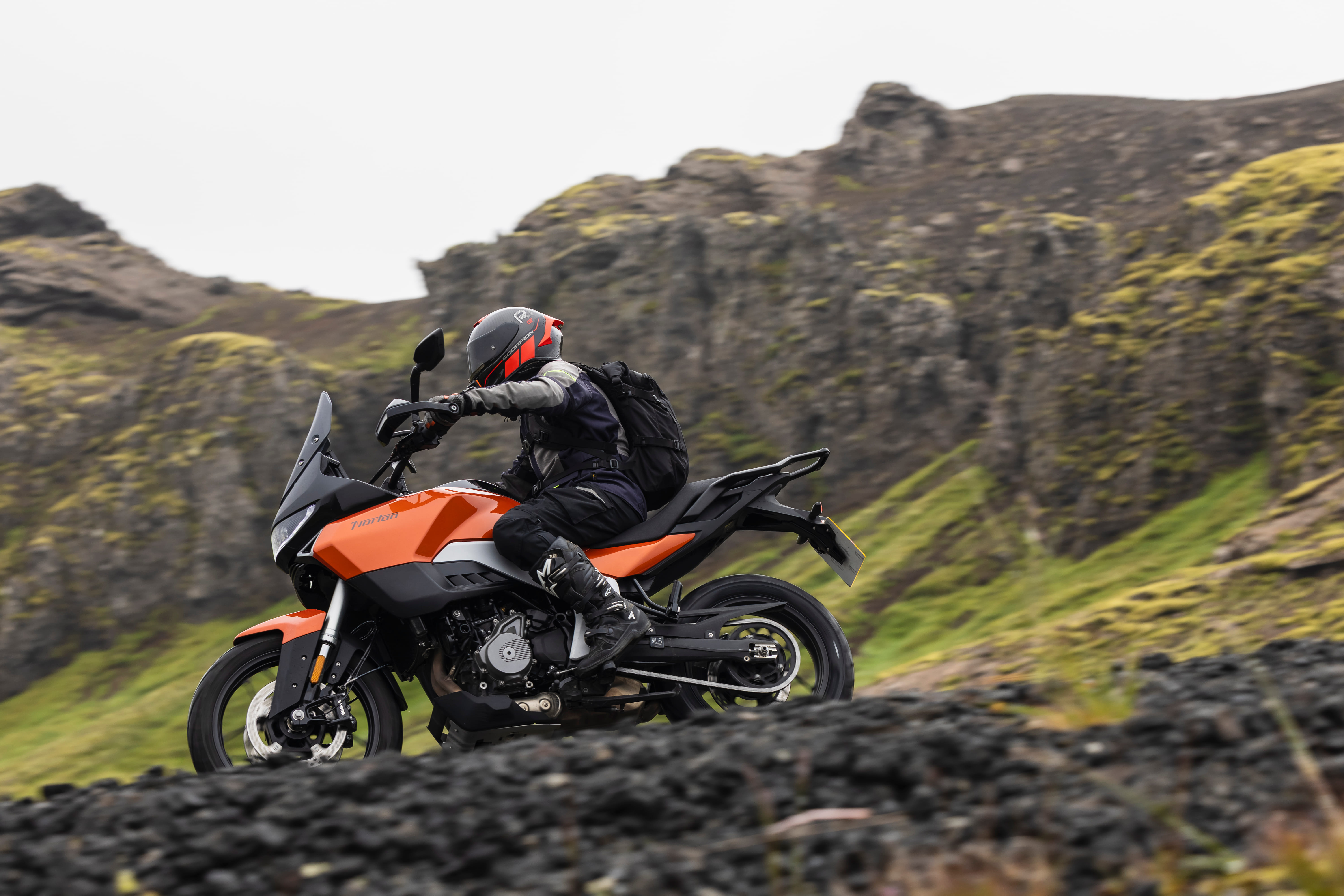
Although the Atlas carries adventure-bike styling, it is best viewed as a road-biased tourer that isn’t afraid of venturing off road. On flowing dirt roads, the motorcycle remained confidence inspiring, with the electronics working seamlessly in the background. Standing on the pegs felt natural, and the suspension dealt comfortably with smaller bumps and loose surfaces.
Over larger rocks and rougher terrain, however, the weight becomes more noticeable, while the suspension transmits sharper impacts than a dedicated off-road machine would. If your adventures regularly involve technical trails, there are better options available. But for riders whose definition of adventure includes the occasional gravel road between long stretches of tarmac, the Atlas feels perfectly at home.
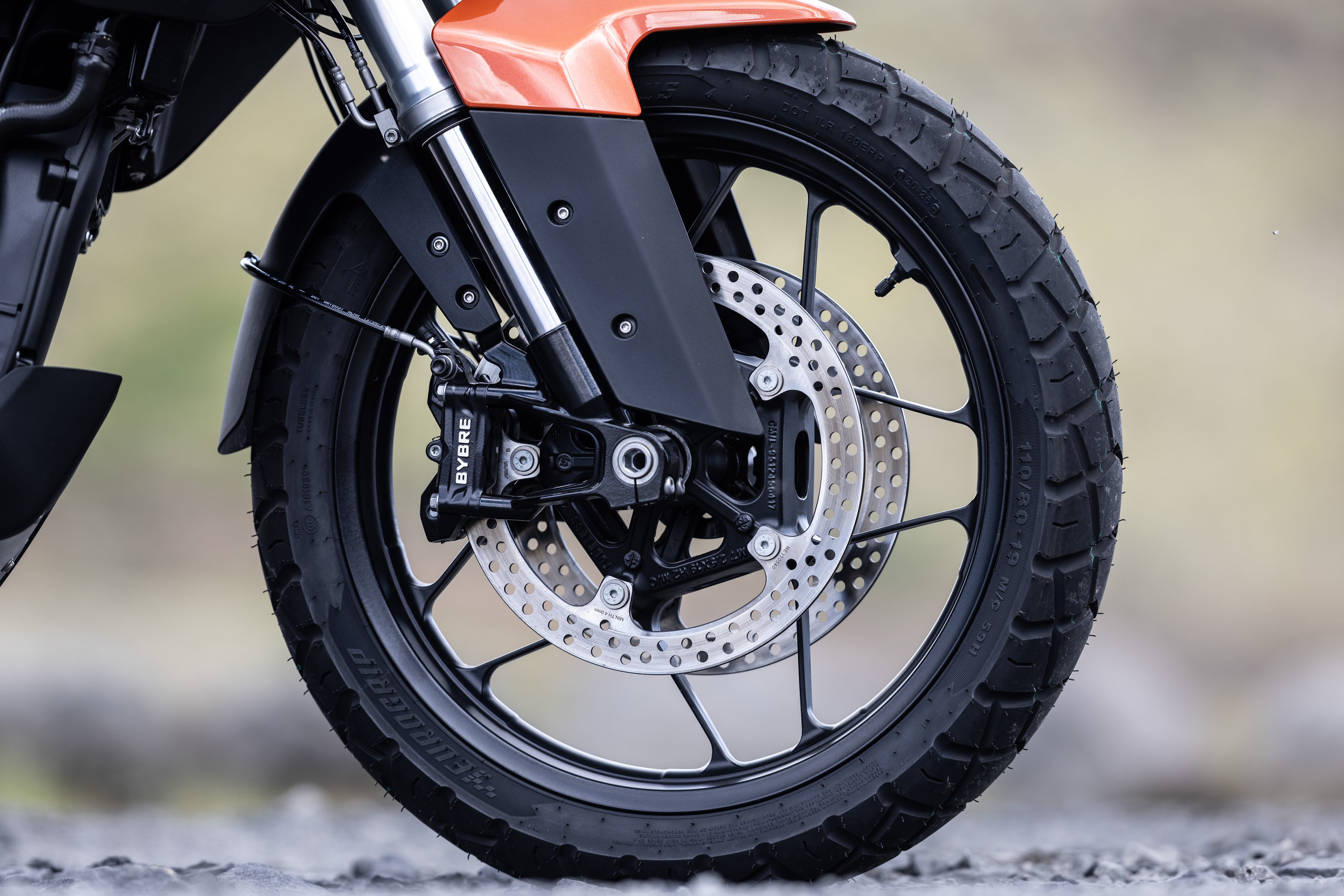
One component that consistently impressed throughout the ride was the set of dual-purpose Eurogrip Xplo-R Plus tyres. Whether attacking sweeping corners, riding through gravel or dealing with wet roads, they delivered excellent grip and confidence, even in the sub 10 degree cold we had at the start of the ride. The Atlas tipped into corners willingly, remained composed at speed and, even in the rain, never once felt nervous or unpredictable.
The braking system, unfortunately, wasn’t quite as convincing. On paper, it sounds promising, featuring twin front discs, ByBre calipers and steel-braided brake lines. Additionally, this variant also gets an electronically combined braking system. However, there is hardly any initial bite when first applying the brakes. Instead, the stopping power builds suddenly once the lever reaches roughly halfway through. While outright braking performance is strong, the abrupt transition makes smooth modulation difficult until you become familiar with the system. It is one area that requires further refinement.
Verdict – 9/10
The Norton Atlas did make a strong first impression. It blends handsome styling, premium build quality, engaging engine performance and a comprehensive electronics package into a motorcycle that feels genuinely capable of covering serious distances. It focuses on delivering an enjoyable touring experience while retaining enough off-road ability for occasional detours. Its few shortcomings like the slightly awkward quickshifter, unusual brake feel and some quirks with the keyless system are minor in the context of an otherwise polished package.
The biggest question, however, isn’t how it rides. It’s how much it will cost. With production set to take place in India under TVS, expectations are naturally high for competitive pricing. At 585cc, it has much more displacement than a 450cc bike, a little less than a 650cc and with 70hp of power, it is in a league of its own. But considering it is above 350cc, it will attract a 40 percent GST as well.
If Norton can bring the Atlas to India with a starting price between Rs 5 lakh and Rs 5.5 lakh (ex-showroom), it could be a successful product. Now, all that’s left is to see how it performs on our Indian roads.
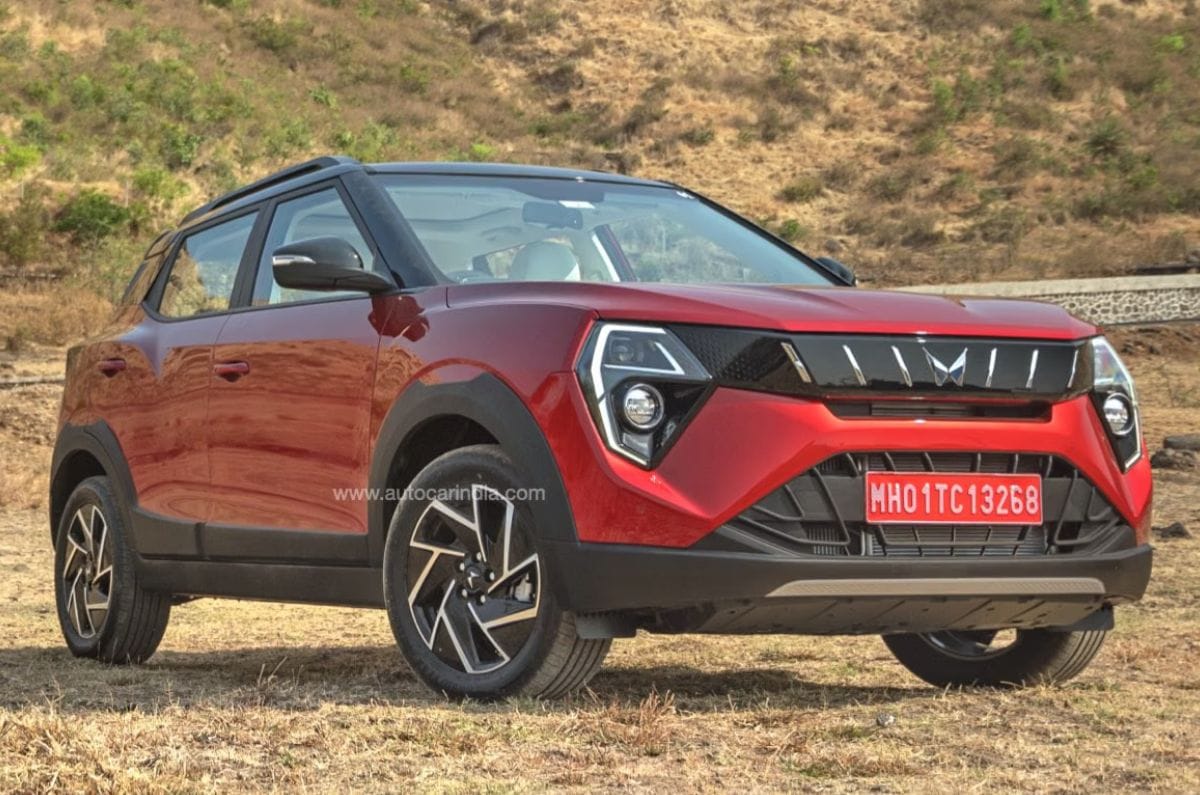
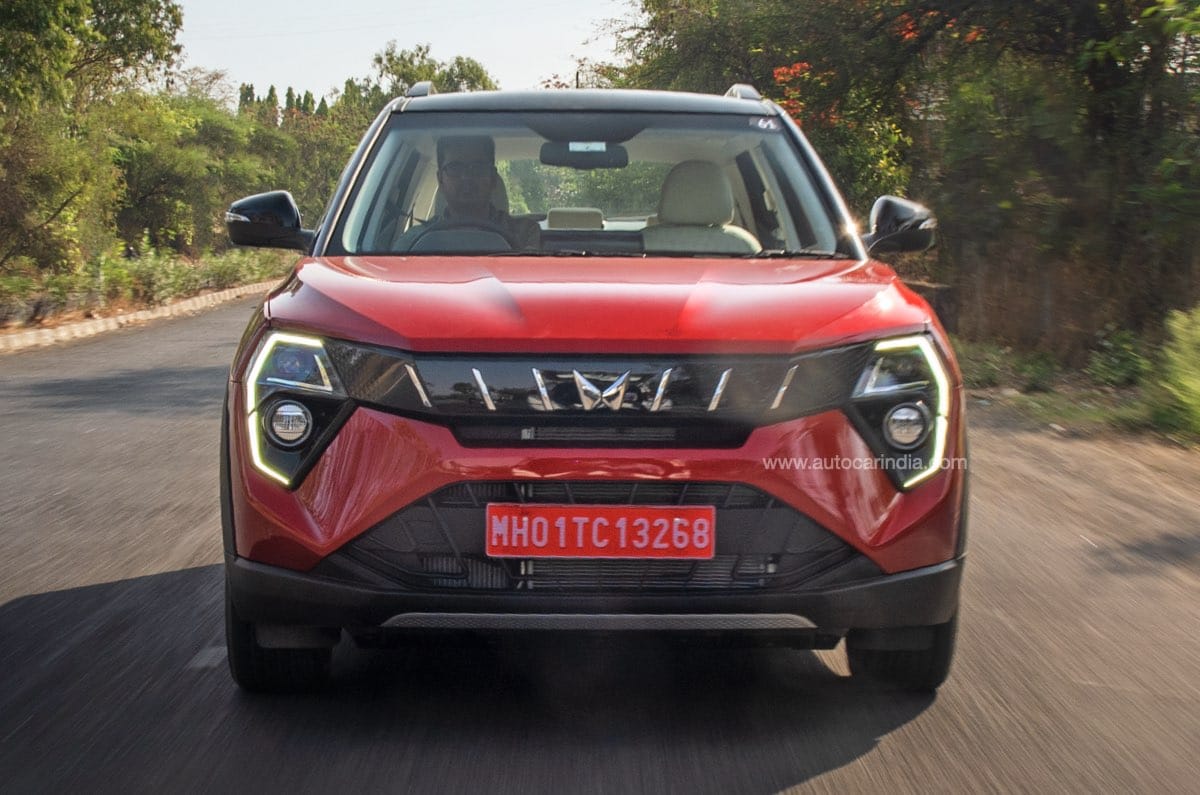
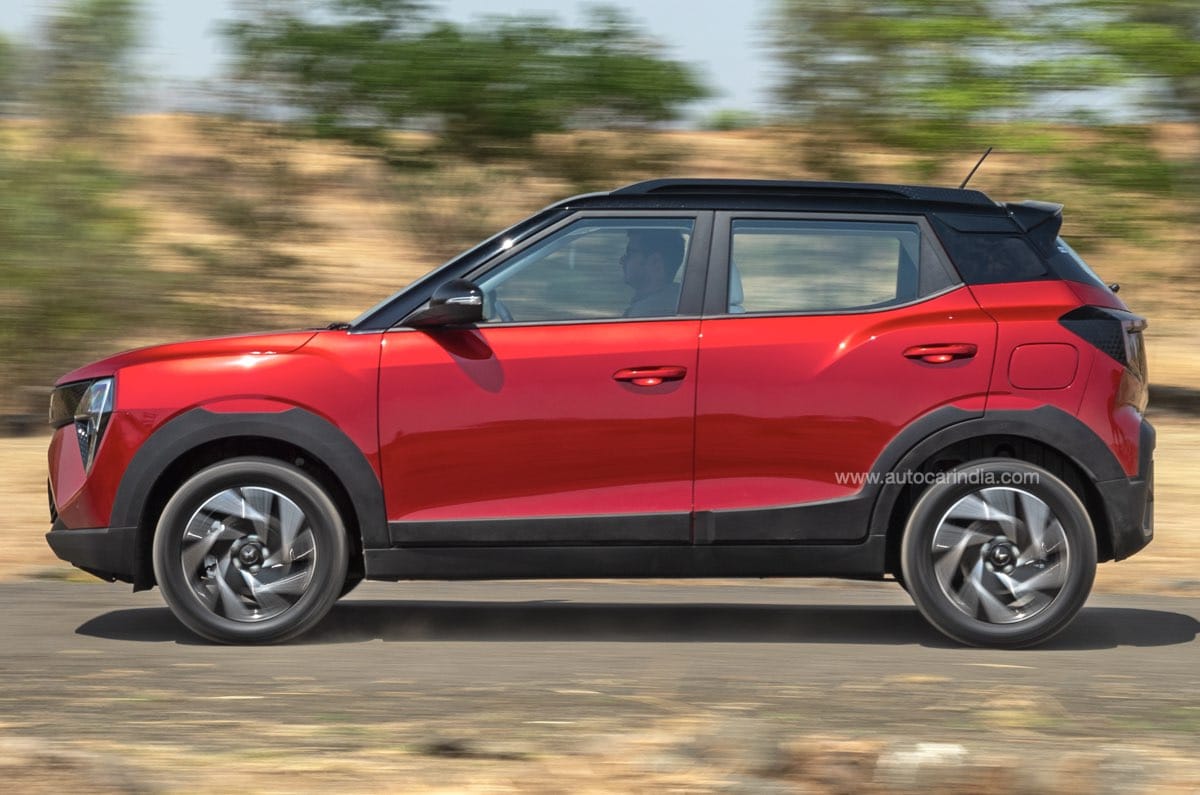
In the crowded compact SUV segment, the XUV 3XO is among the few models that offers petrol and diesel engine options plus a variety of transmission choices. Mahindra brought the XUV 3XO to market in 2024 as a successor to the XUV300, and it’s the home-grown automaker’s smallest SUV. If you’re interested in buying the Mahindra XUV 3XO which, for reference, is priced between Rs 7.79 lakh and Rs 15.04 lakh (ex-showroom), here are its key pros and cons you must consider.
Reasons to buy the Mahindra XUV 3XO
Punchy powerplants
The direct-injection turbo-petrol and turbo-diesel engines allow strong performance
The XUV 3XO’s 1.2-litre direct-injection turbo-petrol engine pushes out 131hp and up to 250Nm of torque. Despite being a three-cylinder engine, this ‘mStallion’ unit is noticeably refined and provides power with eagerness. This eagerness can be a bit tricky to manage at low speeds, but the Zip, Zap and Zoom drive modes come in handy to help fine-tune the driving experience. The mid-range power delivery of this petrol engine is good, too. Then there’s the Aisin-sourced 6-speed torque converter automatic gearbox, which operates smoothly and shifts in a timely manner.
For those who prefer an oil burner, there’s the 1.5-litre four-cylinder turbo-diesel engine. It produces 117hp and 300Nm of torque – the latter being the highest in the segment. There’s also no hint of turbocharger lag even at low speeds. While refinement is just about decent, this diesel unit’s ample power is spread well throughout the rev range. This, along with a 6-speed AMT (automated manual transmission) gearbox, makes long-distance cruising on the highway a relaxing experience. Meanwhile, the base engine option of the XUV 3XO is an 115hp, 1.2-litree three-cylinder turbo-petrol engine with multi-point fuel injection.
Gifted handler
The XUV 3XO can handle paved and unpaved surfaces without breaking a sweat
The Mahindra XUV 3XO not only has pace on its side, its confidence-inspiring brakes mean that it’s also adept at dropping anchors at a moment’s notice. The XUV 3XO’s suspension is a bit firm, but it still manages to take on bad roads with verve – there’s a feeling of toughness to this SUV that inspires confidence no matter the surface condition.
The suspension also provides enough travel and there’s no issue with ground clearance either. This sense of surefootedness comes to the fore when you tackle corners, and even though the steering isn’t that precise, there’s plenty of grip on offer.
Premium interior, lengthy equipment list
Although rivals have caught on, the XUV 3XO’s interior is modern and well-equipped
The dual-tone interior theme of the Mahindra XUV 3XO looks premium and sports soft-touch materials as well. The perforated leather-wrapped steering wheel feels upmarket to hold, while other touchpoints such as the steering-mounted stalks and power-window switches on the doors feel just as nice to use. Where he front seats can feel narrow for some, the rear ones are spacious and comfortable even if you choose to carry three adults there.
The rear seats are well-padded, whilst kneeroom and footroom aren’t lacking either. Adding to the convenience at the back are the AC vents, a centre armrest with cupholders, and two charging ports. Features included on higher variants are a 65W fast charger at the front, wireless Android Auto and Apple CarPlay, a wireless charging tray, dual-zone automatic climate control, a Harman Kardon premium audio system, Dolby Atmos, a panoramic sunroof, a cooled glovebox, 360-degreem camera, an electric parking brake with auto hold, and a Level 2 ADAS (Advanced Driver Assistance Systems) suite.
Reasons to not buy the Mahindra XUV 3XO
Limited cargo space
This isn’t the SUV for you if you haul loads of luggage regularly
Users can find hauling luggage in or out of the XUV 3XO’s boot tiresome because of the low boot floor and high loading lip. And while there’s 295 litres of cargo space, this is far lower than what most rivals offer in this segment. The lack of a parcel shelf also means that any items you do store in this boot will remain visible to those peeking in.
Pricey top variants
The XUV 3XO is one of the most expensive cars in the segment
The Mahindra XUV 3XO’s top variants are some of the most expensive offerings in the compact SUV segment. And while the Hyundai Venue’s range-topping variants are pricier still, they pack even more features and the car itself is newer than the XUV 3XO.
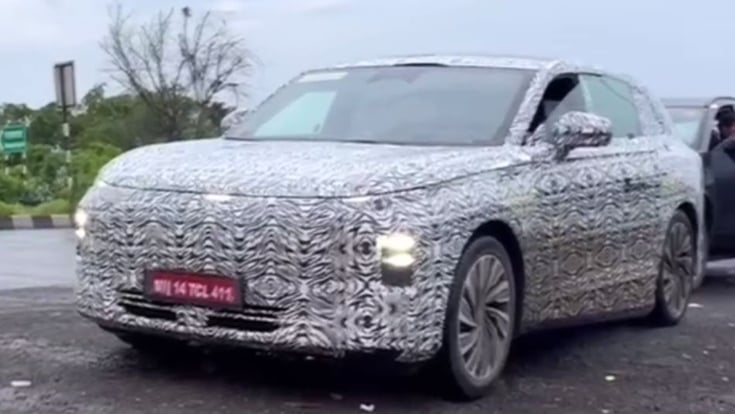
A new camouflaged prototype vehicle was recently spied testing in India, which many online reports speculated to be one of Tata’s upcoming Avinya models. Contrary to those reports, however, the spotted test mule is actually the Sterra ET, an SUV manufactured by Chinese automaker Exceed, a premium brand of Chery. Incidentally, the Exceed Sterra ET is based on the same Chery-JLR platform which Tata Motors recently announced will be underpinning its upcoming Avinya range.
Tata Avinya EVs to Chery’s E0X platform
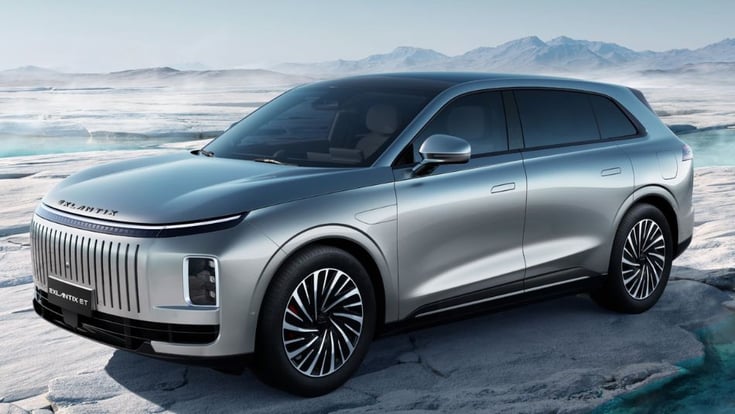
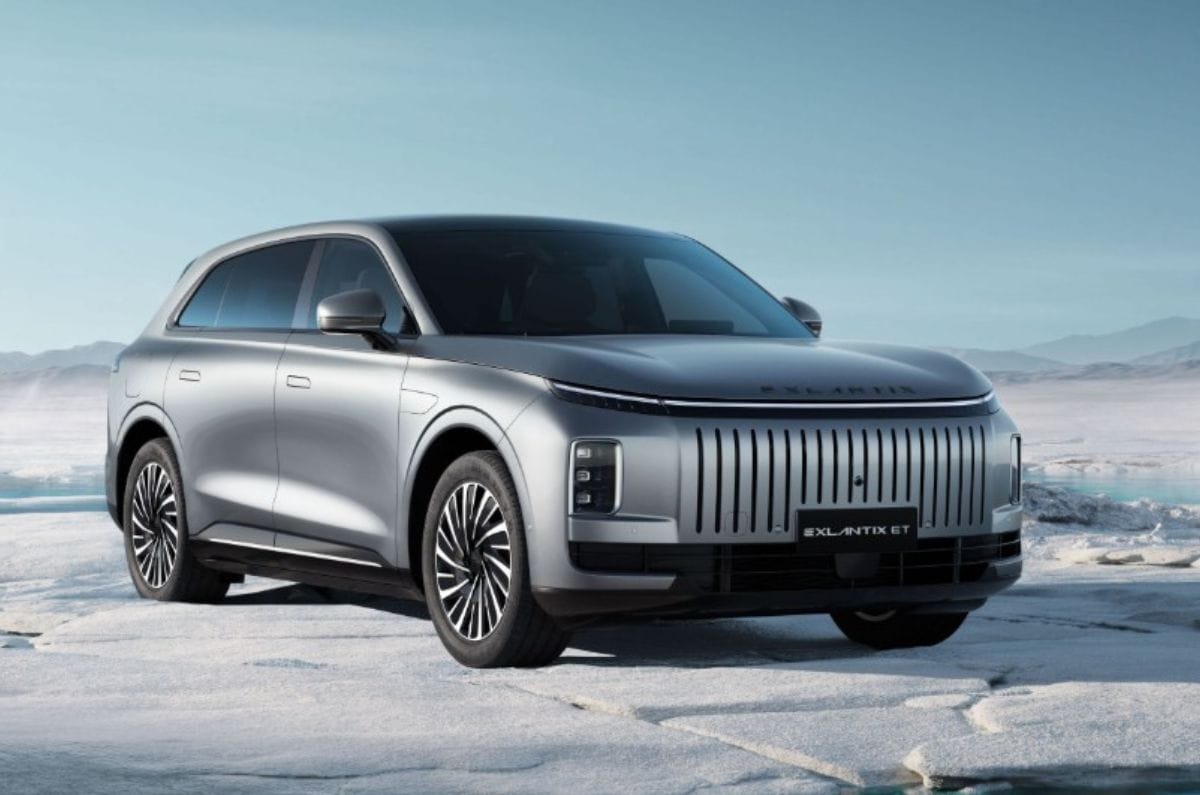
Tata Motors recently confirmed that the Avinya range of models will be underpinned by the Freelander EV platform produced by Chery-JLR in China. Known as the E0X, this platform also underpins several other models in the Chinese market like the Exceed Sterra ES and Sterra ET, the latter of which has been spied testing on our roads. It’s also known as the Exceed Exlantix ET in markets outside China.
Essentially, the company is using the Exceed Sterra ET as a test bed for its upcoming Avinya EVs, but the spied test mule doesn’t preview any Avinya model in particular, even though its proportions are very similar to the Avinya X concept.
While Avinya EV’s underlying mechanical architecture is expected to be similar to other models based on the E0X platform, Tata Motors is understood to be reworking key parts of the electronics, software and vehicle systems for Indian market requirements.
Exceed Sterra ET: what is it?
The Sterra ET is a near-5-meter-long SUV that’s available with both all-electric and range-extender hybrid powertrain options. It’s Exeed’s second product in its Sterra lineup after the Sterra ES sedan.
The Sterra ET is also known as the Exlantix ET in markets outside China.
In all-electric guise, the Sterra ET gets an 800V architecture and can support batteries of up to 100kWh in size. It comes in either rear-wheel drive or all-wheel drive configurations and is claimed to return up to 760km of range in the CLTC cycle. Meanwhile, the range-extender hybrid versions use a 400V architecture and are powered by a 1.5-litre turbo-petrol engine coupled with either a 32kWh or a 41.2kWh battery packs. This, too, comes in both rear-wheel drive and all-wheel drive configurations, and is said to return a combined range of up to 1518 km on the CLTC cycle.
First production model under Avinya brand is due in 2027.
It remains to be seen which powertrain configurations Tata chooses for its Avinya range of EVs. The Sterra ET also gets Level 2 ADAS features, OTA updates and V2L capabilities.
The first production model under the Avinya brand will be the Avinya X, due for a market launch in 2027.
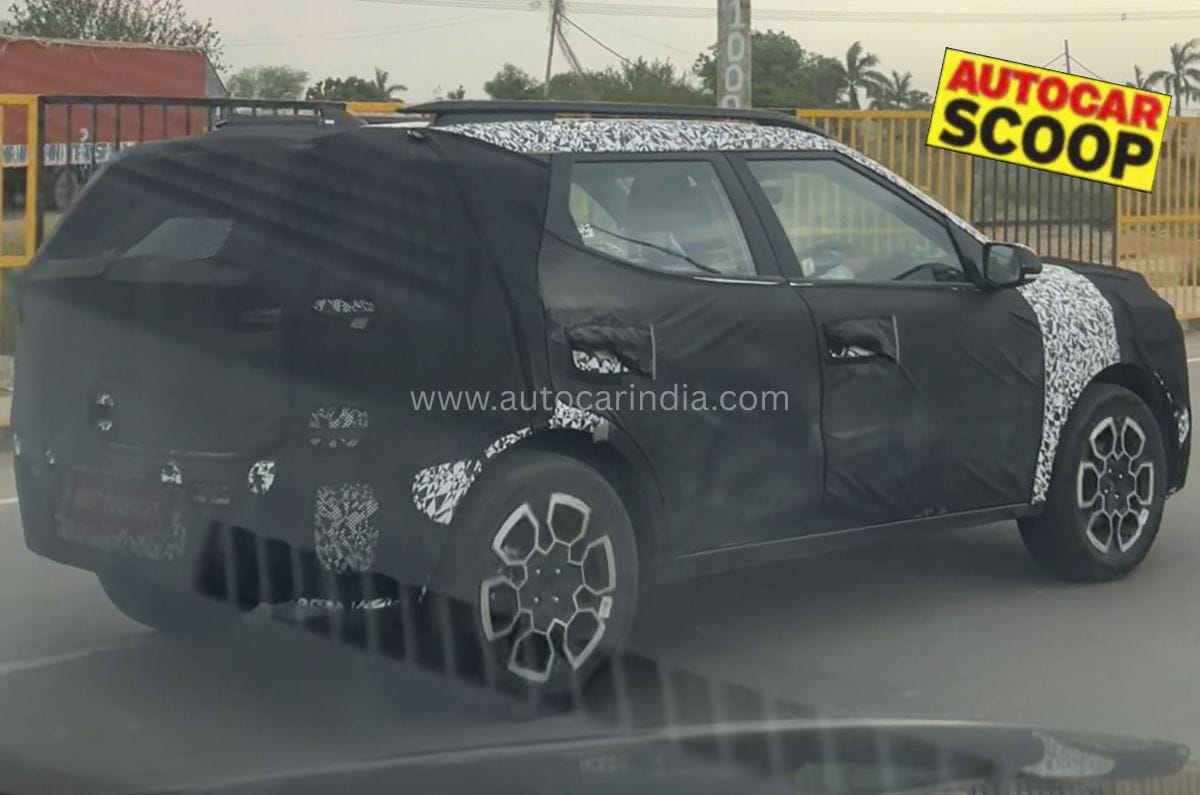
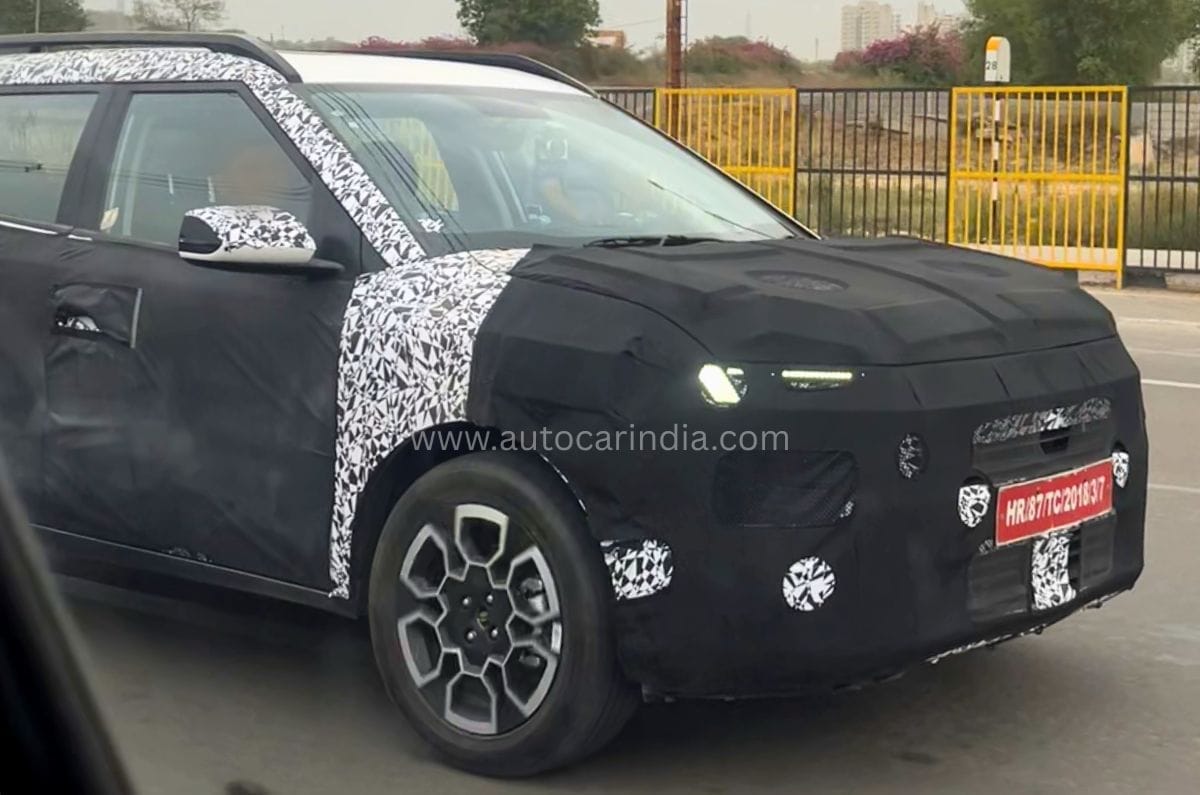
Hyundai has been testing the upcoming Bayon-based SUV, and now, our sources indicate that the model will launch with a naturally aspirated petrol engine, with a CNG-powered version to arrive soon after. Unlike its mid-size sibling, the Bayon-based SUV will likely not offer a diesel engine or a hybrid powertrain, which will be offered with the next-gen Creta due next year.
Hyundai Bayon-based SUV powertrain details
The Bayon-based SUV is likely to utilise the same 1.5-litre naturally aspirated petrol engine with manual and CVT gearbox options from the current Creta. Soon after, Hyundai will follow up with a CNG kit paired with this engine. CNG-powered versions will arrive with an underbody-mounted tank, whilst retaining a spare wheel. This would make it the first Hyundai model over 4 metres to have CNG power. As of now, the carmaker offers CNG only on sub-4-metre models such as the Exter, Grand i10 Nios and Aura. Currently, only the Victoris offers a CNG version with an underbody kit, but it skips on a spare wheel.
Hyundai’s strategy in the mid-size SUV segment is to offer two models, with the Bayon-based model occupying the lower rung and with more economical powertrain options, while the new Creta would sit above and come with a wider powertrain choice, including the new hybrid.
Hyundai Bayon-based SUV: What do we know so far?
Internally codenamed Bc4i, the Bayon-based SUV will be one of two new Hyundai nameplates in FY27. The model has been spied testing abroad and on our roads, with a crossover-esque design, LED lighting and dual-tone alloy wheels. It will measure around 4.18 metres in length. Hyundai is expected to equip the Bayon-based SUV with a long list of features, alongside ADAS. With the CNG powertrain, the Bayon-based SUV will debut by September 2026.