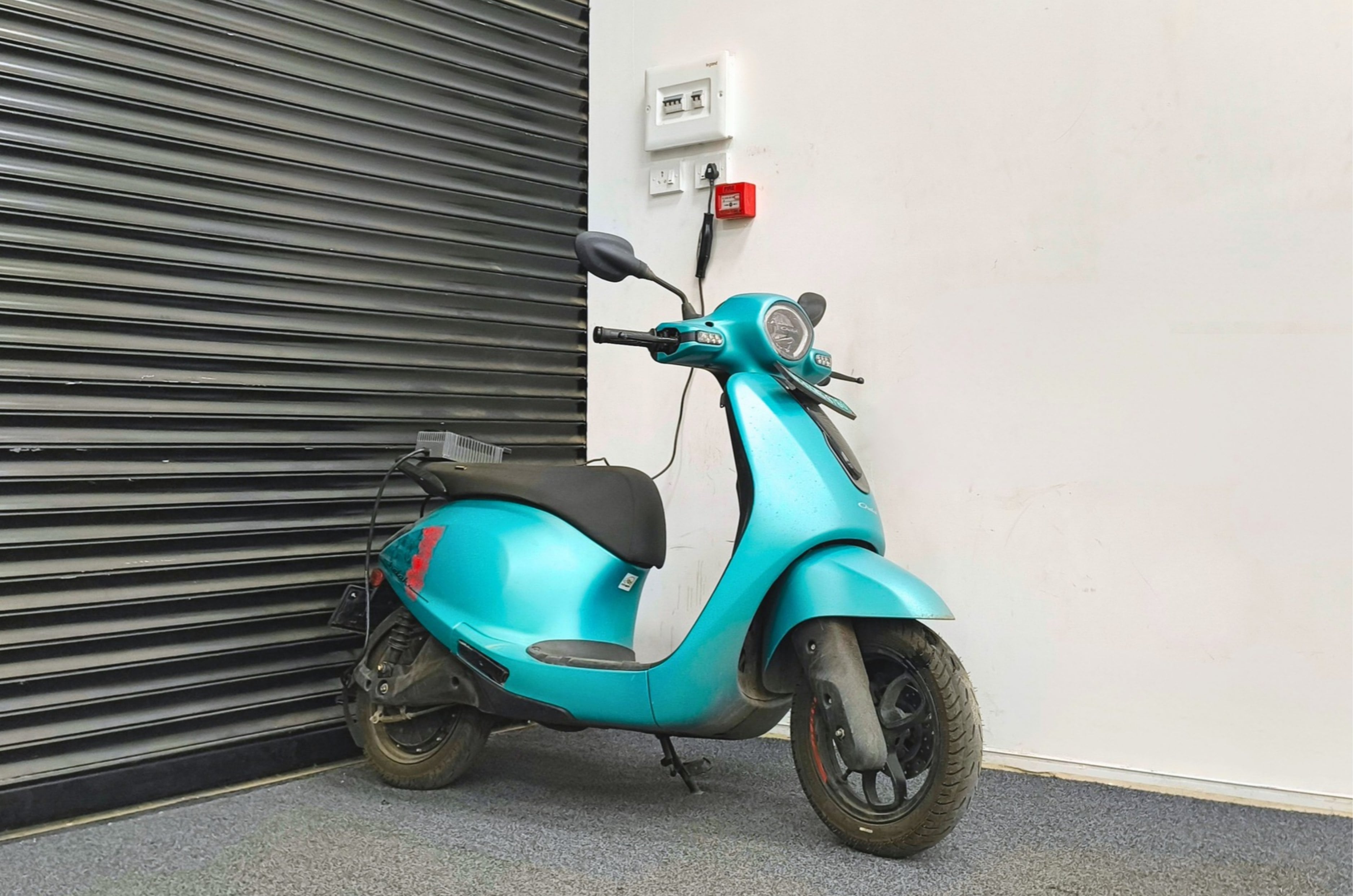
The C2501 is the affordable electric scooter from Chetak, priced at Rs.1.05 lakh (ex-showroom Mumbai, before subsidies). It gets two riding modes: Eco and Sport, and these modes are tuned for extracting maximum range rather than performance. Eco mode can get up to an indicated speed of 45kph, while the Sport mode can get up to an indicated speed of 60kph. The mode change can be made on the go using the D button.
In Sport mode, the scooter covered 86.5km
It has an efficiency of 34.6km/kWh
The 750W charger tops up the flat battery in 3 hours
Chetak C2501 Real World Riding Range
For us, the performance in Eco mode felt like it was mainly tuned for crowded, narrow back roads or in stop-go traffic, so we decided to conduct our range test in the Sport mode.
We started the test with a fully charged battery and made our way through our testing loop within the streets of South Mumbai. With 100 percent, the range indicator was showing a range of 112km in Sport mode. During the test, we made sure to get a good mix of different road/riding conditions to mimic real world use cases for an electric scooter. After completing a little over 52km, the battery level dropped to 40 percent.
Battery Percentage
Distance covered
80%
19km
60%
36.1km
40%
52.1km
20%
69km
10%
76.5km
0%
86.5km
Almost throughout the test, the Chetak C2501 delivered consistent performance. It stayed in Sport mode till it reached 10 percent after which it switched to Eco mode. By the time the battery reached 5 percent, the scooter had entered limp mode (indicated by a tortoise on the dash) limiting the speed up to 35kph.
At the end of our test, when the range indicator and battery SOC meter on the display both ran out to zero, it had covered 84km. Even then the scooter kept running for an additional 2.5km. Eventually, the performance was noticeably reduced and that is when we decided to park it, and at that point it had covered 86.5km.
The 750W charger can rapidly charge the scooter
The 750W off-board charger can charge the scooter from 0 percent to 100 percent in 3hr18min, which can come in handy in its day-to-day usage.
Battery Percentage
Time
0 to 100%
3 hours and 18 minutes
With these numbers, the Chetak C2501 electric scooter returned an efficiency of 34.6km/kWh, which is decent. As mentioned above, we ran the scooter only in Sport mode for this test, so using a mix of Eco and Sport modes can extend the range a little more. The C2501 can deliver decent riding range when cruising along with the traffic, rather than rushing through it.
Autocar India’s range testing
Before our real-world range test, the battery of our two-wheeler on test is fully charged, and we maintain tyre pressures as recommended by the manufacturer. The two-wheeler is then ridden in the city and highway (for electric two-wheelers that are capable of doing so), and we maintain certain average speeds while following the speed limit. The vehicle is then run until the battery is completely drained and it shuts down or does not go ahead even if the screen is on.
Mumbai-Ahmedabad Bullet Train Project Update: मुंबई-अहमदाबाद बुलेट ट्रेन प्रोजेक्ट के तहत एक बड़ी उपलब्धि हासिल हुई है। नेशनल हाई स्पीड रेल कॉरपोरेशन लिमिटेड (NHSRCL) ने अहमदाबाद में साबरमती नदी पर बने 12 मंजिला बिल्डिंग जितना ऊंचा पुल का निर्माण पूरा कर लिया है। NHSRCL ने बताया कि मुंबई-अहमदाबाद बुलेट ट्रेन परियोजना के तहत साबरमती नदी पर 480 मीटर लंबा और 36 मीटर ऊंचा पुल बनकर तैयार हो गया है। एनएचएसआरसीएल ने एक बयान में कहा कि करीब 118 फुट ऊंचा यह पुल 12 मंजिला इमारत के बराबर है। यह मुंबई-अहमदाबाद बुलेट ट्रेन कॉरिडोर के प्रमुख ढांचों में से एक है।
14.8 मीटर की ऊंचाई पर है पुल
आधिकारिक विज्ञप्ति में कहा गया है कि यह पुल पश्चिम रेलवे की अहमदाबाद-दिल्ली मुख्य रेल लाइन के पास स्थित है, जो जमीन के स्तर से करीब 14.8 मीटर की ऊंचाई पर है। यह पुल साबरमती और अहमदाबाद बुलेट ट्रेन स्टेशनों के बीच स्थित है। यह साबरमती स्टेशन से करीब एक किलोमीटर और अहमदाबाद स्टेशन से चार किलोमीटर दूर है। बयान के अनुसार, साबरमती नदी पुल के खंभों को ज्यादा ऊंचाई वाला बनाया गया है ताकि मौजूदा बुनियादी ढांचे से जरूरी वर्टिकल क्लीयरेंस बनाए रखी जा सके। NHSRCL के मुताबिक, साबरमती नदी पर बने इस पुल की लंबाई 480 मीटर है। इसकी करीब 36 मीटर ऊंचाई इसे परियोजना के प्रमुख इंजीनियरिंग स्ट्रक्चर में शामिल करती है।
पुल की बड़ी बातें
नेशनल हाई स्पीड रेल कॉरपोरेशन लिमिटेड ने बताया कि पुल को आठ गोलाकार पिलर का सहारा दिया गया है। इनमें से चार पिलर नदी की तलहटी में, दो पिलर नदी के दोनों किनारों पर और दो पिलर नदी के किनारों से बाहर स्थित हैं। पिलर को रणनीतिक तरीके से इस तरह लगाया गया है कि नदी में जल प्रवाह में कम से कम रुकावट हो। NHSRCLने कहा कि पुल का निर्माण ‘बैलेंस्ड कैंटिलीवर मेथड’ से किया गया है। यह नदियों और गहरे जलमार्गों पर लंबी दूरी वाले पुलों के निर्माण के लिए इस्तेमाल की जाने वाली विशेष तकनीक है। इस तकनीक से पुल के ऊपरी ढांचे के नीचे पारंपरिक मचान लगाए बिना उसका निर्माण किया जा सकता है।
बयान में आगे कहा गया है कि मुंबई-अहमदाबाद हाई-स्पीड रेल (एमएएचएसआर) का मार्ग कई मौजूदा बुनियादी ढांचा सुविधाओं से होकर गुजरता है, जिनमें फ्लाईओवर, पुल, रेलवे लाइन और मेट्रो कॉरिडोर शामिल हैं। विज्ञप्ति के अनुसार, इस कॉरिडोर में नदी पर कुल 25 पुल हैं, जिनमें 21 गुजरात और चार महाराष्ट्र में हैं। गुजरात में प्रस्तावित 21 नदी पुलों में से अब तक 18 का निर्माण पूरा हो चुका है।
मुंबई-अहमदाबाद बुलेट ट्रेन प्रोजेक्ट
मुंबई-अहमदाबाद हाई स्पीड रेल कॉरिडोर देश की पहली हाई-स्पीड रेल प्रोजेक्ट है। इसके तहत गुजरात और महाराष्ट्र को हाई-स्पीड रेल नेटवर्क से जोड़ा जा रहा है। इस प्रोजेक्ट के तहत साबरमती और अहमदाबाद समेत कई स्टेशनों और बड़े इंजीनियरिंग स्ट्रक्चर का निर्माण किया जा रहा है।
इस बीच, साबरमती नदी पर 480 मीटर लंबे पुल का निर्माण पूरा होना परियोजना के निर्माण कार्य में एक महत्वपूर्ण पड़ाव माना जा रहा है। भारत में पहली बुलेट ट्रेन 15 अगस्त 2027 के आसपास शुरू करने का लक्ष्य रखा गया है। यह ट्रेन मुंबई-अहमदाबाद हाई-स्पीड रेल कॉरिडोर पर चलेगी। रेल मंत्री अश्विनी वैष्णव ने बताया था कि शुरुआत में सूरत-बिलिमोरा सेक्शन पर सेवा शुरू होगी।
In the previous issue (August 2026), you saw the Skoda Kylaq take on the familiarity of India, the hills and traditions of Nepal, and the variety of China through Tibet’s gorgeous but bone-shaking terrain, followed by the sensory overload of food and culture. Now, it was time for a fresh experience through Central Asia on the ancient Silk Route, subsequently entering Europe towards our final destination.
Kyrgyzstan – Uzbekistan – Kazakhstan
Kyrgyzstan
The Kylaq had everyone turning heads.
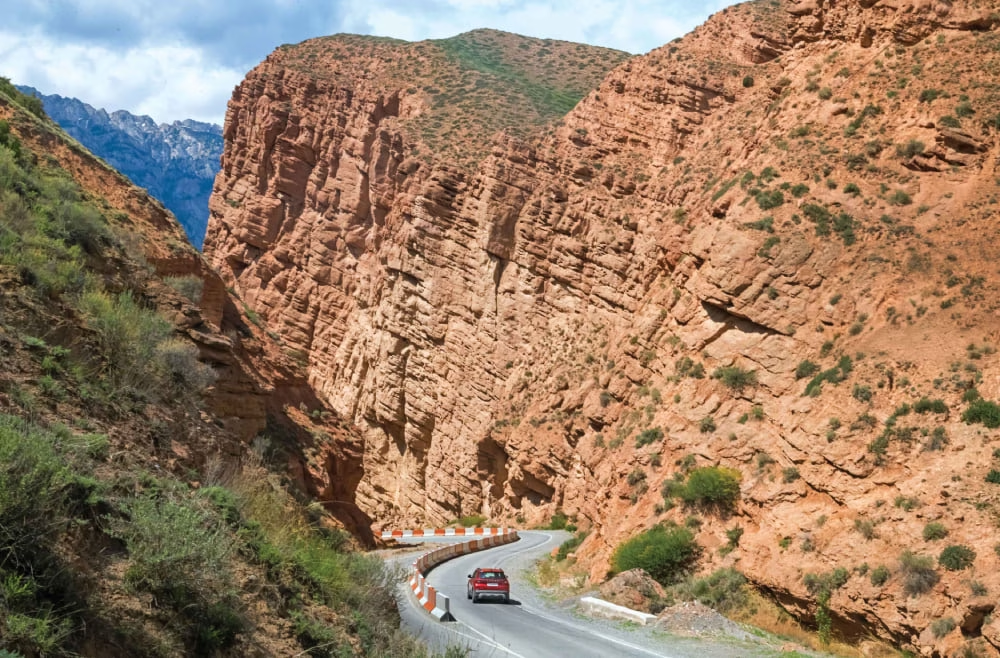
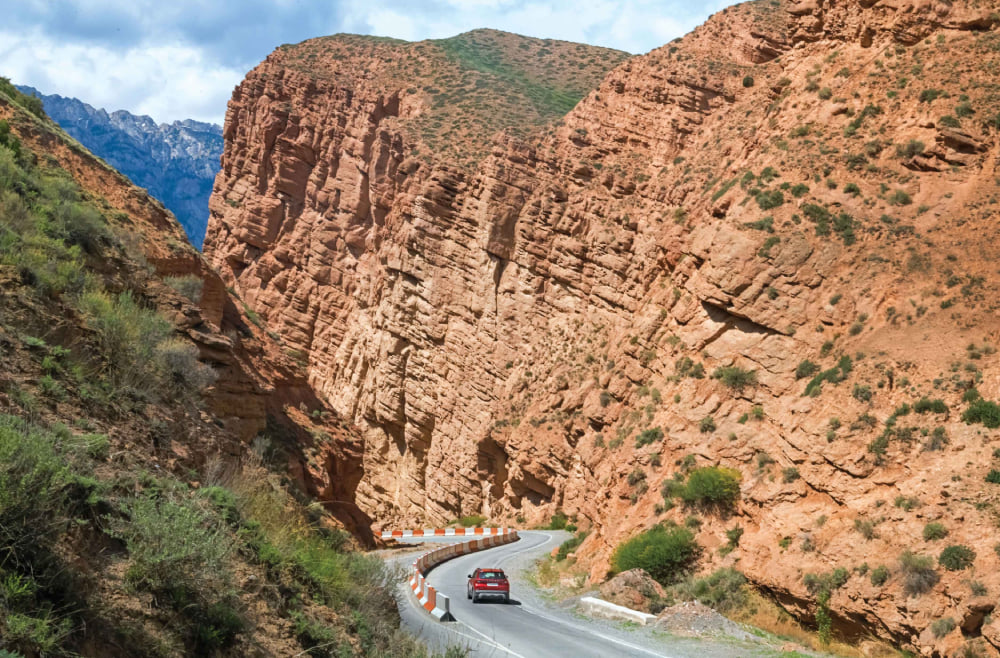
Crossing the Chinese border into Kyrgyzstan was like crossing into a different world. The differences are immediate, right from the signage, fonts and faces to the sights, terrain and traffic. Being a landlocked country peppered with alpine mountains, one doesn’t need to go far to experience what Kyrgyzstan has to offer. As you drive through the ribbon of tarmac between the peaks, you realise why it is called the “Switzerland of Asia”.
A roughly 400km drive to our first halt in Naryn was smooth sailing. However, the chilly weather was a far cry from the piercing heat of China. We pulled out our jackets that were buried deep in our bags and made a beeline the next day for the capital city of Bishkek. The roads are a driver’s delight, and while there aren’t many sights to stop and admire, the Orto-Tokoy Reservoir made for a stunning photo-op.
Kyrgyzstan in numbers
Torgart – Uzbek border
Distance covered
1,321km
Fuel consumed
126.49 litres
Average fuel economy
10.44kpl
Approx. fuel cost
Rs 11,727
Avg. per-litre fuel cost
Rs 92.58
Total time driven
34hrs 23min
Average speed
38.4kph
From Bishkek, we headed to Osh, which is also known as the capital of the south and is the oldest city in Kyrgyzstan. Walking through the Jayma Bazaar in the city centre, you may get a bit of celebrity treatment, as the locals aren’t used to having many tourists just walking through. Some playful heckling and wide smiles add to the overall experience.
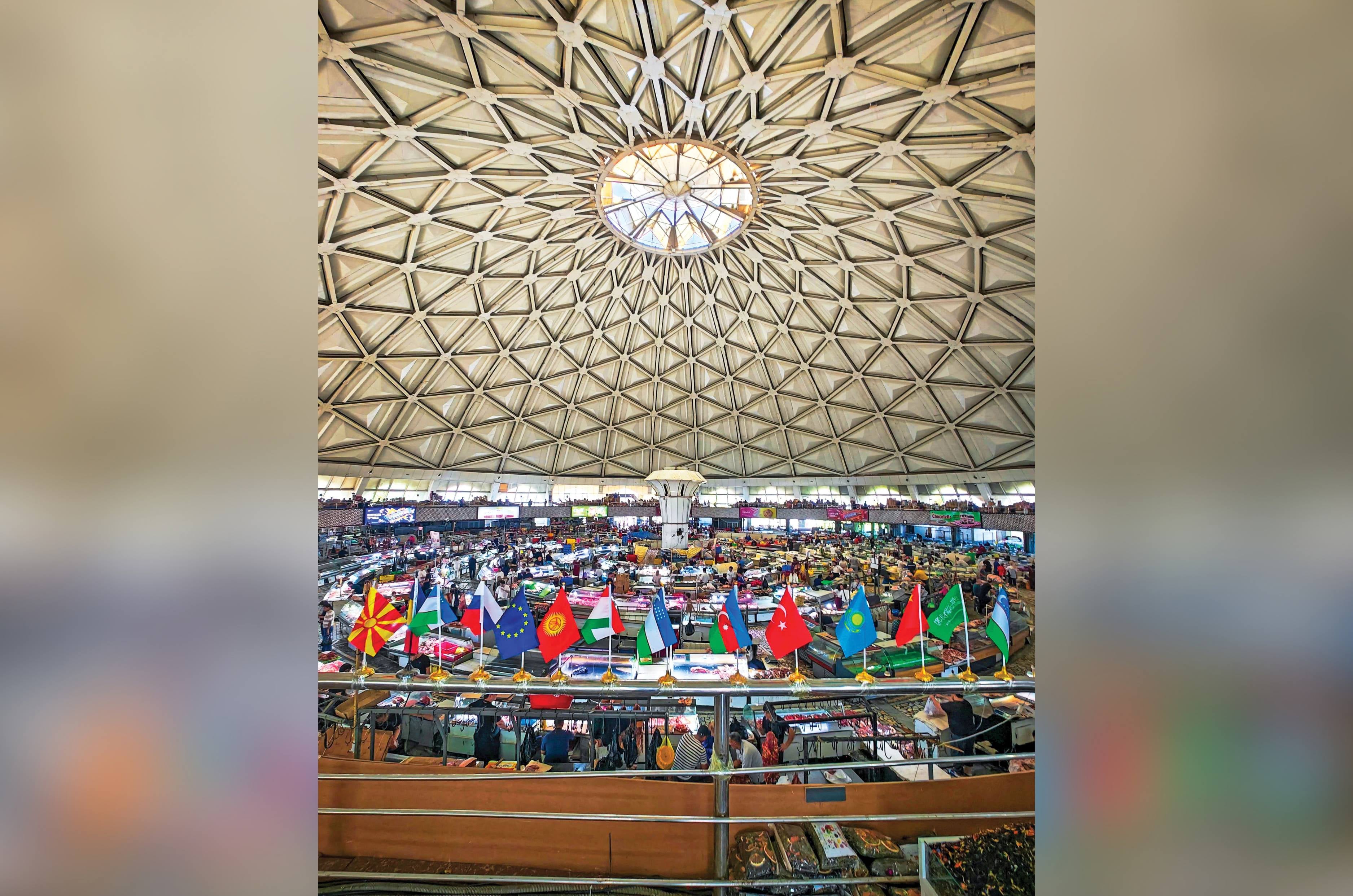
Chorsu Bazaar is a one-stop shop for everything in Tashkent.
What the market offers is mounds of kurut, a snack made from curdled milk or oghurt, salted and then hardened. The best part is its extended shelf life without needing a refrigerator. We packed some with the hope of eating it at home, knowing fully well that it would vanish by the next town.
From Osh, we would be exiting the stunning valleys and terrain of Kyrgyzstan and entering the city of Fergana in Uzbekistan.
Uzbekistan
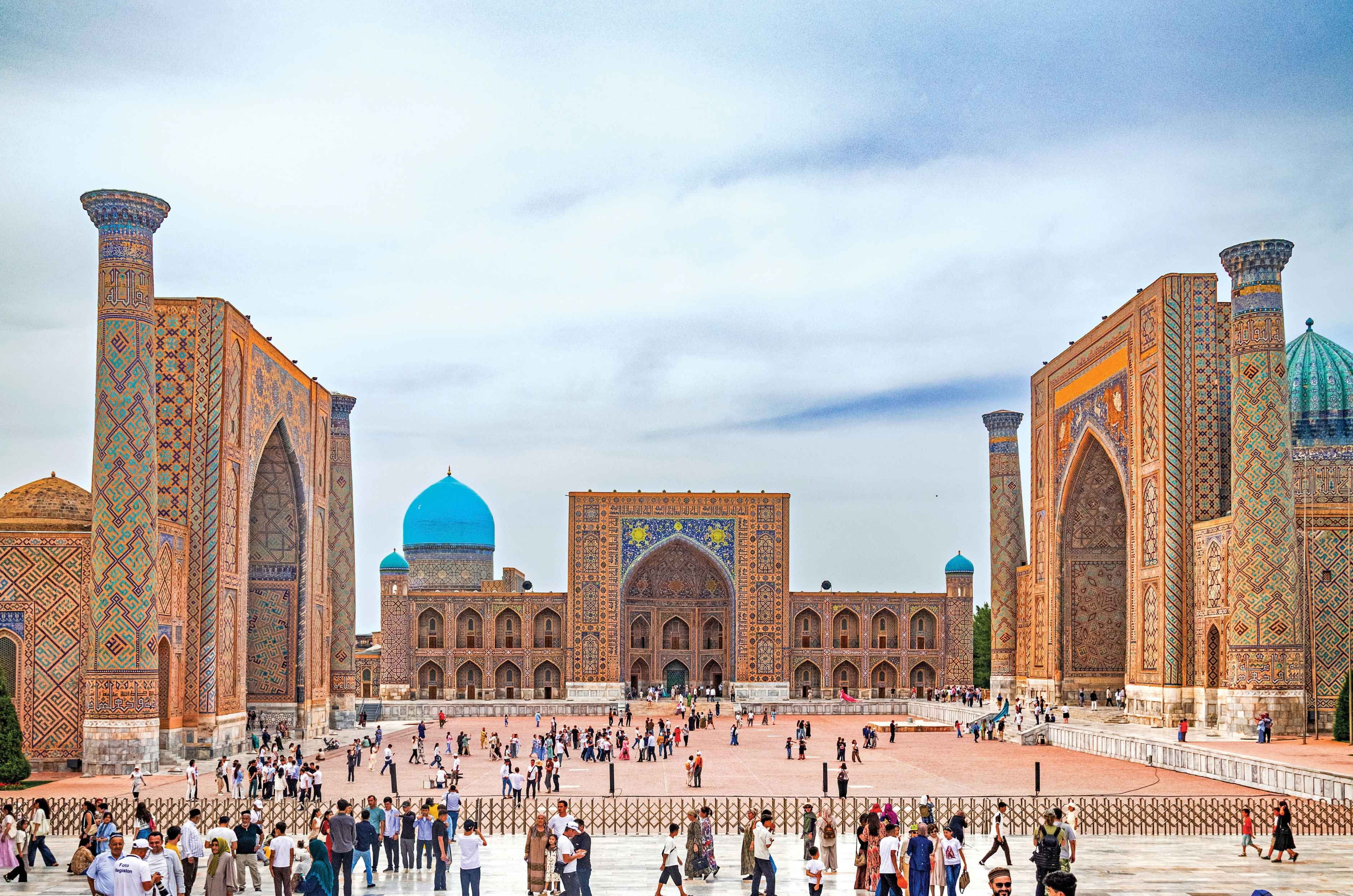
Registan Square in Samarkand is breathtaking from every angle.
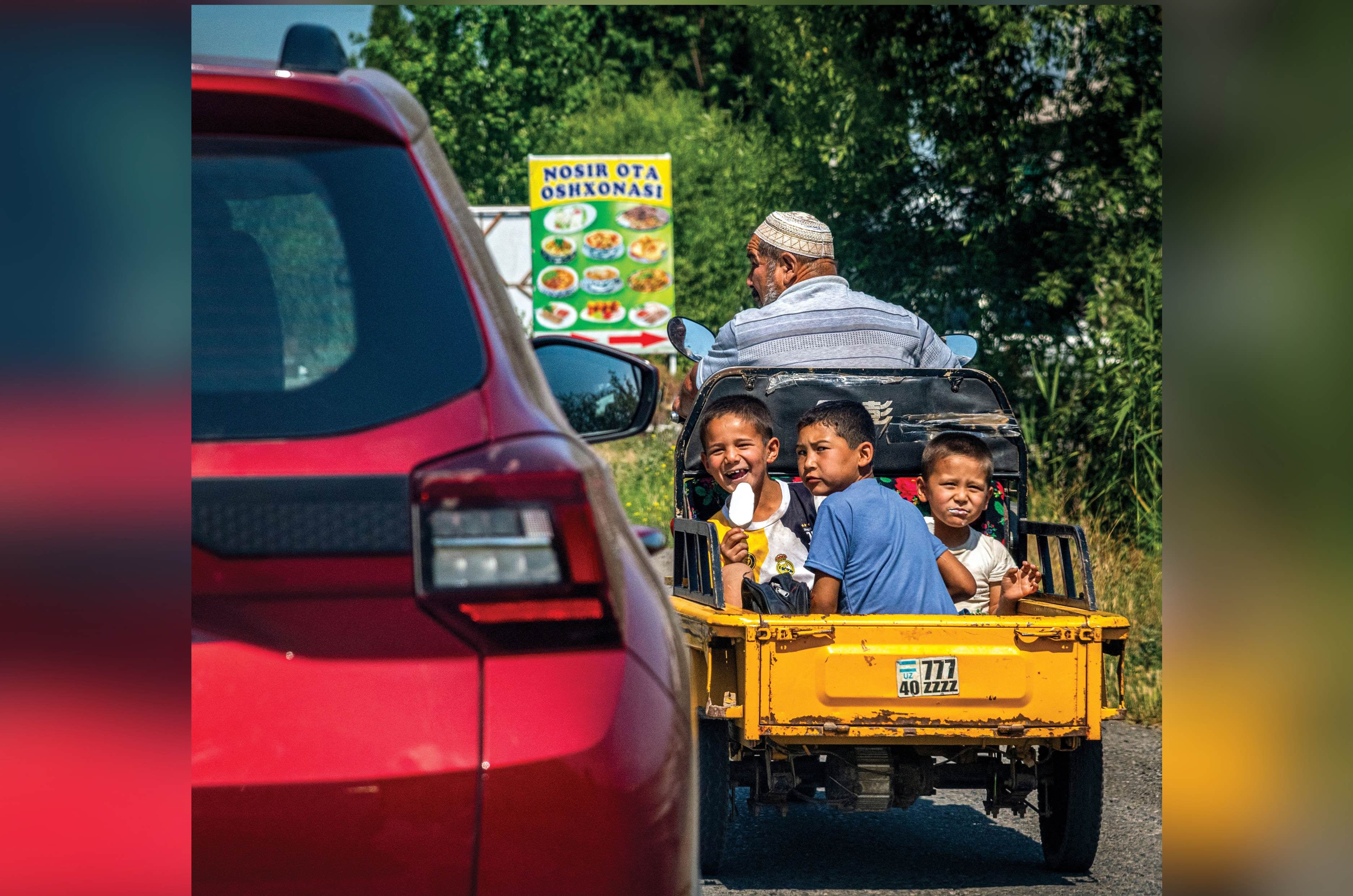
Like Kyrgyzstan, Uzbekistan also has its own personality. While there are similarities in the faces and fashion, the city of Fergana has a tinge of European infrastructure. Roads are lined with trees and patir shops – flatbread made from butter or lamb fat, with intricate detailing and some sesame seeds sprinkled on top. It’s pretty enough to dissuade you from eating it, but tastes like something that would go extremely well with a cup of chai.
Uzbekistan in numbers
Kyrgyz-Uzbek border – Turkistan
Distance covered
1,257km
Fuel consumed
81.74 litres
Average fuel economy
15.37kpl
Approx. fuel cost
Rs 9,800
Avg. per-litre fuel cost
Rs 120
Total time driven
27hrs 5mins
Average speed
46.4kph
What is also fascinating is the number of old Soviet-era cars still running on the highways with no fuss. We shared road space with old Ladas crammed with luggage inside and on the roof. Over the smooth highways of Uzbekistan, the Kylaq had an easy run, allowing us to focus on the sights around us.
From Fergana, we headed to the capital city of Tashkent. A properly modern metropolis with high-end malls and low-slung supercars, parks, walkways and everything you expect from a big city. So, to get a taste of age-old tradition, we ventured towards Samarkand, which used to be a major trading hub on the Silk Route.
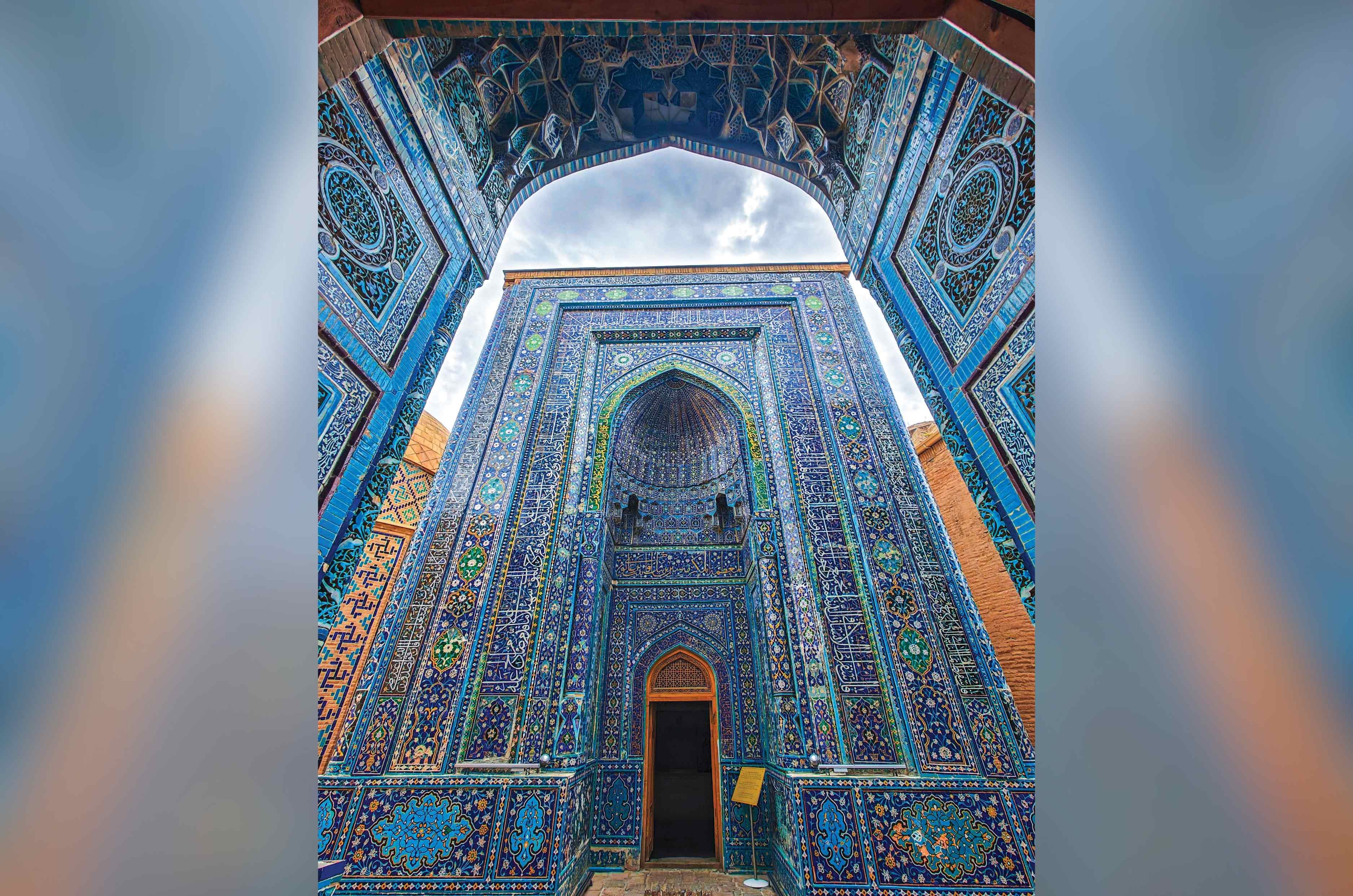
The Shah-i-Zinda ensemble has 11 mausoleums with incredibly detailed azure and turquoise tiles.
Entering Samarkand, you almost feel the tradition in the air. Years of cross-cultural civilisation have made it a stunning destination to get a glimpse of history, and it is unlike any other Western or Eastern city. The highlight here, of course, is the Bibi-Khanym Mosque in the Registan ensemble. Turquoise domes kissing the sky, with walls adorned with hand-carved artistry, are nothing short of breathtaking.
You can walk through the corridors and the square innumerable times, and each time, you will gasp at the sheer detail and effort. And to think it was built as far back as the 15th century. Magnificent is an understatement.
After soaking in the stunning detail, we headed back to Tashkent and straight to the equally fascinating Chorsu Bazaar. What looks like an IMAX dome on the outside is a full-fledged one-stop shop on the inside. Teas, dry fruits or even a leg of lamb, you can get it all here.
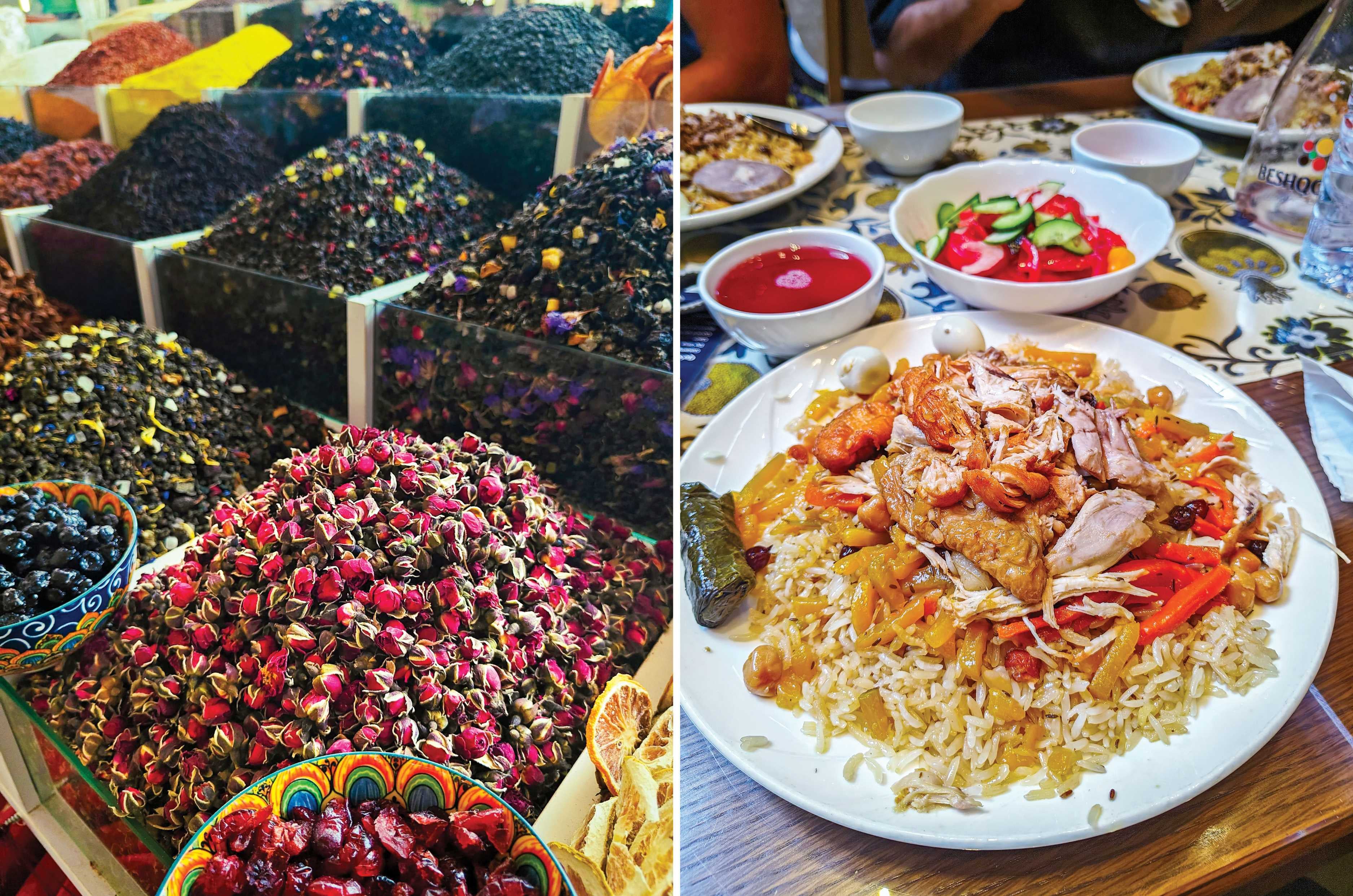
Uzbekistan’s market is nothing short of paradise for tea lovers.
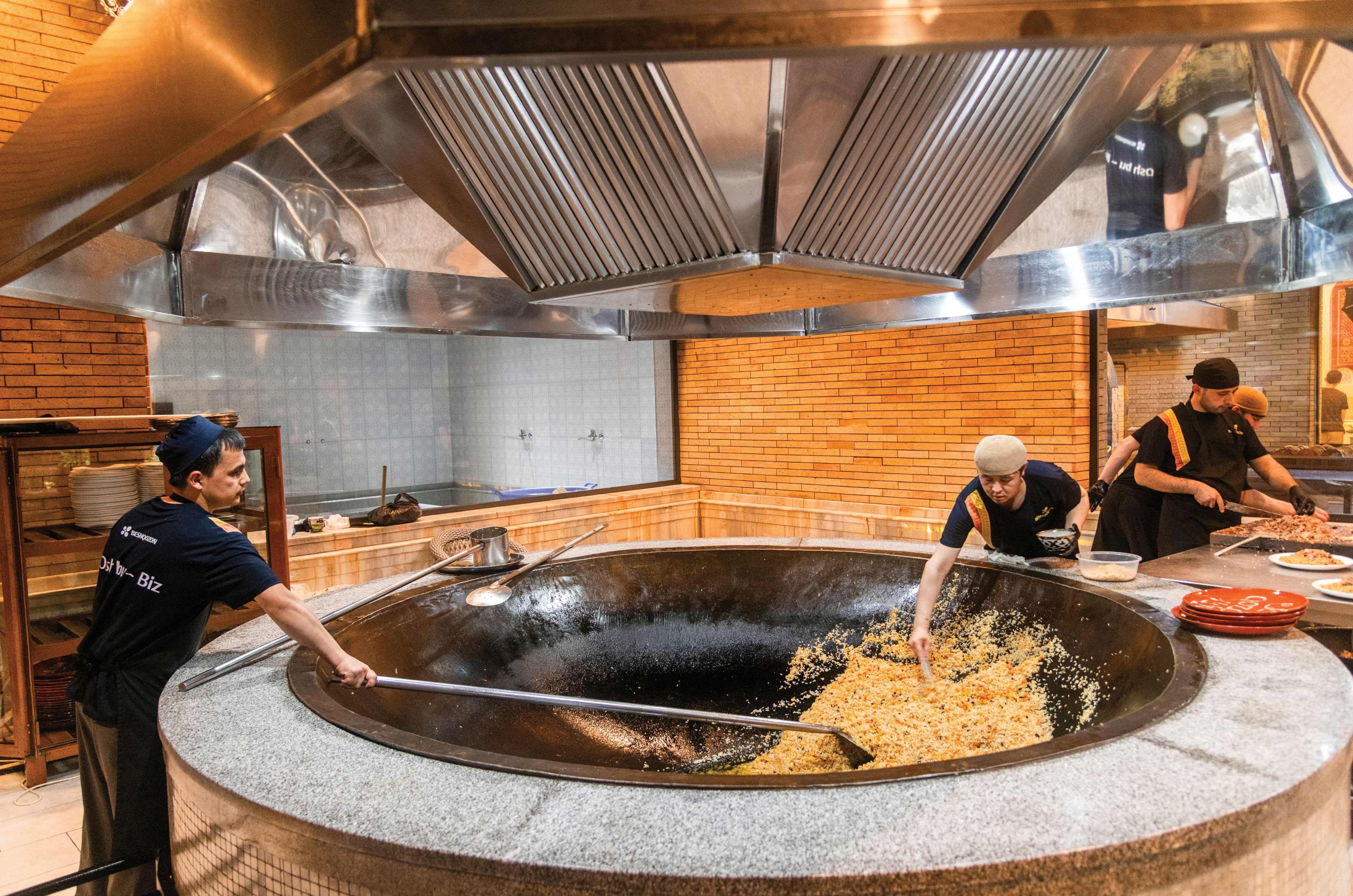
After a long walk that ended with bags of tea and dehydrated kiwis, we headed for Uzbekistan’s pièce de résistance: the famous plov. Like a biryani, but made with different spices, and if you want to go heavy on culture, you can have one with horse meat, too. Some bravehearts did try it and resorted to chicken or lamb, but it did offer the lost taste of biryani and got us homesick in the first bite.
Massive dome known as a kazan used to make the famous Uzbek plov.
After days of driving through mountains and around lakes, and walking through corridors that were once at the peak of world trade, our next adventure would take us to the Great Steppe of Kazakhstan.
Kazakhstan
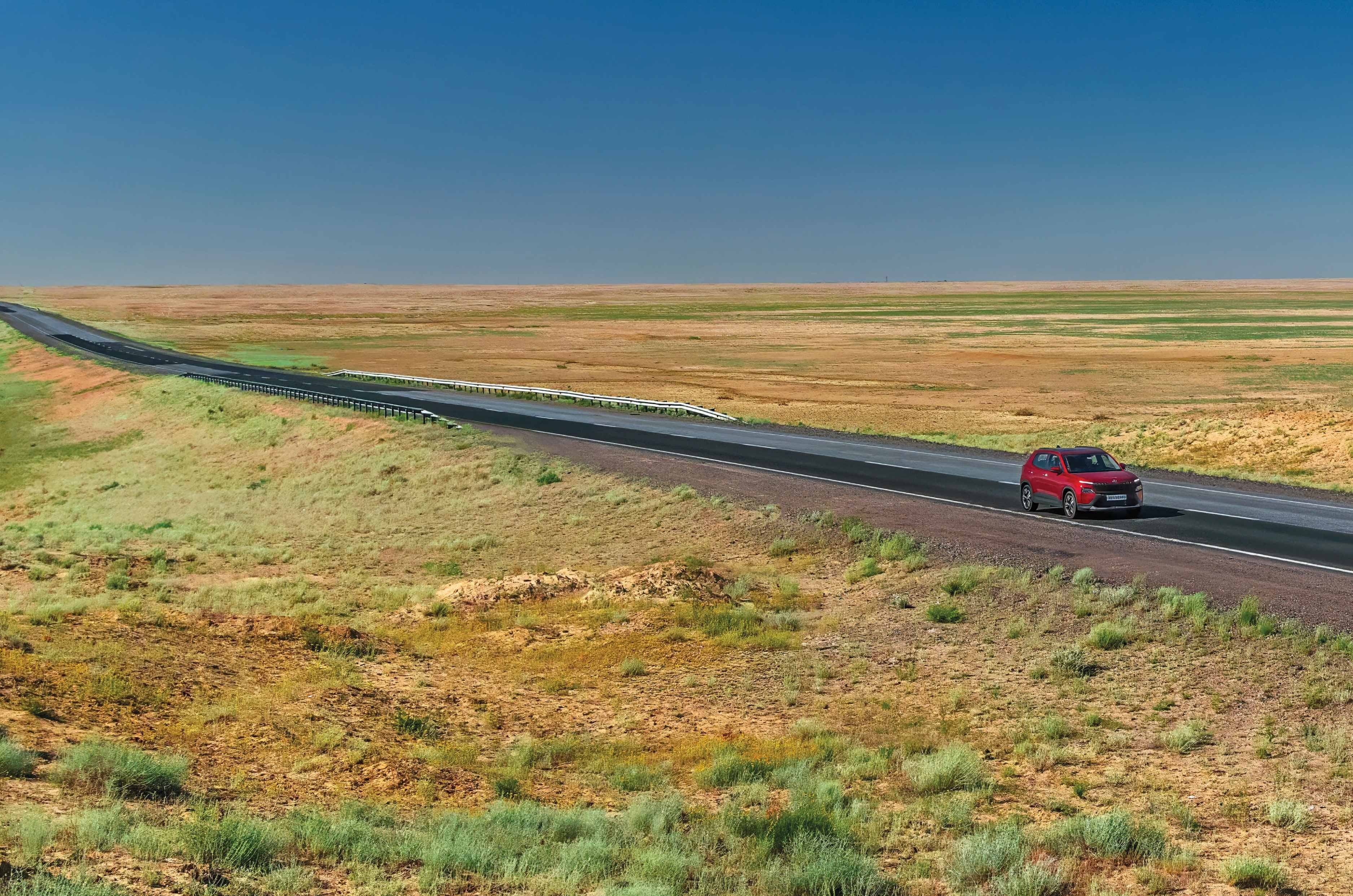
The Great Steppe in Kazakhstan feels like driving on an endless treadmill.
Crossing from Turkmenistan after vigorous checks, Kazakhstan feels almost desolate. Arrow-straight highways for kilometres, between acres of flat land with nothing on the horizon. We were driving through green pastures that would turn into brown, dried patches before turning green again, kilometre after kilometre.
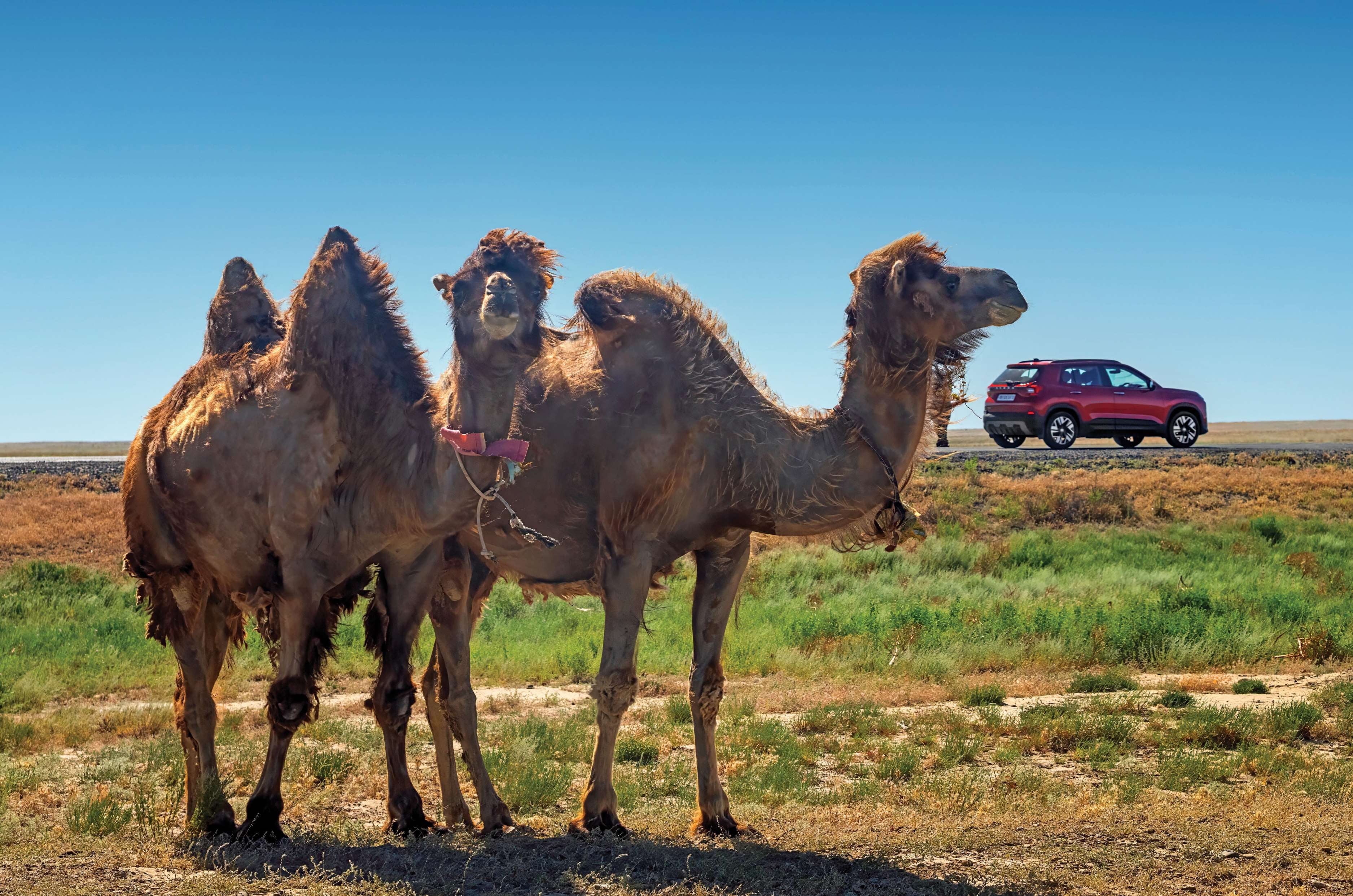
The Great Steppe, while stunning in size, is also a bit monotonous when you’re driving through it for days. The only respite would be a herd of double-humped Bactrian camels, cooling off at a nearby pond and often curious to know what a cherry-red Kylaq was doing in the middle of Kazakhstan.
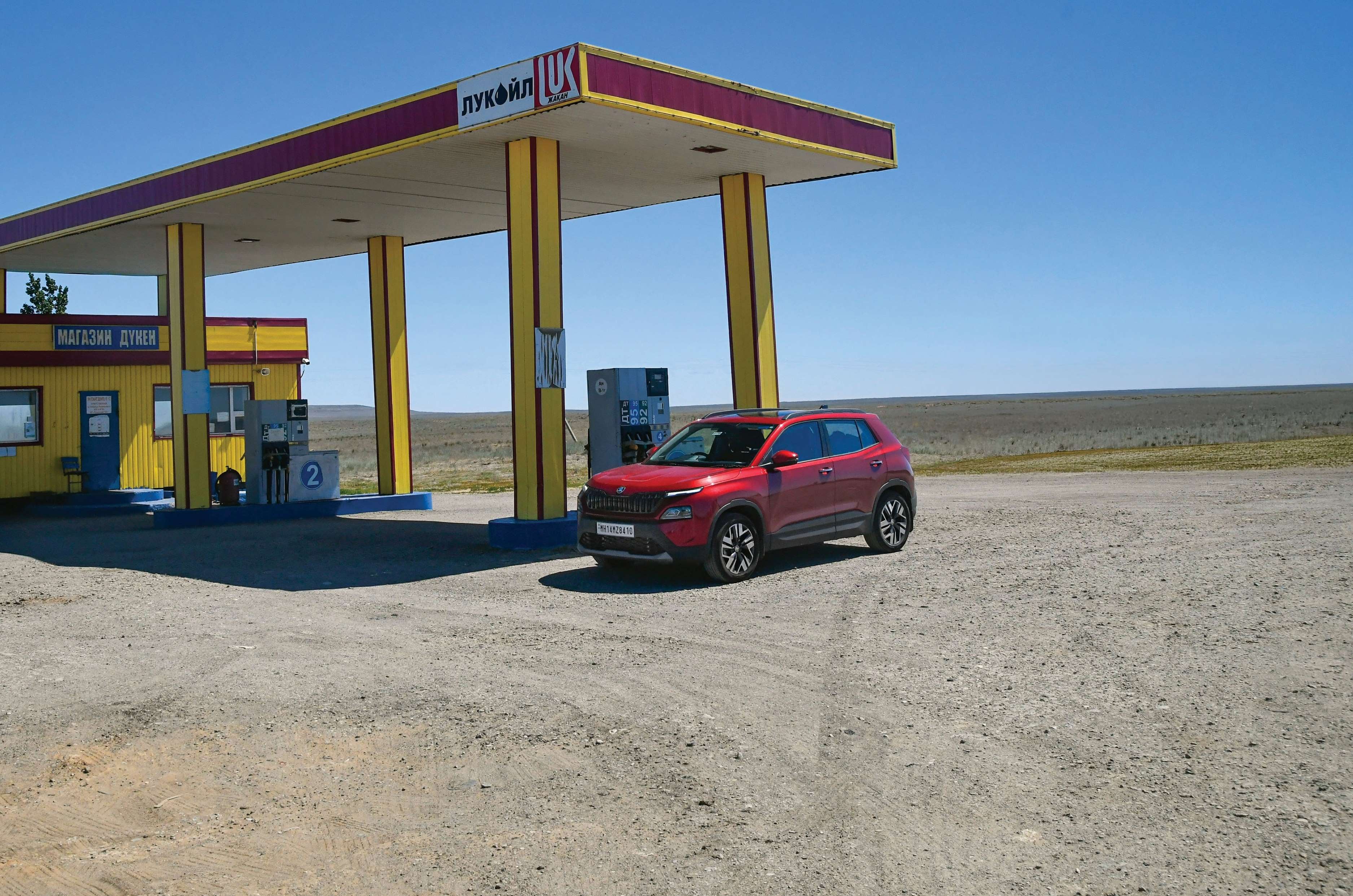
At Rs 58.17 per litre, Kazakhstan offered the lowest fuel price of the entire drive.
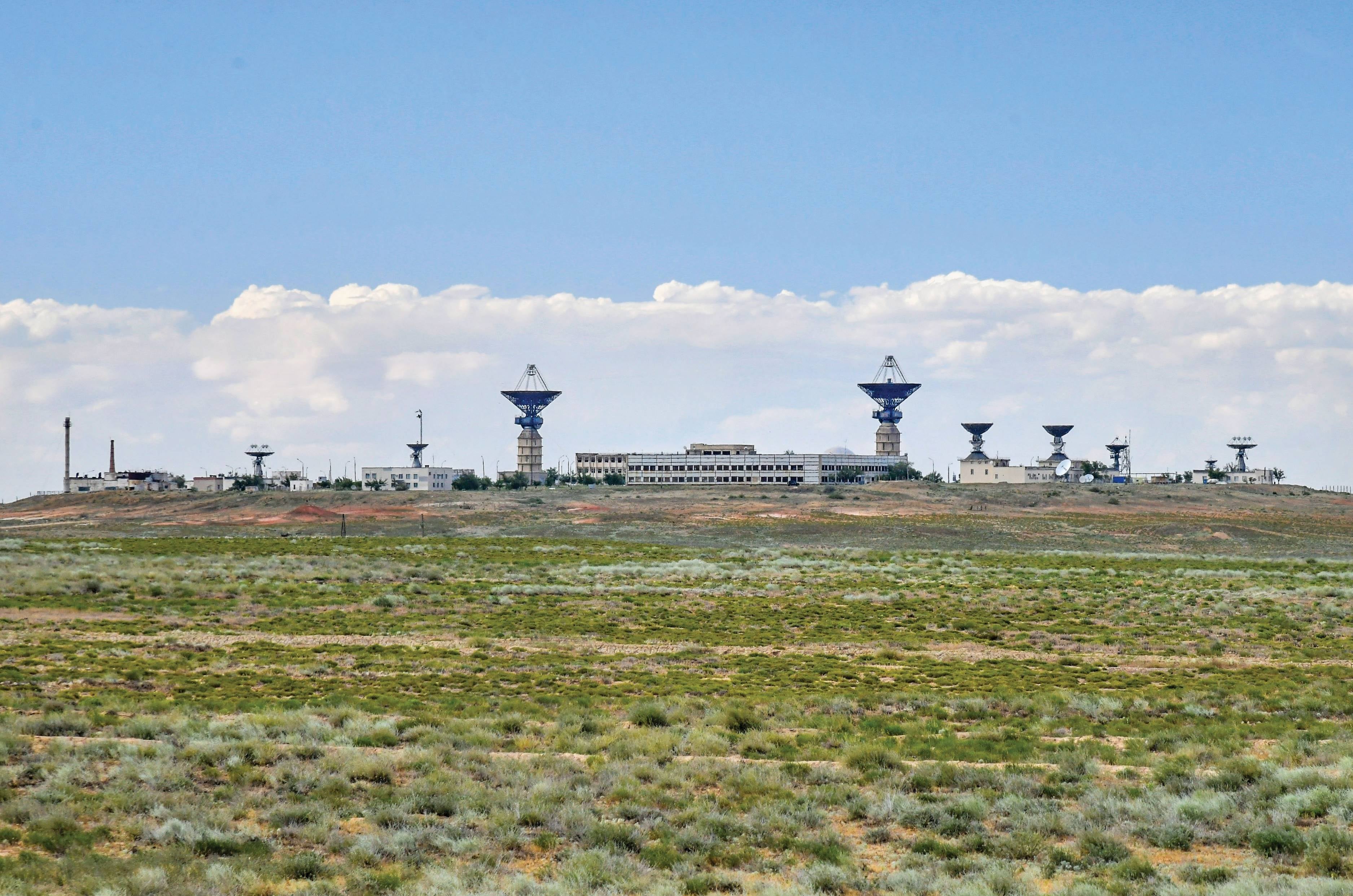
An interesting stop between Turkistan and Aral is the Baikonur Cosmodrome, which is the world’s first and largest operational space launch facility. However, thanks to the endless highways through Aral, Aktobe and Atyrau, we only got to test the Kylaq’s wheel alignment and its highway stability more than we would have liked.
Baikonur Cosmodrome – the world’s first, largest and operational space launch facility.
The mighty Stans were all about breathtaking sights, warm people and mouth-watering cuisine. The region still feels unadulterated, and that itself is what makes it special.
Kazakhstan in numbers
Turkistan – Kazakh-Russia border
Distance covered
3,237km
Fuel consumed
229.52 litres
Average fuel economy
14.10kpl
Approx. fuel cost
Rs 13,325
Avg. per-litre fuel cost
Rs 58.17
Total time driven
42 hrs
Average speed
77.1kph
Georgia – The Birthplace of Wine
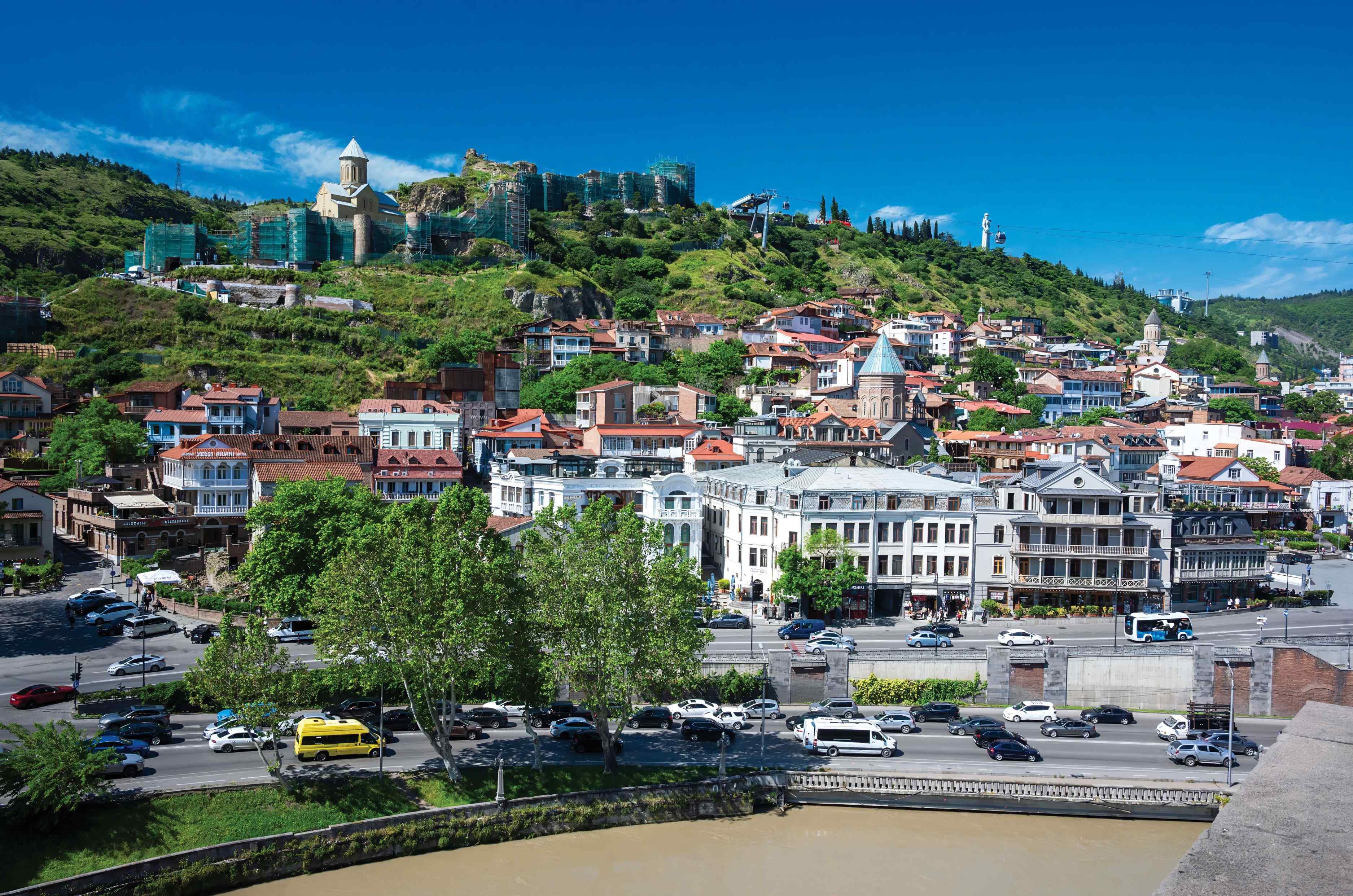
Compared to the vast landscapes and long highways of the Stans, Georgia was a contradiction. Based within the Caucasus Mountains, it has its share of twisties, which the Kylaq enjoyed. But the capital, Tbilisi, is the largest city and thereby pretty chaotic to drive in. Peak-hour traffic is just like what you would have in India, so we parked the car in a worryingly narrow alleyway and, for the most part, made our way on foot.
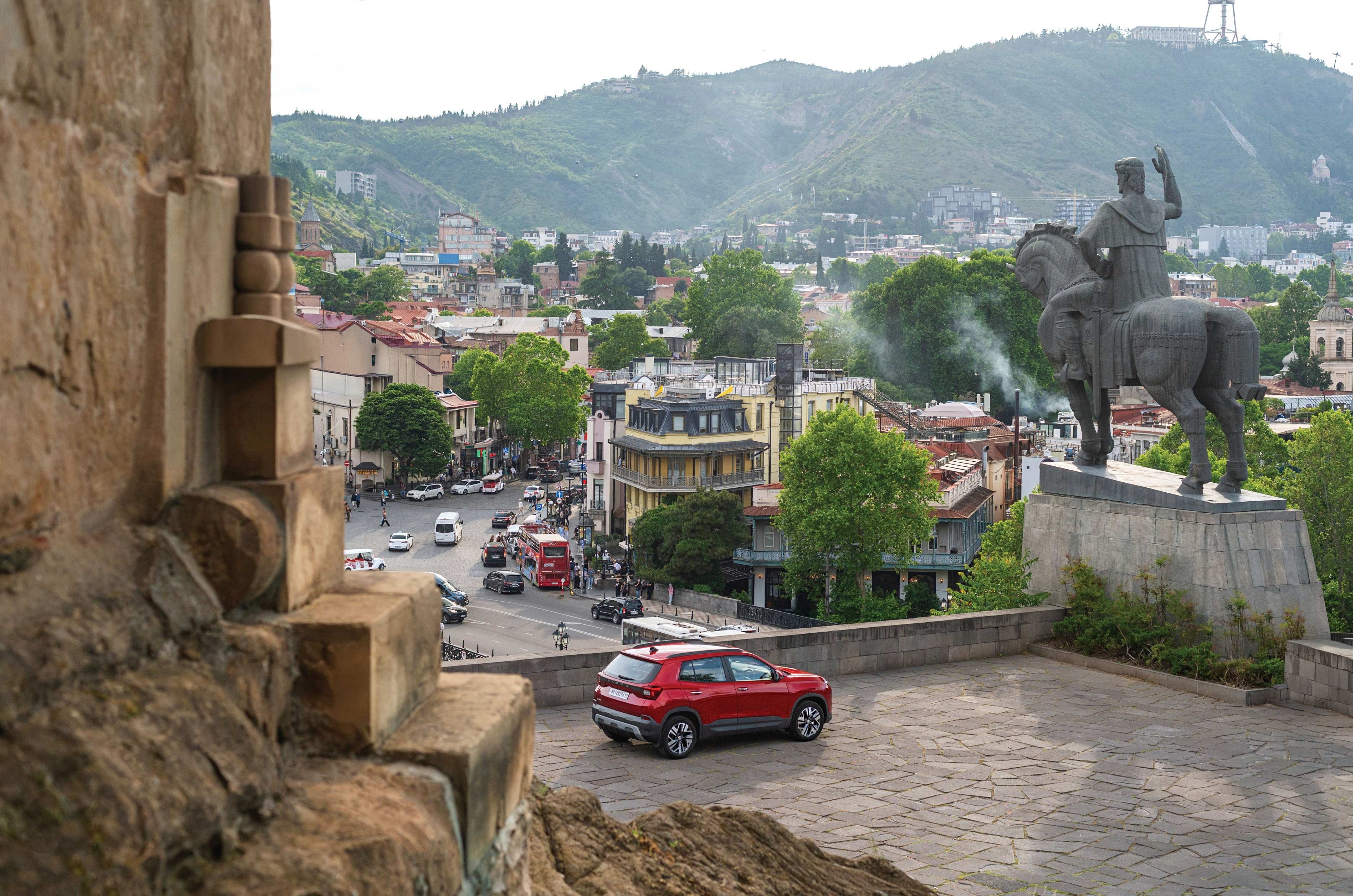
Huge statue of the founder of Tbilisi King Vakhtang I Gorgasali.
Like any big city, Tbilisi has its modern side, with glass buildings and modern restaurants, but there is still a large section that is rooted in tradition. Cobblestone streets with wooden houses and sulphur baths are a fascinating experience, as is the fantastic view from near the monument of King Vakhtang Gorgasali, the founder of Tbilisi.
The monument itself is a striking bronze equestrian statue located on a rocky cliff above the Mtkvari River, next to the historic Metekhi Church in Tbilisi, Georgia. But Georgia is known to be the birthplace of wine, and on our drive to Tbilisi, we spotted several vineyards sprawling for acres. We had to get a closer look, and thankfully, our guide’s friend owned one of them.
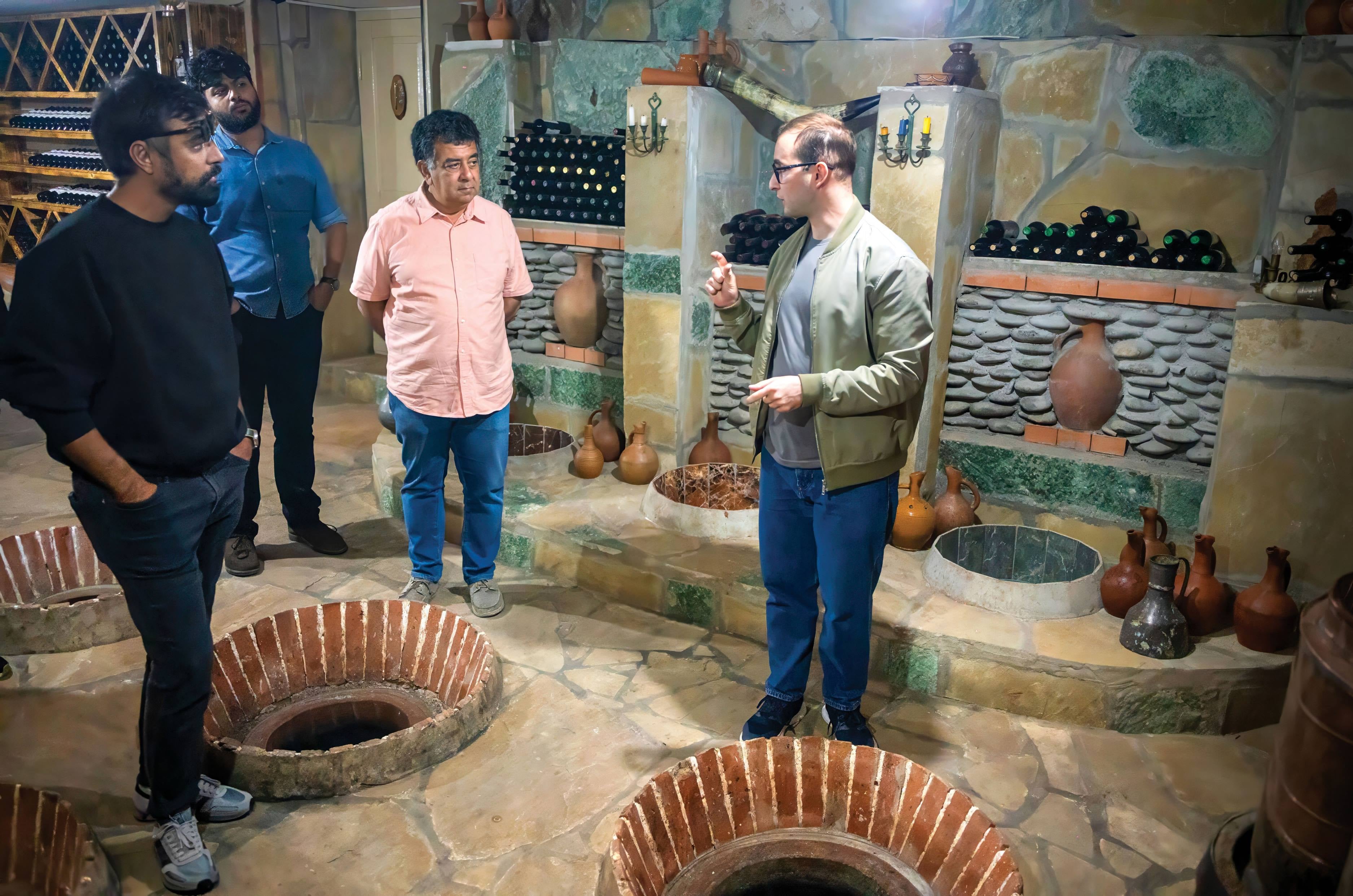
Georgian wine fermented in clay jars buried in the ground.
The Georgians still use the ancient process of fermenting wine in barrels under the floor, but have now blended it with modern technology that allows them to control the temperature and get a more consistent batch each time. Wine connoisseur or not, the experience is enthralling.
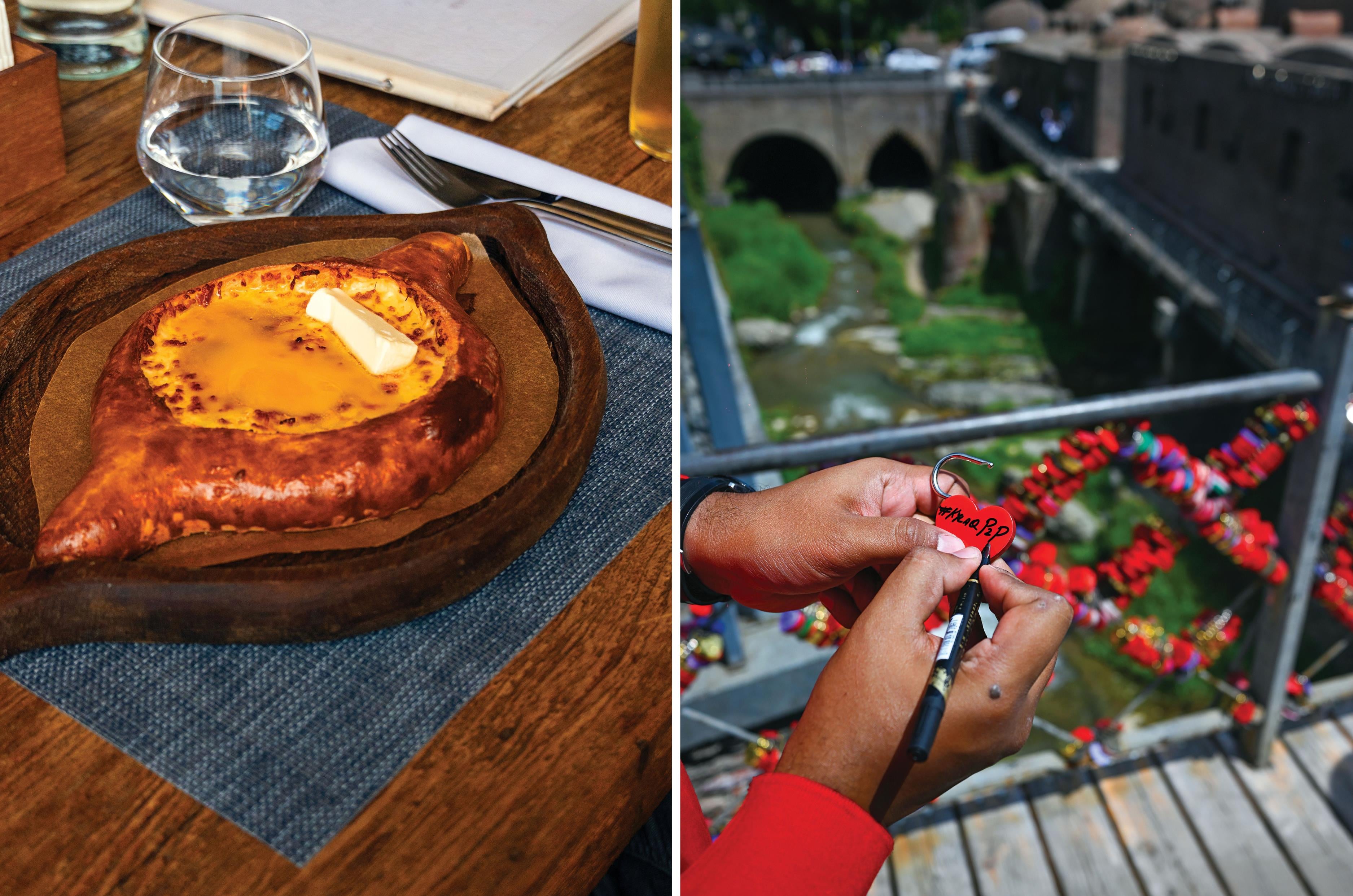
Khachapuri (flatbread with cheese and egg) is Georgia’s national snack.
The city tour built up an appetite, and we followed the scent of fresh bread for some authentic khachapuri. A Georgian flatbread that is hollowed out in the centre and filled with cheese, khachapuri varies depending on the region you’re in. You can have it with an egg cracked into it or with meat, too.
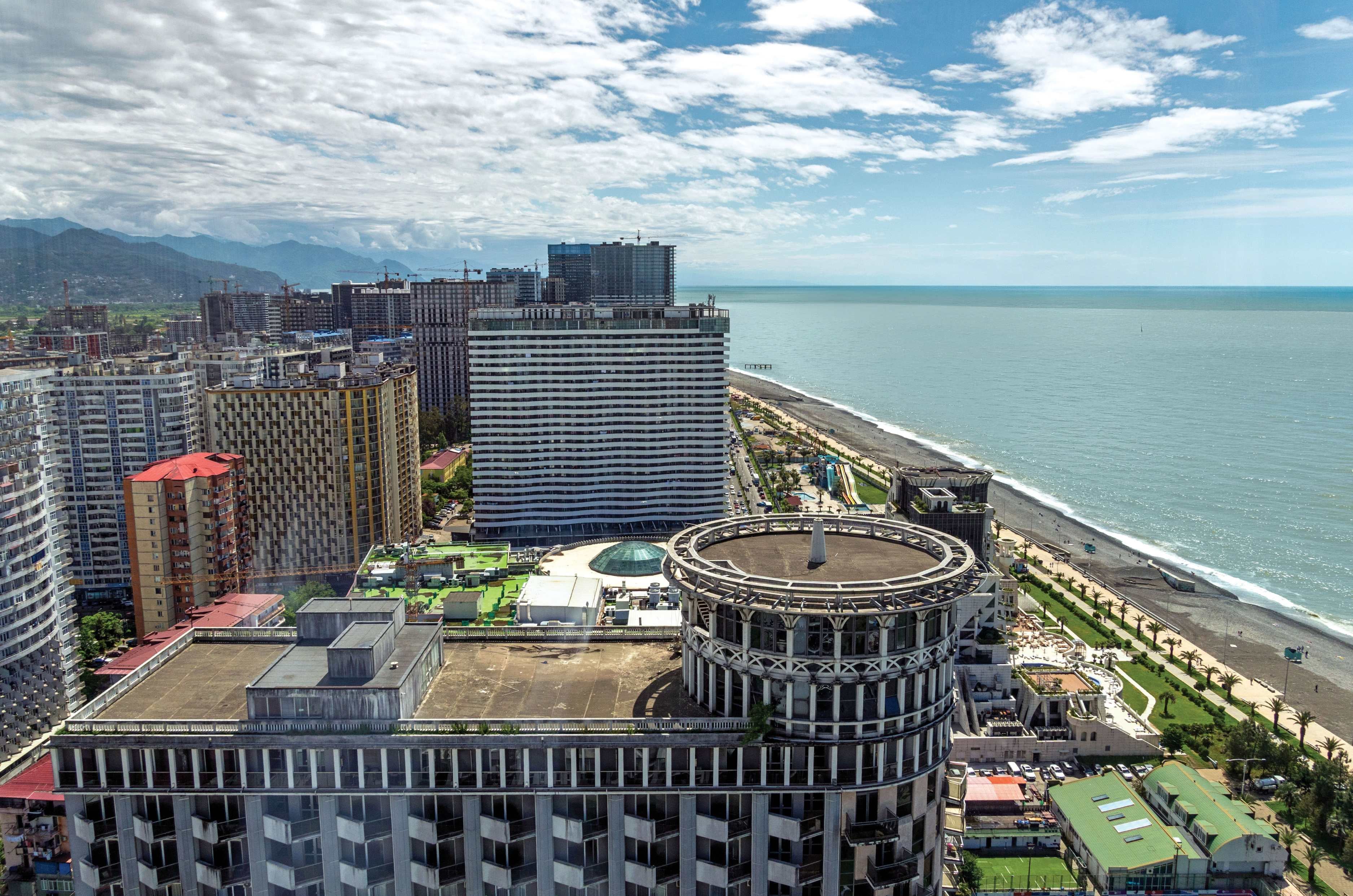
Coastal city of Batumi is a stark contrast of Tbilisi.
With sightseeing done, we drove the next day to the coastal city of Batumi. A vibrant, modern city with a lot more European influence. However, if the roads in Tbilisi were narrow, Batumi was on another level. Despite the compact dimensions of the Kylaq, our hotel parking was a sidewalk cordoned off by the hotel manager, as there simply was no space to park.
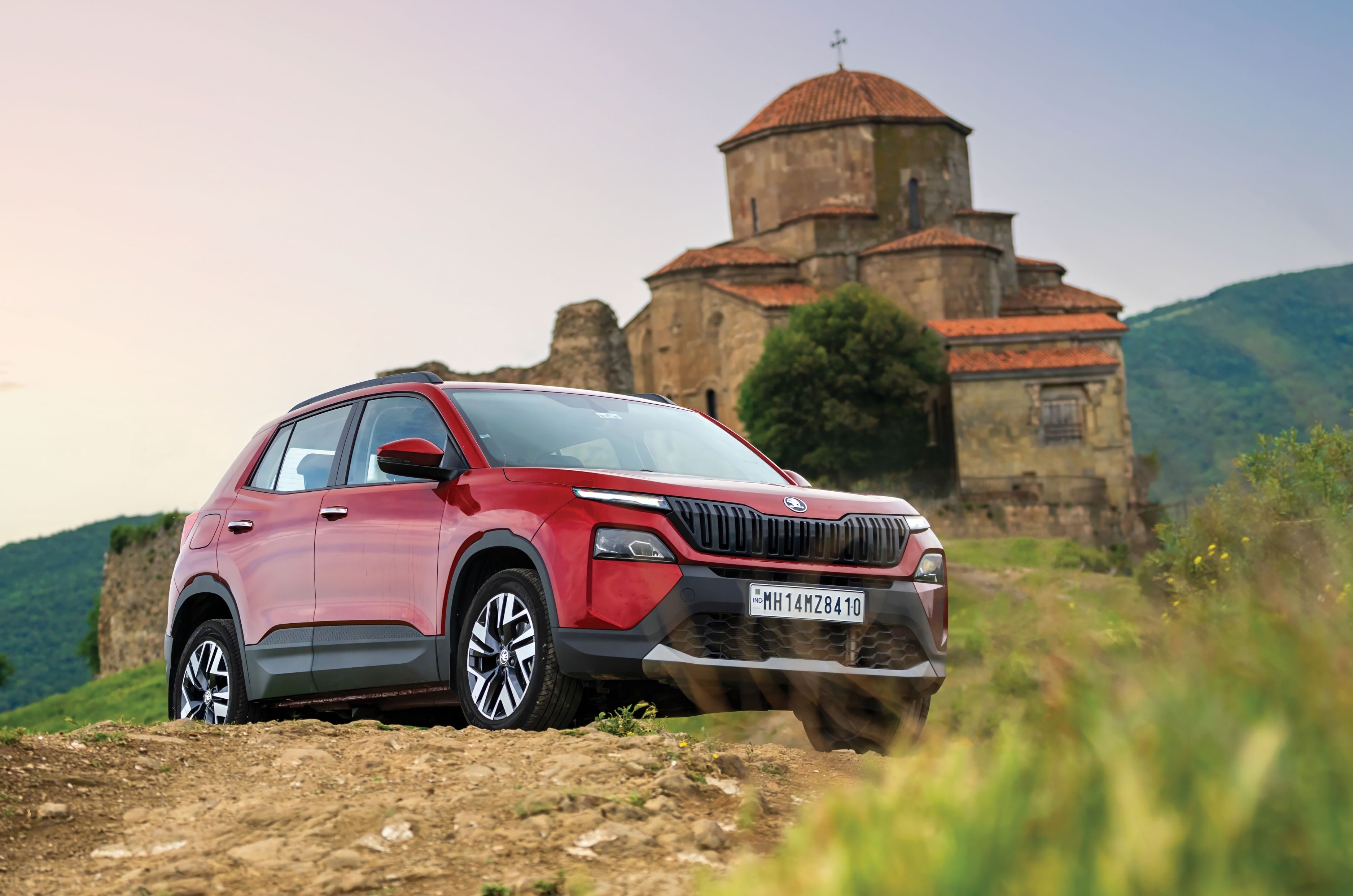
14th-century Gergeti Trinity Church has stunning views of the Caucasus Mountains.
Still, we made the most of it by strolling by the shore of the Black Sea, watching the locals angling for fish. Georgia, just like the Stans, offered a unique glimpse into this part of the world and its diverse culture. For our final stretch before Europe, we had one last country to drive through – the colourful Türkiye.
Georgia in numbers
Tbilisi – Türkiye border
Distance covered
624km
Fuel consumed
58.62 litres
Average fuel economy
10.64kpl
Approx. fuel cost
Rs 7,607
Avg. per-litre fuel cost
Rs 129.78
Total time driven
17.5hrs
Average speed
58.5kph
Türkiye – Gateway to Europe
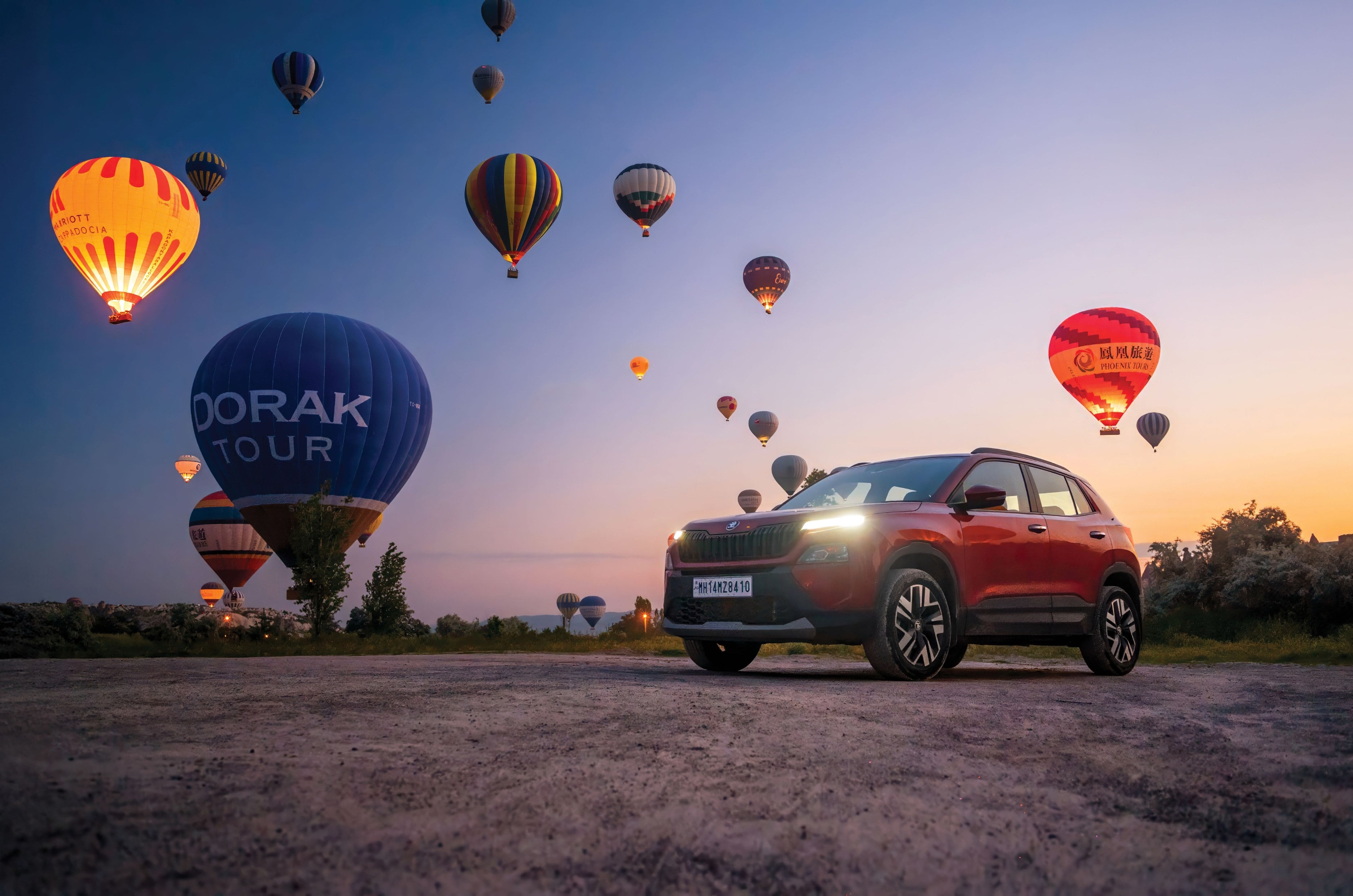
Cappadocia’s claim to fame is well worth the hype.
As the Kylaq crossed into Türkiye, our first stop was in Erzurum. A major winter sports town, but thanks to the time of year, our ski resort was bright, sunny and without an ounce of snow. A quick stroll through the small town and we hit the sack in preparation for a 700km-plus drive to the tourist haven that is Cappadocia.
The next morning, the plan was to do what you must do in Türkiye – take a hot-air-balloon ride. A pre-dawn wake-up call is never comfortable, but the peace was soon shattered by the sound of a group of old diesel Land Rover Defenders revving to keep themselves warm while they waited to transfer tourists to the balloon launch site. The balloon ride is arguably the largest tourist attraction in Türkiye, so there was quite the rush.
We, too, loaded up the Kylaq and hit the road to get the perfect shot of the sun coming up over the hills while the sky was filled with balloons. And boy, did we get it. As the orange tinge hit the fairy chimneys, we saw what the hype was about. The visual is nothing like you have ever seen: watching one colourful hot-air balloon is rare, and here there were over a hundred. We shot GBs worth of images and videos and got back to catch up on the broken sleep from earlier.
Türkiye in numbers
Erzurum – Bulgaria border
Distance covered
1,436km
Fuel consumed
98.1 litres
Average fuel economy
14.63kpl
Approx. fuel cost
17,187
Avg. per-litre fuel cost
Rs 134.19
Total time driven
19.5 hrs
Average speed
73.64kph
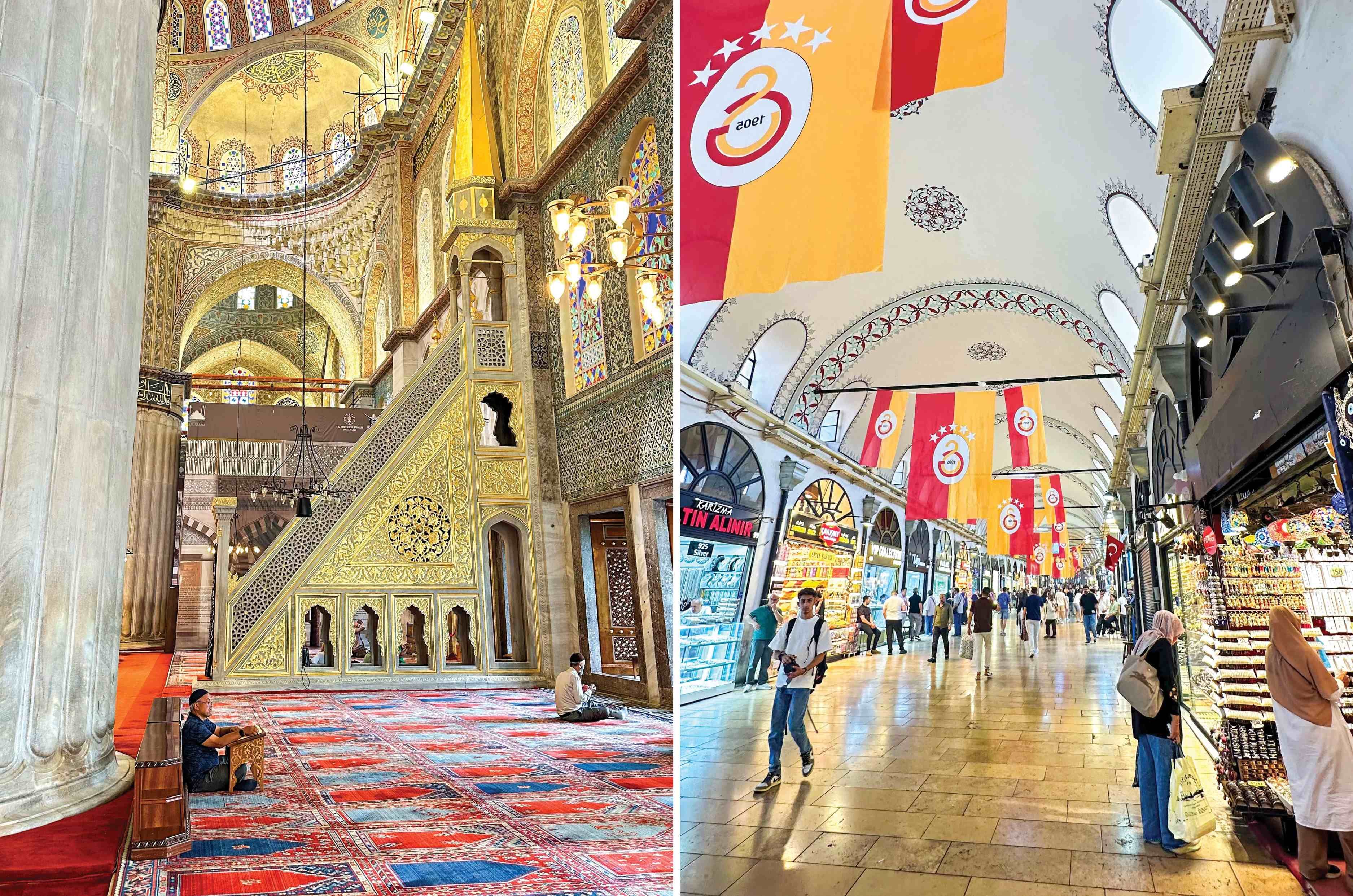
A relaxing drive the next day got us to Istanbul, which, to some, might seem like the capital thanks to its bustling character – a glimpse of which we got as we got closer. A traffic jam stretching for more than a couple of kilometres brought the Kylaq to crawling speeds. To avoid the repercussions of driving next to hasty cab drivers, we parked the Kylaq and headed to check out the nightlife, but more importantly, the döner kebab.
Exceptional interiors and an unbelievable calm in Istanbul.
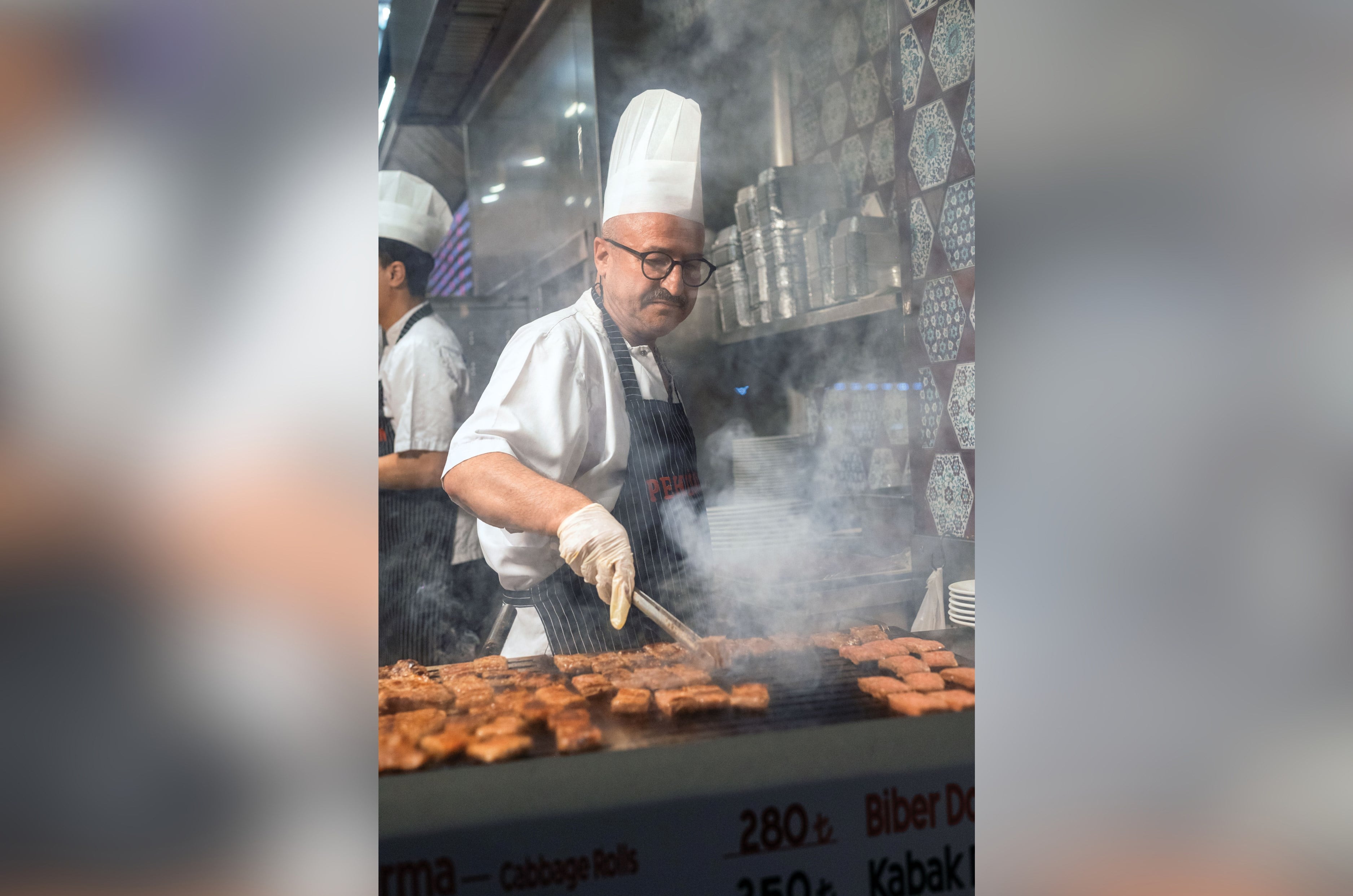
Similar to a shawarma, the döner kebab consists of a pile of meat that is cooked on a rotisserie over a flame. The dripping fat is mopped up by pita bread, which is then loaded with the sliced meat and seasonings. After a long walk through the Grand Bazaar, haggling for a fake Rolex, the döner becomes almost a necessity.
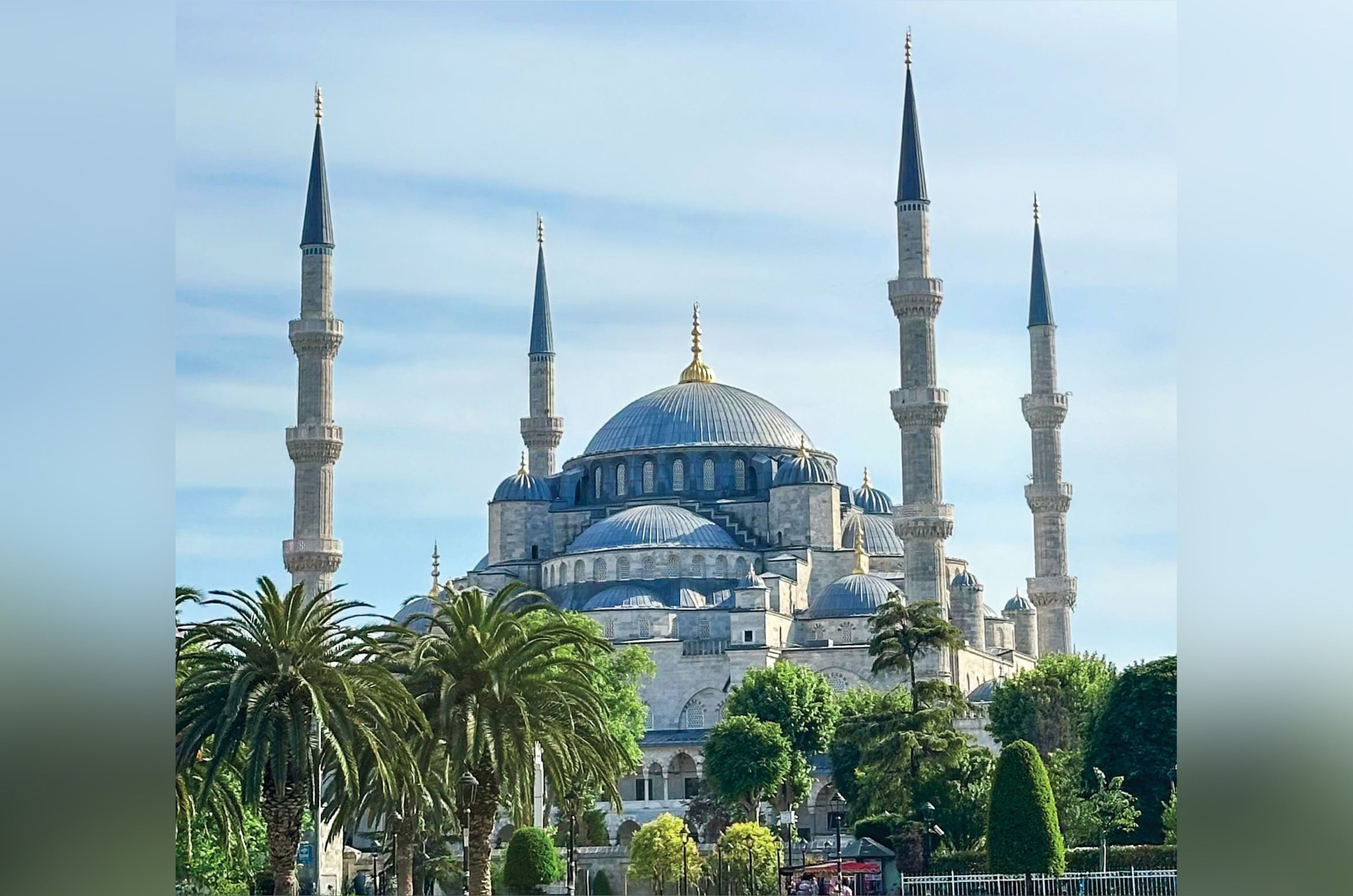
What’s also equally stunning is the Blue Mosque. Known formally as the Sultan Ahmed Mosque, it was constructed between 1609 and 1617 in the Ottoman era by Ahmed I. To get the entire mosque in frame, you need to fall back to the Hagia Sophia Mosque, which is in the same vicinity. Both equally grand, equally detailed and equally important.
The Blue Mosque, built in the Ottoman era, is majestic.
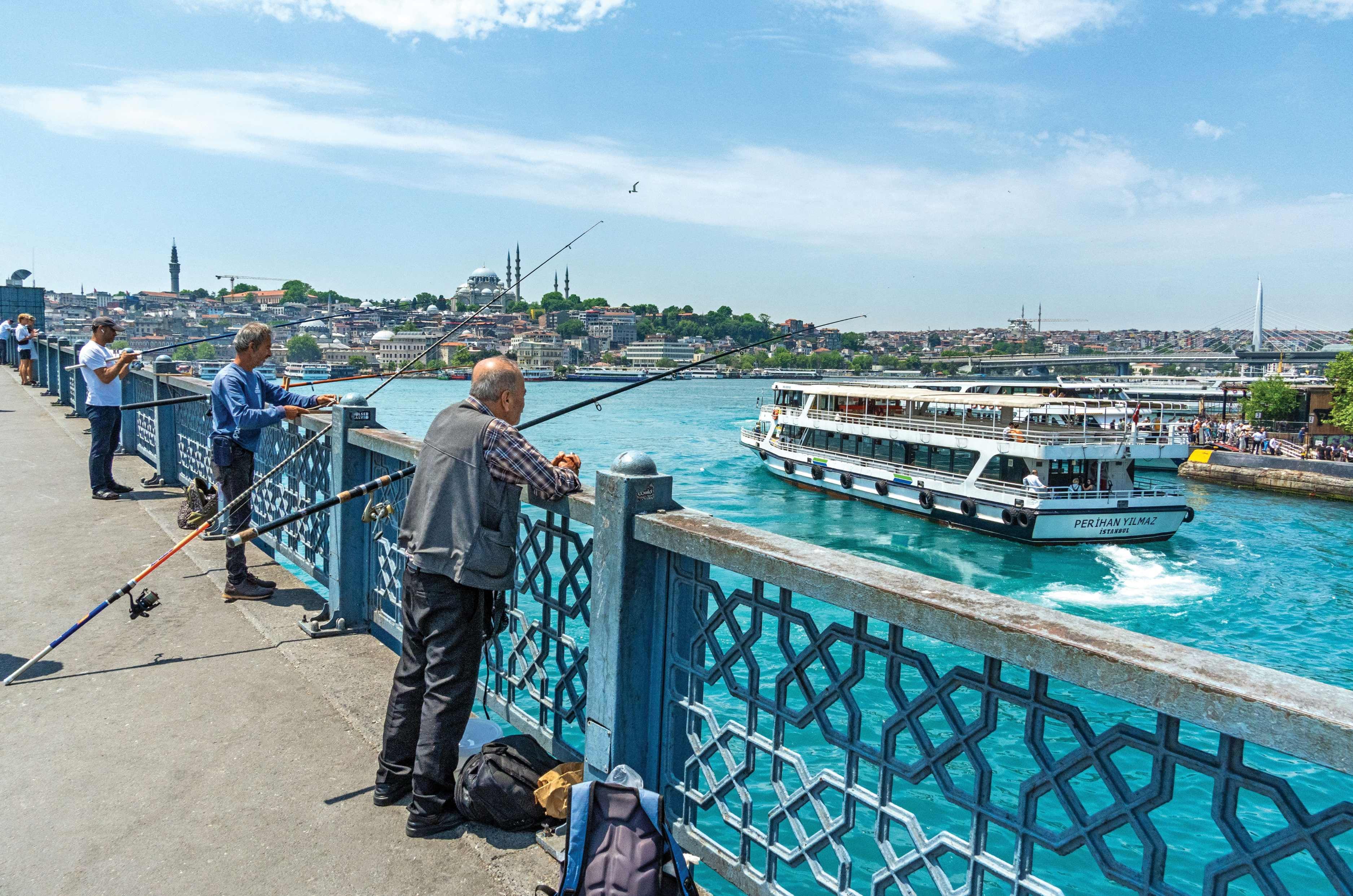
To explore more of Türkiye, we got back into the Kylaq and realised there was a bridge that is unlike any other in the world. The Bosphorus Bridge is located over the Bosphorus Strait, but its claim to fame is that it, quite literally, has one end in Asia and one end in Europe. You can cross the bridge in about two minutes, depending on traffic, but the sense that you can practically drive over from Asia into Europe before you can finish watching a reel is unreal.
Angling over the Bosphorus strait is a common hobby.
Europe – Home Stretch
Bulgaria – Romania – Hungary – Slovakia – Prague
The end of our incredible Pune-to-Prague drive was now a matter of days away. After over two months on the road, we were a couple of thousand kilometres away from the finish line. The excitement that had tapered off midway was back in full force.
We would be entering Europe through Bulgaria, and the border, as expected, was busy. Documentation, carnets, passports, stringent car checks and some explaining later, we were finally in.
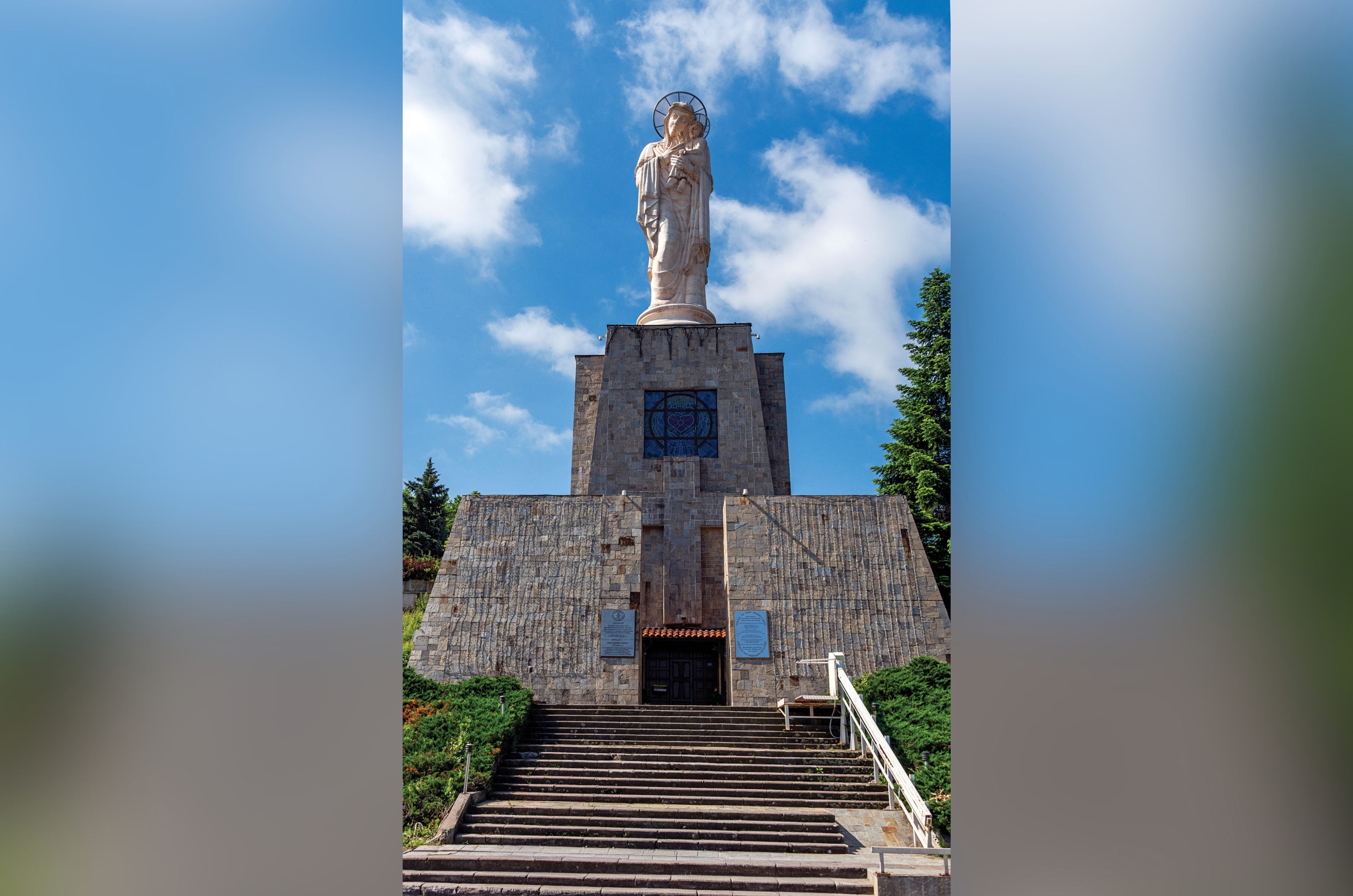
Monument of the Holy Mother of God in Haskovo.
Haskovo is a quaint town with a slow pace and none of the bustle of a European city, but it boasts a Guinness record for having the towering Monument of the Holy Mother of God, the tallest statue of the Virgin Mary and Baby Jesus in the world. Naturally, we had to check it out before we headed further.
Crossing countries in Europe is the equivalent of crossing states in India. There are no significant border checks or passport-control booths. A board with the blue EU flag and the name of the country is all you will see.
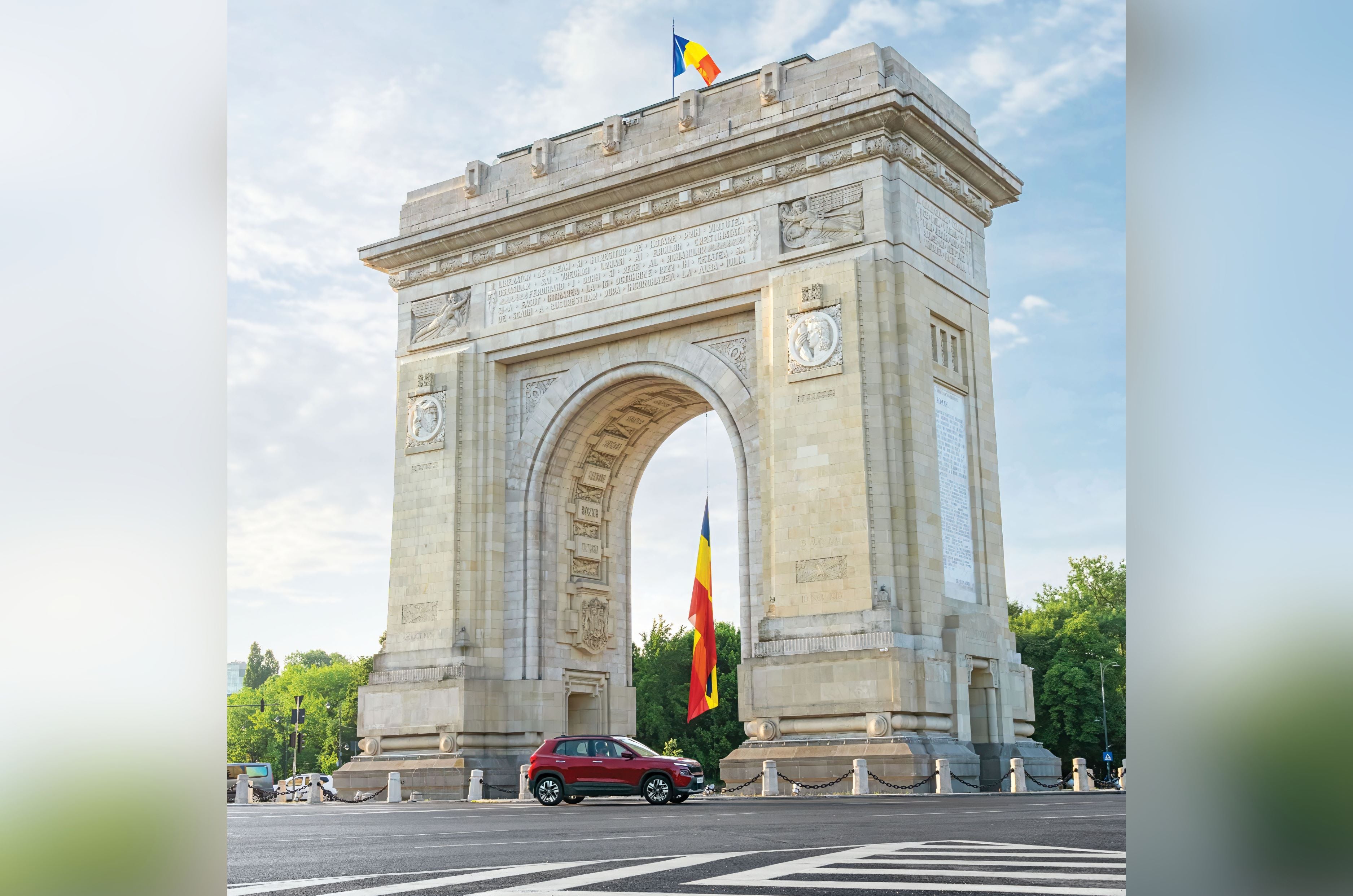
Romania’s Arcul de Triumf an ode to the one in Paris.
We crossed into Romania rather unassumingly and headed for Bucharest. The capital is picturesque and is also colloquially known as “Little Paris”. Like the Arc de Triomphe in Paris, Romania too has its own version. A tad smaller in comparison, but just as iconic.
However, what takes the cake is the Parliament Building, formally known as the Palace of the Parliament, which is also the heaviest building in the world, standing at approximately a ridiculous 4,098,500 tonnes. We couldn’t verify that, but since the Kylaq looked like a mere speck in front of it, it was all the proof we needed.
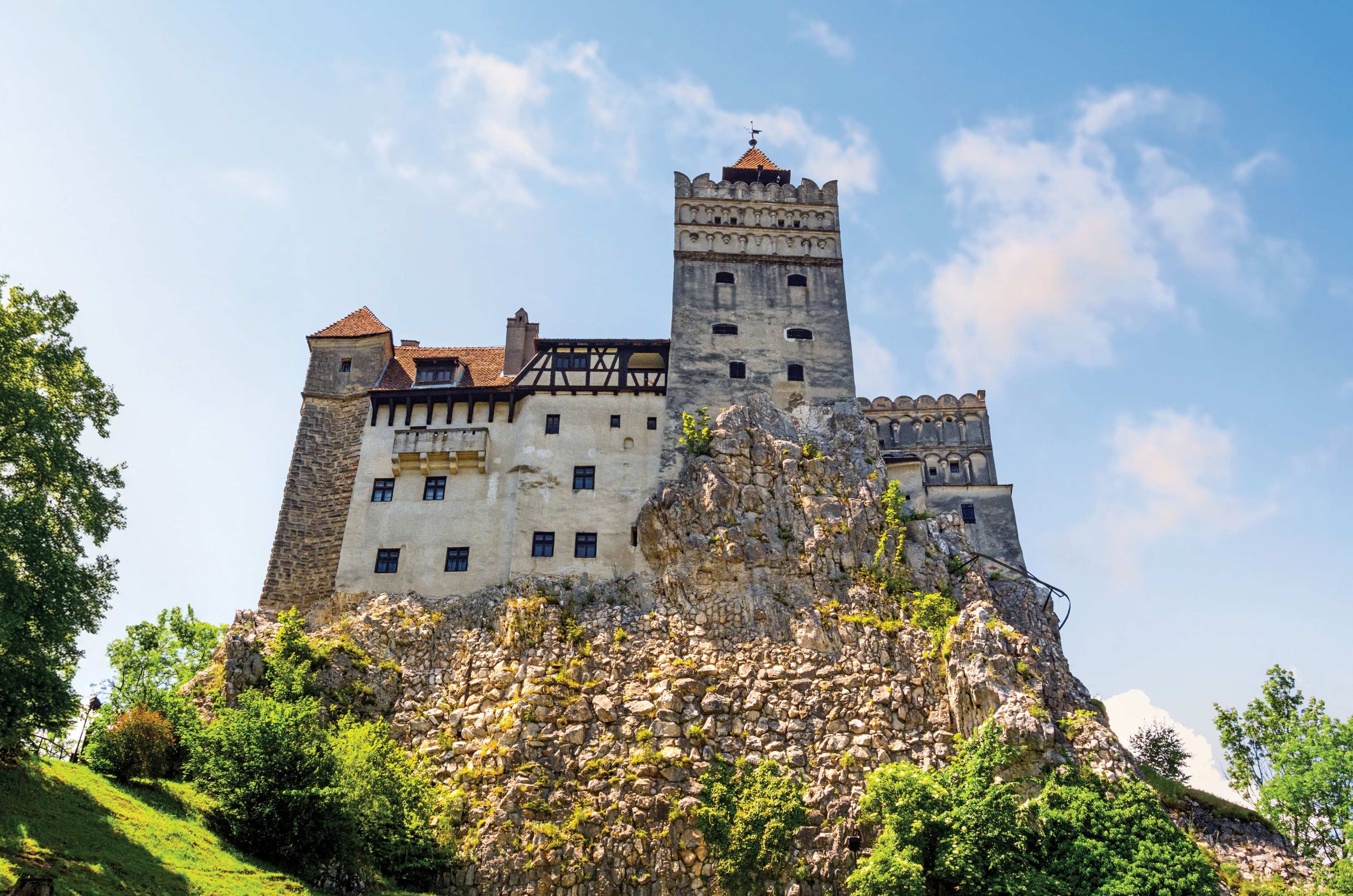
Bran Castle is widely marketed as Dracula’s home.
Bucharest also has a thriving nightlife, with the quiet cobbled streets turning into party hubs post-sunset. As we headed towards Hungary, we couldn’t help but make a stop at Bran Castle. Despite the myth that it was once home to the famous Dracula, there is nothing but merchandise at the foot of the castle to prove that claim. Historians have dismissed the claim and, while it is fascinating, there is plenty of evidence against it. Still, that did not stop us from buying some fake vampire teeth and Dracula magnets.
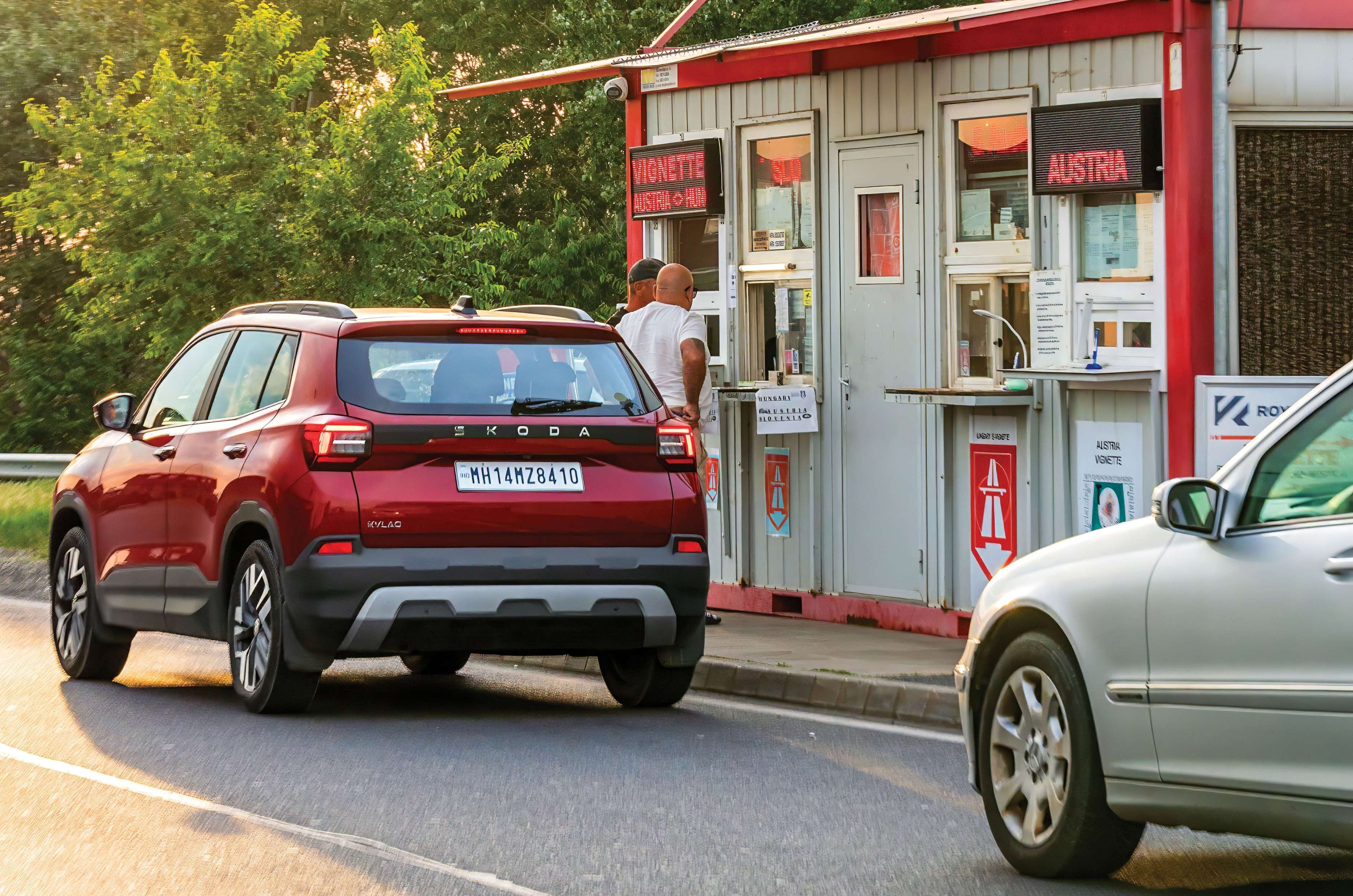
Vignette is Europe’s FASTag and is essential on the freeways.
From the shores of the Black Sea, we drove into landlocked Hungary. The drive to Budapest was long, but thanks to Europe’s seamless highways, it was light work for the Kylaq. In Europe, it just blended in with the other cars, and at no point did it feel out of place. It might have been built in India, but it felt every bit as European as it got closer to Prague.
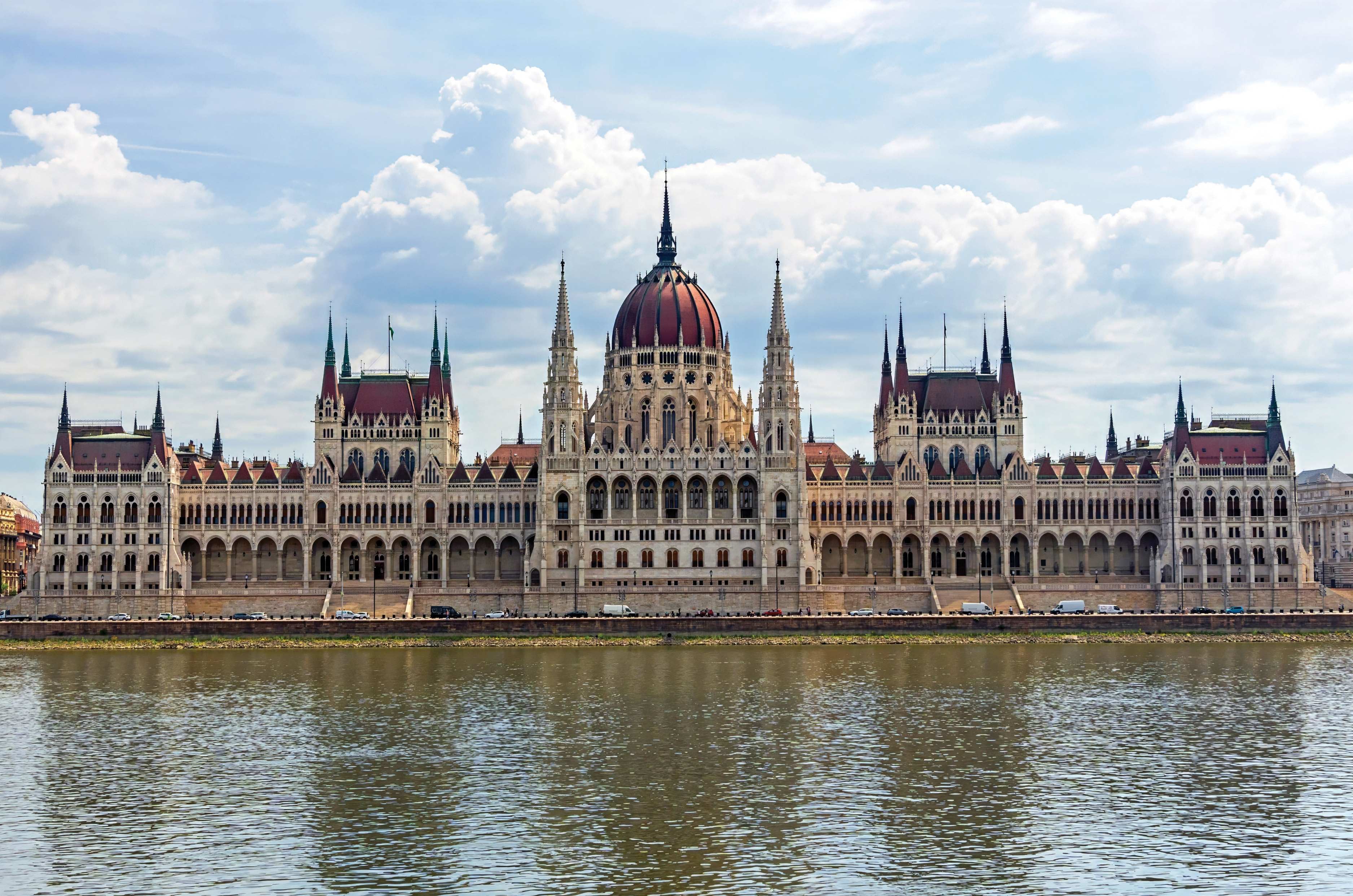
Budapest’s Parliament Building sits by the banks of the Danube River.
As we drove by the banks of the Danube, we were in awe of the stunning Hungarian Parliament Building. Budapest is also known for its bridges, with as many as 13 iconic ones, each with its own identity.
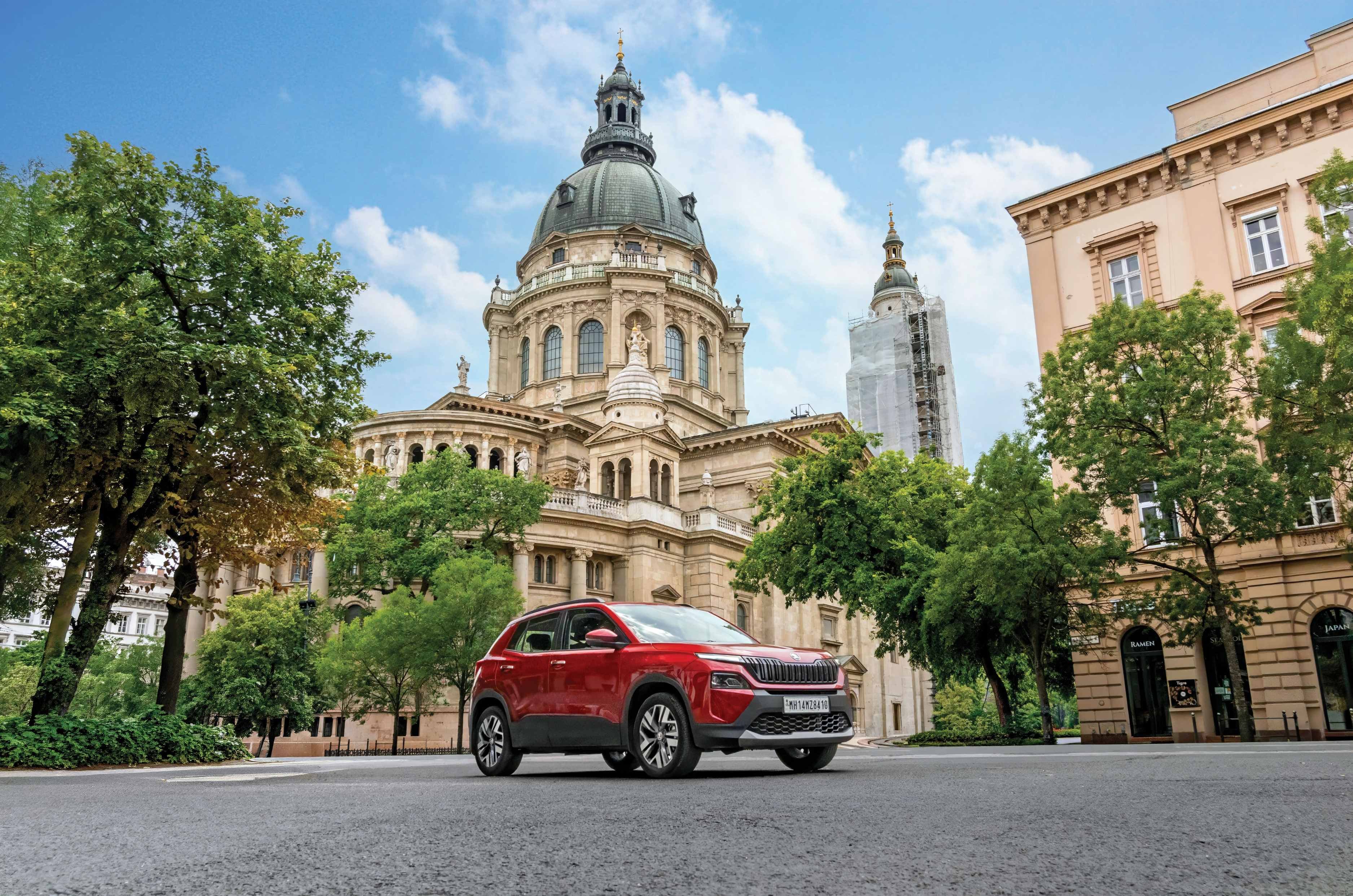
St. Stephen’s Basilica is the largest church in Budapest.
The last country before we entered the Czech Republic was Slovakia. The small country, with a quarter of the population of Mumbai, has a rather interesting Indian connection, as we found out in the pedestrian-only zone of its capital, Bratislava. Bratislava was visited by Pt. Jawaharlal Nehru in 1938, along with a young Indira Gandhi, regarding the freedom movement under British rule.
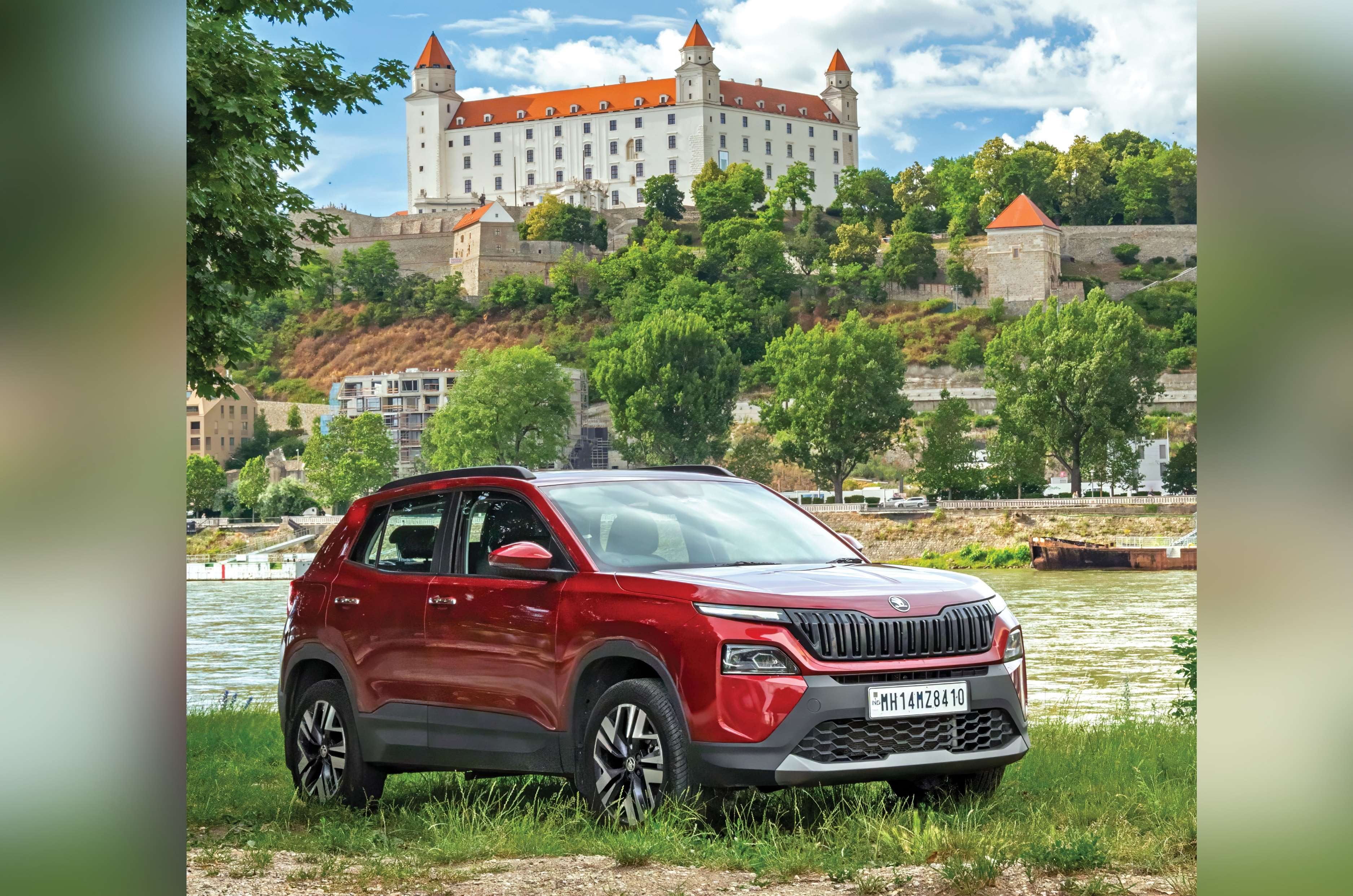
Bratislava Castle, built in the 13th century on the banks of the Danube, is now a museum.
The town square is also an open market with rich produce, handmade jewellery and a lot more. After buying the last few souvenirs before our bags exploded, we were set for the home stretch.
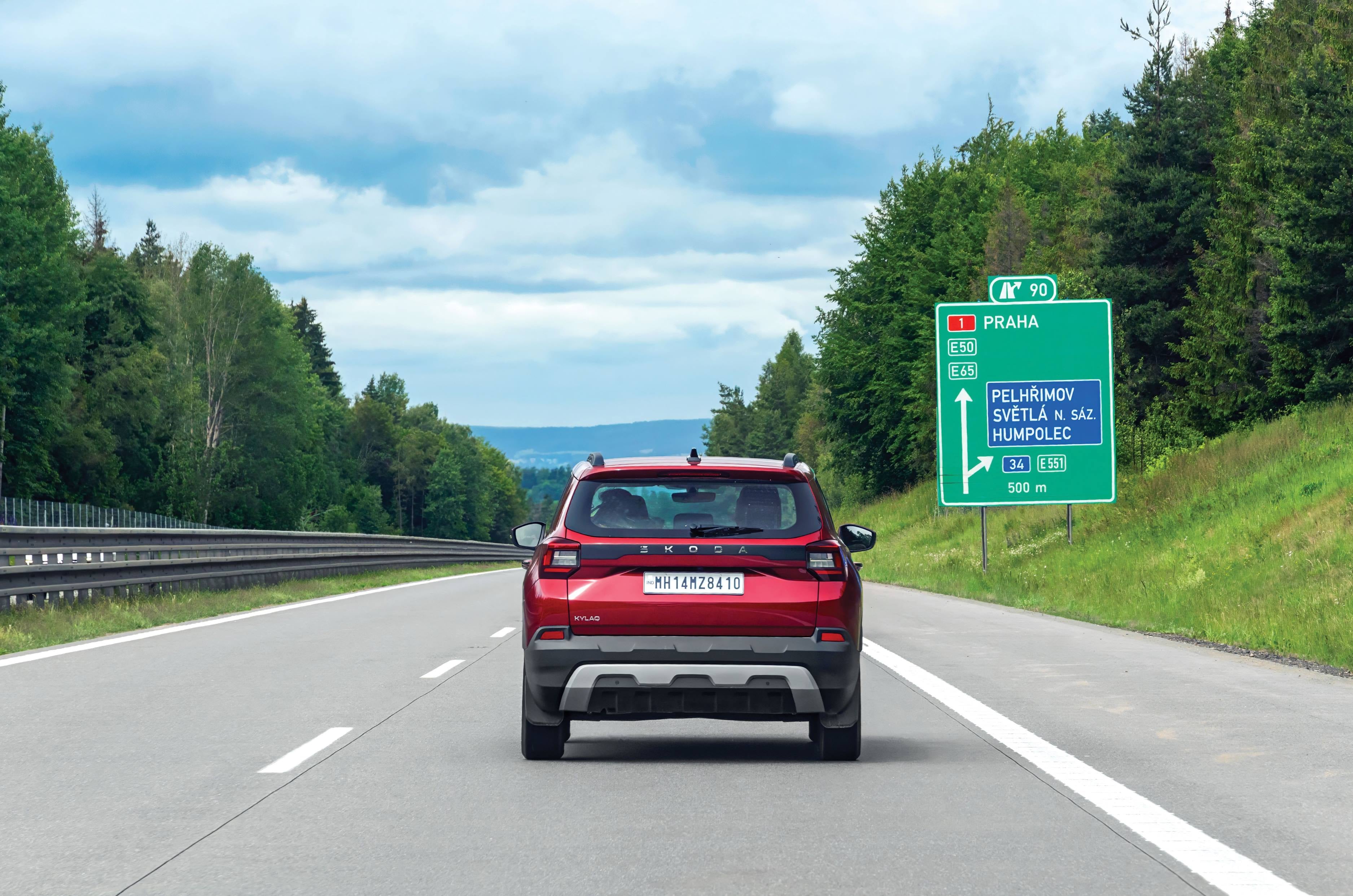
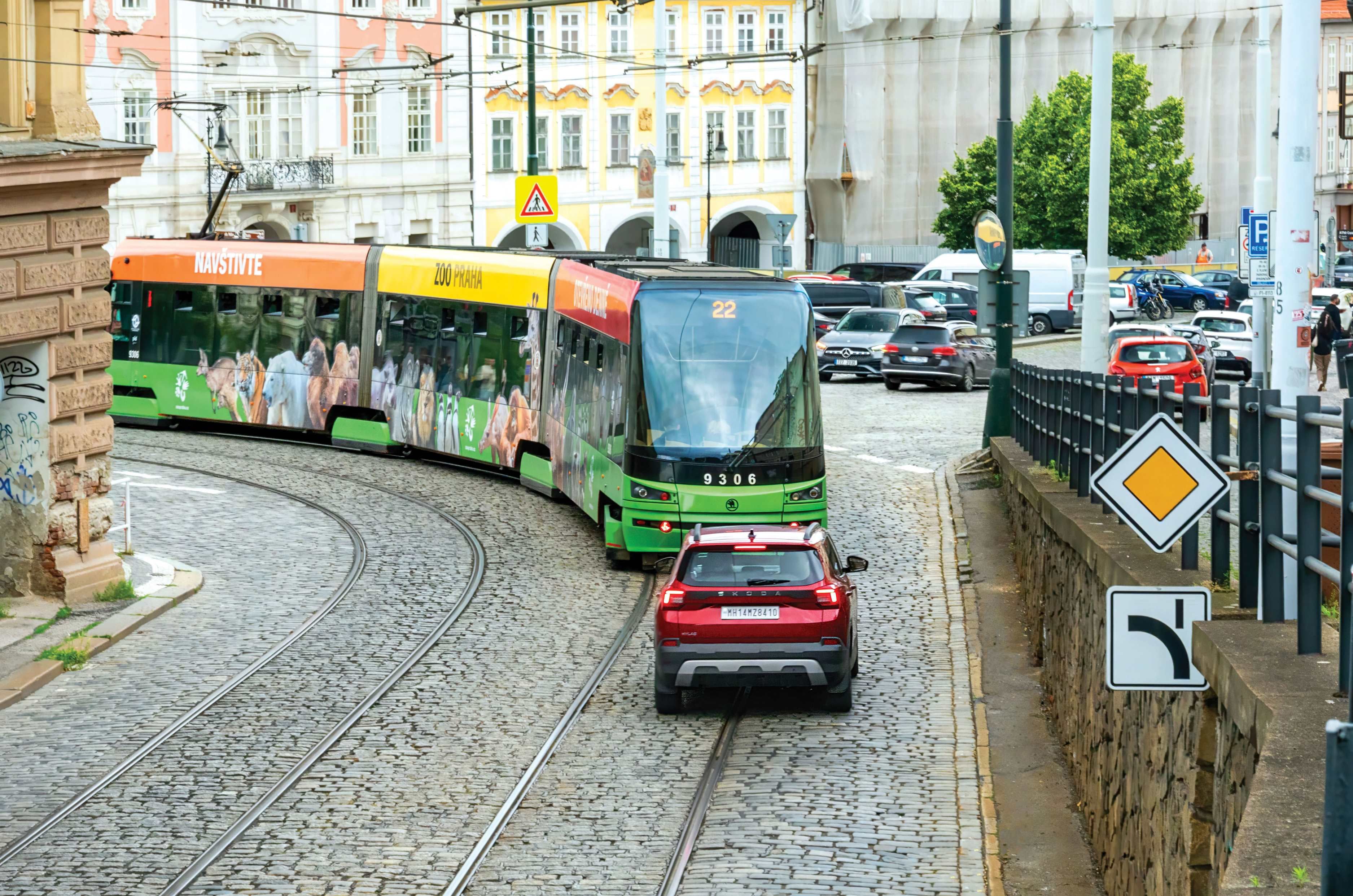
Prague boards were the beginning of a bittersweet end.
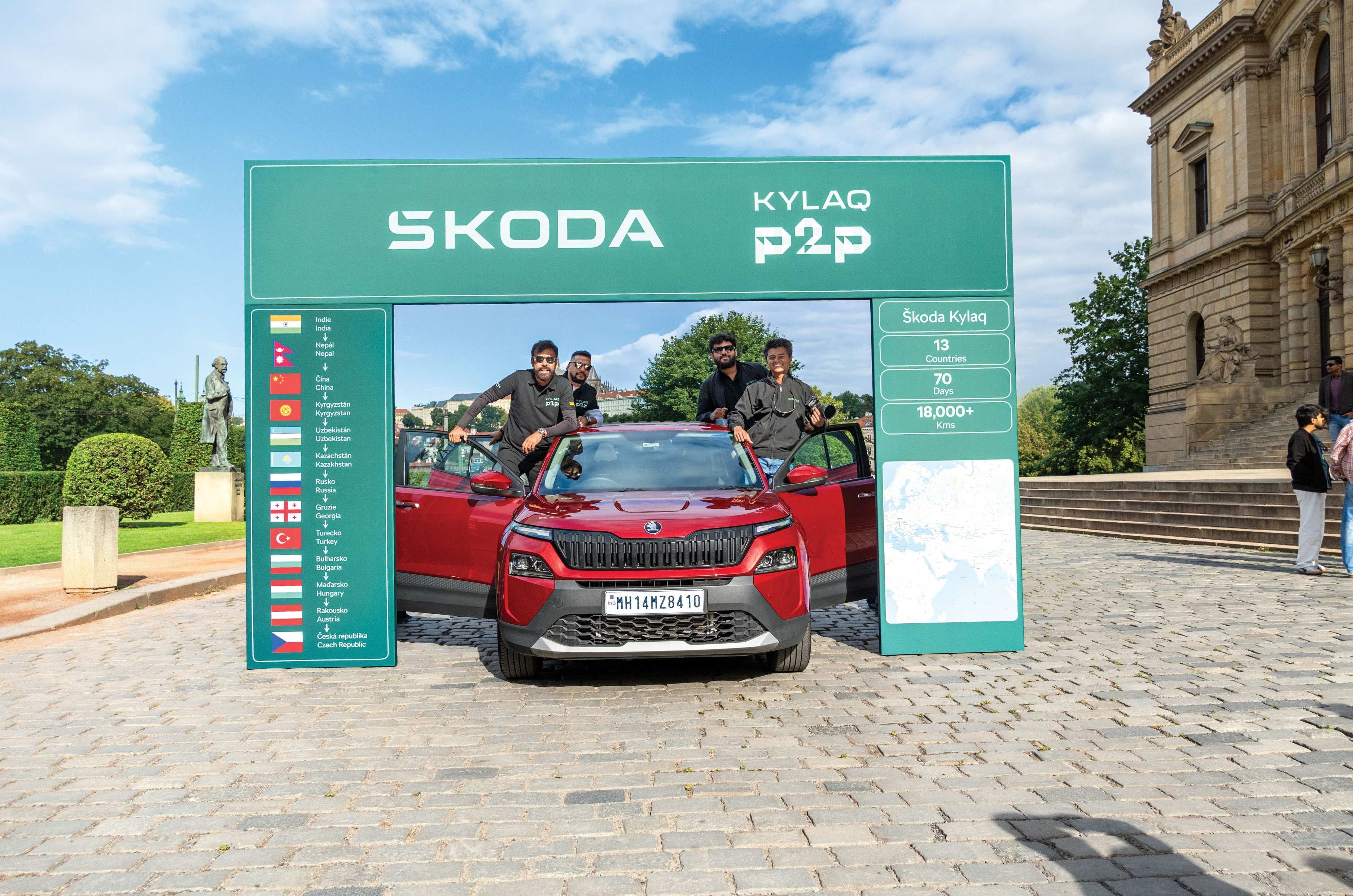
Prague was no more than 200-odd kilometres away, and the bittersweet feeling of it all coming to an end loomed over each and every one of us. As we crossed Brno and got closer to Mlada Boleslav (Skoda’s headquarters), we all reminisced about how gigantic this drive had been. Seventy days, almost 20,000km and not a single fault with the car, not even a puncture.
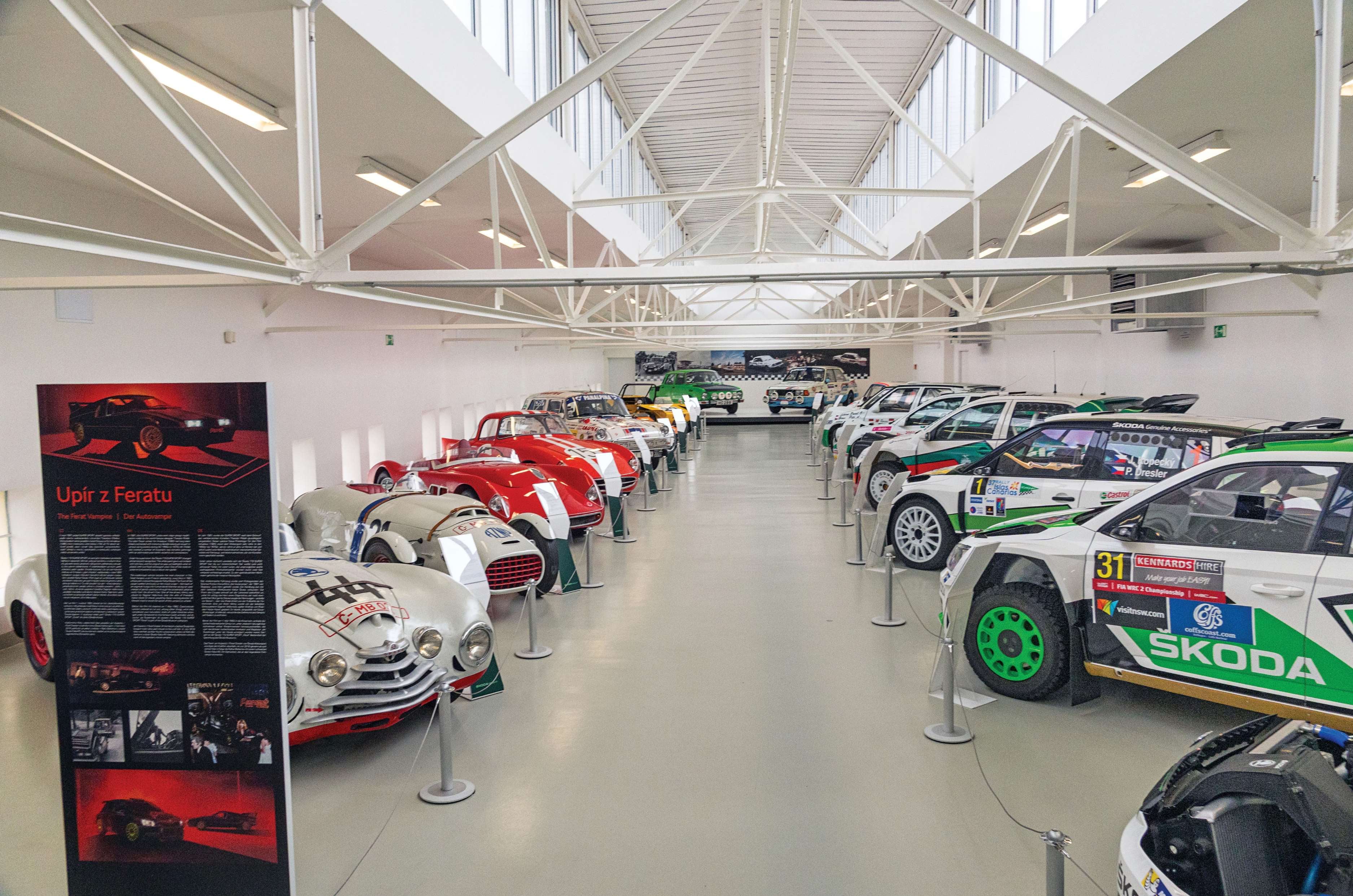
Rich history of rally and motorsport at the Skoda museum.
We crossed the Skoda factory gates with employees gazing in amusement and confusion. They had never seen this car, but strangely, it had a Skoda logo. As we parked the car near the iconic museum that preserves over 130 years of history, we had to peek in and see where it all started.
The fact that a simple bicycle gave birth to one of the largest auto manufacturers in the world is pretty astonishing. Road cars, racing cars and rally legends, Skoda has done it all. A reputation built over a century for being tough, resilient and deeply desirable.
Watching the Indian-made Kylaq sitting proud and faultless in the gleaming sunlight against the backdrop of Prague Castle, looking exactly like it did on the factory floor in Chakan, only proves that the 130-year-old ethos is still the same, no matter where Skoda builds a car.
The final picture in the camera that will always take us back in time
In a world rapidly shifting towards more screens and fewer experiences, a drive like P2P isn’t just a rarity; it’s a statement of defiance: as long as there’s a world to explore, we will find a way to drive across it.
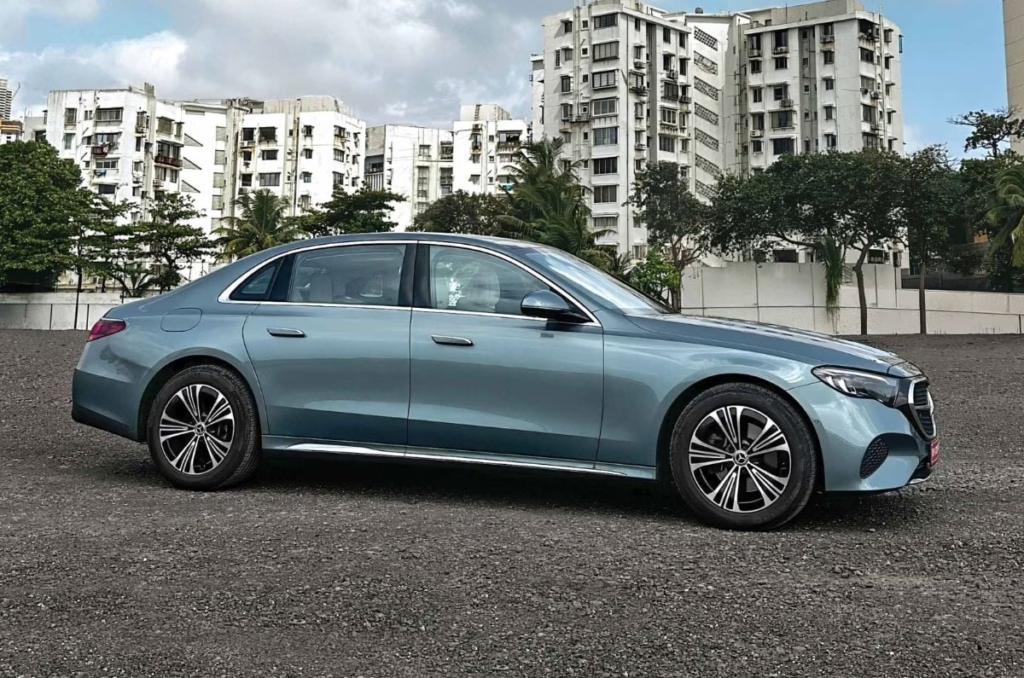
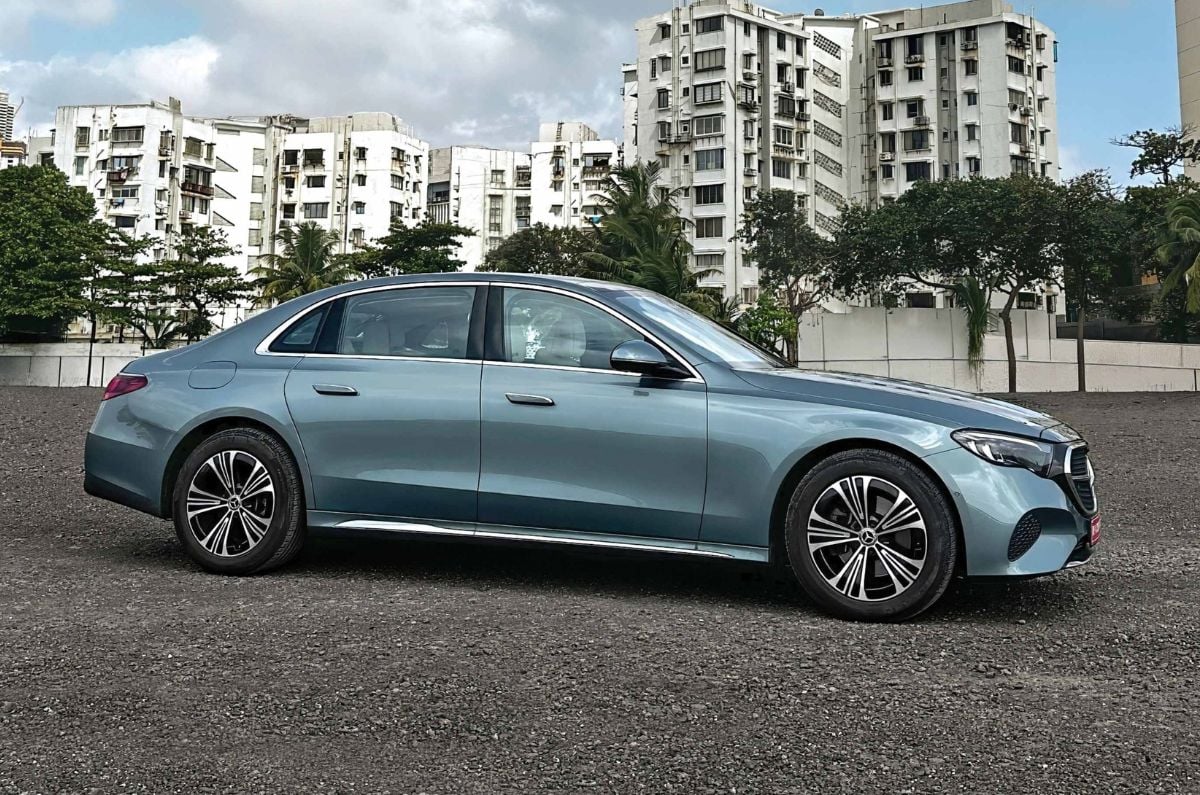
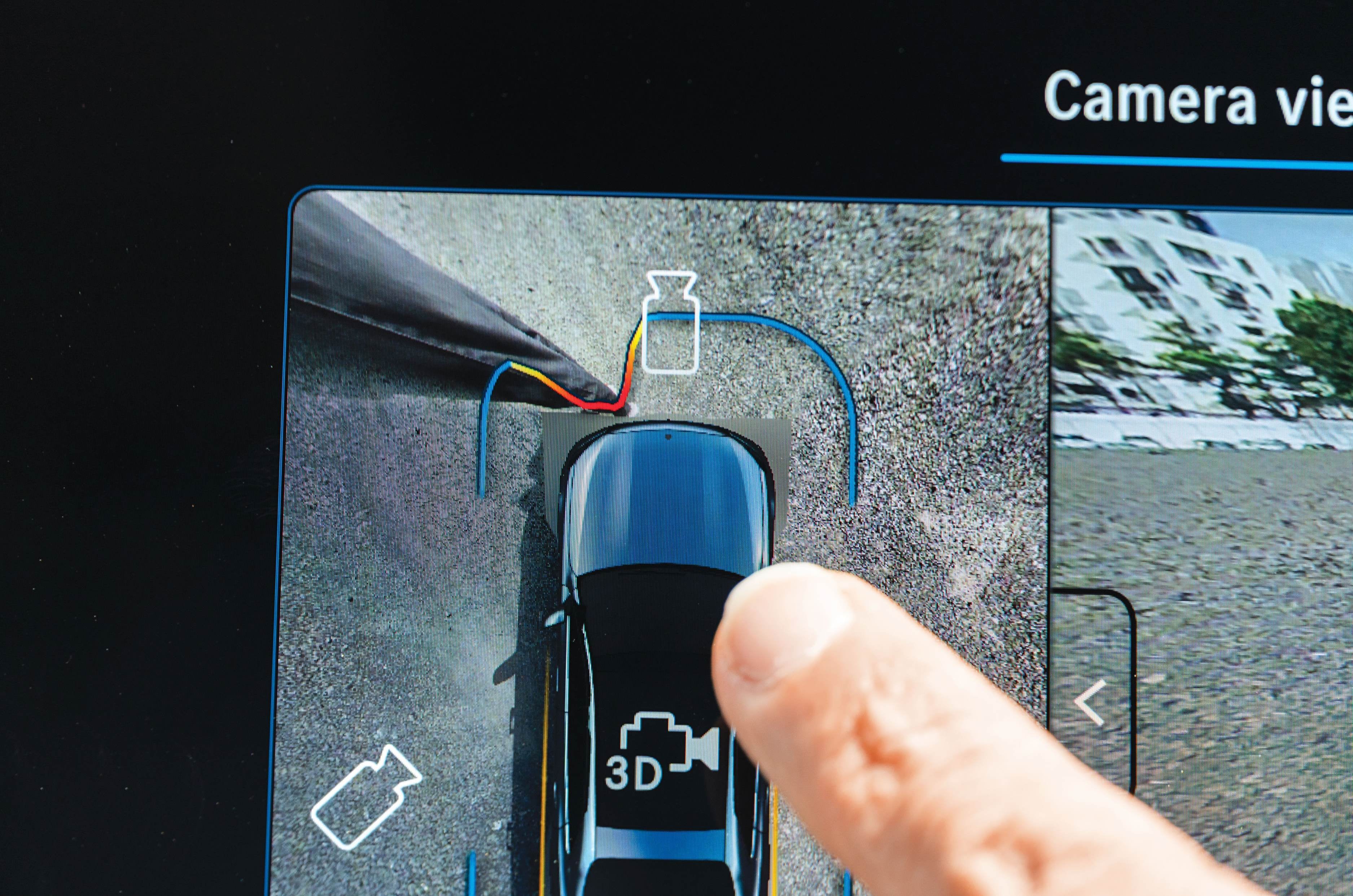
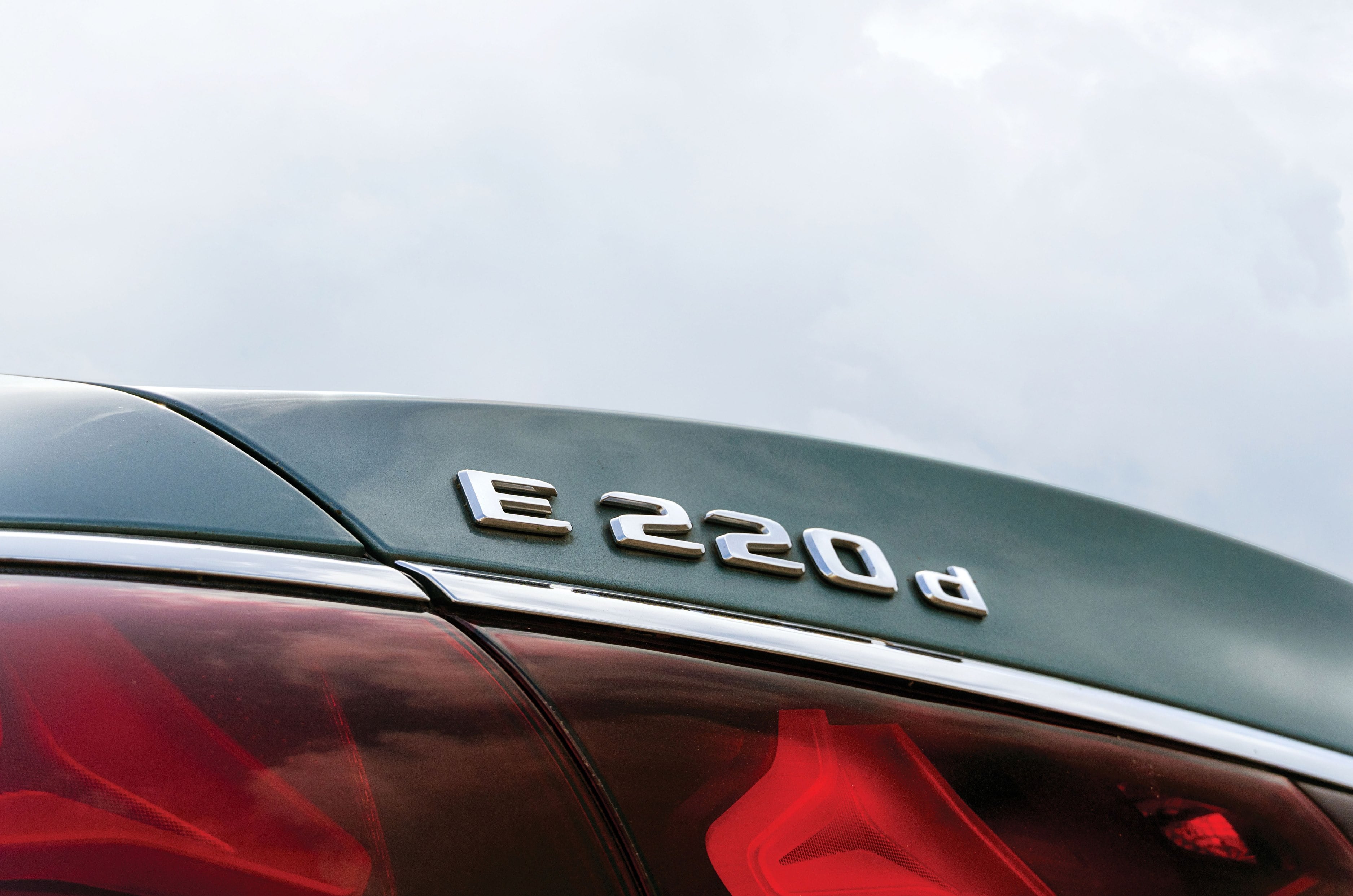
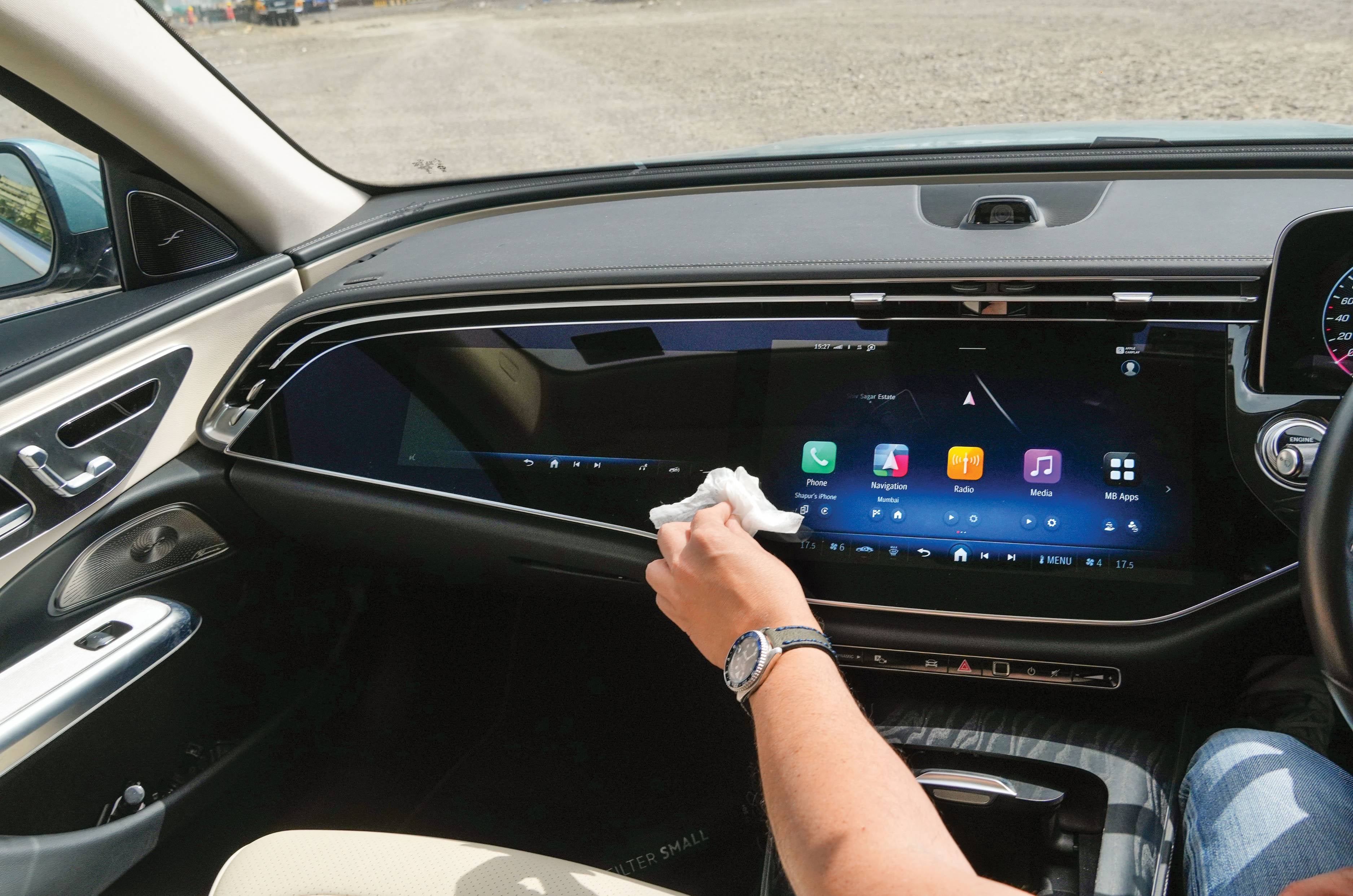
My start-up ritual is always the same. Fire the engine, drop the windows and take the fan speed to max. It’s the fastest way to vent the greenhouse and cool the cabin, especially on a baking hot day. On the E-Class, this, however, presents something of a problem. Pushing the fan speed up to maximum is a two-step process. You first have to select the fan-speed icon on the bottom of the touchscreen, and once you’ve hit that accurately, then it’s tap, tap, tap it up to max. This is not something you can do while reversing, as the camera feed pops up on the screen. And then you have to judge gaps, steer and move the car back and forth. There, however, is a hack – all I do is say, “Hey Mercedes, take fan speed to maximum,” and the blower speed increases, even as I work to get out of the parking lot. At times, I even ask Mercedes to open the windows. ‘Helga’ comprehends quite a lot these days.
Reversing pictogram is tiny, and you can’t see obstacles clearly.
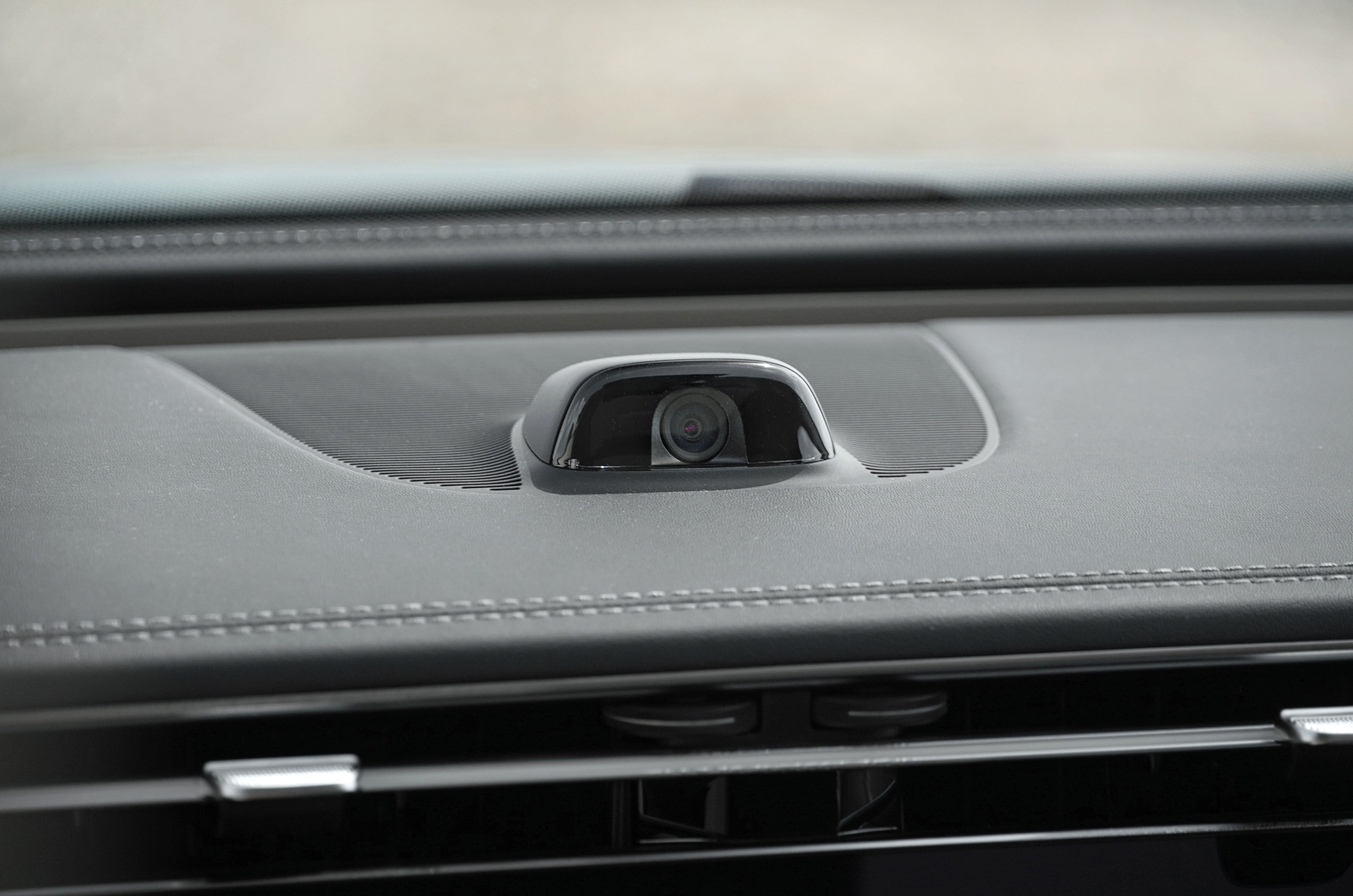
Over the weeks I’ve been driving the car, I’ve also found that, apart from being thoroughly modern, there’s also plenty of traditional ‘Mercedes’ in the E-Class, something that just elevates the experience. Sure, there are a few bits that make you ask “is this really Mercedes?”… such as the build of the gear selector or some creaky plastics, a culprit here seems to be the dashboard camera mounting that sounds a bit creaky. But what lends a tremendous sense of well-being is just how robust and solid the fundamental structure feels.
A few dashboard creaks can be heard, the culprit seems to be the camera mounting.
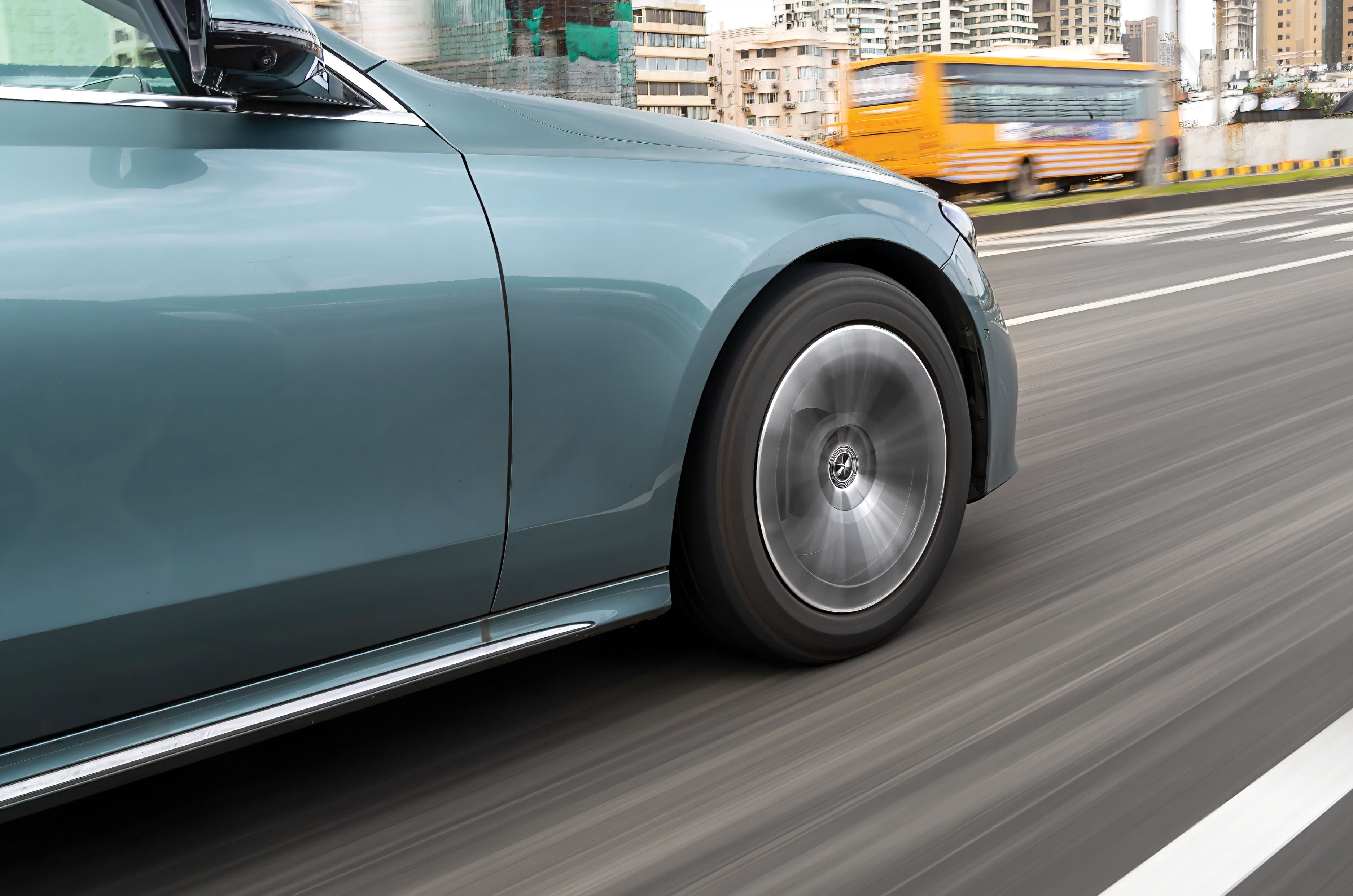
Then, there’s how majestically it rides over our pothole-infested and poorly patched roads. An essential skill in our conditions, something I appreciate almost every second I’m in the car. The suspension is supple and absorbent, and the E remains flat even over bad patches, with vertical movement superbly damped. Worth noting is the fact that in our conditions, where sharp bumps abound, coil springs often get the better of air springs, the steel coils reacting to sharp bumps and sudden changes in direction more seamlessly. And then, of course, this car gets both the long wheelbase and, more importantly, the sedan advantage; no SUV, like-for-like, can ride as well as a sedan.
Even the worst surfaces are ridden over with great suppleness.
Ladled in with the good build and great ride is superb insulation. Sitting in the cabin just cuts you off from so much noise going on outside. Sure, you can hear loud spikes, but the general hubbub of Indian traffic just fades into the background. This allows the long-wheelbase E-Class to cover ground in a graceful, elegant and effortless manner, the chaotic and loud world around you somewhat muted. I can’t help thinking of this every time I cross one particularly noisy junction in Byculla near our office in Mumbai.
The 220 diesel also impresses when it comes to refinement. First up, it’s difficult to tell this is a diesel at low and medium speeds from the passenger seat. This is especially true once the engine is warmed up. Sure, you can look at the tachometer and the truncated powerband and guess, but with no typical diesel rattle at low engine speeds and no clatter under load, telling passengers in the car this is a petrol, and getting them to believe it, is a fun game I often played. It’s only when you rev the engine close to the redline that there is a faint diesel drone.
Want to fall in love with diesel again? Take this car on a long drive.
What’s odd about the diesel is that it feels way too relaxed and laid back when you need to take off from rest. Squeeze down gently on the accelerator pedal, say as the traffic lights turn green, and, at times, the car barely moves. This makes you tap the throttle a bit harder and gets you to second guess yourself. Not comfortable when you are sat with large commercial vehicles bearing down on you at the lights. It only appears to be a matter of tuning; it doesn’t happen in Sport. Once on the move, the hybrid system delivers 27hp of e-boost so seamlessly, it’s tough to pinpoint when exactly the e-power comes in; and then power flows in a seamless, smooth, almost petrol-like manner. You do miss the turbo-diesel spike of torque at low speeds, though; today’s tighter emission-control norms somewhat strangle the responses.
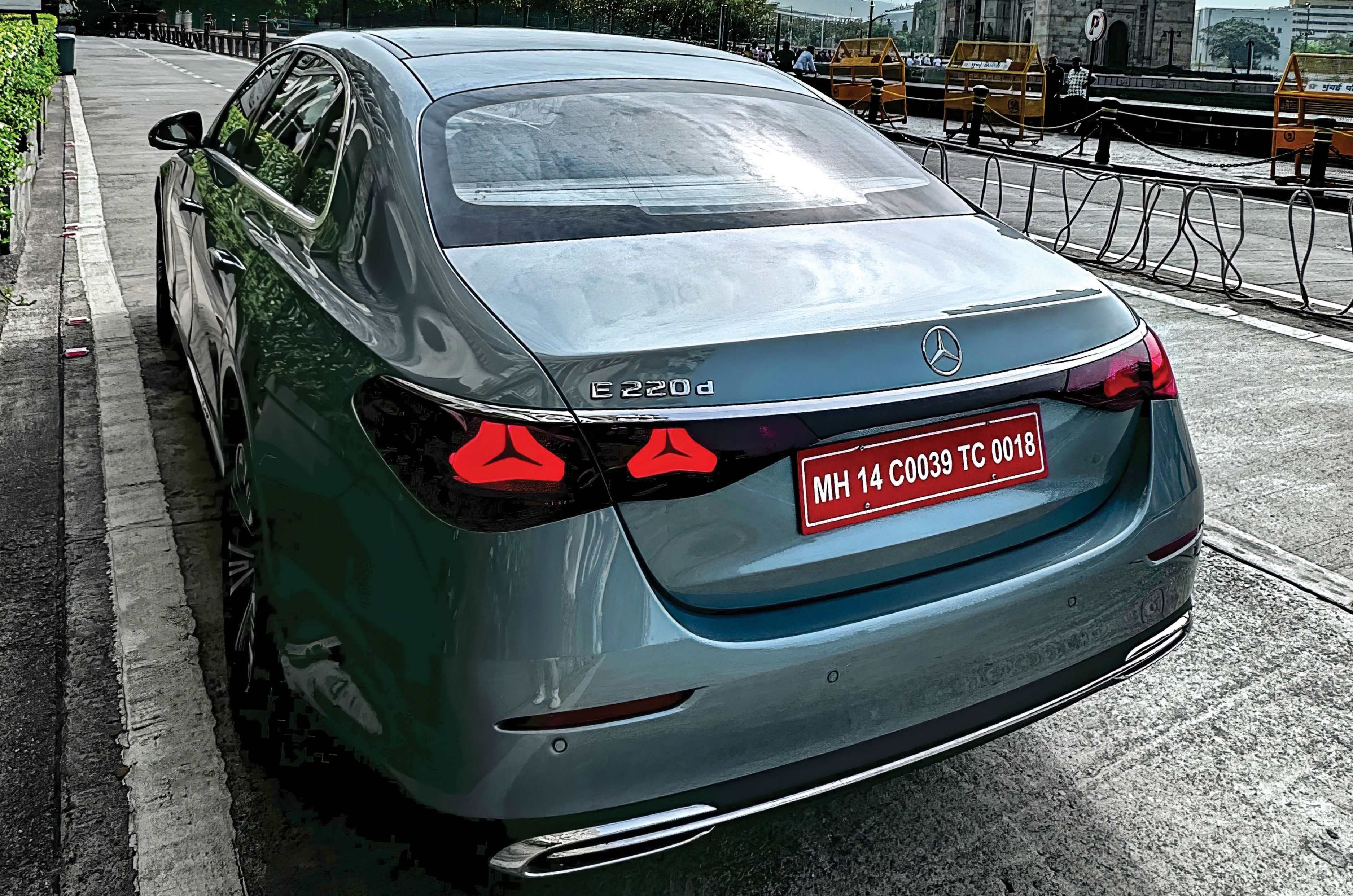
Two red stars in tail-light tell you this is an E-Class, even at a distance.
Over the time we had the car with us, we also discovered a few other niggles. The ‘glass’ dashboard picks up too many fingerprints, to begin with, and these prove difficult to clean. The E-Class also isn’t the most comfortable five seater, the narrow centre seat is only usable for short drives. Then, at times, because of the long wheelbase, some of the large speedbreakers are better traversed at an angle, so that the belly of the car is raised higher. This is especially when the car is fully loaded.
Piano black and polished glass pick up fingerprints very easily.
What endears you to this car, however, is that the new E-Class steers much better, even managing to sort of shrink around you when you begin to enjoy wheel time. That, of course, and the sheer comfort and calm you get when you are sat at the rear, the refinement, plush ride and solid build delivering a near-first-class experience in the back. And then, since it’s a diesel with a healthy e-boost, it’s also super-efficient, currently the most fuel-efficient car in our fleet, double digits in the city, and from a car this size! It ticks so many boxes, no wonder it’s still the class leader by a country mile, and that’s despite the healthy premium it asks for.
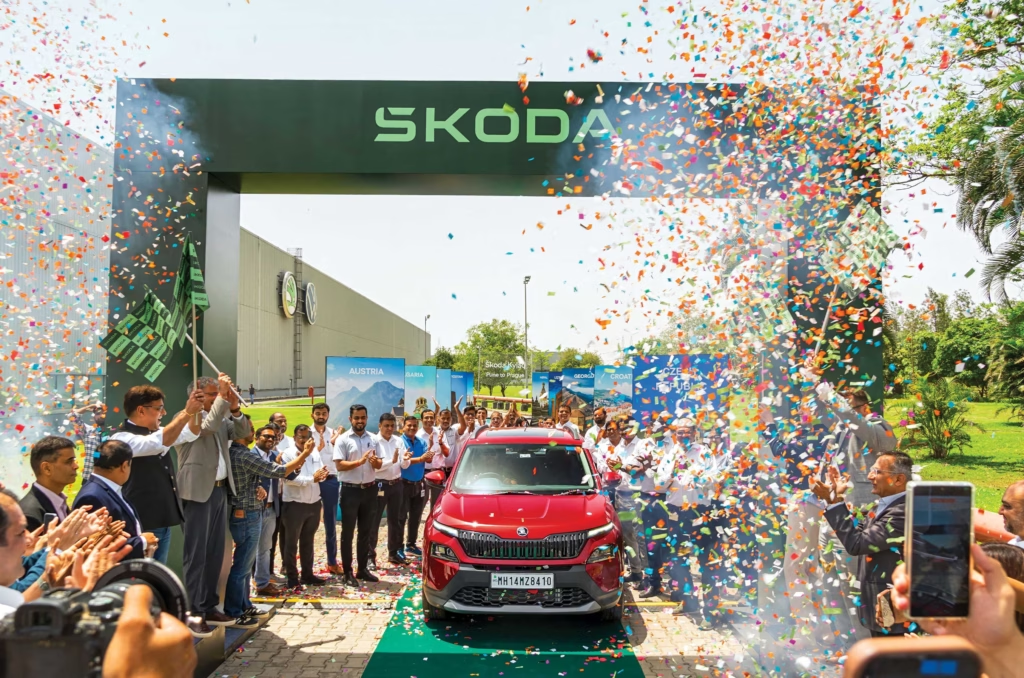
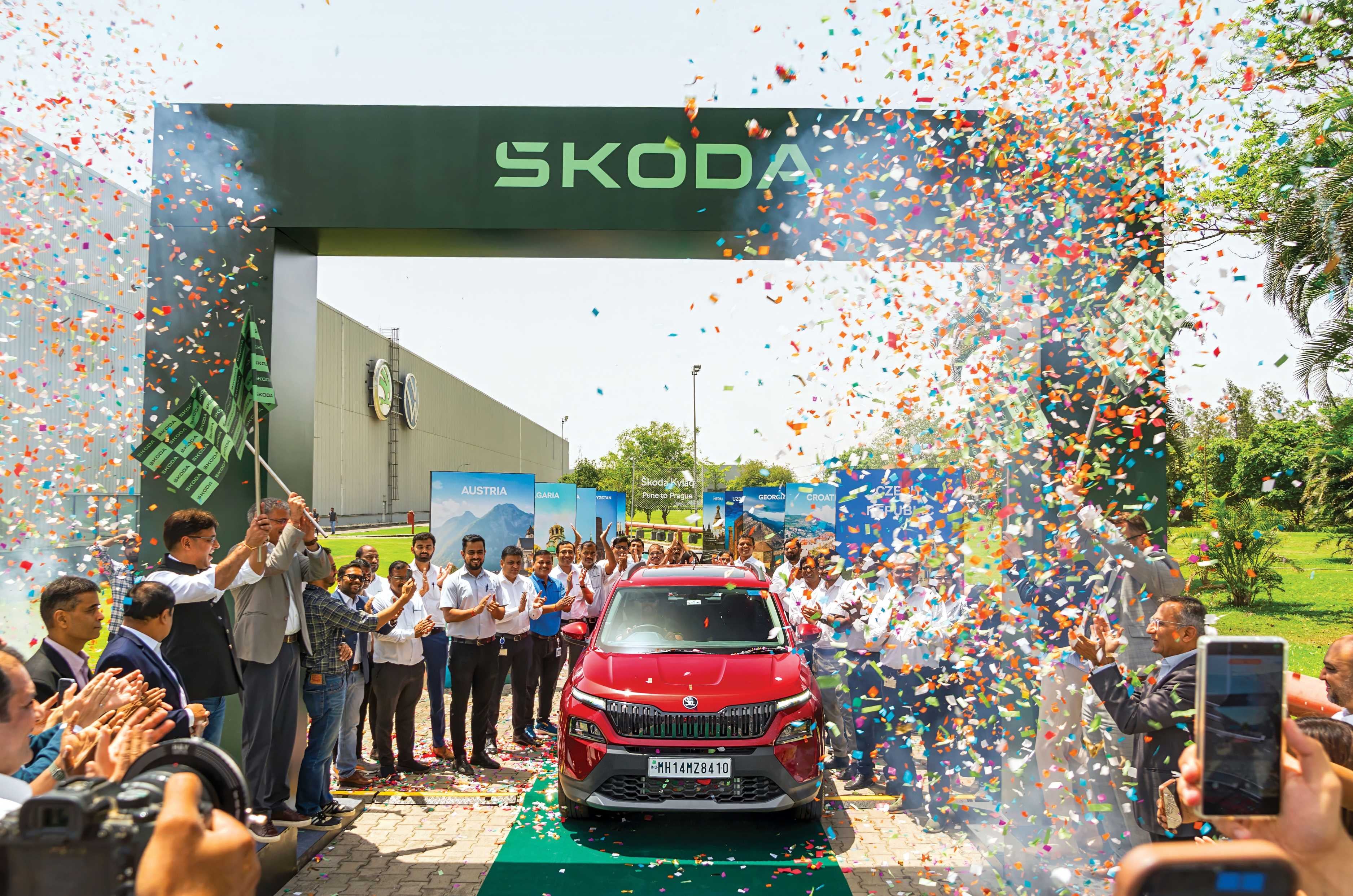
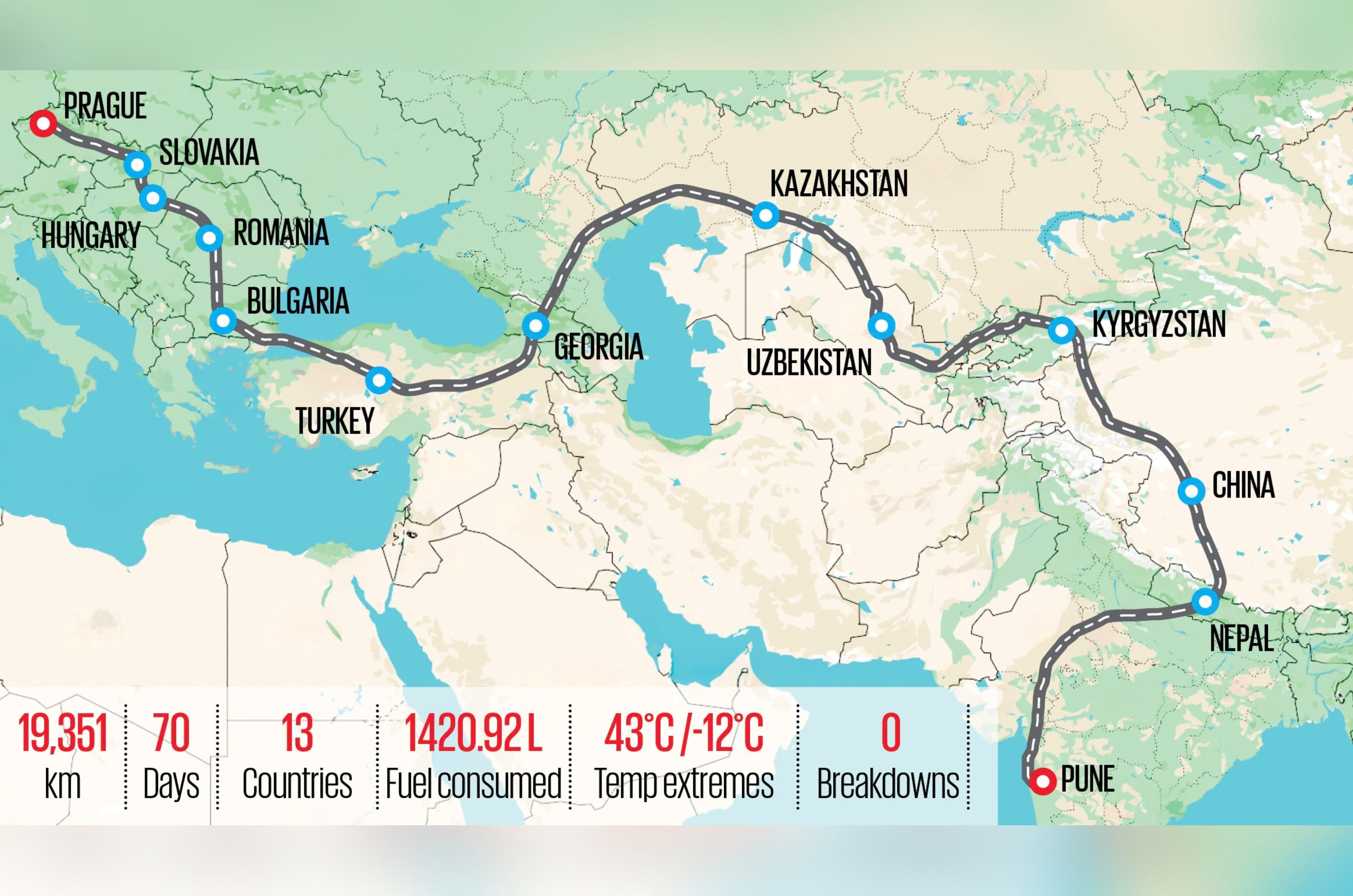
There are road trips, there are overland expeditions, and then there are journeys that become conversations with continents. This one starts in the industrial heart of Maharashtra, inside Skoda India’s sprawling Chakan facility. The end point lies nearly 20,000 kilometres away at Skoda Auto’s headquarters near Prague in Mladá Boleslav, Czech Republic, where bicycles evolved into automobiles and a 130-year-old story continues to be written.
Between these two factories lie thirteen countries, four major mountain ranges, countless cuisines, dozens of languages and enough history to fill libraries.
Our companion? Not a flagship SUV or a luxury grand tourer, but Skoda’s smallest SUV – the Kylaq, which recently celebrated its one-year anniversary. Driving it from Pune to Prague is a tall order, but surviving one year in India and being accepted with flying colours is enough cred one needs to take on the world.
India – Home Turf
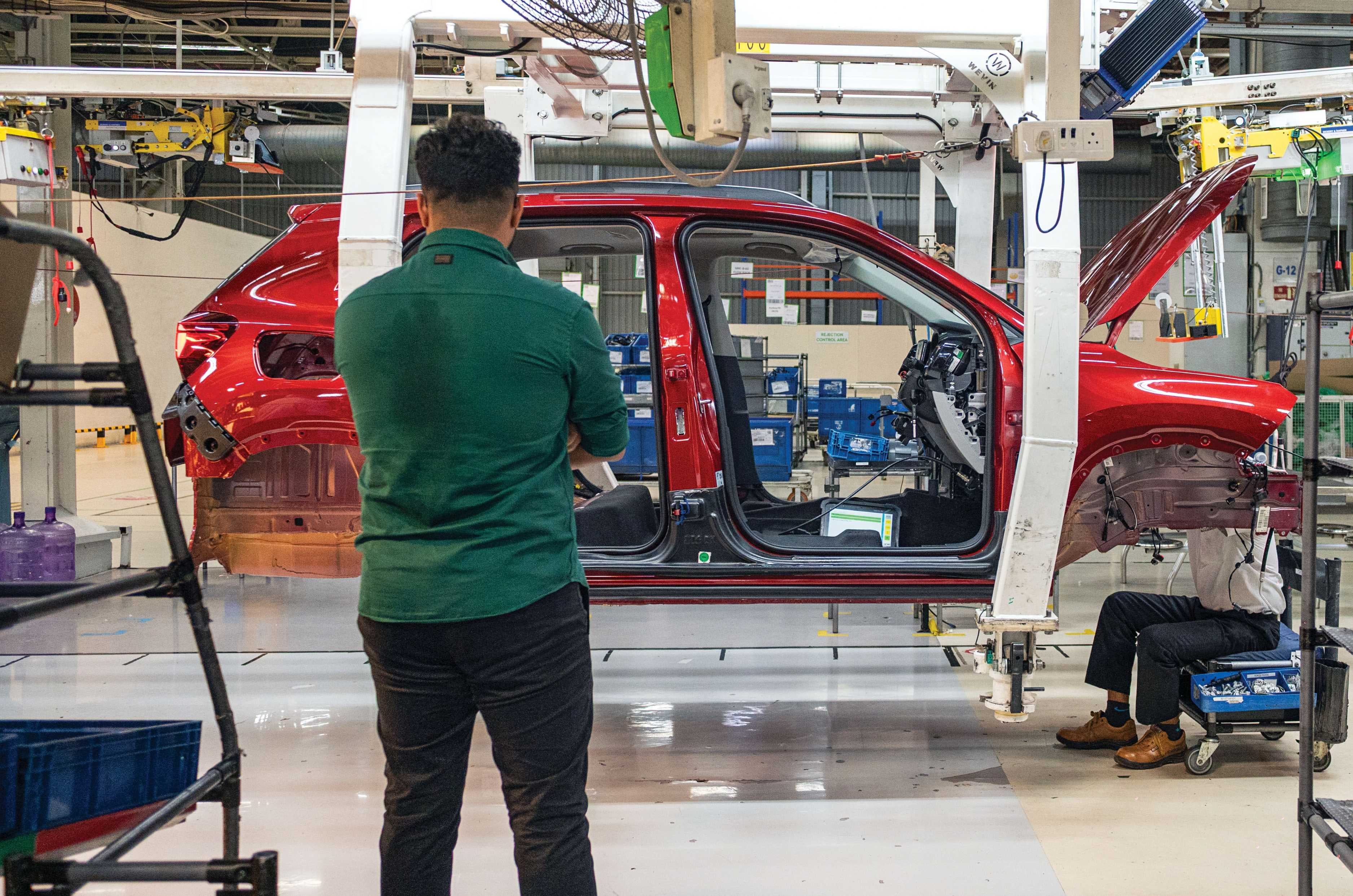
Witnessing the Kylaq’s birth added more responsibility.
On a cross-country road trip, you’d imagine the home country would be the easiest leg. With India, it was the opposite. To some, it’s organised chaos, but honestly, it’s anything but organised. Erratic traffic, erratic egos, and road conditions fit only for a Mars rover – India was the biggest challenge on the drive from Pune to Prague. As the odometer ticked over its first kilometre, right outside the gate of Skoda’s Chakan plant, a blood-red PMPML bus was ready to trade paint with the cherry-red Kylaq. A dinged-up Kylaq parked on the streets of Prague wouldn’t be a good look, so it was imperative that I babysit this compact SUV like a million-dollar supercar. Having watched the car being assembled on the factory floor, from bare bones to the finished package, only added to the emotion – driving it in traffic felt like walking a toddler across a football field. Eyes wide open, ready to block any attack.
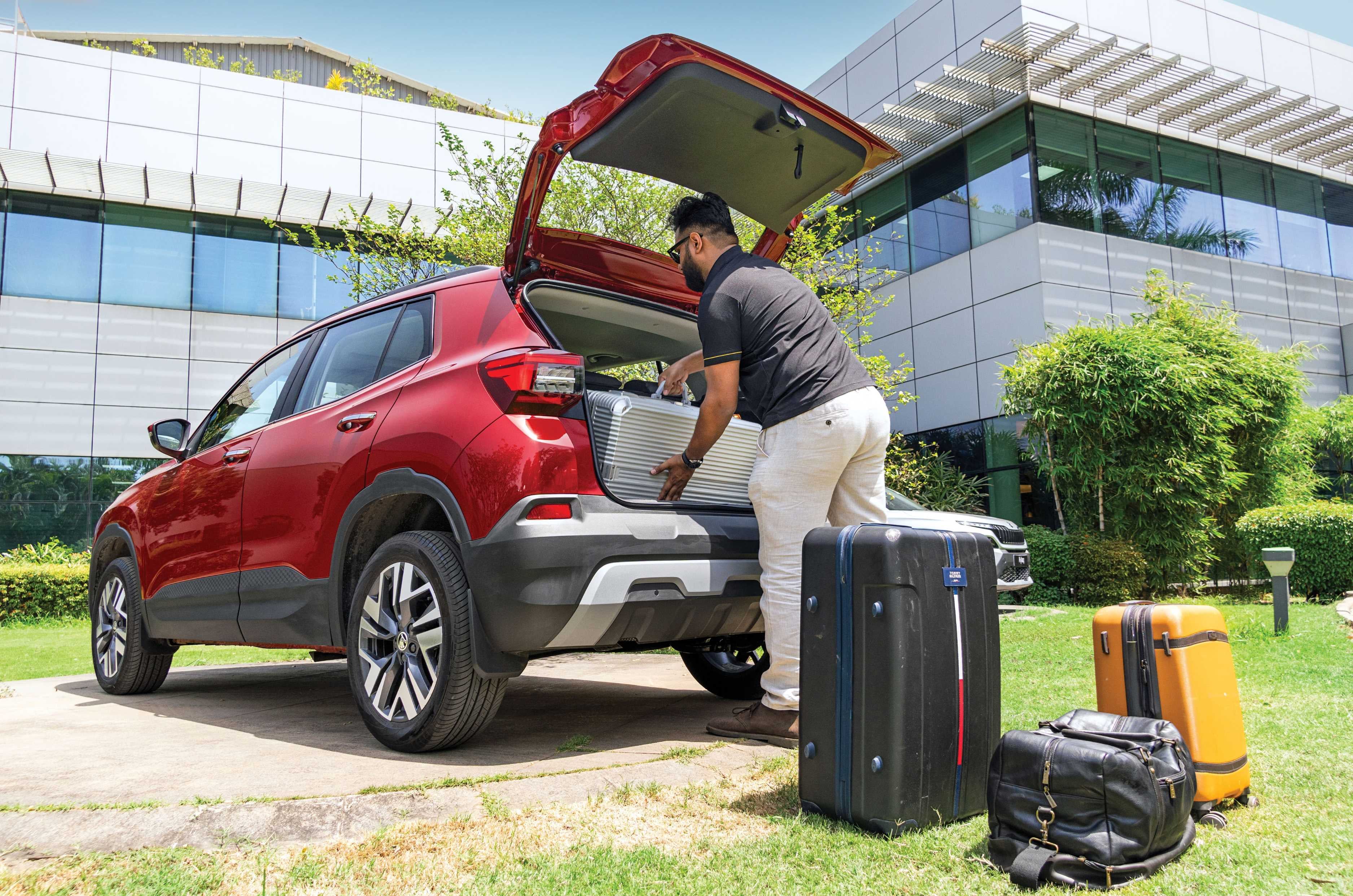
446-litre boot packed to the brim for 70 days on the road.
We got onto the Pune expressway and then crossed the Atal Setu in Mumbai, the longest sea bridge on the entire journey. Mumbai was home, both to me and to the Autocar India office, so after a few greetings from co-workers and the obligatory photos, we headed towards our first state crossing. The infamous Western Express Highway that leads out of Mumbai lived up to its reputation, but with a little anxiety, panic and a few expletives, we made it onto the national highway.
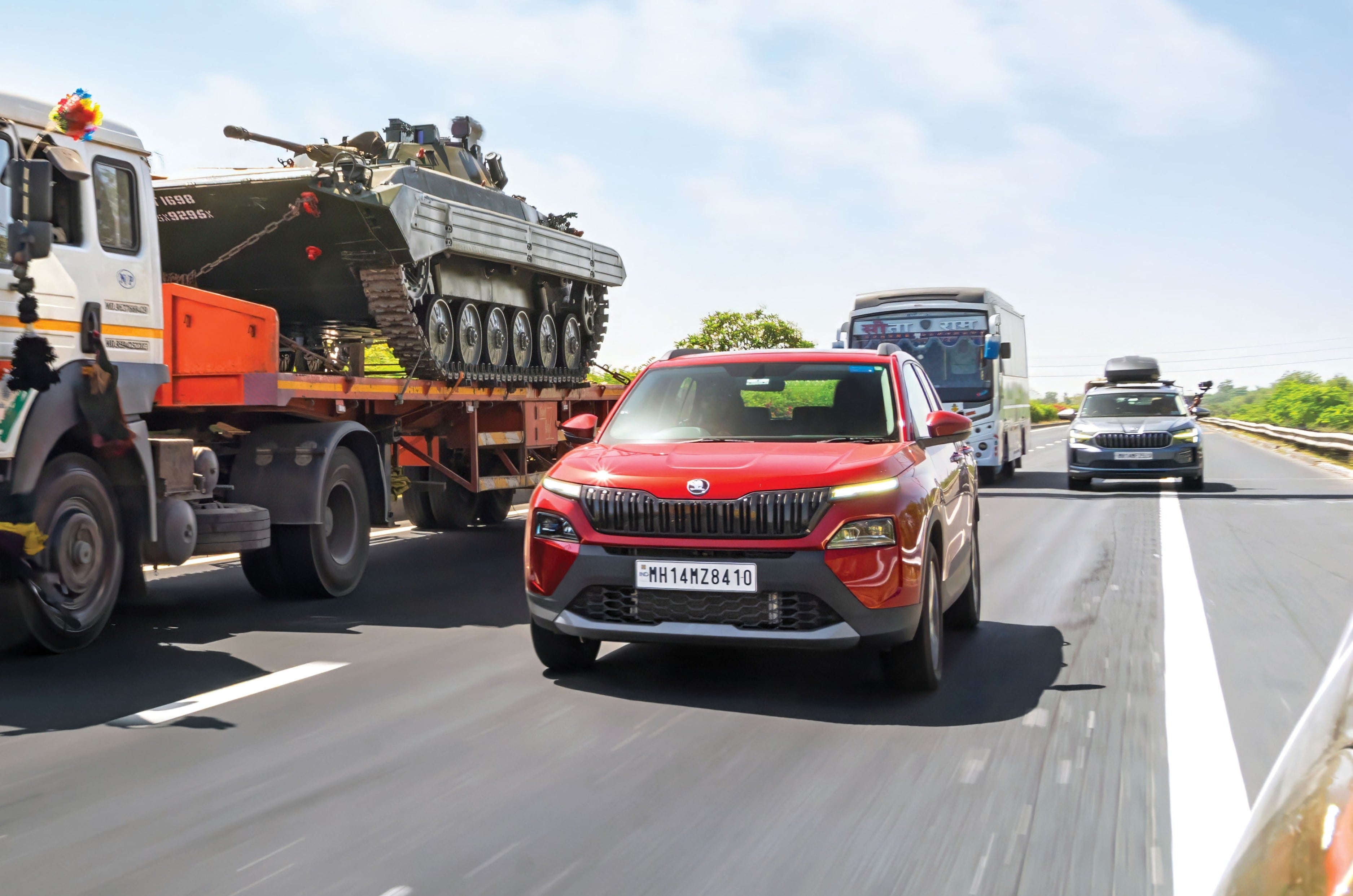
No telling what you’d spot on Indian highways.
The first of countless food stops was Hotel Ahura, renowned for its akuri and kheema. Needless to say, we carb-loaded to the max and made a beeline for Vadodara.
Pune-Birgunj in numbers
Distance covered
2,487km
Fuel consumed
234.46 litres
Average fuel economy
10.62kpl
Approximate fuel cost
Rs 23,629
Average per-litre fuel cost
Rs 100.87
Total time driven
55hrs 20min
Average speed
44.95kph
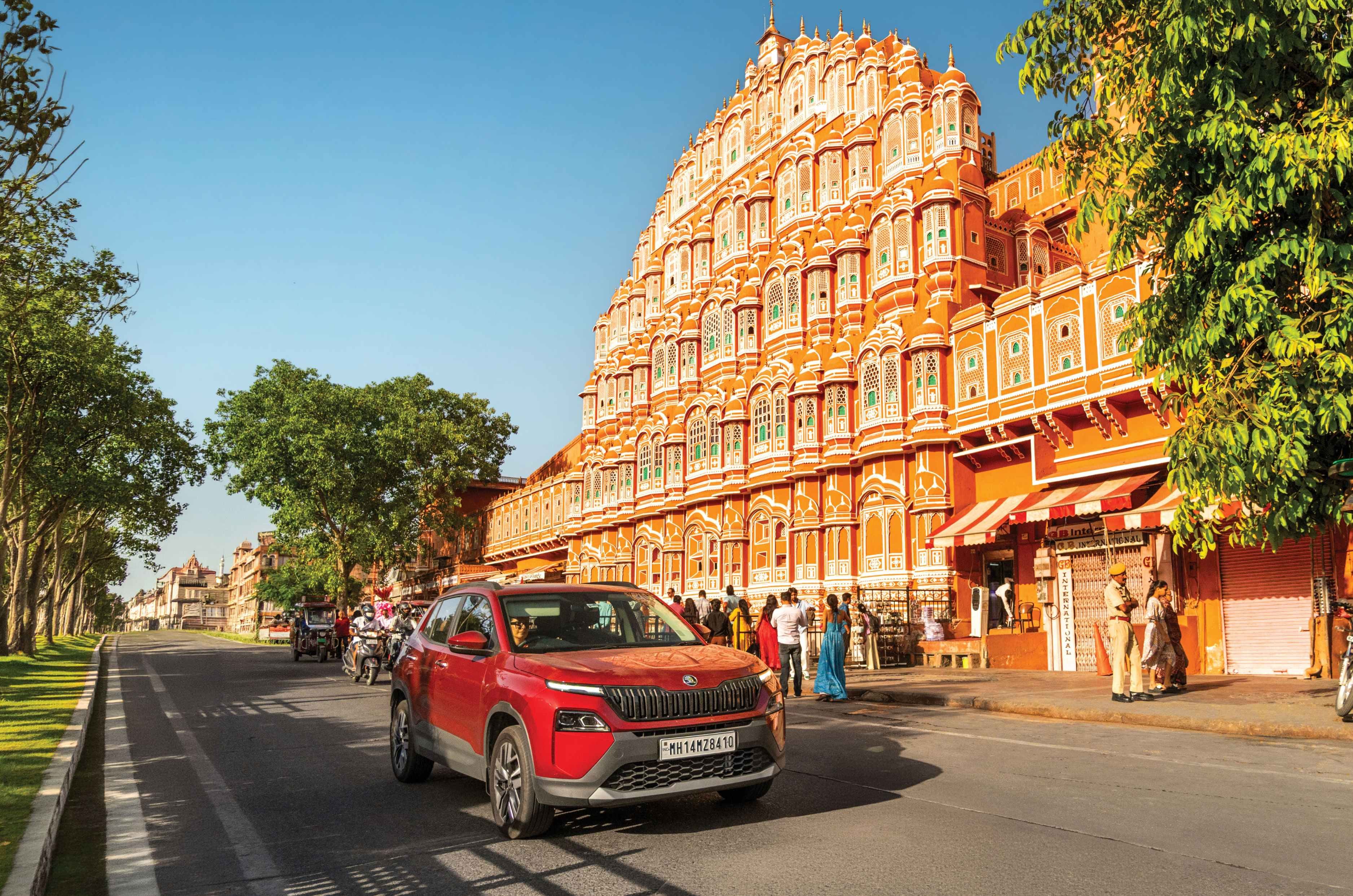
Crossing into Gujarat, the Kylaq could finally stretch its legs and spool up that turbo on the state’s spotless highways. The stability and effortless cruising were a welcome relief, since the bulk of the kilometres on this drive would be covered on long, open highways. Gujarat was a short stint – we made only an overnight halt in Vadodara before slipping out ahead of the morning traffic. The drive into Rajasthan was seamless, and Udaipur greeted us with a mix of heat and traffic. The City of Lakes is worth taking the time to explore, but a late arrival and early morning departure left us with just enough time to grab a traditional meal. All that driving had built up an appetite, so we put it to a vote between a massive vegetarian thali and laal maas – the latter won by a landslide. From the City of Lakes, we headed to Jaipur, the Pink City: just as picturesque as Udaipur, and just as colourful and chaotic. The sun setting over the beautiful Amer Fort made for a cracking backdrop, and a few glimpses of the Jal Mahal on the way back were a treat too. The iconic Hawa Mahal, with its 953 windows, never fails to amuse, but getting a photo of the five-storey icon without a chorus of honks is next to impossible. The next morning, after threading through Jaipur’s narrow lanes, we made it back onto the highway, heading for Agra.
Iconic Hawa Mahal ought to be seen first-hand.
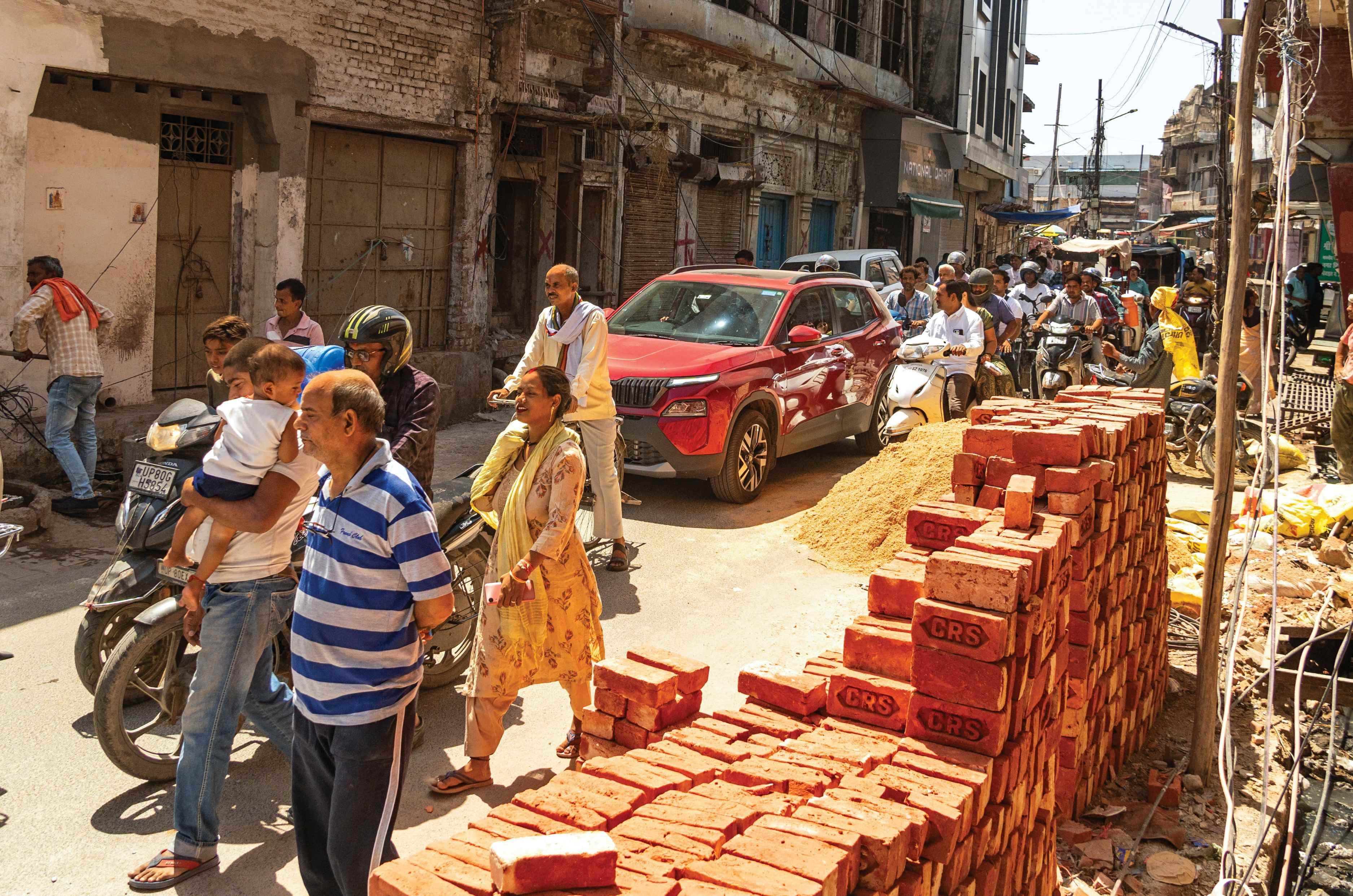
Agra is synonymous with the Taj Mahal, but the Agra Fort – from which you can see the Taj in the distance – is just as mesmerising. The detailing and architecture are second to none, and you could spend hours walking through its courtyards and passages, taking endless pictures. We, of course, also made it to the Taj itself, amid the hordes of tourists, if only to avoid the guilt of visiting Agra without a shot of the world-famous white dome. Tourism done, it was time for some petha – though the lanes near the petha shops seemed to be the exact width of the Kylaq, and that’s where peak anxiety set in. We got out of the mess, walked around the car to check for scratches and scribbles, and sighed in relief. India was adding to the tension, and we were barely halfway through it.
Agra’s narrow lanes were a nightmare to drive through.
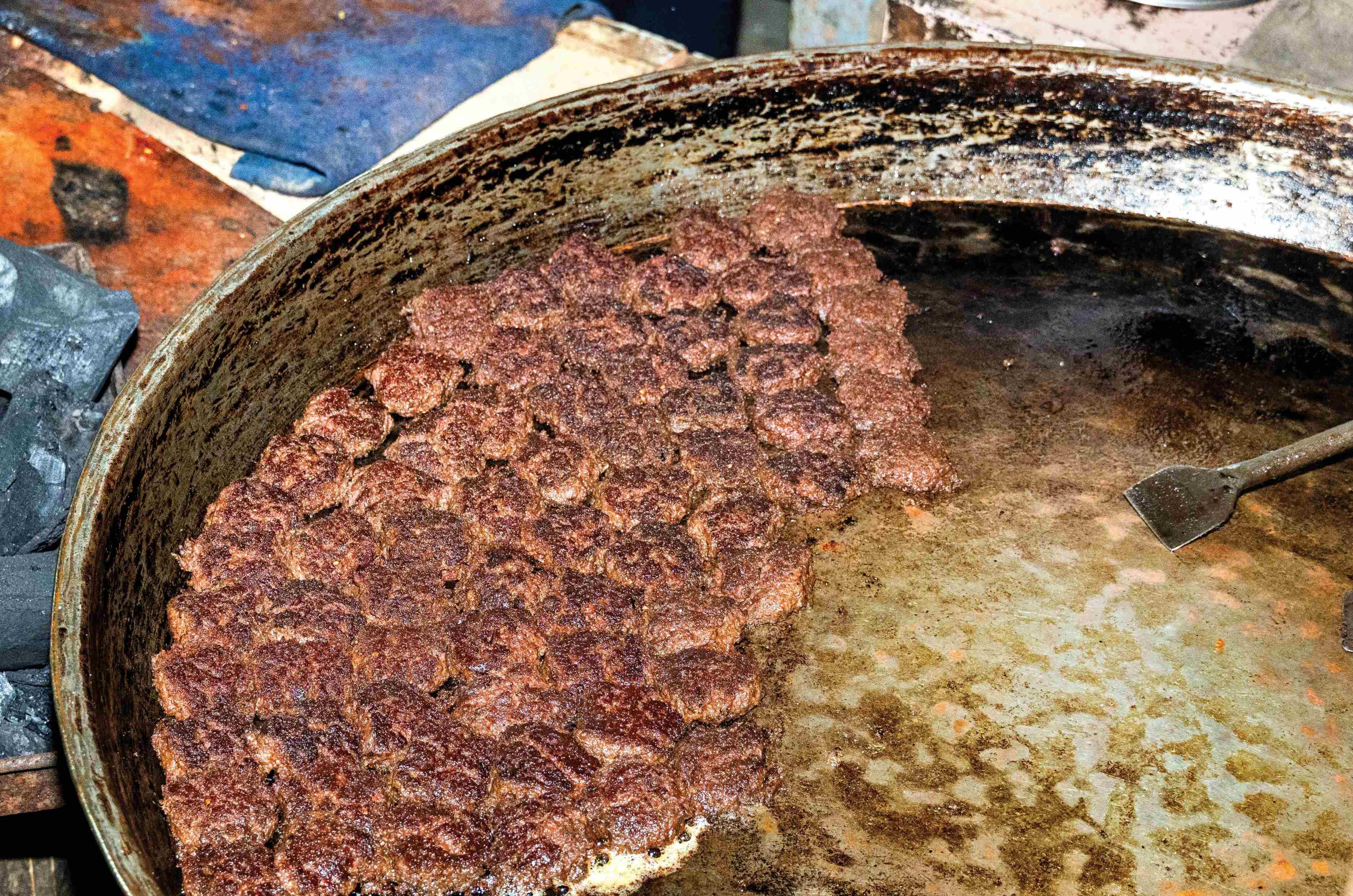
Our next stop from Agra was foodie heaven – Lucknow. The biryanis, kebabs, and tandoors were exactly what we expected, and exactly what Lucknow delivered. Finding your way here is easy – you could do it blindfolded, following the smoke and sizzle to wherever you need to be. Tunday Kababi is a must, and after a heap of biryani laced with kebabs, a long walk through the countless chikankari shops helps burn off some of the calories.
Lucknow’s Tunday Kababi still has us drooling over Galouti kebabs.
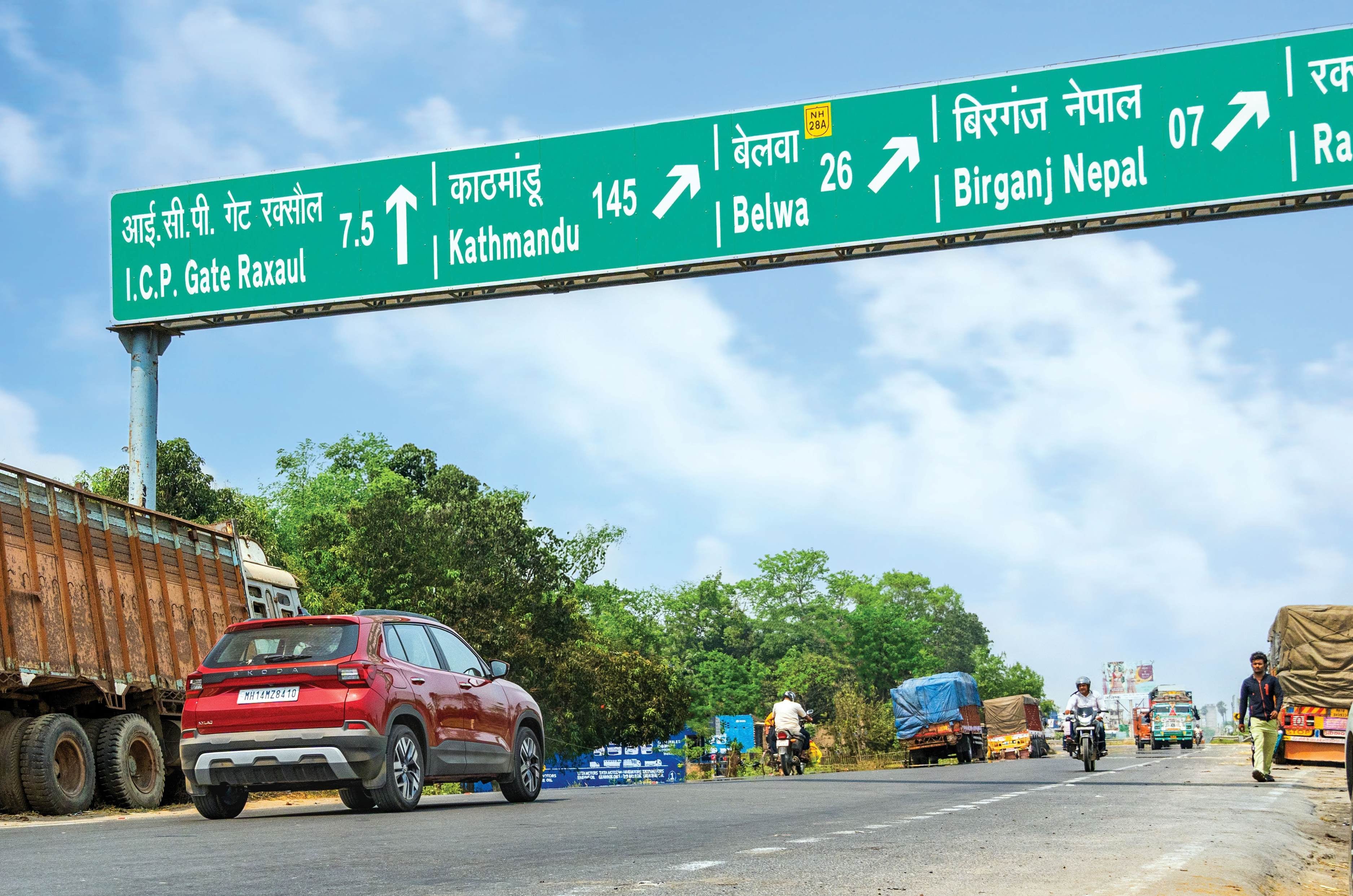
We were closing in on the end of the India leg, with one last stop in Gorakhpur before the Nepal border. To celebrate, a group of Skoda owners, officially known as the ‘Fans of Skoda’ joined us for a celebratory convoy as we drove out – everything from Octavia RS models to Kodiaqs and Kushaqs turned up as a send-off before we went international. The loud, chaotic border towns past Gorakhpur delivered one final challenge as we exited through Raxaul.
Final stretch before the Kylaq left India for the first time.
The India-Nepal border is still raw and basic, with none of the high-tech systems you might expect. A drive of this scale comes with a mountain of paperwork – visas, carnets, insurance, and more – and sifting through all of it manually takes a while. After a gruelling five hours, the Kylaq crossed out of India for the very first time.
Nepal – Old World Charm
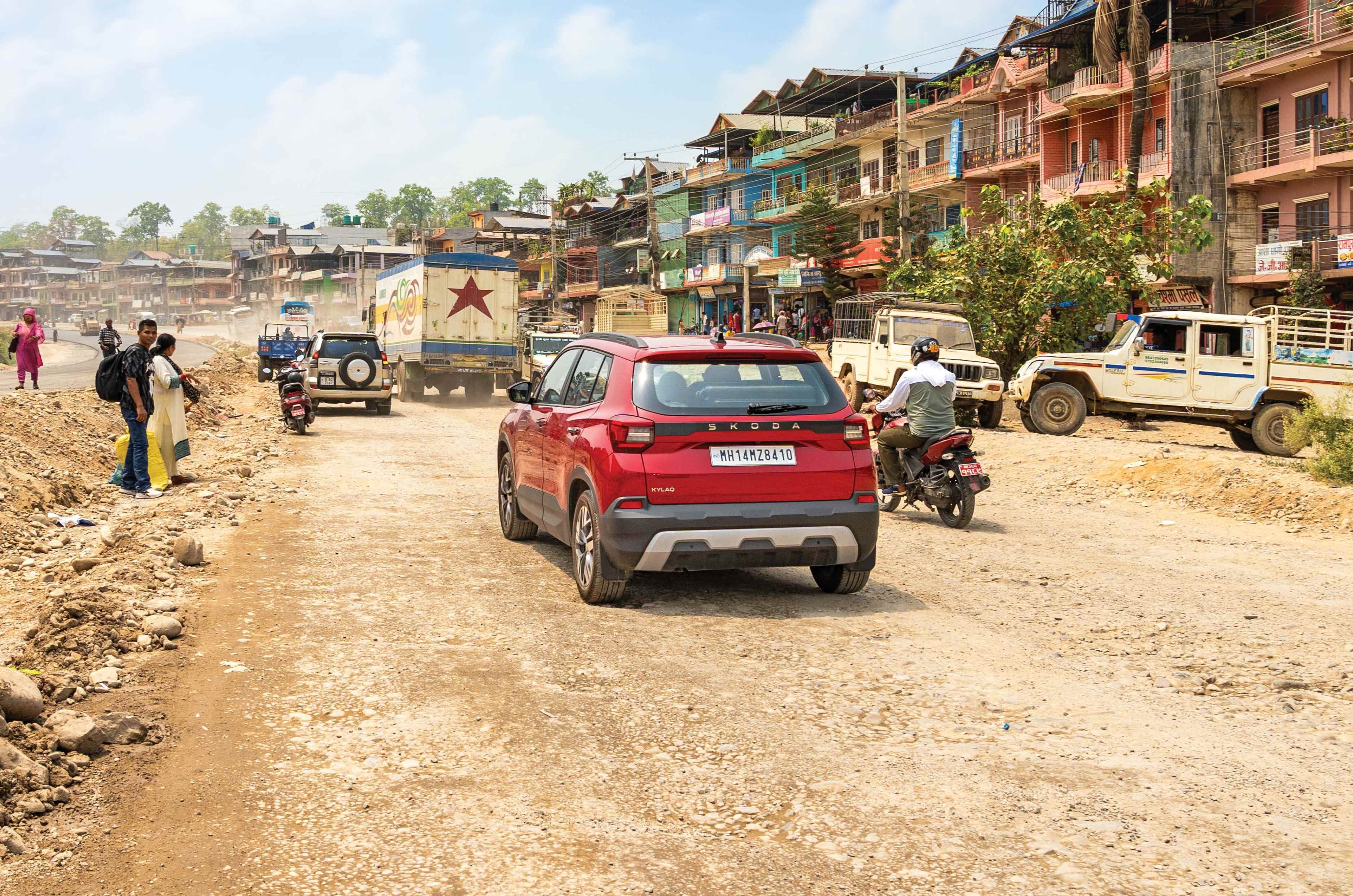
Nepal’s state highways give Indian roads a run for their money.
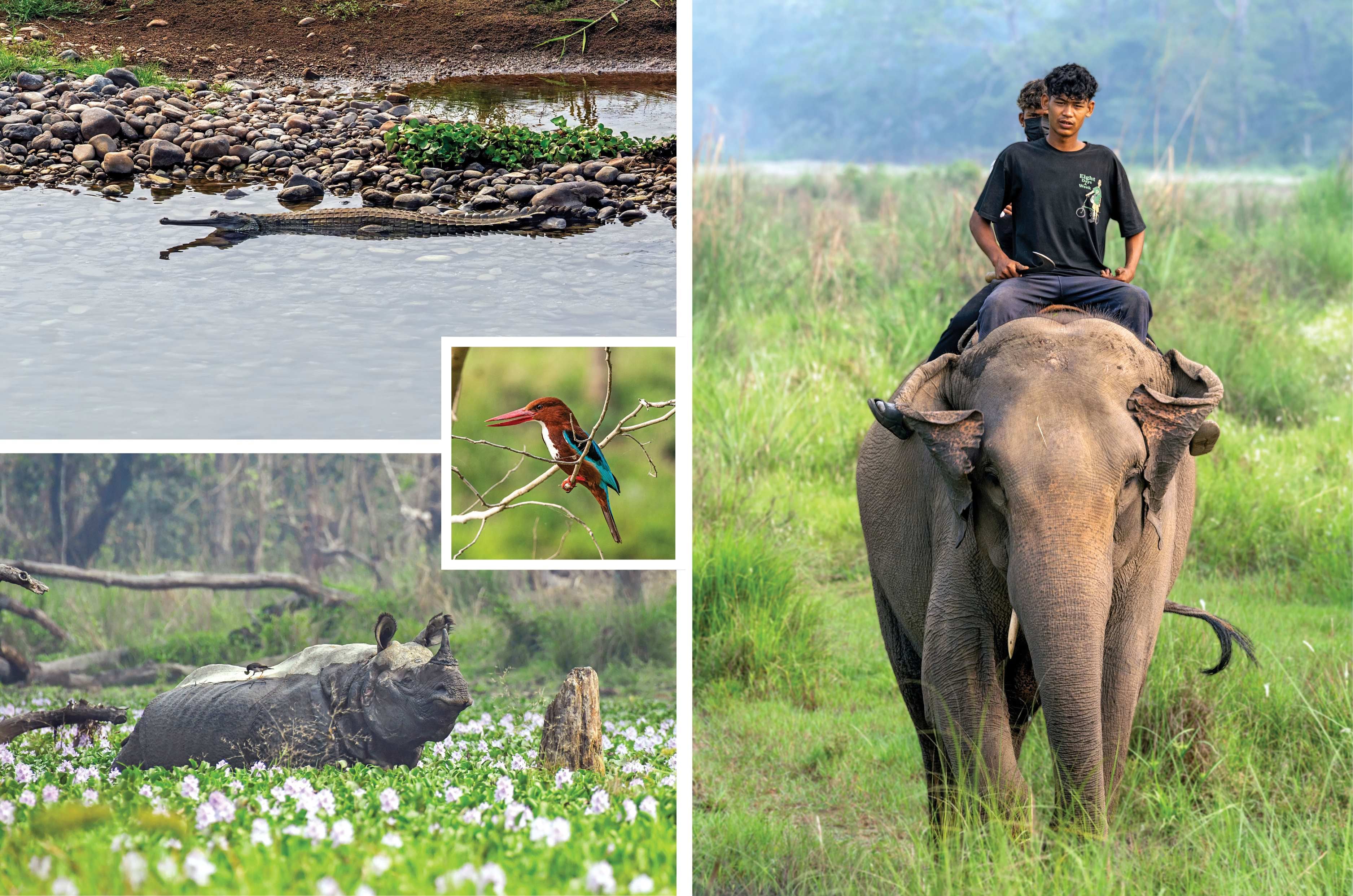
If the Indian side of the border was old-school, Nepal’s immigration post is almost antique. Drive past it, and you’d likely miss it altogether – the only tell-tale sign is a simple gate with ‘Immigration Office’ hand-painted on it. This humble-looking house is, in fact, the immigration office, where, just like on the Indian side, every check is done manually. Fine print, identity proofs, and everything in between were checked meticulously before we were welcomed into Birgunj. Our main draw in Nepal was the bustling capital, Kathmandu, but there were magnificent stops along the way, starting with Chitwan National Park. Home to nearly 700 one-horned rhinos, the park also shelters elephants, Bengal tigers, cobras, the elusive gharial, and abundant flora. The Kylaq would have been fun to explore it in, but we opted for the park’s safari vehicle to relax and take in the surroundings. Paddling a beaten-up wooden kayak past crocodiles and snakes adds a rush, but it’s nothing compared to a rhino staring you down in all its magnificence. The park gave us a welcome break from long hours behind the wheel.
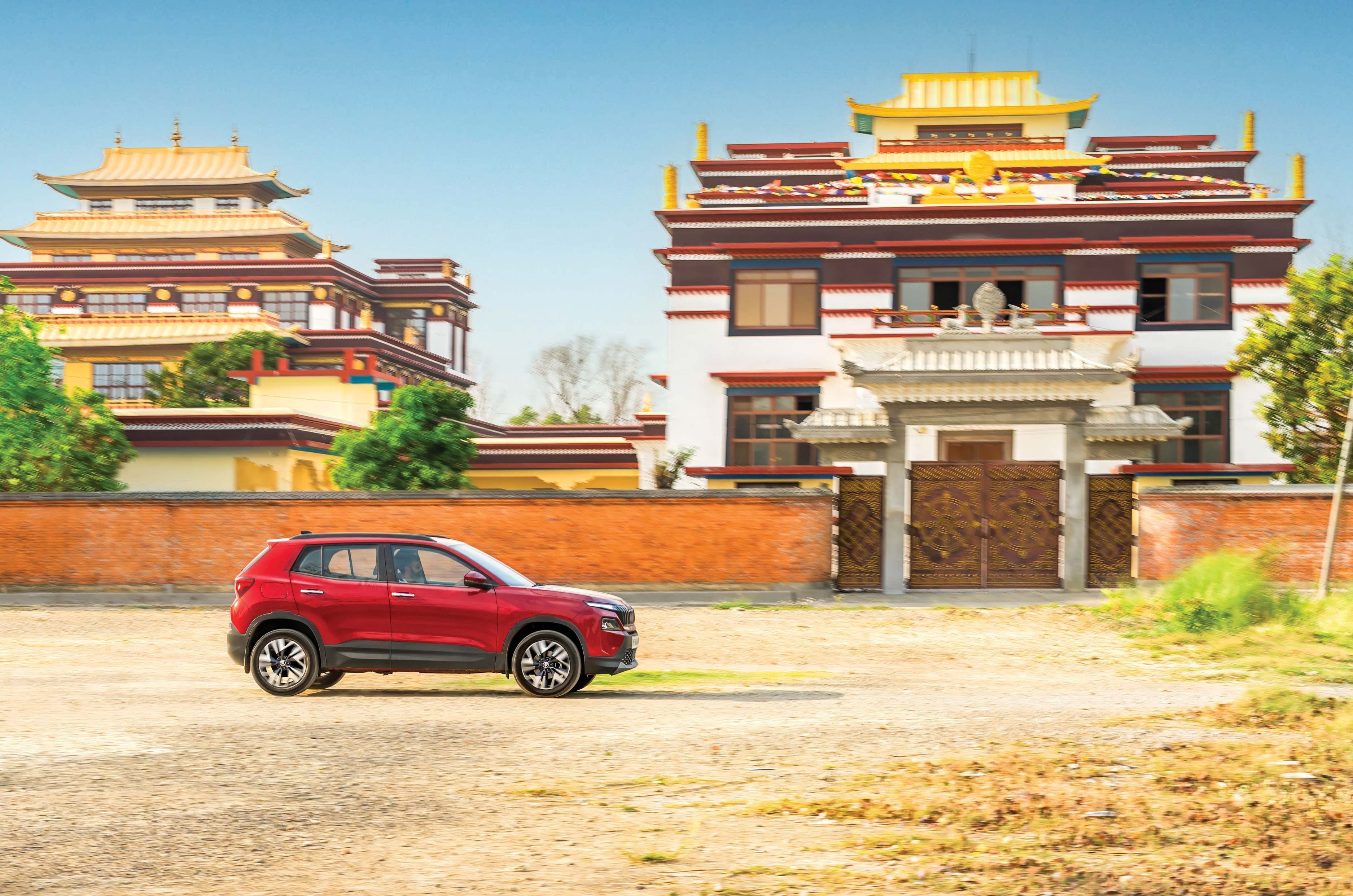
Lumbini is home to 32 unique styles of monasteries.
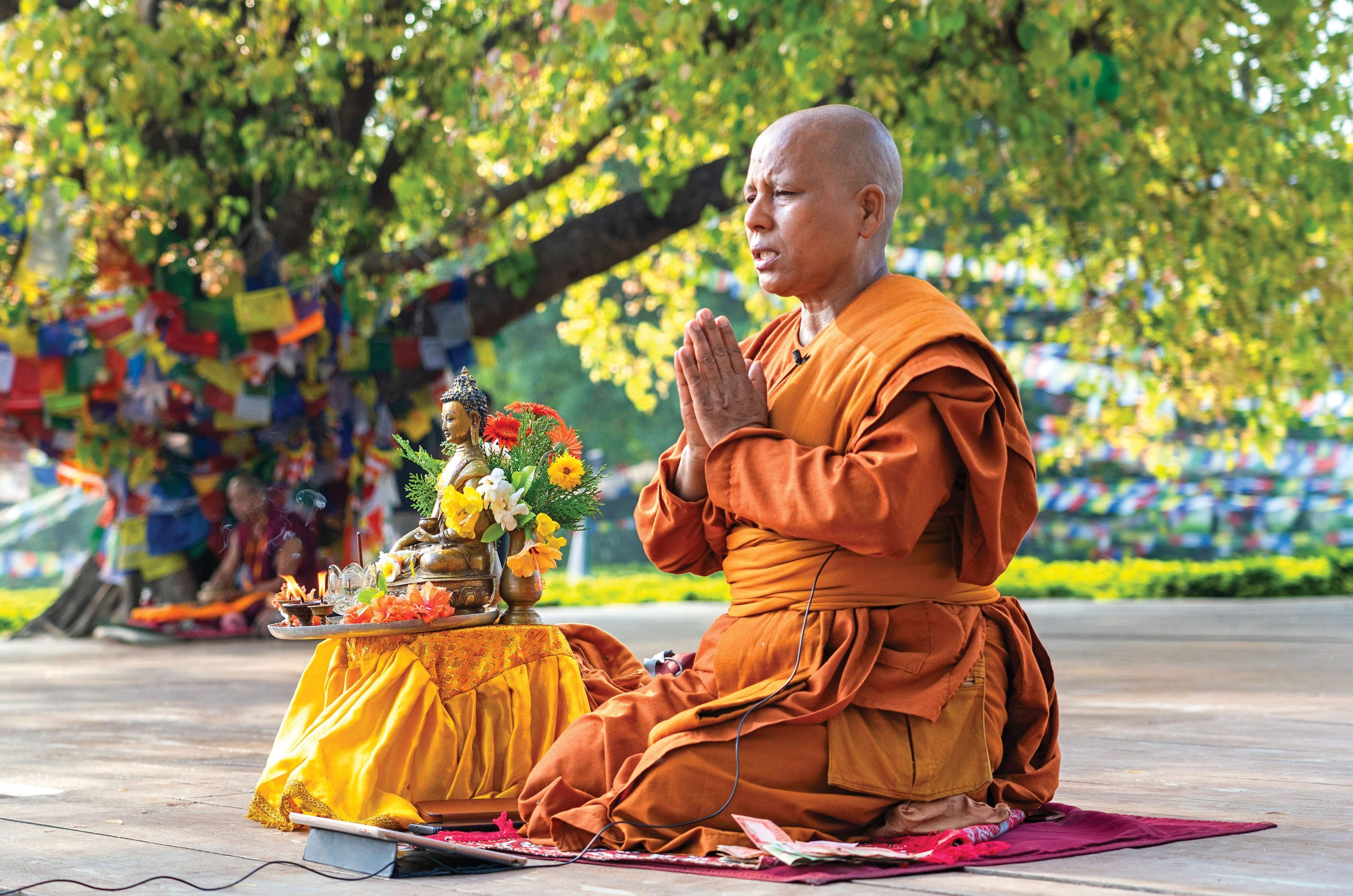
Next was Lumbini, a spiritual haven and, more importantly, the birthplace of Siddhartha Gautama (Lord Buddha) around 563 BC. Its fascinating monastic zone showcases monasteries built by Buddhist nations from around the world, each reflecting its own culture through design and architecture – a remarkable collection of temples spanning diverse traditions. The feeling of peace there was unlike anything I’d experienced, but it was soon disrupted by the road to Pokhara.
Lumbini provided a moment of calm through the chaos.
Mountain passes are notorious for destroying Google’s ETAs – landslides, breakdowns, and deteriorating roads mean a stretch that should take an hour could take five, depending on your luck. We braced for traffic and drove straight into a landslide clearing. A two-hour wait meant the sun was setting as we rolled into the quaint town of Pokhara. Bustling with cafés and pop culture, it felt like a mini Kathmandu, but with the stunning Phewa Lake turning orange at sunset. The calm that began in Chitwan came full circle on the shores of Phewa Lake.
Chitwan is home to the gharial and over 700 one-horned rhinos.
Kathmandu, though, was a different animal entirely – every bit a capital city, and a world away from the slow pace of Chitwan or Lumbini. The music is loud, the traffic is hectic, and the city is anything but quiet. Ironically, the only quiet things on the road are the cars – China’s dominance in Nepal is stark, with three in five cars on the road being Chinese EVs. Geely, BYD, and GWM rule the market, with only a handful of Hyundais and Kias as competition.
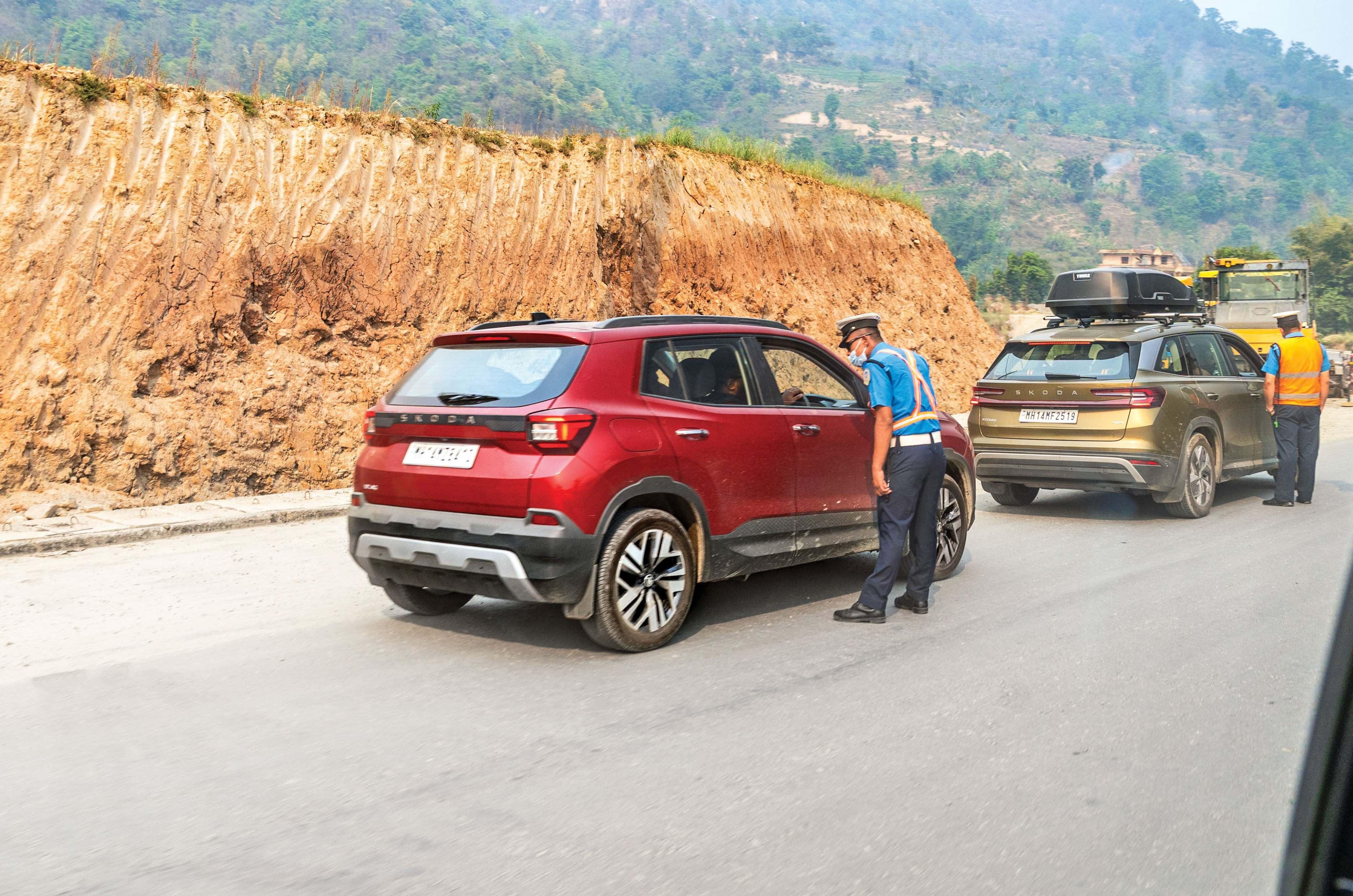
Authorities were always curious thanks to Indian number plates.
The party scene rules Kathmandu too. At night, the city comes alive as a hub for tourists from around the world. Hiking gear and North Face apparel go for a fraction of the price – and, often, a fraction of the quality – alongside quirky masks and fridge magnets at every tourist stop. Spend a little more time, though, and you’ll find excellent coffee shops and the famous Thakali thali: thick buckwheat porridge with salads, meat, and plenty of flavour. Good thing too, since walking through Durbar Square works up quite an appetite. Partly destroyed by the devastating 2015 earthquakes, the temples have since been restored to their former glory, though you can still spot the scars in a few bent pillars and roofs. It’s a culture and tradition worth preserving, and Nepal deserves credit for doing exactly that.
Birgunj-Sino-Nepal Border in numbers
Distance covered
922km
Fuel consumed
115.96 litres
Average fuel economy
7.13kpl
Approximate fuel cost
Rs 15,846
Average per-litre fuel cost
Rs 136.65
Total time driven
34hrs 25min
Average speed
27kph
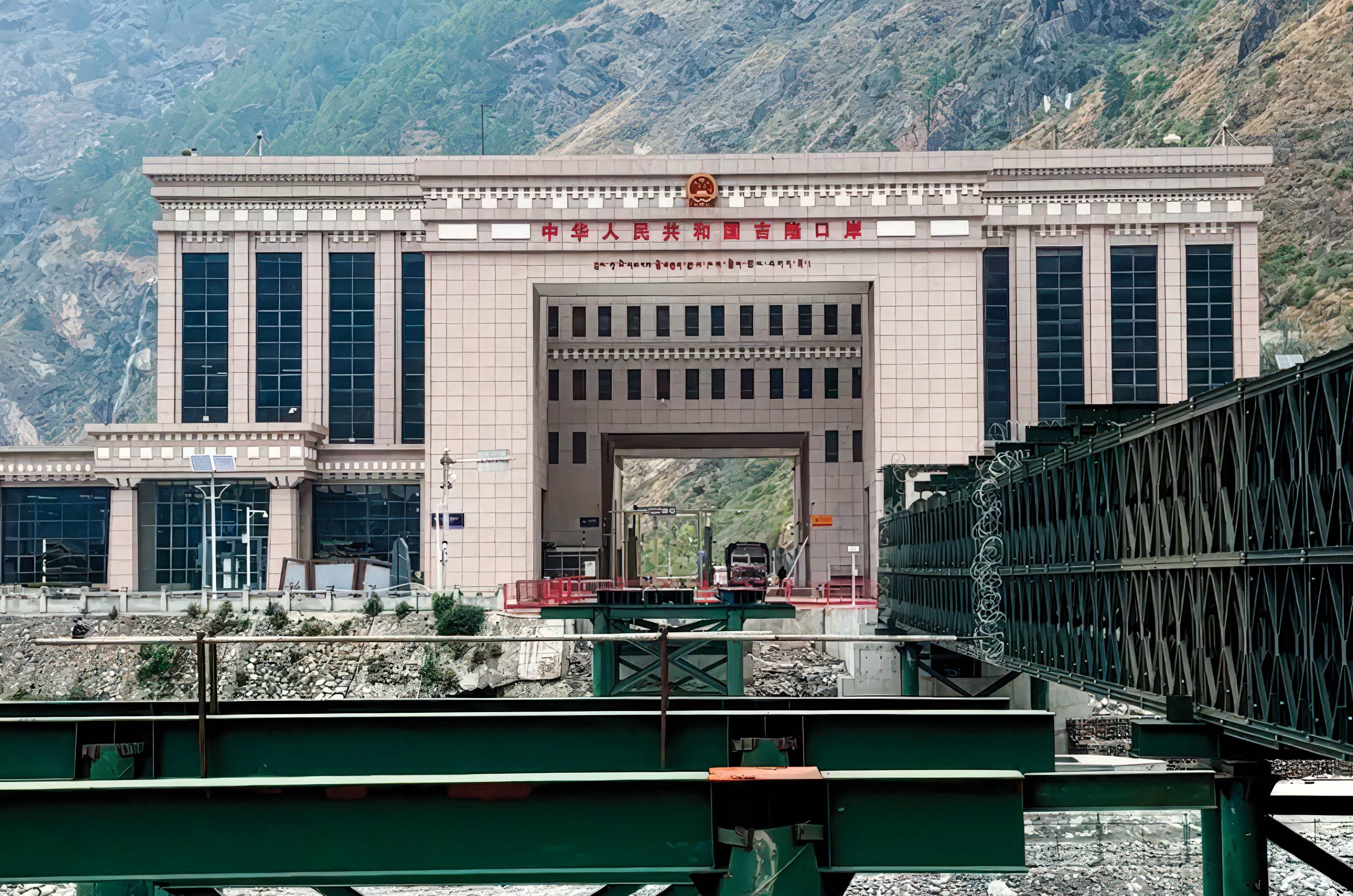
With Kathmandu explored, we headed towards our second border crossing – and this one was far more intense. Once we left Kathmandu, we left the tarmac behind too. Muddy back roads, still wet from the previous night’s rain, meant slush and a constant need for 4WD. Even so, though packed to the brim with luggage, the Kylaq stayed light enough and had enough clearance to pick its way around the mud on the approach to the Rasuwa Bridge. From there, you can see the Chinese immigration building towering over everything around it. With the Kylaq thrumming with excitement, we crossed into Tibet – the roof of the world.
Tibet/China – Roof of the World
China’s border crossing is as imposing as it gets.
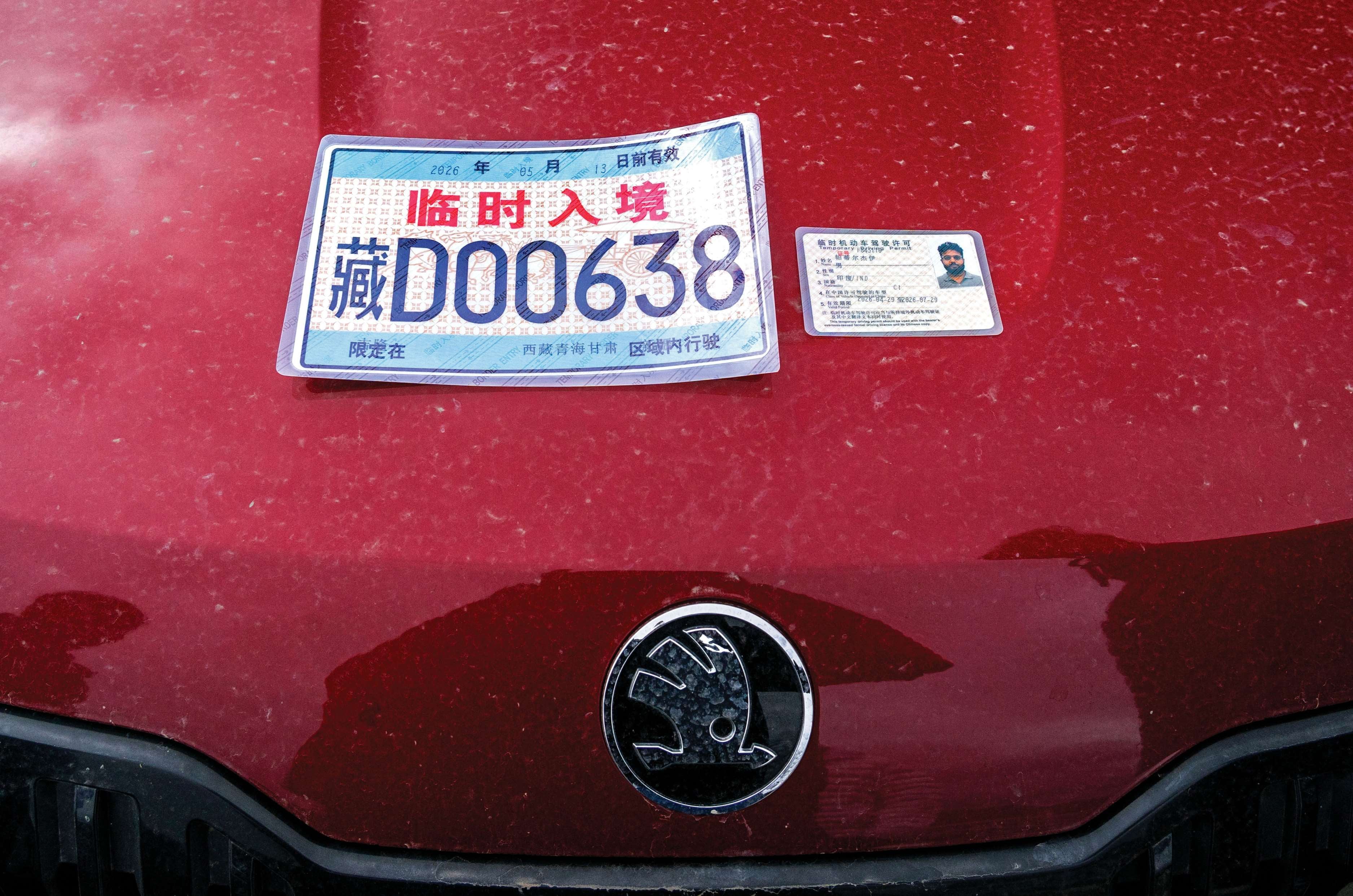
Crossing into Tibet felt like crossing into the future. For a region tucked deep into the mountains, it’s exceptionally developed – the roads are smooth and well-signed from the moment you cross the bridge, barely a hundred metres before the immigration office. In China, we weren’t taking any chances, knowing any misstep here could jeopardise the rest of the journey. After answering the customs officers honestly – and impressing them with the scale of the Kylaq’s challenge – we entered the lovely town of Gyirong. Old Chinese architecture, plenty of red, and signboards we couldn’t quite read were early signs that we really were in a different world now. Nepal had shared plenty with India – the cars, the food, the roads – but China felt entirely its own. We thought we’d seen our share of speed cameras, but China put us to shame – they appear every 50 metres or so, complete with flashes. There’s simply no room for error, and you’re monitored everywhere you go – aneerie feeling that takes some getting used to. Another non-negotiable is to obtain a special driving licence for every person that will be driving and a China-specific number plate, which you have to place on your dashboard so the cameras can pick up any infringements. A regular India-style RTO office with long queues and a lack of urgency got us homesick for a bit.
Local license and registration are non-negotiables in China.
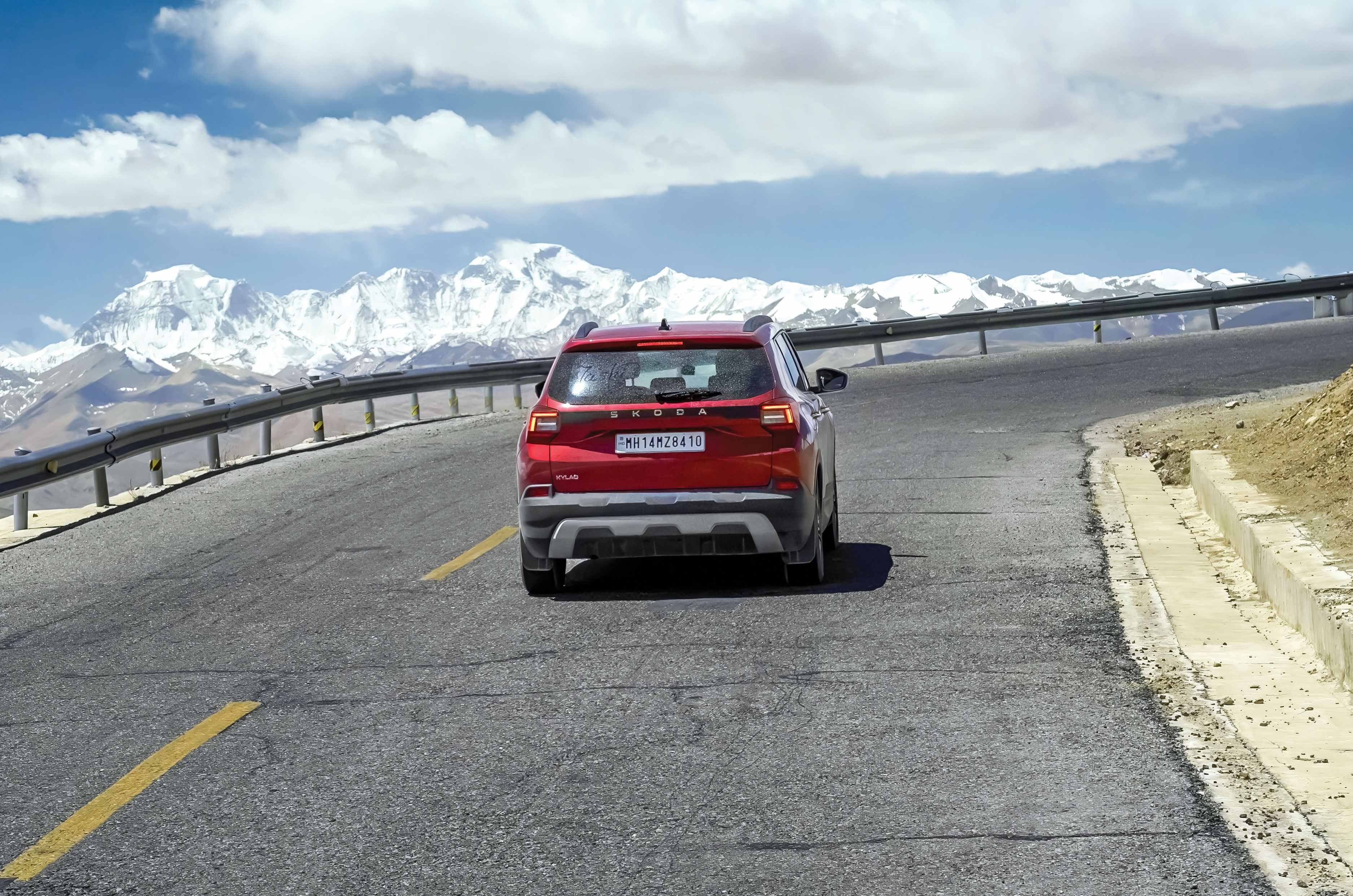
A few mugs of hot ginger-lemon tea eased us into the chill, and we set off for Mount Everest Base Camp. High altitudes are usually punishing for small-capacity engines, but thanks to its turbocharged engine, the Kylaq barely broke a sweat, buzzing through the passes. Its 6-speed automatic had been a great convenience through the chaos of India and Nepal, but the winding mountain roads and immaculate tarmac meant I could switch to manual and take control via the paddle shifters. Paddle-shift response is often sluggish, but not here – the shifts were quick, and the taut suspension held its ground even through tight hairpins.
Everest hove into view long before we made it to base camp.
It made for a great drive and great footage, right up until we spotted the peak in the distance. Even from afar, Everest is breathtaking, and mercifully the clouds stayed clear as we got closer. You can’t take a car near base camp itself – a one-hour bus ride covers that final stretch. It’s strange how you lose your breath as you approach Everest – partly the thin air and altitude, but you’d lose it all the same just from the view. Words don’t do it justice, and don’t be surprised if you shed a tear or two – it’s overwhelming.
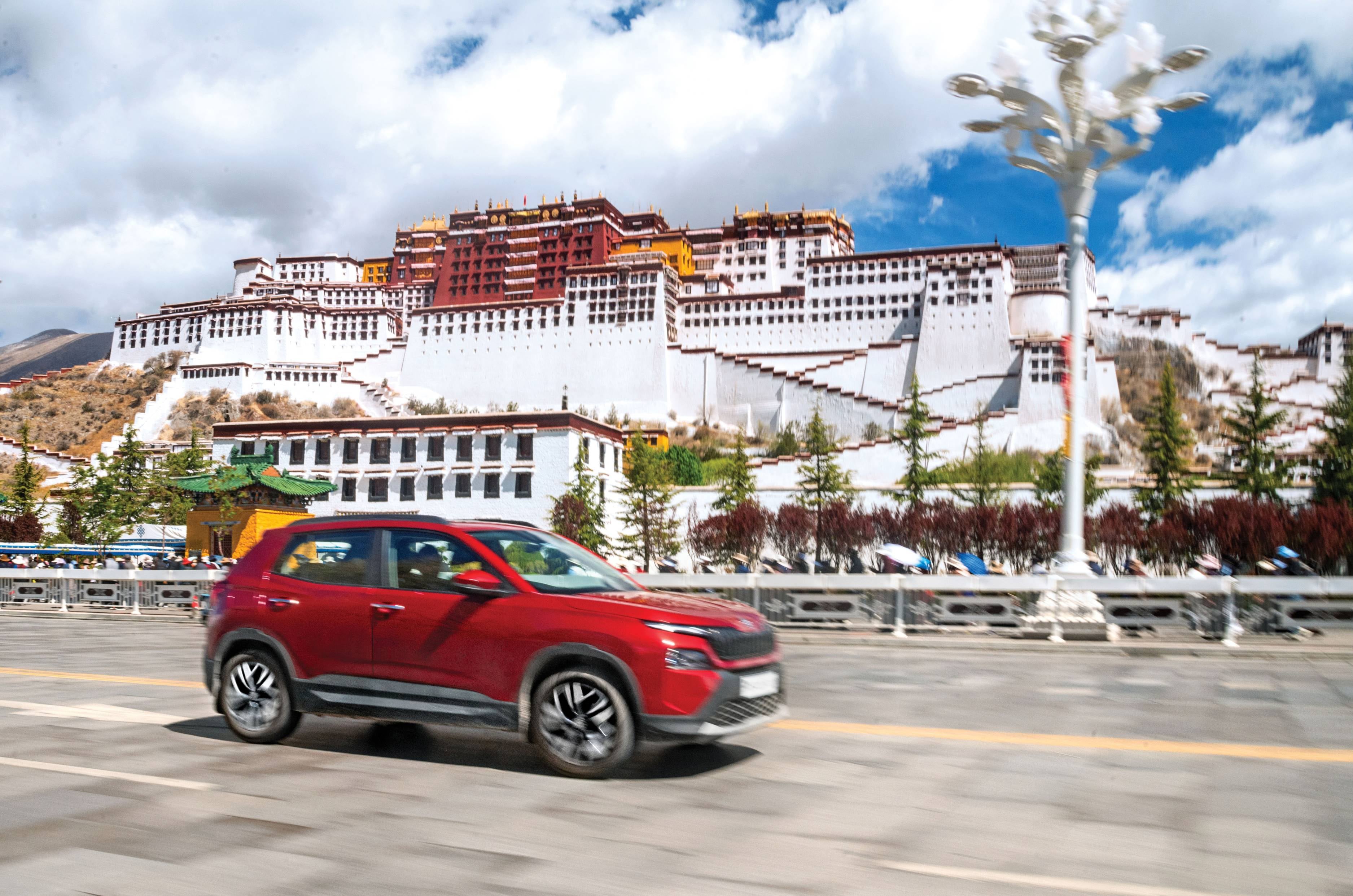
Stunning Potala Palace; once home to the Dalai Lamas.
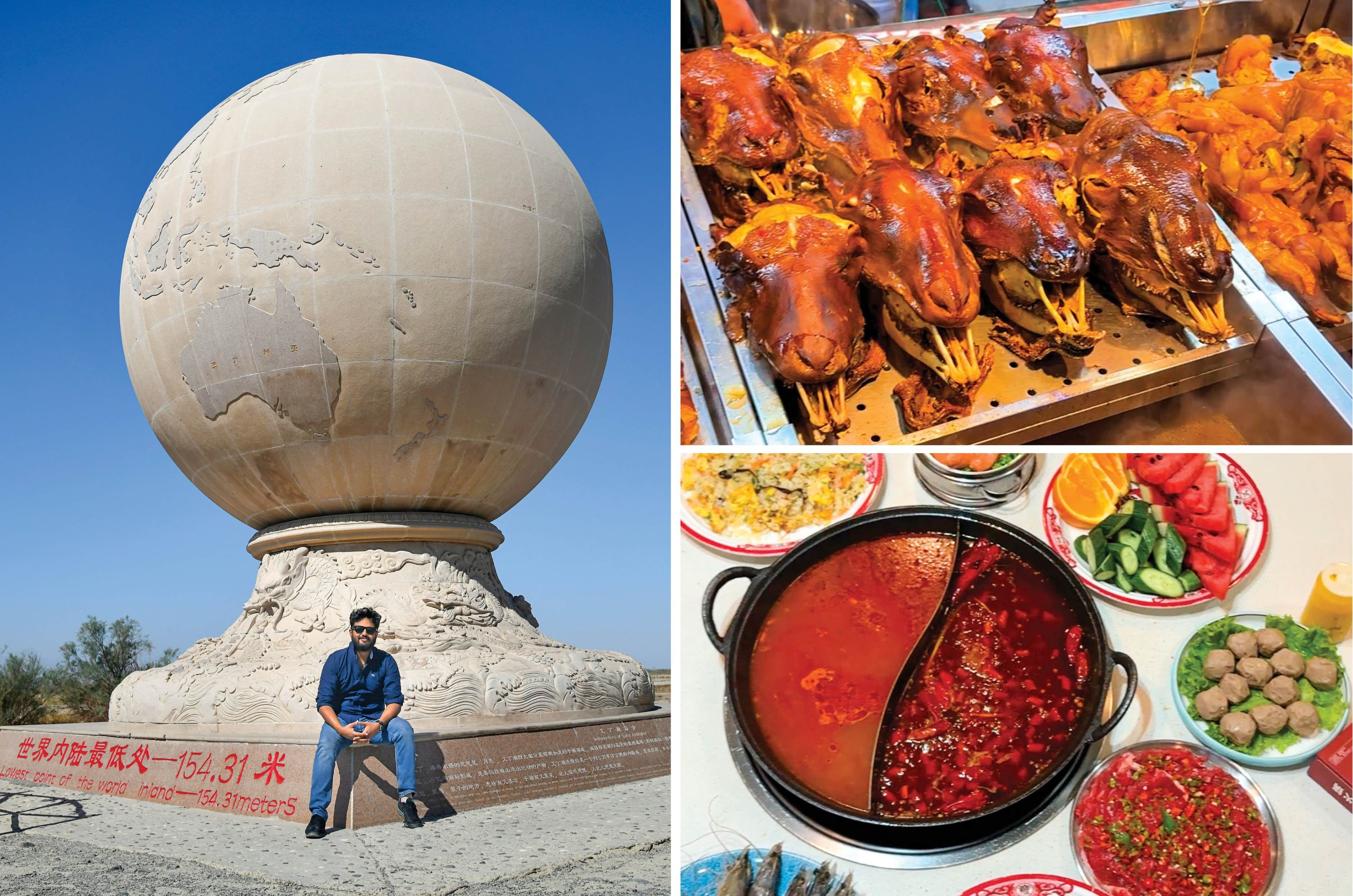
With Everest ticked off, it was time to take on China’s vastness. We headed to Lhasa, the spiritual capital of Tibet, home to the grand Potala Palace. Once home to monks and lamas, this stunning palace holds incredible history and artefacts – spiritual or not, its significance to the country’s history is unmistakable. The drive kept revealing itself through unique food, dialects, faces, and even geography. One day we were freezing thousands of feet above sea level; days later, in Turpan, we were below sea level in blistering heat. From boiling hotpots to grocery-store instant noodles, China pushed us well outside our comfort zone, and the Kylaq wasn’t spared either.
L: From EBC’s high to Turpan Depression’s low – Jay was at 154m below sea level here. R: Street food in China not for the faint-hearted.
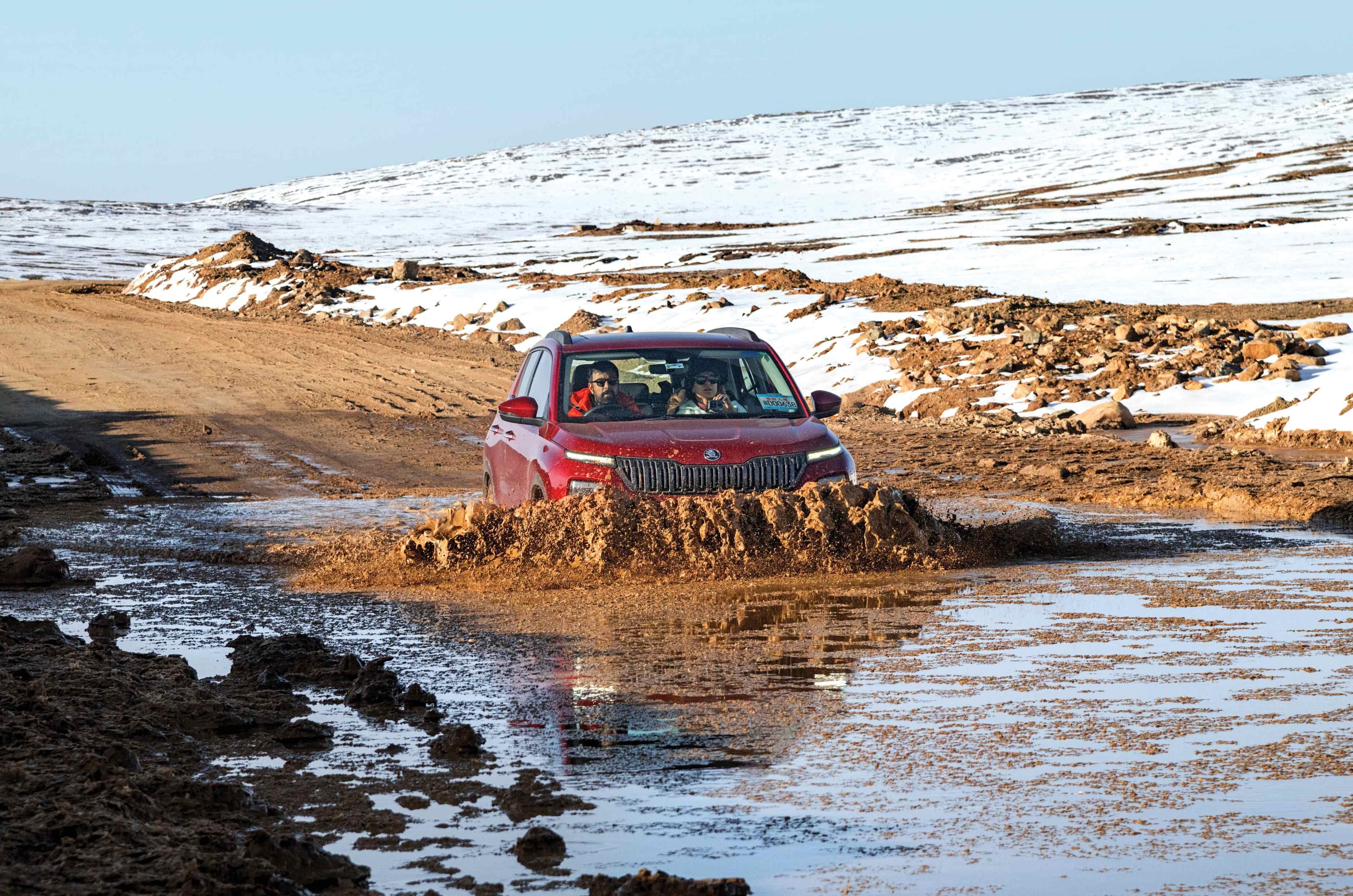
Two full days on the way to Golmud were entirely off-road, taking over 13 hours of driving, with our average speed dropping to 18kph as the Kylaq waded through water up to its bonnet and emerged without complaint.
In China, you get perfect roads or, simply, no roads.
A stretch that would have broken most cars left the Kylaq unscathed. China hit hard, but the Kylaq hit back harder. From day one, it had faced challenge after challenge, and from day one, it had come out on top. Three countries in, it still carried the same zeal it started with – and while we were rattled, it stood strong each night, ready for the next day.
बॉलीवुड एक्टर डिनो मोरिया इन दिनों मीठी नदी की सफाई से जुड़े 65 करोड़ रुपये के घोटाला मामले में को लेकर चर्चा में है। मुंबई पुलिस की आर्थिक अपराध शाखा (EOW) ने 2 अक्टूबर को उनसे करीब आठ घंटे तक पूछताछ की। वहीं कुछ मीडिया रिपोर्ट्स में उनकी गिरफ्तारी का दावा किया गया था। डिनो मोरिया ने खुद इन खबरों को गलत बताया। वहीं EOW की ओर से भी गिरफ्तारी की स्वतंत्र पुष्टि नहीं हुई है। फिलहाल मीठी नदी से जुड़े मामले में जांच जारी है। आइए जानते हैं क्या है मीठी नदी की सफाई घोटाले से जुड़ा मामला
डिनो मोरिया को नहीं किया गया गिरफ्तार
डिनो मोरिया ने मुंबई पुलिस की आर्थिक अपराध शाखा (EOW) द्वारा गिरफ्तारी या हिरासत में लिए जाने की खबरों को खारिज कर दिया। इससे पहले कुछ रिपोर्ट्स में दावा किया गया था कि बांद्रा स्थित उनके घर पर पूछताछ के बाद पुलिस ने उन्हें हिरासत में लिया। मोरिया की गिरफ्तारी की खबर सामने आने के बाद एक्टर ने व्हाट्सऐप के जरिए संबंधित मीडिया आउटलेट को बताया कि ये खबरें “सच नहीं हैं”। बाद में सामने आई रिपोर्ट में भी मुंबई पुलिस की आर्थिक अपराध शाखा (EOW) की ओर से डीनो मोरिया की गिरफ्तारी की कोई आधिकारिक पुष्टि नहीं की गई थी।
EOW के एक वरिष्ठ अधिकारी के अनुसार, जांच के दौरान सामने आई जानकारियों के आधार पर डीनो मोरिया से पूछताछ की जा रही थी। इस मामले में आगे की कार्रवाई जांच पूरी होने के बाद तय की जाएगी।
Mumbai, Maharashtra: Actor Dino Morea was questioned by the Mumbai Police EOW for around six to seven hours in connection with the alleged Rs 65 crore Mithi River cleaning scam. He was later allowed to leave. The EOW is investigating financial transactions linked to the case and… pic.twitter.com/gPC5cqBqac
ये मामला मुंबई की मीठी नदी की सफाई और सुधार से जुड़े ठेकों में कथित आर्थिक गड़बड़ी को लेकर EOW जांच कर रहा है। जांच एजेंसी ठेकेदारों, बिचौलियों और कुछ नगर निगम अधिकारियों की भूमिका के साथ-साथ प्रोजेक्ट से जुड़े ठेकों और पेमेंट की भी जांच कर रही है। रिपोर्ट्स के मुताबिक, इस मामले में बीएमसी को करीब 65.54 करोड़ रुपये के नुकसान का दावा किया गया है।
पहले भी हो चुकी है पूछताछ
इस मामले में डीनो मोरिया से पहले भी पूछताछ हो चुकी है। मई 2025 में EOW ने उनसे और उनके भाई सैंटिनो मोरिया से सवाल किए थे। जांच के दौरान अधिकारियों को कुछ ऐसे फोन रिकॉर्ड मिले थे, जिनसे कथित तौर पर मामले से जुड़े लोगों के साथ उनके संपर्क की जानकारी सामने आई थी। इसके अलावा, जांच एजेंसी सैंटिनो की कंपनी UBO Ridez और केस से जुड़े लोगों के बीच हुए पैसों के लेनदेन की भी जांच कर रही थी।
इस मामले की जांच में केतन कदम का नाम भी सामने आया है, जिन्हें 2025 में हिरासत में लिया गया था। जांच के दौरान प्रवर्तन निदेशालय (ED) ने भी मोरिया के घर पर तलाशी ली थी। यह कार्रवाई मीठी नदी से जुड़े कथित वित्तीय अनियमितताओं की बड़ी जांच के तहत की गई थी।
Mumbai Airport Big Announcement: मुंबई के छत्रपति शिवाजी महाराज इंटरनेशनल एयरपोर्ट के टर्मिनल 1 से 25 अक्टूबर से फ्लाईट नहीं ले सकेंगे। मुंबई इंटरनेशनल एयरपोर्ट लिमिटेड (MIAL) ने इसका ऐलान किया है। इसे इसलिए बंद किया जा रहा है, क्योंकि यहां बड़े पैमाने पर फिर से डेवलपमेंट किया जाना है, जो जन जनवरी 2027 से शुरू होगा। यह रीडेवलपमेंट AAI (एयरपोर्ट अथॉरिटी ऑफ इंडिया) के निर्देशों पर हो रहा है।
द न्यू इंडियन एक्सप्रेस की रिपोर्ट के मुताबिक यह टर्मिनल 2029-30 तक बंद रह सकता है यानी 25 अक्टूबर से लगभग चार साल तक मुंबई एयरपोर्ट के टर्मिनल 1 से कोई फ्लाइट नहीं मिलेगी। यहां से जो भी उड़ाने होंगी, वह या तो नवी मुंबई इंटरनेशनल एयरपोर्ट (NMIA) से हो सकती हैं या एयरलाइन कंपनियां कुछ समय के लिए अपनी सर्विसेज बंद कर सकती हैं।
मुंबई एयरपोर्ट से अभी हर दिन लगभग 950 फ्लाइट्स ऑपरेट हो रही हैं। इसके दोनों टर्मिनलों से 53 अंतरराष्ट्रीय और 7 घरेलू एयरलाइंस उड़ानें ऑपरेट करती हैं। वित्त वर्ष 2025-26 में टर्मिनल 1 से लगभग 1.5 करोड़ यात्रियों ने यात्रा की, जबकि टर्मिनल 2 से करीब 4 करोड़ यात्री गुजरे।
84 साल पुराना है Mumbai Airport का Terminal 1
एयरपोर्ट के टैरिफ और सर्विस चार्जेज को रेगुलेट करने वाली AERA (एयरपोर्ट्स इकनॉमिक रेगुलेटरी अथॉरिटी ऑफ इंडिया) ने 84 साल पुराने टर्मिनल 1 को गिराने का निर्देश दिया था। इसके रीडेवलपमेंट का काम मूल रूप से पिछले साल 2025 के मध्य में शुरू होना था लेकिन ऐसा हो नहीं पाया क्योंकि MIAL के प्रवक्ता के मुताबिक फ्लाइट्स को ट्रांसफर करने के लिए कोई और एयरपोर्ट फैसिलिटी नहीं थी। अब नवी मुंबई इंटरनेशनल एयरपोर्ट चालू हो चुकी है तो मुंबई मेट्रोपॉलिटन रीजन (MMR) में एक विकल्प मिल चुका है।
यात्रियों पर फैसले से क्या असर
कुछ घरेलू उड़ानों को टर्मिनल 2 पर शिफ्ट किए जाने के आसार दिख रहे हैं, जबकि T2 से अभी चल रही कुछ इंटरनेशनल सर्विस नवी मुंबई एयरपोर्ट पर शिफ्ट हो सकती हैं। अकासा एयर ने अपने कुछ ऑपरेशन्स को शिफ्ट करना शुरू भी कर दिया है और दूसरी एयरलाइंस के साथ बातचीत चल रही है।
कभी पहले ही Demo Lecture में कह दिया गया था “आप Teacher नहीं बन सकते।”
आज वही Sanjay Appan लाखों Students के Favourite Professor हैं।
Mumbai की Chawl से शुरू हुआ सफर,
Call Centre और Bank की Jobs से होते हुए Classroom और फिर Instagram तक पहुँचा। आज 2.2 Million Followers हैं,
हजारों Students हैं और Sanjay Appan Academy के जरिए उन बच्चों तक भी Education पहुँचाने की कोशिश है
जो सिर्फ पैसों की वजह से आगे नहीं पढ़ पाते।
संजय ने अपने सफर से एक बात साबित की –
आप कहाँ से आते हैं, ये मायने नहीं रखता।
आप क्या कर सकते हैं, ये मायने रखता है।
@sanjay_appan
[Sanjay Appan journey from chawl to professor, Sanjay Appan academy, Storyteller Teacher, teacher who teaches through storytelling, Gen Z Favourite teacher]
Chawl से 2.2M Followers तक | Sanjay Appan की कहानी | Influencer Teachers
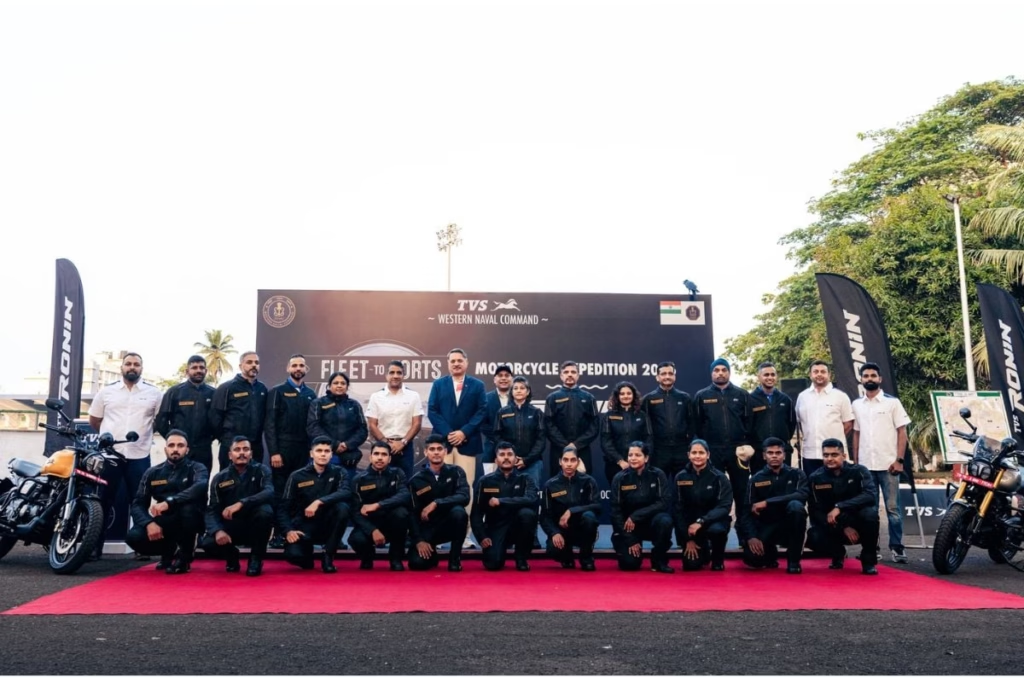
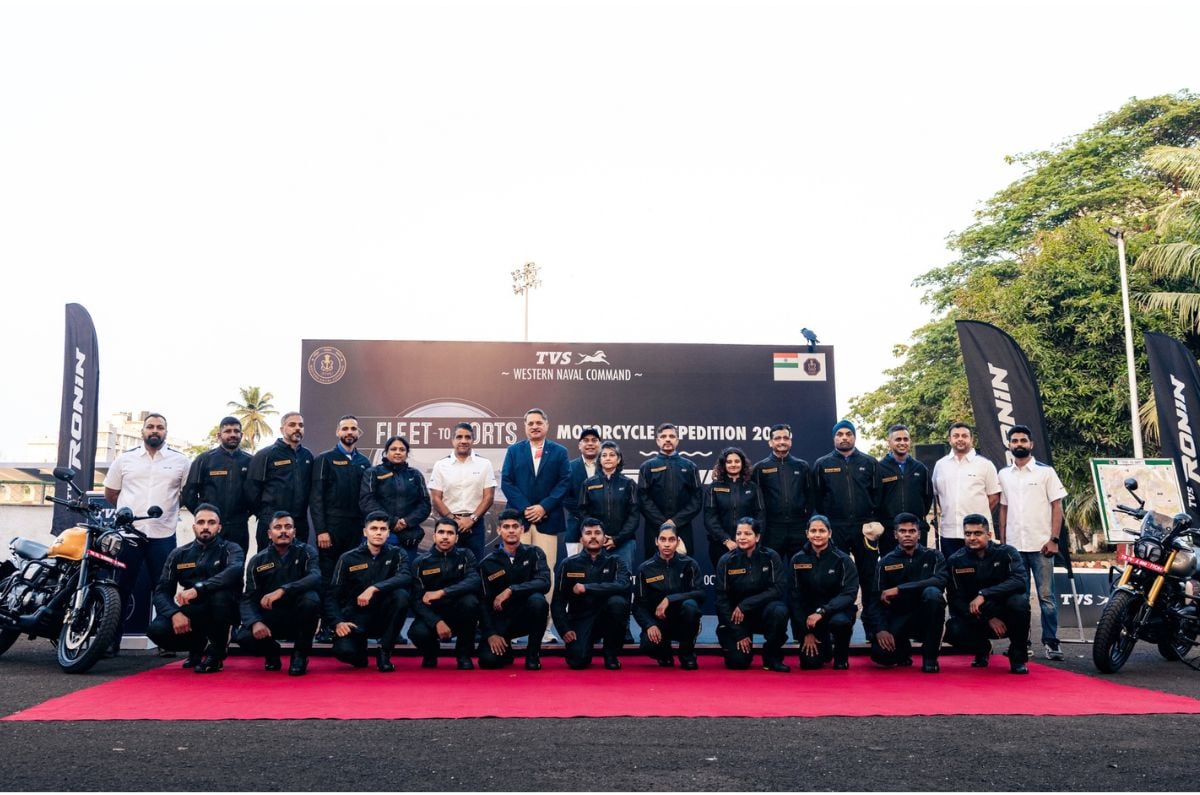
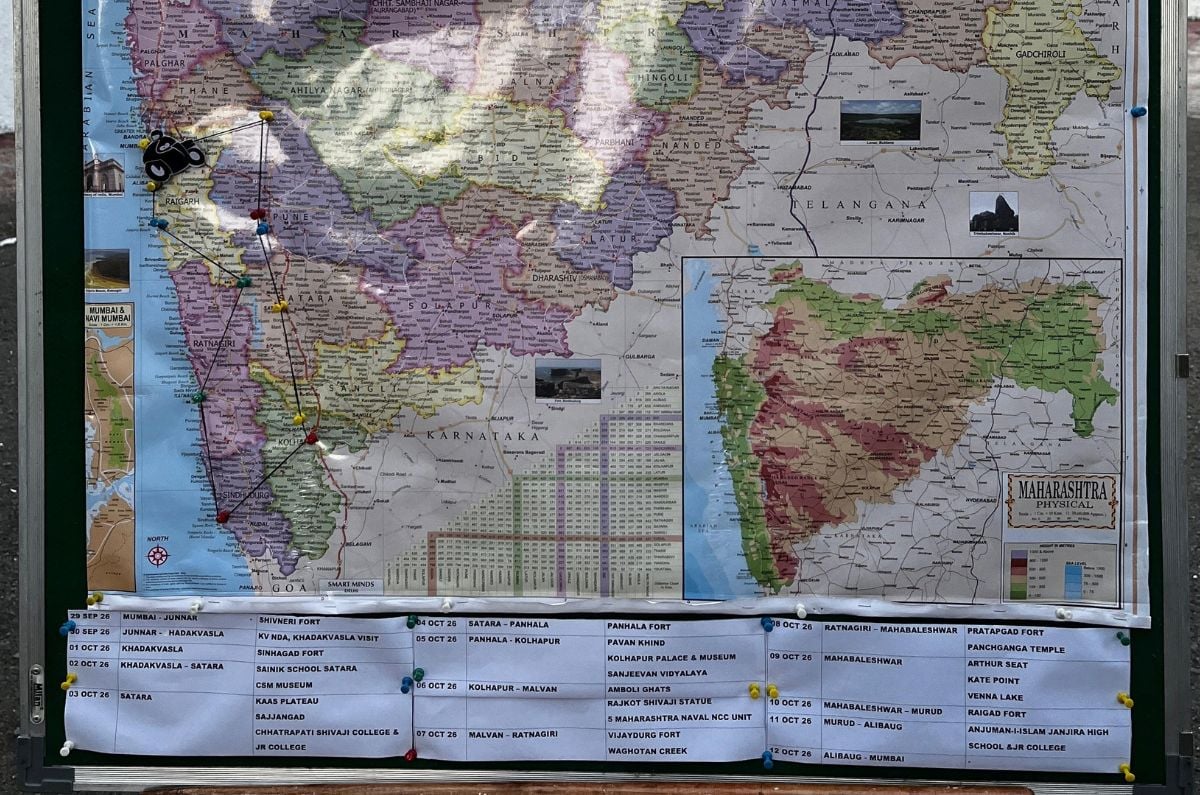
The Indian Navy, in association with TVS Motor Company, has set out on a ‘Fleet to Forts’ expedition with 25 riders on the Ronin intending to cover 1600km across Maharashtra over the next 14 days. The route covers ten historic forts associated with Chhatrapati Shivaji Maharaj, founder of the Maratha empire.
The 25-member group consists men and women of various ranks
TVS will also provide additional technical, logistical and media support
‘Fleet to Forts’ expedition: Mission and Vision
An itinerary centred around the past and the future
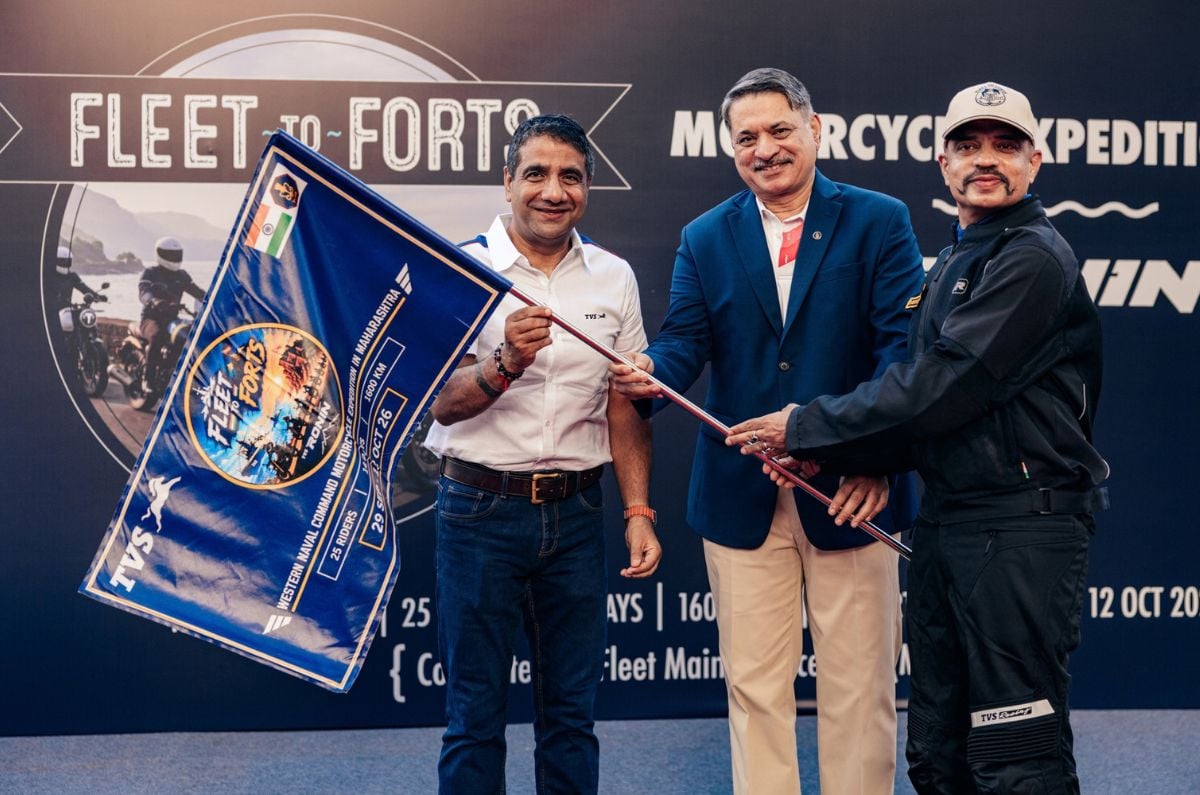
The expedition was flagged off yesterday by Vice Admiral Rahul Vilas Gokhale (Chief of Staff for the Western Naval command) and Mr Vimal Sumbly (Head of Business, TVS Motor Company). The expedition will be led by Captain Shekhar Deshpande, with the 25-member group of both men and women consisting of Officers, Sailors, and Agniveers. With the expedition, the group aims to bring awareness about the career opportunities in the Indian Navy, with a special focus on the Agnipath scheme – Indian Government’s short term recruitment program for personnel below Officer rank in the armed forces.
Left to right: Mr Vimal Sumbly (Head of Business – TVS), Vice Admiral Rahul Vilas Gokhale (Chief of Staff – Western Naval command) and Captain Shekhar Deshpande (Lead rider for the expedition)
The expedition started from Kohli Stadium, Mumbai with an aim to get back to the city by October 12. The route cuts through interior Maharashtra with the objective of exploring Maharashtra’s maritime history and legacy, and to inspire the next generation to join the Indian Navy. Speaking at the event, Vice Admiral Rahul Vilas Gokhale called on the riders to propagate the message to young Indians about serving the nation with pride.
Mr Vimal Sumbly said in his address that the ethos of the expedition deeply resonates with that of the Ronin and that he’s honoured to continue working with the Indian Navy. The Ronin recently received a new Base+ variant, priced at Rs 1.42 lakh (ex-showroom, Delhi) in two new colours, Desert Beige and Sunlit Yellow. With it, there are now a total of four variants ranging between Rs 1.30 lakh and Rs 1.63 lakh. Besides providing the motorcycles for the event, TVS has also equipped the riders with riding gear and will continue to offer logistics, technical and media support for the expedition.
The Hyundai Verna and Honda City have been arch-rivals in the midsize sedan segment for a long time. Both are available with a petrol-CVT powertrain with similar specifications and prices. But in terms of fuel efficiency, how do the naturally aspirated petrol-CVT versions of the Verna and City compare? We put both sedans through our real-world efficiency tests to find out.
Hyundai Verna vs Honda City: Specifications, price
Both sedans get a similar engine and have a similar price range
Hyundai Verna vs Honda City: Specifications and price
Hyundai Verna
Honda City
Engine
4 cyls, naturally aspirated petrol
4 cyls, naturally aspirated petrol
Displacement (cc)
1,497
1,498
Power (hp)
115
121
Torque (Nm)
144
145
Gearbox
CVT
CVT
Fuel tank (litres)
45
40
Kerb weight (kg)
1,224
1,168
Claimed mileage (kpl)
19.6
17.97
Price range (in Rs lakh)
14.46-17.21
14.59-17.44
Both the Hyundai Verna and Honda City are powered by 1.5-litre four-cylinder naturally aspirated petrol engines that produce similar outputs, and both are available with a CVT automatic transmission. However, the two sedans differ in terms of fuel tank capacity and weight. The Verna gets a 5-litre larger fuel tank but is also 56kg heavier than the City. It also has the higher claimed fuel efficiency.
When it comes to pricing, the Verna has an advantage across the petrol-CVT range. Its starting price is Rs 13,000 lower than that of the City, while its top-end variant is Rs 23,000 more affordable.
Hyundai Verna vs Honda City: Real-world fuel efficiency
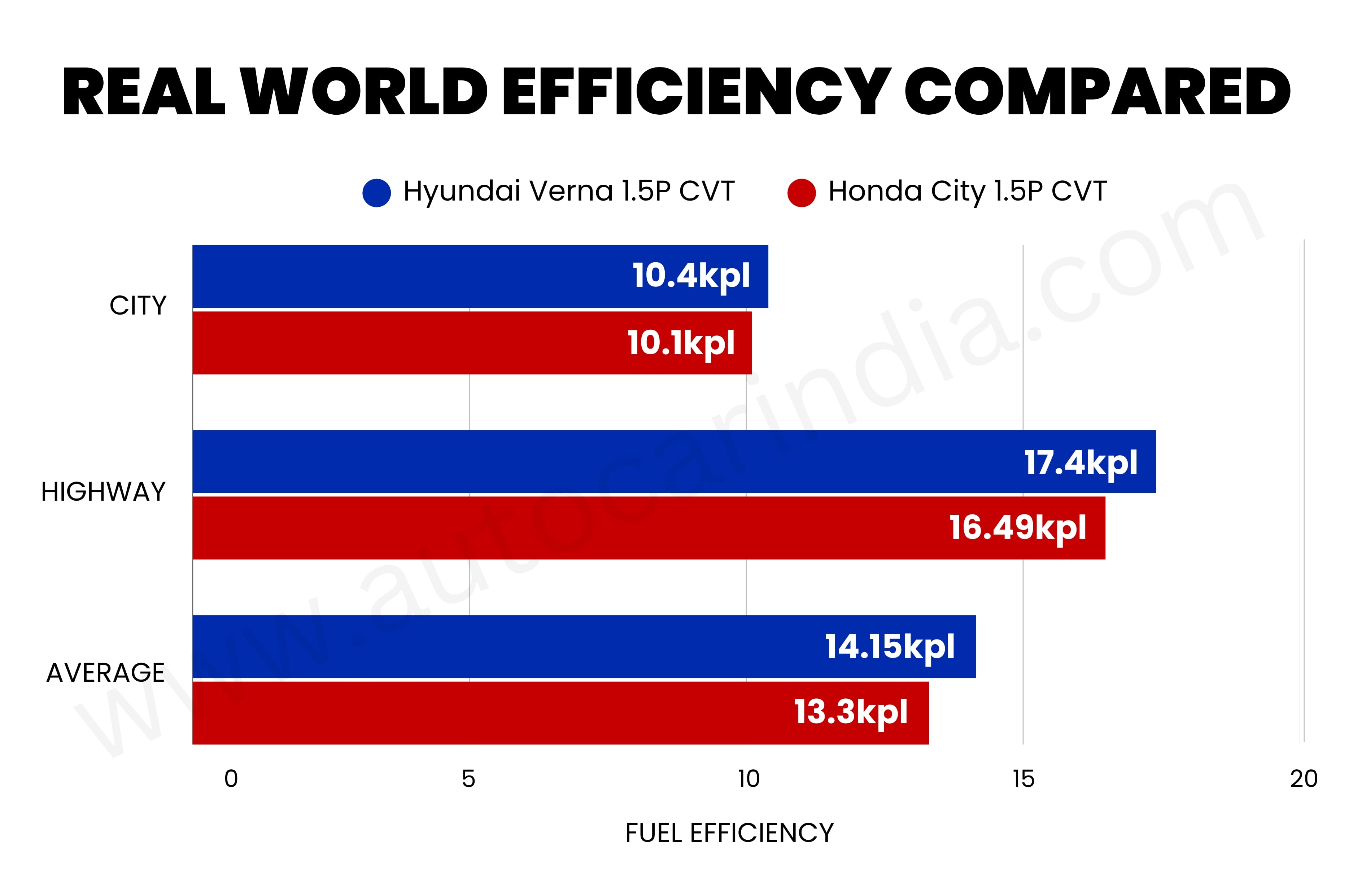
The Verna CVT was more fuel-efficient in our tests than the City CVT
Hyundai Verna vs Honda City: Real-world mileage details
Hyundai Verna
Honda City
Tested city mileage (kpl)
10.40
10.10
Tested highway mileage (kpl)
17.40
16.49
Tested average mileage (kpl)
14.15
13.30
Tested range (km)
636.75
532
Both sedans were tested in their most efficient driving modes, with the Verna in Eco and the City in ECON. In our tests, the Verna returned 0.3kpl more than the City in city driving conditions and 0.91kpl more on the highway. Its higher highway efficiency can partly be attributed to the engine settling at a relaxed 1,900rpm at 100kph, while its automatic stop-start system helped conserve fuel in traffic. The City, on the other hand, does not get an automatic stop-start system, and its CVT tended to raise engine speed with even small throttle inputs. This made the City feel more responsive but also had an impact on its mileage.
The Verna’s average fuel efficiency was 0.85kpl higher than the City’s. Combined with its larger fuel tank, this gives the Verna a range of around 636.75km on a full tank, which is 104.75km more than the City’s estimated range of 532km.
Autocar India’s fuel efficiency testing
Before our real-world fuel efficiency tests, we fill our test cars’ tanks to the brim and maintain tyre pressures based on the manufacturer’s recommendation. These cars are driven in fixed city and highway loops in and around Navi Mumbai, and we maintain certain average speeds. Throughout the tests, there is only one person in each car, running the aircon at 22deg C in full-auto mode, and other electricals, such as the audio system, ventilated seats, indicators and wipers, are used when required, just like a regular user would. Periodic driver swaps further neutralise variations in driver patterns. At the end of each cycle, we calculate efficiency by filling the tanks to full again.