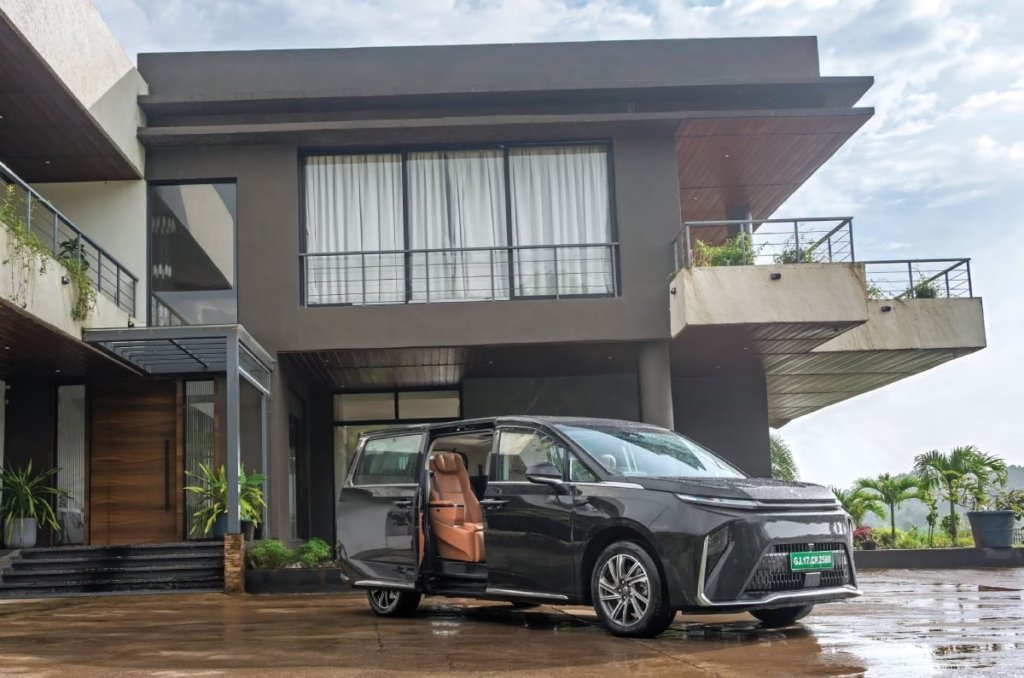
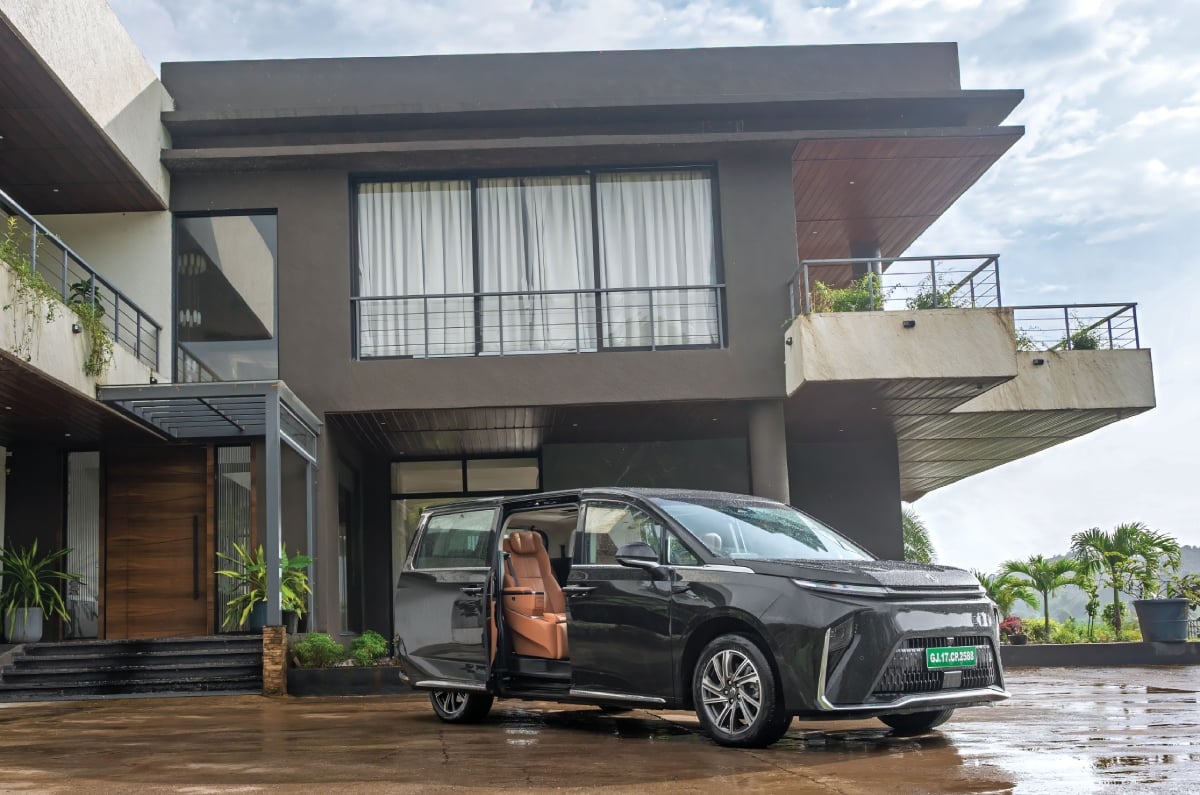
There are vastly different ideas of what luxury means. For some, it is craftsmanship – the quality of the materials, the precision of the detailing and the sense of occasion that comes with them. For others, it is exclusivity, space or technology. But perhaps the most valuable form of luxury today is something considerably harder to manufacture: time.
The freedom to spend a journey exactly as you want, without worrying about the road ahead, is the kind of luxury the MG M9 is built around. And nowhere is that more evident than in its Presidential second row.
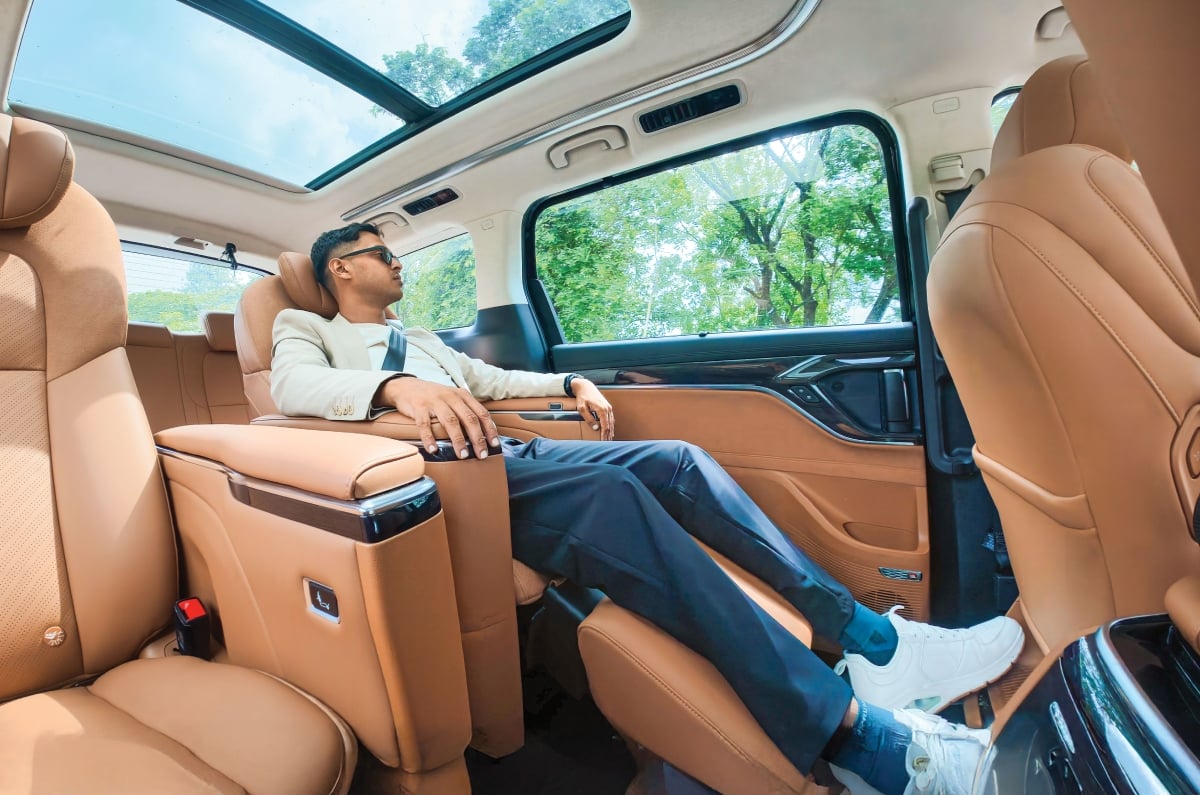
Every drive in the M9 is an opportunity to stretch out and relax.
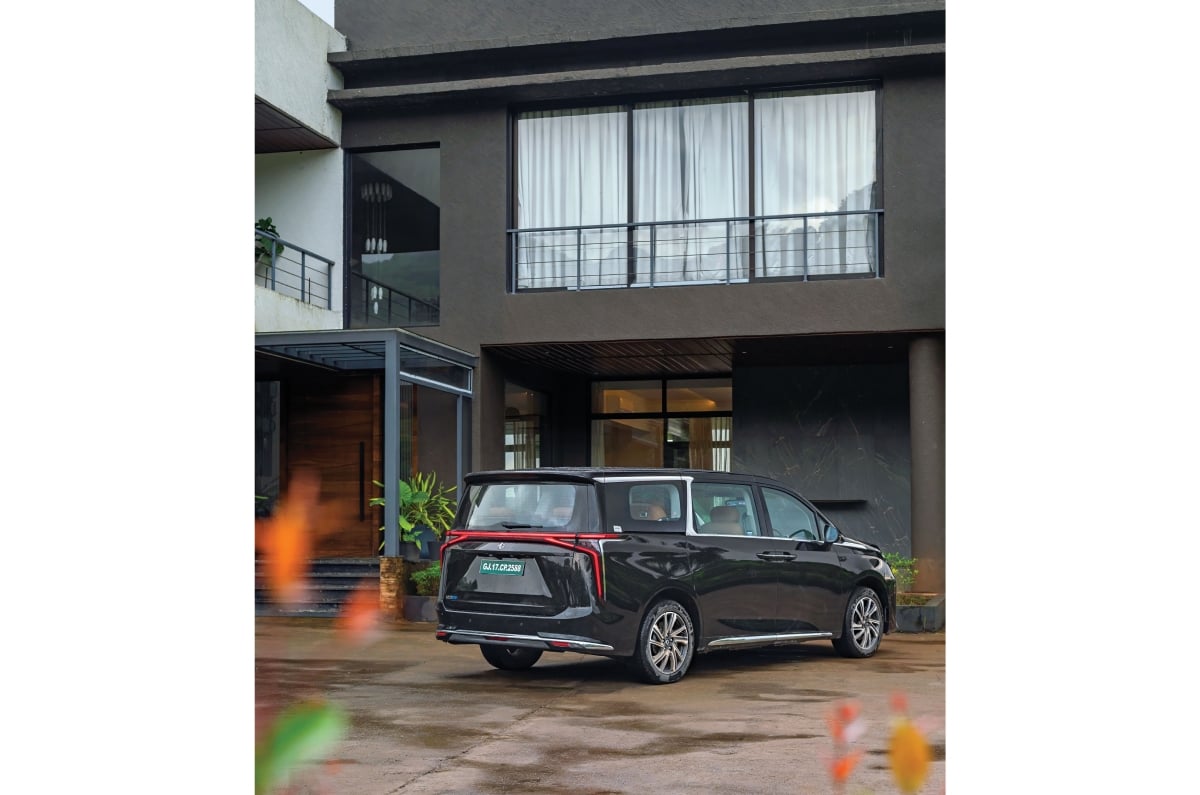
Leaving Mumbai behind for Karjat, the M9 turns what could be a routine road trip into something rather different. The traffic, the road surface and the distance to the destination are still there, but they no longer need to occupy the passenger’s attention. The second row has been designed to make the journey itself the experience.
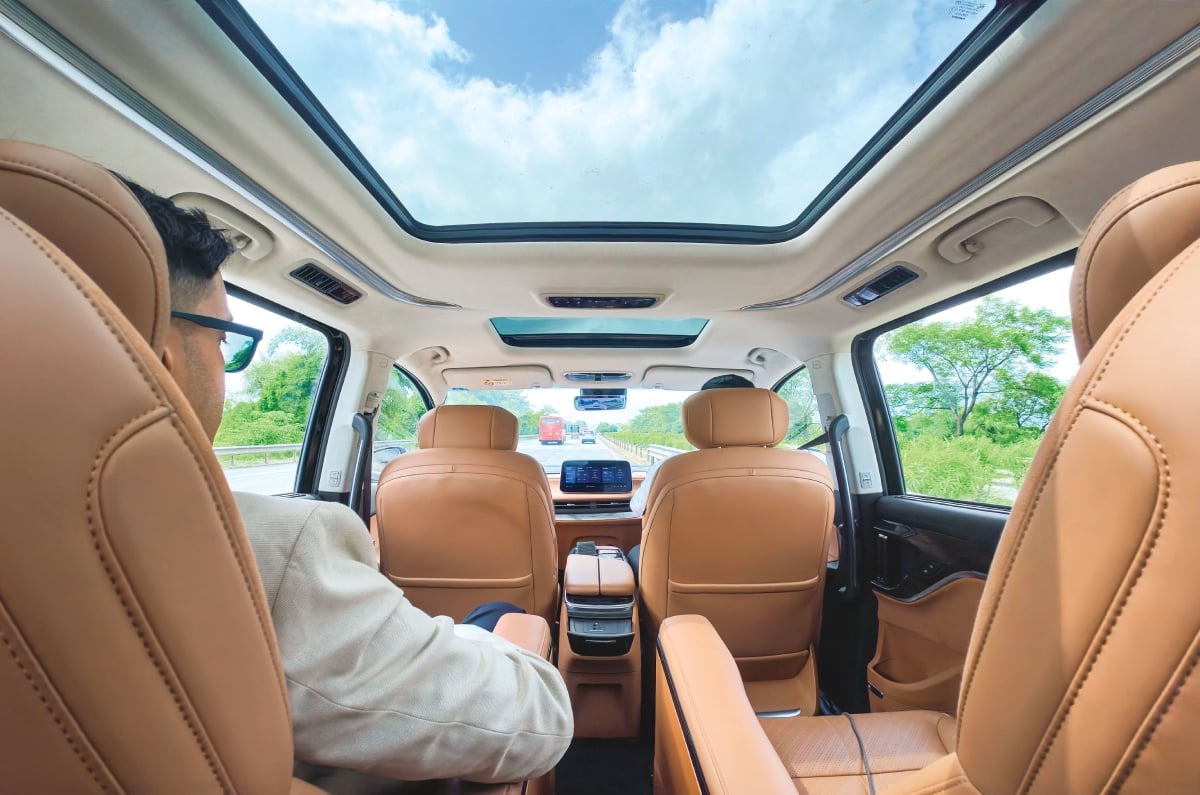
The two Presidential Seats are the obvious starting point. With 16-way electric adjustment, heating, ventilation and eight massage functions, they offer considerably more than simply a comfortable place to sit. Their leg rests can be extended, allowing you to get that ‘putting your feet up after a long day’ experience, and the backrests can be reclined. And particularly with Boss Mode moving the front passenger seat forward, the available space is nothing short of vast.
The M9’s Boss Mode is especially handy if you want to free up some leg room in the second row.
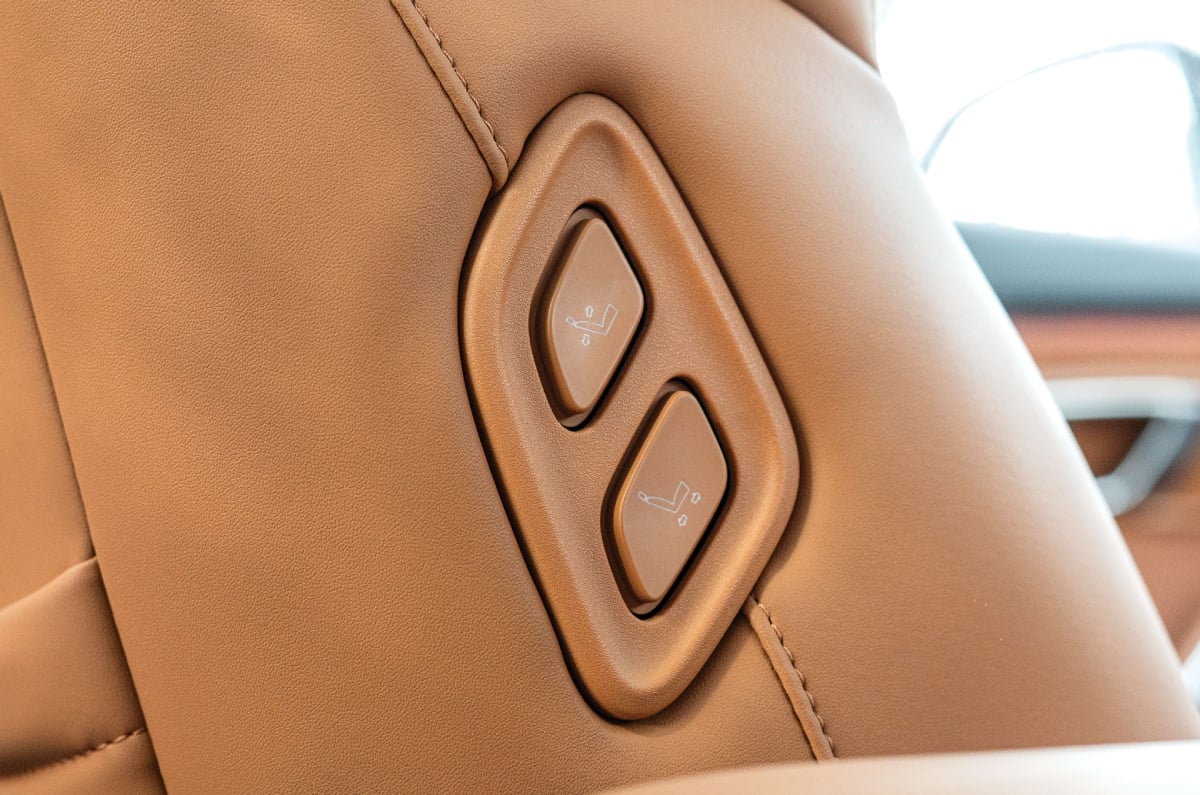
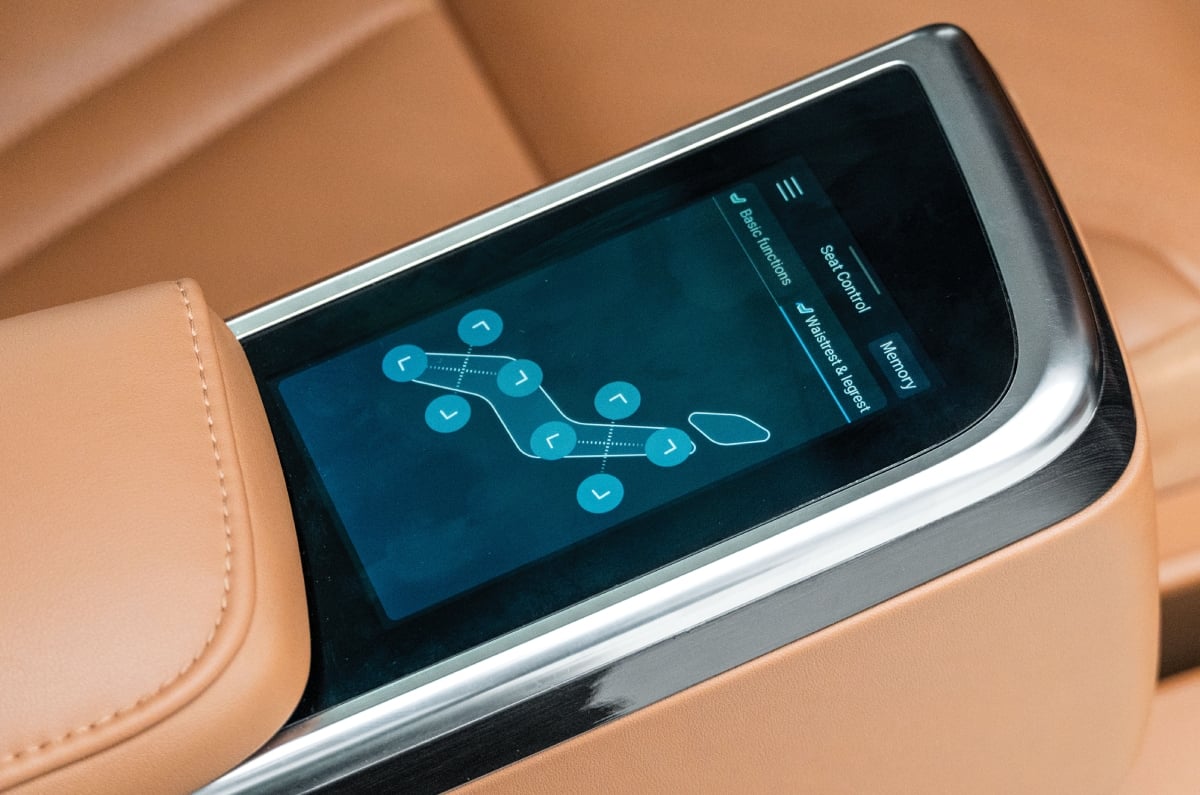
It is the sort of environment in which work can be done without feeling like work. Every major seat function is within easy reach thanks to the intelligent armrests. Not only can passengers adjust their seats’ position and temperature and regulate the AC, they can even get a massage, activate the sunroof or alter the ambient lighting. Once the laptop is closed, the M9 can change character just as easily.
The dedicated second-row climate zone means passengers can set the temperature to their liking, while 64-colour ambient lighting allows the atmosphere to be changed from bright and functional to subdued and relaxing. The panoramic, yacht-style dual sunroof adds another layer to the sense of space, bringing natural light into what already feels more like a lounge than an MPV cabin.
The M9’s 13-speaker JBL audio system, complete with amplifier and subwoofer, takes advantage of the cabin’s excellent isolation. Even the details that are easy to overlook have been considered. There is a wireless charger, an air purifier and sunshades for the rear windows. The front seats are heated, ventilated and massaging too, while the third row gets its own air-conditioning vents and USB connectivity. This is a seven-seater, after all, and the M9 doesn’t treat the occupants furthest from the driver as an afterthought.
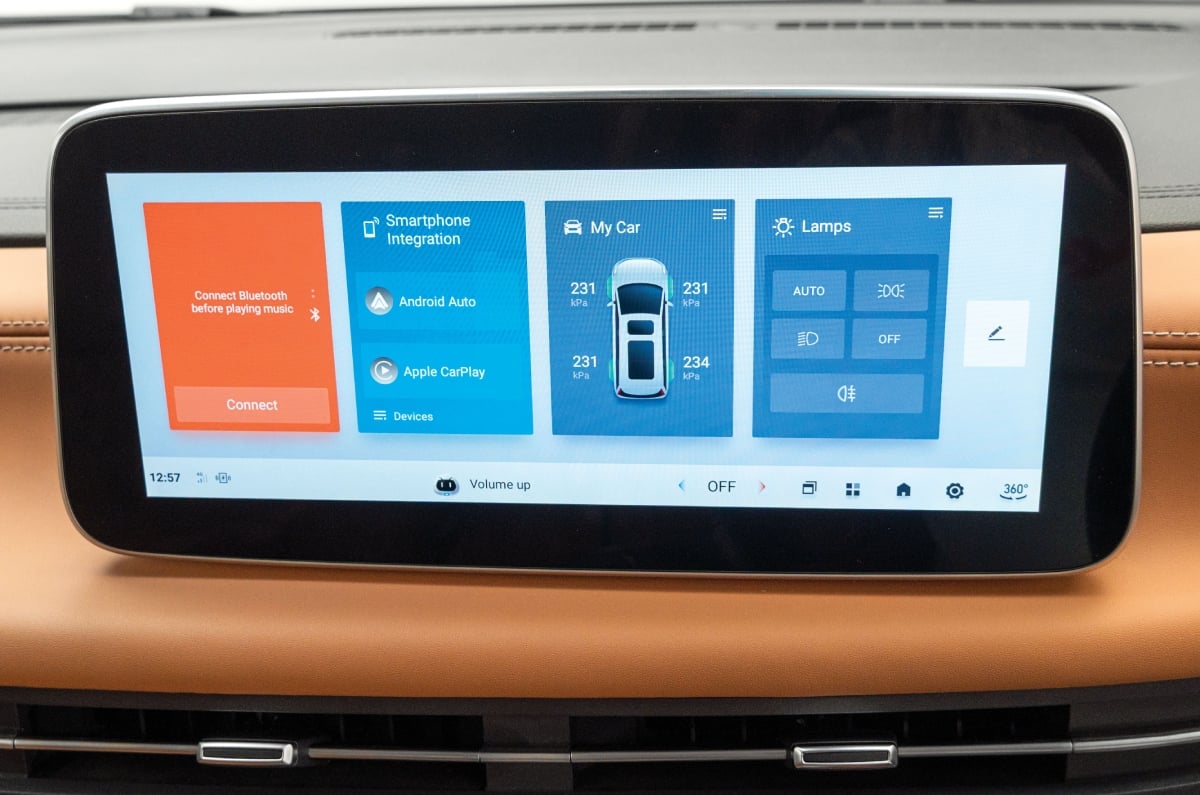
M9’s 12.3-inch central screen is loaded with useful functions and can even fully recline the second-row seats.
But it is the Presidential second row that defines the M9. And as the journey progresses, its importance becomes increasingly apparent. Mumbai’s roads aren’t always smooth. There are bumps, undulations, and speed breakers that arrive with little warning. Yet the M9’s suspension works quietly underneath, muffling sharper edges and keeping the cabin composed.
That refinement is complemented by the electric powertrain. A 90kWh NMC battery feeds a front-mounted motor producing 245hp and 350Nm, with a claimed range of 548km. But for those in the back, the more important numbers are the ones that don’t appear on a specification sheet: how little noise enters the cabin, how smoothly the M9 gathers speed and how rarely the occupants are reminded of the machinery doing the work.
Seat massage and adjustment controls are neatly built into second-row armrests.
As Mumbai’s traffic thins out, the road begins to wind through the green, mist-covered hills approaching Karjat, and the monsoon transforms the landscape into a succession of views worth looking at.
The M9 takes the inherent practicality and space of an MPV and reorganises them around the passenger. Its Presidential second row isn’t simply a collection of luxury features; it is the point around which the entire vehicle’s character revolves.
And the response has been encouraging. The M9 has found more than 2,500 buyers in less than a year, the surest sign that the idea of luxury is changing. It is becoming less about arriving with a sense of occasion and more about making the journey itself feel effortless.
Because when someone else is worrying about the road, the greatest luxury isn’t necessarily having somewhere better to go. It is having the time – and the space – to enjoy getting there.
महाराष्ट्र ने अपने 358 तालुकों में से 265 तालुकों (यानी राज्य के 74% तालुकों) को सूखा-प्रभावित घोषित किया है। सूखे की स्थिति की पहचान करने और राहत के उपाय शुरू करने के लिए राज्य सरकार ने ‘सूखा प्रबंधन नियमावली, 2016’ (जिसे 2020 में अपडेट किया गया था) और ‘सूखा प्रबंधन कोड’ के तहत ‘ट्रिगर-1’ को लागू किया है।
‘ट्रिगर-1’ महाराष्ट्र के सूखा आकलन ढांचे का पहला चरण है। इसे तब लागू किया जाता है जब किसी इलाके में बारिश में 25% से ज्यादा की कमी हो और साथ ही कम से कम 21 दिनों तक सूखा मौसम (बिना बारिश वाला समय) रहा हो। आइए अब समझते हैं कि कोई राज्य कैसे तय करता है कि किसी इलाके में सूखा पड़ा है।
सूखा क्या है?
सूखा पानी की कमी का एक लंबा दौर होता है। सरकारें यह तय करने के लिए मापने लायक पैमानों का इस्तेमाल करती हैं कि कब सूखे का दौर इतना गंभीर हो गया है कि सरकारी दखल की जरूरत है। बारिश इनमें से एक अहम पैमाना है। अनुमानित बारिश की कमी और सूखे के दौर की अवधि का आकलन करते हैं।
कोई राज्य कैसे तय करता है कि किसी इलाके में सूखा पड़ा है?
राज्य मौसम, खेती और पानी की उपलब्धता से जुड़े पैमानों का इस्तेमाल करके यह तय करता है कि क्या बारिश की लंबी कमी से हालात इतने गंभीर हो गए हैं कि सरकारी दखल की जरूरत है। महाराष्ट्र में इस प्रक्रिया में बारिश की कमी और सूखे के लंबे दौर का आकलन किया जाता है और फिर फसलों और जल संसाधनों पर उनके असर का मूल्यांकन किया जाता है।
राज्य का सूखा प्रबंधन ढांचा प्रभावित इलाकों की पहचान करने के लिए तय “ट्रिगर्स” (संकेतों) का इस्तेमाल करता है। इसके बाद नुकसान के स्तर और ज़रूरी राहत का पता लगाने के लिए ज़मीनी स्तर पर आकलन किया जाता है। राज्य का सूखा प्रबंधन ढांचा प्रभावित इलाकों की पहचान करने के लिए तय “पैमानों” (ट्रिगर्स) का इस्तेमाल करता है। इसके बाद नुकसान का दायरा और ज़रूरी राहत तय करने के लिए जमीनी स्तर पर जांच की जाती है।
ध्यान में रखी जानें वाली बातें
बारिश- सामान्य स्तर की तुलना में कितनी बारिश हुई है।
सूखे का दौर- क्या लंबे समय तक पर्याप्त बारिश नहीं हुई है।
फसल की स्थिति- क्या कम या असमान बारिश से खड़ी फसलों को नुकसान पहुंचा है।
मिट्टी में नमी- क्या मिट्टी में फसल के लिए पर्याप्त नमी है।
पानी की उपलब्धता- भूजल और सतही जल स्रोतों की स्थिति, जिसमें पीने के पानी और सिंचाई पर उनके असर शामिल हैं।
जमीनी स्तर पर जांच- अधिकारी प्रभावित इलाकों का दौरा कर सकते हैं और राहत तय करने से पहले फसल के नुकसान का ब्योरा तैयार कर सकते हैं।
पूरे राज्य को सूखाग्रस्त क्यों घोषित नहीं किया जाता?
अलग-अलग जगहों पर सूखे की स्थिति काफी अलग हो सकती है। एक ही राज्य में, एक तालुका में लंबे समय तक सूखा पड़ सकता है और फसल को नुकसान हो सकता है, जबकि दूसरे में पर्याप्त बारिश हो सकती है। इसीलिए सूखे की जांच तालुका या स्थानीय स्तर पर की जा सकती है, न कि पूरे राज्य को एक साथ इसमें शामिल किया जाता है।
सूखा घोषित होने के बाद क्या होता है?
घोषणा के बाद तय राहत उपाय लागू किए जा सकते हैं। महाराष्ट्र में, इनमें फसल-ऋण का पुनर्गठन, जमीन के लगान में छूट, खेती के लिए बिजली में छूट, और पीने के पानी व चारे की व्यवस्था जैसे उपाय शामिल हैं। सूखा घोषित करना और फसल के नुकसान का व्यक्तिगत मुआवजा मिलना, जरूरी नहीं कि एक ही बात हो। महाराष्ट्र ने कहा है कि फसल के नुकसान के लिए मदद तय करने से पहले वह ज़मीनी स्तर पर फसल की जांच करेगा।
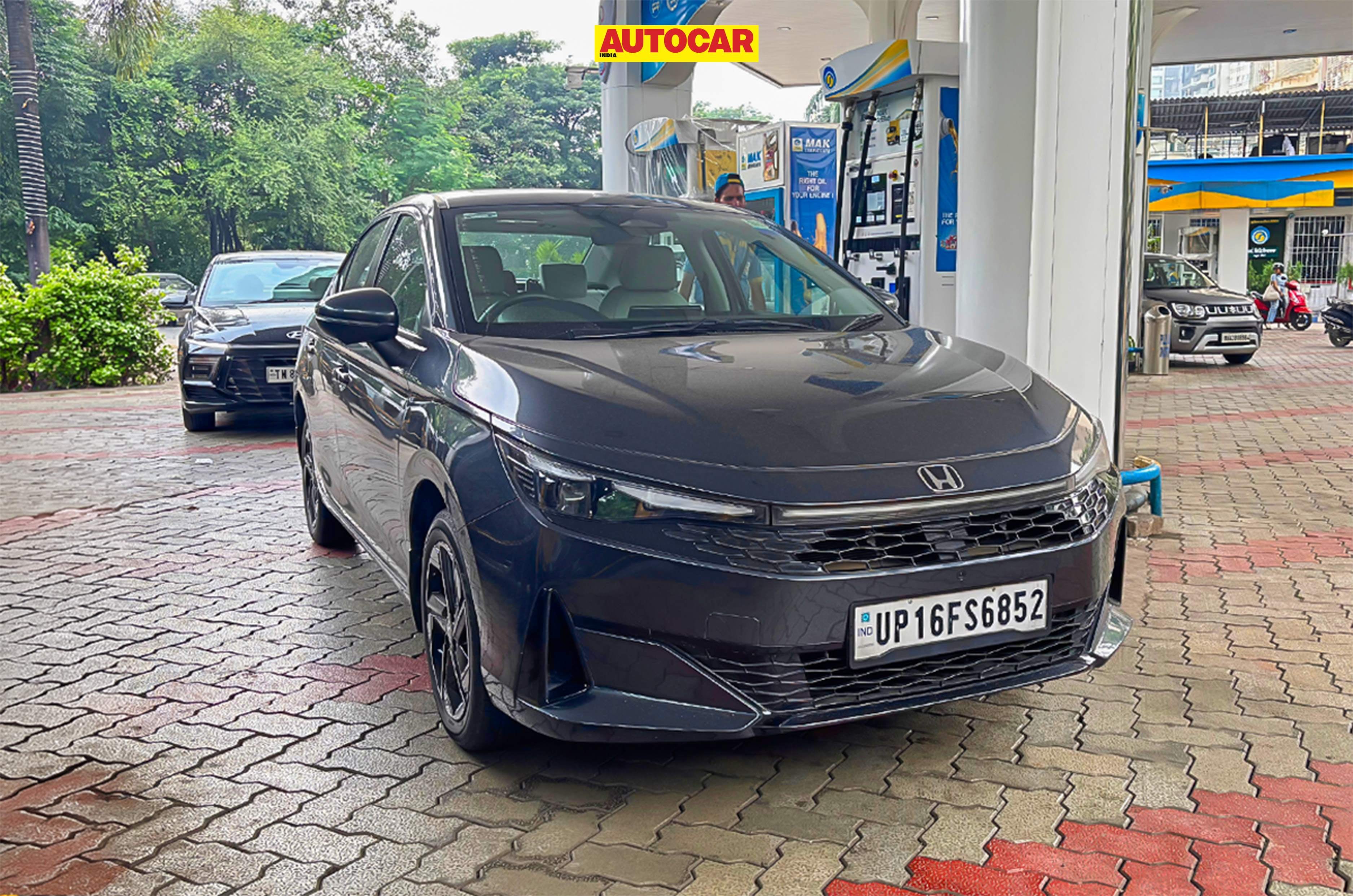
The fifth-generation Honda City received its second facelift in 2026 with a sleeker front design and some feature additions, while the powertrain options remain unchanged. It is still available with a 1.5-litre naturally aspirated petrol engine that can be had with either a 6-speed manual or a CVT automatic transmission, and then there’s a more efficient and powerful strong hybrid powertrain.
We’ve now subjected the Honda City petrol paired with the CVT through our efficiency tests to see how it fares.
No auto stop-start feature
Weighs 1,168kg
Claimed efficiency of 17.97kpl (CVT)
Honda City petrol CVT real-world fuel efficiency explained
The Honda City is powered by a 1.5-litre, four cylinder, naturally aspirated petrol engine that produces 121hp and 145Nm, and is paired with a 7-step continuously variable transmission (CVT). We kept the sedan in its most efficient ‘ECON’ mode throughout our tests.
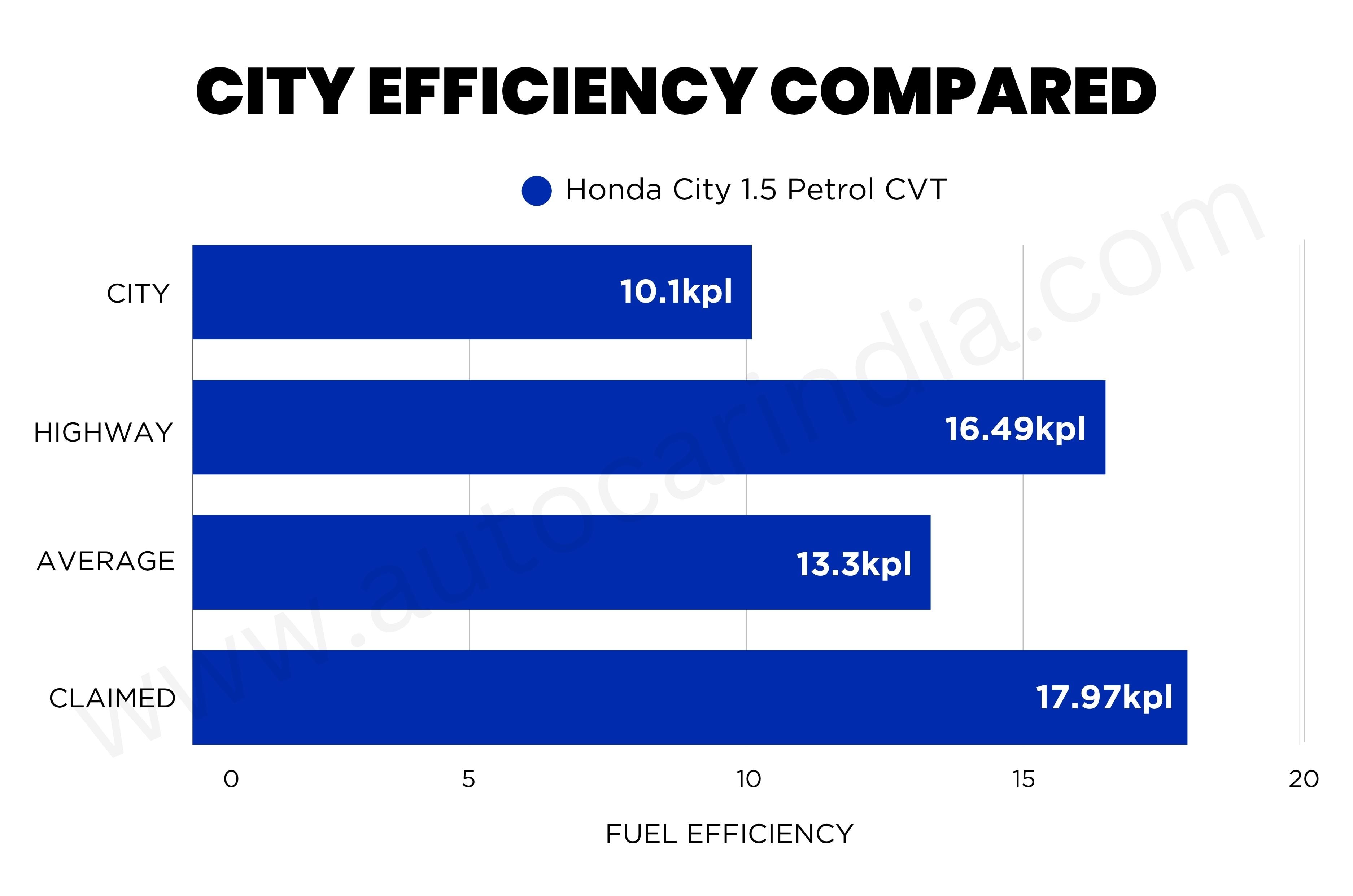
In our tests, the Honda City returned 10.1kpl and 16.49kpl in the city and on the highway, respectively. This results in an overall average fuel efficiency of 13.3kpl which translates to a real world range of 530km with the 40-litre fuel tank.
While its highway efficiency is respectable and close to the claimed 17.97kpl, an automatic stop‑start system would have further improved city efficiency. The CVT on the City also felt a bit too eager where even slight throttle inputs resulted in the engine revs going up. While this makes the car feel more responsive, it affects the overall efficiency.
Autocar India’s fuel efficiency testing
Before our real-world fuel efficiency tests, we fill our test cars’ tanks to the brim and maintain tyre pressures based on the manufacturer’s recommendation. These cars are driven in fixed city and highway loops in and around Navi Mumbai, and we maintain certain average speeds. Throughout the tests, there is only one person in each car, running the aircon at 22deg C in full-auto mode, and other electricals, such as the audio system, ventilated seats, indicators and wipers, are used when required, just like a regular user would. Periodic driver swaps further neutralise variations in driver patterns. At the end of each cycle, we calculate efficiency by filling the tanks to full again.
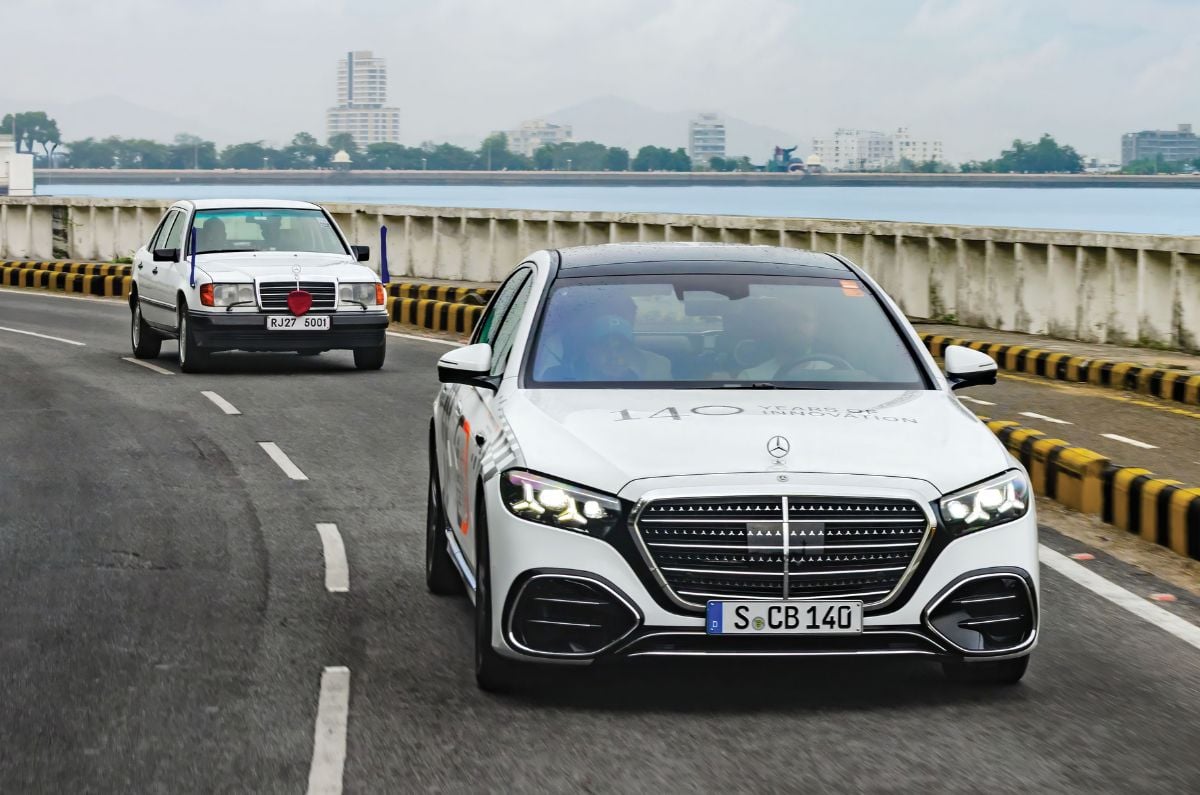
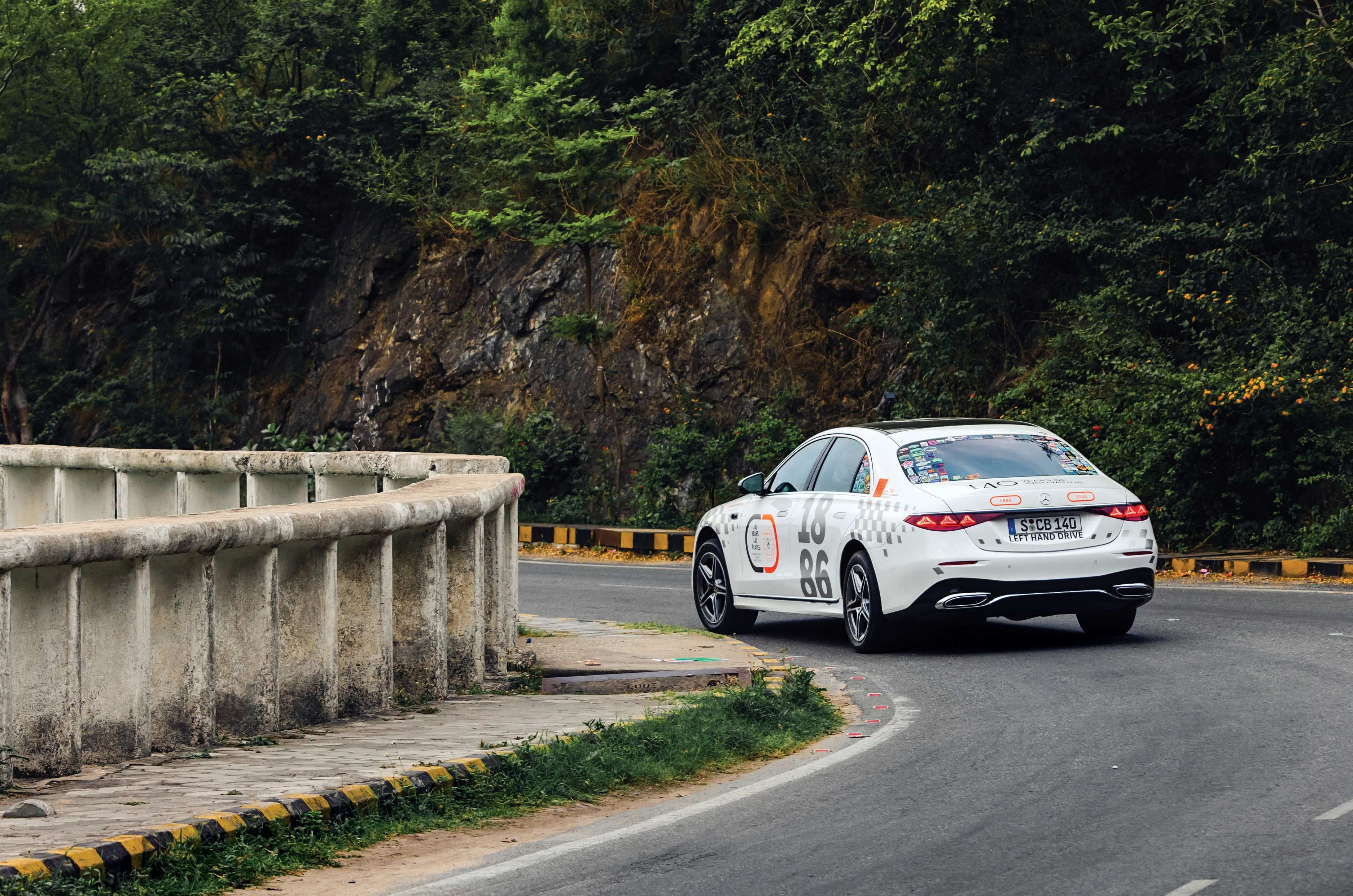
Mercedes-Benz’s 140 Years, 140 Places odyssey is a celebration of the carmaker’s origins in 1886. Spanning six continents, covering over 60,000 kilometres, it is as massive in significance as it is in scale. The tour kicked off at the Mercedes-Benz Museum in Stuttgart on the 29th of January, the same day Carl Benz received the patent for his first car 140 years ago! The cars then went to the Daimler house in Bad Cannstatt, they tracked the original route of Bertha Benz’s historic 1888 drive and drove the iconic Spa-Francorchamps racetrack in Belgium in wheel tracks of the W109 ‘Red Pig’ that made such a splash in 1971. The cars then went to the US, visiting the first plant in the US started by William Steinway (of Steinway & Sons, the famous German Piano makers), South America, Australia, Japan, Korea and Japan.
Legacy and history
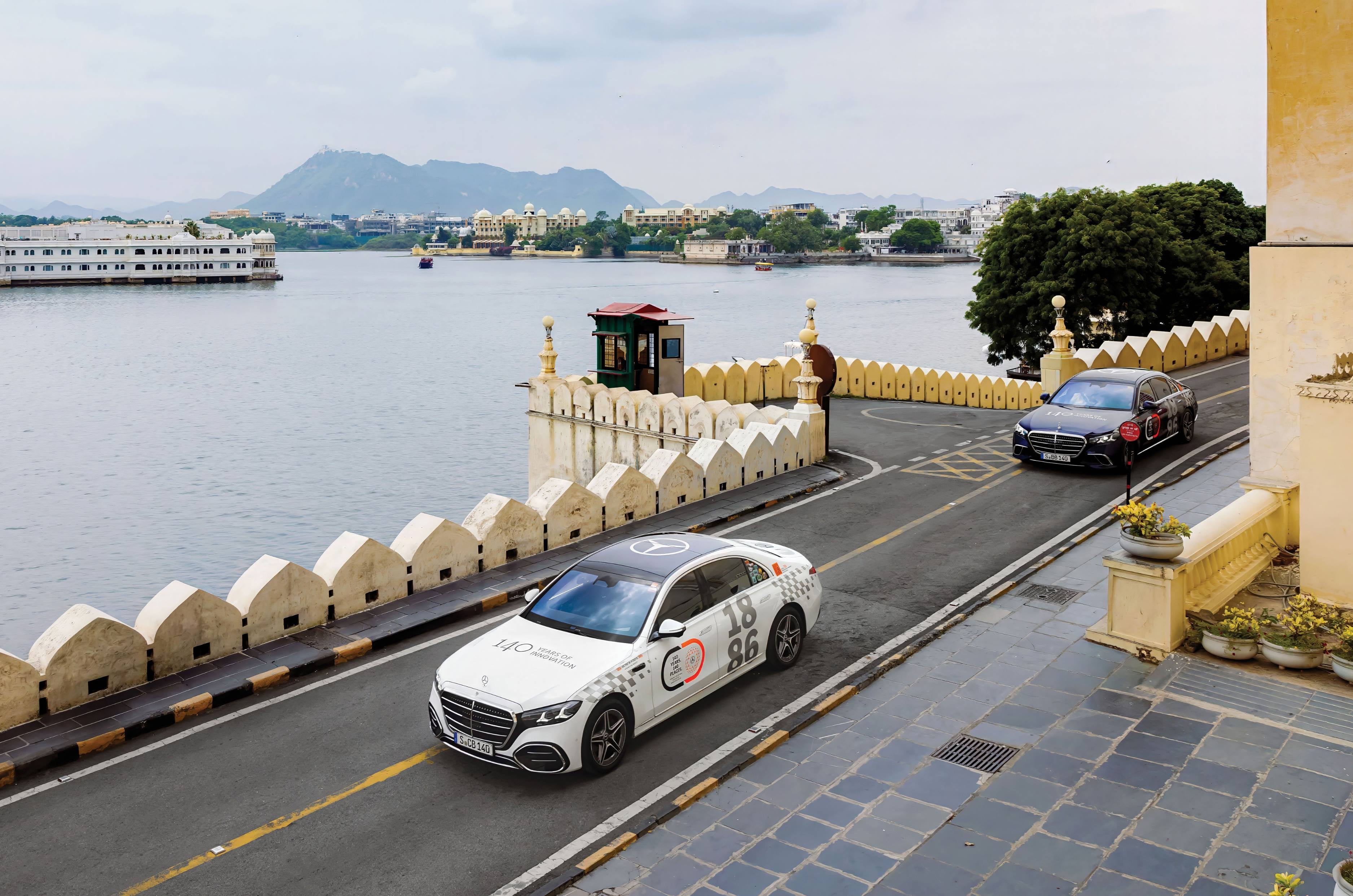
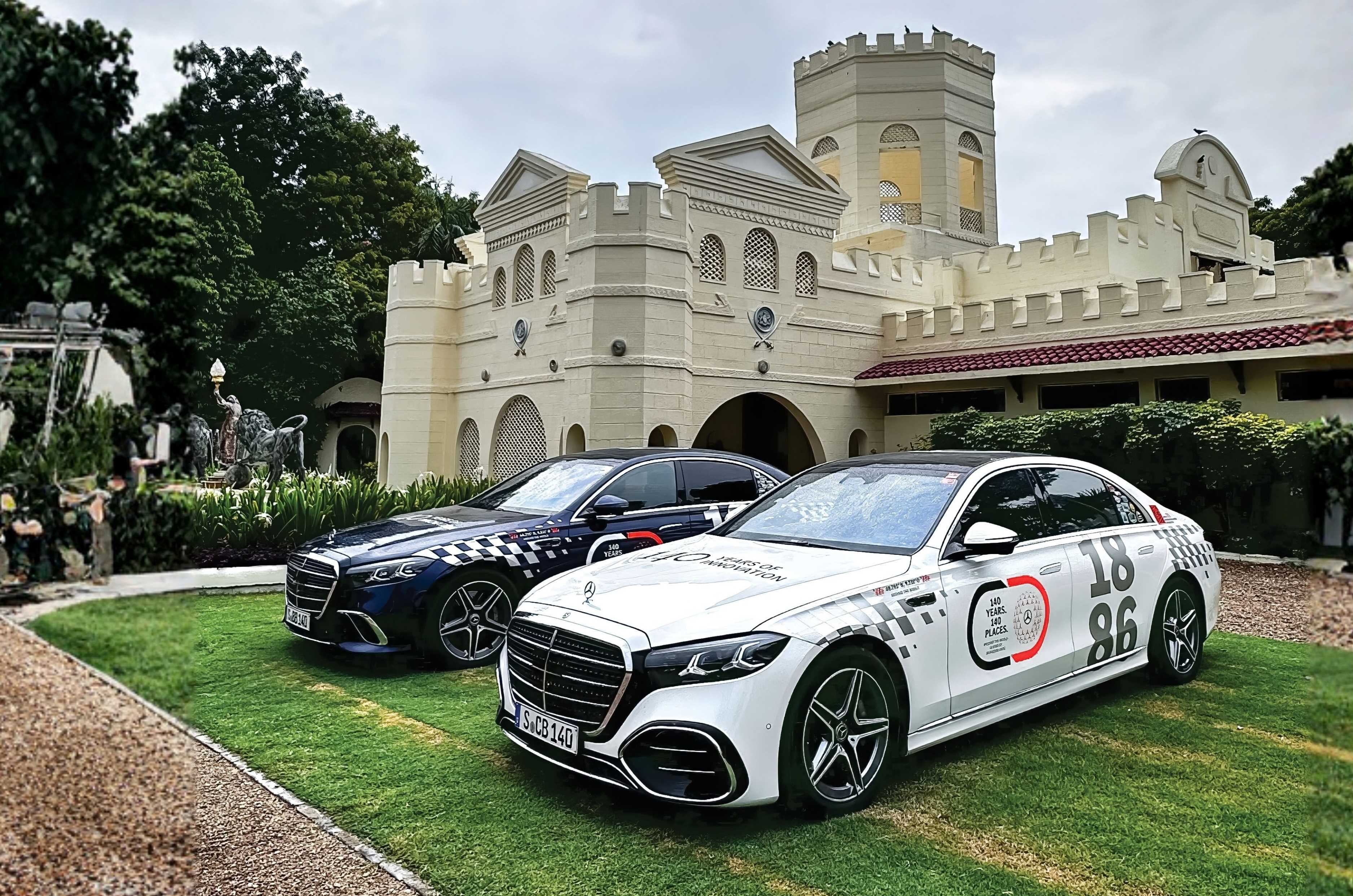
With their royal and regal air, the S-Classes feel right at home in Udaipur.
Part of the 140 Years, 140 Places expedition, Udaipur is one of the more stunning locations the Mercedes drive will visit on this India leg, and what’s incredible is that we have been chosen to be a part of it. What a privilege. The lake city of Udaipur also has tremendous historical significance. Home to one of the longest-serving dynasties, one that spans 1,500 years, this leg sees a coming together of the world’s oldest carmaker and one of the oldest dynasties. And while this trans-continental excursion is called 140 Years, 140 Places, it could also easily have been called 140 Years of Automotive Technology. With these S-Class pre-production cars dripping with both mechanical and electronic tech, what we are also celebrating is the journey of the car from a three-wheeler with a single-cylinder engine to this technological marvel. The company that invented the motorcar is still widely regarded as the one that makes ‘the best car in the world’.
Luxe Supreme
Everything is perfectly still. Not a gauge in the car is moving, and there’s no real sensation of speed. I must have dozed off. Blame it on the incredibly comfortable back seats and the sensory isolation. This car just shuts you off from the rest of the world. Then I discover we are cruising at 100kph, and not just 30 or 40. Up ahead is the lake city of Udaipur. Ahh.
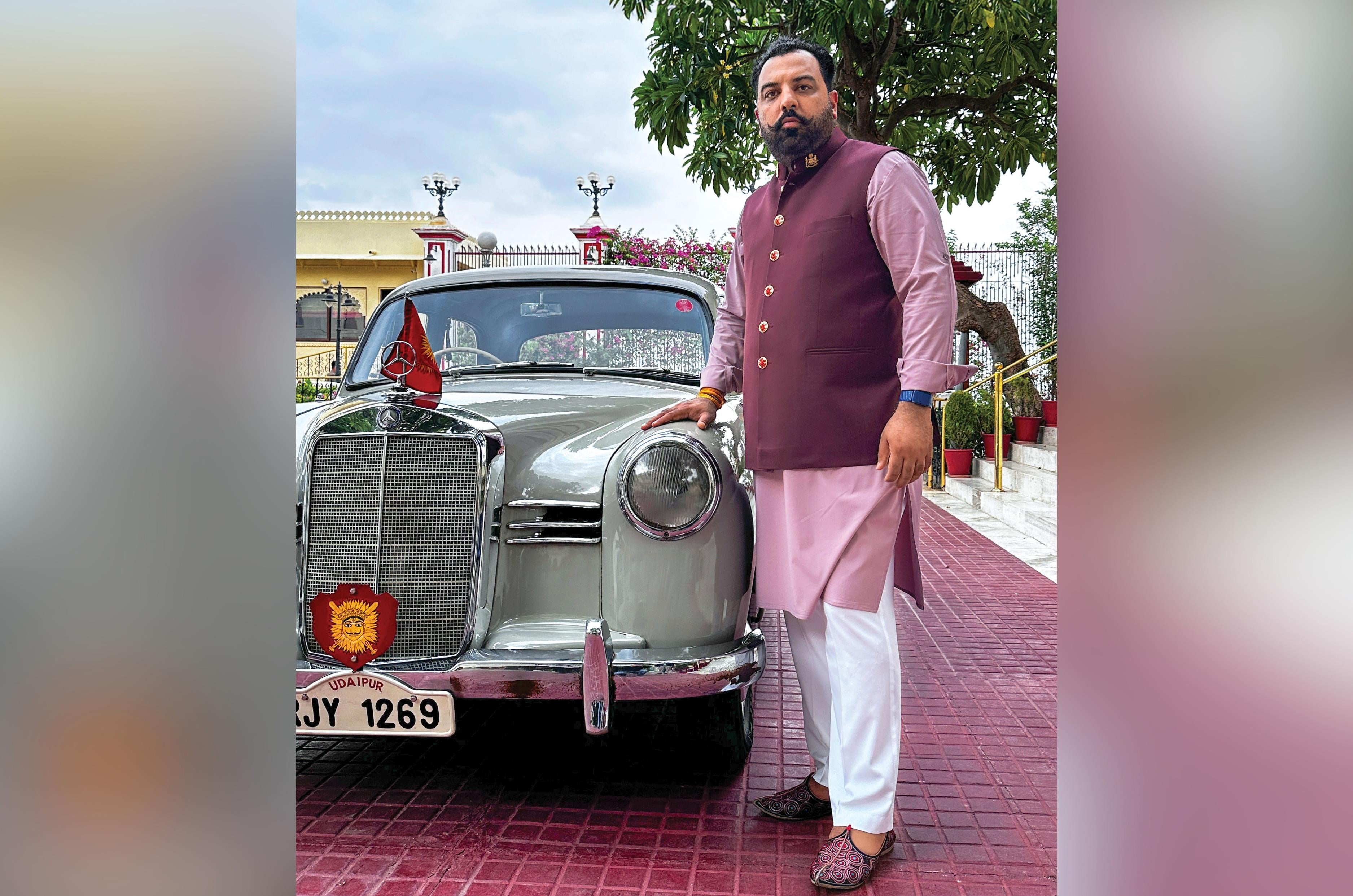
The Maharana of Udaipur with a car that has been in his family for three generations.
We start our journey on this leg from a very significant place, the palace situated on the lakeside at Udaipur. And not only does Lakhsyaraj, the 77th Custodian of the House of Mewar (formally Shriji Huzoor Dr Lakshyaraj Singh of Udaipur), play the perfect host, but he also parks an olive-green 180D in the foyer, a car that has been used by three generations of his family. The symbolism is rich; two legacies converging in a place that embodies the spirit of grandeur and continuity.
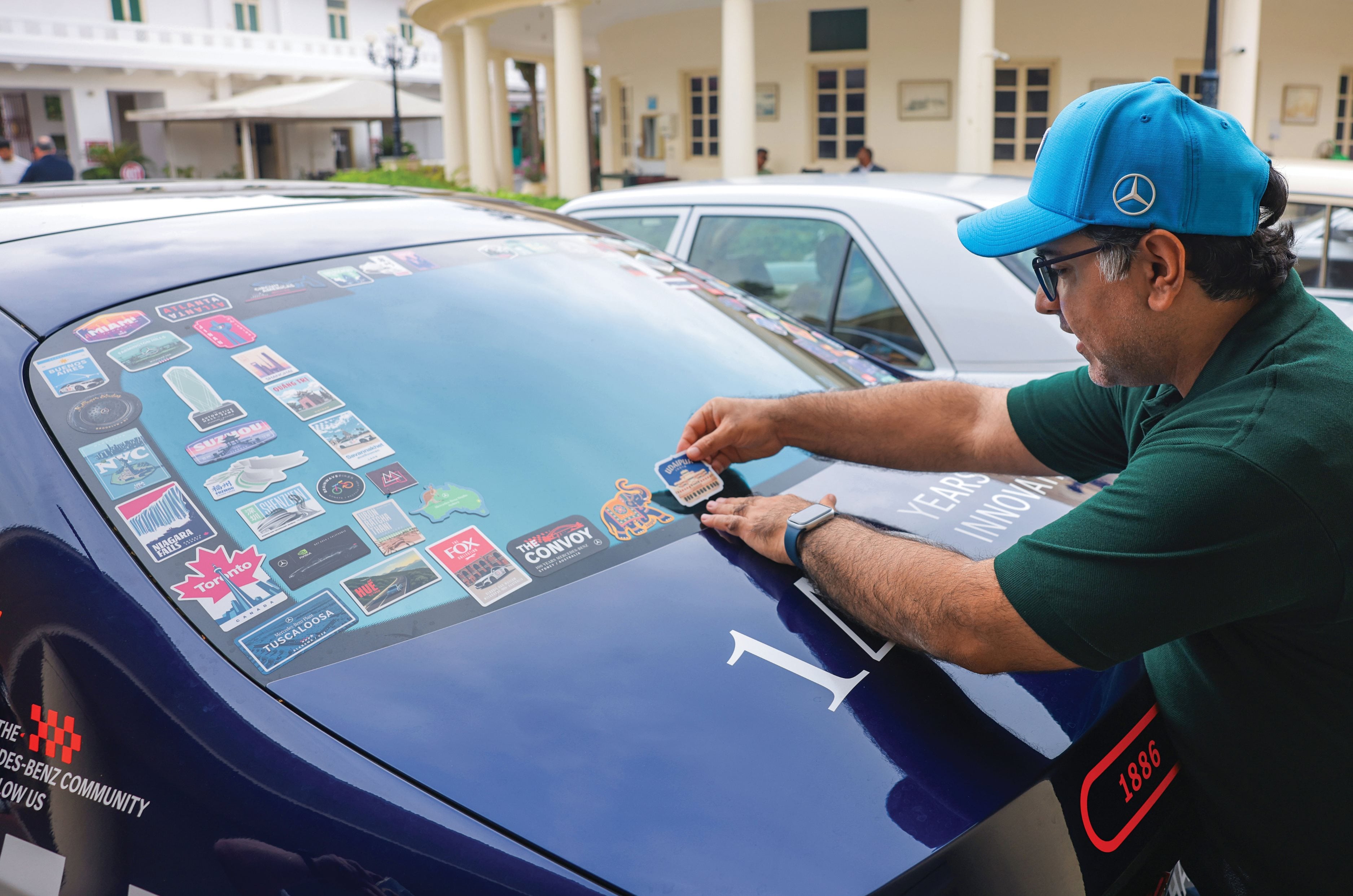
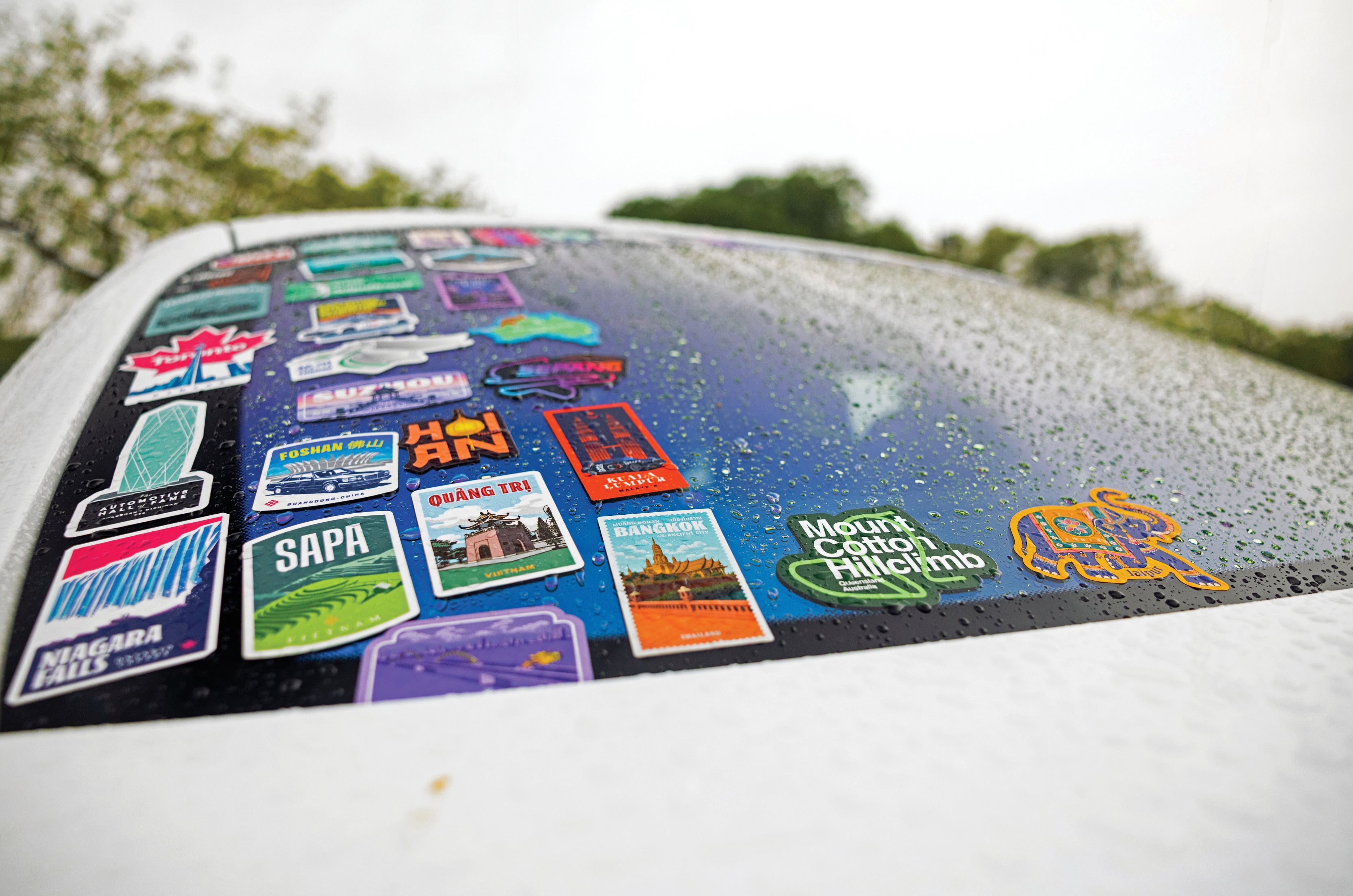
Perseus places the sticker on ‘Bertha’ in Udaipur.
Since Udaipur is one of the 140 iconic destinations on the drive, Mercedes asks him to place an Udaipur sticker on the rear of the car; fitting. These cars, all three (the third is on another leg elsewhere in India), will eventually be housed in the Mercedes museum in Stuttgart, and what’s cool is that you can trace their journey via the stickers. Lakshyaraj then takes one of the cars for a brief drive. He wants to see just how much better this new version, with all its 2,700 new bits, is over his pre-facelifted car. And yes, he loves driving. I’d bumped into him earlier in the day at the airport, where his S-Class had come to pick him up, flags flying and uniformed driver and assistant in tow. But instead of climbing into the rear, he’d gotten straight behind the wheel. Tells you a lot.
Still at the top
Late prototypes of the New S-Class made the journey.
Later in the day, I get another demonstration of why the S-Class is so special. We decide to drive around the lake for the cameras, the orange glow of the setting sun adding to the drama of this once James Bond film set. Sitting in the back feels almost magical, as the S-Class slips forward effortlessly, the sun glistening off the lake. It skips over cratered roads, glides silently through noisy bazaars and intersections and then, as the road around the lake opens out, I barely hear it even though Mercedes’ test driver is pulling the torque-y straight-six hard. This car is named Bertha, after Carl Benz’s wife, the one who undertook the world’s first long-distance drive; quite a story that. And the other, the white one, is Carl; BB and CB, both on Stuttgart number plates.
Hello Grandpa
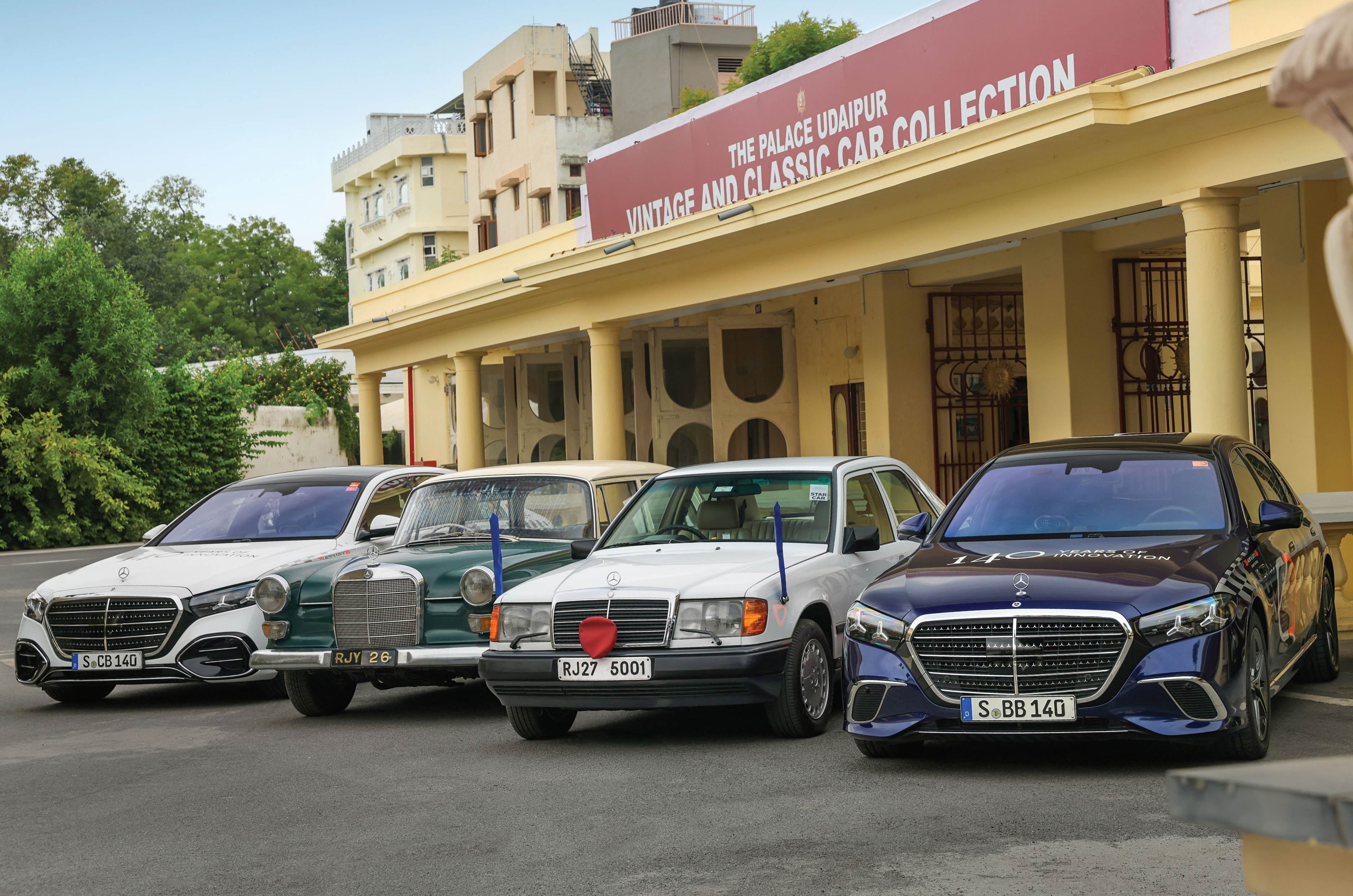
The S-Classes, along with the fin-tail and the 300D.
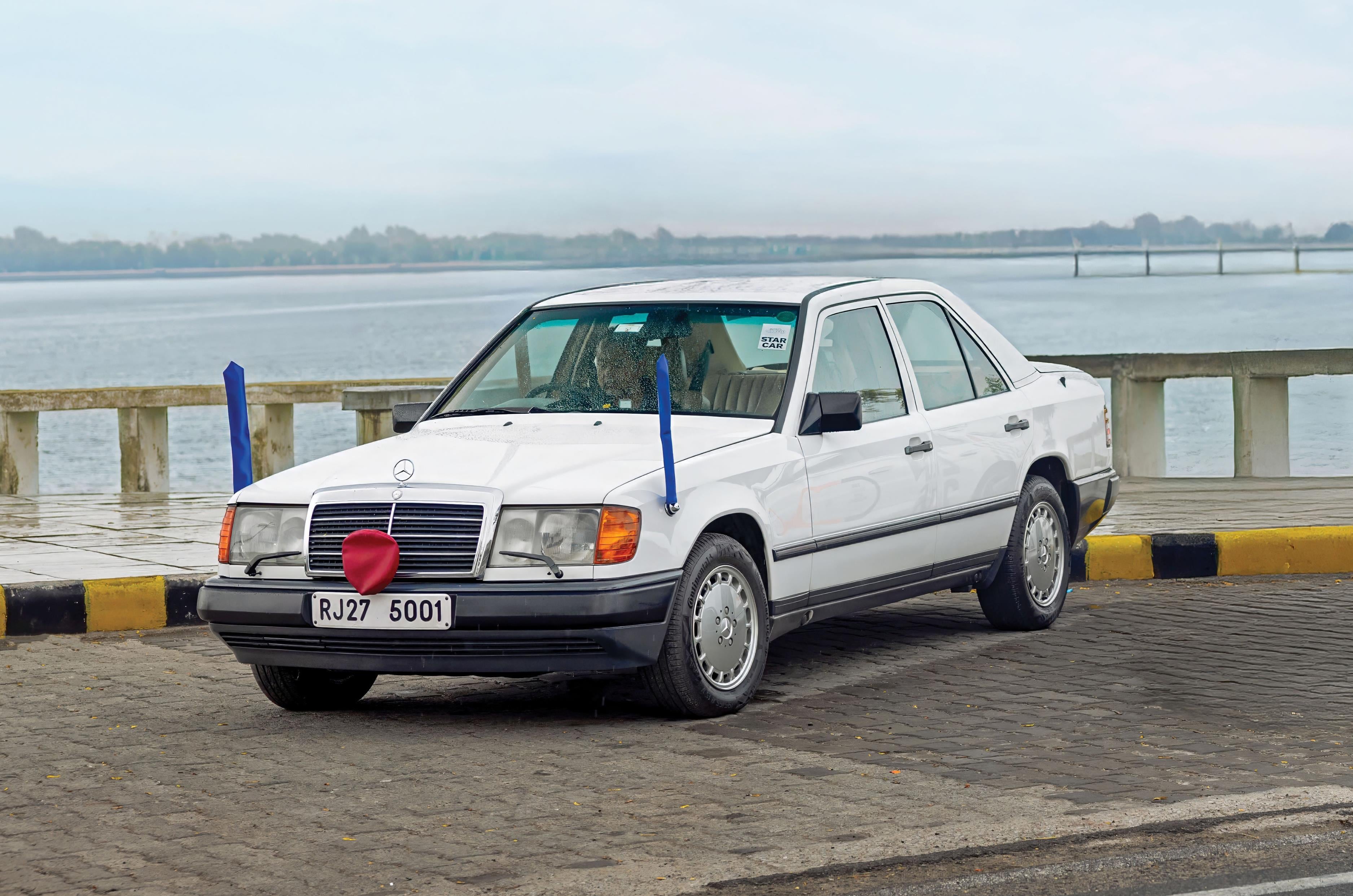
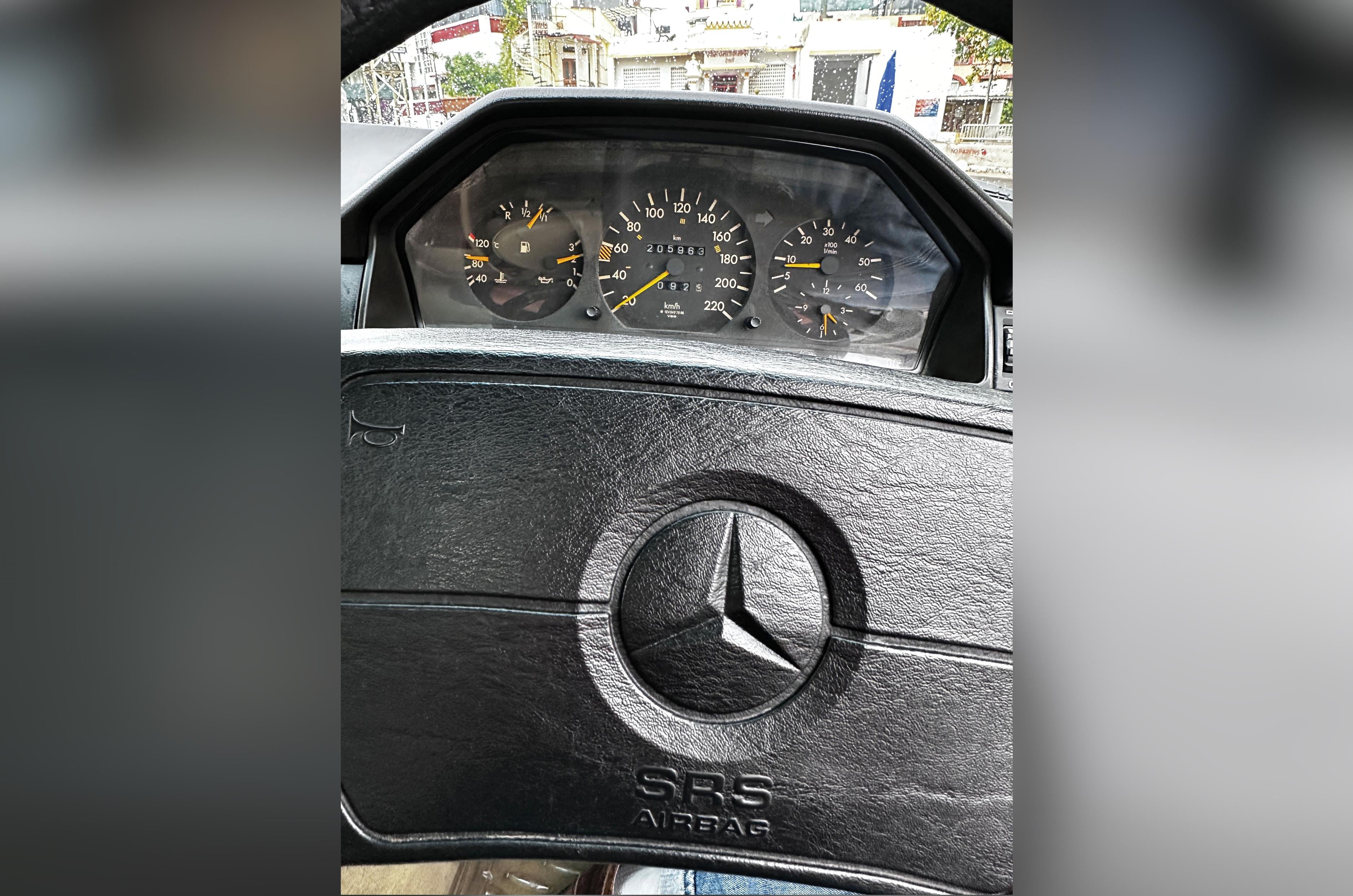
The next day, we set off to see the Udaipur Royal Garage, where we are met by other Mercedes cars. There’s a fin-tail that was used to pick up and drop off guests of the Royal family from neighbouring ‘states’ and a very special W124 300D. The latter, an import rather than a locally assembled W124, stands out from Indian-assembled cars with its black bumpers, headlamp wipers and amber indicators. This six-cylinder diesel with more than 2,00,000km on the clock was used by Shri Arvind Singh Mewar, the earlier Maharana, to cover long distances like Ahmedabad or Jodhpur. Recently restored, it was presented at the Mercedes-Benz Classic Car Rally in Mumbai. The 300D is in such fine nick, I can’t resist a quick spin around another of Udaipur’s stunning lakes, Fateh Sagar.
Why the 300D is such a legend
The W124 300D is an import.
On the outside, the 300D looks sort of underwhelming. Starting up the straight-six diesel is relatively straightforward, although I have to wait for the glow plug to heat up (remember those?). While the roughly 110hp engine doesn’t feel responsive, it feels smooth and refined for a diesel, especially after 2,500rpm. And though it is slow by today’s standards, it doesn’t feel like you’re dragging anchor either. The chunky 300D also feels as tough as a Godrej safe.
It has 2,00,000km on the odo, but hardly feels like it.
Then I catch a glimpse of the odometer; it reads in excess of 2,00,000 kilometres! Surely my eyes are playing tricks on me. Yes, this car has been recently refurbished, and the suspension has been tightened up, but this thing feels like it has just rolled out of the showroom only recently. It tracks straight, the steering is well weighted and, when I plonk my foot down, it even generates a reasonable amount of torque. This ‘OM603’ straight-six uses indirect injection and a pre-chamber, and has a simple two-valve-per-cylinder setup. Legend has it, it can do a million miles with only basic care. And what of turbo lag, you ask? It doesn’t have one.
Performance tech
The next morning, I get straight behind the wheel of CB or Carl Benz. I’m particularly excited because Carl has a V8 under the hood. What makes this V8 different is that it has some unique tech. This new S-Class is fitted with the ‘M177 Evo’ V8 engine that uses a flat-plane crankshaft! Made popular by Ferrari, a flat-plane crank is used on sportscars to help bunch up the firing order of the cylinders, so you get more of a kick from overlapping strokes. These engines, however, are not as smooth. So why has Mercedes used it in the S-Class, an out-and-out luxury car? Simple: it delivers better efficiency and lower emissions, as the crankshaft is lighter and there’s less reciprocating mass. And what of the vibrations? Mercedes says it has thrown tech at the problem.
V8-equipped S-Class feels effortlessly quick.
Initially, the going is slow as we exit the city. But once we get onto the wide highway, a small tap on the throttle releases a swell of torque just off 2,000rpm. And with 537hp propelling the limousine forward, it just shrinks the long straights on the highway. What’s cool is that the engine never feels brutish or AMG-like; the V8 soundtrack and rumble are superbly muted. The tech works. The new engine, in fact, is so well behaved that I have to check if it is indeed the one with the flat plane crank. At the next stop, I turn around and ask Mario Schneider, head of development for all Mercedes-Benz sedans, who just happens to be in the rear seat.
Also along for the drive is Perseus Bandrawalla, Autocar India’s curator of classic and modern classic events. Five minutes behind the wheel and he is waxing lyrical about the Mercedes V8 engines of days gone past – the M100, the M119 that powered the SL and others. It brings into perspective just how many great V8s Mercedes has had over the years, the 6.3 AMG V8, of course, included.
Cruise control
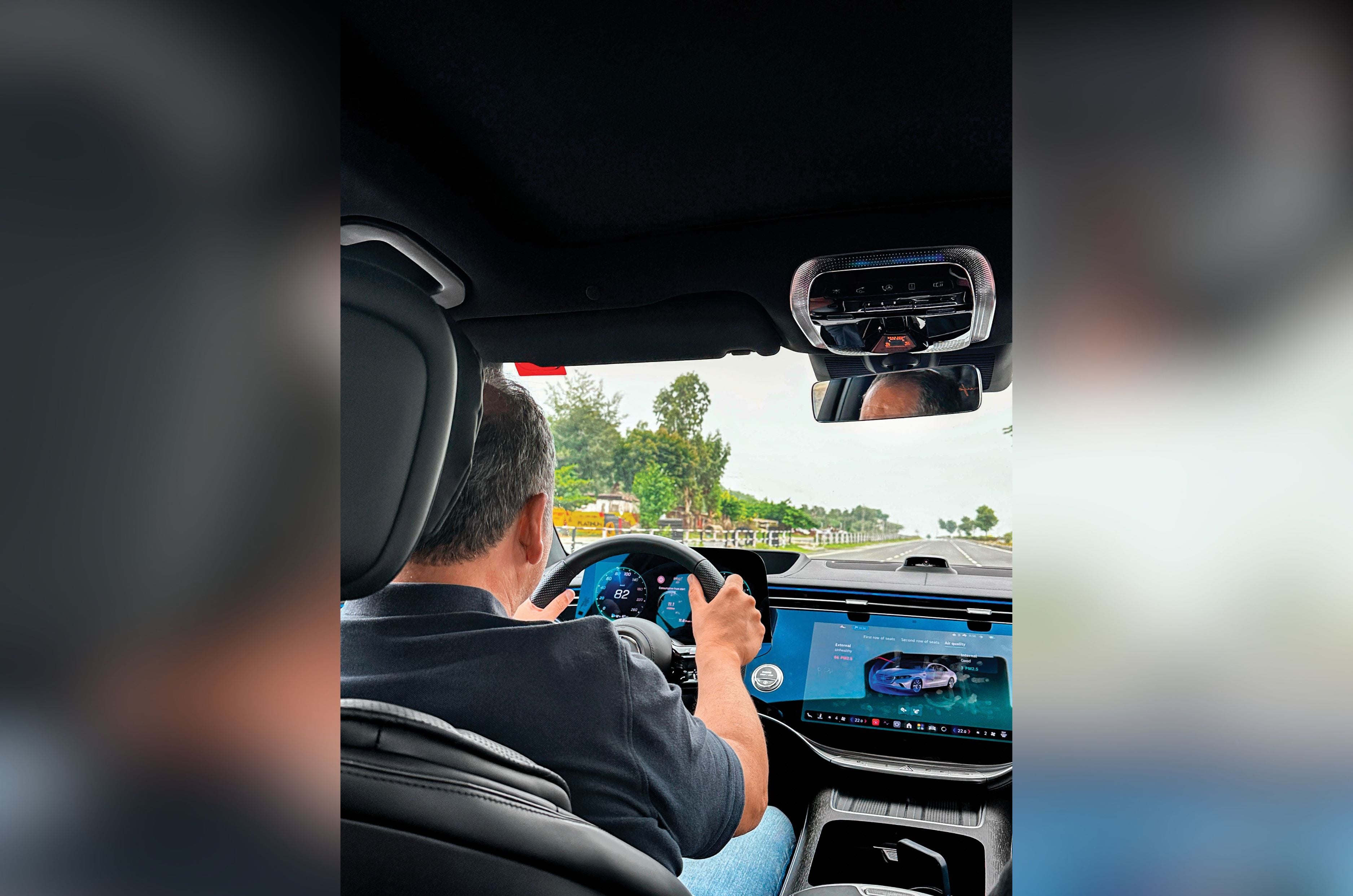
The three screens and updated cabin created a futuristic setup in a traditional environment.
Further up, we get to a ghat section. Not only does the ride on this updated air suspension and adaptive dampers feel a bit more supple, it also feels at home on the winding road, the rear-wheel steering helps it into corners neatly. Even cooler, despite all the tech, it retains a natural fluidity and a sense of mechanical harmony, which make long drives feel just effortless. Are city-bound S-Class owners missing what’s best about this car? Absolutely! Talking about tech, this car also gets Level 3 autonomous driving (in places where it’s allowed), where the driver can be hands off, and even eyes off, with Mercedes Drive Pilot taking responsibility for safety. It is only one of two cars to get this globally.
As we get into traffic, what I notice is that the updated cabin, with its three screens and ambient lighting, creates an environment that is both futuristic and traditional. The seats, with massage and cooling functions, are thrones in their own right. And it’s not just the size, specifications and features it has; it’s how well everything is executed, from the solid build of the cabin to the new phone-like remote controls in the rear.
Collector’s edition
Streamlined Maybach SW38 four door could do 160kph
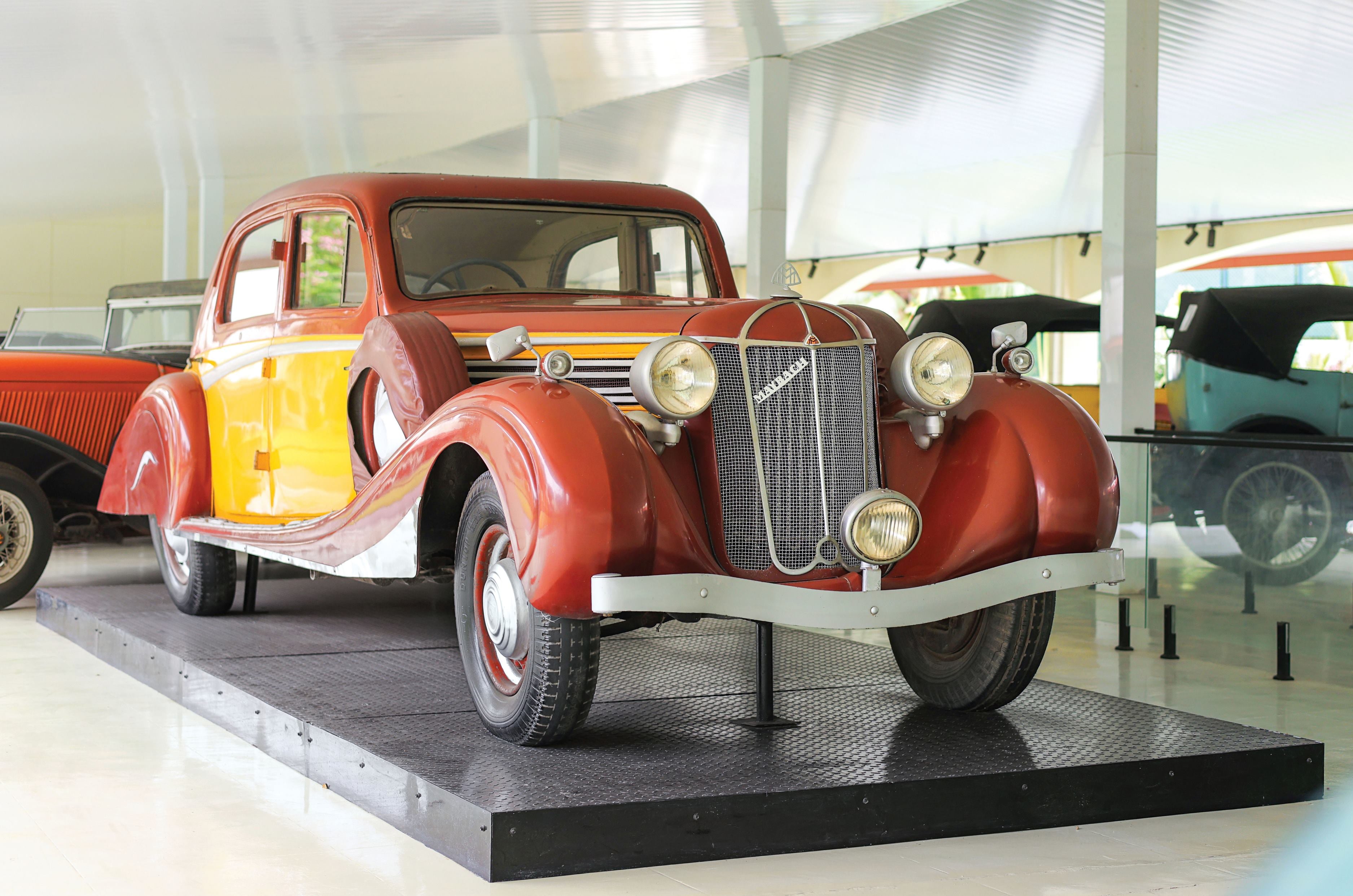
As we get to Ahmedabad, we turn into another historical location, Dastan Auto World – collector extraordinaire Pranlal Bhogilal’s collection, where the modern S-Classes met some more of their ancestors. A Maybach SW38, ordered by Maharaja Umaid Singh of Kota, draws admiring stares from the German members of the Mercedes crew, especially its aerodynamic profile. Capable of nearly 160kph, it was one of the fastest four-doors of its time. Equally captivating are Mercedes’ post-war comeback cars – the 300S ‘Adenauers’. Named after Germany’s first Chancellor, who famously rode in one with his hat on, this limousine is what eventually evolved into the S-Class.
Heritage and high tech
You can trace the journey via the stickers on the cars.
The 140 Years, 140 Places drive captured the duality of Mercedes perfectly; the brand embodies both heritage and innovation in equal measure, both streams converging seamlessly. As the convoy continues its odyssey, what’s clear is that this is a celebration not only of Mercedes’ past, but also the brand’s ability to connect eras, cultures and people through the universal language of the automobile.
एक छोटी और प्यारी की वाडी से Netflix की फ़िल्म और Prime के Show The Traitors तक का सफर।
Ansh Chopra ने इस मुकाम तक पहुँचने के लिए सालों मेहनत की।
कभी Delivery Boy बने, कभी Call Centre में काम किया, लेकिन Actor बनने का सपना नहीं छोड़ा।
आज कामयाबी उनके दरवाजे पर है, लेकिन घर आज भी वही है।
क्योंकि इसी घर में उनके पिता ने सपना देखा था-
“मेरा बेटा एक दिन Actor बनेगा।”
पिता आज साथ नहीं हैं, लेकिन अंश आज भी हर नई कामयाबी के साथ उनकी तस्वीर को अपने पास रखते हैं।
कभी-कभी सपने सिर्फ हमारे नहीं होते
उन्हें पूरा करने के लिए किसी अपने का सपना भी साथ होता है।
@anshstagram04
@bigg_nerds
मुंबई की वाडी से Netflix की Films और The Traitors Show तक पहुँचे Ansh Chopra | Bigg Nerds | Tu Yaa Main | The Traitors|
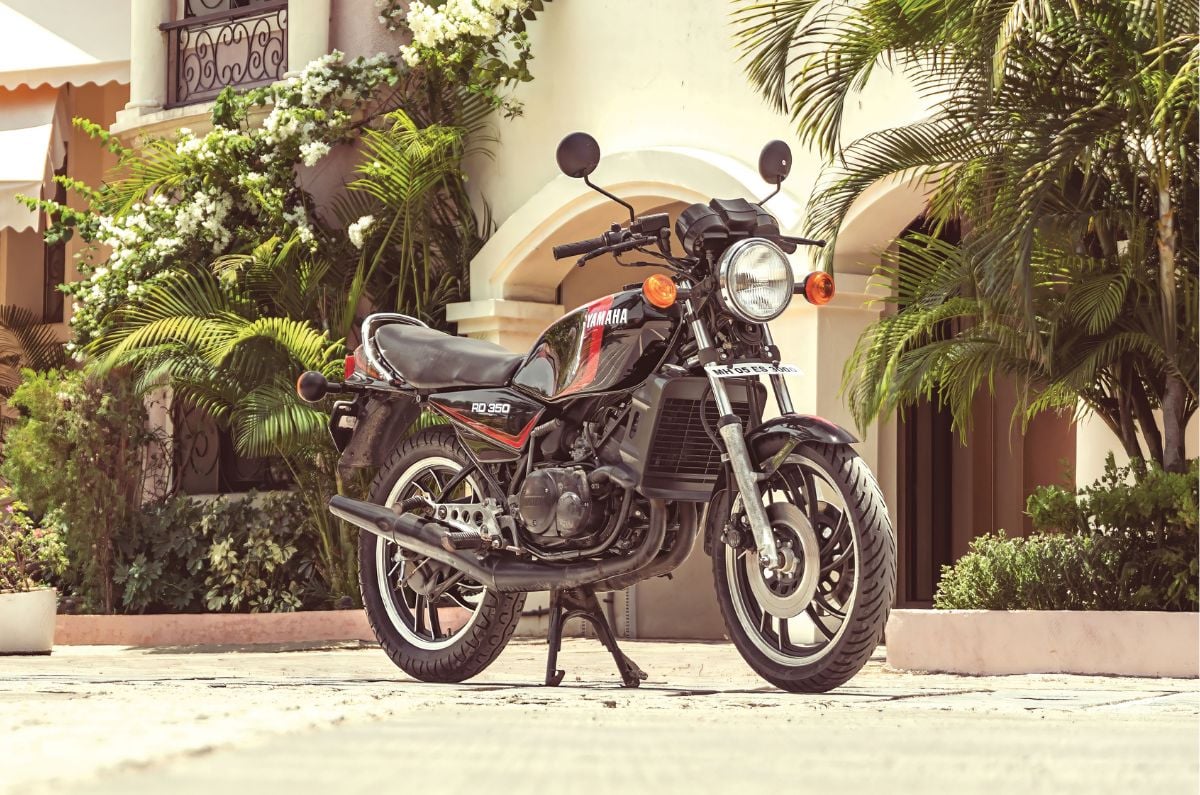
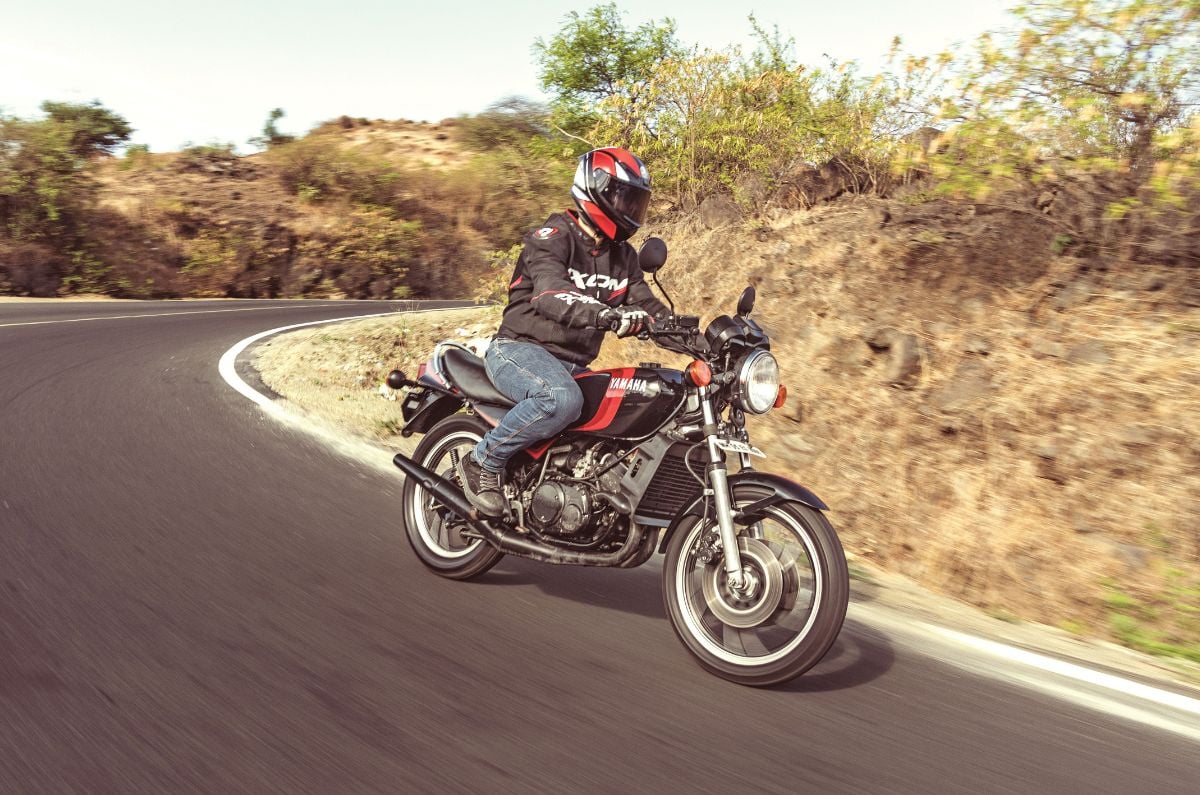
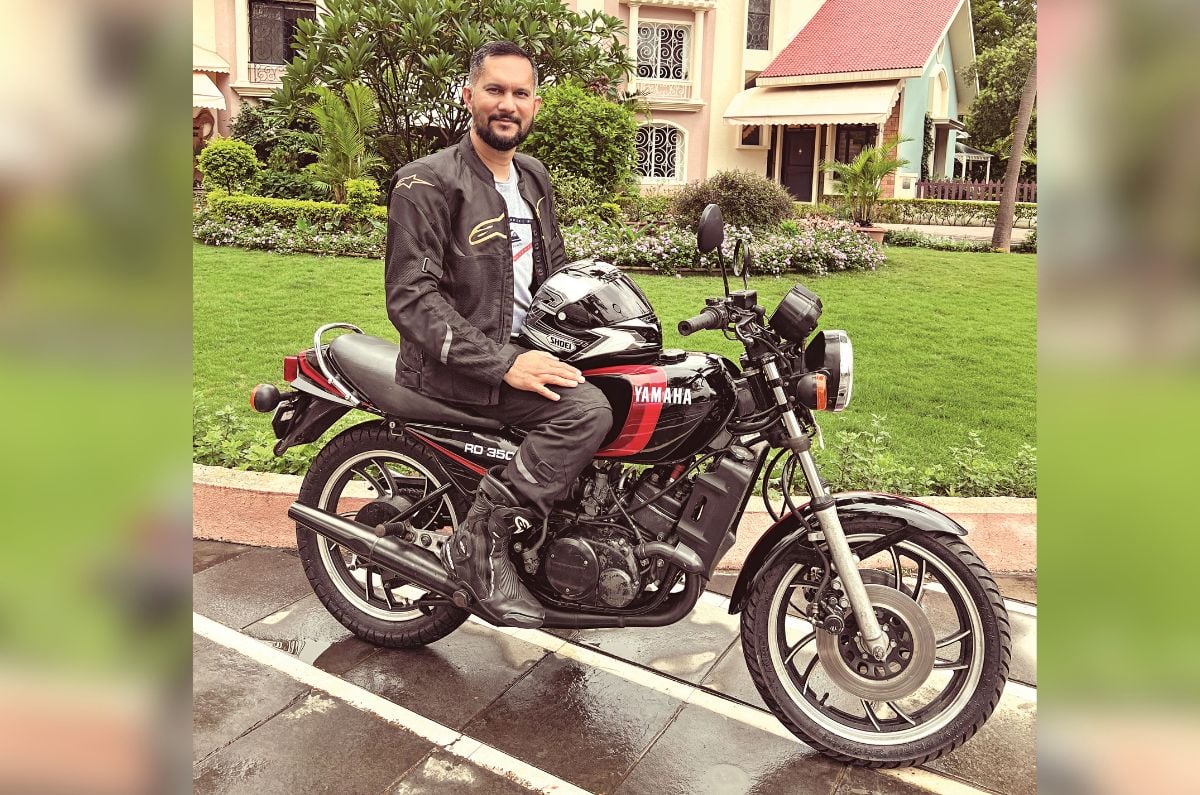
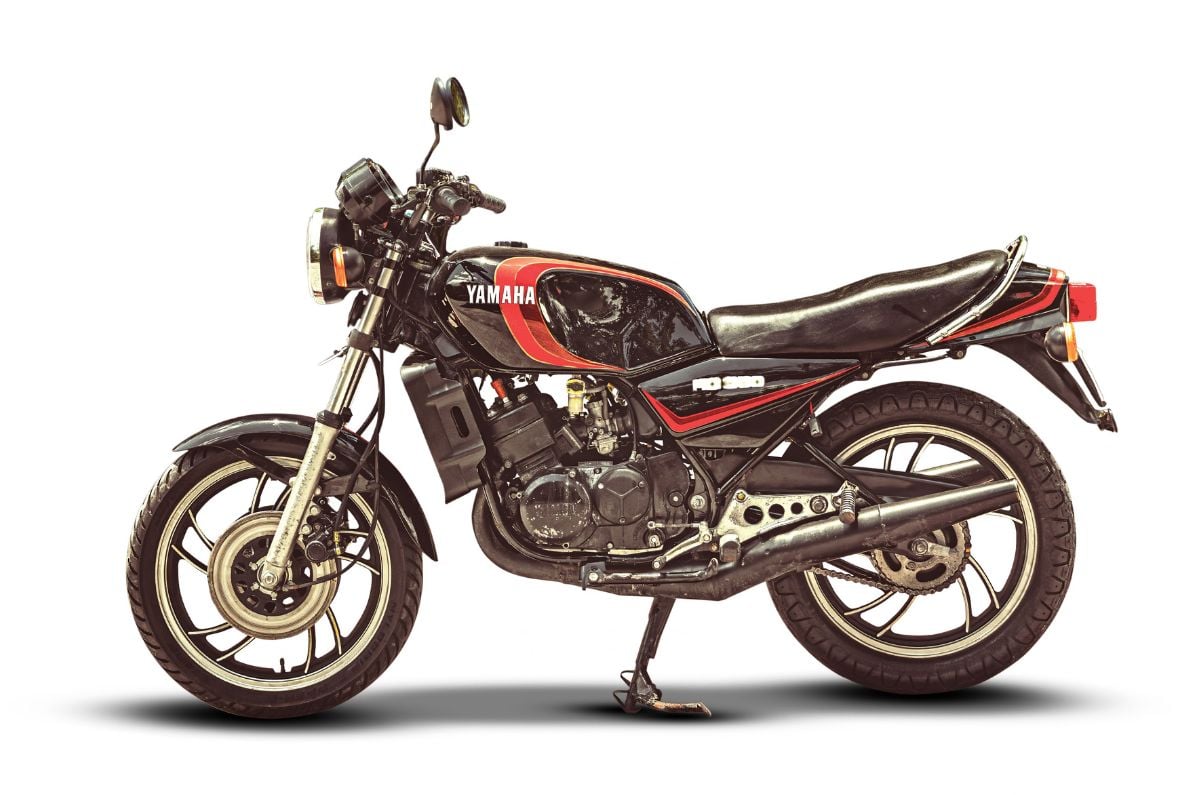
When most Indians picture a Yamaha RD350, a bike that looks like a UJM (Universal Japanese Motorcycle) with an air-cooled, twin-cylinder motor comes to mind. This was the bike on sale in India in the ‘80s via the Escorts licensing agreement, and it cemented Yamaha’s reputation as a maker of seriously fast motorcycles. However, during the same era, in global markets, there was a completely different bike being sold bearing the RD350 nameplate, crucially with an LC suffix (informally) attached to it. This version was never officially sold in India and packed a more powerful liquid-cooled motor, a sportier chassis and very different styling. What you see here is that very bike and, as you’ll read, this is quite a different animal to the air-cooled RD.
Genesis
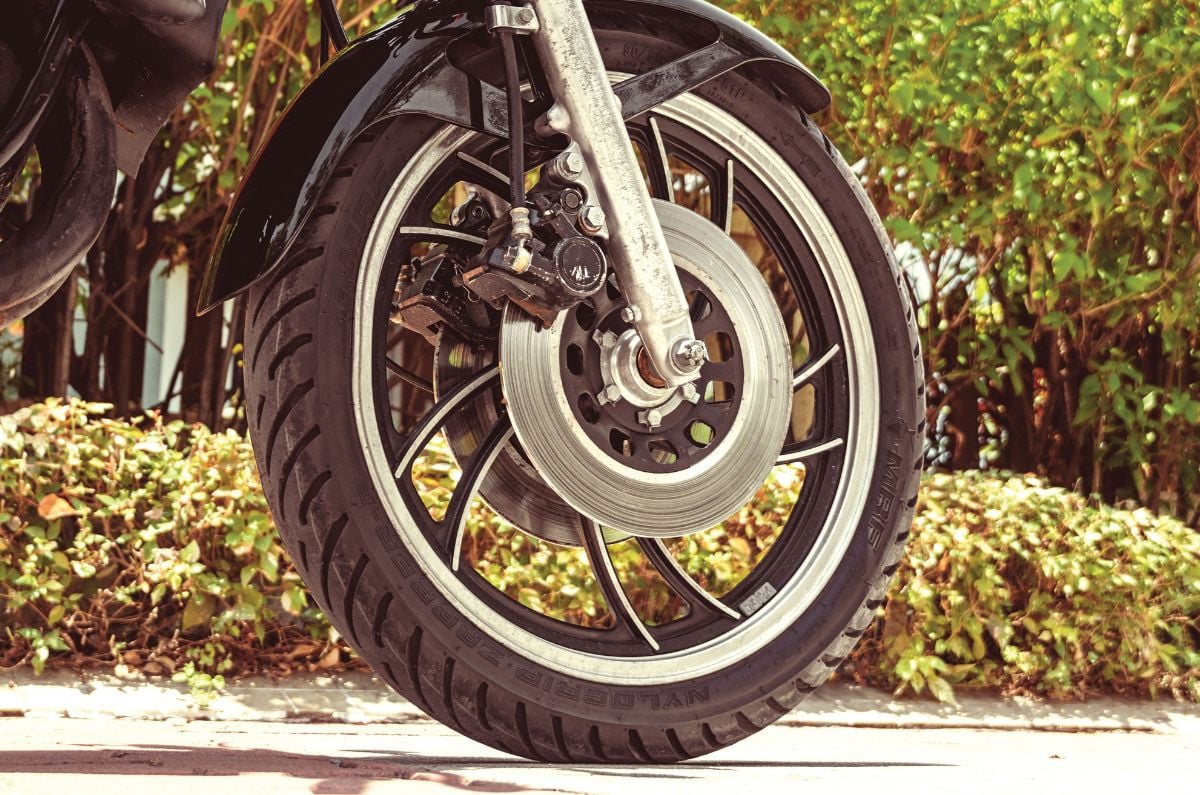
At the end of the air-cooled RD’s lifecycle, Yamaha must have realised that while it was undoubtedly violently quick, it was also like wielding a double-edged sword – the rider could get hurt when putting its power down. Taming such a ferocious engine would simply need more sophistication from the chassis. To achieve that, the LC moved from the air-cooled bike’s archaic chassis to a new one that was actually inspired by Yamaha’s TZ350 racer of the era. This was complete with monoshock rear suspension and lighter cast alloy wheels, which also brought in the convenience of tubeless tyres.
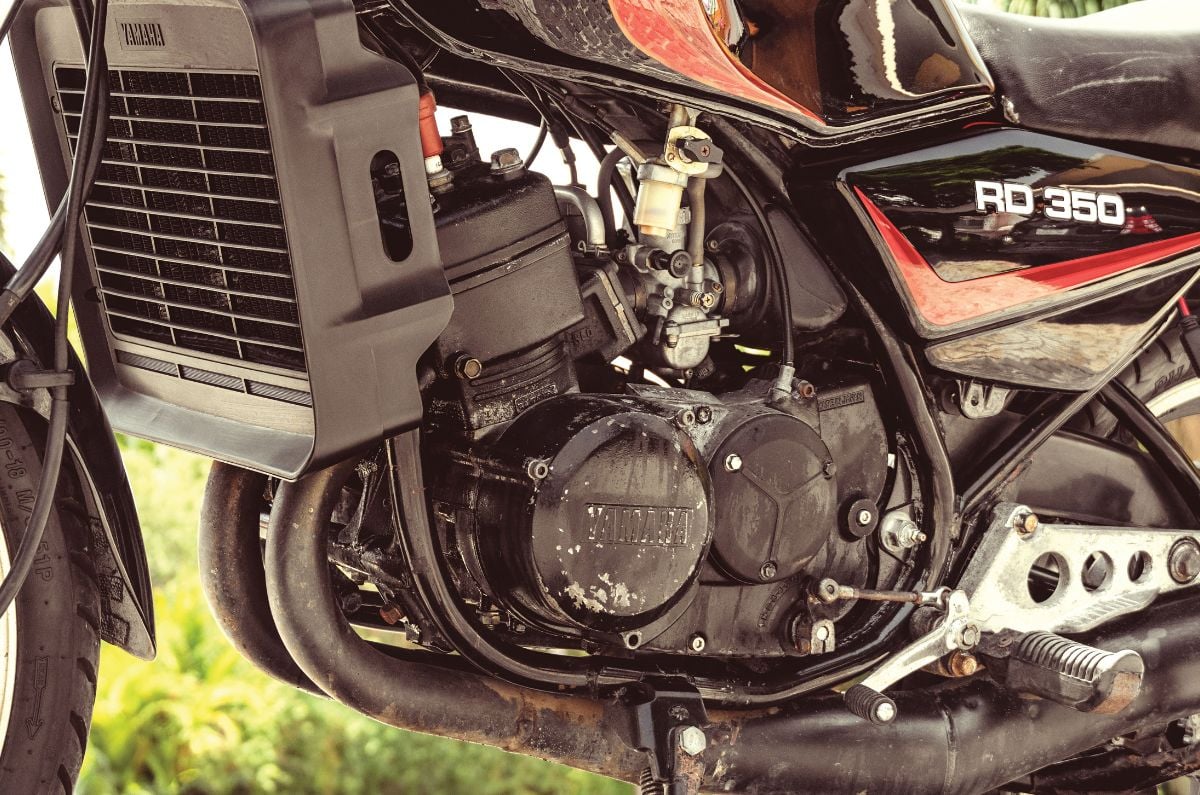
The LC suffix in its name stands for liquid cooling, and Yamaha moved to this more modern architecture to extract more output from the 347cc twin-cylinder motor. Plus, with liquid cooling, you have tighter tolerances and better reliability even when you keep pushing the performance envelope – which a lot of people back in the day did, because the LC was a common sight on racetracks overseas owing to its relative affordability.
Water-cooled twin needs revs to make power, but once you do so, you better hold on!
Over the years, there were subsequent versions that made more power courtesy of YPVS (Yamaha Power Valve System), and at one point, there was even a fully faired version. This very example is from 1980 and is one of the earliest ones from the LC’s lifecycle. Introductions made, now it’s time to get down to business – what is it like riding this nearly half-a-century-old bike?
Forward Progress
Today, this bike might be 46 years old, but it honestly doesn’t feel ancient like the air-cooled RD does in many respects. However, on both RDs, the star of the show is the vociferous and powerful engine. Once you find an empty road, it is monumental fun to chase the 9,500rpm redline, grab another gear and repeat this grin-inducing cycle. Blasting past 100-120kph is very easy and the performance that the ‘Elsie’ has to offer feels much stronger than the roughly 45-50hp output its engine can make at its peak in stock form.
Now, the three words “at its peak” are very important ones here because the bottom end is very dull and weak, and the engine vehemently protests being below 4,000rpm! Perhaps it was just this bike, but anything below 3,000rpm required constant clutch slipping, and the engine really didn’t like being there. Above that threshold, you’ll make quick progress, although the real fun is to be had between 6,000rpm and the 9,500rpm redline.
This is a trait demonstrated by pretty much every two-stroke machine, no matter its displacement, architecture or cylinder count, so this isn’t a criticism, more a personality trait you need to work your way around. In fact, I’d wager that the way the LC pulls in the top three and a half thousand revs is so hard that it feels like even some current-day 60hp machines will be left in the dust.
It is pleasantly well-behaved around a corner for a near 50 year old bike.
Another reason you’ll very much want to keep the revs up is the high-pitched banshee howl it has for an exhaust note. The sound emanating from its twin upswept pipes when the revs are high and you’ve got the throttle pinned is a thing of real beauty! It’s real childlike fun to listen to a 2-stroke motor roar its heart out, and this twin belts out an awesome soundtrack, one that – sadly – no longer exists today.
In the past, I have had the pleasure of riding an air-cooled RD350, and while the violent nature of the engine and its rather heavy clutch pull are also present here, the LC’s ride and handling are a pleasant surprise! Since the LC’s frame was inspired by the TZ350 racebike (but was unique and road-biased), you actually had decent handling to somewhat effectively wield the firepower on tap. It doesn’t feel as delightfully taut as a similarly sized modern machine, but it also doesn’t feel like a horse-drawn carriage when you take a corner at speed.
Another very welcome surprise was that the LC provided surprisingly good ride comfort. Over the few bad roads we encountered through the course of our shoot, it kept me reasonably comfortable. Truthfully, the one facet that feels woefully out of place here is the weak binders. The LC’s twin disc brakes are an upgrade on the air-cooled RD’s single disc (India-spec ones came with an even weaker front drum brake to cut costs), but the stopping force still feels more like a suggestion than a direct order.
Feeble brakes will instil the fear of God in you.
Intangible Special Sauce
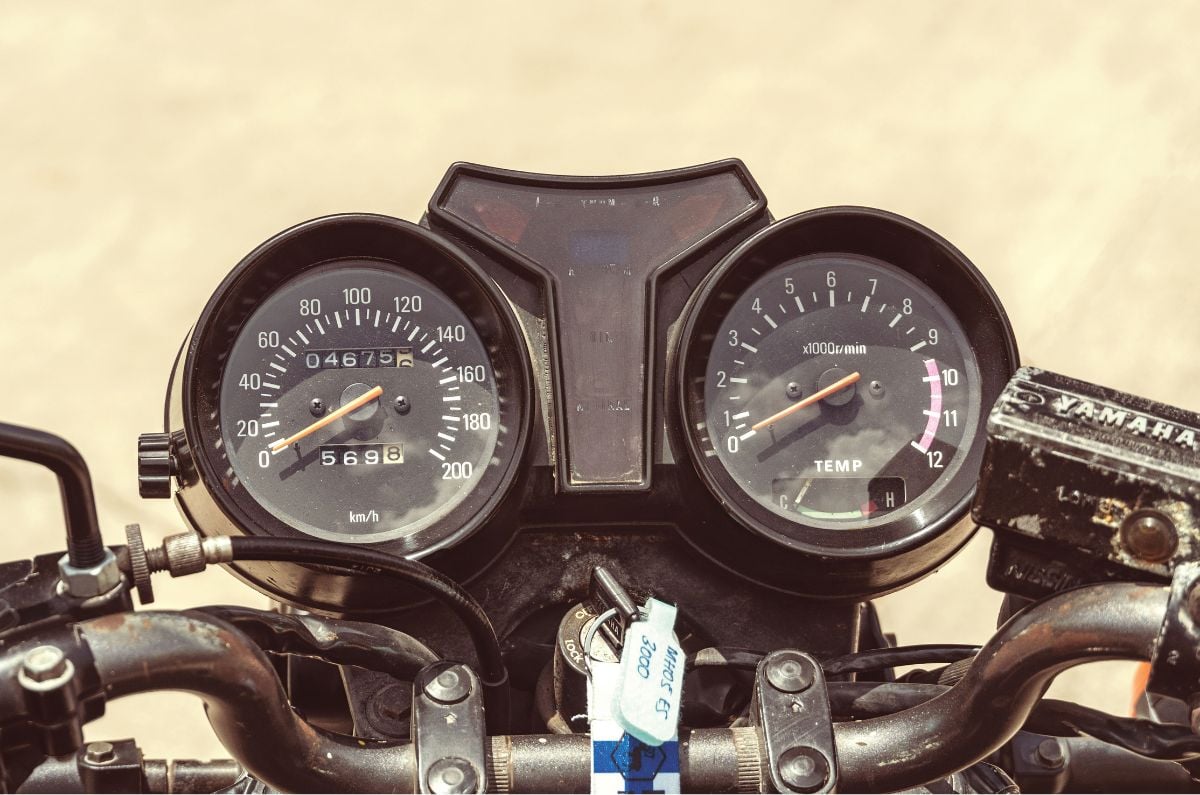
But this is not a review, and I’m not here to evaluate this bike – I’m here to experience it, and what an experience it has been! I’ve said this before and I’ll say it again, from the rider’s POV, it’s so refreshing and heartwarming to see two honest-to-goodness physical needles circling around in this day and age, and no TFT can come close to a set of analogue gauges.
Twin-pod analogue clocks a very refreshing sight today.
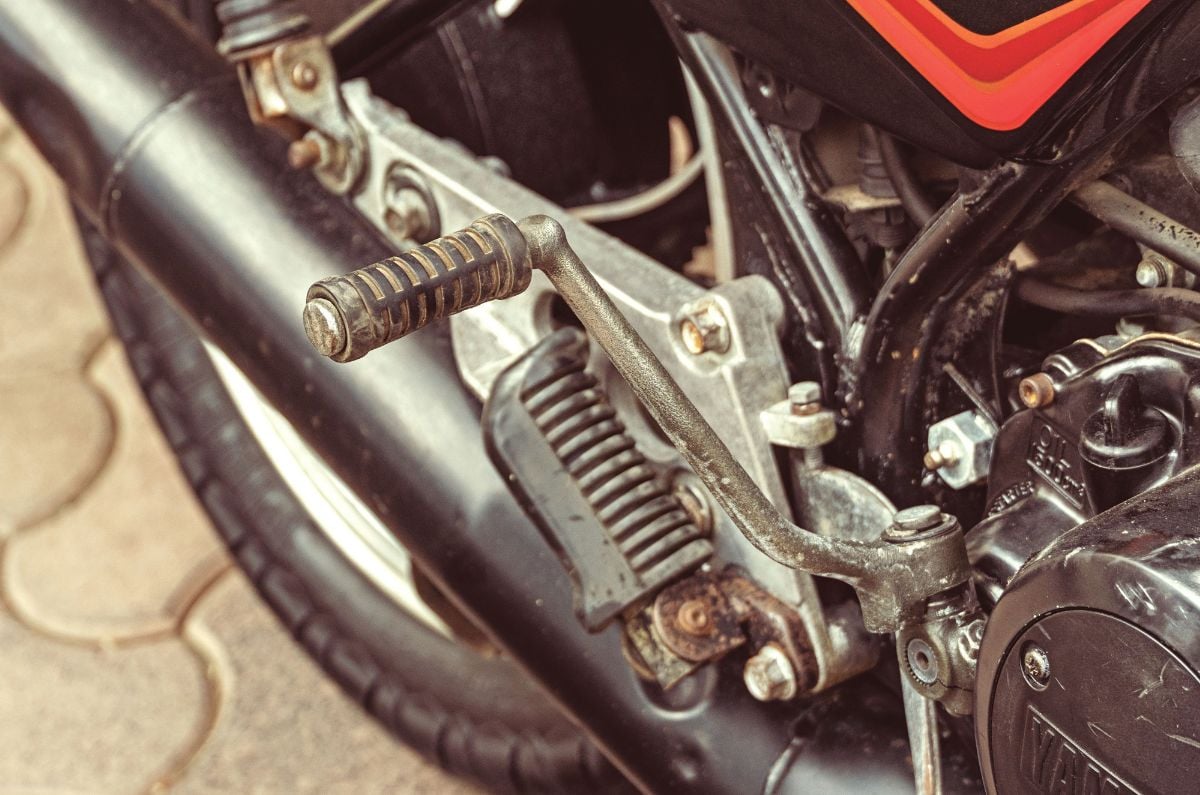
This was a raw, unadulterated machine before electronics and rider aids, so to keep yourself upright, you had to be both sensible and skilled. Of course, there’s no electric start here, and you’ll need to use your leg to start the motor, with a good old-fashioned swift kick! Speaking of, one quirk the LC had was that the rider’s footrest needed to be folded inward to make room for the kick lever to go down fully.
Rider footrest needs to be folded to kickstart the motor.
Yes, these are some areas where the LC very obviously feels its age, but today, even a single-cylinder 2-stroke machine is a rare sight, let alone a twin, and this liquid-cooled one is rarer than hen’s teeth because it was never officially sold in India. This bike was a private import back in the day (one of a single-digit handful), and currently it is in the custody of a very kind and gracious friend of mine who let us have it for a day!
Big props to the owner, Leo Noronha, for letting us have his ‘Elsie’ for a day.
One rather funny way the LC feels its age is that even though it was considered a properly sporty machine for its time, it’s actually not a hard-edged, uncompromising machine. The rider isn’t hunched over the ‘bar, there’s a flat seat, which will seat a pillion comfortably without them feeling like they’re perched precariously on the first floor, and it even has a centre stand!
I think somewhere along the way, racetrack performance, bragging rights for how much horsepower your machine has, and the latest gizmos and gadgets trumped rider involvement and real-world practicality, which seems like motorcycling may have veered off course.
Nevertheless, for one very happy morning, I got to tick off one of my bucket list riding dreams. This proverbial hero lived up to my expectations and how! Yes it’s old, yes it can be a bit cantankerous and temperamental at times, yes it pollutes the air a little too much and yes, it’s expensive to own and maintain, but all of those drawbacks pale in the face of the joy you’ll feel when you start riding!
This particular example is maintained at Kumar Auto Works in Andheri, Mumbai.
This isn’t a machine built to tick any boxes or fill a clearly demarcated role, and its only purpose is to put a smile on the rider’s face. All said and done, the RD350LC is an extinct breed in today’s ever-so-strict times, and as motorcyclists, we should ensure that bikes like these continue to survive and be enjoyed rather than just being relegated to a footnote in the history books.
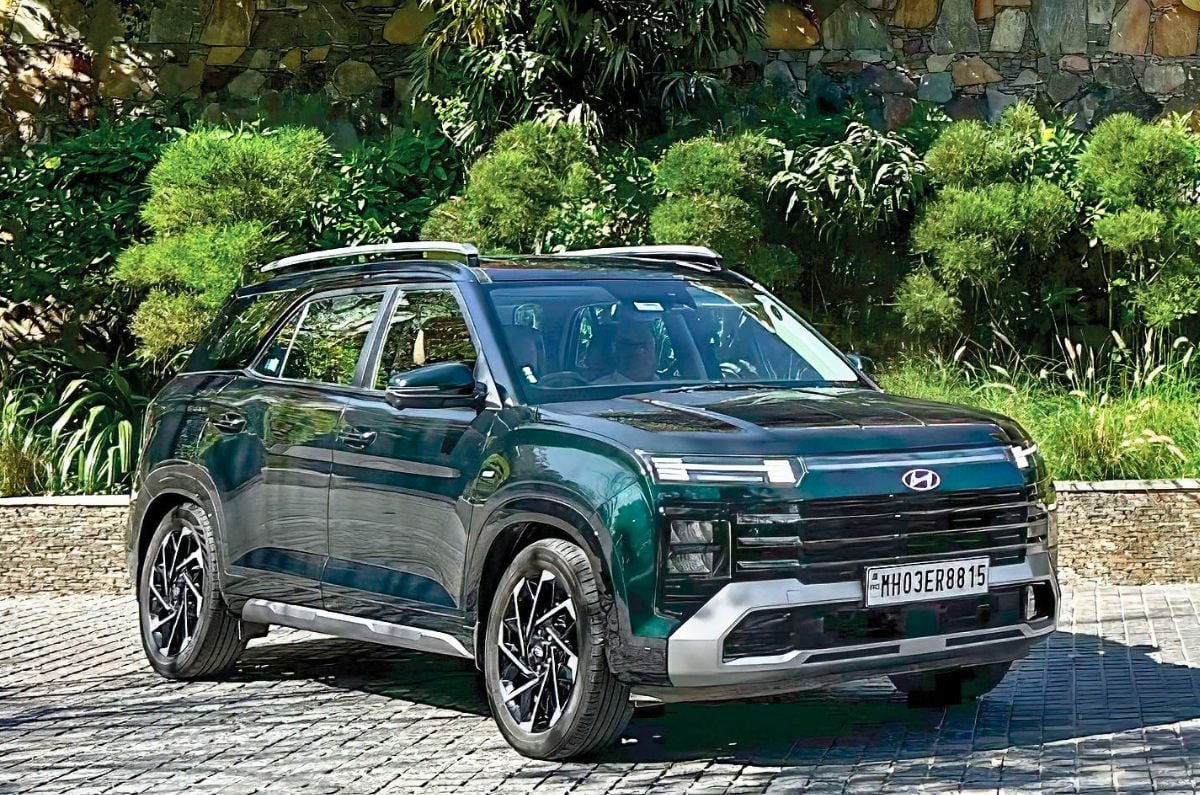
Our long-term Alcazar has done all sorts of jobs since it joined the fleet. City runs, airport pickups, the odd weekend getaway. But nothing quite like what it was asked to do recently. It had to play support car for our camera crew shooting a feature on the Delhi-Mumbai Expressway, and that meant a 2,700km round trip between Mumbai and Delhi with barely a day’s rest in between.
I wasn’t driving the entire way myself, and the Alcazar was only handed over to me in Delhi by one of our drivers. His enthusiasm to ask me if we needed him to drive it back to Mumbai was a testament of how impressed he really was with the Alcazar.
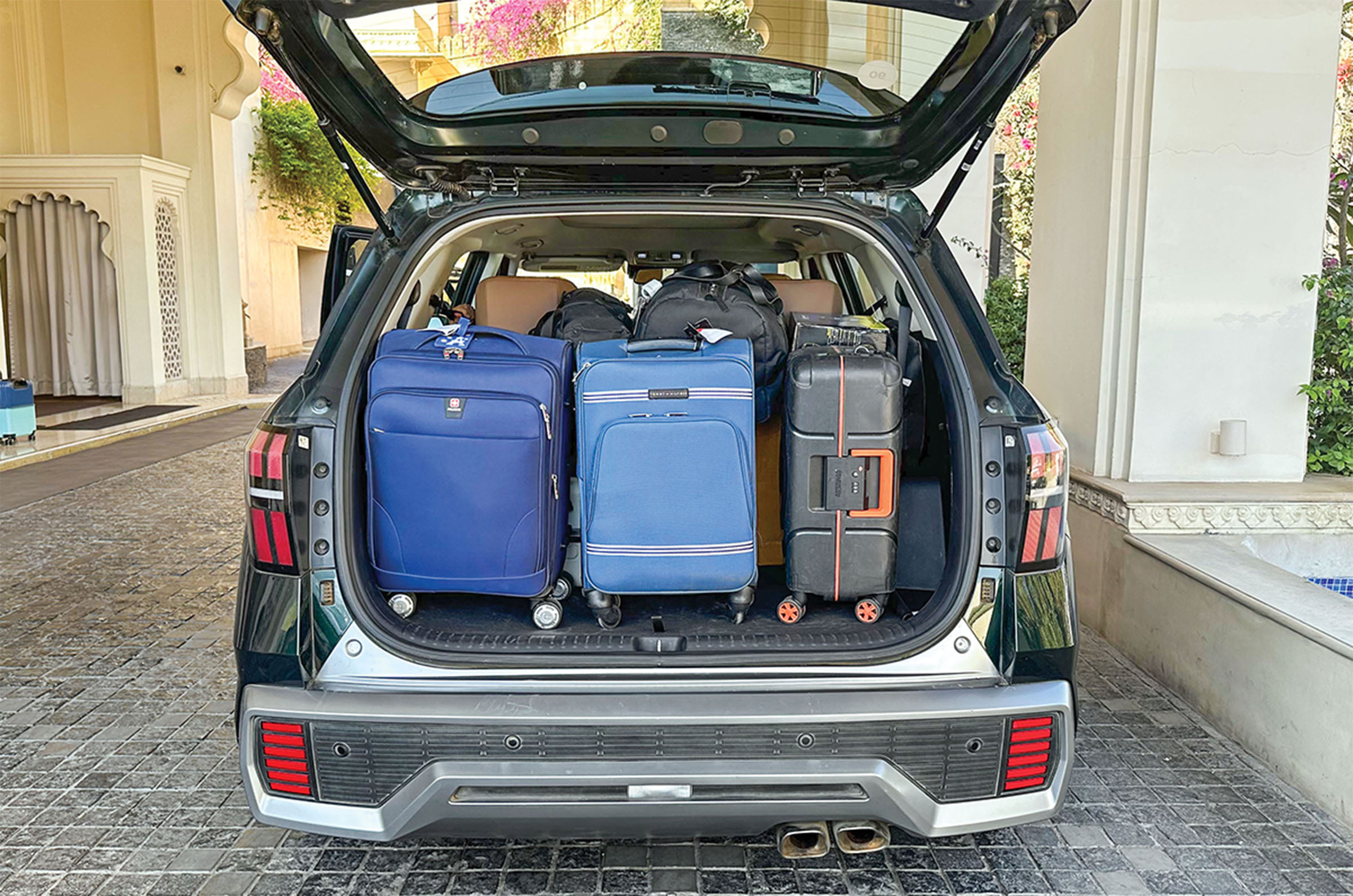
Folded third row frees up a lot of space for luggage.
The brief was simple. The Alcazar had to carry three crew members and all their camera gear along with all our luggage. This is exactly the kind of job our Alcazar has proven good at before, and it didn’t disappoint this time either. With the third row folded flat, the boot swallowed almost everything.
The captain seats in the second row turned out to be a real boon, especially for the camera crew – super comfy during a long day of shooting. The foldable tray table was handy for the laptop to copy and work on footage, and the fact that it was steady enough says a lot about the good build quality.
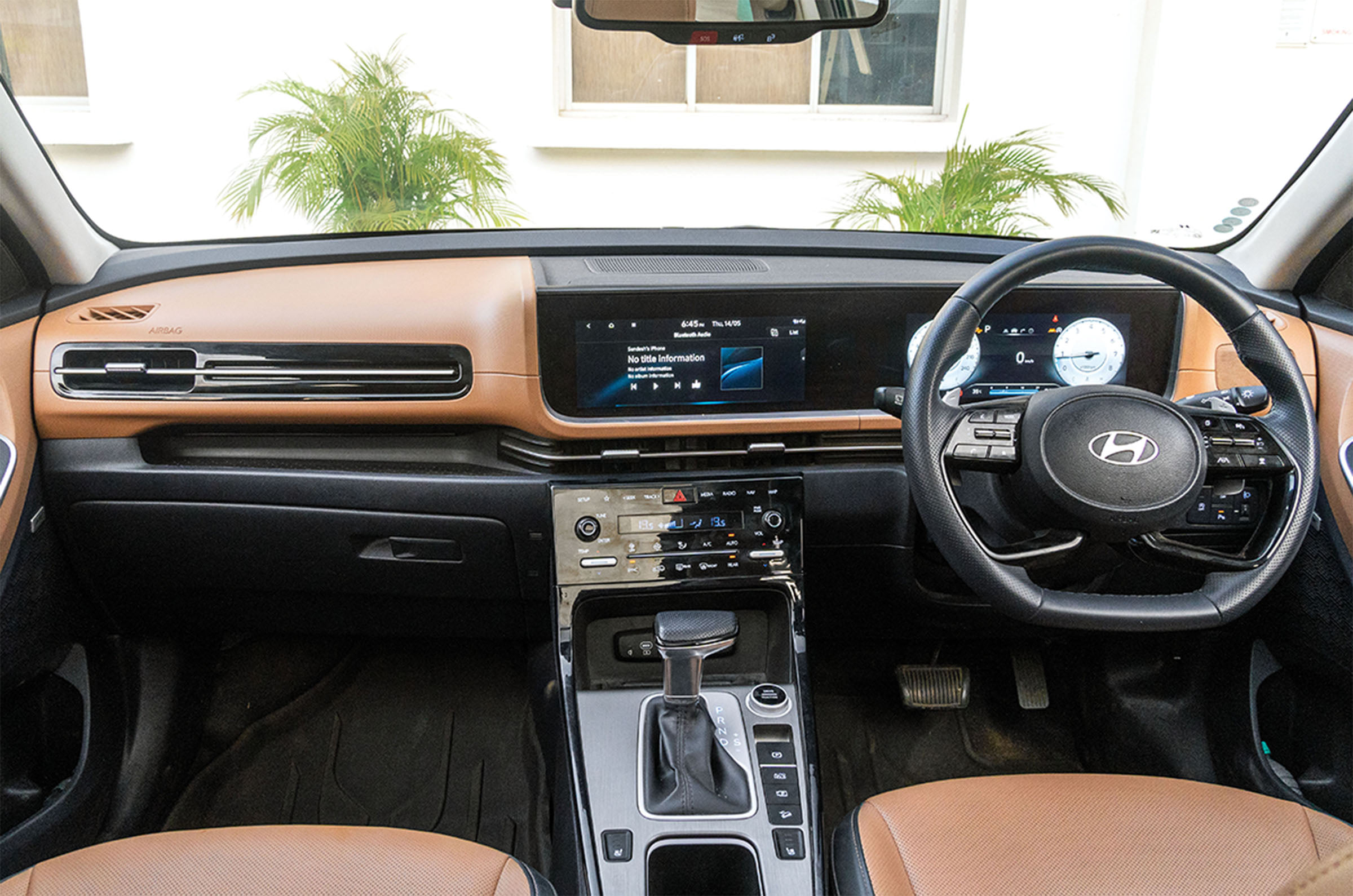
Design is simple yet ergonomic. Dark-coloured interiors help it look clean.
The Delhi-Mumbai Expressway is where this car was always going to shine, and it did. Long, arrow-straight sections let the 1.5-litre turbo-petrol settle into an easy cruise. At 100kph in top gear, the engine barely feels stressed, and wind noise is well contained for a car this size. We clocked long hours driving in a single day on the way back, stopping only for fuel and food, and nobody complained of fatigue by the end of it.
The DCT, which I’ve spoken of before, is jerky in bumper-to-bumper traffic, but was not an issue here. Once you’re past 40kph and holding a steady throttle, it’s smooth and quick to respond. It’s really only the crawl through Mumbai and Delhi outskirts where its low-speed hesitation showed up.
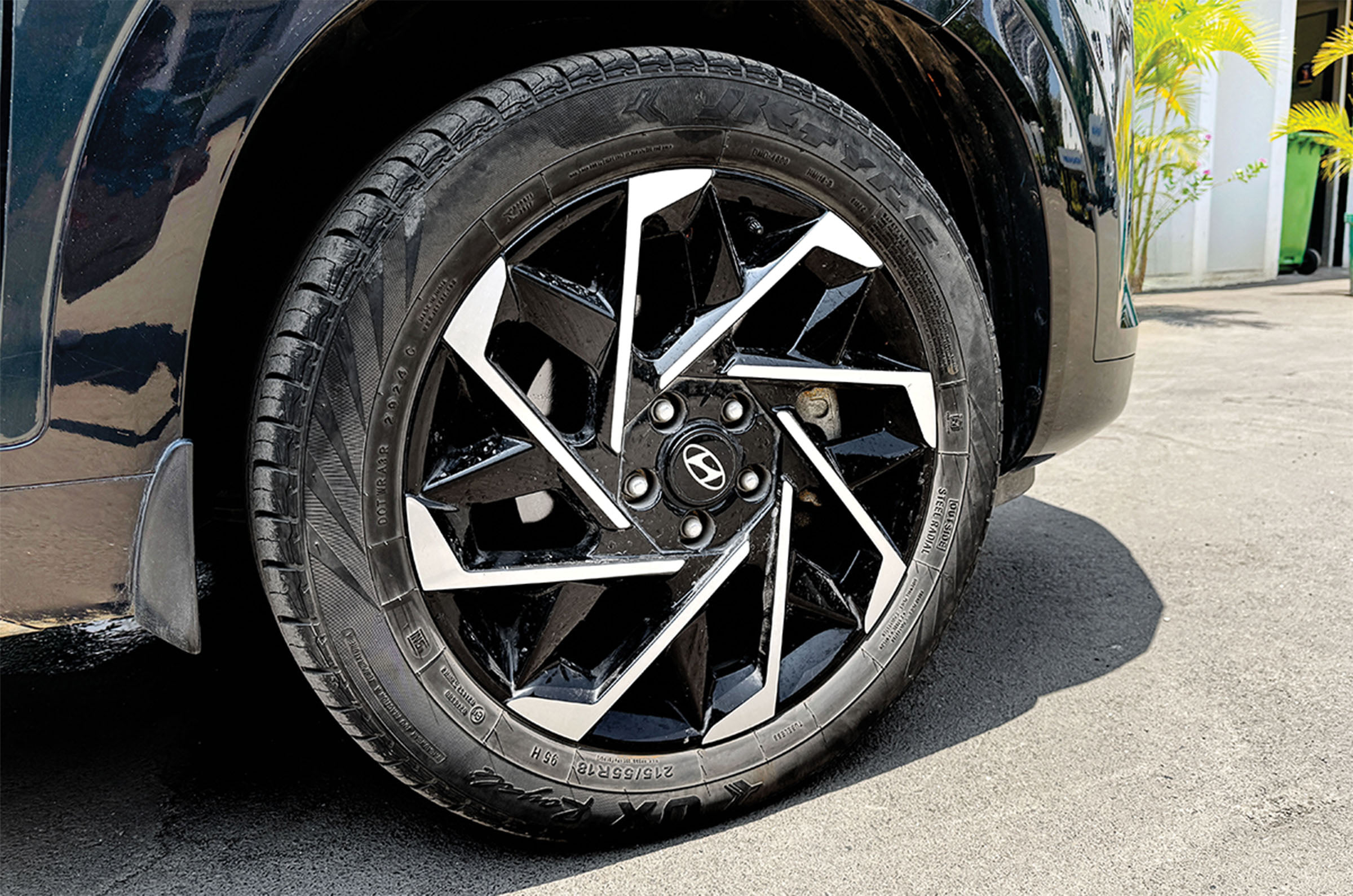
Large 18-inch wheels look stylish, but they don’t help the Alcazar’s ride quality.
The return leg we took had some patchy sections in Maharashtra, where the NE4 Expressway ends and connects to the old Golden Quadrilateral section of the highway. The Alcazar’s ride, tuned more for comfort on good surfaces, felt busy over broken patches. Nothing alarming, but the ride did feel slightly firmer than I expected from a car this size.
This stretch also penalised fuel efficiency. Loaded up with gear, four adults, and running the air conditioning at full blast through most of the drive, the trip computer settled at 12.8kmpl. That’s respectable for a heavy petrol SUV doing this kind of duty, but it’s definitely not the frugal numbers our diesel Alcazar managed, doing the same duty on the Kashmir-to-Kanyakumari run a few years back.
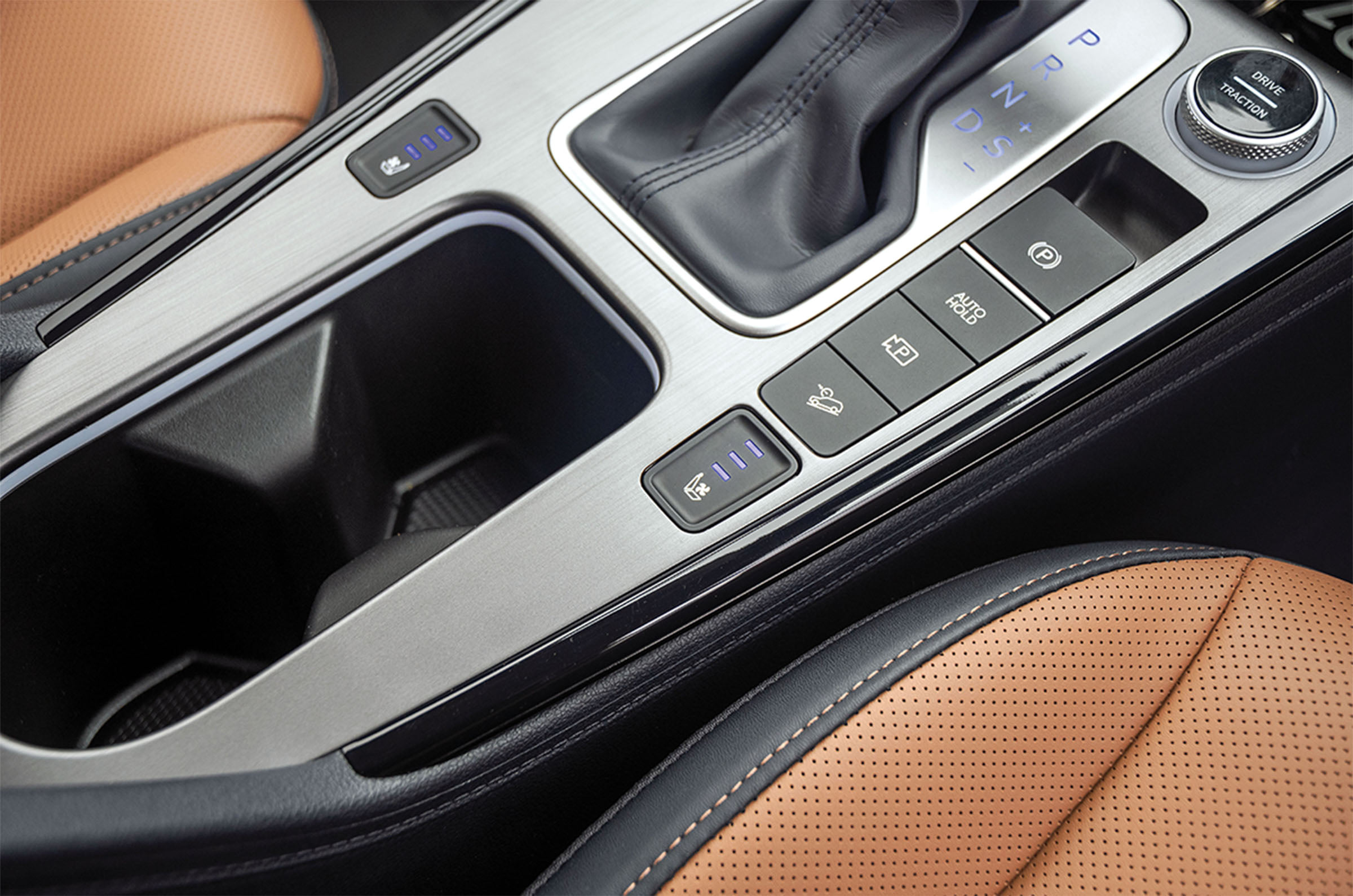
Ventilated driver and passenger seats are a boon on a hot, sunny afternoon.
A few other bits we did appreciate. The ventilated seats made the long hours of driving through the heat a lot more comfortable. The adaptive cruise control also was genuinely useful on the Expressway stretch, taking a lot of the fatigue out of long, straight sections. The absence of wireless Android Auto or Apple CarPlay was an irritant, as it meant connecting to the Infotainment using the cable and having a fully charged phone constantly plugged in for a long period of time.
Another observation on this trip: the plasticky bits on the dashboard picked up a fair bit of dust, especially with four people living out of the car for five days. To be honest, though, the camera crew kept the windows rolled down for a fair amount of time shooting. Thankfully, nothing a wipe down couldn’t fix.
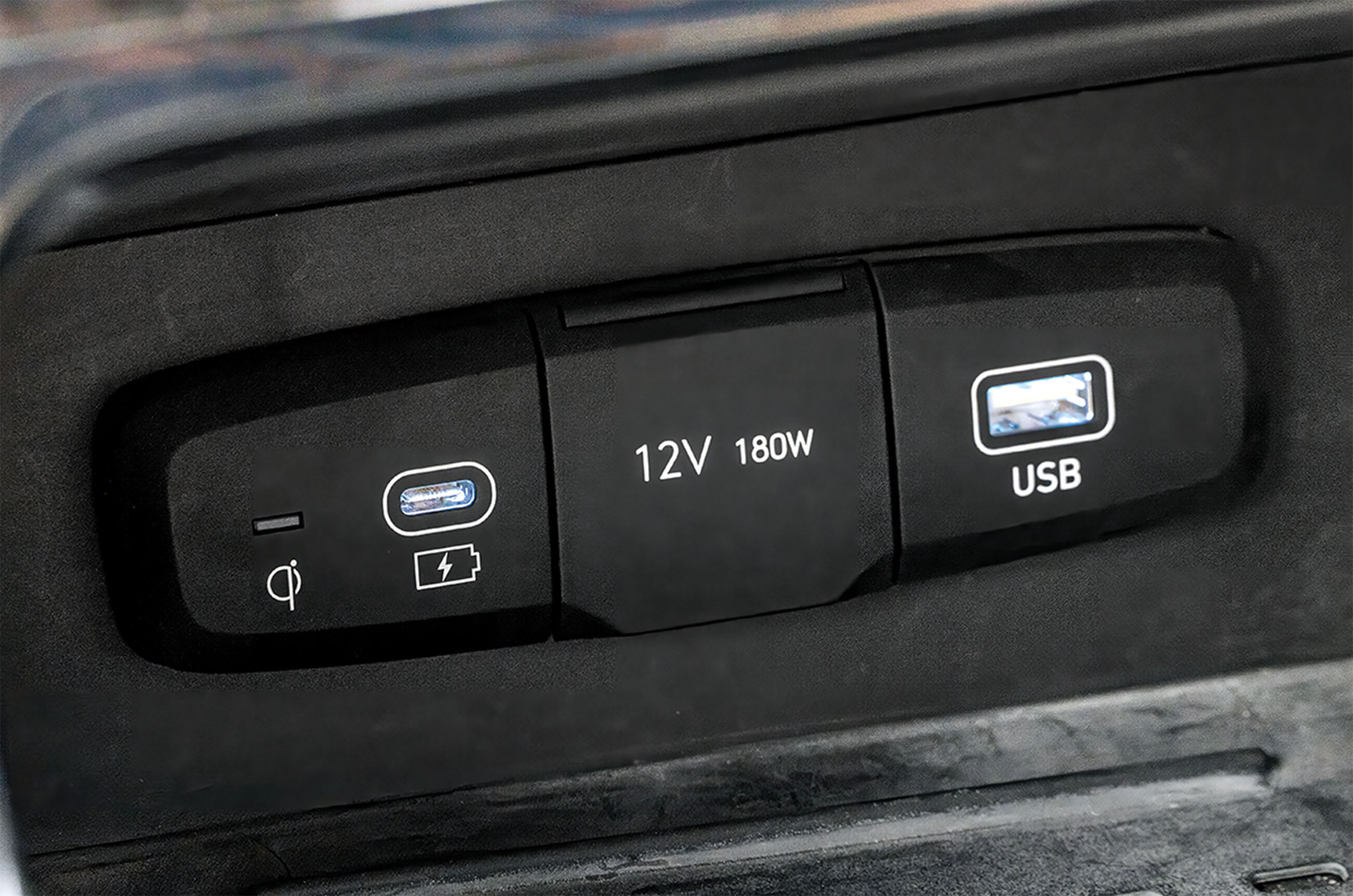
Type-A USB for smartphone interface needed. Type-C only works for charging.
At the end of it all, the Alcazar clocked close to 2,750km in five days absolutely fuss-free. No warning lights, no rattles that weren’t there before. It’s exactly the kind of trip that reminds you why a car like this earns its place in our long-term fleet. Not glamorous, not the fastest thing on the road, but dependable when you need it most. As it happens, this Mumbai-Delhi-Mumbai run turned out to be its last big assignment with us. With this report, our time with the Alcazar comes to a close, and it’s headed back to Hyundai. It leaves the fleet the same way it arrived, quietly capable, and it’s fitting that its final outing was spent doing what it always did best, hauling people and gear over long distances without a fuss.
Hyundai Alcazar Petrol DCT Signature 6-seater test data
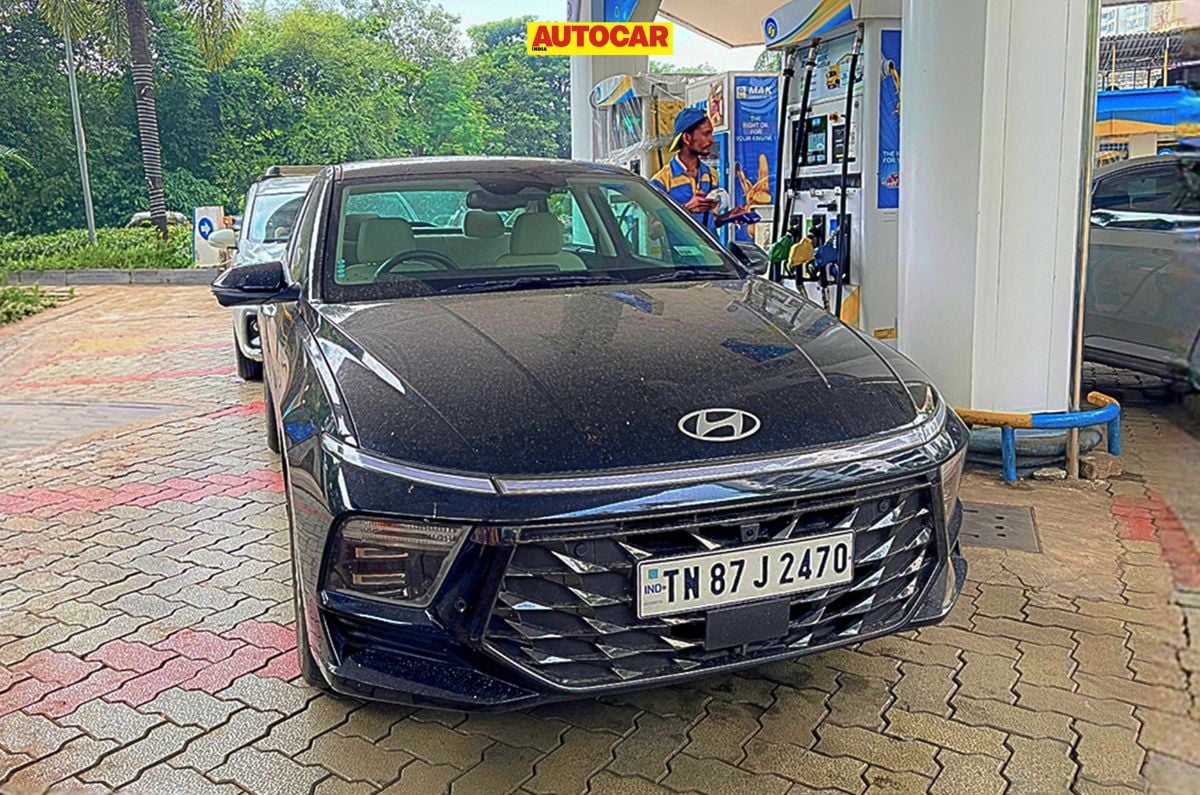
As part of the 2026 update, the Hyundai Verna got minor design tweaks with a few feature additions and deletions, but with the same engines carried over. It is available with a 1.5-litre naturally aspirated petrol engine and a 1.5-litre direct injection turbo petrol engine with the option of manual and automatic transmissions for both.
We’ve put the Hyundai Verna petrol CVT through our efficiency tests to see how it performs.
Gets an auto stop-start feature
Claimed efficiency is 19.6kpl
Weighs 1,224kg, as tested
Hyundai Verna petrol CVT real-world fuel efficiency explained
Powering the Hyundai Verna is a 1.5-litre, four cylinder, naturally aspirated petrol engine producing 115hp and 143.8Nm that is paired with an 8-step continuously variable transmission (CVT), or Intelligent Variable Transmission (iVT) as Hyundai likes to call it. It also gets three driving modes – Eco, Normal and Sport.
For our tests, we drove the car in its most efficient ‘Eco’ mode in the city and on the highway.
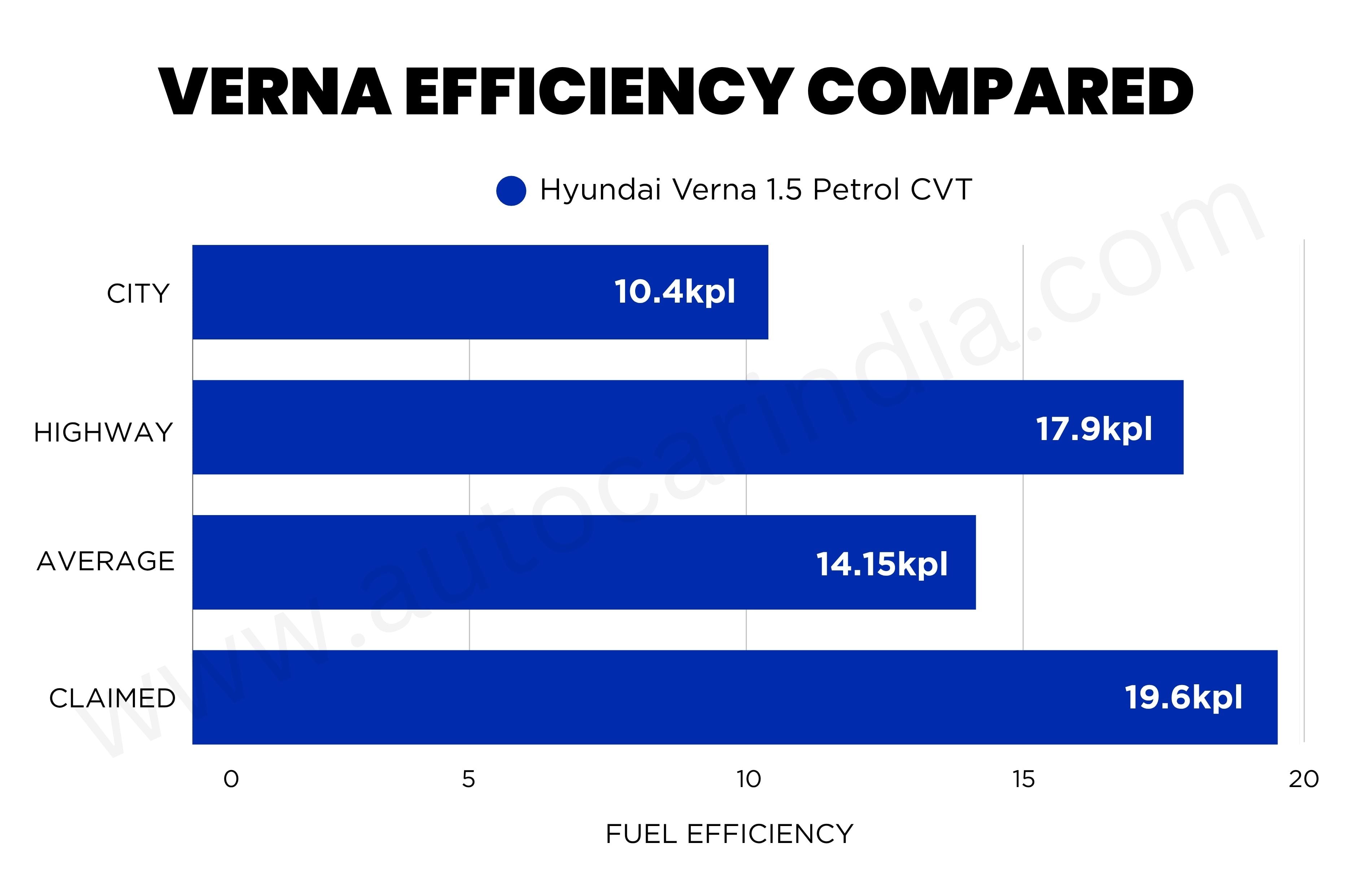
In the city, the Verna returned 10.4kpl, whereas on the highway it returned 17.9kpl, which resulted in an overall average fuel efficiency of 14.15kpl. With the 45-litre fuel tank, you can expect a real world range of 630km on a tankful of petrol.
What’s impressive is that its highway efficiency of 17.9kpl is close to its ARAI claimed efficiency of 19.6kpl. With a light foot on the highway, the engine spins at a lazy ~1900rpm at 100kph, which helps its highway efficiency. In the city, the automatic stop start feature helped save fuel, especially at traffic stops. Moreover, the system wasn’t as aggressive as some other cars we’ve tested and worked exactly as it should.
Autocar India’s fuel efficiency testing
Before our real-world fuel efficiency tests, we fill our test cars’ tanks to the brim and maintain tyre pressures based on the manufacturer’s recommendation. These cars are driven in fixed city and highway loops in and around Navi Mumbai, and we maintain certain average speeds. Throughout the tests, there is only one person in each car, running the aircon at 22deg C in full-auto mode, and other electricals, such as the audio system, ventilated seats, indicators and wipers, are used when required, just like a regular user would. Periodic driver swaps further neutralise variations in driver patterns. At the end of each cycle, we calculate efficiency by filling the tanks to full again.
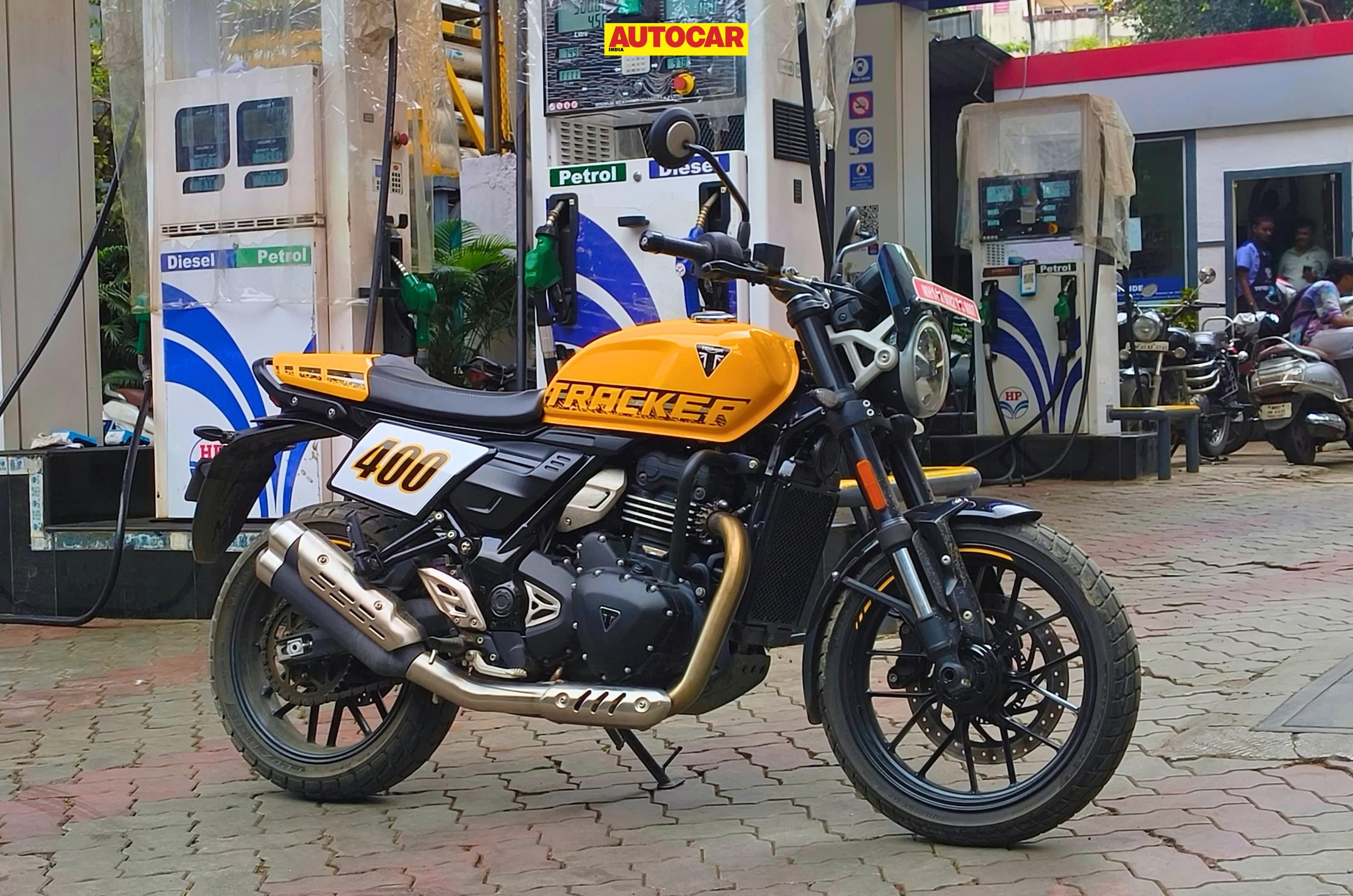
The Triumph Tracker 400 is the most recent launch from the brand in their 400 line-up. It uses the down-sized 349cc liquid-cooled single-cylinder engine in its higher state of tune, like the Thruxton 400. We’ve been able to spend some extensive time on the saddle and here’s how much fuel economy it returned in our standard test.
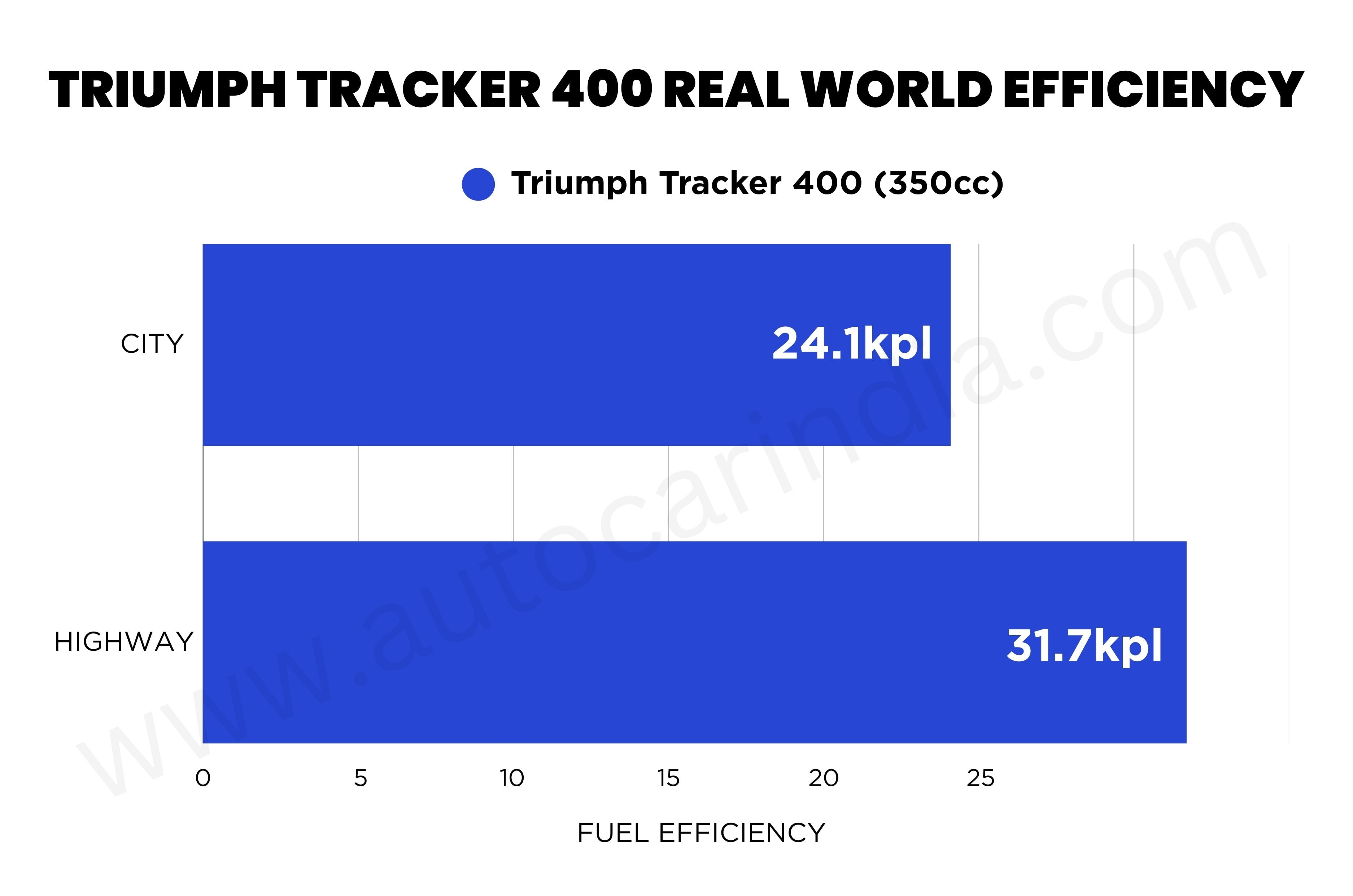
Tracker 400 returned 24.1kpl in the city, 31.7kpl on the highway
As is our testing procedure, we first ran the Tracker 400 on the highway for a little over 44km at steady speeds of 75-80kph. At the end of it, the Tracker 400 required 1.4 litres of petrol to brim the fuel tank, thus achieving a fuel efficiency figure of 31.7kpl.
After this, we ran the Tracker for just over 44km in the city confines of South Mumbai, keeping pace with usual city traffic. After this, it took another 1.83 litres of petrol to fully fill the tank, resulting in a city fuel economy of 24.1kpl.
Triumph Tracker 400 fuel economy analysis
The Tracker 400 isn’t as effortless to ride in the city compared to the Speed 400
As mentioned above, the Tracker 400 has a slightly more powerful engine compared to the other 400s from Triumph other than the Thruxton. It achieved a decent 24.1kpl in the city and 31.7kpl on the highway, resulting in an average fuel economy of 27.9kph. This gives the Tracker a tank range of 360km before you need to fill up again. The engine of the Tracker 400 feels tractable enough to cruise at lower speeds in higher gears. However, since its downsizing, the 349cc Bajaj-made Triumph engine does need to be revved higher to make quick progress, which does impact fuel economy.
Out on the highway, the bike felt relaxed cruising at 80kph (the legal speed limit on our testing patch), without the engine showing any signs of strain and there was enough power in reserve to make quick overtakes, although a downshift or two would help make quicker progress.
Autocar India’s fuel-efficiency testing
Our fuel-efficiency testing routine starts by first brimming the tank and ensuring the bike is running the manufacturer’s recommended tyre pressures. The bike is then ridden on fixed city and highway routes, where we maintain average speeds that best mimic real-world scenarios as well as keeping speed limits in mind. The payload on the bikes is kept constant by balancing rider weights and ballast, ensuring consistency across different vehicles and riders. At the end of the test cycle, the fuel tank is once again filled to the brim, giving us an accurate figure of how much fuel has been consumed against the trip meter reading.
While the Indian manufacturers have been quick to capitalise on the EV boom, the Japanese have been rather more measured in their approach. Honda arrived in 2025 with not one but two in-house electric scooters, though both had unique limitations that prevented them from succeeding.
Suzuki, like Honda, chose to develop its own platform from scratch, but its e-Access appears expensive for what it offers. Yamaha, meanwhile, took a markedly different route for its more affordable offering and partnered with an Indian startup. The EC-06 is, in essence, a more expensive River Indie in sharper clothes.
So if you’ve been waiting for a Japanese e-scooter, you now have two choices, but like their very different inceptions, both also offer you two very different flavours of electric scooter. The question, then, is which one deserves your money – and whether either deserves it over the competition.
Not hiding in plain sight
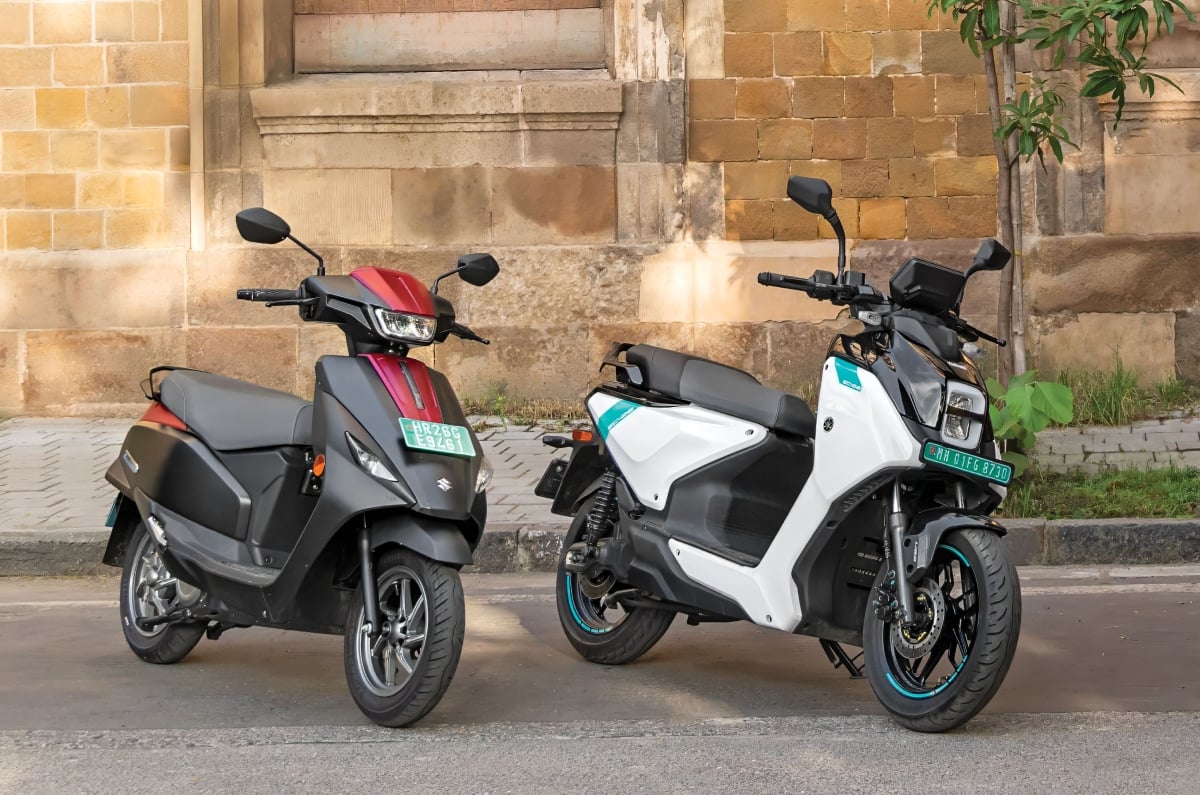
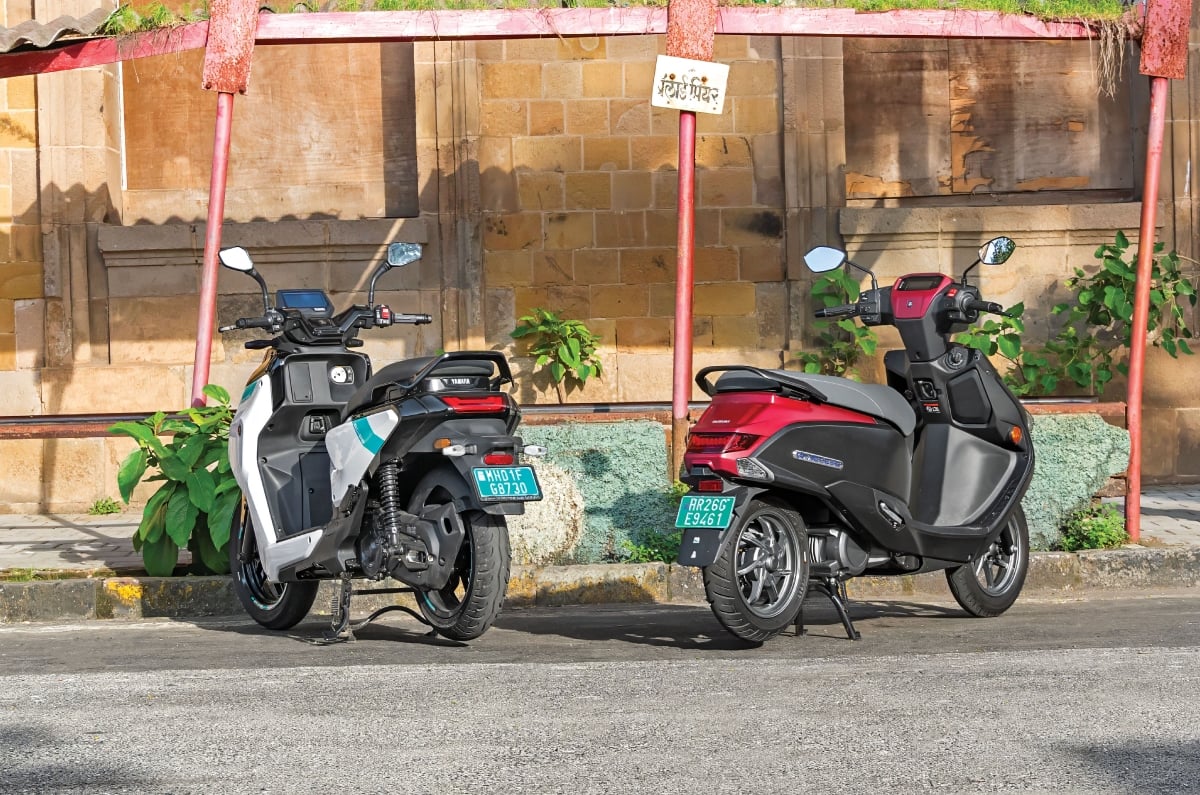
Subtle, these scooters are not. Both take distinctly left-field approaches to styling and will stand out from the crowd. Over the fortnight we spent with them, the EC-06 consistently drew more positive attention thanks to its chunky, squared-off proportions. The e-Access found its niche too, though its double duck-bill nose, flowing front panels with a contrastingly boxy tail make it more of an acquired taste.
Yamaha EC-06
Suzuki e-Access
Kerb weight
132kg
122kg
Seat height
770mm
765mm
Underseat storage
24.5 litres
17 litres
Ground clearance
145mm (laden)
160mm (unladen)
Climb aboard and their personalities diverge further still. The e-Access feels more like a conventional scooter. Despite its compact dimensions, it never feels cramped, even for taller riders, while its 765mm seat height makes it instantly approachable for shorter ones.
The EC-06, by comparison, feels a size larger. Its riding triangle is noticeably roomier, which taller riders will appreciate in a segment that seldom caters to them. Yet, with a friendly 770mm seat height, it remains fairly unintimidating for shorter riders. In fact, tall riders will want a higher seat.
Different strokes
The riding experience of both also reflects two very different engineering philosophies. The 122kg e-Access feels exceptionally light on its feet; whether wheeling it around a parking space or flicking it into a bend, it responds eagerly – actually, a bit too eagerly. Some of that can be attributed to Suzuki mounting the battery pack vertically beneath the seat, a decision that, as you will read further on, has implications elsewhere too.
Yamaha EC-06
Suzuki e-Access
Battery capacity / chemistry
4kWh / NMC
3.072kWh / LFP
Motor
Permanent Magnet Synchronous
Permanent Magnet Synchronous
Power
6.7kW
4.1kW
Torque
26Nm
15Nm
Like the latest Burgman, its ride also errs towards the firmer side rather than the plush feel of a TVS iQube. It isn’t uncomfortable by any means, but it is something worth paying attention to on a test ride. Taller riders will also discover the Suzuki’s compactness during full-lock U-turns, where their knees will foul the handlebar.
On the flip side, the EC-06 is relatively heavier and slower to steer, but it’s a small tradeoff. That’s because its larger 14-inch wheels lend it greater stability at faster speeds and also help it dismiss broken roads with admirable composure. Its absorptive suspension also factors in here, though particularly sharp impacts can provoke a slight judder in the fork.
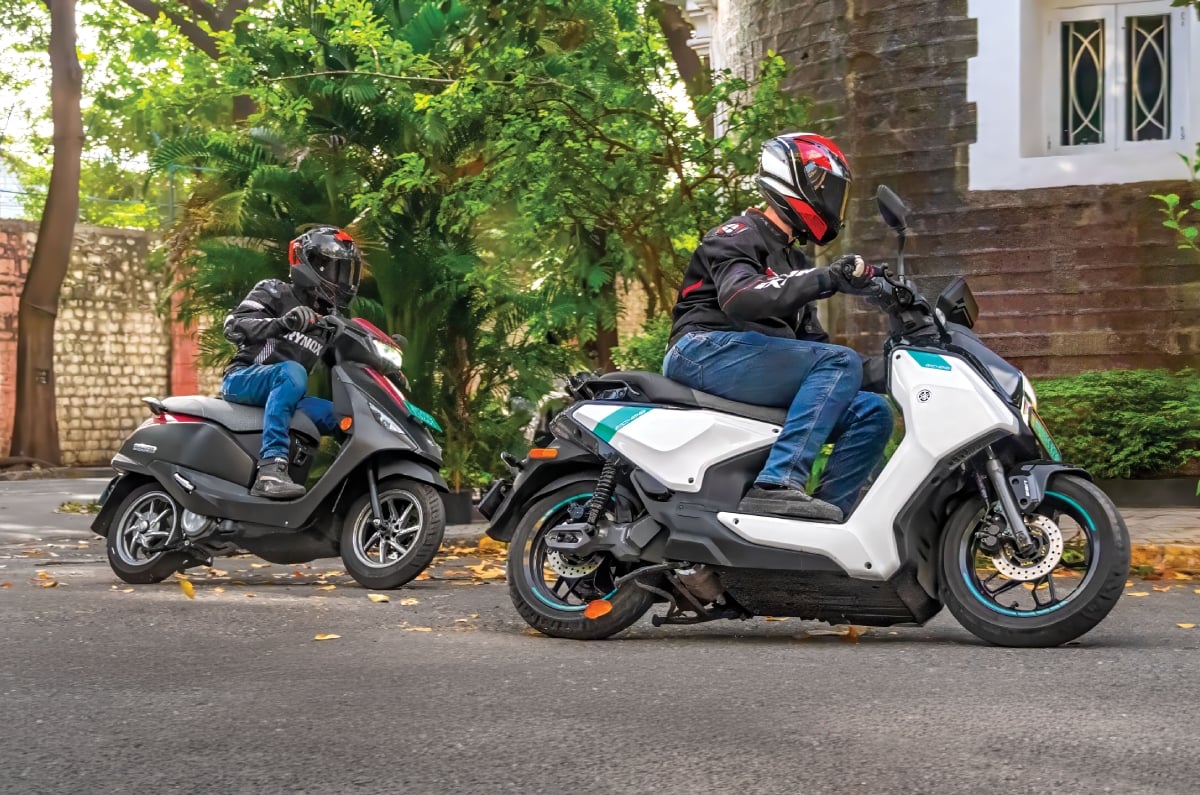
E-Access has the more flighty, energetic demeanour, whereas the EC-06’s handling is more sure-footed.
The Yamaha’s seat, however, leaves quite some room for improvement. Its forward-sloping shape constantly makes you slide forward, necessitating frequent shuffling about. The padding is also too soft, and after just 30 minutes or so, you find yourself sinking into the seat pan. This results in a gradually more knees-up riding position, which might sound like a trifling problem at first but one that becomes increasingly apparent over longer journeys.
Neither one gets ABS, which feels like quite an egregious oversight considering their price points. Nevertheless, the Yamaha’s brakes inspire greater confidence because they are powerful without being overly aggressive, and its wider tyres also provide better traction. The Suzuki’s brakes, conversely, are almost too sharp. On Mumbai’s slippery concrete roads, they demand a more measured touch when coming to a halt quickly.
Not that you’ll often rely heavily on them. That’s partly down to the well-calibrated regenerative braking system and partly because the e-Access’ performance is quite unremarkable. Not only is it much slower than the EC-06, but it also feels noticeably less eager than the petrol-powered Access. It’s perfectly usable in the city, but on faster roads, overtakes require planning. Unsurprisingly, the Yamaha feels considerably livelier. It accelerates with genuine enthusiasm in its top Power mode, the regenerative braking is seamlessly calibrated in all 3 modes (Standard and Eco being the other two) and, despite using chain drive, its drivetrain is remarkably silent – akin to a hub-mounted motor.
Feel Good (?) Features
Build quality on both is reassuringly solid and exactly what one expects from the Japanese. At these prices, however, there are a few omissions that are difficult to overlook.
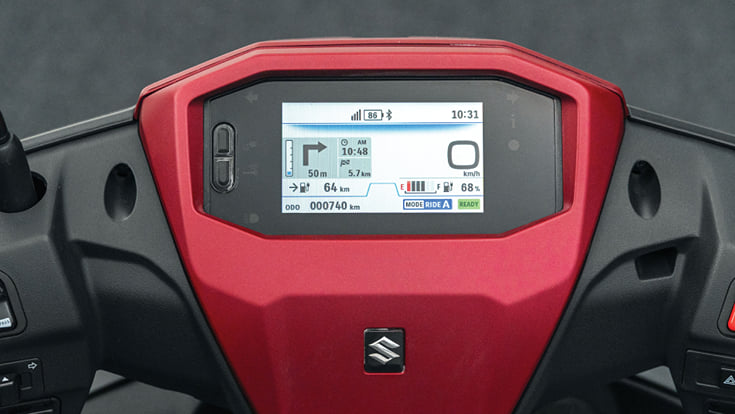
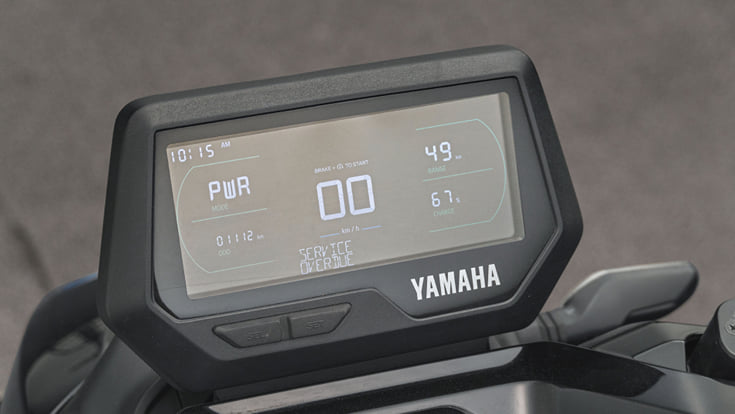
The e-Access employs the same TFT display found on the ICE Access 125 and Burgman, both of which cost substantially less. Yamaha, meanwhile, supplies only the slower 480W charger, despite the considerably more affordable River offering a faster 750W unit as a Rs 3,000 option.
Same TFT as ICE Access; EC’s negative LCD is simpler but well laid out.
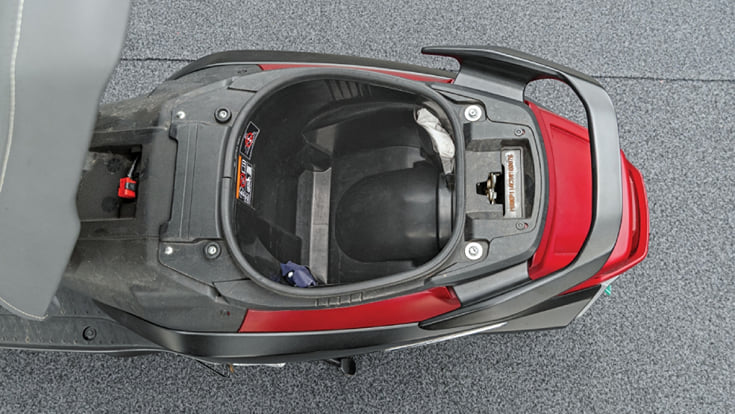
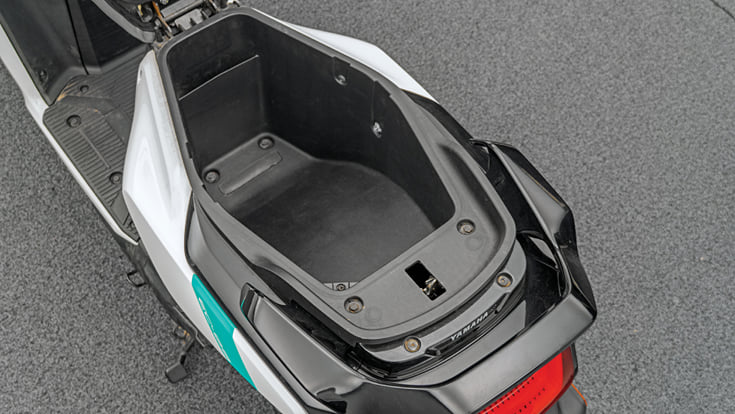
The EC-06 also sacrifices a lot of storage compared to the Indie. Its 24.5-litre under-seat boot is far short of the latter’s enormous 43-litre boot and trails established rivals such as the iQube, Rizta and Chetak. The River’s lockable 12-litre glovebox has been omitted too, though Yamaha has used this to reposition the charging port to a more convenient location.
e-Access’ 17L boot far too small and oddly shaped; Yamaha’s 24.5L boot is more usable but not segment-leading.
If the Yamaha’s storage is merely average, the Suzuki’s is positively outclassed. The battery’s position beneath the seat results in just 17 litres of bootspace – roughly half what you’ll find on rivals like the Rizta and Chetak. In fact, even the ICE Access 125 offers you quite a bit more storage space. The e-Access’ boot is also shaped quite awkwardly, and unless the charger’s cables are folded with almost Victorian precision, it simply refuses to fit.
Range Rovers?
An electric scooter ultimately needs to deliver one thing above all else – promising range to reduce your running costs. In Ride A mode, which delivers full performance and max regen, the e-Access covered a little over 88km in our range test. Given its smaller 3kWh battery and its use of safer, but less energy-dense, LFP chemistry, the result is respectable in isolation; however, compared to the market’s front-runners, it falls far short.
Yamaha EC-06
Suzuki e-Access
0-40kph
3.46s
4.94s
0-60kph
6.82s
11.93s
Roll-on Acceleration
20-50kph
3.31s
5.46s
30-70kph
7.34s
17.01s
50-80kph
10.96s
–
Our test on the EC-06 was conducted in its middle Standard mode, which retains full performance but softens throttle response compared to Power mode. It covered 114km, comfortably exceeding the distance initially predicted. Both scooters deserve praise here, as their range indicators proved refreshingly honest, not indulging in optimistic guesswork.
Yamaha EC-06
Suzuki e-Access
60-0kph
22.87m
24.64m
Using Eco mode will naturally extend the range on both, though with reduced acceleration and lower top speeds. Thankfully, neither becomes painfully slow. Even in Eco, both climb flyovers and keep up with city traffic without reducing themselves to rolling roadblocks.
While the Yamaha’s range is undoubtedly more impressive, its charging time is a rather different story. The supplied 480W charger requires a glacial ten hours to replenish a flat battery. Meanwhile, the Suzuki’s 600W unit requires around six hours to do the same, although its battery pack is also smaller.
One thoughtful detail both manufacturers deserve credit for is the inclusion of a dedicated charger bag. It is a small touch, but one that should help protect the charger from spending years rattling around inside the boot.THE BIGGER PICTURE
Judged purely against each other, the result is straightforward – the EC-06 clearly wins. It offers superior performance, greater comfort, longer range and also costs much less than the e-Access.
Yamaha EC-06
Suzuki e-Access
Price (ex-showroom, Bengaluru)
Rs 1.71 lakh
Rs 1.92 lakh
However, if you zoom out and look at the broader market, the context changes. At Rs 1.71 lakh, the Yamaha is hardly inexpensive, and the Suzuki, which is knocking on the door of Rs 2 lakh, is even worse off. When proven alternatives from TVS, Ather, Bajaj, Vida and River offer similar or even superior alternatives for substantially less money, the Japanese appear more like fringe players and less like mainstream contenders.
There will undoubtedly be a small demographic of buyers for whom a Japanese badge carries enough cachet to justify this big premium. However, for the rest of us, the more keenly priced and proven homegrown contenders are the better bet.