McLaren confirms its building an SUV

McLaren confirms its building an SUV
Mclaren

McLaren has confirmed plans to build its first SUV in the UK as part of a GBP 500 million investment in its manufacturing and engineering operations. The unnamed performance SUV is in the early stages of development and is planned to launch before 2030.

The investment will also fund a second vehicle assembly facility in the UK, expand McLaren’s existing facilities and bring engine development and production in-house for the first time. The programme is expected to create at least 1,000 jobs within and around McLaren, with a further 3,000 jobs expected across its supply chain.

Speaking to Autocar UK, McLaren COO Michael Straughan said “there’s a roadmap for about the next 10 years that gives us real confidence. We’ve got a growth plan and a delivery perspective on how we can get to where we want to get to.”

McLaren SUV confirmed

McLaren had previously ruled out an SUV, with former CEO Mike Flewitt saying the company could not afford to develop one and that it “just doesn’t fit the brand”. The company is one the last supercar makers to add an SUV to its range, following rivals including Ferrari, Lamborghini and Aston Martin.

The SUV will use one of the company’s new hybrid powertrains. Straughan said the SUV remains in the early stages of development, although McLaren is targeting a launch before 2030. The company has not yet announced its name, technical details or exact launch date.

The SUV will be the first McLaren road car to move beyond the mid-engined supercar format that has defined the brand since its road-car business was established. “No longer will we be only rear-engined, rear-wheel-drive cars. There’s going to be front-engined, and either four-wheel drive or perhaps rear-wheel drive in the future. It’s very difficult off one assembly line, so we need another assembly line – wherever we decide to put that”, Straughan said. 
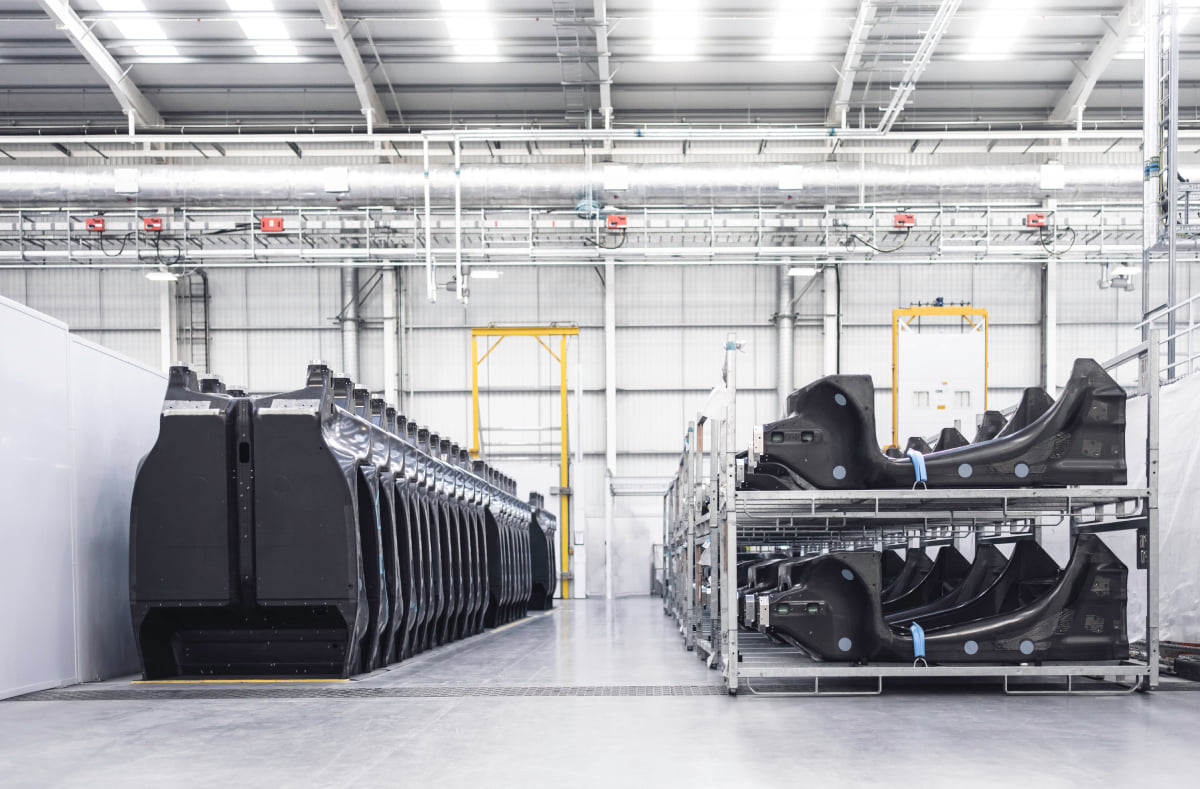
The SUV’s body structure is still being decided. McLaren is considering several options, including carbonfibre, drawing on its expertise in lightweight composite construction. “It’s one of the discussions we’re having at the moment, because nobody has ever done this before,” he said. “Every other SUV [of this type] has been aluminium, and we’ve got a number of options at the moment for what the body structure will be in the future. If we went that way, it would be the first. It would be incredibly special.” he added. 

The SUV is the only new model McLaren has confirmed. However, the front-engined layout could support other models in future. Straughan said there are no firm plans for additional models, but that the layout “opens up other opportunities”. McLaren has not confirmed any further derivatives or changes to its existing supercar range.

New engines and gearboxes
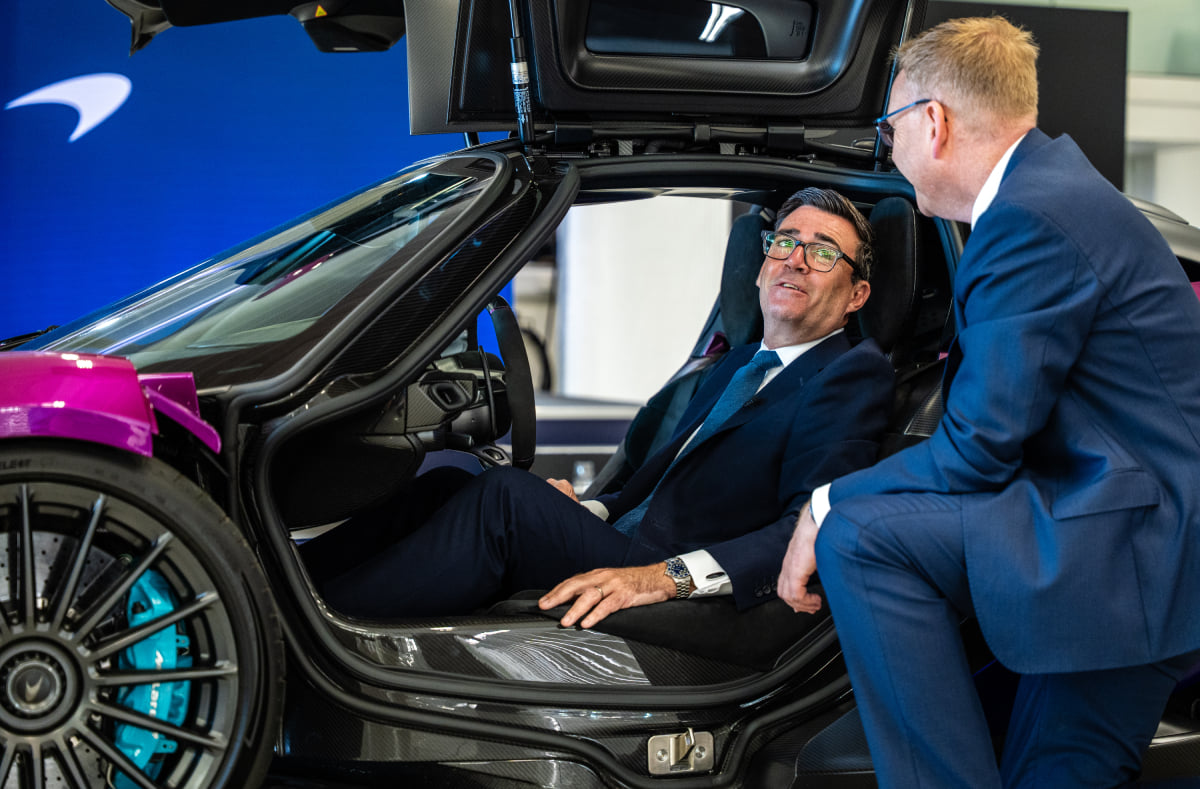
McLaren will develop and manufacture future engines and gearboxes in-house for the first time. Its current V6 and V8 engines are supplied by Ricardo, which has powered all of McLaren’s core models since the company’s relaunch with the 12C in 2011. The engines are exclusive to McLaren.

McLaren hasn’t alluded to their technical specifications, but says they will support “the company’s hybrid engine strategy”. The company says they will be developed and tuned to maximise driver engagement. Asked about the technical make-up of these new engines, Straughan said: “Obviously it’s going to start with the current V8 products or the future generation of that, but once you start building engines there are lots of opportunities”. 

Confirmation of plans for two distinct engine programmes suggests McLaren will offer different cylinder counts and capacities across its line-up going forward. McLaren’s partnership with Ricardo will continue for other engineering work, but future engines will be built by McLaren rather than shipped to Woking by Ricardo.

No immediate McLaren EV

McLaren has no immediate plans for a fully electric road car. COO Michael Straughan said the company will wait until customer demand is strong enough, although its integration with Forseven has provided experience in electric-vehicle development. Straughan said it was important that McLaren launched an EV “at the right time”.

“It’s inevitable – it will come, and we’ve got to be ready for when it does come. But the market reception to EVs in this space is not fantastic at the moment, so we can’t afford to make a mistake with the product, and therefore we will hold off until we’re certain that the customer demand is there”, he added.

Second UK factory planned
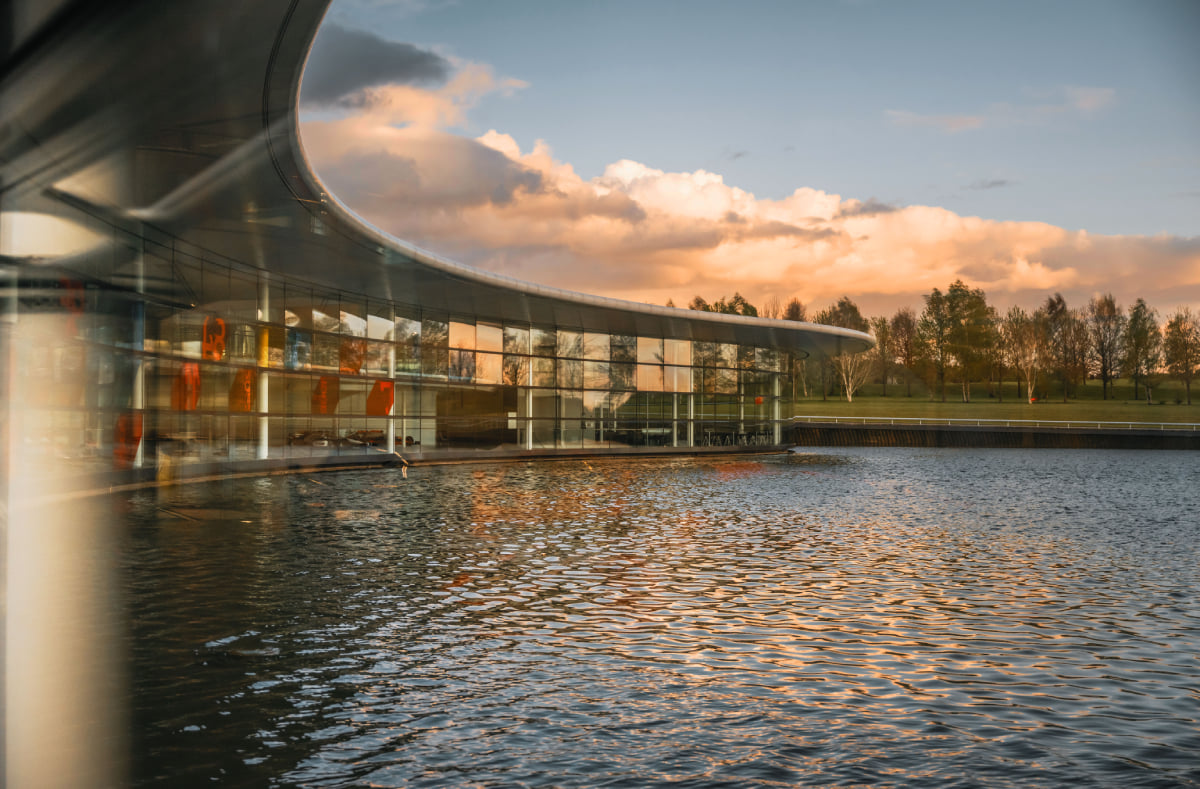
The new facility will supplement the McLaren Production Centre in Woking, although its location has not yet been confirmed. “We can’t build a front-engined car on the same line as a rear-engined car,” Straughan said. “We’re not going to use somebody else’s production line,” Straughan said. “We’ll build our own”, he added. 

McLaren will also expand its existing production facility in Woking, which built around 2,000 cars in 2025, as well as its carbonfibre manufacturing and research centre in South Yorkshire. The company has recently opened a design and innovation centre in Bicester and a testing and vehicle development facility in the Midlands.

Together, these sites will support McLaren’s UK operations across design, engineering, vehicle development and manufacturing, increasing production capacity for its next generation of models. “We can’t stop making the cars we make today,” Straughan said. “We have to introduce the new products alongside them”, Straughan said.


Stocks to Watch: 17 सितंबर को फोकस में रहेंगे ये 13 शेयर, टाटा ग्रुप के स्टॉक्स पर भी रहेगी नजर

Stocks to Watch: गुरुवार 17 सितंबर को शेयर बाजार में 13 कंपनियों से जुड़े अहम अपडेट देखने को मिल सकते हैं। इनमें टाटा ग्रुप के स्टॉक्स से जुड़ी खबर भी शामिल है। वहीं, कुछ कंपनियों को नए ऑर्डर मिले हैं। कुछ ने विस्तार और अधिग्रहण की योजनाओं का ऐलान किया है।

Tata Group Stocks

टाटा ग्रुप की होल्डिंग कंपनी Tata Sons के बोर्ड की बैठक 17 सितंबर को मुंबई में होगी। मीडिया रिपोर्ट्स के मुताबिक, बैठक में चेयरमैन एन चंद्रशेखरन से पद छोड़ने के फैसले पर दोबारा विचार करने को कहा जा सकता है। उनकी मौजूदा अवधि फरवरी 2027 में पूरी हो रही है। बैठक में संभावित लिस्टिंग, अगले चेयरमैन और ग्रुप गवर्नेंस पर भी चर्चा हो सकती है।

GNFC

सरकारी फर्टिलाइजर और केमिकल कंपनी GNFC ने संजीव कुमार को नया मैनेजिंग डायरेक्टर नियुक्त किया है। नियुक्ति 9 सितंबर 2026 से प्रभावी है। उनका कार्यकाल पांच साल का होगा। वह राजकुमार बेनीवाल की जगह लेंगे, जिन्हें गुजरात सरकार ने सूरत का म्युनिसिपल कमिश्नर बनाया है।

Susan Electronics India

इलेक्ट्रिकल प्रोडक्ट बनाने वाली कंपनी Susan Electronics India के बोर्ड ने बागपत में जमीन खरीदने को मंजूरी दी है। कंपनी करीब ₹22 करोड़ में यह जमीन खरीदेगी। इसका इस्तेमाल मैन्युफैक्चरिंग कैपेसिटी बढ़ाने के लिए होगा। कंपनी ने जून 2026 में शेयर बाजार में शुरुआत की थी।

LT Foods

फूड सेक्टर की कंपनी LT Foods, Kameda LT Foods India में जापान की Kameda Seika की पूरी 49% हिस्सेदारी खरीदेगी। LT Foods के पास अभी 51% हिस्सेदारी है। डील के बाद हिस्सेदारी 100% हो जाएगी। यह जॉइंट वेंचर भारत में राइस स्नैक्स का कारोबार करता है और ‘Kari Kari’ ब्रांड से जुड़ा है।

Vodafone Idea

टेलीकॉम कंपनी Vodafone Idea पर TRAI ने ₹2 लाख की फाइनेंशियल पेनल्टी लगाई है। कंपनी ने 16 सितंबर को इसकी जानकारी शेयर बाजार को दी। कार्रवाई नवंबर 2025 में क्वालिटी ऑफ सर्विस के तय मानकों को पूरा नहीं करने से जुड़ी है। कंपनी ने कहा है कि वह TRAI के आदेश की समीक्षा कर रही है।

Krsnaa Diagnostics

डायग्नोस्टिक्स सेक्टर की कंपनी Krsnaa Diagnostics ने पंजाब हेल्थ सिस्टम्स कॉरपोरेशन के साथ 15 साल का करार किया है। इसके तहत पंजाब के चार सरकारी अस्पतालों में PET-CT डायग्नोस्टिक सुविधाएं विकसित की जाएंगी। कंपनी इन सुविधाओं को चलाने और मेंटेन करने का काम भी करेगी।

Mazagon Dock Shipbuilders

सरकारी शिपबिल्डिंग कंपनी Mazagon Dock Shipbuilders ने NSHIPML के साथ समझौता ज्ञापन यानी MoU साइन किया है। इसके तहत कंपनी Dighi ग्रीनफील्ड शिपबिल्डिंग क्लस्टर के लिए एंकर शिपयार्ड के तौर पर काम करेगी।

Venus Pipes & Tubes

स्टेनलेस स्टील पाइप और ट्यूब बनाने वाली कंपनी Venus Pipes & Tubes के बोर्ड ने फंड जुटाने के प्रस्ताव को मंजूरी दी है। कंपनी प्रेफरेंशियल इश्यू के जरिए 371.99 करोड़ रुपये तक जुटाएगी। इसके लिए शेयरधारकों और अन्य जरूरी रेगुलेटरी मंजूरियों की जरूरत होगी।

Fortis Healthcare

हेल्थकेयर सेक्टर की कंपनी Fortis Healthcare ने Seth Sunder Lal Jain Charitable Eye Hospital यानी SLJ Society के साथ अंतिम समझौते किए हैं। इसके तहत कंपनी नई दिल्ली के अशोक विहार में 400 से ज्यादा बेड वाले सुपर स्पेशियलिटी अस्पताल में हेल्थकेयर सेवाएं देगी।

Kalpataru Projects International

इंजीनियरिंग और कंस्ट्रक्शन सेक्टर की कंपनी Kalpataru Projects International ने बताया कि उसकी 96.12% फर्स्ट-लेवल स्टेप-डाउन मटेरियल सब्सिडियरी Linjemontage I Grästorp AB को स्वीडिश फाइनेंशियल सुपरवाइजरी अथॉरिटी से मंजूरी मिल गई है। यह मंजूरी प्रस्तावित IPO के प्रॉस्पेक्टस से जुड़ी है।

Infosys

आईटी सेक्टर की कंपनी Infosys ने इंदौर डेवलपमेंट सेंटर का विस्तार किया है। कंपनी ने सुपर कॉरिडोर स्थित अपने कैंपस में नए Software Development Block यानी SDB-2 का उद्घाटन किया है। इससे इंदौर में कंपनी के डेवलपमेंट सेंटर की क्षमता बढ़ेगी।

Highway Infrastructure

इंफ्रास्ट्रक्चर सेक्टर की कंपनी Highway Infrastructure को उत्तर प्रदेश एक्सप्रेसवेज इंडस्ट्रियल डेवलपमेंट अथॉरिटी से 220.66 करोड़ रुपये का कॉन्ट्रैक्ट मिला है। यह कॉन्ट्रैक्ट गोरखपुर लिंक एक्सप्रेसवे पर टोल कलेक्शन और टोल प्लाजा के संचालन से जुड़ा है।

Alembic Pharmaceuticals

फार्मा सेक्टर की कंपनी Alembic Pharmaceuticals ने बताया कि अमेरिकी दवा नियामक USFDA ने गुजरात के वडोदरा स्थित उसकी बायोइक्विवेलेंस फैसिलिटी का इंस्पेक्शन पूरा कर लिया है। कंपनी के मुताबिक, USFDA ने इस फैसिलिटी का निरीक्षण बंद कर दिया है।

Juniper Hotels

हॉस्पिटैलिटी सेक्टर की कंपनी Juniper Hotels ने Novotel Imagicaa होटल को खरीदने के प्रस्ताव को मंजूरी दी है। कंपनी इस होटल को महाराष्ट्र के खोपोली में Imagicaaworld Entertainment से 248 करोड़ रुपये में खरीदेगी। Juniper Hotels भारत में Hyatt से जुड़े होटलों की सबसे बड़ी मालिक कंपनी है।

India Pesticides Share Price: UK और अर्जेंटीना से प्रोडक्ट को मिली मंजूरी, शेयर 15% उछला

Disclaimer: यहां मुहैया जानकारी सिर्फ सूचना के लिए दी जा रही है। यहां बताना जरूरी है कि मार्केट में निवेश बाजार जोखिमों के अधीन है। निवेशक के तौर पर पैसा लगाने से पहले हमेशा एक्सपर्ट से सलाह लें। मनीकंट्रोल की तरफ से किसी को भी पैसा लगाने की यहां कभी भी सलाह नहीं दी जाती है।

Land Rover considering a Defender Pickup Truck

Land Rover considering a Defender Pickup Truck
Land Rover Defender pickup rendering

Jaguar Land Rover (JLR), along with its Stellantis partner, is considering a Defender Pickup truck for the US market, according to a report by The Times. This comes just a few months after JLR and Stellantis signed a Memorandum of Understanding (MOU) aimed specifically at collaborating for product development opportunities for buyers in North America.

  • The Defender Pickup is aimed at the US market.
  • Likely to be localised in the States to avoid import tariffs.
  • To be one of several new models JLR’s planning for the region.

Land Rover Defender Pickup: What we know so far?

While the two brands have signed a MoU, exact details regarding the upcoming Land Rover pickup truck are expected to emerge towards the end of 2026. Former Executive Director of Vehicle Programmes at JLR, Nick Collins, admitted to Autocar UK in 2021 that not only is “there a customer demand” for such a pickup truck, but also that one “can be made from a monocoque as there are no structural limitations”.

However, it remains to be seen which platform the Defender Pickup truck actually uses. For perspective, JLR and Stellantis have at their disposal the Defender’s monocoque platform and the body-on-frame designs used by Stellantis-owned brands like Jeep and RAM. Buyers looking for high-end pickup trucks in North America currently have popular options that include range-topping variants of the Ford F-150, Chevrolet Silverado 1500, GMC Sierra 1500 and RAM 1500 – all of which are body-on-frame models. 

While the Defender SUV range sold worldwide rolls out of JLR’s Slovakia facility, The Times report indicated that the Defender Pickup truck is likely to be produced locally in the US to avoid import tariffs. The US is a “priority growth market” and will lead to “exclusive offerings” in due course, PB Balaji, Chief Executive Officer of JLR, said. JLR’s plans for North America stretches beyond just one model. “Working with Stellantis allows us to explore complementary capabilities in product and technology development that support our long‑term growth plans for the US market,” Balaji added.

Also read

Hyundai reveals first design sketches of upcoming Bayon SUV

Maruti Suzuki Wagon R facelift spied with underbody CNG kit

Ultraviolette targets 3 lakh unit production capacity by mid-2027

Ultraviolette targets 3 lakh unit production capacity by mid-2027
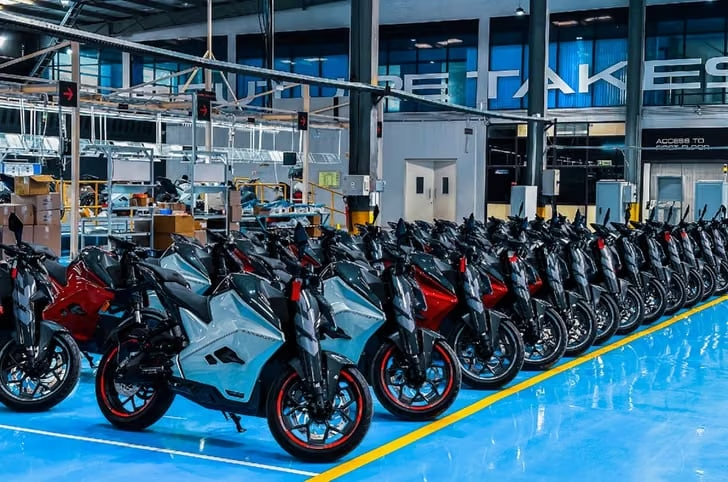
Multiple UV F77 bikes at the factory

Ultraviolette is targeting a combined annual manufacturing capacity of approximately 3 lakh units by mid-2027, co-founder and CEO Narayan Subramaniam has said. The figure combines the 2.5 lakh-unit capacity of the newly announced BIGGA Factory in Hosur with an expanded capacity of around 50,000 units at the company’s existing Bengaluru plant, which is also being upgraded. The company plans to invest around Rs 1,000 crore across both facilities over the next five years – approximately Rs 200 crore at the Bengaluru plant and Rs 800 crore at the new Hosur facility.

  1. Combined capacity of 3 lakh units targeted by mid-2027 across two facilities
  2. Rs 1,000 crore investment planned over five years across both plants
  3. Tesseract launch delayed to Q1 2027 after 100-volt architecture redesign

Ultraviolette capacity and product plans: Key details

Tesseract delayed eight to ten months after fundamental redesign

The Tesseract electric scooter, which was originally expected earlier, has been delayed after Ultraviolette decided to redesign the vehicle around a 100-volt architecture. The change required a realignment of multiple systems, including the battery pack, battery management system, motor controllers and charging hardware, adding eight to ten months to the development timeline. The scooter is now expected to launch in the first quarter of 2027. Ultraviolette says its current bookings and sales pipeline point to demand of at least 10,000 units per month for the Tesseract.

Alongside the Tesseract, Ultraviolette plans to launch the Shockwave electric motorcycle next year. The company’s longer-term portfolio covers four motorcycles and two scooters, with the two categories eventually expected to contribute equally to overall volumes. The BIGGA Factory’s first phase is expected to become operational between Q1 and Q2 2027.

Exports to account for 15-25 percent of BIGGA Factory output

Ultraviolette expects exports to initially account for around 15 percent of production from the new plant, rising to approximately 25 percent as the company expands into international markets. Target regions include Europe, North America and Latin America, while Southeast Asia is also being evaluated through pilot programmes. The company is already exporting to 19 countries in Europe through its existing facility.

Subramaniam said Ultraviolette expects to reach company-level profitability within 24 months – around the same time it plans to pursue an IPO – at which point the company expects to have six products across four continents and a production scale of around 3 lakh vehicles annually. The company says it is fully capitalised for its current expansion plans but could consider additional fundraising if EV adoption accelerates faster than expected.

Kiran Murali & Prerna Lidhoo

Cruising down Goa’s Porvorim Elevated Corridor in an MG Cyberster

Cruising down Goa’s Porvorim Elevated Corridor in an MG Cyberster
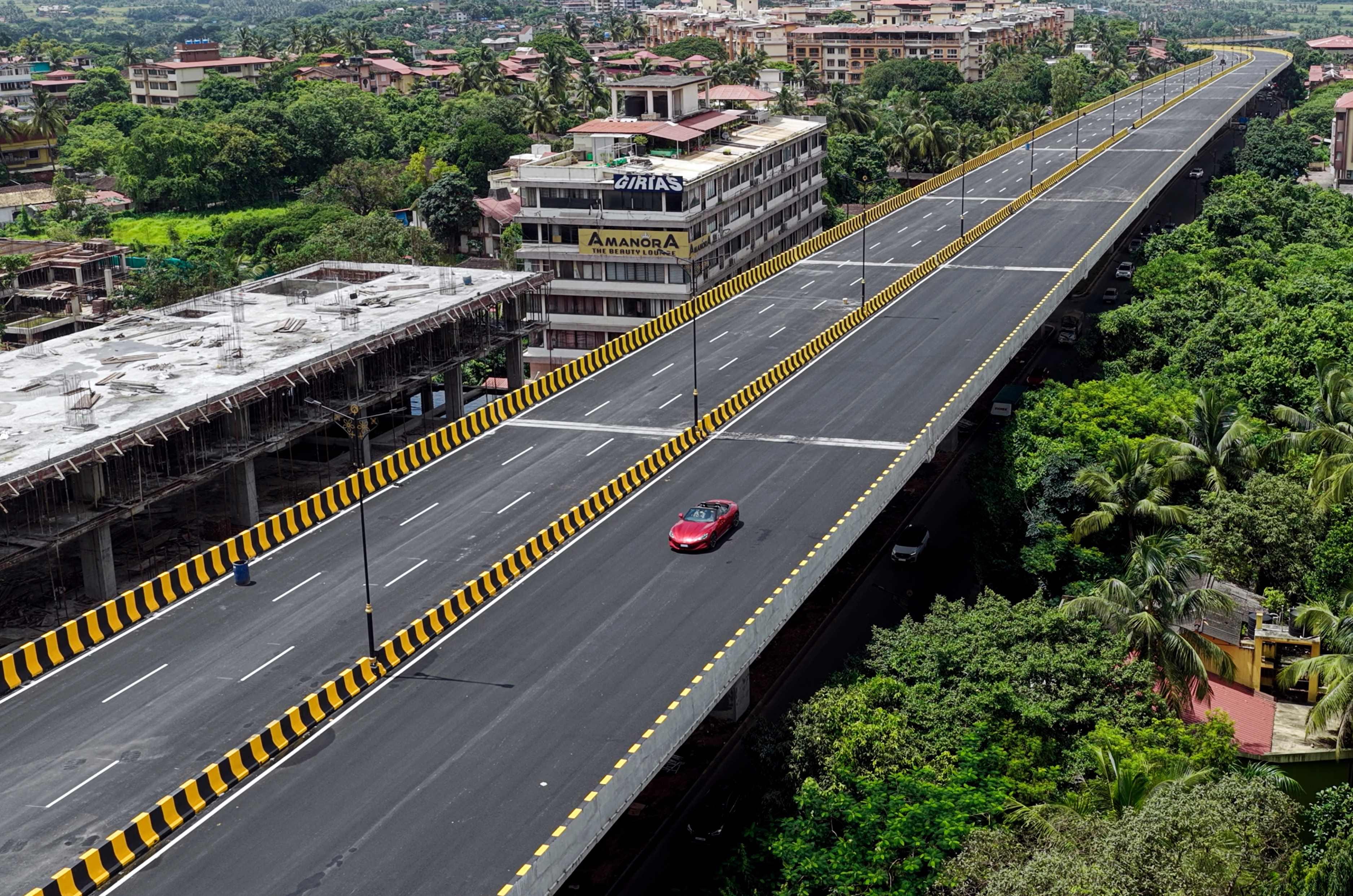
Goa Porvorim Elevated Corridor Flyover

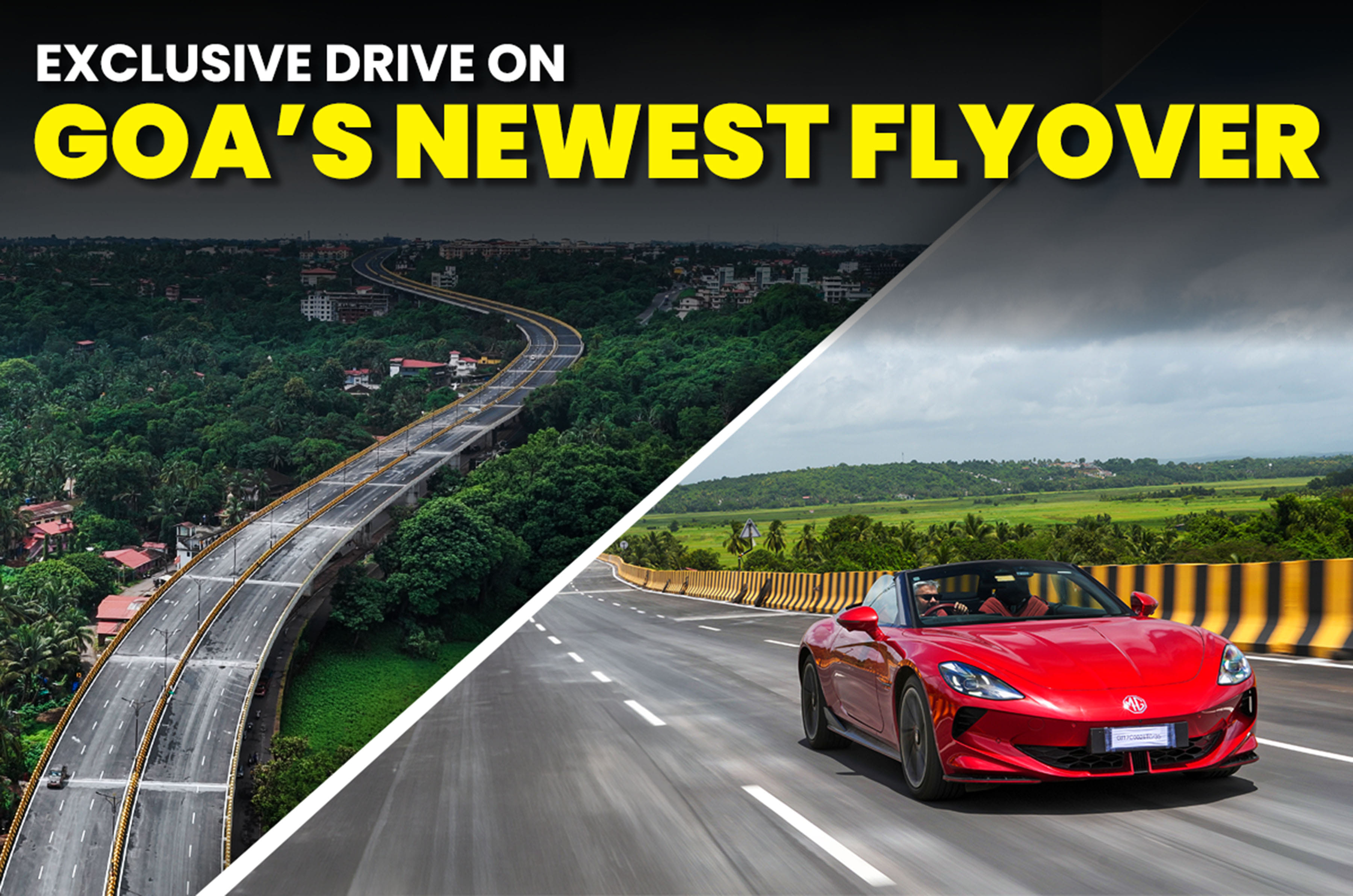
If a holiday in Goa is a fixture on your calendar, you will have noticed that the state has changed a fair bit in the last few years. There is a new airport to fly into, new bridges replacing the old, not to mention the wider highways. The latest upgrade to the state’s road network is the Porvorim Elevated Corridor, targeting a major bottleneck on NH66. We were given an exclusive opportunity to experience it for ourselves before the official inauguration on Sep 9, and we brought along a very ‘Goa’ car for the occasion – the MG Cyberster.

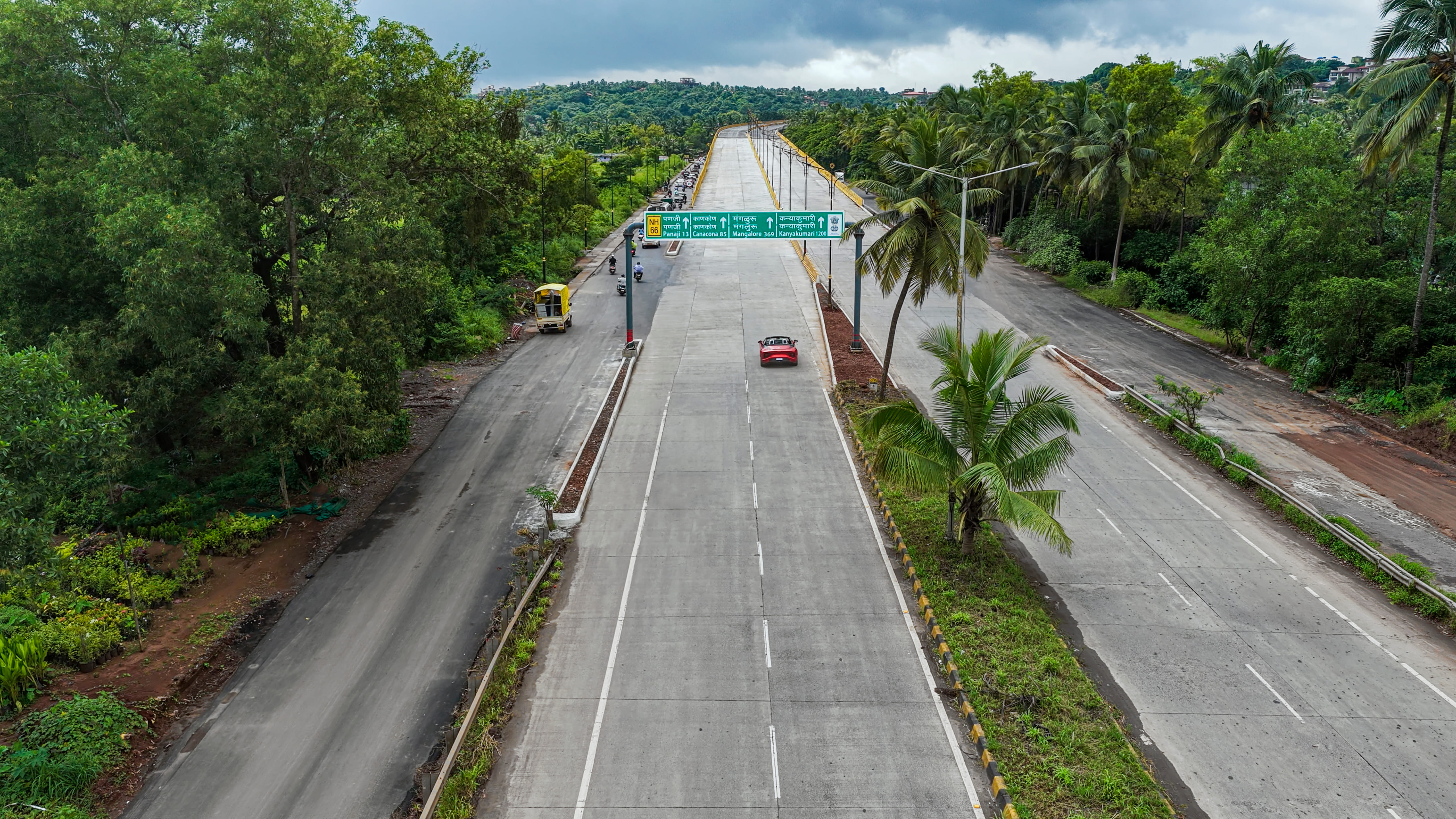
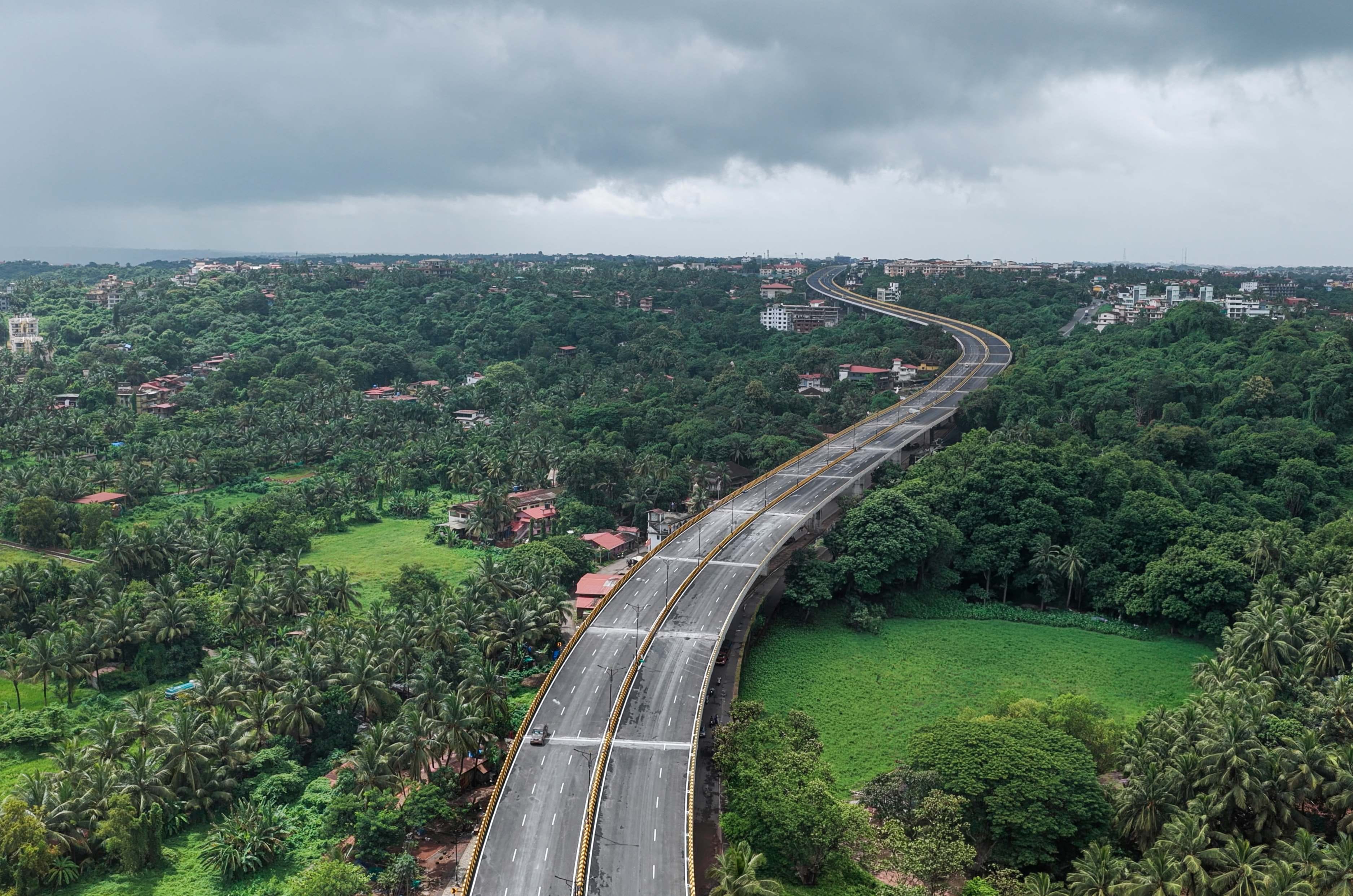
First, a bit of quick history and geography. National Highway 66 is a 1,640km arterial highway running from Panvel in Maharashtra to Kanyakumari in Tamil Nadu. 124km of NH66 is in Goa and, for years, Porvorim has been its most notorious bottleneck. The new 5.15km Porvorim Elevated Corridor lets traffic sail clean over all that congestion below, connecting directly to the Atal Setu bridge that crosses the Mandovi River. It promises to cut travel time between Mapusa in the north and the capital Panaji by up to 30 minutes – a claim we set out to test.

Six-laned Porvorim Elevated Corridor brings North Goa and Panaji closer than ever.

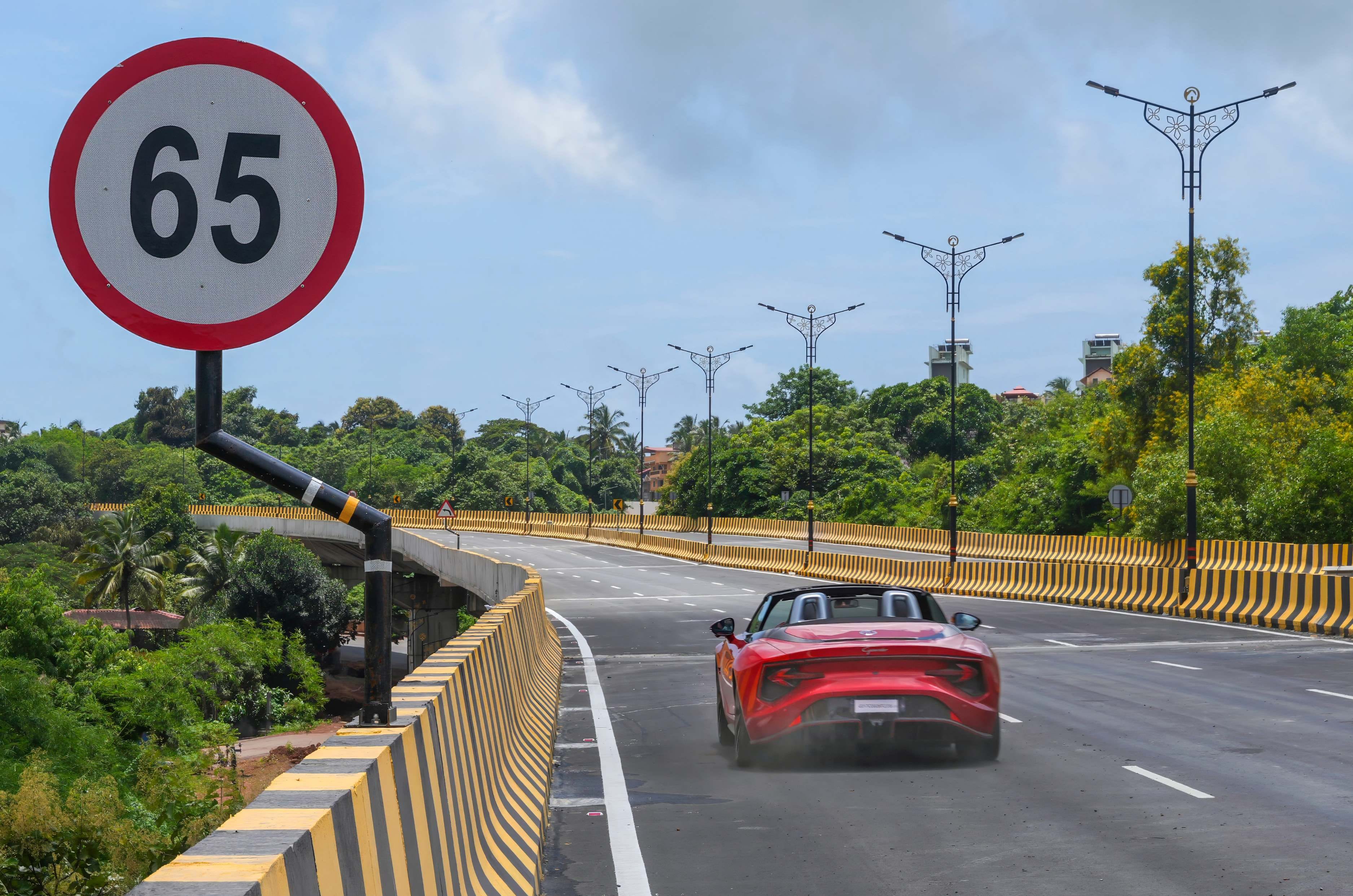
Our starting point was the north end of the corridor, a couple of kilometres away from Guirim village near Mapusa. We started our stopwatch on the concrete ramp leading up the PEC – one we would only stop once we crossed over the Atal Setu Bridge and entered Panaji. And even with 510hp and 725Nm on tap and the road all to ourselves, we would be sticking to the 65kph speed limit.

From the concrete on-ramp, it’s only a few metres until you drive onto the actual viaduct section, which is paved tarmac broken up only by expansion joints. It is not completely straight either – the north end has some lovely sweeping curves. In a car like the Cyberster, it is quite tempting to push through the bends but, exercising restraint, we instead indulged in the joys of open-top motoring. The Cyberster drops its top in 10 seconds at speeds up to 50kph, giving us superb views all around. Importantly, it also raises the top just as quickly, which comes in handy during sudden showers.

No more jams! 5.15km flyover sails over congestion at Porvorim junction.

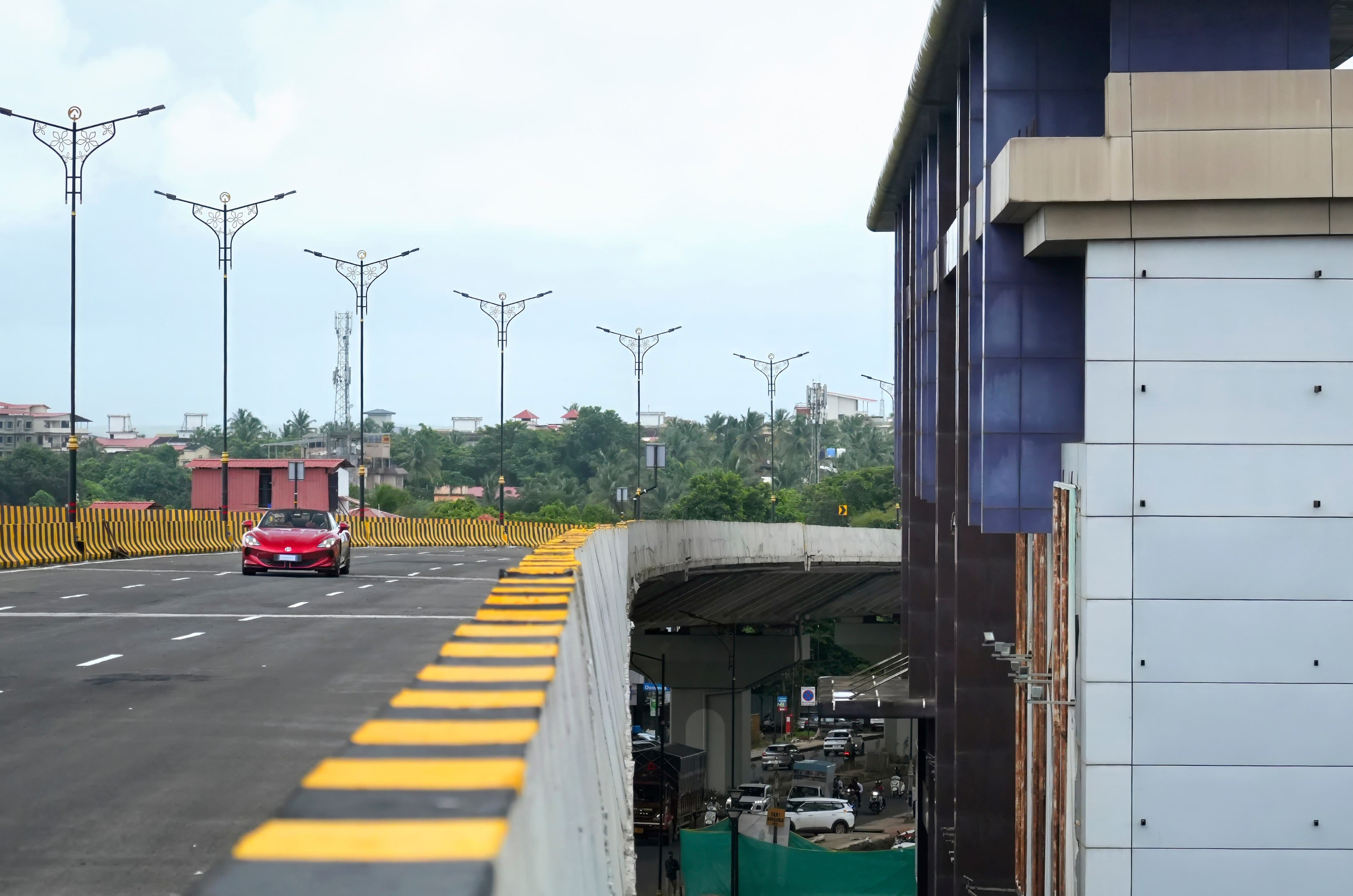
From the driver’s seat, the panoramic view of Porvorim’s greenery was quite stunning – something you would never notice stuck in traffic below. Drive on, and the road becomes arrow-straight, and you start to notice how close some of the buildings are to the corridor. This proximity to adjoining structures, along with the fact that NH66 had to stay operational below, were among the biggest challenges the engineers faced.

Some buildings were a little too close for comfort making construction quite challenging.

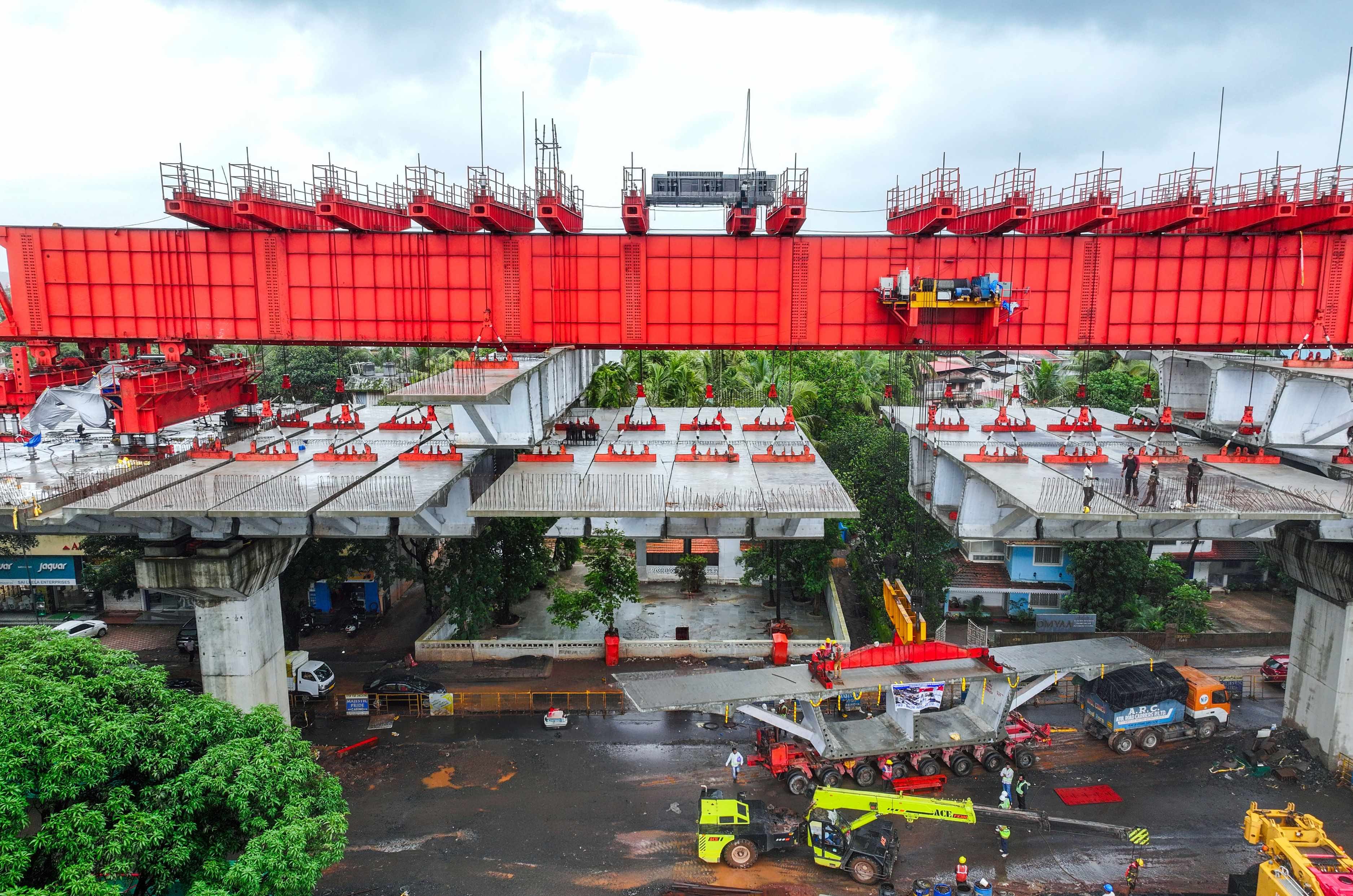
The 4.19km viaduct section is supported by 87 pillars. Each span running between two pillars requires between 13 and 17 individual pre-cast concrete sections. These sections are about 24 metres wide and weigh a whopping 120 tonnes each. They were cast in a yard down the road, trucked to the site, hoisted 11 metres high and installed in place – all in a narrow space between buildings with absolutely no room for error, while ensuring minimal traffic disruptions below.

Considering the challenges, it is quite remarkable that the Porvorim Elevated Corridor was completed in just two years and five months. Below the main structure, 10.30 kilometres of service roads and 28 minor junctions keep local traffic moving, while the corridor sails above it all. Also featured are eight box culverts and a rainwater harvesting system, so the monsoon doesn’t slow traffic down. A modern lighting setup with 515 streetlights has already been installed, while two high-mast lights and ten overhead gantries with cameras are to be put up soon. All constructed at a cost of Rs 641.46 crore.

New flyover part of NH 66 open to cars, two-wheelers and CVs. Speed limit 65kph.

Before long, we were passing the Mall de Goa – close enough to see the expressions on the faces of people in the food court, as they watched the bright red Cyberster whizz past their window. As we made our way down the off-ramp, the stopwatch showed that it had been just over four and a half minutes. Heading towards the Atal Setu, we merged with the dozens coming from the diversion and became part of regular traffic. 

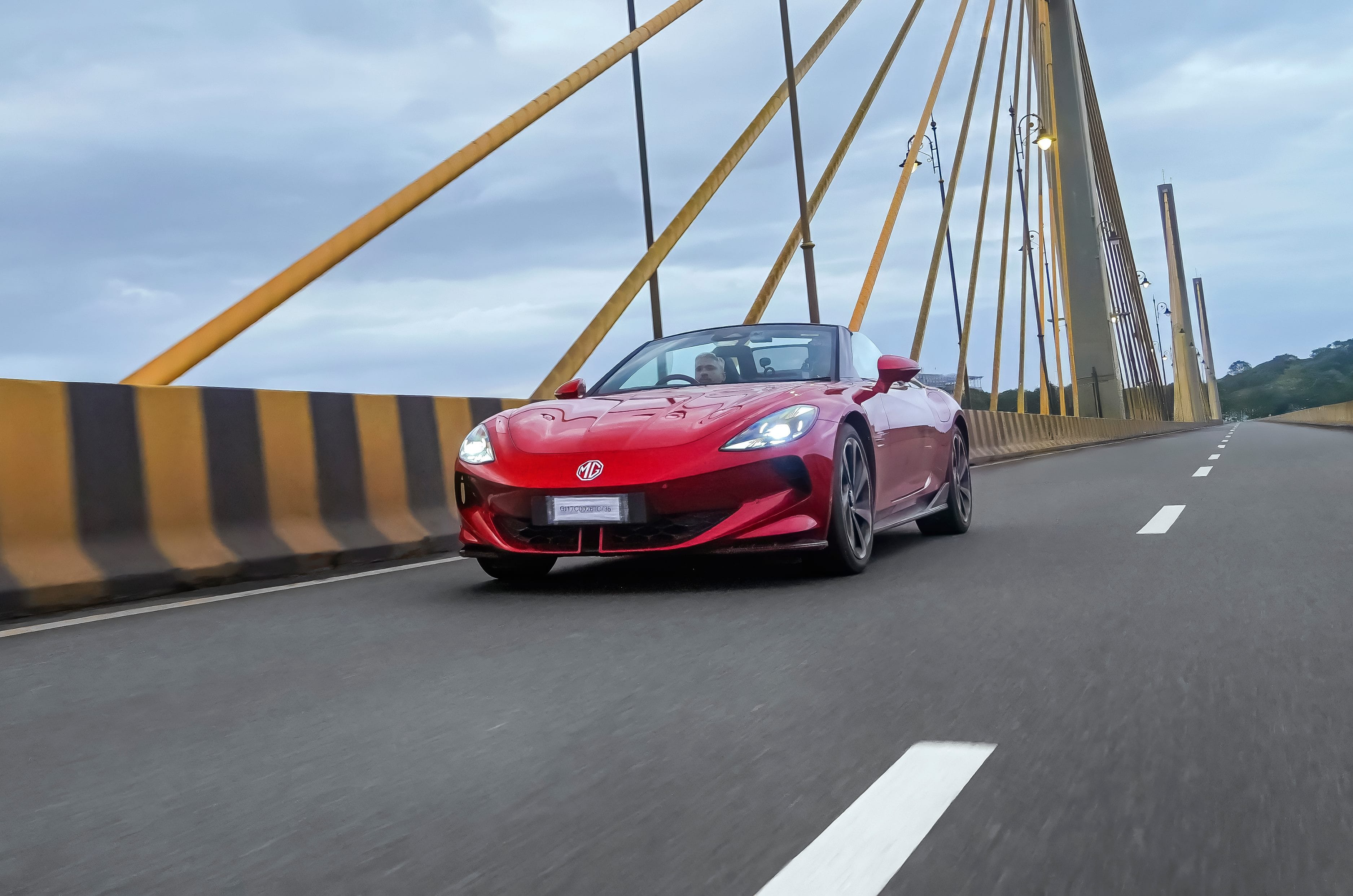
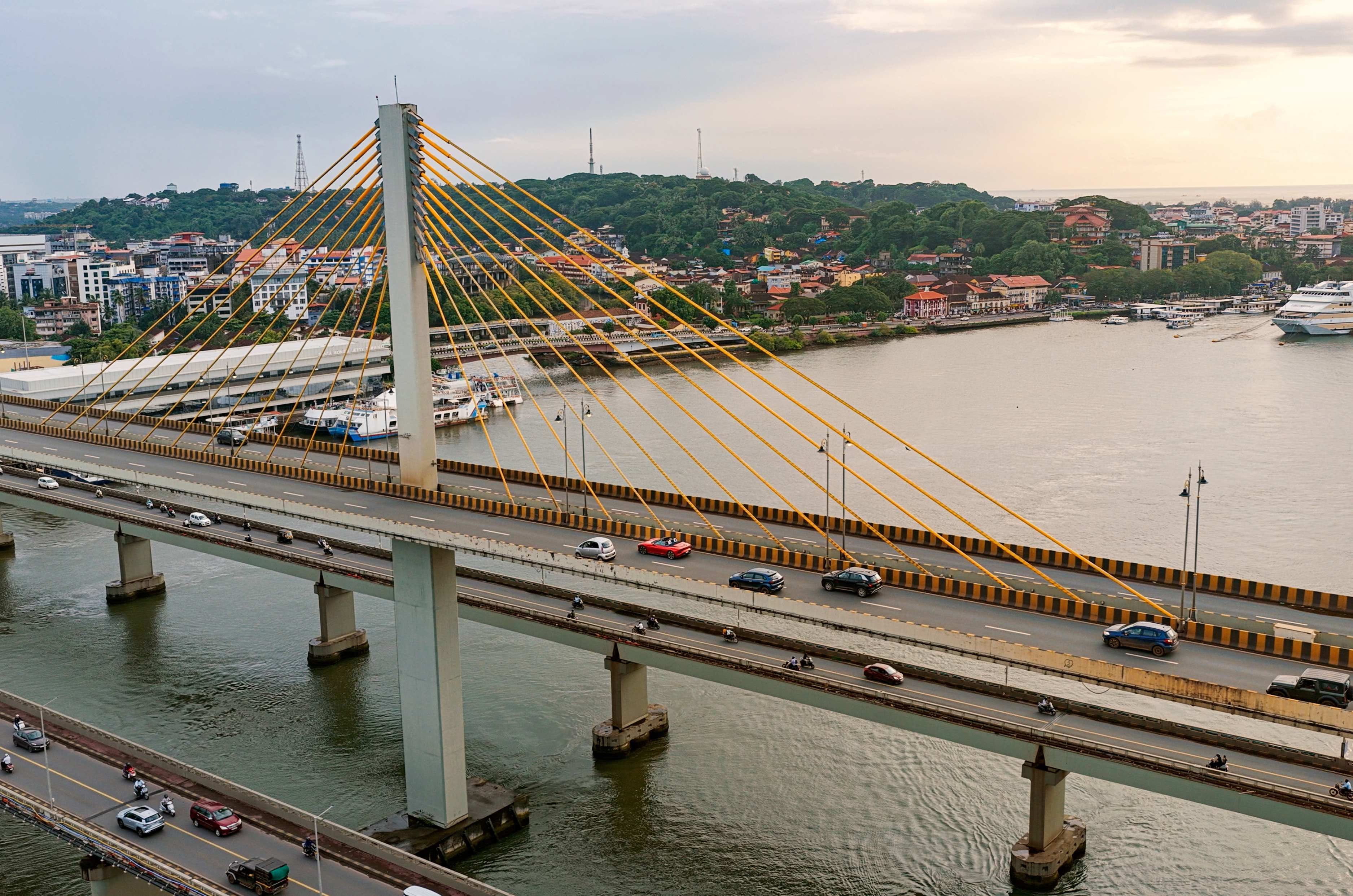
And just like that, we were climbing the Atal Setu bridge, which would take us across the Mandovi River and into Panaji. To the right, stunning views of Panaji city and Miramar beach in the distance, and to the left, Old Goa with its historic churches, while above me, through the open roof of the Cyberster, panoramic views of the bridge’s iconic pylons and yellow cable stays.

Drop top MG Cyberster a great match for Goa’s vibe

Coming down the Atal Setu into Panaji, our stopwatch read just under 10 minutes. Even if you factor in a couple of extra minutes for traffic once the PEC opens, it equates to a real-world saving of about 30 minutes in peak hours, which is quite significant. In fact, the PEC is said to have a capacity of 70,000 PCU, or passenger car units, per day, so traffic flow is expected to be quite swift. Simultaneously, it will reduce the burden on the service and other connecting roads below the corridor, improving flow for local traffic too.

Connects directly to (yet another) Atal Setu bridge and brings you closer to Goa’s historic sites.

The Porvorim Elevated Corridor, along with other recent infra projects such as the Atal Setu, the New Zuari Bridge and the widening of NH66, is expected to boost the economy by improving intra-state connectivity to Goa’s industrial hubs, as well as flow between the airports and ports. It should also make commutes easier for residents and change the way tourists experience Goa – less time spent travelling, more time to explore the beaches, the culture and everything Goa has to offer.

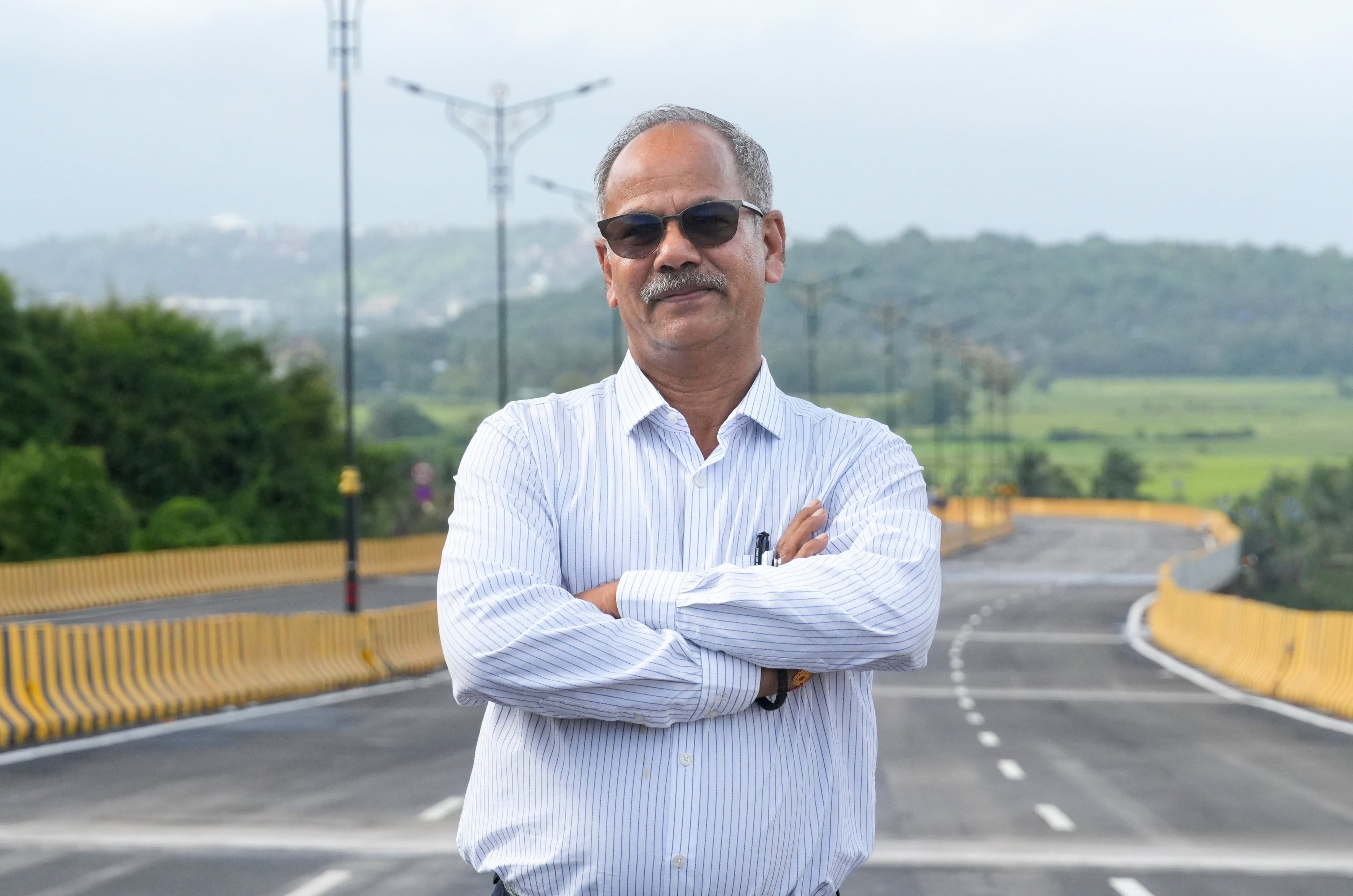
In conversation with Sandip Prabhu Chodnekar, Principal Chief Engineer, Goa Public Works Department (PWD)

On the challenges faced during construction

This bridge is about 24 metres wide, but the right of way is only 25 metres. Constructing such a wide structure when both sides are already fully developed was very challenging. One of the biggest challenges was lifting the segments. Each segment is nearly 24 metres wide and weighs around 120 tonnes. We could not divert the traffic, so we had to carry out most of the work at night. During the daytime, we stopped heavy traffic so that the segments could be lifted safely and normal traffic could resume quickly.

Lifting 25 metre wide sections that weigh 120 tonnes called for nerves of steel.

On other highlights of the project

We tried to harvest the rainwater to recharge the groundwater and increase the water table. There is a median between the service roads below, where we are also planting trees. The corridor’s rainwater harvesting system collects the water and directs it into this median. From there, the water flows into pits that we have dug and filled with aggregates and strainers, allowing the rainwater to percolate into the ground. This helps harvest the rainwater and increase the water table on the plateau during the monsoon.

On traffic and usage

Below the corridor, things will be quite different. Once around 50,000 PCUs of traffic are taken off the existing four-lane road, there could be a tendency for people to park on these lanes. So, we will have to manage parking as well. We have streamlined the junctions and completely reworked the at-grade traffic flow. Motorcycles are also allowed on the Porvorim Elevated Corridor. 

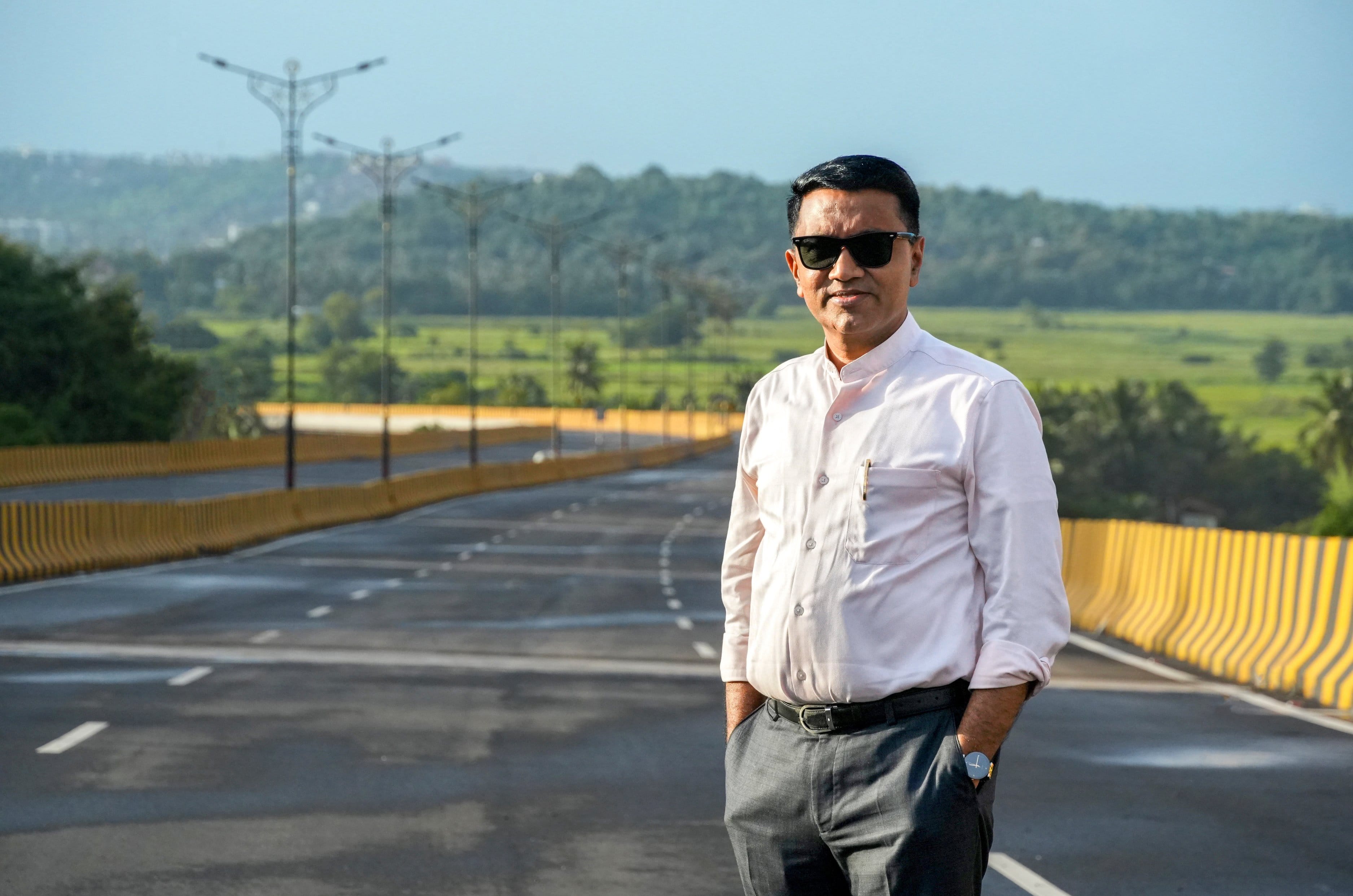
In conversation with Dr. Pramod Sawant, Chief Minister, Goa

On the importance of the project

The Porvorim Elevated Corridor is actually important not only for Goa but also for Maharashtra, Karnataka and Kerala. Porvorim had become a problem because it is a congested and newly developed city, with development on both sides of the road. Even after the road was widened, it was very difficult to manage, and it had become an accident-prone zone. That is why the Porvorim flyover was required, to ensure smooth traffic on NH-66. 

Greater connectivity a boon for residents, tourists and businesses. 

On the project’s wider connectivity benefits

With the opening of Manohar International Airport in North Goa, there was a need to improve connectivity towards South Goa. People arriving at Manohar International Airport and travelling towards South Goa were facing a lot of congestion. Now, that congestion will be reduced and this will definitely help tourism and vehicle movement in the state.

Furthermore, there will be better connectivity between the airports and ports, which will have  a positive economic impact. It is also a very important project for the people of Goa. Especially those travelling between North Goa and the capital; they will save time and money, and their daily commute will become much easier.

On Goa’s future infrastructure plans

Almost all the projects on the National Highway network in Goa have been completed. One of the remaining projects is the Borim Bridge, which will connect the Ponda side. The tendering process for it will happen in the next few days.

We are planning to improve connectivity across rural Goa, from one end of Maharashtra towards Karnataka. We are considering a ring road for Goa, because traffic currently comes into the interior areas and cities. In the future, we want traffic to be able to move around the interior villages and across the state without having to enter the cities.

Mahatransco IPO: आईपीओ से 10000 करोड़ जुटा सकती है महाट्रांसको, जानिए क्या है कंपनी का प्लान

महाराष्ट्र स्टेट इलेक्ट्रिसिटी ट्रांसमिशन कंपनी (एमएसईटीसीएल) आईपीओ से 10,000 करोड़ रुपये जुटा सकती है। सूत्रों ने मनीकंट्रोल को यह बताया। इस ट्रांसमिशन कंपनी को महाट्रांसको भी कहा जाता है। यह किसी राज्य सरकार की ट्रांसमिशन कंपनी का पहला आईपीओ होगा। अभी कंपनी का यह प्लान शुरुआती अवस्था में है।

Maharashtra State Electricity Transmission Company Ltd (MSETCL) अभी इनवेस्टमेंट बैंक और लीगल काउंसल की नियुक्ति करने वाली है। इस मामले में जानकारी देने वाले सूत्रों ने बताया कि आईपीओ के साइज और स्ट्रक्चर के बारे में फैसला ड्राफ्ट पेपर्स फाइल होने के करीब हो सकता है।

इस मामले में जानकारी देने वाले एक सूत्र ने बताया, “इस आईपीओ के करीब 40,000-50,000 की वैल्यूएशन पर आने की उम्मीद है।” इस आईपीओ में ऑफर फॉर सेल (OFS) भी होगा। महाट्रांसको इनवेस्टर्स को नए शेयर इश्यू करेगी, जबकि इसकी पेरेंट कंपनी एमएसईबी होल्डिंग कंपनी अपने कुछ शेयर बेचेगी।

मनीकंट्रोल ने सबसे पहले 18 अगस्त को यह बताया था कि महाट्रांसको ने अपने प्रस्तावित आईपीओ के प्रबंधन के लिए मर्चेंट बैंकर्स से बोलियां आमंत्रित की है। इससे पहले महाराष्ट्र स्टेट इलेक्ट्रिसिटी डिस्ट्रिब्यूशन कंपनी (महावितरण) ने आईपीओ के लिए छह इनवेस्टमेंट बैंक नियुक्त किए हैं। ब्लूमबर्ग ने बताया है कि यह कंपनी 50 करोड़ डॉलर से 100 करोड़ डॉलर जुटा सकती है।

शेयरों की लिस्टिंग के बाद महाट्रांसको और महावितरण राज्य सरकारों की कुछ चुनिंदा कंपनियों की लिस्ट में शामिल हो जाएंगी, जिनके शेयरों की ट्रेडिंग स्टॉक एक्सचेंजों में होती है। इस लिस्ट में Gujarat Energy, Gujarat Alkalies and Chemicals, Gujarat Mineral Development Corporation, Tamil Nadu Newsprint and Papers, Punjab Communications और Jammu & kashmir Bank शामिल हैं।

रिक्वेस्ट फॉर प्रपोजल (RFP) के मुताबिक, महाट्रांसको छह मर्चेंट बैंकर्स का चुनाव कर सकती है। मर्चेंट बैंकर्स के लिए बोलियां सब्मिट करने की आखिरी तारीख 7 सितंबर थी। एलिजिबल बिडर्स की तरफ से 15 से 17 सितंबर के बीच प्रजेंटेशन होगा। कंपनी ने काउंसल की नियुक्ति के लिए लॉ फर्मों से भी अलग से प्रस्ताव आमंत्रित किए हैं।

महाराष्ट्र स्टेट इलेक्ट्रिसिटी बोर्ड की रीस्ट्रक्चरिंग के बाद महाट्रांसको की शुरुआत हुई थी। इसका मालिकाना हक MSEB Holding Company के पास है। यह महाराष्ट्र सरकार की ट्रासमिशन यूटिलिटी के रूप में ऑपरेट करती है। कंपनी के पास 52,807 सर्किट किलोमीटर की ट्रांसमिशन लाइन और 760 एक्स्ट्रा-हाई-वोल्टेज सबस्टेशन हैं, जिसका वह मेंटेनेंस भी करती है। इस तरह से यह देश की सबसे बड़ी स्टेट ट्रांसमिशन यूटिलिटी है।

BMW M340i to be replaced by new M350; next-gen details revealed

BMW M340i to be replaced by new M350; next-gen details revealed
Next-gen BMW 3 Series M350 details revealed; to replace M340i

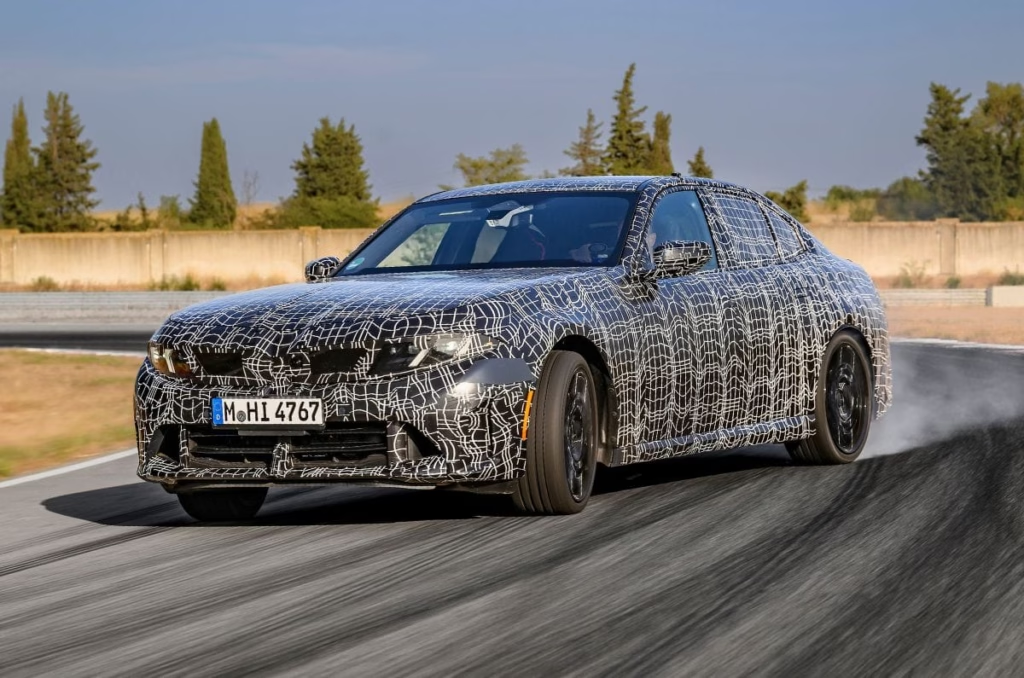
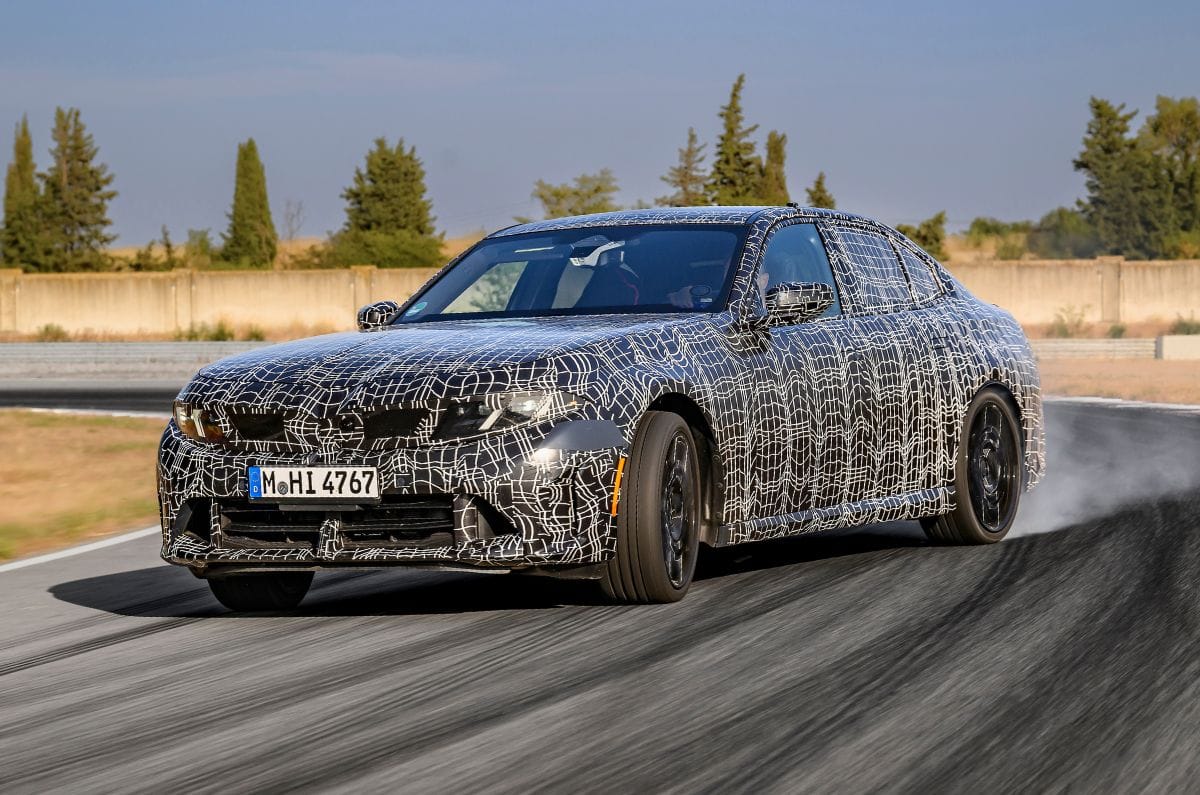
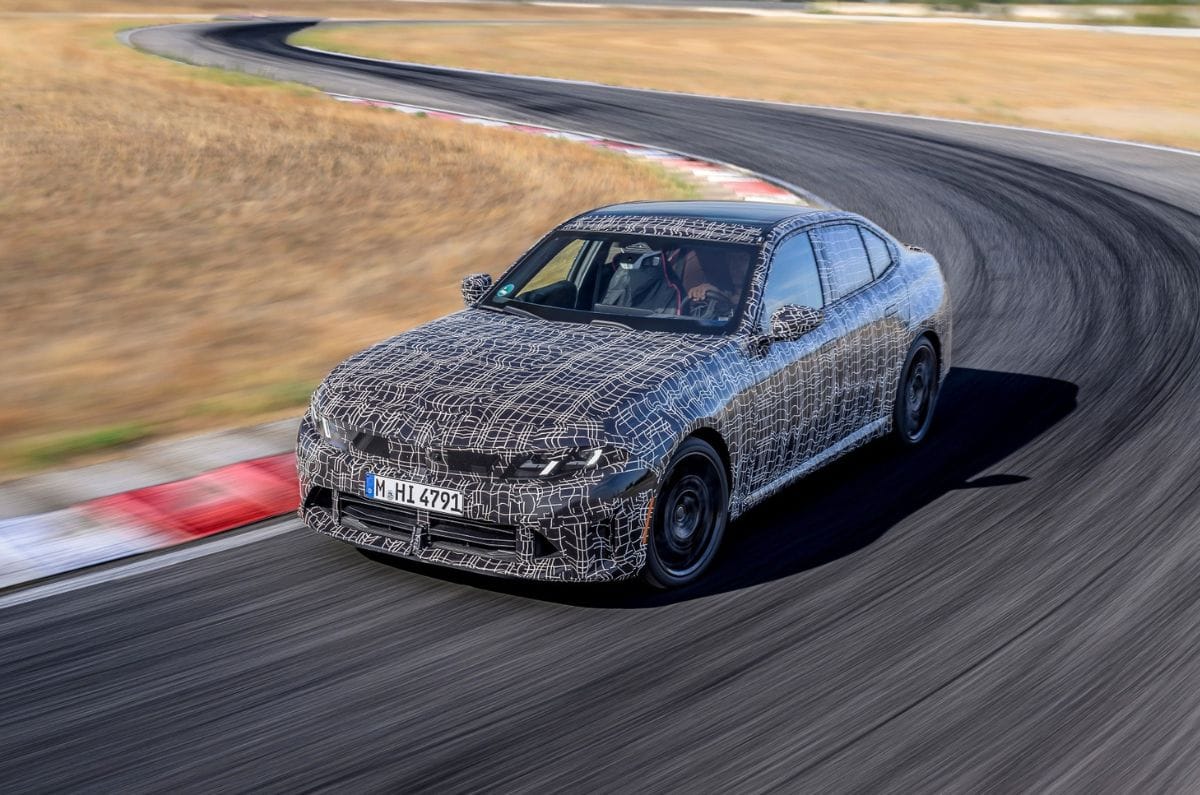
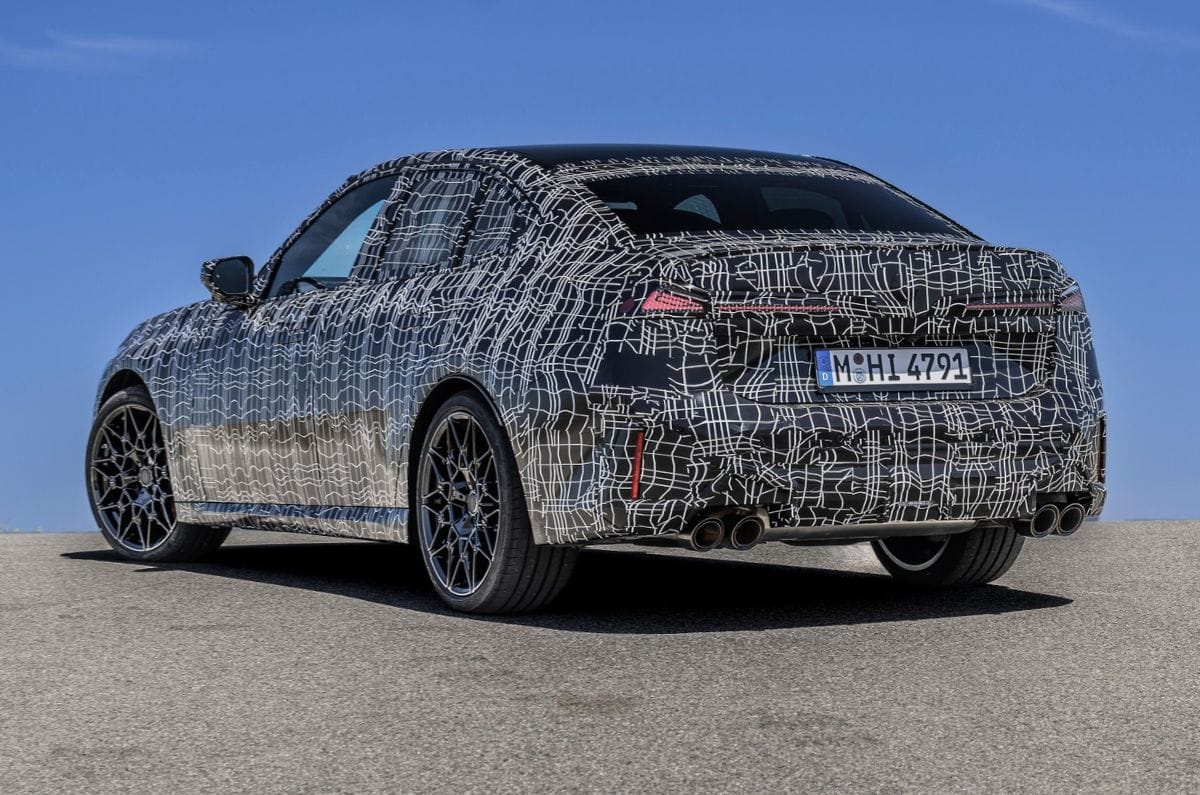
BMW has completed testing the next-generation (Neue Klasse-based) 3 Series in Miramas, France, and has revealed a few key specifications for the M350 version, which will replace the current M340i. The specifications suggest that the M350 will come with a more potent six-cylinder engine than the M340i and will get a drift mode, which will be a first for any BMW 3 Series M Performance model.

  1. Will get a 443hp, 3.0L 6-cylinder turbo-petrol engine 
  2. 8-speed Steptronic transmission and AWD will be standard

Next-generation BMW 3 Series: What was revealed?

M350 will get a drift mode and will produce 69hp more than the M340i

The M350 xDrive will serve as the range-topping model for the upcoming 8th generation 3 Series sedan. It will be powered by a 3.0-litre 6-cylinder turbo-petrol engine producing 443hp and 580Nm, 69hp and 80Nm more than the M340i. It will be offered with a 48V mild-hybrid system for slightly better efficiency, an 8-speed automatic gearbox and an xDrive all-wheel-drive (AWD) layout.

The M350 will also get a drift mode, with all engine power sent to the rear wheels, a first for any BMW 3 Series M Performance model. Till now, a drift mode was reserved for the full-fat M models. With the M350, BMW claims a provisional 0-100kph time of 4.1 seconds, which is 0.3 seconds faster than the M340i, and a top speed of 250kph.

However, BMW has not indicated that a high-performance diesel-powered 3 Series, similar to the current M340d, is in the works. The removal of the ‘i’ suffix from the petrol-powered model’s new M350 badge suggests that a diesel-powered performance variant, traditionally denoted by the ‘d’ suffix, may already be off the table.

Other models in the 3 Series range will be offered with four-cylinder engines and 48V mild-hybrid tech. These are expected to be updated ‘B48’ (2.0L turbo-petrol) and ‘B47’ (2.0L diesel) powerplant versions, offered in the outgoing model.

Will get steel suspension as standard; adaptive suspension setups as options

BMW has also revealed that the 3 Series will come with steel suspension as standard. It will get a double-joint spring strut front axle and a five-link rear axle. Adaptive suspension (for a more comfortable ride) and adaptive M suspension (for a stiffer ride) will be offered as options. Sports tyres – 245/35 R20 at the front and 275/30 R20 at the rear – will also be available as options on the next-generation 3 Series for the first time.

With the summer driving dynamics testing completed in Miramas, the upcoming Neue Klasse-based 3 Series “is entering the final phase of series production development”. It is expected to be available internationally by the end of 2026 and is expected to be offered in India sometime in 2027.

Kinetic Watts & Volts eyes seven overseas markets

Kinetic Watts & Volts eyes seven overseas markets

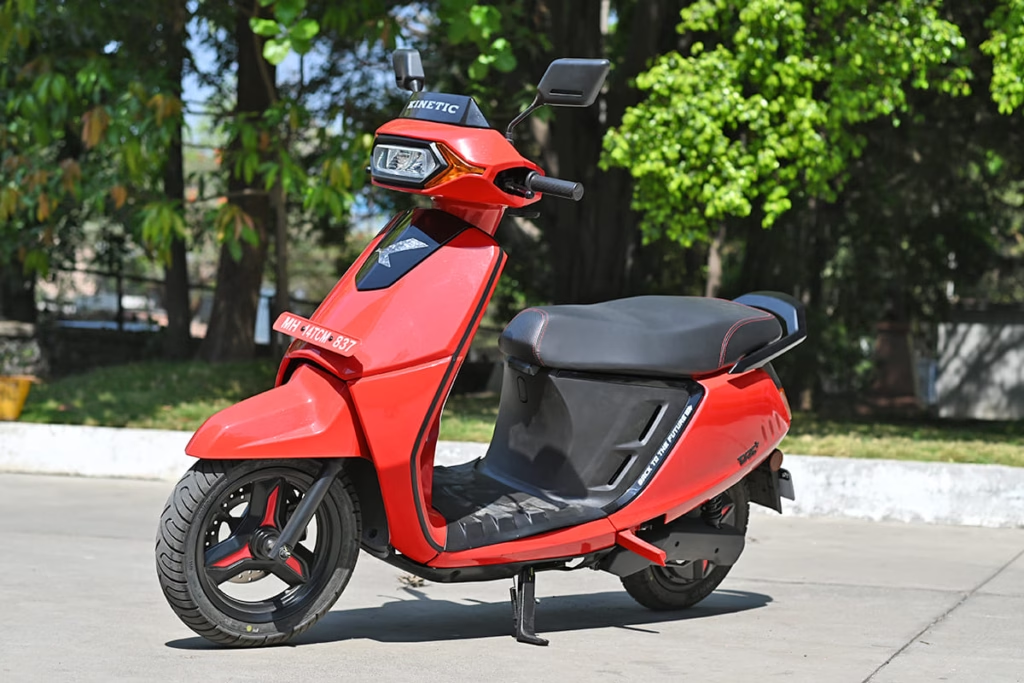
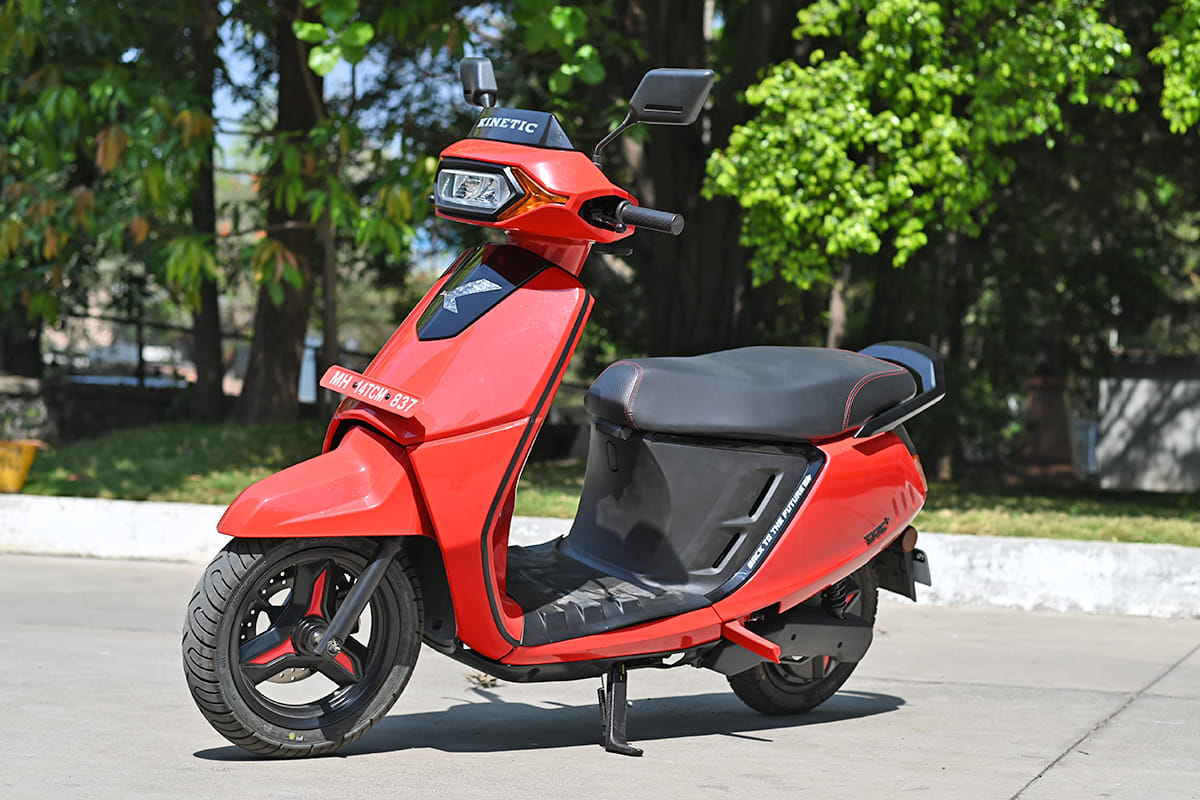
Kinetic Watts & Volts (KWV) is evaluating seven international markets as the Pune-based electric two-wheeler maker looks to expand beyond India. Turkey, Nepal, Sri Lanka, Bangladesh, Kenya, Nigeria and Egypt are currently being assessed, with KWV studying local regulations, customer requirements, electric two-wheeler demand and potential distribution partners.

  1. International expansion to cover markets across Europe, South Asia and Africa
  2. Makarand Joshi appointed to lead KWV’s international business development
  3. Company plans to add 40 more exclusive showrooms in India

Kinetic EV international expansion plans

It has also issued 150 LOIs to prospective dealership partners.

KWV currently sells the Kinetic DX and DX+ electric scooters in India, with the range positioned around accessible urban mobility. The company is now looking to identify markets and distribution partners that can support its next phase of growth overseas.

KWV has appointed Makarand Joshi as head of international business development to lead its overseas plans. Joshi has more than two decades of experience in developing overseas markets for Indian automotive products, with experience across Asia, the Middle East, Europe and Africa. His background includes two-wheelers, commercial vehicles and tractors, as well as international distribution and market-entry strategies.

Ajinkya Firodia, Vice Chairman and Managing Director, Kinetic Watts & Volts, said the company’s products had been designed with a broad range of markets in mind. He added that the momentum of its domestic business had allowed KWV to begin laying the groundwork for international expansion. The company is yet to confirm which of the seven markets it will enter or provide a timeline for its overseas launch.

KWV’s international plans come as it continues to build its presence in the Indian market. The company currently has 45 exclusive showrooms and expects another 40 outlets to become operational within the next two months. It has also issued 150 Letters of Intent (LOI) to prospective dealership partners.

With inputs from ANGITHA SURESH

Tamil Nadu CM Vijay announces plans for new Motor Sports City

Tamil Nadu CM Vijay announces plans for new Motor Sports City
Tamil Nadu CM Vijay Motor Sports City

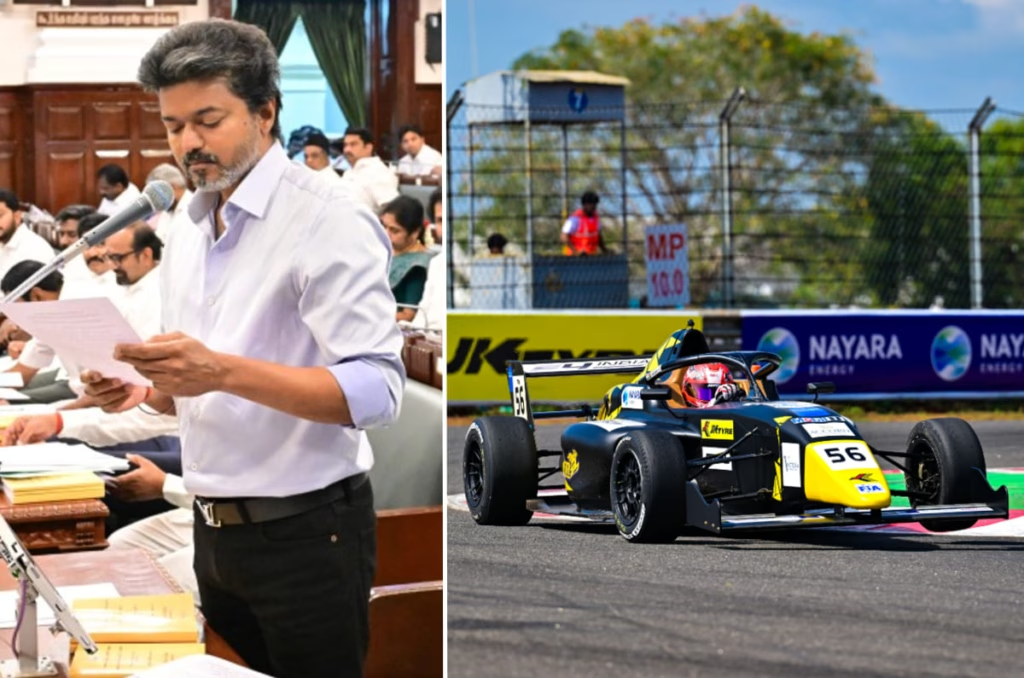
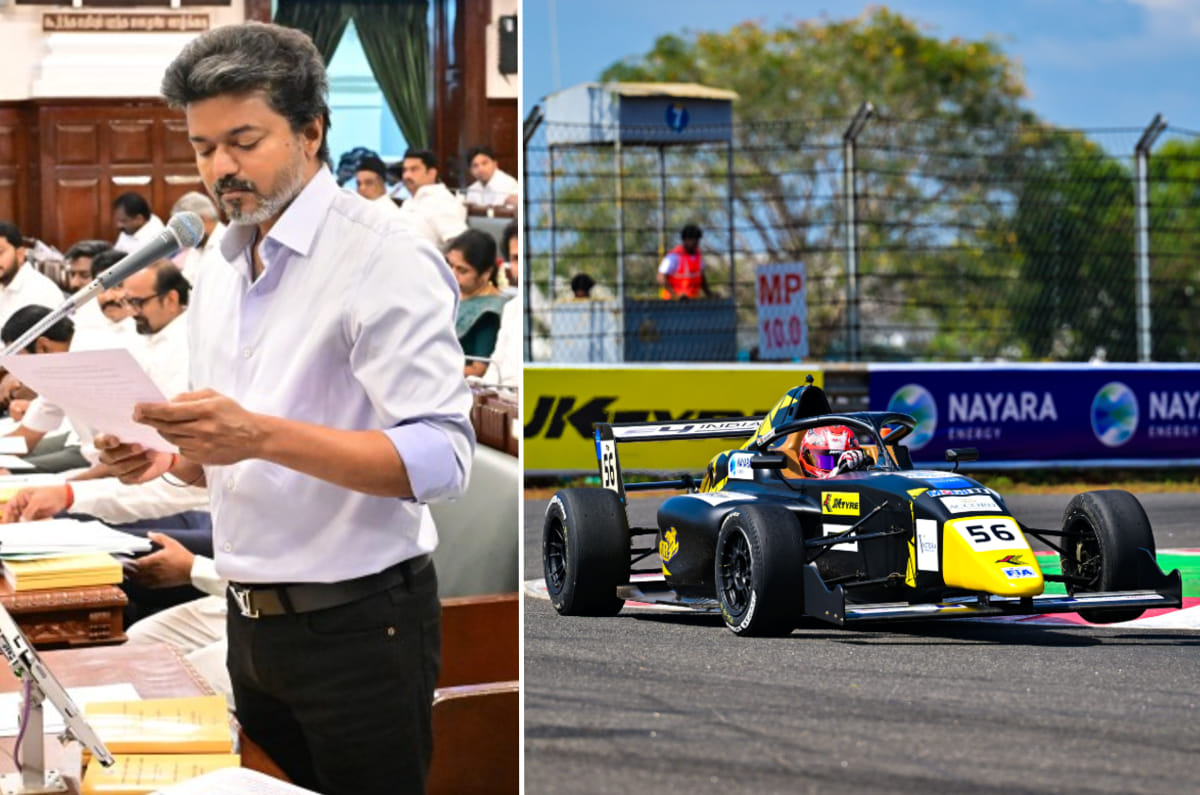
Tamil Nadu Chief Minister C. Joseph Vijay has revealed plans to develop a dedicated motorsport city in Chennai. This will include a new race track, capable of hosting F1, F2, F3, F4 and other international races.

“An Olympic city will be set up in Chennai. A Motor Sports city will also be set up in Chennai to host Formula 1 races. The talents of youth in motor sports will be identified, and training and racing opportunities will be provided to create national and international level champions,” Vijay said during the state Assembly.

He added, “Establishing world-class motor vehicle car racing arenas will provide opportunities for tourism, special vehicle manufacturing industries, employment, and economic development.”

  1. New Chennai race track aims to host F1, F2 and more
  2. Venue will also include training facilities

Chennai Motor Sports City plans revealed

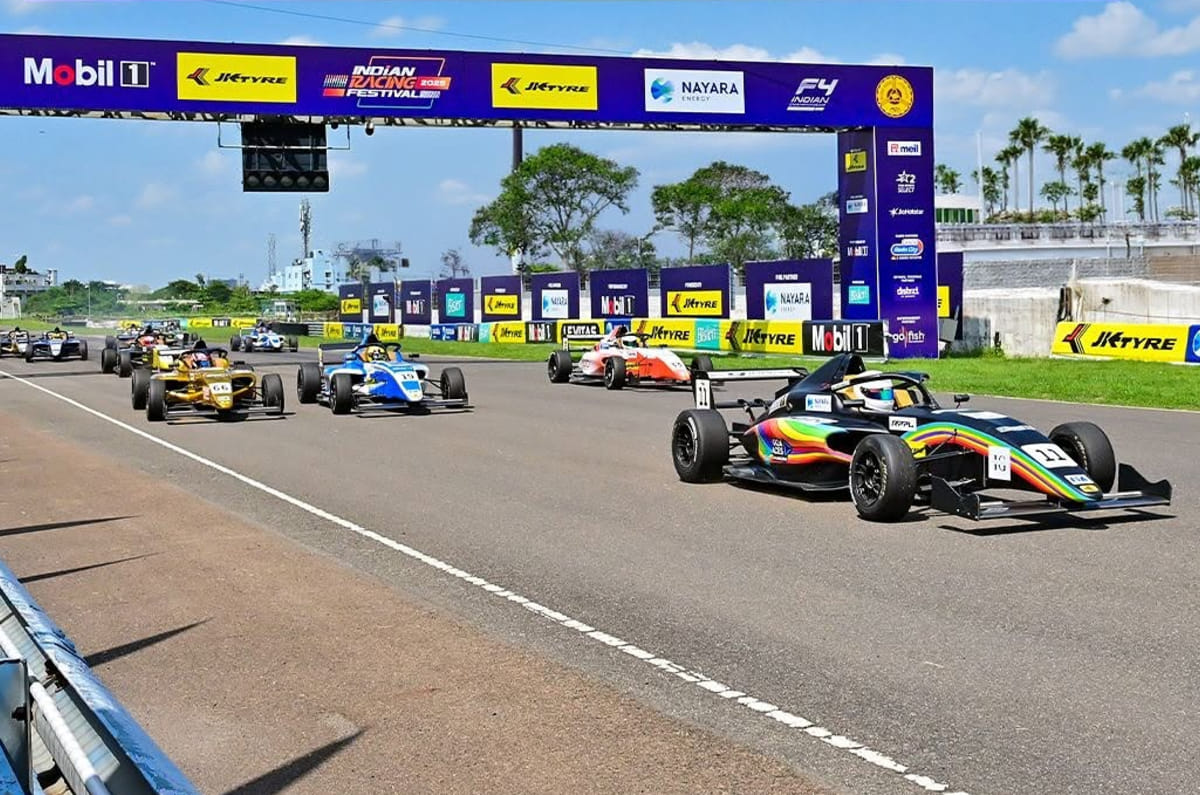
F4 India

Tamil Nadu is at the very heart of the motorsport scene in India, with tracks like the Madras International Circuit and Kari Motor Speedway hosting majority of our national championship races. There’s also the Madras International Karting arena, which is the first karting track in the country to meet global CIK (Commission Internationale de Karting) standards. 

Vijay highlighted the business case behind setting up the new motorsport city in the state. Tamil Nadu is currently a leading state for the production of various two-wheelers and four-wheelers, as well as racing vehicles. He added that setting up “world class” racing venues will provide opportunities to boost tourism, specialised vehicle manufacturing industries and well as employment and the local economy in general.

While the precise location of this new motorsport city hasn’t been revealed, Vijay did share that the goal is for the venue to be capable of hosting international-level racing like F4, F3, F2 and even F1. 

Driver development will be another key focus area. Vijay stated that the venue will also include training facilities to identify and nurture local racing talent in a bid to give them opportunities on the national and international stage. 

India eyes F1 return

F1 Indian GP

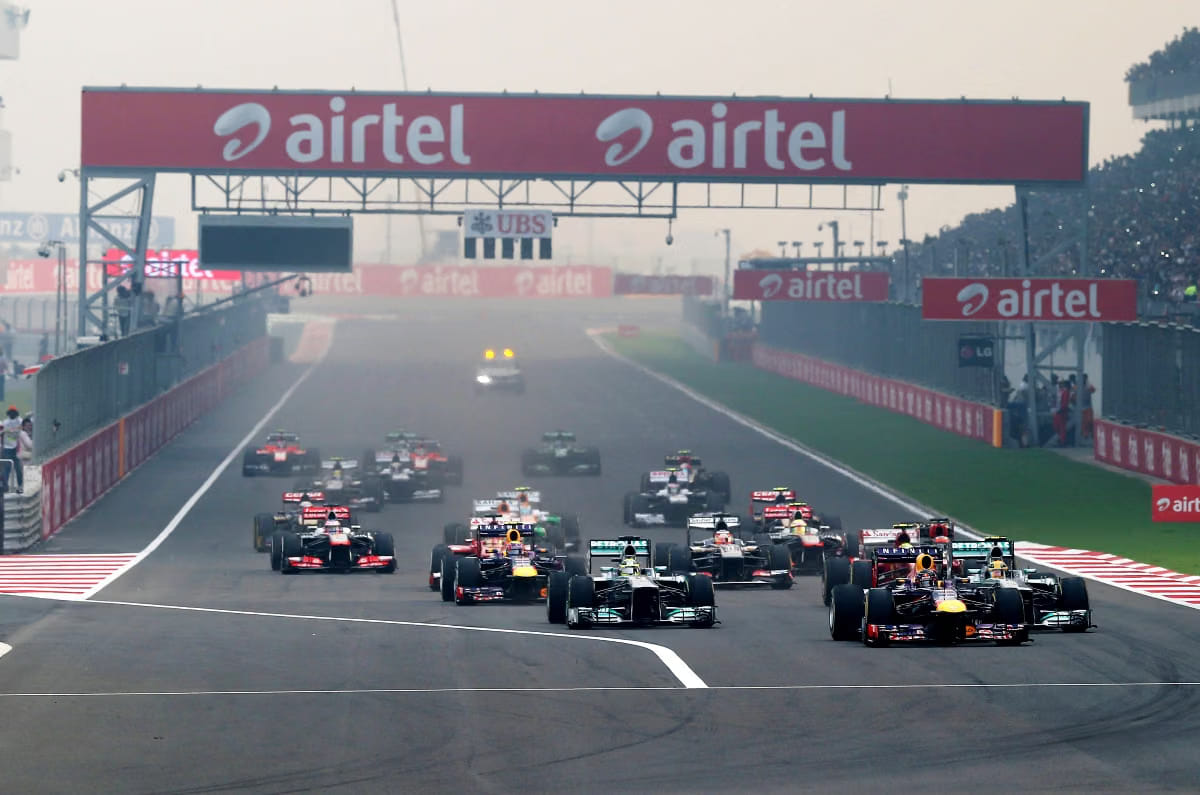
This announcement follows renewed interest from the Indian government to bring F1 back to India.

The Buddh International Circuit last hosted The F1 Indian GP from 2011 to 2013. But the race was then dropped, mainly due to the Uttar Pradesh government’s taxation policy at the time, which classified F1 as entertainment rather than sport. 

However, speaking to media earlier this year, sports minister Mansukh Mandaviya shared that the government is working to make India a viable host country for international racing. “For instance, if the entertainment tax cannot be altogether repealed, we will try to ensure that reimbursements are provided to incentivise the project for the organisers. Discussions are ongoing on this issue. It is an interministerial matter, and we are trying our best to make it attractive for Formula 1,” he said at the time.

F1 CEO Stefano Domenicali has stated that there is “big interest” for the championship to return to India, but also stressed that this won’t happen any time soon and will require several conditions to be met. “There are the right things that we need to do – to again find back the right promoters, the right collaboration and the right timing, which will not be in the very short term. But when we talk about five years in Formula 1, it seems to be very far away, but it’s not,” he told F1 India broadcaster FanCode.

HUDCO Share: सरकारी कंपनी ने बिहार को ₹25000 करोड़ की फंडिंग का दिया ऑफर, इंडस्ट्रियल पार्क पर होगा खर्च

HUDCO Share: सरकारी कंपनी Housing and Urban Development Corporation Ltd (HUDCO) ने बिहार सरकार के साथ एक बड़ा समझौता किया है। इसके तहत HUDCO राज्य में इंडस्ट्रियल इंफ्रास्ट्रक्चर प्रोजेक्ट्स के लिए ₹25,000 करोड़ तक की फाइनेंशियल मदद देगी।

पांच साल में मिलेगी फंडिंग

यह रकम एक साथ जारी नहीं होगी। अगले पांच साल में जरूरत के हिसाब से अलग-अलग चरणों में फंड दिया जाएगा।

इस पैसे का इस्तेमाल बिहार में इंडस्ट्रियल पार्क बनाने में होगा। इसमें जमीन खरीदना और उद्योगों के लिए जरूरी इंफ्रास्ट्रक्चर तैयार करना शामिल है।

25 साल तक के लिए मिल सकता है लोन

HUDCO राज्य सरकार की ओर से तय की गई एक संस्था को ₹25,000 करोड़ तक के टर्म लोन देगी। फंडिंग अलग-अलग चरणों में होगी।

लोन की शर्तें भी लचीली होंगी। मोरेटोरियम की सुविधा मिल सकती है। लोन चुकाने के लिए 25 साल तक का समय दिया जा सकता है। समय से पहले लोन चुकाने का विकल्प भी होगा।

IDA को जिम्मेदारी मिली

बिहार सरकार ने राज्य के Infrastructure Development Authority को इन प्रोजेक्ट्स की जिम्मेदारी दी है। यह संस्था इंडस्ट्रियल पार्क के लिए जमीन खरीद और डेवलप कर सकती है।

यहां उद्योगों के लिए जरूरी इंफ्रास्ट्रक्चर भी तैयार किया जाएगा। हर प्रोजेक्ट के लिए अलग समझौता होगा। उसमें फंडिंग की शर्तें और प्रोजेक्ट का दायरा तय किया जाएगा।

तुरंत नहीं मिलेंगे ₹25,000 करोड़

यह MoU ₹25,000 करोड़ तुरंत जारी करने का करार नहीं है। यह सिर्फ फंडिंग के लिए एक फ्रेमवर्क है। जरूरत के हिसाब से पांच साल में फंड जारी होगा। MoU तीन साल तक वैध रहेगा। इसकी हर साल समीक्षा की जाएगी।

बुधवार को HUDCO का शेयर 0.11% की मामूली गिरावट के साथ ₹178.38 पर बंद हुआ।

GDP Growth: सरकार ने 2.6% GDP ग्रोथ के दावे को खारिज किया, 7.8% को सटीक बताया

Disclaimer: यहां मुहैया जानकारी सिर्फ सूचना के लिए दी जा रही है। यहां बताना जरूरी है कि मार्केट में निवेश बाजार जोखिमों के अधीन है। निवेशक के तौर पर पैसा लगाने से पहले हमेशा एक्सपर्ट से सलाह लें। मनीकंट्रोल की तरफ से किसी को भी पैसा लगाने की यहां कभी भी सलाह नहीं दी जाती है।