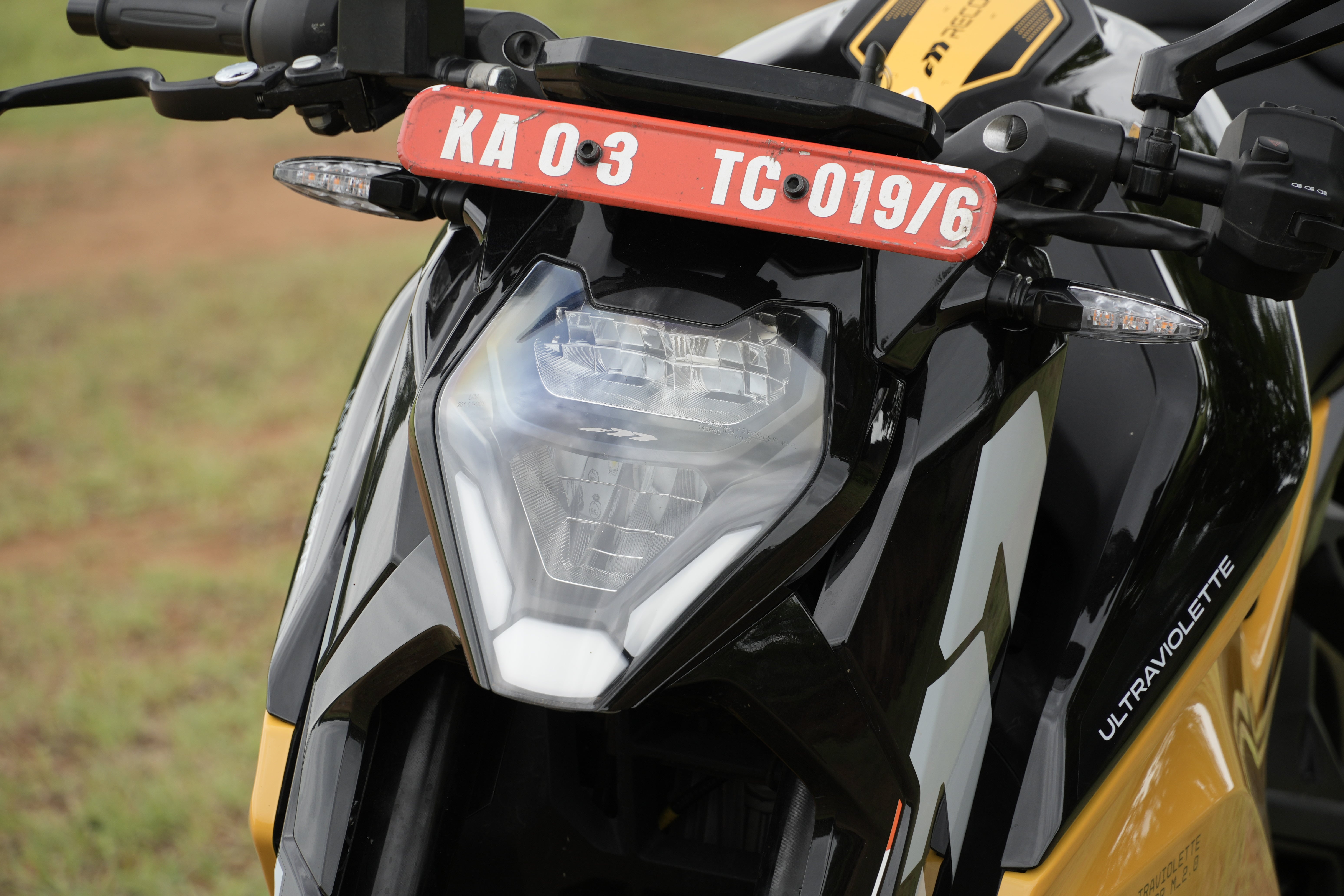
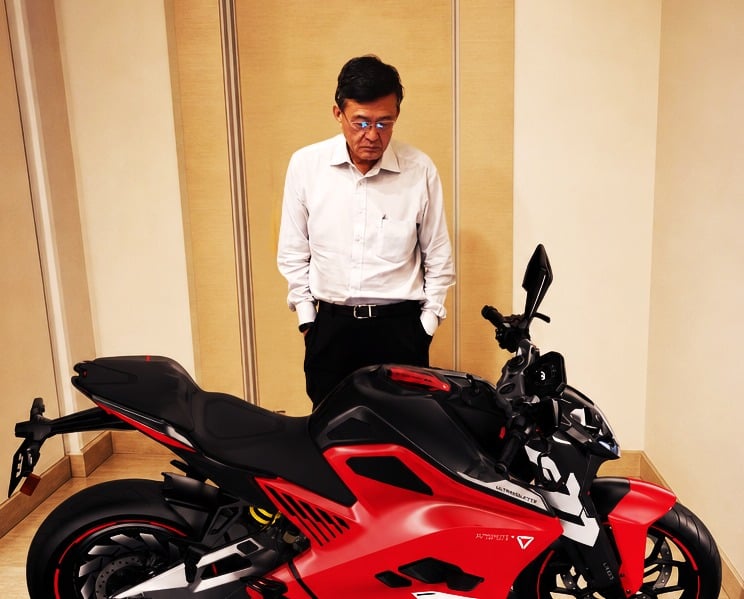
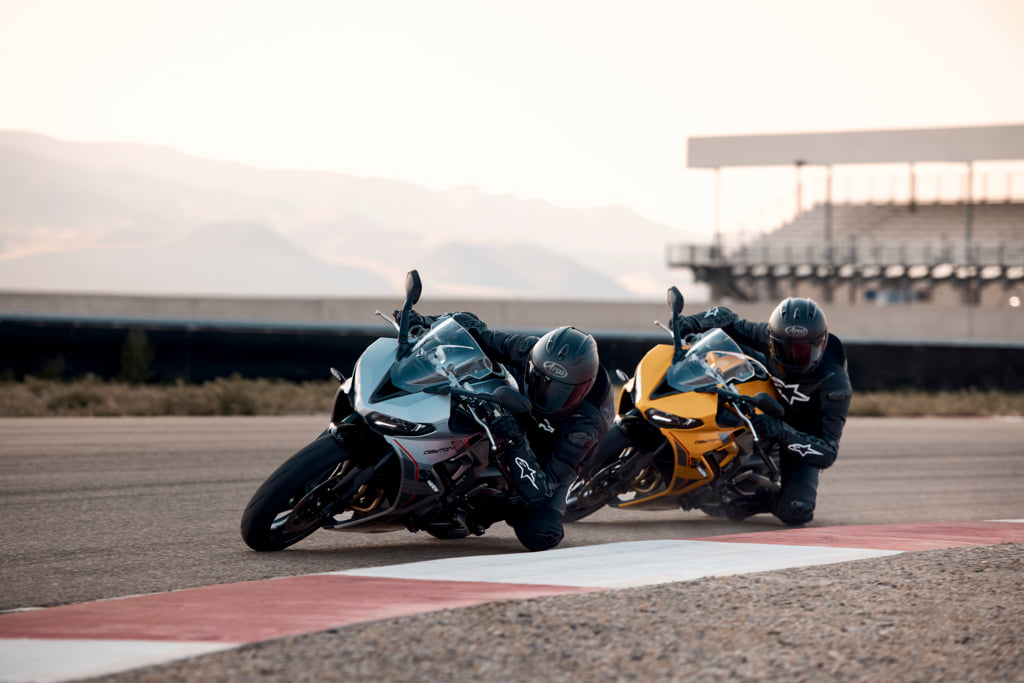
Bengaluru based EV manufacturer, Ultraviolettehad recently announced plans for a new manufacturing facility in Hosur, to increase production capacity up to 5 lakh units a year. The company has now received USD 85 million in a new funding round. The additional capital and the new factory is expected to boost the manufacturing of its current products, the F77 (Mach 2 and Superstreet), X-47, and development of upcoming platforms and products.
The USD 85 million funding was led by Deep Tech Fund Yali Capital and TDK Ventures
New Hosur plant expected to increase production capacity up to 5 lakh units a year
Ultraviolette currently has the means to build battery architecture ranging from 48V to 400V
Ultraviolette plans expansion in India and abroad
Four new products and US entry planned for next year
Currently, Ultraviolette operates in India and 20 European countries. With the fresh round of investment, the company has targeted an US market entry next year, alongside key markets in Latin America and Southeast Asia. The USD 85 million funding round was led by Deep Tech Fund Yali Capital and TDK Ventures and investment from Lip-Bu Tan, Chief Executive Officer of Intel, Chairman of Walden International and Advisor to Ultraviolette, alongside the company’s current and long-term investors. UV says the new and continued support from the investors will help scale production of its current portfolio as well as upcoming products.
The investment will also help with the development of UV’s next generation of models. The company currently boasts technical capabilities to build battery architecture spanning 48V to 400V which it says allows for engineering platforms catering to different needs. Its current list of investors include Zoho Corporation, TVS Motors, and Qualcomm Ventures. Besides India, UV currently operates across Europe including Germany, France, Spain, Portugal, the UK, Belgium, Netherlands, Italy, Switzerland and Hungary.
Market Insight : बाजार पर अपनी राय साझा करते हुए सीएनबीसी-आवाज़ के मैनेजिंग एडिटर अनुज सिंघल ने कहा कि बाजार में हालात पलट गए हैं। कल अच्छी क्लोजिंग के बावजूद हमने लॉन्ग लेकर जाने से मना किया था। नजरिया यही था कि ट्रेड लेकर जाना जुआ खेलने जैसा होगा। परसों के आउटसाइड डे के बाद कल इनसाइड डे बना था। अगर गिफ्ट निफ्टी सही है तो आज हम 23,250-23,300 पर खुलेंगे। 23,100-23,150 का जोन बाजार के लिए लक्ष्मण रेखा है। आज इंश्योरेंस सेक्टर में बड़ा एक्सीडेंट होगा। IRDAI का कंसल्टेशन पेपर उम्मीद से एकदम उल्टा आया है।
बाजार: आज के संकेत
बॉन्ड यील्ड से कोहराम मच गया है। 10 साल की बॉन्ड यील्ड 5.135% पर आ गई है। जुलाई 2007 के बाद 10 साल की यील्ड सबसे ज्यादा ऊंचाई पर है।इसमें 7 अप्रैल 2025 के बाद एक-दिन की सबसे बड़ी तेजी आई है। 2 साल की यील्ड 4.947% पर पहुंच गई है। मई 2024 के बाद सबसे ऊंची 2 साल की यील्ड दिखी है। 30 साल की यील्ड 5.398% पर पहुंच गई है। 30 साल की यील्ड जून 2007 के बाद सबसे ऊंचे स्तर पर है।
यील्ड में तेजी के कारण
US के मैन्युफैक्चरिंग और सर्विसेज PMI के आंकड़े मजबूत रहे हैं। सर्विसेज PMI 5 साल के हाई पर पहुंच गई है। S&P Global सितंबर सर्विसेज PMI 58.7 पर है। अगस्त में सर्विसेज PMI 56.5 पर थी। मैन्युफैक्चरिंग PMI 56.7 पर, 4 साल के हाई पर है। यह कोरोना के बाद 2015 से सबसे तेज उछाल है।
अभी और बढ़ेगी ब्याज दर?
फेड गवर्नर माइकल बार की हॉकिस चेतावनी आई है। उन्होंने कहा है कि महंगाई को समय पर नीचे लाने के लिए पॉलिसी में बदलाव जरूरी है। टिकाऊ ग्रोथ और ज्यादा रोजगार के लिए प्राइस स्टेबिलिटी अहम है। CME फेडवॉच टूल के मुताबिक Oct में 0.25% बढ़ोतरी की संभावना 70% है। पहले 0.25% बढ़ोतरी की संभावना 55% ही थी।
बॉन्ड की कमजोर नीलामी
5 साल के ट्रेजरी नोट की नीलामी में डिमांड कमजोर रही है। ऑप्शन 5.033% यील्ड पर पूरा हुआ। 6 ऑप्शन का औसत यील्ड 4.186% रहा।
कच्चे तेल में फिर तेजी
ईरान के राष्ट्रपति पेजेशकियान के UNGA में भाषण के बाद कच्चे तेल में तेजी आई। ब्रेंट $102 के ऊपर है। WTI भी $91/बैरल के पार चला गया है। UK मैरीटाइम एजेंसी का दावा है कि स्ट्रेट ऑफ हॉर्मुज में एक कार्गो जहाज में आग लगी है।
पॉलिटिको की रिपोर्ट है कि US डीजल एक्सपोर्ट पर रोक लगा सकता है। प्रशासन रोक के प्रस्ताव पर विचार कर रहा है। 90 दिनों के लिए एक्सपोर्ट पर रोक की योजना है। अमेरिका के एनर्जी सेक्रेटरी हैं क्रिस राइट ने कहा है कि पूरा बैन नहीं होगा,कुछ पाबंदियों पर विचार किया जा रहा है। एक्सपर्ट्स की चेतावनी है कि डीजल एक्सपोर्ट पर रोक का फैसला गलत होगा। इससे US में रिटेल गैसोलीन महंगा हो सकता है।
ट्रंप पर बरसे मसूद पेजेशकियान
UNGA में ईरान के राष्ट्रपति पेजेशकियान ने सख्त रुख दिखाया। उन्होंने कहा कि स्ट्रेट में फ्रीडम ऑफ नेविगेशन की इजाजत नहीं। सबसे पहले प्रतिबंध और नेवल ब्लॉकेड हटना जरूरी है। अब तक हॉर्मुज से सभी ने फायदा उठाया है। लेकिन ईरान प्रतिबंध झेले,ये मंजूर नहीं है। किसी भी हाल में बल की भाषा स्वीकार नहीं है।
पेजेशकियान ने कहा कि ईरान की एटॉमिक हथियार बनाने में दिलचस्पी नहीं है। लेकिन विकास के लिए न्यूक्लियर टेक्नोलॉजी जरूरी है। न्यूक्लियर टेक्नोलॉजी विकसित करना ईरान का अधिकार है। किसी भी सूरत में अपना अधिकारी नहीं छोड़ेंगे। प्रोग्राम से जुड़े सवाल युद्ध के मैदान पर हल नहीं होंगे। पेजेशकियान ने आगे कहा कि स्ट्रेट से अमेरिकी नेवल ब्लॉकेड तुरंत हटे। ईरानी एसेट्स को अनफ्रीज करना जरूरी है। सभी मोर्चों पर युद्ध खत्म करना भी जरूरी है।
आज का एक्सीडेंट: PB Fintech
IRDAI का कंसल्टेशन पेपर उम्मीद से एकदम उल्टा है। PB Fintech आज 10% नीचे खुल सकता है और हो सकता है उसके बाद और भी गिरे। बाजार की उम्मीद से कहीं ज्यादा खराब कंसल्टेशन पेपर आया है।
इस कंसल्टेशन पेपर का सबसे ज्यादा असर PB Fintech, Turtlemint, Max Fin, HDFC Life, LTF, IndusInd Bank और IDFC First Bank पर पड़ेगा। वहीं, LIC और SBI Life पर इसका सबसे कम असर होगा।
आज कहां लगाएं दांव?
PB फिनटेक आज का एक्सीडेंट होगा। बाकी इंश्योरेंस शेयरों में भी आज गिरावट संभव है। ONGC और OIL में आज वापस रिकवरी आ सकती है। इंटरग्लोब और एशियन पेंट्स पर क्रूड में रैली का असर दिख सकता है। मुथूट,मणप्पुरम में आज सोने में गिरावट और NBFCs में दबाव का असर दिख सकता है। चांदी में गिरावट से हिंदुस्तान जिंक में दबाव संभव है। डॉलर इंडेक्स में मजबूती से मेटल शेयरों में गिरावट आ सकती है। बैंक और NBFCs में आज दबाव संभव है। लार्जकैप IT शेयरों में भी आज गिरावट का खतरा है। ऑटो और रियल्टी शेयरों में आज बड़ी गिरावट की आशंका है।
NSE की लिस्टिंग
NSE की लिस्टिंग शायद बहुत ज्यादा प्रीमियम पर ना हो। प्री-IPO निवेशकों का लॉक इन है लेकिन करीब 15,000 करोड़ के फ्लोट पर नहीं हैं। कुछ चुनिंदा AIFs पर लॉक इन लागू नहीं है। NSE में आज AIF की सप्लाई आएगी। 1 महीने के बाद एंकर निवेशकों की सप्लाई आएगी और 6 महीने बाद प्री-IPO निवेशकों की सप्लाई आएगी। NSE में डिमांड भी मजबूत रह सकती है। MSCI शायद फास्ट ट्रैक पर NSE को शामिल करे।
निफ्टी पर रणनीति
निफ्टी के लिए पहला सपोर्ट 23,300-23,350 पर और सबसे अहम सपोर्ट 23,100-23,150 पर है। इसके लिए पहला रजिस्टेंस 23,400-23,450 पर और बड़ा रजिस्टेंस 23,500-23,550 पर है। 200 पॉइंट नीचे खुलने के बाद थोड़ा रुकें। आज देखना होगा 23,100-23,150 बचता है या नहीं।
बैंक निफ्टी पर रणनीति
बैंक निफ्टी पर पहला सपोर्ट 56,000-56,200 पर और क्रिटिकल सपोर्ट 55,500-55,800 पर है। फिलहाल रजिस्टेंस की बात करना बेमानी है।
डिस्क्लेमर: मनीकंट्रोल.कॉम पर दिए गए विचार एक्सपर्ट के अपने निजी विचार होते हैं। वेबसाइट या मैनेजमेंट इसके लिए उत्तरदाई नहीं है। यूजर्स को मनी कंट्रोल की सलाह है कि कोई भी निवेश निर्णय लेने से पहले सर्टिफाइड एक्सपर्ट की सलाह लें।
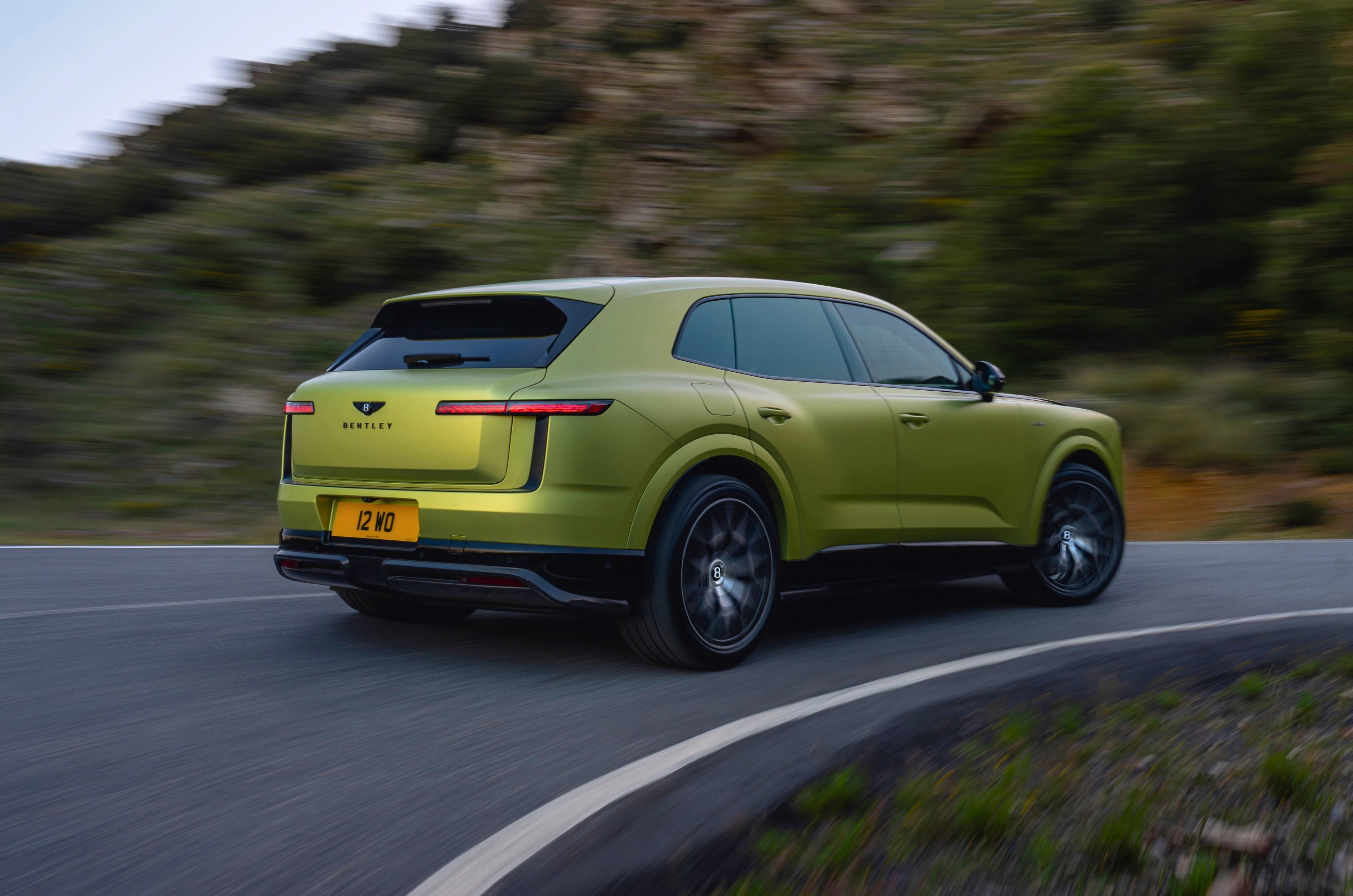
For 107 years, Bentley has been defined by what sits under the bonnet: supercharged Blowers, mighty W12s and thundering V8s. The Torcal has none of that. It’s Bentley’s fourth model line and its first electric car. It slots in below the Bentayga, and it will never get a petrol engine. Bentley also calls it the template for every Bentley that follows, whatever the powertrain.
Like many modern Bentleys, the Torcal is named after a natural wonder. El Torcal de Antequera is a dramatic landscape of weathered limestone in southern Spain. The car is also the first Bentley to wear the brand’s redesigned, modernised emblem, which was revealed last year. That leaves one question that matters. Take away the engine, and is it still a Bentley? We haven’t driven it yet, so the full answer will have to wait. After a close look at the First Edition, the fully loaded launch car, there’s plenty to go on.
Bentley Torcal exterior design: light is the new chrome
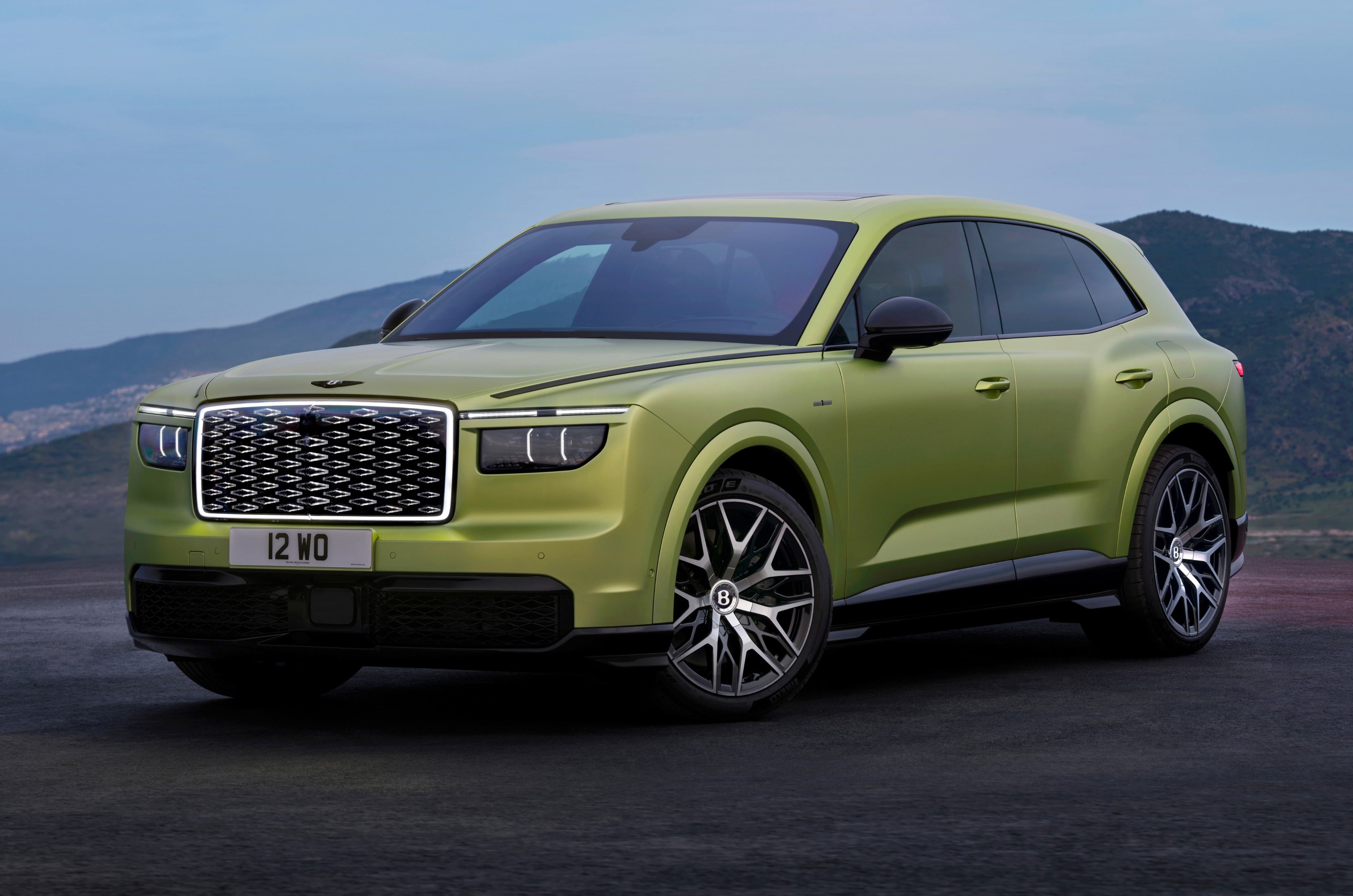
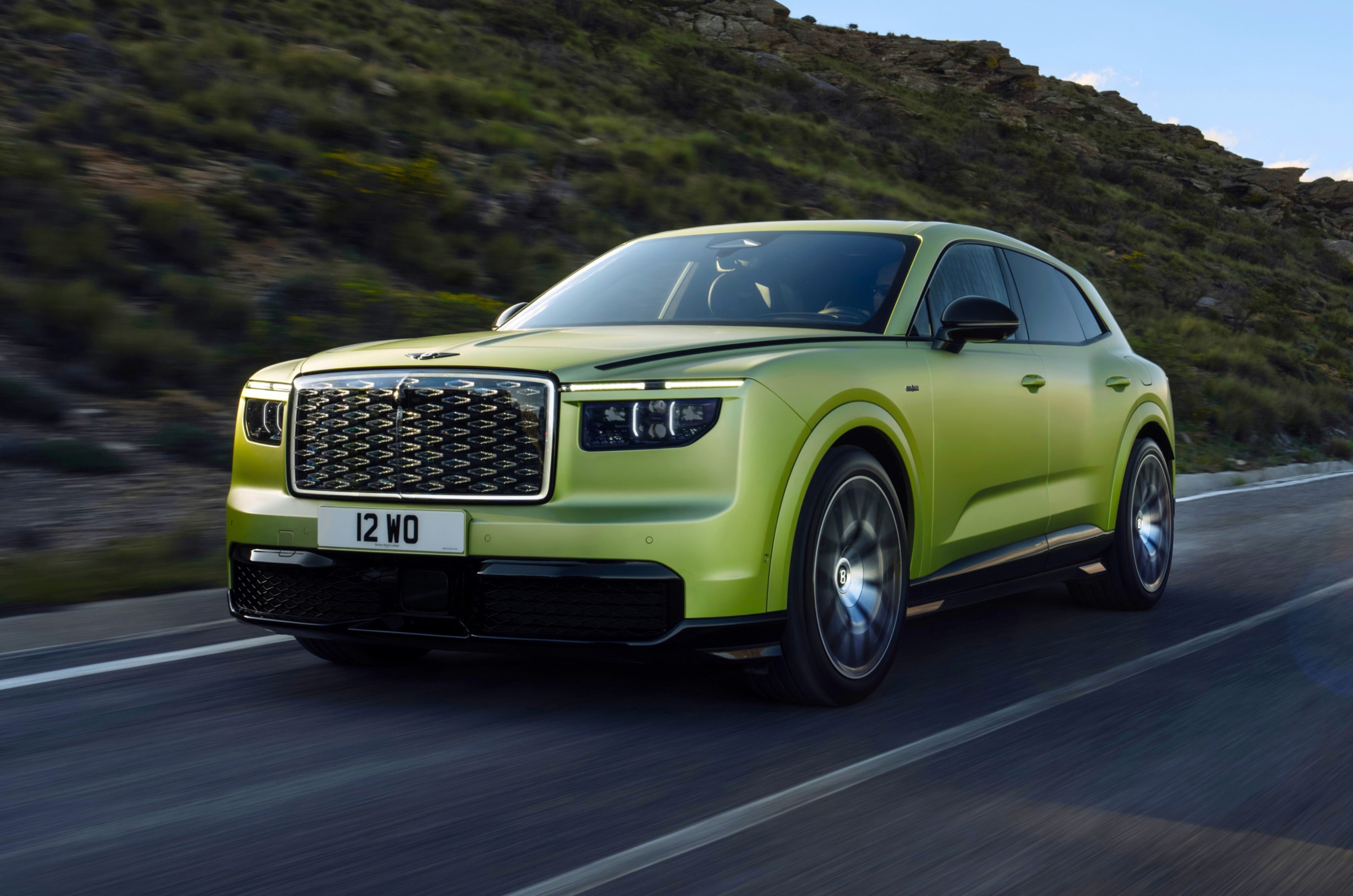
Designing an EV for a brand with this much pedigree was never going to be easy, but Robin Page’s in-house team at Crewe has done a fine job. The Torcal sits 50mm lower and is 120mm shorter than a standard-wheelbase Bentayga, yet it looks the better proportioned of the two. The wheelbase is just over three metres, the car is about five metres long, and the overhangs are short. Bentley’s signature ‘endless bonnet’ does much of the visual heavy lifting.
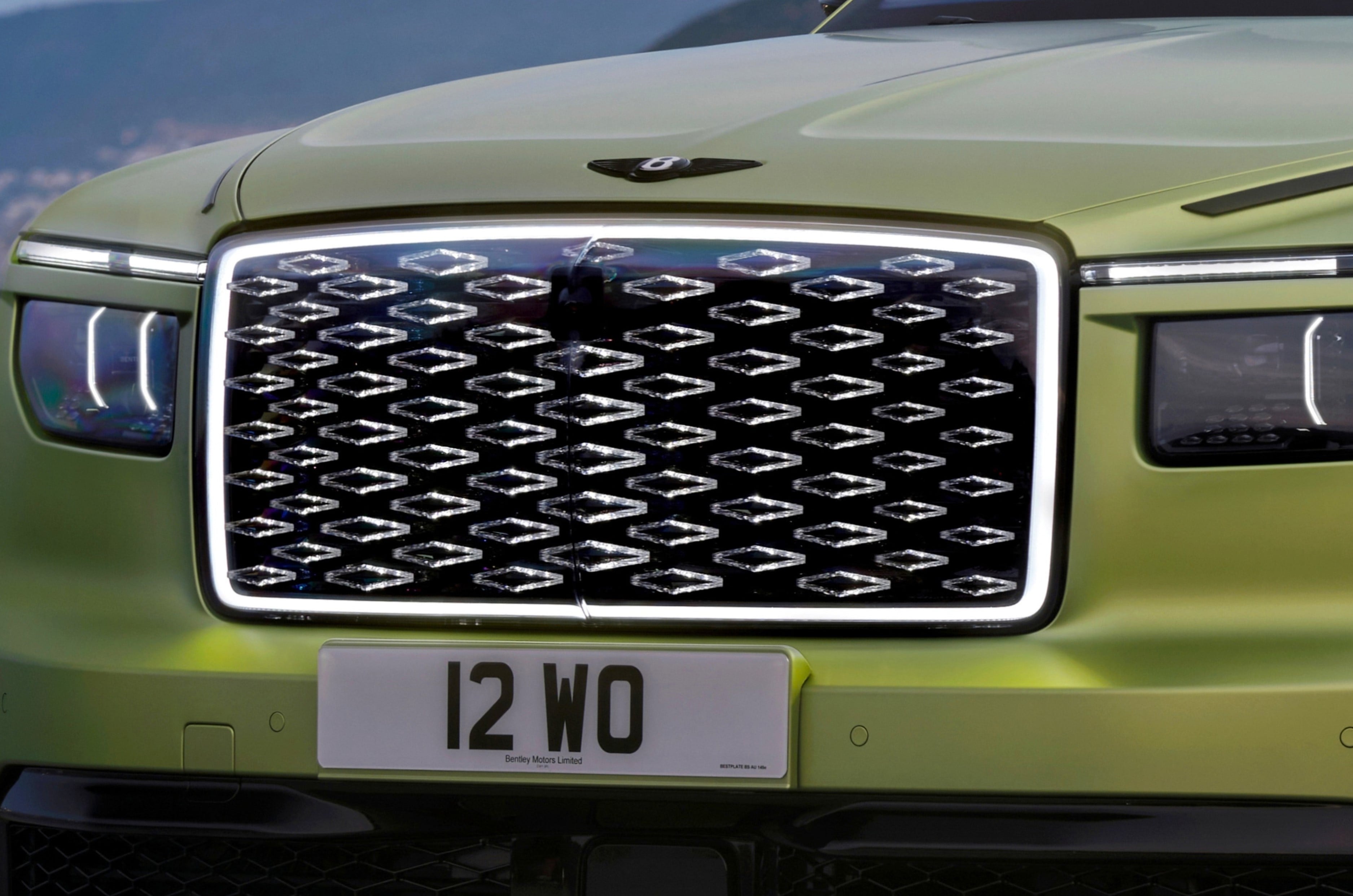
The Torcal gets a clear polycarbonate panel with diamond-like elements for a grille.
An EV doesn’t need a grille for cooling, but Bentley argues that a car without one is faceless. The Torcal’s solution is an illuminated one with crystal-effect, diamond-like elements set behind a clear polycarbonate panel. It’s the car’s signature piece, and it will look spectacular filling someone’s rear-view mirror. The face echoes the Continental T, reinterpreted through slim, high-tech lighting.
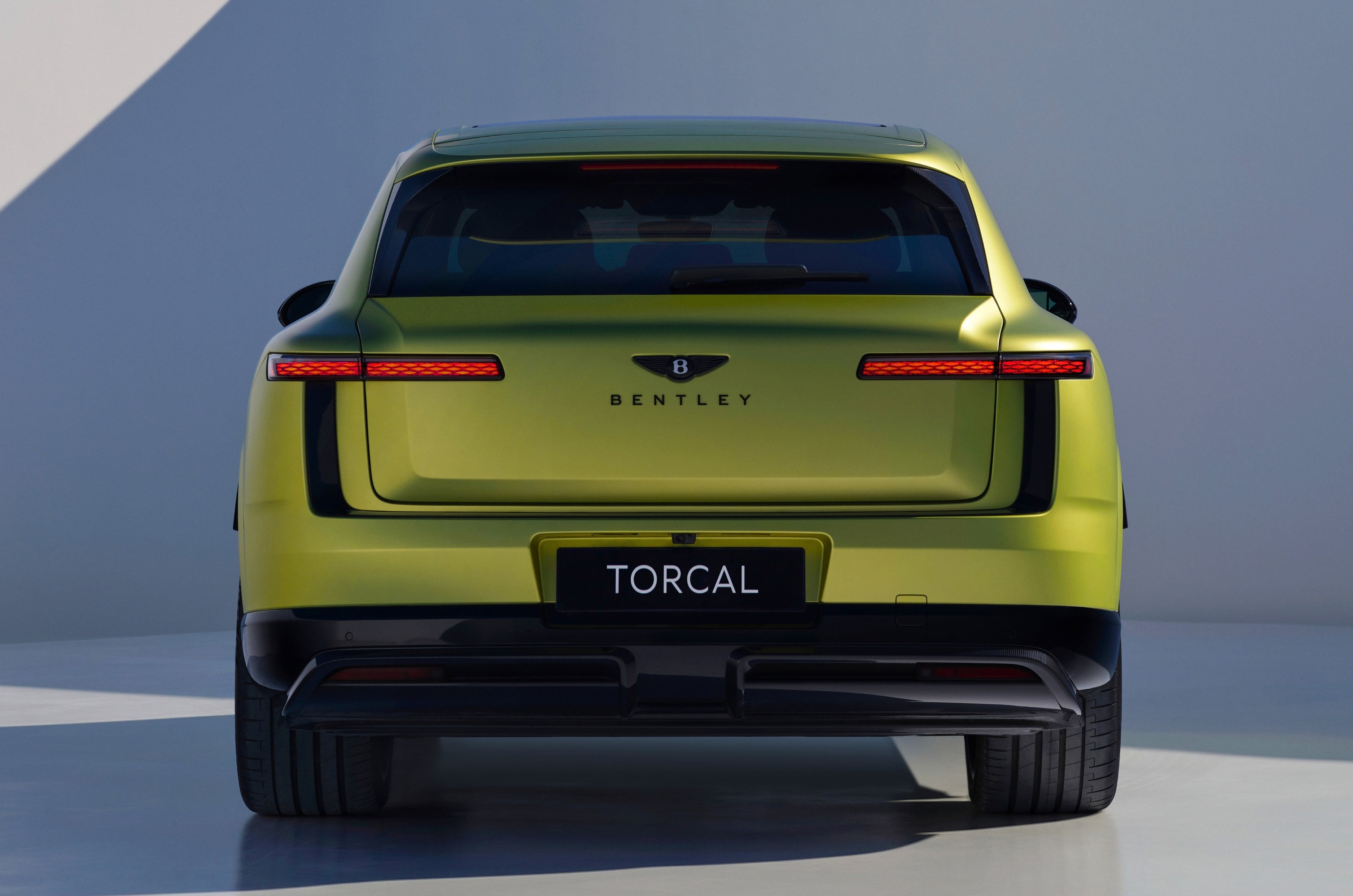
The flanks are deliberately free of fussy creases. The cabin tapers towards the rear so the body can swell over the back wheels, a look the designers call the ‘resting beast’. At the back, Bentley claims are some of the slimmest tail-lamps in the industry. A U-shaped motif ties them together and emphasises the car’s width.
U-shaped motif at the rear ties the tail lamps together.
Our car rode on 22-inch wheels. The core car gets 21s as standard, and India-spec cars may well get the smaller, higher-profile rim. Other neat touches include a charging flap that slides open when you wave a hand over it, and a 90-litre frunk under that long bonnet. The 460-litre boot isn’t especially generous, and there’s no spare wheel, only a puncture repair kit. On Indian roads that could be an issue, though most owners will simply leave a flat to the chauffeur to fix
Bentley Torcal interior: Screens, with restraint
The cabin is completely new, and the tricks start before you’re inside. All four doors are powered and radar-controlled. The driver shuts theirs by pressing the brake pedal, and passengers can close theirs simply by buckling up.
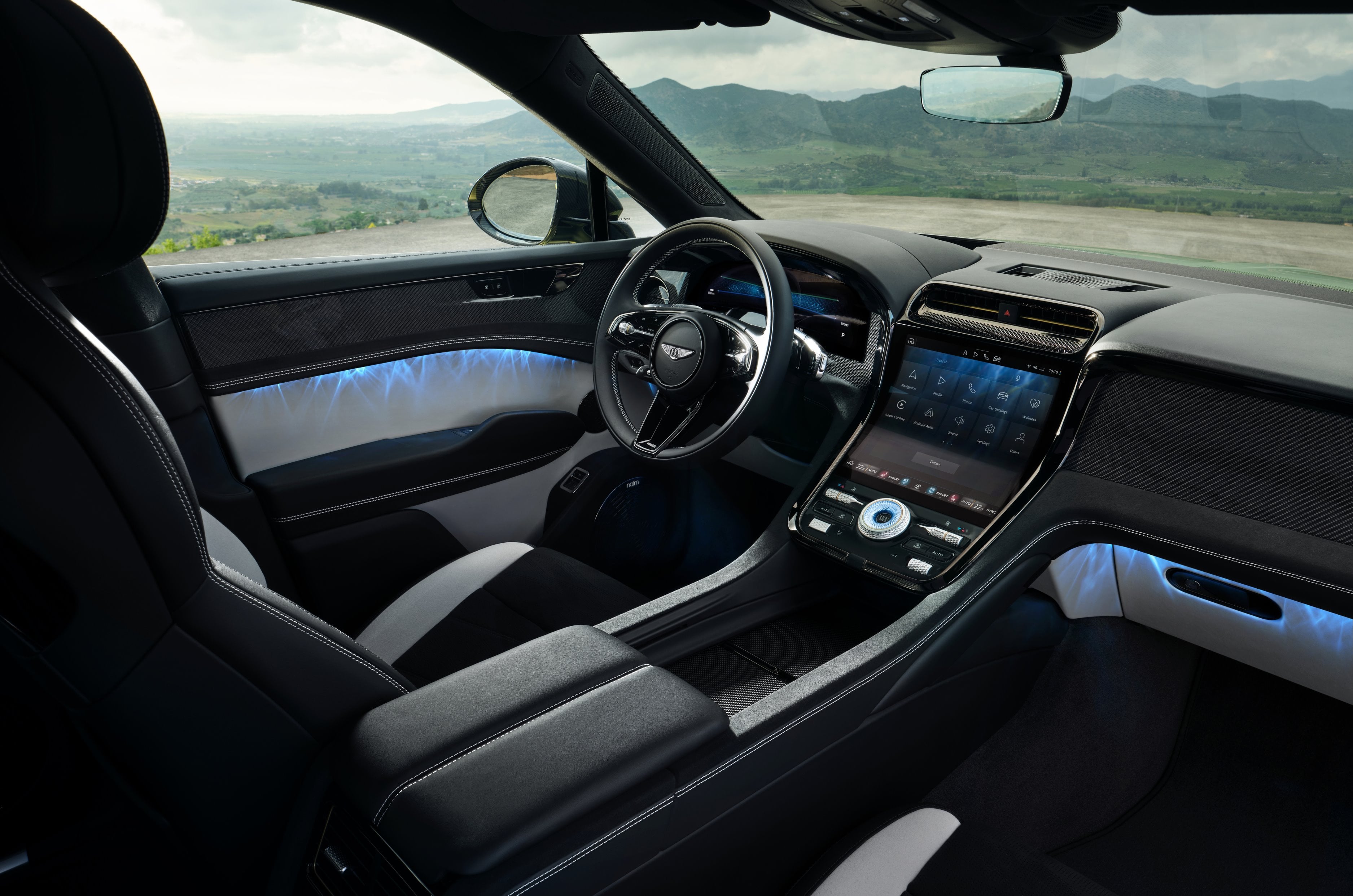
The first thing you notice is that Bentley hasn’t turned the Torcal into an iPad showroom. The centrepiece is the curved OLED centre screen. It doesn’t perch on the dash like a tablet; it sweeps down and flows into the centre console as one continuous form, and nothing else in the class looks quite like it. The OLED panel gives deep blacks and rich colours, and the curve brings every corner of the display within easier reach. Crucially, physical controls haven’t been binned. The switches have a beautiful knurled finish and satisfying, precise clicks, and purists will love them.
A curved OLED touchscreen infotainment is the centrepiece of the interior.
There’s one gripe. The direction of the front air vents is set through the touchscreen, a trend creeping into many luxury cars, and a physical slider would have been far nicer. Otherwise, we haven’t seen any car balance digital and physical controls better.
The tech runs deep. A facial-recognition camera in the rear-view mirror identifies the driver and loads their seat, steering and ADAS settings. An augmented-reality head-up display projects navigation arrows and hazard markers into the driver’s line of sight.
Curated experience
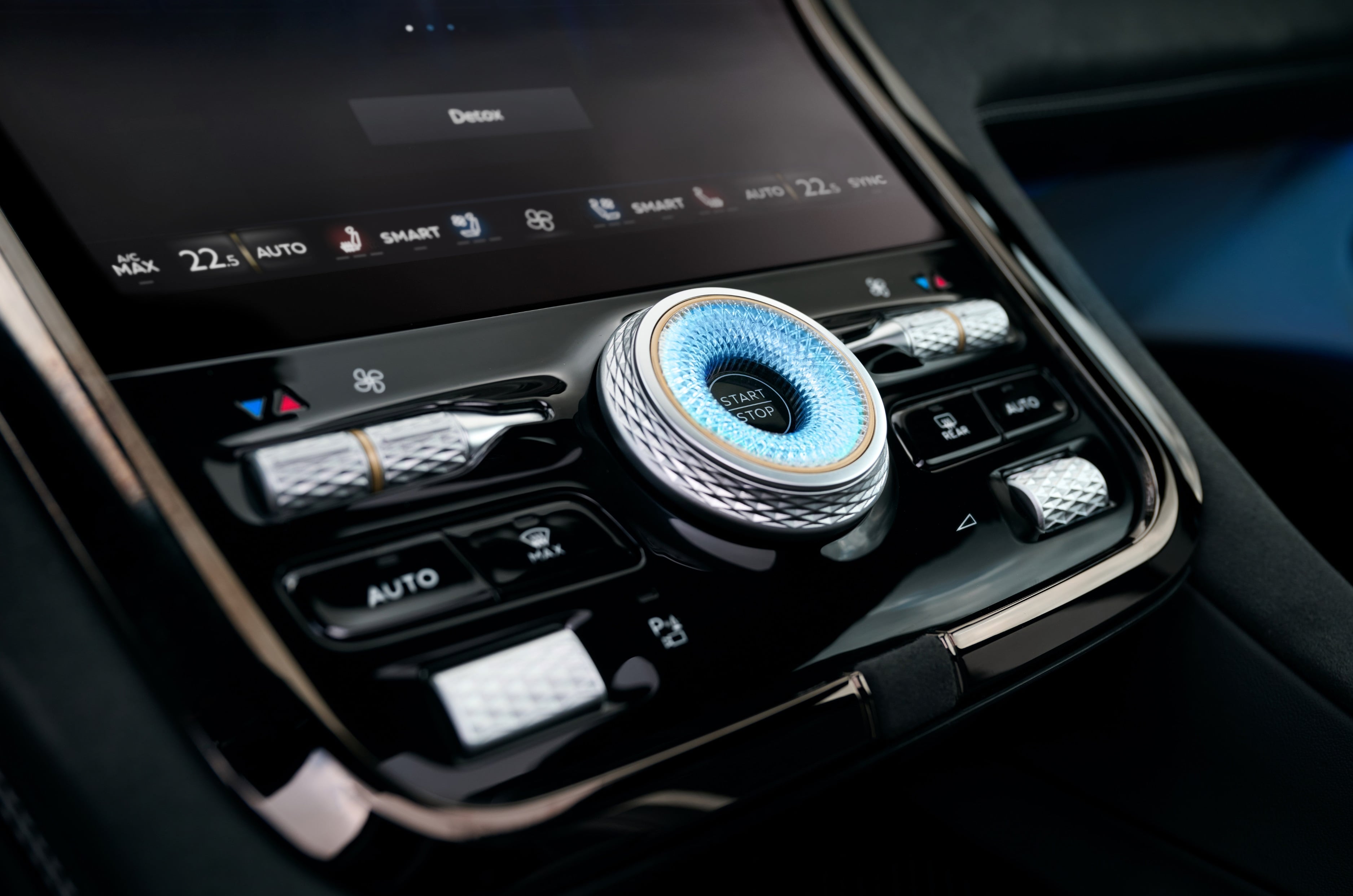
Twist the rotary collar around the starter button and you cycle through four Experience Modes. Each one changes the cabin’s lighting, sound, climate and displays as well as the car’s dynamics.
Rotary dial around the starter button can be used to cycle through four Experience modes.
Sport bathes the cabin in blue rather than the expected red. Bentley’s reasoning is that red signals anger while blue signals focus, which makes it a better colour for driving fast. Bentley mode balances performance and comfort. Comfort mode calms things down and offers a ‘digital detox’ that hides all but essential information. Refresh ups the fresh-air flow and brightens the lighting.
Drumming up character
The hardest thing about an electric Bentley is making it feel like a Bentley. For traditional owners, that means sound. The 6¾-litre V8 is iconic, but it was never a perfect engine. Bentley’s view is that its flaws, like in humans, give it emotion and character. So rather than synthesising a flawless digital imitation, Bentley recorded real musicians on drums, viola and bass guitar. The result is the ‘Dynamic Symphony’, complete with tiny imperfections. It responds to torque demand and speed, grows louder in Sport, and can be switched off entirely.
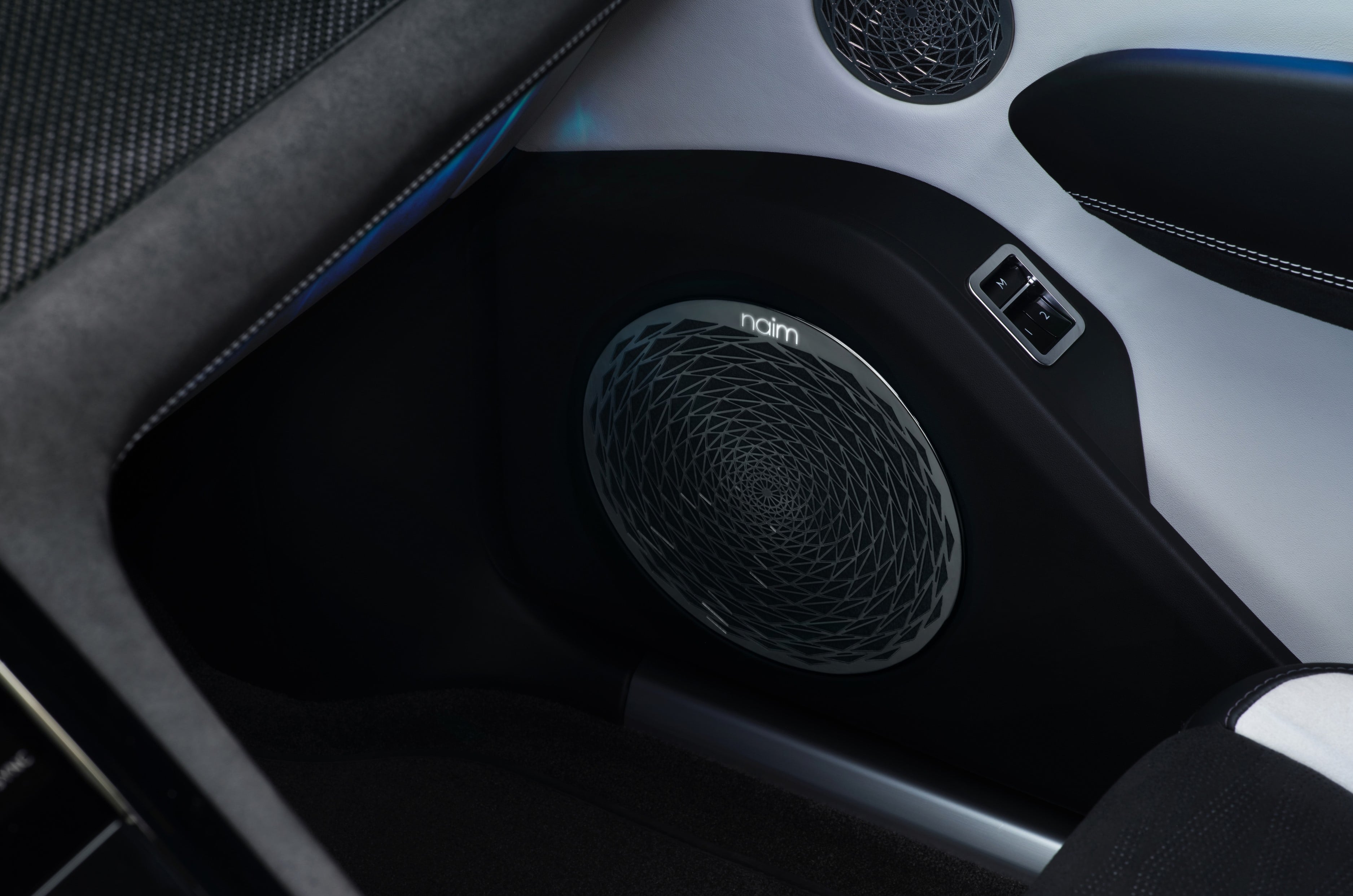
Optional Naim audio brings 28 speakers with Dolby Atmos 7.1
The attention to sound goes further. The indicator tick is a recording of a hammer striking leather in Bentley’s upholstery workshop, and the touchscreen chime comes from a crystal glass. Standard audio is a 620W, 16-speaker system. The Naim option runs to 1,780W and 28 speakers, with headrest speakers, seat shakers and Dolby Atmos 7.1
Material world
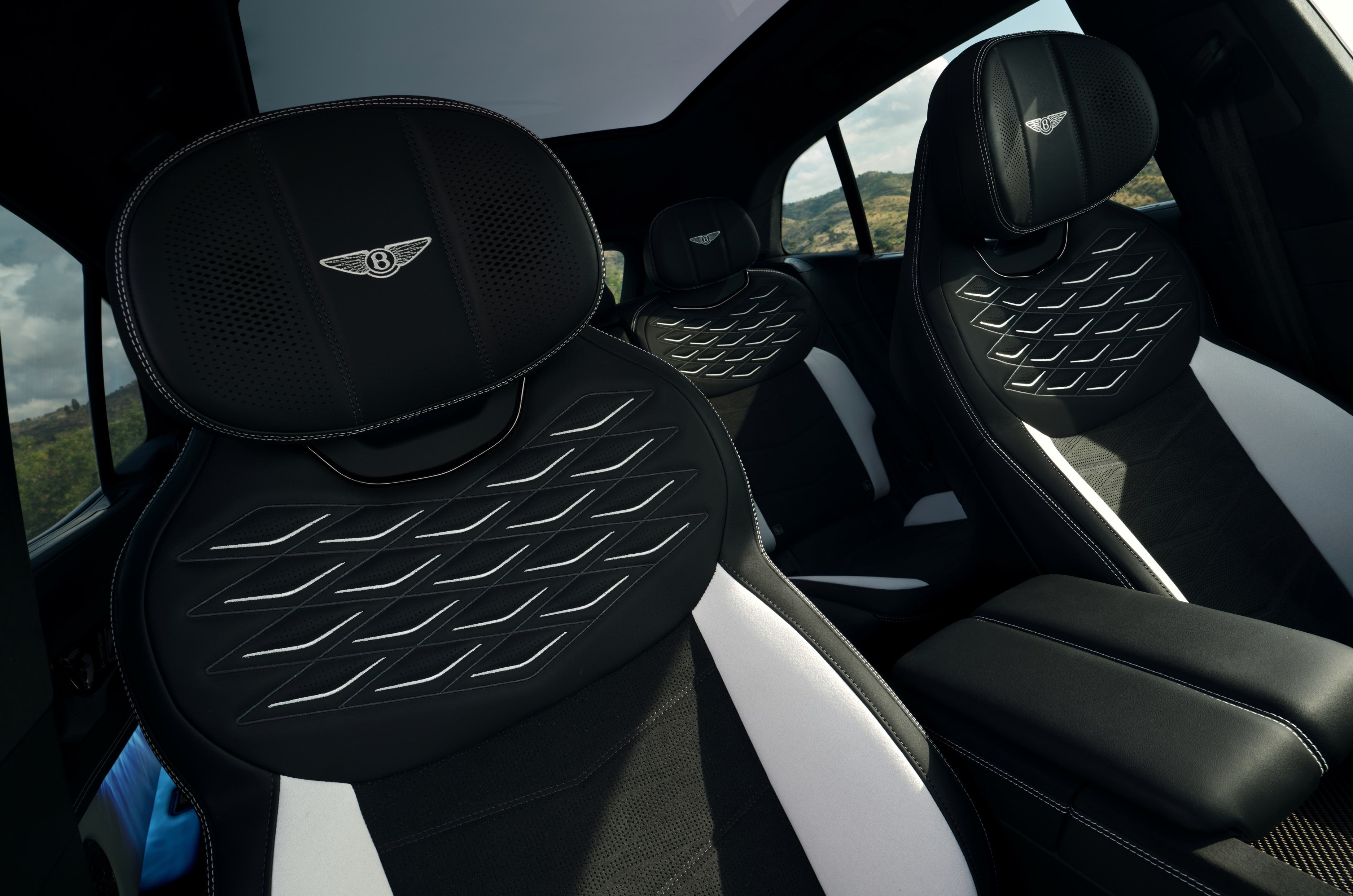
Materials are traditional Bentley, pushed further. There are wood veneers less than a millimetre thick, crisp aluminium and a deep piano black. Leather comes in 15 shades. The real headline is the world’s first 100 per cent Merino wool automotive fabric, developed with Somerset weavers Fox Brothers.
Scope for personalisation is vast, with 15 different shades just for the leather.
New Mulliner finishes include Ombré Walnut, which presses up to 1,000 layers of walnut off-cuts and recycled paper into a veneer that fades from black to smoke. Sunburst Aluminium reinterprets the engine-turned dashboards of old Bentleys. Overhead, the Frosted Diamond sunroof uses switchable glass, so you decide how much light floods in. The scope for personalisation is vast. A second car we saw, trimmed in lighter upholstery with far more brushed aluminium, felt like a different interior altogether.
Bentley Trocal back seat experience
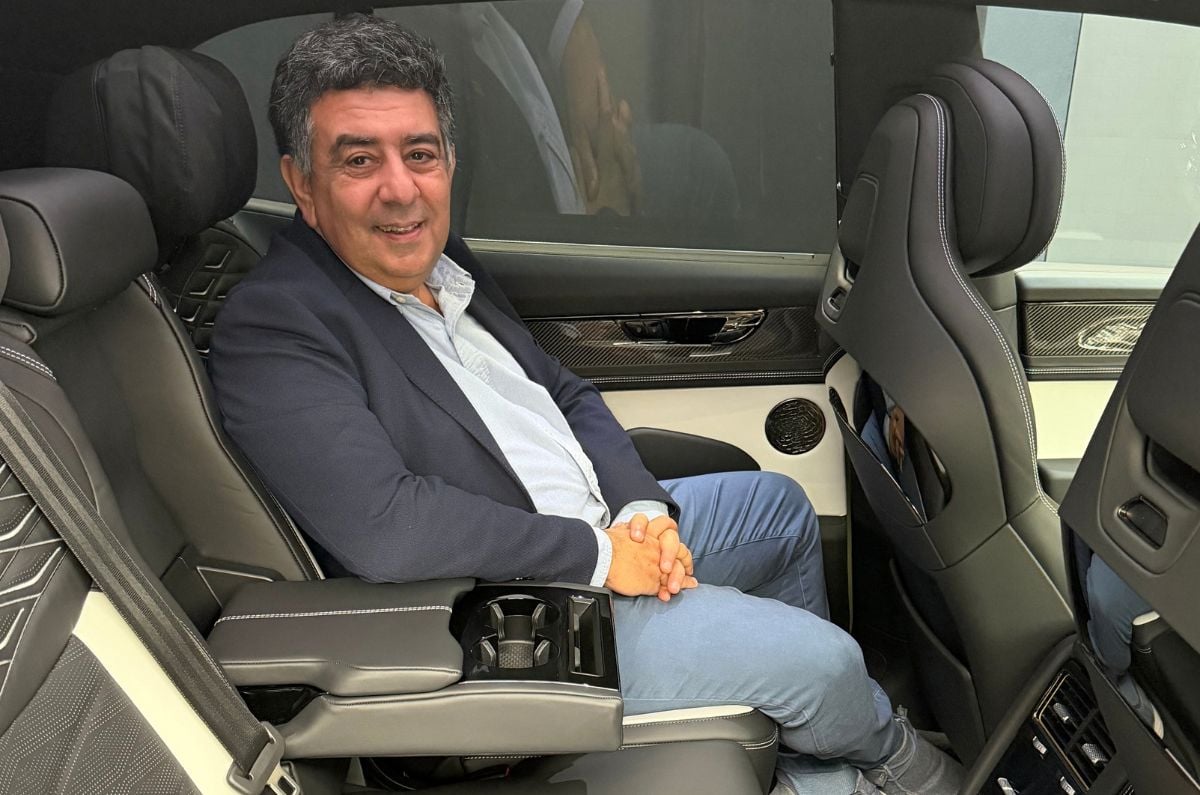
Legroom and headroom at the back are quite decent.
The rear seat matters most for Indian buyers, many of whom will be chauffeured. It’s impressive for a car smaller than a Bentayga. Under-thigh support is genuinely good, which is rare in an EV, where the battery usually pushes the floor up. Legroom and headroom are decent, though this is ultimately a car to be driven.
The rear climate vents get the physical controls the front vents lack. There are heated and cooled seats, and three USB-C ports, one of them rated at 100W for charging a laptop. The rear bench is also the first in a Bentley to power-fold.
Bentley Torcal specs, battery and range
The Torcal gets a 113kWh battery for a claimed WLTP range of 600km.
The Torcal rides on the PPE platform that underpins Porsche’s Cayenne Electric. The Cayenne tops 1,100hp in its most potent form, but Bentley has deliberately stopped short. The flagship makes 888hp and 1,350Nm, the most torque of any Bentley ever and has launch control which I doubt will ever be used!That’s enough to take a roughly 2.7-tonne SUV from 0-100kph in 2.9 seconds. Bentley’s research found that most customers find anything more violent uncomfortable.
Two permanent-magnet motors draw from a 113kWh (net), 800V battery, which carries a 10-year, 100,000-mile warranty. Claimed range is 600km WLTP. This is a continent-crosser, so charging speed was a priority. On a 400kW charger, a 10-80 per cent top-up takes 16 minutes, and around 160km of range goes in during a seven-minute coffee stop. India currently has no such high-speed chargers, yet.
It also gets fully active suspension and rear-wheel steering.
The chassis is Bentley’s most advanced yet. Fully active suspension replaces anti-roll bars altogether, and five degrees of rear-wheel steer shrink the turning circle to 11.1m. Carbon-ceramic brakes with 440mm front discs are optional. The ADAS suite uses 25 radars, sensors and cameras. It can reverse the car along the last 50 metres of its route, and it can park itself in a designated space up to 200 metres away.
Bentley Torcal India launch plans
The Torcal arrives in India in the second half of 2027. It’s a smidgen smaller than the Bentayga but will be substantially pricier, because EVs don’t get the same customs-duty benefit under the new UK-India FTA. Expect around Rs 4.5 crore, ex-showroom. Is it worth it? We’ll tell you once we’ve driven it. Standing still, at least, the Torcal makes a convincing case that a Bentley without an engine is still a Bentley.
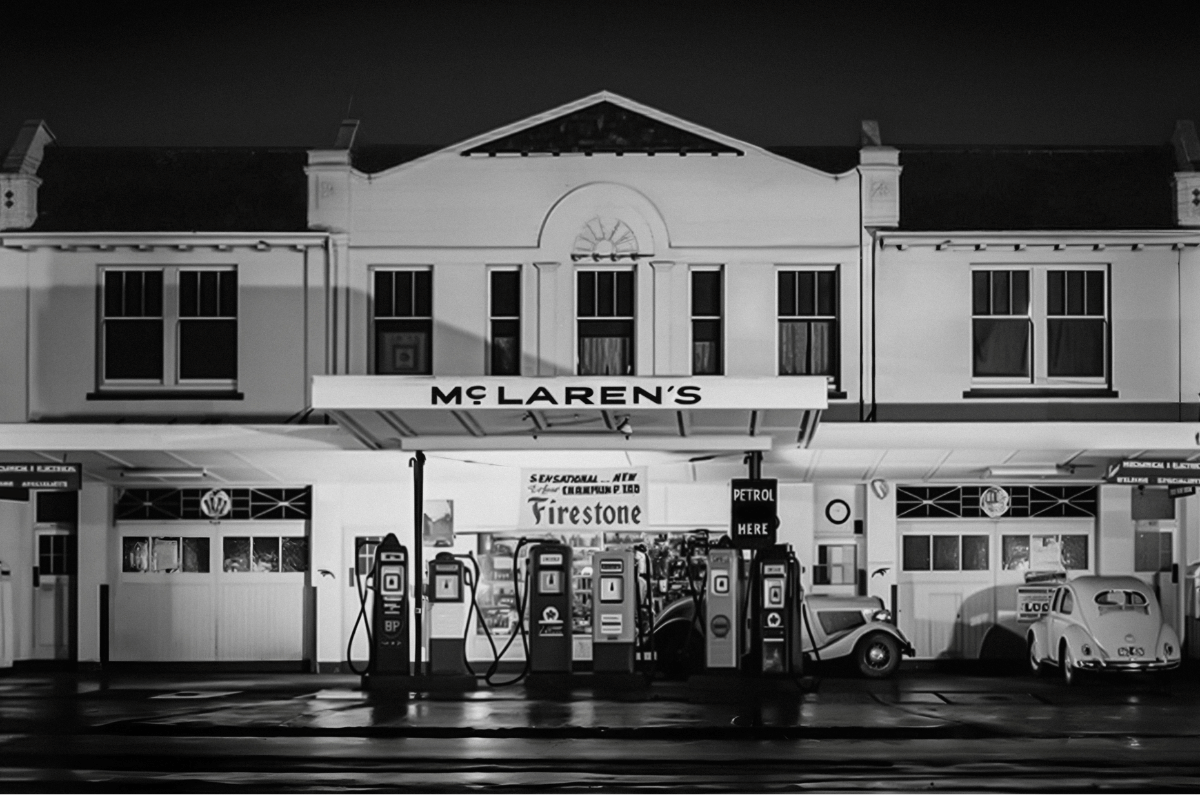
McLaren has revealed a new logo for its next-generation models, inspired by late founder Bruce McLaren’s parents’ service station in Auckland, New Zealand. It also introduces a new bespoke company typeface called McLaren Sans. The new wordmark will be used across cars, merchandise, branding and digital channels, with both McLaren Racing and McLaren Automotive adopting it.
The new logo comes over a week after McLaren announced plans to expand its UK operations with a second factory. The company also plans to build its own engines and expand its line-up with new front-engined models with two rows of seats, including an SUV.
New McLaren logo details
The new logo uses a wide, all-capital sans-serif typeface, save for the lowercase ‘C’, which sits on a small horizontal line to match the height of the other letters. The ‘Speedmark’ motif from the current logo will remain “as a little identifier”, McLaren chief creative officer David Woodhouse told Autocar UK. Woodhouse said Bruce McLaren’s legacy was one of the key influences behind the rebranding. However, he stressed that the new identity is focused on the company’s future rather than being a retro exercise.
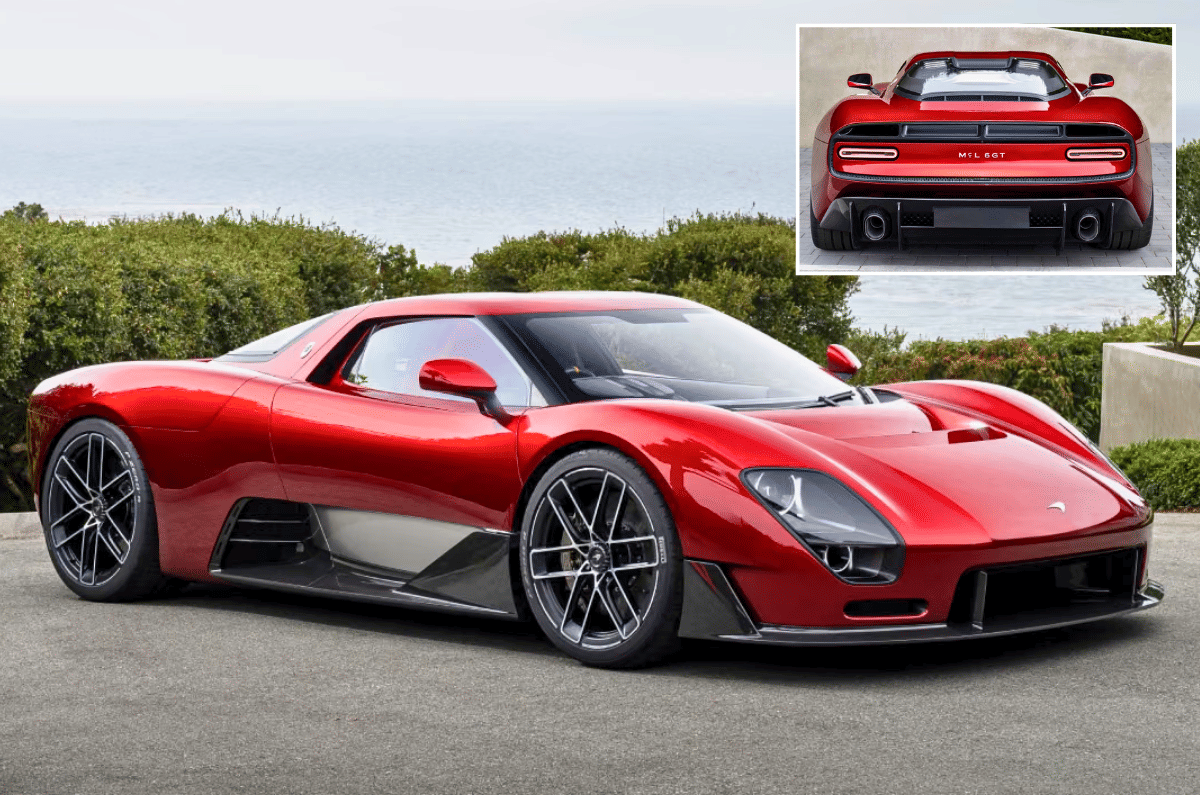
The company claims it was in the Auckland workshop that Bruce built “the racing car that would take him to his first victory”. It was a modified Austin Seven that he used to win an event at Muriwai Beach. The first vehicle to wear the new branding is the 2026 McL 6GT concept, which was revealed last month at Monterey Car Week in California. Upcoming models will also have the McLaren name spelt out across the rear.
2026 McL 6GT concept.
The carmaker is also changing its corporate colour scheme, moving towards darker colours with what it describes as a more midnight-themed look. McLaren’s signature Papaya Orange will be more closely linked to its racing teams, although it will continue to be used in some instances across the automotive business.
The board of Swedish carmaker Volvo Cars has appointed Skoda Auto Chairman and CEO Klaus Zellmer as its new president and CEO, effective October 1, 2027. Zellmer will replace Håkan Samuelsson, who was reappointed in 2025 after his replacement, Jim Rowan, was sacked. Volvo is presently owned by the Chinese automotive conglomerate Zhejiang Geely Holding Group.
Klaus Zellmer brings over three decades of auto industry experience.
Volvo to launch 13 new cars globally by 2030.
Zellmer brings over 30 years of experience in the automotive industry. Most recently, he served as the chairman of the Board of Management and CEO of Skoda Auto. Prior to that, he worked with Volkswagen and Porsche. “Few automotive brands have built such a strong and lasting reputation for safety, consistently applying this core value across the mobility sector,” said Zellmer to our sister publication, Autocar UK.
Eric Li, the president of Volvo’s Chinese parent firm Geely, said Zellmer’s “experience from both the high-end premium segment and high-volume brands, is an excellent fit” for Volvo. “The Board is confident that, under Klaus Zellmer’s leadership, Volvo Cars will build on its strong foundations and enter its next chapter with a clear ambition to strengthen its position as a leading premium car company,” he added.
In India, Skoda leads the operations of Volkswagen Group’s business, and the group is exploring a partnership with Indian conglomerate JSW Group. The alliance will explore opportunities to expand Skoda Auto Volkswagen India’s portfolio, deepen local sourcing and strengthen manufacturing. Both companies announced an MoU when Zellmer and Volkswagen brand CEO Thomas Schäfer were in India last week.
What is Volvo up to currently?
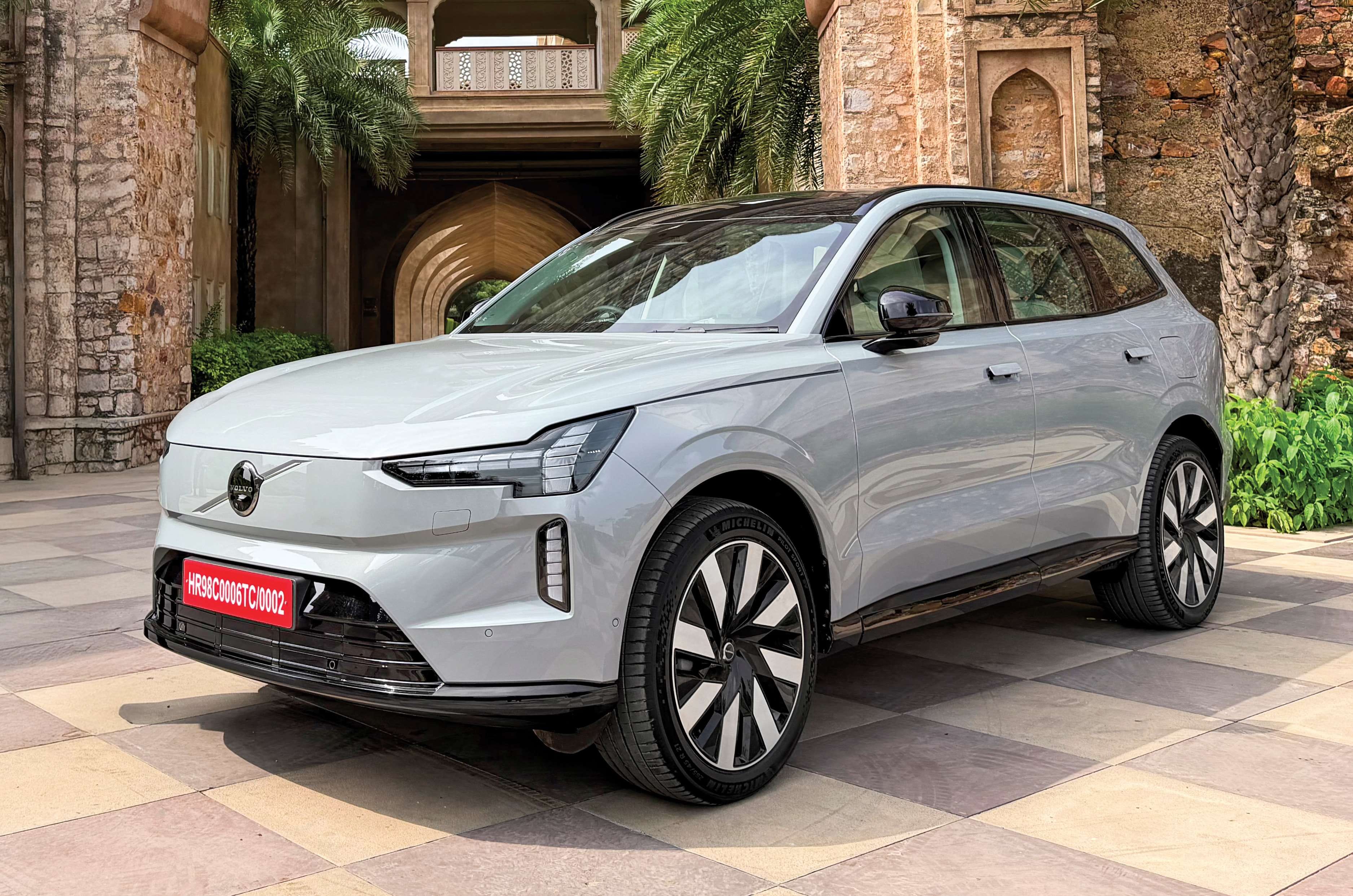
Volvo EX90
Volvo Cars announced plans to launch 13 new cars globally by the end of 2030. Of these models, 7 are for Western markets, and the remaining 6 are for the Chinese market. For the latter market, models will be developed in collaboration with Geely. New sedans and estates will be part of the brand’s European lineup. For the Indian market, Volvo is bringing its flagship electric models, including the EX90 SUV and the ES90 sedan.
We had reported back in March this year about the Daytona 660 receiving significant upgrades to its ride package over its predecessor in international markets. Now, Triumph has brought that exact version to India, with no changes to the upgraded feature-set. The new Daytona 660 replaces the old one, and costs Rs 9.99 lakh (Rs 11,000 extra).
Continues with the 660cc engine making 95hp and 68Nm
41mm Showa USD fork is now adjustable, rear remains same as before
Offered in three new colours: Black, Silver, and Yellow
2026 Triumph Daytona 660: What’s updated?
Meaningful upgrades to the suspension and tyres, and new colours
The previous Daytona 660 did have a front Showa USD 41mm fork, but it wasn’t adjustable in any way. The new Daytona 660 adds compression and rebound adjustability to it, although the travel remains the same at 110mm. The rear monoshock remains exactly the same with adjustable preload and 130mm travel. The Trident 660, which shares the platform with the Daytona, offers preload and rebound adjustability for the rear. The next change is the bi-directional quickshifter now being offered as standard, whereas it was an optional accessory with the earlier model. Rounding out the ride package is the change to the Metzeler M9RR tyres on the Daytona, replacing the Michelin Power 6 rubber from before. Given that the Metzelers are known for their sporty performance, this should likely translate to a better ride experience.
To distinguish the new model, Triumph has given the Daytona 660 three new colours as well. The new colourways are Aluminium Silver and Cosmic Yellow; both with glossy Sapphire Black highlights in the decals; the third being Sapphire Black itself, with a glossy finish.
Beyond these updates, the Daytona 660 remains mechanically unchanged. It continues to be powered by a 660cc inline-triple engine producing 95hp and 68Nm, paired with a six-speed gearbox. The bike retains its steel perimeter frame, twin front disc brakes with radial calipers, and the sporty riding position. In the UK, the Daytona 660’s price had risen to GBP 8,995 (Rs 11.52 lakh) from GBP 8,595 (Rs 11.01 lakh), a price hike of Rs 50,000. In India, however, the increase is a moderate Rs 11,000, going to Rs 9.99 lakh to Rs 9.88 lakh. The new Daytona 660 is listed on Triumph India’s website, indicating that bookings are already open.
All prices, ex-showroom, India. GBP-to-INR conversions are based on current exchange rates.
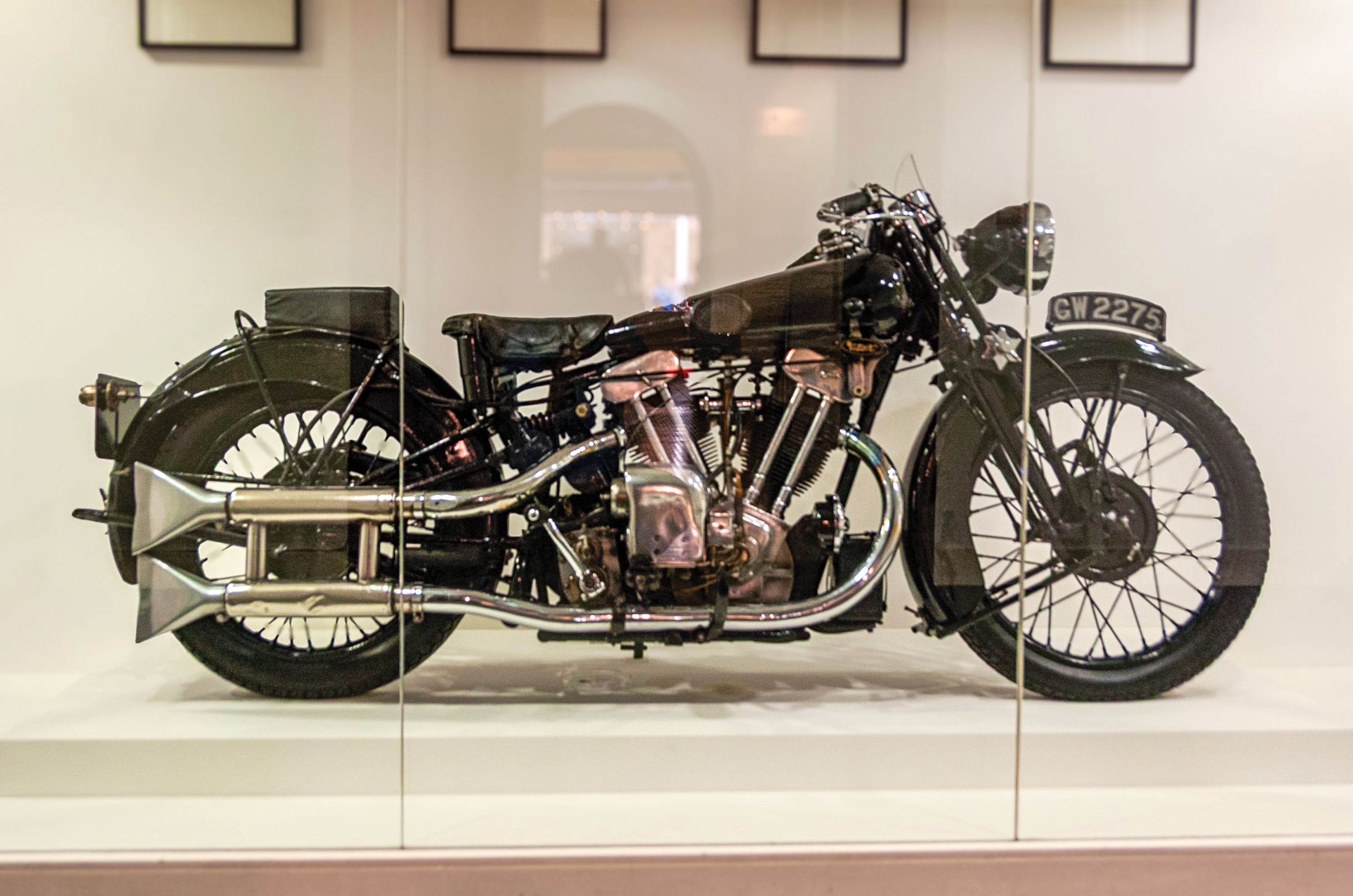
Seventeen years ago, in the Imperial War Museum on Lambeth Road in London, I stood mesmerised in front of a motorcycle with the number plate GW 2275, enclosed in a glass case. It was a beautiful, brooding machine, low and long, finished in deep black with just enough nickel and chrome to catch the museum lights: twin fishtail exhausts sweeping back in a graceful curve, the big JAP V-twin sitting exposed and unapologetic between the frame rails, cylinders splayed wide, cooling fins stacked like the pages of a book. Thin copper oil lines ran externally along the frame, feeding the total-loss lubrication system of the era, a solution that looked almost primitive next to a modern engine yet was efficient enough to survive being wrung out past 100mph on 1930s public roads.
A flamboyant form, every component left exposed, hinting at George Brough’s intention to let you see exactly what you were paying for. This was, in its day, the pinnacle of what was once the finest motorcycle industry in the world, the British motorcycle industry. Standing there, it was easy to understand why a certain kind of Englishman, restless, brilliant, and a little broken, would have fallen entirely in love with a machine like this.
The very Brough Superior SS100 Lawrence died on, photographed at the Imperial War Museum in 2008. Its last known owner, reclusive collector John Weekly, kept it in his lounge for over 45 years before his death in 2024. After which the Brough’s whereabouts are unknown.
It took me straight back to being a teenager watching Lawrence of Arabia for the first time. The film famously opens with this motorcycle: the frantic braking, the fatal swerve to avoid two boys on bicycles, before flashing back to how a restless desk officer became a legendary guerrilla leader in the Arab Revolt, and how that legend curdled into cynicism once Britain betrayed the cause he’d fought for. This was the actual Brough Superior SS100 that TE Lawrence was ripping home on from Bovington on May 13, 1935, when he went over the handlebars, struck his head, and died six days later without regaining consciousness.
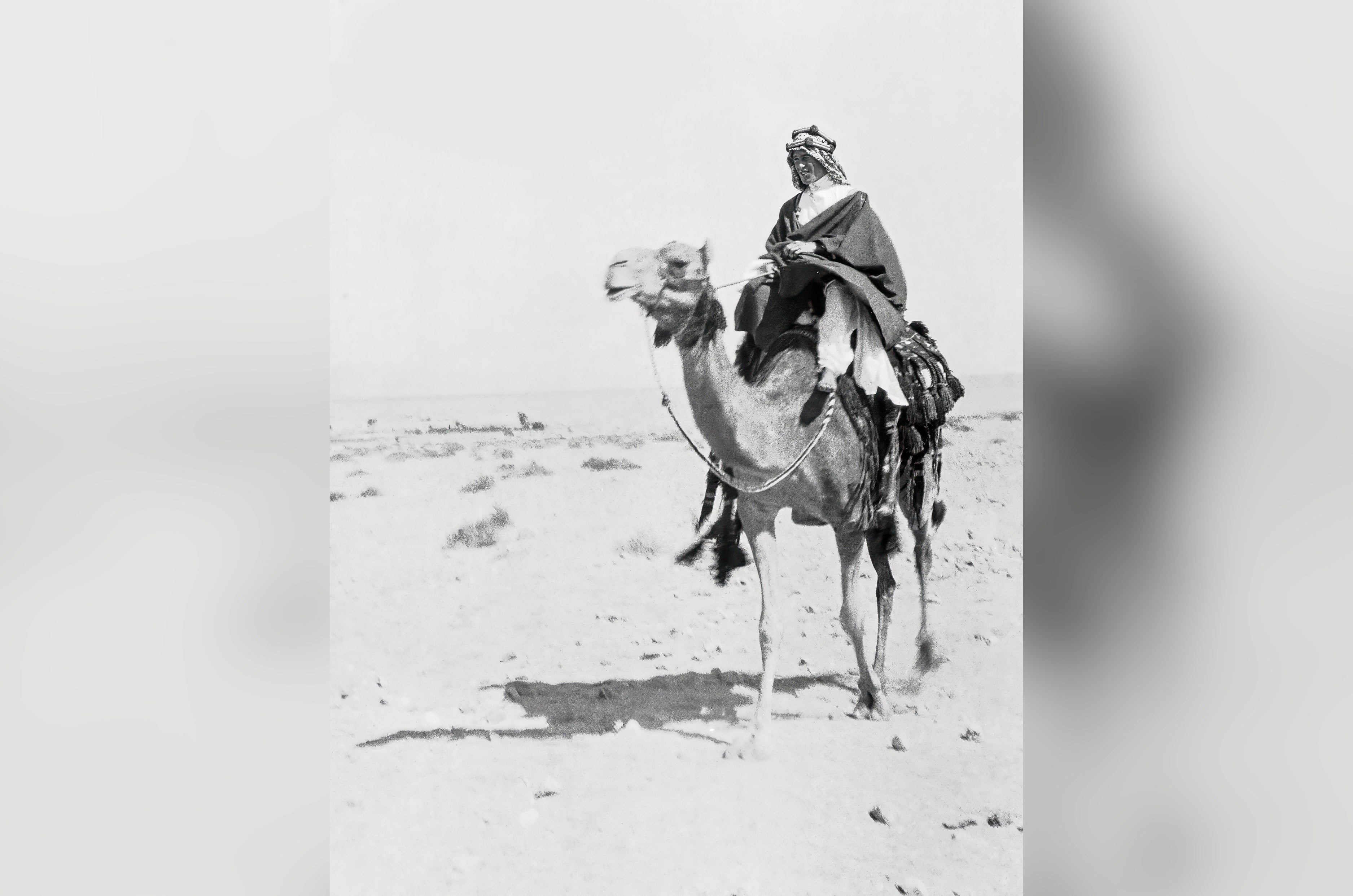
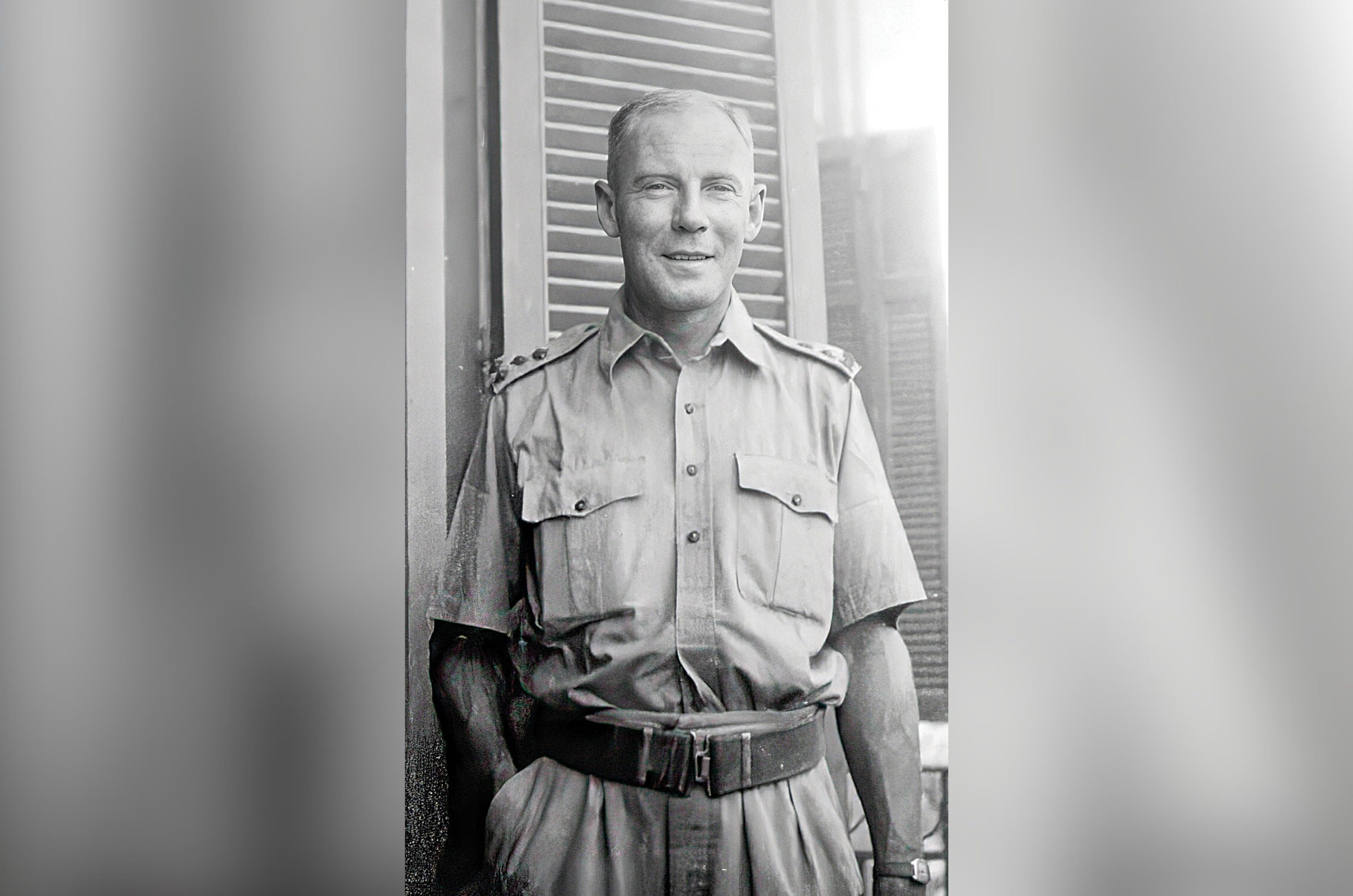
Motorcycle or camel, Lawrence rode with consummate ease.
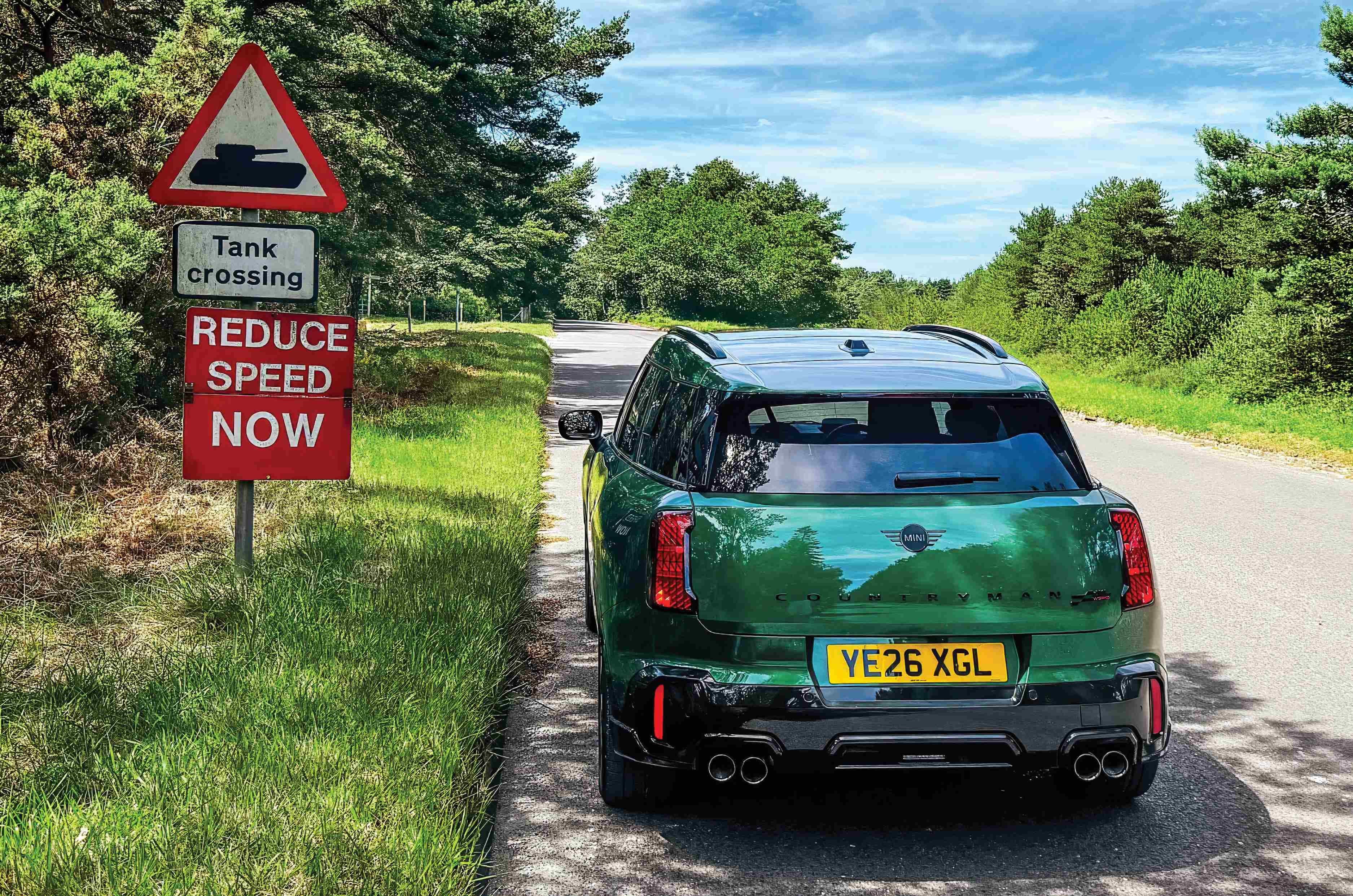
I have always felt a pull towards places where history happened, where the past has left something tangible behind, and this anniversary issue gave me the excuse I needed to follow Lawrence’s last ride. For this quest, I got behind the wheel of the new Mini Countryman John Cooper Works. A slightly contradictory choice of car for a story about a restless man who spent his last years trying to shrink his own reputation by changing his name twice to get away from the legend he’d unwillingly become. Because the new Countryman is going through much the same thing but in reverse.
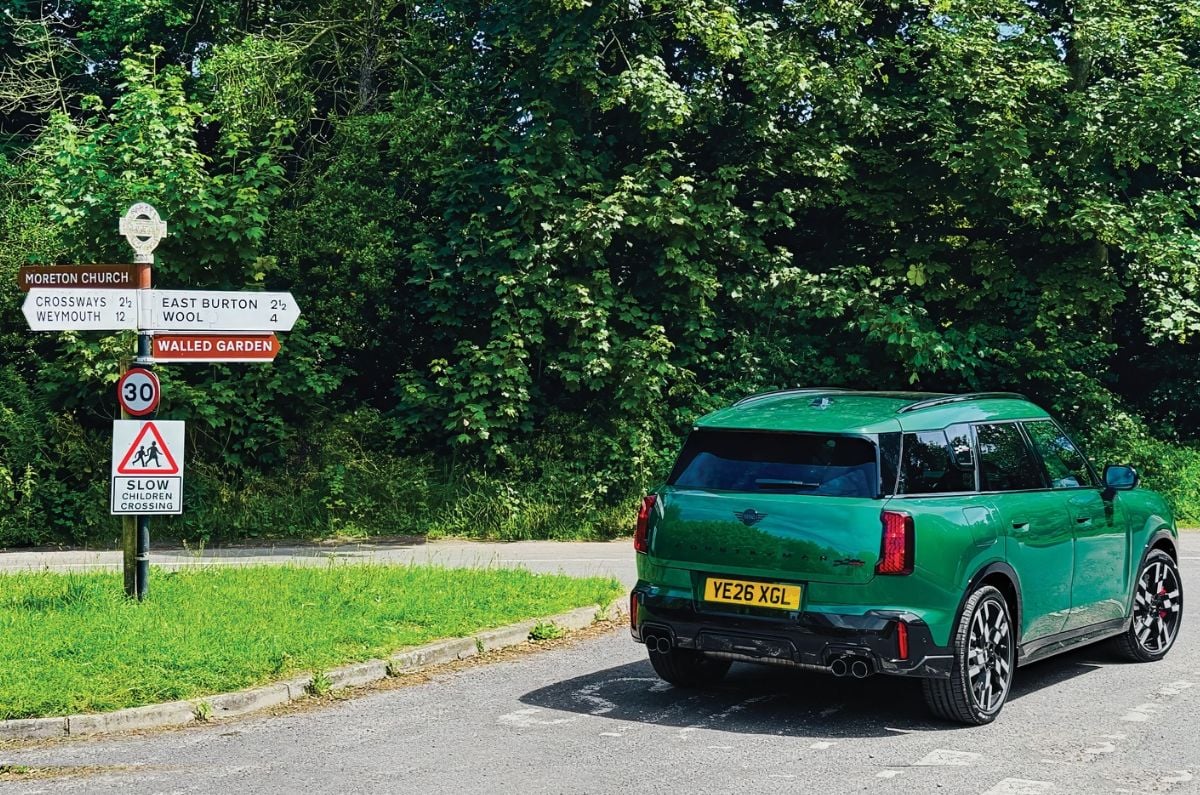
By the very virtue of its name, the Mini has a reputation of being a compact and cheeky car that seems to occupy hardly any road at all, but this Mini is large and an SUV, accentuated by beefy curves with all-wheel drive as standard and sporty vivid red disc calipers. Under the bonnet sits a potent 2.0-litre turbo four-cylinder engine with 300 horsepower of shove and 400Nm of tug.
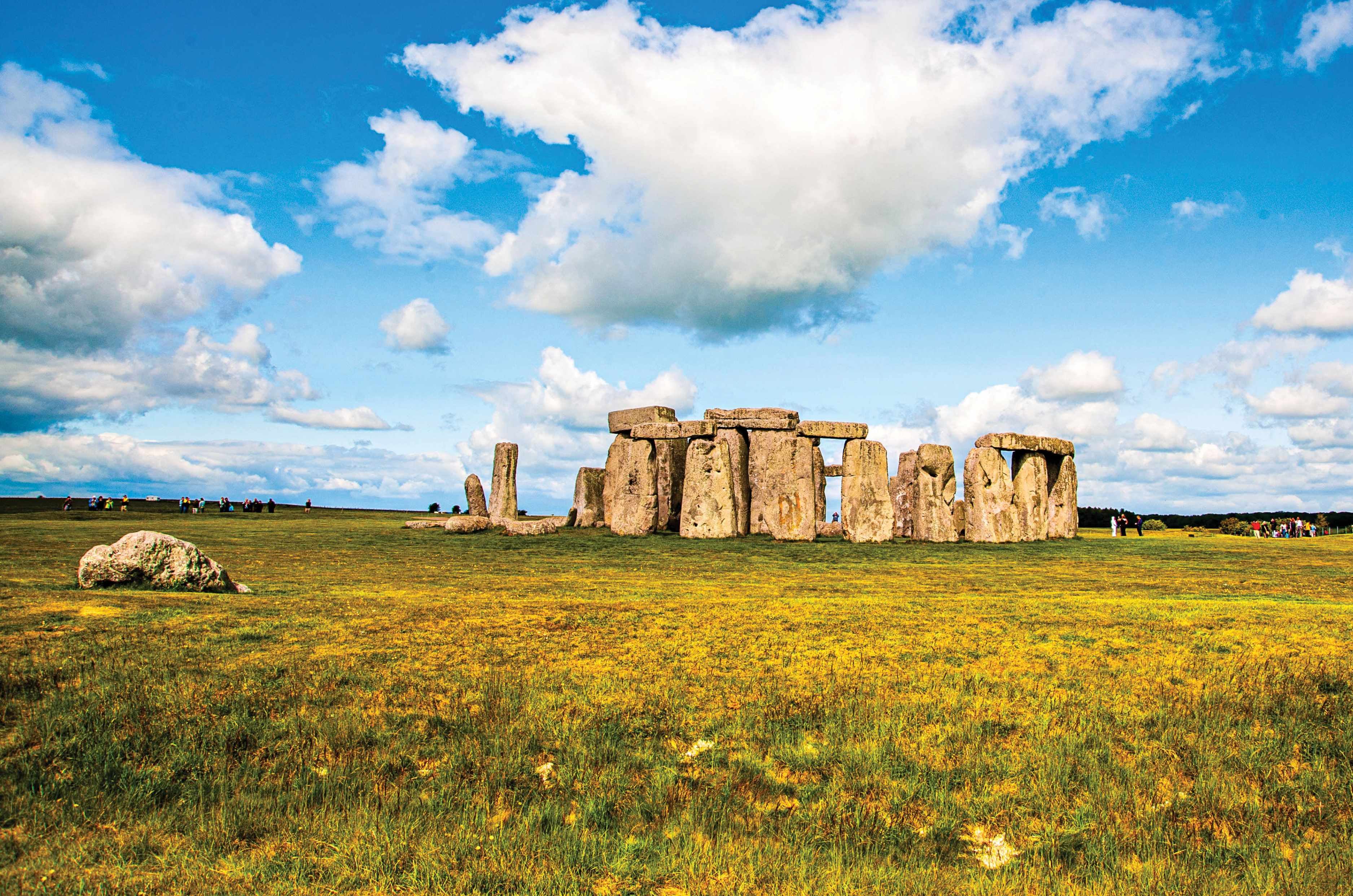
The irony was not lost on me: I was driving a car that had outgrown its own name, setting off to chase a man who’d spent his final years trying to shrink his. I pointed the car west out of London on the M3, then the A303, pulling over near Stonehenge for a quick photograph before pressing on toward another English icon further down the road.
The road to Clouds Hill
Stonehenge bursts into view without warning as the A303 tops a crest, the ancient stones suddenly filling the windscreen against the Salisbury Plain.
Beyond Stonehenge, the Countryman ate the tarmac in complete comfort, cabin hushed, adaptive cruise doing most of the thinking. The road eventually dropped south onto narrower country lanes for the final approach into Dorset, and it was here, as the hedgerows closed in, that the JCW visibly changed character. All-wheel drive dug in through the bends, the exhaust note sharpened, and for a few minutes on the approach to Clouds Hill, this bulked-up, grown-up Mini showed me that the nimbleness of its ancestors still lived somewhere in its genes.
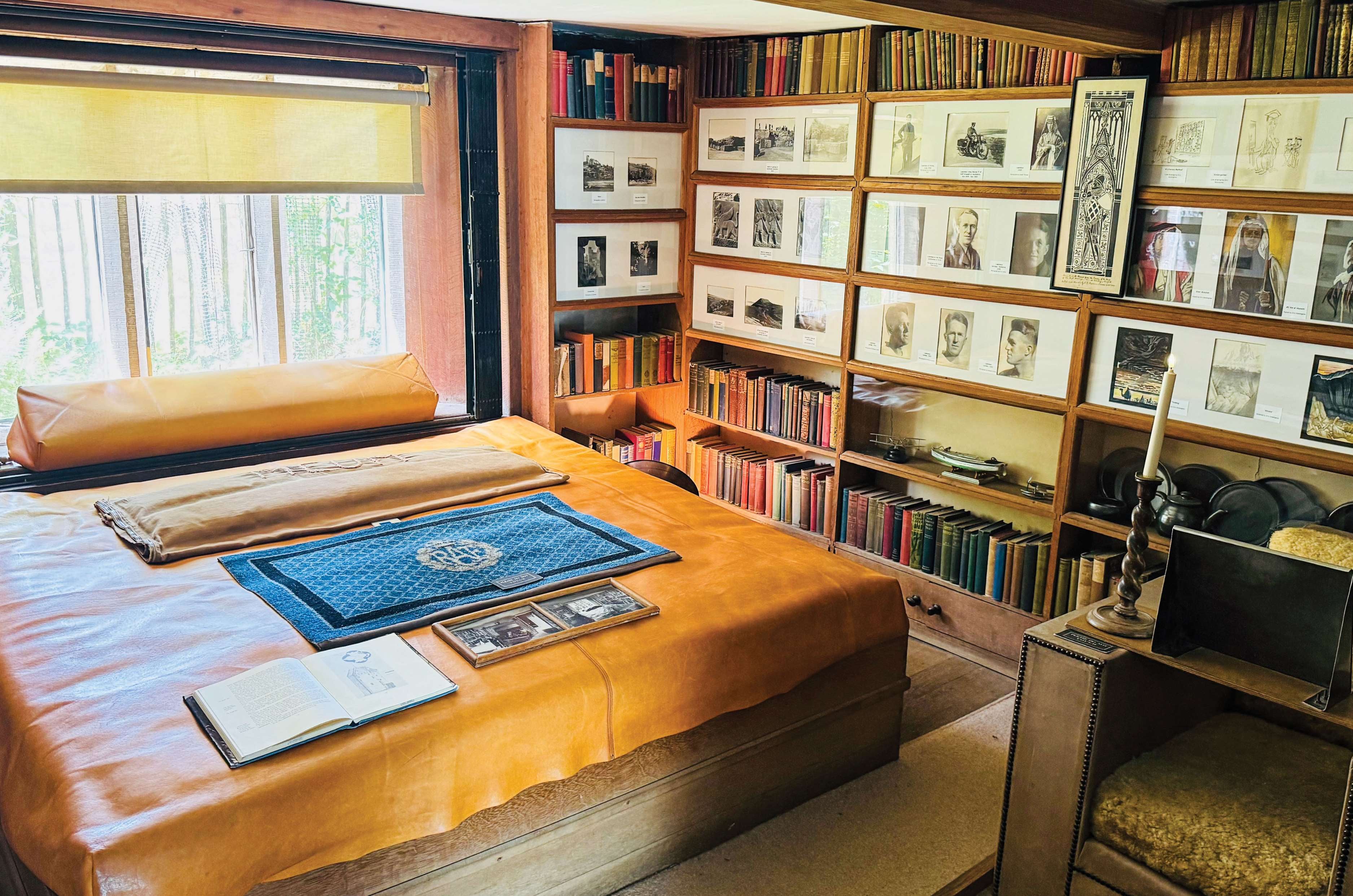
Inside Clouds Hill: Lawrence’s daybed and bookshelves, preserved almost as he left them.
Clouds Hill itself is almost comically modest for a man who became one of the most famous people in England. It’s a four-room labourer’s cottage with no electricity, which Lawrence first rented in 1923 while stationed at nearby Bovington, then painstakingly rebuilt with his own hands before buying it outright in 1929. Inside, the leather-topped daybed, bookshelves crammed with correspondence and photographs, and framed portraits of Bedouin faces and RAF colleagues remain much as he left them, preserved by the National Trust.
What hints at the pull of Lawrence’s personality is who came all the way here to visit him. George Bernard Shaw, EM Forster, Thomas Hardy and Robert Graves all found their way to this tiny, electricity-less retreat, which was slightly ironic, because Lawrence was doing his best to disappear. The world knew him as Lawrence of Arabia, the flamboyant soldier in Arab robes who’d become one of the most recognisable figures of the First World War, and he wanted none of the celebrity that came with it.
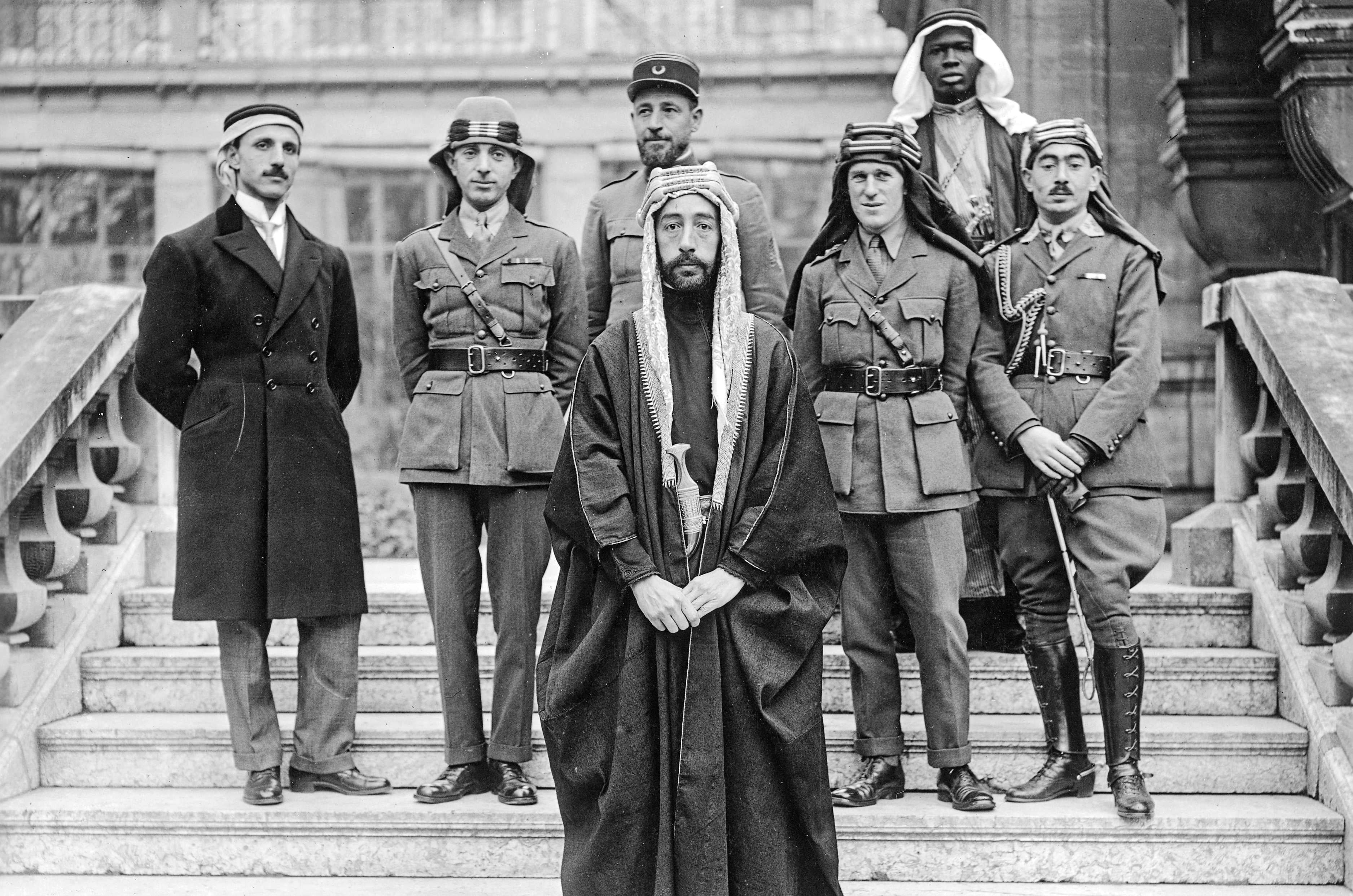
Prince Faisal’s delegation at the 1919 Paris Peace Conference. Lawrence (third from left) stood among men Britain would soon betray.
He’d already tried once: in 1922, he joined the RAF under the name John Hume Ross, but the press uncovered him within months. The following year, he joined the Tank Corps as TE Shaw, a name he kept for the rest of his life. Clouds Hill became his refuge, a place to read, write, listen to music, work on his boats and motorcycles, and retreat from a world determined to keep finding him.
He did make forays out. Winston Churchill was a genuine friend, and Lawrence would occasionally turn up unannounced at Chartwell, Churchill’s home about 130 miles away. He liked to boast that his long-distance visits to friends like Churchill and Lady Astor were made in “record time” thanks to the Brough’s speed, calling the machine “the silkiest thing I have ever ridden.”
Churchill’s daughter Mary remembered him arriving as “a short, nondescript, sandy-haired airman riding a motorcycle,” only to reappear at dinner transformed, “presenting himself in the flowing robes of a Prince of Arabia.” She also recalled the “pin-drop silence” that fell over the room whenever Lawrence spoke, a silence that apparently included her father, who himself considered Seven Pillars of Wisdom “unsurpassable” as a war narrative. It was an odd, quietly moving thing to stand in a room with no electricity and realise the man who once sat there could hold some of the loudest reputations in England spellbound.
The road that killed him
This road has widened over the decades, much like the Mini brand, which now includes an SUV.
From Clouds Hill, the road towards Bovington Camp is the one Lawrence rode almost daily, and it’s easy to see why he loved it: well cambered, with quick, confident curves that seem made for two wheels rather than four. The road has changed considerably since 1935, widened, realigned and smoothed out, the dips Lawrence knew long gone, but the bends remain, and the JCW flowed through them on silky modern tarmac with barely a shudder.
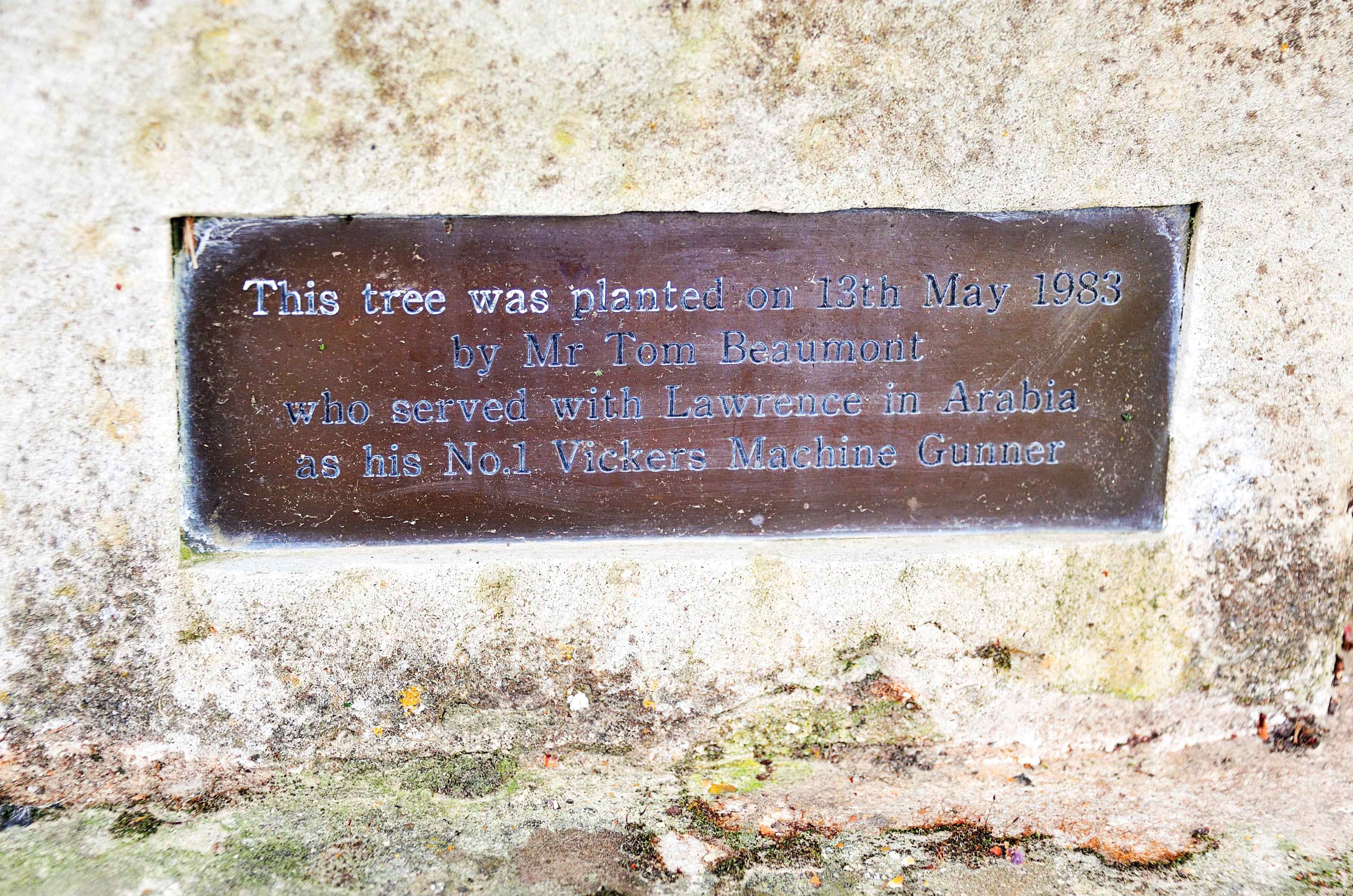
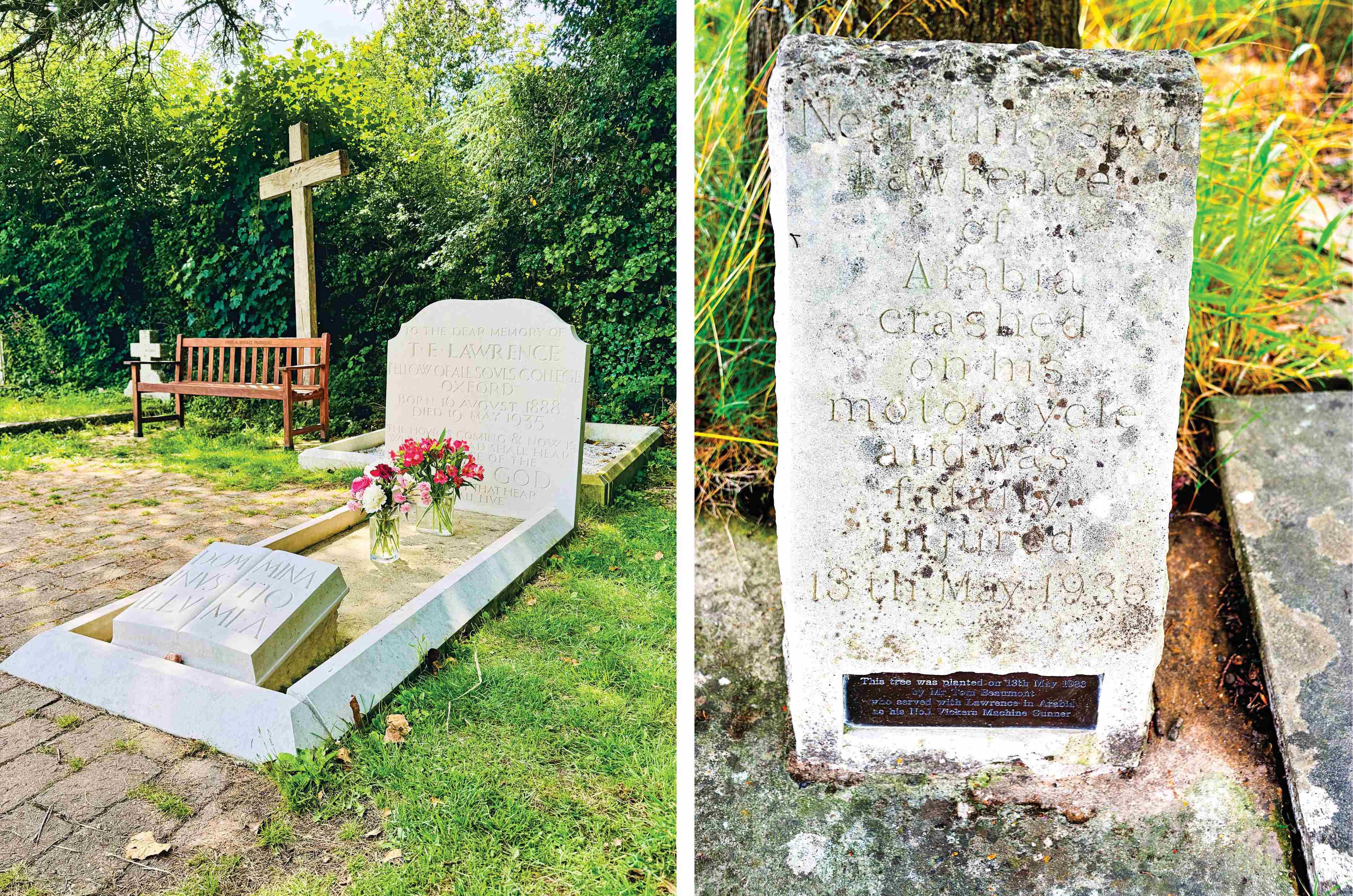
The plaque marking the tree planted by T.E. Lawrence’s former Vickers gunner, Tom Beaumont, in 1983.
Lawrence was known to push his Brough to 100mph on roads like this despite the rougher surfaces and primitive brakes of the time. It takes a particular sort of nerve to do that. Sadly, this is also the road on which he died. A small, weathered stone marker stands by the roadside near the crash site, its inscription barely legible: Near this spot Lawrence of Arabia crashed on his motorcycle and was fatally injured, 13th May 1935.
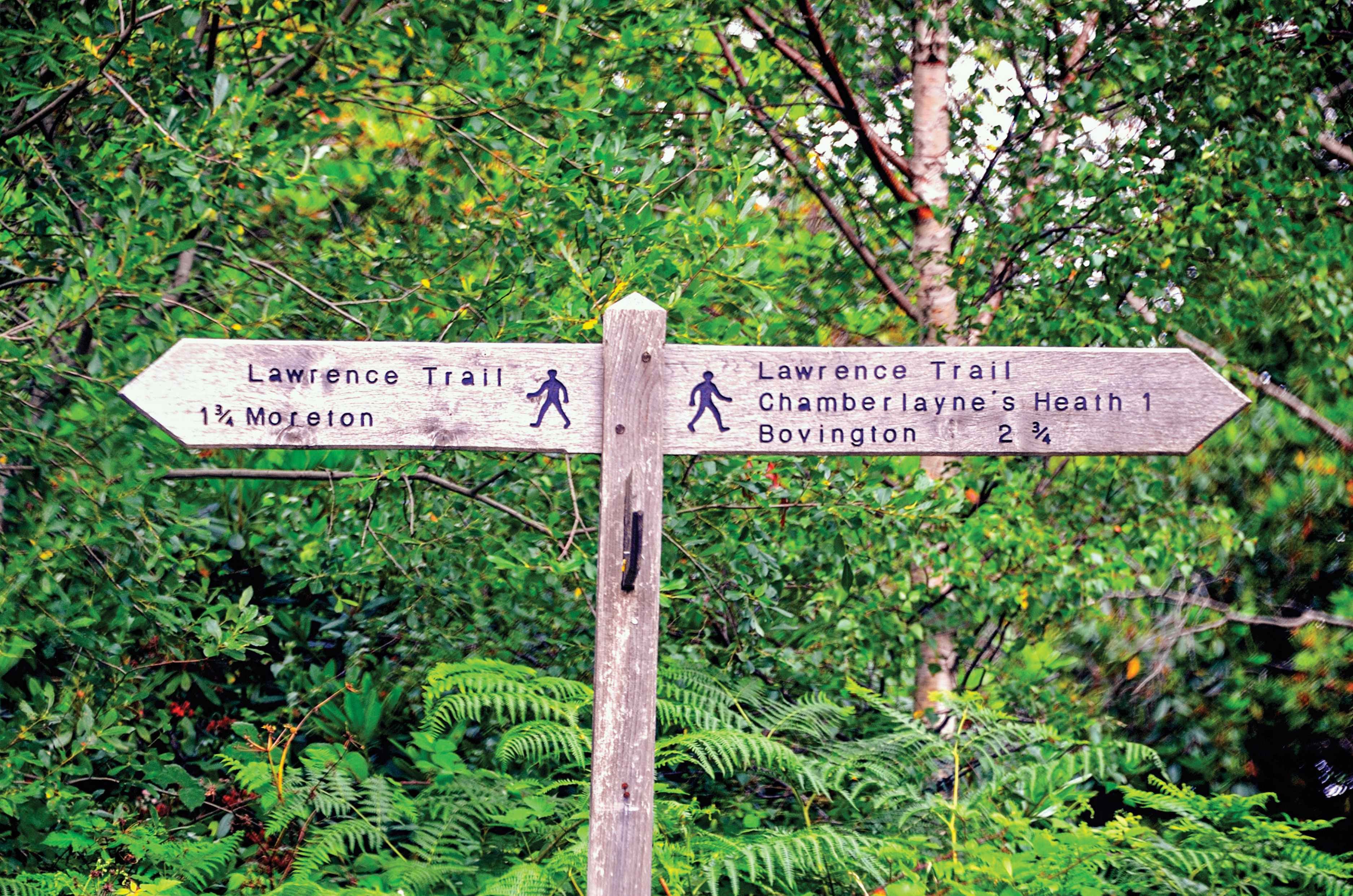
A signpost for the Lawrence of Arabia Trail.
Below it, a plaque records that the tree beside the marker was planted in 1983 by Tom Beaumont, who had served as Lawrence’s Vickers machine gunner in Arabia, one old comrade returning nearly half a century later to mark where another had died. It’s a small, unshowy memorial for a man who became the subject of an Oscar-winning film. Bovington Camp is also the start and finish point of the circular 10.8km Lawrence of Arabia Trail, which strings together the cottage, the crash site, and the church at Moreton in one walkable loop.
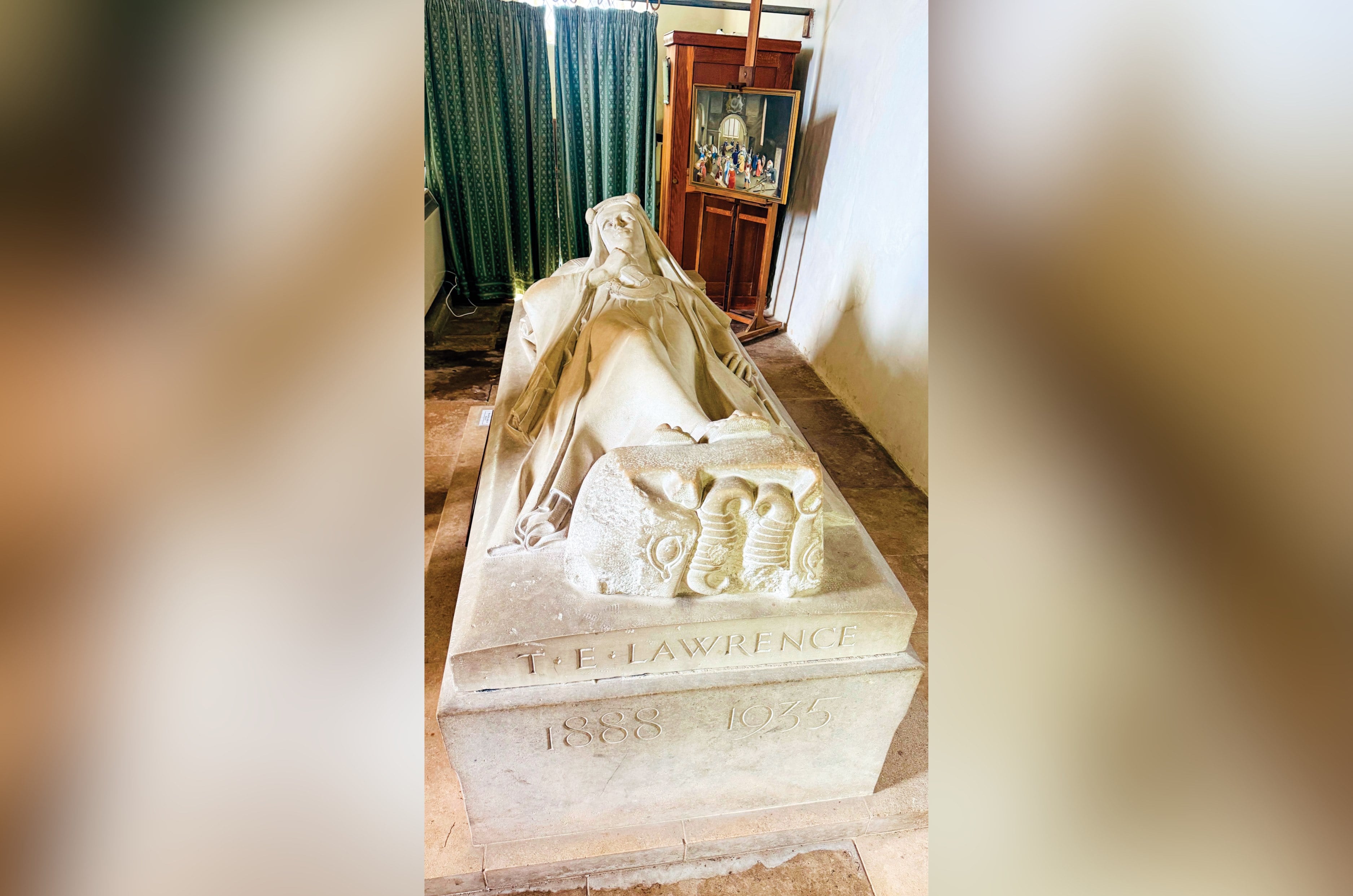
Lawrence’s effigy at St Martin’s Church, Wareham, carved by his friend Eric Kennington.
A short drive away in Wareham is one more stop worth making: the Saxon church of St Martin’s, home to a life-size effigy of Lawrence carved by his friend Eric Kennington, originally intended for St Paul’s Cathedral before being rejected there and finding its way to this small parish church instead.
Moreton and the memory of him
Moreton itself is a proper Dorset postcard, a signpost outside St Nicholas’ Church pointing the way to “Walled Garden” beside directions to Wool and Weymouth, as if history and horticulture share equal billing. Lawrence’s small and very private funeral and burial were held here on May 21, 1935, and the mourners included Churchill, Lady Astor, General Wavell (who flew in by autogiro), and author Henry Williamson.
Left: T.E. Lawrence’s grave at St Nicholas’ Church, Moreton. Simple white stone, flowers left fresh by visitors. Right: The weathered marker near Bovington, barely legible, recording the spot of Lawrence’s crash.
His grave sits a short walk from the church, simple white stone, flowers laid fresh by visitors, the inscription noting he was a Fellow of All Souls College, Oxford, and making no mention at all of Arabia.
The coast, and letting the car breathe
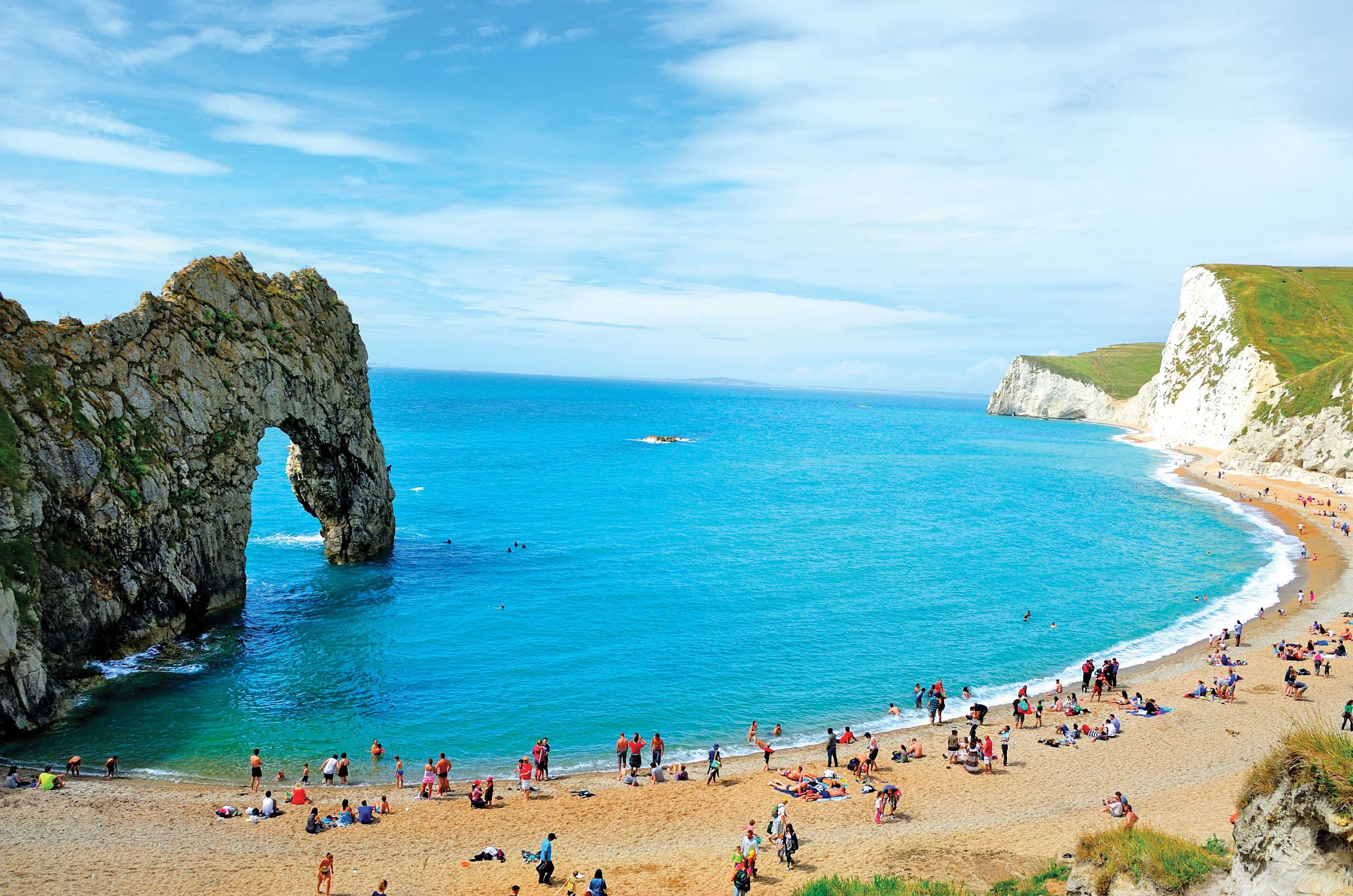
Durdle Door, the natural limestone arch that draws crowds to this stretch of coastline.
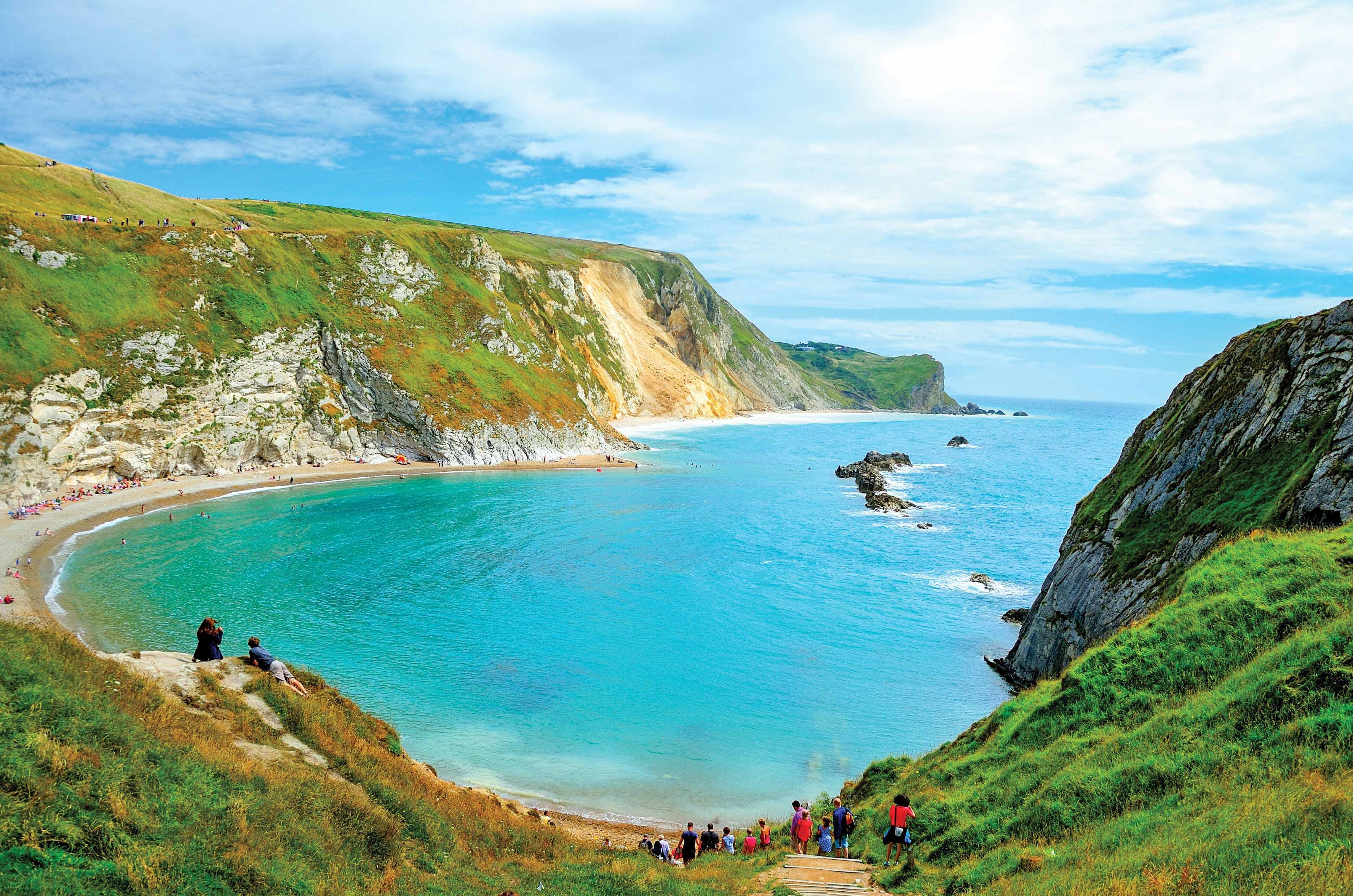
I couldn’t leave Dorset without giving the JCW a proper stretch, so I pushed south to the Jurassic Coast, Durdle Door and Lulworth Cove, a slight detour from Lawrence’s own story, but too good to leave out of a day like this. Every mile of the drive validated it being classed as an SUV. The properly deep boot held picnic mats, beach gear, including chairs and an umbrella, without the need of the rear seats being dropped.
Lulworth Cove’s chalk cliffs and turquoise water, a world away from Lawrence’s Dorset lanes.
The cabin felt roomy, and the ride height shrugged off potholed coastal car parks without a second thought. There’s real engine grunt for those urgent overtakes on narrow country lanes when stuck behind agonizingly slow motorhomes that make you feel like tearing your hair out.
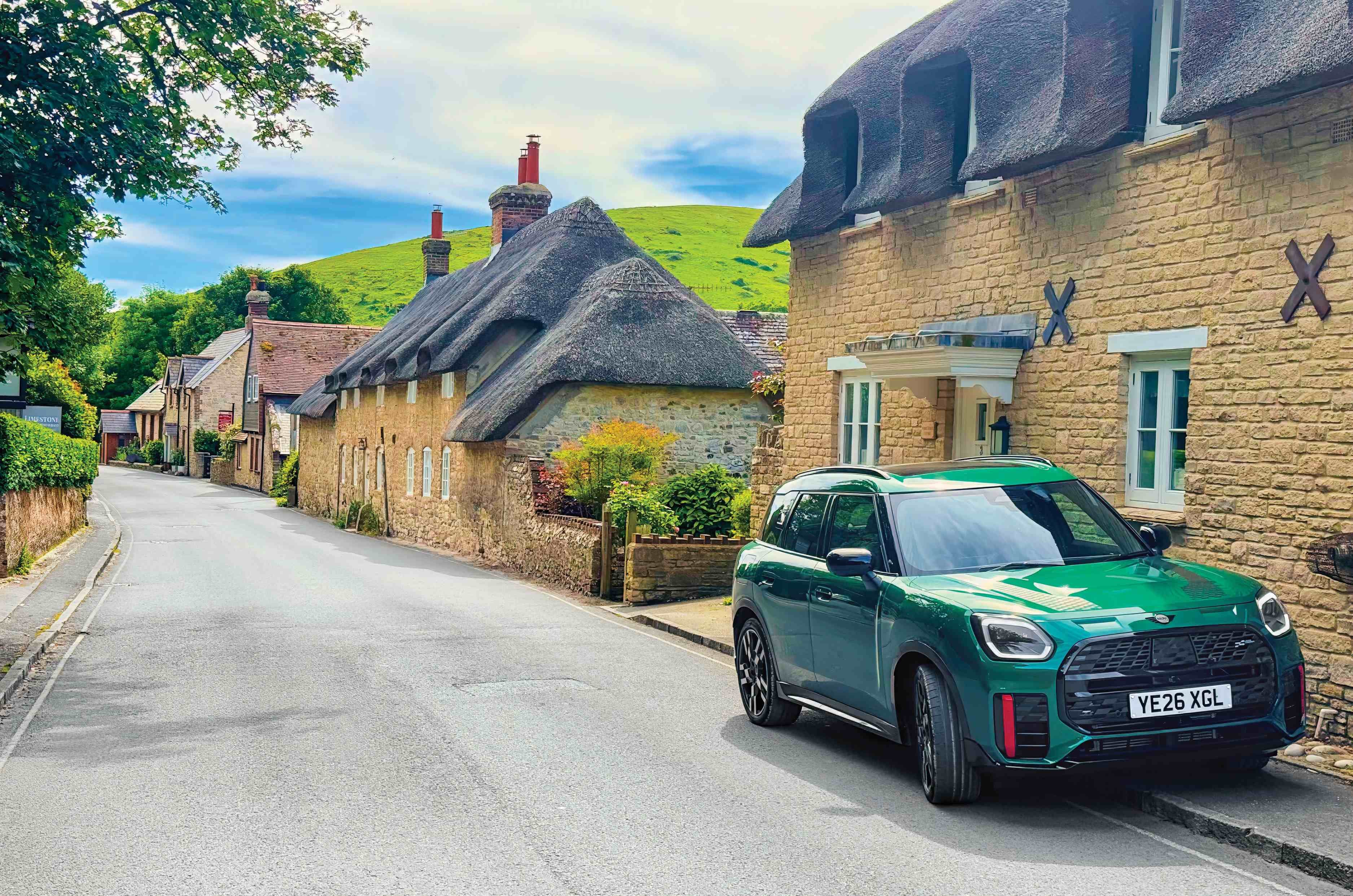
West Lulworth, all thatched roofs and honey-coloured stone, is about as quintessentially Dorset as a village gets.
The all-wheel-drive system quietly sorts out grip on the tighter, greasier lanes, especially with the left wheels on a shoulder slick with wet grass. Flick it into its sportiest mode, and the exhaust note gets a synthesised boost through the speakers. It may be all theatre, but it certainly made me grin, and that’s a win because sound plays such a large part in defining how a car makes me feel.
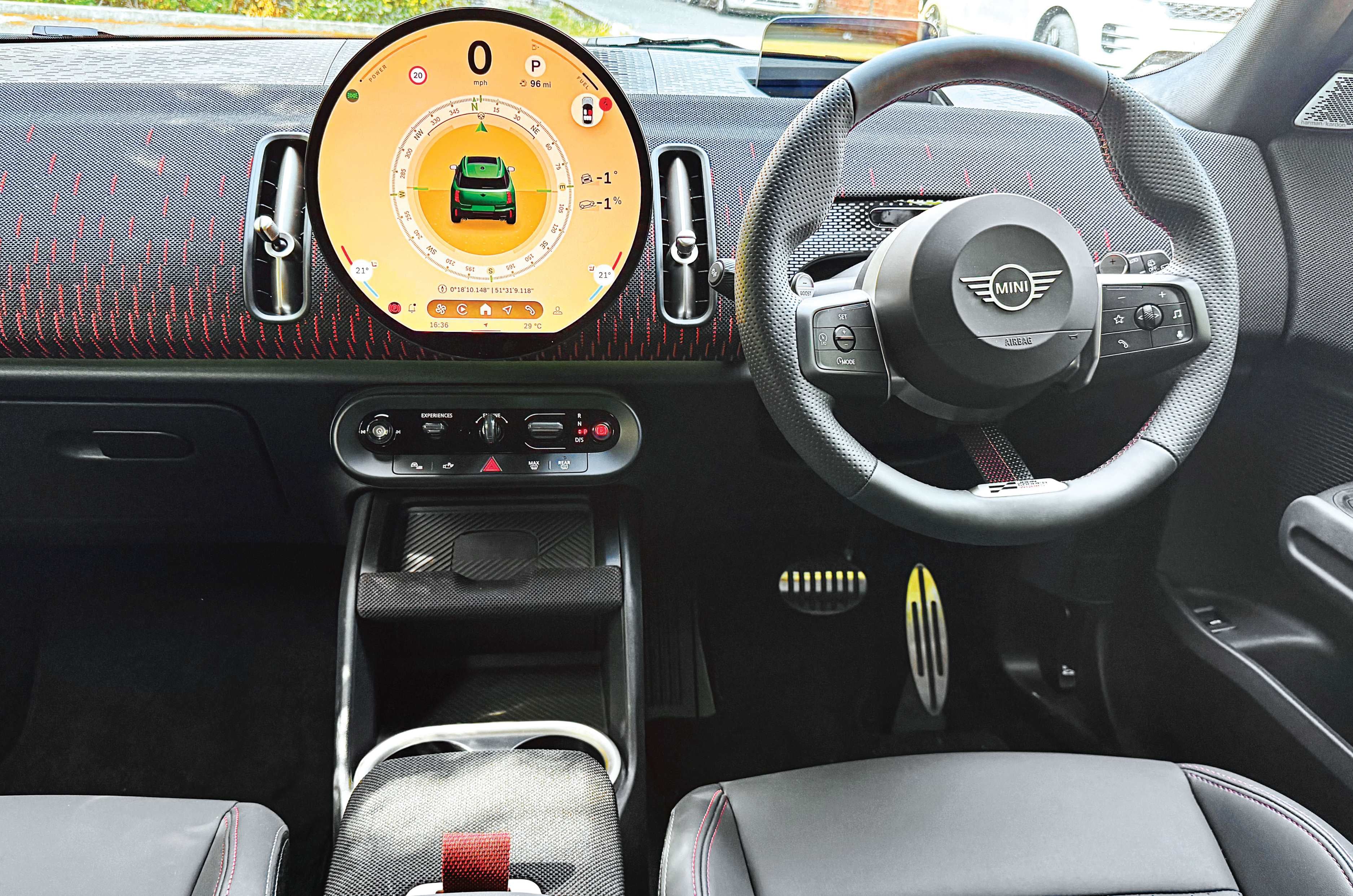
A compass and live pitch-and-roll readout flaunts SUV identity; instrumentation no traditional Mini has ever needed.
By the time I rolled back into London, it was quite clear to me that at the wheel of a Mini Countryman, what you get is a car that is actually larger and roomier than the Jeep Compass. It has the space, the grunt and the ground clearance, and from the smooth roads of Dorset to the Jeep-only trails of Zanskar, this Mini is genuinely man enough for whatever the country throws at it.
The Helmet He Never Wore
Lawrence’s fatal crash had one consequence far beyond Dorset. Among the doctors treating him at Bovington Camp Military Hospital was a young Australian neurosurgeon named Hugh Cairns, who had himself served in the Middle East during the First World War. Watching Lawrence die of head injuries that a helmet might have prevented left a deep impression on him, and he began studying motorcycle head trauma as a direct consequence.
Sir Hugh Cairns
Crash helmets already existed, invented back in 1914 for racing at Brooklands, but nobody wore them on the road. It took the Second World War, and Cairns’s appointment as a head injuries adviser to the Ministry of Health, for that to change. Researching fatalities among military despatch riders, he found that head injuries were the single biggest killer among motorcyclists and that, of the few riders wearing helmets when they crashed, not one had died.
His 1941 paper was damning enough that helmets became compulsory for all military motorcyclists within a month, and a 1946 follow-up showed the death rate had fallen sharply as a result. Cairns argued the same logic should extend to every civilian rider. It took another 27 years, and Cairns didn’t live to see it, for that to become UK law in 1973. But the chain runs in a straight, almost eerie line from one Dorset lane to millions of ordinary commutes: the man who died avoiding two boys on bicycles ended up, through the doctor who treated him, saving countless lives on two wheels after his own.
“The Rolls-Royce of Motorcycles”
Every Brough Superior was hand-built at George Brough’s works on Haydn Road, Nottingham, and Brough himself was as singular as his machines. Rarely seen without his trademark tailored flat cap, he carried himself more like landed gentry than a factory owner, and his standards bordered on obsessive. Born to motorcycle pioneer William Edward Brough, George forged his own path in 1919 after a rift with his father over how grand and expensive motorcycles ought to be.
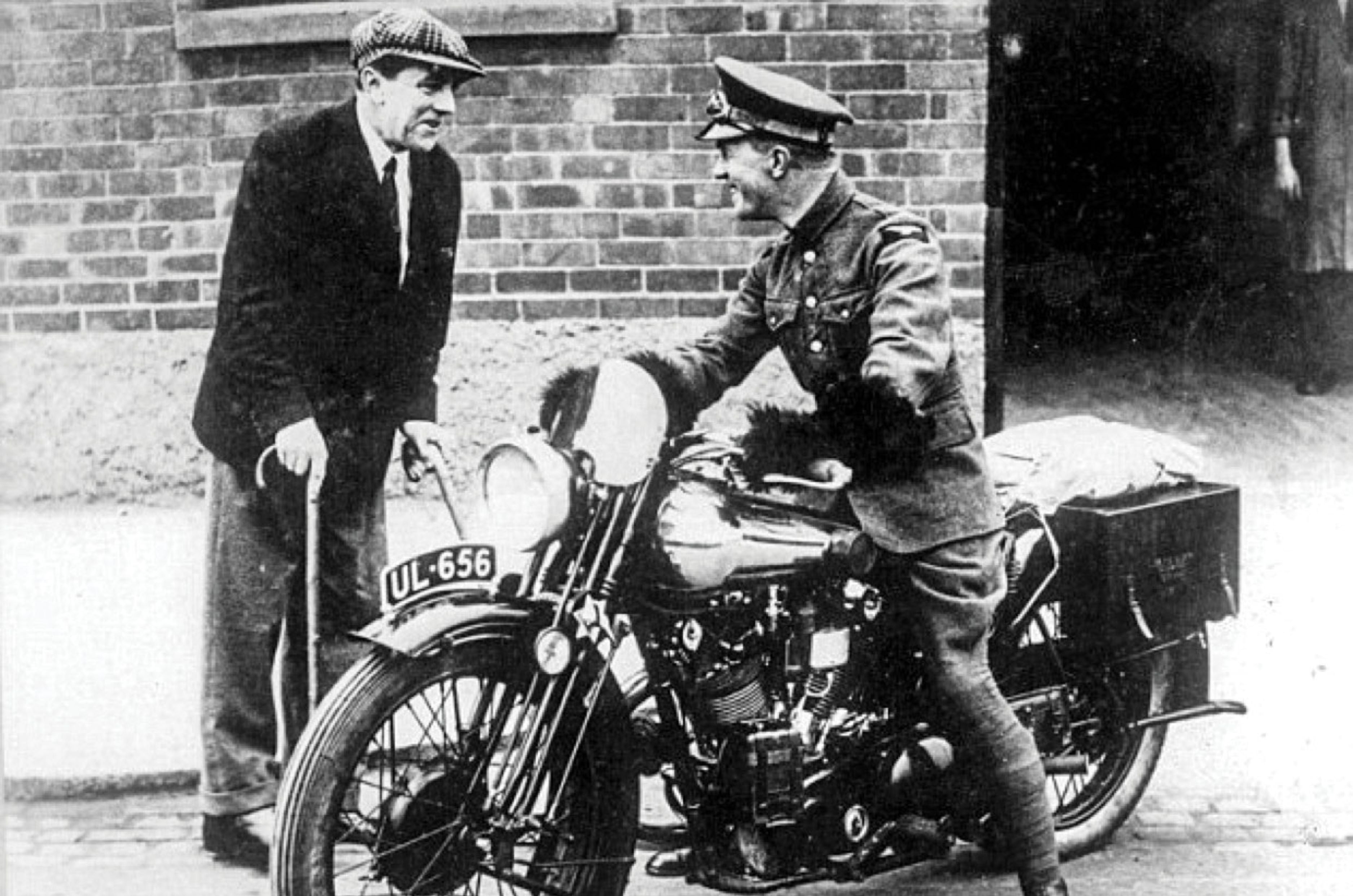
Left: George Brough, Right: T.E. Lawrence
A friend suggested adding “Superior” to the name, which Brough senior took as a personal insult. That pursuit of excellence defined the marque: each machine was assembled once to fit every component together, then stripped down for painting and plating, then reassembled for delivery. Brough tested every SS100 himself on public roads past 100mph, and each one left the factory with George Brough’s personal approval and a written certificate guaranteeing it had been timed at the ton over a flying quarter mile.
‘SS’ stood for Super Sports, ‘100’ for that guaranteed top speed of a 100mph, and Brough pushed the idea further still in 1928, setting a 130.6mph record at Arpajon in France. The “Rolls-Royce of Motorcycles” nickname was coined by journalist HD Teague of The Motor Cycle, and Brough liked it enough to use it in his own advertising, reportedly with the real Rolls-Royce’s blessing.
War ended civilian production in 1940, when the factory turned to munitions and aircraft parts, and the specialised J.A. Prestwich (JAP) 998cc, air-cooled, 50-degree OHV V-twin engines Brough relied on were never commercially viable again. Around 3,100 machines were made across 19 models in the marque’s 21-year run, and roughly a third survive today, making every survivor a priceless piece of automotive art.
Lawrence’s relationship with the marque ran deeper than most customers’. Writing to Brough in 1926, he said he’d ridden five Broughs and covered 1,00,000 miles in four years, calling them the greatest delight of his life, two of them possessing “a speed and reliability that reminded me of an express train.” Between 1922 and 1935, he owned eight. The first, bought in 1922, was nicknamed “Boa,” short for Boanerges, meaning “son of thunder.”
The seven that followed were named George I through George VII, with a ninth, George VIII, still being built when he died. At around £200 apiece, enough to buy a modest cottage, this was extraordinary indulgence for a man on an RAF aircraftman’s pay, though royalties from Seven Pillars of Wisdom helped fund it. The Brough he crashed on May 13, 1935, registration GW 2275, was George VII, his last completed machine.
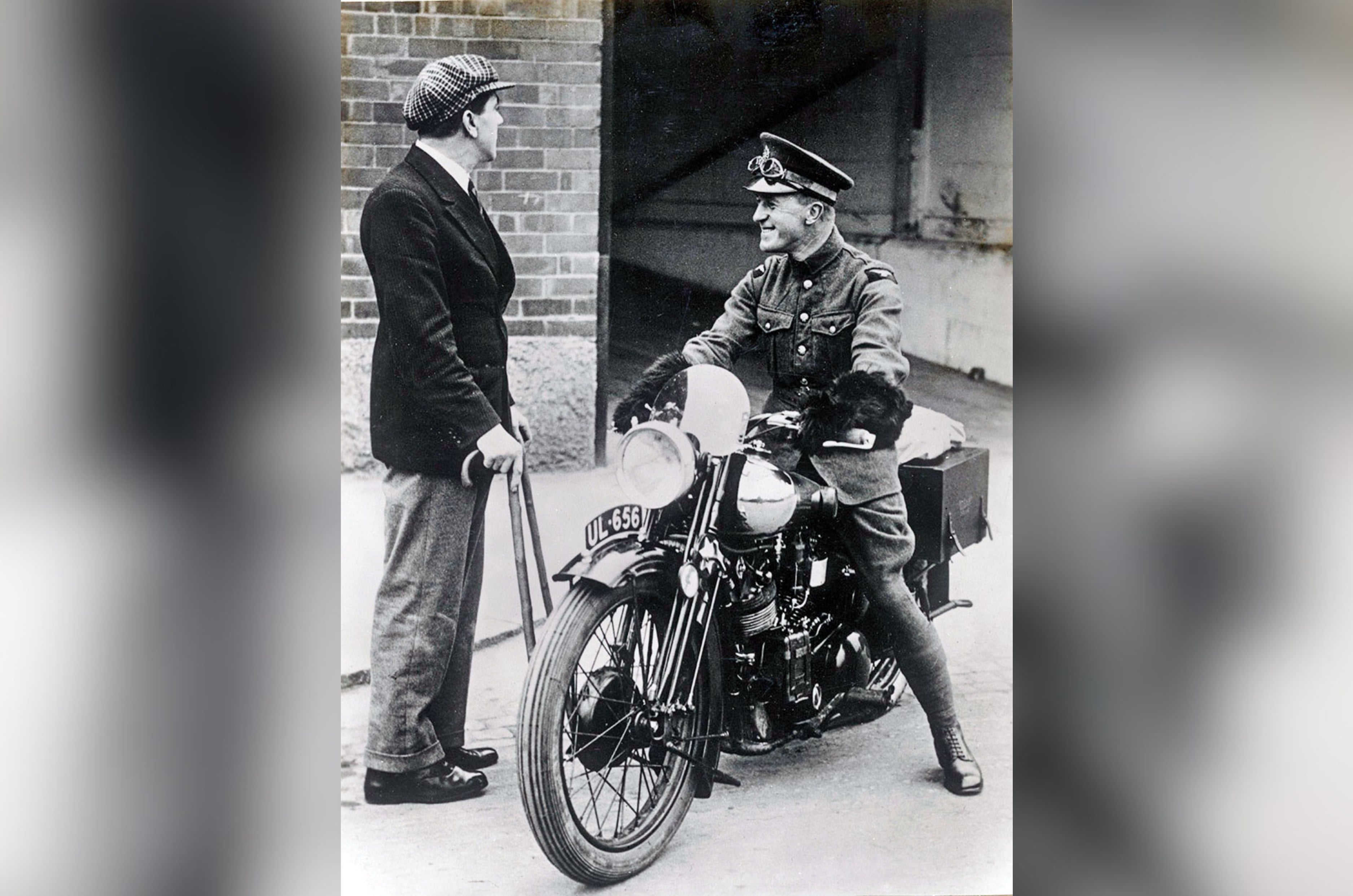
The photographs here are of George Brough and Lawrence on the Brough nicknamed George VI. They were taken during one of Lawrence’s frequent, unassuming visits to the Haydn Road factory by Jack Hallsworth, a Nottingham Journal photographer who knew George Brough and had been tipped off to bring his camera one afternoon.
It’s a rare glimpse of a man famously camera-shy and almost never photographed candidly, hinting at the genuine warmth behind the machines: two very different Englishmen, one a self-effacing war hero trying to vanish into rural obscurity, the other a flamboyant engineer-showman happy to let Rolls-Royce’s name do some of his advertising for him, bound by a friendship that outlasted their differences.
In what’s set to be the largest and most ambitious product offensive in its 99-year history, Volvo announced that it’ll launch 13 new cars by the end of 2030. The line-up will consist of 7 models for Western markets and 6 models for China, spread across pure-electric (EV) and hybrid powertrains. Volvo is also aiming to make a few design changes while reducing the over-reliance on touchscreens, with Head of Design Thomas Ingenlath saying, “we have to aim for a better harmony, a better balance between the interactions we have with our digital device and the physical interaction.”
New models to include sedans and estates.
China-only cars will share platforms, tech and supply chain with Geely.
Western-market models will use existing SPA2 and SPA3 platforms.
Volvo also plans to rework the on-board user interface.
New Volvo models to include sedans and estates
Chinese models will be co-developed with Geely; US market to get a new electric SUV
Volvo’s new 13-car product offensive was revealed at the brand’s ‘Strategy Update’ event in Stockholm, where it was announced that there will be separate models to suit different market requirements. Cars bound for Western markets such as the EU, UK and US will be based on the existing SPA2 and SPA3 platforms, running the HuginCore computing architecture.
Volvo will be introducing new sedans and estates to its European portfolio, while a new full-size electric SUV is planned for the American market. The Swedish brand also said that it will be collaborating with parent company Geely for its China-specific models. The exercise will see the two automakers sharing platforms, a dedicated tech stack and a shared parts and supply-chain ecosystem.
Reworking design cues and the user interface
Upcoming models to integrate updated design elements and a more user-friendly interface
Coinciding with the Swedish brand’s 100th anniversary in 2027, Volvo is expected to introduce a new design language through a concept. While no details have been put forth, Ingenlath stated that the brand’s signature ‘Ironmark’ badge and diagonal grille slash will see a reiteration. Meanwhile, drawing parallels with Leica cameras, Ingenlath said that the aim is to strike a better balance between touchscreens and physical switchgear.
“The touchscreen is about flexibility and displaying what you don’t need to display all the time. So, use the touchscreen for what it’s good for and reintroduce a couple more buttons than what’s offered in today’s cars,” highlighted Ingenlath. “A function shouldn’t live permanently on a screen just because it can,” he continued. However, the design chief was quick to note that this approach could vary based on market preferences. Since digital interactions are more popular in China compared to most other markets, the models that will be sold there could sport a screen-heavy design.
Volvo’s regionalised approach to boost profitability
The brand aims to take advantage of increasing regionalisation to better match customer preferences
Volvo hasn’t disclosed model-wise details based on their target markets yet. However, it said that the plan is to double the brand’s market share in the pure-electric (BEV) segment while also offering the new third-generation hybrid powertrains for buyers who are reluctant to go fully electric. “Our showrooms will look very different in 2030. This is our strongest product pipeline ever, tailored to regional needs, and emphasises our ambition to be the leading premium car brand,” Volvo President and CEO Hakan Samuelsson said.
By developing regionally specific models through its ‘Strategy Update’ initiative, Volvo aims to tackle technology restrictions and trade tariffs alongside changing customer preferences. “The challenges for the car industry are immense, but our strategy gives a clear answer to how we adapt to these and our ambition is to be the leading premium car brand,” Samuelsson said.
Volvo expects to increase the commonality in parts shared with Geely to reach 30 percent, while the savings on material costs (apart from additional indirect savings) to hit 5 percent by 2030. Utilisation of existing SPA or shared hybrid platforms means lower investment per car when compared to the previous ‘first-car-on-platform’ launches such as the EX60. The company said that it will also be working on internal efficiency improvements to curb corporate overheads and increase productivity across the value chain. Combined, Volvo aims to push operating profit margins to go beyond 8 percent.
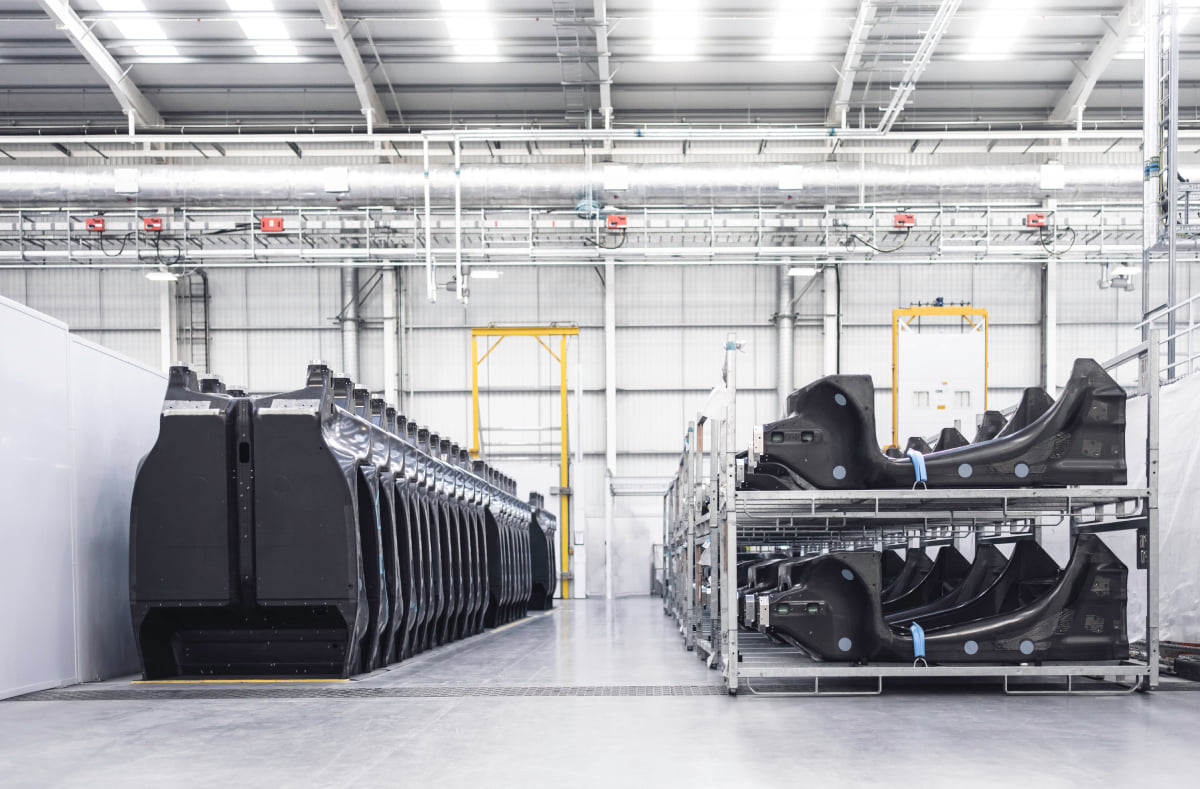
McLaren has confirmed plans to build its first SUV in the UK as part of a GBP 500 million investment in its manufacturing and engineering operations. The unnamed performance SUV is in the early stages of development and is planned to launch before 2030.
The investment will also fund a second vehicle assembly facility in the UK, expand McLaren’s existing facilities and bring engine development and production in-house for the first time. The programme is expected to create at least 1,000 jobs within and around McLaren, with a further 3,000 jobs expected across its supply chain.
Speaking to Autocar UK, McLaren COO Michael Straughan said “there’s a roadmap for about the next 10 years that gives us real confidence. We’ve got a growth plan and a delivery perspective on how we can get to where we want to get to.”
McLaren SUV confirmed
McLaren had previously ruled out an SUV, with former CEO Mike Flewitt saying the company could not afford to develop one and that it “just doesn’t fit the brand”. The company is one the last supercar makers to add an SUV to its range, following rivals including Ferrari, Lamborghini and Aston Martin.
The SUV will use one of the company’s new hybrid powertrains. Straughan said the SUV remains in the early stages of development, although McLaren is targeting a launch before 2030. The company has not yet announced its name, technical details or exact launch date.
The SUV will be the first McLaren road car to move beyond the mid-engined supercar format that has defined the brand since its road-car business was established. “No longer will we be only rear-engined, rear-wheel-drive cars. There’s going to be front-engined, and either four-wheel drive or perhaps rear-wheel drive in the future. It’s very difficult off one assembly line, so we need another assembly line – wherever we decide to put that”, Straughan said.
The SUV’s body structure is still being decided. McLaren is considering several options, including carbonfibre, drawing on its expertise in lightweight composite construction. “It’s one of the discussions we’re having at the moment, because nobody has ever done this before,” he said. “Every other SUV [of this type] has been aluminium, and we’ve got a number of options at the moment for what the body structure will be in the future. If we went that way, it would be the first. It would be incredibly special.” he added.
The SUV is the only new model McLaren has confirmed. However, the front-engined layout could support other models in future. Straughan said there are no firm plans for additional models, but that the layout “opens up other opportunities”. McLaren has not confirmed any further derivatives or changes to its existing supercar range.
New engines and gearboxes
McLaren will develop and manufacture future engines and gearboxes in-house for the first time. Its current V6 and V8 engines are supplied by Ricardo, which has powered all of McLaren’s core models since the company’s relaunch with the 12C in 2011. The engines are exclusive to McLaren.
McLaren hasn’t alluded to their technical specifications, but says they will support “the company’s hybrid engine strategy”. The company says they will be developed and tuned to maximise driver engagement. Asked about the technical make-up of these new engines, Straughan said: “Obviously it’s going to start with the current V8 products or the future generation of that, but once you start building engines there are lots of opportunities”.
Confirmation of plans for two distinct engine programmes suggests McLaren will offer different cylinder counts and capacities across its line-up going forward. McLaren’s partnership with Ricardo will continue for other engineering work, but future engines will be built by McLaren rather than shipped to Woking by Ricardo.
No immediate McLaren EV
McLaren has no immediate plans for a fully electric road car. COO Michael Straughan said the company will wait until customer demand is strong enough, although its integration with Forseven has provided experience in electric-vehicle development. Straughan said it was important that McLaren launched an EV “at the right time”.
“It’s inevitable – it will come, and we’ve got to be ready for when it does come. But the market reception to EVs in this space is not fantastic at the moment, so we can’t afford to make a mistake with the product, and therefore we will hold off until we’re certain that the customer demand is there”, he added.
Second UK factory planned
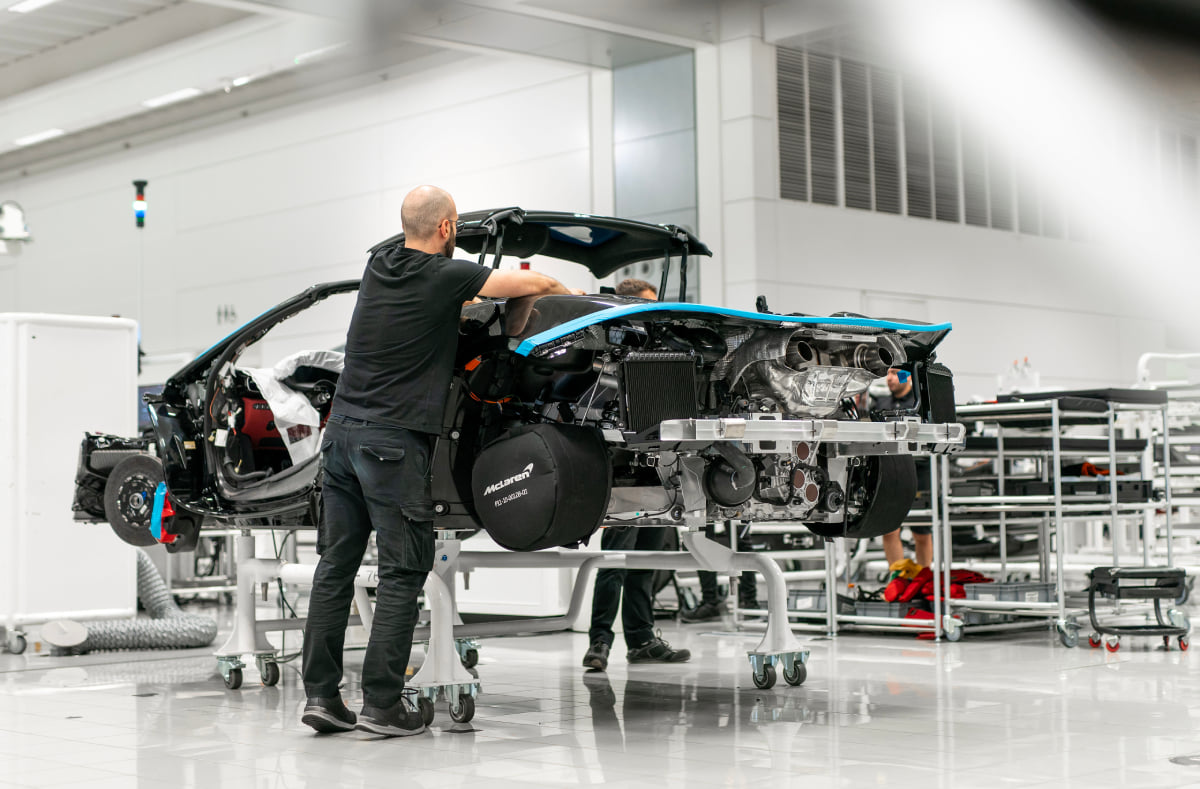
The new facility will supplement the McLaren Production Centre in Woking, although its location has not yet been confirmed. “We can’t build a front-engined car on the same line as a rear-engined car,” Straughan said. “We’re not going to use somebody else’s production line,” Straughan said. “We’ll build our own”, he added.
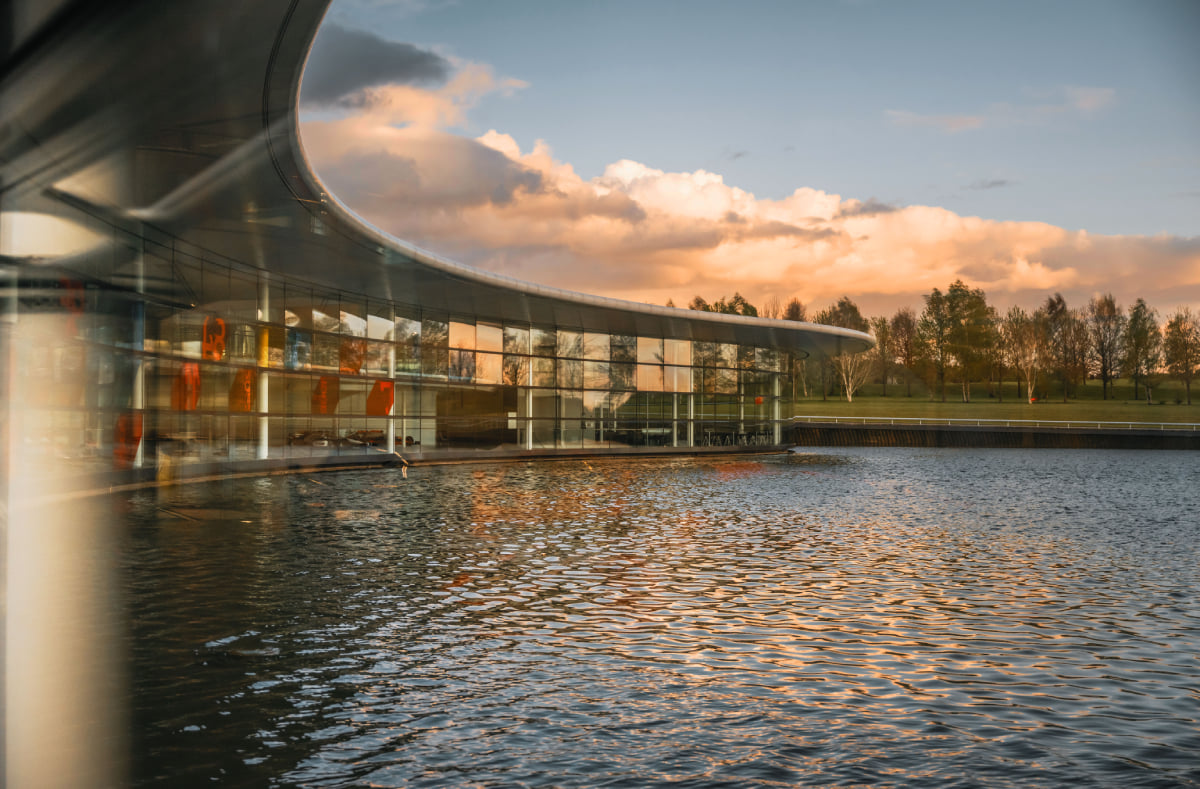
McLaren will also expand its existing production facility in Woking, which built around 2,000 cars in 2025, as well as its carbonfibre manufacturing and research centre in South Yorkshire. The company has recently opened a design and innovation centre in Bicester and a testing and vehicle development facility in the Midlands.
Together, these sites will support McLaren’s UK operations across design, engineering, vehicle development and manufacturing, increasing production capacity for its next generation of models. “We can’t stop making the cars we make today,” Straughan said. “We have to introduce the new products alongside them”, Straughan said.
Stocks to Watch: गुरुवार 17 सितंबर को शेयर बाजार में 13 कंपनियों से जुड़े अहम अपडेट देखने को मिल सकते हैं। इनमें टाटा ग्रुप के स्टॉक्स से जुड़ी खबर भी शामिल है। वहीं, कुछ कंपनियों को नए ऑर्डर मिले हैं। कुछ ने विस्तार और अधिग्रहण की योजनाओं का ऐलान किया है।
Tata Group Stocks
टाटा ग्रुप की होल्डिंग कंपनी Tata Sons के बोर्ड की बैठक 17 सितंबर को मुंबई में होगी। मीडिया रिपोर्ट्स के मुताबिक, बैठक में चेयरमैन एन चंद्रशेखरन से पद छोड़ने के फैसले पर दोबारा विचार करने को कहा जा सकता है। उनकी मौजूदा अवधि फरवरी 2027 में पूरी हो रही है। बैठक में संभावित लिस्टिंग, अगले चेयरमैन और ग्रुप गवर्नेंस पर भी चर्चा हो सकती है।
GNFC
सरकारी फर्टिलाइजर और केमिकल कंपनी GNFC ने संजीव कुमार को नया मैनेजिंग डायरेक्टर नियुक्त किया है। नियुक्ति 9 सितंबर 2026 से प्रभावी है। उनका कार्यकाल पांच साल का होगा। वह राजकुमार बेनीवाल की जगह लेंगे, जिन्हें गुजरात सरकार ने सूरत का म्युनिसिपल कमिश्नर बनाया है।
Susan Electronics India
इलेक्ट्रिकल प्रोडक्ट बनाने वाली कंपनी Susan Electronics India के बोर्ड ने बागपत में जमीन खरीदने को मंजूरी दी है। कंपनी करीब ₹22 करोड़ में यह जमीन खरीदेगी। इसका इस्तेमाल मैन्युफैक्चरिंग कैपेसिटी बढ़ाने के लिए होगा। कंपनी ने जून 2026 में शेयर बाजार में शुरुआत की थी।
LT Foods
फूड सेक्टर की कंपनी LT Foods, Kameda LT Foods India में जापान की Kameda Seika की पूरी 49% हिस्सेदारी खरीदेगी। LT Foods के पास अभी 51% हिस्सेदारी है। डील के बाद हिस्सेदारी 100% हो जाएगी। यह जॉइंट वेंचर भारत में राइस स्नैक्स का कारोबार करता है और ‘Kari Kari’ ब्रांड से जुड़ा है।
Vodafone Idea
टेलीकॉम कंपनी Vodafone Idea पर TRAI ने ₹2 लाख की फाइनेंशियल पेनल्टी लगाई है। कंपनी ने 16 सितंबर को इसकी जानकारी शेयर बाजार को दी। कार्रवाई नवंबर 2025 में क्वालिटी ऑफ सर्विस के तय मानकों को पूरा नहीं करने से जुड़ी है। कंपनी ने कहा है कि वह TRAI के आदेश की समीक्षा कर रही है।
Krsnaa Diagnostics
डायग्नोस्टिक्स सेक्टर की कंपनी Krsnaa Diagnostics ने पंजाब हेल्थ सिस्टम्स कॉरपोरेशन के साथ 15 साल का करार किया है। इसके तहत पंजाब के चार सरकारी अस्पतालों में PET-CT डायग्नोस्टिक सुविधाएं विकसित की जाएंगी। कंपनी इन सुविधाओं को चलाने और मेंटेन करने का काम भी करेगी।
Mazagon Dock Shipbuilders
सरकारी शिपबिल्डिंग कंपनी Mazagon Dock Shipbuilders ने NSHIPML के साथ समझौता ज्ञापन यानी MoU साइन किया है। इसके तहत कंपनी Dighi ग्रीनफील्ड शिपबिल्डिंग क्लस्टर के लिए एंकर शिपयार्ड के तौर पर काम करेगी।
Venus Pipes & Tubes
स्टेनलेस स्टील पाइप और ट्यूब बनाने वाली कंपनी Venus Pipes & Tubes के बोर्ड ने फंड जुटाने के प्रस्ताव को मंजूरी दी है। कंपनी प्रेफरेंशियल इश्यू के जरिए 371.99 करोड़ रुपये तक जुटाएगी। इसके लिए शेयरधारकों और अन्य जरूरी रेगुलेटरी मंजूरियों की जरूरत होगी।
Fortis Healthcare
हेल्थकेयर सेक्टर की कंपनी Fortis Healthcare ने Seth Sunder Lal Jain Charitable Eye Hospital यानी SLJ Society के साथ अंतिम समझौते किए हैं। इसके तहत कंपनी नई दिल्ली के अशोक विहार में 400 से ज्यादा बेड वाले सुपर स्पेशियलिटी अस्पताल में हेल्थकेयर सेवाएं देगी।
Kalpataru Projects International
इंजीनियरिंग और कंस्ट्रक्शन सेक्टर की कंपनी Kalpataru Projects International ने बताया कि उसकी 96.12% फर्स्ट-लेवल स्टेप-डाउन मटेरियल सब्सिडियरी Linjemontage I Grästorp AB को स्वीडिश फाइनेंशियल सुपरवाइजरी अथॉरिटी से मंजूरी मिल गई है। यह मंजूरी प्रस्तावित IPO के प्रॉस्पेक्टस से जुड़ी है।
Infosys
आईटी सेक्टर की कंपनी Infosys ने इंदौर डेवलपमेंट सेंटर का विस्तार किया है। कंपनी ने सुपर कॉरिडोर स्थित अपने कैंपस में नए Software Development Block यानी SDB-2 का उद्घाटन किया है। इससे इंदौर में कंपनी के डेवलपमेंट सेंटर की क्षमता बढ़ेगी।
Highway Infrastructure
इंफ्रास्ट्रक्चर सेक्टर की कंपनी Highway Infrastructure को उत्तर प्रदेश एक्सप्रेसवेज इंडस्ट्रियल डेवलपमेंट अथॉरिटी से 220.66 करोड़ रुपये का कॉन्ट्रैक्ट मिला है। यह कॉन्ट्रैक्ट गोरखपुर लिंक एक्सप्रेसवे पर टोल कलेक्शन और टोल प्लाजा के संचालन से जुड़ा है।
Alembic Pharmaceuticals
फार्मा सेक्टर की कंपनी Alembic Pharmaceuticals ने बताया कि अमेरिकी दवा नियामक USFDA ने गुजरात के वडोदरा स्थित उसकी बायोइक्विवेलेंस फैसिलिटी का इंस्पेक्शन पूरा कर लिया है। कंपनी के मुताबिक, USFDA ने इस फैसिलिटी का निरीक्षण बंद कर दिया है।
Juniper Hotels
हॉस्पिटैलिटी सेक्टर की कंपनी Juniper Hotels ने Novotel Imagicaa होटल को खरीदने के प्रस्ताव को मंजूरी दी है। कंपनी इस होटल को महाराष्ट्र के खोपोली में Imagicaaworld Entertainment से 248 करोड़ रुपये में खरीदेगी। Juniper Hotels भारत में Hyatt से जुड़े होटलों की सबसे बड़ी मालिक कंपनी है।
Disclaimer: यहां मुहैया जानकारी सिर्फ सूचना के लिए दी जा रही है। यहां बताना जरूरी है कि मार्केट में निवेश बाजार जोखिमों के अधीन है। निवेशक के तौर पर पैसा लगाने से पहले हमेशा एक्सपर्ट से सलाह लें। मनीकंट्रोल की तरफ से किसी को भी पैसा लगाने की यहां कभी भी सलाह नहीं दी जाती है।