JLR MD Rawdon Glover on Jaguar’s repositioning and working with Tata Motors

JLR MD Rawdon Glover on Jaguar's repositioning and working with Tata Motors
Raqdon Glover JLR MD

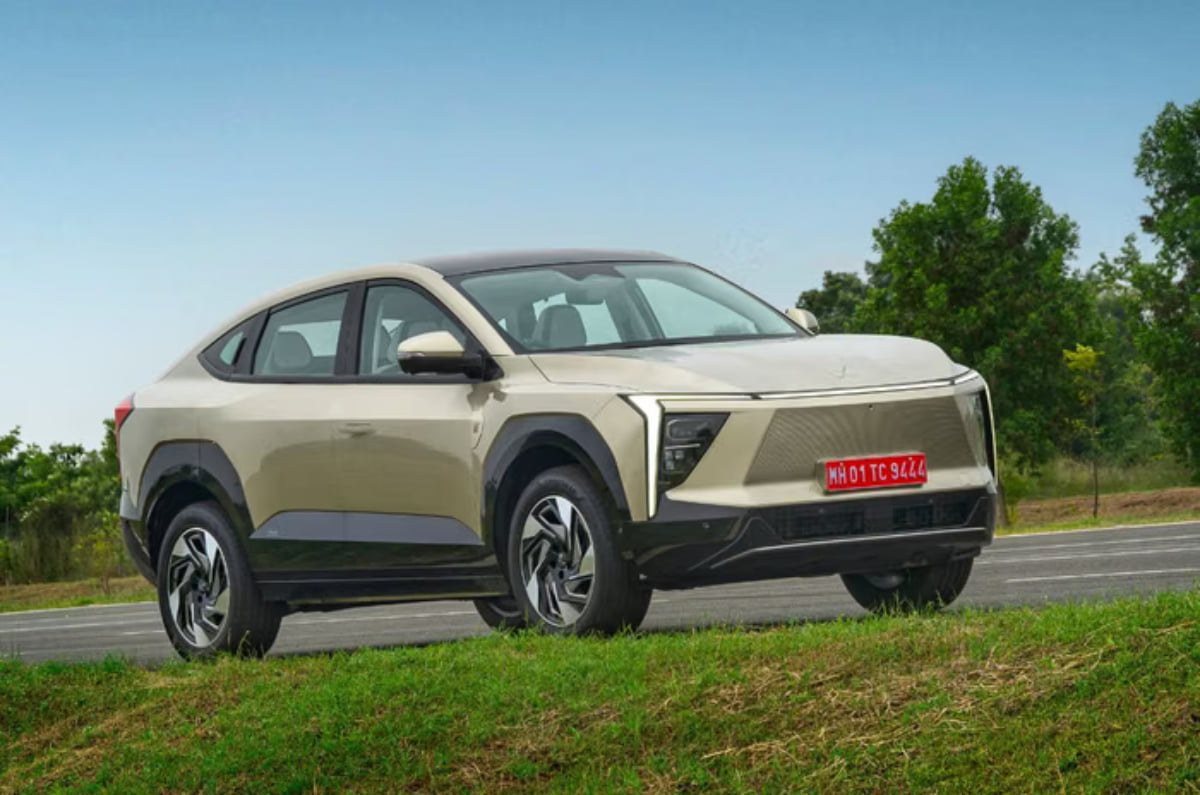
Rawdon Glover has worked with the JLR group for over 13 years and took charge as Managing Director 3 years ago. From the sidelines of our first drive with the Jaguar Type 01, we speak to Glover, who tells us about Jaguar’s new direction, taking risky decisions, core markets and upcoming products. 

Why the major shift in the positioning of Jaguar?

Putting Jaguar back on a firm footing for the next 90 years is the main job. And if you look at the task, it’s brand management where sometimes you need small incremental changes. But if you look at today’s technical changes, competitive context, how the brand was performing globally and a host of factors, what was called for was a big shift. That requires you to be bold and confident.

Why go for a radical and polarising design?

We’re ok with polarising. If you look at our history, it was bold evolutions, for example the XJS, the spiritual successor to the E-Type. It would have been easy to say let’s just make a modern example of the E-Type, but that’s not what we did, and if you look back at reviews, it was applauded for its dynamics and refinement, but the design was seen as polarising. Now it’s a design icon. So, I’d rather have four out of ten absolutely love the car, rather than have everyone go – yeah, it’s ok.

Isn’t going all-electric a massively risky move?

The EV landscape is evolving rapidly, many new brands are coming in, and I believe one will crack the EV glass ceiling, so why not Jaguar? So we ripped up the EV rulebook because, in the luxury space, it wasn’t working. So it’s not designed as an EV without an engine and a really cab-forward layout. But it’s about presence and performance, and to deliver the level of performance and refinement, electric is best.

Would the car sit above the XJ in terms of price?
All of the vehicles coming off this platform would be between GBP 1,20,000 and GBP 1,50,000. We see a white space at the top end of the premium segment, but underneath established luxury players. That’s where we want to be, and with this vehicle what you get is the stature, the presence, the drama of those uber-luxury brands at the top end of the premium price point.

What are the core markets, and how does India figure in the plan?

We used to sell in 130 markets, but we’ll narrow this to just eight or nine, with 85 percent of the volume. North America will remain a large part, China will become important, and the UK, Germany and some Nordics, where they have really embraced EVs, will be the mainstay. Then in markets like the Middle East and India, which have been small, we think we can really break into them now. The retail would, of course, still be through the existing JLR network.

FTAs do not favour EVs, so is the 01 capable of being locally assembled?

Manufacturing this outside of the UK is not currently in the plan. All production will be built out of Solihull, so all exports to other markets will be CBUs, but that doesn’t rule out local production outside UK. As you know, the geopolitical situation is so fluid at the moment, but in time we could consider production elsewhere.

Is there a more chauffeur-driven offering from Jaguar coming?

The 01 is unashamedly driver-focussed, it has four comfortable seats, but it’s a four-door GT, not a four-door sedan designed as a luxury chauffeur-driven car. There will be other vehicles off this platform that will share the same design language, but will have a distinct personality and target different groups, and they would be accessible to a wider audience. So, yes absolutely, there will be a chauffeur-driven-focused model from Jaguar.

Would an SUV body style be part of the portfolio?

What you shouldn’t expect from us is a high-sided Jaguar that is a Range Rover competitor. We already have the best SUV on the planet, and part of the house of brand’s strategy is to differentiate the brands. All I can say, for now, is that you can expect a variety of vehicles from us, and there will be vehicles slightly higher positioned, but all will drive like a Jaguar.

How has it been working with Tata Motors?

Unwavering is the word. There is nobody more dedicated and passionate about our success than the shareholders, and that’s an incredibly privileged position to be in. It puts a little pressure, but having somebody like PB Balaji come onto our board is great. He’s been on the journey with us, he understands it inside and out, and for him, Jaguar is personal. It’s important to our chairman and even was to Ratan Tata. I was reading stories about Ratan Tata driving about in his father’s XK120, so it’s really important to Tata that Jaguar wins. In all my interactions with the board, there is never talk of tempering ambitions, it’s always, just go for it.

India-EU FTA is a big opportunity to bring niche models: VW CEO Thomas Schafer

India-EU FTA is a big opportunity to bring niche models: VW CEO Thomas Schafer
VW CEO Thomas Schafer

Volkswagen is preparing for a much bigger push in India, with the company reviewing its broader product, powertrain and investment plans. While a locally produced compact SUV has already been confirmed for launch next year and is expected to drive volumes, the brand is also looking at the India-EU free trade agreement (FTA) as an opportunity to bring select niche models from its global portfolio here.

“FTA has been announced in Europe. It is a huge opportunity to bring a certain sort of niche models to widen the portfolio for the consumer to offer some exciting models every now and then, which is great,” Member of the Board of Management of Volkswagen AG and CEO of Volkswagen Brand Thomas Schafer told us. He did not reveal which models could be on the cards, but said the company is taking a long-term view and will study market conditions over the next few months before making a decision.

VW’s renewed focus for India

Schafer’s India visit comes as Volkswagen reviews its global business strategy amid geopolitical tensions, changing trade policies and a growing move towards regional manufacturing. “So, globally, we see almost like a decoupling. You have a geopolitical situation and the old business model where everything’s focused on Europe, and then you export to other markets is long gone. At the same time, you have a very different dynamic in China than in the US, which is putting import duties on Europe under certain attacks. So, in that game, you have to change your business model; you have to adapt it. And that’s what we’re busy doing,” he added.

This shift could benefit India. Along with the growing domestic market, Volkswagen sees India as an important hub for engineering, IT and R&D. “We will focus a lot on India going forward. Not only because the market is exciting and growing and creating more opportunity for the future, but also the sort of knowledge base that you have here in India,” he said.

Volkswagen also sees exports as an important way to build scale out of India. The company already exports vehicles made in the country to more than 40 markets, with Mexico being one of the major markets that imports vehicles from India. “So, exports are an important part of our business, and we will always strengthen that going forward,” he said. For the upcoming compact SUV, export potential could also help boost volumes and strengthen the business case.

More powertrains can be offered at the right time

Volkswagen’s current portfolio comprises cars powered by turbo-petrol engines, even as CNG and diesel remain in demand and EVs are gaining momentum. “So, what is clear is, in the long run, there will be strong electrification, especially also in India…You see it accelerating, probably driven by the conflict in the Middle East and the oil situation,” he said.

At the same time, he clarified that be it flex-fuel, CNG, diesel or EV, the brand has the technology already on sale in certain parts of the world. “We have flex-fuel, super strong in South America for years; we have CNG, diesel and EVs, it’s all there…When it’s the right time to localise it, we will localise it,” Schafer said.

The challenge, he said, is deciding when and how to use each powertrain technology. “The dynamics in India and the market shift have been quite significant even in the last couple of months. So, to be honest, we haven’t concluded our planning on that, but the good thing is that we have it and we can deploy it if and when it is the right situation,” he stated. Volkswagen is also evaluating its next-generation models and newer platforms, but these plans are still under consideration.

Cost remains a major hurdle for VW in India

Cost has been one of Volkswagen’s biggest challenges in India. Schafer said the company has spent the past few years working on two key areas: ensuring that its products retain the core characteristics of the Volkswagen brand while simultaneously reducing the cost base. “We worked over the last four years very focused on the cars that we bring to the market now are through and through Volkswagen in terms of quality, brand fit. And, yes, our cost base is traditionally high because we are very much focused on Europe and especially Germany,” he added.

India, he said, will play an important role in Volkswagen’s efforts to reduce costs, especially through more cost-effective development and manufacturing. “Part of the programs that’s been in the media over the last, especially two years, has been reducing our cost base, developing more in more cost-efficient places like in India very much, but also shifting production from high-cost locations into lower-cost locations,” he said.

Volkswagen is now working on its next set of products, investment plans and powertrain options for India. With India becoming an increasingly important part of its global strategy, there is plenty to look forward to from the brand in the coming years.

Apple Layoffs: iPhone मेकर ने फिर की छंटनी, 200 लोगों की नौकरी पर खतरा; इस बार कौन सी टीम्स प्रभावित

आईफोन मेकर एपल इंक अपने सिरी डिजिटल असिस्टेंट और विजन प्रो हेडसेट से जुड़ी टीमों में नौकरियां कम कर रही है। ब्लूमबर्ग की एक रिपोर्ट में मामले की जानकारी रखने वालों के हवाले से कहा गया है कि Apple अपनी ‘इंटेलिजेंट सिस्टम्स एक्सपीरियंस’ टीम के कर्मचारियों की भी छंटनी कर रही है। यह टीम सॉफ्टवेयर इंजीनियरिंग विभाग का हिस्सा है और डिवाइसेज के कुछ AI फीचर्स की जिम्मेदारी इस पर है।

बदलावों के तहत, कंपनी Vision Pro के लिए गेमिंग पर फोकस्ड टीम को काफी हद तक शट डाउन कर रही है और डिवाइस के लिए इमर्सिव वीडियो कंटेंट बनाने वाली यूनिट का साइज भी घटा रही है। कुल मिलाकर, इस जॉब कट से 200 से अधिक लोग प्रभावित हुए हैं। Vision Pro विभाग से लगभग 100 पद खत्म किए गए हैं। Siri व सॉफ्टवेयर टीमों से भी 100 पद हटाए गए हैं।

लॉन्च के समय से ही इमर्सिव वीडियो Vision Pro की बिक्री का एक मुख्य आकर्षण रहा है। लेकिन हर 3D वीडियो बनाने के लिए Apple कर्मचारियों और कॉन्ट्रैक्टर्स की कई टीमों की जरूरत होती है। इमर्सिव वीडियो सीरीज के एक एपिसोड को शूट करने में कई मिलियन डॉलर का खर्च आ सकता है। Vision Pro के एक्टिव यूजर्स की कम संख्या को देखते हुए, इन खर्चों ने बिजनेस पर दबाव डाला है।

किस टीम में किस तरह की रीस्ट्रक्चरिंग

ब्लूमबर्ग के मुताबिक, Siri में बदलाव, इस असिस्टेंट के आने वाले AI-इनफ्यूज्ड वर्जन से जुड़े हैं। इस बदलाव के लिए जरूरी विशेषज्ञता में बदलाव की जरूरत है, जिसके कारण कंपनी को कुछ मौजूदा भूमिकाओं को खत्म करना पड़ा। साथ ही रिसोर्सेज को को फिर से एलोकेट करना पड़ा और अपडेटेड Siri को सपोर्ट करने वाली नई भूमिकाएं क्रिएट करनी पड़ीं।

‘इंटेलिजेंट सिस्टम्स एक्सपीरियंस’ टीम में बदलाव AI-संचालित क्षमताओं पर काम को फिर से व्यवस्थित करने के प्रयास को दर्शाते हैं। जैसे-जैसे और अधिक ग्रुप्स की ओर से ऐप्स, फीचर्स और सर्विसेज में AI फंक्शन लाए जा रहे हैं, Apple प्राथमिकताओं के अनुरूप टीमों को फिर से व्यवस्थित कर रही है। इस रीस्ट्रक्चरिंग से कुछ मौजूदा पद खत्म होंगे और नई भूमिकाएं क्रिएट होंगी।

Vision Pro में बदलावों के बारे में कर्मचारियों को बताया गया है कि यह ग्राहकों द्वारा डिवाइस के इस्तेमाल के तरीके के आधार पर प्राथमिकताओं को फिर से व्यवस्थित करने और भविष्य के अन्य उत्पादों की ओर रिसोर्सेज को बेहतर ढंग से निर्देशित करने का प्रयास है।

Mobile Manufacturing Scheme 2.0 : सरकार ने लॉन्च की 62,500 करोड़ करोड़ रुपए की मोबाइल मैन्युफैक्चरिंग स्कीम, जानिए पूरी डिटेल

Vision Pro और visionOS ऑपरेटिंग सिस्टम नहीं हो रहा बंद

Apple इमर्सिव वीडियो को पूरी तरह से बंद नहीं कर रही है। कंपनी की योजना है कि वह खुद कम संख्या में वीडियो बनाएगी। साथ ही थर्ड-पार्टी कंपनियों को इस डिवाइस के लिए कंटेंट बनाने के लिए प्रोत्साहित करेगी। कंपनी ने कर्मचारियों से कहा है कि Vision Pro और इसका visionOS ऑपरेटिंग सिस्टम बंद नहीं होने वाला है। ब्लूमबर्ग न्यूज की रिपोर्ट के मुताबिक, कंपनी 2028 के आखिर तक एक नया Vision Pro मॉडल लॉन्च करने पर भी विचार कर रही है।

एक बयान में एपल ने माना कि वह कुछ टीमों को फिर से व्यवस्थित कर रही है ताकि अपने यूजर्स को बेहतरीन अनुभव देने के लिए बिजनेस को आगे बढ़ा सके। कंपनी के मुताबिक, “हालांकि इस बदलाव के तहत हम नए जॉब रोल क्रिएट करेंगे, लेकिन इसका असर कुछ मौजूदा रोल्स पर भी पड़ेगा। हम इन टीम मेंबर्स के योगदान के लिए आभारी हैं और इस बदलाव के दौरान उनकी मदद करने के लिए प्रतिबद्ध हैं। इसमें Apple में अन्य भूमिकाओं के लिए आवेदन करने के अवसर भी शामिल हैं।”

अश्विनी वैष्णव का बड़ा बयान, कहा-भारत को उत्पादन का हब बना सकती हैं एपल और गूगल

सरकार को उम्मीद है कि एपल और गूगल जैसी दुनिया की दिग्गज टेक्नोलॉजी कंपनियां भारत को अपना बड़ा प्रोडक्शन हब बना सकती हैं। एपल आईफोन के अलावा दूसरे प्रोडक्ट्स भी भारत में बनाना शुरू कर सकती है। गूगल एक्सपोर्ट्स के लिए भारत में उन प्रोडक्ट्स का उत्पादन शुरू कर सकती है, जिनका भी वह चीन में उत्पादन कर रही है। इलेक्ट्रॉनिक्स एंड आईटी मिनिस्टर अश्विनी वैष्णव ने यह उम्मीद जताई है। 21 अगस्त को मनीकंट्रोल के एक सवाल के जवाब में उन्होंने ये बातें कहीं।

एपल भारत में आईफोन के अलावा दूसरे प्रोडक्ट्स भी बनाएगी

गूगल के अपनी मैन्युफैक्चरिंग चीन से हटाने की खबरों पर वैष्णव ने कहा कि सरकार को उम्मीद है कि गूगल उन प्रोडक्ट्स के एक बड़े हिस्से का उत्पादन भारत में कर सकती है, जिनका वह एक्सपोर्ट करती है। उन्होंने कहा कि सरकार भारत में उत्पादन बढ़ाने के लिए एपल से भी बात कर रही है। उम्मीद है कि वह भारत में आईफोन के अलावा दूसरे प्रोडक्ट्स का भी उत्पादन करेगी।

गूगल ने भारत में पिक्सल स्मार्टफोन के उत्पादन के प्लान के बारे में बताया था

एपल और गूगल भारत में अपने हार्डवेयर के उत्पादन का विस्तार करना चाहती हैं। गूगल ने अक्तूबर 2023 में कहा था कि वह इंडिया में पिक्सल स्मार्टफोन की मैन्युफैक्चरिंग करेगी। उसका प्लान पिक्सल 8 से इसकी शुरुआत करने का था। इसके लिए वह पार्टनरशिप के लिए भारतीय और विदेशी मैन्युफैक्चरिंग कंपनियों से बातचीत कर रही थी।

डिक्सन टेक्नोलॉजीज गूगल पिक्सल की एसेंबलिंग करती है

Dixon Technologies उन कंपनियों में शामिल है, जो भारत में Google Pixel स्मार्टफोन की एसेंबलिंग करती हैं। गूगल ने 2025 में भारत में पिक्सल रेंज के स्मार्टफोन का उत्पादन बढ़ाने की कोशिश शुरू कर दी थी। उसका प्लान एक्सपोर्ट्स के लिए इंडिया में अपने स्मार्टफोन का उत्पादन करने का था।

गूगल चीन की जगह भारत में बनाएगी फोन, वॉचेज और इयरबड्स

इस हफ्ते आईं खबरों में बताया गया कि गूगल 2027 से चीन में पिक्सल फोन, वॉचेज और वायरलेस इयरबड्स का उत्पादन बंद करना चाहती है। उसका प्लान चीन की जगह इंडिया और वियतनाम में इन उत्पादों की मैन्युफैक्चरिंग करने का है। गूगल ने सार्वजनिक रूप से इस रिपोर्ट की पुष्टि नहीं की है।

यह भी पढ़ें: Mobile Manufacturing Scheme 2.0 : सरकार ने लॉन्च की 62,500 करोड़ करोड़ रुपए की मोबाइल मैन्युफैक्चरिंग स्कीम, जानिए पूरी डिटेल

एपल भारत में 2017 से ही आईफोन की एसेंबलिंग कर रही है

एपल पहले से इंडिया में काफी ज्यादा उत्पादन कर रही है। उसने 2017 में भारत में अपने आईफोन की एसेंबलिंग शुरू कर दी थी। तब से उन्हें Foxconn और टाटा ग्रुप सहित कई सप्लायर्स के जरिए इंडिया में अपना प्रोडक्शन बेस बढ़ाया है। काउंटरप्वाइंट रिसर्च के अनुमान के मुताबिक, 2026 में एपल के आईफोन के कुल उत्पादन में इंडिया की हिस्सेदारी करीब 26 फीसदी रह सकती है। एपल ने अपने आईफोन के लिए इंडिया को एक एक्सपोर्ट बेस बनाया है।

Mobile Manufacturing Scheme 2.0 : सरकार ने लॉन्च की 62,500 करोड़ करोड़ रुपए की मोबाइल मैन्युफैक्चरिंग स्कीम, जानिए पूरी डिटेल

Mobile Manufacturing Scheme : आईटी मंत्री अश्विनी वैष्णव ने मोबाइल फोन मैन्युफैक्चरिंग स्कीम 2.0 के लॉन्च की घोषणा की है। 62 हजार 500 करोड़ रुपए की इस स्कीम का लक्ष्य भारत में मोबाइल मैन्युफैक्चरिंग को बढ़ावा देना है। इसके तहत सरकार कंपनियों को उत्पादन के लिए 5% तक इंसेंटिव देगी। इस स्कीम के जरिए 40 लाख करोड़ के मोबाइल का उत्पादन हो सकेगा। ये स्कीम 1 अप्रैल 2026 से लागू होगी।

मोबाइल मैन्युफैक्चरिंग स्कीम 2.0 के तहत कंपनियों से आवेदन मांगने की शुरुआत कर दी गई है। 15 जुलाई को कैबिनेट ने स्कीम को मंजूरी दी थी। स्कीम का कुल बजट 62,500 करोड़ रुपए और अवधि 5 साल यानी वित्त वर्ष 2027 से वित्त वर्ष 2031 तक है। इसमें मोबाइल उत्पादन,घरेलू वैल्यू एडिशन और कंपोनेंट सोर्सिंग को कवर किया गया है।

1 अप्रैल 2026 से लागू होगी स्कीम

इलेक्ट्रॉनिक्स और सूचना प्रौद्योगिकी मंत्रालय के सचिव एस कृष्णन ने कहा कि यह योजना मौजूदा फाइनेंशियल ईयर से यानी 1 अप्रैल 2026 से लागू होगी और फाइनेंशियल ईयर 2031 तक चलेगी। इस स्कीम के तहत,भारत में बने मोबाइल फोन की बिक्री पर मैन्युफ़ैक्चरर्स को 2.25% से 5% तक का इंसेंटिव मिलेगा। कंपनियां खास कंपोनेंट्स और सब-असेंबली को घरेलू स्तर पर सोर्स करके 1.5% तक का अतिरिक्त इंसेंटिव भी पा सकती हैं। कैबिनेट से मंज़ूर इस फ़्रेमवर्क में भारतीय ब्रांड बनाने के मकसद से प्रोडक्ट डिजाइन और रिसर्च एंड डेवलपमेंट के लिए 3% का अतिरिक्त इंसेंटिव भी दिया जाएगा।

बड़ी मात्रा में मिलेगा रोजगार

एस कृष्णन ने कहा कि भारतीय हैंडसेट ब्रांड पर 5 प्रतिशत के ज्यादा इंसेंटिव दिया जाएगा। इसके जरिए सरकार उन घरेलू कंपनियों को सपोर्ट करना चाहती है जो विदेशी बाजारों में अपना विस्तार करना चाहती हैं। सरकार का अनुमान है कि इस स्कीम के जरिए 5 साल में कुल लगभग 40 लाख करोड़ रुपये के मोबाइल फोन का उत्पादन हो सकता है और करीब 60,000 प्रत्यक्ष नौकरियां मिल सकती हैं।

PLI 1.0 ने प्रोडक्शन और इन्वेस्टमेंट के लक्ष्यों को भी किया पार

यह स्कीम इसके पहले आई प्रोडक्शन लिंक्ड इंसेंटिव स्कीम (PLI-LSEM) के बाद आई है,जिसकी अवधि 31 मार्च, 2026 को खत्म हुई थी। पहले वाले प्रोग्राम का मुख्य मकसद बड़े पैमाने पर इलेक्ट्रॉनिक्स मैन्युफैक्चरिंग करना और मोबाइल फोन प्रोडक्शन को बढ़ाना था। सरकारी आंकड़ों के मुताबिक PLI 1.0 के तहत मोबाइल फोन का प्रोडक्शन 11.61 लाख करोड़ रुपये तक पहुंच गया,जबकि इसका लक्ष्य 8.12 लाख करोड़ रुपये था। PLI 1.0 का निवेश लक्ष्य 7,000 करोड़ रुपये था लेकिन इसके तहत हुआ निवेश 20,500 करोड़ रुपये से ज्यादा हो गया है।

पहले की PLI स्कीम ने ग्लोबल हैंडसेट बनाने वाली कंपनियों और कॉन्ट्रैक्ट मैन्युफैक्चरर्स को आकर्षित किया,जिनमें सैमसंग और भारत में Apple डिवाइस बनाने वाली कंपनियां शामिल हैं।

लोकलाइजेंशन पर फोकस

मोबाइल फोन मैन्युफैक्चरिंग स्कीम 2.0 में देश में बनने वाले कंपोनेंट्स और सब-असेंबली की हिस्सेदारी बढ़ाने पर ज्यादा जोर दिया जाएगा। एस कृष्णन कृष्णन ने कहा कि मोबाइल फोन बनाने में घरेलू स्तर पर वैल्यू एडिशन लगभग 15 प्रतिशत से बढ़कर 23 प्रतिशत हो गया है। MPMS के तहत अतिरिक्त सोर्सिंग इंसेंटिव का मकसद मैन्युफैक्चरर्स को अपनी घरेलू सप्लाई चेन को मजबूत करने के लिए प्रोत्साहित करना है।


Flipkart दे रहा iPhone 17 Pro Max पर ₹48,900 तक की बचत, जानें कीमत और ऑफर

Skoda-VW close to finalising Indian partner this year: Klaus Zellmer

Skoda-VW close to finalising Indian partner this year: Klaus Zellmer
Skoda VW

Skoda expects to finalise its search for an Indian partner this year, global CEO Klaus Zellmer said on the sidelines of the new Slavia’s launch in Mumbai on Tuesday. “We are in discussions. I’m deeply convinced that our momentum can be much stronger if we have a local partner with strong roots…But I’m confident that this year we are going to nail it,” he added.

This comes a few weeks after we exclusively reported that Skoda Auto Volkswagen India (SAVWPL), which oversees both VW and Skoda brands here, and the JSW Group are in the final stages of talks for a manufacturing joint venture. We also reported that the two companies are likely to sign a non-binding memorandum of understanding within the next two months. Zellmer’s latest comments are the clearest sign yet that Skoda expects the partnership talks to be wrapped up in 2026.

Tata Group: नोएल टाटा ने PMO और गृह मंत्रालय के अधिकारियों से मुलाकात की, चेयरमैन बदलाव पर चर्चा

Tata Group: टाटा ग्रुप के नोएल टाटा ने शनिवार को दिल्ली में प्रधानमंत्री कार्यालय (PMO) और गृह मंत्रालय के अधिकारियों से मुलाकात की। CNBC-TV18 के सूत्रों के मुताबिक, इन मीटिंग में टाटा ग्रुप की मौजूदा स्थिति और चेयरमैन एन चंद्रशेखरन के पद छोड़ने के फैसले पर चर्चा हुई।

यह मुलाकात ऐसे समय हुई है, जब कुछ दिन पहले ही एन चंद्रशेखरन ने साफ कर दिया था कि वह 20 फरवरी 2027 के बाद टाटा संस के चेयरमैन के तौर पर दूसरा कार्यकाल नहीं लेंगे।

सरकार को स्थिति की जानकारी दी गई

सूत्रों के अनुसार, नोएल टाटा ने सरकार को टाटा समूह में चल रहे नेतृत्व परिवर्तन की प्रक्रिया की जानकारी दी। यह बैठक पारसी नववर्ष के सप्ताहांत के दौरान हुई।

इससे पहले भी नोएल टाटा अक्टूबर 2025 और फरवरी 2026 में केंद्रीय गृह मंत्री अमित शाह से मुलाकात कर चुके हैं। तब एयर इंडिया के भविष्य और ग्रुप से जुड़े दूसरे मुद्दों पर चर्चा हुई थी।

चेयरमैन बदलने की तैयारी

एन. चंद्रशेखरन का कार्यकाल 20 फरवरी 2027 को खत्म होगा। उन्होंने 12 अगस्त को बोर्ड को बताया था कि वह दोबारा नियुक्ति नहीं चाहते और उत्तराधिकारी तय करने की प्रक्रिया जल्द शुरू करने को कहा था।

AGM पर भी बना हुआ है पेच

18 अगस्त को होने वाली टाटा संस की सालाना आम बैठक (AGM) टल सकती है। सूत्रों के मुताबिक, इसकी वजह Sir Ratan Tata Trust पर लगा नियामकीय प्रतिबंध है। इस प्रतिबंध के चलते ट्रस्ट जरूरी संयुक्त नामांकन नहीं कर पा रहा है।

टाटा संस के नियमों के मुताबिक AGM में कम से कम पांच सदस्यों का व्यक्तिगत रूप से मौजूद होना जरूरी है। इनमें Sir Dorabji Tata Trust और Sir Ratan Tata Trust की ओर से संयुक्त रूप से नामित एक अधिकृत प्रतिनिधि भी शामिल होना चाहिए। चूंकि Sir Ratan Tata Trust फिलहाल बैठकें नहीं कर सकता और कोई फैसला नहीं ले सकता, इसलिए यह नामांकन अभी तक नहीं हो पाया है।

AGM में क्या-क्या होना है?

इस AGM में कई अहम प्रस्तावों पर फैसला होना है। FY26 के खातों को मंजूरी दी जानी है। साधारण शेयरों पर डिविडेंड पर फैसला होगा। चेयरमैन के पारिश्रमिक पर भी मुहर लगनी है। इसके अलावा रोटेशन के आधार पर रिटायर होने वाले निदेशक के रूप में एन. चंद्रशेखरन की दोबारा नियुक्ति पर भी फैसला होना है।

Electronics Manufacturing: सरकार ने ₹7877 करोड़ के 31 नए प्रोजेक्ट्स को मंजूरी दी, Wipro समेत कई कंपनियों के शेयर फोकस में

Disclaimer: यहां मुहैया जानकारी सिर्फ सूचना के लिए दी जा रही है। यहां बताना जरूरी है कि मार्केट में निवेश बाजार जोखिमों के अधीन है। निवेशक के तौर पर पैसा लगाने से पहले हमेशा एक्सपर्ट से सलाह लें। मनीकंट्रोल की तरफ से किसी को भी पैसा लगाने की यहां कभी भी सलाह नहीं दी जाती है।

Electronics Manufacturing: सरकार ने ₹7877 करोड़ के 31 नए प्रोजेक्ट्स को मंजूरी दी, Wipro समेत कई कंपनियों के शेयर फोकस में

Electronics Manufacturing: केंद्र सरकार ने इलेक्ट्रॉनिक्स कंपोनेंट मैन्युफैक्चरिंग स्कीम (ECMS) के तहत ₹7,877 करोड़ के 31 नए निवेश प्रस्तावों को मंजूरी दी है। इन प्रोजेक्ट्स से ₹82,243 करोड़ का प्रोडक्शन होने की उम्मीद है। इस मंजूरी के बाद Wipro, PCBL Chemical, Centum Electronics और Syrma SGS जैसे शेयर फोकस में रह सकते हैं।

निवेश लक्ष्य से आगे निकली योजना

नए प्रोजेक्ट्स के बाद ECMS के तहत मंजूर कुल निवेश ₹69,548 करोड़ पहुंच गया है। यह स्कीम के शुरुआती ₹59,350 करोड़ के लक्ष्य से ज्यादा है।

इलेक्ट्रॉनिक्स एवं आईटी मंत्री अश्विनी वैष्णव ने बताया कि अब तक 106 कंपनियों को मंजूरी मिल चुकी है। इनमें 38 प्रोजेक्ट्स में उत्पादन शुरू हो चुका है। वहीं, 16 प्रोजेक्ट्स पर निर्माण का काम चल रहा है।

इन कंपनियों को मिली मंजूरी

कंपनीमंजूर निवेश
Wipro Global Engineering₹1,401 करोड़
Micromax Precision Moulding₹565 करोड़
PCBL Chemical₹329 करोड़
Minda Instrument₹270 करोड़
Centum Electronics (दो प्रोजेक्ट)₹106 करोड़
VVDN Technologies₹100 करोड़
Mitsubishi Electric₹99 करोड़
Syrma SGS₹60 करोड़

10 राज्यों में लगेंगे नए प्रोजेक्ट

MeitY सचिव एस. कृष्णन ने बताया कि ये प्रोजेक्ट 10 राज्यों में लगाए जाएंगे। इनमें कई तरह के इलेक्ट्रॉनिक्स कंपोनेंट शामिल हैं।

कैमरा और डिस्प्ले मॉड्यूल को भी मंजूरी मिली है। कैपिटल गुड्स और एनोड मटेरियल भी इसमें शामिल हैं। कनेक्टर्स, स्पीकर्स और माइक्रोफोन को भी मंजूरी दी गई है। एंटेना, कैपेसिटर, फिल्टर और रेयर अर्थ मैग्नेट भी इस सूची का हिस्सा हैं। कॉपर-क्लैड लैमिनेट जैसे प्रोडक्ट्स को भी मंजूरी मिली है।

हर हफ्ते हो रही हैं मंजूरियां

एस. कृष्णन ने कहा कि उद्योग से अच्छा रिस्पॉन्स मिल रहा है। इसी वजह से सरकार अब लगभग हर हफ्ते या 10 दिन में मंजूरी बैठकें कर रही है। जिन कैटेगरी में आवेदन खुले हैं, उनमें जुलाई 2027 तक आवेदन किए जा सकेंगे।

कई प्रोजेक्ट्स पर काम शुरू

कई मंजूर प्रोजेक्ट्स में काम शुरू हो चुका है। कुछ जल्द कमर्शियल प्रोडक्शन तक पहुंच सकते हैं।

इनमें Tata Electronics का होसुर प्लांट शामिल है। Dixon Technologies का नोएडा प्रोजेक्ट भी आगे बढ़ रहा है। Kaynes का चेन्नई के पास PCB प्लांट तैयार हो रहा है। Motherson का कांचीपुरम प्लांट और Wipro का लैमिनेट प्लांट भी प्रगति पर हैं।

सरकार ने क्या कहा?

अश्विनी वैष्णव ने कहा कि निवेश का लक्ष्य पार हो गया है। लेकिन घरेलू डिजाइन क्षमता और स्वदेशी सप्लाई चेन पर अभी और काम करने की जरूरत है। उन्होंने कहा कि मैन्युफैक्चरिंग में Six Sigma जैसे उच्च गुणवत्ता मानक अपनाना भी जरूरी है। Six Sigma एक मैन्युफैक्चरिंग और क्वालिटी कंट्रोल का तरीका है। इसका मकसद प्रोडक्शन में गलती को लगभग शून्य तक लाना होता है।

केंद्र सरकार ने बजट 2026-27 में ECMS का आवंटन ₹22,919 करोड़ से बढ़ाकर ₹40,000 करोड़ कर दिया था। इस स्कीम को मार्च 2025 में मंजूरी मिली थी। सरकार का लक्ष्य 2030 तक भारत में 500 अरब डॉलर का इलेक्ट्रॉनिक्स प्रोडक्शन हासिल करना है।

BSNL Investment Plan: सरकारी कंपनी 2 लाख नए 4G टावर लगाएगी, जमीन बेचकर पैसा जुटाने का प्लान

Disclaimer: यहां मुहैया जानकारी सिर्फ सूचना के लिए दी जा रही है। यहां बताना जरूरी है कि मार्केट में निवेश बाजार जोखिमों के अधीन है। निवेशक के तौर पर पैसा लगाने से पहले हमेशा एक्सपर्ट से सलाह लें। मनीकंट्रोल की तरफ से किसी को भी पैसा लगाने की यहां कभी भी सलाह नहीं दी जाती है।

Audi global CEO backs broader powertrain mix as regional strategy takes shape

Audi CEO Gernot Dollner next to an A6 Avant

Audi will pursue a broader powertrain strategy spanning battery-electric vehicles, plug-in hybrids and combustion engines, stepping away from its earlier plan to become an all-electric carmaker. Global CEO Gernot Döllner said he reviewed Audi’s all-electric strategy after taking charge and decided that the company needed a more balanced product and powertrain mix to address the varying pace of EV adoption across markets.

“When I joined Audi, there was an all-electric strategy in place, which was one of the first things I reviewed,” Döllner told Autocar India in an exclusive interview. “We found a more balanced strategy between plug-in hybrids, especially important for Europe, combustion engine and electric.”

Global EV sales downturn lent ICE powertrains more time

The slower-than-expected pace of EV adoption in several global markets has extended the relevance of combustion engines and plug-in hybrids. Audi expects to retain a focused combustion-engine and plug-in-hybrid portfolio, particularly for SUVs.

Audi Q3 PHEV

The company has recently completed a major investment cycle covering new petrol and diesel engines, plug-in hybrids and battery-electric vehicles designed to meet Euro 7 and other global regulations.

“For sure, the majority of our investment will be in battery electric. That’s a given,” Döllner said.

Audi will continue to invest selectively in combustion engines, including efficiency improvements and transmission technology, but Döllner expects the pace of innovation to be much faster in EVs.

Audi RS5 plug-in hybrid powertrain

“The combustion engine is fairly mature. It’s at the very end of a 100-year innovation cycle, and battery electric is still at the very beginning, to be honest,” he said. “The dominant part of our investment will definitely be on the battery-electric side.”

Electric remains Audi’s leading technology

Audi’s decision to retain combustion engines and plug-in hybrids does not alter its long-term direction towards electric vehicles.

“Electric is, for Audi, still the leading technology,” Döllner said. “It’s our main priority to step by step become more electric.”

Prototypes of upcoming Audi A2 e-tron

Audi currently has four battery-electric model lines globally and expects to increase this to five by the end of the year, with some available in more than one body style. The company will, however, tailor the powertrain mix to individual regions. Plug-in hybrids will be particularly important in Europe, while the requirements of the US market will influence Audi’s future combustion-engine and PHEV portfolio, especially for SUVs.

In India, Audi’s immediate focus remains on petrol and electric vehicles. Diesel is not part of its current plan. The case for plug-in hybrids will depend partly on whether they receive any benefit under the India-EU FTA. New electric products are also planned for India.

Audi Q6 e-tron

“From what I know, we also have decided to enter with new products in the electric segment in India,” Döllner said.

Audi has decided to assemble an electric vehicle in India, Autocar India learns, although the model and launch timing are still being worked out. The move from fully imported EVs to local assembly is now a question of when, rather than if.

The company was among the first luxury carmakers to enter India’s EV market with models such as the e-tron, e-tron Sportback, e-tron GT and Q8 e-tron. High import duties, however, restricted their reach and affected their resale-value proposition.

Audi Q6 e-tron

The Q6 e-tron is among the products being studied, but Audi has not decided which EV will be assembled in India. The selected model will need to offer the right combination of volume, pricing and suitability for local conditions.

Audi believes electric SUVs make more practical sense in India because their ground clearance is better suited to local road conditions. Sedans have not been ruled out, but SUVs offer a more practical proposition for battery-electric vehicles in the country.

Regional focus to shape future products

The broader powertrain approach is part of Döllner’s effort to make Audi more responsive to the requirements of individual regions.

“Audi has to act much more regional,” he said. “The times where we had a one size fits all, and we then bring it to China, just extend the wheelbase and do the same car, that doesn’t work anymore. We have to listen carefully to the markets.”

The Q9 is the first clear example of that approach. Conceived around the requirements of American customers, it will be the first Audi to make its market debut in the US.

Audi Q9

“The Q9 is a perfect proof point of a car. The biggest Audi we’ve ever built,” Döllner said. “That car would not be there without the American market.”

India does not yet generate the volumes required for Audi to develop country-specific models. Local requirements covering ground clearance, suspension, tyres, weather, dust and fuel quality are, however, fed into its global development process. The introduction of new models in India is also expected to move closer to their global launches, helping Audi benefit from the interest created when a vehicle is revealed internationally.

Döllner said the improvement in India’s manufacturing and automotive technology has changed how the country is viewed within the global industry.

Audi Q9

“India is also an excellent proof point. It’s really unbelievable what the car industry has developed in India and what level of perfection and technology products are delivered,” he said.

“In the past, there has been this strong European automotive industry, and the world has turned around. Now we have a very dynamic Chinese market, a growing and rising Indian automotive industry. The US is a story of its own.”

“What keeps me awake at night is if we are able to change fast enough,” Döllner said. “We have to speed up.”

Has the latest crop of midsize SUVs dented the Hyundai Creta’s dominance?

hyundai creta h1 2026 sales compared to rivals

The Hyundai Creta wasn’t the first midsize SUV to hit the Indian market, but it sure is the most popular one of them all. At the start of 2026, however, many believed that the Creta’s dominance on the sales charts was in jeopardy on account of new and upcoming entrants in the midsize SUV space, like the Maruti Suzuki Victoris, Tata Sierra, Kia Seltos, and Renault Duster, as well as the facelifted Skoda Kushaq and Volkswagen Taigun.

If things were to pan out that way, it would be bad news for Hyundai, since the Creta is the Korean carmaker’s bread-and-butter in India. Now that we have sales data for the first half of calendar 2026, and production, deliveries have stabilized for this fresh barrage of midsize SUVs, let’s take a look if any model has eaten into the Creta’s market, or if the Hyundai SUV continues to rule its segment.

Hyundai Creta vs latest midsize SUV sales in H1 2026

ModelJanuaryFebruaryMarchAprilMayJuneTotal
Hyundai Creta^17,92117,93817,83815,29115,2357,16891,391
Maruti Victoris15,24013,02111,06213,70110,85310,03573,912
Kia Seltos*10,63910,30811,04110,56610,5979,65462,805
Tata Sierra7,0037,1009,0037,3166,6066,39243,420
Skoda Kushaq*^^2,3071,8511,3109926,460
Renault Duster1,4022,3591,2671,0116,039
Volkswagen Taigun*^^1,5431,2811,1824,006

^Includes Creta Electric sales

*May include carryover sales of outgoing models

^^Sales counted from the facelift’s month of launch

Six months into 2026, the Creta has managed to retain its moniker of midsize SUV sales champion, averaging over 15,000 sales a month. Compared to H1 2025 (1,00,560 units sold), the Creta’s sales are actually 9.12 percent down YoY, but the Hyundai SUV is still far ahead of its rivals on the chart. That said, though the newer midsize SUVs haven’t dethroned the Creta, they’ve done a lot to grow the segment.

The next bestselling midsize SUV during H1 2026 was the Victoris, which fell 17,479 units behind the Creta. For perspective, you could fit the sales of the Duster, Kushaq, and Taigun within that gap and still come up around 1,000 units short. Launched in September 2025, the Victoris had a few months to establish itself in the market, and differentiates itself from the Creta by offering CNG and strong hybrid powertrains, which appeal to buyers seeking practicality and fuel efficiency, as well as Maruti’s famed peace of mind.

In third position comes the Seltos, which in theory should’ve been stiff competition for the Creta, with the Kia SUV offering a near-identical set of powertrains, a more modern platform (which will even underpin the next-gen Creta), similar pricing, and greater safety credentials by way of a 5-star Bharat NCAP rating. That said, the Seltos did record a whopping 70.28 percent YoY surge in sales, clearly reflecting the boosted popularity of the second-gen model.

The Sierra is Tata’s most formidable contender against the Creta to date, but sold less than half of what the Hyundai SUV did in H1 2026. It should be noted that the Sierra’s sales were initially production-constrained, with Tata steadily increasing manufacturing capacity every month to meet demand. The Sierra is undoubtedly a more feature-packed offering than the Creta, but also costs more. Concerns around fit-and-finish and Tata’s aftersales experience also play a role here.

Renault made its long-awaited return to the midsize SUV space with the new Duster in March, with deliveries commenced in April, but it hasn’t quite set the H1 sales chart alight. Like the Sierra, the Duster’s production is being increased in a phased manner, which could explain the relatively low sales numbers. The Duster has a lot going for it, like aggressive pricing, muscular looks, and a competitive feature set, but the SUV’s exclusively turbo-petrol powertrain line-up limits its appeal for many buyers. A strong hybrid powertrain is set to join the Duster line-up by Diwali 2026, and could pique buyer interest further.

Facelifts of the Kushaq and Taigun were launched in March and April, respectively – nearly five years since the midsize SUVs originally went on sale in India. Both packed some long-requested feature additions and changes, which led to demand spikes in subsequent months. Much like the Duster, though, the Kushaq and Taigun are available with turbo-petrol engines only, and are also on the dimensionally smaller side of the segment, which means they’re best-suited for enthusiast buyers.

Why does the Creta keep selling?

The biggest reason behind the Creta’s persistent reign on the midsize SUV sales charts is its deeply well-established brand name and perception. Many Indian car buyers are very conservative and safe in their purchasing decisions, and seeing a consistently high number of Cretas on the road every single day builds the image of it being the best option in the segment by virtue of sheer popularity. Not to mention, the more ubiquitous and established the car, the better its resale value, which is also very important to most Indian buyers.

Another key driver behind the Creta’s popularity is its proven reliability and no-nonsense ownership experience. Though many of the Creta’s rivals are just as, if not more durable, the Hyundai SUV’s reliability comes alongside a decently long list of features, a comfortable and well-built interior, great levels of refinement, a wide variety of powertrains, and an easy driving experience – making for an excellent overall package.

The Creta is even among the few in its segment to offer a diesel engine, which many midsize SUV buyers still prefer. For those who primarily commute in the city, there’s a smooth naturally aspirated petrol engine on offer, while enthusiast buyers can pick from the sporty Creta N Line range, which is powered by a direct-injection turbo-petrol motor. Basically, there’s something for everyone, and that’s exactly why the Creta is still unbeaten.