Senior Citizen schemes: देश में वरिष्ठ नागरिकों के स्वास्थ्य, सम्मान और सामाजिक सुरक्षा को सुनिश्चित करने के लिए केंद्र सरकार कई कल्याणकारी योजनाएं चला रही है। इसी क्रम में अटल वयो अभ्युदय योजना (AVYAY – Atal Vayo Abhyudaya Yojana) के तहत बुजुर्गों को आश्रय, स्वास्थ्य देखभाल, सहायक उपकरण और सहायता सेवाएं दी जा रही हैं।
सामाजिक न्याय और अधिकारिता राज्य मंत्री बीएल वर्मा ने लोकसभा में सांसद गणेश सिंह के एक सवाल के जवाब में इस योजना की स्टेट्स और सक्सेस रिपोर्ट शेयर की है। आधिकारिक आंकड़ों के मुताबिक वित्त वर्ष 2021-22 से अब तक राष्ट्रीय वयोश्री योजना के तहत 7.68 लाख से अधिक वरिष्ठ नागरिकों को फायदा मिला है। राष्ट्रीय हेल्पलाइन एल्डरलाइन के माध्यम से 8.41 लाख से अधिक बुजुर्गों को समय पर सहायता पहुंचाई गई है।
बुजुर्गों के लिए आश्रय और मुफ्त स्वास्थ्य सेवाएं (IPSrC)
अटल वयो अभ्युदय योजना के तहत वरिष्ठ नागरिकों के लिए इंटिग्रेटेड कार्यक्रम (IPSrC) चलाए जा रहे हैं। इसके माध्यम से पात्र संस्थाओं को वरिष्ठ नागरिक आवास, निरंतर देखभाल गृह, मोबाइल मेडिकेयर यूनिट्स और फिजियोथेरेपी क्लीनिक चलाने के लिए फाइनेंशियल असिस्टेंस दिया जा रहा है। इसका मुख्य उद्देश्य बेसहारा वरिष्ठ नागरिकों को भोजन, आश्रय, स्वास्थ्य देखभाल और मनोरंजन के साधन उपलब्ध कराना है।
सरकार ने बुजुर्गों की देखभाल और सुगम इंफ्रास्ट्रक्चर के लिए न्यूनतम मानक तय किए हैं। वित्त वर्ष 2021-22 से अब तक इस कार्यक्रम से 6.98 लाख से अधिक वरिष्ठ नागरिक लाभान्वित हो चुके हैं। इसके अलावा राज्यों और केंद्र शासित प्रदेशों की स्थानीय जरूरतों के मुताबिक योजनाएं लागू करने के लिए वरिष्ठ नागरिकों के लिए राज्य कार्य योजना (SAPSrC) को भी 2019-20 से लागू किया गया है।
राष्ट्रीय वयोश्री योजना: मुफ्त मिलेंगे शारीरिक सहायक उपकरण
उम्र से जुड़ी शारीरिक अक्षमताओं या दिव्यांगता से जूझ रहे ऐसे बुजुर्ग जिनकी मासिक आय 15000 रुपये तक है उनके लिए राष्ट्रीय वयोश्री योजना (RVY) चलाई जा रही है। योजना के तहत बुजुर्गों को उनके जीवन को आसान बनाने के लिए मुफ्त शारीरिक सहायता उपकरण दिए जाते हैं। इस योजना का क्रियान्वयन एलिम्को (ALIMCO – Artificial Limbs Manufacturing Corporation of India) द्वारा किया जा रहा है। वित्त वर्ष 2021-22 से अब तक देश भर में 768749 वरिष्ठ नागरिकों को इस योजना का लाभ मिला है।
एल्डरलाइन (14567): इस हेल्पलाइन पर मिलती है मदद
वरिष्ठ नागरिकों की समस्याओं के तुरंत समाधान के लिए राष्ट्रीय हेल्पलाइन एल्डरलाइन (14567) रोजाना सुबह 8:00 बजे से रात 8:00 बजे तक चलती है। यह हेल्पलाइन बुजुर्गों को मुफ्त जानकारी, मार्गदर्शन, भावनात्मक समर्थन और दुर्व्यवहार या संकट के मामलों में फील्ड हस्तक्षेप/बचाव की सुविधा देती है। 1 अक्टूबर 2021 को शुरू होने के बाद बाद से अब तक 34 राज्यों और केंद्र शासित प्रदेशों में 841734 वरिष्ठ नागरिकों को इस हेल्पलाइन के जरिए सहायता दी जा चुकी है।
केयरगिवर्स की ट्रेनिंग और टेक-स्टार्टअप्स को बढ़ावा
बढ़ती उम्र के साथ बुजुर्गों की देखभाल के लिए कुशल पेशेवरों की मांग को पूरा करने के लिए सरकार ने विशेष पहल की है-
PM-SPECIAL योजना: वित्त वर्ष 2023-24 में शुरू की गई इस योजना के तहत अब तक 38893 जेरियाट्रिक केयरगिवर्स की ट्रेनिंग की जा चुकी है। इससे देश में बुजुर्गों की देखभाल का ढांचा मजबूत हुआ है।
SAGE पहल (Seniorcare Ageing Growth Engine): बुजुर्गों के लिए तकनीक-आधारित समाधान विकसित करने वाले स्टार्टअप्स को बढ़ावा दिया जा रहा है। इसके तहत पात्र स्टार्टअप्स को 1 करोड़ रुपये तक की इक्विटी सहायता दी जाती है। अब तक स्वास्थ्य देखभाल और सहायक तकनीक से जुड़े 9 स्टार्टअप्स को इस पहल के तहत सहायता दी गई है।
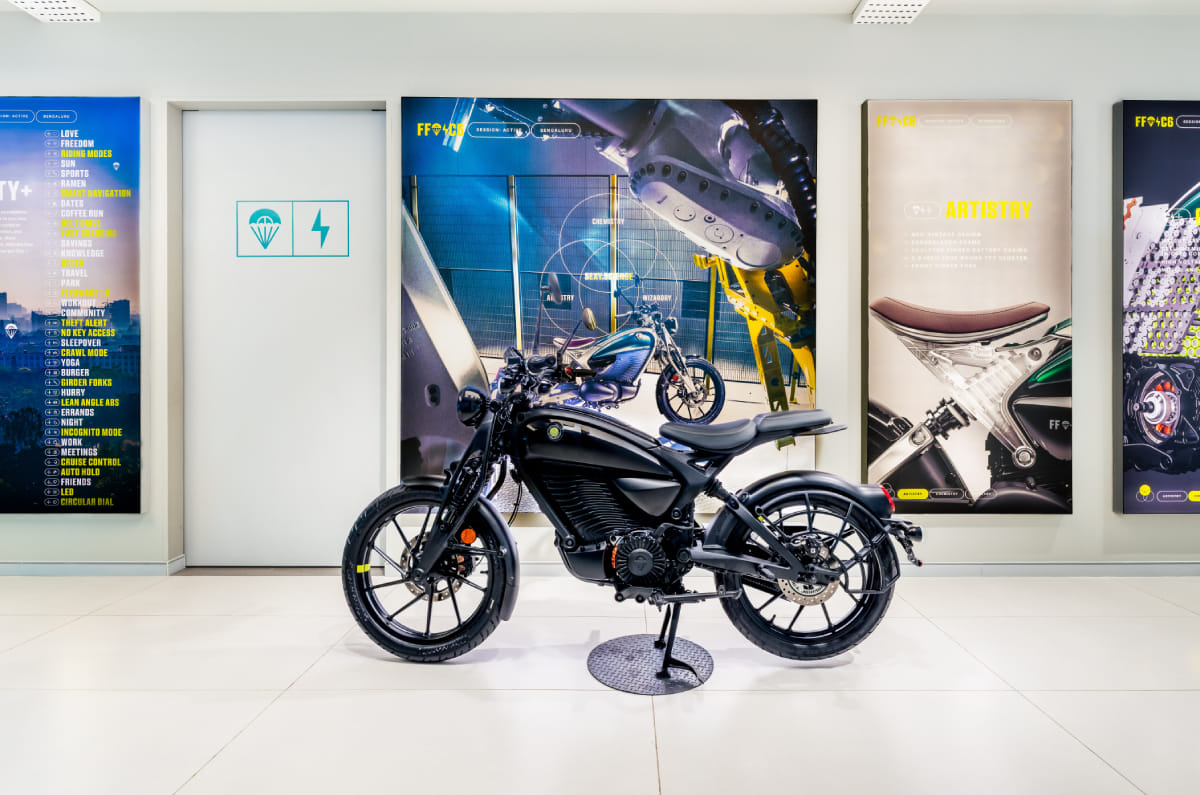
Royal Enfield has said that internal combustion engine (ICE) motorcycles will remain central to its business even after the launch of its first Flying Flea electric motorcycle. The company detailed its long-term strategy in its latest annual report under a new framework called RE-BALANCE.
Royal Enfield will continue investing in new ICE motorcycles alongside EVs.
Brazil is now the company’s largest and fastest-growing international market.
In the company’s annual report, Eicher Motors Executive Chairman Siddhartha Lal said Royal Enfield is committed to building its electric future but will continue investing in petrol-powered motorcycles for as long as possible. The RE-BALANCE strategy focuses on balancing investments in ICE and EVs, improving customer experiences, driving profitable growth and advancing sustainability.
While the company acknowledged that changing consumer preferences and dependence on ICE motorcycles pose long-term business risks, it said it will address these through product innovation, stronger brand relevance and deeper engagement with younger customers.
Royal Enfield said the RE-BALANCE strategy will guide its gradual expansion into electric mobility while continuing to invest in its established ICE portfolio. Its EV ambitions will be led by the Flying Flea brand, and Royal Enfield says that Flying Flea is designed to complement, rather than replace, its existing ICE lineup.
The C6, which is the first model under the brand, was showcased across several cities before its launch in India alongside the opening of the first Flying Flea store in Bengaluru. The motorcycle is priced at Rs 2.79 lakh (ex-showroom Bengaluru) and with Battery as a service (BaaS), the price comes down to Rs 1.99 lakh.
The annual report also highlighted Royal Enfield’s continued global expansion. Brazil emerged as its largest and fastest-growing international market, while the company further strengthened its overseas manufacturing footprint with new assembly facilities in Bangladesh and Thailand.
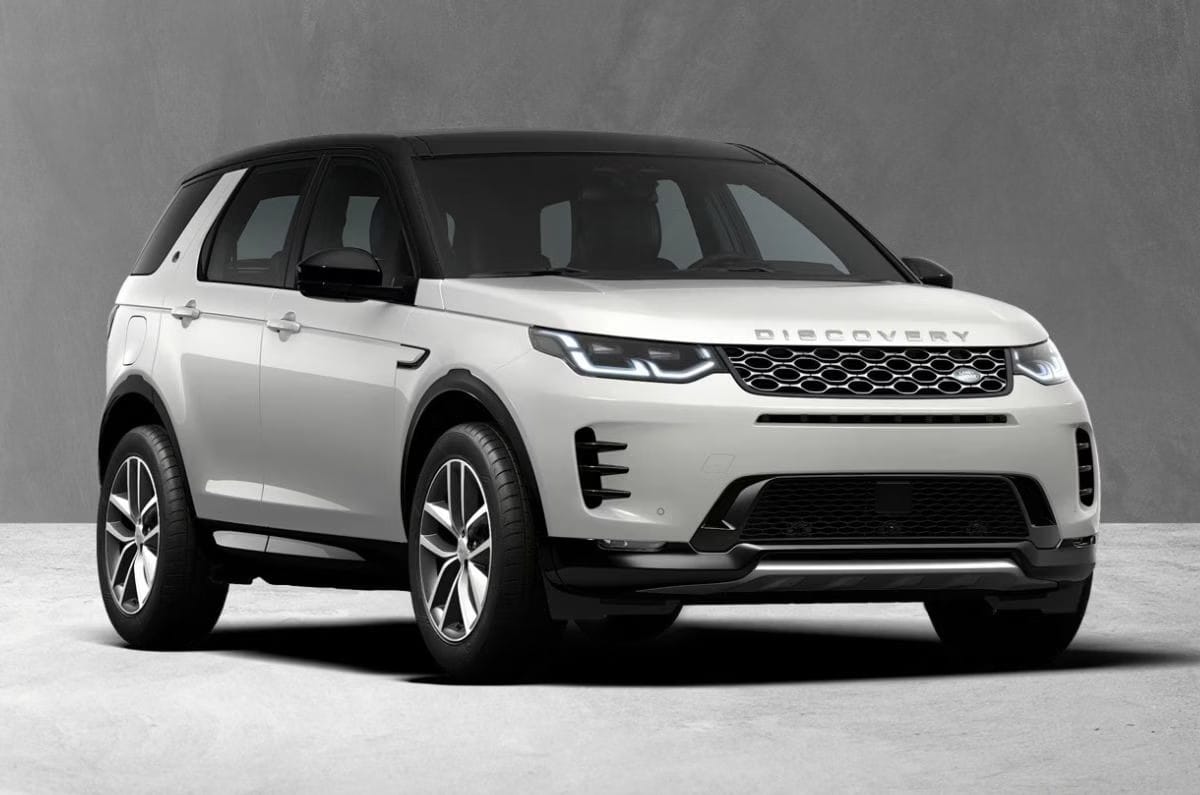
Land Rover will end production of the Discovery Sport in December 2026, bringing the entry-level SUV’s 11-year production run to a close. The model remains configurable as of now, but factory orders have already ceased in several European markets, including France, Germany and Spain.
Speaking to Autocar UK, a JLR spokesperson confirmed the timeline, saying production will end in December 2026 as part of the model’s normal lifecycle, with manufacturing already being phased out in selected markets.
Discovery Sport was JLR’s best-selling model in 2016
EU GSR2 safety rules contributed to the SUV’s retirement
Range Rover GT expected to replace it on the Halewood plant production line
Discovery Sport sales declined sharply in recent years
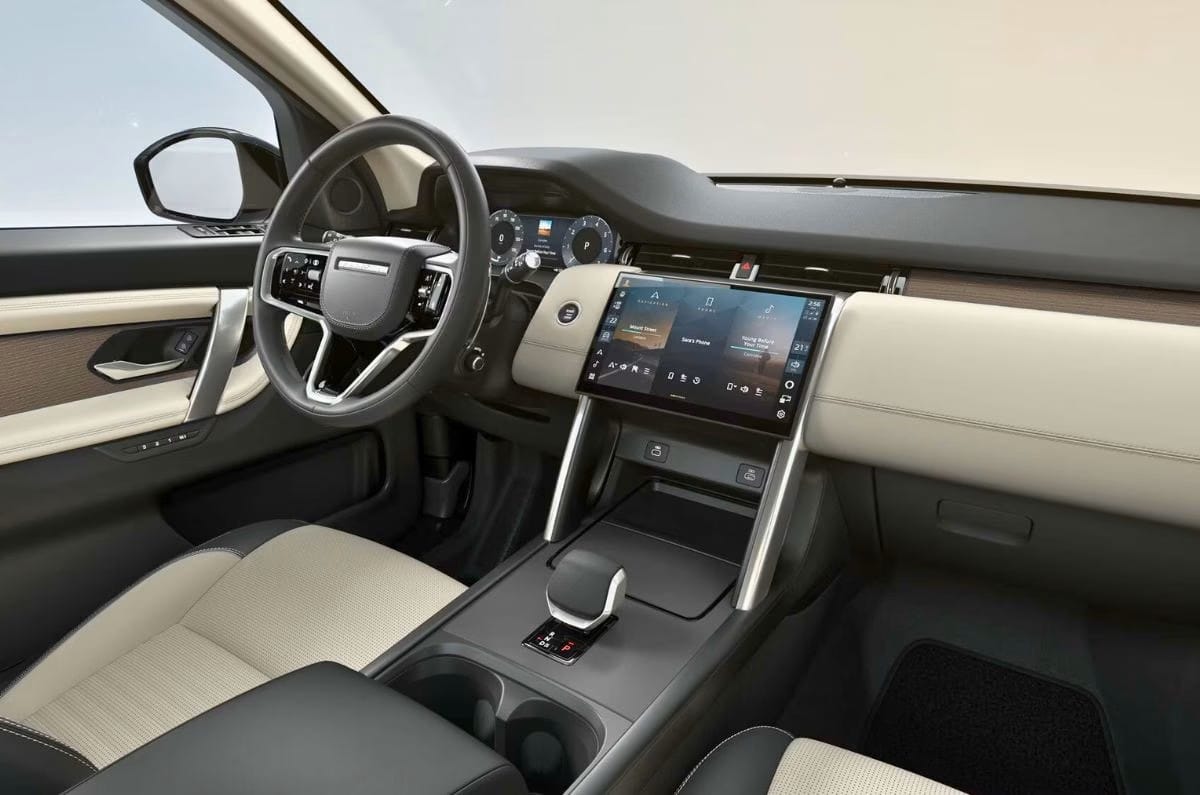
The Discovery Sport was launched in 2015 as a replacement for the Freelander, and became JLR’s best-selling model in its first full year on sale, with more than 122,000 units sold globally in 2016. It received a facelift in 2020, introducing a revised platform and interior, but demand has fallen significantly since then.
In 2025, JLR sold less than a tenth of the Discovery Sport’s 2016 volume, making it the company’s lowest-selling model. It was followed by the full-size Land Rover Discovery, which is also expected to be phased out as it approaches 10 years since its debut.
GSR2 rules contribute to Discovery Sport’s exit
The Discovery Sport’s withdrawal from several European markets coincides with the introduction of the European Union’s updated General Safety Regulation 2 (GSR2) requirements, which mandate additional safety systems not fitted to the SUV.
While JLR updated its newer models to comply with the regulations, the report states that upgrading the ageing Discovery Sport was likely not commercially viable given its stage in the product lifecycle. Porsche recently took a similar approach by ending production of the ICE Macan rather than updating it to meet the new rules.
Range Rover Evoque and Velar to remain on sale
The Discovery Sport’s retirement raised questions about the future of the closely related Range Rover Evoque, which is built alongside it at JLR’s Halewood plant in the UK. However, Range Rover Managing Director Martin Limpert told Autocar UK that the company has no immediate plans to discontinue the Evoque.
Limpert said JLR’s current focus is on launching the electric Range Rover and Range Rover Sport, while continuing to support the Evoque and Velar with updates and special editions. He added that the brand has a loyal customer base for both models and cannot renew every product simultaneously.
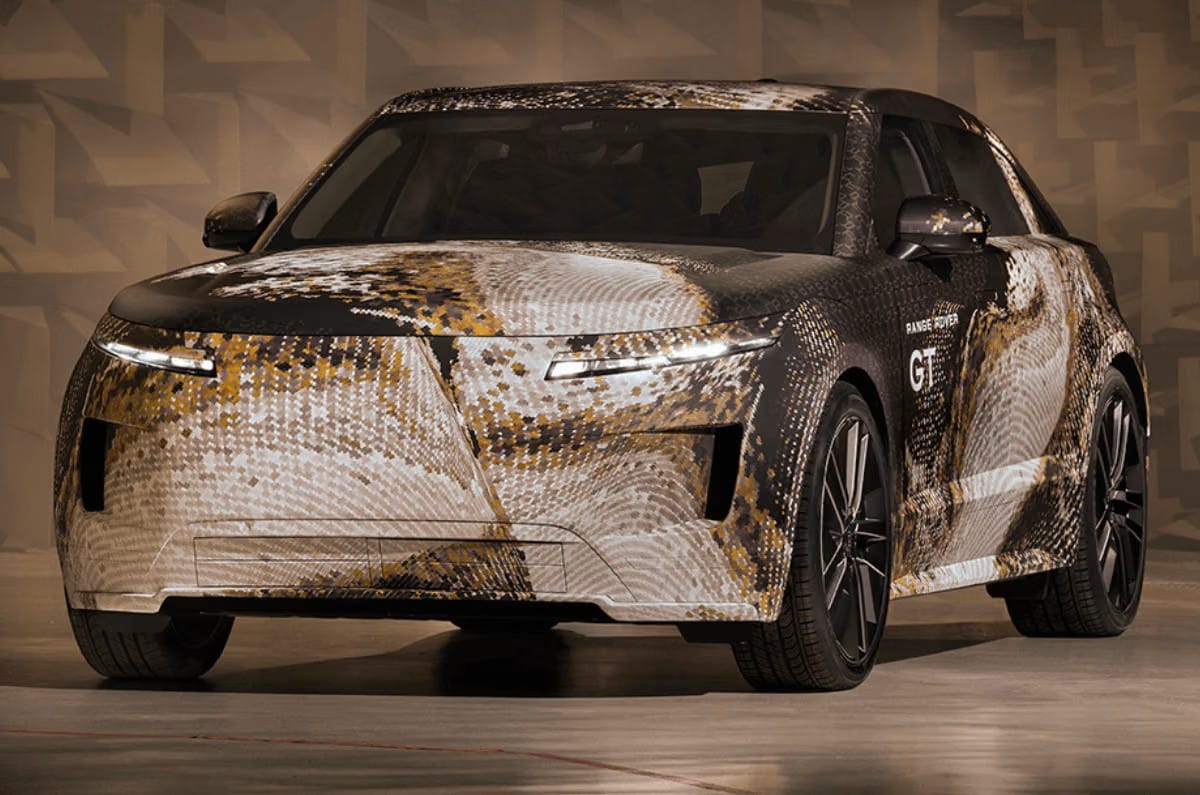
Range Rover GT
According to the report, the Discovery Sport’s retirement is expected to free up production capacity for the upcoming Range Rover GT, an all-electric grand tourer based on JLR’s new EMA architecture. The Evoque could remain in production until the Land Rover Defender Sport arrives next year, although JLR has not confirmed a replacement for the Discovery Sport.
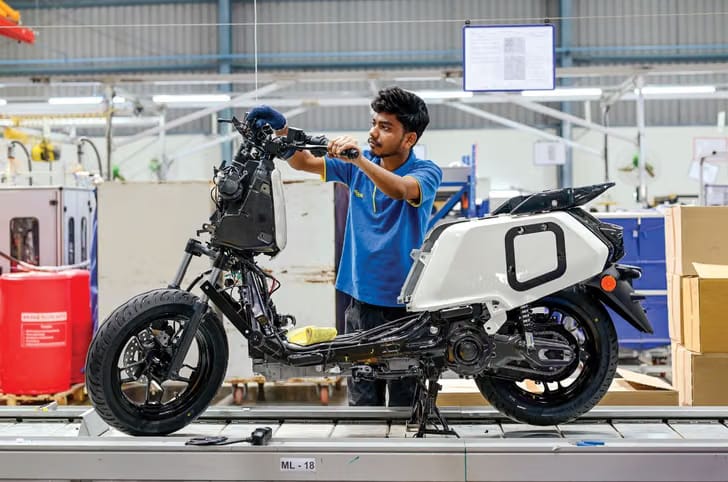
River Mobility has rolled out the 50,000th unit of its Indie electric scooter from its manufacturing facility in Hoskote, Karnataka, reaching the production milestone less than three years after the model’s launch in October 2023.
50,000th Indie rolled out from River Mobility’s Hoskote facility in Karnataka
Indie produces 6.7kW of peak power
Claimed IDC range of 160km
River Mobility production milestone: Key details
Retail network now spans over 75 stores across India
The company has simultaneously expanded its retail presence to more than 75 stores across the country. Both vehicle and battery pack assembly take place at the Hoskote facility.
The Indie is currently priced at Rs 1.55 lakh (ex-showroom, Bengaluru) and has been one of the standout growth stories in India’s electric scooter segment over the past year. The scooter recorded its highest-ever monthly retail sales in June 2026, with 4,436 units sold – up 234 percent year-on-year. Sales in CY2026 have already accounted for more than 54 percent of all Indie retail sales since the model’s launch.
River Mobility now ranks seventh among electric two-wheeler manufacturers in India by monthly retail volumes. At its current run rate, the company appears on track to cross 50,000 annual retail sales for the first time in 2026.
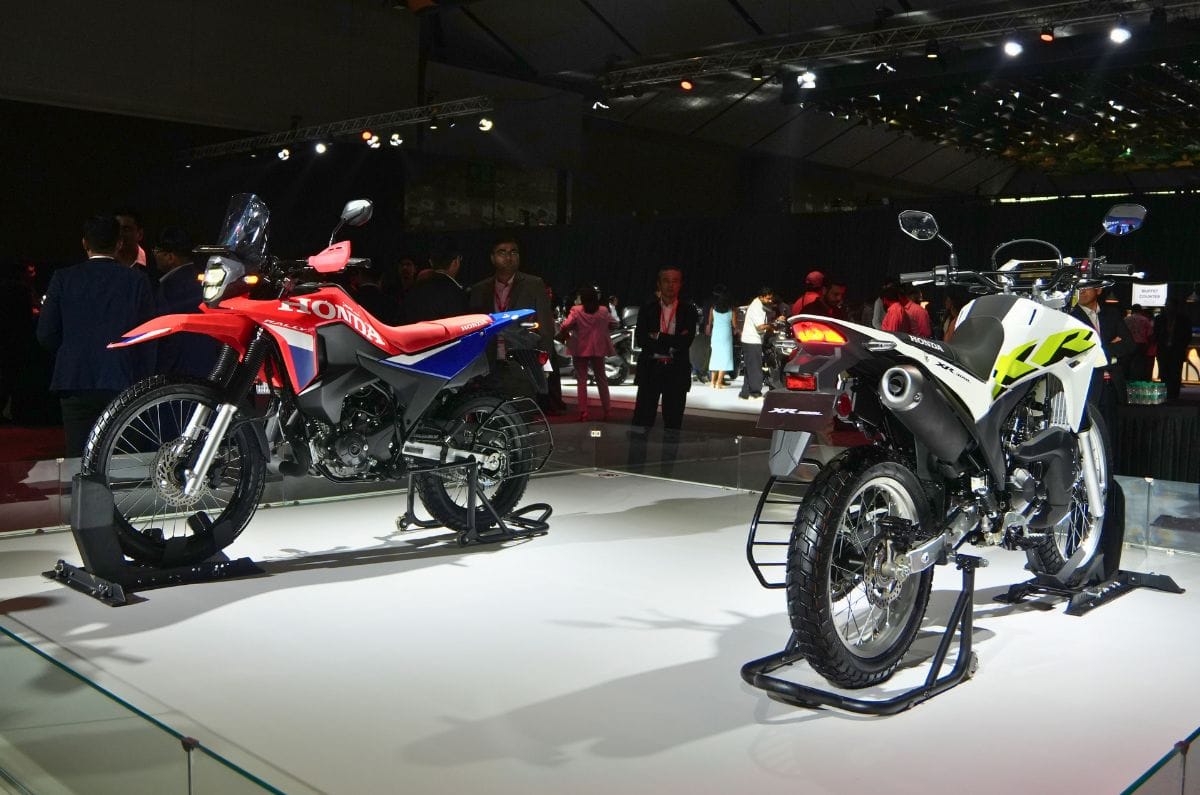
The small-capacity adventure motorcycle segment in India has never been more competitive, and understandably so, given how well these bikes suit our riding conditions. While Honda has long had capable dual-sport motorcycles in its global portfolio, it never offered one in our market. That has now changed with the announcement of the XR300L and XR300 Rally. The brand is yet to reveal full specifications, but a combination of what is visible on the bikes and Honda’s existing global lineup gives us a good idea of what to expect. Here’s everything we know so far.
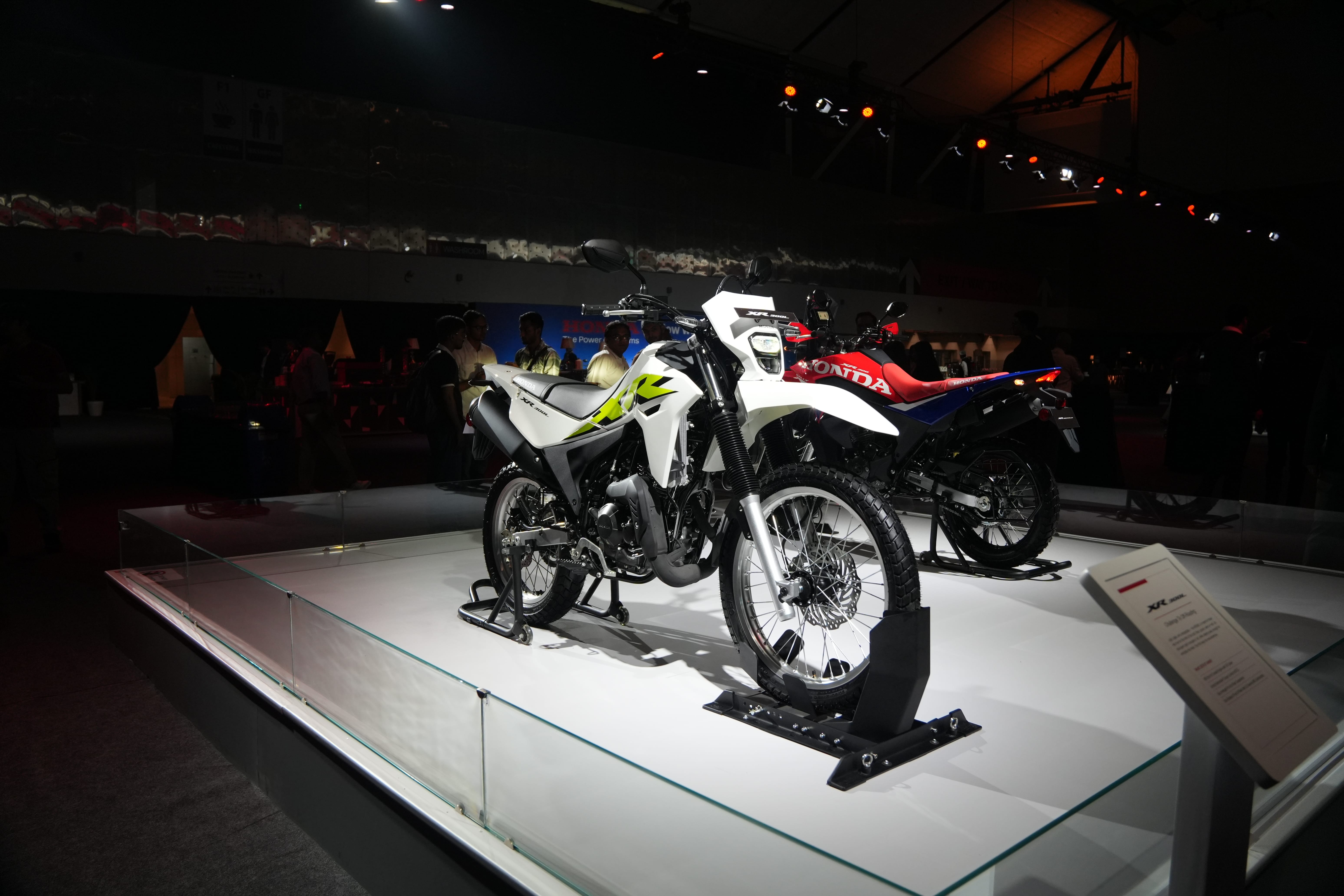
Honda XR300L
Engine is likely related to the CB300F, and Honda already sells an XR300L in South America
Visually, the engine on the India-spec XR300L appears closely related to the 293cc unit found in the CB300F. Additionally, Honda already sells an XR300L in South American markets such as Brazil and Colombia, and that motorcycle also uses a 293cc engine. If the India-spec bike uses the same motor, it is likely to produce around 24.3hp at 7,500rpm and 26.5Nm at 5,750rpm.
Interestingly, the Brazilian-spec XR300L is Flex Fuel-compatible, allowing it to run on either petrol or ethanol. While Honda has not confirmed whether the India-spec motorcycle will feature the same capability, it would make sense given the increasing focus on ethanol-blended fuels in India.
The South American XR300L is certified only to Euro 3 emissions standards, which could explain why the India-spec bike features noticeably different exhaust routing. The stricter emissions regulations here are likely to require revised exhaust architecture and engine tuning, even if the underlying engine remains the same. The bodywork also differs slightly from the South American model.
The bike sold in Brazil and Colombia uses a telescopic fork with 221mm of wheel travel and a rear monoshock with 227mm of travel. While Honda has not confirmed the India-spec motorcycle’s suspension figures, we could expect to see similarly impressive figures. The bike also rides on a 21-inch front and 18-inch rear wheel combo – a setup also seen on the India-spec bike.
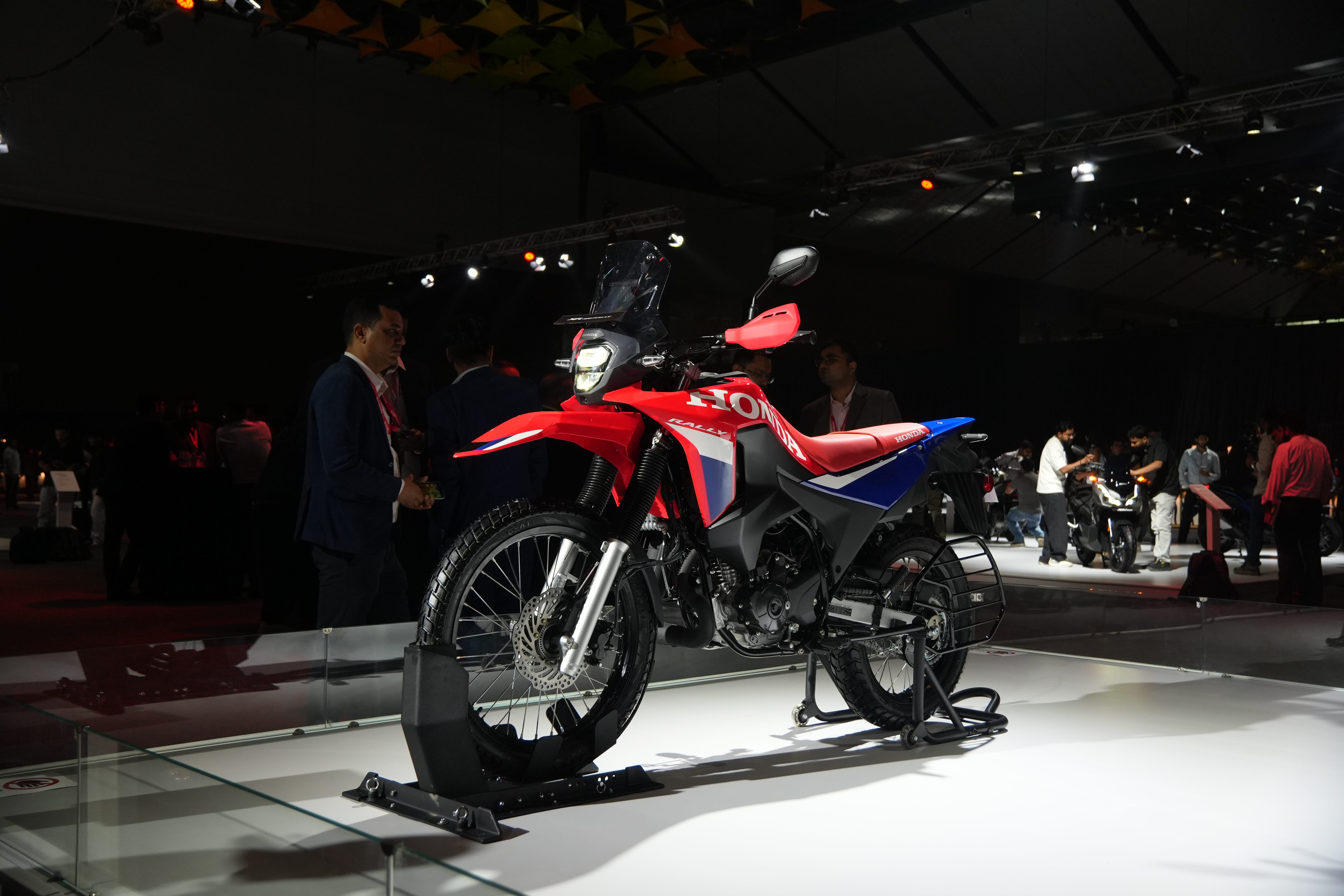
Honda XR300 Rally
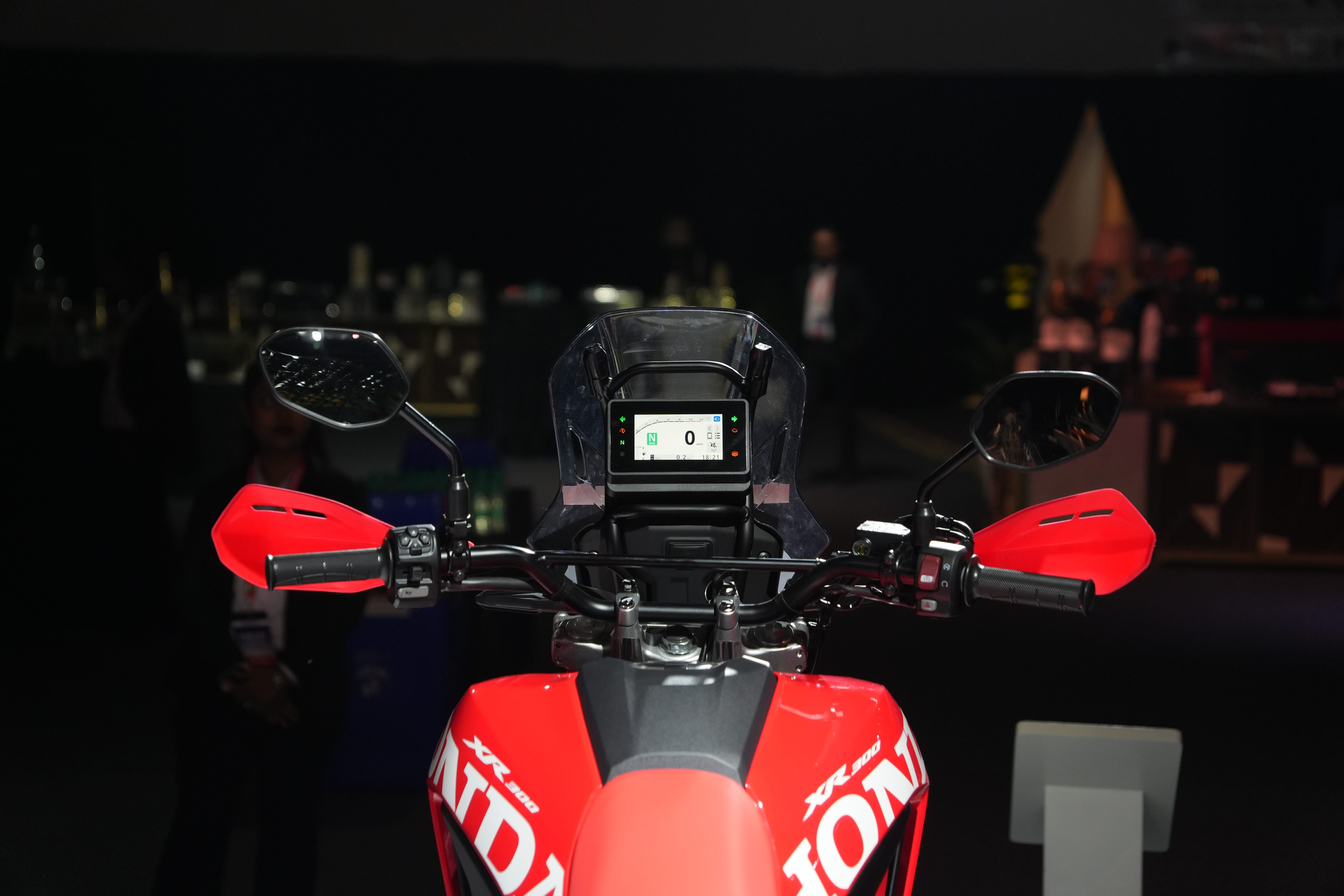
Gets a larger fuel tank, taller windscreen and TFT display over the XR300L
The XR300 Rally is expected to share its engine and core mechanical package with the XR300L, while adding equipment better suited to long-distance touring. Confirmed additions include a larger fuel tank (capacity yet to be revealed), a 5-inch TFT display that we’ve already seen on several Honda motorcycles in India, and more comprehensive switchgear to access its additional functions. A taller windscreen, knuckle guards and unique bodywork are also part of the package. The Rally also appears to use a different tyre tread pattern, although wheel and tyre sizes are expected to remain unchanged.
If the relationship between the global CRF300L and CRF300 Rally is anything to go by, the XR300 Rally is also likely to feature a slightly taller seat height, a marginal reduction in ground clearance and a small increase in kerb weight owing to its larger fuel tank.
For now, that’s all we know. Honda is yet to announce pricing or full specifications for either motorcycle, but with both bikes now officially unveiled, a launch over the coming months is imminent. Local manufacturing should also allow Honda to price them competitively. For reference, the arch rivals to these bikes, the Kawasaki KLX230 and Hero Xpulse 210 cost Rs 2.19 lakh and Rs 1.67-1.76 lakh, respectively.
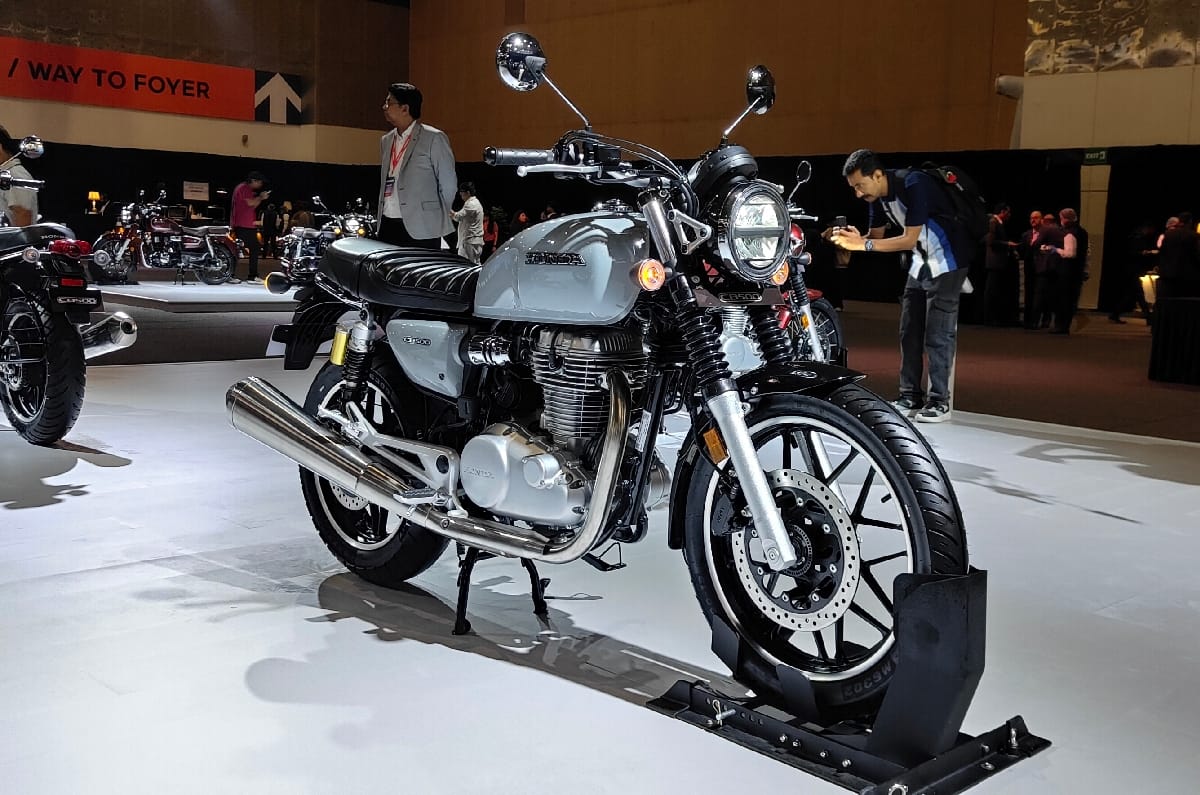
There was a time when large-displacement, air-cooled single-cylinder motorcycles were a meaningful part of India’s motorcycle landscape. Royal Enfield’s 500cc UCE engine powered several notable models, but after it was discontinued in 2020, nothing has quite filled that space. That is where the all-new Honda CB500 intends to slot in. Unveiled earlier today, the CB500 is a 501cc air/oil-cooled single-cylinder motorcycle inspired by the legendary CB750, and it will be manufactured in India.
New 501cc air/oil-cooled single-cylinder engine produces 27hp and 43.3Nm
Will be manufactured in India; pricing yet to be announced
CB500 will be available in three variants
Honda CB500 details
Torque output comes close to the Royal Enfield Interceptor 650
The CB500 is powered by an all-new 501cc air/oil-cooled single-cylinder engine producing 27hp and 43.3Nm. While the power output is modest, the torque figure is impressive, putting it remarkably close to the Royal Enfield Interceptor 650, which produces 47.4hp and 52.3Nm from its much larger 648cc parallel-twin engine. The CB500 uses a five-speed gearbox.
Honda is yet to reveal the motorcycle’s complete specifications, but we do know that the CB500 will feature a conventional telescopic fork, twin rear shock absorbers and disc brakes at both ends. The overall design draws inspiration from the familiar CB350, with classic styling cues including a round LED headlight, a ribbed single-piece seat and a large teardrop-shaped fuel tank. It is paired with modern features such as Honda Selectable Torque Control (HSTC), a slipper clutch, and an analogue-digital instrument console with Honda RoadSync connectivity.
Honda will offer the CB500 in three variants: a standard alloy-wheel version, a cross-spoke tubeless-wheel variant and a range-topping cross-spoke tubeless variant with exclusive graphics.
Pricing is yet to be announced, but with local manufacturing confirmed, Honda is expected to price the CB500 competitively in the midsize retro segment, where it will likely rival and possibly undercut the Royal Enfield Interceptor 650 and the BSA Gold Star 650.
Both products are likely to be locally manufactured although the extent of localised components is not yet clear.
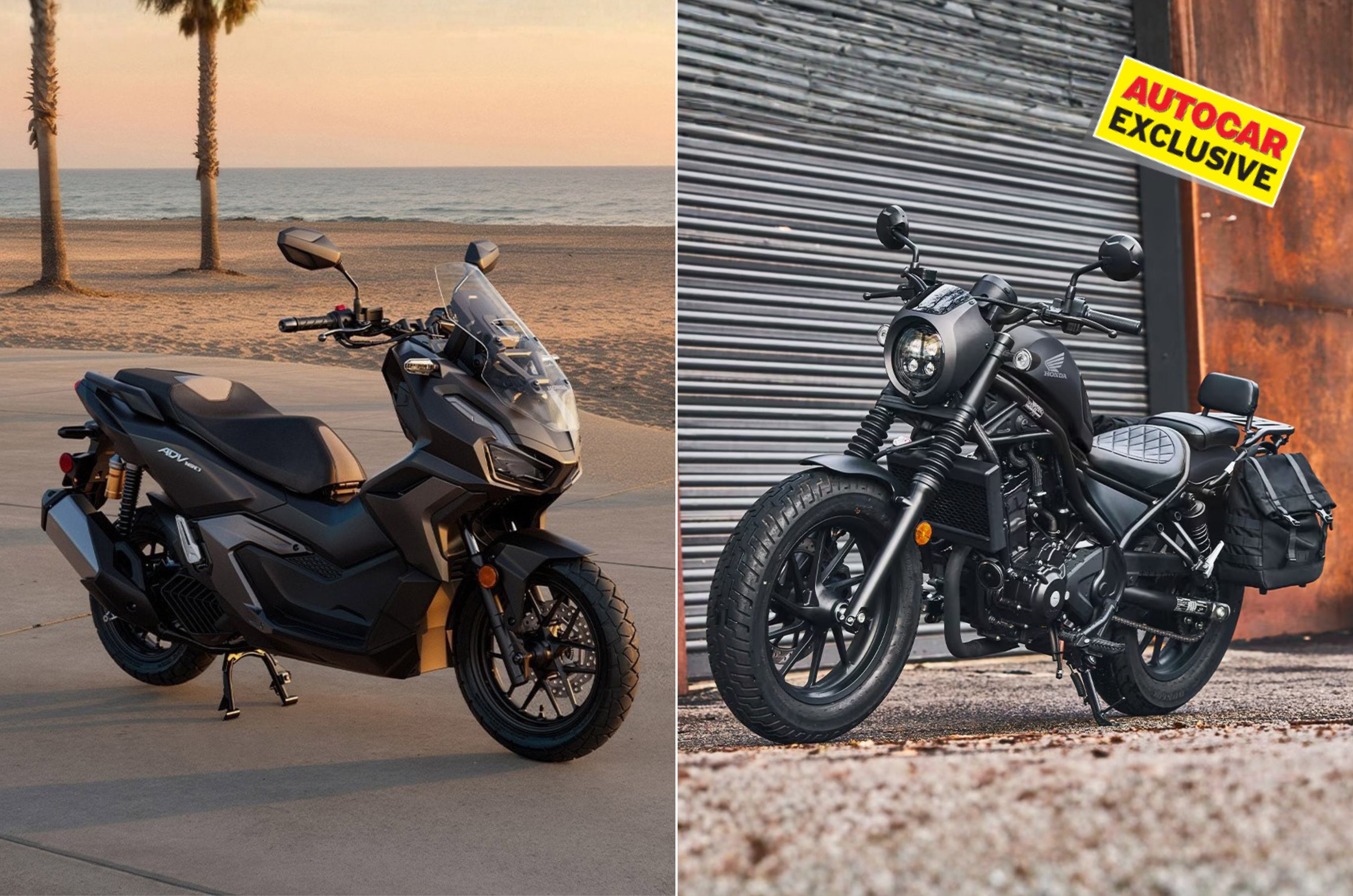
Rebel 300 and ADV 160 likely to be launched in India.
Competitive pricing expected considering that the models are under 350cc.
More new products could also be launched at the event.
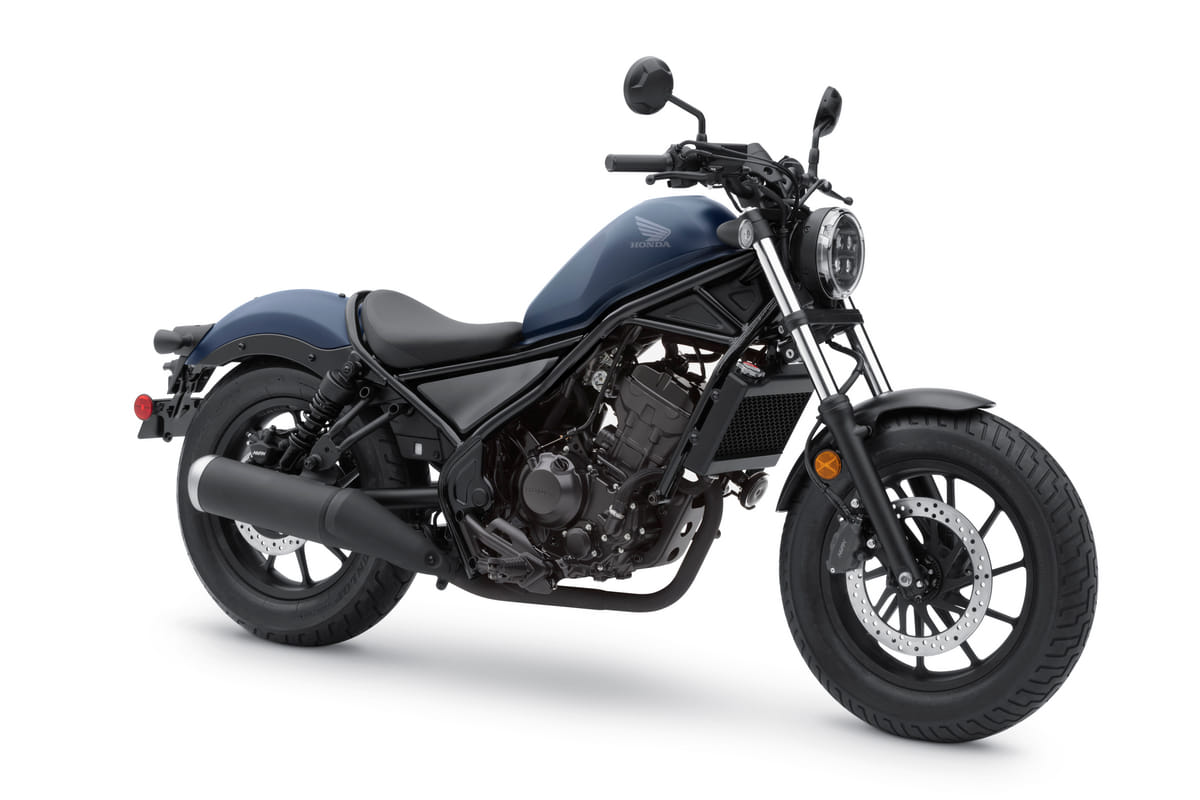
Rebel 300 Cruiser
The Rebel nameplate is not entirely new to India. Honda had previously introduced the Rebel 500 in the country as a CBU model, pricing it at Rs 5.12 lakh (ex-showroom). However, its premium price tag made it out of reach for many.
With local manufacturing expected for the Rebel 300, Honda could position it at a much more accessible price point, making it a stronger rival to other popular bikes in the market like the Royal Enfield Classic 350, Meteor 350 and Bullet 350.
The Rebel 300 makes use of a 286cc, liquid-cooled, single-cylinder engine making around 30 hp and 27.5Nm. It has an accessible 690mm seat height and a kerb weight of 165kg. Currently, in many international markets, the 2027 model features Honda’s E-Clutch system. It remains to be seen if this E-clutch model makes its way here or whether they use a more affordable system to keep costs in check – something that Tsutsumu Otani, managing director, president & CEO of HMSI told us the company was exploring for the Indian market.
This is the same engine that is used in the Honda CB300R which used to be on sale in India. Given the fact that that bike’s price was reduced to Rs 2.19 lakh (ex-showroom prices) after the GST rate reduction, Honda could also price the new Rebel 300 quite aggressively.
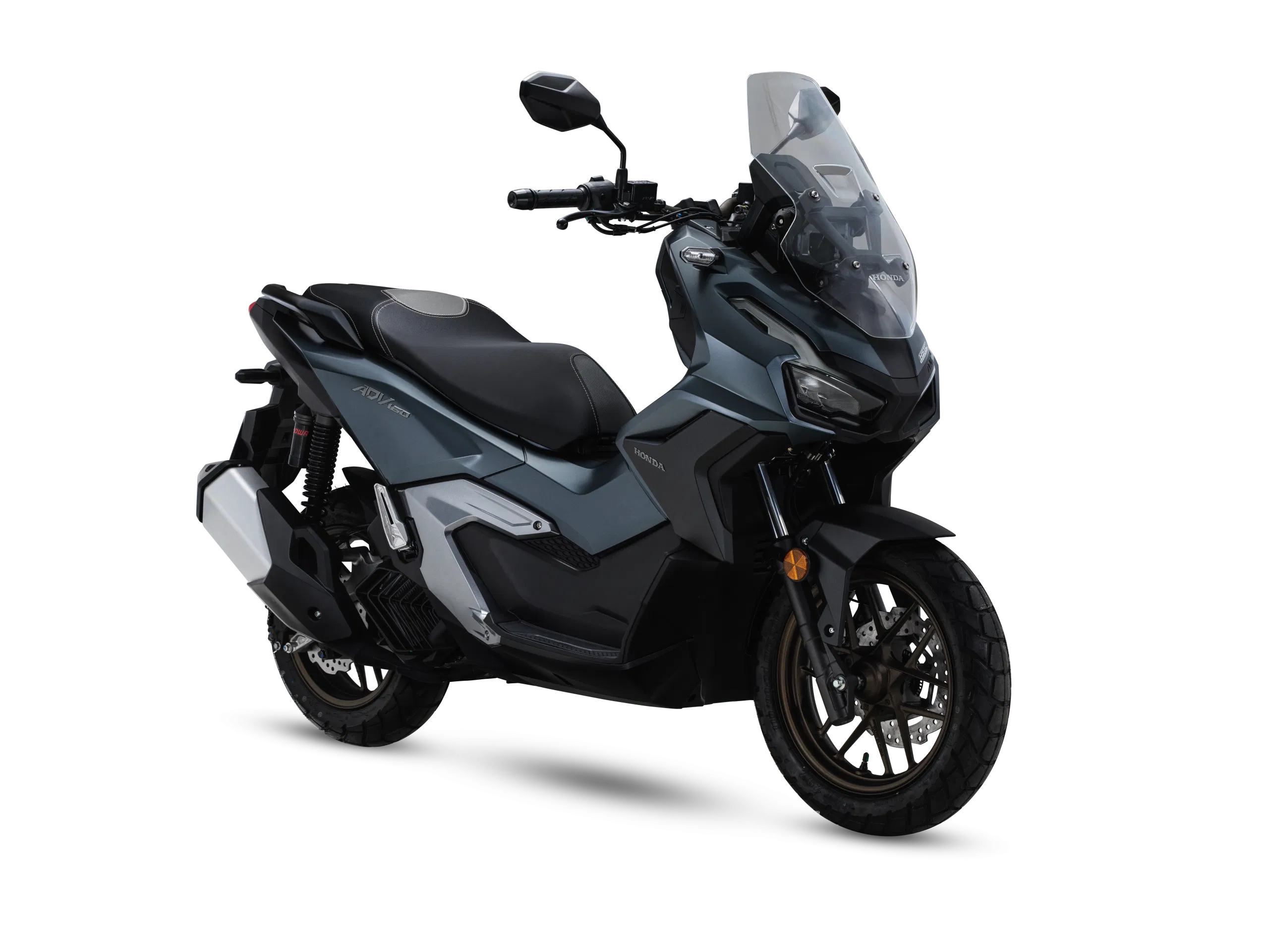
ADV 160 Maxi-Scooter
We first broke the news that Honda would bring the ADV 160 to India over a year back and the vehicle is now finally ready for launch. The new ADV 160 will sit at the top of Honda’s scooter range in India. The adventure-style maxi-scooter will likely be aimed at buyers looking for a more premium and performance oriented alternative to conventional commuter scooters. Pricing will be crucial, and it remains to be seen how aggressively Honda positions it in the market. It will go up against the likes of the Yamaha Aerox (Rs 1.45 lakh to Rs 1.48 lakh ex-showroom) and the Hero Xoom 160 (Rs 1.43 lakh ex-showroom).
Internationally, this scooter uses a 157cc, liquid cooled, single-cylinder engine making 16hp and 14.7Nm. It has a seat height of 780mm, a kerb weight of 134kg and 27-litres of underseat storage. The scooter also features an adjustable windscreen and single-channel ABS as standard.
Other Product Launches
While the Rebel 300 and ADV 160 are expected to be the main launches, Honda is expected to have a few more surprises planned for tomorrow’s event. The company has been expanding its premium motorcycle portfolio in India, so additional product launches in that category could be on the cards as well as a third EV following the QC1 and Activa e.
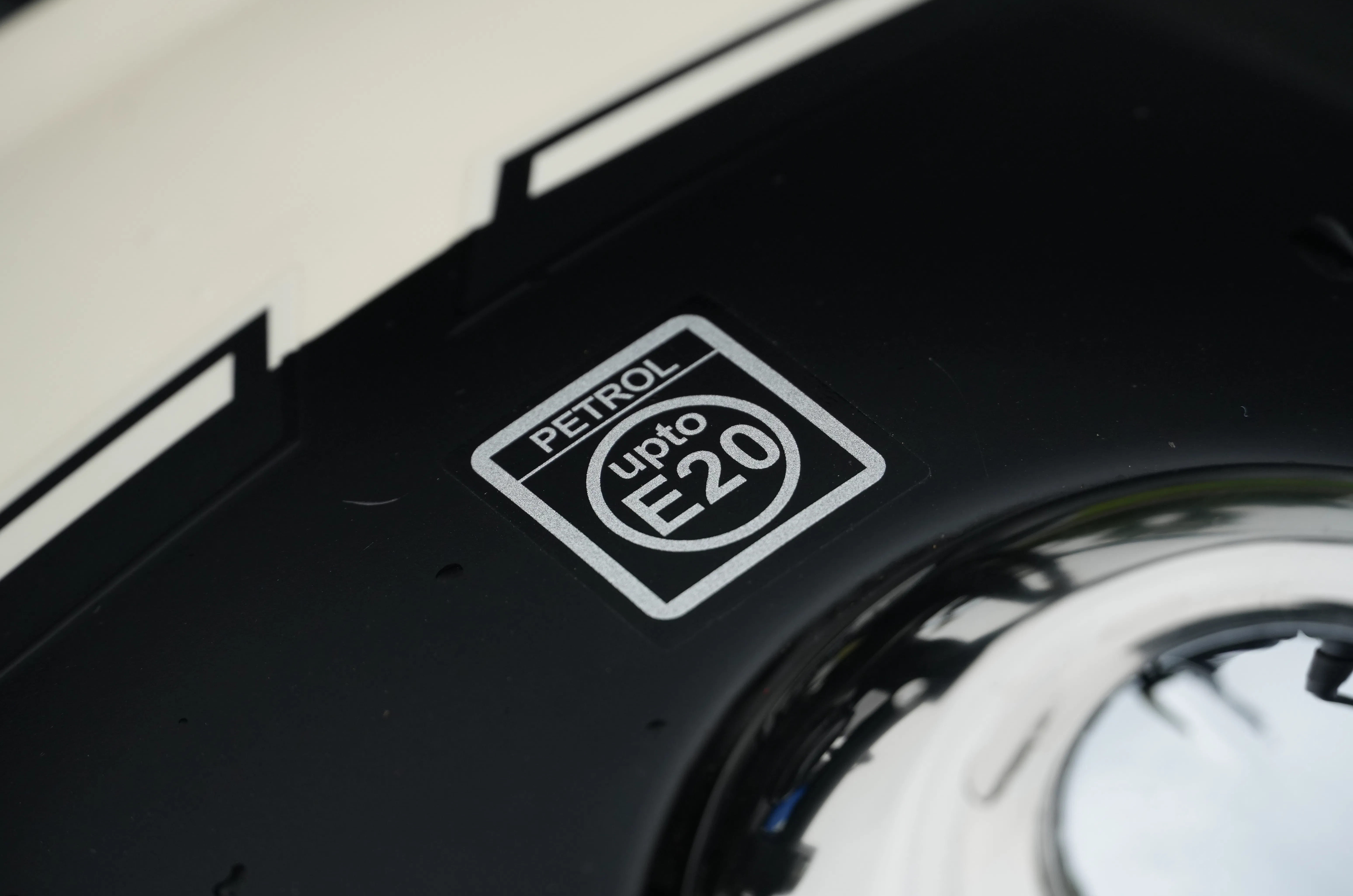
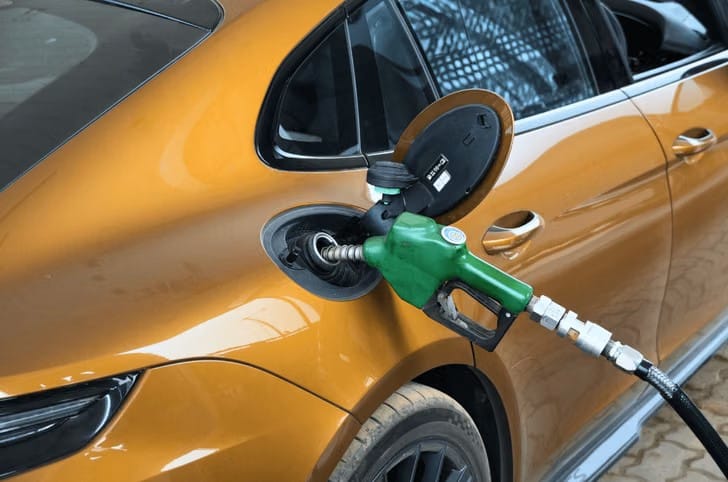
India completed the nationwide rollout of E20 petrol in April last year, making it the standard grade of petrol sold at fuel stations across the country. E20 contains 20 percent ethanol and 80 percent petrol, replacing the lower ethanol blends that were sold previously.
The transition has raised several questions among vehicle owners about compatibility, fuel efficiency, maintenance, warranties and long-term reliability. We separate the facts from the misconceptions and answer the key questions around E20.
1. What is E20 petrol and why has India switched to it?
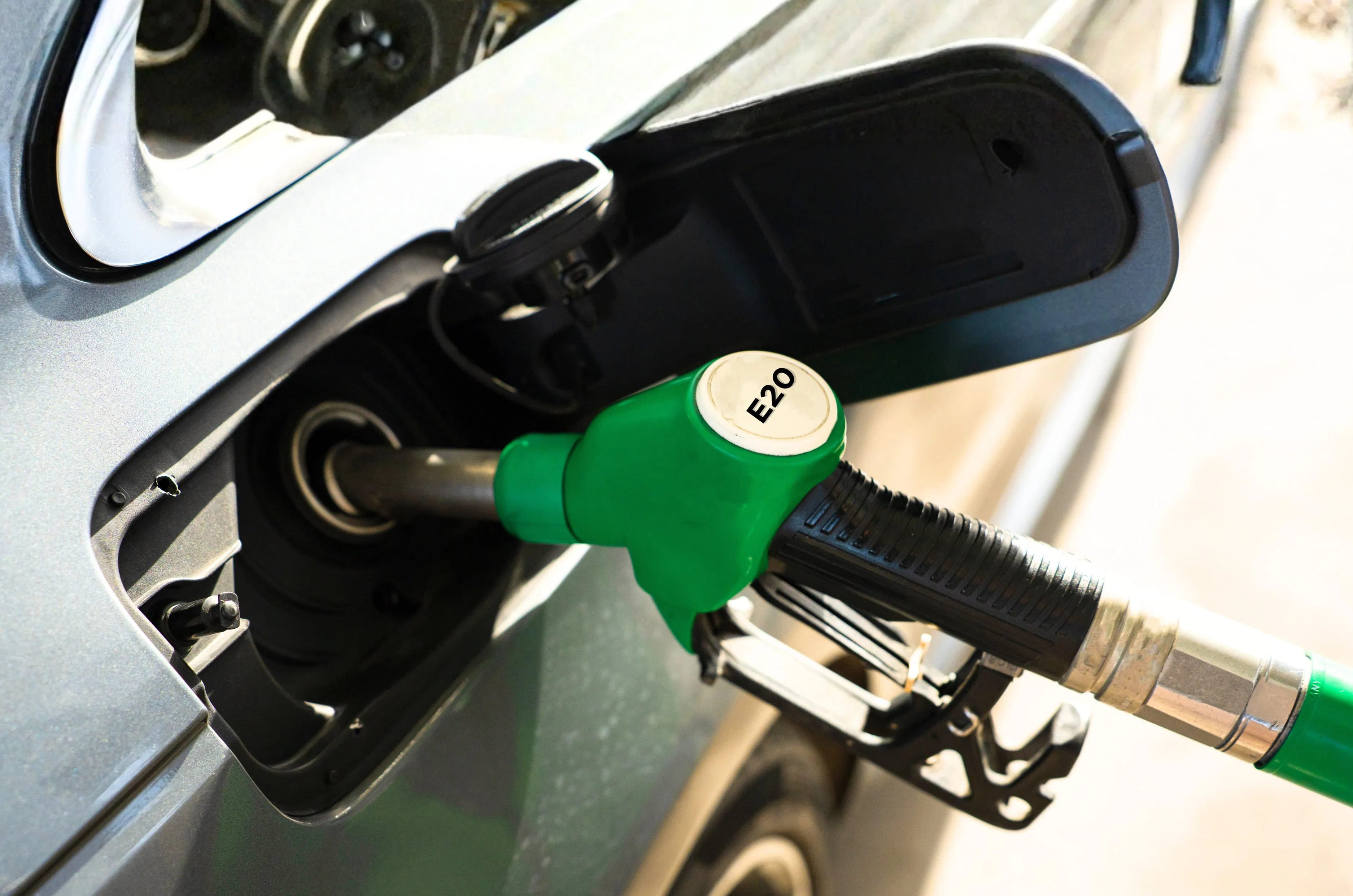
E20 is fuel blended with 20 percent ethanol and 80 percent petrol. Ethanol is a biofuel produced from agricultural feedstocks such as sugarcane, maize and surplus food grains. India introduced the Ethanol Blended Petrol (EBP) Programme in 2003 with E5 petrol, and while the blended percentage kept varying for a while, it was eventually increased to E10 before completing the nationwide rollout of E20 in 2025, five years ahead of the planned implementation. According to the government, the programme aims to reduce dependence on imported crude oil, improve energy security, lower emissions and create an additional market for agricultural produce.
2. Can I use E20 fuel in my car or bike?
New petrol cars and two-wheelers sold in India today are compatible with E20 petrol. Under the government’s roadmap, vehicle manufacturers were required to make new petrol models manufactured from April 2023 compatible with E20.
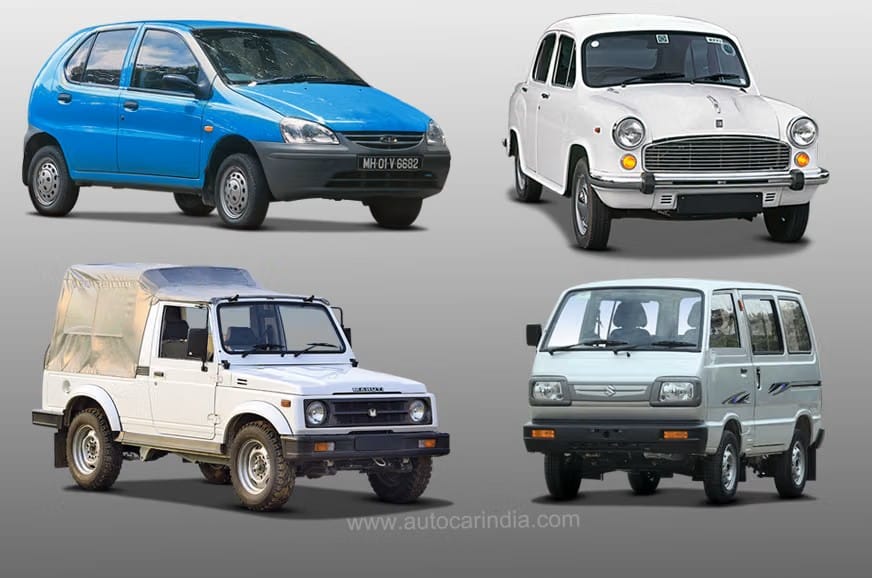
Vehicles manufactured before April 2023 were designed for lower ethanol blends, so compatibility may vary depending on the model and year of manufacturing. However, some brands state that they had E20 material compliance before 2023, for a list click here.
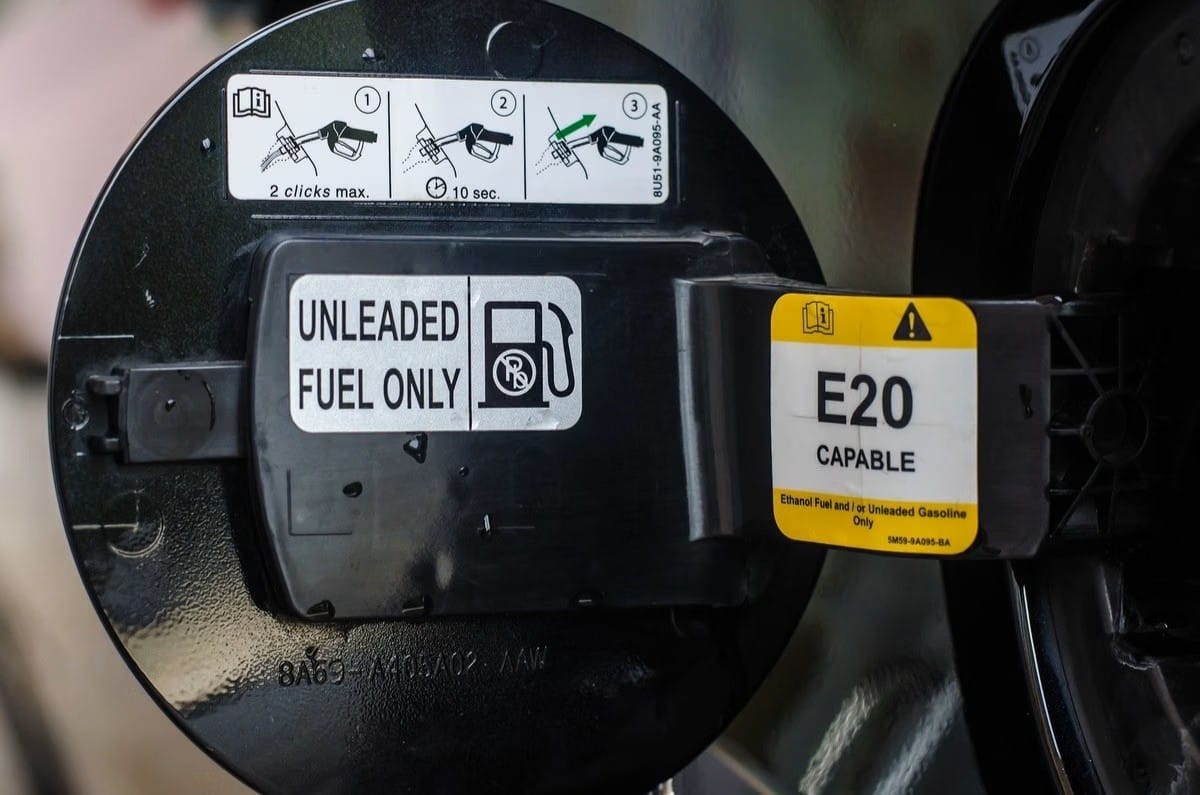
3. How do I know if my car is E20 compatible?
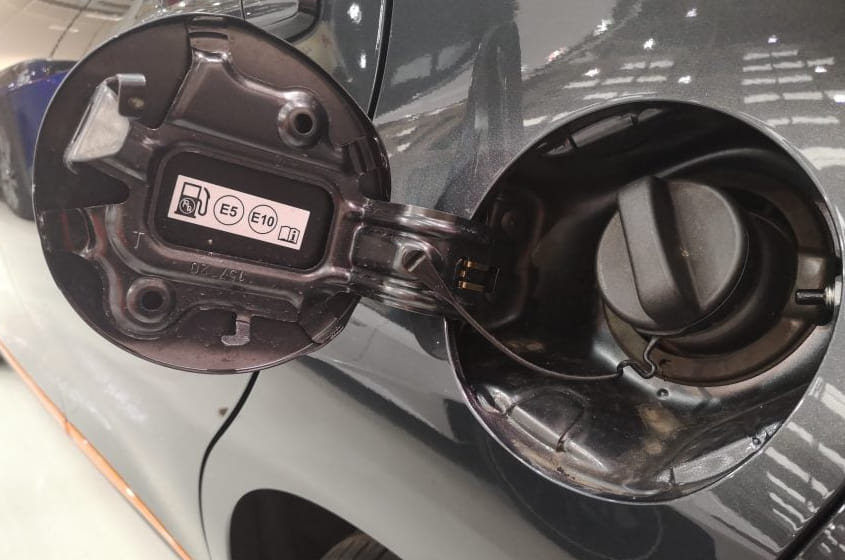
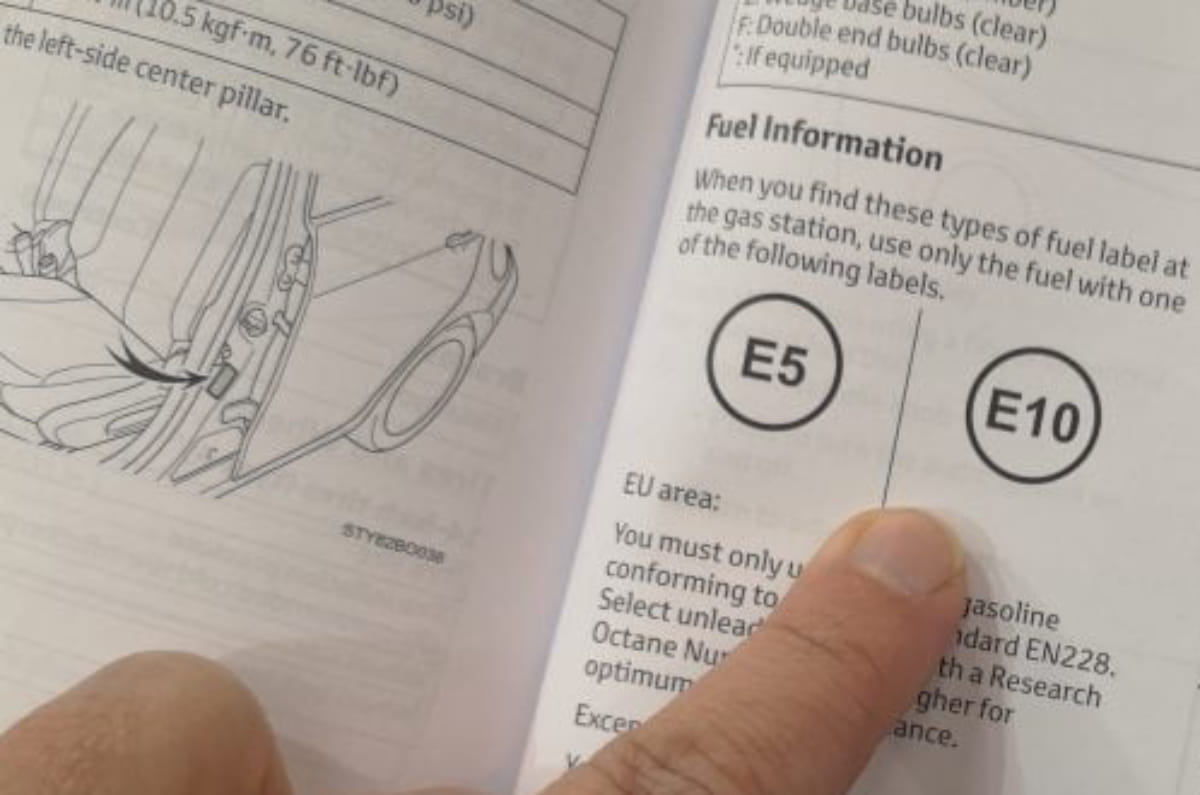
The easiest way is to check your vehicle’s fuel flap or the owner’s manual or contact the manufacturer’s authorised dealership. As part of the government’s E20 roadmap, manufacturers progressively introduced E20-compatible petrol vehicles from 2023 onwards. However, compatibility can vary depending on the model and year of manufacture, so owners should not assume that every petrol vehicle is fully E20-compatible.
4. Can E20 damage older engines or fuel-system components?
Concerns about E20 mainly relate to older vehicles that were not originally designed for higher ethanol blends. While ethanol has not been found to significantly directly affect metal fuel-system components, prolonged exposure to E20 can accelerate wear in some older rubber and plastic parts such as fuel hoses, seals, O-rings, gaskets and certain fuel pipes if they are made from materials that are not ethanol compatible.
Before approving E20, ARAI tested metals, elastomers and plastics commonly used in fuel systems. The study found no significant corrosion of metal components, but certain rubber compounds and plastics used in older vehicles showed greater deterioration than with E10 fuel. These findings prompted manufacturers to use ethanol-compatible materials in newer vehicles. Thus, owners of older vehicles should keep up with regular servicing and follow the manufacturer’s recommended maintenance schedule, increasing the inspection frequency if damage is suspected.
5. Does E20 reduce fuel efficiency?
Yes. E20 fuel generally returns lower fuel efficiency than petrol with a lower ethanol content because ethanol contains less energy than petrol. The exact reduction varies depending on the vehicle, engine and calibration.
E20 vs E10 mileage test results
Creta N Line
Dzire (BS 6)
Polo GT TSI
Dzire (BS 4)
Registration year
2024
2024
2017
2016
Average speed
17.8kph
20.25kph
18.0
19.3
Kpl on E20
10.59
14.24
9.13
9.8
Kpl on E10
12.12
14.81
9.63
11.19
Kpl variance
1.53
0.57
0.50
1.39
% variance
-12.62
-3.84
-5.19
-12.42
ARAI estimates a fuel efficiency drop of 1-6 percent with E20, while some manufacturers put it closer to 7-8 percent. In Autocar India’s real-world testing, both newer E20-compatible cars and older pre-E20 vehicles recorded a measurable drop in mileage when compared with an equivalent E10 blend. Among the newer cars, the Maruti Suzuki Dzire recorded a 3.8 percent drop, while the Hyundai Creta N Line saw a 12.6 percent decline.
Among older BS4-era cars, the Volkswagen Polo GT TSI posted a 5.2 percent drop, while the older Maruti Suzuki Dzire recorded a mileage drop of 12.4 percent.
The results also showed that there is no single figure applicable to every vehicle. Factors such as engine calibration and compression ratio all influence fuel efficiency, meaning some vehicles adapt better to E20 than others.
6. Does E20 improve performance or reduce emissions?
Octane rating test results
Fuel type
RON result
Regular E20 petrol
98.2 RON
XP95
98.8 RON
Yes, but not in a way that most motorists are likely to notice. E20 has a higher-octane rating than regular petrol, which improves resistance to engine knocking and can benefit engines designed to take advantage of higher-octane fuel.
The government says E20 aims to lower emissions by replacing a portion of petrol with domestically produced ethanol which is a renewable fuel. For most motorists, however, the most noticeable effect of switching to E20 is likely to be a small drop in mileage rather than a change in vehicle performance.
7. Is E20’s water contamination issue a real problem?
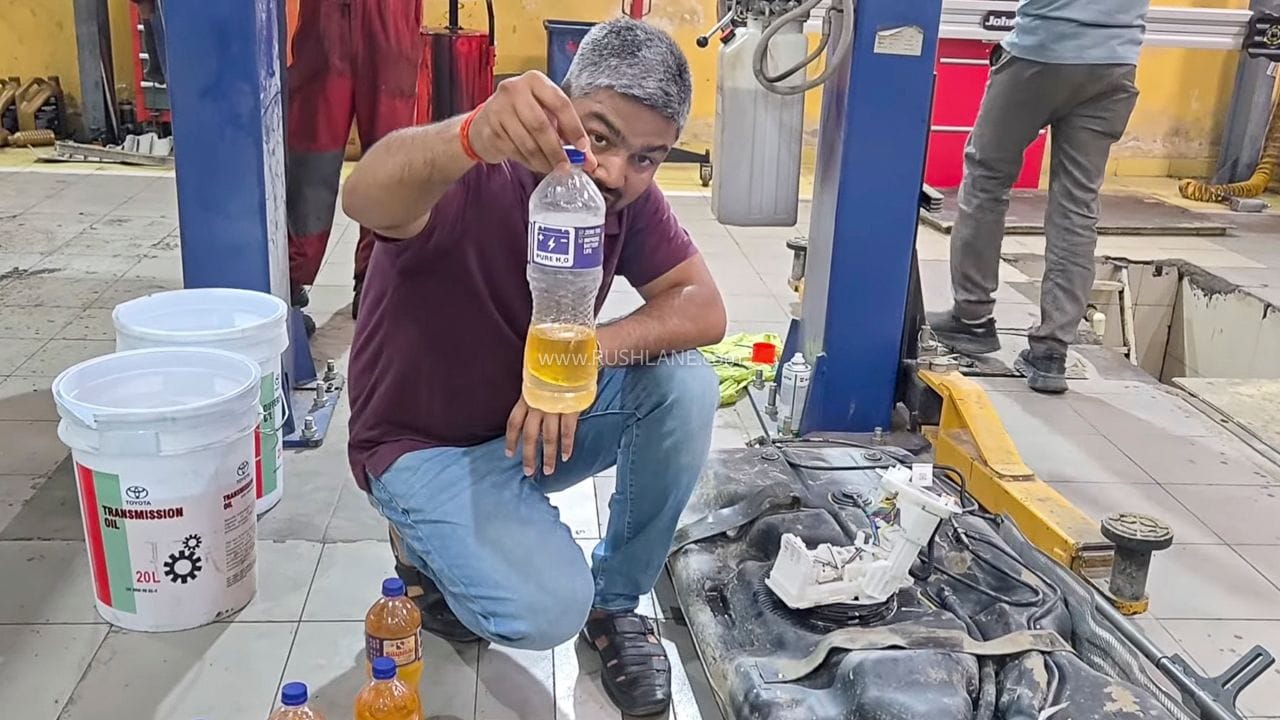
Image credit – Rushlane
Ethanol is hygroscopic, meaning it has the capability to absorb moisture. As a result, E20 is more susceptible to water contamination if excess moisture enters the fuel during storage or handling. In severe cases, this can lead to phase separation, where the ethanol and water separate from the petrol, affecting fuel quality.
Some petrol pump operators have raised concerns that existing underground storage tanks, particularly during the monsoon or in coastal areas, could be more prone to moisture ingress, increasing the risk of phase separation. However, the government and the Federation of Automobile Dealers Associations (FADA) says that there is no evidence linking E20 itself to widespread fuel contamination or vehicle failures.
8. Will using E20 affect my vehicle’s warranty?
For most owners, no. Vehicle manufacturers have said that using E20 petrol will not affect the warranty of their vehicles, and valid warranties will continue to be honoured. The government, SIAM and several manufacturers have stated that vehicles continue to be covered under their standard warranty terms when fuelled with E20, for a full list click here. SIAM has also said that OEMs will honour the warranty committed to customers for E20 usage, and that insurance claims will remain unaffected.
9. Why isn’t E20 petrol cheaper than regular petrol?
Although E20 contains 20 percent ethanol, it is not cheaper than regular petrol because ethanol currently costs more to procure and blend than petrol under prevailing market conditions. The cost of ethanol procurement, tax, transportation, blending and distribution offsets any potential saving from replacing a portion of petrol with domestically produced ethanol.
Any savings from lower crude oil imports are realised at the national level rather than by consumers through lower pump prices.
10. Why can’t I still buy E10 or pure petrol?
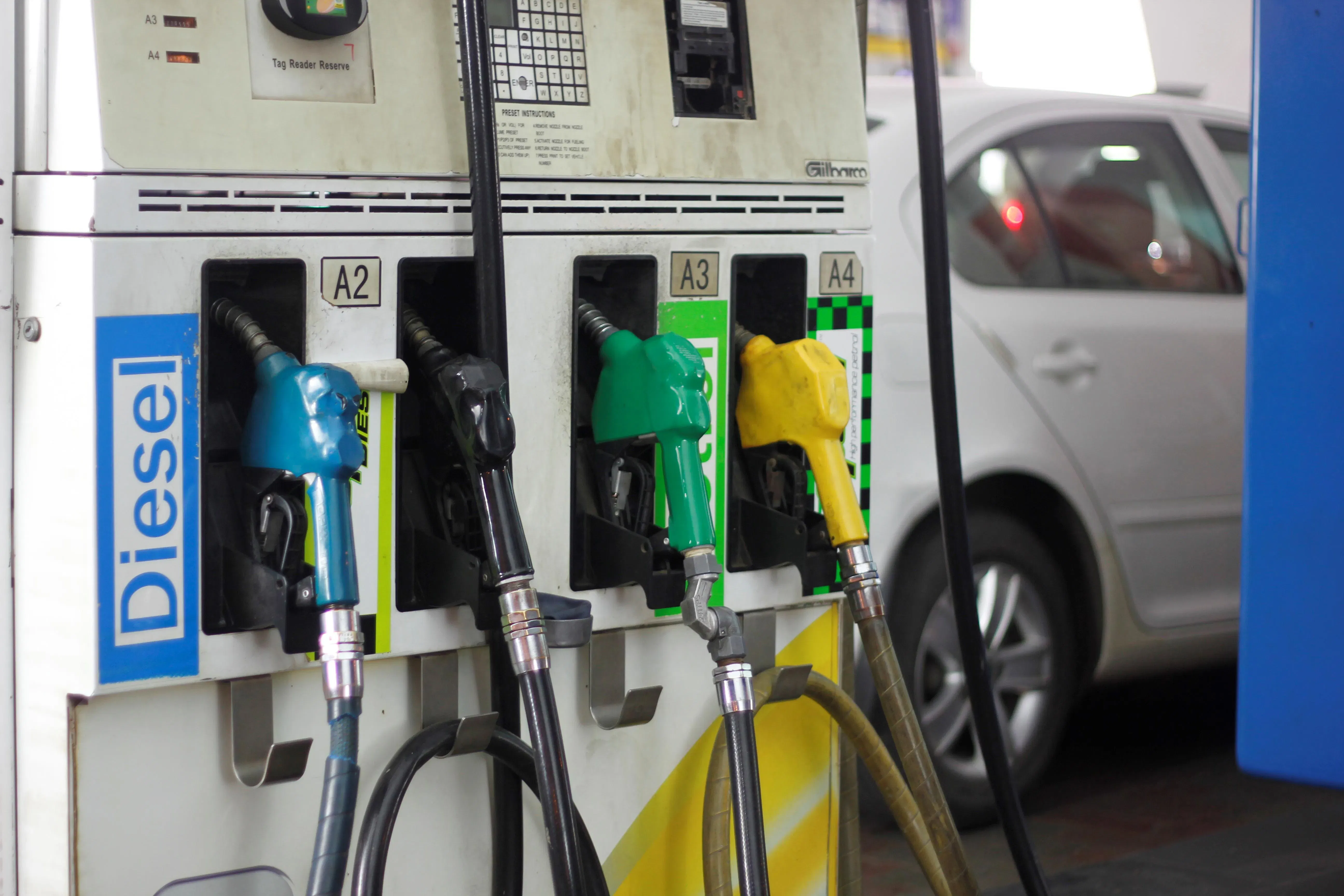
Because by policy E20 is now India’s standard petrol. Following the nationwide rollout of the Ethanol Blending Programme, oil companies have standardised regular petrol and premium 95-octane petrol to an E20 blend. Maintaining parallel supplies of E10 and E20 would require separate storage, transportation and dispensing infrastructure, making nationwide distribution significantly more complex.
As a result, motorists can no longer choose between E10 and E20 at regular fuel stations. The only exception is 100-octane petrol, such as IndianOil XP100 and HP Power100, which remains effectively ethanol-free because it is a niche fuel sold in limited volumes. For most vehicle owners, however, E20 is now the only petrol available.
11. Is the government planning to increase ethanol blending beyond E20?
Not yet, but the groundwork has begun. While the government has said no decision has been taken to mandate petrol with more than 20 percent ethanol, it has begun preparing the regulatory framework for higher blends.
In May 2026, the Bureau of Indian Standards (BIS) notified fuel quality standards for E22, E25, E27 and E30 petrol, indicating that the government is laying the groundwork for future adoption. It has also proposed recognising E85 and E100 fuels under the Central Motor Vehicles Rules.
Separately, the government has tasked the Automotive Research Association of India (ARAI) with studying the impact of E25 petrol on existing E10- and E20-compatible vehicles, including its effect on fuel efficiency, durability, emissions and engine performance under long-term use.
However, any move beyond E20 will require extensive testing and consultation with vehicle manufacturers, fuel companies and research agencies to assess engine durability, emissions and fuel-system compatibility before it is introduced.
12. What should owners of older cars do now?
If your vehicle is not certified as E20-compatible, it does not necessarily mean it will experience immediate problems. However, owners should follow the manufacturer’s guidance, keep up with regular servicing and replace worn fuel-system components as required. It would also be prudent to increase the frequency of inspection of your vehicles fuel system to ensure there is no corrosive damage and catch it before it gets acute.
If you own a classic car, an older imported vehicle or a high-performance model designed for lower ethanol blends, using ethanol-free 100-octane petrol may be worth considering.
13. Can I convert my vehicle to run on E20 fuel?
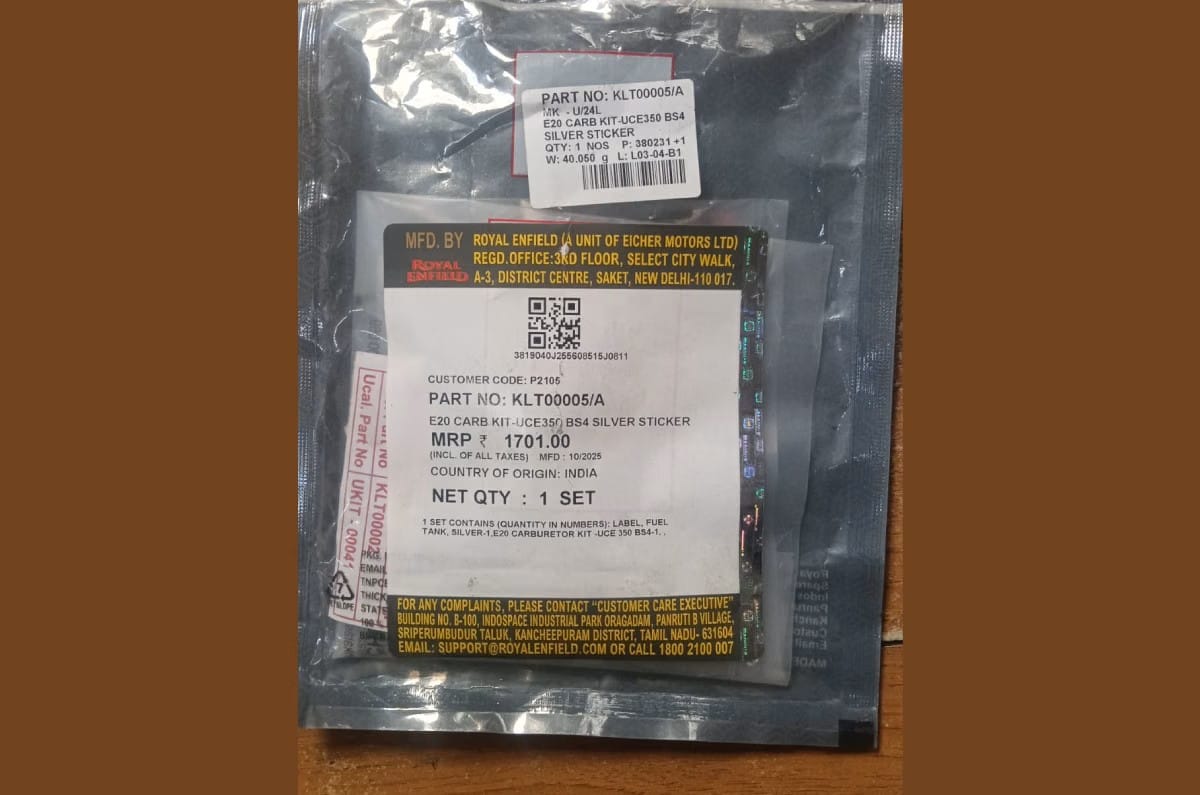
Yes, but official upgrade programmes are currently limited and while a few manufacturers, like Royal Enfield and Maruti Suzuki, had mentioned a plan for these earlier, they don’t have much to say for now. In a recent government press conference that aimed to quell the E20 backlash, Maruti stated that the kits are for R&D purpose only.
Theoretically, it’s possible to replace critical components susceptible to E20 damage with those designed to handle the fuel – especially if your vehicle is still in production – and if you feel the need to, you can go ahead and have parts like fuel lines, fuel pump and gaskets replaced but by your authorised workshops only.
So, should you be worried about E20 petrol?
Not worried, but alert. Modern petrol cars and bikes designed or updated for E20 are engineered to run on the fuel without major issues, and extensive testing by the government, research agencies and manufacturers found no evidence of widespread reliability concerns.That said, E20 is not without trade-offs. Most motorists should expect a small reduction in fuel efficiency.
For owners of older vehicles, it would be wise to pay closer attention to fuel-system maintenance.
Bajaj Auto has confirmed it will launch 10 new two-wheeler models over the next six weeks, including two all-new motorcycles under the Pulsar brand in the 125cc and 150cc segments. Alongside the product introductions, the company has also announced plans to expand its manufacturing capacity from around 7 million units per annum to over 9 million – an increase of more than 25 percent.
10 new models to launch over the next six weeks
Manufacturing capacity to expand from around 7 million to over 9 million units per annum
Bajaj Auto product plans: Key details
Two new Pulsars confirmed for the 125cc and 150cc segments
Speaking after the company’s Q1 FY27 results, Joint Managing Director Rakesh Sharma confirmed that the upcoming launches would complete a wider portfolio refresh. The 10 launches will include two all-new Pulsars in the 125cc and 150cc segments – with the next-generation Pulsar 125 already spotted testing on multiple occasions – alongside additional Chetak electric scooter variants. Sharma described them as “very interesting launches in the next six months” that will “open up new segments.”
On the manufacturing front, Bajaj Auto currently has an installed capacity of around 7.2 million units per annum. The planned expansion to over 9 million units will be achieved progressively over several quarters through a combination of brownfield expansion at existing facilities and a new greenfield plant, although the location has not yet been finalised. The additional capacity will primarily support electric two-wheelers, electric three-wheelers, premium motorcycles and select ICE three-wheeler models.
These announcements build on the FY27 roadmap outlined by Chairman Niraj Bajaj in the company’s annual report earlier this year, which identified the domestic 125cc-plus motorcycle segment, Chetak EV growth and export expansion as the company’s three key priorities. Bajaj Auto’s record Q1 FY27 performance provided strong backing for that strategy, with revenue from operations rising 37 percent year-on-year to Rs 17,244 crore and total vehicle sales reaching a record 1.44 million units. Exports also surged 52 percent to their highest-ever quarterly level.
Shyam Metalics: श्याम मेटालिक्स एंड एनर्जी लिमिटेड (SMEL) की सब्सिडियरी SMEL Steel Structural Pvt. Ltd. ने ओडिशा के संबलपुर स्थित अपनी एल्युमीनियम फॉयल यूनिट में कमर्शियल प्रोडक्शन शुरू कर दिया है। कंपनी ने इस प्रोजेक्ट पर कुल करीब ₹800 करोड़ का निवेश किया है। इस निवेश में एल्युमीनियम फॉयल और फ्लैट रोल्ड प्रोडक्ट्स (FRP) दोनों यूनिट शामिल हैं।
18,000 TPA क्षमता वाली फॉयल यूनिट शुरू
नई एल्युमीनियम फॉयल यूनिट की सालाना उत्पादन क्षमता 18,000 टन (TPA) है। यहां 6 से 40 माइक्रोन मोटाई वाली प्रीमियम ग्रेड एल्युमीनियम फॉयल बनाई जाएगी। कंपनी के मुताबिक, इस यूनिट में कमर्शियल प्रोडक्शन शुरू हो चुका है।
सितंबर तक शुरू होगी FRP यूनिट
श्याम मेटालिक्स की Aluminium Flat Rolled Products (FRP) यूनिट अंतिम चरण में है। इसके सितंबर 2026 तक कमर्शियल प्रोडक्शन शुरू होने की उम्मीद है। इस यूनिट की सालाना क्षमता 60,000 TPA होगी। यहां 0.3 से 4.0 मिमी मोटाई वाले एल्युमीनियम प्रोडक्ट्स तैयार किए जाएंगे।
ऑपरेटिंग मार्जिन में 40-50% बढ़ोतरी की उम्मीद
कंपनी का कहना है कि दोनों यूनिट पूरी तरह चालू होने के बाद ऑपरेटिंग मार्जिन में 40% से 50% तक सुधार हो सकता है। बेहतर प्रोडक्ट मिक्स और ज्यादा रियलाइजेशन से रेवेन्यू में भी मजबूत बढ़ोतरी की उम्मीद है। कंपनी का अनुमान है कि घरेलू और अंतरराष्ट्रीय बाजारों में विस्तार के दम पर उसकी टॉपलाइन 2 से 2.5 गुना तक बढ़ सकती है।
‘मेक इन इंडिया’ को मिलेगा बढ़ावा
श्याम मेटालिक्स का कहना है कि यह निवेश वैल्यू-एडेड एल्युमीनियम उत्पादों में कंपनी की मौजूदगी को मजबूत करेगा। इससे हाई-क्वालिटी एल्युमीनियम उत्पादों की घरेलू मांग पूरी करने में मदद मिलेगी। साथ ही आयात पर निर्भरता कम होगी और ‘मेक इन इंडिया’ तथा ‘आत्मनिर्भर भारत’ अभियान को भी मजबूती मिलेगी।
श्याम मेटालिक्स ने क्या कहा?
श्याम मेटालिक्स एंड एनर्जी के चेयरमैन और मैनेजिंग डायरेक्टर बृज भूषण अग्रवाल ने कहा कि संबलपुर में फॉयल प्रोडक्शन की शुरुआत कंपनी के लिए एक अहम उपलब्धि है। उन्होंने कहा कि कंपनी का लक्ष्य हाई-वैल्यू एल्युमीनियम उत्पादों के जरिए नए बाजारों में विस्तार करना है। इससे ओडिशा में रोजगार और स्थानीय आर्थिक गतिविधियों को भी बढ़ावा मिलेगा। सितंबर तक FRP यूनिट शुरू होने के बाद कंपनी का डाउनस्ट्रीम एल्युमीनियम इकोसिस्टम और मजबूत होगा।
Disclaimer: यहां मुहैया जानकारी सिर्फ सूचना के लिए दी जा रही है। यहां बताना जरूरी है कि मार्केट में निवेश बाजार जोखिमों के अधीन है। निवेशक के तौर पर पैसा लगाने से पहले हमेशा एक्सपर्ट से सलाह लें। मनीकंट्रोल की तरफ से किसी को भी पैसा लगाने की यहां कभी भी सलाह नहीं दी जाती है।