2027 Bentley Torcal preview: Riding along in Crewe’s first EV

2027 Bentley Torcal preview: Riding along in Crewe’s first EV
Bentley Torcal EV prototype first drive

Only the day before I would be surprised with a passenger ride in a prototype of Bentley’s new electric SUV, I just so happened to be engaged in a conversation about why an EV would be so well suited to this brand in particular. Yes, as we’ve said in the past, EVs are perfect for luxury applications – smooth, silent and effortless as they are. But the other realisation we made was that Bentley, despite leaning into sportiness as one of its core brand pillars, has never been a slave to weight loss. Even its lightest car in 85 years – the new, stripped-down Supersports – is but one kilogram shy of two tonnes! And yet its cars have always managed to deliver the comfort expected of a super-luxury vehicle, and somehow also the poise and agility of a sports tourer. A tricky balance indeed. 

Reining in 2.5-tonne-plus vehicles, then, isn’t so much a challenge for Bentley’s chassis engineers as it is standard operating procedure. And thus, when the time came to create the brand’s first EV – a five-metre SUV no less – weight management was the last thing on their minds. Being a luxury EV with the full technological might of the Volkswagen Group behind its development, it would be all too easy to just squeeze out a bunch of eye-watering performance figures and leave it at that. But Bentley engineers say that won’t necessarily be the case, and certainly not the focus. The focus, instead, was on making the Torcal walk the razor-thin line between sport and luxury that every one of their cars is required to. 
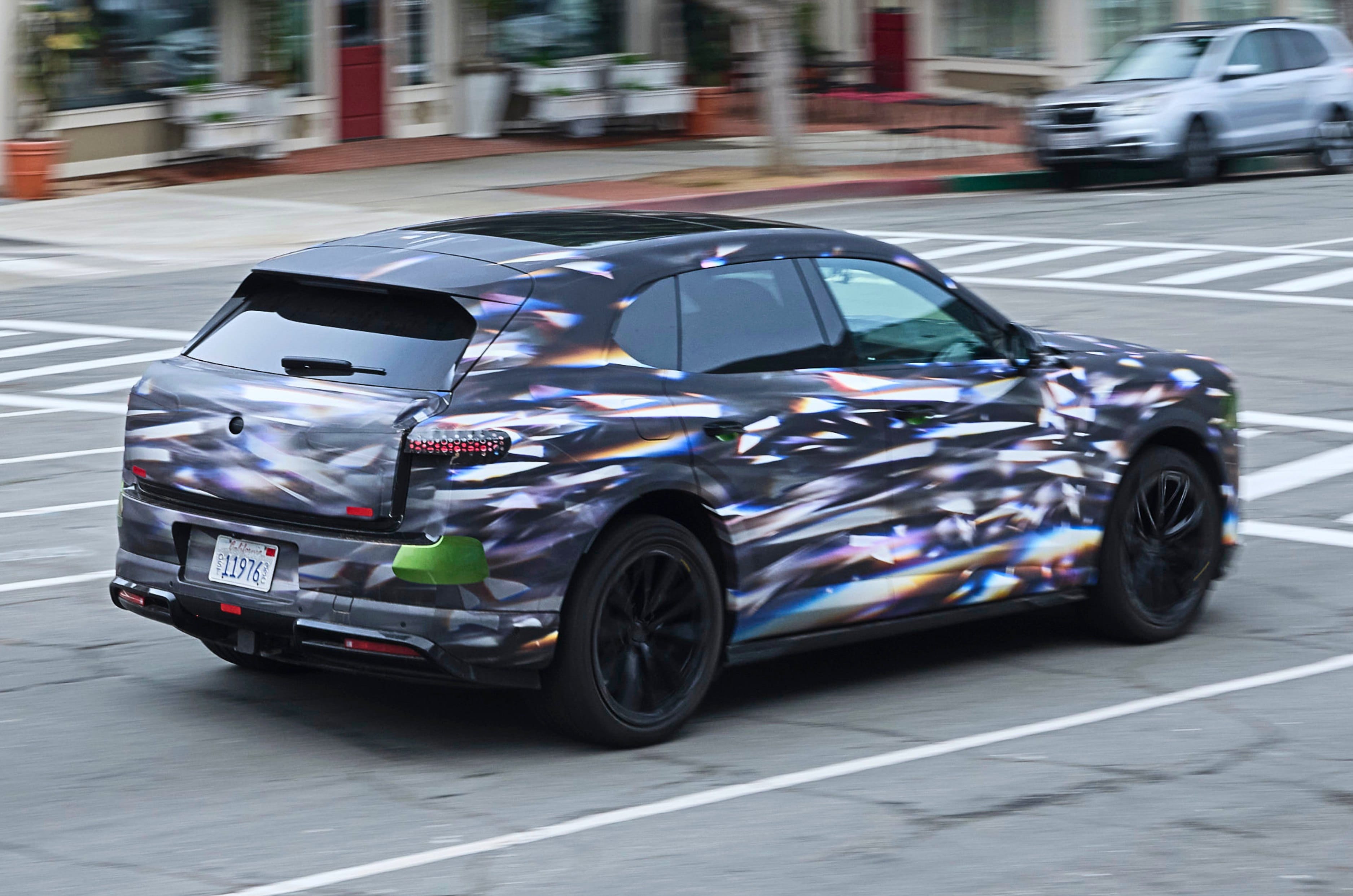
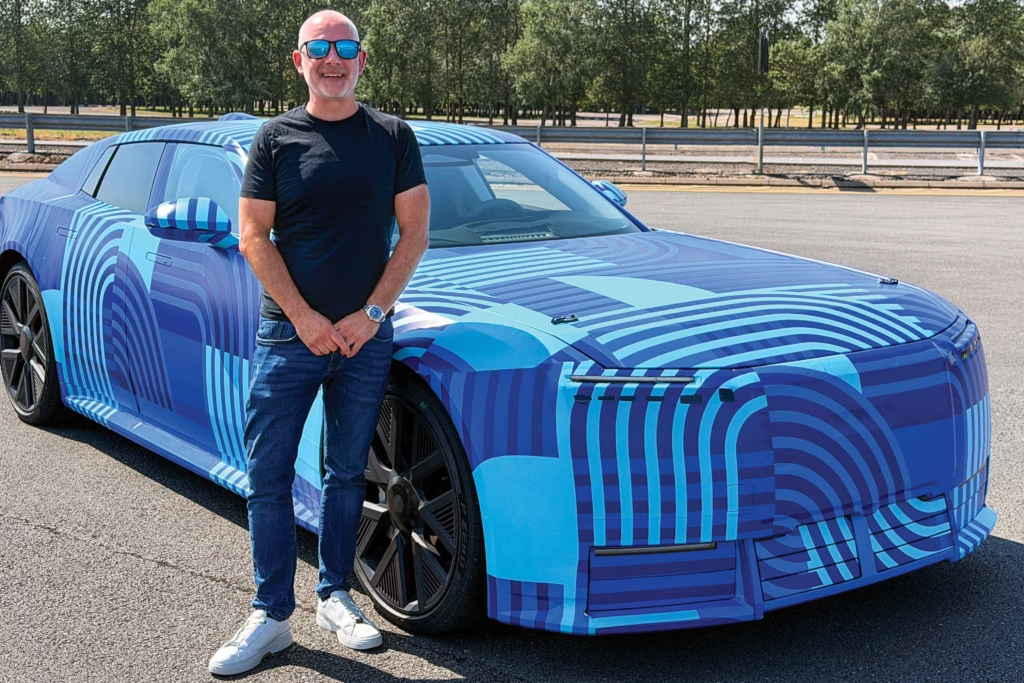
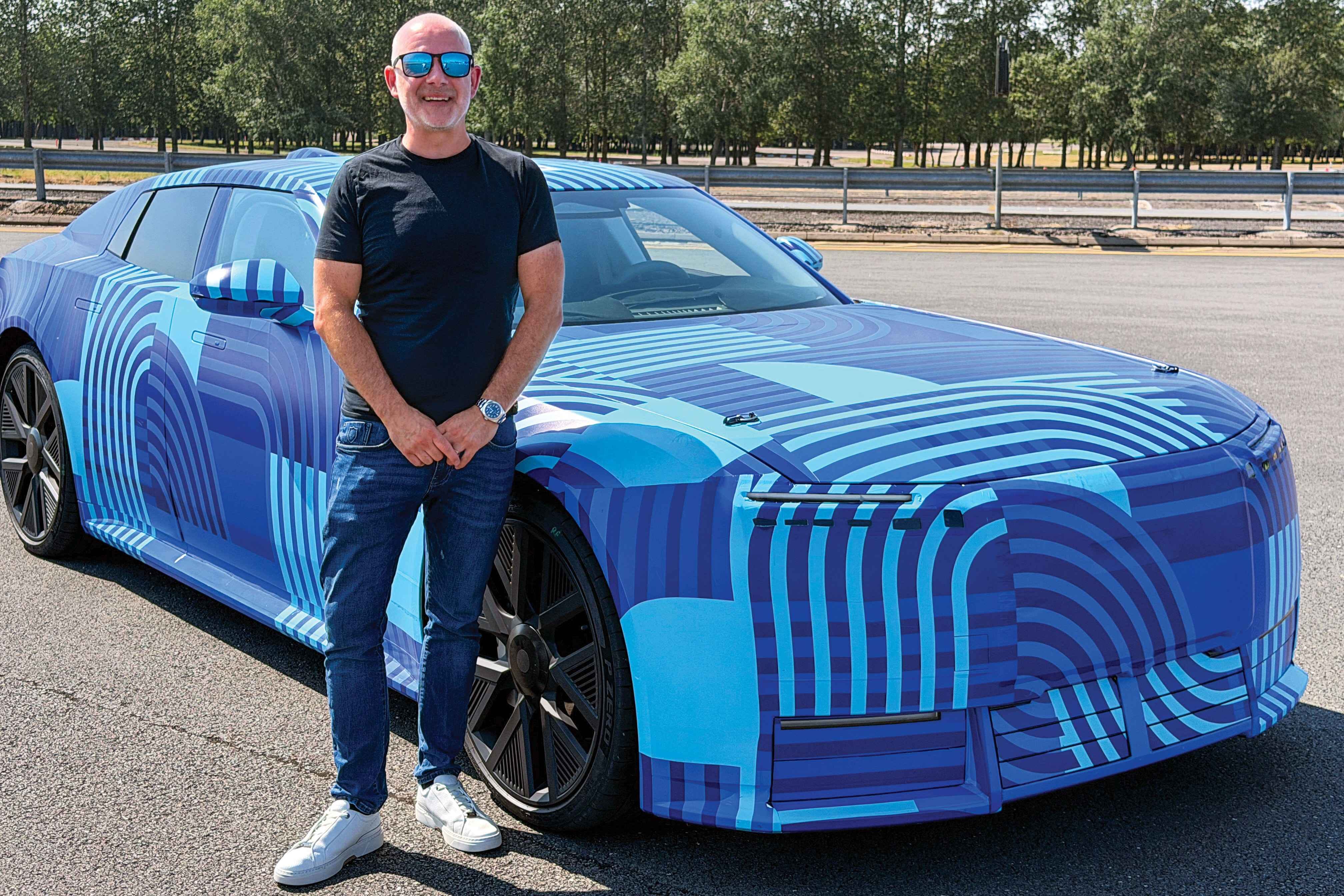
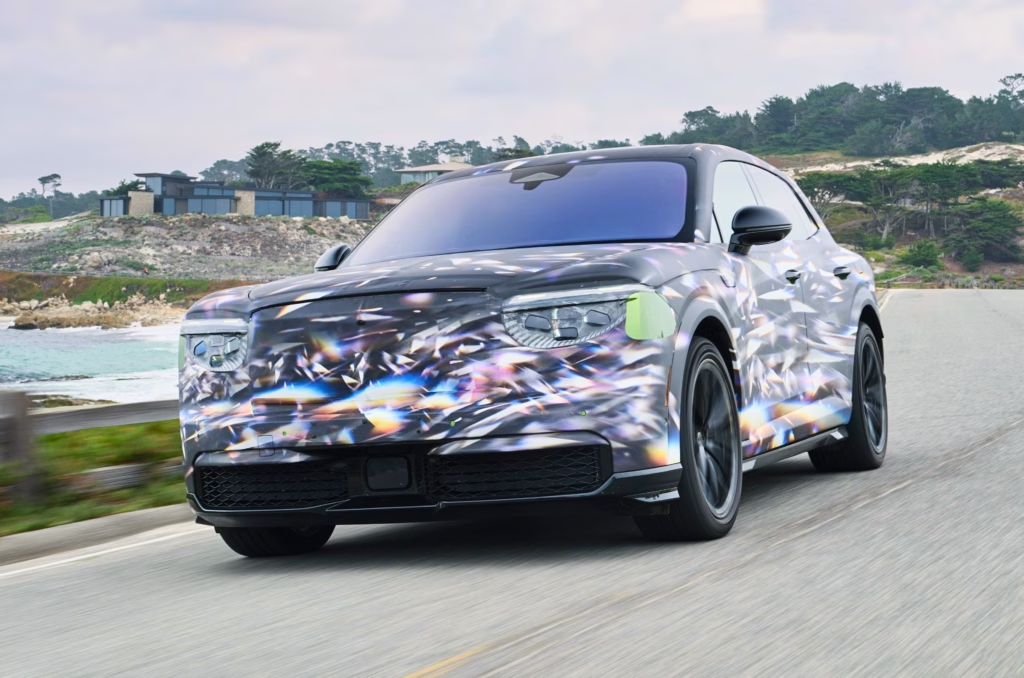
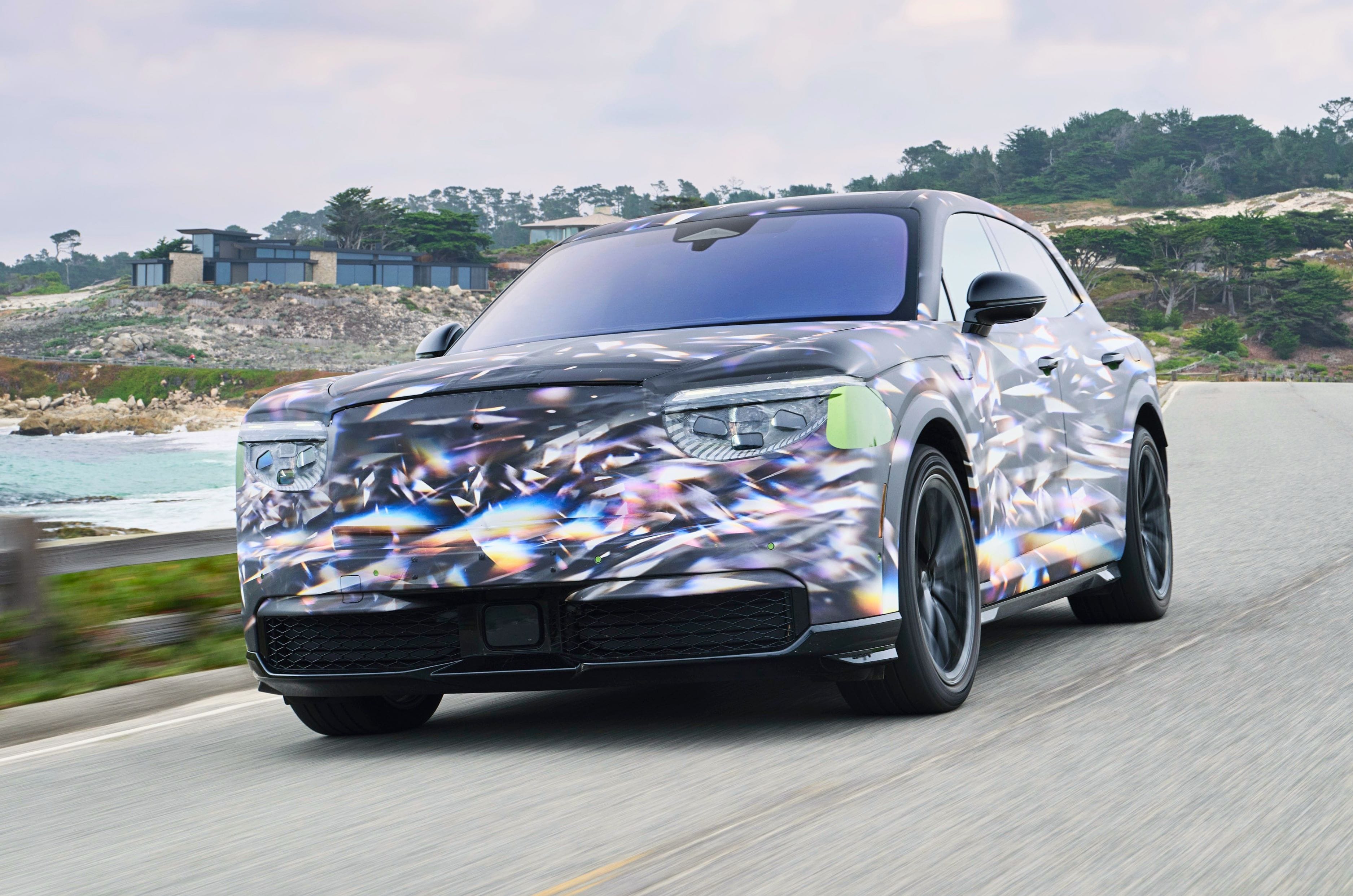
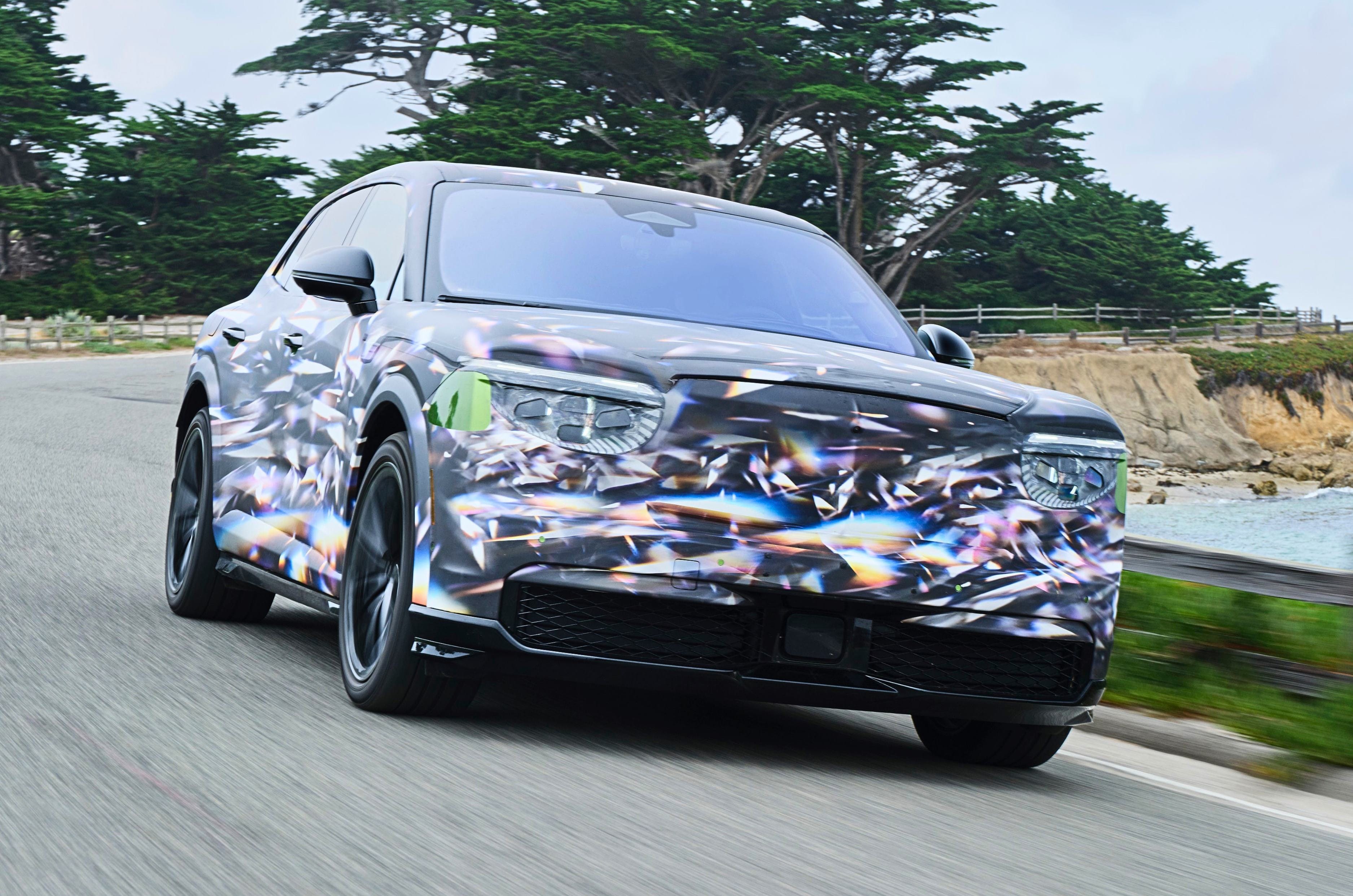
The Torcal prototype rolls silently into view at the driveway of our hotel in Monterey, California shrouded as it is in its crystalline camouflage – a motif we’ll revisit later. It hides the details well enough, but what’s clear is that this a tall and squared-off SUV, much like the Bentayga, and though aerodynamics will no doubt have been a consideration, that Bentley boldness is recognisable in its bluff front fascia. It’s actually a little smaller than a Bentayga, but the smaller front overhangs tell me they’re making good use of its wheelbase.

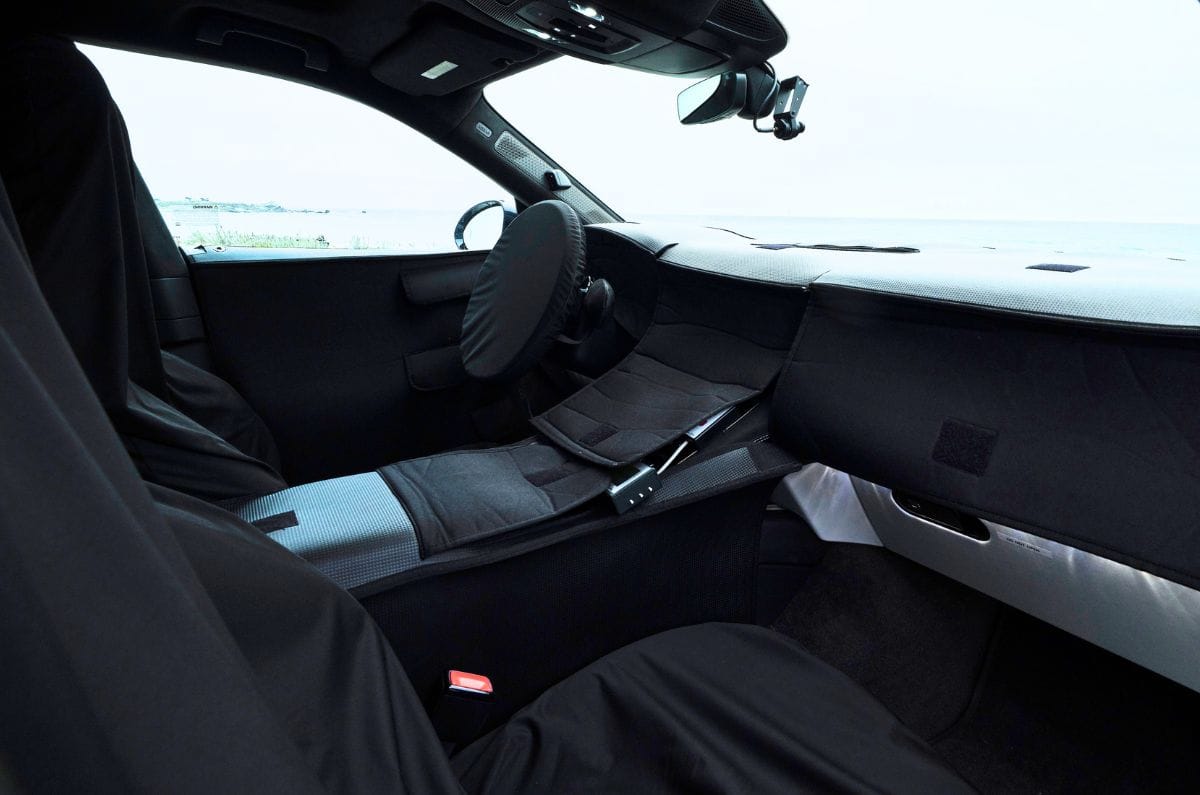
We’re ushered quickly into the cabin, which too is wrapped up from floor to headliner, and quickly given a brief before prying eyes can come in for a closer look. There’s stuff we’re told about that I can’t reveal today, but I’m hurriedly making notes all the same. But then Torcal product line director Martin Page presses the start button, and my brain does a somersault. “It’s… idling?” I mutter, as he cracks a smile from the driver’s seat.
Digital meets analogue

Yes, they’ve given the Torcal the sound of a V8, the most enduring engine layout the brand has used in its century of making cars. And while this is hardly the first EV to mimic an engine, there’s a mesmerising authenticity to it that I’ve never experienced from a synthetised setup before. I’d go as far as saying sounds better – more layered and full-bodied than the twin-turbo 4.0-litre you’ll find in the Continental range, and we’re still at a standstill. It’s uncanny.

As we move off, the sound swells, ebbs and flows with an almost flawed resonance that fills up the cabin. It’s not loud or overwhelming; but it’s ever present, though I’m told it can be switched off if not desired. I’m told the car is in ‘Bentley’ mode – the middle ground, as we know from existing models – and once on the move, the sound fades into the background.
The story behind the V8 sound is almost as fascinating as the sound itself. Any other brand would record one of its V8 engines, play the recording through the speakers and call it a day. But in keeping with Bentley’s history of doing things painstakingly by hand, they recorded the sound and got an orchestra to recreate it with live instruments. What I’m listening to is a mix of drums, viola and bass guitar – every beat and note fed into a machine and algorithmically meted back out in proportion with the torque demand. Moving up to Sport mode suitably increases the volume and even alters the pitch slightly, but what doesn’t change is the genuine feeling that somewhere up front, an old-school, hairy-chested V8 is thumping away to move us forward.

The crystal method

The over-engineering doesn’t stop there, however; Bentley’s handcrafted approach extends to the graphics of the Torcal – both physical and digital. The diamond motif has long been a part of the Bentley brand, and you’ll see it everywhere from its cars’ grille mesh patterns, to stitching, to upholstery quilting. Something catches my eye from under the sheet that covers the rear doors, which I carefully lift up to catch a sneak peek.
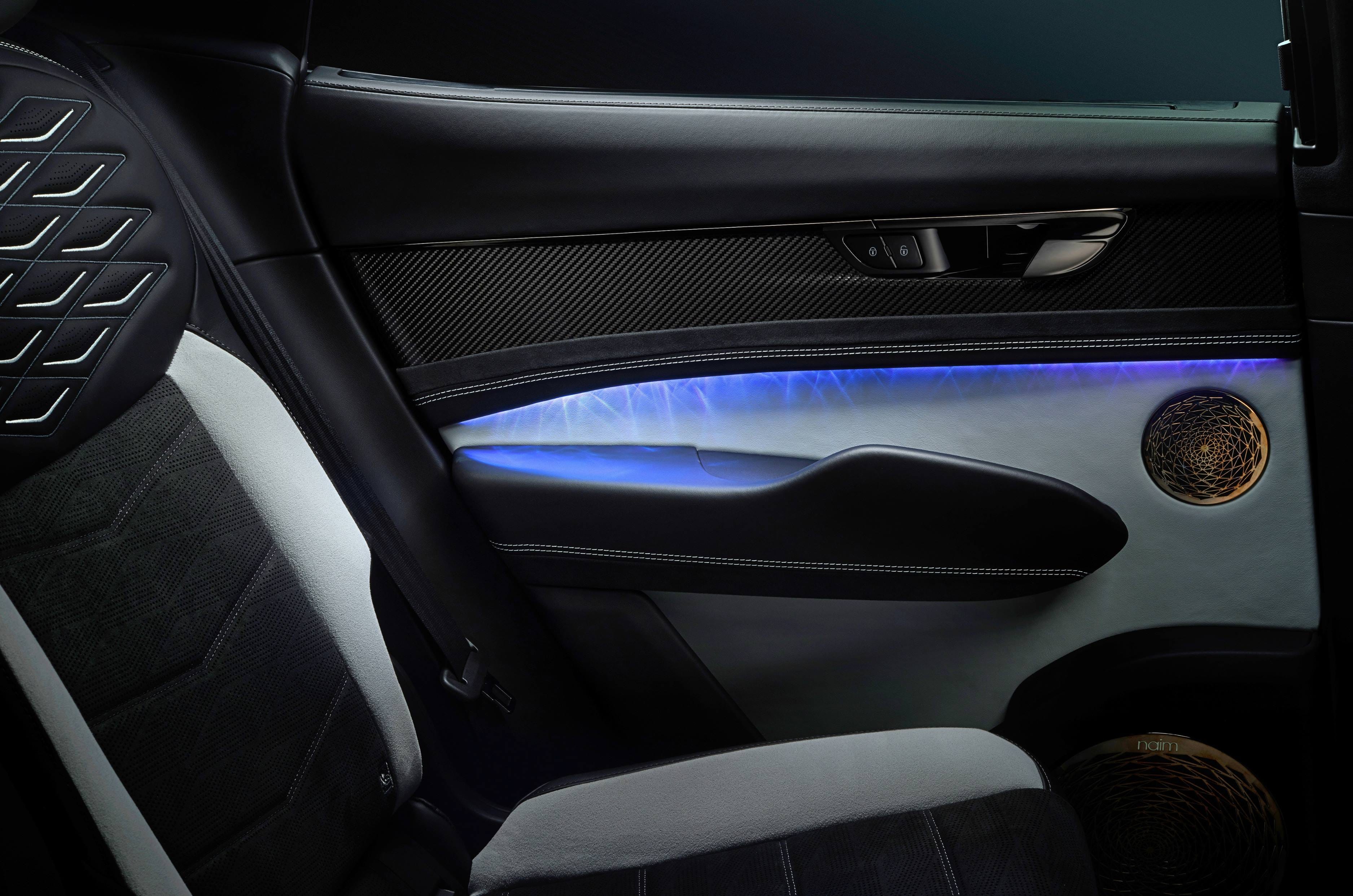
It’s ambient lighting, shimmering, moving as it cascades across a soft Merino wool door card. The idea was to simulate light flowing through crystal, and though it’s probably a simulated effect, it is incredibly convincing, and oddly relaxing to stare at. Curiously, it’s blue, and we’re in Sport mode, Bentley having chosen to buck the trend of equating ‘Sport’ with ‘red’.

But as Martin cycles back and forth through the modes of the ‘Curation Engine’ – a luxurious way to say ‘drive mode selector’ – I notice something else. The graphics on the curved touchscreen – also with a crystalline theme – are slick and incredibly sharp, in a way I haven’t seen in any Bentley before. Credit to the new-gen PPE (Premium Platform Electric) and its E&E architecture the Torcal shares with the electric Cayenne, I suppose. 
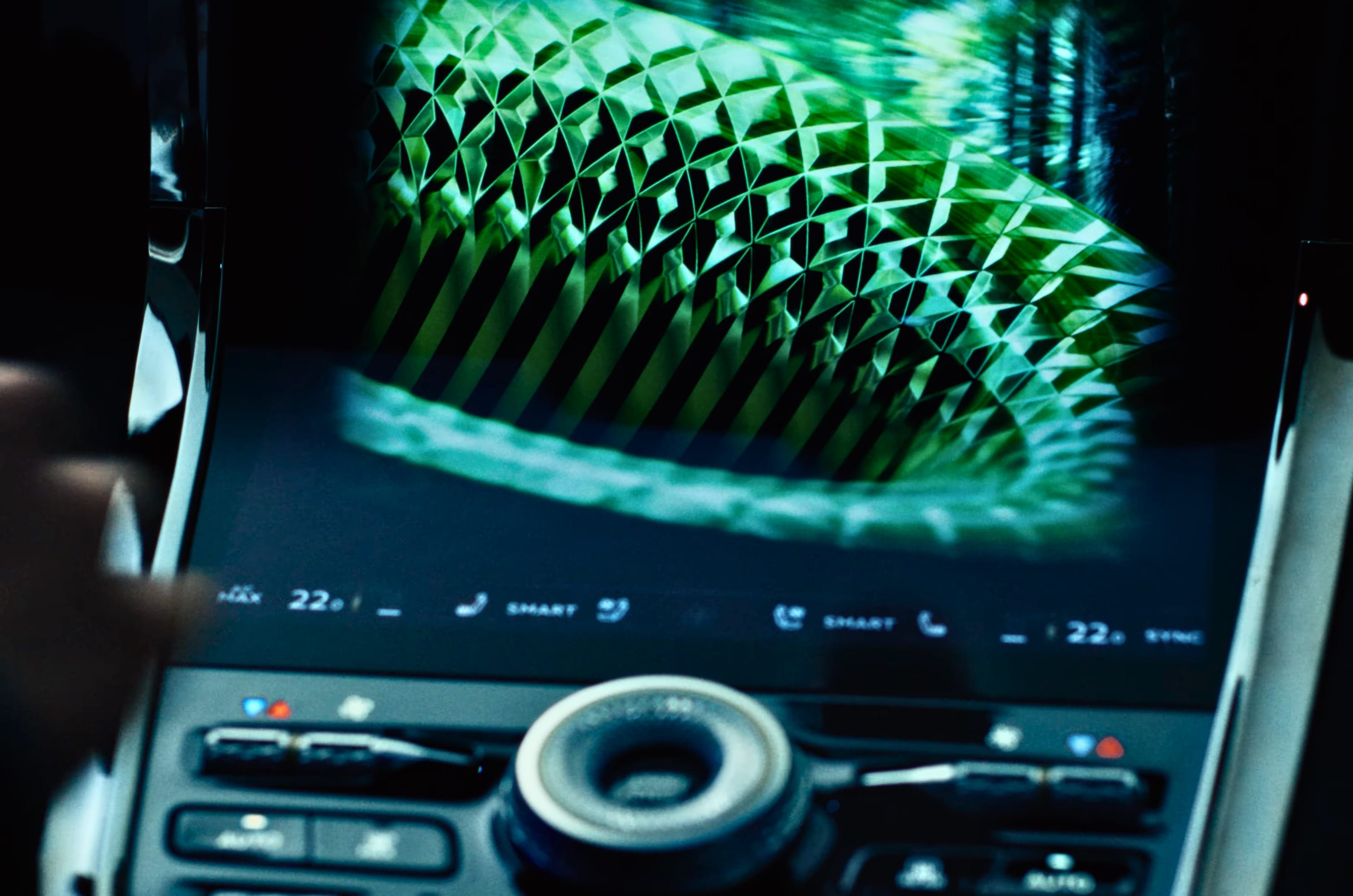
I then glance at the digital speedo, which shows a digital number encased in a ring of crystal, which again hides a fascinating story. This seemingly innocuous graphical element is not the result of Adobe After Effects or, god forbid, generative AI. Bentley commissioned Cumbria Crystal to make a cut crystal tube and then shone light through it from various angles. This was filmed and then programmed to play back in sync with the car’s speed, so what you’re seeing is high-res footage of real light passing through real glass, moving in a circle as the car goes faster. But what is luxury, if not unnecessary excess?

Effortless heft

My mind circles back to my conversation from the previous evening, however, as we approach the Freeway. Bentley hasn’t revealed power and torque figures yet, describing them only as ‘ample’, and that’s clear as we break off the on-ramp and merge into the swarm of American commuters hurrying to work. The seat-of-the-pants sensation is one of power that feels effortless, if not hurried, if that makes sense, which is in line with any of the V8 hybrid cars Bentley also sells.

Bentley also hasn’t revealed the kerb weight figure, but going by other EVs of this size and nature, my guess puts it well past 2.5 tonnes and closer to 2.7 or 2.8. Not that you can tell from inside, where there’s a composure that feels truest to the contemporary range of Bentley models. The Torcal uses two-chamber air suspension, adaptive dampers and active anti-roll bars to control its immense mass, and I suspect a bit of magic too, because here too, they’ve managed to find a balance. I noticed the prototype was riding on 22-inch wheels with supercar-like 315-section rear tyres, and road noise is kept incredibly well in check. 
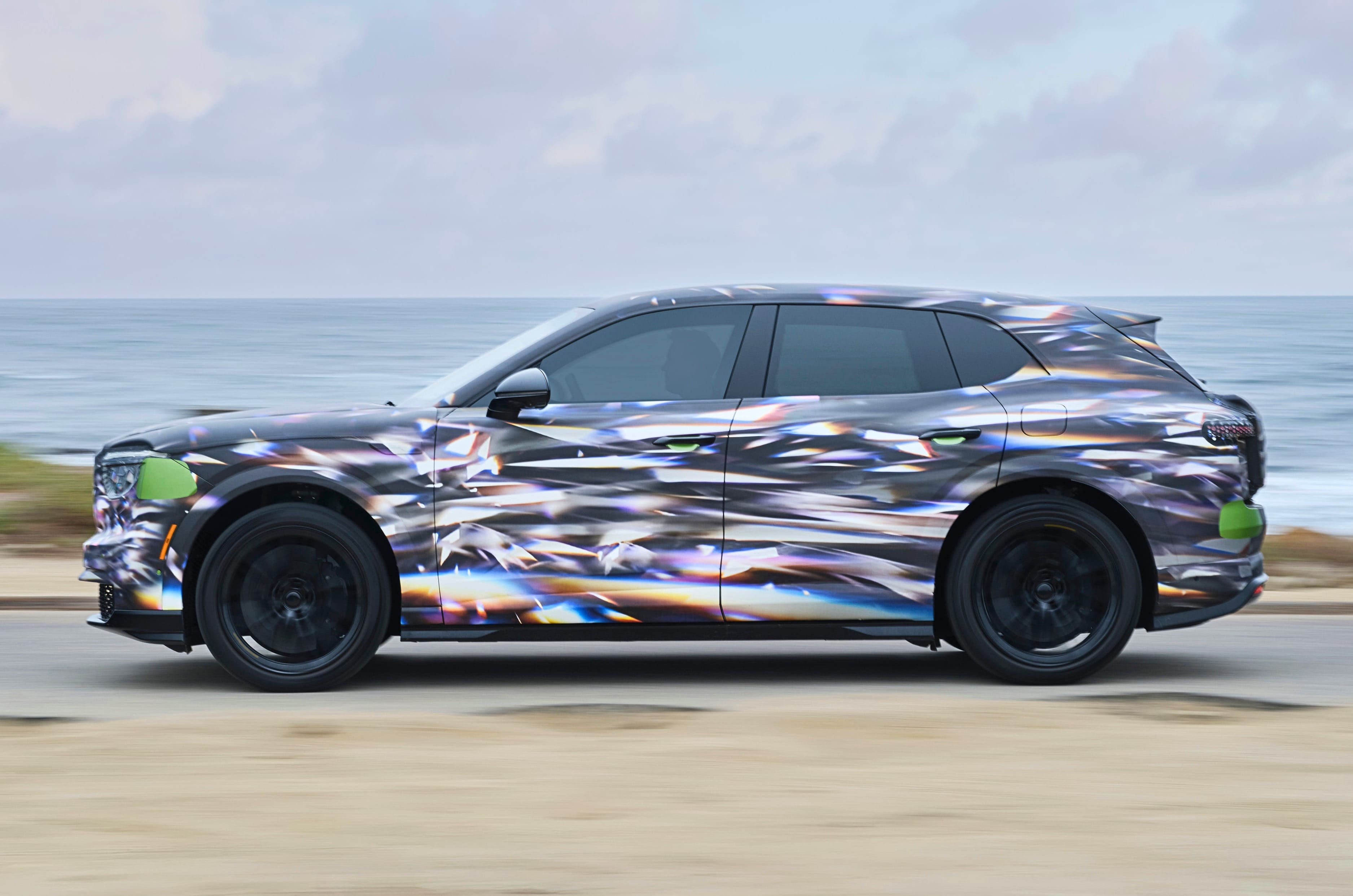
The ride is hefty but not harsh like some sports SUVs, comfortable but not floaty like some outright luxury SUVs. It stays steady on the Freeway, and as we get back to the narrower roads that snake around Pebble Beach, it stomps out imperfections with authority. As Martin takes the opportunity to lean it into some curvier bits of road, I sense a bit of give and roll, but not too much. I’m told they could have erased it entirely, but that would feel too unnatural.

And that sums up the Torcal nicely. It feels ‘natural’, and even from this short passenger ride, a great exercise in manufacturing analogue authenticity from what is a very digital set of tools. When advancing beyond the realm of mundane transportation and into more desirable applications – luxury, or performance, for instance, of which Bentleys have to do both – an EV has to be more convincing. So far, ballistic numbers have been that route for most, but there is an increasing effort to build tangible character into these cars that must be applauded. The Torcal feels like one of the best examples of this yet, and though far from the finished product, it’s a promising sign that Bentley is on the right track with its first EV.
Kawasaki W230 gets a new colour for 2027

Kawasaki W230 gets a new colour for 2027
2027 Kawasaki W230

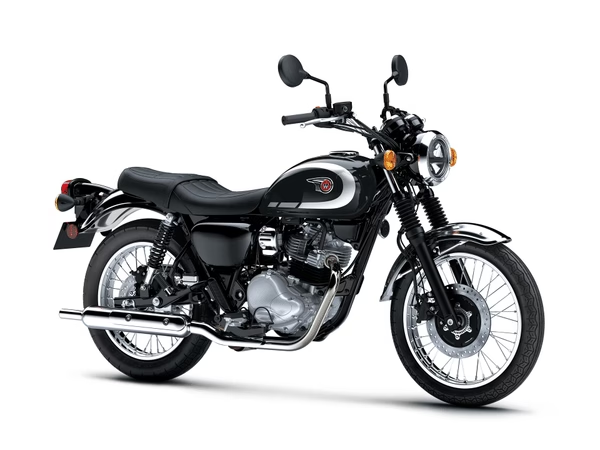
Kawasaki has revealed the 2027 W230 with a new Ebony colour option, replacing the Metallic Matte Dark Green that the bike was available with in 2026. The update is purely cosmetic, with no mechanical, feature or price changes accompanying the new colour in global markets. A single colour option is offered, as was the case with the outgoing scheme.

  1. New Ebony colour replaces Metallic Matte Dark Green
  2. No mechanical changes; 233cc air-cooled single continues unchanged

2027 Kawasaki W230 details

The W230 is powered by the same engine as the KLX230

The W230 is powered by a 233cc air-cooled single-cylinder engine producing 18hp at 7,000rpm and 18.6Nm at 5,800rpm, paired with a 6-speed gearbox. Suspension is handled by a conventional telescopic fork at the front and twin shock absorbers at the rear, sticking with the retro theme of the bike. Braking hardware includes disc brakes at both ends – a 265mm front and 220mm rear.

With a kerb weight of 143kg, the W230 is a relatively lightweight motorcycle and perhaps one of the lightest in its class. That, along with a low 745mm seat height, makes the W230 an incredibly accessible motorcycle for most riders, even those just getting started out.

Unfortunately, the Kawasaki W series in India hasn’t had much of an impact in terms of sales. The W800 was previously available in our market, as was the India-made Kawasaki W175. While the MY24 W175 is still listed on the Kawasaki India site, it’s highly unlikely there’s any stock of that bike left, given that several other models in Kawasaki India’s lineup are now MY27 units.

Kawasaki has long considered India a key manufacturing hub for its smaller-displacement retro models, and while plans for the W230 in India have not been confirmed by Kawasaki, the modern classic segment it targets has seen significant growth here, including the ever-growing popularity of models like the Classic 350 and the more recently revealed Honda CB500.

Bajaj to launch six more motorcycles before festive season

Bajaj to launch six more motorcycles before festive season
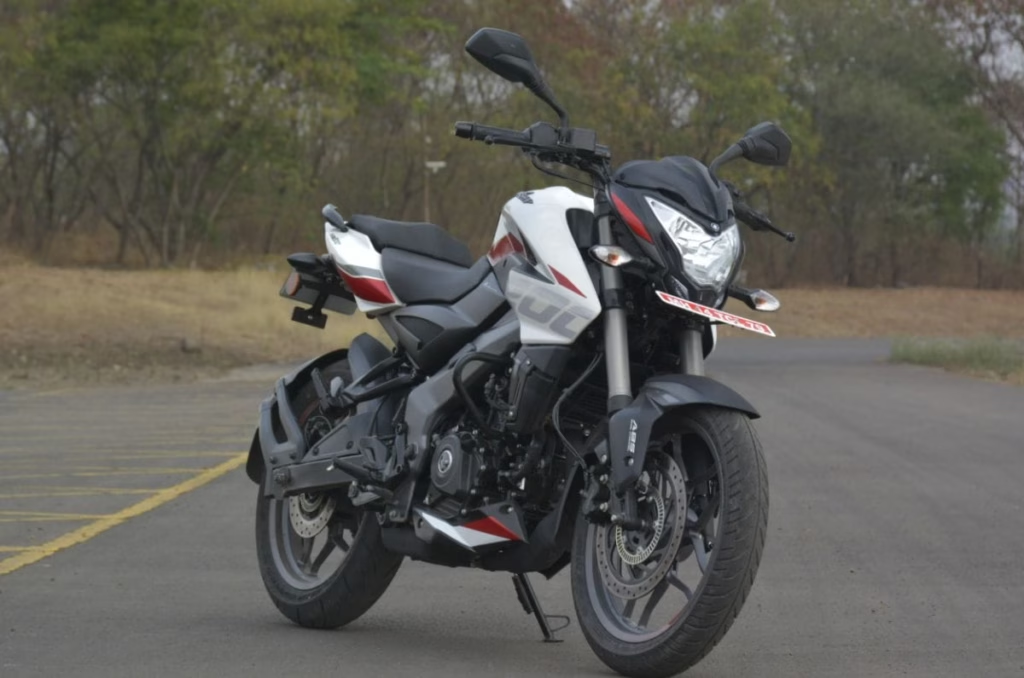
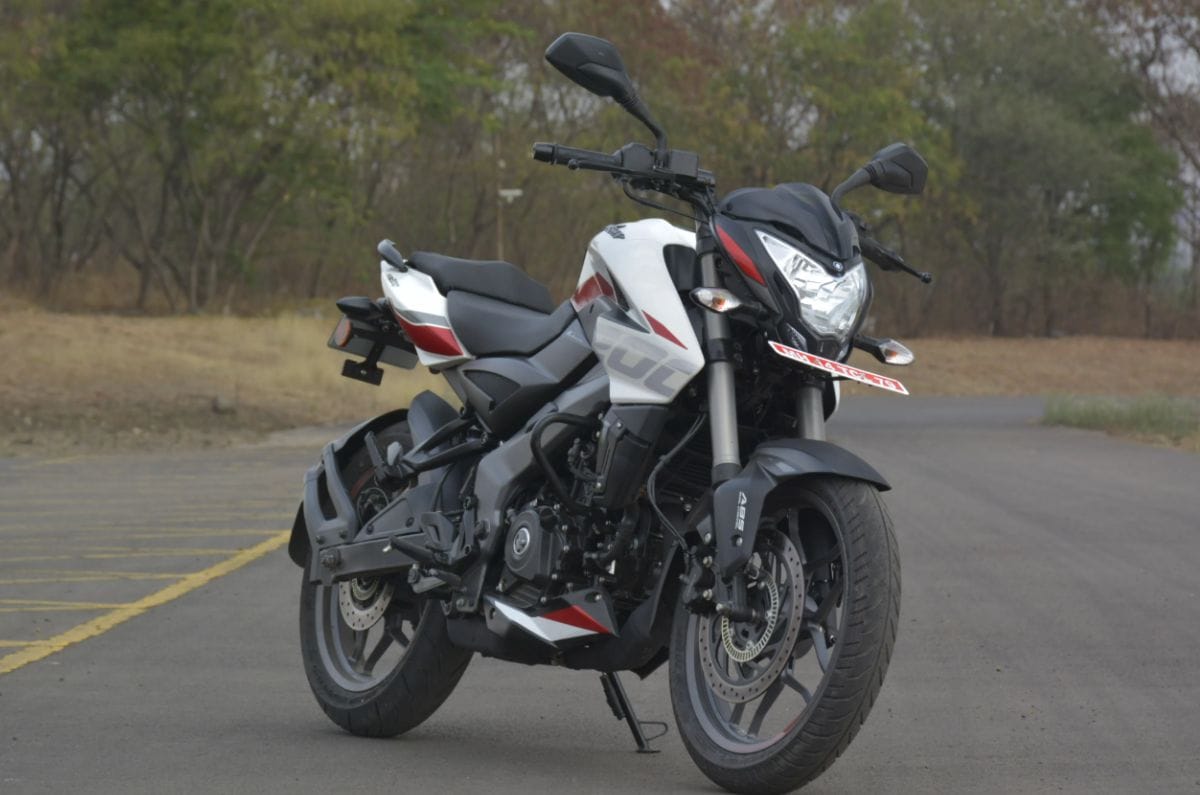
Front left outside image of the Pulsar NS200

Bajaj has been having an eventful August with four launches, the freshly updated Pulsar 125/150 and the new Pulsar N160 S and SS. Seems like they aren’t planning to slow down any time soon. The company has said two of the 10 models would be all-new Pulsars, while the rest would comprise new variants and product upgrades. “Our 150 and 125 are the second launch in this journey,” said Sumeet Narang, President, Marketing, Bajaj Auto. “We will meet you soon again. There’s a lot of stuff that we will still be coming up with in the coming days.”

  1. Bajaj Pulsar was the third best-selling motorcycle range in July 2026
  2. After original and N Pulsars, NS line is expected to be updated
  3. Bajaj dual-sport and Triumph Bonneville 400 will also arrive soon

Pulsar portfolio takes shape

All models are expected to get updates

The launch comes as the Pulsar nameplate remains one of India’s largest-selling motorcycle ranges. It ranked third in the July motorcycle sales chart with 66,156 units dispatched, according to AutoPunditz. Bajaj’s sports motorcycle segment, meanwhile, grew about 50% year on year in the April-June quarter, with Pulsar, Avenger and Dominar recording double-digit growth.

The company has also said upgrades are planned across its 125-160cc motorcycle range. Narang said the refreshed range will be organised around the three Pulsar platforms. “Three very clear distinct platforms, the original, the N and the NS,” he said, with each aimed at a different customer and riding use case.

Triumph Bonneville 400 and Bajaj’s first dual-sport also in the works

Bajaj is also looking to expand manufacturing capacity

We had just reported that Bajaj’s first dual-sport motorcycle was spotted testing again. Our reports indicate that the motorcycle will launch in Brazil before the end of this year, making its way to India at a later time. Currently, it’s unclear if Bajaj is counting that as a part of this 10-Model portfolio. Besides that, Bajaj is also expected to launch the Triumph Bonneville 400, long awaited retro cousin of the existing Triumph 400s.
Speaking of which, the launches come ahead of Bajaj’s planned expansion of annual manufacturing capacity from about 72 lakh vehicles to more than 90 lakh. The company has said the additional capacity will support growing demand across the board. It is evaluating brownfield expansion and a greenfield facility, with the location and investment yet to be finalised. The company has not yet declared any dispatch dates, but clearly they’re looking at a packed schedule inching closer to the festive season.

With inputs from Stephen Raj Antony.
 

JLR MD Rawdon Glover on Jaguar’s repositioning and working with Tata Motors

JLR MD Rawdon Glover on Jaguar's repositioning and working with Tata Motors
Rawdon Glover MD, JLR

Rawdon Glover has worked with the JLR group for over thirteen years and took charge as Managing Director three years ago. From the sidelines of our first drive with the Jaguar Type 01, we speak to Glover, who tells us about Jaguar’s new direction, taking risky decisions, core markets and upcoming products. 

Why the major shift in the positioning of Jaguar?

Putting Jaguar back on a firm footing for the next 90 years is the main job. And if you look at the task, it’s brand management where sometimes you need small incremental changes. But if you look at today’s technical changes, competitive context, how the brand was performing globally and a host of factors, what was called for was a big shift. That requires you to be bold and confident.

Why go for a radical and polarising design?

We’re ok with polarising. If you look at our history, it was bold evolutions, for example the XJS, the spiritual successor to the E-Type. It would have been easy to say let’s just make a modern example of the E-Type, but that’s not what we did, and if you look back at reviews, it was applauded for its dynamics and refinement, but the design was seen as polarising. Now it’s a design icon. So, I’d rather have four out of ten absolutely love the car, rather than have everyone go – yeah, it’s ok.

Isn’t going all-electric a massively risky move?

The EV landscape is evolving rapidly, many new brands are coming in, and I believe one will crack the EV glass ceiling, so why not Jaguar? So we ripped up the EV rulebook because, in the luxury space, it wasn’t working. So it’s not designed as an EV without an engine and a really cab-forward layout. But it’s about presence and performance, and to deliver the level of performance and refinement, electric is best.

Would the car sit above the XJ in terms of price?
All of the vehicles coming off this platform would be between GBP 1,20,000 and GBP 1,50,000. We see a white space at the top end of the premium segment, but underneath established luxury players. That’s where we want to be, and with this vehicle what you get is the stature, the presence, the drama of those uber-luxury brands at the top end of the premium price point.

What are the core markets, and how does India figure in the plan?

We used to sell in 130 markets, but we’ll narrow this to just eight or nine, with 85 percent of the volume. North America will remain a large part, China will become important, and the UK, Germany and some Nordics, where they have really embraced EVs, will be the mainstay. Then in markets like the Middle East and India, which have been small, we think we can really break into them now. The retail would, of course, still be through the existing JLR network.

FTAs do not favour EVs, so is the 01 capable of being locally assembled?

Manufacturing this outside of the UK is not currently in the plan. All production will be built out of Solihull, so all exports to other markets will be CBUs, but that doesn’t rule out local production outside UK. As you know, the geopolitical situation is so fluid at the moment, but in time we could consider production elsewhere.

Is there a more chauffeur-driven offering from Jaguar coming?

The 01 is unashamedly driver-focussed, it has four comfortable seats, but it’s a four-door GT, not a four-door sedan designed as a luxury chauffeur-driven car. There will be other vehicles off this platform that will share the same design language, but will have a distinct personality and target different groups, and they would be accessible to a wider audience. So, yes absolutely, there will be a chauffeur-driven-focused model from Jaguar.

Would an SUV body style be part of the portfolio?

What you shouldn’t expect from us is a high-sided Jaguar that is a Range Rover competitor. We already have the best SUV on the planet, and part of the house of brand’s strategy is to differentiate the brands. All I can say, for now, is that you can expect a variety of vehicles from us, and there will be vehicles slightly higher positioned, but all will drive like a Jaguar.

How has it been working with Tata Motors?

Unwavering is the word. There is nobody more dedicated and passionate about our success than the shareholders, and that’s an incredibly privileged position to be in. It puts a little pressure, but having somebody like PB Balaji come onto our board is great. He’s been on the journey with us, he understands it inside and out, and for him, Jaguar is personal. It’s important to our chairman and even was to Ratan Tata. I was reading stories about Ratan Tata driving about in his father’s XK120, so it’s really important to Tata that Jaguar wins. In all my interactions with the board, there is never talk of tempering ambitions, it’s always, just go for it.

JLR MD Rawdon Glover on Jaguar’s repositioning and working with Tata Motors

JLR MD Rawdon Glover on Jaguar's repositioning and working with Tata Motors
Raqdon Glover JLR MD

Rawdon Glover has worked with the JLR group for over 13 years and took charge as Managing Director 3 years ago. From the sidelines of our first drive with the Jaguar Type 01, we speak to Glover, who tells us about Jaguar’s new direction, taking risky decisions, core markets and upcoming products. 

Why the major shift in the positioning of Jaguar?

Putting Jaguar back on a firm footing for the next 90 years is the main job. And if you look at the task, it’s brand management where sometimes you need small incremental changes. But if you look at today’s technical changes, competitive context, how the brand was performing globally and a host of factors, what was called for was a big shift. That requires you to be bold and confident.

Why go for a radical and polarising design?

We’re ok with polarising. If you look at our history, it was bold evolutions, for example the XJS, the spiritual successor to the E-Type. It would have been easy to say let’s just make a modern example of the E-Type, but that’s not what we did, and if you look back at reviews, it was applauded for its dynamics and refinement, but the design was seen as polarising. Now it’s a design icon. So, I’d rather have four out of ten absolutely love the car, rather than have everyone go – yeah, it’s ok.

Isn’t going all-electric a massively risky move?

The EV landscape is evolving rapidly, many new brands are coming in, and I believe one will crack the EV glass ceiling, so why not Jaguar? So we ripped up the EV rulebook because, in the luxury space, it wasn’t working. So it’s not designed as an EV without an engine and a really cab-forward layout. But it’s about presence and performance, and to deliver the level of performance and refinement, electric is best.

Would the car sit above the XJ in terms of price?
All of the vehicles coming off this platform would be between GBP 1,20,000 and GBP 1,50,000. We see a white space at the top end of the premium segment, but underneath established luxury players. That’s where we want to be, and with this vehicle what you get is the stature, the presence, the drama of those uber-luxury brands at the top end of the premium price point.

What are the core markets, and how does India figure in the plan?

We used to sell in 130 markets, but we’ll narrow this to just eight or nine, with 85 percent of the volume. North America will remain a large part, China will become important, and the UK, Germany and some Nordics, where they have really embraced EVs, will be the mainstay. Then in markets like the Middle East and India, which have been small, we think we can really break into them now. The retail would, of course, still be through the existing JLR network.

FTAs do not favour EVs, so is the 01 capable of being locally assembled?

Manufacturing this outside of the UK is not currently in the plan. All production will be built out of Solihull, so all exports to other markets will be CBUs, but that doesn’t rule out local production outside UK. As you know, the geopolitical situation is so fluid at the moment, but in time we could consider production elsewhere.

Is there a more chauffeur-driven offering from Jaguar coming?

The 01 is unashamedly driver-focussed, it has four comfortable seats, but it’s a four-door GT, not a four-door sedan designed as a luxury chauffeur-driven car. There will be other vehicles off this platform that will share the same design language, but will have a distinct personality and target different groups, and they would be accessible to a wider audience. So, yes absolutely, there will be a chauffeur-driven-focused model from Jaguar.

Would an SUV body style be part of the portfolio?

What you shouldn’t expect from us is a high-sided Jaguar that is a Range Rover competitor. We already have the best SUV on the planet, and part of the house of brand’s strategy is to differentiate the brands. All I can say, for now, is that you can expect a variety of vehicles from us, and there will be vehicles slightly higher positioned, but all will drive like a Jaguar.

How has it been working with Tata Motors?

Unwavering is the word. There is nobody more dedicated and passionate about our success than the shareholders, and that’s an incredibly privileged position to be in. It puts a little pressure, but having somebody like PB Balaji come onto our board is great. He’s been on the journey with us, he understands it inside and out, and for him, Jaguar is personal. It’s important to our chairman and even was to Ratan Tata. I was reading stories about Ratan Tata driving about in his father’s XK120, so it’s really important to Tata that Jaguar wins. In all my interactions with the board, there is never talk of tempering ambitions, it’s always, just go for it.

India-EU FTA is a big opportunity to bring niche models: VW CEO Thomas Schafer

India-EU FTA is a big opportunity to bring niche models: VW CEO Thomas Schafer
VW CEO Thomas Schafer

Volkswagen is preparing for a much bigger push in India, with the company reviewing its broader product, powertrain and investment plans. While a locally produced compact SUV has already been confirmed for launch next year and is expected to drive volumes, the brand is also looking at the India-EU free trade agreement (FTA) as an opportunity to bring select niche models from its global portfolio here.

“FTA has been announced in Europe. It is a huge opportunity to bring a certain sort of niche models to widen the portfolio for the consumer to offer some exciting models every now and then, which is great,” Member of the Board of Management of Volkswagen AG and CEO of Volkswagen Brand Thomas Schafer told us. He did not reveal which models could be on the cards, but said the company is taking a long-term view and will study market conditions over the next few months before making a decision.

VW’s renewed focus for India

Schafer’s India visit comes as Volkswagen reviews its global business strategy amid geopolitical tensions, changing trade policies and a growing move towards regional manufacturing. “So, globally, we see almost like a decoupling. You have a geopolitical situation and the old business model where everything’s focused on Europe, and then you export to other markets is long gone. At the same time, you have a very different dynamic in China than in the US, which is putting import duties on Europe under certain attacks. So, in that game, you have to change your business model; you have to adapt it. And that’s what we’re busy doing,” he added.

This shift could benefit India. Along with the growing domestic market, Volkswagen sees India as an important hub for engineering, IT and R&D. “We will focus a lot on India going forward. Not only because the market is exciting and growing and creating more opportunity for the future, but also the sort of knowledge base that you have here in India,” he said.

Volkswagen also sees exports as an important way to build scale out of India. The company already exports vehicles made in the country to more than 40 markets, with Mexico being one of the major markets that imports vehicles from India. “So, exports are an important part of our business, and we will always strengthen that going forward,” he said. For the upcoming compact SUV, export potential could also help boost volumes and strengthen the business case.

More powertrains can be offered at the right time

Volkswagen’s current portfolio comprises cars powered by turbo-petrol engines, even as CNG and diesel remain in demand and EVs are gaining momentum. “So, what is clear is, in the long run, there will be strong electrification, especially also in India…You see it accelerating, probably driven by the conflict in the Middle East and the oil situation,” he said.

At the same time, he clarified that be it flex-fuel, CNG, diesel or EV, the brand has the technology already on sale in certain parts of the world. “We have flex-fuel, super strong in South America for years; we have CNG, diesel and EVs, it’s all there…When it’s the right time to localise it, we will localise it,” Schafer said.

The challenge, he said, is deciding when and how to use each powertrain technology. “The dynamics in India and the market shift have been quite significant even in the last couple of months. So, to be honest, we haven’t concluded our planning on that, but the good thing is that we have it and we can deploy it if and when it is the right situation,” he stated. Volkswagen is also evaluating its next-generation models and newer platforms, but these plans are still under consideration.

Cost remains a major hurdle for VW in India

Cost has been one of Volkswagen’s biggest challenges in India. Schafer said the company has spent the past few years working on two key areas: ensuring that its products retain the core characteristics of the Volkswagen brand while simultaneously reducing the cost base. “We worked over the last four years very focused on the cars that we bring to the market now are through and through Volkswagen in terms of quality, brand fit. And, yes, our cost base is traditionally high because we are very much focused on Europe and especially Germany,” he added.

India, he said, will play an important role in Volkswagen’s efforts to reduce costs, especially through more cost-effective development and manufacturing. “Part of the programs that’s been in the media over the last, especially two years, has been reducing our cost base, developing more in more cost-efficient places like in India very much, but also shifting production from high-cost locations into lower-cost locations,” he said.

Volkswagen is now working on its next set of products, investment plans and powertrain options for India. With India becoming an increasingly important part of its global strategy, there is plenty to look forward to from the brand in the coming years.

Apple Layoffs: iPhone मेकर ने फिर की छंटनी, 200 लोगों की नौकरी पर खतरा; इस बार कौन सी टीम्स प्रभावित

आईफोन मेकर एपल इंक अपने सिरी डिजिटल असिस्टेंट और विजन प्रो हेडसेट से जुड़ी टीमों में नौकरियां कम कर रही है। ब्लूमबर्ग की एक रिपोर्ट में मामले की जानकारी रखने वालों के हवाले से कहा गया है कि Apple अपनी ‘इंटेलिजेंट सिस्टम्स एक्सपीरियंस’ टीम के कर्मचारियों की भी छंटनी कर रही है। यह टीम सॉफ्टवेयर इंजीनियरिंग विभाग का हिस्सा है और डिवाइसेज के कुछ AI फीचर्स की जिम्मेदारी इस पर है।

बदलावों के तहत, कंपनी Vision Pro के लिए गेमिंग पर फोकस्ड टीम को काफी हद तक शट डाउन कर रही है और डिवाइस के लिए इमर्सिव वीडियो कंटेंट बनाने वाली यूनिट का साइज भी घटा रही है। कुल मिलाकर, इस जॉब कट से 200 से अधिक लोग प्रभावित हुए हैं। Vision Pro विभाग से लगभग 100 पद खत्म किए गए हैं। Siri व सॉफ्टवेयर टीमों से भी 100 पद हटाए गए हैं।

लॉन्च के समय से ही इमर्सिव वीडियो Vision Pro की बिक्री का एक मुख्य आकर्षण रहा है। लेकिन हर 3D वीडियो बनाने के लिए Apple कर्मचारियों और कॉन्ट्रैक्टर्स की कई टीमों की जरूरत होती है। इमर्सिव वीडियो सीरीज के एक एपिसोड को शूट करने में कई मिलियन डॉलर का खर्च आ सकता है। Vision Pro के एक्टिव यूजर्स की कम संख्या को देखते हुए, इन खर्चों ने बिजनेस पर दबाव डाला है।

किस टीम में किस तरह की रीस्ट्रक्चरिंग

ब्लूमबर्ग के मुताबिक, Siri में बदलाव, इस असिस्टेंट के आने वाले AI-इनफ्यूज्ड वर्जन से जुड़े हैं। इस बदलाव के लिए जरूरी विशेषज्ञता में बदलाव की जरूरत है, जिसके कारण कंपनी को कुछ मौजूदा भूमिकाओं को खत्म करना पड़ा। साथ ही रिसोर्सेज को को फिर से एलोकेट करना पड़ा और अपडेटेड Siri को सपोर्ट करने वाली नई भूमिकाएं क्रिएट करनी पड़ीं।

‘इंटेलिजेंट सिस्टम्स एक्सपीरियंस’ टीम में बदलाव AI-संचालित क्षमताओं पर काम को फिर से व्यवस्थित करने के प्रयास को दर्शाते हैं। जैसे-जैसे और अधिक ग्रुप्स की ओर से ऐप्स, फीचर्स और सर्विसेज में AI फंक्शन लाए जा रहे हैं, Apple प्राथमिकताओं के अनुरूप टीमों को फिर से व्यवस्थित कर रही है। इस रीस्ट्रक्चरिंग से कुछ मौजूदा पद खत्म होंगे और नई भूमिकाएं क्रिएट होंगी।

Vision Pro में बदलावों के बारे में कर्मचारियों को बताया गया है कि यह ग्राहकों द्वारा डिवाइस के इस्तेमाल के तरीके के आधार पर प्राथमिकताओं को फिर से व्यवस्थित करने और भविष्य के अन्य उत्पादों की ओर रिसोर्सेज को बेहतर ढंग से निर्देशित करने का प्रयास है।

Mobile Manufacturing Scheme 2.0 : सरकार ने लॉन्च की 62,500 करोड़ करोड़ रुपए की मोबाइल मैन्युफैक्चरिंग स्कीम, जानिए पूरी डिटेल

Vision Pro और visionOS ऑपरेटिंग सिस्टम नहीं हो रहा बंद

Apple इमर्सिव वीडियो को पूरी तरह से बंद नहीं कर रही है। कंपनी की योजना है कि वह खुद कम संख्या में वीडियो बनाएगी। साथ ही थर्ड-पार्टी कंपनियों को इस डिवाइस के लिए कंटेंट बनाने के लिए प्रोत्साहित करेगी। कंपनी ने कर्मचारियों से कहा है कि Vision Pro और इसका visionOS ऑपरेटिंग सिस्टम बंद नहीं होने वाला है। ब्लूमबर्ग न्यूज की रिपोर्ट के मुताबिक, कंपनी 2028 के आखिर तक एक नया Vision Pro मॉडल लॉन्च करने पर भी विचार कर रही है।

एक बयान में एपल ने माना कि वह कुछ टीमों को फिर से व्यवस्थित कर रही है ताकि अपने यूजर्स को बेहतरीन अनुभव देने के लिए बिजनेस को आगे बढ़ा सके। कंपनी के मुताबिक, “हालांकि इस बदलाव के तहत हम नए जॉब रोल क्रिएट करेंगे, लेकिन इसका असर कुछ मौजूदा रोल्स पर भी पड़ेगा। हम इन टीम मेंबर्स के योगदान के लिए आभारी हैं और इस बदलाव के दौरान उनकी मदद करने के लिए प्रतिबद्ध हैं। इसमें Apple में अन्य भूमिकाओं के लिए आवेदन करने के अवसर भी शामिल हैं।”

अश्विनी वैष्णव का बड़ा बयान, कहा-भारत को उत्पादन का हब बना सकती हैं एपल और गूगल

सरकार को उम्मीद है कि एपल और गूगल जैसी दुनिया की दिग्गज टेक्नोलॉजी कंपनियां भारत को अपना बड़ा प्रोडक्शन हब बना सकती हैं। एपल आईफोन के अलावा दूसरे प्रोडक्ट्स भी भारत में बनाना शुरू कर सकती है। गूगल एक्सपोर्ट्स के लिए भारत में उन प्रोडक्ट्स का उत्पादन शुरू कर सकती है, जिनका भी वह चीन में उत्पादन कर रही है। इलेक्ट्रॉनिक्स एंड आईटी मिनिस्टर अश्विनी वैष्णव ने यह उम्मीद जताई है। 21 अगस्त को मनीकंट्रोल के एक सवाल के जवाब में उन्होंने ये बातें कहीं।

एपल भारत में आईफोन के अलावा दूसरे प्रोडक्ट्स भी बनाएगी

गूगल के अपनी मैन्युफैक्चरिंग चीन से हटाने की खबरों पर वैष्णव ने कहा कि सरकार को उम्मीद है कि गूगल उन प्रोडक्ट्स के एक बड़े हिस्से का उत्पादन भारत में कर सकती है, जिनका वह एक्सपोर्ट करती है। उन्होंने कहा कि सरकार भारत में उत्पादन बढ़ाने के लिए एपल से भी बात कर रही है। उम्मीद है कि वह भारत में आईफोन के अलावा दूसरे प्रोडक्ट्स का भी उत्पादन करेगी।

गूगल ने भारत में पिक्सल स्मार्टफोन के उत्पादन के प्लान के बारे में बताया था

एपल और गूगल भारत में अपने हार्डवेयर के उत्पादन का विस्तार करना चाहती हैं। गूगल ने अक्तूबर 2023 में कहा था कि वह इंडिया में पिक्सल स्मार्टफोन की मैन्युफैक्चरिंग करेगी। उसका प्लान पिक्सल 8 से इसकी शुरुआत करने का था। इसके लिए वह पार्टनरशिप के लिए भारतीय और विदेशी मैन्युफैक्चरिंग कंपनियों से बातचीत कर रही थी।

डिक्सन टेक्नोलॉजीज गूगल पिक्सल की एसेंबलिंग करती है

Dixon Technologies उन कंपनियों में शामिल है, जो भारत में Google Pixel स्मार्टफोन की एसेंबलिंग करती हैं। गूगल ने 2025 में भारत में पिक्सल रेंज के स्मार्टफोन का उत्पादन बढ़ाने की कोशिश शुरू कर दी थी। उसका प्लान एक्सपोर्ट्स के लिए इंडिया में अपने स्मार्टफोन का उत्पादन करने का था।

गूगल चीन की जगह भारत में बनाएगी फोन, वॉचेज और इयरबड्स

इस हफ्ते आईं खबरों में बताया गया कि गूगल 2027 से चीन में पिक्सल फोन, वॉचेज और वायरलेस इयरबड्स का उत्पादन बंद करना चाहती है। उसका प्लान चीन की जगह इंडिया और वियतनाम में इन उत्पादों की मैन्युफैक्चरिंग करने का है। गूगल ने सार्वजनिक रूप से इस रिपोर्ट की पुष्टि नहीं की है।

यह भी पढ़ें: Mobile Manufacturing Scheme 2.0 : सरकार ने लॉन्च की 62,500 करोड़ करोड़ रुपए की मोबाइल मैन्युफैक्चरिंग स्कीम, जानिए पूरी डिटेल

एपल भारत में 2017 से ही आईफोन की एसेंबलिंग कर रही है

एपल पहले से इंडिया में काफी ज्यादा उत्पादन कर रही है। उसने 2017 में भारत में अपने आईफोन की एसेंबलिंग शुरू कर दी थी। तब से उन्हें Foxconn और टाटा ग्रुप सहित कई सप्लायर्स के जरिए इंडिया में अपना प्रोडक्शन बेस बढ़ाया है। काउंटरप्वाइंट रिसर्च के अनुमान के मुताबिक, 2026 में एपल के आईफोन के कुल उत्पादन में इंडिया की हिस्सेदारी करीब 26 फीसदी रह सकती है। एपल ने अपने आईफोन के लिए इंडिया को एक एक्सपोर्ट बेस बनाया है।

Mobile Manufacturing Scheme 2.0 : सरकार ने लॉन्च की 62,500 करोड़ करोड़ रुपए की मोबाइल मैन्युफैक्चरिंग स्कीम, जानिए पूरी डिटेल

Mobile Manufacturing Scheme : आईटी मंत्री अश्विनी वैष्णव ने मोबाइल फोन मैन्युफैक्चरिंग स्कीम 2.0 के लॉन्च की घोषणा की है। 62 हजार 500 करोड़ रुपए की इस स्कीम का लक्ष्य भारत में मोबाइल मैन्युफैक्चरिंग को बढ़ावा देना है। इसके तहत सरकार कंपनियों को उत्पादन के लिए 5% तक इंसेंटिव देगी। इस स्कीम के जरिए 40 लाख करोड़ के मोबाइल का उत्पादन हो सकेगा। ये स्कीम 1 अप्रैल 2026 से लागू होगी।

मोबाइल मैन्युफैक्चरिंग स्कीम 2.0 के तहत कंपनियों से आवेदन मांगने की शुरुआत कर दी गई है। 15 जुलाई को कैबिनेट ने स्कीम को मंजूरी दी थी। स्कीम का कुल बजट 62,500 करोड़ रुपए और अवधि 5 साल यानी वित्त वर्ष 2027 से वित्त वर्ष 2031 तक है। इसमें मोबाइल उत्पादन,घरेलू वैल्यू एडिशन और कंपोनेंट सोर्सिंग को कवर किया गया है।

1 अप्रैल 2026 से लागू होगी स्कीम

इलेक्ट्रॉनिक्स और सूचना प्रौद्योगिकी मंत्रालय के सचिव एस कृष्णन ने कहा कि यह योजना मौजूदा फाइनेंशियल ईयर से यानी 1 अप्रैल 2026 से लागू होगी और फाइनेंशियल ईयर 2031 तक चलेगी। इस स्कीम के तहत,भारत में बने मोबाइल फोन की बिक्री पर मैन्युफ़ैक्चरर्स को 2.25% से 5% तक का इंसेंटिव मिलेगा। कंपनियां खास कंपोनेंट्स और सब-असेंबली को घरेलू स्तर पर सोर्स करके 1.5% तक का अतिरिक्त इंसेंटिव भी पा सकती हैं। कैबिनेट से मंज़ूर इस फ़्रेमवर्क में भारतीय ब्रांड बनाने के मकसद से प्रोडक्ट डिजाइन और रिसर्च एंड डेवलपमेंट के लिए 3% का अतिरिक्त इंसेंटिव भी दिया जाएगा।

बड़ी मात्रा में मिलेगा रोजगार

एस कृष्णन ने कहा कि भारतीय हैंडसेट ब्रांड पर 5 प्रतिशत के ज्यादा इंसेंटिव दिया जाएगा। इसके जरिए सरकार उन घरेलू कंपनियों को सपोर्ट करना चाहती है जो विदेशी बाजारों में अपना विस्तार करना चाहती हैं। सरकार का अनुमान है कि इस स्कीम के जरिए 5 साल में कुल लगभग 40 लाख करोड़ रुपये के मोबाइल फोन का उत्पादन हो सकता है और करीब 60,000 प्रत्यक्ष नौकरियां मिल सकती हैं।

PLI 1.0 ने प्रोडक्शन और इन्वेस्टमेंट के लक्ष्यों को भी किया पार

यह स्कीम इसके पहले आई प्रोडक्शन लिंक्ड इंसेंटिव स्कीम (PLI-LSEM) के बाद आई है,जिसकी अवधि 31 मार्च, 2026 को खत्म हुई थी। पहले वाले प्रोग्राम का मुख्य मकसद बड़े पैमाने पर इलेक्ट्रॉनिक्स मैन्युफैक्चरिंग करना और मोबाइल फोन प्रोडक्शन को बढ़ाना था। सरकारी आंकड़ों के मुताबिक PLI 1.0 के तहत मोबाइल फोन का प्रोडक्शन 11.61 लाख करोड़ रुपये तक पहुंच गया,जबकि इसका लक्ष्य 8.12 लाख करोड़ रुपये था। PLI 1.0 का निवेश लक्ष्य 7,000 करोड़ रुपये था लेकिन इसके तहत हुआ निवेश 20,500 करोड़ रुपये से ज्यादा हो गया है।

पहले की PLI स्कीम ने ग्लोबल हैंडसेट बनाने वाली कंपनियों और कॉन्ट्रैक्ट मैन्युफैक्चरर्स को आकर्षित किया,जिनमें सैमसंग और भारत में Apple डिवाइस बनाने वाली कंपनियां शामिल हैं।

लोकलाइजेंशन पर फोकस

मोबाइल फोन मैन्युफैक्चरिंग स्कीम 2.0 में देश में बनने वाले कंपोनेंट्स और सब-असेंबली की हिस्सेदारी बढ़ाने पर ज्यादा जोर दिया जाएगा। एस कृष्णन कृष्णन ने कहा कि मोबाइल फोन बनाने में घरेलू स्तर पर वैल्यू एडिशन लगभग 15 प्रतिशत से बढ़कर 23 प्रतिशत हो गया है। MPMS के तहत अतिरिक्त सोर्सिंग इंसेंटिव का मकसद मैन्युफैक्चरर्स को अपनी घरेलू सप्लाई चेन को मजबूत करने के लिए प्रोत्साहित करना है।


Flipkart दे रहा iPhone 17 Pro Max पर ₹48,900 तक की बचत, जानें कीमत और ऑफर

Skoda-VW close to finalising Indian partner this year: Klaus Zellmer

Skoda-VW close to finalising Indian partner this year: Klaus Zellmer
Skoda VW

Skoda expects to finalise its search for an Indian partner this year, global CEO Klaus Zellmer said on the sidelines of the new Slavia’s launch in Mumbai on Tuesday. “We are in discussions. I’m deeply convinced that our momentum can be much stronger if we have a local partner with strong roots…But I’m confident that this year we are going to nail it,” he added.

This comes a few weeks after we exclusively reported that Skoda Auto Volkswagen India (SAVWPL), which oversees both VW and Skoda brands here, and the JSW Group are in the final stages of talks for a manufacturing joint venture. We also reported that the two companies are likely to sign a non-binding memorandum of understanding within the next two months. Zellmer’s latest comments are the clearest sign yet that Skoda expects the partnership talks to be wrapped up in 2026.