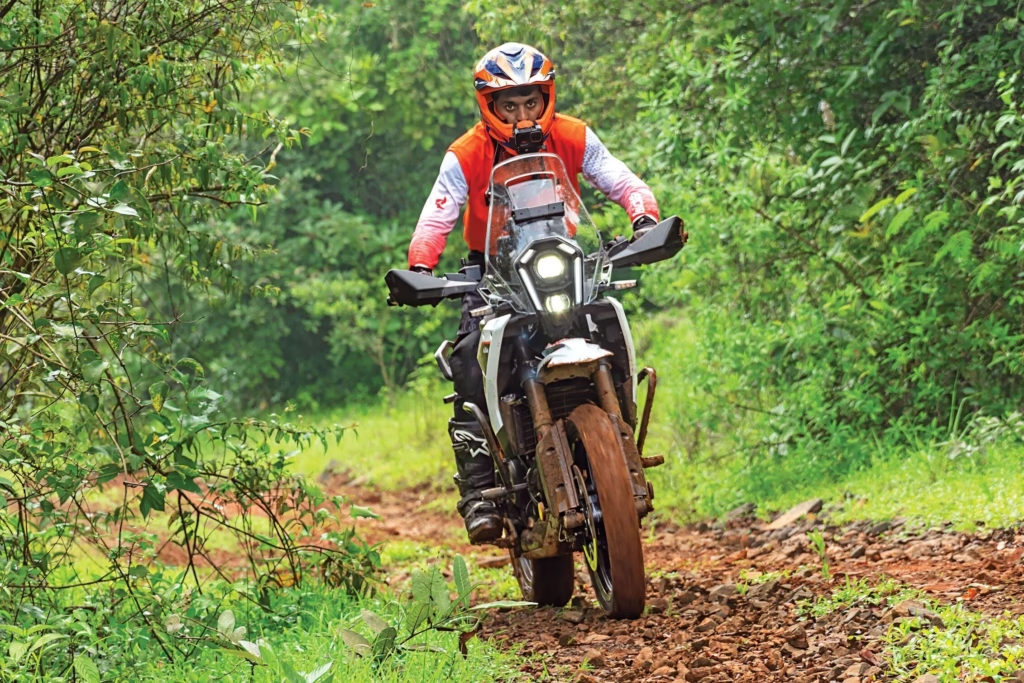
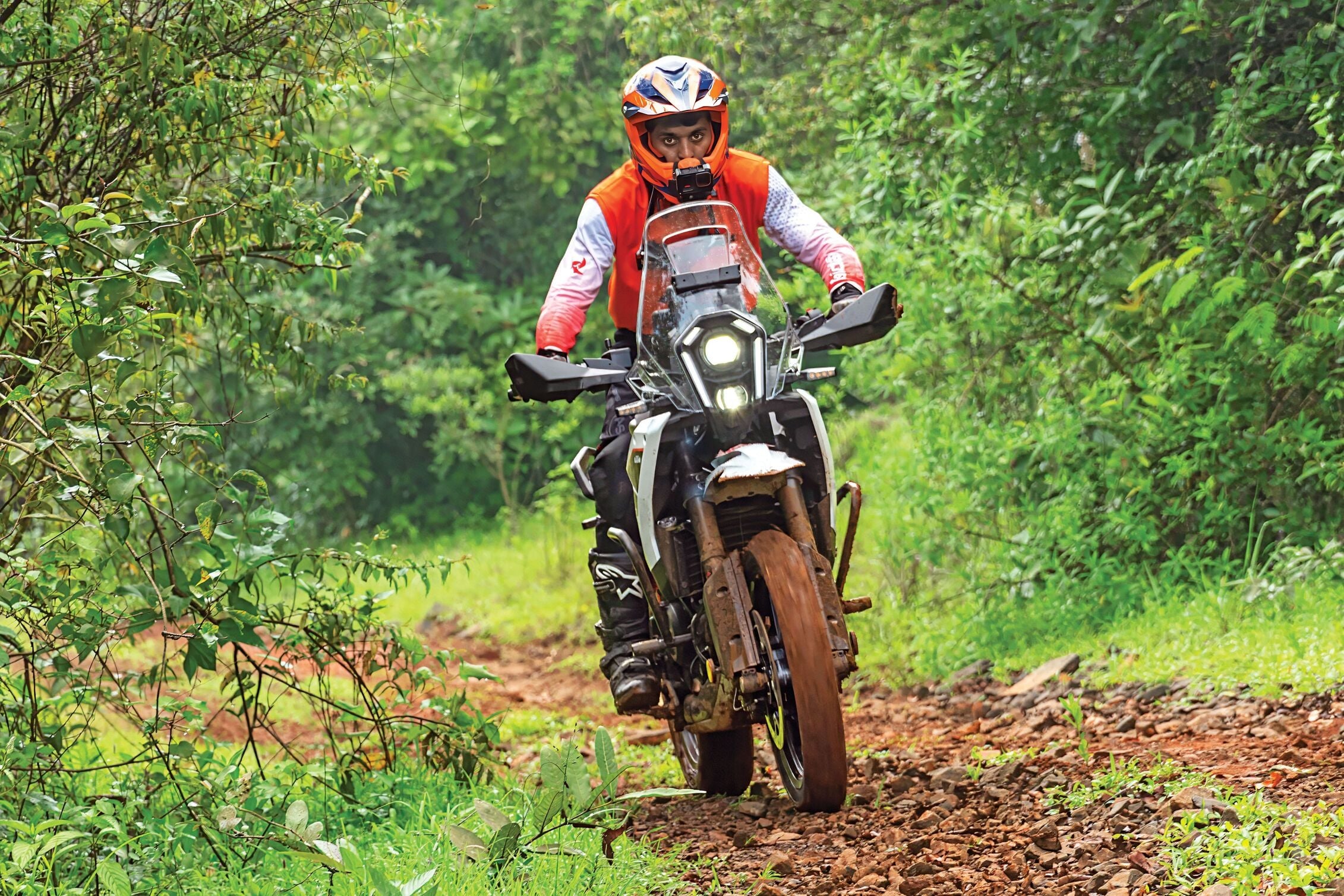
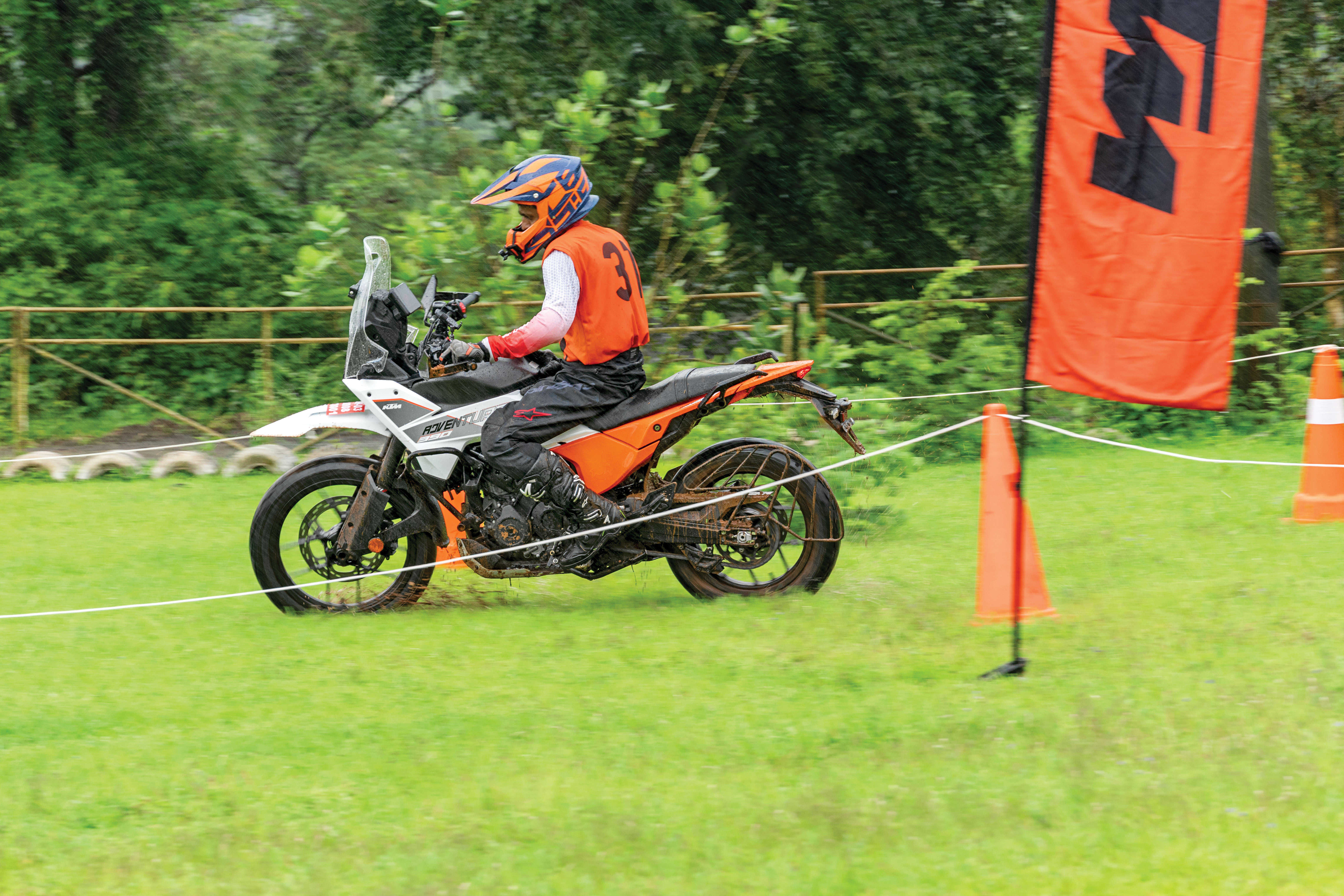
Rally raids are as much about navigation, endurance and mechanical knowledge as they are about riding ability. KTM’s Adventure Rally Extreme is designed to give customers a taste of all that, with the added attraction of having 2018 Dakar winner Matthias Walkner at the event. It brought together 31 riders, including KTM customers and six media personnel. Customers paid a very reasonable Rs 5,000 to participate, which covered the event setup and meals. The day was split into four stages, each designed to test a different aspect of rally raid riding.
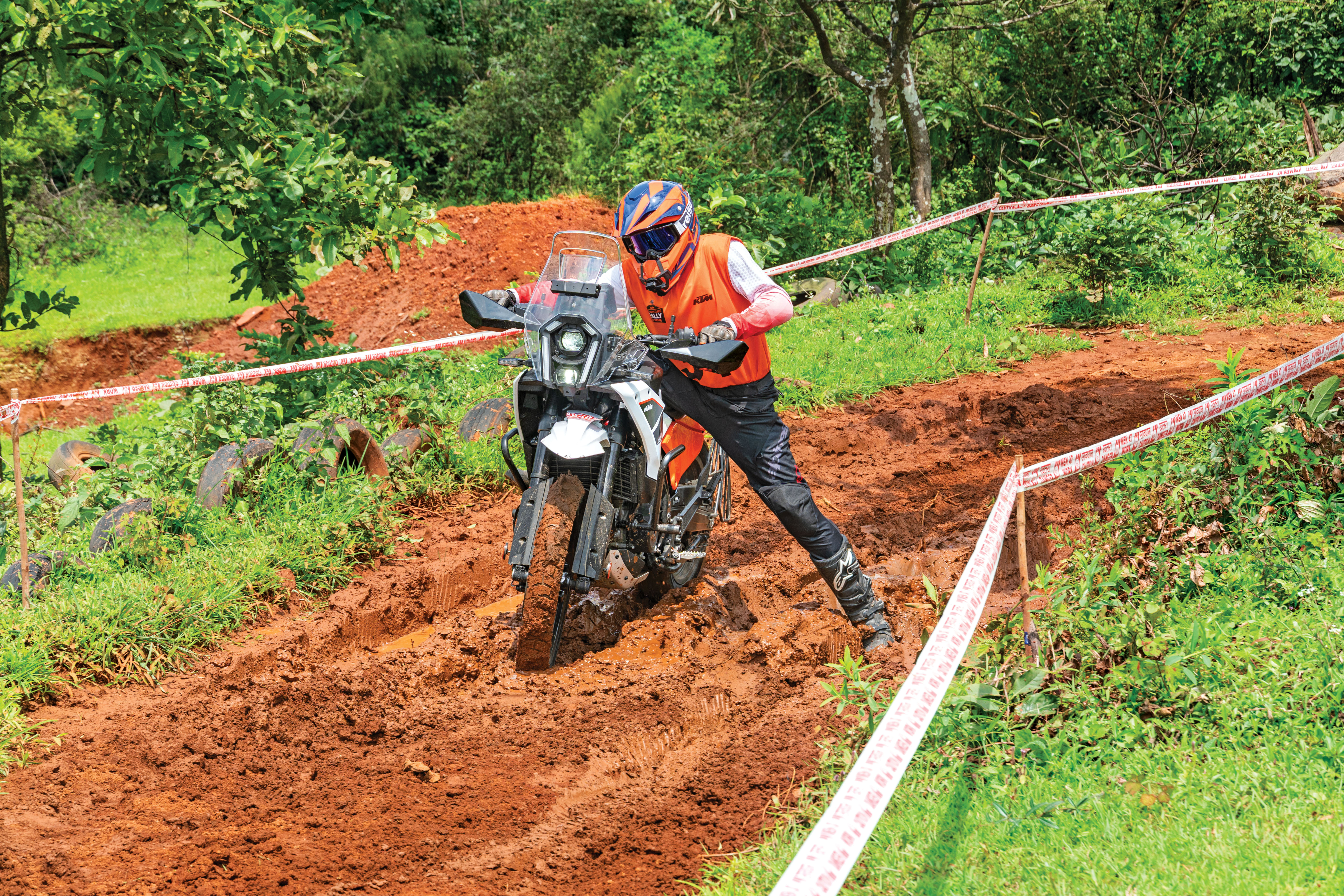
We started with a prologue, where we were timed around a short course featuring jumps, technical turns and a particularly slushy section. The results determined our starting positions for the following stage. I was riding the 349cc KTM 390 Adventure, but because it was a box-fresh new unit, it wouldn’t allow me to switch off traction control and ABS. That meant I wasn’t permitted to start, but KTM’s technicians quickly sorted the issue, and I was able to get going. The course was challenging but enjoyable, and I did get stuck in the mucky section towards the end. Although my timing still put me in P5.
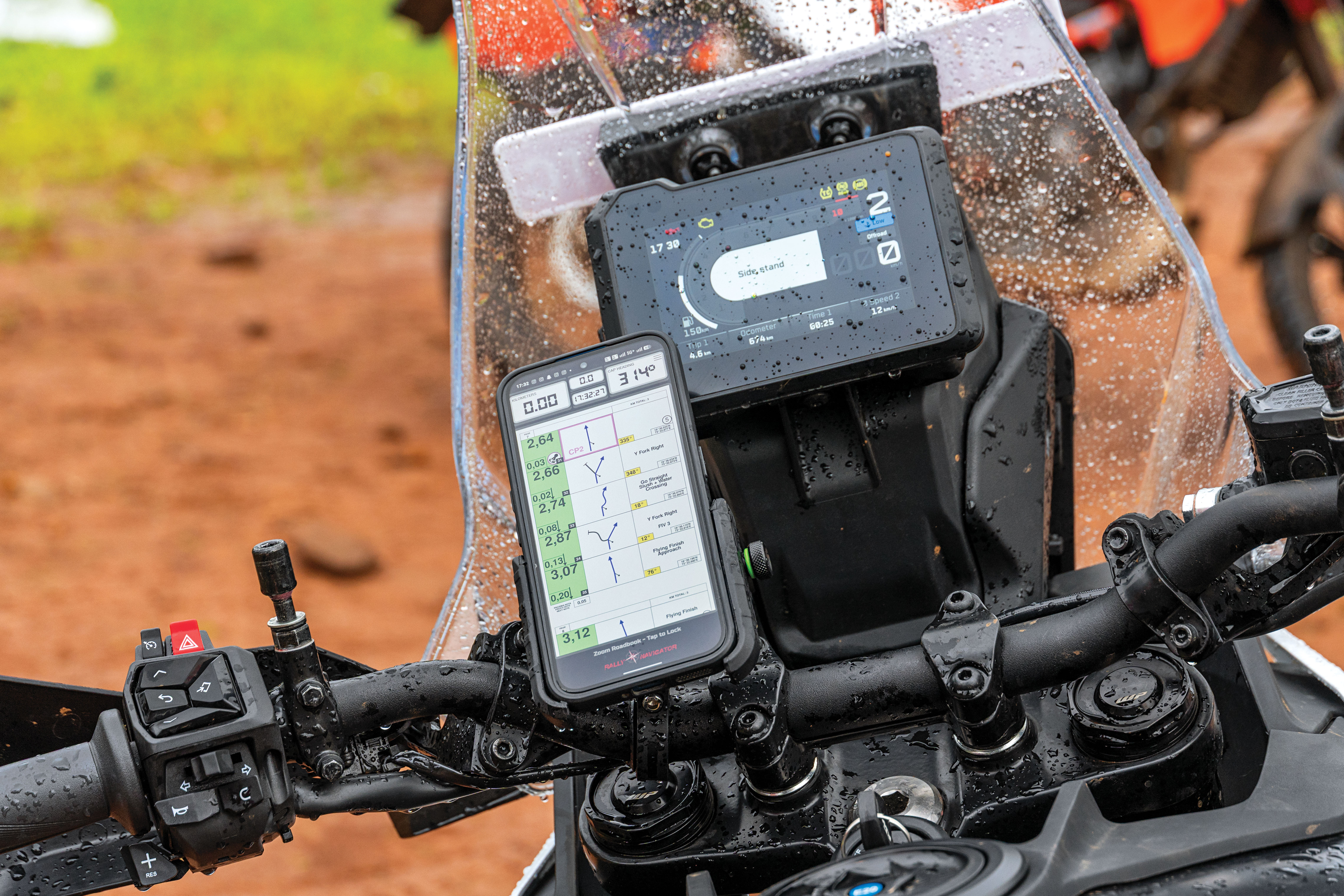
The second stage was roadbook navigation. We were given a digital roadbook on our phones and had to find our way around a 3.5km course as quickly as possible. Taking a wrong turn could easily leave you lost, while steep descents and slippery terrain made things even more complicated after the rain.
It took a while to get comfortable with the navigation, but once I understood how to read the roadbook, the challenge became more about maintaining momentum and staying on the motorcycle. After the finish, I was surprised to see a time of around 32 minutes. I knew that couldn’t be right, so I checked my action-camera footage. It showed that I had completed the course in roughly 20 minutes, so I raised this issue with the timing team, who rechecked their records and acknowledged the error.
The third stage was simulating riding with a disability, where our gear levers were removed and the motorcycles were locked in second gear. We then had to negotiate a technical course across slippery grass using only one hand, with the left hand preferred, so that riders could continue to modulate the clutch. The rules were simple: put a foot down or use the other hand and you incurred a penalty.
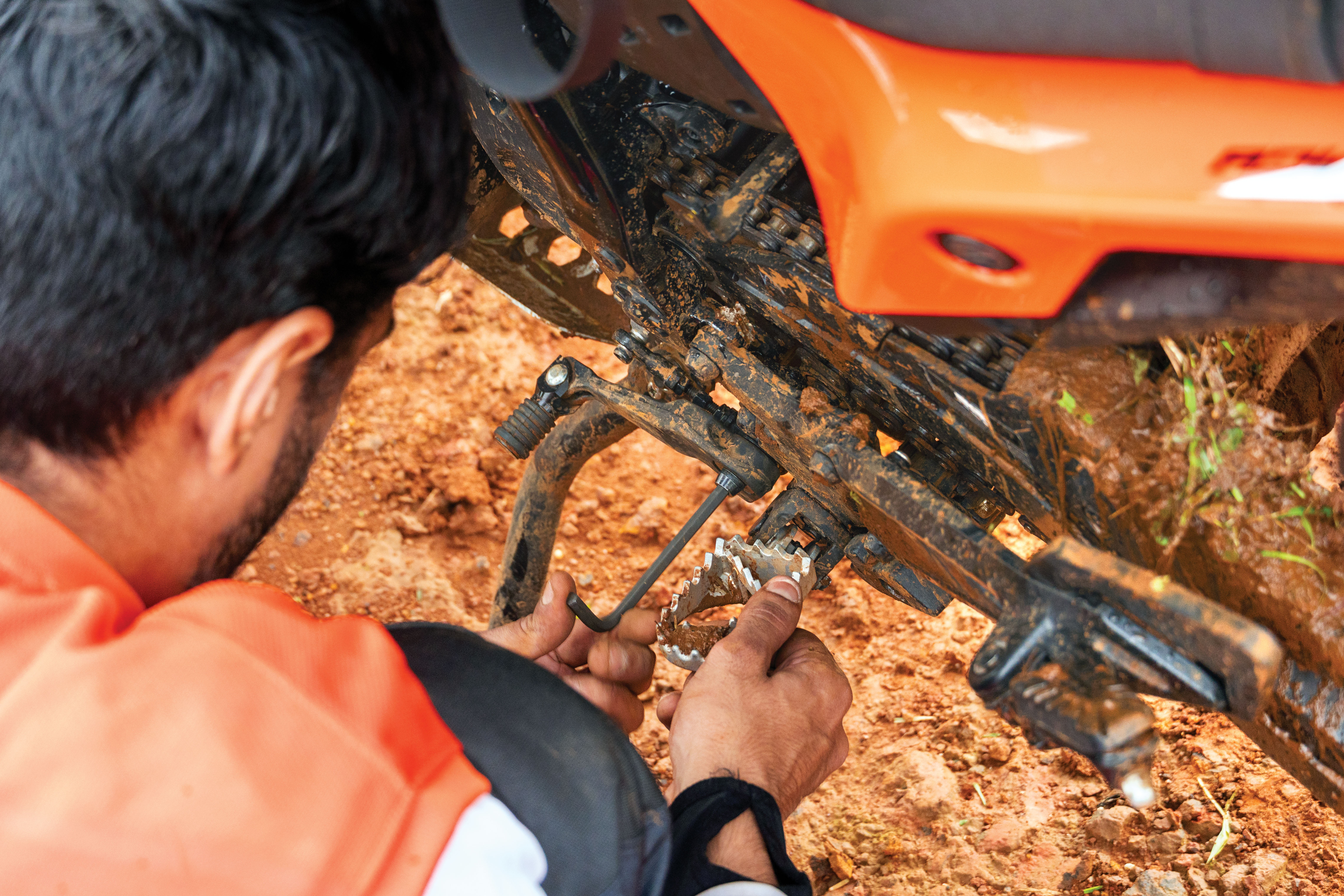
The final challenge moved away from riding and focused on mechanical ability. We first had to refit the gear lever before removing and reinstalling the air filter. This demonstrated an important part of a rally raid competition: being able to work on your motorcycle quickly when you’re tired, dirty and out on the trail.
At the end of the day, the timings from all four stages were added together to determine the overall standings, with the top three riders receiving awards. It was a fitting conclusion to an event designed to replicate the competitive nature of a rally raid.
Overall, the experience was enjoyable and offered a good introduction to what a rally raid competition demands. But, there were a few areas that could have been handled better. The event was scheduled to start early, but registration delays and the subsequent process of lining motorcycles up according to their numbers pushed everything back by 2 hours.
There was also the question of Matthias Walkner’s involvement. While his riding demonstration was impressive and he did help out with a few tips and tricks, this came after the two main riding stages. Given that the event was promoted around his presence, some participants expressed their expectation to have had more opportunities to learn directly from the Dakar winner during the stages themselves.
Still, at Rs 5,000, the event offered a worthwhile taste of a rally raid race. From navigating with a roadbook and tackling difficult terrain to riding with restrictions and carrying out basic mechanical work, it provided a glimmer of insight into just how demanding the discipline can be. For me, finishing P5 overall was a satisfying way to cap the day, and the event certainly left me with a better idea of what to expect before taking on a proper rally.
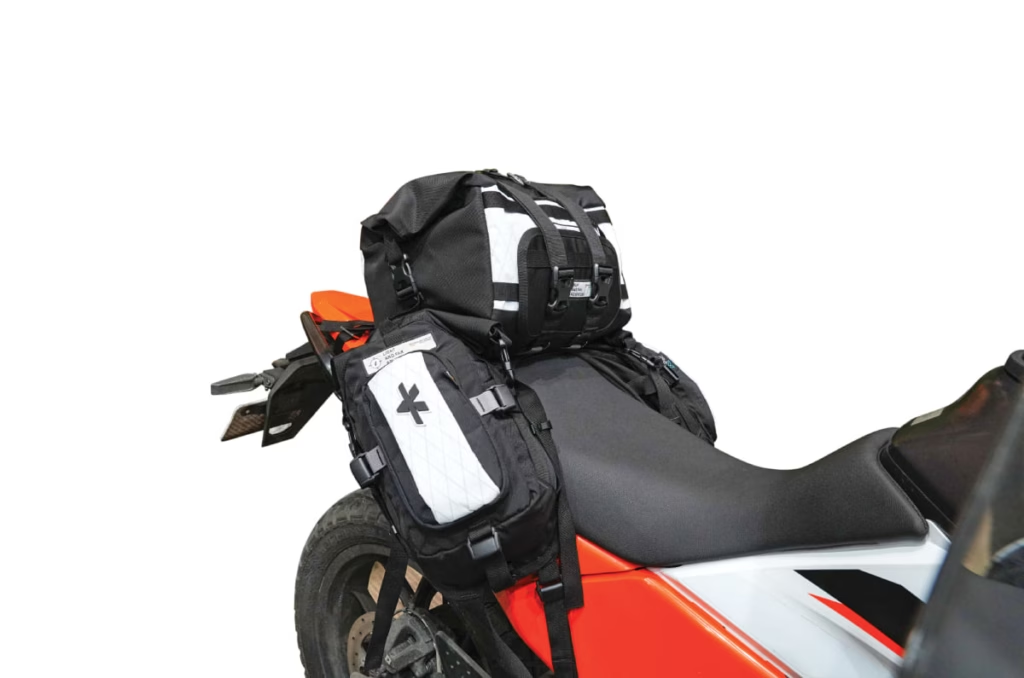
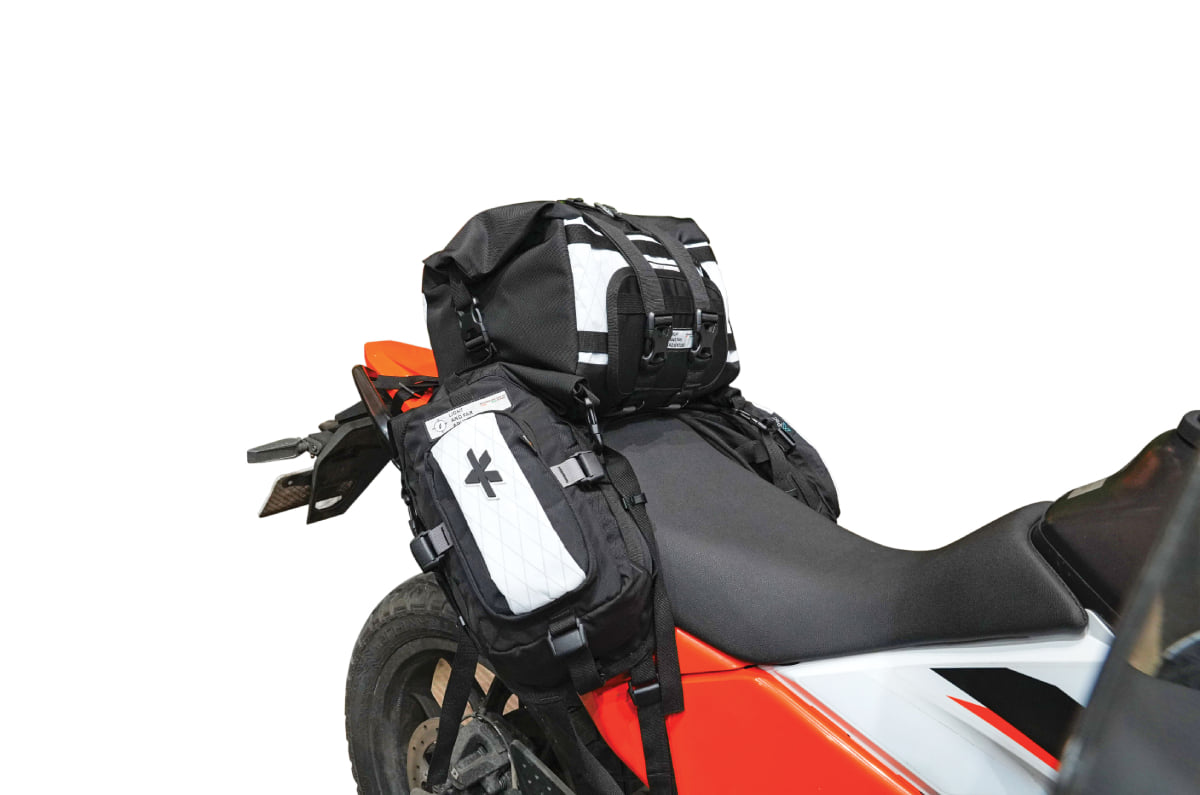
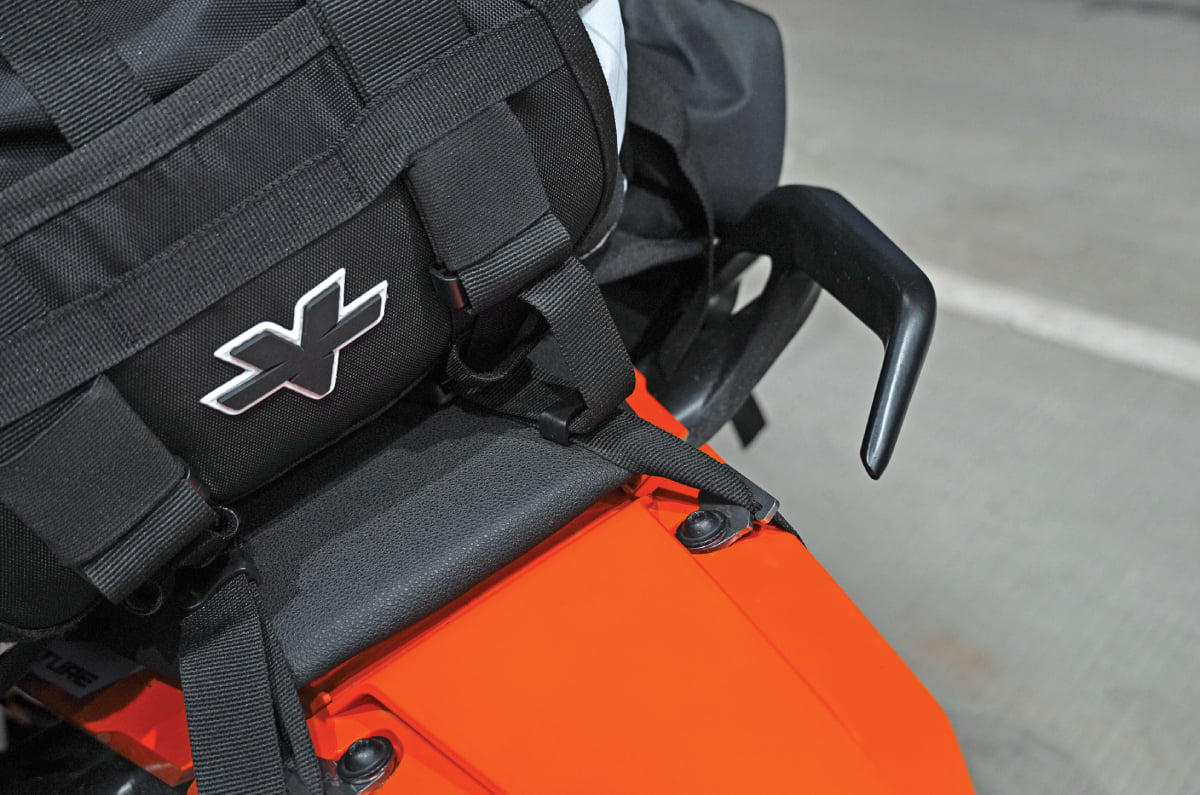
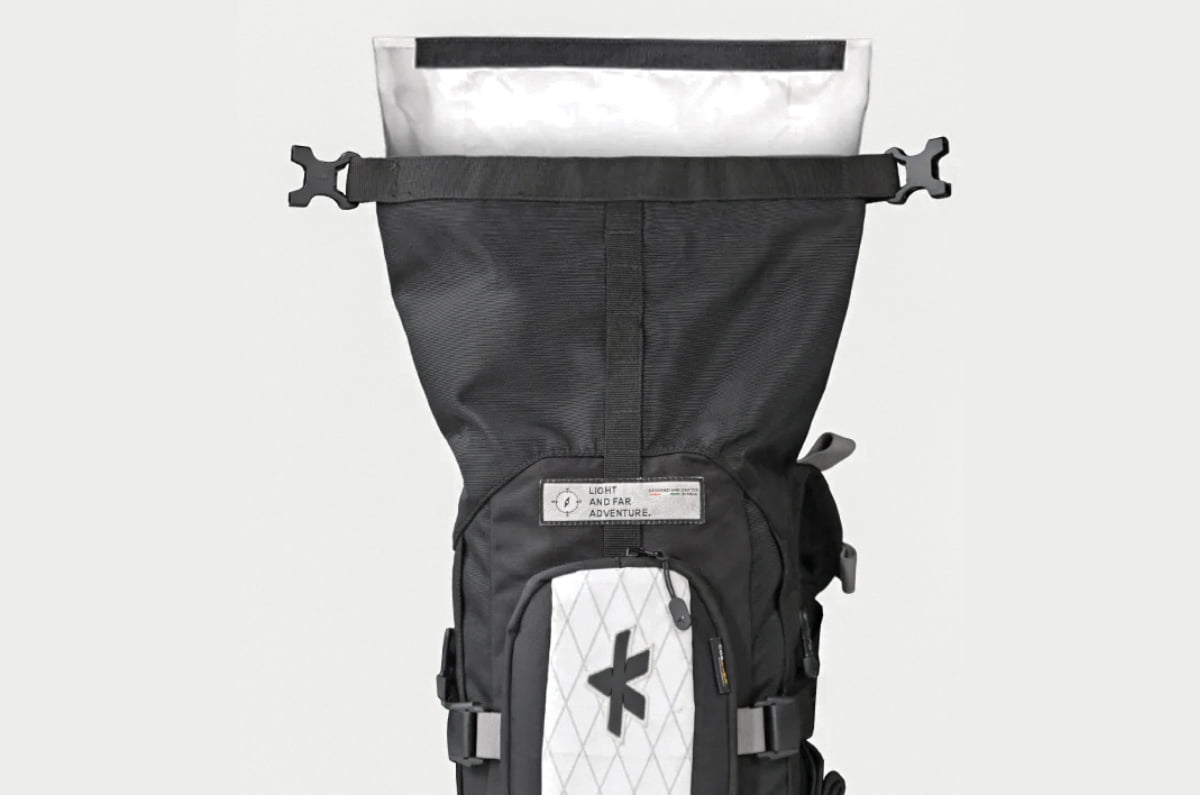
Tailbags offer plenty of storage but also make a bike look bulky and take up space around a rider. The Viaterra LFA Enduro Rackless Saddlebags, paired with the LFA Tailbag, take a compact, modular approach, and I particularly like how sleek the setup is. This Enduro version offers 16 litres of total storage, with a 7-litre main compartment and a 1-litre external pocket on each side.
The LFA Tailbag is a separate addition that has 15 litres of storage and can also be used independently. This makes it quite a versatile system. The rackless saddlebags sit neatly on either side, keeping the luggage close to the motorcycle. This gives the bike a cleaner appearance while keeping the luggage relatively unobtrusive. For riders who don’t want to fit a permanent luggage rack or a large tailbag, this setup makes a lot of sense.
The mounting process was also straightforward. Supplied hook straps make the process simple, and once you know where each strap needs to go, getting the luggage on and off doesn’t take too long.
The tailbag did initially give me some cause for concern. Its straps pass through loops on the bag to secure it, but it doesn’t directly connect to the side bags or the Holster. I wondered how well this arrangement would hold up over a long ride, but those concerns quickly disappeared. The bag stayed secure throughout a recent 1300km ride, but I did notice that it could move around slightly forward and backward. That movement isn’t necessarily a major drawback. I suspect some of it is intentional, allowing the system to accommodate riders of different sizes and riding positions. I was also able to sit comfortably while wearing a backpack, without the tailbag getting in the way. That said, a Velcro attachment on the Holster or clips connecting the tailbag directly to the saddlebags could give it an even more secure feel.
The capacity of the Enduro saddlebags and tailbag was more than enough for a four-day tour. The tailbag fit all my clothes, while one saddlebag carried a pair of sneakers and some smaller items. The other was dedicated to my tool kit, puncture repair kit and portable tyre inflator. This meant I knew exactly where everything was and could easily access what I needed on the go.
Waterproofing worked well as the bags dealt with heavy prolonged rain without any water getting in.
After almost 1,300km, this proved to be a practical touring setup. They look sleek, are easy to mount, stayed secure, and offer solid waterproofing. Overall, this is a well-thought-out modular luggage solution for riders who want useful capacity without turning their motorcycle into a fully loaded touring machine.
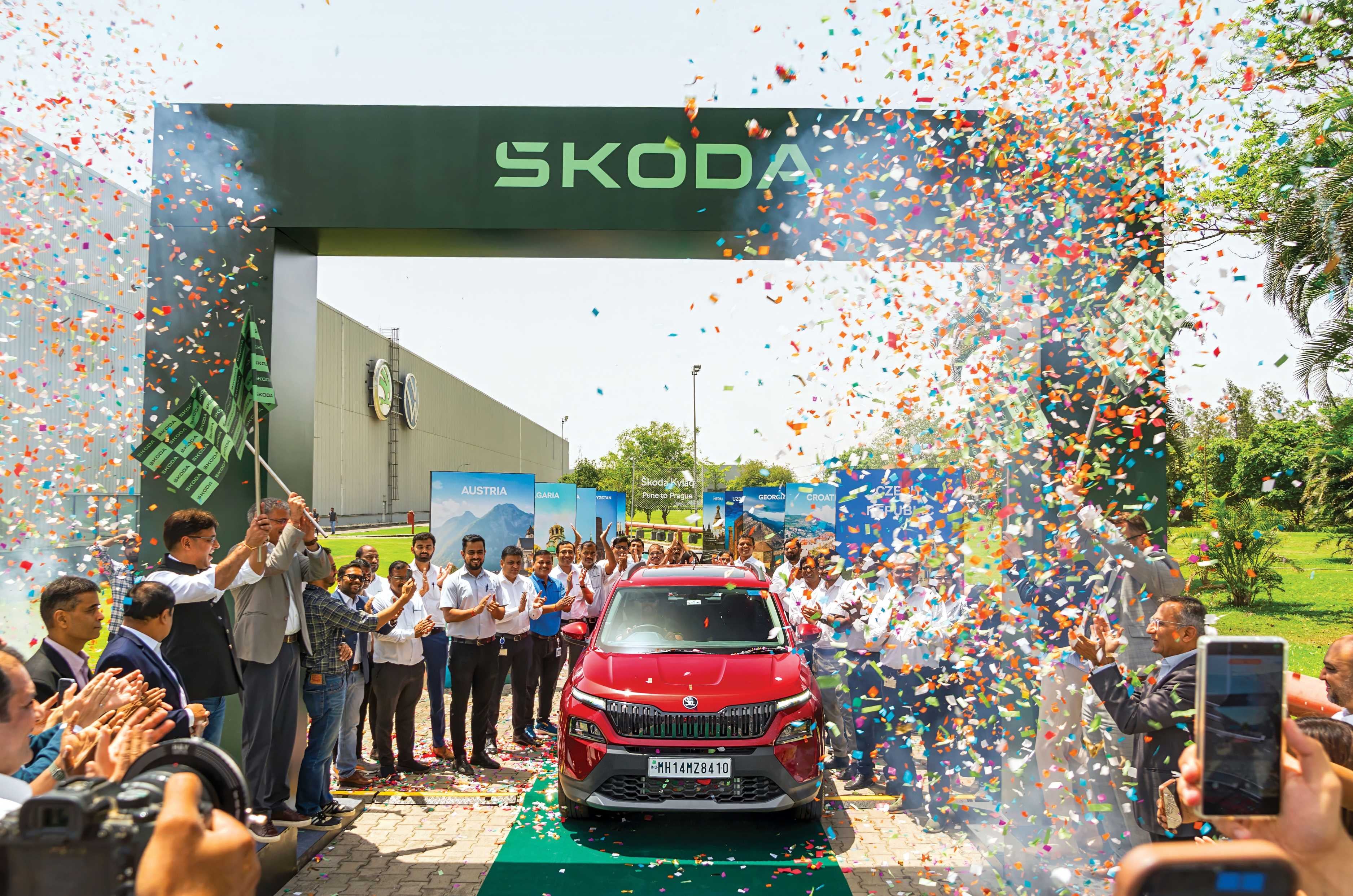
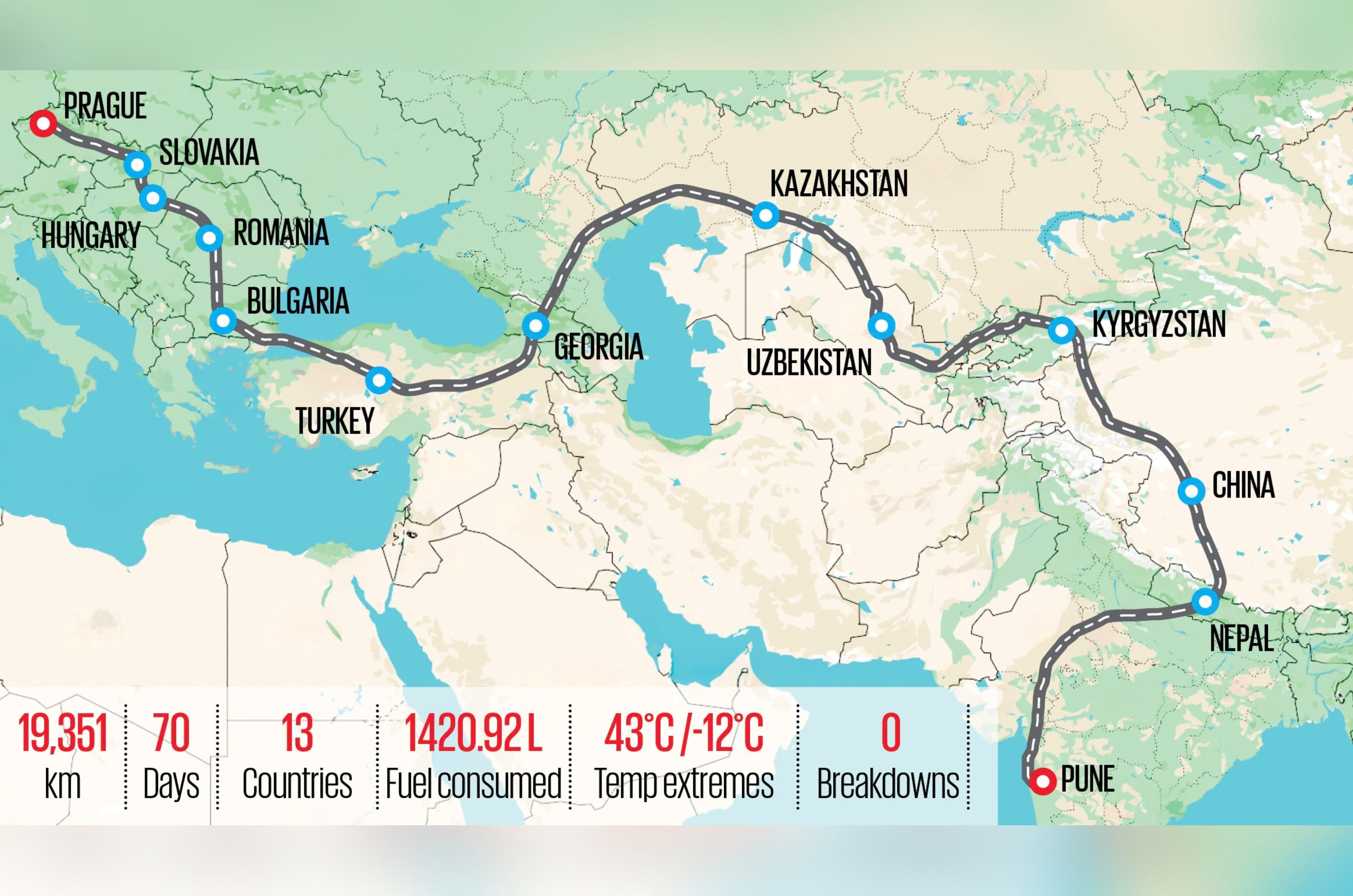
There are road trips, there are overland expeditions, and then there are journeys that become conversations with continents. This one starts in the industrial heart of Maharashtra, inside Skoda India’s sprawling Chakan facility. The end point lies nearly 20,000 kilometres away at Skoda Auto’s headquarters near Prague in Mladá Boleslav, Czech Republic, where bicycles evolved into automobiles and a 130-year-old story continues to be written.
Between these two factories lie thirteen countries, four major mountain ranges, countless cuisines, dozens of languages and enough history to fill libraries.
Our companion? Not a flagship SUV or a luxury grand tourer, but Skoda’s smallest SUV – the Kylaq, which recently celebrated its one-year anniversary. Driving it from Pune to Prague is a tall order, but surviving one year in India and being accepted with flying colours is enough cred one needs to take on the world.
India – Home Turf
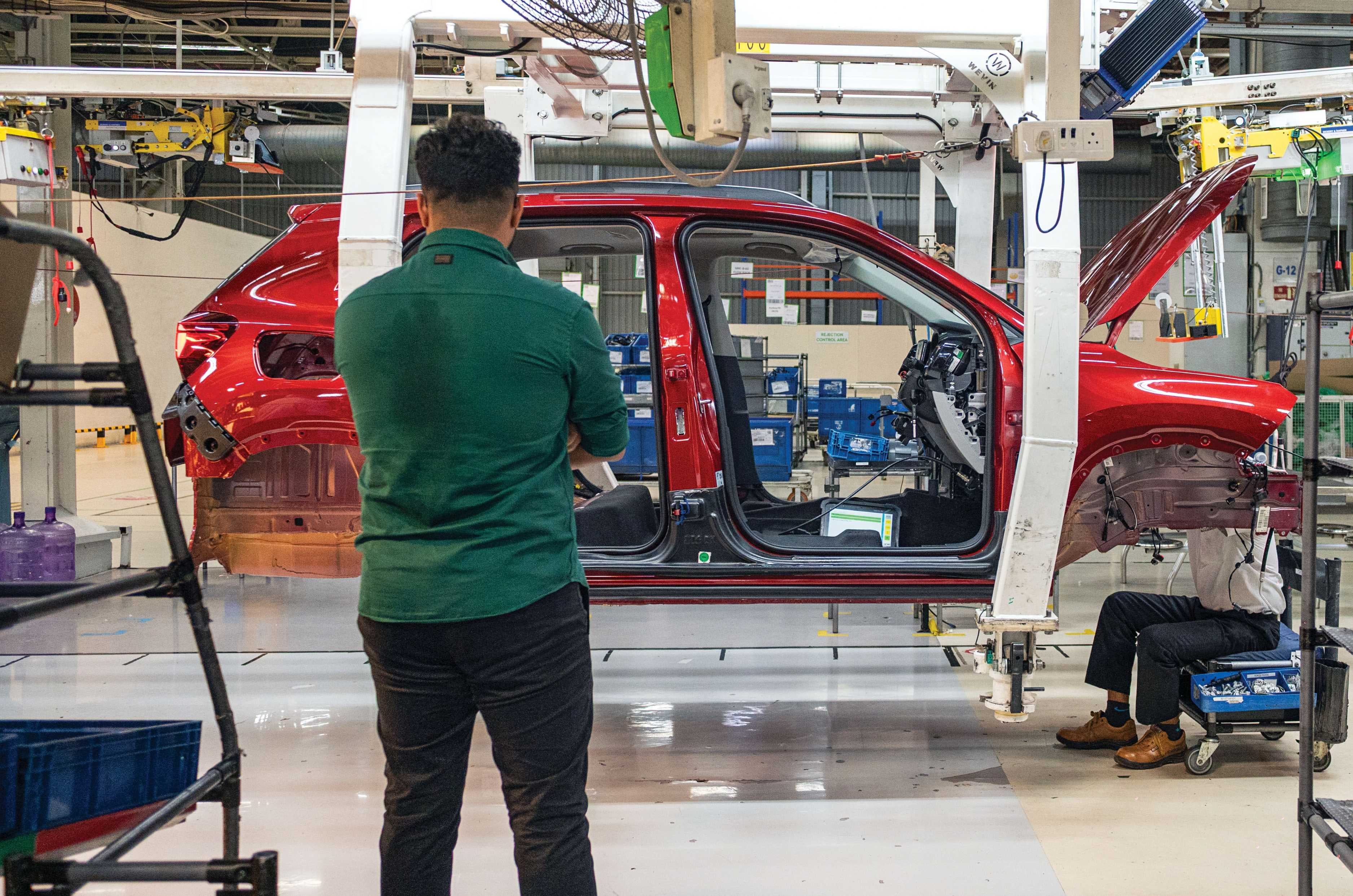
Witnessing the Kylaq’s birth added more responsibility.
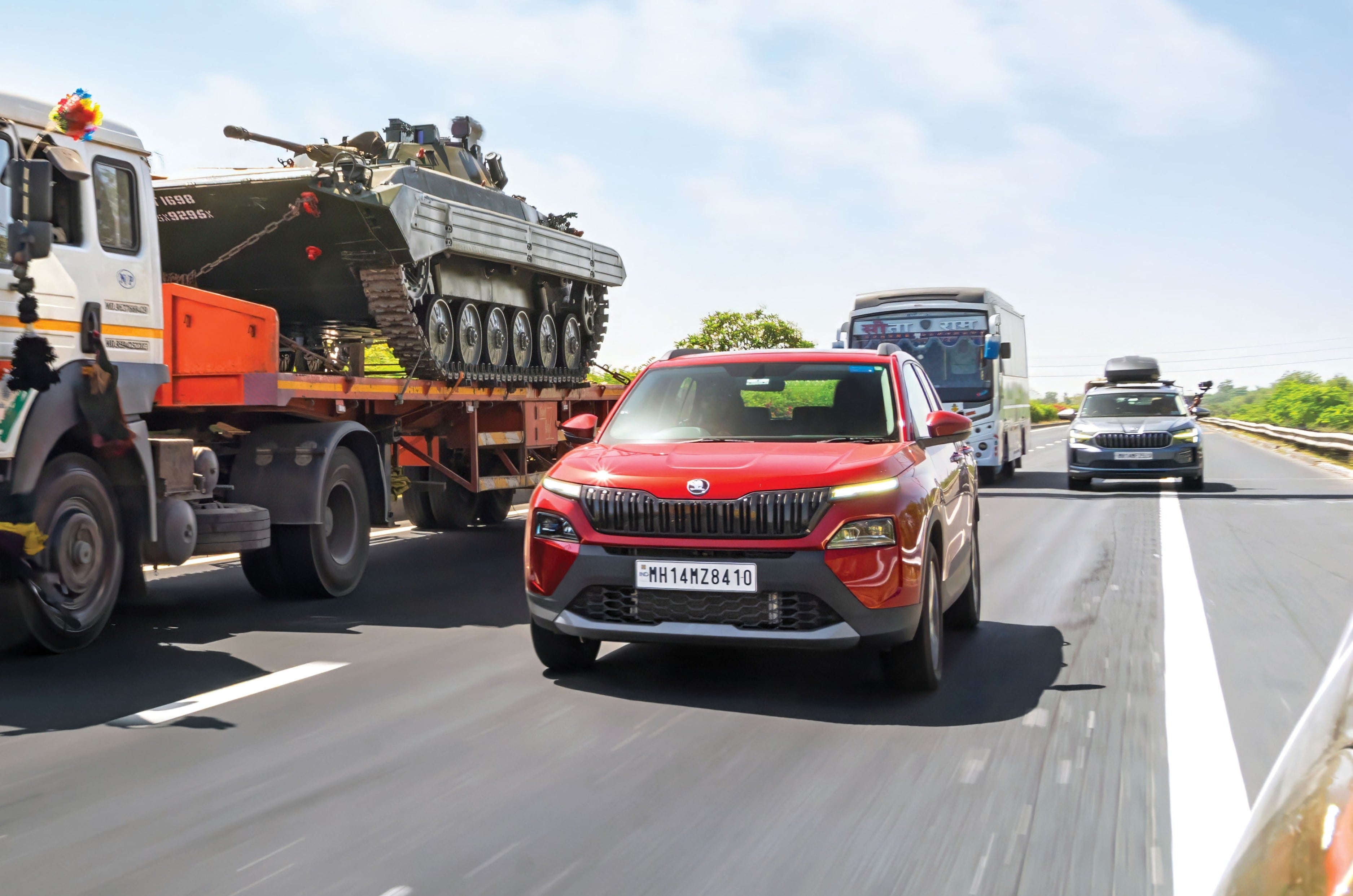
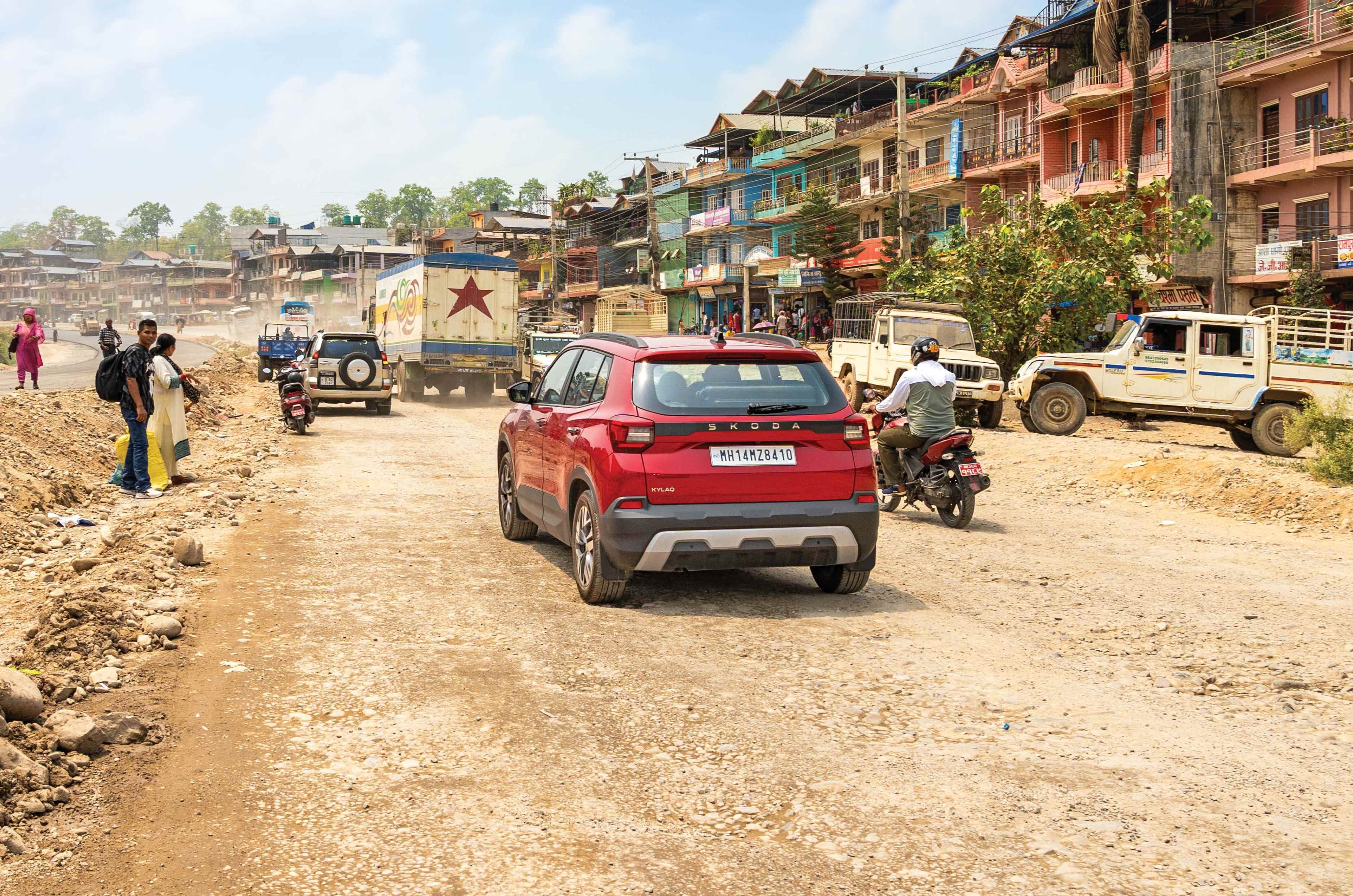
On a cross-country road trip, you’d imagine the home country would be the easiest leg. With India, it was the opposite. To some, it’s organised chaos, but honestly, it’s anything but organised. Erratic traffic, erratic egos, and road conditions fit only for a Mars rover – India was the biggest challenge on the drive from Pune to Prague. As the odometer ticked over its first kilometre, right outside the gate of Skoda’s Chakan plant, a blood-red PMPML bus was ready to trade paint with the cherry-red Kylaq. A dinged-up Kylaq parked on the streets of Prague wouldn’t be a good look, so it was imperative that I babysit this compact SUV like a million-dollar supercar. Having watched the car being assembled on the factory floor, from bare bones to the finished package, only added to the emotion – driving it in traffic felt like walking a toddler across a football field. Eyes wide open, ready to block any attack.
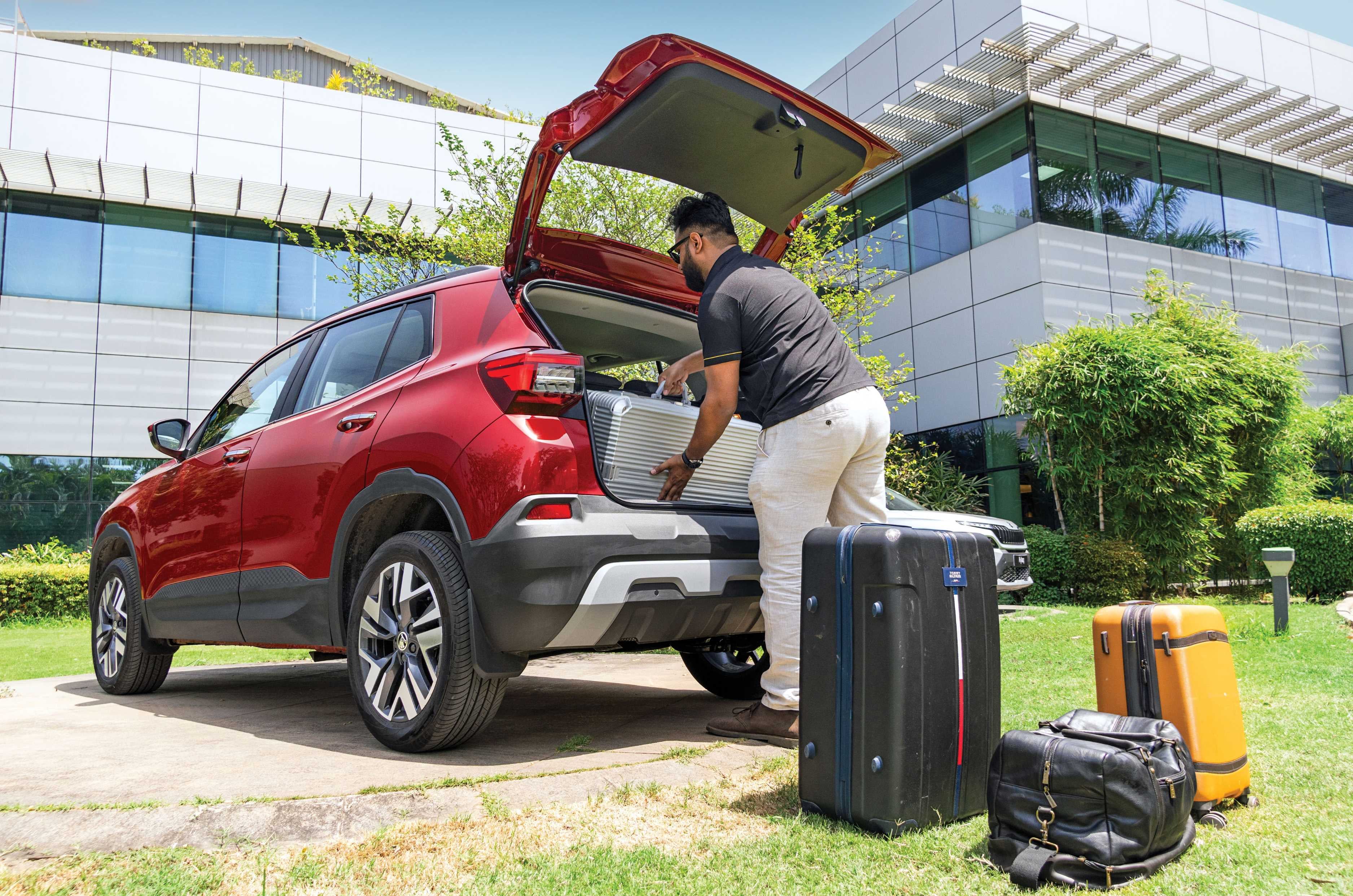
446-litre boot packed to the brim for 70 days on the road.
We got onto the Pune expressway and then crossed the Atal Setu in Mumbai, the longest sea bridge on the entire journey. Mumbai was home, both to me and to the Autocar India office, so after a few greetings from co-workers and the obligatory photos, we headed towards our first state crossing. The infamous Western Express Highway that leads out of Mumbai lived up to its reputation, but with a little anxiety, panic and a few expletives, we made it onto the national highway.
No telling what you’d spot on Indian highways.
The first of countless food stops was Hotel Ahura, renowned for its akuri and kheema. Needless to say, we carb-loaded to the max and made a beeline for Vadodara.
Pune-Birgunj in numbers
Distance covered
2,487km
Fuel consumed
234.46 litres
Average fuel economy
10.62kpl
Approximate fuel cost
Rs 23,629
Average per-litre fuel cost
Rs 100.87
Total time driven
55hrs 20min
Average speed
44.95kph
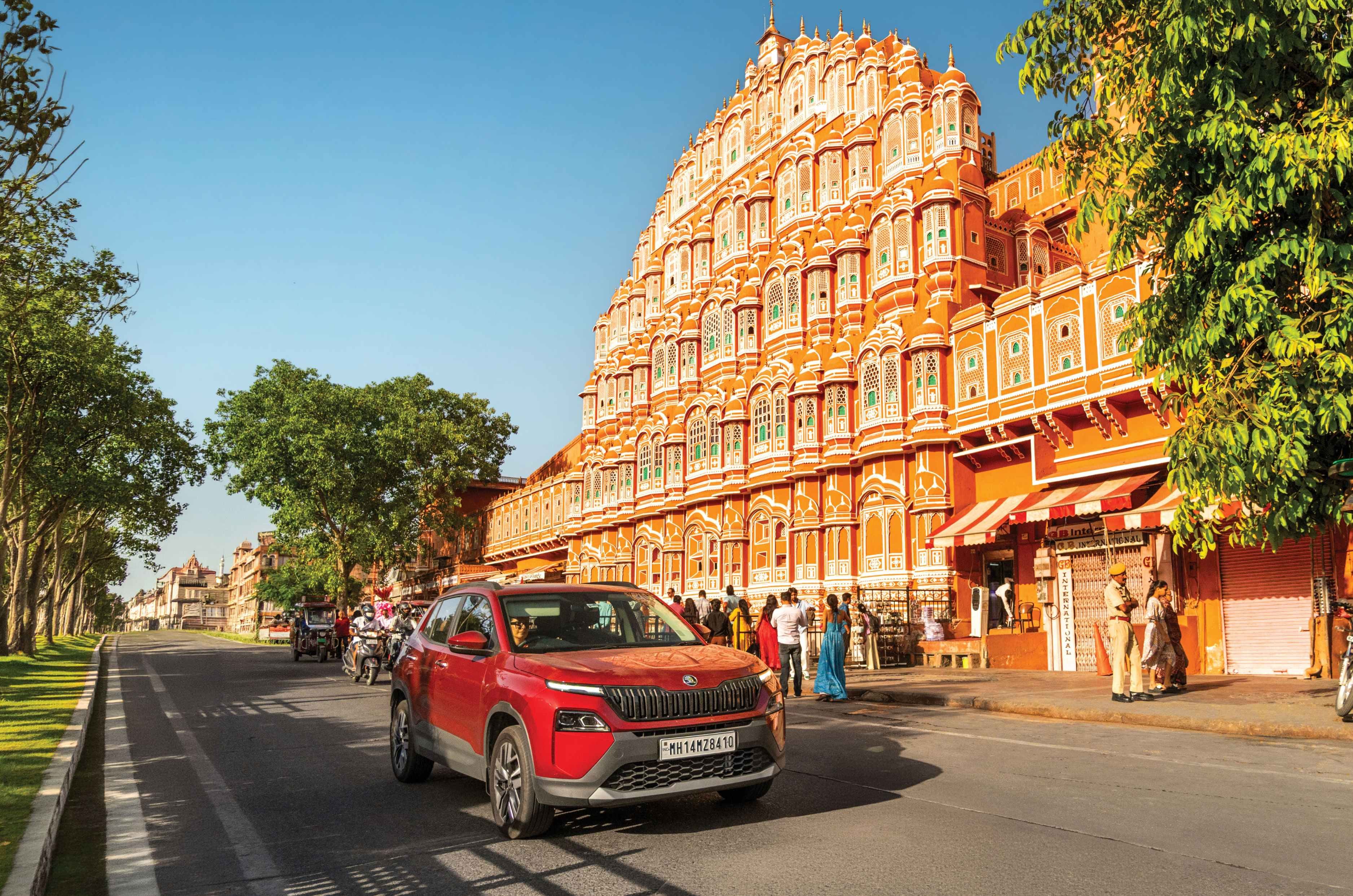
Crossing into Gujarat, the Kylaq could finally stretch its legs and spool up that turbo on the state’s spotless highways. The stability and effortless cruising were a welcome relief, since the bulk of the kilometres on this drive would be covered on long, open highways. Gujarat was a short stint – we made only an overnight halt in Vadodara before slipping out ahead of the morning traffic. The drive into Rajasthan was seamless, and Udaipur greeted us with a mix of heat and traffic. The City of Lakes is worth taking the time to explore, but a late arrival and early morning departure left us with just enough time to grab a traditional meal. All that driving had built up an appetite, so we put it to a vote between a massive vegetarian thali and laal maas – the latter won by a landslide. From the City of Lakes, we headed to Jaipur, the Pink City: just as picturesque as Udaipur, and just as colourful and chaotic. The sun setting over the beautiful Amer Fort made for a cracking backdrop, and a few glimpses of the Jal Mahal on the way back were a treat too. The iconic Hawa Mahal, with its 953 windows, never fails to amuse, but getting a photo of the five-storey icon without a chorus of honks is next to impossible. The next morning, after threading through Jaipur’s narrow lanes, we made it back onto the highway, heading for Agra.
Iconic Hawa Mahal ought to be seen first-hand.
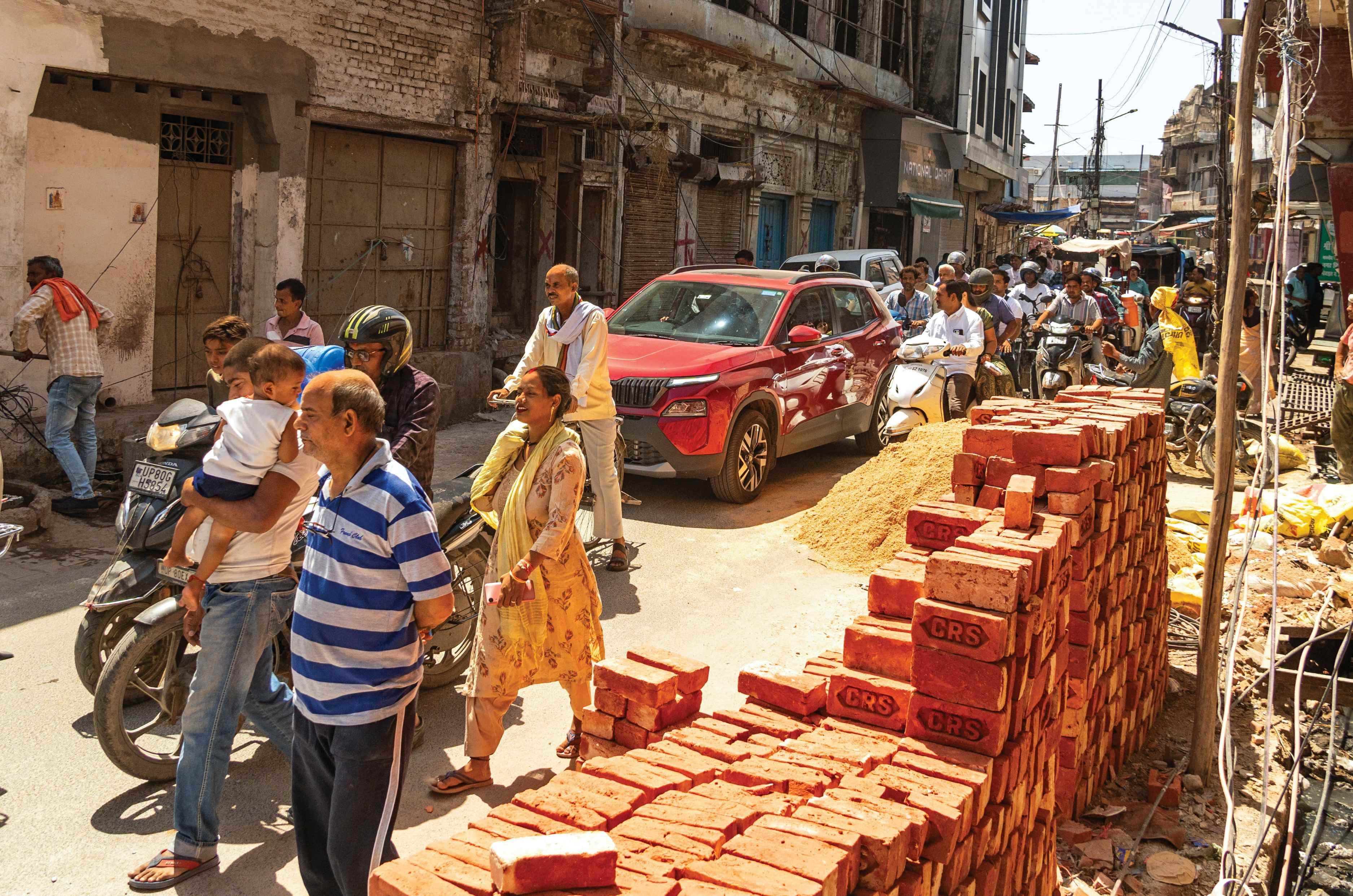
Agra is synonymous with the Taj Mahal, but the Agra Fort – from which you can see the Taj in the distance – is just as mesmerising. The detailing and architecture are second to none, and you could spend hours walking through its courtyards and passages, taking endless pictures. We, of course, also made it to the Taj itself, amid the hordes of tourists, if only to avoid the guilt of visiting Agra without a shot of the world-famous white dome. Tourism done, it was time for some petha – though the lanes near the petha shops seemed to be the exact width of the Kylaq, and that’s where peak anxiety set in. We got out of the mess, walked around the car to check for scratches and scribbles, and sighed in relief. India was adding to the tension, and we were barely halfway through it.
Agra’s narrow lanes were a nightmare to drive through.
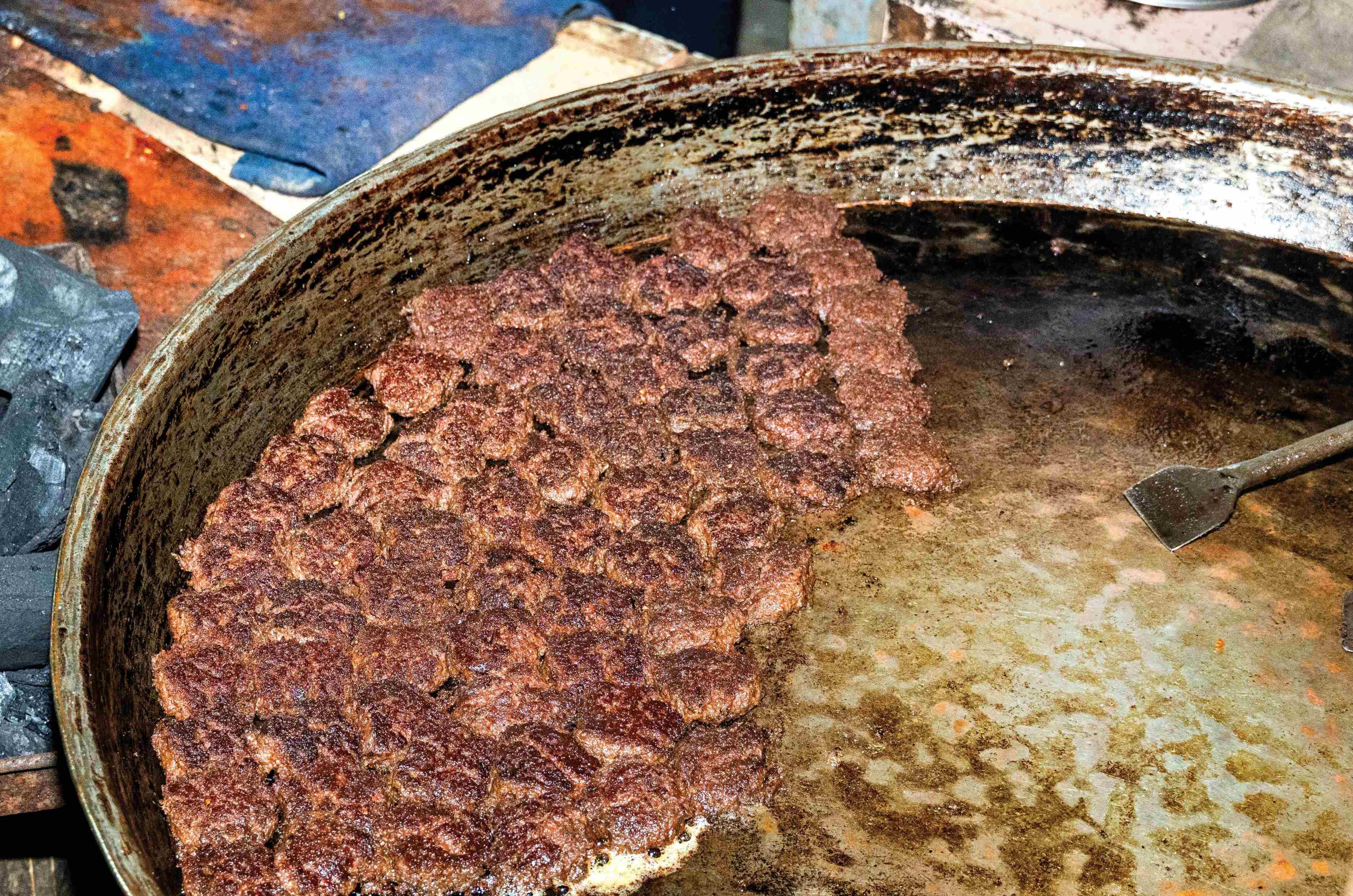
Our next stop from Agra was foodie heaven – Lucknow. The biryanis, kebabs, and tandoors were exactly what we expected, and exactly what Lucknow delivered. Finding your way here is easy – you could do it blindfolded, following the smoke and sizzle to wherever you need to be. Tunday Kababi is a must, and after a heap of biryani laced with kebabs, a long walk through the countless chikankari shops helps burn off some of the calories.
Lucknow’s Tunday Kababi still has us drooling over Galouti kebabs.
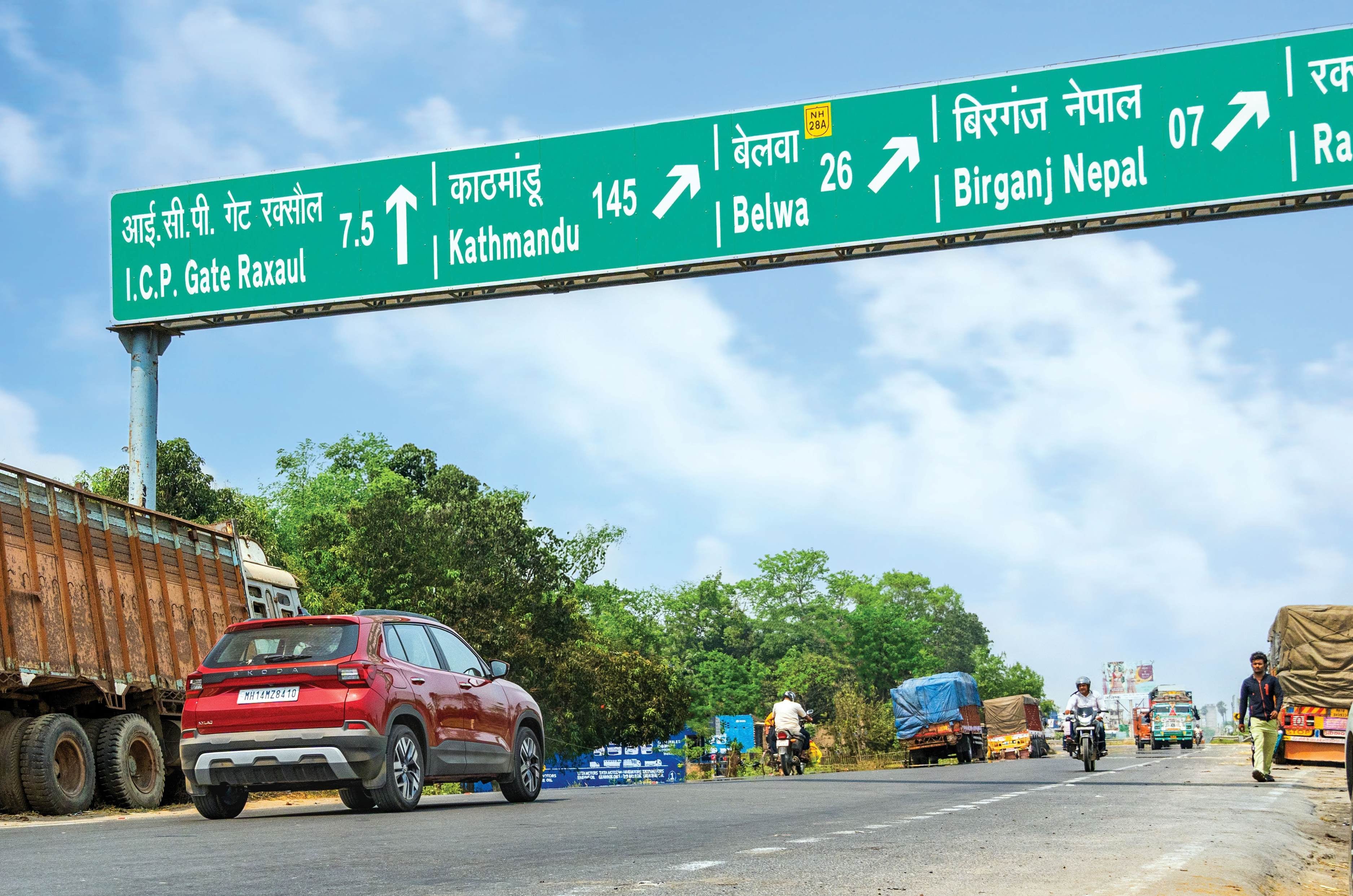
We were closing in on the end of the India leg, with one last stop in Gorakhpur before the Nepal border. To celebrate, a group of Skoda owners, officially known as the ‘Fans of Skoda’ joined us for a celebratory convoy as we drove out – everything from Octavia RS models to Kodiaqs and Kushaqs turned up as a send-off before we went international. The loud, chaotic border towns past Gorakhpur delivered one final challenge as we exited through Raxaul.
Final stretch before the Kylaq left India for the first time.
The India-Nepal border is still raw and basic, with none of the high-tech systems you might expect. A drive of this scale comes with a mountain of paperwork – visas, carnets, insurance, and more – and sifting through all of it manually takes a while. After a gruelling five hours, the Kylaq crossed out of India for the very first time.
Nepal – Old World Charm
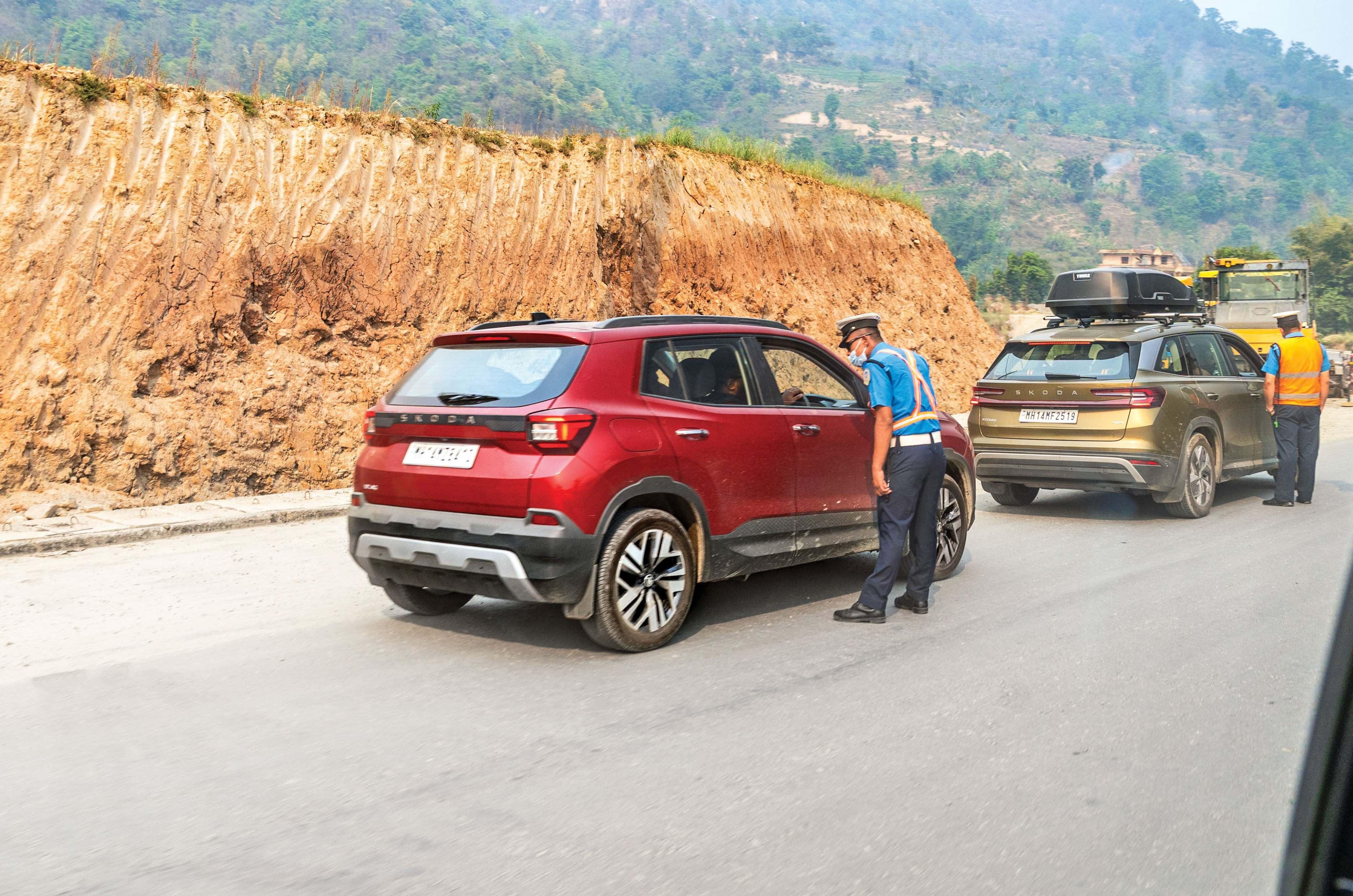
Nepal’s state highways give Indian roads a run for their money.
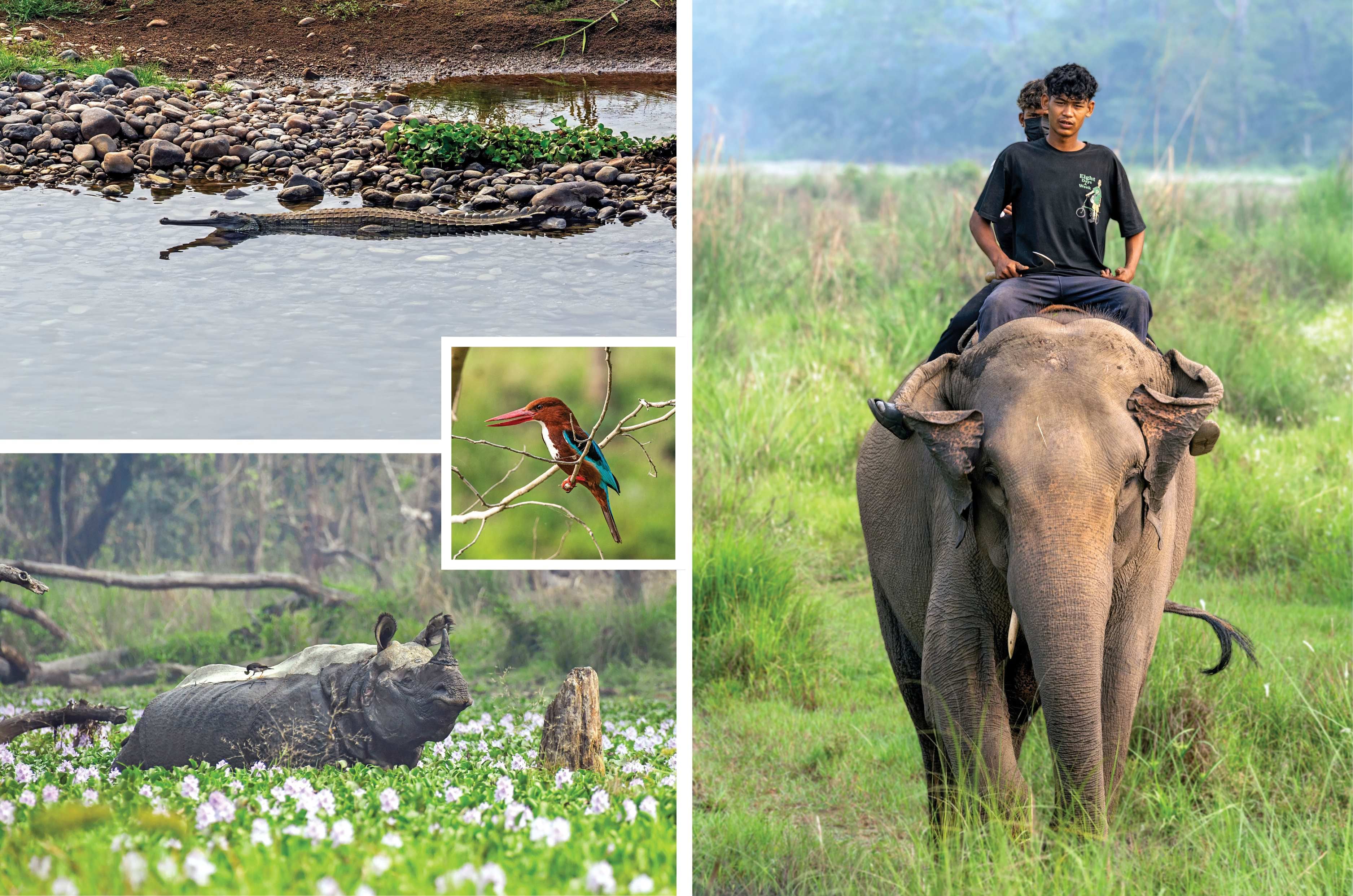
If the Indian side of the border was old-school, Nepal’s immigration post is almost antique. Drive past it, and you’d likely miss it altogether – the only tell-tale sign is a simple gate with ‘Immigration Office’ hand-painted on it. This humble-looking house is, in fact, the immigration office, where, just like on the Indian side, every check is done manually. Fine print, identity proofs, and everything in between were checked meticulously before we were welcomed into Birgunj. Our main draw in Nepal was the bustling capital, Kathmandu, but there were magnificent stops along the way, starting with Chitwan National Park. Home to nearly 700 one-horned rhinos, the park also shelters elephants, Bengal tigers, cobras, the elusive gharial, and abundant flora. The Kylaq would have been fun to explore it in, but we opted for the park’s safari vehicle to relax and take in the surroundings. Paddling a beaten-up wooden kayak past crocodiles and snakes adds a rush, but it’s nothing compared to a rhino staring you down in all its magnificence. The park gave us a welcome break from long hours behind the wheel.
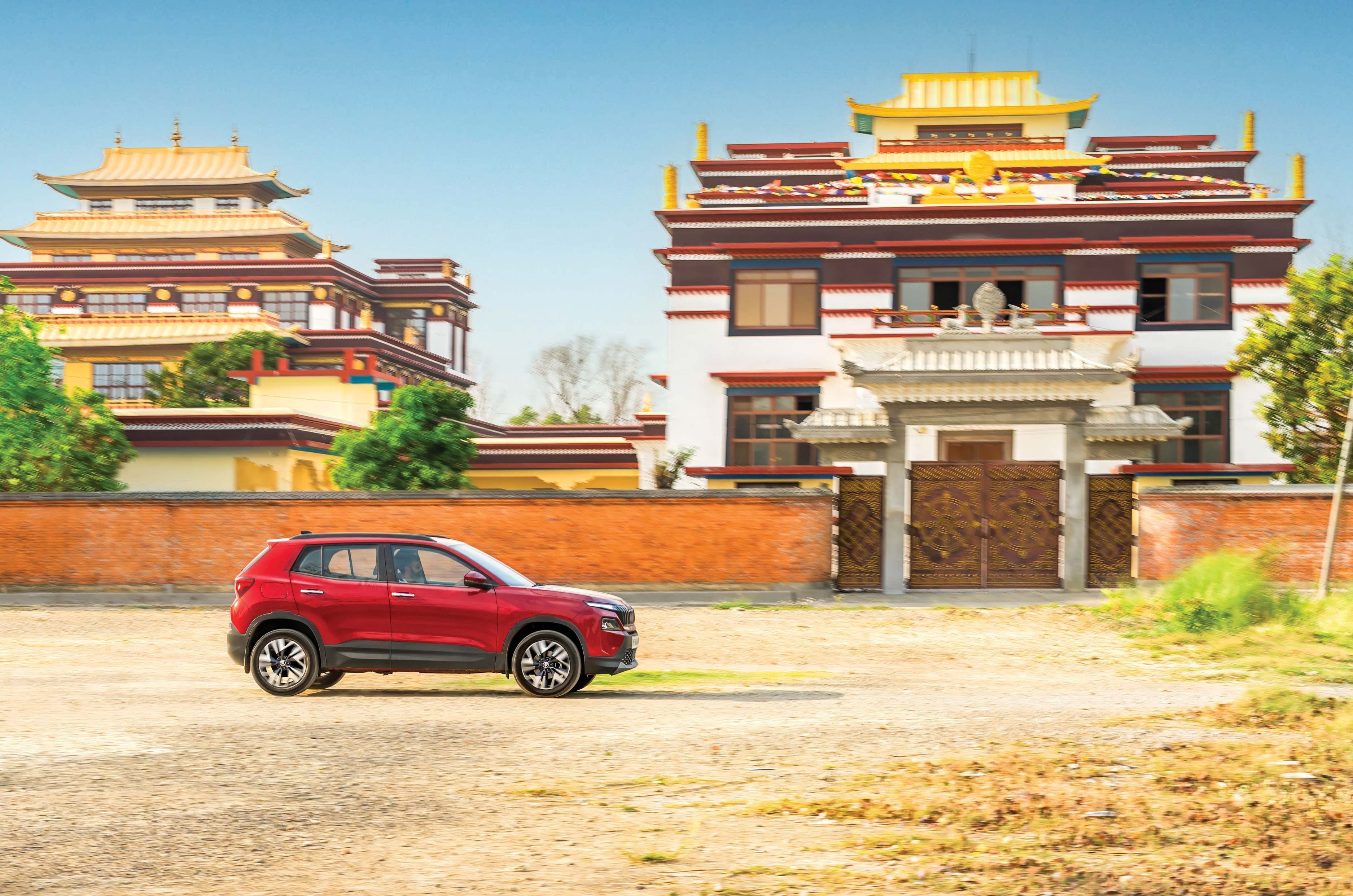
Lumbini is home to 32 unique styles of monasteries.
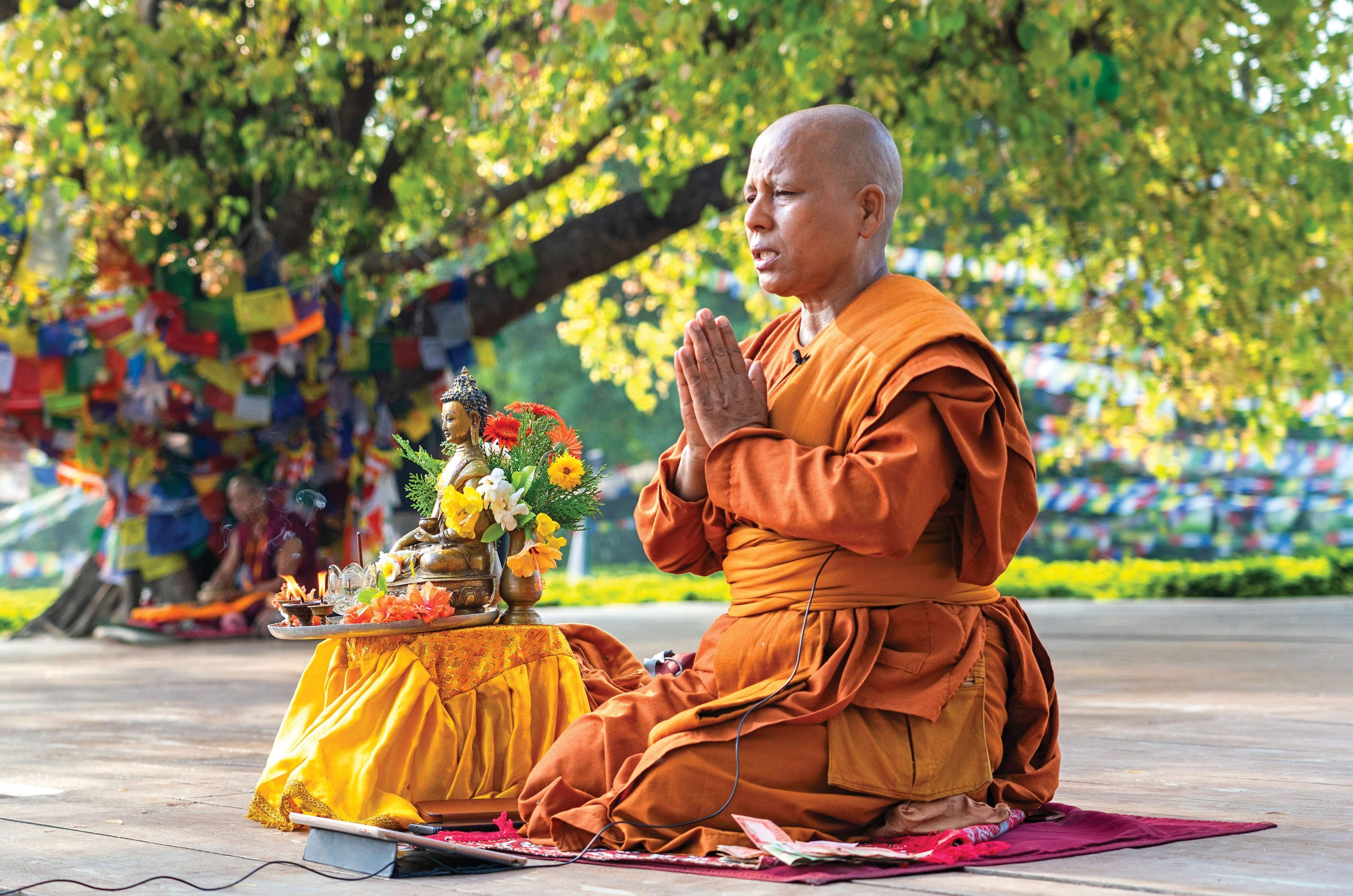
Next was Lumbini, a spiritual haven and, more importantly, the birthplace of Siddhartha Gautama (Lord Buddha) around 563 BC. Its fascinating monastic zone showcases monasteries built by Buddhist nations from around the world, each reflecting its own culture through design and architecture – a remarkable collection of temples spanning diverse traditions. The feeling of peace there was unlike anything I’d experienced, but it was soon disrupted by the road to Pokhara.
Lumbini provided a moment of calm through the chaos.
Mountain passes are notorious for destroying Google’s ETAs – landslides, breakdowns, and deteriorating roads mean a stretch that should take an hour could take five, depending on your luck. We braced for traffic and drove straight into a landslide clearing. A two-hour wait meant the sun was setting as we rolled into the quaint town of Pokhara. Bustling with cafés and pop culture, it felt like a mini Kathmandu, but with the stunning Phewa Lake turning orange at sunset. The calm that began in Chitwan came full circle on the shores of Phewa Lake.
Chitwan is home to the gharial and over 700 one-horned rhinos.
Kathmandu, though, was a different animal entirely – every bit a capital city, and a world away from the slow pace of Chitwan or Lumbini. The music is loud, the traffic is hectic, and the city is anything but quiet. Ironically, the only quiet things on the road are the cars – China’s dominance in Nepal is stark, with three in five cars on the road being Chinese EVs. Geely, BYD, and GWM rule the market, with only a handful of Hyundais and Kias as competition.
Authorities were always curious thanks to Indian number plates.
The party scene rules Kathmandu too. At night, the city comes alive as a hub for tourists from around the world. Hiking gear and North Face apparel go for a fraction of the price – and, often, a fraction of the quality – alongside quirky masks and fridge magnets at every tourist stop. Spend a little more time, though, and you’ll find excellent coffee shops and the famous Thakali thali: thick buckwheat porridge with salads, meat, and plenty of flavour. Good thing too, since walking through Durbar Square works up quite an appetite. Partly destroyed by the devastating 2015 earthquakes, the temples have since been restored to their former glory, though you can still spot the scars in a few bent pillars and roofs. It’s a culture and tradition worth preserving, and Nepal deserves credit for doing exactly that.
Birgunj-Sino-Nepal Border in numbers
Distance covered
922km
Fuel consumed
115.96 litres
Average fuel economy
7.13kpl
Approximate fuel cost
Rs 15,846
Average per-litre fuel cost
Rs 136.65
Total time driven
34hrs 25min
Average speed
27kph
With Kathmandu explored, we headed towards our second border crossing – and this one was far more intense. Once we left Kathmandu, we left the tarmac behind too. Muddy back roads, still wet from the previous night’s rain, meant slush and a constant need for 4WD. Even so, though packed to the brim with luggage, the Kylaq stayed light enough and had enough clearance to pick its way around the mud on the approach to the Rasuwa Bridge. From there, you can see the Chinese immigration building towering over everything around it. With the Kylaq thrumming with excitement, we crossed into Tibet – the roof of the world.
Tibet/China – Roof of the World
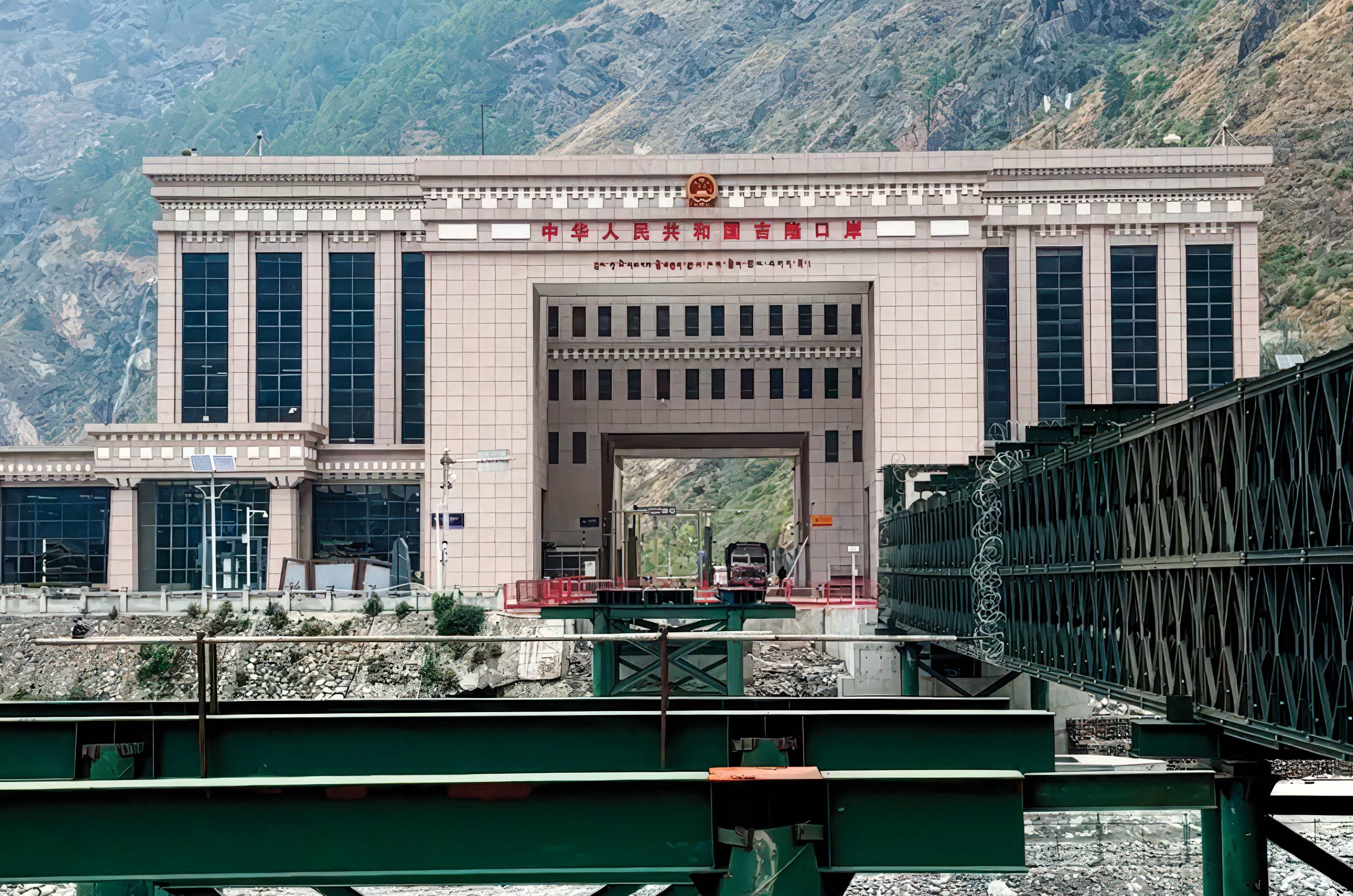
China’s border crossing is as imposing as it gets.
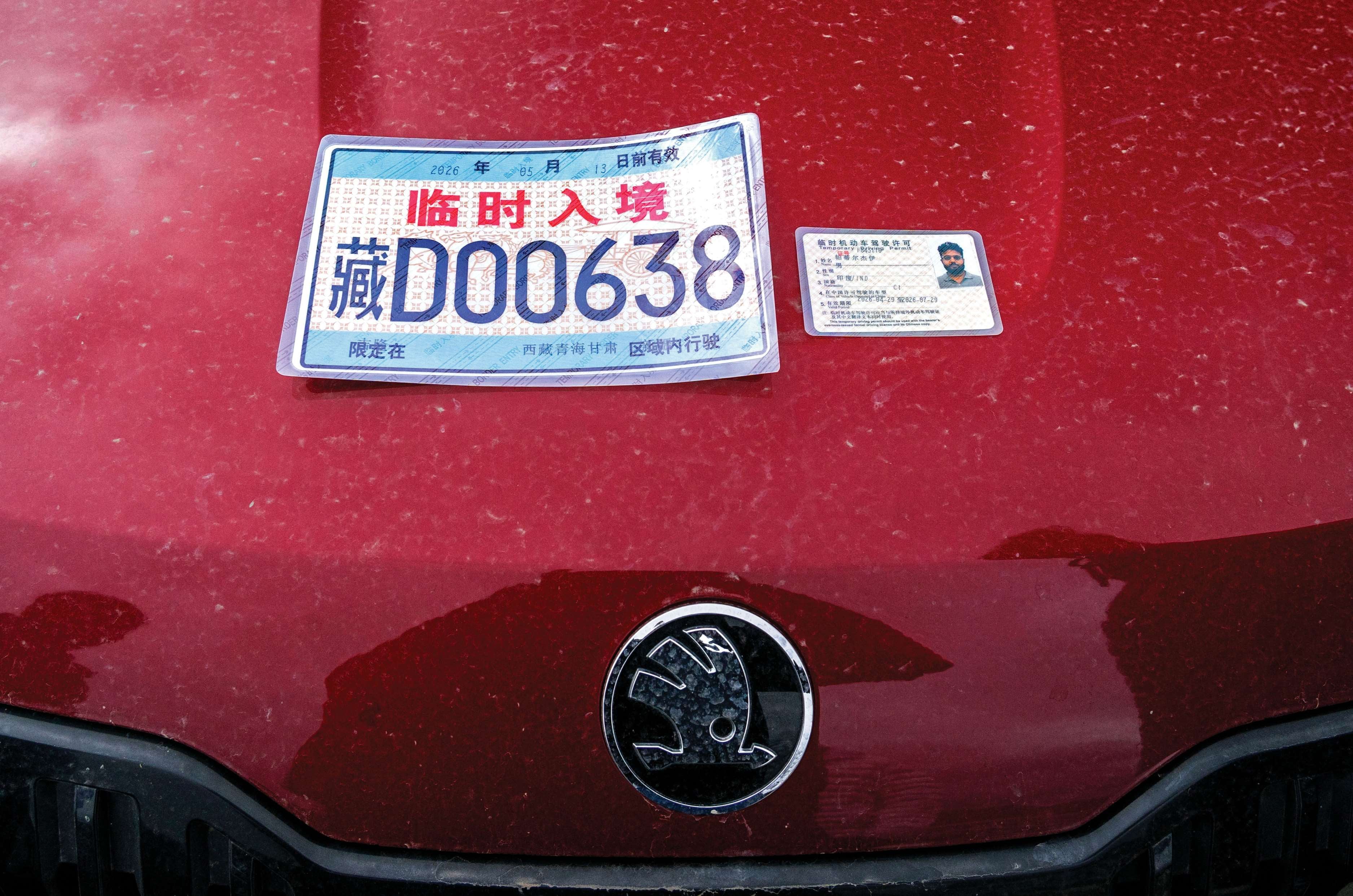
Crossing into Tibet felt like crossing into the future. For a region tucked deep into the mountains, it’s exceptionally developed – the roads are smooth and well-signed from the moment you cross the bridge, barely a hundred metres before the immigration office. In China, we weren’t taking any chances, knowing any misstep here could jeopardise the rest of the journey. After answering the customs officers honestly – and impressing them with the scale of the Kylaq’s challenge – we entered the lovely town of Gyirong. Old Chinese architecture, plenty of red, and signboards we couldn’t quite read were early signs that we really were in a different world now. Nepal had shared plenty with India – the cars, the food, the roads – but China felt entirely its own. We thought we’d seen our share of speed cameras, but China put us to shame – they appear every 50 metres or so, complete with flashes. There’s simply no room for error, and you’re monitored everywhere you go – aneerie feeling that takes some getting used to. Another non-negotiable is to obtain a special driving licence for every person that will be driving and a China-specific number plate, which you have to place on your dashboard so the cameras can pick up any infringements. A regular India-style RTO office with long queues and a lack of urgency got us homesick for a bit.
Local license and registration are non-negotiables in China.
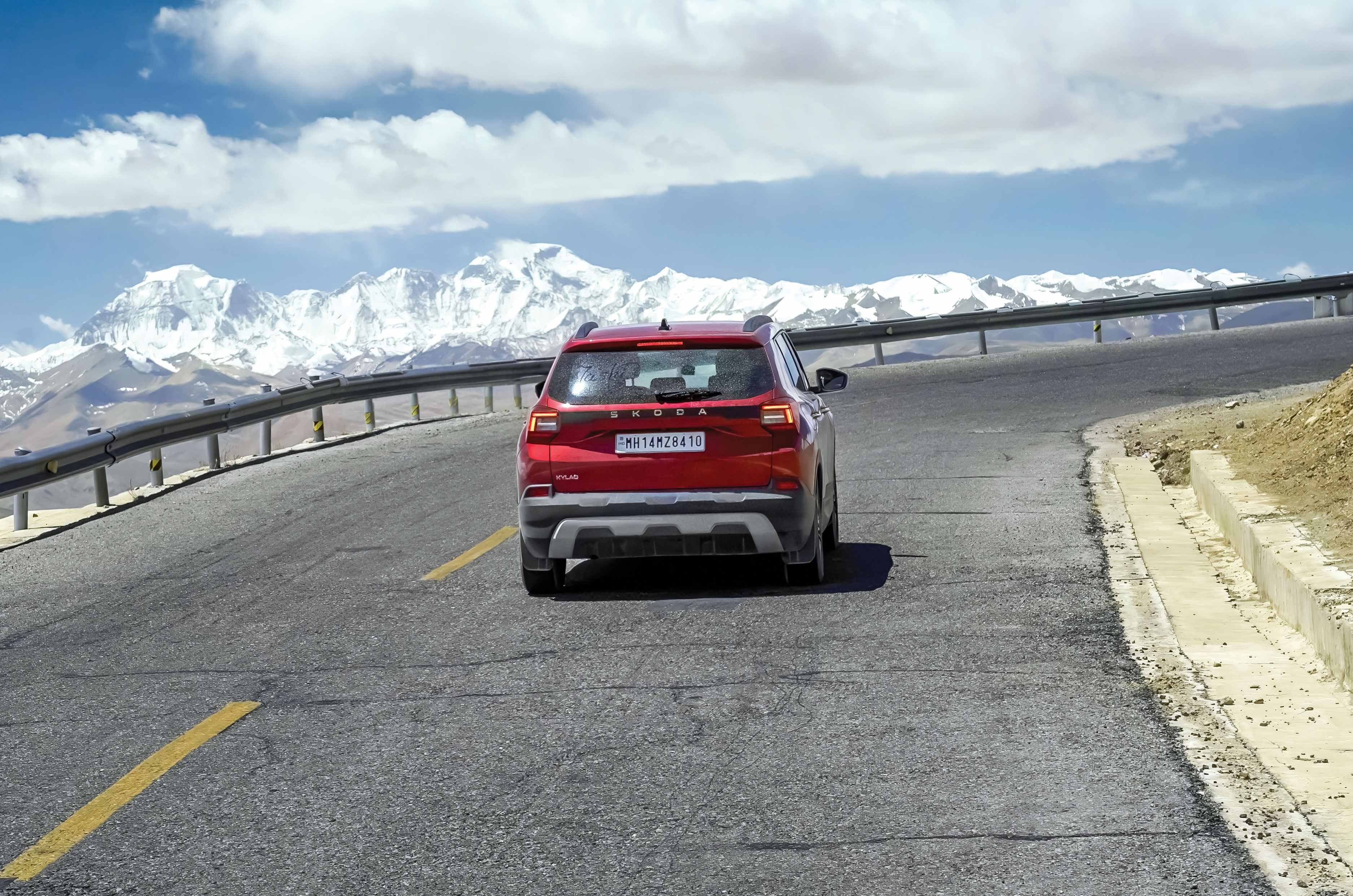
A few mugs of hot ginger-lemon tea eased us into the chill, and we set off for Mount Everest Base Camp. High altitudes are usually punishing for small-capacity engines, but thanks to its turbocharged engine, the Kylaq barely broke a sweat, buzzing through the passes. Its 6-speed automatic had been a great convenience through the chaos of India and Nepal, but the winding mountain roads and immaculate tarmac meant I could switch to manual and take control via the paddle shifters. Paddle-shift response is often sluggish, but not here – the shifts were quick, and the taut suspension held its ground even through tight hairpins.
Everest hove into view long before we made it to base camp.
It made for a great drive and great footage, right up until we spotted the peak in the distance. Even from afar, Everest is breathtaking, and mercifully the clouds stayed clear as we got closer. You can’t take a car near base camp itself – a one-hour bus ride covers that final stretch. It’s strange how you lose your breath as you approach Everest – partly the thin air and altitude, but you’d lose it all the same just from the view. Words don’t do it justice, and don’t be surprised if you shed a tear or two – it’s overwhelming.
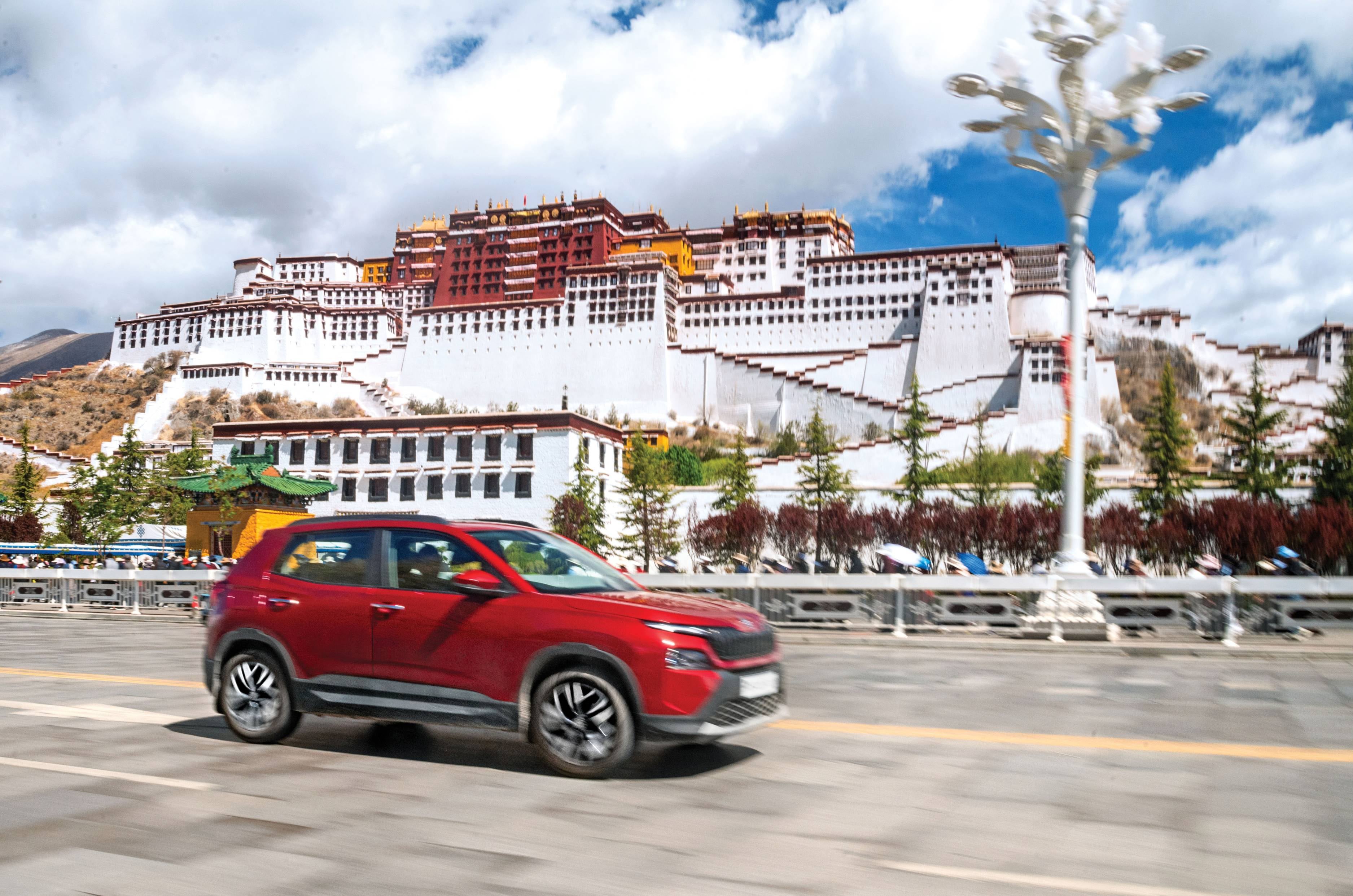
Stunning Potala Palace; once home to the Dalai Lamas.
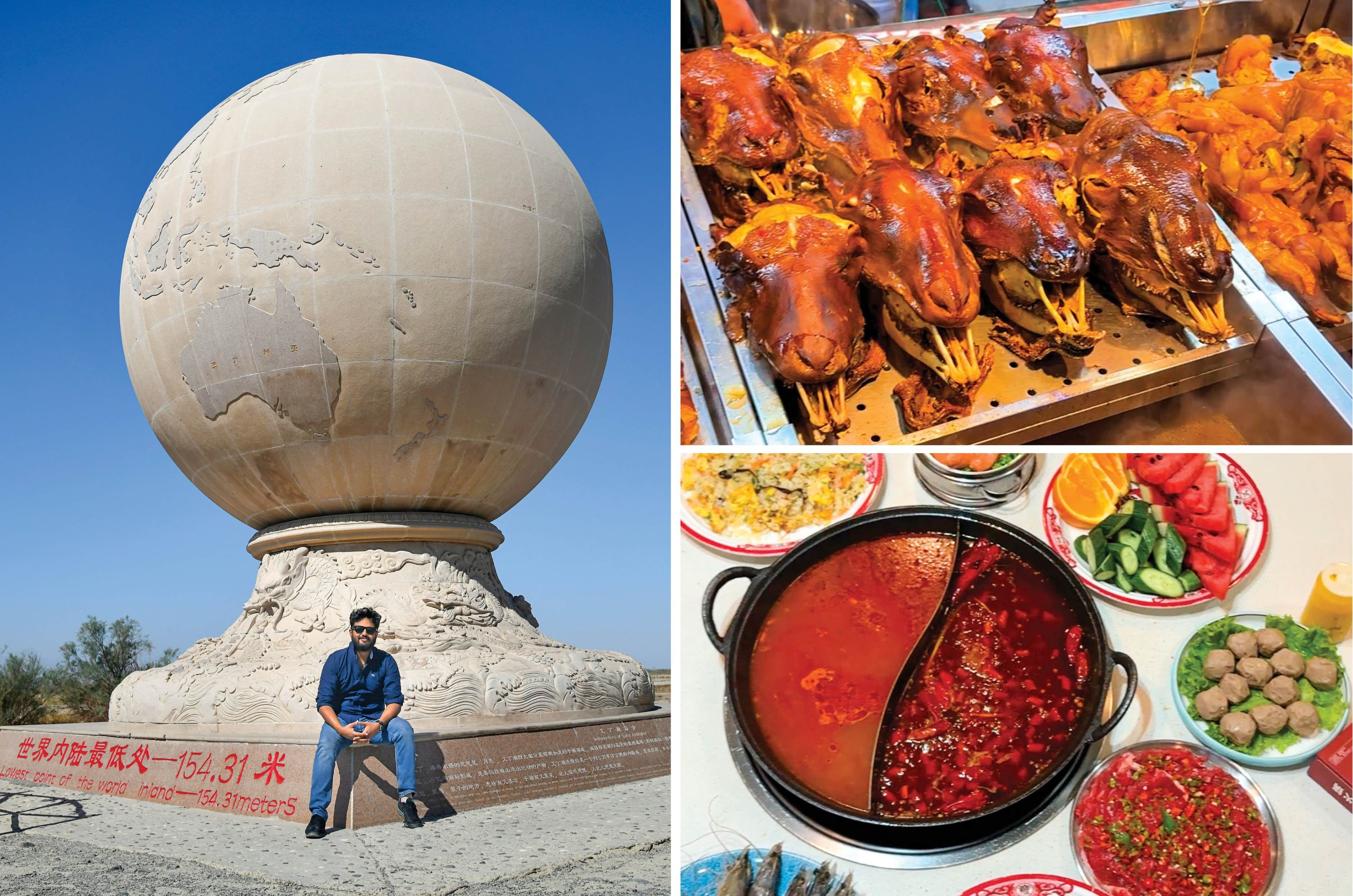
With Everest ticked off, it was time to take on China’s vastness. We headed to Lhasa, the spiritual capital of Tibet, home to the grand Potala Palace. Once home to monks and lamas, this stunning palace holds incredible history and artefacts – spiritual or not, its significance to the country’s history is unmistakable. The drive kept revealing itself through unique food, dialects, faces, and even geography. One day we were freezing thousands of feet above sea level; days later, in Turpan, we were below sea level in blistering heat. From boiling hotpots to grocery-store instant noodles, China pushed us well outside our comfort zone, and the Kylaq wasn’t spared either.
L: From EBC’s high to Turpan Depression’s low – Jay was at 154m below sea level here. R: Street food in China not for the faint-hearted.
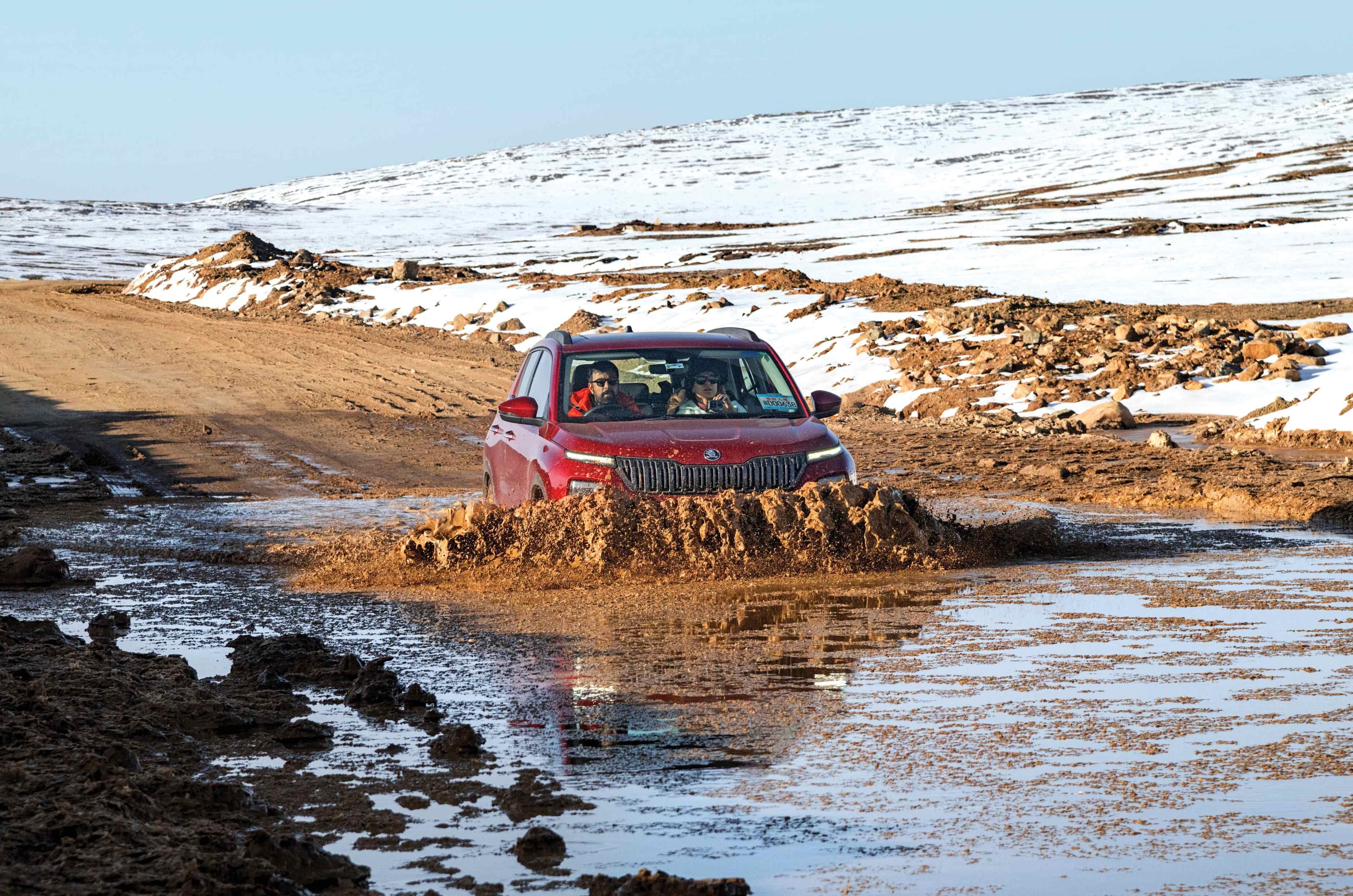
Two full days on the way to Golmud were entirely off-road, taking over 13 hours of driving, with our average speed dropping to 18kph as the Kylaq waded through water up to its bonnet and emerged without complaint.
In China, you get perfect roads or, simply, no roads.
A stretch that would have broken most cars left the Kylaq unscathed. China hit hard, but the Kylaq hit back harder. From day one, it had faced challenge after challenge, and from day one, it had come out on top. Three countries in, it still carried the same zeal it started with – and while we were rattled, it stood strong each night, ready for the next day.
ND vs PAK: एशियन गेम्स 2026 के क्रिकेट में भारत और पाकिस्तान के बीच होने वाला गोल्ड मेडल मुकाबला काफी रोमांचक होने वाला है। भारत और पाकिस्तान की टीम एशियन गेम्स का फाइनल मुकाबला शनिवार, 3 अक्टूबर को खेला जाएगा। दोनों टीमों के बीच ये हाईवोल्टेज मुकबाला निशिन के कोरोगी स्पोर्ट्स पार्क में सुबह 10 बजे से शुरू होगा। डिफेंडिंग चैंपियन भारत ने सेमीफाइनल में श्रीलंका को 124 रन से हराकर फाइनल में जगह बनाई है। वहीं, पाकिस्तान ने बारिश से प्रभावित सेमीफाइनल में बांग्लादेश को 13-13 ओवर के मुकाबले में 6 विकेट से मात दी और फाइनल का टिकट हासिल किया।
अब दोनों टीमें गोल्ड मेडल के लिए आमने-सामने होंगी। आइए जानते हैं कब और कहां पर देंखे ये मुकाबला और क्या बारिश मुकाबले में खलल डाल सकती है।
दोनों टीमों के बीच होगा कांटे का मुकाबला
भारत-पाकिस्तान के बीच होने वाले गोल्ड मेडल मुकाबले में दोनों टीमों के कुछ खिलाड़ियों पर खास नजर रहेगी। भारत के लिए ईशान किशन अहम साबित हो सकते हैं, जिन्होंने सेमीफाइनल में पांचवें नंबर पर उतरकर 80 रन बनाए थे। उनके साथ वैभव सूर्यवंशी, अभिषेक शर्मा और संजू सैमसन से भी अच्छी बल्लेबाजी की उम्मीद रहेगी।
दूसरी तरफ पाकिस्तान की बल्लेबाजी में कप्तान साहिबजादा फरहान की भूमिका महत्वपूर्ण होगी। निशिन की धीमी पिच को देखते हुए सुफियान मुकीम और अबरार अहमद की गेंदबाजी भी पाकिस्तान के लिए काफी मायने रखेगी, क्योंकि दोनों भारतीय बल्लेबाजों को रन बनाने से रोकने की कोशिश करेंगे। इस मैच में जीतने वाली टीम को गोल्ड मेडल मिलेगा, जबकि हारने वाली टीम सिल्वर मेडल अपने नाम करेगी।
कब खेला जाएगा मुकाबला
एशियन गेम्स 2026 के पुरुष क्रिकेट का गोल्ड मेडल मुकाबला भारत और पाकिस्तान के बीच शनिवार, 3 अक्टूबर को खेला जाएगा। दोनों टीमें निशिन के कोरोगी स्पोर्ट्स पार्क में आमने-सामने होंगी। मैच भारतीय समय के अनुसार सुबह 10 बजे शुरू होगा, जबकि टॉस मुकाबला शुरू होने से आधे घंटे पहले यानी सुबह 9:30 बजे होगा।
कहां पर देंखे लाइव मुकाबला
भारत और पाकिस्तान के बीच एशियन गेम्स 2026 के पुरुष क्रिकेट फाइनल को भारत में टीवी पर लाइव देखा जा सकेगा। इस गोल्ड मेडल मुकाबले का सीधा प्रसारण सोनी स्पोर्ट्स नेटवर्क के चैनलों पर किया जाएगा। यानी क्रिकेट फैंस शनिवार को होने वाले इस बड़े मुकाबले को अपने टीवी पर लाइव देख पाएंगे।
ऑनलाइन कहां पर देंखे ये मुकाबला
भारत-पाकिस्तान के बीच एशियन गेम्स 2026 का फाइनल 3 अक्टूबर को सुबह 10 बजे से सोनी लिव ऐप और वेबसाइट पर लाइव स्ट्रीम होगा। फैंस मोबाइल या लैपटॉप पर मैच देख सकेंगे।
क्या बारिश डालेगी मुकाबले में खलल?
भारत और पाकिस्तान के बीच मुकाबले में निसशिन में मौसम साफ रहने की उम्मीद है। दिन की शुरुआत हल्की धूप हो सकती है, लेकिन बाद में आसमान में बादल छाने का अनुमान है। इस दौरान तापमान 17 से 27 डिग्री सेल्सियस के बीच रहने की उम्मीद है। वहीं, बारिश की संभावना सिर्फ 1 फीसदी है, इसलिए मैच में बारिश से रुकावट की आशंका कम है।
भारत और पाकिस्तान की पूरी टीम
भारत की पूरी टीम: श्रेयस अय्यर (C), वैभव सूर्यवंशी, अभिषेक शर्मा, संजू सैमसन (WK), ईशान किशन, अक्षर पटेल, तिलक वर्मा, शिवम दुबे, वाशिंगटन सुंदर, रवि बिश्नोई, जसप्रीत बुमराह, अर्शदीप सिंह, यश ठाकुर, विप्रज निगम
पाकिस्तान की पूरी टीम: साहिबज़ादा फरहान (C), माज़ सदाकत, उस्मान खान (WK), सैम अयूब, हसन नवाज़, अब्दुल समद, अराफात मिन्हास, अहमद दानियाल, मोहम्मद वसीम जूनियर, अबरार अहमद, सुफ़यान मोकिम, साद मसूद, अली रजा, आकिफ जावेद, हैदर अली
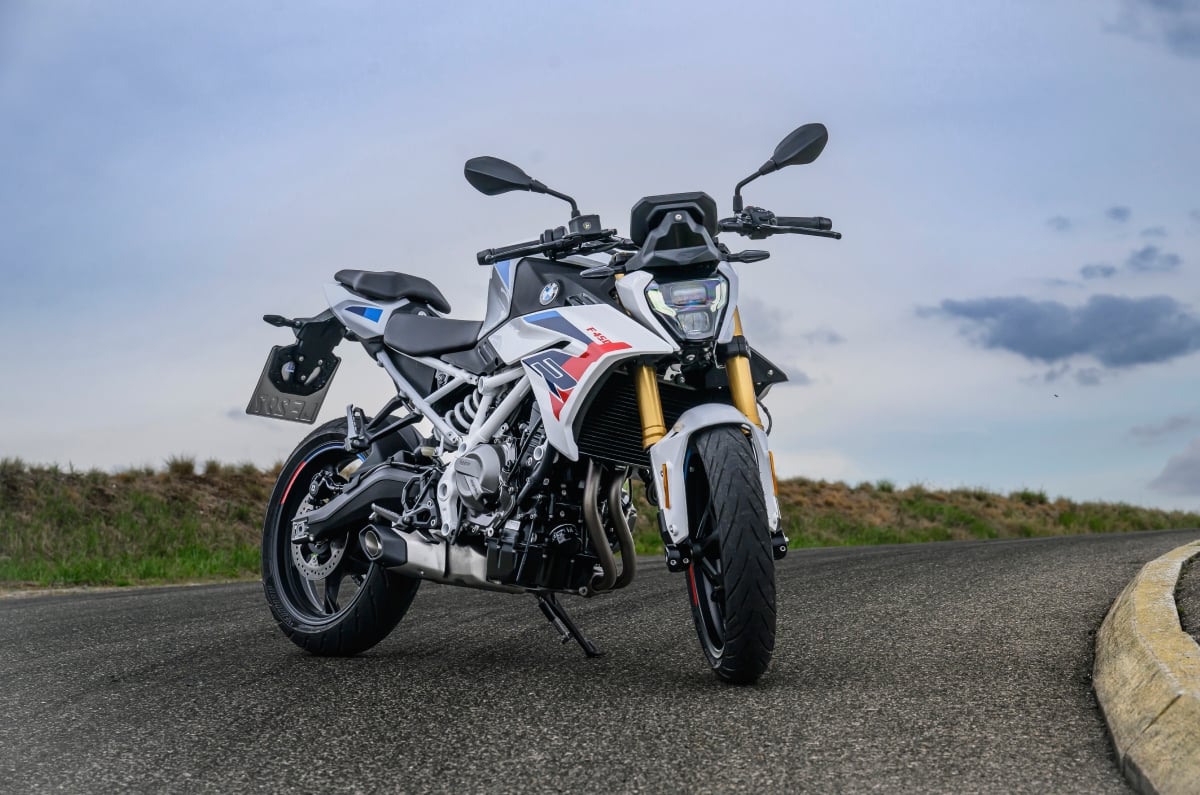
The BMW F 450 R is BMW’s new street-naked that effectively replaces the discontinued G 310 R as the entry point into the brand’s roadster lineup. Built on the same platform as the F 450 GS, it brings that engine and chassis into a road-focused naked format. Here are answers to some of the most commonly asked questions about it.
How much power does the BMW F 450 R make?
The BMW F 450 R is powered by the same 420cc parallel-twin engine as the GS, producing an identical 48hp at 8,750rpm and 43Nm at 6,750rpm. The engine is mated to a six-speed gearbox. BMW has mentioned that fuel consumption is rated at 3.8 litres per 100km (or 26.3kpl) based on the European WLTP test cycle, and we’ll have to wait until we test the bike to see what real-world range in our riding conditions is.
What variants is the BMW F 450 R available in?
The F 450 R is available in four variants – Base, Exclusive, M Sport and M Sport with Innovation Package. The base model comes with the standard feature set. The Exclusive adds a bidirectional quickshifter and Sport suspension with adjustable rebound and compression damping. Both M Sport variants add an individually configurable Dynamic Pro riding mode and an exclusive TFT layout showing traction control, braking force, lean angle and lap timer data. Lastly, the range-topping M Sport with Innovation Package adds the Easy Ride Clutch.
What is the seat height and weight of the BMW F 450 R?
The BMW F 450 R has a standard seat height of 790mm. A low seat accessory brings this down to 775mm, while a high Sport seat raises it to 810mm. BMW also notes that the slim contour below the seat helps most riders reach the ground more easily than the seat height figure alone might suggest. Ready-to-ride weight is 175kg, which is 3kg lighter than the F 450 GS.
What features does the BMW F 450 R have?
All variants of the F 450 R get a 6.5-inch TFT display with Bluetooth connectivity for navigation, music and phone calls, along with a USB-C port, heated grips and full-LED lighting. Three riding modes – Rain, Road and Dynamic – are standard, as are ABS Pro, Dynamic Brake Control, Dynamic Traction Control and engine drag torque control. Shift Assistant Pro (BMW’s bidirectional quickshifter) is also standard on all variants except the base model, where it is available as a retrofit accessory.
What are the differences between the BMW F 450 R and F 450 GS?
Both share the same 420cc parallel-twin engine producing 48hp and 43Nm, the same tubular steel frame and the same KYB suspension hardware. The key differences are in intent and setup. The F 450 GS uses longer-travel suspension with 180mm of travel at both ends, alongside a 19-inch front and 17-inch rear wheel. The F 450 R features road-specific suspension tuning with 140mm of travel and rides on 17-inch wheels at both ends. The F 450 R also uses an underbelly exhaust instead of the GS’s high-mounted unit.
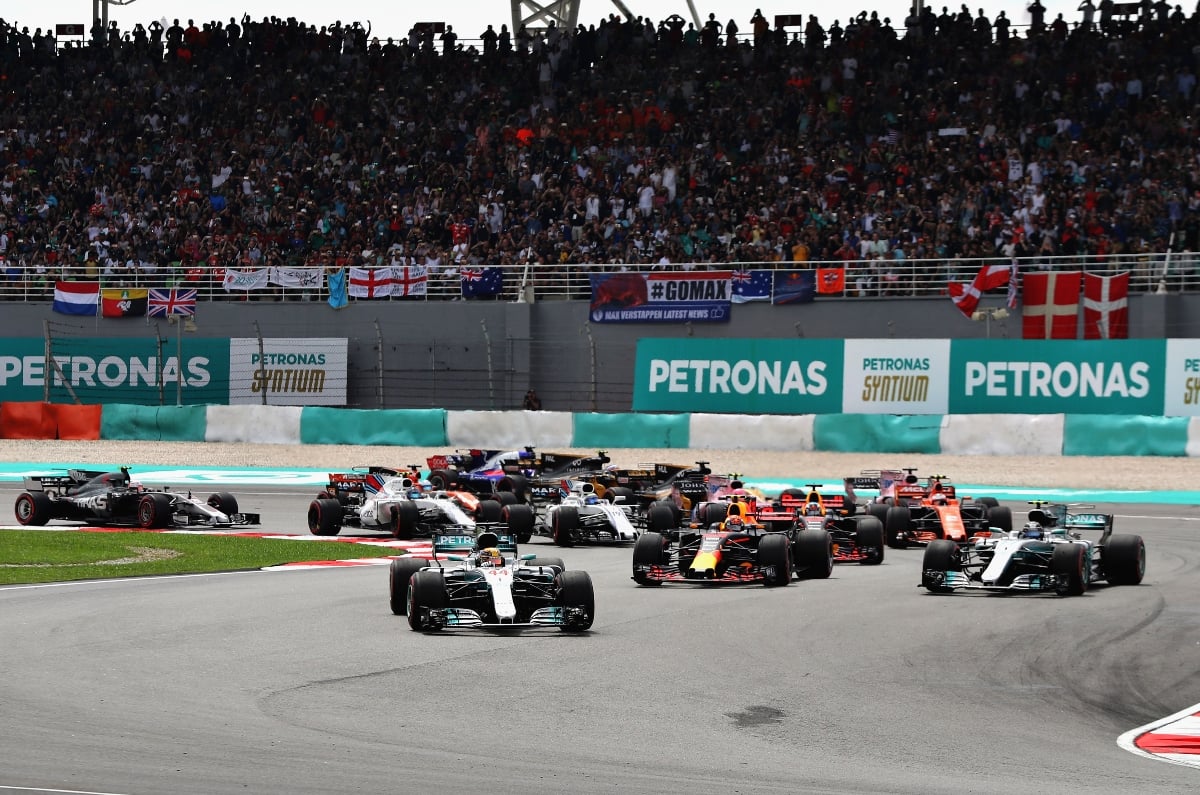
Formula 1 is returning to Malaysia for the first time in nine years this weekend. But there’s a twist – the event will be held as the Bahrain GP, with the Middle Eastern kingdom funding the race.
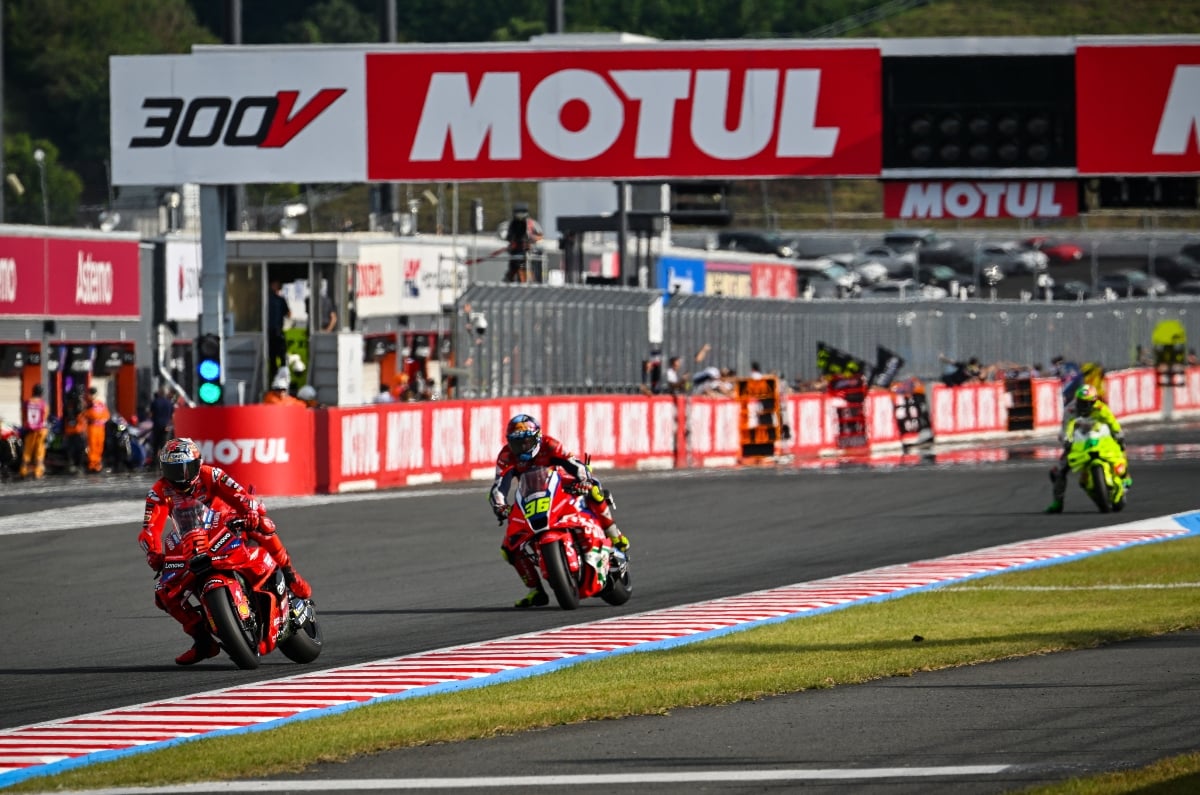
MotoGP is also on this weekend, with the title battle continuing at Japan. Here is your complete guide on when and where to tune in from India:
F1 Bahrain GP in Malaysia schedule
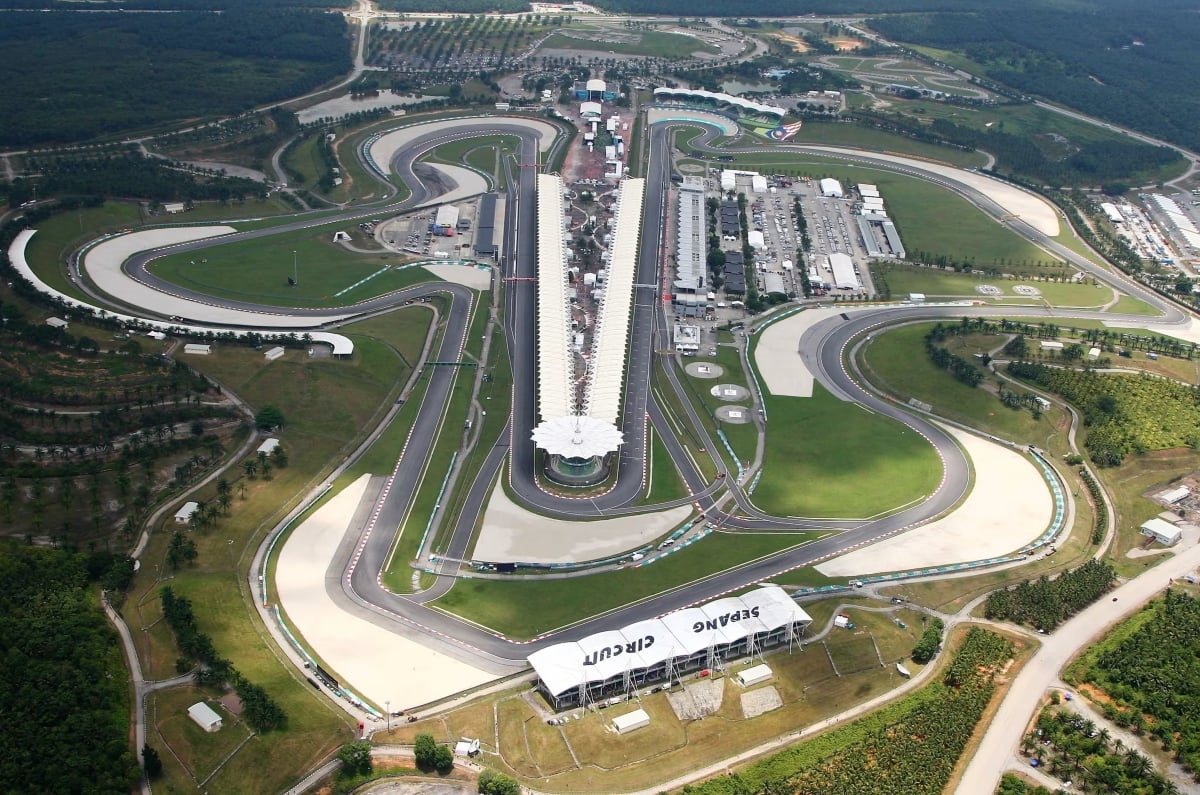
Following the postponement of the Bahrain GP due to the escalating conflict in the Middle East, the fan-favourite Sepang International Circuit in Malaysia has stepped in to host the race.
F1 last raced at Sepang back in 2017, and more than half of the current grid has never raced at the venue. Combine this with potential rain over the weekend, the race could throw up some unexpected results.
Current championship leader Mercedes will also be bringing an upgrade package to Malaysia. After a strong Azerbaijan GP win, George Russell will be hoping to build that momentum and chip away at his teammate Kimi Antonelli’s lead, which currently stands at 66 points.
F1 Bahrain GP in Malaysia: Where to watch?
All sessions will be streamed live on the FanCode and F1 TV apps.
2026 F1 Bahrain GP in Malaysia IST schedule
Date
Day
Session
Time
October 2
Friday
FP1
10am
October 2
Friday
FP2
1:30pm
October 3
Saturday
FP3
10am
October 3
Saturday
Qualifying
1:30pm
October 4
Sunday
Race
12:30pm
MotoGP Japanese GP schedule
42 points cover the top three in the MotoGP standings. Jorge Martin holds on to the overall lead, but reigning champion Marc Marquez is just 12 points behind in second place. Marco Bezzecchi also remains in title contention, but he’s 42 points off the lead. Behind him is Pedro Acosta, who has emerged as a late threat with five consecutive top five finishes. The KTM rider even secured his maiden win last time out at Austria.
The Japanese GP will also see Maverick Vinales returning to racing action. The KTM Tech3 rider hasn’t raced since the German GP in July after undergoing corrective shoulder surgery.
MotoGP Japanese GP: Where to watch?
All sessions will be streamed live on FanCode. Fans in India can also catch the live TV broadcast on Eurosport.
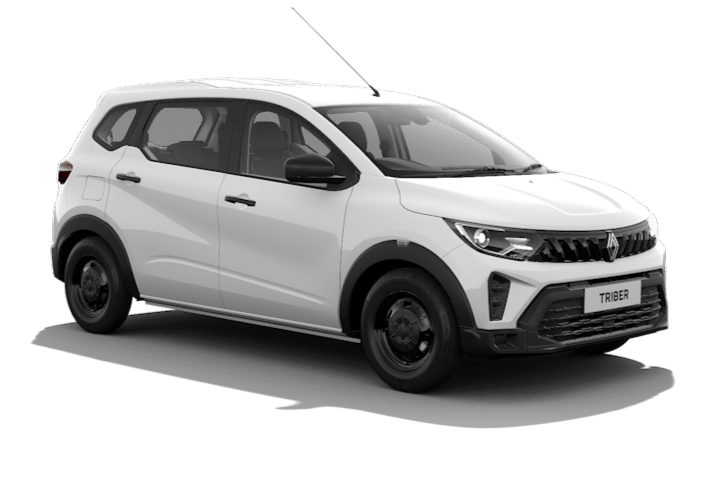
The Renault Triber facelift was launched in India in 2025, bringing a bevy of exterior and interior updates, along with a new variant nomenclature. The Triber comes in four trim levels, available with both naturally aspirated and turbo-petrol engine options. Let’s have a look at the prices, powertrains, colours and features available with each variant of the Triber.
Renault Triber price list and powertrains
Trim
MT
AMT
Authentic
5.80
–
Evolution
6.73
–
Evolution Turbo
7.84
–
Techno
7.44
–
Techno Turbo
8.53
–
Emotion*
8.05
8.52
Emotion Turbo*
8.99
–
*Dual-tone paint option available at an additional cost of Rs 21,000.
The naturally aspirated 1.0-litre three-cylinder petrol engine produces 72hp and 96Nm and is paired with a five-speed manual or, in the top-spec Emotion, a five-speed AMT. The 1.0-litre turbo-petrol produces 100hp and 180Nm and is available only with a five-speed manual.
Renault Triber colour options
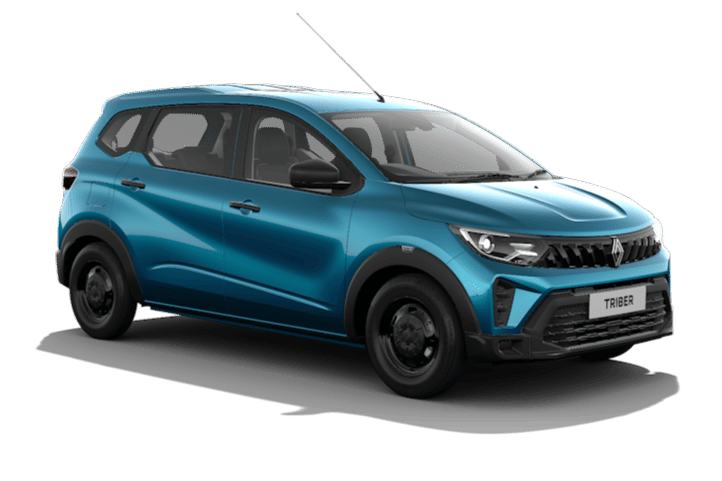
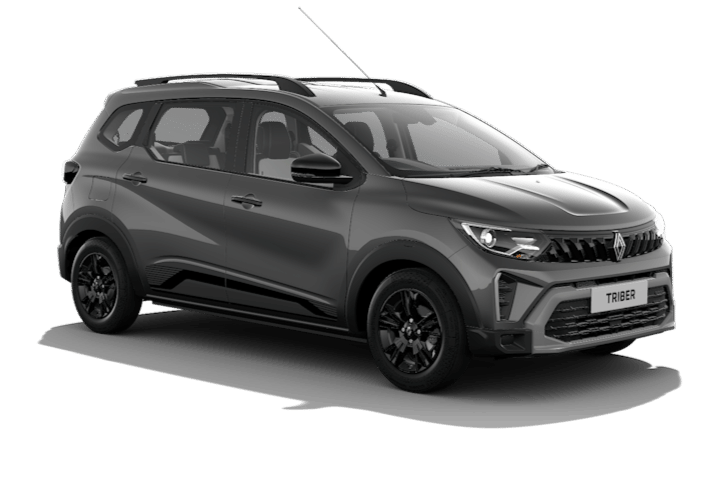
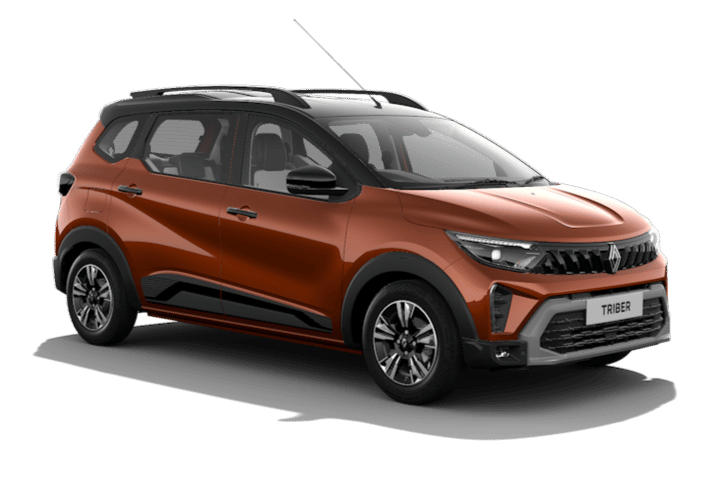
Nine colour options, three of which are dual-tone
Renault Triber variant-wise colours
Authentic
Evolution
Techno
Emotion
Ice Cool White
Yes
Yes
Yes
Yes
Stealth Black
Yes
Yes
Yes
Yes
Moonlight Silver
Yes
Yes
Yes
Yes
Shadow Grey
No
Yes
Yes
Yes
Zanskar Blue
No
Yes
Yes
Yes
Amber Terracotta
No
No
Yes
Yes
Ice Cool White with black roof
No
No
No
Yes
Shadow Grey with black roof
No
No
No
Yes
Amber Terracotta with black roof
No
No
No
Yes
The Triber colour options include six monotone shades. There are three dual-tone finishes, but these are available only with the range-topping Triber Emotion trim and command a Rs 21,000 premium. The entry-level Triber Authentic comes only in three colours – Ice Cool White, Stealth Black and Moonlight Silver. In addition to those, the mid-spec Triber Evolution is available in Shadow Grey and Zanskar Blue. Lastly, the one below the top Triber Techno also gets the option of an Amber Terracotta colour.
LED daytime running lamps (DRLs), projector headlights, fog lamps
Dual-tone wheel covers
Smart access card
Cooled lower glove box
Push-button start/stop
Wireless Android Auto and Apple CarPlay
Wireless charging pad
7-inch TFT digital instrument cluster
Automatic climate control
Third row 12V socket
Auto headlights with follow me home function
Rain-sensing wipers
Cruise control (MT only)
Front parking sensors
Which Renault Triber variant should you consider buying?
Techno Turbo offers the best balance of features and performance
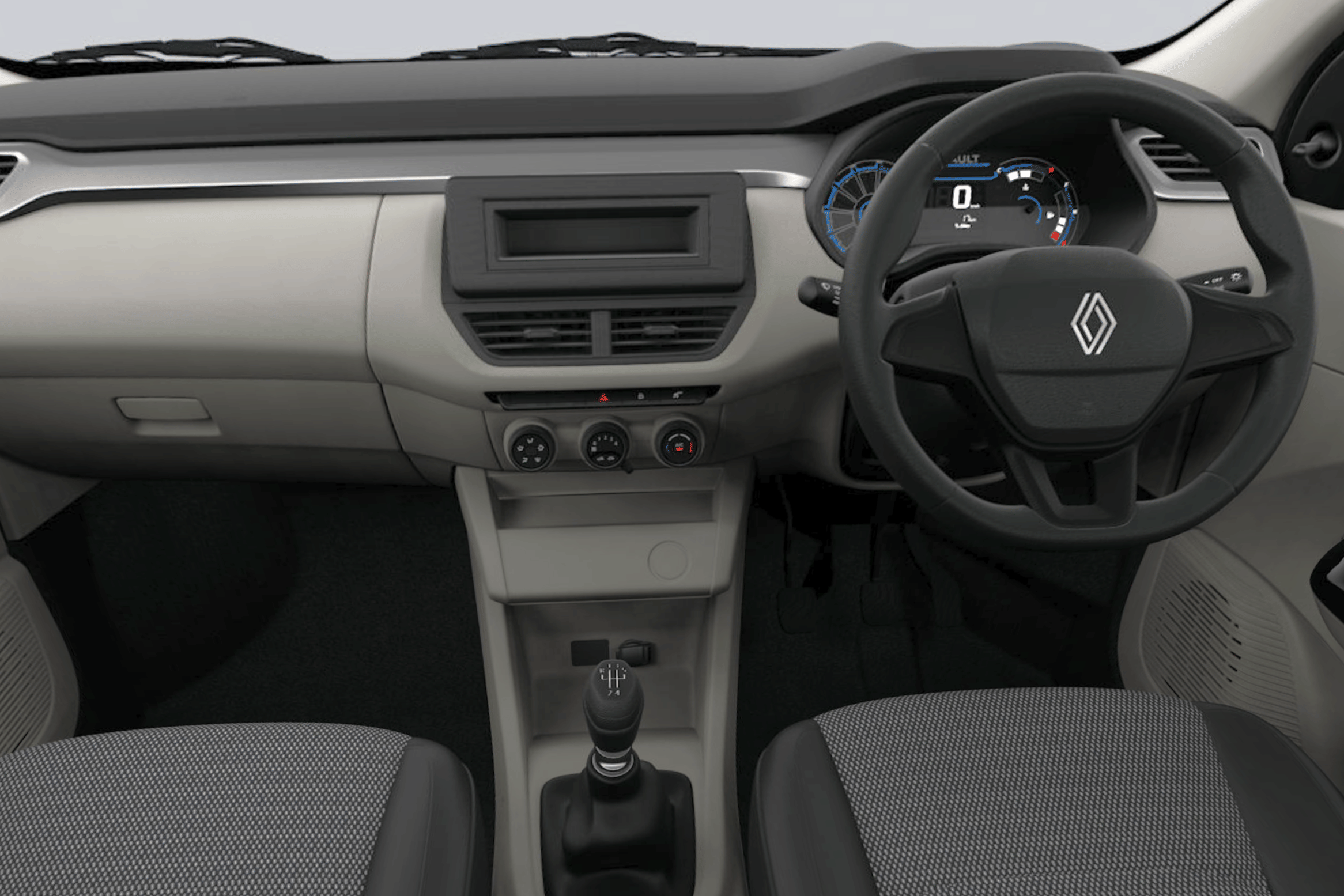
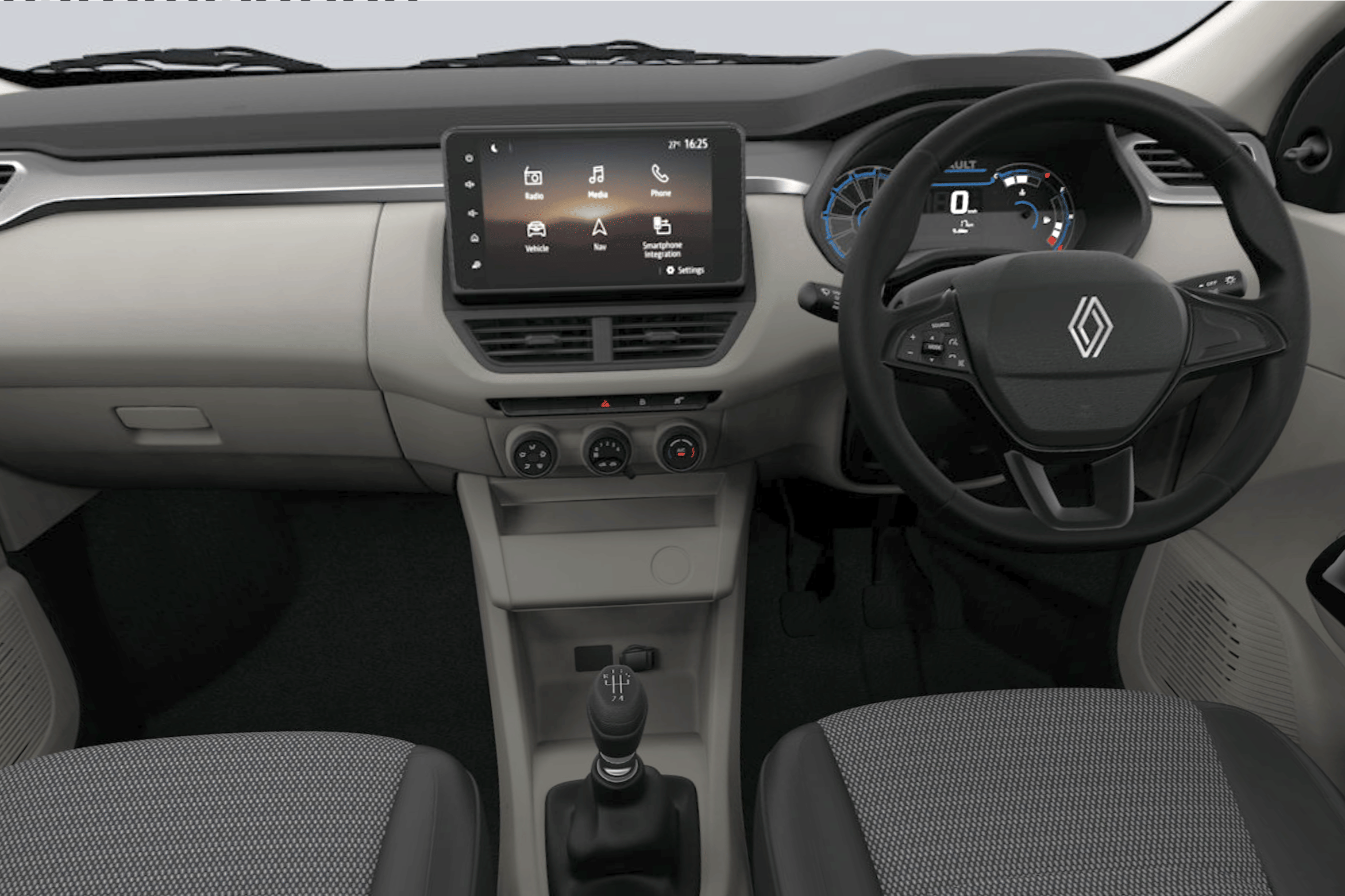
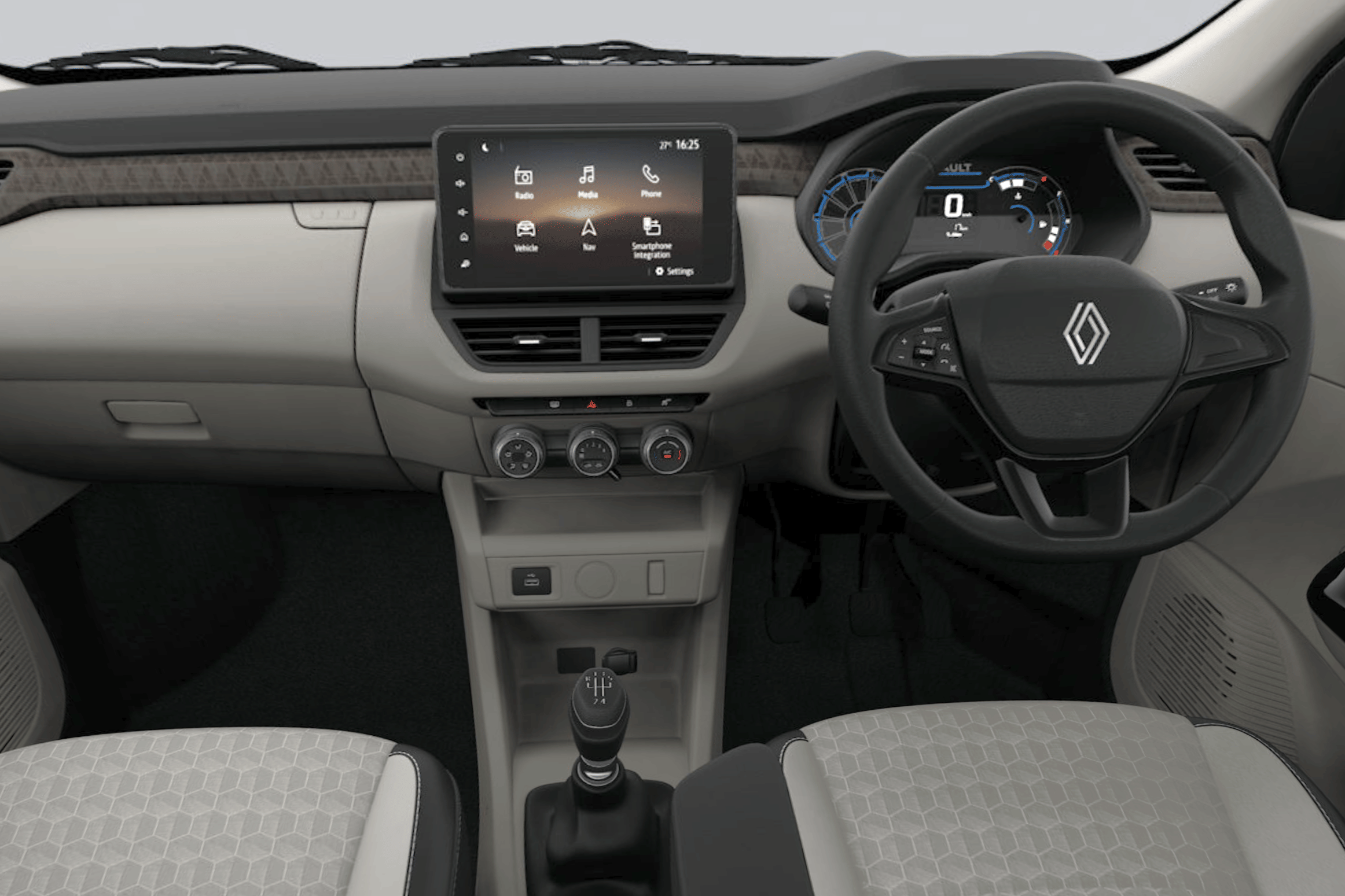
With the 2026 update, Renault has moved several features down to the Triber’s lower variants. The Techno gets equipment including six airbags, an 8-inch touchscreen, steering-mounted controls, a rear-view camera, height adjustment and an armrest for the driver’s seat, electrically foldable ORVMs, a rear wiper and defogger, and two front tweeters.
The Techno Turbo, priced at Rs 8.53 lakh, also gets the new 100hp, 180Nm turbo-petrol engine, paired with a five-speed manual gearbox. It costs Rs 1.09 lakh more than the naturally aspirated Techno, with the extra cost going towards the more powerful engine. For buyers who want the turbo engine, the Techno Turbo offers the key equipment without the additional cost of the top-spec Emotion.
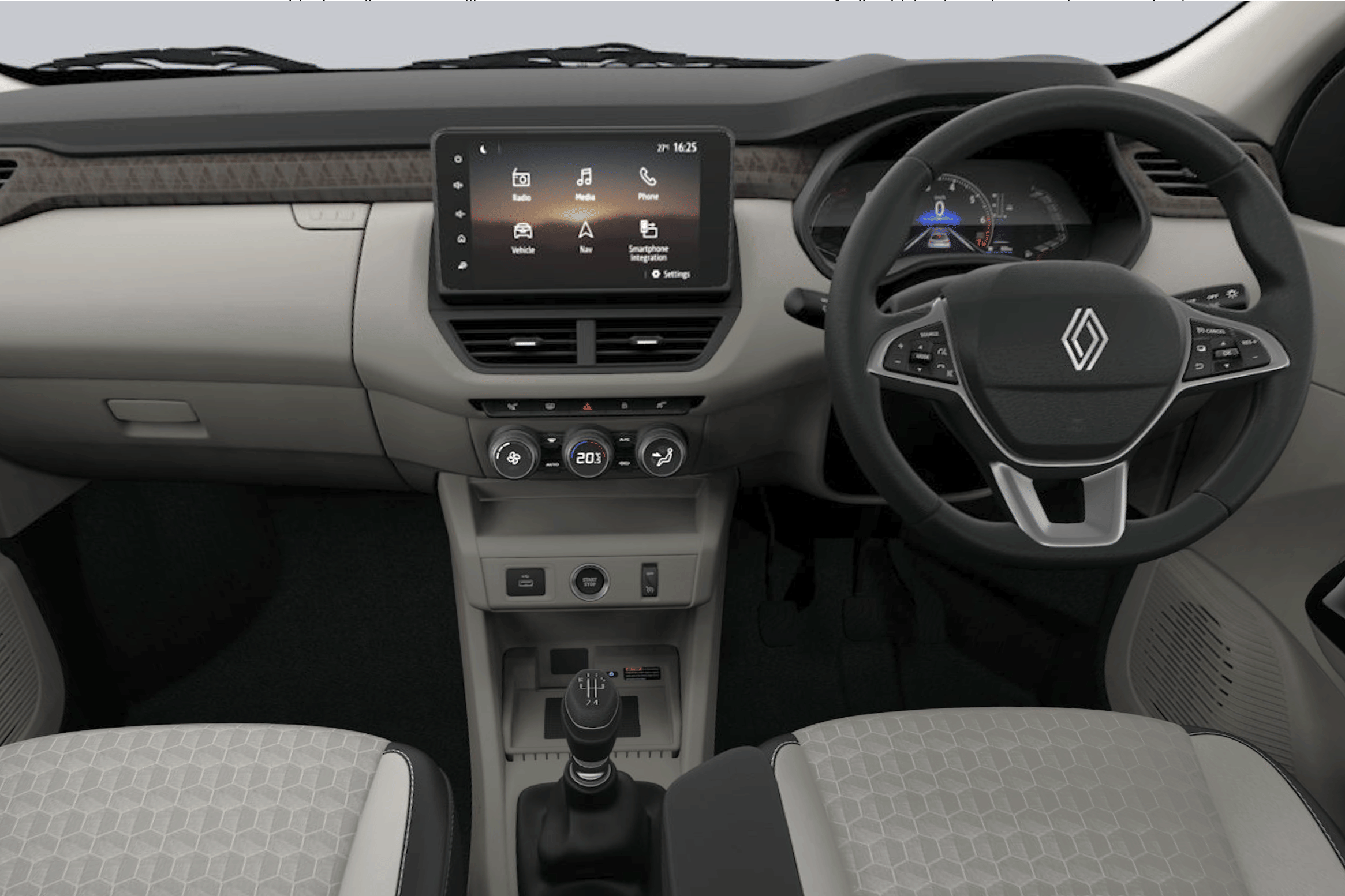
The Emotion adds features such as automatic climate control, wireless Android Auto and Apple CarPlay, wireless charging, automatic headlights, rain-sensing wipers, cruise control and front parking sensors. It is also the only variant available with the naturally aspirated engine and an AMT.
IMD Heavy Rain Alert Today, September 27: उत्तर प्रदेश और उत्तराखंड समेत देश के कई हिस्सों में मानसून की सक्रियता अभी थमी नहीं है। भारत मौसम विज्ञान विभाग (IMD) ने आज यानी 27 सितंबर (रविवार) को उत्तराखंड में मूसलाधार बारिश के साथ कुछ स्थानों पर अत्यंत भारी बारिश की चेतावनी जारी की है। वहीं, हिमाचल प्रदेश और पश्चिमी उत्तर प्रदेश में भी भारी से बहुत भारी बारिश की संभावना है।
IMD के मुताबिक, दिल्ली-NCR समेत हरियाणा, चंडीगढ़, पूर्वी उत्तर प्रदेश और मध्य प्रदेश के कुछ हिस्सों में भी भारी बारिश हो सकती है। कई राज्यों में गरज-चमक, बिजली गिरने और तेज हवाओं के साथ बारिश का अलर्ट है।
उत्तराखंड में सबसे ज्यादा बारिश का खतरा
IMD के मुताबिक, उत्तराखंड में आज कुछ स्थानों पर भारी से बहुत भारी बारिश के साथ अत्यंत भारी बारिश होने की आशंका है। देहरादून के लिए IMD के स्थानीय पूर्वानुमान में भी 27 सितंबर को लगातार बारिश और बहुत भारी से अत्यंत भारी बारिश के साथ 40-50 किलोमीटर प्रति घंटे की रफ्तार से तेज हवाओं तथा गरज-चमक की चेतावनी दर्ज है। लगातार बारिश को देखते हुए राज्य में सामान्य जनजीवन प्रभावित हुआ है।
दिल्ली-NCR में भी बारिश और आंधी की आशंका
दिल्ली, हरियाणा और चंडीगढ़ में आज भारी बारिश की आशंका है। IMD ने इन इलाकों में गरज-चमक और बिजली के साथ 40-50 किलोमीटर प्रति घंटे की रफ्तार से तेज हवाएं चलने की भी संभावना जताई है। हालांकि, दिल्ली के एक स्थानीय IMD केंद्र के पूर्वानुमान में 27 सितंबर के लिए अलग से कोई चेतावनी दर्ज नहीं है। जबकि क्षेत्रीय स्तर पर हरियाणा-चंडीगढ़-दिल्ली के लिए भारी बारिश और आंधी-तूफान का अलर्ट जारी है। यानी बारिश का असर स्थान विशेष के हिसाब से अलग-अलग हो सकता है।
यूपी और हिमाचल में भी बरसेंगे बादल
हिमाचल प्रदेश में 27 सितंबर को बहुत भारी बारिश का अलर्ट है। जबकि 28 सितंबर को भी भारी बारिश की संभावना बनी हुई है। पश्चिमी उत्तर प्रदेश में भारी से बहुत भारी बारिश और पूर्वी उत्तर प्रदेश में कुछ स्थानों पर भारी बारिश की आशंका है। IMD के अनुसार यूपी के कुछ हिस्सों में गरज-चमक और 30-40 किलोमीटर प्रति घंटे की रफ्तार से तेज हवाएं भी चल सकती हैं।
इन राज्यों में भी आंधी-तूफान का अलर्ट
IMD के 27 सितंबर के पूर्वानुमान के मुताबिक, हरियाणा, चंडीगढ़, दिल्ली, हिमाचल, जम्मू-कश्मीर-लद्दाख, पंजाब, उत्तराखंड, पश्चिमी यूपी और मध्य प्रदेश में बिजली चमकने के साथ 40-50 किमी/घंटे की तेज हवाएं चल सकती हैं।
आंध्र प्रदेश, पूर्वी यूपी, झारखंड, राजस्थान और तेलंगाना में 30-40 किमी/घंटे की रफ्तार से तेज हवाओं के साथ गरज-चमक की संभावना है।
असम, मेघालय, नागालैंड, मणिपुर, मिजोरम और त्रिपुरा में भी कुछ स्थानों पर बिजली चमकने के साथ गरज-चमक हो सकती है।
आंध्र प्रदेश में कुछ जगहों पर तेज सतही हवाएं चलने की संभावना है।
यूपी, झारखंड और उत्तराखंड में जनजीवन प्रभावित
उत्तर प्रदेश, झारखंड और उत्तराखंड में भारी बारिश के कारण सामान्य जनजीवन प्रभावित हुआ है। इसके कारण अधिकारियों को 27 सितंबर तक चारधाम यात्रा स्थगित करनी पड़ी। उत्तर प्रदेश को उत्तर-पूर्वी मध्यप्रदेश और इससे सटे उत्तरी छत्तीसगढ़ के ऊपर बने कम दबाव के क्षेत्र का सबसे अधिक असर झेलना पड़ा। यह मौसम प्रणाली दक्षिण-पूर्वी उत्तर प्रदेश की ओर उत्तर-पश्चिम दिशा में बढ़ रही थी, जिसके कारण भारी बारिश हुई। राज्य के 63 जिलों में सामान्य से अधिक बारिश दर्ज की गई। बारिश से जुड़ी अलग-अलग घटनाओं में छह लोगों की मौत हो गई। ये सभी मौतें लखीमपुर खीरी, अमेठी और बाराबंकी जिलों में हुई।
100 से अधिक मकानों को नुकसान
अधिकारियों के अनुसार भारी बारिश, आंधी-तूफान और तेज हवाओं से ग्रामीण इलाकों में खड़ी फसलों और राज्यभर में 100 से अधिक मकानों को नुकसान पहुंचा। पिछले 24 घंटों में राज्य में सामान्य से 19 गुना अधिक बारिश दर्ज की गई। झारखंड में मूसलाधार बारिश से निचले इलाकों में पानी भर गया, जिससे वाहनों की आवाजाही प्रभावित हुई। कई नदियां खतरे के निशान से ऊपर बहने लगीं। कुछ इलाकों में लोग घुटने तक भरे पानी से होकर गुजरते नजर आए। जबकि जलभराव वाली सड़कों पर कई वाहन फंस गए।
एक अधिकारी ने बताया कि खराब मौसम के कारण बिरसा मुंडा एयरपोर्ट पर कम से कम छह उड़ानें रद्द कर दी गईं, जिनमें तीन आने वाली और तीन जाने वाली उड़ानें शामिल हैं। संबंधित जिला प्रशासन के आदेश के बाद रांची और जमशेदपुर समेत कई जिलों में स्कूल बंद रहे। पूर्वी सिंहभूम जिले में सुवर्णरेखा नदी खतरे के निशान से 2.02 मीटर ऊपर बह रही थी। जबकि खरकई नदी खतरे के निशान से 4.50 मीटर ऊपर बह रही थी। उन्होंने कहा कि रांची के हटिया और गेतलसूद बांधों में भी जलस्तर काफी बढ़ गया है।
चारधाम यात्रा दो दिन के लिए स्थगित
उत्तराखंड के अधिकतर जिलों में भारी बारिश के पूर्वानुमान के चलते चारधाम यात्रा दो दिन के लिए स्थगित कर दी गई है। भारत मौसम विज्ञान विभाग (IMD) ने राज्य के कई हिस्सों के लिए ‘रेड’ और ‘ऑरेंज’ अलर्ट जारी किए जाने के बाद पांच जिलों में स्कूल बंद कर दिए गए। अधिकारियों ने बताया कि राज्य के ज्यादातर हिस्सों में सुबह से ही भारी बारिश हो रही है। जबकि ऊंचाई वाले इलाकों में रुक-रुक कर बर्फबारी हुई। अब तक राज्य में किसी के हताहत होने या बड़े नुकसान की कोई खबर नहीं है। हिमाचल प्रदेश के किन्नौर जिले में इस मौसम की पहली बर्फबारी हुई। जबकि शिमला और धर्मशाला समेत राज्य के कई हिस्सों में हल्की बारिश दर्ज की गई।
शिमला स्थित मौसम विज्ञान केंद्र ने राज्यभर में 29 सितंबर तक लगातार बारिश का अनुमान जताया है। मौसम कार्यालय ने कहा कि मध्य पहाड़ी क्षेत्रों में हल्की बारिश जारी रहने का अनुमान है। जबकि मैदानी इलाकों, निचले और ऊंचे पहाड़ी क्षेत्रों में दो अक्टूबर तक मौसम शुष्क रहेगा। देश के पूर्वी हिस्से में, दक्षिण बंगाल में बारिश की तीव्रता रविवार से कम होने का अनुमान है, क्योंकि वहां मौसम को प्रभावित करने वाली प्रणाली राज्य से दूर जा रही है। मौसम कार्यालय ने कहा कि रविवार से इस क्षेत्र के ज्यादातर इलाकों में मौसम काफी हद तक शुष्क रहने का अनुमान है। हालांकि, कुछ एक-दो स्थानों पर हल्की बारिश होने का अनुमान है।
अरब सागर में भी तेज हवाएं
IMD ने दक्षिण-पश्चिमी अरब सागर में सोमालिया तट और उसके आसपास के समुद्री क्षेत्र में 45-55 किमी/घंटे की रफ्तार से तेज हवाएं, जिनके झोंके 65 किमी/घंटे तक पहुंच सकते हैं, चलने की संभावना जताई है।
क्यों हो रही है इतनी बारिश?
मौसम विशेषज्ञों के मुताबिक उत्तर और मध्य भारत में बारिश के पीछे सक्रिय मौसम प्रणालियां जिम्मेदार हैं। एक निम्न दबाव क्षेत्र और पश्चिमी विक्षोभ के प्रभाव से उत्तर भारत के कई हिस्सों में बारिश की गतिविधियां बढ़ी हैं। यह स्थिति ऐसे समय बनी है जब दक्षिण-पश्चिम मानसून देश के कुछ हिस्सों से वापस लौटना शुरू कर चुका है। लेकिन उत्तर भारत के कई क्षेत्रों में मानसून अभी पूरी तरह विदा नहीं हुआ है।
Gorakhpur Rain Alert: उत्तर प्रदेश के गोरखपुर जिले में शनिवार (26 सितंबर) को तेज हवा और भारी बारिश के कारण अलग-अलग स्थानों पर पेड़ गिरने से चार लोगों की मौत हो गई। वहीं, बारिश से जुड़ी अलग-अलग घटनाओं में 14 अन्य लोग घायल हो गए हैं। अधिकारियों ने बताया कि जिले के कैंपियरगंज थाना क्षेत्र के लक्ष्मीपुर गांव के गजरहिया टोला में शाम करीब चार बजे एक पेड़ झोपड़ी पर गिर गया। इस हादसे में सुभाष (55), महानंद की पत्नी ज्ञानमती देवी (45) और किशन प्रजापति (13) की मौत हो गई। जबकि राममिलन एवं सिरजावती नाम की महिला गंभीर रूप से घायल हो गए।
अधिकारियों के अनुसार, तेज हवा के दौरान कई ग्रामीण गांव के बाहरी हिस्से में बनी इस झोपड़ी में शरण लिए हुए थे। उन्होंने बताया कि पेड़ गिरने के बाद स्थानीय लोगों ने मलबा हटाकर घायलों को बाहर निकाला। कैंपियरगंज के उपजिलाधिकारी (SDM) और पुलिस अधिकारी मौके पर पहुंचे तथा राहत एवं बचाव कार्यों की निगरानी की। एक अन्य घटना में गगहा थाना क्षेत्र के गजपुर पुलिस चौकी के पास महुआ का पेड़ गिरने से एक व्यक्ति की मौत हो गई।
80 साल पुराना पेड़ गिरा, पूरा परिवार चपेट में आया
पुलिस ने बताया कि मृतक की पहचान गगहा निवासी भीम कुमार विश्वकर्मा के रूप में हुई। पुलिस के मुताबिक, करीब साढ़े तीन बजे धर्मशाला क्षेत्र के जटेपुर दक्षिणी मोहल्ले की काली मंदिर गली में करीब 80 वर्ष पुराना एक पेड़ एक मकान पर गिर गया। पुलिस ने बताया कि इस हादसे के समय घर में करीब 12 लोग मौजूद थे। पुलिस के मुताबिक, पेड़ गिरने से सुरेश, सुभाष, मुन्नी और चुन्नी गंभीर रूप से घायल हो गए, जिन्हें इलाज के लिए अस्पताल में भर्ती कराया गया।
पुलिस ने बताया कि पेड़ गिरने से बिजली के कई खंभे भी क्षतिग्रस्त हो गए, जिससे क्षेत्र में बिजली आपूर्ति बाधित रही। जिलाधिकारी दीपक मीणा और वरिष्ठ पुलिस अधीक्षक (SP) कौस्तुभ ने जिला अस्पताल पहुंचकर घायलों का हाल जाना। अधिकारियों ने बताया कि प्रभावित क्षेत्रों में राहत और सहायता कार्य जारी है। मौसम विभाग (IMD) के अनुसार अगले कुछ दिनों तक गोरखपुर में मूसलाधार बारिश और गरज-चमक का दौर जारी रहने की आशंका है।
सांसद रवि किशन के आवास में घुसा पानी
लगातार हो रही मूसलाधार बारिश के कारण गोरखपुर शहर में कई स्थानों पर जलभराव की स्थिति पैदा हो गई। इसी दौरान बीजेपी सांसद रवि किशन के आवास में भी बारिश का पानी पहुंच गया। इसके बाद रवि किशन खुद बाहर निकले और शहर में जलभराव की स्थिति तथा जल निकासी व्यवस्था का जायजा लिया। गोरखपुर में लगातार बारिश के बीच प्रशासन और नगर निगम की टीमें जल निकासी व्यवस्था को दुरुस्त रखने में जुटी हैं। मंडलायुक्त इंद्र विक्रम सिंह ने शनिवार को शहर के प्रमुख नाले का स्थलीय निरीक्षण किया। उन्होंने अधिकारियों को आपसी समन्वय के साथ जल निकासी सुनिश्चित करने के निर्देश दिए।
भारी बारिश के कारण शहर के निचले इलाकों में भी जलभराव की समस्या सामने आई है। इससे पहले लगातार बारिश को देखते हुए प्रशासन ने 26 सितंबर को क्लास 1 से 12वीं तक के सभी स्कूल बंद रखने का आदेश जारी किया था। जलभराव की समस्या को लेकर स्थानीय लोगों ने भी नगर निगम के अधिकारियों से शिकायतें की हैं। विभिन्न इलाकों में जल निकासी की व्यवस्था की निगरानी की जा रही है। लोगों को जलभराव की वजह से काफी दिक्कतों का सामना करना पड़ रहा है।
#WATCH | Gorakhpur, Uttar Pradesh | Gorakhpur MP Ravi Kishan inspects waterlogged areas across the city following heavy rainfall
भारी बारिश के बाद गोरखपुर के सांसद रवि किशन ने शहर के जलभराव वाले इलाकों का निरीक्षण किया। रवि किशन ने कहा, “15 से 19 साल में कभी किसी ने ऐसी बरसात नहीं देखी… पूरे शहर में काफी पानी भर गया। अब पानी काफी जगह से उतर रहा है… प्रशासन की तैयारी हमेशा रहती है… महादेव से प्रार्थना है कि बरसात न हो और अगर बरसात नहीं होती है तो यह कल-परसों तक स्थिति सामान्य हो जाएगी।”
अभिनेता से नेता बने बीजेपी सांसद ने आगे कहा, “अगर बरसात होती है तो आप सभी लोग कृपया बचें और घर से न निकलें…आकाशीय बिजली भी गिर रही है। कैंपियरगंज में पेड़ गिरने से 3 लोगों की मौत हुई है। उनके परिवार के प्रति संवेदना है… हम लोग 24 घंटा मुस्तैद हैं, प्रशासन मुस्तैद है तो पैनिक होने की जरूरत नहीं है।”
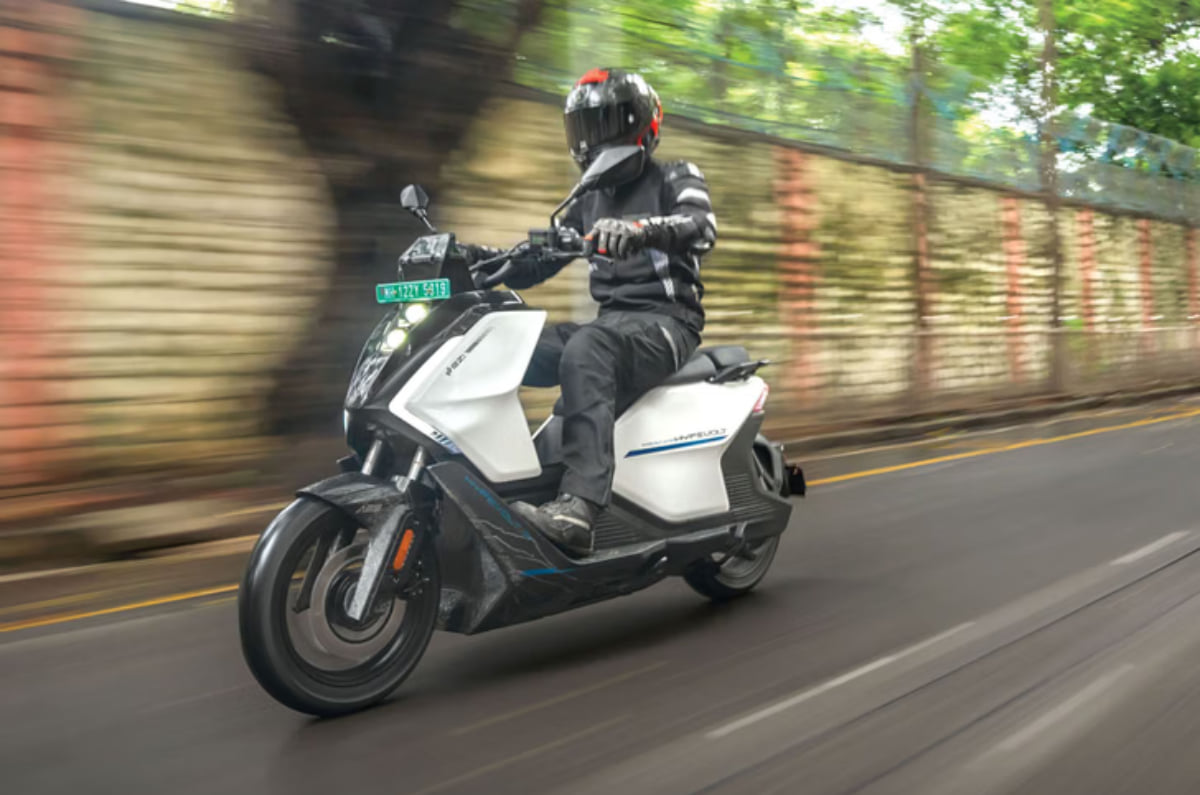
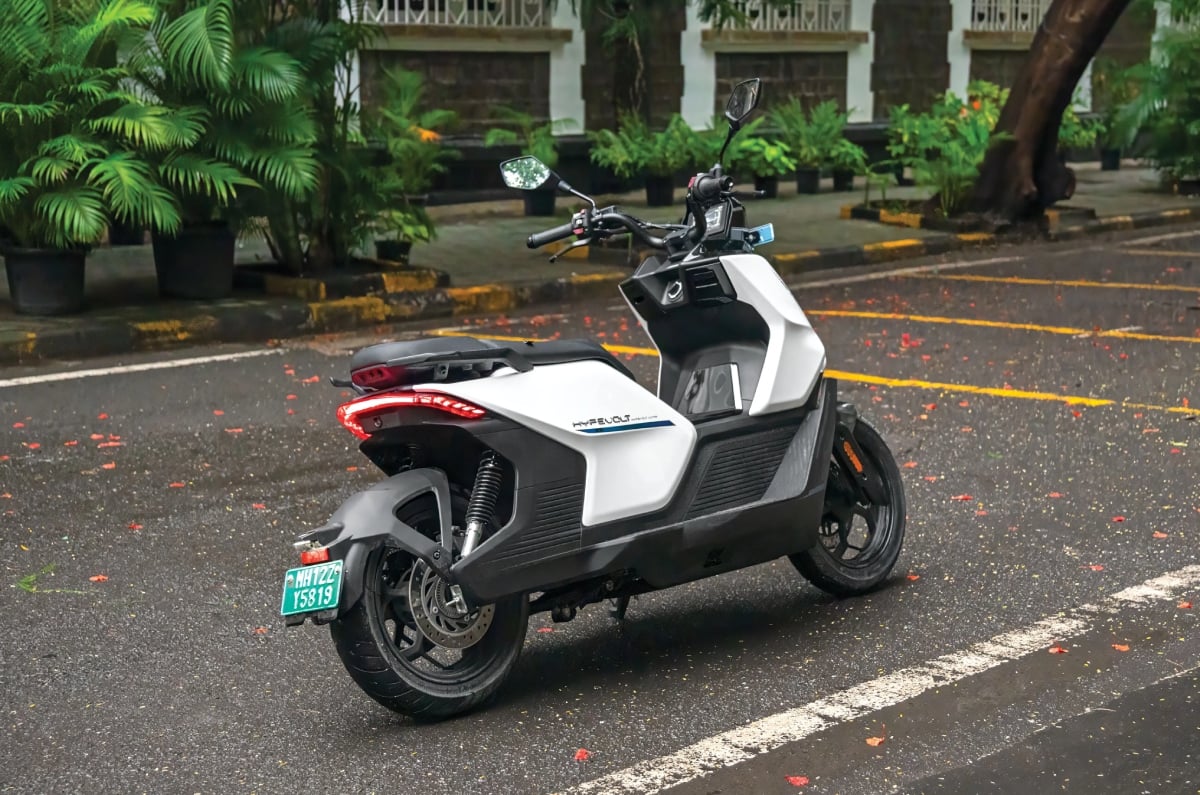
The Keeway EZI Hypevolt-R is a premium step-through electric scooter that arrives in India as a CKD product, sold through Benelli and Keeway dealerships. It is the first product from EZI, Keeway’s electric sub-brand, to reach our market. In our time with the scooter, we found it to be a genuinely capable product with some real strengths, but also a few areas that need attention.
Reasons to buy the Keeway EZI Hypevolt-R
Genuinely strong performance
The Hypevolt-R’s most pleasant surprise is how quick it is. With a 12kW motor and a 5.04kWh dual-battery pack, it manages the 0-80kph sprint in 7.49 seconds and 0-100kph in 13.05 seconds in Sport mode, which is genuinely impressive for an electric scooter. Three riding modes – Eco (45kph), Normal (81kph) and Sport (115kph) – give it useful versatility. Normal mode is the sweet spot for everyday use, offering enough punch for overtakes while preserving range. In our testing, riding mainly in Normal mode, we covered 125km on a charge.
Striking design, premium build quality and a practical package
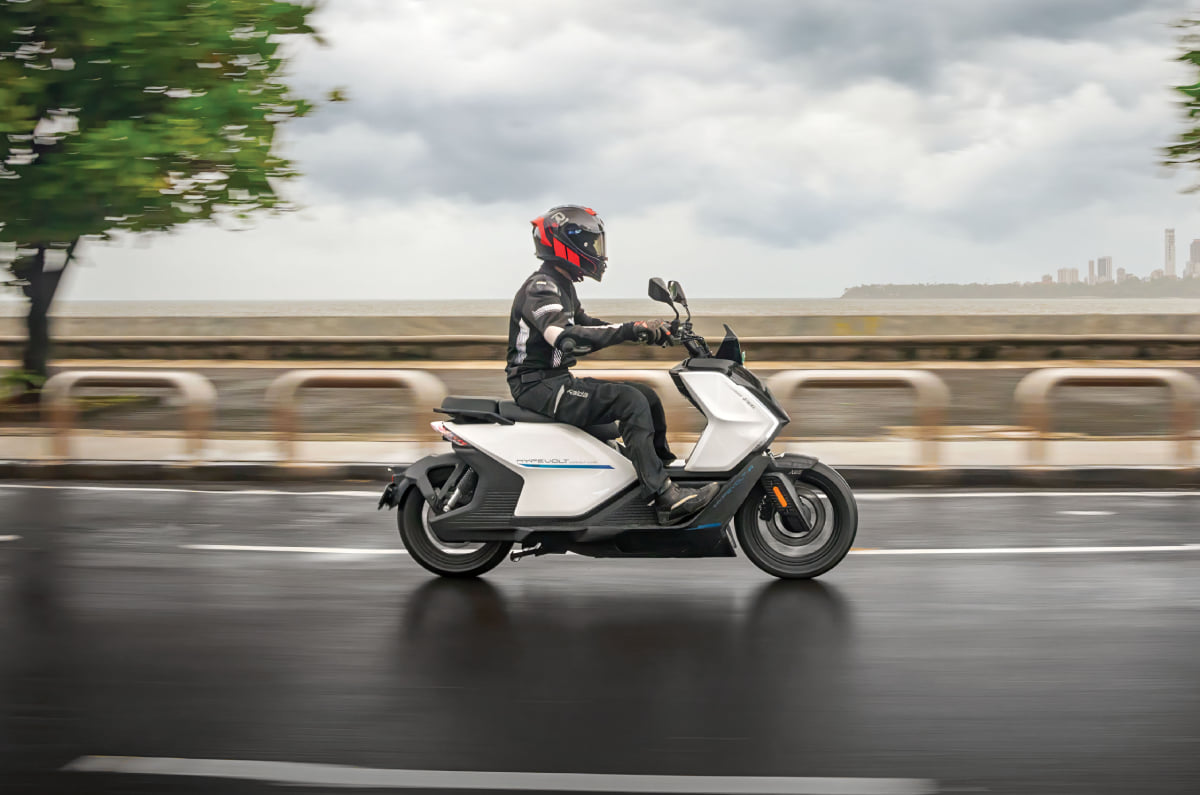
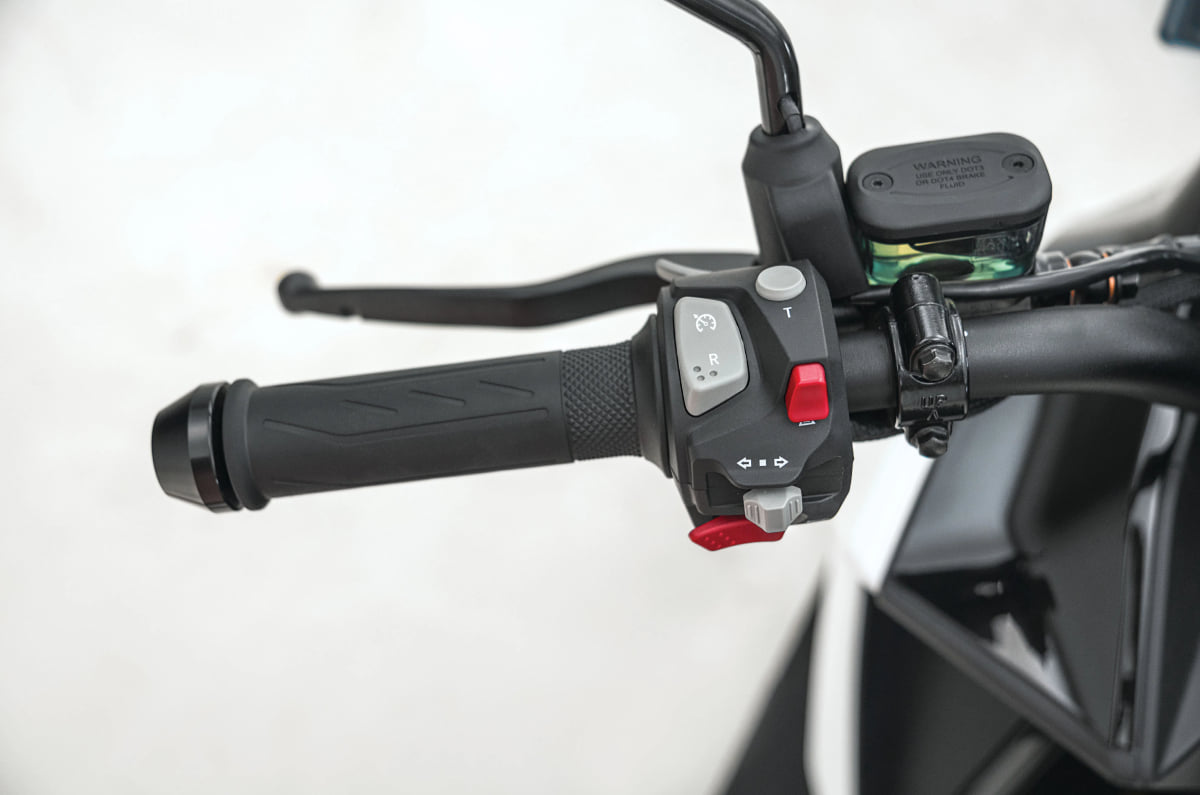
The Hypevolt-R makes a strong first impression. The arrow-shaped side panels, motorcycle-style handlebar and large 14-inch wheels give it a distinctive stance, and the overall fit and finish is impressive for the price. Switchgear feels premium, disc brakes with dual-channel ABS are fitted at both ends, and the 27 litres of underseat storage is enough for a half-face helmet and the provided charger. This is complemented by 4.6 litres of front compartment storage. USB Type-A and Type-C charging ports are also included.
Comfortable for longer rides
The seat is excellent and even after covering around 70km in a day, there was no discomfort. The 770mm seat height isn’t particularly tall, and the raised floorboard allows for a relaxed riding position. The broad proportions mean shorter riders may find themselves on their toes, but for most riders the ergonomics work well for extended use. The suspension handles city speeds competently, and the Yosun tyres offer good grip in both wet and dry conditions.
Reasons to skip the Keeway EZI Hypevolt-R
Battery compartment sealing is a concern
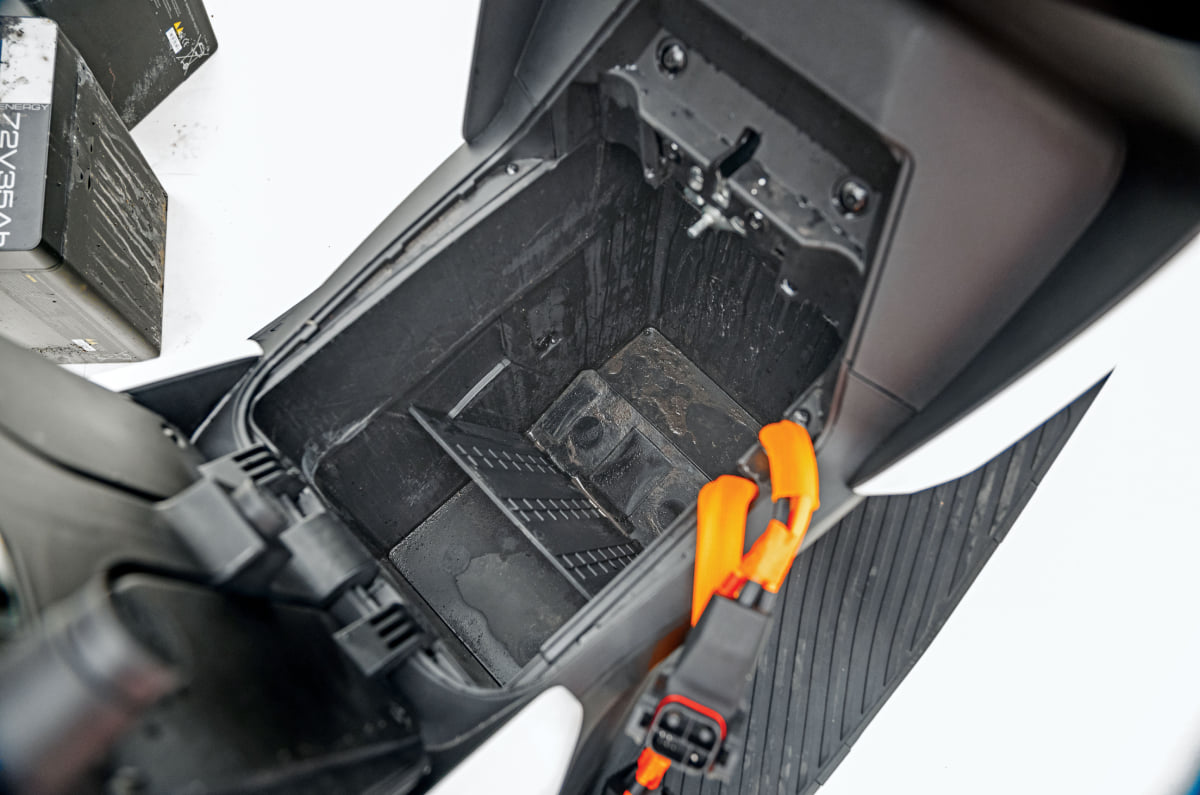
After extensive use in the rain, we found a significant amount of water, dirt and muck inside the battery compartment when we removed the batteries. Beyond being unpleasant to deal with, the compartment is also difficult to clean. Each battery also weighs 17.3kg, making them cumbersome to remove for home charging. The charging cable itself is quite short, which could be inconvenient depending on socket placement.
Electronics are feature-rich but unnecessarily complicated
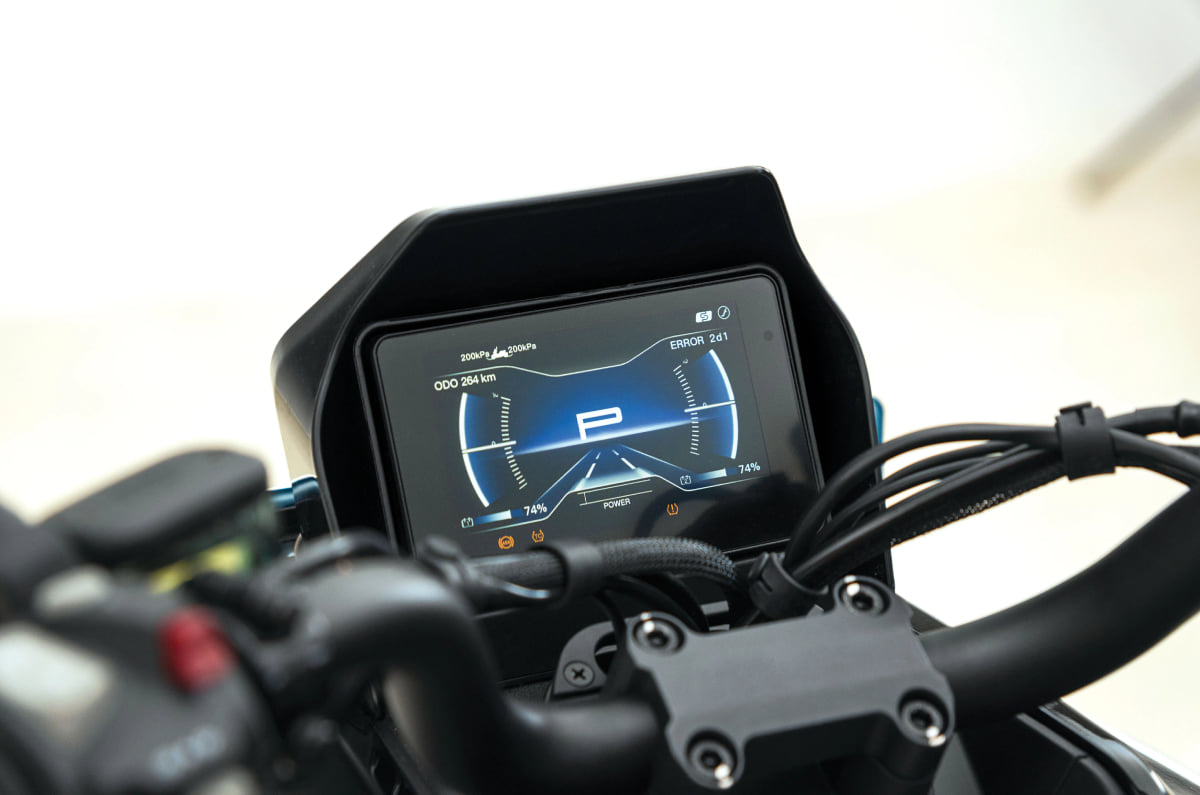
The Hypevolt-R is loaded with technology like traction control, adjustable regenerative braking, blind-spot detection with a reverse camera, cruise control and Bluetooth connectivity, but the way it’s all integrated makes it harder to use than it should be. There is no range estimate on the TFT display; you have to check the app on your phone instead. Riding mode selection, traction control settings and regeneration levels are all managed through the app rather than the instrument cluster. Lastly, the keyless system requires you to press the unlock button on the fob first rather than unlocking automatically on proximity. For a scooter at this price, the electronics should be more intuitive.