Tomorrow Weather: देश के कई हिस्सों में मौसम एक बार फिर करवट लेने वाला है। अगले कुछ दिनों में कई राज्यों में बारिश के साथ गरज-चमक और तेज हवाएं चल सकती हैं। मौसम विभाग ने तमिलनाडु और केरल के कुछ इलाकों में भारी बारिश की संभावना जताई है। वहीं, दिल्ली, उत्तर प्रदेश और कुछ उत्तरी राज्यों में भी बारिश हो सकती है, हालांकि यहां बारिश हल्की रहने का अनुमान है।
भारत मौसम विज्ञान विभाग (IMD) ने उत्तराखंड के आठ जिलों के लिए भी येलो अलर्ट जारी किया है। देहरादून, हरिद्वार, टिहरी, पौड़ी गढ़वाल, अल्मोड़ा, नैनीताल, चंपावत और ऊधम सिंह नगर में अगले चार दिनों के दौरान मध्यम बारिश हो सकती है। इस दौरान इन जिलों में 30 से 40 किलोमीटर प्रति घंटे की रफ्तार से तेज हवाएं भी चलने की संभावना है।
इसके अलावा, उत्तराखंड के कुछ इलाकों में अगले पांच दिनों तक हल्की से मध्यम बारिश देखने को मिल सकती है। वहीं, 4,200 मीटर से अधिक ऊंचाई वाले क्षेत्रों में बारिश के साथ बर्फबारी भी हो सकती है।
दिल्ली में बादल, यूपी में बारिश; हिमाचल से पंजाब तक आंधी-तूफान का अलर्ट
दिल्ली में 9 अक्टूबर को आसमान में आंशिक रूप से बादल छाए रह सकते हैं। इस दौरान अधिकतम तापमान करीब 32 डिग्री सेल्सियस रहने का अनुमान है। वहीं, उत्तर प्रदेश के कुछ हिस्सों में अगले कुछ दिनों के दौरान छिटपुट बारिश हो सकती है। राजधानी लखनऊ में भी बारिश होने की संभावना जताई गई है।
हिमाचल प्रदेश में भी बारिश, आंधी-तूफान, बिजली कड़कने और तेज हवाएं चलने की संभावना है। राज्य के कुछ हिस्सों में 11 अक्टूबर तक बारिश जारी रहने का अनुमान है। जम्मू-कश्मीर और लद्दाख में भी बारिश और आंधी-तूफान आ सकता है। कुछ इलाकों में बिजली कड़कने और तेज हवाएं चलने की भी संभावना है।
वहीं, पंजाब के कुछ हिस्सों में रविवार तक आंधी-तूफान, बिजली कड़कने और तेज हवाएं चल सकती हैं।
दक्षिण भारत में भी बारिश का दौर, कई राज्यों में गरज-चमक के आसार
इसके अलावा, आने वाले दिनों में दक्षिण भारत के कई हिस्सों में भी बारिश का दौर देखने को मिल सकता है। IMD के मुताबिक, तटीय आंध्र प्रदेश, यनम, रायलसीमा, तमिलनाडु, पुडुचेरी, कराईकल, दक्षिण आंतरिक कर्नाटक, केरल, माहे और लक्षद्वीप में बारिश होने की संभावना है। कुछ इलाकों में गरज-चमक के साथ बौछारें भी पड़ सकती हैं।
इन राज्यों से पीछे हट रहा दक्षिण-पश्चिम मानसून
इस बीच, दक्षिण-पश्चिम मानसून महाराष्ट्र, छत्तीसगढ़ और तेलंगाना के कुछ हिस्सों से लगातार पीछे हट रहा है। आने वाले दिनों में मानसून की वापसी का असर मौसम में बदलाव के रूप में देखने को मिल सकता है।
IMD Rain Forecast: दक्षिण-पश्चिम मानसून की देश से वापसी का सिलसिला लगातार आगे बढ़ रहा है। भारत मौसम विज्ञान विभाग (IMD) के मुताबिक 8 अक्टूबर को मानसून महाराष्ट्र के शेष हिस्सों के साथ गोवा, कर्नाटक, तेलंगाना और ओडिशा के कुछ और हिस्सों से भी पीछे हट गया है। इसके अलावा झारखंड और छत्तीसगढ़ के कुछ और हिस्सों से भी मानसून की वापसी हो गई है। मौसम विभाग का अनुमान है कि अगले 3-4 दिनों के दौरान पूर्वी भारत, उत्तरी प्रायद्वीप और पूर्वोत्तर भारत के कई हिस्सों से मानसून की वापसी के लिए परिस्थितियां अनुकूल बनी हुई हैं। हालांकि, मानसून की विदाई के बीच देश के कई हिस्सों में बारिश और गरज-चमक का दौर जारी रहेगा।
IMD फोरकास्ट के मुताबिक 8 अक्टूबर को बिहार, गंगीय पश्चिम बंगाल तथा उप-हिमालयी पश्चिम बंगाल और सिक्किम में भारी बारिश हो सकती है। वहीं, 9 अक्टूबर को दक्षिण आंतरिक कर्नाटक, जबकि 8 से 10 अक्टूबर के बीच केरल और तमिलनाडु, पुडुचेरी एवं कराईकल में भारी बारिश की संभावना जताई गई है।
बिहार में सबसे ज्यादा 11 सेंटीमीटर बारिश
पिछले 24 घंटे में भी कई राज्यों में अच्छी बारिश दर्ज की गई है। 8 अक्टूबर की सुबह 8:30 बजे तक बिहार के सहरसा में 11 सेंटीमीटर बारिश हुई, जो सबसे अधिक रही। मौसम विभाग ने एक बार फिर से बिहार के कुछ जिलों में बारिश की चेतावनी जारी की है। पूर्वी उत्तर प्रदेश के शारदानगर में 9 सेंटीमीटर, उत्तराखंड के बेरीनाग में 8 सेंटीमीटर तथा ओडिशा के कोरापुट, झारखंड के मधुपुर और तमिलनाडु के कोयंबटूर में 7-7 सेंटीमीटर बारिश दर्ज की गई।
दिल्ली-NCR समेत उत्तर-पश्चिम में 14 अक्टूबर तक बारिश के आसार
उत्तर-पश्चिम भारत की बात करें तो दिल्ली, हरियाणा, चंडीगढ़ और पंजाब में 8 से 14 अक्टूबर के दौरान कहीं-कहीं बारिश होने की संभावना है। पश्चिमी उत्तर प्रदेश में 8 से 11 अक्टूबर और पूर्वी उत्तर प्रदेश में 8 से 10 अक्टूबर तक बारिश के आसार हैं। मौसम विभाग के अनुसार 10 और 11 अक्टूबर को हरियाणा, चंडीगढ़ और दिल्ली में 30-40 किलोमीटर प्रति घंटे की रफ्तार से तेज हवाएं चल सकती हैं, जिनके झोंकों की गति 50 किलोमीटर प्रति घंटे तक पहुंच सकती है। ऐसे में मौसम में अचानक बदलाव देखने को मिल सकता है।
जम्मू-कश्मीर और लद्दाख का वेदर फोरकास्ट
जम्मू-कश्मीर, लद्दाख और आसपास के इलाकों में 8 और 10 अक्टूबर को व्यापक बारिश की संभावना है। 8 अक्टूबर को राजधानी में गरज-चमक के साथ 40-50 किमी प्रति घंटे की रफ्तार से तेज हवाएं और झोंके 60 किमी प्रति घंटे तक पहुंच सकते हैं। उत्तराखंड में 9 अक्टूबर को कहीं-कहीं भारी बारिश की चेतावनी भी जारी की गई है।
पूर्वी भारत में भारी बारिश का अलर्ट
पूर्वी भारत में भी मौसम सक्रिय बना हुआ है। बिहार में 8 से 11 अक्टूबर, ओडिशा में 8 से 14 अक्टूबर और झारखंड में 9-10 अक्टूबर तक अलग-अलग स्थानों पर बारिश हो सकती है। 8 अक्टूबर को गंगीय पश्चिम बंगाल, झारखंड तथा उप-हिमालयी पश्चिम बंगाल और सिक्किम में व्यापक बारिश की संभावना है।
इस दौरान बिहार, गंगीय पश्चिम बंगाल तथा उप-हिमालयी पश्चिम बंगाल और सिक्किम में भारी बारिश हो सकती है। झारखंड और ओडिशा में 8 अक्टूबर को गरज-चमक के साथ 40-50 किमी प्रति घंटे की रफ्तार से तेज हवाएं चलने की संभावना है। बिहार में 8 और 9 अक्टूबर को भी आंधी-तूफान जैसी स्थिति बन सकती है।
दक्षिण भारत में बारिश का सबसे ज्यादा असर
दक्षिण भारत में अगले कुछ दिनों तक मौसम काफी सक्रिय रहने वाला है। केरल और माहे में 8 से 10 अक्टूबर तक व्यापक बारिश की संभावना है। तमिलनाडु, पुडुचेरी और कराईकल में 8 से 10 अक्टूबर के दौरान भारी बारिश हो सकती है। तमिलनाडु में 8 से 12 अक्टूबर तक गरज-चमक और 40-50 किमी प्रति घंटे की रफ्तार से तेज हवाएं, जिनके झोंके 60 किमी प्रति घंटे तक पहुंच सकते हैं।
केरल और माहे में भी 8 से 10 अक्टूबर के दौरान तेज हवाओं के साथ आंधी-तूफान की स्थिति बन सकती है। जबकि दक्षिण आंतरिक कर्नाटक में 9 अक्टूबर को भारी बारिश की संभावना है। इसके अलावा तटीय आंध्र प्रदेश, यनम और रायलसीमा में 8 से 10 अक्टूबर के बीच तेज सतही हवाएं चल सकती हैं।
पूर्वोत्तर में भी बारिश का दौर जारी
पूर्वोत्तर भारत में अरुणाचल प्रदेश में 8 से 10 अक्टूबर, असम और मेघालय में 8 से 11 अक्टूबर तथा नागालैंड, मणिपुर, मिजोरम और त्रिपुरा में 8 से 14 अक्टूबर तक हल्की से मध्यम बारिश के आसार हैं। कई स्थानों पर गरज-चमक भी देखने को मिल सकती है।
गोवा-कोंकण में उमस भरी गर्मी
मानसून की वापसी के बावजूद कोंकण और गोवा में 8 से 10 अक्टूबर के बीच गर्म और उमस भरा मौसम रहने की संभावना है। यानी यहां बारिश की गतिविधि कम रहने पर भी लोगों को उमस और गर्मी परेशान कर सकती है।
मानसून की विदाई के साथ पश्चिमी विक्षोभ भी सक्रिय
मौसम विभाग के अनुसार उत्तर पाकिस्तान और आसपास के क्षेत्र में एक नया पश्चिमी विक्षोभ एक्टिव हुआ है। इसके अलावा पूर्वी उत्तर प्रदेश और उत्तर-पूर्वी बिहार के आसपास ऊपरी वायुमंडल में चक्रवाती परिसंचरण बने हुए हैं। बिहार से तेलंगाना तक एक ट्रफ रेखा भी सक्रिय है। दक्षिण केरल तट और दक्षिण-पूर्वी अरब सागर के आसपास बने सिस्टम भी दक्षिण भारत में बारिश को बढ़ावा दे रहे हैं।
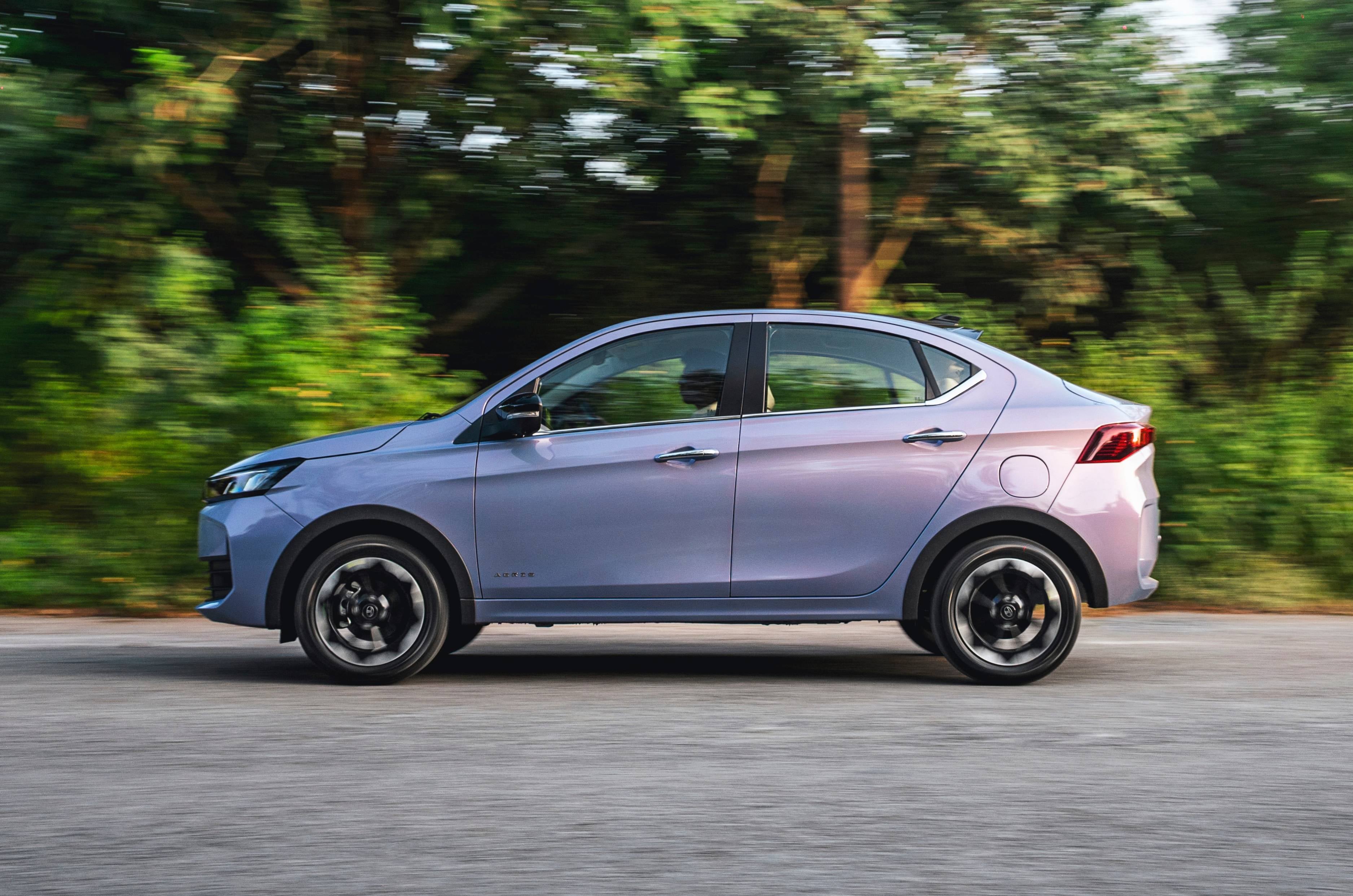
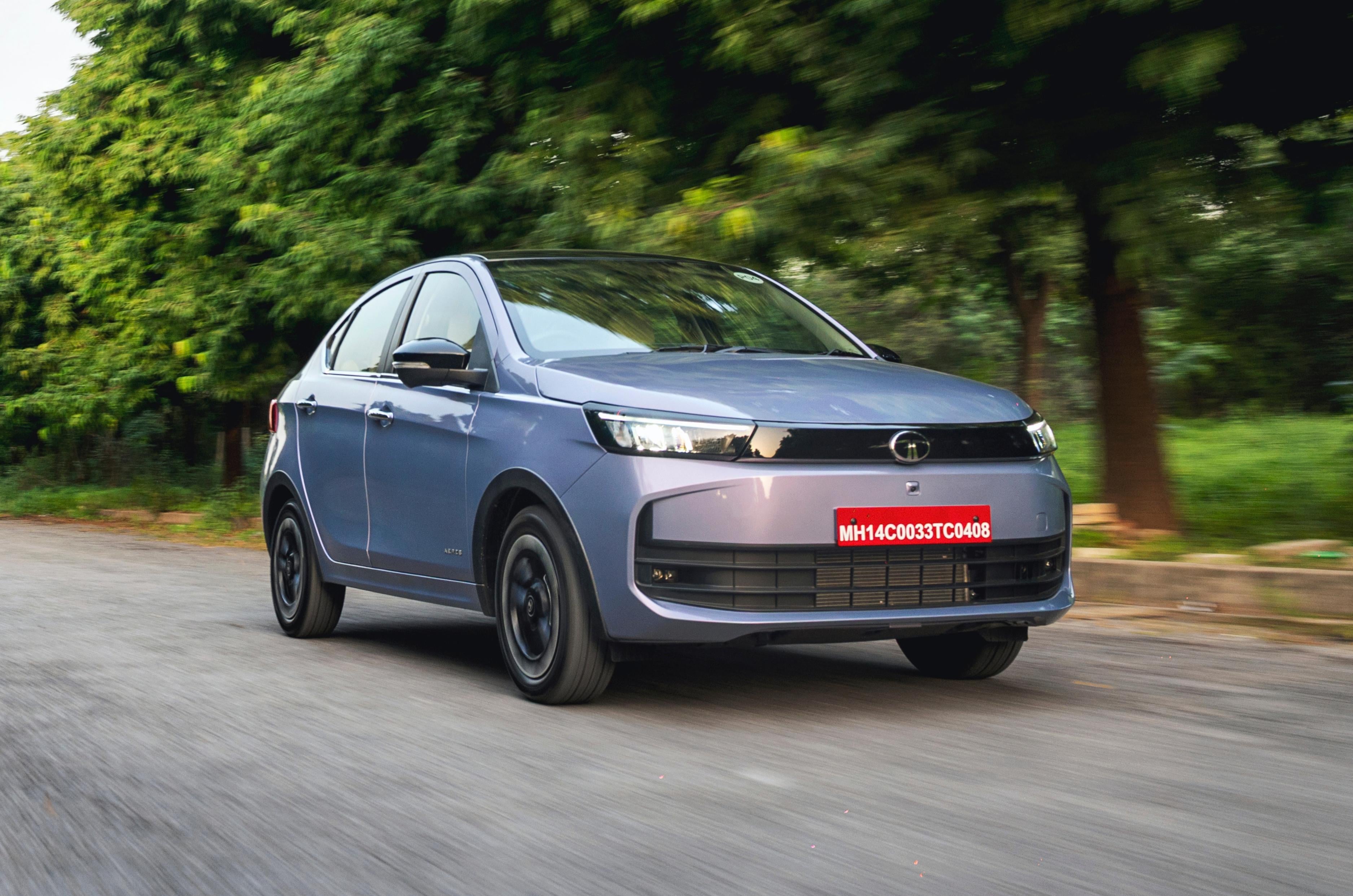
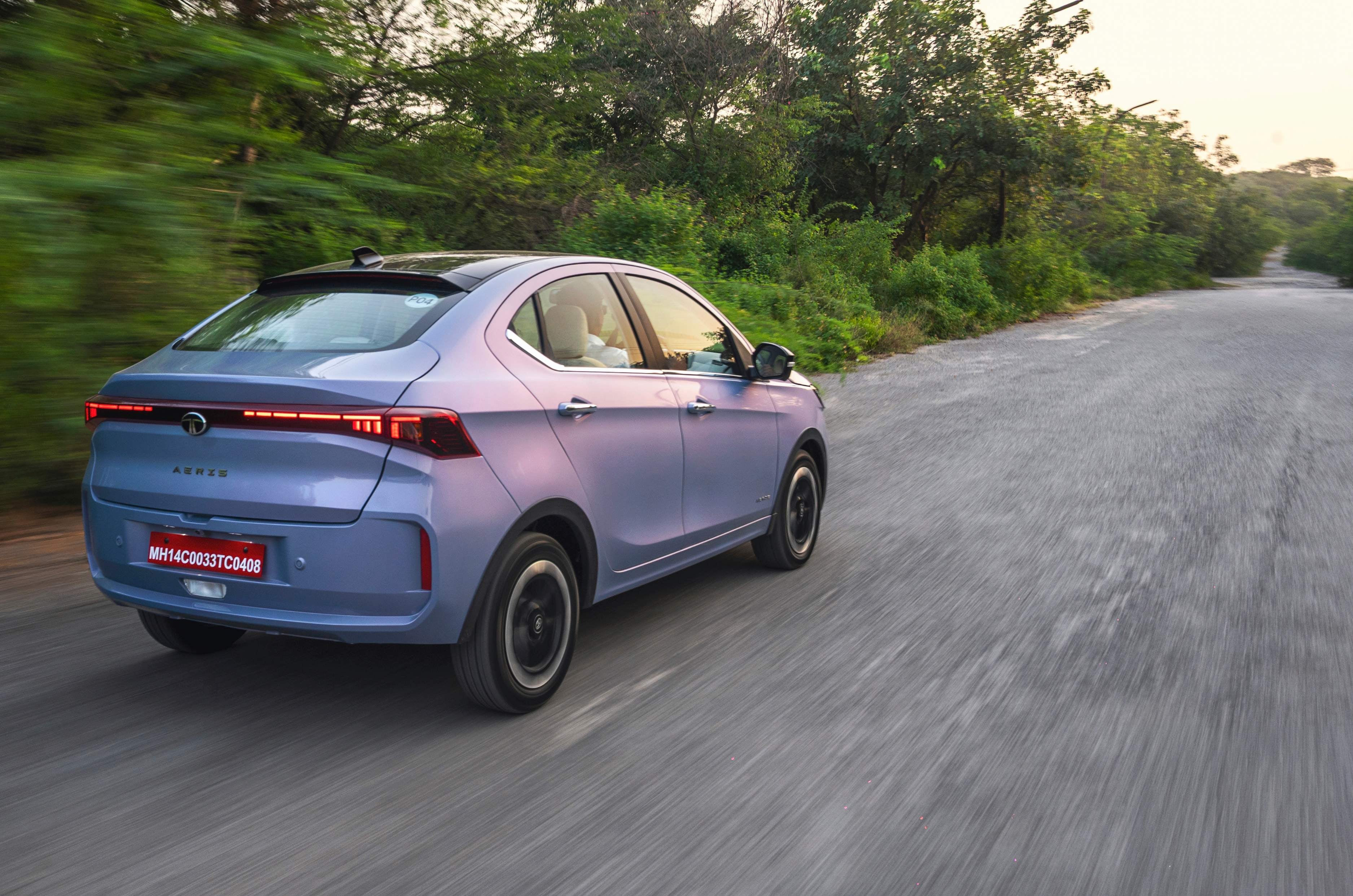
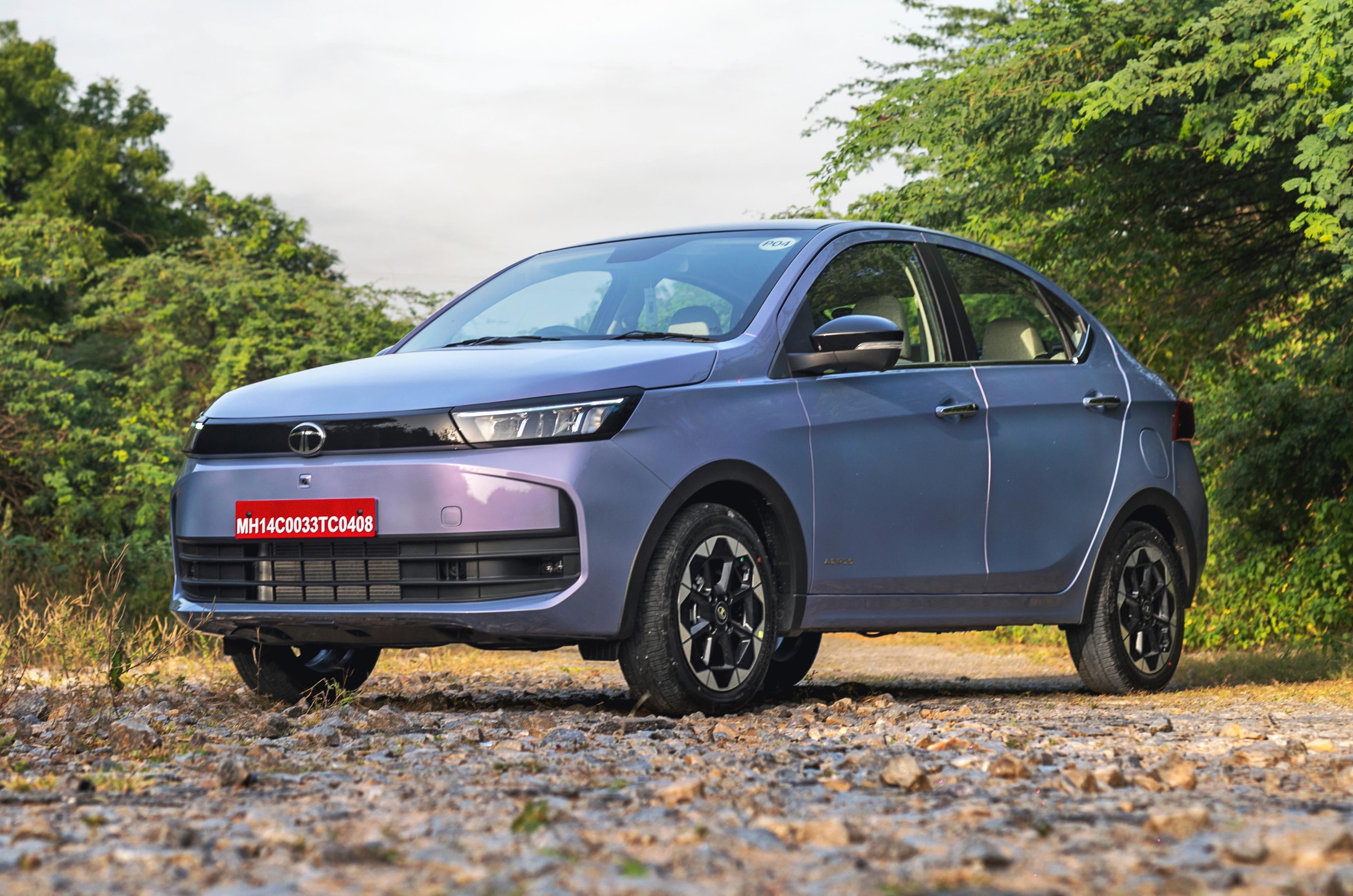
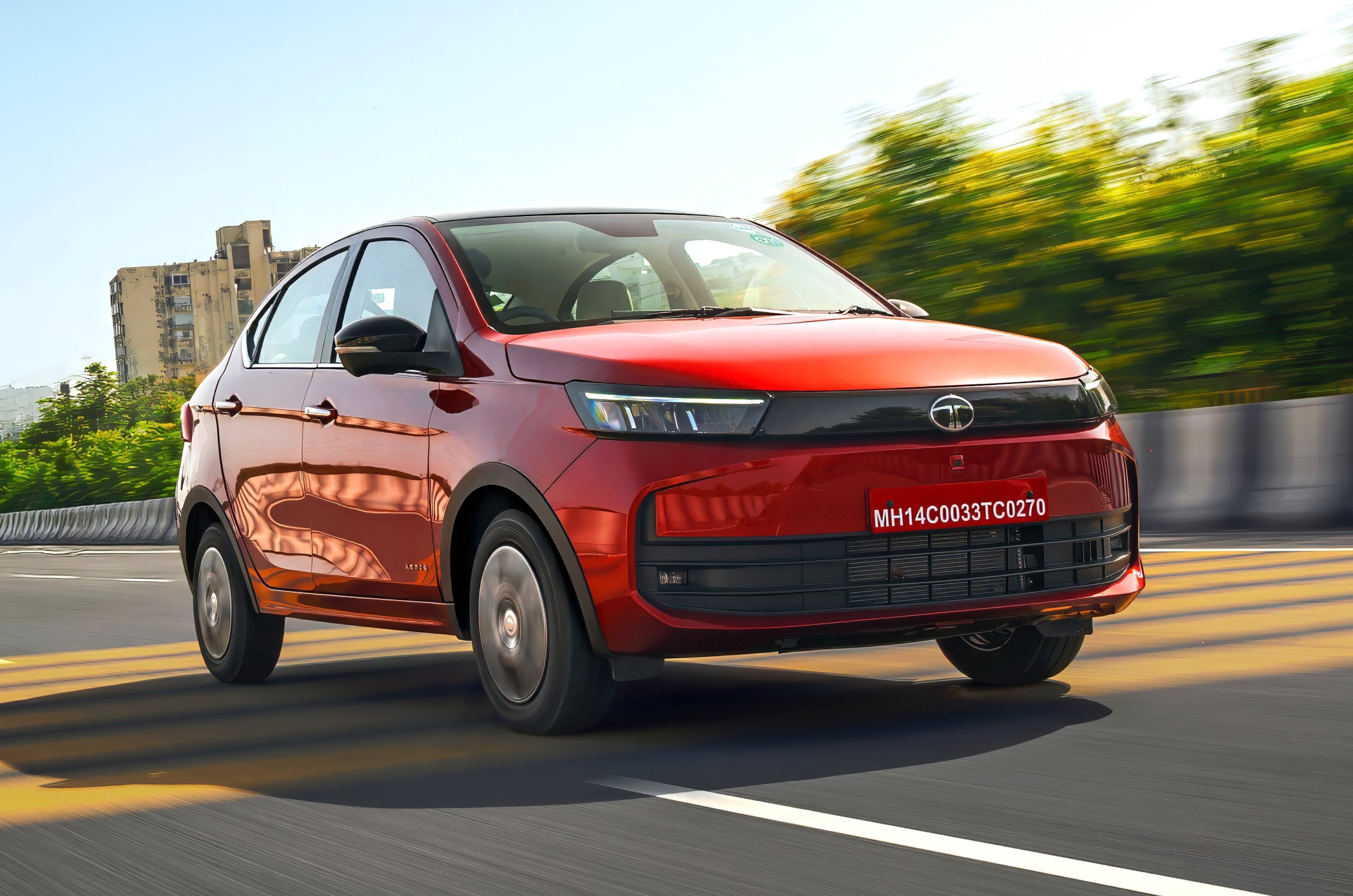
The Tata Aeris may be a new name, but its roots lie in the Tigor, which has enjoyed considerable popularity since 2017 for its distinctive styling, practical cabin, comfortable ride and decent powertrains. The Aeris builds on that foundation with a sharper design, a more upmarket cabin and an even more generous equipment list while retaining the same basic mechanical package underneath. Having already driven the iCNG version, we now get behind the wheel of the petrol Aeris to see how it fares as an everyday sedan.
Tata Aeris petrol performance and refinement – 7/10
The petrol engine gives it slightly better cruising capability than the CNG
3-cylinder engine is so-so on refinement and sounds coarse when revved hard
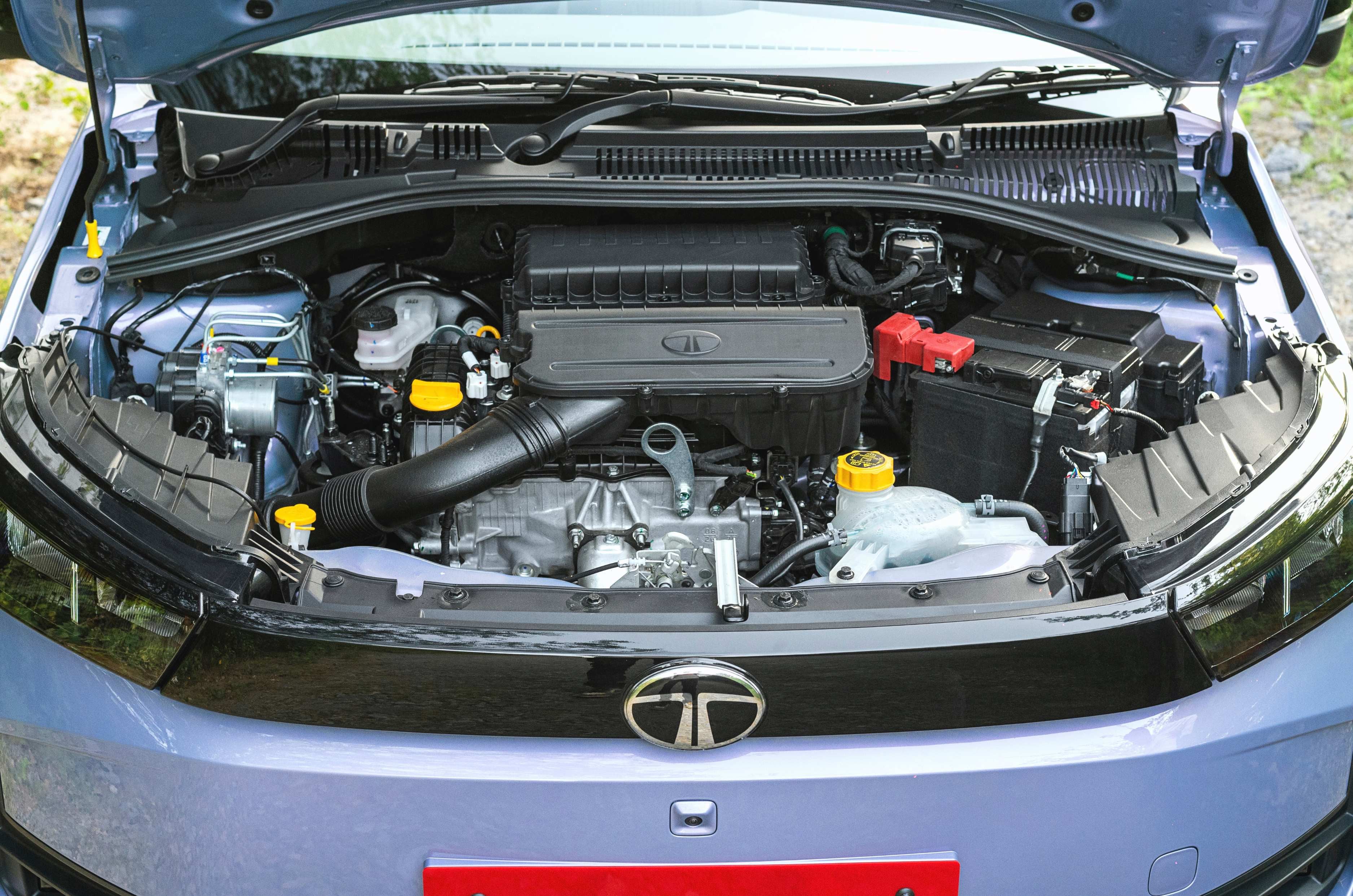
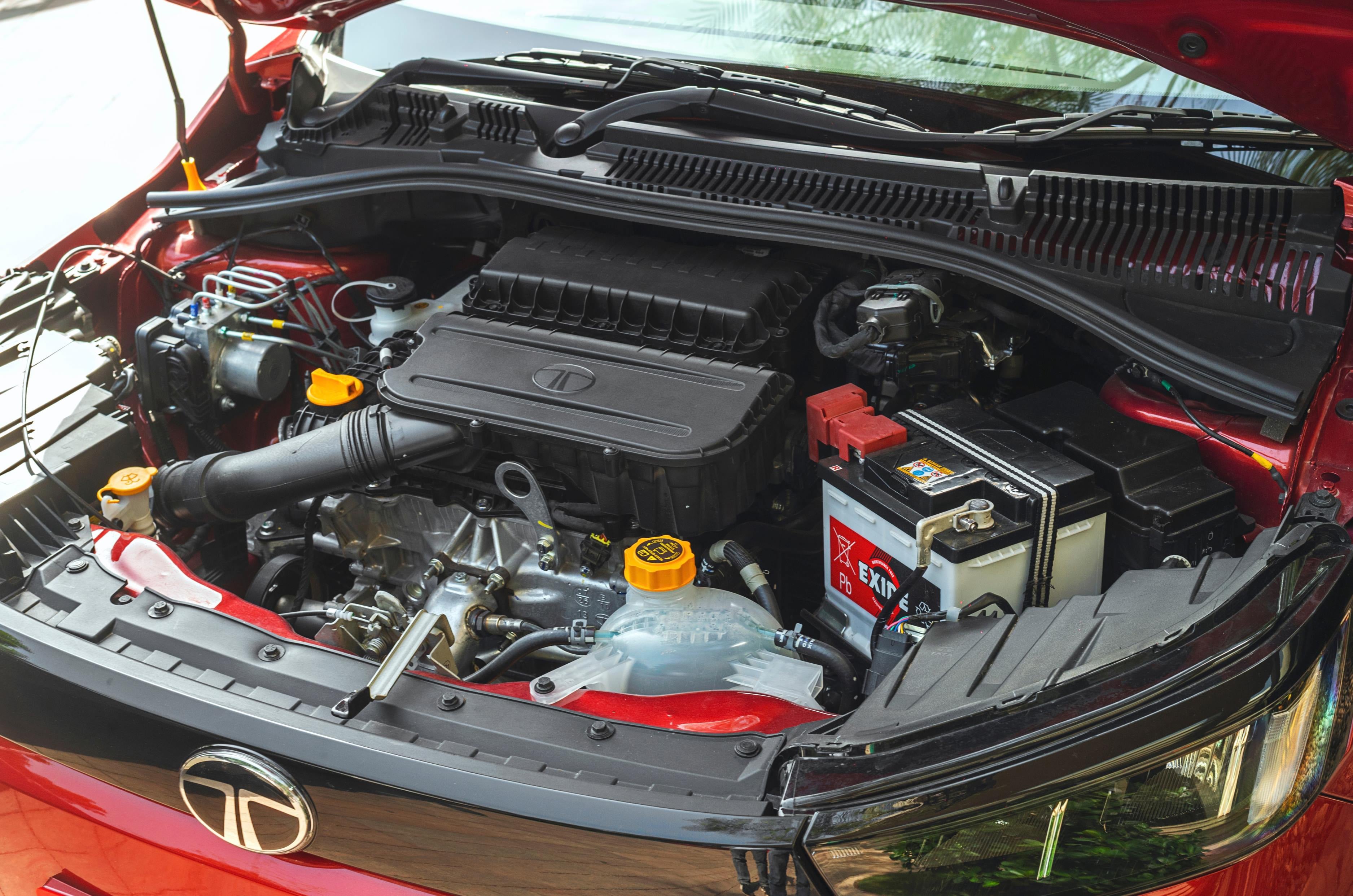
The Tata Aeris comes with a 1.2-litre 3-cylinder naturally aspirated engine that produces 86hp and 113Nm in its petrol guise and is offered with a choice between a 5-speed manual and a 5-speed automated manual transmission (AMT). The three-cylinder engine isn’t the smoothest in the segment, while the sound insulation also has room for improvement. There are noticeable vibrations at idle and low speeds, though these settle down once you’re on the move. However, they make a comeback beyond 2,500rpm, accompanied by a coarse engine note that can get intrusive and tiring on longer high-speed drives.
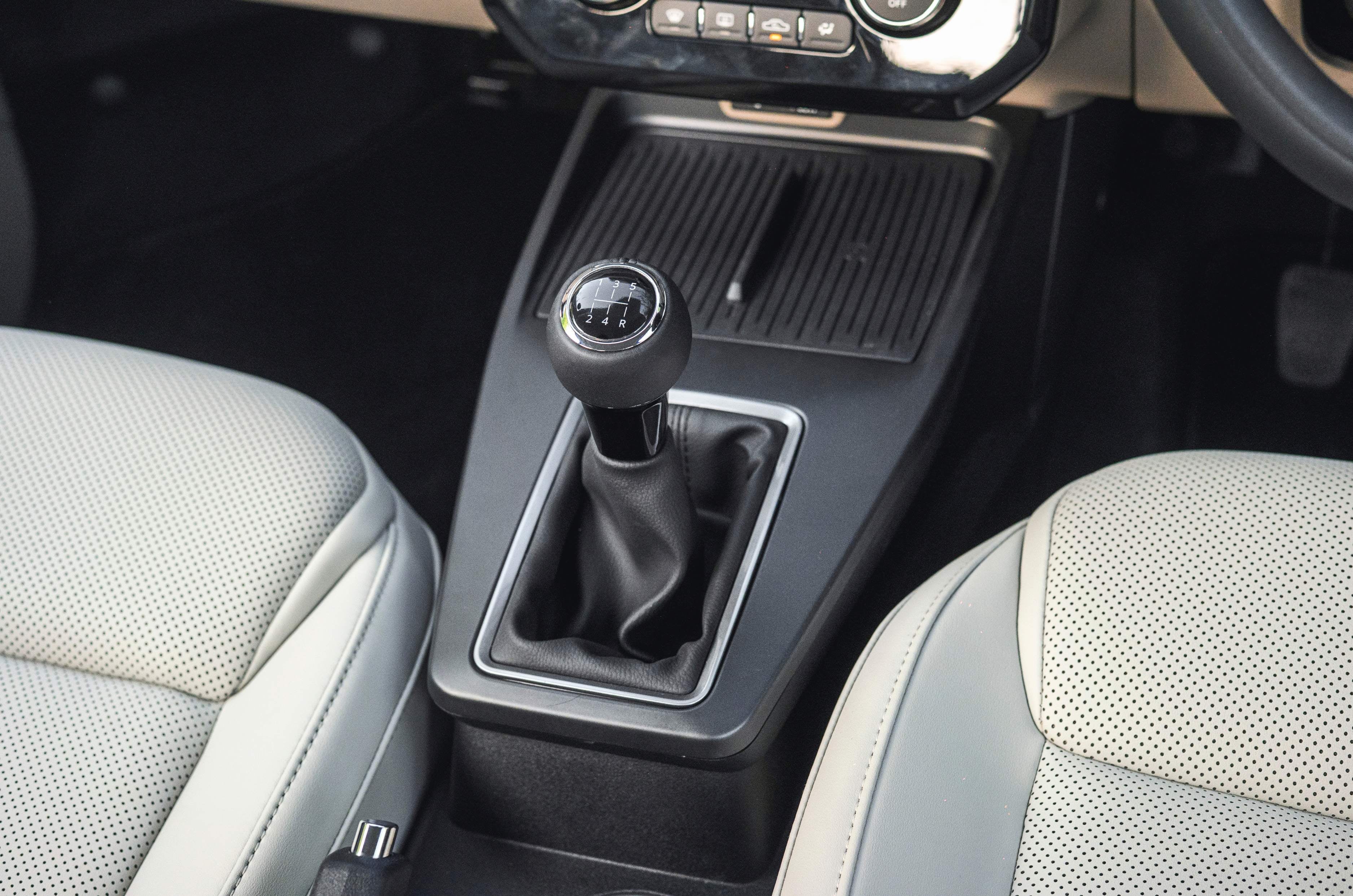
Manual lever looks premium for the price, offering short throws and defined gear gates.
The petrol version’s output figures are 10hp and 16Nm higher than the CNG version, which may look modest on paper, but the difference is discernible out on the road. We drove the petrol-powered Aeris with a 5-speed manual gearbox and noticed it offers short shift throws and well-defined gear gates. While it is not the slickest gearbox compared to its Maruti, Honda and Hyundai rivals, it is still a step up from the Tigor’s in terms of smoothness.
Aeris’ petrol version feels adequate for the city and is fine for gentle highway cruises too.
The performance in city speeds is adequate, and the powertrain is peppy enough for everyday driving. The clutch is light and has a predictable bite point, meaning you do not strain your left foot even in bumper-to-bumper traffic. There’s a dead pedal too, but it feels narrower than what we would have liked.
It is fairly quick to reach 80kph, but takes some time to reach triple-digit speeds. However, the petrol-powered Aeris maintains these speeds with relative ease, which makes it a decent highway cruiser. Unlike the CNG, the Aeris petrol does not feel out of breath when overtaking, and as long as you are in the right gear, it maintains good momentum.
AMT adds convenience for city drives but doesn’t like being rushed; the manual gearbox is easy to use.
We got a taste of the AMT during our earlier stint with the Aeris iCNG, when we switched to petrol mode, and found that the gearbox offered reasonable acceleration with measured inputs. Push the accelerator aggressively, though, and the typical AMT hesitation became evident, meaning overtakes need to be planned well. The AMT also gets a creep function, which comes in handy in bumper-to-bumper traffic.
All of this makes the AMT a good option for city driving, but for high-speed highway cruising, we recommend the manual gearbox, which offers greater control and a more engaging experience. That said, opting for the manual in the city is not a compromise either.
Tata Aeris petrol ride comfort and handling – 8/10
It allows for a confident drive at both low and high speeds
Like other Tata offerings, ride quality is one area where the Aeris excels. It takes broken roads in its stride, with the suspension absorbing rough patches well and keeping most surface irregularities from filtering into the cabin. The 170mm ground clearance is also adequate for tackling large speed breakers without much concern. That said, the CNG version has an edge in this department, thanks to its 14-inch steel wheels with taller sidewalls, which offer a more cushioned ride than the 15-inch alloys on the top-spec petrol version. Notably, lower Aeris trims get 14-inch wheels.
Well-tuned suspension keeps the Aeris comfortable and confident on all roads.
At high speed too, the suspension stiffens enough to keep the Aeris composed through quick lane changes, without feeling floaty. On the highways, it remains stable and inspires confidence at higher speeds. The steering, however, could do with more precision, as it feels slightly vague around the centre. While it weighs up nicely as speeds rise, a sharper response around the centre would have further enhanced the Aeris’ high-speed confidence.
Tata Aeris petrol mileage and efficiency
We expect the Aeris petrol to have similar fuel efficiency as the Tiago
Tata has yet to reveal the official fuel-efficiency figures for the petrol-powered Aeris. But it gets the same powertrain as the pre-facelift Tiago we tested in 2022. In that test, it returned 13.30kpl in the city and 16.60kpl on the highway. The Aeris could have similar fuel efficiency. However, we will be able to give you a more definitive assessment once we put the Aeris through our standard fuel-efficiency tests.
Tata Aeris petrol exterior design and engineering – 8/10
Has a sleeker and more modern exterior design and comes with LED lights all around
Save for the new bumper, the fascia is similar to the Tiago’s and looks very modern.
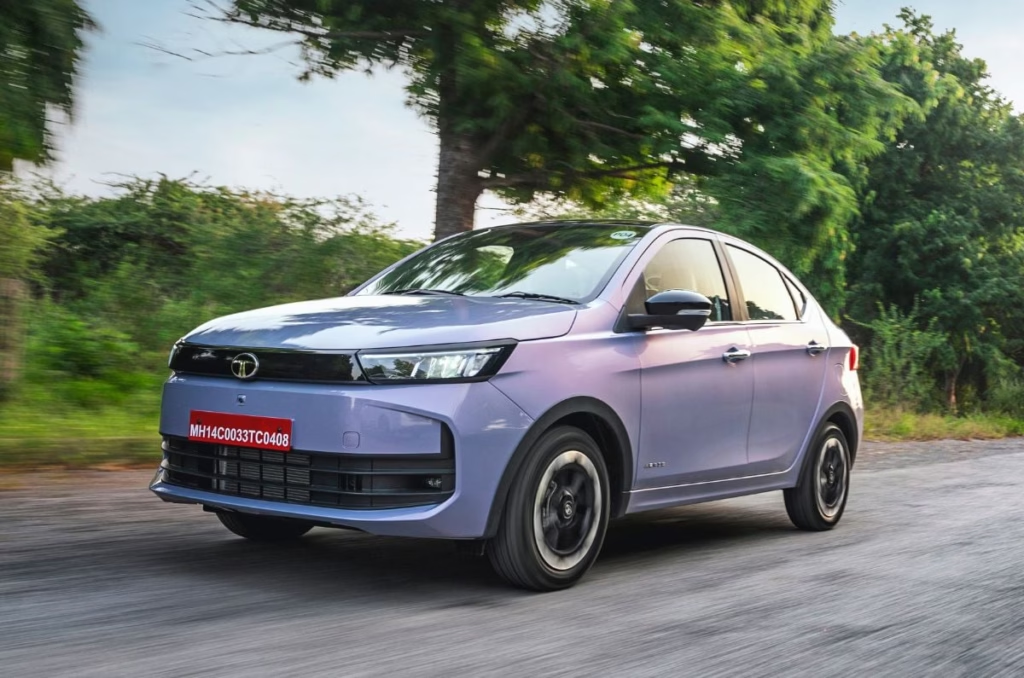
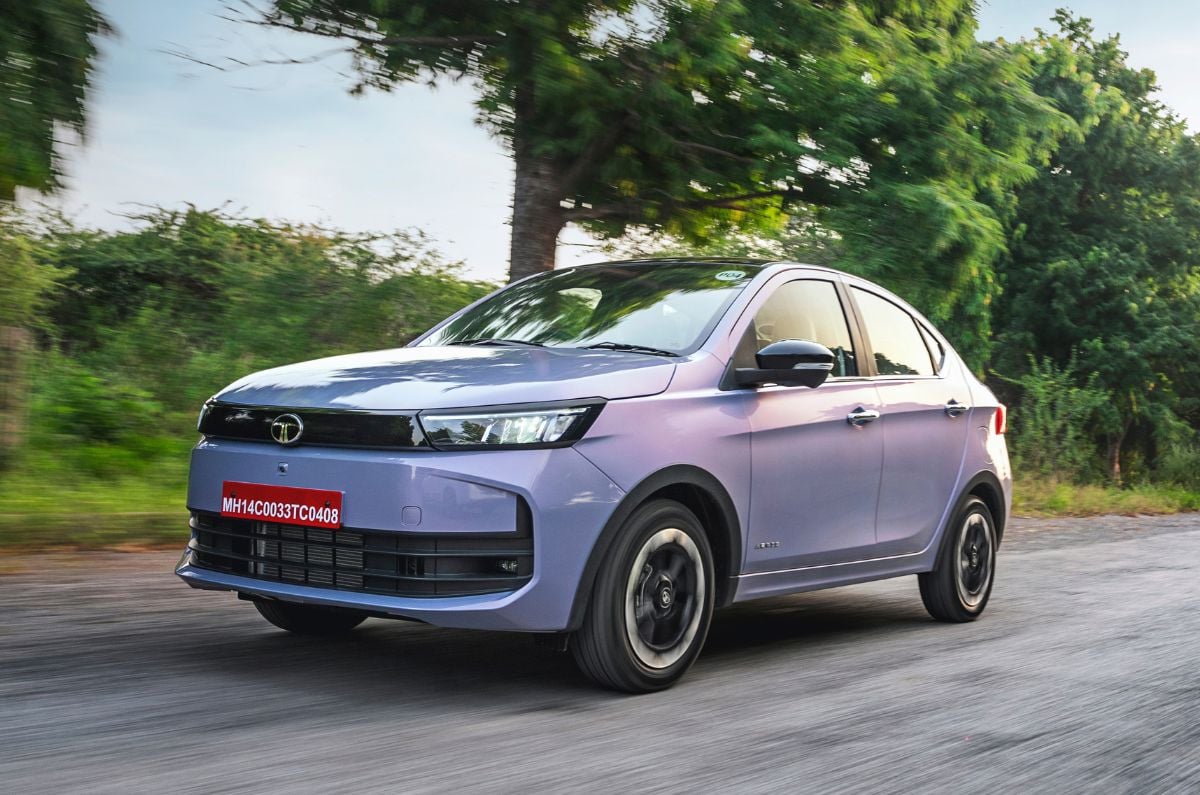
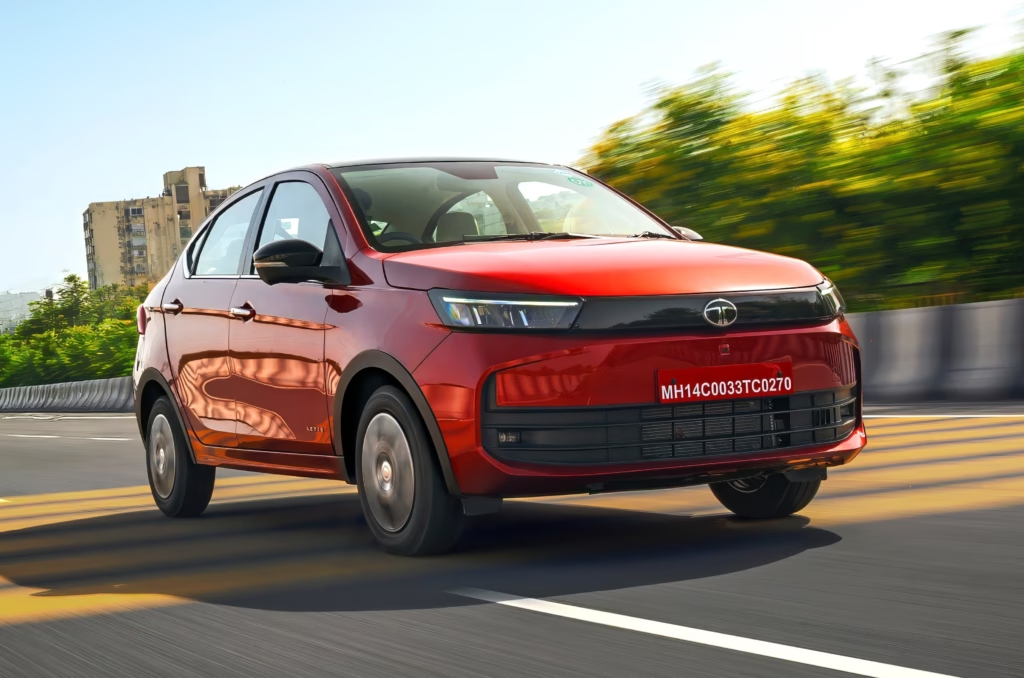
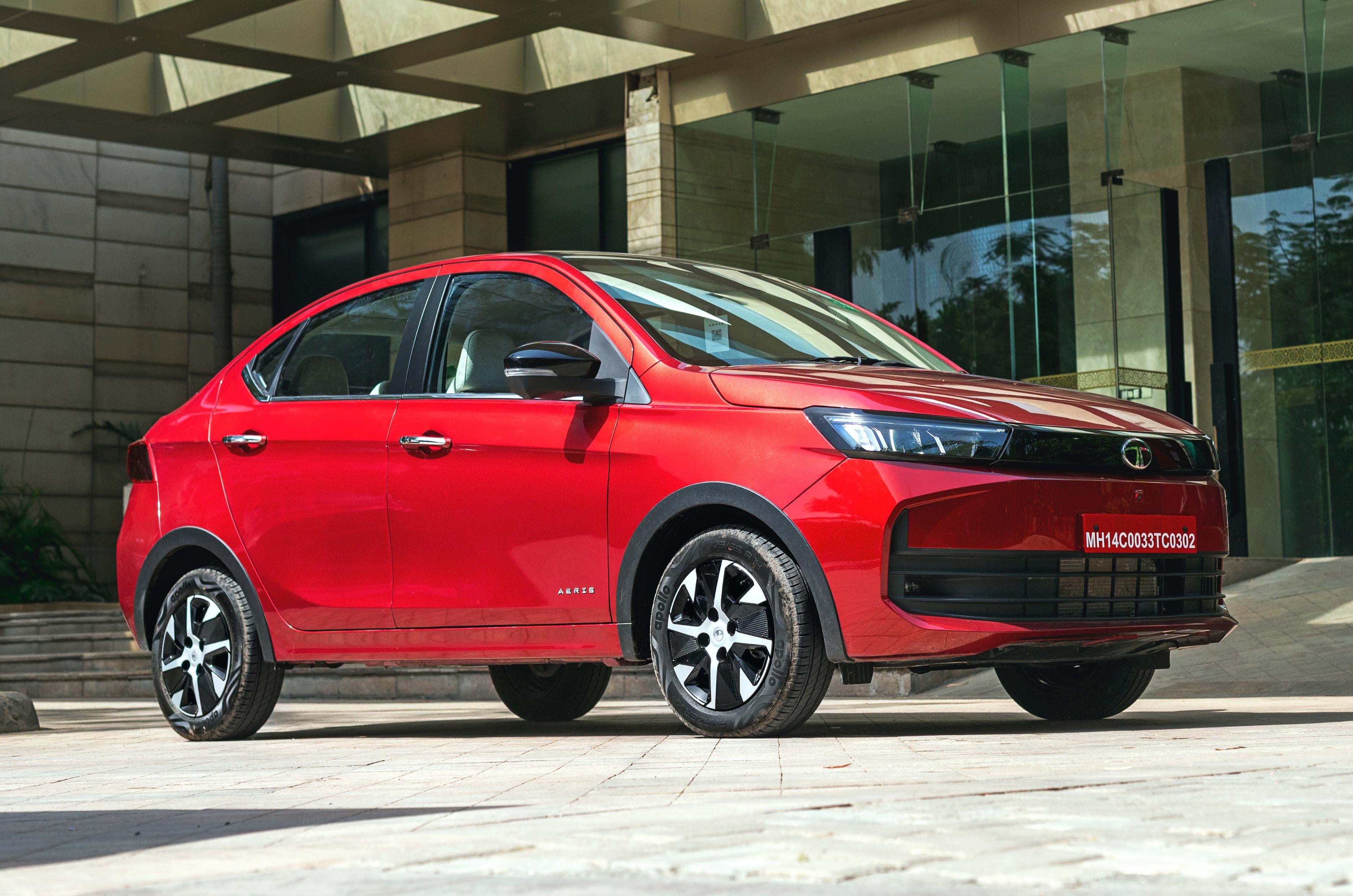
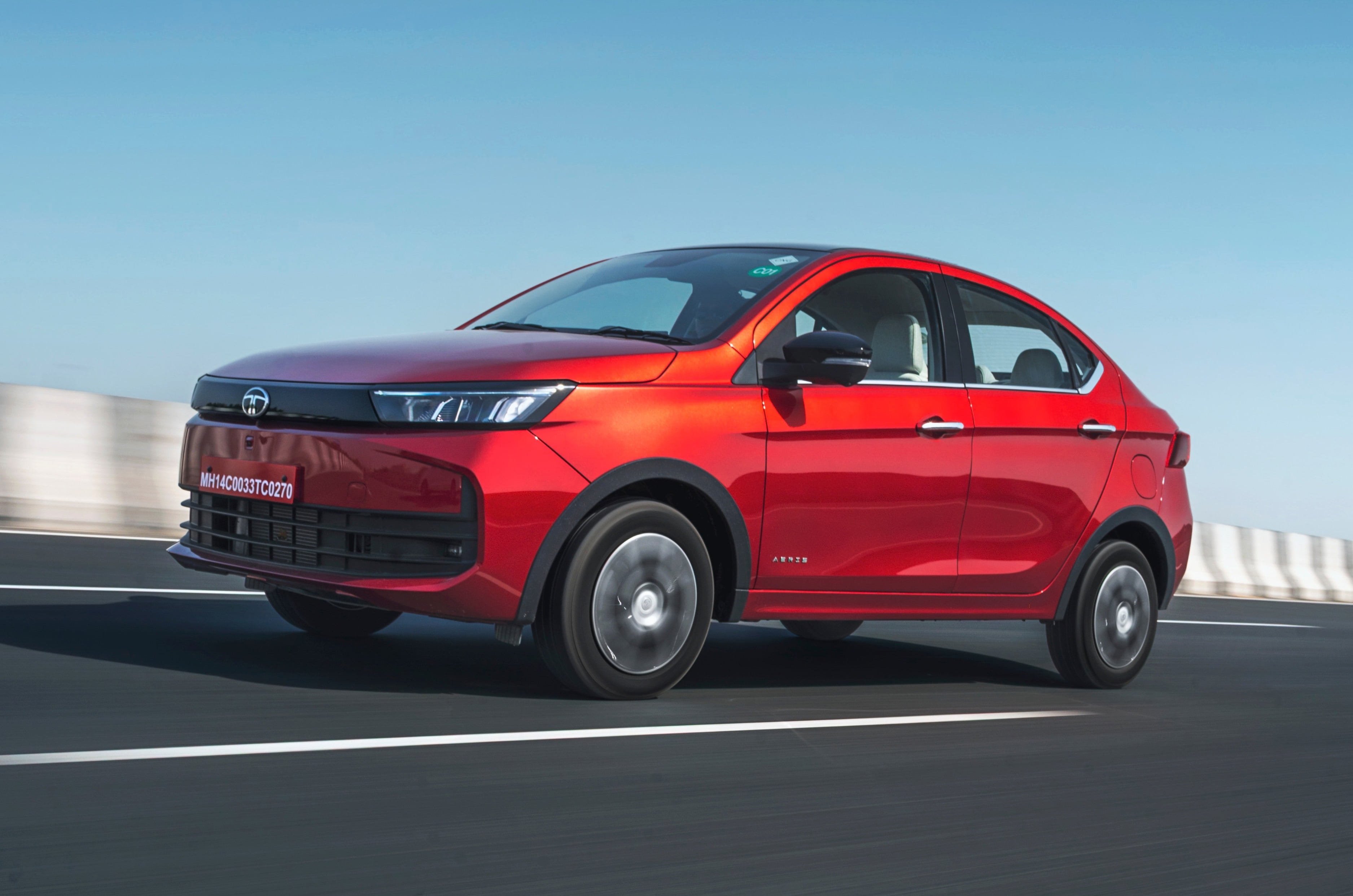
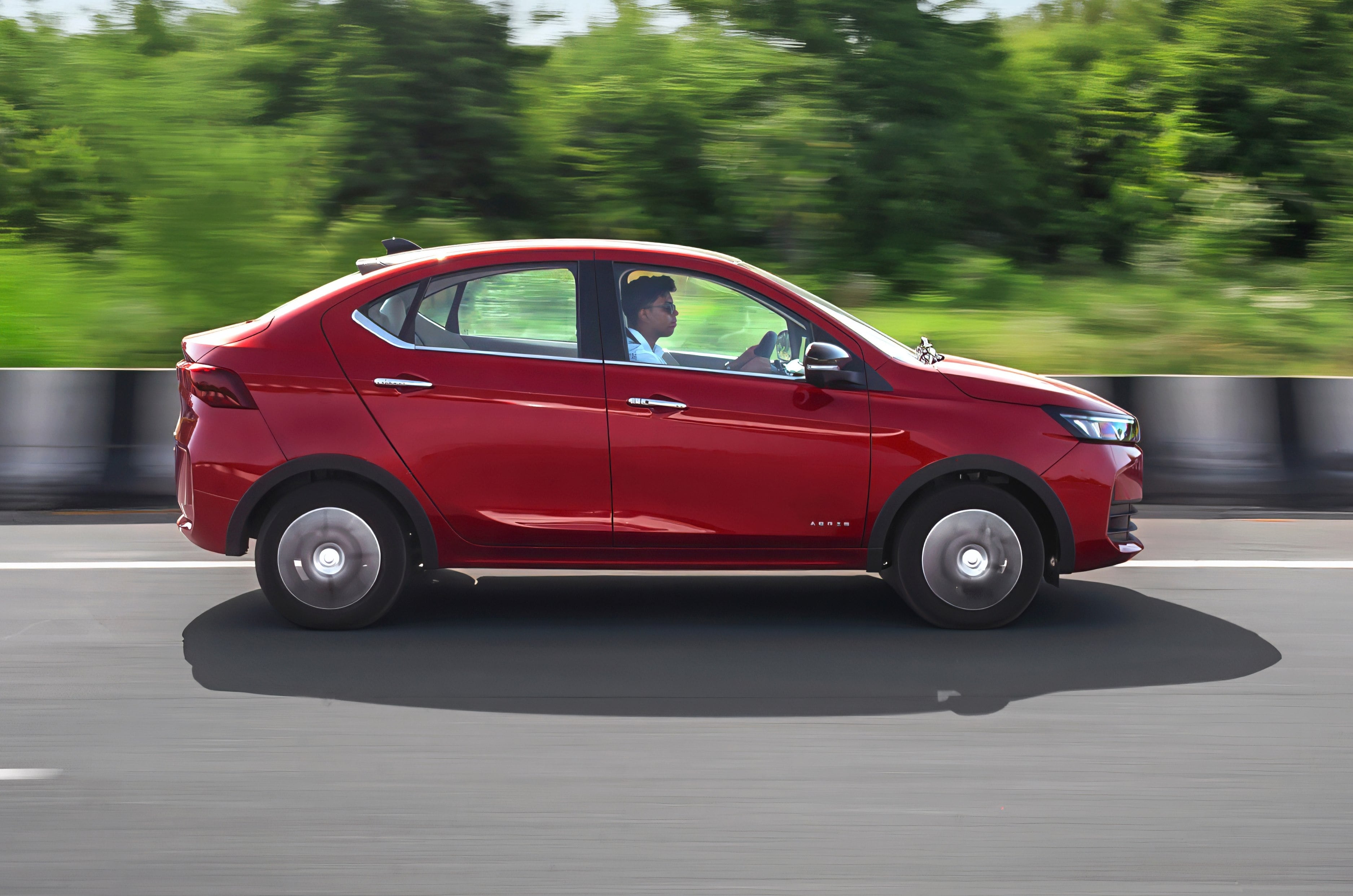
The Tata Aeris looks sleeker than before, with its design now closely aligned with the Tiago hatchback, something we have seen previously with the Tigor. Another factor that could work in the Aeris’ favour is Tata’s decision to offer it exclusively to private buyers, while retaining the Xpres, the fleet version of the Tigor, for commercial customers. This should help the Aeris steer clear of the ‘taxi’ tag often associated with rival compact sedans.
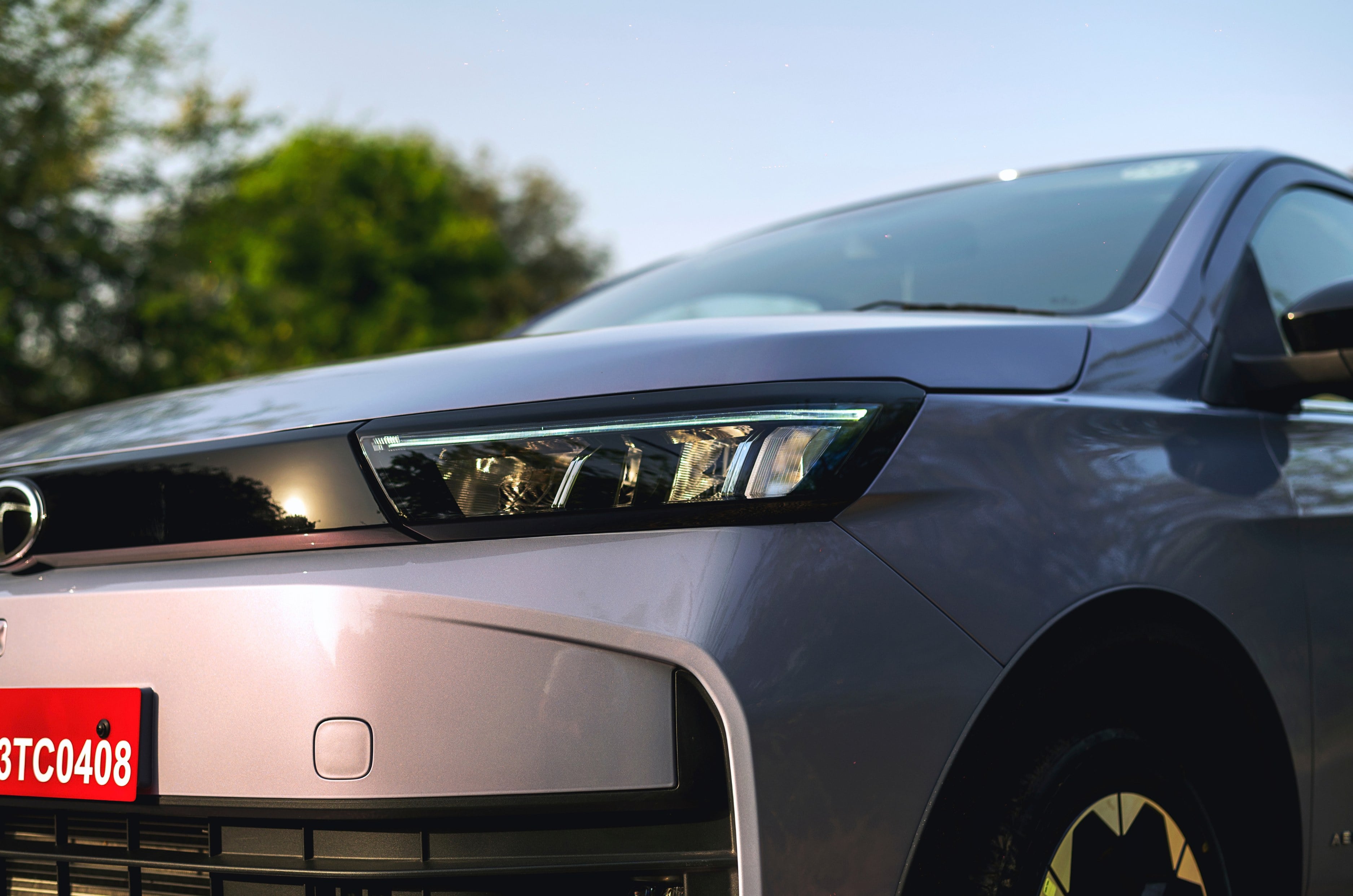
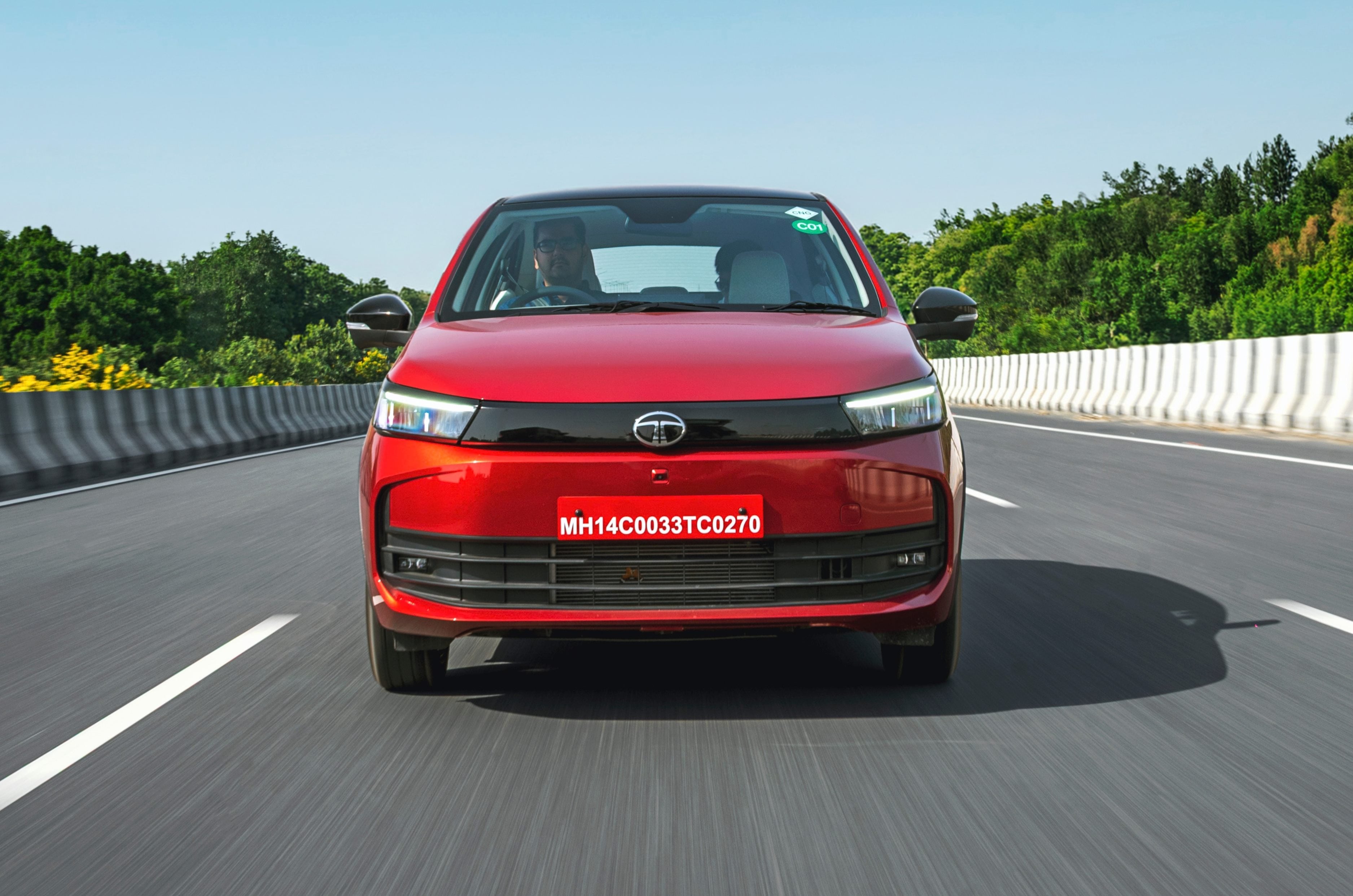
LED headlights with LED DRLs, which are connected by a black trim, make it look sleeker.
Up front, the new clamshell bonnet leads into slim LED headlights with thin LED DRL strips integrated into them. The headlights are connected by a gloss-black trim. The front bumper is also new, featuring wider air intakes and LED fog lamps, a welcome upgrade over the Tigor’s halogen units.
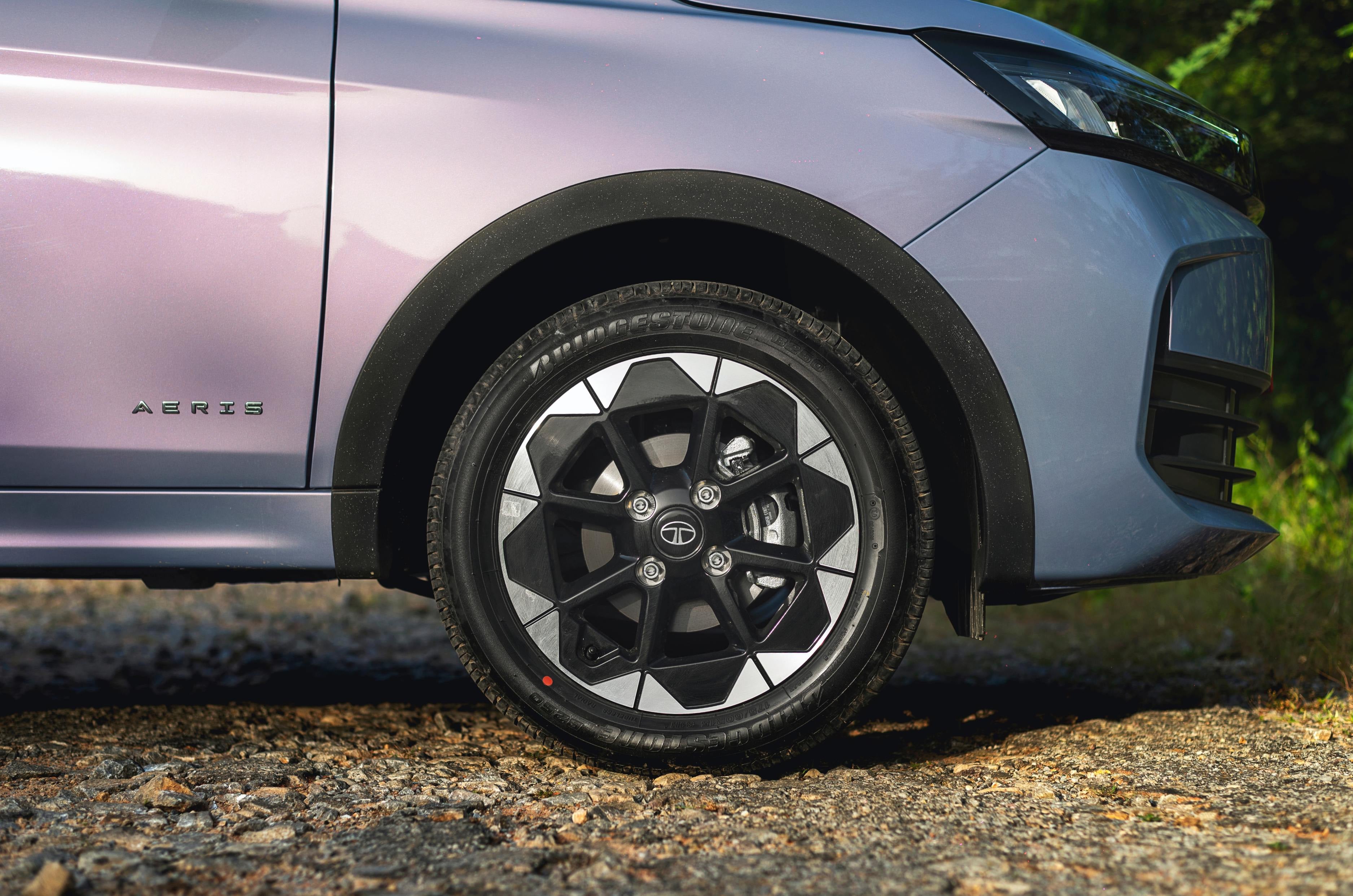
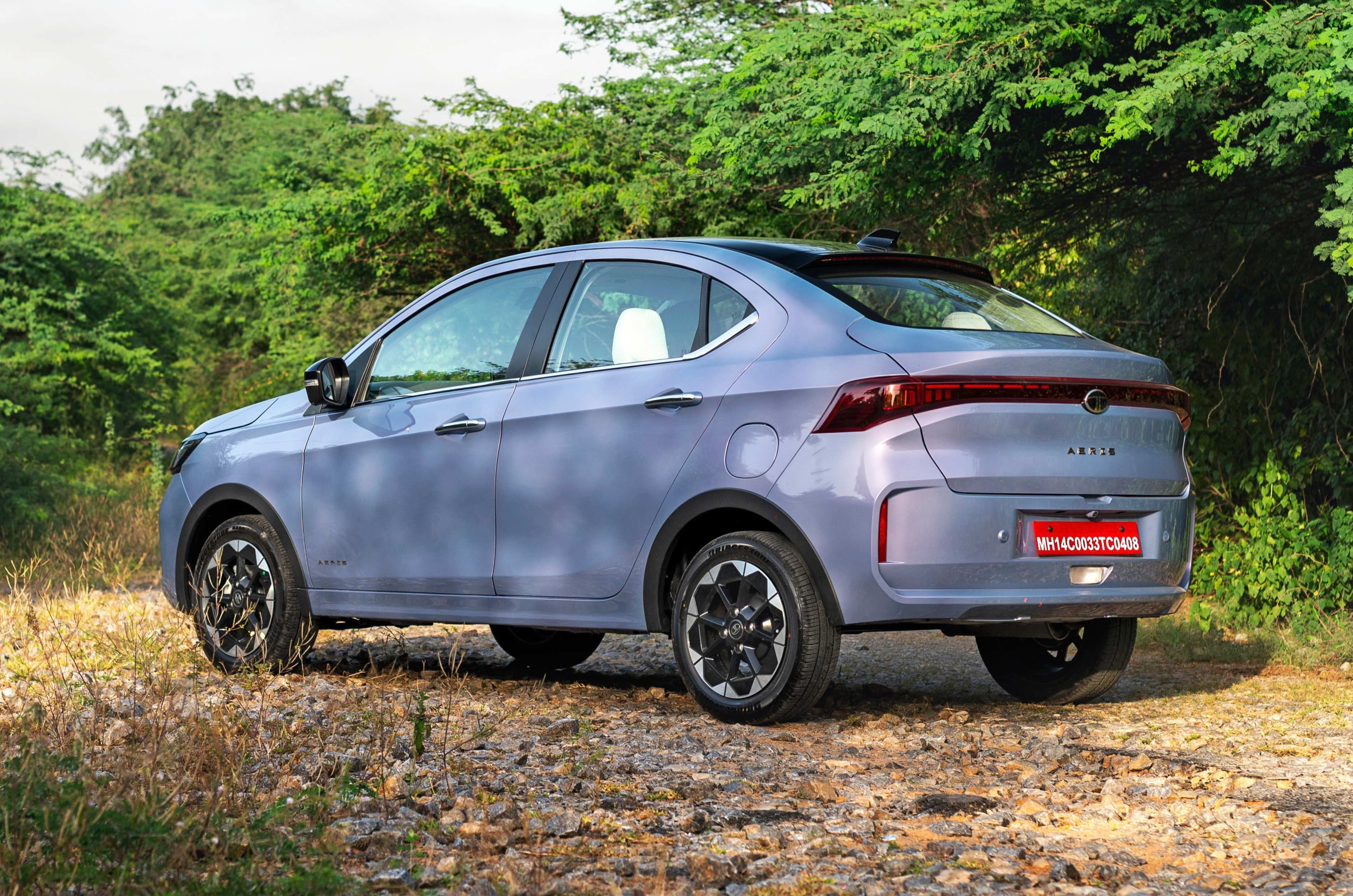
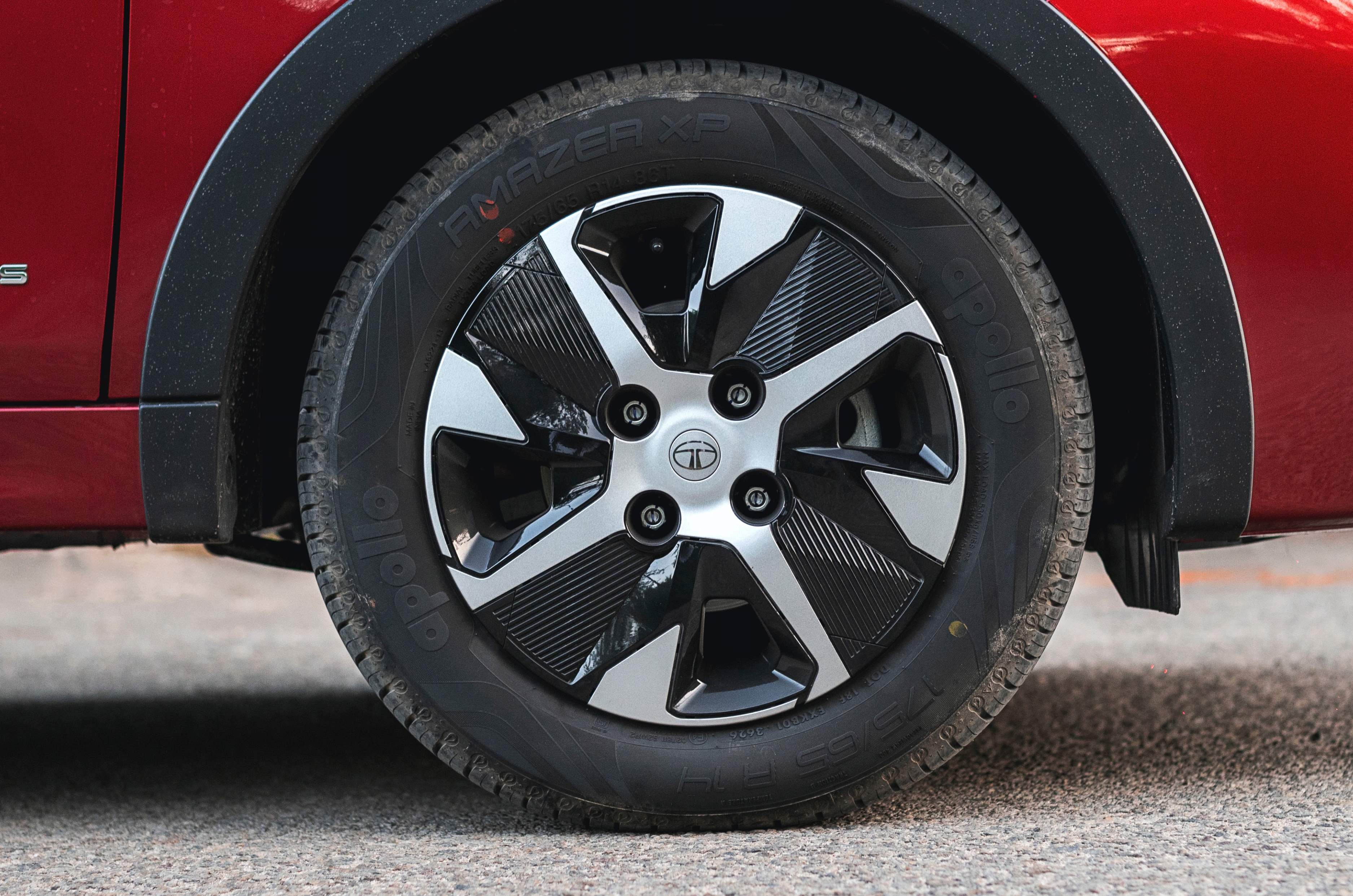
Top versions get 15-inch alloy wheels; 14-inch wheels on other variants appear undersized.
In profile, the 15-inch dual-tone alloy wheels fill the wheel arches nicely, and their contrasting finish looks particularly appealing when the Aeris is on the move. The wheel arches get slim cladding, which Tata says is made from recycled materials and features a distinctive speckled texture. Like the Tigor, the Aeris also gets chrome door handles and a chrome strip along the window line, adding some contrast to the otherwise clean design.
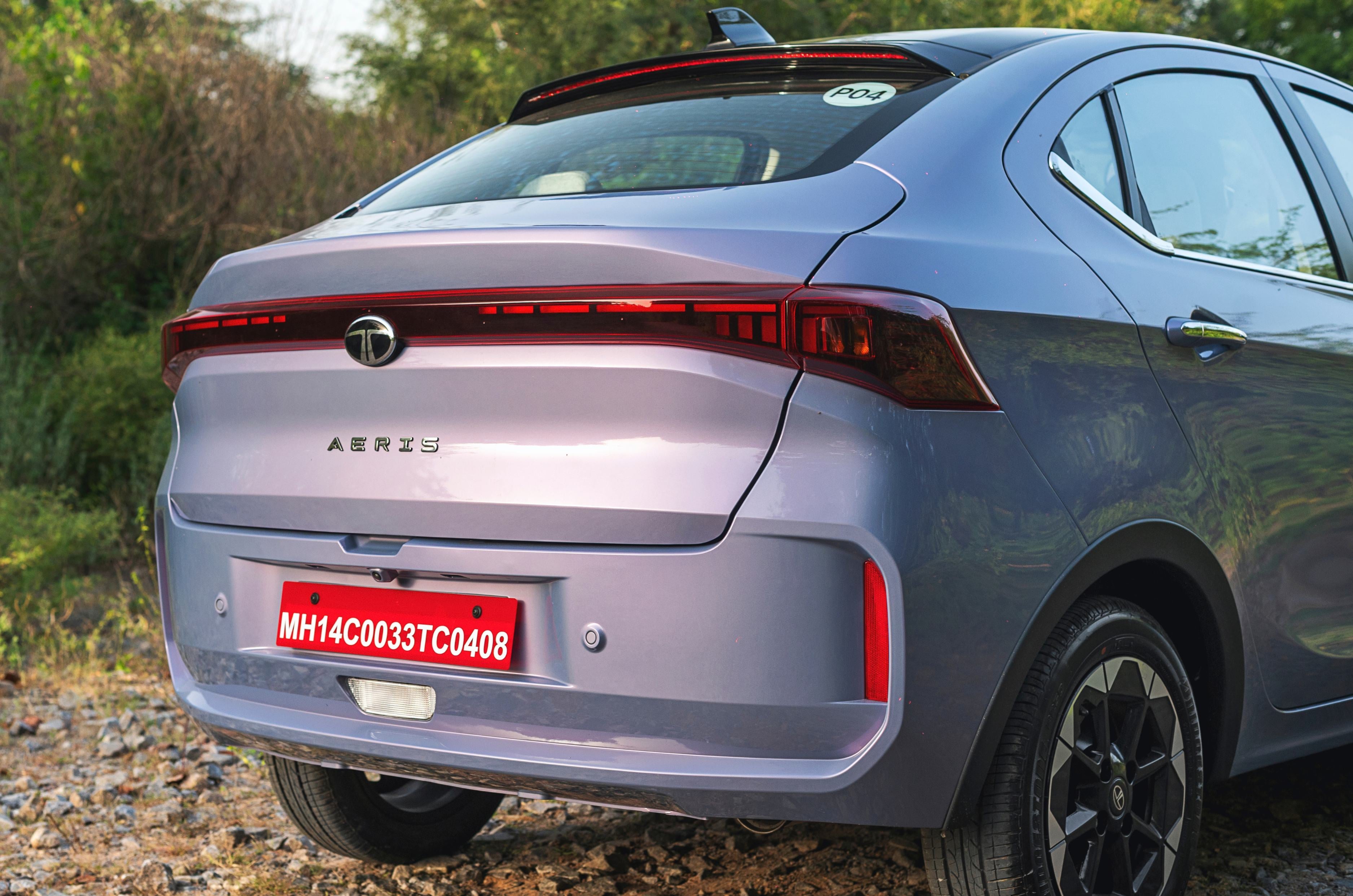
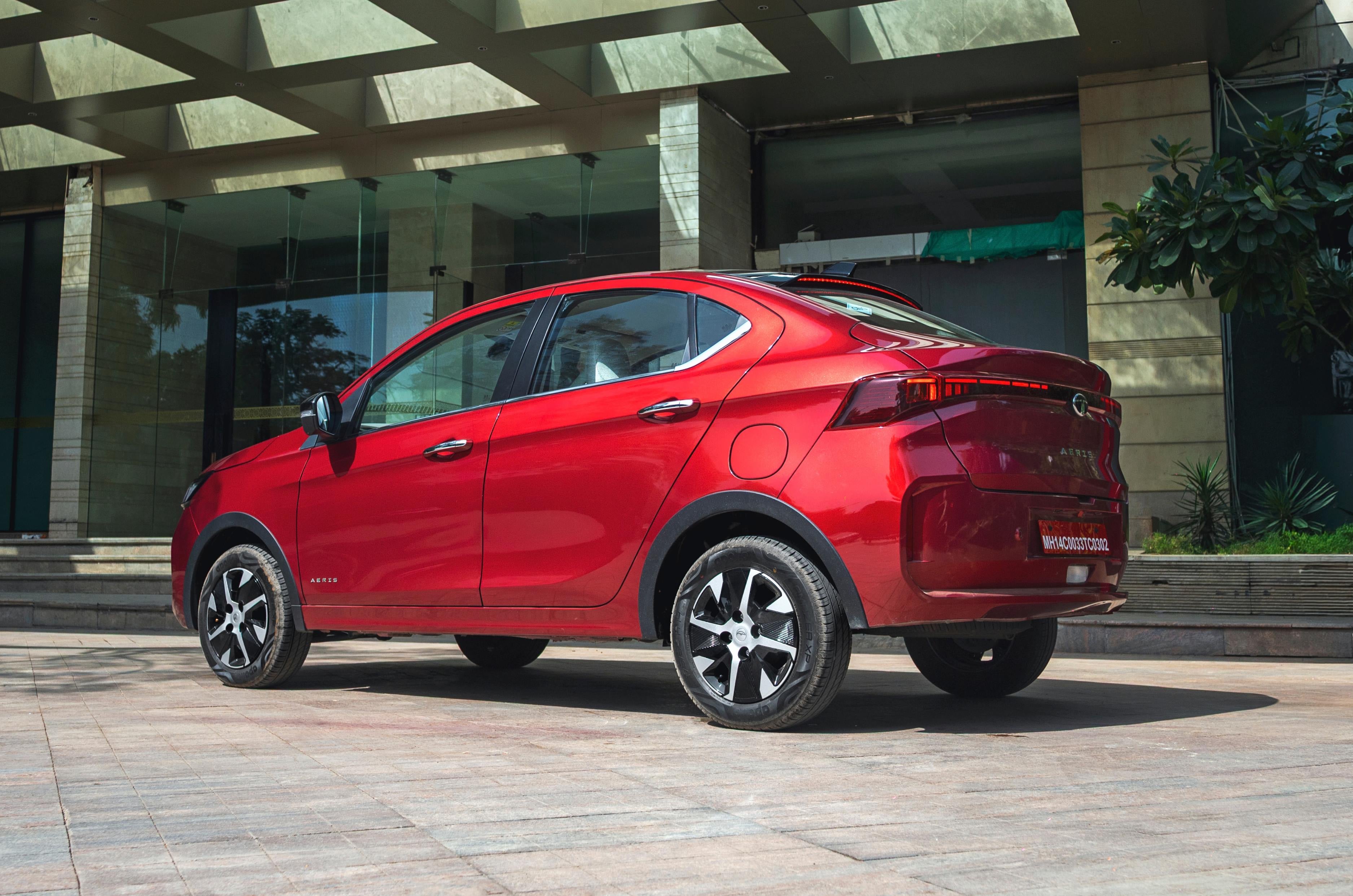
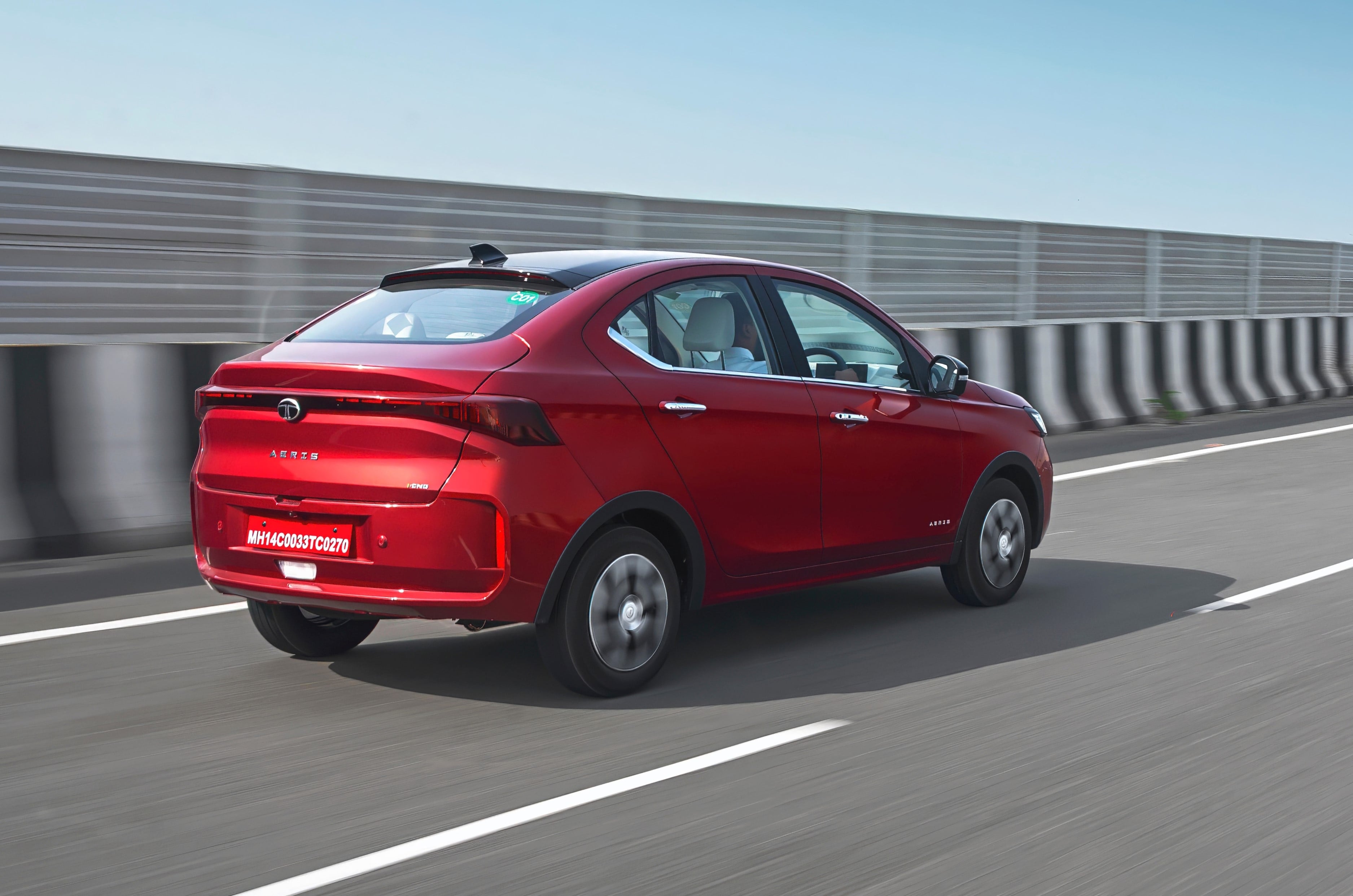
Fastback-like roofline remains a distinctive design element.
The coupe-like, tapering roofline remains unchanged from the Tigor, and continues to make the Aeris’ overall design cohesive. At the rear, the new taillights give the sedan a more modern appearance, while the red trim connecting them visually makes the Aeris appear larger than it is. The rear bumper is cleanly styled, with the reverse light neatly positioned in the centre.
The Aeris measures 3,995mm in length, 1,684mm in width and 1,532mm in height, and has a 2,450mm wheelbase.
Tata Aeris petrol interior space and comfort – 8/10
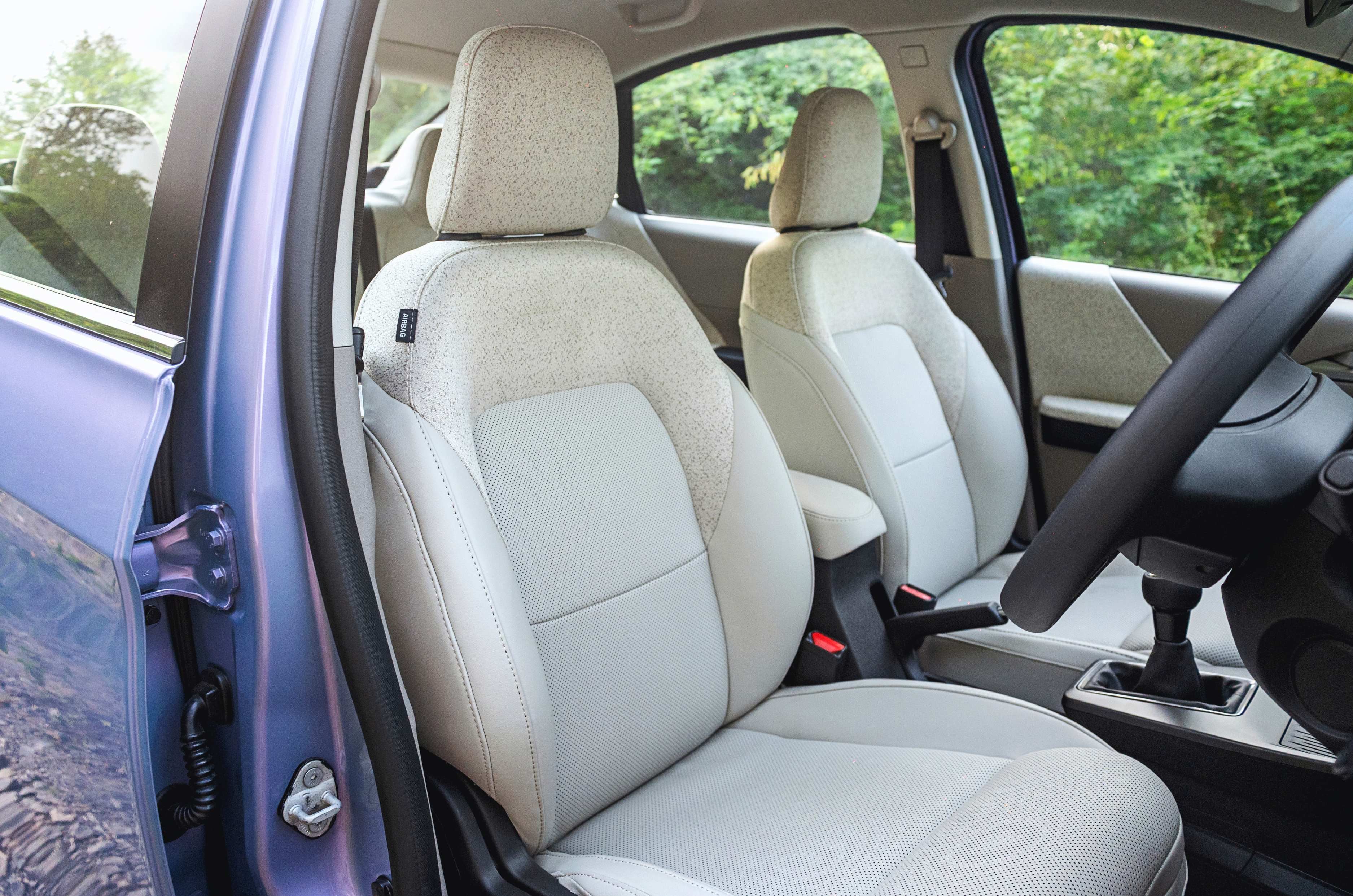
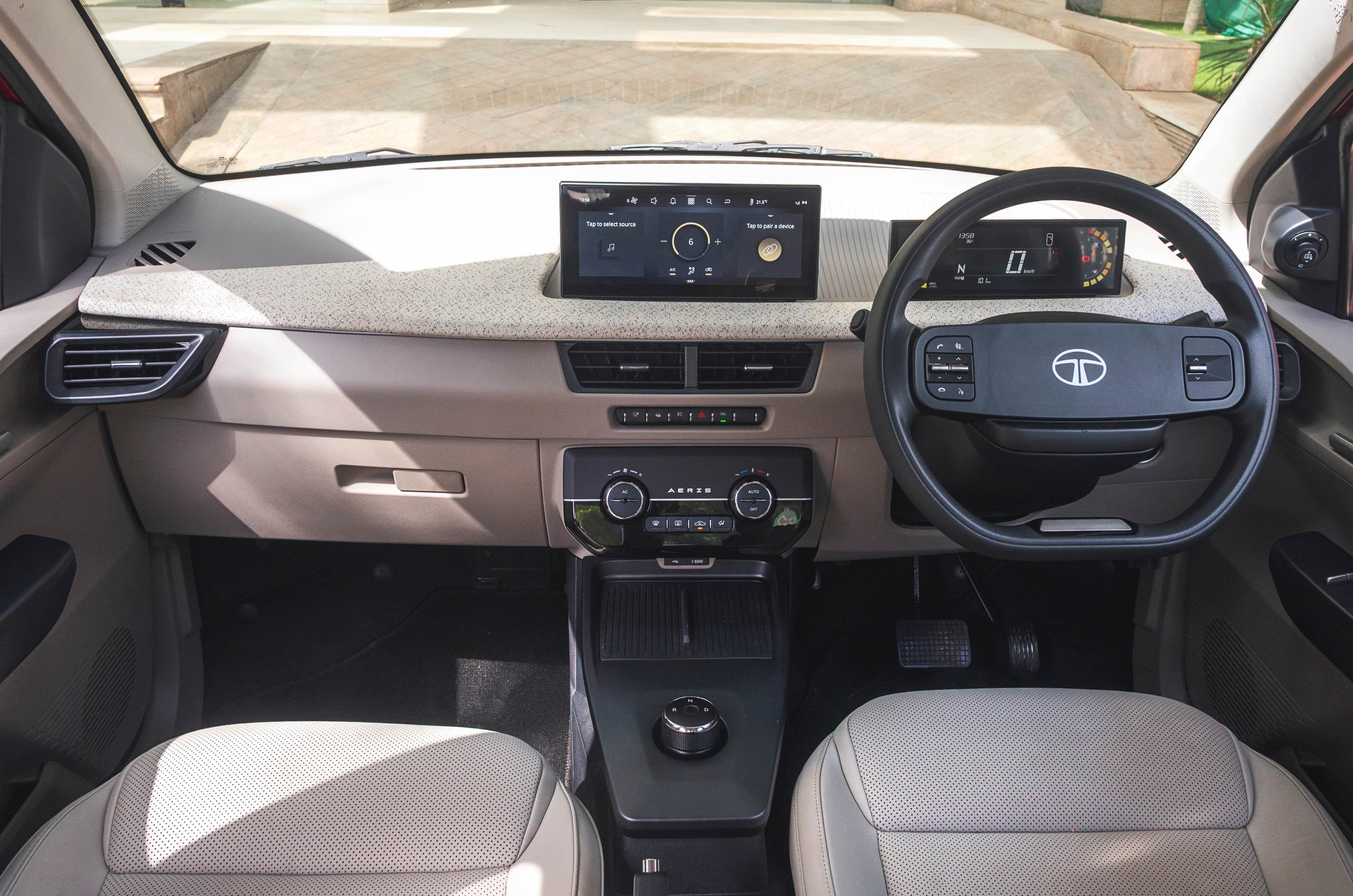
Beige theme makes the interior feel airy, and everything is nicely laid out in the cabin
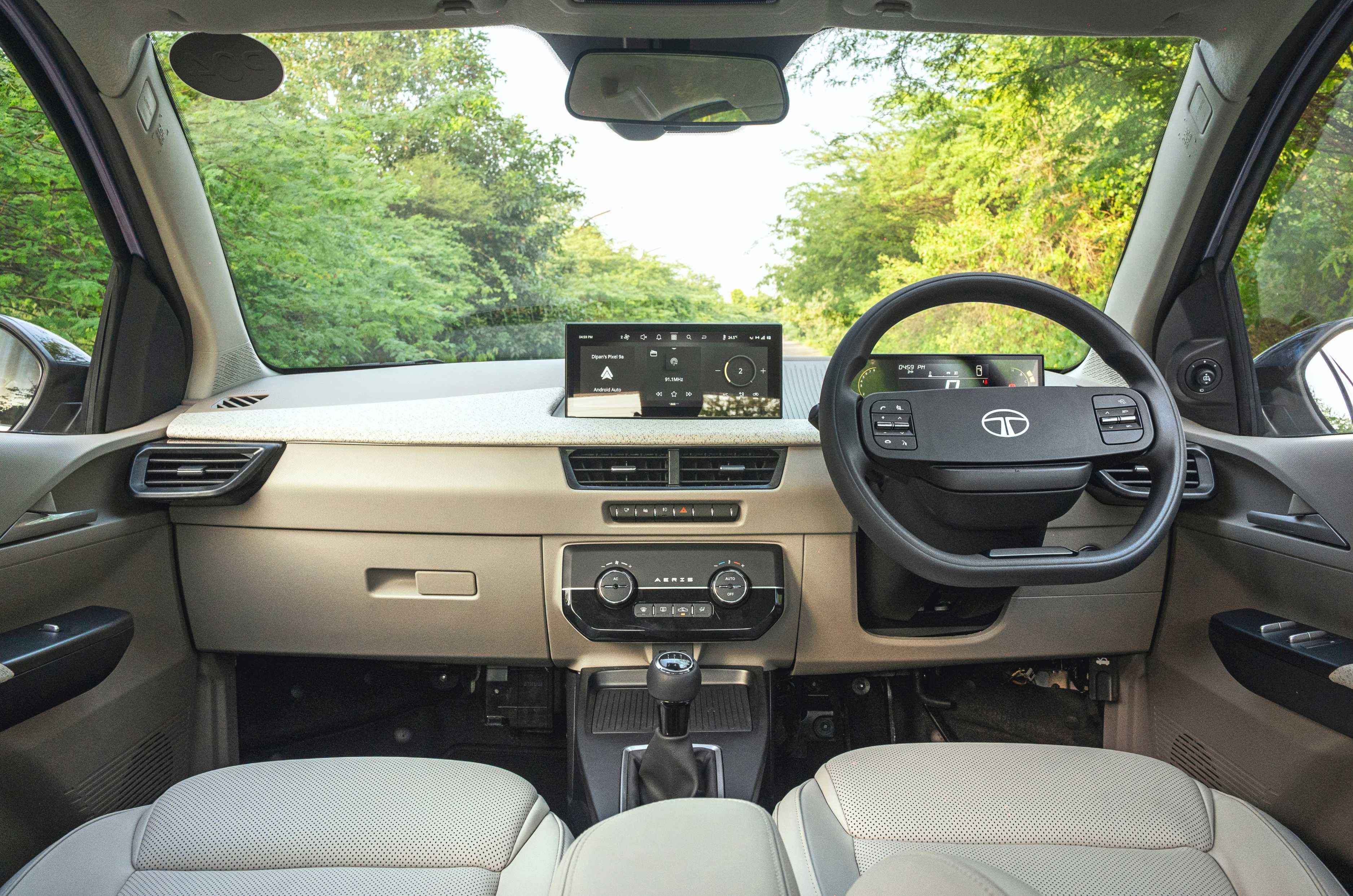
Beige theme lends the cabin an airy feel; dashboard is neatly laid out.
The Aeris’ interior is neatly laid out and looks fairly modern. The cabin gets a beige colour scheme, which makes it feel airy and gives the sedan a greater sense of space. However, the light shade could prove difficult to keep spick and span, especially with regular use.
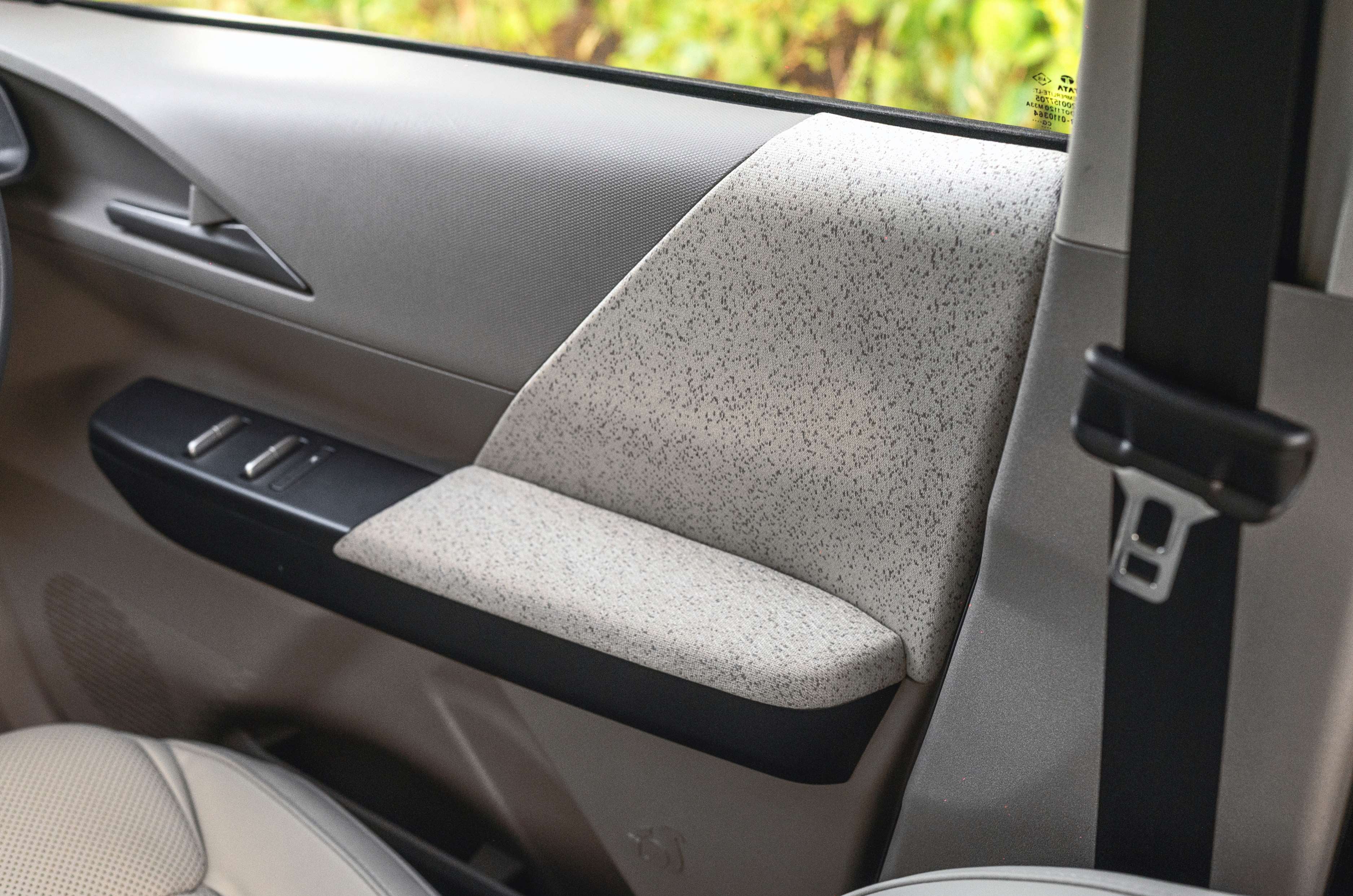
The dashboard houses a 10.25-inch infotainment touchscreen, a free-standing semi-digital instrument cluster and a revised two-spoke steering wheel. The latter retains physical buttons and, thankfully, does away with the scratch-prone gloss-black finish seen on the Tigor. The door handles look floating like the Sierra and feel sturdy. Lower down, Tata has retained rotary dials and physical buttons for the climate control. They feel solid and do not come across as flimsy.
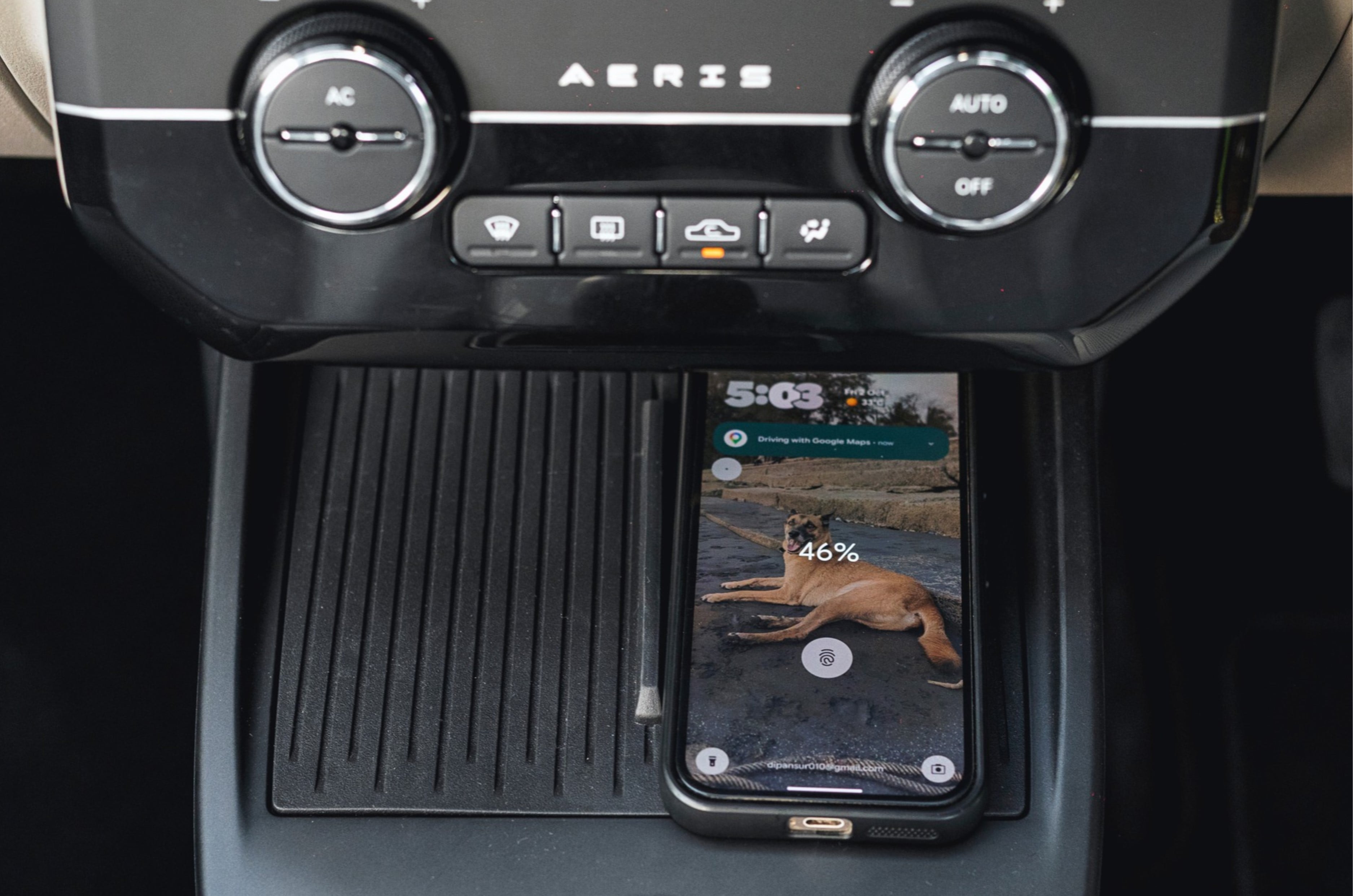
The wireless charger works well but tends to make the phone hot during prolonged use.
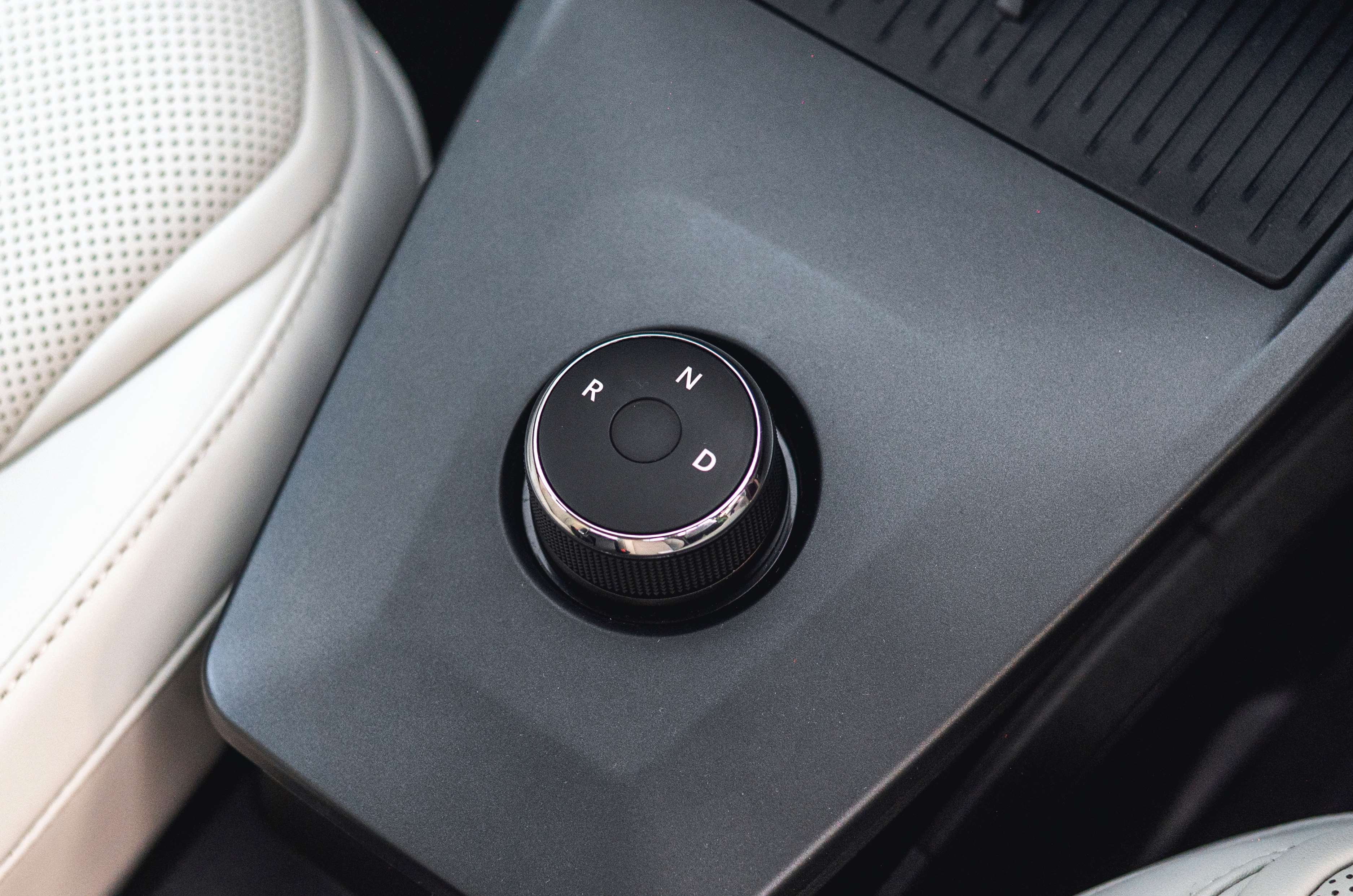
The centre console has been thoroughly redesigned and looks neat. The manual gear lever looks premium and feels good to hold, while the AMT gets a rotary dial that also feels solid and operates seamlessly. Two rubberised phone holders on the console keep phones from sliding around, and the top-spec Accomplished trim offers wireless charging in one slot. The centre console also gets two cupholders and a leatherette-wrapped centre armrest with integrated storage space underneath.
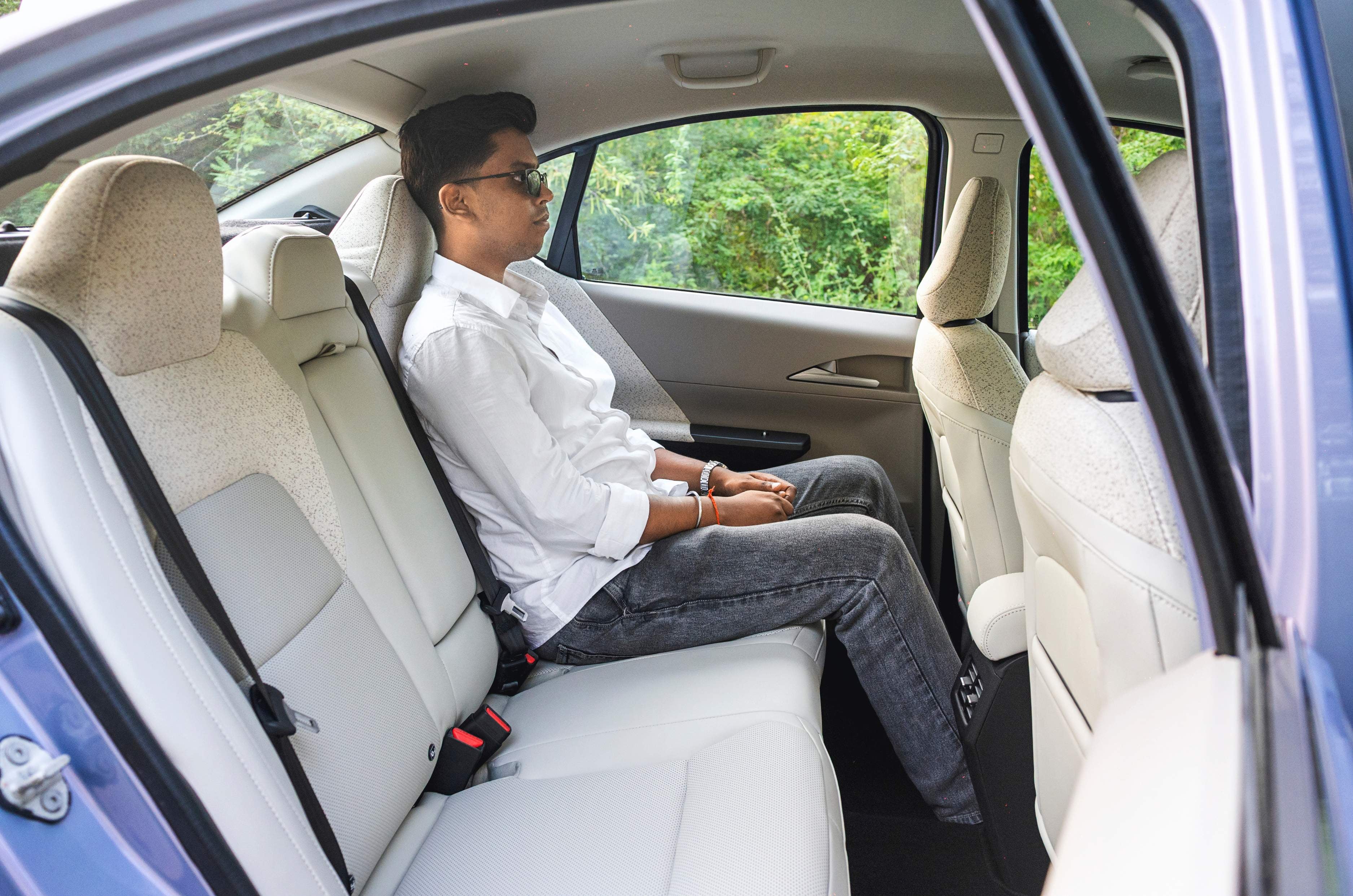
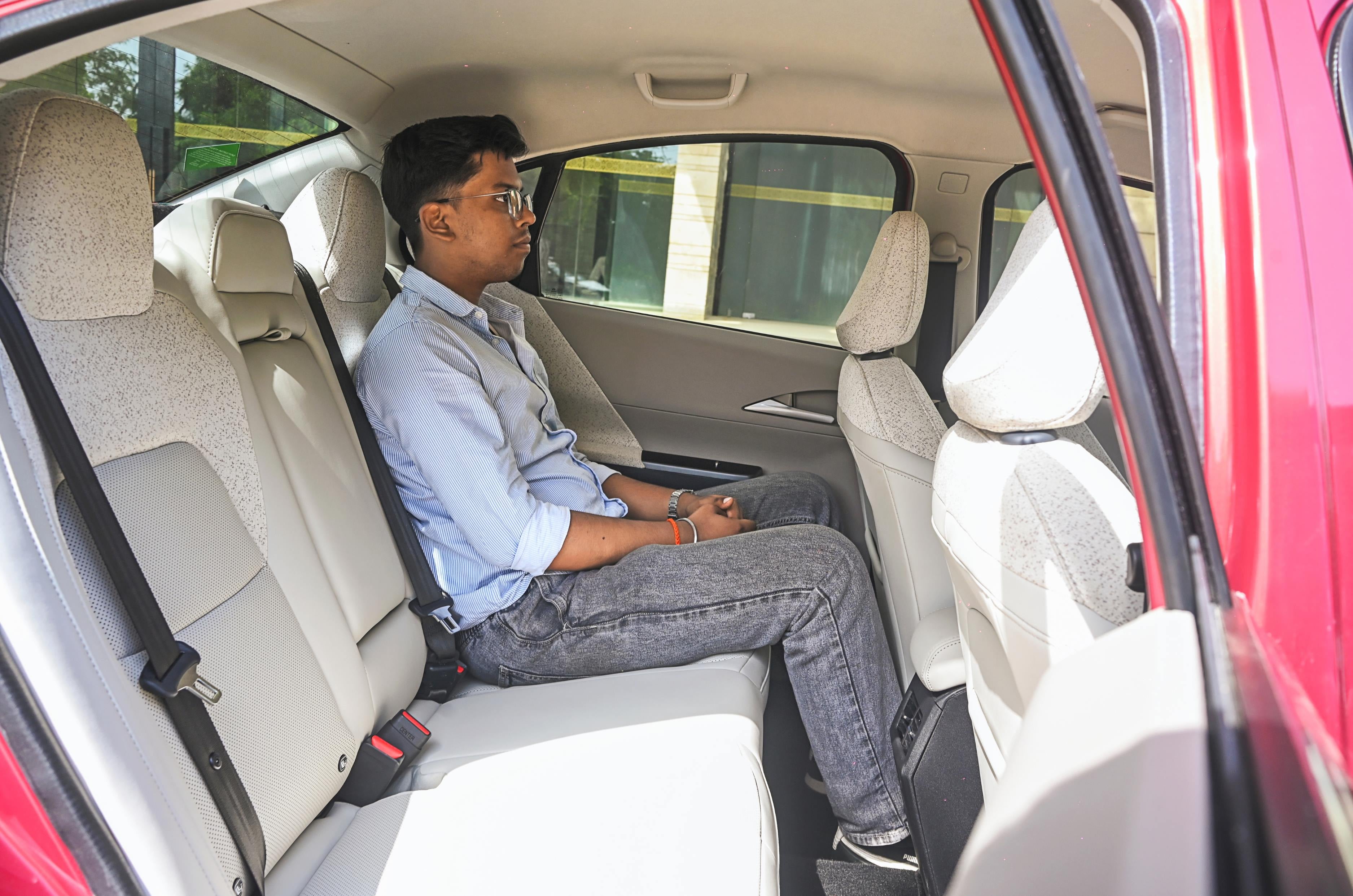
The rear seat offers good kneeroom and legroom, while headroom can be tight for taller passengers.
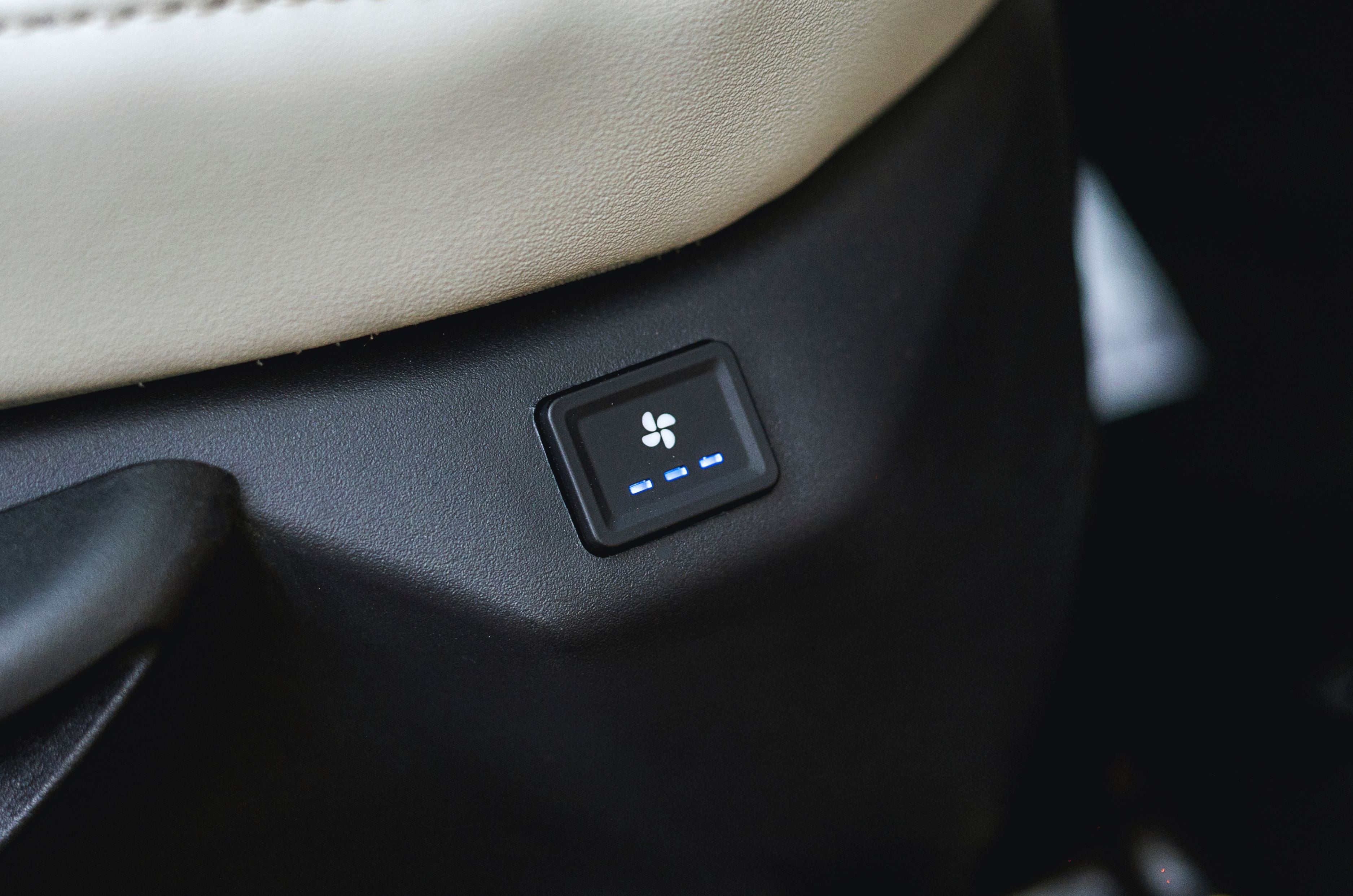
Tata offers part-leatherette upholstery and has revised the cushioning and bolstering, ensuring comfort even on long journeys. They also get a segment-first ventilation function. The rear seats are comfortable too, with good legroom and kneeroom, although headroom is a little tight for passengers over six feet tall. Under-thigh support is adequate.
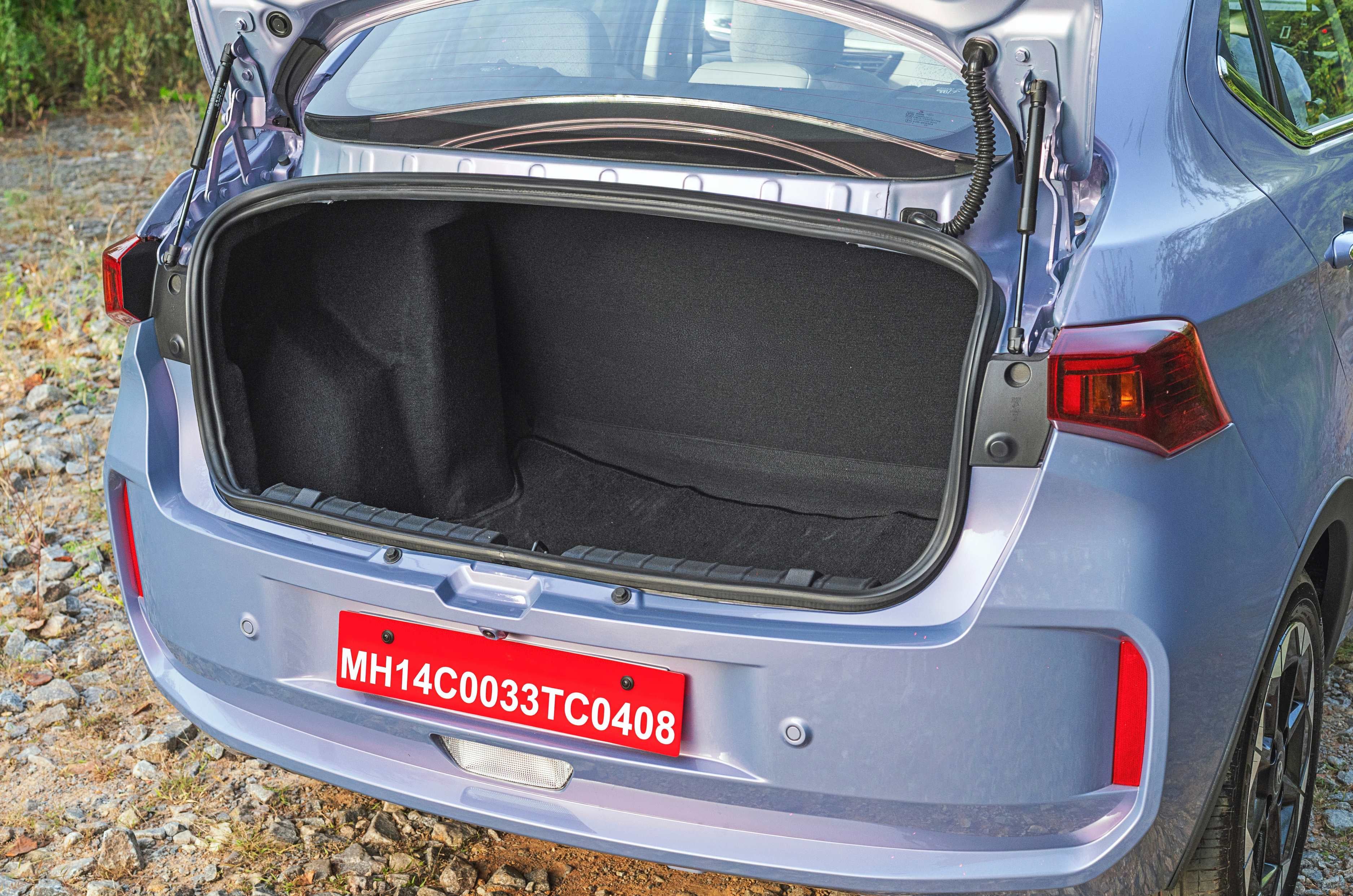
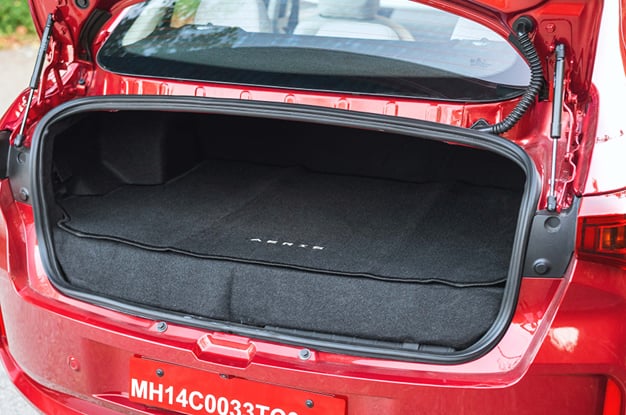
The 419-litre boot is handily large, but the aperture makes loading tricky. Struts free up more usable space.
The Aeris offers 419 litres of boot space, marginally more than the Amaze’s 416 litres and comfortably ahead of the Dzire’s 382 litres and Aura’s 402 litres. The boot itself is large and can swallow a substantial amount of luggage. The use of mechanical struts instead of conventional hinges is a clever touch, as they do not eat into the available boot space. Despite the large boot, the Aeris gets a 14-inch underbody-mounted spare wheel, which is always more promising than a puncture repair kit.
Tata Aeris petrol features and safety – 9/10
Loaded with features to the brim, most of which are well integrated
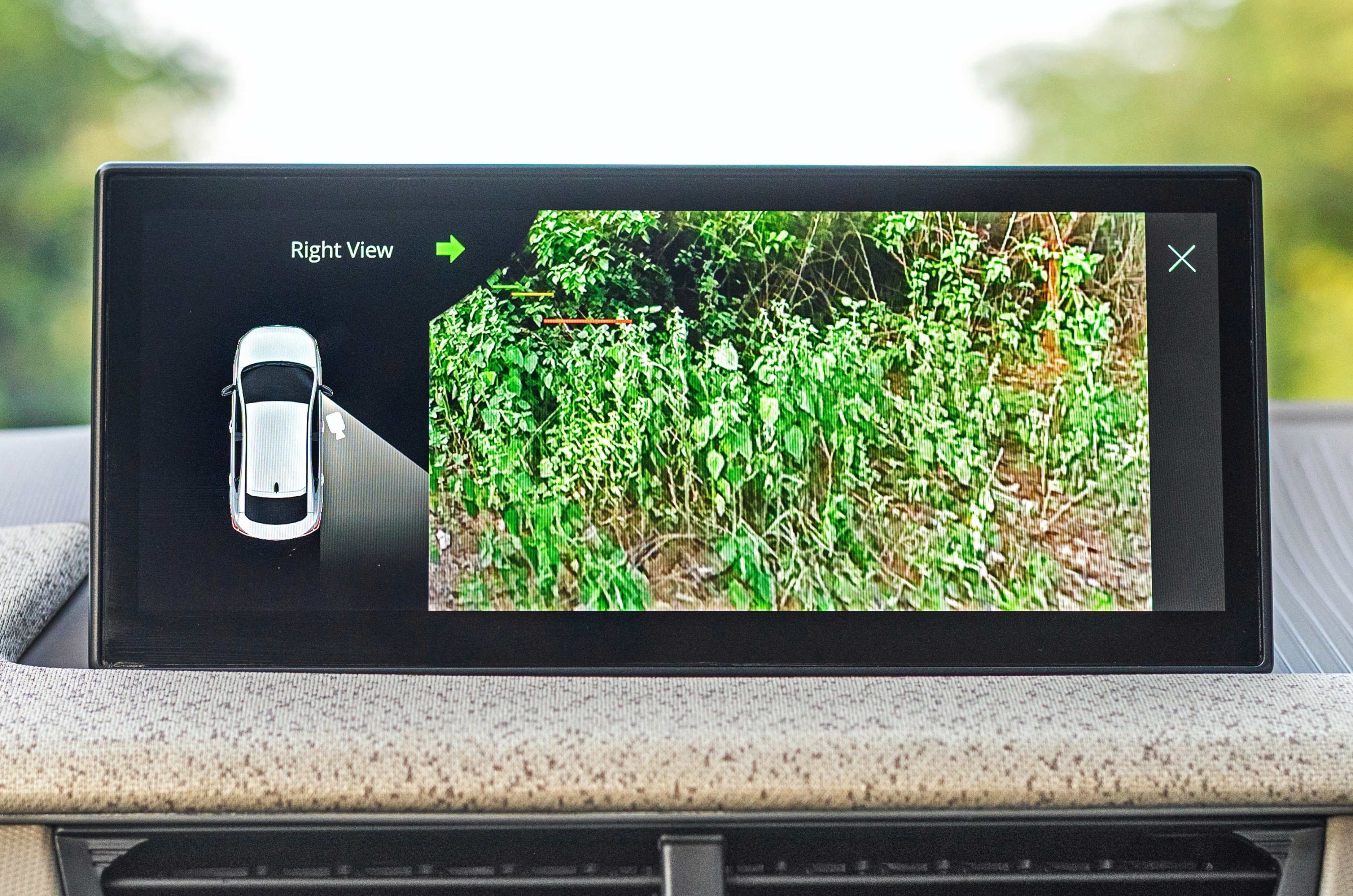
Blind-spot monitor is very useful but takes up the full screen and hides the map display.
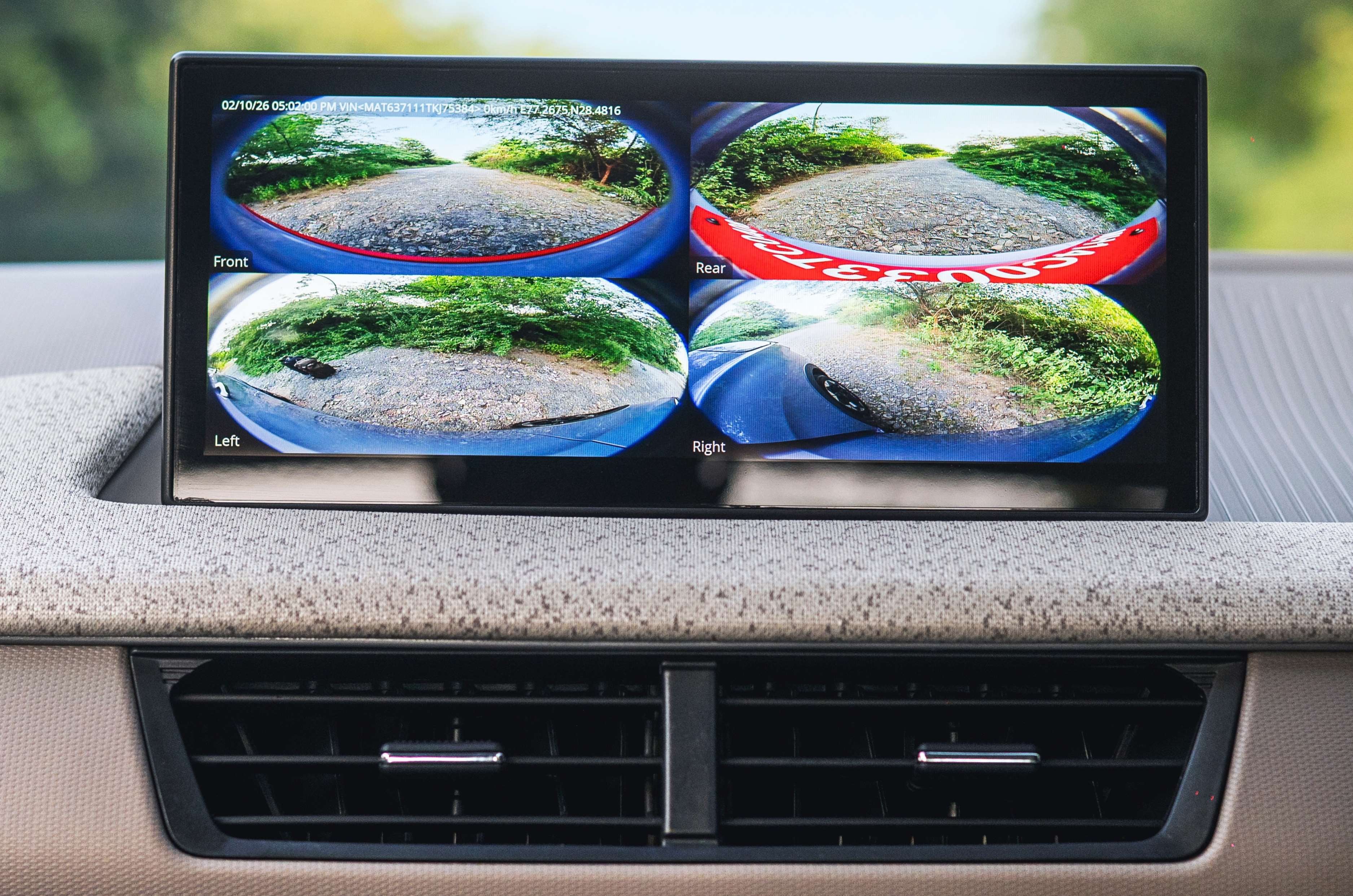
Like other Tata cars, the Aeris is packed with features. The 10.25-inch infotainment touchscreen is slick to use and remains responsive even when navigating through multiple menus. It also displays the 360-degree camera feed, which is lag-free, although the image quality isn’t the best. Tata has also added a new DVR function that allows the surround-view cameras to record the car’s surroundings, ensuring you do not shell out extra for a dashcam. The infotainment screen automatically switches to the blind-spot monitor when indicators are used, which is useful. However, this can be annoying when you are using navigation, although there is an option to disable the view completely.
Revised cushioning and bolstering, and a new ventilation function on the front seats improve overall comfort.
The front-seat ventilation function works well too. During our time with the car, it proved effective at keeping us cool in Faridabad’s near 40deg C ambient temperature. However, the infotainment screen or driver’s display shows nothing when the ventilation is on or the level is adjusted, which can be a little inconvenient.
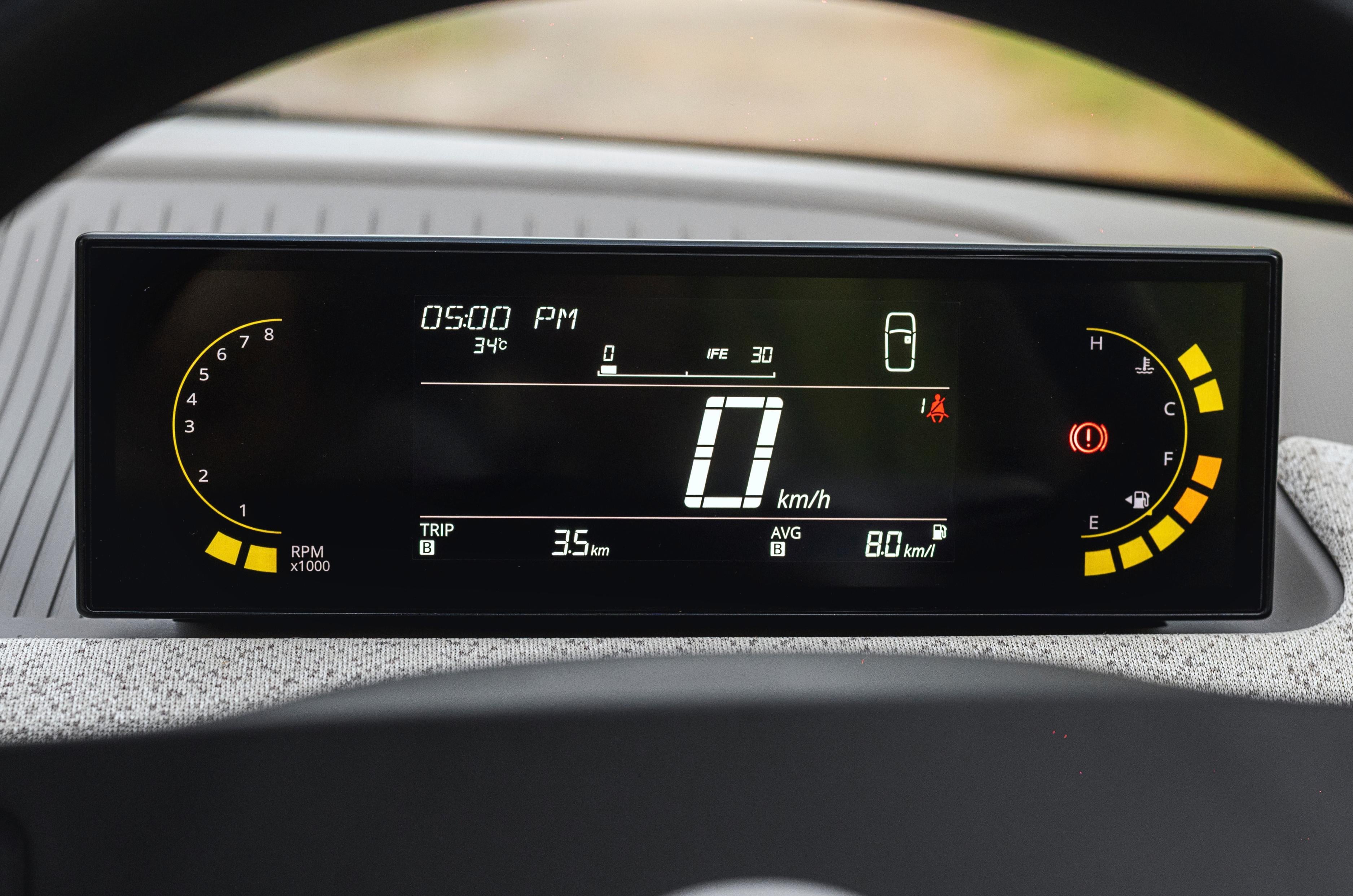
Part-digital Instrument cluster includes screen flanked by rev counter and fuel gauge.
The instrument cluster itself is fairly basic, with analogue dials for the fuel level and rev counter, while a digital display handles the speed and other general information. Depending on the steering wheel’s tilt angle and the driver’s seating position, some of this information can occasionally be obscured.
The four-speaker, two-tweeter audio system is a step down from the Tigor’s four-speaker, four-tweeter setup, although sound quality remains good enough for the segment. The rear seats lack pressure sensors, meaning the seat-belt warning will sound until the belts are fastened.
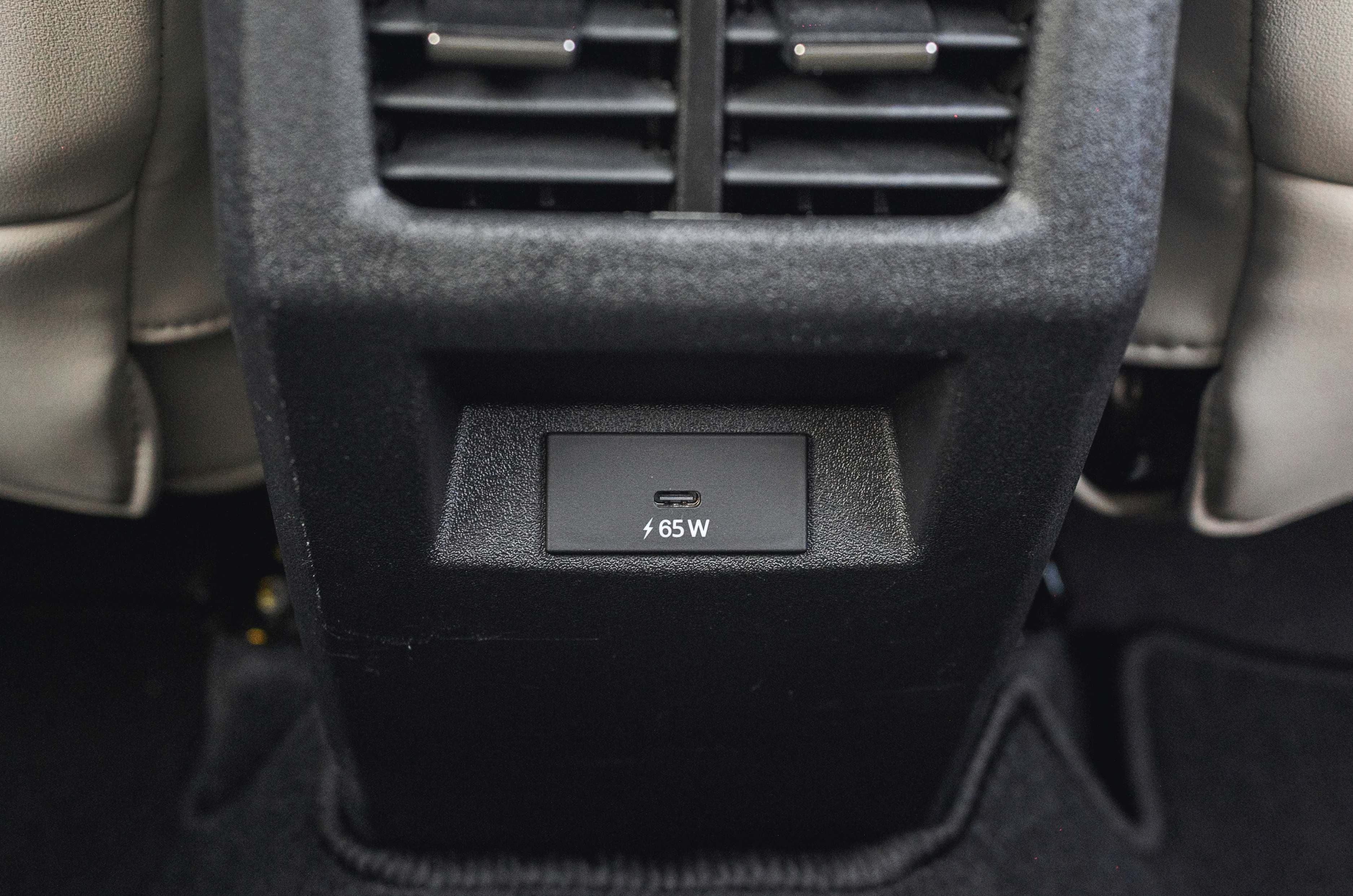
AC vents and a 65W Type-C charging port are among the additions at the back.
On the safety front, the Aeris gets six airbags, Isofix child-seat anchorages for the rear seats, rear parking sensors and three-point seat belts with reminders for all occupants as standard. Higher variants add a 360-degree camera, a day/night inside rear-view mirror, rain-sensing wipers, a rear defogger, a tyre pressure monitoring system (TPMS) and ESP with traction control. The pre-facelift Tigor scored four stars in Global NCAP testing in 2020, but a Bharat NCAP test for the Aeris is due.
Tata Aeris petrol value for money and verdict – 8/10
A well-rounded compact sedan, with the petrol engine making it more versatile
Priced from Rs 5.29 lakh, it offers strong value in a segment where affordability matters.
The Tata Aeris is a much more appealing proposition than the Tigor it replaces. Its fresh design, well-equipped cabin, generous boot and comfortable ride make it easy to live with, while the petrol engine gives it enough performance for both city and high-speed highway cruising. The manual gearbox is light and easy to use, while the AMT is better suited to relaxed city driving than enthusiastic highway use. The long list of features adds further appeal to the package.
There are some shortcomings too, including a coarse engine and poor cabin insulation. However, the Aeris’ biggest strength is its pricing. The petrol variants are priced from Rs 5.29 lakh to Rs 8.74 lakh (ex-showroom), and it undercuts rivals by a fair margin, making a strong case for itself in a segment where value for money remains a key consideration.
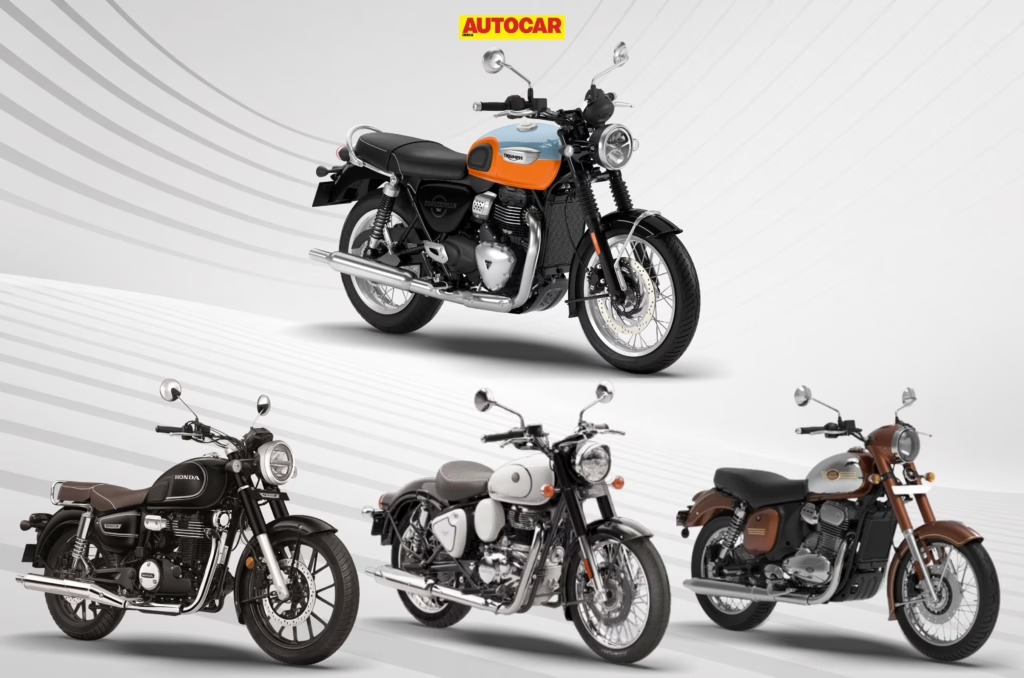
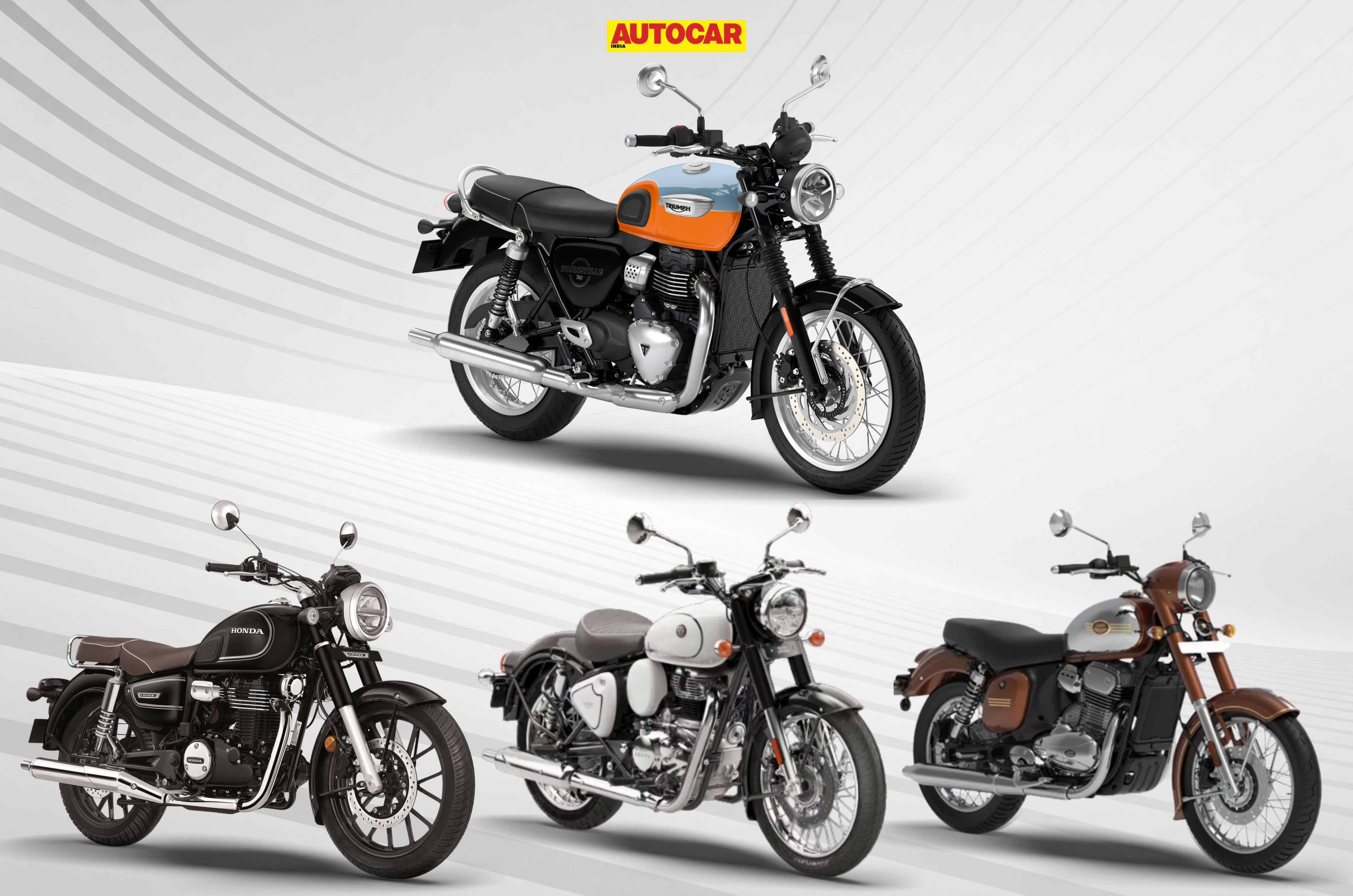
It’s here, finally. Almost three years after the very first Triumph 400s debuted (Speed and Scrambler X), we have a Bonneville for the class, and it’s looking to redraw the boundaries for the retros. However, the 350cc class is silently one of the fiercest segments in India, with Royal Enfield leading it, predominantly with the Classic 350. We have Honda trying to eat away at that dominance with the CB350 and Jawa with its 350, but sales-wise at least, Royal Enfield has so far remained unassailable. Can the Hinckley-based manufacturer finally make its Indian-UK counterpart feel the heat? Let’s see.
Triumph Bonneville T40 vs Rivals: Engine and output
Triumph is off to a great start
Triumph Bonneville T40
Royal Enfield Classic 350
Honda CB350C
Jawa 350
Engine
350cc, single-cylinder, liquid-cooled
349cc, single-cylinder, air-cooled
348.36cc, single-cylinder, air-cooled
334cc, single-cylinder, liquid-cooled
Power
29hp at 7,000rpm
20.2hp at 6,100rpm
21hp at 5,500rpm
22.57hp at 7,000rpm
Torque
31.2Nm at 5,500rpm
27Nm at 4,000rpm
29.5Nm at 3,000rpm
28.1Nm at 5,000rpm
Transmission
6-speed
5-speed
5-speed
6-speed
Power-to-weight ratio
148.72hp/tonne
103.59hp/tonne
113.28hp/tonne
116.53hp/tonne
Triumph is looking to distinguish the Bonneville T40 in every way possible, starting with the engine itself. Its 350cc unit is one of two liquid-cooled mills on the list. This bike also makes the most power and torque. The T40’s peak power is followed at a distance by the Jawa 350, and it’s the Honda CB350 that makes the nearest comparable amount of peak torque. Honda’s 348cc engine also delivers both power and torque much earlier in the rev range.
Triumph Bonneville T40 vs Rivals: Dimensions and weight
Honda strikes a fine balance
Triumph Bonneville T40
Royal Enfield Classic 350
Honda CB350C
Jawa 350
Fuel tank capacity
14.5 litres
13 litres
15.2 litres
13.2 litres
Ground clearance
165mm
170mm
165mm
178mm
Kerb weight
195kg
195kg
186kg
~193kg
Seat height
790mm
805mm
800mm
790mm
Wheelbase
1418mm
1390mm
1441mm
1449mm
In this section, the Honda CB350C immediately stands out because of its kerb weight. It is the lightest motorcycle in this comparison, and that’s despite being the heaviest version in the CB350 line-up; the CB350 weighs 181kg and the CB350RS 180kg. Yet, it has the largest fuel tank capacity, along with decent seat height and ground clearance. The T40’s second-shortest wheelbase should make it an agile bike, but it remains to be seen how it rides in the real world. The Classic 350 – with the shortest wheelbase – isn’t exactly known for its agility, not that it’s expected in this segment to begin with.
Please note that Jawa/Yezdi report dry weight on the website, so you’ll find the Jawa 350’s weight to be 184kg there, but with 90 percent fuel and other fluids, its kerb weight should be closer to the others in the list.
Triumph Bonneville T40 vs Rivals: Tyres, brakes and suspension
Old vs new retros
Triumph Bonneville T40
Royal Enfield Classic 350
Honda CB350C
Jawa 350
Tyres (F, R)
100/90-18, 150/70R17
100/90-19, 120/80-18
100/90-19, 130/70-18
100/90-18, 130/80-17
Brakes (F, R)
310mm disc, 255mm disc; dual-channel ABS
300mm disc, 270mm disc; dual-channel ABS
310mm disc, 240mm disc; dual-channel ABS
280mm disc, 240mm disc; dual-channel ABS
Suspension (F, R)
Telescopic fork, twin-shock
Telescopic fork, twin-shock
Telescopic fork, twin-shock
Telescopic fork, twin-shock
The differences are a bit confusing, mainly because there are barely any. The only major distinction among these four motorcycles is that two have a 19-inch front wheel, whereas the other two have an 18-inch one. The same goes for the rear wheel: two of them have an 18-inch unit, and the other two get a 17-inch one. Elsewhere, there are minor variations in the disc rotor sizes, but by and large, they fall in the same ballpark, all things considered.
Triumph Bonneville T40 vs Rivals: Features
Triumph’s biggest flaunt
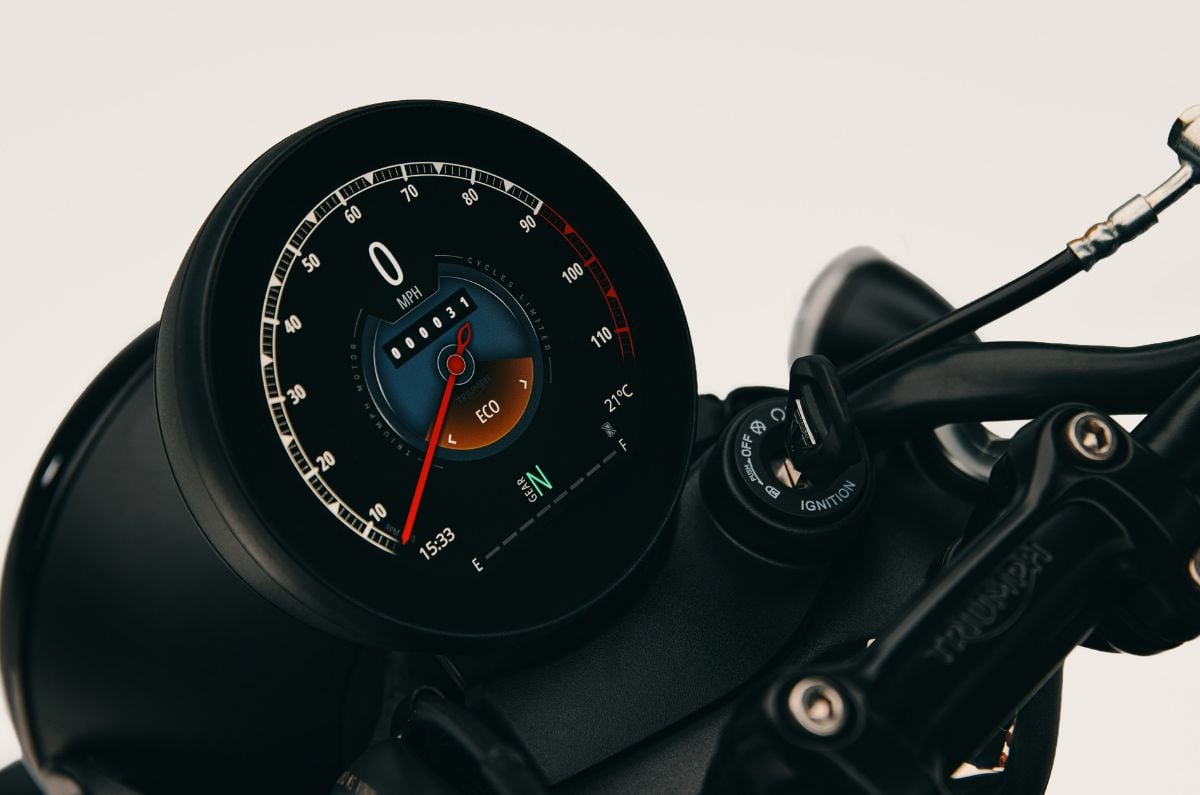
The Bonneville T40 is the newest entrant in this retro segment, and that contrast is most visible in the features department. It offers ride-by-wire and a 4-inch TFT display with five ride modes (Eco, Road, Rain, Rider A and B), turn-by-turn navigation powered by Triumph, cornering ABS, traction control and cruise control, all as standard. For context, here’s what the second most feature-packed motorcycle, the Honda CB350C, offers: dual-channel ABS, a slip-and-assist clutch, Honda Selectable Torque Control (HSTC, traction control) and Honda RoadSync connectivity on the higher variants through the LCD screen.
Triumph has waited to debut a much-needed new instrument cluster with the Bonneville. It’s a decision you can raise questions about (like, why not on the Tracker 400?), but it’s a change that’s wholeheartedly welcomed nevertheless. If you prefer your retros to straddle the line between the old and new, the Bonneville T40 is hard to beat.
Triumph Bonneville T40 vs Rivals: Price
Most expensive modern classic
Triumph Bonneville T40
Royal Enfield Classic 350
Honda CB350C
Jawa 350
Price (ex-showroom)
Rs 2.80 lakh
Rs 1.89-2.26 lakh
Rs 2.00-2.04 lakh
Rs 2.11-2.21 lakh
Triumph is also the most expensive of the lot. An Indian-specific T4 has also been revealed at a lower price point of Rs 2.55 lakh, but that is still Rs 29,000 more expensive than the Classic 350’s top variant. If you find these to be too expensive and would rather have a more retro experience, Royal Enfield’s very own Bullet 350 starts at Rs 1.67 lakh and tops out at Rs 2.11 lakh.
Triumph’s own Speed T4 is the closest modern classic from the brand, coming in at a more palatable Rs 2.10 lakh, although it doesn’t have the decorated name. All things considered, the Bonneville’s arrival has been anticipated for quite a while, and it’s finally here, ready to swing. We now have to see how convincing its swing ends up being.
Skoda has given a major facelift to the Slavia mid-size sedan for 2026. It gets a range of updates, including a new automatic gearbox, sharper styling, updated interior trim, and much-needed feature additions. Here, we explain its trim lineup, powertrain choices, colour options, variant-wise features, and our recommendations for the best variant to go for.
2026 Skoda Slavia price and powertrains
Skoda Slavia Price List (Rs lakh)
1.0 TSI MT
1.0 TSI AT
1.5 TSI AT
Classic
10.00
–
–
Classic+
10.99
12.49
–
Signature
13.94
14.94
–
Sportline
14.34
15.34
–
Prestige
15.89
16.89
18.59
Monte Carlo
–
17.29
18.84
Prices for the Slavia range between Rs 10 lakh and Rs 18.84 lakh. The Skoda sedan is offered in 12 variants across six trims, namely Classic, Classic+, Signature, Sportline, Prestige, and Monte Carlo. The smaller 1.0-litre TSI is available from the base Classic trim onward, whereas automatic options are available from the trim above it. The more powerful 1.5-litre TSI is limited to the top-end Prestige and Monte Carlo trims.
Powering the Skoda Slavia is a pair of direct-injection turbo-petrol engines. There’s a 1.0-litre, 3-cylinder mill that produces 115hp and 178Nm and is paired to a 6-speed manual or an 8-speed automatic transmission. Top-end trims also offer a larger 1.5-litre, 4-cylinder mill, developing 150hp and 250Nm, with transmission duties handled by a 7-speed DCT. Additionally, this engine also gets cylinder deactivation tech that enables the engine to operate on 2 cylinders depending on the load to improve fuel efficiency. Claimed mileage figures for the 1.0-litre manual and automatic versions are 19.76kpl and 19.50kpl, respectively, while it’s 18.79kpl for the 1.5-litre mill.
2026 Skoda Slavia exterior and interior colours
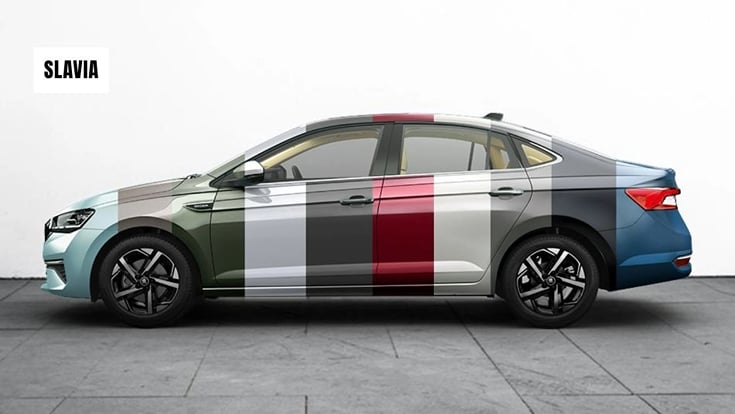
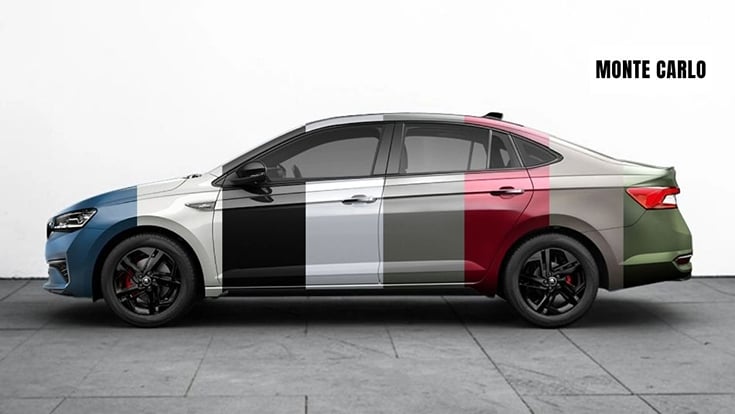
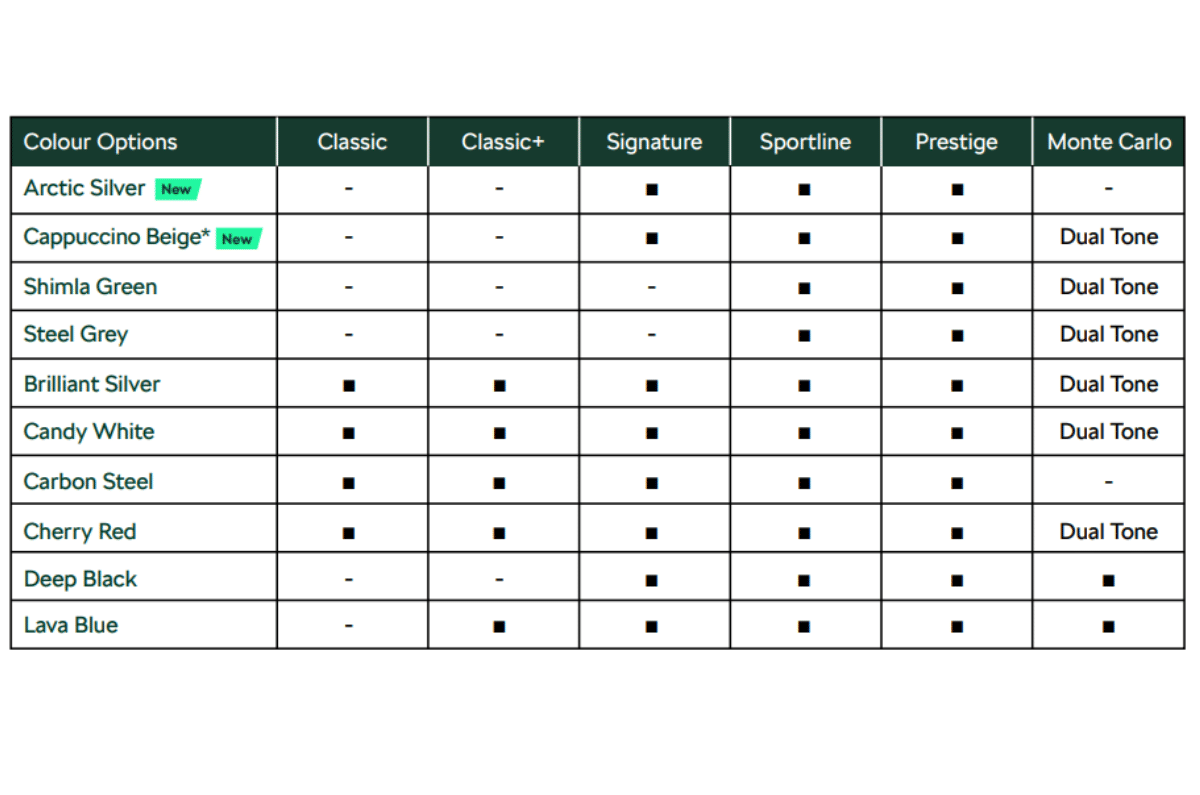
The standard Skoda Slavia is available in nine colours to choose from, namely Arctic Silver, Cappuccino Beige, Shimla Green, Steel Grey, Candy White, Carbon Steel, Brilliant Silver, Lava Blue, Cherry Red, and Deep Black. Monte Carlo versions come with dual-tone choices with a black roof for select paint options. Below is a list of the colours on offer depending on the chosen trim.
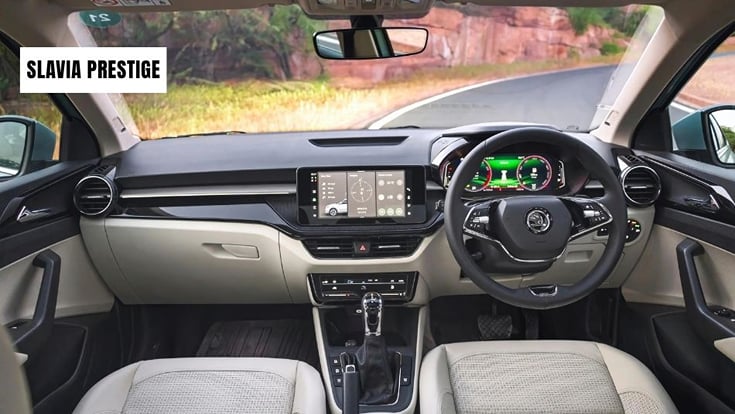
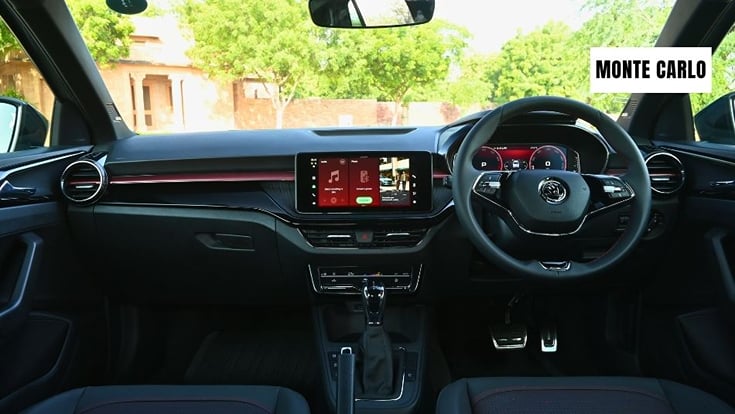
Inside, the standard Slavia gets a beige and black theme with silver beige inserts. Sportline and Monte Carlo versions come with an all-black interior, wherein the latter takes it one step further with red accents and stitching.
2026 Skoda Slavia variant-wise feature list
Classic
Engine option: 1.0 TSI MT
Price: Rs 10 lakh
7-inch infotainment system
Wired Apple CarPlay and Android Auto
4-speakers
USB Type-A port
Automatic climate control
Height-adjustable driver seat
6 airbags
ESC
Electronic differential lock system
Traction control system
Tyre pressure monitoring system
ISOFIX mounts
Rear defogger
Rear parking sensors
Manual day/night IRVM
15-inch steel wheels with covers
Halogen headlamps
LED turn indicators on ORVM
LED tail-lamps with halogen indicator
Fabric seat upholstery
Fabric front centre armrest and door pads
Analogue dials with 3.5-inch MID
Height-adjustable rear headrests
Tilt and telescopic steering wheel
All power windows
Power-adjustable ORVMs
Auto engine start/stop function
Steering-mounted controls
Classic+
Engine option: 1.0 TSI MT/AT
Price: Rs 10.99 lakh to Rs 12.49 lakh
Features over Classic
Single-pane sunroof
Cruise control
Hill hold control (AT only)
Rain-sensing wipers
Auto-dimming IRVM
16-inch alloy wheels
All LED headlamps
LED fog lamps
All LED tail-lamps
Sequential rear turn indicators
Leatherette steering wheel and gear knob (AT only)
Paddle shifters (AT only)
Signature
Engine option: 1.0 TSI MT/AT
Price: Rs 13.94 lakh to Rs 14.94 lakh
Features over Classic+
8-inch digital driver’s display
10.1-inch infotainment system
Wireless Apple CarPlay and Android Auto
Google AI assistant
8-speaker sound system
Wireless smartphone charger
4x USBType-C ports
Hill hold control
Automatic headlamps
Ambient lighting
Follow-me-home headlamps
Shark fin antenna
Leatherette steering wheel and gear knob
Rear AC vents
Sliding front centre armrest
Rear centre armrest
One-touch up/down driver window
Rear view camera
Keyless entry
Push-button start
60:40 split folding rear seats
Power folding ORVMs
Front and rear parking sensors
Cooled glovebox
Front seatback pockets
Sportline
Engine option: 1.0 TSI MT/AT
Price: Rs 14.34 lakh to Rs 15.34 lakh
Features over Signature
360-degree camera
16-inch black alloy wheels
Sportline badging on tailgate
Gloss black exterior elements
Bootlip spoiler
Aluminium pedals
Prestige
Engine option: 1.0 TSI MT/AT, 1.5 TSI AT
Price: Rs 15.89 lakh to Rs 18.59 lakh
Features over Sportline
10.25-inch digital driver’s display
Powered and ventilated front seats
Rear seat massage function
16-inch dual-tone alloy wheels
Footwell illumination
Leatherette seat upholstery
Leatherette front centre armrest and door pads
Monte Carlo
Engine option: 1.0 TSI AT, 1.5 TSI AT
Price: Rs 17.29 lakh to Rs 18.84 lakh
Features over Prestige
16-inch black alloy wheels
Red ambient lighting
Red accents on grille
Red brake calipers
Black exterior design elements
Black leatherette seats with contrast red stitching
Aluminium pedals
Which variant of the 2026 Skoda Slavia should you buy?
For most buyers, the Signature trim is the one we’d recommend. As a mid-level trim, it comes with a well-equipped feature list for its asking price, and its automatic version is a good pick for under Rs 15 lakh. Those looking for all the bells and whistles can upgrade to the top-of-the-line Prestige trim. This trim also offers the more powerful 1.5-litre TSI engine for those looking for added performance.
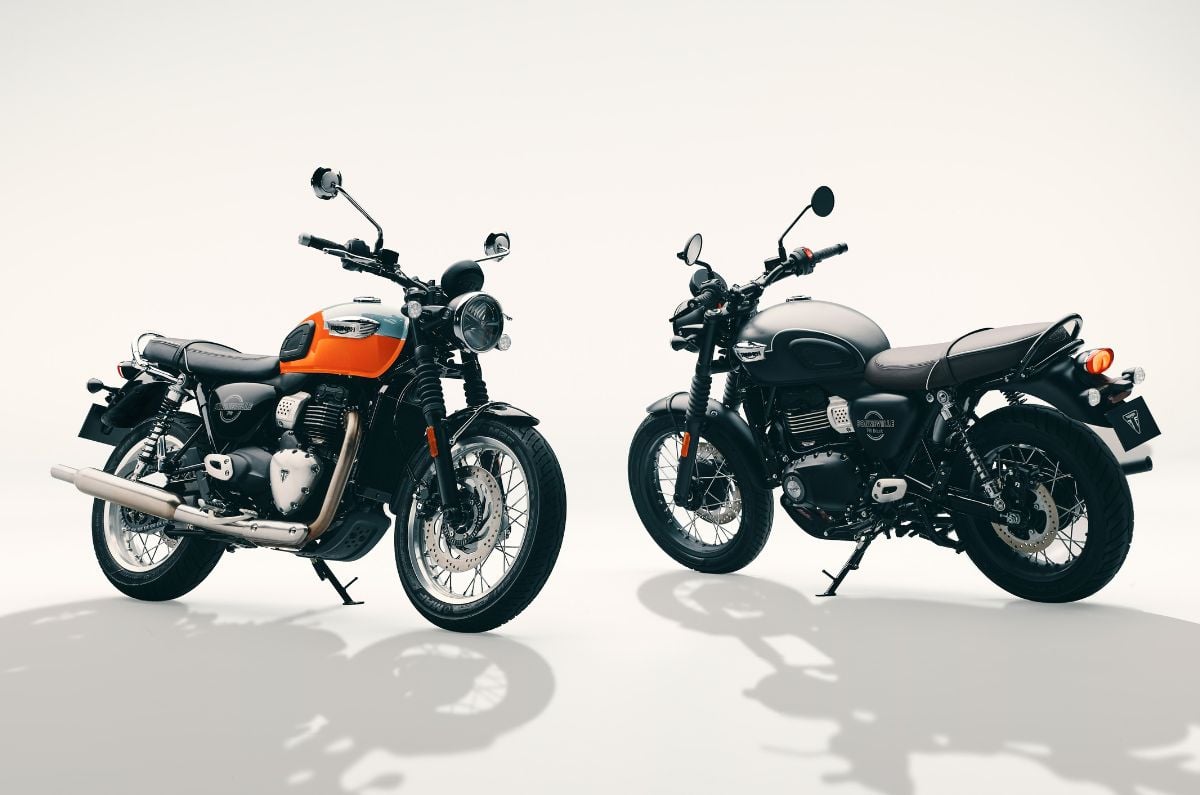
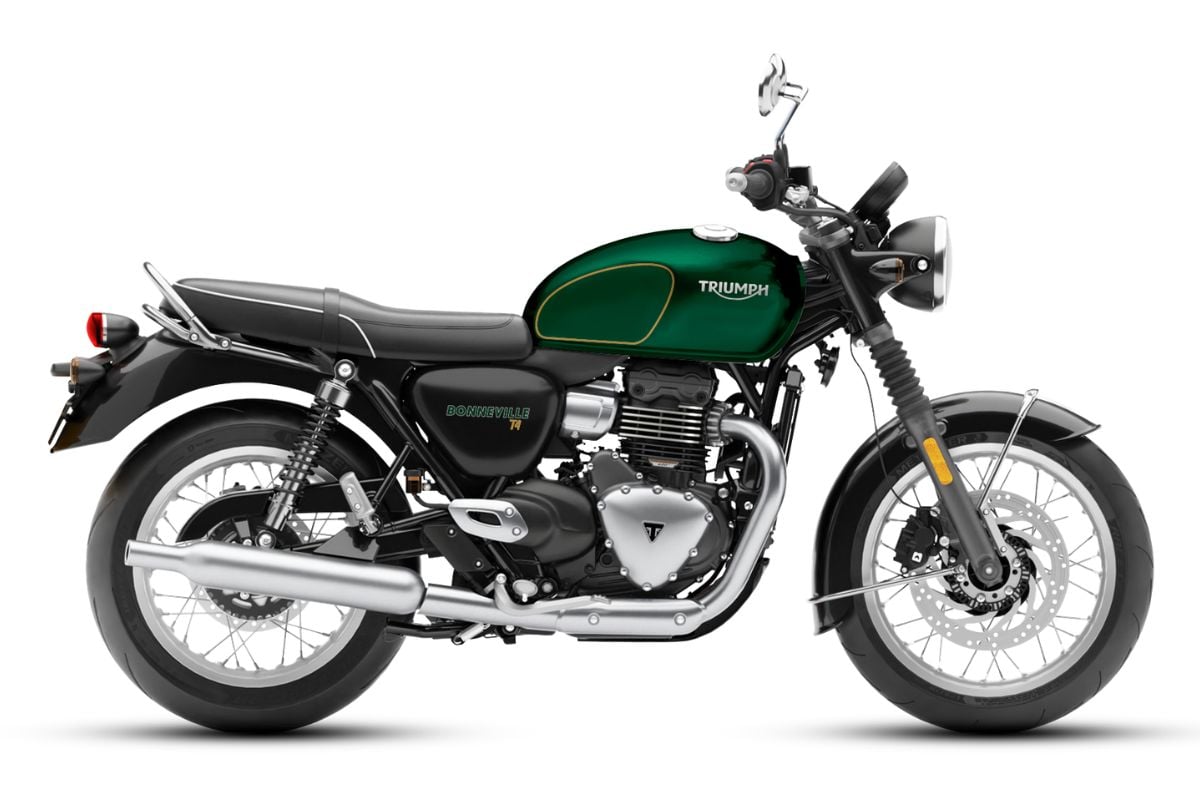
After seeing a great deal of success with its Bajaj-built, single-cylinder models, Triumph has now revealed a new model in the same family which has the potential to be the most popular one yet – the Bonneville T40. Underneath its appealing classical design, the smallest ‘Bonnie’ is an amalgamation of some parts shared with its siblings while some are unique to it. Alongside the Bonneville T40, the Triumph has also revealed a lower-spec Bonneville T4 which misses out on some electronic features but is mechanically the same as the T40.
350cc engine makes 29hp, 31.2Nm; tuned for low- and mid-range grunt
4-inch colour TFT display, 5 riding modes & cruise control standard
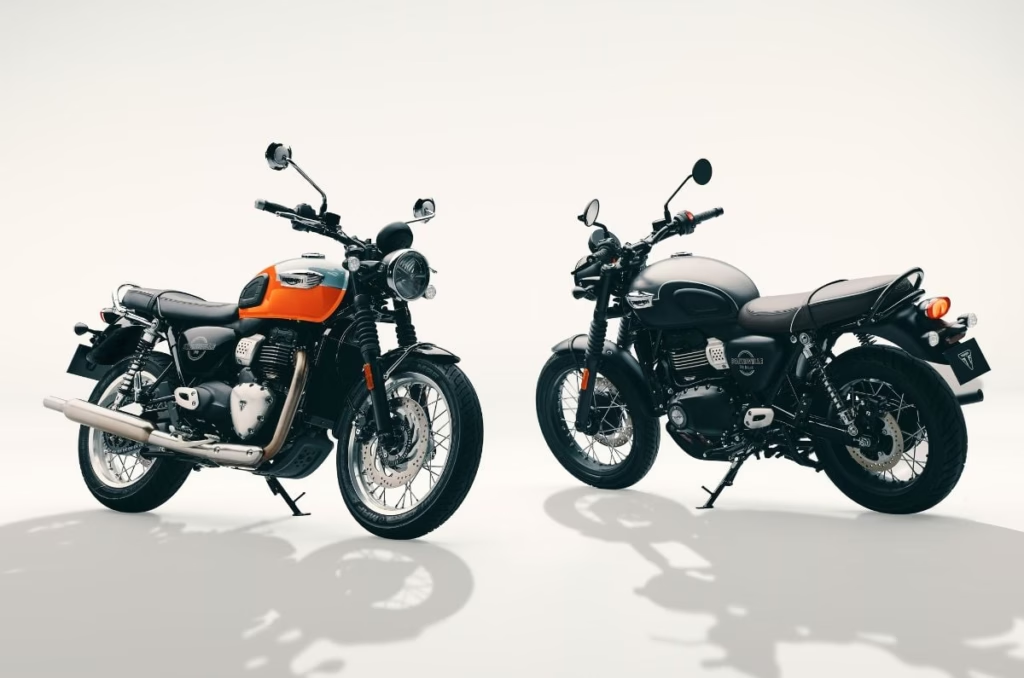
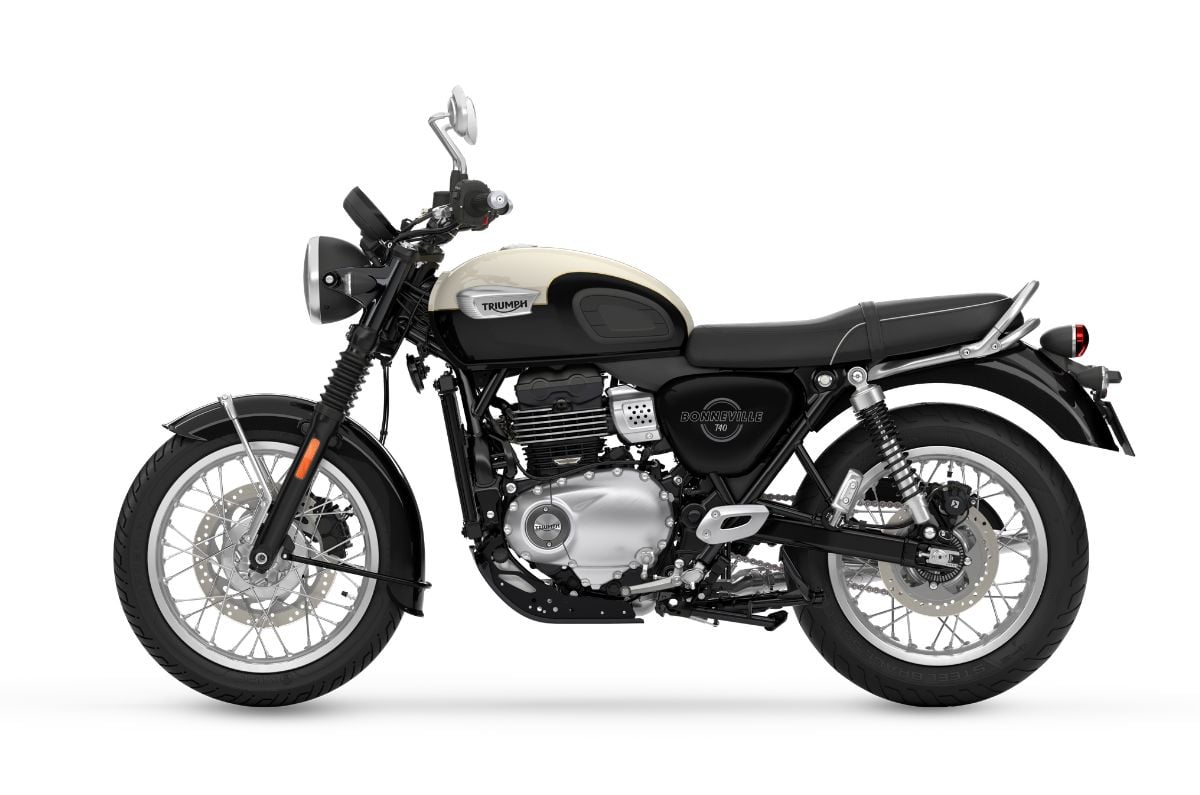
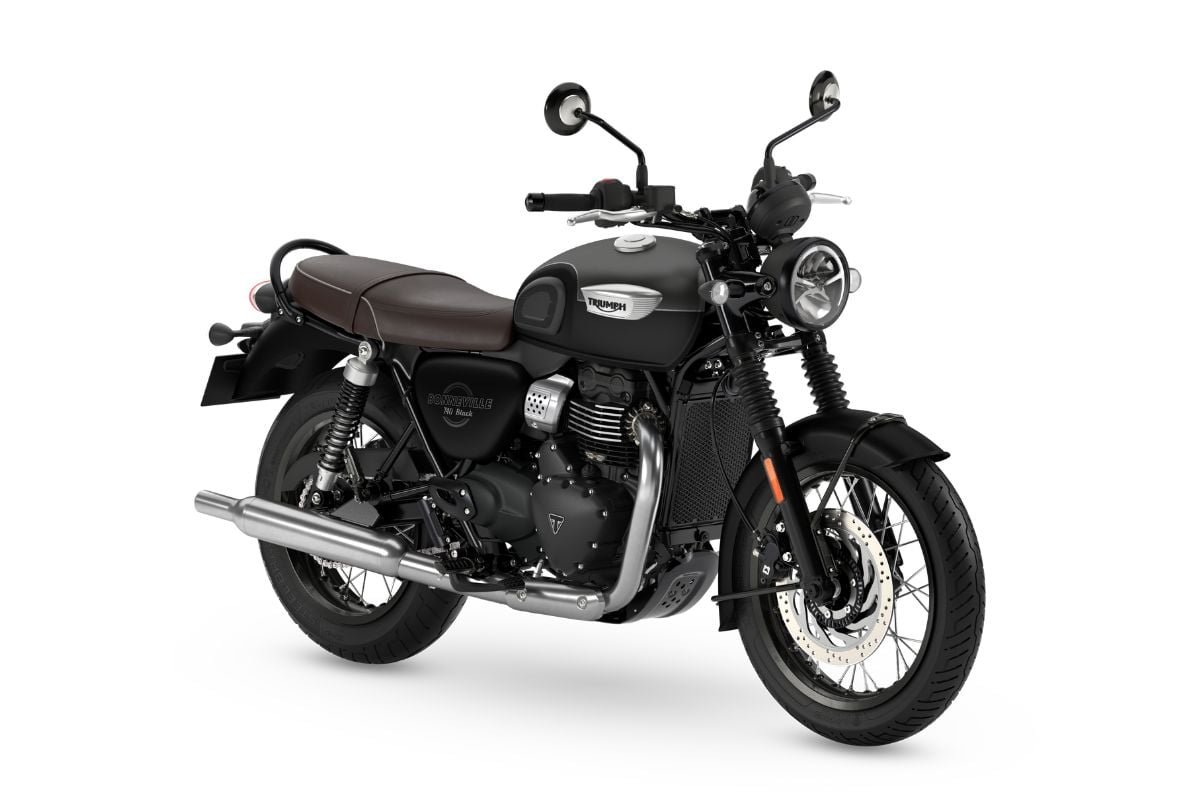
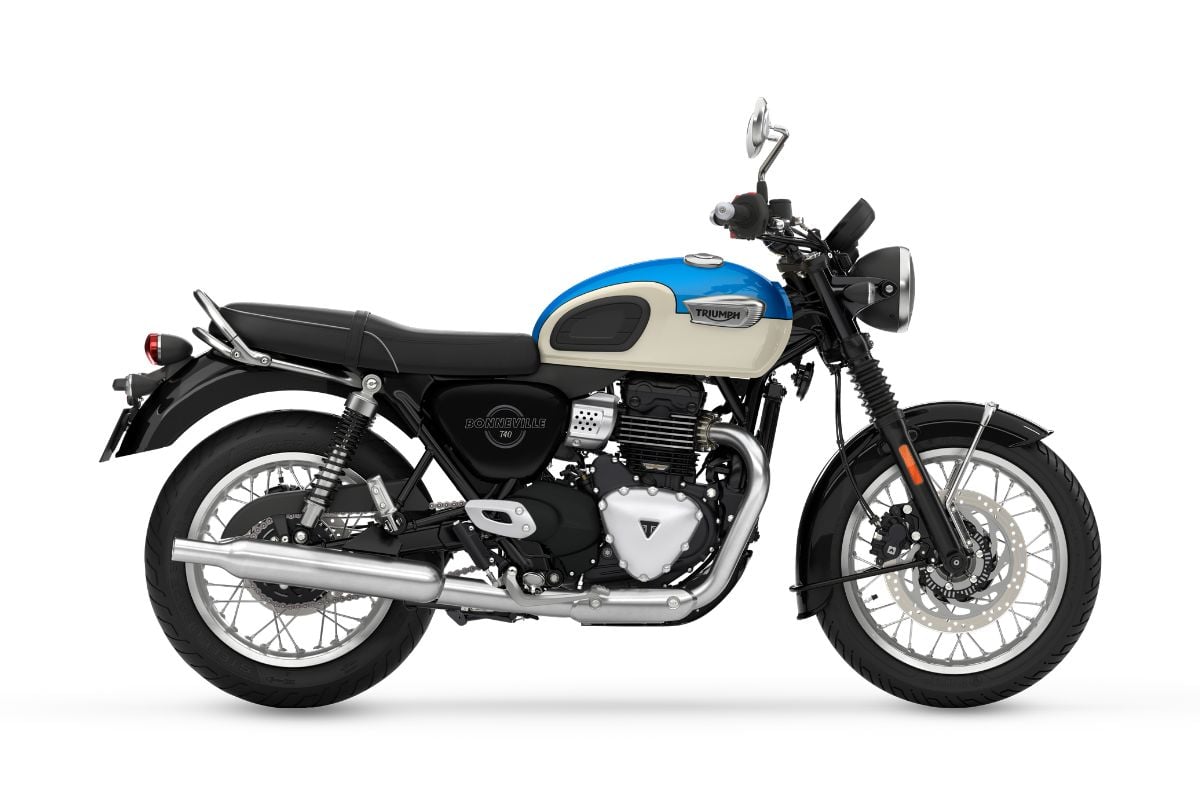
Available in 3 bright dual-tone colours and a blacked-out version
Triumph Bonneville T40: Everything you need to know
Weighs 195kg and has a low 790mm seat height
Powering the India-spec Bonneville T40 is the same 350cc, single-cylinder, liquid-cooled engine as seen in the other single-cylinder Triumphs but in this application both the output and state of tune are very different. The engine in the Bonneville makes 29hp at 7,000rpm and 31.2Nm of torque at 5,500rpm – numbers that are incidentally very similar to the Speed T4 (29hp at 7,500rpm and 31Nm at 5,500rpm).
While the engine’s base architecture is shared with the other single-cylinder Triumph models, here you have a revised cylinder head, a new engine tune, smaller diameter throttle bodies, dedicated camshafts and a new peashooter exhaust. Triumph says it has made all these changes to ensure an effortless, torque-rich riding experience. A 6-speed gearbox continues here but the company says the Bonneville T40 has taller overall gearing than its siblings.
Just like the engine, the frame on the Bonneville T40 has also seen major revisions. While the front half is more closely related to the other Bajaj-made Triumphs, at the rear it is all-new. This was done to not only accommodate the twin shock absorbers and new tubular steel swingarm (not aluminium like its siblings) but also to get the quintessential Bonneville aesthetic right, says Triumph. Another point to note is that the Bonneville T40’s subframe is welded to the main frame, not bolted like on the other 350cc Triumphs.
What this new frame also potentially permits Triumph to do is also potentially introduce single-cylinder versions of the Speedmaster and Bobber down the line, although the company hasn’t confirmed this officially.
The cycle parts on the 350cc Bonnie are also unique to it and aren’t shared with the other single-cylinder Triumphs. A 43mm right way up gaitered telescopic fork and twin shock absorbers handle suspension duties and both have a healthy 130mm of travel. To handle stopping duties, there’s a 310mm disc at the front with a twin-piston axial caliper and a 255mm rear disc with a single-piston caliper, supplemented by lean-sensitive ABS.
In typical Bonneville fashion, the T40 runs on wire-spoke wheels shod with tubed MRF tyres developed specifically for it – no tubeless option here. The front tyre is sized 100/90-18 while the rear is a 150/70-R18 hoop. While the tubed tyres will mean a more labour-intensive and long drawn-out puncture repair process there is a small silver lining, in that a centre stand comes standard here.
The result of all those chassis changes is that the Bonneville T40 weighs 195kg, making it by far the heaviest of the Bajaj-built Triumph models. Having said that, at 14.5 litres, it also has the largest fuel tank capacity. With a friendly 790mm seat height, the T40 is quite accessible in terms of ground reach and you can even drop it down further to 770mm with Triumph’s accessory low seat. Despite the low perch, the baby ‘Bonnie’ has a healthy 165mm of ground clearance which should help it tackle the worst of Indian conditions without scraping its undercarriage.
What all of the above should likely translate to in the real world is a refined and genteel riding experience, although we’ll reserve judgement on that facet until we get to spend quality some seat time on the small ‘Bonnie.’
Just like the other Bajaj-built Triumphs, the Bonneville T40 has a high level of material finish and attention to detail. Where the T40 goes one step further is that it debuts a new round 4-in colour TFT display with more comprehensive switchgear. This is to control the different riding aids like the 5 riding modes (Road, Rain, Eco and 2 fully customizable ones), ABS, traction control and cruise control. This display even has a ‘Heritage’ mode which changes the layout to a more old-school appearance. Furthermore, if you pair your phone to the display via the Triumph Navigation app, you can also get navigation information on the screen.
At Rs 2.80 lakh (ex-showroom, Delhi), the Bonneville T40 (and T40 Black) is priced at a premium compared to its direct rivals which are the Royal Enfield Classic 350 (Rs 1.89 lakh – Rs 2.26 lakh), Honda CB350C (Rs 2 lakh – Rs 2.05 lakh) and Jawa 350 (Rs 2.11 lakh – Rs 2.22 lakh). For those that find the asking price for the Bonneville T40 perhaps a bit too pricey, there’s also a lower-spec Bonneville T4 which has a slimmer 140-section rear tyre, a colour LCD display with turn-by-turn navigation, ride modes and dual-channel ABS but misses out on cruise control and the Intertial Measurement Unit (IMU). The T4 Bonneville is priced at Rs 2.55 lakh and comes in three solid colours – green, black and red.
Bookings are open for both but deliveries for the Bonneville T40 will commence earlier, in November 2026, while the T4 will be delivered starting from the 2nd week of January 2027.
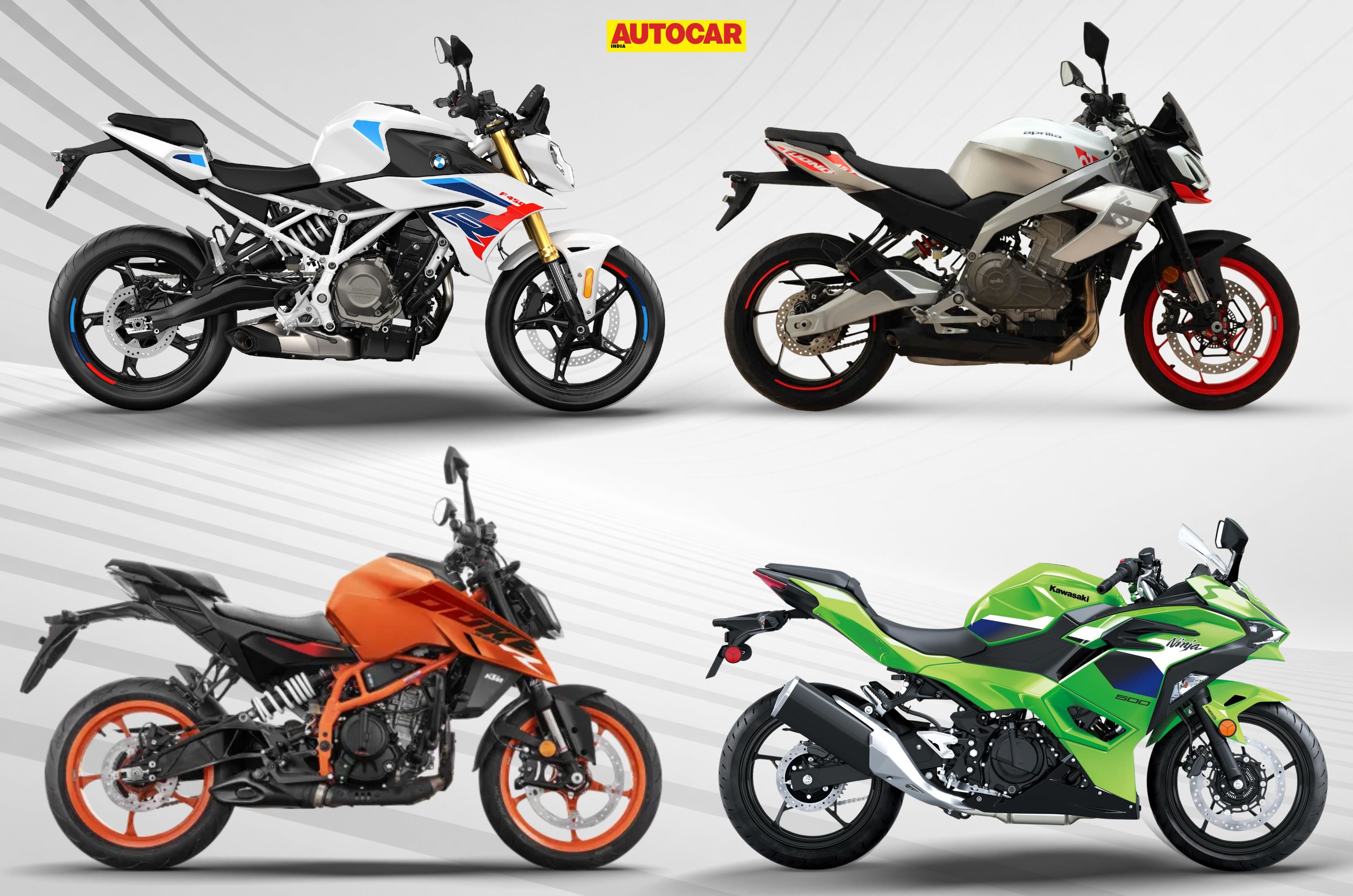
It’s October and BMW has already expanded its 450 line-up with a new F 450 R sport-naked, expected to take the erstwhile G310R’s place. The motorcycle shares its platform with the F 450 GS, launched in India in April this year. First up, we have the third-generation KTM 390 Duke R which continues to hold onto its position as the dominant name in the performance 400cc segment; Bajaj had spawned a downsized 349cc KTM 390 Duke to make sure it remains dominant in sales charts as well. Then we have the Kawasaki Ninja 500, technically a sportbike but its relaxed ergonomics and performance figures make it comparable to the F 450 R. Lastly, we have the recently updated Aprilia Tuono 457 Special Edition that brought better ergonomics and comfort. If you’re considering any one of these, here’s how they stack up to each other.
Disclaimer: At the time of writing, BMW hasn’t launched the F 450 R in India, nor have the prices been revealed. We’ll update that section once it’s available.
BMW F 450 R vs Rivals: Engine and output
BMW has the upperhand in peak power and torque
BMW F 450 R
Aprilia Tuono 457 Special Edition
Kawasaki Ninja 500
KTM 390 Duke R
Engine
420cc, twin-cylinder, liquid-cooled
457cc, twin-cylinder, liquid-cooled
451cc, twin-cylinder, liquid-cooled
398.63cc, single-cylinder, liquid-cooled
Power
48hp at 8,750rpm
47.6hp at 9,400rpm
45hp at 9,000rpm
46hp at 8,500rpn
Torque
43Nm at 6,750rpm
43.5Nm at 6,700rpm
42.6Nm at 6,000rpm
39Nm at 6,500rpm
Transmission
6-speed
6-speed
6-speed
6-speed
Power-to-weight ratio
272.73hp/tonne
272hp/tonne
255.7hp/tonne
273.3hp/tonne
Starting with the engines, the BMW has the second smallest engine of the lot, despite which it pulls ahead with the most power and the second highest peak torque of the lot – the Aprilia makes the most, with a marginal advantage of 0.5Nm. The KTM holds its own as the only single-cylinder bike here, while also displacing notably less.
Another notable similarity between two of the twins and the KTM is that they share near identical power-to-weight ratios, despite the KTM’s engine displacing the least of the lot. We’re familiar with the Aprilia and the KTM’s real world riding experience – superbly engaging to ride – and we look forward to finding out how the BMW fares against them.
BMW F 450 R vs Rivals: Dimensions and weight
Duke offers the best balance
BMW F 450 R
Aprilia Tuono 457 Special Edition
Kawasaki Ninja 500
KTM 390 Duke R
Fuel tank capacity
14 litres
13 litres
14 litres
15 litres
Ground clearance
NA
NA
145mm
183mm
Kerb weight
176kg
175kg
176kg
168.3kg
Seat height
790mm
810mm
785mm
800mm
Wheelbase
1405mm
NA
1375mm
NA
With the details we’re able to see on their respective websites, it’s the KTM that offers the best balance of all factors. It has the largest fuel tank as well as the highest ground clearance and lowest kerb weight. Its seat height isn’t the lowest, but neither is it too tall that it becomes an area of concern for most. KTM does not report wheelbase numbers on the Indian website, but from experience we know it to be just enough to be agile as well as stable. If you’re looking for the most accessible motorcycle of the bunch, that is the Ninja 500, but it comes with the lowest ground clearance number too.
BMW F 450 R vs Rivals: Tyres, brakes and suspension
Duke offers the best equipment on paper
BMW F 450 R
Aprilia Tuono 457 Special Edition
Kawasaki Ninja 500
KTM 390 Duke R
Tyres (F, R)
110/70-17, 150/60-17
110/70R17, 150/60R17
110/70R17, 150/60R17
110/70R17, 150/60R17
Brakes (F, R)
310mm disc, 240mm disc; dual-channel ABS
320mm disc, 220mm disc; dual-channel ABS
310mm disc, disc; dual-channel ABS
320mm disc, 240mm disc; dual-channel ABS
Suspension (F, R)
43mm USD, monoshock
41mm USD, monoshock
41mm RSU, monoshock
43mm USD, monoshock
All four motorcycles share the same size tyres at the front and rear, and radial tyres as standard. Kawasaki doesn’t share the rear disc size for India, but with the reported numbers, it’s the KTM that has the largest brakes at both ends. The 390 Duke R is known for having strong brakes, aided by its radial, four-piston caliper system; a system that’s also shared by the Tuono 457 Special Edition and the brand-new BMW. However, the F 450 R touts a Brembo front caliper with a 10mm smaller rotor, so the real world braking performance remains to be determined. The Kawasaki is the only motorcycle with a right side up (RSU) telescopic fork. The Japanese manufacturer does not specify the rear disc diameter on the Indian website, nor has it mentioned if it has dual-channel ABS, like the international-spec bike.
Where the KTM and the BMW have an advantage is adjustability. KTM offers compression and rebound damping adjustability as standard; as does the BMW on all but the base variant of the F 450 R. At the rear, both offer adjustable preload and rebound damping as standard. The Aprilia offers standard preload adjustability at the front and rear, which leaves the Kawasaki with the least amount of adjustability for its suspension setup. Its rear preload is the only thing the user can adjust.
BMW F 450 R vs Rivals: Features
BMW’s variants make feature-spread tricky!
Only the BMW has variants in this list and that makes the features on offer a bit tricky. As standard, the F 450 R offers all-LED lighting, traction control, dual-channel ABS that’s lean-sensitive, ride-by-wire, three ride modes (Rain, Ride, and Dynamic), a slip-and-assist clutch, preload and rebound adjustable rear suspension and heated grips. From the second Exclusive variant, you get a bi-directional quickshifter and rebound and compression adjustable front suspension as standard. With the ‘M Sport’ variant you get an additional Dynamic Pro ride mode that’s fully customisable for engine braking, traction, and engine drag torque. The top variant, ‘M Sport with Innovation package’ adds ERC (Easy Ride Clutch) that allows for the vehicle to be operated without engaging the clutch.
The other three motorcycles only have one variant each and the Aprilia and KTM match almost all the features of the BMW. Neither has an equivalent for the ERC, but other features like ride modes, ABS, traction control, and the bi-directional quickshifter are matched by both; though the Tuono reserves the quickshifter as an additional accessory. 390 Duke R offers it as standard, matches the F 450 R’s cornering ABS, and goes two steps further and offers cruise control and launch control as standard too. The Ninja 500 offers the smallest set of features here, with ABS, an LCD screen (versus TFT on the other three, BMW has the largest), and a slip-and-assist clutch. The Kawasaki does not have ride modes or advanced ABS; nor does it get a quickshifter or any control systems.
BMW F 450 R vs Rivals: Price
BMW does not have a price yet
BMW F 450 R
Aprilia Tuono 457 Special Edition
Kawasaki Ninja 500
KTM 390 Duke R
Price (ex-showroom)
TBD
Rs 4 lakh
Rs 5.76 lakh
Rs 3.45 lakh
BMW hasn’t revealed the prices for the F 450 R for any market. For context, the F 450 GS, BMW’s adventure tourer based on the same platform, now starts at Rs 4.95 lakh and goes up to Rs 5.60 lakh. Thus, it’s reasonable to expect the F 450 R to slot in at a lower rung, price-wise.
As things stand, the Kawasaki Ninja 500 is the most expensive motorcycle on this list, followed by the Aprilia Tuono 457 at a farther distance. The KTM 390 Duke R is currently the most affordable one of the lot, and despite being the only single-cylinder motorcycle here, has plenty to offer and arguably offers the best value for your money.
IMD Rain Forecast: देश भर से दक्षिण-पश्चिम मानसून की विदाई की प्रक्रिया के बीच एक नया और मजबूत पश्चिमी विक्षोभ (Western Disturbance) उत्तर भारत के मौसम में भारी उथल-पुथल मचा रहा है। भारत मौसम विज्ञान विभाग (IMD) द्वारा मंगलवार 6 अक्टूबर की दोपहर जारी वेदर बुलेटिन के मुताबिक इस पश्चिमी विक्षोभ के असर से 10 अक्टूबर तक पश्चिमी हिमालयी क्षेत्रों में हल्की से मध्यम बारिश और बर्फबारी जारी रह सकती है। इसके साथ ही दिल्ली-एनसीआर, पंजाब, हरियाणा और उत्तर प्रदेश के मैदानी इलाकों में बारिश और तेज आंधी का सिलसिला शुरू हो चुका है।
बीते 24 घंटों के दौरान मौसम के मिजाज की बात करें तो तमिलनाडु में अलग-अलग जगहों पर 12 से 20 सेमी तक अत्यधिक भारी बारिश हुई है। इसके अलावा उप-हिमालयी पश्चिम बंगाल, सिक्किम, केरल, दक्षिण आंतरिक कर्नाटक, रायलसीमा और बिहार में 7 से 11 सेमी तक भारी बारिश हुई है।
उत्तर भारत में पश्चिमी विक्षोभ का असर: दिल्ली, यूपी और पंजाब में 60 kmph की आंधी
मौसम विभाग के अनुसार, पश्चिमी विक्षोभ मध्य और ऊपरी क्षोभमंडलीय पछुआ हवाओं में ट्रफ रेखा के रूप में बना हुआ है। इसके साथ ही दक्षिण हरियाणा पर एक चक्रवाती हवाओं का क्षेत्र बना हुआ है, जबकि एक अन्य चक्रवाती परिसंचरण दक्षिण-पूर्व उत्तर प्रदेश पर सक्रिय है। इन मौसमी प्रणालियों के असर से जम्मू-कश्मीर, लद्दाख में 6 अक्टूबर को भारी बारिश और बर्फबारी का अनुमान है, जबकि 7 से 12 अक्टूबर के दौरान छिटपुट बारिश जारी रहेगी। हिमाचल प्रदेश और उत्तराखंड में 6 से 12 अक्टूबर तक बारिश और बर्फबारी के आसार हैं। हिमाचल, जम्मू-कश्मीर और उत्तराखंड में 6 और 7 अक्टूबर को आकाशीय बिजली चमकने के साथ 40 से 50 किलोमीटर प्रति घंटे (झोंके 60 किमी/घंटे) की गति से तूफानी हवाएं चलेंगी।
मैदानी इलाकों की बात करें तो पंजाब, हरियाणा, चंडीगढ़, दिल्ली और पश्चिमी उत्तर प्रदेश में 6 से 7 अक्टूबर के दौरान और पूर्वी उत्तर प्रदेश में 6 से 8 अक्टूबर तक 40 से 50 किमी/घंटे की गति से झोंकेदार हवाएं चलने और बारिश होने का अलर्ट है। मौसम विभाग ने चेतावनी दी है कि 6 अक्टूबर को दक्षिण-पूर्व उत्तर प्रदेश में पृथक स्थानों पर भारी बारिश हो सकती है। 11 और 12 अक्टूबर को पश्चिमी राजस्थान तथा 12 अक्टूबर को पूर्वी राजस्थान में भी हल्की बारिश हो सकती है।
मध्य भारत और पूर्वी राज्यों में भारी बारिश और तूफानी हवाएं
मध्य प्रदेश और छत्तीसगढ़ के इलाकों में भी मौसमी चक्र सक्रिय है। 6 अक्टूबर को पूर्वोत्तर मध्य प्रदेश में अलग-अलग स्थानों पर भारी बारिश की संभावना जताई गई है। इसके अलावा पूर्वी मध्य प्रदेश और छत्तीसगढ़ में 6 से 10 अक्टूबर के दौरान गरज-चमक के साथ बारिश की गतिविधियां बनी रहेंगी। 6 और 7 अक्टूबर को मध्य प्रदेश और छत्तीसगढ़ में बिजली कड़कने के साथ तेज हवाएं चल सकती हैं।
पूर्वी भारत में बिहार और झारखंड में 6 से 10 अक्टूबर के दौरान और ओडिशा में 6 से 12 अक्टूबर तक बारिश होने की संभावना है। बिहार में 6 और 7 अक्टूबर को आकाशीय बिजली चमकने और 40 से 50 किमी/घंटे की गति से हवाएं चलने का अनुमान है। उप-हिमालयी पश्चिम बंगाल और सिक्किम में 8 अक्टूबर को भारी बारिश दर्ज की जा सकती है।
पूर्वोत्तर भारत और तटीय इलाकों में उथल-पुथल
पूर्वोत्तर के राज्यों में भी बारिश तेज रहेगी। अरुणाचल प्रदेश, असम और मेघालय में 6 अक्टूबर को भारी बारिश होने का अलर्ट जारी किया गया है। नागालैंड, मणिपुर, मिजोरम और त्रिपुरा में 6 और 7 अक्टूबर को भारी बारिश के साथ बादलों की तेज गड़गड़ाहट और बिजली कड़कने की आशंका जताई गई है।पश्चिम भारत की बात करें तो कोंकण व गोवा और मध्य महाराष्ट्र में 6 और 7 अक्टूबर को बारिश और बिजली कड़कने की संभावना है, जिसके बाद मौसम में सुधार देखने को मिलेगा।
दक्षिण भारत में जारी रहेगा मूसलाधार बारिश का दौर
दक्षिण भारत के राज्यों में समुद्र और धरातल के ऊपर एक साथ कई चक्रवाती हवाओं के क्षेत्र सक्रिय हैं। एक चक्रवाती परिसंचरण दक्षिण केरल तट के पास दक्षिण-पूर्व अरब सागर पर और दूसरा उत्तरी तमिलनाडु पर बना हुआ है। इसके साथ ही मन्नार की खाड़ी से मध्य महाराष्ट्र तक एक ट्रफ रेखा फैली हुई है। इनके असर से केरल व माहे में 6 से 11 अक्टूबर के दौरान काफी बारिश होगी।
केरल और तमिलनाडु, पुडुचेरी व कराइकल में 6 अक्टूबर और 8 से 10 अक्टूबर के दौरान भारी बारिश का नया दौर आएगा। दक्षिण आंतरिक कर्नाटक में भी 6 अक्टूबर को भारी बारिश दर्ज हो सकती है। तमिलनाडु, केरल और लक्षद्वीप में 6 से 10 अक्टूबर के दौरान आकाशीय बिजली चमकने के साथ 40 से 50 किमी/घंटे की रफ्तार से तूफानी हवाएं चलेंगी। तटीय आंध्र प्रदेश और रायलसीमा में 6 से 8 अक्टूबर तक दिन भर तेज सतही हवाएं चलती रहेंगी।
The Tata Tigor never quite made the impact the manufacturer hoped for in the compact sedan segment. Now, Tata has reworked it and given it a new identity as the Aeris, with a fresh design, a more upmarket cabin and a longer list of features. That alone makes the Aeris an interesting proposition, but there is another reason its arrival is well timed.
Tata has a CNG option in a market where demand for the fuel is growing rapidly, with CNG cars accounting for nearly 22 percent of passenger vehicle sales in FY2026, up from around 12-13 percent three years ago in FY2023. That gives the manufacturer an interesting opportunity, but the bigger question is whether the Aeris itself has enough going for it this time around.
Tata Aeris iCNG exterior design and engineering – 8/10
Looks more modern than the Tigor, but the Tiago influence is hard to miss
Save for the new bumper, the fascia is similar to the Tiago and looks very modern.
The Tata Aeris looks more modern and sleeker than the older Tigor, but there’s a strong sense of familiarity to its exterior design. It borrows several elements from the Tiago, giving the two cars a similar visual identity, but that also means the Aeris does not look particularly distinctive.
At the front, it gets slim LED headlights with integrated LED DRLs, joined by a gloss black trim, a design treatment that is very similar to the Tiago. What’s new is the front bumper with wider air inlets. It also features fog lamps that get an LED upgrade from the Tigor’s halogens. The Aeris also gets a new clamshell bonnet.
The wheel arch cladding adds contrast, but they make 14-inch wheels look undersized.
In profile, the iCNG gets the 14-inch stylised steel wheels which look undersized, particularly against the prominent wheel-arch cladding. The cladding is made from recycled materials and features a speckled texture. The use of chrome on the door handles and the window line further gives some contrast to the Aeris’ otherwise clean profile.
The Aeris retains the Tigor’s distinct coupe-like roof that flows into the tail. The rear features segmented LED taillights joined by red plastic trim, and new Aeris lettering on the centre of the tailgate. The rear bumper features a reverse light and has an overall clean design.
Tigor’s fastback-like sloping roofline is retained; new taillights make it appear larger.
The Aeris is 3,995mm long, 1,684mm wide and stands 1,532mm tall. It has a wheelbase of 2,450mm. These dimensions are similar to the older Tigor. While Tata has not quoted an official ground clearance figure, we found it adequate for broken roads and large speed breakers. All of this is expected to appeal to most buyers.
Tata Aeris iCNG interior space and comfort – 8/10
Lighter theme makes the cabin feel airy, and revised cushioning improves seat comfort
The dashboard looks minimalistic, and the lighter theme makes the cabin feel airy.
The Tata Aeris’ interior layout is the same as the Tiago and looks neat. The lighter beige theme makes the cabin feel airy. However, this same thing might make it difficult to keep the interior spick and span. The dashboard has a clean look, featuring two free-standing displays and a revised 2-spoke steering wheel.
The rotary dial does not have illuminated drive modes, but operating it is a breeze.
The manual variants feature a new, more premium-looking gear stalk, while the AMT variants get a cleaner-looking rotary drive selector with N (neutral), D (drive) and R (reverse) modes. The rotary dial does not feel finicky, and the modes switch seamlessly. One complaint, however, is that the drive modes (N, D and R) are not illuminated, which means you rely on the instrument cluster to know which mode is selected.
The Aeris gets floating door handles like on the Sierra, which feel sturdy.
The centre console has also been thoroughly redesigned for a cleaner look and a more practical application. It features two rubberised pads to keep phones, one of which gets wireless charging capability in the top-spec Accomplished trim. The centre console also features two cupholders and a leatherette-wrapped centre armrest which integrates a decent cubby space. The doors have floating-style handles integrated with the armrest, which feel sturdy.
Legroom and kneeroom won’t be an issue for most, but taller passengers could feel the headroom is tight.
The seats feature revised cushions and bolsters that have increased the overall comfort and are wrapped in a part leatherette upholstery that feels premium. The rear seats are comfortable as well and offer good legroom and kneeroom. The headroom, however, could be an issue for passengers over 6 feet tall. The rear passengers benefit from dedicated air vents and a 65-watt Type-C charger. These seats get fixed headrests.
Aeris CNG’s boot space figure is not revealed, but could be similar to the Tigor CNG’s 227-litre space.
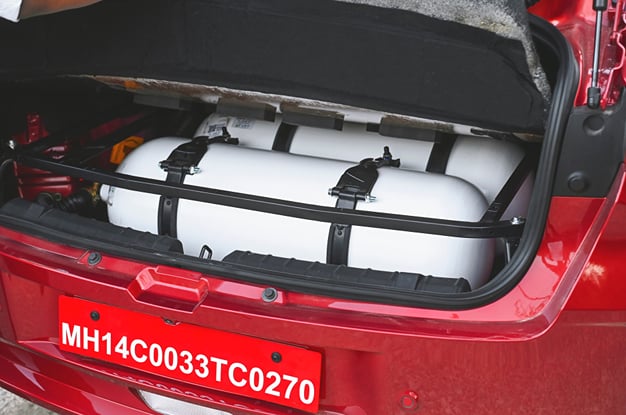
The Aeris iCNG gets a dual-cylinder tank setup inside the boot, unlike its rivals that use a single CNG tank and are left with very little usable boot space. Despite the additional tank, the Aeris has enough room for a couple of backpacks and a small luggage bag. Tata also offers a 13-inch underbody-mounted spare wheel, which is more useful than a puncture repair kit.
Tata Aeris iCNG features and safety – 9/10
Gets a lot of modern-day features, some of which could have better integration
Segment-only ventilated seats cool effectively and mark a step up in the comfort quotient.
Like other Tata cars, the Aeris is filled with features to the brim. It debuts a front seat ventilation function for the compact sedan segment, which is offered with the Aeris’ top Accomplished trim. During our drive, the seat ventilation was very effective in cooling the cabin in Faridabad’s near 40deg ambient temperature. However, there’s no confirmation on the infotainment system or the driver’s display when the feature is engaged or the ventilation level is changed.
360-degree camera system has a crisp feed and can record the surroundings.
A 10.25-inch infotainment touchscreen is the same as before, which remains slick to use and has no lag even when browsing through multiple menus. The user interface (UI) is also easy to get used to. The Aeris continues with a 360-degree camera setup that is also lag-free and works well even in low-light conditions. Tata has added a new DVR feature, which allows the surround-view cameras to double up as a dashcam and record the surroundings of the car. These recordings can be stored and accessed either on the infotainment touchscreen or a USB drive, and can also be seen on a phone via a QR code.
The instrument cluster has a retro theme and displays all the important driving data, but the steering wheel’s tilt angle and the driver’s seating position sometimes obscure certain details. The steering wheel lacks the leatherette wrap offered with the Tigor, but feels nice to hold nevertheless. The wheel is now free of the Tigor’s scratch-prone gloss black trim and thankfully retains physical controls. It also gets cruise control, but only with the manual variants.
The wireless charger works well, but tends to make the phone hot during prolonged use.
The 4-speaker, 2-tweeter audio system is a step down from the Tigor’s 4-speaker, 4-tweeter setup, although sound quality is still good enough for the price. Certain features also could have been integrated better. The wireless charging pad can also heat up phones, particularly during extended use. Cooling vents near the pad could have fixed the issue. The infotainment system switches to the blind-spot monitor every time the indicators are used, which can be annoying when following navigation. The rear seats also lack pressure sensors, so the seatbelt warning continues to chime until the belts are fastened.
Standard safety features include 6 airbags, ISOFIX child seat anchorages on the rear seats, rear parking sensors and 3-point seatbelts with reminders on all seats. Higher variants equip the Aeris with a 360-degree camera, a day/night inside rearview mirror (IRVM), rain-sensing wipers, rear defogger, a tyre pressure monitoring system (TPMS) and ESP with traction control. The pre-facelift Tigor received a four-star rating from Global NCAP in 2020, but the Aeris has yet to be tested by Bharat NCAP.
Tata Aeris iCNG performance and refinement – 6/10
Performance in the city is adequate, but it feels out of breath if pushed hard
The 3-cylinder engine is not the smoothest in the segment and the NVH levels are also not the best.
The Tata Aeris continues with the Tigor’s 1.2-litre, three-cylinder naturally aspirated engine, producing 76hp and 97Nm in CNG guise. It is offered with a five-speed manual and a five-speed AMT, and we drove the latter.
At city speeds, the engine has enough performance to keep up with traffic, but the CNG-AMT combination is not particularly responsive. There is a noticeable pause between pressing the accelerator and the powertrain responding, which becomes more evident when you need to accelerate quickly.
Performance is adequate in the city, but it feels out of breath during overtakes.
The AMT also makes starts from standstill quite jerky, which can get tiresome in stop-and-go traffic. Once up to speed, however, the Aeris settles into a relaxed rhythm and is comfortable enough when driven at a steady pace. The AMT also gets paddle shifters for manual gear changes, which are useful when you want more control over the gearbox, particularly during overtakes.
On the highway, the lack of response is more noticeable, particularly when overtaking. The Aeris can maintain triple-digit speeds, but building speed takes time, and overtaking requires some planning. The rotary gear selector itself, however, as mentioned above, is neat and easy to use.
As you start driving, the vibrations from the 3-cylinder engine are ironed out till you reach 2,500rpm.
Refinement is another weak point. Refinement is another weak point. The engine feels generally smooth when driven gently, but above 2,500rpm, engine noise and vibrations become quite pronounced. Wind and road noise insulation isn’t particularly strong either, so the cabin gets fairly noisy at higher speeds.
Tata Aeris iCNG ride comfort and handling – 8/10
Has a commendable ride quality for a sedan on both rough roads and highways
Like other Tata cars, the suspension is well tuned to Indian conditions.
The Aeris is particularly impressive over poor roads. The suspension does a good job of absorbing broken surfaces and larger bumps without unsettling the car, while the ground clearance is adequate for tackling rough roads and large speed breakers. Despite being a sedan, it does not feel particularly vulnerable to bad roads.
Out on the highway, the Aeris is equally composed. It stays planted at triple-digit speeds and does not feel floaty or nervous when driven quickly. The steering is also nice to hold and offers decent feedback, although there is some vagueness around the centre that takes away a little from the confidence.
Tata Aeris iCNG mileage and efficiency
We expect it to offer a real-world mileage in the 25-30km/kg range
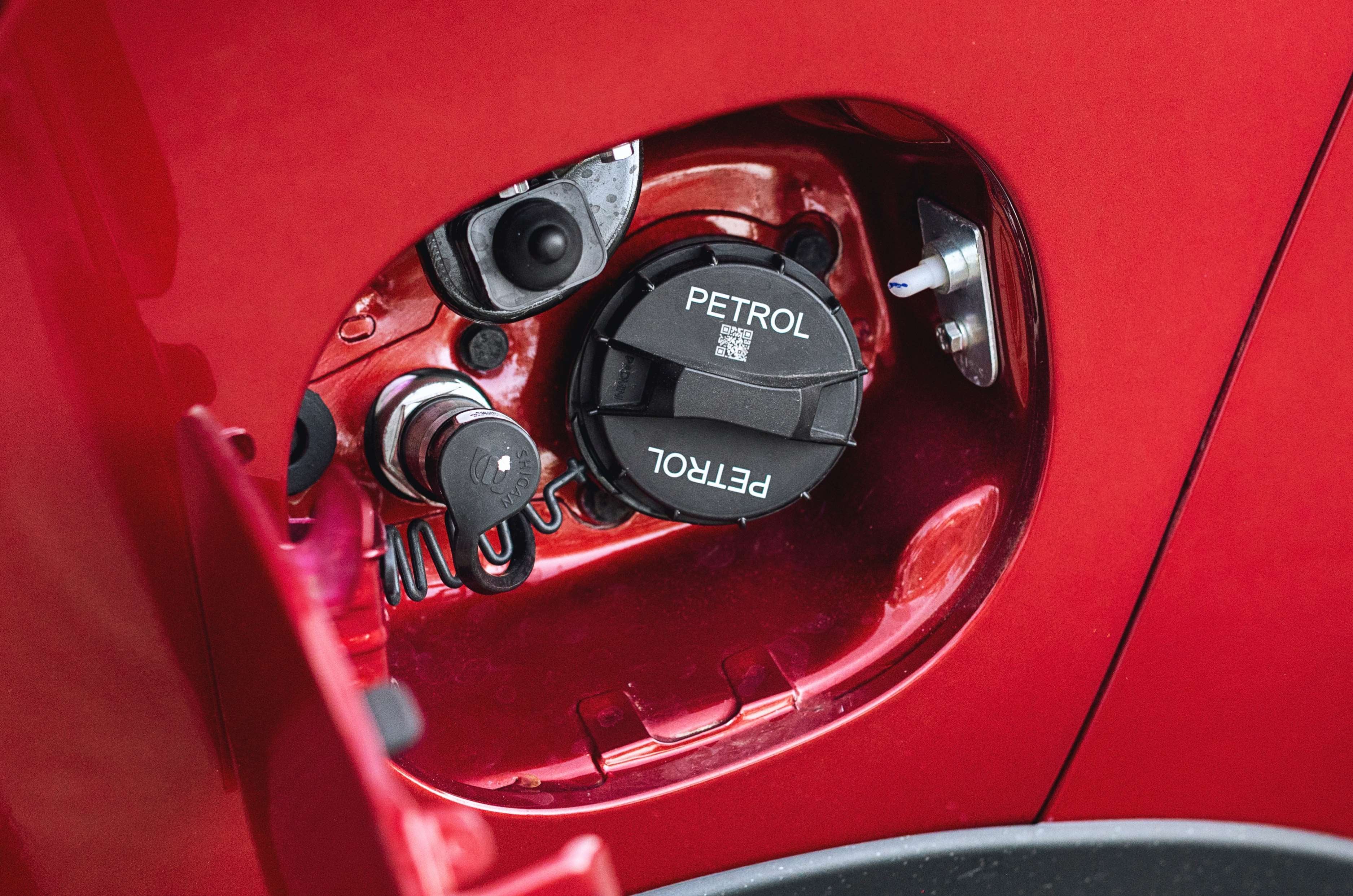
It kills the ignition whenever the fuel lid is opened, offering a layer of safety while filling fuel.
While we haven’t put the Aeris iCNG through our full test yet, its CNG powertrain should make it considerably more economical to run than the petrol version. Tata is yet to reveal an official efficiency figure, but we expect real-world mileage to be in the 25-30km/kg range. We’ll bring you our tested mileage figures once we put the Aeris iCNG through our standardised test procedures.
Tata Aeris iCNG value for money – 8/10
CNG buyers don’t have to compromise on features, but the AMT isn’t ideal
The Aeris CNG offers good value, but AMT should be chosen only if city driving is a priority.
The Aeris, priced from Rs 5.70 lakh to Rs 9.10 lakh (ex-showroom), is a more convincing compact sedan than the Tigor ever was. Its modern design, well-equipped cabin, comfortable ride and, most importantly, useful boot space despite the CNG setup give it plenty going for it. The fact that Tata offers the CNG powertrain with higher-spec variants also means buyers don’t have to sacrifice features for lower running costs.
The CNG-AMT powertrain, however, takes some shine off the package. The slow responses, jerky starts and excessive NVH at higher revs make it better suited to relaxed city driving than frequent highway use. Even so, for buyers looking for a practical and well-equipped CNG sedan, the Aeris does make a stronger case than its predecessor and even against its rivals.
Donald Trump India: अमेरिकी राष्ट्रपति डोनाल्ड ट्रंप आज यानी 5 अक्टूबर को एक सोशल मीडिया पोस्ट को लेकर दुनियाभर में चर्चा में हैं। राष्ट्रपति चुनाव को लेकर टिप्पणी करते हुए ट्रंप ने ब्राजील की जगह गलती से भारत का नाम लिख दिया। उन्होंने दावा किया कि भारत के राष्ट्रपति चुनाव में 12.5 करोड़ लोगों ने वोट किया। फिर मतदान खत्म होने के कुछ ही समय बाद इसके नतीजे भी आ गए। इसके बाद उन्होंने अमेरिका की चुनावी प्रक्रिया और वोटों की गिनती पर सवाल उठाते हुए उसे भ्रष्ट बताया। यानी ट्रंप की पोस्ट में जिस चुनाव को भारत का बताया गया, वह वास्तव में ब्राजील का राष्ट्रपति चुनाव था।
ब्राजील में पहले चरण का रिजल्ट लगभग पूरी तरह आ चुका है। लेकिन ब्राजील के राष्ट्रपति का फाइनल चुनावी नतीजा अभी नहीं आया है। 4 अक्टूबर 2026 को पहले चरण की वोटिंग हुई थी। अब मुकाबला दूसरे चरण में पहुंच गया है। अमेरिकी चुनाव प्रणाली की आलोचना करते हुए हुई इस गलती का ऑनलाइन मजाक उड़ाया गया। इससे उनके पहले भी नाम या देश को लेकर हुई गलतियों पर फिर से चर्चा शुरू हो गई है।
ट्रंप ने क्या लिखा?
ट्रंप ने अपने सोशल मीडिया प्लेटफॉर्म Truth Social पर लिखा कि भारत के राष्ट्रपति चुनाव के पहले चरण में 125 मिलियन लोगों ने आज वोट किया और मतदान खत्म होते ही उसी दिन नतीजे आ गए। इसके बाद उन्होंने अमेरिका की चुनावी प्रक्रिया की तुलना करते हुए दावा किया कि डेट्रॉयट, फिलाडेल्फिया, कैलिफोर्निया और अमेरिका के कई अन्य शहरों और राज्यों में इससे काफी कम वोट होने के बावजूद नतीजे आने में कई सप्ताह लग सकते हैं। ट्रंप ने इसी पोस्ट में अमेरिकी वोटिंग सिस्टम को भ्रष्ट करार दिया। साथ ही इस पोस्ट के अंत में ट्रंप अपने नाम के साथ ‘President DJT’ लिखा।
ब्राजील में हुआ था चुनाव
ट्रंप जिस चुनाव का जिक्र कर रहे थे, वह दरअसल भारत का नहीं बल्कि ब्राजीली राष्ट्रपति चुनाव था। ब्राजील में हुए राष्ट्रपति चुनाव के पहले दौर में दक्षिणपंथी सीनेटर फ्लावियो बोल्सोनारो ने मौजूदा राष्ट्रपति लुइज इनासियो लूला दा सिल्वा से बढ़त बनाई। न्यूज एजेंसी ‘रॉयटर्स’ के मुताबिक, फ्लावियो बोल्सोनारो को करीब 47 फीसदी वोट, जबकि लूला को करीब 45 फीसदी वोट मिले। पहले दौर में किसी उम्मीदवार को जरूरी बहुमत नहीं मिलने के कारण दोनों अब 25 अक्टूबर को होने वाले रनऑफ चुनाव में आमने-सामने होंगे।
फ्लावियो बोल्सोनारो ने सर्वेक्षणों को भी चौंकाया
फ्लावियो बोल्सोनारो पूर्व दक्षिणपंथी राष्ट्रपति जायर बोल्सोनारो के सबसे बड़े बेटे हैं। उनका प्रदर्शन चुनाव से पहले जारी कई निजी सर्वेक्षणों के अनुमान से बेहतर रहा। ‘रॉयटर्स’ के मुताबिक, चुनाव से पहले के सर्वेक्षणों में लूला को करीब तीन प्रतिशत अंकों की बढ़त दिखाई जा रही थी। इगारापे इंस्टीट्यूट के सह-संस्थापक रॉबर्ट मुगाह के मुताबिक, सर्वेकर्ताओं का अनुमान काफी हद तक गलत साबित हुआ।
महंगाई, अपराध और कर्ज बने बड़े मुद्दे
ब्राजील के चुनाव में महंगाई, भ्रष्टाचार और अपराध प्रमुख मुद्दे रहे। बेरोजगारी और असमानता में कमी के बावजूद लूला सरकार को महंगाई, घरेलू कर्ज और अपराध एवं गैंग गतिविधियों को लेकर लोगों की चिंताओं का सामना करना पड़ा। फ्लावियो बोल्सोनारो ने इन्हीं मुद्दों को अपने चुनाव अभियान का प्रमुख हिस्सा बनाया। दूसरी ओर, लूला ने कल्याणकारी योजनाओं के विस्तार और परिवारों के लिए नए कर्ज राहत उपायों का प्रस्ताव रखा। देश की आर्थिक स्थिति भी चुनाव में अहम मुद्दा रही। ब्राजील का सार्वजनिक कर्ज जीडीपी के 82 फीसदी से ऊपर बताया गया है। देश में आर्थिक विकास की धीमी रफ्तार को लेकर भी चिंता बनी हुई है।
बोल्सोनारो परिवार को भी मिली बड़ी कामयाबी
राष्ट्रपति चुनाव के साथ-साथ बोल्सोनारो परिवार और उसकी लिबरल पार्टी को दूसरे चुनावों में भी मजबूत सफलता मिली है। न्यूज एजेंसी AFP के मुताबिक, लिबरल पार्टी ब्राजील की सीनेट में सबसे बड़ी ताकत बनकर उभरी है। चुनाव में खाली हुई 54 सीनेट सीटों में से 19 सीटें जीत ली है। हालांकि, पार्टी को पूर्ण बहुमत नहीं मिला। चैंबर ऑफ डेप्युटीज में भी लिबरल पार्टी सबसे बड़ी पार्टी बनने में सफल रही। जायर बोल्सोनारो की पत्नी मिशेल बोल्सोनारो ने ब्रासीलिया के फेडरल डिस्ट्रिक्ट में सीनेट उम्मीदवारों के बीच सबसे ज्यादा वोट हासिल किए।
मीडिया रिपोर्टों के मुताबिक, राजनीतिक विश्लेषकों का मानना है कि वह 2030 में राष्ट्रपति पद के लिए चुनाव लड़ने पर विचार कर सकती हैं। जायर बोल्सोनारो के दूसरे बेटे कार्लोस बोल्सोनारो सांता कैटरीना राज्य में सीनेट के लिए दूसरे सबसे ज्यादा वोट पाने वाले उम्मीदवार रहे। वही, उनके सबसे छोटे बेटे 28 वर्षीय जायर रेनान बोल्सोनारो इसी राज्य से सांसद चुने गए।