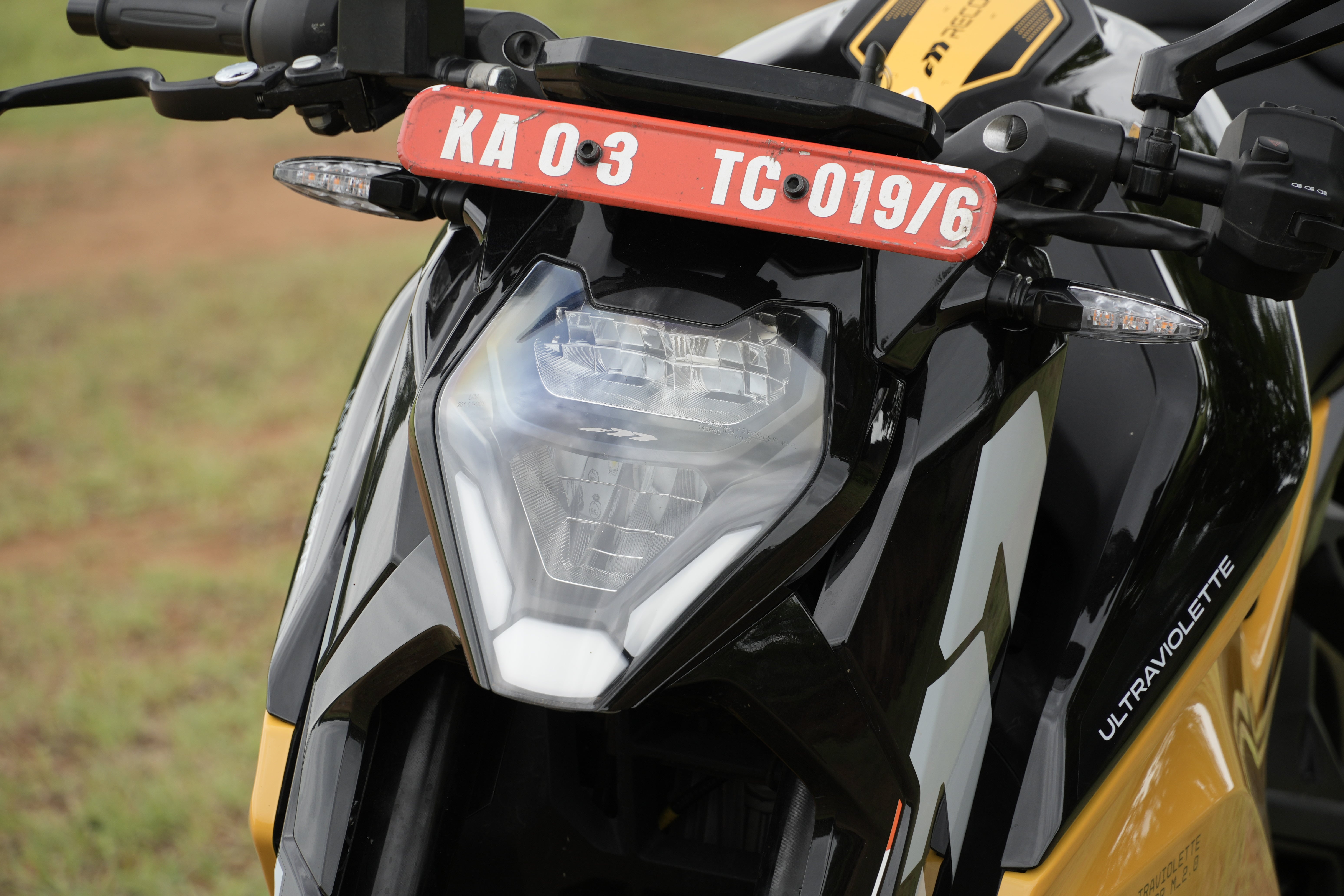
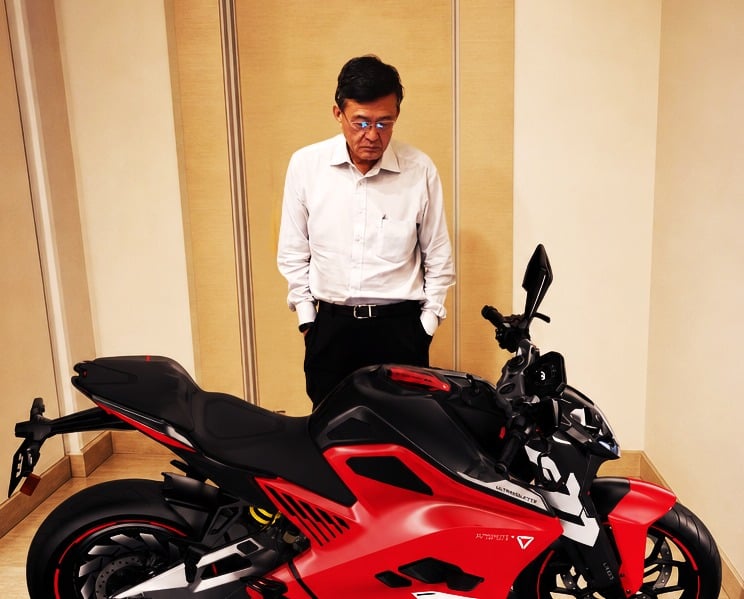
Bengaluru based EV manufacturer, Ultraviolettehad recently announced plans for a new manufacturing facility in Hosur, to increase production capacity up to 5 lakh units a year. The company has now received USD 85 million in a new funding round. The additional capital and the new factory is expected to boost the manufacturing of its current products, the F77 (Mach 2 and Superstreet), X-47, and development of upcoming platforms and products.
The USD 85 million funding was led by Deep Tech Fund Yali Capital and TDK Ventures
New Hosur plant expected to increase production capacity up to 5 lakh units a year
Ultraviolette currently has the means to build battery architecture ranging from 48V to 400V
Ultraviolette plans expansion in India and abroad
Four new products and US entry planned for next year
Currently, Ultraviolette operates in India and 20 European countries. With the fresh round of investment, the company has targeted an US market entry next year, alongside key markets in Latin America and Southeast Asia. The USD 85 million funding round was led by Deep Tech Fund Yali Capital and TDK Ventures and investment from Lip-Bu Tan, Chief Executive Officer of Intel, Chairman of Walden International and Advisor to Ultraviolette, alongside the company’s current and long-term investors. UV says the new and continued support from the investors will help scale production of its current portfolio as well as upcoming products.
The investment will also help with the development of UV’s next generation of models. The company currently boasts technical capabilities to build battery architecture spanning 48V to 400V which it says allows for engineering platforms catering to different needs. Its current list of investors include Zoho Corporation, TVS Motors, and Qualcomm Ventures. Besides India, UV currently operates across Europe including Germany, France, Spain, Portugal, the UK, Belgium, Netherlands, Italy, Switzerland and Hungary.
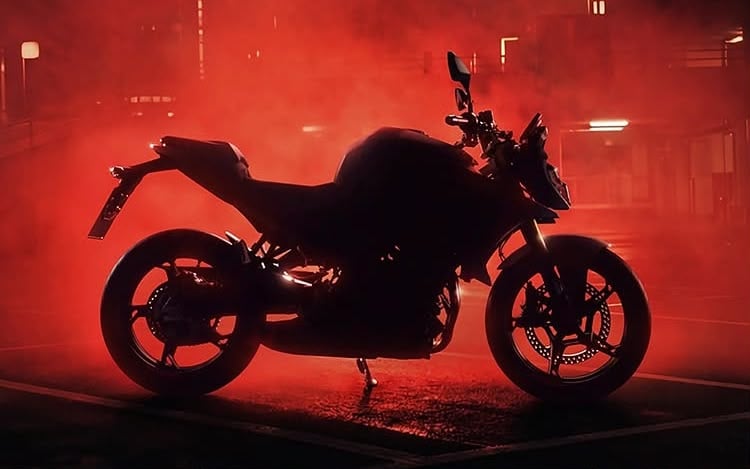
BMW launched the F 450 GS in April this year, and it looks like they’re not stopping there for their entry-level motorcycles. They’ve just teased another motorcycle launch for October 1 on their social media page, and it could very well be a roadster based on the same platform as the F 450 GS.
BMW’s new roadster likely to be called the F 450 R
Likely to slot in below the F 450 GS
To be revealed on October 1
New BMW roadster motorcycle
What can we expect on the G 310 R’s replacement?
Previously BMW 310’s were the brand’s entry-level offerings in India, with both the G310R and G 310 GS discontinued now. The track-focused G 310 RR that still exists is a joint project with TVS. In April, the German manufacturer debuted the F 450 GS built on a completely new platform, with a 420cc twin-cylinder engine with 48hp and 43Nm of torque, intended to be an adventure tourer. With a segment-first ERC (Easy Ride Clutch) and a 178kg kerb weight, the F 450 GS turned the spotlight onto itself quite successfully.
Now, BMW appears to be expanding the platform with a naked roadster motorcycle and it likely will share the engine with the F 450 GS, if not the entire platform. If we go by BMW’s naming convention, this should be called the F 450 R. While the image doesn’t reveal a lot of details about the motorcycle, we can see that it has a USD fork. The F 450 GS has a 43mm USD fork with 180mm travel, but this being a roadster, we can expect the travel to be reduced. The same should also apply to the monoshock. The GS Trophy variant of the F 450 GS offers adjustability at both ends, but it remains to be seen whether BMW extends the same kind of flexibility to the new bike as well.
BMW had recently increased the F 450 GS prices and it now starts at Rs 4.95 lakh, and it remains to be seen where this new motorcycle will slot in. For context, the Aprilia Tuono 457 Special Edition – this one’s would-be direct rival – is priced at Rs 3.99 lakh. The KTM 390 Duke R, on the single-cylinder side, is priced at Rs 3.45 lakh. BMW has mentioned the launch to be on October 1, 2026 5:30pm IST and we should get more details leading up to then.
Honda QC3 Electric Scooter: Honda ने भारत में 1.35 लाख रुपये की कीमत पर QC3 इलेक्ट्रिक स्कूटर लॉन्च कर दिया है, जो उसकी बढ़ती EV रेंज में एक नया मॉडल है। QC3 में 3kWh की बैटरी और 145km की IDC रेंज के साथ-साथ सीट के नीचे 32-लीटर का स्टोरेज और 5-इंच का TFT डिस्प्ले दिया गया है। होंडा के लिए, यह नया स्कूटर ‘Activa e’ से अलग है क्योंकि इसमें स्वैपेबल सेटअप के बजाय फिक्स्ड बैटरी का इस्तेमाल किया गया है।
बता दें कि Honda QC3 को सबसे पहले पांच शहरों में पेश किया जा रहा है, इसलिए शुरुआत में इसकी उपलब्धता सीमित रहेगी। फिलहाल, QC3 की 5,000 रुपये में बुकिंग शुरू हो गई है, और कंपनी की योजना है कि इस स्कूटर की पहुंच को धीरे-धीरे बढ़ाया जाए।
Honda QC3 Electric Scooter: कीमत और उपलब्धता
Honda QC3 की कीमत 1.35 लाख रुपये (एक्स-शोरूम, नई दिल्ली) है। इसकी बुकिंग Honda की वेबसाइट और चुनिंदा RedWing डीलरशिप पर 5,000 रुपये में शुरू हो गई है। लॉन्च के समय, यह स्कूटर दिल्ली, आगरा, कटक, सूरत और कोल्लम में बेचा जाएगा। Honda ने कहा है कि इसे धीरे-धीरे और शहरों में भी उपलब्ध कराया जाएगा।
यानी QC3 को भले ही देश में लॉन्च कर दिया गया है, लेकिन इन पांच शहरों के बाहर रहने वाले ग्राहक फिलहाल Honda डीलरशिप पर जाकर इसे खरीद नहीं सकेंगे। शुरुआत में सीमित शहरों में उपलब्धता इस इलेक्ट्रिक स्कूटर की लॉन्चिंग का एक अहम हिस्सा है।
Honda QC3 Electric Scooter: 3kWh बैटरी, 145km रेंज
QC3 इलेक्ट्रिक स्कूटर में 3kWh का बैटरी पैक लगा है और इसकी IDC रेंज 145km बताई गई है। Honda का कहना है कि इसे 0 से 80% तक चार्ज होने में लगभग 2 घंटे 40 मिनट लगते हैं, जबकि पूरी तरह चार्ज होने में लगभग चार घंटे का समय लगता है।
Honda QC3 Electric Scooter: 32-लीटर स्टोरेज
QC3 की खासियतें काफी आसान और काम की हैं। इसमें सीट के नीचे 32 लीटर का स्टोरेज और स्मार्ट की (Smart Key) मिलती है। इसका इंस्ट्रूमेंट कंसोल 5-इंच का TFT यूनिट है, जिसमें Honda RoadSync कनेक्टिविटी और टर्न-बाय-टर्न नेविगेशन की सुविधा है। यह स्कूटर चार कलर ऑप्शन में उपलब्ध है। इनमें Matt Photon Gray Metallic, Pearl Precious White, Pearl Shallow Blue और Pearl Siren Blue शामिल हैं।
Honda QC3 Vs TVS iQube
Honda QC3 का मुकाबला शहरों में इस्तेमाल होने वाले इलेक्ट्रिक स्कूटर से होगा। इस सेगमेंट में TVS iQube के अलावा Bajaj Chetak और Ather Rizta जैसे मॉडल भी शामिल हैं। Honda QC3 की खास बातों में 1.35 लाख रुपये की कीमत, 3kWh बैटरी, 145 किलोमीटर की IDC रेंज और 32 लीटर का स्टोरेज शामिल है।
हालांकि, इलेक्ट्रिक स्कूटर खरीदते समय सिर्फ रेंज का आंकड़ा देखना काफी नहीं होता। चार्जिंग की सुविधा, रोजाना इस्तेमाल में मिलने वाली वास्तविक रेंज, स्टोरेज स्पेस, आपके शहर में उपलब्धता और ऑन-रोड कीमत जैसे कई दूसरे फैक्टर भी जरूरी होते हैं। इन्हीं चीजों के आधार पर ग्राहक Honda QC3 की तुलना TVS iQube और दूसरे इलेक्ट्रिक स्कूटरों से कर सकते हैं।
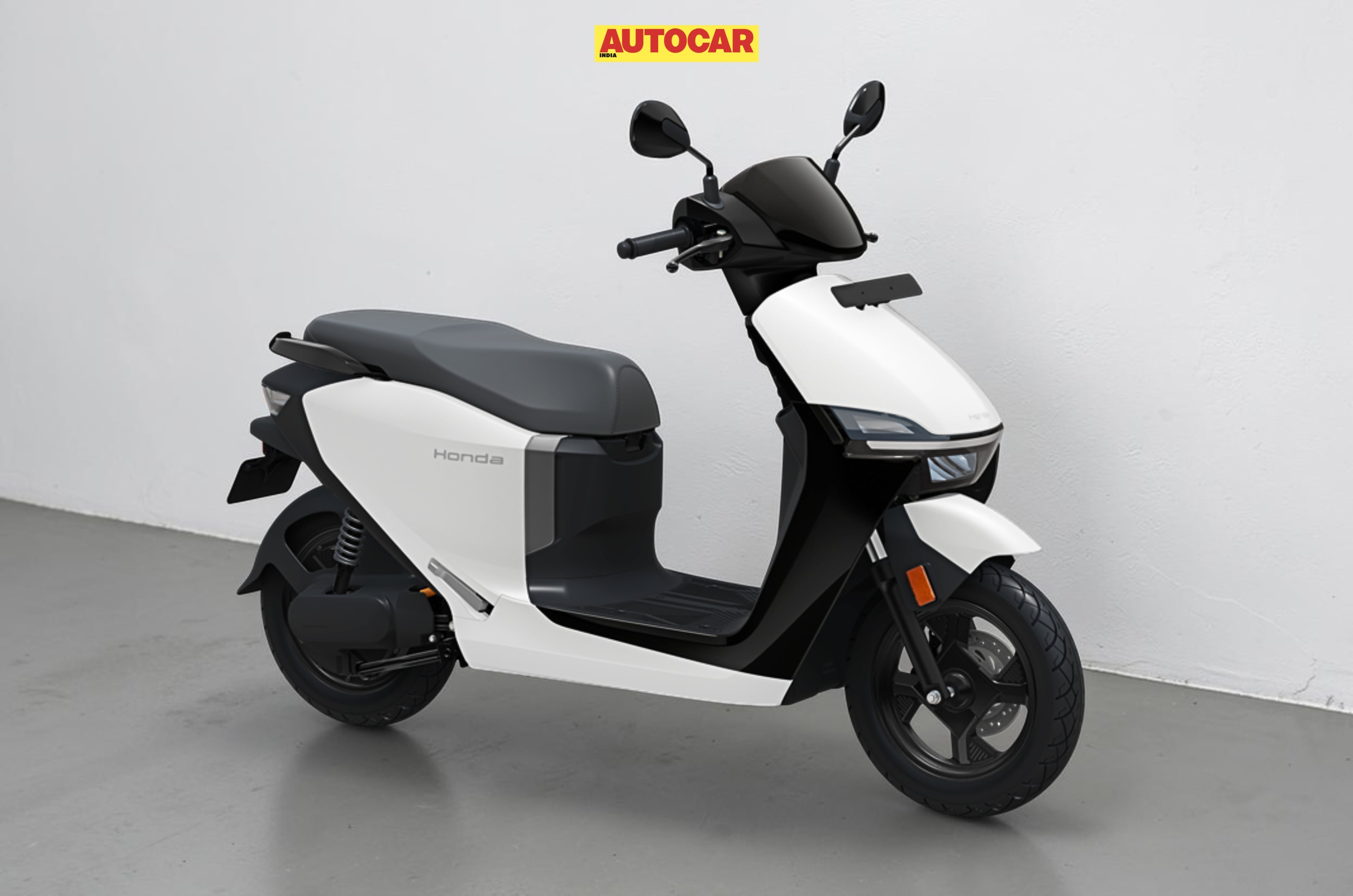
Honda has launched the QC3 at Rs 1.35 lakh, its third electric scooter for India after the QC1 and the Activa e:. The family EV scooter will have a 3kWh battery that can charge to full in approximately four hours, with a zero to 80 percent fill up taking 2 hours and 40 minutes. Honda has announced that the initial roll out of the QC3 will be limited to five cities across the country: Delhi, Agra, Cuttack, Surat, and Kollam with a nationwide rollout to follow in a phased manner.
Gets 32 litres of under seat storage
Has a hub-mounted motor, front disc brake
Honda QC3: What do we know so far?
QC3 will have the most range on any Honda e-scooter in India
Like we mentioned earlier, the QC3 will be Honda’s third EV product for India. Both the QC1 and the Activa e: were thought to be too under-equipped for their asking prices of Rs 90,408 and Rs 1.2 lakh, respectively. The QC3 aims to fix that with a bigger battery than the QC1’s 1.5kWh unit, and markedly more range than the Activa e:’s 102km (claimed, IDC).
Besides the charging times, we reported earlier that the QC3 will get a 5-inch TFT display capable of turn-by-turn navigation, via Honda Roadsync connectivity system. Honda has now revealed the under seat storage to be a respectable 32 litres, markedly higher than the QC1’s 26 litres. The Activa e:’s boot was almost completely occupied by its removable battery.
Thanks to local manufacturing, the QC3 is priced more competitively than Honda’s earlier EVs, at Rs 1.35 lakh, with four colours on offer: Matt Photon Gray Metallic, Pearl Precious White, Pearl Shallow Blue and Pearl Siren Blue. The price makes it a direct rival to the TVS iQube 3.1kWh at Rs 1.30 lakh, the Chetak C3502 at Rs 1.44 lakh, the Vida VX2 Plus 3.1 at Rs 1.03 lakh, and the newly launched Ather Konarc S 161 at Rs 1.45 lakh. All prices are ex-showroom, Delhi.
Honda hasn’t specified when deliveries will start at the time of writing. However, if you live in one of the five cities, bookings can be made at Honda’s website, or at your nearest RedWing dealership for Rs 5,000. With this, we now have prices for seven of the ten products Honda had announced in July, leaving the XR300L, XR300 Rally and the twin-cyl Rebel 500 as the only ones pending to be launched.
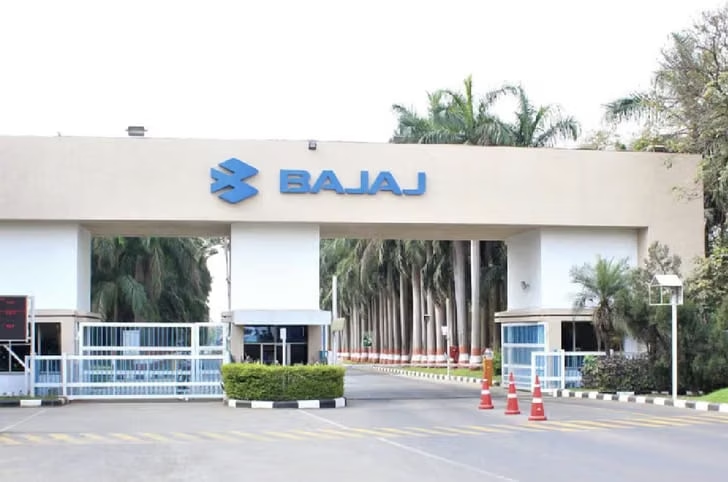
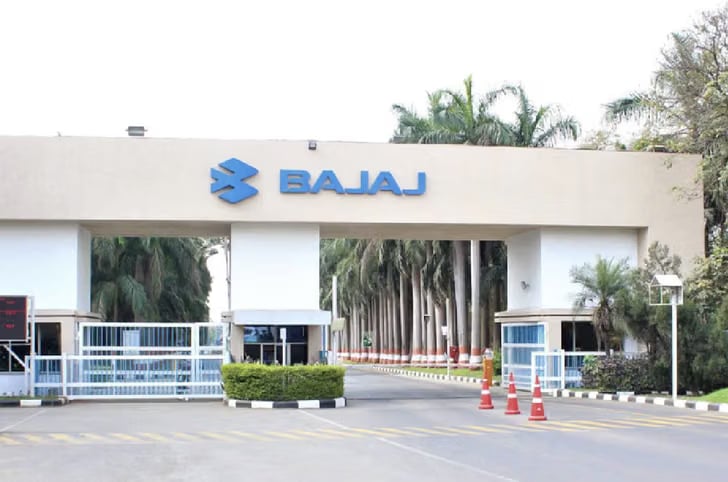
Bajaj Auto has exported 11,00,827 two-wheelers in the April-August period of FY27, up 50 percent year-on-year from 7,34,193 units in the same period last year. The figure already represents 56 percent of Bajaj’s highest-ever annual motorcycle export tally of 19.6 lakh units in FY26, putting the company on course to set a new record by the end of the fiscal year. Across all vehicle categories – two-wheelers, three-wheelers and the Qute quadricycle – Bajaj exported 12,66,714 units in the five-month period, up 50 percent year-on-year.
Bajaj Auto exports 11 lakh two-wheelers in April–August FY27
Holds 41 percent share of India’s total two-wheeler exports; TVS second at 28 percent
Entry-level 100-125cc bikes account for 71 percent of motorcycle export volumes
Bajaj Auto 2W export breakdown
Latin America and Africa drive demand
Of the 10,96,009 motorcycles exported (remaining 4,818 units in the two-wheeler tally were Chetak electric scooters) in the period, bikes displacing 100-110cc accounted for the largest share at 4,70,362 units – up 95 percent year-on-year – and a 43 percent share of total motorcycle exports. The 110-125cc bracket contributed a further 3,04,191 units, up 42 percent, for a 28 percent share. Together, these two entry-level categories account for 71 percent of Bajaj’s motorcycle exports in the period.
The 125-150cc bracket (Boxer, CT 150, Pulsar) contributed 1,02,266 units, up 11 percent, while the 150-200cc range fared better at 1,22,481 units, up 17 percent. In terms of geographies, motorcycle exports have risen strongly in Latin America – particularly Brazil and Mexico, the region’s two largest two-wheeler markets – and in Africa, where the Boxer 125 Heavy Duty is seeing strong demand in Nigeria.
Commercial vehicles and Qute
Three-wheeler exports also posted strong growth, with Bajaj shipping 1,60,685 units in the period – up 48 percent year-on-year – for a commanding 62 percent share of India’s total three-wheeler exports of 2,59,593 units. Demand for the Qute surged 206 percent year-on-year to 5,202 units, driven by Egypt, Turkey and select African markets, and is already 78 percent of the Qute’s highest-ever annual export total of 6,696 units in FY26.
BGauss Auto has delivered over 10,000 electric scooters across July and August, with 5,560 units in July – its highest-ever monthly figure – followed by 5,045 units in August. Cumulative retail sales since its launch in August 2022 now stand at 91,373 units, with the 1 lakh milestone expected this year.
BGauss delivers 10,605 units in July and August combined
2026 already its best-ever year with 32,627 units
BGauss sales details
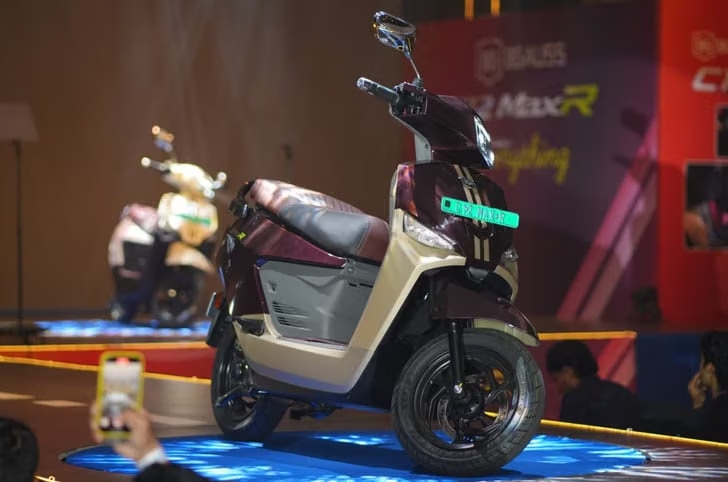
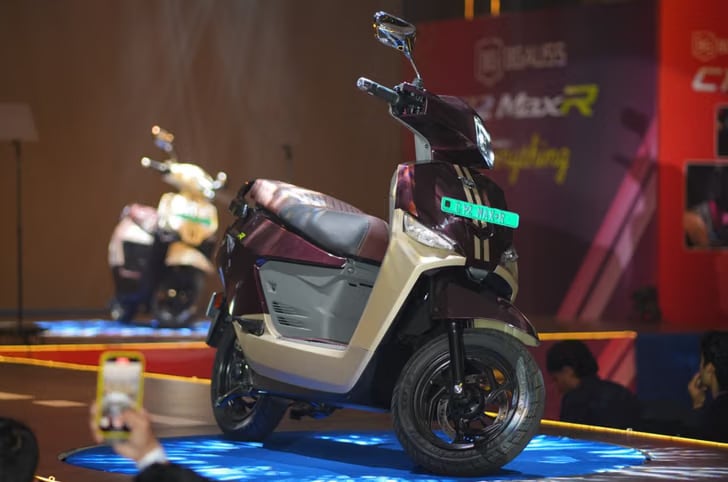
New flagship scooter, C12 MaxR, enters a competitive premium segment
The recently launched C12 MaxR is BGauss’s most premium product to date, priced at Rs 1.60 lakh (ex-showroom). The scooter is powered by a hub-mounted motor that produces 4.2kW of peak power, enabling a claimed top speed of 75kph. It comes with three ride modes – Eco, Ride and Sport – along with a reverse mode and cruise control. Its 3.8kWh LFP battery offers a claimed IDC range of 178km and, according to BGauss, is rated for a lifespan of up to 1.5 lakh kilometres.
At its price point, the C12 MaxR competes directly with the mid- and upper-end variants of the TVS iQube, Bajaj Chetak and Ather Rizta – the highest-selling scooters in our country. BGauss’s broader four-model portfolio of the RUV 350, Oowah, C12 Max and C12 MaxR is entirely priced above Rs 1 lakh, leaving the brand without an entry in the segment that houses newer, more affordable models like the base Ather Konarc.
That said, at its current monthly run rate, BGauss is on course to deliver around 46,000-47,000 units in 2026, which would be its best-ever annual figure. However, consistently crossing 7,000 units a month will be needed to make a meaningful move up the OEM rankings from its current position.
Axor helmets is the premium brand from Belagavi-based motorcycle helmet giant Vega. In existence since the early 1980s, Vega is one of India’s biggest motorcycle helmet manufacturers today, with an annual capacity of 9 million helmets a year across six manufacturing facilities.
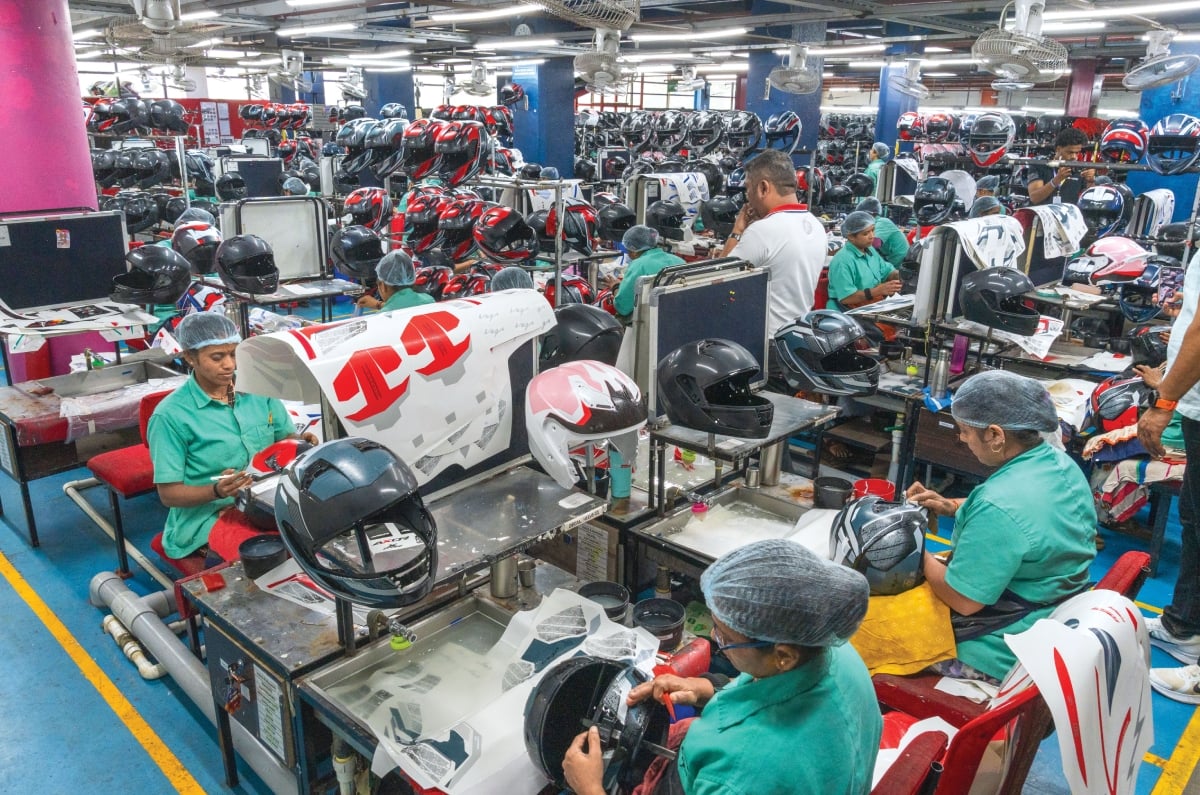
That translates to 25,000 units a day, and we got a sense of what an operation of this scale can look like by visiting one of the company’s production facilities in Belagavi, Karnataka. The facility we visited was one of Vega’s older units, which explained why many of the processes were more labour-intensive than I’d expected. What also came as a surprise was just how much of the manufacturing process is now in-house.
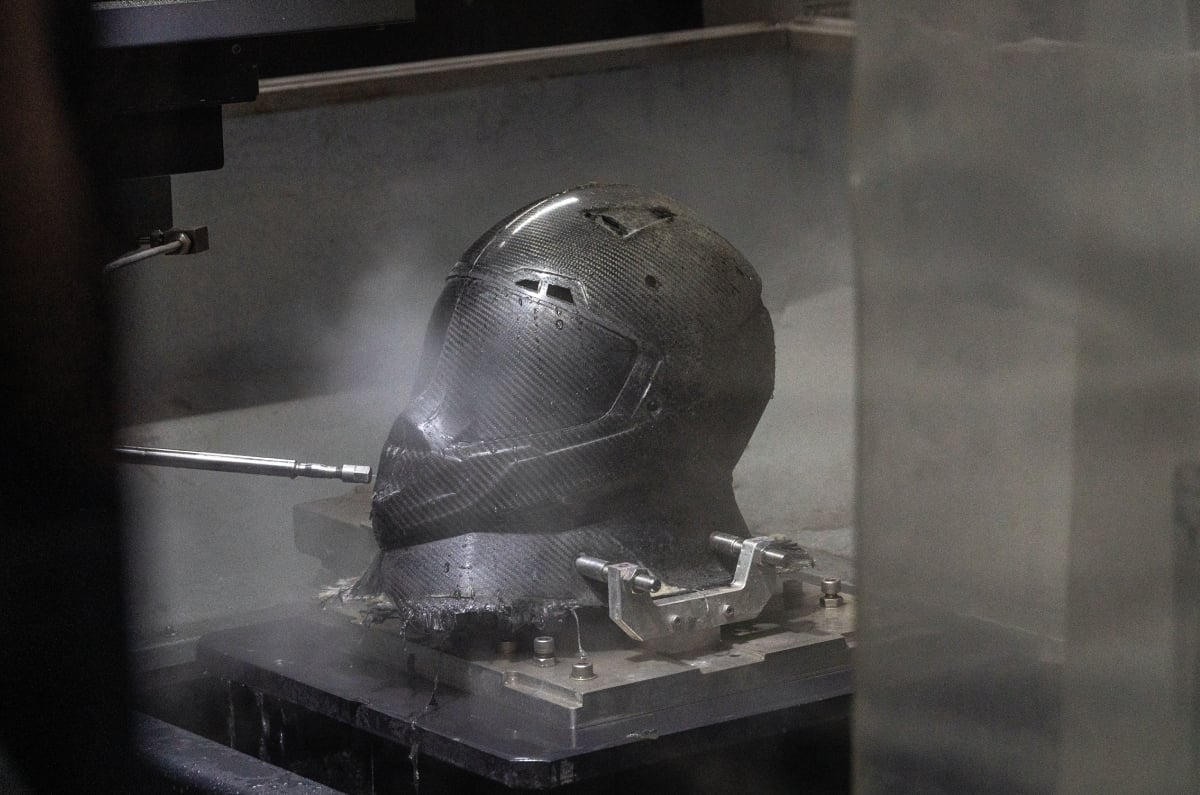
Tri-composite shell is moulded in-house and cut out using a CNC water jet.
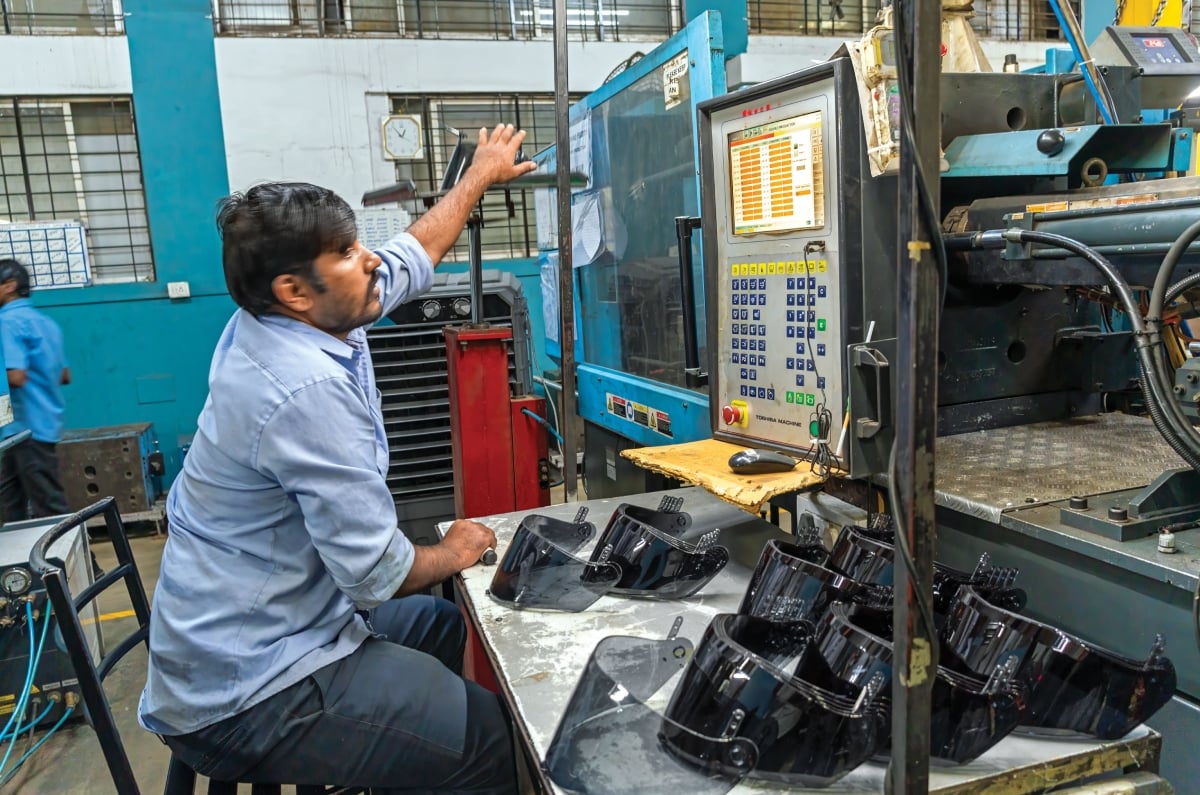
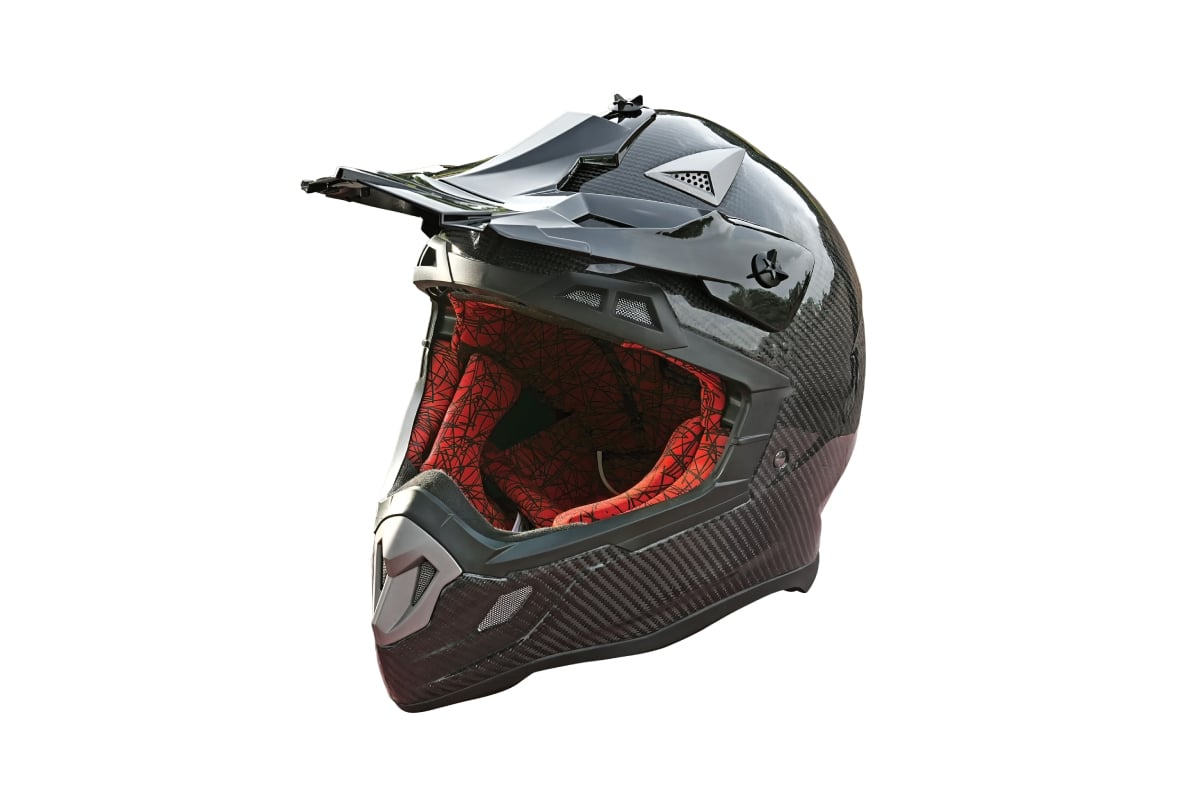
Everything from the plastic components for the vents to the EPS inner liner and even the polycarbonate visors is made by Vega. The company manufactures its own shells too, and the speed with which an ABS plastic shell can be made is what greatly contributes to being able to produce so many helmets in a day. It takes just 90 seconds for a bunch of plastic pellets to be melted and injection-moulded into a shell. The moulding posts are then cut off, and the shell slowly gets transformed into a helmet as it passes through various stages in the factory.
Once the ABS shell is processed, it is prepped for painting. The painting process in this plant was mostly manual, but there was an automated machine applying a clear coat. A separate UV chamber cures the clear-coated helmets (immediately for clear lacquer and about half an hour for matt lacquer). While some helmets stop with solid colours, many of them have complex water-transfer graphics that are applied to the helmet.
All plastic components, including the polycarbonate visors, are made in the same facility.
There are literally thousands of painted shells stacked on racks across the factory floor, waiting for assembly. We spotted helmets with KTM, TVS racing, Royal Enfield and Ather branding, which was a reminder of how many of India’s top manufacturers source their helmets from Vega.
With the painting process complete, components like vents, chin straps, EPS liner and comfort liner are all installed before the helmets are boxed and ready to ship. Watching it all come together was quite interesting, but the really fascinating part lay ahead when we were taken to the top floor of the factory.
This is where Vega makes its fibreglass and carbon-fibre shells. Fibreglass helmets are still made today for international clients, and the company also has a long history of making carbon-fibre helmets as well. This goes all the way back to 1999, when it made its first pudding-bowl style carbon-fibre helmet for the American market under the Daytona Helmets brand.
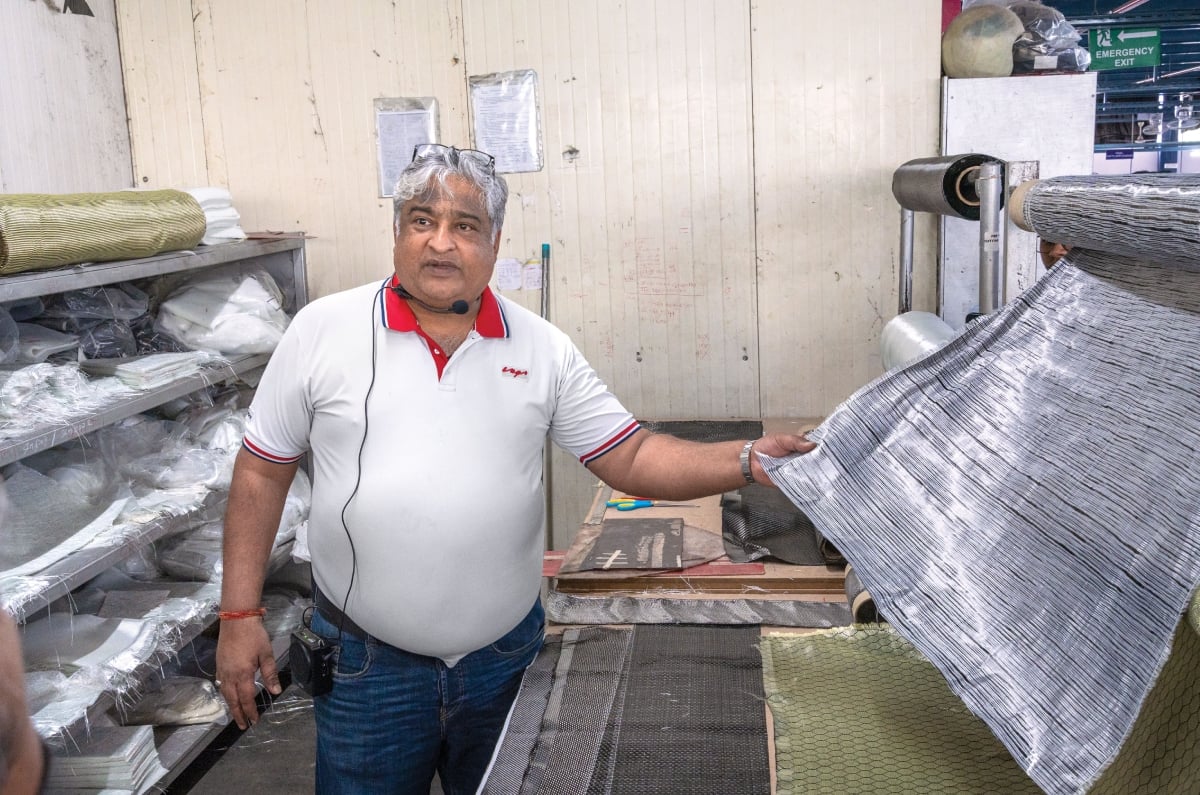
Uttam Chandak, joint MD and R&D head, showcasing the composite materials.
Vega uses balloon moulding technology to make its carbon-fibre shells, and it is based on the same process used for the fibreglass helmets. A tri-composite structure of carbon fibre, aramid and fibreglass enables the critical balance between lightness and impact absorption. The company used to hand cut out the visor aperture and vent holes in the CF shells post-moulding, but has now invested in a CNC water jet machine for the job. This enables much tighter tolerances and will help address customer complaints with excessive wind noise in current Axor carbon-fibre helmets.
The latest MX Carbon helmet uses new materials, which have raised the price to Rs 20,000, compared to its predecessor. The company says another reason behind the high price is the longer manufacturing time, with the company being able to currently produce up to 8 CF helmets a day.
With India’s premium two-wheeler market rapidly evolving, Vega is confident that there will be growing demand for such helmets, and has plans to bring out more models soon, including an ADV-style helmet. The company says it’s even working on making FIM-homologated and Snell-approved performance helmets, but that this could take a couple of years.
Having reasonably priced, fully locally manufactured carbon-fibre helmets isn’t something that many Indian motorcycle enthusiasts would have expected to be possible, but Vega Helmets is making that happen.
Experiencing the MX Carbon helmet
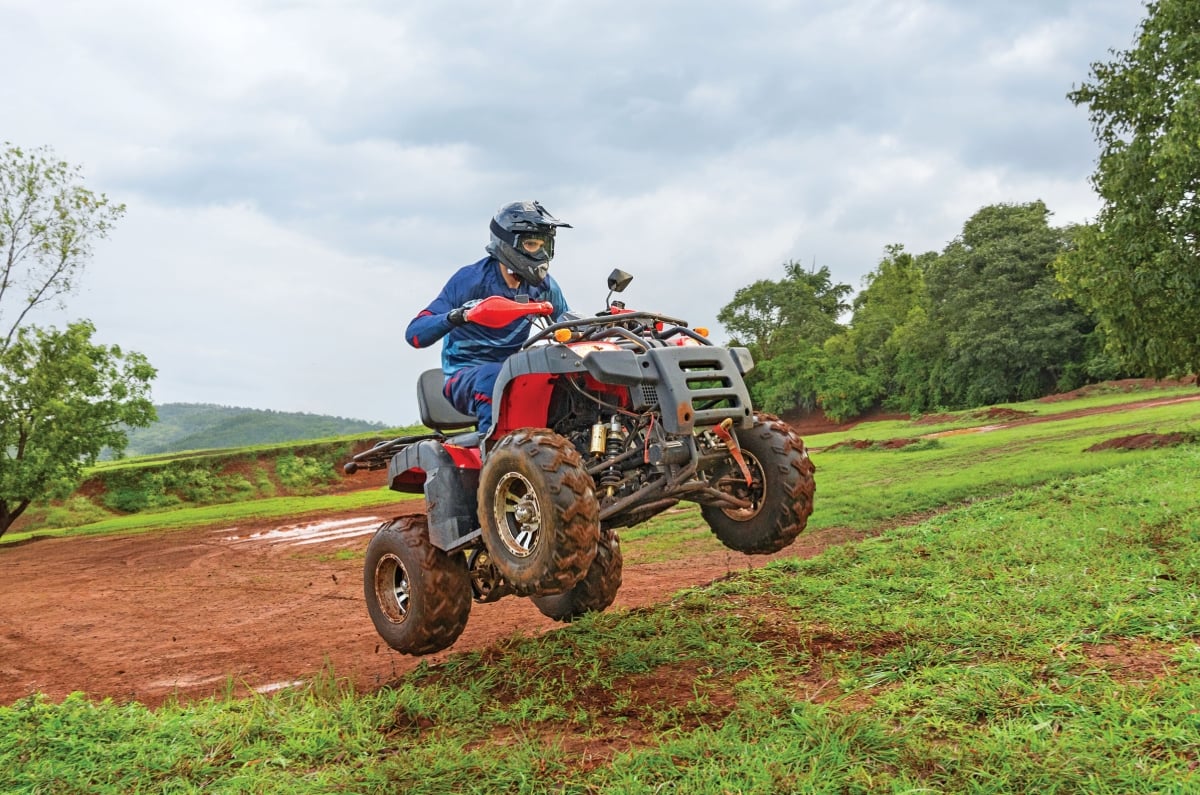
The Axor MX Carbon is certified to DOT, ISI and ECE 22 06 standards. It is available in three different shell sizes and weighs just 1,040g, plus or minus 50g, based on the shell size. We got to briefly try the helmet out at the Track 1 off-road facility in Belagavi on a number of vehicles, including an ATV, a buggy and a KTM 890 Adventure R.
Of course, the lack of weight was highly appreciated, but the helmet also felt nicely balanced. The inner liner material was also softer and more comfortable than expected. I usually wear a size S helmet, and that applies here as well. The fit was mostly very good, without any unusual or uncomfortable pressure points, but I did notice that the tips of my ears made contact with the inner liner.
The double D-ring closure system was easy to use, but the snap button to secure the strap could have had a more positive feedback when engaged. Overall quality is not bad for the price, but the finishing where the carbon-fibre panels join along the centre of the helmet was inconsistent across different units.
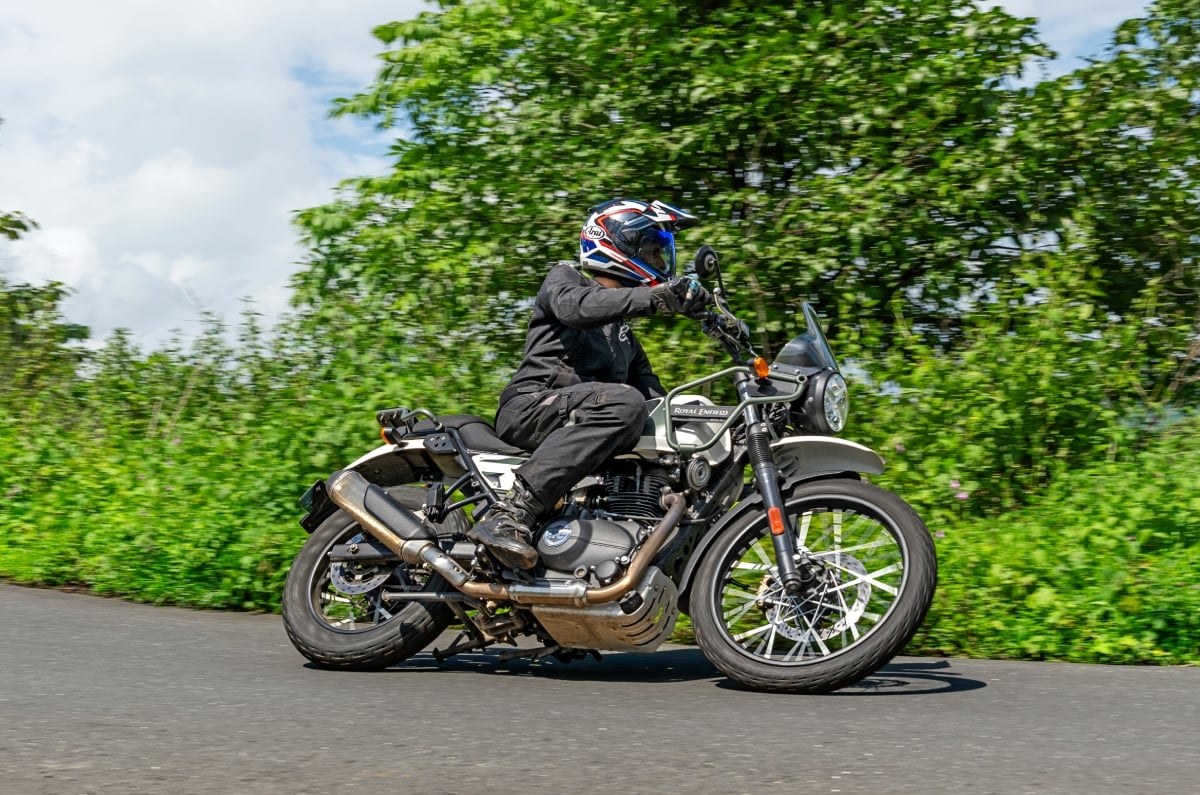
A lot can change in three years, as it turns out. Back in October 2023 at the Himalayan 450 launch, I would have confidently told you that the older Himalayan’s 411 time was up and that the 450 served as a fitting replacement. Fast forward to 2026 and I will now willingly concede that there is very much a place for the new Himalayan 440 in this market.
What’s new and why is it back?
A tempting price as well as meaningful improvements
Price plays a big role behind this change in reasoning. 3 years ago, the entry level 450 was about Rs 40,000 more than the top 411 – a not insignificant, but justifiable increase . Today that gap has nearly doubled thanks to the agonizingly short-sighted new GST policy that levies a brutal 40 percent tax rate on motorcycles that use engines bigger than 350cc. RE is clearly feeling the heat from the new wave of sub 350cc competition because the reborn 440 is priced super aggressively. In fact, at 2.29 lakh ex-showroom Chennai, it costs exactly the same as the top 411 did in 2023, despite packing significant improvements. Beyond the price, it’s those very improvements that have convinced me that this bike has earned its return in 2026.
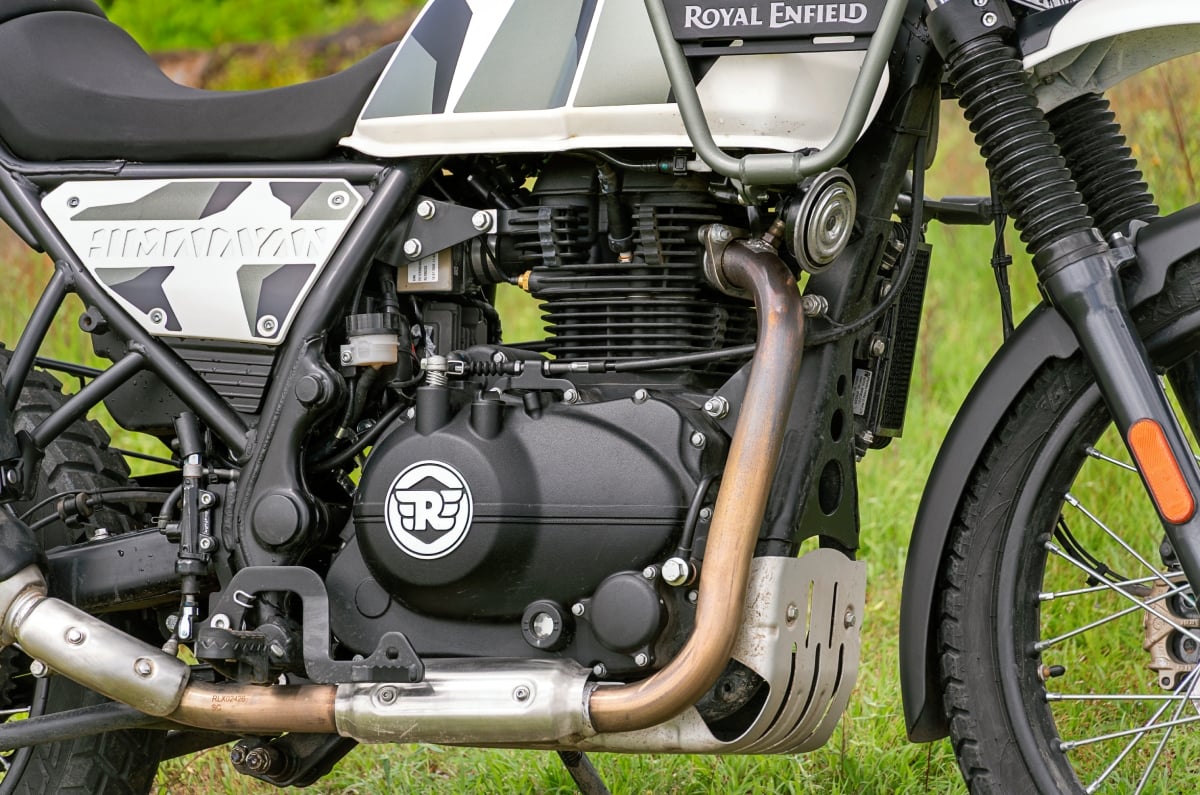
The Himalayan 440 is based on the Scram 440 and it brings in the same improvements we saw there last year. The oil-cooled single has been bumped up to 443cc and RE has also strived towards increasing the refinement. An added 6th gear and as well a lighter clutch lever increase the bike’s appeal on the highway and in the city. Work has also been put into improving braking performance and feel.
Himalayan 440 Design and Style – 7/10
New colours, but familiar design
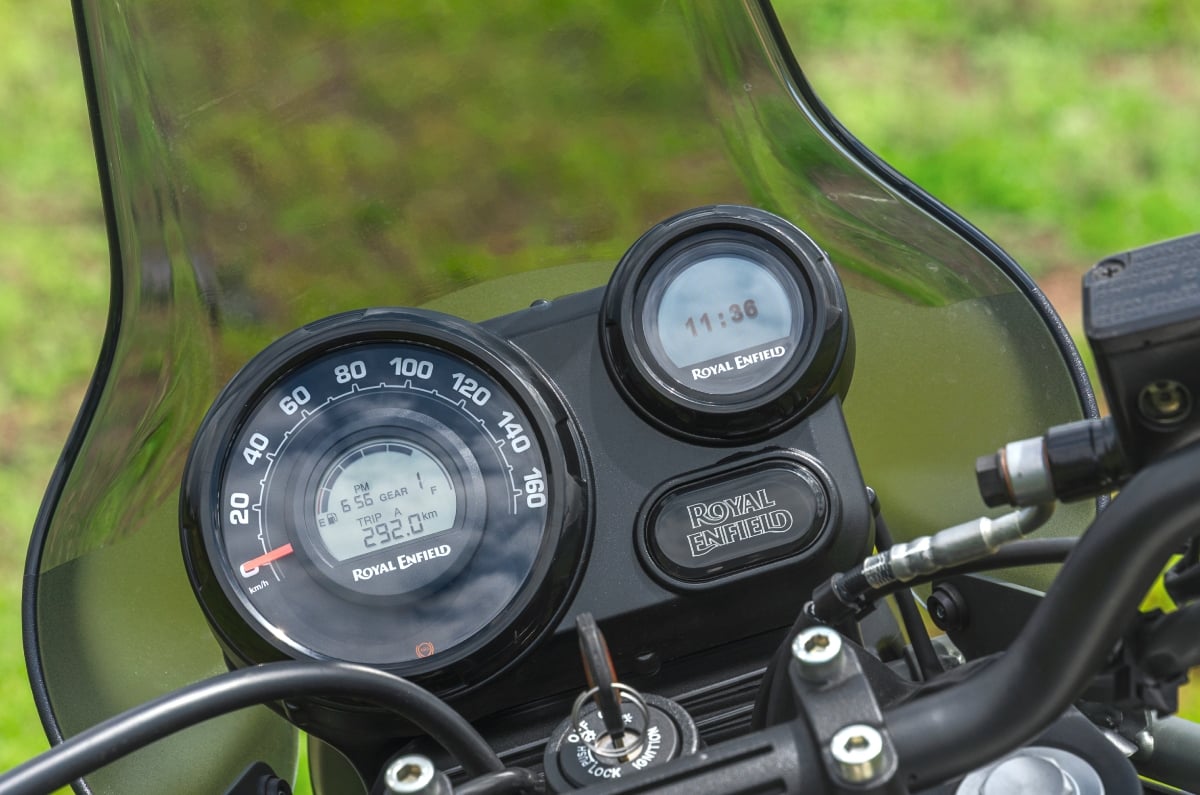
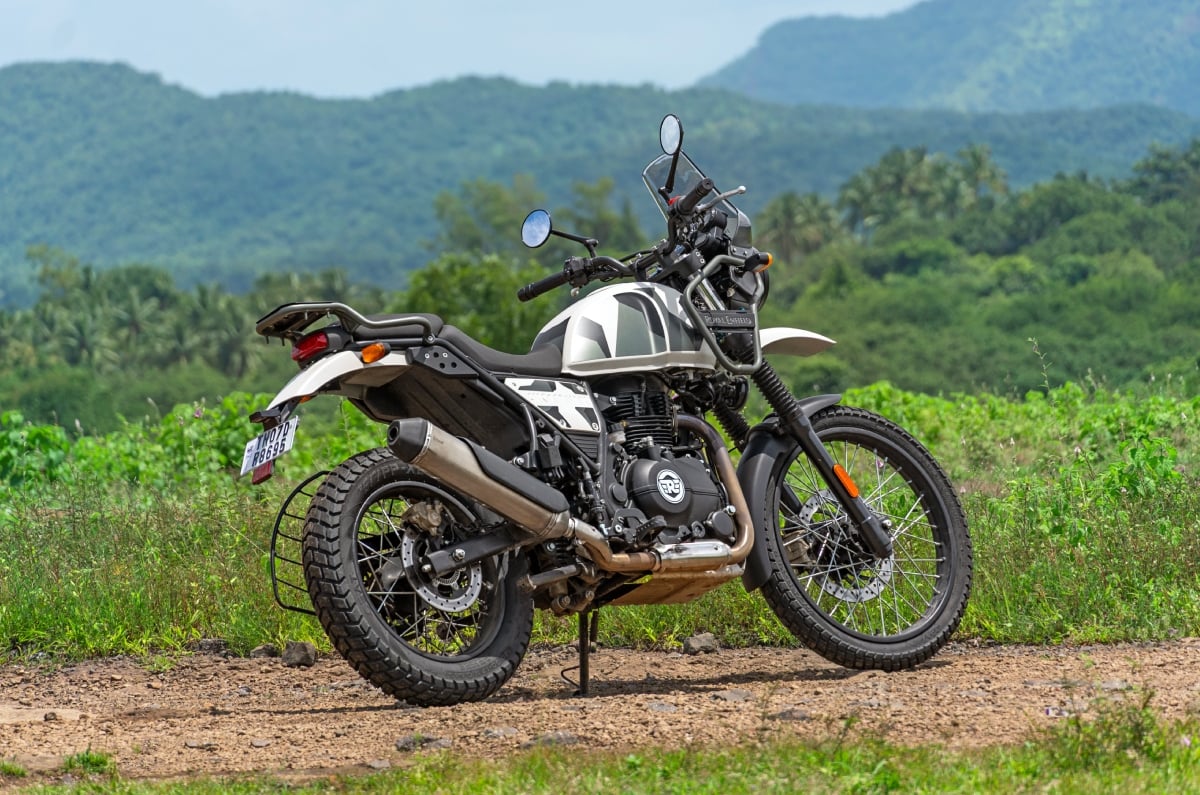
There are three new colour schemes as well, but beyond that, the bike retains its quirky oddball styling, although it does gain a new (average at best) LED headlamp and an updated instrument cluster based on the Scram 440.
Gets an updated instrument cluster based on the Scram 440.
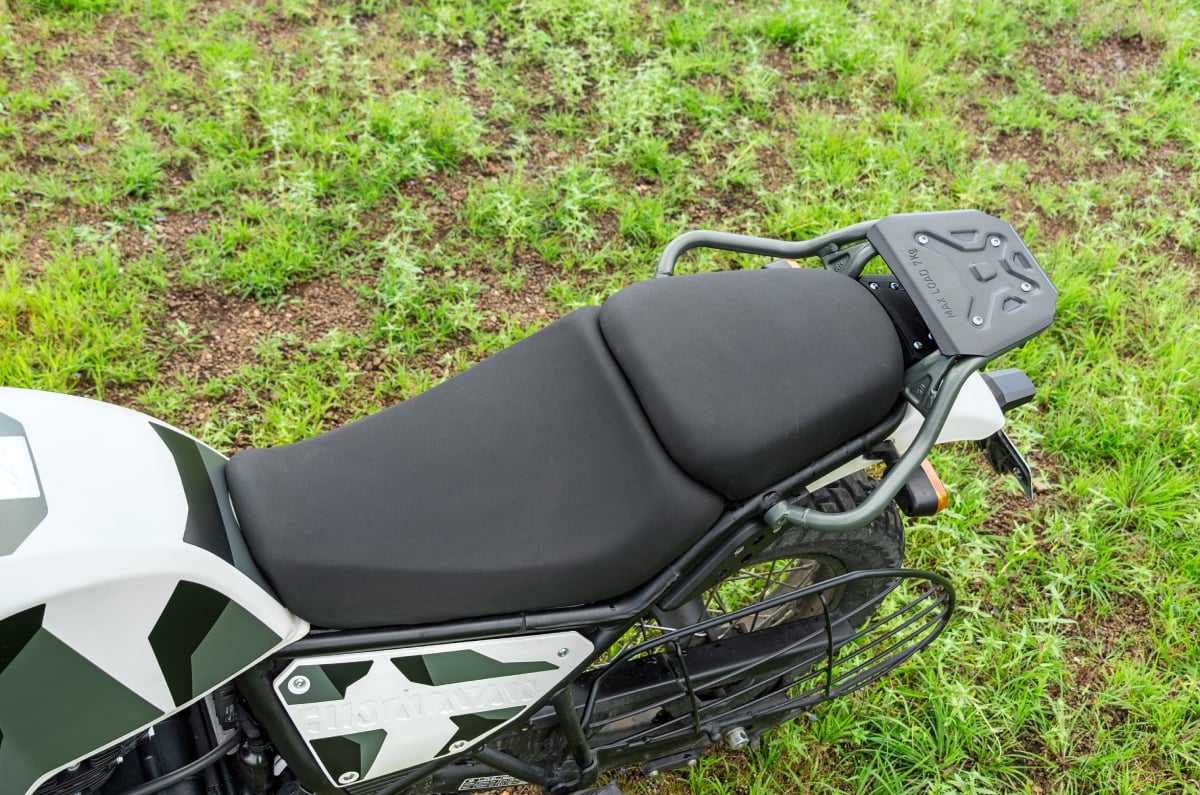
Hopping onto the Himalayan 440 after all these years is like being re-acquainted with an old friend. It more or less looks the same and also feels the same to sit on. The low 800mm seat height in particular is one of the biggest appeals with this bike and it brings back some of the short rider accessibility that was sacrificed by the Himalayan 450.
Himalayan 440 Engine and performance – 8/10
A smooth and characterful engine brimming with torque, but it’s not about speed
The engine retains that same relatively slow thump as its predecessor, but there is certainly an improvement in refinement. You can very much hear and feel the engine through the entire bike, but there are no intrusive vibrations until you build the revs quite high. Unfortunately, the Himalayan no longer has a rev counter so I can’t tell what rpm it starts to feel stressed at, but peak power comes in at just 6250rpm, so the number isn’t that high.
Nevertheless, with this improved vibration control as well as the added 6th gear, a 100kph cruise is now a smooth and stressfree affair. You can stretch that up to about 110kph before the engine’s discomfort starts to become apparent. Top speed is around an indicated 130kph, but this is not the bike’s happy place.
Our performance and efficiency test revealed numbers that you would expect and while this Himalayan is certainly not a fast bike, it’s not slow either. That being said, the 440 is an absolute joy when ridden at a sedate pace. The new-found smoothness, dialed-in throttle connection and oodles of torque make it one of the nicest bikes at this price point to calmly explore the great outdoors. Its 25.4hp power figure is on par with many rivals in the class, but the 34Nm of torque is what makes the difference to the riding experience – as well as the pleasing exhaust sound that occasionally includes loud pops on deceleration. Then again, its 199kg kerb weight is an equally big differentiator to the rest of the segment.
Himalayan 440 comfort, handling and off road – 7/10
Welcoming to short riders and decently capable, but feels its age
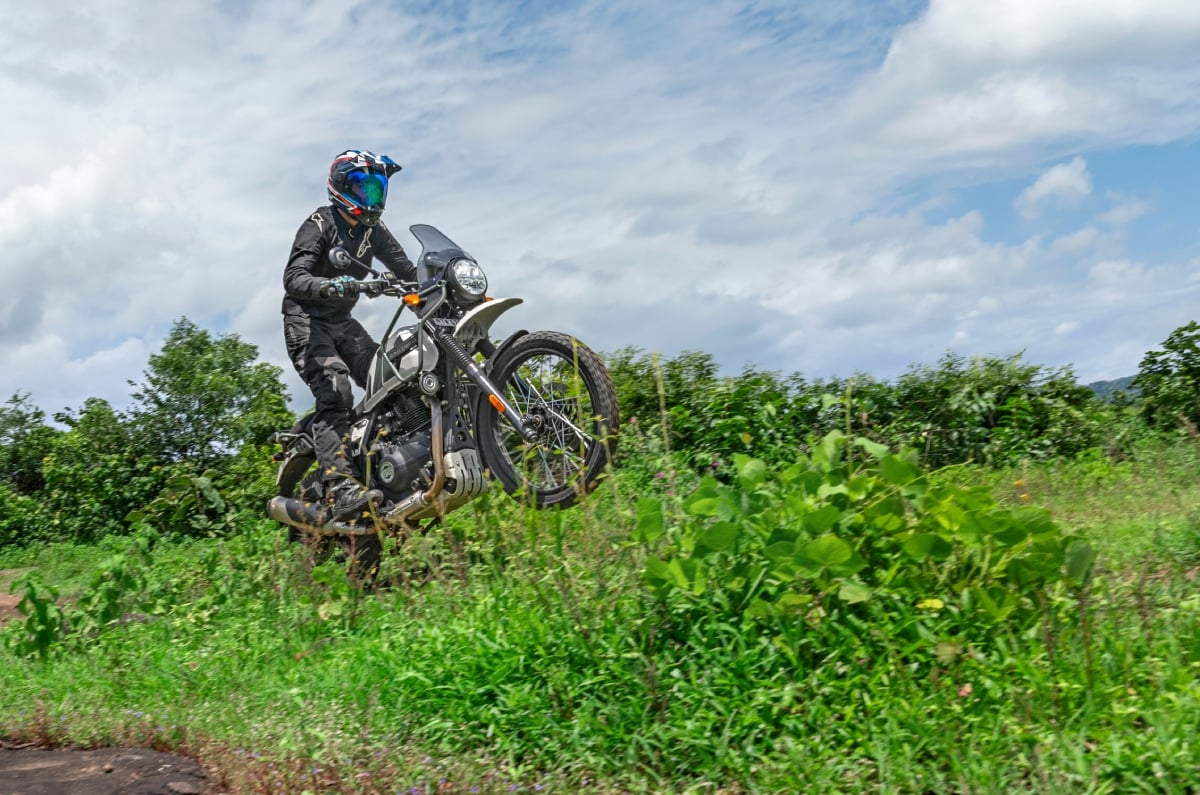
The chassis is pretty much unchanged and that means that the Himalayan 440 is very similar to the 411 in terms of dynamics. This is where you become aware that the 440 feels more like a refined version of an old motorcycle, rather than an all new one. It can carry a decent pace on or off road, but it doesn’t appreciate being ridden fast. The main stand starts to scrape at lean on road – or when you land it with some conviction off road – which serves as a reminder to ease off. Keep pushing and you’ll realise that the chassis doesn’t have the same composure as more modern rivals and the suspension certainly doesn’t come anywhere close to the lofty standards set by the 450.
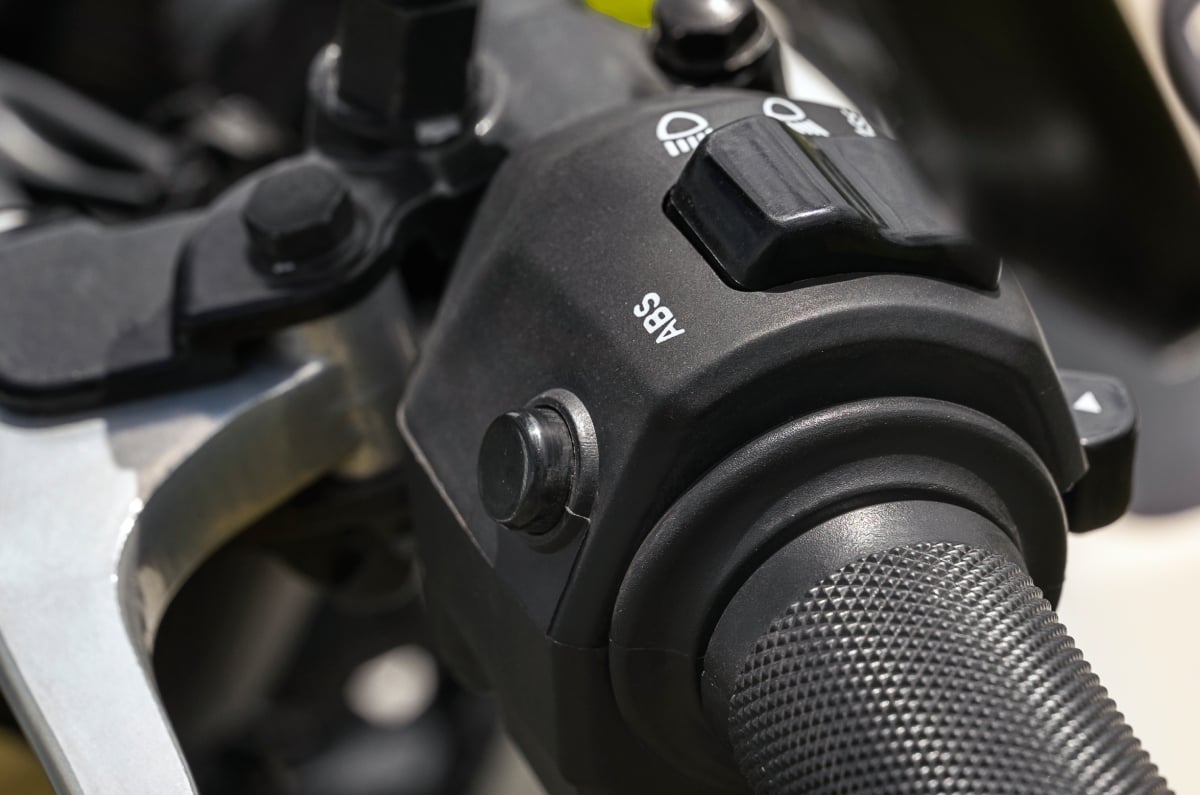
Over normal roads, suspension comfort is good. However, the 440 did not isolate me as well as I’d have liked from the incessantly bumpy concrete surfaces that now sadly snake across large parts of Maharashtra. After an 8-hour ride over mostly concrete roads at highway speeds, I returned home with a slightly sore back. If absolute comfort is a priority, bikes like the Xpulse 210 or Himalayan 450 are where you want to look. As for braking, it is by no means outstanding, but the 440 gets the job done and there is switchable ABS, which is nice.
Himalayan 440 Features and Safety – 7/10
It’s a simple bike but provides most of the essentials
The Himalayan 440 retains its original identity as a rugged, go anywhere, yet simple and basic motorcycle. In terms of features, you get a USB C port, RE’s Tripper navigation display and the aforementioned switchable ABS. Compared with most rivals, it does have fewer frills, but the only real ‘luxury’ that I miss is tubeless tyres. It would be nice to have the option of paying extra for them like you can on the Himalayan 450.
Himalayan 440 Price and verdict – 8/10
Well priced and a unique riding experience
Essentially, this is a back to basics motorcycle and it feels that way in person. If maximum bang for your buck is what you’re after, then the TVS Apache RTX will completely outdo the 440 in nearly all parameters for similar, if not less money. The same goes for speed and aggression – there are better options at this price point. However, if you want a gentle, well-mannered and characterful motorcycle that makes for a convincing travel partner at a reasonable price, then the new 440 definitely packs genuine appeal.
Apple के नए iPhone 18 Pro और iPhone 18 Pro Max की पहली सेल शुरू होते ही देशभर में इन स्मार्टफोन्स को लेकर जबरदस्त दीवानगी देखने को मिली। दिल्ली मुंबई बेंगलुरु और हैदराबाद समेत कई बड़े शहरों में लोग रात से ही Apple Store के बाहर कतार में खड़े नजर आए। सुबह होते होते कई स्टोर्स के बाहर ग्राहकों की संख्या और बढ़ गई। इनमें ऐसे लोग भी शामिल रहे जिन्होंने पहले से प्री बुकिंग कर रखी थी जबकि कई ग्राहक बिना बुकिंग के ही फोन खरीदने की उम्मीद में स्टोर पहुंच गए।
Apple का नया iPhone 18 Pro भारत में बिक्री के लिए उपलब्ध हो गया है। इसकी शुरुआती कीमत 1,64,900 रुपये है। फोन में नया A20 Pro चिप, बेहतर थर्मल सिस्टम, 48MP Fusion Main कैमरा, Variable Aperture और लंबी बैटरी लाइफ जैसे अपग्रेड दिए गए हैं।
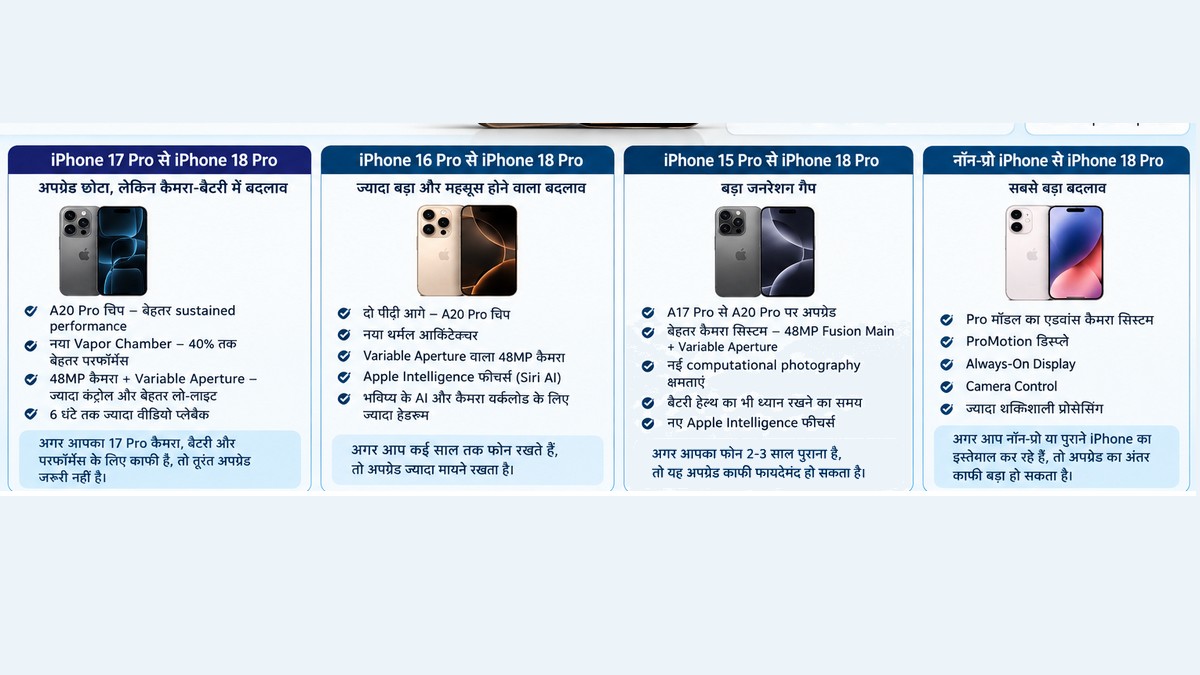
लेकिन अगर आपके पास पहले से कोई iPhone है तो बड़ा सवाल यह है कि क्या iPhone 18 Pro के लिए पुराना फोन बदलना समझदारी होगी? इसका जवाब इस बात पर निर्भर करता है कि आप अभी iPhone 17 Pro, iPhone 16 Pro, iPhone 15 Pro या किसी नॉन-प्रो iPhone का इस्तेमाल कर रहे हैं।
iPhone 17 Pro से iPhone 18 Pro: अपग्रेड छोटा, लेकिन कैमरा-बैटरी में बदलाव
अगर आपके पास iPhone 17 Pro है, तो iPhone 18 Pro पर जाने का अंतर बाकी विकल्पों की तुलना में कम महसूस होगा। नए iPhone में A20 Pro चिप दिया गया है, जो लंबे समय तक लगातार परफॉर्मेंस देने के लिए बेहतर बनाया गया है। Apple के अनुसार, नया Vapor Chamber थर्मल सिस्टम पिछली पीढ़ी की तुलना में लगातार परफॉर्मेंस को 40 फीसदी तक बेहतर कर सकता है।
कैमरा में बदलाव ज्यादा महत्वपूर्ण है। 48MP Fusion Main कैमरे में अब Variable Aperture दिया गया है। इससे फोटो और वीडियो में डेप्थ ऑफ फील्ड पर ज्यादा नियंत्रण मिलता है और कम रोशनी में कैमरा परफॉर्मेंस बेहतर हो सकती है।
बैटरी भी अपग्रेड का एक प्रमुख कारण है। Apple का दावा है कि iPhone 18 Pro Max, iPhone 17 Pro Max की तुलना में 6 घंटे तक ज्यादा वीडियो प्लेबैक दे सकता है। किसके लिए अपग्रेड जरूरी नहीं: अगर आपका iPhone 17 Pro कैमरा, बैटरी और परफॉर्मेंस के मामले में आपकी जरूरत पूरी कर रहा है, तो तुरंत अपग्रेड करने का दबाव कम है।
iPhone 16 Pro से iPhone 18 Pro पर जाने पर बदलाव ज्यादा दिखाई देते हैं। यहां प्रोसेसर की दो पीढ़ियों का अंतर है। iPhone 18 Pro में A20 Pro, नया थर्मल आर्किटेक्चर और Variable Aperture वाला 48MP Fusion Main कैमरा मिलता है। इसके अलावा नए Apple Intelligence फीचर्स भी मिलते हैं, जिनमें Siri AI से जुड़ी क्षमताएं शामिल हैं।
Apple के मुताबिक कुछ AI सुविधाएं अंग्रेजी भाषा में रोलआउट की जा रही हैं। जो यूजर्स फोन को कई साल तक इस्तेमाल करते हैं, उनके लिए नया हार्डवेयर भविष्य में ज्यादा demanding AI और कैमरा वर्कलोड संभालने में मदद कर सकता है।
iPhone 15 Pro से iPhone 18 Pro: बड़ा जनरेशन गैप
अगर आप iPhone 15 Pro इस्तेमाल कर रहे हैं तो iPhone 18 Pro में बदलाव काफी ज्यादा नजर आएंगे। यहां A17 Pro से A20 Pro पर जाने के साथ कैमरा सिस्टम में भी महत्वपूर्ण बदलाव मिलते हैं। नए मॉडल में 48MP Fusion Main कैमरा और Variable Aperture के साथ नई computational photography क्षमताएं दी गई हैं।
दो से तीन साल पुराने फोन में बैटरी हेल्थ भी एक महत्वपूर्ण फैक्टर हो सकता है। इसके अलावा iPhone 18 Pro में नए Apple Intelligence से जुड़े हार्डवेयर और सॉफ्टवेयर फीचर्स मिलते हैं। हालांकि AI फीचर्स की उपलब्धता भाषा और क्षेत्र के हिसाब से अलग हो सकती है।
नॉन-प्रो iPhone से iPhone 18 Pro: सबसे बड़ा बदलाव
अगर आपके पास कोई पुराना या सामान्य Non-Pro iPhone है, तो iPhone 18 Pro पर अपग्रेड करने से अंतर ज्यादा बड़ा हो सकता है। Pro मॉडल में Apple का ज्यादा एडवांस कैमरा सिस्टम, ProMotion डिस्प्ले, Always-On Display, Camera Control और ज्यादा शक्तिशाली प्रोसेसिंग मिलती है। iPhone 18 Pro की एक और खासियत इसकी स्टोरेज है। फोन 256GB स्टोरेज से शुरू होता है और 512GB, 1TB तथा 2TB विकल्पों में भी उपलब्ध है।
तो आपके लिए iPhone 18 Pro खरीदना कब सही रहेगा?
iPhone 17 Pro यूजर : मुख्य रूप से बेहतर कैमरा, बैटरी और लगातार परफॉर्मेंस की जरूरत होने पर अपग्रेड पर विचार कर सकते हैं।
iPhone 16 Pro यूजर : A20 Pro चिप, नया कैमरा, थर्मल सिस्टम और नए AI फीचर्स की वजह से अपग्रेड का अंतर ज्यादा दिखाई देगा।
iPhone 15 Pro यूजर : नए प्रोसेसर, कैमरा, बैटरी और AI क्षमताओं के कारण तीन पीढ़ियों के बीच का अंतर काफी महत्वपूर्ण है।
Non-Pro iPhone यूजर : कैमरा, डिस्प्ले और परफॉर्मेंस में Pro मॉडल पर जाने से बड़ा बदलाव महसूस हो सकता है।
iPhone 18 Pro की भारत में कीमत और ऑफर
भारत में iPhone 18 Pro की शुरुआती कीमत 1,64,900 रुपये है। Apple पात्र खरीद पर 7,000 रुपये तक का इंस्टेंट कैशबैक और 6 महीने तक No Cost EMI का विकल्प भी दे रहा है।
खरीदने से पहले यह हिसाब जरूर करें
अगर आपका मौजूदा iPhone अभी अच्छी बैटरी, कैमरा और परफॉर्मेंस दे रहा है, तो केवल नया मॉडल आने की वजह से अपग्रेड करना जरूरी नहीं है। वहीं, अगर फोन दो-तीन साल पुराना है, बैटरी कमजोर हो चुकी है या आपको बेहतर कैमरा, AI फीचर्स और ज्यादा स्टोरेज की जरूरत है, तो iPhone 18 Pro का अपग्रेड ज्यादा प्रासंगिक हो सकता है।
FII Selling: विदेशी संस्थागत निवेशकों यानी FIIs ने गुरुवार को भारतीय शेयर बाजार में ₹3,208.76 करोड़ की नेट बिकवाली की। खास बात यह है कि बिकवाली तब बढ़ी, जब निफ्टी लगातार दूसरे दिन बढ़त में बंद हुआ।
एक्सचेंज के प्रोविजनल आंकड़ों के मुताबिक, FIIs ने ₹8,761.71 करोड़ के शेयर खरीदे। वहीं, ₹11,970.47 करोड़ के शेयर बेचे। बुधवार को FIIs की नेट बिकवाली ₹2,032.61 करोड़ थी। यानी एक दिन में बिकवाली काफी बढ़ गई।
इसके उलट घरेलू संस्थागत निवेशक यानी DIIs नेट खरीदार रहे। उन्होंने ₹14,105.01 करोड़ के शेयर खरीदे और ₹10,487.26 करोड़ के शेयर बेचे। इस तरह उनकी नेट खरीदारी ₹3,617.75 करोड़ रही। हालांकि, यह बुधवार के ₹3,908.23 करोड़ से कम है।
निफ्टी चढ़ा, सेंसेक्स गिरा
गुरुवार को शेयर बाजार में मिला-जुला कारोबार रहा। Nifty 53 अंक बढ़कर 23,271 पर बंद हुआ। यह निफ्टी की लगातार दूसरी बढ़त है। वहीं, Sensex 22 अंक गिरकर 74,315 पर बंद हुआ।
Nifty Bank में कमजोरी रही। इंडेक्स 237 अंक गिरकर 56,056 पर आ गया। दूसरी ओर, Nifty Midcap में अच्छी तेजी रही। यह 558 अंक बढ़कर 61,432 पर बंद हुआ।
Tata Group के शेयर चढ़े
Nifty के 35 शेयर बढ़त में बंद हुए। इंश्योरेंस कंपनियों के शेयरों में खास तौर पर खरीदारी दिखी। Tata Group के शेयर भी चढ़े। N Chandrasekaran के Tata Sons के चेयरमैन पद पर दोबारा नियुक्त होने की खबर से इन शेयरों में तेजी आई। Tata Motors Passenger Vehicles भी टॉप गेनर्स में रहा।
त्योहारी सीजन से पहले ऑटो शेयरों में भी खरीदारी रही। Maruti Suzuki और TVS Motor करीब 2% चढ़े।
ONGC समेत इन शेयरों में गिरावट
कच्चे तेल की कीमतों में कमजोरी का असर ऑयल कंपनियों पर दिखा। ONGC करीब 2% गिरा और Nifty का सबसे बड़ा लूजर रहा।
PB Fintech में 4% की गिरावट आई। इससे बुधवार की तेजी का करीब आधा हिस्सा वापस चला गया। Federal Bank भी 2% गिरा। वहीं, कॉरपोरेट अनाउंसमेंट की उम्मीद में Jana Small Finance Bank 2% चढ़ा।
सेमीकंडक्टर शेयरों में खरीदारी
सेमीकंडक्टर से जुड़े शेयरों में अच्छी खरीदारी दिखी। Kaynes Technology, Hitachi Energy India और CG Power में 3% से ज्यादा की तेजी रही।
रुपया थोड़ा मजबूत हुआ
भारतीय रुपया गुरुवार को डॉलर के मुकाबले थोड़ा मजबूत हुआ। यह ₹95.93 प्रति डॉलर पर बंद हुआ। बुधवार को रुपया ₹95.96 प्रति डॉलर पर था।
Disclaimer: यहां मुहैया जानकारी सिर्फ सूचना के लिए दी जा रही है। यहां बताना जरूरी है कि मार्केट में निवेश बाजार जोखिमों के अधीन है। निवेशक के तौर पर पैसा लगाने से पहले हमेशा एक्सपर्ट से सलाह लें। मनीकंट्रोल की तरफ से किसी को भी पैसा लगाने की यहां कभी भी सलाह नहीं दी जाती है।