TVS Raider 125 gets traction control

TVS Raider 125 gets traction control
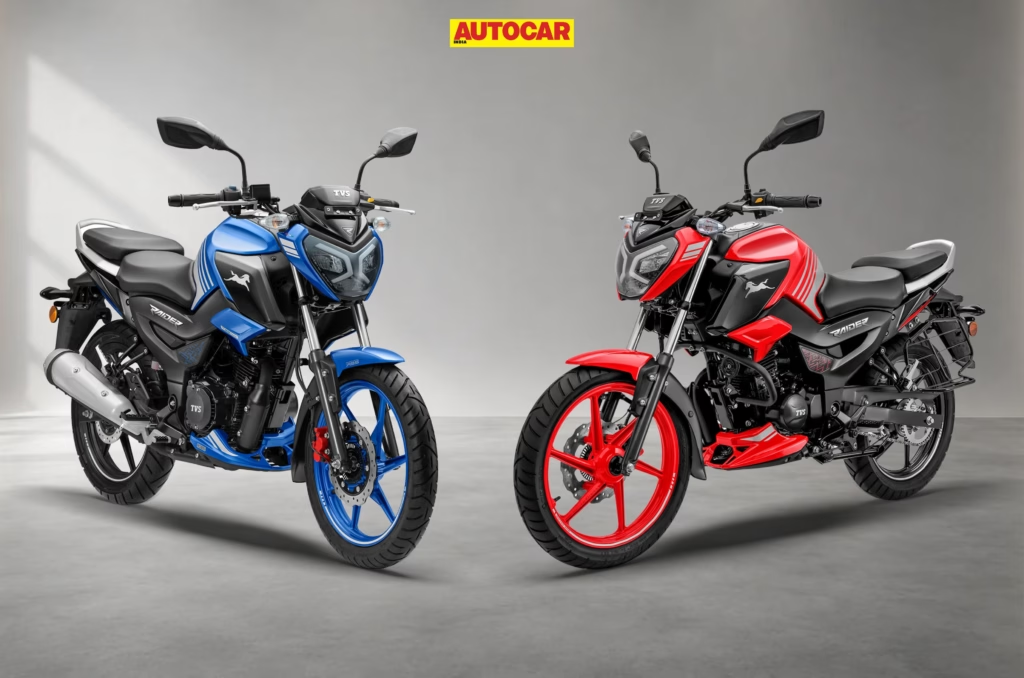
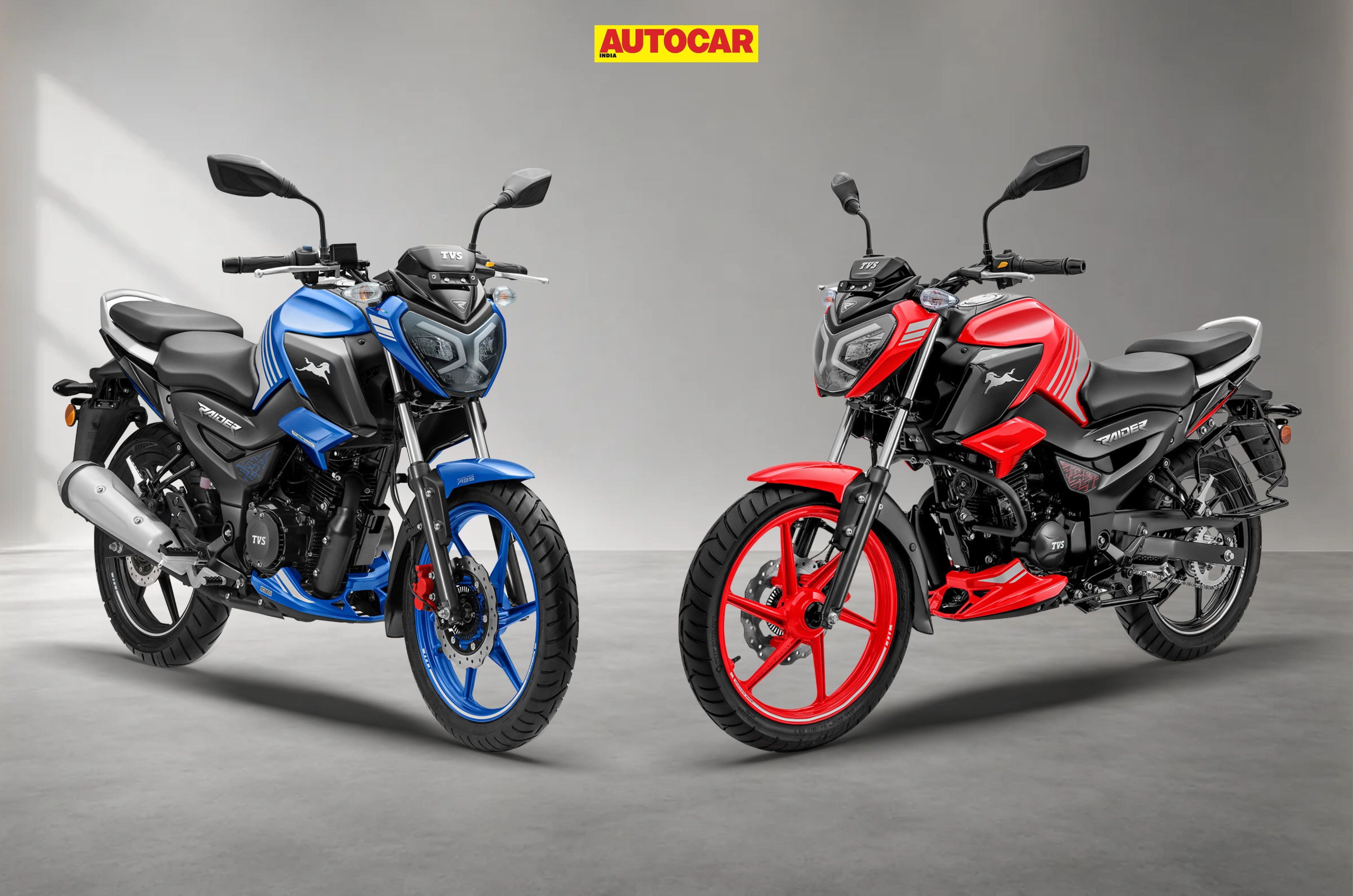
TVS Raider TFT DD in Blue and SXC DD in Red colour, front right quarter and front left quarter respectively.

It wouldn’t be an exaggeration to say the TVS Raider 125 played a part in rejuvenating the sporty 125 segment in 2021. It garnered such a positive reception and sales that manufacturers like Hero, Honda and Bajaj responded with options of their own. TVS evidently keeps a close eye on the Raider, as it has just given it a new set of features.

  1. Feature additions are limited to the top two variants: SXC DD and TFT DD
  2. Rear tyre is one section larger than before, at 120/70-17

TVS Raider 125 gets four new features

No changes to the design or engine

TVS hasn’t made any changes to the Raider’s design or its 124.8cc engine; neither are there any updates to the looks of the SXC DD and TFT DD variants. The new features added to these two variants are traction control, emergency brake warning and a 27W USB-C charger.  

The Raider is the first in the 125cc segment to get traction control. For the uninitiated, traction control reduces rear-wheel slip, so both wheels offer enough grip over loose surfaces; think gravel-ridden and/or uneven roads. The wider 120/70-17 rear tyre (previously 110/80-17) should also help with grip and stability. The emergency brake gives an earlier heads-up to those behind during sudden braking by triggering the hazard lights. As a convenience addition, TVS has now added a 27W USB-C charger (versus a 12W USB-A charger before), which should help charge your devices much faster.

Apart from these additions, the Raider remains where it was earlier, which means its engine still puts out 11.2hp and 11.75Nm, of which 0.55Nm is supplied by its integrated starter-motor-generator. The dual-disc brakes with single-channel ABS also remain exclusive to the top two variants. With these updates, the Raider TFT DD variant costs Rs 1,03,170, and the SXC DD variant costs Rs 1,00,330. TVS says the updated versions will be available at its dealerships across the country.

Hyundai to invest USD 15.5 billion in India by 2032

Hyundai to invest USD 15.5 billion in India by 2032
Hyundai

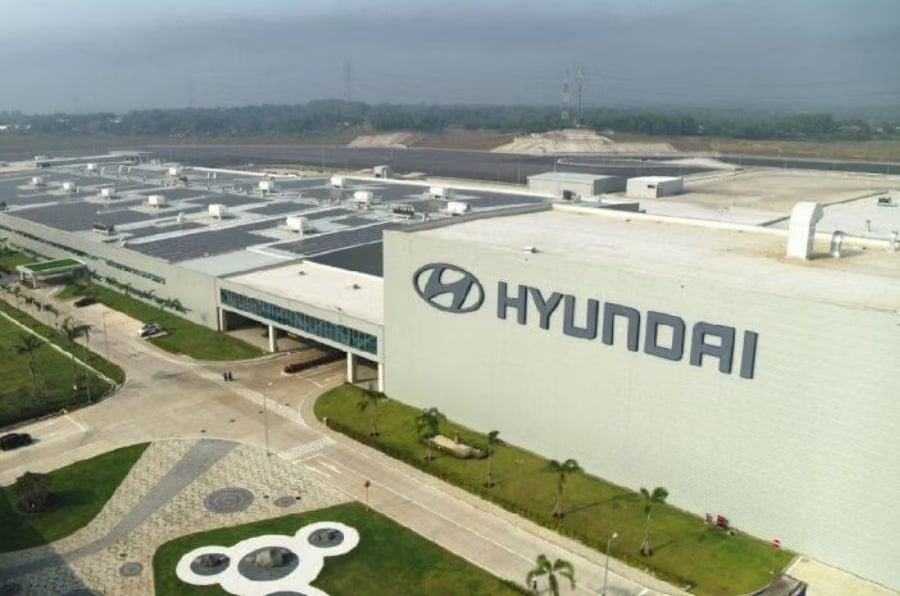
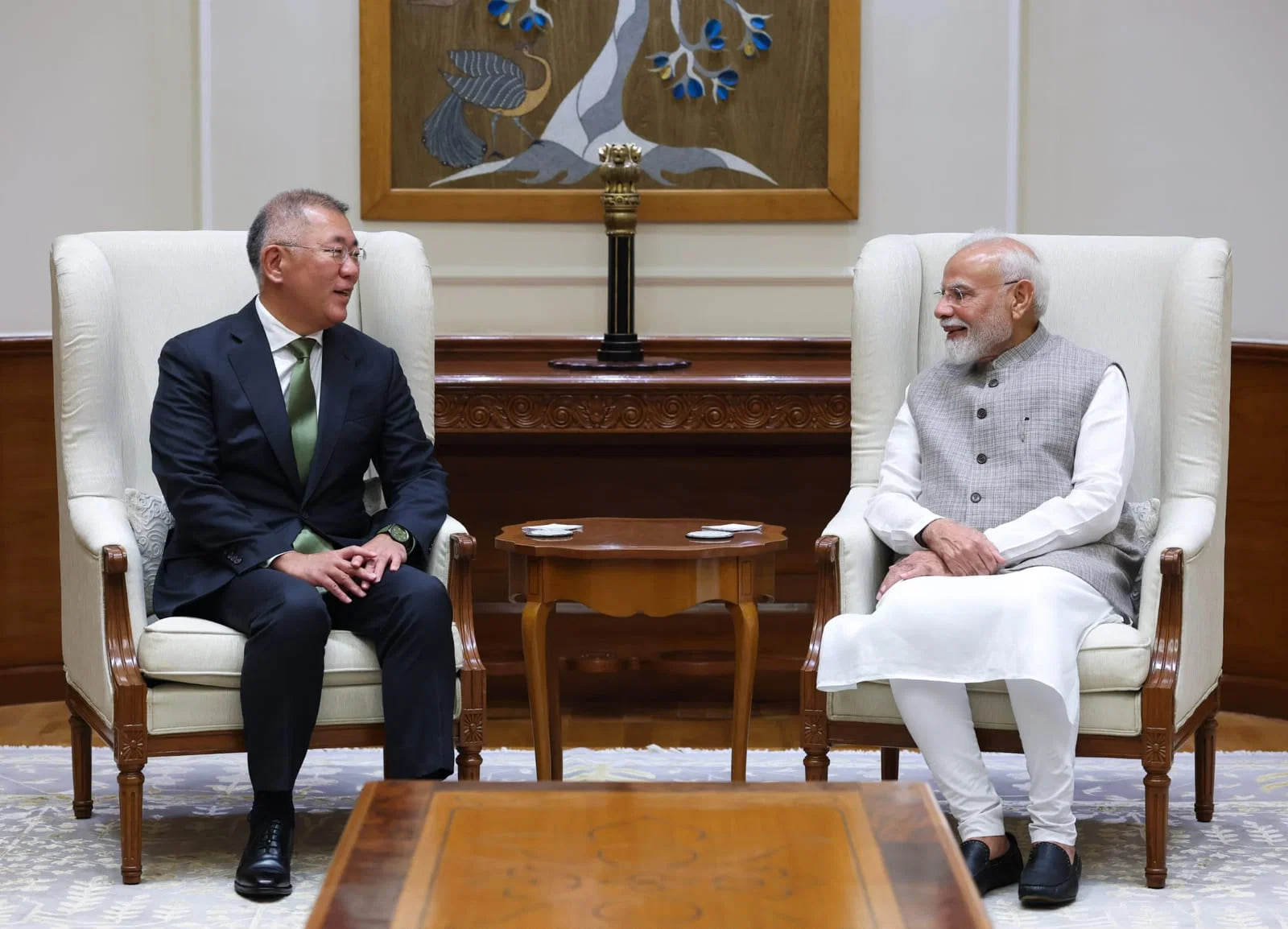
Hyundai has announced plans to invest USD 15.5 billion in India between 2026 and 2032. The investment will cover research and development, manufacturing capacity, local supplier development and businesses such as electric vehicle charging and automotive financing. The announcement follows a meeting between prime minister Narendra Modi and Hyundai Motor Group executive chair Euisun Chung in New Delhi on October 13.

“India remains one of Hyundai Motor Group’s most important and strategic markets globally. The past 30 years have been defined by our commitment to India. This investment reaffirms our commitment to India for the next 30 years and beyond,” Chung said.

Hyundai investment: R&D and manufacturing plans

The company plans to invest around USD 700 million in its Indian R&D centre, including a vehicle testing track. The investment is intended to expand engineering facilities and support the development of automotive technologies and local talent.

The group also plans to increase manufacturing capacity across Hyundai and Kia. Their combined annual production capacity in India currently exceeds 1.4 million vehicles, across Hyundai’s facilities in Chennai and Pune, and Kia’s plant in Anantapur.

Capacity at Hyundai’s Pune facility is scheduled to increase in phases. The group is also assessing a third manufacturing location to meet its longer-term requirements. 

Our sister publication, Autocar Professional reported on September 29 that Chhatrapati Sambhaji Nagar in Maharashtra and Sanand in Gujarat were among the locations under consideration. According to people familiar with the plans, the proposed facility could eventually add around 500,000 units of annual capacity, with investment potentially exceeding USD 2 billion over time. The plant could come up around 2030, with capacity added in phases over five to seven years. The October 13 announcement did not confirm the location, investment schedule or additional capacity.

The company will also invest in local suppliers and regional partners to increase parts localisation and strengthen its supply chain. It plans to establish a dedicated investment entity in India to oversee the programme and identify suppliers, technology partners and investment opportunities.

Hyundai to explore new mobility businesses

Beyond vehicle manufacturing, Hyundai Motor Group plans to explore automotive financing, EV charging infrastructure and end-of-life vehicle recycling. It also intends to support promising start-ups and expand into mobility services linked to its vehicle business.

Hyundai is developing electric three-wheelers with TVS Motor Company under a joint development agreement. The partnership is aimed at commercialising electric three-wheelers for India and other markets.

The group said the investment programme is expected to create employment in manufacturing, R&D, engineering and supply chains, including through suppliers and new mobility businesses. It currently employs more than 24,000 people across India.

Hyundai Motor Group has not disclosed how the USD 15.5 billion investment will be divided between Hyundai and Kia, or how much will be allocated to individual projects.

Stock Market Today : बाजार पर आज इन खबरों का दिखेगा असर, कोई ट्रेड लेने से पहले इन पर डाल लें एक नजर

Market news : निफ्टी की वीकली एक्सपायरी के दिन बाजार के लिए ठीक-ठाक संकेत नजर आ रहे हैं। गिफ्ट निफ्टी में हल्की बढ़त है। FIIs की कैश और वायदा मिलाकर करीब 1800 करोड़ की बिकवाली हुई है। डाओ फ्यूचर्स में भी हल्की बढ़त है। उधर कल US इंडेक्स मिले-जुले रहे। लेकिन एशिया में कमजोर कारोबार होता दिख रहा है।

यहां हम आपके लिए तमाम समाचार प्लेटफॉर्मों पर चल रही आज की ऐसी अहम खबरों की एक सूची जारी कर रहें हैं जो भारतीय और अंतर्राष्ट्रीय बाजारों को प्रभावित कर सकते हैं।

अनुमान के आसपास रहे HCL टेक के नतीजे

दूसरी तिमाही में HLC टेक के नतीजे अनुमान के आसपास रहे। रेवेन्यू में तीन तो मुनाफे में 11% की बढ़त दिखी। मार्जिन का आंकड़ा उम्मीद से अच्छा रहा। Advanced AI से रेवेन्यू 29% बढ़कर 219 मिलियन डॉलर पर रही। कंपनी ने पूरे कारोबारी साल के लिए रेवेन्यू ग्रोथ गाइडेंस का लोअर रेंज 1%-4% से बढ़ाकर 2.5%-4% कर दिया है।

RBL Bank के Q2 नतीजे अच्छे

दूसरी तिमाही में RBL Bank ने अच्छे नतीजे पेश किए हैं। कंपनी का मुनाफा करीब तीन गुना हो गया है। ब्याज से होने वाली कमाई में 37 परसेंट का उछाल आया है। एसेट क्वालिटी में भी सुधार दिखा है।

ICICI प्रू लाइफ, टाटा एलेक्सी के नतीजे आज

आज वायदा में शामिल ICICI प्रूडेंशियल लाइफ और Tata elxsi के नतीजे आएंगे। दूसरी तिमाही में ICICI Pru life का annual premium equivalent यानी APE 18% बढ़ सकता है। वहीं VNB मार्जिन में भी सुधार दिख सकता है। वहीं टाटा Tata elxsi के मुनाफे में तीन परसेंट तो रेवेन्यू में दो परसेंट की बढ़त संभव है।

TVS ग्रुप में पारिवारिक विवाद

TVS ग्रुप में उत्तराधिकार प्लान पर विवाद शुरू हो गया है। परिवार ओनरशिप और मैनेजमेंट के अधिकारों पर आमने-सामने है। मां मल्लिका श्रीनिवासन और बेटी लक्ष्मी वेणु ने सेटलमेंट का प्रस्ताव खारिज करते हुए कहा है कि 2024 का फैमिली MOU कोई आर्थिक समझौता नहीं है। परिवार की सभी संपत्तियां कोई एक आदमी नहीं बांट सकता।

23 महीने के ऊपरी स्तर पर रिटेल महंगाई

रिटेल महंगाई 23 महीने के ऊपरी स्तर पर पहुंच गई है। सितंबर में CPI महंगाई 4.83% से बढ़कर 5.54% पर रही है। खाने-पीने की चीजों के साथ ग्रामीण और शहरी महंगाई में भी बढ़ोतरी देखने को मिली है।

कच्चे तेल में उबाल, 106 डॉलर के करीब

जियो पॉलिटिकल संकट गहराने से कच्चे तेल में उबाल आया है। इसके भाव 106 डॉलर पर पहुंच गए हैं। रुस के यूक्रेन के एनर्जी इंफ्रा पर हमले से कीमतों में उछाल आया है। हॉर्मूज संकट और हूती-सऊदी के बीच घमासान ने भी सेंटिमेंट खराब किए हैं।

मार्केट ओवरव्यू

पिछले सेशन में रिकवरी के बाद,12 अक्टूबर को भारतीय इक्विटी बेंचमार्क पर फिर से बिकवाली का दबाव दिखा। IT, FMCG और फाइनेंशियल शेयरों में गिरावट के बीच निफ्टी 22,300 के स्तर की ओर फिसल गया। कारोबार के अंत में, सेंसेक्स 547.65 अंक या 0.76 प्रतिशत गिरकर 71,924.68 पर और निफ्टी 157.10 अंक या 0.70 प्रतिशत गिरकर 22,363.35 पर बंद हुआ।

गिफ्ट निफ्टी

शुरुआती कारोबार में GIFT निफ्टी बढ़त के साथ 22,415.50 के स्तर पर ट्रेड कर रहा था,जो घरेलू इक्विटी बाजार के लिए सकारात्मक शुरुआत का संकेत है।

एशियाई बाजार

इस साल मार्केट के सबसे चर्चित सेक्टर में से एक,आर्टिफिशियल इंटेलिजेंस (AI) से जुड़े शेयरों पर नतीजों के सीज़न से पहले फिर से दबाव बना है,जिससे एशियाई शेयर बाजारों में गिरावट आई है।

दक्षिण कोरिया और जापान में शेयरों में गिरावट के कारण MSCI एशिया पैसिफिक इंडेक्स 0.9% गिर गया है और अगस्त के मध्य के बाद से अपने सबसे निचले स्तर पर बंद होने की राह पर है।

AI ट्रेड का पैमाना माने जाने वाले कोस्पी इंडेक्स में 4.8% तक की गिरावट आई है और यह जुलाई के बाद अपने सबसे निचले स्तर पर बंद होने की राह पर है,क्योंकि चिप बनाने वाली दिग्गज कंपनियों SK Hynix Inc. और Samsung Electronics Co. के शेयरों में 5% से ज़्यादा की गिरावट आई। टोक्यो में ट्रेडर्स के लंबे वीकेंड के बाद लौटने पर निक्केई 225 इंडेक्स में 2% की गिरावट दर्ज की गई है।

अमेरिकी बाजार

सोमवार को नैस्डैक कंपोजिट गिरावट के साथ बंद हुआ। इसकी वजह सऊदी अरब के एक एयरपोर्ट पर हमले के बाद तेल की कीमतों में लगभग $2 प्रति बैरल की बढ़ोतरी रही।

डाओ जोन्स इंडस्ट्रियल एवरेज 195.60 अंक या 0.38% बढ़कर 51,850.55 पर बंद हुआ। S&P 500 में 4.30 अंक या 0.06% की गिरावट आई और यह 7,807.24 पर बंद हुआ,जबकि नैस्डैक कंपोजिट 120.27 अंक या 0.44% गिर कर बंद हुआ।

विदेशी निवेशकों की बिकवाली जारी

12 अक्टूबर को विदेशी संस्थागत निवेशक (FIIs) नेट सेलर बने रहे और उन्होंने 1,700 करोड़ रुपये के शेयर बेचे, जबकि घरेलू संस्थागत निवेशकों (DIIs) ने बाज़ार को सहारा देना जारी रखा और सेशन के दौरान 3,000 करोड़ रुपये से ज़्यादा के शेयर खरीदे।


Market Outlook : गिरावट के साथ बंद हुआ बाजार, जानिए 13 अक्टूबर को कैसी रह सकती है इसकी चाल

2026 TVS Radeon Launched at Rs 67100

2026 TVS Radeon Launched at Rs 67100
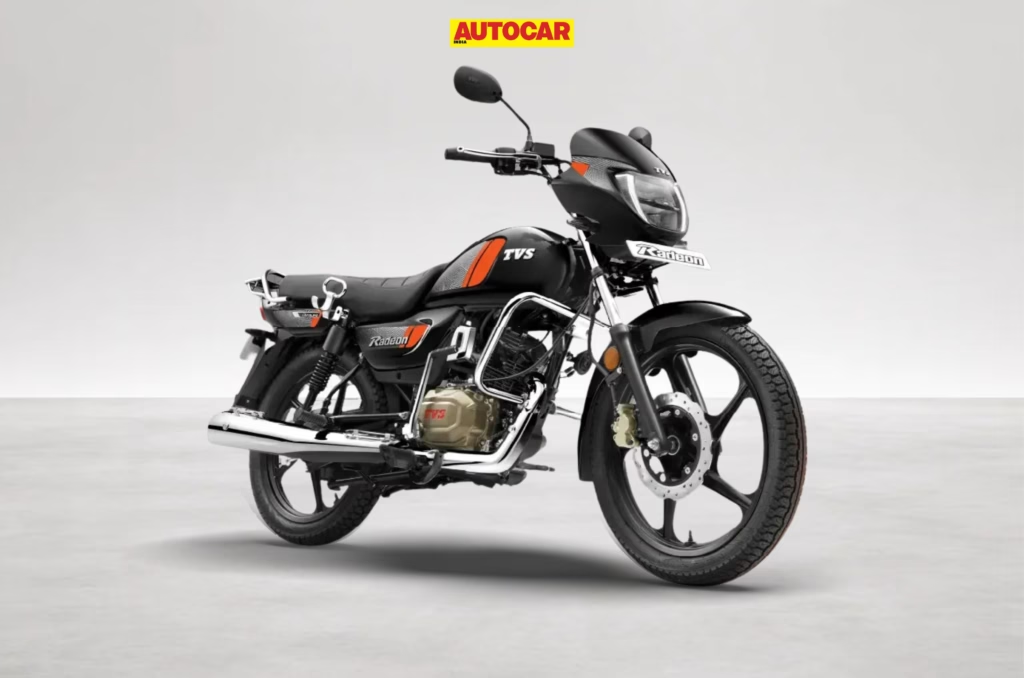
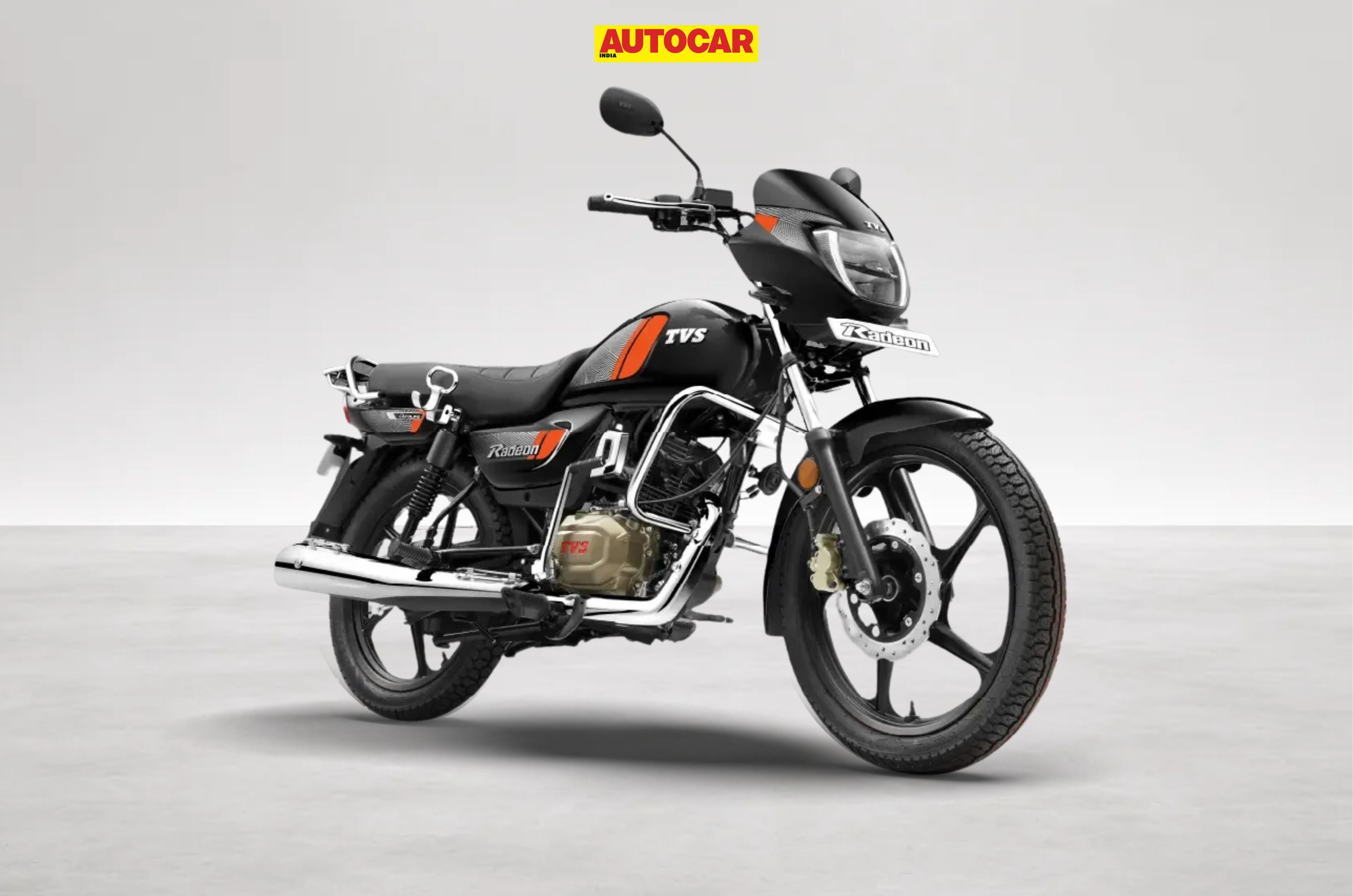
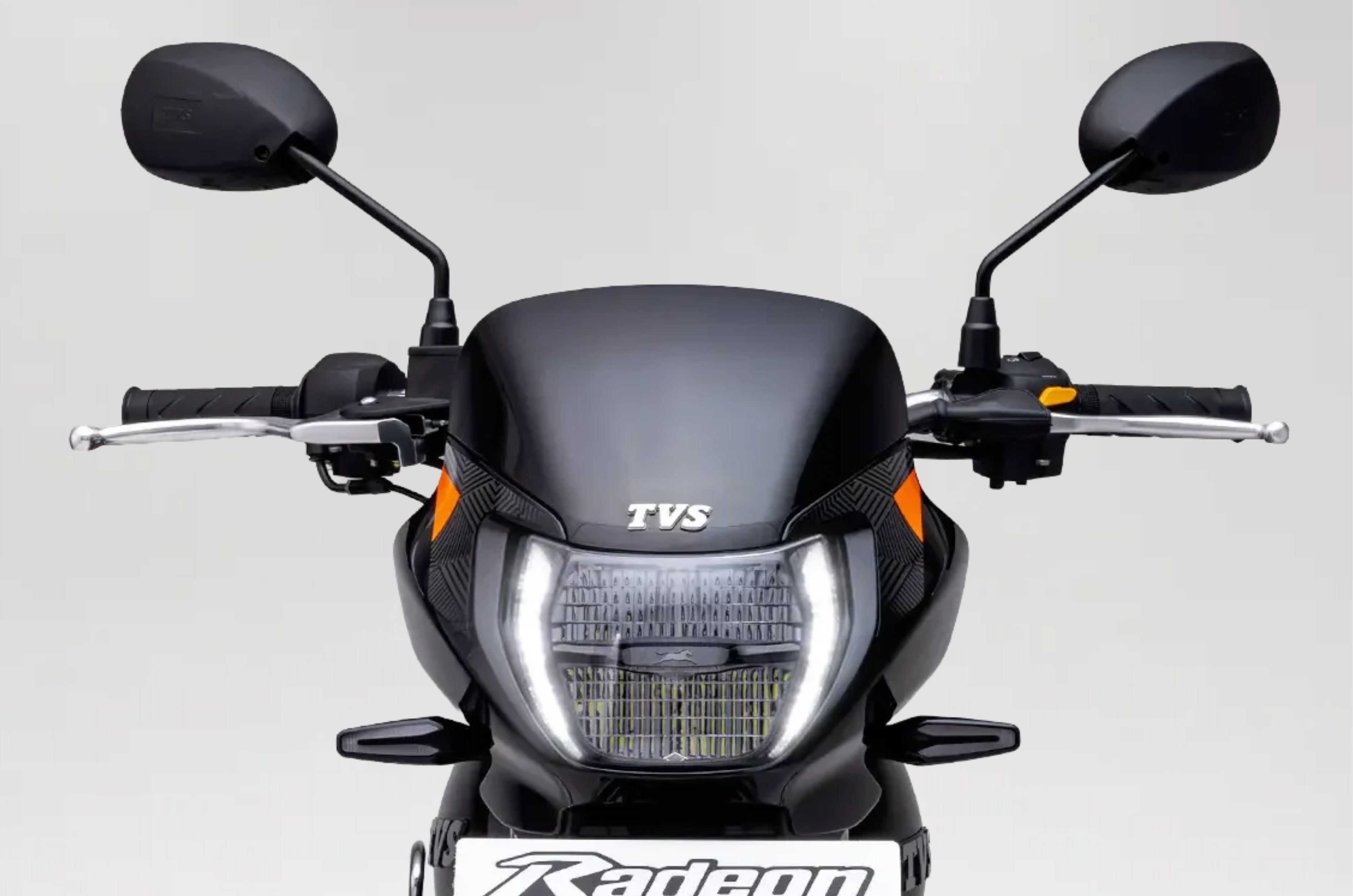
An indoor render of the 2026 TVS Radeon with all-LED lighting

TVS has updated its premium 110cc commuter, the Radeon just in time for the festive season. This update comprises all-LED lighting along with new colour options. The prices now range from Rs 67100 to Rs 73100 ex-showroom, Delhi. We are still awaiting confirmation from TVS if the previous model and the updated model will be on sale simultaneously. Compared to the previous model, the price of the base variant has increased by Rs 1,250, while the top-spec Disc variant is now Rs 7,500 cheaper.

  1. Now gets all LED lighting
  2. Powered by the same 110cc engine as before
  3. Front disc brake only on top Digi-disc variant

2026 TVS Radeon: What’s new?  

Gets all LED lighting and new colour schemes

The revised model gets an all new LED headlight with a signature DRL, new LED tail light and LED turn indicators, which are standard across all three variants (Base, Digi-Drum and Digi-Disc). It retains the same design silhouette as before. Now to match the updated aesthetics of the motorcycle it features a new set of colour options. The base variant is offered in Black & Blue and Black & Red colour options. The Digi-Drum variant is available in Black & Red, Black & Orange and Red & Black DT, and the top Digi-Disc variant comes in two colour options Black & Orange and Red & Black DT.

With this update the prices have also been revised, now the prices start from Rs 67100 for the base variant, Rs 70100 for the Digi-Drum and Rs 73100 for the top Digi-Disc variant. The rest of the motorcycle remains the same as before. It continues to be powered by the 110cc air-oil cooled engine, which makes 8hp and 8.7Nm of torque, paired with a 4-speed gearbox, similar to the other motorcycles in its segment.

The TVS Radeon stands out as one of the more premium offerings in its segment by offering features like all-LED lighting, USB charging, colour-digital instrument cluster, and an optional disc variant. By comparison the Honda Livo (Rs 80330 to Rs 82897) offers Japanese reliability at a premium price, and Bajaj offers better ride quality on its CT 110X (Rs 74930) and the Platina 110 (Rs 75797). As a whole package the Radeon brings more features to the table at an aggressive pricing compared to its rivals, which is its strong point in typical TVS fashion.

All prices are ex-showroom, Delhi.

VLF Strada launched from Rs 1.20 lakh

VLF Strada launched from Rs 1.20 lakh
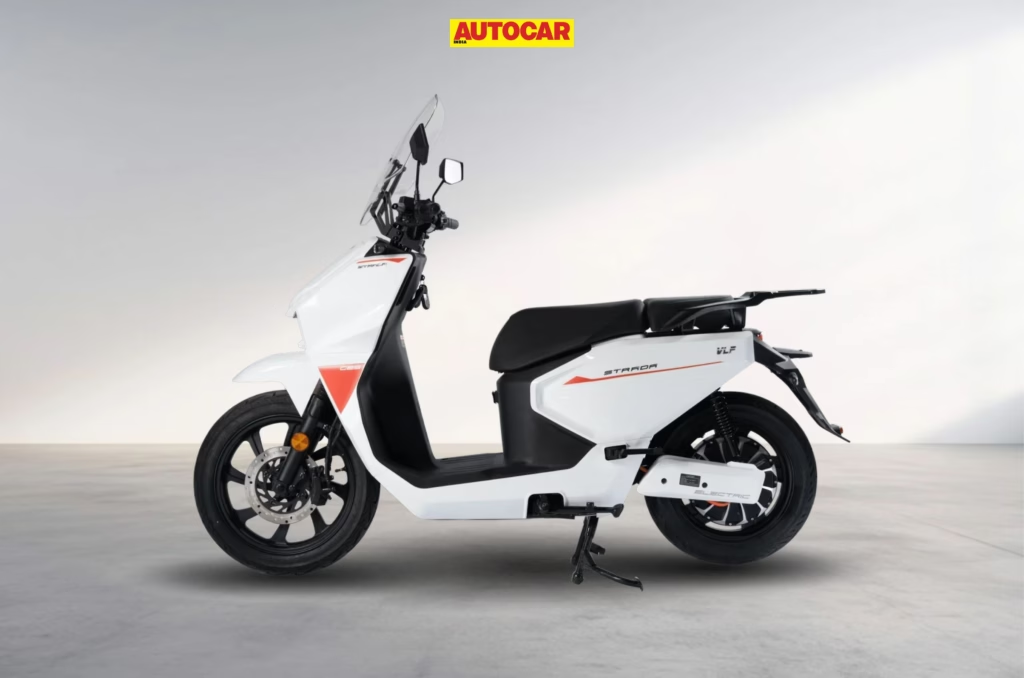
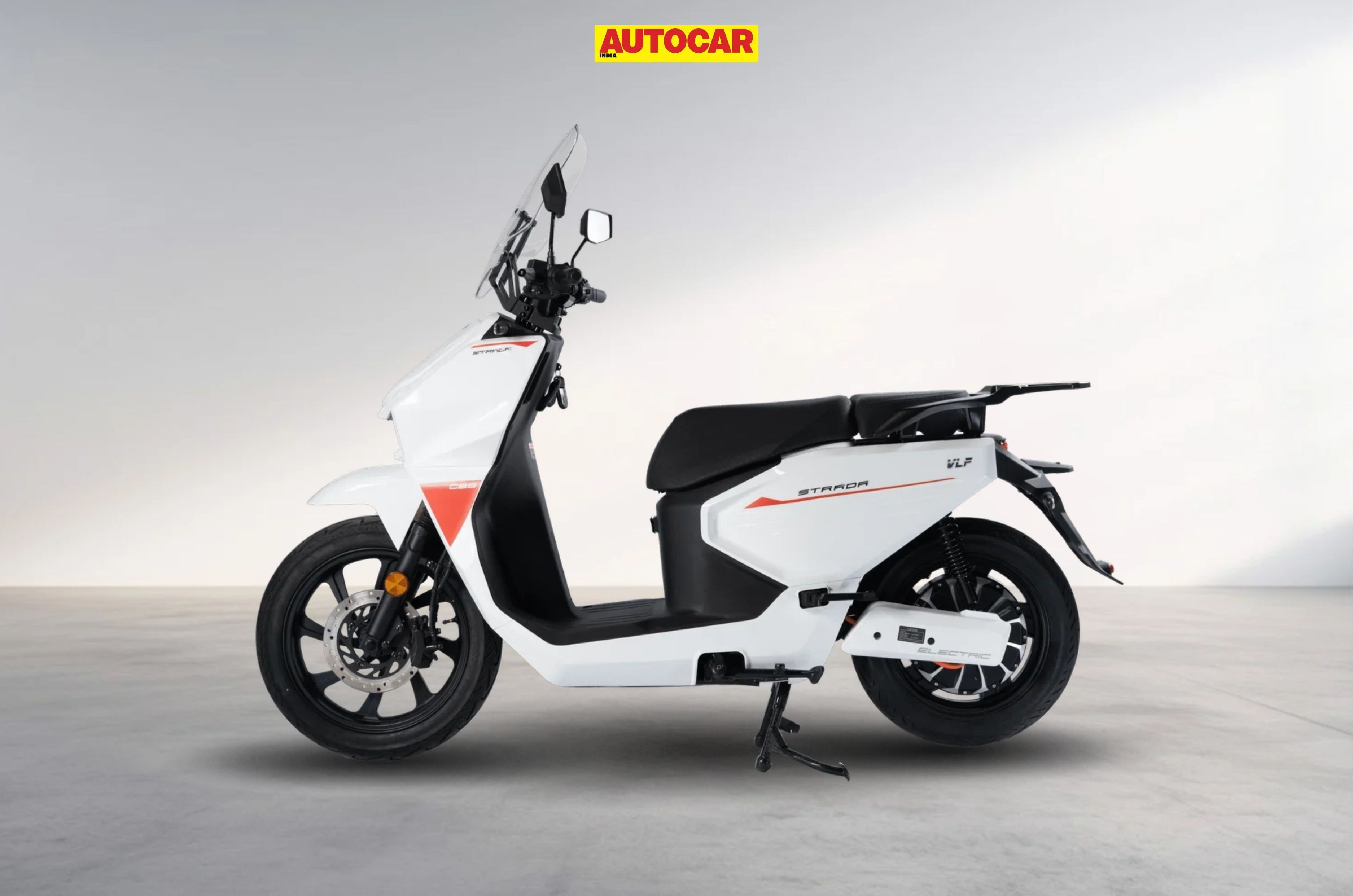
VLF Strada's left profile in Luna White colour.

VLF (or Velocifero) is a brand with Italian heritage but manufactures its scooters in Zhejiang, China. Kolhapur-based Motohaus brought VLF to India in 2024 and manages sales and service in the country. The company has introduced a new electric scooter named Strada in two variants, priced at Rs 1.20 lakh and Rs 1.55 lakh, meant to replace the Tennis, its first launch in India.

  1. City variant has a 2.16kWh removable battery
  2. Max variant has two removable units with 4.32kWh total capacity
  3. Rated top speed is 85kph in the top Sport ride mode
  4. Bookings are open for Rs 999 for the City and for Rs 1,999 for the Max

VLF Strada details

Two variants and a shared 4.8kW BLDC motor

The Strada has two variants, City and Max, both of which share a BLDC, hub-mounted motor with 4.8kW peak power and 34Nm of peak torque; rated power is 3kW. The base City variant has a single 2.16kWh removable LFP battery, and the Max variant doubles that to two batteries with a total capacity of 4.32kWh. Both the motor and the battery units are rated for IP67 ingress protection. There are three ride modes on offer: Eco, City and Sport. Depending on the ride mode, the top speed varies as well. Eco tops out at 45kph, City at 65kph and Sport at 85kph.

The IDC range is 130km for City and 250km for Max. VLF claims the single battery system can charge from 20-100 percent in three hours, and the same takes six hours for both batteries. The company hasn’t specified the charging speed to achieve these times, nor has it mentioned the wattage of the bundled charger. We’re currently awaiting clarifications on the same.

VLF has designed the Strada with a sporty look, but the scooter’s dimensions should make it accessible to most people. It has a split-seat configuration with a seat height of 780mm without compromising on the ground clearance, which is a healthy 175mm. VLF has listed the kerb weight of the scooter at a surprisingly light 98kg, and this is likely for the City variant with the smaller battery pack. The Max variant should weigh notably more. Front and rear suspension units are par for the course, with a 31mm telescopic fork and a preload-adjustable twin shock.

Tyre size is an area where the Strada stands out, quite literally, with a 16-inch front wheel and a 14-inch rear. In the scooter segment, most options tend to stick to 10-14-inch tyres, and therefore this is certainly an interesting move from VLF. Larger tyre sizes are associated with more stable rides as well, so it remains to be seen how the Strada does on that front. Stopping the scooter are a 240mm front disc and a 220mm rear disc. There’s no ABS, but a combined braking system (CBS) is standard.

Features include a 5-inch TFT display, all-LED lighting with dual-projector headlights, an integrated windshield, a keyless ignition system and an integrated luggage rack. There are four colour options on offer: Carbonio Black, Luna White, Titanio Grey and Urbano Silver. VLF also showcases pictures of a pannier mounted on the rack, so it’s likely that an accessory line-up is on the cards.

Priced at Rs 1.20 lakh for the City variant and Rs 1.55 lakh for the Max variant, the VLF Strada is a rival to established models such as the TVS iQube 2.2 (Rs 1.16 lakh), TVS Orbiter V1 (Rs 1.01 lakh), Chetak C2501 (Rs 99,802), Ather Konarc (Rs 99,999) and Vida VX2 Go 2.2 (Rs 99,999). VLF Strada is already available on Motohaus’s Indian website, with bookings open for Rs 999 for City and Rs 1,999 for Max.

All prices mentioned are ex-showroom.

Opinion: The Japanese are finally taking India more seriously

Opinion: The Japanese are finally taking India more seriously
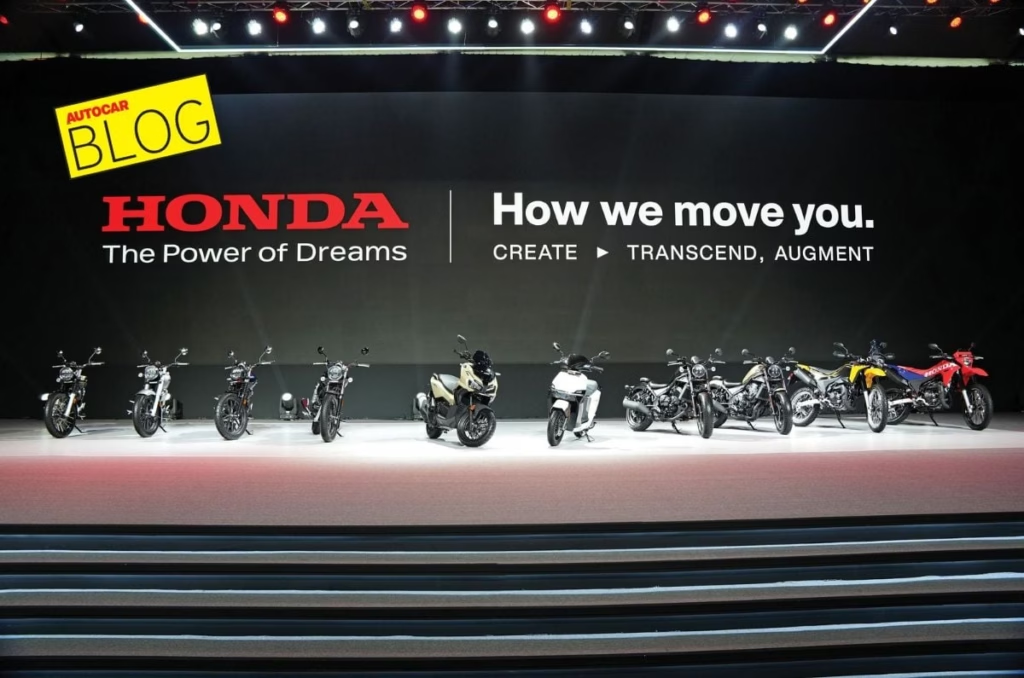
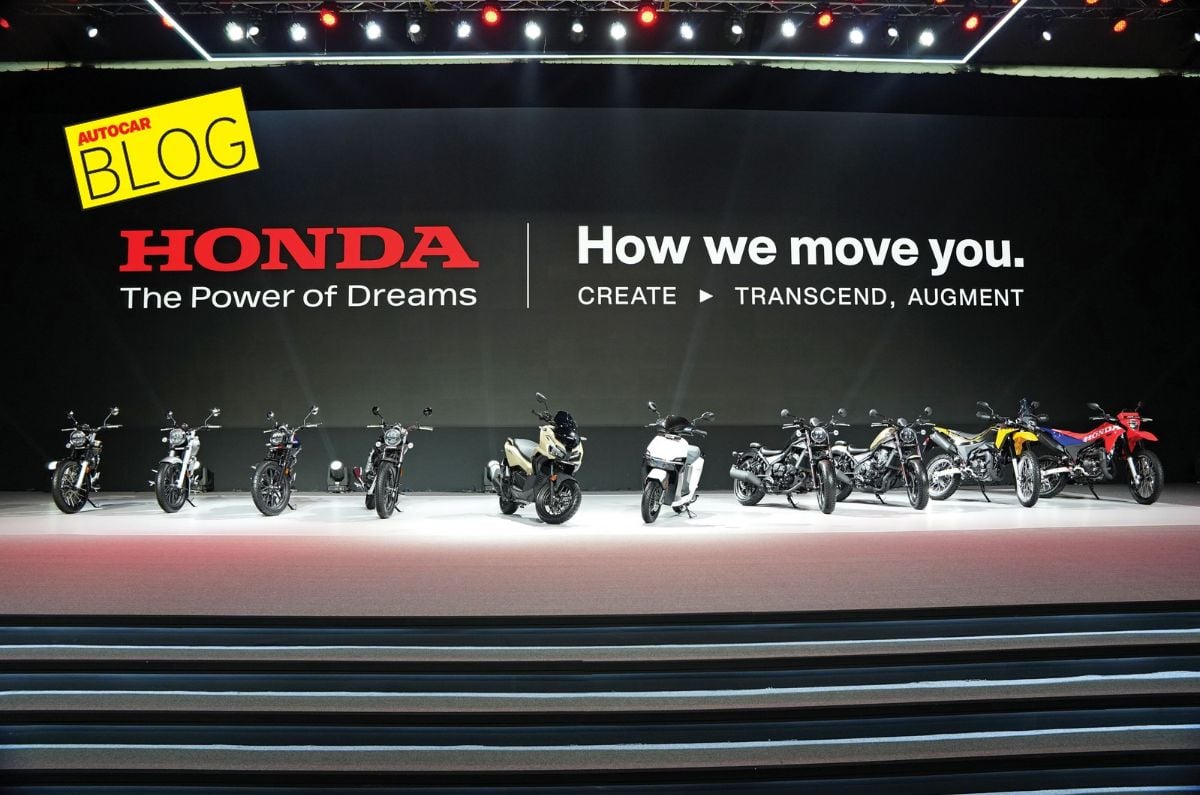
Honda bikes onstage at a big press event

2026 has revealed a change in how the Japanese treat our market. After years of being content to watch Indian competitors moving forward into more premium segments, the Japanese have finally realised that this is a space they can no longer ignore. 

The world’s biggest two-wheeler manufacturer is leading this charge. Honda recently held a huge event in Delhi in July, where they revealed ten new premium two-wheelers for India. That event on its own was a good sign, but there was still the very real concern of what these products would be priced at. After all, Indian enthusiasts have been burned by unrealistic pricing from the Japanese far too many times in the past.

Thankfully, things seem different this time around. So far, Honda has already released prices for the Rebel 300 (Rs 2.22 lakh-2.62 lakh), ADV160 (Rs 1.7 lakh), the QC3 electric scooter (Rs 1.35 lakh), XR300L and XR300 Rally (Rs 1.83 lakh & Rs 2.08 lakh, respectively) and the CB500 (Rs 2.75 lakh-3.02 lakh). All these prices are very reasonable and are either directly comparable with rivals or are at a small but justifiable premium. 

The best way to highlight this shift within Honda’s pricing strategy is to examine its own prices from a few years ago. The far superior Rebel 300 costs less today than the Rs 2.29 lakh price in 2022 for the now-discontinued CB300F. 

Sure, the Rebel now benefits from a lower GST structure, but the opposite holds true for the Honda CB1000 Hornet SP, which is priced at Rs 13.29 lakh. In comparison, the older CB1000R cost Rs 14.46 lakh in 2019, and it had far less fancy equipment. With Honda’s big bikes, the main issue is no longer the price but the fact that many of them aren’t available half the time. 

These new Hondas hold their own when compared with rivals as well. The new QC3 electric scooter is priced bang on par with equivalent rivals from Ather, Bajaj and TVS, and it will finally get Honda taken seriously in the EV space. The new CB500 is also priced Rs 10,000 lower than the top-spec Harley-Davidson X440 T, which is its closest rival. 

Yamaha is another manufacturer that has started to take crucial steps ahead. The awfully overdue XSR155 was finally introduced to India late last year, the R2 was just launched, and the NMax 155 will be coming in next year as well. These are good moves, but Yamaha needs to do more to cater to Indian riders who want more than just 150-200cc products. Kawasaki has localised a handful of its small bikes and we hear Suzuki is in the process of improving localisation on some of its big bikes as well, which is welcome news. 

None of these companies are taking these calls because they suddenly feel for the poor Indian motorcycle enthusiast who is crying out for more options. Those calls have gone unheeded for the better part of a decade.

The fact is that the Japanese (particularly Honda) are now seriously feeling the heat from local competition. Indian manufacturers (particularly TVS) have made massive gains over the last 5-10 years in all segments from scooters to EVs to premium motorcycles. Competition always benefits the customer, and it’s competition that we have to thank for this new enthusiasm shown by the Japanese towards the Indian market.

Kawasaki Z300 Revealed

Kawasaki Z300 Revealed
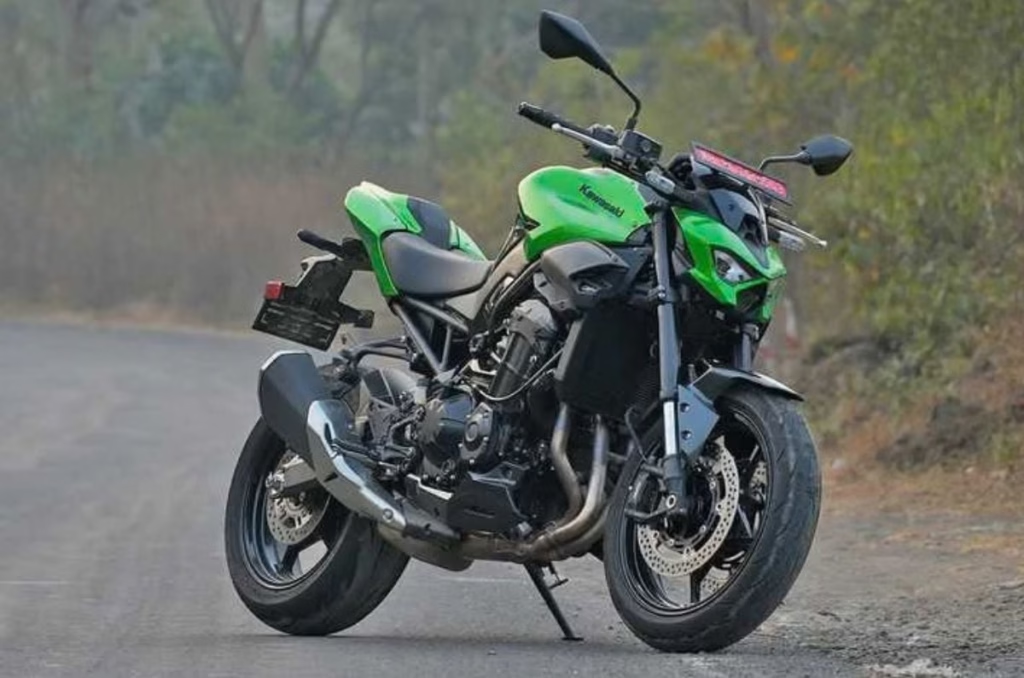
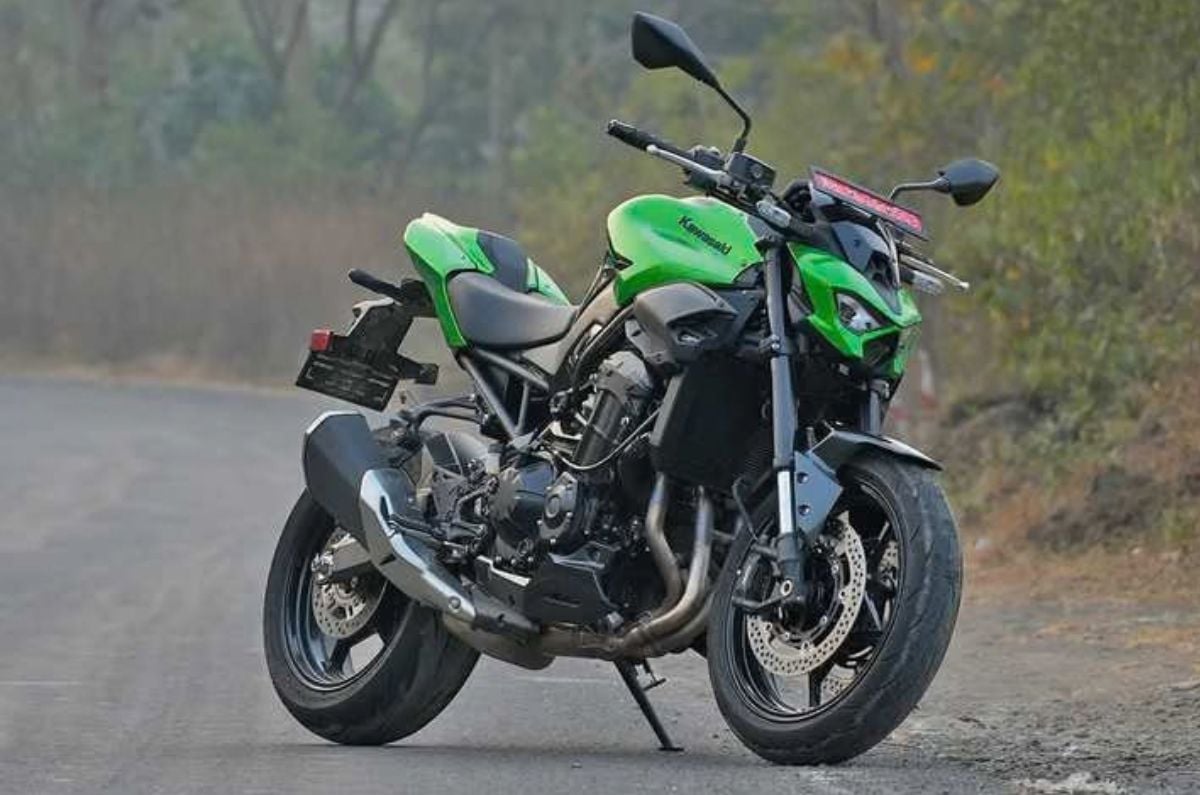
An outdoor shot showing the front right quarter of the Kawasaki Z900

Kawasaki has revealed the Z300, a new street-naked bike which could be based on the same platform as the Ninja 300. This motorcycle will effectively serve as the entry-level model in the brand’s Z lineup.

  1. Similar silhouette like the bigger Z900
  2. Bookings open on October 19
  3. More details and price will be revealed on October 20

Kawasaki Z300 details 

Could be powered by the 296cc parallel-twin as of the Ninja 300

At a recent event in Bangalore, Kawasaki showcased the Z300, which strongly resembles its larger sibling the Z900. The powertrain could be the 296cc parallel-twin engine, producing 39hp and 26.1Nm of torque, paired to a 6-speed gearbox. It features a wide, upright single-piece handlebar and relaxed ergonomics. Unlike the semi-digital unit on the Ninja 300, the new Z300 gets a TFT instrument cluster featuring smartphone connectivity and more. The new motorcycle will be available in two colour options: Green and Black.

After its initial appearance in Bangalore, an identical preview showcase will take place for Mumbai and Pune on October 18. Bookings commence on October 19, while technical specifications, variant details and price will go live on Kawasaki’s official website on October 20.

On Kawasaki India’s official website, the faired Ninja 300 carries an ex-showroom price of Rs 3.34 lakh. Because the naked streetfighter lacks the additional bodywork and considering the new electronics suites, Kawasaki is able to price the Z300 around the sub Rs 3 lakh mark. It will offer multi-cylinder refinement against rivals such as KTM 390 Duke and TVS Apache RTR 310.

Image is for representation purpose only.

Toyota Fortuner Leader Edition लॉन्च, ब्लैक लुक और नए फीचर्स के साथ हुई एंट्री, बुकिंग 12 अक्टूबर से शुरू

Toyota Fortuner Leader Edition: अगर आप Toyota Fortuner खरीदने का प्लान बना रहे हैं, तो आपके लिए अच्छी खबर है। Toyota ने भारत में अपनी पॉपुलर SUV का नया 2026 Fortuner Leader Edition पेश किया है। इस नए एडिशन में कंपनी ने SUV के लुक को और आकर्षक बनाने के साथ कुछ नए कंफर्ट और सुविधा से जुड़े फीचर्स भी जोड़े हैं।

नई Toyota Fortuner Leader Edition की शुरुआती एक्स-शोरूम कीमत 36.51 लाख रुपये रखी गई है। इसमें ग्राहकों को 4×2 मैनुअल और 4×2 ऑटोमैटिक, दोनों गियरबॉक्स विकल्प मिलेंगे। इस SUV की बुकिंग 12 अक्टूबर 2026 से शुरू होगी।

Toyota Fortuner Leader Edition: अपग्रेड्स

Leader Edition में मैकेनिकल बदलावों के बजाय विजुअल अपग्रेड्स पर ज्यादा ध्यान दिया गया है। बाहर की तरफ, इसमें बदली हुई फ्रंट ग्रिल, मैचिंग हब कैप्स के साथ ग्लॉस-ब्लैक अलॉय व्हील्स, ब्लैक रियर डोर गार्निश और ब्लैक-फिनिश वाला एंटीना दिया गया है। ब्लैक रूफ और बॉडी-साइड मोल्डिंग्स इसके लुक को और बेहतर बनाते हैं, जबकि एक खास बोनट एम्बलम इसे स्टैंडर्ड Fortuner से अलग पहचान देता है।

अंदर की तरफ, SUV की सीटों और डोर ट्रिम्स पर ब्लैक और मरून अपहोल्स्ट्री दी गई है, साथ ही एम्बिएंट लाइटिंग और इल्यूमिनेटेड स्कफ प्लेट्स भी हैं। ये बदलाव केबिन के लेआउट को बदले बिना उसके लुक को नयापन देते हैं। इसमें ऑटो-फोल्डिंग आउटसाइड रियर-व्यू मिरर्स और टायर प्रेशर मॉनिटरिंग सिस्टम (TPMS) जैसे फीचर्स भी शामिल हैं, जिन्हें रोजाना इस्तेमाल को ज्यादा सुविधाजनक बनाने के लिए डिजाइन किया गया है।

Toyota Fortuner Leader Edition: कीमत और वेरिएंट

2026 Toyota Fortuner Leader Edition के 4×2 मैनुअल वेरिएंट की एक्स-शोरूम कीमत 36.51 लाख रुपये है। वहीं, 4×2 ऑटोमैटिक वेरिएंट के लिए 38.72 लाख रुपये खर्च करने होंगे। यानी ऑटोमैटिक वेरिएंट की कीमत मैनुअल के मुकाबले 2.21 लाख रुपये ज्यादा है।

कंपनी ने फिलहाल इसके इंजन, गियरबॉक्स या परफॉर्मेंस में किसी बदलाव की जानकारी नहीं दी है। ऐसे में यह नया एडिशन मुख्य रूप से डिजाइन और फीचर्स में किए गए बदलावों पर आधारित है।

कलर ऑप्शन की बात करें तो Toyota Fortuner Leader Edition तीन रंगों में उपलब्ध होगी। इनमें सुपर व्हाइट, प्लेटिनम व्हाइट पर्ल और एटीट्यूड ब्लैक शामिल हैं। इसके दोनों वेरिएंट में 4×2 रियर-व्हील-ड्राइव सेटअप दिया गया है। फिलहाल, इस एडिशन में 4×4 ड्राइव का विकल्प नहीं दिया गया है।

ओनरशिप के फायदे

Toyota अपनी ‘स्मार्ट बैलून फाइनेंस’ स्कीम के साथ-साथ सात साल तक के फाइनेंस ऑप्शन भी दे रही है। ओनरशिप पैकेज में पांच साल की मुफ्त रोडसाइड असिस्टेंस और तीन साल या 1 लाख किलोमीटर (जो भी पहले हो) की स्टैंडर्ड वारंटी शामिल है। पांच साल या 2.20 लाख किलोमीटर तक के लिए एक्सटेंडेड वारंटी भी उपलब्ध है।

यह भी पढ़ें: TVS Motor ने मचाई धूम, सितंबर में बिक्री 24% बढ़ी; इलेक्ट्रिक स्कूटरों की डिमांड दोगुनी से ज्यादा

EV two-wheeler sales crosses 11 lakh units in FY2027

EV two-wheeler sales crosses 11 lakh units in FY2027
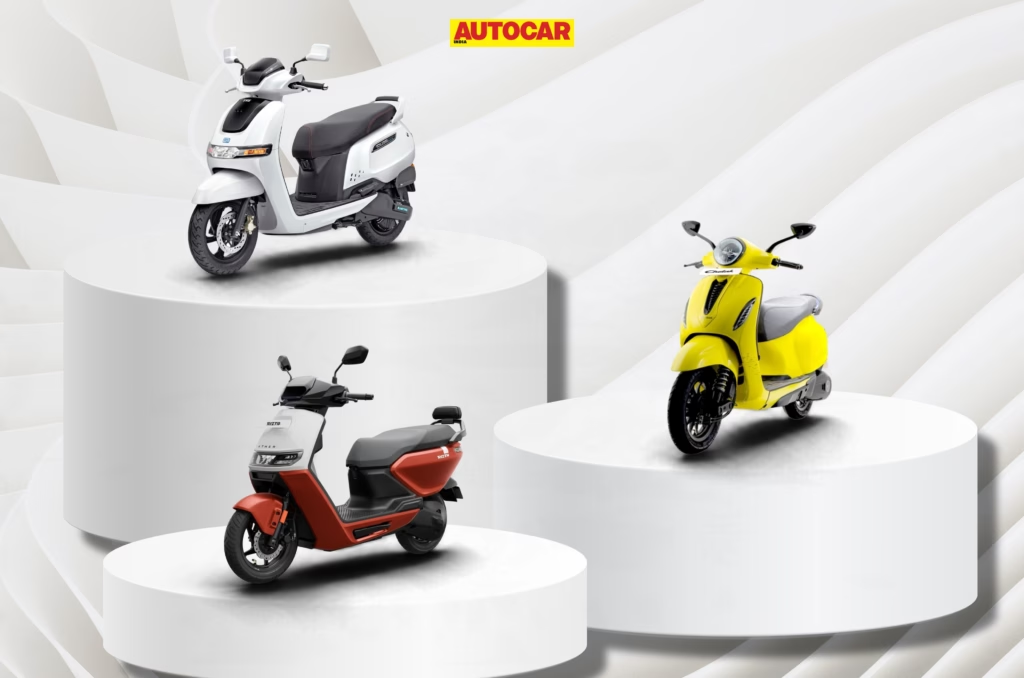
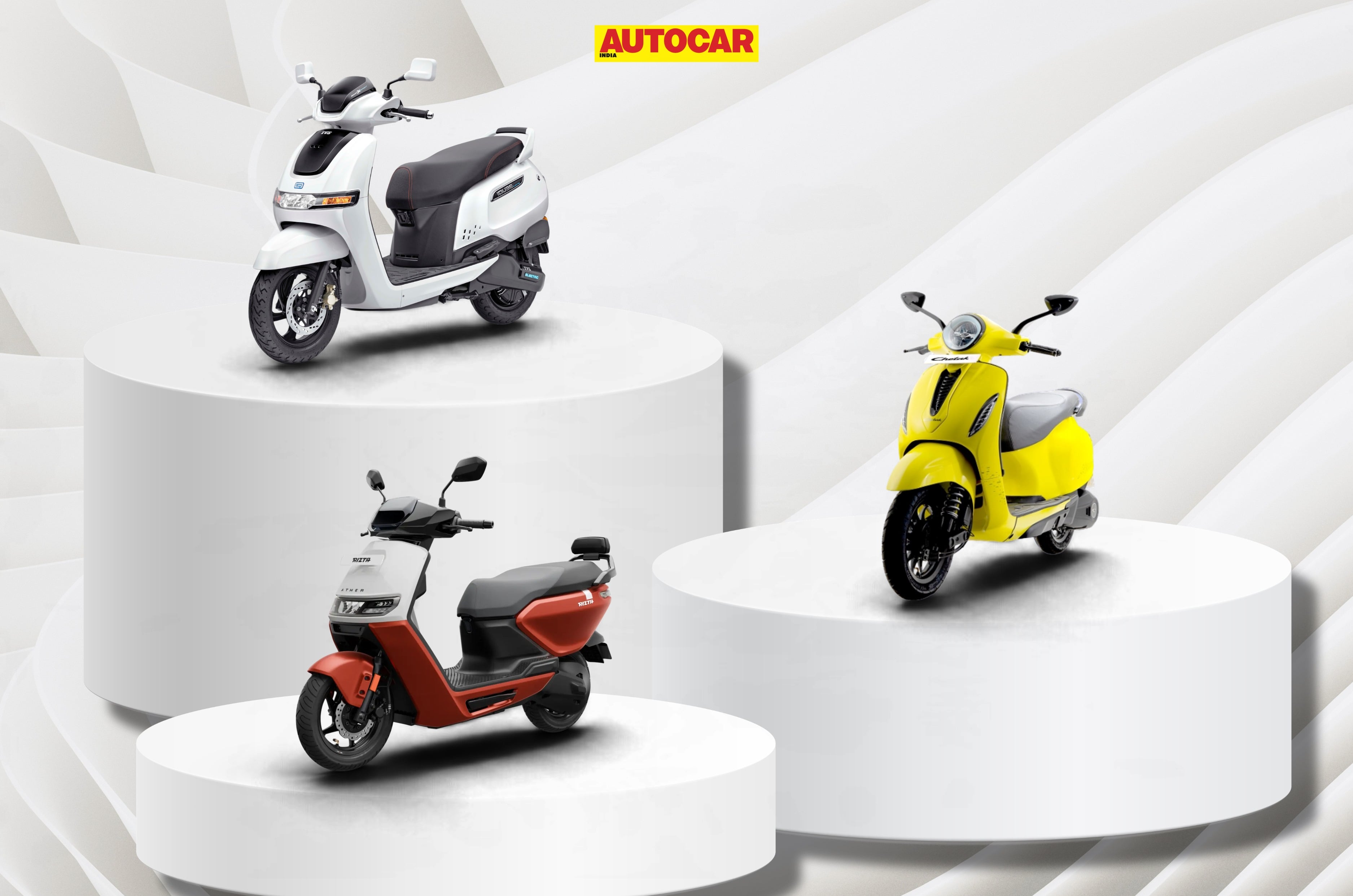
TVS iQube, Bajaj Chetak, and Ather Rizta listed in a podium as the first, second, and third respectively.

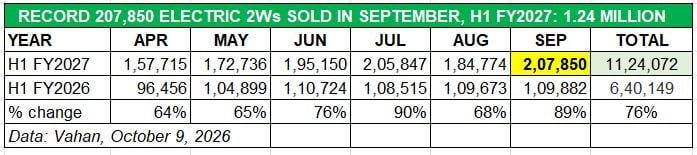
India’s electric two-wheeler market is on a roll and how. While January-September 2026 retail sales have already crossed 1.61 million units, e-2-wheeler customer deliveries in April-September 2026 increased 76 percent to 11.2 lakh units (versus 6.40 lakh units same time last year). The rapid pace of demand means that the industry is predicted to end the financial year with 22.6 lakh total sales. September 2026 was also the first time the industry sold 2.07 lakh units (highest yet), which is an 89 percent increase compared to 2025.

  1. Besides the top-three, Bounce and River have improved the most
  2. Ola has held on to fifth place, but lost 9 percent of its market share
  3. September’s high sales numbers will likely be surpassed by the upcoming festive season

Indian e-2-wheeler industry sales: The trend so far

TVS and Bajaj continue to lead, with Vida steadily improving

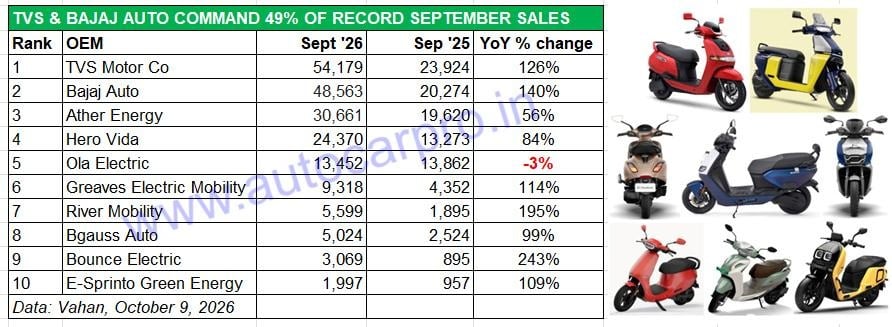
TVS and Bajaj, which have been the top two brands since Ola moved out of the top spot in April 2025, continue to register handsome gains. In September, both companies registered triple-digit growth, which ensured that they make up a 49 percent share of the record monthly retails. This is the highest monthly sales for Bajaj, beating March 2026 (47,755 units). Ather, in the third position, sold 30,661 units and marked 56 percent YoY growth. March 2026 continues to be Ather’s best month, sales-wise (36,634 units) with the Konarc expected to contribute to that number substantially soon. Vida, backed by Hero, sold its highest ever 24,370 units in September, crossing July’s number (22,996).

Brand-wise performance and market share in H1 FY2027

Besides the top two, River and Bounce improved the most

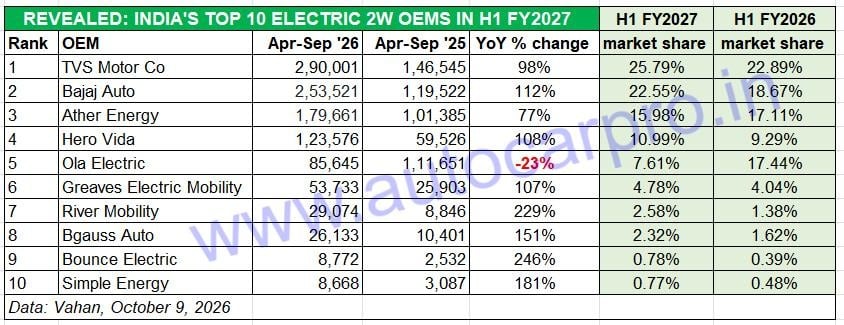
Electric 2W market leader TVS nearly doubled its first-half retail sales YoY to 2.90 lakh units, giving it a 26 percent market share. For TVS, EVs are now a key growth driver and every fifth scooter the company sells is now a zero-emission model. Bajaj, which sells multiple variants of the Chetak, has retailed 2.53 lakh units in the past six months. The strong performance gives it a current market share of 23 percent. Ather, in third position, has clocked retail sales of 1.79 lakh units in H1 FY2027. Ather crossed the 30,000 mark in three of the past six months, June, July and September. Its H1 FY2027 market share is 16 percent, one percentage less than H1 FY2026. A few days ago, cumulative Ather sales surpassed 8 lakh units, making it the fourth company after Ola, TVS and Bajaj to achieve that milestone.

Fourth-ranked Vida registered retail sales of 1.23 lakh units in first-half FY2027, up 107 percent YoY. Ola remains glued to the fifth rank with an 8 percent market share, considerably down from the 17 percent it had in H1 FY2026. Greaves Electric Mobility (GEM), manufacturer of Ampere e-scooters, has sold 53,733 units, comes in at sixth with a 107 percent YoY growth.

The Bengaluru-based River, which continues to impress month on month, has sold 29,074 units in H1 FY2027. The stellar performance sees River’s market share rise to 3 percent from 1 percent in H1 FY2026. The startup’s highest monthly sales came in July (6,044 units). In eighth place, the Mumbai-based BGauss has sold 26,133 units in H1 FY2027, registering a 107 percent growth compared to H1 FY2026. Bounce ranks ninth with 8,772 units, up 246 percent YoY. Simple, which has been a regular in the monthly top 10 e-2-wheeler sales listing since February 2026, has clocked cumulative six-month sales of 8,668 units, up 181 percent YoY. This momentum comes just as Simple launched its most affordable scooter yet, the Wave, starting at Rs 1.10 lakh.

India’s e-2-wheeler market with 200 players, is the largest contributor to India’s EV sales numbers with a 62 percent share of the total EVs sold in the April-September 2026 period. The market is currently led by TVS, Bajaj, Ather, Vida, Ola and GEM – who account for 88 percent share of the e-2-wheeler sales in H1 FY2027. Given its robust 76 percent growth so far, and the festive season having just begun, one can expect September’s record 2.07 lakh unit sales to be surpassed soon.

With inputs from Stephen Raj Antony.

2026 TVS Apache RTR 310 Variants Updated

2026 TVS Apache RTR 310 Variants Updated
An indoor render showing the TVS Apcahe RTR 310 Sepang Blue colour

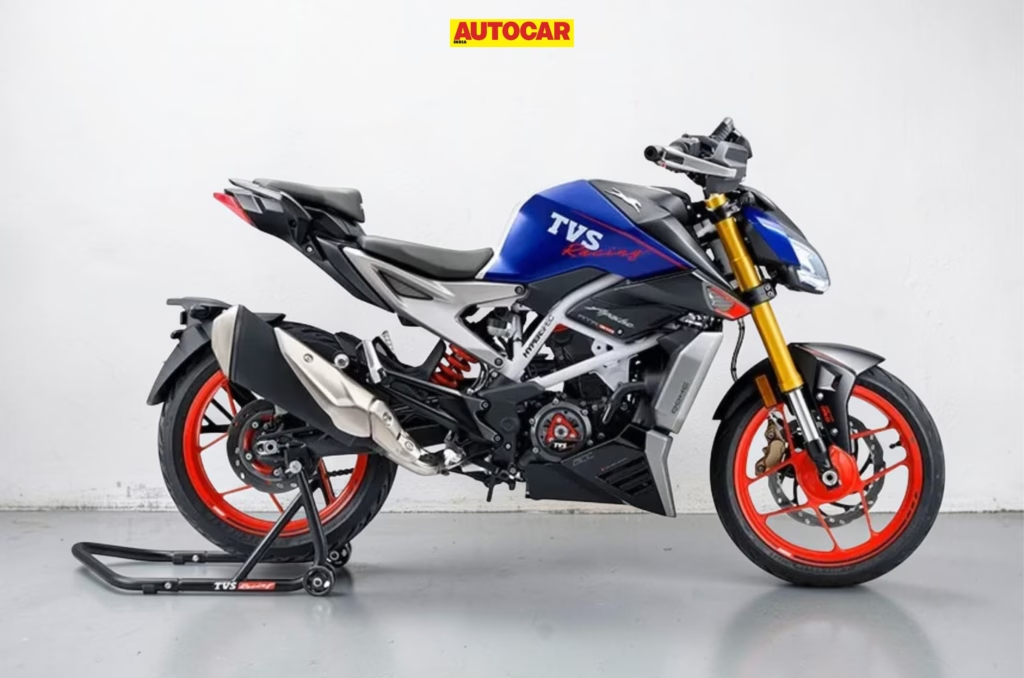
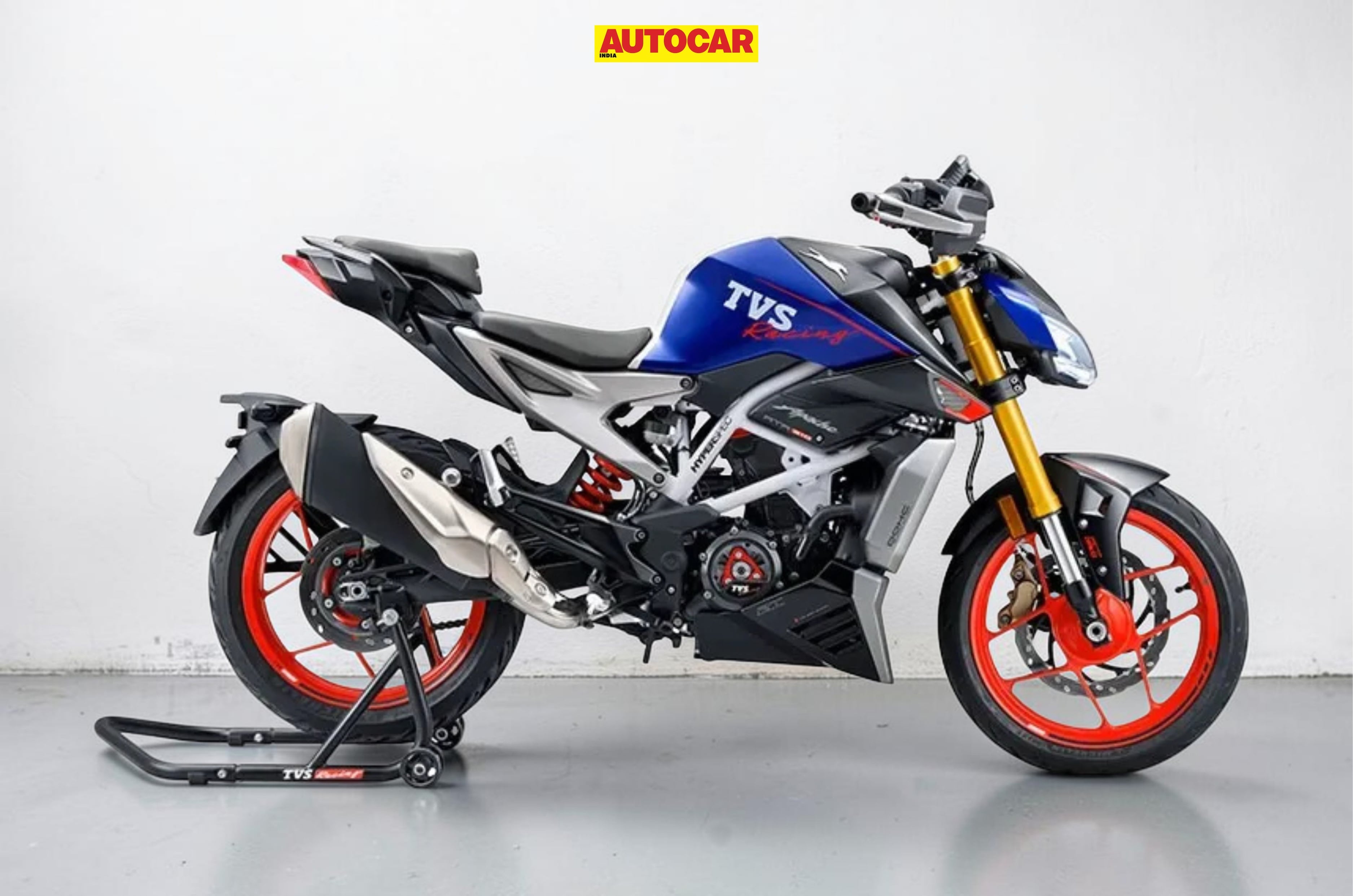
TVS has brought changes to its flagship streetfighter, the Apache RTR 310, just in time for the festive season. These revisions primarily focus on making the variant line-up simpler. Current prices range from Rs 2.3 lakh to Rs 2.97 lakh (ex-showroom, Delhi).

  1. Top variant discontinued
  2. Base now split into variants without quickshifter and with quickshifter
  3. BTO variants remain on sale

2026 TVS Apache RTR 310: Variant changes   

Sepang Blue colour, earlier reserved for BTO variants, now available on Base 

Earlier, the 2026 RTR 310 was offered in Base (Rs 2.4 lakh), Top (Rs 2.57 lakh), BTO Dynamic Kit (Rs 2.75 lakh) and BTO Dynamic Pro Kit (Rs 2.85 lakh) variants. TVS has now discontinued the Top variant, and split the base variant into ‘Base without quickshifter’ and ‘Base’ with quickshifter. The prices now start at Rs 2.3 lakh for the Base without quickshifter variant, which is only available in the Arsenal Black colour.

As for the next step up, the Base variant is available in four colour options: Arsenal Black and Fury Yellow for Rs 2.47 lakh, Fiery Red for Rs 2.52 lakh and Sepang Blue for Rs 2.57 lakh. The Sepang Blue was previously available only on the BTO variants and now costs Rs 10,000 more than the base black and yellow colours. Other special editions that are also offered on the base variant include the Black Diamond Edition (Rs 2.49 lakh) and the range-topping Anniversary Edition (Rs 2.97 lakh). As for the BTO variants, prices may change depending on the kit and colour.

The rest of the motorcycle remains the same as before. It continues to be powered by the 312cc reverse-inclined single-cylinder liquid-cooled engine producing 35.6hp and 28.7Nm of torque, paired with a 6-speed gearbox. Depending on the variant, the equipment list comprises adjustable suspension, cornering traction control, cornering ABS, TPMS, cruise control, and more.

All prices are ex-showroom, Delhi.