Honda, Suzuki and Yamaha e-scooter sales cross 10,000 units in 2026

Honda, Suzuki and Yamaha e-scooter sales cross 10,000 units in 2026
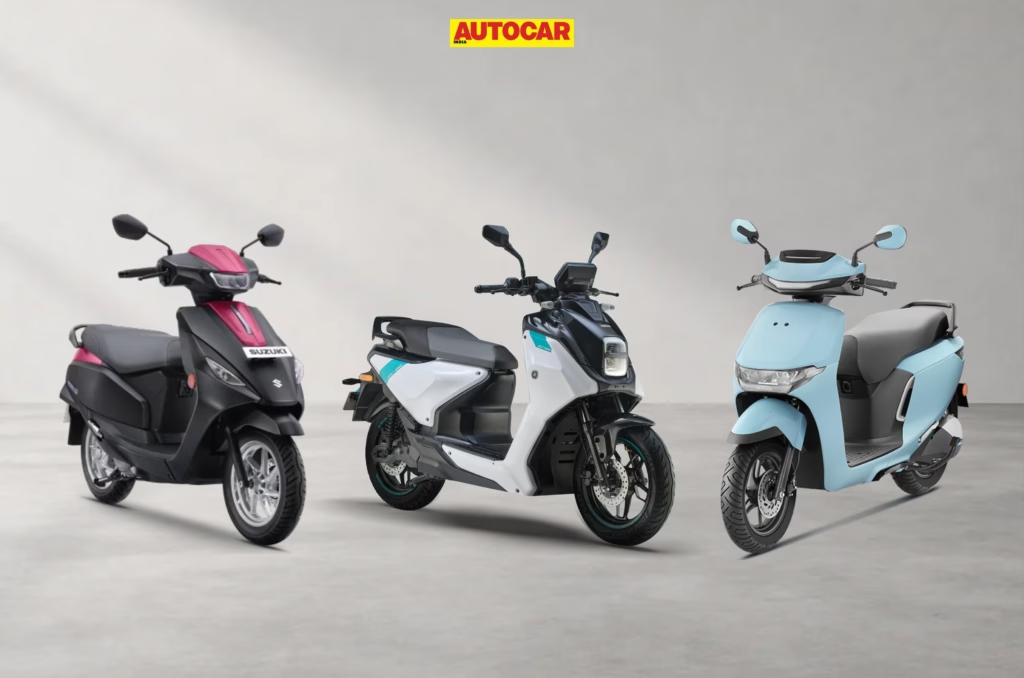
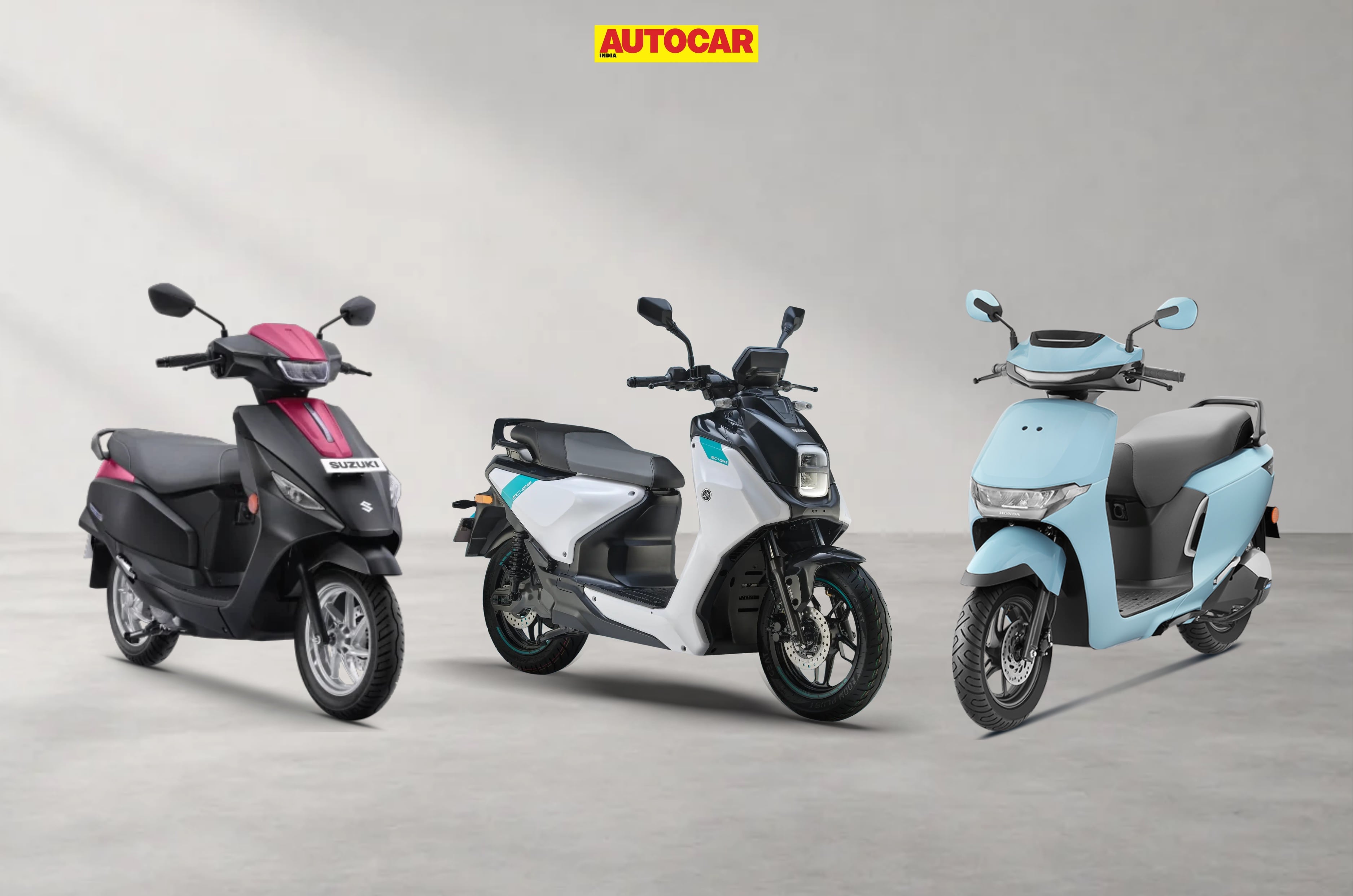
Graphic with Honda, Suzuki and Yamaha e-scooters

Cumulative retail sales of the three Japanese electric scooter manufacturers in India – Honda, Suzuki and Yamaha – have crossed the 10,000-units mark for the first time in a calendar year. As per the latest Vahan statistics, this triumvirate have delivered 10,735 units to their customers between January 1 and October 8 in 2026. 

Last year, Honda, which was the sole e-2-wheeler OEM in India, had sold 7,730 units of the Activa-e and QC1, less of the former and more of the latter. While Suzuki entered the market in January 2026 with its e-Access, Yamaha plugged in two months later in March with its EC-O6. This makes 2026 the first year when all these three Japanese OEMs are part of the Indian electric scooter market.

A look at the OEMs’ monthly performance reveals that Honda Motorcycle & Scooter India has sold 5,536 units in this year to date, accounting for 51 percent of the total 10,735 Japanese e-scooters delivered. HMSI’s best monthly sales this year were in September (1,107 units), marking the first time the OEM has crossed 1,000 units. This number can only improve following the recent launch of its third e-scooter for India – the QC3. 

The initial rollout of the QC3 will be limited to five cities across the country: Delhi, Agra, Cuttack, Surat and Kollam, with a nationwide rollout to follow in a phased manner.. 

Suzuki Motorcycle India, which entered the India e-2W market with its e-Access in January this year as an alternative to the popular petrol-engined Suzuki Access 125, has delivered 4,133 units till October 8. This gives the company a 39 percent share of the three Japanese OEM’s total e2W retail sales. The monthly sales chart reveals that monthly sales have crossed 600 units for three months running: July (606 units), August (674 units) and September (657 units). Rather creditable considering this is an expensive product, priced at Rs 1.88 lakh (ex-showroom) and the costliest amongst the Japanese EVs. 

India Yamaha Motor, which plugged into the e-2W market this March, has retailed 1,066 units, which gives it a 10 percent share of the 10,735 units delivered by Honda, Suzuki and Yamaha. Yamaha’s vehicle of entry is the EC-06, its first electric scooter developed in collaboration with River Mobility. IYM’s highest monthly sales to date were in September (232 units)

Japanese OEMs have 0.66 percent share of e-2Ws sold in 2026 so far

As the monthly retail sales data table depicts, combined Honda-Suzuki-Yamaha sales were at their highest in September 2026 (1,996 units), which gives them a 1 percent share of the record 2,07,850 e-2Ws sold in India last month. Of the total 16,10,854 e-2Ws sold between January 1 and October 8, these three Japanese OEMs with 10,735 units have a meagre 0.66 percent share. 

Among the reasons for their minimal presence in this booming segment of the Indian EV industry is that Honda, Suzuki and Yamaha entered the e-2W market late, as compared to their ICE legacy rivals TVS Motor Co (January 2020), Bajaj Auto (January 2020) or Hero MotoCorp Vida (November 2022).

While market leader TVS has sold 4,22,274 iQubes and Orbiters for a 26 percent market share of the e-2W sales in 2026 to date, Bajaj Auto has delivered 3,61,988 Chetaks (22 percent share), Ather Energy has sold 2,67,579 units (17 percent share) and Hero Vida 1,77,541 e-scooters (11 percent share). 

There is also the issue of their stiff model pricing in a value-conscious market, which has a plethora of more affordable e-scooters which are also more tech-laden, as well as a limited sales network compared to the Indian legacy OEMs as well as a host of startups which are regulars in the monthly Top 10 e-2W OEM chart. 
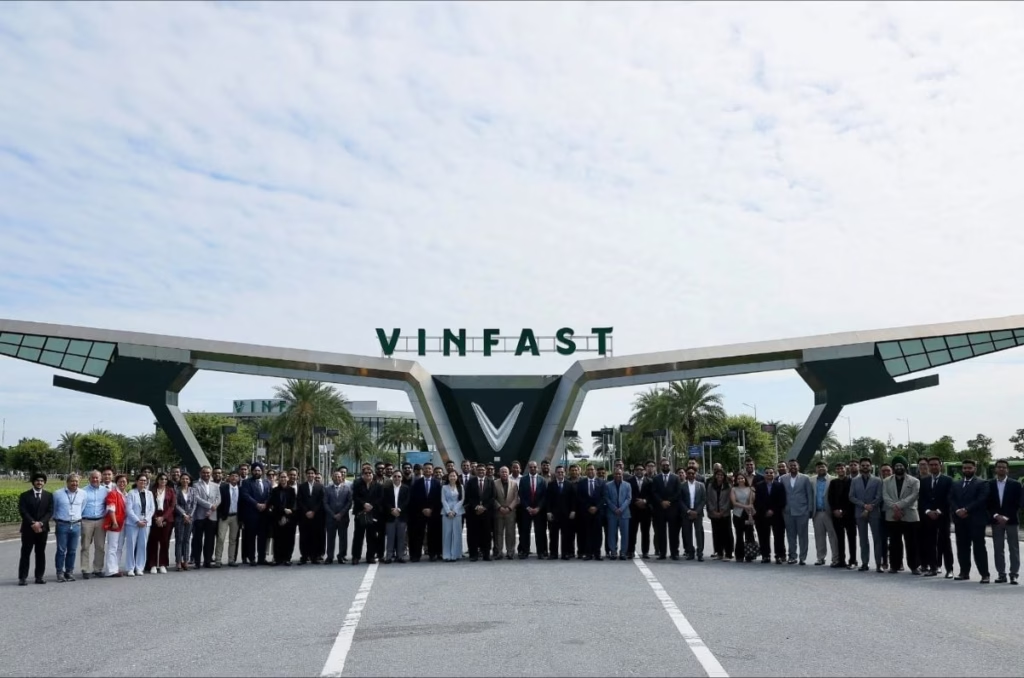
VinFast takes first step toward entering Indian two-wheeler market

VinFast takes first step toward entering Indian two-wheeler market
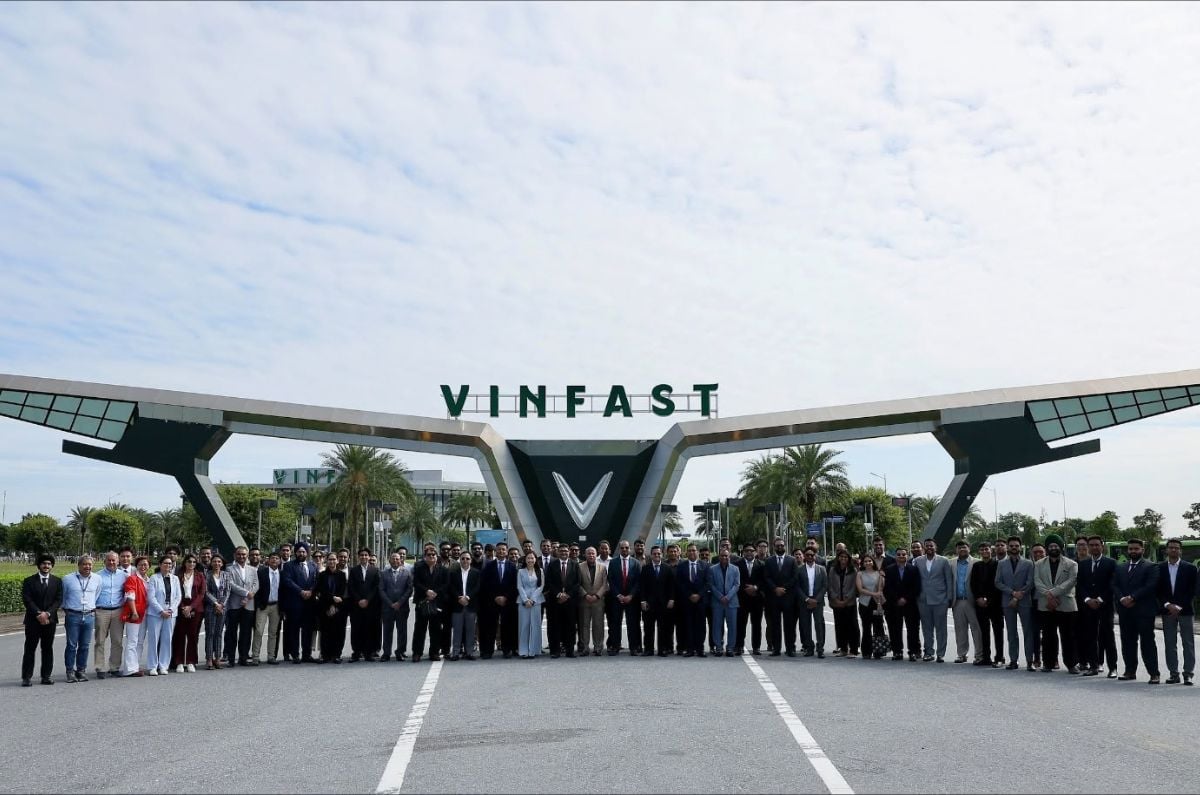
An outdoor image showing large group of people standing together in front of the Vinfast headquarter

VinFast entered the Indian market in 2025, with activities spanning from the distribution, manufacturing and assembly of electric cars. Following this, the brand also showed some e-scooters at Auto Expo and then subsequently patented designs of some of them in our market, all hinting at plans to enter the huge Indian two-wheeler market. The signing of these letters of intent (LOIs) and partnering with numerous electric two-wheeler dealers now marks a new phase in the brand’s expansion in the Indian market.

  1. Partnered with 50+ electric two-wheeler dealers across 15 states
  2. Plans to establish showrooms across 34 cities
  3. Line-up likely to feature the recently patented Viper and Rasad e-scooters

Retail network expansion details   

Over 50 showrooms panned 15 states

Vinfast and its dealer partners will work together to establish 50+ electric two-wheeler showrooms across 34 cities in 15 states and territories. The locations that the company is targeting to establish a presence in first include Delhi, Rajasthan, Punjab, Madhya Pradesh, Chhattisgarh, Uttar Pradesh, Maharashtra, Gujarat, Karnataka, Telangana, Tamil Nadu, Kerala, Andhra Pradesh, West Bengal and Odisha. Through these partnerships VinFast plans to bring its electric scooter line-up to the country, though it hasn’t shared any timelines so far. Initial line-up expected to feature the Viper and Rasad electric scooters, following design patents filed in India earlier this year.

These selected cities and regions have large two-wheeler markets, providing significant room for the brand’s expansion. VinFast says in fiscal year 2025-2026 there were 21.41 million two-wheelers registered, of which electric vehicles accounted for only 6.54 percent. When VinFast does officially launch some of its models in our country, it will have to ward off stiff competition from both established legacy players as well as mould-breaking start-ups like Bajaj, TVS, Hero, Suzuki, Yamaha, Ather and River.

Bajaj Pulsar NS200 Updated with Quickshifter and TFT display

Bajaj Pulsar NS200 Updated with Quickshifter and TFT display
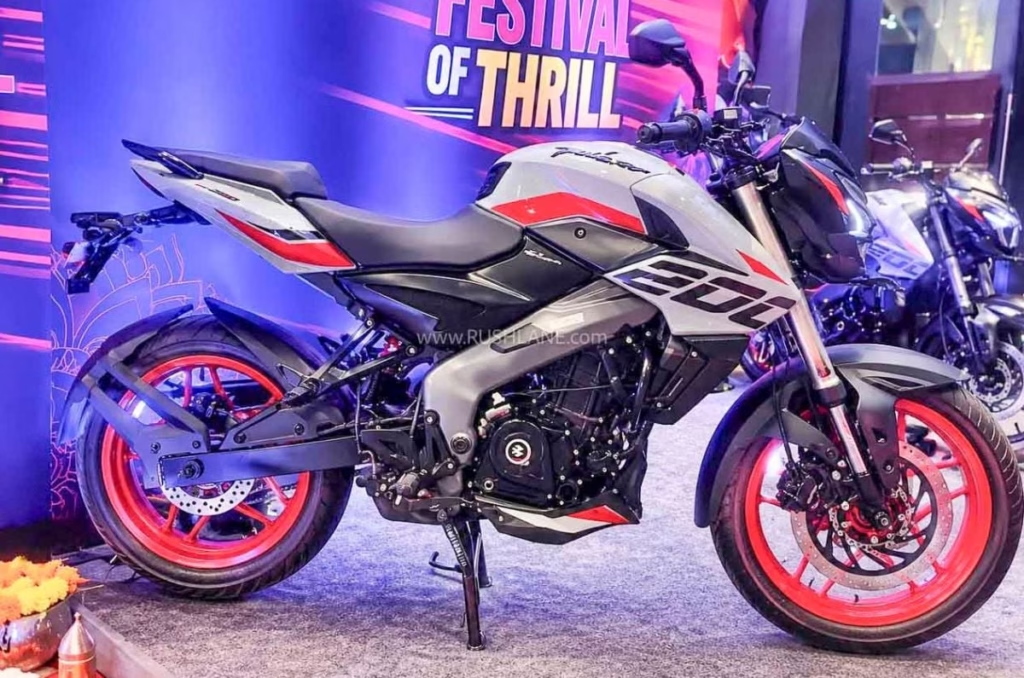
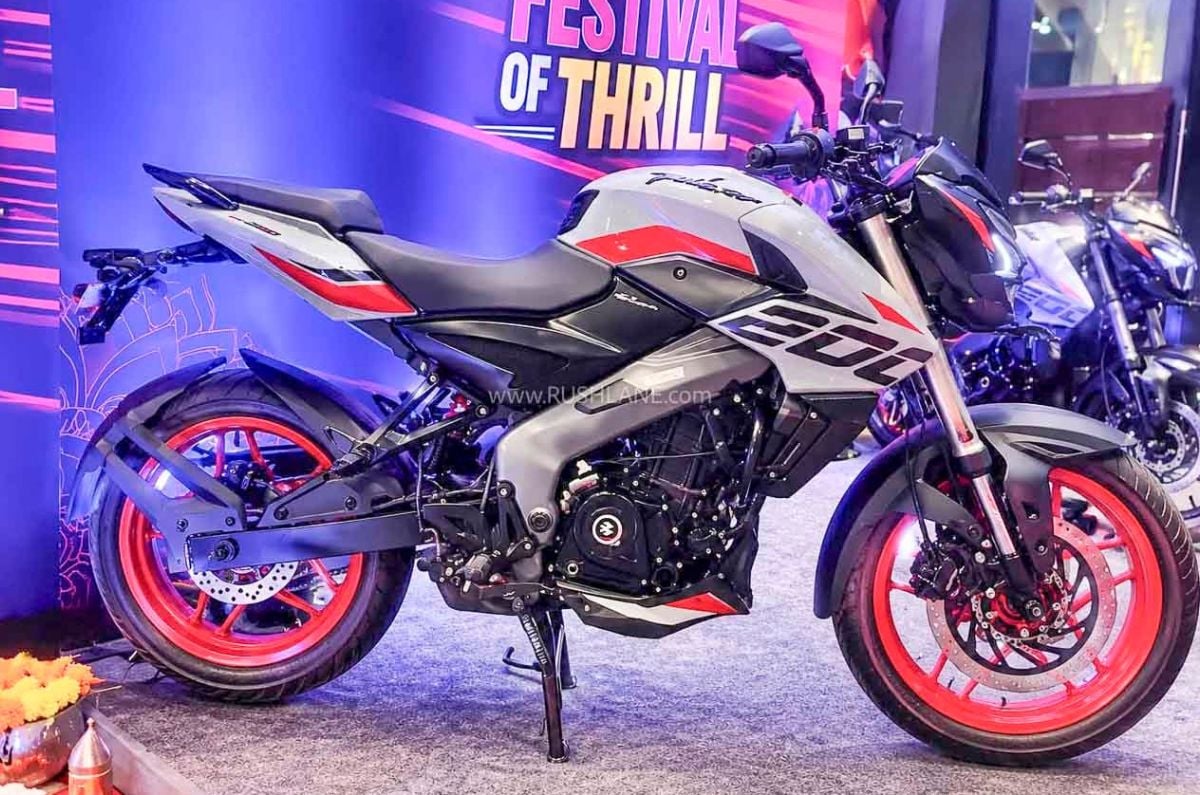
An indoor image showing the new Nardo Grey colour of the updated Pulsar NS200

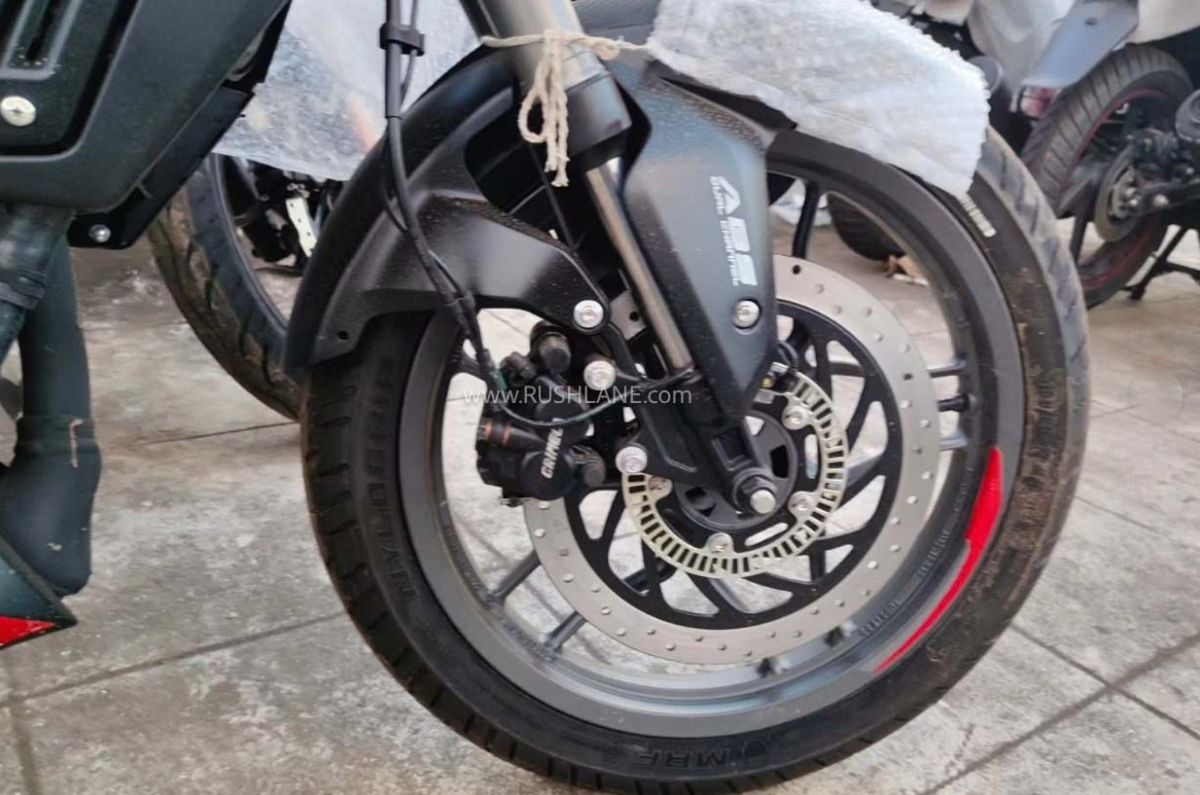
Bajaj continues to update its Pulsar line-up, and the latest one to see feature additions is the Pulsar NS200. While we had previously spotted the NS200 and the N250 with a new instrument cluster and WP USD front fork, the bike that has now reached dealerships doesn’t seem to have the latter feature.

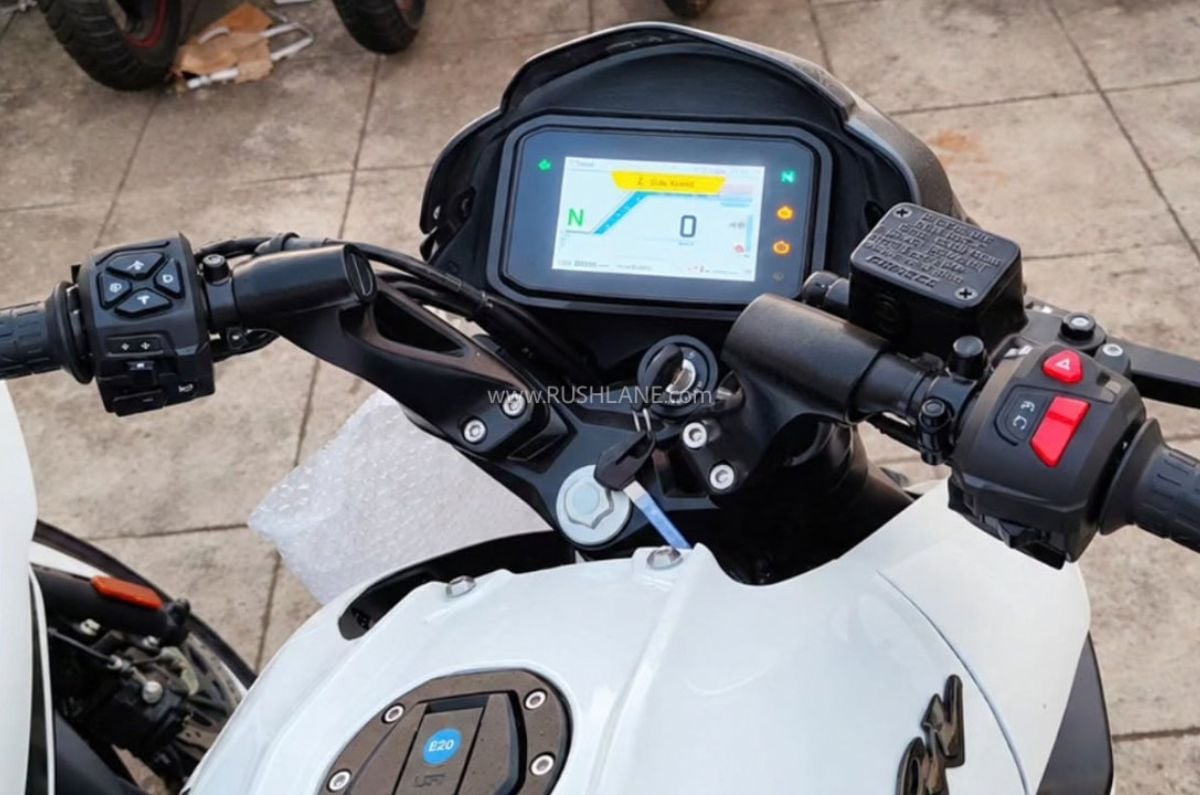
  1. Has a Quickshifter, 4 Ride Modes, Traction control, TFT instrument cluster
  2. Now gets Radial tyres, Adjustable levers and USB Type-C charging 
  3. A New Nardo Grey colour, price expected to increase from current Rs 1.48 lakh

Bajaj Pulsar NS200: what’s new?       

The 200cc engine now produces 25.5hp, 1hp bump

Having offered a bidirectional quickshifter, traction control and riding modes on the Pulsar NS400Z, Bajaj has now trickled these features down to the Pulsar NS200 as well. While the 37mm USD fork is carried over from before, radial tyres are a new addition to the motorcycle, though it remains unclear whether the bike features radial tyres at both ends or only the rear, there has been no official communication from the brand, hence the ambiguity.

There is also a slight bump in power as well, from 24.5hp of the current model to 25.5hp on the latest version. The 5-inch TFT instrument cluster with Google Maps mirroring, first introduced on the N160 SS, has also made its way here. Other listed features include USB Type-C charging, a hazard switch, a panic brake alert, and adjustable levers, though it remains unclear if the adjustability applies to both the clutch and brake levers.

For now, the announcement remains confined to the dealership level. The current USD-fork equipped Pulsar NS 200 is priced at Rs 1.48 lakh, which is on par with its chief rival, the TVS Apache RTR 200 4V (Rs 1.48 lakh to 1.49 lakh). However, given the additional features on the upcoming model, we can expect a price bump when Bajaj officially reveals it.

Source: Tarun Bajaj (X) 

Suzuki V-Strom SX gets a New Matte Grey Colour

Suzuki V-Strom SX gets a New Matte Grey Colour
An indoor studio render showing the new Matte Grey colour option of the Suzuki V-Strom SX

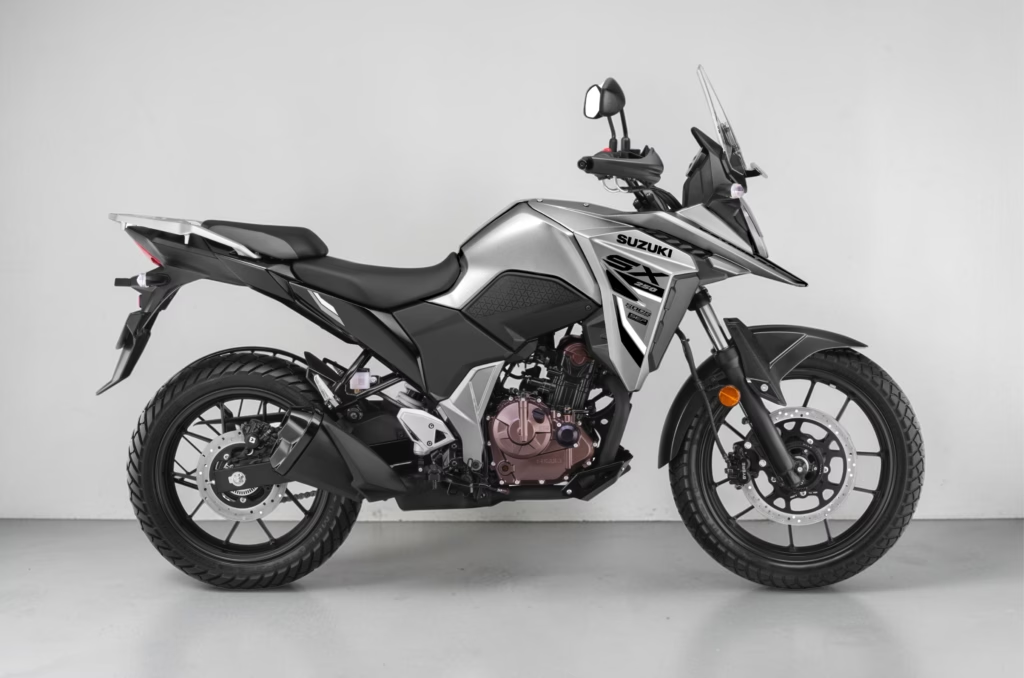
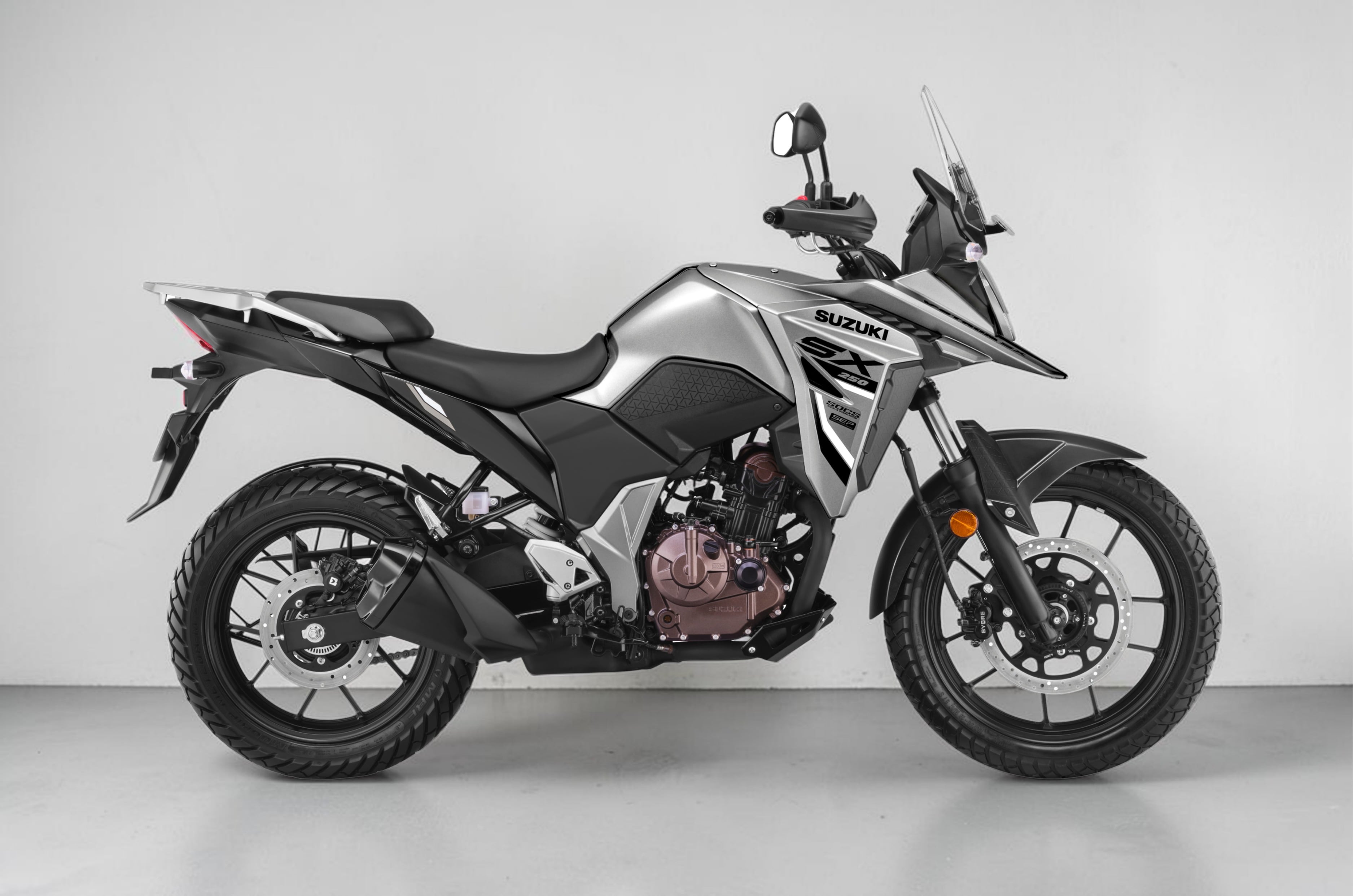
Suzuki has launched a new matte grey colour for the V-Strom SX at Rs 2.02 lakh (ex-showroom, Delhi), the same price as the other colours. The new colour sits alongside the other colour options of the motorcycle. Besides the new colour, the motorcycle remains mechanically unchanged.

  1. Mechanically identical to the existing V-Strom SX
  2. No change in price
  3. Customers will receive a Rynox apparel voucher worth Rs 5,000

V-Strom SX gets a new colour but no changes otherwise       

Uses the same 249cc engine and features

As mentioned above, the Suzuki V-Strom SX uses the same 249cc oil-cooled single-cylinder engine, which delivers 26.5hp at 9,000rpm and 22.2Nm of torque at 7,300rpm paired with a 6-speed gearbox. The design, features and pricing remain the same as the existing model. Suzuki is now also offering a Rynox apparel voucher worth Rs 5,000 to the V-Strom SX customers, subject to terms and conditions.

At this price point the V-Strom SX is now competing against other popular offerings in the adventure segment like the Hero Xpulse 210 (Rs 1.68 lakh to Rs 1.77 lakh) and TVS Apache RTX 300 (Rs 1.99 lakh to Rs 2.39 lakh). For those in the market for a simple Japanese machine with an air/oil-cooled engine in this displacement bracket, there’s also the new Honda XR300L (Rs 1.83 lakh) and XR300 Rally (Rs 2.08 lakh) which will be factored in, although the Hondas are far more off-road capable than the Suzuki.

All prices are ex-showroom

Norton Roven, Inter and Avelon trademarked

Norton Roven, Inter and Avelon trademarked
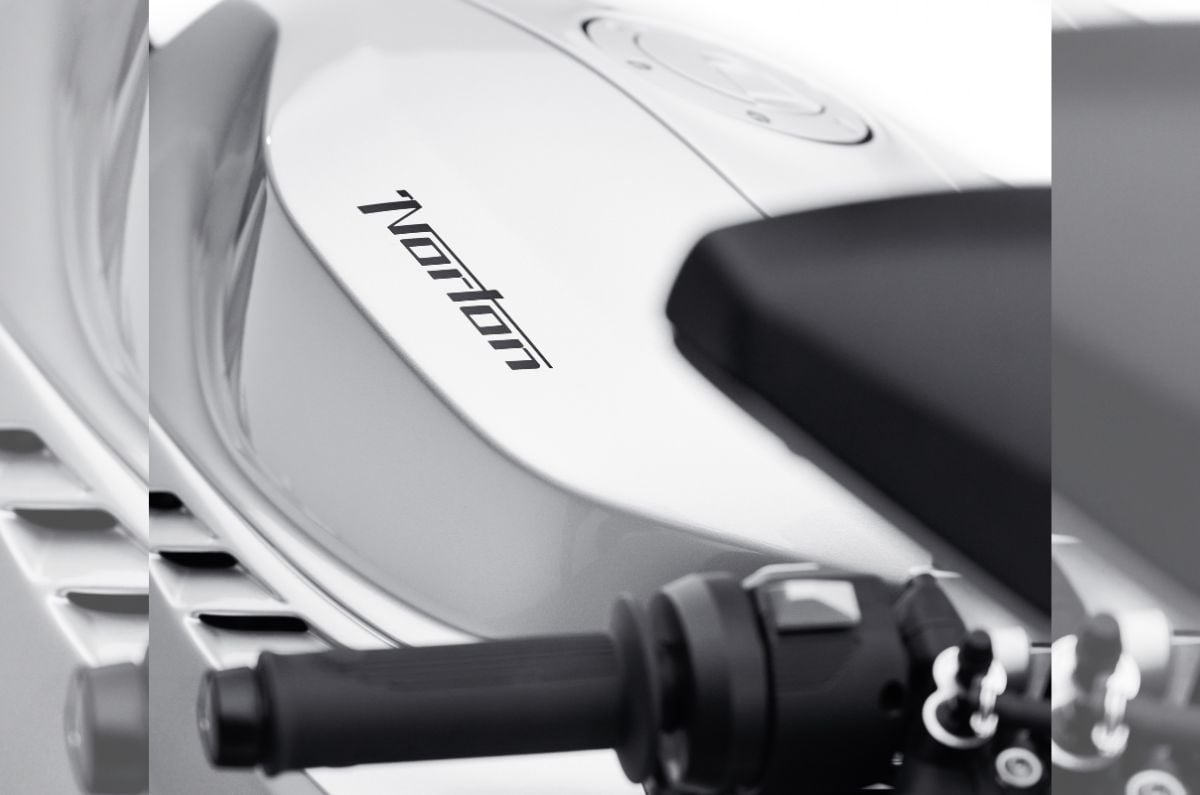
A close-up image of Norton's updated logo.

TVS’s revival of the Norton brand has been going swimmingly so far, with the brand already launching two motorcycles in Europe: the Manx R and, recently, the Atlas. The Manx and Manx R share a platform as Norton’s flagship motorcycles, while the Atlas uses a 585cc twin-cylinder engine and is built completely in India. It now seems like the brand might be expanding its portfolio, if its new trademark applications are anything to go by.

  1. Norton currently sells two motorcycles in Europe: Manx R and Atlas
  2. Manx and Atlas GT have been revealed but haven’t been launched yet
  3. Norton’s India entry is on the cards, with the Atlas expected to be the first model

Norton’s revival backed by TVS: What’s happened so far?

Two products launched in Europe, Indian launches pending

The UK-based manufacturer has recently trademarked three new names: International (also referred to as Inter in some places), Avelon and Roven. These could be upcoming motorcycles from the brand, but we currently don’t have more details as to what kind of bikes or a possible timeline for any of them. This isn’t the first time the brand has been noted for trademarking names, though.

Back in 2020, we reported Norton had trademarked six names: Combat, Electra, Fastback, Navigator, Nomad and Ranger. These applications were filed shortly after TVS took over the brand, so at that time, the names were thought to indicate the first set of products from the rejuvenated legacy manufacturer. Six years later, Norton still hasn’t used these names, so the trademarks by themselves don’t necessarily reveal anything concrete.

Currently, the brand’s UK website lists four motorcycles: Manx R, Atlas, Manx and Atlas GT – of which the first two are on sale. The Manx R starts at GBP 20,250 (Rs 25.73 lakh) and the Atlas at GBP 8,250 (Rs 10.57 lakh). The Manx R did its job very well in re-introducing the brand to the world. Our first ride impressions of the Atlas were also encouraging, and the motorcycle should act as a good upgrade to the current ~400cc adventure tourer segment, which has seen a lot of action lately. The Atlas has a 585cc twin-cylinder engine that makes 69hp and 57.5Nm. Norton has positioned the Atlas as more of a tourer, with features such as cruise control and advanced rider aids like lean-sensitive ABS, traction control, slide control and launch control. We expect the Atlas to be priced lower in India compared to the UK since it is being manufactured here.

Going back to the names, Norton has long been rumoured to be working on a more affordable, single-cylinder platform for value-sensitive markets – like India – and it isn’t far-fetched to think one of these trademarked names could be used for products born out of that platform. Although time (and TVS) will tell where this actually leads. For now, we look forward to Norton bringing its current roster to India and hope to see the Atlas being priced competitively. Though our first ride impressions of it were good, we’d love to see how it stacks up in home territory against rivals like the Honda NX500, Kawasaki Versys 650 and the soon-to-be-launched Royal Enfield Himalayan 750.

Source: MOTOBOB (Instagram); All GBP-to-INR conversions are based on exchange rates at the time of writing.

September 2026 two-wheeler sales: Hero reclaims top spot

September 2026 two-wheeler sales: Hero reclaims top spot
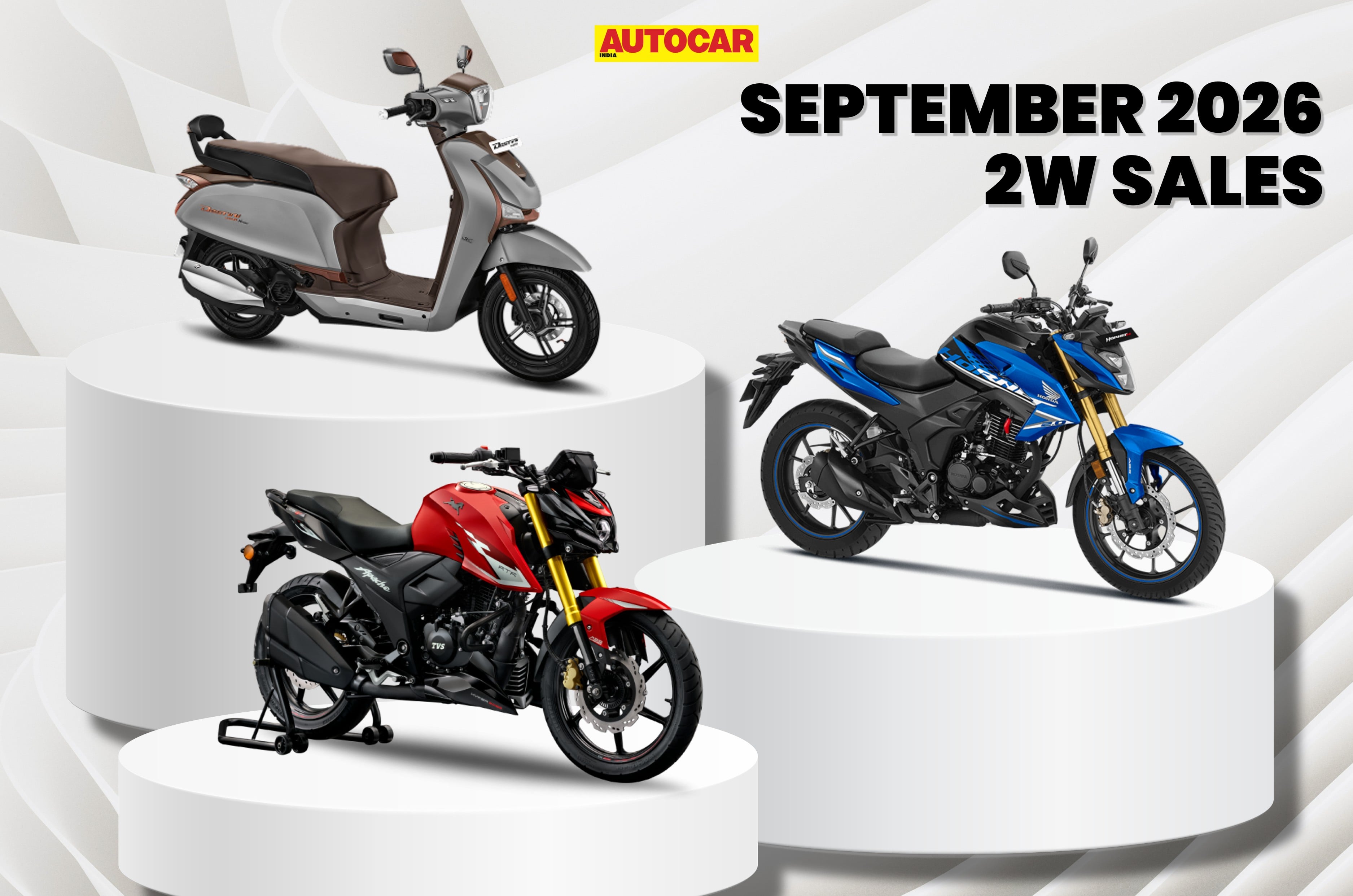
september 2026 2w sales grahpic

The run-up to the festive season drove two-wheeler sales across the board in September 2026, with most major manufacturers posting double-digit year-on-year (YoY) growth. Hero MotoCorp led the industry in volumes, while Honda and TVS also delivered strong performances on the back of surging demand.

Hero: 7,66,348 units

Hero MotoCorp reported total dispatches of 7,66,348 units in September 2026, up 12 percent over the 6,87,220 units recorded in the same month last year. The company’s domestic ICE business contributed 7,10,436 units, with scooters recording particularly strong 60 percent YoY growth. Hero MotoCorp’s electric vehicle arm, Vida, dispatched 28,798 units, representing 83 percent growth.

Honda: 7,06,266 units

Honda Motorcycle and Scooter India (HMSI) clocked 7,06,266 units, a 24 percent jump from the 5,68,164 units sold last September. Domestic sales grew 26 percent to 6,36,768 units, while exports rose 11 percent to 69,498 units.

TVS: 6,45,955 units

TVS Motor Company posted two-wheeler sales of 6,45,955 units, up 23 percent over the 5,23,923 units recorded in September 2025. Domestic two-wheeler sales grew 17 percent to 4,82,073 units, while electric two-wheeler sales more than doubled, rising 110 percent to 65,799 units compared to 31,266 units a year ago.

Bajaj: 4,51,494 units

Bajaj Auto sold 4,51,494 two-wheelers last month, up 5 percent over the 4,30,853 units recorded in the same month last year. Domestic two-wheeler volumes declined 12 percent to 2,39,771 units, but the company offset this with a 34 percent surge in exports to 2,11,723 units.

Royal Enfield: 1,33,958 units

Royal Enfield posted its highest-ever monthly dispatch total of 1,33,958 motorcycles this past month, up 8 percent over the 1,24,328 units recorded in September 2025. Domestic sales grew 7 percent to 1,21,326 units, while exports were up 17 percent to 12,632 units. The milestone month coincided with the launch of the Himalayan 440, which, according to the company, is fully booked for the next six months. Royal Enfield’s electric brand, Flying Flea, also began its European expansion, with the C6 going on sale across five cities – Paris, Barcelona, Rome, Berlin and London.

Suzuki: 1,33,688 units

Suzuki recorded total sales of 1,33,688 units in September 2026, up 8 percent over the 1,23,550 units recorded last year. Domestic sales grew 3 percent to 1,08,806 units, while exports registered a sharper 41 percent increase to 24,882 units.

E3 Trion deliveries begin

E3 Trion deliveries begin
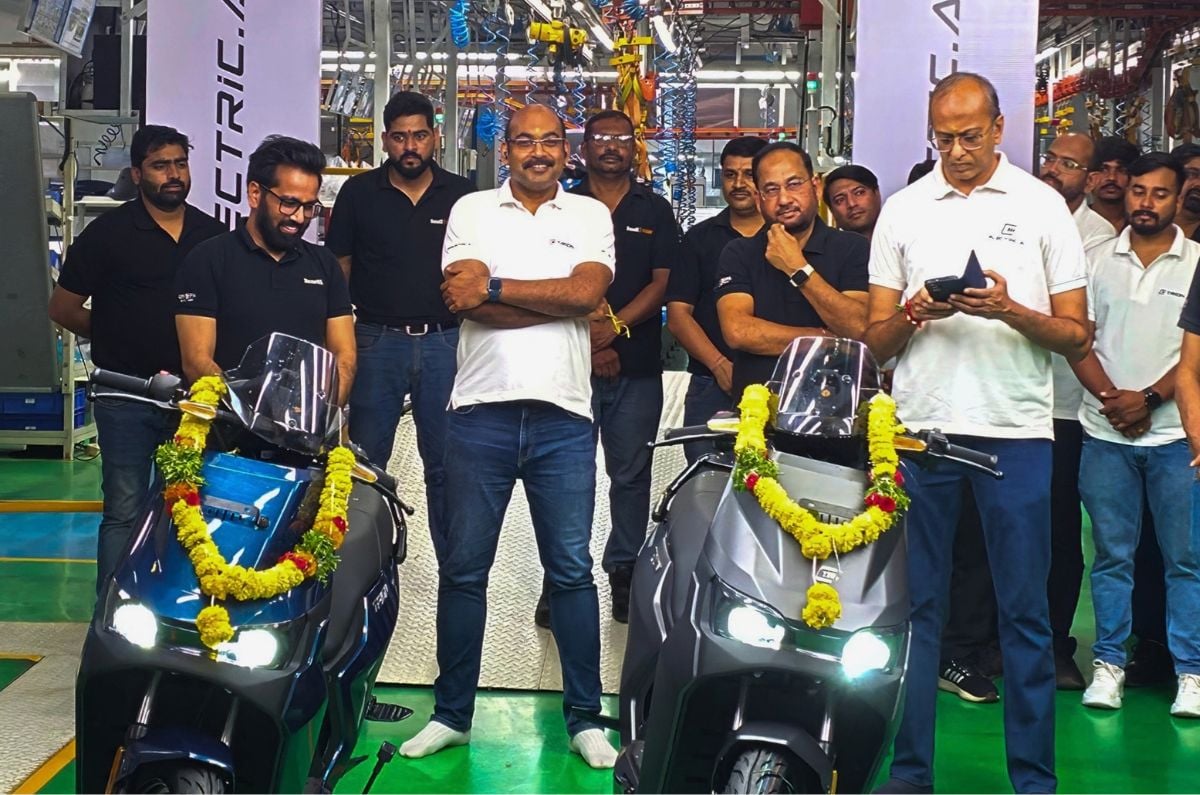
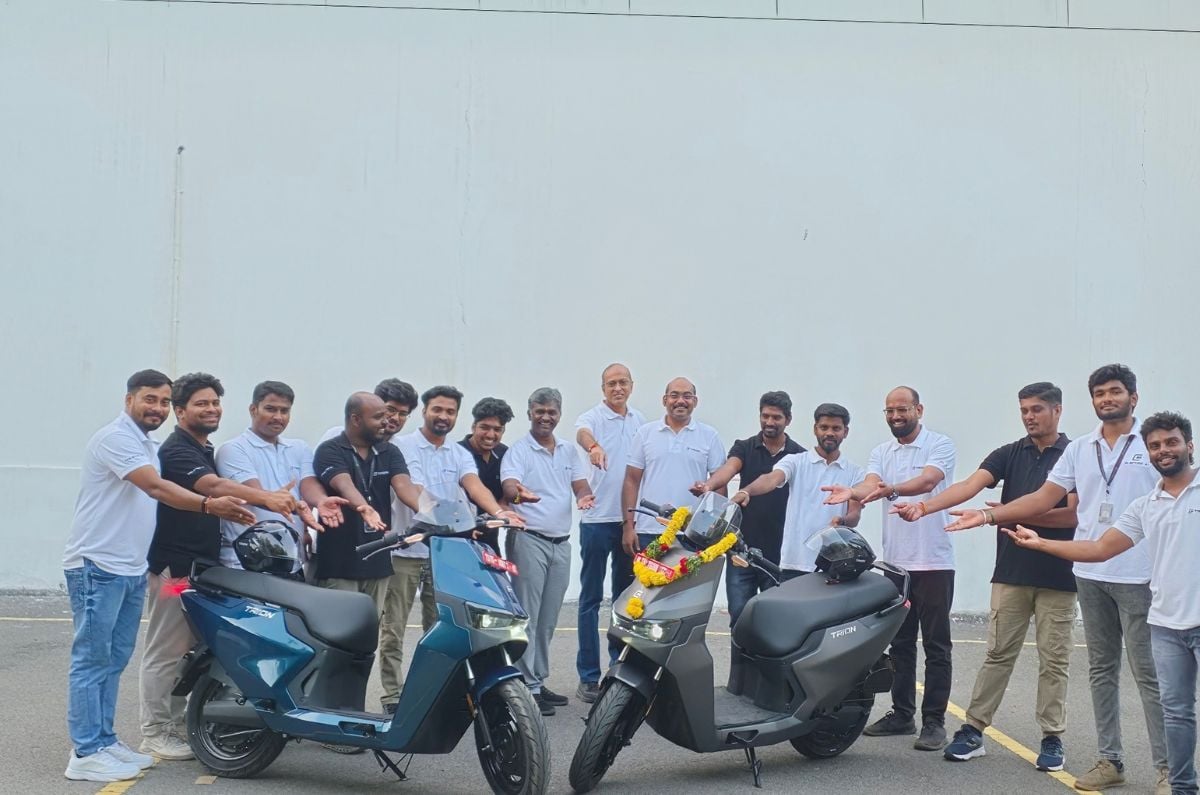
An indoor image showing the roll-out of E3 Trion from factory-line

Bengaluru-based electric mobility startup E3 Electric.Ai has started production of the E3 Trion electric scooter at its Hyderabad manufacturing plant and it will begin deliveries from today onwards.

  1. Available in two battery pack options across three variants
  2. The first 100 customers will receive optional extended warranty at an additional cost
  3. Prices start at Rs 1 lakh and go up to Rs 1.20 lakh (ex-showroom Bengaluru)

E3 Trion details  

Offered in 2.3kWh and 3kWh battery packs, with up to 165km IDC range

The E3 Trion is offered in three variants: C1, C1X and C2 and deliveries for the variants will begin in a phased manner. Across the three variants, the scooter will be available in two battery pack options 2.3kWh and 3kWh. The base C1 is offered in the 2.3kWh battery pack which is removable, whereas the C1X and C2 will comprise the 3kWh fixed battery pack. The C1, C1X and C2 have a claimed IDC range of 108km, 165km and 128km respectively. The scooters will feature 14-inch wheels at both ends

The first 100 E3 Trion customers will receive an extended warranty covering the battery pack and specified key parts for eight years or 1 lakh kilometres, whichever comes first. They will also receive one year of E3 Wingman roadside assistance as well. The combined offering is valued at Rs 6,500 for the C1 with its 2.3kWh battery and Rs 8,500 for the C1X and C2, which uses a 3kWh battery.

With pricing starting at Rs 1 lakh for the base C1, Rs 1.10 lakh for the C1X, and Rs 1.20 lakh for the top-spec C2 variant, the E3 Trion goes head-to-head with established family scooters like the Bajaj Chetak, TVS Orbiter V2, TVS iQube 3.1kWh, Ampere Nexus EX+, and Ather Konarc. 

TVS Motor ने मचाई धूम, सितंबर में बिक्री 24% बढ़ी; इलेक्ट्रिक स्कूटरों की डिमांड दोगुनी से ज्यादा

TVS Motor Sales September 2026: TVS Motor Company ने सितंबर 2026 में शानदार बिक्री दर्ज की है। कंपनी ने इस महीने कुल 6.73 लाख यूनिट्स बेचीं, जो पिछले साल सितंबर के मुकाबले 24% ज्यादा है। कंपनी की दोपहिया गाड़ियों की बढ़ती मांग, इलेक्ट्रिक व्हीकल्स की बिक्री में तेज बढ़ोतरी और विदेशों में मजबूत कारोबार की वजह से बिक्री में यह बढ़त देखने को मिली। कंपनी की कुल बिक्री में सबसे बड़ा हिस्सा दोपहिया वाहनों का रहा। सितंबर 2026 में TVS Motor ने 6.46 लाख दोपहिया वाहन बेचे। यह सितंबर 2025 में बिके 5.24 लाख यूनिट्स के मुकाबले करीब 23% ज्यादा है। भारत में भी कंपनी की बिक्री में अच्छी बढ़ोतरी हुई। घरेलू बाजार में TVS Motor ने सितंबर 2026 में 4.82 लाख यूनिट्स बेचीं, जबकि एक साल पहले इसी महीने में 4.13 लाख यूनिट्स की बिक्री हुई थी। यानी घरेलू बिक्री में करीब 17% की बढ़ोतरी दर्ज की गई।

TVS Motor के इलेक्ट्रिक टू-व्हीलर की बिक्री में 110% की जबरदस्त बढ़ोतरी

TVS Motor के इलेक्ट्रिक स्कूटरों की मांग भी तेजी से बढ़ रही है। सितंबर 2026 में कंपनी ने इलेक्ट्रिक दोपहिया वाहनों की 65,799 यूनिट्स बेचीं। जबकि पिछले साल सितंबर में कंपनी की इलेक्ट्रिक दोपहिया बिक्री 31,266 यूनिट्स थी। इस तरह सालाना आधार पर इलेक्ट्रिक दोपहिया वाहनों की बिक्री में 110% की बढ़ोतरी दर्ज की गई।

खास बात यह है कि TVS की इलेक्ट्रिक गाड़ियों की बिक्री में यह तेजी सिर्फ सितंबर तक सीमित नहीं रही। वित्त वर्ष 2026-27 की दूसरी तिमाही (Q2) में कंपनी ने कुल 1.86 लाख इलेक्ट्रिक दोपहिया वाहन बेचे। यह पिछले साल की इसी तिमाही के मुकाबले 133% ज्यादा है।

ग्लोबल शिपमेंट में 48% की बढ़ोतरी

TVS Motor ने सितंबर में सिर्फ घरेलू बाजार में ही नहीं, बल्कि विदेशी बाजारों में भी शानदार प्रदर्शन किया। सितंबर 2026 में कंपनी की कुल इंटरनेशनल बिक्री 1.81 लाख यूनिट्स रही, जो सितंबर 2025 में 1.22 लाख यूनिट्स के मुकाबले 48% ज्यादा है।

विदेशी बाजारों में कंपनी के कारोबार में सबसे बड़ा योगदान दोपहिया वाहनों का रहा। सितंबर में TVS ने 1.64 लाख दोपहिया वाहन एक्सपोर्ट किए, जबकि पिछले साल इसी महीने में यह आंकड़ा 1.11 लाख यूनिट्स था। यानी दोपहिया वाहनों के निर्यात में भी सालाना आधार पर 48% की बढ़ोतरी दर्ज की गई।

TVS Motor की इंटरनेशनल बिक्री में यह तेजी सिर्फ सितंबर तक सीमित नहीं रही। वित्त वर्ष 2026-27 की दूसरी तिमाही (Q2) में कंपनी की कुल इंटरनेशनल बिक्री में 35% की बढ़ोतरी दर्ज की गई। इससे साफ है कि विदेशी बाजारों में भी TVS के दोपहिया वाहनों की मांग लगातार मजबूत हो रही है।

अन्य खास बातें

थ्री-व्हीलर की बात करें तो, कंपनी ने सालाना आधार पर 57% की बढ़ोतरी दर्ज की और बिक्री 26,835 यूनिट रही, जबकि सितंबर 2025 में यह आंकड़ा 17,141 यूनिट था। TVS ने वित्त वर्ष 2026-27 की दूसरी तिमाही (Q2) में कुल लगभग 19 लाख (1.9 मिलियन) यूनिट की बिक्री दर्ज की, जिसमें टू-व्हीलर की हिस्सेदारी लगभग 18 लाख (1.8 मिलियन) यूनिट थी। इस तिमाही के दौरान टू-व्हीलर की बिक्री में पिछले साल की इसी अवधि की तुलना में 27% की बढ़ोतरी हुई। दूसरी तिमाही में थ्री-व्हीलर की बिक्री भी 47% बढ़कर 78,475 यूनिट हो गई, जो वित्त वर्ष 2025-26 की दूसरी तिमाही में 53,449 यूनिट थी।

यह भी पढ़ें: Aprilia SXR GT 125 और GT 175 लॉन्च, जानें कीमत, इंजन, ABS और फीचर्स की पूरी डिटेल

TVS Racing International Championship goes to Europe for the first time

TVS Racing International Championship goes to Europe for the first time
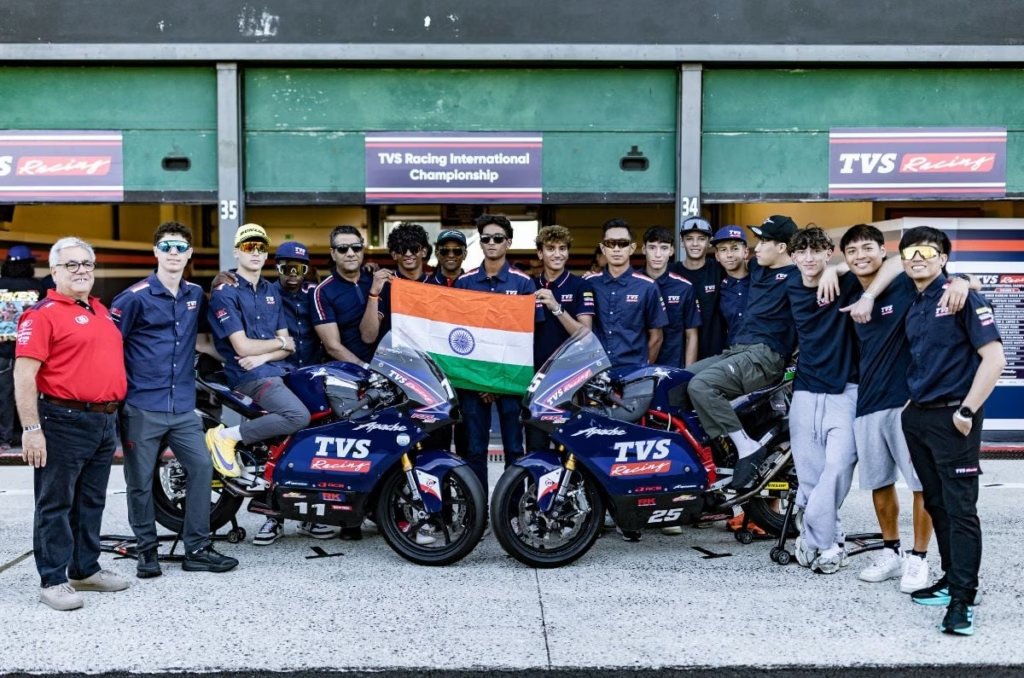
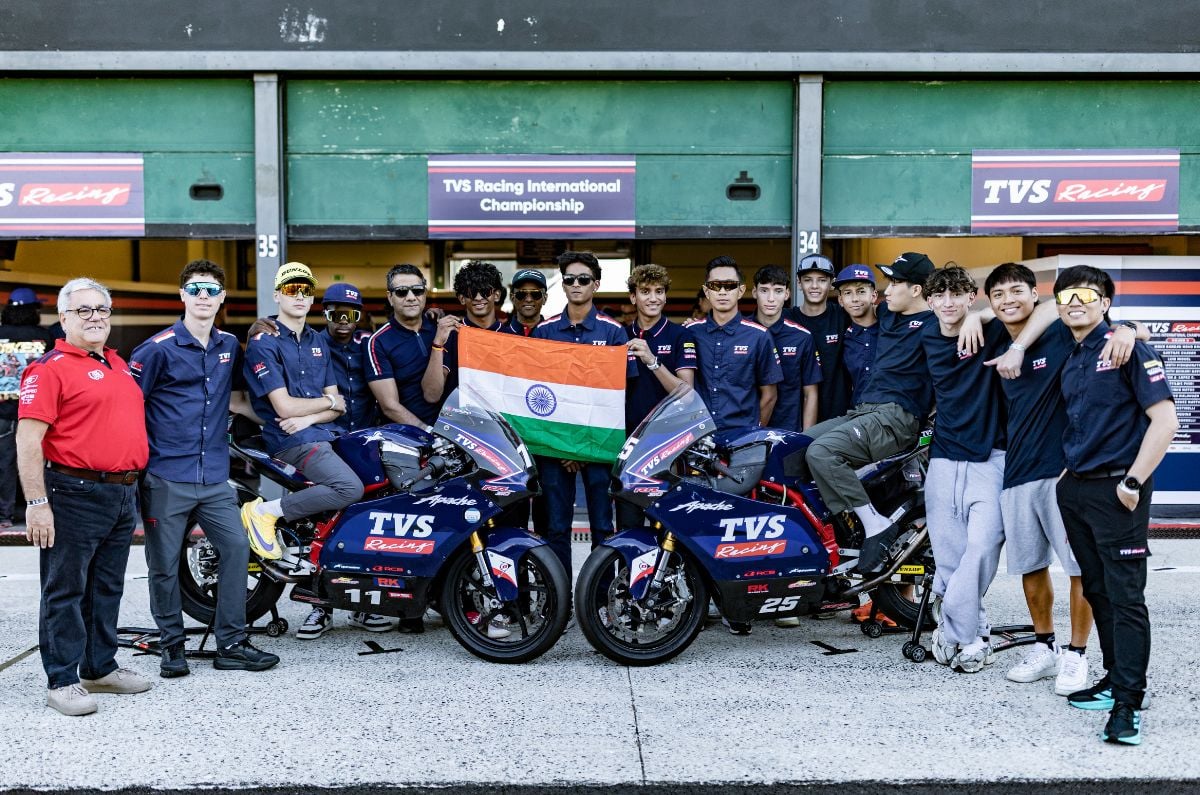
14 riders who participated on behalf of TVS Racing.

TVS Racing International Championship has gone to a European racetrack for the first time. The second last round of the season unfolded at the Misano World Circuit in Italy, alongside the Coppa Italia racing weekend – which includes superbike races, a Yamaha R7 one-make and an Aprilia RS 457 one-make racing championship.

  1. 14 riders competed in the TVS championship during the weekend
  2. Three of the 14 TVS Racing riders were from India

TVS Racing International Championship: First European racing weekend

Italian rider Cristian Borelli takes P1, Sarthak Chavan was the best Indian rider

Racing is hardly new for TVS as the company has had a factory racing program since 1982, starting with the TVS 50 moped. Two of its biggest developments in recent times were the team’s entry into the Asia Road Racing Championship (ARRC) in 2020 and a partnership with Petronas in 2022, which resulted in the creation of TVS Racing One Make Championship in Asia; now known as the TVS Racing International Championship.

However, this is the first time the championship has gone to Europe. In this case, to the Misano World Circuit in Italy. The paddock and the circuit last weekend were shared with Coppa Italia (Italian cup), with 14 riders of the TVS Racing program participating in two races of seven laps each. Three of the fourteen riders were from India, with Sarthak Chavan being the best performer of the three, finishing P7 in the first race, and P6 in the second. The other two Indian riders, Chiranth Vishwanath and Rakshith Srihari Dave finished their races in P10 and P11 in the first; and P8 and P12 in the second, respectively. Sarthak began both races in last after a crash in qualifying. The best overall performer was Italian rider Cristian Borrelli, who finished P1 in both races; the gap between him and Chavan was just 1.973 seconds in the second race.

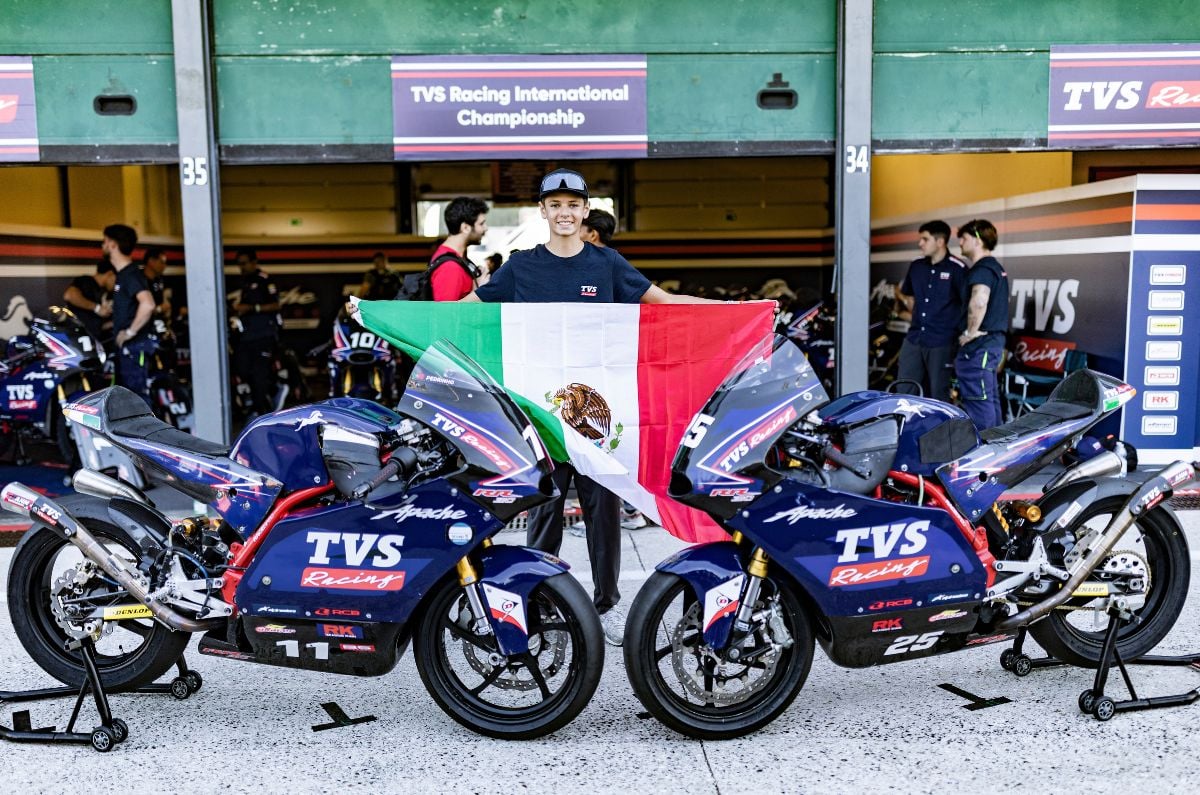
Cristian Borrelli, winner of both races in TVS Racing International Championship Round 4
Cristian Borrelli from Italy won both the races earning a double home victory.

With the previous round three in Motegi, Japan, Malaysian rider Mohd Ramdan Rosli tops the ARRC standings with 101 points. India’s Sarthak Chavan follows him with 80 points. Luis Miguel (Spain) with 54 points, Oratilwe Phiri (Republic of South Africa) also with 54 points, and Chiranth Vishwanath (India) with 49 points follow the two in P3, P4 and P5 respectively. Chiranth won the first of two races conducted in Round 3 with a 0.014 second lead awarding him the win.

The concluded round in Italy was round four and the second last round of the championship, with the last round slated to happen in Buriram, Thailand alongside ARRC. While this was the first time the championship went to an European racetrack, it certainly won’t be the last time. TVS Racing is likely to take the championship out of Asia again next year for at least one round, although exact details are yet to be revealed.

Ampere Nexus EX+ launched at Rs 1.30 lakh

Ampere Nexus EX+ launched at Rs 1.30 lakh
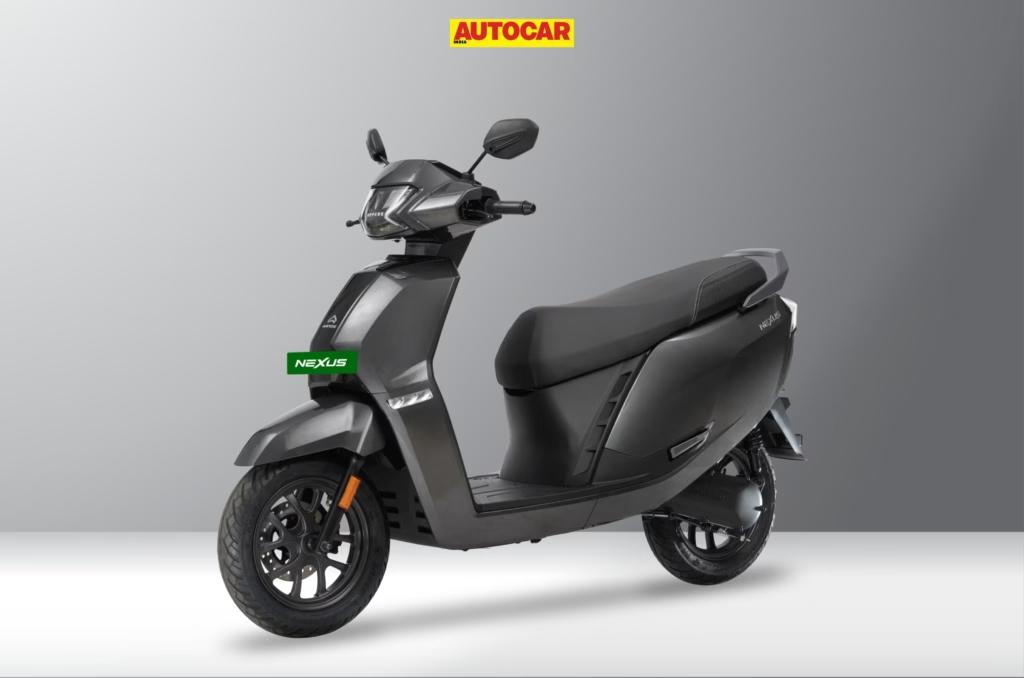
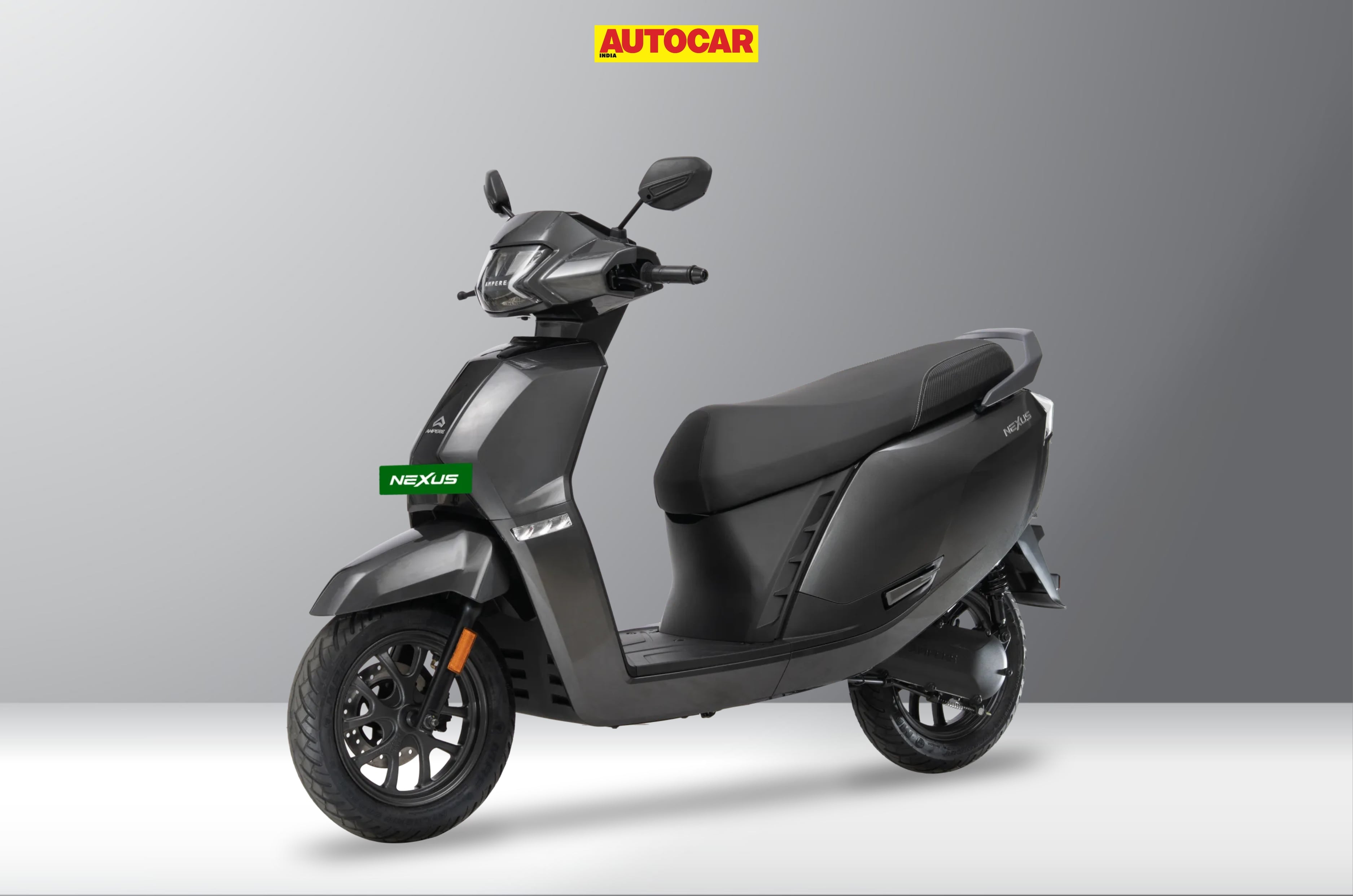
Studio render showing the front left quarter of Ampere Nexus EX+

Ampere has launched the Nexus EX+ at Rs 1.30 lakh, the electric scooter’s updated version, featuring a more powerful 5kW motor and an IP65-rated water-resistant charger. The e-scooter is available in two variants, with the higher-spec variant adding Ampere’s Intellipack connected technology, which brings features such as turn-by-turn navigation, geofencing, call alerts and more.

  1. EX+ gets a 5kW motor compared to the previous 4kW motor
  2. Now comes with an IP65-rated 750W charger
  3. Intellipack-equipped variant costs Rs 6,000 more

Ampere Nexus EX+: What’s new?

Now gets a powerful motor, IP65-rated charger and an optional Intellipack

The 5kW motor now produces 202Nm of peak torque at the wheel (bear in mind, the multiplication factor of the gearing on EVs always exaggerates torque numbers), which allows the scooter to accelerate from 0-40kph in 4.5 seconds (claimed). It is also claimed to improve the gradeability on steep climbs, flyovers and hilly roads. The scooter also gets an IP65-rated water-resistant 750W charger, which should give some peace of mind when charging out in open spaces or for those who don’t have shaded parking.

The Intellipack equipped version uses Ampere’s Connect App to provide more than 30 connected features. These include turn-by-turn navigation, geo fencing, call alerts, live location sharing, real-time charging status, find my scooter and many more. The standard Nexus EX+ is priced at Rs 1.30 lakh, while the Nexus EX+ with Intellipack costs Rs 1.36 lakh.

The scooter uses a 3kWh LFP battery with a claimed IDC range of 136km. The Nexus EX+ also gets a five-year/75,000km warranty for the battery and three-year/30,000km warranty for the rest of the scooter. The new Nexus EX+ and Nexus EX+ with Intellipack are available through Ampere dealerships across India.

Earlier, the Nexus was available in two variants EX and ST with their primary differences being the instrument clusters, connected features, and price points. Now, Ampere seems to have streamlined the portfolio and the two EX+ variants are the only way to buy a Nexus.

The Nexus EX+ is positioned in the mid-to-high segment of family electric scooters, where it competes with other major players like the TVS iQube 3.1kWh, Ather Konarc, Vida VX2 and the Chetak C3001, making it one of the compelling option for buyer prioritizing range and features.