Porsche Cayenne Electric India debut on September 30

Porsche Cayenne Electric India debut on September 30
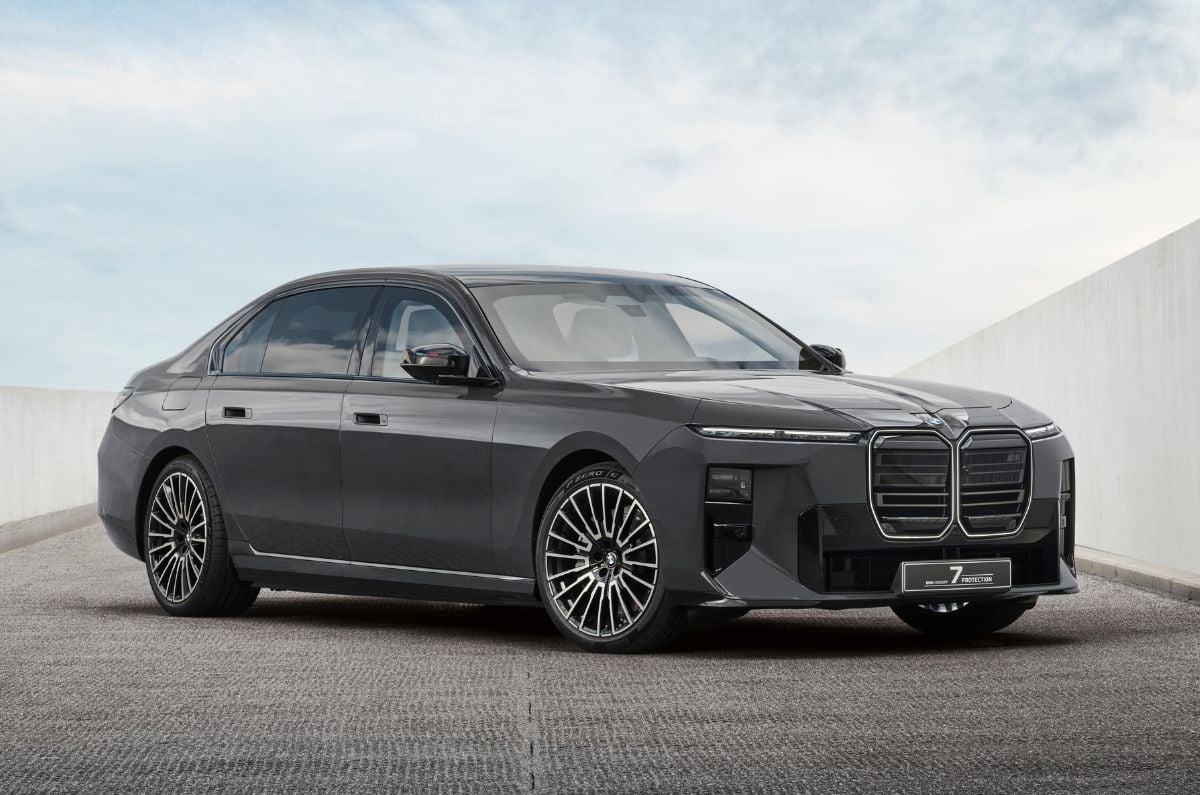
Porsche Cayenne Electric

Porsche is set to debut the Cayenne Electric in India on September 30. The electric SUV was launched in India earlier last year, with prices starting at Rs 1.76 crore (ex-showroom), and is available in Cayenne Electric and Cayenne Turbo Electric variants. 

  1. 113kWh battery pack with claimed range of up to 642km
  2. Optional 11kW wireless charging available
  3. Up to 1,156hp in Turbo Electric; 0-100kph in 2.5sec
  4. Adaptive air suspension offered as standard 

Porsche Cayenne Electric: Battery and range

The Cayenne Electric is available with a 113kWh battery and dual electric motors with all-wheel drive. The standard model produces 408hp and 835Nm, while the Turbo Electric makes 1,156hp and 1,150Nm.

The electric SUV does 0-100kph in 4.8sec, has an electronically limited top speed of 230kph and a claimed range of 642km. The Turbo Electric cuts the 0-100kph time to 2.5sec, has a 260kph top speed and a claimed range of 623km. Both variants get adaptive air suspension as standard, while rear-axle steering is optional.

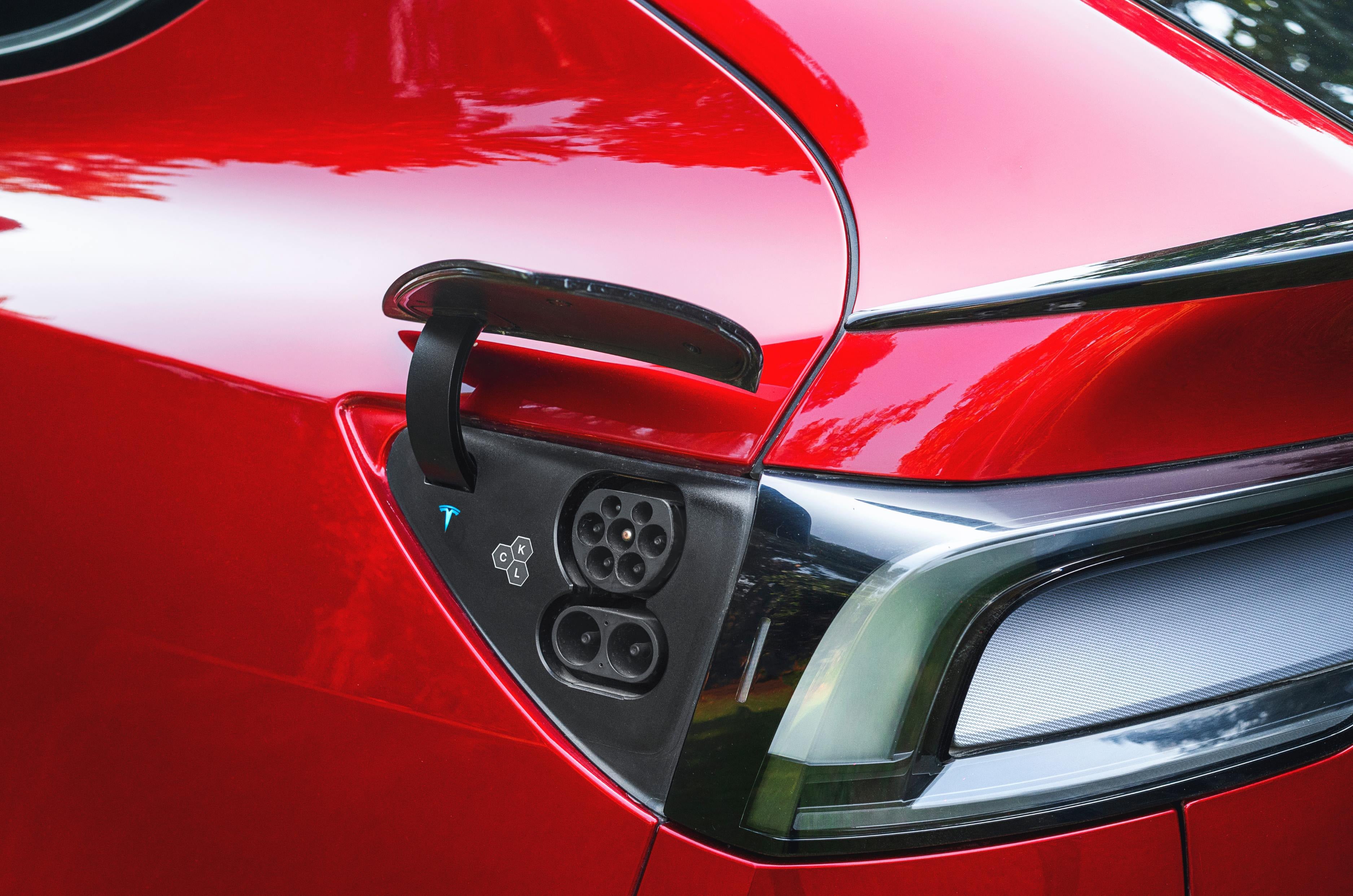
The Cayenne Electric can recover energy at a rate of up to 600kW through regenerative braking, depending on speed, temperature and battery charge level. Porsche says this is equivalent to Formula E levels of recuperation and claims that 97 percent of braking can be handled by the electric motors alone. The Cayenne Electric is also the first Porsche to be offered with an optional 11kW wireless charging system.

Porsche Cayenne Electric: Exterior

The Cayenne Electric retains the overall silhouette of the combustion-engined Cayenne but gets a revised front end. It has a blanked-off grille with air vents on either side of the bumper to cool the battery and electrical components, along with active aerodynamic vents lower down on the bumpers.

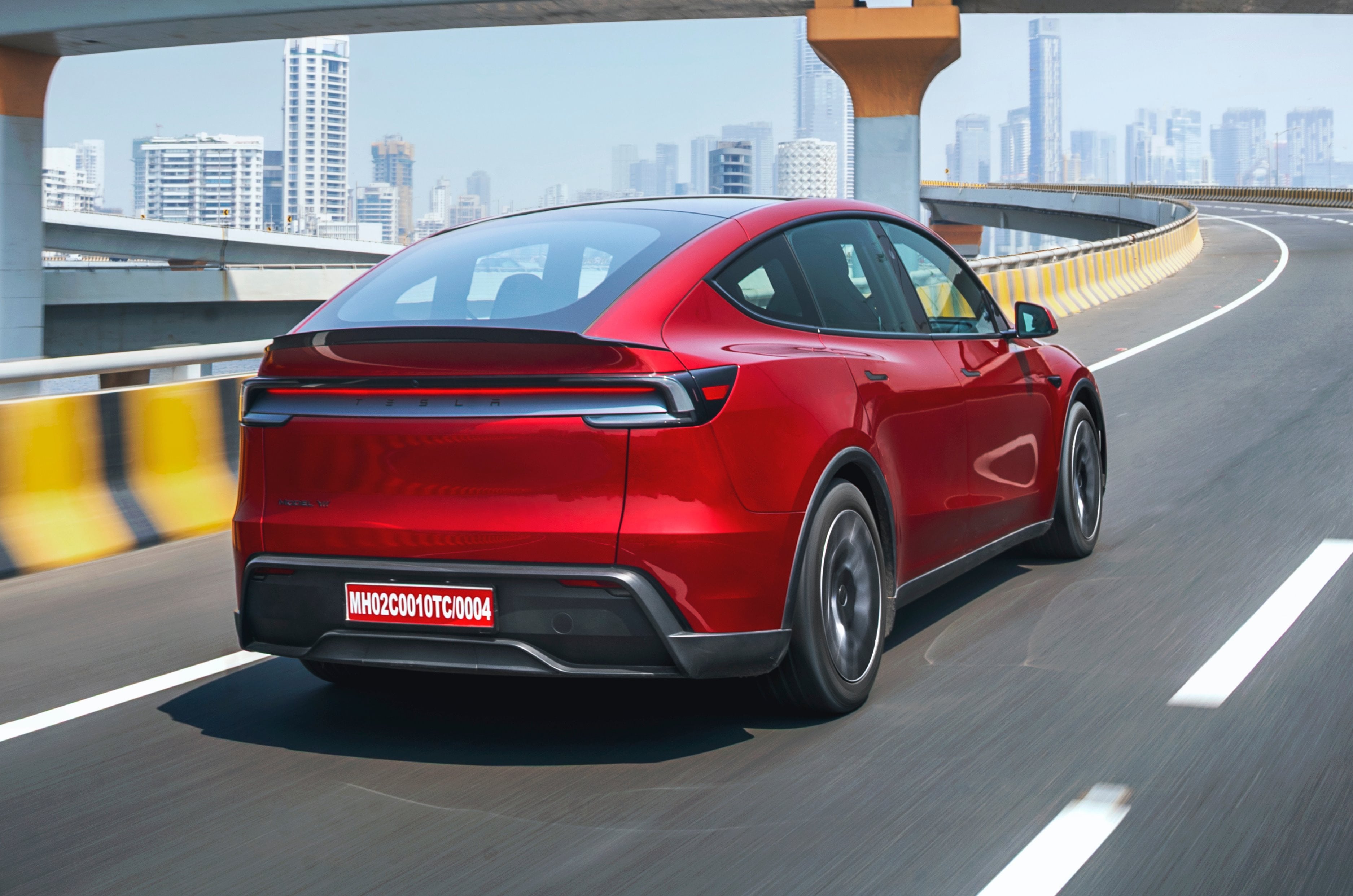
The SUV gets gloss-black lower cladding and 20- to 22-inch alloy wheel options. At the rear is a full-width LED light bar with illuminated Porsche lettering and a black bumper with horizontal elements. The Turbo Electric gets a body-coloured skid plate, while the standard version has an all-black finish.

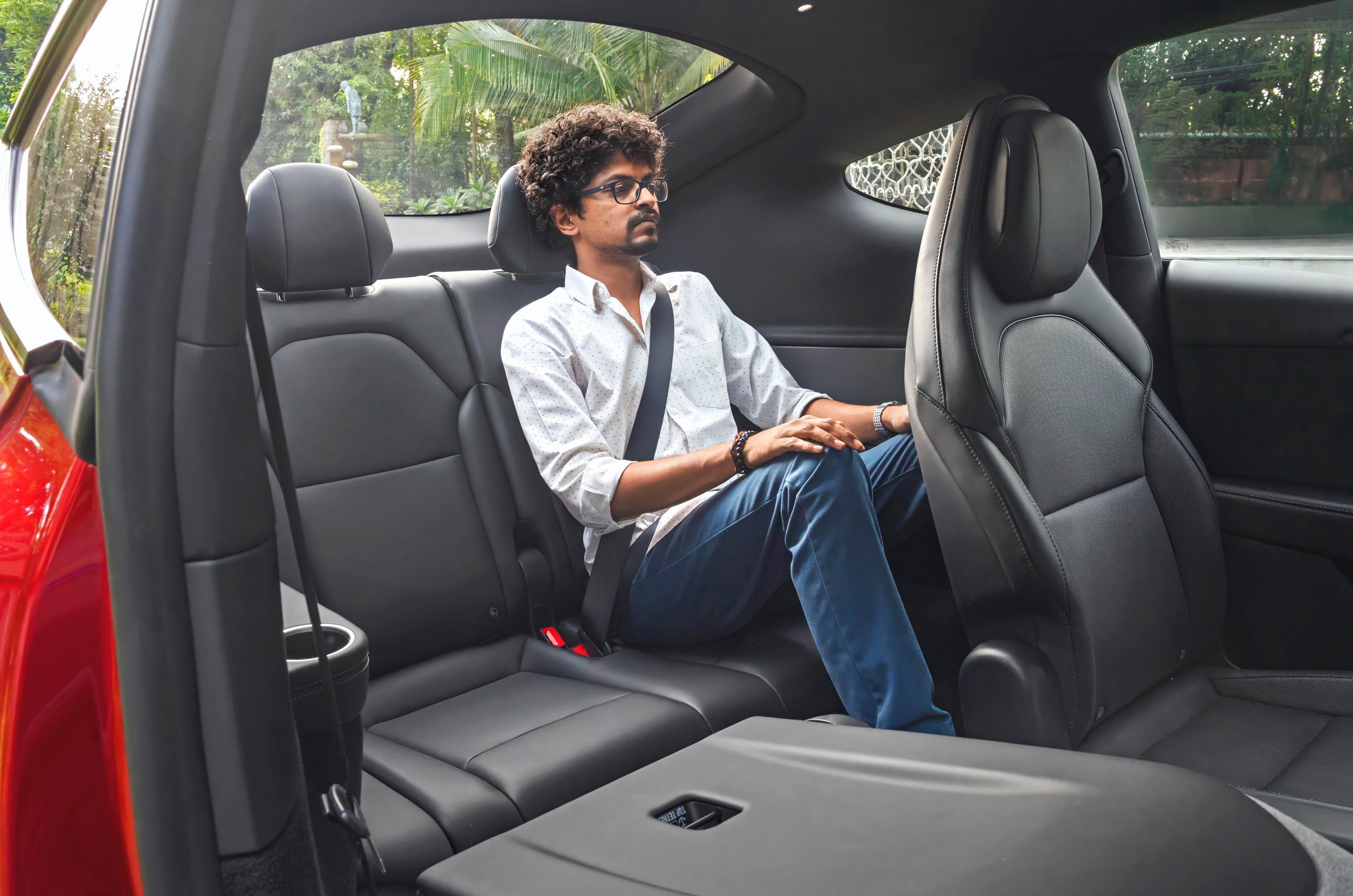
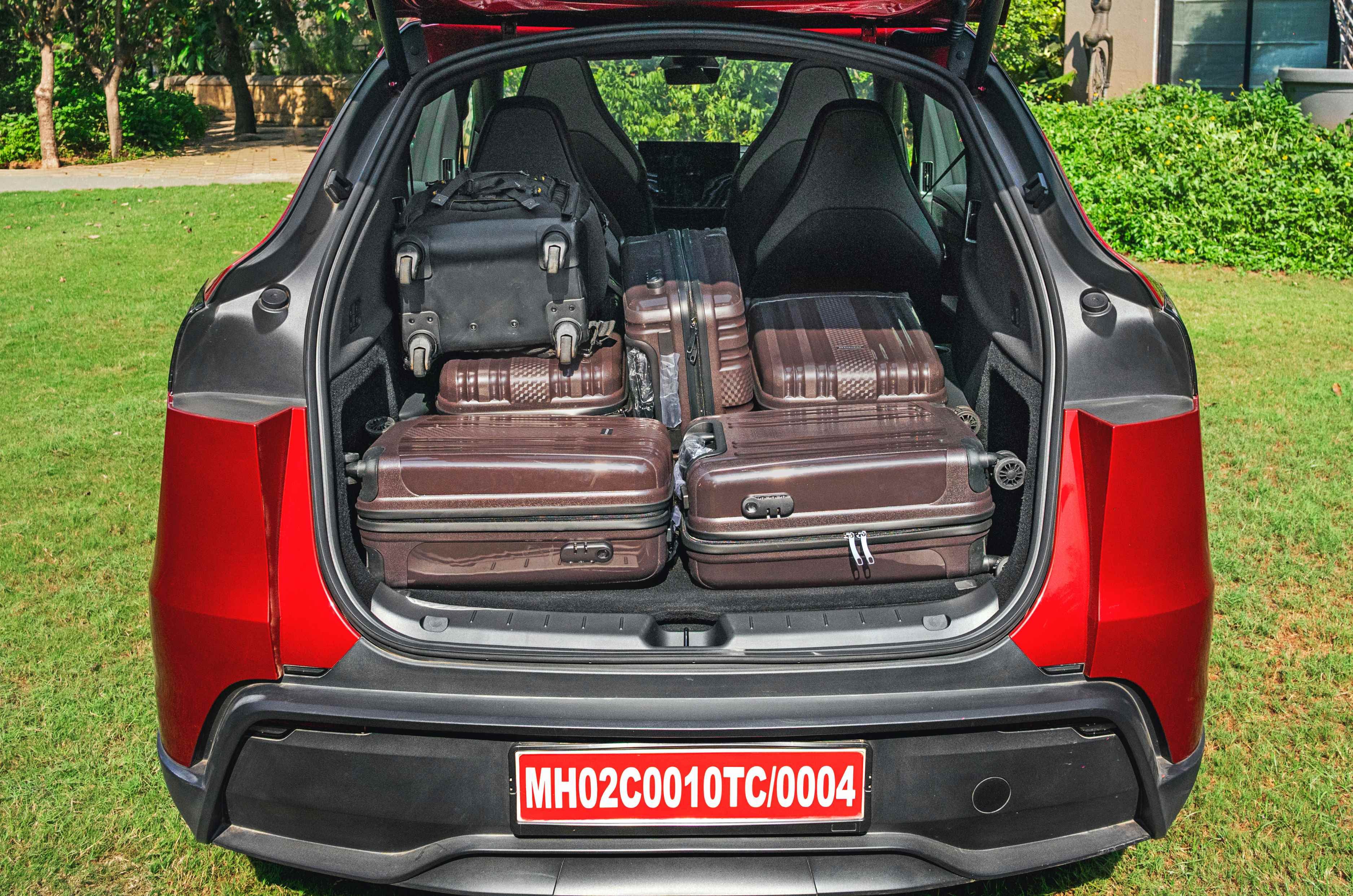
At 4,985mm, the Cayenne Electric is 55mm longer than the combustion-engined Cayenne and has a 3,023mm wheelbase. It is 1,980mm wide and 1,674mm tall. Porsche quotes a 90-litre frunk and 781-litre boot, with the latter expanding to 1,588 litres with the powered rear seats folded.

Porsche Cayenne Electric: Interior and features

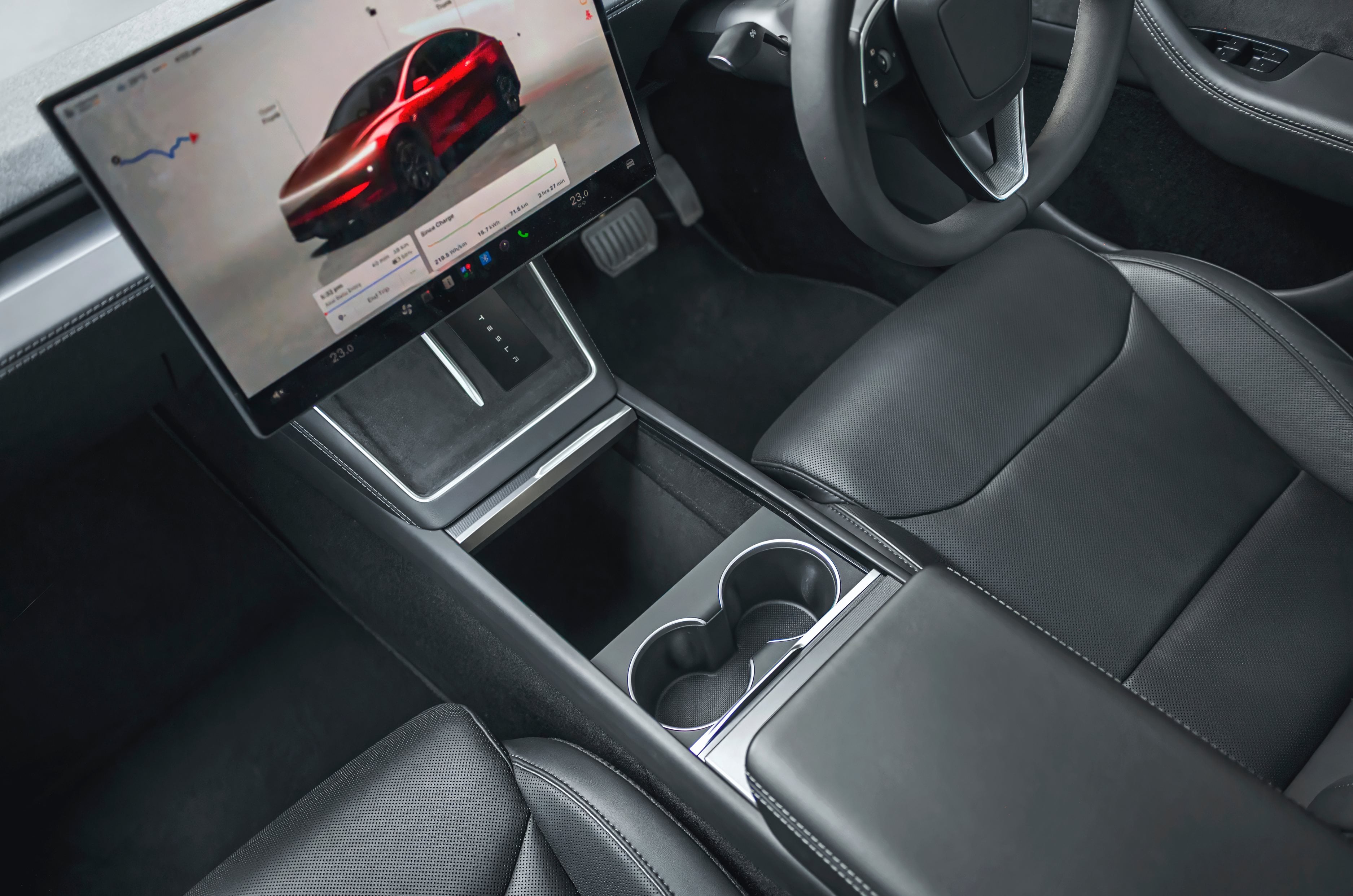
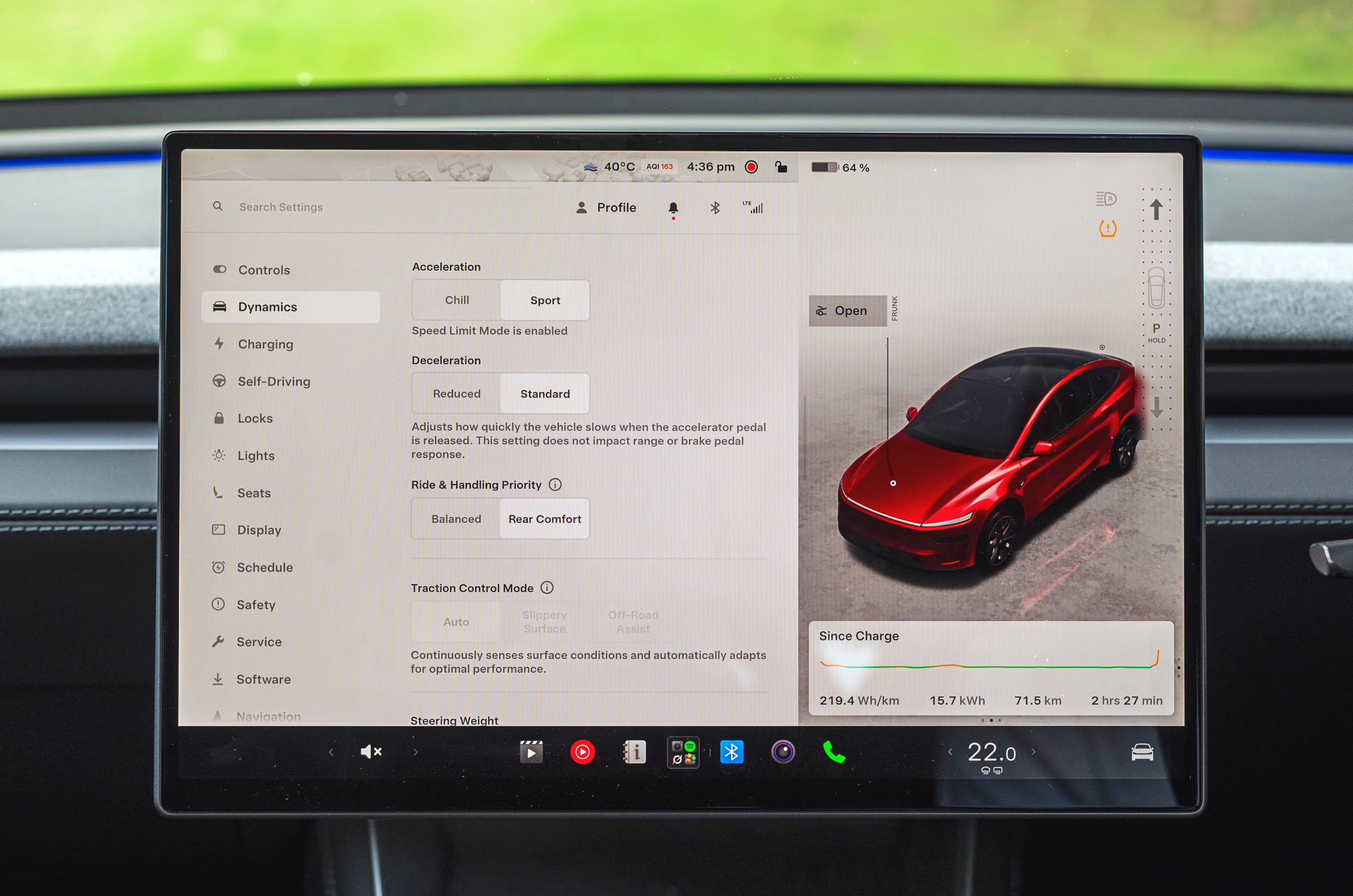
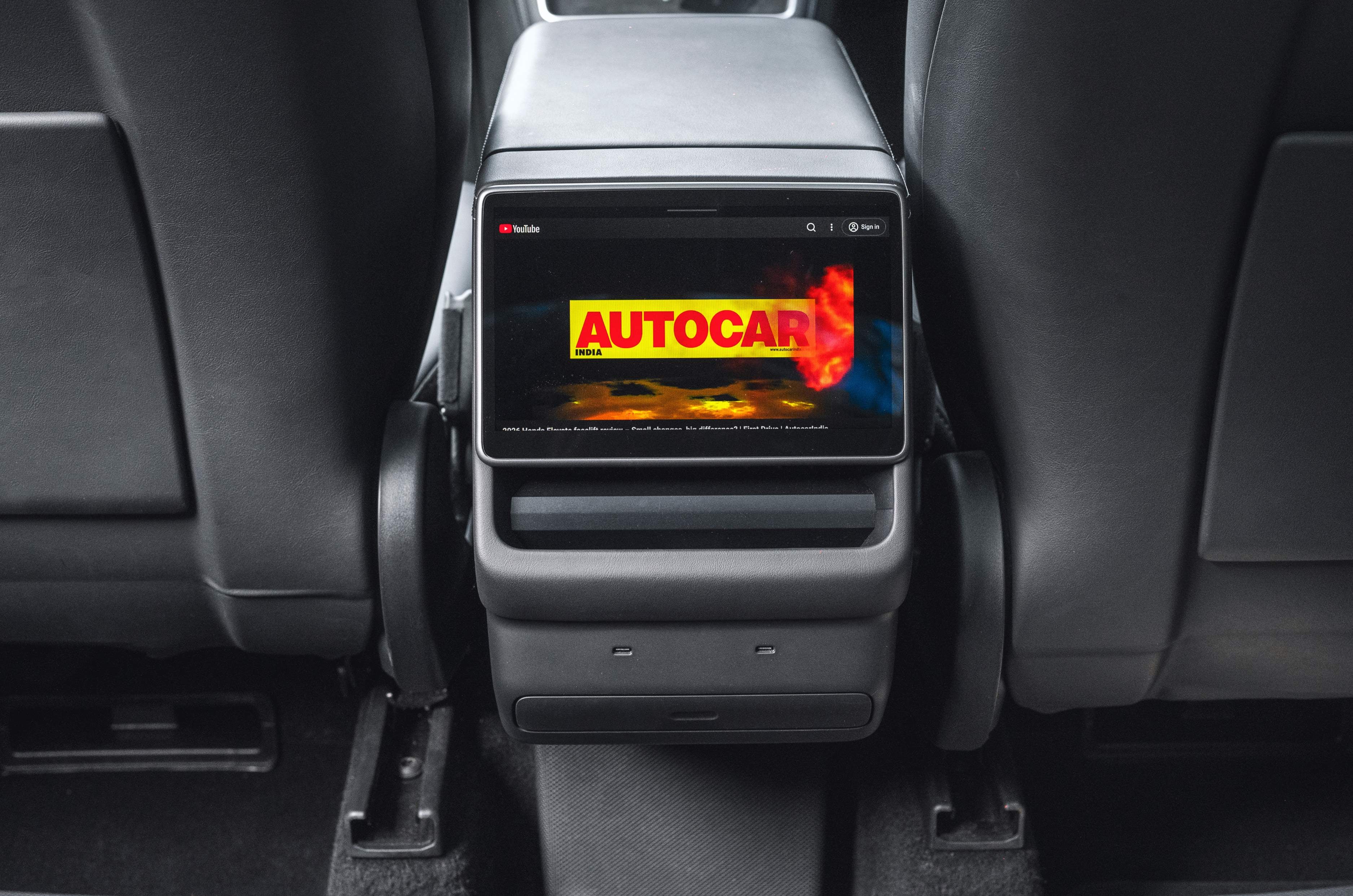
The Cayenne Electric gets a digital driver’s display and a 14.5-inch curved infotainment touchscreen, which is a first for a Porsche model in India. An optional 14.9-inch passenger display and augmented-reality head-up display are also available.

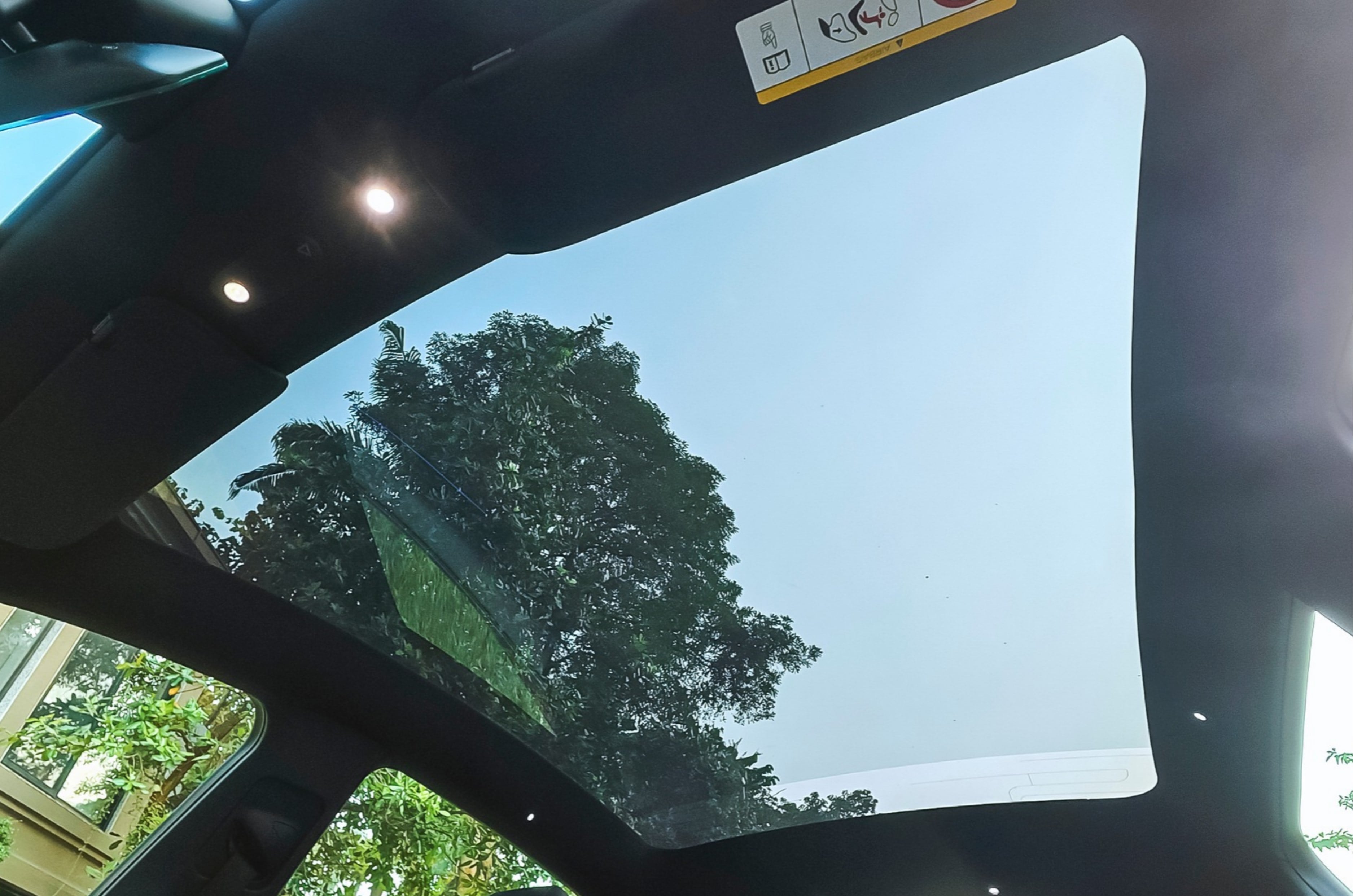
Other equipment includes eight-way electrically adjustable front seats, which can be upgraded to up to 18-way adjustable ones, four-zone automatic climate control, ventilated front seats, a panoramic sunroof and wireless phone charging. A 14-speaker Bose sound system is standard, while a 20-speaker Harman Kardon system is available as an option.

The Cayenne Electric will rival the Audi Q8 e-tron, BMW iX and Lotus Eletre in India.

Toyota Innova Hycross facelift rendered based on design patent

Toyota Innova Hycross facelift rendered based on design patent
Toyota files patent for Innova Hycross facelift’s front bumper

The Toyota Innova Hycross, launched in 2022, is set to receive a facelift in India. We have now come across a Toyota design patent for a new front bumper that looks similar to the one seen on test mules of the facelifted MPV. This suggests that the patented bumper could be used on the production model, giving us an idea of what the Innova Hycross’s front-end design could look like.

Toyota Innova Hycross facelift: What to expect?

Patented design reveals a Hilux-like grille with diamond-shaped air inlets

The design patent reveals that the Innova Hycross facelift will have a more aggressive fascia than the current model. It will get a squarer Hilux-like grille with diamond-shaped air inlets and two black diamond-shaped elements on either side of the bumper, possibly with fog lamps, similar to the current Innova Hycross. Spied mules have revealed slimmer headlights with projector lamps, which could also make it to the production-spec facelift model.

The spied mules also gave a glimpse of new LED elements in the tail-lights, while the rear bumper and side profile are likely to be similar to the current model’s. Toyota could offer it with new alloy wheels.

The interior design of the facelifted Innova Hycross is yet to be seen

A free-standing touchscreen infotainment system and a driver’s display, also part of the current Innova Hycross, were spotted on the facelifted model’s test mules. While a clearer glimpse is still awaited, Toyota could keep the overall design similar to the current model while offering new trims, upholstery and features to make it feel more upmarket.

Powertrain options are expected to be unchanged

Image source: Rushlane

Toyota is expected to continue offering the Innova Hycross facelift with the current model’s powertrains: a 173hp 2.0-litre petrol engine mated to a CVT and a 184hp 2.0-litre petrol-hybrid setup paired with an e-CVT.

The Toyota Innova Hycross is expected to have a slight premium over the current model, which is priced from Rs 18.90 lakh to Rs 31.84 lakh (ex-showroom).

2027 Kawasaki Versys 650 launched at Rs 8.63 lakh

2027 Kawasaki Versys 650 launched at Rs 8.63 lakh
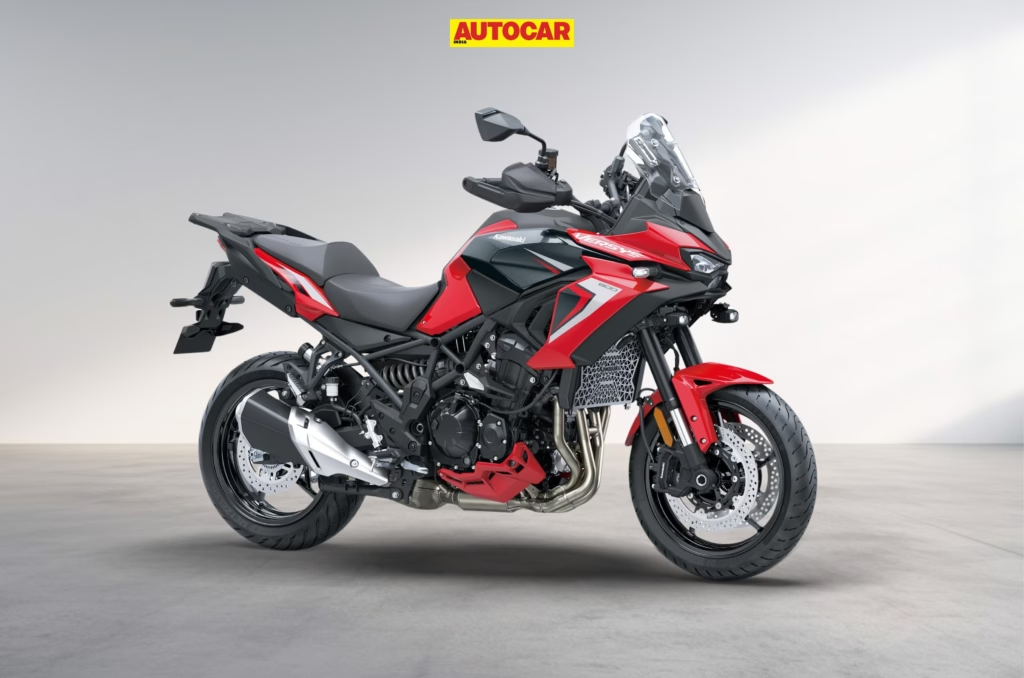
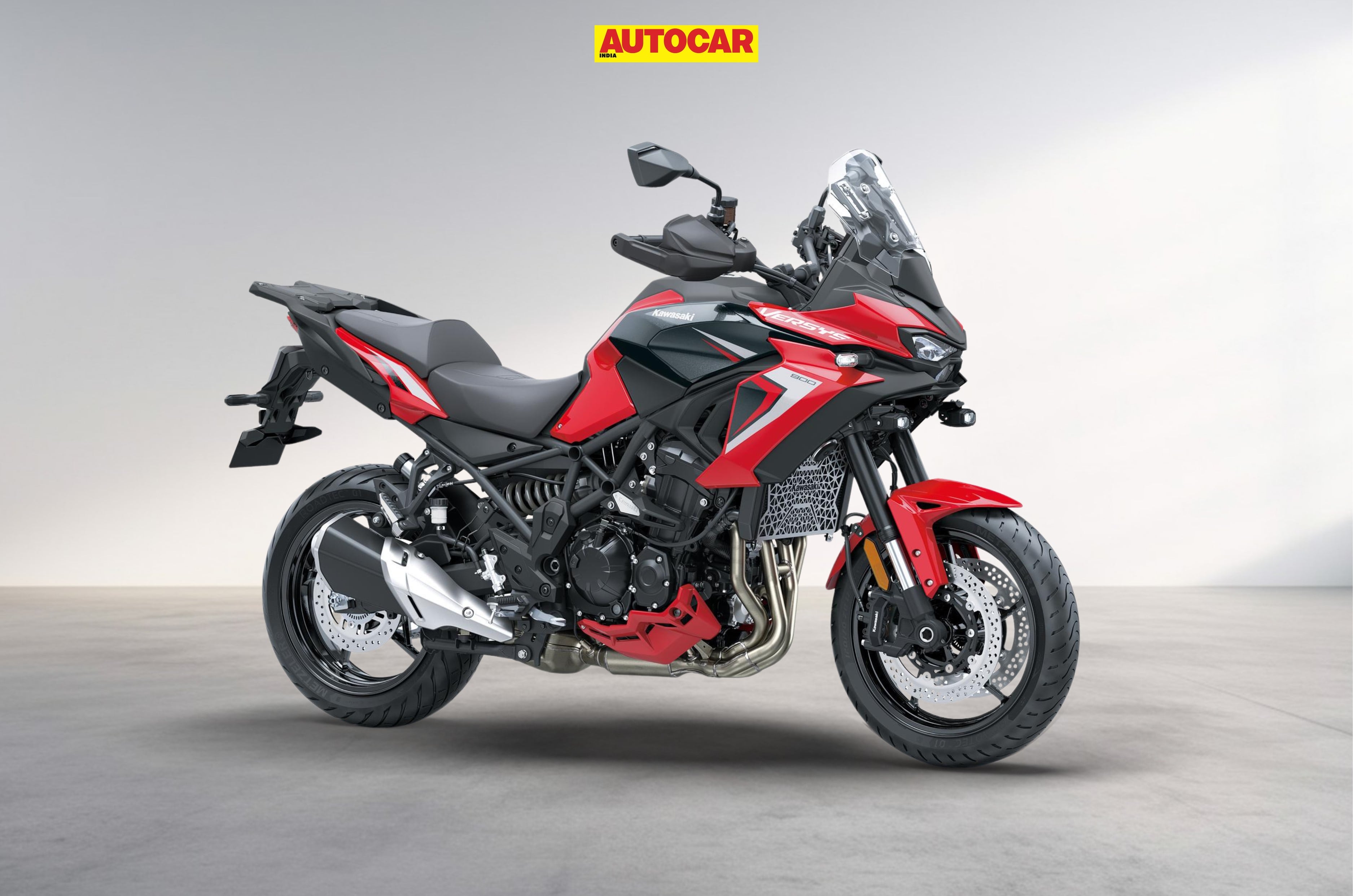
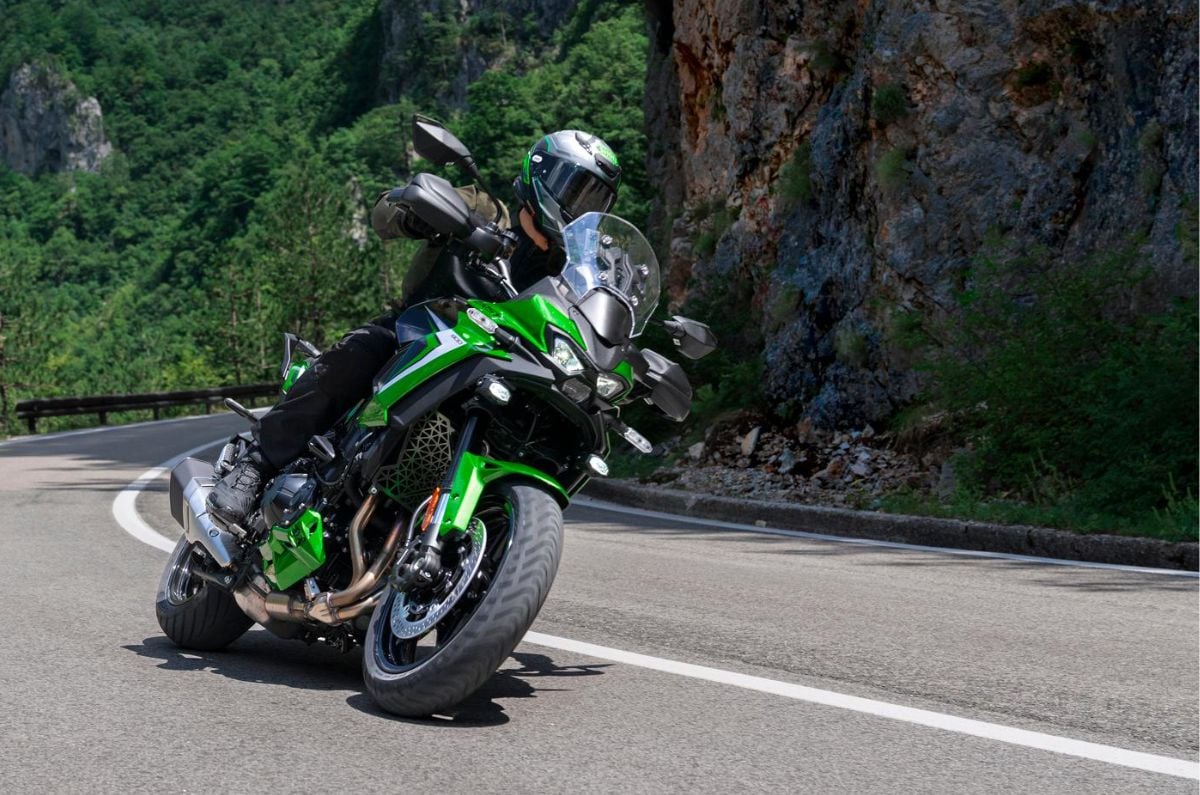
2027 Kawasaki Versys 650

Kawasaki has launched the MY27 Versys 650 at Rs 8.63 lakh (ex-showroom), with deliveries likely to have already begun, as the brand had said they would start by the end of August.

  1. Available in a single Candy Lime Green colour option
  2. 649cc parallel-twin makes 67hp and 61Nm

2027 Kawasaki Versys 650 details

Mechanically unchanged from the MY26 model

The update over the outgoing MY26 model is limited to a new Candy Lime Green colour option (the only colour available on the MY27), with no changes to the mechanical package, feature set or pricing.

The MY27 carries over the full package of last year’s bike, with power coming from a 649cc liquid-cooled parallel-twin producing 67hp at 8,500rpm and 61Nm at 7,000rpm, paired with a 6-speed gearbox and an assist-and-slipper clutch.

The chassis uses a tubular diamond frame with a 41mm telescopic front fork offering 150mm of travel and a rear monoshock with remote preload adjustability and 145mm of travel. Features include an adjustable windscreen, 4.3-inch TFT display with smartphone connectivity, traction control and full LED lighting.

With its big 21-litre fuel tank brimmed, the bike weighs 220kg. The seat height is set at a fairly tall 845mm, and the Versys 650 has a healthy 170mm of ground clearance, which should help it tackle most Indian road surfaces. Priced at Rs 8.63 lakh, the Kawasaki Versys 650 sits in a niche of its own in the Indian market with its closest competition being the Honda NX500 (Rs 7.44 lakh).

MG Hector Tomahawk PHEV colours gallery

MG Hector Tomahawk PHEV colours gallery
MG Hector Tomahawk PHEV all colours

The MG Hector Tomahawk PHEV was launched recently in India as the first mass-market car with a plug-in-hybrid (PHEV) powertrain. It gets a 1.5-litre naturally aspirated engine and a 20.5kWh battery pack powering an electric motor. This PHEV system has a total output of 198hp and 230Nm. The Hector Tomahawk PHEV is offered in two variants: Exclusive and Essence. It gets six monotone colour options, including Celadon Blue, Turquoise Green, Pearl White, Shadow Gold, Aurora Silver, and Starry Black, among which Celadon Blue and Turquoise Green are also available with a white roof.

Kawasaki W230 gets a new colour for 2027

Kawasaki W230 gets a new colour for 2027
2027 Kawasaki W230

Kawasaki has revealed the 2027 W230 with a new Ebony colour option, replacing the Metallic Matte Dark Green that the bike was available with in 2026. The update is purely cosmetic, with no mechanical, feature or price changes accompanying the new colour in global markets. A single colour option is offered, as was the case with the outgoing scheme.

  1. New Ebony colour replaces Metallic Matte Dark Green
  2. No mechanical changes; 233cc air-cooled single continues unchanged

2027 Kawasaki W230 details

The W230 is powered by the same engine as the KLX230

The W230 is powered by a 233cc air-cooled single-cylinder engine producing 18hp at 7,000rpm and 18.6Nm at 5,800rpm, paired with a 6-speed gearbox. Suspension is handled by a conventional telescopic fork at the front and twin shock absorbers at the rear, sticking with the retro theme of the bike. Braking hardware includes disc brakes at both ends – a 265mm front and 220mm rear.

With a kerb weight of 143kg, the W230 is a relatively lightweight motorcycle and perhaps one of the lightest in its class. That, along with a low 745mm seat height, makes the W230 an incredibly accessible motorcycle for most riders, even those just getting started out.

Unfortunately, the Kawasaki W series in India hasn’t had much of an impact in terms of sales. The W800 was previously available in our market, as was the India-made Kawasaki W175. While the MY24 W175 is still listed on the Kawasaki India site, it’s highly unlikely there’s any stock of that bike left, given that several other models in Kawasaki India’s lineup are now MY27 units.

Kawasaki has long considered India a key manufacturing hub for its smaller-displacement retro models, and while plans for the W230 in India have not been confirmed by Kawasaki, the modern classic segment it targets has seen significant growth here, including the ever-growing popularity of models like the Classic 350 and the more recently revealed Honda CB500.

Govt cracks down on E20 contamination: Petrol sales stopped at 2,573 pumps

Govt cracks down on E20 contamination: Petrol sales stopped at 2,573 pumps
E20 contamination crack down

The Ministry of Petroleum and Natural Gas has launched a massive quality-control campaign across India’s retail fuel network and, as of August 25, 2026, stopped petrol sales at 2,573 non-compliant outlets, according to highly placed ministry sources. Indian Oil Corporation (IOCL) leads with 1,257 halted pumps, followed by Hindustan Petroleum (HPCL) at 915 and Bharat Petroleum (BPCL) at 401.

The trigger was a letter from the Society of Indian Automobile Manufacturers (SIAM) to the ministry on July 28, leaked soon after, flagging alarmingly high levels of chloride contamination in E20 fuel samples tested across the country. SIAM withdrew the letter within days, saying the figures “needed further verification”, but the damage was done. A subsequent Reuters investigation into carmakers’ internal testing data kept the contamination question firmly in the public eye and has forced the government to react.

To restore consumer confidence and tackle contaminants and water in the supply chain, the government has mandated water-ingress testing of underground tanks 8 to 12 times a day, a rigorous regime already underway at 88,995 dealerships. A sweeping audit prioritising older retail outlets has covered 84,687 fuel stations; field teams are checking tank integrity during rainfall, and automation systems with monitoring probes are active at 85,649 outlets, with malfunctioning units being repaired on priority.

Oil-marketing companies (OMCs) have conducted 7,296 sulphur tests and 1,079 chloride tests on ethanol-carrying tankers, along with 151 chloride tests on their own storage tanks. 

The intensity of the crackdown reflects a government under pressure to protect the integrity of its green-energy transition. The rollout of E20 (petrol blended with 20 percent ethanol) was accelerated ahead of its original schedule. Since April 1, E20 has been the only petrol available at Indian pumps, leaving motorists with no option of buying the earlier E10 blend.

Automakers’ extensive fuel-testing drive

The move to ensure that the prescribed standards are met at the forecourts is a direct response to growing opposition from motorists and anxiety among the country’s leading vehicle manufacturers.

For motorists, the transition to E20 has brought tangible financial losses arising from lower fuel efficiency and potential mechanical risks. In a widely publicised dispute, a consumer court in Raipur recently directed Maruti Suzuki to replace a Grand Vitara over an E20-related engine complaint, underlining the legal and warranty vulnerabilities facing carmakers. Concerns over mileage loss, accelerated component wear and the compatibility of pre-2023 vehicles have simmered for months.

Behind closed doors, the anxiety ran deeper. While brands like Toyota, Maruti Suzuki and Hero MotoCorp publicly backed the government’s green mandate, a Reuters review of leaked internal communications revealed that Maruti Suzuki, Tata Motors and Mahindra & Mahindra had privately flagged severe contamination in E20 petrol. Over the course of a year, the three carmakers quietly conducted the most extensive fuel-testing drive since the national rollout, collecting and analysing over 250 samples from petrol pumps across 21 states and Union territories.

Leaked report rings alarm bells 

The industry findings, compiled by SIAM and reviewed by Reuters, painted a starkly different picture from official compliance narratives. Against the government’s permissible chloride limit of 3 parts per million (ppm) or 3mg/kg, automaker testing found alarming levels across 18 states: Rajasthan recorded 6 to 570ppm — 190 times the limit; Delhi-NCR ranged from 1.4 to 420ppm and Madhya Pradesh from 4.1 to 550ppm. Karnataka and Kerala, by contrast, stayed well within the safe zone at 1 to 2.2ppm.

Water content spiked to 13,000ppm in Andhra Pradesh and 12,500ppm in Uttar Pradesh, which is more than four times the official permissible limit of 3,000ppm.

In modern engines, these deviations can be damaging. Organic chloride is highly corrosive, and modern precision fuel injectors are engineered to tolerate just 1-3ppm to align with international standards. In a leaked July email, a senior Mahindra executive warned that organic chloride was the root cause of rapid vehicle failures, capable of destroying fuel systems and engines in as little as 200km. Mahindra has since described interpretations drawn from the email as baseless, calling the industry data limited and preliminary. 

Skoda Auto India brand director Ashish Gupta, in a recent interaction with Autocar Professional, acknowledged a genuine issue with EPC (Electronic Power Control) and fuel pump failures in certain parts of the country, particularly in Punjab. He added that while fuel-sample testing has not shown a definitive chemical difference, engineers suspect high chloride or high sulphur levels, which can clog the fuel-pump filters.

The regulatory gap

To be fair, BIS standards currently lack a formally mandated statutory threshold for inorganic chlorides in finished ethanol-blended petrol (like E20). However, the petroleum ministry and OMCs enforce internal procurement guidelines, capping the limit at 3ppm for ethanol manufacturers. Setting BIS standards that make chloride limits mandatory is urgently needed, as the main culprit for vehicle damage is not E20 petrol but the chloride levels in it.

With inputs from Shahkar Abidi 

Hyundai to debut new compact electric SUV by Q4 FY27

Hyundai to debut new compact electric SUV by Q4 FY27

Hyundai has announced a new compact electric SUV for India at its 2026 CEO Investor Day. The new EV will be designed and manufactured in India and is slated to debut in the country by the last quarter of FY 2027 (by March 2027). Jose Munoz, President and CEO of Hyundai Motor Company, said, “A brand-new compact SUV is coming, designed and localised in India.” 

  1. A ‘next-gen infotainment’ and Level-2 ADAS are confirmed features
  2. Will be built on the E-GMP (K) platform and manufactured in Tamil Nadu
  3. Will compete with the Tata Nexon EV and Mahindra XUV 3XO EV

Upcoming Hyundai compact EV: All we know so far

It will be built on the E-GMP (K) platform and will be a rival to the Nexon EV

The upcoming EV, codenamed HE1i, was first announced at Hyundai’s Investor Day 2025. Later, we got to know it will be a born-electric vehicle built on the E-GMP (K) platform, which also underpins the Inster EV offered abroad. It will be manufactured at Hyundai’s Sriperumbudur facility in Tamil Nadu.

The HE1i EV will use localised Exide-sourced batteries and will be offered in two versions: standard range and long range, the exact specifications of which are unknown. For context, the Euro-spec Inster is offered with a 42kWh battery with 300km WLTP-claimed range and a long-range 49kWh battery with 355km claimed range.

Image source: @joonsun_erin on Instagram

The new compact EV is confirmed to have a “next-generation infotainment system”, which could be the Pleos Connect infotainment system also expected on the upcoming third-generation Creta, and “Level 2 assisted driving technology”. 

The upcoming Hyundai compact EV will be positioned as a rival to the Tata Nexon EV, Mahindra XUV 3XO EV and Kia Syros EV. Being a localised offering, it could have a lower price tag than the Syros EV, which is currently the most expensive option in the segment. 

Hyundai confirms next-gen Creta and i10 for India

Hyundai expects electrified vehicles to account for 50 percent of India sales by 2030. Currently, it sells two EVs in the country: the Creta Electric and Ioniq 5, and the upcoming compact eSUV will give the carmaker a share in the more accessible segment of India’s EV market.

JSW MG bets on PHEVs to challenge diesel models in executive SUV market

JSW MG bets on PHEVs to challenge diesel models in executive SUV market
Hector Tomahawk PHEV

JSW MG Motor is betting on plug-in hybrid technology to attract buyers of executive diesel SUVs, with the Hector Tomahawk PHEV forming the centrepiece of its strategy. The company believes the powertrain can offer the lower running costs of electric driving without the range concerns associated with a pure EV. The seven-seat Tomahawk PHEV offers more than 115km of electric-only driving and a combined range of over 1,100km.

  1. MG claims Rs 3,000-4,000 running cost per 1,000km, versus Rs 10,000-12,000 for diesel
  2. JSW MG targets the executive SUV market that sells 50,000 units a month
  3. Company aims for 5,000-6,000 Tomahawk sales per month

JSW MG eyes executive diesel SUV market

JSW MG says that the executive SUV market in India accounts for around 50,000 units a month, with diesel SUVs contributing about 40,000 units and EVs around 10,000. The diesel segment includes models such as the Mahindra XUV 7XO, Tata Safari and Tata Harrier, while the EV segment includes the Mahindra XEV 9S, Tata Harrier EV and Kia Carens Clavis EV.

“If you look at the diesel C-sized market, that is about 40,000 units. The C-sized EV market is about 10,000. So, the total potential is 50,000,” says Anurag Mehrotra, Managing Director, JSW MG Motor India.

The Hector Tomahawk PHEV is priced Rs 1.5 lakh-2 lakh higher than the top diesel automatic variants of the Mahindra XUV 7XO, Tata Safari and Tata Harrier. JSW MG expects to justify this premium through lower operating costs and the overall product package.

The Tomahawk PHEV has no direct mass-market PHEV rival in India and will instead target diesel SUV buyers. According to surveys cited by Mehrotra, owners in this segment typically cover 18,000-20,000km a year, with many combining daily commutes with regular outstation travel.

“They want the fuel efficiency of a diesel because they are travelling longer distances,” says Mehrotra. “For them, there has not been a new-energy choice. The plug-in hybrid takes away the range issue completely, but still gives you the unit economics of an EV.”

Vinay Raina, Chief Commercial Officer, JSW MG Motor India, says many of these customers choose diesel because it suits their usage rather than because of a fixed preference for the fuel. “The Indian consumer is willing to experiment,” he says.

MG Hector Tomahawk PHEV running costs

JSW MG estimates that covering 1,000km in the PHEV could cost Rs 3,000-4,000, compared with Rs 10,000-12,000 in a diesel SUV. This calculation assumes regular charging and substantial use of the electric mode. “The plug-in hybrid will be close to a third of the cost of running a diesel,” Mehrotra says.

The company says the PHEV can return around 22kpl when used mainly as a hybrid, while its claimed 30-50kpl figure assumes regular charging and that most daily travel is completed using electric power. These figures include kilometres covered on electricity and therefore cannot be directly compared with the fuel economy of a diesel SUV. Charging costs also need to be included when calculating the overall running cost.

This also means the claimed savings will depend on how the vehicle is used. Owners who regularly charge at home and complete much of their daily driving on battery power should use less petrol, while those who rarely charge will rely more on the engine and lose much on the projected savings.

JSW MG targets 5,000-6,000 Tomahawks a month

JSW MG is targeting monthly sales of 5,000-6,000 units for the Tomahawk range, which includes the EV and PHEV. The company has not specified how that volume will be split between the two powertrains. At the targeted volume, JSW MG estimates the range would account for around 10-12 percent of the 50,000-unit monthly executive SUV opportunity it has identified. 

The Tomahawk EV and PHEV are based on the company’s ADAPT architecture, which is designed to support multiple powertrain types. JSW MG currently has achieved around 45 percent localization in the Tomahawk and plans to increase this to approximately 70 percent by next year, with the investment already approved by its board.

All Mahindra born EVs to get Google Gemini by January 2027

All Mahindra born EVs to get Google Gemini by January 2027
Mahindra XEV 9S and 9e

Mahindra has announced that its electric vehicle line-up will get Google’s Gemini AI assistant by January 2027. “From 1st January 2027, Google Gemini will go live on all other cars, including the original BE 6. That’s the advantage of MAIA architecture,” said R Velusamy, president, Automotive Business, Mahindra and Mahindra, in an interview with Autocar India. Additionally, other software-defined features that debuted on the BE 6 Sporteq will roll out to its existing portfolio in phases from January 2027.

Which software-defined features will the existing line-up get?

The recently introduced BE 6 Sporteq gets Google Gemini from day one, and all upcoming models will also have this feature. Meanwhile, Mahindra’s existing line-up – the XEV 9e, XEV 9S and the older BE 6 – will receive it via an over-the-air (OTA) update by January 2027. Essentially, these vehicles will now get the BE 6 Sporteq’s ‘TEQ’ suite of features, and below is a list of them.

1. TEQ_Talk (Google Gemini)

Mahindra’s in-car MAIA assistant is now powered by Google Gemini, enabling conversational AI features. The brand says it uses 17 specialised AI agents to facilitate natural interactions and supports over 100 core functions and 48 applications, including navigation, entertainment, vehicle controls, general knowledge and more.

2. TEQ_Secure 

This suite brings Secure 360 Pro, which basically lets you keep an eye on your car through its 360-degree camera system and dashcam. With Mahindra’s Me4U app, users can check live footage and recordings, activate audio relay and track their vehicle.  There’s also a digital car key ecosystem across smartphones, smartwatches and NFC key cards. Additionally, cars with a passenger display also come equipped with a parental lock feature.  

3. TEQ_Me 

TEQ_Me brings the user profile with an auto-detection feature that instantly adjusts your vehicle settings, including seat and mirror position, climate control and infotainment preferences, head-up display and drive modes, according to the selected user profile.

4. TEQ_Drive

The TEQ_Drive suite brings several driving features to Mahindra electric SUVs. A custom mode allows users to select and individually fine-tune the drive, suspension and steering modes. There’s also a drift mode that allows “controlled drifting in suitable conditions” by disabling the vehicle’s ESP completely, which wasn’t possible before. 

Moreover, users can now get additional range at zero percent charge with the Revive mode to reach the nearest charger. It essentially adds up to 13km of range, with the Revive SOS mode further adding up to 11km of range during emergencies. The latter can be used only five times in the vehicle’s lifetime. Lastly, Tribe Drive lets you track the locations of your friends and family who also own Mahindra electric SUVs on road trips.

5. TEQ_Play 

This mainly covers in-car entertainment features such as gaming, with support for up to four Bluetooth-enabled controllers along with a karaoke mode. Meanwhile, users can privately stream in-car audio with compatible Bluetooth devices via the private audio feature. Additionally, the ‘GrooveMe Party’ feature syncs the vehicle’s interior and exterior lights with the music playing, which is a cool party trick. 

Ather details Konarc durability tests ahead of August 29 launch

Ather details Konarc durability tests ahead of August 29 launch
Outside image of Ather's testing facility, the Juggernaut

As we know, Ather’s first scooter based on the EL platform, Konarc, is gearing up to launch on August 29, at their annual community day. We had learned earlier that the Konarc will get metal body panels and few other details about the platform. Now, Ather has detailed the durability tests they’ve conducted on the Konarc to ensure that it’s built robustly.

  1. Tested at The Juggernaut, Ather’s in-house testing ground
  2. Some of the tests include drop tests, flood simulations, and vibration testing

Robust testing in tough conditions

With a 1 lakh km condensed riding cycle

We’re now aware that Ather is looking to position the Konarc as their first mass market EV and as such, they claim to have tested it far beyond what a normal ride would demand at The Juggernaut, the brand’s in-house testing ground. Posted on the brand’s Instagram page, some of the different tests include drop tests, load testing, shaking, vibrating, compressing one lakh kilometres of riding into an accelerated cycle. To take things up a notch, scenarios like heavy rains, deep water wades, floods were also simulated.

Front right quarter image of the Ather EL01 concept
EL01 concept used for representative purpose

Beyond these admittedly robust testing scenarios, the video also shows the Konarc undergoing typical durability tests for parts like the brakes, suspension, stands, and switches. The video also further substantiates previously known information like the steel chassis, metal body panels, a swingarm mounted motor, a 14-inch front wheel and a 12-inch rear wheel. We should get to know exactly what the Konarc can do on August 29 with more insights and information into the scooter.