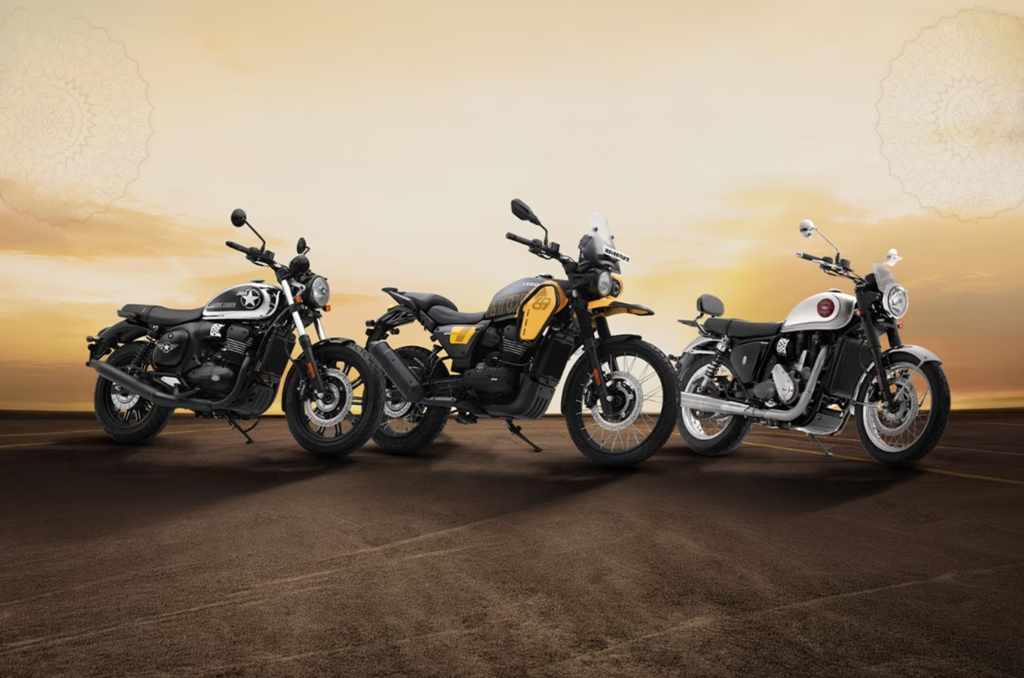
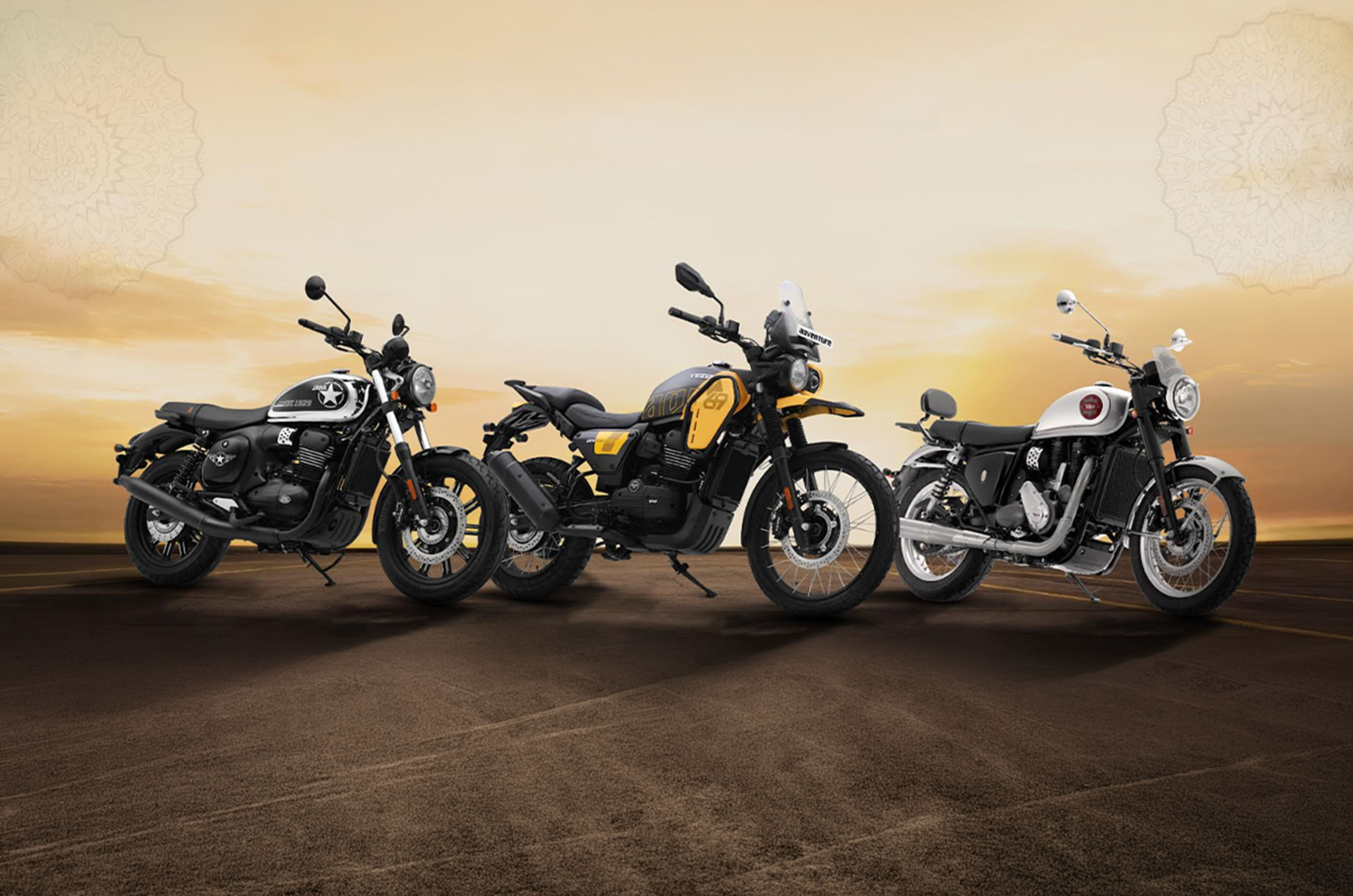
As part of its festive offers, Classic Legends has announced flexible financing options for its motorcycles. These offers are aimed at making its Jawa, Yezdi and BSA motorcycles more accessible to buyers.
Up to 100 percent funding with zero downpayment plans
Interest rates starting at 5.99 percent with loan tenures up to 72 months
Buy now, pay later and no-hypothecation schemes also available
Jawa Yezdi Motorcycles festive financing offer details
The company has not specified model-wise financing benefits in the announcement
The financing schemes include up to 100 percent funding, zero down payment, interest rates starting at 5.99 percent and repayment tenures of up to 72 months, subject to eligibility, terms and conditions. Eligible customers can choose Buy Now Pay Later (BNPL) schemes, while select financing options offer no-hypothecation benefits. The brand has also introduced specially designed ownership programmes for Mahindra Group employees as well.
These offers cover motorcycles under the Jawa, Yezdi and BSA brands, which are part of the Classic Legends portfolio, though it has not specified model-wise financing benefits in the announcement. The company said the financing options are intended to benefit buyers with different financial requirements and ownership preferences. Customers will need to check the applicable terms, eligibility criteria and availability of offers with authorised dealerships.
Currently Classic Legends offers a wide range of motorcycles under the Jawa, Yezdi, and BSA brand umbrellas. The Jawa lineup comprises models ranging from the All Star 42 OG (Rs 1.87 lakh to Rs 1.90 lakh) to the Jawa 350 (Rs 2.11 lakh to Rs 2.22 lakh). The Yezdi range starts with the base Roadster at Rs 2 lakh and goes up to the tubeless-wheel-equipped Adventure at Rs 2.33 lakh. Rounding out the portfolio are BSA’s 650cc offerings, the Scrambler (Rs 3.25 lakh to Rs 3.41 lakh) and the flagship Gold Star 650 (Rs 3.42 lakh to Rs 3.65 lakh).
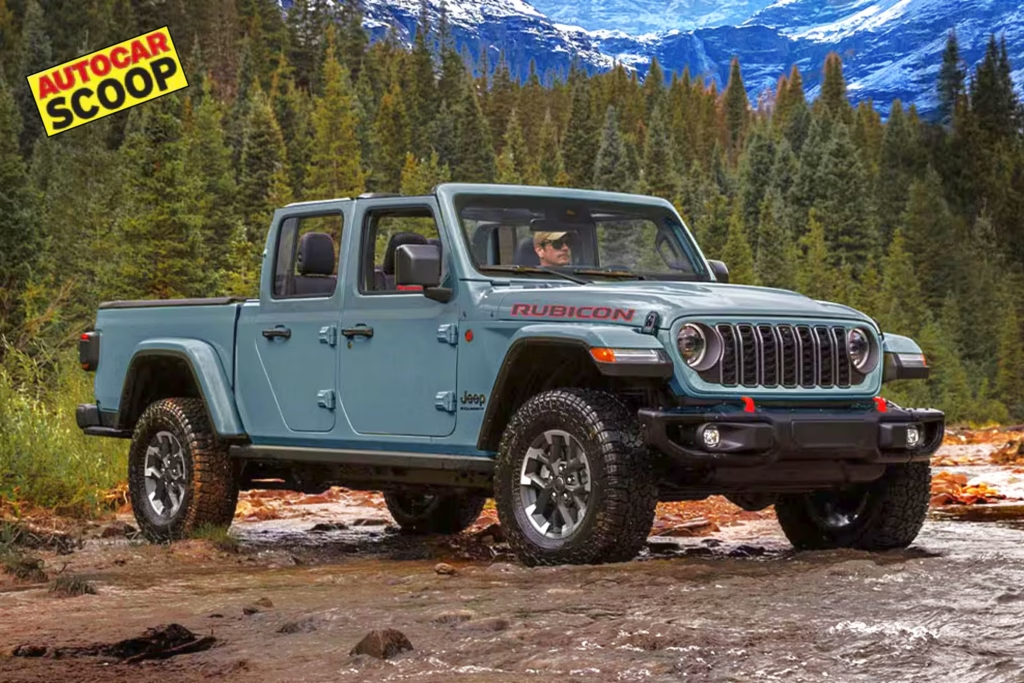
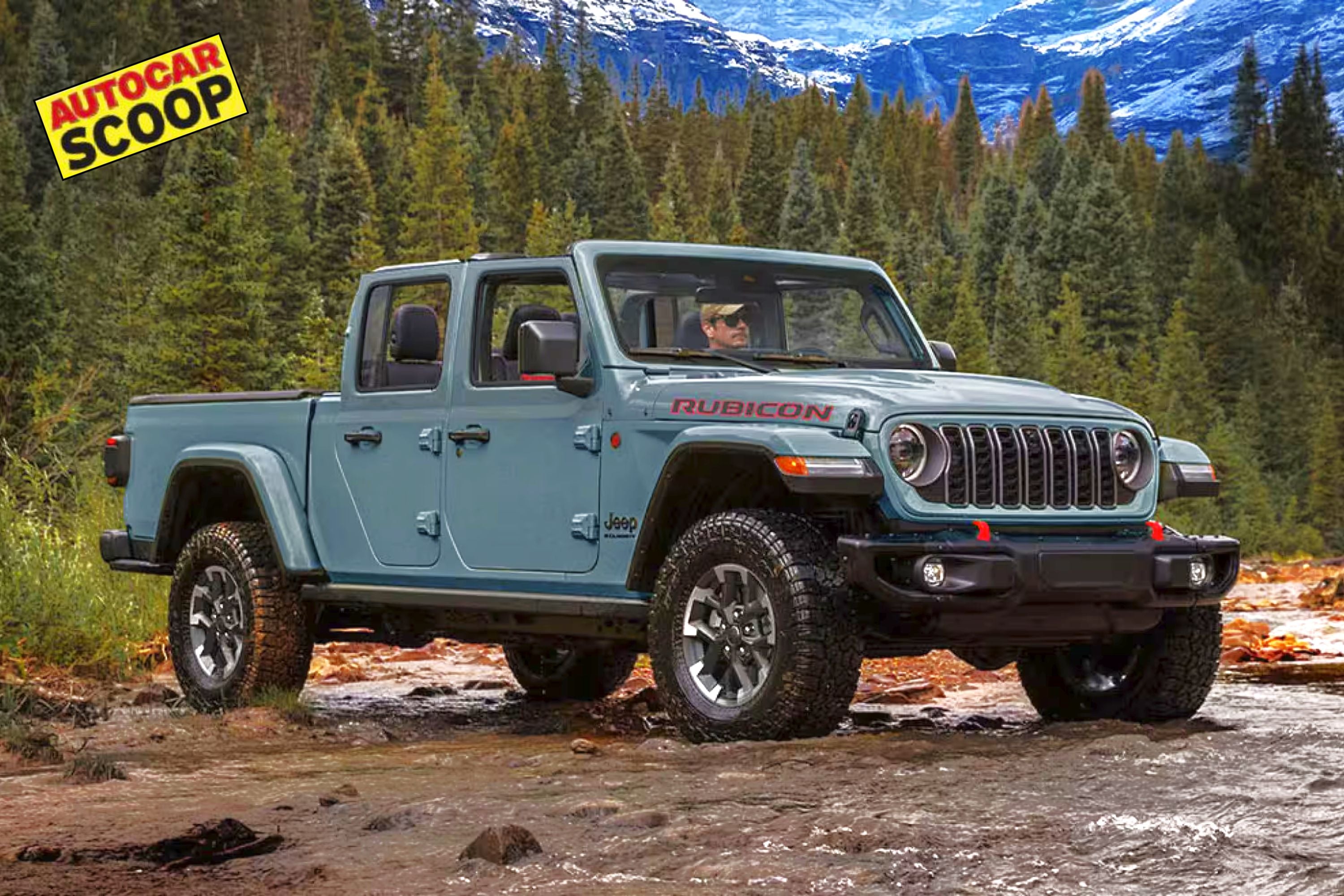
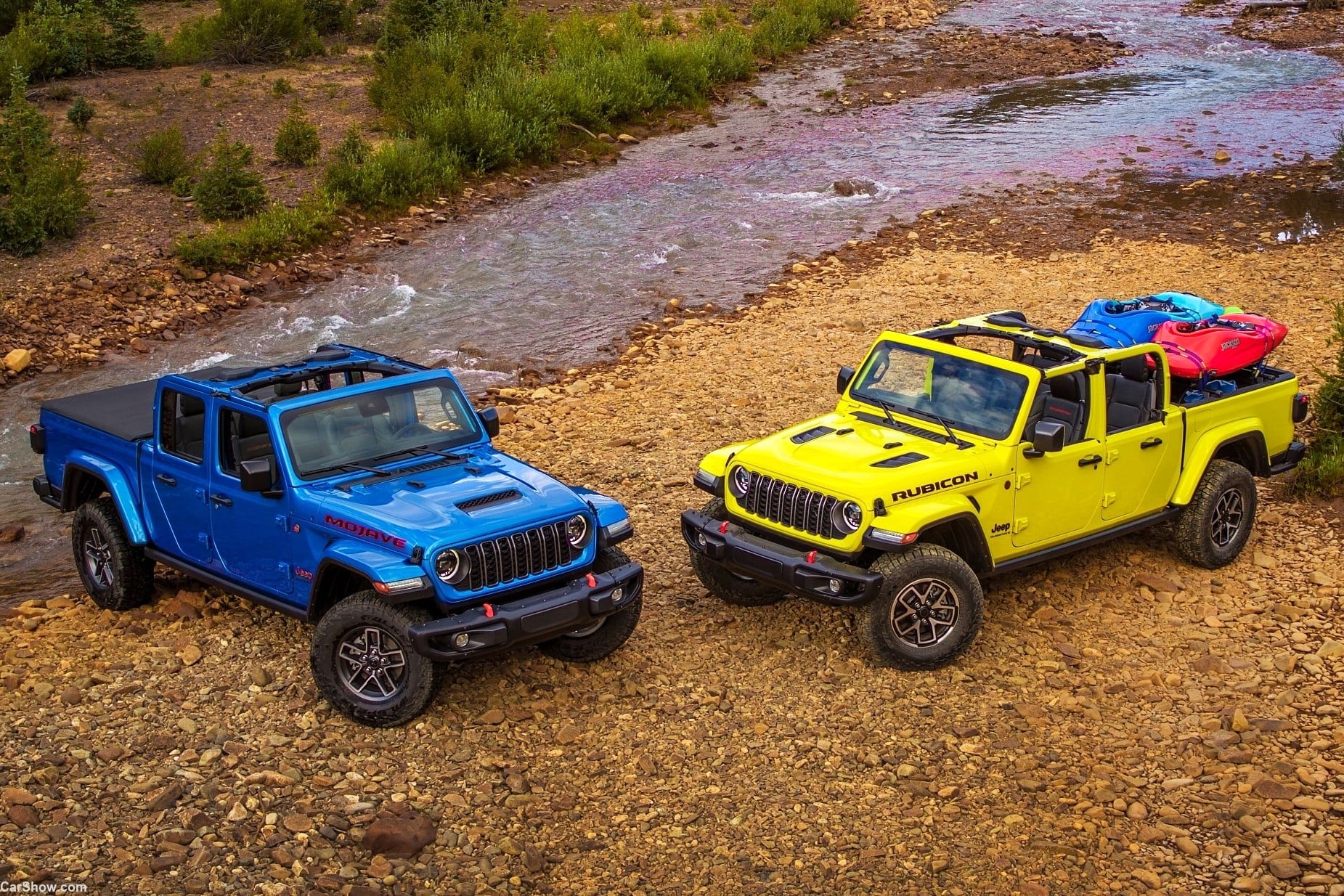
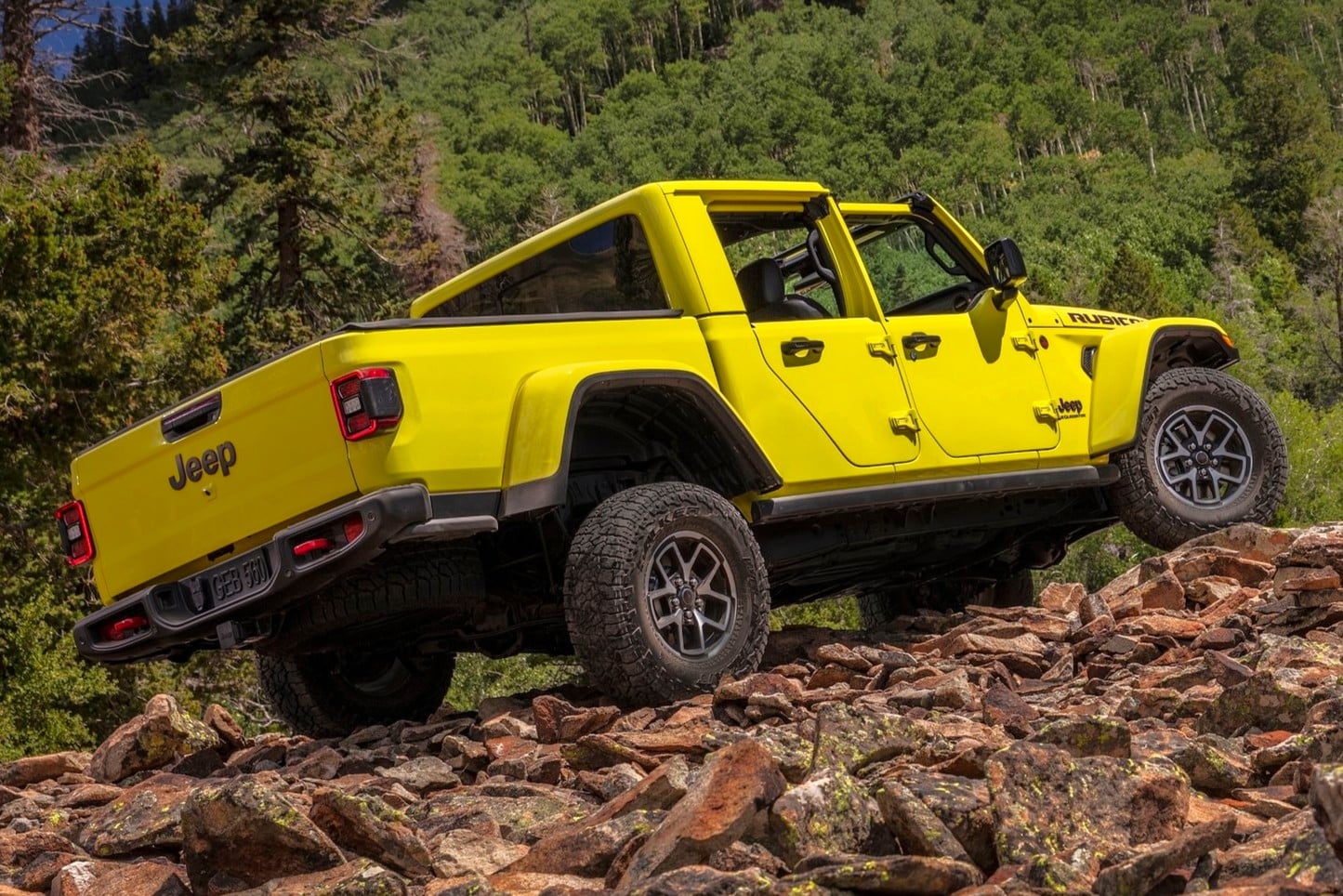
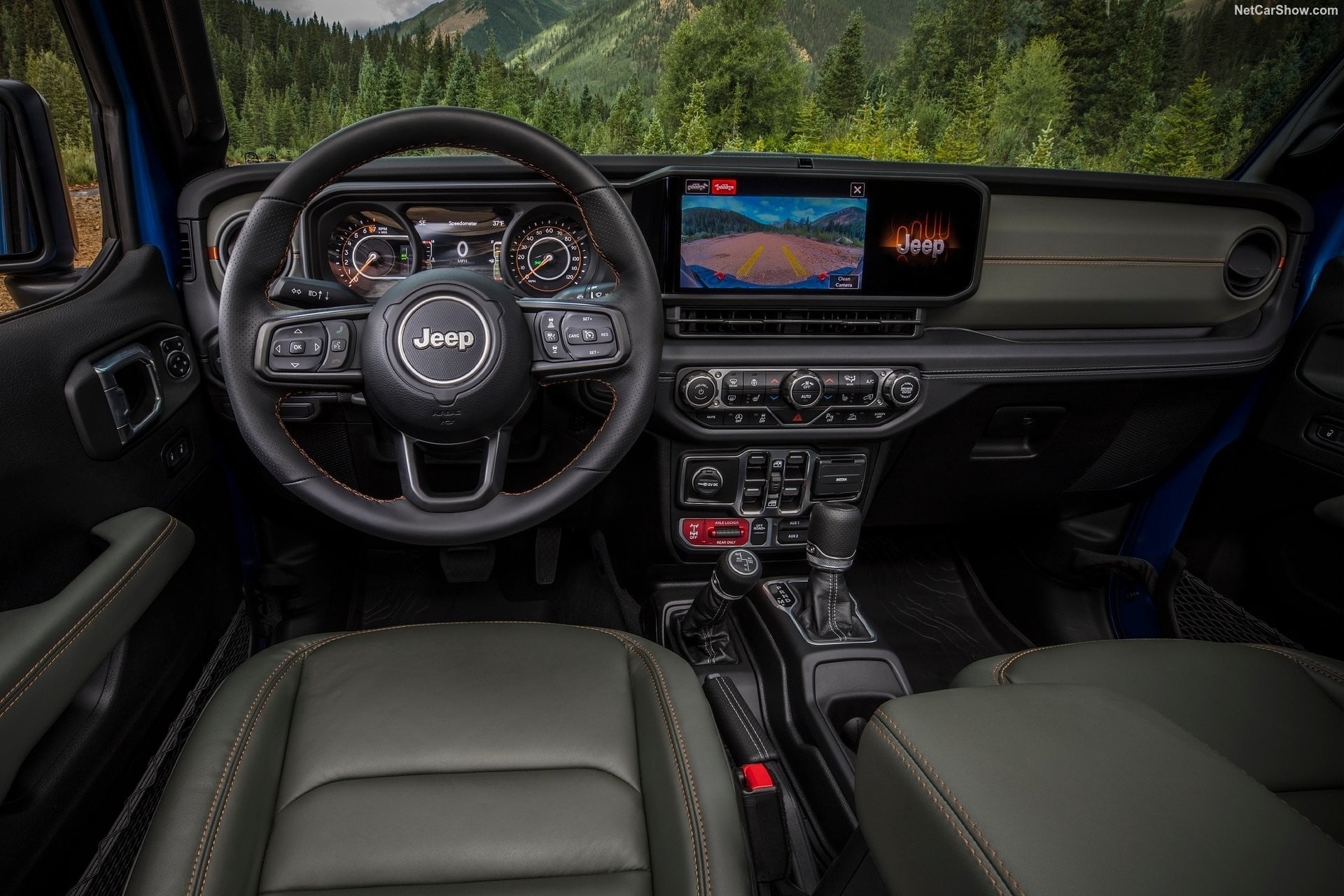
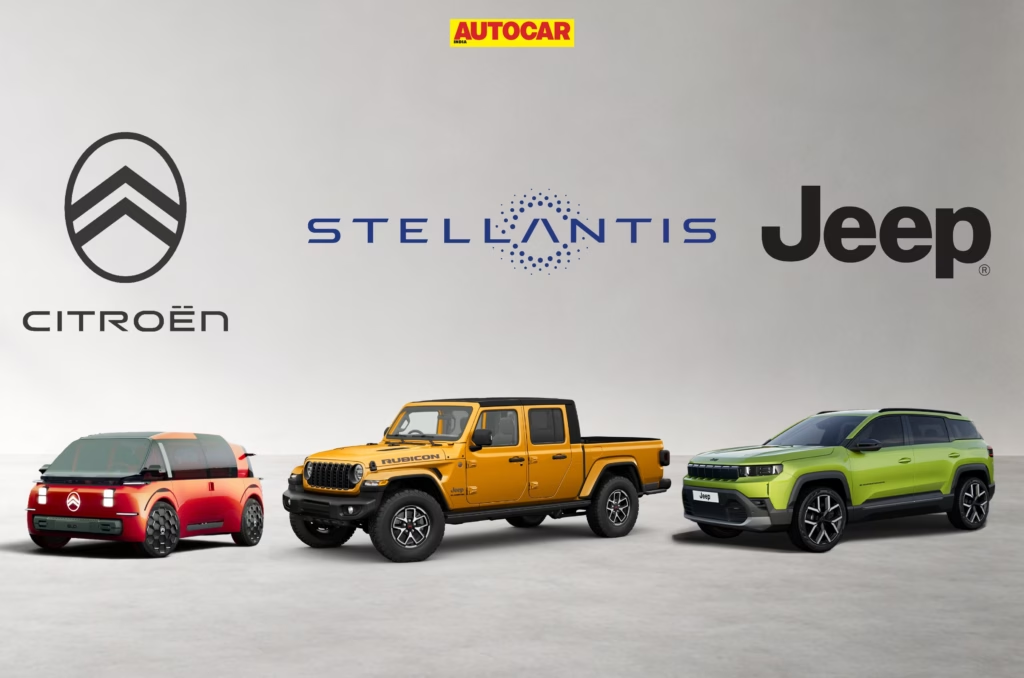
Stellantis India recently announced a new and much-needed product onslaught comprising seven Citroen and five Jeep models, all due within the next four years. While the conglomerate did not specify what these models would be, it did confirm there would be a premium pickup, which we understand would be the Jeep Gladiator.
The pickup would be one of the earlier arrivals, and the company is likely to bring it in as a CKD, just as it currently does with the Grand Cherokee and the Wrangler – with which the Gladiator shares its platform (JL).
Gladiator may mark Jeep India’s entry into the premium pickup segment
Currently the American pickup offers a single 3.6 litre V6 petrol and that could be the engine of choice for India too, and as is intrinsic to the brand, a 4×4 powertrain would also likely be offered. Alternatively, given that the Gladiator and Wrangler share a platform, Jeep India could consider utilizing the Wrangler’s 2.0-litre direct-injection four-cylinder turbo-petrol engine under the hood of the Gladiator in India.
In Jeep’s home market, the USA, the Gladiator and the four-door Wrangler are similarly priced, thus expect the Gladiator to be priced at around the Rs 70 lakh mark in India. This would be considerably higher than the Toyota Hilux. However, the Gladiator is larger than the Hilux; at over 5.5 meters in length, the Gladiator stretches the tape past the Hilux, which measures just over 5.3 meters.
The lifestyle pickup segment remains a niche market in India, although interest is gathering, with the new Toyota Hilux recently launched, the Isuzu D-Max V-Cross continuing to be sold here, and Mahindra announcing its Scorpio Lifestyler. Given the higher segment that the Gladiator would occupy however, expect modest sales numbers. Besides, the American auto giant also needs to upgrade its sales and service network, a process it says is already underway. The company says its Stellantis Brand House format would support its expansion into Tier 2 as well as Tier 3/4 markets, where it sees potential.
Stellantis has confirmed 12 Citroen and Jeep launches for India by 2030 as part of a roadmap dubbed ‘FaSTLAne 2030’. Speaking to Autocar India at the 2026 Paris Motor Show, Tianshu Xin – the head of Stellantis China and Asia-Pacific – confirmed a new investment of Rs 4,000 crore for the Indian market and said, “The plan is to introduce 12 new models in the next three years…seven of them will be new models and five are upgrades.”
Stellantis India lines up a dozen launches across Citroen and Jeep
Multiple SUVs inbound, along with an MPV, an entry-level car, and a premium pickup
The first model under FaSTLAne 2030 is scheduled to go on sale in India by the second quarter of 2027. This influx of new Citroen and Jeep launches will cover the compact, midsize, and premium SUV segments, and include a new MPV, an entry-level car, and a premium pickup truck. Of the 12 launches, seven will be from Citroen and five from Jeep.
Brand footprints to be expanded in India
Stellantis says these brands will play “distinct but complementary roles” in its line-up – Jeep will bolster its current position in the premium SUV arena, and Citroen will do the same in the mass-market segments. Expanding the customer reach of Citroen and Jeep is crucial, and Stellantis has committed to growing the brands’ retail and service networks, especially in Tier 2, 3, and 4 cities, along with increasing parts availability.
More Stellantis EVs coming, hybrids also confirmed
Additionally, Stellantis has confirmed a new multi-fuel strategy for the Indian market, which will span “efficient internal combustion engines, hybrid, plug-in hybrid (PHEV), and battery-electric (BEV) technologies.” These are already offered by Stellantis brands globally, and it should be interesting to see the specific powertrains that make it to India. As it stands, the majority of Stellantis India’s powertrain offerings are petrol; Citroen and Maserati also offer EVs, while Jeep additionally offers diesel in entry-level models.
Localisation target of 90 percent
According to Xin, the new models under FaSTLAne 2030 will be produced in India, so localisation will play a key role for competitive pricing. In light of that, Stellantis has set a target of 90 percent localisation across Jeep and Citroen, and will bank on its Indian R&D and manufacturing facilities, along with its supplier ecosystem, to achieve this. Moreover, India-developed FaSTLAne 2030 models will be exported to overseas markets.
Stellantis India’s two major brands, Citroen and Jeep, haven’t been very successful at attracting buyers in recent years. Citroen’s cars, despite recent updates, have struggled to gain traction in India due to their rivals being more aspirational and feature-rich. Jeep India, meanwhile, hasn’t launched any new models or facelifts in several years, turning prospective buyers away to more updated offerings. FaSTLAne 2030 is looking to be the shot in the arm that Stellantis India needs to pique buyer interest again.
What about Leapmotor?
Xin also provided an update on the long-overdue India entry of Stellantis’s Chinese EV brand, Leapmotor. Stellantis had planned to bring Leapmotor to India in 2025, but that evidently didn’t pan out. Xin noted that Leapmotor’s India entry is still being studied, and that there has to be enough “volume potential to justify the business case.” Therefore, a decision on Leapmotor entering India will only be made when the business case is ‘proven and solid.’
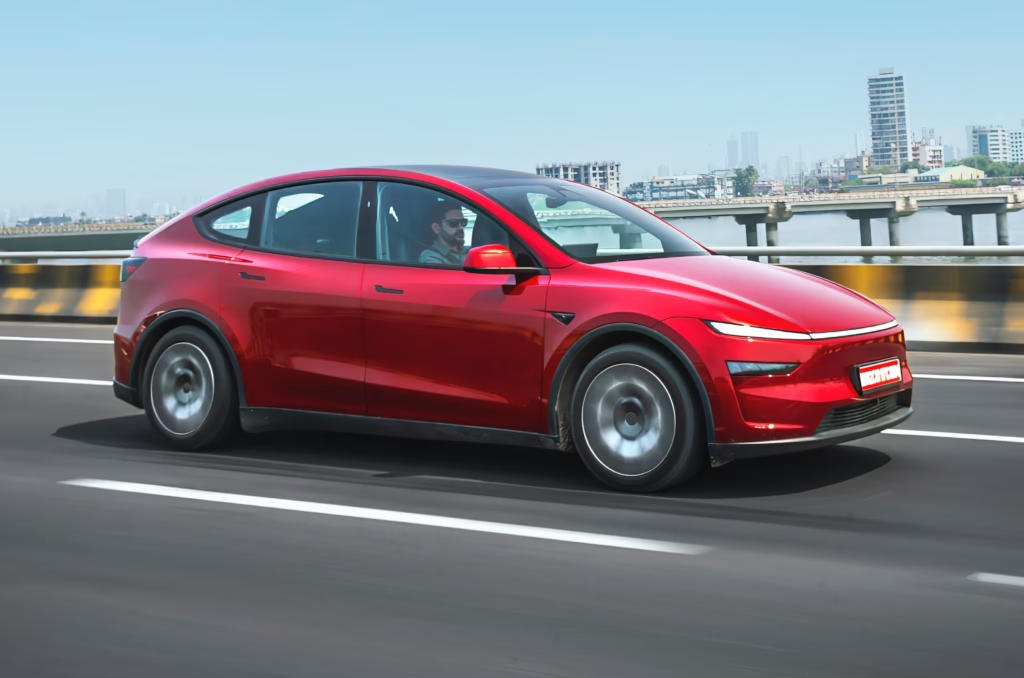
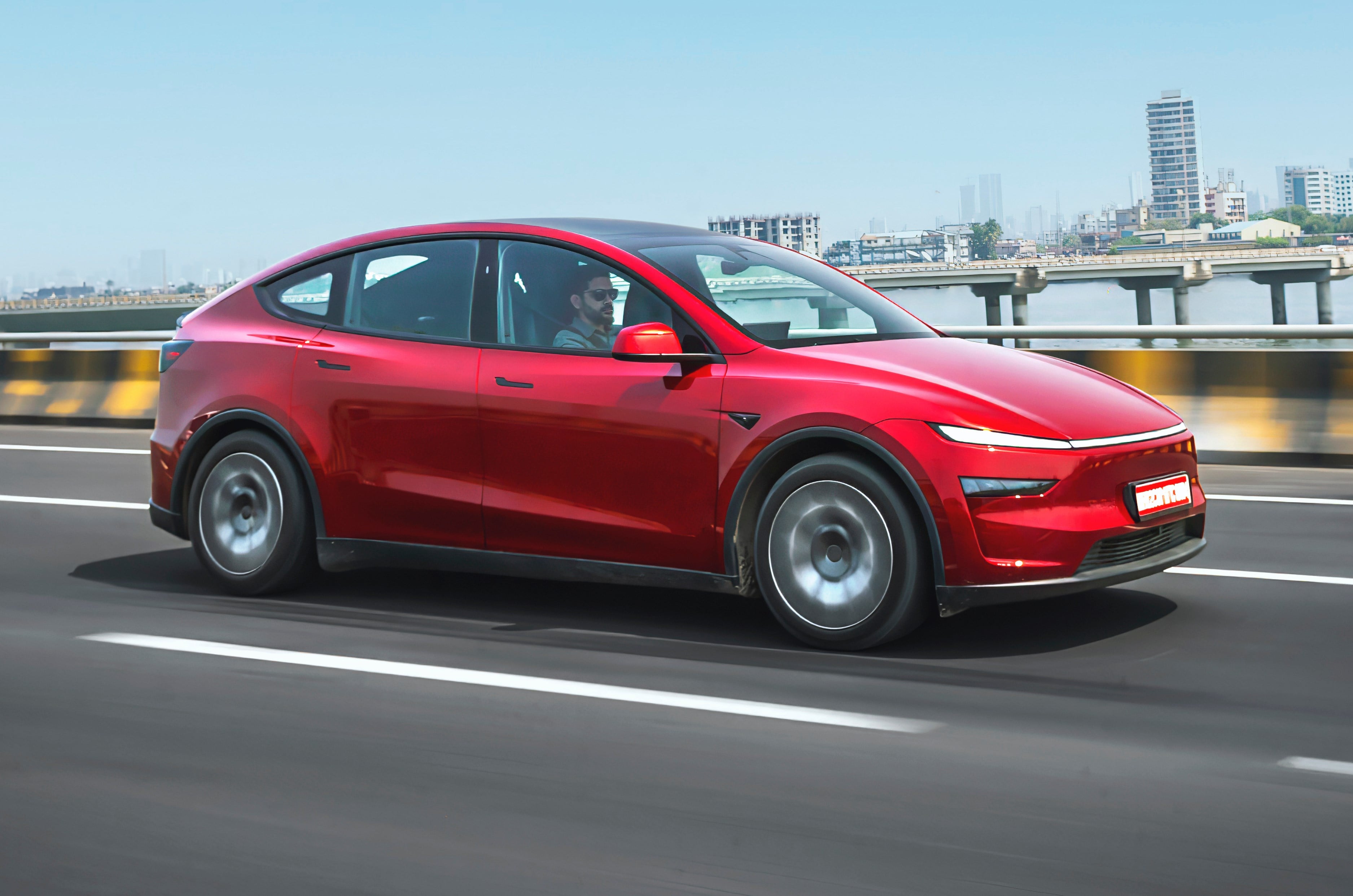
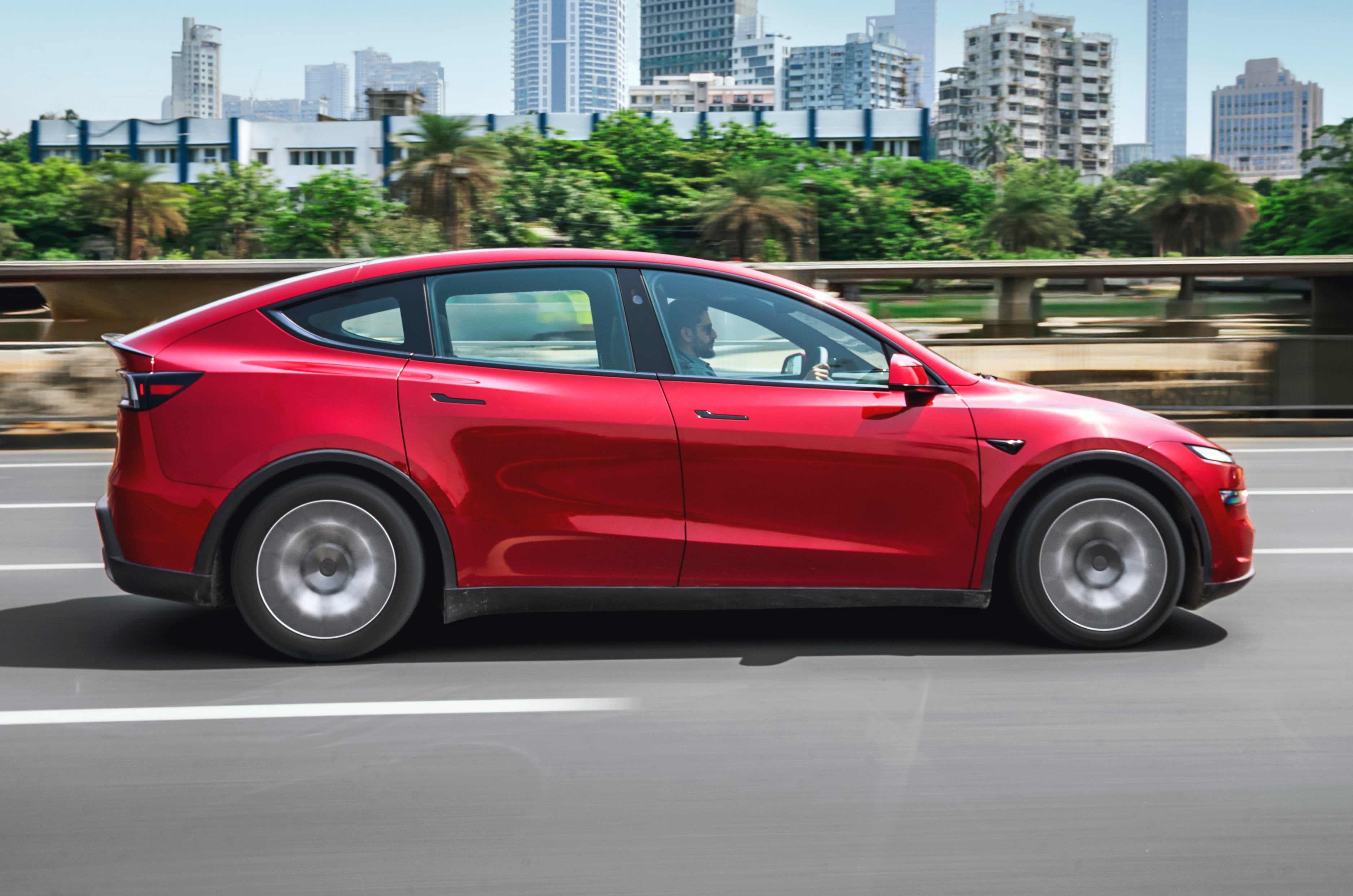
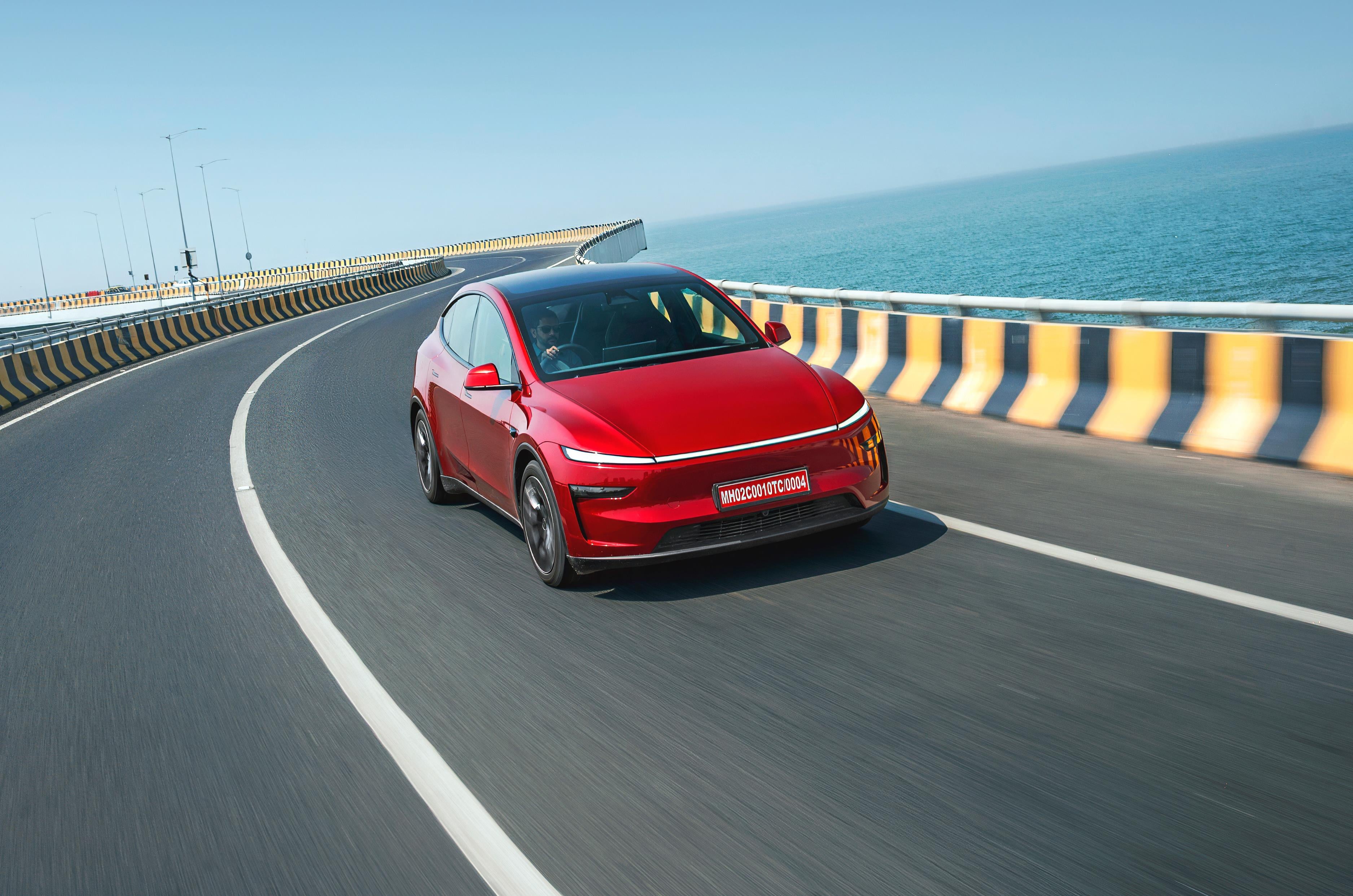
The Tesla Model Y is a tech-loaded electric crossover that prioritises cabin space and performance over everything else. The new Model Y L takes that formula a step further, adding a third row of seats, a longer wheelbase, more power with an all-wheel drive setup, more range and more sophisticated suspension as well. Given the additions, naturally it costs more than the standard-wheelbase, real wheel drive versions, but is the Y L actually worth the extra outlay?
Model Y Exterior Design and Engineering – 6/10
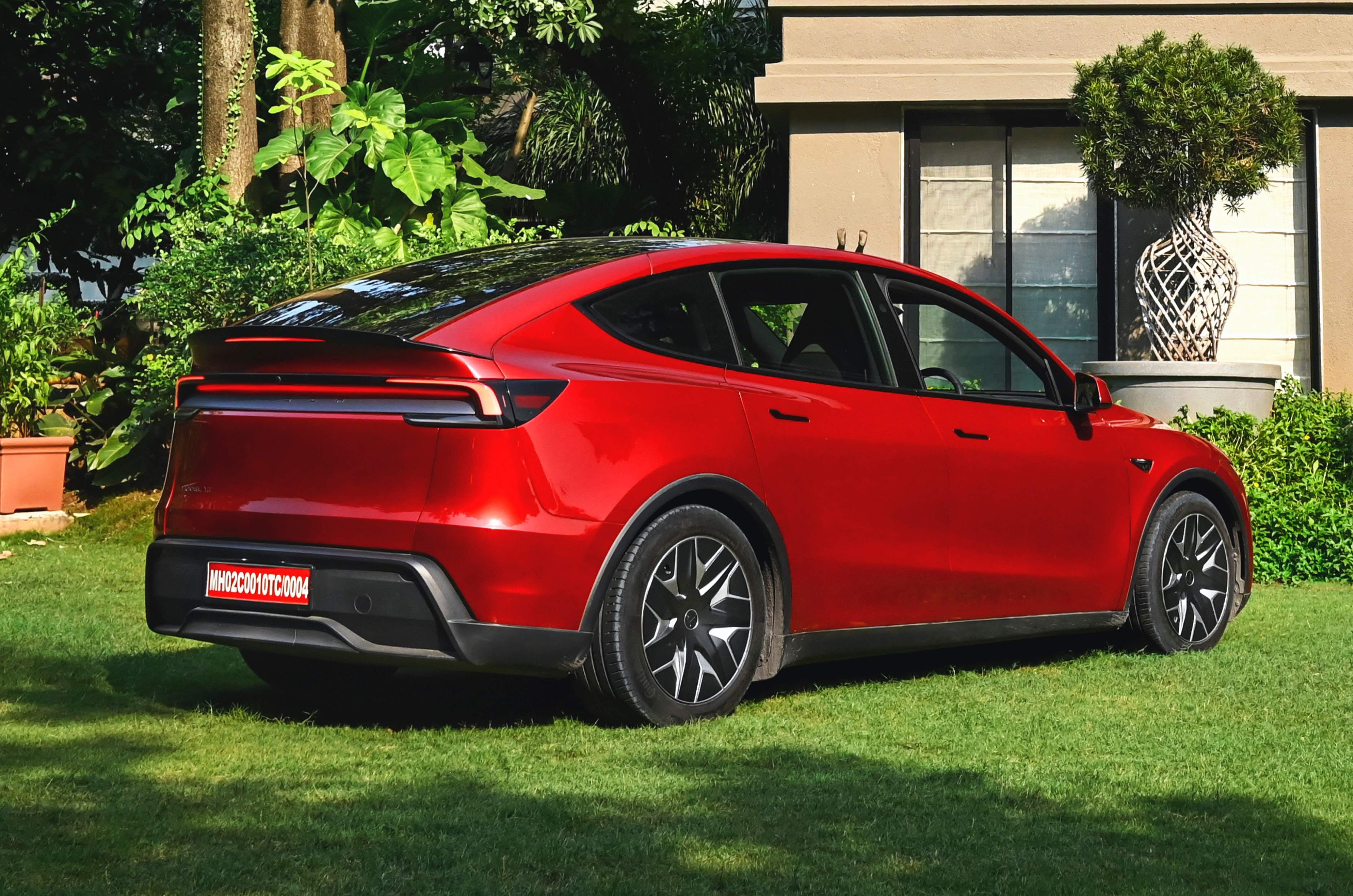
Appears near-identical to the Model Y, but the Y L is longer, taller and has a longer wheelbase.
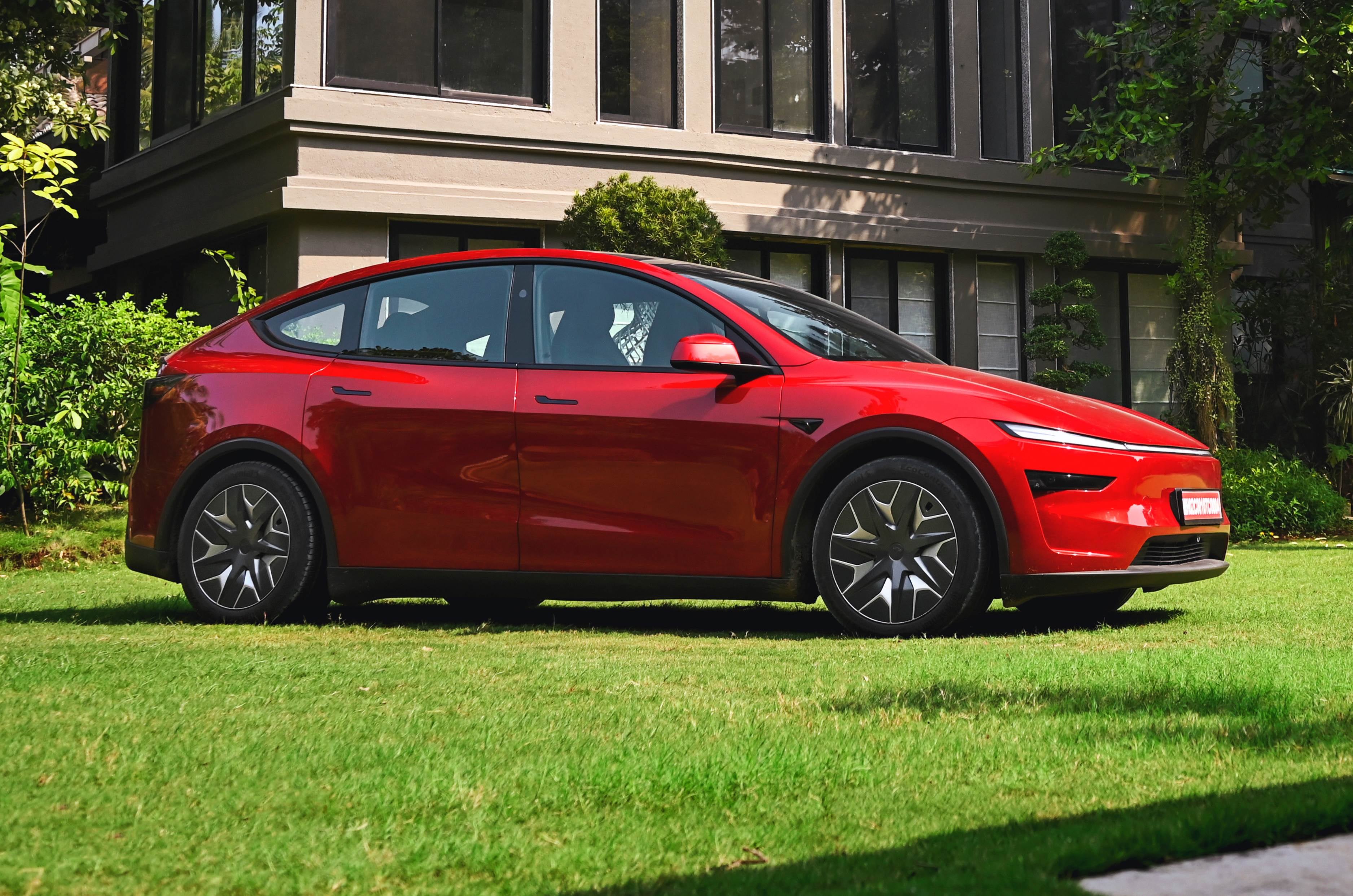
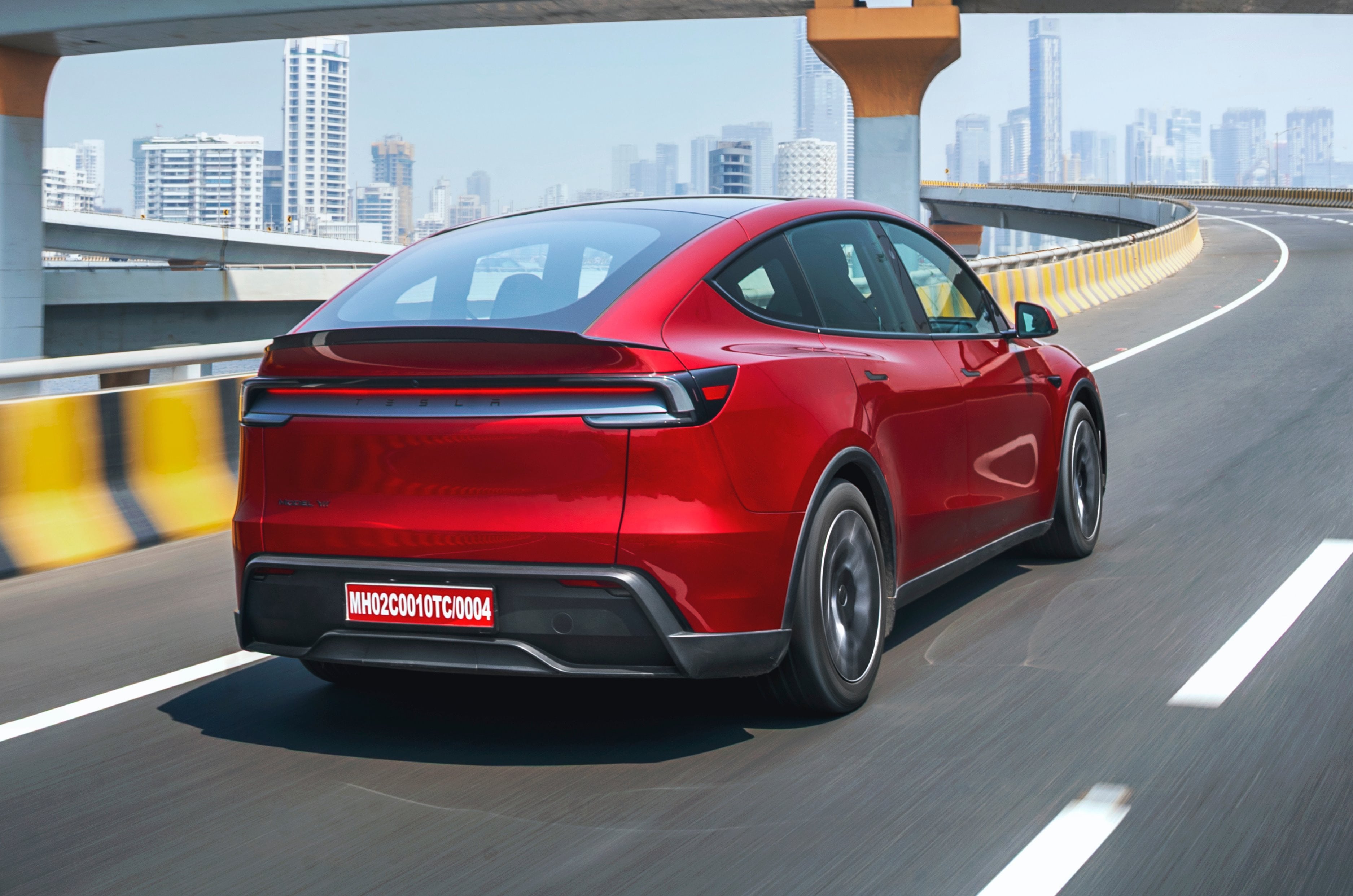
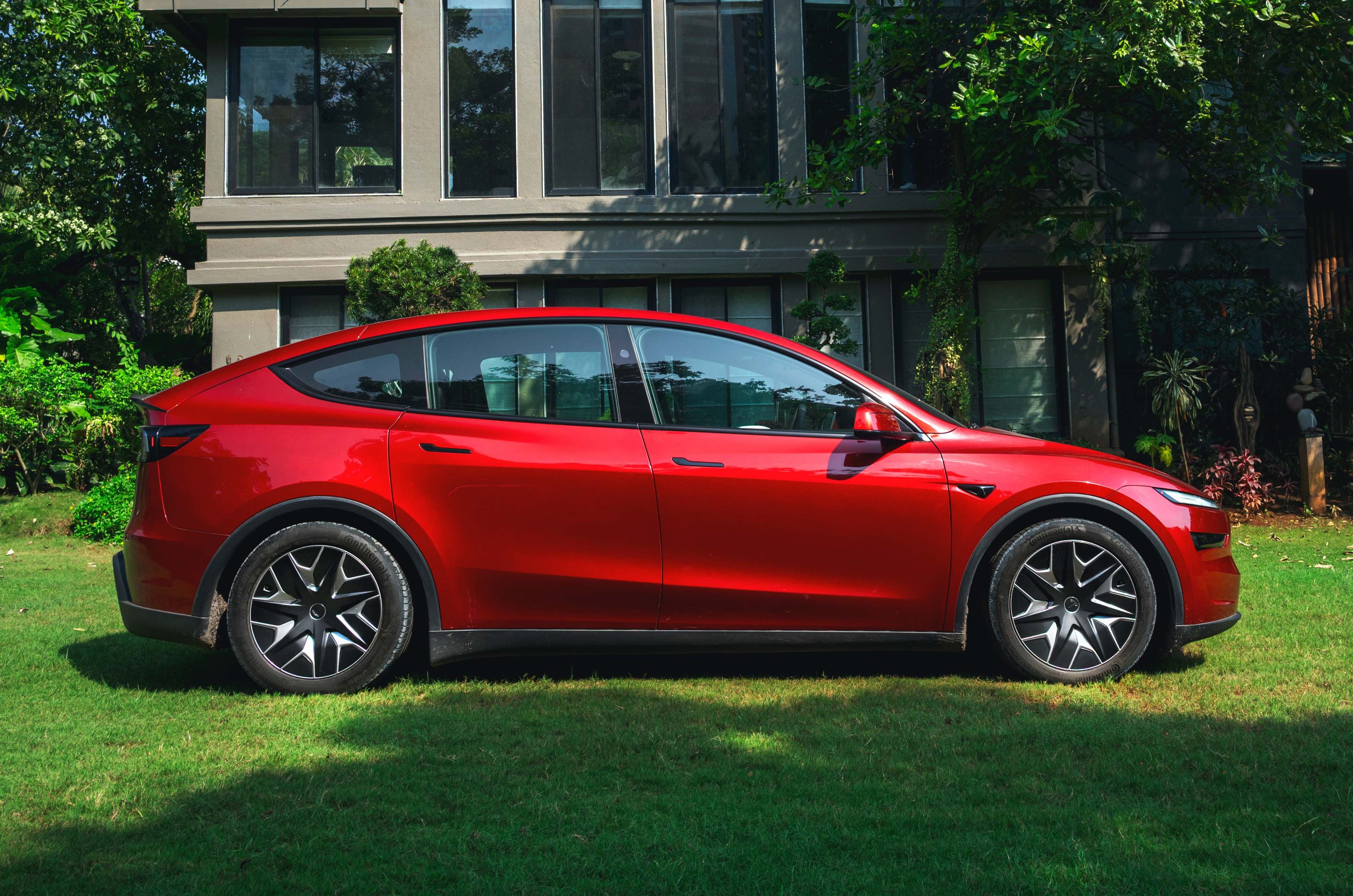
At first glance, the L looks very familiar to the Model Y, but this version looks noticeably larger from the side and rear. The Model Y L measures 4,969mm in length and 1,664mm in height, 1,982mm in width with a 3,040mm wheelbase, which makes it 179mm longer overall and 40mm taller than the Model Y, and it also has a 150mm longer wheelbase. At 166mm (unladen), the Y L has decent ground clearance but considering the longer wheelbase, you have to be extra careful going over big speedbreakers otherwise you will end up scraping the belly.
The growth in dimensions is particularly apparent in the raised and extended roofline, plus the expanded rear glass and rear-quarter glass area. The other changes include a new bootlid spoiler and the 19-inch alloy wheels have a more enclosed design, both in the interest of further aero optimisation.
Other than that, the smooth, aerodynamic silhouette with minimalist detailing and distinctive lighting elements remain. The overall design is unmistakably Tesla, although the extra length gives it slightly more road presence. That said, the Model Y L doesn’t suddenly become a traditional SUV just because it has grown. Its rounded, slightly anonymous shape with clean surfacing continues to favour aerodynamic efficiency over visual appeal. But it looks distinctive and as such, has carved out a niche for itself in terms of design.
Model Y Interior Space and Comfort – 8/10
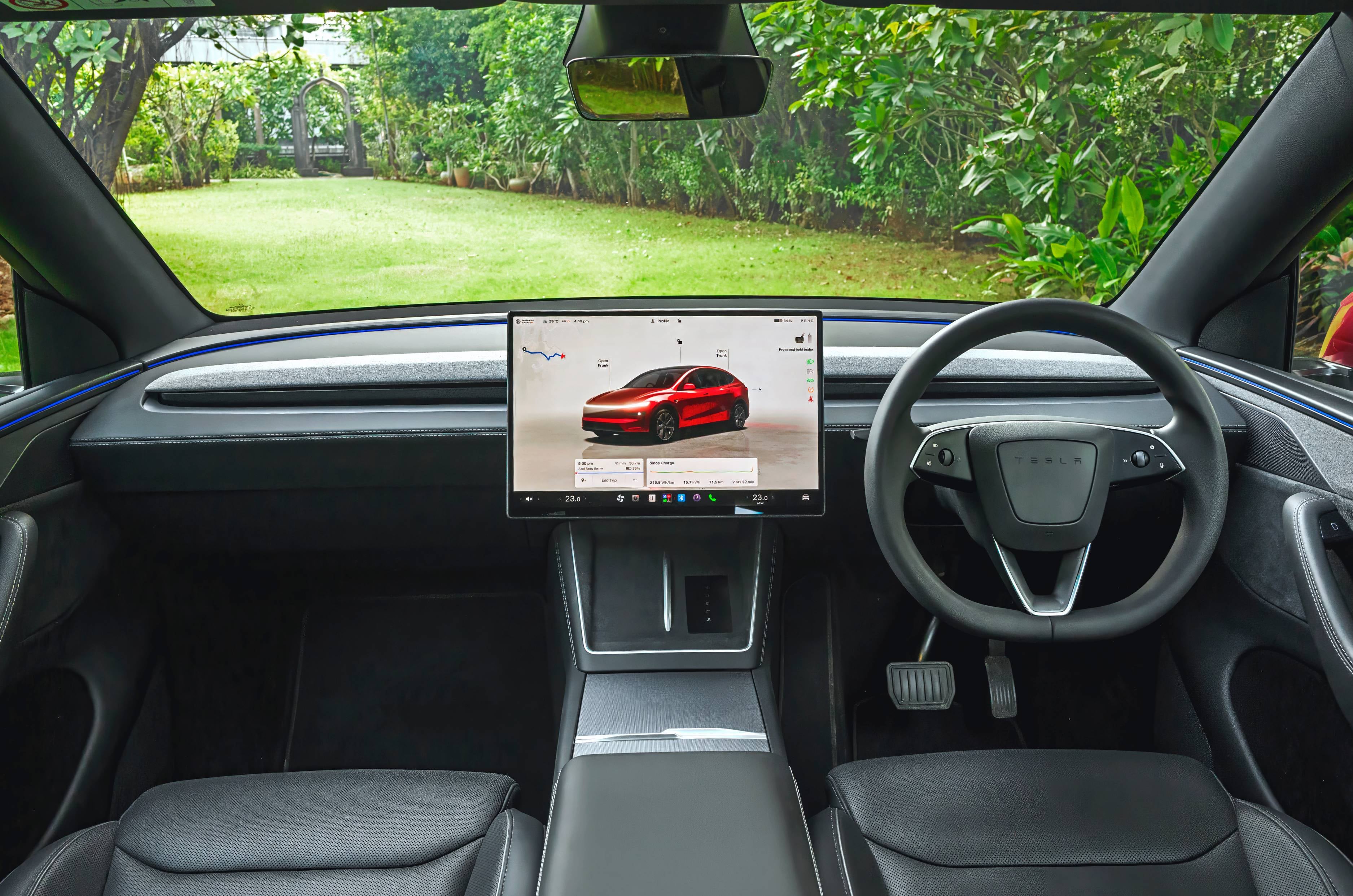
Minimalist design remains the same, save for a new textured finish on top of the dashboard.
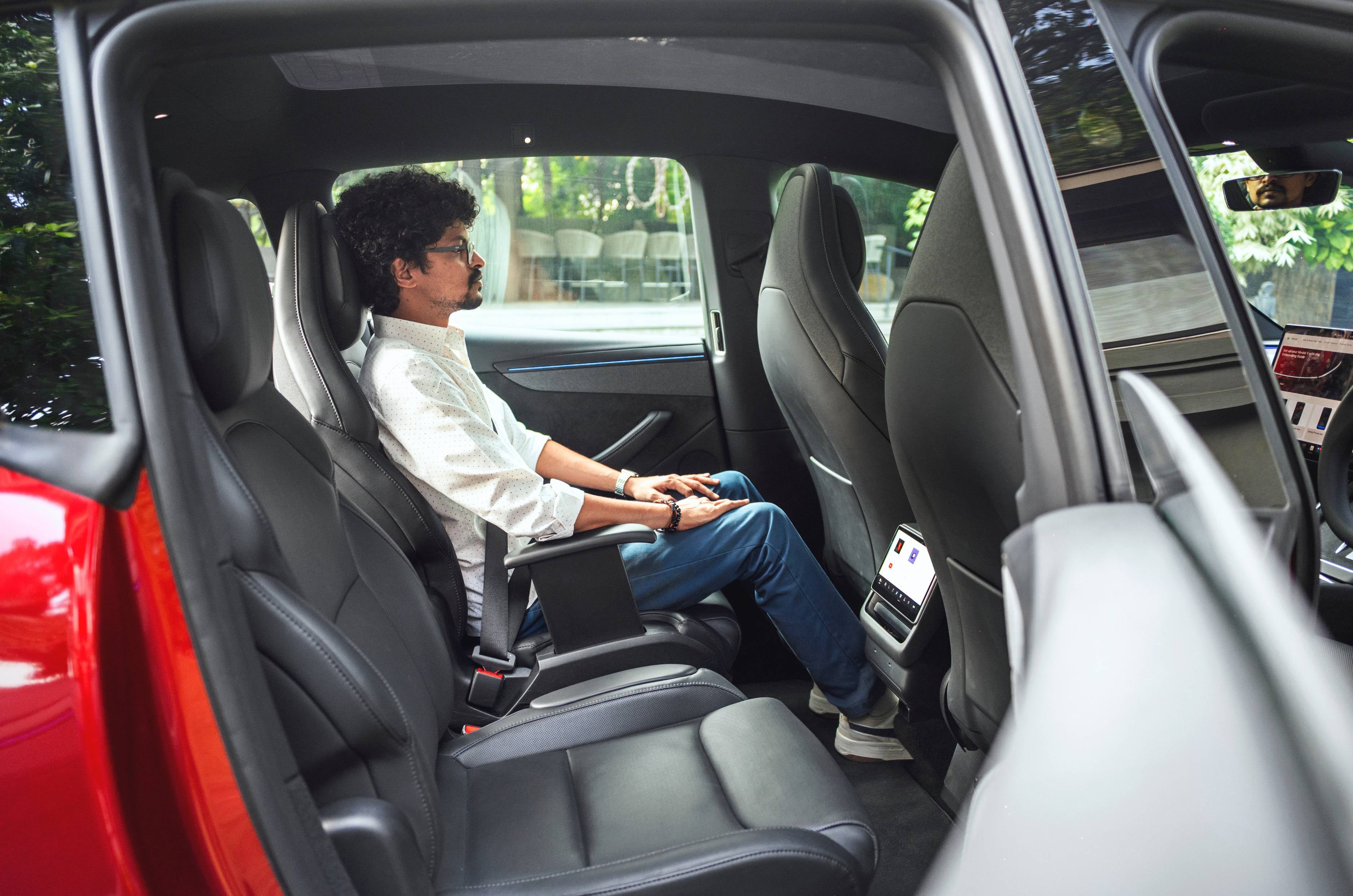
This is where the Model Y L takes a larger step up. The standard Model Y already had a spacious cabin, but the Y L has even more room and brings further versatility, by adding a third row of seats. It is a six-seater rather than a seven-seater, with two individual captain’s chairs in the middle row instead of the standard car’s bench.
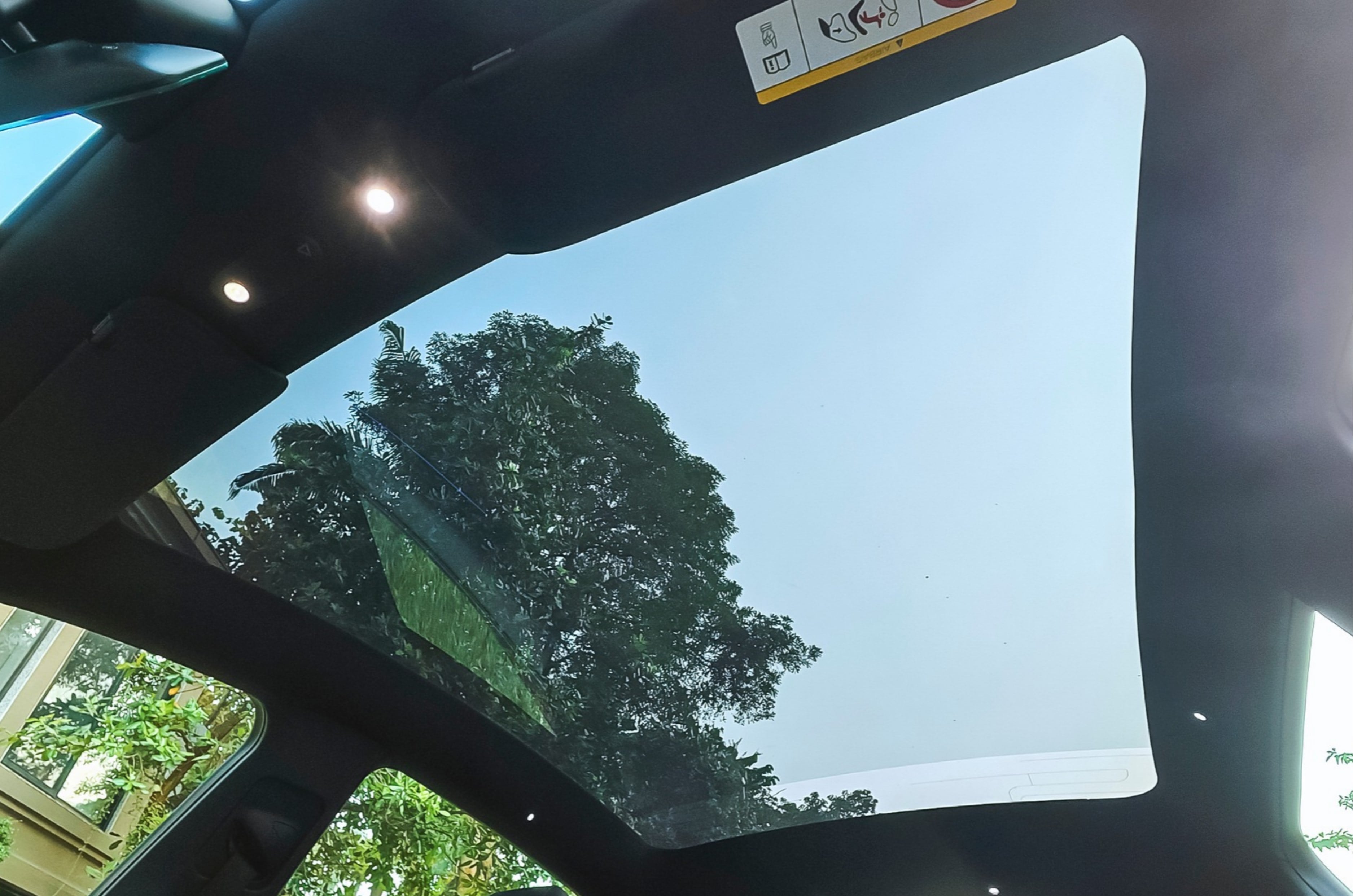
The front seats may be simple-looking but they are plush and comfy, and the extended underthigh support enhances comfort especially for taller people. These seats are also heated, cooled and feature electric adjustment. The second row is arguably the highlight, however. The individual captain’s seats are very comfy, and they feature integrated headrests, a heating and cooling function, along with power adjustment and powered armrests too. The extra wheelbase and taller roof of course gives passengers more room to stretch out and as such there’s no shortage of legroom or headroom here. The larger windows, coupled with the tinted panoramic glass roof further enhances the sense of space. However, since there are no window blinds or a sunshade for the roof, the large glasshouse area means the cabin heats up too easily especially on a hot, sunny day.
Captain seats are very comfy and there’s plenty of legroom and headroom here.
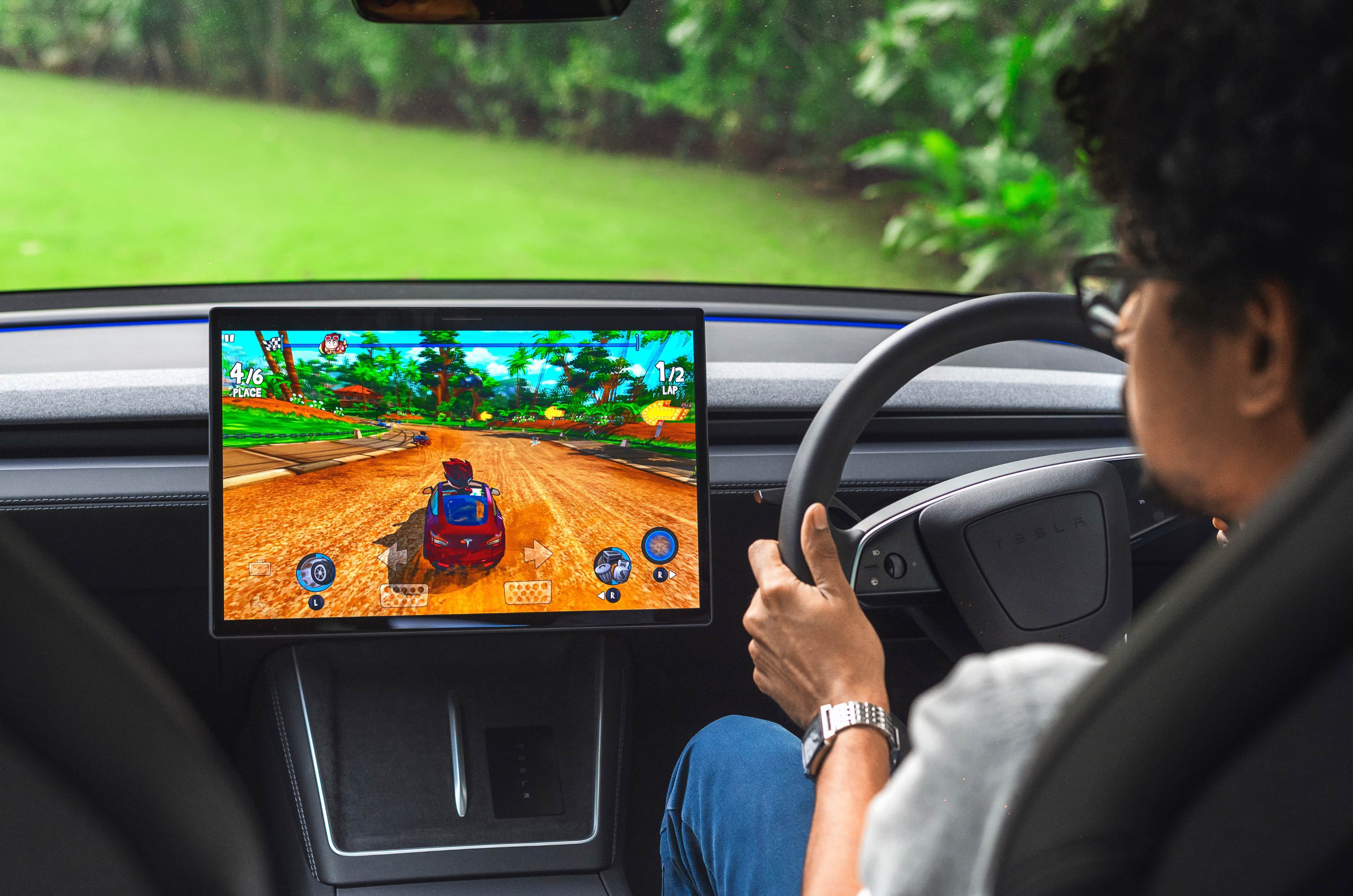
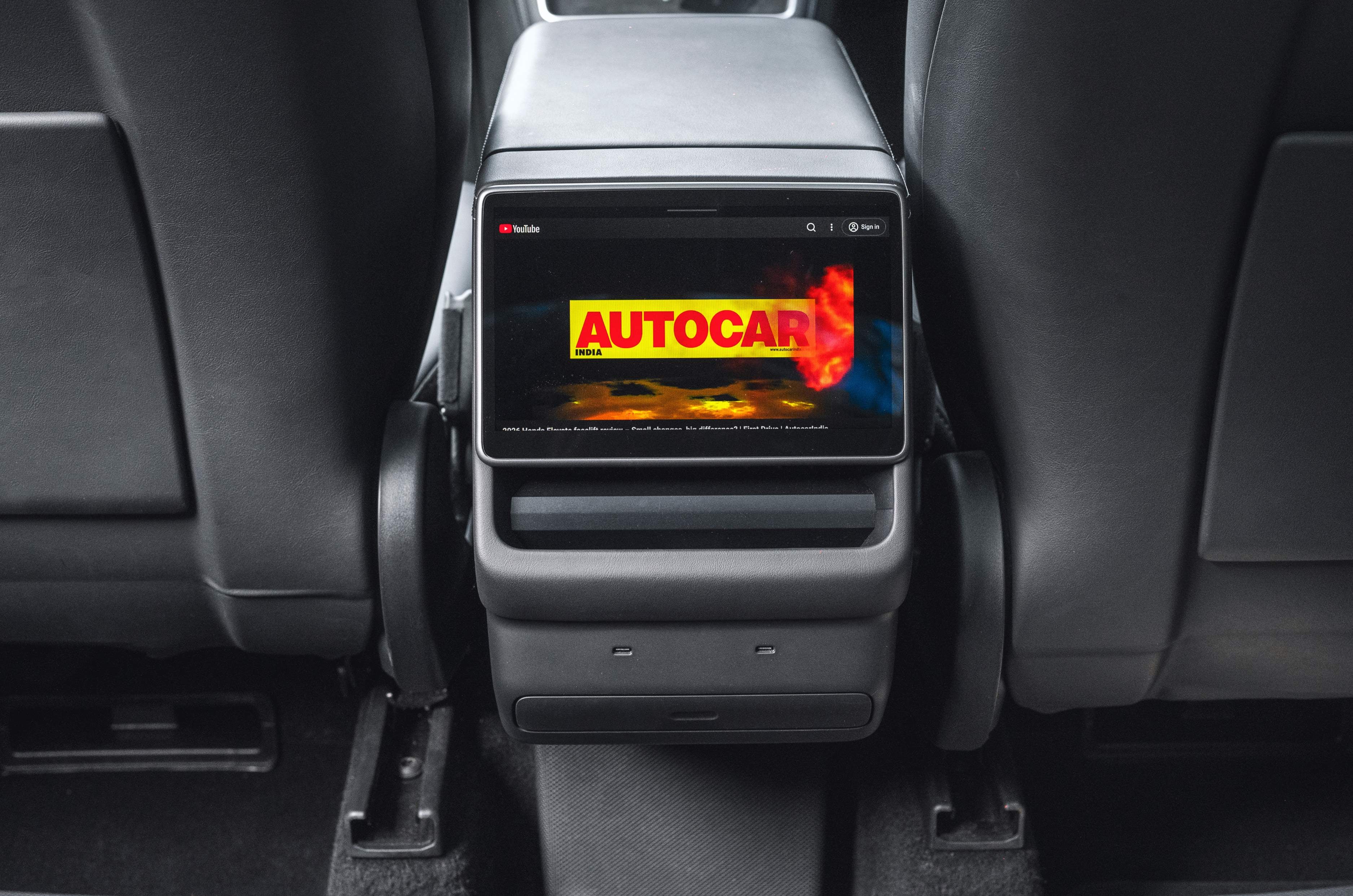
Middle row passengers are well-catered too, however. Apart from the aforementioned heated/cooled and powered seats, you also get cupholders, charging ports, cupholders and a 8-inch touchscreen. This centrally-mounted unit is just as slick to use as the one in the front and it controls several functions, along with the ability to play videos and games.
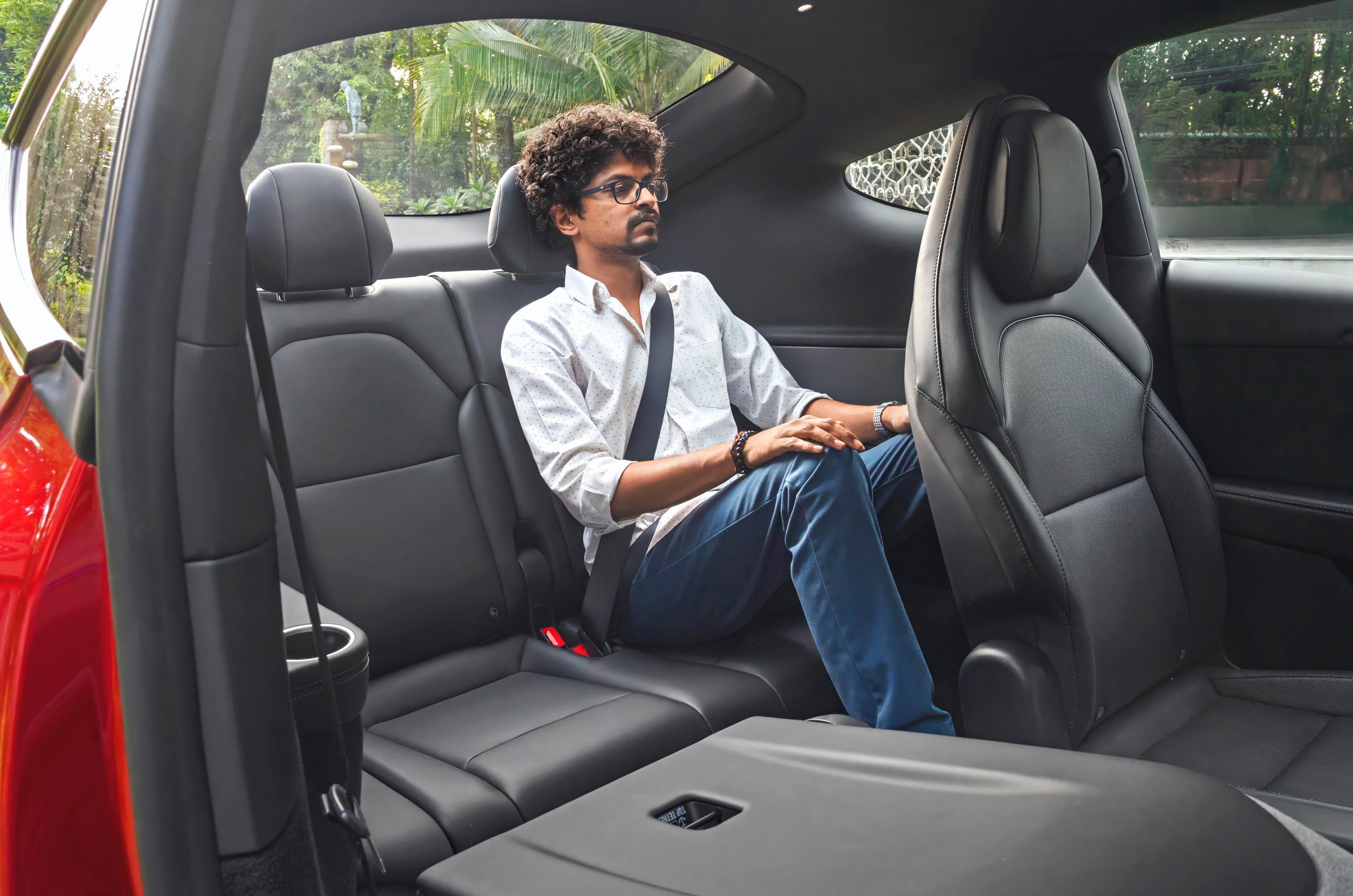
Seating is knees-up, but the third row is usable even for adults.
The third row, however, comes as a bit of a surprise. Considering the low seat, you’re sat in a knees-up position but space back here is genuinely usable for adults, with adequate headroom and kneeroom. Dedicated AC vents, cup holders and type C charging ports are useful inclusions and show that the rearmost seats aren’t simply an afterthought. Like in the middle, here too the large window and untinted rear windscreen lets in a considerable amount of heat.
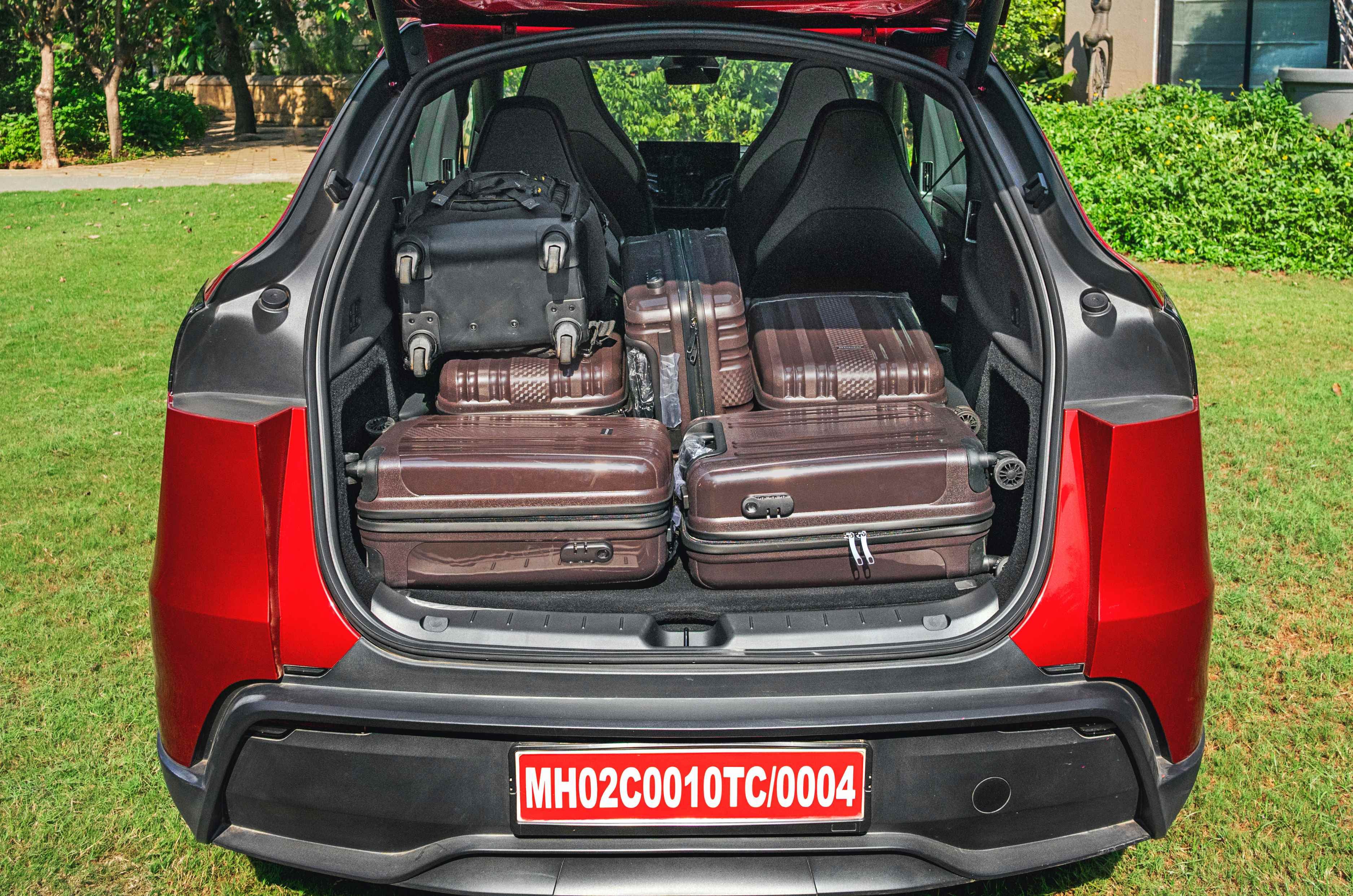
420-litre boot can be expanded to a massive 1,076 litres by folding the third row; more room under the boot floor too.
Luggage space is another important consideration for a family focused car such as the Y L. With all three rows up, boot space is a respectable 420 litres which can be further expanded to a massive 1,076 litres by electronically folding the third row. Then there’s also a considerable amount of storage space under the boot floor and a properly usable 117-litre frunk. As such, the Y L remains practical despite the added seats. It’s worth noting though, there’s no spare wheel.
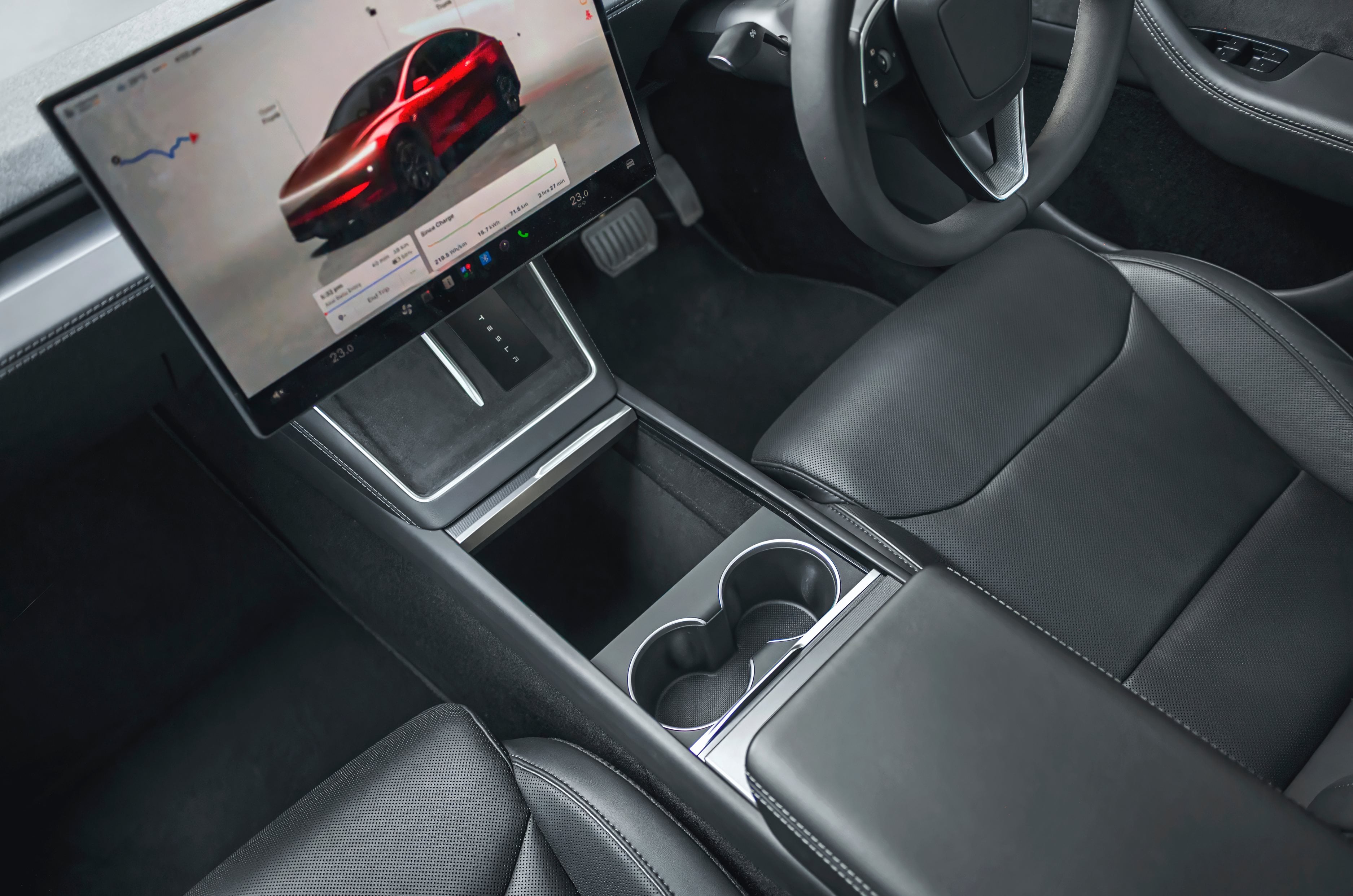
Practical cabin features a large storage box in the centre, cup holders, two wireless phone chargers, and space under the centre armrest.
Up front, the cabin retains Tesla’s familiar minimalist layout. A large central touchscreen dominates the dashboard, with very few physical controls to interrupt the clean design. This extended model gets a textured finish on top of the dashboard, but the overall layout remains largely unchanged. It also remains a practical place, with a large cubby space in the centre console, storage under the centre armrest, multiple cupholders and seat back pockets.
Model Y Features and Safety – 7/10
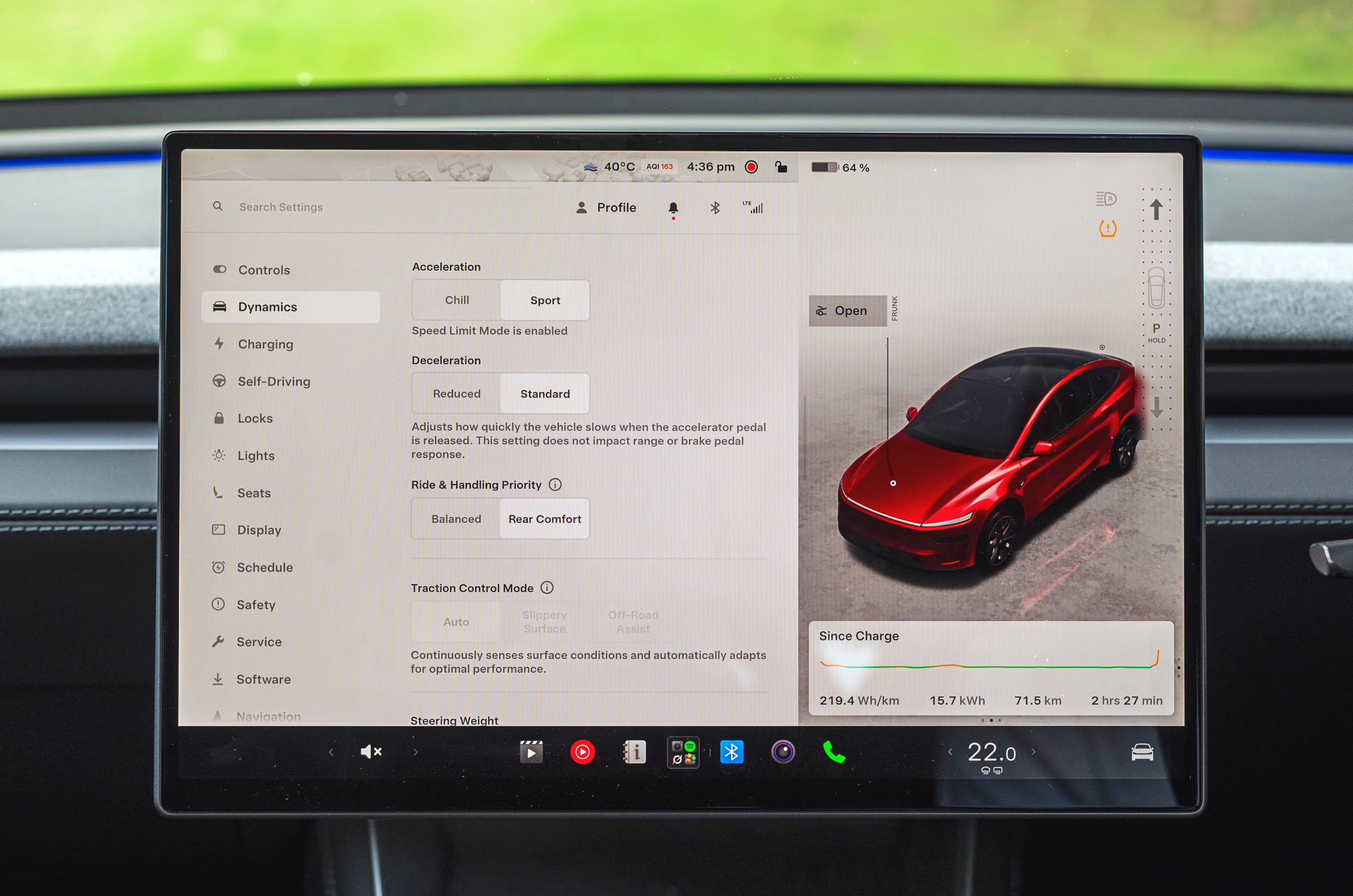
Y L gets a Sport drive mode and two settings for the new adaptive dampers.
Technology has always been central to Tesla’s appeal, and the Model Y L continues with that approach. Apart from the aforementioned 8-inch rear screen, the main party piece of this car is the central 16-inch touchscreen. This screen is easily one of the best in the business in terms of resolution and responsiveness.
16-inch touchscreen is one of the sharpest around and packs in the typical Tesla quirks and features.
The screen is slick and feature-packed, but the reliance on it for everyday functions remains a usability compromise. Adjusting climate settings and accessing basic vehicle functions like adjusting the mirrors and opening the frunk require navigating menus, which isn’t as intuitive as using dedicated switches. It looks modern and gives the cabin a clean appearance, but a little more emphasis on straightforward ergonomics wouldn’t hurt.
8-inch rear screen is just as slick and can bes used to play videos and control other functions.
But thankfully, you do get the Grok AI assistant as a part of the package which can pretty much do everything for you right from setting the AC, to setting the navigation, finding a charger and much more. It can converse in multiple languages and also constantly learns more about you, so it’s said to get more intuitive as you spend more time with it.
Other features include a panoramic glass roof, dual wireless phone chargers, multi-colour ambient lighting, a superb sounding audio system with 18 speakers and a subwoofer, heated/ventilated and powered front two rows of seats, heated third row seats, all LED lights and so much more. There’s also connected-car tech, and as with any Tesla it gets over-the-air updates, so the car is constantly improving without the need to visit a service centre.
Tinted glass roof helps the cabin feel airy but no sunshade means it heats up quickly as well.
Safety equipment includes nine airbags and a suite of driver-assistance features, including lane-departure warning, lane-keeping assist and blind-spot monitoring. The car also has high-resolution cameras all around it which provide a great view of the surroundings, although Tesla’s more advanced Autopilot capabilities remain absent in India.
The technology is impressive, but the screen-centric interface requires some acclimatisation. Some buyers may find the learning curve frustrating, especially while driving. But for the tech-savvy buyers the Y L is aimed at, they will find this approach very appealing.
Model Y Performance and Refinement – 9/10
Dual-motor, all-wheel-drive powertrain puts out over 500hp and does 0-100kph in a claimed 5 seconds.
The Model Y L is offered in India with a dual-motor all-wheel-drive setup, unlike the rear-wheel-drive only Model Y variants. Tesla does not officially list powertrain specifications, but it has an estimated combined system output of 514hp and 590Nm and the brand claims a 0-100kph time of 5 sec and a top speed of 201kph. We did a quick acceleration test and managed a 0-100kph time of 5.02sec, though we couldn’t test the top speed as our car was electronically limited to 120kph. For a family crossover which is estimated to weigh over two tonnes, the performance is properly brisk. Expectedly, acceleration feels very potent and as typical of any high-performance EV, the Model Y L pins you back into the seat. However, there is a certain progression to the power delivery and the added traction of the all wheel drive setup makes it feel manageable and not overwhelming. There’s also two drive modes, Chill and Sport, the latter of which is exclusive for the Y L. And they have a corresponding effect on the response of the powertrain, with Sport obviously feeling much more immediate.
The added performance also makes overtaking on highways and closing gaps in traffic particularly effortless, as is reflected in the rolling acceleration figures. 20-80kph takes 2.85sec while 40-100kph is dispatched in just 2.94sec.
As with the standard Model Y, the Model Y L also impresses with its refinement. The cabin is superbly insulated from the outside world, thanks in part to the double glazed windows, with barely any road, tyre and wind noise filtering through into the cabin.
Model Y Mileage / Range and Efficiency – 7/10
Tesla Supercharger is said to add up to 288km of range in 15 mins; has a WLTP-rated range of 681km.
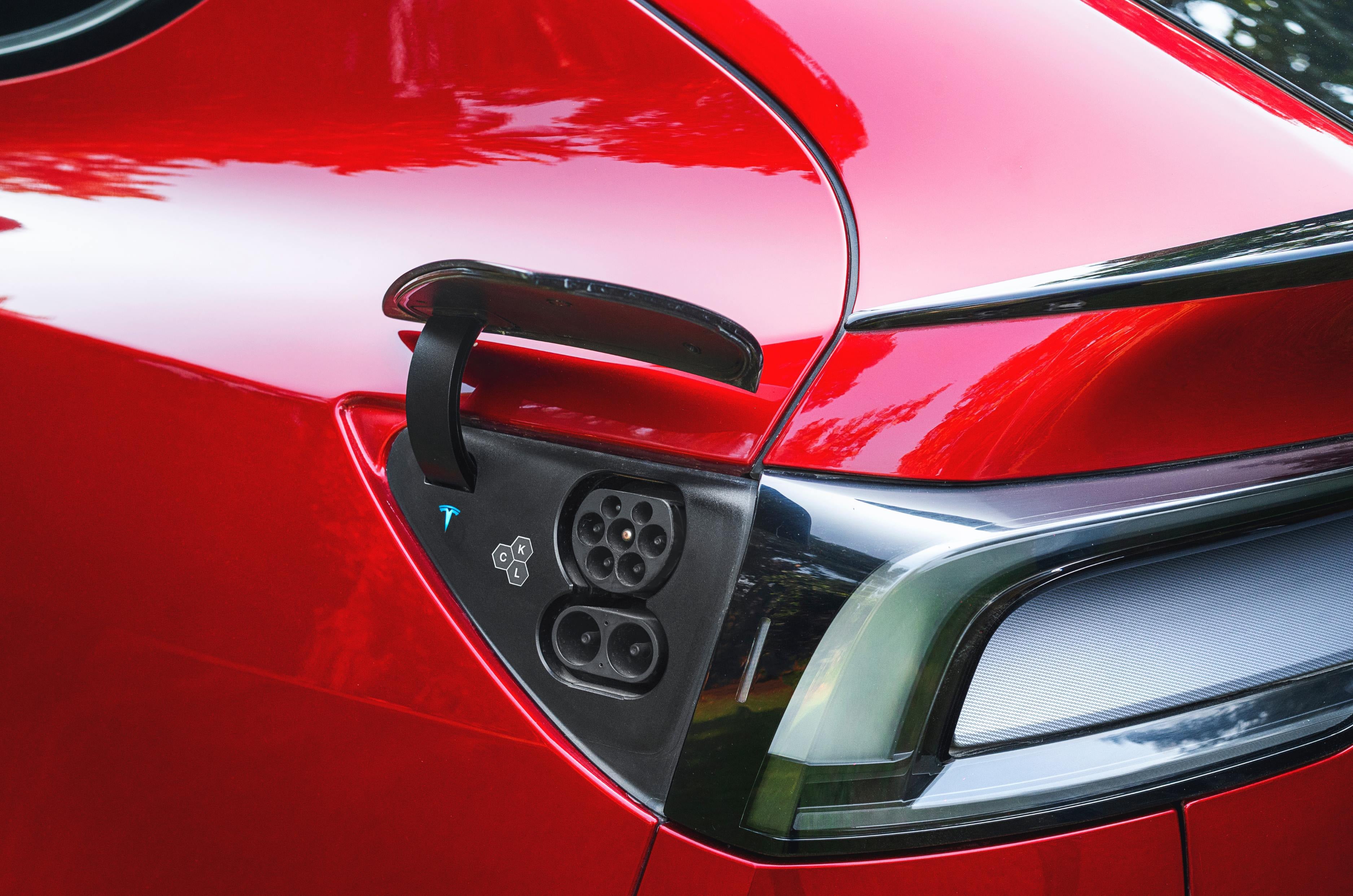
Tesla claims a WLTP range of 681km, from the Model Y L’s 88kWh (estimated) NMC battery pack. That’s more than the standard RWD Model Y, for reference. It can also add up to 288km of range in 15 minutes when connected to a Tesla Supercharger, according to the company. Speaking of which, the electric crossover is capable of accepting up to 250kW on DC fast charging and 11kW on AC charging. As always, real world range will depend on driving conditions, speed, weather and other factors.
Model Y Ride Comfort and Handling – 7/10
Adaptive dampers and longer wheelbase does make the Y L feel more settlled than the standard Model Y.
The standard Model Y’s ride and handling package is competent, although its low-speed ride is noticeably firm, especially on uneven surfaces. Tesla has made changes to the L’s suspension, equipping it with adaptive dampers in a bid to improve comfort and body control.
This is a particularly relevant upgrade for a longer, heavier vehicle designed to carry more passengers. As with everything else, this is also controlled via the touchscreen with two settings available – Balanced and Rear Comfort. The latter softens things down and gives it a slightly plusher feel, while the former represents a good middle ground between ride comfort and handling. Even though the difference in the modes isn’t that great, the Y L does feel more composed over broken roads and avoids transmitting as much movement into the cabin as the Standard Model Y.
The longer wheelbase also helps the car feel a bit more settled at speed, although manoeuvring in confined spaces is more cumbersome, and this is particularly amplified thanks to the rather poor turning circle. Like the standard Model Y’s, the Y L’s steering is light and easy to use, but it isn’t particularly feelsome. There’s also three modes for the steering, which progressively add more weight. The handling too is more competent and predictable rather than entertaining. It doesn’t feel as agile as the Model Y but body movements do seem better controlled thanks to the adaptive dampers.
There’s two levels of regenerative braking – Standard and Reduced. Standard is the stronger setting and best for use in the city as it almost functions like a one-pedal mode while Reduced is for highway use as it allows for some coasting.
Model Y Value for Money – 7/10
The Model Y L is for those who want a spacious, quick, refined, and cutting-edge premium EV for the family.
Priced at Rs 61.99 lakh (ex-showroom), the Tesla Model Y L makes for a more compelling case than the standard Model Y despite costing 10 lakh more. It still costs a fair bit more than its most direct rivals, the BMW iX1 LWB and the BYD Sealion 7, but the Y L is more spacious with more seats. The Model Y L does have its compromises though. It’s over reliant on the touchscreen for even basic functions and the large glasshouse means the cabin heats up easily. The larger dimensions, poor turning circle, low ground clearance and long wheelbase also means it is more challenging to maneuver in the city and while parking.
But it brings a lot more to the table too. There’s more cabin space, the added versatility of a third row, a more potent dual-motor powertrain with all-wheel-drive and a higher claimed range as well. And it retains its strengths of being featured-packed, with excellent refinement and massive cargo space. Tesla says that buyers are now preferring to opt for the Y L over the Model Y considering all the additional things it brings, and that really doesn’t come as a surprise. So for buyers who want a spacious, quick, refined and cutting-edge electric crossover for the family, the Tesla Model Y L fits the bill perfectly.
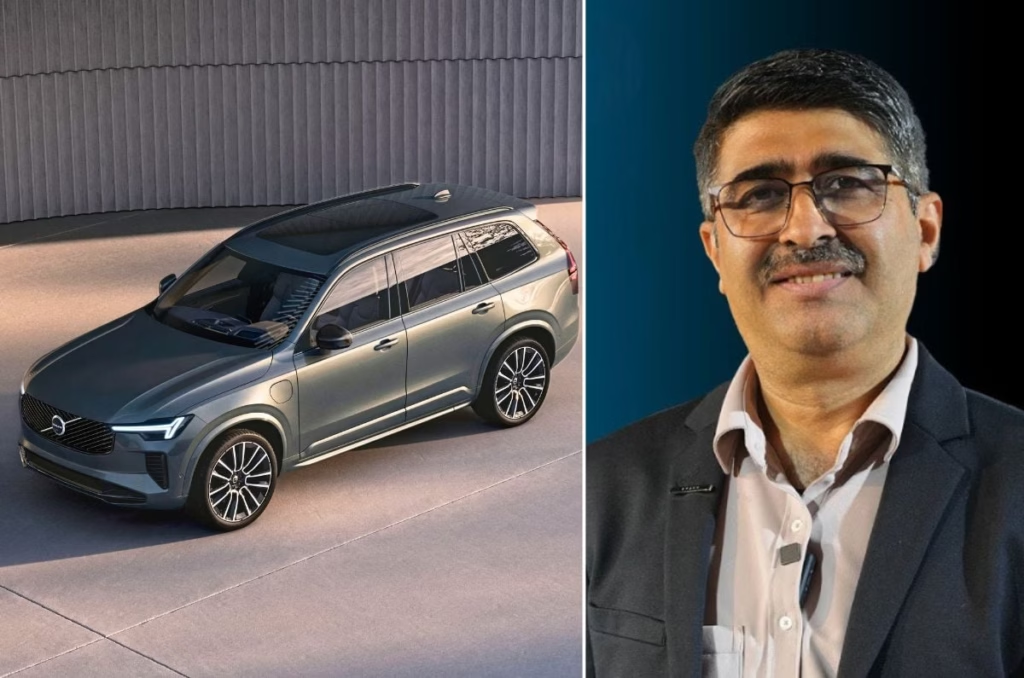
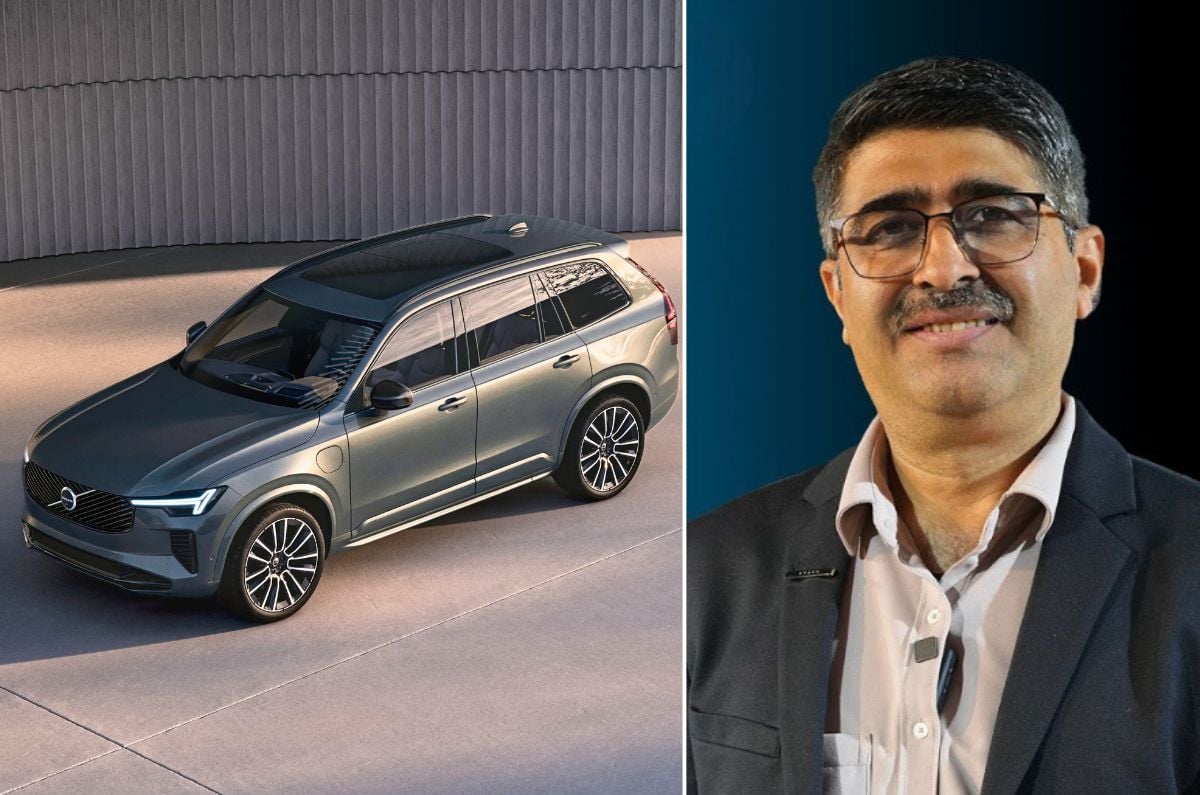
Volvo is currently not considering plug-in-hybrid vehicles (PHEVs) in its India portfolio anytime soon, as it sees the current tax structure and uncertain customer interest as hurdles to their introduction. “The regulations are not conducive to plug-in hybrids,” Jyoti Malhotra, MD of Volvo Car India, told our sister publication Autocar Professional on the sidelines of the recent EX90 launch. He also added that Volvo’s India plans remain focused on mild hybrids and EVs for now.
GST on PHEVs is 40 percent, making them less competitive than BEVs with 5 percent GST
Volvo’s India strategy focuses on mild hybrids and BEVs for the foreseeable future
PHEVs could be introduced if customer demand, economics support their future viability
India’s tax structure makes PHEVs less competitive
In India, PHEVs attract a 40 percent GST rate (plus applicable cesses bringing total taxes even higher, up to 43 percent). In contrast, pure battery EVs (BEVs) face a 5 percent GST rate and no compensation cess.
Malhotra said current tax treatment favours BEVs and makes PHEVs less competitive. PHEVs combine an internal combustion engine (ICE) with an electric drivetrain comprising an electric motor and a rechargeable battery that can be charged externally. This dual-powertrain setup adds to the vehicle’s cost. The higher tax burden further affects the final price, making PHEVs less competitive against conventional ICE models and battery electric vehicles (BEVs).
Higher costs, customer willingness to pay remain key hurdles
Beyond taxation, customer willingness to pay remains a key factor in Volvo’s assessment. Malhotra said PHEVs would be more expensive than conventional ICE vehicles because they combine two powertrains and face a higher tax burden. “Are our customers ready to pay that cost is something we are watching very closely,” he added.
He also believes incentives under the third phase of Corporate Average Fuel Economy (CAFE) norms, slated to go into effect from April 2027, would not by themselves change the commercial case or the final purchase price. “I don’t think CAFE will bring much change to that. It is basically the tax structure,” he said.
Volvo’s India strategy remains focused on EVs, mild hybrids
Malhotra maintained that Volvo’s broader direction remained towards battery electric vehicles, even as the company adjusted the pace of its transition to reflect conditions in individual markets. “Our end goal is still the same, globally as well as in India, that we want to become an electric car company,” he said.
In India, Volvo offers mild-hybrid SUVs alongside BEVs, with electric cars accounting for nearly one in four vehicles it sells. The BEV portfolio includes EX30, EC40 and EX90 models, while the ICE models include the XC60 and XC90 SUVs, which come in a mild-hybrid avatar. Internationally, though, Volvo offers the XC60 and XC90 as PHEVs as well.
Malhotra said that mix also left the company well placed on CAFE compliance, allowing its powertrain decisions to be guided by market demand. Plug-in hybrids remain an option if customer demand and the economics support their introduction. “It’s not that we will bring it, but we can bring it if all things fall in place,” he added.
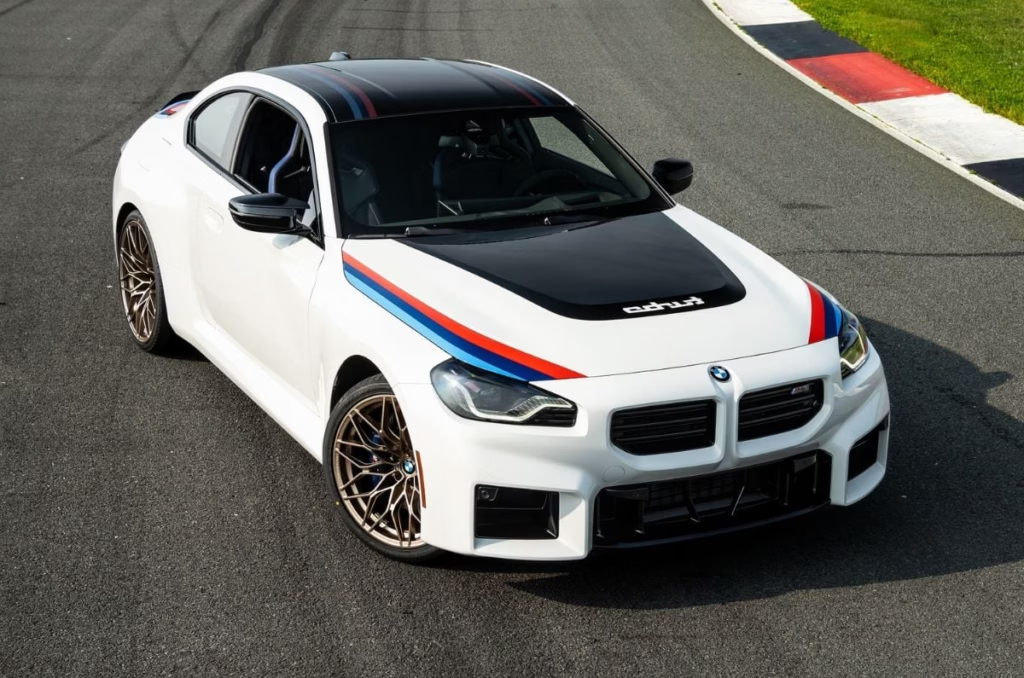
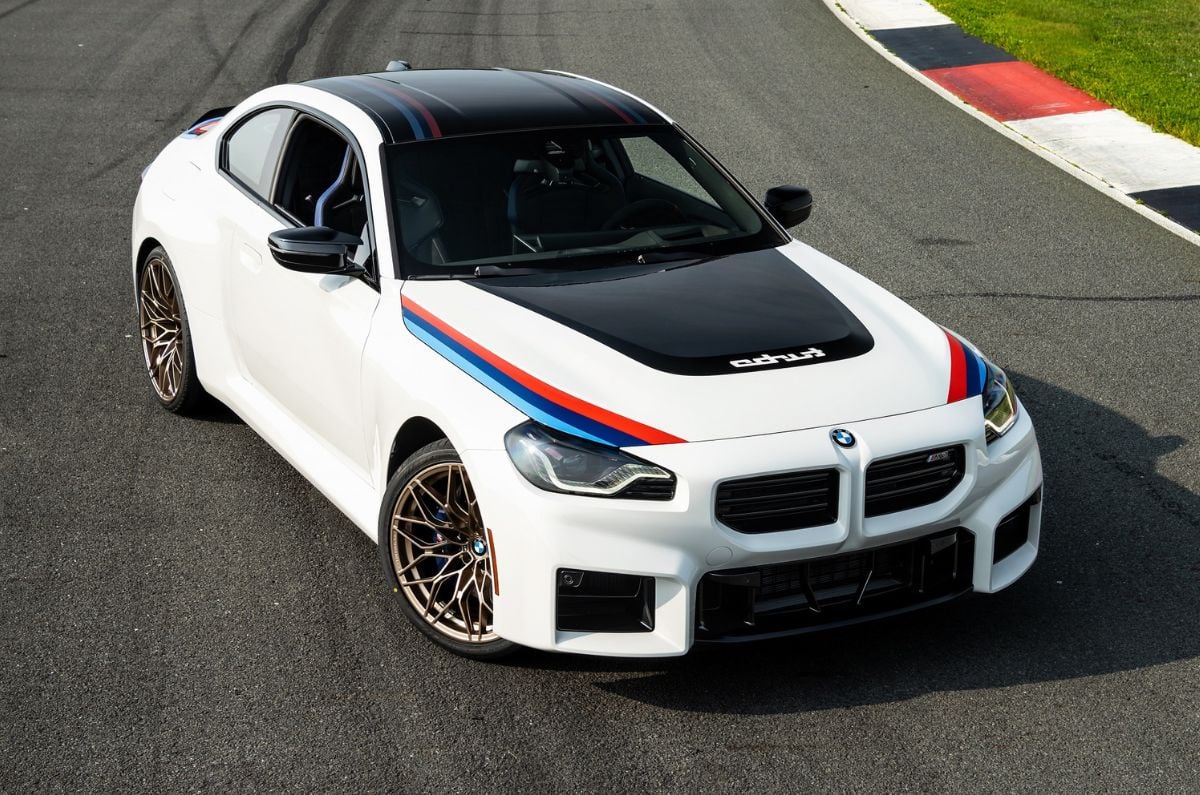
BMW has opened bookings for the limited-run M2 xDrive Turbo Edition in India. This ultra-exclusive model pays tribute to the BMW 2002 Turbo from 1973 which has a rather unique story in BMW’s history. More on that later, but the M2 xDrive Turbo Edition will be available in limited numbers in India with a first-come, first-served basis allocation. Expect prices to be announced in the coming weeks.
BMW M2 xDrive Turbo Edition: what is it paying tribute to?
This special-edition M2 pays tribute to the BMW 2002 Turbo sedan which was launched during the global oil crisis in 1973. At the time, it was the first series-production passenger car to use an exhaust gas turbocharger, something that has since defined the template for a lot of performance cars. The turbocharger, of course, was in the interest of reducing fuel consumption, but that doesn’t mean it was any slouch – with 170hp, 2.0-litre engine, a top-speed of 211kph and a 0-100kph time of 7.0 seconds, it was quite fast for its time. Well-kept examples of 2002 Turbo cost well over 100,000 Euros today, says BMW.
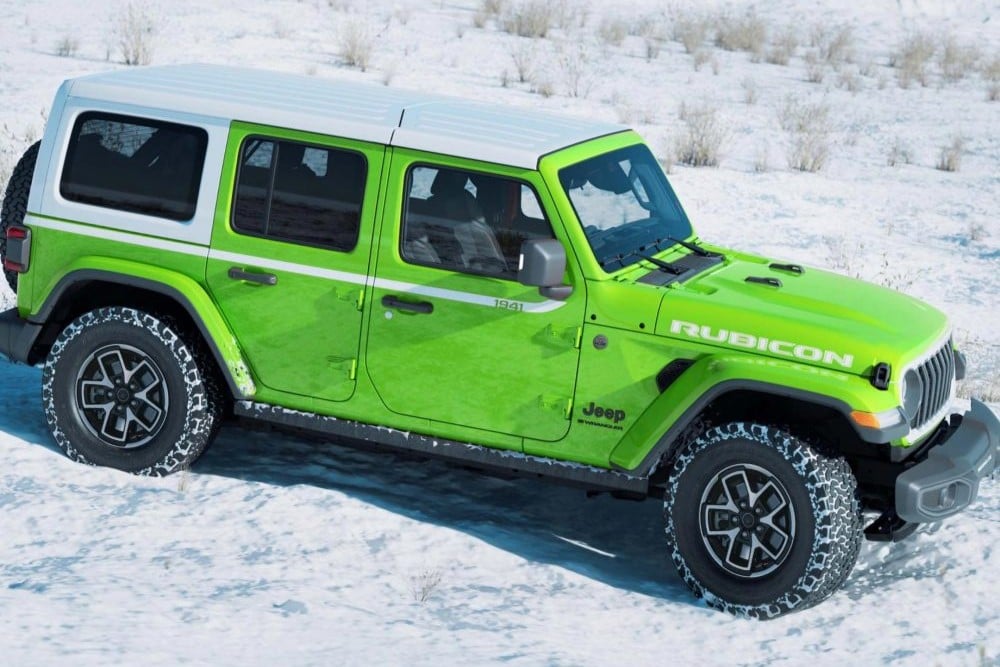
Following the reveal of the Wrangler Whitecap Mojito Limited Edition last month, Jeep has announced that the special-edition off-roader will cost Rs 73.55 lakh – a Rs 1.25 lakh premium over the Wrangler Rubicon on which the Whitecap Mojito is based. Only 25 units of the Wrangler Whitecap Mojito were offered in India, and Jeep has sold all of them. Globally, a total of 250 units of the Wrangler Whitecap Edition were made available.
Jeep Wrangler Whitecap Mojito Limited Edition: Exterior and interior changes
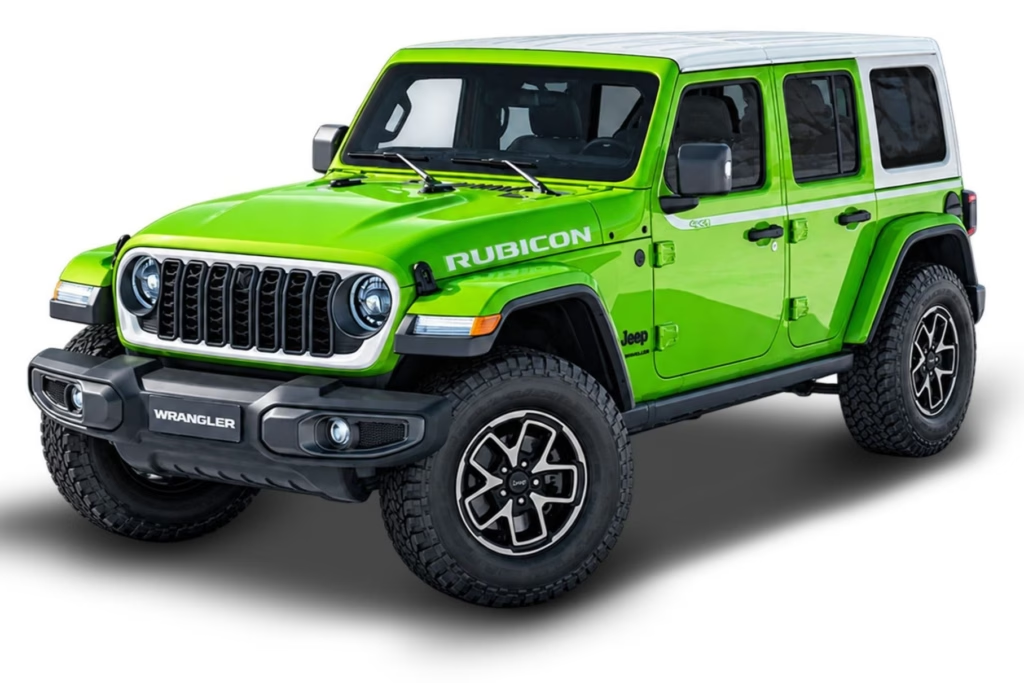
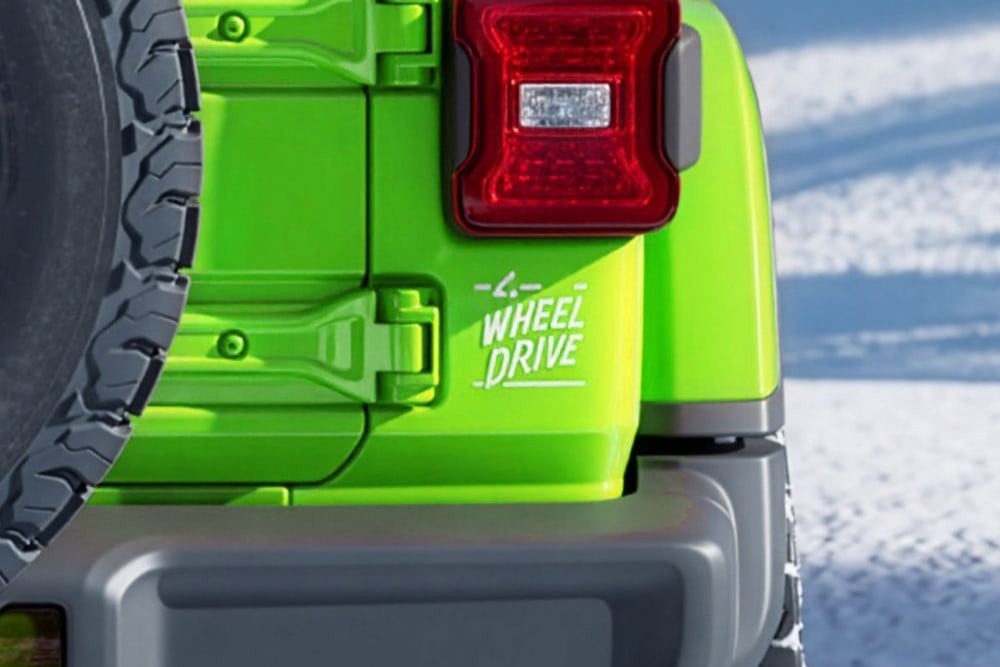
On the outside, this special-edition Wrangler Rubicon comes finished in an exclusive bright-green ‘Mojito’ shade, along with a white finish for the roof. The grille features a white surround, while the side profile gets ‘1941’ decals (a reference to the original Willys MB Jeep’s debut year) and body-coloured fenders. There’s also a white ‘4 Wheel Drive’ sticker on the boot lid.
The interior of the Wrangler Whitecap Mojito gets only two additions: a built-in dashcam and reinforced grab handles. Elsewhere, the special edition retains the feature set of the standard Wrangler Rubicon, such as a 12.3-inch infotainment touchscreen, 12-way powered front seats, an ADAS suite, 6 airbags, dual-zone climate control, a 9-speaker Alpine sound system with a subwoofer, a 7-inch driver’s display, and more.
Jeep Wrangler Whitecap Mojito Limited Edition: Engine and gearbox
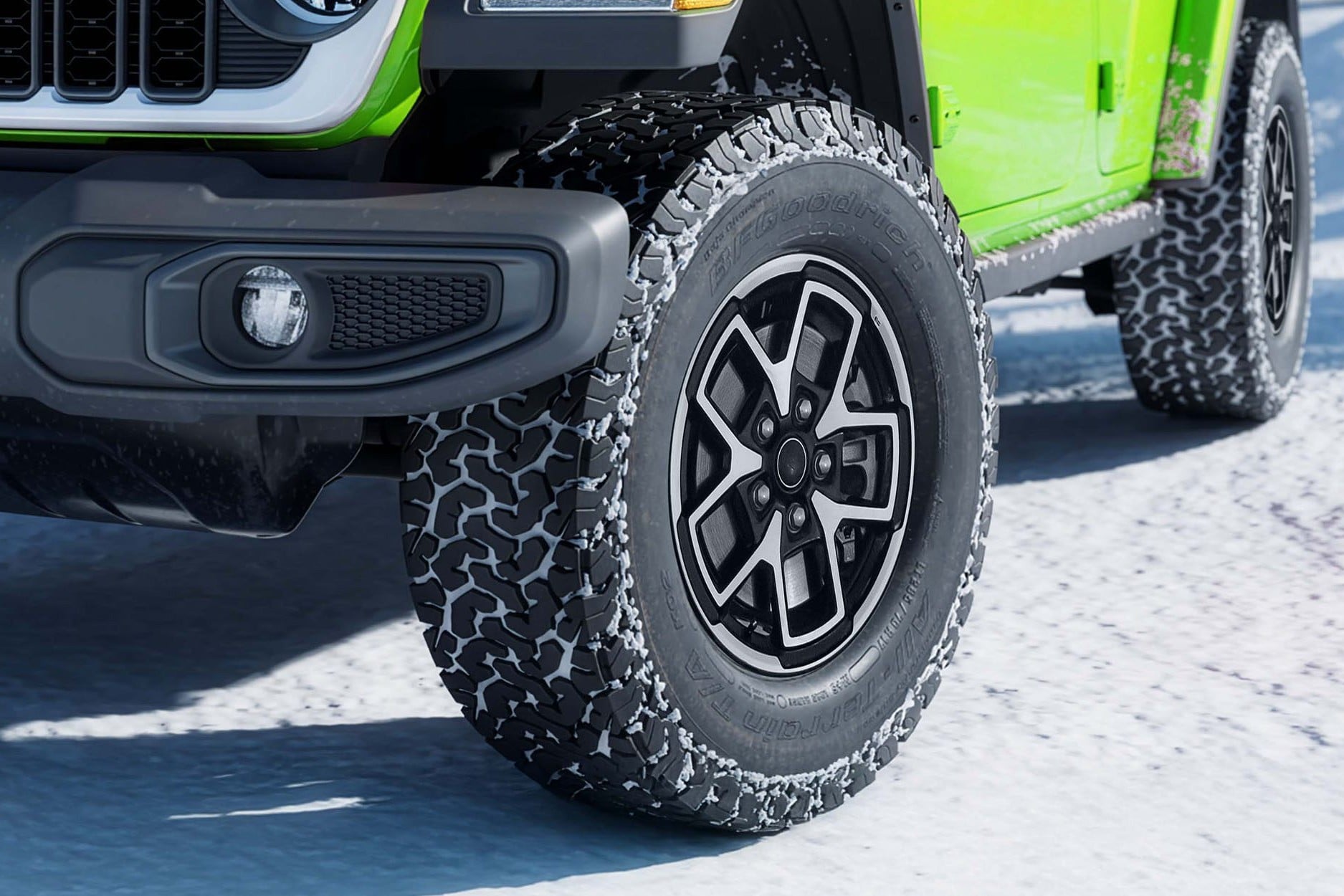
Under the skin, the Wrangler Whitecap Mojito is identical to the Rubicon. It’s powered by a 2.0-litre four-cylinder direct-injection turbo-petrol engine developing 272hp and 400Nm, paired with an 8-speed automatic transmission that channels the grunt to all four wheels via a standard 4×4 system. Since it’s based on the more off-road-capable Rubicon variant, the Wrangler Whitecap Mojito also packs hardware like heavy-duty Dana axles, an integrated off-road camera, reinforced suspension, rock rails, 255-section off-road tyres with 17-inch wheels, high-clearance front fender flares, and more.
While the Wrangler Whitecap is currently sold out in India, Jeep hinted at the possibility of bringing the special edition back in light of healthy demand. “The first 25 vehicles will remain a highly exclusive chapter in the Whitecap story, while the strength of customer interest is encouraging us to explore how we could bring this distinctive expression of Wrangler back to India in the future,” said Kumar Priyesh, business head and director – Automotive Brands, Stellantis India.
आजकल ज्यादा रिटर्न पाने के लिए कई लोग म्यूचुअल फंड में निवेश करते हैं। लेकिन कभी-कभी निवेश के चक्कर में वे अपने कर्ज को नजरअंदाज कर देते हैं। ऐसा ही एक मामला स्टार्टअप CEO आबिद हसन ने सोशल मीडिया पर साझा किया है। वह अपने नाई के साथ बातचीत कर रहे थे, तभी उन्हें पता चला कि वह एक तरफ म्यूचुअल फंड में पैसा लगा रहा है, जबकि दूसरी तरफ उस पर भारी ब्याज वाले कई लोन भी हैं। इस घटना के बाद हसन ने लोगों को निवेश और कर्ज से जुड़ी एक जरूरी सलाह दी।
बाल कटवाते समय सामने आई हैरान करने वाली बात
आबिद हसन ने X पर बताया कि एक दिन उनके नाई ने उनसे अपने म्यूचुअल फंड पोर्टफोलियो के बारे में राय मांगी। इसके बाद हसन ने उसकी आर्थिक स्थिति को समझने की कोशिश की। बातचीत में पता चला कि नाई ने तीन लोन ले रखे थे, जिन पर 20 फीसदी से ज्यादा ब्याज देना पड़ रहा था।
इसके बावजूद वह म्यूचुअल फंड में निवेश कर रहा था। जब हसन ने उससे इसकी वजह पूछी, तो उसने बताया कि उसे अपने निवेश से 30 फीसदी से ज्यादा रिटर्न मिलने की उम्मीद है।
20% ब्याज वाले कर्ज के बीच निवेश करना कितना सही?
हसन ने इस सोच पर सवाल उठाया। उनका कहना था कि शेयर बाजार या म्यूचुअल फंड से हर बार ज्यादा रिटर्न मिलने की गारंटी नहीं होती। बाजार में उतार-चढ़ाव के कारण निवेश की वैल्यू घट भी सकती है। दूसरी तरफ, लोन पर ब्याज चुकाना एक जरूरी जिम्मेदारी है।
उदाहरण के लिए, अगर किसी व्यक्ति को अपने कर्ज पर 20 फीसदी ब्याज देना पड़ रहा है, तो उसके लिए निवेश से लगातार इससे ज्यादा रिटर्न कमाना मुश्किल हो सकता है। ऐसे में बाजार से मुनाफे की उम्मीद करने के बजाय महंगे कर्ज को कम करना ज्यादा फायदेमंद हो सकता है।
10% से ज्यादा ब्याज वाला लोन पहले चुकाने की सलाह
आबिद हसन ने सलाह दी कि अगर किसी व्यक्ति पर 10 फीसदी से ज्यादा ब्याज वाला कर्ज है, तो उसे अतिरिक्त निवेश करने से पहले कर्ज चुकाने पर ध्यान देना चाहिए। इससे ब्याज का बोझ कम हो सकता है और आर्थिक स्थिति मजबूत बनाने में मदद मिल सकती है।
उन्होंने यह भी कहा कि लोन की किस्त समय पर नहीं चुकाने पर पेनल्टी और अतिरिक्त खर्च बढ़ सकते हैं। नौकरी छूटने जैसी स्थिति में कर्ज चुकाना और भी मुश्किल हो सकता है।
कम आमदनी वाले लोगों के लिए भी जरूरी संदेश
हसन ने लोगों से अपील की कि वे यह सलाह घरेलू कामगारों, ब्लू-कॉलर कर्मचारियों और कम अनुभव वाले नौकरीपेशा लोगों तक भी पहुंचाएं। कई बार लोग लोन की असली लागत और ब्याज दर को ठीक से समझ नहीं पाते।
The person who regularly gives me haircuts once told me he invests in MFs, and asked for my feedback on his portfolio. While he was cutting hair, I thought I will do a financial planning exercise for him. I found out that he had like 3 loans exceeling 20% interest. And yet he was investing in MF. I asked him why, he said he expects 30% plus return.
That tells you how grossly wrong the notions of investors have been in the last few years. And how distorted our financial expectations have gotten. There is no way the market would give him more than his interest rate on loans. And this one financial mistake, of investing while still servicing high interest loans, is something we may all have seen often.
So here is a tip: If you have a loan even in excess of 10% interest, please pay that off first. There is no way market gives you more than that in the long run. Worse, if you miss loan payments, you will have higher interest rates and penalities. If you lose your job, debt is what kills you with all this + extortive collection agents
Most of you reading this might not have this problem – so please tell this to others who might. Your domestic helpers, blue collar workers, even some entry level white collar crowd. They are the ones who are hit the most by the loan sharks
Please pay off your high interest debt first. Investing can wait.
हसन की पोस्ट पर कुछ यूजर्स ने कहा कि कई लोग म्यूचुअल फंड को बचत का जरिया मानते हैं और कर्ज को अलग जिम्मेदारी समझते हैं। एक यूजर ने बताया कि उसके दोस्त ने लोन लिया था, जिसकी प्रभावी सालाना ब्याज दर 24 फीसदी से ज्यादा निकली।
(डिस्क्लेमर: यह रिपोर्ट सोशल मीडिया पर यूज़र द्वारा शेयर किए गए कंटेंट पर आधारित है। मनीकंट्रोल इन दावों की न तो स्वतंत्र रूप से पुष्टि नहीं करता है और न ही इनका समर्थन करता है।)
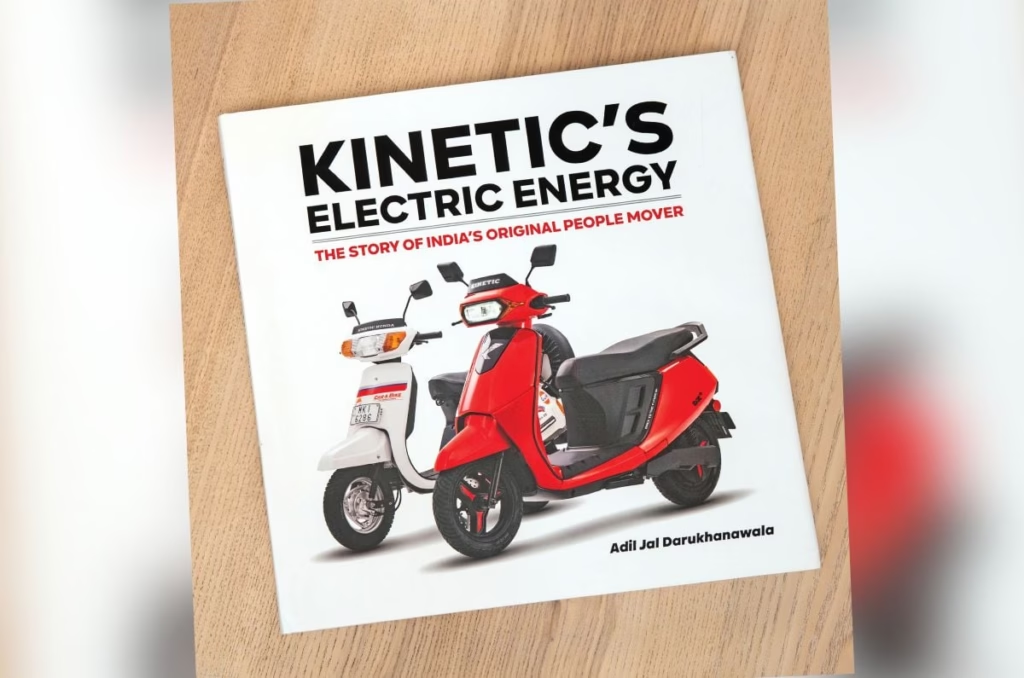
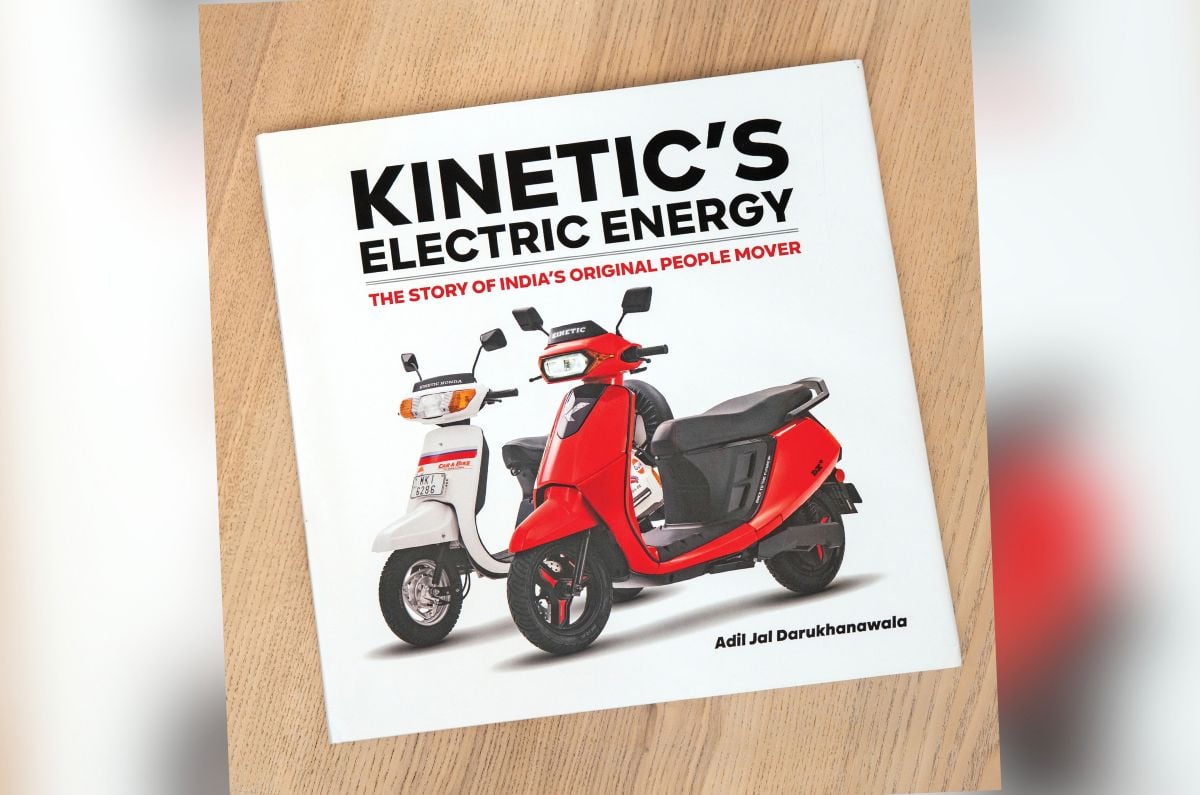
Adil Jal Darukhanawala is a treasure trove of information when it comes to India’s automotive history, and his latest book, Kinetic’s Electric Energy, is a testament to that fact. In the last three decades of the 20th century, Kinetic Engineering was established as a force to be reckoned with under the stewardship of the Firodia family. Adil’s hugely detailed book traces the humble and truly frugal beginnings of the company all the way to today, when a resurgent Kinetic is looking to establish itself as a mainstay in the electric two-wheeler market.
This 170-page book starts off with a brief introduction to the Kinetic Honda DX while tracing the origins of the company with the spectacular moped success that was the Luna. The author goes into copious detail about how the company went to great lengths to ensure its moped transitioned India from pedal power to motorised mobility.
Not only that, chapters like ‘Lunacy on the Luna’ and ‘Beating the Queen – Kinetic Luna takes on the Indian Railways’ outline how Kinetic seized every opportunity to market the Luna. The former speaks about how the company sponsored five young college students – self-christened the Lunatix – on a 90-day, 18,000km journey traversing the length and breadth of the country back in 1982! The latter highlights how four humble Lunas and their gutsy as well as ingenious riders outran the Deccan Queen Mumbai-Pune express train in 1990.
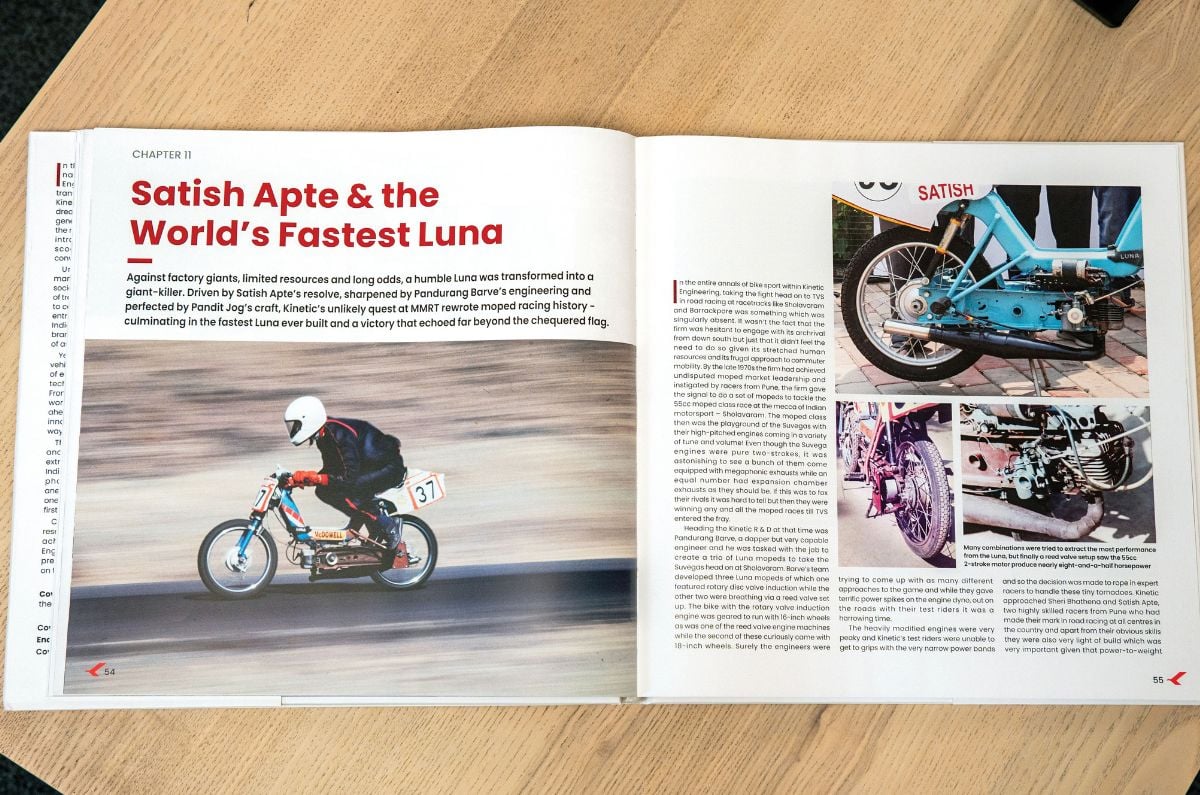
Kinetic didn’t just rely on its marketing but also its belief in the motto ‘Win on Sunday, sell on Monday’, which proved it was relevant not just in the high-end supersport world of motorcycling but could also ring true for the humble moped as it did in the chapter ‘Satish Apte and the World’s Fastest Luna.’ It documented how a fledgling team from Pune trounced the works team of the Hosur-based manufacturer through steely determination and some spectacularly out-of-the-box thinking.
From there, we move on to how Kinetic partnered with Honda and opened the floodgates for gearless scooters in India with its novel DX scooter. Even though this partnership didn’t last very long, as detailed in ‘Kinetic & Honda – Unfulfilled Promise’, it cemented Kinetic’s position in the market as a maker of reliable and affordable products.
This book also highlights the innovative spirit of the company’s leadership when you read about the stillborn but nonetheless revolutionary, hybrid scooter and compact city car concepts. At a time when India’s mobility market was cautiously walking, Kinetic took leaps of faith, and these have been beautifully articulated and illustrated in their respective chapters.
While Kinetic’s business was booming in the 20th century, its 21st century has been more muted between winding down ICE scooter production and the Motoroyale superbike business, which never managed to take off in a big way. However, as you flip through these pages, you’ll learn that with the reincarnated DX electric, Kinetic wants to recapture its magic of yesteryear and take the fight to the leaders’ doorsteps.
If you are someone with even a passing interest in the automotive arena, especially the events that transpired before the turn of the century and shortly thereafter, Darukhanawala’s latest discourse should surely find a place on your mantelpiece.
According to data released by the Federation of Automobile Dealers Association (FADA), the Indian passenger vehicle market experienced a strong year-on-year (YoY) sales growth of 32.1 percent in September 2026, with a total of 4,27,213 units sold. While the YoY uptick looks very impressive at face value, the reason behind it is a slowdown in demand during September 2025 due to anticipation of imminent price cuts as part of GST 2.0.
Note: Telangana RTO is not included in FADA sales data.
Top 10 best-selling carmakers in September 2026
Carmaker
Sep 2026 sales
MoM change (%)
YoY change (%)
Market share (%)
Maruti Suzuki
1,69,132
+2.38
+30.05
39.59
Mahindra
57,343
+14.13
+38.93
13.42
Tata
57,254
-1.02
+28.66
13.40
Hyundai
50,201
+6.84
+31.46
11.75
Toyota
28,050
+12.85
+21.56
6.57
Kia
26,663
+14.09
+45.91
6.24
Skoda Volkswagen Group
8,479
+13.52
+13.51
1.98
MG
6,475
+11.95
+13.74
1.52
Honda
5,283
+6.34
+42.51
1.24
Renault
3,410
+4.12
+33.10
0.80
1. Maruti Suzuki
1,69,132 units sold, up 30.05 percent YoY
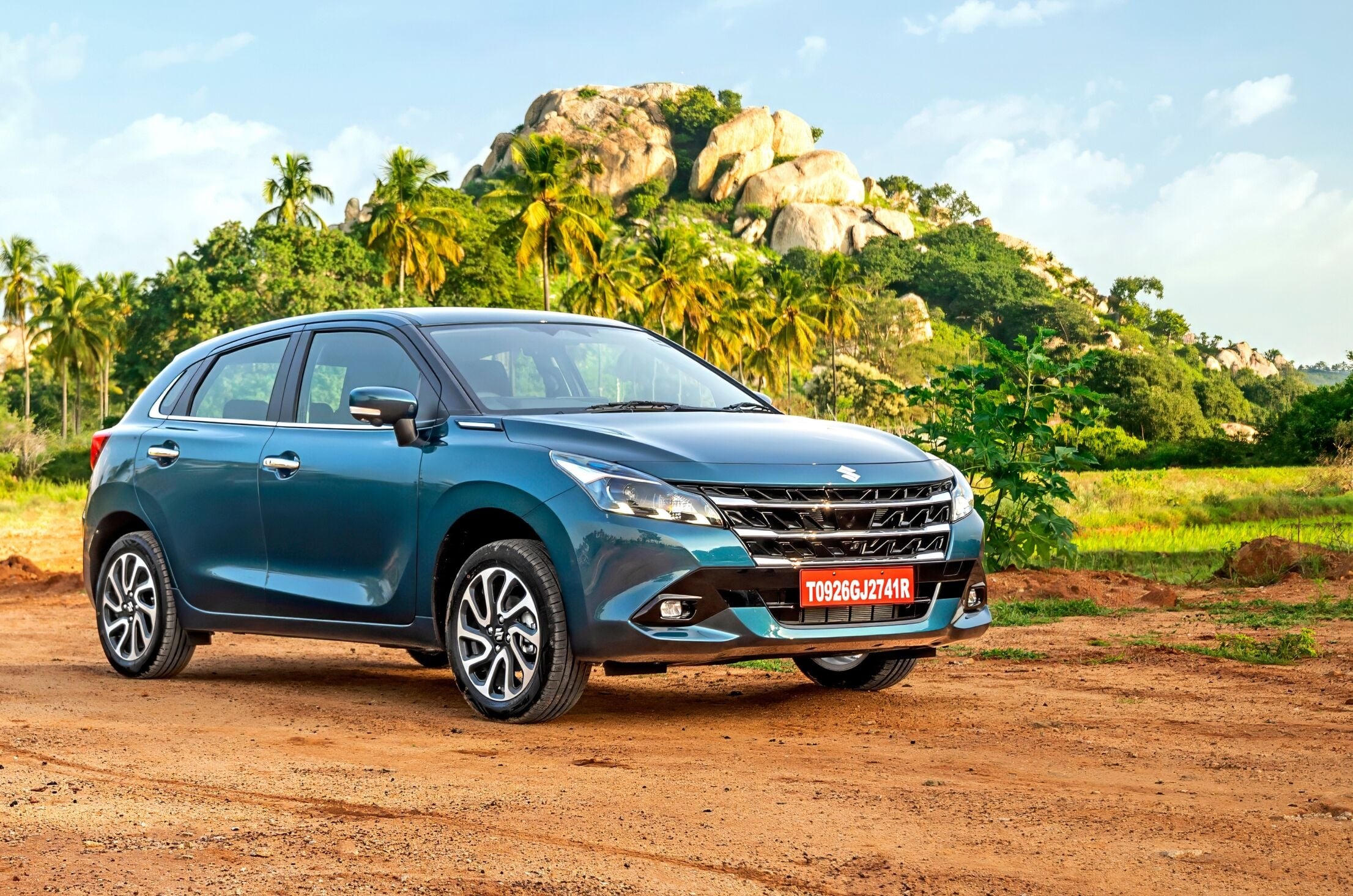
Kicking off the top 10 is market leader Maruti Suzuki, which held on to first place and saw YoY growth in September 2026, although its market share dipped from 40.21 percent in September 2025 to 39.59 percent last month. Still, in terms of overall volume, Maruti Suzuki outsold the next three carmakers combined. The 2.38-percent MoM sales increase is also impressive given the scale of Maruti Suzuki’s volumes. No new Maruti launches are currently known for October 2026, but the carmaker is fresh off the Baleno facelift’s launch.
2. Mahindra
57,343 units sold, up 38.93 percent YoY
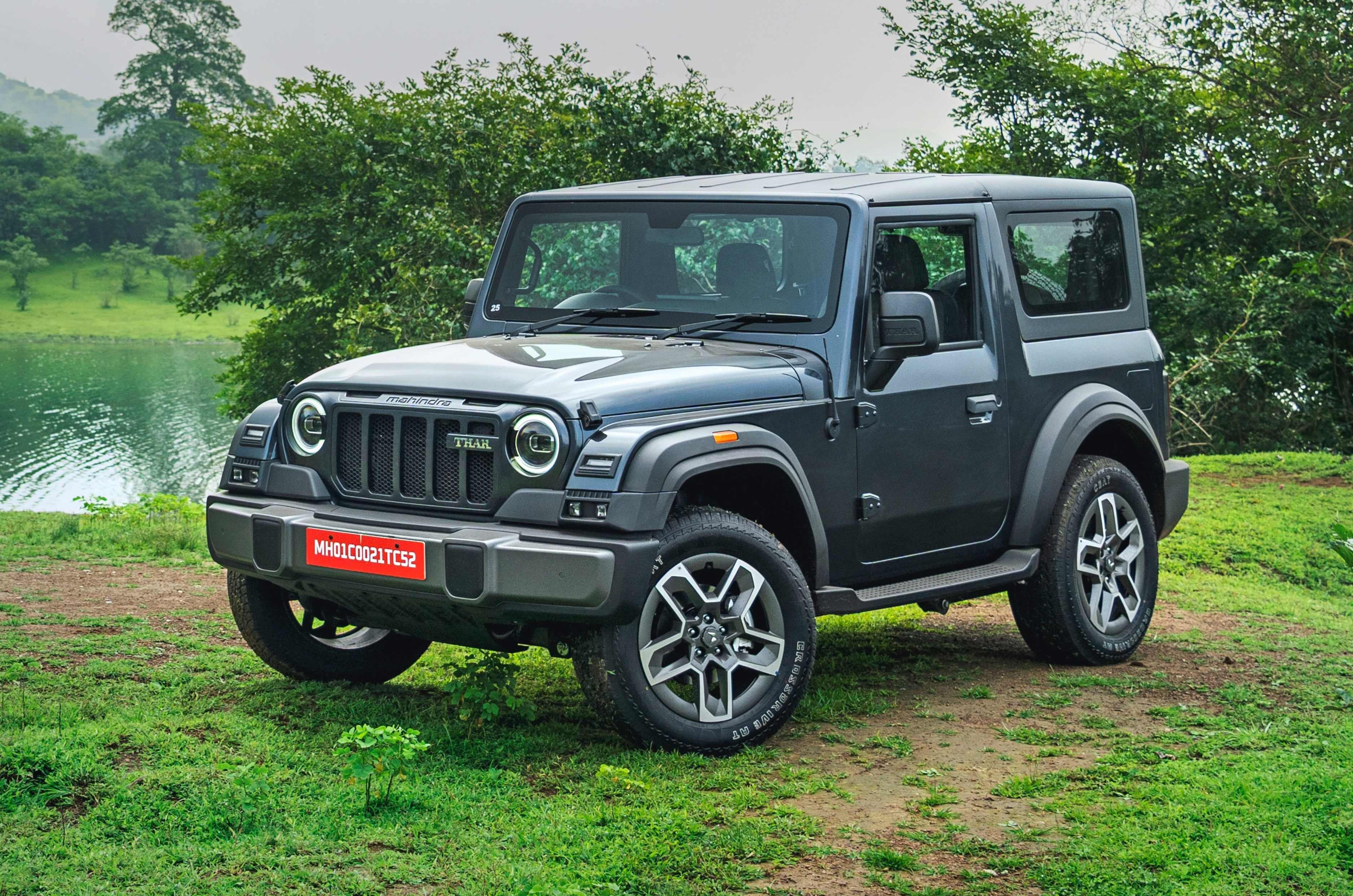
Compared to last month’s sales rankings, Mahindra was the only carmaker to experience a change of place on the September 2026 chart. Specifically, Mahindra beat Tata to second place by an ever-so-slight margin of 89 units. If that wasn’t impressive enough, Mahindra also recorded the highest MoM growth among the top 10, and the highest increase in market share – from 12.76 percent last September to 13.42 percent in September 2026. At the moment, Mahindra has not announced any new launches for October, but it did launch the Thar OG (3-door facelift) last month.
3. Tata
57,254 units sold, up 28.66 percent YoY
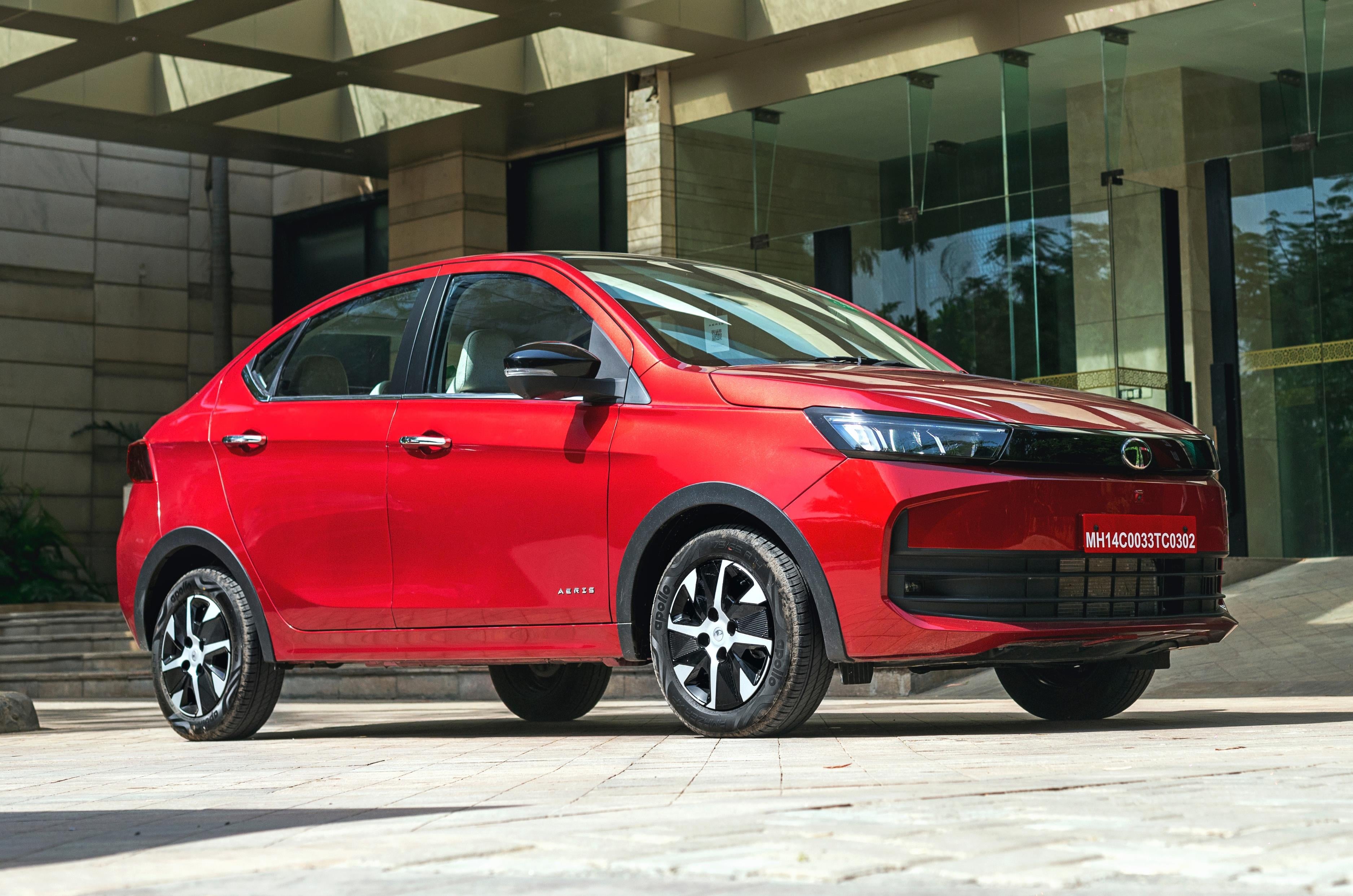
As mentioned above, Tata slipped from second place in August 2026 to third place in September, though its overall volumes were extremely close to Mahindra’s and YoY sales growth was healthy too. That said, Tata’s market share decreased by a little bit, specifically 13.76 percent in September 2025 to 13.40 percent last month, and it was the only carmaker to witness a MoM sales decline as well. Most recently, Tata launched the Aeris compact sedan, replacing the Tigor.
4. Hyundai
50,201 units sold, up 31.46 percent YoY
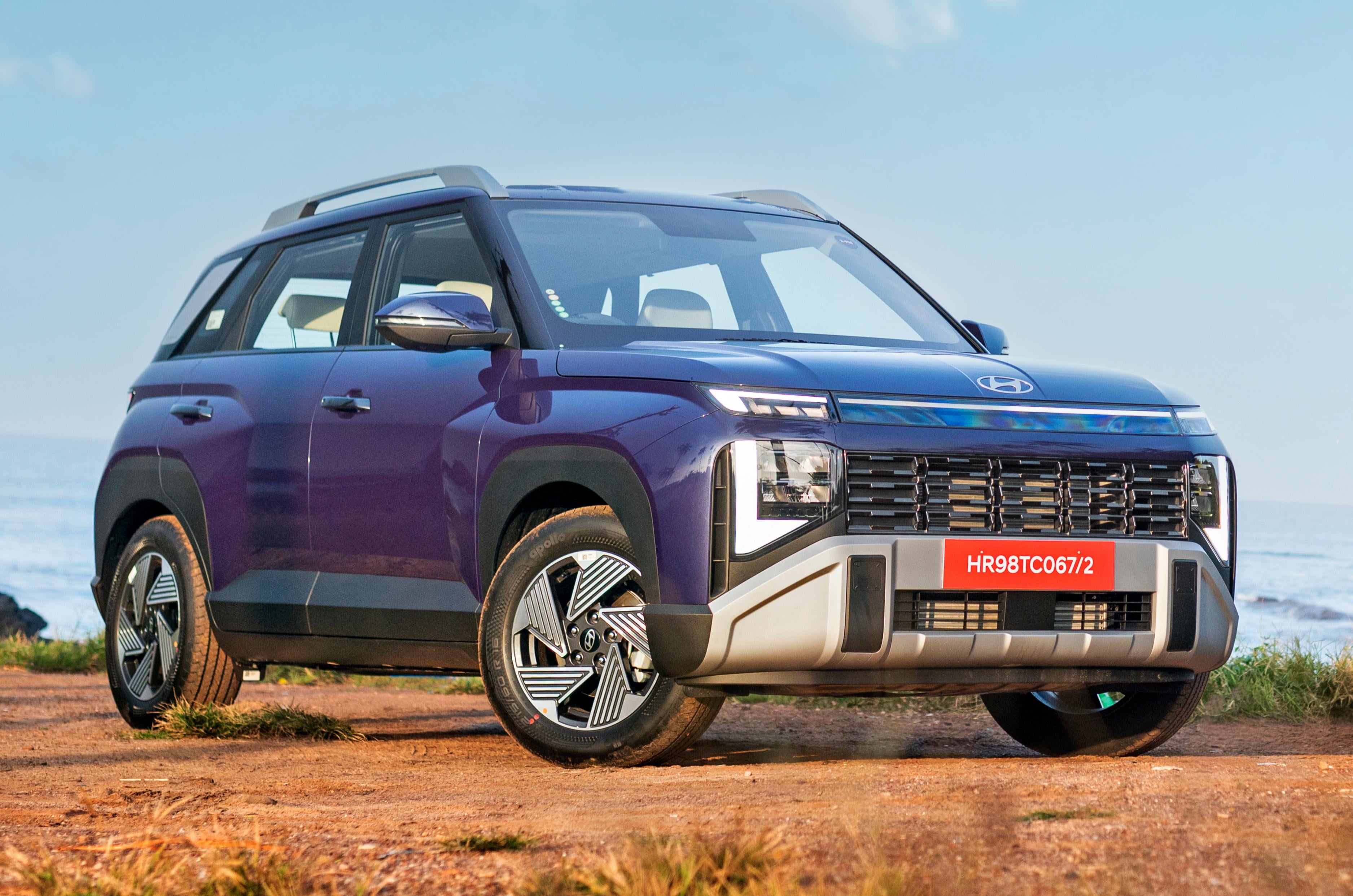
Hyundai remained in fourth place in the September 2026 sales rankings, experiencing healthy MoM and YoY upticks. Market share, however, did slide from 11.81 percent in September 2025 to 11.75 percent in September 2026. This month, Hyundai is likely to launch the Bayon midsize SUV, and its impact in the October 2026 sales charts should be interesting to see.
5. Toyota
28,050 units sold, up 21.56 percent YoY
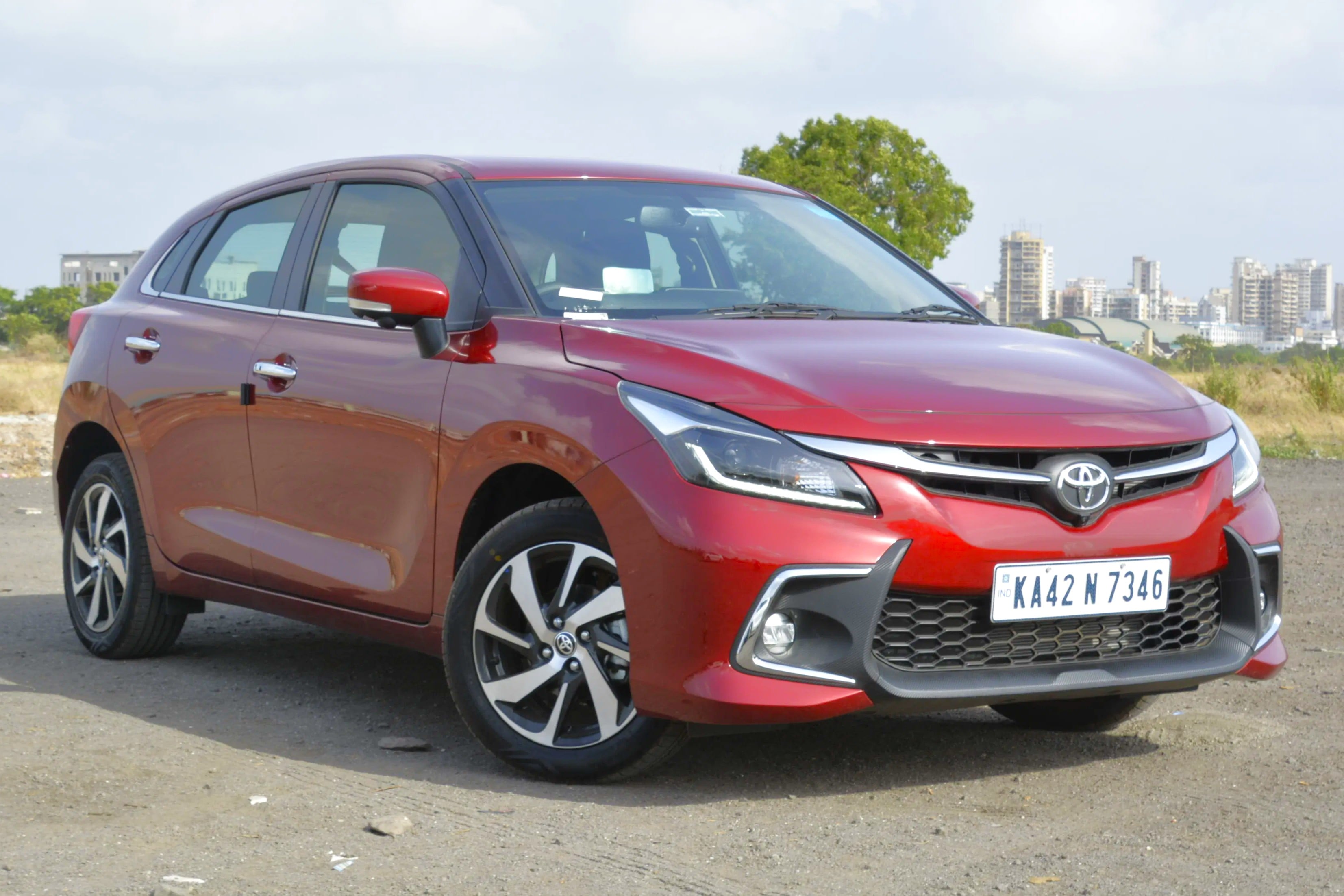
Like last month, Toyota was in fifth place on the September 2026 sales chart. Interestingly, Toyota experienced one of the highest MoM upticks among the carmakers listed here. At the same time, however, the Japanese carmaker’s market share dipped from 7.14 percent in September 2025 to 6.57 percent last month. In October, Toyota is expected to debut the facelifted Glanza, changes for which are likely to mirror those seen in the Maruti Baleno facelift.
6. Kia
26,663 units sold, up 45.91 percent YoY
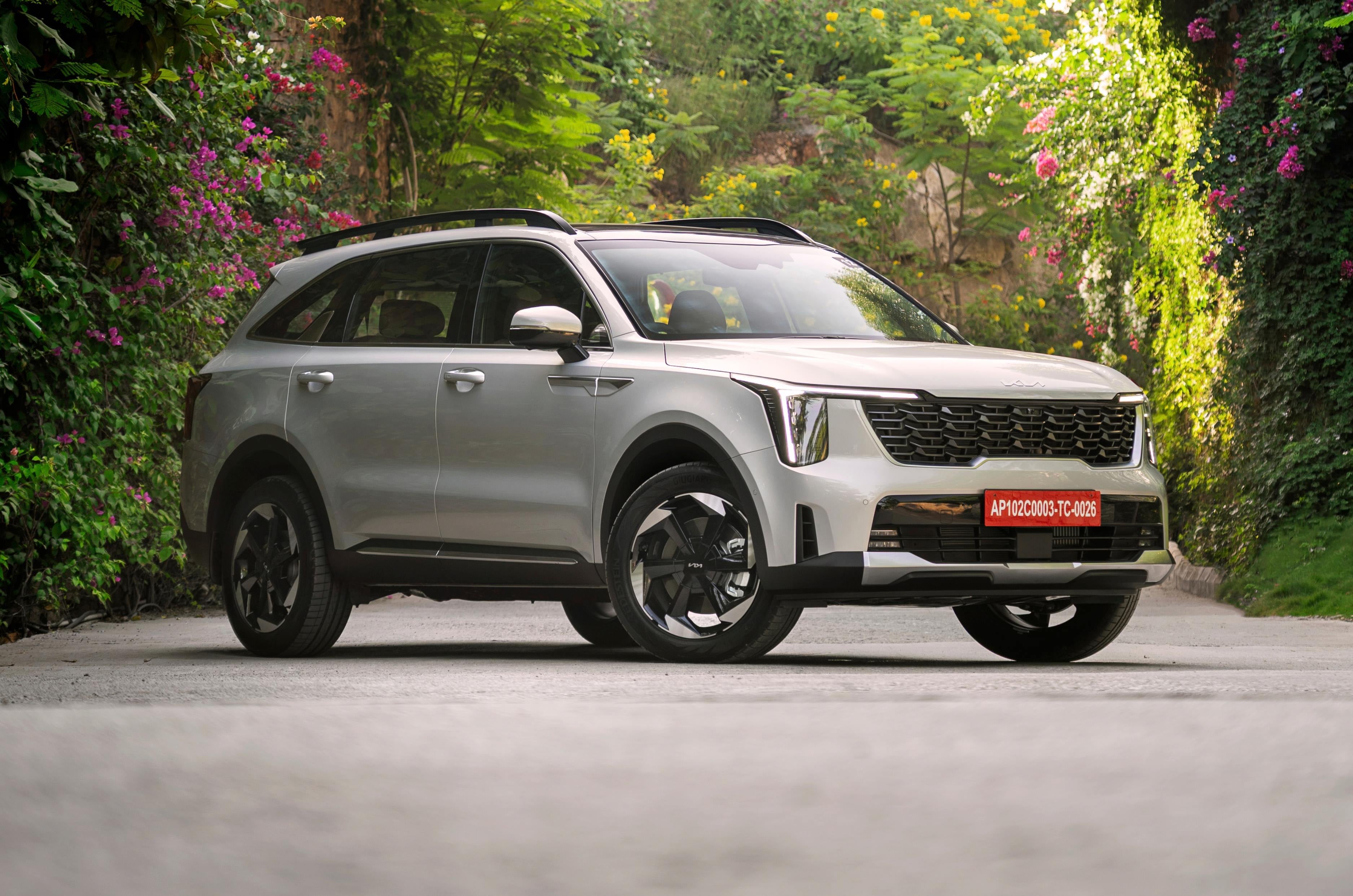
Thanks to the continued popularity of the second-gen Seltos, Kia recorded the highest YoY sales uptick among the top 10 carmakers in September 2026, while MoM growth was the second-highest – falling just shy of Mahindra. Kia’s market share also grew considerably, from 5.65 percent in September 2025 to 6.24 percent in September 2026. While Kia is fresh off a major launch – the Sorento – the Korean carmaker is likely to announce prices for the Carnival hybrid, though the luxury MPV is not expected to be a major volume driver.
7. Skoda Volkswagen Group
8,479 units sold, up 13.51 percent YoY
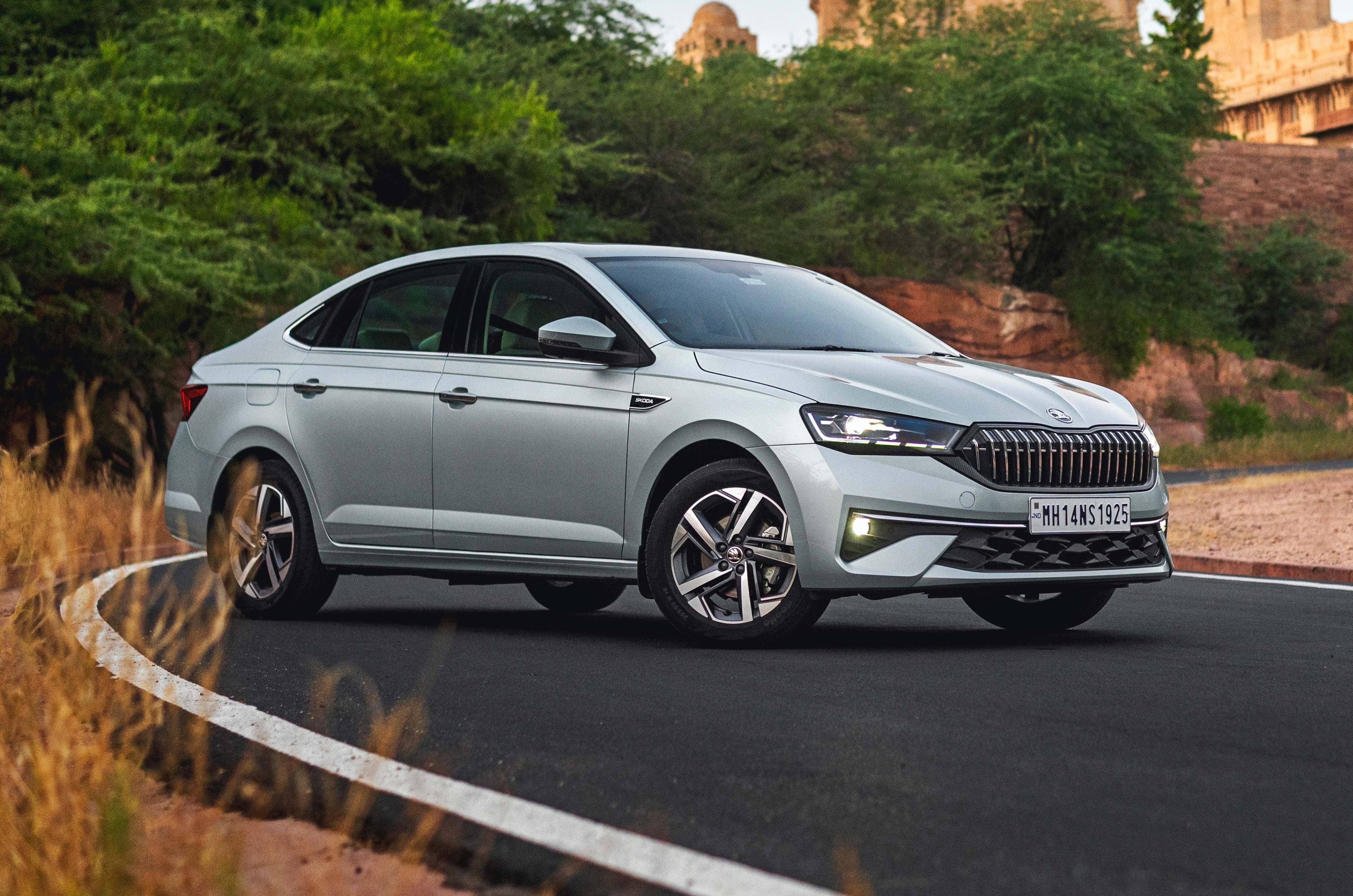
Skoda Auto Volkswagen India Private Limited (SAVWIPL) held on to seventh place in September 2026, and even saw a decent 13.52 percent MoM increase in sales. Notably, SAVWIPL’s YoY growth is nearly identical to the MoM one. In terms of market share, SAVWIPL declined from 2.29 percent last September to 1.98 percent in September 2026. As for launches in October, Skoda is fresh off the Slavia facelift’s price reveal, which could rejuvenate some interest in the midsize sedan space.
8. MG
6,475 units sold, up 13.74 percent YoY
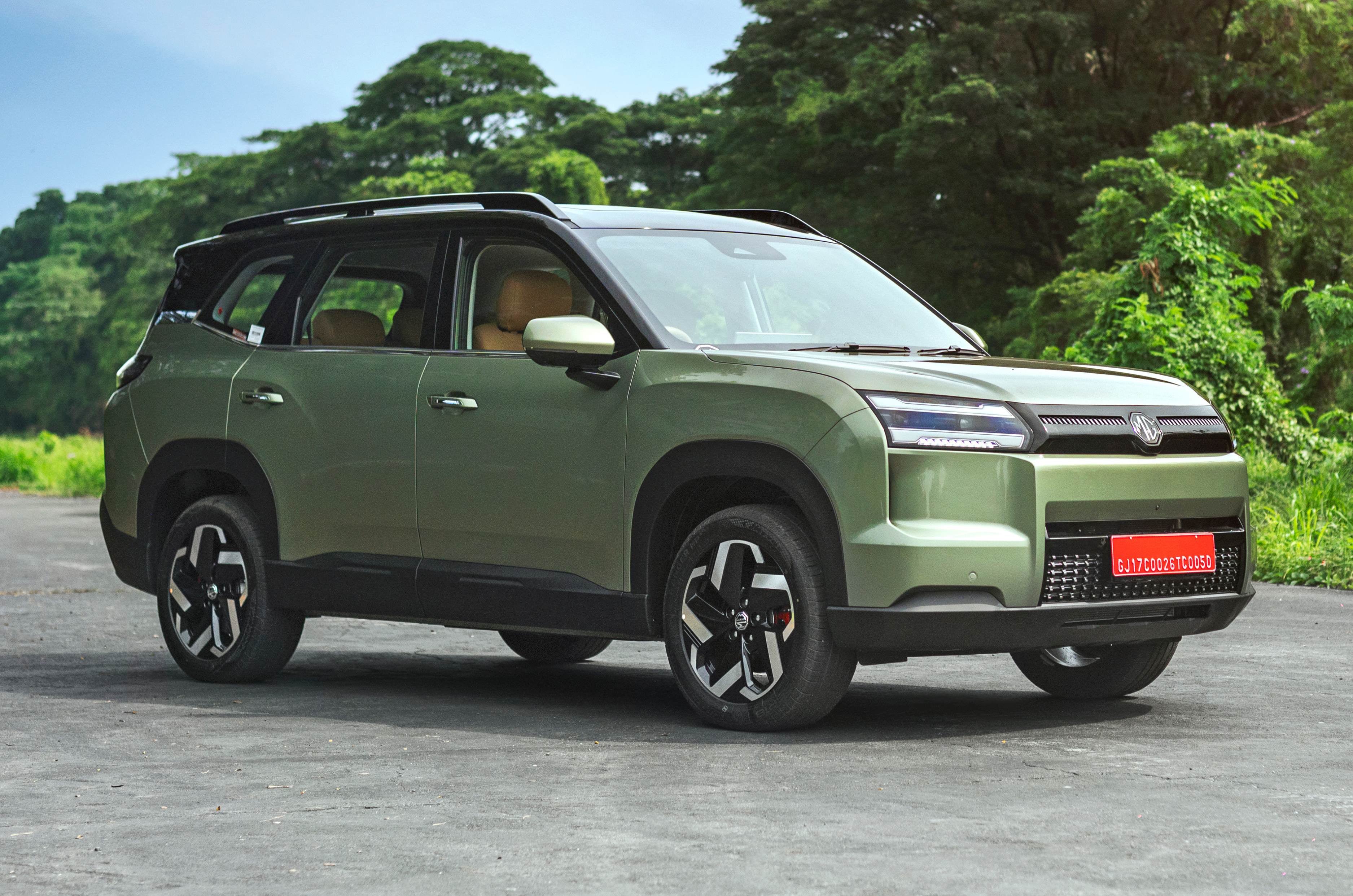
Remaining in eighth place, MG experienced relatively moderate levels of MoM and YoY sales growth in September 2026. However, MG’s market share slid from 1.76 percent in September 2025 to 1.52 percent last month. MG launched the Hector Tomahawk EV and PHEV in August, and doesn’t have any new launches lined up for October. That said, deliveries of the Tomahawk PHEV are slated to start from November.
9. Honda
5,283 units sold, up 42.51 percent YoY
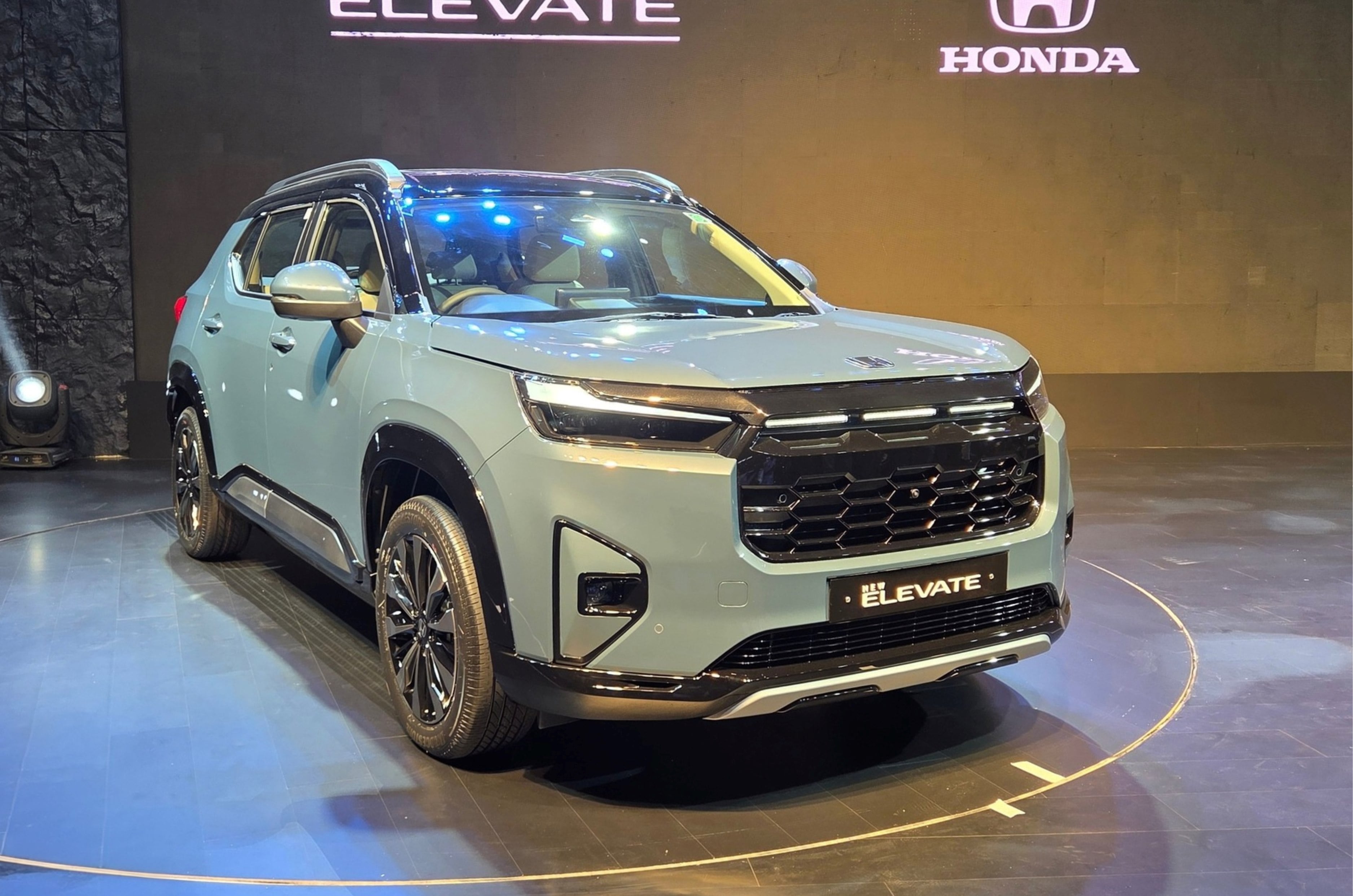
In the penultimate position comes Honda, which saw a mild 6.34 percent MoM increase in sales, but a whopping 42.51 YoY surge. The Japanese carmaker’s market share also grew from 1.15 percent in September 2025 to 1.24 percent in September 2026. Honda is fresh off the launch of the Elevate facelift, and is also expected to bring the Prelude coupe to India in the months to come.
10. Renault
3,410 units sold, up 33.10 percent YoY
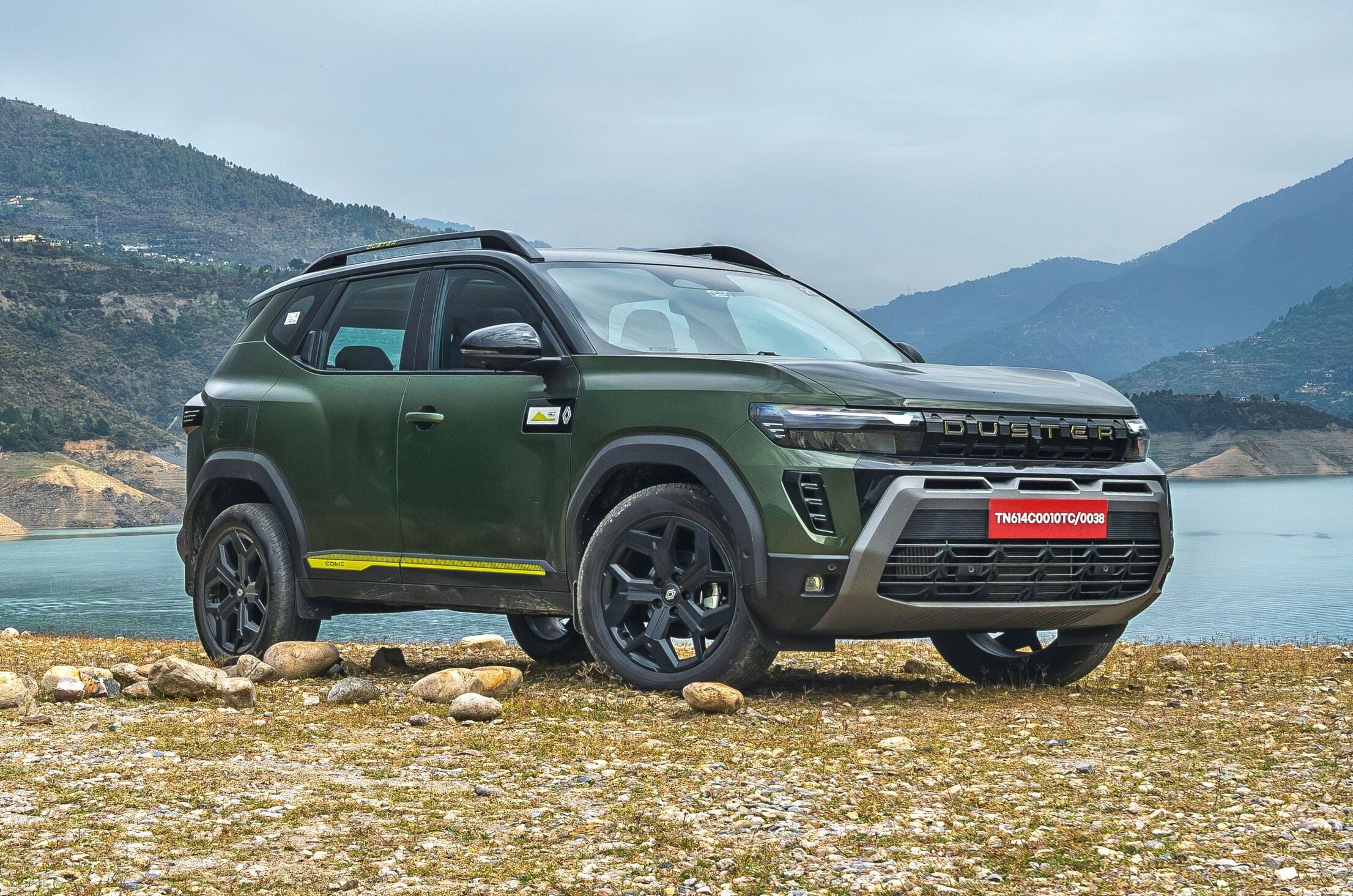
Rounding out the top 10 is Renault, which recorded the mildest MoM sales increase (4.12 percent) last month. However, its 33.1-percent YoY growth is quite impressive, and can largely be credited to the new Duster, which went on sale in March 2026. Renault’s market share also saw a very slight increase – from 0.79 percent in September 2025 to 0.8 percent in September 2026. Coming to new launches, Renault announced prices for the Triber turbo in late September, and will launch the Duster hybrid in October.
Petrol cars regain sales majority over alternative fuels, albeit slightly
Sep 2026 share (%)
Aug 2026 share (%)
Sep 2025 share (%)
Petrol/ethanol
41.27
40.85
47.18
Diesel
17.74
17.21
17.76
CNG/LPG
23.11
25.28
22.02
Hybrid
9.44
9.04
7.30
EV
8.45
7.63
5.74
A big talking point in FADA’s August 2026 sales data was alternative-fuel cars (CNG, hybrid, electric) collectively outselling petrol cars for the first time. However, the trend did not continue in September 2026, as the share of petrol cars climbed to 41.27 percent, while alternative-fuel cars stood at a combined 41 percent.
Shares for hybrids and EVs experienced MoM increases in September, but CNG cars saw a downturn on that front. Be that as it may, the difference between petrol and alternative-fuel cars is still very slight, and the buyer shares for the latter are still higher when compared to September 2025’s numbers.
October 2026 will tell the real story for Indian PV market, says FADA
Keeping in mind that September 2026’s YoY growth was driven by a favourable base effect, FADA president Sai Giridhar remarked, “One year on from GST 2.0, affordability remains the single engine of this cycle — and dealers now flag further price increases eroding that very affordability as their foremost risk for the quarter ahead. Protecting the GST gain is, to our mind, the key to converting the festive season into durable growth.”
Over 4,66,800 cars were sold in October 2025 thanks to GST 2.0 and festive demand, making it the best-ever October for the Indian PV market. With several price increases implemented by major carmakers since the introduction of GST 2.0, October 2026 is now shaping up to be the real test of the Indian PV market. It will also be the first month after the one-year anniversary of GST 2.0, thereby providing a clean slate to compare like-for-like YoY growth numbers.
According to FADA, 75.57 percent of dealers expect growth, 19.46 percent anticipate a flat market, and 4.98 percent are bracing for a downturn in sales during October 2026. The overall outlook among dealers is ‘Cautiously Optimistic’.