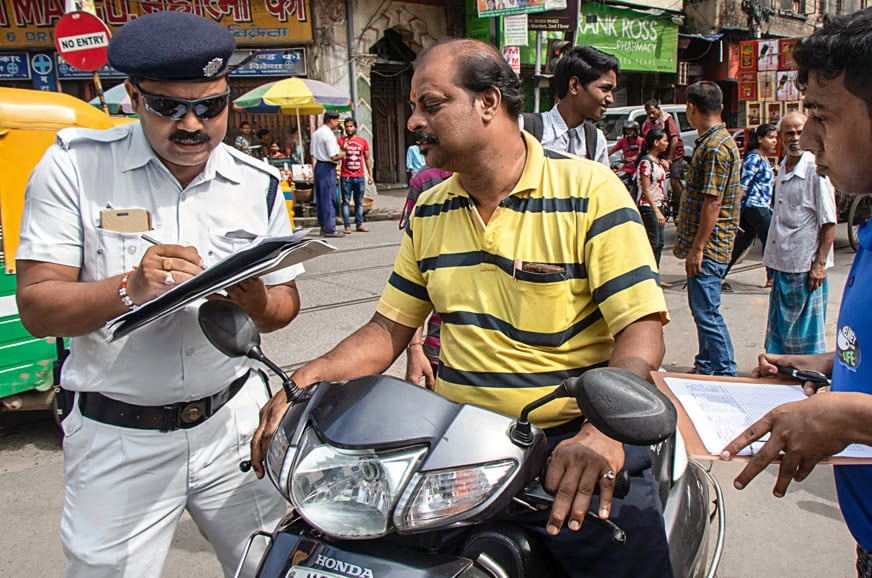
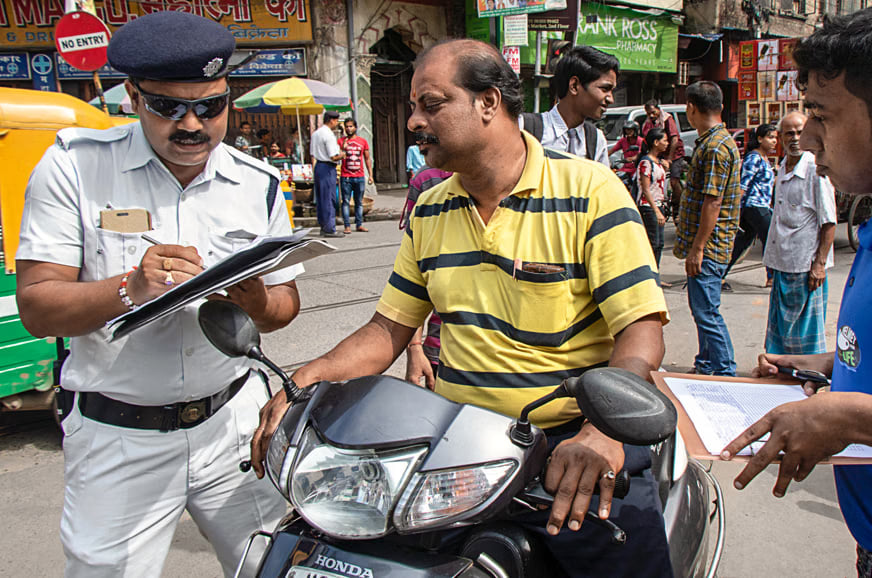
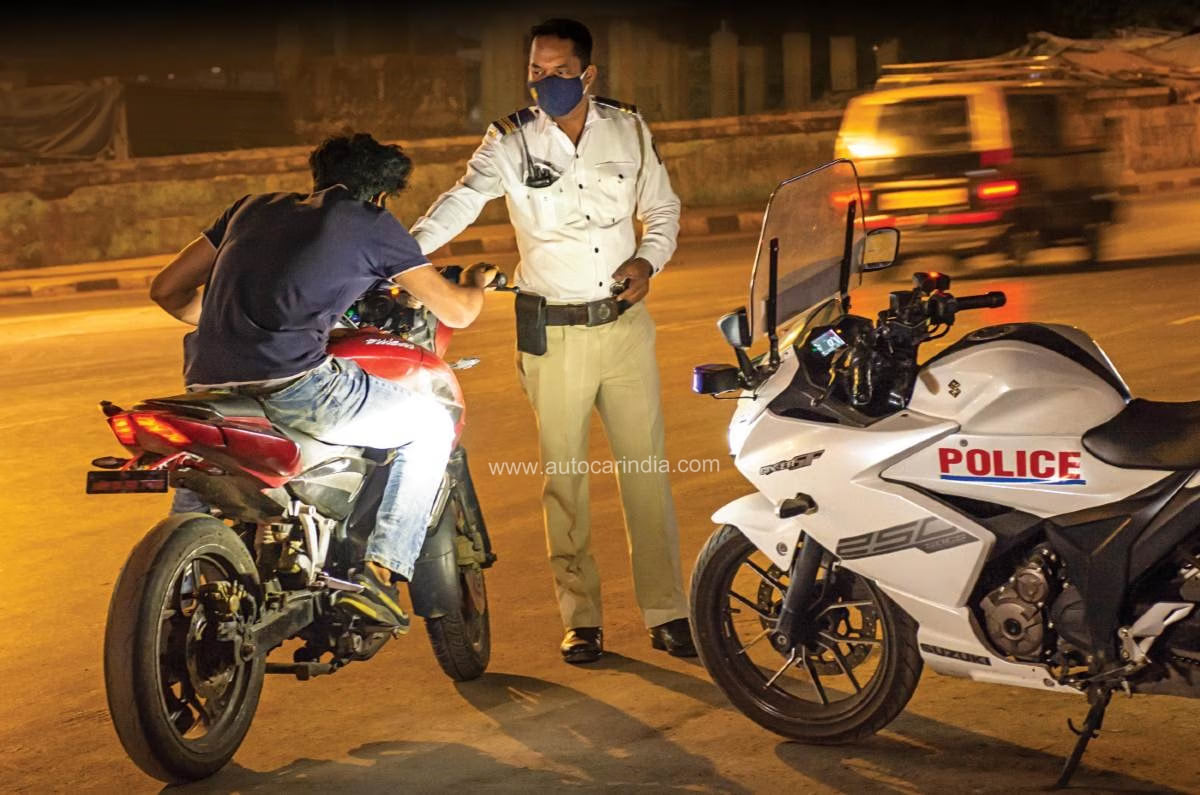
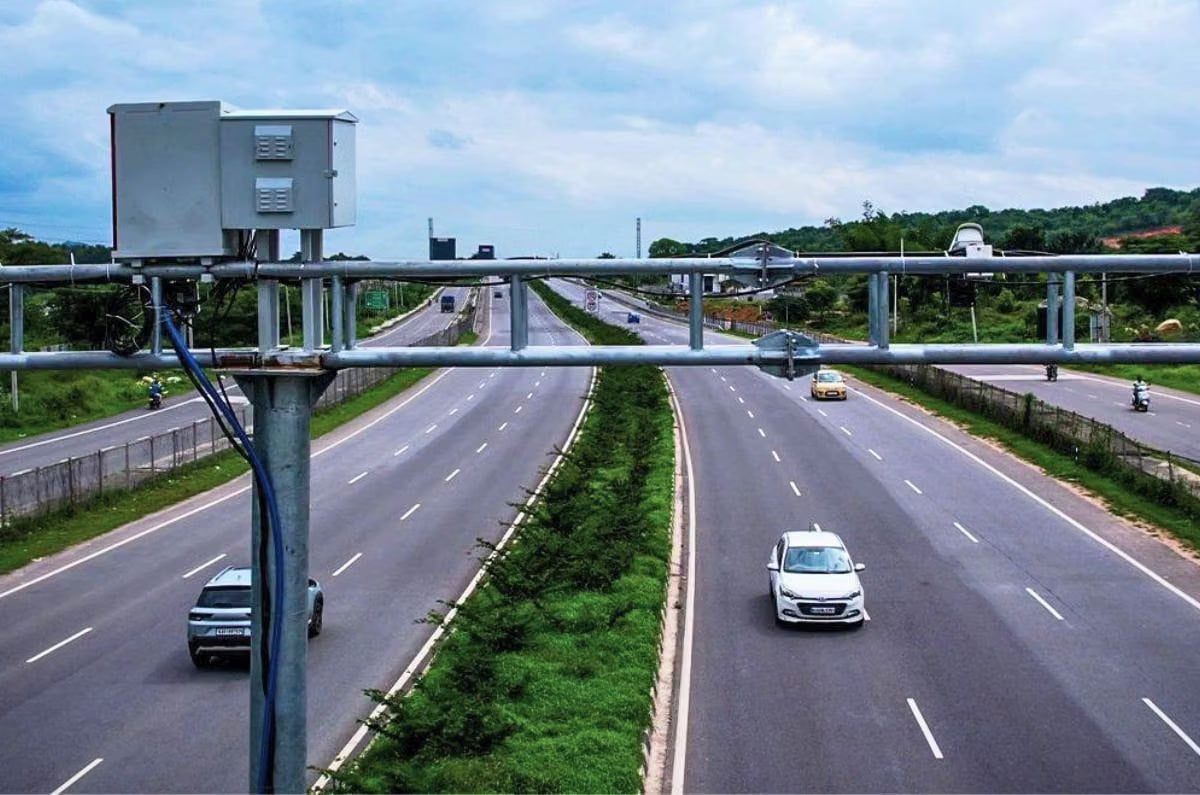
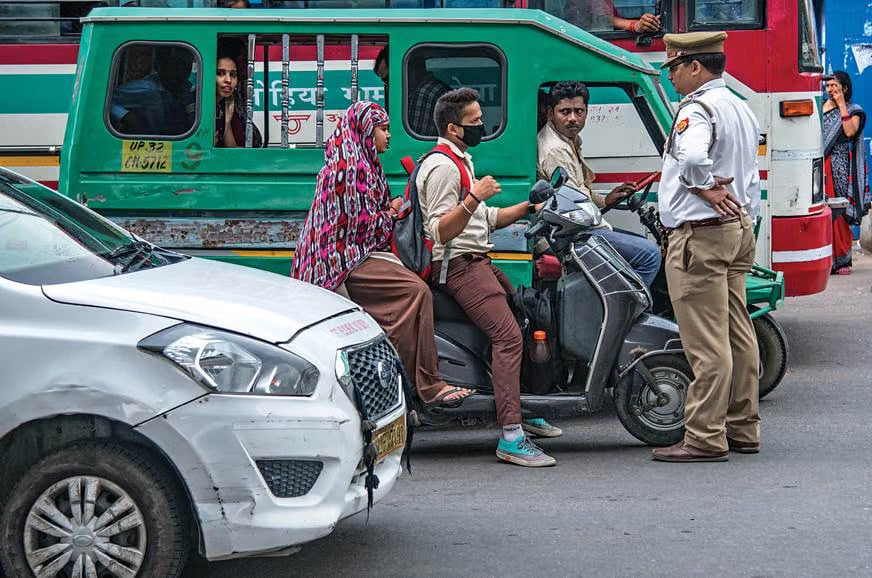
The Supreme Court has suggested linking unpaid traffic challans to electricity bills to help recover outstanding fines. The suggestion came during a hearing on electronic enforcement of traffic violations, where the court was informed that states and Union territories have around Rs 45,000 crore in e-challan dues, of which about Rs 25,000 crore has been recovered.
A bench of Justices JB Pardiwala and KV Viswanathan said issuing e-challans alone was not enough and that authorities needed to focus on recovering the fines. “It is not just sufficient to keep issuing e-challans. Police may issue thousands and lakhs of such e-challans. The question is recovery of fines as sought to be imposed by way of the e-challans,” Justice Pardiwala said, according to Bar and Bench.
Court seeks stronger recovery of pending fines
The court suggested that unpaid traffic fines could be added to electricity dues, with the possibility of power disconnection providing an additional way to recover the outstanding amount. “If people are not paying traffic challans, add it to their electricity dues bill. They’ll have to pay electricity bills else power line will be disconnected. Work it out. In this country, you have to find a way out,” the bench said.
The court clarified that linking challans to electricity bills was a suggestion made during the hearing and not a direction for immediate implementation.
Vehicle services could be blocked over unpaid challans
The Supreme Court also discussed measures that could restrict vehicle-related services until outstanding challans are cleared. These include stopping renewal of registration certificates, withholding duplicate RCs and blocking ownership transfers.
The court also suggested blacklisting vehicles with unpaid challans on the Parivahan portal, withholding fitness and PUC certificates, and stopping the renewal of driving licences. It also discussed suspending licences that are already in force. Justice Pardiwala stressed that any measures adopted would need to work in practice, saying, “The authorities need to work at the ground level having regard to ground realities.”
Random vehicle checks were also suggested to identify vehicles with unpaid e-challans. Where such a vehicle is found, the court said necessary steps could be taken to impound it.
The suggestions were made while the court was hearing a plea concerning electronic enforcement of traffic violations and recovery of unpaid e-challan fines, as part of a long-running 2012 public interest litigation on road safety.
Hyundai has officially commenced bookings for the upcoming Bayon midsize SUV that’s expected to launch next month. Prospective buyers can register an interest online or at their nearest Hyundai dealership. The Bayon will be positioned between the Venue and Creta in the brand’s SUV line-up when it hits the market this festive season.
Upcoming midsize SUV could be just over four metres long
Expected to come with 1.5-litre petrol and CNG powertrain options
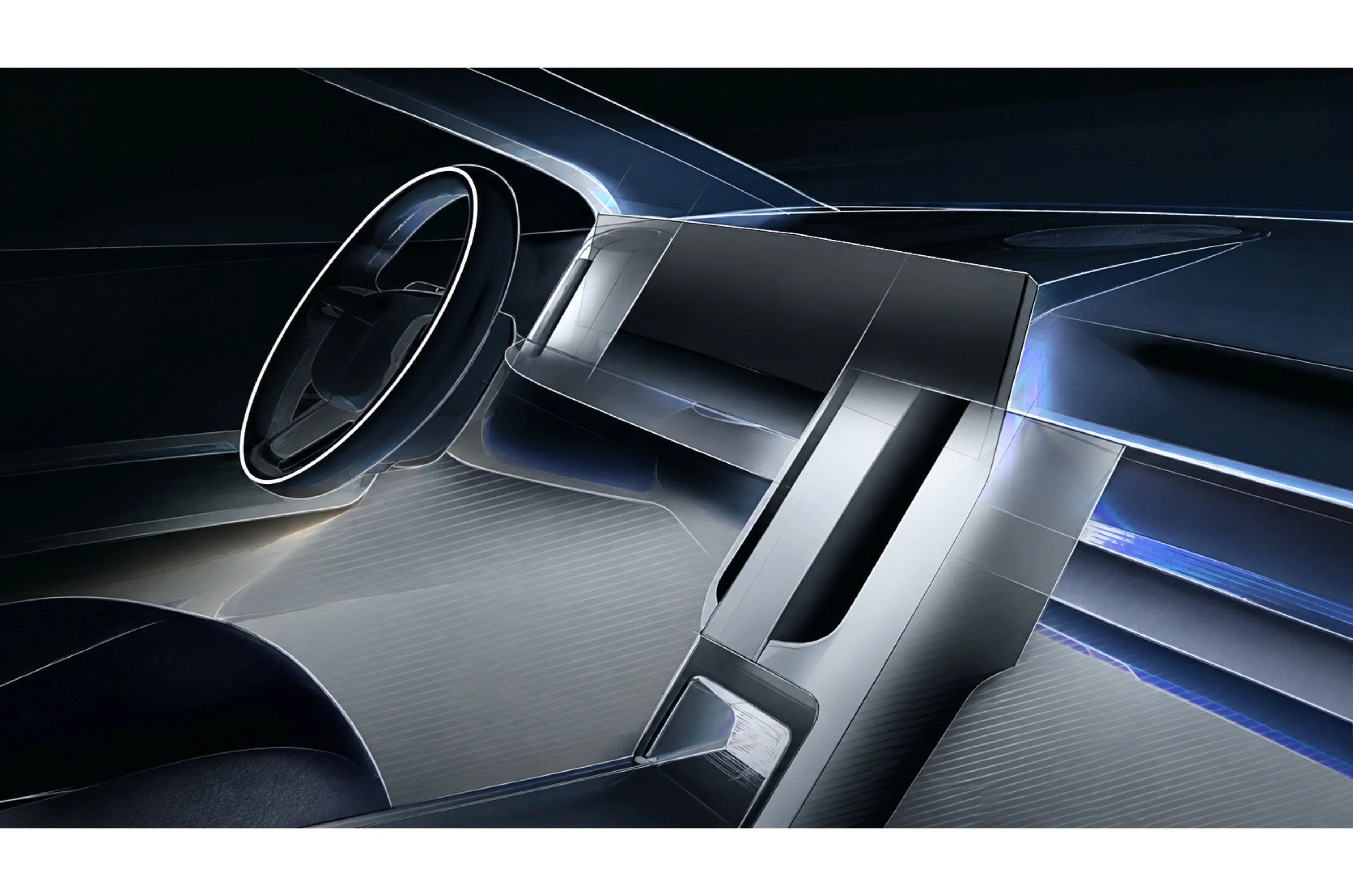
Bayon to get new-gen i20-like interior with twin connected screens
Hyundai Bayon exterior and interior
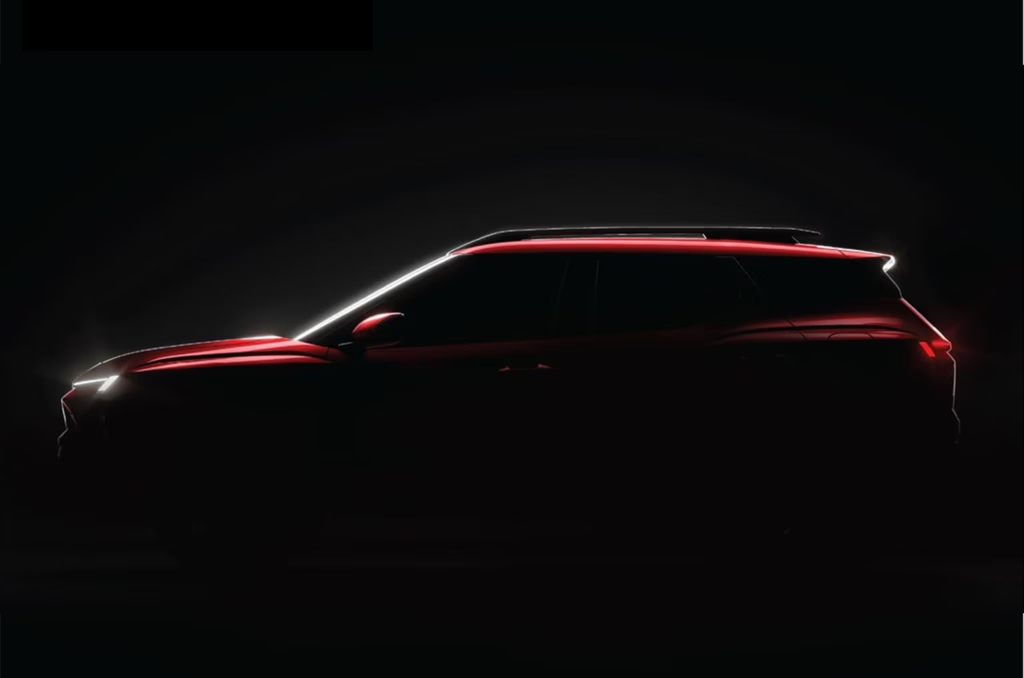
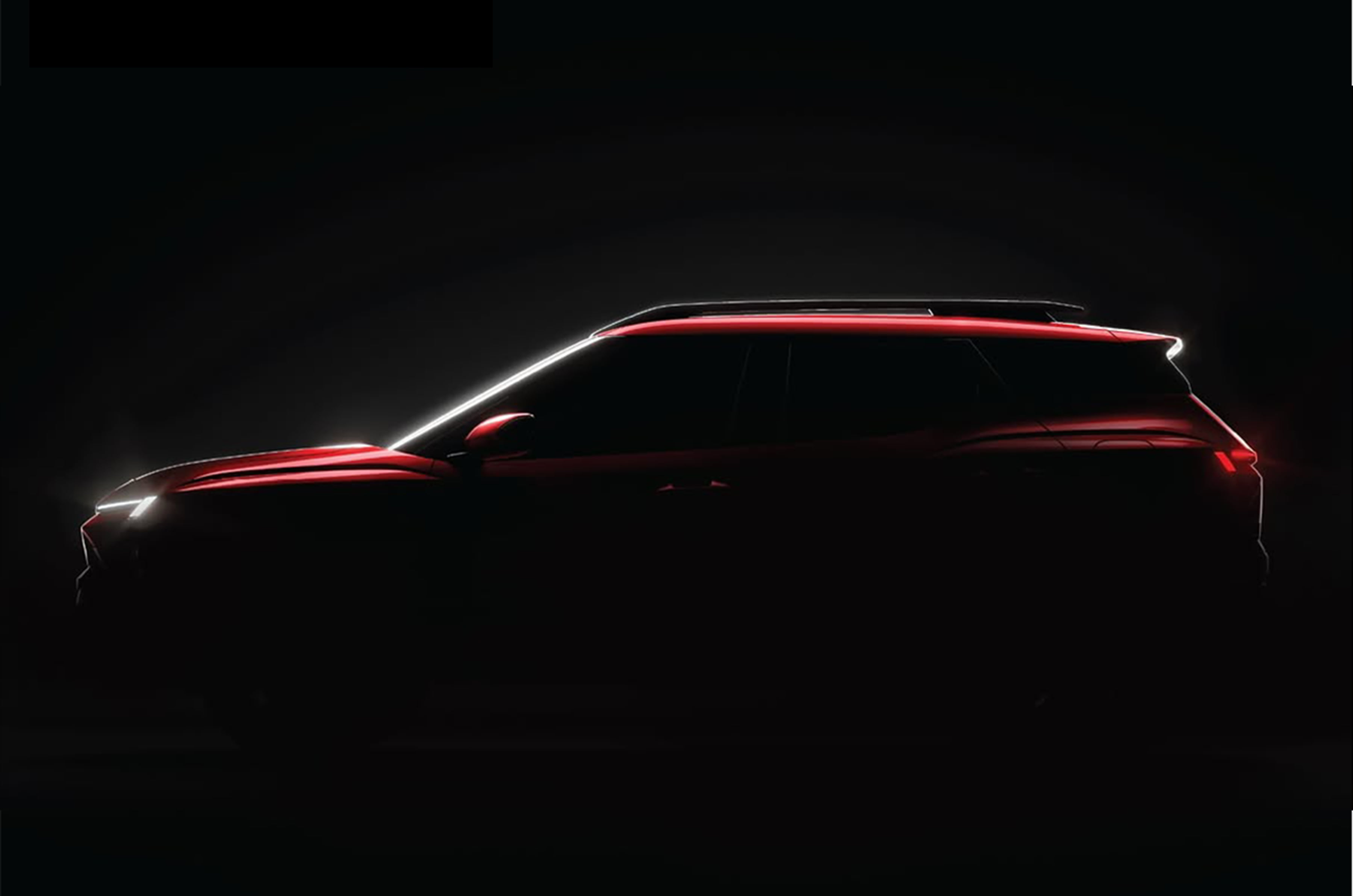
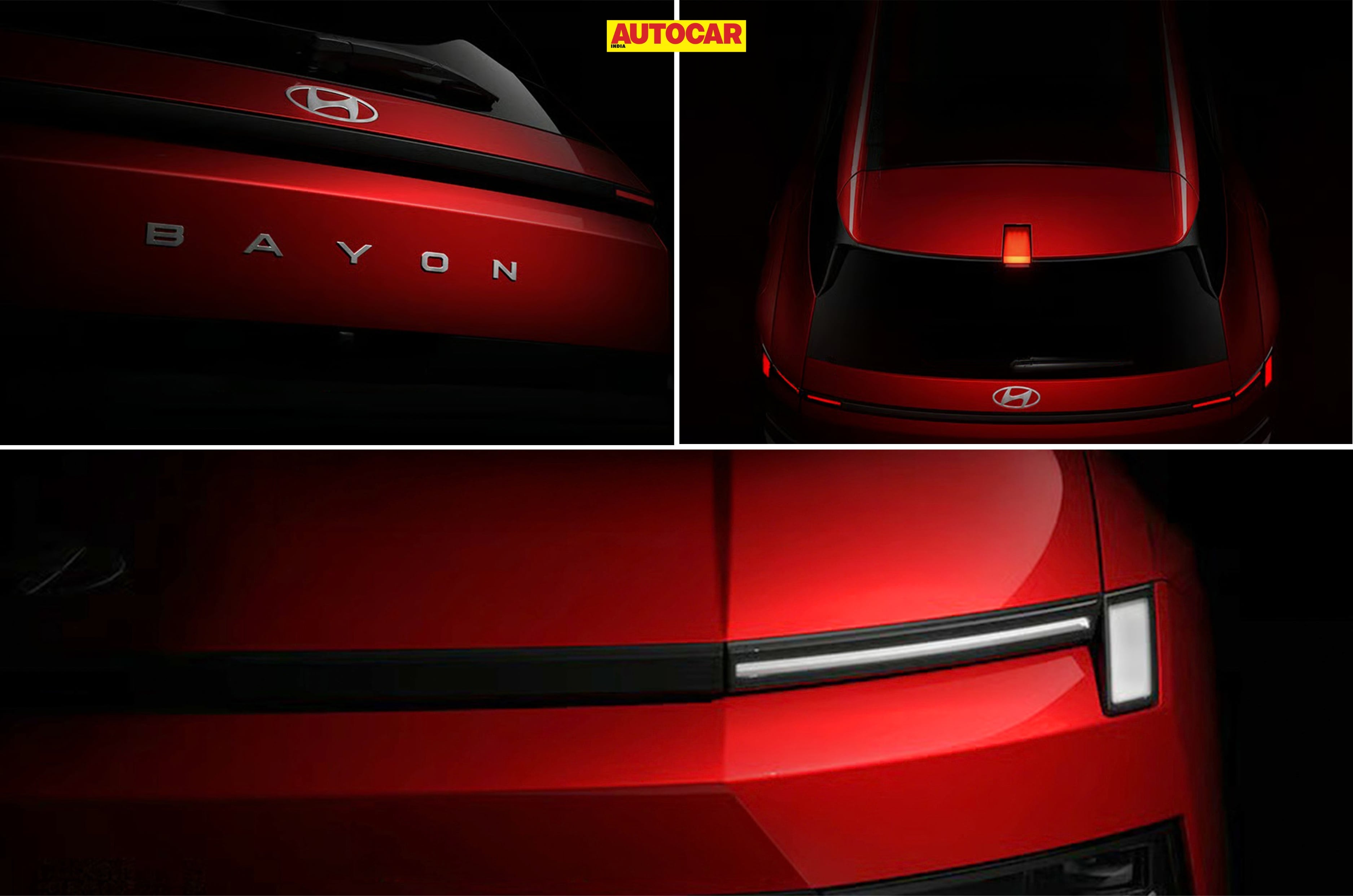
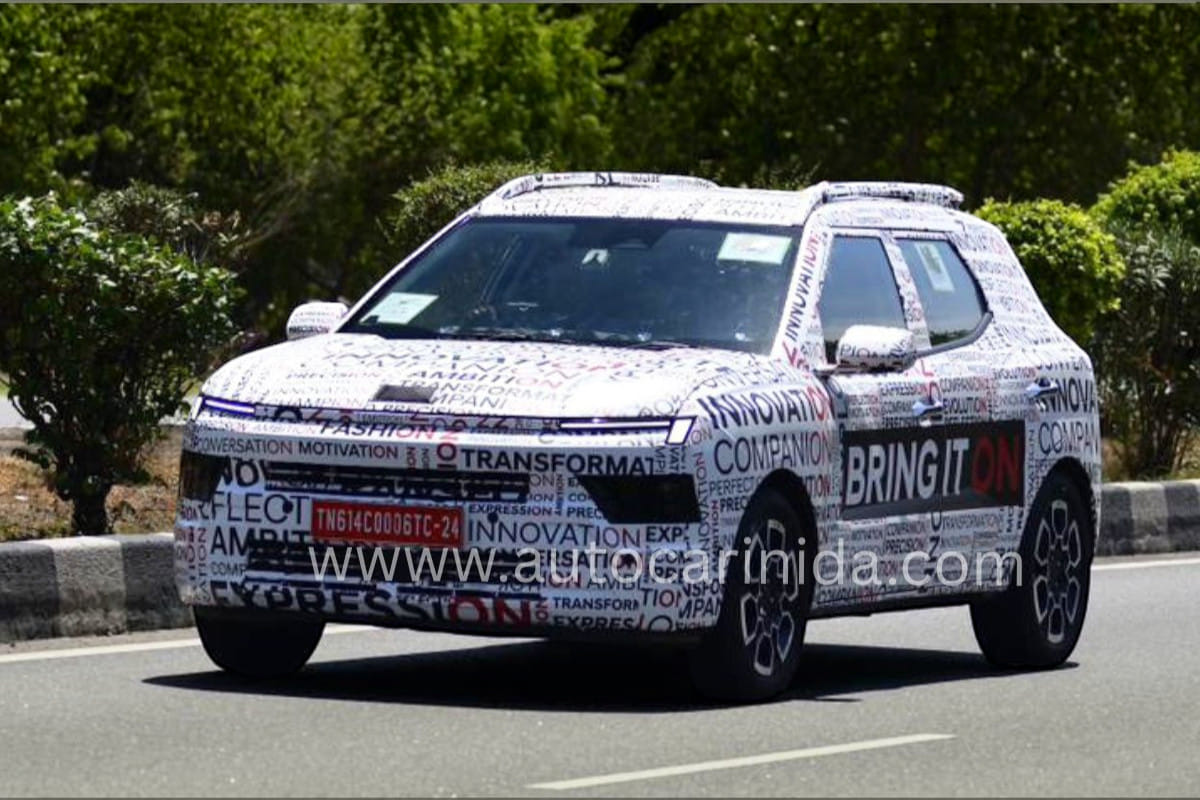
The Bayon has been spied testing on multiple occasions and Hyundai themselves have released several teasers hinting at the new design, so we have a fair idea of what it’s going to look like. The Bayon’s overall stance is of a crossover rather than a boxy, upright SUV. It will sport a split-headlamp setup with half split H-shaped LED DRLs opositioned at the top. The main headlamp is positioned on the bumper, which also houses a rugged-looking skid plate. The fascia also looks well sculpted with sharp character lines and contours.
In profile, the Bayon has a rising window line with a distinct kink at the C-pillar. It will get regular pull-type door handles, functional roof rails and prominently flared wheel arches, much like the Exter. At the back, there’s a slim LED light band mimicking the front LED signature and a pronounced roof spoiler. Overall, the Bayon is expected to measure a little more than 4 metres in length.
On the inside, the Bayon in India will have a lot in common with the fourth-gen i20 that was recently revealed for Brazil. It will come with twin connected screens and a central dropdown panel housing the physical HVAC controls. The steering wheel with Hyundai’s four-dot motif, the vertical AC vents flanking the centre panel and even the door pads will be very similar to those on the new i20.Like all Hyundais, expect it to be properly kitted out with convenience and safety features.
Hyundai Bayon powertrain options
The Bayon is expected to use the 1.5-litre, four-cylinder naturally aspirated petrol engine, which will be offered with manual and CVT gearbox options. This is the same engine that does duty on the Creta, but the exact state-of-tune remains to be seen. Notably, this engine will also be offered with a factory-fitted CNG kit, likely with an underbody tank, making the Bayon the first Hyundai model over four metres long to be powered by CNG.
The Bayon is expected to priced between Rs 9 lakh and 14 lakh (ex-showroom) when it goes on sale this festive season, giving Hyundai a two-pronged approach to tackle the midsize SUV market, much like Maruti does with the Victoris and Grand Vitara.
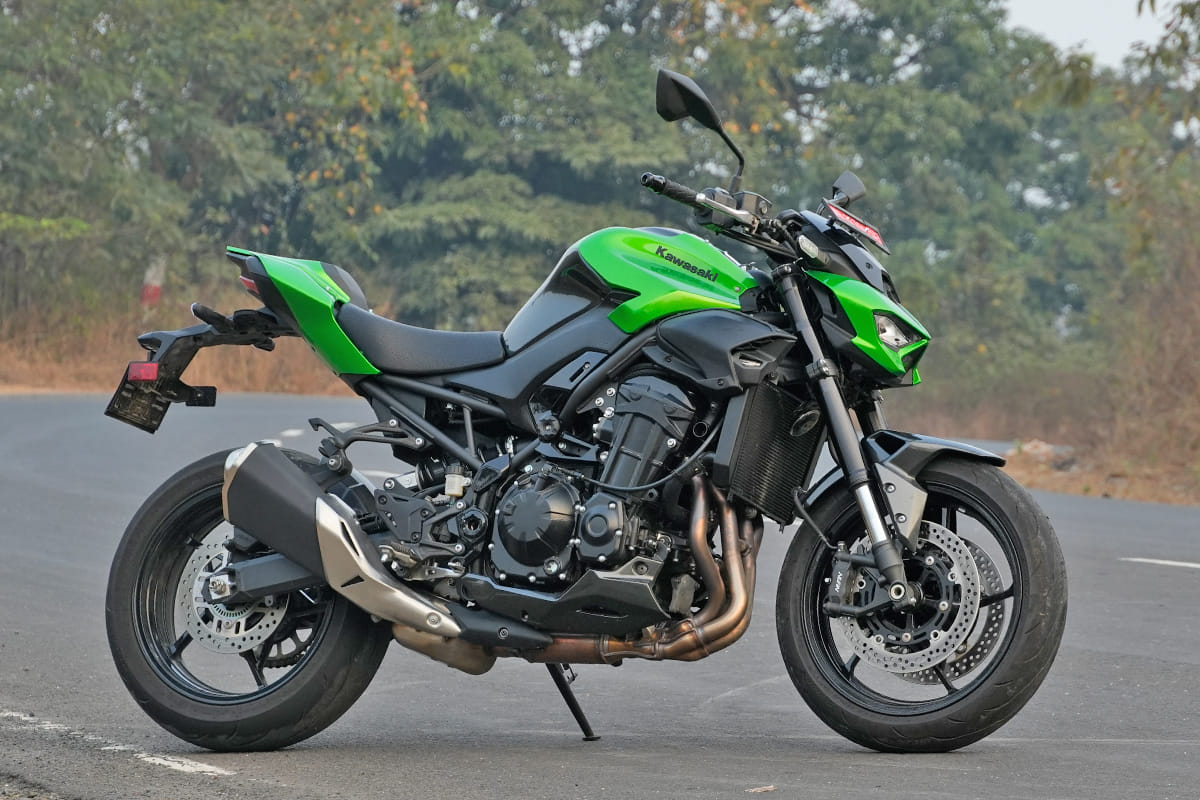
The Kawasaki Z900 is one of the most popular in-line four motorcycles in India. With the brand cache and a price that seems far more reasonable than its rivals, it’s no surprise that it’s been one of the bestsellers for the Japanese manufacturer.
The discount is through a zero percent interest scheme, for the three-year EMI tenure
Includes accessories like a frame slider, radiator guard, and fork slider worth Rs 25,000
Kawasaki Z900 available through a zero percent interest scheme
A bundle of cash discount and accessories
Anzen Kawasaki, the official dealer for Kawasaki in Mumbai and Goa, is currently offering a zero percent interest scheme for the Z900, with a down payment of Rs 5 lakh on its Rs 9.99 lakh ex-showroom price. The zero percent interest part applies exclusively to the 36 months EMI tenure. You will end up saving Rs 1 lakh in interest with the scheme, which Anzen is offering as an up front discount. This effectively brings down the Z900’s ex-showroom price to Rs 8.99 lakh. In addition to that, you get Rs 25,000 worth of accessories such as a frame slider, a radiator guard, and a fork slider at no extra cost.
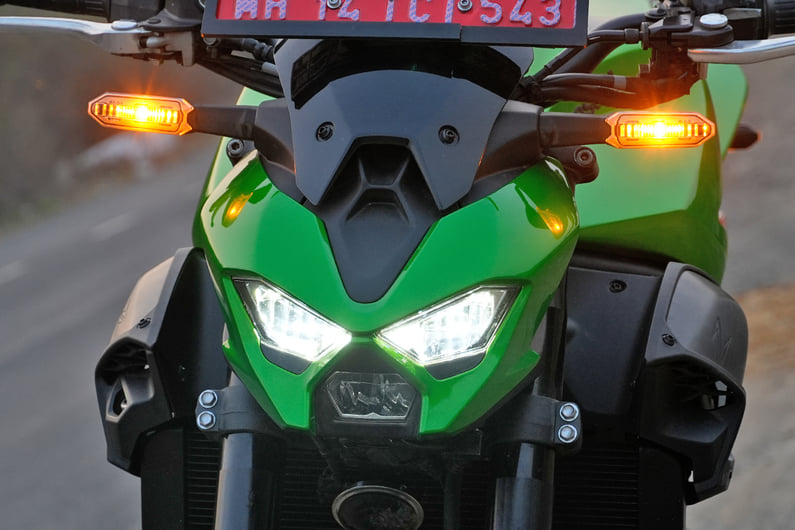
If you’re unfamiliar with the Z900 until now, the sport-naked motorcycle last received a comprehensive list of upgrades to its design and gained some new features last year. It’s powered by a 948cc in-line-four-cylinder, liquid-cooled engine with 125hp and 98.6Nm of torque. In India, it’s available in two colours: lime green (a Kawasaki signature shade) and metallic spark black. It’s currently being imported as a completely built-up unit (CBU) and can only be had as a single seater.
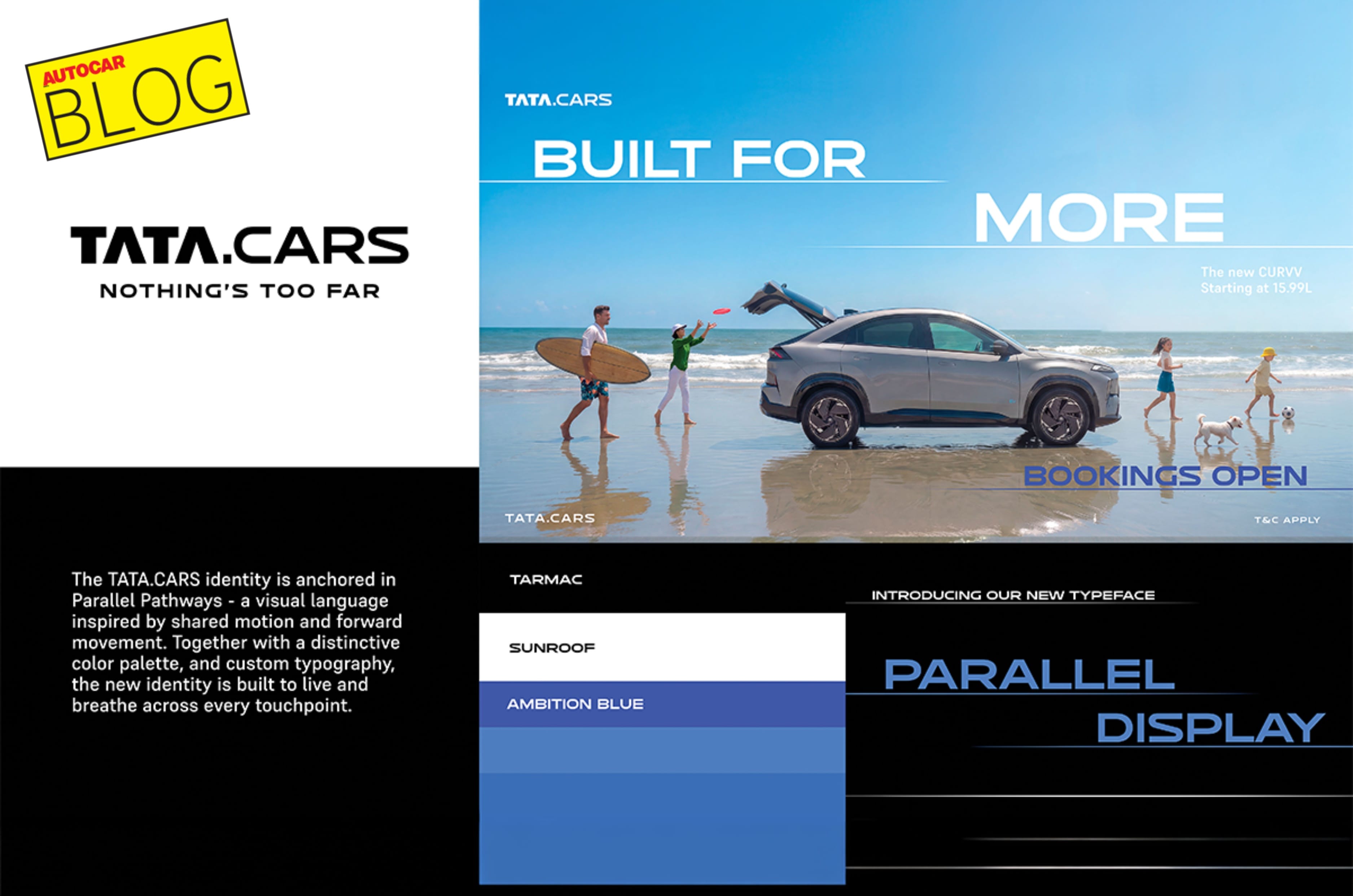
So, the consumer shall now experience Tata.Cars. New font. New colours. Definitely new flooring, furniture and fixtures too. Very interesting exercise. There must have been solid logic behind the same, with some heart too added for flavour.
Do I like it? Too early to comment. Do I dislike it? Too early, once again. Branding, and rebranding, is a funny creature. There’s fur and then there’s flesh. Initially, we get caught up with the fur – the very name, the font, the colour palette, the digital renditions, the landing page of the website, the look of the social media handles and so on. Over time, we get to get down to the flesh. The behaviour. The response time. The availability of spares. The RSA. The cleanliness of the service bay. The timely reminders. The smiles and scowls.
My brand strategy guru, Wally Olins, taught me that the brand is beyond all the fur. It lives in the flesh. “The brand, Avik, is the promise of an experience delivered consistently, over time.” This is what he had told JRD and RNT when he helped with the entire rebranding of the conglomerate in the early 1990s. This is what he told every brand and person he interacted with.
Any rebranding has to be judged after a good 8-10 months of its ‘launch’, though I am personally not in favour of all the hype and hoopla around it. It has to come alive at every customer touchpoint. To deliver its promise. Which is not an advertising tagline or a logo sign-off. Those are words crafted to explain what the promise is. So, “Nothing’s too far” is the expression that has to manifest itself in multiple ways for the promise to be delivered. In technology. In network reach. In customer response time. In accessibility. In affordability. This is the flesh. The hard work. The routine that can tire someone. The rigour that can break many.
“The brand is a wasting asset,” said the remarkable Shunu Sen, one of the country’s best-ever marketers. The moment a brand is launched, it starts depreciating, just like the moment you drive a new car out of a showroom. Every moment of customer interaction is also a moment of both delight and devaluation. Hence brands need to keep refreshing themselves, through a new look, new products, new promotions and even inducting new people. Everything revives consumer interest in the brand that otherwise might end up being a blind spot. Not an easy job for both the brand custodian and the product planner.
So, let us not get into whether the [.] in Tata.Cars is sheer inspiration or mere gimmick. Let us see if the brand delivers its promised experience, consistently, at every touchpoint, over time. Then, it would have literally crossed the t’s and dotted the i’s.
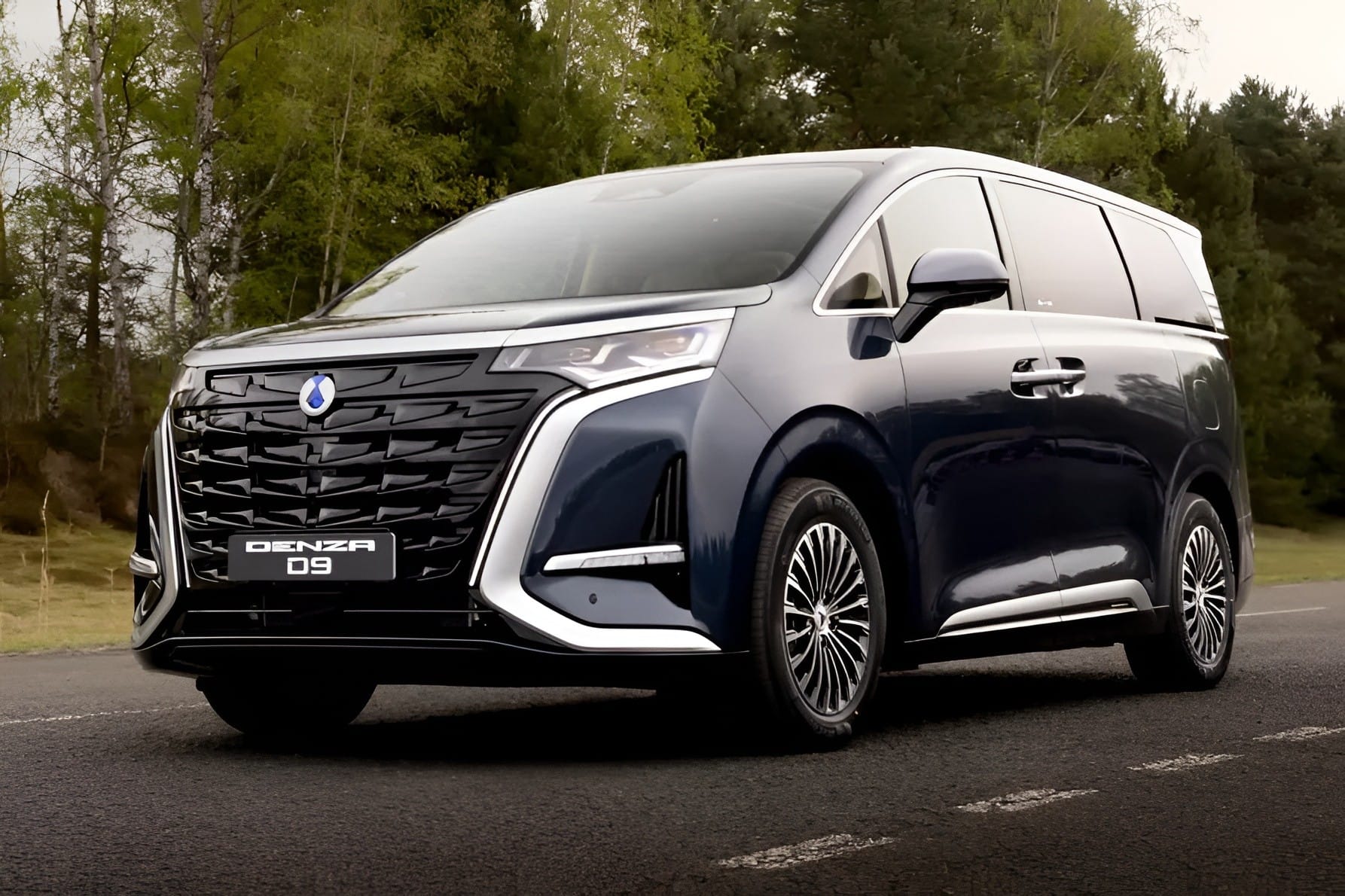
It’s not every day that a new brand enters the Indian market, but by the end of this year, we’ll have two – JSW and Denza. Last month, we exclusively reported on Denza’s intention to enter India, and now we bring you all the additional juicy details.
A little bit about the brand first. Founded in May 2010 as a joint venture between BYD and Daimler AG (now Mercedes-Benz Group AG), the company announced its brand name ‘Denza’ two years later. Mercedes has since exited the partnership, and in 2022, BYD repositioned the brand and is generally concentrating its efforts at the higher end of the market.
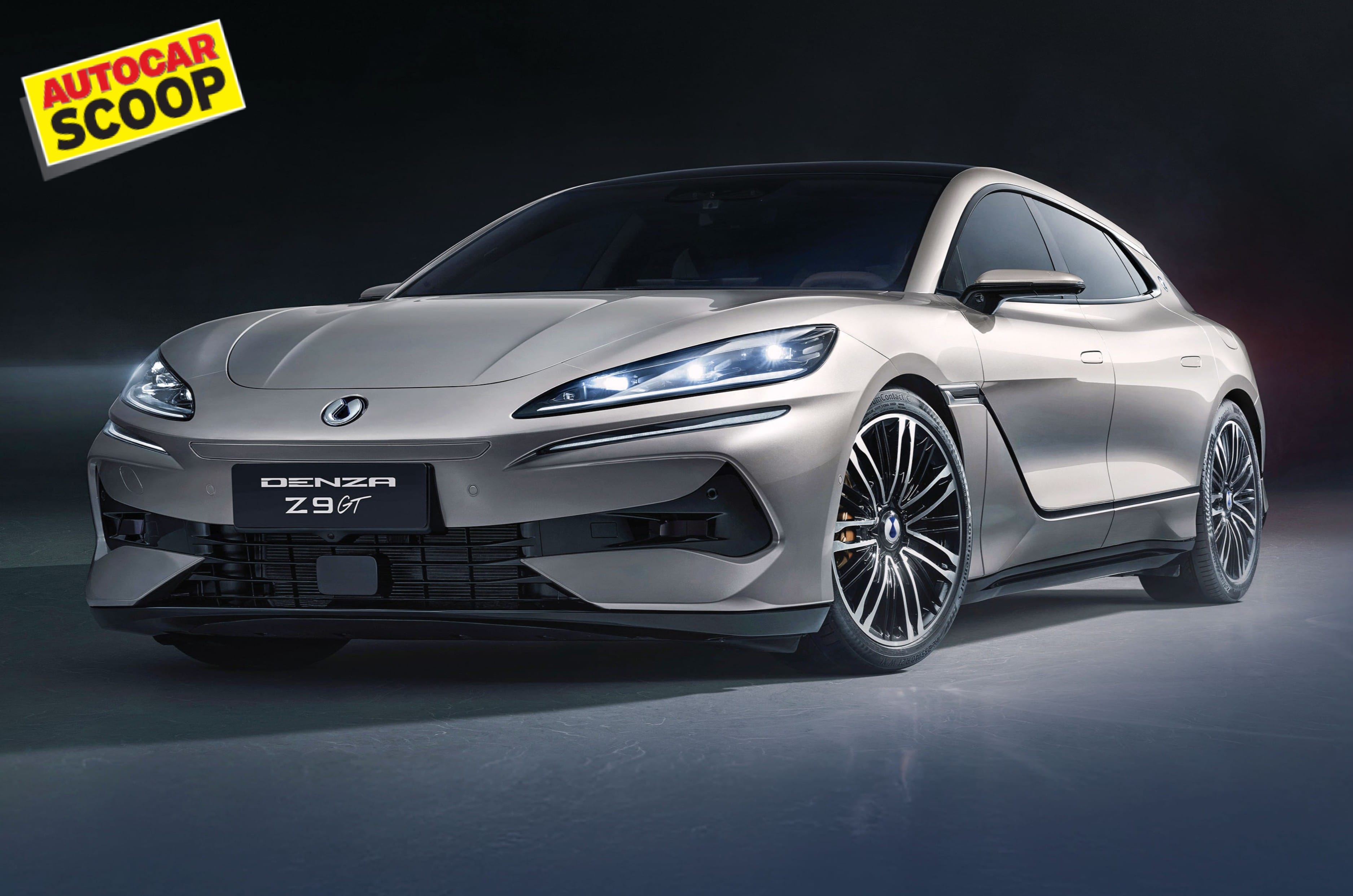
In India, Denza will be positioned above BYD’s existing portfolio, with products at around Rs 80 lakh and above, while BYD will occupy the Rs 20 to Rs 80 lakh space. Leading Denza’s charge will be two models, the Z9 GT high-performance fastback and the D9 luxury MPV. Both will be brought in as completely built-up units.
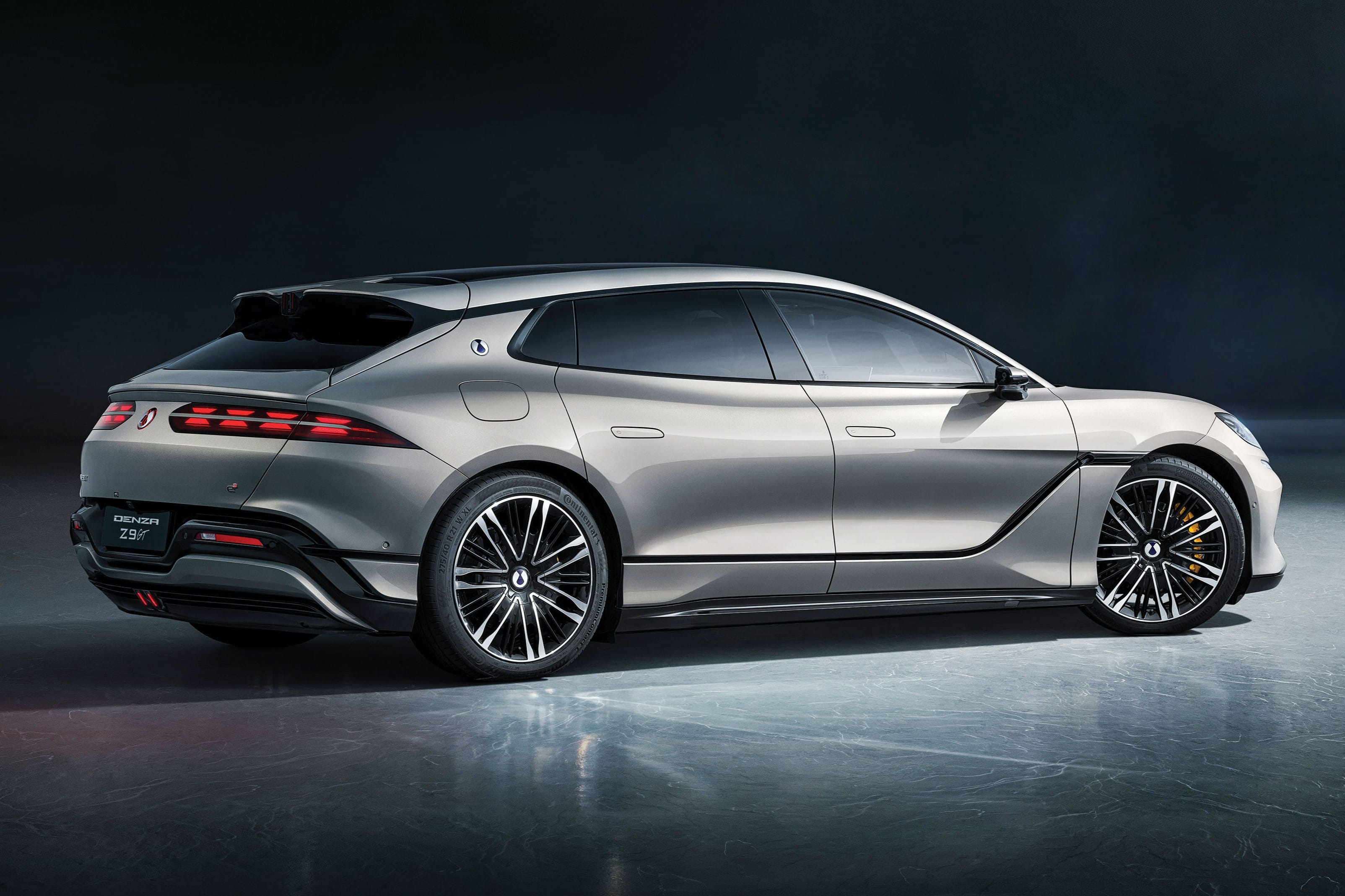
The Z9 GT is Denza’s take on a fastback or, as the company puts it, a shooting brake with four-door practicality. It has both EV and PHEV options globally, but for India, we’ll get just the electric version, and its numbers are staggering. It weighs 2.9 tonnes, puts out a colossal 1,156hp from three electric motors (one at the front and two at the rear), that propel it from 0-100kph in 2.7sec and on to a top speed of 270kph. The only modest number is the range, which stands at 600km on the combined WLTP cycle. Charging, though, is super quick, with the company’s 1,500kW Flash ultra-fast charging that can take the GT’s 122.5kWh battery from 10 to 97 percent in just nine minutes. It stops at 97 percent to preserve the life of the battery. Expect to pay premium pricing for this level of performance, though; the GT would retail in India somewhere in the Rs 1.2 to 1.5 crore mark.
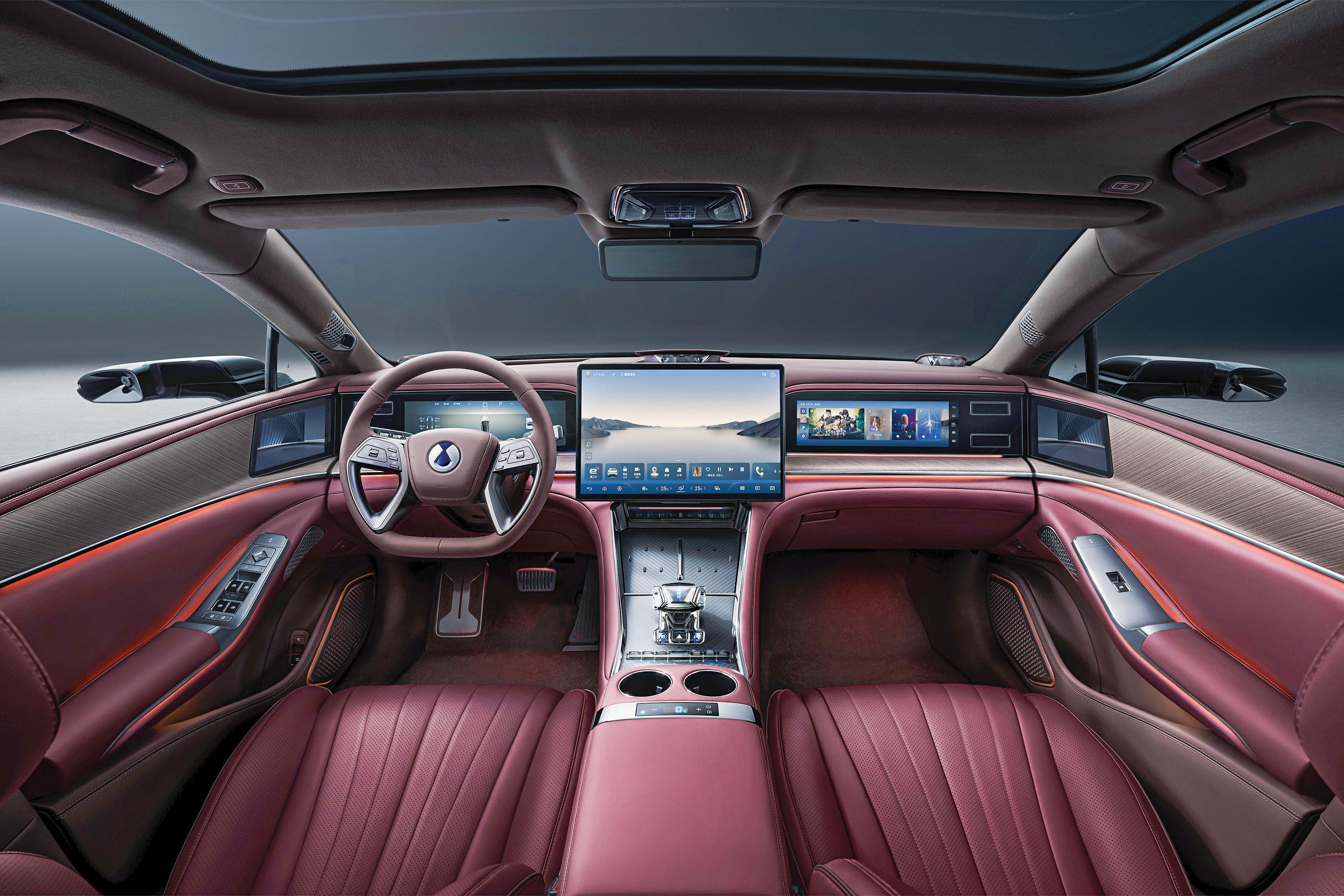
Five screens dominate dash; flank screens are for outside rear-view camera feed.
Here too, there’s a cell-to-body construction that integrates the blade cells directly into the vehicle structure, plus rear-wheel steering with a sideways crab-crawl ability, buttons to open and close power doors and, of course, Level 2+ ADAS. Inside, the GT seats five and pampers the four outer passengers with adjustable under-thigh support, heating, cooling, and massage functions, and the rear seats also recline. As with so many EVs today, the dashboard is dominated by screens, five in total, with two on the flanks for the outside rear-view ‘mirror’ camera feed.
Denza D9: Vellfire Challenger
The D9 MPV is available with electric or plug-in hybrid power globally too. For India, it’s the EV that will arrive, and in front-wheel-drive form. Expect prices at around the Rs 80 lakh mark, positioning the D9 above the MG M9 but below the Toyota Vellfire.
Power stands at 313hp and 360Nm of torque, and it’s fed by a 103kWh blade cell battery. Claimed range is 520km on the combined WLTP cycle, while charging speed peaks at 200kW on a DC fast charger.
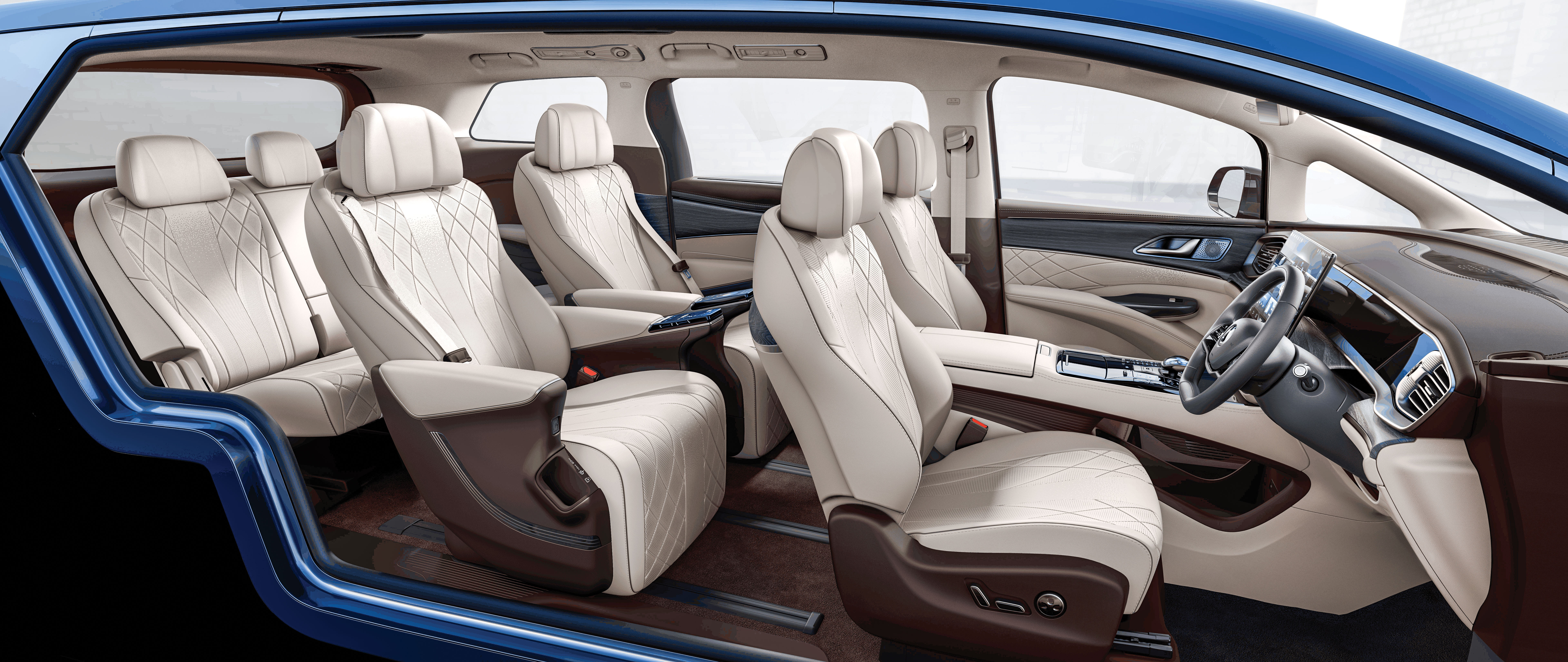
The seating configuration is 2+2+3 with the centre captain seats offering full power adjustment, heating, ventilation and massagers, along with armrest-integrated control pads. Middle-row occupants also enjoy fold-out tables and extendable leg-rests. Other creature comforts include a three-zone climate control, premium Dynaudio sound system and full leather upholstery.
Middle row the place to be with fully powered individual loungers that feature heating, ventilation, massagers, leg rests, and a fold-out table.
The D9 also features BYD’s cell-to-body construction that helps reduce weight and increase body rigidity. The luxury MPV also comes with an active body control system that, the company says, eliminates fore-aft pitching motion to keep the cabin flat during “nose-up” acceleration and “nose-down” braking forces.
Where does Denza fit in India’s automotive landscape?
The name Denza is an invented one and loosely translates to ‘rising power’ or ‘gathering momentum’, and that is what BYD will be hoping for in India. Hamstrung by the Indian government’s restrictions around Chinese investments, BYD – the world’s largest EV manufacturer – has not been able to grow. Its proposed $1 billion investment, along with a local partner, to scale up its small semi-knocked-down (SKD) plant in Tamil Nadu has been slowed by Press Note 3 – a 2020 policy that requires foreign investments from countries sharing a land border with India to get prior state approval.
Thus, given the limited playing field it’s been put into, getting into niches like luxury MPVs is a smart move from BYD. The segment accounts for about 2,000 units a year and is seeing rising customer interest and growth, attracting players like the Toyota Vellfire, the Lexus LM and Mercedes V-Class. The D9, then, has competitors to contend with, while the Z9 GT sits in a smaller niche, with just the Porsche Taycan as a similar rival. It’s likely to sell fewer numbers but will serve as a technology showcase and a brand shaper.
Interestingly, Denza will be retailed through exclusive showrooms separate from BYD. This may seem odd given the limited volumes, at least in the short term, but our sources tell us the company wants to provide Denza customers with a highly personalised shopping experience. The premium positioning will limit its network to larger cities; launch likely to be in the Delhi-NCR and Mumbai regions only. For BYD, though, it plans to scale up, thus keeping the two brands separated allow each to focus on their distinct goals.
So far, BYD India has managed a decent start and enjoys an awareness much higher than its actual market volume, enviable for a new brand. That’s all thanks to products that deliver consistently, with innovative tech like the famed blade cells. For Denza, though, the company also needs to build a high level of desirability, because at the upper end of the luxury spectrum, badge value accounts for nearly as much as, if not more than, engineering prowess itself, and that is what the company seems to be setting out to do.
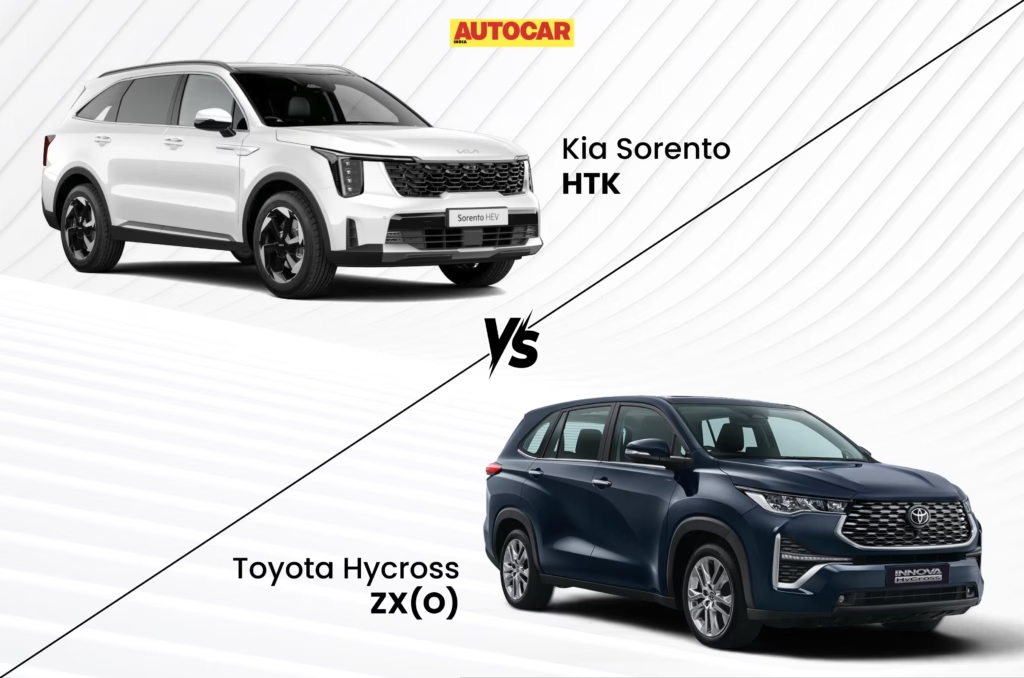
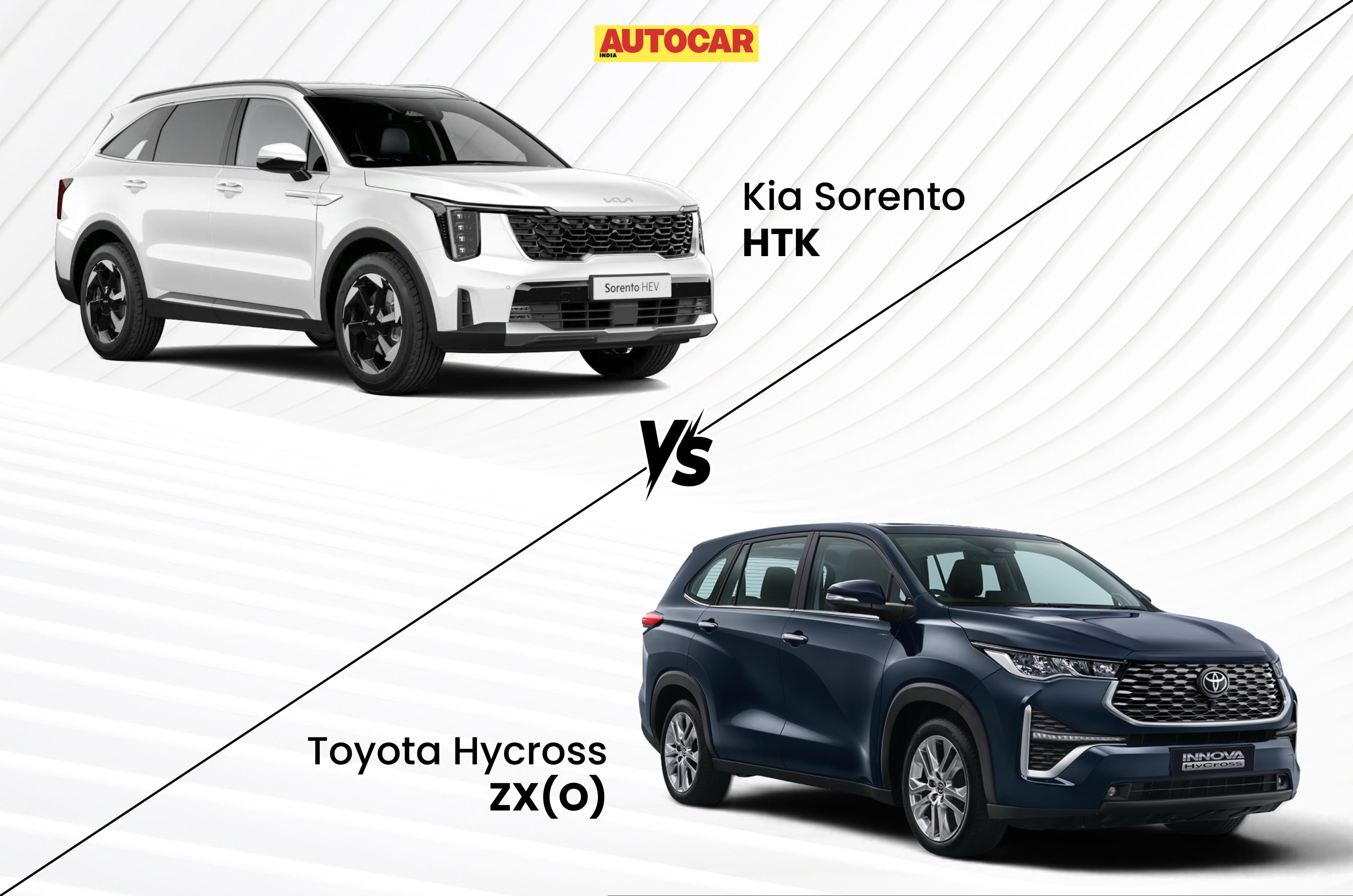
While the Kia Sorento is a direct rival to premium three-row SUVs such as the Volkswagen Tayron and Skoda Kodiaq, it can also be viewed as an indirect competitor to the Toyota Innova Hycross – both are three-row strong hybrids that somewhat overlap in price. Specifically, if you are looking to buy the top-spec Innova Hycross ZX(O) Hybrid, a relatively small budget extension will also put the mid-spec Sorento HTK Hybrid within your reach. Below, we’ve compared everything these Sorento and Innova Hycross variants offer to help you decide which one you should pull the trigger on.
Kia Sorento HTK vs Toyota Innova Hycross ZX(O): Dimensions
Sorento is longer overall and wider, Hycross offers longer wheelbase
Sorento HTK Hybrid
Innova Hycross ZX(O) Hybrid
Length (mm)
4,815
4,755
Width (mm)
1,900
1,850
Height (mm)
1,785
1,790
Wheelbase (mm)
2,815
2,850
Seating capacity
6/7
7
Wheel size (inches)
19
18
Among the key exterior distinctions between these two is that the Sorento is an SUV, and the Innova Hycross is an MPV. The Sorento is a good 60mm longer than the Innova Hycross overall, but the latter interestingly has a 35mm advantage on the wheelbase front. Height is also a narrow victory for the Innova Hycross, but the Sorento wins when it comes to width and alloy wheel size. The Kia SUV even offers a 6-seat layout but for a premium of Rs 20,000.
Kia Sorento HTK vs Toyota Innova Hycross ZX(O): Powertrains
Sorento has a smaller engine but makes much more torque
Sorento HTK Hybrid
Innova Hycross ZX(O) Hybrid
Engine
1.6-litre turbo-petrol
2.0-litre petrol
Cylinder count
4
4
Engine power (hp)
180
–
Engine torque (Nm)
265
191
Motor power (hp)
65
–
Motor torque (Nm)
264
206
Combined power (hp)
–
184
Gearbox
6-speed AT
e-CVT
Fuel tank capacity
67
52
As noted previously, both the Sorento and Innova Hycross are powered by strong hybrid setups. However, the Sorento gets a smaller direct-injection turbo-petrol engine, while the Innova Hycross gets a larger naturally aspirated mill. The Sorento’s torque figures are higher than those of the Innova Hycross, and the Toyota MPV’s combined power output is also not much higher than the Kia SUV’s engine output. Their gearboxes are quite different too, with the Sorento using a 6-speed torque converter, and the Innova Hycross an e-CVT. Lastly, the Sorento has a substantially larger fuel tank as well.
Kia Sorento HTK vs Toyota Innova Hycross ZX(O): Exterior features
Sorento gets sequential indicators and roof rails over Hycross
Sorento HTK Hybrid
Innova Hycross ZX(O) Hybrid
Auto LED headlamps
Yes
Yes
LED DRLs
Yes
Yes
Front fog lamps
Yes
Yes
LED tail-lamps
Yes
Yes
Sequential indicators
Yes
No
Roof rails
Yes
No
Powered ORVMs
Yes
Yes
Powered tailgate
Yes
Yes
Shark-fin antenna
Yes
Yes
Rear spoiler
Yes
Yes
Colour options
7, monotone
6, monotone
The Sorento and Innova Hycross are quite evenly matched in terms of functional features, with the Toyota missing out only on roof rails and sequential indicators. Exterior colours are again a win for the Sorento, as it offers one extra option over the Innova Hycross.
Kia Sorento HTK vs Toyota Innova Hycross ZX(O): Interior features
Sorento fares better on tech, but Hycross has a few aces up its sleeve
Sorento HTK Hybrid
Innova Hycross ZX(O) Hybrid
Infotainment screen
12.3-inch
10.1-inch
Instrument cluster
12.3-inch
Analogue with MID
Panoramic sunroof
Yes
Yes
Wireless charger
Yes
Yes
Powered front seats
Yes
Driver only
Ventilated front seats
Yes
Yes
Dual-zone climate control
Yes
Yes
Ambient lighting
64-colour
Blue only
Sound system
12-speaker Bose
9-speaker JBL
Apple CarPlay and Android Auto
Wireless
Wireless
Cabin air purifier
No
Yes
Connected car tech
Yes
Yes
Rear window sunshade
No
Yes
Rear centre armrest
Yes
Yes
Sliding, reclining rear seats
Yes
Yes
Rear-seat leg rests
No
Yes, powered
The Sorento is a step above the Innova Hycross when looking at nice-to-have features, such as a bigger touchscreen, a digital driver’s display, configurable ambient lighting, more speakers, a powered co-driver’s seat and more. However, the Innova Hycross holds its own on the comfort and convenience front, courtesy of goodies such as a rear window sunshade, a cabin air purifier, and powered leg rests for the second row.
Kia Sorento HTK vs Toyota Innova Hycross ZX(O): Driving features
Hycross offers adaptive cruise control
Sorento HTK Hybrid
Innova Hycross ZX(O) Hybrid
Drive modes
3
3
Acoustic vehicle alert system
Yes
Yes
Paddleshifters
Yes
Yes
Cruise control
Yes
Adaptive
Both hybrids are almost identical when it comes to driving features, but the Innova Hycross edges ahead thanks to adaptive cruise control, which can automatically adjust the car’s speed based on its proximity to the vehicle in front, making it superior to the Sorento’s standard cruise control system.
Kia Sorento HTK vs Toyota Innova Hycross ZX(O): Safety features
Sorento has 7 airbags and side sensors, while Hycross gets Level 2 ADAS
Sorento HTK Hybrid
Innova Hycross ZX(O) Hybrid
Level 2 ADAS
No
Yes
Airbags
7
6
ABS with EBD
Yes
Yes
ESC
Yes
Yes
Hill-hold control
Yes
Yes
TPMS
Yes
Yes
360-degree camera
Yes
Yes
Parking sensors
Front, rear, side
Front, rear
Electronic parking brake
Yes
Yes
Rain-sensing wipers
Yes
No
Rear wiper, defogger
Yes
Yes
Isofix child-seat anchors
Yes
Yes
Disc brakes
Front, rear
Front, rear
In its top-spec form, the Innova Hycross offers Level 2 ADAS, which the mid-spec Sorento lacks. ADAS can make highway cruising much easier, so buyers who frequently head out of the city will likely appreciate the Toyota more in this regard. The Sorento, on the other hand, offers a driver knee airbag and side parking sensors; the latter can make manoeuvrability much easier in the city.
Kia Sorento HTK vs Toyota Innova Hycross ZX(O): Prices
Hycross is Rs 2.15 lakh more affordable
Sorento HTK Hybrid 7S
Innova Hycross ZX(O) Hybrid 7S
Price (in Rs lakh)
33.99
31.84
The Sorento HTK Hybrid 7-seater commands a premium of Rs 2.15 lakh over the Innova Hycross ZX(O) Hybrid 7-seater. Some prospective buyers may find the price difference steep, but the Sorento makes it worthwhile if you want a more tech-laden and premium-looking cabin, as well as better performance. The Innova Hycross, on the other hand, packs a lot of comfort and convenience features that may interest buyers who are chauffeur-driven or frequently ferry around their families.
Skoda is evaluating the discontinuation of its flagship sedan, the Superb, amid a larger cost-reduction effort by the Volkswagen Group – the conglomerate aims to halve the number of models it sells within the next decade. First introduced in 1934, the Superb nameplate was originally used for a full-size luxury car made by Skoda up until 1949. Skoda revived the Superb nameplate in 2001 for its flagship sedan, which is now in its fourth generation and has sold over 1.6 million units to date worldwide.
Skoda Superb might end up on the chopping block
In a recent media interaction (reported on by Autocar UK), Skoda CEO Klaus Zellmer said it’s “not a given” that it wouldn’t shrink its model line-up in the future. This is despite the fact that the Czech carmaker reported its most profitable H1 numbers yet in 2026 – €16 billion in revenue and an 8.5 percent return on sales.
Zellmer hinted that Skoda’s sedan and estate line-up could be subject to reductions due to fading buyer interest in these body styles. “The big question is going forward: saloons and limousines and combis [estates] are not on the rising path. The [next-gen SSP] platform caters for wiggle room to go up to Superb dimensions. We’re currently looking into whether we still need the full monty, or whether we will have a smart way to cover both segments and target groups,” he said.
The fourth-gen Superb is offered as both a sedan and an estate, while the Octavia sits below it and has sold nearly 8 million units over its 30-year tenure. Zellmer said the “Octavia has led its segment since 2016,” giving the carmaker a strong seller that increasingly overlaps with the Superb in terms of size and practicality. Therefore, Skoda is examining whether it needs two models covering these buyers or whether a single model could serve both groups more efficiently.
Interestingly, the fourth-gen Superb is set to launch in India as a fully-imported model sometime during the first half of 2027. The Superb will also mark the return of diesel power for Volkswagen Group’s India portfolio, as the sedan will come equipped with a 150hp 2.0-litre TDI engine.
Could the production-spec Vision O replace the Superb?
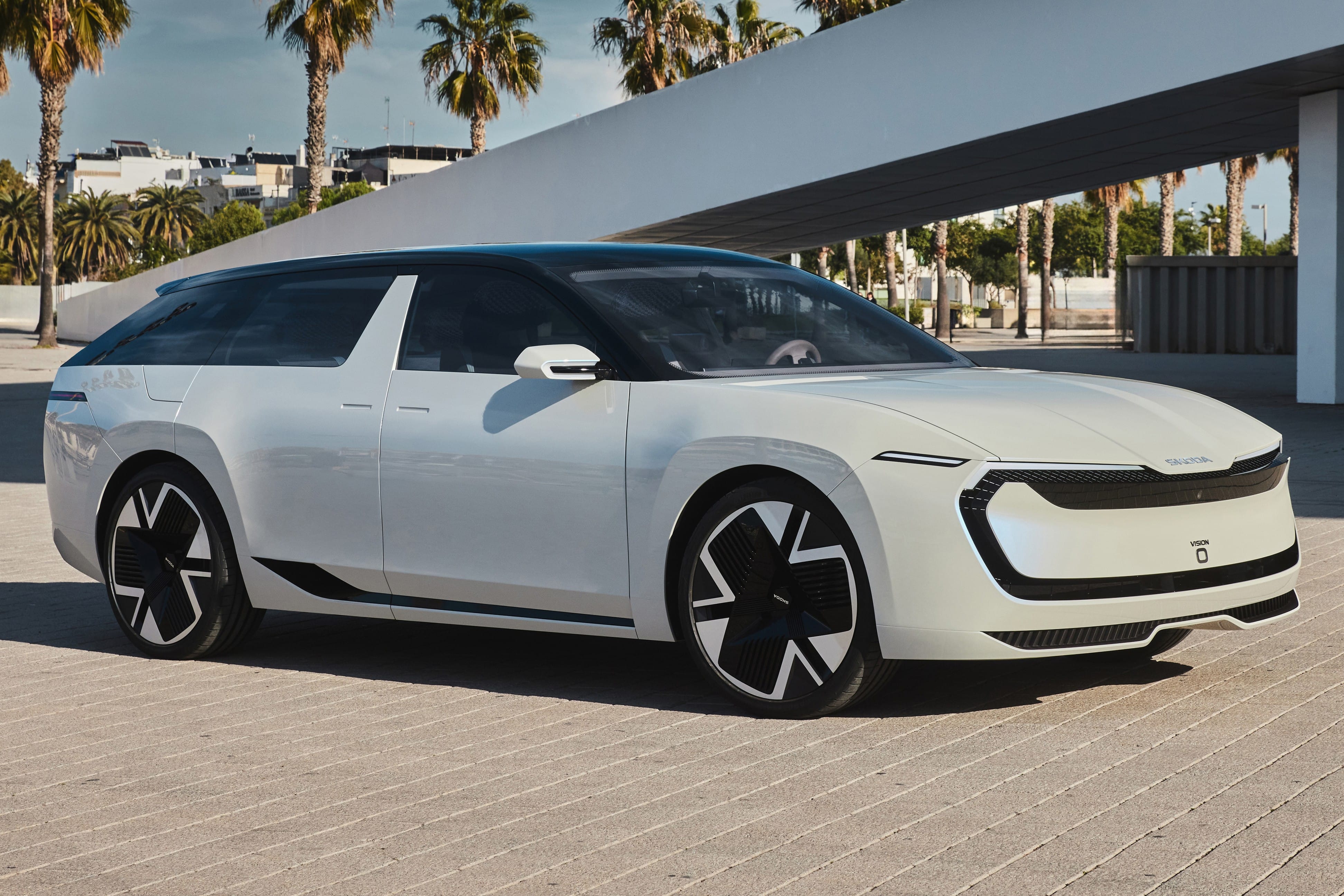
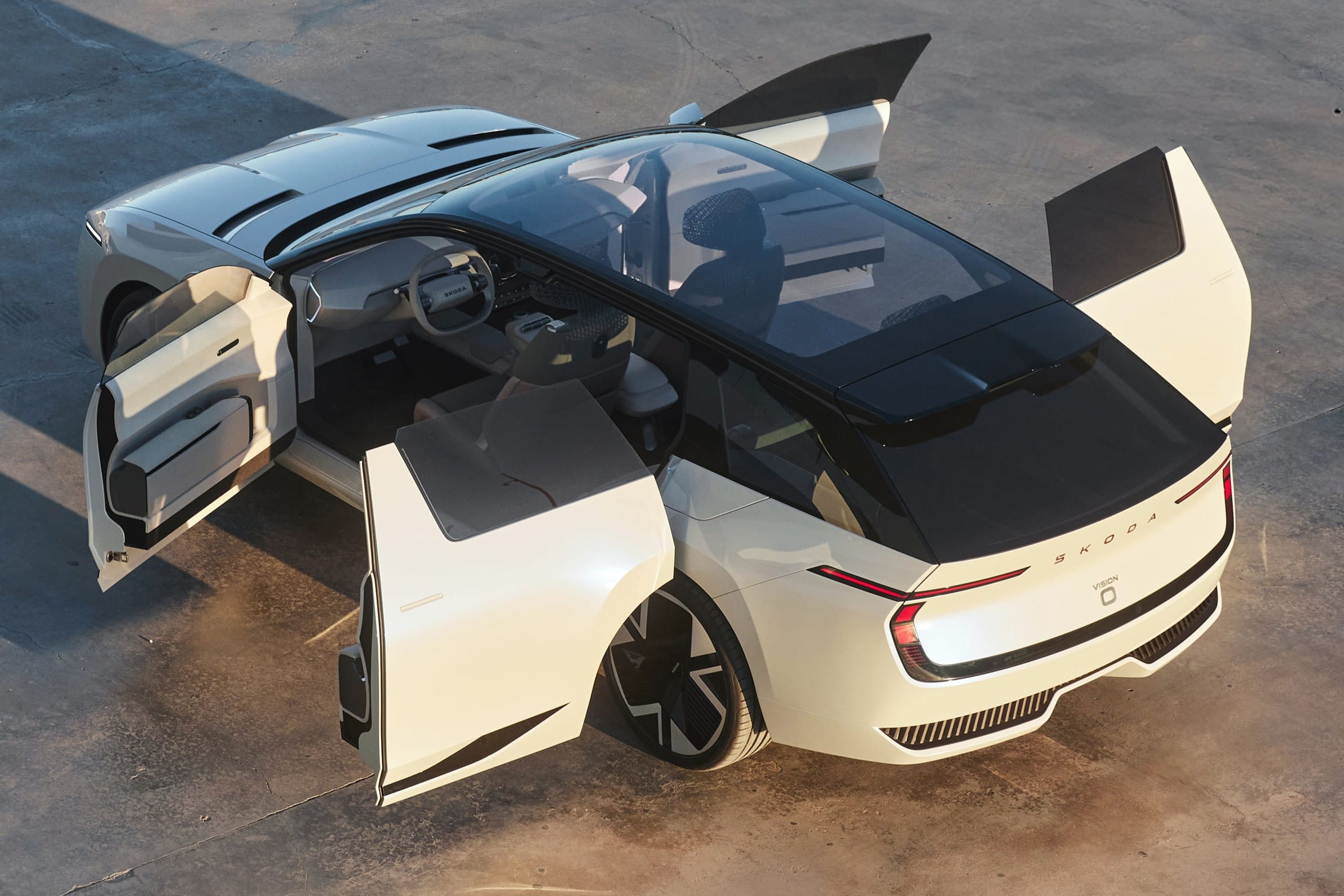
Skoda’s Vision O concept, which was unveiled in 2025 and previews the next-gen Octavia, provides a possible indication of how the carmaker could consolidate its future estate offerings. The 4,850mm-long concept previews the next-generation Octavia as an electric estate, and is 152mm longer than the current Octavia Combi (4,698mm) and just 52mm shorter than the Superb Combi (4,902mm).
This could enable the next-gen Octavia to move upmarket and provide the space and practicality currently offered by the Superb, thus allowing Skoda to axe the latter nameplate. That said, Skoda has not confirmed if the production-spec Vision O will replace the Superb. The concept’s production version is expected to land by the end of the decade and will use the Volkswagen Group’s next-gen SSP architecture.
Skoda is also keeping its options open on powertrains in light of slowing EV adoption, with Zellmer stating that the carmaker’s current model line-up is the largest in its history as a result of “catering for a market still divided between combustion drivetrains and electric vehicles, and everything in between such as mild hybrid, full hybrid, plug-in hybrid.” To that end, a range-extender hybrid setup is being considered for the production-spec Vision O. The EV sales downturn may prompt Skoda to extend the lifespan of its ICE-powered models as well.
Hero is targeting the top position in India’s electric two-wheeler market as it scales up its Vida business and continues to back Ather Energy. “We clearly are focusing on being number one. There we are not shy of that,” Hero MotoCorp CEO Harshavardhan Chitale told Autocar Professional at the SIAM Annual Convention in New Delhi. He added that Vida and Ather sales, taken together, have already occupied the top position during some months. Considering individual sales numbers from January till August this year, Vida is currently fourth, behind Ather.
Hero currently invests in Ather Energy and Euler Motors; recently increased its Ather investment
Vida currently offers scooters with both fixed and removable batteries
Hero CEO says Ather-Hero joint product may happen in future
Vida is Hero’s EV subsidiary
Company is increasing production and exploring different offerings
Hero initially differentiated the brand through removable batteries, targeting, among others, customers living in apartments without convenient access to charging. The company is now pursuing fixed-battery scooters alongside its removable-battery models. Chitale said the two configurations are attracting different sets of buyers. Fixed batteries allow Hero to offer a more competitively priced product, with the difference between the two configurations at around Rs 10,000.
Vida has gained almost 600 basis points (6 percent) of market share over the past year and is seeing year-on-year growth of around 100 percent, according to Chitale. Demand has prompted Hero to increase production. Chitale said EV capacity would rise by almost 50 percent this month compared with the previous month, followed by a further doubling by December. Demand for removable-battery models has remained strong, despite the introduction of fixed-battery alternatives.
Ather-Hero partnership progress
Charging already integrated, joint product might happen in future
Hero’s EV strategy also includes its investment in Ather, which it has continued to support through successive fundraises, including the most recent one of Rs 1758 crore. For now, the two companies will continue pursuing independent product roadmaps rather than integrating their vehicle platforms. However, that could change as the market matures. Chitale said the companies discuss areas including battery-cell sourcing, software, motors and motor components. Joint sourcing could become an option, although no such arrangement is currently underway.
Charging infrastructure is already an area where both the companies are working together. Hero and Ather are part of an interoperable fast-charging initiative which, according to Chitale, now involves close to 20 companies and nearly 6,000 charging points.
Hero also has an interest in electric commercial vehicle maker Euler Motors. Chitale described Euler as potentially the “next Ather in making” and said Hero would continue supporting the company through its fundraises. The combination of Vida, Ather and Euler gives Hero exposure across electric two-wheelers and commercial vehicles as it seeks a larger share of India’s expanding EV market.
With inputs from Mukul Y. Singh, Hormazd Sorabjee, Ketan Thakkar, and Stephen Raj Antony.
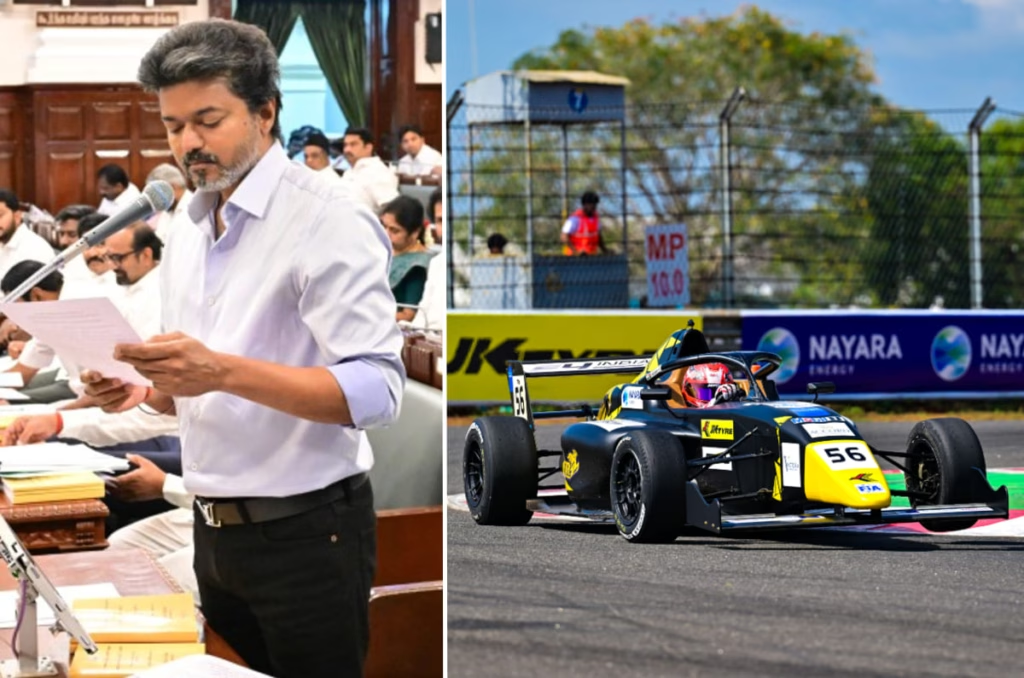
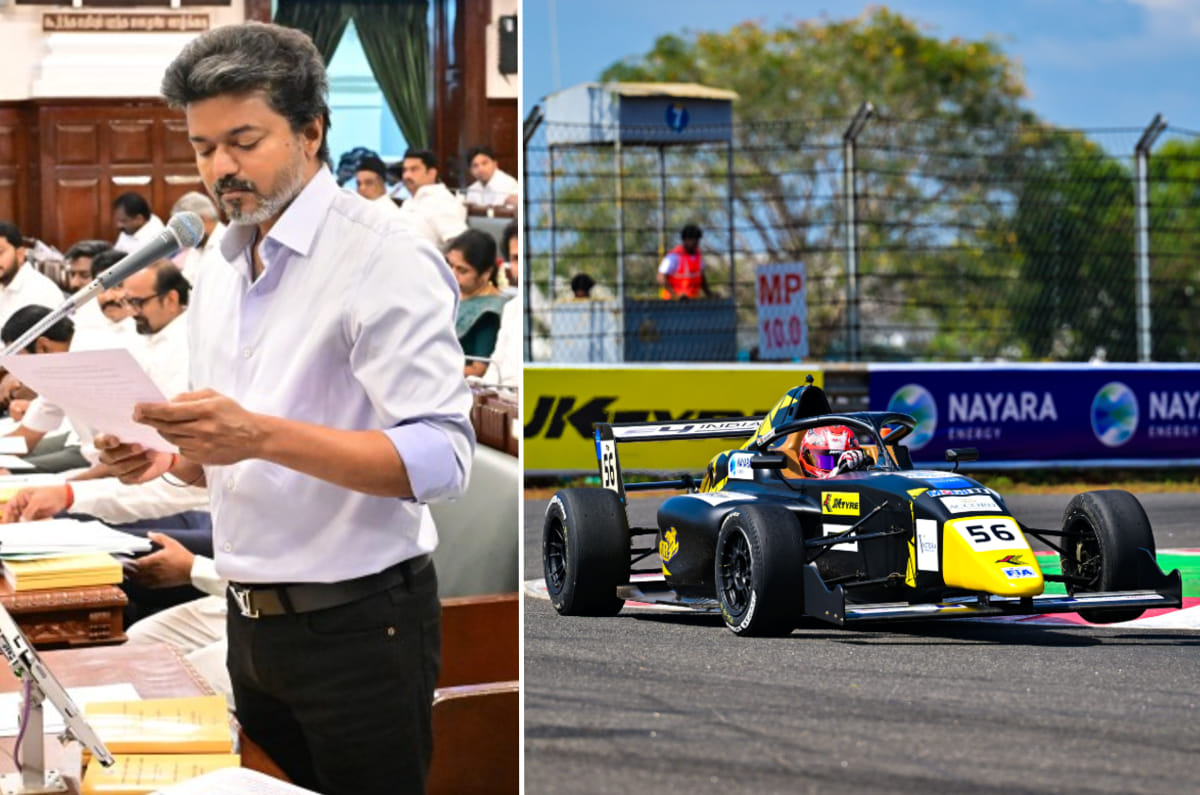
Tamil Nadu Chief Minister C. Joseph Vijay has revealed plans to develop a dedicated motorsport city in Chennai. This will include a new race track, capable of hosting F1, F2, F3, F4 and other international races.
“An Olympic city will be set up in Chennai. A Motor Sports city will also be set up in Chennai to host Formula 1 races. The talents of youth in motor sports will be identified, and training and racing opportunities will be provided to create national and international level champions,” Vijay said during the state Assembly.
He added, “Establishing world-class motor vehicle car racing arenas will provide opportunities for tourism, special vehicle manufacturing industries, employment, and economic development.”
New Chennai race track aims to host F1, F2 and more
Venue will also include training facilities
Chennai Motor Sports City plans revealed
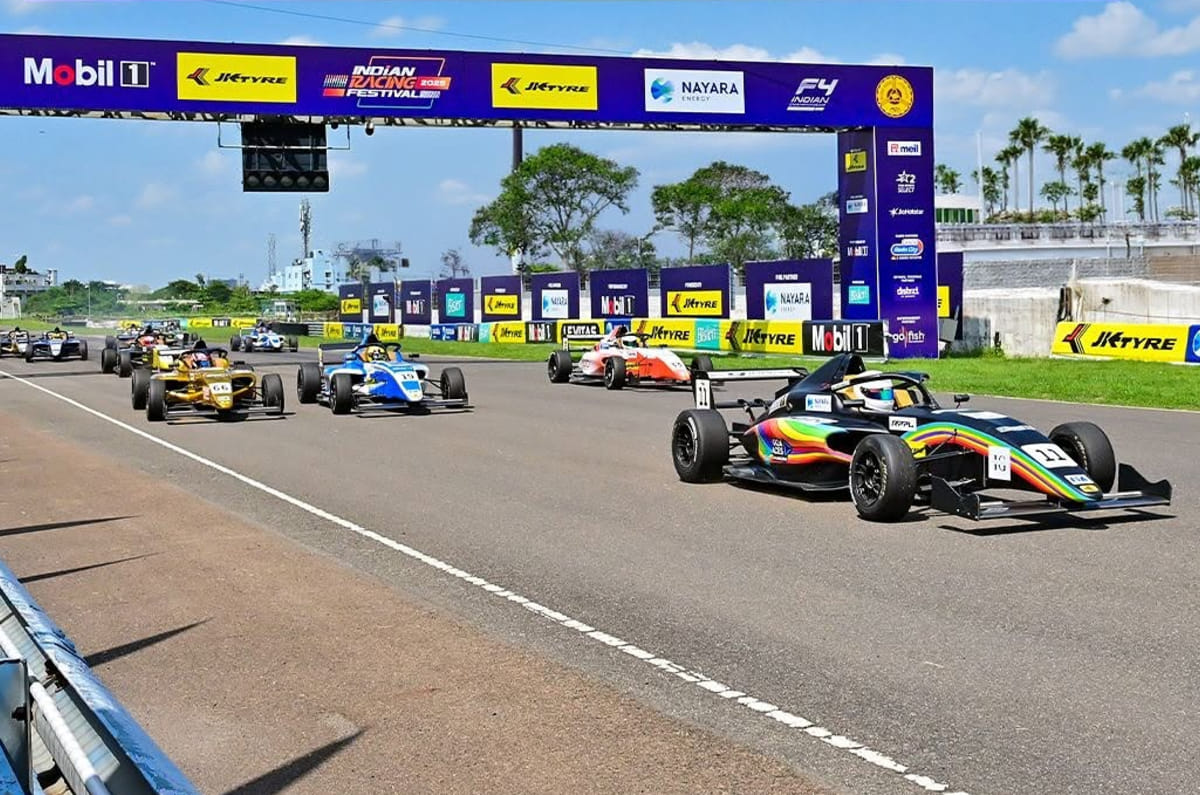
Tamil Nadu is at the very heart of the motorsport scene in India, with tracks like the Madras International Circuit and Kari Motor Speedway hosting majority of our national championship races. There’s also the Madras International Karting arena, which is the first karting track in the country to meet global CIK (Commission Internationale de Karting) standards.
Vijay highlighted the business case behind setting up the new motorsport city in the state. Tamil Nadu is currently a leading state for the production of various two-wheelers and four-wheelers, as well as racing vehicles. He added that setting up “world class” racing venues will provide opportunities to boost tourism, specialised vehicle manufacturing industries and well as employment and the local economy in general.
While the precise location of this new motorsport city hasn’t been revealed, Vijay did share that the goal is for the venue to be capable of hosting international-level racing like F4, F3, F2 and even F1.
Driver development will be another key focus area. Vijay stated that the venue will also include training facilities to identify and nurture local racing talent in a bid to give them opportunities on the national and international stage.
India eyes F1 return
This announcement follows renewed interest from the Indian government to bring F1 back to India.
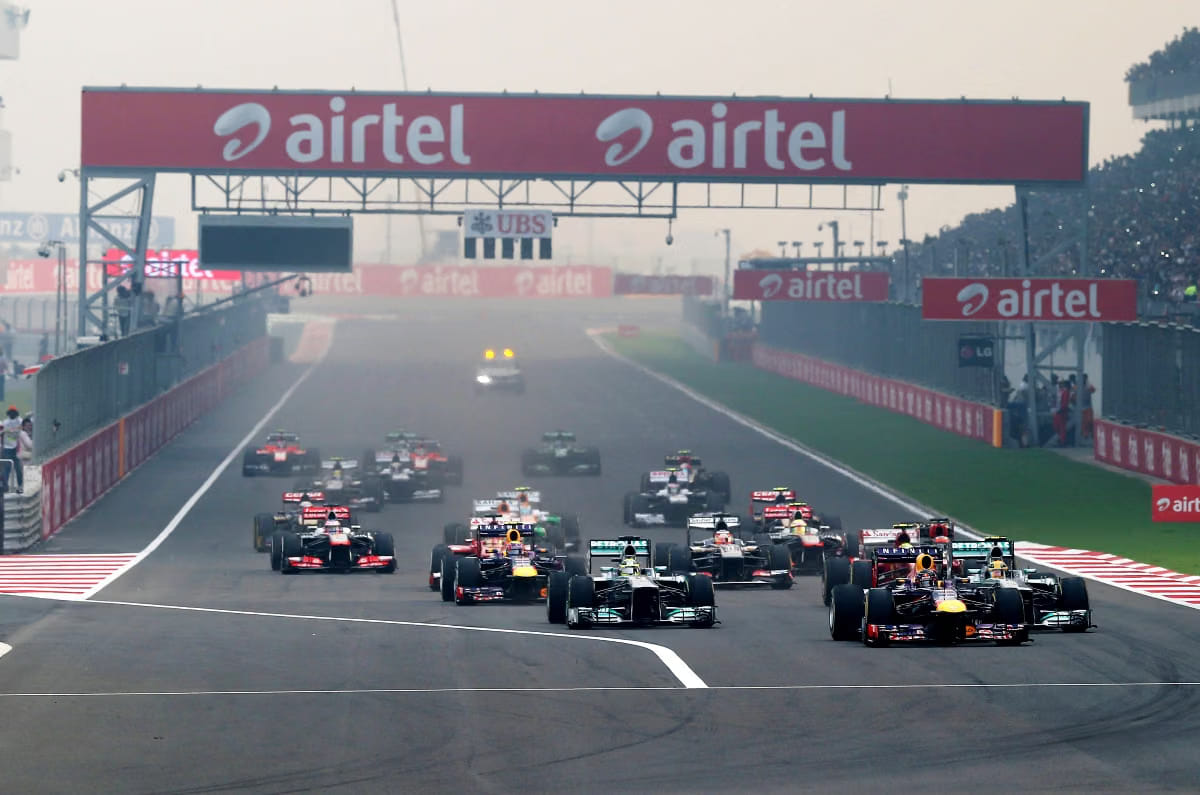
The Buddh International Circuit last hosted The F1 Indian GP from 2011 to 2013. But the race was then dropped, mainly due to the Uttar Pradesh government’s taxation policy at the time, which classified F1 as entertainment rather than sport.
However, speaking to media earlier this year, sports minister Mansukh Mandaviya shared that the government is working to make India a viable host country for international racing. “For instance, if the entertainment tax cannot be altogether repealed, we will try to ensure that reimbursements are provided to incentivise the project for the organisers. Discussions are ongoing on this issue. It is an interministerial matter, and we are trying our best to make it attractive for Formula 1,” he said at the time.
F1 CEO Stefano Domenicali has stated that there is “big interest” for the championship to return to India, but also stressed that this won’t happen any time soon and will require several conditions to be met. “There are the right things that we need to do – to again find back the right promoters, the right collaboration and the right timing, which will not be in the very short term. But when we talk about five years in Formula 1, it seems to be very far away, but it’s not,” he told F1 India broadcaster FanCode.
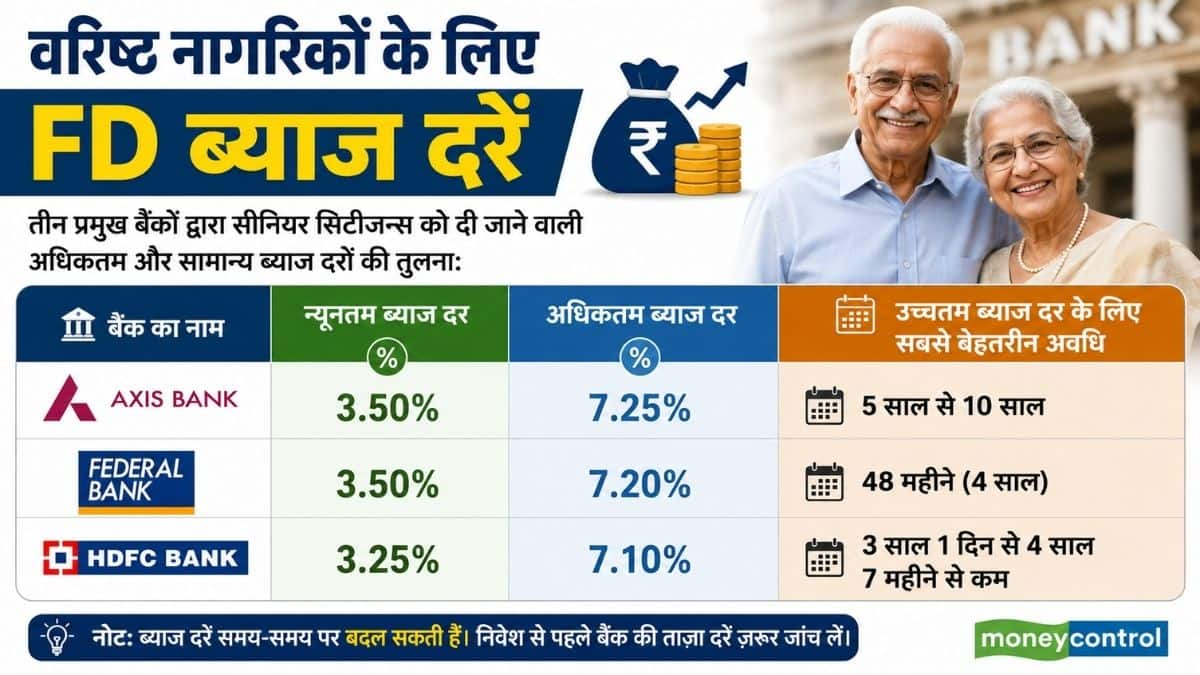
FD Interest Rates for Senior Citizens: एचडीएफसी बैंक, एक्सिस बैंक और फेडरल बैंक ने अपने फिक्स्ड डिपॉजिट (FD) की ब्याज दरों में बदलाव किया है। ये बैंक आम नागरिकों की तुलना में वरिष्ठ नागरिकों को अधिक ब्याज दर की पेशकश कर रहे हैं।
अगर आप या आपके घर के सीनियर सिटीजन ₹3 करोड़ से कम की एफडी में निवेश की योजना बना रहे हैं, तो जानिए किस बैंक में सबसे ज्यादा रिटर्न मिल रहा है और निवेश करने से पहले किन जरूरी बातों पर ध्यान देना चाहिए।
वरिष्ठ नागरिकों के लिए FD ब्याज दरें
तीन प्रमुख बैंकों द्वारा सीनियर सिटीजन्स को दी जाने वाली अधिकतम और सामान्य ब्याज दरों की तुलना:
Axis Bank दे रहा है सबसे ज्यादा 7.25% ब्याज
एक्सिस बैंक ने अपने डोमेस्टिक एफडी रेट्स में संशोधन किया है। बैंक वरिष्ठ नागरिकों को सबसे आकर्षक ब्याज दर की पेशकश कर रहा है। 5 साल से लेकर 10 साल तक की लंबी अवधि की एफडी पर अधिकतम 7.25% प्रति वर्ष का ब्याज दे रहा है। सीनियर सिटीजन्स के लिए कुल ब्याज दरें 3.50% से 7.25% के बीच हैं।
Federal Bank 48 महीने की FD पर 7.20% रिटर्न
फेडरल बैंक ने भी ₹3 करोड़ से कम की फिक्स्ड डिपॉजिट पर ब्याज दरों में बदलाव किया है। बैंक अधिकतम 7.20% का ब्याज प्रति वर्ष दे रहा है जो 48 महीने यानी 4 साल की एफडी कराने पर मिलेगी। ऐसे ही 15 महीने की एफडी पर 7.15% और 24 महीने से 48 महीने से कम की एफडी पर 7.00% का ब्याज दिया जा रहा है।
HDFC Bank: लंबी अवधि की एफडी पर बढ़ीं दरें
देश के सबसे बड़े प्राइवेट बैंक HDFC Bank ने कुछ स्पेशल अवधियों के लिए दरों में बढ़ोतरी की है। बैंक अधिकतम ब्याज दर 7.10% प्रति वर्ष दे रहा है जो पहले 7.00% थी। 3 साल 1 दिन से लेकर 4 साल 7 महीने से कम की अवधि वाली एफडी पर 7.10% का ब्याज मिलेगा।
FD कराने से पहले ध्यान रखें ये 3 जरूरी बातें
केवल सबसे ऊंची ब्याज दर देखकर ही फिक्स्ड डिपॉजिट में पैसा न लगाएं। निवेश से पहले इन 3 पहलुओं का मूल्यांकन जरूर करें:
लॉक-इन अवधि: देखें कि आपका पैसा कितने समय के लिए ब्लॉक हो रहा है। अगर आपको बीच में पैसों की जरूरत पड़ सकती है, तो बहुत लंबी अवधि की एफडी चुनने से बचें।
समय से पहले निकासी शुल्क: मैच्योरिटी से पहले एफडी तोड़ने पर बैंक कितना पेनाल्टी या चार्ज काटते हैं, इसकी जानकारी पहले ही ले लें।
ब्याज पर टैक्स: एफडी से मिलने वाला ब्याज पूरी तरह से कर योग्य होता है। आयकर कानून की धारा 80TTB के तहत वरिष्ठ नागरिकों को एक वित्तीय वर्ष में एफडी/सेविंग्स ब्याज पर ₹50,000 तक की छूट मिलती है। इससे अधिक ब्याज होने पर टीडीएस कटता है।
Disclaimer: यहां मुहैया जानकारी सिर्फ सूचना के लिए दी जा रही है। यहां बताना जरूरी है कि मार्केट में निवेश बाजार जोखिमों के अधीन है। निवेशक के तौर पर पैसा लगाने से पहले हमेशा एक्सपर्ट से सलाह लें। मनीकंट्रोल की तरफ से किसी को भी पैसा लगाने की यहां कभी भी सलाह नहीं दी जाती है।