Toyota Ebella vs Mahindra BE 6 performance comparison

Toyota Ebella vs Mahindra BE 6 performance comparison
Toyota Ebella vs Mahindra BE 6

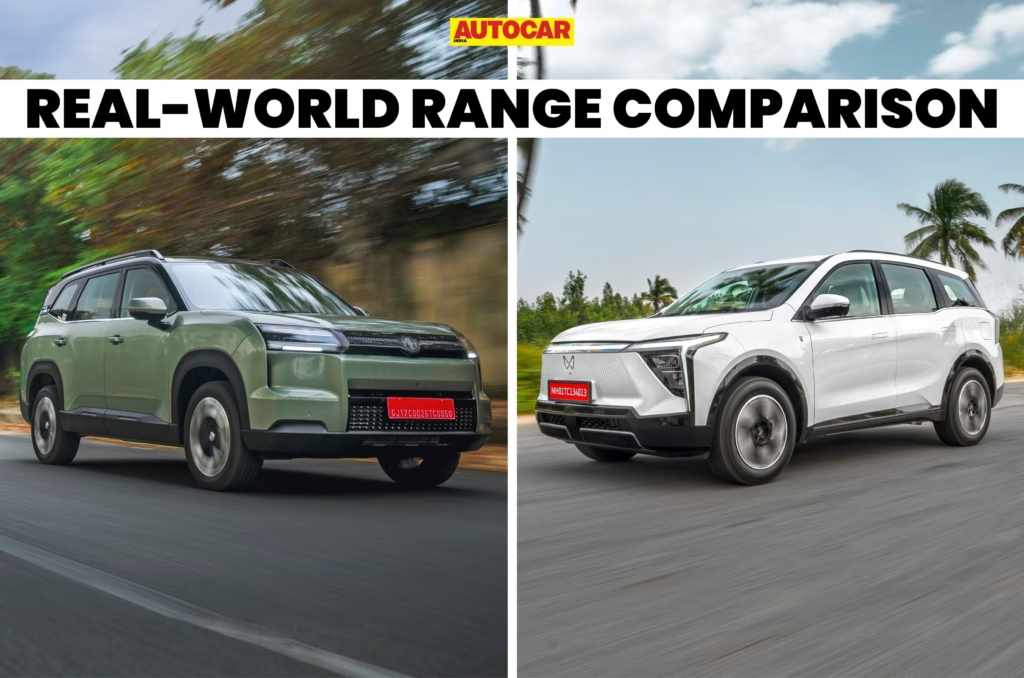
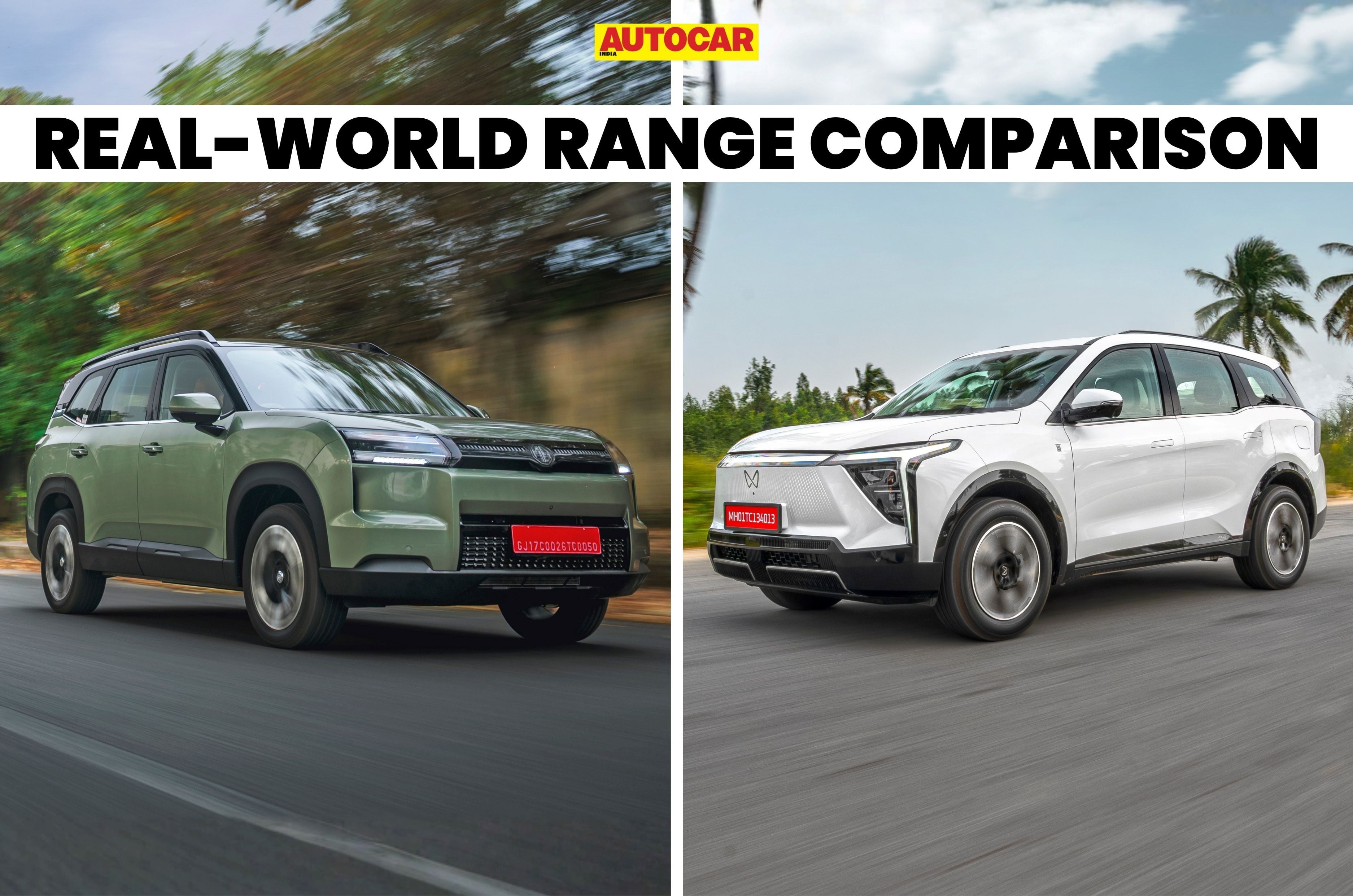
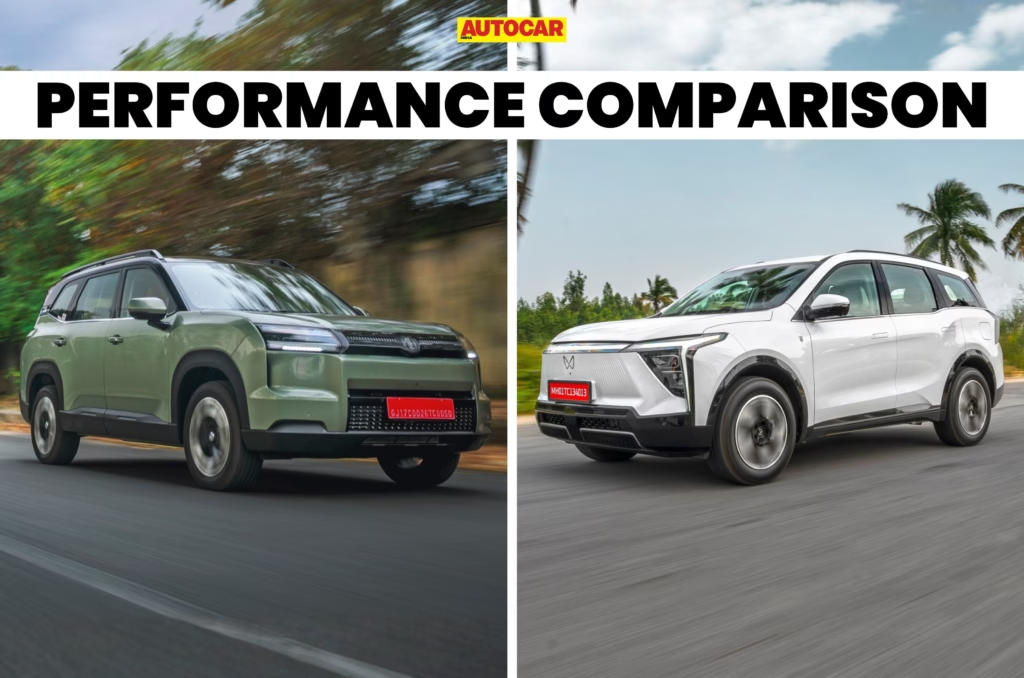
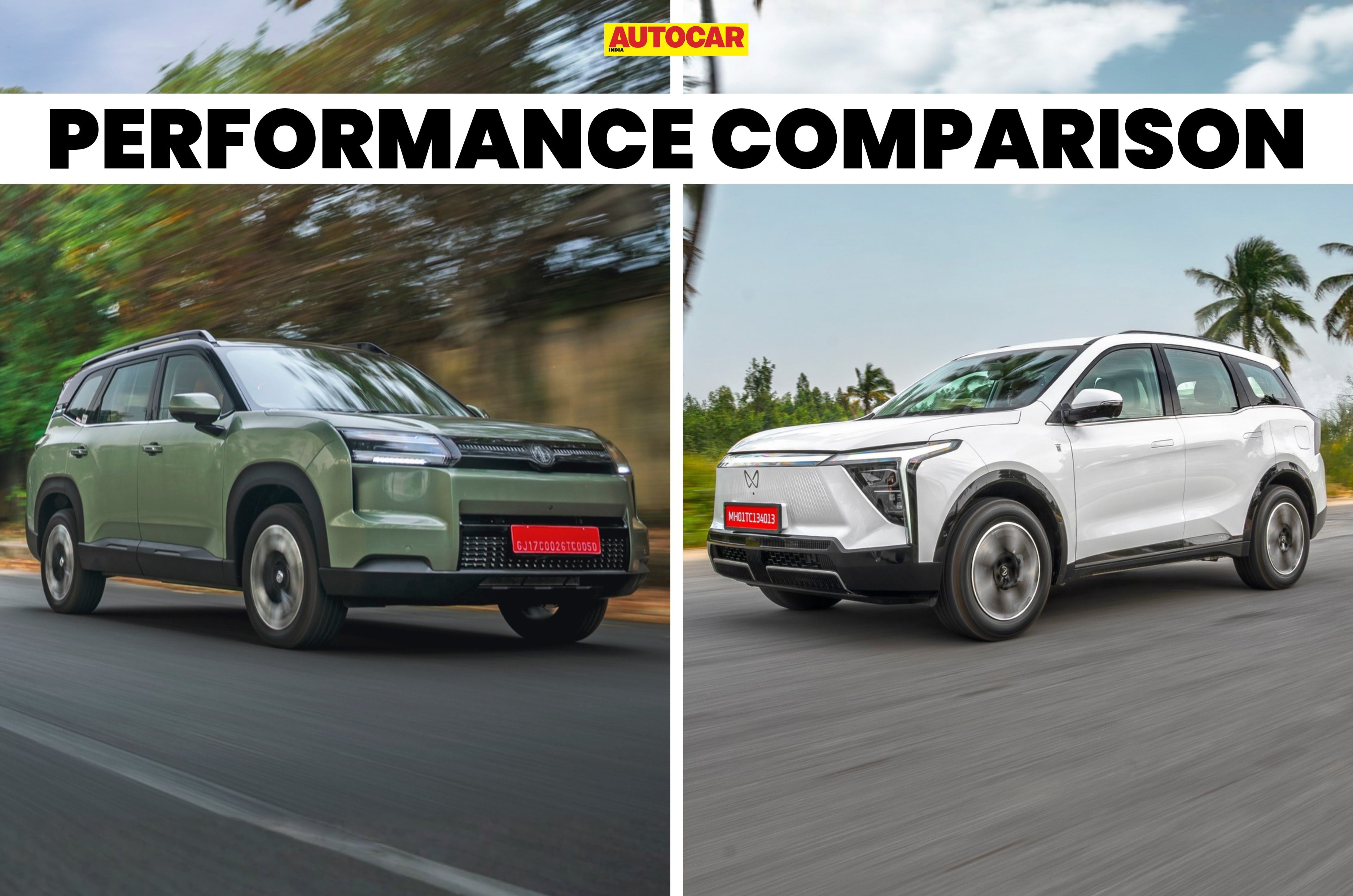
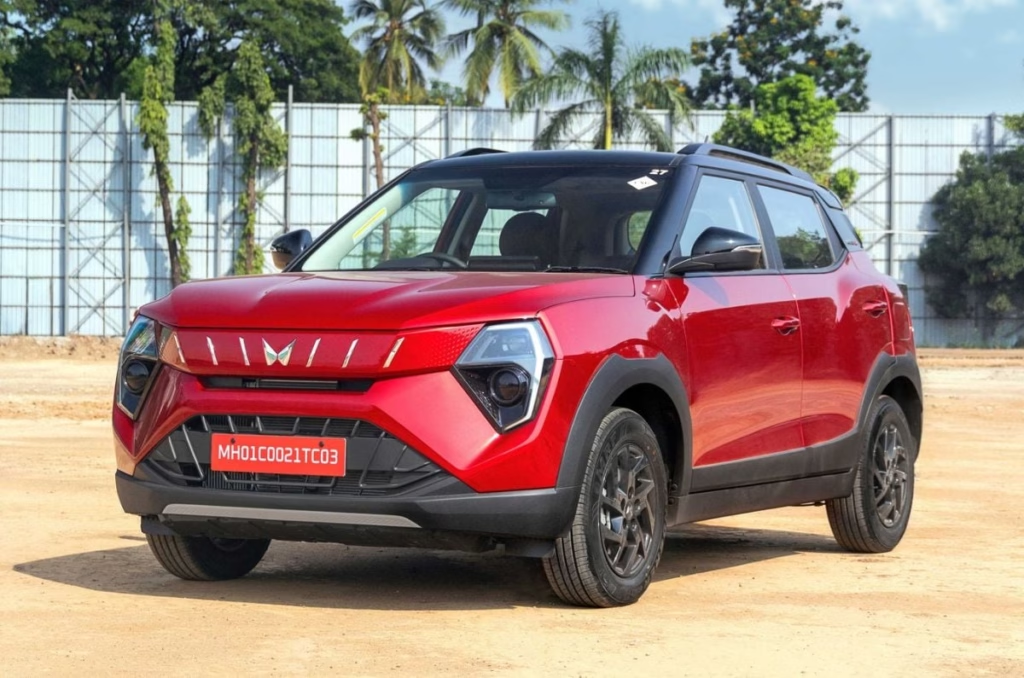
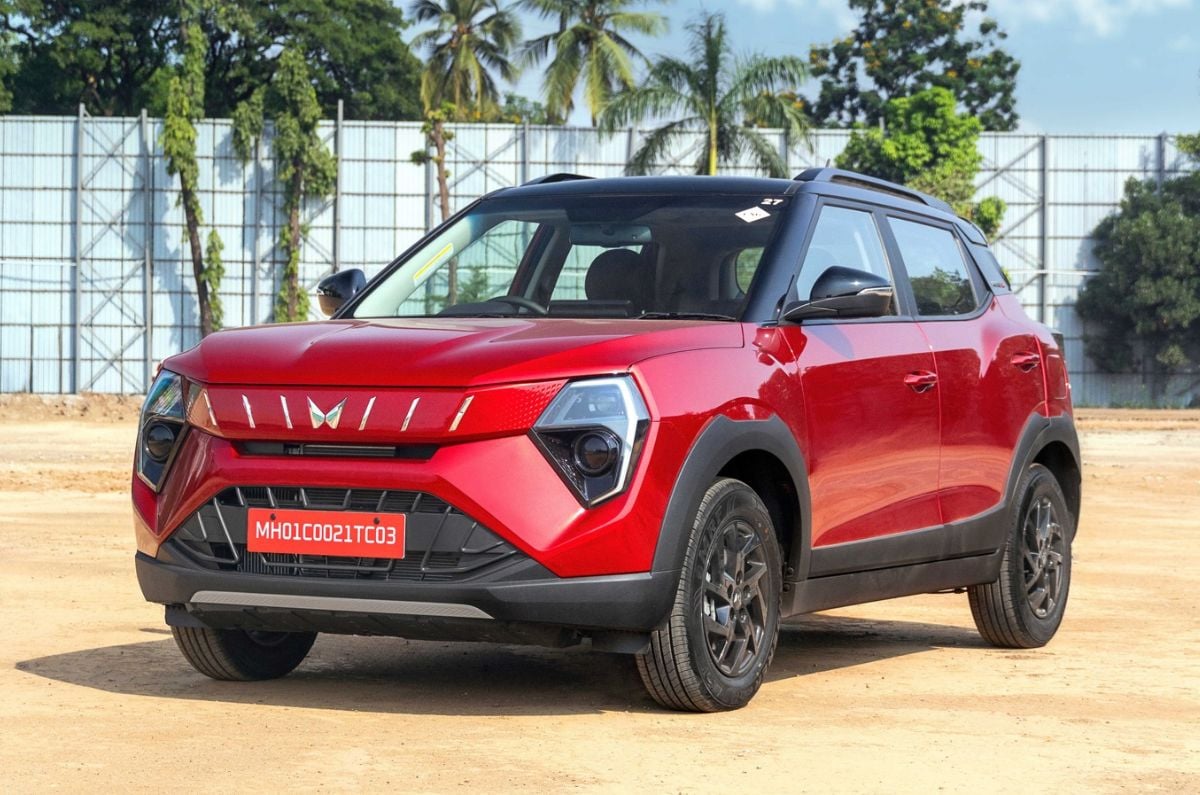
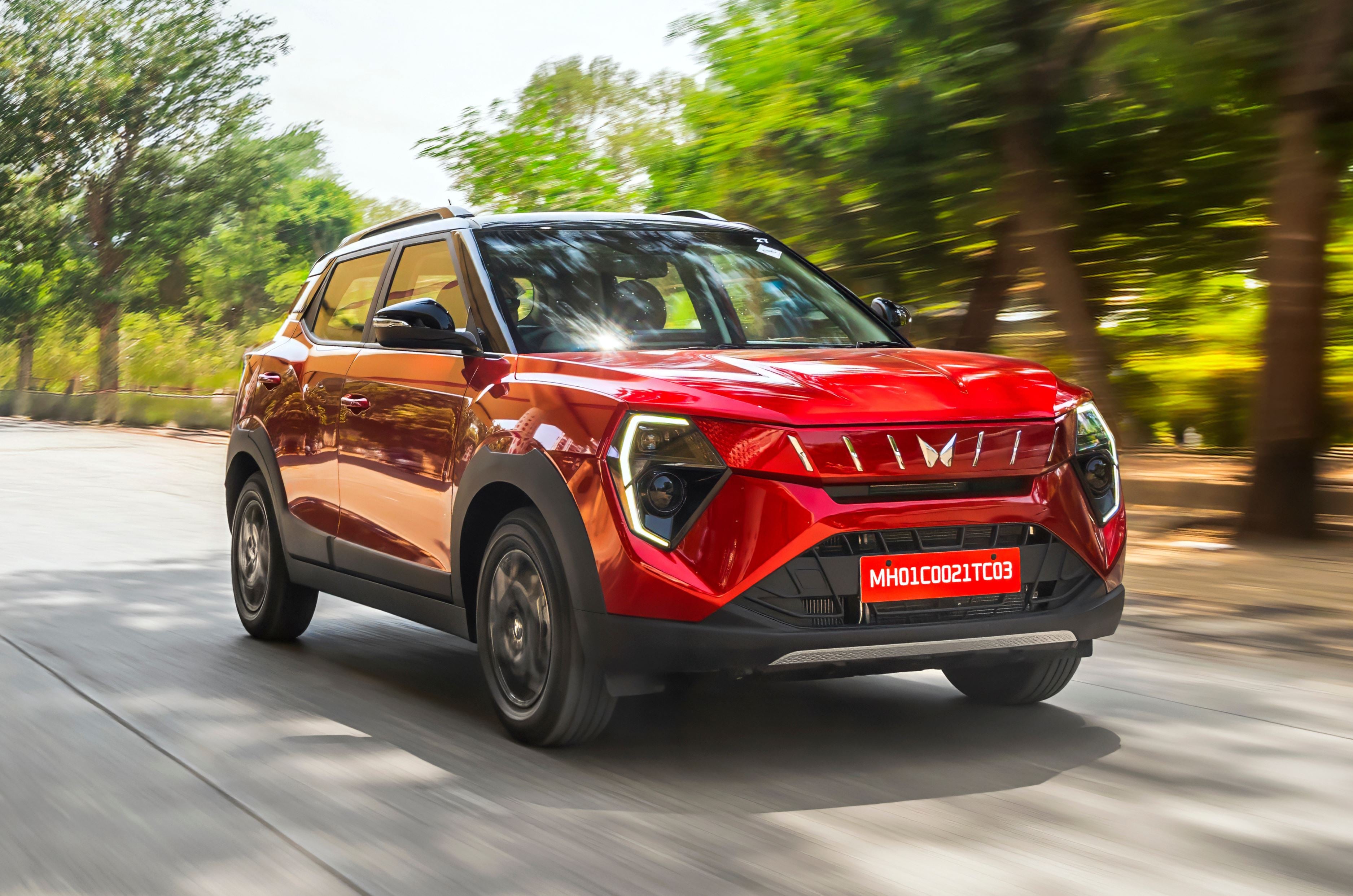
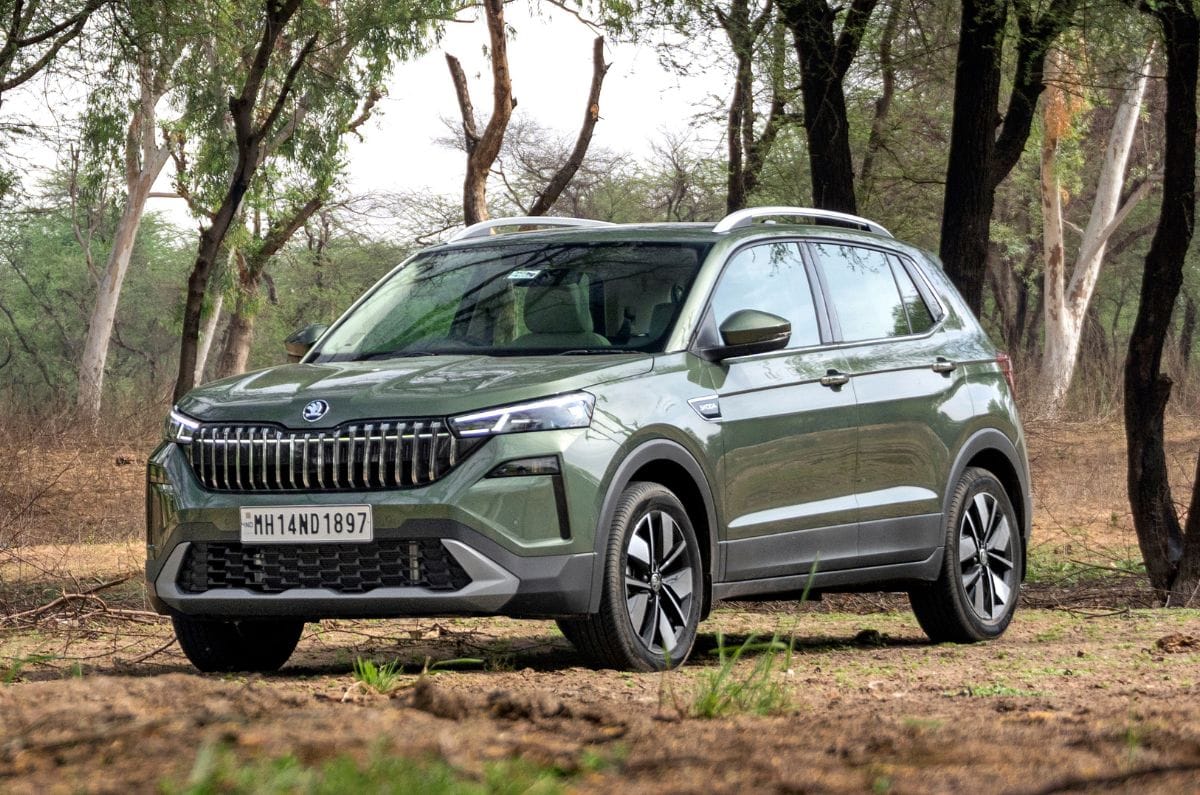
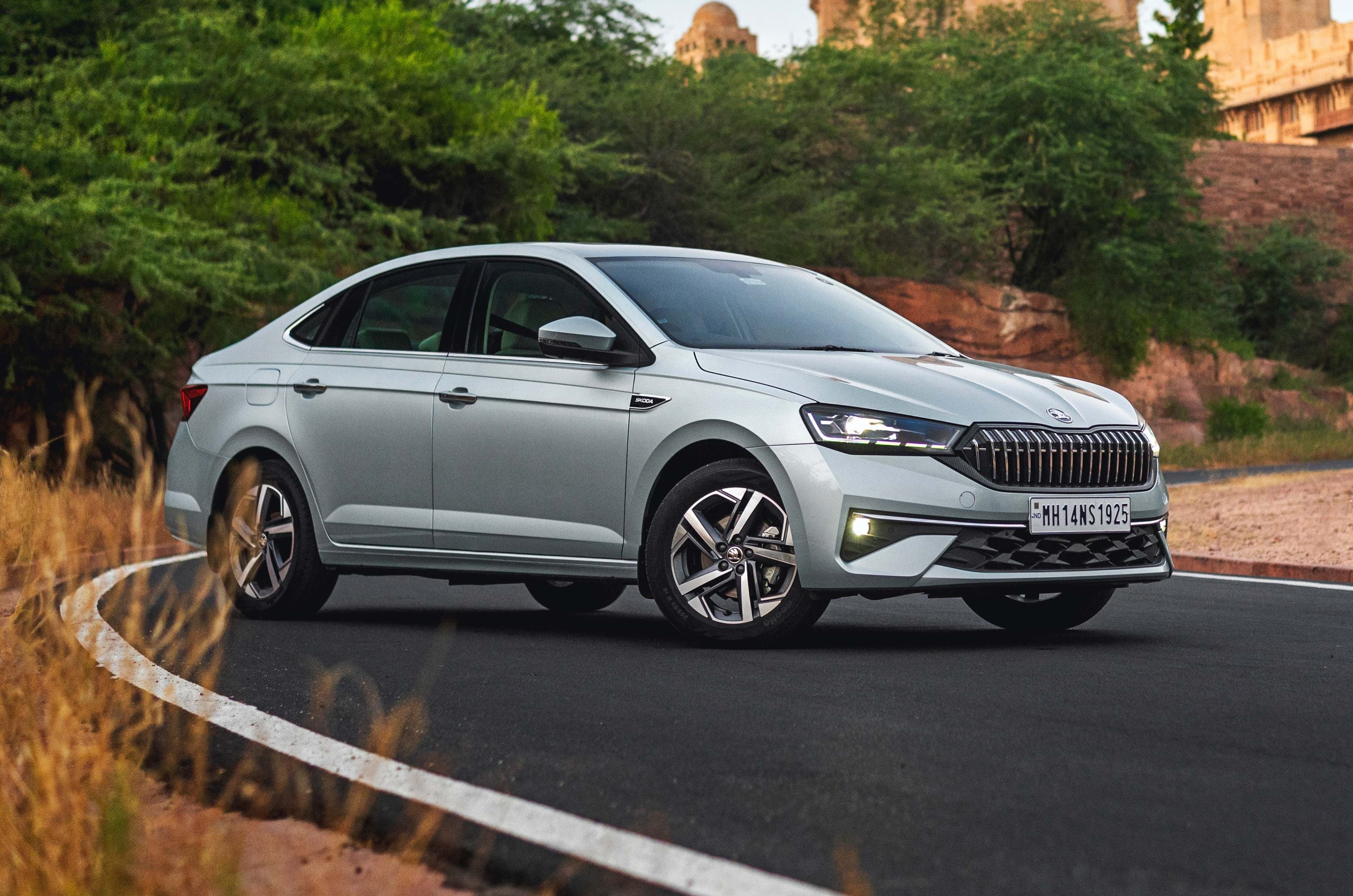
Earlier in 2026, Toyota launched the Urban Cruiser Ebella, its first EV for India. The Ebella competes in the popular electric midsize SUV segment that includes models such as the Mahindra BE 6. First introduced in 2024, the BE 6 was updated in 2026, with ‘Sporteq’ added to its name, along with changes to the feature list and a variant rejig. Here, we’ve tested and compared the real-world performance of the Urban Cruiser Ebella and the BE 6 to determine which one is quicker.

Toyota Ebella vs Mahindra BE 6: Specifications 

Toyota Ebella vs Mahindra BE 6: Specifications 

Specifications

Toyota Ebella

Mahindra BE 6

Battery capacity (kWh)

61

79

Electric motor setup

Single, front-mounted

Single motor, rear-mounted

Power (hp)

174

286

Torque (Nm)

193

380

Kerb weight (kg)

1,815

2,115

Power-to-weight (hp/tonne)

95.86

135.22

Torque-to-weight (Nm/tonne)

106.33

179.67

Gearbox

Single-speed automatic

Single-speed automatic

ARAI range (km)

543

708

The Urban Cruiser Ebella is powered by a 61kWh battery pack paired with a front-mounted motor. Meanwhile, the larger BE 6’s 79kWh battery pack is mated to a rear-mounted motor. The BE 6 comes across as the more powerful one on paper, with higher power-to-weight and torque-to-weight ratios, but the Ebella is 300kg lighter.

Toyota Ebella vs Mahindra BE 6: Acceleration  

More powerful BE 6 takes the lead here by a fair margin

Toyota Ebella vs Mahindra BE 6: Acceleration (in seconds)


Toyota Ebella

Mahindra BE 6

0-20kph

1.75

1.37

0-40kph

3.32

2.69

0-60kph

4.93

4.00

0-80kph

6.95

5.38

0-100kph

9.65

7.14

0-120kph

13.18

9.48

The BE 6’s more powerful motor helps it get off the line quickly. The Ebella trails behind and fails to catch up while the BE 6 extends its lead to 2.51 seconds at 100kph. Interestingly, the BE 6’s 0-120kph time is even quicker than that of the Ebella’s 0-100kph time. The Mahindra EV’s higher weight doesn’t stop it from outperforming the Toyota. Though both models deliver power in a progressive manner, the Ebella’s much lower torque output is a reason why it is much slower than the BE 6.

Toyota Ebella vs Mahindra BE 6: Rolling acceleration 

Ebella is not too far behind in rolling acceleration

Toyota Ebella vs Mahindra BE 6: Rolling acceleration (in seconds)


Toyota Ebella

Mahindra BE 6

20-80kph (in kickdown)

5.27

4.03

40-100kph (in kickdown)

6.39

4.46

The BE 6 outperforms the Ebella in rolling acceleration as well. It completed the 20-80kph and 40-100kph tests faster by 1.24 and 1.93 seconds, respectively. However, the gap between the two isn’t as much as it was in acceleration tests from a standstill.

Toyota Ebella vs Mahindra BE 6: Prices 

Ebella more affordable by up to Rs 3.35 lakh

Toyota Ebella vs Mahindra BE 6: Prices 


Toyota Ebella

Mahindra BE 6

Price range (in Rs lakh)

23.60

24.45-26.95* (79kWh)

*BE 6 Sporteq price

As far as price is concerned, the Ebella is available in a single fully loaded trim for Rs 23.6 lakh. On the other hand, the BE6 offers its largest 79kWh battery pack on a few trims. Depending on the trim chosen, the BE 6 is priced up to Rs 3.35 lakh higher than the Ebella.

Autocar India’s testing standards

Before conducting our performance tests, we check and maintain tyre pressures based on the manufacturer’s recommendations and ensure that the car is charged to 100 percent. The car is then tested in a controlled environment with two people on board, and data is collected via highly accurate GPS-based timing equipment.

All prices are ex-showroom, India.

Hyundai compact EV to debut by end of 2026

Hyundai compact EV to debut by end of 2026

At its 2026 CEO Investor Day, Hyundai revealed plans to debut its made-in-India compact electric SUV by March 2027. However, Tarun Garg, Managing Director and CEO of Hyundai Motor India, in an interaction with our sister publication Autocar Professional, confirmed the EV will debut earlier than that, by the end of 2026. Garg also said that the EV will initially use battery cells from Svolt, before moving to its original plan to source them from Exide. 

  1. To be built on the E-GMP (K) platform that underpins the Inster EV
  2. Will rival the Tata Nexon EV, Mahindra XUV 3XO EV and Kia Syros EV

Hyundai has also revealed it expects EVs to account for more than 7 percent of its domestic sales within the next year. In FY26 (April 2025 to March 2026), EVs accounted for a 1 percent share of total Hyundai sales in the country, a figure similar to FY25 (April 2024 to March 2025).

Upcoming Hyundai compact EV: More details

Svolt to supply battery cells initially, after Exide flagged production delays earlier

Image source: @joonsun_erin on Instagram

The upcoming compact EV will initially use Svolt battery cells. “We are already ready with the new EV using Svolt cells. Otherwise, the programme could have been delayed, and we did not want to delay the vehicle,” Garg said to Autocar Professional. However, Hyundai subsequently plans to source locally produced cells through its association with Exide, as was originally planned. Notably, Exide revealed in August 2026 that battery production is delayed and that they would not be able to supply components by FY27 (by March 2027). 

Will be underpinned by the Inster’s E-GMP (K) platform

The upcoming compact EV, codenamed HE1i, will be underpinned by the E-GMP (K) platform, also used by the internationally available Inster EV. It will be offered in two versions: standard range and long range, but exact specifications are under wraps. For context, the Inster EV is also available in standard and long-range versions, with 42kWh and 45kWh batteries, respectively, offering a WLTP-claimed range of up to 355km.

Hyundai has also confirmed that the new compact EV will get a ‘next-generation infotainment system’, which could be the Pleos Connect infotainment system seen on several new-age Hyundai models now, and a ‘Level 2 assisted driving technology’. It will be manufactured at Hyundai’s Sriperumbudur facility in Tamil Nadu. Upon launch, it will lock horns with the Tata Nexon EV, Mahindra XUV 3XO EV and Kia Syros EV. 

With inputs from Ketan Thakkar and Hormazd Sorabjee

August 2026 car sales: Tata widens monthly lead over Mahindra

August 2026 car sales: Tata widens monthly lead over Mahindra
August

India’s passenger vehicle market remained on a strong growth path in August 2026, with most carmakers reporting higher domestic wholesales compared with the same month last year. Maruti Suzuki retained the top spot, while Tata Motors remained ahead of Mahindra for second place. Hyundai held fourth position, while Kia overtakes Toyota for the fifth spot.

July 2026 carmaker-wise sales in India
CarmakerAug 2026 salesJul 2026 salesMoM changeAug 2025 salesYoY change
Maruti Suzuki1,76,9711,96,203-9.80%1,31,27834.8%
Tata Motors67,75362,6114.22%43,315 56%
Mahindra

59,257

60,048

-1.32%

39,399

50%

Hyundai

54,396

54,210

0.3%

43,966

23.6%

Kia

29,042

28,200

3%

19,608

48.1%

Toyota

28,410 

30,516

-7%

29,302

-3%

MG 

7,508

8,158

-8%

6,687

12.3%

Nissan

3,426

3,006

14%

1,384

147% 

Renault

2,842 

3,293

-14%

3,015 

-5.7%

Maruti Suzuki

Sales: 1,76,971 units. Change: 34.8 percent YoY

Maruti Suzuki retained its position as India’s largest carmaker in August, with domestic passenger vehicle sales rising 34.8 percent year on year. Utility vehicless, including the Brezza, Ertiga, e Vitara, Fronx, Grand Vitara, Invicto, Jimny, Victoris and XL6, accounted for 79,045 units, while compact and mid-size segment, led by the Baleno, Swift, Dzire and WagonR, contributed 77,166 units. The mini segment, comprising the Alto and S-Presso, added 8,799 units, while the Eeco contributed 11,961 units.

The carmaker also crossed one million total sales in the first five months of FY2026-27. Its total August sales, including exports and sales to other OEMs, stood at 2,19,220 units.

Tata Motors

Sales: 67,753 units. Change: 56 percent YoY

Tata Motors retained second place with 67,753 domestic passenger vehicle sales in August, up 56 percent from the same month last year. Electric vehicle sales, including domestic and international volumes, stood at 16,549 units, almost doubling from 8,540 units in August 2025. Tata also announced a price hike across its passenger vehicle range from September 1.

Mahindra

Sales: 59,257 units. Change: 50 percent YoY

Mahindra remained in third place, recording domestic SUV sales of 59,257 units in August, a 50 percent increase over the 39,399 units sold in August 2025. Its overall vehicle sales, including exports, stood at 1,07,648 units, up 42 percent year on year.

During the month, Mahindra launched the updated Scorpio-N and BE 6 SporteQ, and also introduced its Battery-as-a-Service option for the XEV 9e and XEV 9S.

Hyundai

Sales: 54,396 units. Change: 23.6 percent YoY

Hyundai recorded 54,396 domestic sales in August, up 23.6 percent year on year. The company said this was its highest-ever domestic sales figure for an August. Hyundai has introduced an assured buyback programme for the Creta Electric, while the carmaker is also set to increase prices from this September 2026.

Kia

Sales: 29,042 units, Change: 48.1 percent YoY

Kia recorded 29,042 units in August, up 48.1 percent from 19,608 units in the same month last year. This was the carmaker’s highest-ever August wholesale volume since entering India. The Seltos and Sonet continued to account for a large share of Kia’s volumes, while the newly launched Syros EV also contributed to the brand’s performance.

Toyota

Sales: 28,410 units, Change: -3 percent YoY

Toyota recorded domestic sales of 28,410 units in August 2026, down 3 percent from 29,302 units in the same month last year. The company remains optimistic about demand during the upcoming festive season, with the Innova Hycross, Urban Cruiser Hyryder and Glanza continuing to drive sales.

JSW MG Motor India

Sales: 7,508 units. Change: 12.3 percent YoY

JSW MG Motor recorded sales of 7,508 units in August, up 14 percent year on year. The company launched the Hector Tomahawk in both EV and PHEV forms during the month. Bookings for both versions are open, while deliveries of the Tomahawk EV are scheduled to begin in September. PHEV test drives and deliveries are scheduled to start in November.

Nissan

Sales: 3,426 units. Change: 147 percent YoY

Nissan recorded domestic wholesale sales of 3,426 units in August, up 147 percent year on year. The company attributed the performance to demand for the Magnite and Gravite, along with the response to the recently launched Tekton. Nissan also began exporting the Tekton to South Africa, Bhutan and Nepal during the month, with the first batch comprising more than 1,300 units.

Renault

Sales: 2,842 units, Change: -5.7 percent YoY

Renault recorded sales of 2,842 units in August 2026, down 5.7 percent from 3,015 units in August 2025. The carmaker’s cumulative domestic wholesales for January-August 2026 stood at 31,979 units, up 47.9 percent from 21,621 units in the same period last year. The company will add another powertrain option to the Triber range with the Triber Turbo, which is scheduled to arrive in late September 2026.

MG Hector Tomahawk PHEV powertrain explained

MG Hector Tomahawk PHEV powertrain explained

MG has introduced the Hector Tomahawk PHEV as India’s first mass-market plug-in hybrid, with prices ranging from Rs 25.70 lakh to Rs 27.80 lakh (ex-showroom). It combines a 1.5-litre petrol engine with a 20.5kWh battery and electric motor, allowing it to offer electric-only driving as well as the longer range of a petrol engine. But how does the Hector Tomahawk PHEV’s hybrid system work, and how does it differ from the strong-hybrid systems already offered by Maruti Suzuki, Toyota and Honda Let’s take a closer look. 

MG Hector Tomahawk PHEV powertrain: All you need to know

Gets an electric motor powered by a 20.5kWh battery and a 1.5-litre petrol engine

The Hector Tomahawk PHEV combines a 1.5-litre naturally aspirated petrol engine with a 20.5kWh battery and an electric motor. The petrol engine uses the Atkinson cycle and produces 102hp and 125Nm, while the permanent-magnet synchronous motor develops 201hp and 237Nm. The system sends a combined 198hp and 230Nm to the front wheels.

The petrol engine is paired with a Dedicated Hybrid Transmission (DHT) with an e-clutch, while the battery uses lithium iron phosphate (LFP) chemistry. Unlike a conventional hybrid, the Hector Tomahawk PHEV’s battery can be charged externally, allowing it to operate as an EV for more than 115km, according to MG, before the petrol engine kicks in.

How is the Hector Tomahawk PHEV different from a strong-hybrid powertrain?

Honda, Toyota and Maruti Suzuki offer strong-hybrid powertrains in models such as the City Hybrid, Urban Cruiser Hyryder, Innova Hycross, Grand Vitara, Victoris and Invicto. These systems also use an electric motor and battery, but their battery packs are charged through regenerative braking and the combustion engine rather than an external power source. They can drive the wheels on electric power for short periods but do not offer the extended electric driving capability of a plug-in hybrid.

The Hector Tomahawk PHEV’s 20.5kWh battery can be charged from the grid, giving it a greater electric driving capability. It supports 25kW DC charging, which MG claims takes 35 minutes for a 30-80 percent charge. A 3.3kW AC charger is said to take 7.5 hours for a 10-100 percent charge.

MG claims a 43.2 percent thermal efficiency for the petrol engine and around 50kpl combined fuel efficiency. The company pegs the combined range with a fully charged battery and the 52-litre fuel tank brimmed at over 1,100km.

MG offers it with four primary drive modes

The MG Hector Tomahawk PHEV can operate in four primary drive modes: EV, Series Hybrid, Parallel Hybrid and Engine Direct. Each mode uses the petrol engine, electric motor and battery differently. Here is how each one works.

  • EV mode: The battery alone powers the electric motor, which drives the wheels. The petrol engine remains switched off, making this the mode used for electric-only driving.
  • Series Hybrid mode: The petrol engine runs as a generator to produce electricity. It recharges the battery pack, which powers the electric motor driving the front wheels. The engine therefore does not directly power the wheels in this mode.
  • Parallel Hybrid mode: Both the petrol engine and electric motor drive the wheels. This allows the powertrain to combine the engine’s output with electric assistance when higher performance is required.
  • Engine Direct drive mode: The petrol engine drives the wheels directly through the hybrid transmission, reducing energy conversion losses associated with generating electricity and then using the motor to drive the wheels. This mode is primarily suited for high-speed cruising.

However, MG is offering no way to change these drive modes manually. The automaker claims the system shuffles between the modes in just 0.1 seconds, depending on the Hector Tomahawk PHEV’s state of charge, speed, throttle input and road conditions.

MG Hector Tomahawk PHEV prices

Although it’s a plug-in hybrid, the Hector Tomahawk PHEV comes with a BaaS option

MG Hector Tomahawk PHEV prices (ex-showroom)

Trim

Non-BaaS prices

BaaS prices

Upfront cost saving

Exclusive

Rs 25.70 lakh

Rs 21.79 lakh + 3.2 per km

Rs 3.91 lakh

Essence

Rs 27.80 lakh 

Rs 23.89 lakh + 3.2 per km

Rs 3.91 lakh

Both the Exclusive and Essence trims get the same powertrain, but certain features differ. Interestingly, the Hector Tomahawk PHEV is being offered with a Battery-as-a-Service (BaaS) scheme, just like the manufacturer’s EVs. This scheme reduces the upfront cost by a significant Rs 3.91 lakh.

As mentioned earlier, the MG Hector Tomahawk PHEV is the sole plug-in hybrid in India, offering a more fuel-efficient alternative to three-row SUVs such as the Tata Safari and Mahindra XUV 7XO.

Prices are ex-showroom, India.

Upcoming car launches in September 2026

Upcoming car launches in September 2026

August was a busy month for the Indian car market, bringing several new models ajd variants, as well as updates. The BMW X1 LWB and MG Hector Tomahawk EV and PHEV were among the fresh launches, while the Mahindra Scorpio N received a mid-lifecycle update. The Mahindra BE 6 gained the ‘Sporteq’ suffix, while three existing models added new trims: the Range Rover SV Ultra, BYD Sealion 7 Dynamic and Skoda Kylaq Sportline. After such a packed August, September is also set to see more car launches.

Kia Sorento

Launch: September 4

The Kia Sorento will be the brand’s new flagship ICE model in India, and it will be offered with both strong-hybrid and diesel powertrains. The 1.6-litre strong-hybrid version will produce 238hp and 380Nm, while the 2-litre diesel will make 202hp and 441Nm.

Kia Sorento

The Sorento gets Kia’s signature Tiger Nose grille, large vertical LED headlights with Y-shaped LED daytime running lamps (DRLs), LED fog lamps and vertical aero vents at the edges. Kia has not revealed the alloy wheel size yet, but they are likely to be 19-inch units. At the rear, the Sorento gets squarish tail-lamps with an inverted L-shaped LED signature, a large roof spoiler and a two-tone bumper.

India-spec Kia Sorento revealed ahead of September 4 launch

Inside, there is a connected panel housing the infotainment and instrument cluster screens. Kia has not revealed their sizes, but both are likely to be 12.3-inch units. Other features seen in the official images include ADAS, ventilated front seats, a digital interior rearview mirror (IRVM), an electrically operated tailgate, dual-zone climate control, ambient lighting and a panoramic sunroof.

India-spec Kia Sorento revealed ahead of September 4 launch

The Sorento is expected to be available in both 6- and 7-seat layouts. Kia has already started accepting bookings for the Sorento and upon launch, it will compete with the Skoda Kodiaq, Volkswagen Tayron and Jeep Meridian.

Maruti Baleno facelift

Launch: September 5

The Maruti Baleno is currently in its second generation, which was launched in 2022, and is due for an update. Previous spy shots of the Baleno facelift have suggested a redesigned front end with a new grille featuring a horizontal bar in the centre connecting the headlights. Test mules have also shown a new bumper without the front fog lamps seen on the current model.

Maruti Baleno facelift to launch on September 5
Image credit: Harsh Vlogs via YouTube.

From the side, the only expected change is a new alloy wheel design. At the rear, the facelift could get a redesigned bumper, while the tail-lights are likely to remain unchanged. Inside, the Baleno could retain the current 9-inch touchscreen; however, update the upholstery and add new features.

Maruti Baleno facelift to launch on September 5
Image credit: Harsh Vlogs via YouTube.

Under the hood, the facelifted Baleno is expected to continue with the existing powertrain options. These include a 90hp 1.2-litre naturally aspirated petrol engine with 5-speed manual and 5-speed AMT choices, along with a 77.5hp CNG version available only with the manual gearbox. It will continue to rival the Tata Altroz, Hyundai i20 and Toyota Glanza.

BMW 7 Series, i7 facelifts

Launch: September 11

BMW opened bookings for the facelifted 7 Series and i7 flagship sedans on August 1, soon after their global debut earlier this year. In India, the company currently sells the 740i petrol and 740d diesel versions of the 7 Series, along with the eDrive 50 and M70 xDrive variants of the all-electric i7. These versions get several updates with the facelift, although BMW is yet to confirm which variants will be introduced in here.

BMW 7 Series facelift

In international markets, the facelifted 740i and 740d continue with their 3.0-litre straight-six engines, but with uprated outputs. The 740i makes 400hp and 580Nm, up by 19hp and 60Nm, while the 740d develops 313hp and 670Nm, an increase of 27hp and 20Nm. Both continue to use 48V mild-hybrid systems, 8-speed automatic gearboxes and BMW’s xDrive all-wheel-drive system. The i7 also gets a larger 112.4kWh battery in both variants, up from 101.7kWh. The lower 50 trim now comes only with xDrive all-wheel drive instead of rear-wheel drive and produces 455hp and 660Nm, up by 6hp and 10Nm. The M70 xDrive now makes 680hp and 1,100Nm, gaining 30hp and 85Nm. Charging speeds have also improved. 

Visually, the updated 7 Series and i7 have a more monolithic look. They get new split LED headlights, slimmer and more upright kidney grilles with an illuminated surround, and larger bumper air intakes. The side profile remains largely unchanged apart from the side skirts and alloy wheels, while the rear gets new wraparound LED tail-lamps, a redesigned tailgate and a revised bumper.

BMW 7 Series, i7 facelifts to launch on September 11

Inside, BMW has redesigned the dashboard around a 17.9-inch infotainment touchscreen, a 14.6-inch passenger display and a pillar-to-pillar Panoramic Vision display at the base of the windscreen. The steering wheel is now a four-spoke unit, similar to those used in BMW’s Neue Klasse models, while the centre console and transmission tunnel have also been updated.

BMW 7 Series, i7 facelifts to launch on September 11

Rear passengers get powered seats with heating, ventilation, massage and lumbar support. The 31.3-inch 8K Theatre Screen can now be operated by touch, while the rear-door displays have also been updated to control the rear-seat experience. Other key features include ambient lighting, a Bowers & Wilkins surround sound system and 4-zone climate control. The BMW luxury sedan competes directly with the Mercedes-Benz S-Class, which also received a facelift this year.

Porsche Cayenne Electric

Debut: September 30

Porsche announced prices for the Cayenne Electric in November last year, and the SUV is now set for its physical showcase. The standard Cayenne Electric is priced at Rs 1.77 crore, while the range-topping Turbo Electric costs Rs 2.27 crore (both ex-showroom).

Porsche Cayenne Electric

Both trims of the Porsche Cayenne Electric get a 113kWh battery and a dual-motor all-wheel-drive setup as standard. The more powerful Turbo Electric produces 1,156hp and 1,500Nm with Launch Control, allowing it to sprint from 0-100kph in 2.5 seconds before reaching an electronically limited top speed of 260kph. It has a claimed WLTP range of 537km. Whereas, the standard Cayenne Electric makes 442hp and 835Nm with Launch Control, does 0-100kph in 4.8 seconds and has an electronically limited top speed of 230kph. Its claimed WLTP range stands at 542km.

Porsche Cayenne Electric launched at Rs 1.76 crore

The Cayenne Electric keeps a similar overall shape to the ICE-powered Cayenne. However, the EV gets a closed-off grille, with two air vents on either side of the bumper to cool the battery and electrical components. These vents are larger on the Turbo trim. At the rear, there is a full-width LED light bar with illuminated Porsche lettering. The bumper has also been redesigned with horizontal black elements.

Porsche Cayenne Electric launched at Rs 1.76 crore Inside, the Cayenne Electric gets a three-spoke steering wheel and digital driver’s display, similar to the ICE model. Porsche has also added a new 14.5-inch curved touchscreen infotainment system that flows into the centre console. An optional 14.9-inch passenger display is also available at an additional cost. Other features include 8-way electrically adjustable front seats, four-zone automatic climate control, ventilated front seats, a panoramic sunroof and wireless phone charging.

2026 Mahindra Thar 3-door facelift spied with new fascia

2026 Mahindra Thar 3-door facelift spied with new fascia
2026 Mahindra Thar 3-door facelift

A newly spotted test mule of the upcoming Mahindra Thar 3-door facelift previews the off-roader’s revised front end. While the Thar 3-door received a nip-and-tuck with some feature additions in October 2025, this upcoming facelift looks to be more comprehensive in scope. Expect the 2026 Thar 3-door facelift to launch in the coming months, priced slightly higher than the current model, which costs Rs 10.32 lakh-18 lakh (ex-showroom).

2026 Mahindra Thar 3-door facelift exterior updates

Credit: thepathfinder722 via Instagram

Previous test mule sightings of the facelifted Thar 3-door hinted at an all-new grille that heavily resembles the double-stacked 6-slat one of the Thar Roxx. This test mule, however, has a different 5-slot grille with a small horizontal intrusion on the right side, possibly to accommodate a badge. The discrepancy in grille designs is unclear, with one likely explanation being that the Thar 3-door facelift will be sold in different editions with unique grilles. Aside from the grille, new 5-spoke alloy wheels can also be spotted on the test mule.

2026 Mahindra Thar 3-door facelift powertrain updates

Under the bonnet, the facelifted Thar 3-door is expected to retain the current model’s 119hp 1.5-litre diesel, 132hp 2.2-litre diesel, and 152hp 2.0-litre direct-injection turbo-petrol engine options. All engines get a 6-speed manual gearbox as standard, with the 2.2-litre diesel and 2.0-litre turbo-petrol ones additionally offering a 6-speed torque converter automatic. 4×4 can be equipped with those two engines as well, while the 1.5-litre diesel comes with 4×2 (RWD) only. As we exclusively reported last April, An electric power steering system is also expected to replace the current hydraulic setup.

Mahindra XEV 9e and XEV 9S now available with BaaS

Mahindra XEV 9e and XEV 9S now available with BaaS
Mahindra XEV 9s, XEV 9S, BE 6 BaaS

Mahindra has extended its Battery-as-a-Service (BaaS) ownership programme to the XEV 9S and the XEV 9e. Under BaaS, prices start at Rs 12.65 lakh for the XEV 9S and at Rs 13.90 lakh for the XEV 9e (all ex-showroom), and an additional Rs 3.75 per km will be charged for the battery. All of Mahindra’s born EVs are now available under the BaaS programme.

  1. XEV 9S and XEV 9e starting price reduced by Rs 8 lakh with BaaS
  2. Rs 3.75 to be charged additionally for each kilometre driven 

The BaaS program essentially brings down the entry price of both the XEV 9e and the XEV 9S by Rs 8 lakh, which is significant saving on the upfront cost of the vehicle. For reference, prices for the XE 9S start from Rs 20.65 lakh, while the XEV 9e is priced from Rs 21.90 lakh (ex-showroom, without charger)

Additionally, Mahindra has also extended the BaaS program to all variants of the BE 6 Sporteq – until now, it was only available on the Pack One and Pack Two trims with the smaller 59kWh battery. Mahindra, however, hasn’t revealed the exact variant-wise break up of BaaS prices for each of three EVs. 

The separate battery financing model carries an effective running cost calculated at Rs 3.75 per kilometre, based on an initial monthly battery EMI of Rs 6,975 assuming a daily running average of 60 kilometres alongside a specified down payment.

What is BaaS? 

BaaS is a pricing structure that excludes the cost of an EV’s battery pack from its ex-showroom price, affording the buyer a substantially lower upfront cost. The battery cost is then financed per kilometre of usage for a certain tenure and interest rate, depending on the financier. It’s worth noting, though, that charging expenditures are not included in the battery usage costs.

JSW-MG Motor India was the first carmaker to offer BaaS with the Windsor. Since then, several other electric carmakers such as Tata Motors, Maruti, Toyota, Hyundai and Citroen have adopted this pricing strategy to advance electric vehicle adoption. Mahindra is now the latest carmaker to adopt the BaaS model, although acceptance of BaaS among EV buyers is still very limited.  

मिड कैप आईटी के अंदर में ज्यादा पॉजिटिव संकेत, ऑटो और ऑटो एंसिलरी कंपनियों में भी है दम

भारतीय बेंचमार्क इंडेक्स ने शुरुआती बढ़त का कुछ हिस्सा गंवा दिया है। लेकिन निफ्टी 24100 के आसपास अब भी बढ़त के साथ ट्रेड कर रहा है। फिलहाल सेंसेक्स 105.25 अंक या 0.14 प्रतिशत बढ़कर 77,038.84 पर और निफ्टी 3.15 अंक या 0.01 प्रतिशत गिरकर 24,087.70 पर कारोबार कर रहा है। निफ्टी पर बढ़त बनाने वाले प्रमुख शेयरों में TCS, HCL Tech, Infosys, Tech Mahindra और Wipro शामिल हैं।

टेक्नो फंडा नजरिए के साथ बाजार पर बात करते हुए JM Financial Services के PMS के मैनेजिंग डायरेक्टर आशीष चतुरमोहता ने कहा कि आईटी शेयरों में पिछले कुछ दिनों में एक अच्छी रैली देखने को नजर आई है। खासतौर पर ब्लूमबर्ग एआई वैल्यू चेन इंडेक्स में, जो सारे एआई डेटा सेंटर स्टोरी का कॉम्बीनेशन है, में करेक्शन के दौरान हमें आईटी में रिकवरी देखने को मिली है। एआई से हुए स्विच ट्रेड के चलते हमें आईटी में स्ट्रेंथ देखने को नजर आ रही है। डॉलर के मुकाबले रुपए में भी स्टेबिलिटी देखने को नजर आ रही है। ऐसे में लगता है कि मिड टियर आईटी कंपनीज में और ग्रोथ आएगी। यहां पर हमारी टॉप पिक कोफर्ज और परसिस्टेंस हैं। इनमें आगे हमें 23 से 24% की ग्रोथ देखने को नजर आ सकती है।

खासतौर पर कोफोर्स- एनकोरा की डील के बाद हमें एनकोरा में अच्छा टर्म एराउंड देखने को मिल सकता है। इसका बेनिफिट कोफोर्ट के मार्जिन के साथ ही साथ इसके ओवरऑल ग्रोथ में देखने को नजर आएगी। इस समय मिड कैप आईटी के अंदर में ज्यादा पॉजिटिव संकेत मिल रहे हैं। लार्ज कैप आईटी में इस समय भी अंडरवेट पोजीशन है। हालांकि बड़ी आईटी कंपनियों में यहां से किसी बड़े डाउन साइड का डर नहीं है। लेकिन इनमें रिकवरी आने में शायद थोड़ा समय लगे। इनमें कंसोलिडेशन फेज देखने को नजर आ सकता है।

ऑटो और ऑटो एंजिलरी स्पेस पर बात करते हुए आशीष चतुरमोहता ने कहा कि एथर एनर्जी और TVS Motors ये दो ऐसे स्टॉक है जो उनको बहुत ज्यादा पसंद है। इन दोनों कंपनियों ने ईवी के अंदर में अपना अच्छा पेनिट्रेशन किया है। TVS Motors ने बहुत ही अच्छी बढ़त बनाए रखी है और अपना मार्केट शेयर लगातार बढ़ाया है। इसकी वजह से लगता है ये कंपनी आने वाले समय में भी बहुत अच्छी ग्रोथ दिखाएगी। इनका ईवी सेगमेंट भी काफी अच्छा ग्रोथ कर रहा है। एथर इंडस्ट्रीज में अभी एक टर्न अराउंड दिखना शुरू हो गया है। डिमांड साइड पर काफी बड़ी ग्रोथ देखने को नजर आई है। कंपनी अपनी क्षमता में बहुत बड़ा विस्तार कर रही है। कंपनी की करंट कैपेसिटी पर इसकी आर्डर बुक पोजीशन काफी अच्छी बनी हुई है। कंपनी बड़ी तेजी से टर्न अराउंड हो रही है। कंपनी जल्द ही मुनाफे में आ सकती है। इसके चलते आगे एथर एनर्जी में बढ़िया रीटिंग देखने को नजर आ सकती है।

आशीष चतुरमोहता ने कहा कि ऑटो एंसिलरी कंपनियों में वे उन कंपनियों पर फोकस कर रहे हैं जो ऑटो के साथ साथ डिफेंस या एरोस्पेस इंडस्ट्री के अंदर में भी अपनी जगह बना रही हैं। इस तरह की पहली कंपनी सनसेरा इंजीनियरिंग है जिसकी टॉप लाइन आज 30 से 35%। एडीएस सेगमेंट से भी योगदान आना शुरू हो गया है। एरोस्पेस डिफेंस और सेमीकंडक्टर में भी कंपनी के लिए मौके बन रहे हैं। इसके चलते आगे कंपनी के मार्जिन और एबिटा में भी काफी अच्छा ग्रोथ होता हुआ नजर आएगा।

सोना बीएलडबल्यू भी काफी अच्छी लग रही है। जापानी कंपनी के साथ अब इनस दो जेबी हो चुके है। फ्यूचर ग्रोथ को ध्यान में रखते हुए यह कंपनी लॉन्ग टर्म नजरिए से काफी पसंद आ रही है।

आज लिस्ट हुए टेंपसेंस इंस्ट्रूमेंट्स (Tempsens) के शेयरों पर बात करते हुए आशीष चतुरमोहता ने कहा कि उन्होंने इसके आईपीओ में अप्लाई तो नहीं किया था लेकिन यह शेयर काफी अच्छा लग रहा है। आने वाले पांच साल में जो कंपनी की टॉप लाइन ग्रोथ ऑलमोस्ट 30% सालाना की दर से ग्रो कर सकती है। इसकी मार्जिन भी 24% पर जाती हुई नजर आएगी जिसके चलते एबिटा ग्रोथ 35% की देखने को नजर आएगी। अगर से हम मल्टीपल देखें तो उसको देखते हुए लगता है कि करंट करंट लेवल से भी शायद आपको इसमें 20 से 25% की अपसाइड देखने को नजर आ सकती है। यह बहुत ही इंटरेस्टिंग कंपनी है। यहां पर करंट लेवल से भी इसमें काफी तेजी देखने को मिल सकती है।

Gold Price : जेफरीज ने कहा भारत की ताकत उसके सोने में ही छिपी, गोल्ड पर लगाया बड़ा दांव

डिस्क्लेमर: मनीकंट्रोल.कॉम पर दिए गए विचार एक्सपर्ट के अपने निजी विचार होते हैं। वेबसाइट या मैनेजमेंट इसके लिए उत्तरदाई नहीं है। यूजर्स को मनी कंट्रोल की सलाह है कि कोई भी निवेश निर्णय लेने से पहले सर्टिफाइड एक्सपर्ट की सलाह लें।

IT Stocks : Nvidia में आई रैली ने IT शेयरों में भरा जोश, निफ्टी के टॉप गेनरों में आईटी शेयरों का दबदबा

IT Stocks : शुक्रवार को इन्फॉर्मेशन टेक्नोलॉजी (IT) शेयरों में तेजी आई है। TCS, Infosys, HCL Tech और दूसरी कंपनियों के शेयरों में 2-4% की बढ़त देखने को मिल रही है। Nvidia के अच्छे नतीजों और आगे के लिए अच्छे गाइडेंस के बाद इस शेयर में उछाल आया है। इससे ग्लोबल आर्टिफिशियल इंटेलिजेंस (AI) सेक्टर को लेकर उम्मीदें फिर से बढ़ गईं हैं। फिलहाल निफ्टी IT इंडेक्स 2.92 फीसदी बढ़कर 31,103.45 पर पहुंच गया है। आज यह सबसे ज्यादा बढ़त वाले सेक्टोरल इंडेक्सों में शामिल है। इसने ब्रॉडर मार्केट से कहीं बेहतर प्रदर्शन किया है। IT इंडेक्स में शामिल सभी 10 शेयरों में बढ़त देखने को मिल रही है। निफ्टी के सबसे ज्यादा बढ़त वाले शेयरों की लिस्ट में भी IT शेयरों का दबदबा दिख रहा है।

आईटी शेयरों की चाल पर एक नजर

TCS सबसे ज्यादा बढ़त दिख रही है। यह शेयर 3.5 प्रतिशत बढ़कर 2,327 रुपये पर दिख रहा है। इसके बाद Tech Mahindra के शेयरों में 3 प्रतिशत की बढ़त हुई है और यह 1,632 रुपये के आसपास कारोबार कर रहा है। जबकि HCL Technologies के शेयरों में 2.75 प्रतिशत की बढ़त नजर आ रही है। यह शेयर 1,317 रुपये के आसपास दिख रहा है। Infosys के शेयर 2.63 प्रतिशत बढ़कर 1,140 रुपये पर और Wipro के शेयर 1.89 प्रतिशत बढ़कर 179.74 रुपये पर पहुच गए है। सुबह के कारोबार में Nifty 50 पर ये 5 IT स्टॉक्स आज के टॉप गेनर रहे।

Nvidia की तेजी ने भरा जोश

यह तेजी Nvidia के शेयरों में आई तेजी के बाद आई है। US की इस चिप बनाने वाली कंपनी के शानदार नतीजे और इसके द्वारा मजबूत गाइडेंस जारी करने के बाद कंपनी के शेयरों में लगभग 9 प्रतिशत की तेजी आई। इससे ग्लोबल AI बूम के लंबे समय तक चलने को लेकर निवेशकों का भरोसा और मज़बूत हुआ है। HDFC सिक्योरिटीज में प्राइम रिसर्च के हेड,देवर्ष वकील का कहना है कि Nvidia के नतीजों ने ग्लोबल AI बूम के लंबे समय तक चलने को लेकर निवेशकों को भरोसा बढ़ाया है जिससे टेक्नोलॉजी शेयरों में तेजी आई है।

Market cues : बाजार में कंसोलीडेशन जारी रहने की उम्मीद, मुनाफे के सौदे पकड़ने के लिए इन अहम लेवल्स पर रहे नजर

आईटी पर एक्सपर्ट्स की राय

एनरिच मनी के CEO पोनमुडी आर ने भारतीय IT शेयरों के मजबूत प्रदर्शन का श्रेय ग्लोबल टेक्नोलॉजी रैली और आर्टिफिशियल इंटेलिजेंस (AI) को लेकर नई उम्मीदों को दिया है। उनका कहना IT सेक्टर ने बहुत अच्छा प्रदर्शन किया है। ग्लोबल टेक्नोलॉजी के सपोर्टिव माहौल और Nvidia के अच्छे नतीजों व आउटलुक के बाद AI थीम को लेकर नई उम्मीदों की वजह से इसमें लगभग 3% की बढ़त आई है। दुनिया भर में आईटी को लेकर बना अच्छा माहौल भारतीय IT शेयरों को सहारा दे रहा है और पूरे सेक्टर में उत्साह देखने को मिल रहा है।

जियोजित इन्वेस्टमेंट्स के चीफ इन्वेस्टमेंट स्ट्रैटेजिस्ट वी के विजयकुमार ने कहा कि एनवीडिया (Nvidia) के शानदार नतीजों और गाइडेंस के बाद AI ट्रेड में तेजी जारी है। कच्चे तेल की कीमतों में तेजी और अमेरिकी बॉन्ड यील्ड भारतीय बाजार के लिए चुनौतियां बनी रहीं हैं। उन्होंने आगे कहा कि बाजार में लगातार तेजी बनाए रखने के लिए निफ्टी की बड़ी कंपनियों,खासकर IT सेक्टर की दिग्गज कंपनियों की भागीदारी अहम होगी।

डिस्क्लेमर: मनीकंट्रोल.कॉम पर दिए गए विचार एक्सपर्ट के अपने निजी विचार होते हैं। वेबसाइट या मैनेजमेंट इसके लिए उत्तरदाई नहीं है। यूजर्स को मनी कंट्रोल की सलाह है कि कोई भी निवेश निर्णय लेने से पहले सर्टिफाइड एक्सपर्ट की सलाह लें।