



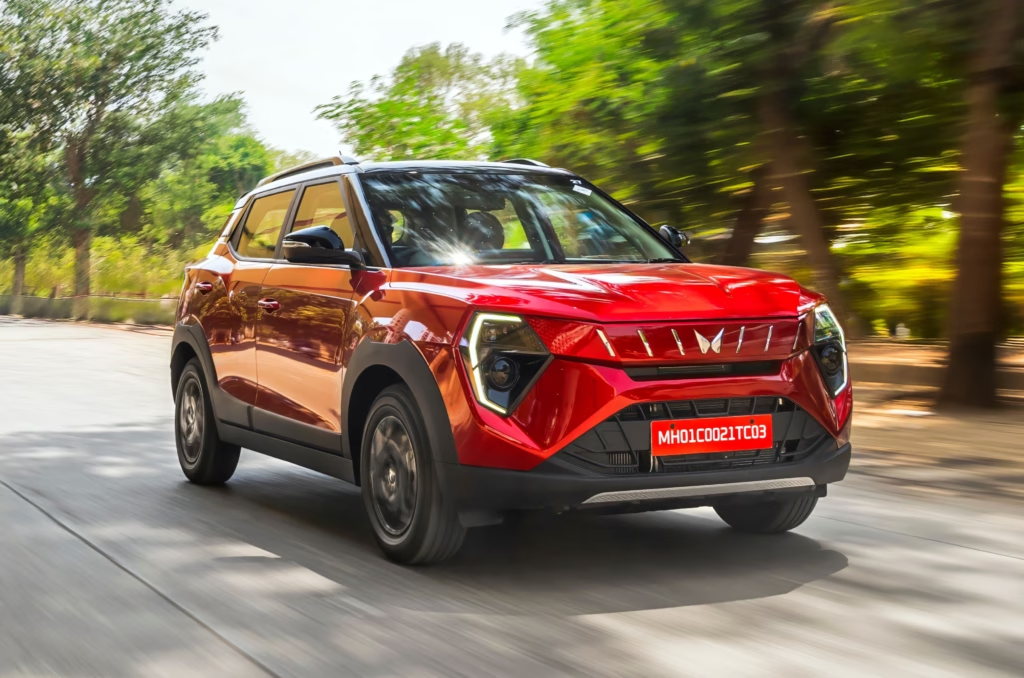
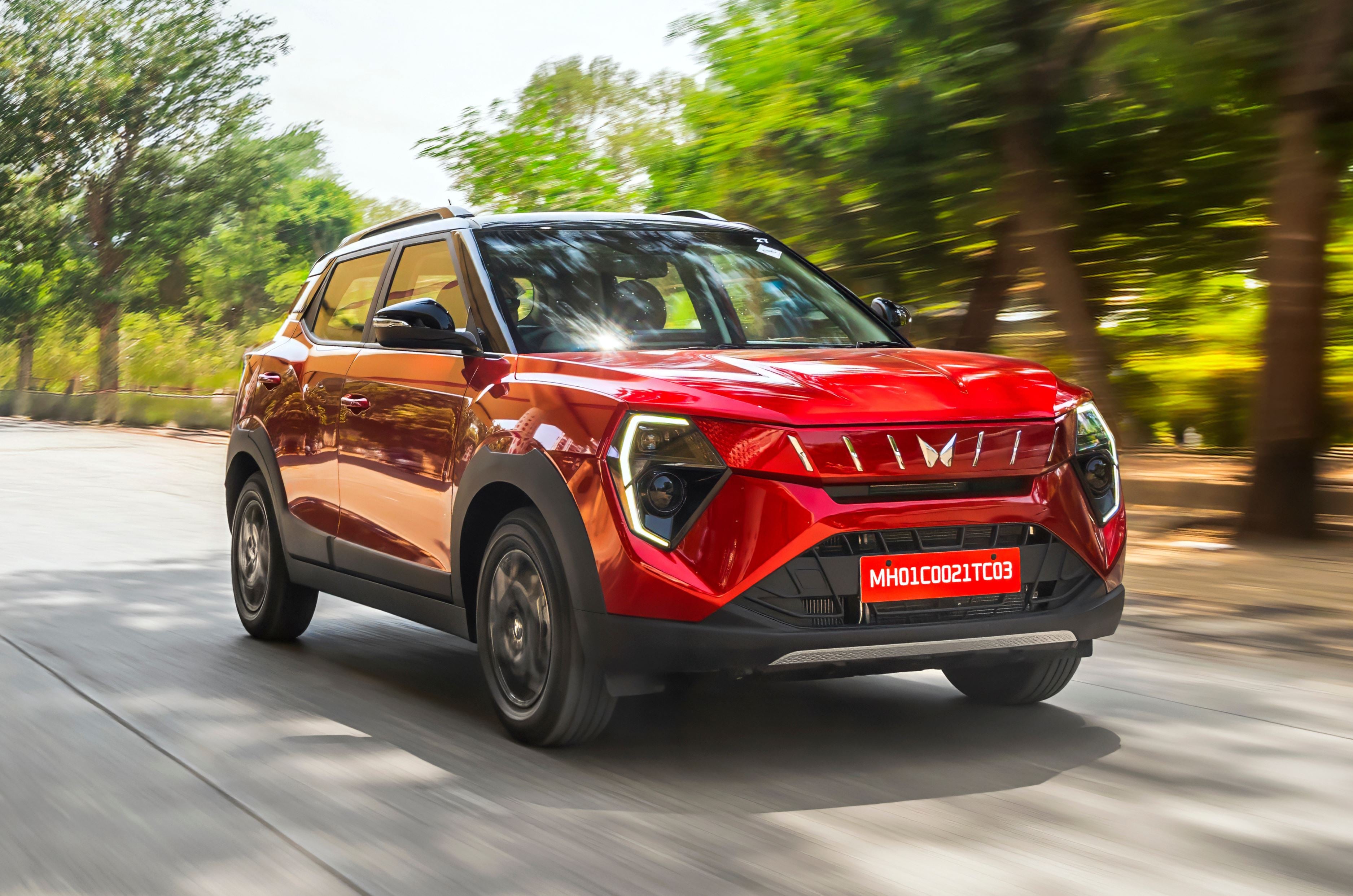
CNG is shaping up to be the new diesel. For the second year running, CNG passenger vehicles outsold diesels, accounting for 21.98 percent of the market compared to 18.08 percent for oil burners in FY2026. That is a very big deal. Big enough for Mahindra – traditionally a diesel-first brand – to sit up, take notice and want a piece of the action. Its first attempt – if you don’t count the fleet-only KUV100 CNG – is the Mahindra XUV 3XO ZNG. Read as Zee-NG and pronounced Zing. The headline is that it makes the same amount of power as the pure-petrol 3XO TCMPFi. We experienced it in Mumbai to see if it really has zing.
Mahindra XUV 3XO ZNG Exterior Design and Engineering –
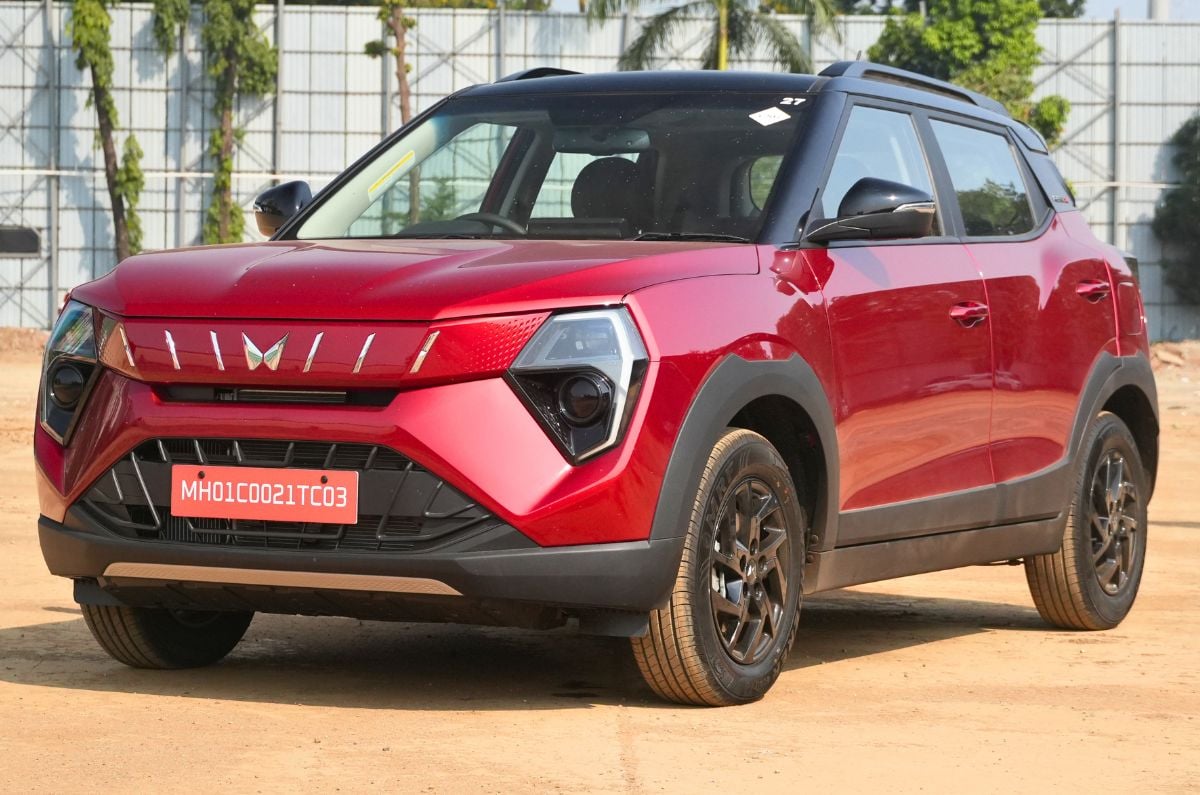
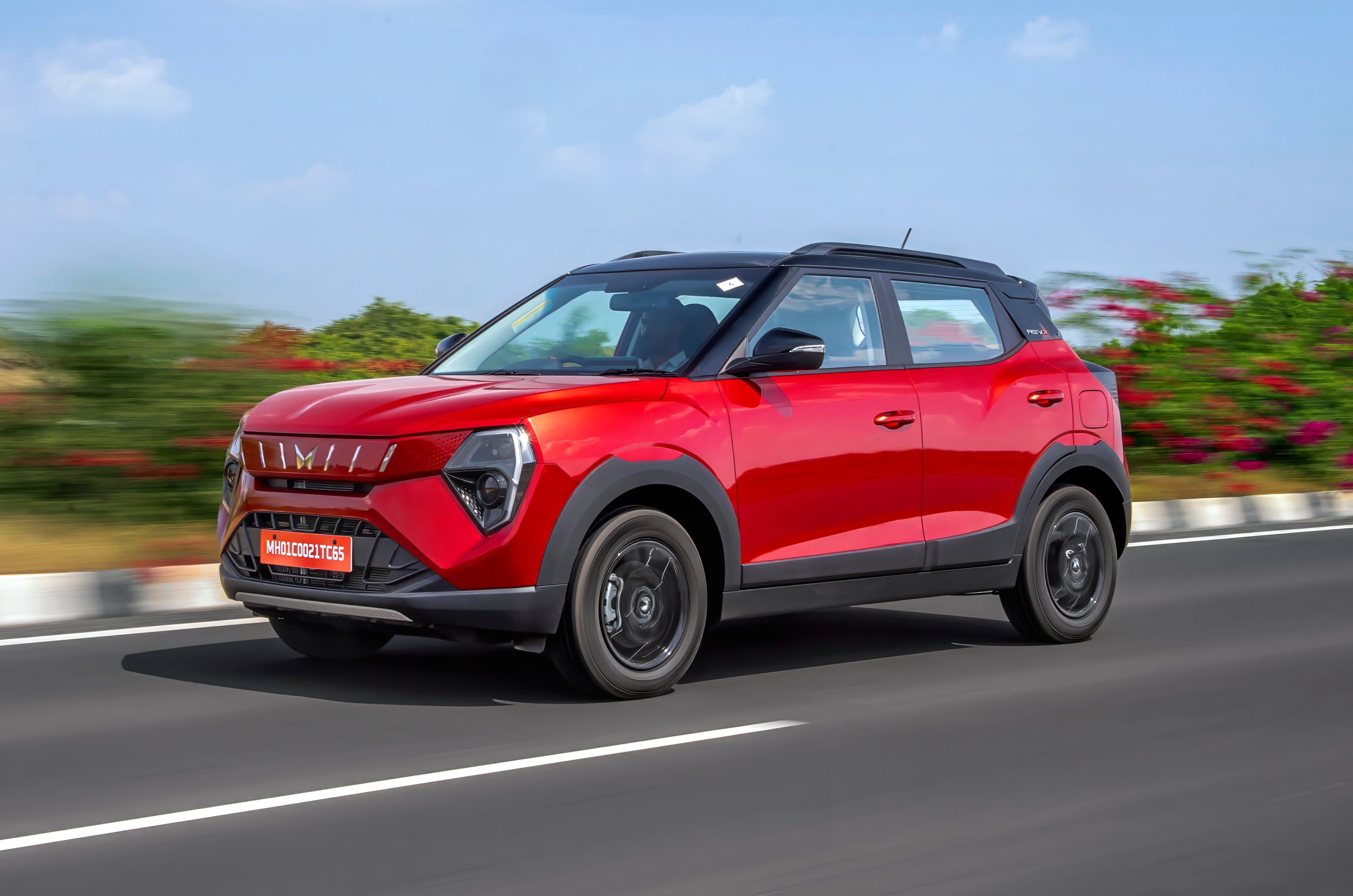
Outside, there isn’t much to tell the ZNG apart from the regular XUV 3XO. Our test car is based on the REVX trim and gets a body-coloured grille, while other trims gloss black. LED lighting is present, though fog lamps are missing even on the top REVX A CNG trim.
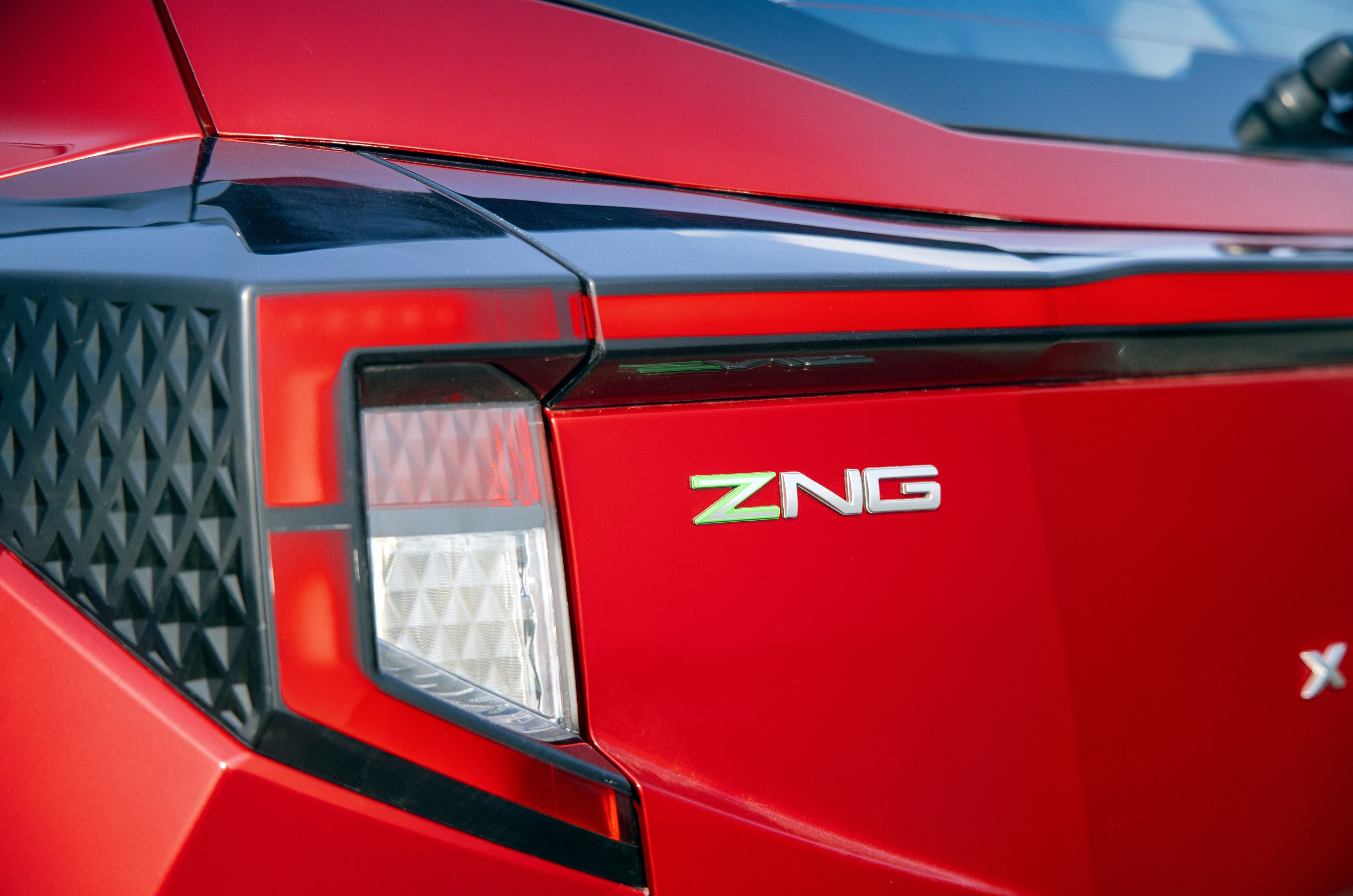
In profile, you’ll notice the gloss black 16-inch wheels – the largest size available on the ZNG, with 17s reserved for the pure-petrol TGDi. At the rear is the clearest giveaway of its CNG powertrain: a ZNG badge on the tailgate.
XUV 3XO ZNG Interior Space and Comfort –
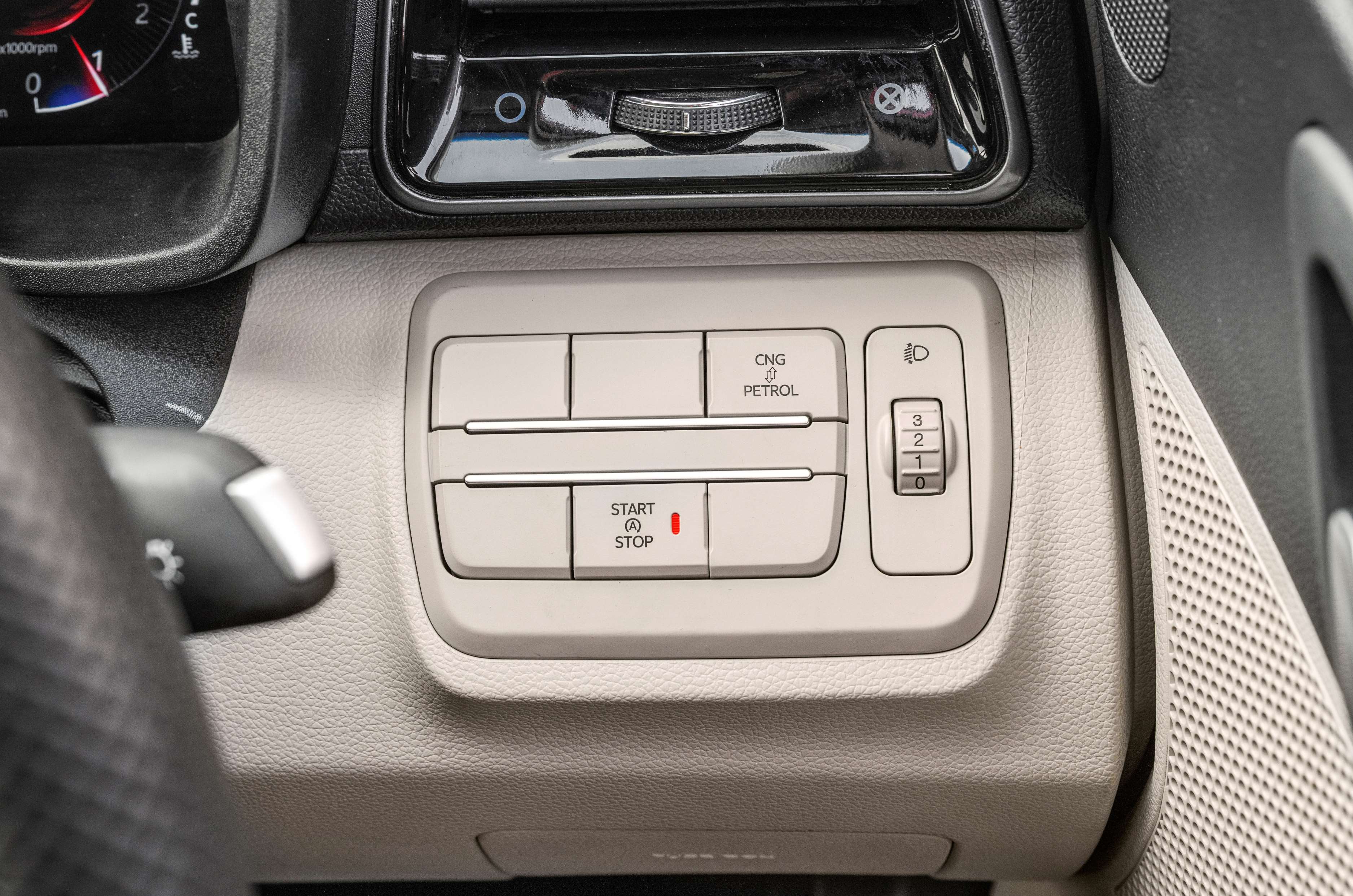
Inside, too, the ZNG is largely identical to its petrol and diesel counterparts, with a CNG switch to the right of the steering wheel being the only real giveaway. The dual-tone dashboard with lots of gloss black trim is otherwise carried over unchanged. Despite not being the top of the line variant, the cabin has an upmarket and well-trimmed air to it.
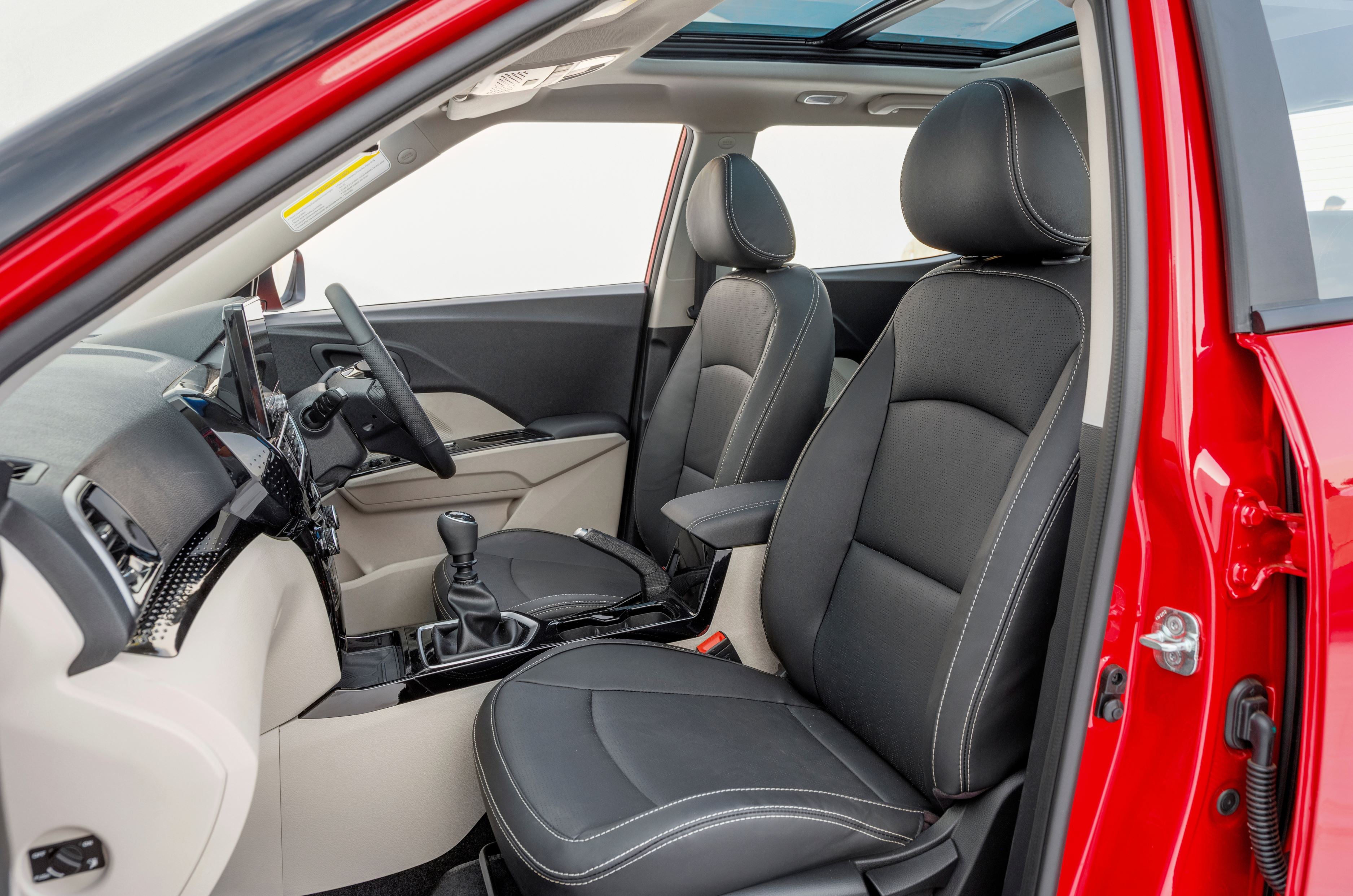
Our REVX A test car gets black leatherette seats, which can get quite hot, and they lack ventilation, just like the regular 3XO. The front seats are also a bit tight for larger frames, and the lack of a telescoping steering makes it hard to get comfy. Another ergonomic gripe is the tight driver’s footwell, with no dead pedal – pertinent as a six-speed manual is your only gearbox option.
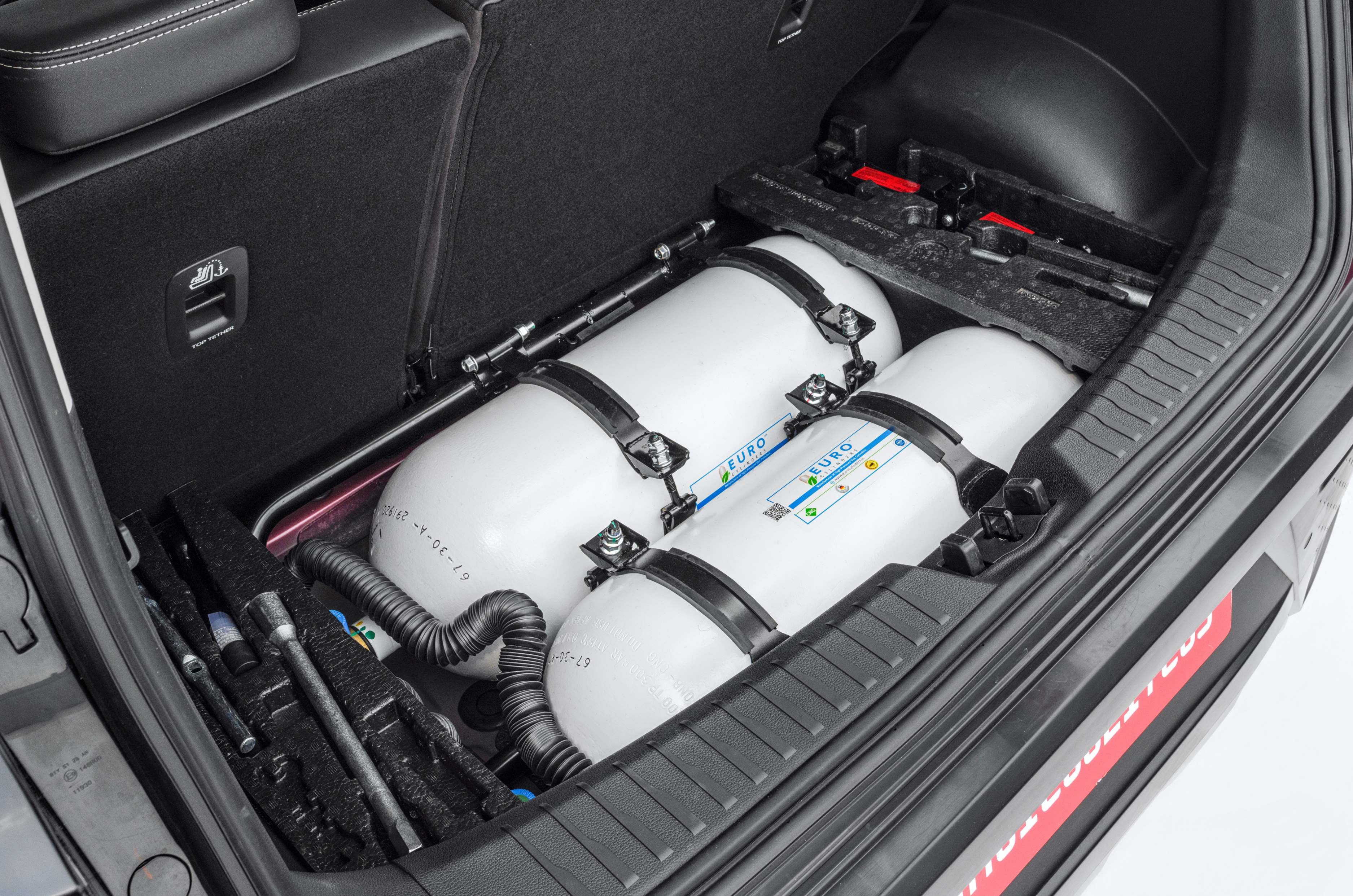
The rear seat remains spacious and comfortable for its segment, and accommodating three abreast is not an issue. One area where the 3XO fell short was boot space, measuring just 295 litres – the smallest in the segment. To keep as much of the boot intact as possible, Mahindra has moved the space-saver spare under the body and placed a dual-tank setup under the boot floor. The combined liquid capacity of the tanks is 60 litres, which translates to 10kg of CNG capacity.
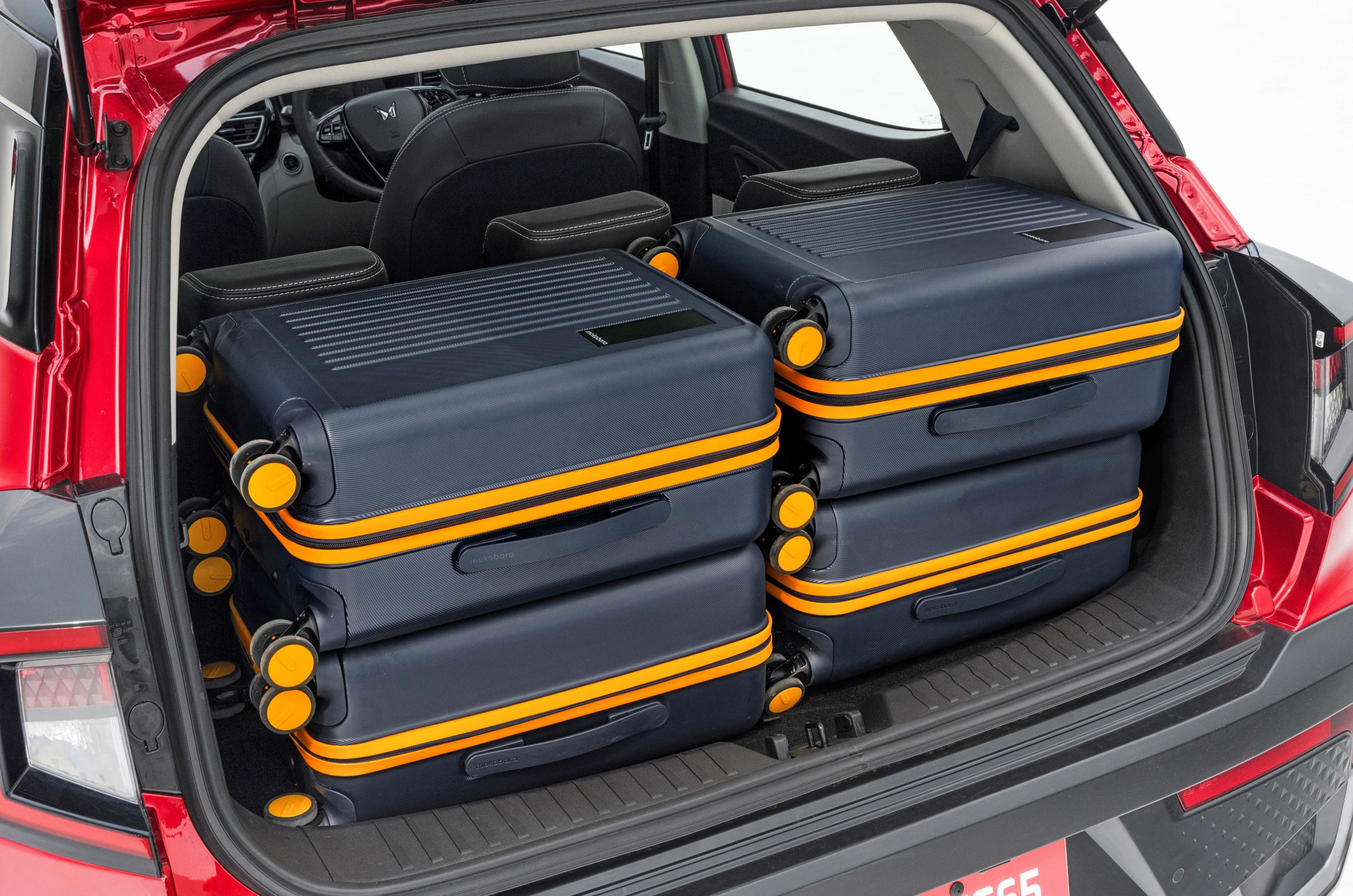
Boot capacity has dropped to 270 litres, which is smallest amongst immediate rivals, however it remains fairly wide and can accommodate up to four cabin bags.
Mahindra XUV 3XO ZNG Features and Safety –
The 3XO ZNG is available in four trims, which offer the same features as their petrol and diesel counterparts. The highlights are a pair of sharp 10.25-inch screens for infotainment and instrumentation, a panoramic sunroof and a six-speaker audio system with Dolby Atmos.
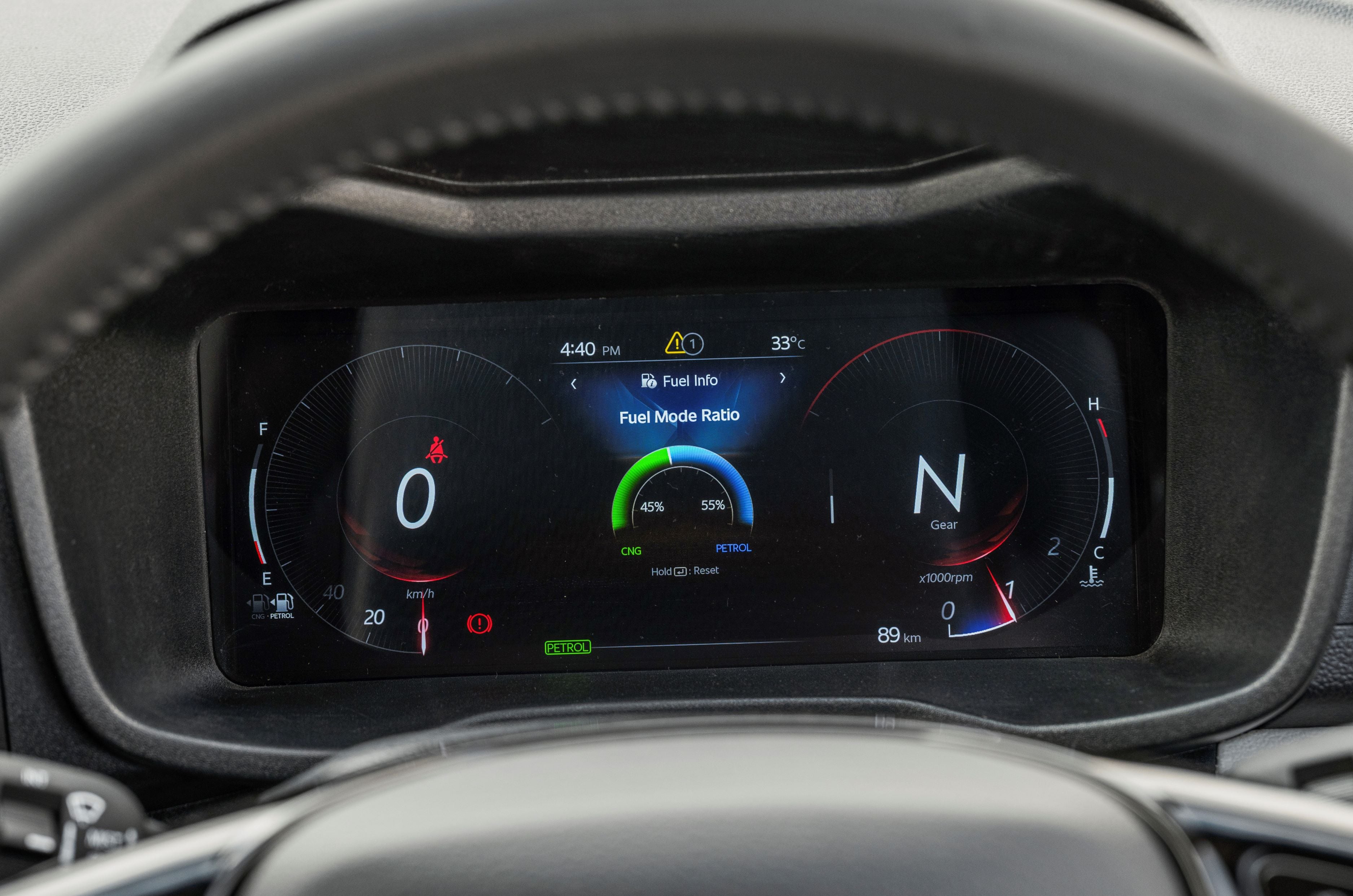
The digital instrument cluster has a few more CNG-related functions. Hit the CNG switch, and an indicator on the digital instrument cluster confirms the fuel you are using, while the fuel gauge changes to display the fuel level. The cluster can also show the ratio of time spent in each fuel mode and the corresponding fuel efficiency.
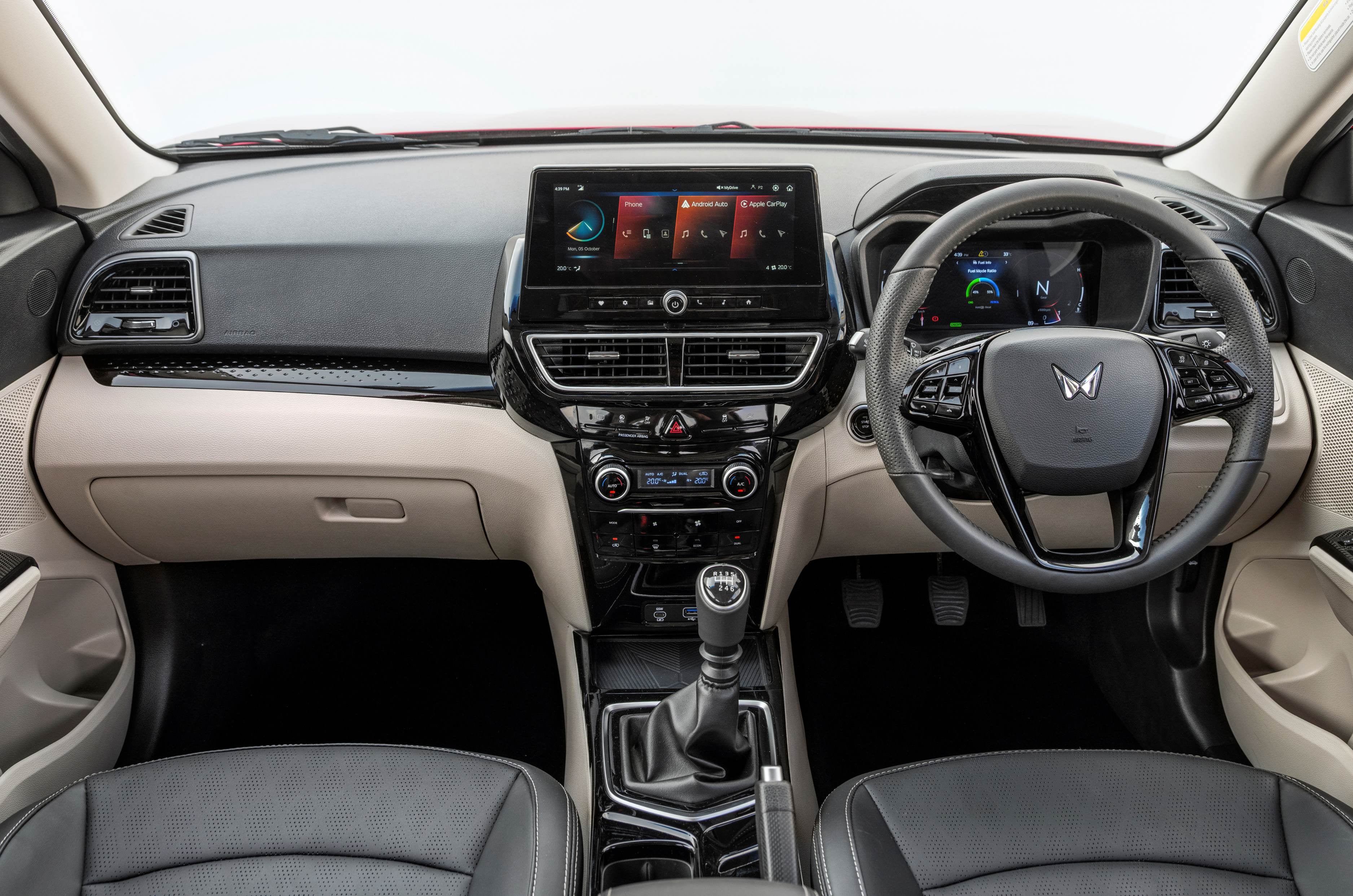
As such, the 3XO ZNG is reasonably well equipped compared to equivalent variants of its main rival, the Tata Nexon iCNG. However, the Nexon offers a wider choice of CNG variants, with top-spec versions getting features such as a 360-degree camera, ventilated front seats and a wireless charger, all of which the Mahindra misses out on.
The safety kit is quite comprehensive, featuring six airbags, ESC, ISOFIX mounts, a tyre pressure monitoring system and a reversing camera. The regular XUV 3XO is also a five-star Bharat NCAP safety-rated car, and Mahindra says the ZNG has been engineered to meet the same standards.
Mahindra XUV 3XO ZNG Performance and Refinement –
Powering the ZNG is the same 1.2-litre multi-point fuel injection (MPFi) turbo-petrol engine that does duty on the lower and mid-level trims of the 3XO. The kicker is that Mahindra quotes the exact same power and torque figures for CNG as for the pure-petrol version – 111hp and 200Nm. That is highly unusual, as a 10 to 15 percent drop in power figures is the norm. For comparison, its direct rival, the Tata Nexon iCNG, loses 20hp when switching from petrol to CNG. Mahindra says it has managed this with the use of a 10-bar CNG injection system. It also says the turbocharger and ECU calibration have been optimised to run on CNG, and initial impressions seem to back this up.
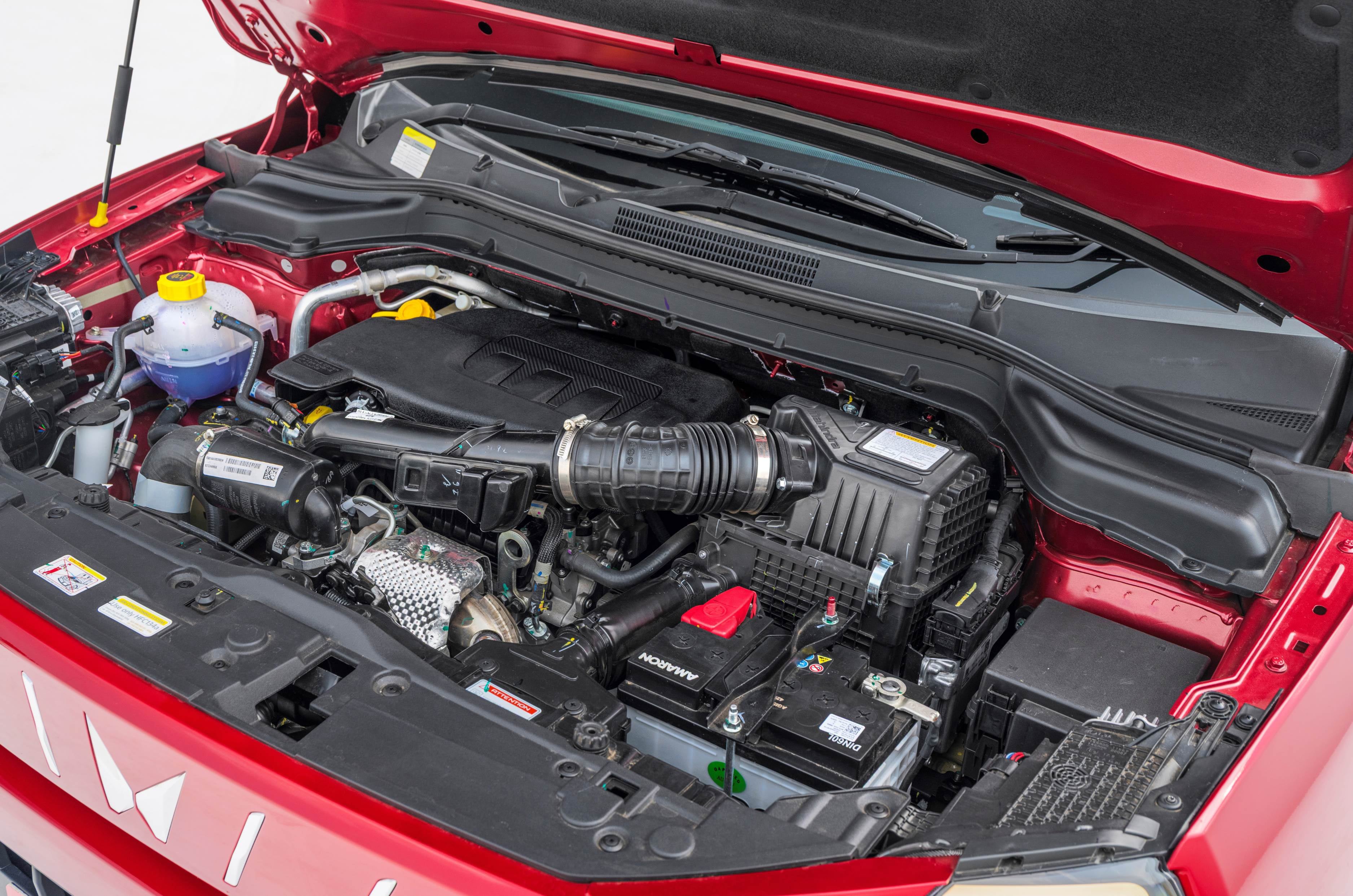
In everyday driving, the difference between CNG and petrol modes is barely noticeable. The engine feels smooth and refined in both, only becoming audible when extended. Performance, too, is very similar. Throttle response is good and the motor feels tractable, rarely requiring a shift into first when negotiating a speed breaker. There is a bit of turbo lag below 2,000rpm, but get past this and performance feels brisk.
The switch between modes is also quite seamless, with no apparent jerkiness or change in engine note. However, switch back and forth a few times, and you’ll notice the throttle response is ever so slightly duller in CNG mode, and there are times when it will hesitate on sudden throttle inputs. Overall, though, calibration in CNG mode is very good, and in everyday driving, there is very little to fault.
While the pure-petrol version of this engine can be had with a six-speed torque-converter automatic, the ZNG is only available with the six-speed manual. While its immediate rivals don’t offer an automatic with CNG either, Mahindra would have done well to offer at least an AMT. As it is, the manual is a smooth and easy-to-use unit, but not quite at the level of its Japanese or Korean competition. Its throws are a bit too long, and the clutch, while light, has a long travel.
In terms of outright performance, Mahindra claims an 11.8sec 0-100kph time for the ZNG. We conducted a quick performance test (not to Autocar India standards), which resulted in a 0-100kph time of 12.98s on petrol and 12.64s on CNG – a difference we put down to the launch. In-gear acceleration figures paint a clearer picture, where the ZNG was quicker in petrol mode by about 0.7 seconds in both 20-80kph and 40-100kph runs. Nevertheless, performance in either CNG or petrol is so close that most drivers would be hard-pressed to tell the difference.
Mahindra XUV 3XO ZNG Mileage and Efficiency –
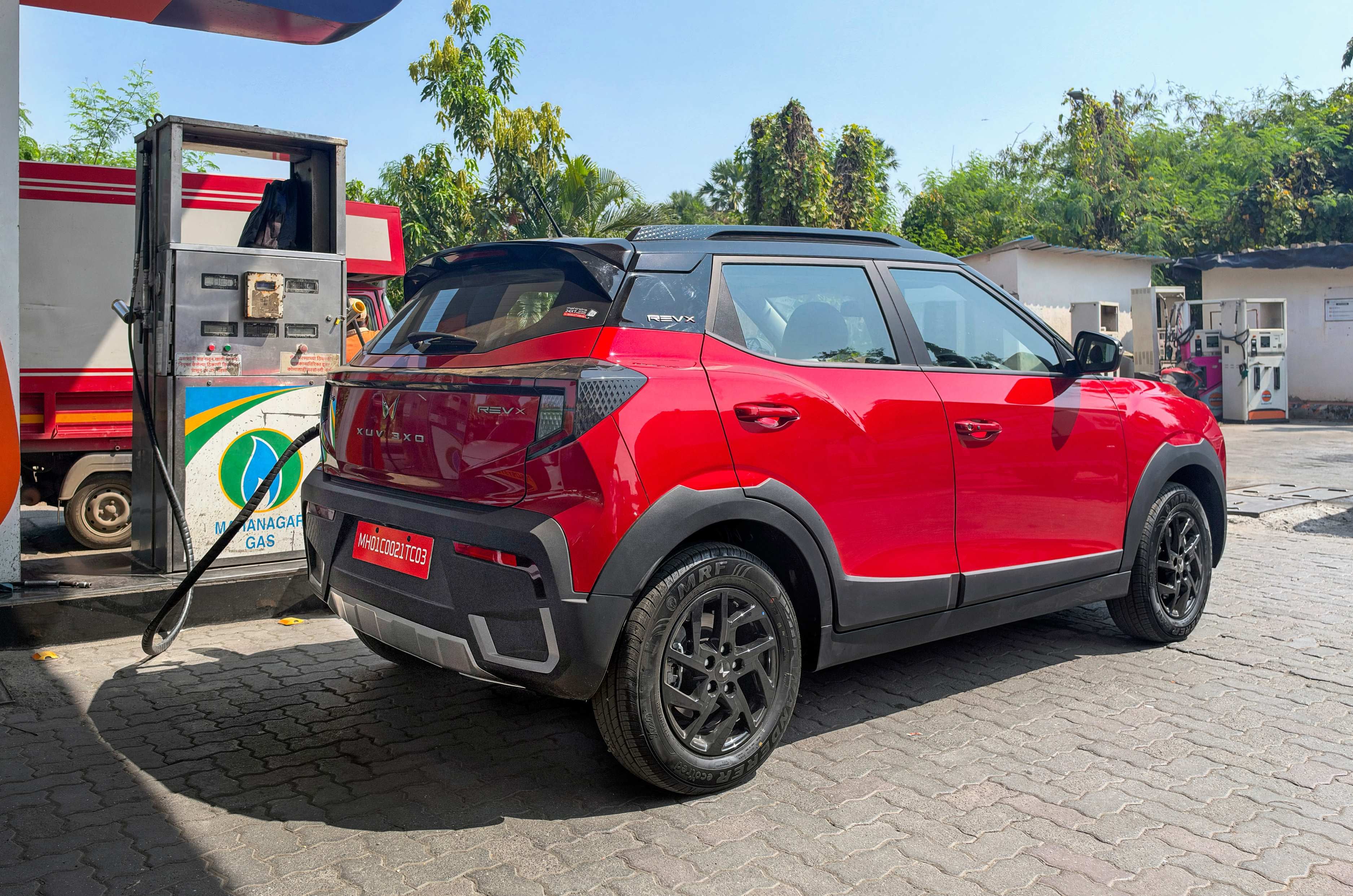
Mahindra claims an efficiency figure of 24.7km/kg for the XUV 3XO ZNG, which translates to a theoretical range of 247km from its 10kg CNG capacity.
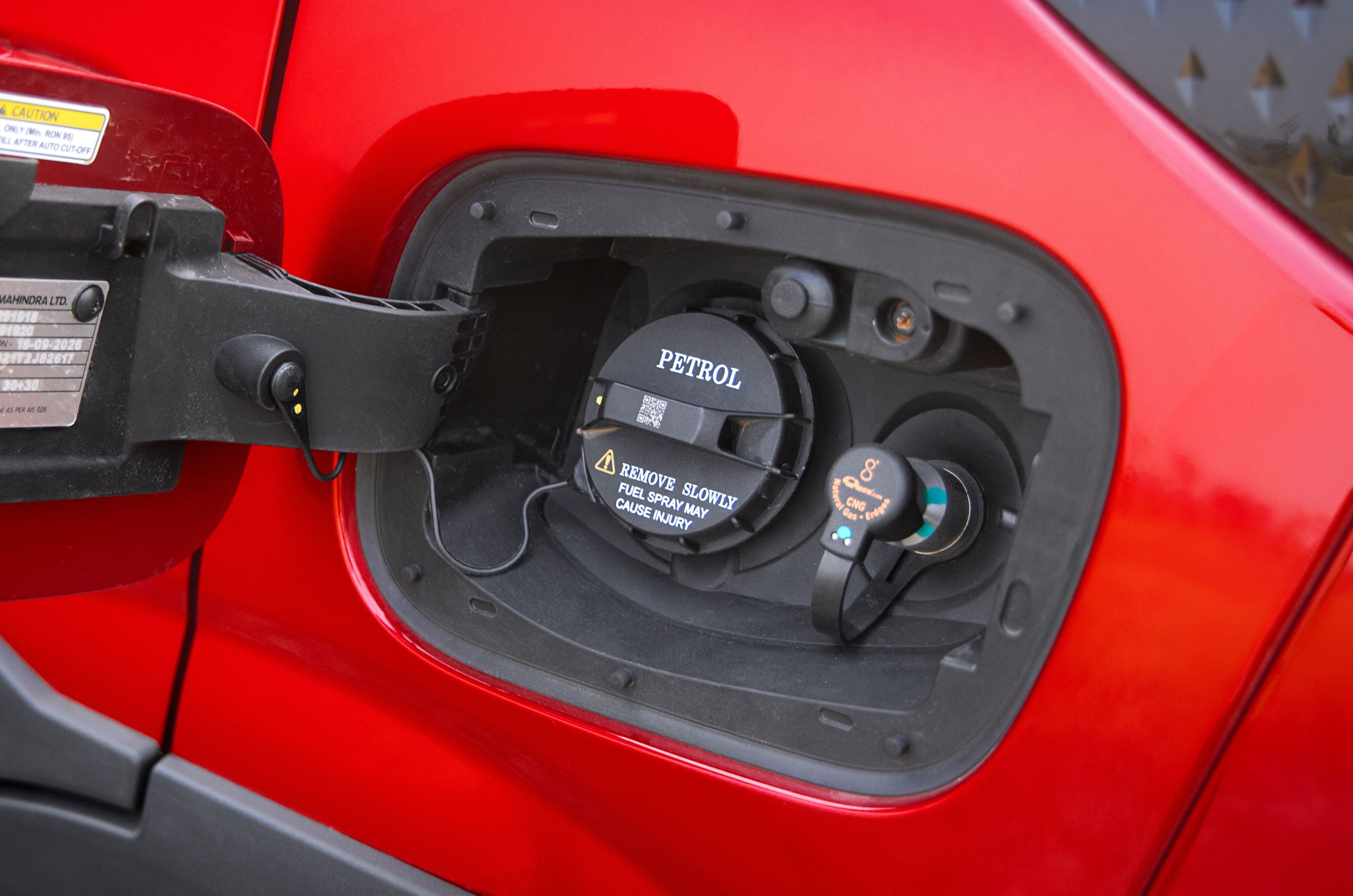
It also gets an idle-stop/start function, which should help efficiency. We will verify these claims with a real-world test soon.
Mahindra XUV 3XO ZNG Ride Comfort and Handling –
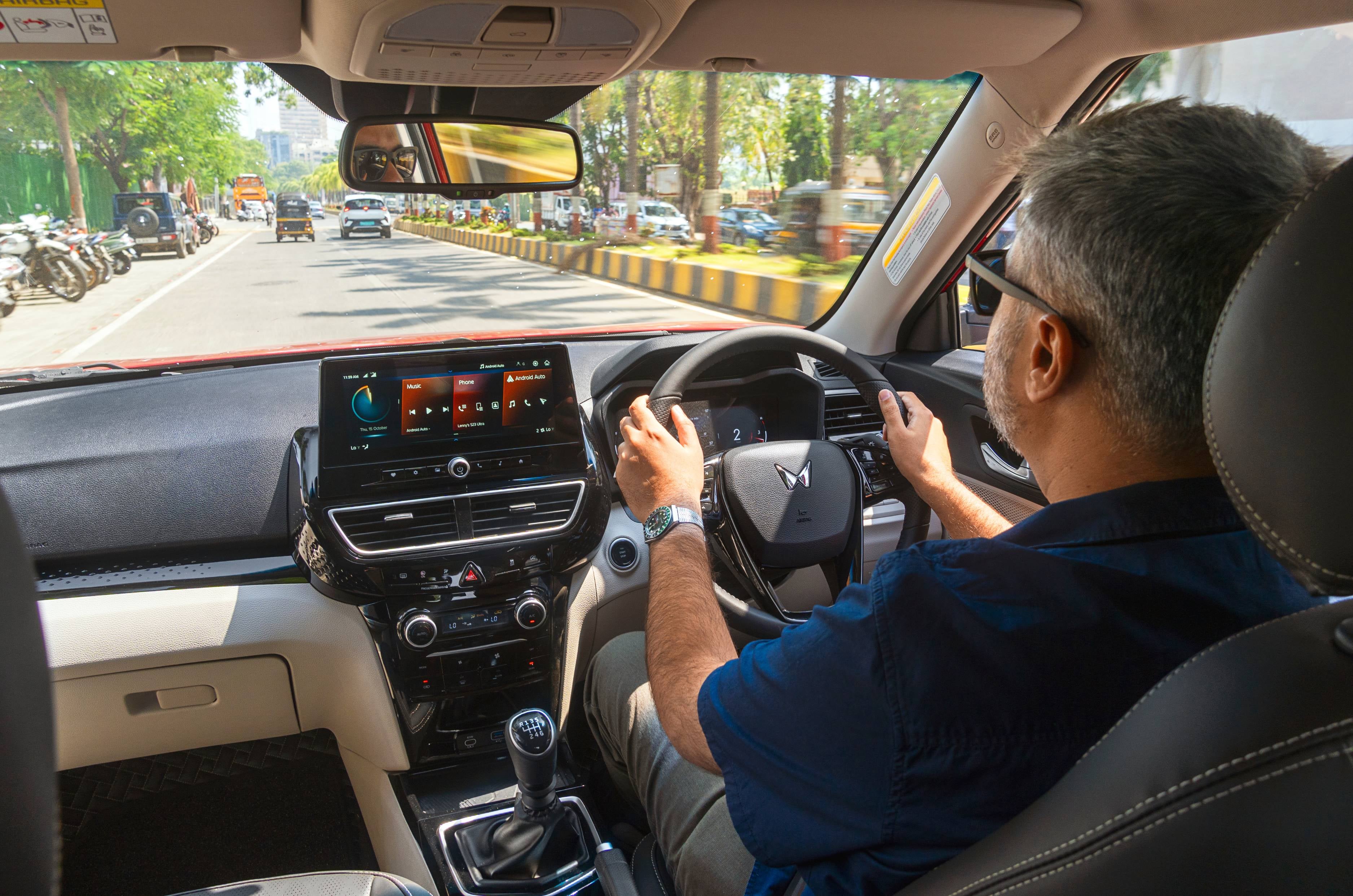
The switch to CNG adds around 100kg to the 3XO, most of it concentrated at the rear. To ensure this doesn’t affect ride or handling, Mahindra has tweaked the suspension to cope with the extra weight. The ZNG’s ride has a slightly firm edge, but overall it deals with bad roads very well.
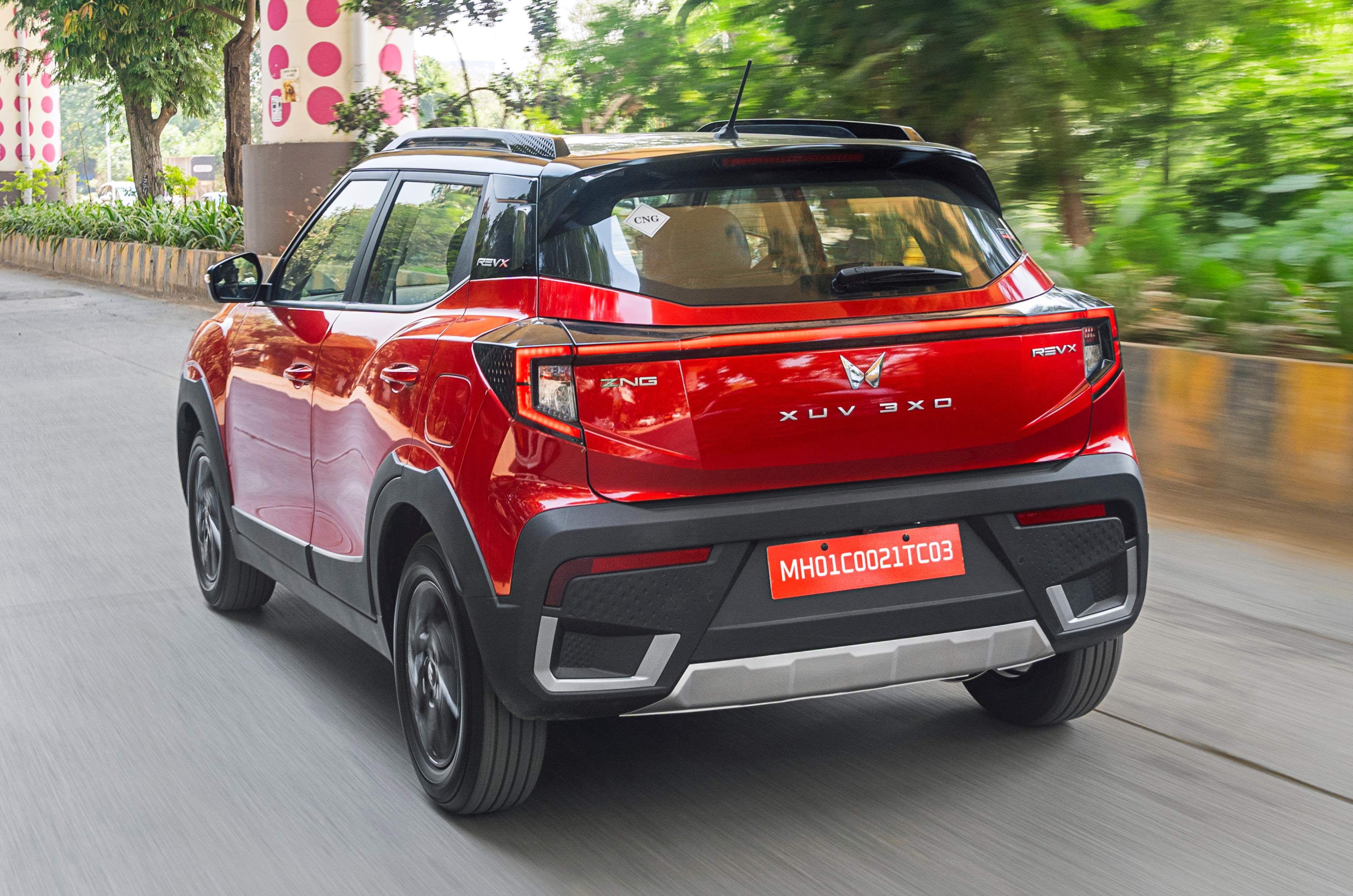
The smaller 16-inch wheels also play an important part here, as their taller-sidewall tyres absorb sharp edges before they make their way to the cabin. Overall, the ride remains amongst the best in the class.
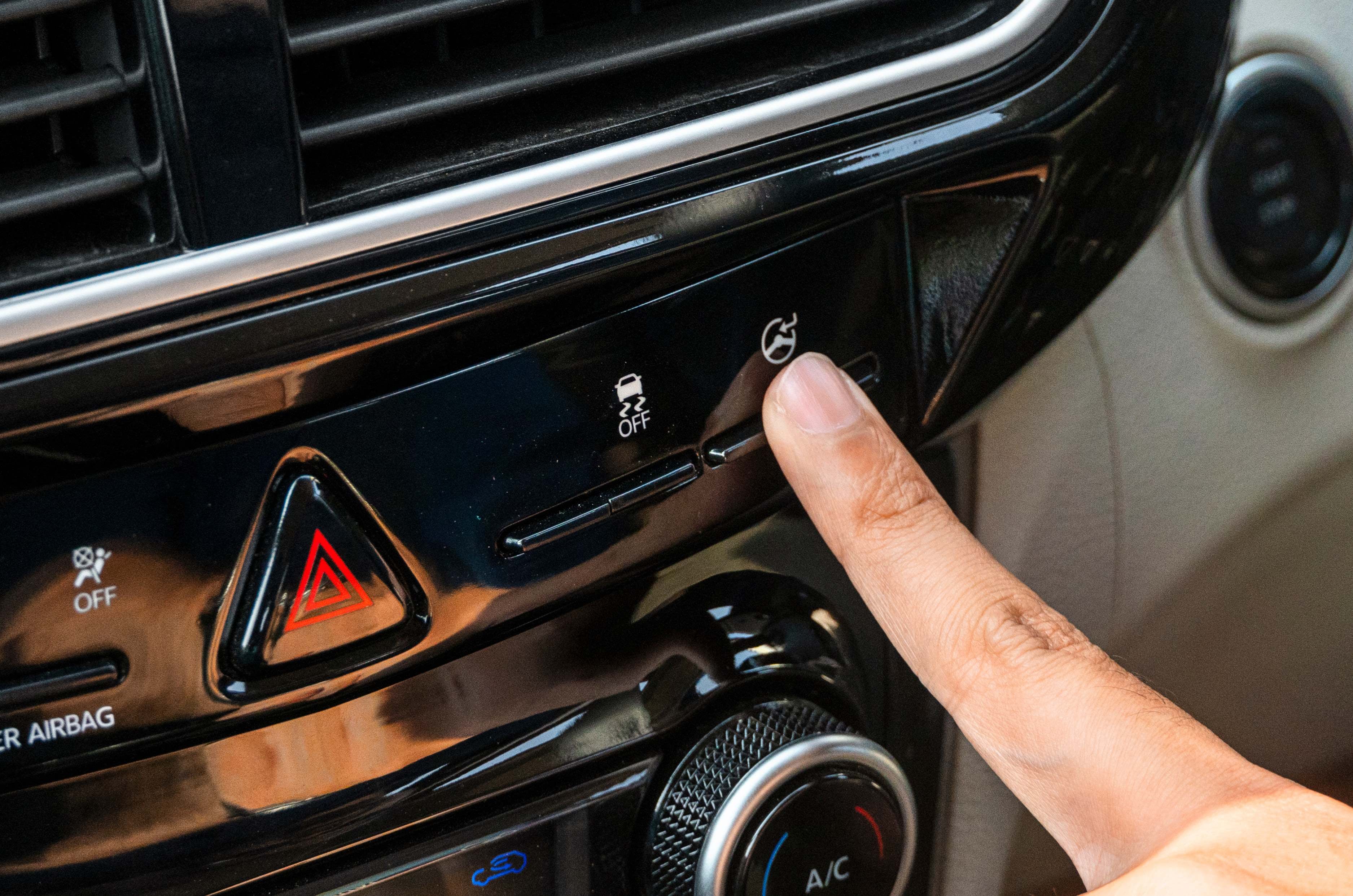
Handling, too, remains tight and engaging, with a planted feel around the bends. The steering is light and direct, and while you can dial up the resistance using the three steering modes, this adds little in terms of feel or feedback.
Mahindra XUV 3XO ZNG Value for Money –
Overall, the Mahindra XUV 3XO offers good value for money and makes for a compelling entrant into the CNG compact SUV space. Prices for the Mahindra XUV 3XO ZNG start at Rs 9.99 lakh and go up to Rs 12.27 lakh, which is between Rs 1 lakh and Rs 1.2 lakh more than the equivalent petrol trims. Pricing is on par with comparable variants of the Tata Nexon iCNG. However, the Nexon has a wider range and also offers more features on the higher trims.
Mahindra has packaged the CNG tanks cleverly, minimising the impact on boot space. That said, the 3XO’s boot wasn’t particularly large to begin with, and that remains a drawback. What sets it apart is the driving experience. CNG calibration is very good, and performance in CNG mode is close enough to petrol for most people not to notice a real difference. For a first attempt, the XUV 3XO ZNG certainly ticks a lot of boxes.

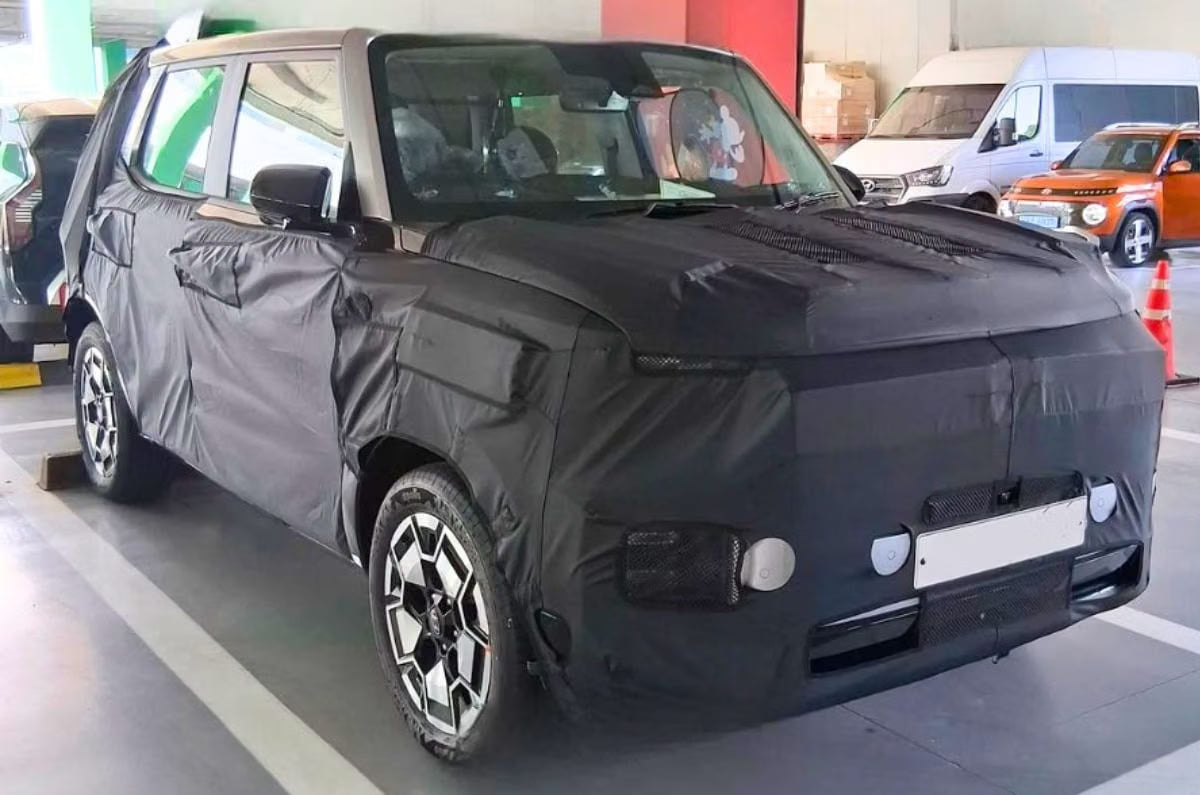
Hyundai’s upcoming compact electric SUV will debut in India in Q1 2027. The carmaker had initially outlined a debut by March 2027 at its 2026 CEO Investor Day, before Hyundai Motor India MD and CEO Tarun Garg told our sister publication Autocar Professional that the EV would arrive earlier, by the end of 2026. According to our sources, the Hyundai compact EV is now slated to debut in January 2027.
Hyundai compact EV: Platform and battery details
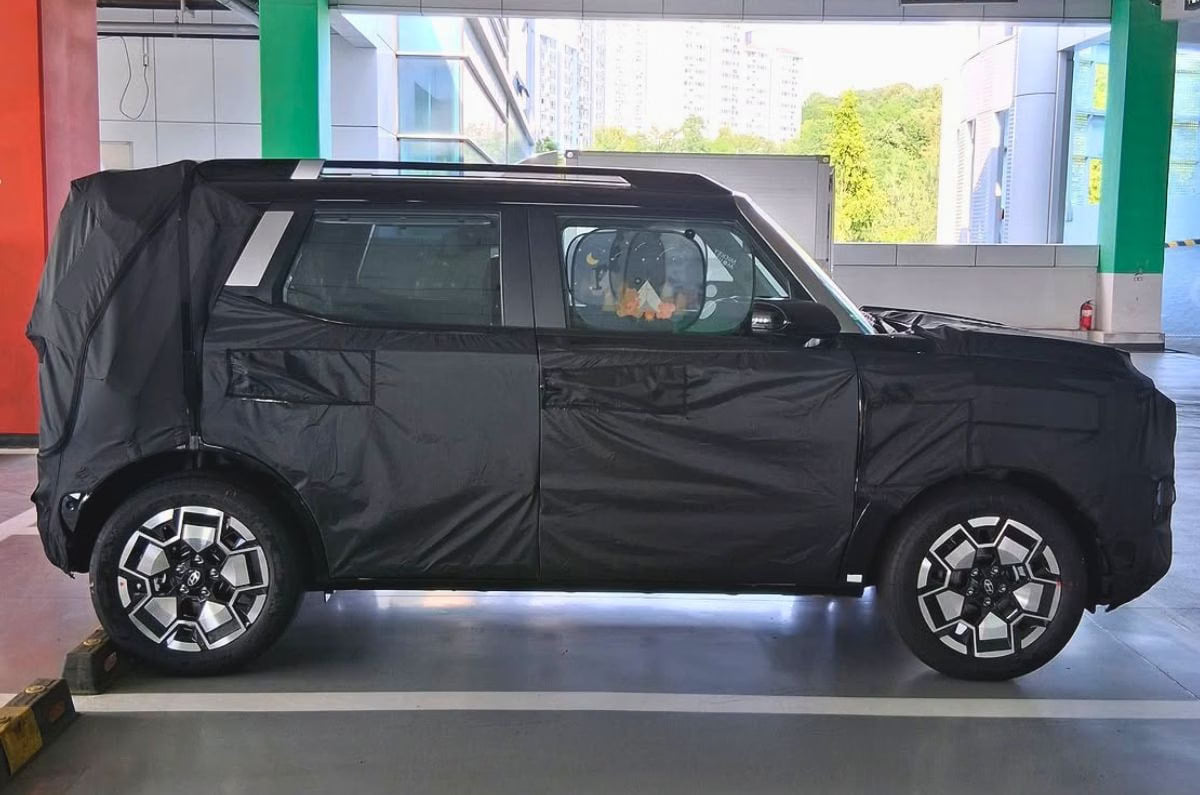
Codenamed HE1i, the upcoming compact electric SUV will use Hyundai’s E-GMP (K) platform, which also underpins the Inster EV sold overseas. The new model will be manufactured at Hyundai’s Sriperumbudur plant in Tamil Nadu and has been planned specifically for the Indian market.
It will be offered in two versions: Standard Range and Long Range. However, the exact specifications are under wraps. For reference, the Inster EV is offered with 42kWh and 49kWh battery packs, with claimed WLTP ranges of up to 300km and 355km, respectively. The Inster Standard Range produces 97hp and 147Nm, while the Long Range version produces 115hp and 147Nm.
The compact EV will initially use battery cells supplied by Svolt. Hyundai plans to shift to locally sourced cells through its association with Exide, following delays in the latter’s battery production.
Hyundai compact EV: Features and rivals
Hyundai has confirmed that the compact EV will feature Level 2 ADAS and a ‘next-generation infotainment system’, which could be the Pleos Connect system seen in some of the brand’s newer models.
For reference, the international-spec Hyundai Inster gets dual 10.25-inch displays for the instrument cluster and infotainment system, automatic climate control and a 360-degree camera with blind-spot monitoring. It remains to be seen which of these features will make it to the India-spec compact EV.
The Hyundai compact EV will rival the Tata Nexon EV, Mahindra XUV 3XO EV and Kia Syros EV in India.


As part of its festive offers, Classic Legends has announced flexible financing options for its motorcycles. These offers are aimed at making its Jawa, Yezdi and BSA motorcycles more accessible to buyers.
- Up to 100 percent funding with zero downpayment plans
- Interest rates starting at 5.99 percent with loan tenures up to 72 months
- Buy now, pay later and no-hypothecation schemes also available
Jawa Yezdi Motorcycles festive financing offer details
The company has not specified model-wise financing benefits in the announcement
The financing schemes include up to 100 percent funding, zero down payment, interest rates starting at 5.99 percent and repayment tenures of up to 72 months, subject to eligibility, terms and conditions. Eligible customers can choose Buy Now Pay Later (BNPL) schemes, while select financing options offer no-hypothecation benefits. The brand has also introduced specially designed ownership programmes for Mahindra Group employees as well.
These offers cover motorcycles under the Jawa, Yezdi and BSA brands, which are part of the Classic Legends portfolio, though it has not specified model-wise financing benefits in the announcement. The company said the financing options are intended to benefit buyers with different financial requirements and ownership preferences. Customers will need to check the applicable terms, eligibility criteria and availability of offers with authorised dealerships.
Currently Classic Legends offers a wide range of motorcycles under the Jawa, Yezdi, and BSA brand umbrellas. The Jawa lineup comprises models ranging from the All Star 42 OG (Rs 1.87 lakh to Rs 1.90 lakh) to the Jawa 350 (Rs 2.11 lakh to Rs 2.22 lakh). The Yezdi range starts with the base Roadster at Rs 2 lakh and goes up to the tubeless-wheel-equipped Adventure at Rs 2.33 lakh. Rounding out the portfolio are BSA’s 650cc offerings, the Scrambler (Rs 3.25 lakh to Rs 3.41 lakh) and the flagship Gold Star 650 (Rs 3.42 lakh to Rs 3.65 lakh).
All prices are ex-showroom, Delhi.
IT कंपनी टेक महिंद्रा के शेयर में 16 अक्टूबर को अच्छी तेजी है। शुरुआती कारोबार में शेयर पिछले बंद भाव से 7.5 प्रतिशत तक उछला और BSE पर कीमत 1,774 रुपये के हाई तक गई। कंपनी का मार्केट कैप बढ़कर 1.73 लाख करोड़ रुपये से ज्यादा हो गया है। एक दिन पहले कंपनी ने जुलाई-सितंबर 2026 तिमाही और अप्रैल-सितंबर 2026 छमाही के वित्तीय नतीजे जारी किए थे। तिमाही के दौरान कंपनी का शुद्ध कंसोलिडेटेड मुनाफा सालाना आधार पर 32.74 प्रतिशत बढ़कर 1,585.6 करोड़ रुपये हो गया। एक साल पहले मुनाफा 1,194.5 करोड़ रुपये रहा था।
ऑपरेशंस से कंसोलिडेटेड रेवेन्यू 15.6 प्रतिशत की बढ़ोतरी के साथ 16,180.2 करोड़ रुपये हो गया, जो सितंबर 2025 तिमाही में 13,994.9 करोड़ रुपये था। कंपनी को नए सौदों से कुल कॉन्ट्रैक्ट वैल्यू (टीसीवी) के आधार पर 102.3 करोड़ डॉलर के बिजनेस मिले। यह आंकड़ा एक साल पहले की तुलना में 25.4 प्रतिशत अधिक है।
शेयर की फेस वैल्यू 5 रुपये है। शेयर एक सप्ताह में 16 प्रतिशत चढ़ा है। 3 साल में कीमत लगभग 50 प्रतिशत चढ़ी है। शेयर का BSE पर 52 सप्ताह का एडजस्टेड हाई 1,850 रुपये और एडजस्टेड लो 1,304.25 रुपये है।
नोमुरा ने टेक महिंद्रा के स्टॉक पर ‘न्यूट्रल’ रेटिंग बरकरार रखी है। नुवामा ने ‘बाय’ रेटिंग बरकरार रखी है और 1,950 रुपये का टारगेट प्राइस दिया है। इसके पीछे मजबूत डील मिलना और कमाई में ग्रोथ की संभावना मुख्य कारण हैं। चॉइस इंस्टीट्यूशनल इक्विटीज ने इस स्टॉक पर ‘ऐड’ रेटिंग और 1,775 रुपये का टारगेट प्राइस दिया है।
Disclaimer: यहां मुहैया जानकारी सिर्फ सूचना के लिए दी जा रही है। यहां बताना जरूरी है कि मार्केट में निवेश बाजार जोखिमों के अधीन है। निवेशक के तौर पर पैसा लगाने से पहले हमेशा एक्सपर्ट से सलाह लें। मनीकंट्रोल की तरफ से किसी को भी पैसा लगाने की यहां कभी भी सलाह नहीं दी जाती है।
Stocks to Watch: एशियाई बाजारों में रौनक के बीच गिफ्ट निफ्टी से आज घरेलू स्टॉक मार्केट में भी बढ़त के साथ शुरुआत के संकेत मिल रहे हैं। गिफ्ट निफ्टी फिलहाल 100.50 प्वाइंट्स यानी 0.44% की मजबूती के साथ 23,088.50 पर है। एक कारोबारी दिन पहले 15 अक्टूबर को सेंसेक्स की वीकली एक्सपायरी के दिन सेंसेक्स (Sensex) 1533.72 प्वाइंट्स यानी 2.11% की बढ़त के साथ 74,315.61 और निफ्टी भी 374.65 प्वाइंट्स यानी 1.66% की मजबूती के साथ 22,997.35 पर बंद हुआ था। अब आज इंडिविजुअल स्टॉक्स की बात करें तो अपनी खास कॉरपोरेट एक्टिविटीज के चलते कुछ स्टॉक्स में तेज हलचल दिख सकती है। यहां इन शेयरों के बारे में डिटेल्स दी जा रही है।
Stocks to Watch: आज इन स्टॉक्स पर फोकस
Tech Mahindra Q2 (Consolidated YoY)
सितंबर 2026 तिमाही में सालाना आधार पर टेक महिंद्रा का कंसालिडेटेड प्रॉफिट 32.7% बढ़कर ₹1,585.6 करोड़ और रेवेन्यू 15.6% उछलकर ₹16,180.2 करोड़ पर पहुंच गया। डॉलर टर्म में कंपनी का रेवेन्यू इस दौरान 6.7% बढ़कर $169.3 करोड़ हो गया। इसके अलावा कंपनी के बोर्ड ने ₹15 के डिविडेंड और 1:1 के रेश्यो में यानी एक पर एक शेयर बोनस में देने के प्रस्ताव को मंजूरी दी है।
Wipro Q2 (YoY)
सितंबर 2026 तिमाही में सालाना आधार पर विप्रो का कंसालिडेटेड प्रॉफिट 1.4% घटकर ₹3,200.6 करोड़ रह गया लेकिन कंसालिडेटेड रेवेन्यू 9.06% उछलकर ₹24,752.7 करोड़ पर पहुंच गया। इस दौरान कंपनी का आईटी सर्विसेज रेवेन्यू 8.95% बढ़कर ₹24,667 करोड़ और आईटी सर्विसेज डॉलर रेवेन्यू 0.3% बढ़कर $261.15 करोड़ हो गया लेकिन आईटी सर्विसेज ईबीआईटी मार्जिन 20 बीपीएस घटकर 16.5% रह गया। दिसंबर तिमाही के लिए कंपनी का अनुमान है कि आईटी सर्विसेज रेवेन्यू $2,57.1-$262.5 करोड़ के बीच रह सकता है।
Jio Financial Services Q2 (Consolidated YoY)
सितंबर 2026 तिमाही में जियो फाइनेंशियल सर्विसेज ₹340.44 करोड़ के कंसालिडेटेड प्रॉफिट में रही। सालाना आधार पर कंपनी की टोटल इनकम (एक्स-डिविडेंडः 132% बढ़कर ₹1,699 करोड़ पर पहुंच गई तो प्री-प्रोविजनिंग ऑपरेटिंग प्रॉफिट (एक्स-डिविडेंड) 85% बढ़कर ₹574 करोड़ और एयूएम 154% उछलकर ₹37,320 करोड़ पर पहुंच गया।
IIFL Finance Q2 (Consolidated YoY)
सितंबर 2026 तिमाही में सालाना आधार पर आईआईएफएल फाइनेंस का कंसालिडेटेड प्रॉफिट 103.7% बढ़कर ₹766.4 करोड़ और नेट इंटेरेस्ट इनकम (NII) 50.2% उछलकर ₹2,160.7 करोड़ पर पहुंच गया।
Persistent Systems Q2 (Consolidated YoY)
सितंबर 2026 तिमाही में सालाना आधार पर पर्सिस्टेंट सिस्टम्स का कंसालिडेटेड प्रॉफिट 25.4% गिरकर ₹351.5 करोड़ पर आ गया, लेकिन रेवेन्यू 30.3% उछलकर ₹4,663.9 करोड़ पर पहुंच गया। इस दौरान कंपनी का ईबीआईटी 19.5% बढ़कर ₹697.7 करोड़ पर पहुंच गया लेकिन ईबीआईटी मार्जिन 130 बीपीएस फिसलकर 15% पर आ गया।
Angel One Q2 (Consolidated YoY)
सितंबर 2026 तिमाही में सालाना आधार पर एंजेल वन का कंसालिडेटेड प्रॉफिट 58.2% बढ़कर ₹335 करोड़ और रेवेन्यू 18.7% उछलकर ₹1,427 करोड़ पर पहुंच गया।
Sri Lotus Developers and Realty Q2 (Consolidated YoY)
सितंबर 2026 तिमाही में सालाना आधार पर श्री लोटस डेवलपर्स एंड रियल्टी का कंसालिडेटेड प्रॉफिट 77.9% बढ़कर ₹82.1 करोड़ और रेवेन्यू 52.5% उछलकर ₹268.6 करोड़ पर पहुंच गया।
Solar Industries India
सोलर इंडस्ट्रीज इंडिया की सब्सिडियरी सोलर एक्सप्लोकेम ने शिवशक्ति इंडस्ट्रियल एक्सप्लोसिव्स के साथ एक शेयर पर्चेज एग्रीमेंट किया है। इसके तहत सोलर एक्सप्लोकेम ₹115.02 करोड़ में शिवशक्ति में 100% हिस्सेदारी का अधिग्रहण करेगी।
Mankind Pharma
मैनकाइंड फार्मा बेल्जियम की बायोटेक्नोलॉजी कंपनी आर्म्ड सेल थेरेप्यूटिक्स में मेजॉरिटी हिस्सेदारी 4.8 करोड़ यूरो में खरीदेगी। यह कंपनी कैंसर के इलाज के लिए अगली पीढ़ी की CAR-T (काइमेरिक एंटीजन रिसेप्टर टी-सेल) थेरेपी डेवलप कर रही है।
Agastya Energy & Infrastructure
अगस्त्य एनर्जी एंड इंफ्रास्ट्रक्चर को अपनी सब्सिडियरी आईएमसी सोलर बीडीएन से एक सोलर पावर प्लांट प्रोजेक्ट के लिए ₹106.04 करोड़ का EPC (इंजीनियरिंग, प्रोक्योरमेंट एंड कंस्ट्रक्शन) और O&M (ऑपरेशंस एंड मेंटेनेंस) कॉन्ट्रैक्ट मिला है।
Premier Energies
प्रीमियर एनर्जीज की सब्सिडियरी प्रीमियर बैटरी टेक्नोलॉजीज ने जर्मनी के आरसीटी ग्रुप की कंपनी आरसीटी एनर्जी इंडिया के साथ एक शेयर अलॉटमेंट और शेयरहोल्डर एग्रीमेंट किया है। इसके तहत प्रीमियर एनर्जीज स्टोरेज सॉल्यूशंस नाम से एक रणनीतिक जॉइंट वेंचर बनेगा। यह जॉइंट वेंचर 12 GWh की कुल क्षमता वाला BESS (बैटरी एनर्जी स्टोरेज सिस्टम) मैन्युफैक्चरिंग प्लांट लगाएगी। पहला चरण 6 GWh का होगा, जो वित्त वर्ष 2027-28 में तेलंगाना के सीतारामपुर में सेटअप हो सकता है।
Eternal
बोफा (BofA) सिक्योरिटीज यूरोप ने गोल्डमैन सैक्स बैंक यूरोप SE ODI से प्रति शेयर ₹316 के भाव पर ₹168.67 करोड़ में जोमैटो की एटर्नल के 53.37 लाख शेयर खरीदे।
Vardhman Polytex
विदेशी पोर्टफोलियो निवेशक पाइन ओक ग्लोबल फंड ने प्रति शेयर ₹5.55 के भाव पर ₹1.38 करोड़ में वर्धमान पॉलीटेक्स के 25 लाख शेयर और खरीदे हैं, जो कंपनी में 0.49% हिस्सेदारी के बराबर है। ये सभी शेयर अनुपमा कोठारी ने बेचे हैं। सितंबर 2026 के शेयरहोल्डिंग पैटर्न के अनुसार वर्धमान पॉलीटेक्स में पाइन ओक ग्लोबल फंड की 5.34% हिस्सेदारी थी, जबकि हाई-नेट-वर्थ इंडिविजुअल इन्वेस्टर अनुपमा कोठारी की 9.83% हिस्सेदारी थी।
LCC Projects
नियोमाइल कॉर्पोरेट एडवाइजरी और इसके फाउंडर-डायरेक्टर कीर्तन मानेकलाल रूपारेलिया ने मिलकर ₹55.11 करोड़ में एलसीसी प्रोजेक्ट्स में 1.4% हिस्सेदारी हासिल की है।
PC Jeweller
निवेशक आदित्य कुमार हलवासिया ने प्रति शेयर ₹14.43 के भाव पर ₹73.59 करोड़ में पीसी ज्वेलर के 5.1 करोड़ इक्विटी शेयर (0.52% हिस्सेदारी) खरीदी है।
Stocks to Watch: इन पर भी रहेगी नजर
आज इन कंपनियों के आएंगे रिजल्ट: पंजाब नेशनल बैंक, एलटीएम, बजाज हाउसिंग फाइनेंस, क्रॉम्पटन ग्रीव्स कंज्यूमर इलेक्ट्रिकल्स, डीएलएफ, फेडरल बैंक, जिंदल सॉ, ओबेरॉय रियल्टी, शॉपर्स स्टॉप, तेजस नेटवर्क्स, उज्जीवन स्मॉल फाइनेंस बैंक, अर्बन कंपनी
कल 17 अक्टूबर को इन कंपनियों के आएंगे रिजल्ट: एचडीएफसी बैंक, आईसीआईसीआई बैंक, एक्सिस बैंक, आईडीबीआई बैंक, येस बैंक, सेंट्रल बैंक ऑफ इंडिया, पंजाब एंड सिंध बैंक, बजाज हेल्थकेयर, इंडिया सीमेंट्स, ले ट्रैवेन्यूज टेक्नोलॉजी (इक्सिगो), क्रॉस, रोजरी बायोटेक
एक्स-डिविडेंड: एचसीएल टेक्नोलॉजीज, केनरा रोबेको एसेट मैनेजमेंट कंपनी, हिंदुस्तान कंपोजिट्स
एक्स-स्प्लिट: बंसल वायर इंडस्ट्रीज
एक्स-शेयर कंसालिडेशन: नोबल पॉलिमर्स
F&O बैन: अंबुजा सीमेंट्स, कीन्स टेक्नोलॉजी इंडिया, सेल (SAIL)
स्टॉक मार्केट में आज की लाइव हलचल के लिए यहां जुड़ें
डिस्क्लेमर: मनीकंट्रोल, नेटवर्क18 ग्रुप का हिस्सा है। नेटवर्क18 का नियंत्रण इंडिपेंडेट मीडिया ट्रस्ट करता है, जिसकी एकमात्र लाभार्थी रिलायंस इंडस्ट्रीज है।
डिस्क्लेमर: यहां मुहैया जानकारी सिर्फ सूचना के लिए दी जा रही है। यहां बताना जरूरी है कि मार्केट में निवेश बाजार जोखिमों के अधीन है। निवेशक के तौर पर पैसा लगाने से पहले हमेशा एक्सपर्ट से सलाह लें। मनीकंट्रोल की तरफ से किसी को भी पैसा लगाने की यहां कभी भी सलाह नहीं दी जाती है।
अगर आप CNG SUV खरीदने की सोच रहे हैं, लेकिन पावर और फीचर्स से समझौता नहीं करना चाहते, तो Mahindra की नई पेशकश आपके लिए दिलचस्प हो सकती है। कंपनी ने XUV 3XO का CNG वर्जन लॉन्च कर दिया है। इसकी एक्स-शोरूम कीमत ₹9.99 लाख से शुरू होती है। इसमें बूट स्पेस के अंदर दो CNG सिलेंडर दिए गए हैं और कंपनी का दावा है कि यह 1 किलोग्राम CNG में 24.70 किलोमीटर तक चल सकती है।
खास बात यह है कि Mahindra की SUV रेंज में अब तक CNG का विकल्प नहीं मिलता था। ऐसे में XUV 3XO CNG के आने से ग्राहकों को एक नया ऑप्शन मिल गया है। इसका मुकाबला Tata Nexon CNG और Maruti Suzuki Brezza CNG से होगा। CNG मॉडल में भी 110 bhp का टर्बो-पेट्रोल इंजन, छह एयरबैग और 360-डिग्री कैमरा जैसे फीचर्स दिए गए हैं।
Mahindra XUV 3XO CNG चार वेरिएंट में उपलब्ध है। इनकी एक्स-शोरूम कीमत ₹9.99 लाख से ₹12.27 लाख तक है। अगर आप इसे खरीदने का प्लान बना रहे हैं, तो जान लीजिए कि किस वेरिएंट की कीमत कितनी है, उसमें क्या-क्या फीचर्स मिलते हैं और खरीदने से पहले बूट स्पेस, माइलेज और CNG से होने वाली बचत से जुड़ी किन बातों पर ध्यान देना चाहिए।
Mahindra XUV 3XO CNG: वेरिएंट के हिसाब से कीमतें
यहां XUV 3XO CNG की वेरिएंट-वार एक्स-शोरूम कीमतें दी गई हैं।
Mahindra XUV 3XO CNG: वेरिएंट के हिसाब से कीमतें
| वेरिएंट | एक्स-शोरूम कीमत | बेस वेरिएंट से कितनी ज्यादा कीमत |
|---|---|---|
| MX Edge | ₹9.99 लाख | लागू नहीं |
| RevX Edge (O) | ₹10.79 लाख | ₹80,000 |
| AX5 | ₹11.19 लाख | ₹1.20 लाख |
| RevX A | ₹12.27 लाख | ₹2.28 लाख |
Mahindra XUV 3XO CNG: इसमें क्या-क्या मिलता है
इसका डिजeइन पेट्रोल 3XO जैसा ही है, बस टेलगेट पर ‘CNG’ का बैज लगा है। इसके फीचर्स में तीन स्टीयरिंग मोड (नॉर्मल, कम्फर्ट और स्पोर्ट्स), स्टार्ट-स्टॉप बटन, 10.25-इंच की टचस्क्रीन और 10.25-इंच का डिजिटल क्लस्टर शामिल हैं। इसके अलावा, इसमें पैनोरमिक सनरूफ, 360-डिग्री कैमरा, टायर प्रेशर मॉनिटर, डॉल्बी एटमॉस साउंड, लेदरेट सीटें, रियर वाइपर, कनेक्टेड LED टेललैंप और आगे व पीछे के आर्मरेस्ट भी दिए गए हैं।
सेफ्टी के लिए इसमें 6 एयरबैग, 4 डिस्क ब्रेक, सभी यात्रियों के लिए 3-पॉइंट सीटबेल्ट, EBD के साथ ABS, रियर पार्किंग सेंसर, सीटबेल्ट रिमाइंडर और स्पीड अलर्ट जैसे फीचर्स मिलते हैं। हालांकि, कंपनी ने अभी यह साफ नहीं किया है कि कौन-सा फीचर किस वेरिएंट में मिलेगा। इसलिए बुकिंग करने से पहले डीलर से संबंधित वेरिएंट की फीचर लिस्ट जरूर मांग लें।
Mahindra XUV 3XO CNG: हार्डवेयर
इसमें दो सिलेंडर बूट (डिग्गी) में लगे हैं, इसलिए यह जरूर पता करें कि कितना इस्तेमाल करने लायक स्पेस बचता है और क्या इसमें एक फुल-साइज सूटकेस आ सकता है। इसमें 1.2-लीटर TCMPFi टर्बो-पेट्रोल इंजन है, जो 110 bhp की पावर और 200 Nm का टॉर्क जनरेट करता है। कंपनी का दावा है कि यह 0-100 km/h की रफ्तार 11.8 सेकंड में पकड़ लेती है। 24.70 km/kg का माइलेज सिर्फ एक दावा है, असल इस्तेमाल में यह आंकड़ा इससे कम होगा। लॉन्च की जानकारी में गियरबॉक्स के विकल्पों और CNG किट की वारंटी के बारे में नहीं बताया गया है, इसलिए इन दोनों बातों को जरूर कंफर्म कर लें।
महिंद्रा XUV 3XO CNG: क्या यह एक्स्ट्रा कीमत वसूल है?
पेट्रोल RevX Edge (O) की कीमत पहले 9.89 लाख रुपये थी, इसलिए CNG वर्जन लगभग 90,000 रुपये महंगा है। यह जानने के लिए कि आपकी एक्स्ट्रा कीमत कब वसूल होगी, इस एक्स्ट्रा रकम को प्रति किलोमीटर होने वाली बचत (पेट्रोल की प्रति किमी लागत – CNG की प्रति किमी लागत) से भाग दें और इसकी तुलना हर साल आप जितनी दूरी तय करते हैं, उससे करें। जो लोग ज्यादा गाड़ी चलाते हैं, उनकी लागत जल्दी वसूल हो जाएगी, जबकि कम इस्तेमाल करने वालों की लागत शायद कभी वसूल न हो।
गाड़ी बुक करने से पहले देख लें कि आपके घर और रास्ते के आस-पास CNG स्टेशन आसानी से उपलब्ध हैं या नहीं। यह भी पता करें कि किन वेरिएंट्स में पैनोरमिक सनरूफ और 360-डिग्री कैमरा मिलता है। साथ ही, यह भी पूछ लें कि क्या सिलेंडरों की समय-समय पर होने वाली जांच और CNG किट, महिंद्रा की वारंटी और सर्विसिंग में शामिल हैं या नहीं।
यह भी पढ़ें: Toyota Glanza Facelift लॉन्च, इंजन से लेकर फीचर्स तक में हुए ये बड़े बदलाव, कीमत ₹6.99 लाख से शुरू


Stellantis India recently announced a new and much-needed product onslaught comprising seven Citroen and five Jeep models, all due within the next four years. While the conglomerate did not specify what these models would be, it did confirm there would be a premium pickup, which we understand would be the Jeep Gladiator.
The pickup would be one of the earlier arrivals, and the company is likely to bring it in as a CKD, just as it currently does with the Grand Cherokee and the Wrangler – with which the Gladiator shares its platform (JL).
Gladiator may mark Jeep India’s entry into the premium pickup segment

Currently the American pickup offers a single 3.6 litre V6 petrol and that could be the engine of choice for India too, and as is intrinsic to the brand, a 4×4 powertrain would also likely be offered. Alternatively, given that the Gladiator and Wrangler share a platform, Jeep India could consider utilizing the Wrangler’s 2.0-litre direct-injection four-cylinder turbo-petrol engine under the hood of the Gladiator in India.

In Jeep’s home market, the USA, the Gladiator and the four-door Wrangler are similarly priced, thus expect the Gladiator to be priced at around the Rs 70 lakh mark in India. This would be considerably higher than the Toyota Hilux. However, the Gladiator is larger than the Hilux; at over 5.5 meters in length, the Gladiator stretches the tape past the Hilux, which measures just over 5.3 meters.
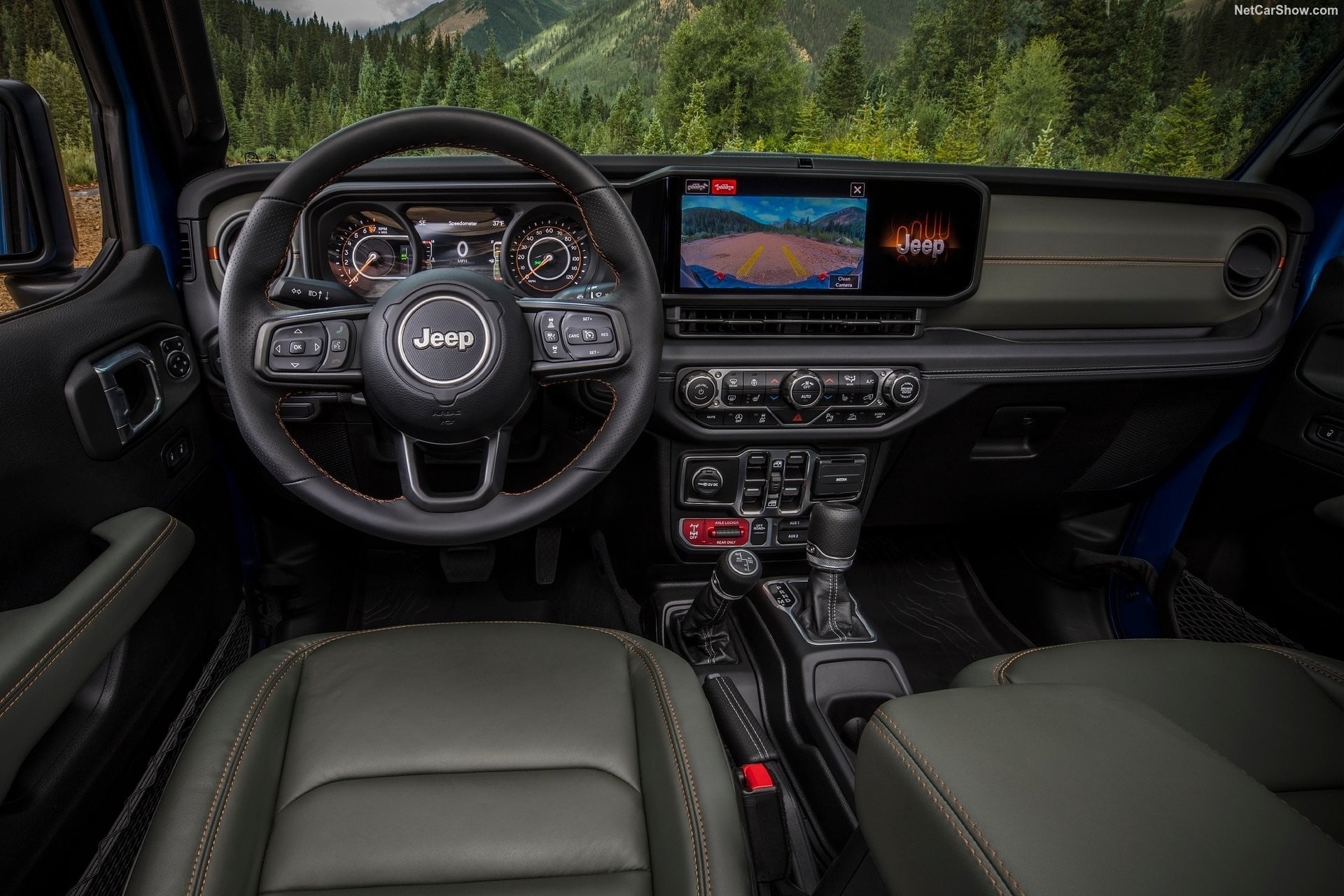
The lifestyle pickup segment remains a niche market in India, although interest is gathering, with the new Toyota Hilux recently launched, the Isuzu D-Max V-Cross continuing to be sold here, and Mahindra announcing its Scorpio Lifestyler. Given the higher segment that the Gladiator would occupy however, expect modest sales numbers. Besides, the American auto giant also needs to upgrade its sales and service network, a process it says is already underway. The company says its Stellantis Brand House format would support its expansion into Tier 2 as well as Tier 3/4 markets, where it sees potential.
Q2 Results: आईटी कंपनी Tech Mahindra ने सितंबर तिमाही में 1,586 करोड़ रुपये का नेट प्रॉफिट कमाया। यह जून तिमाही के 1,465 करोड़ रुपये से 8.2% ज्यादा है। CNBC-TV18 के पोल में मुनाफा 1,576 करोड़ रुपये रहने का अनुमान लगाया गया था। यानी कंपनी के नतीजे अनुमान से बेहतर रहे।
डॉलर में रेवेन्यू भी बढ़ा
टेक महिंद्रा का डॉलर में रेवेन्यू भी 2% बढ़कर 1,693 मिलियन डॉलर हो गया। जून तिमाही में यह 1,660 मिलियन डॉलर था। वहीं, EBIT यानी ऑपरेटिंग मुनाफा सालाना आधार पर 40.5% बढ़कर 2,387 करोड़ रुपये पहुंच गया।
कंपनी का EBIT मार्जिन भी सुधरा है। यह जून तिमाही के 14.4% से बढ़कर 14.8% हो गया। Tech Mahindra का लक्ष्य वित्त वर्ष 2027 के अंत तक इसे 15% तक पहुंचाना है।
डिविडेंड और बोनस शेयर को मंजूरी
टेक महिंद्रा ने शेयरधारकों को 15 रुपये प्रति शेयर अंतरिम डिविडेंड देने का ऐलान किया है। इसके अलावा, बोर्ड ने 1:1 बोनस शेयर जारी करने को भी मंजूरी दी है। इसके तहत पात्र निवेशकों को हर एक शेयर के बदले एक अतिरिक्त शेयर मिल सकता है। हालांकि, इसके लिए जरूरी मंजूरियां मिलना बाकी है।
नए ऑर्डर और AI से ग्रोथ की उम्मीद
टेक महिंद्रा के CEO मोहित जोशी ने तिमाही प्रदर्शन को बेहद मजबूत बताया। सितंबर तिमाही में कंपनी को 1.023 अरब डॉलर के नए सौदे मिले। बैंकिंग, फाइनेंशियल सर्विसेज और इंश्योरेंस कारोबार में 4.6% की बढ़ोतरी हुई। वहीं, हेल्थकेयर कारोबार 6.6% बढ़ा।
कंपनी को Orange के बड़े टेलीकॉम प्रोजेक्ट से भी मदद मिली। Avant Techno Solutions के अधिग्रहण से भी तिमाही के रेवेन्यू में योगदान हुआ। इसके अलावा, Tech Mahindra AI कारोबार को बढ़ाने पर जोर दे रही है। कंपनी के मुताबिक, उसका AI कलेक्शन सॉल्यूशन बकाया रकम की वसूली में करीब 40% तक एफिशिएंसी बढ़ा रहा है। कंपनी ने Cisco और SpaceX AI के साथ भी साझेदारी की घोषणा की है।
H-1B वीजा पर क्या बोले CEO?
अमेरिका के वीजा नियमों से जुड़े सवाल पर मोहित जोशी ने कहा कि अमेरिकी सरकार ने जिन कंपनियों का नाम लिया था, उनमें Tech Mahindra शामिल नहीं थी। उन्होंने कहा कि कंपनी दुनियाभर में वीजा नियमों और उनके अनुपालन को लेकर सतर्क रहती है।
जोशी के मुताबिक, H-1B वीजाधारक कंपनी के कुल कर्मचारियों का करीब 1% हैं। कंपनी का अमेरिका और वैश्विक स्तर पर स्थानीय कर्मचारियों की भर्ती पर जोर है।
शेयर में 4.75% की तेजी
नतीजों की घोषणा से पहले गुरुवार को Tech Mahindra का शेयर 4.75% बढ़कर 1,650 रुपये पर बंद हुआ। इस तेजी से शेयर सालभर के हिसाब से भी बढ़त में आ गया। पिछले 12 महीनों में इसमें 13% से ज्यादा की तेजी दर्ज की गई है।
Disclaimer: यहां मुहैया जानकारी सिर्फ सूचना के लिए दी जा रही है। यहां बताना जरूरी है कि मार्केट में निवेश बाजार जोखिमों के अधीन है। निवेशक के तौर पर पैसा लगाने से पहले हमेशा एक्सपर्ट से सलाह लें। मनीकंट्रोल की तरफ से किसी को भी पैसा लगाने की यहां कभी भी सलाह नहीं दी जाती है।
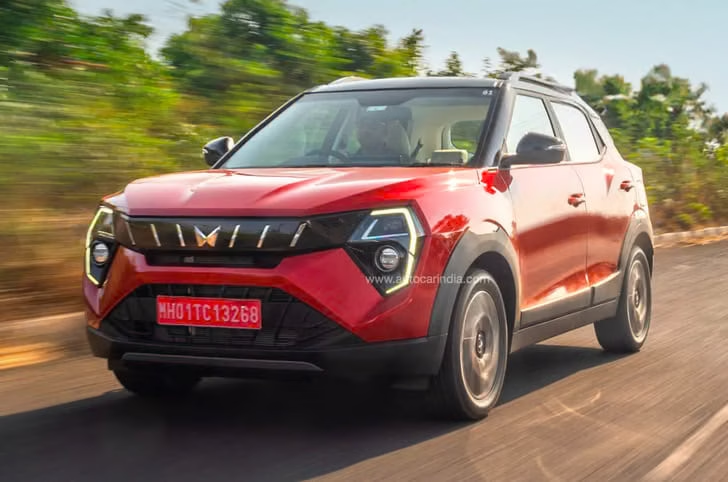
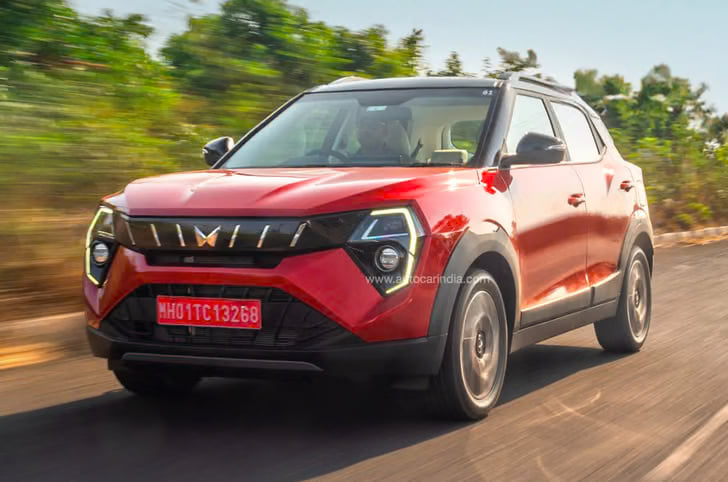
The XUV 3XO is the latest model from Mahindra to achieve the 5 lakh domestic market wholesales milestone. This total comprises sales of the XUV300 launched in April 2024, the rebranded model XUV 3XO introduced in April 2024, and the XUV 3XO EV unveiled in January 2026.
Collated sales data for this Mahindra compact SUV from February 2019 to September 2026 shows total domestic market wholesales of 505,590 units. An additional 37,000 units have also been exported.
XUV 3XO Sales Trend: Record Month and the Last 100,000 Units
This Mahindra SUV registered its highest monthly sales in October 2025 (12,237 units) when the 3XO achieved the 4 lakh milestone. This also means that the last 1 lakh 3XOs, comprising both ICE and EV, have been sold in the past 11-odd months.
The 5,05,590 sales units give the 3XO brand a 17% share of the 30 lakh (30,12,830) SUVs Mahindra has sold from February 2024 till September 2026. FY2026 (103,341 XUV 3XOs), a marginal 2 percent improvement over FY2025 (1,00,923 units), was the best fiscal year yet for this compact SUV. In the first six months of FY2027, the 52,851 units are a 19 percent YoY increase (April-September 2025: 44,400 units) and give the XUV 3XO a 15 percent share of the 3,58,142 SUVs Mahindra dispatched to its dealers. Of the total 5,05,590 units sold, the XUV300 is estimated to account for 2,48,493 units from February 2019 to April 2024. The XUV 3XO, which took over, has sold 2,57,097 units.
CNG Demand to bring more sales in FY27
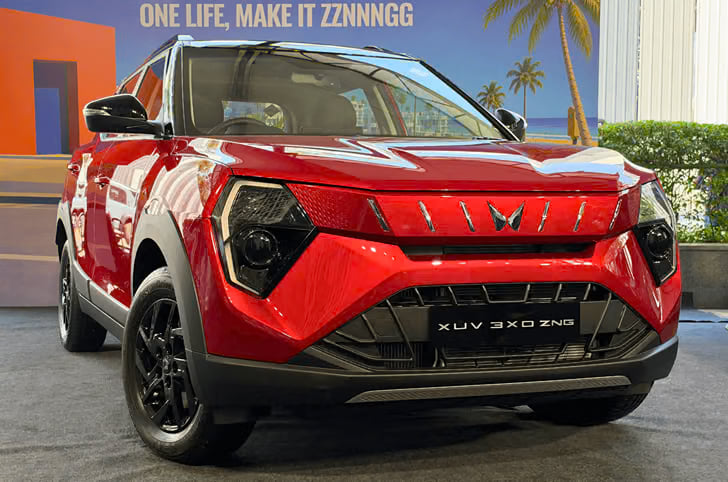
With the addition of a CNG powertrain, the 3XO compact SUV will address a larger target buyer category. Current market trends indicate that CNG-powered vehicles, which typically draw value-conscious buyers keen on lower running costs, now also include buyers in higher-priced vehicle segments. CNG is now a mainstream fuel, particularly in the wake of higher petrol and diesel prices, and Mahindra is looking to tap this growing demand with the arrival of the XUV 3XO CNG. Suffice it to say that FY2027 should see the XUV 3XO (ICE, EV and CNG) achieve its highest-ever fiscal sales of around 1.25 lakh units.
XUV 3XO powertrain options and price
The XUV 3XO is Mahindra’s most affordable model and competes in the compact SUV space. Priced from Rs 7.79 lakh to Rs 15.04 lakh, it is offered with a 111hp, 200Nm 1.2-litre turbo-petrol engine that can also be paired with a factory-fitted CNG kit, a 131hp, 230Nm, turbo-petrol engine, and a 117hp, 300Nm, 1.5-litre turbo-diesel engine. All-electric versions range from Rs 13.89 lakh to Rs 14.96 lakh, and utilise a 39.4kWh battery pack paired with a front-mounted motor that produces 150hp and 310Nm and gets a claimed range of 351km.
All prices are ex-showroom, India