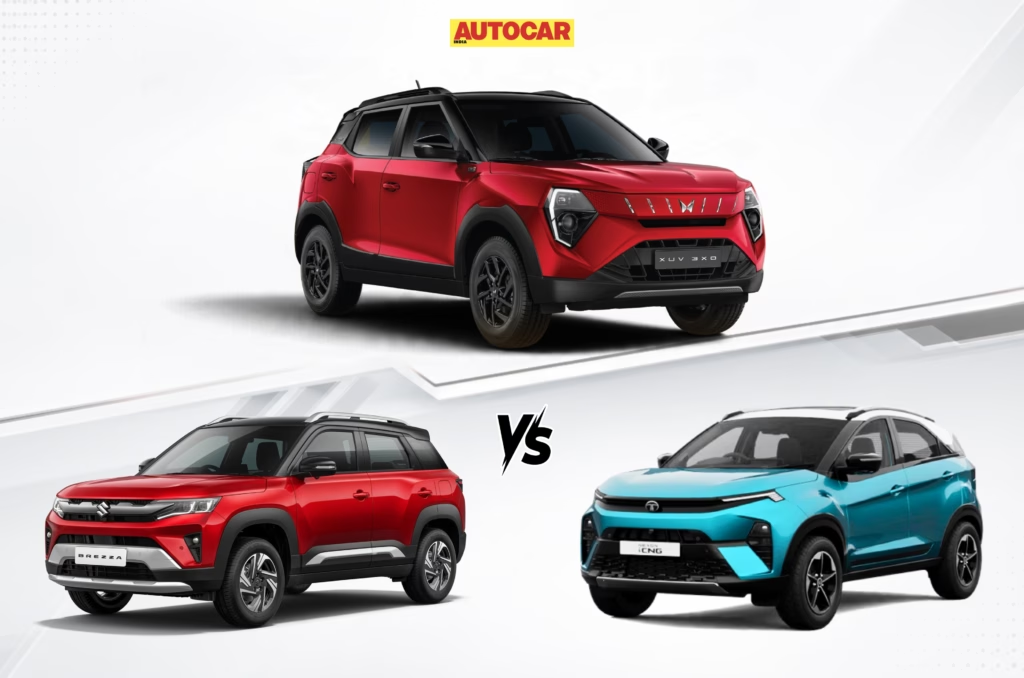
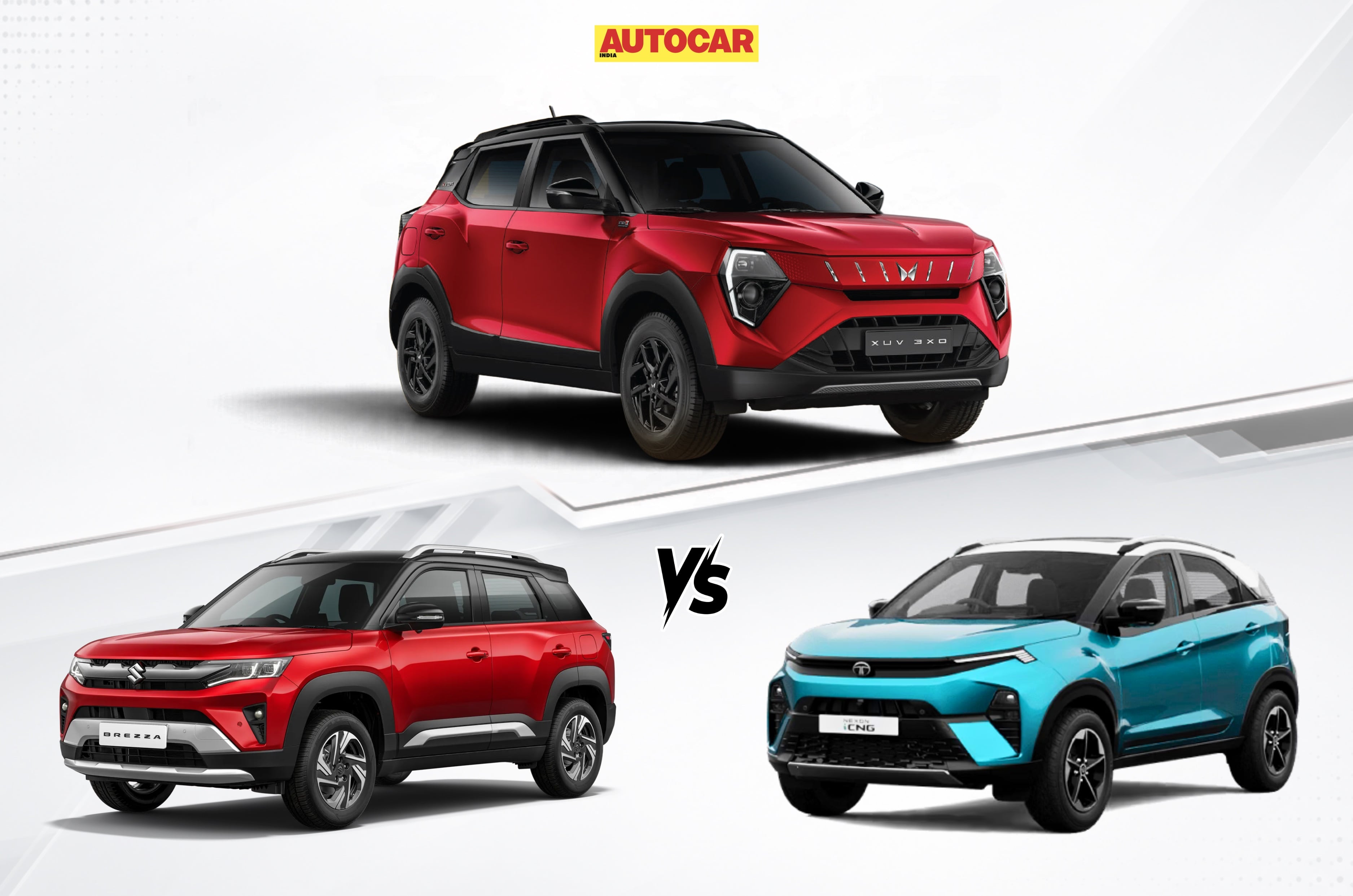
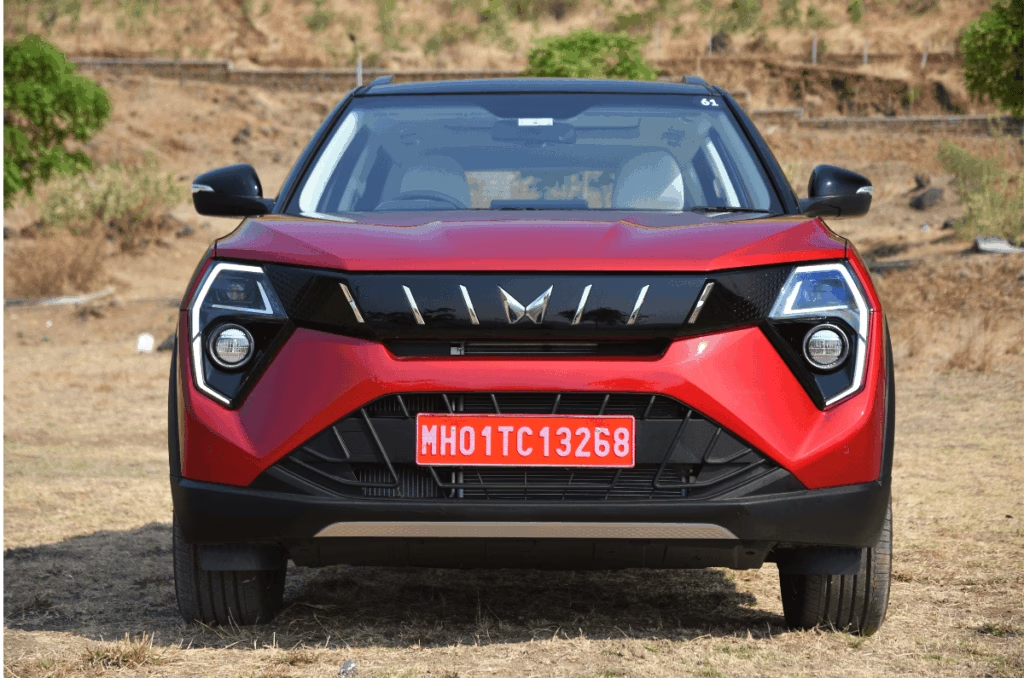
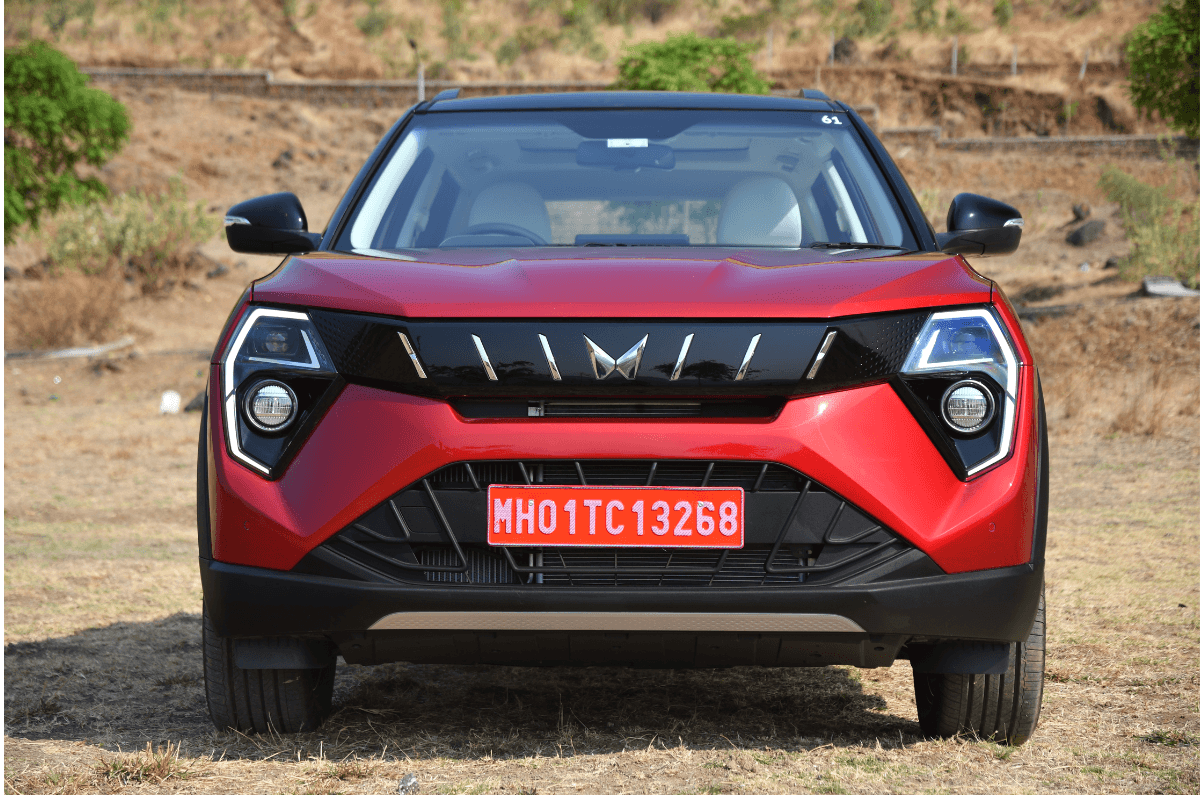
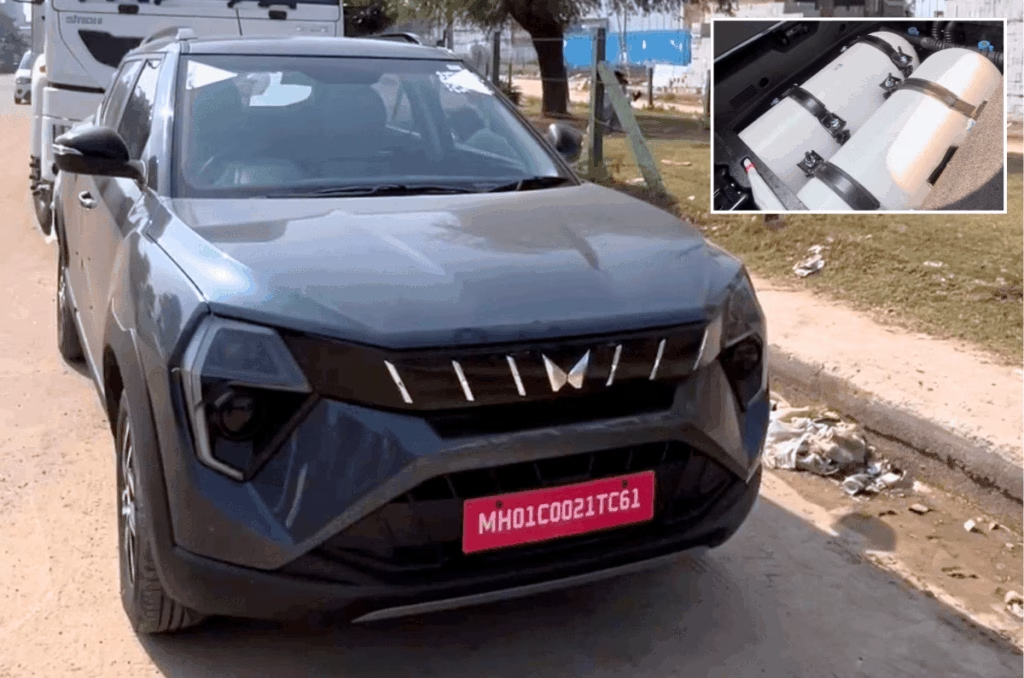
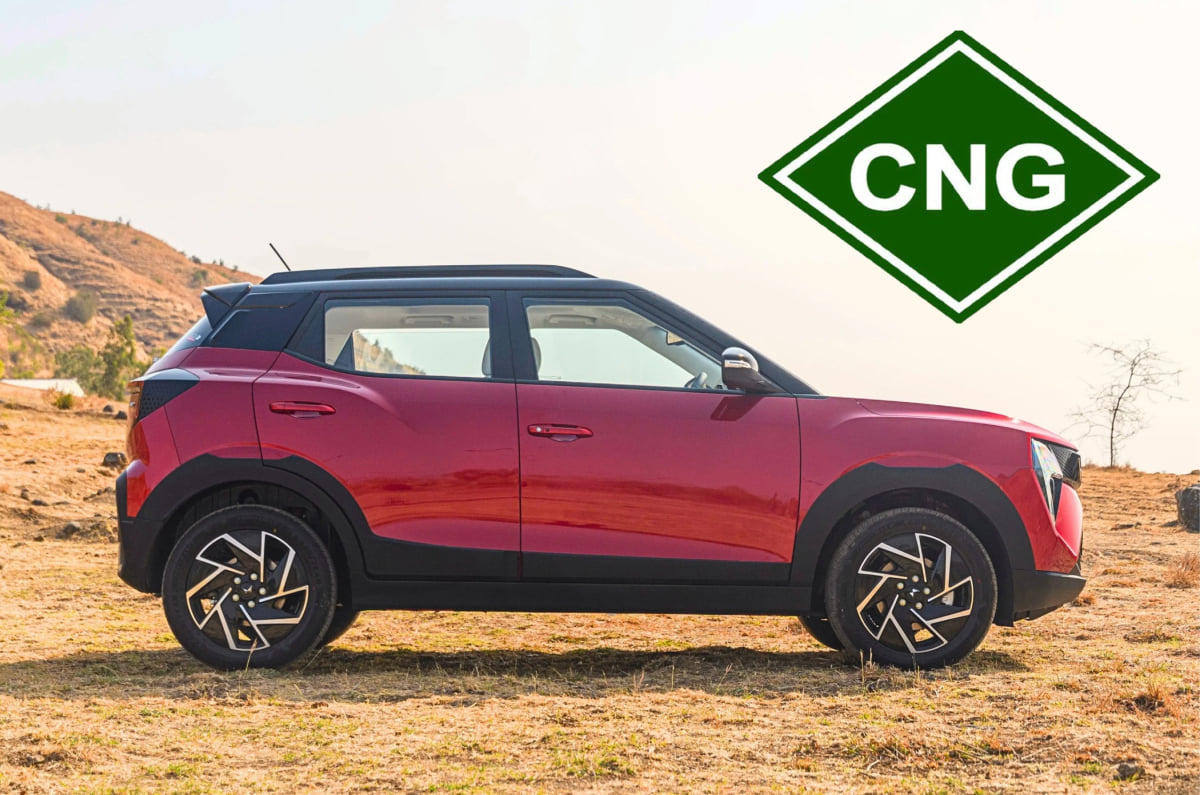
Mahindra’s entry-level offering, the XUV 3XO, is now available with a factory-fitted CNG kit in certain trim levels. This allows the XUV 3XO to directly rival CNG variants of the Tata Nexon and Maruti Suzuki Brezza. We take a look at how Mahindra’s first non-commercial car with a factory-fitted CNG kit fares against its competitors, spec sheet to spec sheet.
Mahindra XUV 3XO CNG vs rivals: Dimensions
XUV 3XO
Brezza
Nexon
Length (mm)
3,990
3,995
3,995
Width (mm)
1,821
1,790
1,804
Height (mm)
1,647
1,685
1,620
Wheelbase (mm)
2,600
2,500
2,498
Wheel size (inches)
16
16
16
Boot space (litres)
270
328
321
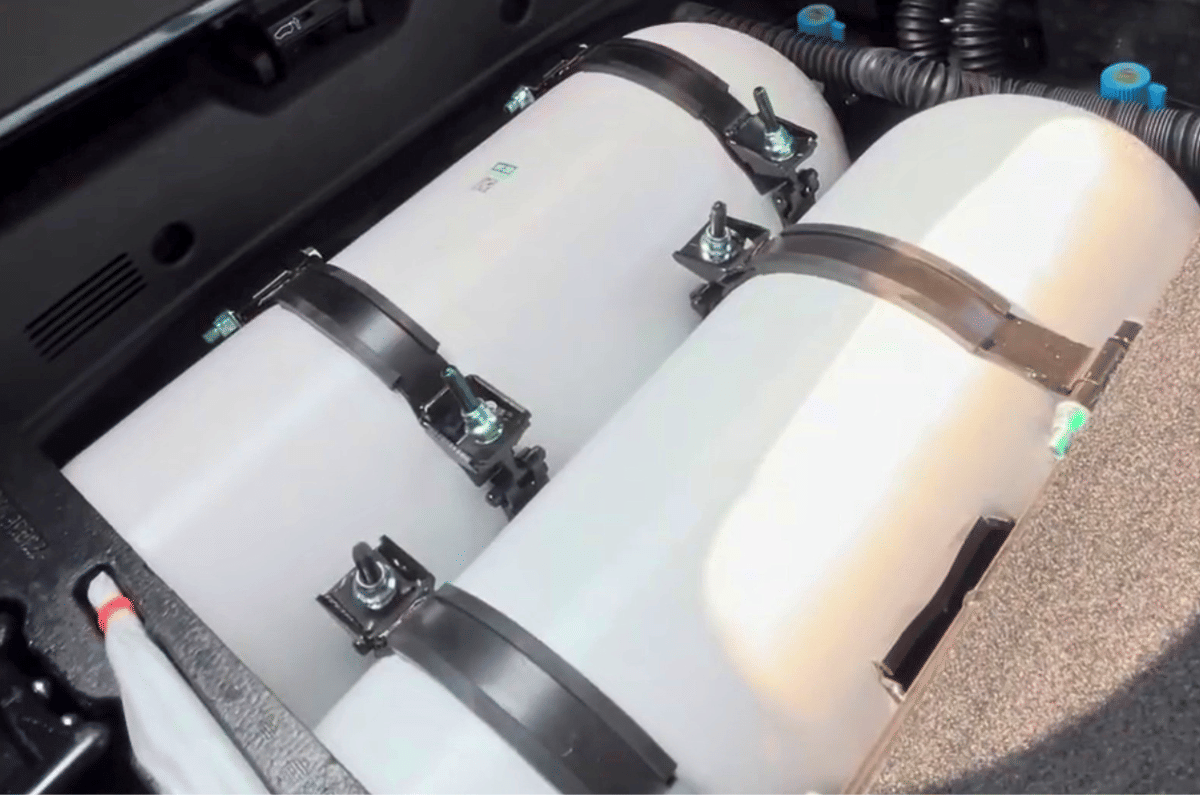
The XUV 3XO is slightly shorter overall than the Nexon and Brezza, but ekes out the longest wheelbase and is the widest compact SUV here. In terms of height, the XUV 3XO falls just short of the Maruti, and all three SUVs offer 16-inch alloy wheels. Coming to boot space, though, the XUV 3XO lags substantially behind its rivals, despite having a similar boot-mounted twin-cylinder setup to the Nexon. The Brezza, meanwhile, has the highest boot space here due to its underbody CNG tank setup.
Mahindra XUV 3XO CNG vs rivals: Engine and gearbox
XUV 3XO
Brezza
Nexon
Engine
1.2 turbo-petrol
1.5 petrol
1.2 turbo-petrol
Cylinder count
3
4
3
Power (hp)
111
88
100
Torque (Nm)
200
121.5
170
Gearbox
6-speed manual
6-speed manual
6-speed manual
Claimed mileage (km/kg)
24.7
26.9
24
Where CNG cars are usually weaker in CNG mode, the XUV 3XO flips the script by outputting identical power and torque figures in its petrol and CNG modes – Mahindra has achieved this by optimising the turbocharger calibration and ECU mapping. Therefore, the XUV 3XO CNG is the most powerful compact SUV here, beating the Nexon CNG by 11hp and 30Nm, and the Brezza CNG by a considerable 23hp and 78.5Nm margin.
That said, the Brezza CNG does claw a point in its favour by offering the biggest engine here and an additional cylinder over its rivals, which could make the driving experience feel smoother and more refined. Another big upside to the Brezza CNG is its segment-best claimed fuel efficiency. The XUV 3XO trails just behind the Brezza on the mileage front, while the Nexon CNG sports the lowest claimed figure.
Mahindra XUV 3XO CNG vs rivals: Price
Price (Rs, lakh)
XUV 3XO
9.99-12.27
Brezza*
9.40-11.60
Nexon*
8.35-13.42
*Excluding premiums for dual-tone paint finishes and/or cosmetic packages.
The XUV 3XO CNG carries the highest starting price compared to its rivals, with the Nexon CNG undercutting it by Rs 1.54 lakh and the Brezza CNG by Rs 59,000. Looking at top-spec variant prices, the order sees a rejig, with the Tata SUV commanding the highest price due to a broader spread of variants. At Rs 13.42 lakh, the range-topping variant of the Nexon CNG is Rs 1.15 lakh pricier than the XUV 3XO CNG’s equivalent version, and Rs 1.82 lakh more expensive than that of the Brezza CNG.
The Mahindra XUV 3XO CNG has been launched at a starting price of Rs 9.99 lakh, ex-showroom. The XUV 3XO CNG will take on rivals like the Maruti Brezza and Tata Nexon, which offer the choice of a factory-fitted CNG kit.
Mahindra XUV 3XO CNG: Mahindra कल, 15 अक्टूबर 2026 को भारत में XUV 3XO CNG लॉन्च करेगी। यह लॉन्च त्योहारों के मौसम से ठीक पहले हो रहा है और XUV 3XO में दिलचस्पी रखने वाले ग्राहकों को चुनने के लिए ज्यादा पावरट्रेन ऑप्शन देता है। जानकारी के लिए बता दें कि यह कॉम्पैक्ट SUV पहले से ही दो टर्बो-पेट्रोल इंजन, एक डीजल इंजन और एक इलेक्ट्रिक पावरट्रेन के साथ उपलब्ध है। नया फैक्ट्री-फिटेड CNG ऑप्शन ज्यादा फ्यूल-एफिशिएंट ऑप्शन के तौर पर लाइनअप में शामिल होगा। कार बनाने वाली कंपनी ने हाल ही में XUV 3XO CNG को पेश किया था। अब आइए जानते हैं Mahindra की इस नई CNG SUV में क्या कुछ खास मिलने वाला है।
Mahindra XUV 3XO CNG: डिजाइन
Mahindra XUV 3XO के CNG मॉडल का डिजाइन मौजूदा पेट्रोल और डीजल वेरिएंट जैसा ही रहने की उम्मीद है। हालांकि, CNG किट की वजह से इसमें कुछ बदलाव देखने को मिल सकते हैं। कंपनी ने हाल ही में जारी टीजर में SUV को लाल रंग में दिखाया है।
इसका फ्रंट लुक SUV के मौजूदा REVX वेरिएंट जैसा नजर आता है। गाड़ी के डिजाइन में Mahindra के Twin Peaks लोगो के आसपास मेटल फिनिश दी गई है। वहीं, दोनों हेडलैंप के बीच बॉडी के रंग वाला पैनल और पीछे कनेक्टेड टेललैंप सेटअप मिलता है।
फिलहाल कंपनी ने यह जानकारी नहीं दी है कि CNG सिलेंडर को गाड़ी में किस तरह लगाया जाएगा। सिलेंडर की जगह से बूट स्पेस यानी सामान रखने की जगह पर कितना असर पड़ेगा, यह भी अभी साफ नहीं है।
Mahindra XUV 3XO CNG: फीचर्स
फीचर्स की बात करें, तो Mahindra XUV 3XO के CNG मॉडल में मौजूदा पेट्रोल और डीजल वेरिएंट जैसे फीचर्स मिलने की उम्मीद है। कंपनी ने टीजर में इसमें पैनोरमिक सनरूफ की झलक दिखाई है। इससे कम खर्च में गाड़ी चलाने के साथ प्रीमियम फीचर्स चाहने वाले ग्राहकों के लिए यह SUV एक अच्छा विकल्प बन सकती है।
इसके अलावा, इसमें डिजिटल इंस्ट्रूमेंट क्लस्टर, 10.25 इंच की टचस्क्रीन इंफोटेनमेंट सिस्टम, पावर एडजस्ट होने वाली ड्राइवर सीट और डुअल-जोन क्लाइमेट कंट्रोल जैसे फीचर्स भी मिल सकते हैं। हालांकि, इन सभी फीचर्स की आधिकारिक पुष्टि लॉन्च के समय ही होगी।
Mahindra XUV 3XO CNG: पावरट्रेन
XUV 3XO CNG में 1.2-लीटर MPFI टर्बो-पेट्रोल इंजन के साथ फैक्ट्री-फिटेड किट मिलने की उम्मीद है। इस इंजन का मौजूदा पेट्रोल वर्जन 111hp की पावर और 200Nm का टॉर्क देता है। अभी CNG की पावर, ट्रांसमिशन ऑप्शन या माइलेज के बारे में कोई पक्की जानकारी नहीं है।
Mahindra XUV 3XO CNG: कीमत
उम्मीद है कि XUV 3XO CNG की कीमत पेट्रोल वेरिएंट्स से थोड़ी ज्यादा होगी। अभी XUV 3XO रेंज की शुरुआती कीमत 7.79 लाख रुपये (एक्स-शोरूम) है। वेरिएंट और फीचर्स के आधार पर, CNG मॉडल की कीमत लगभग 50,000 रुपये से 1 लाख रुपये तक ज्यादा हो सकती है।
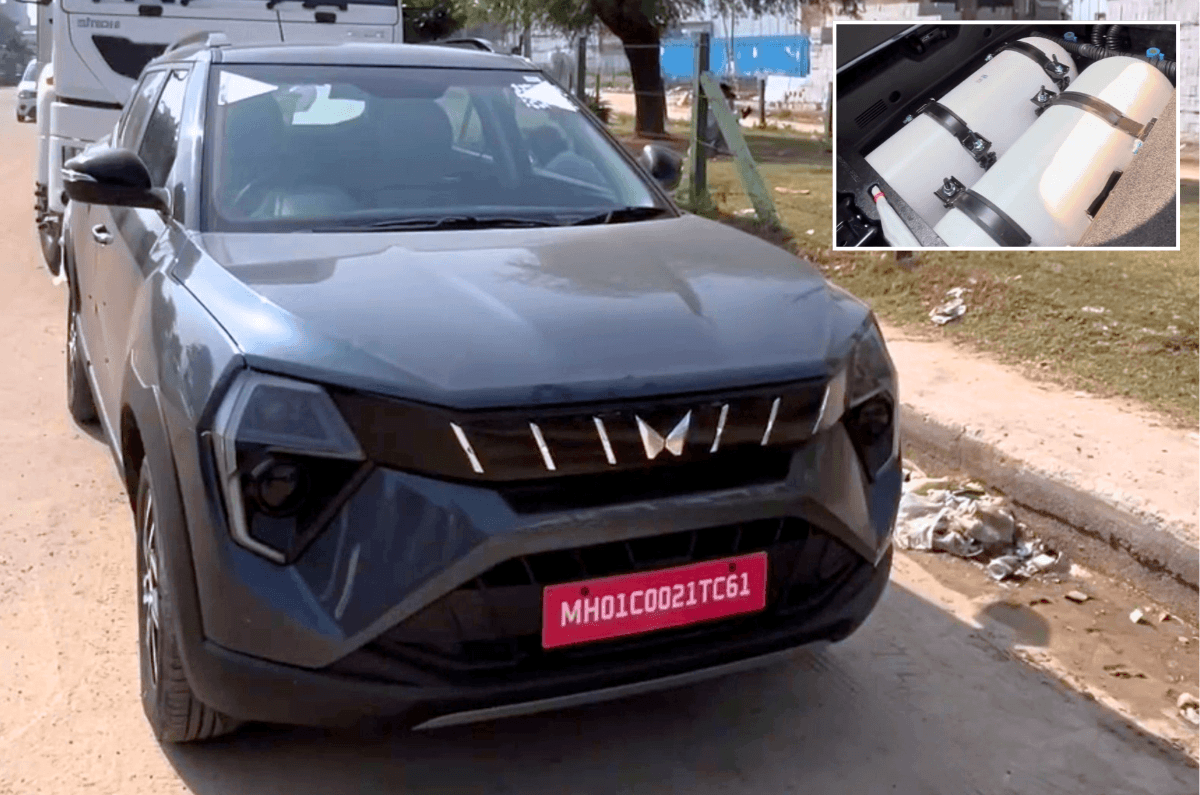
The Mahindra XUV 3XO has been spied with a dual-cylinder tank setup, an arrangement that is aimed to take up less boot space; 3XO has the smallest boot in the compact SUV segment. This sighting comes a day ahead of the SUV’s launch tomorrow. CNG will be the fourth powertrain option, alongside petrol, diesel and electric, giving Mahindra’s most affordable SUV one of the widest powertrain line-ups in the segment, along with the Tata Nexon.
Mahindra XUV 3XO CNG spy shot details
Between the 1.2-litre MPFI (multi-point fuel injection) turbo-petrol and 1.2-litre direct-injection (DI) turbo-petrol engine options of the 3XO, a CNG kit is likely to be offered with the former, and exact specifications are yet to be disclosed. MPFI engines are relatively cheaper to manufacture and simpler to adapt for CNG, since fuel is injected into the intake manifold. Doing the same with a DI engine is more complex and expensive.
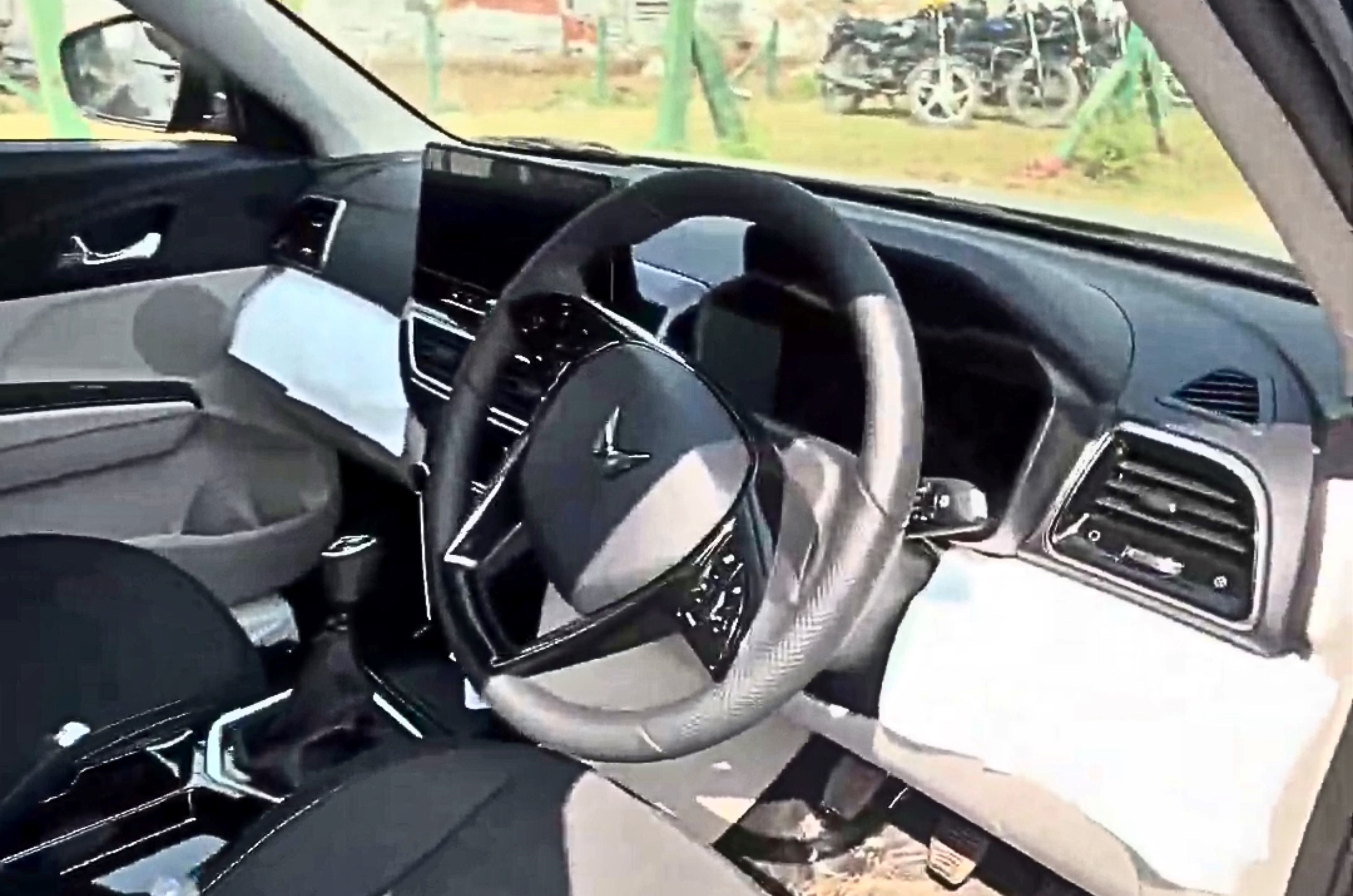
Interestingly, the spied vehicle had dual-tone alloy wheels, suggesting that Mahindra may offer the CNG option even in the higher trims. It’s interior is unlikely to receive any changes, and depending on the trim, features such as a 10.25-inch touchscreen, a 10.25 inch digital driver’s display, steering-mounted controls and more could be on offer.
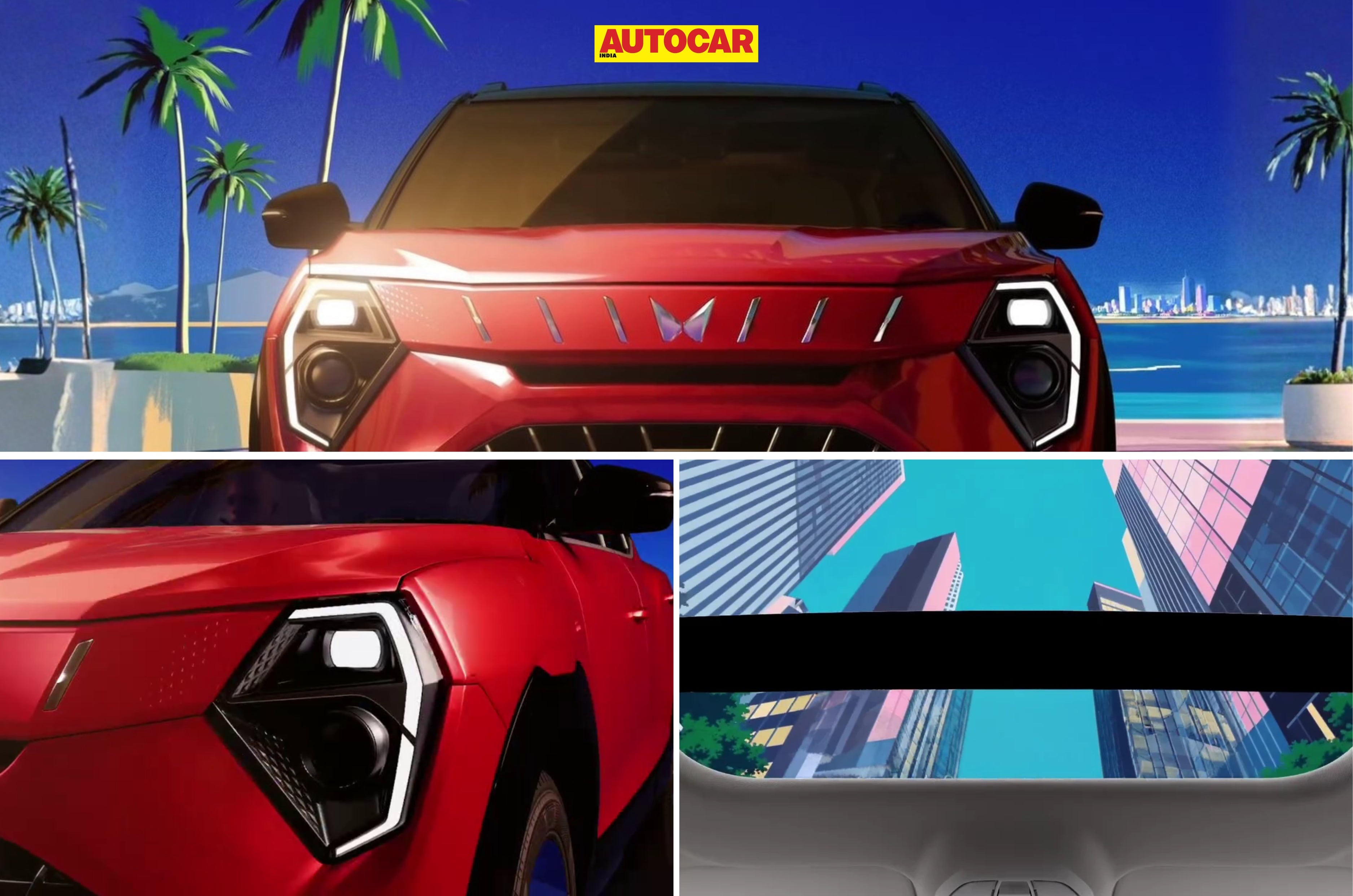
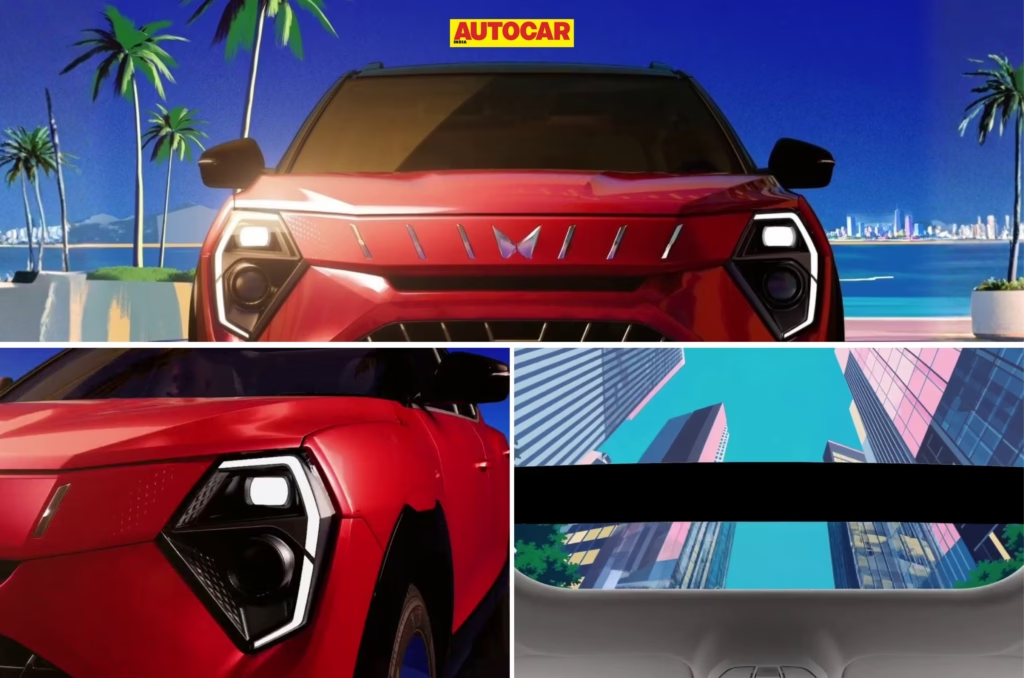
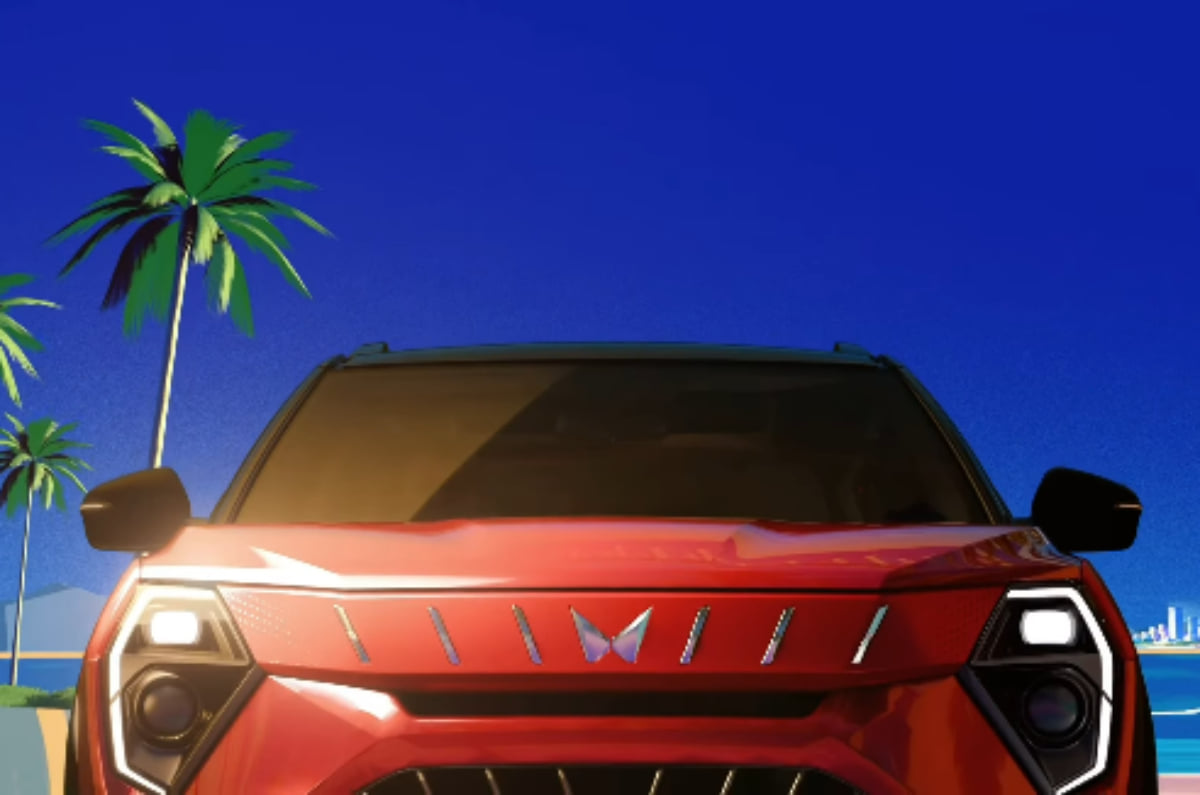
A recent teaser of the 3XO CNG featured a body coloured front grille, something that is offered in the RevX range, and LED DRLs, LED headlights and a panoramic sunroof.
Scope of CNG in compact SUV segment
CNG has become increasingly popular in India. A CNG option could help boost XUV 3XO sales, and also help the carmaker meet the stricter CAFE III norms that come into effect in April 2027. This is especially important because a large part of Mahindra’s sales comes from diesel models. Along with EVs, CNG models will be key to balancing the CO2 emissions from its diesel range. In the past, Mahindra has offered this fuel option on some of its commercial pickup range, as well as via conversion kits for the erstwhile Logan and Verito.
In addition to the Nexon, the XUV 3XO CNG will face competition from models like the Maruti Brezza and the Fronx. We expect the CNG version to command a premium of about Rs 1 lakh over the equivalent petrol trim.
Parag Parikh MF: पराग पारिख फ्लेक्सी कैप फंड ने अपने पास रखी नकदी में बड़ी कटौती की है। एक साल पहले फंड की कैश होल्डिंग करीब 24% थी। अब यह घटकर 9.7% रह गई है। शेयरों की कीमतों में गिरावट के बाद फंड को निवेश के नए मौके दिख रहे हैं। इसलिए उसने बाजार में पैसा लगाना बढ़ा दिया है।
PPFAS Mutual Fund के को-फंड मैनेजर (इक्विटी) और हेड ऑफ रिसर्च रौनक ओंकार ने CNBC-TV18 को एक इंटरव्यू में यह जानकारी दी। उन्होंने कहा कि शेयरों की वैल्यूएशन अब पहले के मुकाबले आकर्षक हो रही है। फंड को कुछ कंपनियों के शेयर कम कीमत पर मिल रहे हैं। इसलिए उसने इन कंपनियों में अच्छी-खासी रकम लगाई है।
ओंकार ने बताया कि फंड ऐसी कंपनियों पर भी नजर रख रहा है, जिनके कारोबार से लगातार कैश आता है। फिलहाल बाजार का ज्यादा ध्यान आर्टिफिशियल इंटेलिजेंस (AI), डेटा सेंटर और सेमीकंडक्टर जैसे क्षेत्रों पर है। इस वजह से कई दूसरी कंपनियों पर निवेशकों का ध्यान कम गया है।
उनके मुताबिक, ऐसी कुछ कंपनियों के शेयर उनकी कमाई और कैश फ्लो के मुकाबले कम वैल्यूएशन पर मिल रहे हैं। इससे मजबूत कारोबार वाली कंपनियों में निवेश का मौका बन रहा है।
DLF में PPFAS क्यों लगा रहा है पैसा?
PPFAS Mutual Fund ने अपने पोर्टफोलियो में रियल एस्टेट कंपनी DLF के शेयर भी शामिल किए हैं। ओंकार ने बताया कि DLF के पास काफी बड़ी जमीन है। कंपनी के पास प्रोजेक्ट पूरे करने की अच्छी क्षमता भी है। इसके अलावा, उसने अपना कर्ज कम किया है। इससे कंपनी की वित्तीय स्थिति मजबूत हुई है।
ओंकार के मुताबिक, अब DLF में निवेश का मौका इस बात में है कि कंपनी अपनी जमीन का इस्तेमाल किस तरह करती है। वह नए प्रोजेक्ट बनाकर कारोबार बढ़ा सकती है। साथ ही, उसके कमर्शियल प्रॉपर्टी से किराये के रूप में लगातार कैश भी आता है।
उन्होंने यह भी कहा कि DLF की बैलेंस शीट पहले से मजबूत है। कर्ज कम होने के कारण कंपनी के पास विस्तार के लिए ज्यादा गुंजाइश है। इससे वह उत्तर भारत के अपने पारंपरिक बाजार से आगे दूसरे क्षेत्रों में भी कारोबार बढ़ा सकती है।
CMS Info Systems पर क्यों है PPFAS की नजर?
PPFAS Mutual Fund ने CMS Info Systems में भी निवेश किया है। इस कंपनी के कारोबार का एक बड़ा हिस्सा कैश से जुड़ा है। ओंकार के मुताबिक, देश की अर्थव्यवस्था में आज भी नकदी का इस्तेमाल हो रहा है। इसलिए बैंकों और दूसरे कैश एक्सेस पॉइंट्स के लिए जरूरी इंफ्रास्ट्रक्चर की जरूरत बनी हुई है।
उन्होंने कहा कि देश में चलन में मौजूद नकदी का स्तर नोटबंदी के समय के मुकाबले ज्यादा है। अर्थव्यवस्था में कई तरह के लेनदेन अब भी कैश से होते हैं। ऐसे में बैंकों और दूसरी जगहों पर नकदी पहुंचाने और उसे संभालने के लिए भरोसेमंद ऑपरेटर जरूरी हैं।
CMS Info Systems इसी तरह के काम से जुड़ी कंपनी है। वह कैश लेनदेन के लिए जरूरी इंफ्रास्ट्रक्चर संभालती है। हालांकि, ओंकार ने यह भी माना कि कंपनी के मुख्य कारोबार में ऑर्गेनिक ग्रोथ बहुत मजबूत नहीं है। इसी वजह से उसके शेयर की वैल्यूएशन भी ज्यादा ऊंची नहीं है।
इसके बावजूद कंपनी का कैश फ्लो मजबूत है। यानी कारोबार से उसके पास लगातार पैसा आता है। कंपनी अपने मौजूदा कारोबार से जुड़े दूसरे क्षेत्रों में भी विस्तार के मौके तलाश रही है।
प्राइवेट बैंकों में 20% निवेश से संतुष्ट है PPFAS
PPFAS Mutual Fund के पोर्टफोलियो का करीब 20% हिस्सा प्राइवेट सेक्टर के बैंकों में लगा है। इसमें HDFC Bank, ICICI Bank, Axis Bank और Kotak Mahindra Bank जैसे शेयर शामिल हैं।
ओंकार ने कहा कि फंड बैंकिंग शेयरों में अपने मौजूदा निवेश से संतुष्ट है। उसे इस सेक्टर में लगातार अपनी हिस्सेदारी बढ़ाने की जरूरत नहीं दिखती। उन्होंने कहा, ‘मुझे नहीं लगता कि इसमें इससे आगे निवेश बढ़ाते रहना सही होगा। आखिर यह बैंकिंग फंड नहीं है। हमने अपने पोर्टफोलियो में बैंकिंग सेक्टर को एक तय हिस्सेदारी दी है।’
ओंकार ने फंड की मौजूदा पसंद के हिसाब से बैंकों की रैंकिंग भी बताई। इसमें HDFC Bank पहले नंबर पर है। इसके बाद ICICI Bank, Axis Bank और Kotak Mahindra Bank का स्थान है।
हालांकि, यह रैंकिंग हमेशा एक जैसी रहेगी, ऐसा नहीं है। ओंकार के मुताबिक, समय के साथ इन बैंकों में निवेश का अनुपात बदल सकता है। यह बाजार की चाल, शेयरों के प्रदर्शन और संबंधित बैंकों के कारोबार की स्थिति पर निर्भर करेगा।
Disclaimer: यहां मुहैया जानकारी सिर्फ सूचना के लिए दी जा रही है। यहां बताना जरूरी है कि मार्केट में निवेश बाजार जोखिमों के अधीन है। निवेशक के तौर पर पैसा लगाने से पहले हमेशा एक्सपर्ट से सलाह लें। मनीकंट्रोल की तरफ से किसी को भी पैसा लगाने की यहां कभी भी सलाह नहीं दी जाती है।
Mahindra will debut a CNG the variant of the XUV 3XO on October 15, expanding its compact SUV’s powertrain line-up to four options. The CNG version will join the existing petrol, diesel and electric variants, making it the third compact SUV in India to offer a CNG option, alongside the Maruti Suzuki Brezza and Tata Nexon. The teaser offers a first look at the XUV 3XO CNG’s exterior and interior.
Mahindra XUV 3XO CNG: Expected powertrain
The XUV 3XO CNG is expected to use the 1.2-litre turbo-petrol engine with multi-point fuel injection (MPFI), which produces 111hp and 200Nm in the petrol version. The petrol-powered XUV 3XO is available with six-speed manual and automatic gearboxes. Transmission options for the CNG version, along with details of the CNG tank and its placement, are likely to be revealed closer to launch.
Mahindra XUV 3XO CNG: exterior and interior
The teaser shows a body-coloured panel between the headlamps, with slim metallic inserts flanking the Mahindra Twin Peaks logo. The closed-off grille design resembles the RevX range, which suggests Mahindra could be offering the CNG powertrain with the RevX range. The teaser also confirms a panoramic sunroof.
Other exterior details are expected to remain largely unchanged from the standard XUV 3XO.
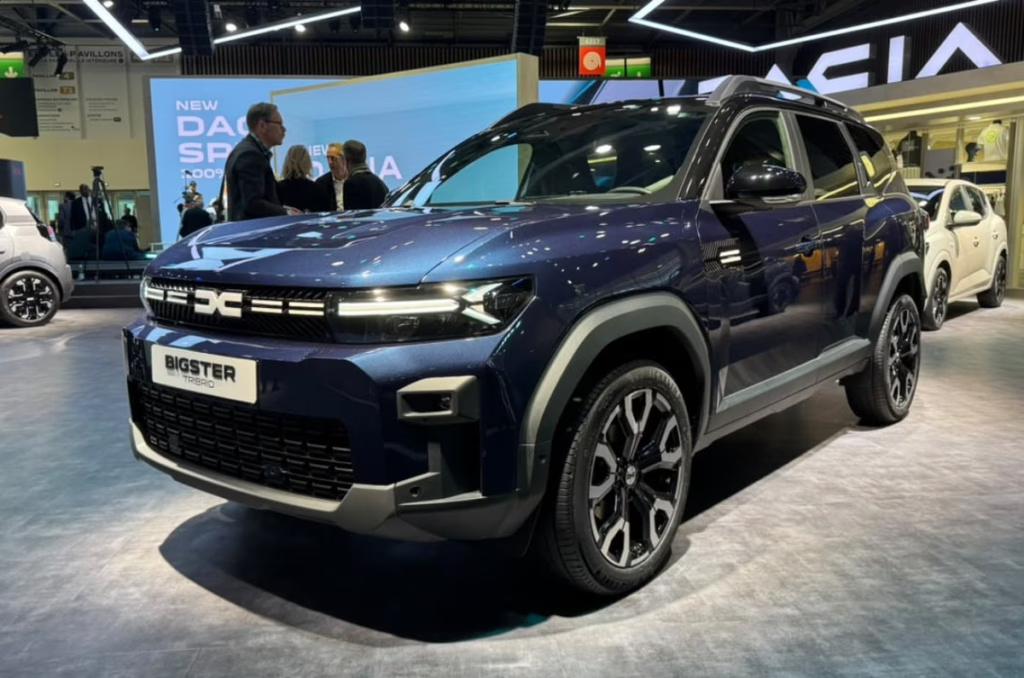
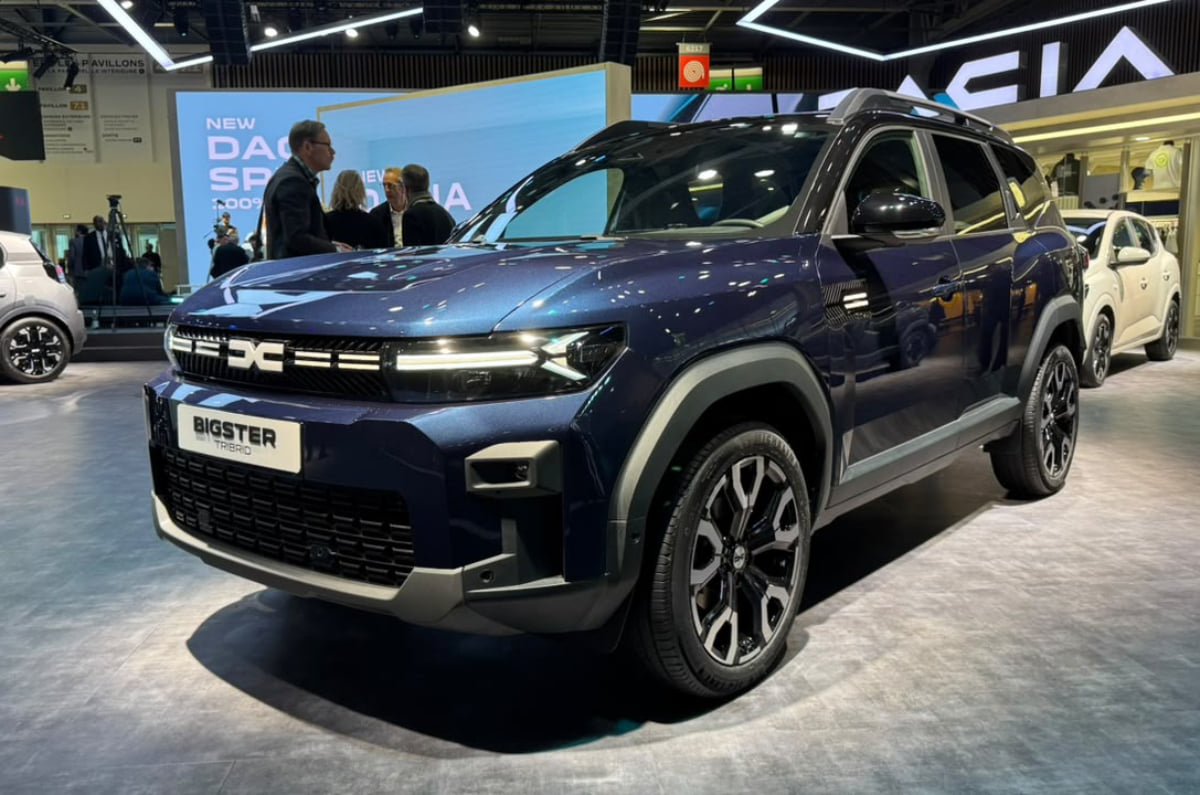
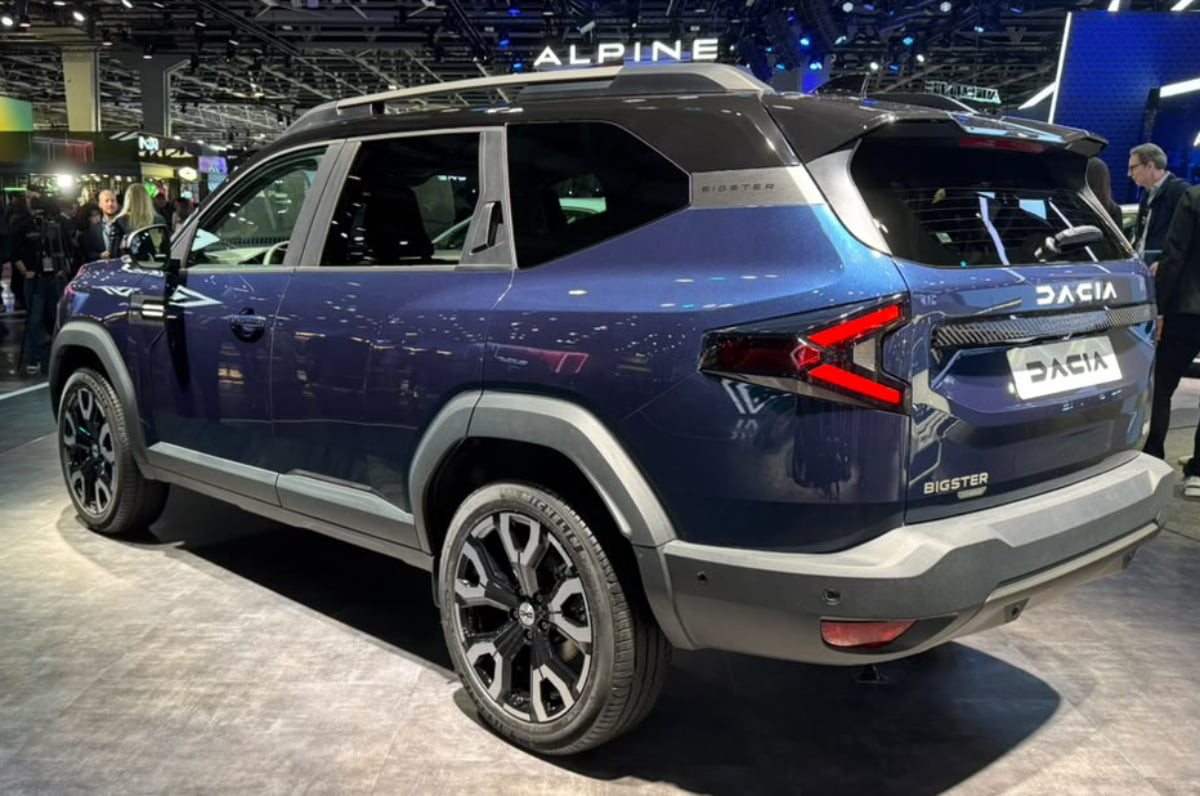
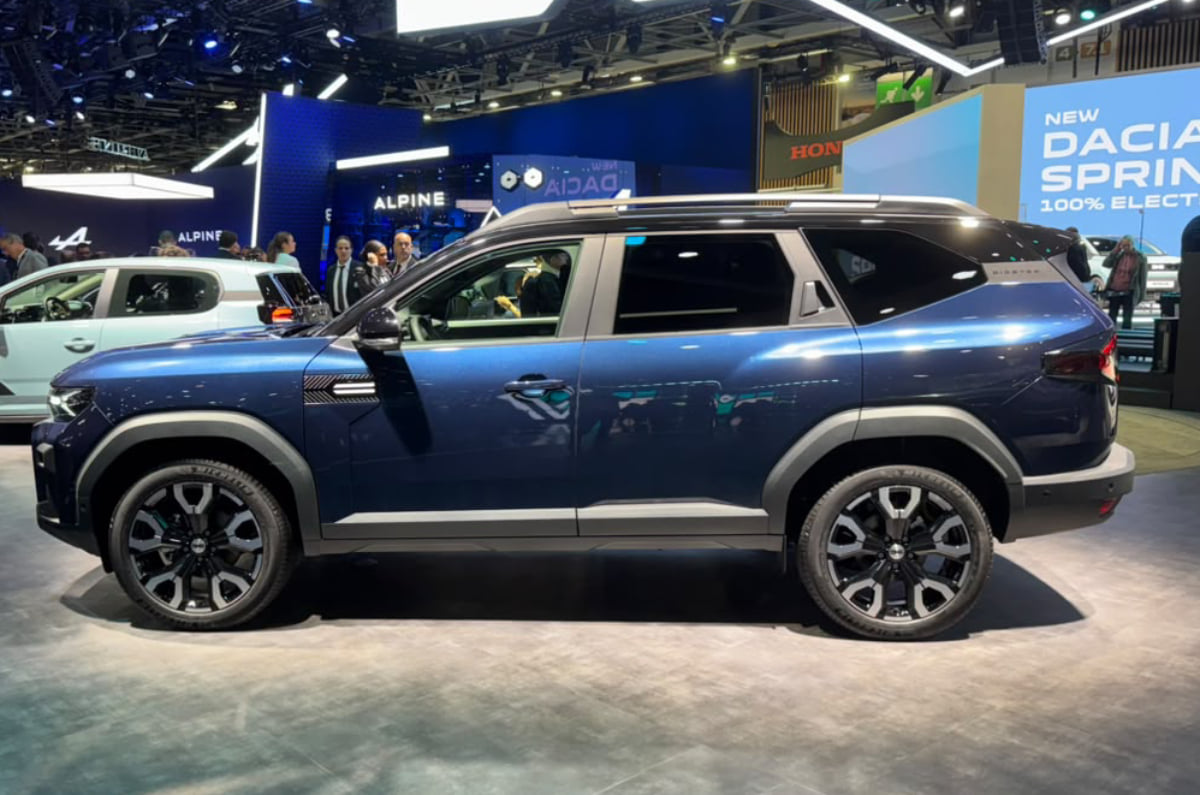
The Dacia Bigster, which is expected to come to India as a Renault in 2027, was showcased at the 2026 Paris Motor Show. The three-row SUV is expected to be positioned as a larger alternative to the Renault Duster, with turbo-petrol and strong-hybrid powertrain options. The hybrid system is set to debut in India in the Duster on October 17, 2026.
Dacia Bigster: Powertrain
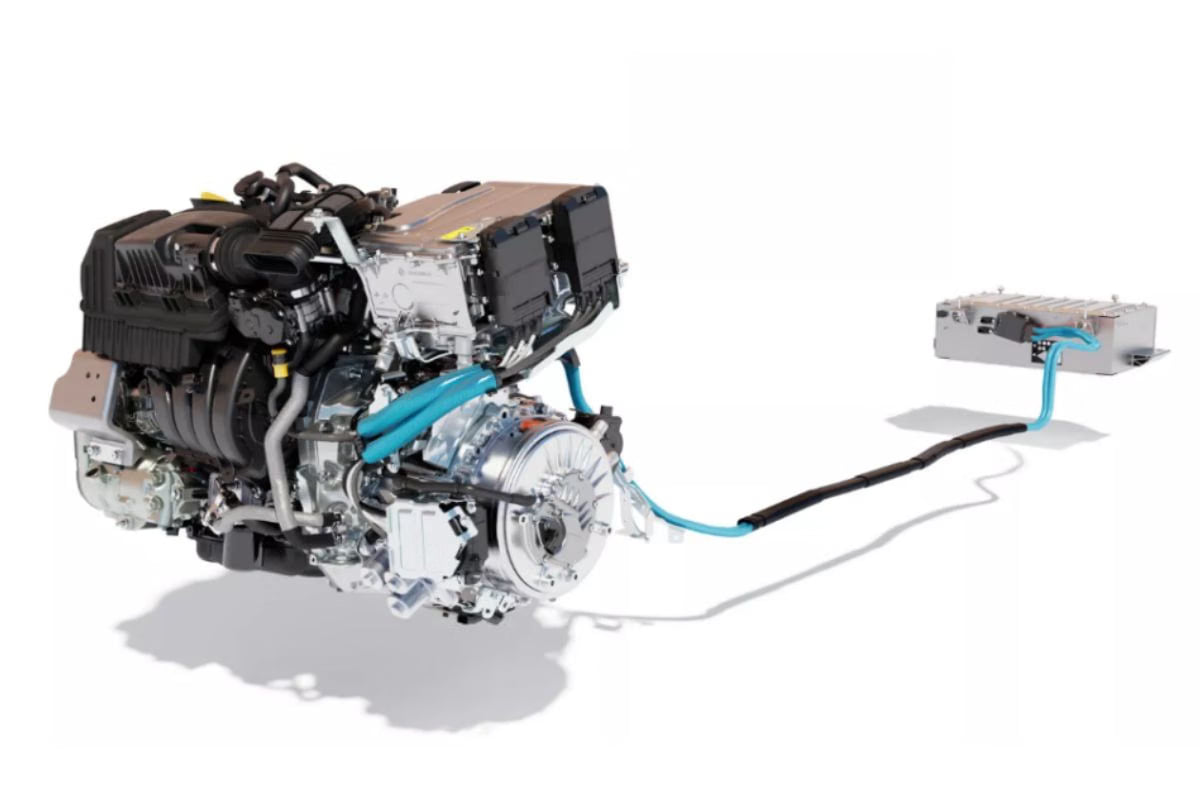
Renault strong hybrid E-Tech 160hp powertrain.
The India-bound Bigster is expected to get 1.3-litre turbo-petrol and 1.8-litre strong-hybrid powertrain options. The latter will make its India debut in the Renault Duster later this week.
In the Duster hybrid, the 1.8-litre naturally aspirated petrol engine works with two electric motors and a 1.4kWh battery to produce a combined 160hp and 172Nm. The system uses a multi-mode automatic gearbox with fixed gear ratios. Since this is a strong-hybrid setup, the battery does not require charging via an external source, and it charges while the vehicle is being driven. Renault claims the Duster hybrid can cover up to 80 percent of city driving in electric mode.
The Bigster is expected to use the same hybrid setup, though its power and torque figures could differ due to its larger size.
Dacia Bigster: Exterior
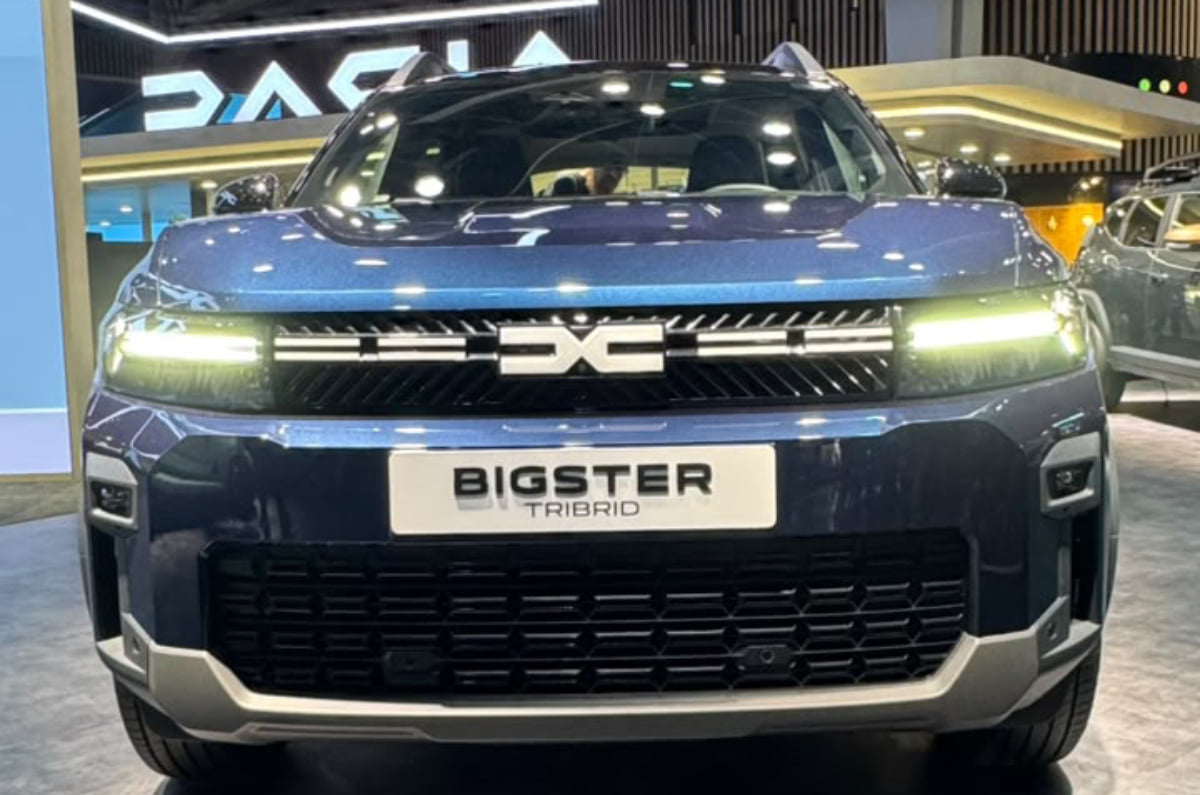
The Bigster is 230mm longer overall than the India-spec Duster, with a 45mm longer wheelbase and much of the added length at the rear overhang. The European Dacia Bigster features a chunky front skid plate, rugged-looking front and rear bumpers, and LED daytime running lights.
Like the India-spec Duster, the India-bound Bigster is expected to get revised styling compared to its Dacia counterpart, including changes to the grille and bumpers. The India-spec Duster gets connected tail-lamps, unlike the European Dacia Duster, which has separate units.
Dacia Bigster: Interior and layout
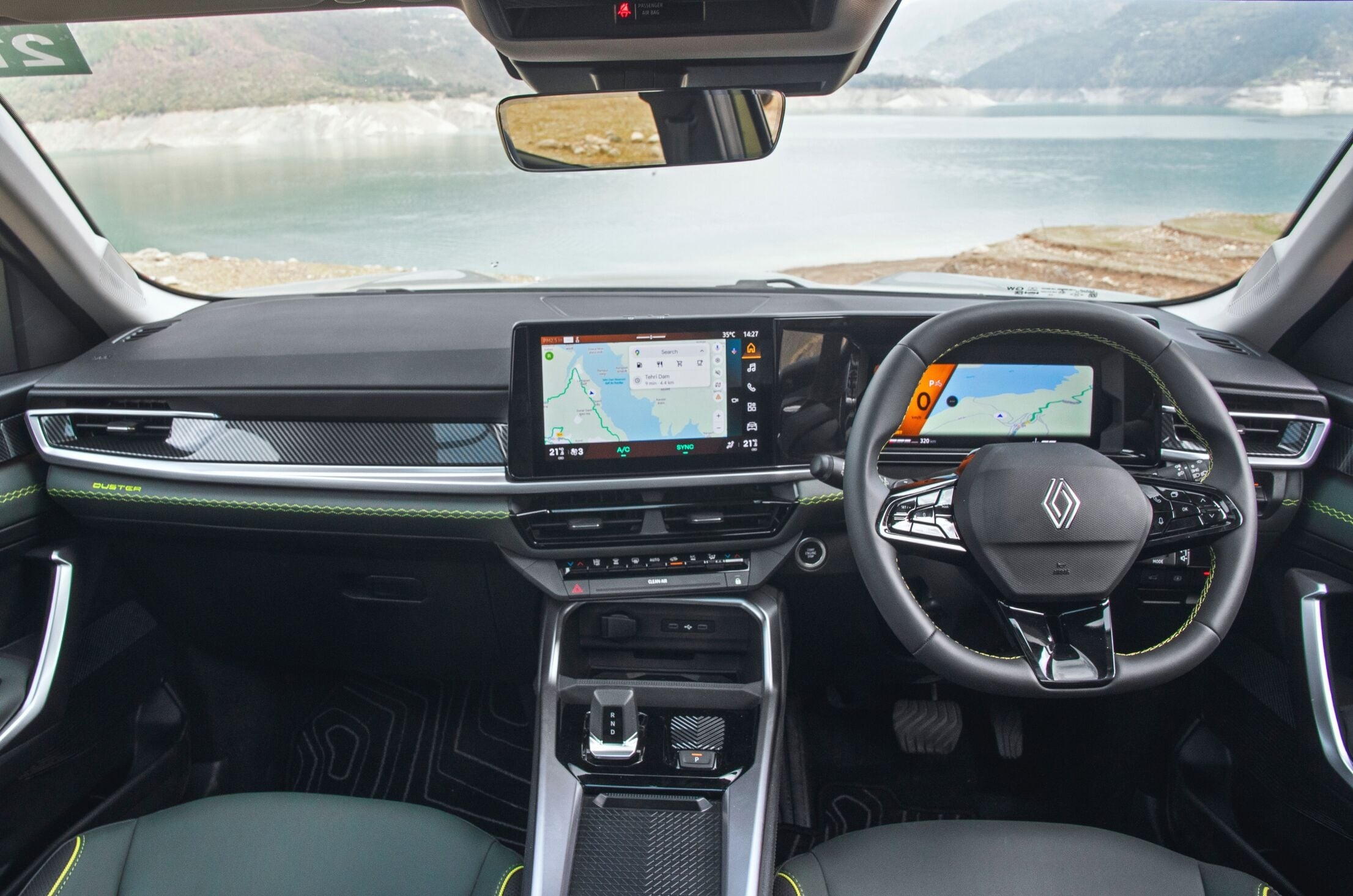
Renault Duster interior image used for representation only.
The India-bound Bigster is expected to be a seven-seater with three rows. Its cabin layout is expected to be similar to that of the new Renault Duster, with additional features likely for the larger SUV. The Duster gets a 10.1-inch touchscreen infotainment system, a 10.25-inch digital instrument cluster, dual-zone climate control and a wireless phone charger.
Dacia Bigster: India launch and rivals
The Renault-badged Bigster is expected to arrive in India in 2027. It will sit above the Duster in Renault’s SUV line-up and is expected to compete with three-row SUVs such as the Hyundai Alcazar, Mahindra XUV 7XO and MG Hector Tomahawk range.
A Nissan version of the three-row SUV has also been spotted testing in India.
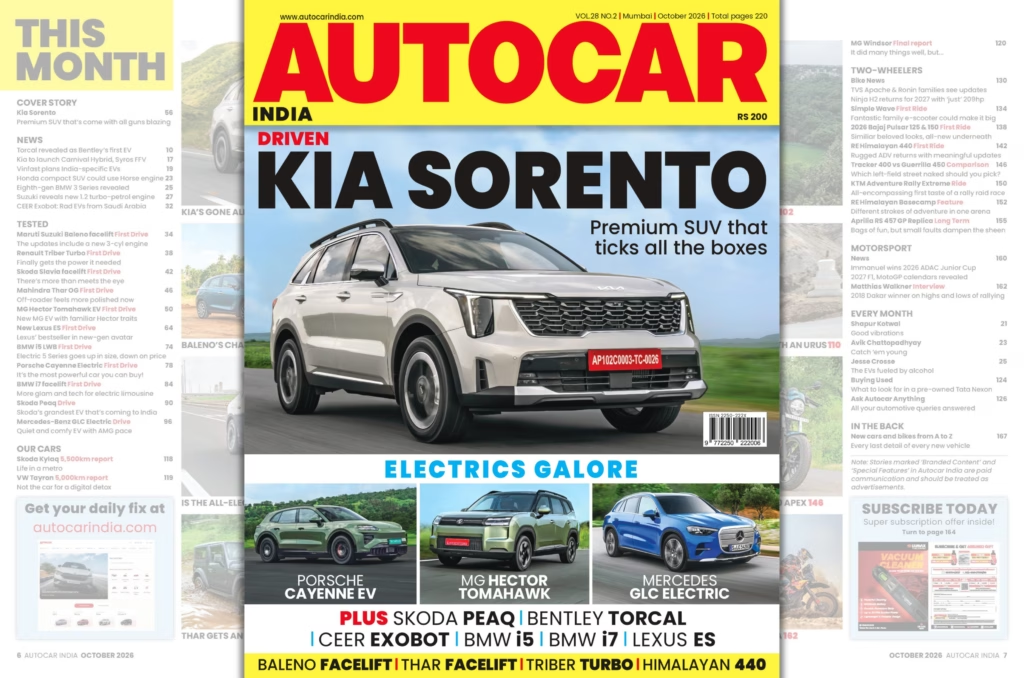
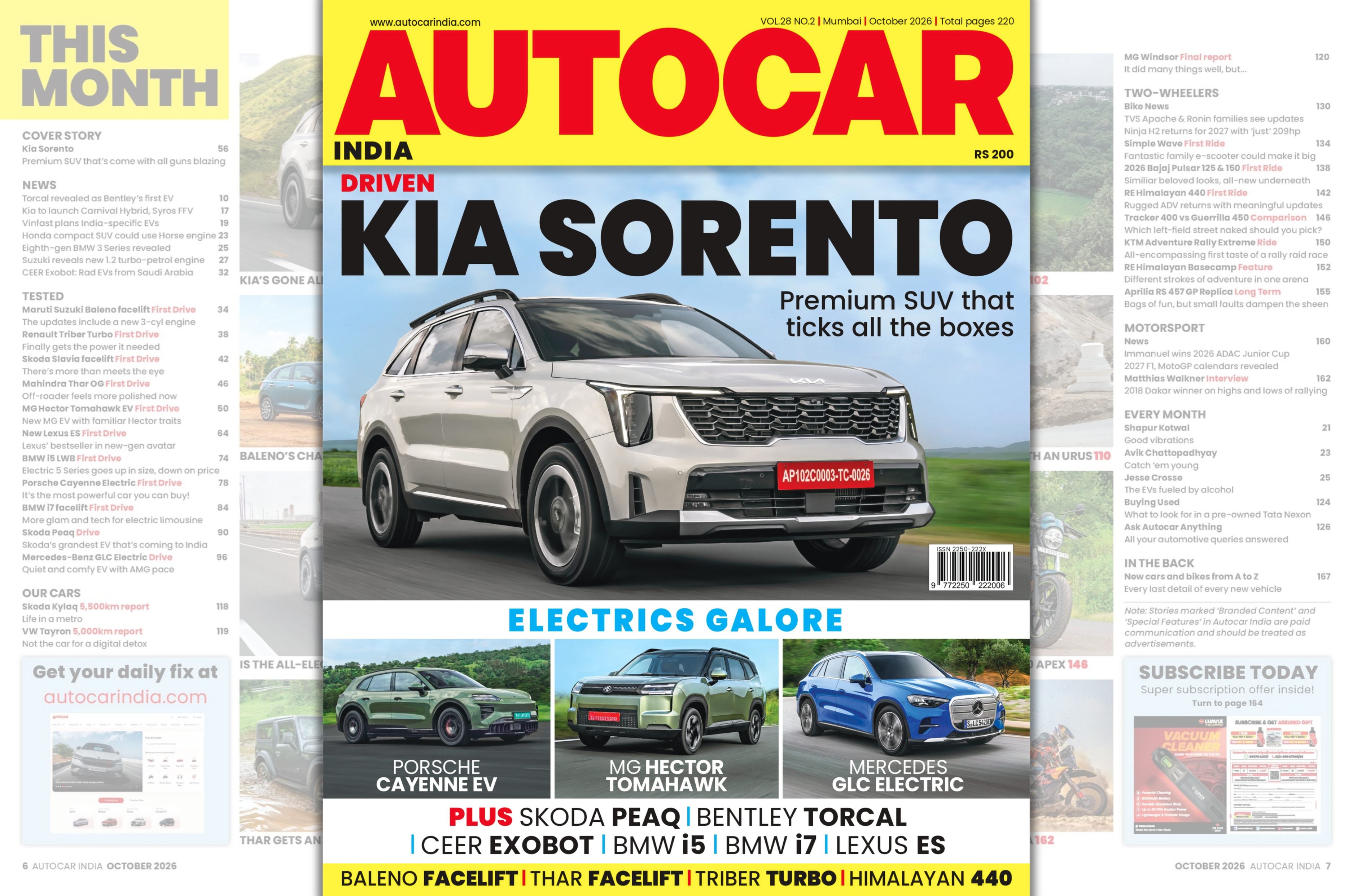
This month, we go big on power and even bigger on premium metal. The cover story is Kia’s biggest swing yet at the executive SUV segment, and then there’s a family SUV with more horsepower than a Lamborghini, and BMW’s electric onslaught continues with a new long-wheelbase sedan and a sharper flagship limousine.
Kia Sorento: Cover Story
Six trims, two powertrains, up to seven seats and 32 variants in all. Kia isn’t dipping a toe into the premium SUV pool; it’s diving straight in, locally assembling the Sorento from Rs 27.99 lakh to take on the Skoda Kodiaq and VW Tayron. Has Kia cracked the code, or has it bitten off more than it can chew?
Porsche Cayenne Electric: First Drive
Forget hypercars. The most powerful vehicle currently on sale in India is a family SUV, the Cayenne Electric, with more horsepower than your senses can fathom. We took it to an airstrip to see what that actually does to your stomach.
BMW i5 LWB & i7 Facelift: First Drives
BMW’s electric push continues, with a long-wheelbase i5 slotting in between the iX1 and flagship i7. Can BMW’s long-wheelbase playbook continue to work? And there’s also the i7 getting a sharper face and more tech to go with it, like it didn’t have enough already.
Mercedes-Benz GLC Electric: Drive
The first-gen electric GLC was far from ideal. The new one, however, is a completely new generation with an 800V architecture, 330kW charging and a claimed 715km range. We took all 489 of its horses to the Autobahn to see how much of an improvement it has been over its predecessor.
MG Hector Tomahawk EV: First Drive
Don’t let the familiar name fool you. The Hector Tomahawk EV rides on MG’s all-new ADAPT platform, bigger than the Mahindra XEV 9S in every dimension, with a PHEV sibling already waiting in the wings.
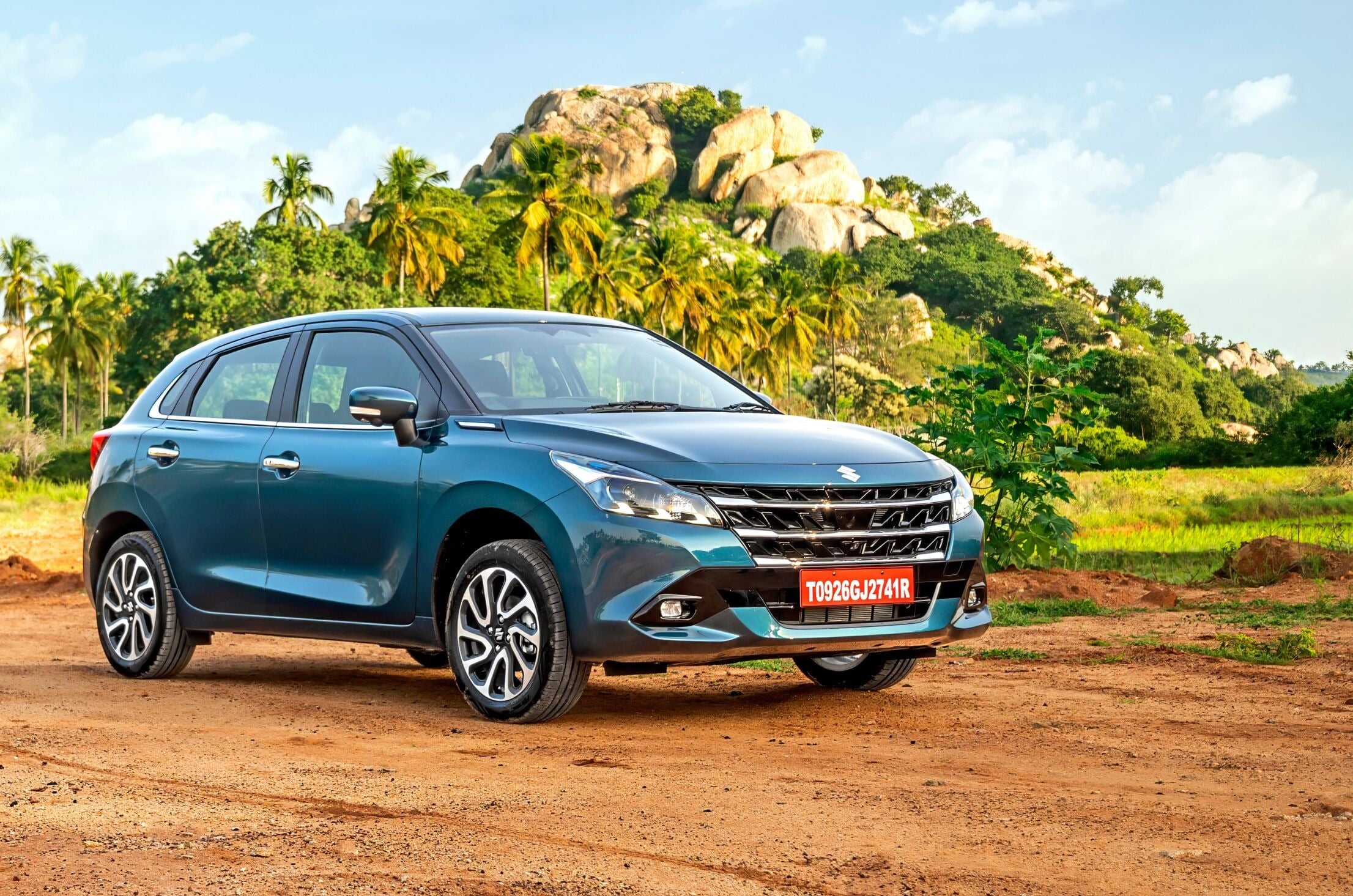
Maruti Suzuki Baleno, Renault Triber Turbo and Skoda Slavia: First Drives
India’s favourite premium hatch, the Baleno, gets a new engine and ADAS, the budget-friendly Triber finally gets the power it’s been begging for, and the Slavia’s facelift turns out to be more than skin-deep.
Mahindra Thar OG: First Drive
The original three-door Thar gets another round of updates, bringing changes to its engines, equipment and chassis. With the off-road icon continuing to evolve, we head out to discover what this latest iteration brings to the table.
Taking the High Road: Features
Goa’s new Porvorim Elevated Corridor opens on NH66, and we test it in two ways: solo against Google Maps’ ETA in an MG Cyberster, and then flanked by a dozen supercars, Ferraris, a McLaren 750S and a Lamborghini Huracan among them, for its proper initiation.
Rocket Ship to the Moon: Feature
A Lamborghini SUV is already an exercise in excess. Take it somewhere unexpected, add a little spectacle, and you have the ingredients for an automotive adventure that refuses to be ordinary.
Royal Enfield Himalayan 440
The original Himalayan is back with a bigger engine and a handful of meaningful changes. In a world where adventure bikes keep getting more complicated, there’s something rather appealing about going back to basics.
Tracker 400 vs Guerrilla 450: Comparison
Two left-field street nakeds, the Triumph Tracker 400 and Royal Enfield Guerrilla 450, go head-to-head. One takes its inspiration from flat-track racers, while the other fancies itself a sporty roadster. Both want your money, and neither is particularly interested in being sensible about it.
KTM Adventure Rally Extreme: Ride
Adventure riding is all well and good until the road disappears, the terrain turns hostile and you begin questioning your life choices. We get a taste of KTM’s rally raid experience, where the only shortcut is having the skill to take one.
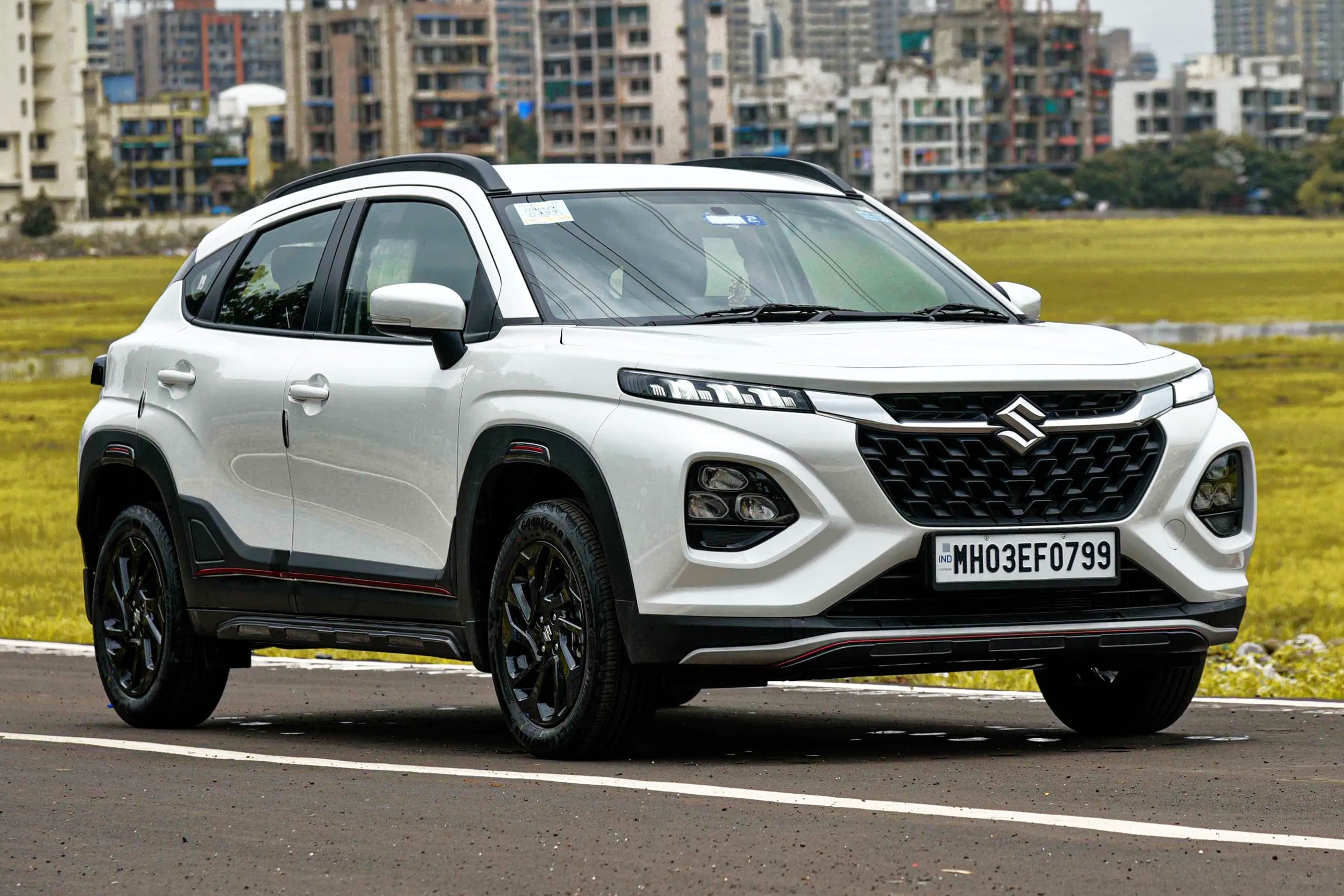
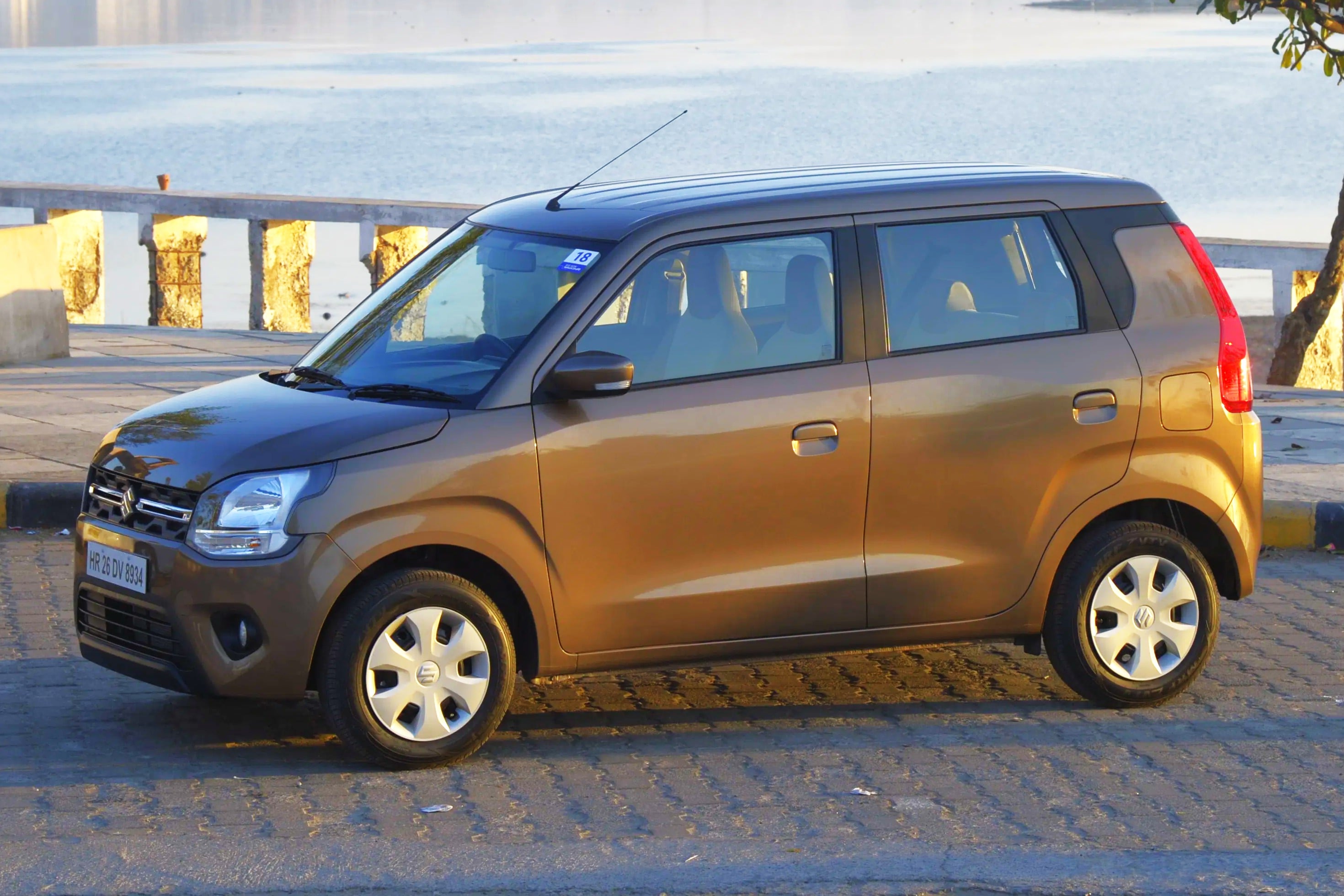
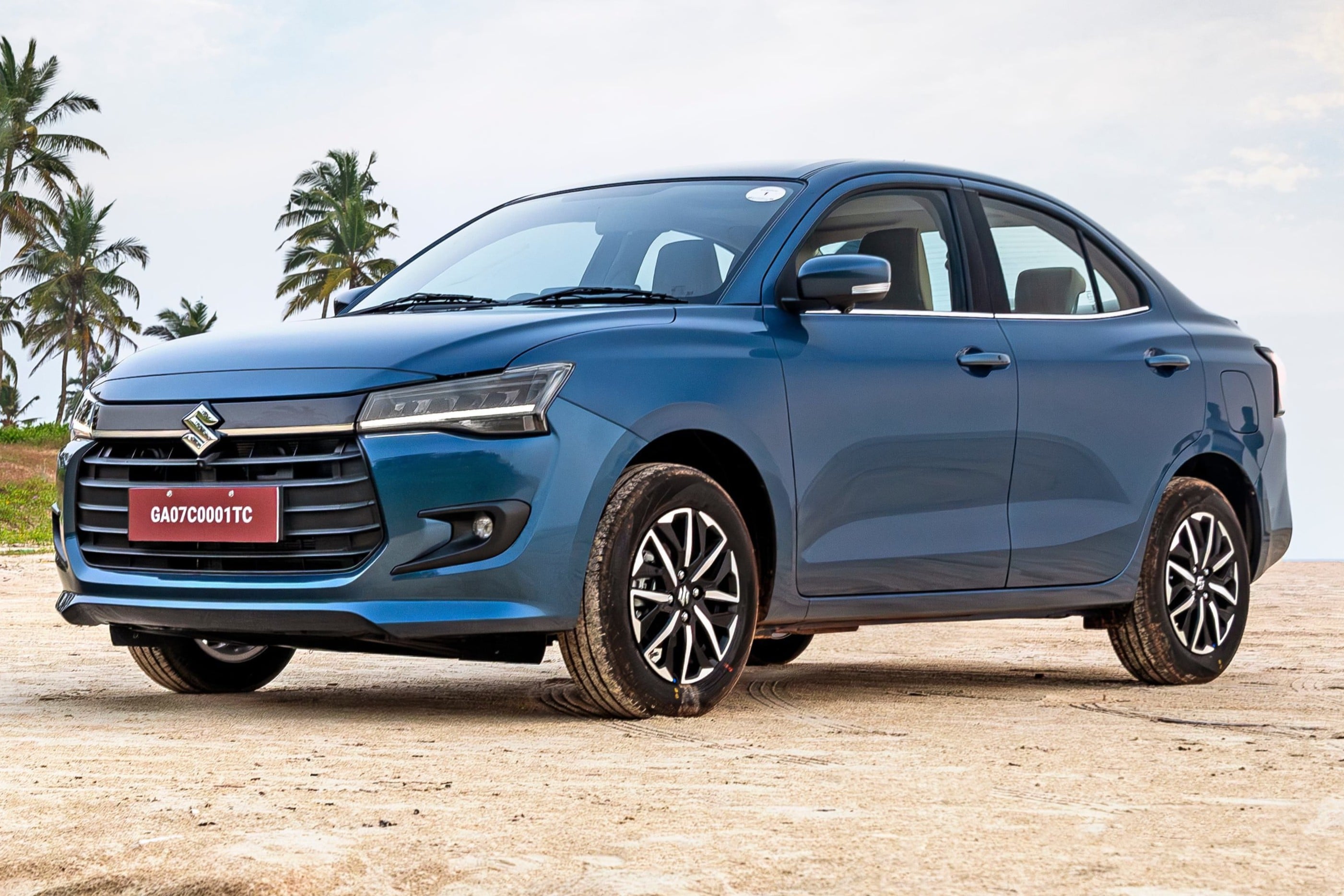
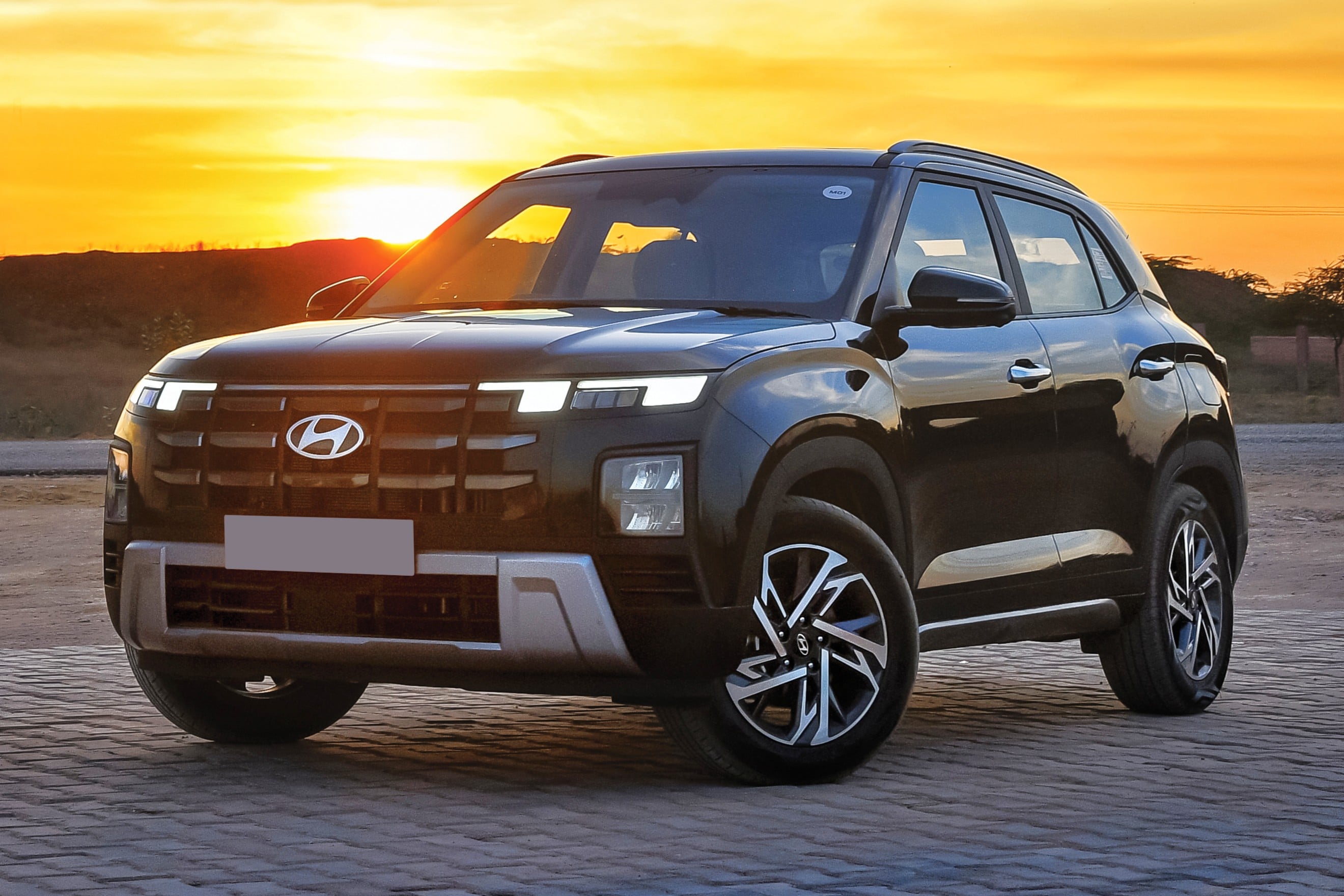
September 2026 saw the Maruti Suzuki Baleno top the best-selling cars list with 25,392 units dispatched, a 93 percent increase year on year. The Tata Nexon and Punch ranked second and third, respectively, with over 20,000 units each. Combined dispatches of the top 10 models rose 15.5 percent to 1,91,332 units. Maruti Suzuki had six models on the list, followed by Tata Motors with two, and Hyundai and Mahindra with one each.
Top 10 best-selling cars in September 2026
Rank
Model
Sep 2026 sales (units)
Aug 2026 sales (units)
Sep 2025 sales (units)
MoM change (%)
YoY change (%)
1
Maruti Baleno
25,392
15,376
13,173
+61
+93
2
Tata Nexon
20,456
18,431
22,573
+11
-9
3
Tata Punch
20,333
21,320
15,891
-5
+28
4
Maruti Fronx
19,282
18,730
13,767
+3
+40
5
Maruti Wagon R
18,835
20,180
15,388
-7
+22
6
Maruti Dzire
17,754
18,418
20,038
-4
-11
7
Hyundai Creta
17,657
16,288
18,861
+8
-6
8
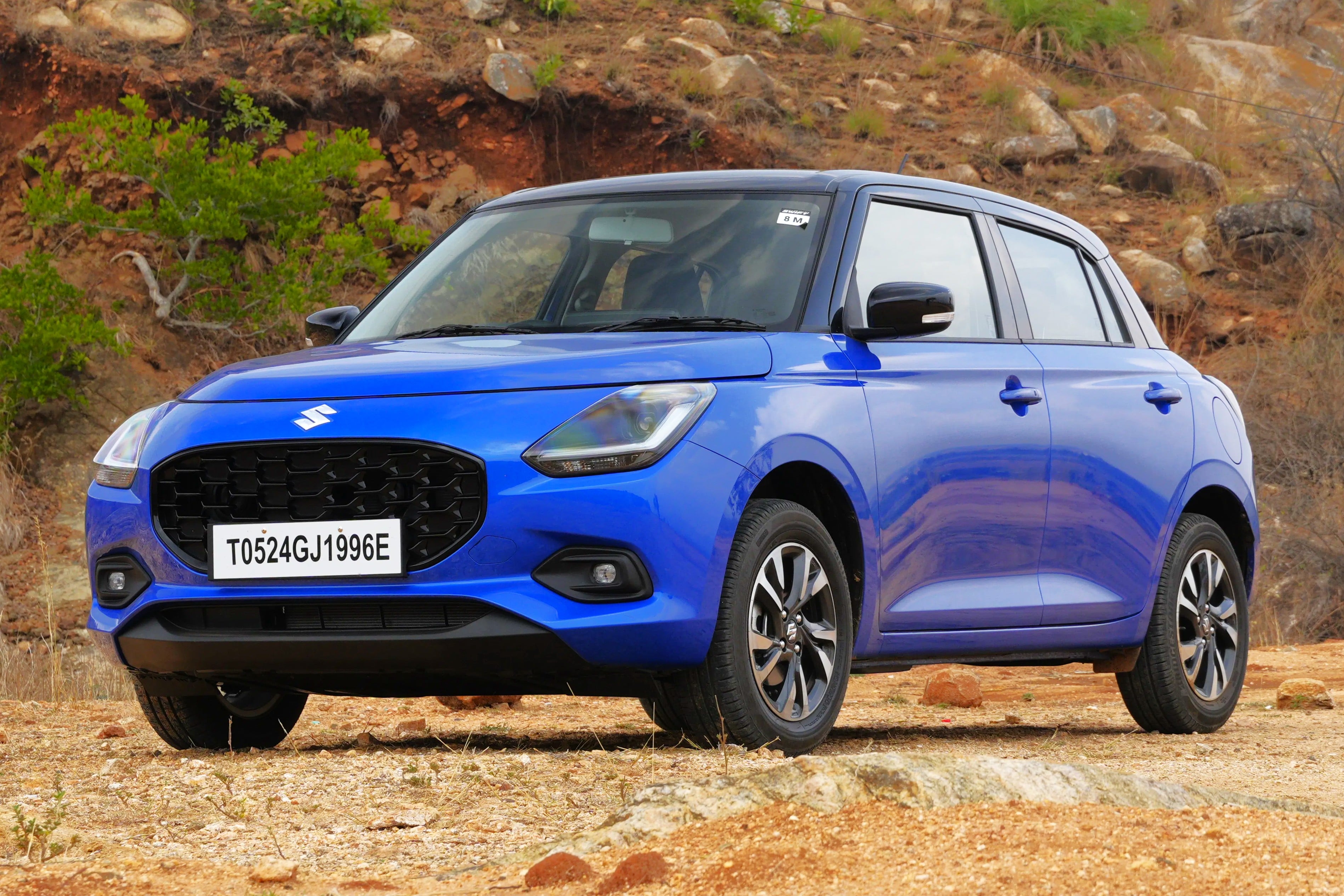
Maruti Swift
17,399
19,832
15,547
-12
+12
9
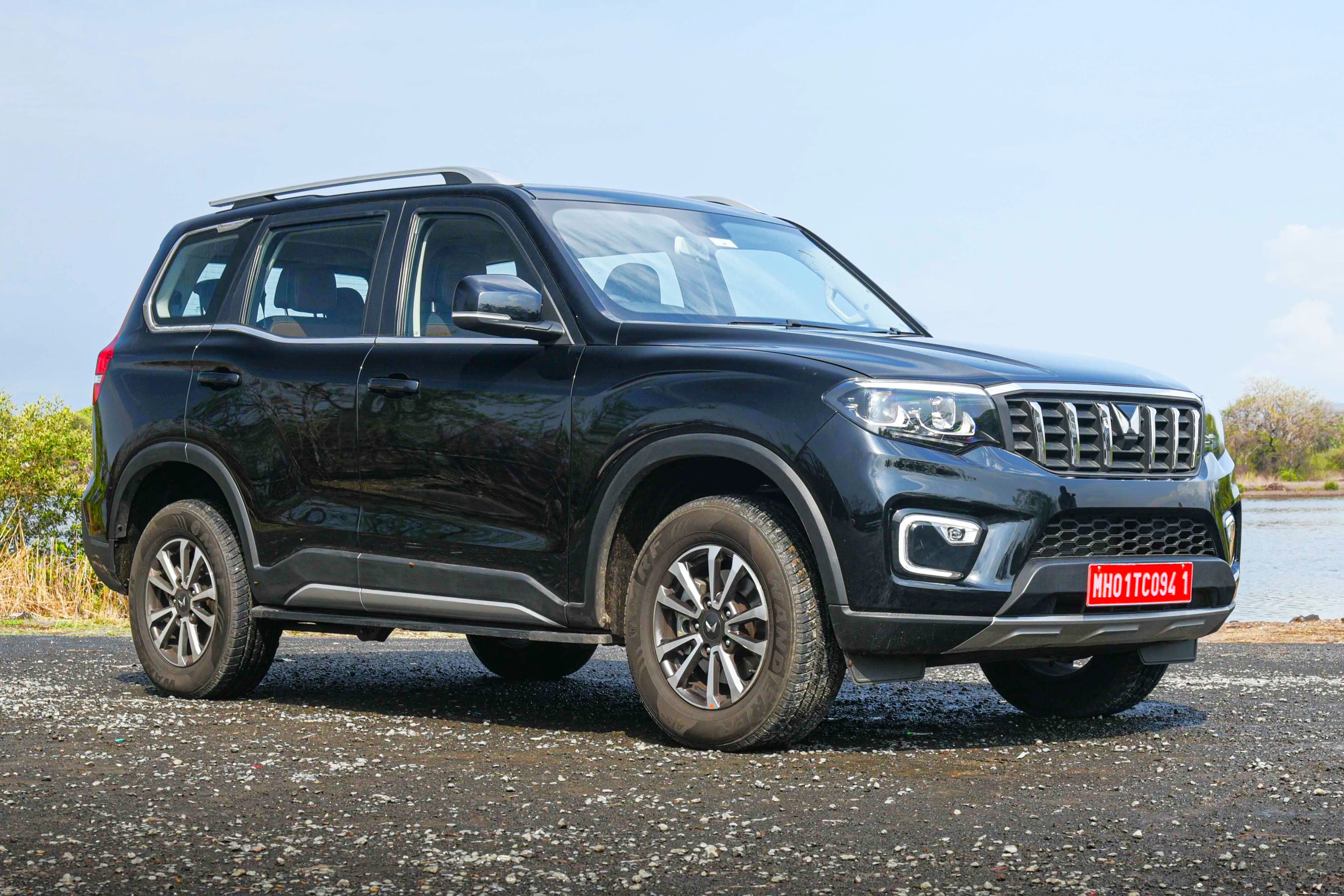
Mahindra Scorpio
17,313
15,576
18,372
+11
-6
10
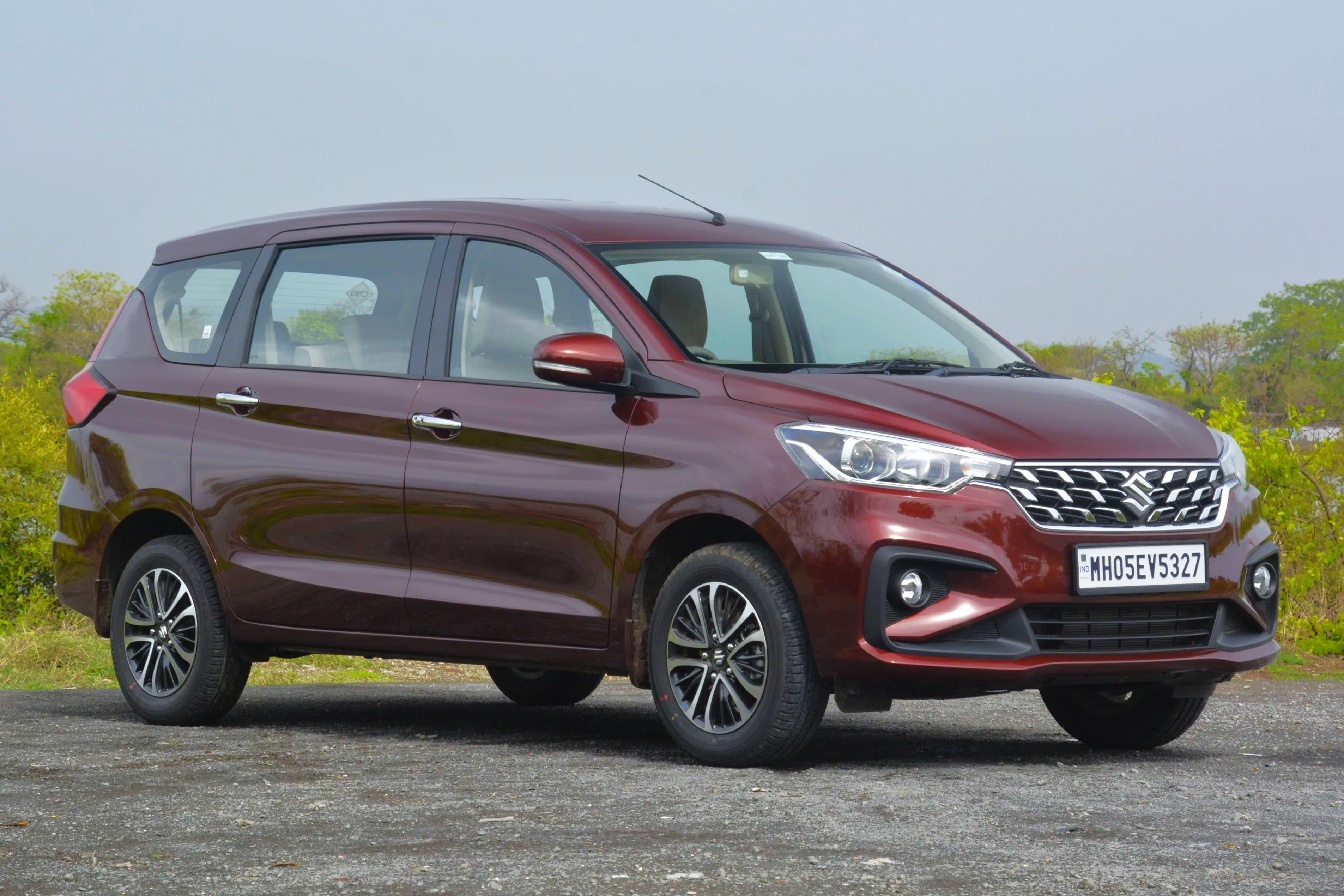
Maruti Ertiga
16,911
18,516
12,115
-9
+40
1. Maruti Suzuki Baleno
The Maruti Suzuki Baleno topped the September 2026 sales rankings with 25,392 units, compared with 13,173 units in September 2025. Its dispatches increased 93 percent year on year, the highest growth rate among the 10 models. The premium hatchback recently received a facelift and is sold through Maruti Suzuki’s Nexa dealership network. It rivals the Hyundai i20, Tata Altroz and Toyota Glanza. The Baleno is priced between Rs 5.99 lakh and Rs 9.99 lakh.
2. Tata Nexon
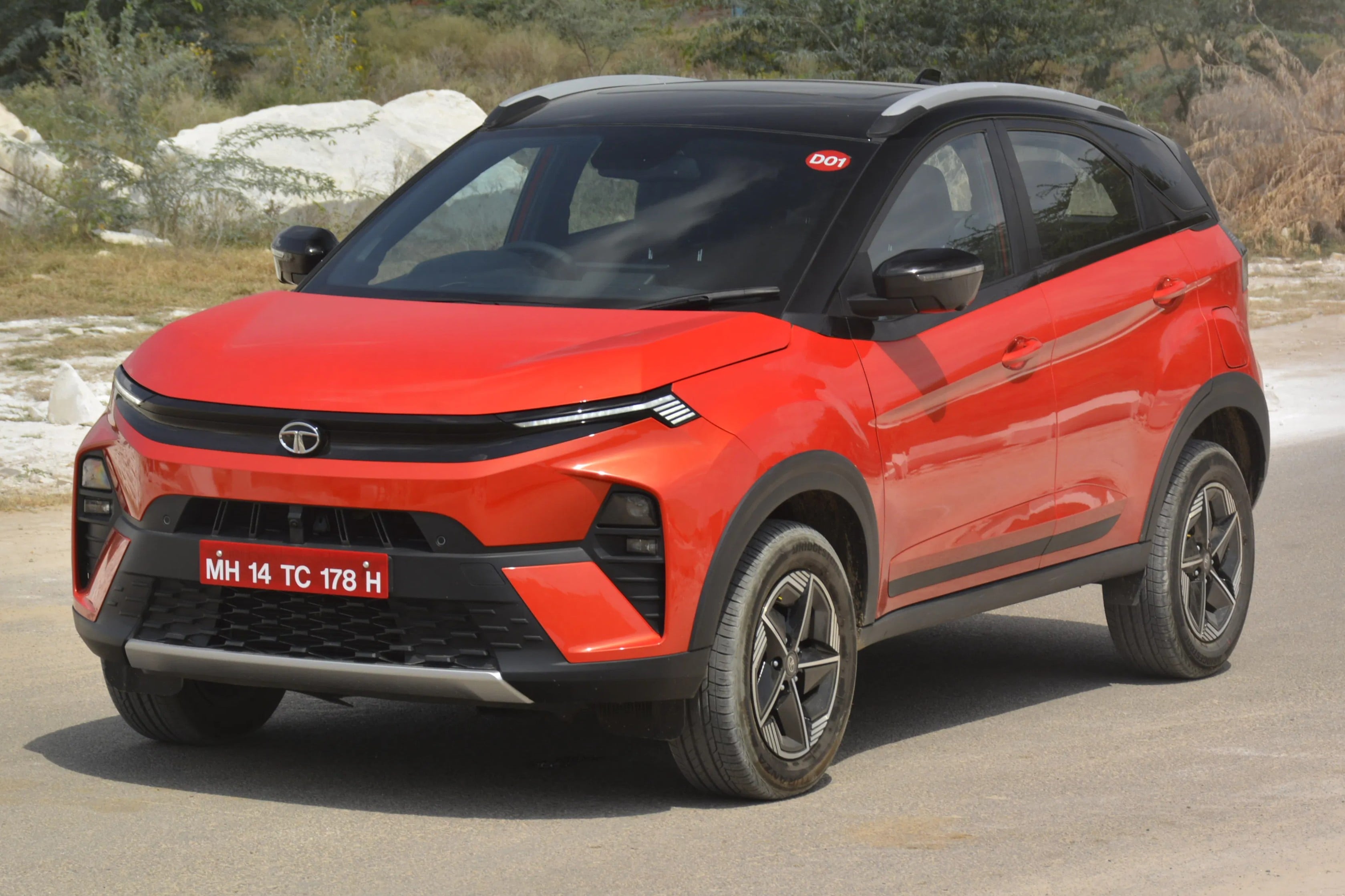
The Tata Nexon, including the Nexon EV, recorded 20,456 units in September 2026, down 9 percent from 22,573 units in the same month last year. It finished second, just 123 units ahead of the Punch. The Nexon is available with petrol, diesel, CNG and electric powertrains. It rivals the Maruti Suzuki Brezza, Hyundai Venue, Kia Sonet and Mahindra XUV 3XO and is priced from Rs 7.40 lakh to Rs 14.52 lakh for the ICE powered Nexon, while the Nexon EV starts at Rs 12.49 lakh and goes up to 17.89 lakh.
3. Tata Punch
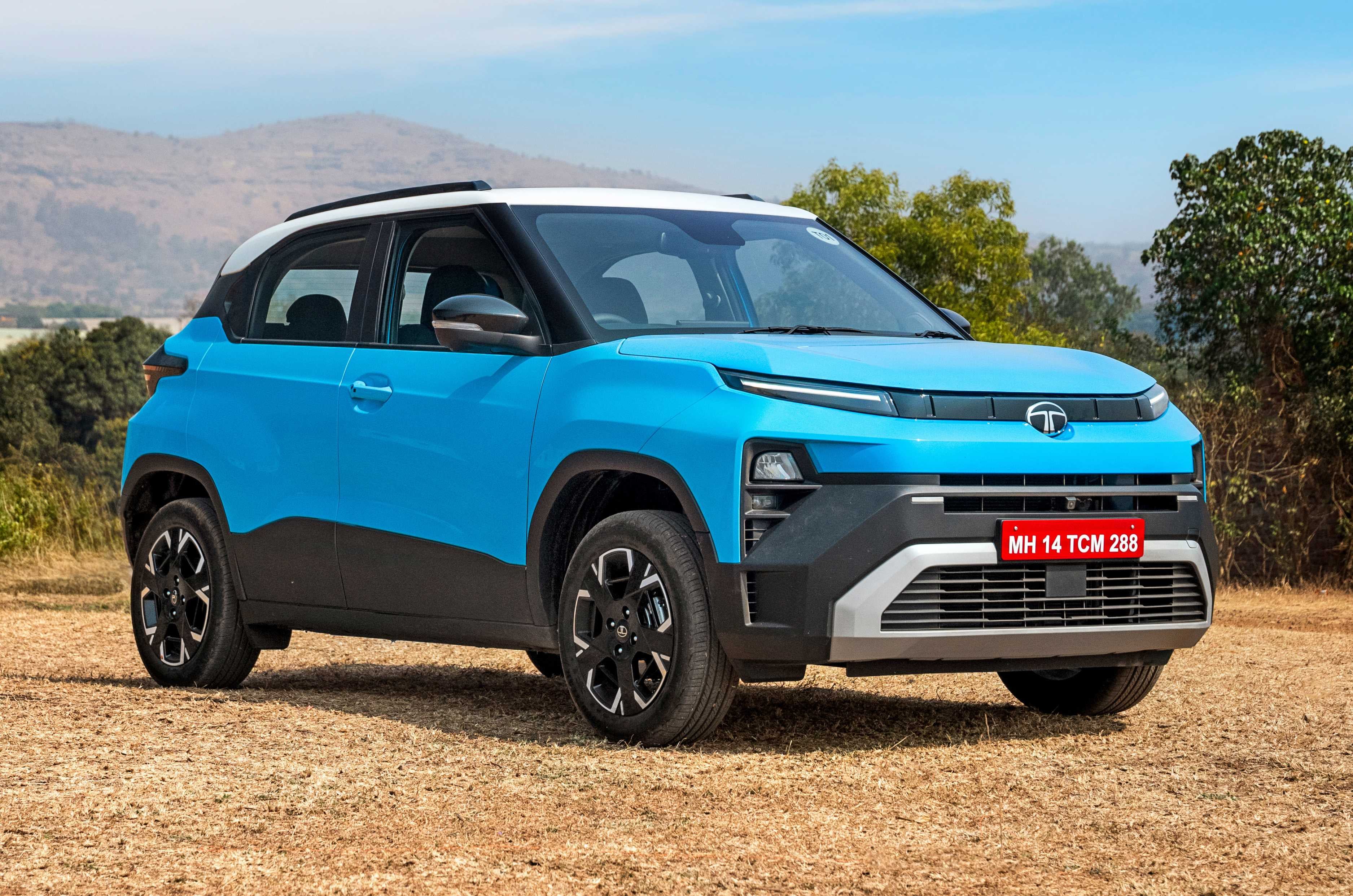
The Tata Punch, including the Punch EV, recorded 20,333 units in September 2026, up 28 percent from 15,891 units a year earlier. It ranked third in the overall list, with the Nexon finishing narrowly ahead. Tata’s smallest SUV is offered with multiple powertrain options, while its compact dimensions and ride-and-handling balance remain key strengths. The Punch rivals the Hyundai Exter and Citroen C3 and is priced from Rs 5.75 lakh to Rs 10.77 lakh. The Punch EV meanwhile is priced from Rs 9.79 lakh to Rs 12.99 lakh.
4. Maruti Suzuki Fronx
The Maruti Suzuki Fronx ranked fourth in September 2026 with 19,282 units, compared with 13,767 units in September 2025. Its dispatches increased 40 percent year on year. The Fronx’s crossover styling, comfortable cabin and fuel-efficient powertrains continue to support demand, although it lacks some popular features. It rivals the Nissan Magnite and Renault Kiger and is priced between Rs 6.85 lakh and Rs 11.84 lakh.
5. Maruti Suzuki Wagon R
The Maruti Suzuki Wagon R recorded 18,835 units in September 2026, up 22 percent from 15,388 units in the same month last year. It finished fifth in the rankings. Its spacious cabin, ease of driving and low running costs remain key strengths, although its light build and limited highway ability are drawbacks. The Wagon R rivals the Tata Tiago and Citroen C3 and is priced between Rs 4.99 lakh and Rs 7.24 lakh.
6. Maruti Suzuki Dzire
The Maruti Suzuki Dzire recorded 17,754 units in September 2026, down 11 percent from 20,038 units in September 2025. It ranked sixth and was the only sedan in the top 10. Strong fleet demand, fuel efficiency and a well-balanced ride and handling setup continue to support the compact sedan’s volumes. The Dzire rivals the Hyundai Aura, Honda Amaze and Tata Tigor and is priced between Rs 6.31 lakh and Rs 9.41 lakh.
7. Hyundai Creta
The Hyundai Creta, including the Creta Electric, recorded 17,657 units in September 2026, a 6 percent decline from 18,861 units in the year-ago month. It was the only Hyundai model in the top 10, finishing seventh. A roomy cabin, multiple powertrain options and a long feature list continue to attract buyers, although the top variants are expensive and some interior plastics could be better. The Creta rivals the Kia Seltos, Maruti Suzuki Grand Vitara, Toyota Urban Cruiser Hyryder, Honda Elevate and Tata Sierra. It is priced between Rs 10.91 lakh and Rs 20.14 lakh.
8. Maruti Suzuki Swift
The Maruti Suzuki Swift recorded 17,399 units in September 2026, up 12 percent from 15,547 units a year earlier. It finished eighth and was one of three Maruti Suzuki hatchbacks in the top 10. Its high fuel efficiency, light controls and easy-to-drive nature continue to support demand, although the top variants are priced close to the more premium Baleno. The Swift rivals the Hyundai Grand i10 Nios and Tata Tiago and is priced between Rs 5.84 lakh and Rs 8.74 lakh.
9. Mahindra Scorpio
The Mahindra Scorpio, combining the Scorpio N and Scorpio Classic, recorded 17,313 units in September 2026. This was down 6 percent from 18,372 units in September 2025, placing it ninth. The Scorpio nameplate remains popular for its strong engines, rugged character and off-road ability. However, the third-row seating is cramped and the luggage area is not particularly practical. The Scorpio N rivals the Tata Safari, Hyundai Alcazar and Mahindra XUV 7XO and is priced from Rs 13.69 lakh to Rs 25.49 lakh.
10. Maruti Suzuki Ertiga
The Maruti Suzuki Ertiga completed the top 10 with 16,911 units in September 2026, up 40 percent from 12,115 units in the same month last year. It was the sixth Maruti Suzuki model in the rankings. The Ertiga continues to hold the title of India’s highest-selling MPV. Its practical cabin, strong fuel efficiency and value-for-money positioning attract both private and fleet buyers, although it misses out on some features offered by rivals. It is priced from Rs 8.90 lakh to Rs 13.04 lakh and rivals the Kia Carens and Toyota Rumion.
This month, we go big on power and even bigger on premium metal. The cover story is Kia’s biggest swing yet at the executive SUV segment, and then there’s a family SUV with more horsepower than a Lamborghini, and BMW’s electric onslaught continues with a new long-wheelbase sedan and a sharper flagship limousine.
Kia Sorento: Cover Story
Six trims, two powertrains, up to seven seats and 32 variants in all. Kia isn’t dipping a toe into the premium SUV pool; it’s diving straight in, locally assembling the Sorento from Rs 27.99 lakh to take on the Skoda Kodiaq and VW Tayron. Has Kia cracked the code, or has it bitten off more than it can chew?
Porsche Cayenne Electric: First Drive
Forget hypercars. The most powerful vehicle currently on sale in India is a family SUV, the Cayenne Electric, with more horsepower than your senses can fathom. We took it to an airstrip to see what that actually does to your stomach.
BMW i5 LWB & i7 Facelift: First Drives
BMW’s electric push continues, with a long-wheelbase i5 slotting in between the iX1 and flagship i7. Can BMW’s long-wheelbase playbook continue to work? And there’s also the i7 getting a sharper face and more tech to go with it, like it didn’t have enough already.
Mercedes-Benz GLC Electric: Drive
The first-gen electric GLC was far from ideal. The new one, however, is a completely new generation with an 800V architecture, 330kW charging and a claimed 715km range. We took all 489 of its horses to the Autobahn to see how much of an improvement it has been over its predecessor.
MG Hector Tomahawk EV: First Drive
Don’t let the familiar name fool you. The Hector Tomahawk EV rides on MG’s all-new ADAPT platform, bigger than the Mahindra XEV 9S in every dimension, with a PHEV sibling already waiting in the wings.
Maruti Suzuki Baleno, Renault Triber Turbo and Skoda Slavia: First Drives
India’s favourite premium hatch, the Baleno, gets a new engine and ADAS, the budget-friendly Triber finally gets the power it’s been begging for, and the Slavia’s facelift turns out to be more than skin-deep.
Mahindra Thar OG: First Drive
The original three-door Thar gets another round of updates, bringing changes to its engines, equipment and chassis. With the off-road icon continuing to evolve, we head out to discover what this latest iteration brings to the table.
Taking the High Road: Features
Goa’s new Porvorim Elevated Corridor opens on NH66, and we test it in two ways: solo against Google Maps’ ETA in an MG Cyberster, and then flanked by a dozen supercars, Ferraris, a McLaren 750S and a Lamborghini Huracan among them, for its proper initiation.
Rocket Ship to the Moon: Feature
A Lamborghini SUV is already an exercise in excess. Take it somewhere unexpected, add a little spectacle, and you have the ingredients for an automotive adventure that refuses to be ordinary.
Royal Enfield Himalayan 440
The original Himalayan is back with a bigger engine and a handful of meaningful changes. In a world where adventure bikes keep getting more complicated, there’s something rather appealing about going back to basics.
Tracker 400 vs Guerrilla 450: Comparison
Two left-field street nakeds, the Triumph Tracker 400 and Royal Enfield Guerrilla 450, go head-to-head. One takes its inspiration from flat-track racers, while the other fancies itself a sporty roadster. Both want your money, and neither is particularly interested in being sensible about it.
KTM Adventure Rally Extreme: Ride
Adventure riding is all well and good until the road disappears, the terrain turns hostile and you begin questioning your life choices. We get a taste of KTM’s rally raid experience, where the only shortcut is having the skill to take one.