Stocks to Watch: 12 अक्टूबर को फोकस में रहेंगे ये 12 शेयर, बैंकिंग स्टॉक्स पर भी रहेगी नजर

Stocks to Watch: 12 अक्टूबर को शेयर बाजार में कई कंपनियों के तिमाही नतीजों, नए ऑर्डर और कारोबारी अपडेट पर नजर रहेगी। वहीं, बैंकिंग सेक्टर में RBI के नए नियमों का असर देखने को मिल सकता है। कुछ कंपनियों के डिविडेंड और फंड जुटाने से जुड़े फैसले भी चर्चा में रहेंगे। इसके अलावा, कई शेयरों का लॉक-इन खत्म होने से उनमें हलचल देखने को मिल सकती है।

Banking Stocks

बैंकिंग सेक्टर के शेयरों पर सोमवार को नजर रहेगी। RBI ने बैंकों के लिए न्यूनतम दैनिक CRR मेंटेनेंस की सीमा 90% से बढ़ाकर 99% कर दी है। नया नियम 16 अक्टूबर से शुरू होने वाले पखवाड़े से लागू होगा। RBI ने CRR दर में कोई बदलाव नहीं किया है। इसके अलावा, रुपये से जुड़े कुछ फॉरेक्स डेरिवेटिव कॉन्ट्रैक्ट दोबारा बुक करने पर रोक लगाई है। बिना अंडरलाइंग एक्सपोजर वाले फॉरेक्स डेरिवेटिव की सीमा भी 10 करोड़ डॉलर से घटाकर 50 लाख डॉलर कर दी है।

Avenue Supermarts

रिटेल चेन डीमार्ट की पैरेंट कंपनी रिटेल Avenue Supermarts का नेट प्रॉफिट सालाना आधार पर 8.5% बढ़कर 743.5 करोड़ रुपये रहा। रेवेन्यू 17.8% बढ़कर 19,644 करोड़ रुपये और EBITDA 15% बढ़कर 1,394 करोड़ रुपये रहा। हालांकि, EBITDA मार्जिन पिछले साल के 7.3% से घटकर 7% रह गया। मार्जिन CNBC-TV18 के अनुमान से काफी नीचे रहा, जबकि रेवेन्यू, मुनाफा और EBITDA मोटे तौर पर अनुमान के मुताबिक रहे।

Can Fin Homes

हाउसिंग फाइनेंस कंपनी Can Fin Homes का नेट प्रॉफिट सालाना आधार पर 9.2% बढ़कर 274.6 करोड़ रुपये हो गया। नेट इंटरेस्ट इनकम 6.6% बढ़कर 432 करोड़ रुपये रही। कंपनी की लोन बुक पिछले साल के 39,657 करोड़ रुपये से बढ़कर 43,539 करोड़ रुपये हो गई। हालांकि, नेट इंटरेस्ट मार्जिन 4.02% से घटकर 3.89% रहा। सितंबर तिमाही में ग्रॉस NPA 0.9% और नेट NPA 0.42% रहा।

Suzlon Energy

विंड एनर्जी कंपनी Suzlon करीब 550 करोड़ रुपये से गुजरात, कर्नाटक और तमिलनाडु में 3 नई AI फैक्ट्रियां लगाएगी। कंपनी के मुताबिक, इनसे 3,000 प्रत्यक्ष और 12,000 अप्रत्यक्ष रोजगार पैदा होने की उम्मीद है। नई यूनिट 2027 तक तैयार करने की योजना है।

Canara Robeco Asset Management Company

एसेट मैनेजमेंट कंपनी Canara Robeco का नेट प्रॉफिट सालाना आधार पर 21.5% बढ़कर 59.2 करोड़ रुपये रहा। रेवेन्यू 18.6% बढ़कर 128 करोड़ रुपये हो गया। हालांकि, कुल AUM 1% घटकर 1.16 लाख करोड़ रुपये रहा। कंपनी के कुल फोलियो की संख्या 50.1 लाख रही। बोर्ड ने 2 रुपये प्रति शेयर अंतरिम डिविडेंड को मंजूरी दी है।

Anand Rathi Wealth

वेल्थ मैनेजमेंट कंपनी Anand Rathi Wealth का नेट प्रॉफिट 9.5% घटकर 89.95 करोड़ रुपये रहा। रेवेन्यू 15.7% बढ़कर 344 करोड़ रुपये हुआ, लेकिन EBITDA 15.1% गिरकर 116.8 करोड़ रुपये रहा। EBITDA मार्जिन भी 46.2% से घटकर 34% पर आ गया। बोर्ड ने 4 रुपये प्रति शेयर अंतरिम डिविडेंड को मंजूरी दी है।

Poonawalla Fincorp

NBFC कंपनी Poonawalla Fincorp का नेट प्रॉफिट पिछले साल के 74 करोड़ रुपये से बढ़कर 374.8 करोड़ रुपये हो गया। नेट इंटरेस्ट इनकम 75.7% बढ़कर 1,589 करोड़ रुपये रही। नेट इंटरेस्ट मार्जिन जून तिमाही के 9.1% से बढ़कर 9.26% हो गया। क्रेडिट कॉस्ट और NPA में कमी देखने को मिली।

Canara HSBC Life Insurance

लाइफ इंश्योरेंस कंपनी Canara HSBC Life Insurance का नेट प्रॉफिट सालाना आधार पर 5.5% बढ़कर 43.1 करोड़ रुपये रहा। नेट प्रीमियम इनकम 13% बढ़कर 2,553.2 करोड़ रुपये हो गई। FY27 की पहली छमाही में वैल्यू ऑफ न्यू बिजनेस 24% बढ़कर 266 करोड़ रुपये पहुंचा।

Waterways Leisure Tourism

टूरिज्म सेक्टर की कंपनी Waterways Leisure Tourism ने 54.4 करोड़ रुपये का नेट प्रॉफिट दर्ज किया। पिछले साल यह 30.9 करोड़ रुपये था। रेवेन्यू भी 30.9% बढ़कर 133 करोड़ रुपये हो गया। कंपनी को पिछले साल 6.5 करोड़ रुपये का EBITDA नुकसान हुआ था। इस बार 9.7 करोड़ रुपये का EBITDA प्रॉफिट दर्ज किया गया।

Ajmera Realty

रियल एस्टेट कंपनी Ajmera Realty की दूसरी तिमाही में बेचे गए घरों का कारपेट एरिया सालाना आधार पर 68% घटकर 72,883 वर्ग फुट रहा। बिक्री की वैल्यू 69% गिरकर 224 करोड़ रुपये रही। कलेक्शन में भी 14% की गिरावट आई और यह 190 करोड़ रुपये रहा।

Kalpataru

रियल एस्टेट कंपनी Kalpataru की प्री-सेल्स सालाना आधार पर 5% घटकर 1,258 करोड़ रुपये रही। वहीं, कलेक्शन 1,189 करोड़ रुपये से बढ़कर 1,189 करोड़ रुपये के आसपास रहा। कंपनी ने तिमाही के दौरान मुंबई के गोरेगांव में प्रीमियम रेजिडेंशियल प्रोजेक्ट Kalpataru Elara लॉन्च किया।

Bajel Projects

पावर ट्रांसमिशन कंपनी Bajel Projects को मुंबई में 220kV गैस इंसुलेटेड स्विचगियर (GIS) सबस्टेशन की सप्लाई और इंस्टॉलेशन का EPC ऑर्डर मिला है। ये सबस्टेशन सॉल्सेट और पवई में बनाए जाएंगे। कंपनी के क्लासिफिकेशन के मुताबिक, इस तरह के ऑर्डर की वैल्यू 200 करोड़ से 300 करोड़ रुपये के बीच होती है।

PTC Industries

डिफेंस कंपनी PTC Industries के बोर्ड ने QIP बंद करने को मंजूरी दी है। इसके जरिए कंपनी ने 1,800 करोड़ रुपये जुटाए हैं। कंपनी ने पात्र संस्थागत निवेशकों को 8.54 लाख इक्विटी शेयर 21,060 रुपये प्रति शेयर की कीमत पर जारी किए। यह फ्लोर प्राइस से 5% डिस्काउंट पर है।

शेयरहोल्डर लॉक-इन

सोमवार, 12 अक्टूबर को Kanohar Electricals, Prasol Chemicals, Glass Wall Systems, Pranav Constructions, Laser Power & Infra और Kusumgar के शेयरहोल्डर लॉक-इन की अवधि खत्म होगी। Laser Power & Infra और Kusumgar के लिए तीन महीने का लॉक-इन समाप्त होगा। बाकी कंपनियों के लिए एक महीने की लॉक-इन अवधि खत्म होगी।

Suzlon Share: सुजलॉन 3 नई फैक्ट्रियां लगाएगी, 15 हजार लोगों को रोजगार मिलेगा; शेयर पर रहेगी नजर

Disclaimer: यहां मुहैया जानकारी सिर्फ सूचना के लिए दी जा रही है। यहां बताना जरूरी है कि मार्केट में निवेश बाजार जोखिमों के अधीन है। निवेशक के तौर पर पैसा लगाने से पहले हमेशा एक्सपर्ट से सलाह लें। मनीकंट्रोल की तरफ से किसी को भी पैसा लगाने की यहां कभी भी सलाह नहीं दी जाती है।
What to expect from Volvo ES90 ahead of launch tomorrow

What to expect from Volvo ES90 ahead of launch tomorrow

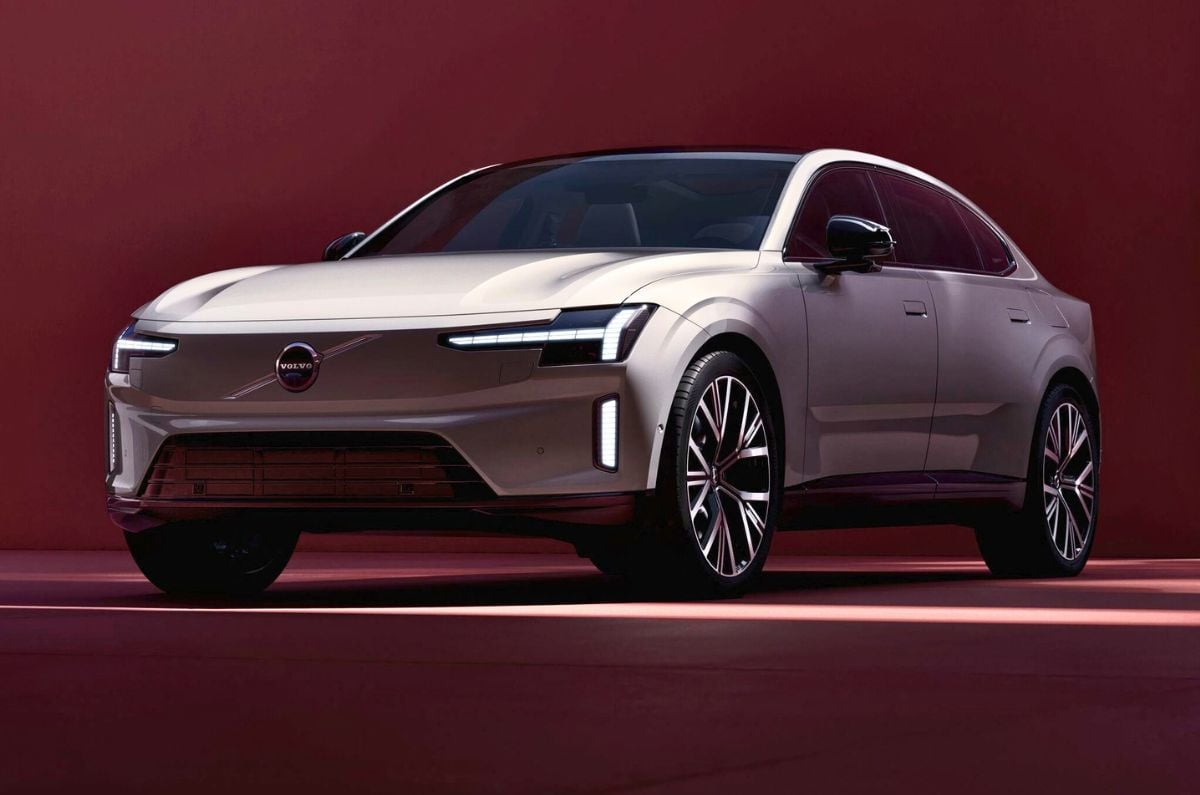
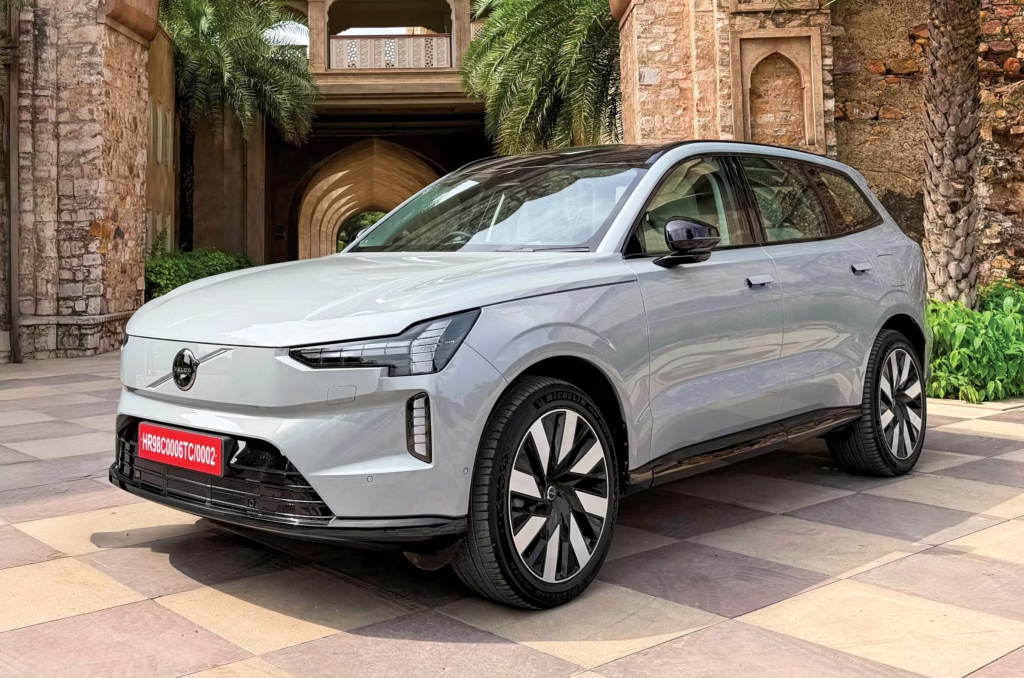
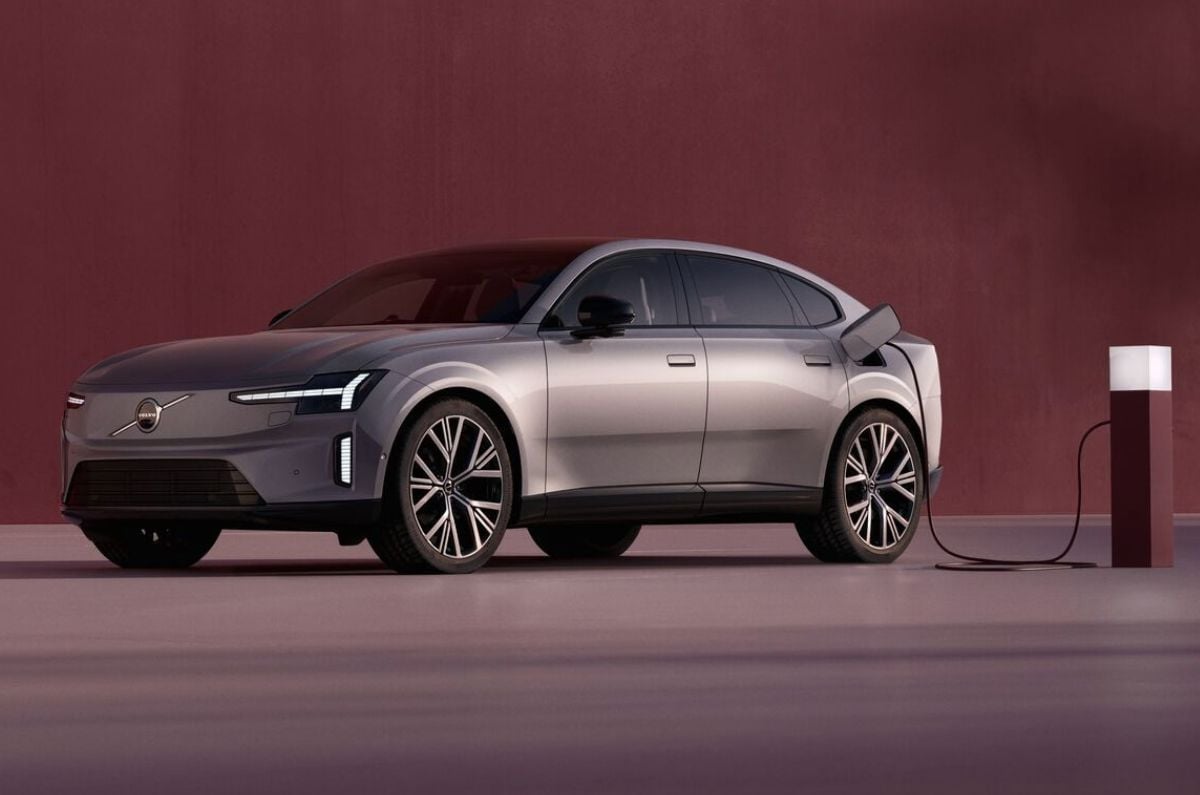
The Volvo ES90 will be launched in India tomorrow, marking a comeback for a Volvo sedan in the country after the S90’s discontinuation in 2024. Upon launch, it will serve as the manufacturer’s flagship EV alongside the EX90 SUV, which will also be launched alongside the ES90 sedan. Here’s everything you need to know about the upcoming Volvo ES90 ahead of its launch tomorrow. 

1. What is the expected price of the Volvo ES90?

Prices are expected to be in the Rs 1 crore to Rs 1.20 crore range (ex-showroom)

The Volvo ES90 will arrive in India as a completely built unit (CBU) import. It is expected to be priced in the Rs 1 crore to Rs 1.20 crore range (ex-showroom) in the country. 

2. What powertrain option will the India-spec Volvo ES90 get?

Gets two battery pack options and choices between RWD and AWD internationally

The Volvo ES90 is built on the manufacturer’s 800-volt SPA2 architecture shared with the EX90 eSUV. Internationally, the ES90 is offered with either a 92kWh or a 106kWh battery. The smaller battery has a claimed WLTP range of 664km and is paired with a rear-axle-mounted (RWD) electric motor that produces 333hp and 480Nm. It has a claimed 0-100kph time of 6.6 seconds and has a 180kph capped top speed. It supports up to 350kW DC fast charging, which can replenish the battery from 10-80 percent in 22 minutes. 

The larger 106kWh battery has a claimed WLTP range of 702km, and is offered with a dual-motor all-wheel-drive (AWD) setup producing either 456hp and 670Nm, or 680hp and 870Nm, with claimed 0-100kph sprint times of 5.4 seconds and 4 seconds, respectively, depending on the chosen trim. 180kph capped top speed, 350kW DC fast-charging capability, and 22-minute 10-80 percent charging time are the same as the smaller battery version. 

Volvo is yet to reveal which powertrain option will be offered with the India-spec ES90 sedan. 

3. What are the design highlights of the Volvo ES90?

Gets LED lights all around, with a rather simple and elegant design

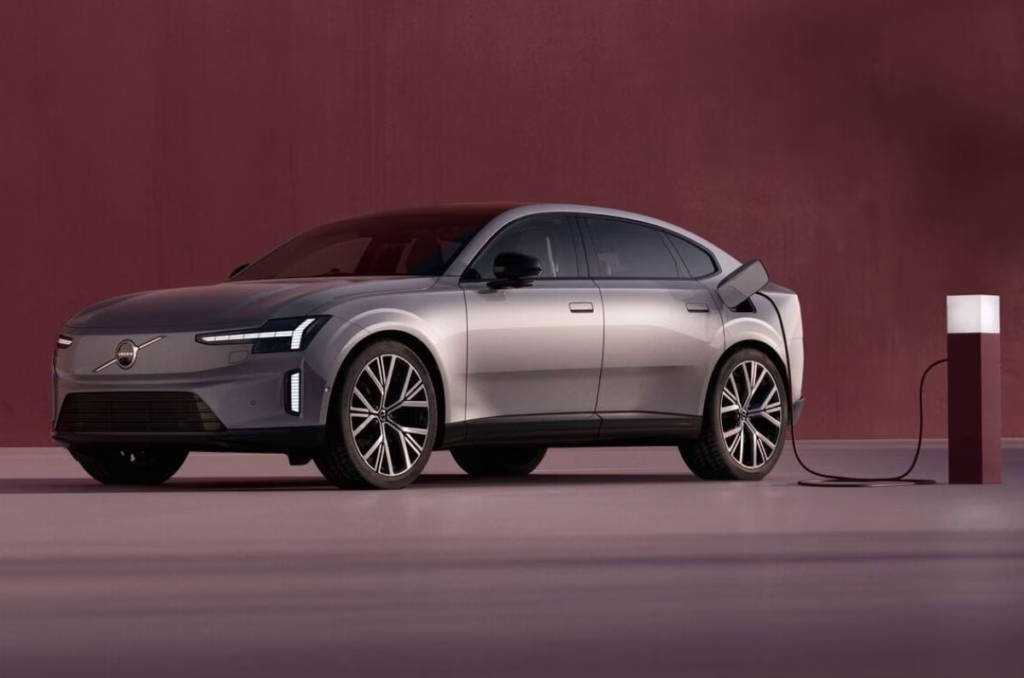
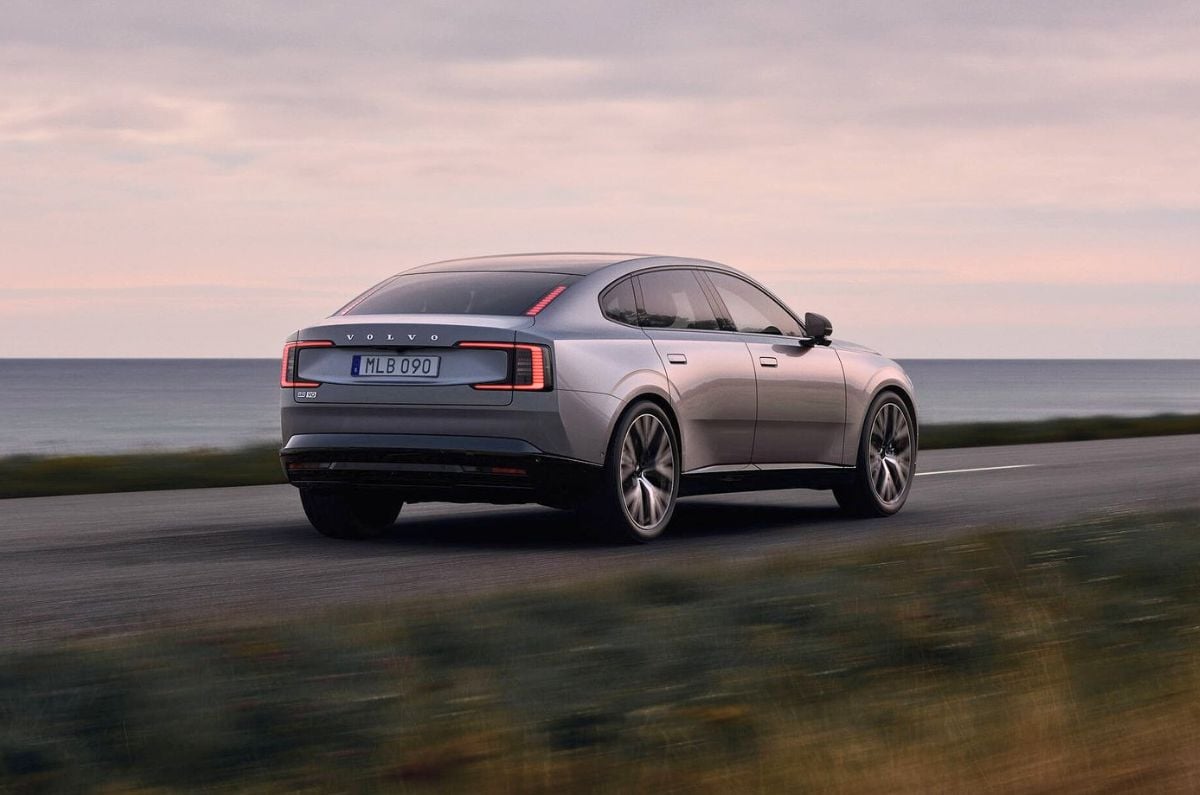
The Volvo ES90 features a blanked-off body-coloured grille with a Volvo logo in the centre, flanked by LED headlights with segmented Thor’s hammer LED DRLs on both ends. The bumper has air inlets in the centre to cool the internals and features vertically stacked LED fog lamps similar to those on the EX90. A LiDAR sensor was previously mounted on the edge of the roof, but is no longer offered on Volvo’s MY2026 models in international markets, following the termination of Volvo’s contract with its supplier, Luminar, after the latter filed for bankruptcy. 

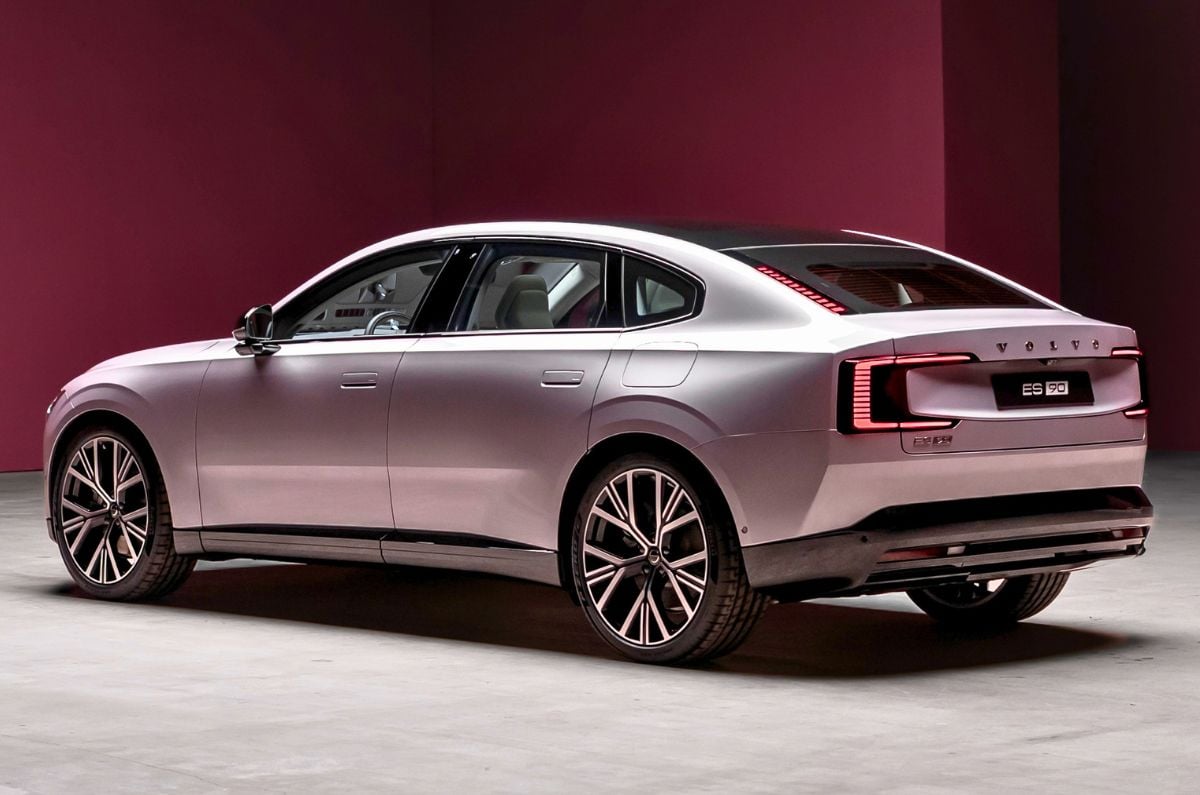
In profile, it offers wheel sizes ranging from 20 to 22 inches, all with aerodynamic inserts. It gets a gloss black section on the lower portion of the doors, along with black outside rearview mirrors (ORVMs) and a blacked-out roof, which add contrast. It gets sleek pull-type door handles. Interestingly, the ES90 has a drag coefficient (Cd) of 0.25, making it Volvo’s most aerodynamic production car yet. 

At the rear, it features C-shaped wraparound LED taillights and LED stop lights on both sides of the rear windscreen, similar to the EX90. The rear bumper features a gloss black portion that gives a nice contrast to the otherwise simple design.

4. What features will the Volvo ES90 offer?

Features two free-standing screens, 4-zone AC, and up to 25 speakers

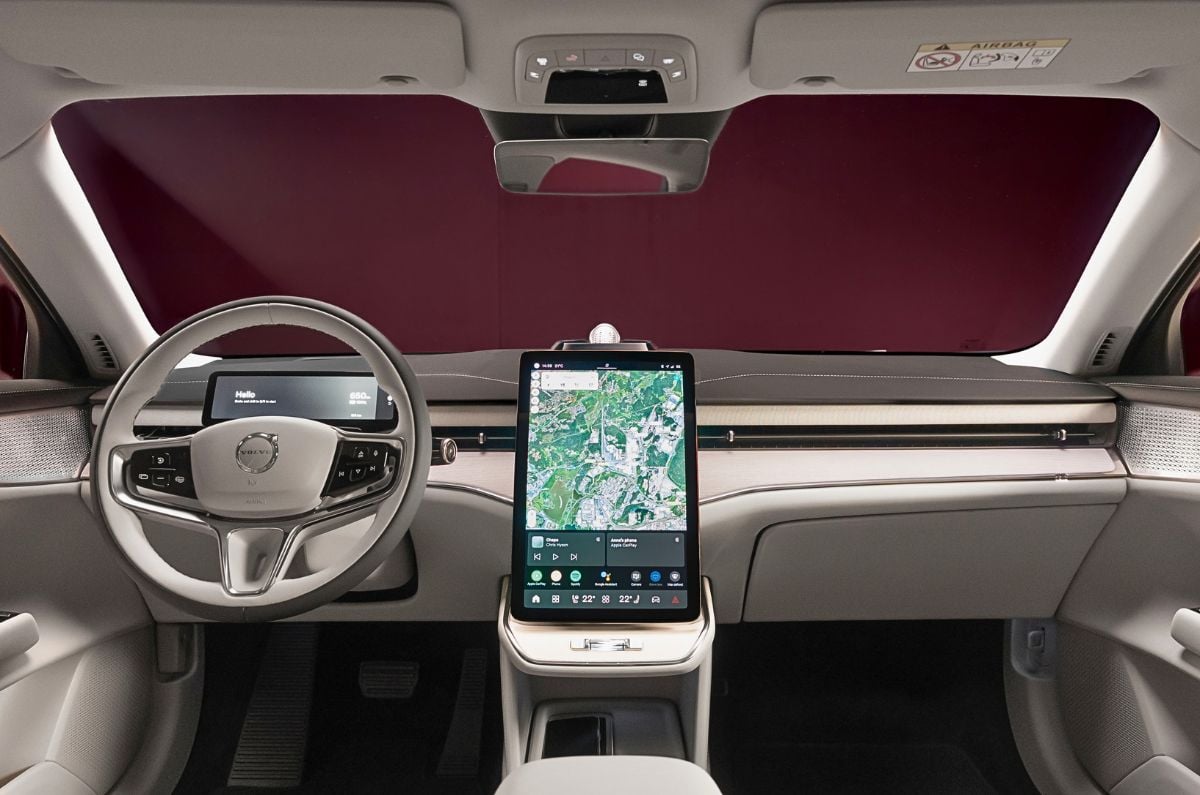
Inside, the Volvo ES90 has a clean design and is filled to the brim with modern-day features. These include a 14.5-inch portrait-oriented, free-standing infotainment touchscreen, a 9-inch digital driver’s display, a 13.2-inch coloured head-up display (HUD), and a 14-speaker Bose sound system, which can be upgraded to a 25-speaker Bowers & Wilkins audio setup. Other features include a wireless phone charger, a powered tailgate, a 4-zone climate control and a digital key. The front seats are powered, heated, ventilated and offer a massage function with powered lumbar support. The rear seats are electrically reclinable, have powered side bolsters, and are offered with heating and ventilation functions. 

Most of these features are expected to be a part of the India-spec Volvo ES90. 

5. Which cars will the Volvo ES90 rival in India

Will be a more affordable alternative to full-size BMW and Mercedes-Benz electric sedans

The Volvo ES90 will be a more reasonably priced alternative to the Mercedes-Benz EQS sedan (Rs 1.30 crore) and the BMW i7 (Rs 1.95 crore).  

Prices are ex-showroom, India. 

What to expect from Volvo ES90 ahead of launch tomorrow

What to expect from Volvo ES90 ahead of launch tomorrow

The Volvo ES90 will be launched in India tomorrow, marking a comeback for a Volvo sedan in the country after the S90’s discontinuation in 2024. Upon launch, it will serve as the manufacturer’s flagship EV alongside the EX90 SUV, which will also be launched alongside the ES90 sedan. Here’s everything you need to know about the upcoming Volvo ES90 ahead of its launch tomorrow. 

1. What is the expected price of the Volvo ES90?

Prices are expected to be in the Rs 1 crore to Rs 1.20 crore range (ex-showroom)

The Volvo ES90 will arrive in India as a completely built unit (CBU) import. It is expected to be priced in the Rs 1 crore to Rs 1.20 crore range (ex-showroom) in the country. 

2. What powertrain option will the India-spec Volvo ES90 get?

Gets two battery pack options and choices between RWD and AWD internationally

The Volvo ES90 is built on the manufacturer’s 800-volt SPA2 architecture shared with the EX90 eSUV. Internationally, the ES90 is offered with either a 92kWh or a 106kWh battery. The smaller battery has a claimed WLTP range of 664km and is paired with a rear-axle-mounted (RWD) electric motor that produces 333hp and 480Nm. It has a claimed 0-100kph time of 6.6 seconds and has a 180kph capped top speed. It supports up to 350kW DC fast charging, which can replenish the battery from 10-80 percent in 22 minutes. 

The larger 106kWh battery has a claimed WLTP range of 702km, and is offered with a dual-motor all-wheel-drive (AWD) setup producing either 456hp and 670Nm, or 680hp and 870Nm, with claimed 0-100kph sprint times of 5.4 seconds and 4 seconds, respectively, depending on the chosen trim. 180kph capped top speed, 350kW DC fast-charging capability, and 22-minute 10-80 percent charging time are the same as the smaller battery version. 

Volvo is yet to reveal which powertrain option will be offered with the India-spec ES90 sedan. 

3. What are the design highlights of the Volvo ES90?

Gets LED lights all around, with a rather simple and elegant design

The Volvo ES90 features a blanked-off body-coloured grille with a Volvo logo in the centre, flanked by LED headlights with segmented Thor’s hammer LED DRLs on both ends. The bumper has air inlets in the centre to cool the internals and features vertically stacked LED fog lamps similar to those on the EX90. A LiDAR sensor was previously mounted on the edge of the roof, but is no longer offered on Volvo’s MY2026 models in international markets, following the termination of Volvo’s contract with its supplier, Luminar, after the latter filed for bankruptcy. 

In profile, it offers wheel sizes ranging from 20 to 22 inches, all with aerodynamic inserts. It gets a gloss black section on the lower portion of the doors, along with black outside rearview mirrors (ORVMs) and a blacked-out roof, which add contrast. It gets sleek pull-type door handles. Interestingly, the ES90 has a drag coefficient (Cd) of 0.25, making it Volvo’s most aerodynamic production car yet. 

At the rear, it features C-shaped wraparound LED taillights and LED stop lights on both sides of the rear windscreen, similar to the EX90. The rear bumper features a gloss black portion that gives a nice contrast to the otherwise simple design.

4. What features will the Volvo ES90 offer?

Features two free-standing screens, 4-zone AC, and up to 25 speakers

Inside, the Volvo ES90 has a clean design and is filled to the brim with modern-day features. These include a 14.5-inch portrait-oriented, free-standing infotainment touchscreen, a 9-inch digital driver’s display, a 13.2-inch coloured head-up display (HUD), and a 14-speaker Bose sound system, which can be upgraded to a 25-speaker Bowers & Wilkins audio setup. Other features include a wireless phone charger, a powered tailgate, a 4-zone climate control and a digital key. The front seats are powered, heated, ventilated and offer a massage function with powered lumbar support. The rear seats are electrically reclinable, have powered side bolsters, and are offered with heating and ventilation functions. 

Most of these features are expected to be a part of the India-spec Volvo ES90. 

5. Which cars will the Volvo ES90 rival in India

Will be a more affordable alternative to full-size BMW and Mercedes-Benz electric sedans

The Volvo ES90 will be a more reasonably priced alternative to the Mercedes-Benz EQS sedan (Rs 1.30 crore) and the BMW i7 (Rs 1.95 crore).  

Prices are ex-showroom, India. 

Opinion: The Japanese are finally taking India more seriously

Opinion: The Japanese are finally taking India more seriously
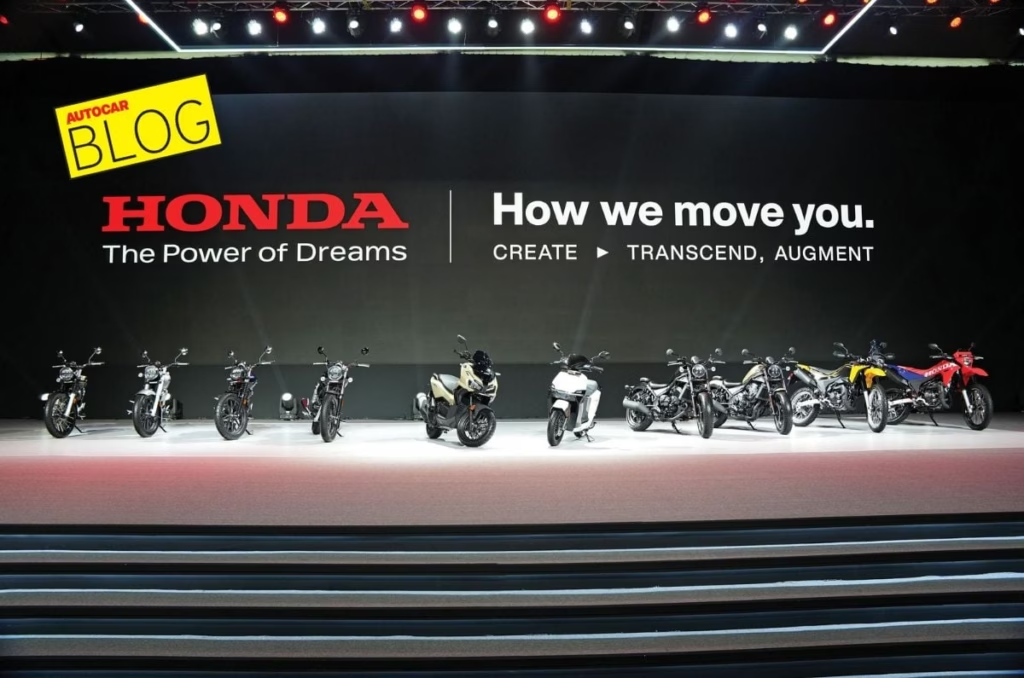
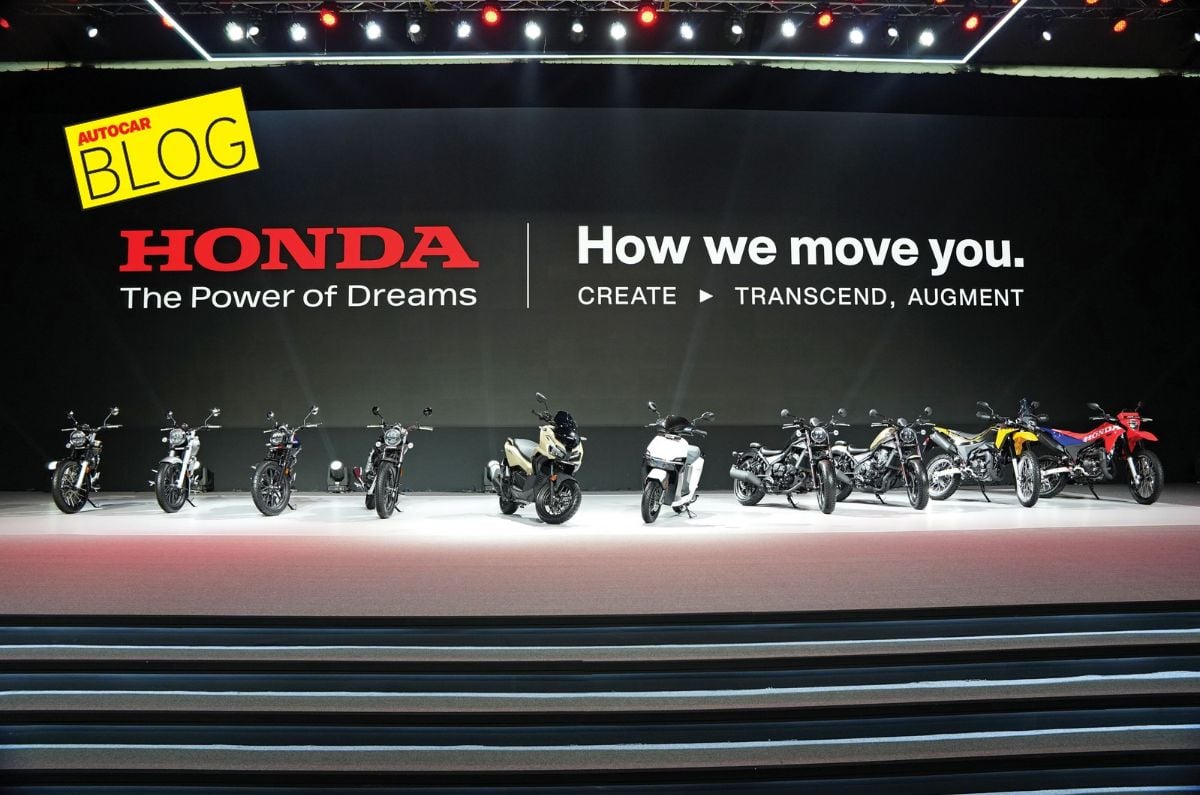
Honda bikes onstage at a big press event

2026 has revealed a change in how the Japanese treat our market. After years of being content to watch Indian competitors moving forward into more premium segments, the Japanese have finally realised that this is a space they can no longer ignore. 

The world’s biggest two-wheeler manufacturer is leading this charge. Honda recently held a huge event in Delhi in July, where they revealed ten new premium two-wheelers for India. That event on its own was a good sign, but there was still the very real concern of what these products would be priced at. After all, Indian enthusiasts have been burned by unrealistic pricing from the Japanese far too many times in the past.

Thankfully, things seem different this time around. So far, Honda has already released prices for the Rebel 300 (Rs 2.22 lakh-2.62 lakh), ADV160 (Rs 1.7 lakh), the QC3 electric scooter (Rs 1.35 lakh), XR300L and XR300 Rally (Rs 1.83 lakh & Rs 2.08 lakh, respectively) and the CB500 (Rs 2.75 lakh-3.02 lakh). All these prices are very reasonable and are either directly comparable with rivals or are at a small but justifiable premium. 

The best way to highlight this shift within Honda’s pricing strategy is to examine its own prices from a few years ago. The far superior Rebel 300 costs less today than the Rs 2.29 lakh price in 2022 for the now-discontinued CB300F. 

Sure, the Rebel now benefits from a lower GST structure, but the opposite holds true for the Honda CB1000 Hornet SP, which is priced at Rs 13.29 lakh. In comparison, the older CB1000R cost Rs 14.46 lakh in 2019, and it had far less fancy equipment. With Honda’s big bikes, the main issue is no longer the price but the fact that many of them aren’t available half the time. 

These new Hondas hold their own when compared with rivals as well. The new QC3 electric scooter is priced bang on par with equivalent rivals from Ather, Bajaj and TVS, and it will finally get Honda taken seriously in the EV space. The new CB500 is also priced Rs 10,000 lower than the top-spec Harley-Davidson X440 T, which is its closest rival. 

Yamaha is another manufacturer that has started to take crucial steps ahead. The awfully overdue XSR155 was finally introduced to India late last year, the R2 was just launched, and the NMax 155 will be coming in next year as well. These are good moves, but Yamaha needs to do more to cater to Indian riders who want more than just 150-200cc products. Kawasaki has localised a handful of its small bikes and we hear Suzuki is in the process of improving localisation on some of its big bikes as well, which is welcome news. 

None of these companies are taking these calls because they suddenly feel for the poor Indian motorcycle enthusiast who is crying out for more options. Those calls have gone unheeded for the better part of a decade.

The fact is that the Japanese (particularly Honda) are now seriously feeling the heat from local competition. Indian manufacturers (particularly TVS) have made massive gains over the last 5-10 years in all segments from scooters to EVs to premium motorcycles. Competition always benefits the customer, and it’s competition that we have to thank for this new enthusiasm shown by the Japanese towards the Indian market.

3 reasons to buy the Honda Elevate facelift and 3 reasons not to

3 reasons to buy the Honda Elevate facelift and 3 reasons not to
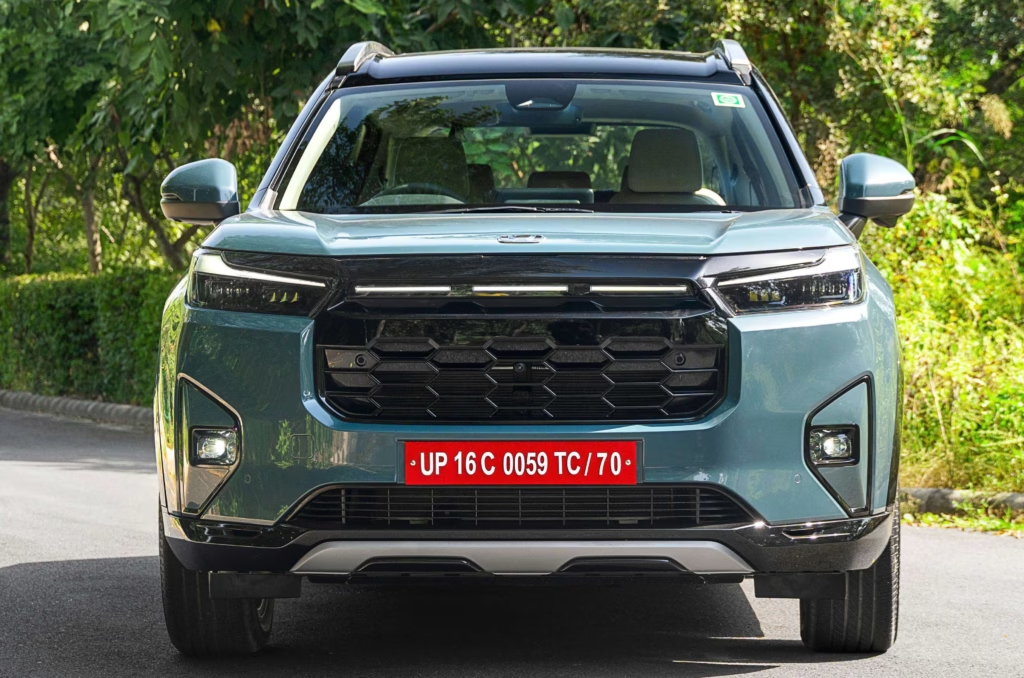
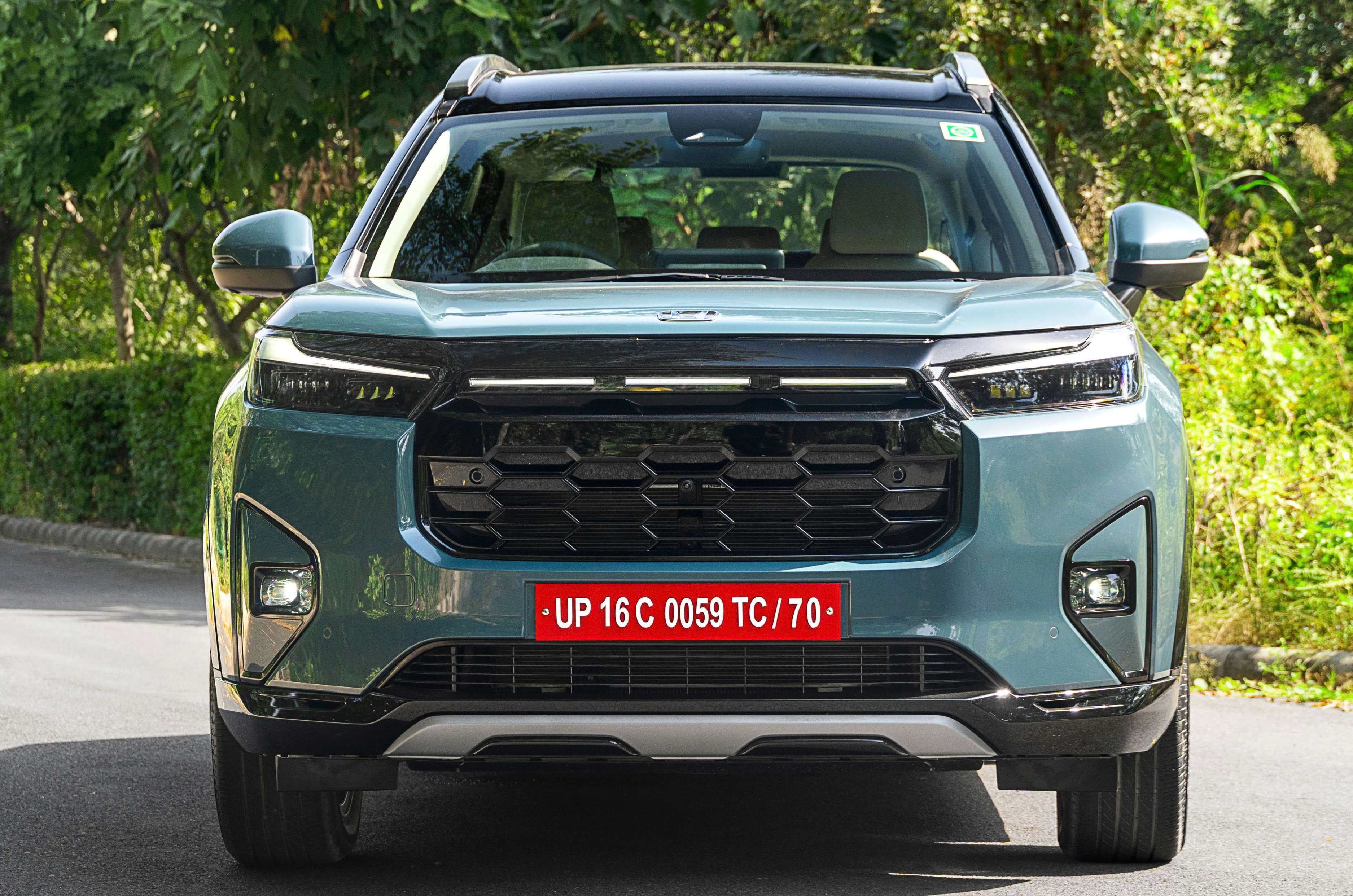
2026 Honda Elevate facelift front

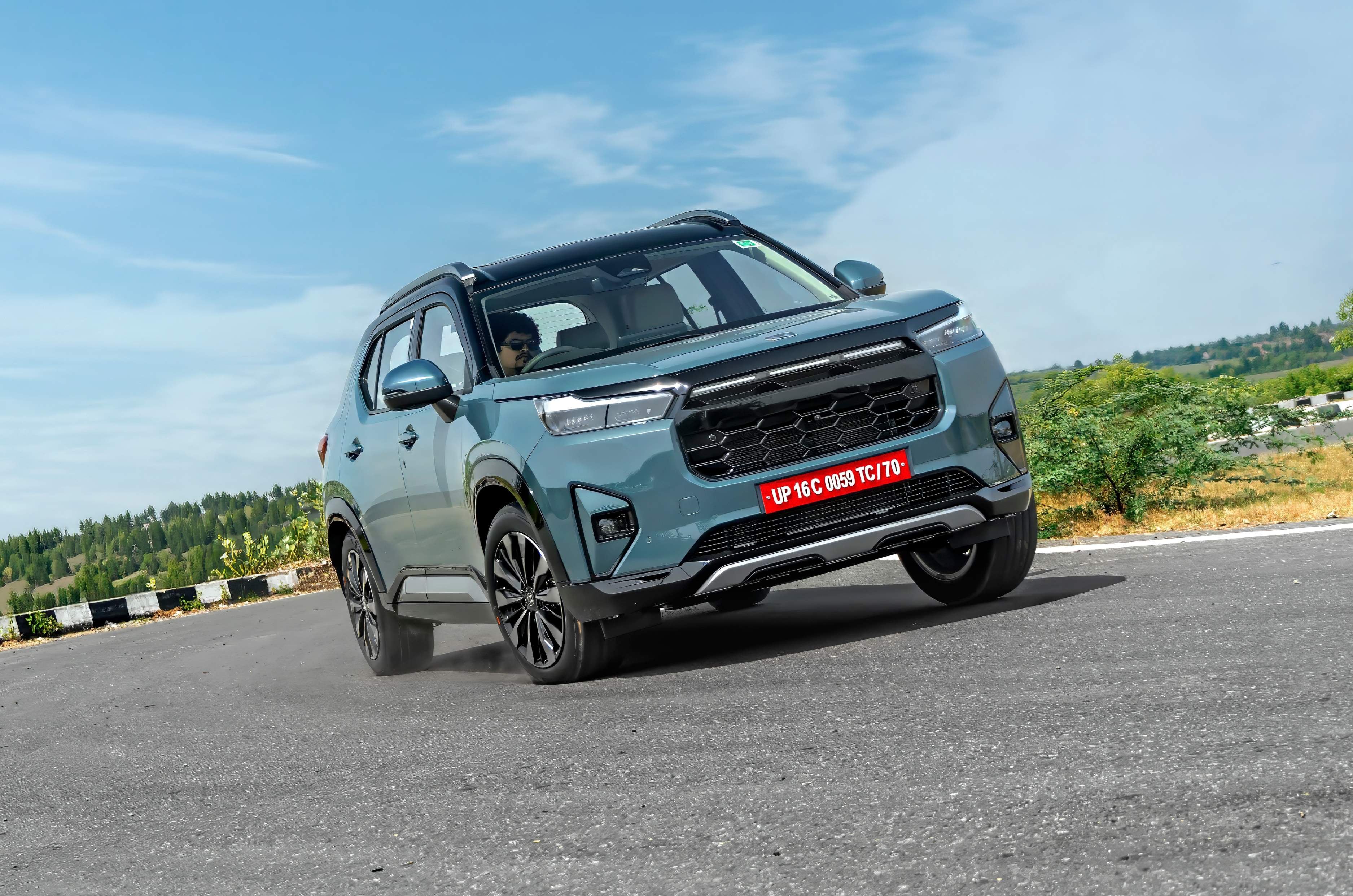
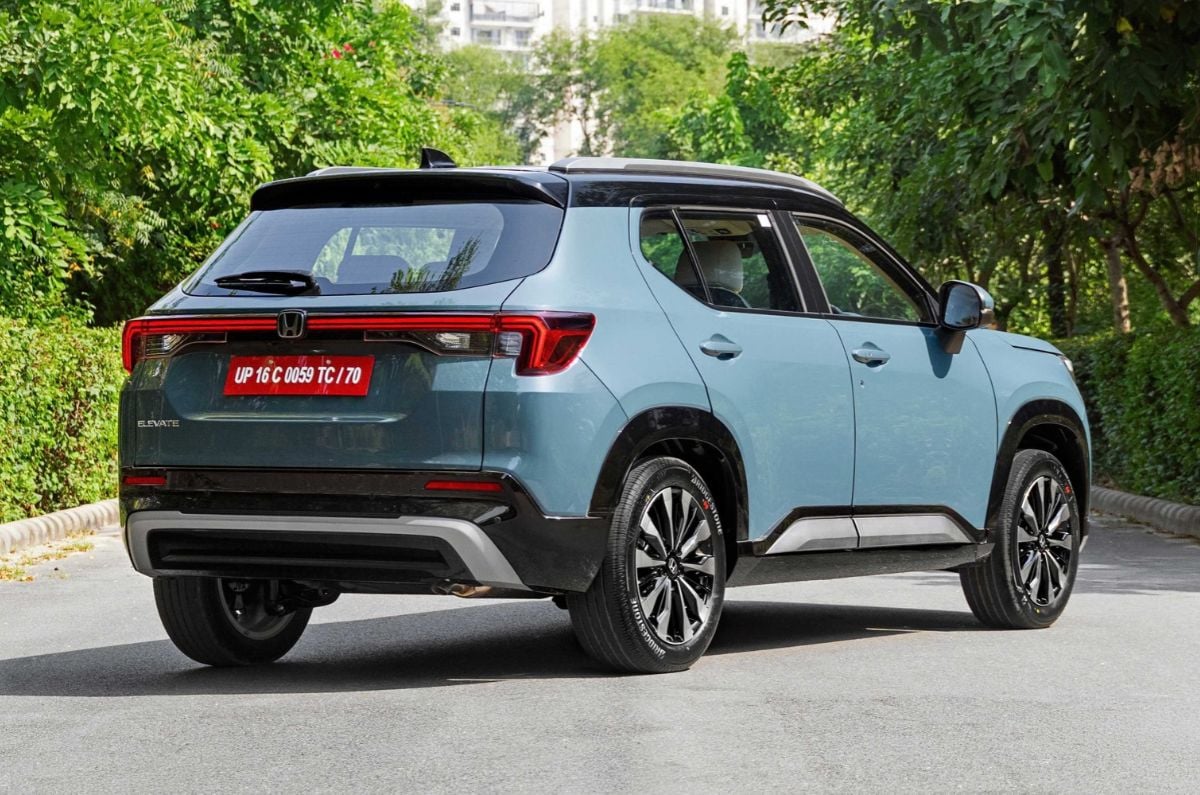
Honda has priced the 2026 Elevate facelift from Rs 11.80 lakh to Rs 18.58 lakh (ex-showroom). Its list of midsize SUV rivals is pretty long, and includes the Hyundai Creta, Kia Seltos, Tata Sierra, Renault Duster, Nissan Tekton, Volkswagen Taigun and Skoda Kushaq. The Elevate is underpinned by the City’s platform, and comes with a single 1.5-litre petrol engine with a choice of manual and CVT gearboxes. Here’s what works in the updated Elevate’s favour, and what doesn’t.

Reasons to buy the 2026 Honda Elevate facelift

Eager engine and confident road manners

A lively engine, tidy handling and strong brakes are among the Elevate’s fortes

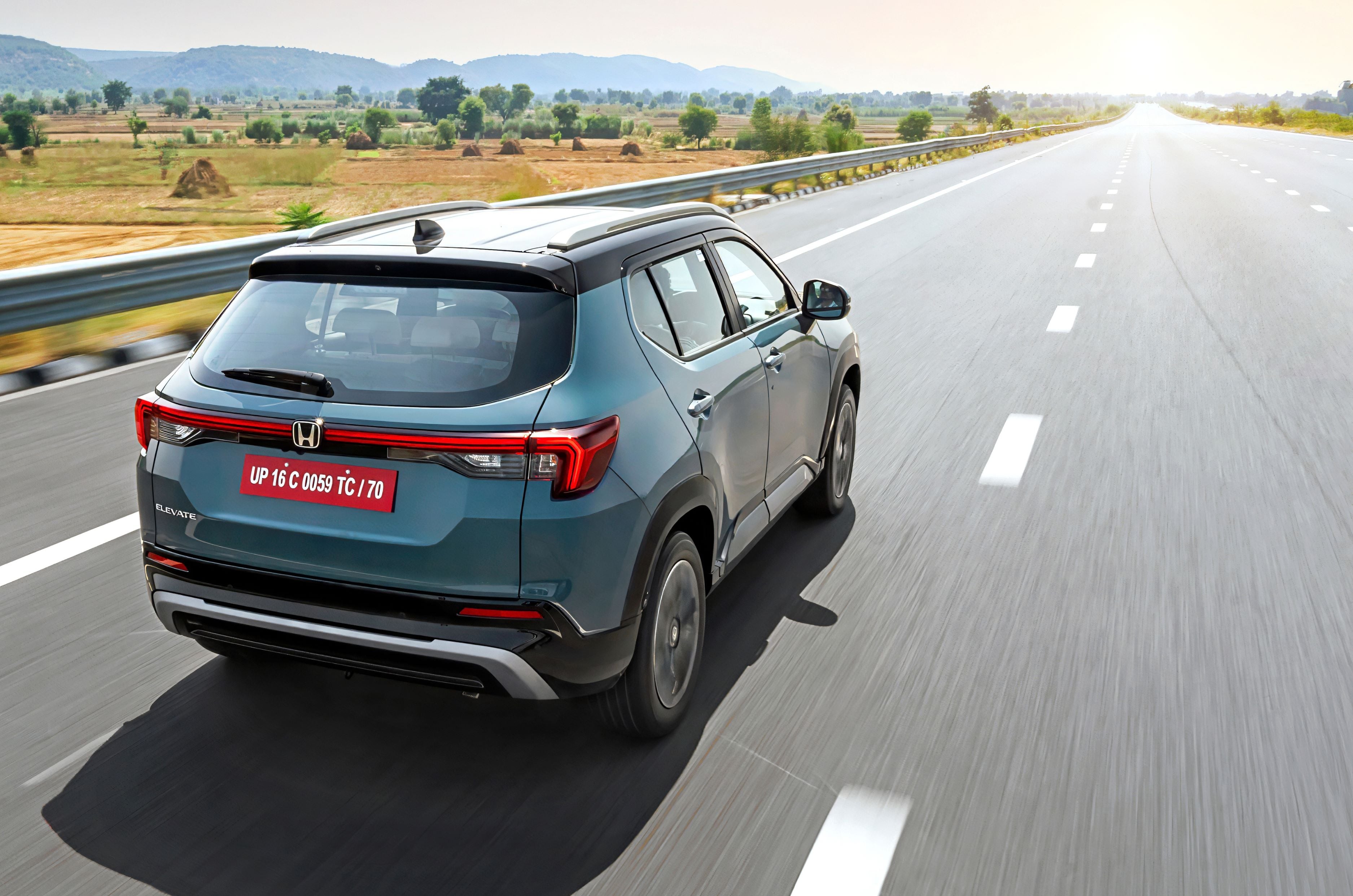
2026 Honda Elevate facelift rear quarter tracking
The Elevate’s i-VTEC engine provides strong performance, while high-speed stability is good too.

The 2026 Elevate continues with the same 1.5-litre four-cylinder i-VTEC petrol engine of its predecessor, but it’s now WLTP emissions norms compliant. The smooth and eager unit produces 121hp and 145Nm of torque, delivering this power cleanly and progressively all through its rev range. The throttle response is sharp, too. For those looking for a hassle-free urban commuter, the smooth CVT (continuously variable transmission) does the job well. It also gets paddle shifters so you can move through pre-set ratios, offering that extra sense of control.

2026 Honda Elevate facelift cornering shot
The Elevate feels planted and offers a good balance between handling and ride quality.

The Elevate has always been an easy car to drive around town, courtesy of a light yet responsive steering that makes parking manoeuvres easy. The steering weighs up progressively as speeds rise, and the Elevate also feels planted out on the open highway, inspiring confidence. A good control on body roll means that, despite its tall SUV stance, the Honda Elevate corners neatly without much drama. The brakes are strong and feel progressive, further inspiring driver confidence. The ride feels firm but the Elevate manages to smooth out surface imperfections with relative ease.

Premium and comfy cabin

Interior retains the model’s practicality quotient while upping the premium experience

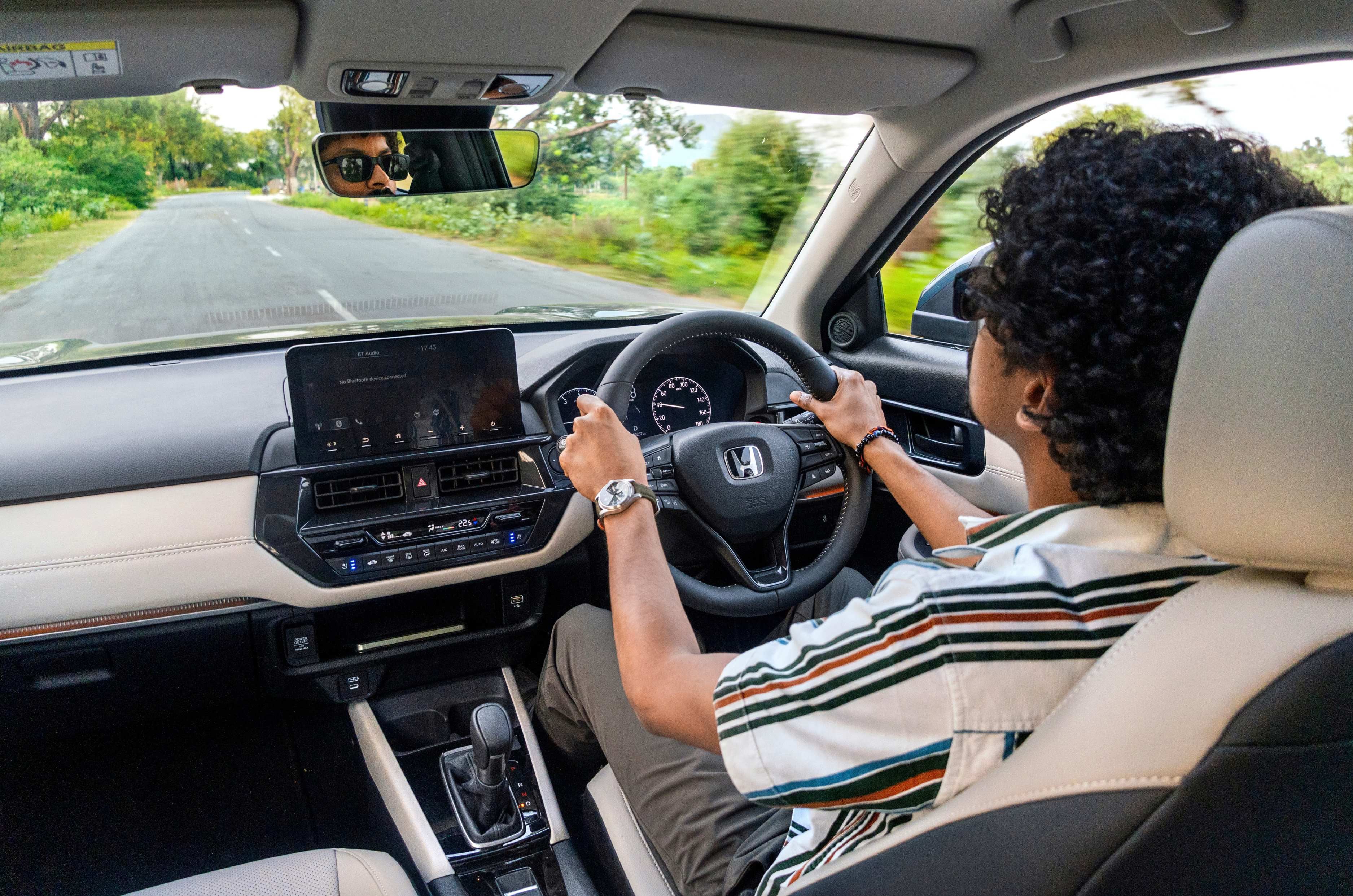
2026 Honda Elevate facelift driving position
The 2026 update has made this interior feel more premium.

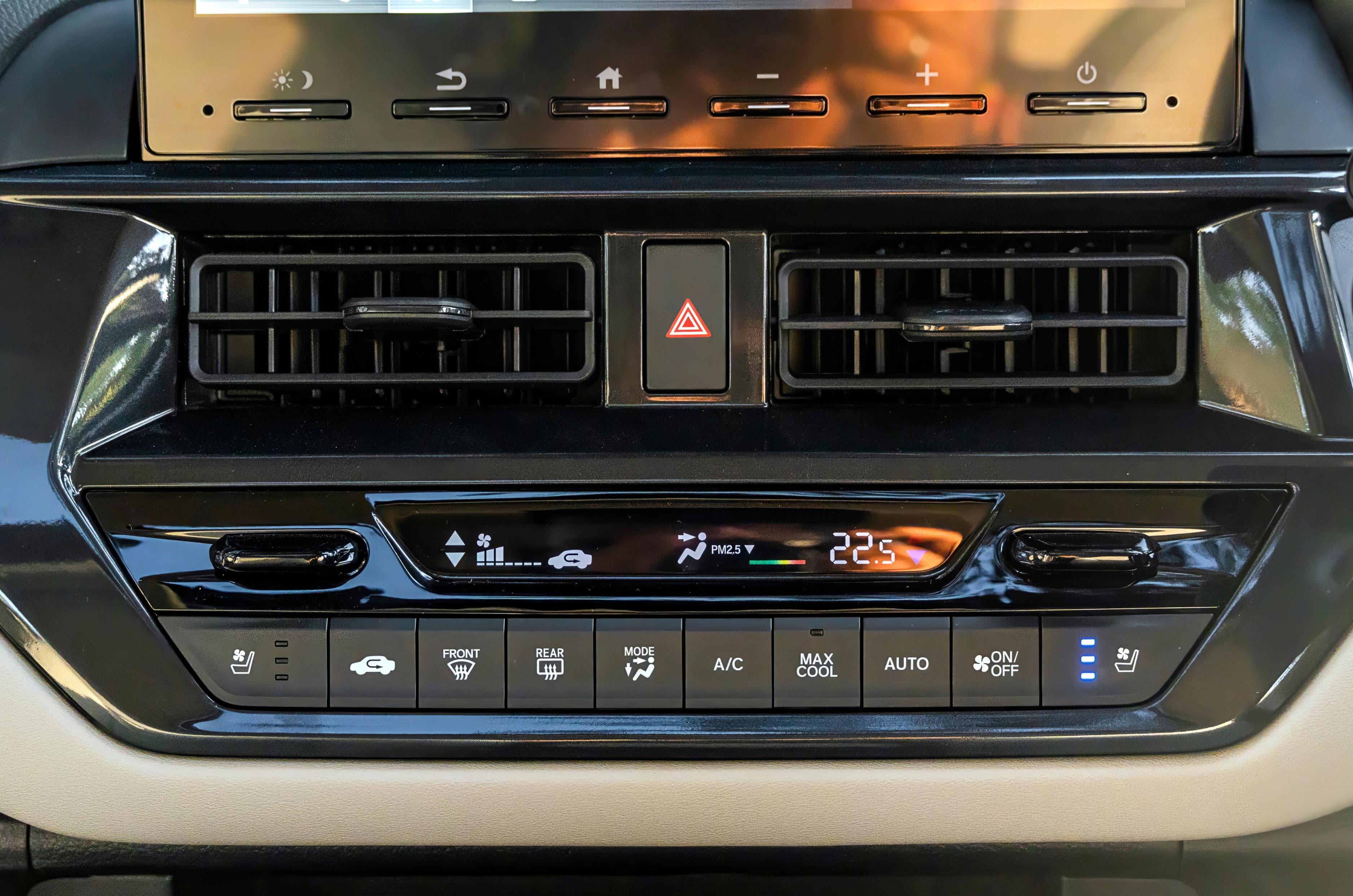
The Elevate has been known for providing an ergonomically sound cabin – this hasn’t changed with the 2026 update. The front seats remain nice and supportive, while finding a comfortable driving position is easy. There’s now lighter leatherette padding and stitching on the dashboard, a revised headliner that looks and feels more premium, and an updated HVAC panel with buttons for the front-seat ventilation feature.

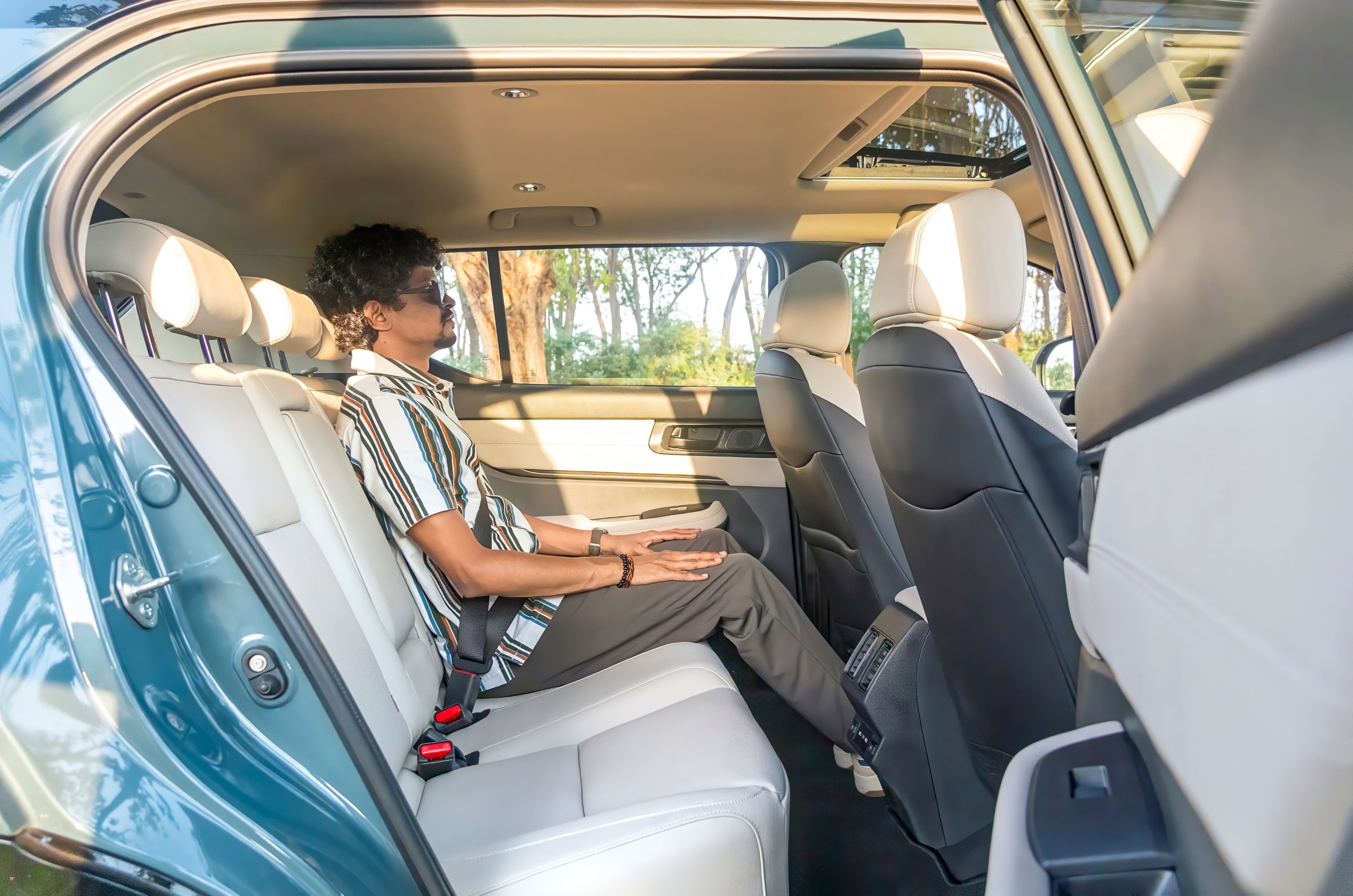
2026 Honda Elevate facelift rear seats
Headroom and kneerom for back-seat passengers is good.

It is easy to get comfortable in the back of the Honda Elevate facelift. There’s plenty of headroom and kneeroom for two adults, while conveniences like a centre armrest with cupholders, dedicated AC vents and USB charging ports add to the overall experience. There’s also no shortage of cubbies to store your knick-knacks, plus a roomy 458-litre boot. You also get a spare tyre under the boot floor, further boosting the Elevate’s practicality.

Better equipped than before

Honda has added more features to the Elevate’s equipment list

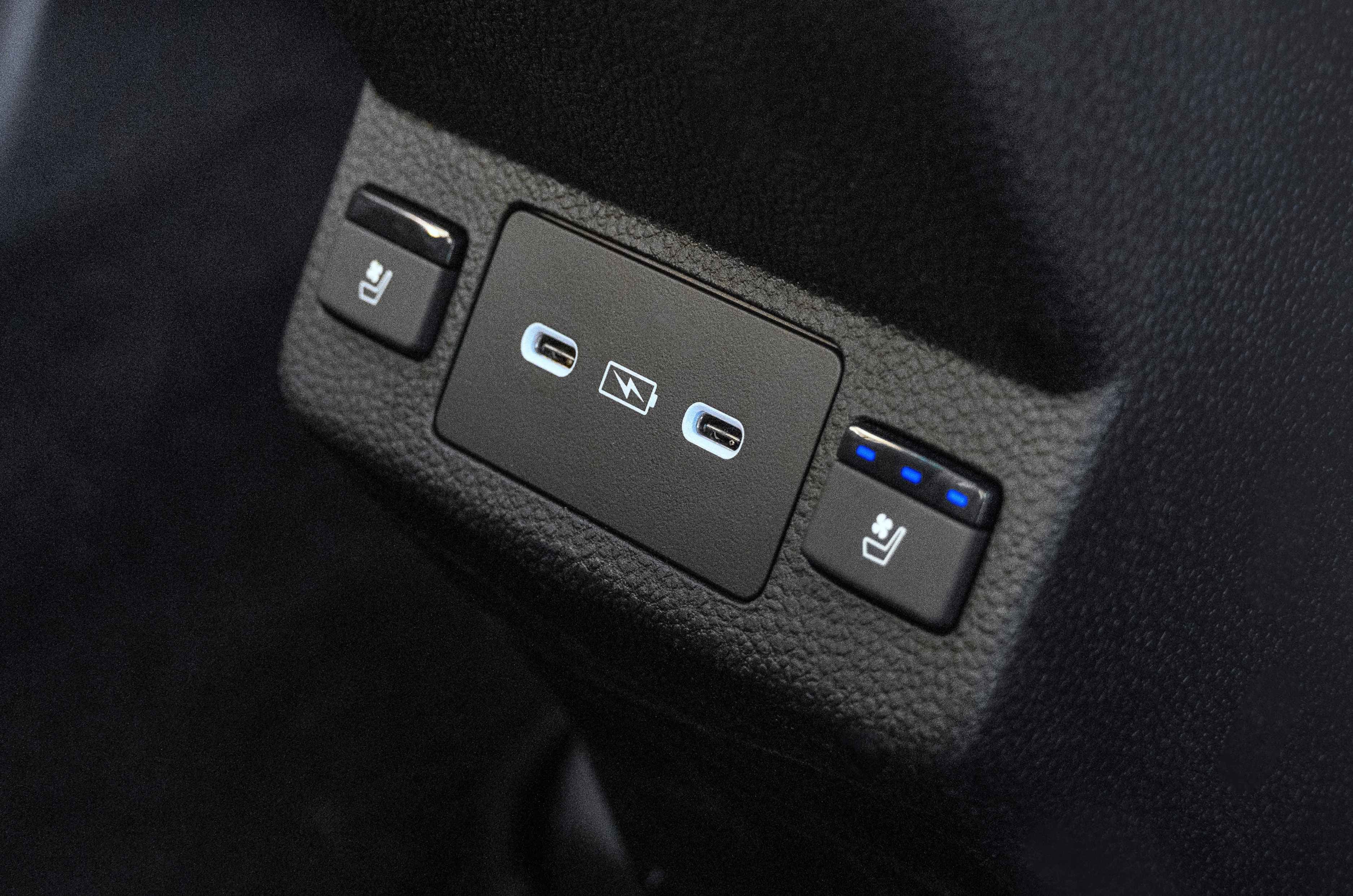
2026 Honda Elevate facelift rear seat ventilation
The Honda Elevate now gets segment-first rear-seat ventilation.

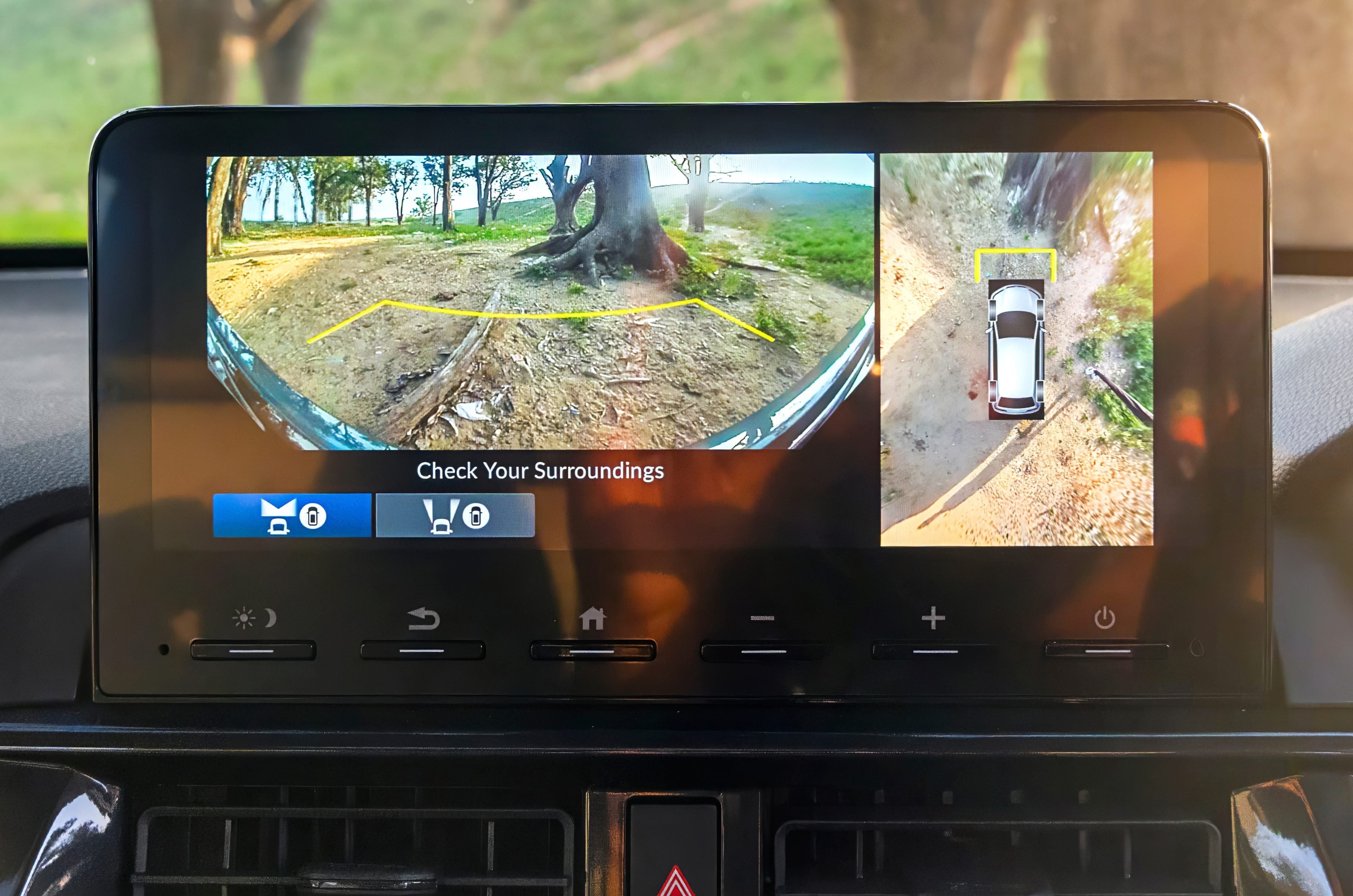
The back seats of the 2026 Elevate facelift are also where you will see the new touch-operated LED reading lamps. The Elevate now offers rear-seat ventilation, which is a first for the segment. Features such as orange ambient lighting, multi-way powered front seats, wireless charging, auto climate control with a built-in PM2.5 air purifier, wireless Apple CarPlay & Android Auto, an 8-speaker audio system, a 7-inch MID, and a 360-degree camera are available too.

2026 Honda Elevate facelift 360-degree camera
A 360-degree camera is now a factory-fit option on the top-spec trim.

There’s enough on the safety front, too. The 2026 Elevate facelift is available with front parking sensors, Honda’s LaneWatch camera, and a camera-based ADAS (advanced driver assistance systems) suite. This ropes in adaptive cruise control, auto-emergency braking, lane-keep assist and more. The CVT variants get a new low-speed follow function for the adaptive cruise control to tackle stop-and-go traffic conditions, along with rear disc brakes and an electronic parking brake with auto hold. Standard equipment includes 6 airbags, stability & traction control, rear parking sensors, adjustable headrests and three-point seatbelts for all occupants.

Reasons not to buy the 2026 Honda Elevate facelift

Cabin has its shortcomings

Lacklustre noise insulation aside, the Elevate’s cabin still has a few niggles

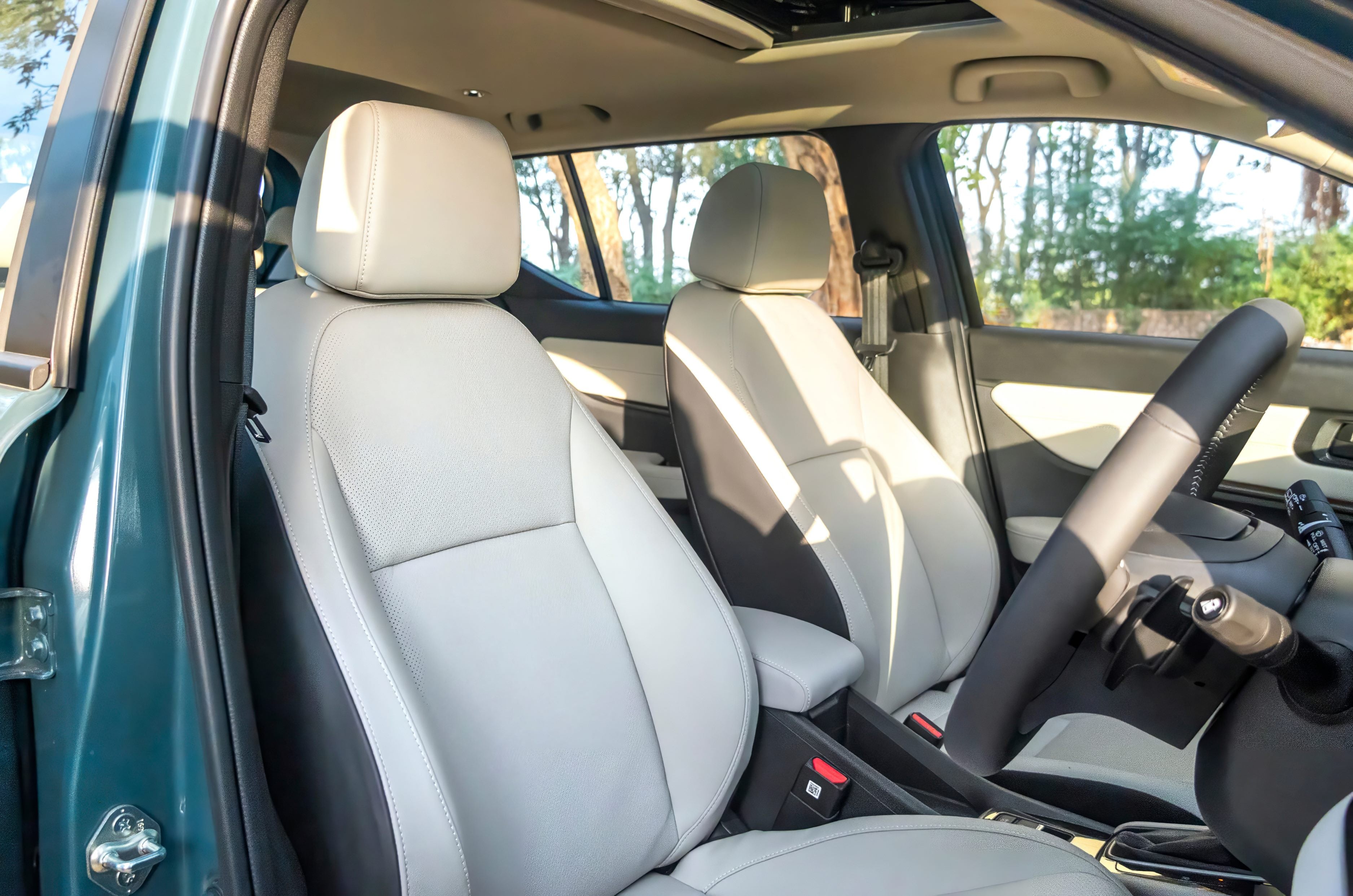
2026 Honda Elevate facelift front seats
Some may find the front lumbar support to be excessive.

While the 2026 facelift has made the Honda Elevate more competitive, there’s still room for improvement. For starters, the lumbar support up front can feel intrusive for some, and taller occupants will find the under-thigh support underwhelming. Seating a third passenger in the back wouldn’t be easy, due to the narrower cabin width of the Elevate over some rivals. The raised centre seat doesn’t make this better, either.

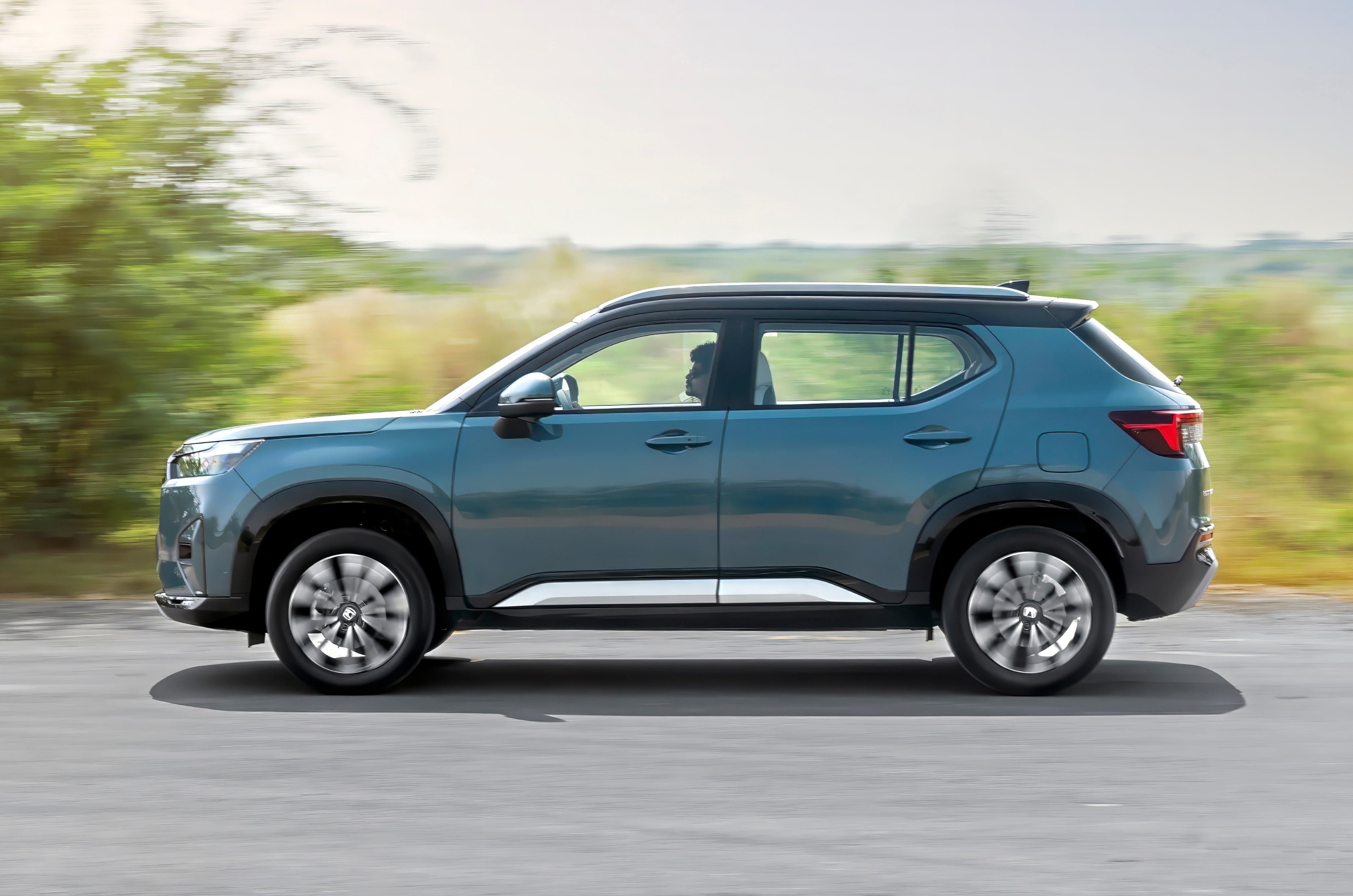
2026 Honda Elevate facelift side tracking
Rear occupants will notice vertical movements at higher speeds over undulating roads.

The cabin is quieter than before, but engine and road noise can be heard quite easily at highway speeds. Those at the back will also notice a fair bit of vertical movement over undulating highways at triple-digit speeds.

Only one engine option

The Elevate still doesn’t get a diesel, turbo-petrol, hybrid or CNG option

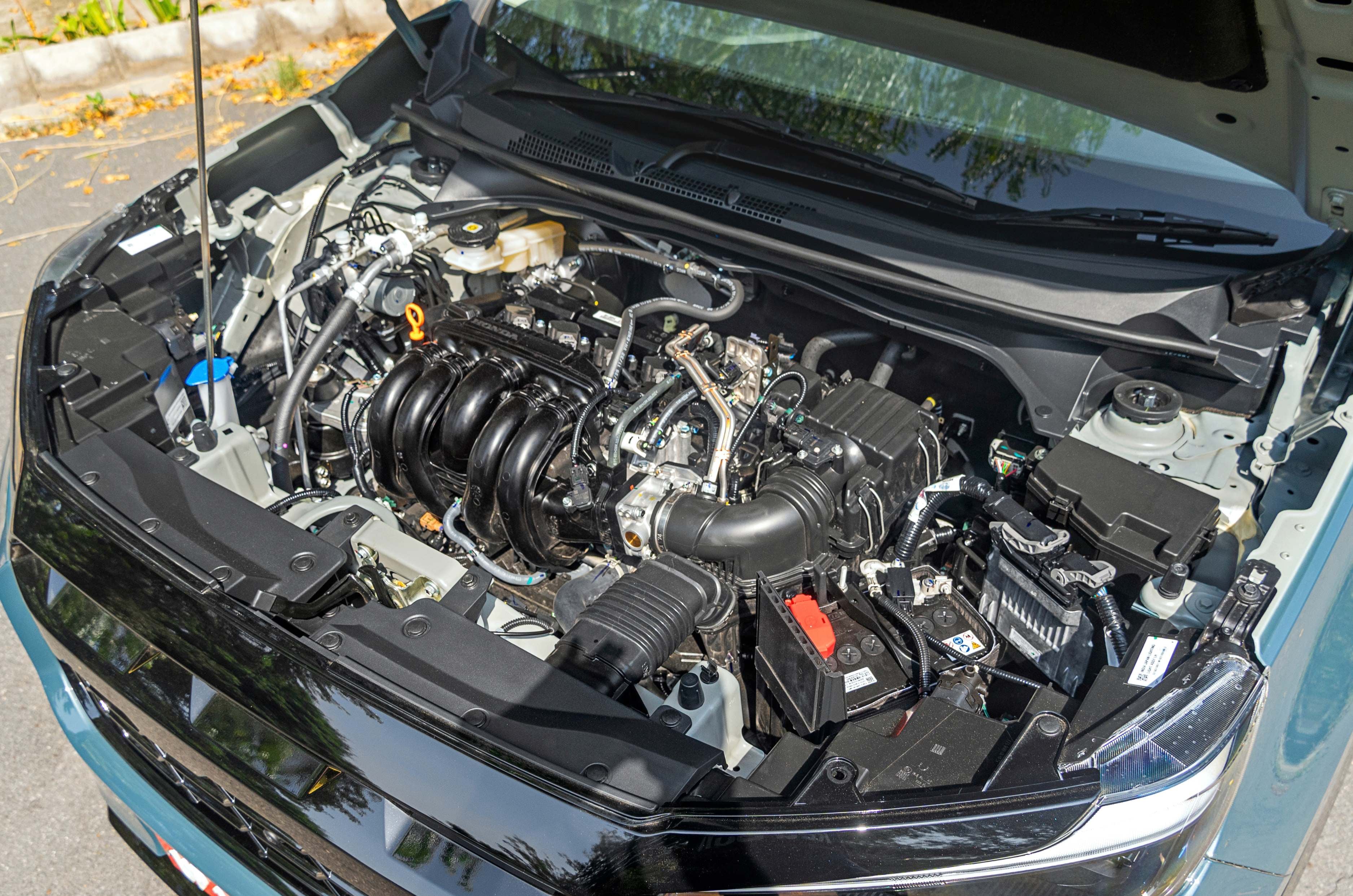
2026 Honda Elevate facelift engine
Lack of engine choices even with the latest update is a definite con for the Honda Elevate.

In a segment where rivals offer multiple engine options (even across fuel types), the 2026 Honda Elevate facelift continues with just the one naturally aspirated petrol unit. This limits its appeal when compared to other offerings in the hotly contested midsize segment. While we are yet to test its mileage, the lack of an automatic engine stop-start system and ‘Eco’ drive mode won’t help boost fuel efficiency.

Latest features reserved for the top trim

Most of the headline features are offered only with the new range-topping ZX+

2026 Honda Elevate facelift rear quarter
Only the range-topping ZX+ gets all of the newly introduced features.

If you want all the new bells & whistles that the 2026 Honda Elevate facelift has to offer, you’ll have to stretch your budget to accommodate the new top-spec ZX+ trim. This is where niceties like rear seat ventilation, powered front seats, a 360-degree camera and front parking sensors reside. However, this also means a price tag of between Rs 16.88 lakh and Rs 18.58 lakh (ex-showroom).

2026 Honda Elevate facelift automatic AC
The ZX+ trim still misses features like two-zone climate control, a panoramic sunroof and rear sunblinds.

Despite the ZX+’s higher price, it still misses out on a panoramic sunroof, powered tailgate, a fully digital driver’s display, rear sunblinds and dual-zone climate control. Some similarly priced rivals offer a more comprehensive feature set, more cabin space and multiple powertrain options.

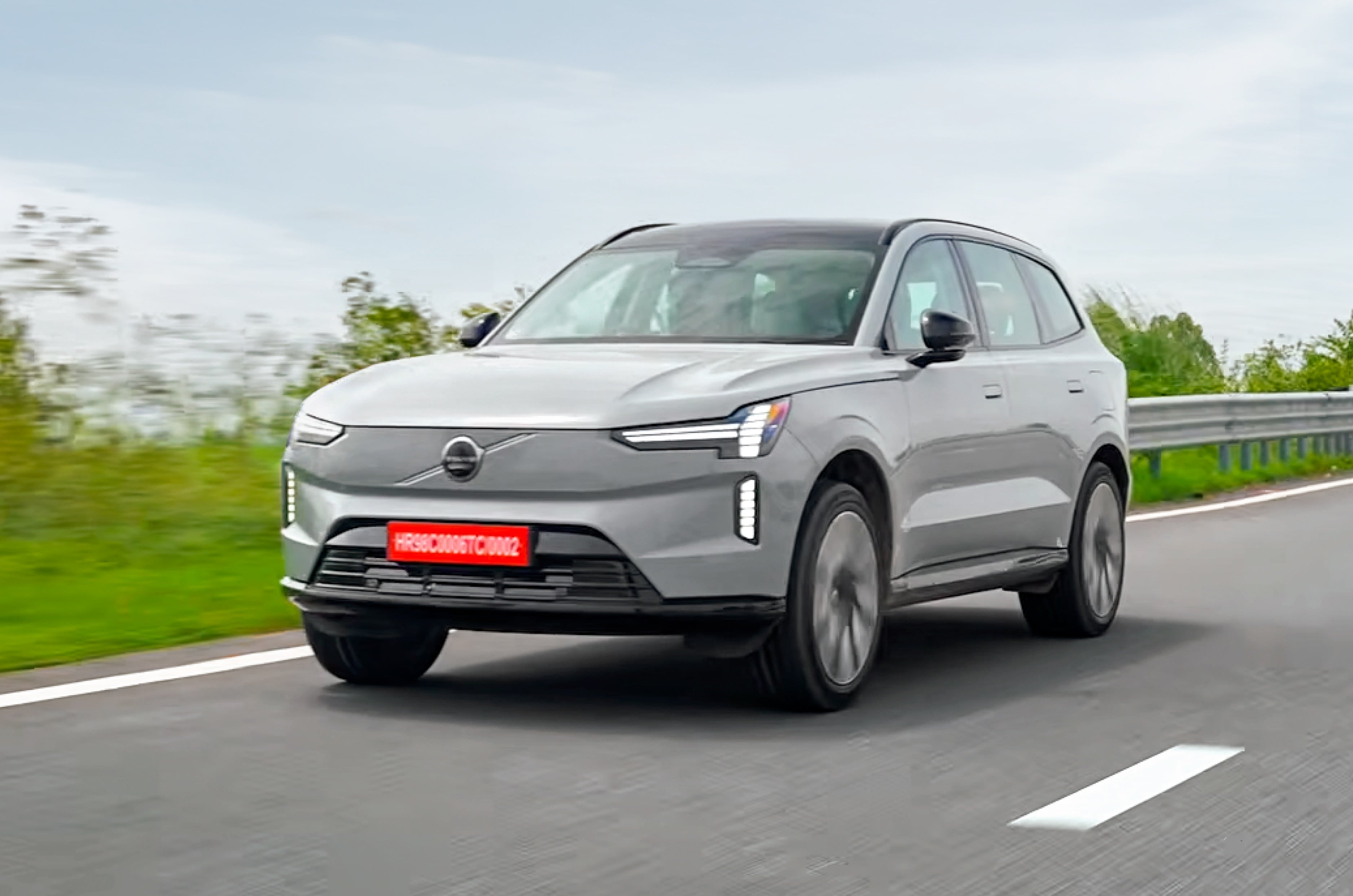
What to expect from Volvo EX90 ahead of launch tomorrow

What to expect from Volvo EX90 ahead of launch tomorrow
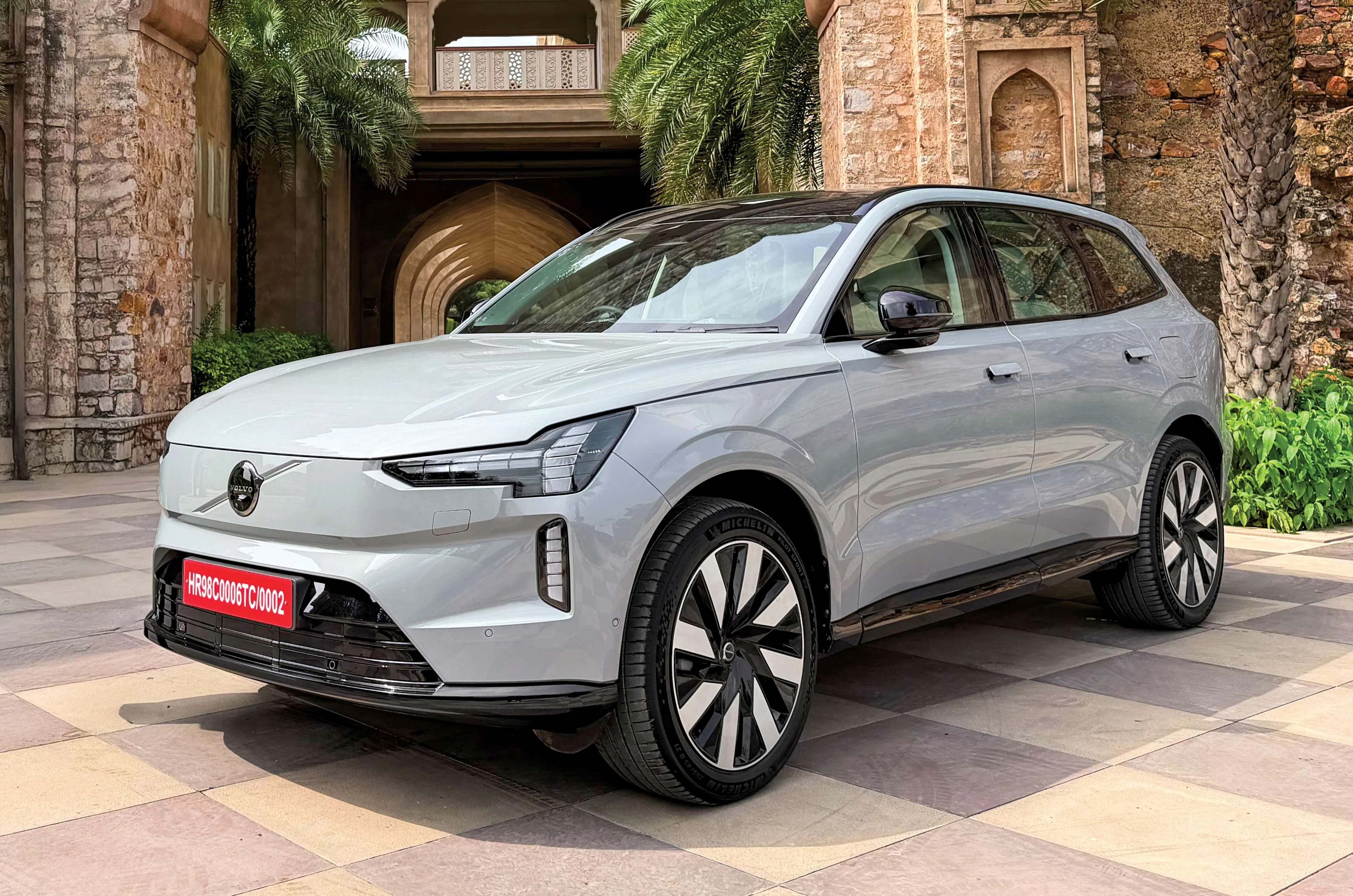
Volvo EX90 front quarter static

Volvo India will launch its flagship electric EX90 SUV on October 12, 2026. It will launch alongside the ES90 flagship sedan, and both are underpinned by Volvo’s EV-dedicated SPA2 architecture. In Volvo India’s portfolio, it will sit above the brands other electric SUVs like the EX30 and EC40. The EX90 will be positioned as an all-electric alternative to the already existing ICE-powered XC90. Ahead of its launch, here’s everything you need to know about the Volvo EX90.  

What is the expected price and rivals of the Volvo EX90? 

The Volvo EX90 is expected to be priced in the ballpark of Rs 1.4 crore to Rs 1.5 crore, ex-showroom. The Volvo EX90 will lock horns with the Mercedes-Benz EQS and the Kia EV9. 

What powertrains will the Volvo EX90 get?

The EX90 will come in one fully-loaded variant to India. It will be powered by a 106kWh battery pack paired with a dual-motor setup enabling AWD. The combined power output is 456hp and 670Nm with a claimed 0-100kph time of 5.5 seconds. Volvo claims a WLTP-certified range of 625km and, during our time with it, it delivered a respectable 530km range. As for charging, it supports 11kW AC charging speeds, taking 11 hours to top up from 0-100 percent. On DC charging, it supports up to 350kW thanks to its 800V system. 

What will the Volvo EX90 look like?

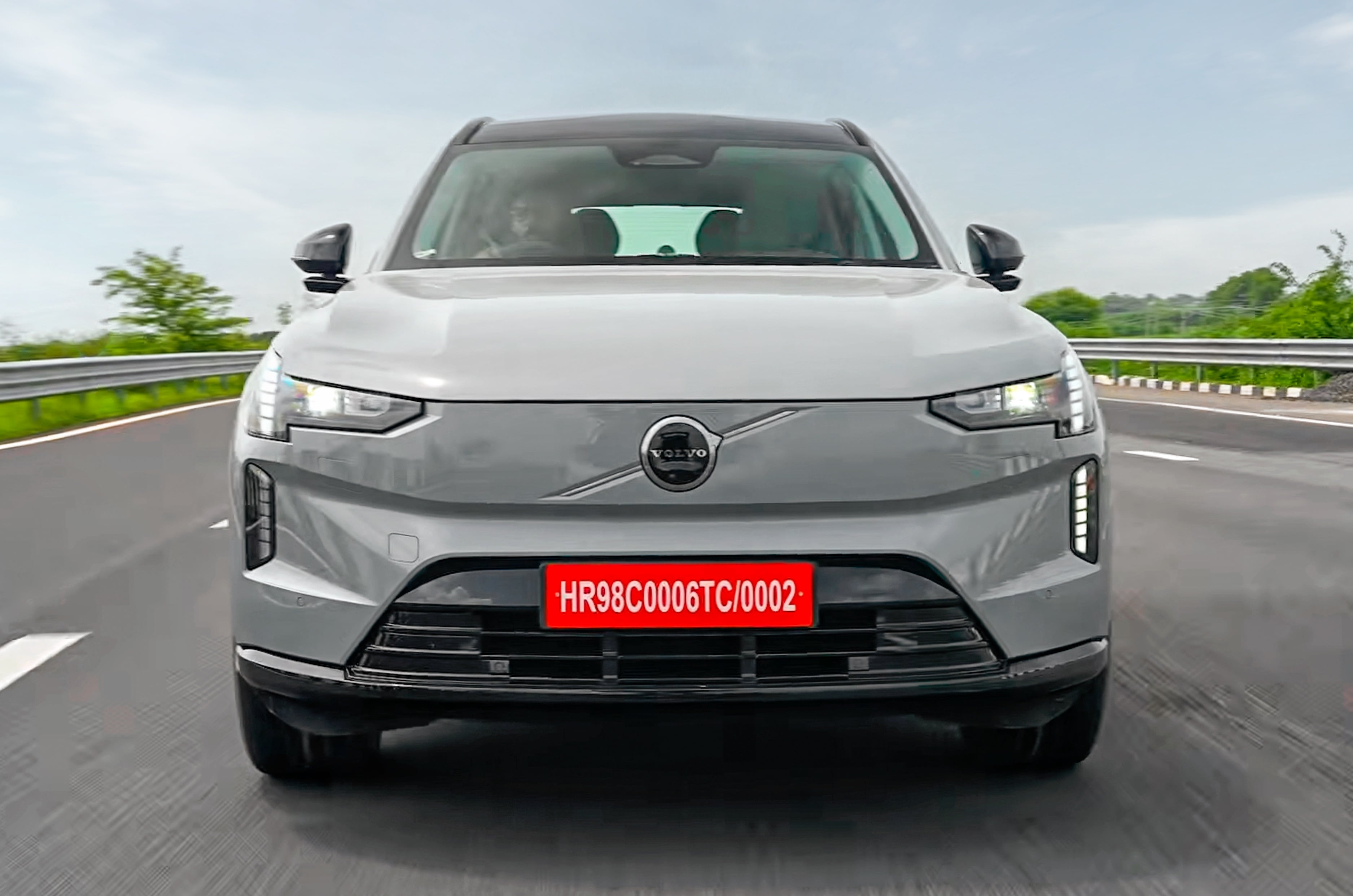
In typical Volvo fashion, the EX90 gets an understated exterior appearance, and it looks quite different from its ICE-powered XC90. At the front, there are LED DRLs with ‘Thor’s Hammer’ signatures that split open to reveal the main headlamp units. The grille gets a blanked-off finish with the Volvo badge in the centre, DRL strips on the sides of the bumper, and a trapezoidal air intake lower down.

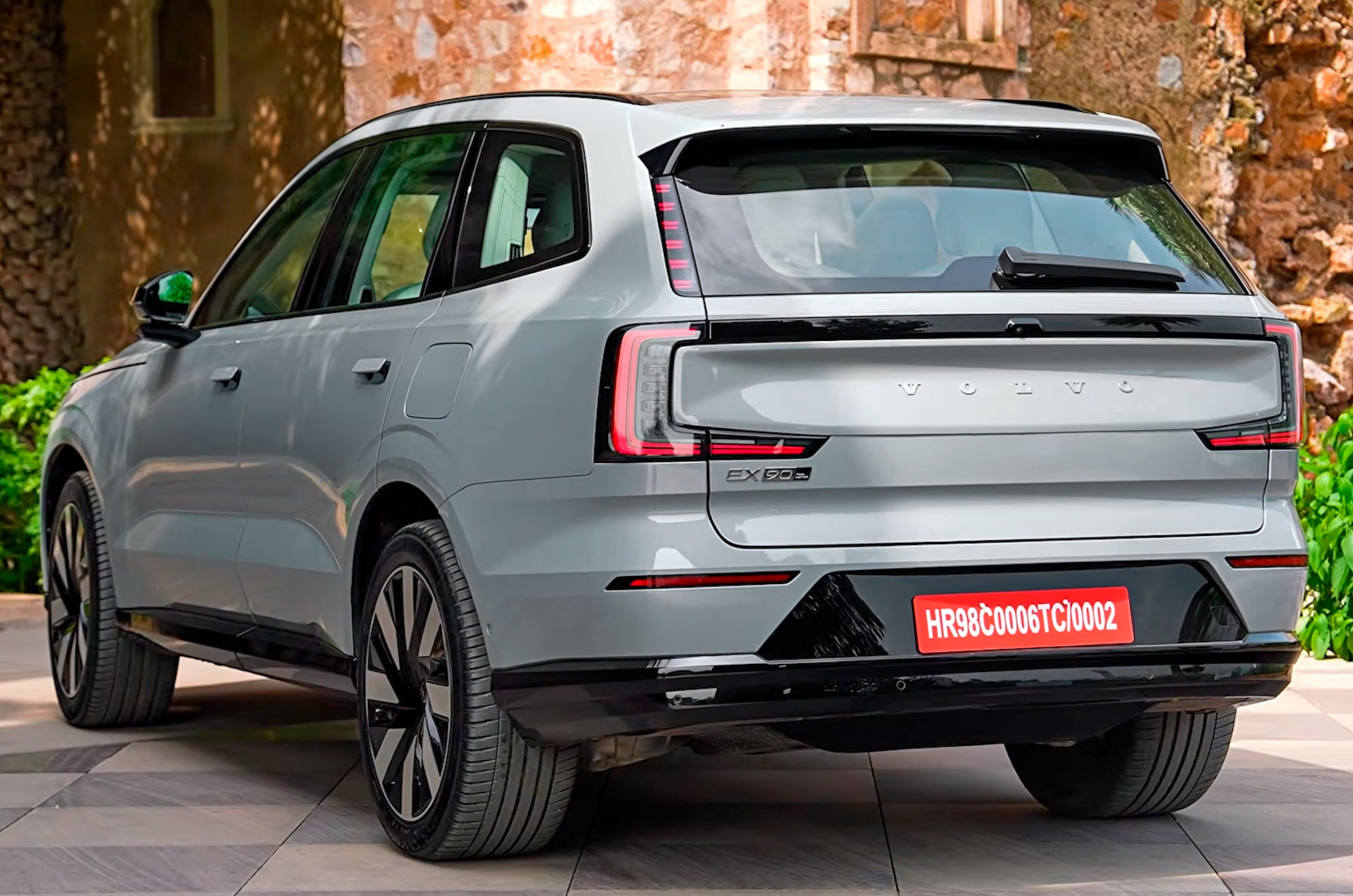
In profile, it gets a smooth finish for the doors, flush door handles, a rising window line, gloss black cladding for the sills, and 21-inch dual-tone alloy wheels. The rear gets a split design for the LED tail-lamps with C-shaped LEDs below and vertically stacked LED strips on the D-pillar. Like the front, there’s minimal cladding at the back with a gloss black finish lower down the bumper. Boot space is 324 litres with the third row up and 690 litres when folded

What will the Volvo EX90 interior look like?

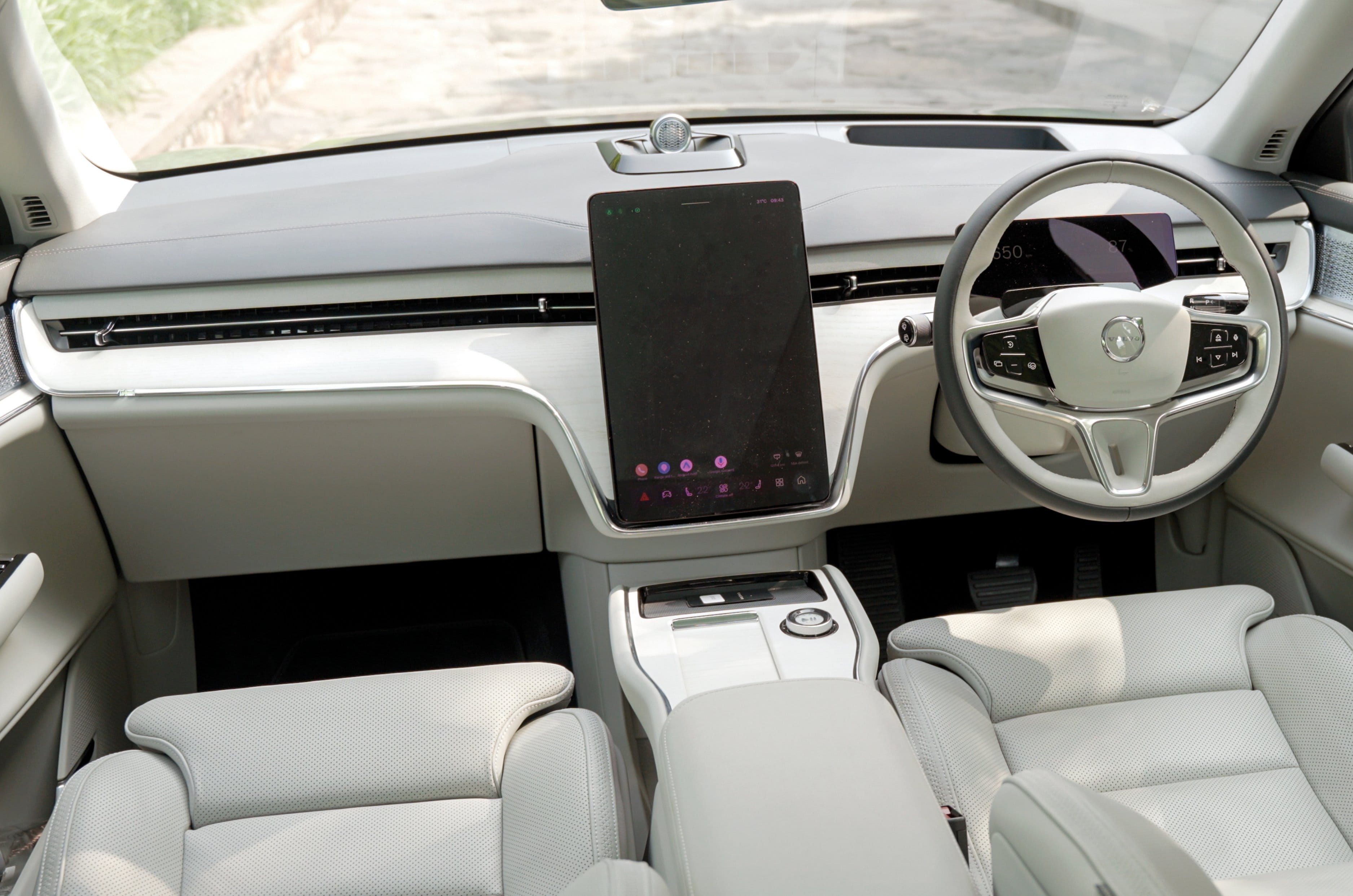
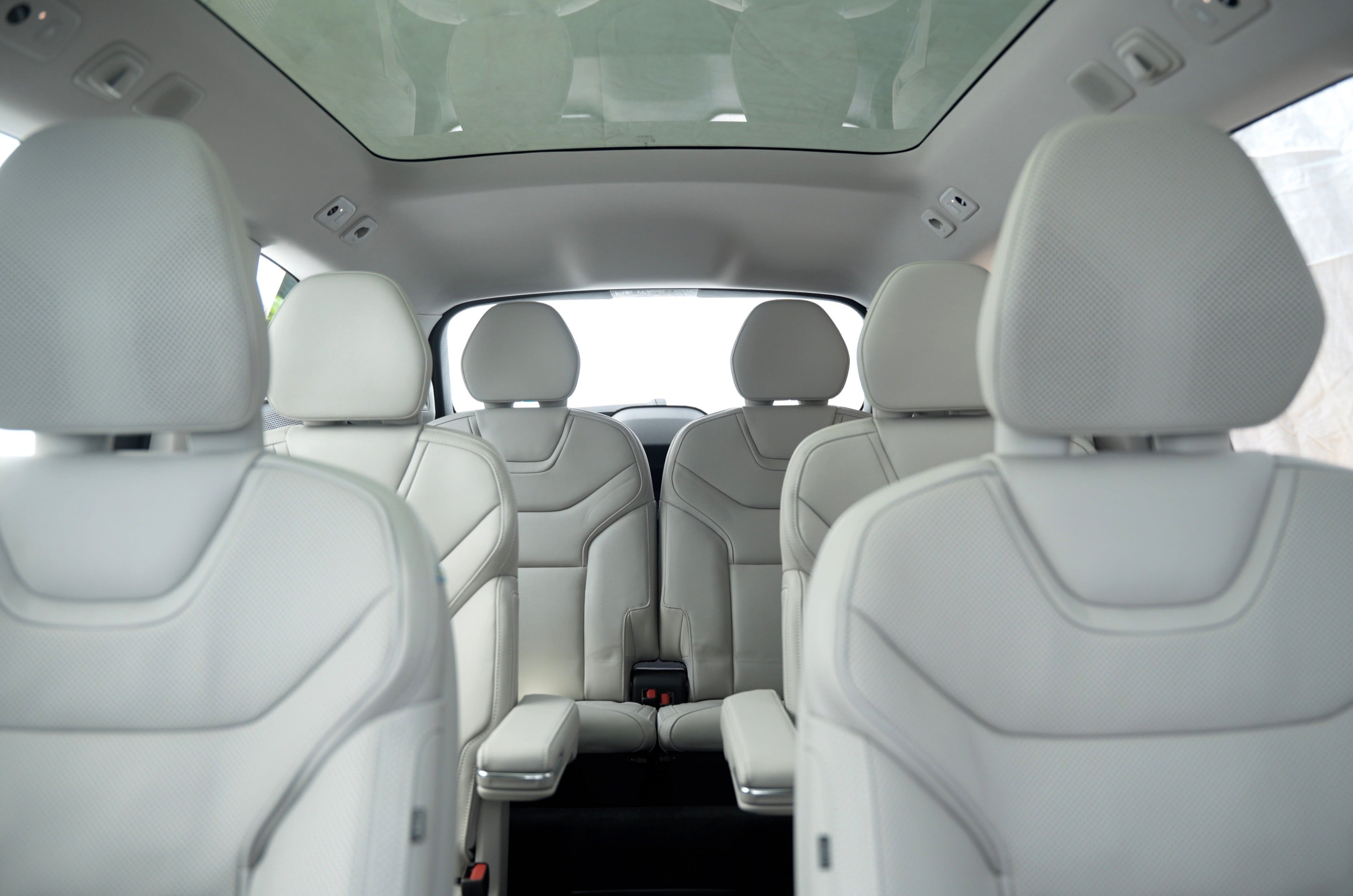
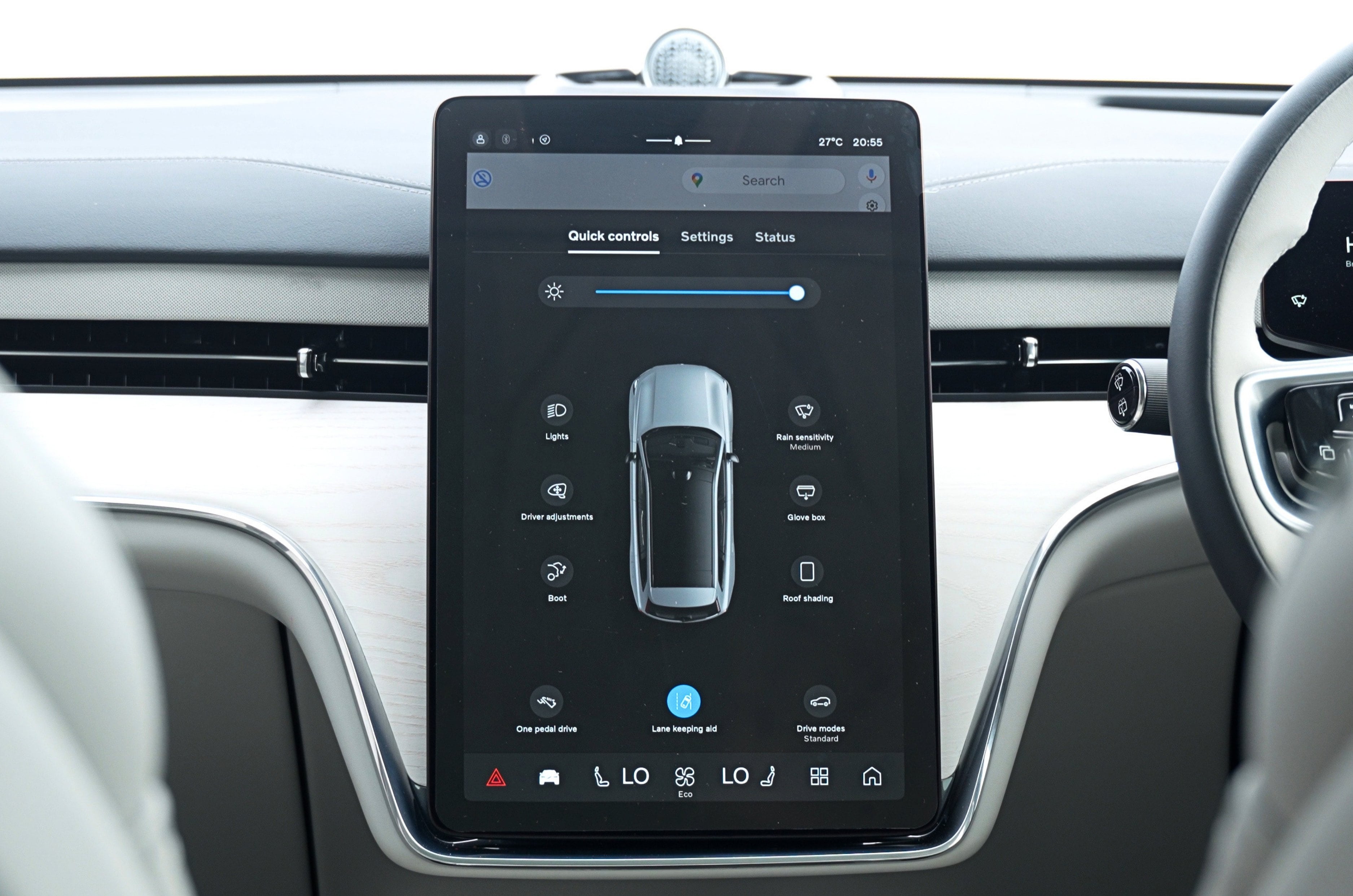
Inside, the Volvo EX90 gets a minimalistic cabin with a two-tone grey and white theme. There aren’t many physical buttons here, but a large vertically oriented infotainment screen is placed at the centre of the dashboard.

Across the interior, there’s open-pore wood and brushed aluminium trims, while the seats are wrapped in Nappa leather upholstery. Below the infotainment screen is a centre console comprising a wireless phone charger and a rotary knob for media controls. The Volvo EX90 is a 6-seat SUV in a 2+2+2 configuration with captain chairs for the middle row.

What features will the Volvo EX90 get?

The Volvo EX90’s equipment list includes a 14.5-inch infotainment screen powered by Google, 9-inch digital driver’s display. Wireless phone charger, 25-speaker Bowers & Wilkins sound system, powered, ventilated, and massaging front seats, an electrochromic panoramic glass roof, and 4-zone climate control. Safety features include 9 airbags, an ADAS suite, a 360-degree camera, and automatic parking.  

न्यूजीलैंड के कई अहम खिलाड़ी चोट के कारण भारत के खिलाफ T-20I सीरीज से हुए बाहर

Newzealand

न्यूजीलैंड टी-20 टीम को 22 अक्टूबर से विश्व विजेता भारतीय टीम की मेजबानी करनी है। हालांकि अभी से उनके कई सितारा खिलाड़ी इस सीरीज से बाहर होने लग गए हैं। इसकी शुरुआत सितंबर के अंतिम सप्ताह में ही हो गई  जब  स्पिन ऑलराउंडर और सलामी बल्लेबाज रचिन रविंद्र को प्रमोशनल शूट के दौरान कंधे में चोट लग गई और वह 6 हफ्ते के लिए अंतरराष्ट्रीय क्रिकेट से बाहर हो गए। यह बल्लेबाज भारत के खिलाफ वनडे सीरीज में वापसी कर सकता है। उनकी जगह ऑलराउंडर बेवॉन जैकब्स को टीम में लाया गया।

इसके बाद शुक्रवार को खबर आई कि  बल्लेबाज मार्क चैपमैन और  तेज गेंदबाज जैक फाउल्क्स चोटिल होने के कारण भारत के खिलाफ 22 अक्टूबर से क्राइस्टचर्च में शुरू होने वाली पांच मैचों की टी20 अंतरराष्ट्रीय क्रिकेट सीरीज से बाहर हो गए हैं।

बाएं हाथ के बल्लेबाज चैपमैन पिछले महीने यूरोपीय टी20 लीग के दौरान चोटिल हो गए थे। उनके बाएं पांव की मांसपेशियों में खिंचाव आ गया था और वह अभी तक पूरी तरह फिट नहीं हो पाए हैं। तेज गेंदबाज फाउल्क्स के दाहिने कूल्हे में हाल ही में कैंटरबरी में अभ्यास सत्र के दौरान चोट लग गई थी।

चैपमैन ने अब तक 113 टी20 अंतरराष्ट्रीय मैच खेले हैं। यह 32 वर्षीय बल्लेबाज भारत के खिलाफ वनडे सीरीज में वापसी कर सकता है लेकिन फाउल्क्स की वापसी की कोई निश्चित समयसीमा नहीं है।ऑलराउंडर जोश क्लार्कसन और तेज गेंदबाज ब्लेयर टिकनर को इन दोनों खिलाड़ियों के स्थान पर टीम में शामिल किया गया है।

यह काफी नहीं था तो शनिवार के लिए न्यूजीलैंड के लिए एक और बुरी खबर आ गई। टीम के प्रमुख गेंदबाज विल ओ रूर्क भी इस सीरीज से बाहर हो गए हैं। खेल के सभी प्रारूप में खेलने वाले इस 25 वर्षीय तेज गेंदबाज ने पीठ में चोट के कारण सात महीने तक क्रिकेट से दूर रहने के बाद इस साल की शुरुआत में अंतरराष्ट्रीय क्रिकेट में वापसी की थी। इंग्लैंड के खिलाफ तीसरे टेस्ट मैच के अंतिम दिन हालांकि उनकी मांसपेशियों में खिंचाव आ गया था और इसके बाद अभ्यास के दौरान उनकी पिंडली में चोट लग गई थी।

 न्यूजीलैंड की टी20 टीम: मिचेल सैंटनर (कप्तान), फिन एलन, माइकल ब्रैसवेल, जोश क्लार्कसन, डेवोन कॉनवे, जैकब डफी, लॉकी फर्ग्यूसन, मैट हेनरी, बेवन जैकब्स, काइल जैमीसन, एडम मिल्ने, डैरिल मिचेल, ग्लेन फिलिप्स, टिम सीफर्ट, नाथन स्मिथ, ब्लेयर टिकनर।

Kinetic’s Electric Energy by Adil Jal Darukhanawala: Book review

Kinetic's Electric Energy by Adil Jal Darukhanawala: Book review
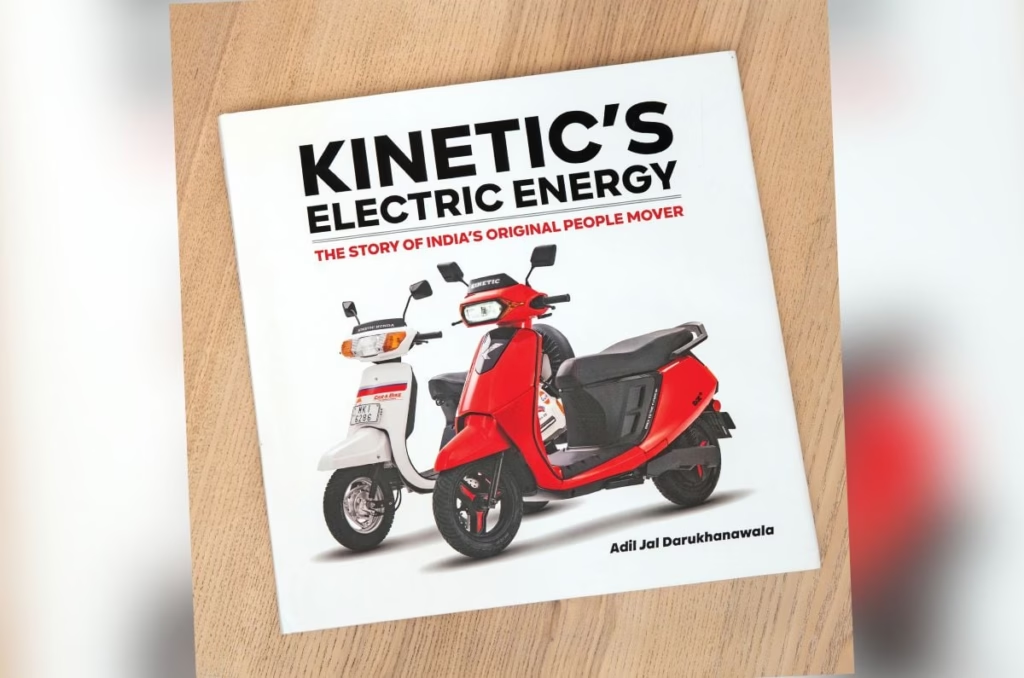
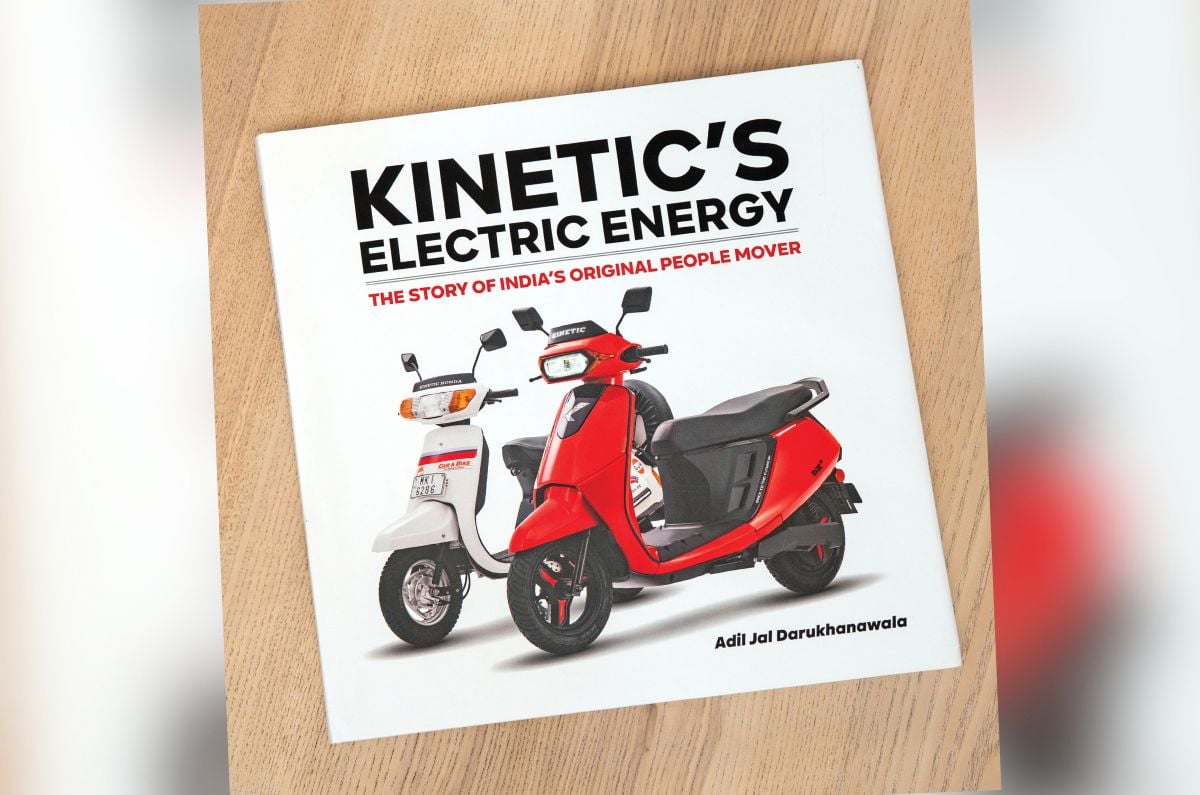
Kinetic's Electric Energy coffee table book on coffee table

Adil Jal Darukhanawala is a treasure trove of information when it comes to India’s automotive history, and his latest book, Kinetic’s Electric Energy, is a testament to that fact. In the last three decades of the 20th century, Kinetic Engineering was established as a force to be reckoned with under the stewardship of the Firodia family. Adil’s hugely detailed book traces the humble and truly frugal beginnings of the company all the way to today, when a resurgent Kinetic is looking to establish itself as a mainstay in the electric two-wheeler market.

This 170-page book starts off with a brief introduction to the Kinetic Honda DX while tracing the origins of the company with the spectacular moped success that was the Luna. The author goes into copious detail about how the company went to great lengths to ensure its moped transitioned India from pedal power to motorised mobility.

Not only that, chapters like ‘Lunacy on the Luna’ and ‘Beating the Queen – Kinetic Luna takes on the Indian Railways’ outline how Kinetic seized every opportunity to market the Luna. The former speaks about how the company sponsored five young college students – self-christened the Lunatix – on a 90-day, 18,000km journey traversing the length and breadth of the country back in 1982! The latter highlights how four humble Lunas and their gutsy as well as ingenious riders outran the Deccan Queen Mumbai-Pune express train in 1990. 

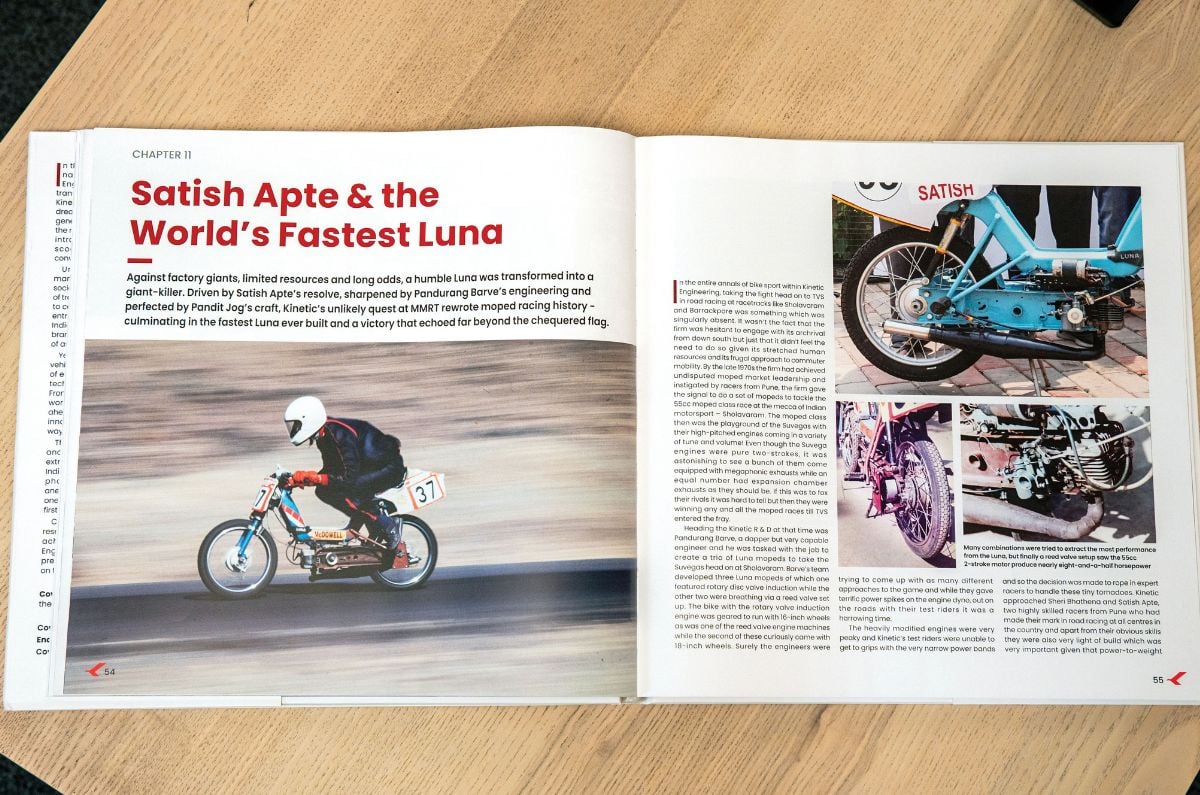
Kinetic didn’t just rely on its marketing but also its belief in the motto ‘Win on Sunday, sell on Monday’, which proved it was relevant not just in the high-end supersport world of motorcycling but could also ring true for the humble moped as it did in the chapter ‘Satish Apte and the World’s Fastest Luna.’ It documented how a fledgling team from Pune trounced the works team of the Hosur-based manufacturer through steely determination and some spectacularly out-of-the-box thinking. 

A chapter from Kinetic's Electric Energy

From there, we move on to how Kinetic partnered with Honda and opened the floodgates for gearless scooters in India with its novel DX scooter. Even though this partnership didn’t last very long, as detailed in ‘Kinetic & Honda – Unfulfilled Promise’, it cemented Kinetic’s position in the market as a maker of reliable and affordable products. 

This book also highlights the innovative spirit of the company’s leadership when you read about the stillborn but nonetheless revolutionary, hybrid scooter and compact city car concepts. At a time when India’s mobility market was cautiously walking, Kinetic took leaps of faith, and these have been beautifully articulated and illustrated in their respective chapters.

While Kinetic’s business was booming in the 20th century, its 21st century has been more muted between winding down ICE scooter production and the Motoroyale superbike business, which never managed to take off in a big way. However, as you flip through these pages, you’ll learn that with the reincarnated DX electric, Kinetic wants to recapture its magic of yesteryear and take the fight to the leaders’ doorsteps. 

If you are someone with even a passing interest in the automotive arena, especially the events that transpired before the turn of the century and shortly thereafter, Darukhanawala’s latest discourse should surely find a place on your mantelpiece.

न सेटअप बिगड़ा, न मार्केट चकमा दिया… फिर भी एक ही दिन में गंवा दिए ₹61 लाख! गलती ऐसी की हैरान रह जाएंगे आप

Stock Market Viral Story: शेयर बाजार के F&O सेगमेंट से एक बेहद हैरान कर देने वाला मामला सामने आया है। जहां एक ट्रेडर को न तो खराब टेक्निकल चार्ट्स की वजह से नुकसान हुआ और न ही बाजार की चाल ने उसे चकमा दिया, बल्कि एक छोटी सी चूक की वजह से उसके ₹61 लाख साफ हो गए।

सोशल मीडिया प्लेटफॉर्म X पर मयंक राज नाम के इस ट्रेडर ने अपनी आपबीती साझा करते हुए लिखा, ‘मैंने कभी नहीं सोचा था कि देर तक सो जाना मुझे इतना महंगा पड़ जाएगा।’ दरअसल, 9 अक्टूबर को समय पर नींद न खुलने की वजह से वे अपना स्टॉप-लॉस नहीं लगा सके और एक झटके में उनका लाखों की पोजीशन लाल निशान में चला गया।

मयंक ने अपनी पोस्ट में बताया कि, ‘कल मैंने कॉल ऑप्शंस शॉर्ट किए थे, लेकिन आज सुबह मैं समय पर नहीं उठ सका। जब मैं आखिरकार उठा और अपनी ओपन पोजीशन चेक की, तो मुझे बहुत बड़ा नुकसान हो चुका था। यह नुकसान मेरे ट्रेड सेटअप की गलती से ज्यादा अनुशासन की कमी के कारण हुआ। अगर मैं समय पर उठ जाता, तो अपने तय स्टॉप-लॉस के अनुसार ₹15-20 लाख के आसपास नुकसान सीमित करके बाहर निकल जाता।’

कैसे हुआ नुकसान और कैसे रिकवर हुए 10 लाख?

ट्रेडर ने अपने X अकाउंट पर अपने ट्रेडिंग डैशबोर्ड का एक स्क्रीनशॉट भी शेयर किया, जिसमें 13 अक्टूबर की एक्सपायरी वाले Nifty 22,000 Call को शॉर्ट करने पर ₹71 लाख का घाटा दिखाई दे रहा था। वैसे उसने उसी एक्सपायरी के Nifty 22,500 Call को खरीदकर ₹10 लाख का मुनाफा कमाया, जिससे उसका कुल शुद्ध नुकसान घटकर ₹61 लाख रह गया।

मयंक ने आगे लिखा, ‘लेकिन कोई बात नहीं। मैंने पिछले हफ्ते कुछ अच्छा मुनाफा कमाया था, हालांकि इस नुकसान ने अब मेरे अक्टूबर महीने के कुल P&L को लाल निशान में धकेल दिया है। देखते हैं बाकी महीना कैसा रहता है। अब मेरा ध्यान धीरे-धीरे रिकवरी करने, अनुशासित रहने और अक्टूबर को हरे निशान में बंद करने पर होगा। मैं अपनी यह यात्रा आपके साथ साझा करता रहूंगा।’

सोशल मीडिया पर नेटीजंस ने दी ये सलाह

इस पोस्ट पर सोशल मीडिया यूजर्स की भारी प्रतिक्रिया देखने को मिली। कई यूजर्स और अनुभवी ट्रेडर्स ने मयंक को भविष्य में BTST ट्रेड्स से बचने की सलाह दी। यूजर्स ने कहा कि ओवरनाइट पोजीशन ले जाते समय सिस्टम में पहले से स्टॉप लॉस सेट कर देना चाहिए, ताकि खुद मौजूद न रहने पर भी भारी नुकसान से बचा जा सके। एक X यूजर ने लिखा कि 8 अक्टूबर को जब निफ्टी 1.5% गिरा था, तब इतने निचले स्तर पर मार्केट को शॉर्ट करना ही एक बड़ी गलती थी।

9 अक्टूबर को कैसी रही बाजार की चाल

भारतीय शेयर बाजार शुक्रवार, 9 अक्टूबर को बढ़त के साथ बंद हुए और पिछले 25 वर्षों में अपनी सबसे लंबी साप्ताहिक गिरावट की श्रृंखला को तोड़ दिया। Nifty 50 1.3% की बढ़त के साथ 22,520.45 के स्तर पर बंद हुआ। वहीं Sensex 1.23% उछलकर 72,472.33 के स्तर पर पहुंचा।

बाजार में इस रिकवरी की मुख्य वजह आईटी (IT) शेयर रहे। दिग्गज कंपनी टाटा कंसल्टेंसी सर्विसेज (TCS) के मजबूत तिमाही नतीजों, आर्टिफिशियल इंटेलिजेंस (AI) से जुड़ी कमाई में बढ़ोतरी और अंतरराष्ट्रीय कारोबार में मजबूत वृद्धि ने शेयर बाजार की बढ़त की कमान संभाली।

Disclaimer: यहां मुहैया जानकारी सिर्फ सूचना के लिए दी जा रही है। यहां बताना जरूरी है कि मार्केट में निवेश बाजार जोखिमों के अधीन है। निवेशक के तौर पर पैसा लगाने से पहले हमेशा एक्सपर्ट से सलाह लें। मनीकंट्रोल की तरफ से किसी को भी पैसा लगाने की यहां कभी भी सलाह नहीं दी जाती है।
Honda, Suzuki and Yamaha e-scooter sales cross 10,000 units in 2026

Honda, Suzuki and Yamaha e-scooter sales cross 10,000 units in 2026
Graphic with Honda, Suzuki and Yamaha e-scooters

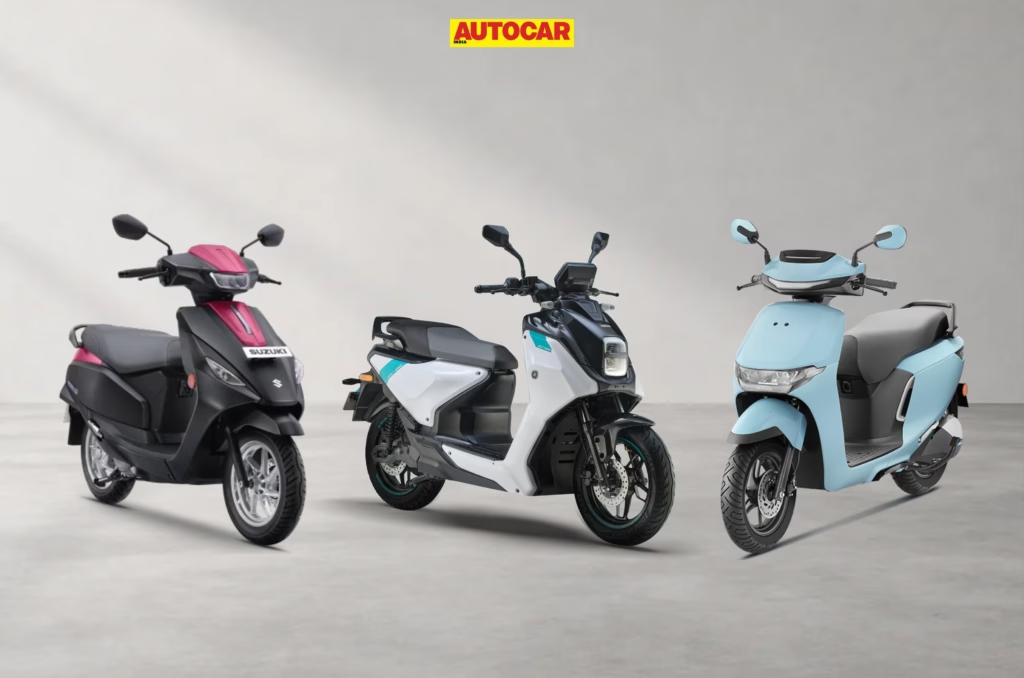
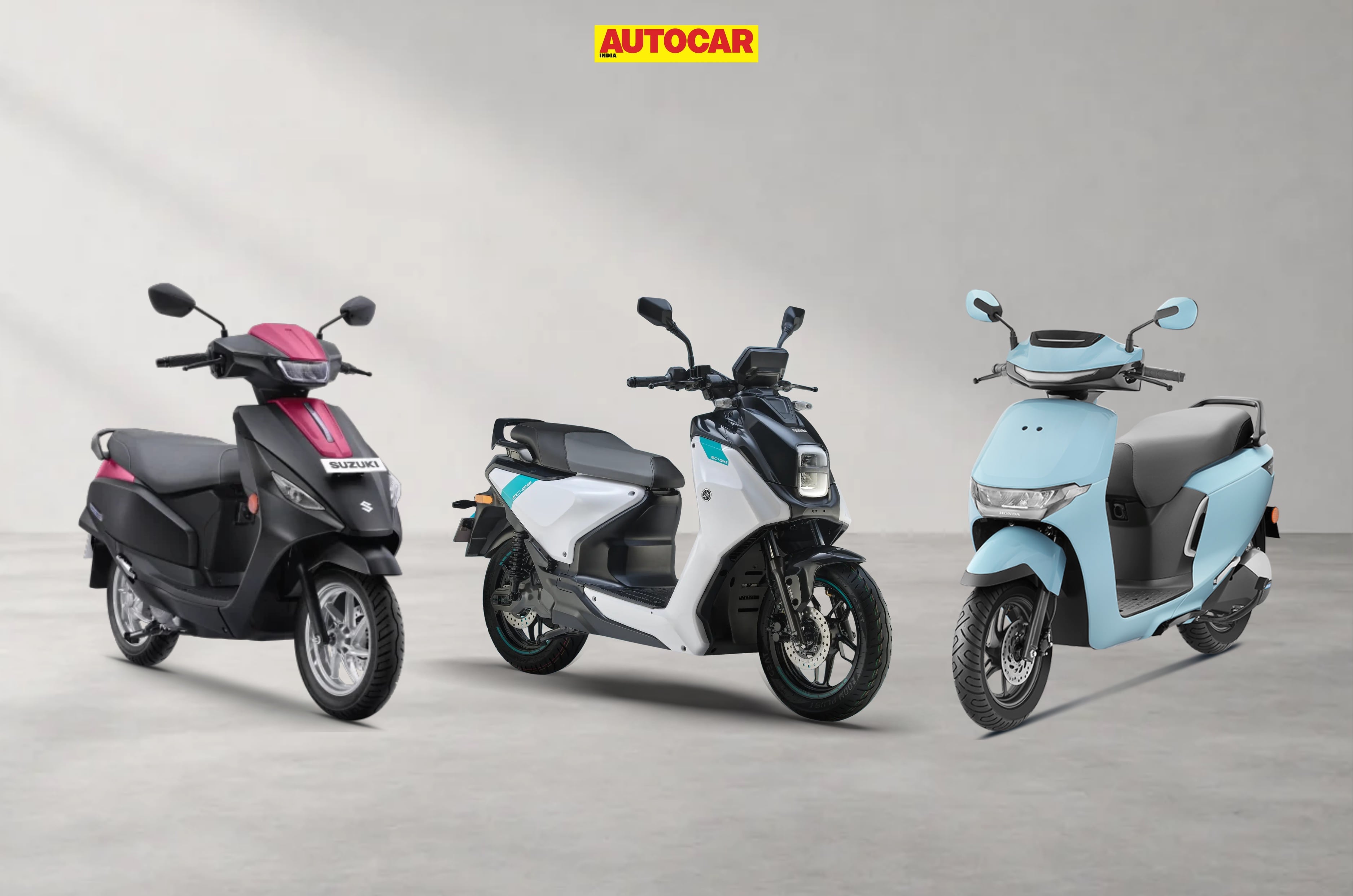
Cumulative retail sales of the three Japanese electric scooter manufacturers in India – Honda, Suzuki and Yamaha – have crossed the 10,000-units mark for the first time in a calendar year. As per the latest Vahan statistics, this triumvirate have delivered 10,735 units to their customers between January 1 and October 8 in 2026. 

Last year, Honda, which was the sole e-2-wheeler OEM in India, had sold 7,730 units of the Activa-e and QC1, less of the former and more of the latter. While Suzuki entered the market in January 2026 with its e-Access, Yamaha plugged in two months later in March with its EC-O6. This makes 2026 the first year when all these three Japanese OEMs are part of the Indian electric scooter market.

A look at the OEMs’ monthly performance reveals that Honda Motorcycle & Scooter India has sold 5,536 units in this year to date, accounting for 51 percent of the total 10,735 Japanese e-scooters delivered. HMSI’s best monthly sales this year were in September (1,107 units), marking the first time the OEM has crossed 1,000 units. This number can only improve following the recent launch of its third e-scooter for India – the QC3. 

The initial rollout of the QC3 will be limited to five cities across the country: Delhi, Agra, Cuttack, Surat and Kollam, with a nationwide rollout to follow in a phased manner.. 

Suzuki Motorcycle India, which entered the India e-2W market with its e-Access in January this year as an alternative to the popular petrol-engined Suzuki Access 125, has delivered 4,133 units till October 8. This gives the company a 39 percent share of the three Japanese OEM’s total e2W retail sales. The monthly sales chart reveals that monthly sales have crossed 600 units for three months running: July (606 units), August (674 units) and September (657 units). Rather creditable considering this is an expensive product, priced at Rs 1.88 lakh (ex-showroom) and the costliest amongst the Japanese EVs. 

India Yamaha Motor, which plugged into the e-2W market this March, has retailed 1,066 units, which gives it a 10 percent share of the 10,735 units delivered by Honda, Suzuki and Yamaha. Yamaha’s vehicle of entry is the EC-06, its first electric scooter developed in collaboration with River Mobility. IYM’s highest monthly sales to date were in September (232 units)

Japanese OEMs have 0.66 percent share of e-2Ws sold in 2026 so far

As the monthly retail sales data table depicts, combined Honda-Suzuki-Yamaha sales were at their highest in September 2026 (1,996 units), which gives them a 1 percent share of the record 2,07,850 e-2Ws sold in India last month. Of the total 16,10,854 e-2Ws sold between January 1 and October 8, these three Japanese OEMs with 10,735 units have a meagre 0.66 percent share. 

Among the reasons for their minimal presence in this booming segment of the Indian EV industry is that Honda, Suzuki and Yamaha entered the e-2W market late, as compared to their ICE legacy rivals TVS Motor Co (January 2020), Bajaj Auto (January 2020) or Hero MotoCorp Vida (November 2022).

While market leader TVS has sold 4,22,274 iQubes and Orbiters for a 26 percent market share of the e-2W sales in 2026 to date, Bajaj Auto has delivered 3,61,988 Chetaks (22 percent share), Ather Energy has sold 2,67,579 units (17 percent share) and Hero Vida 1,77,541 e-scooters (11 percent share). 

There is also the issue of their stiff model pricing in a value-conscious market, which has a plethora of more affordable e-scooters which are also more tech-laden, as well as a limited sales network compared to the Indian legacy OEMs as well as a host of startups which are regulars in the monthly Top 10 e-2W OEM chart.