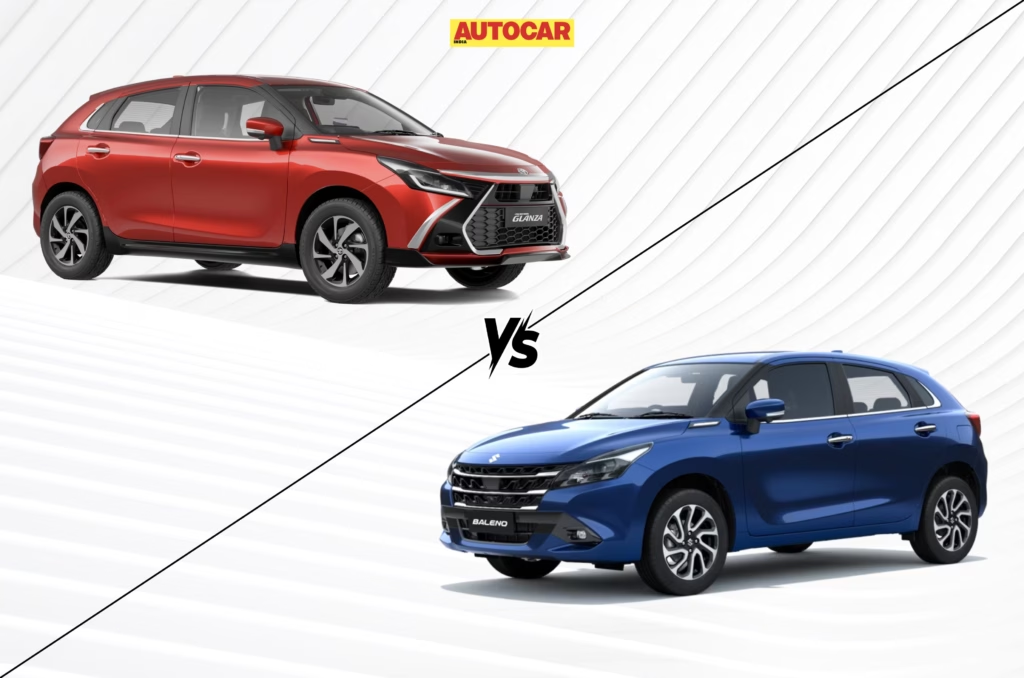
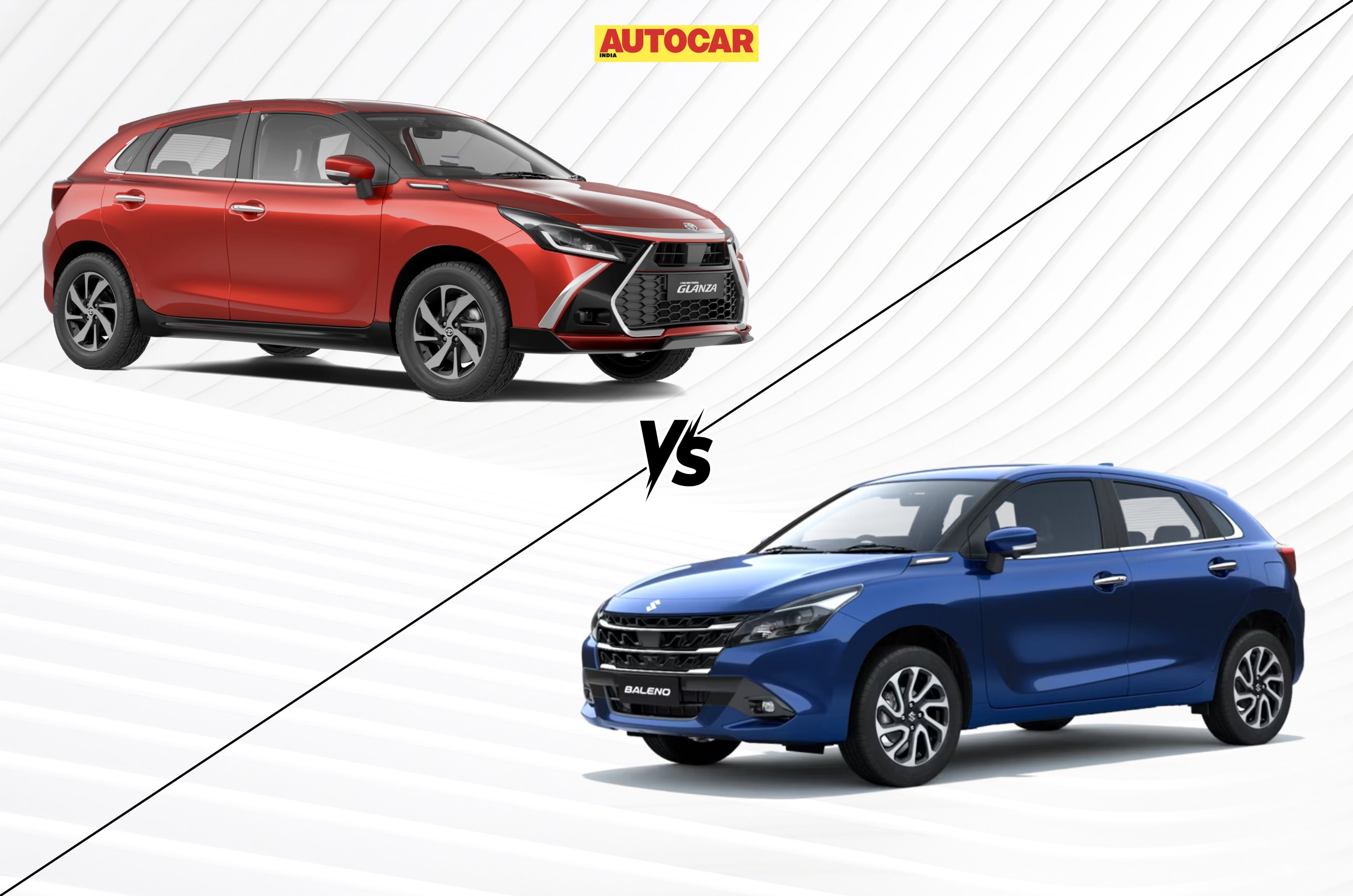
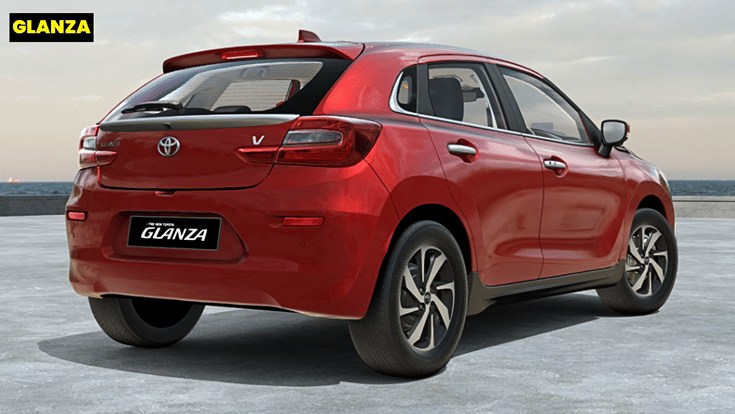
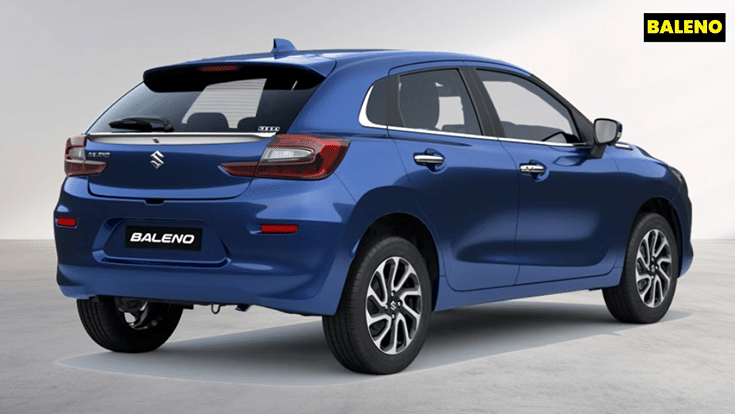
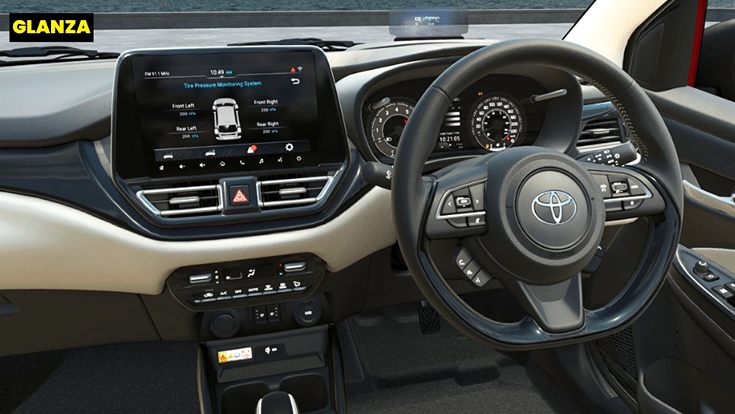
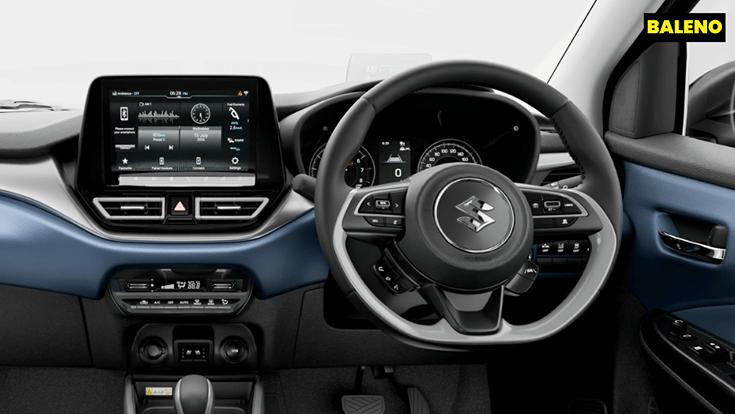
Toyota has introduced a comprehensive update to the Glanza for 2026. Over a month ago, its badge-engineered Maruti counterpart, the Baleno, was updated as well. But how unique are both hatchbacks when placed side by side? From exterior, interior, features, and price, we explain all the differences and similarities between the Glanza facelift and the Maruti Baleno.
Toyota Glanza facelift vs Maruti Baleno: Exterior
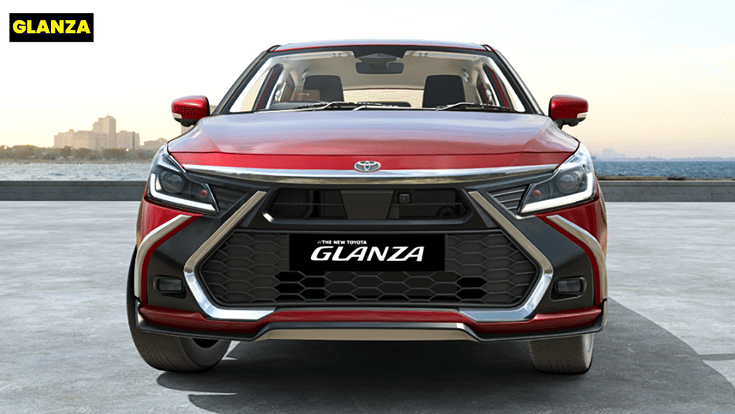
The Glanza facelift and Baleno’s fascias are the biggest distinctions between them. The Glanza’s fascia gets a bold look with a chrome strip connecting the headlamps, a massive grille with a honeycomb pattern, and silver surrounds. A black trim on either side of the bumper encases rectangular LED fog lamps, and there are additional chrome strips on the bumper edges. The bumper gets a sportier dual-tone design with a gloss black chin spoiler.
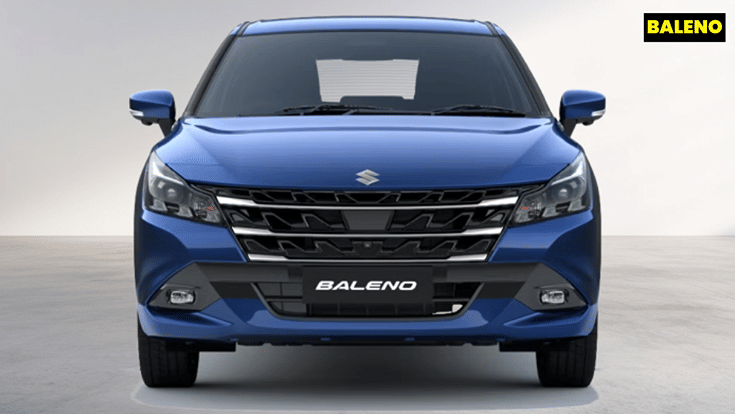
Meanwhile, the Baleno’s fascia takes an elegant approach with a trapezoidal grille with a triangular pattern and three chrome strips. The sculpted bumper gets a monotone finish, and there’s a gloss black trim that encases LED fog lamps that look similar to those on the Glanza. Though both hatchbacks get a similar shape for the LED headlamps, the detailing is different. Additionally, there are unique designs for the 16-inch alloy wheels for both models. Similar elements on both cars include a chrome finish for the window line, door handles, front fender garnish, and the strip on the bootlid. At the back, both models look nearly identical to each other.
Toyota Glanza facelift vs Maruti Baleno: Interior and features
Unlike the outside, the interior of the Glanza facelift isn’t much different from the Baleno’s. Apart from the different colour scheme, seat upholstery, and obvious badging differences, the overall cabin layout remains the same. Both get a layered dashboard with a free-standing infotainment display and physical switches for the HVAC controls lower down. As for features, the Glanza facelift now gets front seat ventilation and a level 2 ADAS suite like the Baleno. Similarly, the Glanza facelift’s safety kit sees the inclusion of a tyre pressure monitoring system and six airbags standard across the lineup.
Toyota Glanza facelift vs Maruti Baleno: Engines
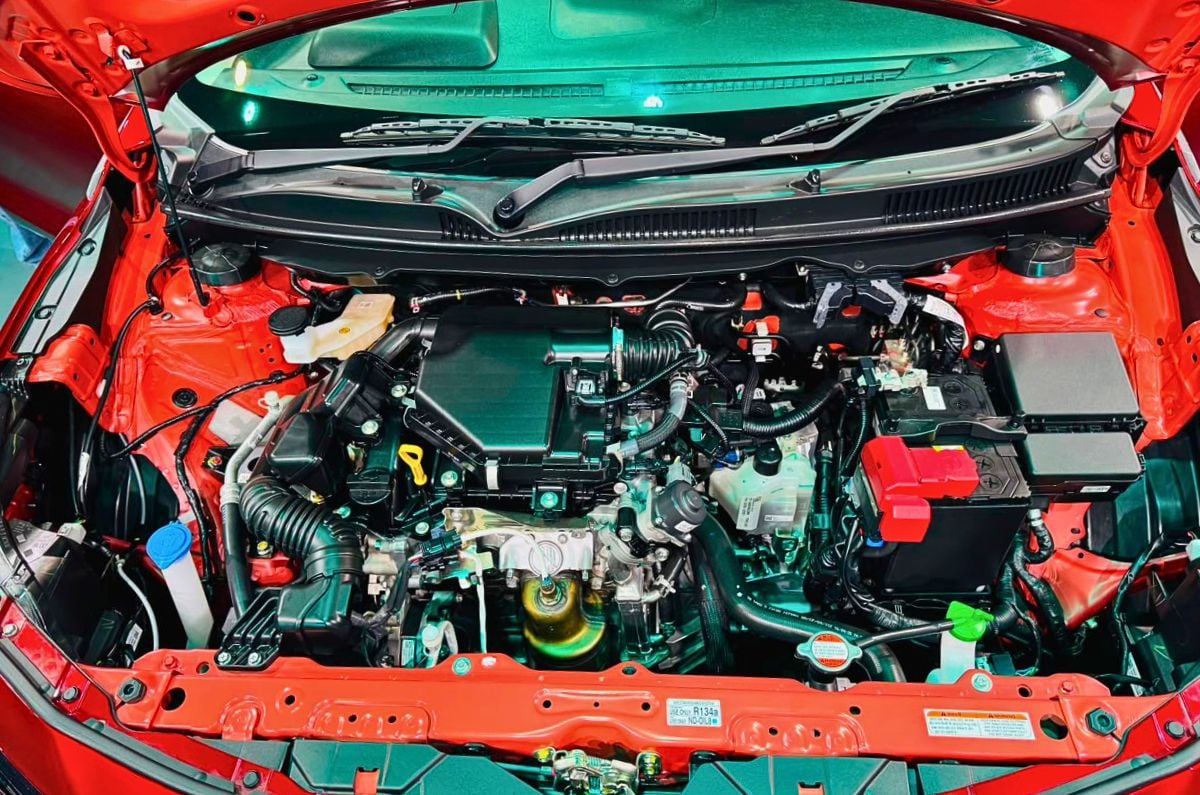
Under the bonnet, the Glanza facelift and Baleno get the same powertrain options. Both offer petrol and CNG versions that use a 1.2-litre, 3-cylinder, naturally aspirated engine. Petrol versions produce 83hp and 112Nm, while CNG versions deliver 70hp and 102Nm in CNG mode. Either powertrain is paired with a 5-speed manual or a 5-speed AMT gearbox. Additionally, both have identical claimed mileage figures: 23.80kpl (MT) and 24.77kpl (AMT) for the petrol, and 33.61km/kg (MT) and 34.47km/kg (AMT) for CNG versions.
Toyota Glanza facelift vs Maruti Baleno: Price
Toyota Glanza facelift vs Maruti Baleno: Price (Rs lakh)
Variant level
Glanza petrol MT | AMT
Baleno petrol MT | AMT
Glanza CNG
MT | AMTl
Baleno CNG
MT | AMT
Base
6.99
5.99
–
–
One above base
7.71 | 8.31
7.00 | 7.50
8.76 | 9.31
7.92 | 8.32
Mid level
8.73 | 9.33
8.00 | 8.50
9.68 | 10.23
8.92 | 9.32
Top-end
9.99 | 10.59
9.50 | 9.60
–
–
Top-end (ADAS)
10.49 | 10.98
9.50 | 9.99
–
–
When it comes to prices of their respective petrol-powered versions, the Glanza facelift is pricier than the Baleno. Depending on the variant, the Glanza facelift will set you back by up to Rs 1 lakh over the Baleno. Moreover, both have an identical 3 years / 1,00,000km warranty.
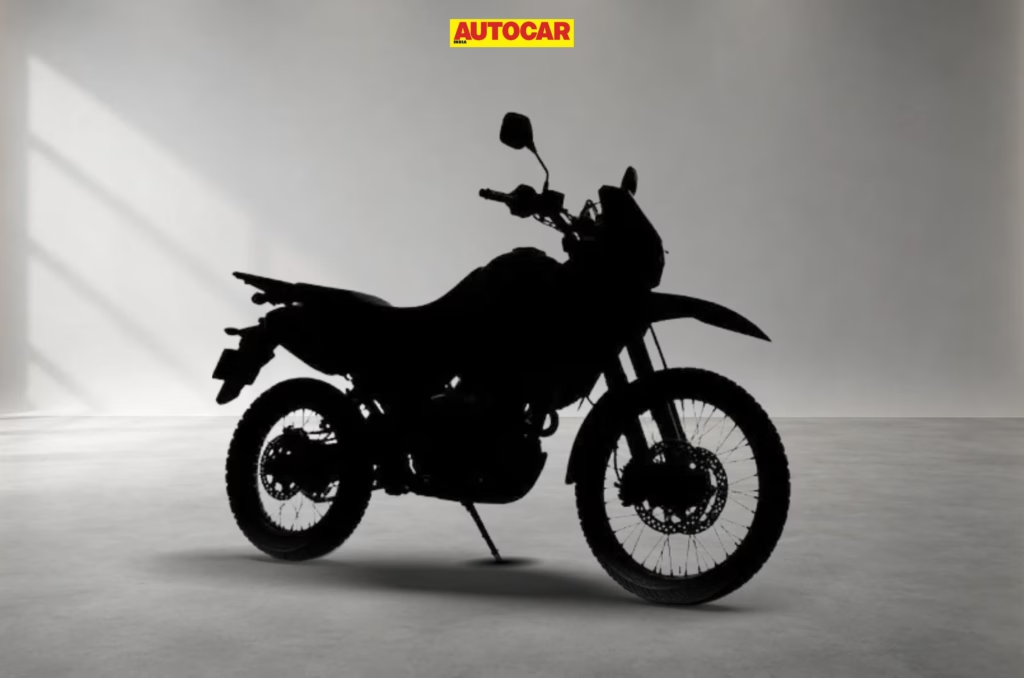
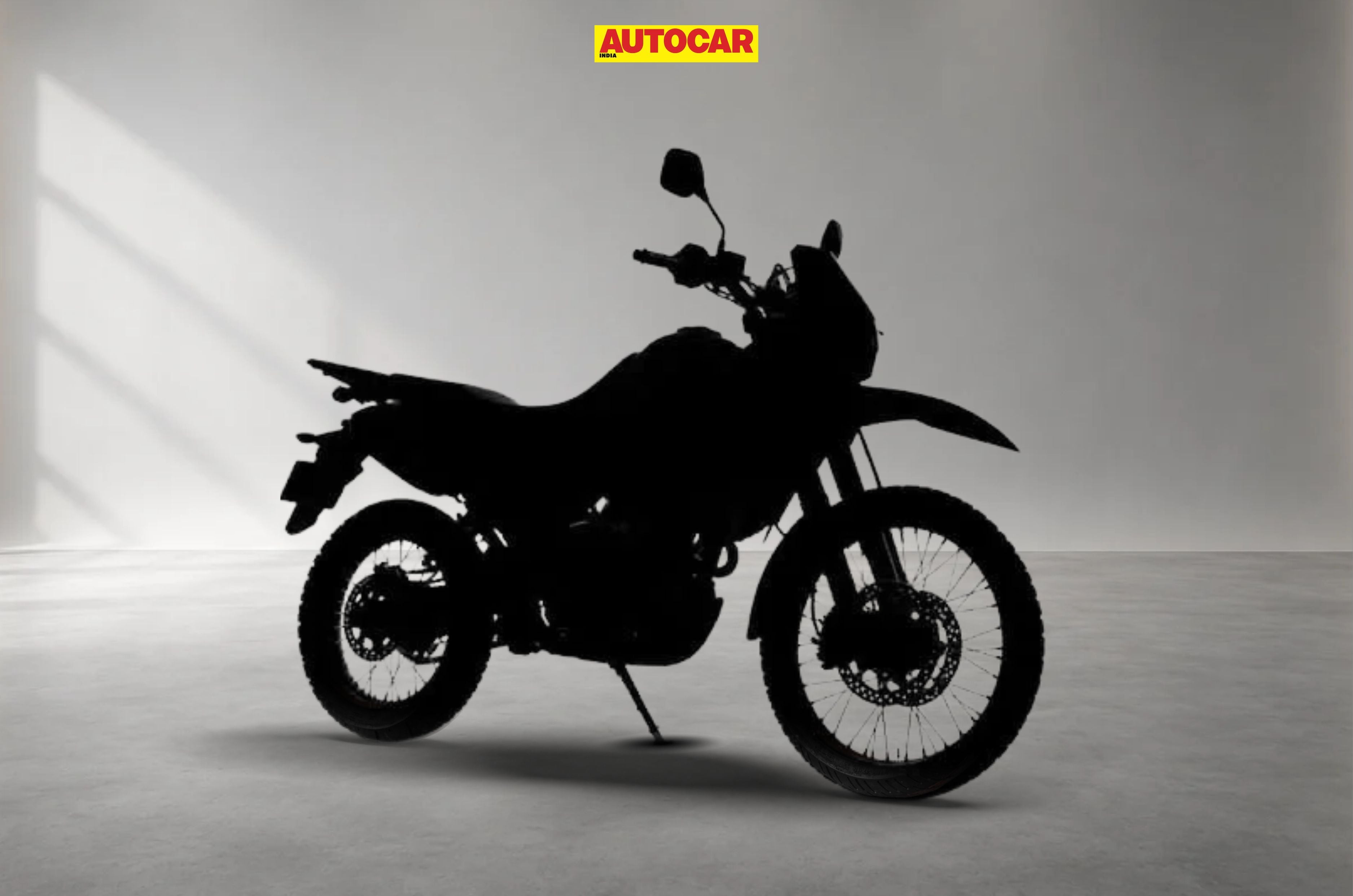
In a recent interview with Brazilian media, Bajaj’s executive director for the country, Waldyr Ferreira, hinted that the upcoming dual-sport motorcycle might come in multiple engine sizes. The first bike is expected to arrive in Latin America before the end of 2026.
Might be offered in multiple engine options
Could range from entry-level off-roader to long-distance tourer
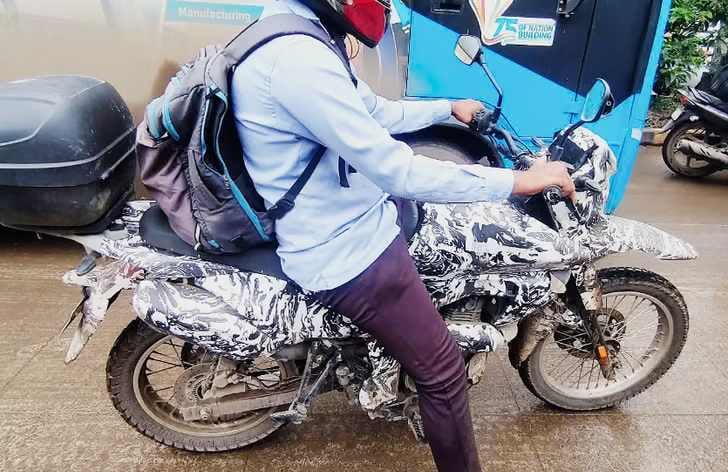
Previous sightings suggest it uses a 19-inch front and 17-inch rear wheel setup
A line-up of dual-sport motorcycles?
Small capacity options could be offered in Latin American markets
Ferreira has hinted that rather than just a single model, it could be a line-up. Offering diverse displacement will allow the brand to cater to different demographics and reach wider audiences. After all, the company has a huge selection of existing 150-250cc air/oil-cooled and 200-400cc liquid-cooled motors to choose from. That said, we could also see all-new engines developed specifically for these models.
In Brazil, a good portion of the dual-sport market is held by Honda, with its NXR 160 and Sahara 300, and Yamaha, with the Crosser 150 and Lander 250. So, this multi-model approach from Bajaj would allow it to reach from entry-level off-road riding to long-distance touring segments. Although engine specifications and other details remain undisclosed, this development suggests the new line-up could cover a wide range of prices and performance.
For India, the speculation revolves around the first motorcycle being around the 200cc mark. Currently, the off-road motorcycles this segment has to offer include popular options like the Hero Xpulse 210, Kawasaki KLX 230 and the recently launched Honda XR300L, all of which are possible rivals for the upcoming Bajaj, which should deliver similar performance and capabilities.
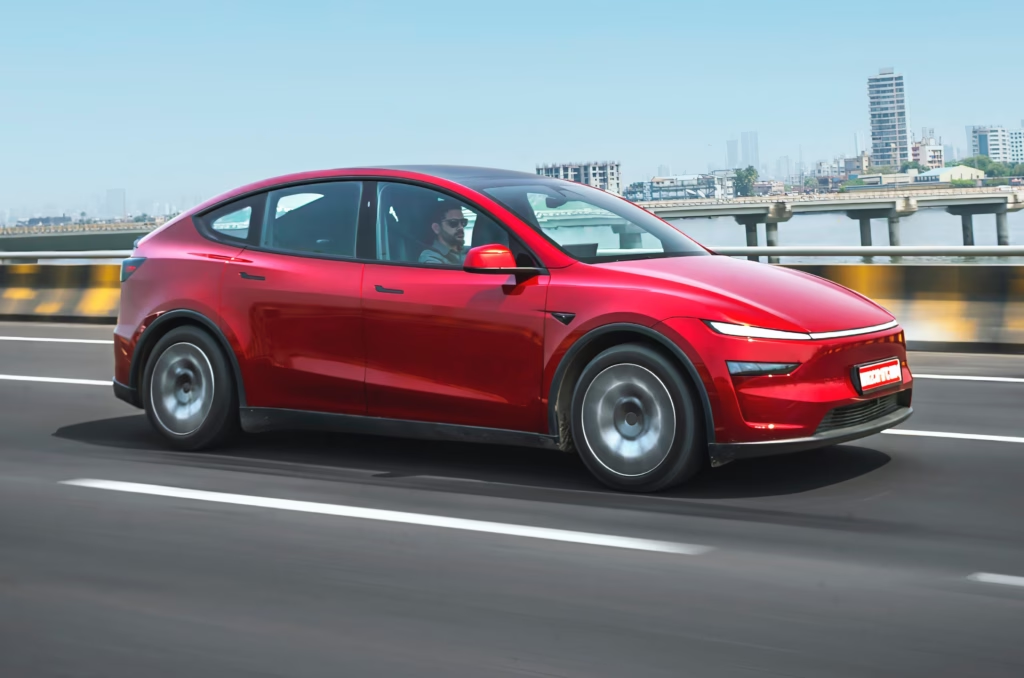
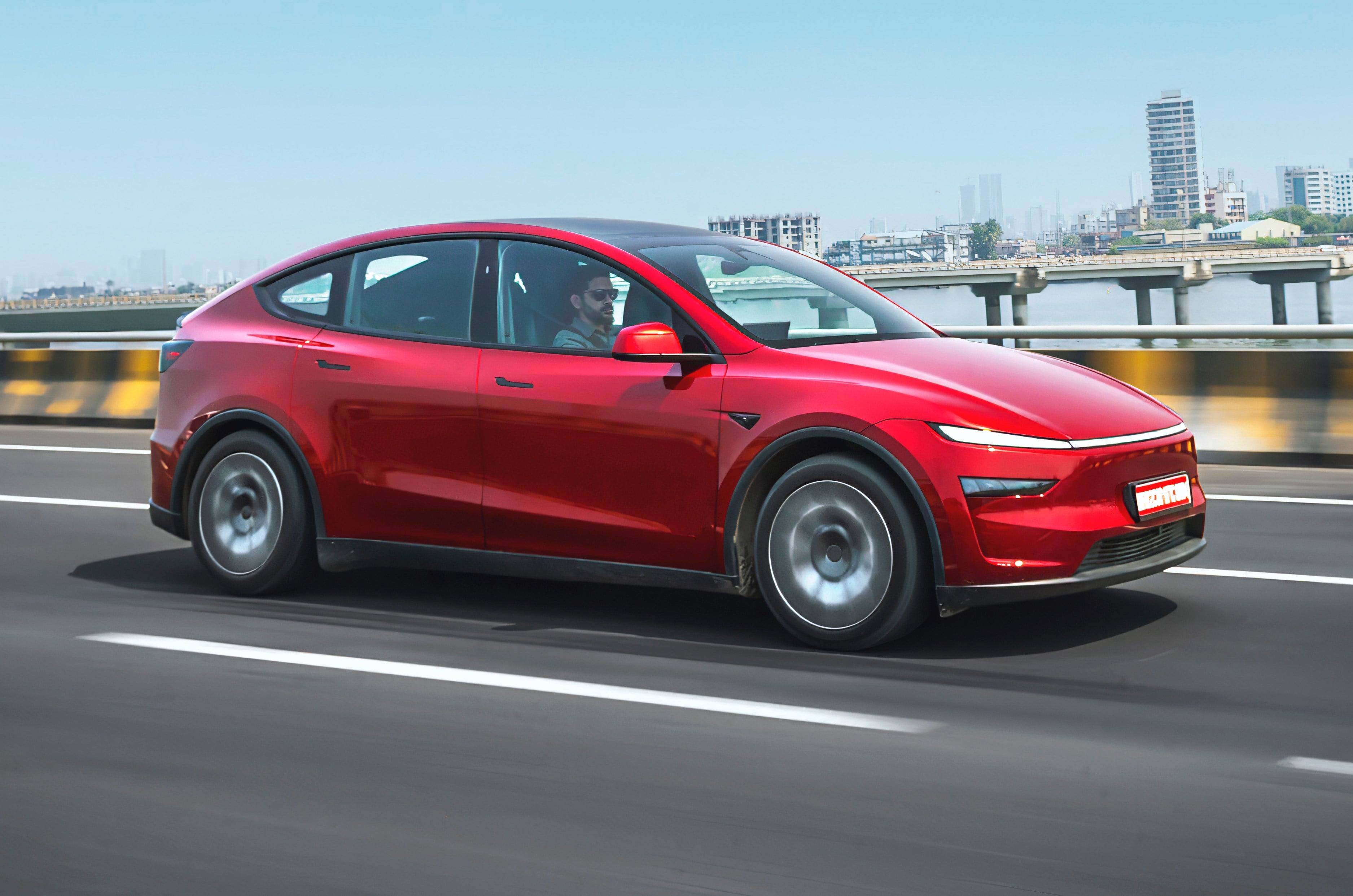
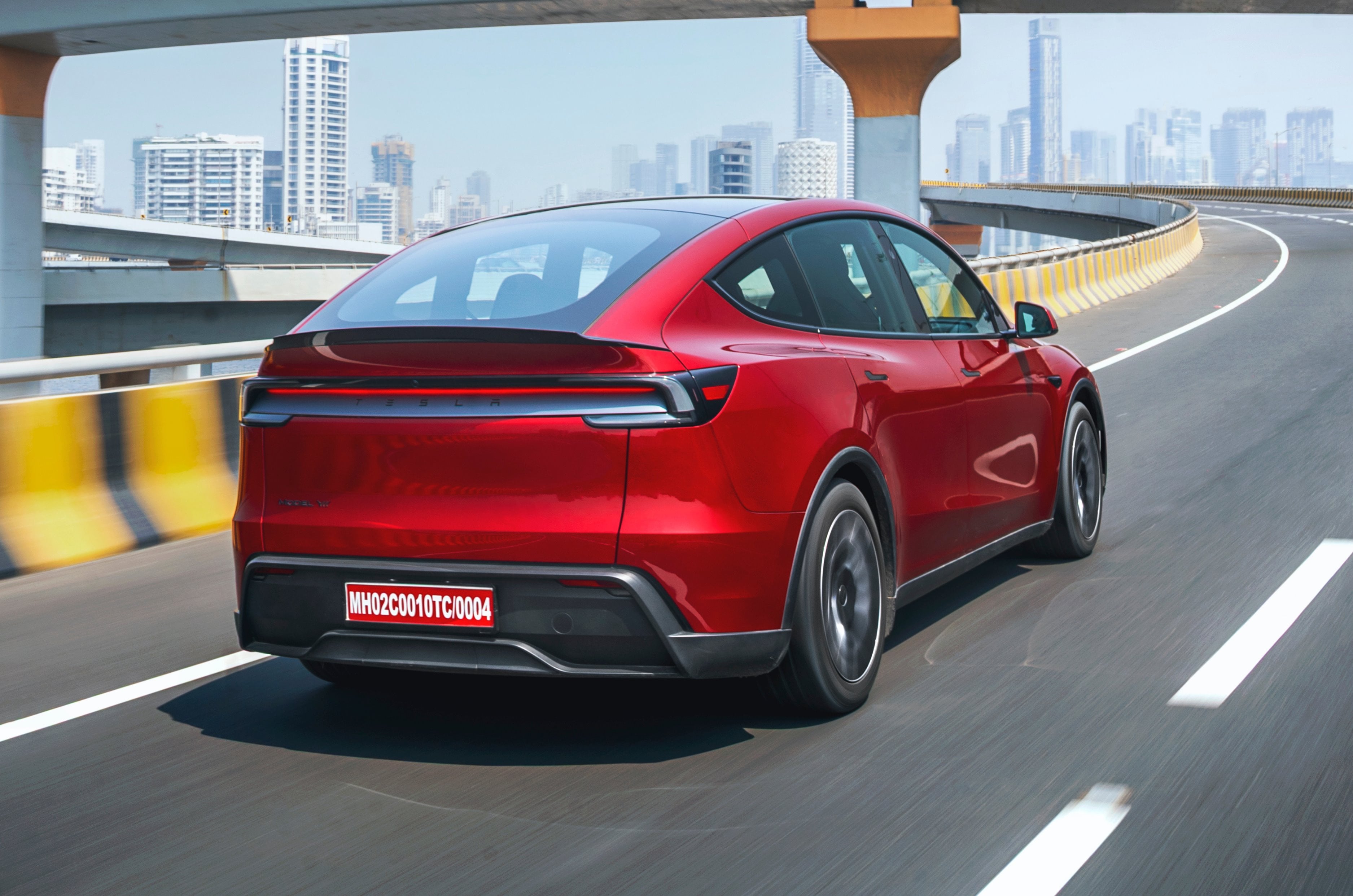
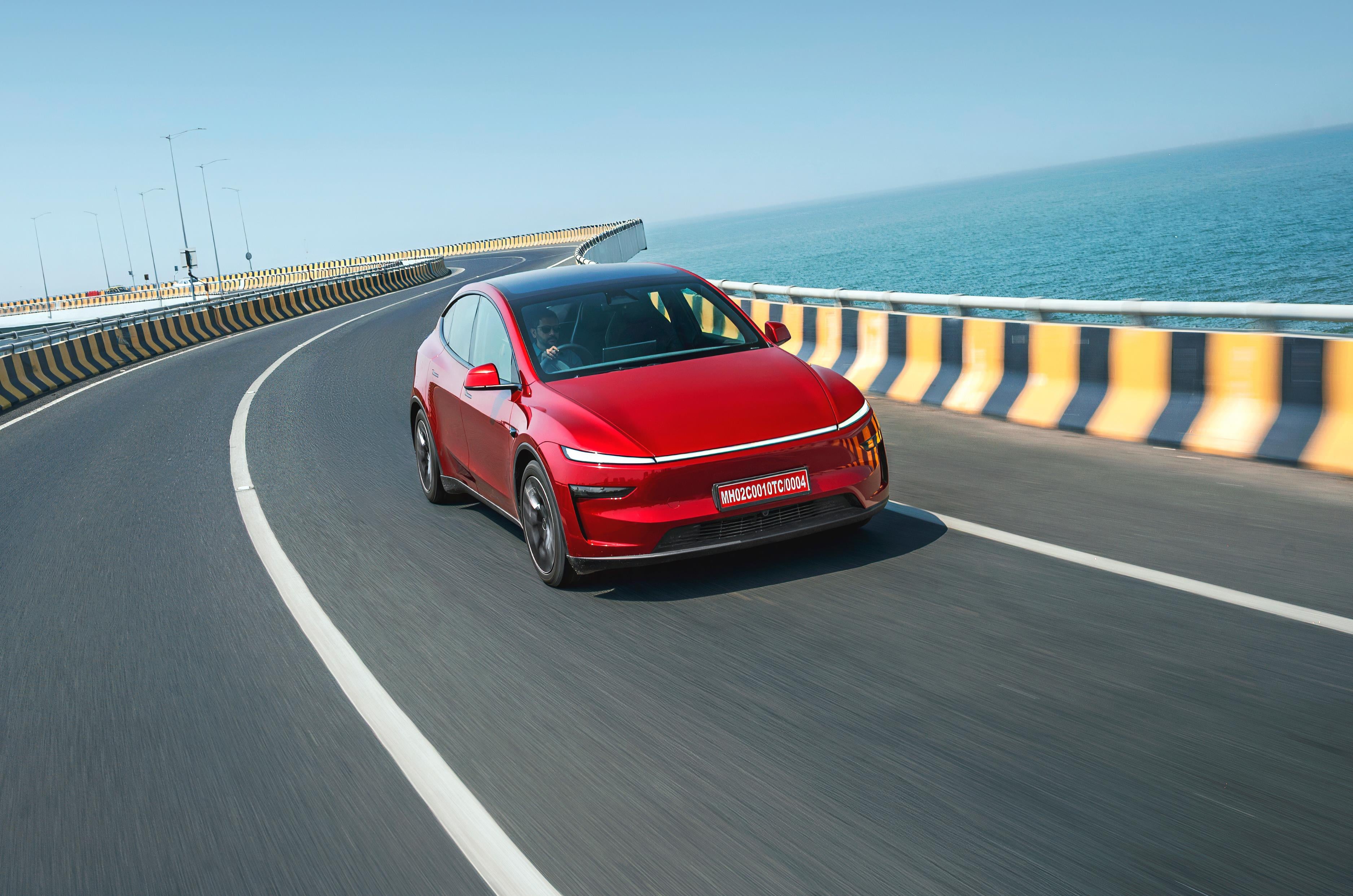
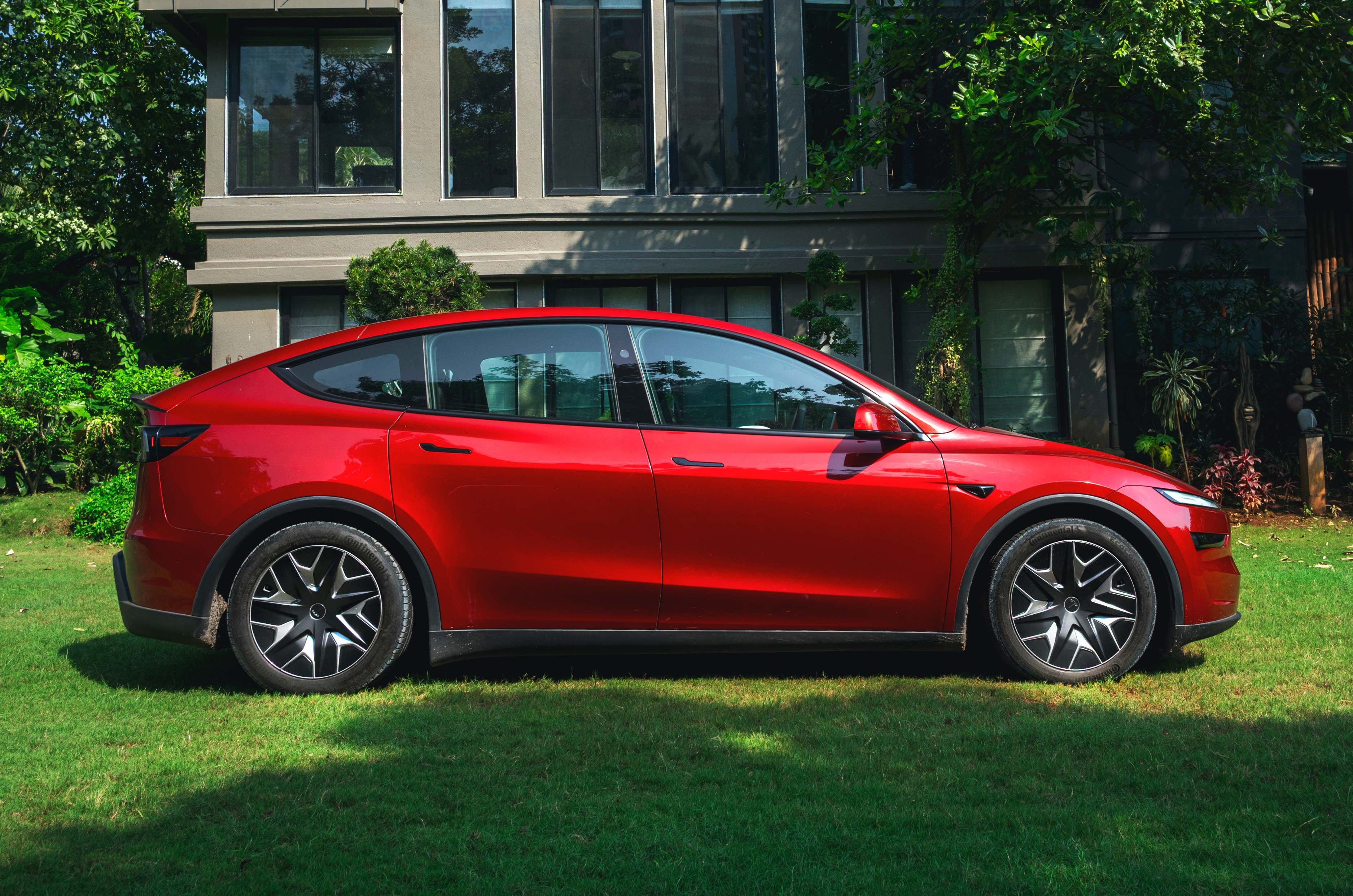
The Tesla Model Y is a tech-loaded electric crossover that prioritises cabin space and performance over everything else. The new Model Y L takes that formula a step further, adding a third row of seats, a longer wheelbase, more power with an all-wheel drive setup, more range and more sophisticated suspension as well. Given the additions, naturally it costs more than the standard-wheelbase, real wheel drive versions, but is the Y L actually worth the extra outlay?
Model Y Exterior Design and Engineering – 6/10
Appears near-identical to the Model Y, but the Y L is longer, taller and has a longer wheelbase.
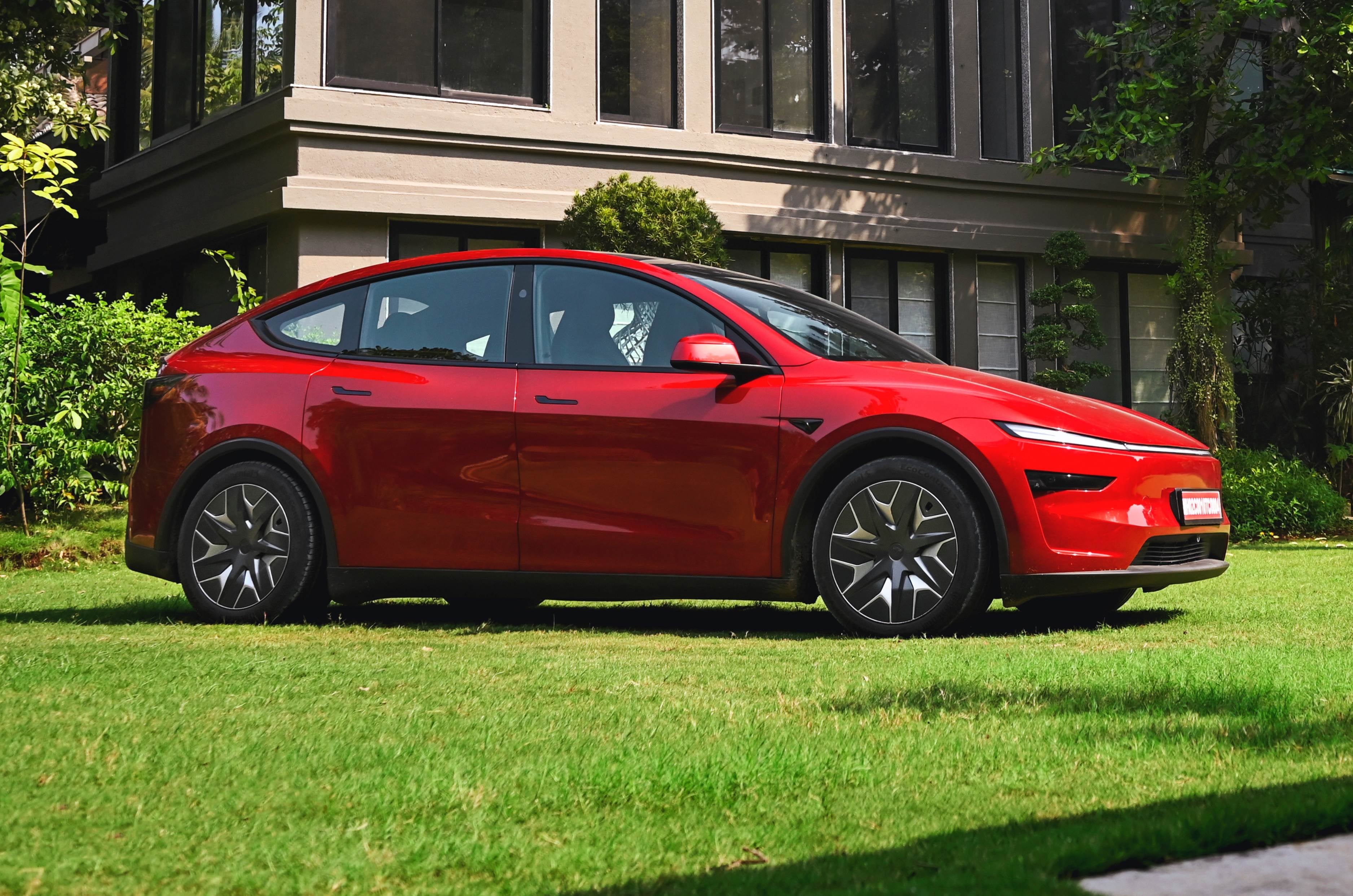
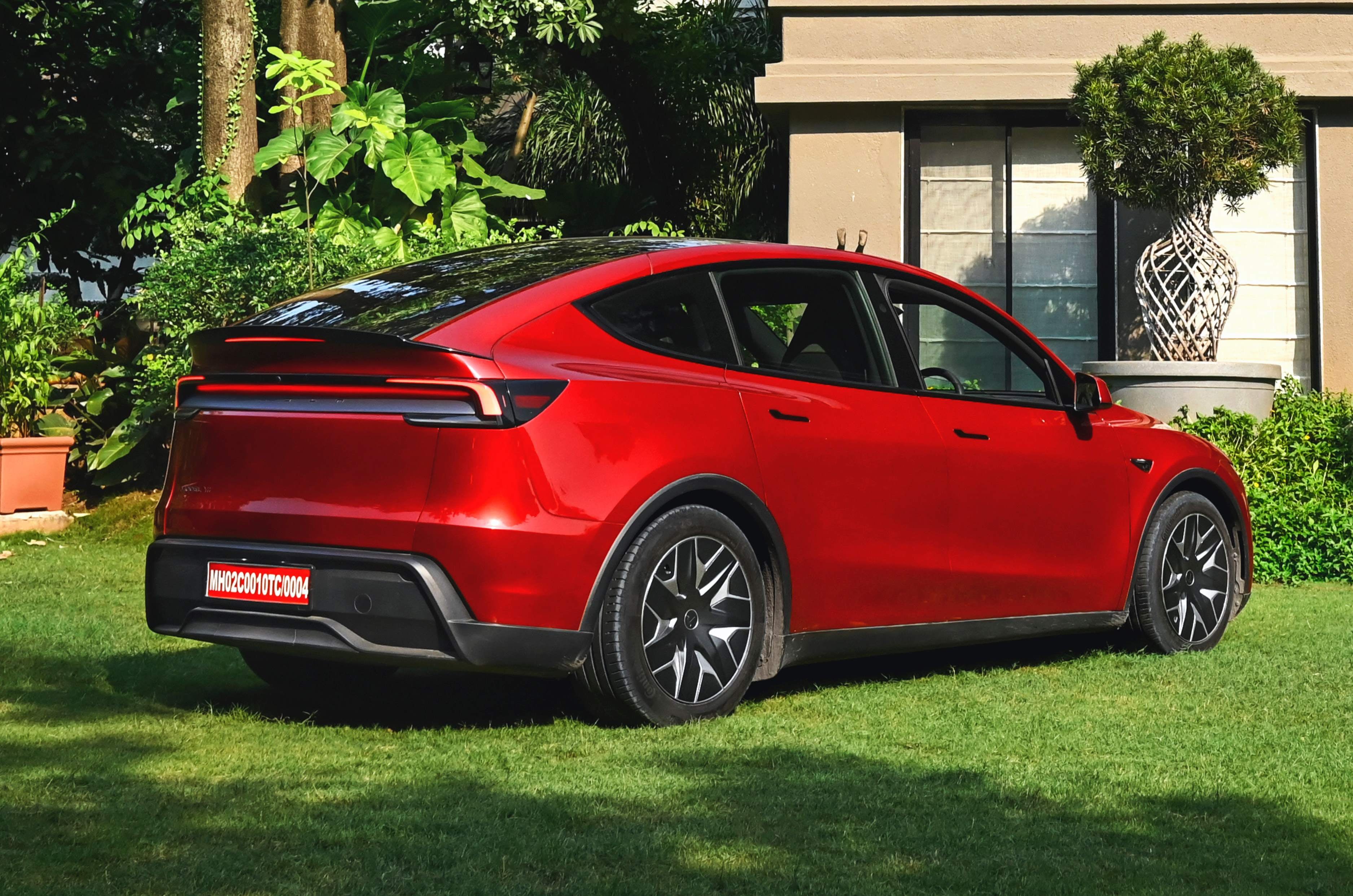
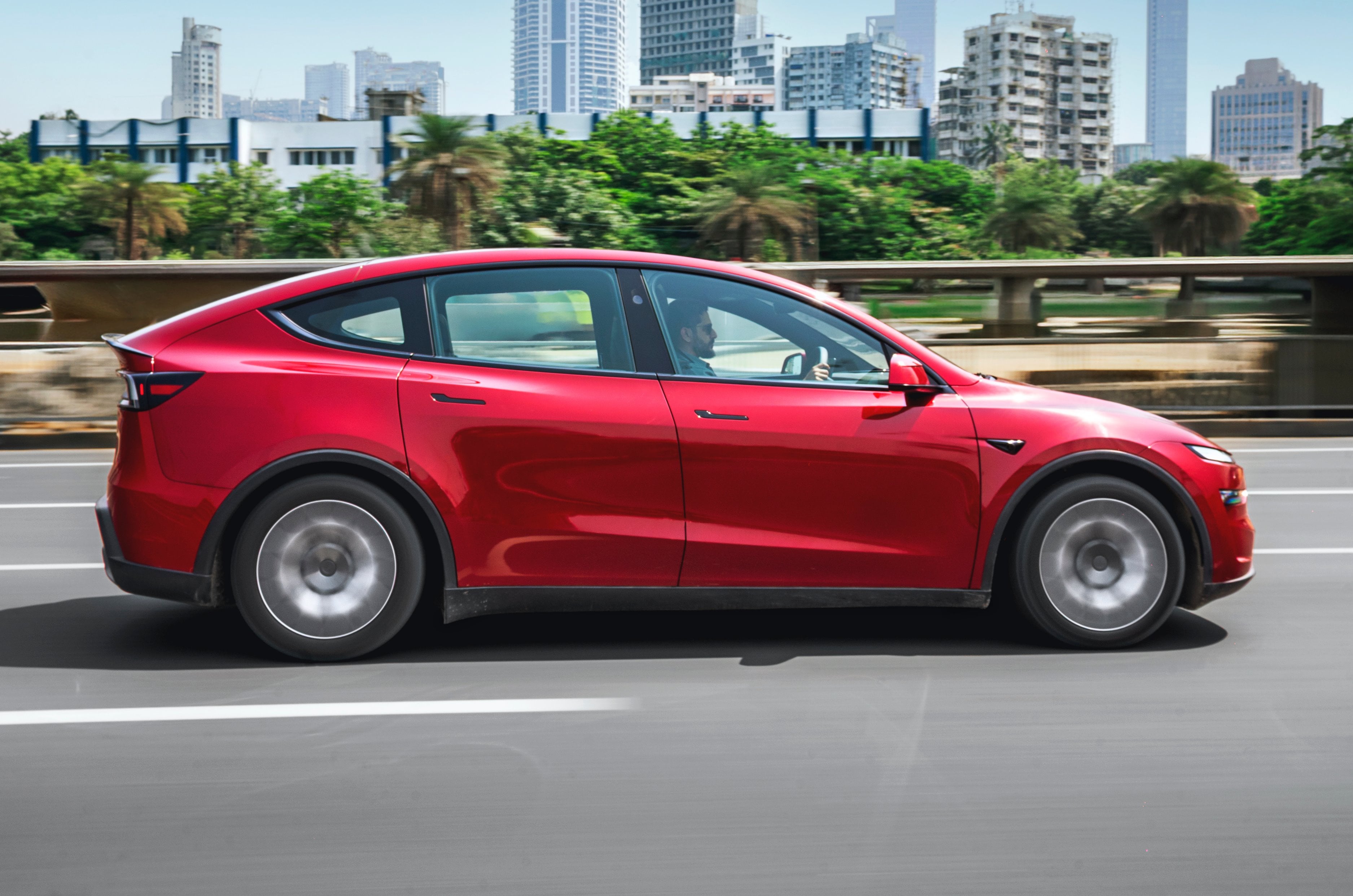
At first glance, the L looks very familiar to the Model Y, but this version looks noticeably larger from the side and rear. The Model Y L measures 4,969mm in length and 1,664mm in height, 1,982mm in width with a 3,040mm wheelbase, which makes it 179mm longer overall and 40mm taller than the Model Y, and it also has a 150mm longer wheelbase. At 166mm (unladen), the Y L has decent ground clearance but considering the longer wheelbase, you have to be extra careful going over big speedbreakers otherwise you will end up scraping the belly.
The growth in dimensions is particularly apparent in the raised and extended roofline, plus the expanded rear glass and rear-quarter glass area. The other changes include a new bootlid spoiler and the 19-inch alloy wheels have a more enclosed design, both in the interest of further aero optimisation.
Other than that, the smooth, aerodynamic silhouette with minimalist detailing and distinctive lighting elements remain. The overall design is unmistakably Tesla, although the extra length gives it slightly more road presence. That said, the Model Y L doesn’t suddenly become a traditional SUV just because it has grown. Its rounded, slightly anonymous shape with clean surfacing continues to favour aerodynamic efficiency over visual appeal. But it looks distinctive and as such, has carved out a niche for itself in terms of design.
Model Y Interior Space and Comfort – 8/10
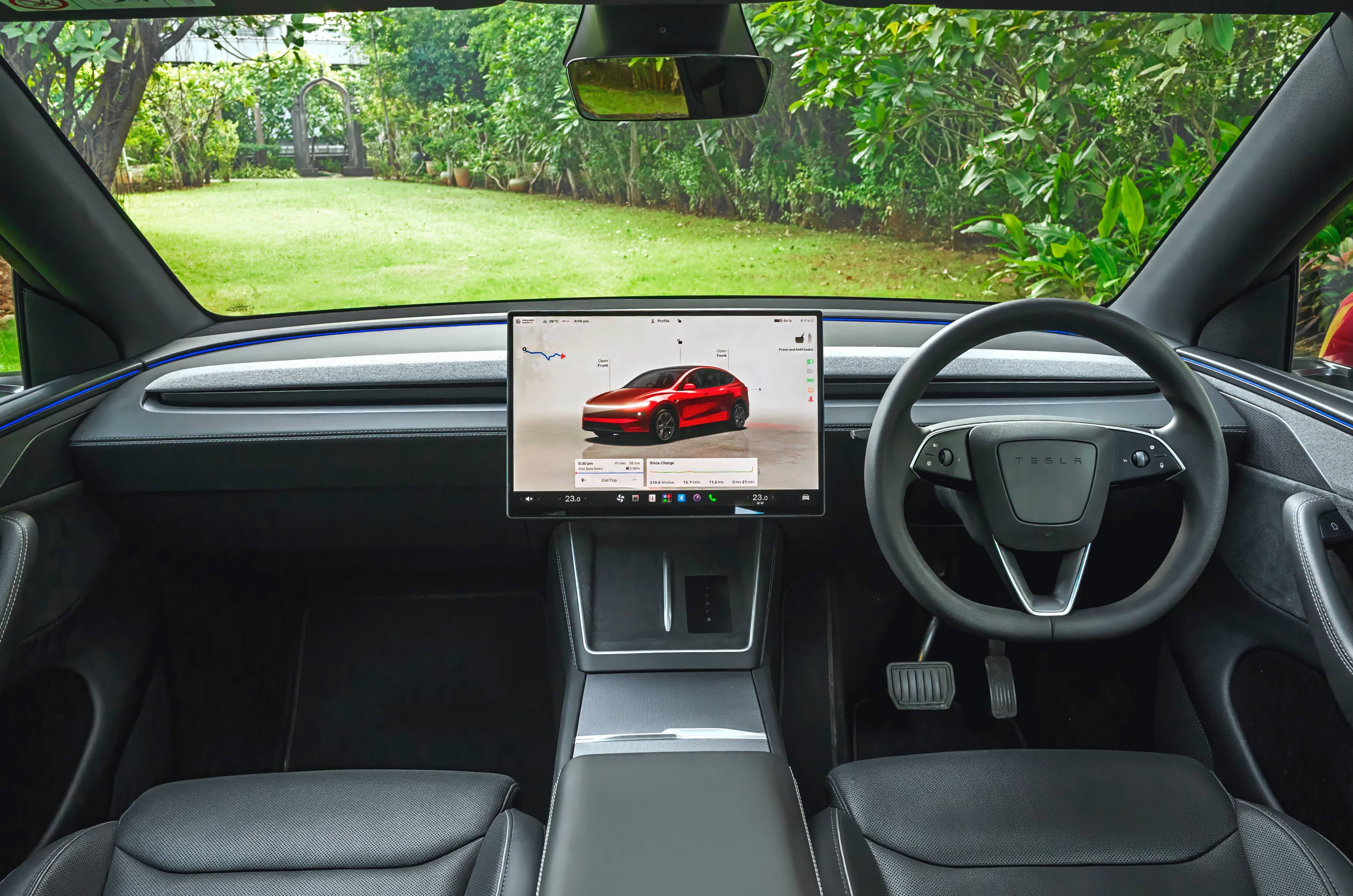
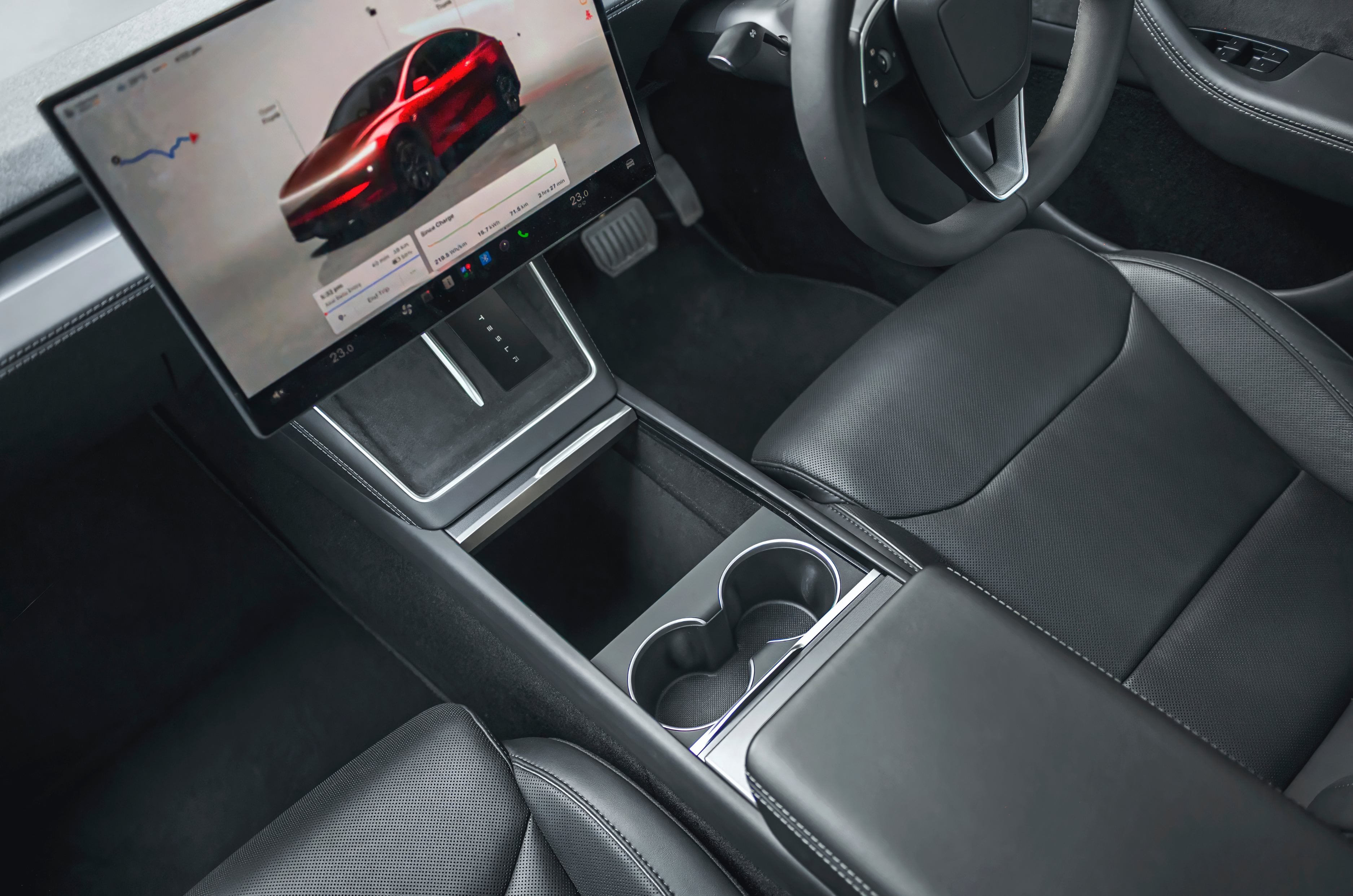
Minimalist design remains the same, save for a new textured finish on top of the dashboard.
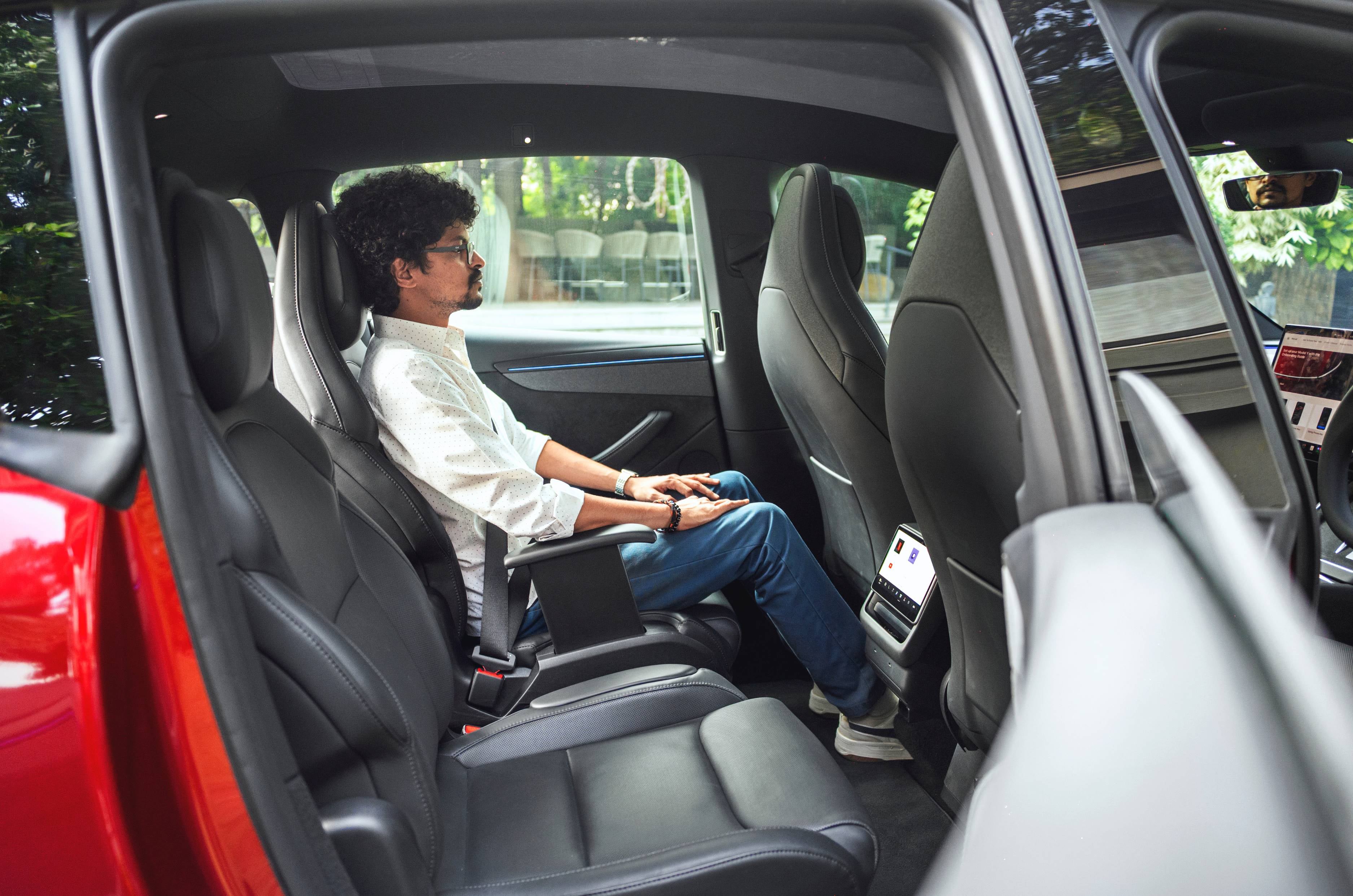
This is where the Model Y L takes a larger step up. The standard Model Y already had a spacious cabin, but the Y L has even more room and brings further versatility, by adding a third row of seats. It is a six-seater rather than a seven-seater, with two individual captain’s chairs in the middle row instead of the standard car’s bench.
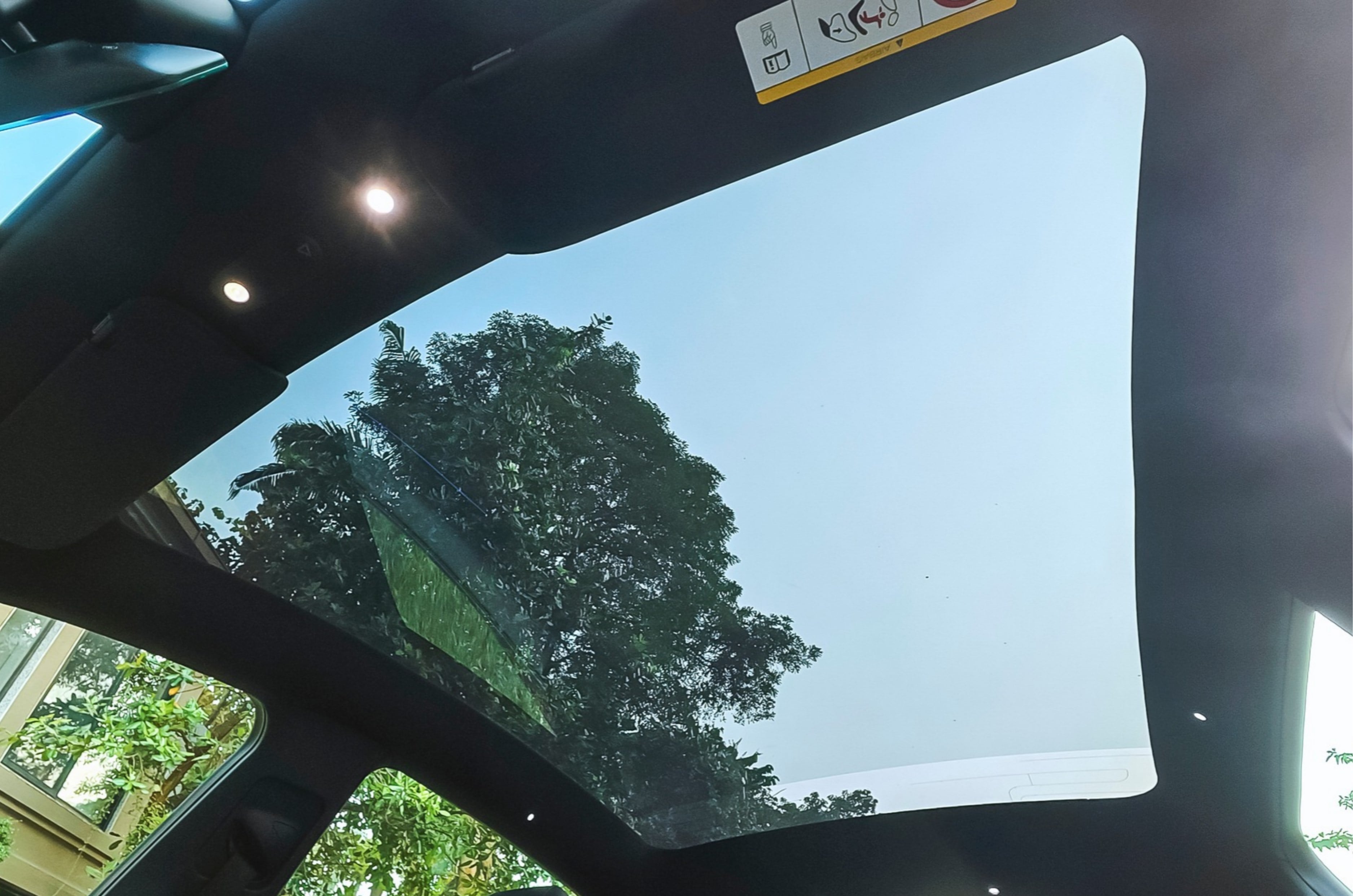
The front seats may be simple-looking but they are plush and comfy, and the extended underthigh support enhances comfort especially for taller people. These seats are also heated, cooled and feature electric adjustment. The second row is arguably the highlight, however. The individual captain’s seats are very comfy, and they feature integrated headrests, a heating and cooling function, along with power adjustment and powered armrests too. The extra wheelbase and taller roof of course gives passengers more room to stretch out and as such there’s no shortage of legroom or headroom here. The larger windows, coupled with the tinted panoramic glass roof further enhances the sense of space. However, since there are no window blinds or a sunshade for the roof, the large glasshouse area means the cabin heats up too easily especially on a hot, sunny day.
Captain seats are very comfy and there’s plenty of legroom and headroom here.
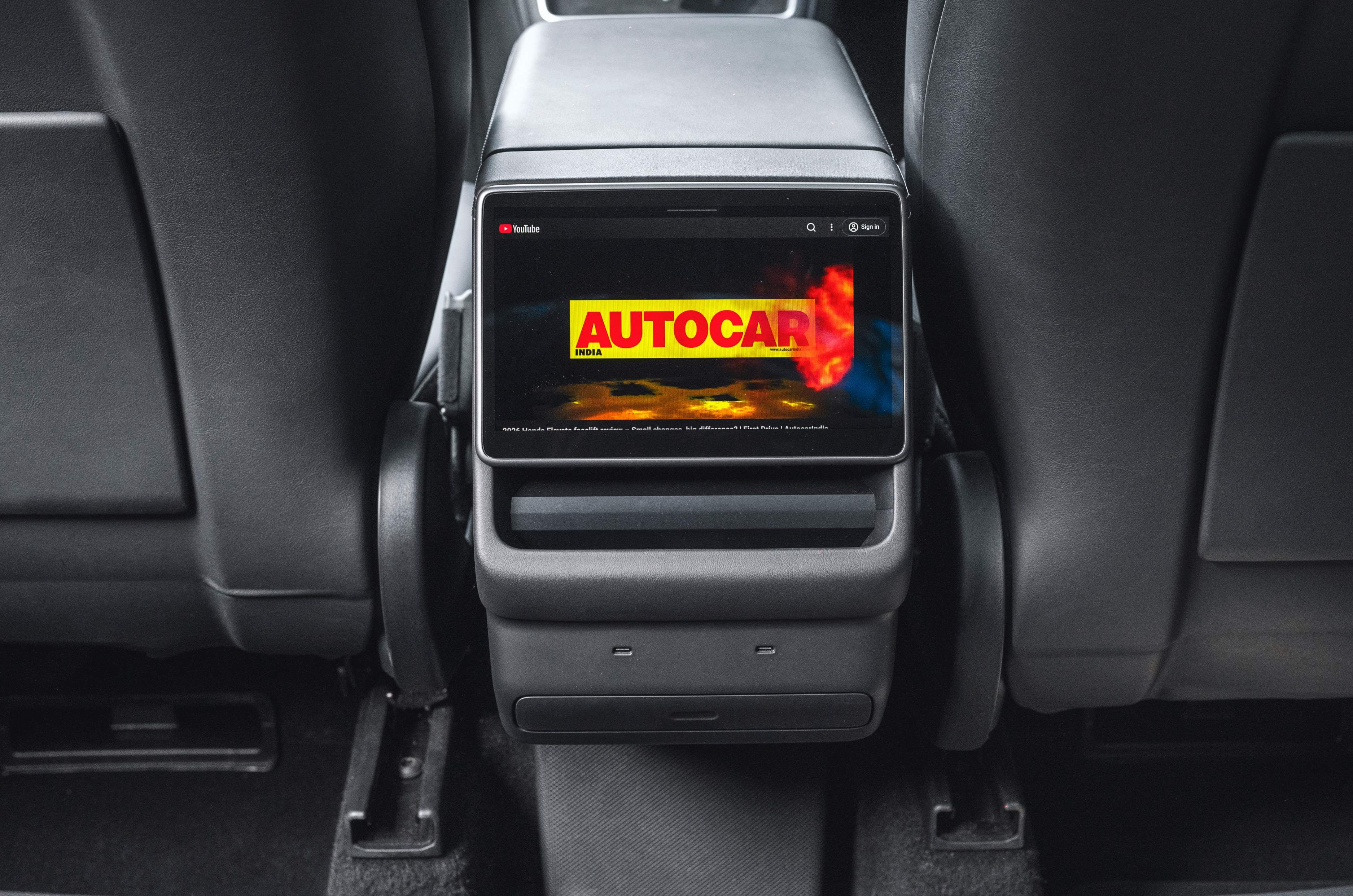
Middle row passengers are well-catered too, however. Apart from the aforementioned heated/cooled and powered seats, you also get cupholders, charging ports, cupholders and a 8-inch touchscreen. This centrally-mounted unit is just as slick to use as the one in the front and it controls several functions, along with the ability to play videos and games.
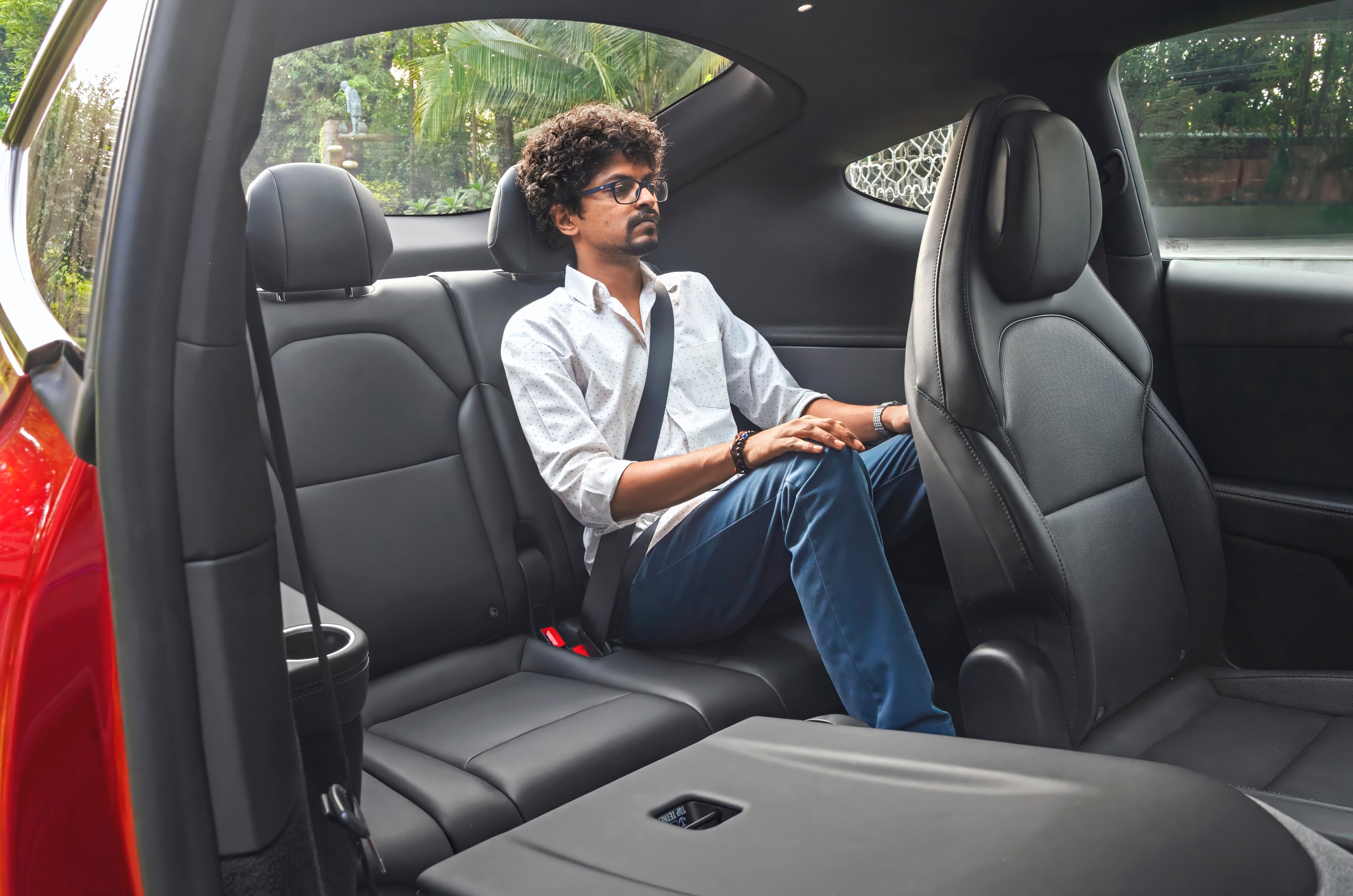
Seating is knees-up, but the third row is usable even for adults.
The third row, however, comes as a bit of a surprise. Considering the low seat, you’re sat in a knees-up position but space back here is genuinely usable for adults, with adequate headroom and kneeroom. Dedicated AC vents, cup holders and type C charging ports are useful inclusions and show that the rearmost seats aren’t simply an afterthought. Like in the middle, here too the large window and untinted rear windscreen lets in a considerable amount of heat.
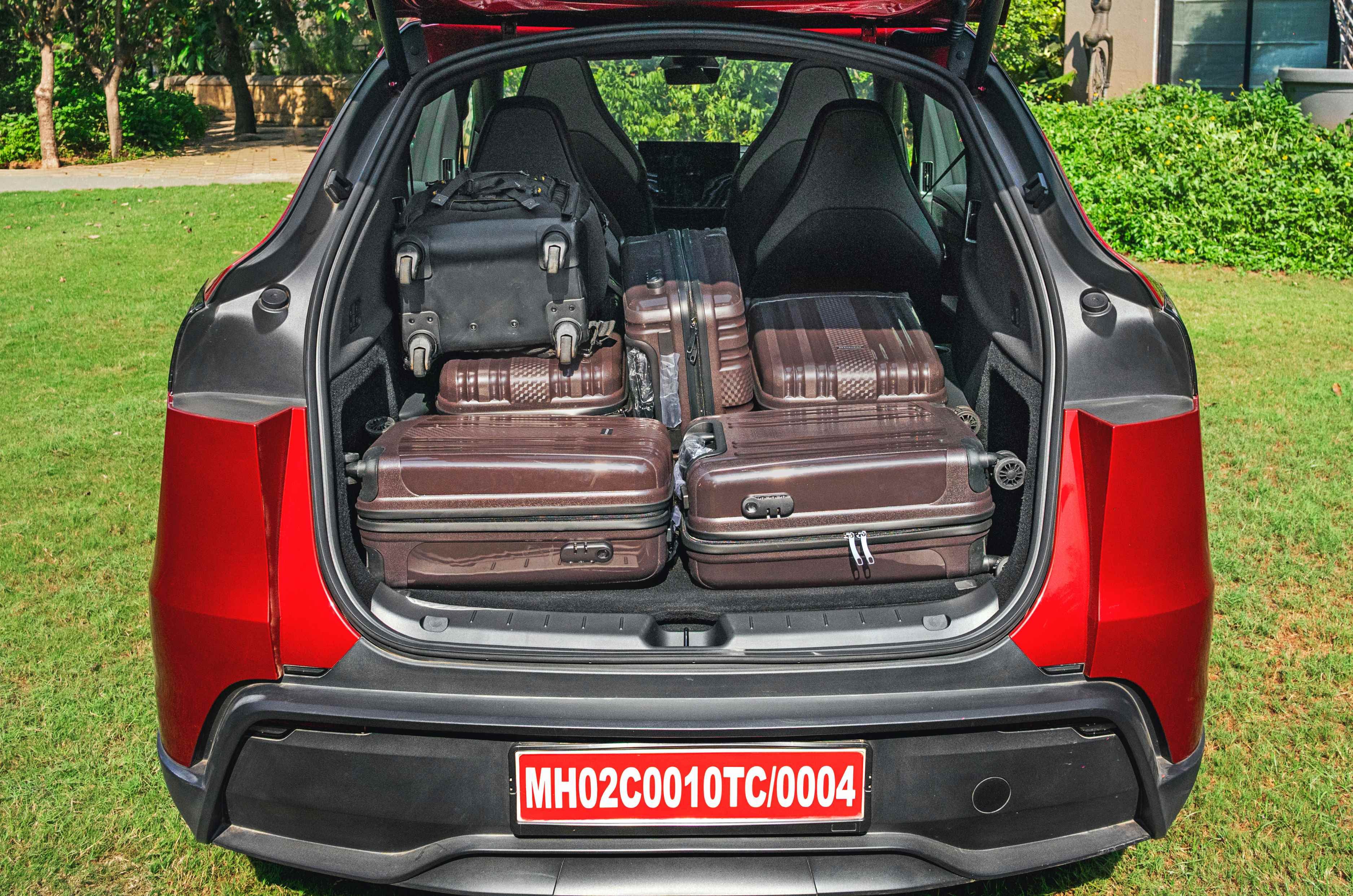
420-litre boot can be expanded to a massive 1,076 litres by folding the third row; more room under the boot floor too.
Luggage space is another important consideration for a family focused car such as the Y L. With all three rows up, boot space is a respectable 420 litres which can be further expanded to a massive 1,076 litres by electronically folding the third row. Then there’s also a considerable amount of storage space under the boot floor and a properly usable 117-litre frunk. As such, the Y L remains practical despite the added seats. It’s worth noting though, there’s no spare wheel.
Practical cabin features a large storage box in the centre, cup holders, two wireless phone chargers, and space under the centre armrest.
Up front, the cabin retains Tesla’s familiar minimalist layout. A large central touchscreen dominates the dashboard, with very few physical controls to interrupt the clean design. This extended model gets a textured finish on top of the dashboard, but the overall layout remains largely unchanged. It also remains a practical place, with a large cubby space in the centre console, storage under the centre armrest, multiple cupholders and seat back pockets.
Model Y Features and Safety – 7/10
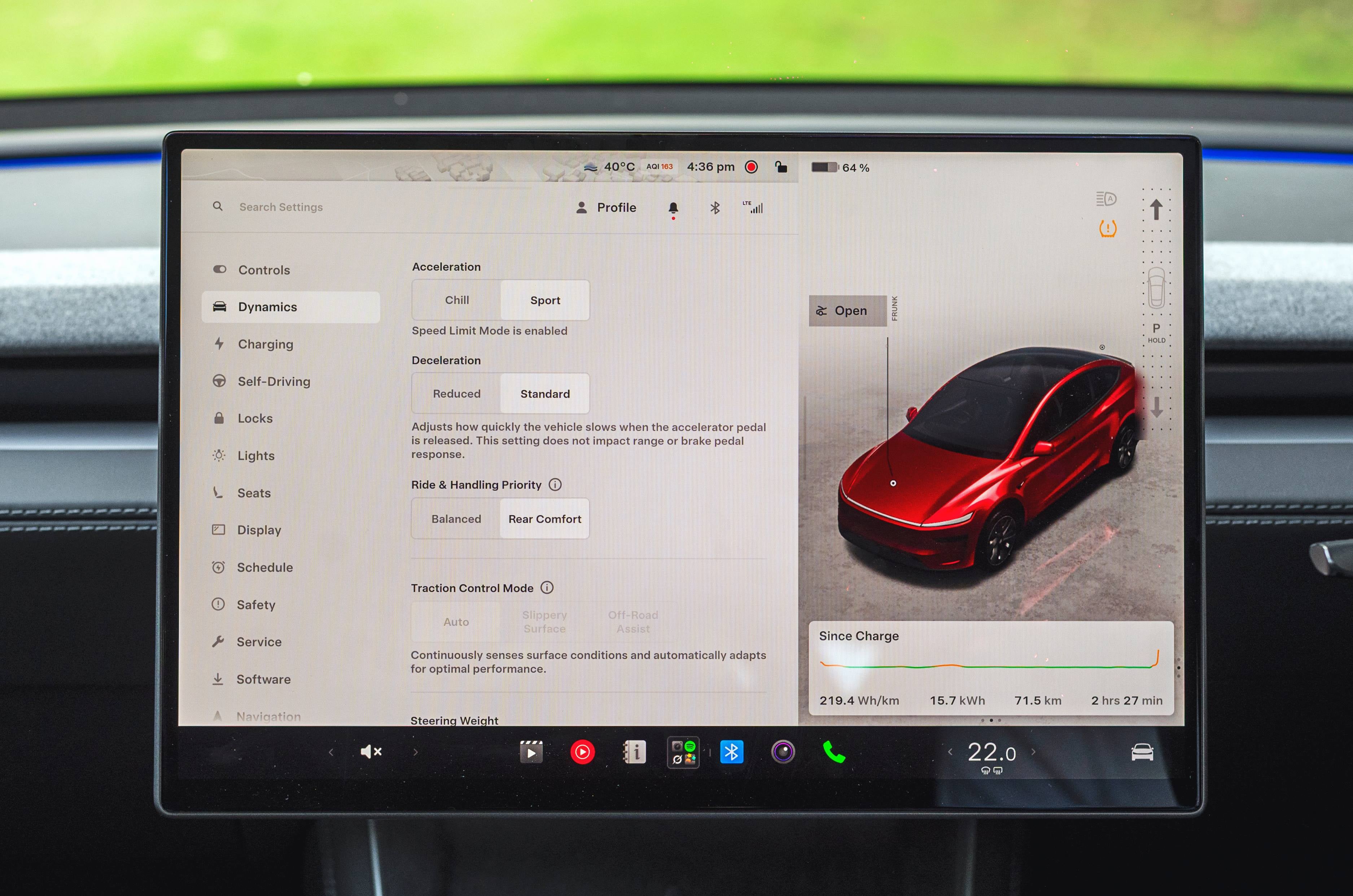
Y L gets a Sport drive mode and two settings for the new adaptive dampers.
Technology has always been central to Tesla’s appeal, and the Model Y L continues with that approach. Apart from the aforementioned 8-inch rear screen, the main party piece of this car is the central 16-inch touchscreen. This screen is easily one of the best in the business in terms of resolution and responsiveness.
16-inch touchscreen is one of the sharpest around and packs in the typical Tesla quirks and features.
The screen is slick and feature-packed, but the reliance on it for everyday functions remains a usability compromise. Adjusting climate settings and accessing basic vehicle functions like adjusting the mirrors and opening the frunk require navigating menus, which isn’t as intuitive as using dedicated switches. It looks modern and gives the cabin a clean appearance, but a little more emphasis on straightforward ergonomics wouldn’t hurt.
8-inch rear screen is just as slick and can bes used to play videos and control other functions.
But thankfully, you do get the Grok AI assistant as a part of the package which can pretty much do everything for you right from setting the AC, to setting the navigation, finding a charger and much more. It can converse in multiple languages and also constantly learns more about you, so it’s said to get more intuitive as you spend more time with it.
Other features include a panoramic glass roof, dual wireless phone chargers, multi-colour ambient lighting, a superb sounding audio system with 18 speakers and a subwoofer, heated/ventilated and powered front two rows of seats, heated third row seats, all LED lights and so much more. There’s also connected-car tech, and as with any Tesla it gets over-the-air updates, so the car is constantly improving without the need to visit a service centre.
Tinted glass roof helps the cabin feel airy but no sunshade means it heats up quickly as well.
Safety equipment includes nine airbags and a suite of driver-assistance features, including lane-departure warning, lane-keeping assist and blind-spot monitoring. The car also has high-resolution cameras all around it which provide a great view of the surroundings, although Tesla’s more advanced Autopilot capabilities remain absent in India.
The technology is impressive, but the screen-centric interface requires some acclimatisation. Some buyers may find the learning curve frustrating, especially while driving. But for the tech-savvy buyers the Y L is aimed at, they will find this approach very appealing.
Model Y Performance and Refinement – 9/10
Dual-motor, all-wheel-drive powertrain puts out over 500hp and does 0-100kph in a claimed 5 seconds.
The Model Y L is offered in India with a dual-motor all-wheel-drive setup, unlike the rear-wheel-drive only Model Y variants. Tesla does not officially list powertrain specifications, but it has an estimated combined system output of 514hp and 590Nm and the brand claims a 0-100kph time of 5 sec and a top speed of 201kph. We did a quick acceleration test and managed a 0-100kph time of 5.02sec, though we couldn’t test the top speed as our car was electronically limited to 120kph. For a family crossover which is estimated to weigh over two tonnes, the performance is properly brisk. Expectedly, acceleration feels very potent and as typical of any high-performance EV, the Model Y L pins you back into the seat. However, there is a certain progression to the power delivery and the added traction of the all wheel drive setup makes it feel manageable and not overwhelming. There’s also two drive modes, Chill and Sport, the latter of which is exclusive for the Y L. And they have a corresponding effect on the response of the powertrain, with Sport obviously feeling much more immediate.
The added performance also makes overtaking on highways and closing gaps in traffic particularly effortless, as is reflected in the rolling acceleration figures. 20-80kph takes 2.85sec while 40-100kph is dispatched in just 2.94sec.
As with the standard Model Y, the Model Y L also impresses with its refinement. The cabin is superbly insulated from the outside world, thanks in part to the double glazed windows, with barely any road, tyre and wind noise filtering through into the cabin.
Model Y Mileage / Range and Efficiency – 7/10
Tesla Supercharger is said to add up to 288km of range in 15 mins; has a WLTP-rated range of 681km.
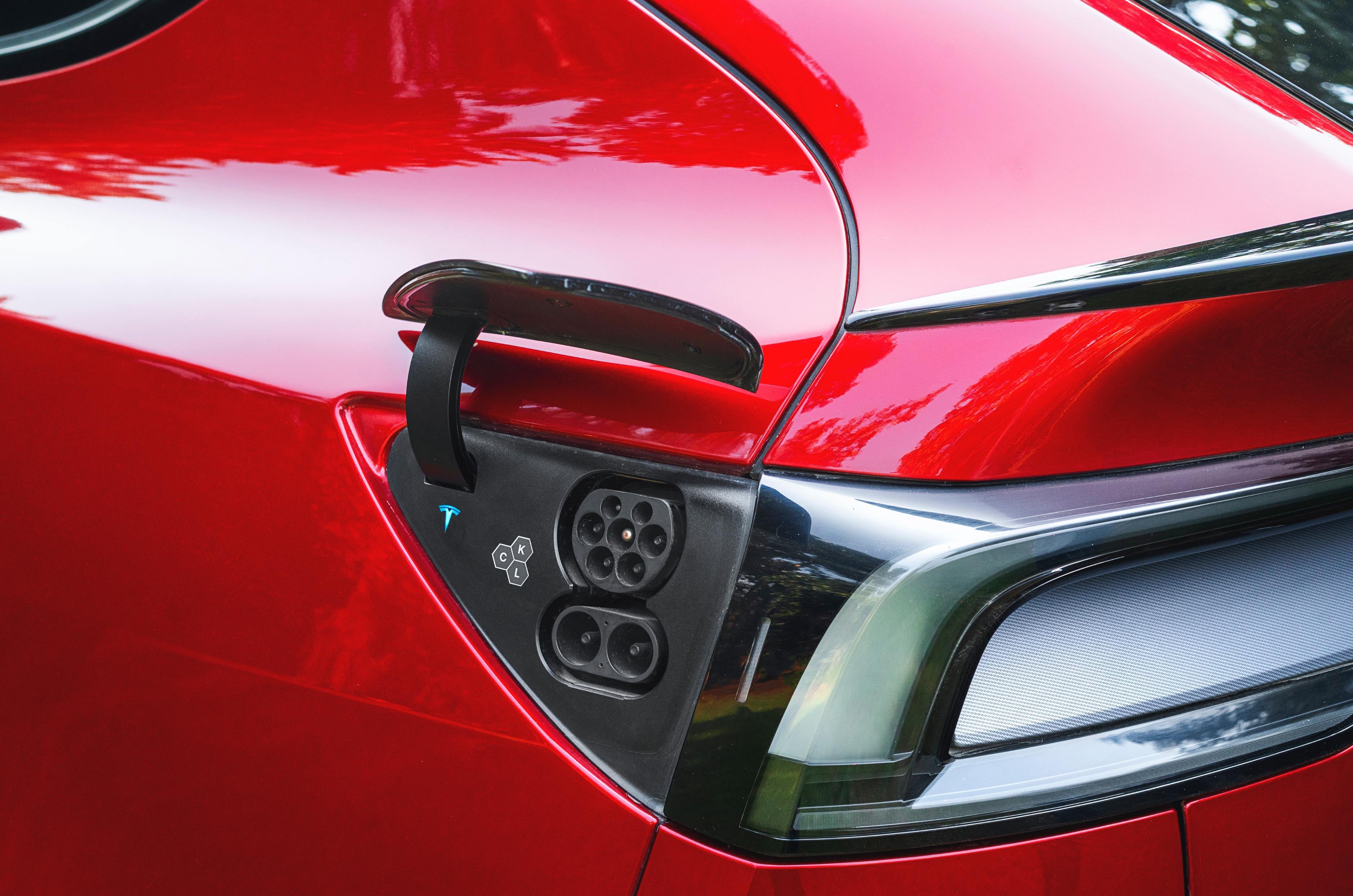
Tesla claims a WLTP range of 681km, from the Model Y L’s 88kWh (estimated) NMC battery pack. That’s more than the standard RWD Model Y, for reference. It can also add up to 288km of range in 15 minutes when connected to a Tesla Supercharger, according to the company. Speaking of which, the electric crossover is capable of accepting up to 250kW on DC fast charging and 11kW on AC charging. As always, real world range will depend on driving conditions, speed, weather and other factors.
Model Y Ride Comfort and Handling – 7/10
Adaptive dampers and longer wheelbase does make the Y L feel more settlled than the standard Model Y.
The standard Model Y’s ride and handling package is competent, although its low-speed ride is noticeably firm, especially on uneven surfaces. Tesla has made changes to the L’s suspension, equipping it with adaptive dampers in a bid to improve comfort and body control.
This is a particularly relevant upgrade for a longer, heavier vehicle designed to carry more passengers. As with everything else, this is also controlled via the touchscreen with two settings available – Balanced and Rear Comfort. The latter softens things down and gives it a slightly plusher feel, while the former represents a good middle ground between ride comfort and handling. Even though the difference in the modes isn’t that great, the Y L does feel more composed over broken roads and avoids transmitting as much movement into the cabin as the Standard Model Y.
The longer wheelbase also helps the car feel a bit more settled at speed, although manoeuvring in confined spaces is more cumbersome, and this is particularly amplified thanks to the rather poor turning circle. Like the standard Model Y’s, the Y L’s steering is light and easy to use, but it isn’t particularly feelsome. There’s also three modes for the steering, which progressively add more weight. The handling too is more competent and predictable rather than entertaining. It doesn’t feel as agile as the Model Y but body movements do seem better controlled thanks to the adaptive dampers.
There’s two levels of regenerative braking – Standard and Reduced. Standard is the stronger setting and best for use in the city as it almost functions like a one-pedal mode while Reduced is for highway use as it allows for some coasting.
Model Y Value for Money – 7/10
The Model Y L is for those who want a spacious, quick, refined, and cutting-edge premium EV for the family.
Priced at Rs 61.99 lakh (ex-showroom), the Tesla Model Y L makes for a more compelling case than the standard Model Y despite costing 10 lakh more. It still costs a fair bit more than its most direct rivals, the BMW iX1 LWB and the BYD Sealion 7, but the Y L is more spacious with more seats. The Model Y L does have its compromises though. It’s over reliant on the touchscreen for even basic functions and the large glasshouse means the cabin heats up easily. The larger dimensions, poor turning circle, low ground clearance and long wheelbase also means it is more challenging to maneuver in the city and while parking.
But it brings a lot more to the table too. There’s more cabin space, the added versatility of a third row, a more potent dual-motor powertrain with all-wheel-drive and a higher claimed range as well. And it retains its strengths of being featured-packed, with excellent refinement and massive cargo space. Tesla says that buyers are now preferring to opt for the Y L over the Model Y considering all the additional things it brings, and that really doesn’t come as a surprise. So for buyers who want a spacious, quick, refined and cutting-edge electric crossover for the family, the Tesla Model Y L fits the bill perfectly.
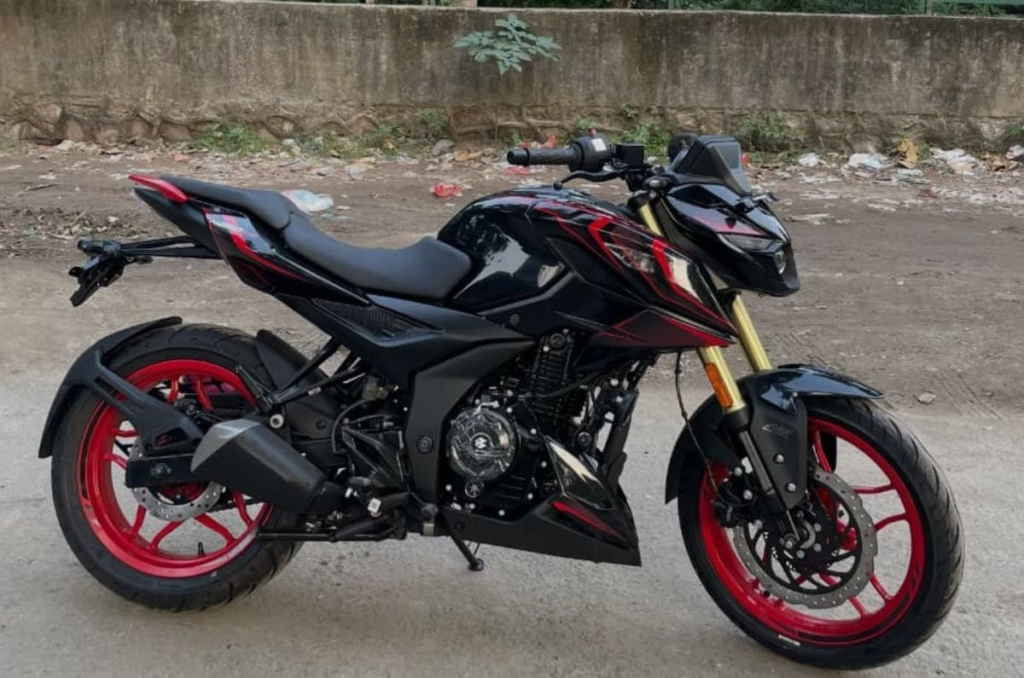
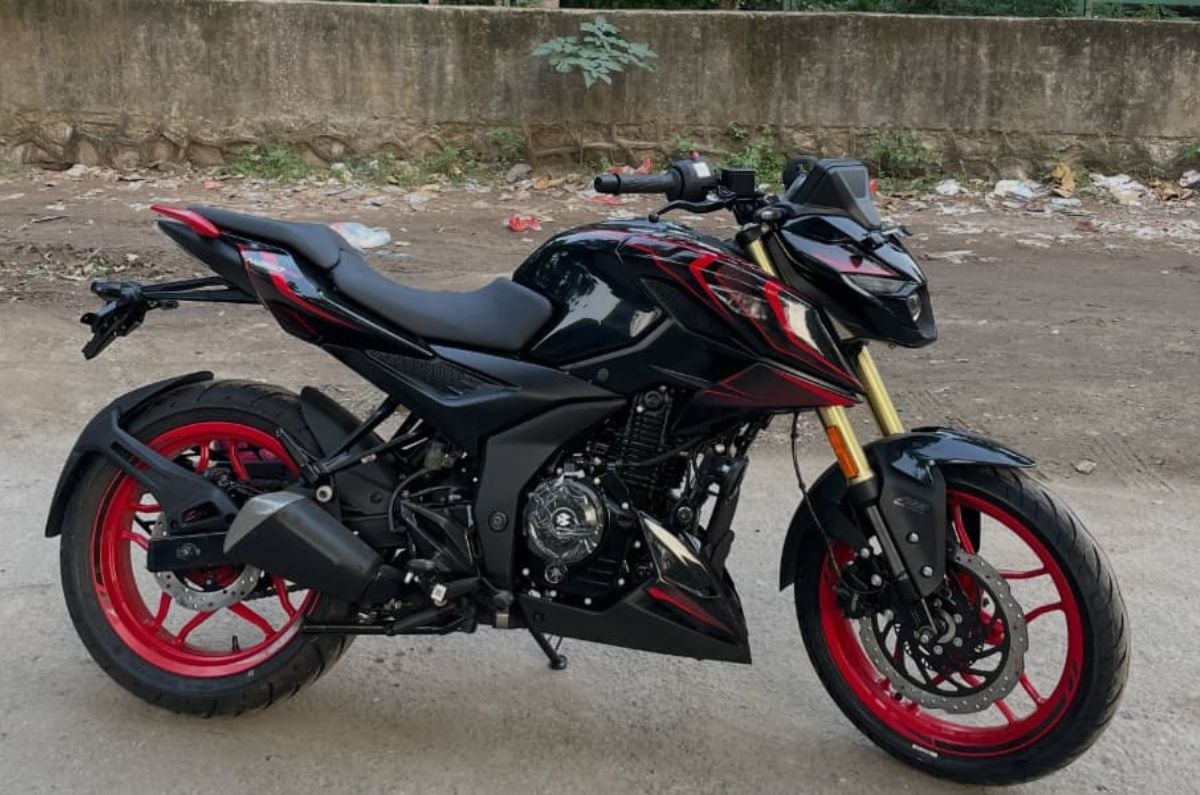
Bajaj continues its update marathon for the Pulsar line-up. After being spotted testing alongside the NS200 last month, a new SS variant of the N250 has reached dealerships. An updated Pulsar RS200 was also seen testing recently, but no official information is available on that model either.
Gets a new 6-speed gearbox with a quickshifter
Adds a TFT display, 5 ride modes and traction control
Now gets a radial rear tyre, adjustable levers and a Type-C charger
Bajaj Pulsar N250: What are the changes?
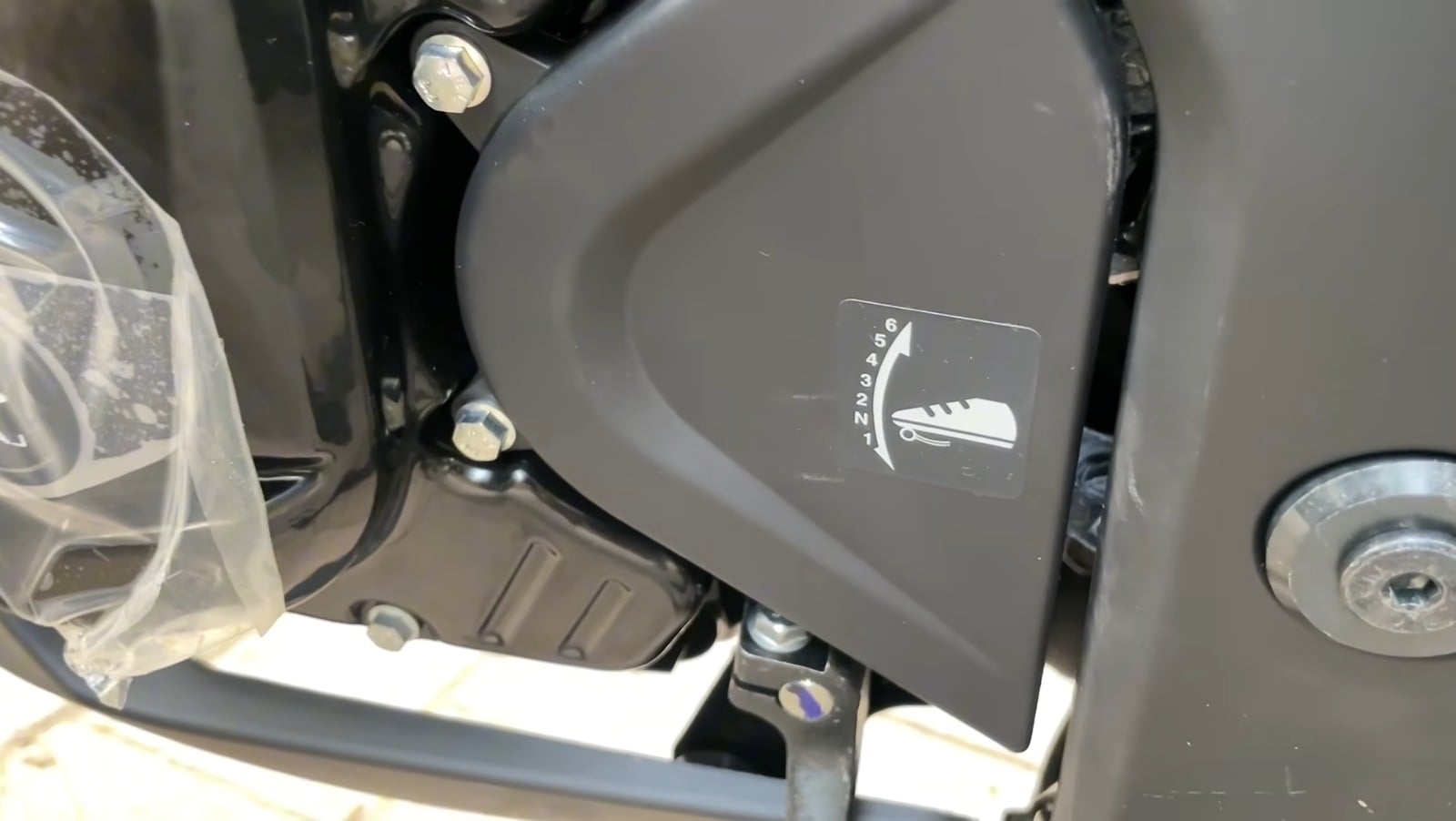
The 249cc air/oil-cooled engine is now paired with a new 6-speed gearbox.
One of the major changes is a new 6-speed gearbox replacing the 5-speed unit. This should help the motorcycle cruise more comfortably at highway speeds. Along with the new gearbox, we could also see a slight bump in performance from the current 24.5hp and 21.5Nm. A new rear radial tyre is also a welcome addition.
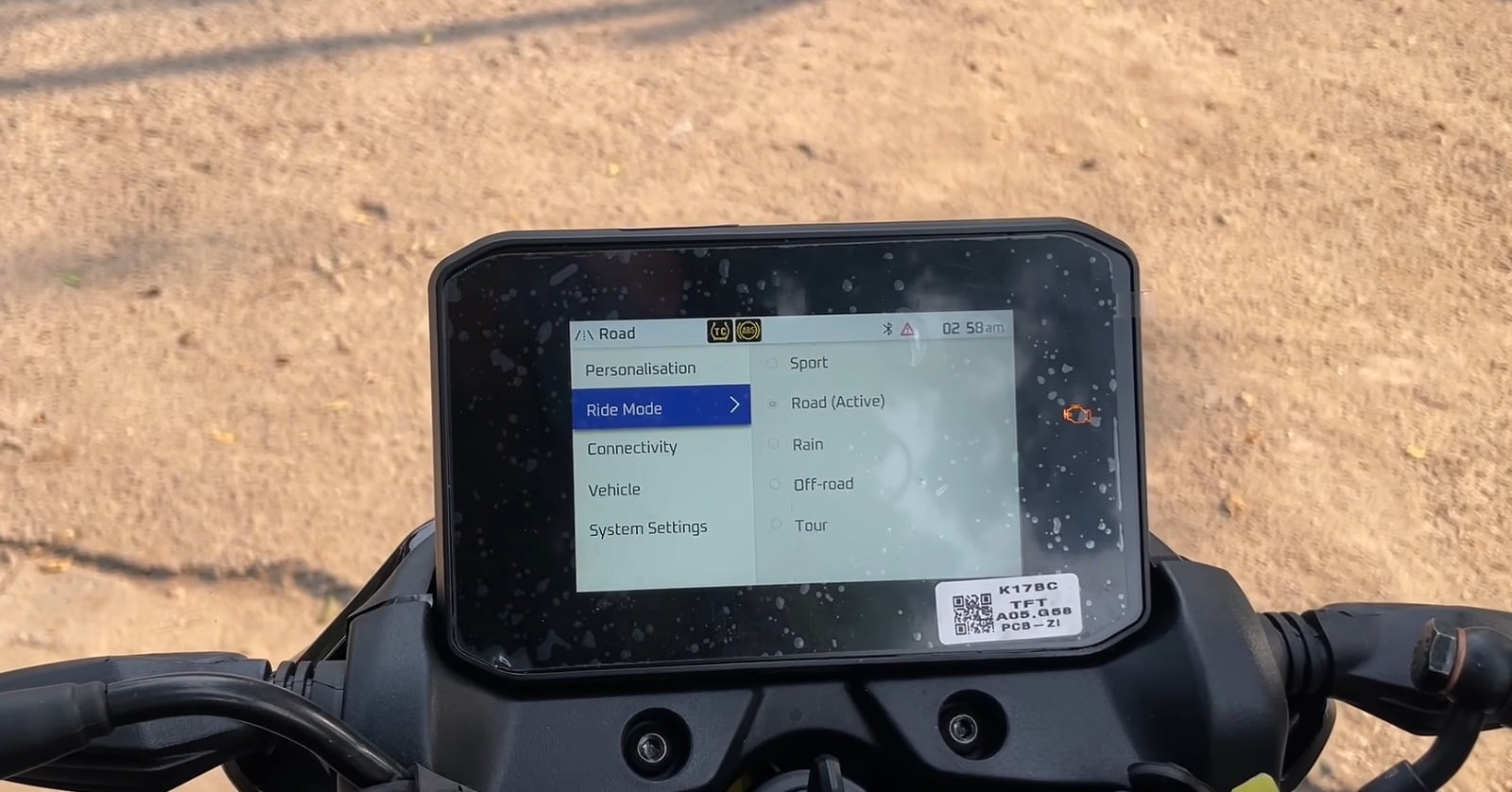
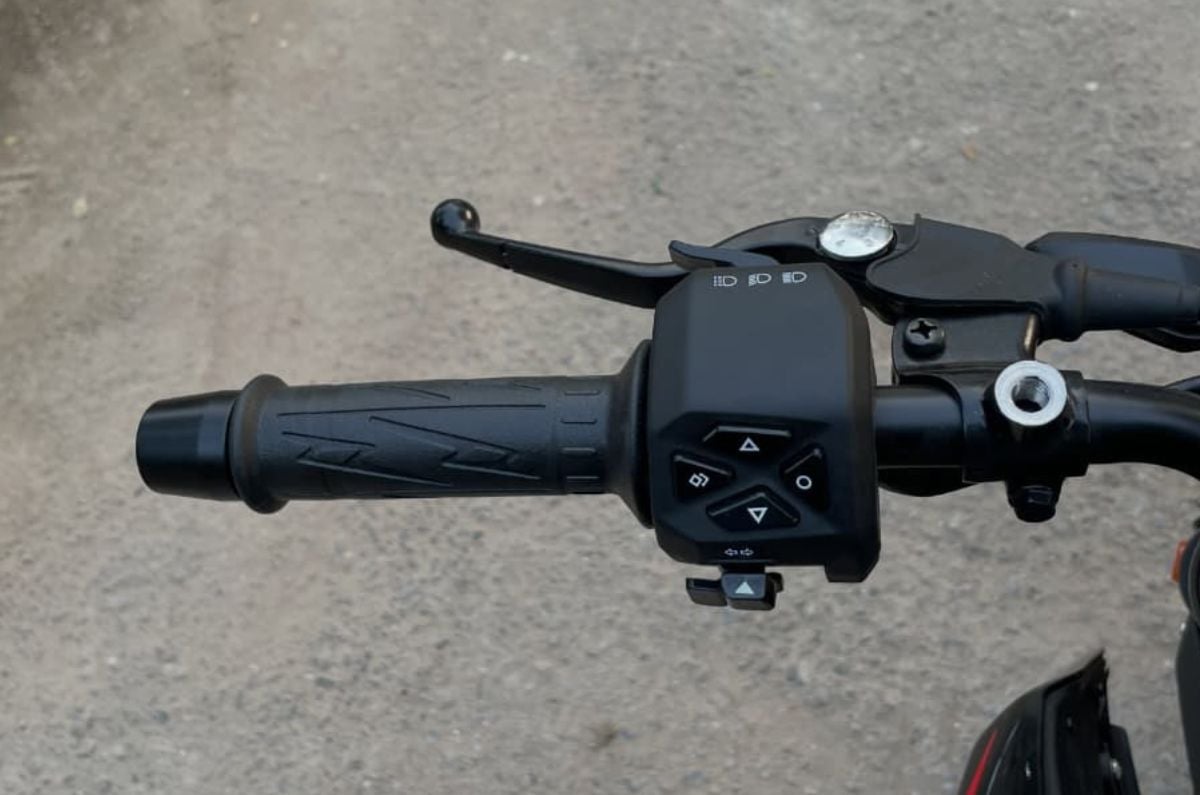
Like the other updated Pulsars, the N250 also gets an electronic suite. It comprises a 5-inch TFT instrument cluster with Google Maps mirroring, 5 riding modes (Sport, Road, Rain, Off-road and Tour), traction control, a bidirectional quickshifter, a USB Type-C charger, updated switchgear and adjustable clutch and brake levers.
For now, the new variant has reached dealerships, but Bajaj hasn’t made an official announcement yet. Currently, the standard Pulsar N250 is priced at Rs 1.45 lakh, and its chief rival, the Suzuki Gixxer 250, costs Rs 1.85 lakh. However, given the new gearbox and additional features, the upcoming SS variant will likely have a slightly higher price than the standard variant.
Image source: Machine Rules on Instagram. All prices are ex-showroom, Delhi.
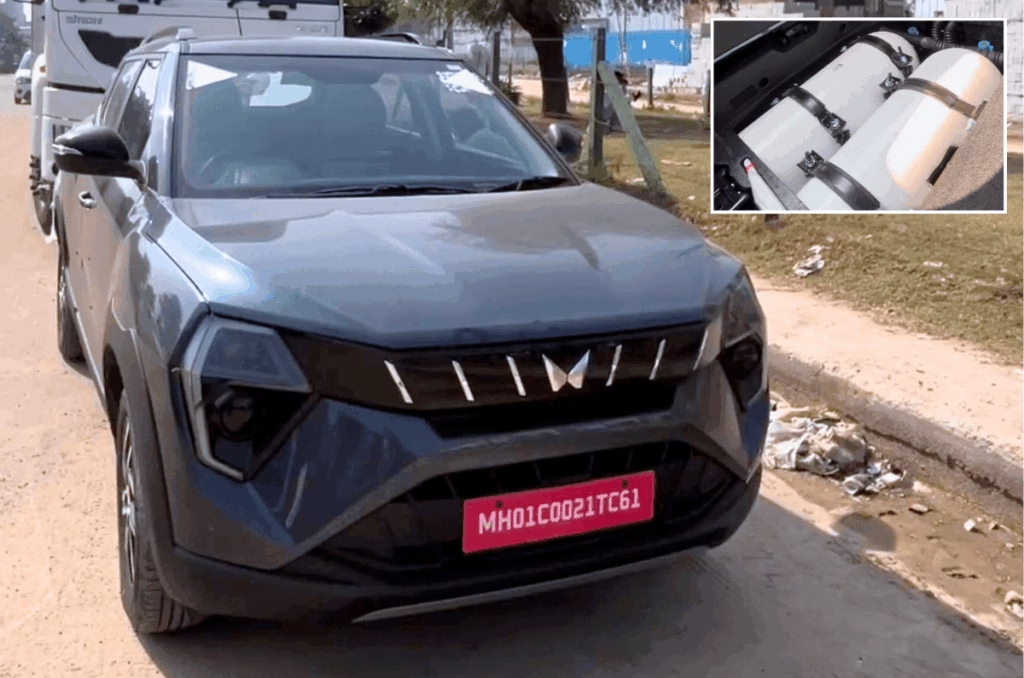
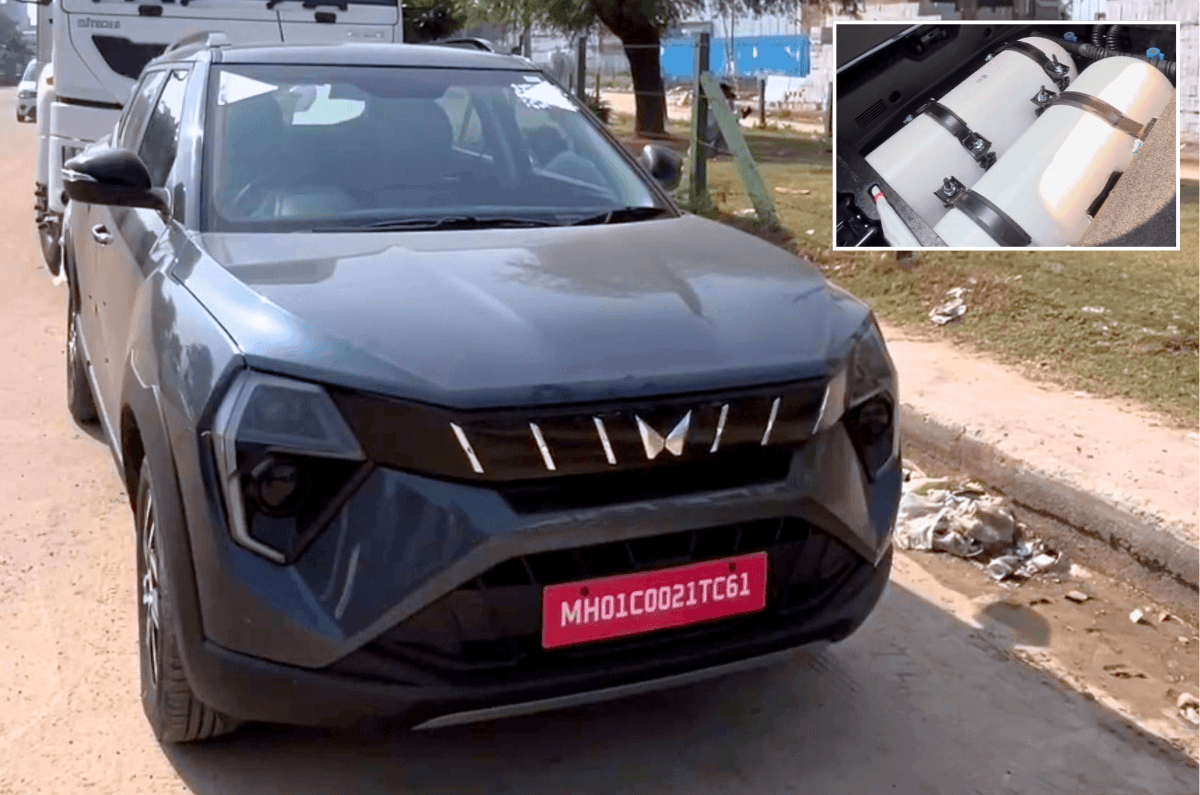
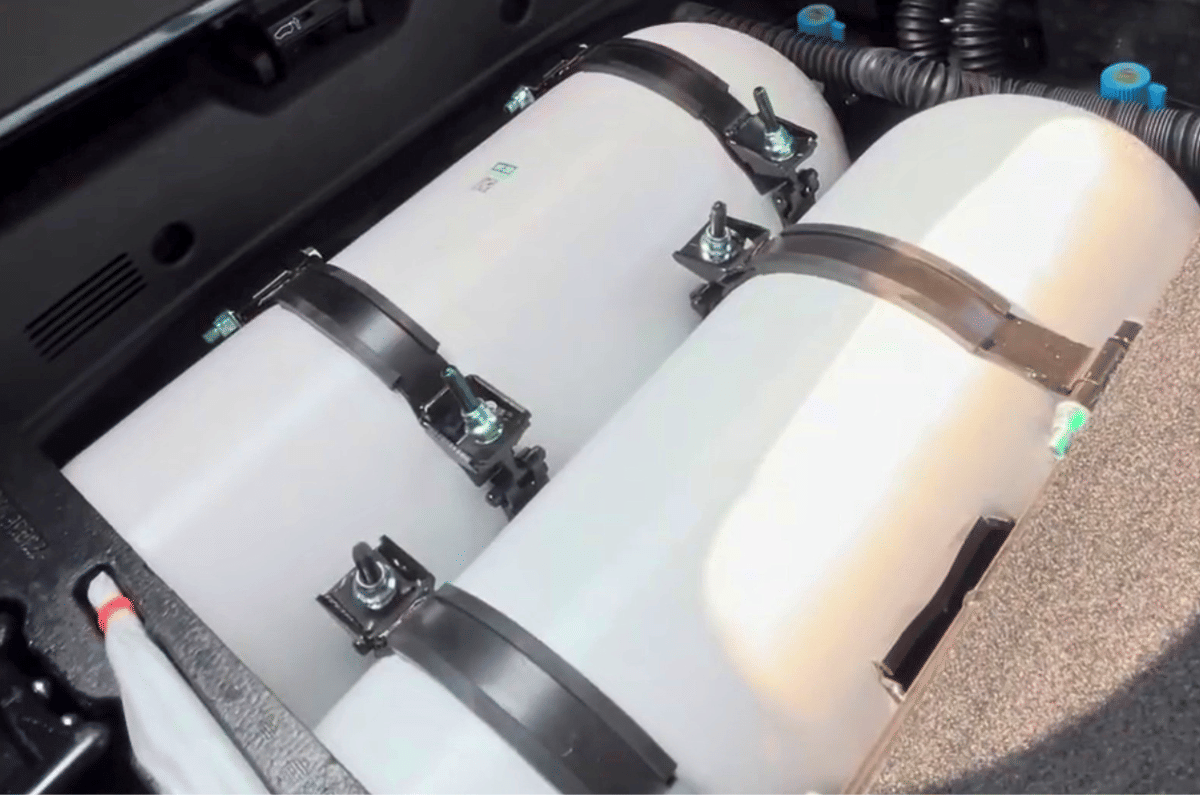
The Mahindra XUV 3XO has been spied with a dual-cylinder tank setup, an arrangement that is aimed to take up less boot space; 3XO has the smallest boot in the compact SUV segment. This sighting comes a day ahead of the SUV’s launch tomorrow. CNG will be the fourth powertrain option, alongside petrol, diesel and electric, giving Mahindra’s most affordable SUV one of the widest powertrain line-ups in the segment, along with the Tata Nexon.
Mahindra XUV 3XO CNG spy shot details
Between the 1.2-litre MPFI (multi-point fuel injection) turbo-petrol and 1.2-litre direct-injection (DI) turbo-petrol engine options of the 3XO, a CNG kit is likely to be offered with the former, and exact specifications are yet to be disclosed. MPFI engines are relatively cheaper to manufacture and simpler to adapt for CNG, since fuel is injected into the intake manifold. Doing the same with a DI engine is more complex and expensive.
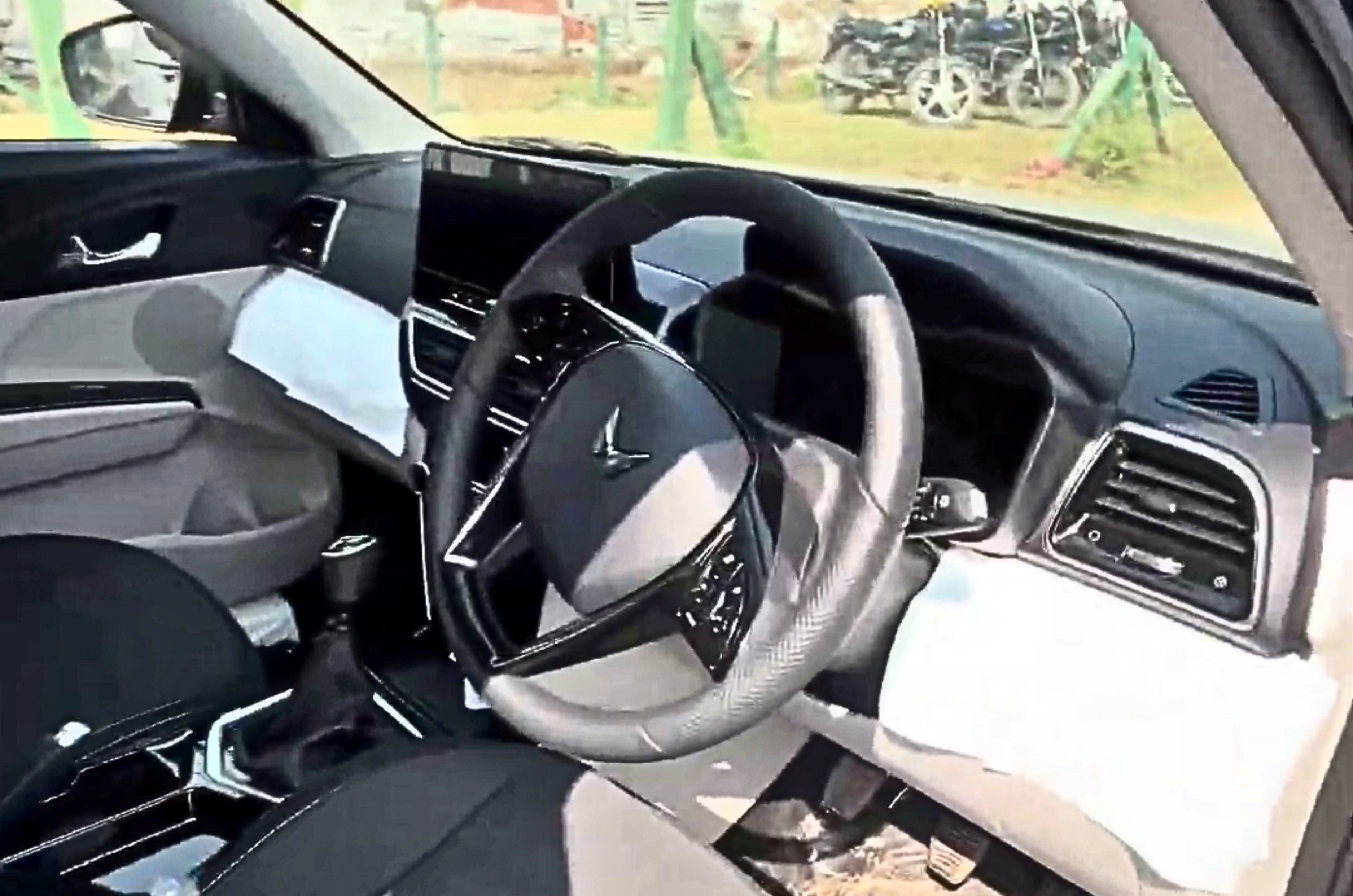
Interestingly, the spied vehicle had dual-tone alloy wheels, suggesting that Mahindra may offer the CNG option even in the higher trims. It’s interior is unlikely to receive any changes, and depending on the trim, features such as a 10.25-inch touchscreen, a 10.25 inch digital driver’s display, steering-mounted controls and more could be on offer.
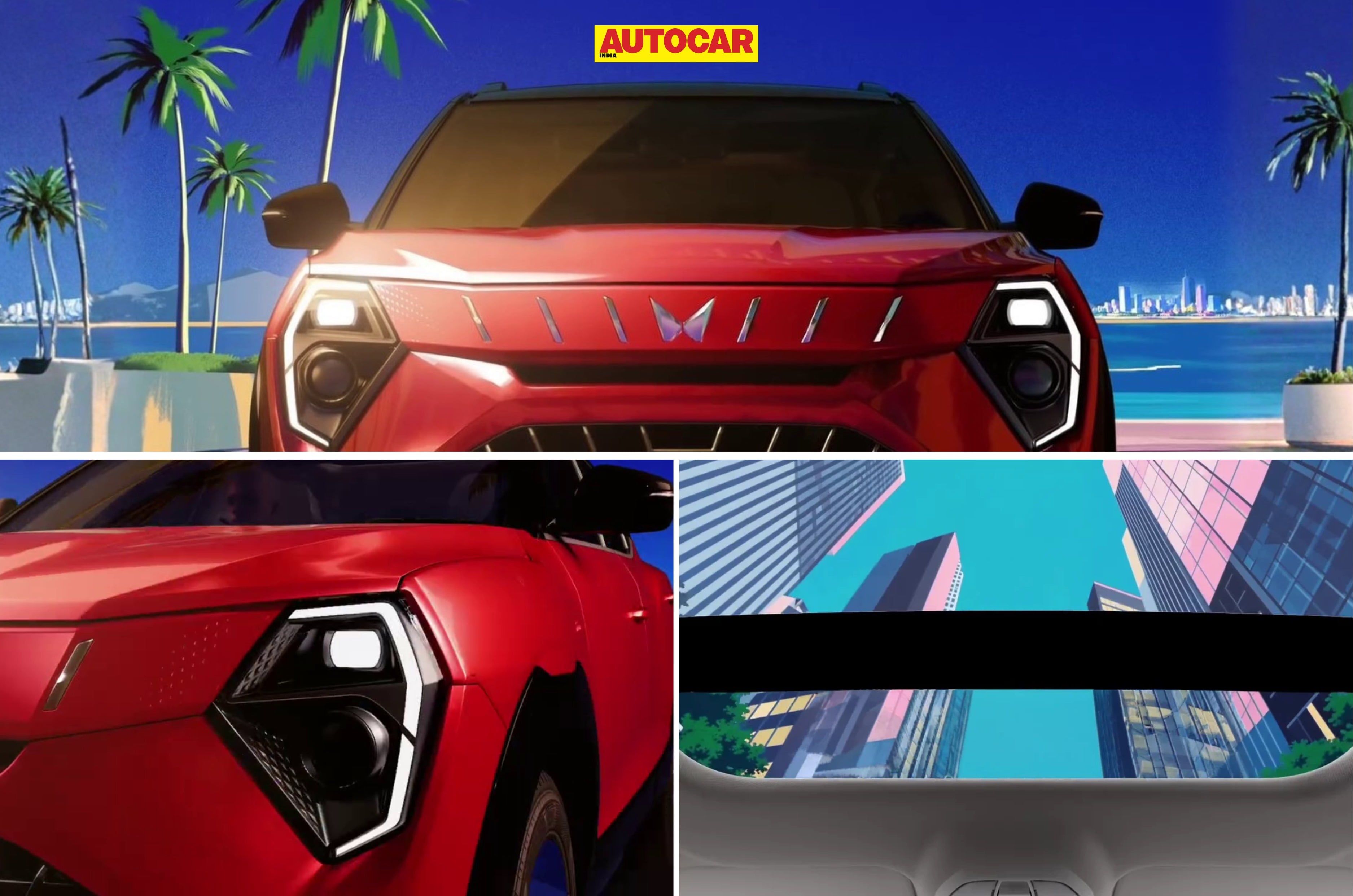
A recent teaser of the 3XO CNG featured a body coloured front grille, something that is offered in the RevX range, and LED DRLs, LED headlights and a panoramic sunroof.
Scope of CNG in compact SUV segment
CNG has become increasingly popular in India. A CNG option could help boost XUV 3XO sales, and also help the carmaker meet the stricter CAFE III norms that come into effect in April 2027. This is especially important because a large part of Mahindra’s sales comes from diesel models. Along with EVs, CNG models will be key to balancing the CO2 emissions from its diesel range. In the past, Mahindra has offered this fuel option on some of its commercial pickup range, as well as via conversion kits for the erstwhile Logan and Verito.
In addition to the Nexon, the XUV 3XO CNG will face competition from models like the Maruti Brezza and the Fronx. We expect the CNG version to command a premium of about Rs 1 lakh over the equivalent petrol trim.
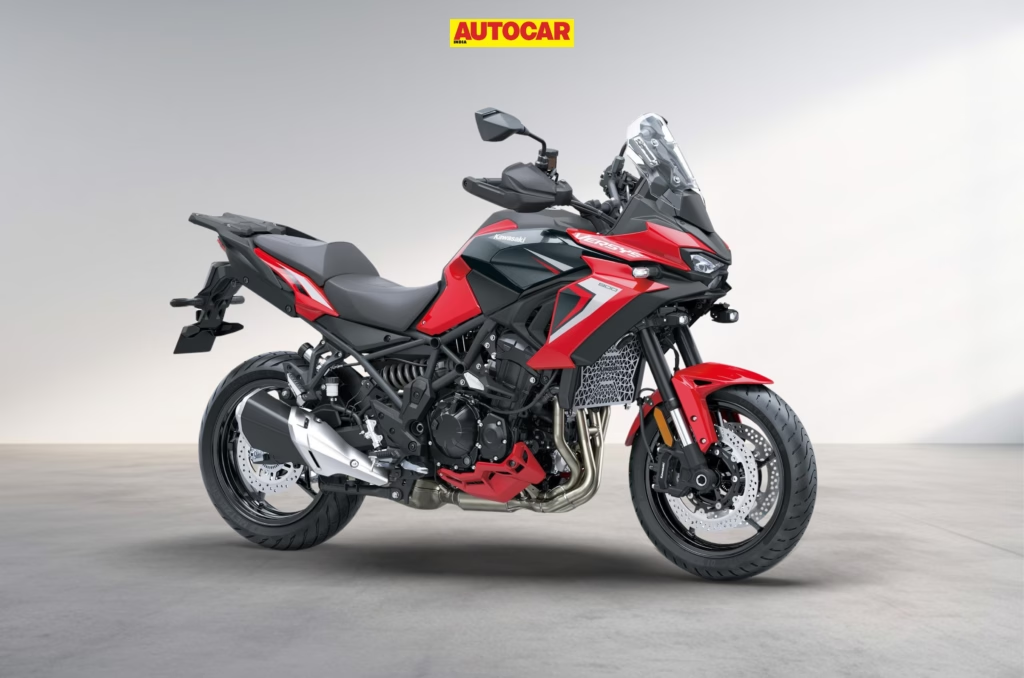
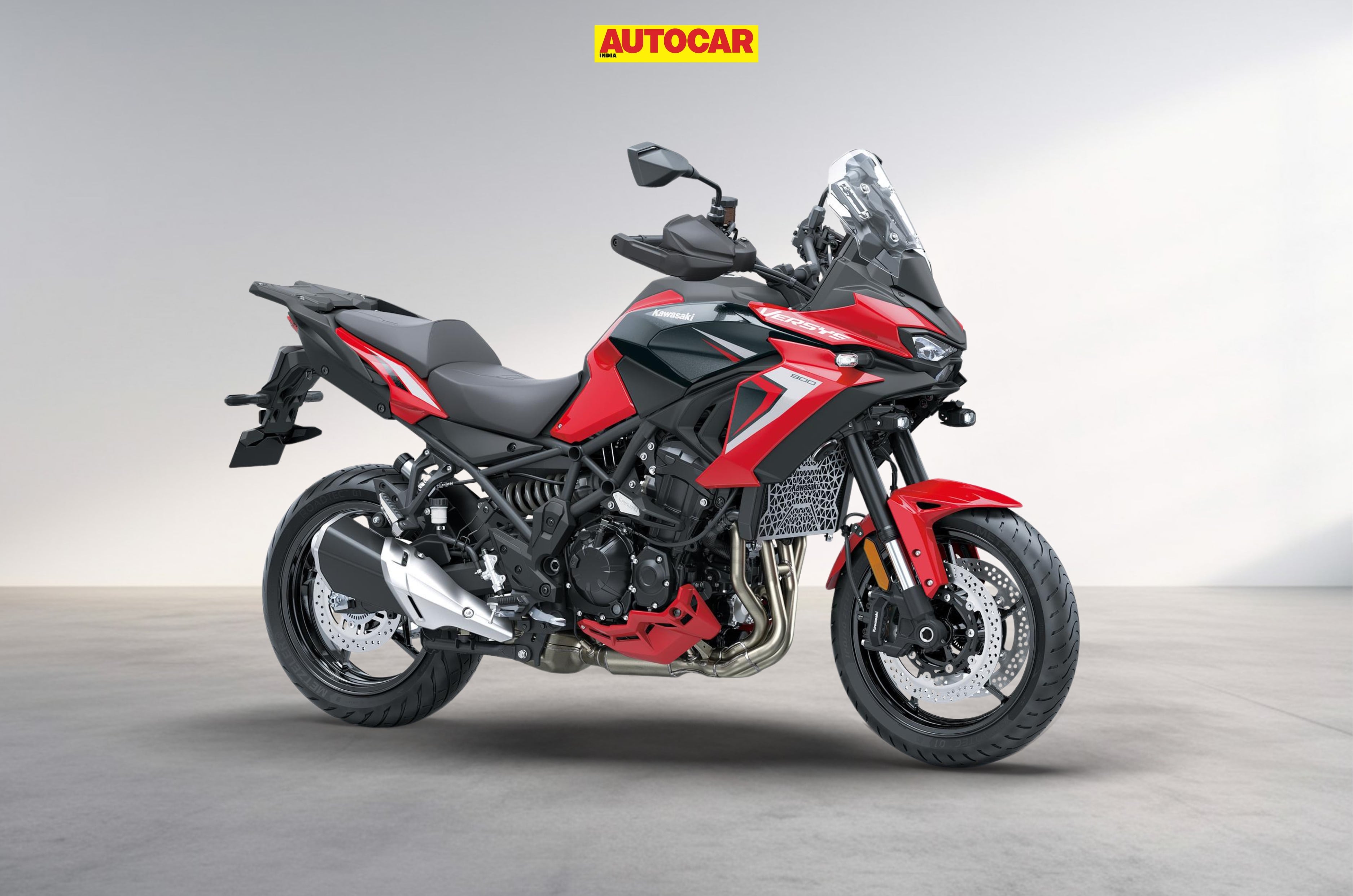
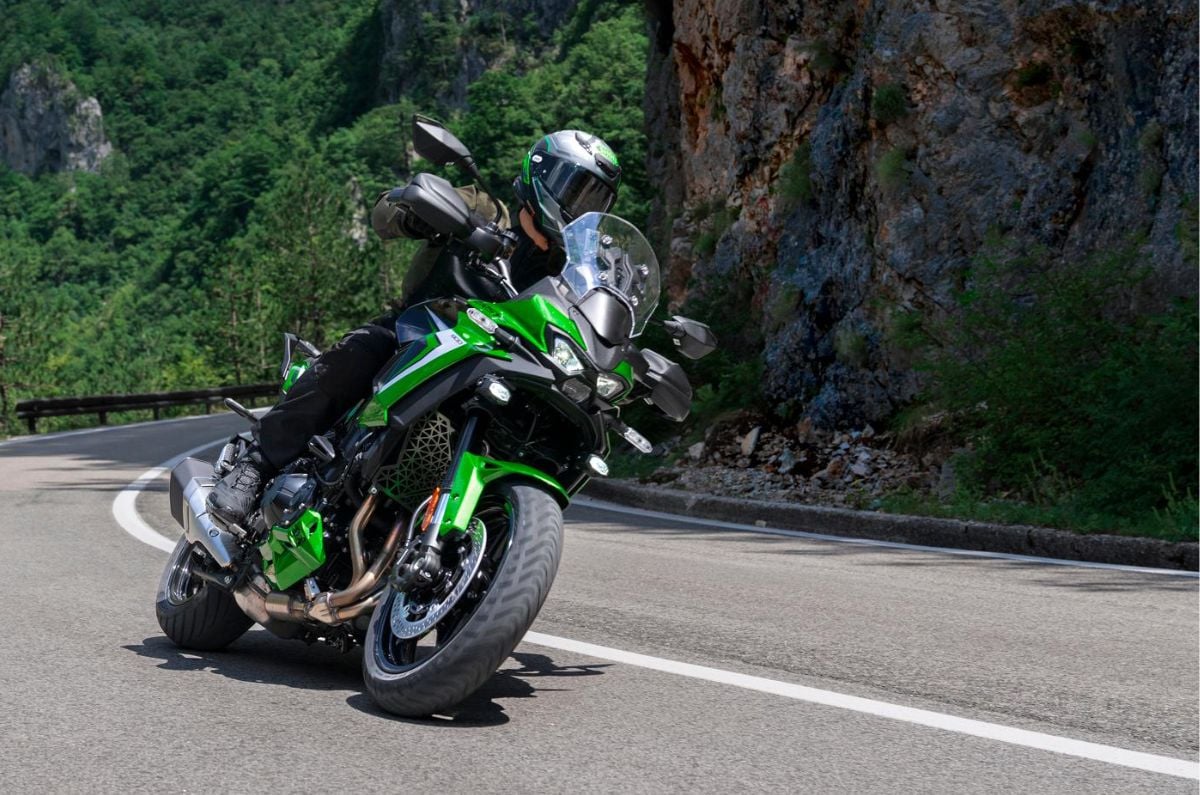
Last week, we reported that Kawasaki UK (and later USA) had teased the arrival of a new Versys, the brand’s adventure tourer series. We had also postulated that it’s likely to be based on the sport-naked, the Z900. Kawasaki has just revealed the Versys 900 and 900 SE and it is based on the Z900, with a few touring-centric additions.
Shares the Z900’s 948cc in-line four, but with slightly lower 123hp and 97.3Nm
Major distinguishing feature is the ADAS – termed ARAS – functionality
Versys 900 SE gets accessories like heated grips and radiator guard as standard
Kawasaki Versys 900: What you need to know
The most feature-loaded Versys yet
The Kawsaki Versys 900 currently has two variants in the UK, Standard and the SE. They share their 948cc, in-line four, liquid-cooled engine with the Z900, but with slightly lower output figures, 122hp and 97.3Nm compared to 124hp and 97.4Nm. The engine is housed within an all-new trellis frame which is said to enable a high-level of front end feel and achieve a near 50:50 weight distribution to the front and back. Suspension comprises a USD fork and a linkage monoshock, and standard seat height is 825mm, with the option to increase it to 845mm.
What sets the Versys 900 apart is the addition of Kawasaki’s Advanced Rider Assistance Systems (ARAS) – the front and rear radar system that enables adaptive cruise control, blind spot detection, forward collision warning, and emergency stop signal as standard. While Kawasaki hasn’t revealed full specifications, we do know the Versys 900 will run on 17-inch wheels at both ends, like the Z900. It also borrows the latter’s electronics suite with ride-by-wire, power modes, traction control, a slip-and-assist clutch, a bi-directional quickshifter. The 6-axis IMU and 5-inch TFT display with smartphone connectivity are also shared.
The Versys 900 SE variant adds LED fog lamps, hand guards, heated grips, a radiator guard, frame protection sliders, a lower cowl and centre stand as standard fitment. Kawasaki also teases edition models like Tourer and Grand Tourer in the future. The Standard Versys 900 gets two colours, Black and White for GBP 10,899 (Rs 13.74 lakh). The Versys 900 SE gets two entirely different colour options, Lime Green/Black – a Kawasaki special – and Red/Grey for GBP 11,799 (Rs 14.87 lakh). Both will be available from April 2027.
India currently gets the other three Versys motorcycles, X 300, 650, and the 1100 so it’s reasonable to expect the 900 to also get here, likely in the first half of 2027. For context, the Versys 650 costs Rs 8.63 lakh and the 1100 takes that up to Rs 13.89 lakh, so we’d expect the 900 to slot between the two; just like the other Kawasaki SE models, the Versys 900 SE will likely be skipped for India.
All prices mentioned are ex-showroom. GBP-to-INR conversions are based on exchange rates at the time of writing.
Hyundai has announced plans to invest USD 15.5 billion in India between 2026 and 2032. The investment will cover research and development, manufacturing capacity, local supplier development and businesses such as electric vehicle charging and automotive financing. The announcement follows a meeting between prime minister Narendra Modi and Hyundai Motor Group executive chair Euisun Chung in New Delhi on October 13.
“India remains one of Hyundai Motor Group’s most important and strategic markets globally. The past 30 years have been defined by our commitment to India. This investment reaffirms our commitment to India for the next 30 years and beyond,” Chung said.
Hyundai investment: R&D and manufacturing plans
The company plans to invest around USD 700 million in its Indian R&D centre, including a vehicle testing track. The investment is intended to expand engineering facilities and support the development of automotive technologies and local talent.
The group also plans to increase manufacturing capacity across Hyundai and Kia. Their combined annual production capacity in India currently exceeds 1.4 million vehicles, across Hyundai’s facilities in Chennai and Pune, and Kia’s plant in Anantapur.
Capacity at Hyundai’s Pune facility is scheduled to increase in phases. The group is also assessing a third manufacturing location to meet its longer-term requirements.
Our sister publication, Autocar Professional reported on September 29 that Chhatrapati Sambhaji Nagar in Maharashtra and Sanand in Gujarat were among the locations under consideration. According to people familiar with the plans, the proposed facility could eventually add around 500,000 units of annual capacity, with investment potentially exceeding USD 2 billion over time. The plant could come up around 2030, with capacity added in phases over five to seven years. The October 13 announcement did not confirm the location, investment schedule or additional capacity.
The company will also invest in local suppliers and regional partners to increase parts localisation and strengthen its supply chain. It plans to establish a dedicated investment entity in India to oversee the programme and identify suppliers, technology partners and investment opportunities.
Hyundai to explore new mobility businesses
Beyond vehicle manufacturing, Hyundai Motor Group plans to explore automotive financing, EV charging infrastructure and end-of-life vehicle recycling. It also intends to support promising start-ups and expand into mobility services linked to its vehicle business.
Hyundai is developing electric three-wheelers with TVS Motor Company under a joint development agreement. The partnership is aimed at commercialising electric three-wheelers for India and other markets.
The group said the investment programme is expected to create employment in manufacturing, R&D, engineering and supply chains, including through suppliers and new mobility businesses. It currently employs more than 24,000 people across India.
Hyundai Motor Group has not disclosed how the USD 15.5 billion investment will be divided between Hyundai and Kia, or how much will be allocated to individual projects.
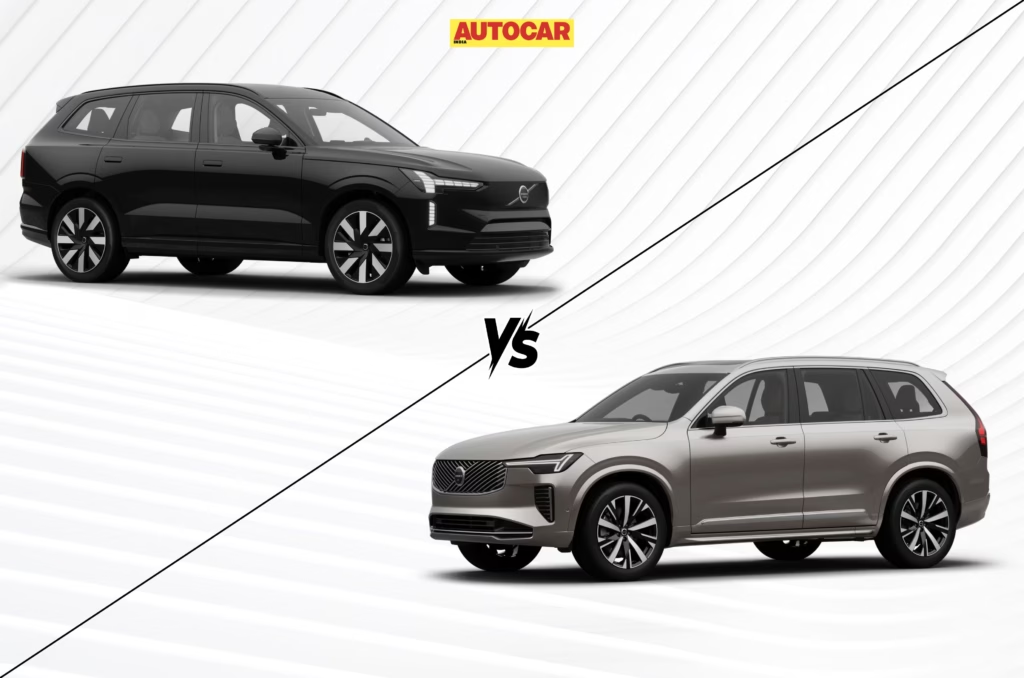
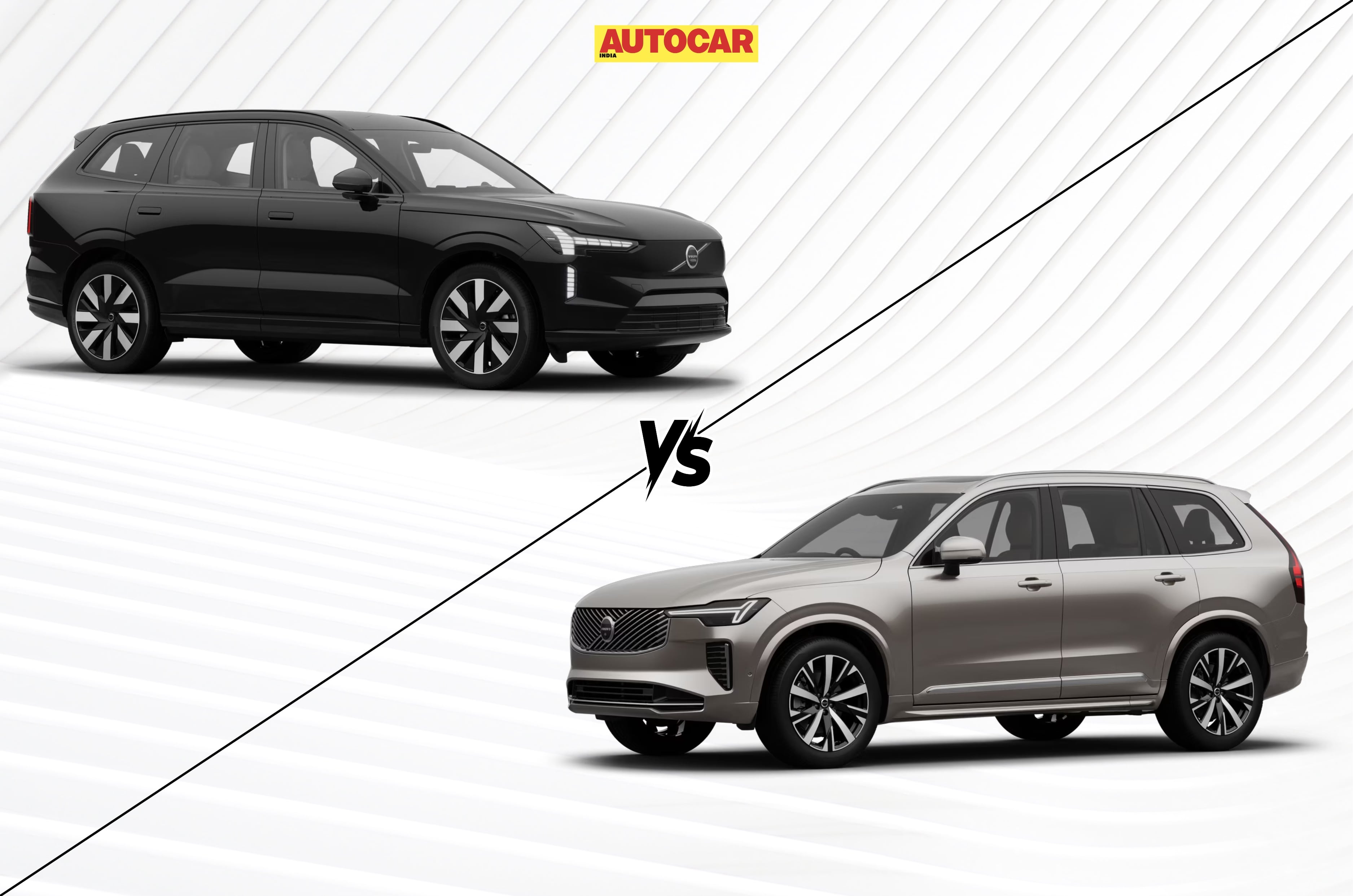
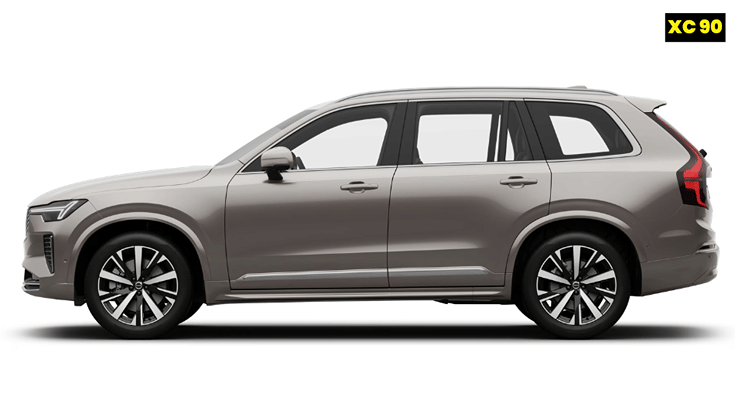
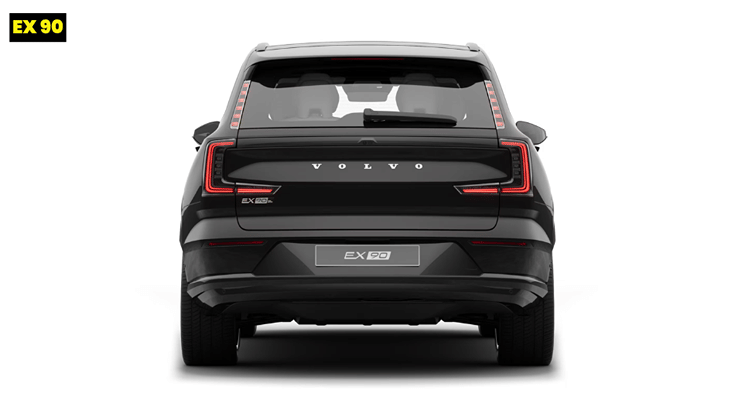
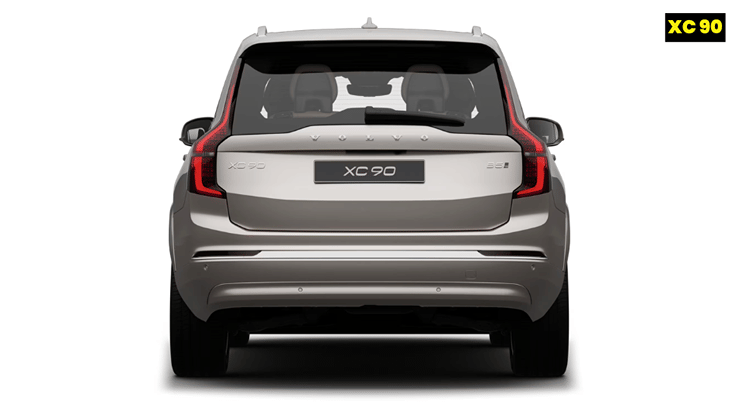
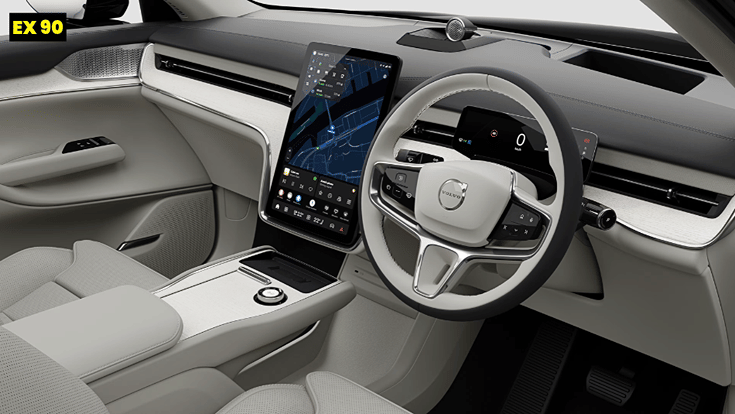
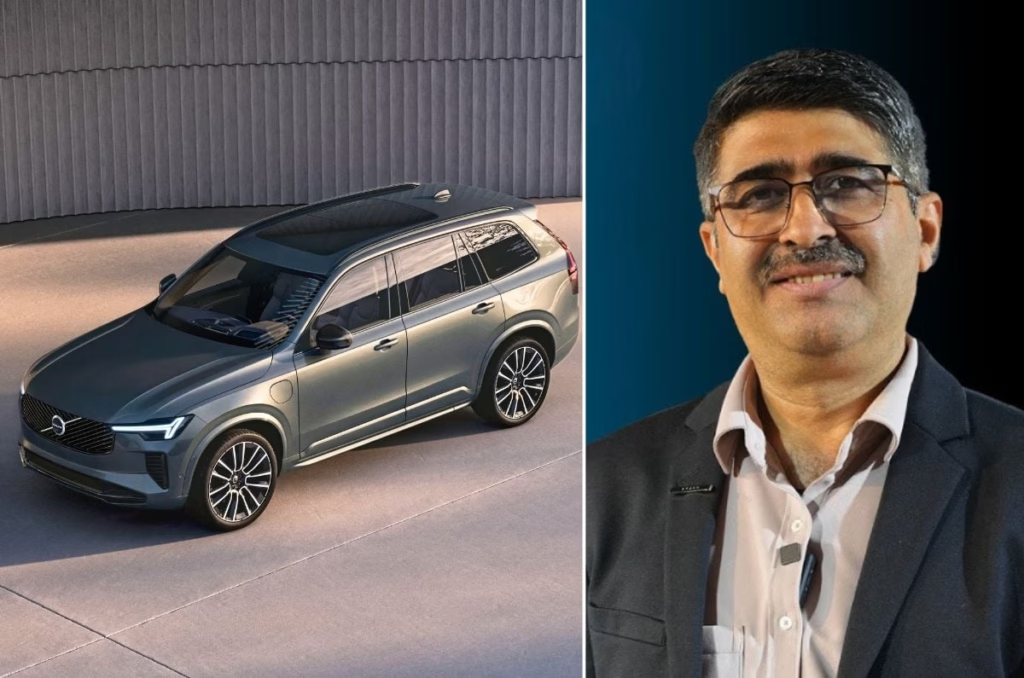
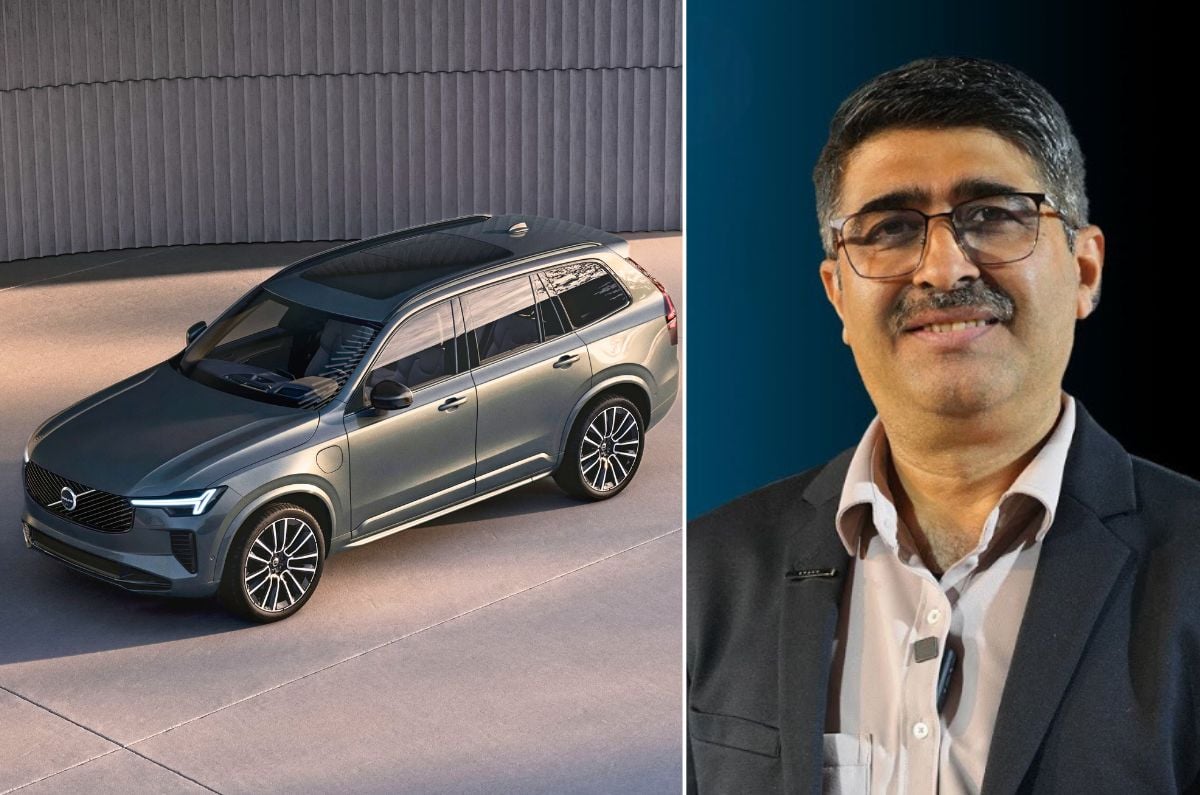
Volvo India launched the EX90, its flagship electric SUV, in October 2026. It serves as an electric alternative to the XC90, the carmaker’s flagship ICE SUV. While the two models differ in their powertrains, they also vary in pricing, exterior design, interior features and more. Here is how the two Volvo SUVs compare.
Volvo EX90 vs XC90: Exterior
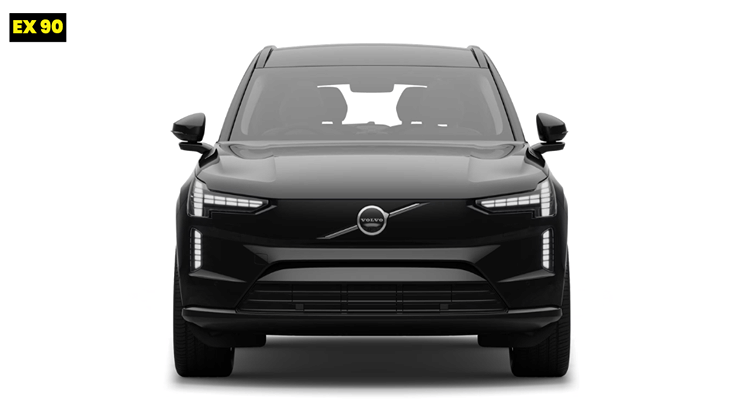
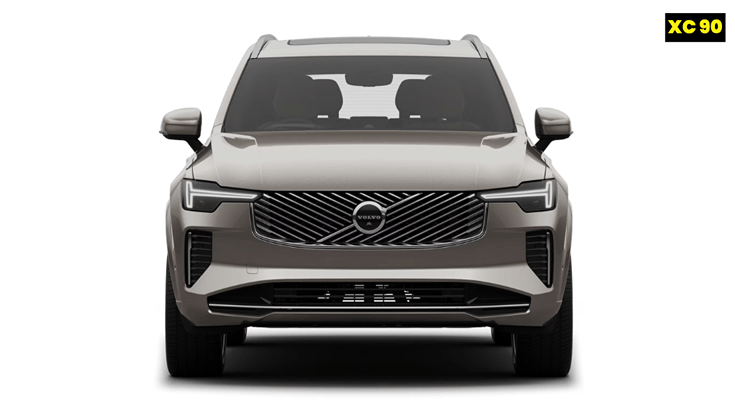
The EX90 has a simpler front design, with a closed-off grille, and vertical lighting elements on either side of the bumper. In comparison, the Volvo XC90 gets a more traditional front fascia with a prominent grille and a slightly different bumper. Both get hammer-shaped LED DRLs, though the ones on the EX90 have a pixel-like design. Also, main headlamps are hidden behind the DRLs on the EV.
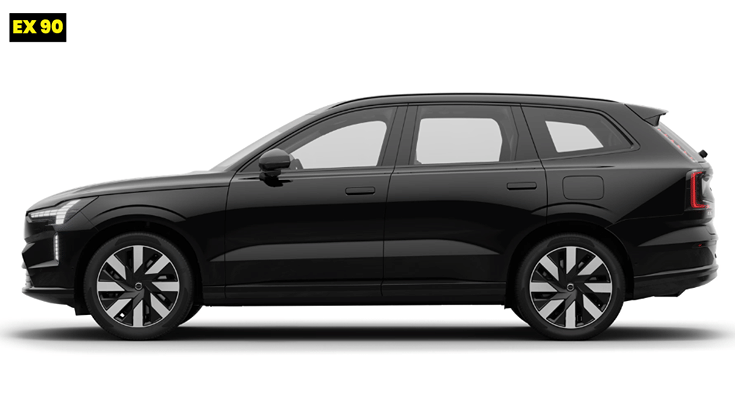
In profile, the EX90 features electrically operated flush-fitting door handles and a gently sloping rear roofline. In comparison, the Volvo XC90 opts for manual pull-type door handles and a slightly more upright stance. Both SUVs feature blacked-out B-pillars, sculpted wheel arches devoid of cladding and roof-mounted spoilers. While the XC90 has a chrome outline around the glass area, the EV skips it.
Speaking of dimensions, the Volvo EX90 is 5,037mm long, 1,964mm wide and 1,744mm tall. This makes the EV 84mm longer and 33mm wider, but 27mm lower than the XC90. Both SUVs have an almost identical wheelbase, with the EX90’s 2,985mm wheelbase being just 1mm longer. It also gets larger 21-inch wheels, compared to the XC90’s 20-inch wheels.
Both SUVs feature slim vertical LED lights along the sides of the rear windscreen, although their designs differ slightly. The tail-lamps also have different designs, while the ‘VOLVO’ lettering is positioned on different locations on the tailgate. The rear bumper designs vary as well.
Volvo EX90 vs XC90: Interior and features
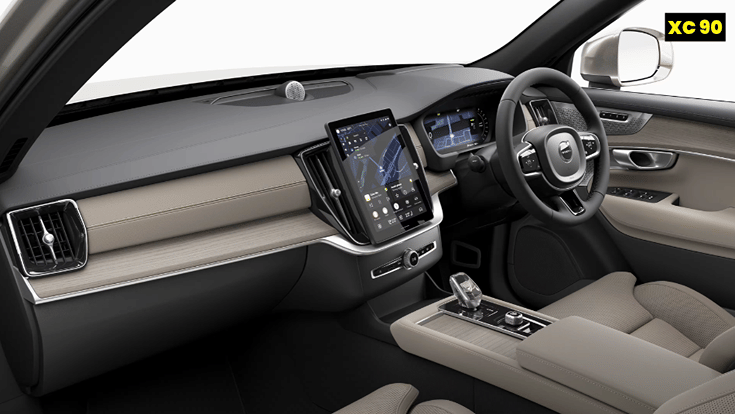
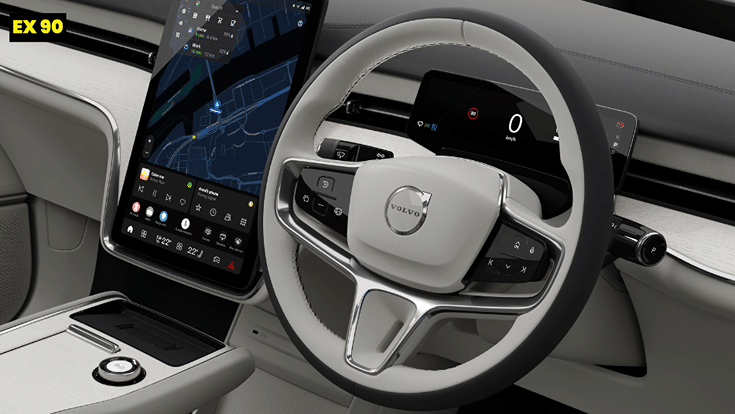
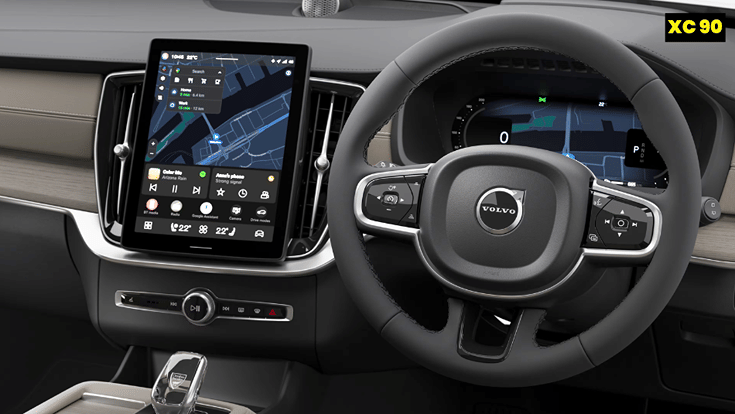
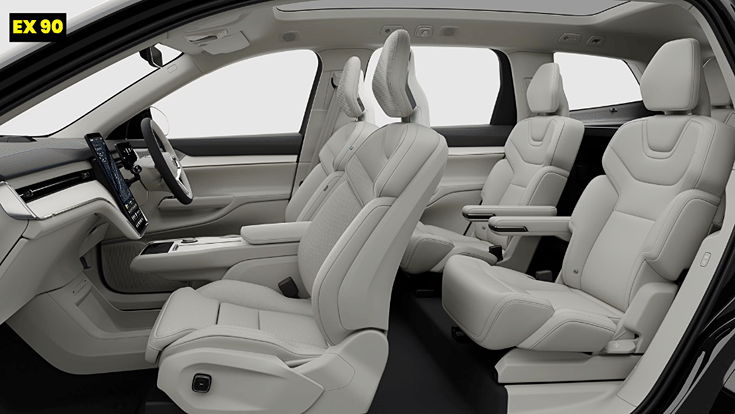
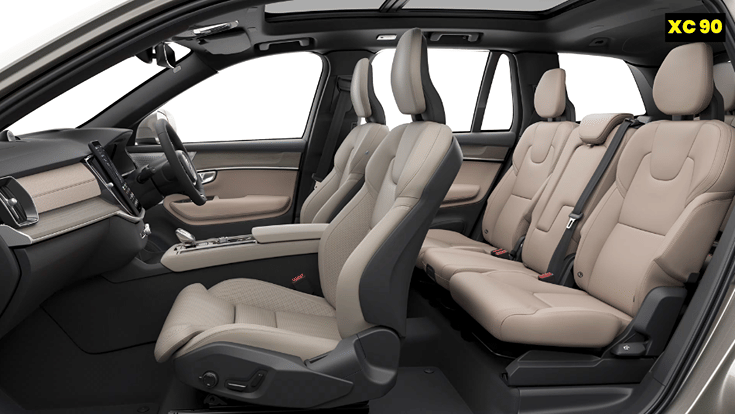
Both the Volvo XC90 and EX90 get air suspension, a 360-degree camera setup, an ADAS suite, four-zone climate control and an onboard air purifier. Both also feature front-seat heating, ventilation and massage functions, and a Bowers & Wilkins audio system. However, the XC90 has 19 speakers, while the EX90 gets 25 speaker units. Middle row seats don’t get heating, ventilation or massage functions on either SUV.
While both get vertically oriented touchscreens, they differ in sizes – 11.2 inches on the XC90 and 14..5 inches on the EX90. Some physical control have been provided on the XC90 under the touchscreen, while its electric counterpart does not feature them. The design for the steering wheel also differs in both cars. Also, the XC90 gets a panoramic sunroof, while the EX90 has an electrochromic glass roof, whose tint can be changed from the central touchscreen.
As for the seating capacity, the EX90 is on offer in a six seater configuration, featuring captain seats in the middle row. Meanwhile, the XC90 is a seven-seater SUV. Two interior colour options – Cardamom and Blond – are available with the XC90, while the EX90 is sold with one colour – Dawn. The XC90’s boot capacity with all seats up is 302 litres, while the EX90 claims 324 litres; the EV also gets a 46 litre frunk.
Volvo EX90 vs XC90: Powertrain
The India-spec EX90 comes with a 106kWh battery pack, which powers a dual electric motor setup. Combined output is 456hp and 670Nm, with a claimed 0-100kph sprint time of 5.5 seconds. Claimed range stands at 625km on the WLTP cycle.
On the other hand, the XC90 features a 2.0-litre, four-cylinder, turbocharged petrol engine with support from a 48V mild-hybrid system. Peak power is 250hp and max torque is 360Nm, which is 206hp and 310Nm less relatively. Its 0-100kph sprint time of 7.94 seconds is slower by 2.44 seconds.
Volvo EX90 vs XC90: Prices
EX90
XC90
Price difference
Price (Rs)
1.26 crore
98.80 lakh
27.20 lakh
At Rs 1.26 crore, the Volvo EX90 is the more expensive model in this comparison, costing Rs 27.20 lakh more. Beyond the price difference, the two models mainly differ in their powertrains and peak power outputs, while differences in their exterior and interior features are relatively less. The choice between them will depend on factors such as the buyer’s driving requirements, family size and performance.
Ex-showroom prices mentioned above are as on October 13, 2026.
Volvo is currently not considering plug-in-hybrid vehicles (PHEVs) in its India portfolio anytime soon, as it sees the current tax structure and uncertain customer interest as hurdles to their introduction. “The regulations are not conducive to plug-in hybrids,” Jyoti Malhotra, MD of Volvo Car India, told our sister publication Autocar Professional on the sidelines of the recent EX90 launch. He also added that Volvo’s India plans remain focused on mild hybrids and EVs for now.
GST on PHEVs is 40 percent, making them less competitive than BEVs with 5 percent GST
Volvo’s India strategy focuses on mild hybrids and BEVs for the foreseeable future
PHEVs could be introduced if customer demand, economics support their future viability
India’s tax structure makes PHEVs less competitive
In India, PHEVs attract a 40 percent GST rate (plus applicable cesses bringing total taxes even higher, up to 43 percent). In contrast, pure battery EVs (BEVs) face a 5 percent GST rate and no compensation cess.
Malhotra said current tax treatment favours BEVs and makes PHEVs less competitive. PHEVs combine an internal combustion engine (ICE) with an electric drivetrain comprising an electric motor and a rechargeable battery that can be charged externally. This dual-powertrain setup adds to the vehicle’s cost. The higher tax burden further affects the final price, making PHEVs less competitive against conventional ICE models and battery electric vehicles (BEVs).
Higher costs, customer willingness to pay remain key hurdles
Beyond taxation, customer willingness to pay remains a key factor in Volvo’s assessment. Malhotra said PHEVs would be more expensive than conventional ICE vehicles because they combine two powertrains and face a higher tax burden. “Are our customers ready to pay that cost is something we are watching very closely,” he added.
He also believes incentives under the third phase of Corporate Average Fuel Economy (CAFE) norms, slated to go into effect from April 2027, would not by themselves change the commercial case or the final purchase price. “I don’t think CAFE will bring much change to that. It is basically the tax structure,” he said.
Volvo’s India strategy remains focused on EVs, mild hybrids
Malhotra maintained that Volvo’s broader direction remained towards battery electric vehicles, even as the company adjusted the pace of its transition to reflect conditions in individual markets. “Our end goal is still the same, globally as well as in India, that we want to become an electric car company,” he said.
In India, Volvo offers mild-hybrid SUVs alongside BEVs, with electric cars accounting for nearly one in four vehicles it sells. The BEV portfolio includes EX30, EC40 and EX90 models, while the ICE models include the XC60 and XC90 SUVs, which come in a mild-hybrid avatar. Internationally, though, Volvo offers the XC60 and XC90 as PHEVs as well.
Malhotra said that mix also left the company well placed on CAFE compliance, allowing its powertrain decisions to be guided by market demand. Plug-in hybrids remain an option if customer demand and the economics support their introduction. “It’s not that we will bring it, but we can bring it if all things fall in place,” he added.
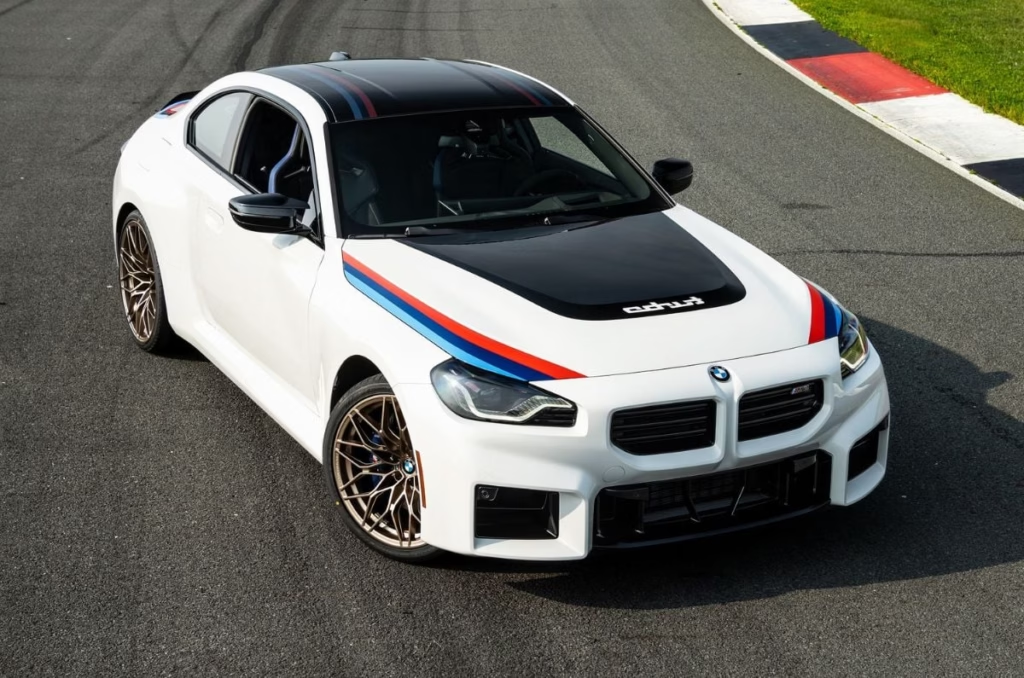
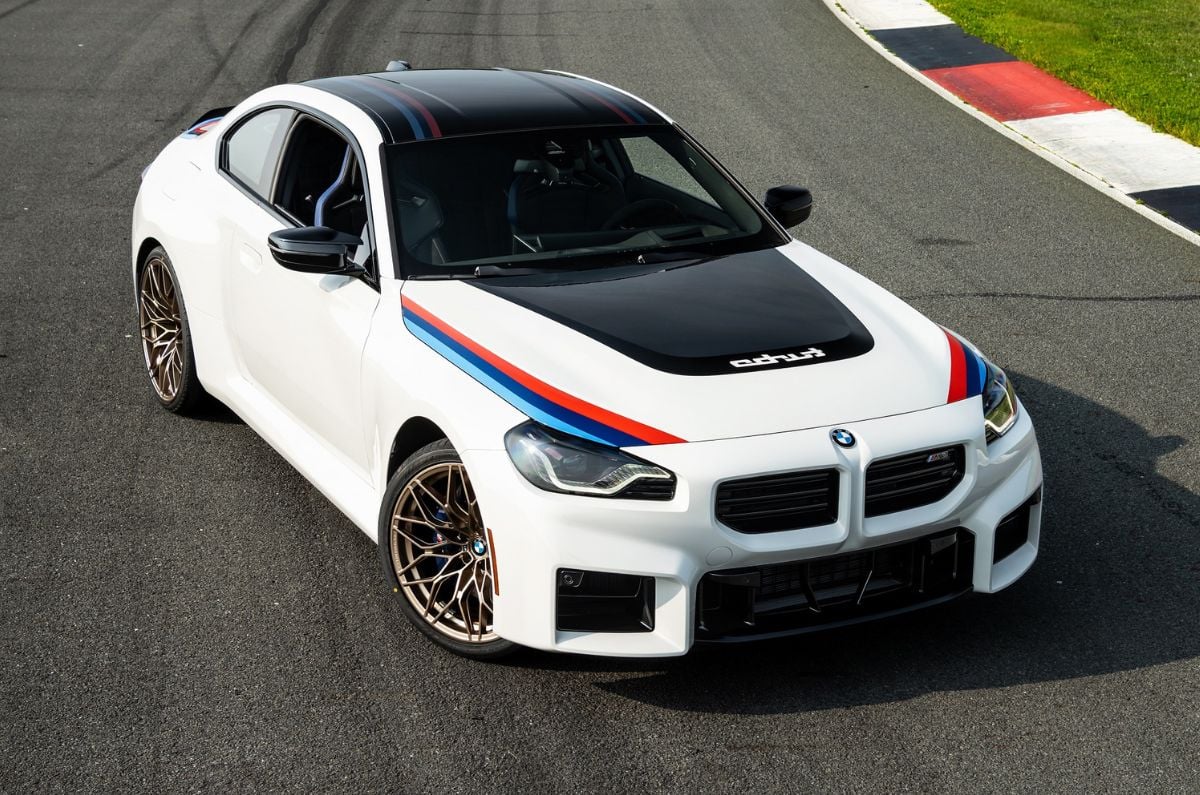
BMW has opened bookings for the limited-run M2 xDrive Turbo Edition in India. This ultra-exclusive model pays tribute to the BMW 2002 Turbo from 1973 which has a rather unique story in BMW’s history. More on that later, but the M2 xDrive Turbo Edition will be available in limited numbers in India with a first-come, first-served basis allocation. Expect prices to be announced in the coming weeks.
BMW M2 xDrive Turbo Edition: what is it paying tribute to?
This special-edition M2 pays tribute to the BMW 2002 Turbo sedan which was launched during the global oil crisis in 1973. At the time, it was the first series-production passenger car to use an exhaust gas turbocharger, something that has since defined the template for a lot of performance cars. The turbocharger, of course, was in the interest of reducing fuel consumption, but that doesn’t mean it was any slouch – with 170hp, 2.0-litre engine, a top-speed of 211kph and a 0-100kph time of 7.0 seconds, it was quite fast for its time. Well-kept examples of 2002 Turbo cost well over 100,000 Euros today, says BMW.