Yamaha XSR900 SP in the works for overseas markets

Yamaha XSR900 SP in the works for overseas markets

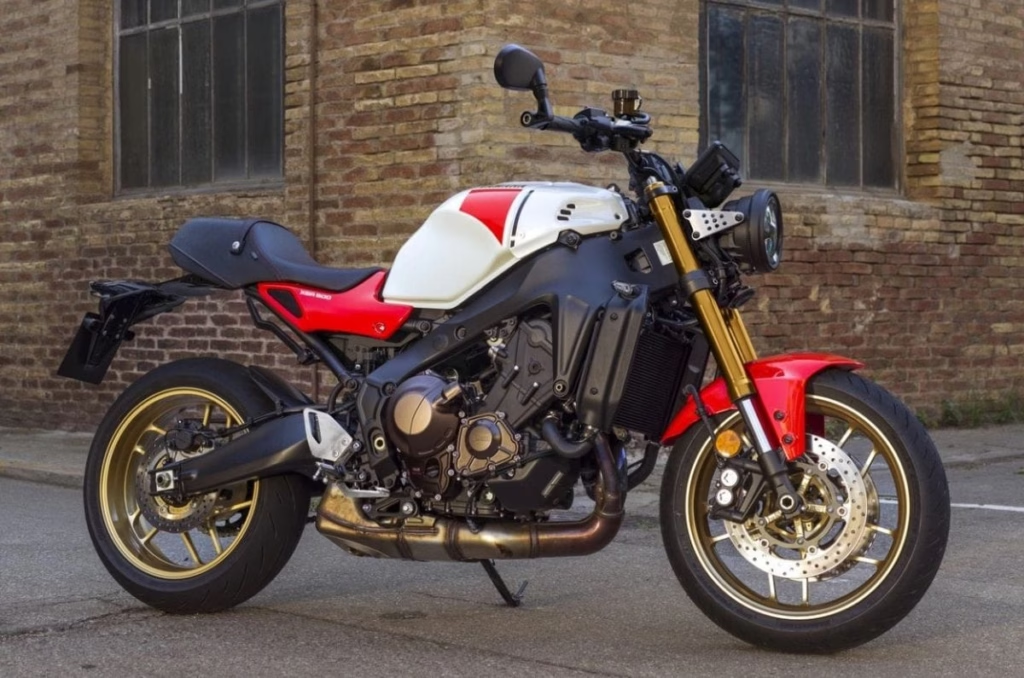
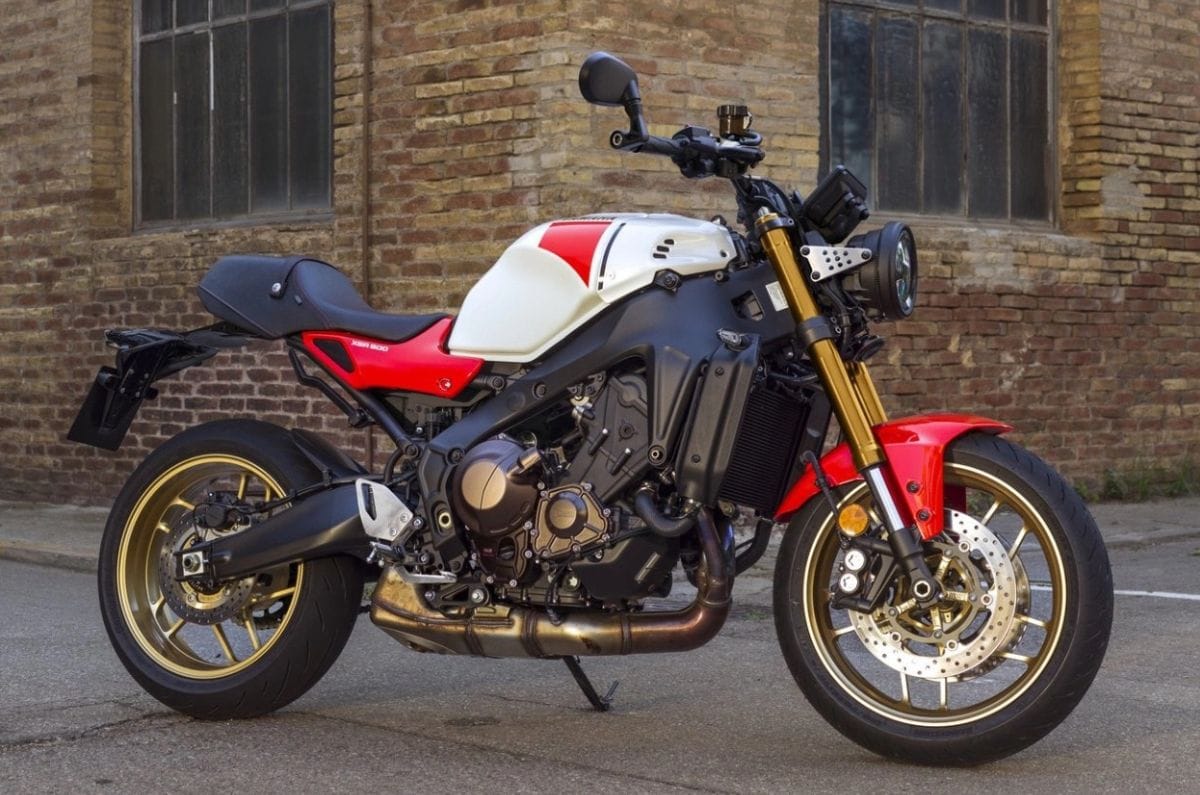
Yamaha appears to be preparing a higher-spec version of its retro-styled XSR900. An XSR900 SP has surfaced in US regulatory filings, pointing to the possibility of a new performance-focused variant of the 890cc neo-retro motorcycle.

  1. XSR900 SP name appears in Yamaha’s US NHTSA filings
  2. Expected to share the 117.4hp CP3 engine with the standard XSR900
  3. Could borrow premium suspension and braking hardware from the MT-09 SP

Yamaha XSR900 SP: what the filings reveal

The XSR900 SP has appeared in vehicle identification number (VIN) filings submitted by Yamaha to the US National Highway Traffic Safety Administration (NHTSA). The documents list both a standard XSR900 SP and a California-spec version, indicating that Yamaha is preparing the model for the 2027 model year.

The filings show that the XSR900 SP will use Yamaha’s 890cc, three-cylinder CP3 engine, with a peak output of 117.4hp. This is identical to the output listed for the standard XSR900, as well as the MT-09, Tracer 9 and R9 in the same documentation. This suggests that the SP variant will focus on chassis and equipment upgrades rather than additional engine performance.

XSR900 SP could get MT-09 SP hardware

While Yamaha has not revealed the equipment list for the XSR900 SP, the motorcycle’s relationship with the MT-09 SP gives a strong indication of what could change.

The MT-09 SP gets DLC-coated front forks, an Öhlins rear shock, Brembo Stylema brake calipers and additional electronic features over the standard MT-09. Yamaha could bring similar upgrades to the XSR900 SP, giving the neo-retro motorcycle a more premium chassis and braking package.

There is one caveat to the filings. The latest NHTSA documents list the XSR900 SP but do not mention the XSR900 GP, while separate California Air Resources Board (CARB) documents for the 2027 XSR900 range list the XSR900 GP but not the SP. This could be down to an error in one of the filings or the documents being updated at different times.

The VIN information does, however, point towards the XSR900 SP being a new variant rather than simply the XSR900 GP being introduced in another market. The SP gets a different VIN prefix from the existing XSR900 GP, further strengthening the case that Yamaha is developing the model.

There is no word yet on when Yamaha will officially reveal the XSR900 SP or which overseas markets will receive it.

Yamaha R2 to launch in India next week

Closer to home, Yamaha is preparing to launch the much-anticipated R2 in India on August 27. The company has already opened pre-bookings for the motorcycle at Rs 10,000, ahead of its official debut.

The R2 is expected to sit above the R15 in Yamaha’s Indian line-up and is being developed and manufactured in India for both domestic sales and exports. Yamaha has yet to reveal its complete specifications, but the motorcycle is expected to use a larger-capacity single-cylinder engine than the R15.
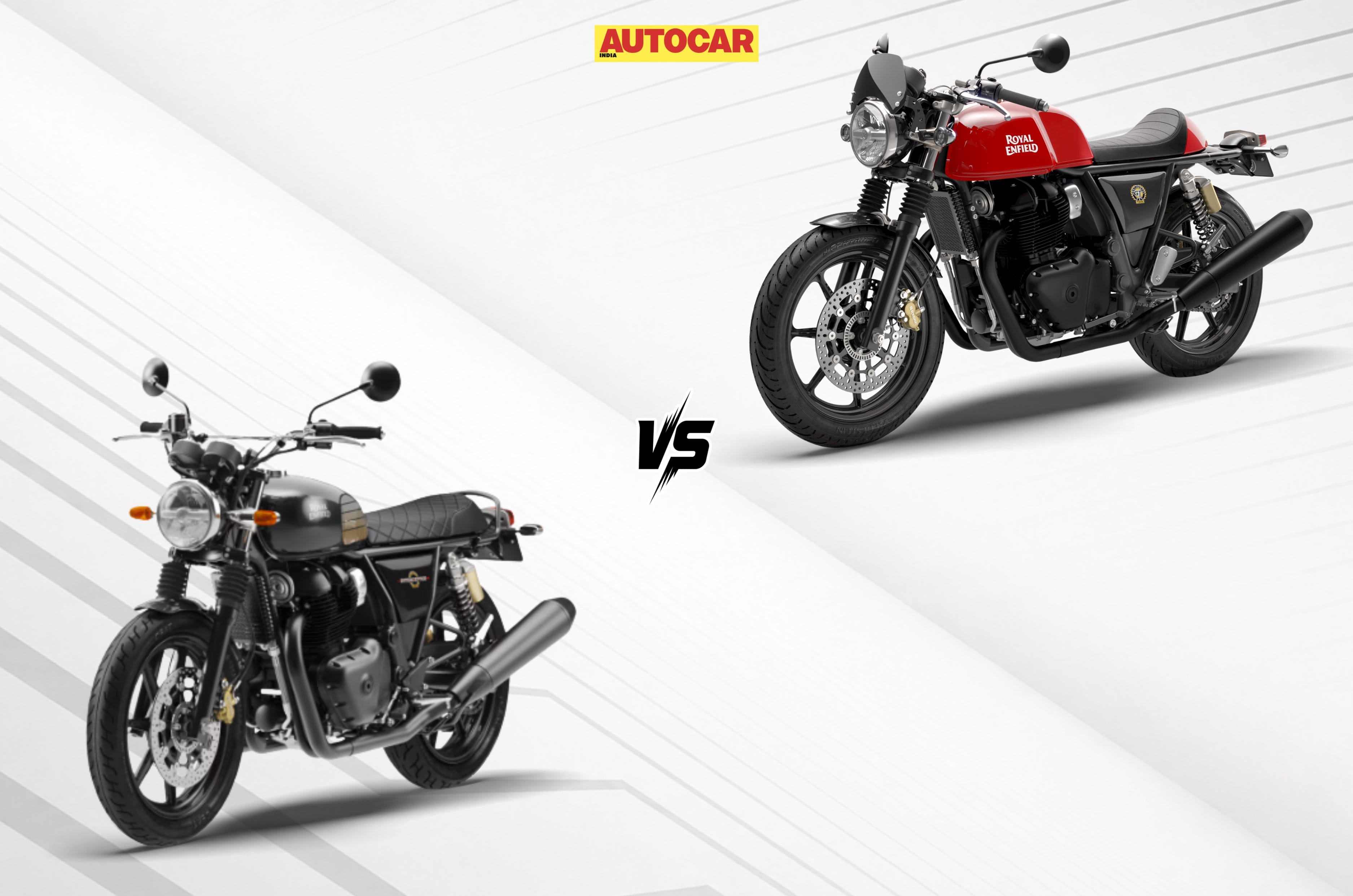
Royal Enfield Continental GT vs Interceptor 650: Price and differences explained

Royal Enfield Continental GT vs Interceptor 650: Price and differences explained

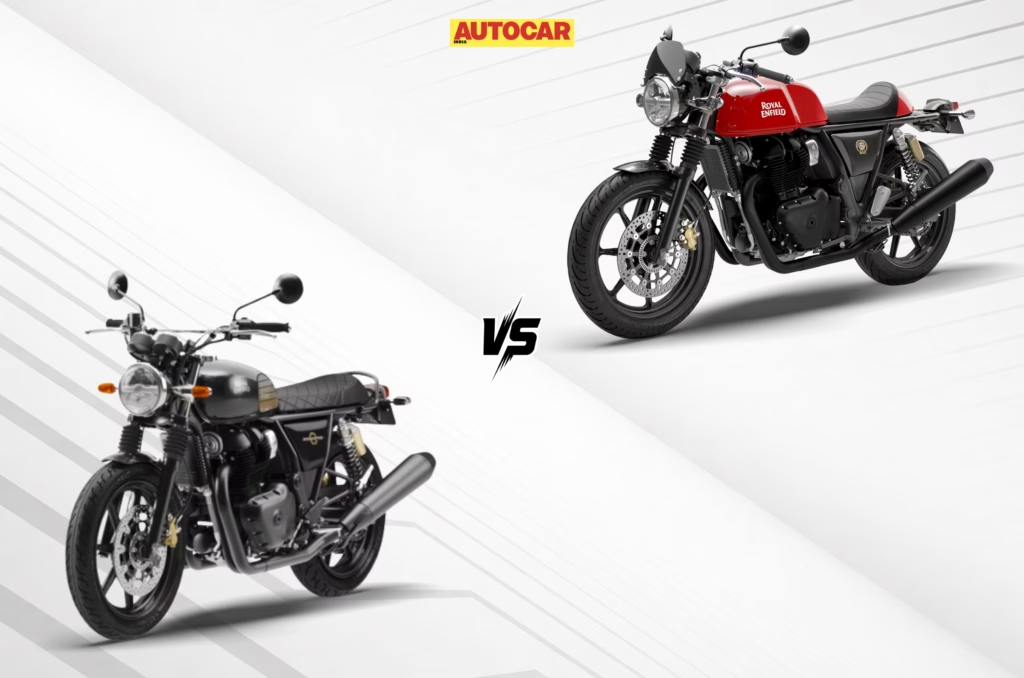
Royal Enfield has just updated the Continental GT 650 for 2026. While the mechanicals remain where they were earlier, the popular cafe racer gets a few new features like LED indicators, USB type-C port and cosmetic updates like a black instrument cowl. The Rocker Red colour now also gets a blacked out engine case and cast-alloy wheels, both of which were previously limited to the Apex Grey colour. The Interceptor, the platform sibling, is yet to see an update for 2026 but how do the 650 twins differ? Let’s examine it in detail.

All prices ex-showroom, Chennai

Royal Enfield Continental GT 650 vs Interceptor 650: What’s shared?

Engine, chassis, and more

Both have quite a lot in common. They share the steel tubular, dual-cradle frame, the 648cc twin-cylinder engine making 47.4hp of power and 52.3 Nm of torque, tyre sizes, suspension, and most of the dimensions. Both also get alloy and wire spoke wheel options, but not on all the colours. In addition to this, most of Royal Enfield’s first-party accessories for one of these bikes should also be compatible with the other.

Royal Enfield Continental GT 650 vs Interceptor 650: Design

Continental looks better, but is less practical

The biggest difference between the two is in the appearance. The Continental GT has a clip-on style handlebar, placed lower than the Interceptor. The rider footpegs are also set further back, altering the rider’s triangle noticeably. While the Continental’s handlebar makes it steadier at higher speeds—thanks to the added load on the front wheel—it does put more strain on the wrists, especially over long distances. The upright riding position on the Interceptor makes it far more practical to live with, although at the cost of the ‘cool factor’. The Continental GT 650 also gets Vredestein tyres, replacing the CEATs on the Interceptor.

Royal Enfield Continental GT 650 vs Interceptor 650: Dimensions and weight

Interceptor is heavier by 4kg

The Interceptor is 45mm wider and 25mm taller than the Continental GT 650. The Interceptor also has a larger 13.7-litre fuel tank, compared to 12.5-litre unit on the Continental. Naturally, that means the Interceptor is 4kg heavier at 218kg.

Royal Enfield Continental GT 650 vs Interceptor 650: Features

Continental now gets more features

Both the models do share most of the features, such as the semi-digital instrument cluster with twin-pods and dual-channel ABS, but with the update the Continental GT has gotten features like a USB-C charging port (vs USB-A on the Interceptor), LED indicators, and an instrument cowl as standard. 

Royal Enfield Continental GT 650 vs Interceptor 650: Colour options

Interceptor gets more colours

There’s no crossover between the two motorcycles in the colour options with both having distinct colour choices. Like we mentioned earlier, some of the colours get black, cast-alloy wheels while others stick to wire spoke wheels. On the Continental, Apex Grey and Rocker Red get alloys whereas on the Interceptor, alloy wheels are limited to only one colour, Black Ray.

Royal Enfield Continental GT 650 vs Interceptor 650: Price

Continental is more expensive

With the new updates, the Continental GT 650 now starts at Rs 3.58 lakh and goes up to Rs 3.97 lakh. As of the writing of this piece, the Interceptor starts at Rs 3.39 lakh and goes up to Rs 3.69 lakh without any of the new features. 

Interestingly, the Bear 650, the other platform sibling of these two, gets more modern features like a TFT instrument cluster,  USD fork, and a slightly more powerful engine owing to its different two-into-one exhaust system. It remains to be seen if Royal Enfield will bring these updates to the Interceptor 650 anytime soon.

2026 F1 Dutch GP schedule, India timings

2026 F1 Dutch GP schedule, India timings
F1 Zandvoort schedule

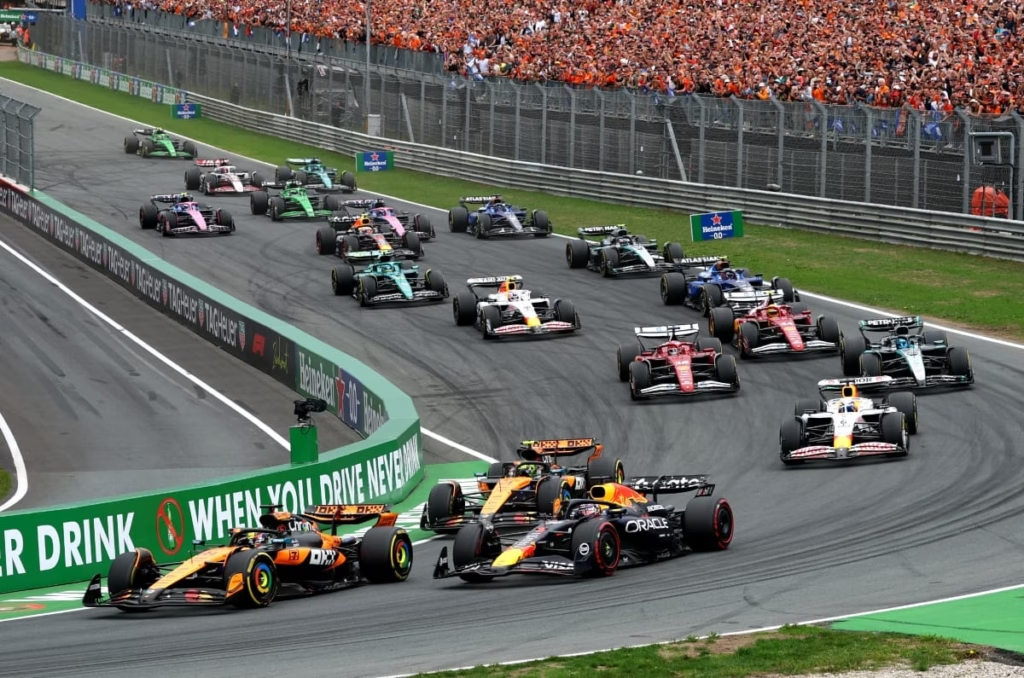
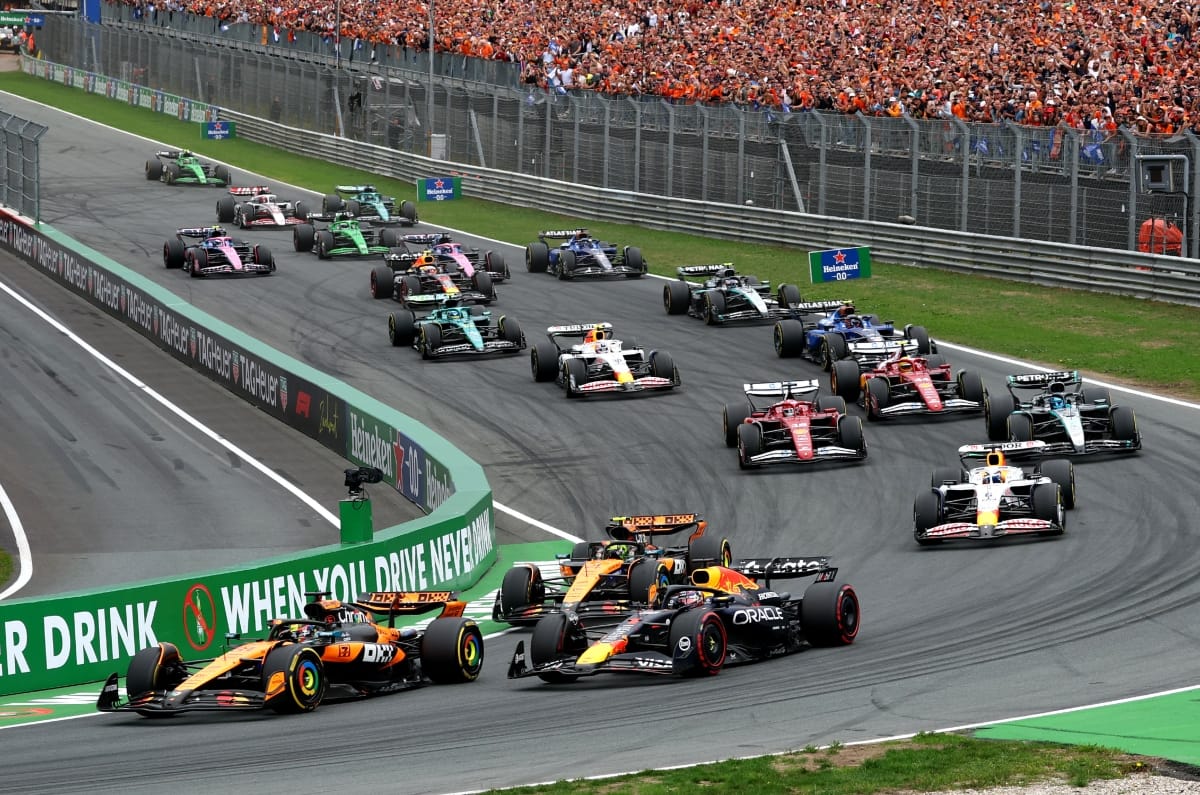
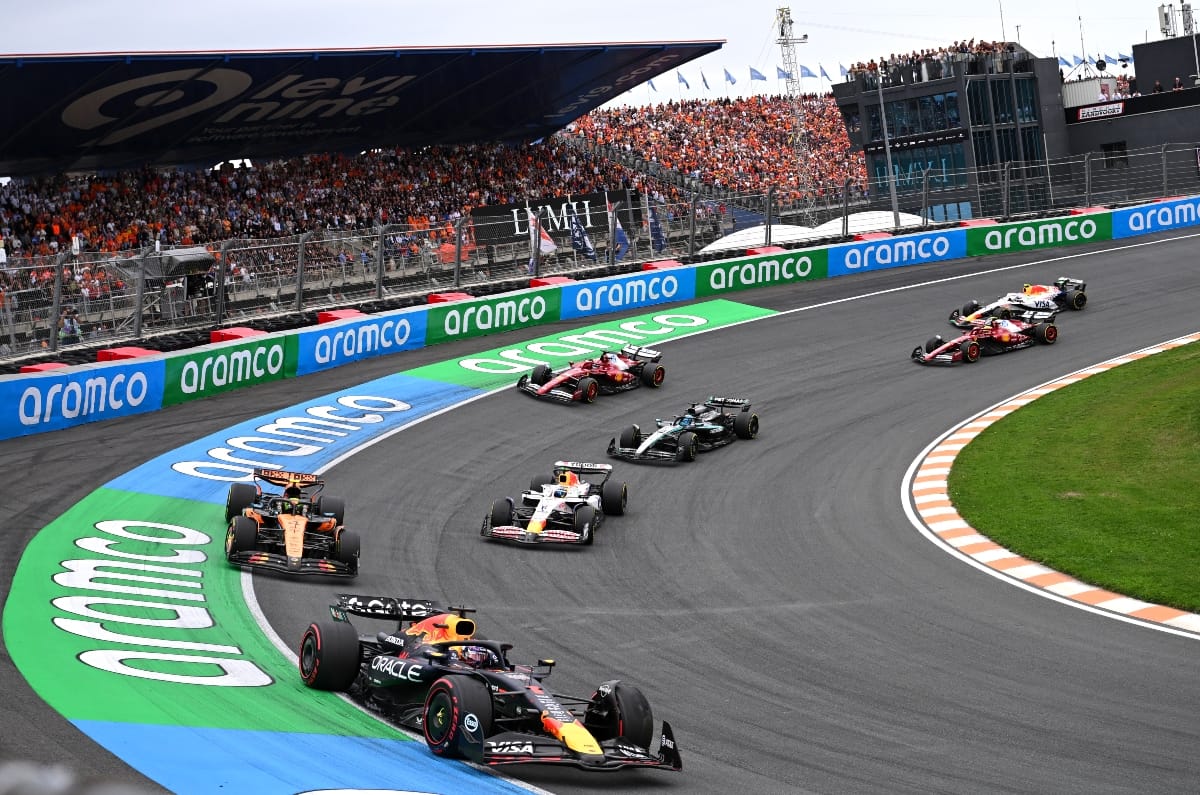
The 2026 F1 world championship resumes with the Dutch GP, following the three-week long summer break. This will mark F1’s final visit to Zandvoort and Max Verstappen – fresh off extending his contract with Red Bull – will be keen to win his home race.

Several teams are expected to bring some significant updates and we even have Yuki Tsunoda returning to the F1 grid this weekend. Here’s our ultimate guide for when and where to tune in from India.

F1 Dutch GP schedule

Zandvoort will be hosting a Sprint round for the very first time, giving teams just one practice session to zero in on the right set-up. Mercedes’ Kimi Antonelli currently leads the standings, 50 points ahead of Ferrari‘s Lewis Hamilton. George Russell, meanwhile, stands third overall – 59 points behind his Mercedes teammate.

The two Red Bull teams will feature new driver line-ups after Isack Hadjar suffered a wrist injury. Liam Lawson will step up from Racing Bulls to Red Bull for this weekend, partnering Verstappen. Lawson’s seat will be filled by Yuki Tsunoda, who will be making his first F1 outing this season.

Aston Martin is another team to lookout for. After a difficult start to the season, the team brought an upgrade package to the Hungarian GP and it appeared to be a step in the right direction, with Fernando Alonso making his first Q2 appearance of the season. Now adding to that, Honda is bringing an updated power unit to Zandvoort. Alpine’s also bringing in an upgrade package, but only Pierre Gasly (who leads teammate Franco Colapinto by 23 points) will get it.  

F1 Dutch GP: Where to watch?

All F1 Dutch GP sessions will be streamed live on the FanCode and F1 TV apps

2026 F1 Zandvoort IST schedule

Date

Day

Session

Time

August 21

Friday

Practice 1

4pm

August 21 

Friday

Sprint Qualifying

8pm

August 22

Saturday

Sprint

3:30pm

August 22

Saturday

Qualifying

7:30pm

August 

Sunday

Race

6:30pm

Yamaha RayZR 125 Fi Hybrid Price and Variants explained

Yamaha RayZR 125 Fi Hybrid Price and Variants explained
Yamaha RayZR front right side static in studio

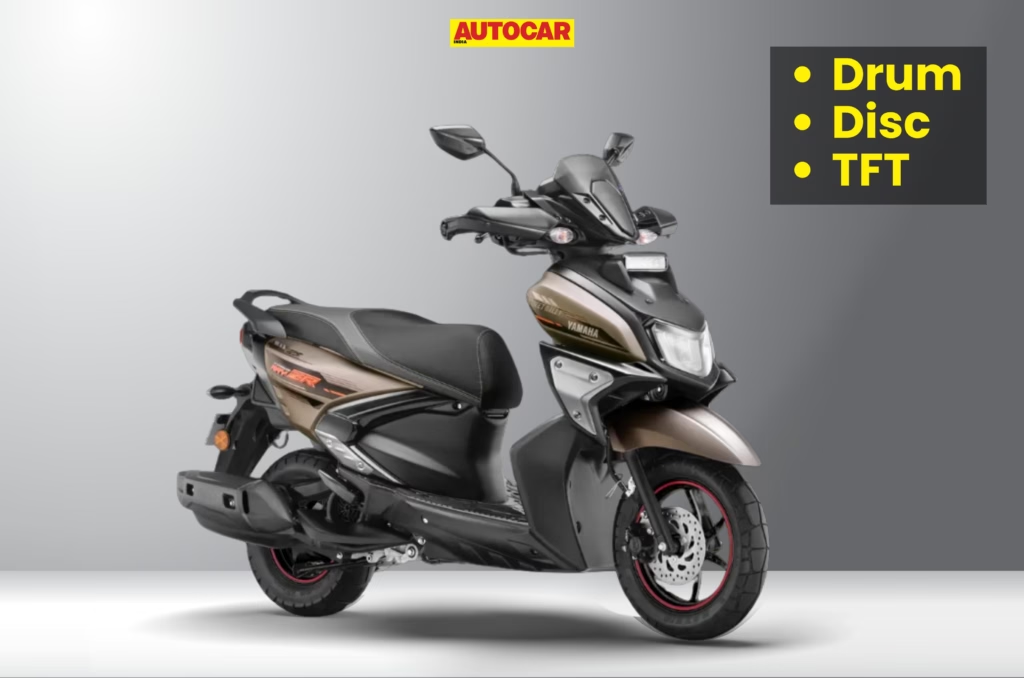
Yamaha had just updated its 125cc scooter, the RayZR 125 Fi Hybrid with additional features and new colours. It’s now offered in a total of four different variants in a span of roughly Rs 22,000. What exactly are the different variants and what do you gain by stepping up? Let’s see.

Let’s first get what is shared between all four out of the way. They have the same 125cc single-cylinder engine that makes 8.2hp of power and 10.3Nm of torque. Like the model name implies, all four also get Yamaha’s mild hybrid system that increases the torque by a very small amount. There’s a starter motor generator that enables a silent start, and a stop-start system. They all also have a unified braking system (UBS), same tyre and rim sizes, a rear drum brake, 21L underseat storage, and there’s no change in any of the dimensions (like seat height) either. And finally, despite the additional features on the higher variants, they all weigh the same 99kg.

All prices mentioned are ex-showroom, Delhi.

Yamaha RayZR 125 Fi Hybrid variant breakdown

Drum

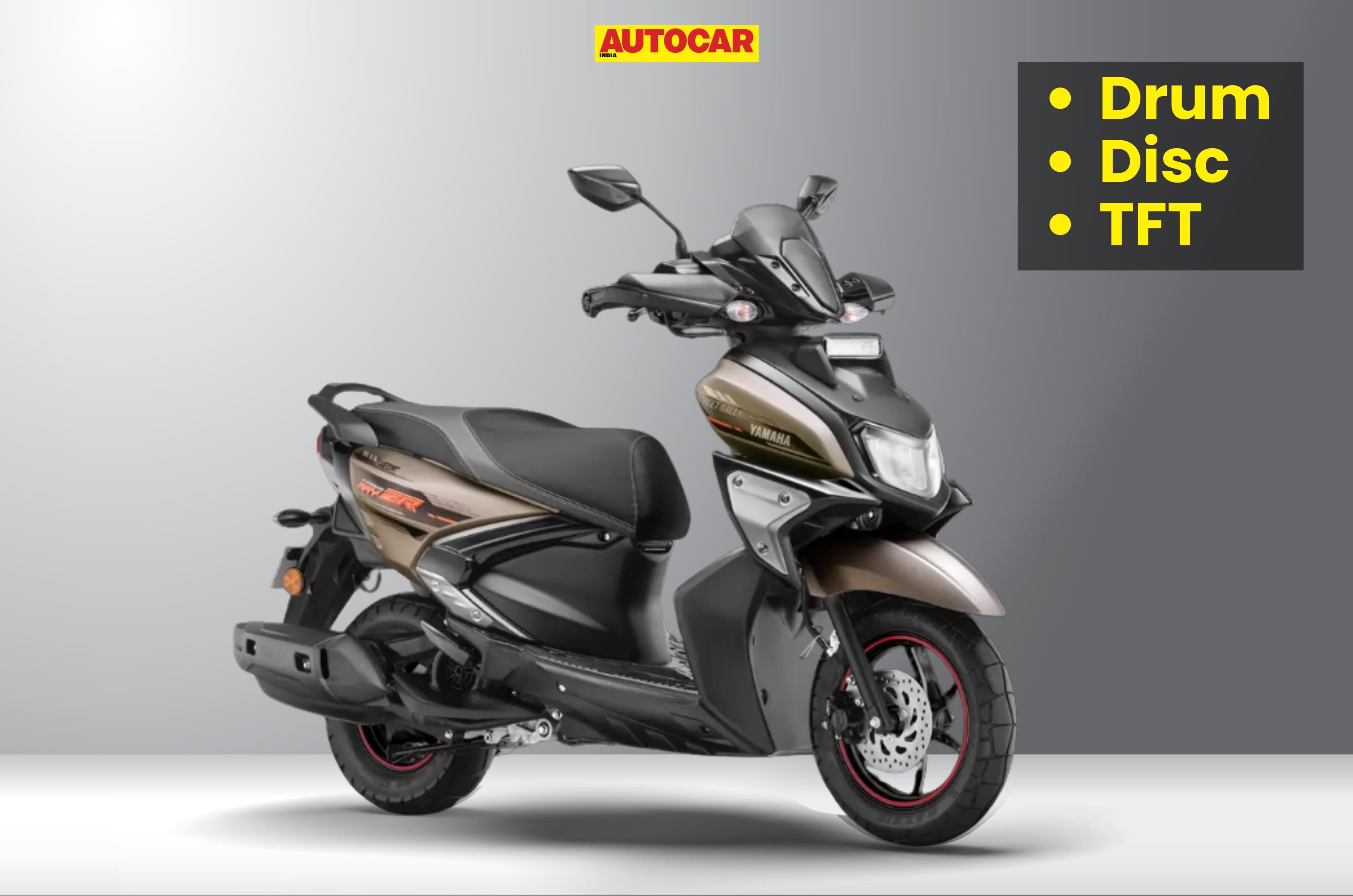
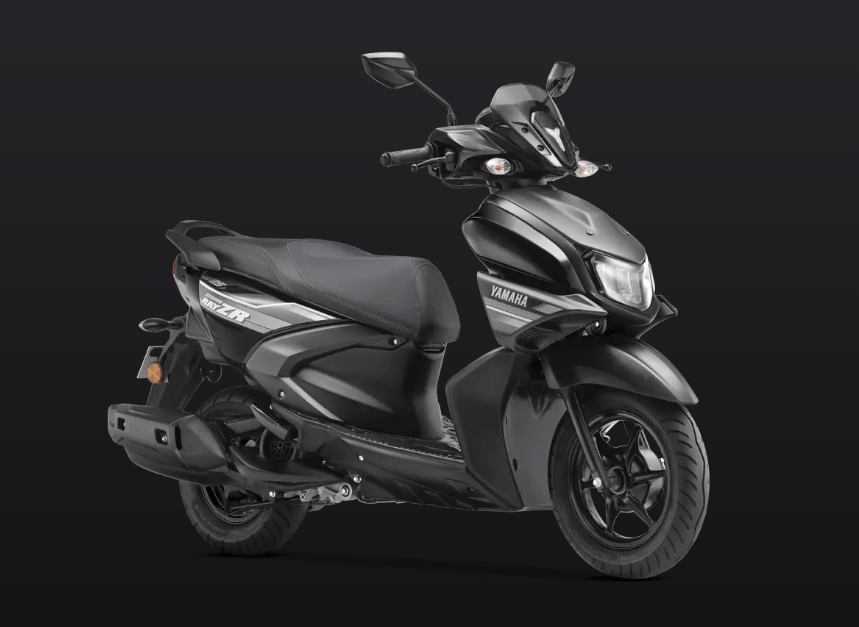
In case the name hasn’t given it away, the base variant comes with a 130mm drum brake at the front. It has an LCD instrument cluster that shows all the basic information like speed and a fuel gauge, but it does not get any connectivity features. It’s available in a single Metallic Black colour and costs Rs 79,880.

Yamaha RayZR drum front right side static in studio

Disc

This variant swaps the drum brake for a 190mm disc brake at the front. This variant also adds Y-Connect, Yamaha’s connectivity suite, that adds basic features like phone battery level, call, email, and SMS alerts, and reporting of things like fuel consumption, maintenance recommendations, last parked location on the app. This variant costs Rs 87,680 (Rs 7,800 extra) and is available in three colours, Dark Metallic Blue, Ice Fluo Vermillion, and Metallic Black.

Street Rally LCD

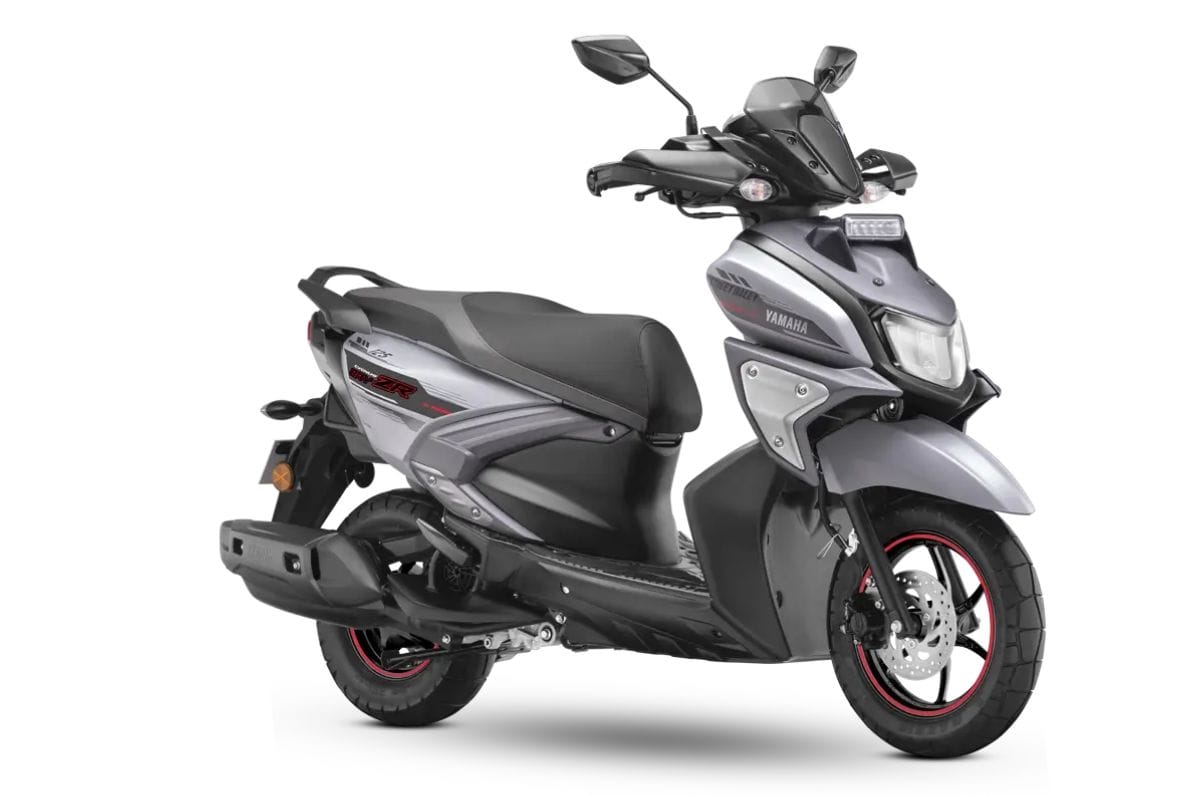
The next step up is via the Street Rally version of the RayZR that’s mechanically identical to the regular RayZR. However, it gets hand guards, and additional side reinforcements to the front apron for a more muscular look. The colours and decals look slightly different on it, and for these extras, Street Rally LCD adds Rs 6,250, coming in at Rs 93,930.

Yamaha RayZR Street Rally front right side static in studio

Street Rally TFT

Finally, the most feature loaded RayZR of them all. This received most of the recent updates, with a TFT instrument cluster that supports turn-by-turn navigation and music control to the existing Y-Connect feature suite. In addition to that, this variant also gets ‘Yamaha Scooter Answer Back’ that helps you locate your scooter via the app in a crowded parking garage, for example. The Street Rally TFT gets two colours, Matte Titan (exclusive to this variant) and Matte Black. The top variant will set you back by Rs 1,00,440 squeezing just past the one lakh rupee mark.

Ultraviolette launches riding academy open to electric and ICE motorcycle riders

Ultraviolette launches riding academy open to electric and ICE motorcycle riders

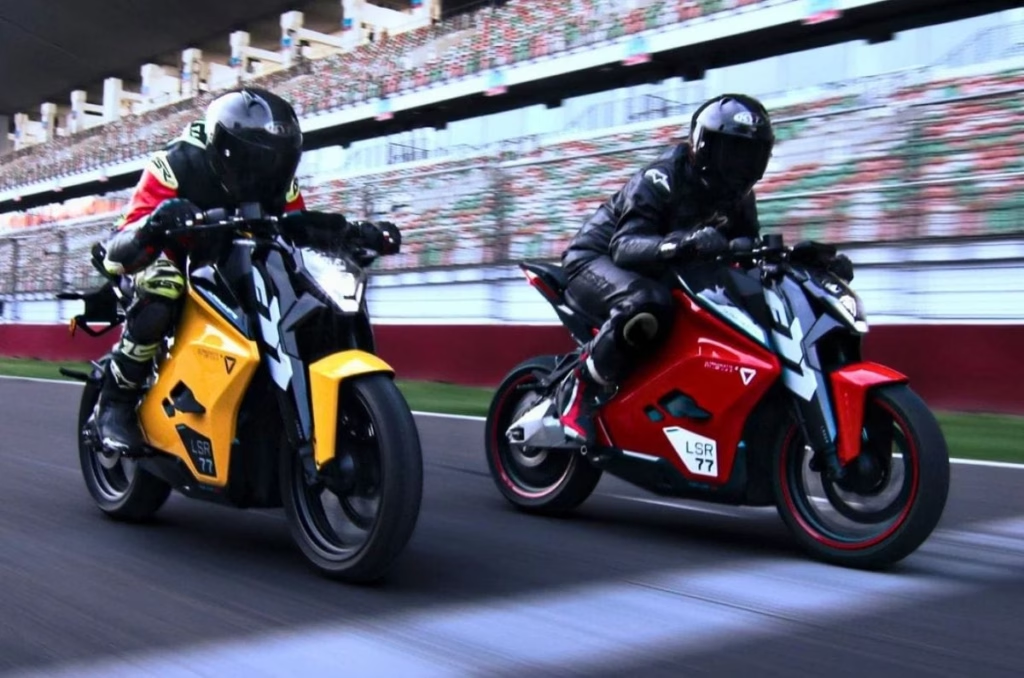
Ultraviolette has launched a structured rider training academy in India, bringing its existing Track Attack and Into the Wild programmes under one platform. The academy will offer separate track and off-road training programmes, with three progressive certification levels for riders using either electric or ICE motorcycles.

  1. Track Attack focuses on circuit and performance riding
  2. Into the Wild offers structured off-road training
  3. Riders can participate on electric or ICE motorcycles

Ultraviolette academy gets three-level certification

Training is open to all motorcycle riders

The academy builds on Ultraviolette’s existing Track Attack and Into the Wild programmes, originally developed around the F77 and X-47. While those programmes are associated with Ultraviolette motorcycles, the new academy is not limited to owners of Ultraviolette bikes.

The company says riders using either electric or internal-combustion-engine (ICE) motorcycles can participate. Ultraviolette is providing the training and certification; it is not introducing or supplying ICE motorcycles as part of the academy.

Both programmes will follow a three-level structure, with riders required to successfully complete an assessment before progressing to the next level. The courses will combine classroom instruction with practical sessions at controlled racetracks and off-road training locations.

Level 1 will cover fundamental riding techniques, motorcycle control and safety. Level 2 will introduce greater technical complexity, while Level 3 will focus on advanced techniques and higher-intensity riding specific to either track or off-road environments.

Track Attack is the track-focused programme and will cover racing lines, braking points, corner entry and exit, throttle control, body positioning, acceleration, track positioning and overtaking awareness. Riders will also be taught track etiquette, flag protocols, protective equipment, motorcycle checks and circuit awareness.

Into the Wild, meanwhile, focuses on motorcycle control across loose and uneven terrain. Its curriculum includes body positioning, balance, throttle and brake control, off-road cornering, terrain assessment, obstacle navigation, motorcycle recovery and responsible trail riding.

The two programmes remain separate, with Track Attack concentrating on circuit riding and Into the Wild on off-road riding, but both use the same Level 1-to-Level 3 training and certification framework.

First Into the Wild session on August 23

Ultraviolette plans to run the programmes throughout the year across a growing network of racetracks and off-road locations in India. The first Level 1 Into the Wild session is scheduled for Bengaluru on August 23, 2026, followed by a Track Attack session on September 27.

The company says the academy is intended to progressively develop motorcycle control, technical ability, safety awareness and riding judgement, rather than simply provide a one-off riding experience.

Ultraviolette claims this makes it the first electric two-wheeler manufacturer globally to launch a structured riding academy offering both track and off-road training and certification. The claim has not been independently verified.

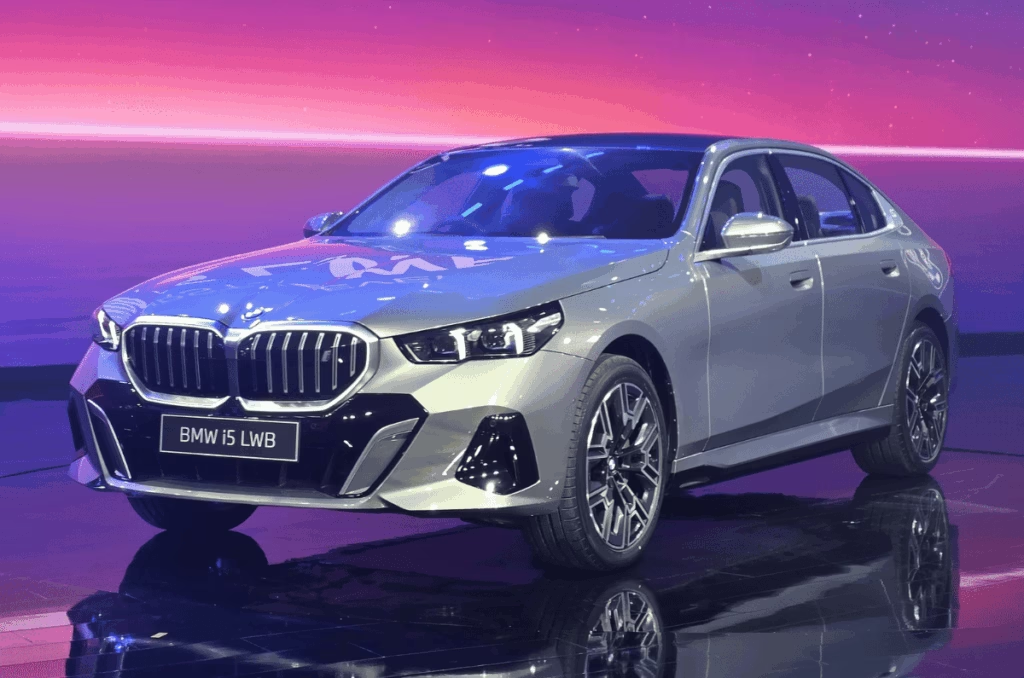
BMW opens bookings for the i5 LWB in India

BMW opens bookings for the i5 LWB in India
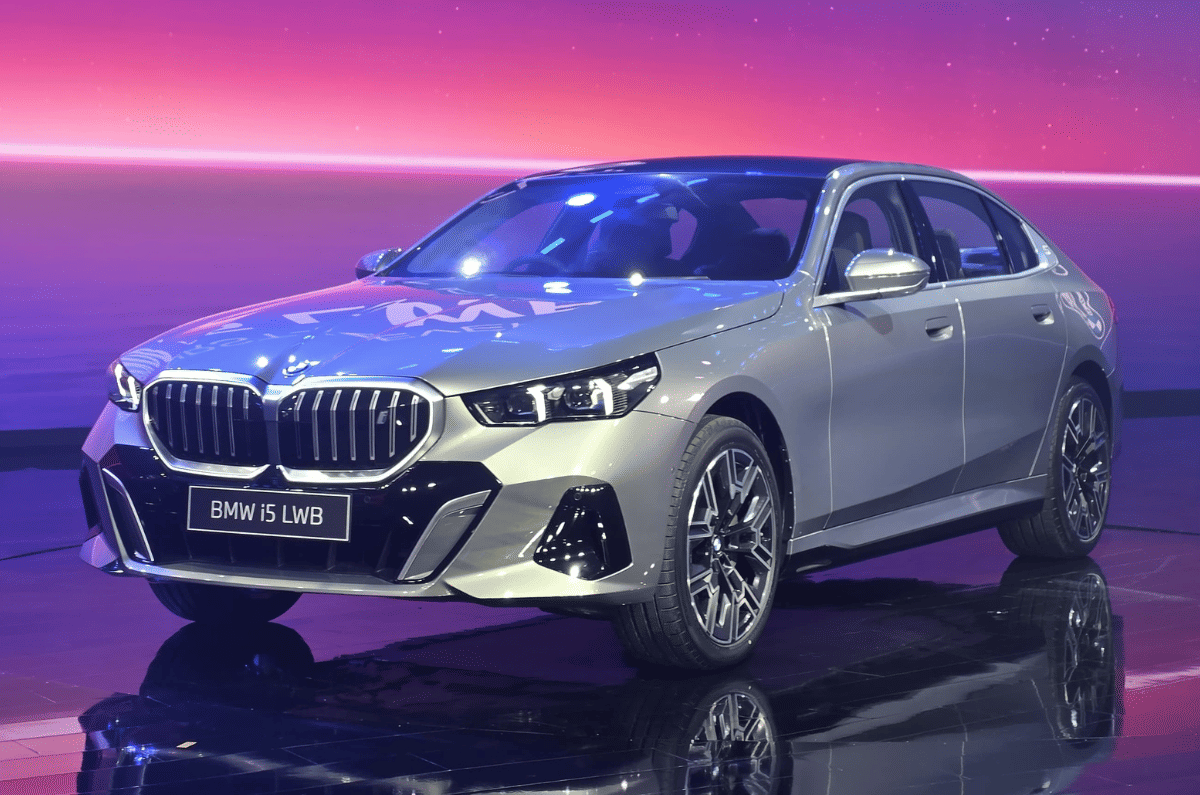
BMW opens bookings for the i5 LWB First Edition in India

BMW has started accepting bookings for the i5 LWB First Edition in India, set for launch in a few weeks. Just 99 units of the long wheelbase electric sedan will be sold here initially, and they will be locally manufactured at BMW’s Chennai facility. This also confirms our November 2025 exclusive that BMW will launch the i5 LWB in India this year.

BMW i5 LWB details so far

The carmaker has confirmed that the i5 LWB will come with an 81.6kWh battery pack, offering a maximum range of 669km (on the modified Indian driving cycle or MIDC). Power output stands at 268hp, and the sedan sprints from 0-100kph in 6.7 seconds. Rear-axle air suspension will be on offer as well. Early testing, including our standard i5 review, found that the soft suspension and low ride height made it prone to scraping on speed breakers, but BMW claims that the LWB sedan’s ground clearance has been enhanced. It remains to be seen how well it performs on Indian roads.

Though the list of features of the India-spec car hasn’t been revealed, one can expect similar kit to the standard i5. It could pack  

BMW X1 LWB launched at Rs 49.90 lakh

BMW X1 LWB launched at Rs 49.90 lakh
BMW iX1 LWB India price

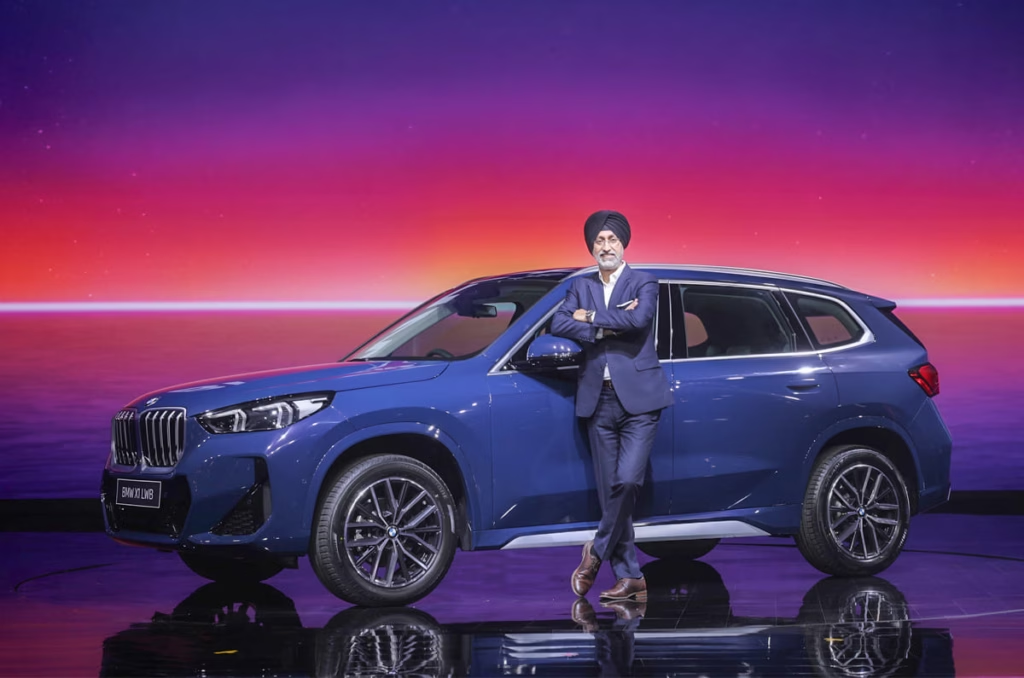
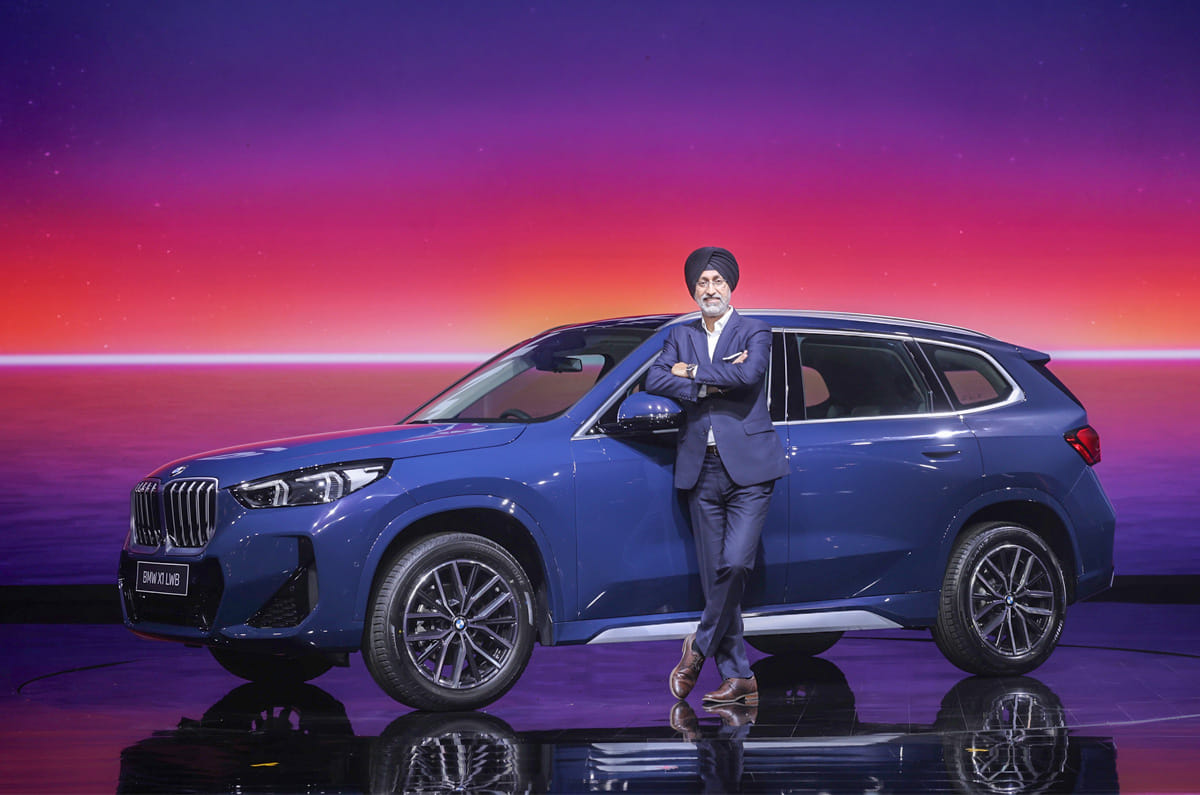
BMW has launched the long wheelbase X1 in India at a price of Rs 49.90 lakh (ex-showroom). This adds to the regular, short wheelbase X1 lineup that continues to be on sale with both petrol and diesel engines. The X1 LWB, however, is solely available with a petrol engine and comes with the M Sport styling package as standard. For reference, the standard wheelbase X1 petrol is priced at Rs 50.90 lakh, which means the X1 LWB is Rs 1 lakh more affordable than the latter. 

  1. X1 LWB solely available with a 156hp, 1.5-litre petrol engine 
  2. Gets a 108mm longer wheelbase than the regular X1 
  3. Comes with improved rear seating and revised suspension tuning 

Here’s a look at the prices of the BMW X1 range in India:

ModelPrice (ex-showroom)
X1 LWB sDrive 18LiRs 49.90 lakh 
X1 sDrive 18iRs 50.90 lakh 
iX1 eDrive LWB 20L Rs 52.70 lakh 

The new LWB model is now the most affordable variant in X1 lineup. 

BMW X1 LWB exterior and interior details 

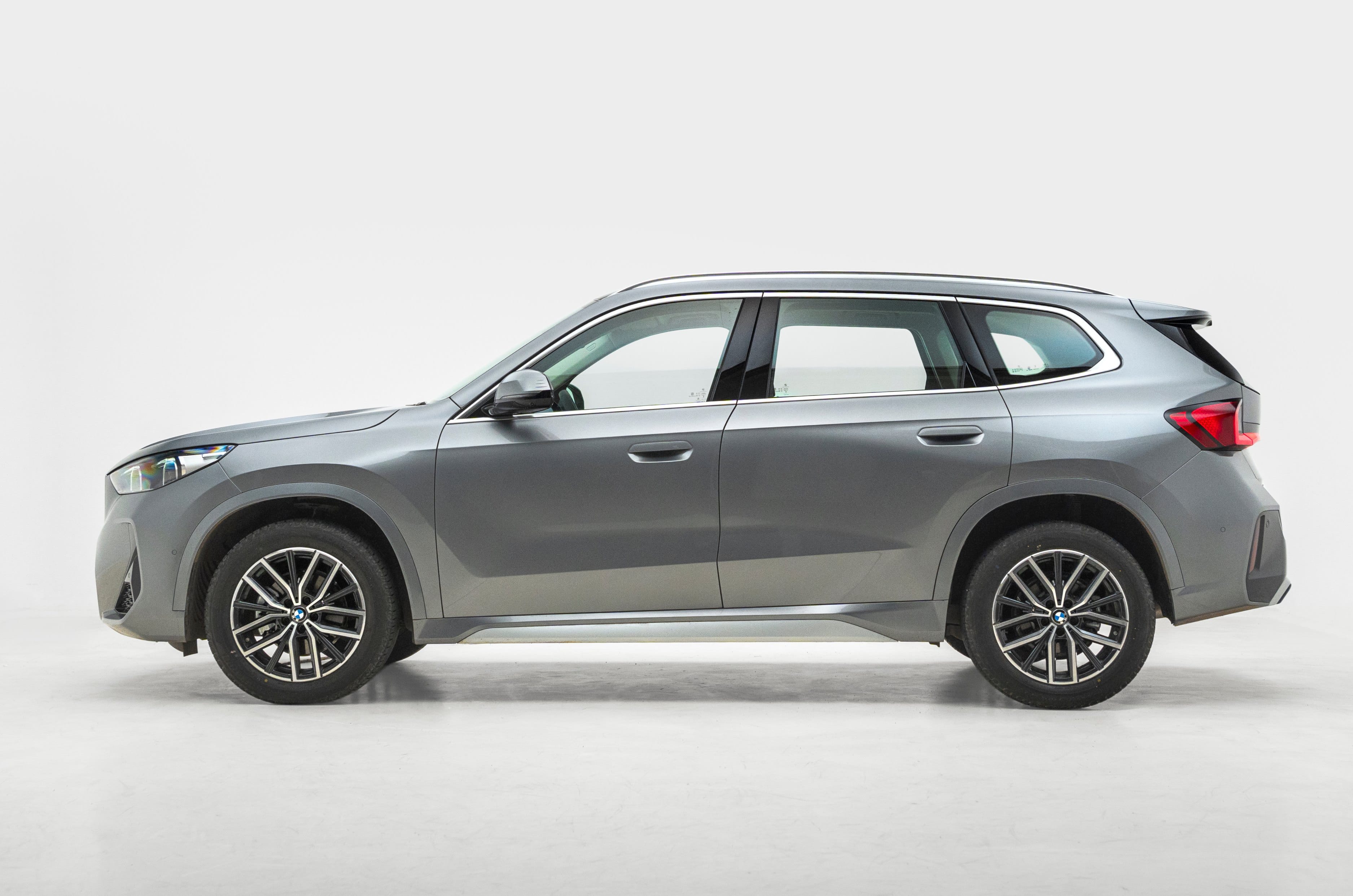
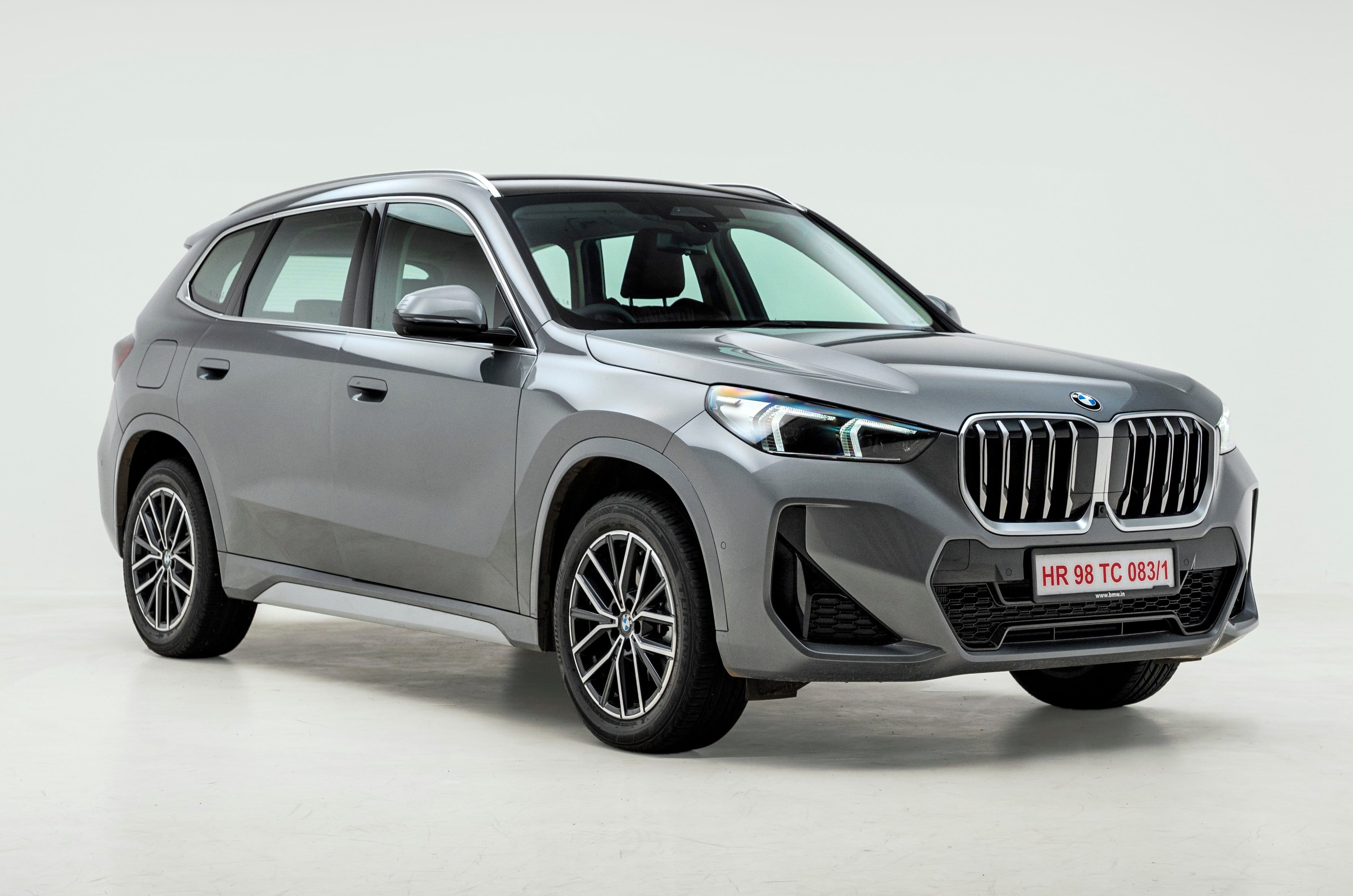
The biggest update on the X1 LWB compared to the standard X1 is that it is dimensionally larger than the latter. It is 116mm longer overall, with 108mm of that added length at the wheelbase alone. Elsewhere, it gets the same peeled-back headlamps, the same M Sport styling pack with sporty-looking bumpers and the same edgy tail-lights. Even the 18-inch alloys have been carried over from the short wheelbase model. The only little distinguishing element is a chrome surround for the large windows, which on the the standard X1 gets a blacked-out finish. A shadow package, however, is available as an optional extra. The X1 LWB is available in four colors – Night Dusk Blue, Skyscraper Grey, Carbon Black and Mineral White. 

The wheelbase is longer by 108mm compared to the regular X1. 

On the inside, apart from the obvious additional legroom for the rear seat passengers, the X1 LWB also gets a redone rear seat. There’s enhanced cushioning, while a 15mm longer seat base adds a bit more by way of thigh support. You also have the option to recline the backrest by a couple of degrees.

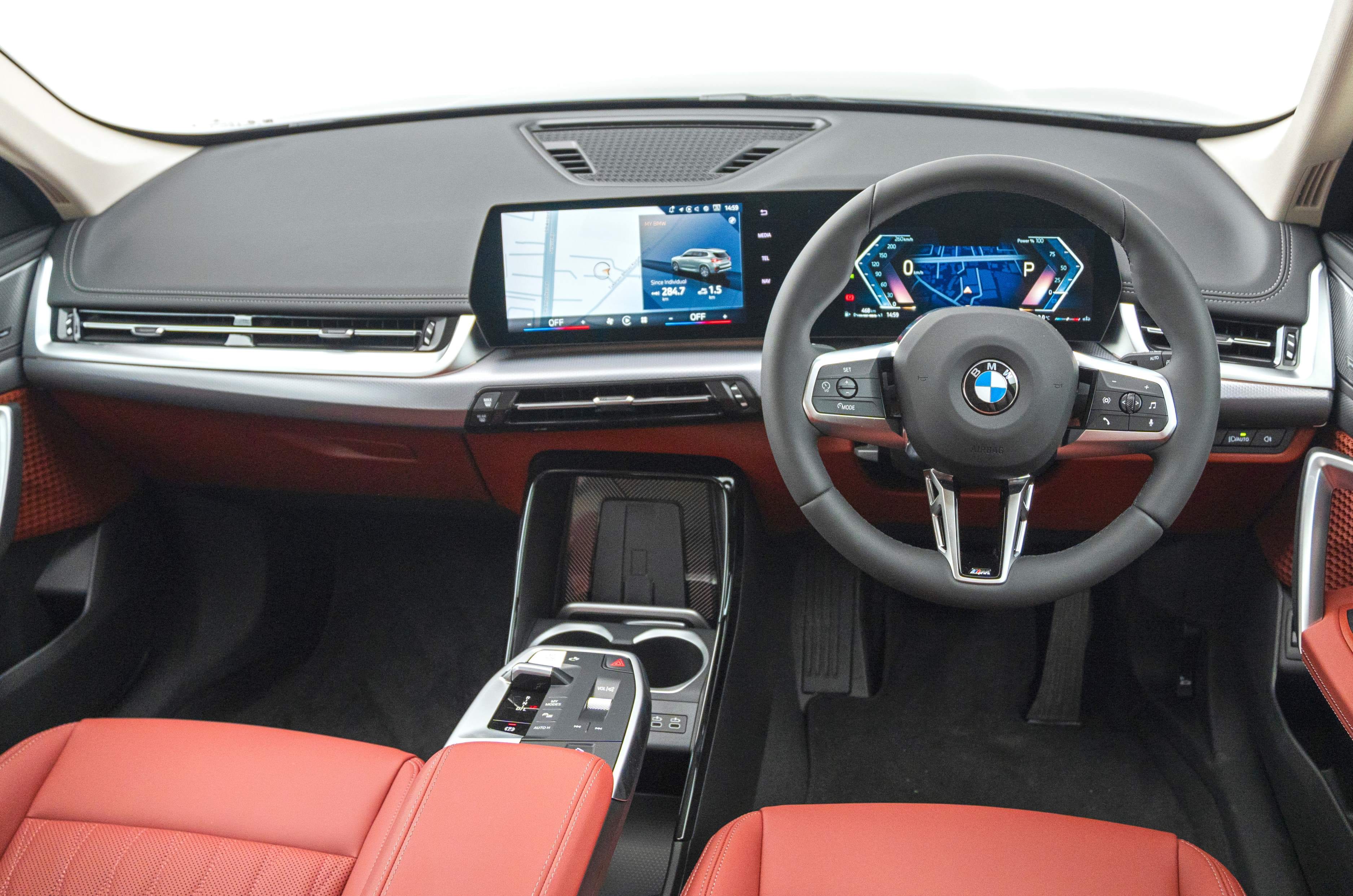
Up front, the X1 LWB is no different from the standard-wheelbase X1. The dashboard gets a 10.25-inch digital instrument cluster and a 10.7-inch touchscreen, asymmetric AC vents and also an upright wireless phone charging pad at the base of the dash. There’s also a floating centre console, which houses a few key buttons, such as for the gear selector, volume control and driving modes. 

Dashboard remains unchanged from the regular X1. 

You also get features like a adaptive LED headlamps, panoramic sunroof, 360-degree camera, powered front seat and a 12-speaker Harman Kardon sound system. It, however, misses out on ventilation and massage functions for the front seats, as well as dedicated climate zone for the rear passengers. The safety kit includes 8 airbags, ABS, ESC and Isofix child-seat mounts, among other features. The X1 LWB also packs a few ADAS functions such as auto emergency braking and lane departure warning and assist. Adaptive cruise control, however, is missing.

BMW X1 LWB powertrain and specs 

Under the hood, the X1 LWB just gets a sole engine option – a 1.5-litre 3-cylinder direct-injection turbo-petrol engine developing 156hp (up by 20hp over the X1) and 230Nm. This is routed to the front wheels via a 7-speed dual-clutch automatic, and in our testing, the X1 LWB achieved a 0-100kph time of 9.58 seconds. Unlike the standard X1, the LWB will not be offered with a diesel engine. BMW has also tweaked the X1 LWB’s suspension to deliver better ride comfort.

The X1, uniquely, is the only long-wheelbase model in its segment where it sees competition from the likes of the Mercedes-Benz GLA, Audi Q3 and Mini Countryman C. For reference, the standard wheelbase X1 is priced at Rs 50.90 lakh (ex-showroom). 

Tata cars to get pricier from September 1

Tata cars to get pricier from September 1
Tata Punch front logo

Tata cars are set to get pricier by up to Rs 25,000 from September 1, 2026. The exact price hike will vary depending on the model, but the Indian automaker cited continued inflationary pressures and rising input costs as some of the reasons behind its decision. Tata Motors stated that increasing the prices of its cars will help the company offset these challenges. Hyundai has also announced a price hike for September, with Mauruti Suzuki announcing a similar decision for August 2026.

  • Reasons include inflationary pressures and rising input costs
  • Foreign exchange volatility and high employee separation costs also cited

Tata Motors price hike in September 2026

The company said that it has been bearing the brunt of sustained inflation and input costs, but continuing to do so will begin impacting profits. One of the main culprits behind this has been the rising cost of EV batteries, becoming around 10 percent more expensive over a period of several months.

Other factors behind the September 2026 price hike include foreign exchange volatility and high employee separation costs, according to Tata Motors. The resultant hike is to affect the brand’s EV and ICE (internal combustion engine) models, with the exact model-wise breakup yet to be announced. However, prices of Tata SUVs are expected to go up across the board.

Ather electric scooters to be sold through CSD from September

Ather electric scooters to be sold through CSD from September

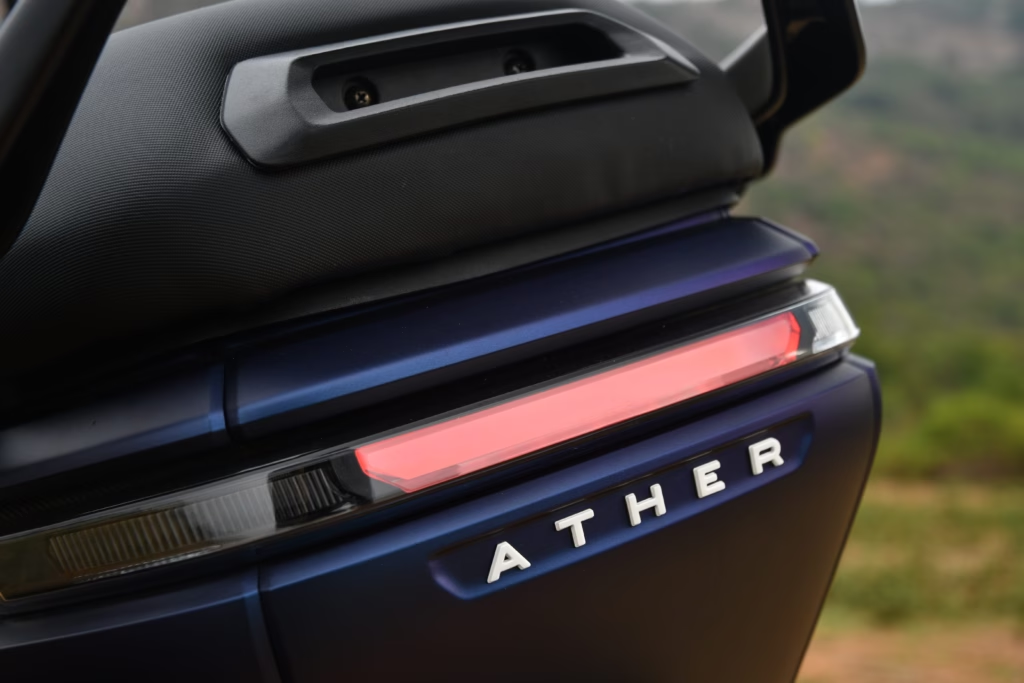
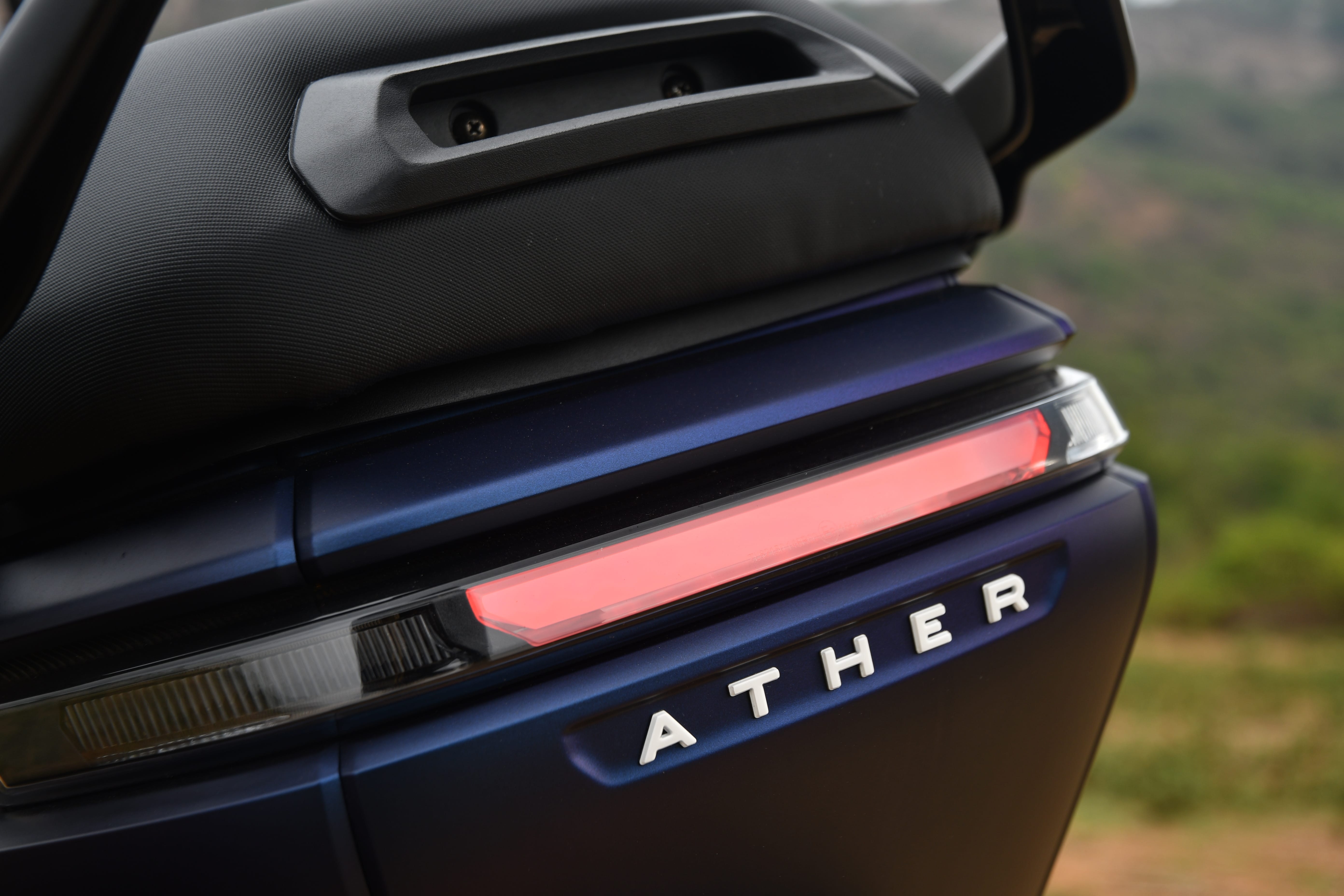
Ather Energy has received approval to list its electric scooters on the Canteen Stores Department (CSD) portal, allowing eligible Armed Forces personnel, veterans and their families to purchase its models through the platform from September 2026.

  1. Eight Ather scooter variants will be available through CSD
  2. Models from the 450 and Rizta ranges are included
  3. Ather 450 Apex is not part of the CSD listing

Ather scooters available through CSD

Ather is among the first electric two-wheeler makers to be listed on CSD

The CSD is a government-run retail network under the Ministry of Defence that allows eligible Armed Forces personnel, veterans and their families to purchase a range of goods, including vehicles, at concessional prices. Vehicles purchased through the CSD channel are eligible for applicable GST concessions.

Ather becomes one of the first electric two-wheeler manufacturers in India to have its products listed on the CSD platform. Eight variants from the Ather 450 performance scooter range and Rizta family scooter lineup will be available through the channel. The performance-focused Ather 450 Apex, however, will not be available through CSD.

Eligible customers will be able to purchase the listed Ather scooters with manufacturer-backed discounts, which will apply over and above the applicable GST concessions available on CSD purchases. The exact benefit will vary depending on the model and variant.

The CSD listing expands Ather’s sales reach to eligible defence personnel and gives them another channel through which to purchase its electric scooters.

Sedan continues to be the quintessential car, says Skoda India brand director

Sedan continues to be the quintessential car, says Skoda India brand director
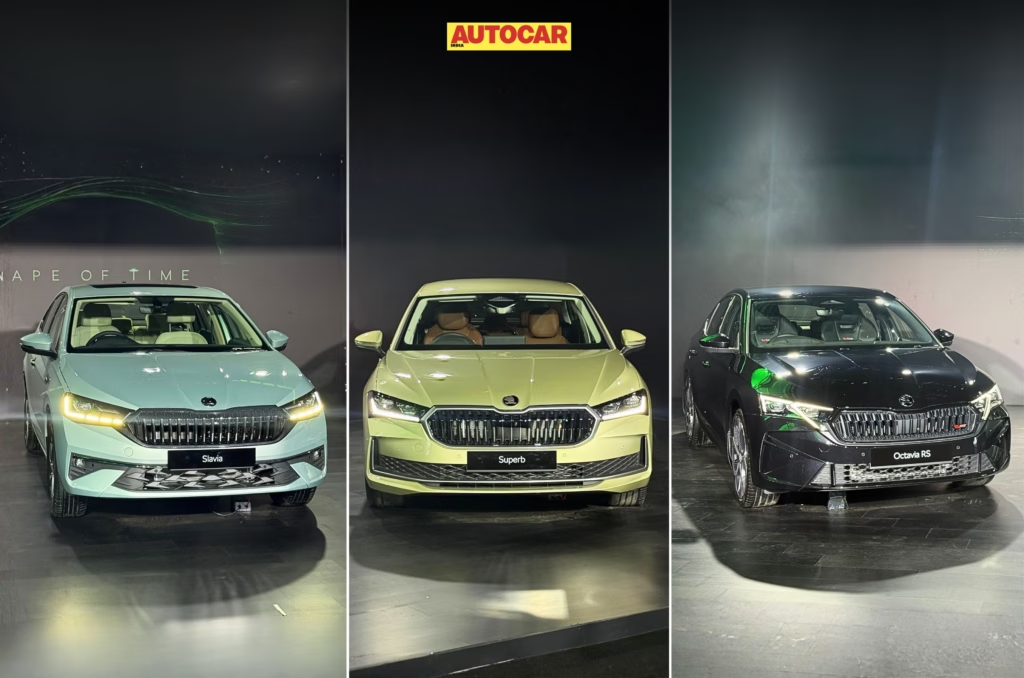
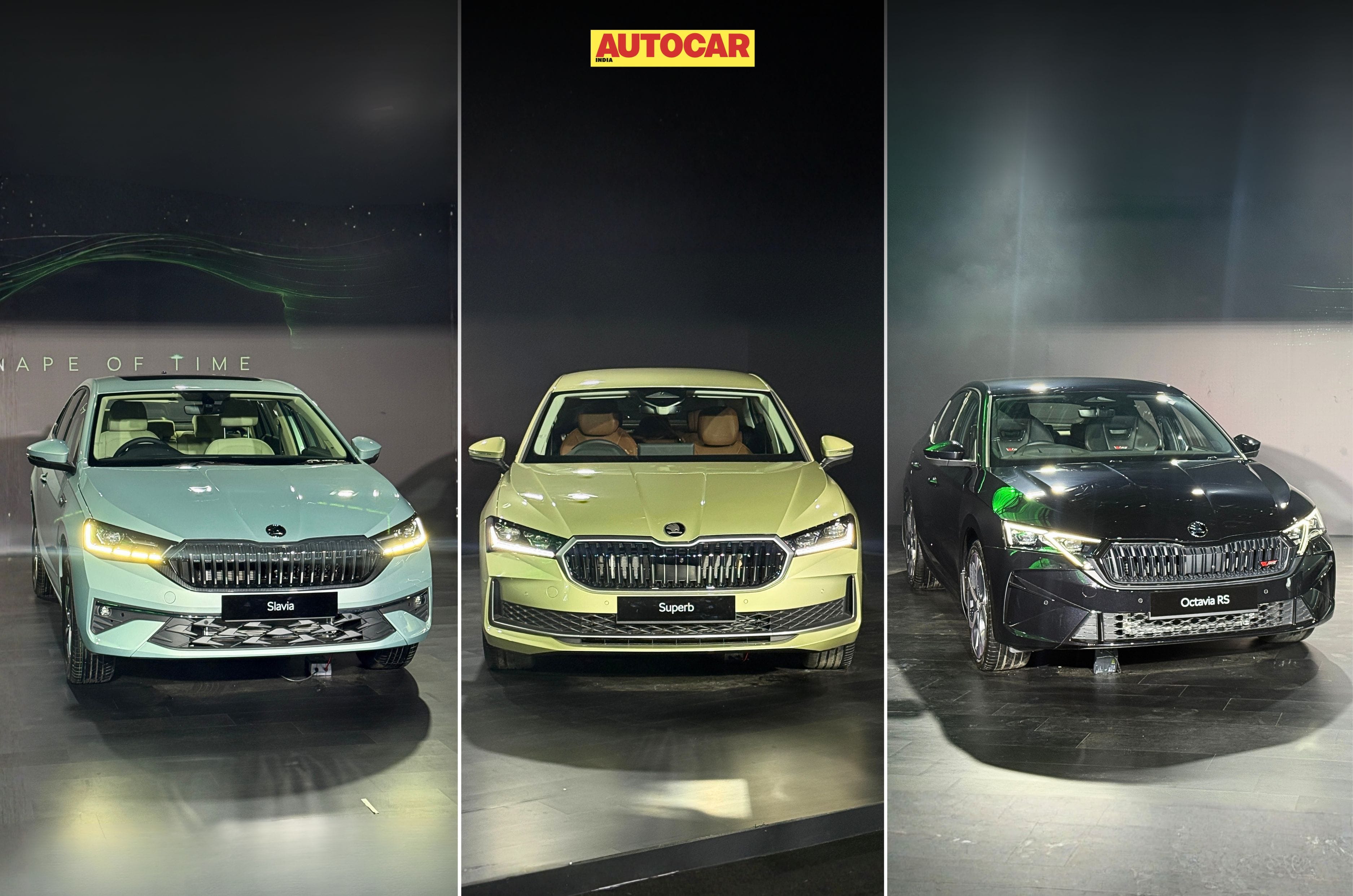
Skoda Slavia, Superb and Octavia revealed

While it sells multiple SUV models, Skoda is the only mass-market automaker that has also remained steadfastly committed to the sedan body type. The Czech brand recently introduced three sedans all at the same event – something of a rarity in an otherwise SUV-dominated market. Skoda’s latest entrants in India include the Slavia facelift, the Superb diesel and the Octavia RS. While admitting to the market’s preference for SUVs over the last decade or so, Ashish Gupta, brand director at Skoda Auto India, also said, “If you look at it, sedans continue to be the quintessential car.”

  1. Gupta says the charm of sedans hasn’t gone away
  2. He cites a lack of focus in the segment by manufacturers
  3. SUV saturation expected to work in favour of sedans

The Czech automaker thinks sedans are here to stay

Gupta believes the sedan body type will continue to make sense for the brand

The Superb nameplate arrived 90 years ago, with the line-up eventually including models such as the Octavia, Rapid and Slavia. “It’s been a long legacy of sedans for Skoda, with the sedan body style defining our brand not only globally but also in India,” said Gupta. The Slavia has been a successful model for the Czech brand in India. “The premium sedan segment in India right now is at around 4,000 to 4,500 units per month, with the Slavia making up nearly 30 percent of all sales in the segment. We are the torchbearers of that segment, and the Slavia facelift will have its role in the company’s India portfolio while also appealing to a wider customer set,” he added.

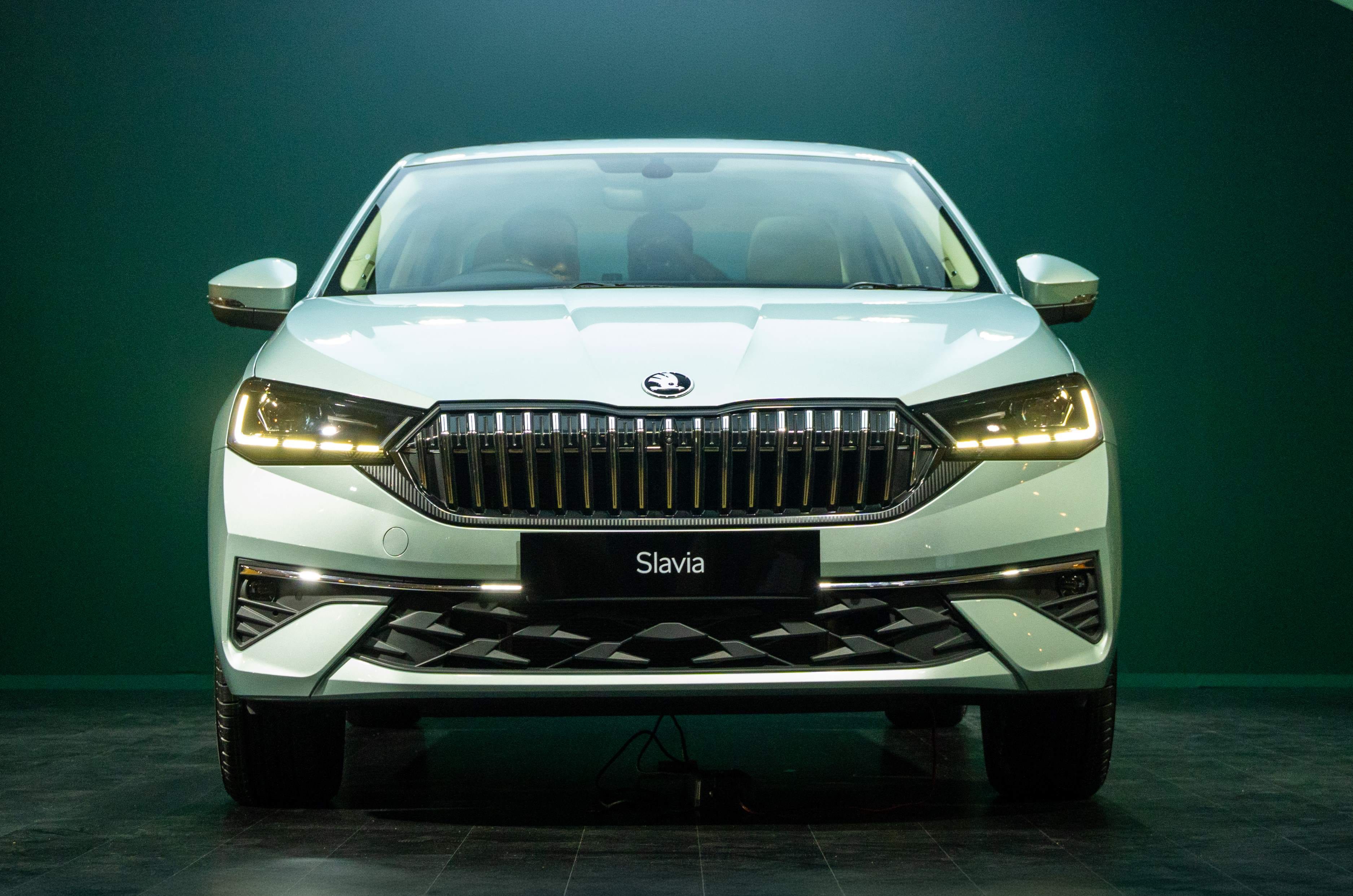
Skoda Slavia facelift front
The Slavia occupies the mass-market sedan segment in India.

According to Gupta, the Slavia offers buyers a blend of performance and understated elegance. “There are good reasons the charm of a sedan hasn’t gone away. There’s the superior driving dynamics and pure elegance that sedans exude. One would love to arrive at an event in a sedan, or go for a fun drive during the weekend. So I think sedans will continue to have their fans and people who would still want to own one.”

However, the brand director isn’t expecting the segment to make a strong comeback in the near future. “I think the sedan segment will continue to remain a smaller part of the market – that much is very clear,” he remarked while citing the current trend in the industry. “Most of the new product launches and introductions are happening in the SUV segment and other body styles.” He thinks the growth potential is primarily hindered by automakers ignoring sedans and instead doubling down on SUVs. “We, as manufacturers, should take the responsibility for this, as we have not focused on the sedan segment.”

Gupta was quick to point out that Skoda is one of the few automakers worldwide that maintains a focus on the sedan space as well. “Perhaps we are among the few brands who still have a large sedan portfolio, which continues to do well.”

SUV saturation to help revive the sedan

Gupta expects the market to eventually reach a saturation point when it comes to SUVs

According to Gupta, the market will eventually grow tired of the SUV body type, making the case for sedans even stronger. He added that first-time buyers have been contributing to the sales numbers of sedans, while more demand is expected to come from families who want to own more than one car. “Sooner or later, families wanting to have multiple cars would like to have differentiated kind of cars. So that is an opportunity for the sedan and one which will continue to evolve in India as the market matures,” he explained.

Skoda sedans in India

The brand’s sedan line-up in India includes three models

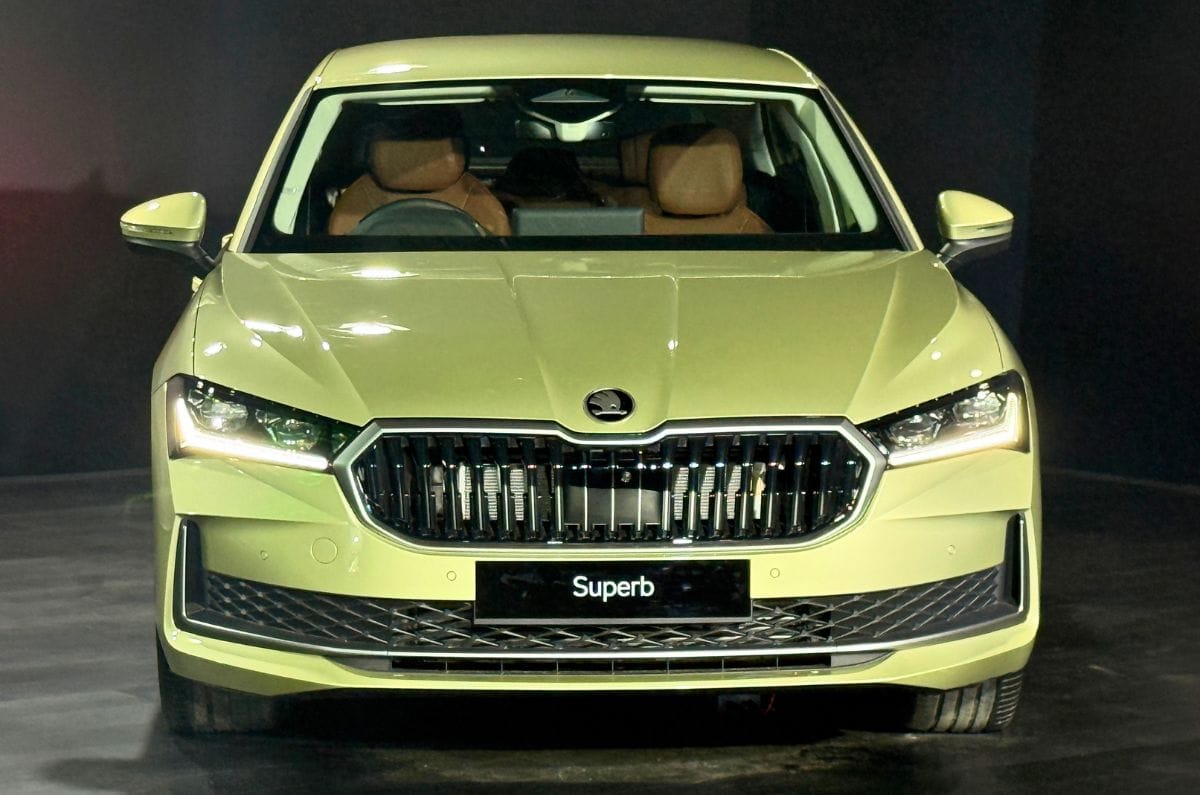
2027 Skoda Superb diesel front
The Superb is targeted at buyers who prioritise luxury over outright performance.

The Slavia remains the entry point into Skoda’s sedan portfolio in India and is the Volkswagen Virtus’s chief rival. However, VW only has this one sedan in its entire India portfolio. Meanwhile, Skoda is also planning to introduce a CNG option for the Slavia, which could interest buyers seeking premium features and lower running costs. Joining the line-up in 2027 will be the Superb diesel in its top-spec Laurin & Klement (L&K) trim – this will be Skoda’s first new diesel car in India since abandoning the powertrain type in 2020. The Superb occupies a space beneath the likes of the Mercedes-Benz C-Class and BMW 5 Series in India.

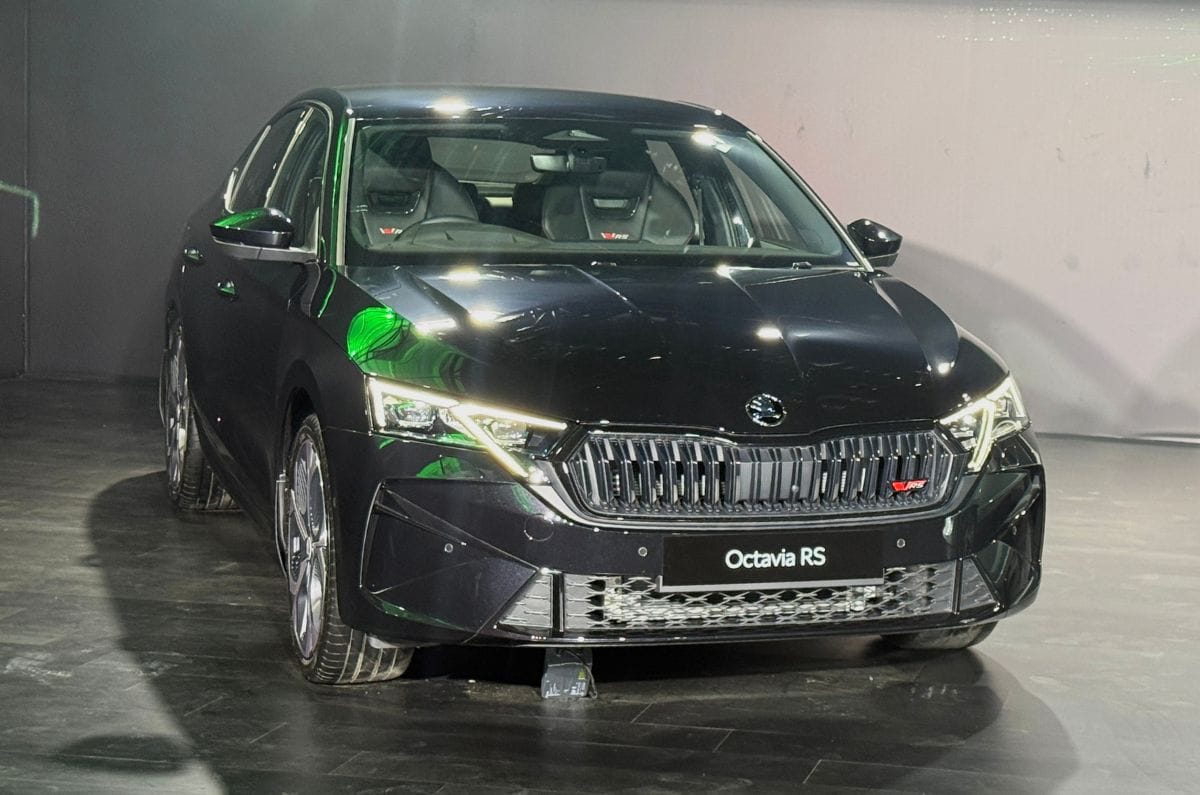
Skoda Octavia RS front quarter
The sportier Octavia RS will continue to be for the enthusiast.

The Octavia RS is also returning to India, with deliveries expected around the upcoming festive season. It’ll once again arrive as a full import and will be limited to just 50 units this time. With the previous 100 units allocated for India reportedly selling out in 20 minutes, the second batch is likely to find takers just as easily. Gupta said customers who had shown genuine interest in the Octavia RS will be given early access. In all, Skoda will be able to cater to mass-market sedan buyers with the Slavia, premium sedan buyers with the Superb and driving enthusiasts with the Octavia RS.

Skoda and the upcoming India-EU FTA

Then there’s the upcoming India-EU Free Trade Agreement (FTA), which will have an impact on fully imported models such as the Superb. “The FTA has kind of given us a good choice between what makes better sense for us and for the market as well. The whole idea is to start deliveries towards Q2 of next year. We are hopeful that by that time, the contours of the FTA will be decided, and we will have clarity on what kind of duty structure to apply to our imported models,” said Gupta. The proposed reduction in import duties could make bringing in more batches from Skoda’s global portfolio to India easier, though Gupta expects currency fluctuations to have an impact on the final price.

Also read

Skoda opens bookings for second batch of Octavia RS

Skoda Superb diesel revealed in India ahead of 2027 launch