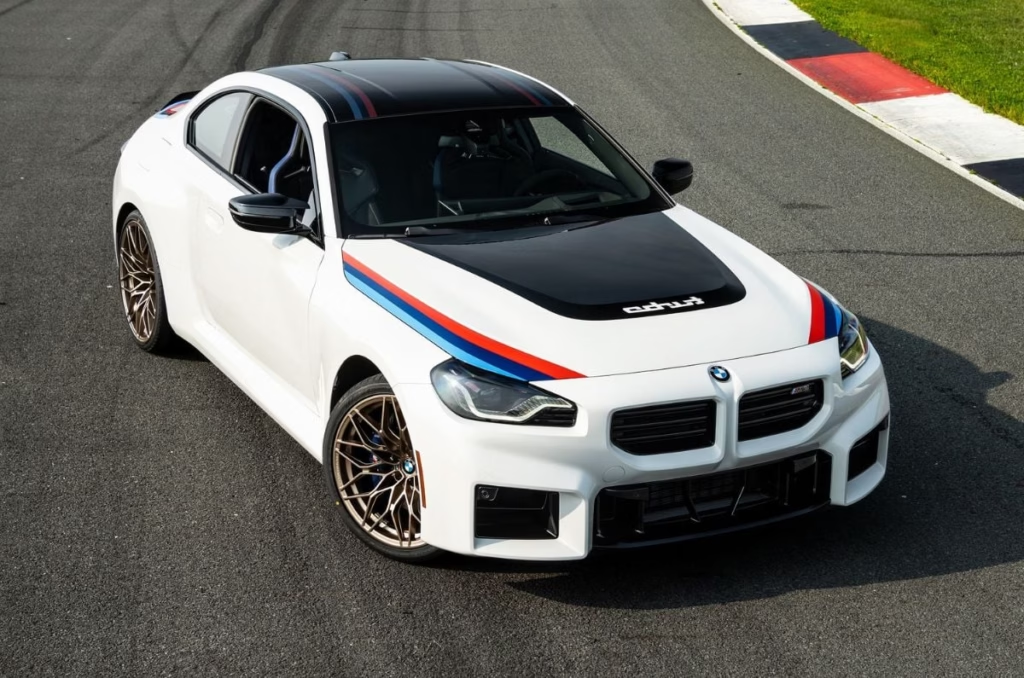
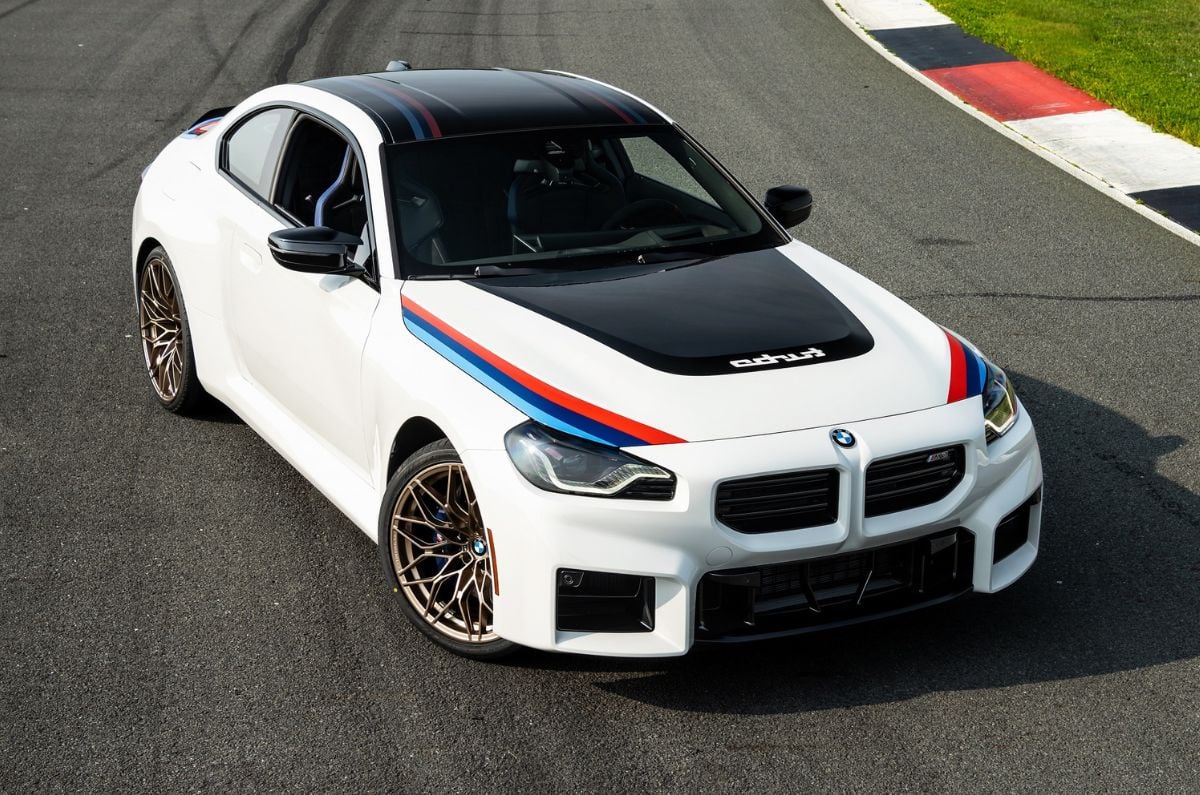
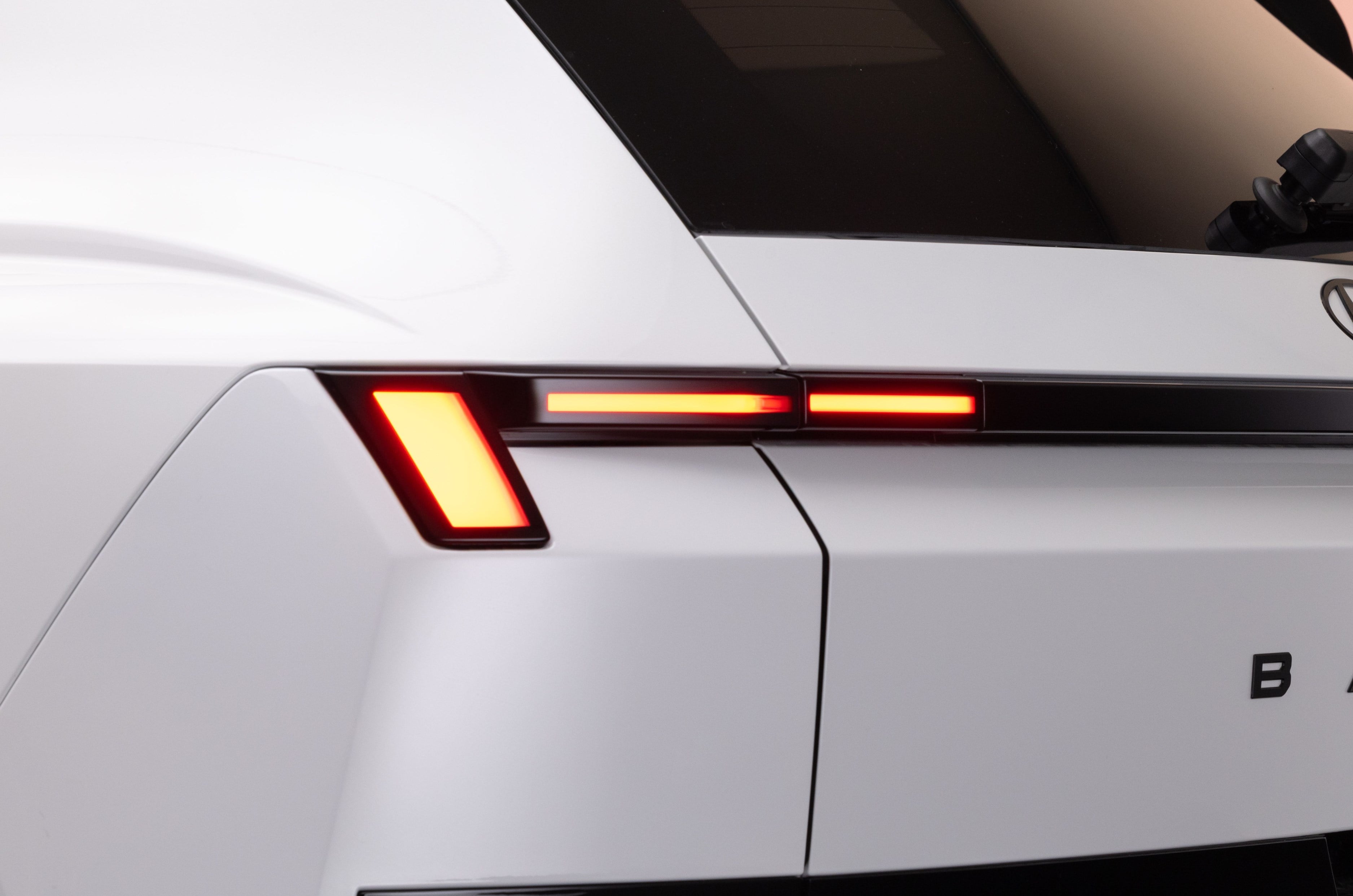
BMW has opened bookings for the limited-run M2 xDrive Turbo Edition in India. This ultra-exclusive model pays tribute to the BMW 2002 Turbo from 1973 which has a rather unique story in BMW’s history. More on that later, but the M2 xDrive Turbo Edition will be available in limited numbers in India with a first-come, first-served basis allocation. Expect prices to be announced in the coming weeks.
BMW M2 xDrive Turbo Edition: what is it paying tribute to?
This special-edition M2 pays tribute to the BMW 2002 Turbo sedan which was launched during the global oil crisis in 1973. At the time, it was the first series-production passenger car to use an exhaust gas turbocharger, something that has since defined the template for a lot of performance cars. The turbocharger, of course, was in the interest of reducing fuel consumption, but that doesn’t mean it was any slouch – with 170hp, 2.0-litre engine, a top-speed of 211kph and a 0-100kph time of 7.0 seconds, it was quite fast for its time. Well-kept examples of 2002 Turbo cost well over 100,000 Euros today, says BMW.
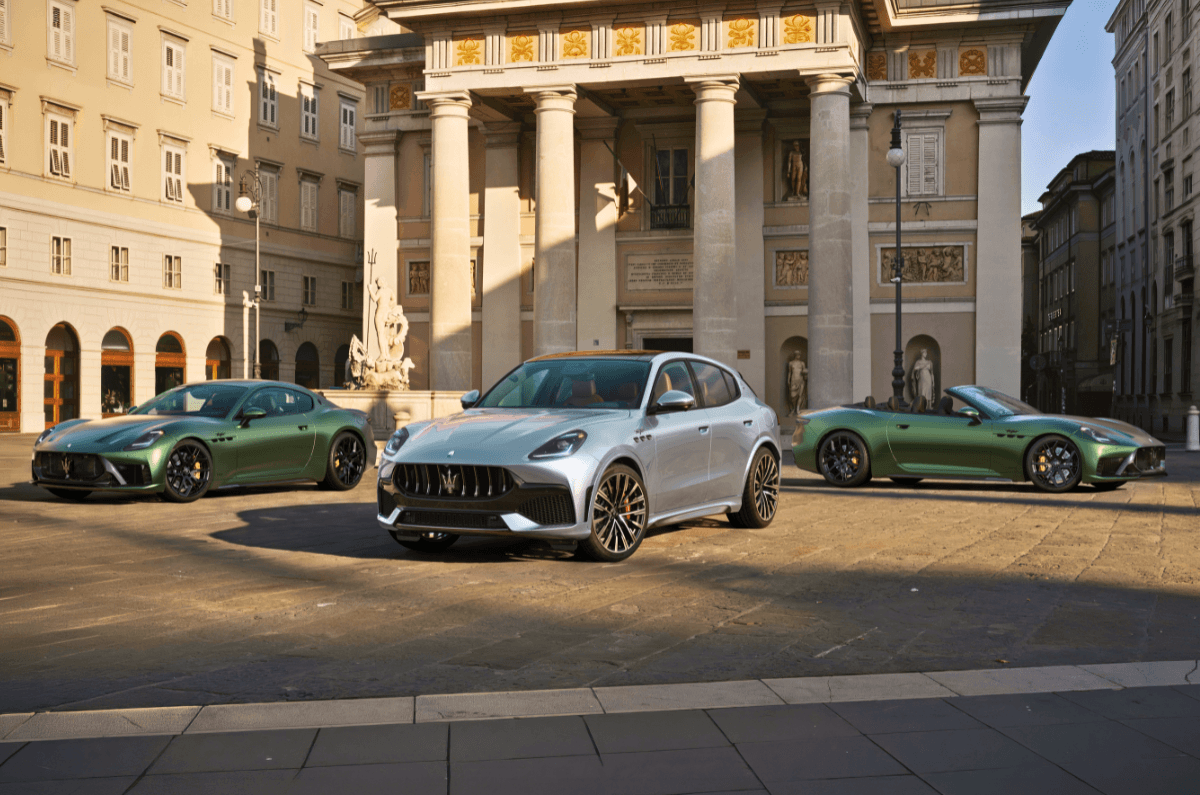
Maserati India will launch the updated Grecale SUV, GranTurismo coupe and GranCabrio convertible on October 30. The three cars will launch in the country a little over four months after their respective global debuts. All of them get powertrain updates, subtle exterior revisions and additional features. The track-focused Maserati GT2 Stradale will also be showcased alongside the three cars.
New Maserati GranCabrio, GranTurismo: Powertrains
ICE
Both the Maserati GranTurismo and GranCabrio continue to use the brand’s 3-litre twin-turbo Nettuno V6 engine, and depending on the variant, it develops 490hp (Modena) or 590hp (Trofeo). Notably, peak power output has gone up by 40hp in the top-spec Trofeo, thanks to an increase in turbo boost pressure with some minor modifications. Their respective 8-speed automatic gearboxes have been recalibrated for greater responsiveness.
EV
The electric-only Folgore versions of the GranTurismo and GranCabrio retain their 92.5kWh battery, along with a trio of motors – two at the back and one at the front. While the combined output remains 761hp for both, Maserati engineers have been able to increase the claimed range by 90km to 540km. This was achieved by adding a system that disconnects the front motor when not required, thereby reducing energy consumption. The GranTurismo Folgore reaches a top speed of 325kph, while the GranCabrio Folgore maxes out at 290kph.
All versions are equipped with all-wheel drive and air suspension as standard. Maserati has also given the two models a new ‘Country’ drive mode for use on rougher road surfaces, which raises the ride height by 25mm at speeds of up to 120kph.
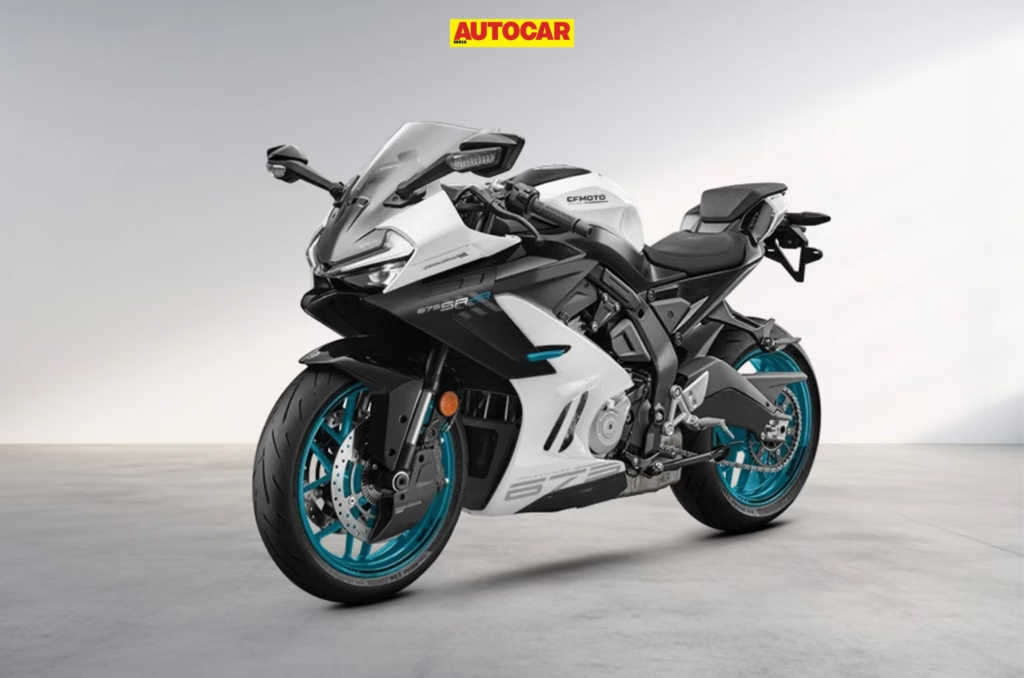
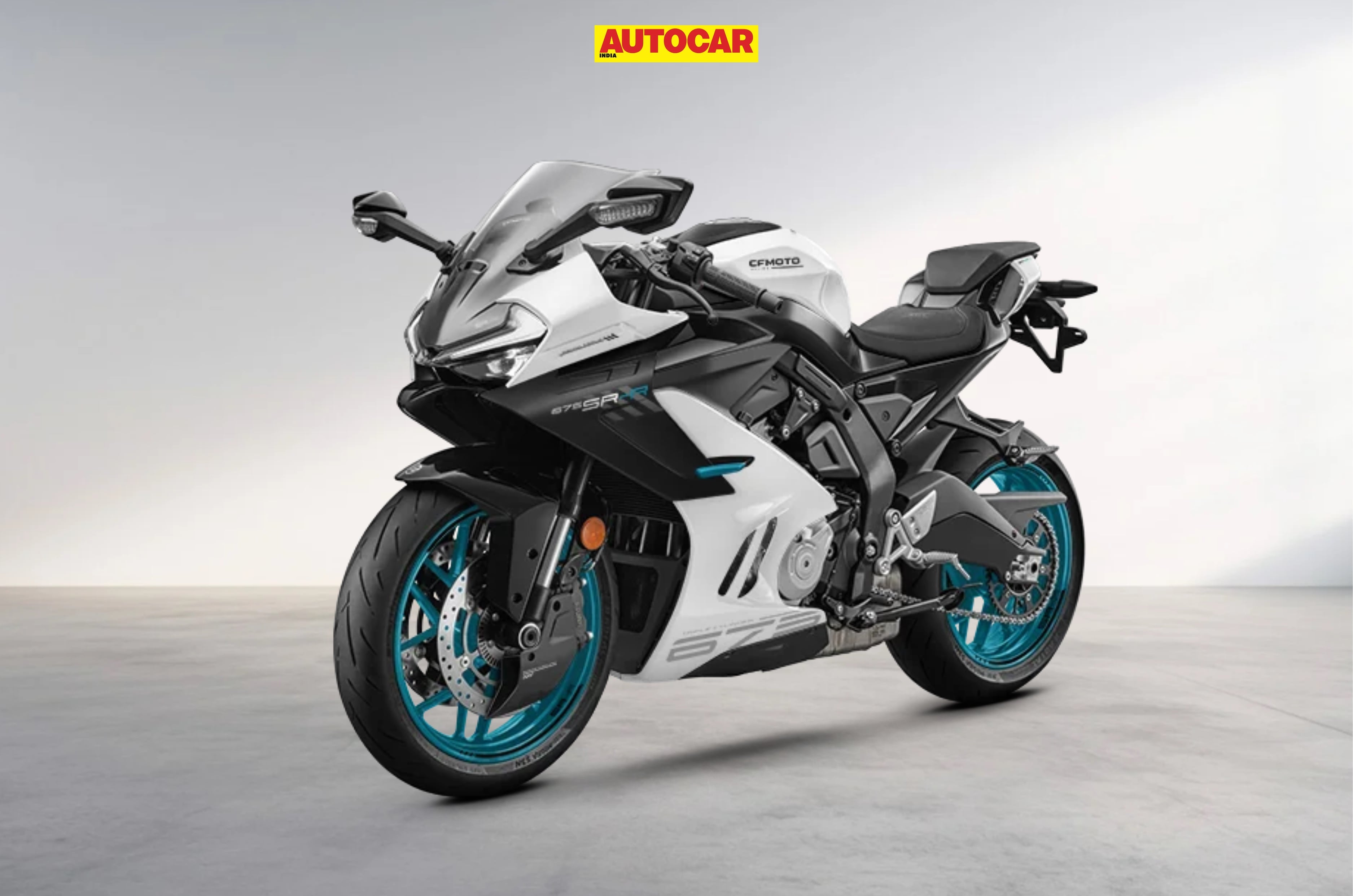
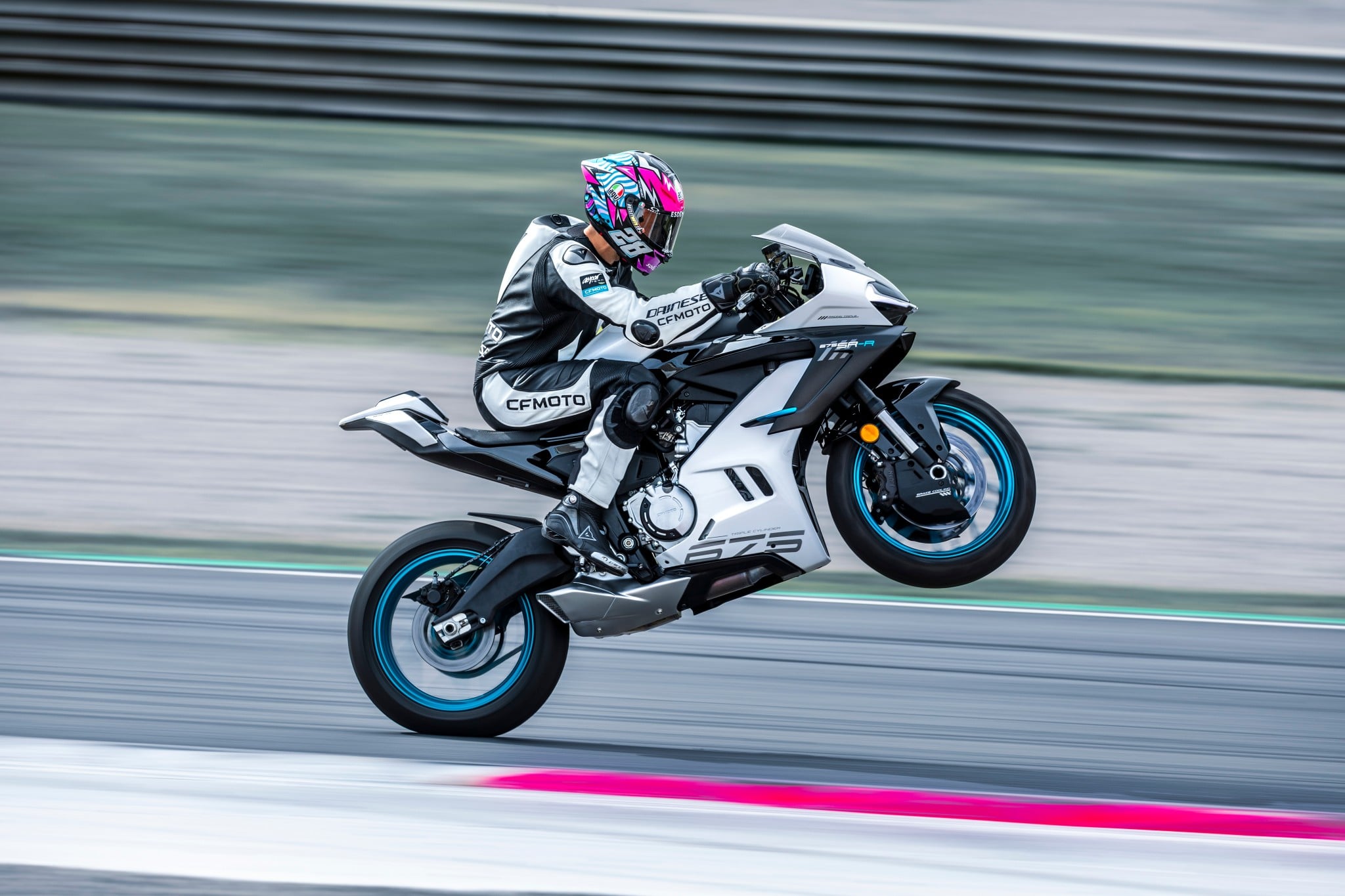
The Women’s Circuit Racing World Championship (WorldWCR) has been hosted jointly since 2024 by Federation Internationale de Motocyclisme (FIM) and Dorna Sports (now renamed MotoGP Sports Entertainment Group). So far, the Yamaha R7 has been the official motorcycle for the championship, but that’s set to change for its upcoming fourth season in 2027. CFMoto has reached an agreement with the hosts to make its 675SR-R supersport the championship’s official motorcycle from next season.
Production version of the 675SR-R makes 95hp and 70Nm
It’s been competing in BSB since 2025
CFMoto developed it with inputs from its Moto2 and Moto3 riders
CFMoto 675SR-R becomes the official motorcycle for WorldWCR
WorldWCR is currently in its third season
First off, WorldWCR is one of the four championships hosted under the WorldSBK series, with the other three being SPB (Sportbike), SSP (Supersport) and SBK (Superbike). The series is the first world-level road racing championship created exclusively for female riders, successfully in its third season this year. Being a one-make series, all the riders compete on identical motorcycles, putting rider skill front and centre while highlighting the motorcycle’s performance abilities.
The production version of the 675SR-R is powered by a 675cc, triple-cylinder, liquid-cooled engine making 95hp and 70Nm. While this is the first time the motorcycle will be used for a world championship, it has already been competing since 2025 in the British Superbike Championship (BSB). It claimed a second-place finish in the same season, becoming the first Chinese-built production motorcycle to do so.
The 675SR-R was co-developed by CFMoto and the Aspar Moto2 and Moto3 teams, with the team’s riders deeply involved in testing. The CFMoto Aspar team had also won the Moto3 triple championship in 2024 – constructor, rider, and team. The Chinese manufacturer says it sees the WorldWCR move as another important step in establishing its racing prowess in front of a global audience. In addition to being the first Chinese manufacturer to become the dedicated motorcycle supplier, CFMoto will also provide technical and parts support, plus an on-site technical team.
नौकरी करने वाले लोगों के लिए सालाना सैलरी हाइक का इंतजार काफी अहम होता है। बढ़ती महंगाई के बीच वेतन में होने वाली बढ़ोतरी से घर का बजट संभालने में मदद मिलती है। लेकिन सॉफ्टवेयर कंपनी Zoho के कर्मचारियों को इस साल निराशा का सामना करना पड़ सकता है। कंपनी के संस्थापक श्रीधर वेम्बू ने बताया है कि इस साल कर्मचारियों की सैलरी में सामान्य सालाना बढ़ोतरी नहीं की जाएगी। इसके पीछे आर्टिफिशियल इंटेलिजेंस (AI) से जुड़े बढ़ते खर्च, सर्वर की महंगी कीमतें और वैश्विक कारोबारी अनिश्चितता जैसे कारण हैं। हालांकि, उन्होंने कर्मचारियों को यह भरोसा भी दिया है कि कंपनी बड़े पैमाने पर छंटनी से बचने की पूरी कोशिश करेगी।
Zoho कर्मचारियों को इस साल नहीं मिलेगा सालाना इंक्रीमेंट
श्रीधर वेम्बू ने सोशल मीडिया प्लेटफॉर्म X पर एक पोस्ट के जरिए कंपनी की मौजूदा स्थिति साझा की। उन्होंने बताया कि सॉफ्टवेयर इंडस्ट्री का भविष्य फिलहाल अनिश्चित बना हुआ है और AI के बढ़ते इस्तेमाल से कंपनियों का खर्च काफी बढ़ गया है। इसी दबाव के चलते Zoho ने इस साल कर्मचारियों की सामान्य वेतन वृद्धि रोकने का फैसला किया है। वेम्बू ने स्वीकार किया कि यह फैसला लेना आसान नहीं था। उन्होंने कर्मचारियों से माफी भी मांगी कि वह इस साल सैलरी हाइक को जारी नहीं रख सके।
AI के कारण चार गुना बढ़ी सर्वर की कीमतें
कंपनी के सामने सबसे बड़ी चुनौतियों में से एक डेटा सेंटर के लिए जरूरी सर्वर की बढ़ती लागत है। वेम्बू के मुताबिक, सर्वर की कीमतें चार गुना तक बढ़ गई हैं। इसके अलावा, AI टूल्स का इस्तेमाल तेजी से बढ़ने के कारण कंपनी के परिचालन खर्च में भी इजाफा हुआ है। इन बढ़ते खर्चों को नियंत्रित करने के लिए Zoho ने अपने मार्केटिंग बजट में कटौती की है। वैश्विक भू-राजनीतिक परिस्थितियों ने भी कारोबारी माहौल को चुनौतीपूर्ण बना दिया है।
बड़े पैमाने पर छंटनी से बचने की कोशिश
सैलरी हाइक रोकने के फैसले के बीच कर्मचारियों के लिए राहत की बात यह है कि कंपनी फिलहाल बड़े पैमाने पर छंटनी से बचना चाहती है। वेम्बू ने कहा कि कंपनी कर्मचारियों की बड़े स्तर पर नौकरी जाने की स्थिति से बचने के लिए पूरी मेहनत करेगी।
हालांकि, उन्होंने यह भी चेतावनी दी कि सॉफ्टवेयर क्षेत्र में नौकरियों का भविष्य चुनौतीपूर्ण दिखाई दे रहा है। उनके मुताबिक, Zoho ने पिछले 18 महीनों से अपने कर्मचारियों की संख्या में बढ़ोतरी नहीं की है। इससे कंपनी में भर्ती की रफ्तार धीमी रहने का संकेत मिलता है।
The business outlook for software is uncertain and AI has raised costs dramatically with a) massive 4-fold increase in server prices which we need for data centers b) AI usage increasing rapidly, leading to much higher expenses, which we are trying to control.
On top of that is the challenging geopolitical backdrop.
We have cut down on our marketing budget. We have also told our employees that we cannot have our usual pay increase this year. I have apolgized for not being able to avoid this.
We will work hard to avoid mass layoffs but the outlook for software jobs in general is grim. We have not been growing our employee count for 18 months now.
Most of our employees understand the situation. I am thankful to them.
We are in the middle of reinventing ourselves. The next 3-5 years will decide how our reinvention has worked. Please pray for us
वेम्बू ने बताया कि कंपनी इस समय खुद को नए कारोबारी माहौल के अनुरूप ढालने की प्रक्रिया में है। अगले तीन से पांच साल यह तय करने में महत्वपूर्ण होंगे कि कंपनी का बदलाव कितना सफल रहता है।
उन्होंने कर्मचारियों के सहयोग के लिए आभार भी जताया। उनके मुताबिक, ज्यादातर कर्मचारी कंपनी की स्थिति को समझ रहे हैं। यह फैसला ऐसे समय में आया है, जब तकनीकी कंपनियां AI में निवेश बढ़ाने के साथ अपने खर्चों पर नियंत्रण रखने की चुनौती का सामना कर रही हैं।
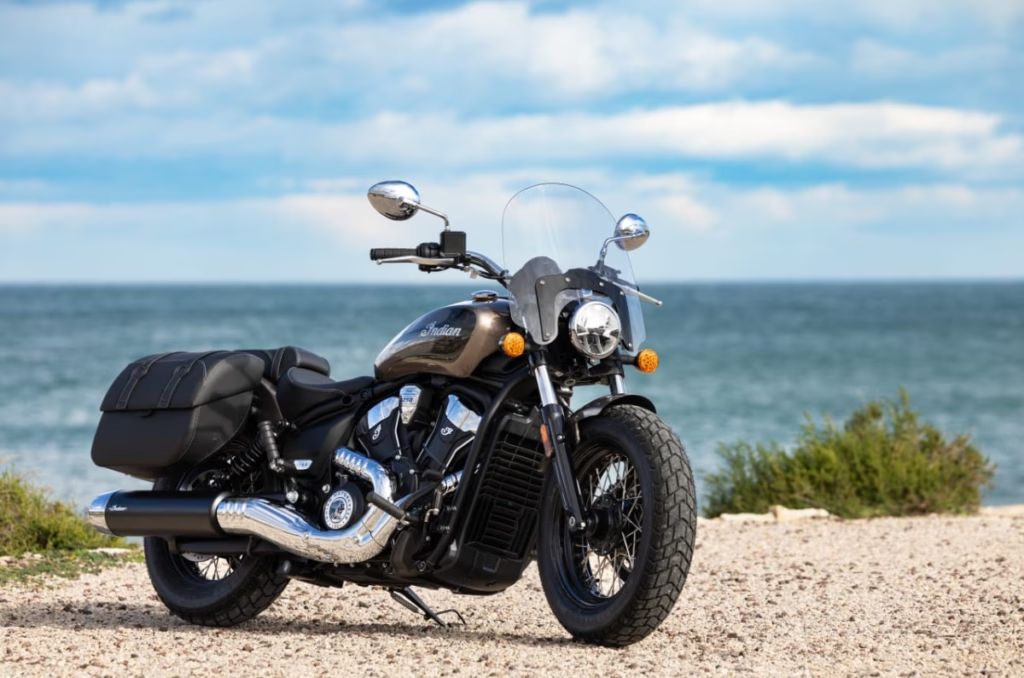
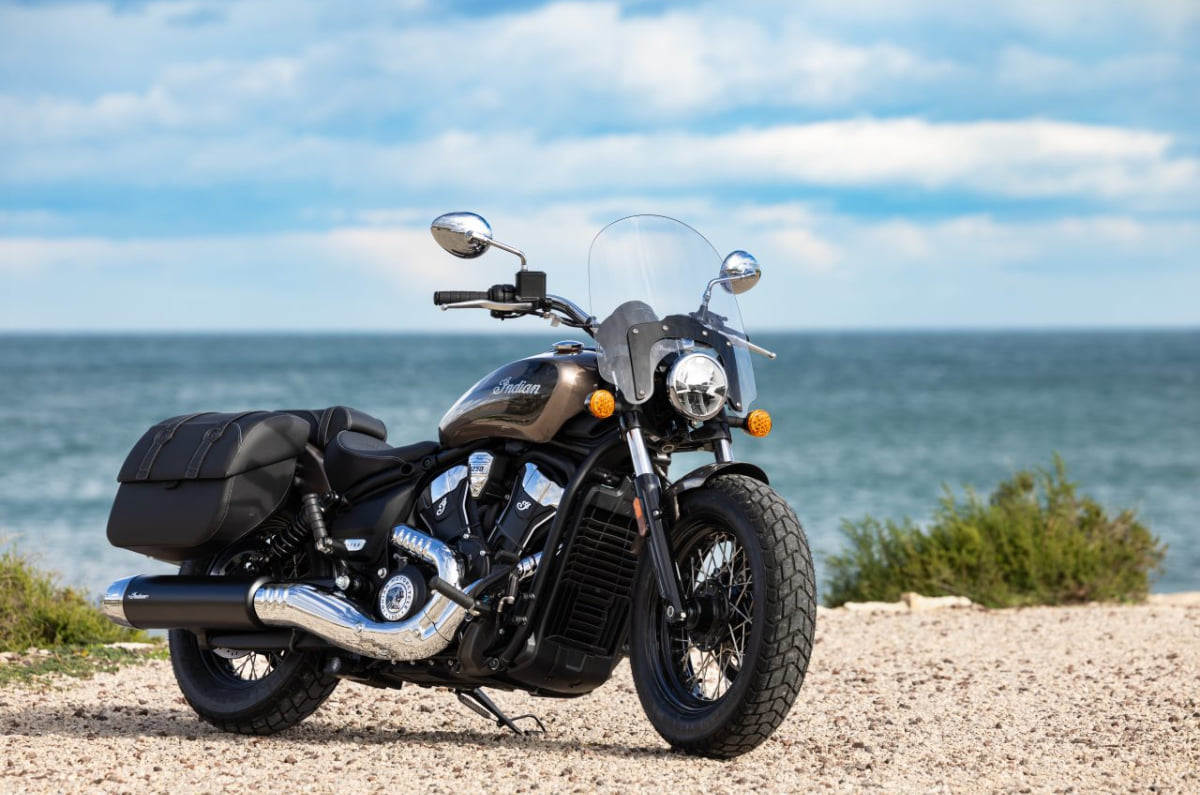
Indian Motorcycle appears to be significantly simplifying its Scout lineup for 2027. US EPA certification filings list only six Scout variants for the 2027 model year, suggesting several models are set to be discontinued.
Six Scout variants certified for 2027, as per US EPA filings
Scout Classic, Classic Limited and multiple Scout Sixty variants also appear to be discontinued
Scout lineup was last updated in 2025, with a total of 15 variants
2027 Indian Scout lineup details
The range is expected to drop from the current 15 variants to six
The current Scout generation was introduced for 2025 with a new 1,250cc liquid-cooled V-twin, called SpeedPlus, replacing the older 1,133cc unit. It produces 105hp and 109Nm across most variants. The range launched with five body styles – Bobber, Sport, Classic, Super and 101 Scout – each available in Standard, Limited and Limited+Tech trims, resulting in a large matrix of variants.
Based on the EPA certification data, the six models expected to carry over into 2027 are the 101 Scout, Scout Bobber, Scout Bobber Limited, Sport Scout Limited, Super Scout Limited and Scout Sixty Bobber. This means all +Tech trims appear to have been dropped, with their features – a 4-inch circular TFT display and keyless ignition – likely to be absorbed into the respective Limited variants.
Also absent from the 2027 certifications are the Scout Classic and Classic Limited, the base Sport Scout, Scout Sixty and its Limited variants, Scout Sixty Classic and Classic Limited, Scout Sixty Bobber Limited, and the 125th Anniversary Scout Bobber.
The rationalisation aligns with a direction Indian CEO Mike Kennedy signalled earlier this year. “We think it’ll be easier for our riders to shop it, easier for our dealers to manage,” Kennedy had said. The source also notes that Indian’s Chief and Touring lineups may see similar simplification, but certification data for those models is not yet available.
Indian Motorcycle has not officially confirmed any of these changes, and the final 2027 lineup will only be confirmed when the company makes a formal announcement. The brand recently confirmed its presence at EICMA 2027, where we can expect more details.
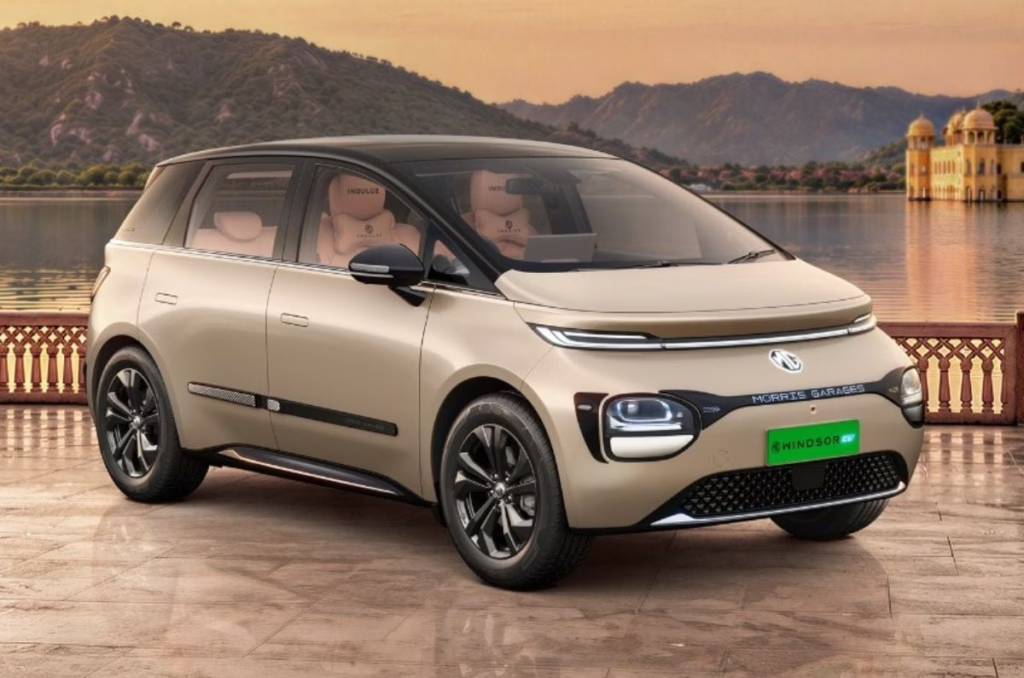
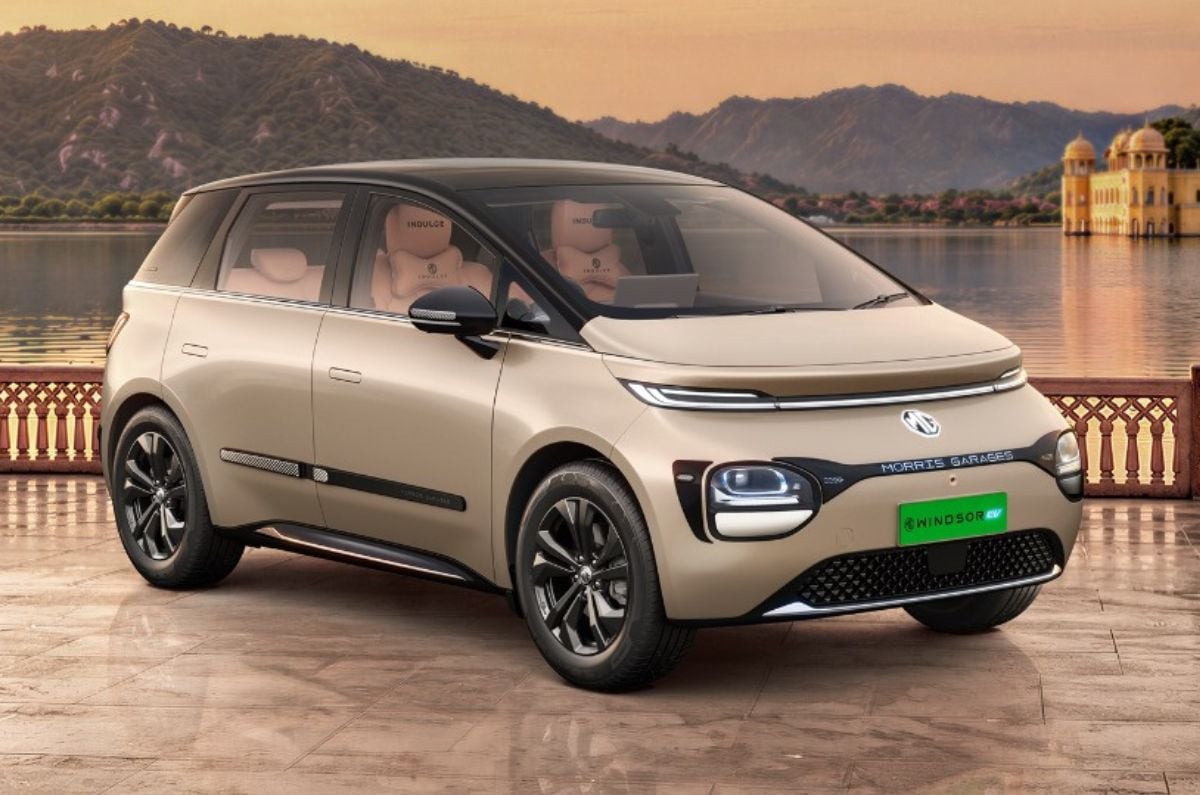
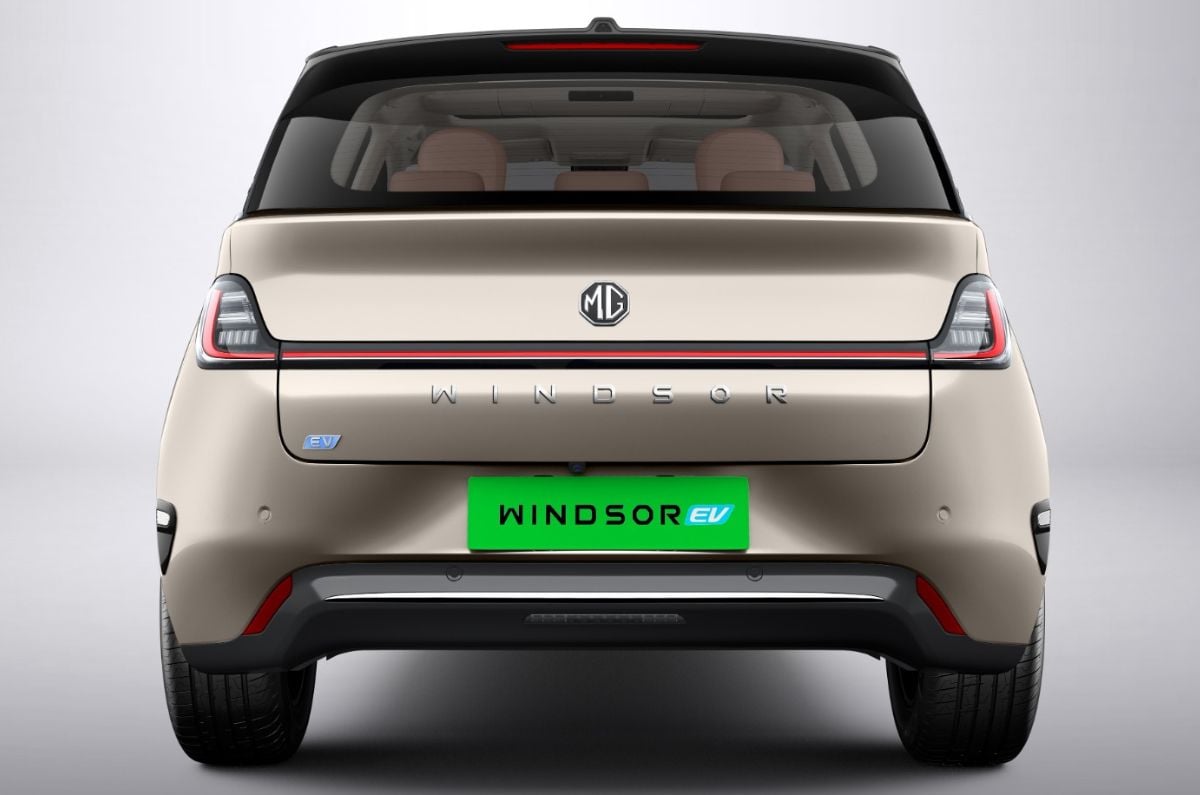
MG has launched the Windsor EV Indulge edition at Rs 17.89 lakh (ex-showroom). This follows our previous report, where we leaked that the Indulge edition will sport a new exterior colour, fresh seat upholstery and additional in-cabin comfort and convenience features compared to the standard model. Now, MG has launched it, while also revealing that it will be offered only with the smaller 38kWh battery pack.
Gets a new golden exterior colour, black alloy wheels and Indulge badges outside
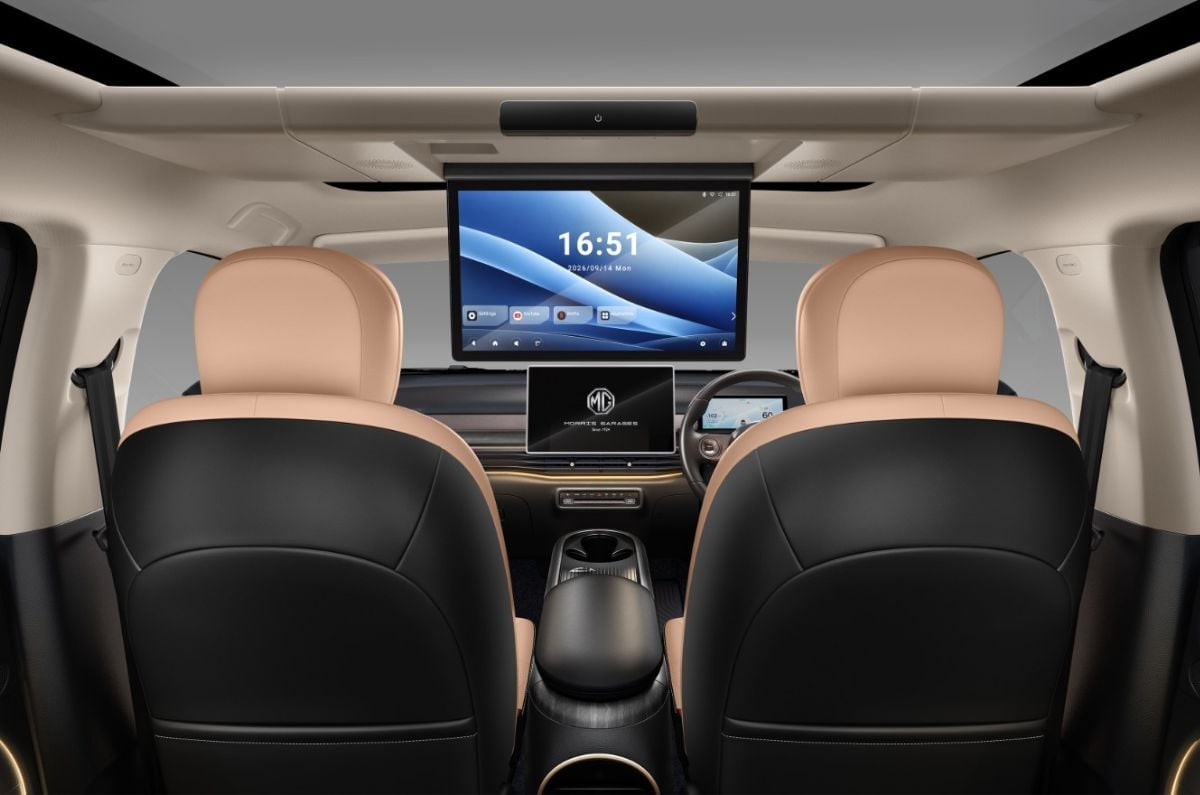
Features black-and-tan seat upholstery and a flip-down screen for rear passengers
Also offers neck cushions for front passengers and pillows for rear seat occupants
MG is offering the Windsor EV Indulge Edition with “a curated range of accessories”, including a rear sunshade, 3D mats, chrome grille accents, bumper corner protectors, body side moulding, and a leather key cover.
MG Windsor EV Indulge edition: What’s new?
Gets a ‘Shadow Gold’ exterior hue and black alloy wheels
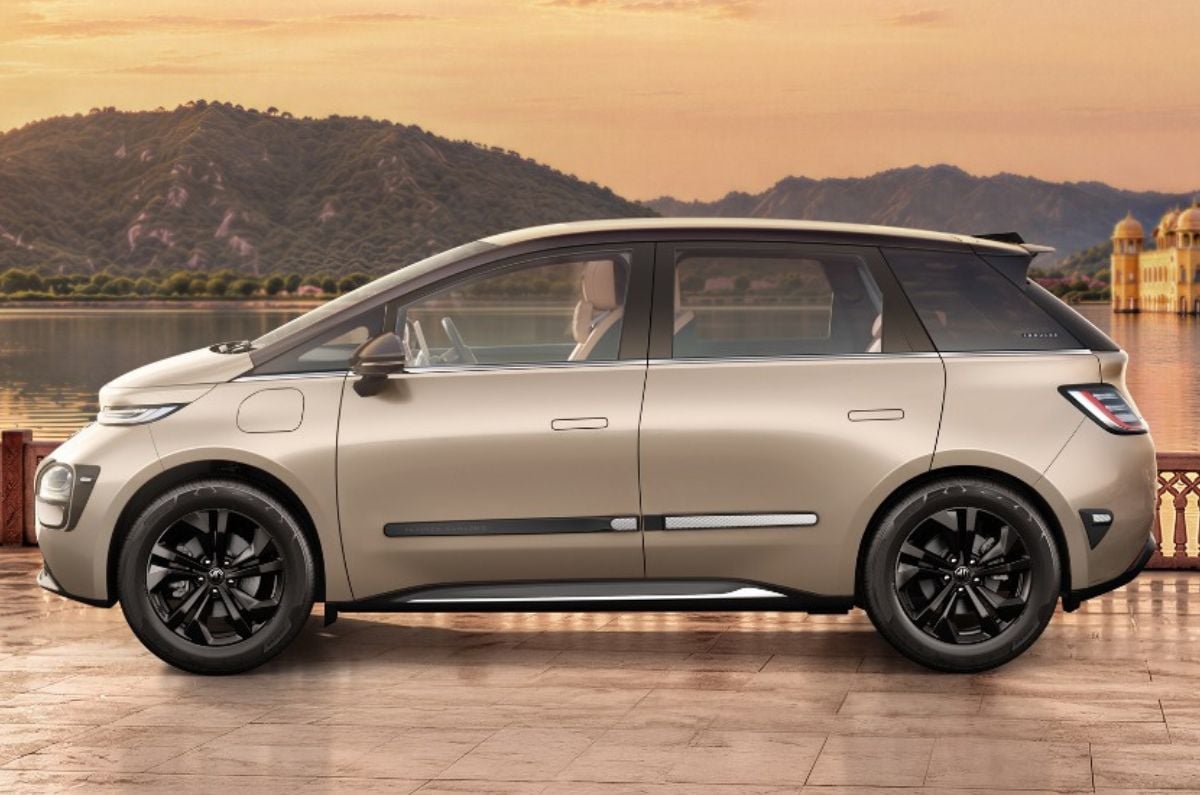
The Windsor EV Indulge edition features a new golden exterior shade – ‘Shadow Gold’ – as MG calls it, along with blackened alloy wheels which are the same 18-inch size as the standard model. The special edition also gets ‘Indulge’ badges on the rear quarter glass panes. Everything else, including the LED lighting, body cladding, an all-black roof and blacked-out outside rearview mirrors (ORVMs).
Gets a new seat upholstery theme, a rear screen and cushions, pillows
Changes on the inside include black-and-tan leatherette seat upholstery and a new roof-mounted flip-down screen for rear passengers, called a ‘Prive Screen’ by the manufacturer. MG has yet to reveal this screen size. The front seat headrests have an ‘Indulge’ embossing, and the Windsor EV Indulge edition also gets Indulge-themed cushions and neck pillows. Other features are the same as those offered with the top-spec ‘Essence’ trim, on which this special edition is based.
Only offered with the smaller 38kWh battery pack
The MG Windsor EV Indulge Edition is offered only with the smaller 38kWh battery pack version, which is paired with a front-axle-mounted electric motor that produces 136hp and 200Nm, and offers a claimed range of 332km. Compared to the ‘Essence’ trim on which it is based, its Rs 17.89 lakh price tag is Rs 89,000 more expensive.
MG also offers the standard Windsor with a larger 52.9kWh battery pack paired with the same FWD motor as the 38kWh battery version, but offering a higher claimed range of 449km. The Windsor EV Indulge edition’s price is similar to the Exclusive Pro trim, which is the most affordable trim with this 52.9kWh battery.
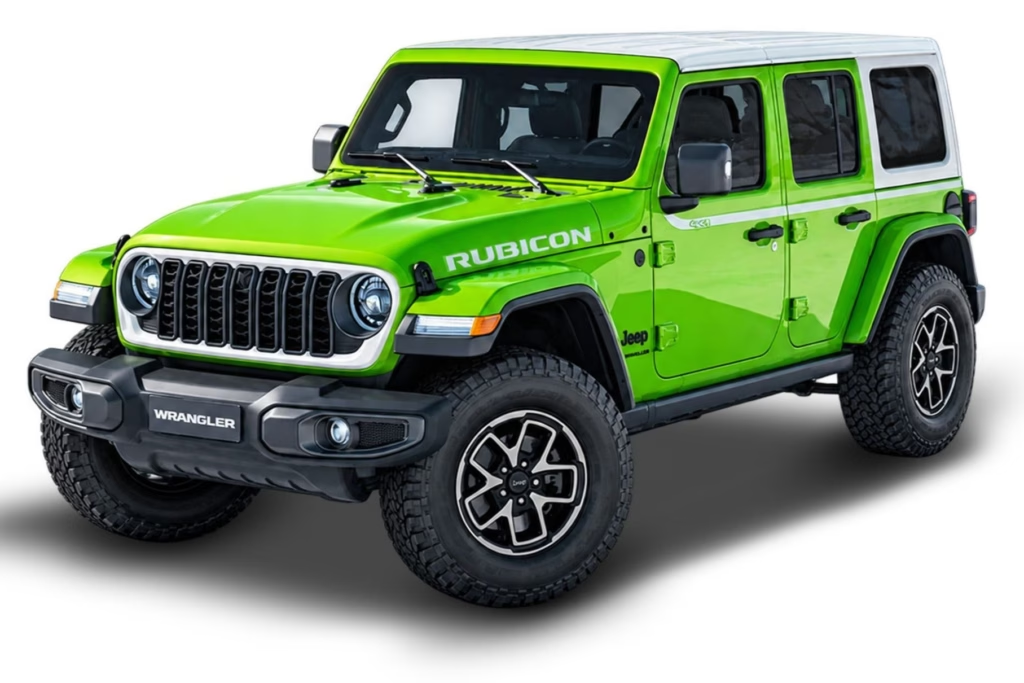
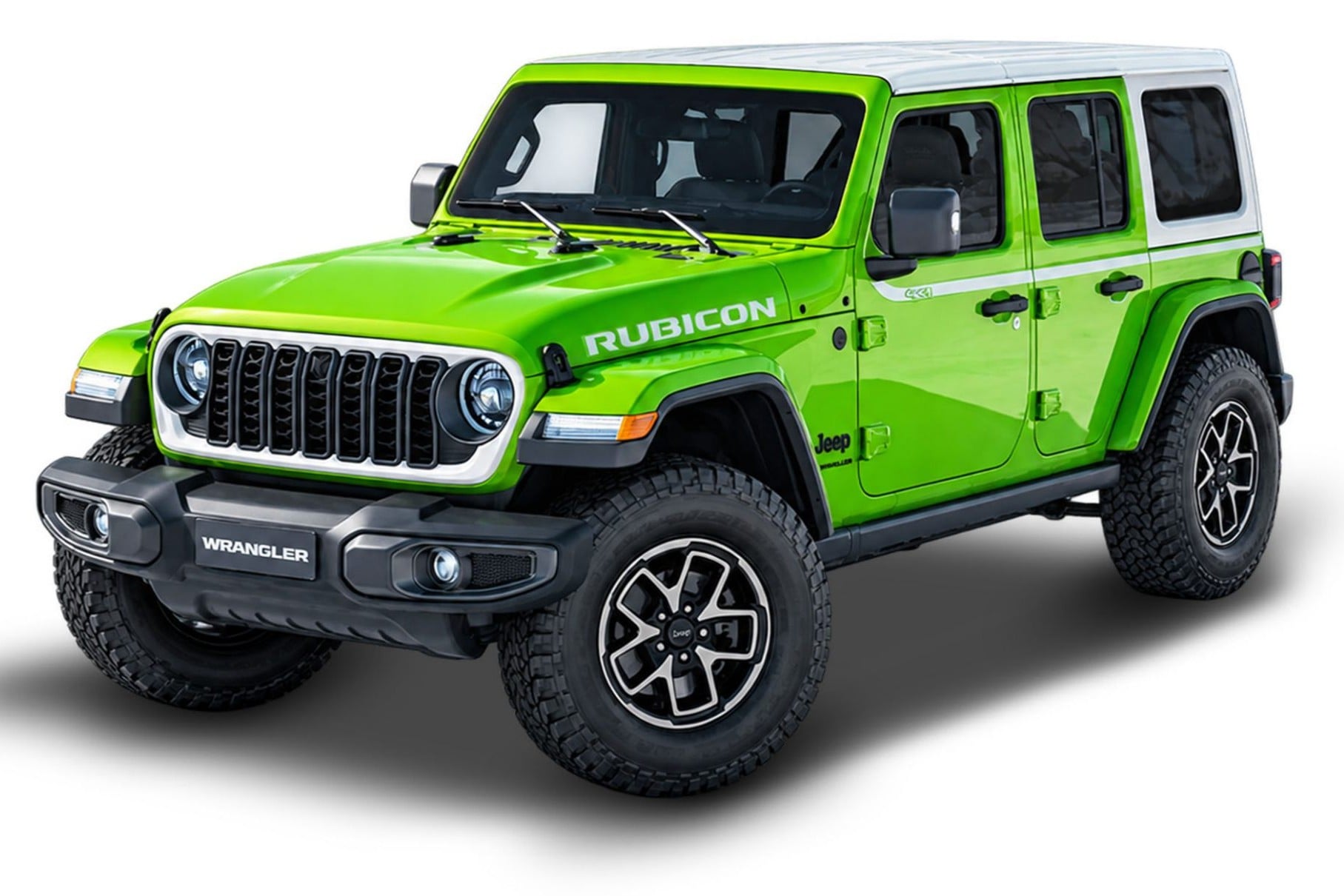
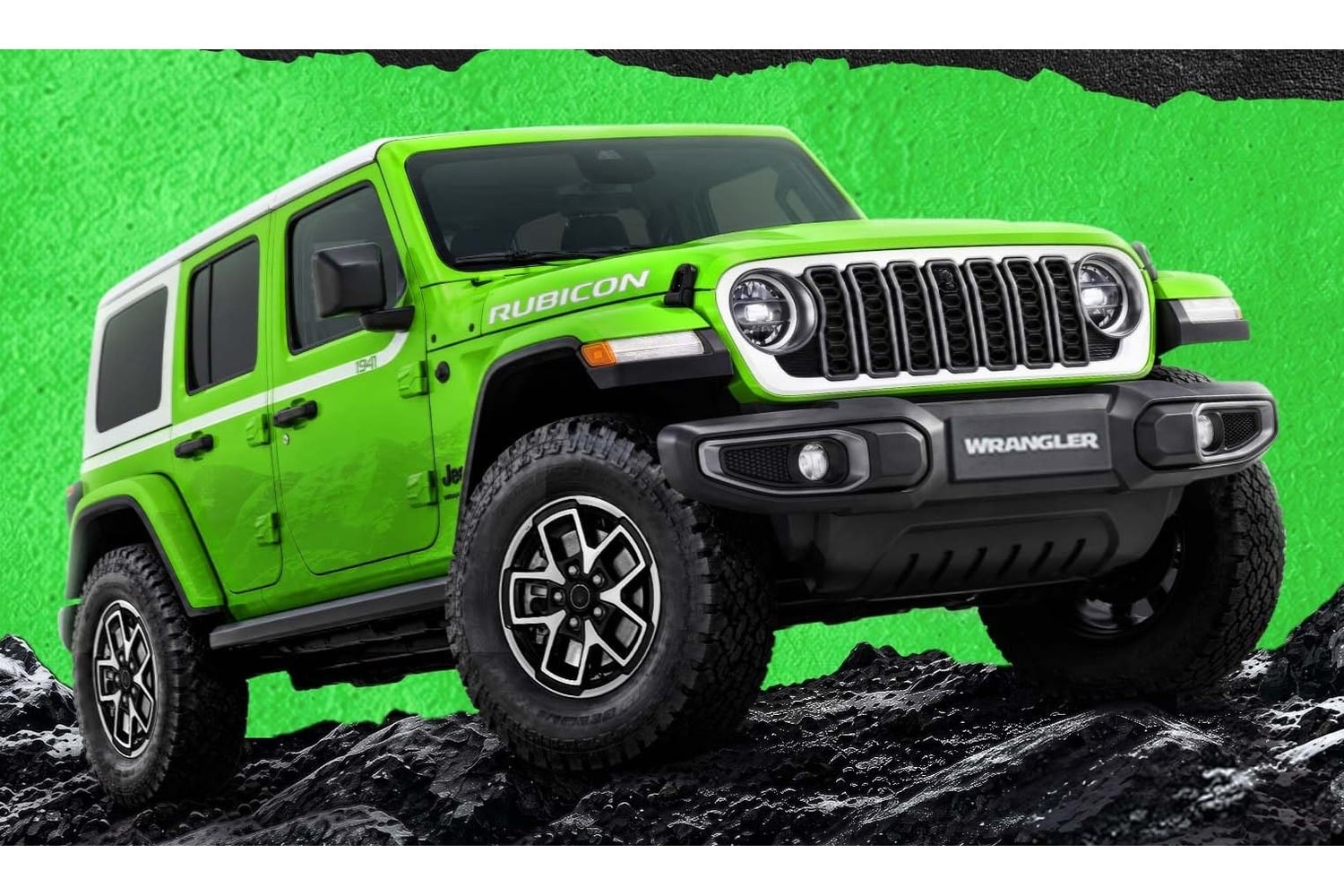
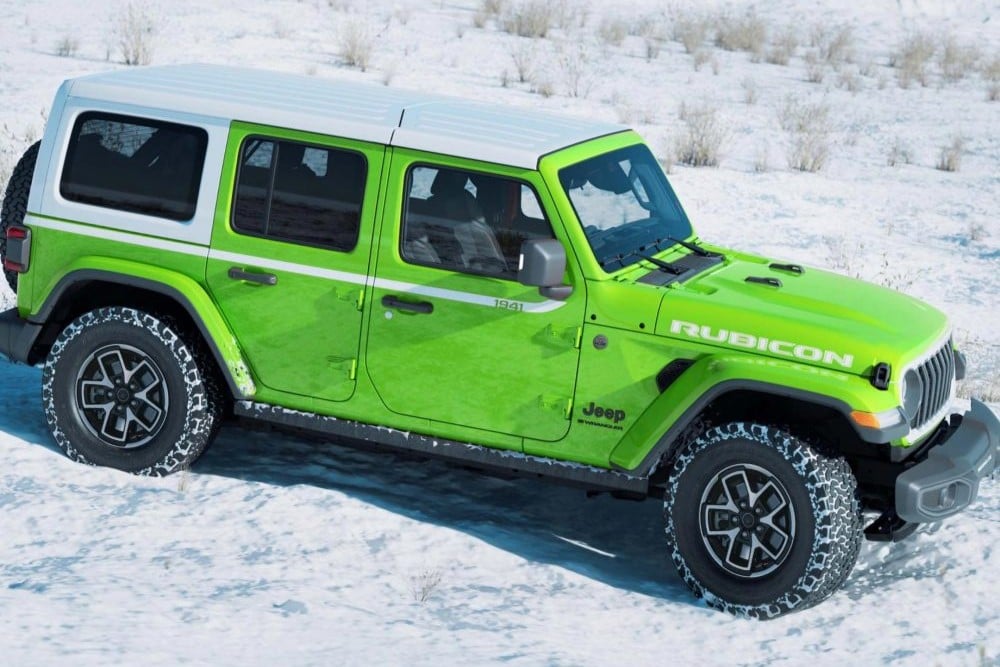
Following the reveal of the Wrangler Whitecap Mojito Limited Edition last month, Jeep has announced that the special-edition off-roader will cost Rs 73.55 lakh – a Rs 1.25 lakh premium over the Wrangler Rubicon on which the Whitecap Mojito is based. Only 25 units of the Wrangler Whitecap Mojito were offered in India, and Jeep has sold all of them. Globally, a total of 250 units of the Wrangler Whitecap Edition were made available.
Jeep Wrangler Whitecap Mojito Limited Edition: Exterior and interior changes
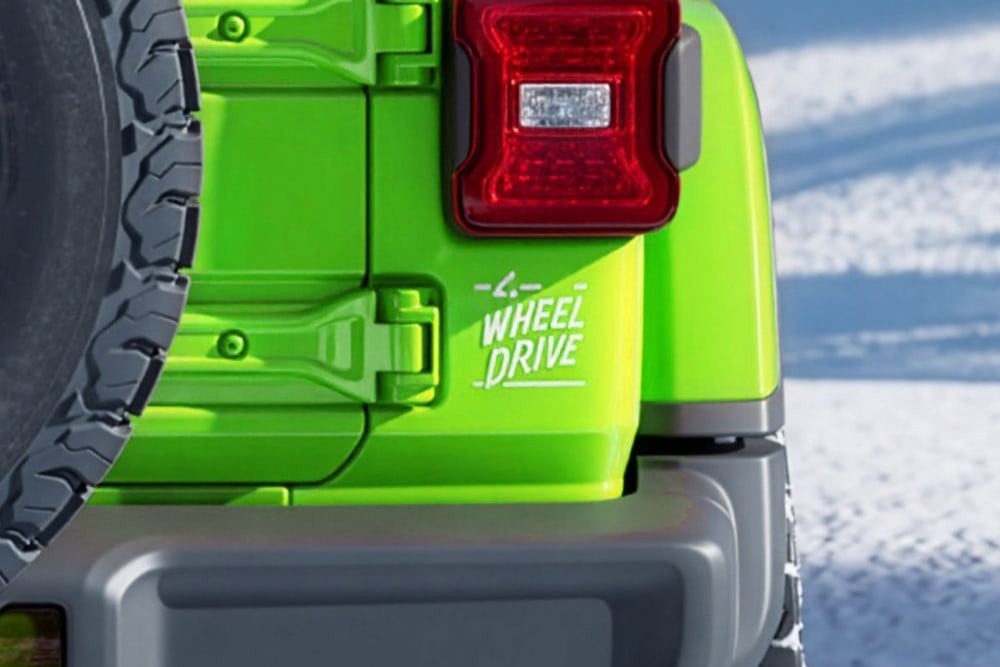
On the outside, this special-edition Wrangler Rubicon comes finished in an exclusive bright-green ‘Mojito’ shade, along with a white finish for the roof. The grille features a white surround, while the side profile gets ‘1941’ decals (a reference to the original Willys MB Jeep’s debut year) and body-coloured fenders. There’s also a white ‘4 Wheel Drive’ sticker on the boot lid.
The interior of the Wrangler Whitecap Mojito gets only two additions: a built-in dashcam and reinforced grab handles. Elsewhere, the special edition retains the feature set of the standard Wrangler Rubicon, such as a 12.3-inch infotainment touchscreen, 12-way powered front seats, an ADAS suite, 6 airbags, dual-zone climate control, a 9-speaker Alpine sound system with a subwoofer, a 7-inch driver’s display, and more.
Jeep Wrangler Whitecap Mojito Limited Edition: Engine and gearbox
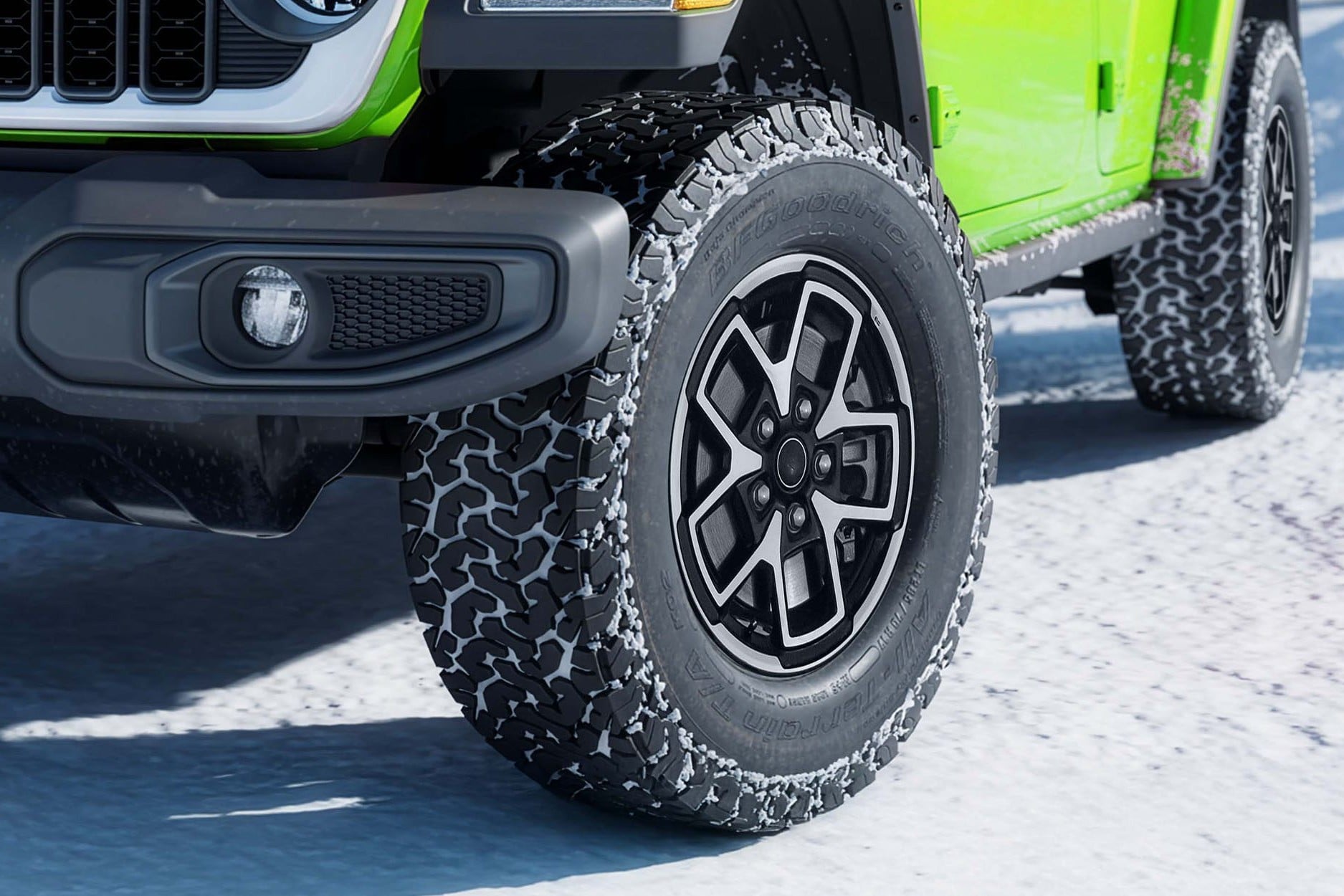
Under the skin, the Wrangler Whitecap Mojito is identical to the Rubicon. It’s powered by a 2.0-litre four-cylinder direct-injection turbo-petrol engine developing 272hp and 400Nm, paired with an 8-speed automatic transmission that channels the grunt to all four wheels via a standard 4×4 system. Since it’s based on the more off-road-capable Rubicon variant, the Wrangler Whitecap Mojito also packs hardware like heavy-duty Dana axles, an integrated off-road camera, reinforced suspension, rock rails, 255-section off-road tyres with 17-inch wheels, high-clearance front fender flares, and more.
While the Wrangler Whitecap is currently sold out in India, Jeep hinted at the possibility of bringing the special edition back in light of healthy demand. “The first 25 vehicles will remain a highly exclusive chapter in the Whitecap story, while the strength of customer interest is encouraging us to explore how we could bring this distinctive expression of Wrangler back to India in the future,” said Kumar Priyesh, business head and director – Automotive Brands, Stellantis India.
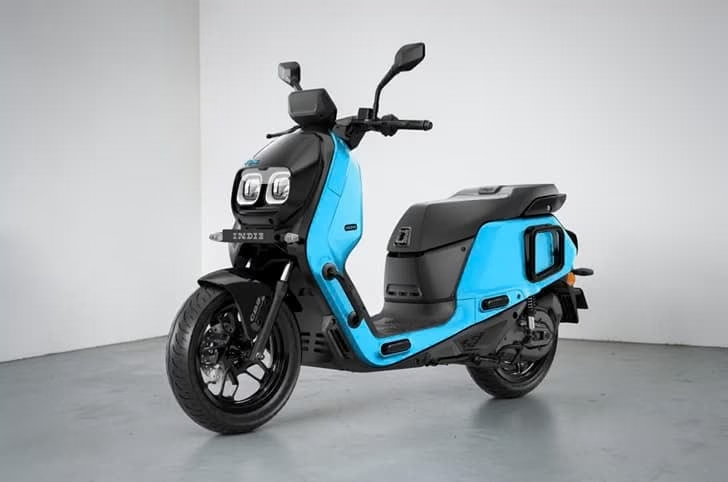
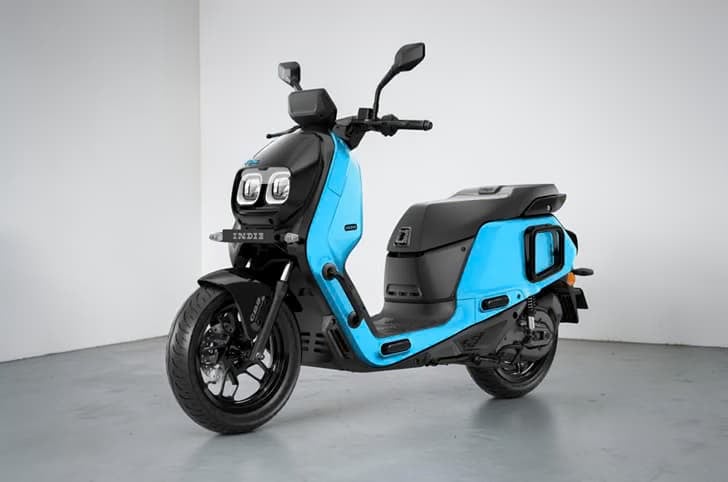
River Mobility has entered Nepal in partnership with Vishal Group opening its first international retail and service outlet in Kathmandu. Its flagship electric scooter, the Indie, is priced at NPR 3.7 lakh (ex-showroom, Kathmandu).
Partnered with Vishal Group to open first international store
Will retail flagship Indie electric scooter
Nepal is the first market River enters outside India
River Mobility International Expansion
Plans to expand its network across Nepal
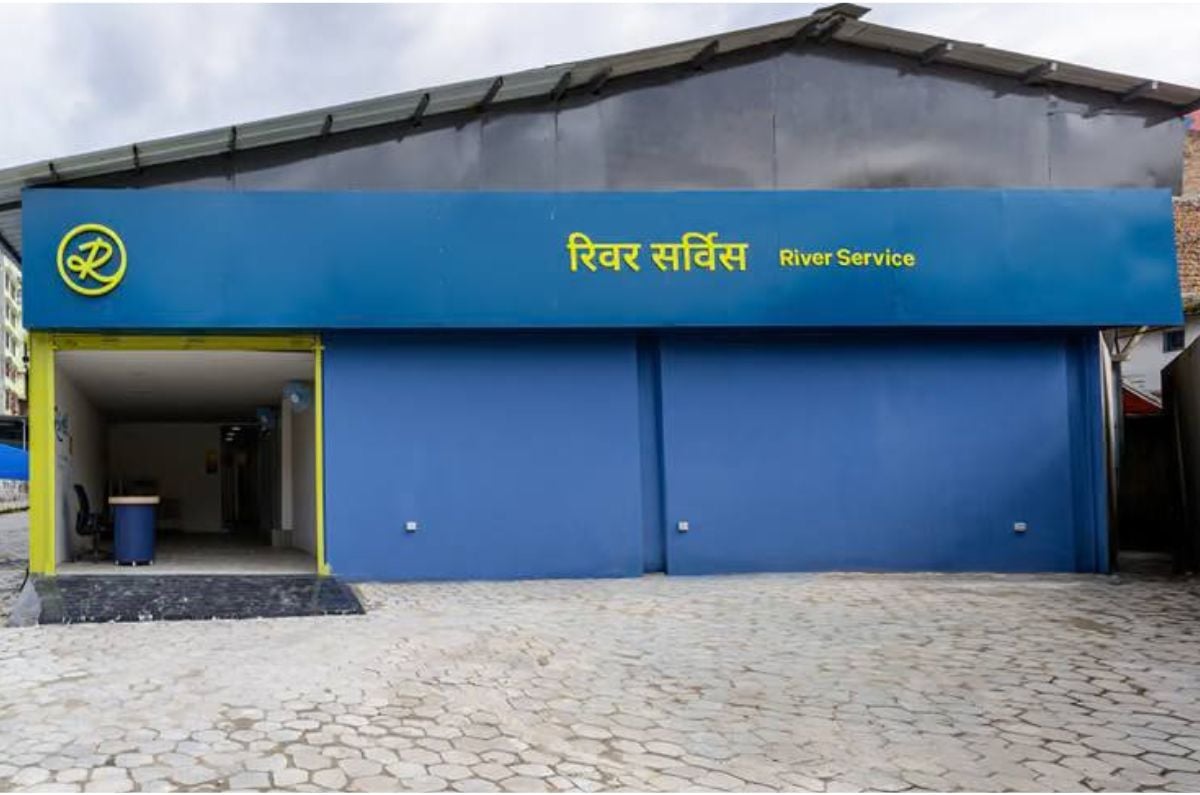
Bengaluru-based electric two-wheeler manufacturer River Mobility has opened its first international store in Nepal. The retail and service outlet in Naxal, Kathmandu, was made possible through a partnership with regional conglomerate Vishal Group. Through this outlet, the brand will retail its flagship electric scooter the Indie, along with accessories and merchandise. To provide after-sales services and customer support, a dedicated service centre has also been established.
Beyond Kathmandu, River plans to expand its footprint to key cities across Nepal to broaden customer access and after-sales reach. The River Indie is priced at NPR 3.7 lakh (ex-showroom, Kathmandu), equivalent to approximately Rs 2.30 lakh, making it roughly Rs 73,000 more expensive than its Indian price tag (Rs 1.57 lakh ex-showroom, Bengaluru). Test rides and bookings are available at the new outlet.
River currently operates over 90 stores across India, including Karnataka, Kerala, Tamil Nadu, Maharashtra, Telangana, Andhra Pradesh and Delhi-NCR, with plans to increase its domestic retail network to more than 400 stores by March 2028, covering existing and new markets.
With inputs from Eshisha Java and Suraj Sreekumar. NPR-to-INR conversions are based on exchange rates at the time of writing.
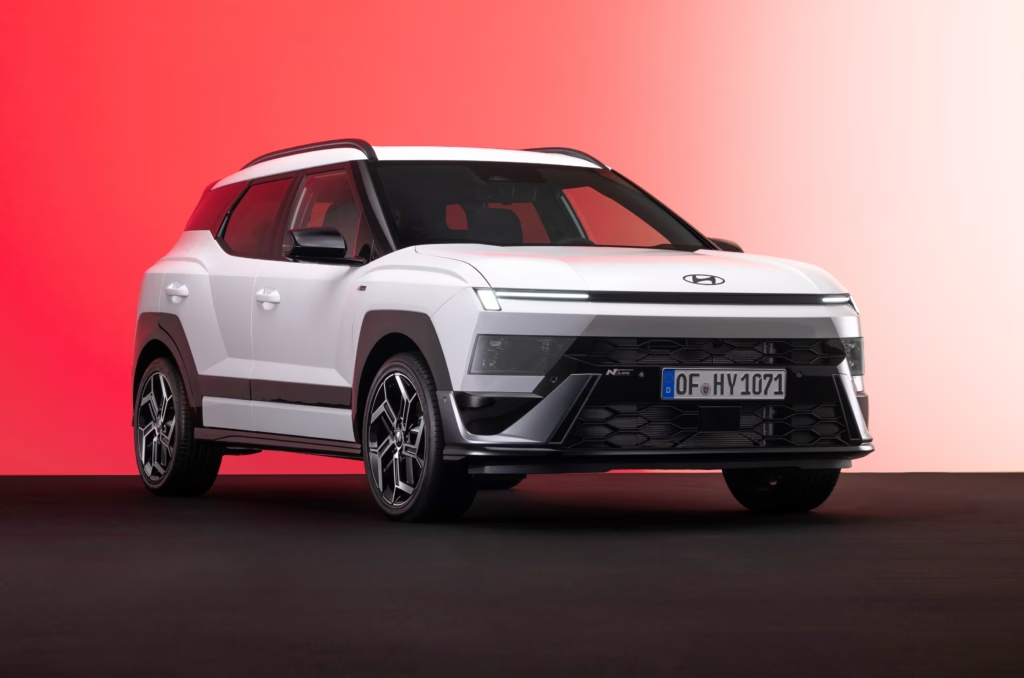
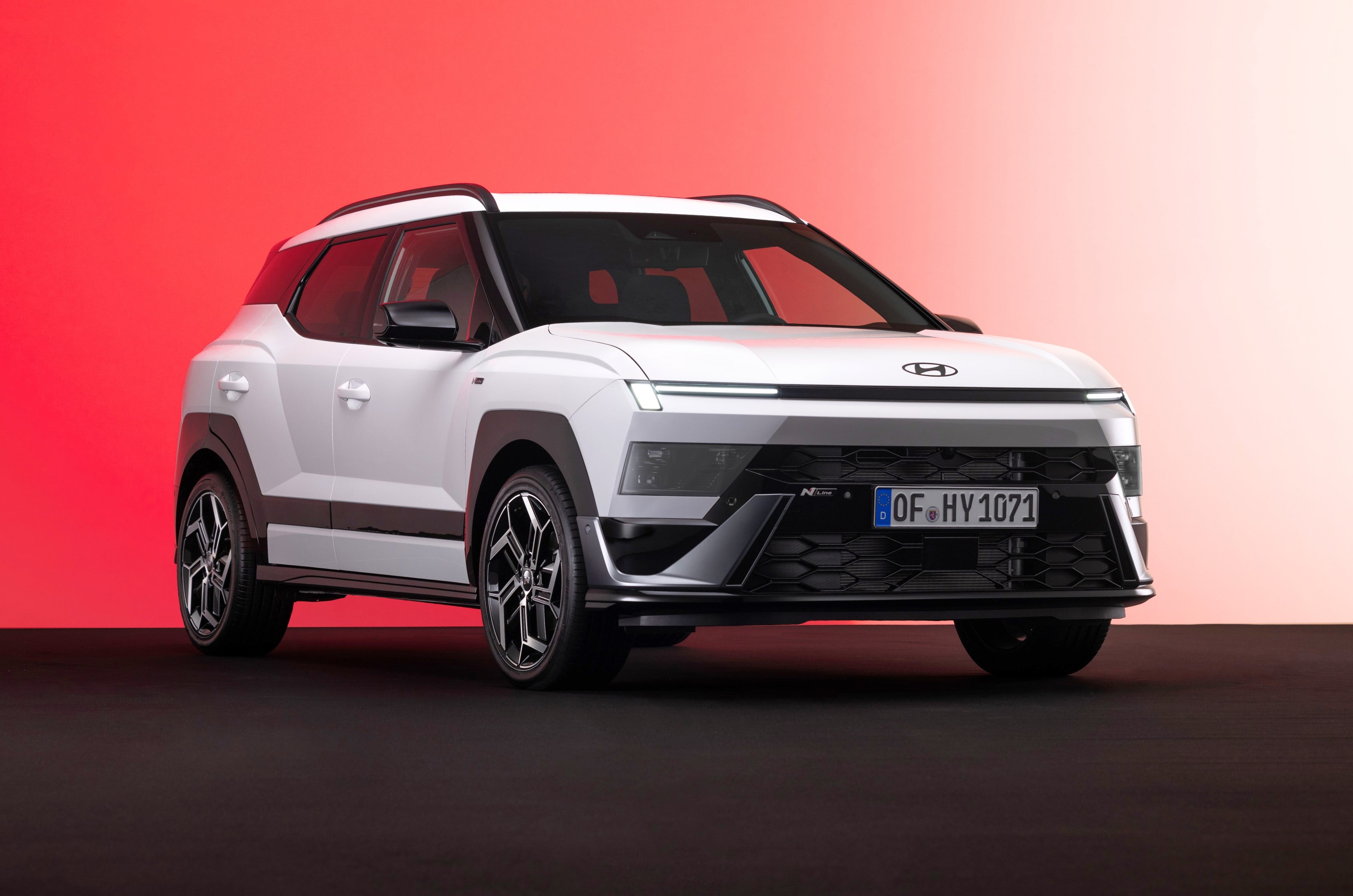
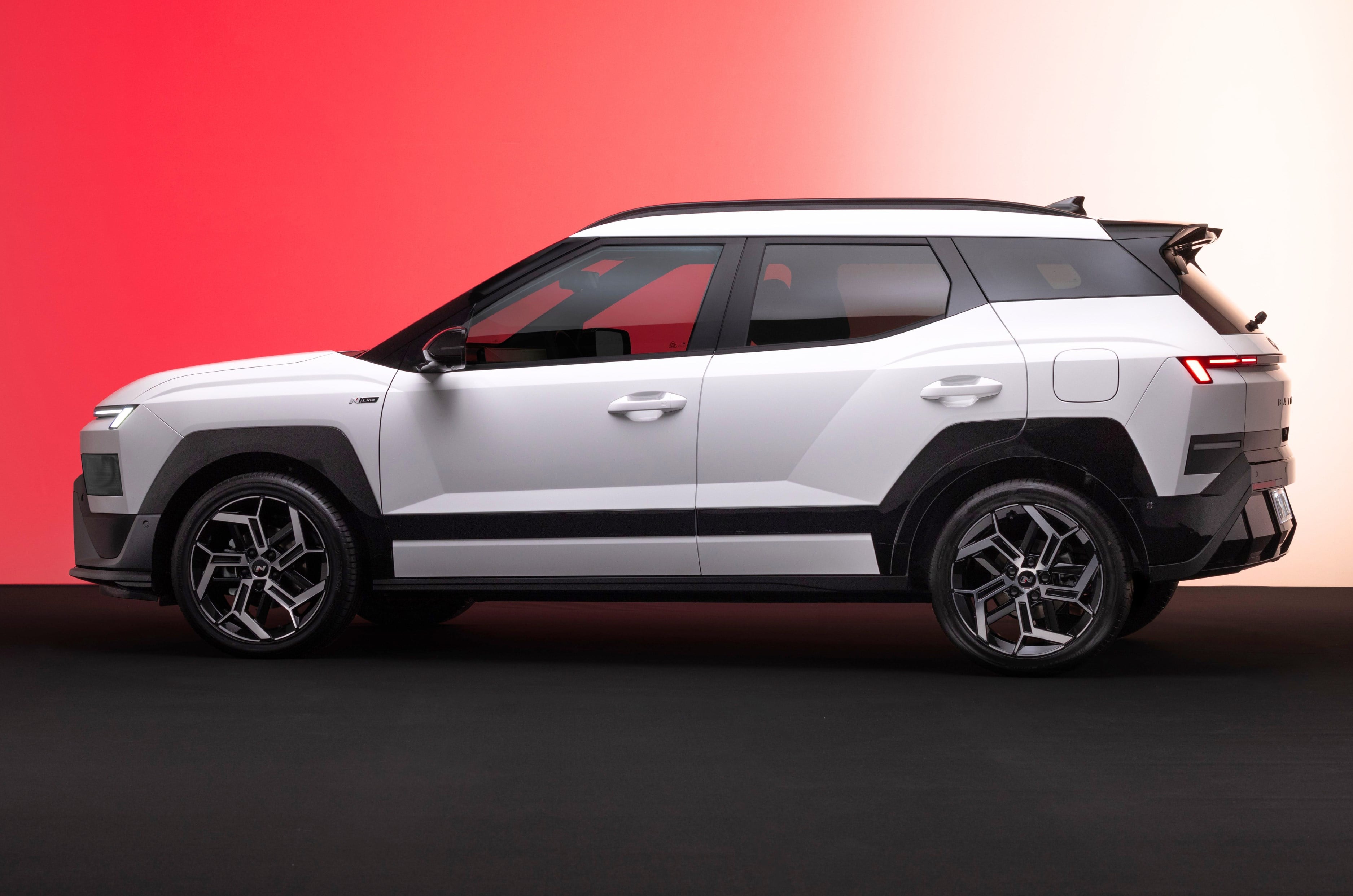
Alongside the recent reveal of the India-spec Bayon, Hyundai unveiled the SUV’s sporty N Line version at Paris Motor Show 2026. The Bayon N Line shares its top hat with the standard India-spec model, but has sportier touches all around and different engines.
2026 Hyundai Bayon N Line exterior design
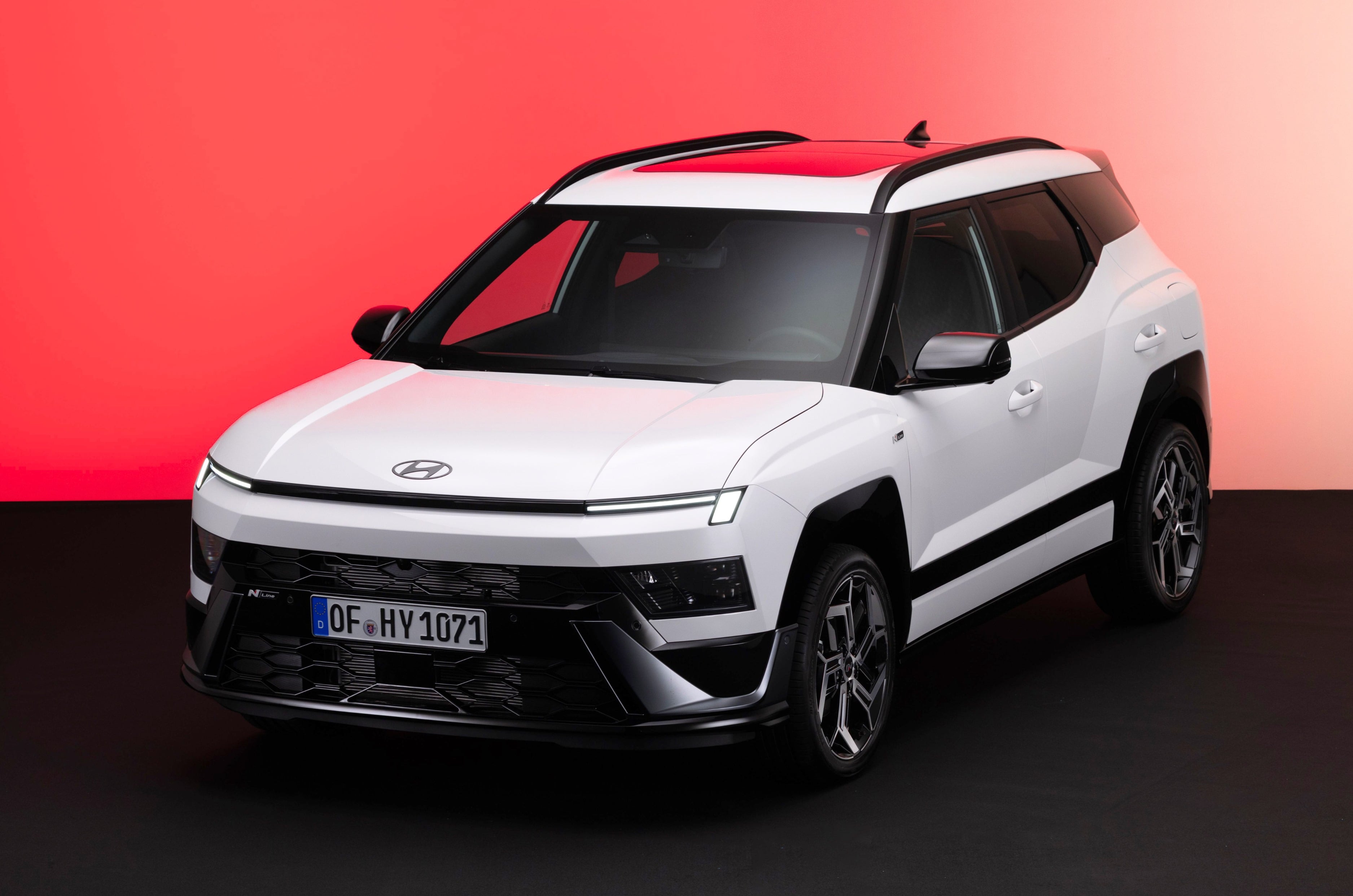
Much like the India-spec Bayon, the N Line features design cues like L-shaped front and rear lights, squared-off headlamp units, boxy wheel-arch cladding and flared fenders, a Bayon wordmark on the bootlid, and a heavily kinked windowline. However, the Bayon N Line differentiates itself with sportier styling elements.
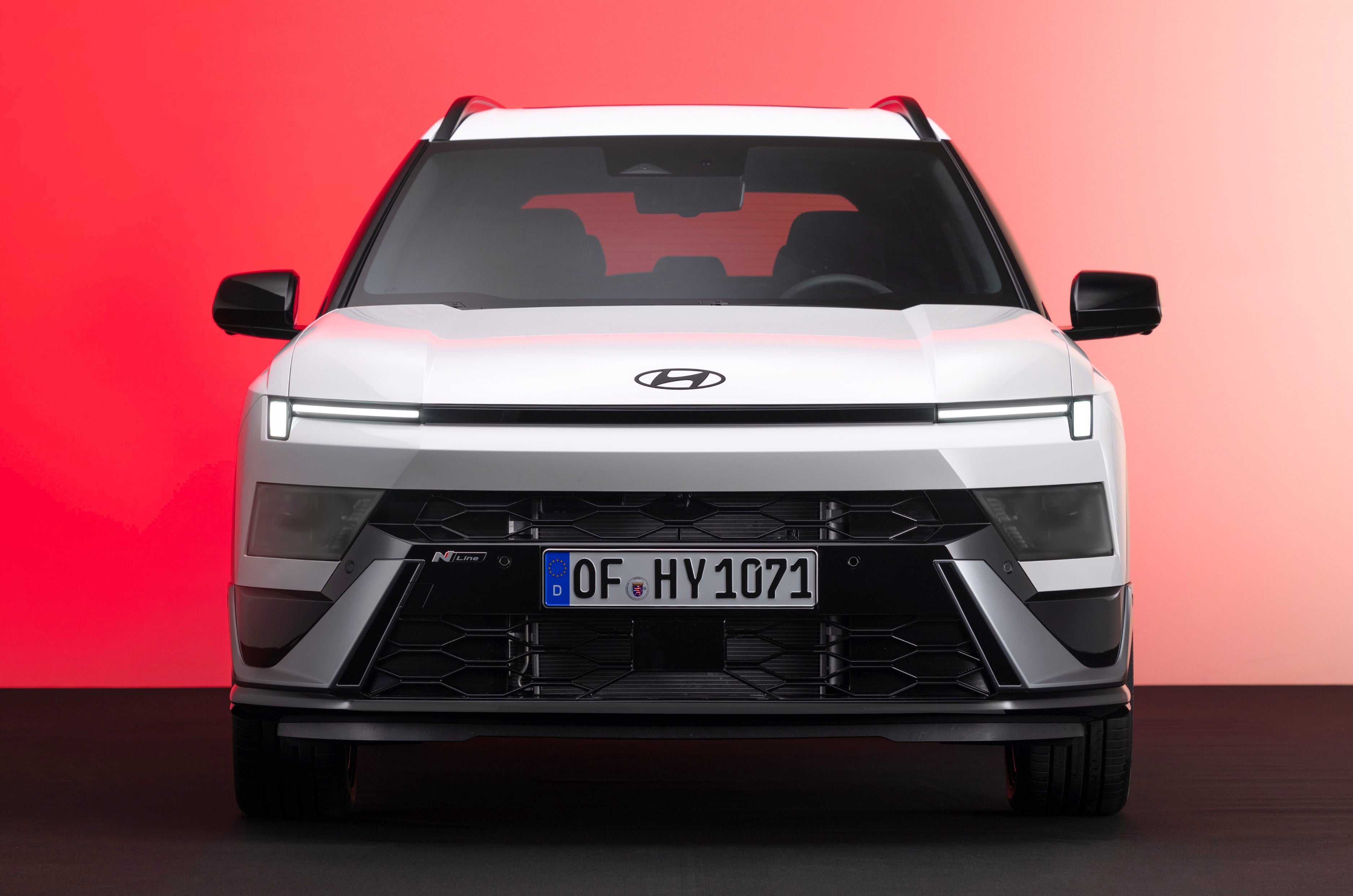
Up front, the Bayon N Line has a different bumper with a more open design, blacked-out cladding, winglets, and a honeycomb pattern for the grille. An ‘N Line’ badge can also be seen on the left side of the bumper, and the headlamps look to have a smoked finish.
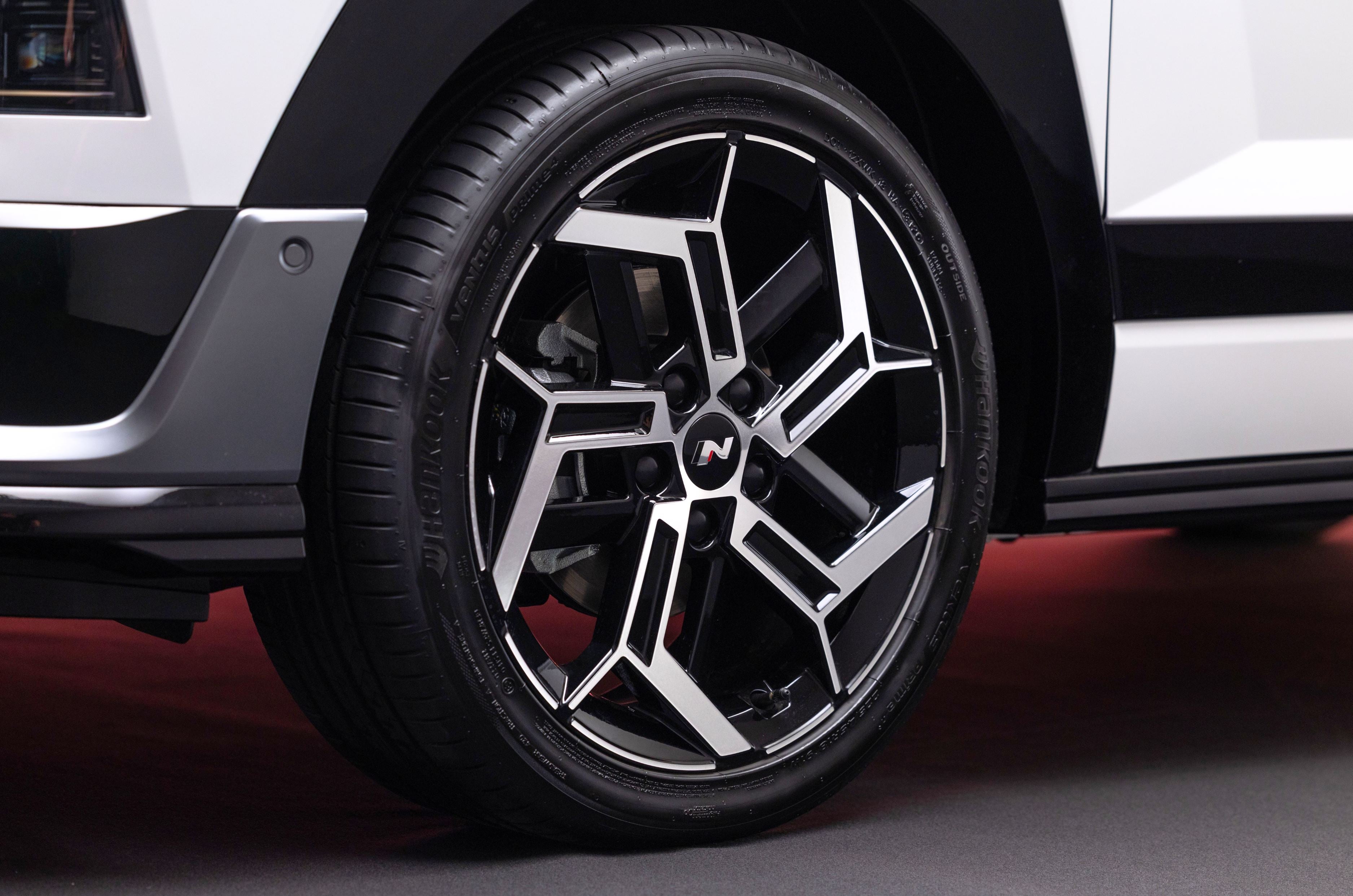
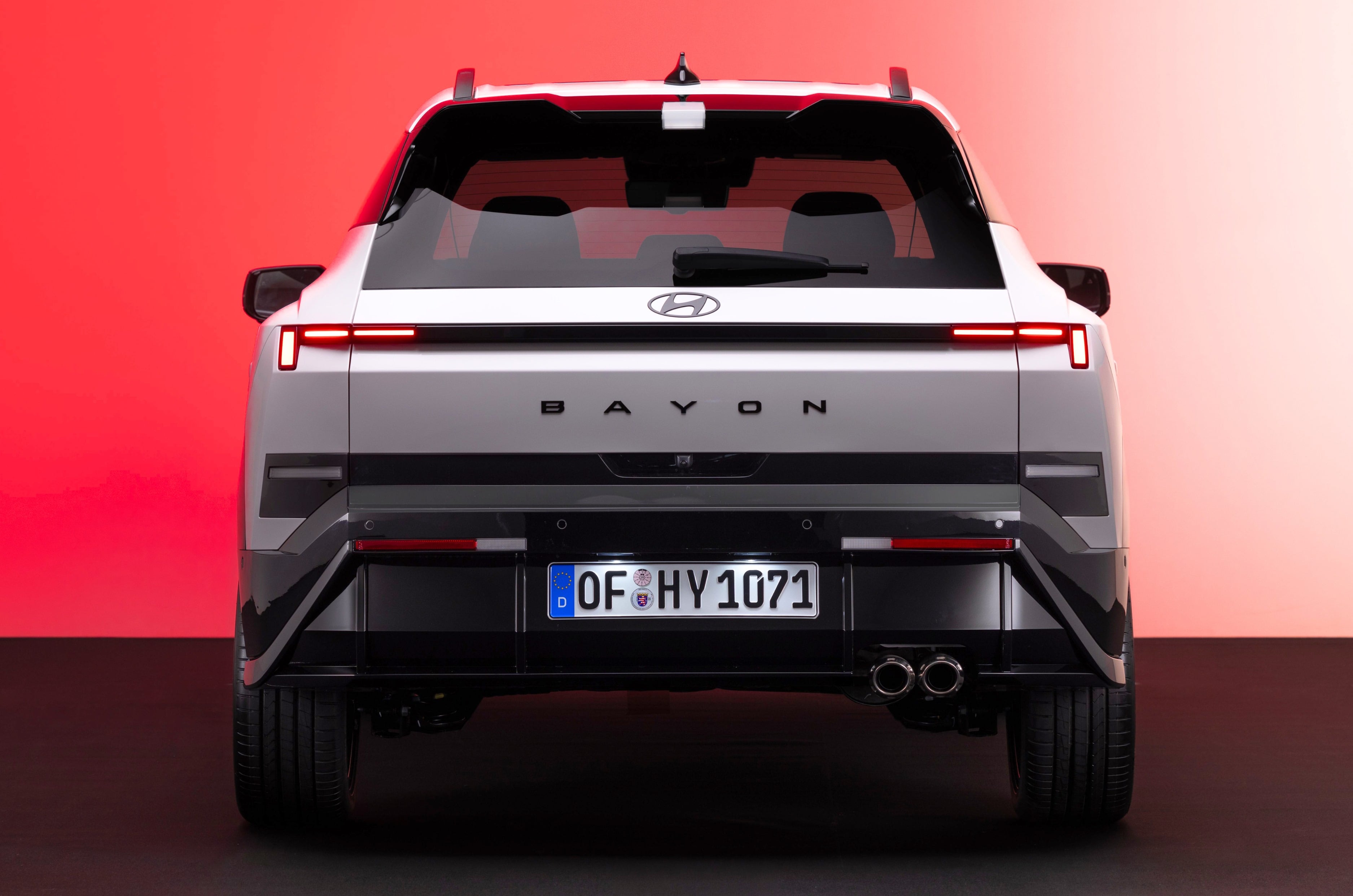
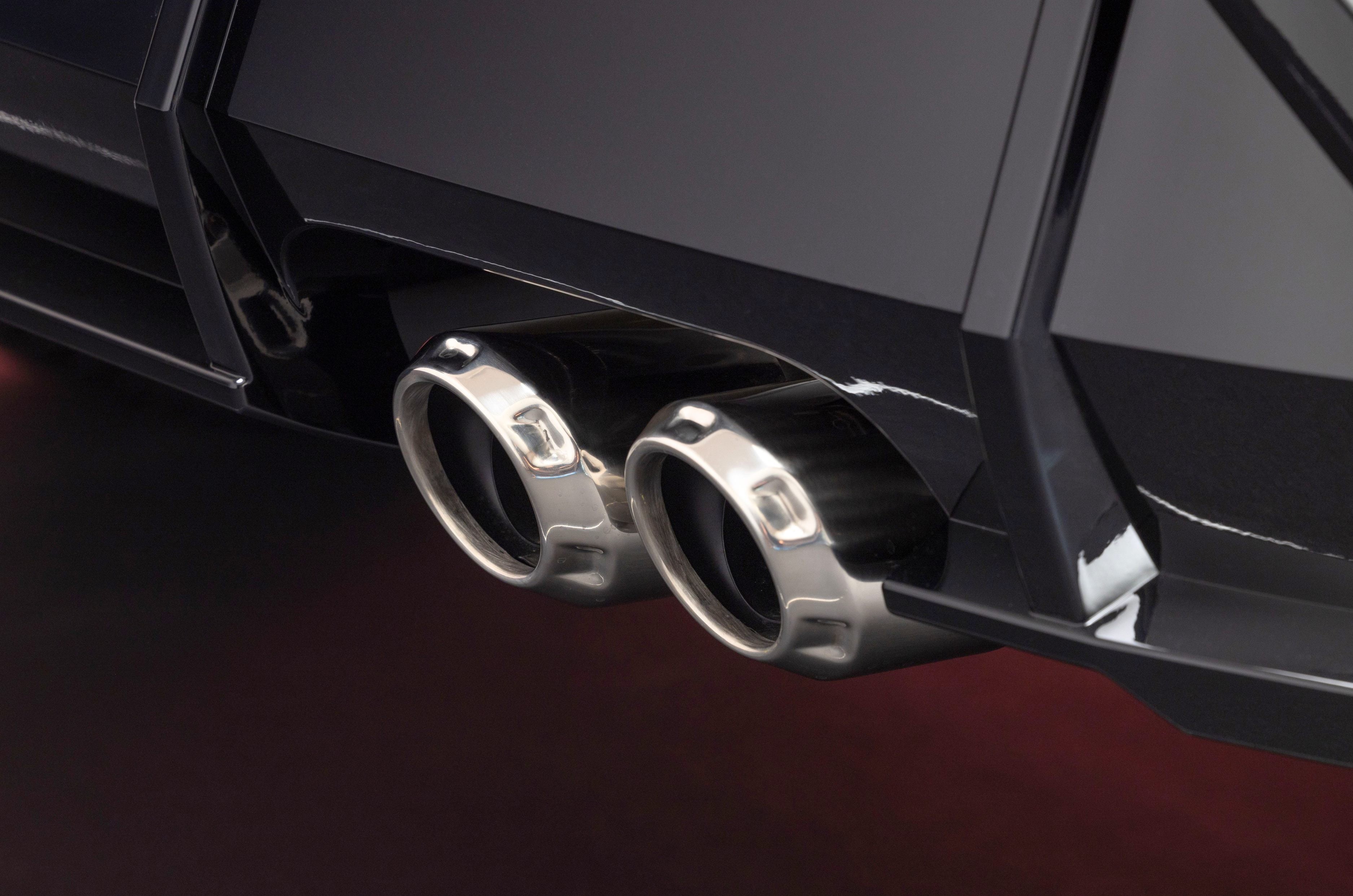
Over to the side, the N Line gets gloss-black finishes for the cladding and ORVMs, larger 18-inch alloy wheels, and N Line badging on the front fenders. The roof rails are also slimmer than the ones seen on the India-spec Bayon. At the back, the Bayon N Line sports a bigger twin-ridge roof spoiler, dual exhaust tips, a fully black bumper, and black finishes for the Hyundai emblem and Bayon wordmark on the bootlid.
The Europe-spec Bayon stretches the tape at 4,245mm long, 1,810mm wide, and 1,565mm tall, with a wheelbase of 2,600mm. These dimensions place it perfectly between the Venue and Creta in terms of size, and you can expect the India-spec Bayon to not stray that far off from them.
2026 Hyundai Bayon N Line interior and features
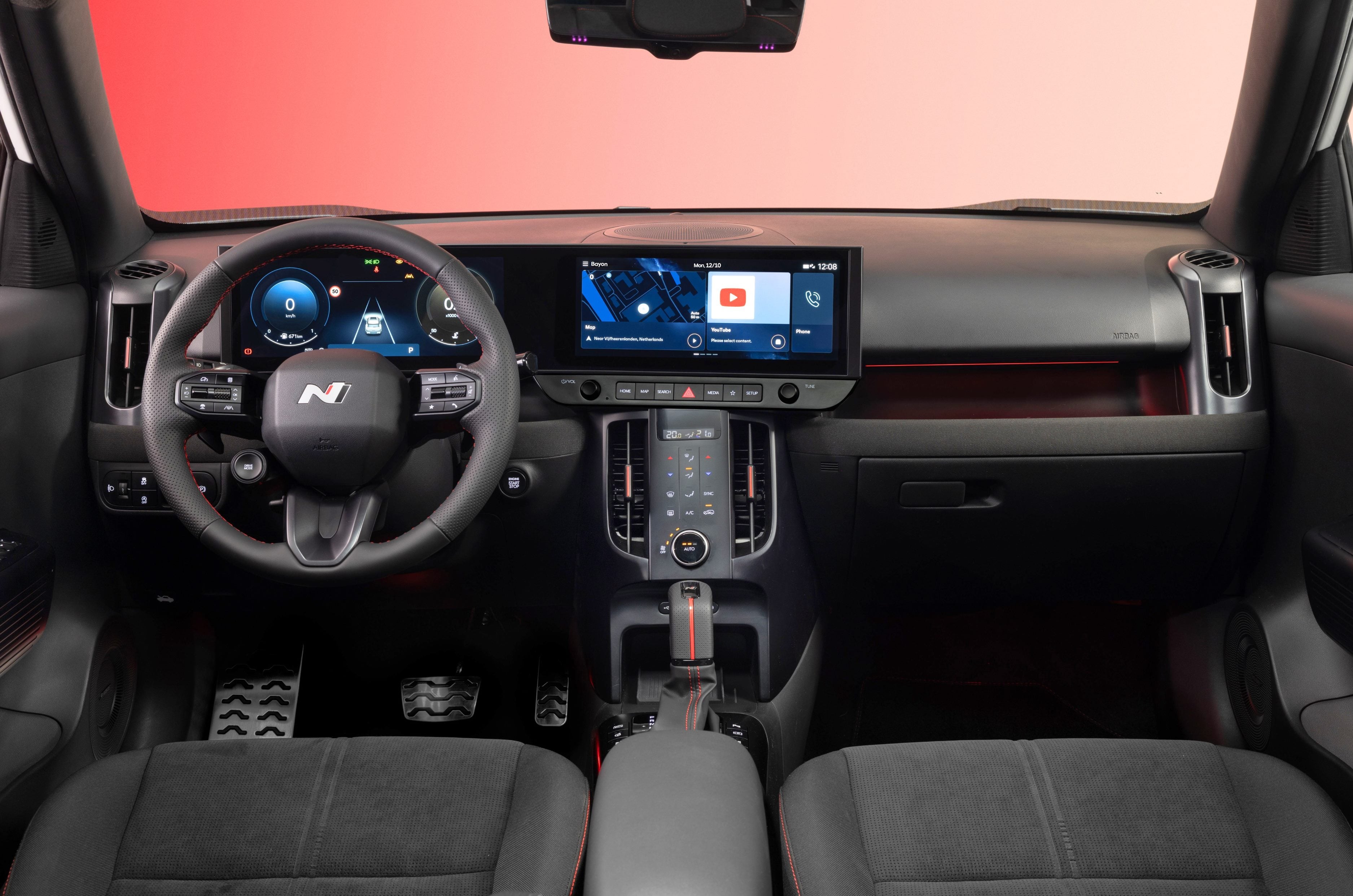
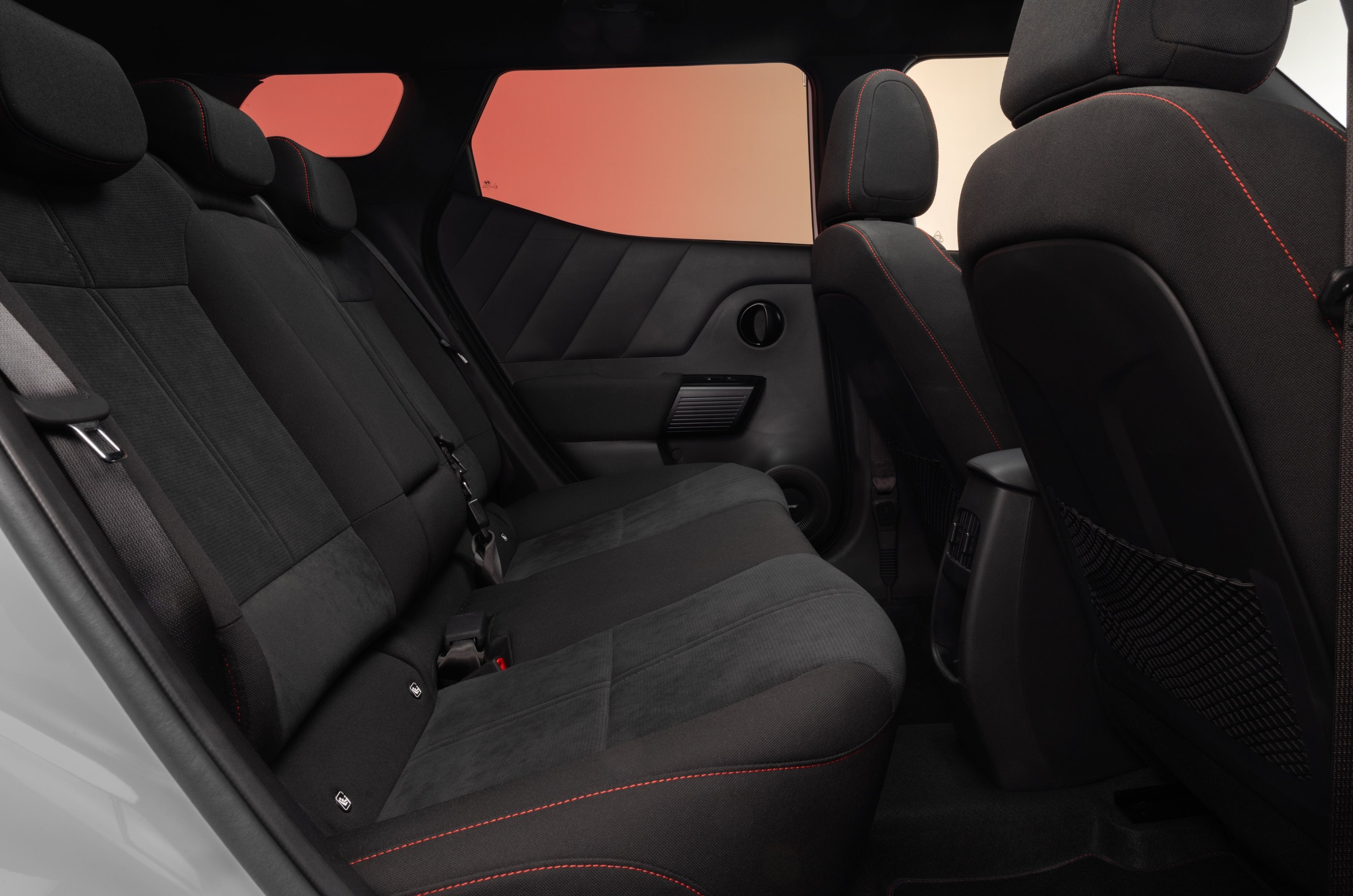
Similar to the outside, the core interior layouts of the India-spec Bayon and the N Line are identical, including a curved pair of 12.3-inch displays, a vertical design for the centre console (à la the fourth-gen i20), vertically oriented air vents, an open storage space on the co-driver side of the dashboard, among others. The Bayon N Line, however, brings in sportier touches like a black interior colour scheme with red accents and contrast stitching, Alcantara-esque seat upholstery, and an N-Line-specific steering wheel and gear lever.
As for features, the Bayon N Line offers wireless Apple CarPlay and Android Auto, ambient lighting, a panoramic sunroof, heated and ventilated front seats, reclining rear seats, a digital key, an 8-speaker Bose sound system, Level 2 ADAS, connected car tech, a wireless charging pad, dual-zone climate control, and more. Notably, Hyundai has not mentioned the inclusion of a generative AI voice assistant for the Bayon N Line, which the India-spec model will get. Coming to boot space, Hyundai claims 440 litres for non-hybrid versions of the Europe-spec Bayon.
2026 Hyundai Bayon N Line engine and gearbox
Where the India-spec Bayon will be powered solely by a 115hp 1.5-litre naturally aspirated four-cylinder petrol engine mated to either a 6-speed manual or CVT automatic, the N Line will be offered with Hyundai’s 1.0-litre three-pot direct-injection turbo-petrol motor in two states of tune – 90hp and 115hp – along with 6-speed manual and 7-speed dual-clutch automatic gearbox options.
Hyundai claims a 0-100kph time of as low as 10.8 seconds for the Bayon N Line – likely the 115hp DCT version – going up to 14.1 seconds for presumably the 90hp MT variant. Additionally, a strong-hybrid version will join the Europe-spec Bayon line-up at a later date, comprising a 1.6-litre direct-injection petrol engine, an electric motor, and a 6-speed DCT for a combined output of 138hp. It will also get adaptive regenerative braking that can be controlled by the steering-mounted paddle shifters.
Similarly, the India-spec Bayon is expected to receive a CNG version sometime after launch, which will strap an underbody tank to the SUV and allow it to directly rival the likes of the Maruti Suzuki Victoris, Maruti Suzuki Grand Vitara, and Toyota Hyryder.
Will the Hyundai Bayon N Line come to India
Hyundai is yet to confirm whether the Bayon N Line will be available in India, but given the positioning and target demographic of the model that will soon go on sale here, the prospect is unlikely (at least initially). The India-spec Bayon’s relatively sedate 1.5-litre engine, borrowed from the Creta, encourages smooth and relaxed driving over outright sportiness, and the incoming CNG version further reinforces the notion that this model will serve as Hyundai’s answer to the Victoris – a practical, no-nonsense midsize SUV that’s high on feel-good factor and low on running costs.
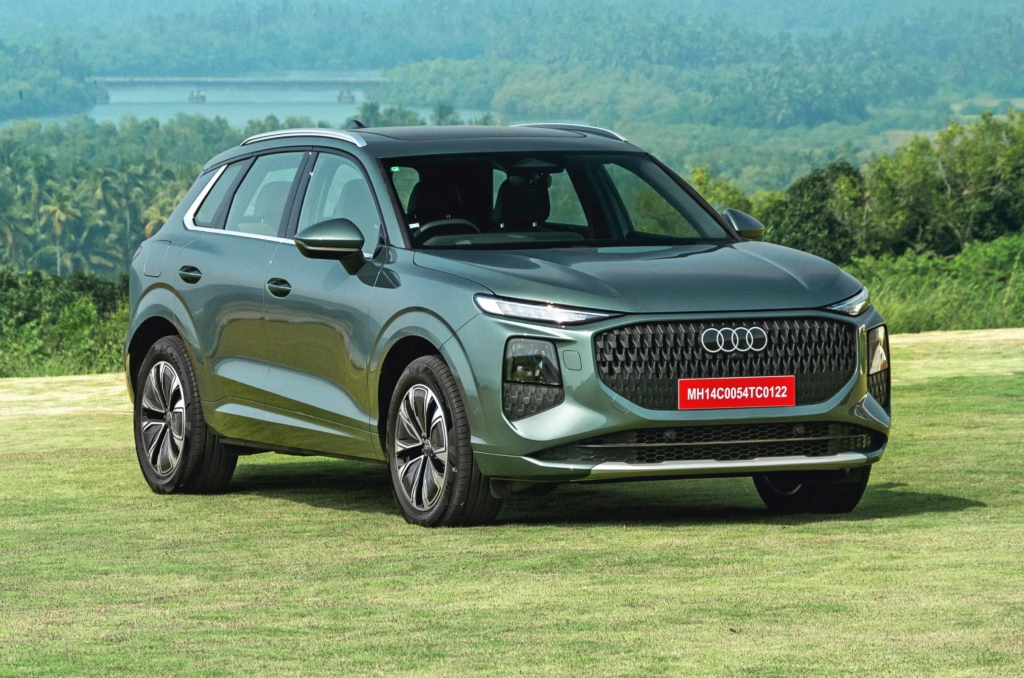
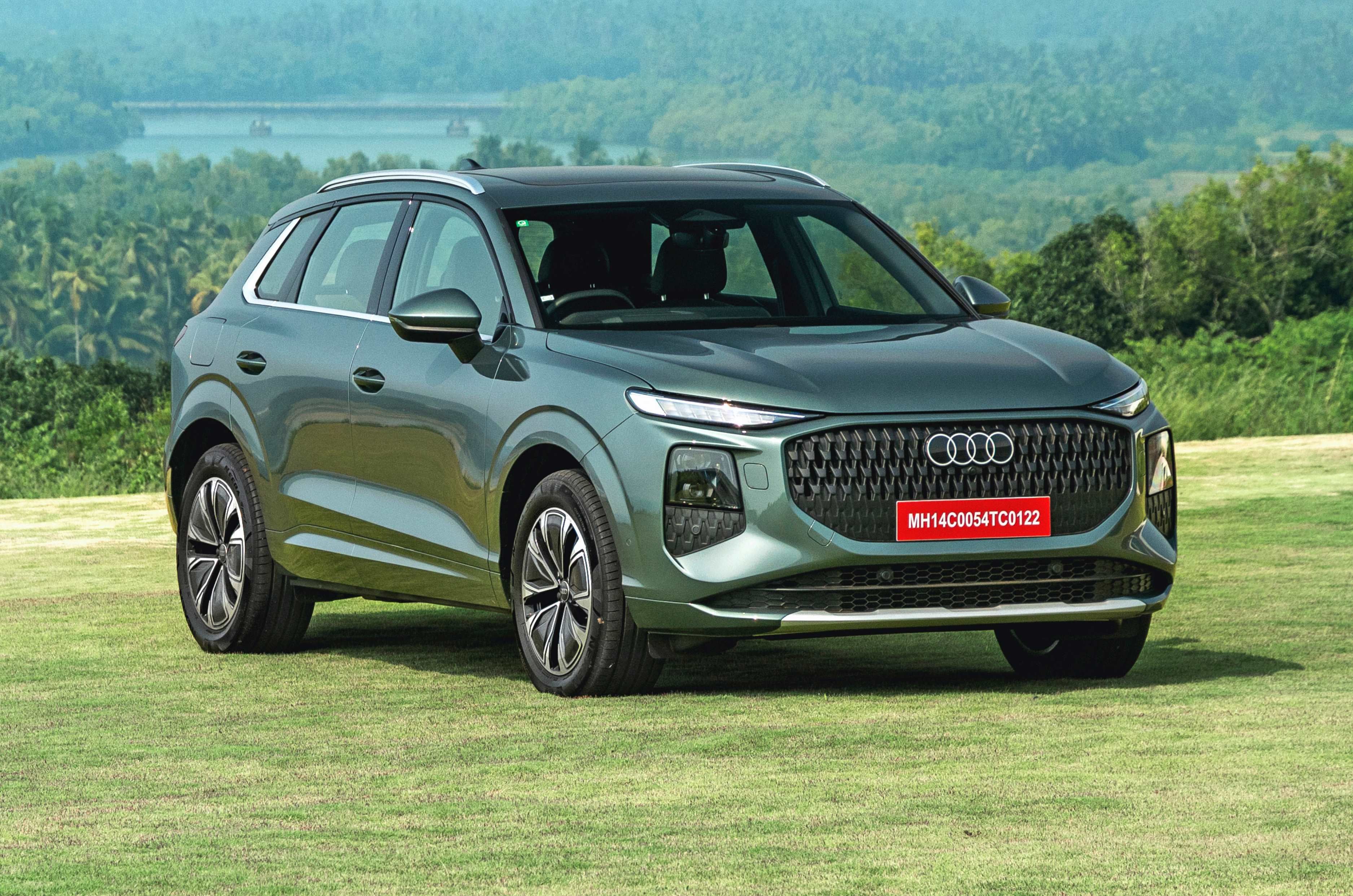
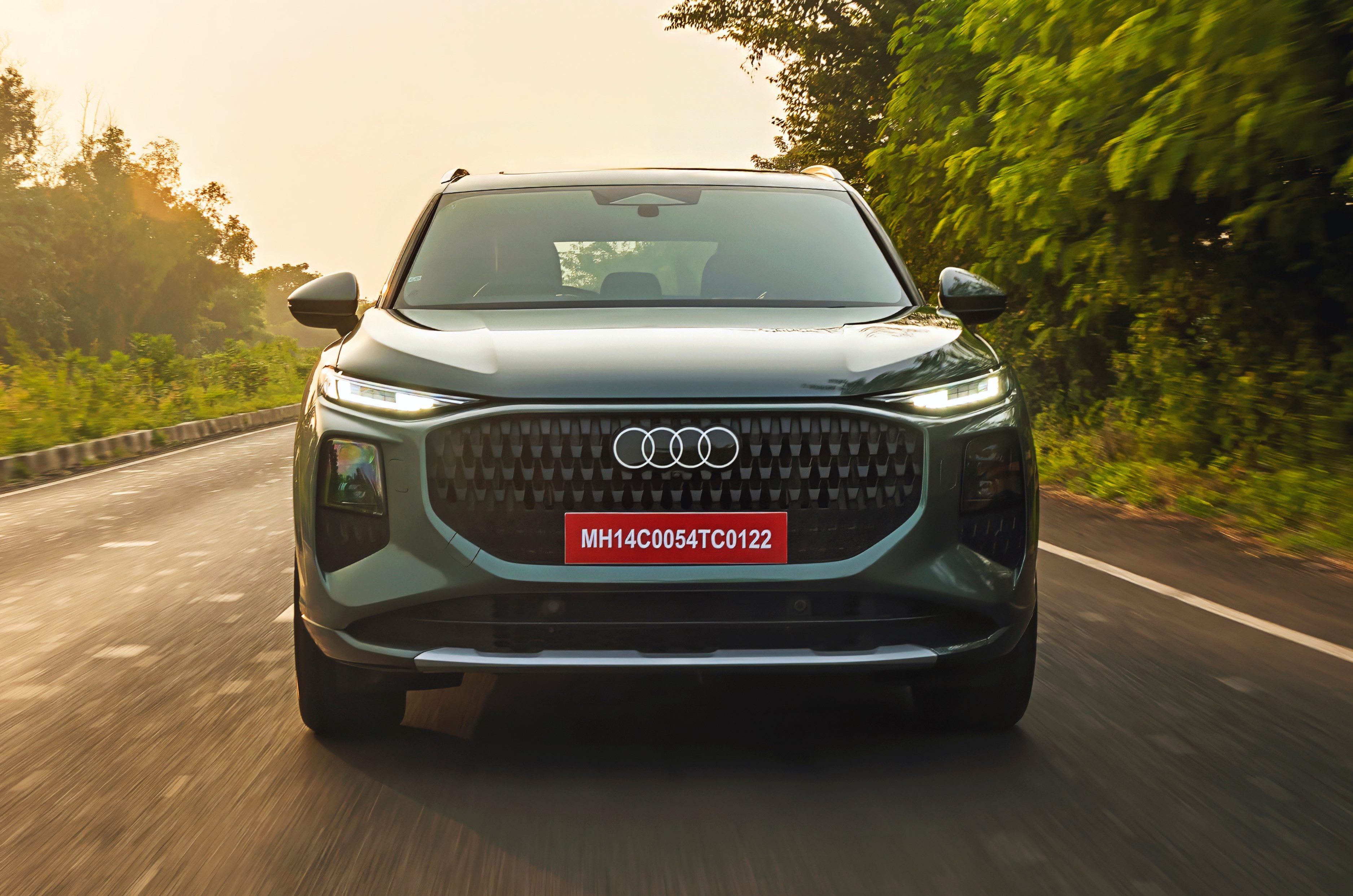
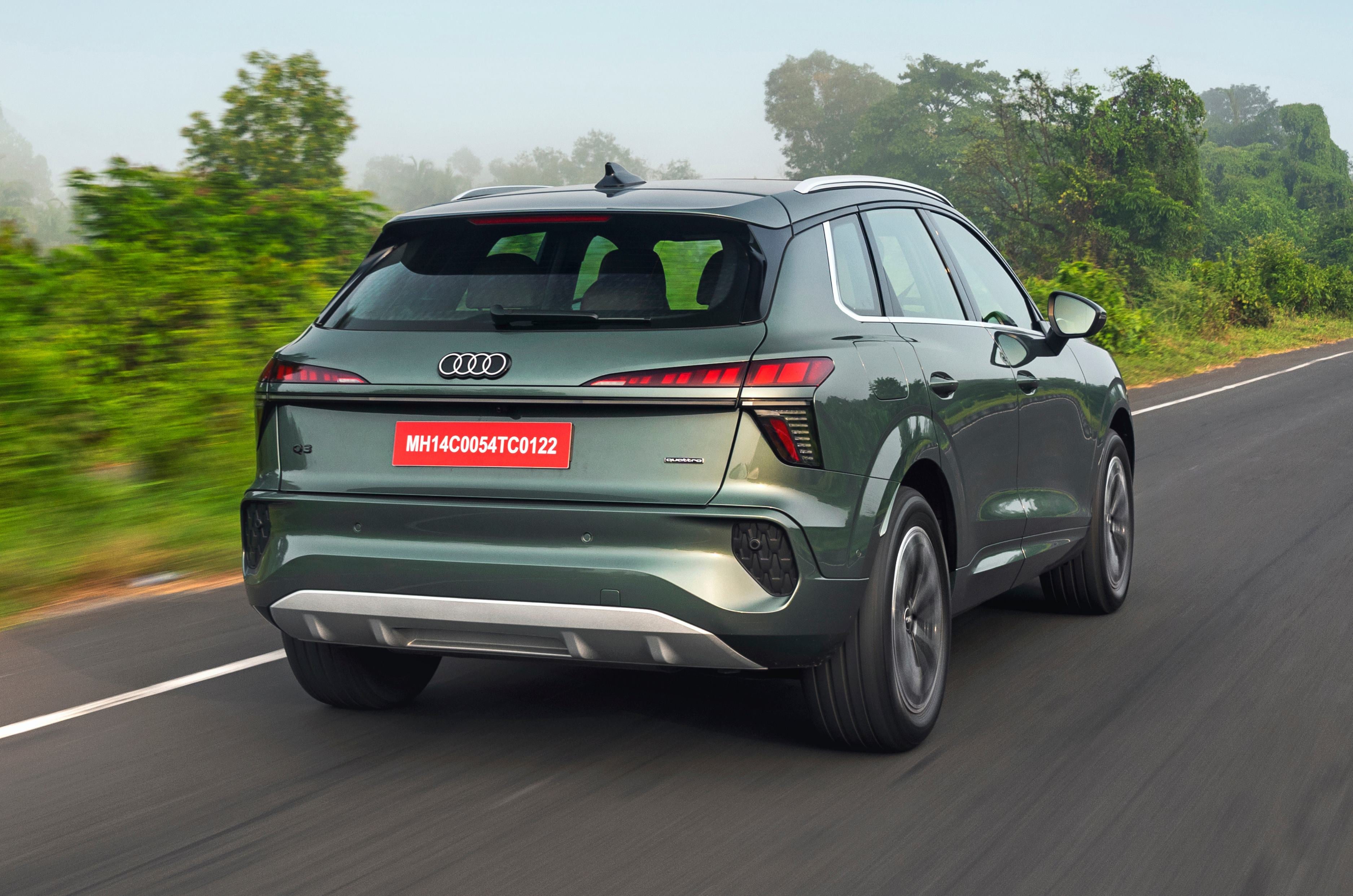
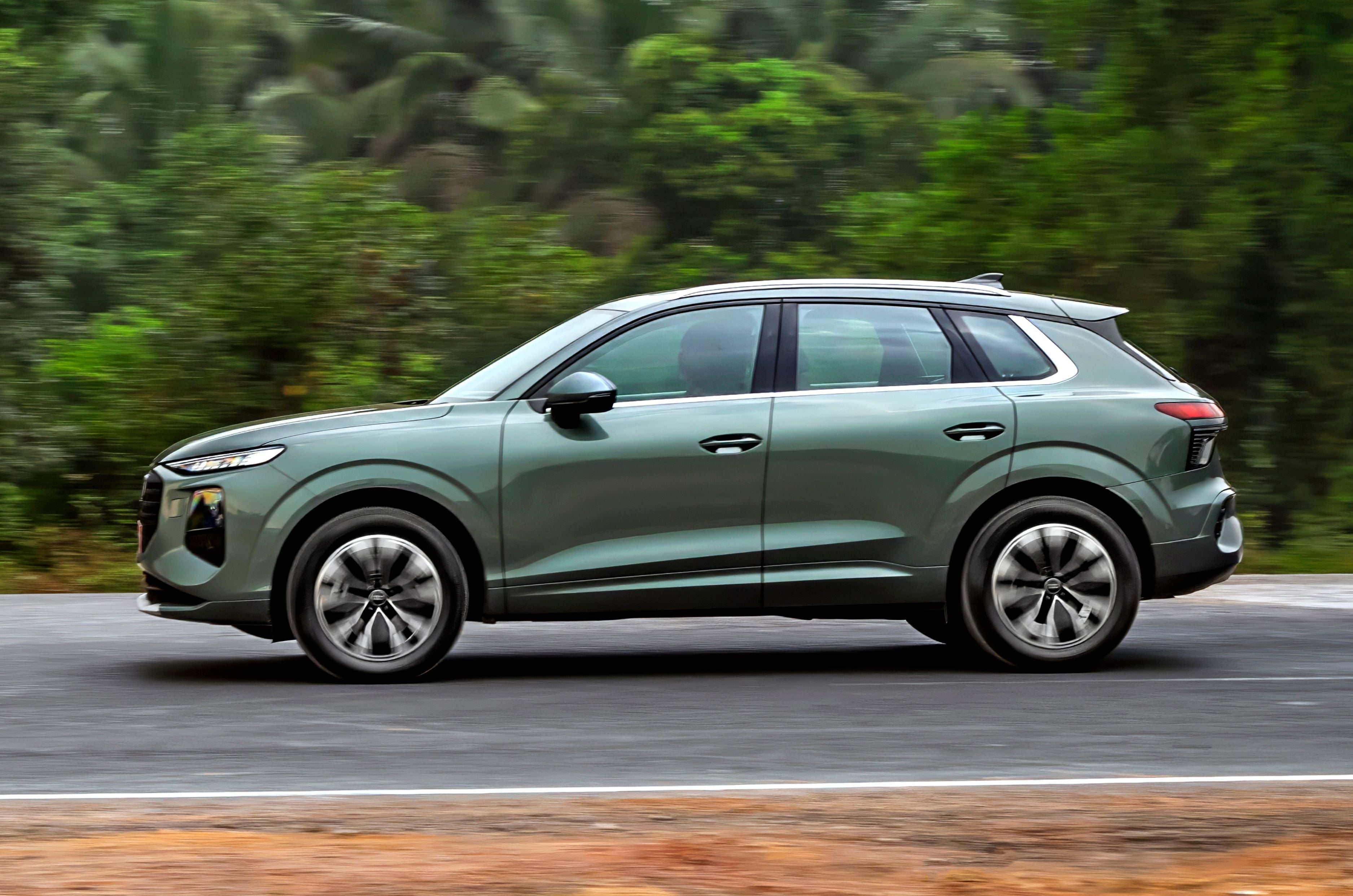
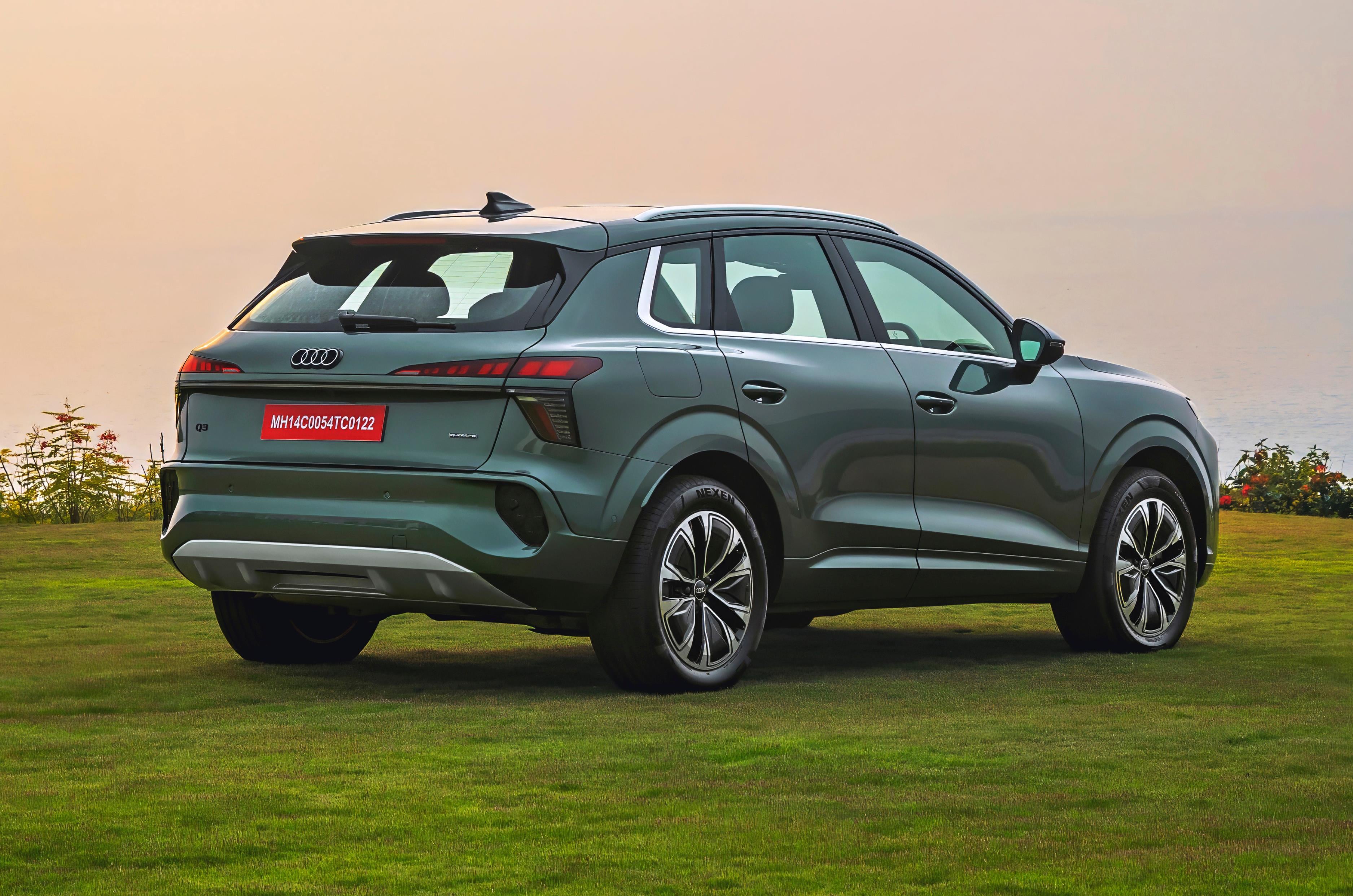
Audi India is set to launch the third-gen Q3 on Friday, 16 October. It will replace the current Q3, which has been around for quite a while, as Audi India’s entry-level SUV. More importantly, the third-gen Q3 will usher in some of the latest tech that Audi offers, which should make the SUV much more competitive against rivals like the Mercedes-Benz GLA and BMW X1. But will it? Now that we’ve reviewed the new Q3, here are three reasons why you should consider it over rivals, and two reasons why you may want to think twice about buying one.
Pros
Punchy turbo-petrol engine
Like its predecessor, the third-gen Q3 is powered by a 2.0-litre four-cylinder direct-injection turbo-petrol engine developing 204hp and 320Nm. It’s the biggest and strongest engine in its segment, and save for some brief hesitation at low revs, remains a gem. As soon as the turbo is on song, this engine is eager and free-revving, responding promptly in the city and building speed easily on the highway. Audi claims a 0-100kph time of 7.1 seconds for the new Q3 – a segment-best figure.
The Q3’s engine continues to be paired with a 7-speed dual-clutch automatic, which is a great companion. Downshifts are quick and easy, and engaging Sport mode or flicking the paddle shifters will give you full control. Audi’s Quattro all-wheel drive system is standard fit for the Q3 as well, giving you more confidence when driving on slippery surfaces.
Excellent ride and handling balance
Audi has tuned the new Q3’s suspension very well. The setup has the typical firmness you expect from a European car, but it’s never uncomfortable and absorbs potholes and broken roads with great composure. Part of the credit goes to the 55-profile tyres too, as their thick sidewalls soak up much of the shock before it reaches the suspension.
The handling of the new Q3 is surprisingly good too, with the variable-ratio steering effectively loosening at low speeds and weighing up as you increase the pace. There’s a slight amount of slack around the straight-ahead position, but the steering remains very accurate and direct regardless. Despite its quick steering, the Q3 also remains stable at highway speeds and changes lanes with ease and agility.
Well-built interior
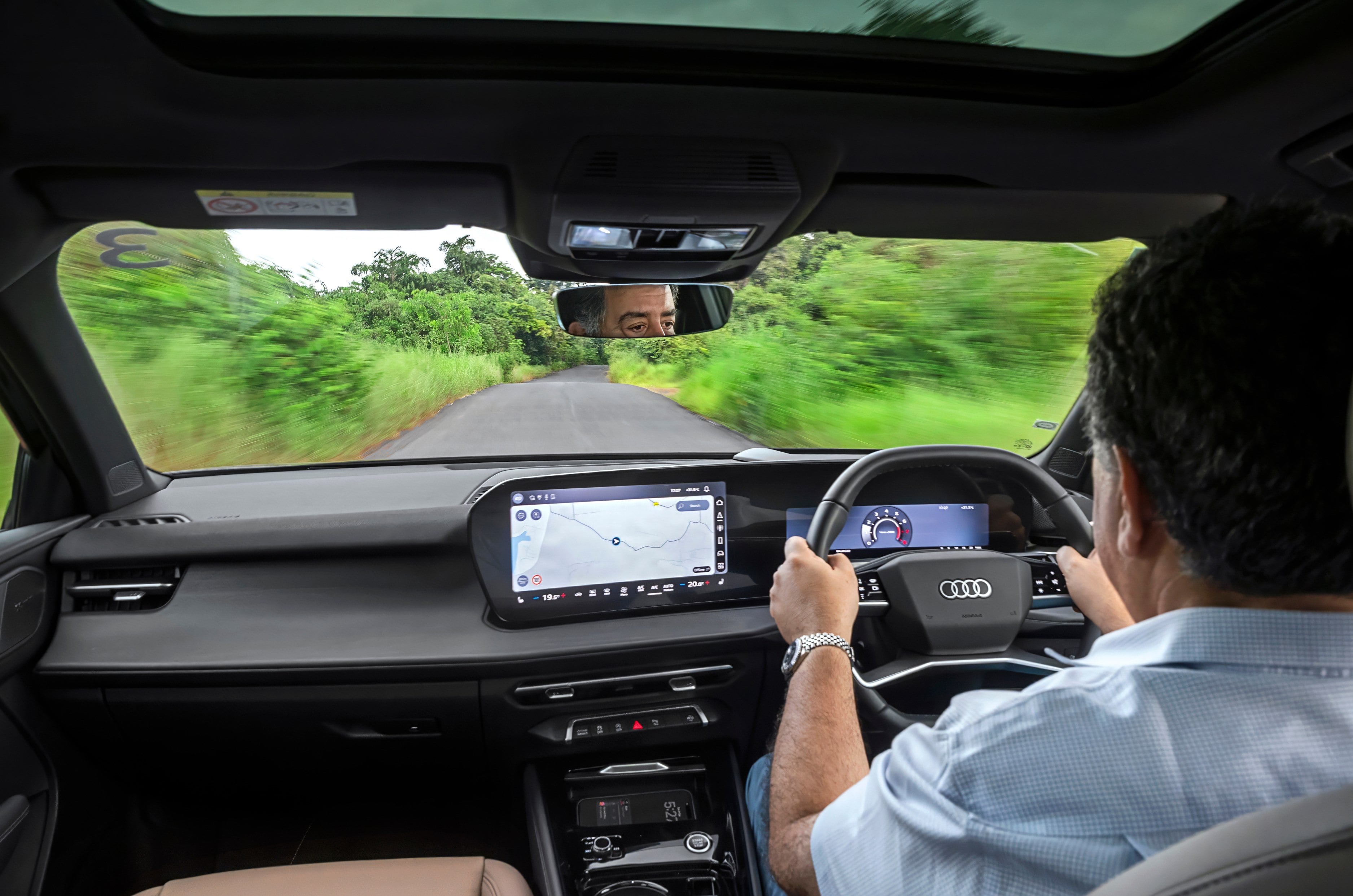
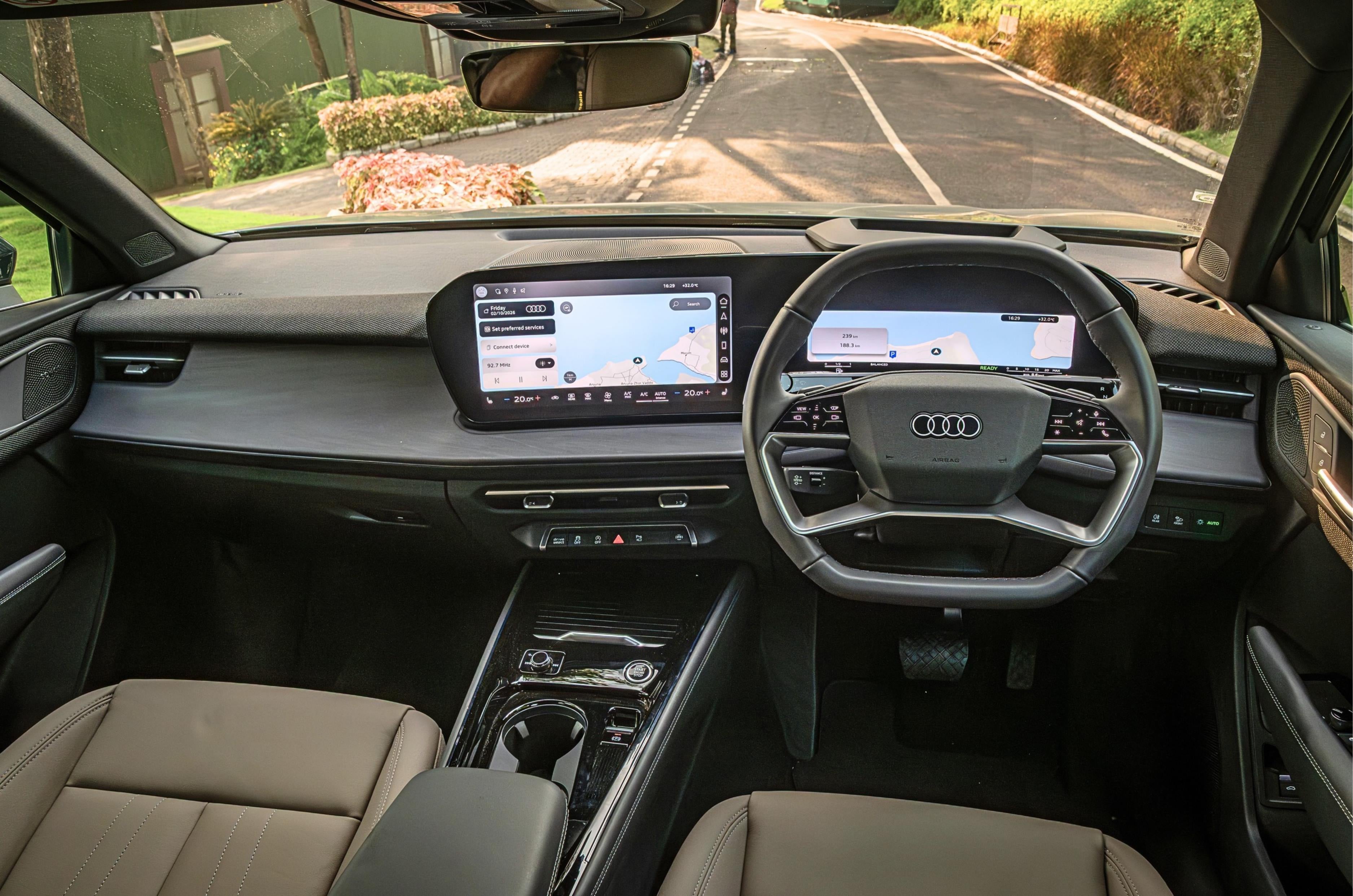
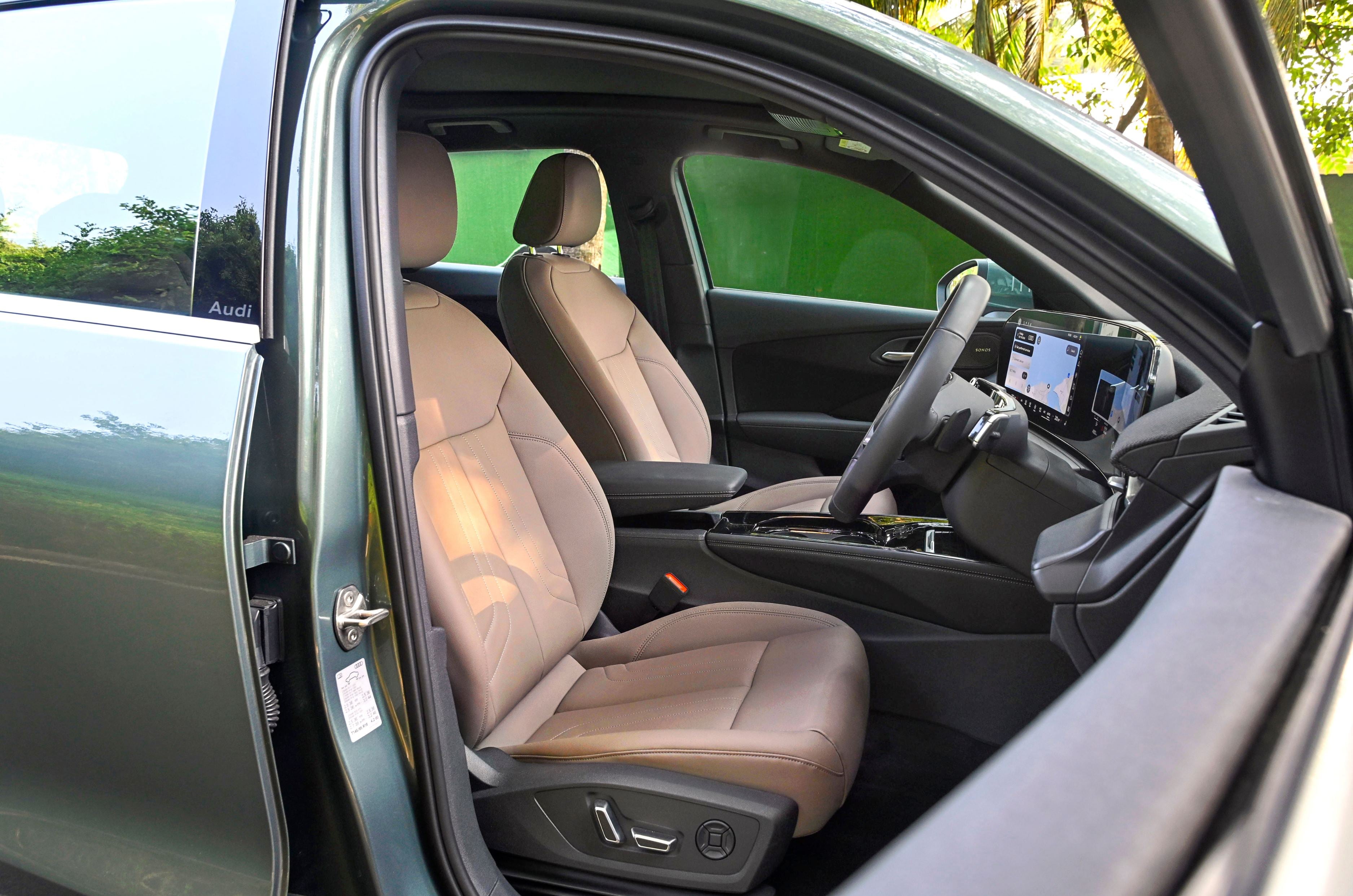
Among the most noticeable leaps of the new Q3 over the outgoing model is on the inside. The dashboard sports a cleaner and more modern layout, housing an 12.8-inch infotainment touchscreen and 11.9-inch digital driver’s display. Much of the leather in the cabin has been ditched in favour of fabric, and plastic quality isn’t that great in the lower regions, but even so, the Q3’s interior feels well put-together and more robust than those of its rivals.
Cons
Lack of powertrain options
The Q3’s turbo-petrol engine is undoubtedly lovely, but that’s about it as far as powertrain options go. There will be no diesel, hybrid, or electric versions of the India-spec Q3, at least at launch. This puts the Audi SUV at a disadvantage, since the GLA and X1 can be had with diesel engines – the BMW is available as a long-wheelbase EV too (iX1 LWB). Offering Quattro as standard may also drive up the price of the new Q3, which could dissuade buyers who prefer a lower price tag over all-wheel drive.
Some features still missing
While the Q3 has a decent list of equipment, including a 12-speaker Sonos sound system, a panoramic sunroof, powered and heated front seats, dual-zone climate control, adaptive cruise control, auto-park assist, and more, there are still some features that Audi missed out on.
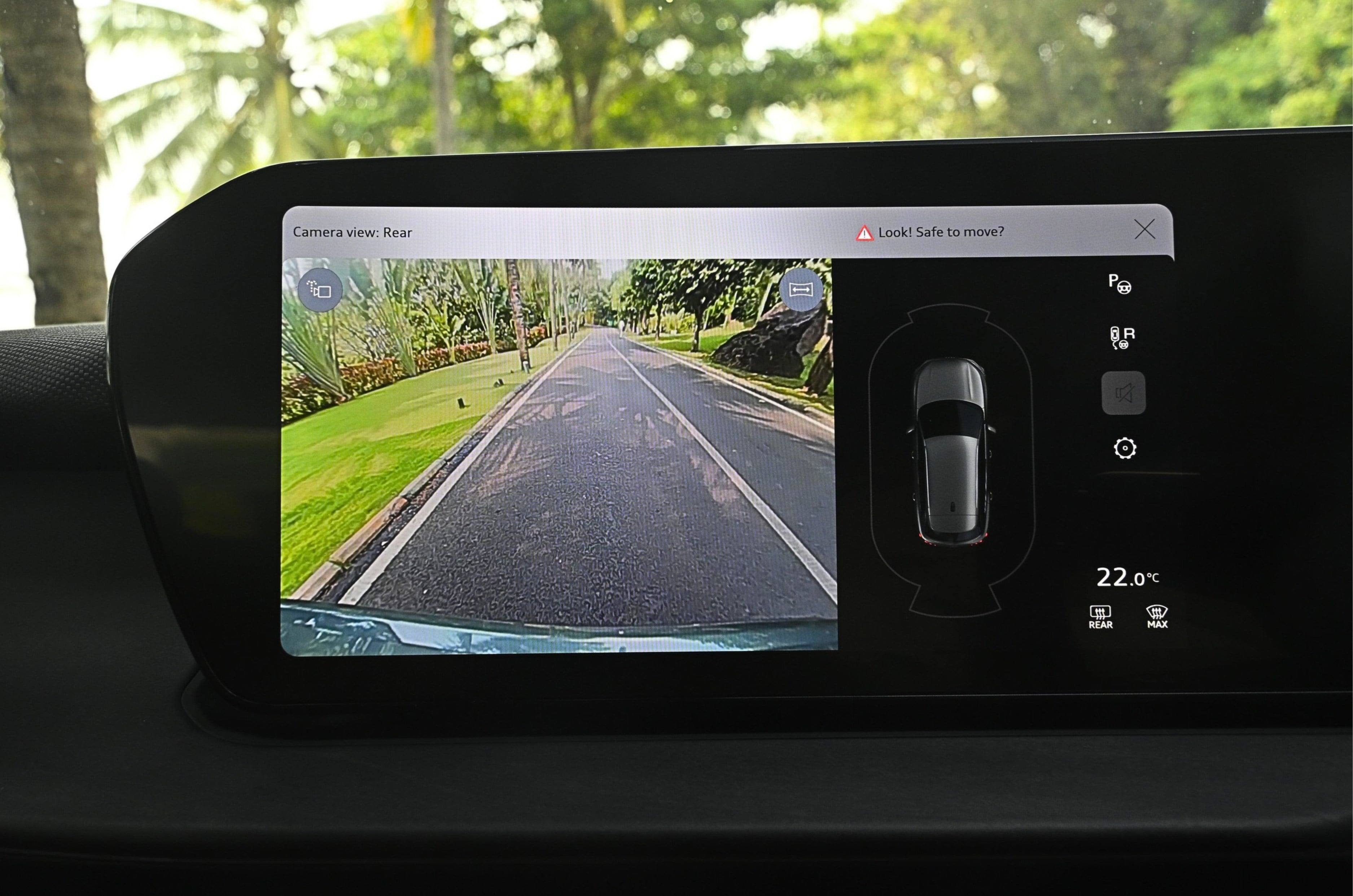
Chief among them is seat ventilation, which makes much more sense than heated seats in our climate conditions. Another big miss is a 360-degree camera, as it greatly helps with maneuovring and parking in tight spaces. The included rear camera’s resolution (pictured above) is disappointing too. Lastly, there are no ADAS features aside from adaptive cruise control – lane-keep assist and blind-spot monitoring would’ve come in handy.