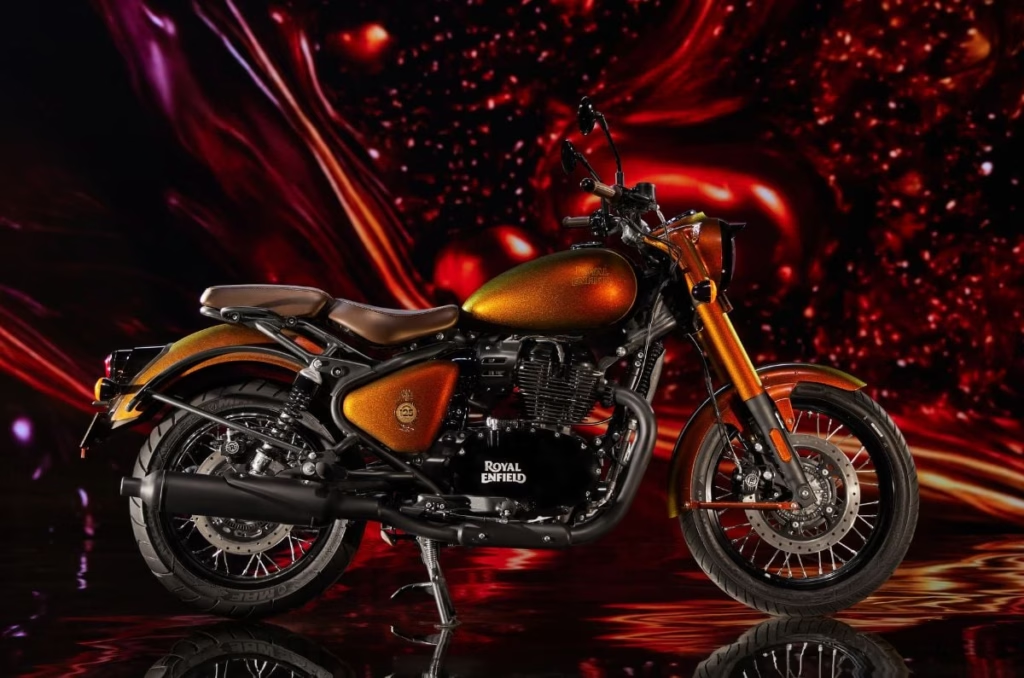
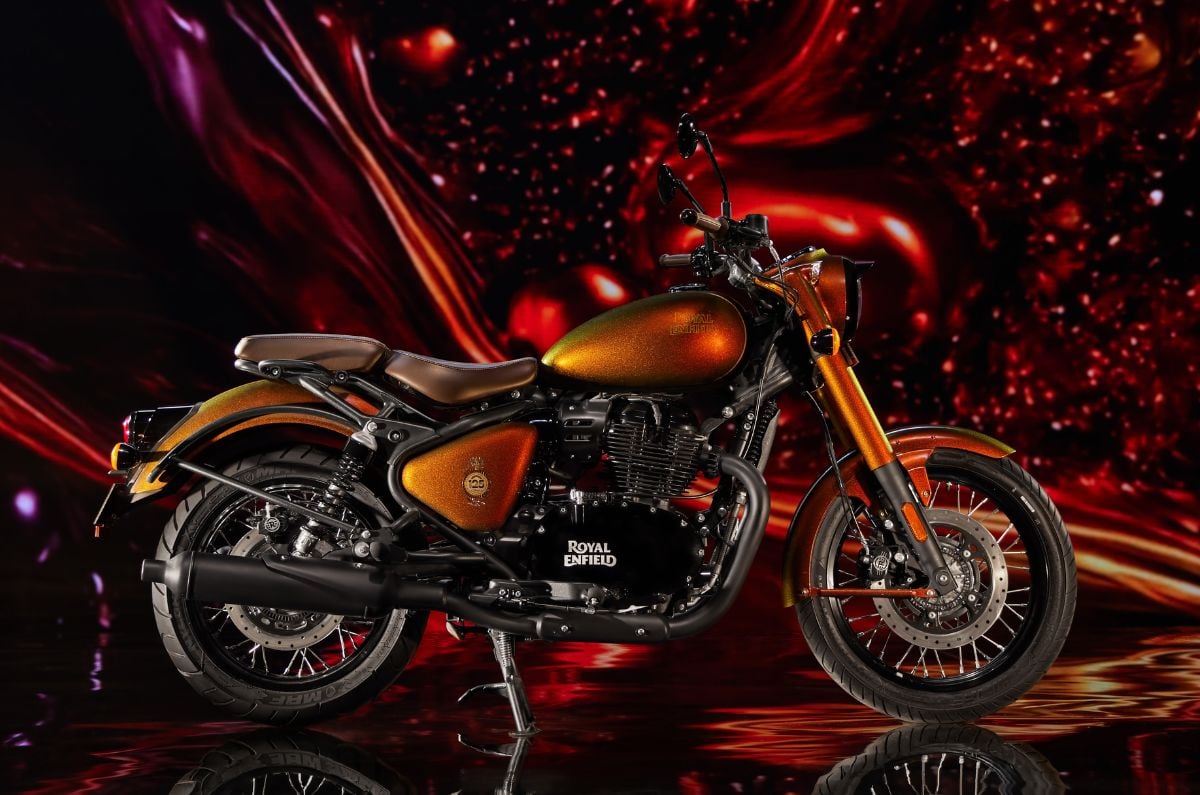
Royal Enfield has launched a special edition of the Classic 650, called the Hypershift, to commemorate the Chennai based manufacturer’s 125th anniversary. It is priced at Rs 4.26 lakh, and the company has clarified that it’s limited to 125 units in each of its key markets, including India. Hence, interested customers will need to register to buy one; registrations will be open until October 28, when sales will happen.
The Classic 650 Hypershift is mechanically identical to the production-spec Classic 650. There are no changes to the underlying design either. It has been priced at Rs 4.26 lakh, which is a Rs 58,000 premium over the base Vallam Red colour (Rs 3.68 lakh) and a Rs 43,500 premium over the top Black Chrome colour (Rs 3.82 lakh). For customers who are able to place an order for one of the 125 units on October 28, deliveries will begin in November.
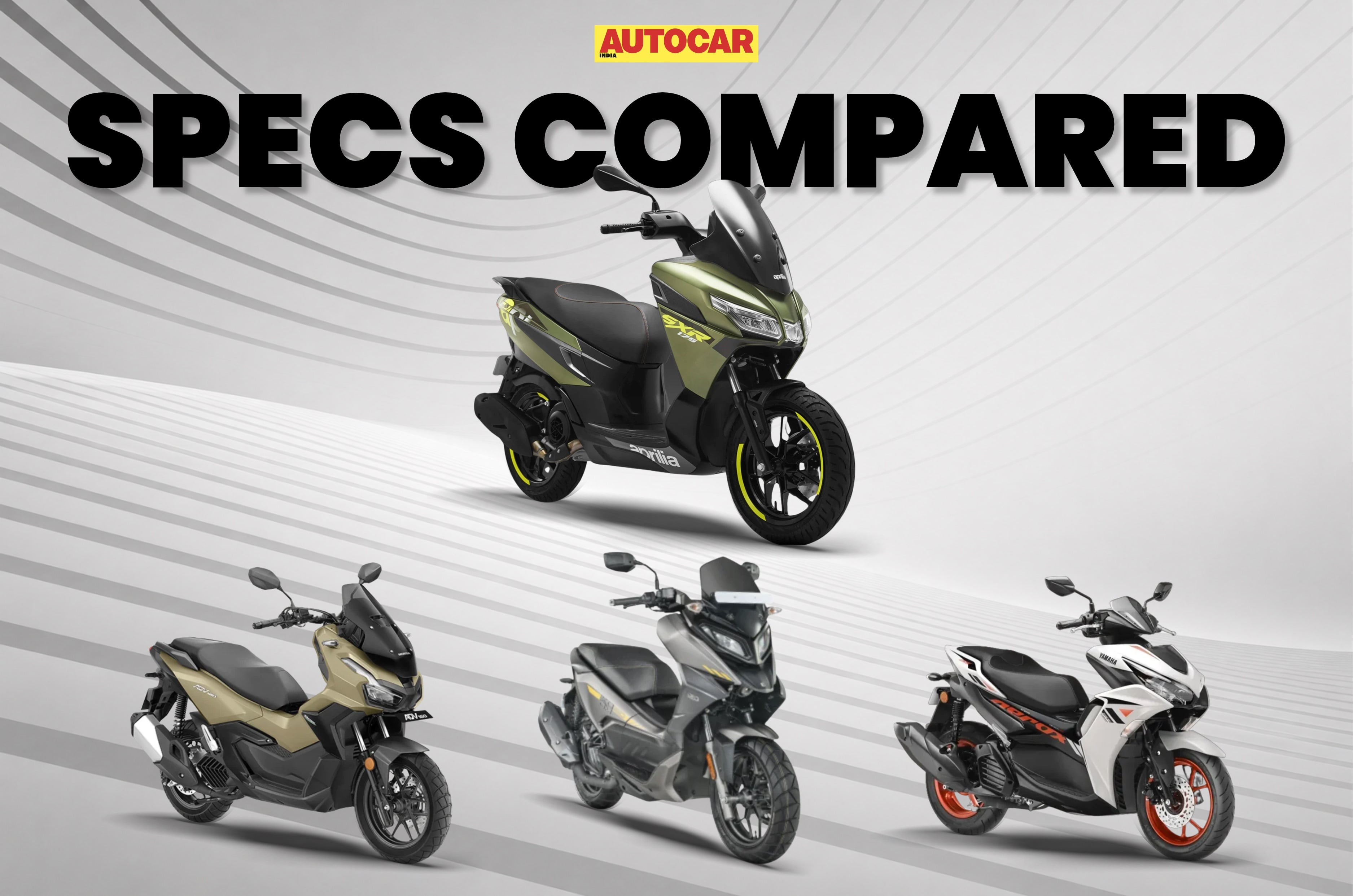
Maxi scooters have technically been around in our market since 2006, thanks to the Kinetic Blaze but the idea was first popularised by the Suzuki Burgman and later the Yamaha Aerox added to it. “Popularised” being the operating word because Aprilia also had a player in there from 2020, which has just been updated. So, what’s the maxi scooter scene like today and which one should you go get a test ride of? Let’s see.
Aprilia SXR GT 175 hp-e vs Rivals: Engine and output
Smaller rivals all make more power
Aprilia SXR GT 175 hp-e
Honda ADV160
Hero Xoom 160
Yamaha Aerox 155
Engine
174.7cc, single-cylinder, air-cooled
156.9cc, single-cylinder, liquid-cooled
156cc, single-cylinder, liquid-cooled
155cc, single-cylinder, liquid-cooled
Power
13.3hp at 7,200rpm
16.3hp at 8,750rpm
14.8hp at 8,000rpm
15hp at 8,000rpm
Torque
14.14Nm at 6,000rpm
14.9Nm at 6,500rpm
14Nm at 6,250rpm
13.9Nm at 6,500rpm
Transmission
CVT
CVT
CVT
CVT
Power-to-weight ratio
100.76hp/tonne
118.98hp/tonne
104.23hp/tonne
119.05hp/tonne
Don’t let the bigger displacement number mislead you into thinking the Aprilia SXR GT 175 is the most powerful of these scooters, because that’s not the case. The SXR has the only air-cooled mill in this class, possibly contributing to its lower output figures. Combine that with the weight and the Aprilia’s case only becomes weaker. For what it’s worth the Italian scooter delivers its peak torque faster than the others so that should be an advantage while plying within the city.
The Yamaha has the lowest kerb weight on this list, which contributes to the highest power-to-weight ratio, very closely followed by the Honda.
Aprilia SXR GT 175 hp-e vs Rivals: Dimensions and weight
Hero is the heaviest, Yamaha is the lightest
Aprilia SXR GT 175 hp-e
Honda ADV160
Hero Xoom 160
Yamaha Aerox 155
Fuel tank capacity
7 litres
8.1 litres
7 litres
5.5 litres
Ground clearance
170mm
175mm
155mm
145mm
Seat height
800mm
NA
787mm
790mm
Kerb weight
132kg
137kg
142kg
126kg
Wheelbase
1362mm
1333mm
1348mm
1350mm
Aprilia gains some ground, or rather gets away from ground with its second highest ground clearance figures. However, it also has the tallest seat height of this bunch. While Yamaha’s ground clearance numbers seem the lowest, do note that the website specifies it to be minimum, which means that it’s measured under laden conditions. So, it’s actually the Hero that has the lowest ground clearance.
As for seat height, Honda doesn’t specify that for the ADV160, but it shouldn’t be too tall for it to be a concern for most Indians. On the other hand, the Xoom 160 is the heaviest of these four, which could prove to be tricky to some at low speed rides and reversing out of parking lots. Aprilia and Hero have neglected mentioning the under seat storage but none of these is likely to impress you in that specific aspect. For what it’s worth, the Honda ADV160 has the highest number of the lot, 27 litres followed by the Yamaha Aerox at 24.5 litres.
Aprilia SXR GT 175 hp-e vs Rivals: Tyres, brakes and suspension
Honda strikes the best balance in equipment
Aprilia SXR GT 175 hp-e
Honda ADV160
Hero Xoom 160
Yamaha Aerox 155
Tyres (F, R)
120/70-14, 120/70-14
110/80-14, 130/70-13
120/70R14, 140/60R14
110/80-14, 140/70-14
Brakes (F, R)
220mm disc, 140mm drum; single-channel ABS
Disc, disc; single-channel ABS
240mm disc, drum; single-channel ABS
230mm disc, 130mm drum; single-channel ABS
Suspension (F, R)
Telescopic fork, Monoshock
Telescopic fork, twin-shock
Telescopic fork, twin-shock
Telescopic fork, twin-shock
Aprilia has given the SXR GT 175 the widest front tyre, but the rear tyre too is the exact same size which makes it the narrowest rear tyre in this list. Honda appears to have struck the best balance, with respect to the equipment on offer. Though that could change depending on the odd 14-13 front-rear wheel size’s real world implications on the ADV160’s handling.
Aprilia SXR GT 175 hp-e vs Rivals: Features
Honda has an unbeatable ‘feature’
A keyless system is present on all scooters but the Aprilia although Yamaha requires you to pony up for the Aerox S variant to get it. Of the four, Hero and Yamaha’s cockpit views are going to feel the oldest, simply because of their LCD screens. Both companies have packed it with features (call and SMS alerts, metrics on the app and turn-by-turn navigation, to name a few) but apples to apples, the SXR and ADV160 have more modern-looking TFT displays and they also match the former two in features. This will make a difference only if you clearly prefer one over the other, for otherwise there isn’t anything to fault with the Hero and the Yamaha’s displays.
Elsewhere, all offer some type of USB port for charging your devices, front cubby storage and LED lighting. On the convenience front, Hero, Honda and Yamaha offer an integrated starter-motor-generator which gives their scooters features like auto stop/start and a silent start. Honda and Yamaha offer traction control as standard.
A big advantage that only the Honda ADV160 can boast at the moment though, is its E85 compatibility. While Hero and Yamaha do offer other vehicles in their line-up with flex fuel compatibility, the Xoom and the Aerox respectively, do not have that and in these uncertain times, that’s certainly an unmissable advantage of the Honda.
Aprilia SXR GT 175 hp-e vs Rivals: Price
Honda’s advantages have a price to pay
Aprilia SXR GT 175 hp-e
Honda ADV160
Hero Xoom 160
Yamaha Aerox 155
Price (ex-showroom)
Rs 1.30 lakh
Rs 1.70 lakh
Rs 1.45 lakh
Rs 1.46-1.50 lakh
The Aprilia’s an unbeatable bargain at this price with its nearest rival being the Xoom 160, closely followed by the Yamaha for its non-S version. Honda appears to offer the best balance of everything along with a currently significant E85 compatibility, but also costs Rs 40,000 over the Aprilia. While it’s easy to get confused over what is the right scooter for you, all of these – thankfully – make it unmistakably clear what they intend to offer. Hence, if you’re confused, figuring out your priorities and taking test rides (hopefully back-to-back) should help you pick the right one for you. If that happens to be the ADV160, you now know what you’re paying for.
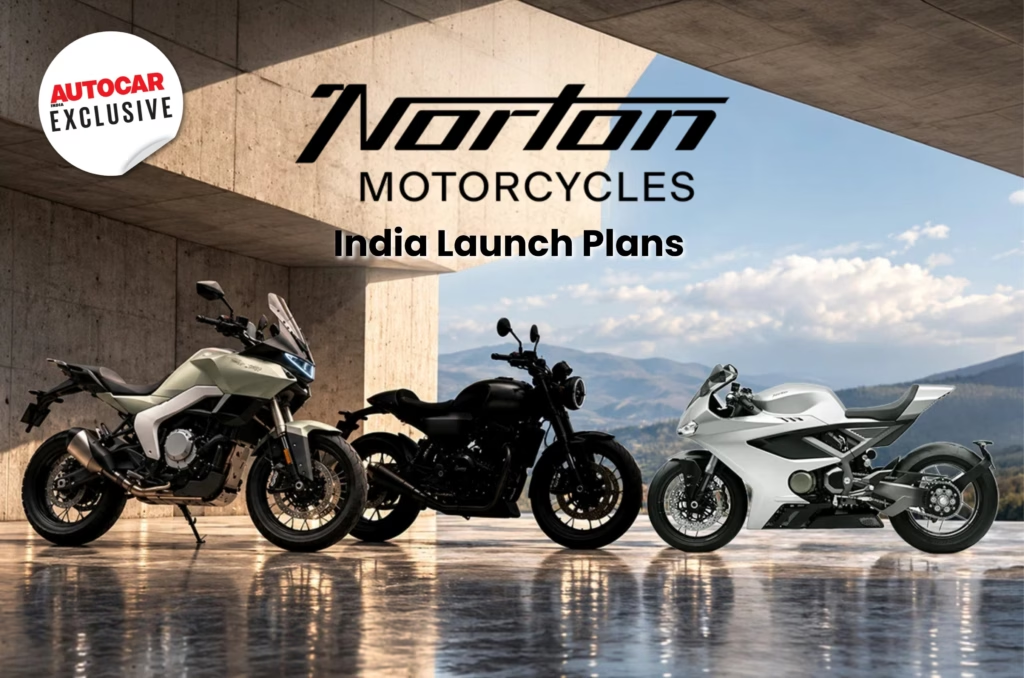
We first rode the Norton Manx R superbike overseas in May and this was followed by the Atlas adventure bike in July. At the time in June, TVS had said that the Atlas would be introduced in India later in the year. It had also scheduled the launch of TVS Paddock, its premium retail channel, for the second quarter of FY27. Paddock will serve as the retail outlet for both Norton products as well as select TVS premium vehicles across the country.
Norton motorcycles will be retailed out of a few exclusive Norton outlets as well as a new TVS Paddock dealer network
Three paddock outlets will be set up by December 2026
Norton line-up will be initiated with the Atlas, followed by Manx R and the new single-cylinder motorcycle
Norton’s reach in Europe, US and India
Indian dealer network still being established
We recently reported on the company’s new 450cc class liquid cooled single cylinder roadster making its debut at ECMA 2026. In its official response to our queries sent, a company spokesperson said, “Norton is set to launch in India soon following the brand’s presence at EICMA this year, when the next key stage of the resurgence will be revealed”.
However, the company did not provide an updated Paddock rollout schedule. Current preparations are understood to point to around three Paddock outlets by December, although a larger network is being sought. The number of outlets that will be operational when motorcycle sales begin has yet to be finalised. Under the tentative India rollout plan, the Atlas could launch in January 2027, with the Manx following by March if that schedule holds. The sequence could see Norton introduce three to four products during 2027, although the final model mix and launch dates have not been announced. As for the new single cylinder roadster, that bike is likely to be launched in India alongside overseas markets in the second half of next year.
While Norton’s India innings is yet to begin, the company spokesperson says that the Manx R and Atlas launched earlier this year are being delivered to customers across Europe. The naked Manx and road-biased Atlas GT have not yet been formally launched. The company said it now has more than 50 retailers across 10 markets, including the UK, Italy, France, Germany and Spain. Preparations for a United States launch are continuing, subject to the final stages of vehicle certification.
“As Norton continues to build the brand globally, it is important to ensure that Norton’s entry into India is equally meaningful and thoughtfully executed,” the spokesperson said. “The positive response to Norton’s products in Europe gives us confidence, and more on Norton’s India plans will be shared in due course.”
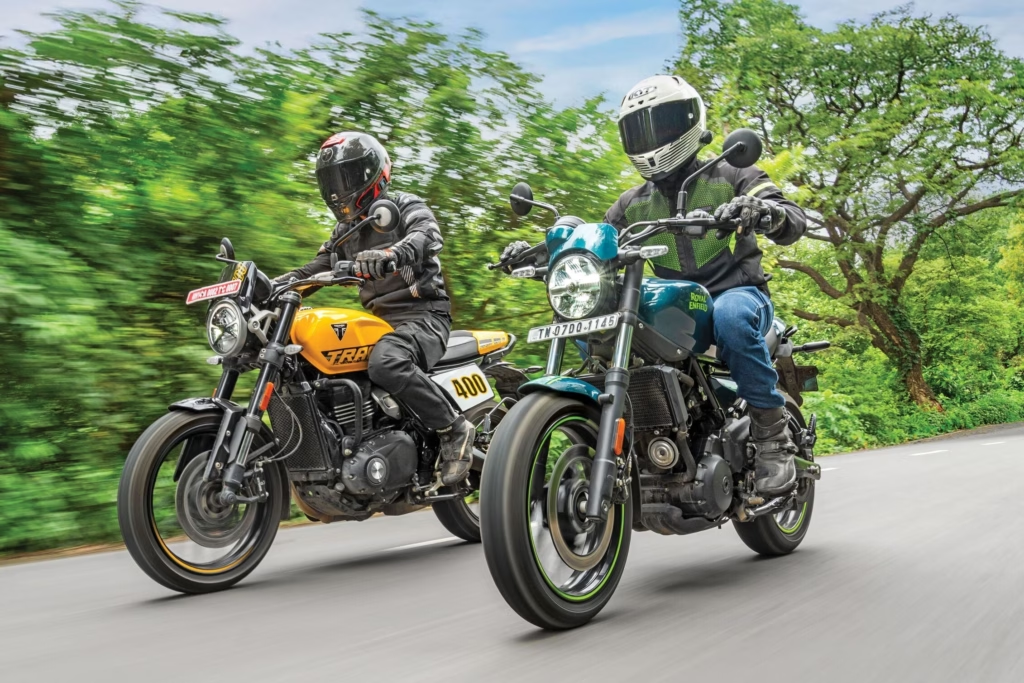
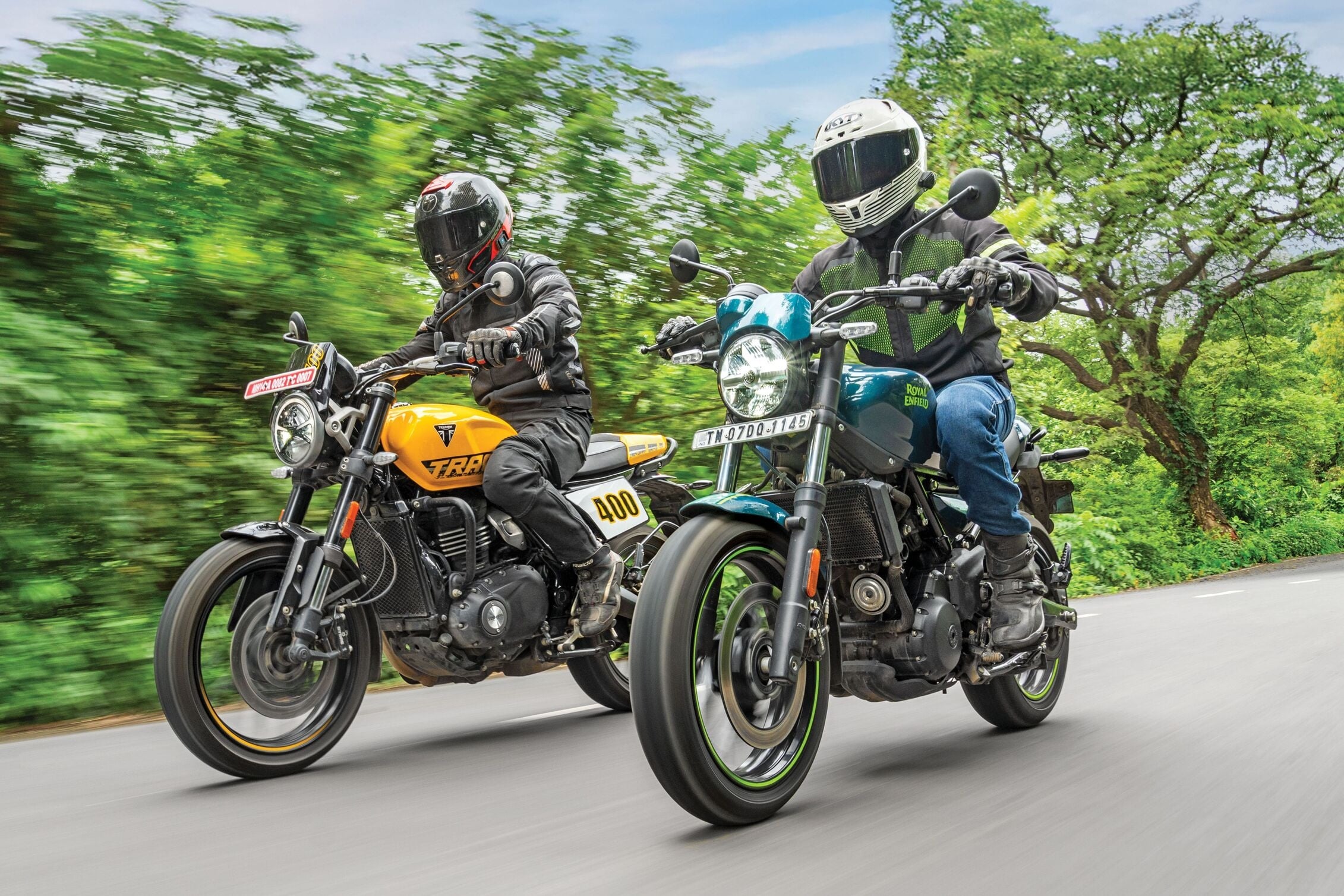
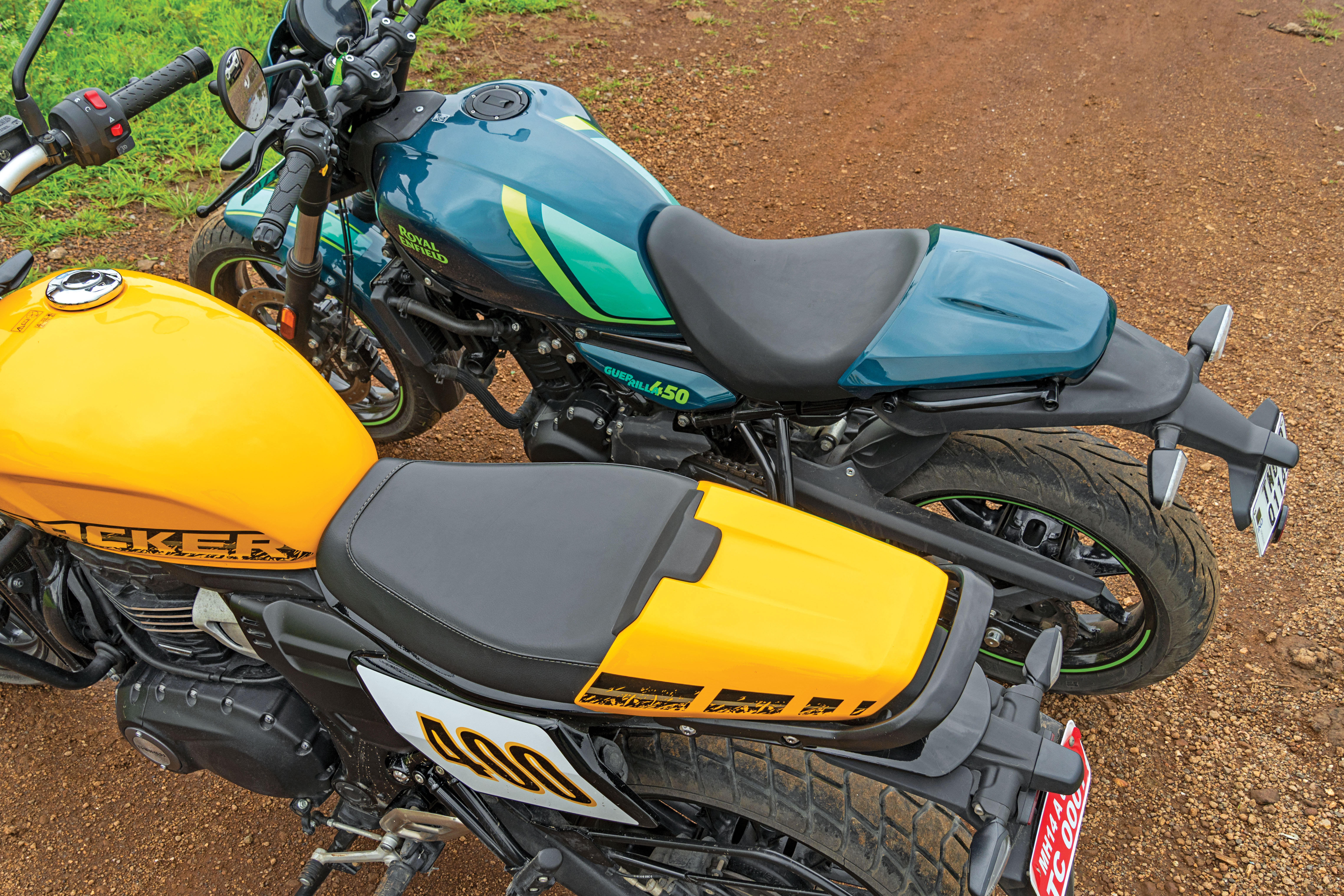
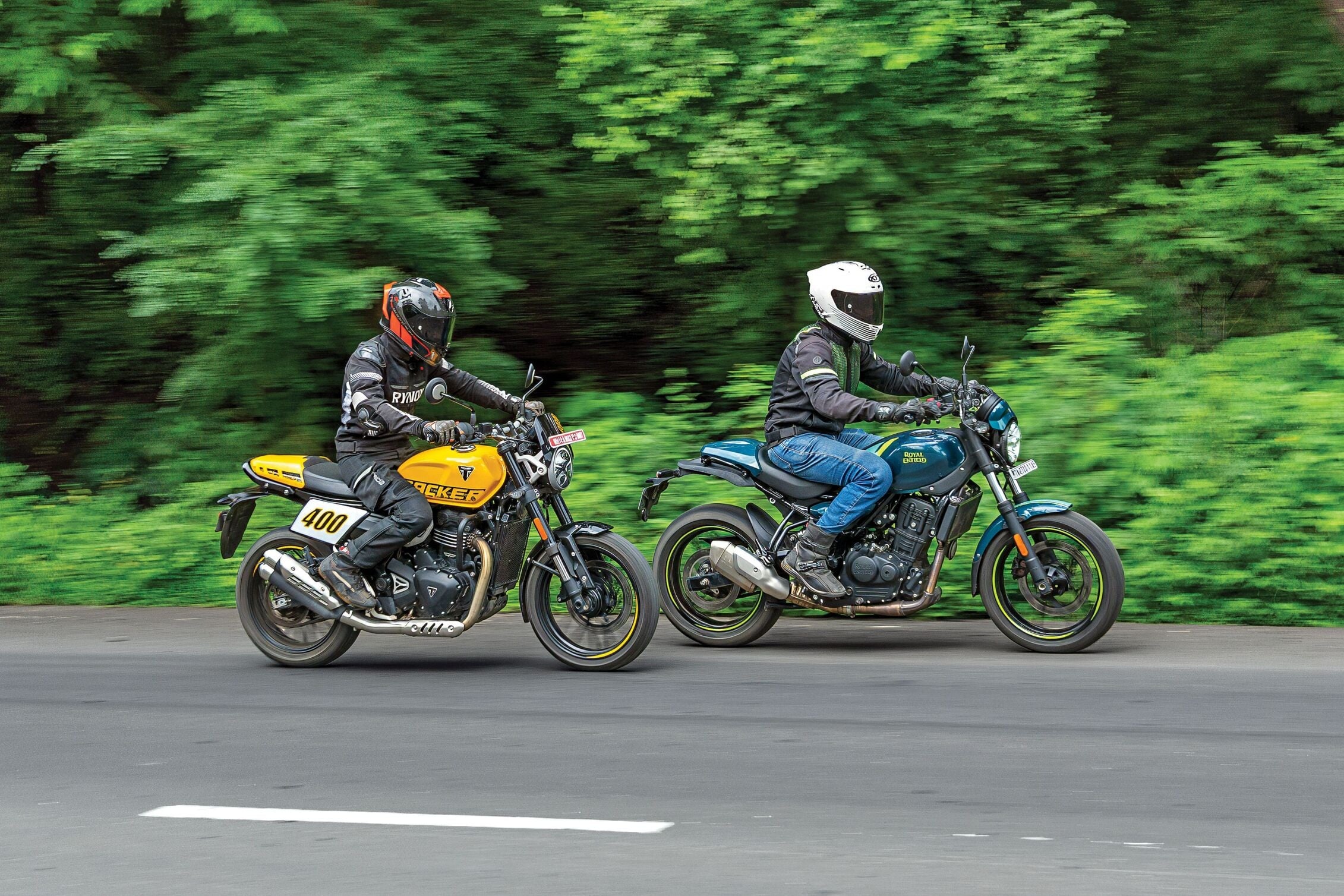
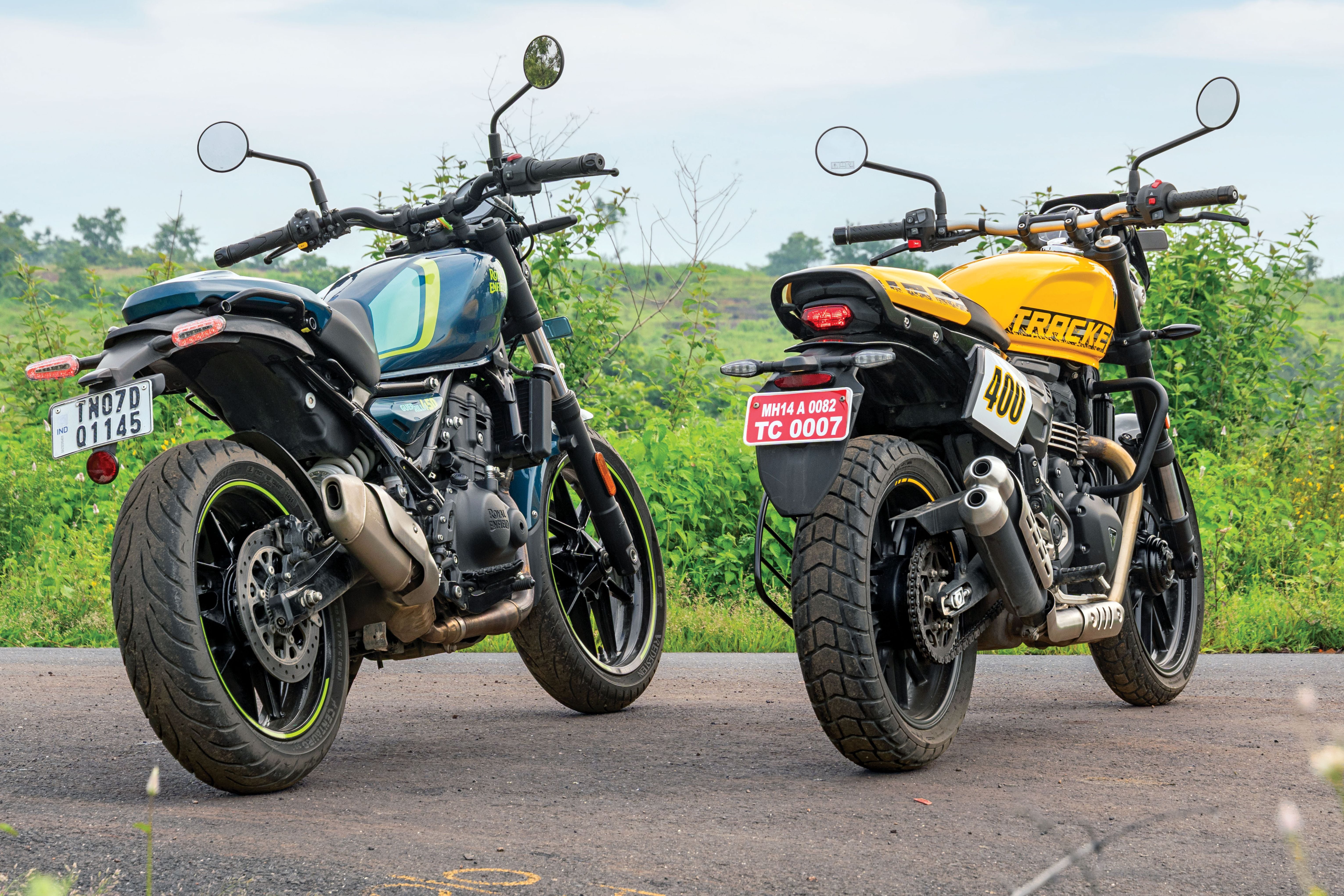
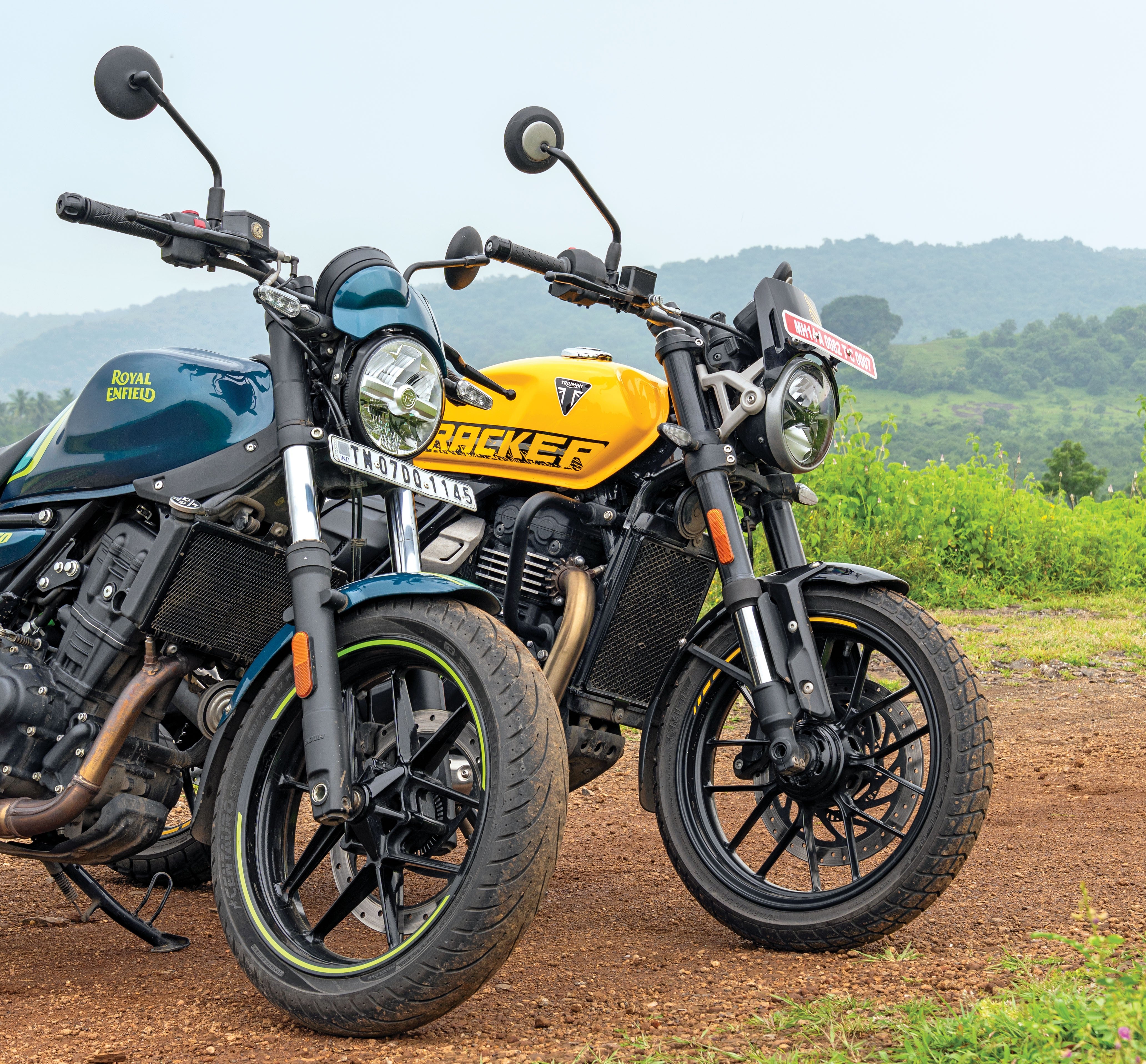
If you are considering either of these motorcycles, chances are you are also considering the other, especially since they both cost about the same. After the Triumph 400cc bikes were downsized, the Tracker 400 now uses a 349cc engine, while the Guerrilla 450 Apex is a sportier variant with more aggressive ergonomics and grippy, road-focused tyres, which I think suit the bike much better than those on the earlier variant.
On paper, the Tracker makes 40hp and 32Nm, while the Guerrilla produces 40.02hp and 40Nm. The Triumph is a lighter, more compact motorcycle, while the Royal Enfield has a larger engine with more torque and offers a stable, planted feel. So, which one makes more sense for someone looking for a sporty, entertaining roadster?
Design and Features
Both motorcycles have very different visual identities, and that is probably the first thing you’ll notice. The Tracker 400 is inspired by flat-track racers, with a flat seat, side number boards and a wide handlebar. But this isn’t really a dirt-track-focussed motorcycle underneath, as its ergonomics, chassis and suspension are properly road-oriented.
The Guerrilla 450 Apex, meanwhile, looks like a sporty and muscular roadster. Compared to the standard variant, it gets a small cowl over the headlight, a new aluminium handlebar, a removable rear-seat cowl and Vredestein Centauro ST+ tyres. The Apex also has a leaned-forward, more committed riding position compared with the standard Guerrilla.
The Tracker is a relatively compact motorcycle, while the Guerrilla’s longer 1,440mm wheelbase and broad 160-section rear tyre give it a more substantial stance. The Triumph gets a larger 13-litre fuel tank compared with the Guerrilla’s 11-litre unit, which can be tedious when long-distance touring.
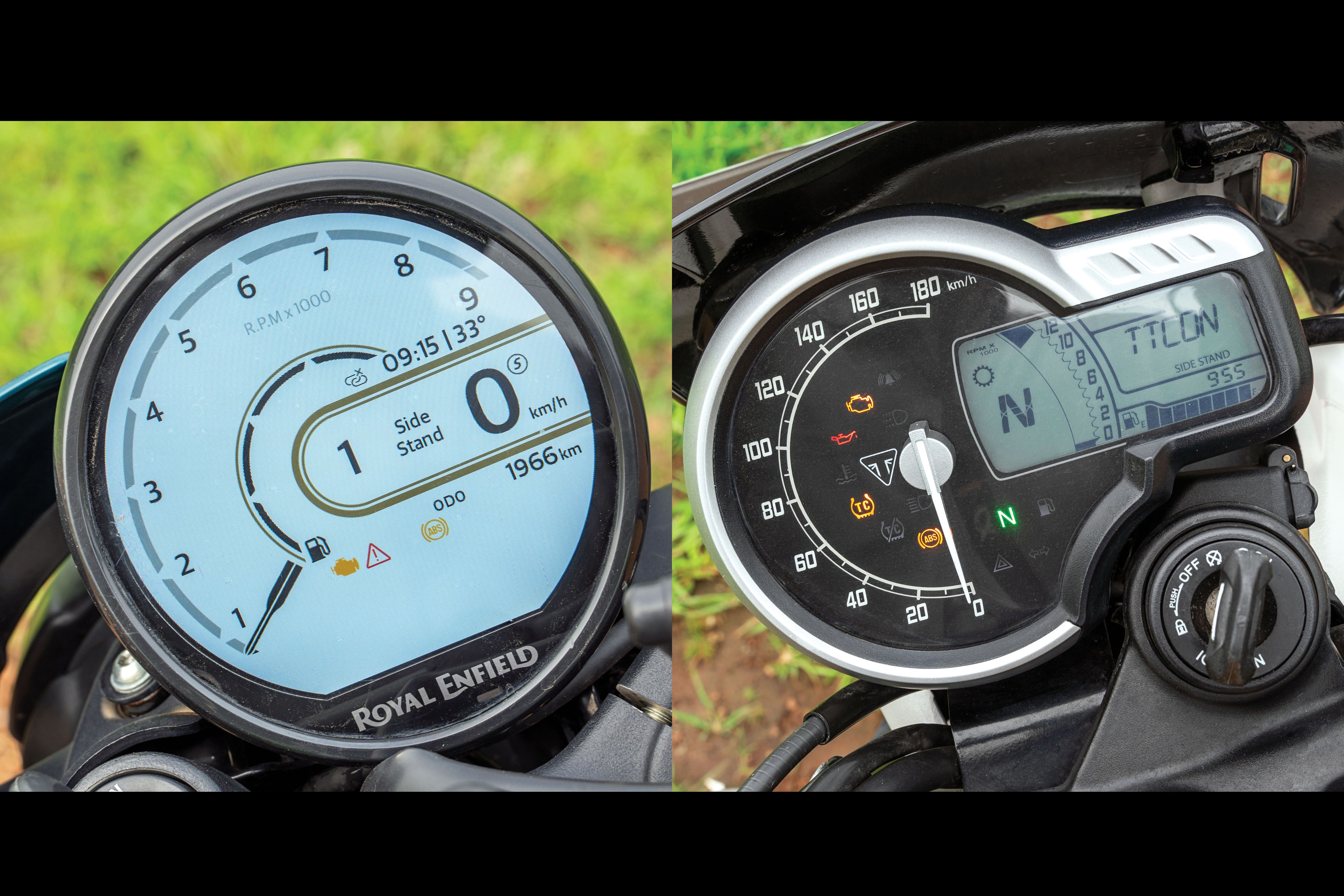
Both motorcycles are equally impressive when it comes to build quality and fit and finish. The Tracker features the same digi-analogue console we have seen on all the other Triumph 400 models, while the Guerrilla features the same TFT unit from the Himalayan. The Guerrilla gets two riding modes (Sport and Street), both of which feel quite similar. On the other hand, the Tracker gets a switchable traction control system that the Guerrilla misses out on. Neither has a quickshifter. In terms of convenience, the Guerrilla has a more accessible 780mm seat height and also gets a main stand, which aids in easier chain maintenance.
There is also a difference in ergonomics. The Tracker’s seat is flat and the riding position is relatively sporty, with rear-set footpegs that suit the character of the bike. The Guerrilla Apex has a lower and more accessible 780mm seat and roadster-like, neutral-set footpegs, along with a committed upper-body position. Between the two, you sit on top of the Tracker with its flat seat, while on the Guerrilla, you sit inside the curved seat, and it is also the more comfortable of the two.
Performance and Fuel Economy
This is where things get interesting because the Tracker 400’s 349cc engine is 103cc smaller than the Guerrilla’s 452cc unit, yet peak power is almost identical. The Triumph produces 40hp at 8,750rpm and 32Nm at 7,500rpm, while the Royal Enfield makes 40.02hp at 8,000rpm. Of course, the difference comes in torque, where the RE makes a much healthier 40Nm at 5,500rpm.
The difference in torque delivery is immediately noticeable. The Tracker’s engine likes to be revved out, but you still have to work it quite a bit. The Guerrilla’s Sherpa engine has a different personality. It doesn’t need to be worked as hard, and the additional 8Nm gives it much stronger roll-on performance. It feels more raw and powerful as soon as you open the throttle, and the surge in power after 6,000rpm makes it feel really exciting. After 7,000rpm, there are some vibrations, but nothing that really ruins the riding experience.
The Tracker’s shorter-stroke engine is very refined at moderate engine speeds, but once you start revving it harder, some buzz makes its way into the tank and footpegs at the top end of the rev range. It remains an entertaining engine, but considering I have ridden the older 398cc Thruxton 400, I feel like it misses out on that initial torque kick.
In our performance tests, the Guerrilla completed the 0-100kph sprint in 6.34 seconds, while the Tracker took 7.55 seconds for the same, marking a difference of 1.21 seconds. The real difference in performance was more visible in the roll-on acceleration tests where the Guerrilla 450 Apex was notably quicker.
Fuel efficiency was almost on par in our tests, where the Tracker delivered 24.1kpl in the city and 31.71kpl on the highway, while the Guerrilla gave us 25.23kpl in the city and 32.82kpl on the highway. The Triumph’s 13-litre tank will give it a better range despite the marginally lower highway efficiency.
Ride and Handling
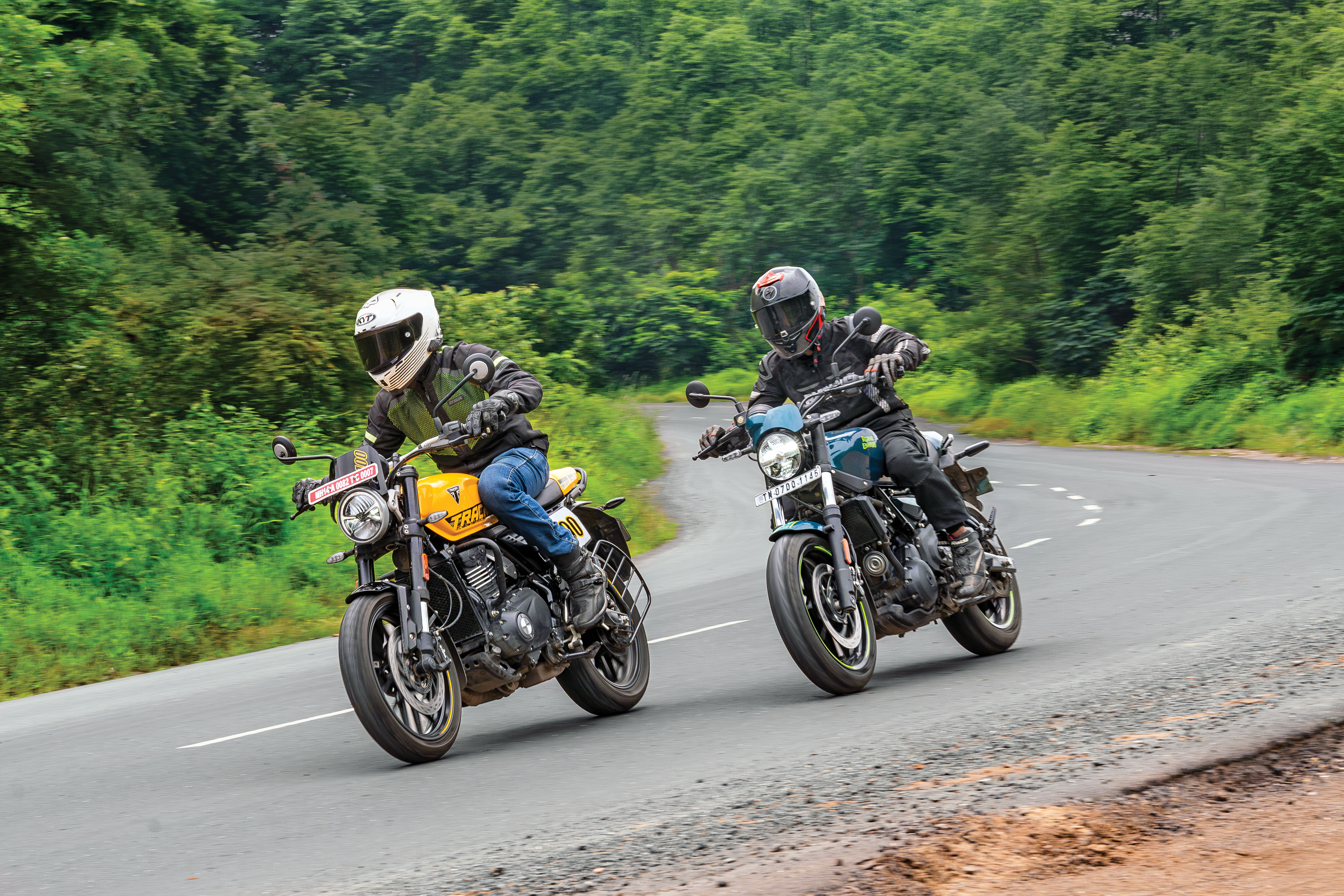
The biggest difference between these two motorcycles becomes apparent once the road starts to twist. The Guerrilla feels longer and heavier and needs a bit of muscling around, but once in a corner, it is extremely stable and planted. The grip offered by the Vredestein tyres is superb and inspires a lot of confidence. The Tracker, on the other hand, feels light, nimble and very easy to flick into corners, thanks to its shorter wheelbase and the leverage offered by the wide handlebars. Its blocky MRF tyres work well, but given how it rides more like a sporty roadster rather than a tracker, stickier tyres would have been a better choice.
While many might be disappointed about the Guerrilla 450 Apex not getting a USD fork, the suspension does work much better than the Tracker’s over bad roads and undulations. The setup feels plusher than the Tracker, which has a quicker rebound that can toss you up if you hit potholes at higher speeds.
Despite the Triumph being the more compact motorcycle, I felt like it was easier to filter through traffic on the Guerrilla, and that is because the Triumph has slightly wider handlebars and mirrors that jut out slightly more. I do remember my time spent with the Guerrilla on a go-kart track, and it was genuinely a lot of fun. The tyres kept up with the performance that the engine offers, and it was a blast to exploit the full capabilities of the bike. The only limitation was the footpegs, which kept scraping when the bike was leaned over. That said, this was never a problem out on the road.
Braking hardware is strong on both. The Tracker gets a 300mm front disc with a four-piston radial ByBre caliper, while the Guerrilla uses a 310mm front disc and 270mm rear disc. The Guerrilla stopped marginally quicker in our braking test from 60-0kph, but I did notice that the ABS intervention can be strong when emergency braking from higher speeds.
Price and Verdict
These two motorcycles are closer than their engine capacities suggest. The Tracker proves that you don’t need a large engine to make for a fun roadster. Its 349cc motor makes almost as much peak power as the Guerrilla, and its compact dimensions, wide handlebar and sporty chassis make it an engaging motorcycle on a twisty road.
The Royal Enfield Guerrilla 450 Apex, however, takes a more muscular approach. Its 452cc engine has substantially more torque, the Vredestein tyres give it a level of grip that suits its performance, and the longer wheelbase also gives it a reassuring planted character, particularly when you’re riding quickly.
They offer two distinct interpretations of the sporty modern roadster. The Tracker’s biggest strength is its agility. It feels smaller, lighter and more eager to change direction quickly. The Guerrilla’s strength is the breadth of its performance. There’s more torque, more road presence and a greater sense of stability when you’re pushing it. And that is ultimately what separates them. The Triumph is the more playful motorcycle, thanks to its nimble nature, while the Guerrilla Apex feels like a more serious attempt at turning the standard roadster into a proper performance-oriented, corner-carving machine.
While it is difficult to pick between these two motorcycles, considering that they do things in different ways, you can’t look past the value that the Guerrilla offers. Despite falling into the 40 percent GST bracket, its starting price is just Rs 10,000 more than that of the Tracker. To put things into perspective, the KTM 390 Duke R, which used to be the benchmark for affordable and accessible performance when its Gen 1 model was launched in India, is now priced at Rs 3.45 lakh (ex-showroom), taking its on-road price upwards of Rs 4 lakh. So the way I see it, the Guerrilla 450 Apex is now the new benchmark when it comes to affordable performance in India. Who’d have ever thought that the crown would one day be worn by a Royal Enfield.
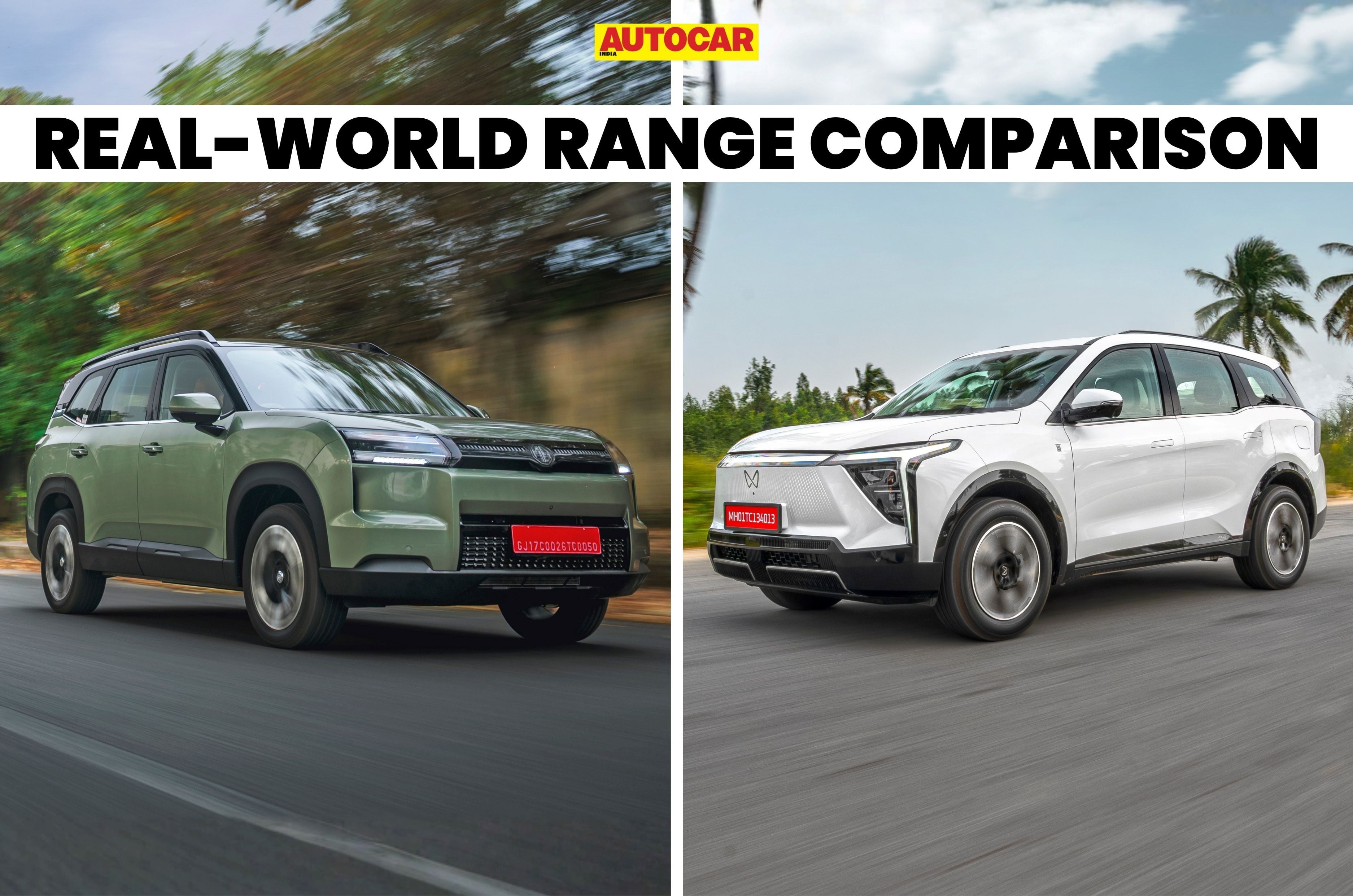
MG recently launched the Hector Tomahawk EV with a 69.2kWh battery, promising a claimed range of 517km. The 3-row electric SUV is positioned squarely against the Mahindra XEV 9S, which is one of the most popular EVs in its price range, and has a larger battery capacity and a higher claimed range of 679km. But in real-world conditions, does the Mahindra XEV 9S offer higher range than the MG Hector Tomahawk EV? We find out.
MG Hector Tomahawk EV vs Mahindra XEV 9S: Specifications, price
Tomahawk EV has a smaller battery, but weighs less than XEV 9S and is more affordable
MG Hector Tomahawk EV vs Mahindra XEV 9S: Specifications, price
MG Hector Tomahawk EV
Mahindra XEV 9S
Battery pack (kWh)
69.2
79
No. of motor(s)
1
1
Drivetrain
FWD
RWD
Power (hp)
204
286
Torque (Nm)
310
380
Kerb weight (kg)
1,908
Over 2,201*
Price (in Rs lakh)
19.50-23.50
22.65-30.15
*The XEV 9e has a kerb weight of 2201kg, so the XEV 9S, being a 3-row offering, will be heavier.
The MG Hector Tomahawk EV gets a smaller 69.2kWh battery compared to the XEV 9S’ 79kWh unit. It also gets a less powerful front motor that produces 82hp and 70Nm less than the XEV 9S’s rear-mounted motor. However, the Hector Tomahawk EV is the lighter electric SUV in this comparison, weighing over 250kg less than the Mahindra XEV 9S.
The MG Hector Tomahawk EV also asks a lower price, its base-spec variant costing Rs 3.15 lakh less and its top-spec variant costing Rs 6.65 lakh less than the XEV 9S’s 79kWh battery trims.
MG Hector Tomahawk EV vs Mahindra XEV 9S: Real-world range comparison
Although offering very different city and highway efficiencies, both eSUVs offer similar average range
MG Hector Tomahawk EV vs Mahindra XEV 9S: Real-world range comparison
MG Hector Tomahawk EV
Mahindra XEV 9S
Claimed range (ARAI)
517km
679km
Tested city range
495km
478km
Tested highway range
397km
477km
Tested average range
446km
477.5km
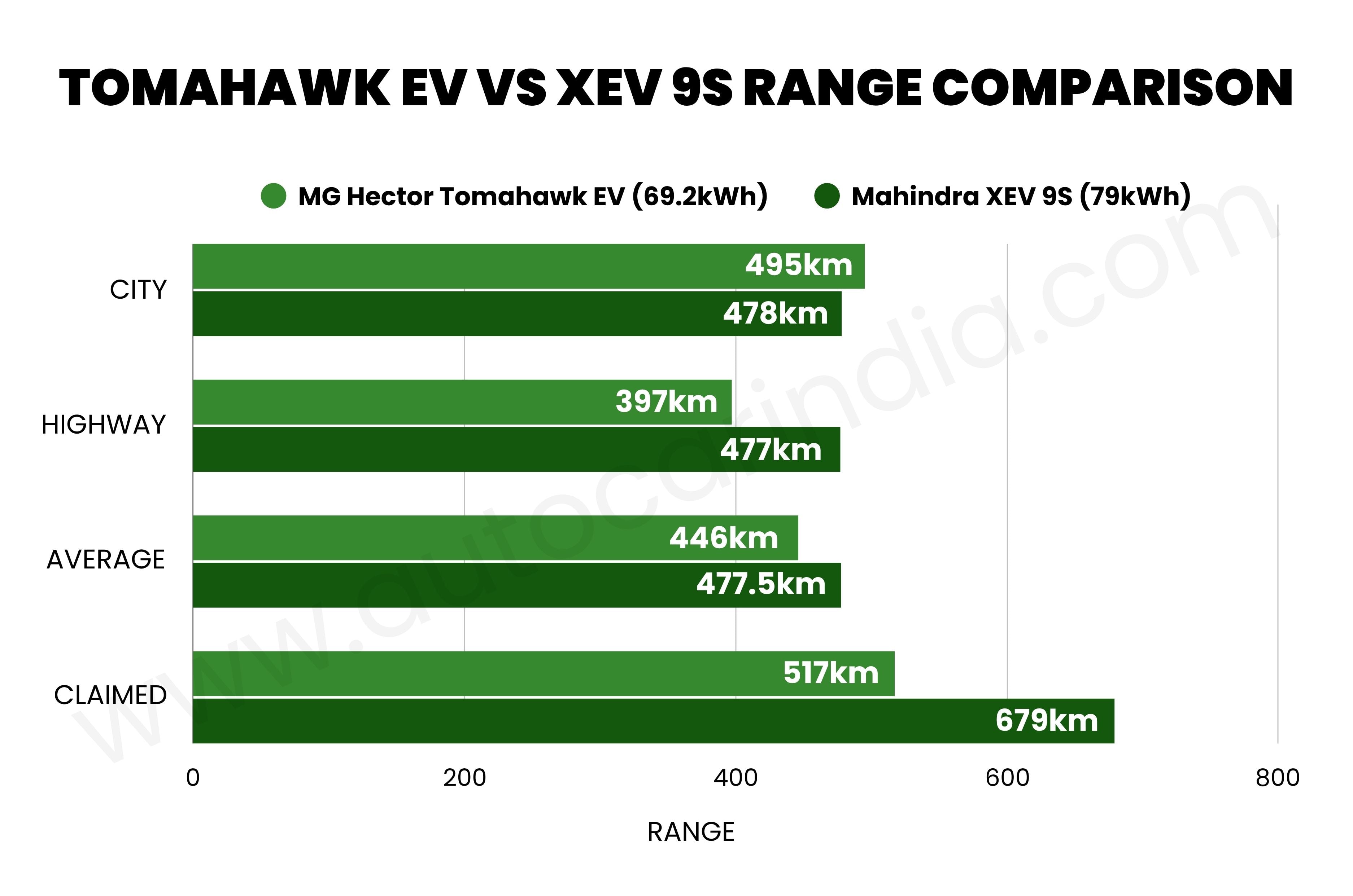
While the MG Hector Tomahawk EV has a claimed ARAI range of 517km, the Mahindra XEV 9S promises a higher range of 679km. However, in our real-world tests, the XEV 9S delivered a higher average range, despite the Hector Tomahawk EV performing better in city driving conditions.
In the city, the Tomahawk EV covered 495km on a full charge, which is 17km more than the XEV 9S. However, on the highway, the Mahindra managed 477km, going 80km further than the MG. As a result, the Mahindra achieved an average real-world range of 477.5km, which is 31.5km more than the Tomahawk EV’s 446km.
In our real-life tests, we found the Tomahawk EV’s relatively mild regenerative braking, even in its strongest setting, limits its potential for better city efficiency. Meanwhile, its bulky, upright design also works against it on the highway. The XEV 9S, on the other hand, weighs over 2.2 tonnes, which definitely affects its efficiency against the Hector Tomahawk EV.
Autocar India’s range testing
For our real-world range test, we begin with each car’s battery fully charged and tyre presures set as per the manufacturer’s recommendations. We drive the cars on a fixed loop covering both city and highway stretches while maintaining set average speeds. We then calculate the range based on the percentage of charge consumed. The AC is set to 22deg C in auto mode, and features such as the music system, lights and ventilated seats are used as needed, just as a regular user would. This approach ensures consistency and gives a clear idea of what to expect in daily use.
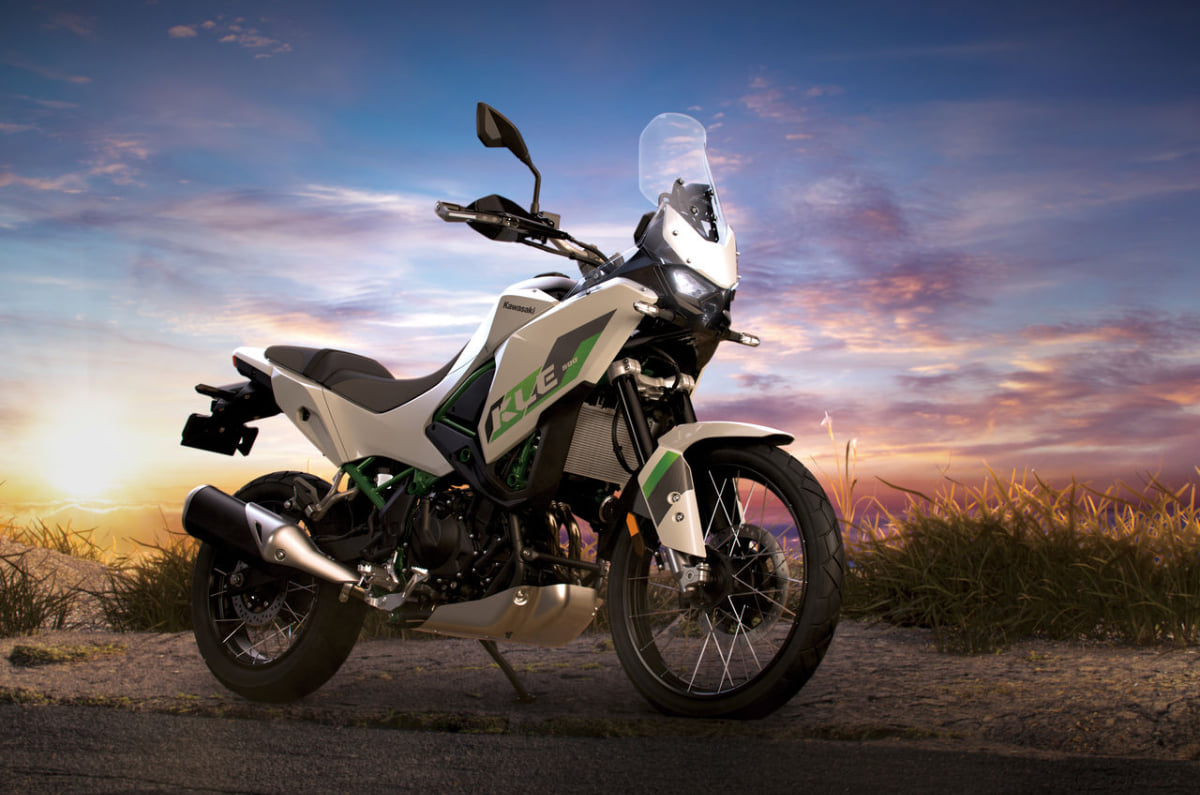
Kawasaki has expanded its 2027 KLE500 range with a new SE SmartRide variant, which adds a mechanical centrifugal clutch to the parallel-twin adventure motorcycle. The system allows riders to pull away and come to a stop without operating the clutch lever, while gear changes on the move still use the lever and pedal as normal.
KLE500 now has three variants
451cc parallel-twin engine produces 45hp and 42.6Nm
Kawasaki KLE500 SE SmartRide details
No other mechanical changes over the KLE500 SE, which debuted last year
The KLE500 lineup now comprises three variants – the base KLE500, the KLE500 SE and the new KLE500 SE SmartRide. At first, the SmartRide system may sound similar to Honda’s E-Clutch technology, but the two work quite differently. While both aim to simplify clutch operation, Honda uses an electromechanical actuator to automate clutch movement, whereas SmartRide relies on a purely mechanical centrifugal clutch.
Aside from the addition of the clutch technology, the SmartRide variant also gets tubeless tyres, replacing the tube-type setup on the standard SE. Otherwise, the two variants share the same hardware, including the 451cc parallel-twin engine producing 45hp at 9,000rpm and 42.6Nm at 6,000rpm.
The SE SmartRide is available in a single colour, Pearl Blizzard White. Following its international debut last year, we’d reported that Kawasaki India has the KLE500 in the pipeline for a launch here, which we expect to happen over the next few months.
When it goes on sale, the KLE500 will join a growing list of sub-500cc adventure bikes in our market. Given its potential CBU (Completely Built-Up) import route and the premium pricing that would entail, it will also see competition from upcoming India-made motorcycles such as the Royal Enfield Himalayan 750 and the Norton Atlas.
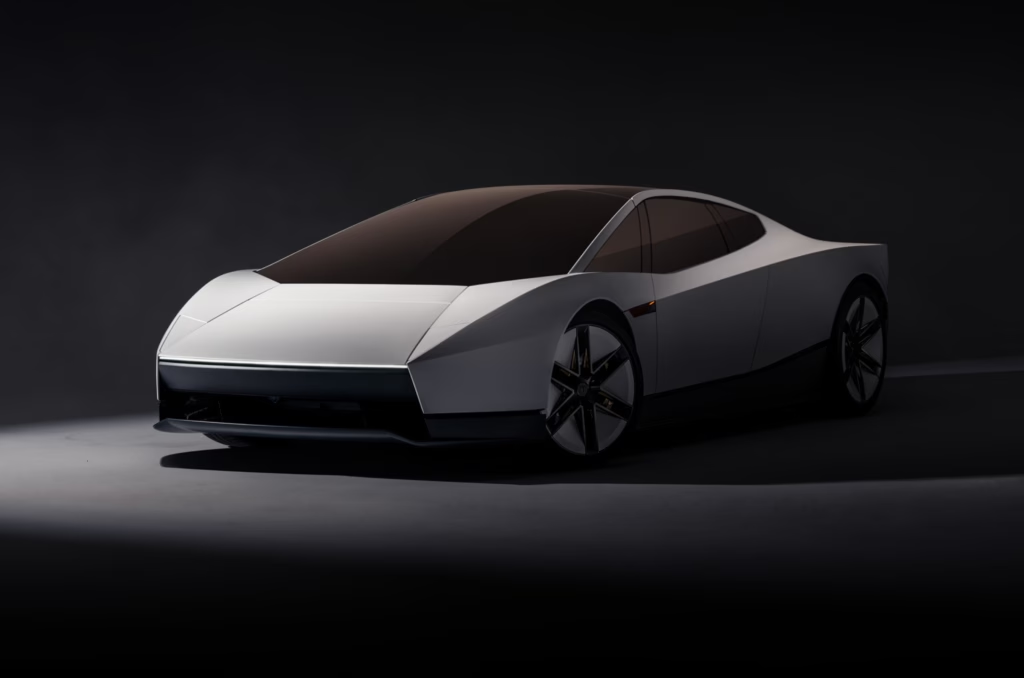
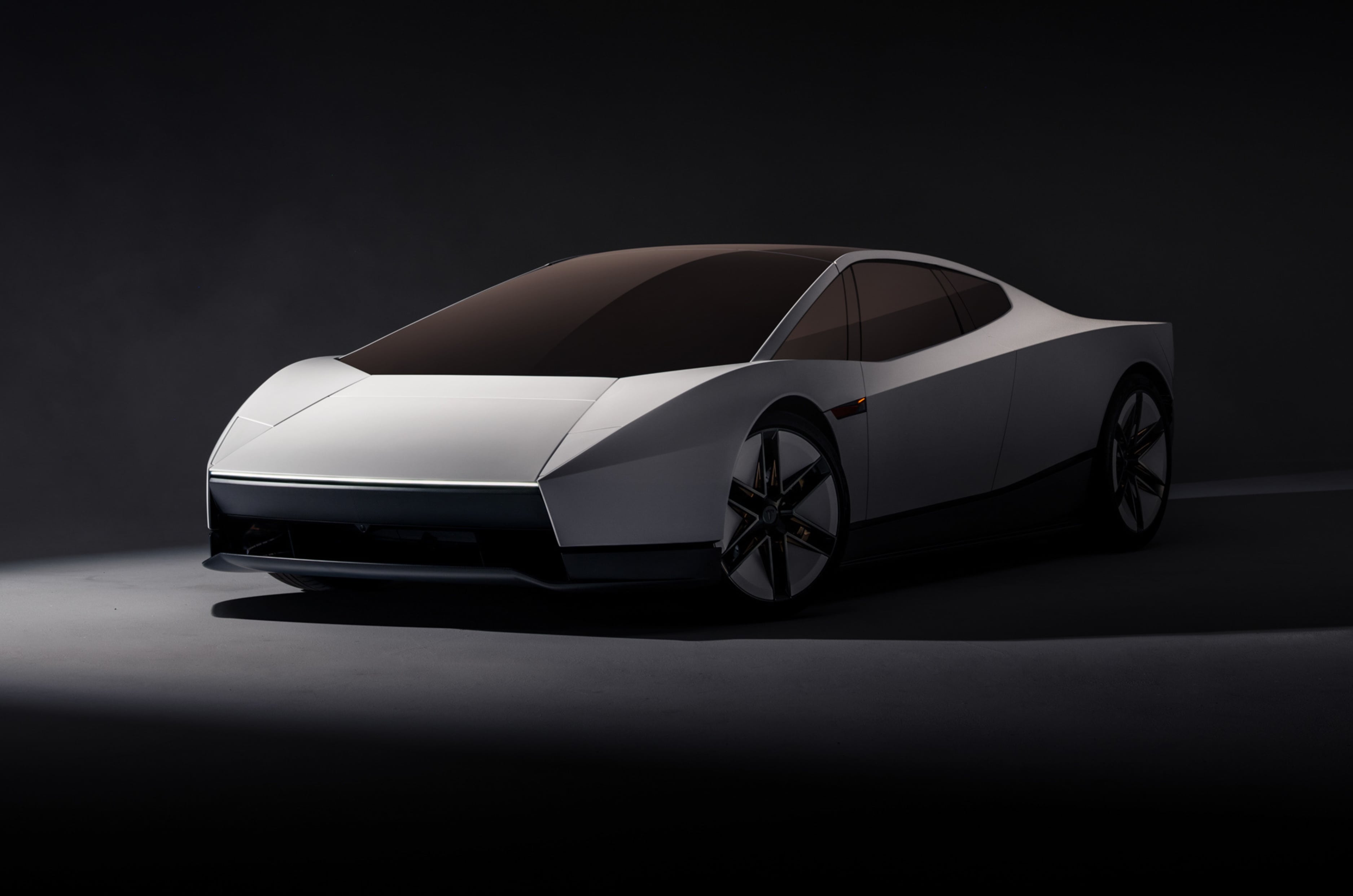
Tesla has unveiled its new Roadster EV, with production set to begin in 2028. It will be the second generation of the Roadster, whose first generation was discontinued in 2012. The new model will be offered in a standard Performance trim, along with Thrust and Rocket packages. Bookings for the Performance trim and Thrust package are open in India at Rs 5 lakh, while the Rocket package is available only by invitation.
Tesla claims the new Roadster can accelerate from 0-100kph in under a second. However, final powertrain details, including battery capacity, motor output and range, are yet to be revealed. The electric sports car also gets an underbody suction fan for extra grip. The Thrust package adds four rear-mounted thrusters, while the Rocket package adds 10 more, allowing the car to perform airborne manoeuvres.
भारतपे के पूर्व को-फाउंडर अशनीर ग्रोवर अपने बेबाक अंदाज के लिए जाने जाते हैं, लेकिन इस बार वह खुद एक मजेदार सोशल मीडिया पोस्ट का हिस्सा बन गए हैं। गुरुग्राम के एक रियल एस्टेट कारोबारी ने उनकी प्रॉपर्टी विजिट पर चुटकी लेते हुए उन्हें नौकरी तक ऑफर कर दी। मामला गुरुग्राम के महंगे रिहायशी प्रोजेक्ट DLF Camellias का है, जहां अशनीर की विजिट के दौरान फ्लैट के बजाय क्लब, सुविधाओं और हरियाली को दिखाए जाने पर कारोबारी ने सवाल उठाए। उनकी पोस्ट अब सोशल मीडिया पर चर्चा में है।
फ्लैट देखने पहुंचे अशनीर
गुरुग्राम के रियल एस्टेट कारोबारी अभिषेक भारद्वाज ने X पर एक पोस्ट साझा करते हुए अशनीर ग्रोवर की साइट विजिट पर मजाकिया टिप्पणी की। उन्होंने बताया कि अशनीर की यह विजिट उनकी पत्नी के चैनल पर शेयर किए गए एक वीडियो में दिखाई गई थी, जिसका शीर्षक ‘Home Beyond the Price Tag’ है। अभिषेक के मुताबिक, फ्लैट में किरायेदार होने और दरवाजा नहीं खुलने की स्थिति में विजिट के दौरान क्लब, दूसरी सुविधाएं और हरियाली दिखाई गई। उन्होंने इस अनुभव की तुलना प्रॉपर्टी ब्रोकरों के उस आम तरीके से की, जिसमें फ्लैट नहीं दिखा पाने पर खरीदार को आसपास की सुविधाएं दिखाकर व्यस्त रखा जाता है।
‘क्लब दिखा दिया, हरियाली दिखा दी, फ्लैट की बात ही नहीं की’
200 से ज्यादा प्रॉपर्टी डील करने का अनुभव रखने वाले अभिषेक ने कहा कि गुरुग्राम के प्रीमियम रिहायशी प्रोजेक्ट्स में कई खरीदारों के लिए फ्लैट के साथ उसका पता और सोसायटी भी काफी मायने रखती है। ऐसी जगहों पर उपलब्ध फ्लैट कम होने के कारण खरीदार कई बार प्रॉपर्टी देखने से पहले ही उसमें दिलचस्पी दिखाने लगते हैं।
हालांकि, अभिषेक का मानना है कि अच्छी साइट विजिट में खरीदार को असली फ्लैट दिखाना जरूरी है। उन्होंने मजाक में कहा कि अगर किरायेदार दरवाजा नहीं खोल रहा हो, तो वह उसके साथ एक घंटे बैठकर चाय पीने को भी तैयार हैं, लेकिन खरीदार को फ्लैट दिखाए बिना वापस नहीं जाने देंगे।
अशनीर ग्रोवर को दे दी फील्ड एसोसिएट की नौकरी
अभिषेक ने अपनी पोस्ट में अशनीर पर तंज कसते हुए लिखा कि उन्होंने साइट विजिट बिल्कुल उसी अंदाज में की, जैसा प्रॉपर्टी इंडस्ट्री में कई बार देखने को मिलता है। उन्होंने कहा, ‘क्लब दिखा दिया, हरियाली दिखा दी, फ्लैट की बात ही नहीं की।’ इसके बाद कारोबारी ने अशनीर को फील्ड एसोसिएट की नौकरी का ऑफर दे दिया। उन्होंने बताया कि वह फिलहाल साइट विजिट के लिए लोगों की तलाश कर रहे हैं और अशनीर ने तो पहली विजिट में ही इंडस्ट्री का तरीका दिखा दिया।
Ashneer Grover did his first site visit in Gurugram yesterday, at DLF Camellias, and like every broker whose flat has a tenant inside who won’t open the door, he showed us the club, the amenities and the greenery instead.
Check out the video below.
I’ve done 200+ deals in this city, so let me do the commentary, because I know this script by heart.
The video is on his wife’s channel and it’s called “home beyond the price tag”, and that’s the first thing every broker learns; you put the price tag in the headline so the buyer feels it before he has seen anything.
Then he tells you the flat is leased out and he comes from Delhi only to use the club. That’s the second thing every broker learns. When the tenant won’t open the door, you still keep the visit on, and you take the buyer to the clubhouse, walk him slowly past the amenities, stop at the greenery for a minute so he can breathe in the Golf Course Road air, and keep him moving so he forgets to ask about the flat again.
In societies like this, that’s how the visit actually goes. You show the buyer the floor plan, you tell him the flat faces the internal greens or the golf course side, and after that there’s nothing left to see.
And the buyer doesn’t mind, because he wants the address. There are only a handful of flats in a society like this, so whichever one comes up, he just asks the size and that’s about it. The only question worth asking is what could be wrong with a flat in this society if you’re getting a good deal on it. A rare opportunity comes at a price only, if you are really interested; otherwise these flats will always look costly to someone like you.
If it was my buyer, he’d be seeing the flat, tenant or no tenant, even if I had to sit with the tenant over chai for one hour to get that door opened.
Ashneer, I’m hiring field associates for site visits right now, and you’ve already done your first one exactly the way the industry does it. Club dikha diya, greenery dikha di, flat ki baat hi nahi ki.
@Ashneer_Grover interview kab de rahe ho?
The full site visit is in the video below, check it out.
अभिषेक ने अपनी पोस्ट के आखिर में अशनीर से मजाकिया अंदाज में पूछा, ‘इंटरव्यू कब दे रहे हो?’ उनकी इस टिप्पणी ने प्रॉपर्टी विजिट के तरीके और महंगी सोसायटी में घर खरीदने के अनुभव को लेकर चर्चा छेड़ दी है। हालांकि, यह पूरा मामला कारोबारी की सोशल मीडिया पोस्ट में किए गए दावों और व्यंग्य पर आधारित है।
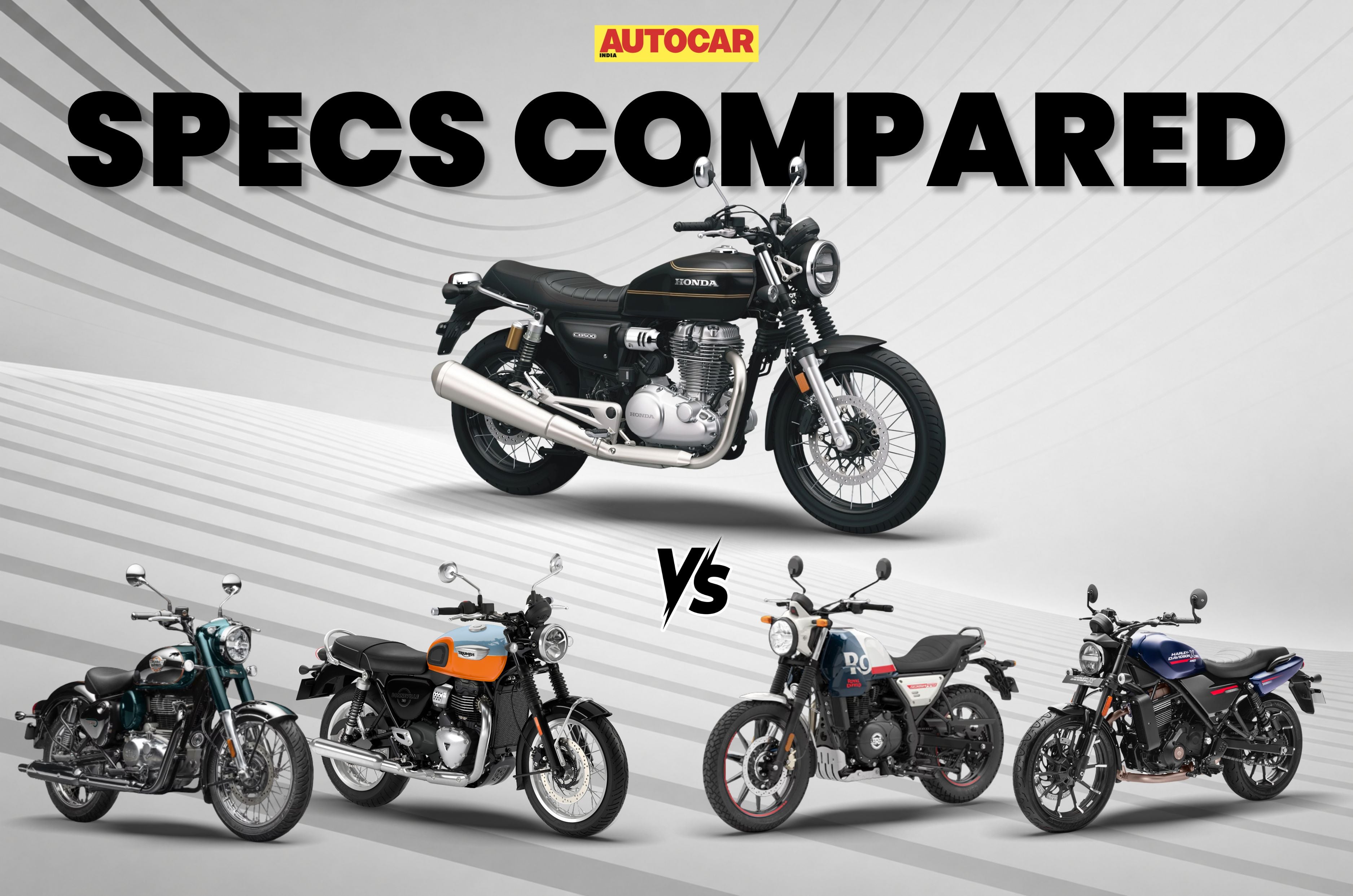
Honda has revealed the specifications for the CB500, so it’s only natural that we see how it stacks up against its main rivals such as the Harley-Davidson X440 T and Triumph Bonneville T40. For good measure, we’ve even thrown in other lower-priced and lower-spec but far more popular alternatives like the Royal Enfield Scram 440 and the king of this class, the Classic 350. Here is how these stack up against each other on paper.
Honda CB500 vs Rivals: Engine and output
The Honda CB500 shines with plenty of low-to-mid range torque
Honda CB500
Harley-Davidson X440 T
Triumph Bonneville T40
Royal Enfield Scram 440
Royal Enfield
Classic 350
Engine
501.7cc, single-cylinder, oil-cooled
440cc, single-cylinder, oil-cooled
350cc, single-cylinder, liquid-cooled
443cc, single-cylinder, oil-cooled
349cc, single-cylinder, liquid-cooled
Power
28.14hp at 5,250rpm
27hp at 6,000rpm
29hp at 9,000rpm
25.42hp at 6,250rpm
20.2hp at 6,100rpm
Torque
43.3Nm at 3,750rpm
38Nm at 4,000rpm
31.2Nm at 5,500rpm
34Nm at 4,000rpm
27Nm at 4,000rpm
Gearbox
5-speed
6-speed
6-speed
6-speed
5-speed
Power-to-weight ratio
148.88hp/tonne
140hp/tonne
148.71hp/tonne
129.69hp/tonne
103.59hp/tonne
With its large 501.7cc mill, the Honda offers more low-to-mid-range torque than the others, and it arrives the earliest too, at 3,750rpm. The torque outputs in this comparison are largely dictated by the engine’s displacement. In the modern retro segment where riders want an effortless riding experience, a healthy torque output delivered without too much effort is almost a necessity. The only anomaly here is the Bonneville T40, with its short stroke and liquid-cooled engine, making the most peak horsepower, although its torque output can’t match the larger bikes’ figures.
Honda CB500 vs Rivals: Dimension and weight
The CB 500 is the lightest in its segment
Honda CB500
Harley-Davidson X440 T
Triumph Bonneville T40
Royal Enfield Scram 440
Royal Enfield
Classic 350
Fuel tank capacity
15.2 litres
13.5 litres
14.5 litres
15 litres
13 litres
Ground Clearance
168mm
170mm
165mm
200mm
170mm
Kerb weight
189kg
192kg
195kg
196kg
195kg
Seat Height
NA
805mm
790mm
795
805mm
Wheelbase
1439mm
1418mm
1418mm
1460
1390mm
The Honda CB500 immediately stands out because of its kerb weight. It is the lightest motorcycle in this comparison, despite having the largest motor. Of all the bikes here, the T40 offers the most accessible saddle height, and you can further drop it down to 770mm with the accessory low seat. No bike here is a corner carver and all of them prioritize a laidback and stable demeanour on the side of their tyres. Given that we are yet to ride 2 of the most recent entrants yet, any comment on a comparison of their ride and handling will have to wait until a later date.
If you want your neo retro machine to be able to tackle bad roads, all of them should be up for the job but it’s the Scram that is the most apt for it with its Himalayan-derived suspension and chassis.
Honda CB500 vs Rivals: Tyres, brakes and suspension
The X440 T is the only motorcycle that features a USD fork
While the Harley-Davidson features a USD front fork, the other motorcycles rely on right way up telescopic forks and twin rear shocks with the exception of the Scram, which uses a link-type monoshock. Again, in keeping with their more relaxed nature, the simple spec on offer here is more than sufficient for these bikes’ intended roles. Of them all, the H-D X440 T is likely to be the most agile owing to its more sophisticated front suspension and smaller wheel sizes, which are almost akin to a traditional roadster.
More pertinent here is that the Classic 350 (except for the alloy wheel ‘Dark’ variant) and Bonneville T40 come only with tubed tyres. The Honda comes with tubeless tyres on all variants and save for the base one, the other two come with neat-looking side-laced rims permitting the aforementioned feature.
Honda CB500 vs Rivals: Features
Triumph takes the lead in the features department
The Bonneville T40 offers more features than any bike in the neo-retro segment (even more than its much more expensive twin-cylinder brethren!). Its electronic throttle body permits five ride modes (Eco, Road, Rain and customizable Rider A and B) as well as cruise control. A handsome full colour, 4-in TFT dash further brings in turn-by-turn navigation and cornering ABS as well as traction control complete its electronic arsenal.
The X440 T also has a TFT display, but it’s neither as sophisticated nor as pleasing to look at as the one on the ‘Bonnie’. It brings in 2 riding modes (Road and Rain) and has the safety net of switchable dual channel ABS and traction control. While the Honda has the same riding aids as the Harley, it displays information to the rider via a simple and easy-on-the-eyes digi-analogue display which has basic Bluetooth connectivity. The Scram and Classic -in true RE fashion – are simple, but not spartan machines. The Classic offers you a slip-and-assist clutch, type-C charger and dual-channel ABS, whereas the Scram misses out the slip-and-assist clutch and further offers you the ability to disable ABS at the rear.
Honda CB500 vs Rivals: Price
The CB500 is priced competitively
Honda CB500
Harley-Davidson X440 T
Triumph Bonneville T40
Royal Enfield Scram 440
Royal Enfield
Classic 350
Price (ex-showroom)
Rs 2.75-3.02 lakh
Rs 2.86 lakh
Rs 2.80 lakh
Rs 2.25-2.32 lakh
Rs 1.89-2.26 lakh
Honda has priced the CB500 rather well considering its capacity, what it brings to the table and despite the higher 40 percent GST working against it. In fact, its starting price undercuts both the smaller Harley and Triumph, and not by an unsubstantial amount.
However, in comparison to the slower and smaller REs, the Honda’s price is a segment higher and rightly so, because the CB500 is, for all intents and purposes, a machine from a segment above. Deliveries for the Alloy variants are expected later this year, and for the spoke and tubeless spoked variants in the first quarter of 2027.
Given what the latest offerings bring to the segment and their differing price strategies, the neo retro segment is now larger and more diverse than ever before with an option to suit just about every need. Choosing between these bikes is more than a simple comparison on paper and will need a more nuanced understanding of what they offer the rider.
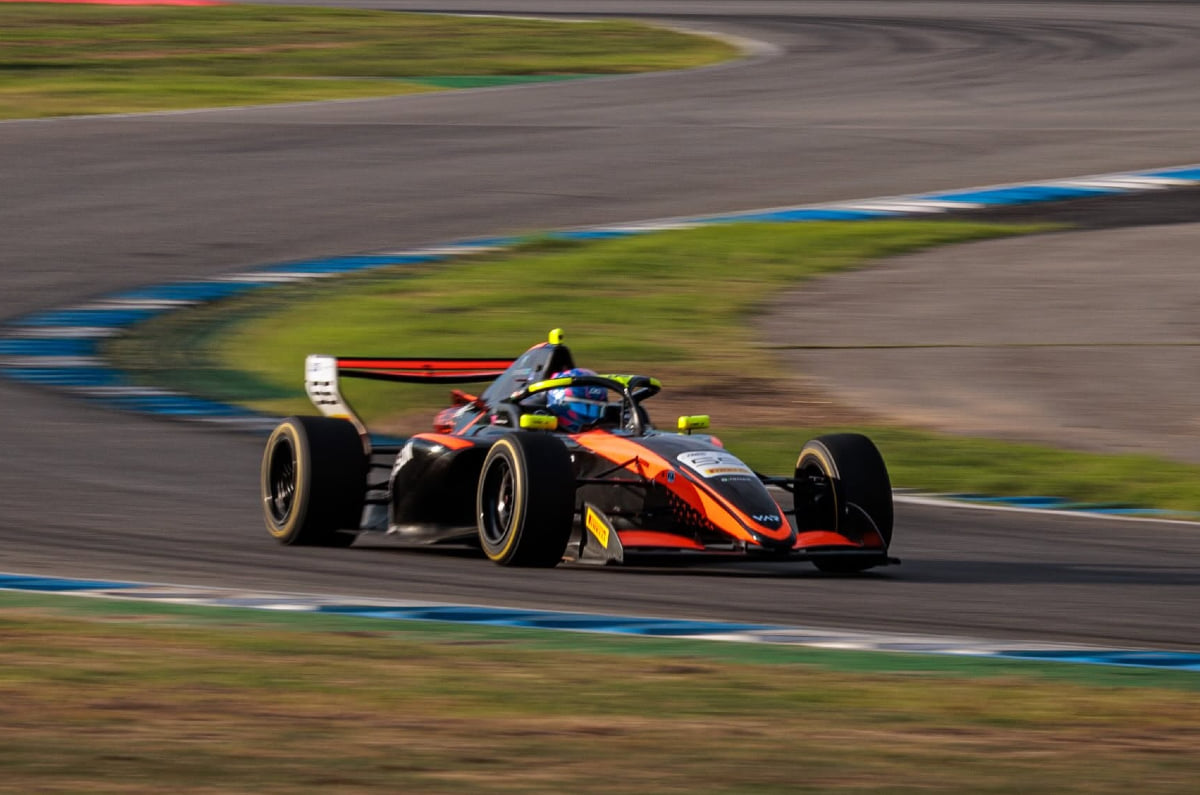
Dion Gowda will make his Formula 3 debut next season, joining Lando Norris’ LN4 Fusion team. This will make him the third Indian racer to compete in the junior racing series, following Jehan Daruvala and Kush Maini. “I’m really excited to be joining LN4 Fusion for the FIA Formula 3 Championship next year,” said Gowda. “Racing in FIA F3 is a dream come true and I’m really grateful for the opportunity. There are amazing people in this team, and I can’t wait to get started!”
Gowda will be the third Indian to compete in F3
He’s currently racing in the Formula Regional European Championship
Dion Gowda to make F3 debut in 2027
After making his way through the karting ranks in Asia and Europe, Gowda made his single seater debut in the 2023 F4 UAE winter series. He then enjoyed an impressive rookie campaign in the British F4 championship, claiming four race wins, three pole positions and six podiums enroute to finishing P4 in the championship.
Since then, he’s also participated in F4 UAE, Italian F4, Euro 4 and most recently in the Formula Regional European Championship (FREC) where he’s been competing for two seasons. In 2025 he also took home the 2025 FREC rookie title.
The 18-year old is now set to race alongside James Egozi and Gabriel Gomez in Lando Norris’ new LN4 Fusion F3 team next year. This will also be the newly-founded team’s inaugural F3 campaign.
“We are delighted to welcome Dion to LN4 Fusion, and we are very happy to be working with him,” said LN4 Fusion Chief Executive Officer Dan Richards.
“He showed promising speed in Formula Regional this season, regularly running in the top 10. We believe there is plenty of room for him to keep growing as a competitor, and on top of that he is a great person to work with. Everyone in the team is looking forward to starting this new journey together.”