Bharat NCAP 2.0 to come into effect from October 2027: Gadkari

Bharat NCAP 2.0 to come into effect from October 2027: Gadkari

At the 66th SIAM Annual Convention, Union Minister of Road Transport and Highways, Nitin Gadkari, revealed that the government is preparing for the second phase of Bharat NCAP that’s set to take effect from October 2027. The new phase of the BNCAP, Gadkari said, is planned to broaden the vehicle assessment programme to areas such as crash avoidance, pedestrian safety and post-crash response.

  1. Entire crash chain will be evaluated, expanding beyond occupant protection
  2. Gadkari invited manufacturers to submit suggestions based on global safety practices

Bharat NCAP 2.0 plans: What was revealed?

“Entire crash chain” to be evaluated with the Bharat NCAP 2.0 programme 

“We are going ahead with making Bharat NCAP 2. This is a very important program [which will be] valid from October 2027,” said Gadkari while addressing the SIAM convention. The next phase is expected to assess a wider range of safety parameters. “We are going to evaluate the entire crash chain,” he added while identifying three broad areas – avoiding a crash, pedestrian protection, and post-crash evacuation and care – rather than focusing only on how vehicles protect occupants during a crash.

Image source: @siamindia on X

The ministry will also look at new safety technologies available globally as well as solutions being developed by Indian start-ups. Gadkari also invited vehicle manufacturers to submit suggestions based on their research, technical experience and safety practices followed in other markets “If you have any good suggestions, don’t hesitate, come to us”, he said.

Notified draft rules from MoRTH in November 2025 proposed 100-point evaluation criteria

In November 2025, MoRTH proposed new rules for the next phase of Bharat NCAP under AIS-197 (Revision 1), aimed at making the car safety testing programme more detailed and stricter. Under the proposed system, cars would receive a score out of 100 based on five areas: crash protection (55 points), protection for pedestrians and other vulnerable road users (20 points), safe driving features (10 points), accident avoidance technology (10 points), and post-crash safety (5 points).

The requirements for a 5-star safety rating would also become tougher. From 2027, a car would need to score at least 70 out of 100 to receive 5 stars, while from 2029, the minimum score would increase to 80 points.

The proposal also calls for more crash tests. In addition to the existing tests, cars would have to undergo a 50kph full-width frontal crash test, a 32kph oblique pole impact test and a 50kph rear-impact test. The speed of the existing side-pole test would also increase from 29kph to 32kph. Another major change is that cars would need to offer curtain airbags and electronic stability control (ESC) as standard to qualify for a star rating.

Kinetic Watts & Volts eyes seven overseas markets

Kinetic Watts & Volts eyes seven overseas markets

Kinetic Watts & Volts (KWV) is evaluating seven international markets as the Pune-based electric two-wheeler maker looks to expand beyond India. Turkey, Nepal, Sri Lanka, Bangladesh, Kenya, Nigeria and Egypt are currently being assessed, with KWV studying local regulations, customer requirements, electric two-wheeler demand and potential distribution partners.

  1. International expansion to cover markets across Europe, South Asia and Africa
  2. Makarand Joshi appointed to lead KWV’s international business development
  3. Company plans to add 40 more exclusive showrooms in India

Kinetic EV international expansion plans

It has also issued 150 LOIs to prospective dealership partners.

KWV currently sells the Kinetic DX and DX+ electric scooters in India, with the range positioned around accessible urban mobility. The company is now looking to identify markets and distribution partners that can support its next phase of growth overseas.

KWV has appointed Makarand Joshi as head of international business development to lead its overseas plans. Joshi has more than two decades of experience in developing overseas markets for Indian automotive products, with experience across Asia, the Middle East, Europe and Africa. His background includes two-wheelers, commercial vehicles and tractors, as well as international distribution and market-entry strategies.

Ajinkya Firodia, Vice Chairman and Managing Director, Kinetic Watts & Volts, said the company’s products had been designed with a broad range of markets in mind. He added that the momentum of its domestic business had allowed KWV to begin laying the groundwork for international expansion. The company is yet to confirm which of the seven markets it will enter or provide a timeline for its overseas launch.

KWV’s international plans come as it continues to build its presence in the Indian market. The company currently has 45 exclusive showrooms and expects another 40 outlets to become operational within the next two months. It has also issued 150 Letters of Intent (LOI) to prospective dealership partners.

With inputs from ANGITHA SURESH

Hyundai compact EV to debut by end of 2026

Hyundai compact EV to debut by end of 2026

At its 2026 CEO Investor Day, Hyundai revealed plans to debut its made-in-India compact electric SUV by March 2027. However, Tarun Garg, Managing Director and CEO of Hyundai Motor India, in an interaction with our sister publication Autocar Professional, confirmed the EV will debut earlier than that, by the end of 2026. Garg also said that the EV will initially use battery cells from Svolt, before moving to its original plan to source them from Exide. 

  1. To be built on the E-GMP (K) platform that underpins the Inster EV
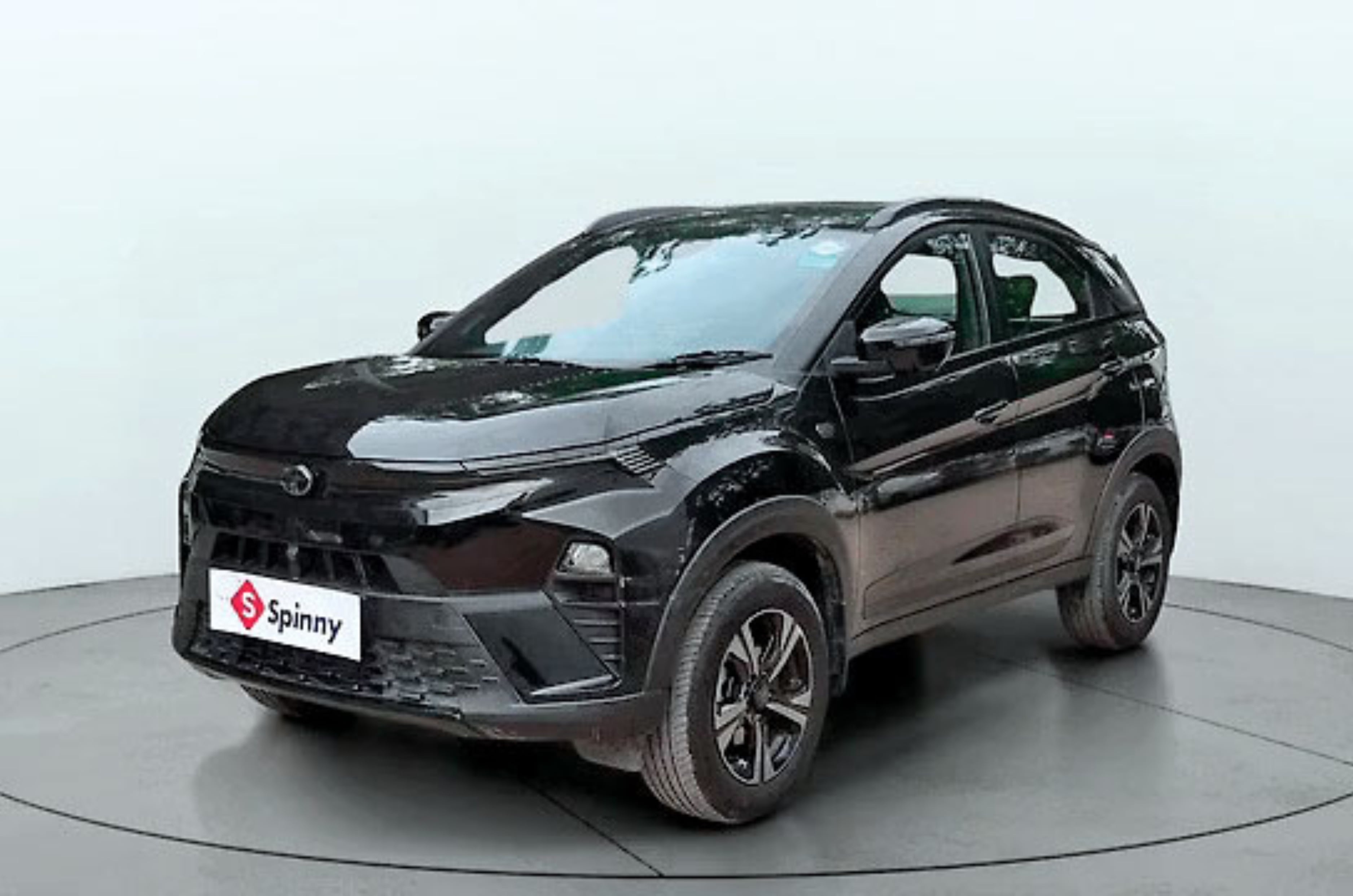
  2. Will rival the Tata Nexon EV, Mahindra XUV 3XO EV and Kia Syros EV

Hyundai has also revealed it expects EVs to account for more than 7 percent of its domestic sales within the next year. In FY26 (April 2025 to March 2026), EVs accounted for a 1 percent share of total Hyundai sales in the country, a figure similar to FY25 (April 2024 to March 2025).

Upcoming Hyundai compact EV: More details

Svolt to supply battery cells initially, after Exide flagged production delays earlier

Image source: @joonsun_erin on Instagram

The upcoming compact EV will initially use Svolt battery cells. “We are already ready with the new EV using Svolt cells. Otherwise, the programme could have been delayed, and we did not want to delay the vehicle,” Garg said to Autocar Professional. However, Hyundai subsequently plans to source locally produced cells through its association with Exide, as was originally planned. Notably, Exide revealed in August 2026 that battery production is delayed and that they would not be able to supply components by FY27 (by March 2027). 

Will be underpinned by the Inster’s E-GMP (K) platform

The upcoming compact EV, codenamed HE1i, will be underpinned by the E-GMP (K) platform, also used by the internationally available Inster EV. It will be offered in two versions: standard range and long range, but exact specifications are under wraps. For context, the Inster EV is also available in standard and long-range versions, with 42kWh and 45kWh batteries, respectively, offering a WLTP-claimed range of up to 355km.

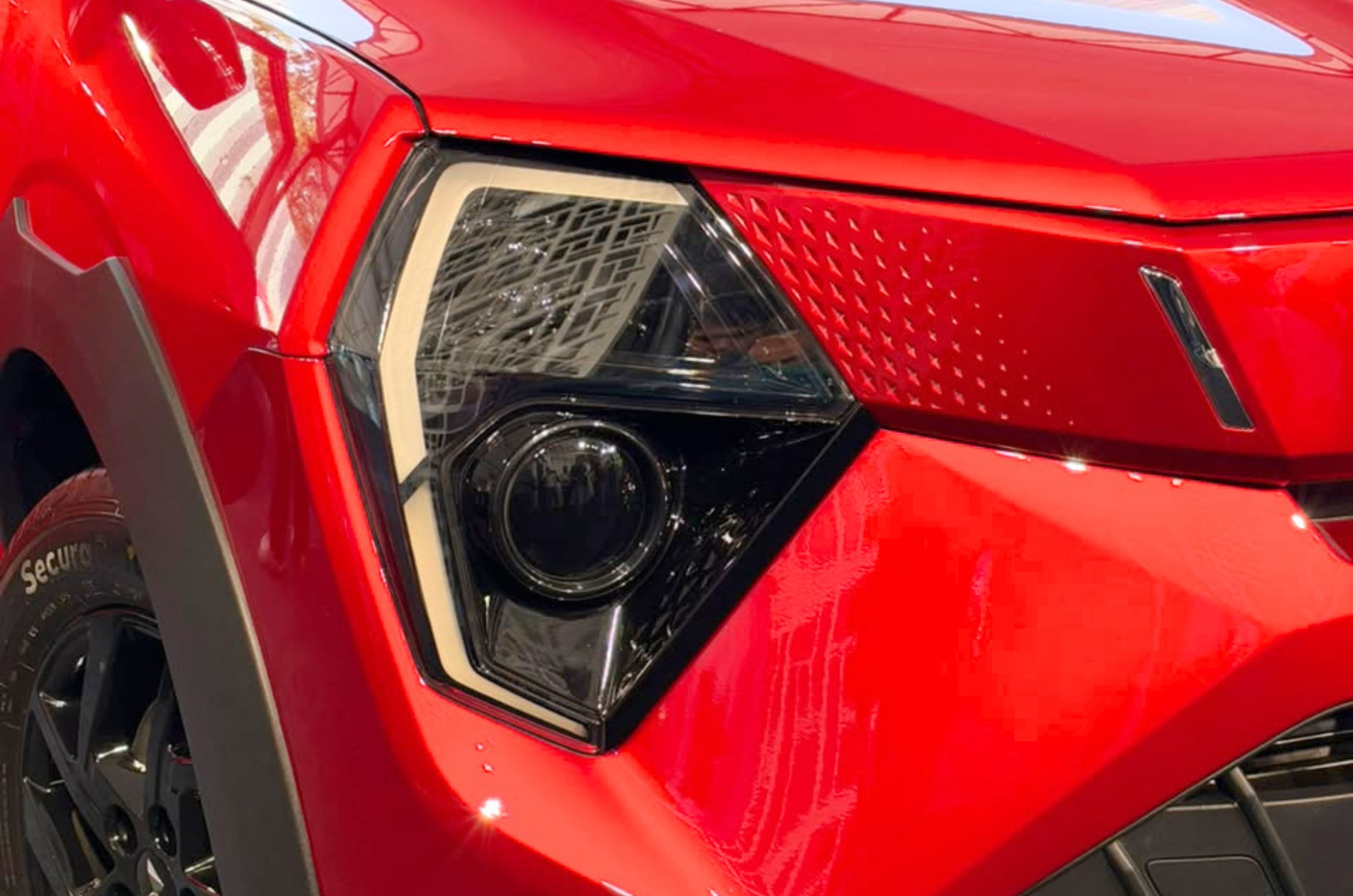
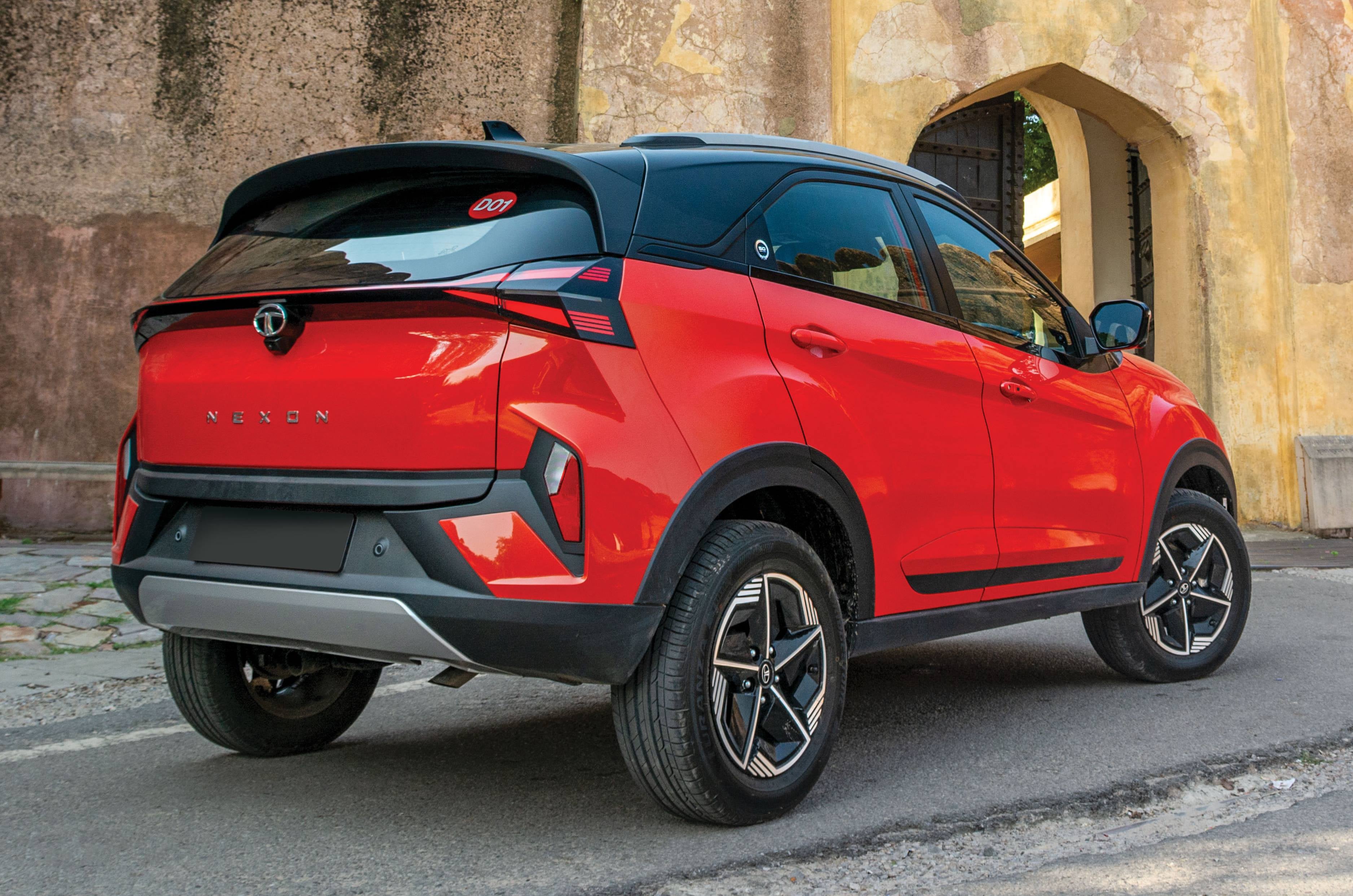
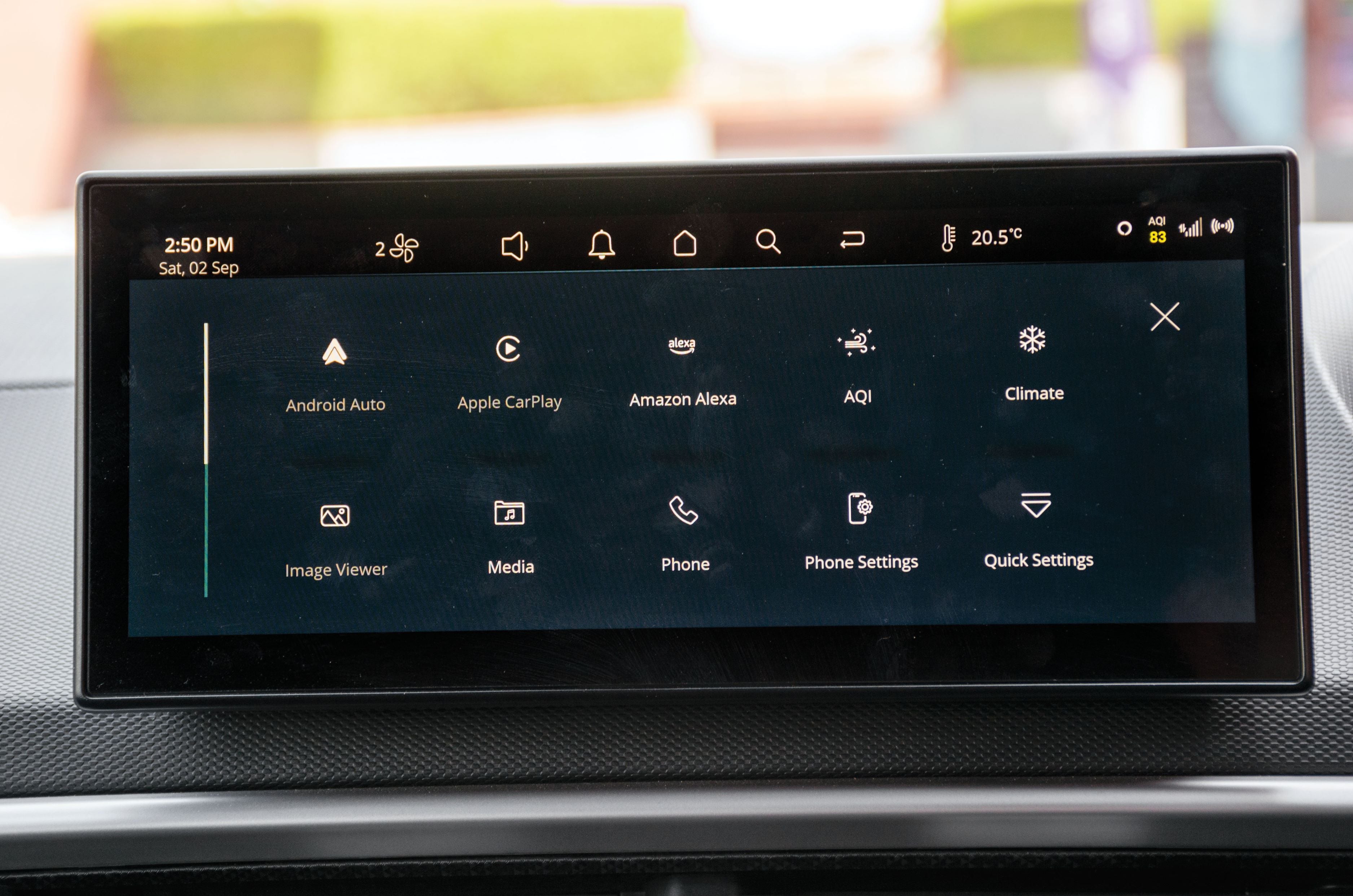
Hyundai has also confirmed that the new compact EV will get a ‘next-generation infotainment system’, which could be the Pleos Connect infotainment system seen on several new-age Hyundai models now, and a ‘Level 2 assisted driving technology’. It will be manufactured at Hyundai’s Sriperumbudur facility in Tamil Nadu. Upon launch, it will lock horns with the Tata Nexon EV, Mahindra XUV 3XO EV and Kia Syros EV. 

With inputs from Ketan Thakkar and Hormazd Sorabjee

3 reasons to buy the Maruti Celerio and 3 reasons to avoid it

3 reasons to buy the Maruti Celerio and 3 reasons to avoid it
Maruti Celerio side static

The Celerio is positioned between the cheaper Alto K10 and the even more popular Wagon R in Maruti Suzuki’s line-up. Priced between Rs 4.70 lakh and Rs 6.75 lakh (ex-showroom), the Celerio is available in petrol and CNG versions with manual and AMT gearbox options, just like its rivals. While the second-gen model arrived on the entry-level hatchback scene in 2021, it hasn’t received a single facelift in the following five years, placing it at a disadvantage over some of its competitors. This Heartect platform-based hatchback goes up against the likes of the new-gen Tata Tiago and its own stablemate, the Wagon R.

Reasons to buy the Maruti Celerio

City slicker

The Celerio’s urban-friendly demeanour is great for regular commutes

Maruti Celerio engine

One of the factors making the Maruti Celerio a great urban runabout is its 1.0-litre three-cylinder engine. It builds power smoothly right from lower RPMs which, along with a slick 5-speed manual gearbox and a light clutch, make pottering around town an easy affair. Those seeking an even easier time commuting can pick the AMT (automated manual transmission), whose shifts are relatively smooth as far as AMTs go.

Maruti Celerio front tracking

Helping matters further in the city is the plaint suspension, which soaks up bumps at lower speeds without much fuss. The light steering, tight turning radius and good front visibility also go a long way in helping you navigate compact parking spots and bustling city traffic. And despite its cost-friendly design, the height-adjustment feature for the driver’s seat means finding a suitable position isn’t too much of an issue.

Efficiency champ

This is Maruti Suzuki’s most frugal offering in the country

Maruti Celerio AMT gearbox

Not only is it easy to drive, but the Maruti Celerio will not have you complaining about fuel economy either. The petrol version with the 5-speed manual transmission has a claimed mileage of up to 25.24kpl, while the AMT option is rated at 26kpl – making the Celerio AMT the most fuel-efficient petrol car in the market. All variants of the Celerio come with an automatic engine stop-start function, further reducing fuel consumption. While this feature isn’t enabled when running on CNG (in VXi MT only), the claimed mileage of 34.43km/kg is better than that of the Maruti Wagon R CNG and the Renault Kwid CNG.

Roomy boot

The Celerio’s boot affords more space than some rivals

Maruti Celerio boot space

At 292 litres, the boot of the Maruti Celerio is bigger than those rivals such as the Tata Tiago and Renault Kwid. This is enough to accommodate two large suitcases and a couple of carry-on-sized bags, with still some room to spare. If you need even more space, the 60:40 split-folding rear seats will come in handy. On the other hand, the loading lip is high and relatively narrow, making loading or unloading heavier items cumbersome.

Reasons to avoid the Maruti Celerio

Ergonomic niggles

This interior has a few sore points that’ll take getting used to

Maruti Celerio infotainment

Compared to most of its adversaries, the power window switches of the Maruti Celerio aren’t placed on the doors. The front ones are positioned on the dashboard, whilst the rear switches are found on the rear centre pedestal between the front seats. Buttons to operate the door and power-window locks are also on the dashboard. Then there are the thick A-pillars, which can obstruct your view at junctions and roundabouts.

Maruti Celerio rear seats

The well-cushioned rear seats of the Celerio offer plenty of kneeroom for even taller occupants. However, headroom isn’t all that good, and the fixed headrests are positioned way too low to be effective. The angled design of these headrests also means that they poke into your back, which can be uncomfortable.

Unimpressive material quality and feature set

The Celerio’s cabin isn’t the most up-to-date in this segment

When compared to the new-gen Tata Tiago, the interior of the Maruti Celerio looks and feels a touch dated. There’s plenty of hard plastics which, even though are accompanied by shiny trim and a sculpted dashboard, feel pretty basic. The relatively simple design is backed by an equipment list that isn’t particularly competitive either.

Maruti Celerio interior

For instance, even the top trim level of the Celerio doesn’t come with a rearview camera. There’s also no automatic climate control system, while Apple CarPlay and Android Auto both require a wired connection. The touch-infotainment screen is a 7-inch unit, whereas a similarly priced Tata Tiago offers an 8-inch setup. On the outside, the Maruti Celerio gets the old-school ‘flip-up’ door handles.
Imperfect on a highway

This hatchback isn’t particularly meant to be driven hard or fast

Maruti Celerio side tracking

While it’s perfectly at home in the city, the Maruti Suzuki Celerio isn’t as good out on the open road. The lifeless steering aside, the body moves around enough – both of which robs you of confidence required to push the car any harder.

Also read

3 reasons to buy the Toyota Hyryder and 2 reasons not to

Mitsubishi Pajero: What’s changed from fourth to fifth-generation model

Tamil Nadu CM Vijay announces plans for new Motor Sports City

Tamil Nadu CM Vijay announces plans for new Motor Sports City
Tamil Nadu CM Vijay Motor Sports City

Tamil Nadu Chief Minister C. Joseph Vijay has revealed plans to develop a dedicated motorsport city in Chennai. This will include a new race track, capable of hosting F1, F2, F3, F4 and other international races.

“An Olympic city will be set up in Chennai. A Motor Sports city will also be set up in Chennai to host Formula 1 races. The talents of youth in motor sports will be identified, and training and racing opportunities will be provided to create national and international level champions,” Vijay said during the state Assembly.

He added, “Establishing world-class motor vehicle car racing arenas will provide opportunities for tourism, special vehicle manufacturing industries, employment, and economic development.”

  1. New Chennai race track aims to host F1, F2 and more
  2. Venue will also include training facilities

Chennai Motor Sports City plans revealed

F4 India

Tamil Nadu is at the very heart of the motorsport scene in India, with tracks like the Madras International Circuit and Kari Motor Speedway hosting majority of our national championship races. There’s also the Madras International Karting arena, which is the first karting track in the country to meet global CIK (Commission Internationale de Karting) standards. 

Vijay highlighted the business case behind setting up the new motorsport city in the state. Tamil Nadu is currently a leading state for the production of various two-wheelers and four-wheelers, as well as racing vehicles. He added that setting up “world class” racing venues will provide opportunities to boost tourism, specialised vehicle manufacturing industries and well as employment and the local economy in general.

While the precise location of this new motorsport city hasn’t been revealed, Vijay did share that the goal is for the venue to be capable of hosting international-level racing like F4, F3, F2 and even F1. 

Driver development will be another key focus area. Vijay stated that the venue will also include training facilities to identify and nurture local racing talent in a bid to give them opportunities on the national and international stage. 

India eyes F1 return

F1 Indian GP

This announcement follows renewed interest from the Indian government to bring F1 back to India.

The Buddh International Circuit last hosted The F1 Indian GP from 2011 to 2013. But the race was then dropped, mainly due to the Uttar Pradesh government’s taxation policy at the time, which classified F1 as entertainment rather than sport. 

However, speaking to media earlier this year, sports minister Mansukh Mandaviya shared that the government is working to make India a viable host country for international racing. “For instance, if the entertainment tax cannot be altogether repealed, we will try to ensure that reimbursements are provided to incentivise the project for the organisers. Discussions are ongoing on this issue. It is an interministerial matter, and we are trying our best to make it attractive for Formula 1,” he said at the time.

F1 CEO Stefano Domenicali has stated that there is “big interest” for the championship to return to India, but also stressed that this won’t happen any time soon and will require several conditions to be met. “There are the right things that we need to do – to again find back the right promoters, the right collaboration and the right timing, which will not be in the very short term. But when we talk about five years in Formula 1, it seems to be very far away, but it’s not,” he told F1 India broadcaster FanCode.

Kawasaki Z650 S, Z900, and Z900 SE get new colours for 2027

Kawasaki Z650 S, Z900, and Z900 SE get new colours for 2027
Studio render showing one new colour each on the Kawasaki Z900 SE, Z900, and Z650 S

Thinking of Kawasaki immediately brings their signature lime green coloured motorcycles to mind and that’s intentional. After all, it’s the colourway we most associate with the brand, but the truth is that the bikes are available in other colourways too, as we’ve just seen with the 2027 versions recently introduced in Europe.

  1. In Europe, the only available Z650 is the Z650 S that looks similar to Z900
  2. India gets the Z650 and Z900 but not the Z900 SE

What’s new on the Z line-up for 2027?

New colour options but mechanically unchanged

Kawasaki Europe had revealed the Z650 S in late 2025 destined for Europe. The model brought the Z650 platform closer in styling to the Z900, and also introduced revised ergonomics with a wider handlebar and repositioned footpegs. In most European markets, the Z650 and Z650 S coexist, whereas in markets like India and the USA, the standard Z650 continues to be the sole offering. For 2027, the Z650 S gets three new colours in Europe: Black, Red, and White with green highlights. For reference, in India, the regular Z650 is offered in a single Black colour.

Kawasaki Z650 S in Black colour
India does not get the Z650 S; so far unclear if it’s headed here
Kawasaki Z650 S in Red colour
Kawasaki Z650 S in White colour with green highlights

Indian Kawasaki fans do have access to the updated Z900 that debuted here in 2025, but in a Black with gold highlights and the signature Green. For 2027, the Europe version of the Z900 has now gained three new colours: Black (sans gold highlights), Red, and White with green highlights. The Z900 SE gets a new Gray colour with a green frame and green wheels, and upgrades the brakes to Brembo and suspensions to Öhlins from the standard Z900.

Kawasaki Z900 in Black colour
Indian Z900 gets a similar colour, with a gold frame
Kawasaki Z900 in Red colour
Kawasaki Z900 in White colour with green highlights
Kawasaki Z900 SE in Gray colour with a green frame and green wheels
Exclusive colour to the Z900 SE; also exclusive are the Brembo brakes and Öhlins front and rear suspensions

Beyond the new suite of colours, both motorcycles remain identical to the 2026 counterparts which was also the case for the Ninja 500 and 500 SE. At the time of writing, Kawasaki hasn’t revealed anything about these colours coming to the Indian version of the Z900, or when the Z650 S will show up here, if at all.

Updated Hero Mavrick 440 spotted with USD fork and a TFT cluster

Updated Hero Mavrick 440 spotted with USD fork and a TFT cluster
Inside image of the updated Hero Mavrick 440 showing the USD fork and back of the new TFT instrument cluster

Hero Mavrick 440 was the brand’s flagship product at launch, both in terms of price and features. It shared the engine and the platform with the original Harley-Davidson X440 but stuck to a conventional telescopic fork and a simpler LCD instrument cluster. Hero discontinued the Mavrick in India in early 2025, although it continues to be sold as Hunk 440 in the overseas markets. Now, an updated version of the Mavrick 440 has been spotted.

  1. Besides the USD fork and the TFT cluster, likely to get ride by wire
  2. Expected to retain the 440cc engine and the design

Hero bringing Mavrick 440 back in India

The Mavrick was discontinued in early 2025

A social media user has posted a picture of an updated Mavrick 440 with two of the major concerns addressed. First, the conventional right side up (RSU) telescopic fork has been swapped for an upside down (USD) fork. And the instrument cluster has been upgraded to a TFT one, presumably the same one as the Harley-Davidson X440 T, which shares the same platform. With the update, the X440 T got two ride modes and traction control. It remains unclear if the Mavrick 440 will get those extra features too.

The engine likely remains unchanged with the same air- and oil-cooled 440cc single-cylinder mill with 27hp and 38Nm of torque. Nothing on the design front appears to have been updated in any way either. At launch, the Mavrick 440 started at Rs 1.99 lakh, going up to Rs 2.24 lakh for the top variant (both prices ex-showroom, Delhi). With these additional features, the price would have gone up if Hero was planning to relaunch the bike in India. However, we believe that this bike is destined for export markets only, and Hero won’t be launching it here any time soon.

Image credit: xtremeAnkit (Reddit)

EVs could improve dealer customer retention, says Hero MotoCorp CBO

EVs could improve dealer customer retention, says Hero MotoCorp CBO

Electric two-wheelers could help dealers retain more customers even as they reduce the need for traditional servicing, according to Hero MotoCorp’s chief business officer, Ashutosh Varma.

  1. EVs are currently complementing, rather than replacing, ICE two-wheelers, says Hero MotoCorp
  2. EV service retention could reach 85-90 percent
  3. Software-based services could create new revenue opportunities for dealers

EVs could improve service retention

Dealer revenue set to evolve

Speaking at a FADA conclave, Varma said the current growth of the ICE two-wheeler market suggests EVs are complementing conventional motorcycles and scooters rather than replacing them.

“The way the ICE business seems to be growing, it doesn’t seem like EVs are substituting ICE sales. It’s just like complementing ICE sales,” he said.

One of the potential benefits for dealers could be higher customer retention. Varma said average retention in the ICE business is around 60 percent, while EVs could push this considerably higher.
“In EVs it nudges us to move even further, possibly 85-90 percent,” he said.

While EVs have fewer mechanical components and generally require less routine maintenance than ICE vehicles, a higher proportion of EV owners returning to authorised workshops could help offset some of the reduction in conventional service and parts revenue.

Varma also pointed to software as another potential source of income for dealers. Manufacturers are increasingly offering modular, paid software and technology features, giving dealerships an opportunity to earn from services beyond traditional workshop jobs.

The revenue mix for dealerships is therefore likely to change as EVs become more common, rather than simply declining because vehicles need less mechanical servicing.

“The nature of revenues as you go forward will continue to evolve,” Varma said. “There are new avenues that will continue to emerge and EVs is an excellent example.”

JSW Motors’ Jetour T2-based SUV spied in close detail

JSW Motors' Jetour T2-based SUV spied in close detail
JSW Motors Jetour T2-based SUV spied in close detail

A camo-clad test mule of JSW Motors‘ upcoming SUV based on the Jetour T2 was recently spied on our roads. The T2-based model will be JSW Motors’ debut offering, and it will be offered with a plug-in hybrid powertrain. It will be assembled at JSW Motors’ Chhatrapati Sambhajinagar (formerly Aurangabad) plant in Maharashtra.

JSW Motors’ Jetour T2-based SUV: Spy shots explained

Going by the spy shots, the design resembles that of the T2 sold overseas. Even the design for the tail-lights, roof rails and wheels look similar. A design patent filed in India earlier this year suggests the JSW SUV could retain most of the T2’s design elements, while replacing the Jetour branding with the carmaker’s own.

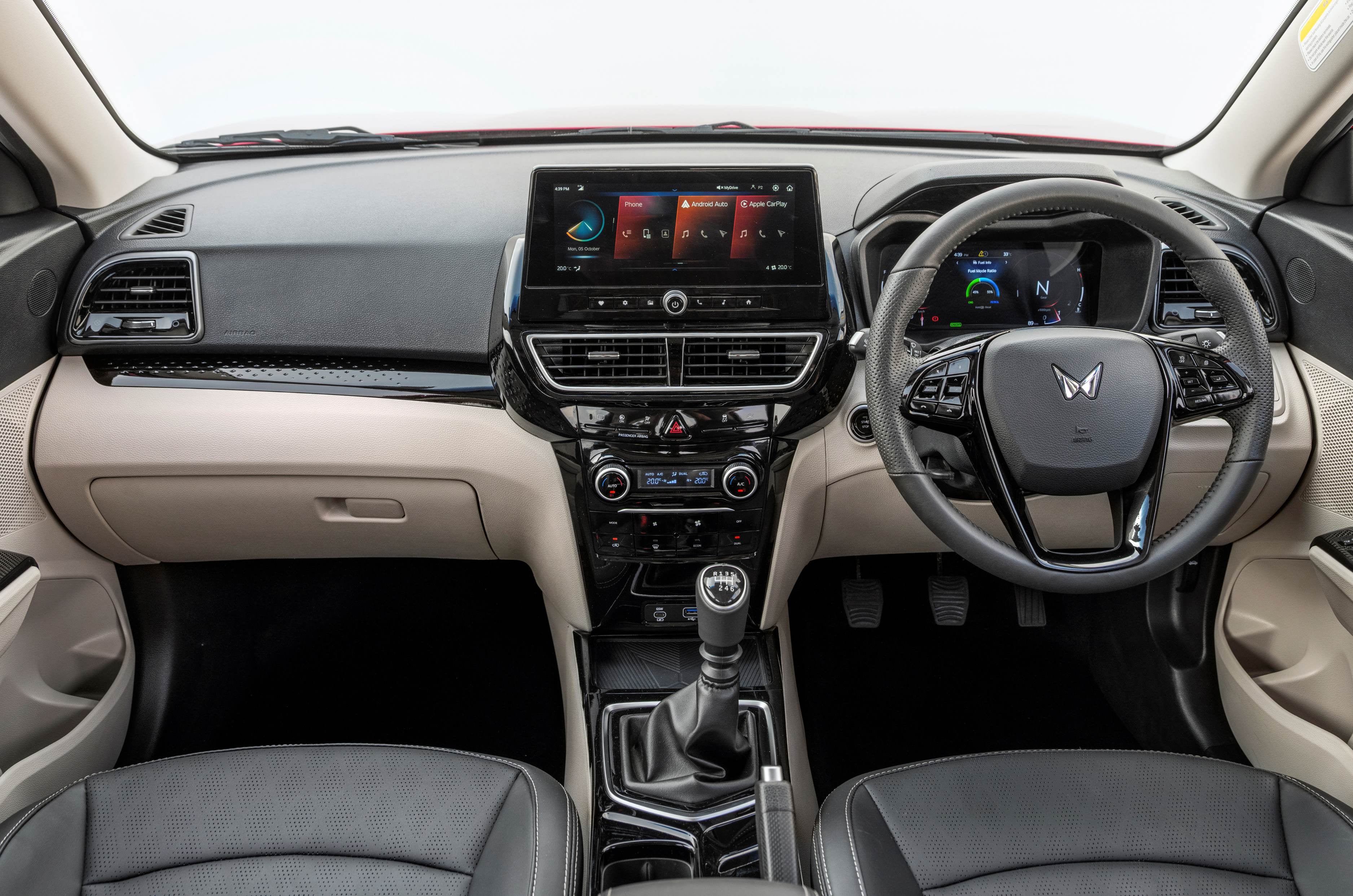
The SUV’s interior was not seen, and specifics around the feature list are currently unknown. The global-spec Jetour T2, for reference, gets a massive 15.6-inch touchscreen, a 540-degree camera, Level 2 ADAS, a panoramic sunroof, a Sony surround-sound system, ambient lighting, a wireless charging pad, a powered tailgate and more.

JSW Motors to price Jetour T2-based SUV around Rs 40 lakh
International-spec Jetour T2’s interior shown for representation.
JSW Motors’ Jetour T2-based SUV: Powertrain details

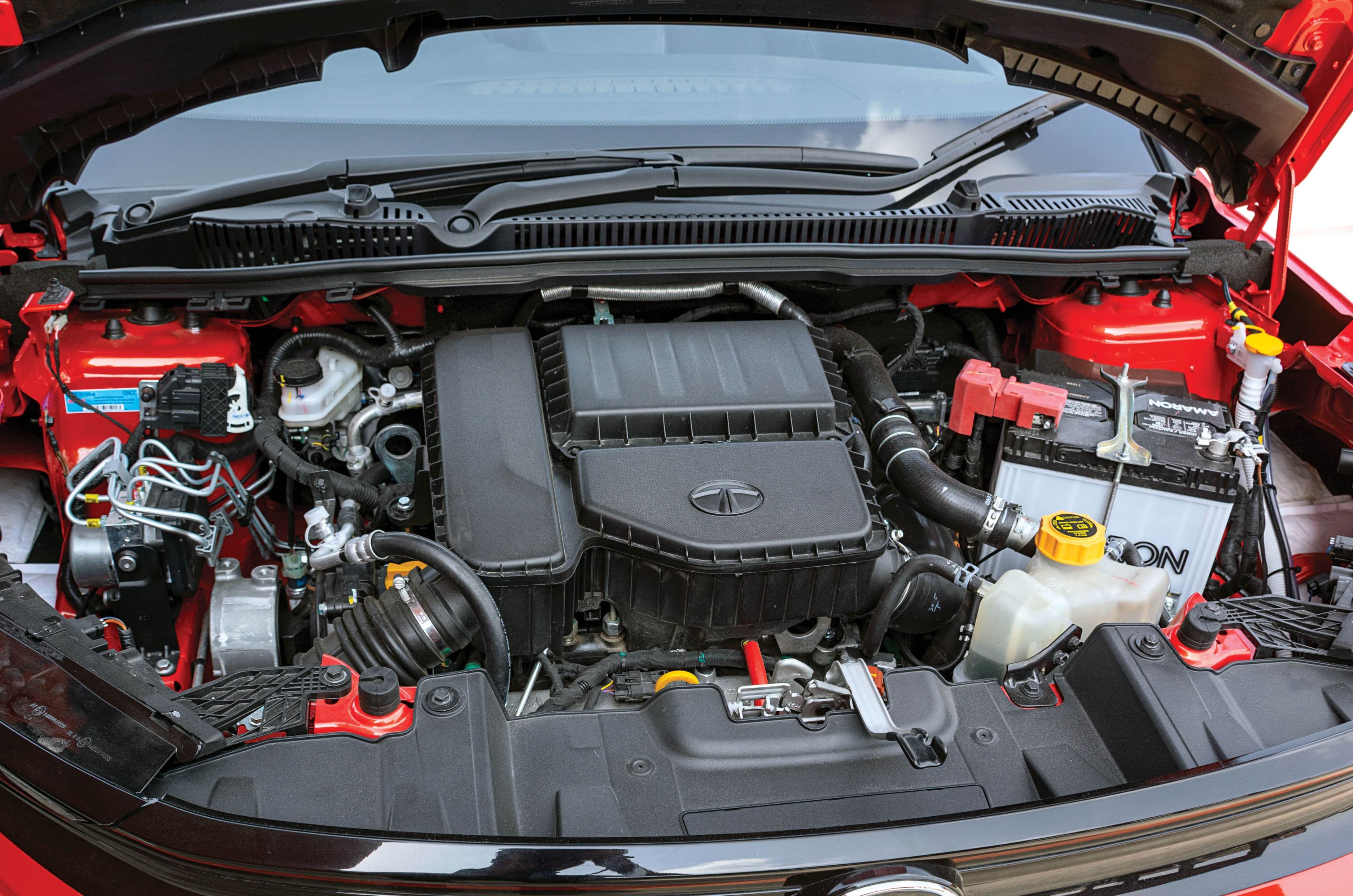
The JSW SUV is expected to use the Jetour T2 i-DM’s plug-in hybrid powertrain, which features a 1.5-litre direct-injection turbo-petrol engine, and a 26.7kWh battery pack which powers two electric motors. One of the motors is placed on the front axle and can drive the wheels. The other motor, meanwhile, is integrated into the gearbox to provide assistance during engine starting and torque fill during gear shifts.

JSW Motors to price Jetour T2-based SUV around Rs 40 lakh

The Jetour T2 plug-in hybrid’s combined output stands at 381hp and 610Nm and transmission duties are handled by a 3-speed dedicated hybrid transmission (DHT). The global-spec T2 i-DM has an NEDC-rated electric-only range of 139km, while the combined range is over 1,000km (brand claimed figure). As of now, the range figures for the JSW Motors SUV are not known.

JSW Motors’ Jetour T2-based SUV: Estimated price and rivals

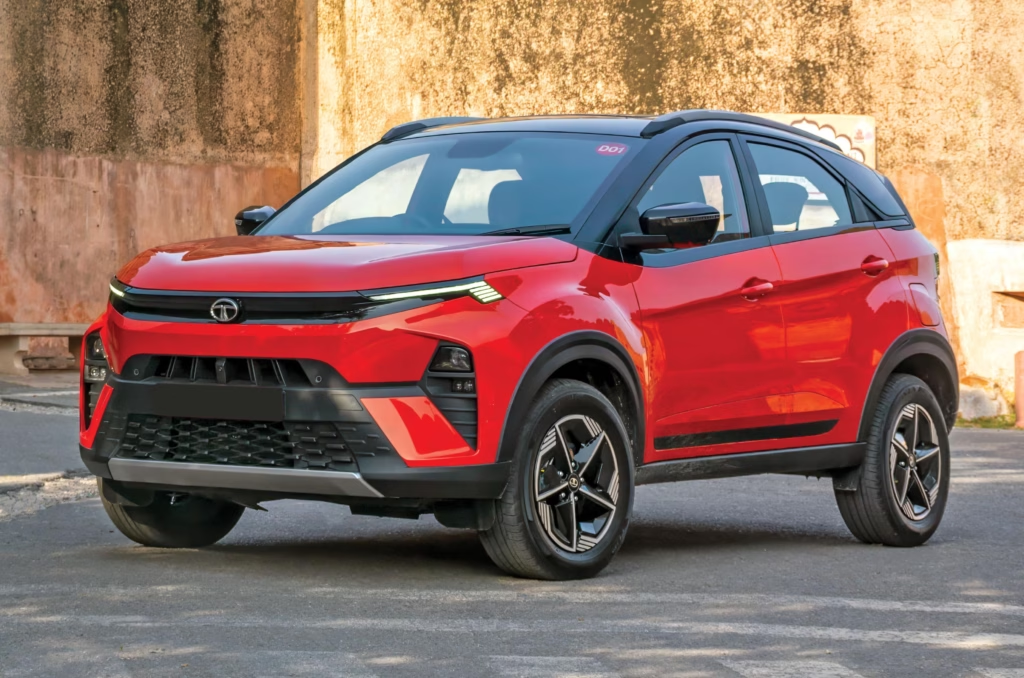
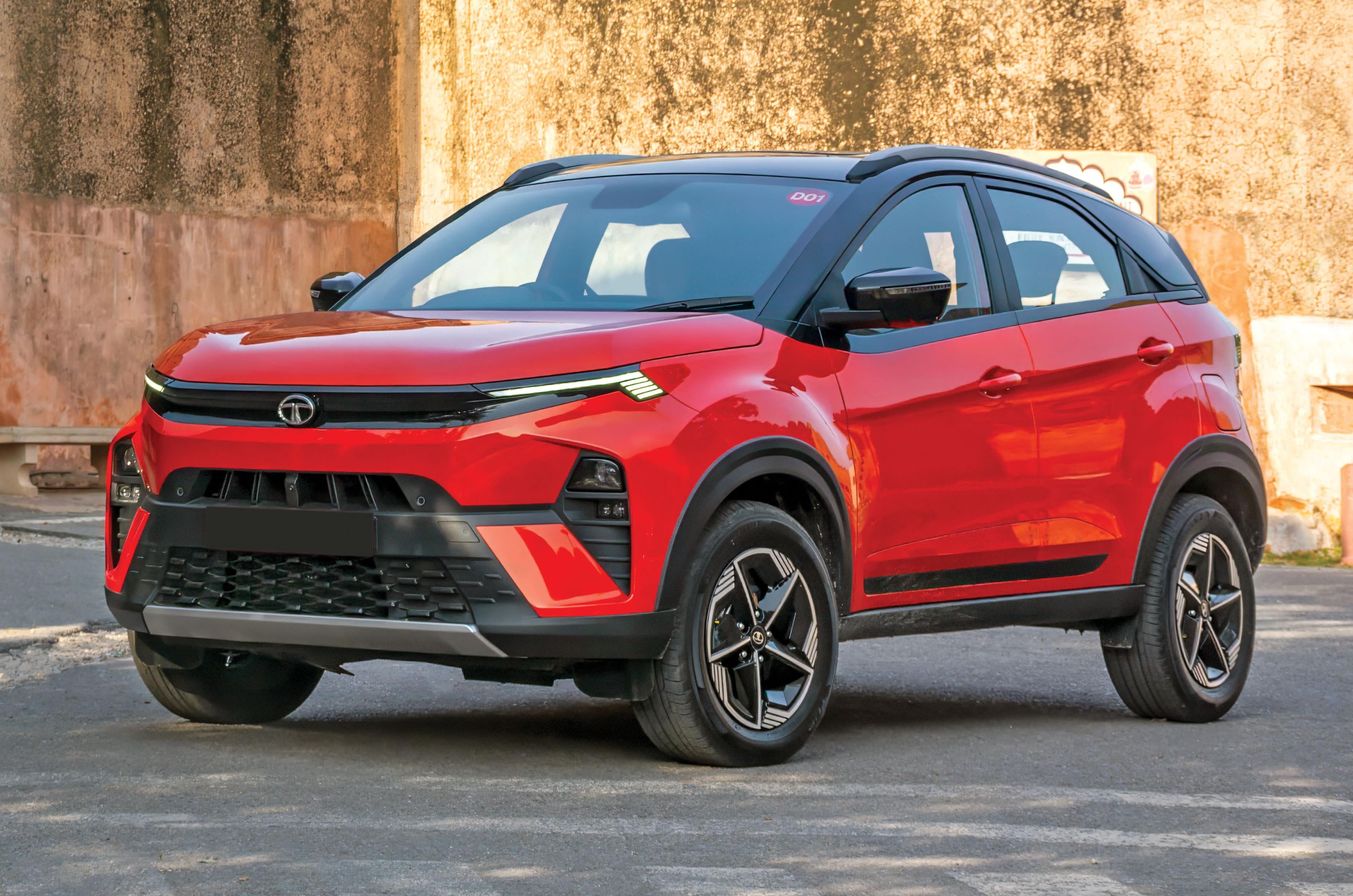
We expect JSW Motors’ Jetour T2-based SUV to be priced between Rs 38 lakh and Rs 40 lakh, ex-showroom. At this price, it will find itself in the company of the Skoda Kodiaq and Volkswagen Tayron. However, among ICE SUVs in this price range, the T2-based SUV is expected to offer significantly more power and torque than its rivals.
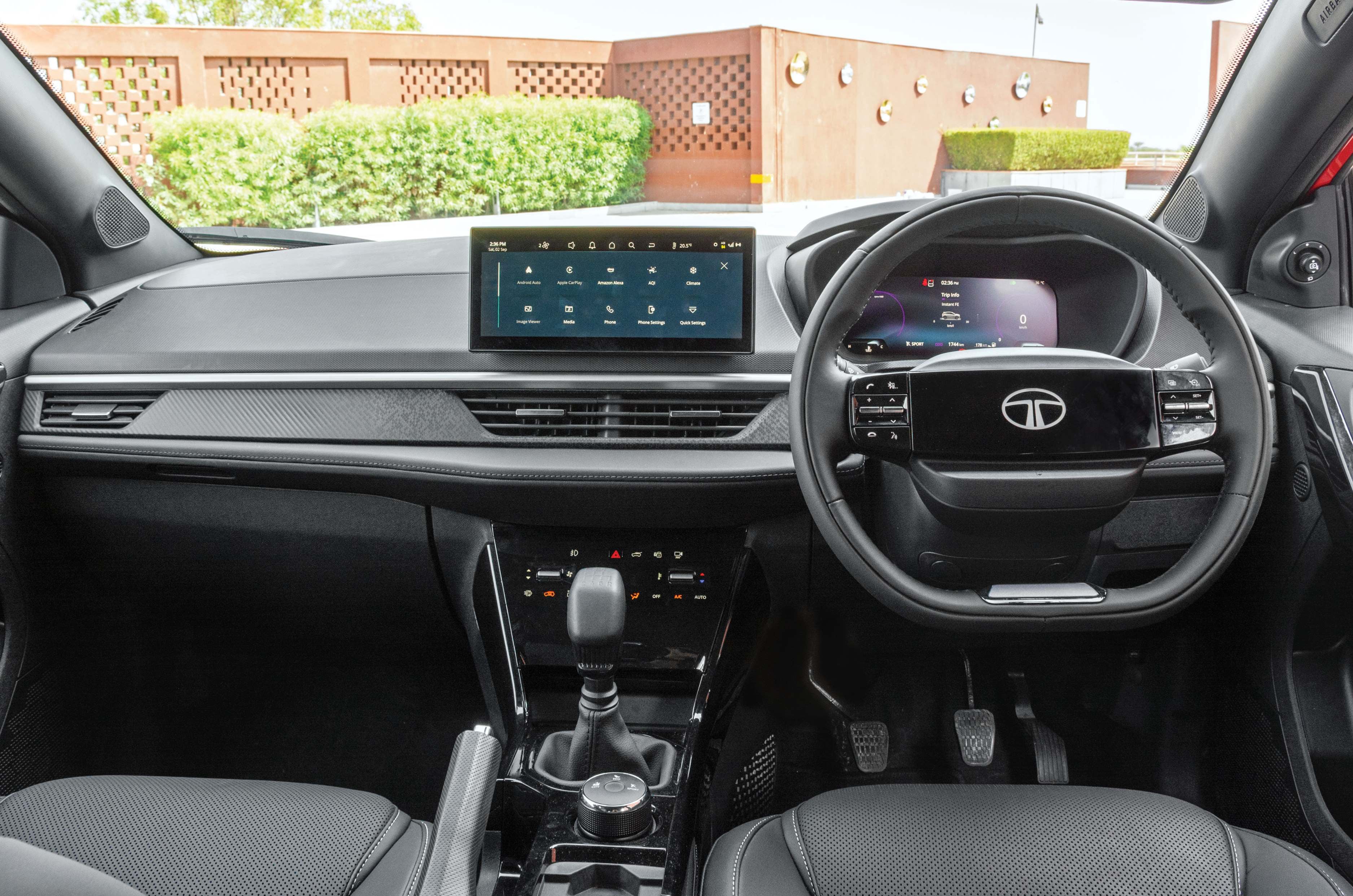
As for the launch, our sources had earlier indicated a September timeline, but JSW Motors has not yet made any official announcement. Recent reports, meanwhile, suggest that the company will launch its first passenger vehicle in January 2027.

Ather aims for a larger market presence with the Konarc

Ather aims for a larger market presence with the Konarc
An outside image showing the Ather Konarc after the launch

Ather‘s new scooter Konarc is a broader bet for the electric two-wheeler maker to move beyond the relatively narrow customer base it has built around its technology-led products and compete for a larger share of India’s mainstream electric scooter market. Konarc is the first product on Ather’s new EL platform, which the company says was developed with safety, serviceability and scale in mind.

  1. Six different Konarcs with two available starting September
  2. Konarc doubles the service interval compared to a typical scooter
  3. AtherNode and True Health to help with charging and resale, respectively

Konarc is built to be serviced faster and less frequent

Ather says EV priorities have changed with times

The Konarc will be offered across S and Z lines. The 100km Konarc S is priced at Rs 99,999, while the 125km and 161km versions cost Rs 1.22 lakh and Rs 1.45 lakh respectively. Prices for the 200km S and the two Z variants have not been announced. The rollout will start with the S 125 and S 161 variants from September 21, followed by the 100km version in the first quarter of 2027. The Z line is scheduled for the second quarter of 2027, and the 200km S will follow in the third quarter. Once all Konarc variants are rolled out over the next year, Ather expects to have an option for 80-90 percent of the scooter market.

Ather’s own assessment is that the questions surrounding EVs have changed. Ather co-founder and CEO Tarun Mehta said that when the company started, customers asked whether an electric scooter was powerful enough, reliable enough, or even practical. As adoption has grown, the questions have become more conventional: where to charge, how safe is the battery, how long it will last, how the vehicle will be serviced and what happens when it has to be eventually sold. The company wants to solve for the three main concerns: service, charging, and resale value for its EV scooters.

Serviceability is one of the areas where Ather says the EL platform is intended to deliver an advantage. The Konarc’s service interval is 10,000 km (vs 5,000 km for most other scooters), while the number of service checkpoints has also been reduced. In a demonstration during the launch, the motor and transmission assembly was removed in 38 seconds and put back in 1 minute 33 seconds. Mehta acknowledged that service centres would not necessarily replicate these times, but said the architecture was designed to make servicing simpler.

Charging network has also been improved

Ather is solving for public and residential charging

Konarc owners will of course have access to Ather’s existing network of about 6,000 public fast chargers known as Ather Grid. The company, however, sees apartment complexes as the next charging bottleneck. To solve that, it has built AtherNode, a new residential charging system, which uses a building’s common electricity supply to serve individual parking spaces. It manages the available load, queues vehicles, and generates separate bills for residents. This could allow housing societies to add more charging points without immediately upgrading their transformers. Ather plans to introduce the system in six cities from December, beginning with Bengaluru. The Konarc itself gets a 450W onboard charger and supports combined charging; which means that it can be paired with an external 450W charger to refill the battery at 900W.

Ather True Health to help with resale value

The company remains committed to its software first approach

With the Konarc, Ather has attempted to put more conventional attributes of a mass-market scooter alongside the technology it has developed over several years. The company is wanting to solve not only the product problem, but also some of the ownership concerns that could prevent customers from switching from petrol scooters. As the third prong on that front, Ather has introduced True Health on its app, a digital report covering the battery, motor, charger, dashboard, service history and wear components for eligible scooters more than three years old. Owners can view the condition of major components, the battery’s state of health and an estimated resale value. Such a company-verified report could give buyers and sellers a better basis for arriving at a price.

Finally, the company expects software adoption to remain strong even as it moves into a more mainstream segment. For example, in Madhya Pradesh, the adoption rate for AtherStack Pro initially stood at about 40 percent, but eventually crossed 88 percent with the number of stores increasing. The Konarc is Ather’s aim at a much broader part of the market, but that means competing not only with other electric scooter makers, but also with established petrol scooter brands. It remains to be seen whether the company’s push to improve serviceability, charging, and resale value will ease that challenge.

With inputs from Nayan Jain and Stephen Raj Antony.