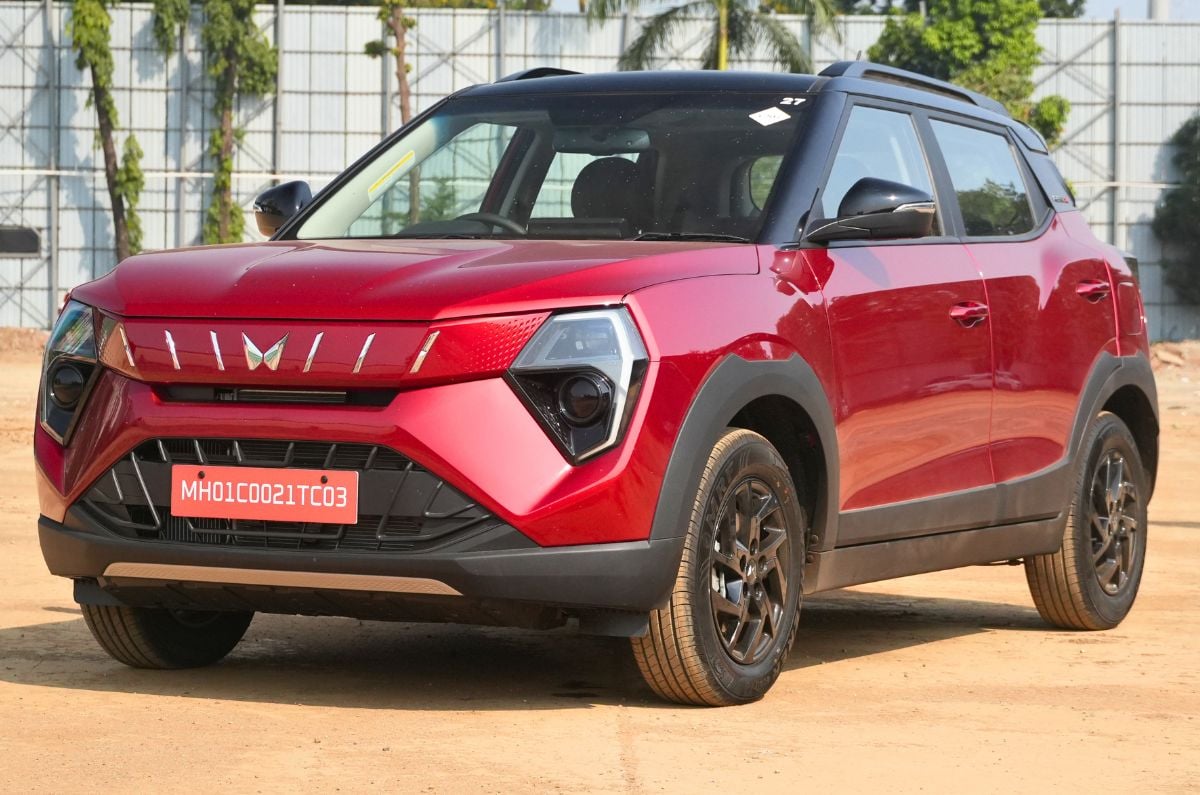
Maruti Suzuki plans to add smaller EVs to its India line-up once it has developed the charging infrastructure needed to support them. At the company’s annual general meeting, Managing director and CEO Hisashi Takeuchi said, “As soon as our EV charging will be ready in India, we will add smaller EVs in our portfolio.”
More than 2,000 exclusive chargers installed across 1,100-plus cities
Claims around 90 percent share of India’s EV exports
Plans to build EVs, hybrids, CNG and ICE cars on the same line
Maruti Suzuki’s charging network plans
Maruti Suzuki has partnered with 13 charge-point operators and has already installed more than 2,000 exclusive charging points across over 1,100 cities. The company is also working to improve charging coverage on highways and expressways, while its plan for the top 100 cities calls for chargers at key locations around 5-10km apart.
The carmaker has set a larger target of more than 1,00,000 charging points across India by the end of this decade. The company has linked the introduction of smaller EVs to the expansion of this charging network.
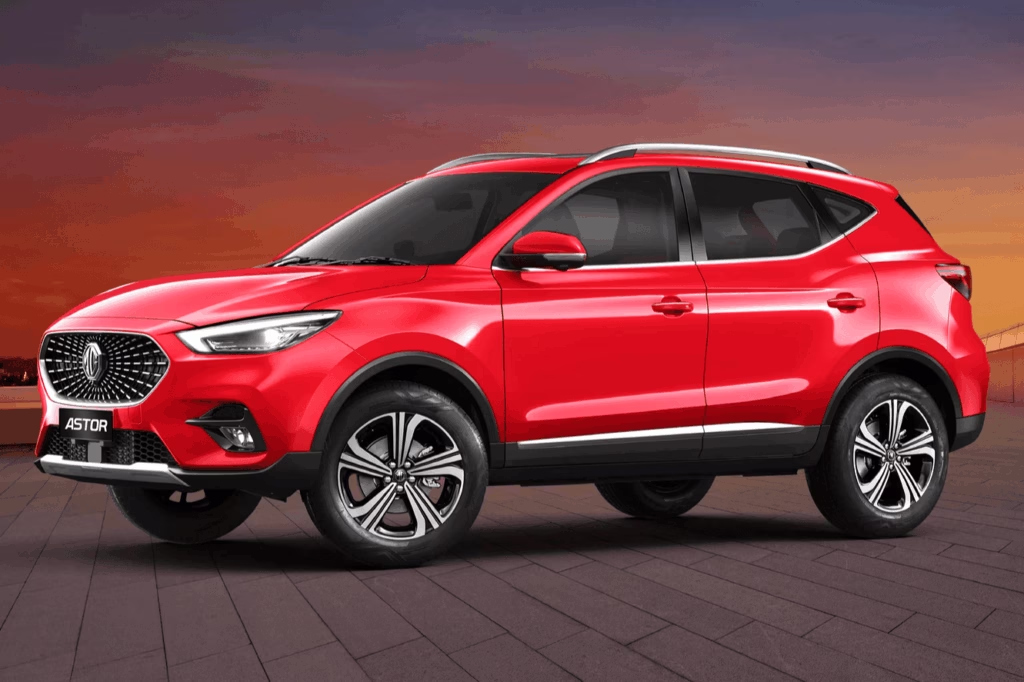
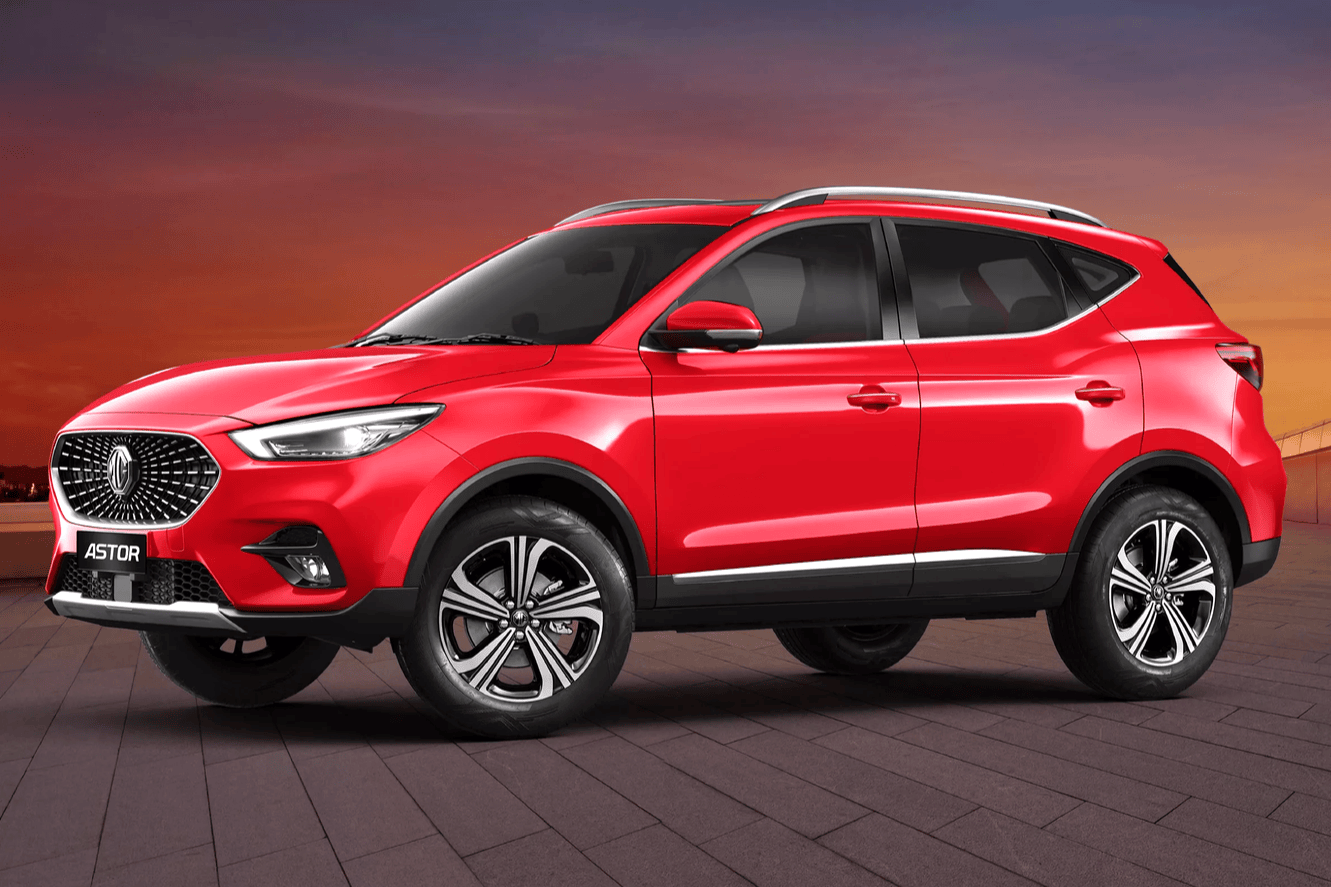
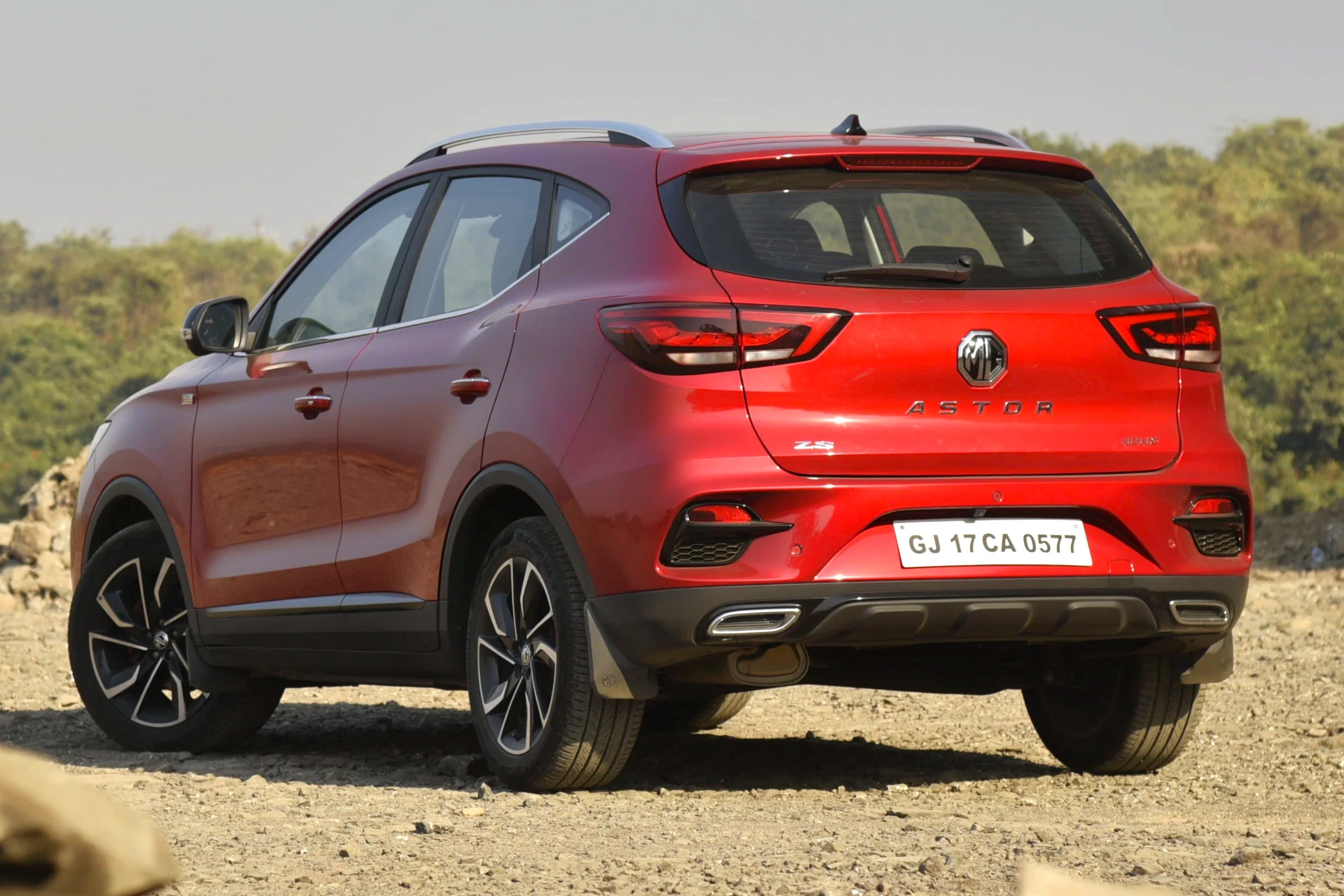
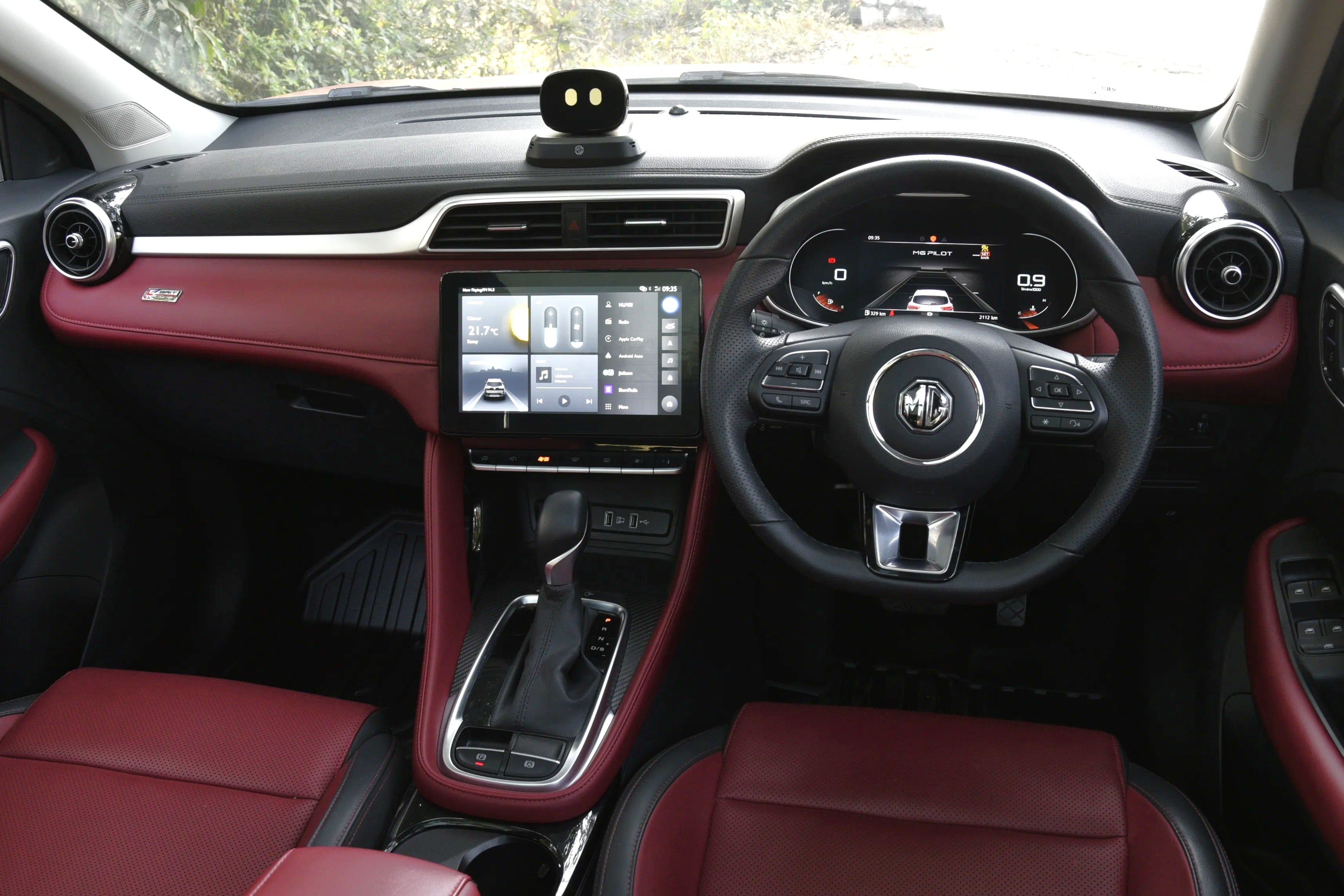
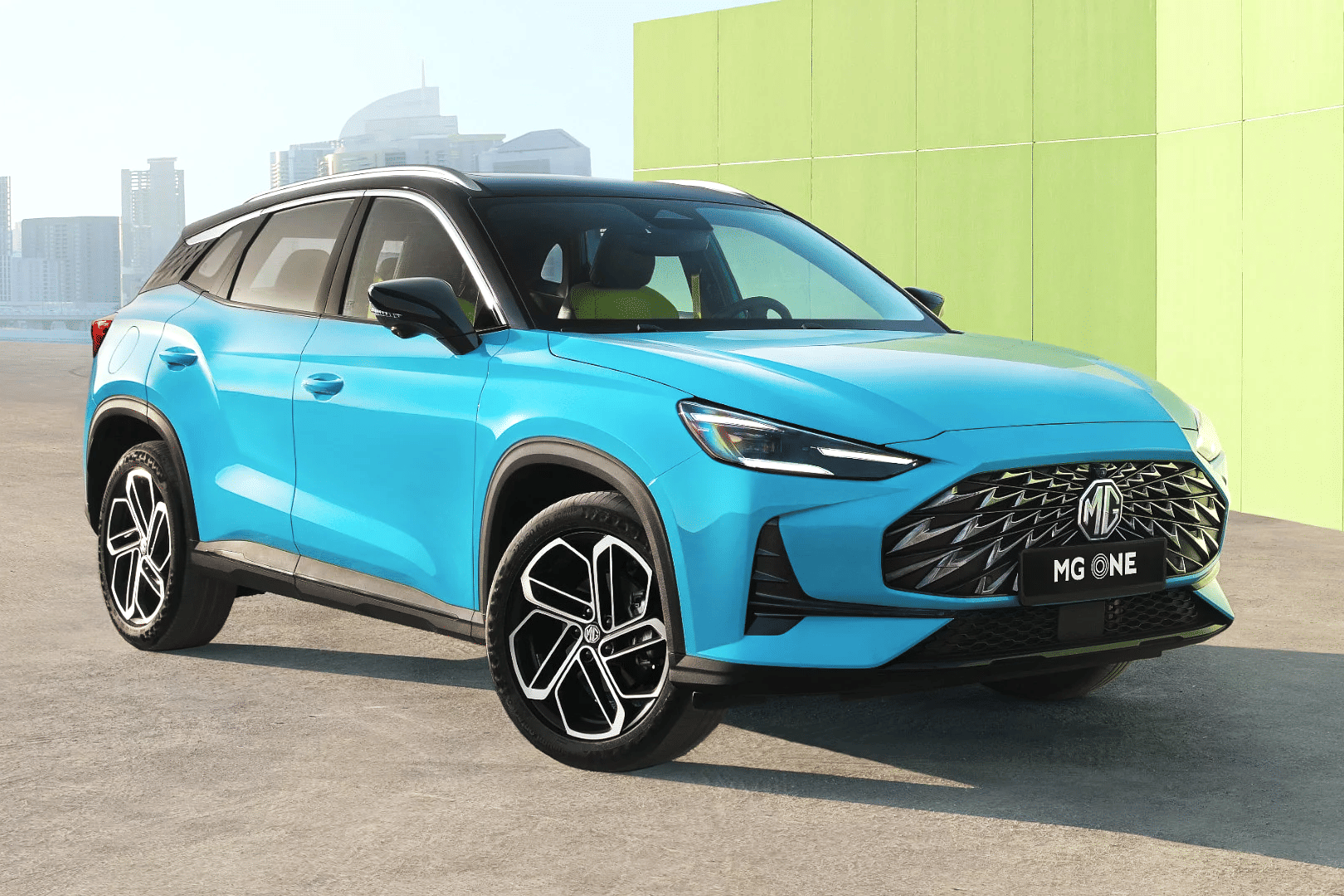
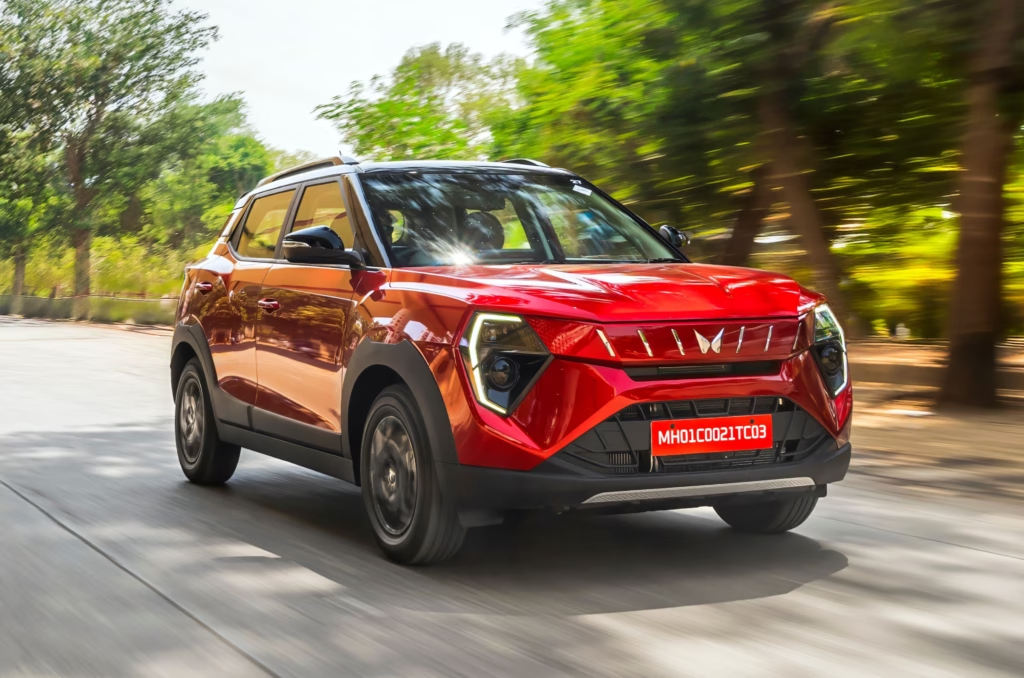
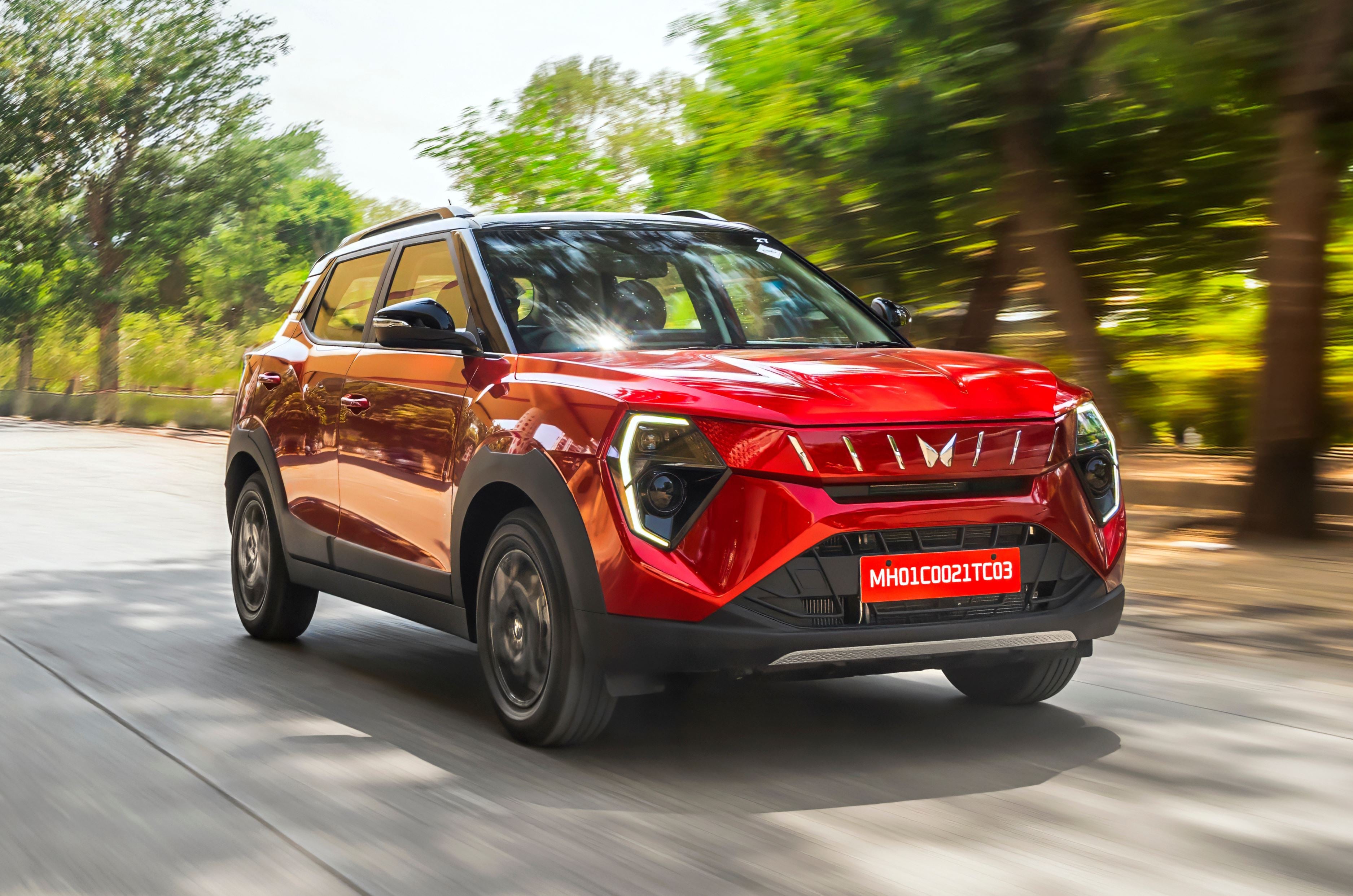
Maruti currently sells the e Vitara as its only EV in India, while competitors Tata Motors and JSW MG Motor India already have smaller electric models on sale.
Maruti Suzuki expands EV exports
Maruti Suzuki is also expanding its electric vehicle exports. “We have started our EV exports to Europe first. Now, we are the largest exporter of EVs from India, with about 90 percent share in total EV exports from India,” he said. Takeuchi said the company exports vehicles to nearly 120 countries and shipped more than 4.4 lakh vehicles last year, a 34 percent increase overall.
Japan has become Maruti’s second-largest market, according to Takeuchi, while the company expects trade agreements to create further export opportunities in markets including the UK, Germany and France.
ICE, hybrid and CNG investments to continue
Maruti Suzuki will continue investing in internal-combustion engine, hybrid and CNG vehicles alongside EVs. Takeuchi said ICE vehicles would remain an important part of the company’s business, with compressed biogas also expected to support their continued demand.
“Investment in ICE facilities will continue to be an integral part of our manufacturing process,” he said. The company is designing its new manufacturing facilities to build different types of vehicles on the same production line, allowing production to be adjusted as demand changes. “In our new plants, we can make EVs, hybrid vehicles, CNG and ICE vehicles on the same line,” Takeuchi said.
Nissan Motor and Honda Motor have announced a joint development agreement to standardise multiple electronic control units (ECUs) and software for their next-generation software-defined vehicles (SDVs), aiming to reduce development costs and improve R&D efficiency. Under the agreement, the two companies will jointly establish common specifications for multiple core ECUs within the electrical/electronic (E/E) architecture of next-generation SDVs, along with the in-vehicle operating system, key parts of the middleware, and vehicle control software that runs on these ECUs.
Software-defined vehicles (SDVs) identified as a priority for collaboration.
Collaboration aims to mitigate development costs and enhance R&D efficiency.
Common E/E architecture to underpin upcoming Honda and Nissan cars
The ECUs covered include high-performance main ECUs (High Performance Computers) that use system-on-chips (SoCs), as well as zone ECUs that oversee individual areas of the vehicle. The resulting E/E architecture is planned for application in both companies’ next-generation SDVs starting in fiscal year 2029.
The agreement follows extensive joint studies by Nissan and Honda into potential collaboration in the software domain, conducted as part of their broader strategic partnership. The companies identified the SDV software domain as a priority area for collaboration, citing the pace of technological change and the need to strengthen competitiveness through faster R&D and more efficient investment.
By standardising these foundational technologies, Nissan and Honda said they aim to combine their engineering expertise and development resources to accelerate innovation and achieve economies of scale. The two automakers said they will continue to build on their respective strengths and explore further collaboration opportunities, including efforts related to carbon neutrality and vehicle safety.
Renault is set to introduce a turbo-petrol powertrain option for the Triber MPV by the end of September. With this engine borrowed from the Kiger, Renault would try to address one of the Triber’s major criticisms – its underpowered naturally aspirated powertrain. A factory-fitted CNG option will also be offered with this turbo-petrol engine.
1.0-litre turbo-petrol engine expected to produce around 100hp
Factory-fitted CNG option will utilise dual-cylinder technology
Renault Triber turbo-petrol engine specifications
Three-cylinder turbo-petrol unit will be the same as the one in Kiger
Nissan Magnite’s engine bay shown for representative purposes only.
The upcoming three-cylinder turbo-petrol engine on the Triber, codenamed HR10, is derived from the Renault Duster’s ‘HR13’ 1.3-litre four-cylinder engine, albeit with one less cylinder. This engine is offered in the Renault Kiger and Nissan Magnite, with the option of a 5-speed manual or a CVT, and produces 100hp and up to 160Nm. This is 28hp and 62Nm more than the Triber’s naturally aspirated petrol engine and is expected to address the Triber’s criticism of being an underpowered MPV. However, it will be interesting to see whether the Triber turbo comes in the same state of tune and is offered with a CVT.
A factory-fitted dual-cylinder CNG option will be offered with the same engine
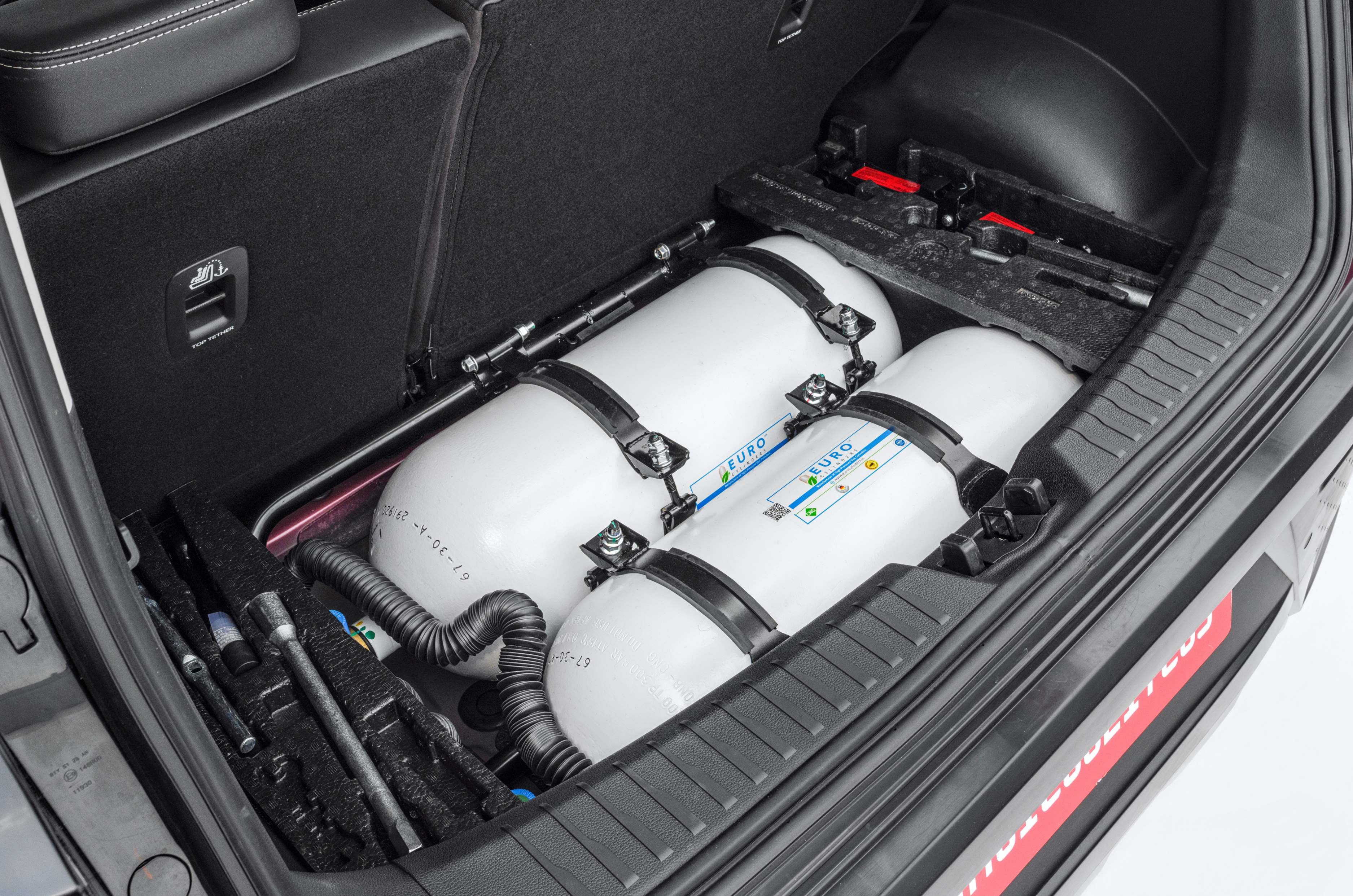
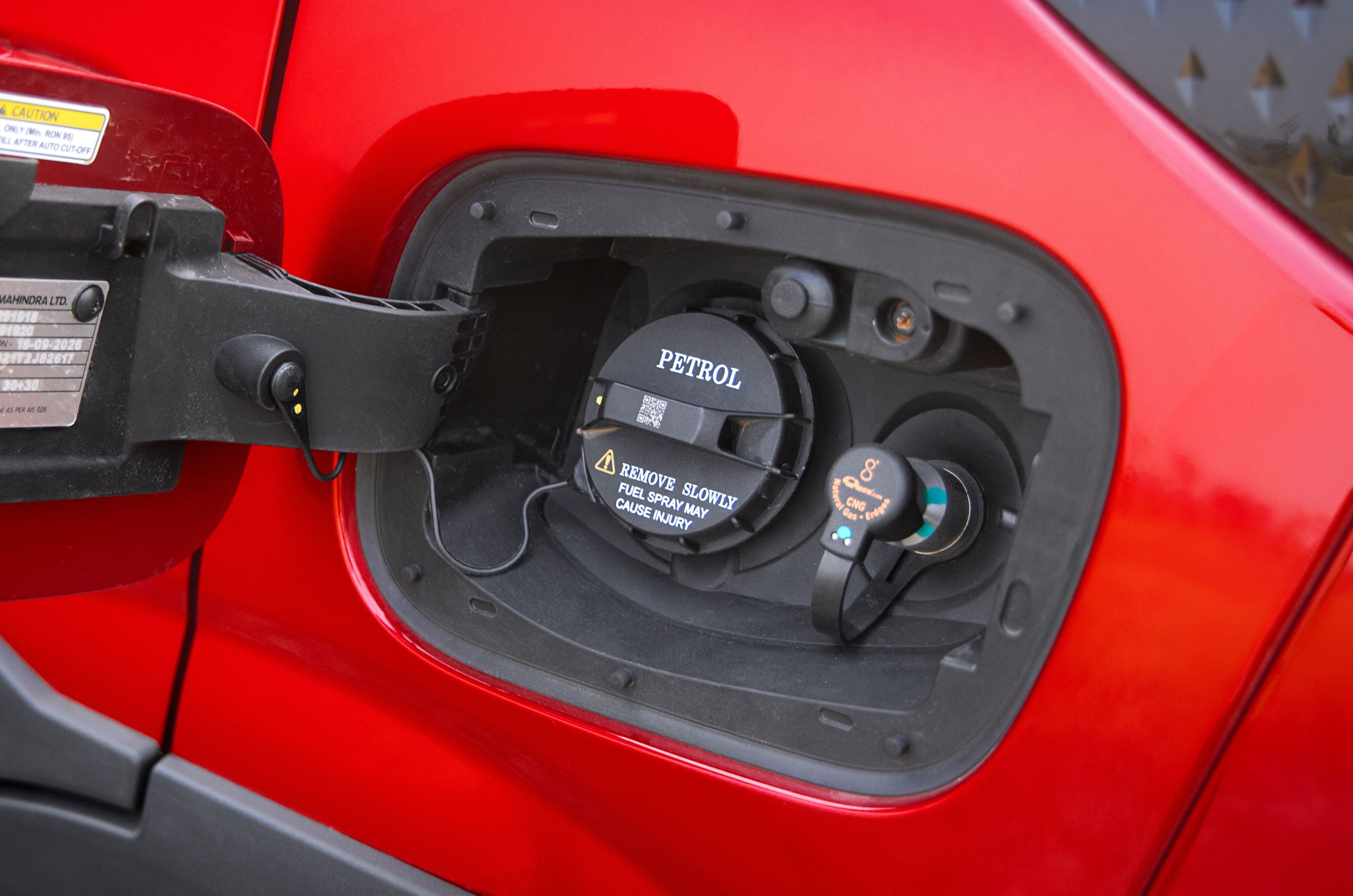
Renault will also offer the Triber with a factory-fitted CNG option, which will utilise dual cylinders placed under the boot floor for space utilisation. It is expected to be offered only with a manual transmission. This dual-cylinder CNG option will also be employed in the Kiger at a later date.
The Triber’s CMF-A platform, now called RGEP, has been modified to accommodate the new powertrains.
Currently, the Renault Triber is offered with an aftermarket CNG kit that can be retrofitted to the MPV’s manual variants. It comes with a standard 3-year/1 lakh km warranty (whichever is first).
With the under-the-hood changes, the turbo-petrol-powered Renault Triber is expected to offer everything the naturally aspirated petrol version offers. The prices, however, are expected to rise from the current model’s Rs 5.81 lakh to Rs 8.53 lakh range (ex-showroom).
Some newly released spy shots of Hyundai’s upcoming Bayon-based midsize SUV offer the first glimpse of its interior. This SUV is expected to launch in the festive season as an alternative to Hyundai’s other midsize SUV, the highly popular Creta. However, the spy shots here indicate that the Bayon-based SUV will offer a more modern interior layout.
Hyundai Bayon-based SUV interior: What do the spy shots reveal?
Credit: Ankan Baruah via YouTube
Among the most notable elements visible in the spy shots is a new curved set of displays, similar to the dual 12.3-inch screens found in top-spec variants of the smaller Venue. By contrast, the Creta comes with dual 10.25-inch displays at most, and its infotainment system doesn’t natively support wireless Apple CarPlay and Android Auto – a separate USB adapter is required for that. We expect the Bayon-based SUV to rectify this shortcoming with updated infotainment software.
A dual-tone steering wheel resembling that of the Venue can be observed too. Like many of Hyundai’s newer cars, the steering wheel is expected to bear the four-dot motif that signifies ‘H’ in Morse code. Its black-and-white finish likely informs the overall colour scheme of the cabin as well.
Credit: Ankan Baruah via YouTube
In the second spy shot, we can clearly see a black-and-white finish for the door liners. The Bayon-based SUV also looks to have circular interior door handles.
Hyundai Bayon-based SUV: What else do we know?
On the outside, the Bayon-based SUV is anticipated to adopt Hyundai’s latest ‘Art of Steel’ design language, which is seen in newer global models like the eighth-gen Elantra and fifth-gen Tucson. Expect the Bayon-based SUV to sport T-shaped light bars at the front and rear, squared-off wheel-arch cladding, new alloy wheels, edgy proportions, and lots of cuts and creases on the bodywork.
The Bayon-based SUV will differ majorly from the Creta in powertrain offerings. We exclusively reported in July that the upcoming Hyundai SUV is expected to get the Creta’s 115hp 1.5-litre 4-cylinder naturally aspirated petrol engine with its respective 6-speed manual and CVT options. However, this engine will also be offered in CNG form, which will make the Bayon-based SUV the first Hyundai car over four metres long to be powered by CNG.
An underbody CNG tank is expected for the Bayon-based SUV as well, allowing it to directly rival the Maruti Suzuki Victoris, which is the only CNG-powered midsize SUV with an underbody tank at the moment.
The EX90 is Volvo’s latest offering in India and also its most premium one. The EX30 and EC40 compete in the entry-level luxury EV segment, but the EX90 is the brand’s flagship electric SUV. It comes in a single, fully loaded variant with all the bells and whistles, along with a dual-motor setup and a claimed range of over 600km. Can it bring in a new audience or convert some XC90 customers? It certainly has the traits to do both.
EX90 Exterior Design and Engineering – 9/10
Built on Volvo’s SPA2 dedicated EV platform that has hints of the XC90.
Based on the new SPA2 architecture, which has its roots in the previous SPA platform but is built specifically for EVs, the EX90 does share some resemblance to the XC90 in its shape and form factor. However, the details are different. As expected, the overall design is simple and far from outlandish or attention-seeking. This is in keeping with the brand’s image, and the restraint actually works. The flat, closed-off front end dismisses any chances of a blingy chrome grille, and what adds drama instead are the LED lights that split open to reveal the main headlamps behind. These, too, have an impressive party trick; with over a million pixels, they can individually light up or switch off and constantly shape a light beam to avoid dazzling oncoming traffic. Further down, you get some more DRL strips, one on each side, and a rather simple, fuss-free bumper.
DRLs that spilt open to reveal headlamps add drama.
Over to the side, the EX90 is slightly longer than the XC90, while the rest of its dimensions see a marginal bump. 21-inch wheels are standard, and the 210mm of ground clearance at its lowest setting is plenty. The air suspension also allows you to raise the car up to 250mm for off-road use. The door handles are pop-up, flip-up-style units, and you no longer get a key. Instead, you get a card that you need to tap at the right spot, with the Volvo logo facing the right way, for the handle to pop up. Alternatively, you can simply link your phone to the car and use it as a key. It seems convenient on paper, but the card system needs to be a lot more seamless to be hassle-free.
At the rear, it gets a split setup for the LED tail-lamps, with C-shaped LEDs on the lower half and vertically stacked LEDs in the D-pillar. There isn’t a single strip of chrome, and even the cladding is minimal. Subtlety is what Volvo aims for with its design, and the EX90 offers just that.
EX90 Interior Space and Comfort – 8/10
Two-tone upholstery looks rich and materials feel plush.
Inside, the minimalist approach continues and even takes precedence. The dashboard is devoid of any buttons whatsoever, and the majority of the real estate is taken up by the 14.5-inch touchscreen. However, the bright seats and upholstery, along with the bright open-pore wood, lift the cabin ambience significantly. There is generous use of brushed aluminium as well, and the Nappa leather is fantastic to the touch. The centre console also features wireless charging and a rotary knob for media control.
There is plenty in the front seats to pamper you. They offer excellent support, and feature heating, ventilation and a whole host of massage options. Plenty of electric adjustment also means finding an accurate driving position is easy, and all-round visibility is very good.
Exclusively a six-seater with good space and comfort.
The EX90 is only available as a six-seater, so in the middle row you get captain’s chairs, but these would feel snug for some, and for a luxury car that would be chauffeur-driven, you don’t get the same level of pampering as in the front seats. There is no electric adjustment, heating, ventilation or massage either. There aren’t any sunblinds for the windows too, and even though the huge panoramic sunroof is electrochromic, at the tap of a button you get a bit of tint in the glass, on a hot day with the sun overhead, you will need more.
Massive panoramic glassroof gets electrochromic shade. Physical sunshade is an accessory.
The accessories list has a proper roof shade to protect you from that, and it is an extra we recommend you select. On the plus side, space is good, and the seats can be adjusted for legroom and recline too. You get four-zone climate control, with AC vents in the pillars that are a lot more effective, and cupholders stowed within the armrests. Also, being a modified platform, the floor is raised, and you notice this while getting in and out of the car.
Access to the third row is easy from between the captain’s chairs, thanks to the flat floor, but there is no tumble feature for the seats. Instead, they only slide forward, opening a cavity to get in. Room in the last row is at a premium for tall adults, but kids or shorter adults will do just fine with a little adjustment to the middle row.
Third row best suited for kids or short adults over quick drives.
With all three rows up, boot space stands at a healthy 324 litres, and with the third row folded away, it is a sufficient 690 litres. There is a 46-litre frunk too for stowing charging cables. Impressively, there is a full-size spare wheel as standard, which will eat up some boot space but is a huge relief given the low-profile tyres and our roads.
EX90 Features and Safety – 8/10
Annoyingly every control is within the 14.5-inch Google-powered screen.
Most of the EX90’s features are accessed through the massive, vertically oriented touchscreen. Being Google-powered, it runs a smooth OS, but simple tasks like adjusting the ORVMs require multiple inputs and navigation through the menus, which isn’t easy while on the move. There are some hard-coded functions at the bottom of the touchscreen, such as climate control, but you still need to focus on the screen and cannot operate them easily while driving. There is also a 9-inch driver display with nothing but the absolute necessary figures, such as range, speed and battery percentage. You can also load up the maps there, and it displays the traffic around you too. However, don’t expect multiple dials and a loaded, fighter-jet-like cockpit experience, the instrumentation is all minimal but feels sparse too.
Bowers & Wilkins Hi-Fi audio system is epic.
What is excellent, however, is the music system: a 1,610W, 25-speaker Bowers & Wilkins Hi-Fi audio system with custom presets and modes that truly transform the cabin. If you enjoy your music, there are few cars in the world that offer something at this level or better. Safety is where Volvo excels, and the EX90, being the flagship, has all the bells and whistles – active and passive. Nine airbags, five cameras, five radars and 12 ultrasonic sensors, powering a full ADAS suite including door-opening alert and post-impact braking, make it exceptionally well equipped. Essentials like a 360-degree camera and auto-parking further make it easy to live with.
EX90 Performance and Refinement – 9/10
It is just as nice to drive as it is to be chauffeured in.
The EX90 comes in a single variant in India, with a dual-motor setup and a 106kWh battery pack. It develops 456hp and 670Nm, making it quick off the line. 0-100kph takes just 5.5sec, which, given its size and type, is pretty impressive. However, from behind the wheel, the experience aligns with its laid back character. You can alter the dynamics using the four drive modes. ‘Range’ prioritises efficiency, and power and torque are heavily restrained, although in bumper-to-bumper traffic, you will not notice the dip. There is a creep function too for peak-hour jams. ‘Standard’ is a balance that suits the car well for the most part, while ‘Performance’ is for that rare time when you want to add some enthusiasm.
Despite its strong power figures, performance feels more like an airliner than a fighter jet.
Don’t expect fighter-jet levels of reactions, though. Even in ‘Performance’ and with a heavy right foot, the EX90 builds pace gradually. It is almost like taking off in an aeroplane, where the speed rises in a strong and linear manner. This mode zaps power swiftly, so it is best to use the ‘Standard’ mode and get the best of all worlds. If you end up venturing off the tarmac, the ‘Off-road’ mode allows for more ground clearance (250mm), and it alters traction control and ESP settings to allow for more traction on loose surfaces.
Once on the move, what is extremely impressive is cabin refinement. With no engine sound to distract you, EV cabins amplify ambient sounds like wind and road noise, especially with large tyres, but the EX90 is a different story. Cabin insulation is top-notch, and it is near-silent on the inside. It also has a neat trick, microphones all around the car can relay conversations via the speakers clearly no matter where you are seated. You only have to talk in your natural tone for your voice to clearly go through the microphone and speakers. So passengers sitting at the first and third row can have a conversation without having to speak loudly.
EX90 Mileage / Range and Efficiency – 9/10
The 106kWh battery can eke out 625km according to the WLTP cycle. In our short test drive, we saw an efficiency of 5km/kWh in mixed driving conditions, resulting in a range of 530km. That is rather respectable, and considering a majority of our drive was on the highway, this number should only get better in the city.
The EX90 also has regenerative braking, and you can go from having it completely off to low or high, or just leave it in Auto, where it does all the thinking for you. Feel, though, leaves a lot to be desired, the pedal never feels consistent in its bite point. You get an 11kW AC charger for your home or office, which takes 11 hours for 0-100 percent. But being an 800V system, it can charge at up to 350kW on a DC charger, taking just 23 minutes for 10-80 percent. The car will also pre-condition the battery, meaning it gets the battery up to its optimum temperature to charge as quickly as possible.
EX90 Ride Comfort and Handling – 8/10
The EX90 rides on air suspension, which, over broken roads at medium or high speeds, is excellent. The car adjusts within microseconds, and you barely feel bumps inside. You can firm it up for the highway, so there is none of the wallowy feel associated with a softly sprung setup. Three modes to choose from give you flexibility depending on the road surface. ‘Standard’ offers the best balance, as it has the softness without feeling overly soft in the corners, while ‘Firm’ adds a layer of stability at speed and on fast bends. ‘Soft’ is a bit too soft, and the car ends up diving or rolling a tad more than necessary. In the city, there is none of the harshness over low-speed bumps, and the composed nature of the suspension is its highlight.
EX90 Value for Money – 8/10
The EX90 offers just about everything you need in a luxury EV
Prices for the EX90 will be out in October, and it will be the brand’s flagship SUV, sitting above the XC90. If you are looking for a chauffeur-driven luxury EV, it will tick the right boxes. That said, sunblinds would have been nice, and as a driver, it will frustrate you with an over-reliance on the touchscreen and a fiddly key card. On the whole, though, it does a lot to impress and allows you to forgive these shortcomings. You get everything you expect from a luxury EV, the cabin is plush and comfortable, the materials and feel are excellent, the design is subtle but svelte, and the ride comfort is truly impressive. It rivals the Mercedes-Benz EQS and BMW iX, and while it may not be as feature-loaded in the rear seat as the EQS or as powerful and fun to drive as the iX, it does find a very nice middle ground and would be top of the list for those looking for minimalist class and luxury.
Audi India has started accepting bookings for the third-generation Q3 in India from today. The new Q3 can be reserved by paying a booking amount of Rs 1 lakh via the Audi India website, on the myAudi connect application or at the brand’s dealerships. Prices will be announced next month.
फुटबॉल के जादूगर लियोनेल मेसी ने 207 कैप जीतने के बाद अर्जेंटीना ड्यूटी से अपनी सेवानिवृत्ति की घोषणा की है। 2005 में अर्जेंटीना में पदार्पण करने वाले 39 वर्षीय खिलाड़ी ने 2022 में विश्व कप जीता और इस गर्मी और 2014 में उपविजेता रहे। उन्होंने दो कोपा अमेरिका खिताब भी हासिल किए।
मेसी ने एक बयान में लिखा: “यह एक ऐसा निर्णय था जिसने दुख पहुंचाया – और अभी भी अंदर तक दर्द पहुंचाता है – लेकिन मैं समझता हूं कि समय आ गया है। मैं आपसे कसम खाता हूं कि मैंने हमेशा अपना सब कुछ दिया – न केवल इन पिछले कुछ वर्षों में जब हमने सब कुछ जीता, बल्कि उससे पहले भी; मैंने हमेशा इस जर्सी के लिए मैदान पर संघर्ष किया और सब कुछ छोड़ दिया, ताकि आपको खुशी मिल सके और फुटबॉल के माध्यम से आपको अर्जेंटीना होने पर गर्व महसूस हो सके।”
उन्होंने कहा, “समय कम होता जा रहा है, अध्याय ख़त्म होने वाले हैं, और यह वह बात है जिसने मुझे बहुत आहत किया है। मैं राष्ट्रीय टीम का हिस्सा बनना पसंद करता हूं, प्यार करता हूं और हमेशा पसंद करूंगा। मेरे पास जो कुछ भी था, मैंने दे दिया है; मेरे पास देने के लिए कुछ भी नहीं बचा है, और इसके अलावा, कुछ महान युवा खिलाड़ी भी आ रहे हैं जो यहां आने के योग्य हैं।”
BREAKING NEWS: LIONEL MESSI RETIRES FROM INTERNATIONAL FOOTBALL.
मेसी ने कहा कि उन्होंने विश्व कप फाइनल के दो दिन बाद 21 जुलाई को अपना सेवानिवृत्ति वक्तव्य लिखा था, और पिछले महीने उनके पिता जॉर्ज की मृत्यु ने पुष्टि की थी कि इसे प्रकाशित करने और अपने अंतरराष्ट्रीय करियर को समाप्त करने का यह सही समय था।
मेसी ने अपने पिता की मृत्यु के बाद एक बयान लिखा था जिसमें कहा गया था कि उन्हें इस बारे में “काफी संदेह” था कि क्या वह “बहुत लंबे समय तक” खेलते रहेंगे। उन्होंने तब खुलासा किया कि स्पेन के हाथों अर्जेंटीना की विश्व कप फाइनल हार में उन्हें किस हद तक संघर्ष करना पड़ा था। उन्होंने लिखा, ”मेरे पैर अब और नहीं चल सकते।” “इस बार मैंने खुद को अपनी शारीरिक सीमाओं से परे धकेलने की कोशिश की, लेकिन मैं ऐसा नहीं कर सका।”
मेसी इंटर मियामी के लिए खेलते हैं, जहां उनका अनुबंध 2028 तक चलना था। उन्होंने पिछले शनिवार को पहली बार मेजर लीग सॉकर मैच में चार गोल किए और सीएफ मॉन्ट्रियल को 7-1 से हराने के लिए प्रेरित किया।
The event dates for India Bike Week, touted to be the country’s largest motorcycle festival, has been announced to be December 4 and 5, 2026. The festival is returning to Panchgani, Maharashtra for the second year in a row, away from Vagator, Goa. Last year, the change happened after local zilla parishad election dates conflicted with the event dates.
Consists of races, launches, food and gear stalls and more
Registrations to races are separate from event registrations
Ride to the event and merch have also been teased
India Bike 2026: What’s in store?
Stunt shows, live music, camping, and more
Besides the location change seemingly sticking, the itinerary remains as packed as ever with two days of various events catering to motorcyclists and motorcycle enthusiasts of all kinds. According to the schedule posted on the organisation’s website, there are five different race events, three music performances (artists line-up yet to be revealed), and other staples like food and gear stalls. The races vary between dirt, off-road, time trial, and arena. Each race requires separate registrations and registering to the races are separate from registering for the event itself. Riders interested in racing will need to have an FMSCI licence, although the website clarifies that a one-time licence can be obtained when signing up for one (or more) of the races.
There are also events scheduled for custom builds, stunt shows, and camping and bonfire. IBW is also organising rides to the event from all major cities, and have announced event-specific merch too. However, registrations and further details on all of these are yet to be revealed. If you’re hearing about IBW for the first time, the organisers clarify that owning a motorcycle is not a criterion to attend the event, and it’s open to fans from all walks of life.
Last year, refunds on the tickets were offered when the venue changed from Goa to Maharashtra. This time, the website clarifies that the tickets are non-refundable and non-transferable. More information should be available closer to the dates, and can be found on the brand’s website and social media pages.
Bajaj has become the second electric vehicle manufacturer in India to cross the 3 lakh sales mark. As per Vahan data, the Pune-based manufacturer of the Chetak e-scooter and Yulu e-bikes has delivered a total of 3.02 lakh units between January and August 2026. This is a first for the brand, and marks a 68 percent growth compared to last year. It also makes Bajaj the second e-2W OEM to do so, after market leader TVS, which crossed the same milestone last month.
Bajaj currently sells five EV scooter models via the Chetak brand
August sales have increased by 210 percent compared to last year
TVS stays ahead of Bajaj by about 50,000 units
Ather is about 75,000 units behind, with the Konarc expected to help
Bajaj Auto retail sales data, Vahan (as of August 30, 2026)
Year
January
February
March
April
May
June
July
August (1-30)
2026
26,575
26,344
47,753
34,600
39,542
43,529
45,860
37,976
2025
22,137
22,242
36,582
19,818
22,641
23,986
20,557
12,246
Percentage increase
20
18
31
75
75
81
123
210
At present, TVS is 51,063 units ahead of Bajaj, having sold 3.53 lakh units till August end. Ather, third in sales at 2.27 lakh units, and has just launched the mass-market Konarc, is also expected to surpass 3 lakh sales close to November this year. The number of units sold so far gives Bajaj a 22 percent share of the market, putting it ahead of Ather Energy (17 percent) and behind TVS (26 percent).
Bajaj currently has a five-variant Chetak portfolio comprising the Chetak C2501 as the entry-level offering and the C3501 as the brand’s current flagship EV. As the monthly retail sales data table above indicates, Bajaj’s highest single-month sales were in March 2026 which was the first time that sales crossed the 40,000 sales mark. Since then, it has crossed that figure two more times, in June and in July.
Upcoming festival season expected to help increase sales
Bajaj is expected to sell up to 4.5 lakh units by year end
With the festive season to kick off soon, expect Bajaj to add another 1.25-1.50 lakh units in the next four months. This will take the company’s total e-2W retail sales to a record 4.25-4.50 lakh sales for the year. The topper, TVS is on track to be the first Indian EV manufacturer to sell 5 lakh units this year. Bajaj will also be well ahead of Ather, which is expected to register record retail sales of an estimated 3.50 lakh units.
Nevertheless, both Bajaj and TVS, will be keenly watching the market response to the Ather Konarc. The Konarc’s base variant has been priced at Rs 99,999, about Rs 4,000-5,000 more than both Bajaj and TVS’ entry level offerings. Vida, fourth in sales, also thus has the incentive to watch the customer response to the Ather Konarc.
August was a busy month for the Indian car market, bringing several new models ajd variants, as well as updates. The BMW X1 LWB and MG Hector Tomahawk EV and PHEV were among the fresh launches, while the Mahindra Scorpio N received a mid-lifecycle update. The Mahindra BE 6 gained the ‘Sporteq’ suffix, while three existing models added new trims: the Range Rover SV Ultra, BYD Sealion 7 Dynamic and Skoda Kylaq Sportline. After such a packed August, September is also set to see more car launches.
Kia Sorento
Launch: September 4
The Kia Sorento will be the brand’s new flagship ICE model in India, and it will be offered with both strong-hybrid and diesel powertrains. The 1.6-litre strong-hybrid version will produce 238hp and 380Nm, while the 2-litre diesel will make 202hp and 441Nm.
The Sorento gets Kia’s signature Tiger Nose grille, large vertical LED headlights with Y-shaped LED daytime running lamps (DRLs), LED fog lamps and vertical aero vents at the edges. Kia has not revealed the alloy wheel size yet, but they are likely to be 19-inch units. At the rear, the Sorento gets squarish tail-lamps with an inverted L-shaped LED signature, a large roof spoiler and a two-tone bumper.
Inside, there is a connected panel housing the infotainment and instrument cluster screens. Kia has not revealed their sizes, but both are likely to be 12.3-inch units. Other features seen in the official images include ADAS, ventilated front seats, a digital interior rearview mirror (IRVM), an electrically operated tailgate, dual-zone climate control, ambient lighting and a panoramic sunroof.
The Sorento is expected to be available in both 6- and 7-seat layouts. Kia has already started accepting bookings for the Sorento and upon launch, it will compete with the Skoda Kodiaq, Volkswagen Tayron and Jeep Meridian.
Maruti Baleno facelift
Launch: September 5
The Maruti Baleno is currently in its second generation, which was launched in 2022, and is due for an update. Previous spy shots of the Baleno facelift have suggested a redesigned front end with a new grille featuring a horizontal bar in the centre connecting the headlights. Test mules have also shown a new bumper without the front fog lamps seen on the current model.
Image credit: Harsh Vlogs via YouTube.
From the side, the only expected change is a new alloy wheel design. At the rear, the facelift could get a redesigned bumper, while the tail-lights are likely to remain unchanged. Inside, the Baleno could retain the current 9-inch touchscreen; however, update the upholstery and add new features.
Image credit: Harsh Vlogs via YouTube.
Under the hood, the facelifted Baleno is expected to continue with the existing powertrain options. These include a 90hp 1.2-litre naturally aspirated petrol engine with 5-speed manual and 5-speed AMT choices, along with a 77.5hp CNG version available only with the manual gearbox. It will continue to rival the Tata Altroz, Hyundai i20 and Toyota Glanza.
BMW 7 Series, i7 facelifts
Launch: September 11
BMW opened bookings for the facelifted 7 Series and i7 flagship sedans on August 1, soon after their global debut earlier this year. In India, the company currently sells the 740i petrol and 740d diesel versions of the 7 Series, along with the eDrive 50 and M70 xDrive variants of the all-electric i7. These versions get several updates with the facelift, although BMW is yet to confirm which variants will be introduced in here.
In international markets, the facelifted 740i and 740d continue with their 3.0-litre straight-six engines, but with uprated outputs. The 740i makes 400hp and 580Nm, up by 19hp and 60Nm, while the 740d develops 313hp and 670Nm, an increase of 27hp and 20Nm. Both continue to use 48V mild-hybrid systems, 8-speed automatic gearboxes and BMW’s xDrive all-wheel-drive system. The i7 also gets a larger 112.4kWh battery in both variants, up from 101.7kWh. The lower 50 trim now comes only with xDrive all-wheel drive instead of rear-wheel drive and produces 455hp and 660Nm, up by 6hp and 10Nm. The M70 xDrive now makes 680hp and 1,100Nm, gaining 30hp and 85Nm. Charging speeds have also improved.
Visually, the updated 7 Series and i7 have a more monolithic look. They get new split LED headlights, slimmer and more upright kidney grilles with an illuminated surround, and larger bumper air intakes. The side profile remains largely unchanged apart from the side skirts and alloy wheels, while the rear gets new wraparound LED tail-lamps, a redesigned tailgate and a revised bumper.
Inside, BMW has redesigned the dashboard around a 17.9-inch infotainment touchscreen, a 14.6-inch passenger display and a pillar-to-pillar Panoramic Vision display at the base of the windscreen. The steering wheel is now a four-spoke unit, similar to those used in BMW’s Neue Klasse models, while the centre console and transmission tunnel have also been updated.
Rear passengers get powered seats with heating, ventilation, massage and lumbar support. The 31.3-inch 8K Theatre Screen can now be operated by touch, while the rear-door displays have also been updated to control the rear-seat experience. Other key features include ambient lighting, a Bowers & Wilkins surround sound system and 4-zone climate control. The BMW luxury sedan competes directly with the Mercedes-Benz S-Class, which also received a facelift this year.
Porsche Cayenne Electric
Debut: September 30
Porsche announced prices for the Cayenne Electric in November last year, and the SUV is now set for its physical showcase. The standard Cayenne Electric is priced at Rs 1.77 crore, while the range-topping Turbo Electric costs Rs 2.27 crore (both ex-showroom).
Both trims of the Porsche Cayenne Electric get a 113kWh battery and a dual-motor all-wheel-drive setup as standard. The more powerful Turbo Electric produces 1,156hp and 1,500Nm with Launch Control, allowing it to sprint from 0-100kph in 2.5 seconds before reaching an electronically limited top speed of 260kph. It has a claimed WLTP range of 537km. Whereas, the standard Cayenne Electric makes 442hp and 835Nm with Launch Control, does 0-100kph in 4.8 seconds and has an electronically limited top speed of 230kph. Its claimed WLTP range stands at 542km.
The Cayenne Electric keeps a similar overall shape to the ICE-powered Cayenne. However, the EV gets a closed-off grille, with two air vents on either side of the bumper to cool the battery and electrical components. These vents are larger on the Turbo trim. At the rear, there is a full-width LED light bar with illuminated Porsche lettering. The bumper has also been redesigned with horizontal black elements.
Inside, the Cayenne Electric gets a three-spoke steering wheel and digital driver’s display, similar to the ICE model. Porsche has also added a new 14.5-inch curved touchscreen infotainment system that flows into the centre console. An optional 14.9-inch passenger display is also available at an additional cost. Other features include 8-way electrically adjustable front seats, four-zone automatic climate control, ventilated front seats, a panoramic sunroof and wireless phone charging.