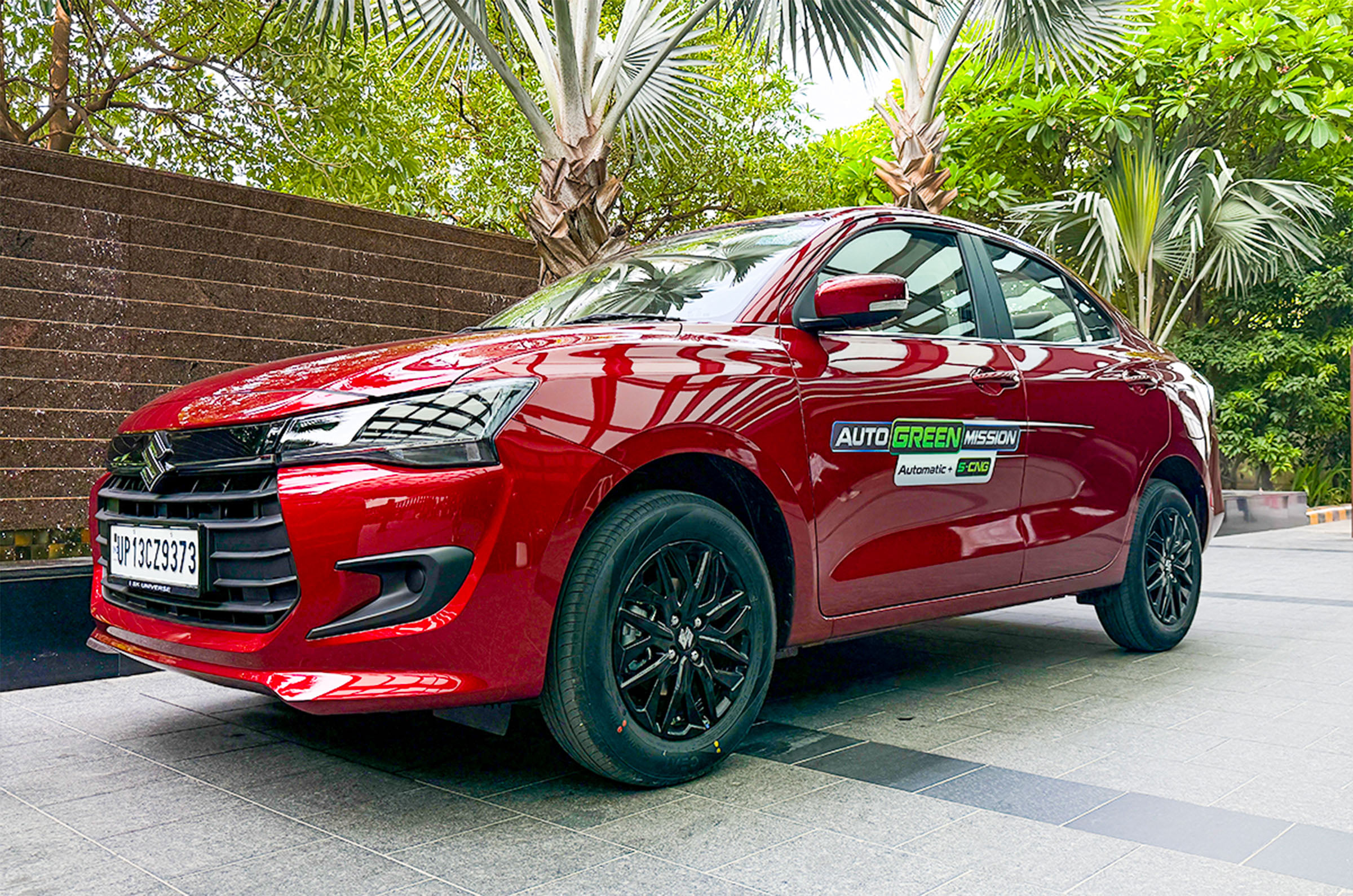
Maruti Suzuki has revealed the complete price list of the recently introduced CNG AMT versions of the Dzire, Baleno, and Swift. Introductory ex-showroom prices of the Dzire, Baleno, and Swift CNGs begin at Rs 8.53 lakh, Rs 8.32 lakh, and Rs 7.92 lakh, respectively.
Maruti Dzire, Baleno and Swift CNG AMT full price list
Maruti Dzire and Swift CNG AMT price list (Rs lakh)
Dzire
Swift
VXi
8.53
7.92
VXi (O)
–
8.18
ZXi
9.53
8.86
Maruti Baleno CNG AMT price list (Rs lakh)
Delta
8.32
Zeta
9.32
For the Dzire and Swift, the CNG AMT commands a premium of Rs 35,000 over their respective manual gearbox-equipped counterparts. In the case of the Baleno, its CNG AMT versions are Rs 40,000 pricier than the manual. Compared to their respective petrol AMT variants, the Dzire, Baleno and Swift CNG AMT’s cost an additional Rs 81,000, Rs 79,500 and Rs 82,500, respectively.
Picture the scene: you’re a commando who’s just parachuted behind enemy lines. Along with you and your team are a bunch of military off-roaders. It’s been a tough jump. High winds, terrain, difficult odds. While the men all make it intact, the machines break up and are destroyed. The team has to salvage what it can, reassemble a couple of off-roaders from the parts of the half dozen parachuted out. What’s clear is that special forces and the military need a tougher, more capable off-roader, one engineered with today’s tech and requirements in mind.
From the school of hard knocks
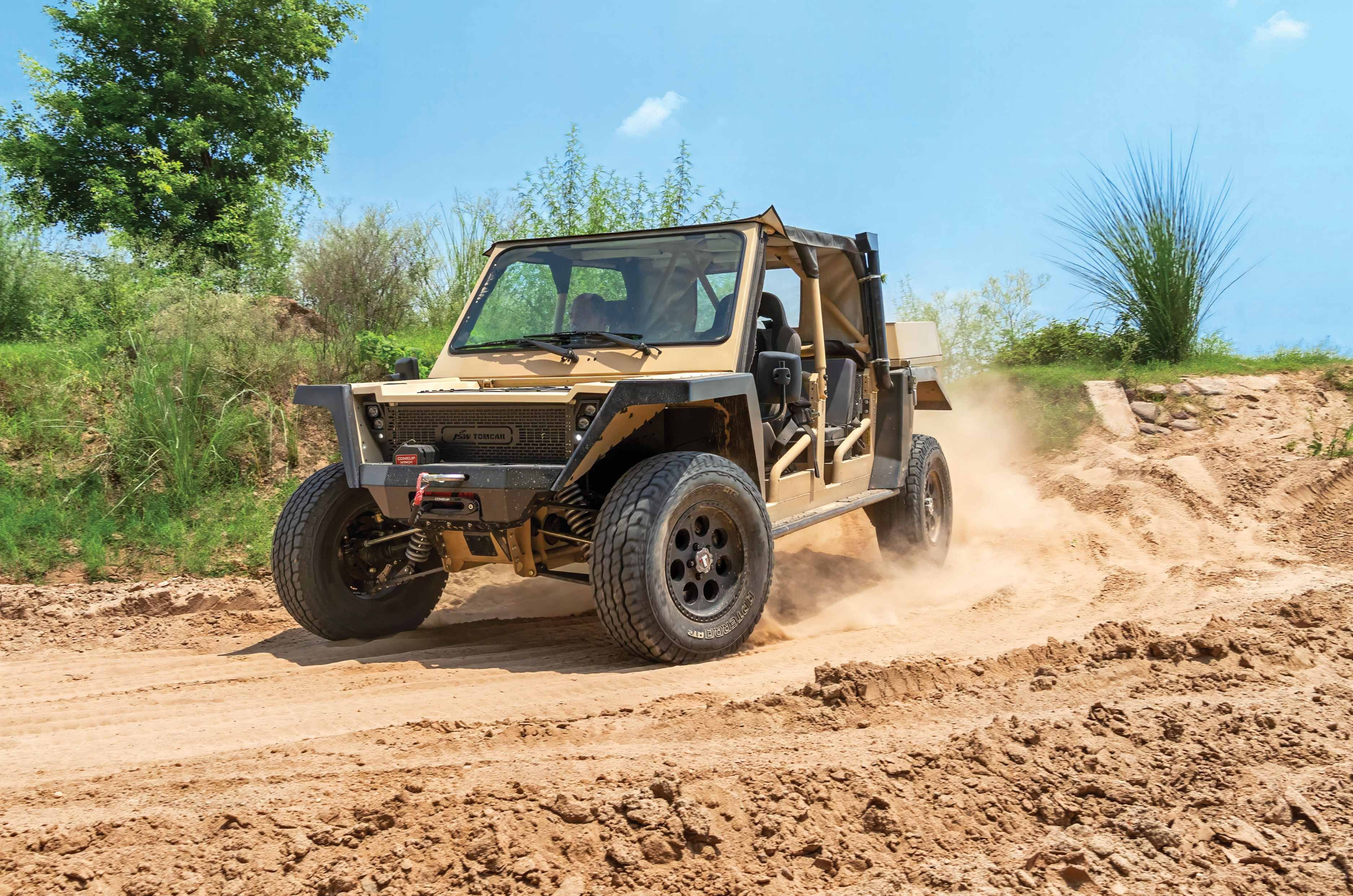
The Tomcar is purpose-engineered and built for special forces.
This then is the Tomcar: a military off-roader explicitly designed for commando operations. Designed to survive a parachute drop without requiring a rebuild or a massive parachute, heavy rigging and cushioning equipment, it sets an all-new benchmark. The Tomcar is built to take hard knocks, and that’s because the structure is fundamentally different.
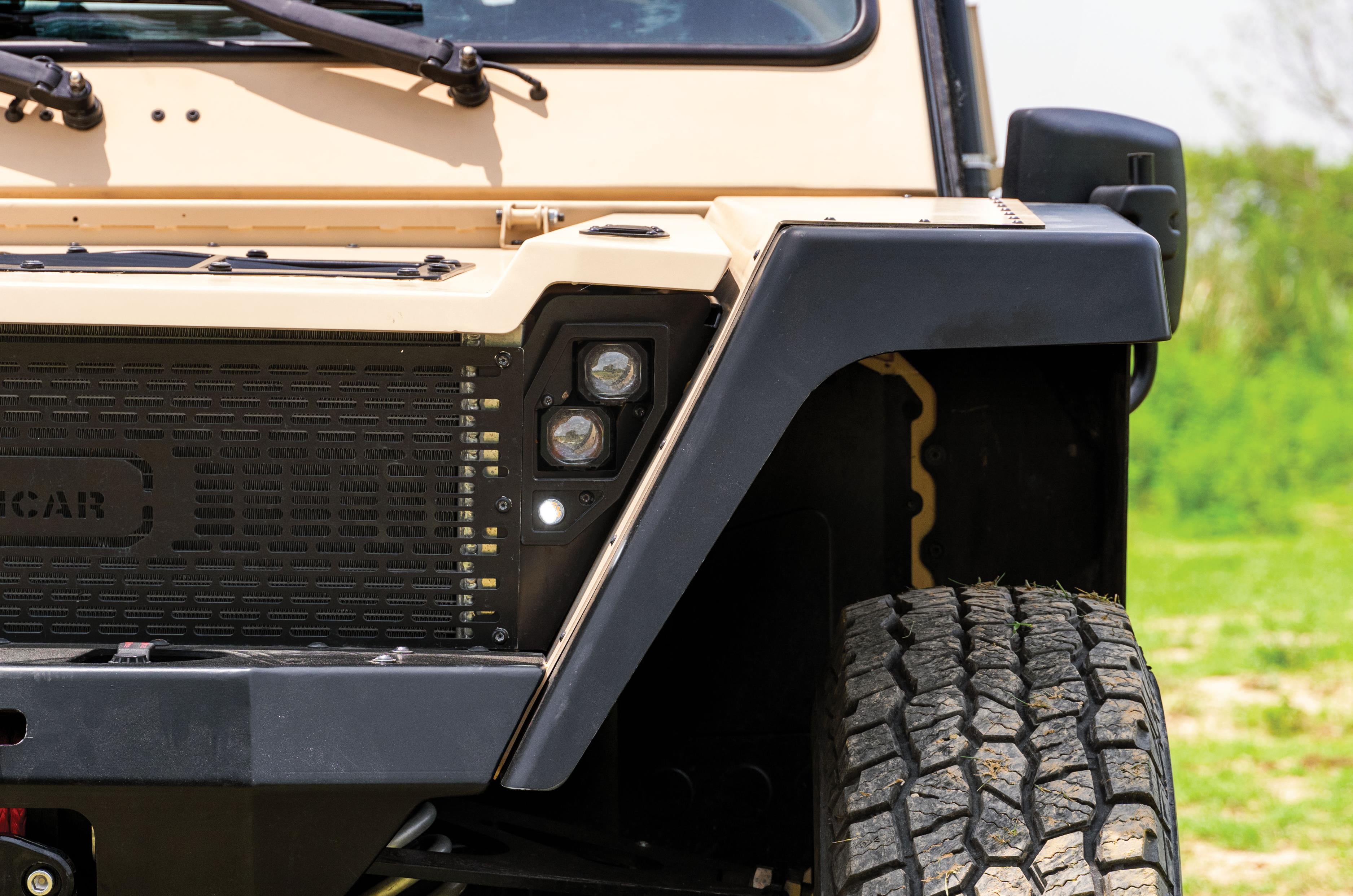
Compact nose and tiny LED headlights are unique.
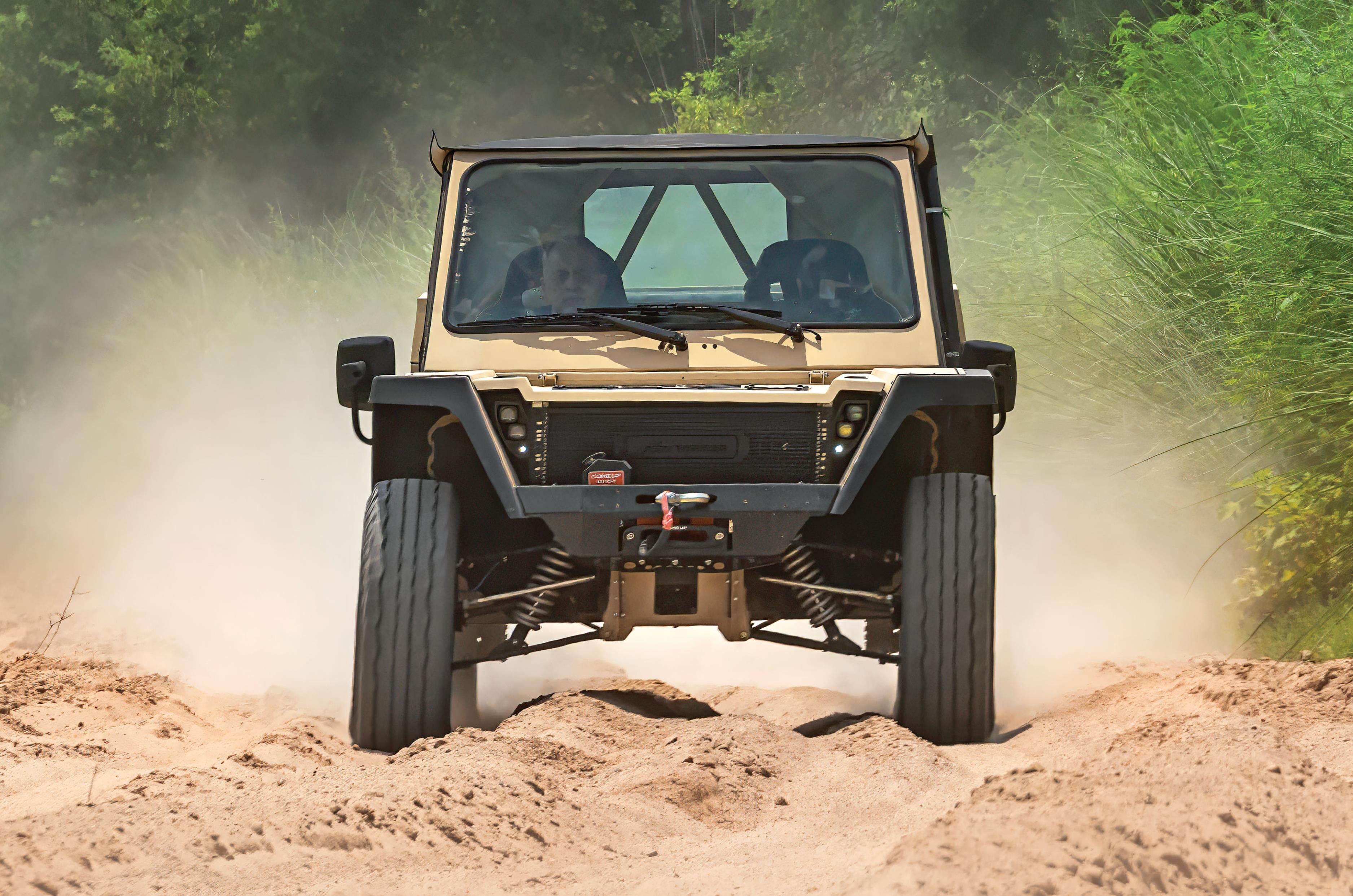
This is evident even when you take a quick glance at the Tomcar TX. It looks like nothing you’ve seen before. Stubby nose, tiny headlights, no doors and a heavy-set rear. What’s for certain is that every small bit is purpose-built and functional, and the only decorative bit seems to be the badge at the rear.
No form, all function
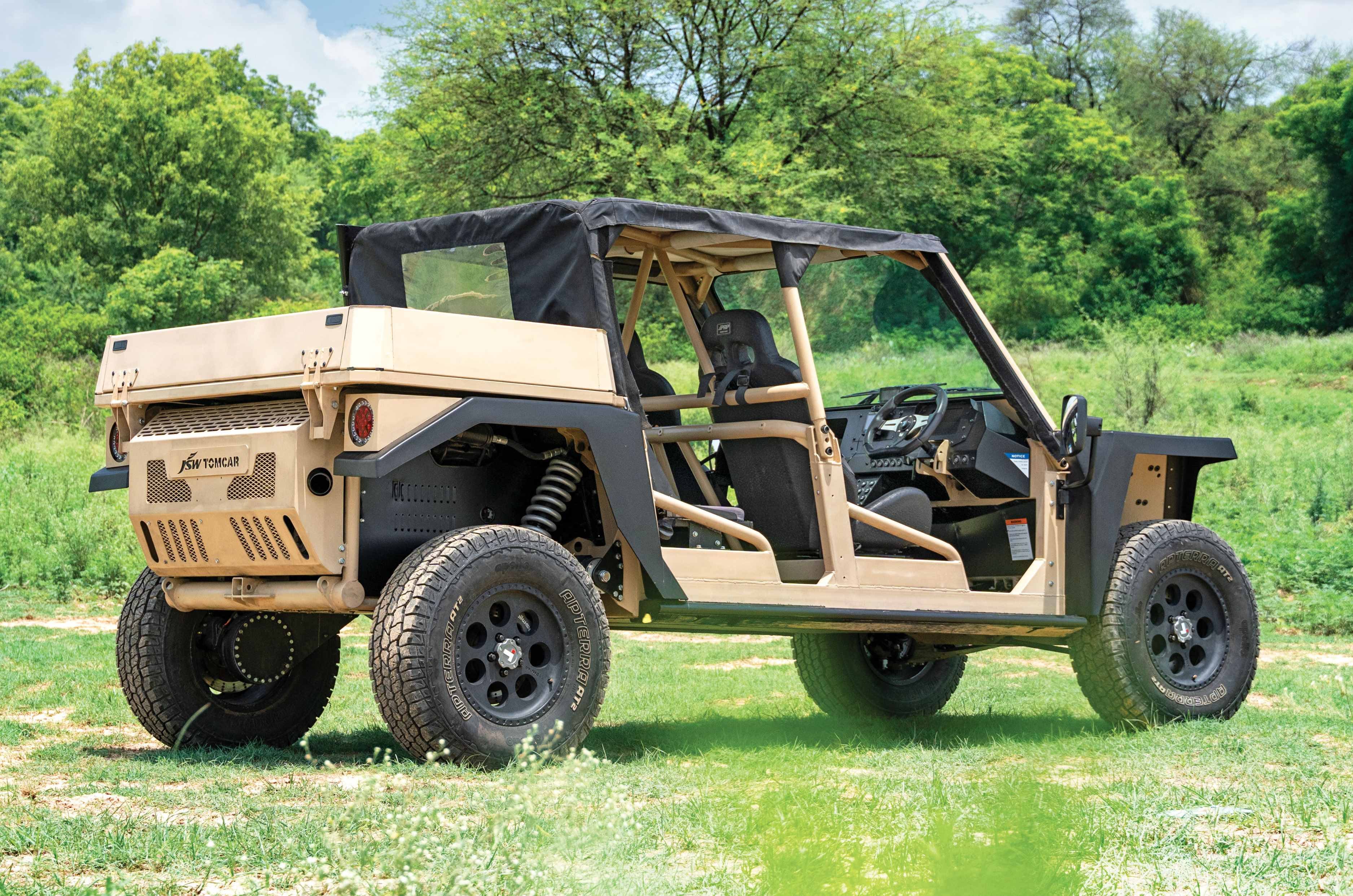
Let’s start with what you can’t see: the monocoque frame. Unlike other off-roaders that use bolted frames, the Tomcar has a one-piece, fully welded frame and integrated roll cage. Designed specifically and tested to absorb and dissipate the extreme G-forces of an air drop (without bending or shearing), it forms the centrepiece of the design. Perfectly in sync with the concept of a very durable, over-engineered vehicle that can be air-dropped or dragged out of aerial transport at low speed. What’s even more impressive is that it can easily be repaired in the field with basic hand tools.
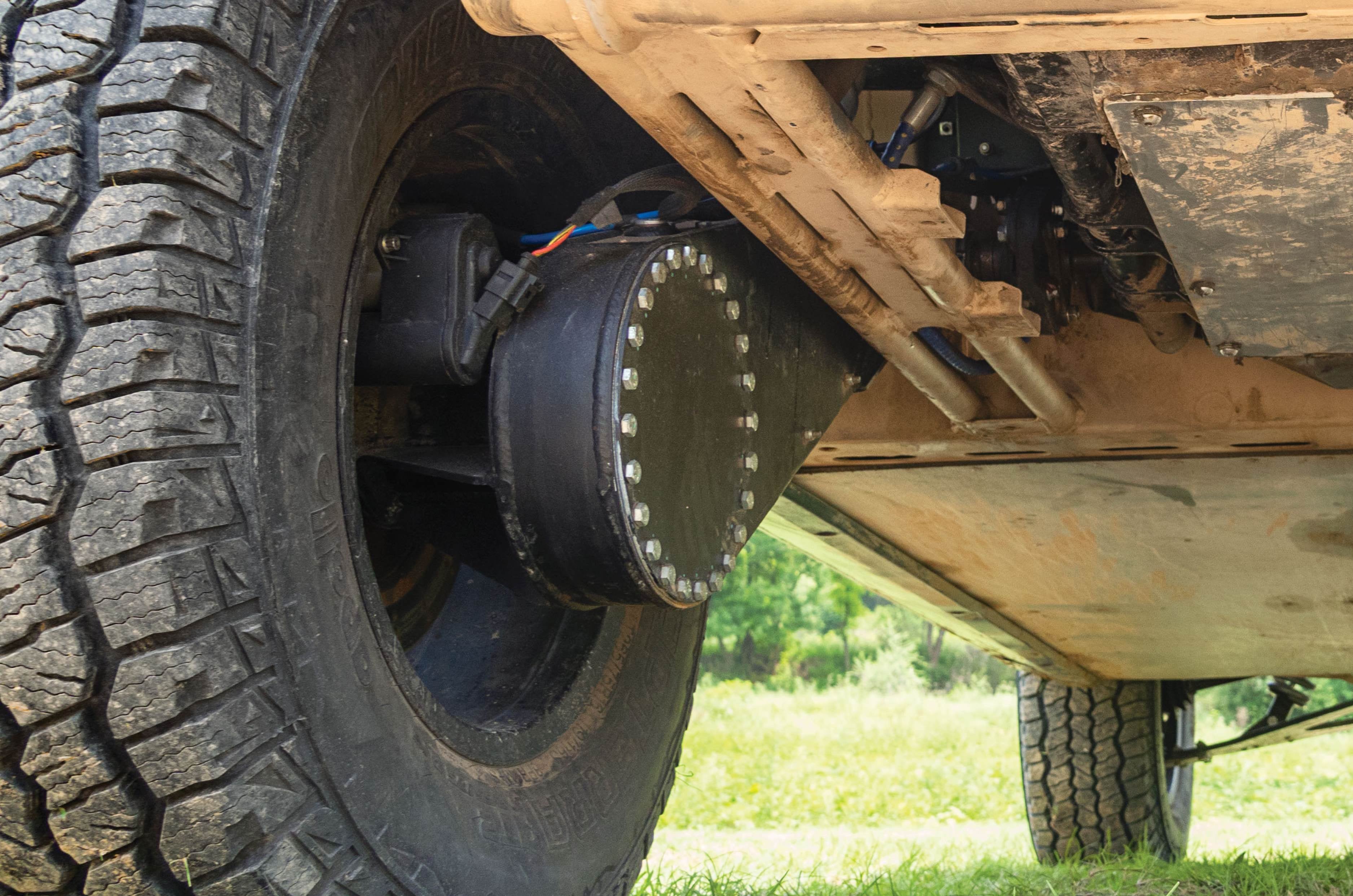
Independent rear suspension and chain drive in one single compact unit.
Next up, the all-independent suspension, which has massive travel and long suspension arms. The heavy-duty suspension offers up to 14 inches of travel and 17 inches (430mm) of ground clearance. This setup uses massive coil springs, not dissimilar to Baja racers, and motorsport-like damper systems with remote reservoirs. This enables it both to take hard knocks and remain stable at speed. This is so that the Tomcar can cruise effortlessly across undulating terrain at speed and provide a stable platform.
Special powers
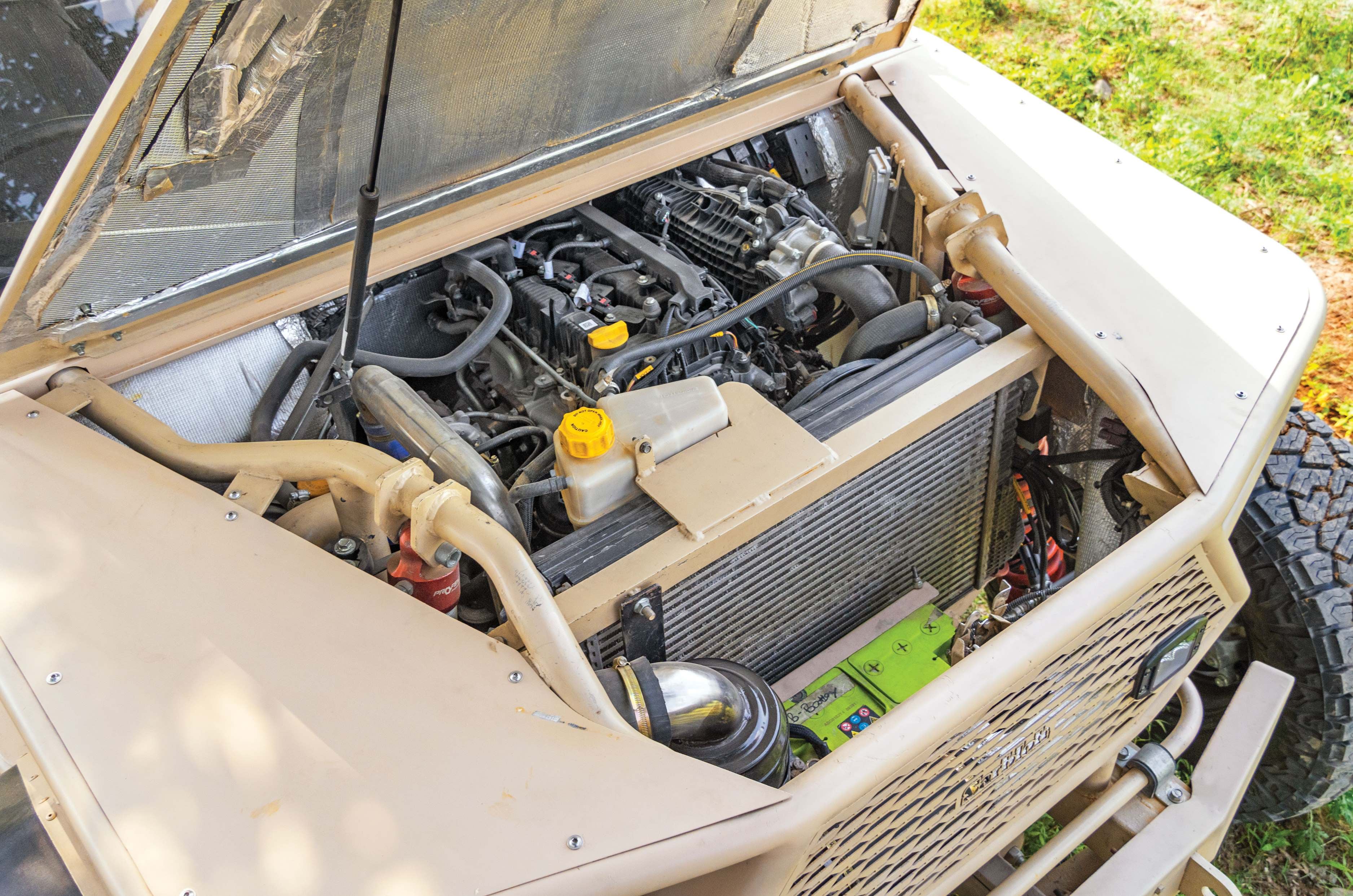
175hp engine sits low in the back, aids traction and lends stability.
I walk around the rear and take a good look as the next piece of the puzzle falls in place. There are vents at the rear, and that means that’s where the engine sits. Done to maximise traction, like VW-based Baja buggies, the Tomcar has its 1.5-litre four-cylinder engine mounted low in the rear. The Chevy engine makes 175hp and 275Nm torque.
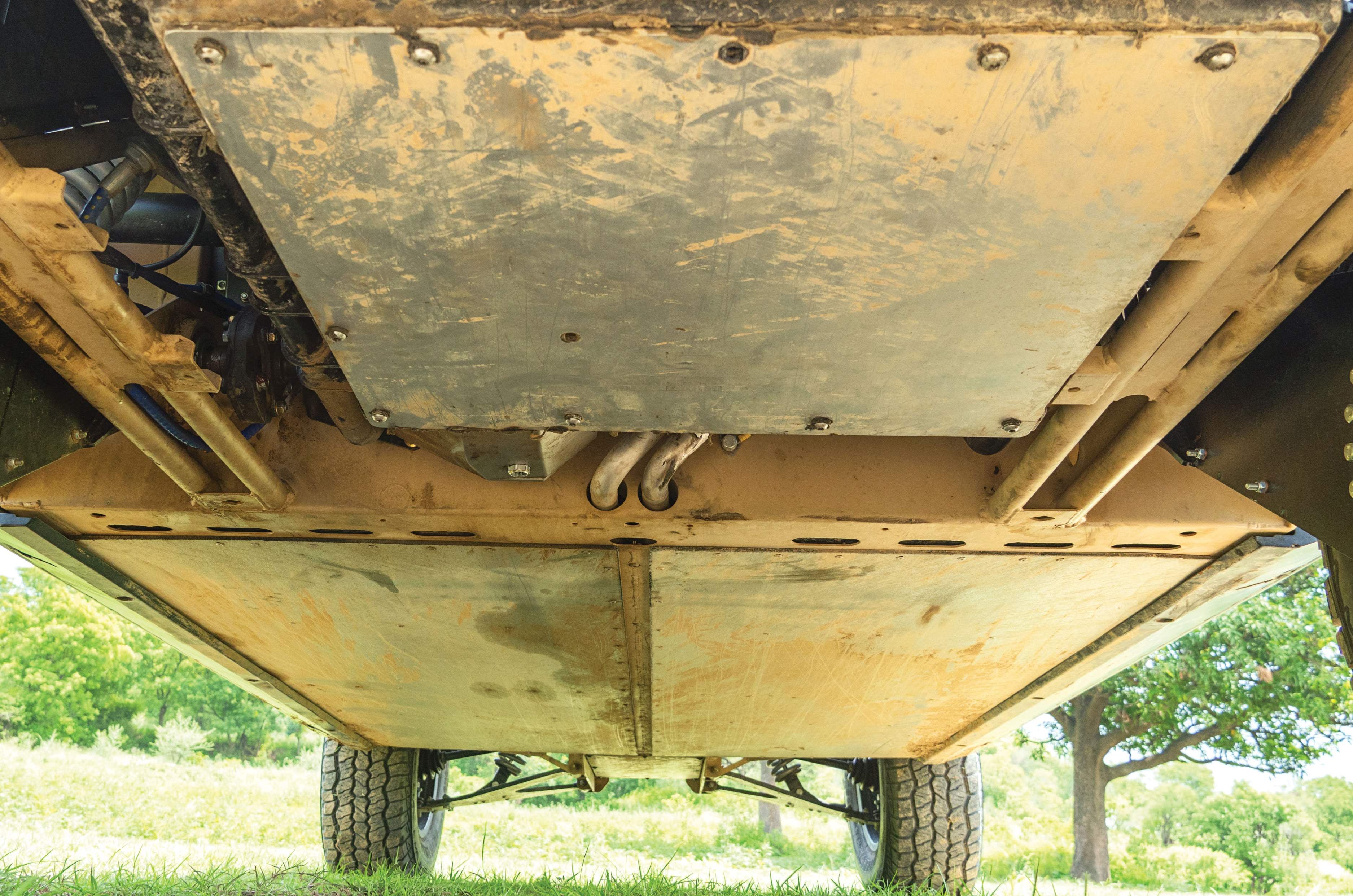
Flat floor prevents it from snagging on rough terrain.
The TX uses a CVT gearbox for easy use and good torque manipulation. This is placed at the rear with the engine and sends power forward to two transfer cases that are sandwiched together. The first transfer case allows you to shift from rear-wheel drive to four-wheel drive instantly with a mere push of a lever. Bang! The second gives you low range, and along with that, regular gearbox directional functionality – Drive, Neutral and Reverse. There is no Park, only an E-parking brake. These differentials have another unique tech – they are both air-locking and are engineered so that the Tomcar has a completely flat belly – nothing hangs down so it can slide over terrain without the belly fouling. Even more interesting is how power gets transferred to the rear wheels; it’s done through a pair of double chain-drive systems, encased in the hardened steel swing arms!
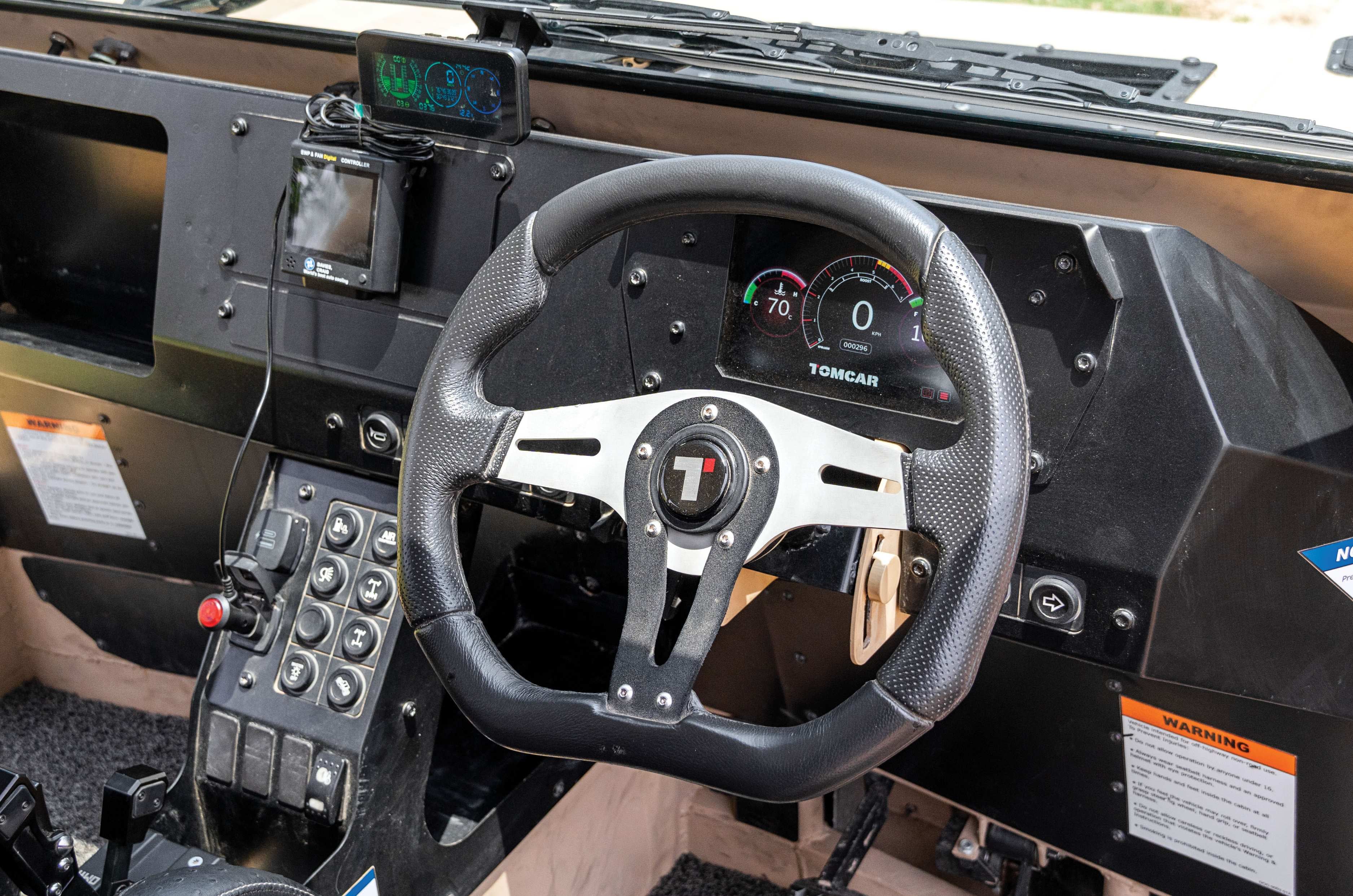
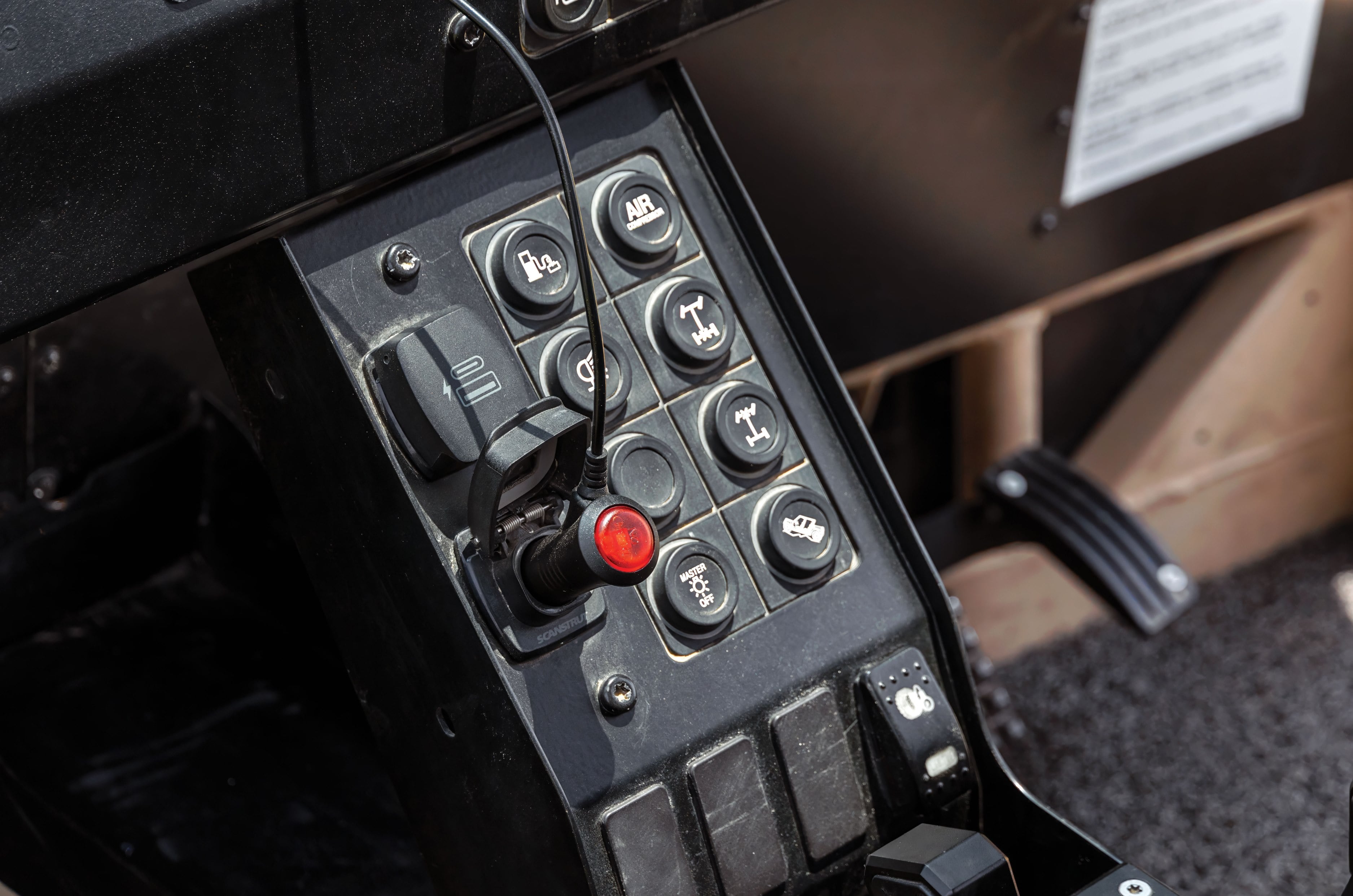
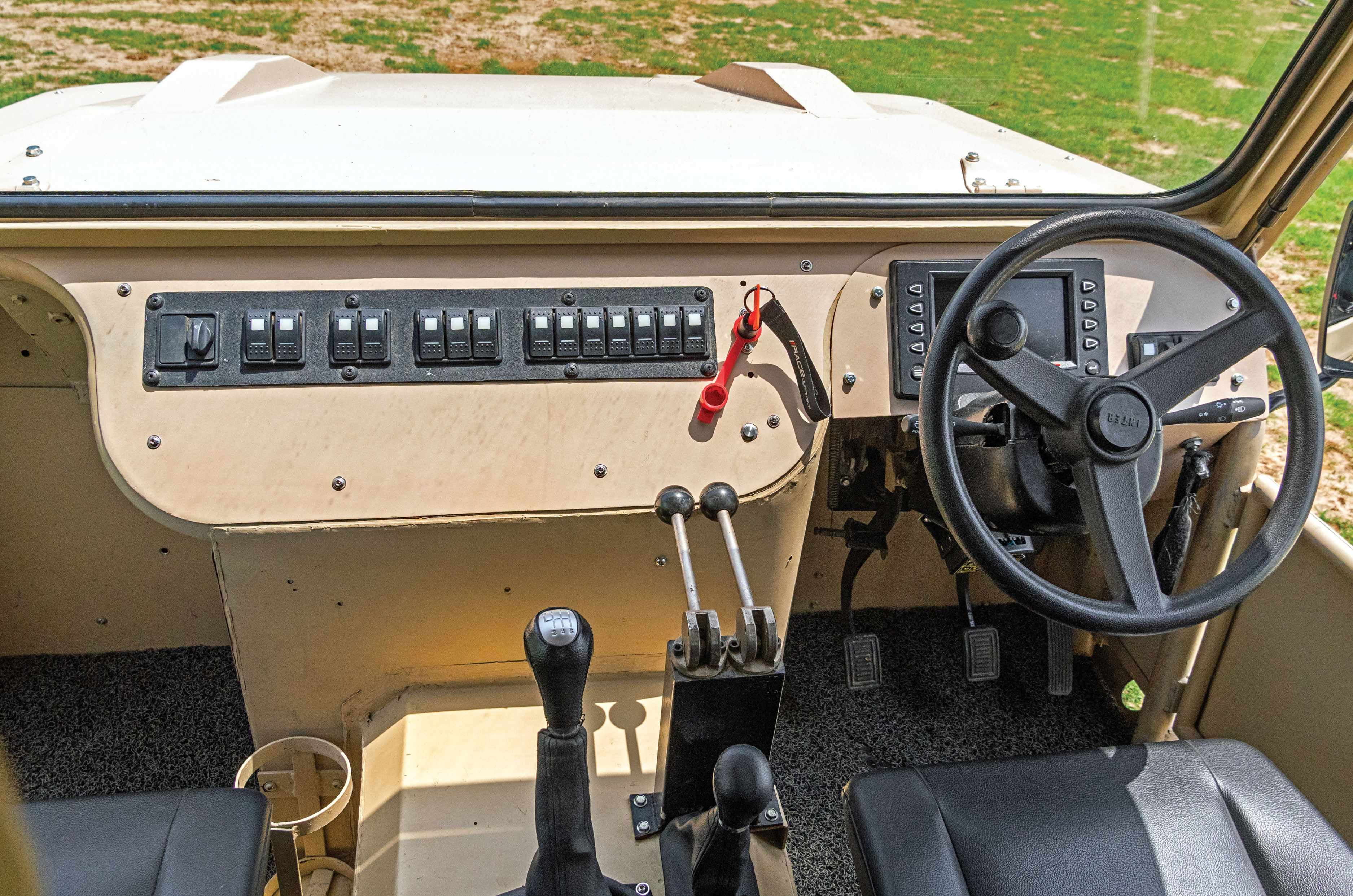
Basic dash and instruments get the job done.
In addition, the Tomcar has been made for easy serviceability in the field. Components often have a backup, and the vehicle can even function with a high degree of redundancy. There are, for example, two end-to-end fuel systems and twin radiators, and then bits like the suspension have load paths designed specifically to break at specific points where parts are easy to replace. What’s also impressive is that this 1.3-tonne vehicle can carry or pull more than a tonne.
Floats like a butterfly
Big buttons are hardy, can deal with dirt and are easy to hit with gloves on.
With this kind of unique specification, it’s little wonder that this vehicle feels unique to drive. For a start, with no doors, you just slide in behind the wheel. Start up is pretty straightforward, and you can sort of tell this vehicle will be comfortable to operate even with heavy gloves.
Initially, the sound of the quad drive chains at the rear dominates. A gnashing, chainsaw-like ripping sound, it combines with the whine of the CVT to give the Tomcar a unique sound signature. And from slow speeds, especially in sand, the CVT does require a buildup of revs before it pulls forward happily.
Once you build a bit of momentum, however, progress over the sand feels effortless. You can just float over big ruts and carry on without too much deflection of the wheel. A lot of this is because it has the weight of the engine pushing down over the rear-driven wheels, and the stiff chassis and soft, long-travel suspension deal beautifully with the soft undulating surface. While most 4x4s feel heavy when driving through sandy river beds like the one we are on, and tend to bog down and struggle when you slow to a crawl, the Tomcar feels right at home. It’s even relatively easy to steer and place it alongside another vehicle on the narrower sections of this riverbed. Sure, the turning radius isn’t great, and it pays to be ham-fisted with the steering, but what surprises me is just how much speed I can carry without it getting uncomfortable.
It feels completely at home even on seriously difficult off-road trails.
What’s also very impressive is its ability to do some serious off-roading. Running along the steep sides of the ravine, you can feel the low centre of gravity, which feels like it sits somewhere below the level of the driver’s seat. And then we climb an extremely steep hill, the Tomcar ‘walking’ up the step-like undulations of the trail with superb rear traction. Only the engine and CVT system seem to strain with the load of the uphill climb.
Also super impressive is the ride. The stiff chassis, long-travel suspension and motorsport damper system mean you can carry speed over sections you normally only have to crawl over. You look at a broken trail and drive over, fully expecting to be tossed around, but the Tomcar stays flat, so you add more speed. And this goes on for a bit until eventually stopping distances rein you in. Want to carry speed over rough terrain? This thing operates in another dimension.
Making India’s extreme off-roaders
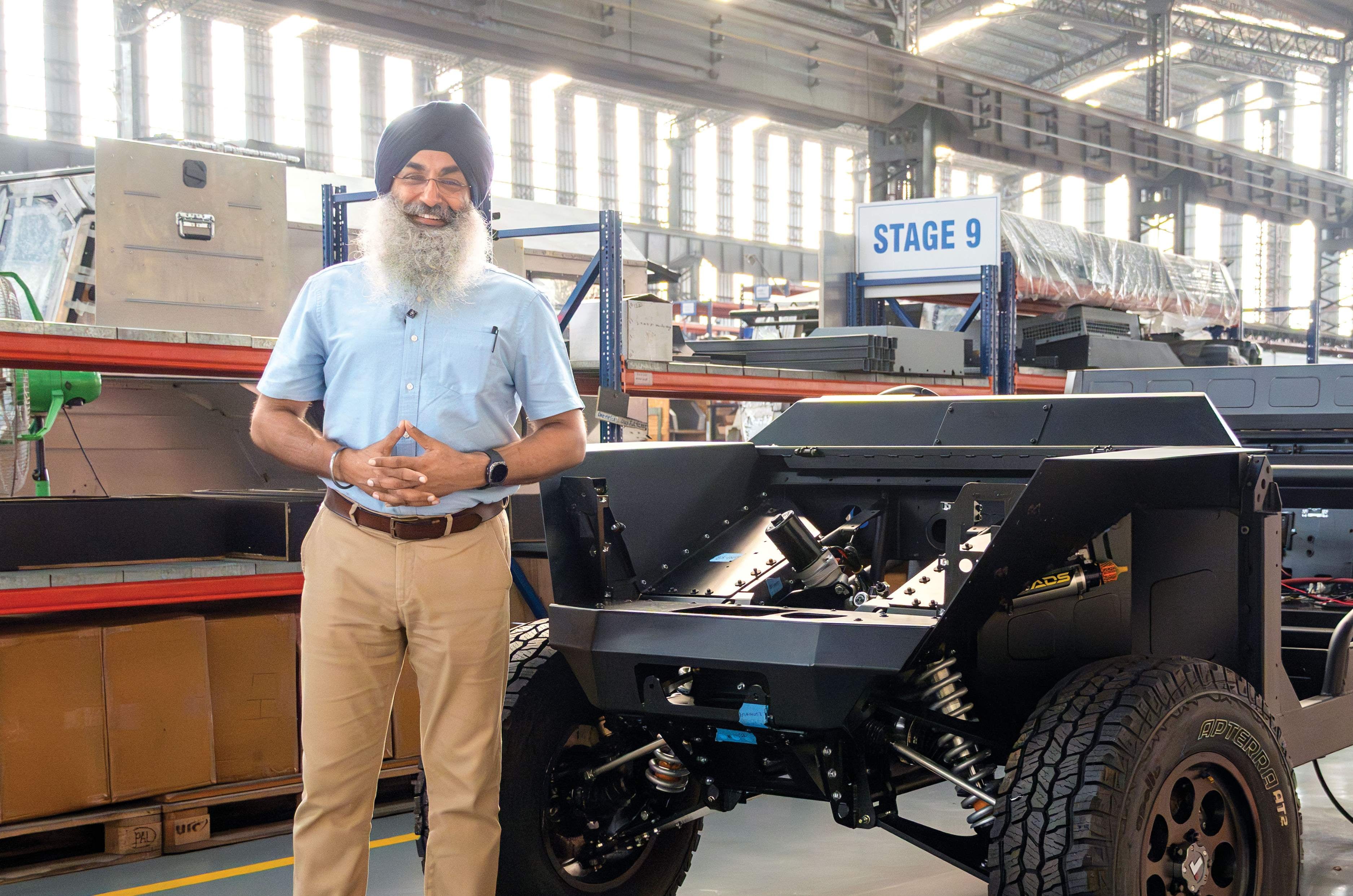
CEO and founder director of JSW Sarbloh Motors started his journey in extreme off-roading.
One of Jaskirat Singh Nagra’s first off-road excursions landed him, and his family car, in a ditch. Things, however, have looked up since then. Not only has his company Sarbloh Motors made several winning contenders for events like the Rain Forest Challenge and Orange Festival in Arunachal, it, along with JSW Defence, also makes the Sherp and Tomcar in India. Up next, the company’s own EX4. And with 140 Sherps already produced and a line already setup for tactical ATVs, you can expect many more extreme off-roaders to be built by this company.
The EX4: Engineered, designed and made in India
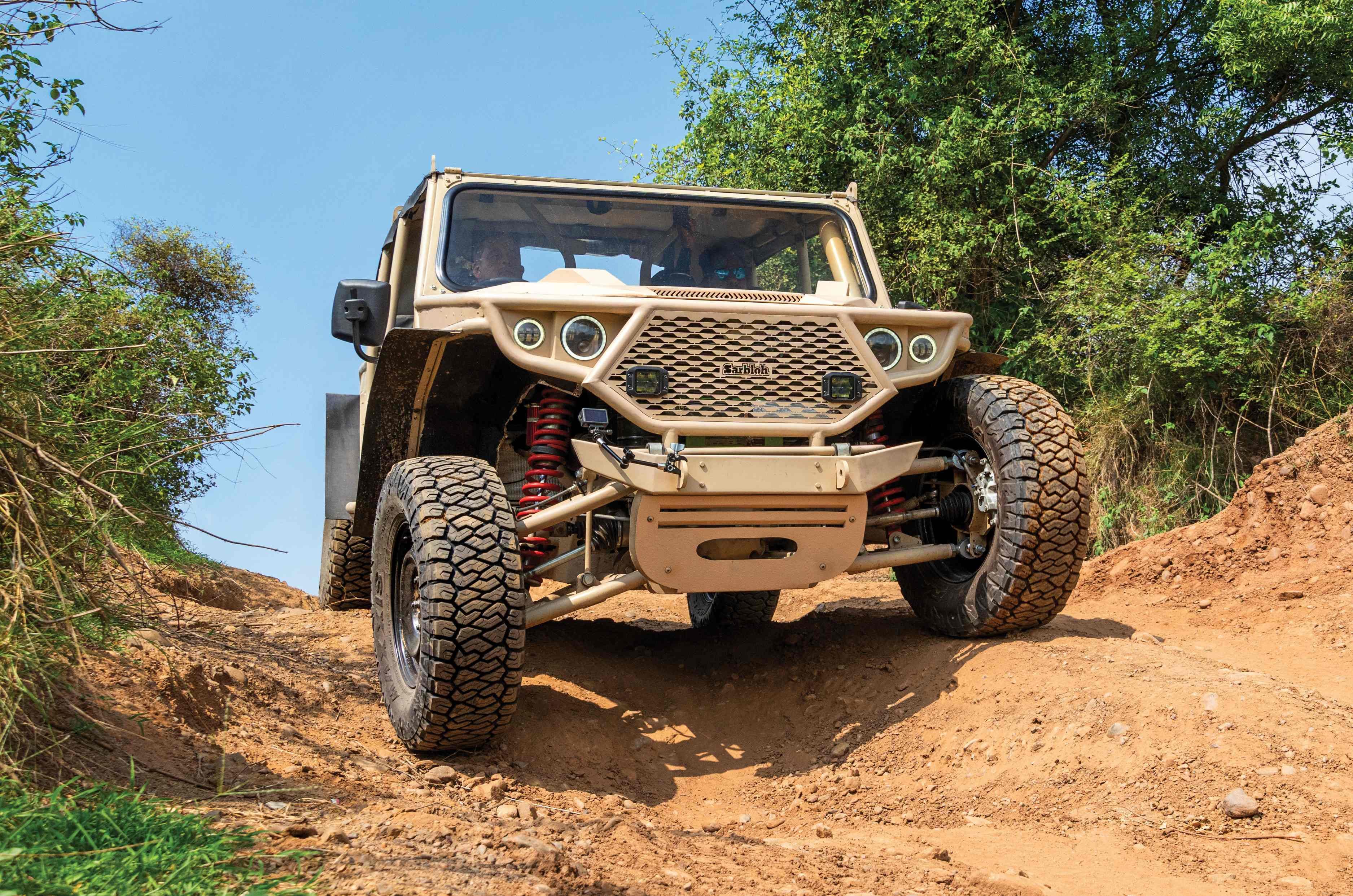
EX4’s wheel articulation with independent suspension.
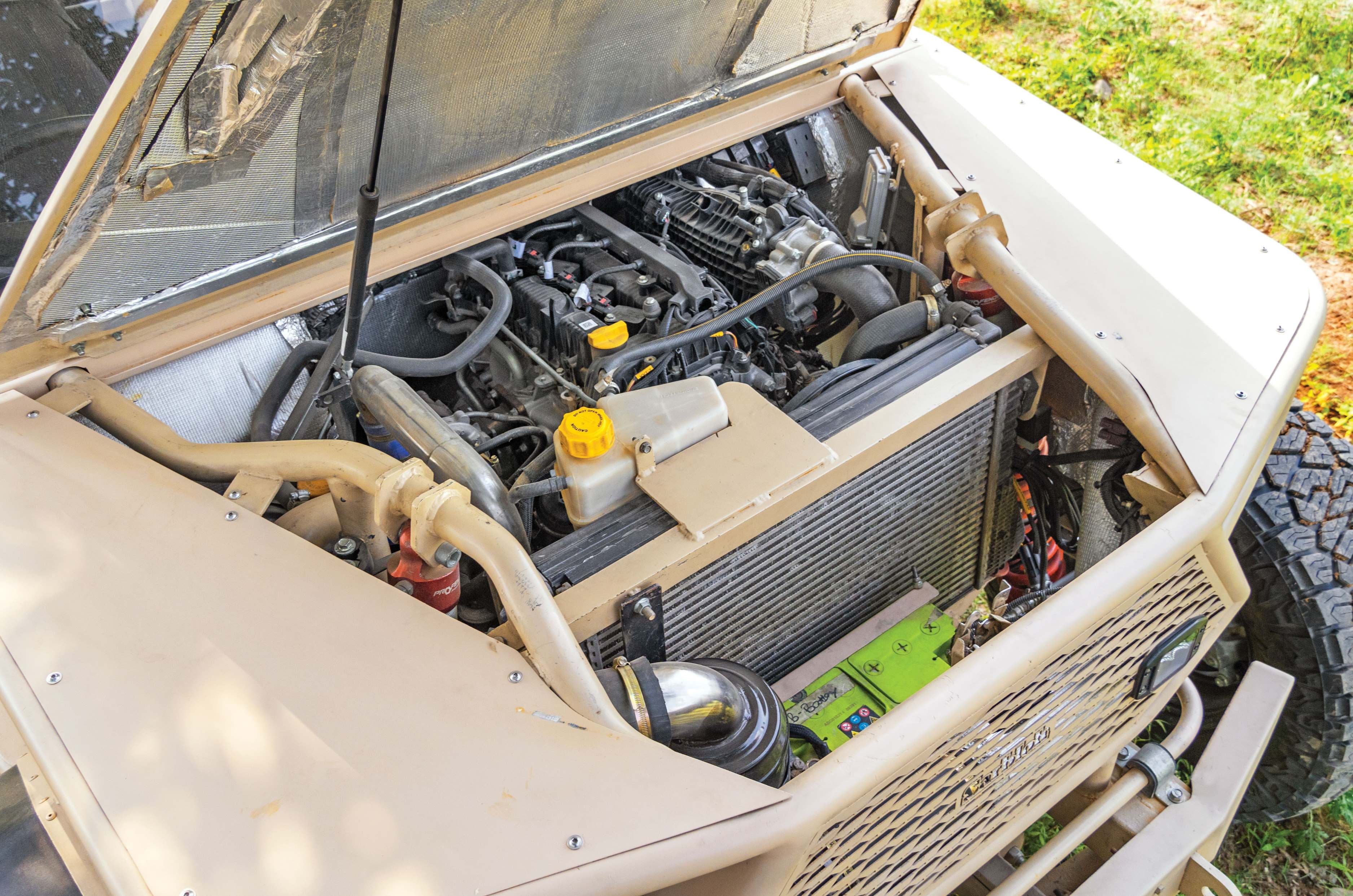
While the Tomcar is a tactical ATV meant to function as the tip of the sword, the EX4 is a home-grown scout vehicle built to take on difficult terrain and tough off-road conditions. Based on an extreme off-roader, this is a more conventional vehicle that has its engine up front and extremely short front and rear overhangs. Power comes via the same 175hp 1.5-litre turbo-petrol, and then this one even gets the option of a 2.0 diesel that makes 167hp. The latter is sourced from Fiat/Jeep or Stellantis. The chassis is a tubular space frame, and from the dimensions, you can sort of tell that this thing evolved from a Rain Forest Challenge buggy.
It can be had with a 175hp petrol or 167hp diesel.
A large A-arm suspension up front and an elongated rear trailing arm help it clamber over most obstacles, and like the Tomcar, it uses canister-fed, motorsport-based dampers that can be adjusted over a wide range. Now, despite the engine being in front, the nose is pretty compact, and interestingly, the anti-roll bar can be seen running around the front of the grille! Of course, the tyres form the extremities of the car; it gets rubber or plastic fenders around the side, and check this out, you can raise the windscreen so you can stick a weapon out and defend yourself if you are in the front seat.
The snorkel is placed with the frame.
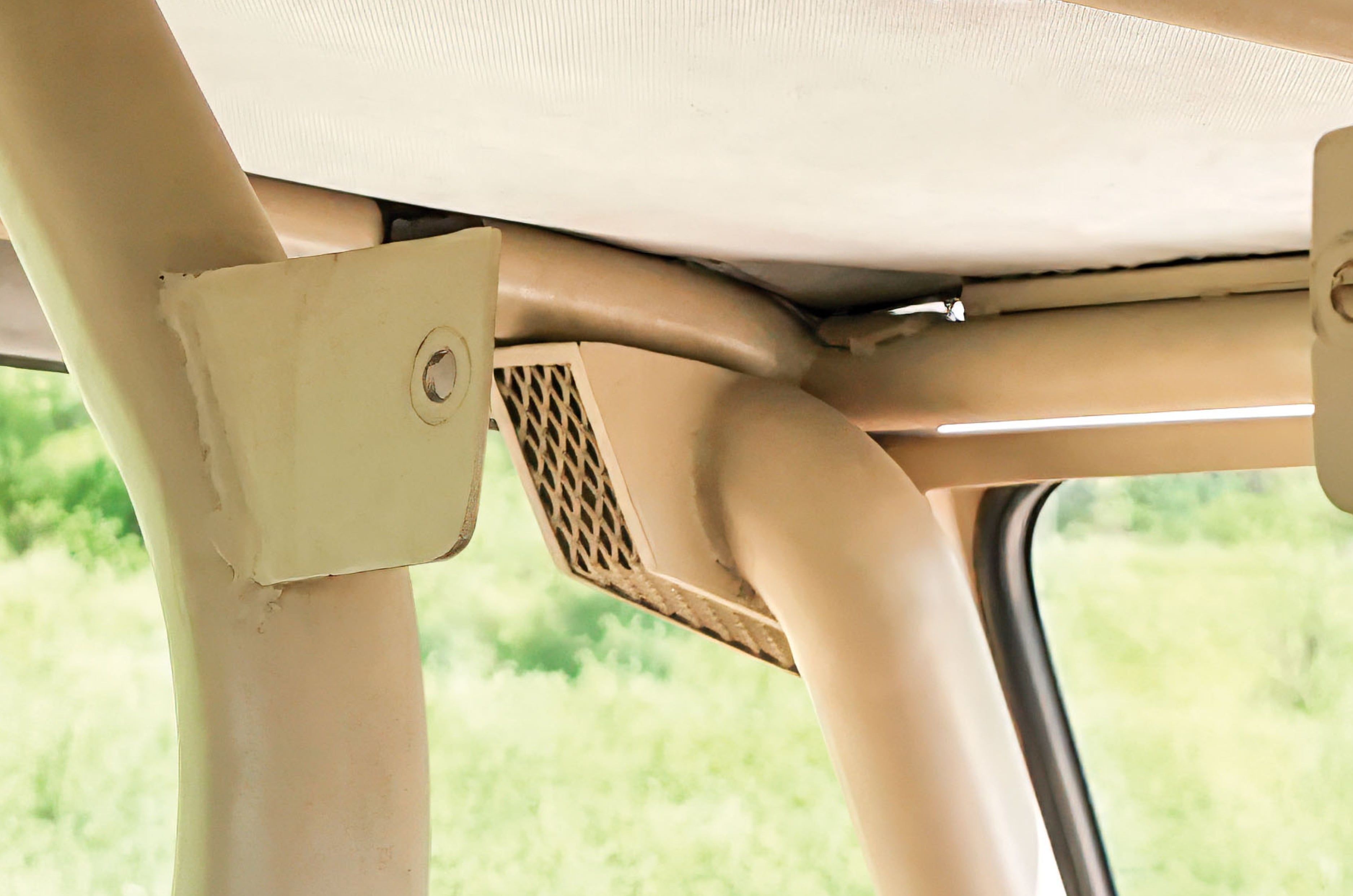
Unlike the Tomcar, this one also has mini doors, look behind the A-pillar on the left and you see the snorkel (neatly hidden away), and walk around to the rear and you get a sense of just how compact this car is. It’s so tight, even the spare sticks out the back. Also interesting are the large brackets on the roof, in case you want to air-lift this vehicle or hoist it onto a ship.
This prototype has many basic features that are likely to be upgraded in future versions.
Once behind the wheel, the EX4 feels more ‘direct,’ the manual gearbox making it feel much more sprightly. And then once you find traction in the sand, it takes off and accelerates better too. If anything, this one clearly has more zip, and it feels lighter on its feet too. The ride on this early prototype, however, isn’t anywhere as stable, and the faster you go, the more it bobs and gets tossed around. What’s also clear as you up the speed is that directional stability isn’t as good. That said, it is more willing to turn and take tighter corners. What you also hear while driving the EX4 is the intake, placed not too far from your ear, and that’s especially when you work the throttle and ask for more air. Where it shines is in extreme off-road conditions. Steep climbs with low traction, drops that could give you nose bleed, these are taken in its stride, the low range and superior traction not even needing the intervention of the locking differential for the most part. The EX4 is available from Rs 40 lakh.
Compact rear carries essential water supply for troop.
Bespoke by design
Blessed with the functional focus of a moon buggy, the ability to drive over terrain at speed that would have a regular 4×4-based military off-roader bouncing all over the place, the Tomcar is a purpose-built weapon system engineered by the end user. Designed to push the envelope in specific areas and deliver speed and dependability over rough terrain, it possesses a unique set of characteristics that are sure to give our special forces and advanced tactical units a unique advantage. And the cherry on top is that it is made right here in India by JSW Tomcar (part of JSW Defence).
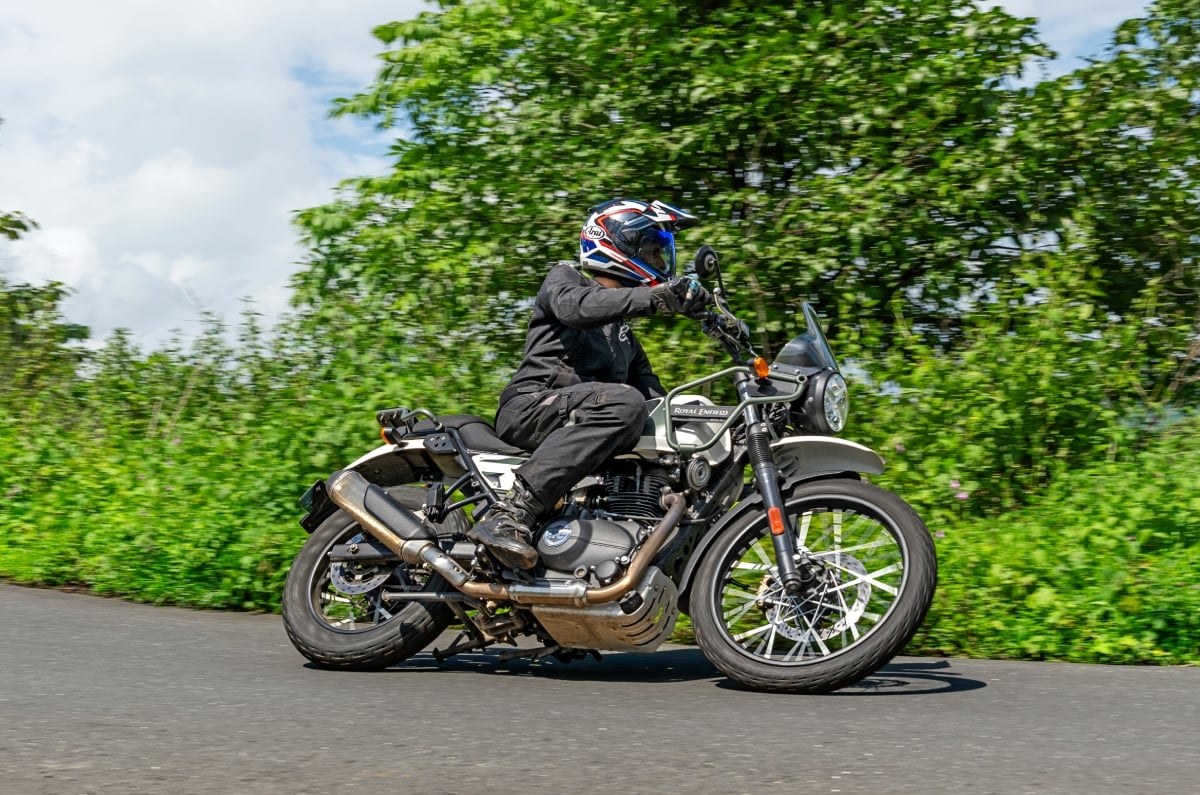
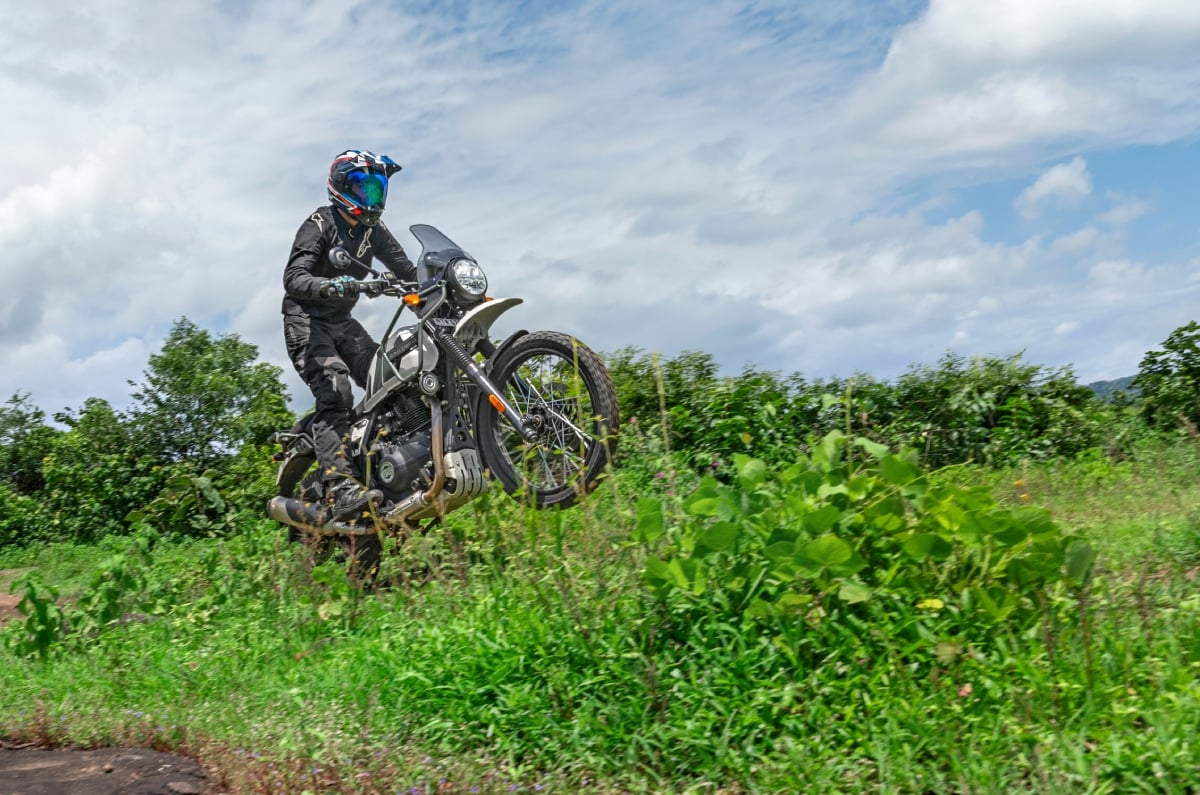
A lot can change in three years, as it turns out. Back in October 2023 at the Himalayan 450 launch, I would have confidently told you that the older Himalayan’s 411 time was up and that the 450 served as a fitting replacement. Fast forward to 2026 and I will now willingly concede that there is very much a place for the new Himalayan 440 in this market.
What’s new and why is it back?
A tempting price as well as meaningful improvements
Price plays a big role behind this change in reasoning. 3 years ago, the entry level 450 was about Rs 40,000 more than the top 411 – a not insignificant, but justifiable increase . Today that gap has nearly doubled thanks to the agonizingly short-sighted new GST policy that levies a brutal 40 percent tax rate on motorcycles that use engines bigger than 350cc. RE is clearly feeling the heat from the new wave of sub 350cc competition because the reborn 440 is priced super aggressively. In fact, at 2.29 lakh ex-showroom Chennai, it costs exactly the same as the top 411 did in 2023, despite packing significant improvements. Beyond the price, it’s those very improvements that have convinced me that this bike has earned its return in 2026.
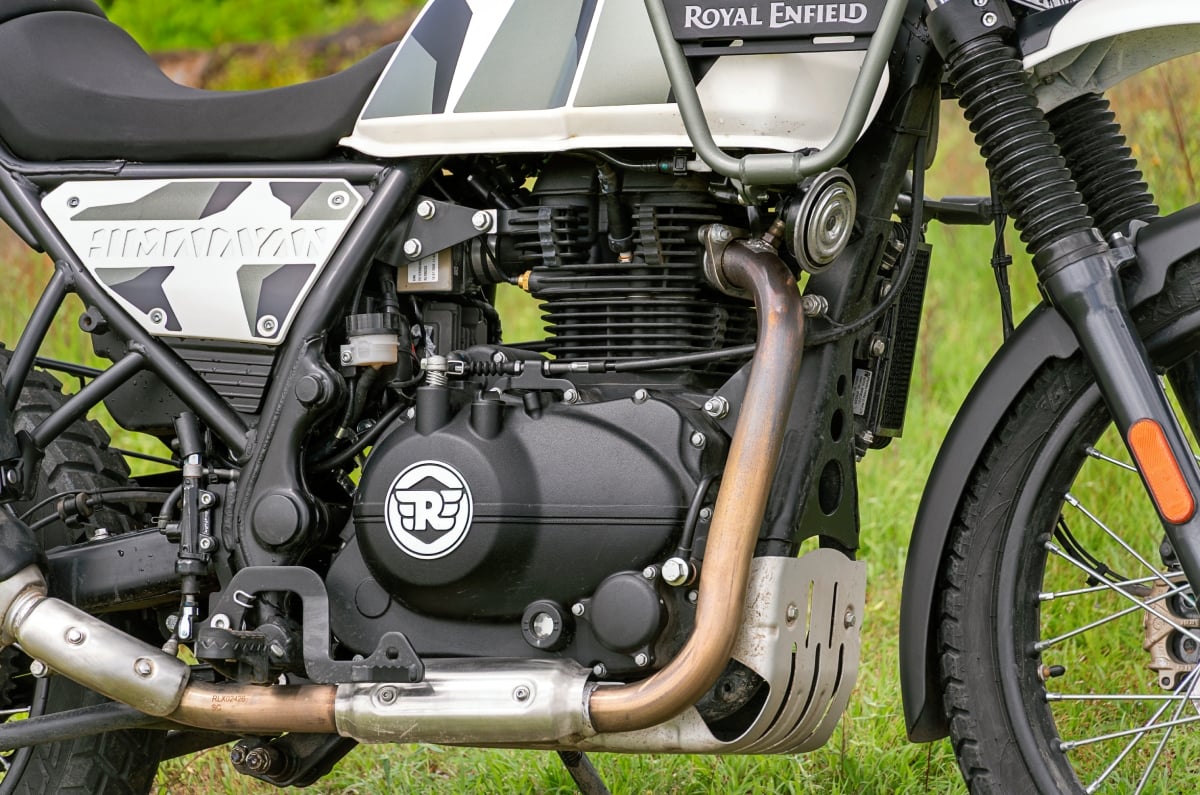
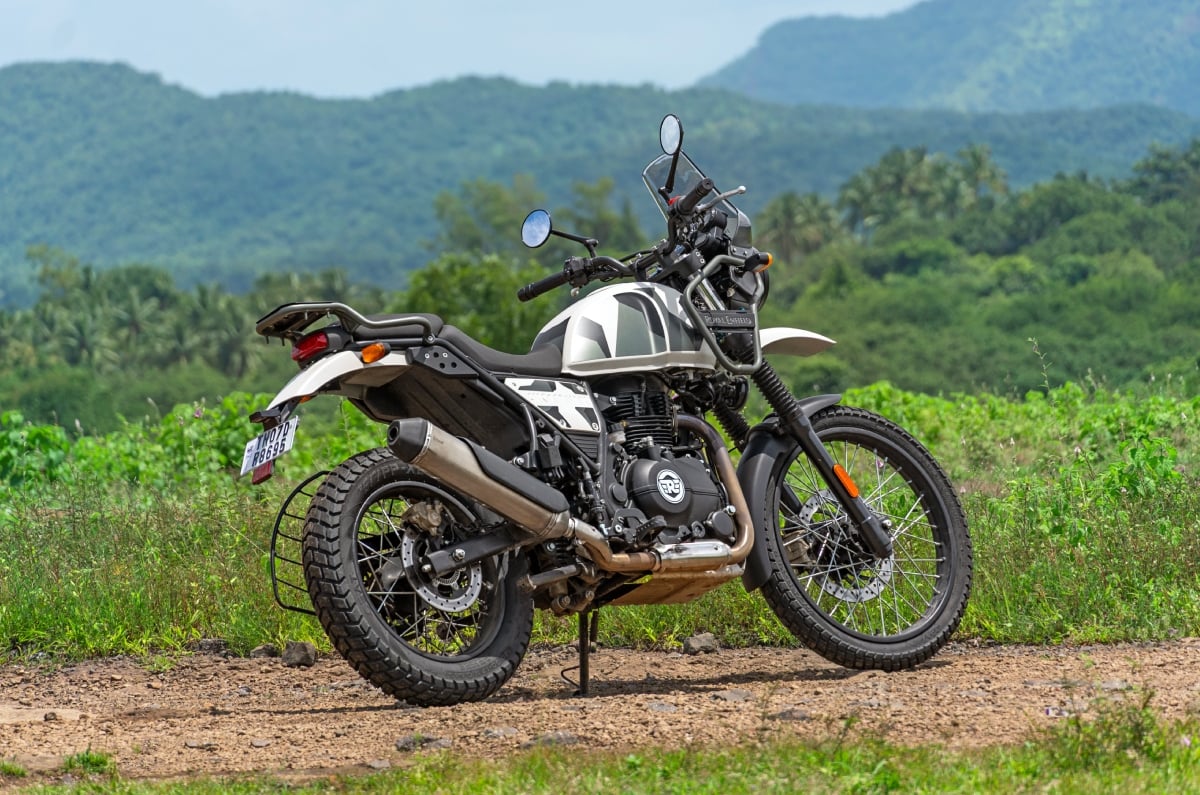
The Himalayan 440 is based on the Scram 440 and it brings in the same improvements we saw there last year. The oil-cooled single has been bumped up to 443cc and RE has also strived towards increasing the refinement. An added 6th gear and as well a lighter clutch lever increase the bike’s appeal on the highway and in the city. Work has also been put into improving braking performance and feel.
Himalayan 440 Design and Style – 7/10
New colours, but familiar design
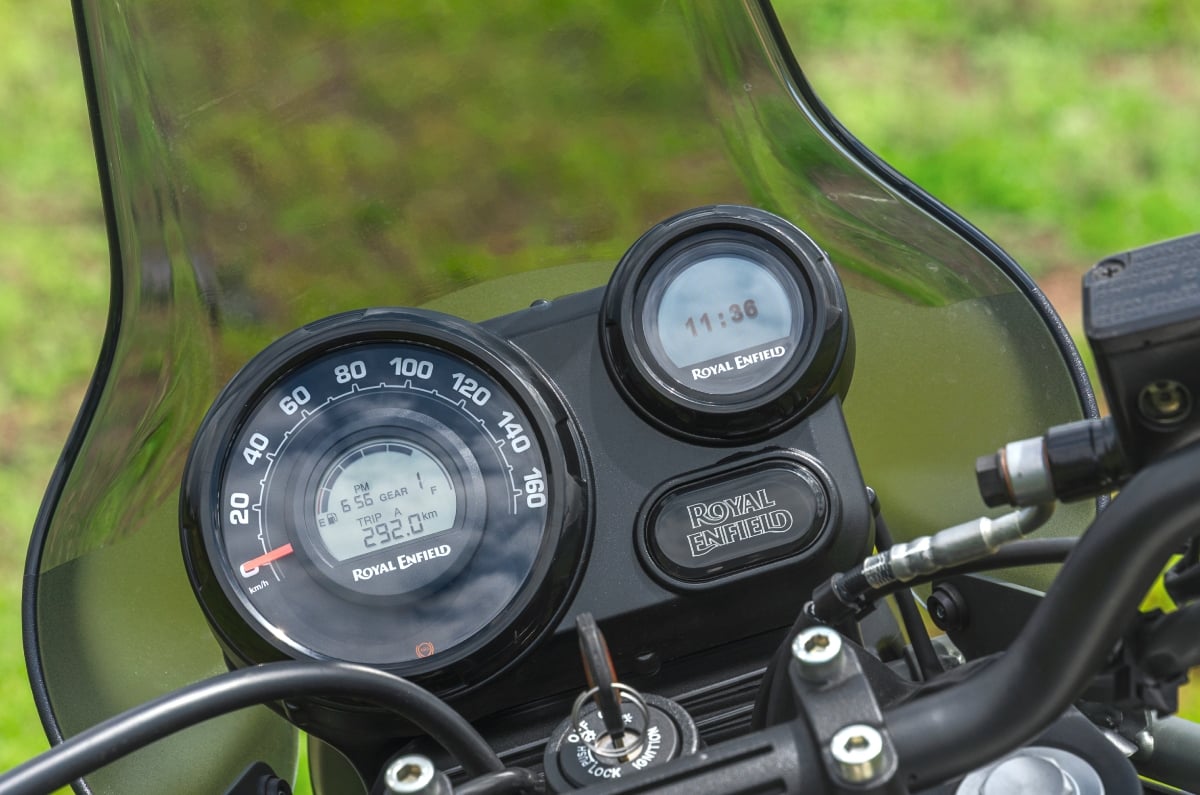
There are three new colour schemes as well, but beyond that, the bike retains its quirky oddball styling, although it does gain a new (average at best) LED headlamp and an updated instrument cluster based on the Scram 440.
Gets an updated instrument cluster based on the Scram 440.
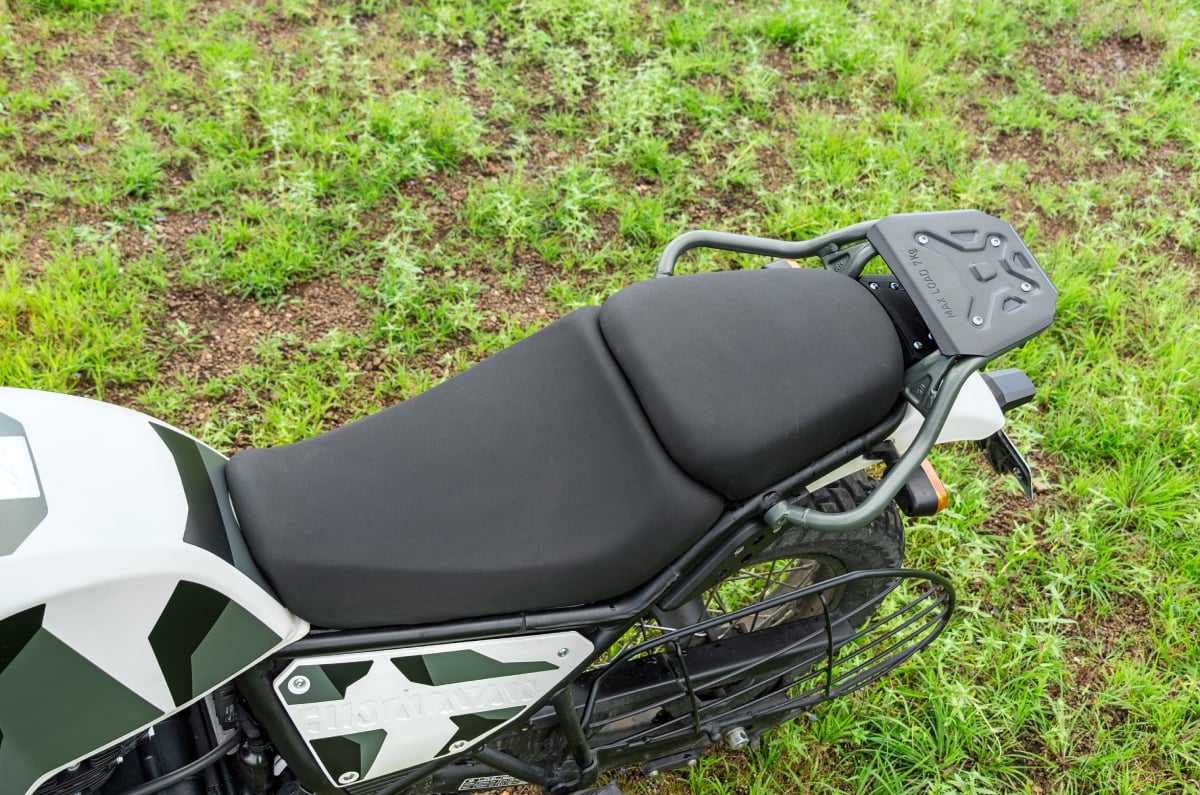
Hopping onto the Himalayan 440 after all these years is like being re-acquainted with an old friend. It more or less looks the same and also feels the same to sit on. The low 800mm seat height in particular is one of the biggest appeals with this bike and it brings back some of the short rider accessibility that was sacrificed by the Himalayan 450.
Himalayan 440 Engine and performance – 8/10
A smooth and characterful engine brimming with torque, but it’s not about speed
The engine retains that same relatively slow thump as its predecessor, but there is certainly an improvement in refinement. You can very much hear and feel the engine through the entire bike, but there are no intrusive vibrations until you build the revs quite high. Unfortunately, the Himalayan no longer has a rev counter so I can’t tell what rpm it starts to feel stressed at, but peak power comes in at just 6250rpm, so the number isn’t that high.
Nevertheless, with this improved vibration control as well as the added 6th gear, a 100kph cruise is now a smooth and stressfree affair. You can stretch that up to about 110kph before the engine’s discomfort starts to become apparent. Top speed is around an indicated 130kph, but this is not the bike’s happy place.
Our performance and efficiency test revealed numbers that you would expect and while this Himalayan is certainly not a fast bike, it’s not slow either. That being said, the 440 is an absolute joy when ridden at a sedate pace. The new-found smoothness, dialed-in throttle connection and oodles of torque make it one of the nicest bikes at this price point to calmly explore the great outdoors. Its 25.4hp power figure is on par with many rivals in the class, but the 34Nm of torque is what makes the difference to the riding experience – as well as the pleasing exhaust sound that occasionally includes loud pops on deceleration. Then again, its 199kg kerb weight is an equally big differentiator to the rest of the segment.
Himalayan 440 comfort, handling and off road – 7/10
Welcoming to short riders and decently capable, but feels its age
The chassis is pretty much unchanged and that means that the Himalayan 440 is very similar to the 411 in terms of dynamics. This is where you become aware that the 440 feels more like a refined version of an old motorcycle, rather than an all new one. It can carry a decent pace on or off road, but it doesn’t appreciate being ridden fast. The main stand starts to scrape at lean on road – or when you land it with some conviction off road – which serves as a reminder to ease off. Keep pushing and you’ll realise that the chassis doesn’t have the same composure as more modern rivals and the suspension certainly doesn’t come anywhere close to the lofty standards set by the 450.
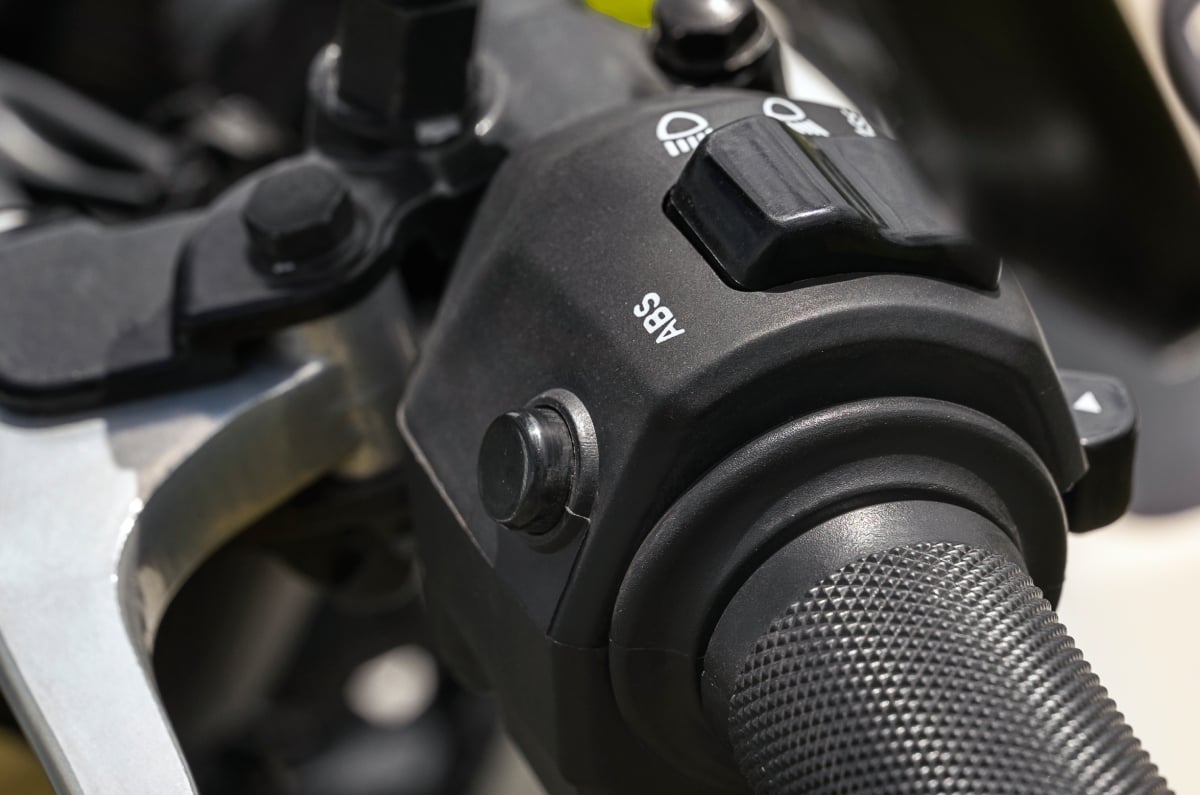
Over normal roads, suspension comfort is good. However, the 440 did not isolate me as well as I’d have liked from the incessantly bumpy concrete surfaces that now sadly snake across large parts of Maharashtra. After an 8-hour ride over mostly concrete roads at highway speeds, I returned home with a slightly sore back. If absolute comfort is a priority, bikes like the Xpulse 210 or Himalayan 450 are where you want to look. As for braking, it is by no means outstanding, but the 440 gets the job done and there is switchable ABS, which is nice.
Himalayan 440 Features and Safety – 7/10
It’s a simple bike but provides most of the essentials
The Himalayan 440 retains its original identity as a rugged, go anywhere, yet simple and basic motorcycle. In terms of features, you get a USB C port, RE’s Tripper navigation display and the aforementioned switchable ABS. Compared with most rivals, it does have fewer frills, but the only real ‘luxury’ that I miss is tubeless tyres. It would be nice to have the option of paying extra for them like you can on the Himalayan 450.
Himalayan 440 Price and verdict – 8/10
Well priced and a unique riding experience
Essentially, this is a back to basics motorcycle and it feels that way in person. If maximum bang for your buck is what you’re after, then the TVS Apache RTX will completely outdo the 440 in nearly all parameters for similar, if not less money. The same goes for speed and aggression – there are better options at this price point. However, if you want a gentle, well-mannered and characterful motorcycle that makes for a convincing travel partner at a reasonable price, then the new 440 definitely packs genuine appeal.
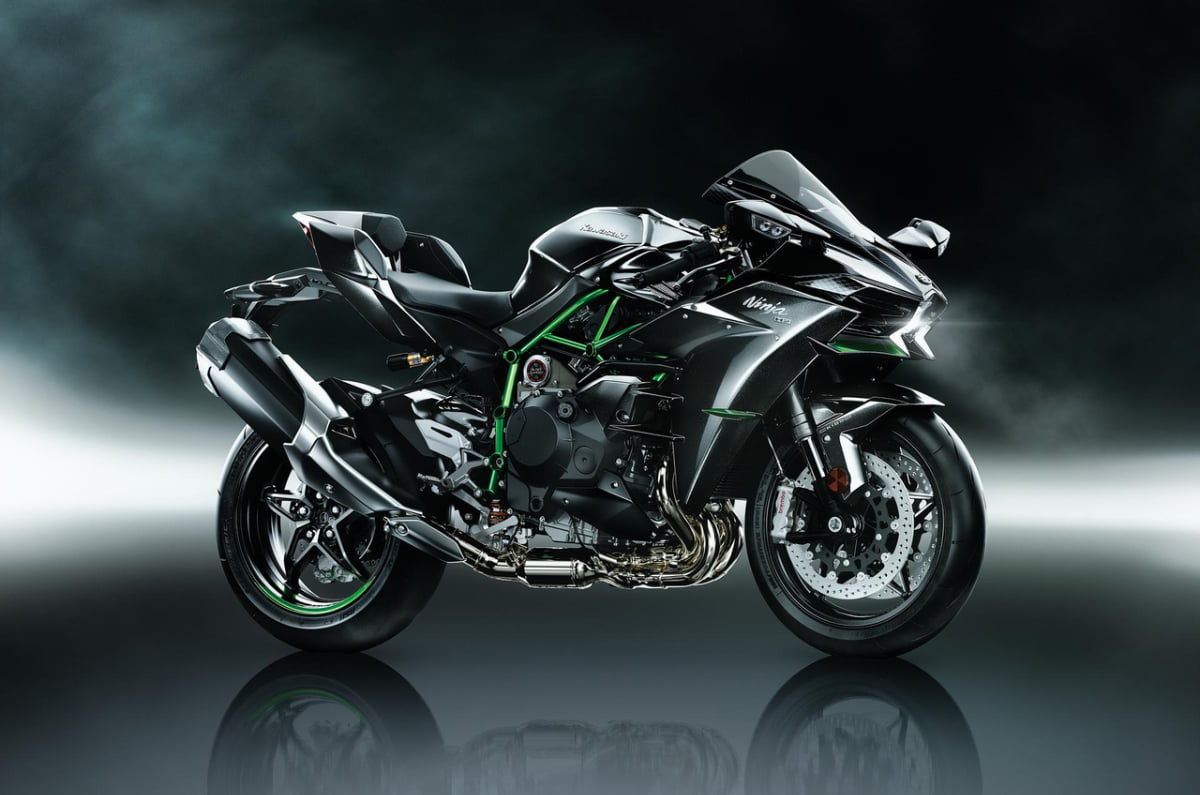
Kawasaki has revealed the 2027 Ninja H2, ending weeks of anticipation that began with homologation filings and a cryptic teaser campaign. The supercharged flagship returns with an updated engine that now makes slightly less power, but is now Euro5+ compliant, allowing the H2 to return to European markets.
2027 Ninja H2 produces 209hp and 135Nm
Gets Brembo Hypure four-piston front calipers
Also available in an H2 Carbon variant
2027 Kawasaki Ninja H2 price and details
Retains overall design but features redesigned supercharger internals and a new exhaust
While the 998cc supercharged inline-four appears visually unchanged, Kawasaki says it has been revised substantially. The impeller and intake system have been completely redesigned, along with the pistons, cylinder head and crankshaft. These changes now allow the engine to meet Euro5+ emissions standards while delivering what the company describes as stronger low- to mid-range torque. The new single-exit exhaust, like on the H2 SX and Z H2, replaces the previous twin-exit can.
Changes to the hardware include the addition of Brembo Hypure four-piston front calipers, in place of the outgoing model’s Stylema units. The bike has a kerb weight of 238kg, which is identical to that of the previous-generation Ninja H2 that’s still currently not on sale in the US market.
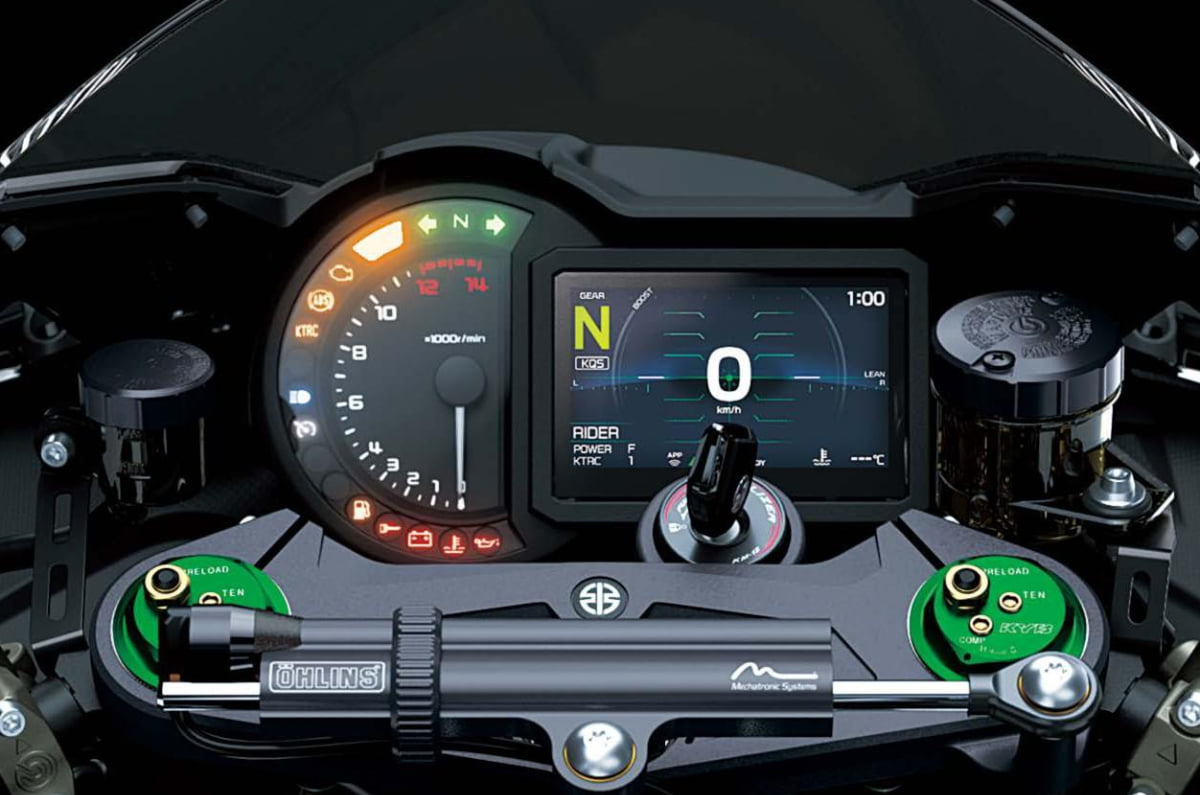
Also new is an updated instrument cluster, with an analogue tachometer alongside a TFT screen. It appears to be the same unit used on the Ninja H2 SX and gives you access to a host of rider aids, including multiple levels of power and traction control, as well as cruise control.
At the moment, the 2027 Ninja H2 has only been launched in the UK, where it is priced at £28,600 (equivalent to Rs 36.90 lakh). It is also available in an H2 Carbon variant, which adds a carbon-fibre-reinforced upper cowling and is priced at £31,350 (Rs 40.44 lakh). It remains to be seen if the Ninja H2 returns to India after it was discontinued some years ago.
This is the story of a 1,50,000km-old Mahindra Scorpio Getaway that has lived the life it was designed for.
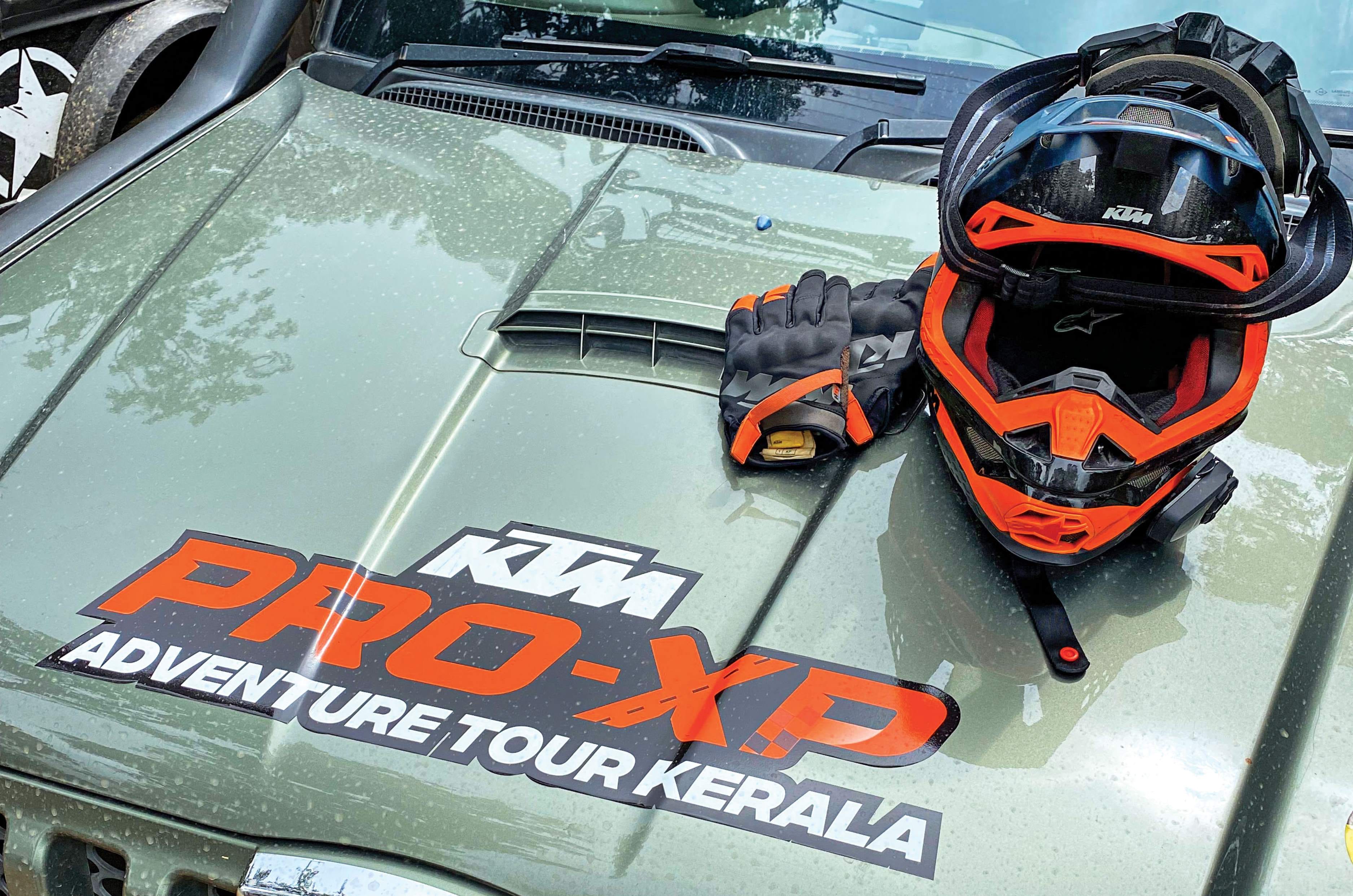
My name is Ouseph Chacko, and I am part-owner of this Getaway because it is my company car. As a partner of an off-road motorcycle school and adventure touring company, I can tell you that if we didn’t have the Getaway from when we started out, it would have taken us a lot longer to get here. We would have been a fair bit lighter of wallet too.
To tell this story properly, I need to rewind a bit – pickup trucks by their very nature are designed to be versatile, and that’s the story of this Getaway. Back in 2016, my business partner Rish was big into long-distance cycling, kayaking and camping tours and needed a vehicle that could accommodate his expensive cycles, carry a couple of kayaks and have the ability to lug around enough gear to make camping, glamping.
The Getaway offered power steering, power windows, power mirrors, air conditioning, front seat armrests and a rear defogger! It also had the electronic shift-on-the-fly four-wheel-drive system and was the most powerful pickup truck on offer.
First things first
While the Getaway looked as lifestyle as could be for pickup trucks back then, it still looked more BRO than Special Forces (no disrespect to the BRO but you get the picture), it needed upgrades.
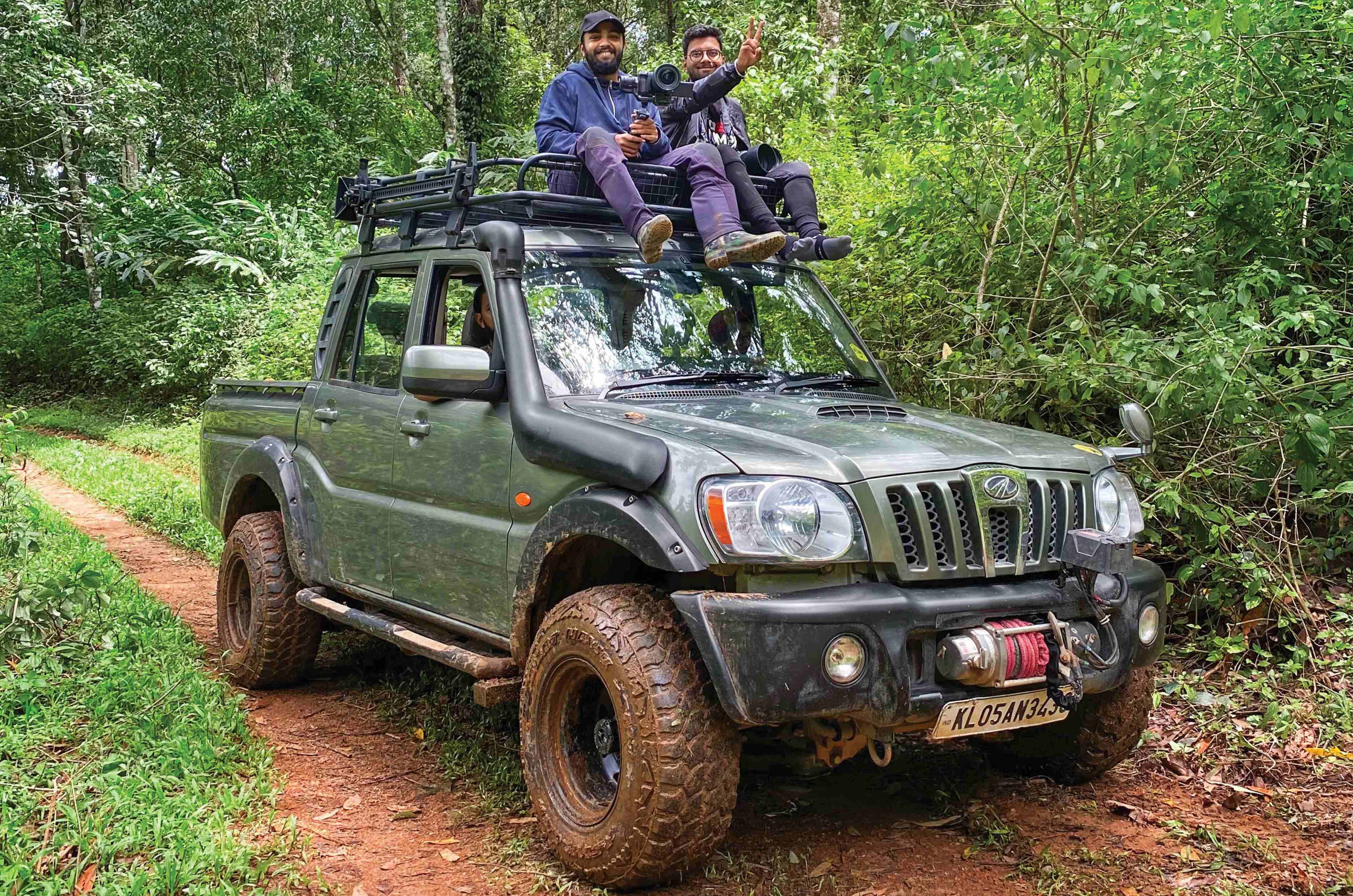
Who needs drones when you have a roof carrier?
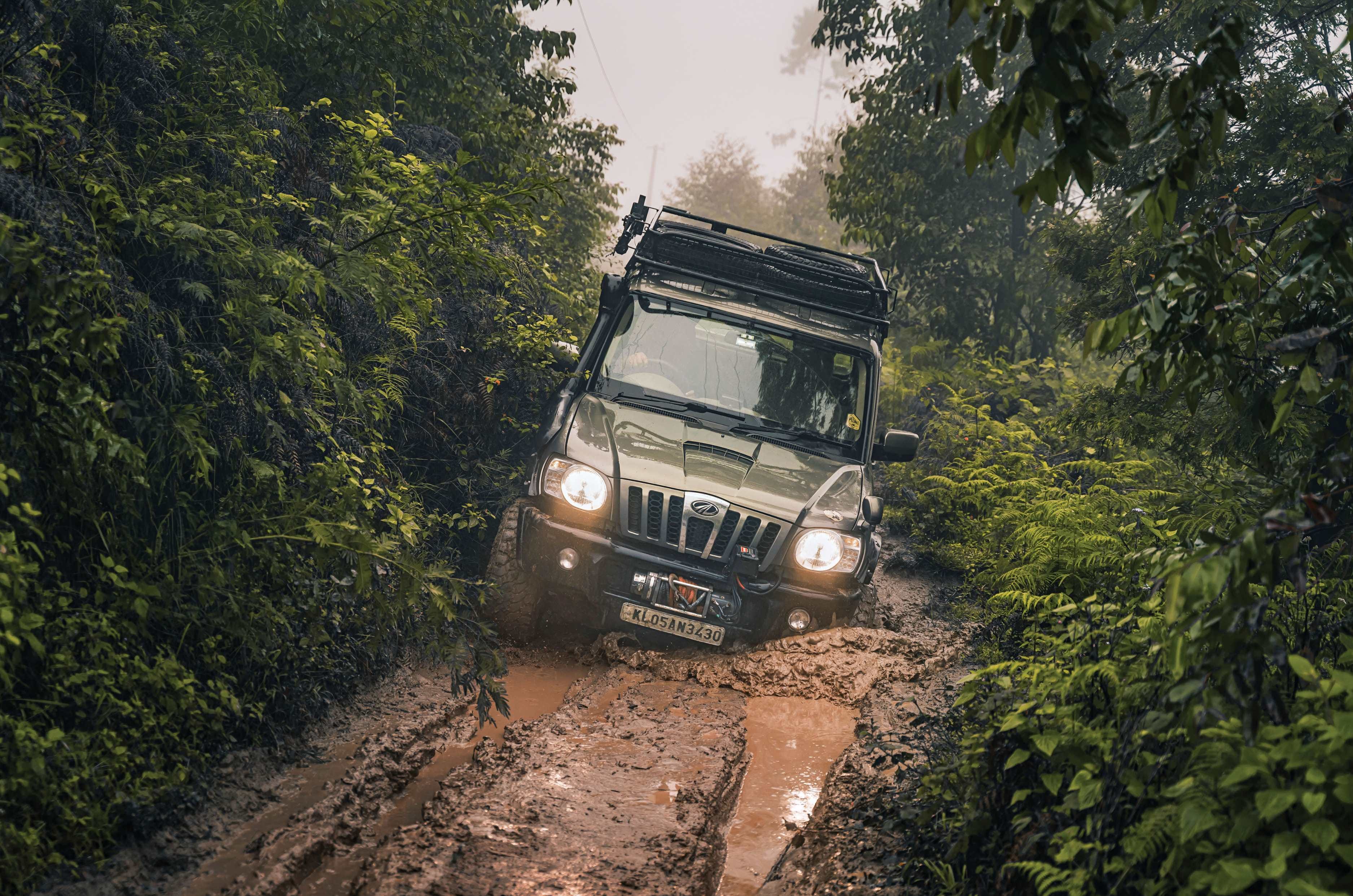
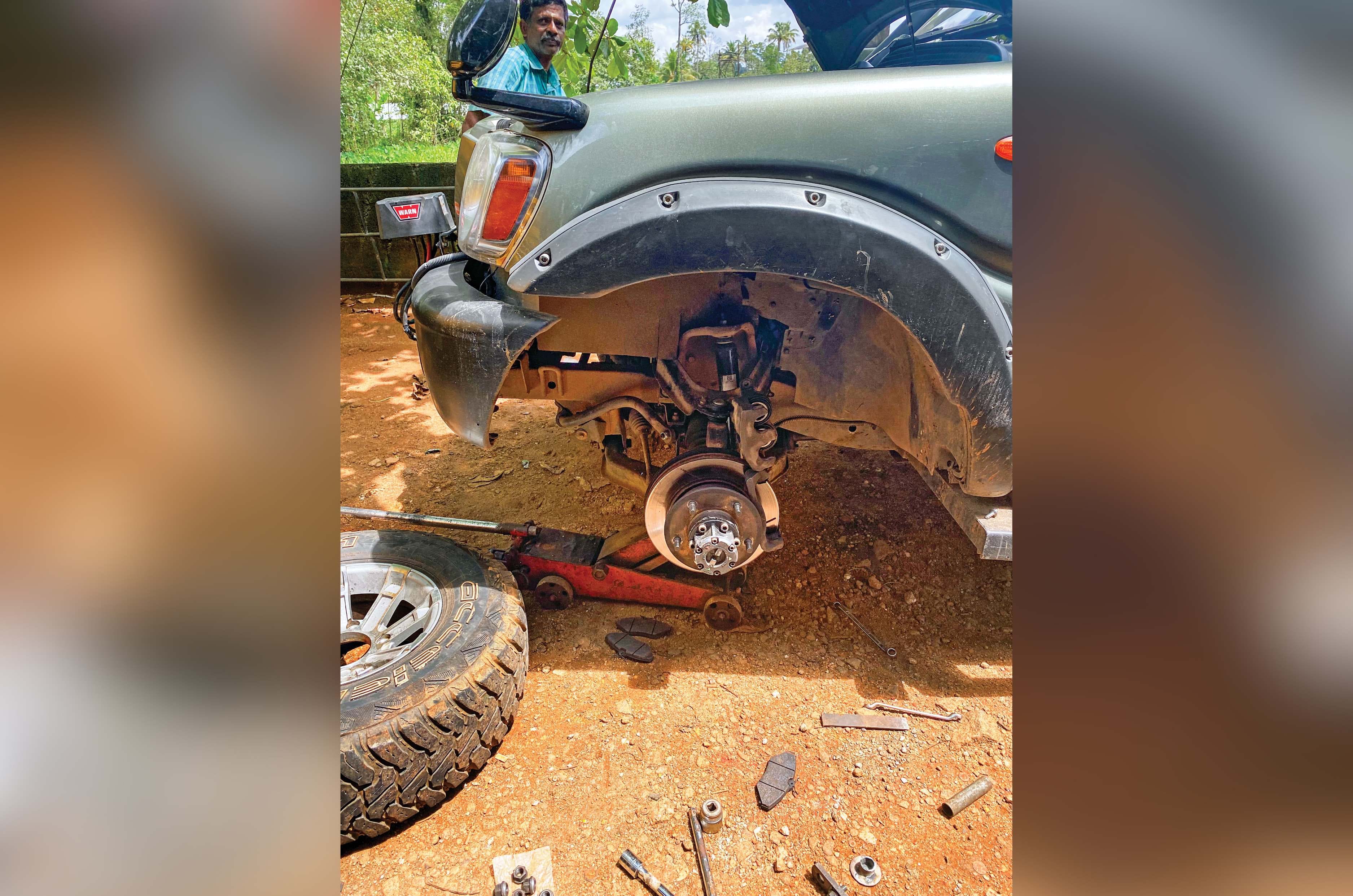
To ensure Rish got stuck further down the trail, a Lamda cable-operated locking differential found its way into the rear axle, while the front axle got manual locking hubs (the factory-fitted auto-locking hubs were prone to breaking under heavy load). The engine was left untouched, but to allow adequate wheel arch clearance for the planned high-profile fat tyres, a two-inch body-lift kit was installed. When you lift it, you need to stance it, and so, the vanilla factory wheels made way for off-road -30 off-set steel wheels and faux wheel arch extensions that muscled up the looks but also let us squeeze in fatter tyres without alerting the RTO.
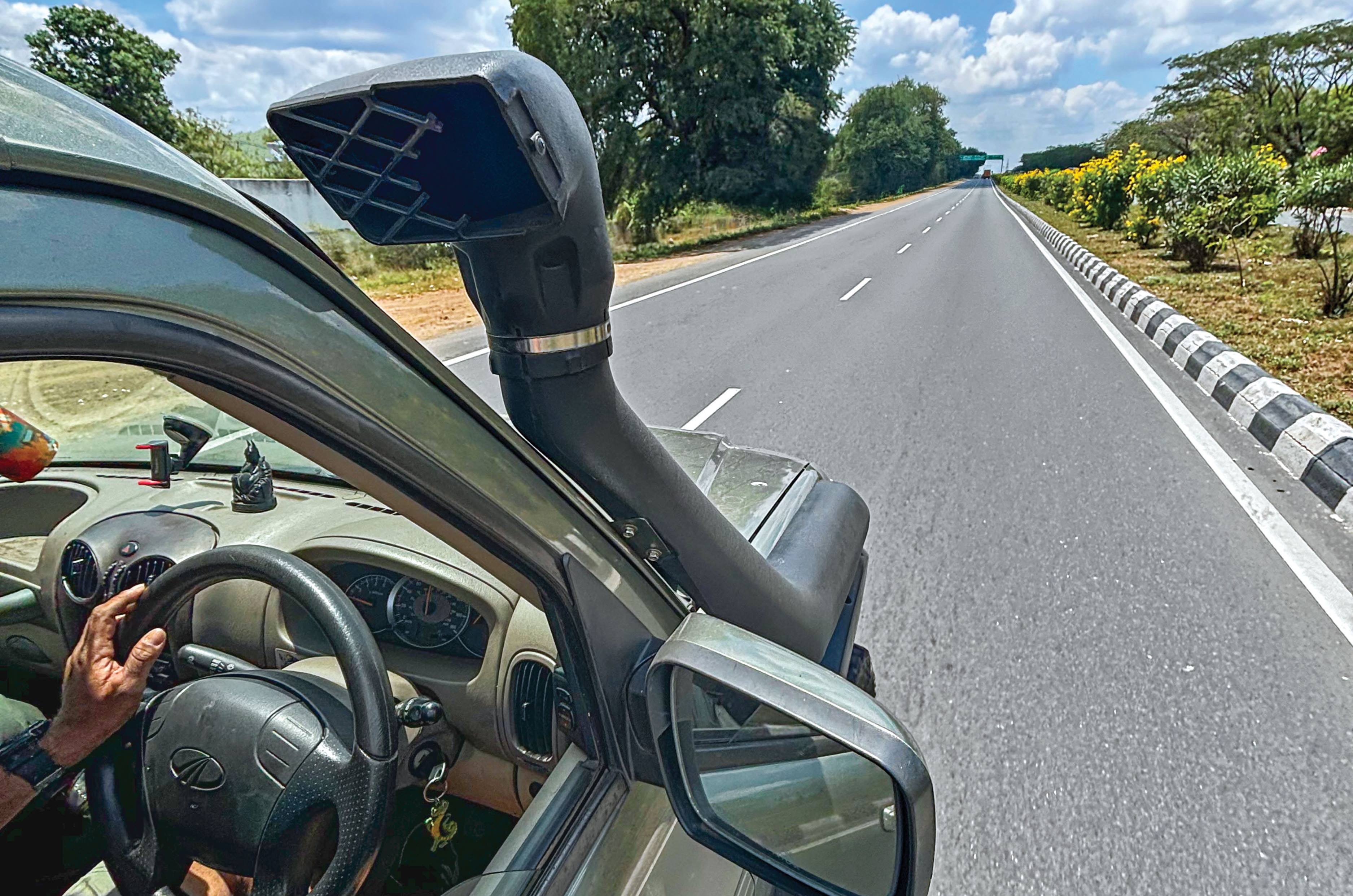
A canopy was added to cover the pickup bed, custom bicycle mounts were welded onto the floor of the bed, a roof-mounted tent, a side awning, solar panels on the roof, an AC-to-DC converter to run devices off the solar panels, a roof carrier, a snorkel, the legendary Warn M8000 winch, metal off-road bumpers, nine auxiliary lamps. Kitchen sink? Pah! There was no space left!
Life has other plans
The snorkel allows some river crossing, but the Brahmaputra had to be crossed on this raft.
For reasons beyond the scope of this story, the Getaway spent most of its first two years parked up with no place to go. It preened, posed, went for the occasional camping trip and lent itself to all the mall crawler memes you can think of.
Then came August 2018. The skies over Kerala opened up. Rivers breached banks, houses were flooded up to the first floor in some places, and parts of middle Kerala were unreachable unless you had a boat or a vehicle with a snorkel. The official rescue teams quickly found themselves overwhelmed, so the Getaway, along with all of Kerala’s 4×4 community, stepped in to assist. The need of the hour was clean bedsheets, towels, underwear, drinking water, easy-to-reheat food and a way to get these supplies to people stranded in homes surrounded by flood waters or cut off by landslides. We loaded the Getaway’s pickup bed to the sky and drove through bonnet-deep water for about three days, handing out generously donated essentials. We stopped only when the rains subsided and when one of the people we thought needed help asked if we were carrying blue underwear. His favourite colour apparently!
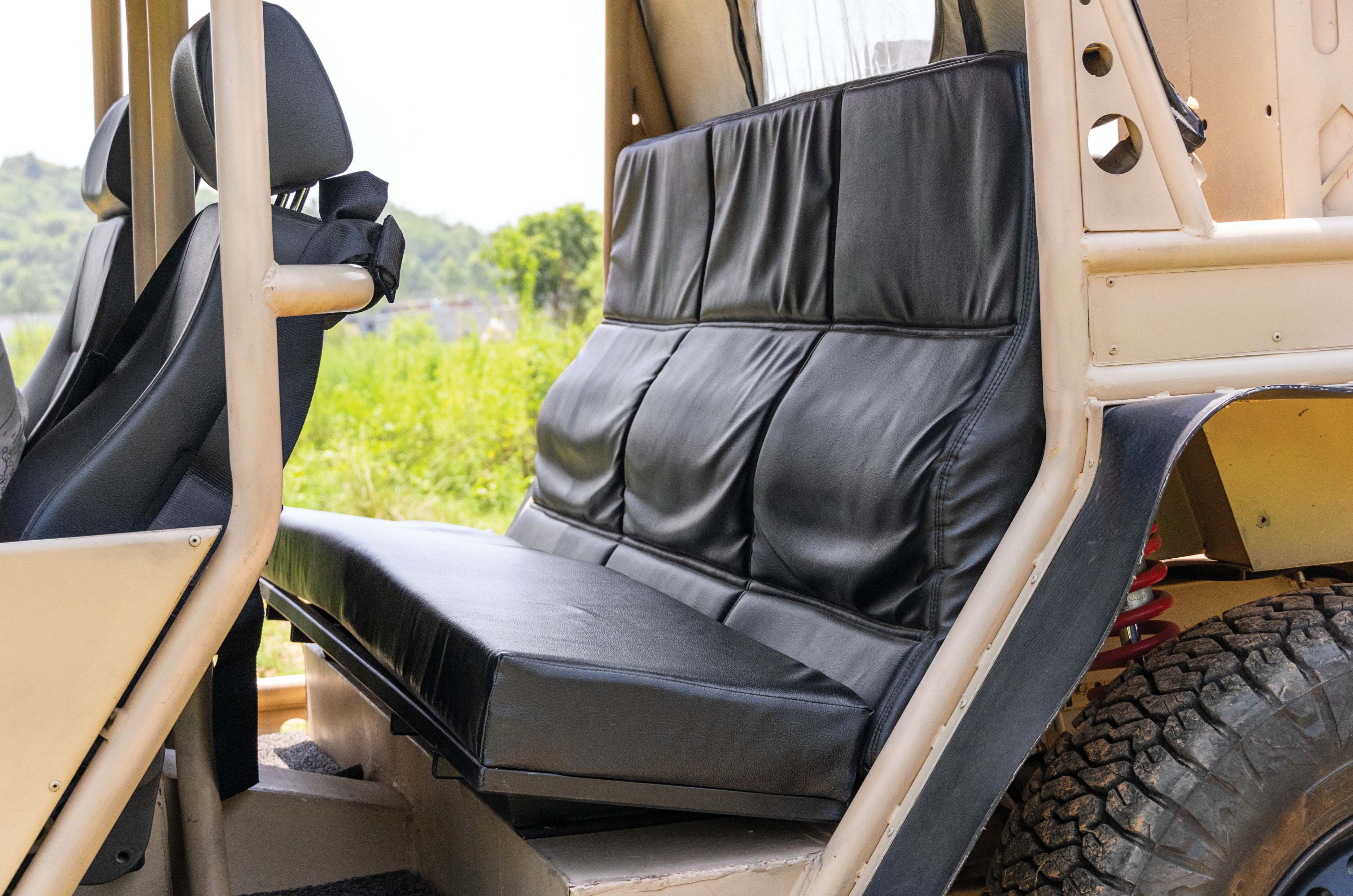
Extremely useful as a backup car for our business because it can carry a mechanic, medic, tools, medical kit and motorcycles, with room to spare.
Soon after the rains subsided, the Motor Vehicles Department in Kerala started a serious clampdown run on modified vehicles, and we figured it was time to strip the Getaway of everything but the essentials. The School Of Dirt – our off-road motorcycling school – was in full swing by then, and the Getaway was the backup car because it could carry a mechanic, medic and two broken motorcycles at a go. We kept the winch, the snorkel and the mud-terrain tyres. We added new features like the comprehensive tool kit for off-road trail fixes and an exhaustive medical kit for when things go wrong far from a hospital. This thing can carry a lot!
We’ve had a few heart-in-mouth moments, but the Getaway always got us home safe.
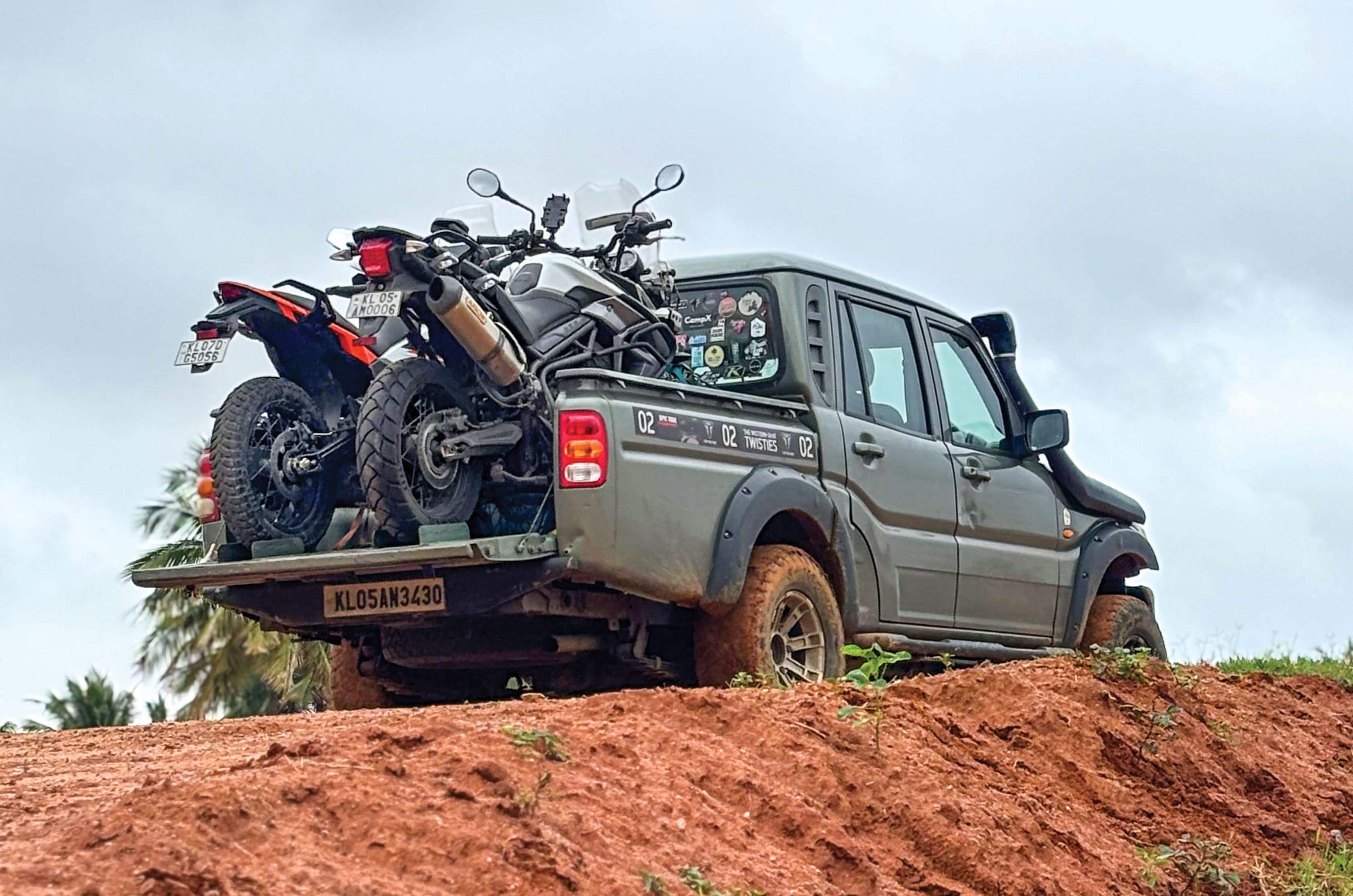
The next eight years were when the Getaway really pulled its own weight in gold. Most notably, the two 8,000km Kottayam-to-Kohima round trips, mostly with a 250kg Tiger 1200 strapped to its back, and about 1,10,000km criss-crossing South India with us and paraphernalia in it. It has been our hotel room and our home away from home when the adventure motorcycle thrill started booming. More than anything, it has been as reliable as a hammer and didn’t need much more than a full tank of diesel and some duct tape to get to the next destination.
Wear and tear on big bikes is expensive. Getaway helps mitigate that expense.
We figured a long time ago that using its ‘certified’ 600kg payload capacity to carry a motorcycle is a huge cost saving for a startup business. Ever since all nice and fast things became sin goods in the eyes of the government, carrying the bike to the start of the trip and using it only at the event became a much more economical proposition than riding it all the way. An example? A proper load- and speed-rated rear tyre on the Tiger 1200 costs Rs 25,000, and with the way I ride the bike, I obliterate that poor tyre in just 3,500km. That and the expensive mechanical wear and tear on these big bikes ultimately meant it was cheaper to load the bike on the back of the Getaway and transport it to the event.
Spare a thought
This being a Mahindra and based largely on the Scorpio, parts are available everywhere in India, and mechanics know their way around the Getaway’s Scorpio bloodline despite the pickup’s rarity. We run the car on a preventive maintenance schedule because we really work it hard, and no matter what, it gets fresh air, oil and diesel filters every 5,000km. The engine and transmission oil get changed at the same time, the leaf springs at the back are realigned and reshaped every 15,000km and the torsion bar front suspension gets re-adjusted every time we notice it starting to sag. We don’t have a bed liner for the pickup bed, so once a year, we check it in to a paint spa for a fresh coat to prevent rusting from all the scratches. That’s it.
Easily repaired because it shares a lot of parts with the Scorpio.
The engine has never needed an overhaul, and it is helpful that the bomb-proof 2.6 CRDe engine will run on anything that resembles diesel. The weak link in the mechanical package is the clutch – if you’re not reasonably careful every time you start off on a slope, it’ll vaporise fast. Still, the clutch pack along with the clutch release bearing works out to something like Rs 6,000, so apart from the inconvenience of being stranded, it really doesn’t hurt the wallet.
Also, because of our carelessness, we’ve chewed through three rear differentials in the course of the last decade (sometimes the cable-operated Lamda differential doesn’t fully disengage thanks to a corroded cable, and if you are not careful, you end up driving with a partially locked differential on the road). The rear differential turned out to be one of the most expensive spares on the Getaway, working out to around Rs 40,000 a pop, and even that is not too bad considering a broken tail-lamp on a Hilux will set you back Rs 30,000. We’ve since discarded the locking differential and keep fingers crossed that the winch will yank us out when the time comes. Also, don’t break the rear windshield – it is harder to source than a Ferrari 250 GTO!
With a full load, the Getaway still runs around 10 kilometres for every litre of diesel consumed, and that, along with its 60-litre fuel tank, gives it a useful range of 600km.
1,50,000km of highways and trails, and it is still going strong!
The Getaway doesn’t seem to lose much on resale value either. Back in 2016, Rish bought it for Rs 11 lakh and some spare change (on road!). Because every other new lifestyle pickup truck in the market is considerably more expensive, I think people are coming around to the sweet spot of utility, value and comfort that the Getaway hits. It is a reasonably simple vehicle with zero electronics (no ABS even!) and so lends itself to hard work and easy fixes happily. Still, well-maintained Getaways are few and far between and their owners (like us) are loathe to let them go. The ones you find on used-car portals are bad. Trust me, I’ve looked.
What next?
No one is more excited about the launch of the Getaway’s replacement than I am. The new Lifestyler (weird name) looks very cool, and the more powerful engines will definitely make fully loaded cross-country trips effortless. The expected base price is positively tasty, and I hope it will come with maintenance costs to match.
It does seem a bit too fancy, though, and I worry about the interiors that are no longer the hose-down kind. I hope Mahindra will offer a more pared-down version that will allow people like me to use it with dirty boots and greasy gloves guilt-free. In the mountaineering world, when someone successfully summits a peak, you ask, “Who’s your sherpa” The Getaway has been The School Of Dirt’s unfailing sherpa. The Lifestyler has its work cut out.
Renault India is offering substantial benefits across its portfolio in September 2026. For the first time, the latest-gen Duster is available with attractive benefits. Additionally, the French carmaker is offering cash discounts, exchange or scrappage benefits, loyalty schemes and a corporate or rural offer on its line-up.
Disclaimer: Offers/benefits may vary by city and are subject to stock availability. Buyers are advised to check with their local dealer for exact figures. Customers can also check out Renault India’s official website for further details.
Renault Duster offers in September 2026
Benefits of up to Rs 1.8 lakh
Select variants of the Duster SUV are available with benefits of up to Rs 1.8 lakh. These include a cash discount of up to Rs 30,000 and an exchange or scrappage bonus of up to Rs 50,000. Upgrading from a Renault car gets customers a loyalty benefit of Rs 10,000, but buyers upgrading from an older iteration of the Duster get a loyalty benefit of Rs 1 lakh. The Renault midsize SUV has a price range of Rs 10.49 lakh to Rs 18.49 lakh.
Renault Kiger offers in September 2026
Benefits of up to Rs 85,000
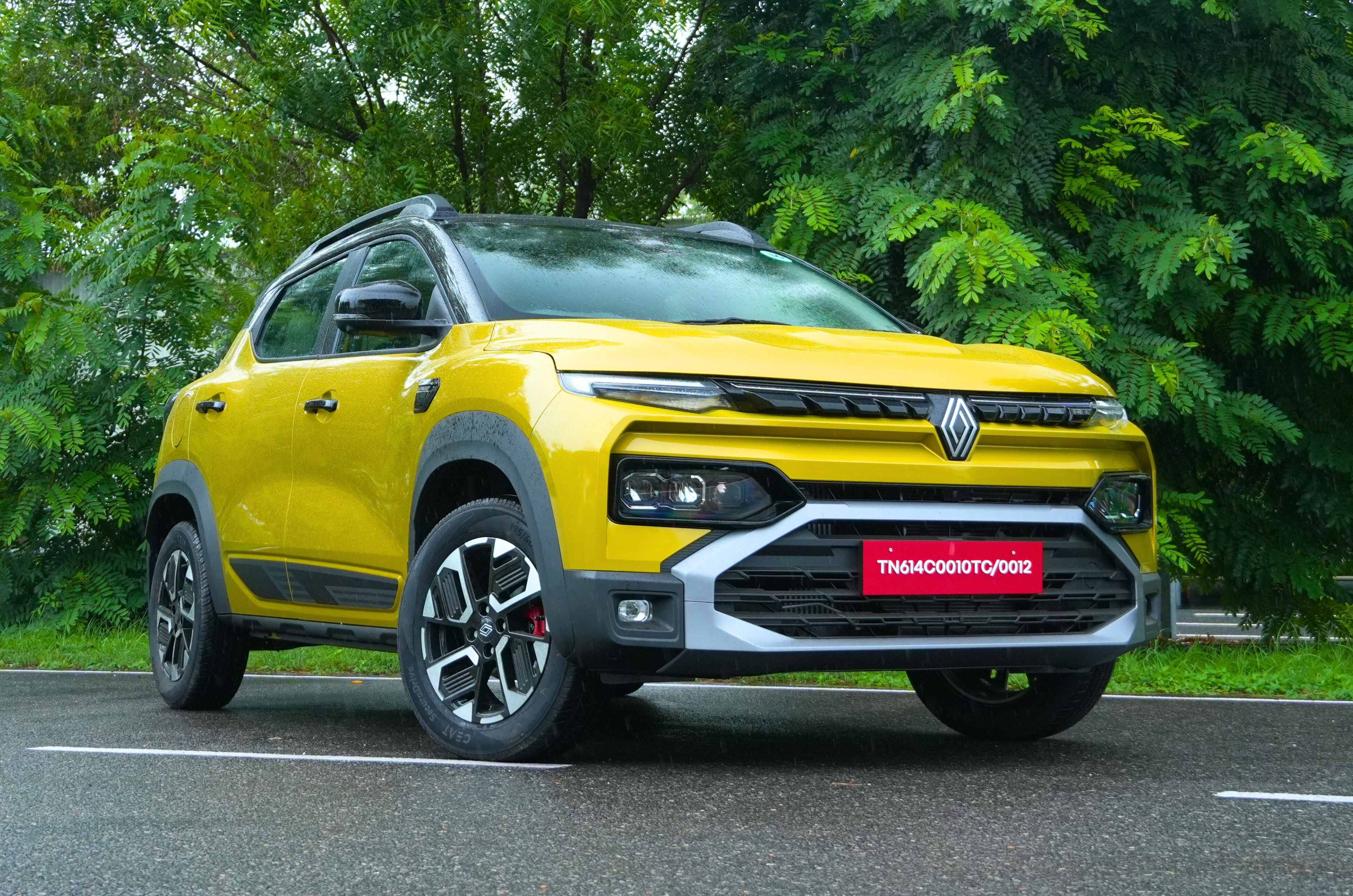
The Renault Kiger gets benefits of up to Rs 85,000 depending on the variant. These include a cash discount of up to Rs 30,000, a loyalty benefit of up to Rs 25,000 and an exchange or scrappage bonus of up to Rs 25,000. There’s also a corporate or rural offer of up to Rs 5,000. Renault’s crossover is priced between Rs 5.81 lakh and Rs 10.40 lakh.
Renault Triber offers in September 2026
Benefits of up to Rs 50,000
The Triber is available with benefits of up to Rs 50,000. These comprise a cash discount of up to Rs 20,000, an exchange or scrappage benefit of up to Rs 25,000 and a corporate or rural offer of up to Rs 5,000. Prices for the Renault MPV range between Rs 5.81 lakh and Rs 8.53 lakh.
Renault Kwid offers in September 2026
Benefits of up to Rs 40,000
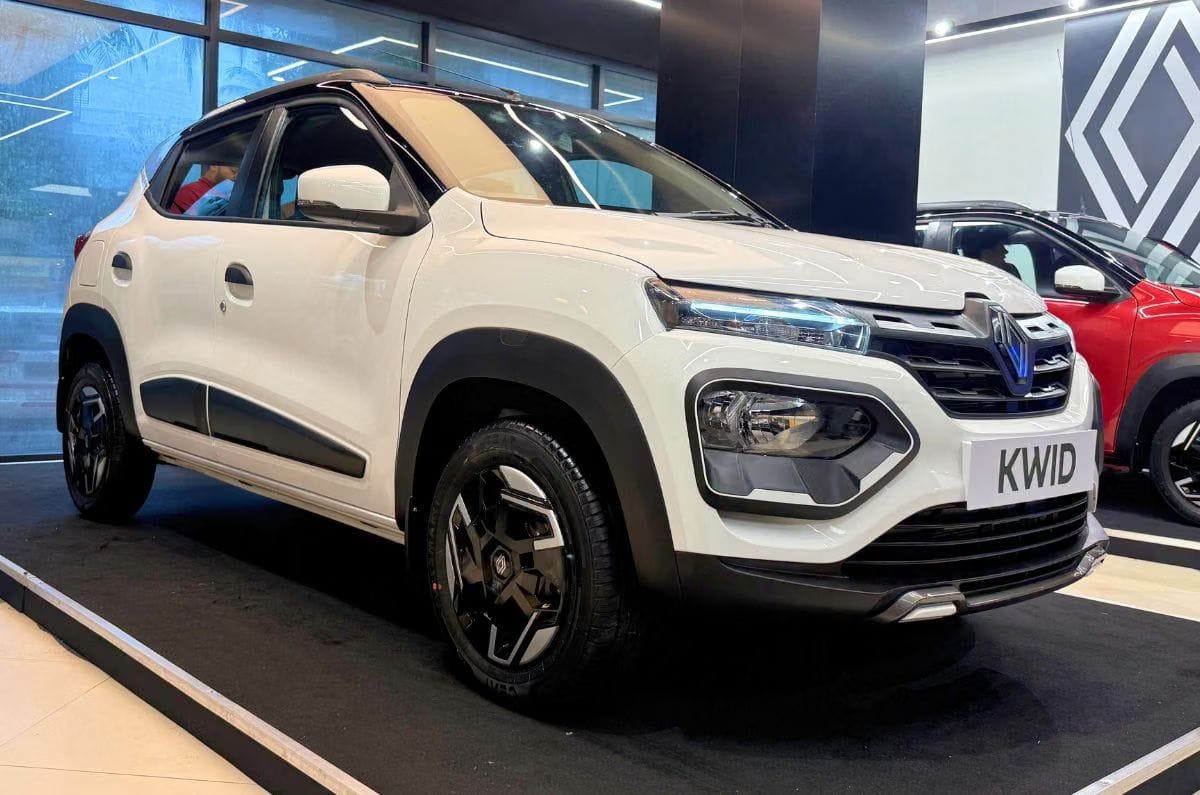
The Kwid is available with benefits of up to Rs 40,000. Select variants of Renault’s most affordable car get a cash discount of up to Rs 15,000 and a scrappage bonus of up to Rs 25,000. The entry-level hatchback has a starting price of Rs 4.53 lakh, while its top variant costs Rs 5.61 lakh.
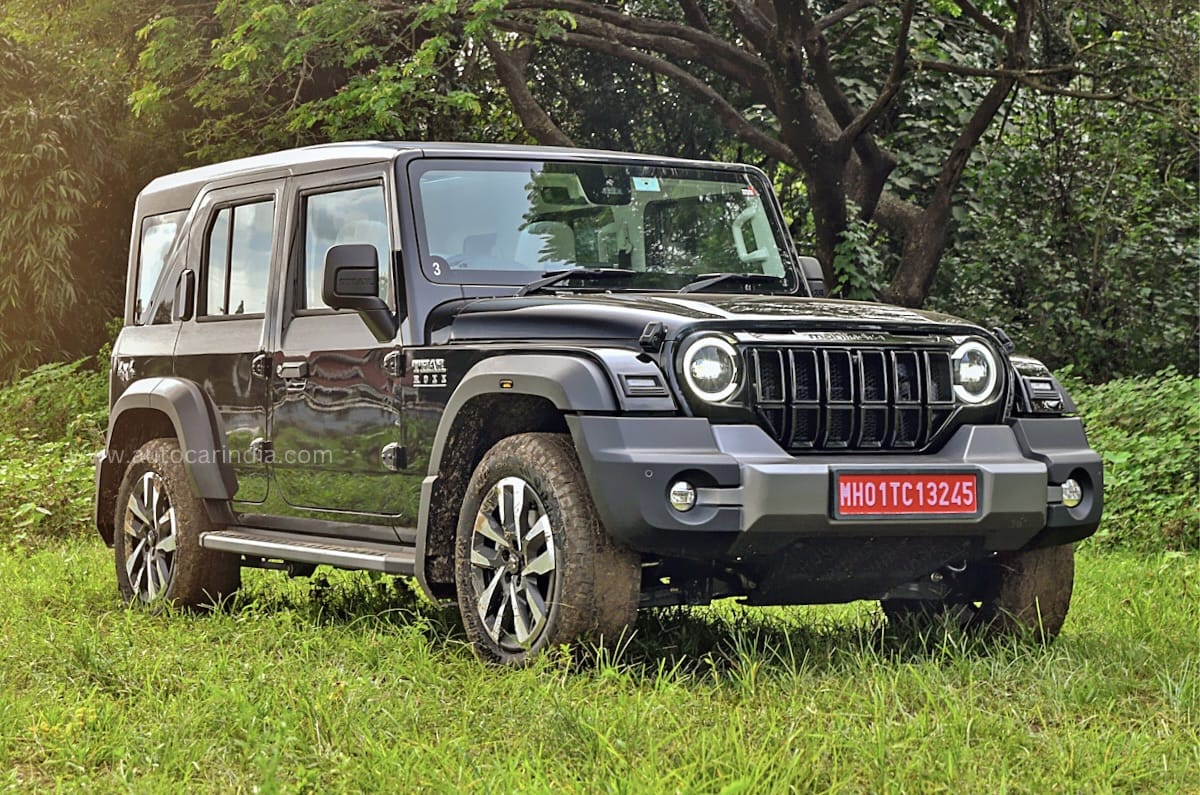
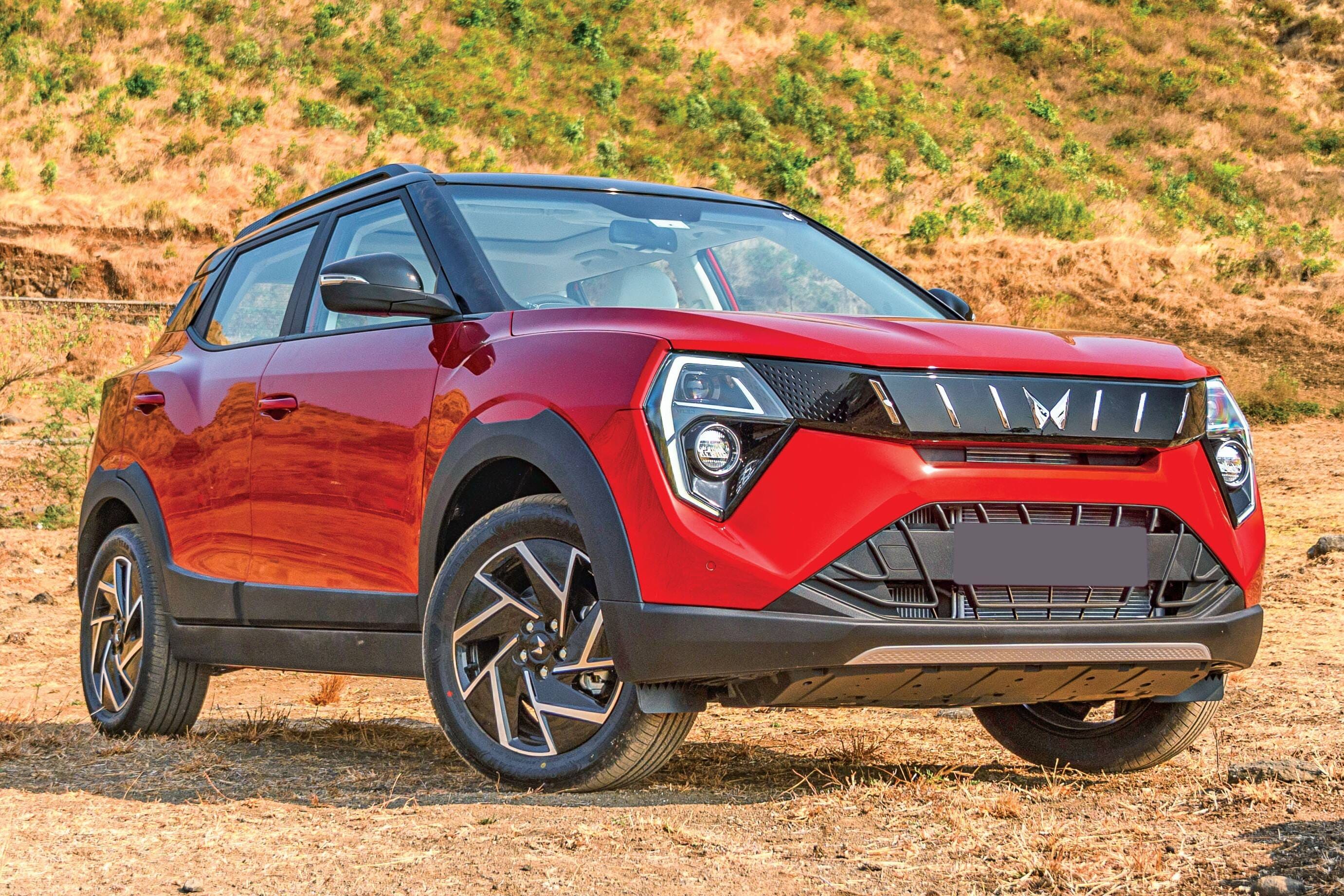
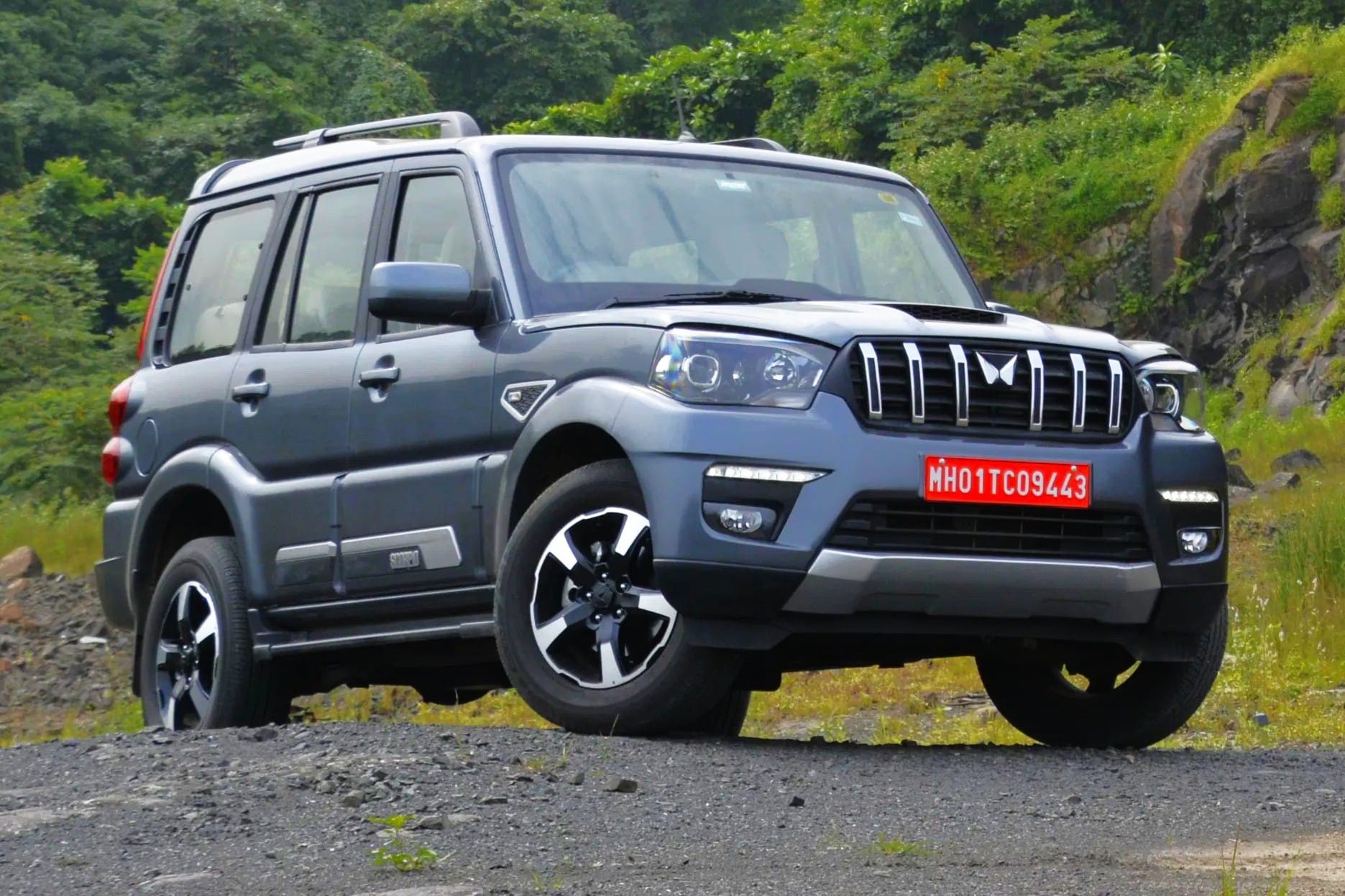
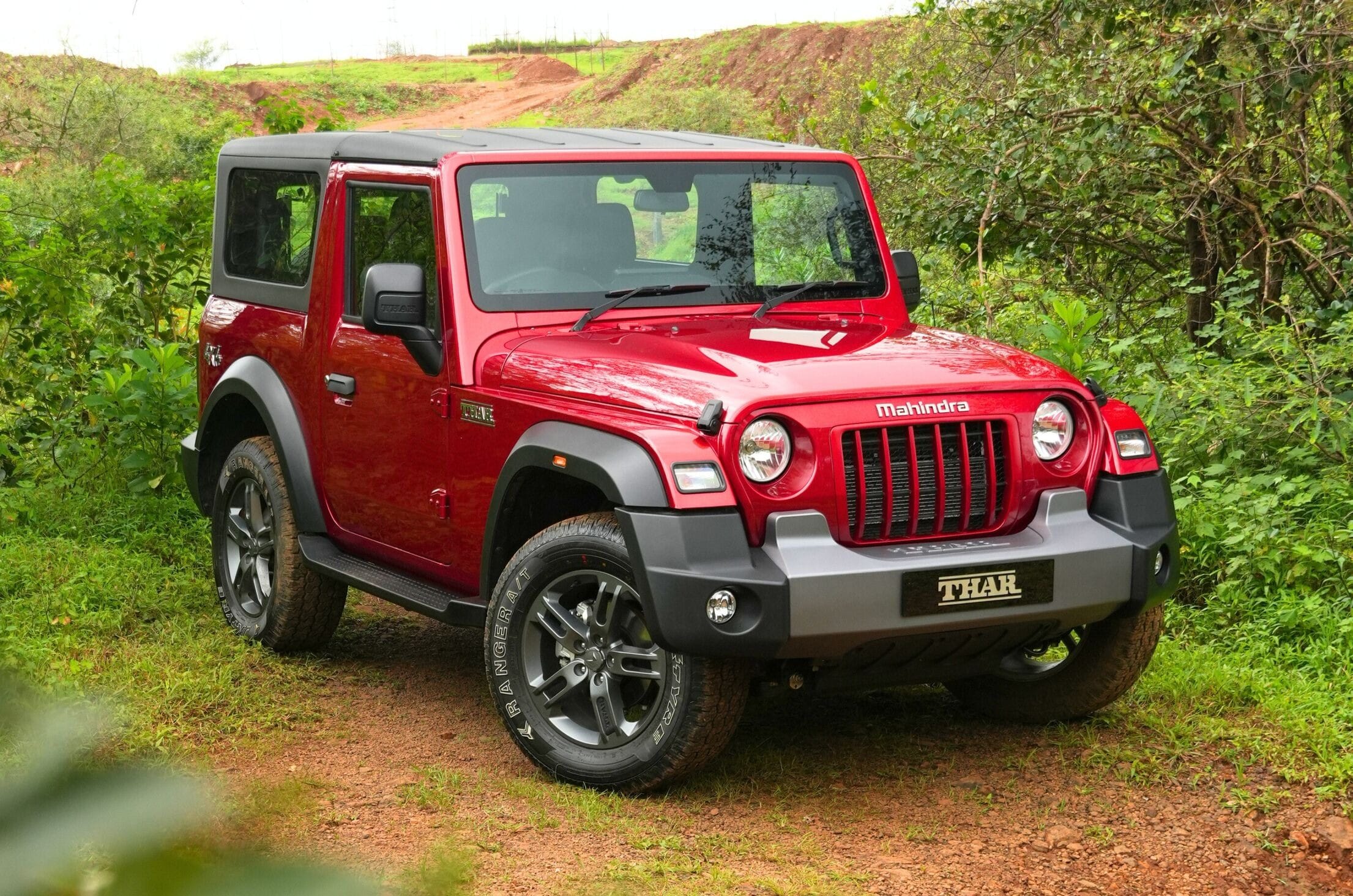
September 2026 offers on Mahindra models, including the Scorpio N, Thar Roxx, 3-door Thar and XUV 3XO. The maximum benefits are available with the older Scorpio N stock, followed by the Thar Roxx. However, the XUV 7XO, or any EV, including BE 6 Sporteq, XEV 9e and XEV 9S, are not carrying any official benefits. Let us take a look at the model-wise offer breakdown for Mahindra models in India for the month of September 2026.
Note: The mentioned offers are applicable till September 30 and may vary by city, dealership and stock availability. Please check with your nearest Mahindra dealership for the exact figures.
Mahindra Scorpio N September 2026 offers
Up to Rs 3 lakh
Older-spec Mahindra Scorpio N
Select variants of the older-stock Mahindra Scorpio N are being offered with benefits up to Rs 3 lakh. This includes consumer offers of up to Rs 1.50 lakh, cash discounts of up to Rs 1.25 lakh and free accessories worth up to Rs 25,000. The current-spec Mahindra Scorpio N is priced from Rs 13.69 lakh to Rs 25.49 lakh and serves as an alternative to 3-row SUVs like the Tata Safari, Mahindra XUV 7XO, MG Hector Plus and Hyundai Alcazar.
Mahindra Thar Roxx September 2026 offers
Up to Rs 2.40 lakh
Select variants of the Mahindra Thar Roxx are available with offers of up to Rs 2.40 lakh in September 2026. Total benefits include consumer offers of up to Rs 1.20 lakh, cash discounts of up to Rs 90,000 and free accessories of up to Rs 30,000, depending on the variant chosen. The Mahindra Thar Roxx prices range from Rs 12.52 lakh to Rs 23.52 lakh. It locks horns with the Force Gurkha 5-door and can be considered an alternative to midsize SUVs like the Hyundai Creta, Tata Sierra and Renault Duster.
Mahindra XUV 3XO September 2026 offers
Up to Rs 1.20 lakh
The Mahindra XUV 3XO is offered with total benefits of up to Rs 1.20 lakh, depending on the selected variant. These include up to Rs 60,000 in consumer offers, up to Rs 40,000 cash discount and up to Rs 20,000 worth of free accessories. The Mahindra XUV 3XO is priced from Rs 7.79 lakh to Rs 15.04 lakh, and rivals compact SUVs such as the Tata Nexon, Hyundai Venue, Kia Sonet, and Maruti Suzuki Brezza.
Mahindra Scorpio Classic September 2026 offers
Up to Rs 1.10 lakh
The Scorpio Classic is being offered with total benefits of up to Rs 1.10 lakh in September 2026. Along with consumer offers worth Rs 50,000, it also includes a cash discount of up to Rs 30,000 and free accessories worth up to Rs 30,000, depending on the variant. Prices of the Mahindra Scorpio Classic range from Rs 3.37 lakh to Rs 17.40 lakh.
Mahindra Thar 3-door September 2026 offers
Up to Rs 1 lakh
Mahindra is offering the 3-door Thar’s four-wheel-drive (4WD) variants with benefits of up to Rs 1 lakh, which includes consumer offers of up to Rs 50,000, cash discounts of up to Rs 30,000 and free accessories worth up to Rs 20,000. The rear-wheel-drive (RWD) variants, however, are offered with no official offers. The Mahindra Thar is priced from Rs 10.32 lakh to Rs 18 lakh and it locks horns with Force Gurkha 3-door and can be considered an alternative to the Maruti Suzuki Jimny.
Mahindra Bolero Neo (including Neo Plus) September 2026 offers
Up to Rs 50,000
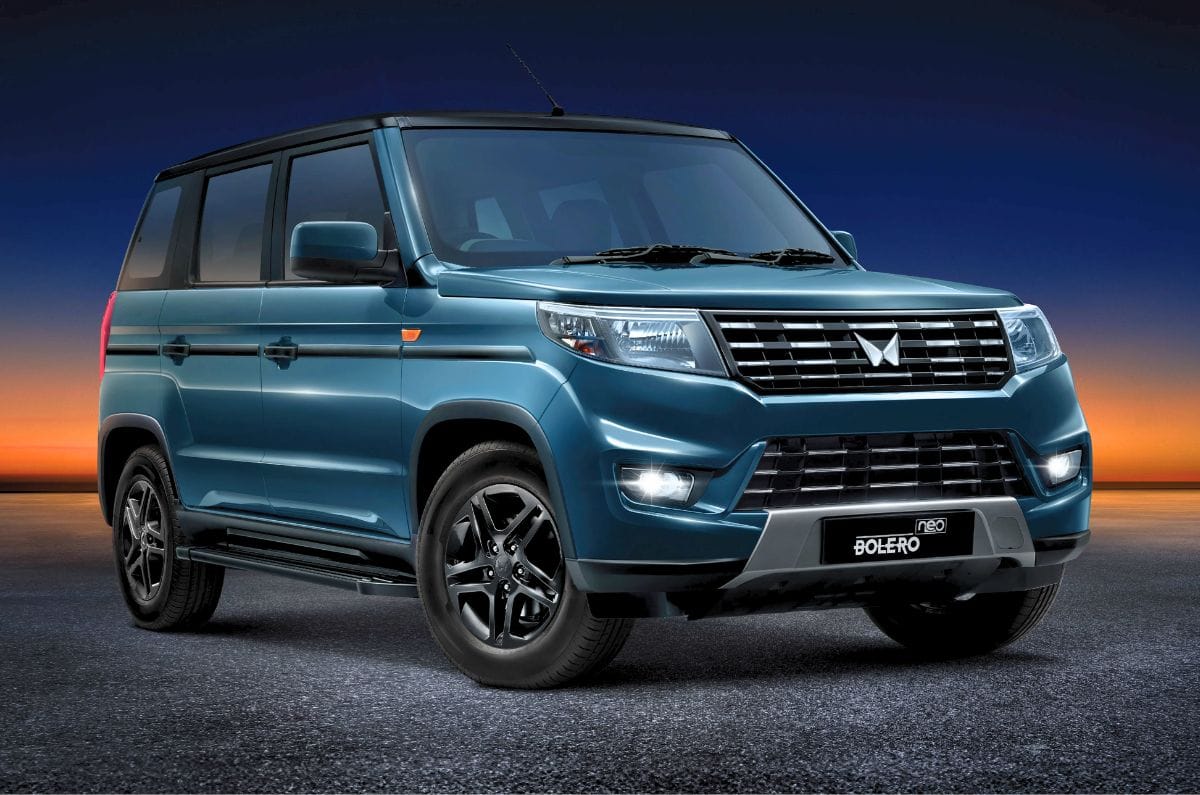
Mahindra is offering the Bolero Neo Plus with offers up to Rs 50,000, including a consumer offer of up to Rs 25,000, a cash discount of up to Rs 15,000 and free accessories worth up to Rs 10,000, depending on the variant. The Bolero Neo gets lower benefits of up to Rs 20,000, which includes a consumer offer and a cash discount of up to Rs 10,000 each. The Bolero Neo Plus is priced from Rs 11.39 lakh to Rs 13.49 lakh, while the smaller Bolero Neo prices range from Rs 8.99 lakh to Rs 10.79 lakh.
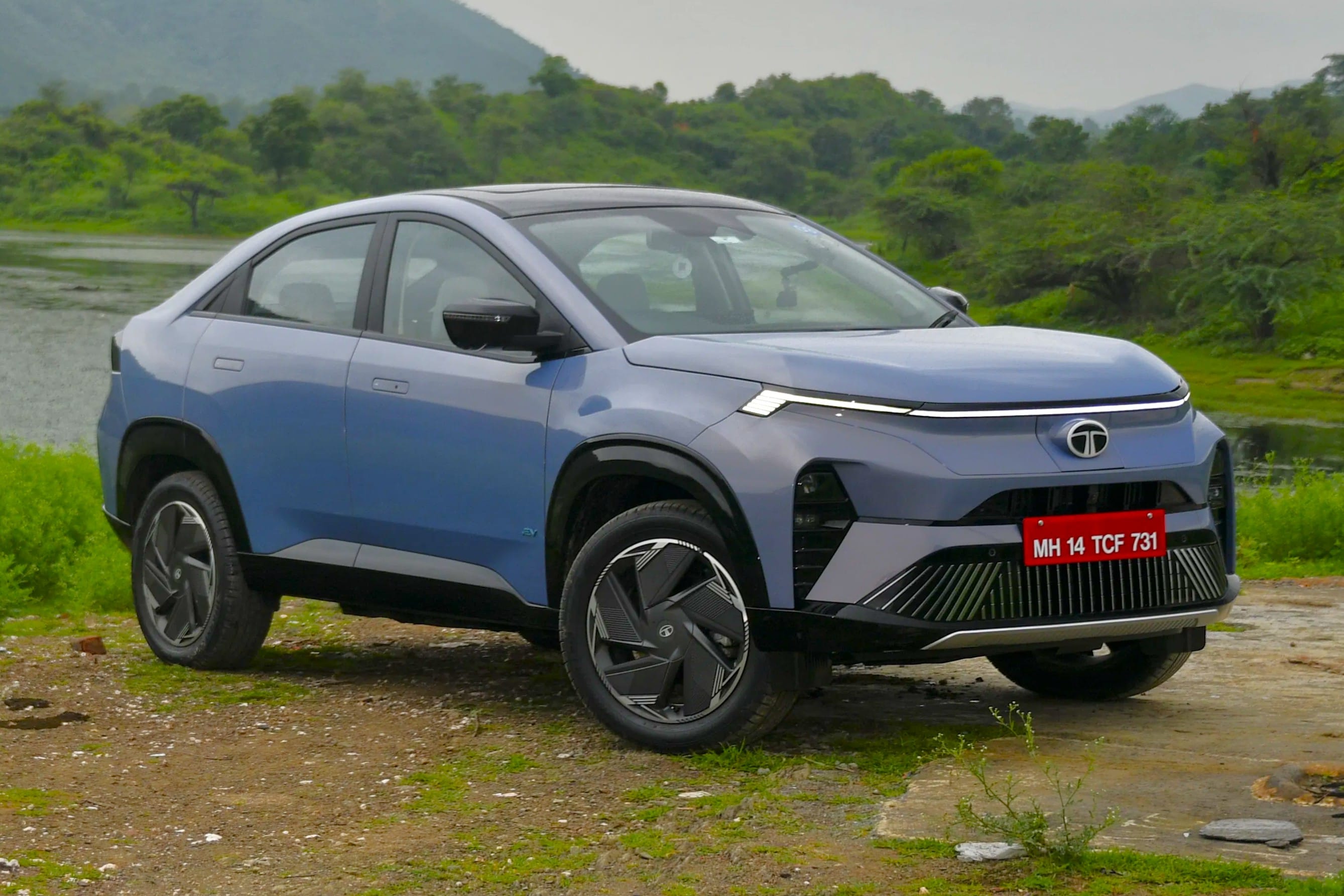
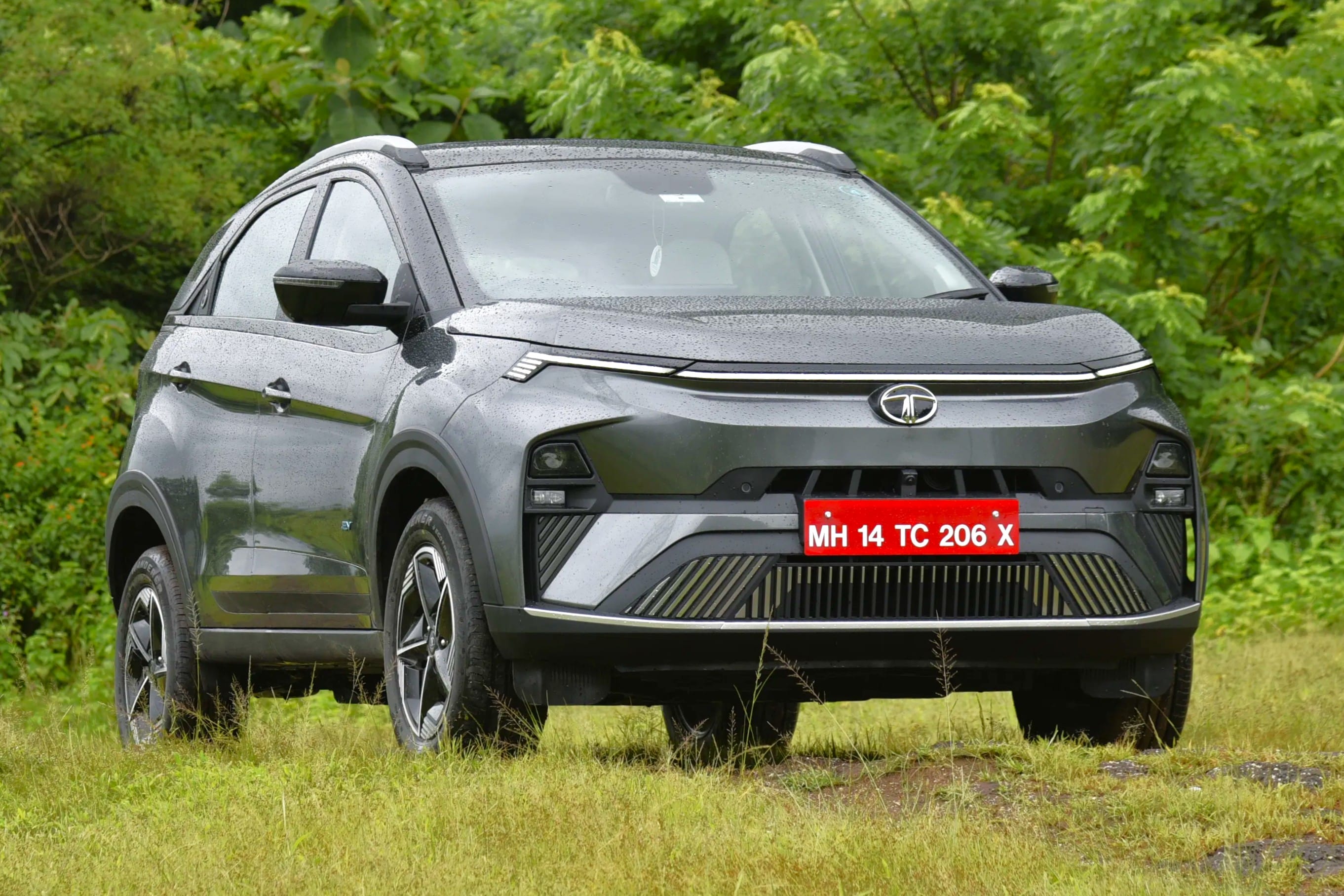
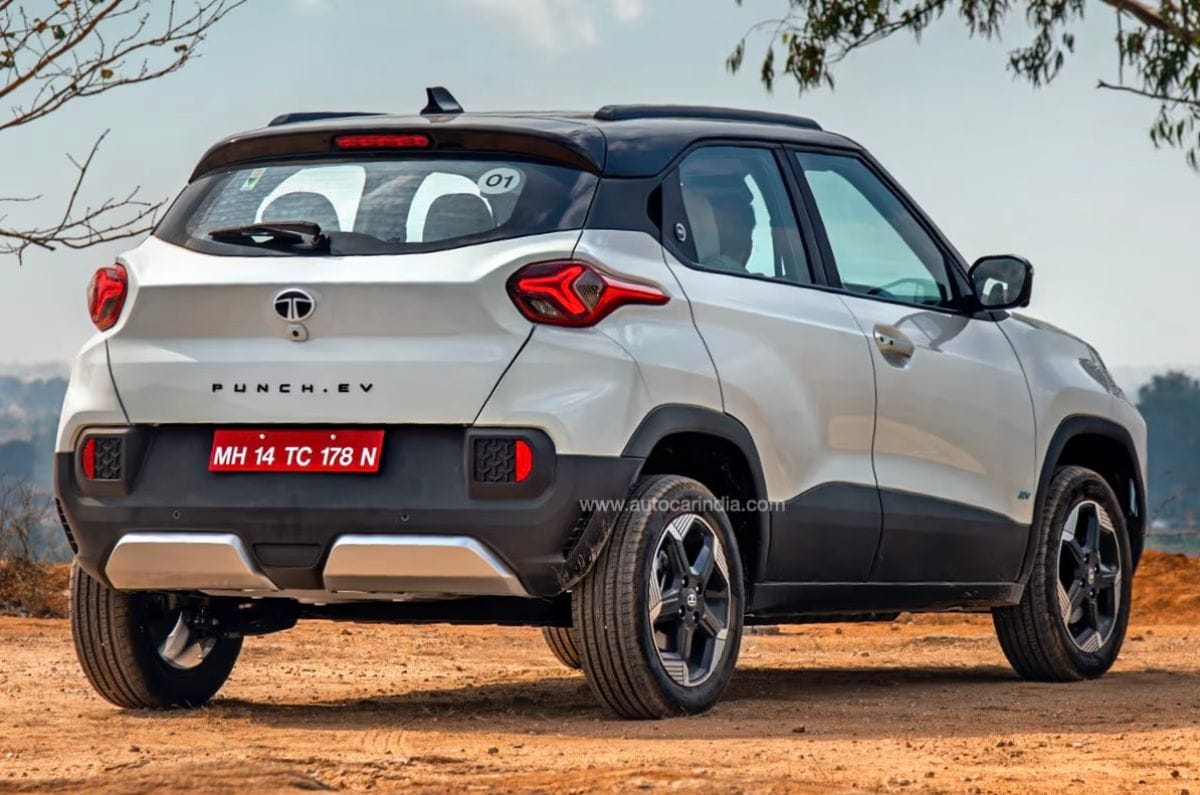
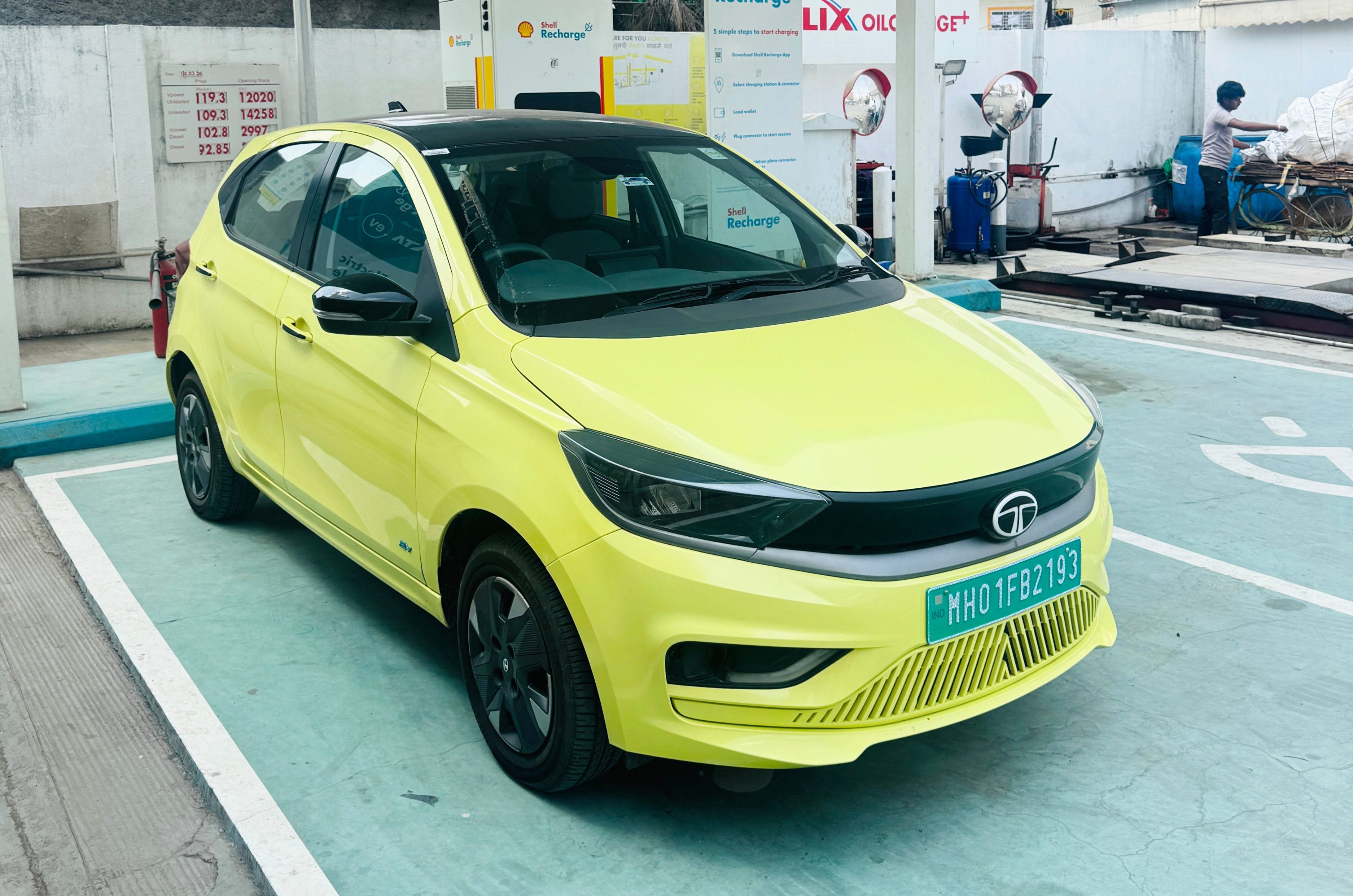
Tata Motors is offering enticing discounts throughout September to those looking to bring home one of its electric models such as the Harrier EV, Curvv EV and Nexon EV, among others. Depending on the model and variant, the available benefits include cash discounts, intervention offers, exchange/scrappage bonuses and loyalty incentives.
Disclaimer: Offers/benefits may vary by city and are subject to stock availability. Buyers are advised to check with their local dealer for exact figures.
Tata Harrier EV offers in September 2026
Benefits of up to Rs 2.75 lakh
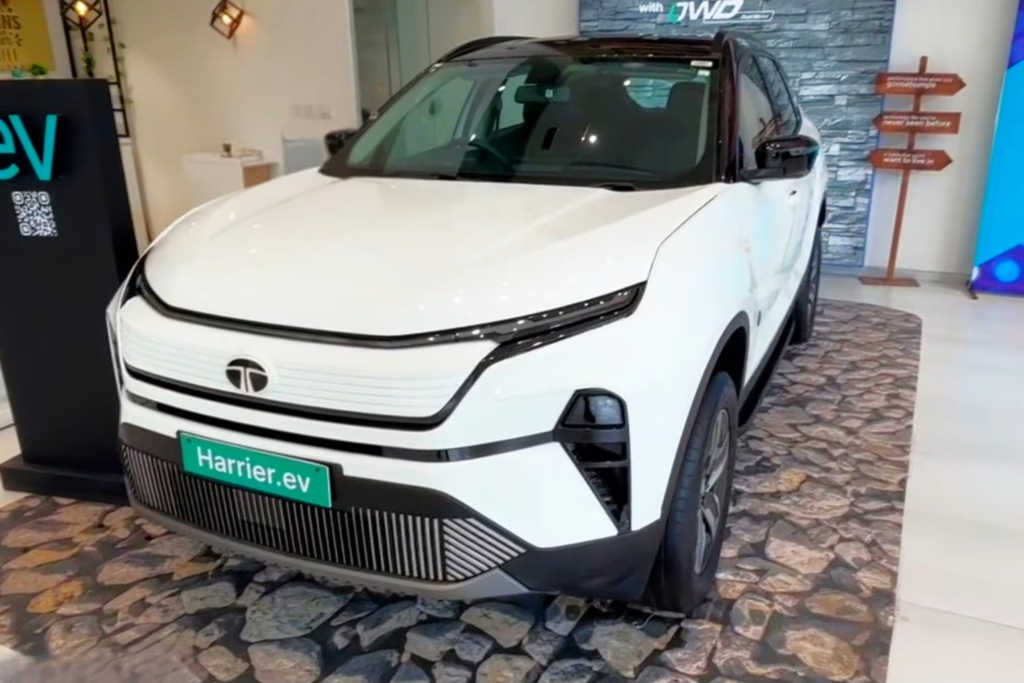
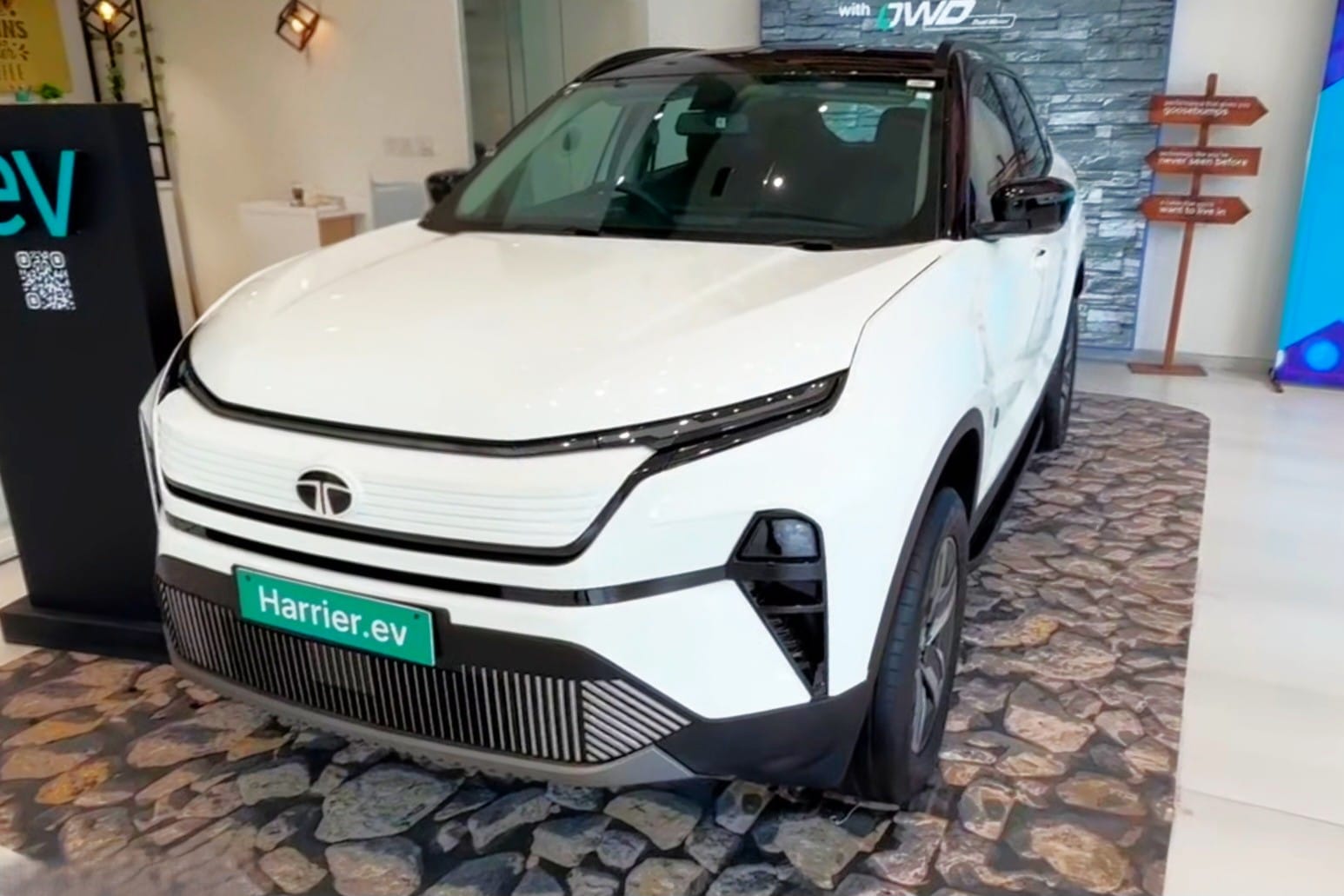
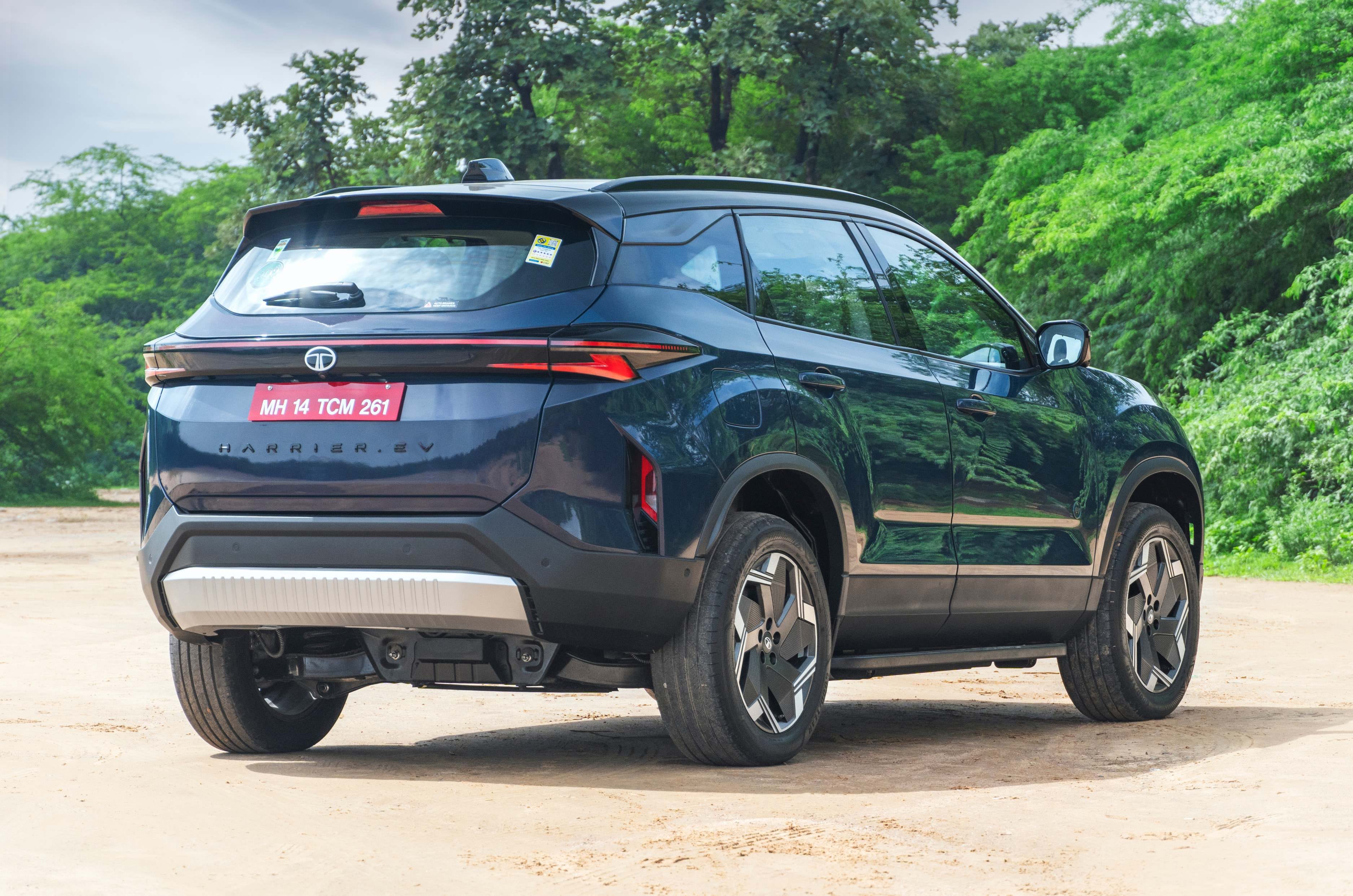
Tata’s current flagship electric car, the Harrier EV, can be purchased with maximum benefits of Rs 2.75 lakh for the mid-spec Fearless and top-spec Empowered trim levels. These include an intervention offer of Rs 1 lakh, an exchange/scrappage bonus of up to Rs 75,000 and a loyalty incentive of up to Rs 1 lakh. Meanwhile, the lower-spec Adventure trim of the Harrier EV is available with a reduced intervention offer of Rs 75,000, bringing its total benefits to Rs 2.5 lakh. The Harrier EV is priced in the Rs 21.79 lakh-29.79 lakh range, excluding premiums for cosmetic packages.
Tata Curvv EV offers in September 2026
Benefits of up to Rs 3.35 lakh
Discounts on the Curvv EV climb to Rs 3.35 lakh for variants available prior to the coupe-SUV’s SeriesX update in May 2026. These comprise a Rs 3 lakh cash discount and an exchange/scrappage bonus of up to Rs 35,000. However, the base Curvv EV Creative variant (pre-SeriesX) gets a lower Rs 2.5 lakh cash discount, lowering the total savings to Rs 2.85 lakh. The Curvv’s current SeriesX variants come with a maximum benefit of Rs 65,000, courtesy of an exchange/scrappage offer of up to Rs 35,000 and a Rs 30,000 loyalty bonus. Prices for the Curvv EV range from Rs 17.19 lakh to Rs 19.39 lakh.
Tata Nexon EV offers in September 2026
Benefits of up to Rs 45,000
All variants of the Nexon EV are available with benefits of up to Rs 45,000 this month. These comprise a cash discount of Rs 10,000 and an exchange/scrappage bonus of up to Rs 35,000. The Nexon EV price starts at Rs 12.49 lakh and tops out at Rs 17.69 lakh, excluding premiums for cosmetic packages.
Tata Punch EV offers in September 2026
Benefits of up to Rs 1.45 lakh
Long Range (35kWh) variants of the pre-facelift Punch EV are being offered with benefits of up to Rs 1.45 lakh, including a Rs 1.1 lakh cash discount and an exchange/scrappage bonus of up to Rs 35,000. Medium Range (25kWh) variants, on the other hand, get a lower cash discount of Rs 90,000, which works out to a benefit of Rs 1.25 lakh. Lastly, the base Smart variant is available with a Rs 60,000 cash discount, so the total benefit for it adds up to Rs 95,000. The facelifted Punch EV is not available with any discounts in September.
Tata Tiago EV offers in September 2026
Benefits of up to Rs 1.45 lakh
Like the Punch EV, the pre-facelift Tiago EV can be purchased with maximum benefits of Rs 1.45 lakh for the mid-spec XT Long Range (24kWh) variant. These comprise a Rs 70,000 cash discount, a Rs 50,000 intervention offer and an exchange/scrappage bonus of up to Rs 25,000. The higher-spec XZ+ Long Range variant instead gets a Rs 1 lakh cash discount but no intervention offer, amounting to total benefits of Rs 1.25 lakh. Lastly, all Medium Range (19kWh) variants are available with a Rs 40,000 cash discount, translating to combined benefits of Rs 65,000.
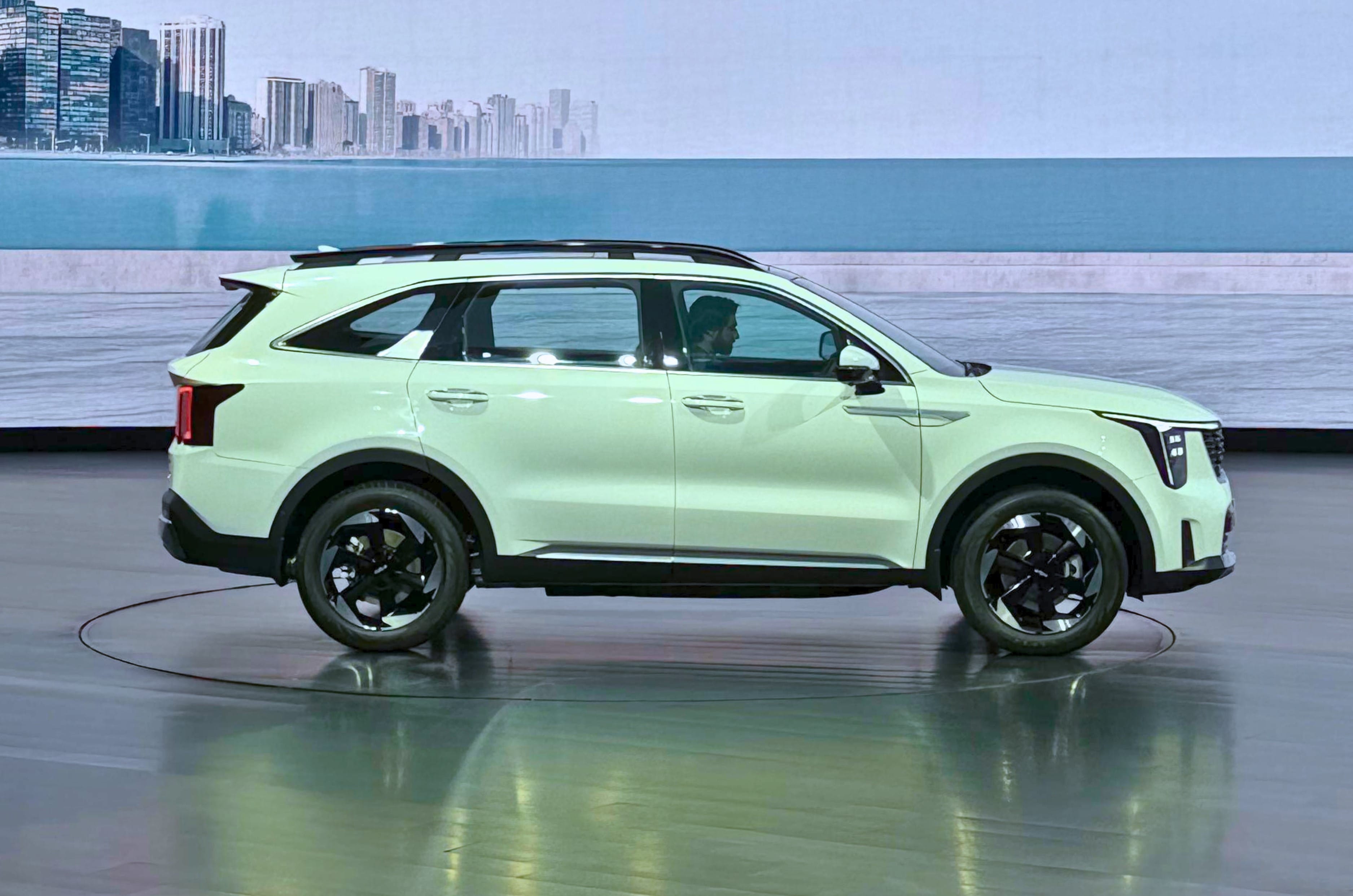
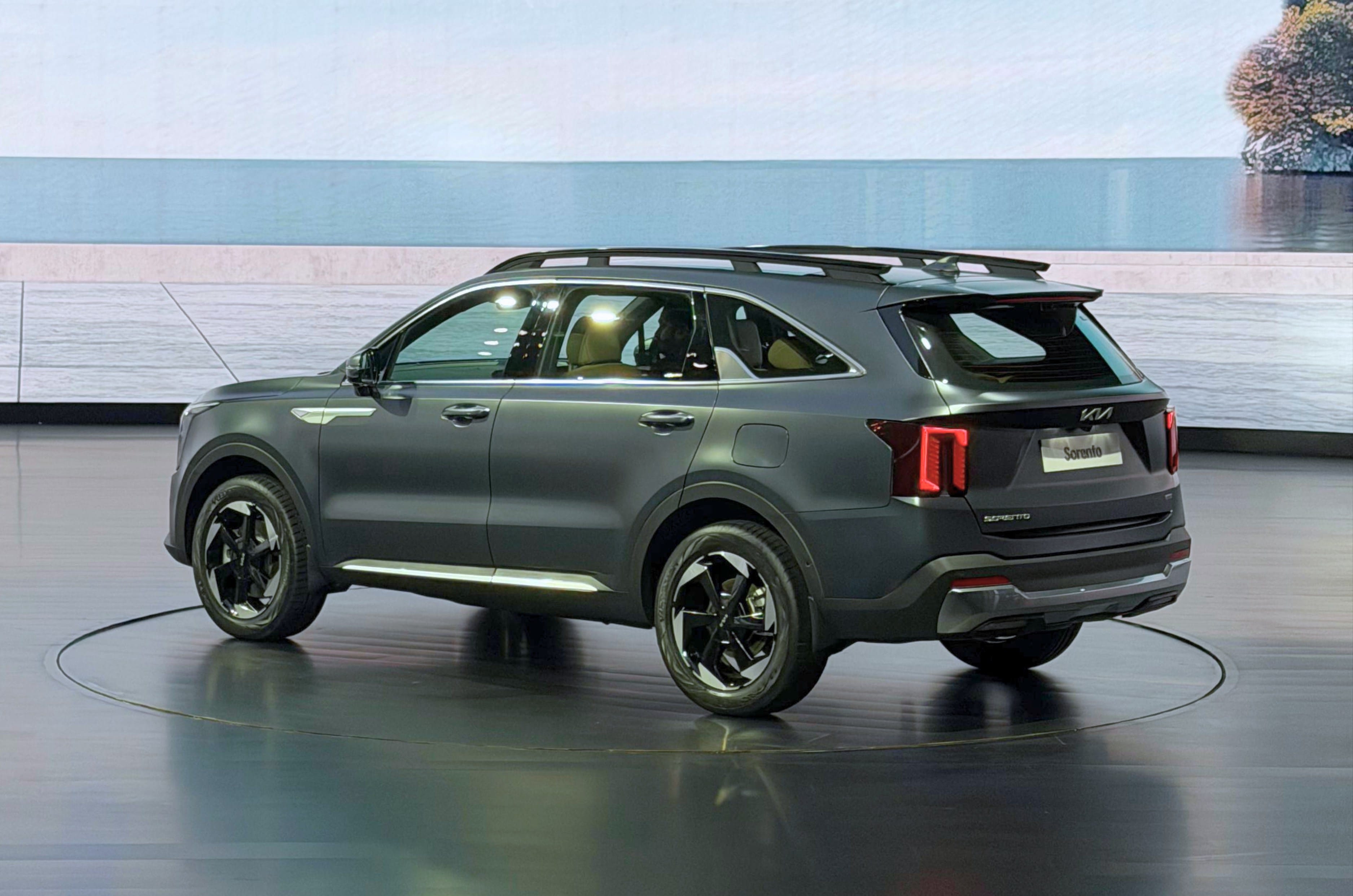
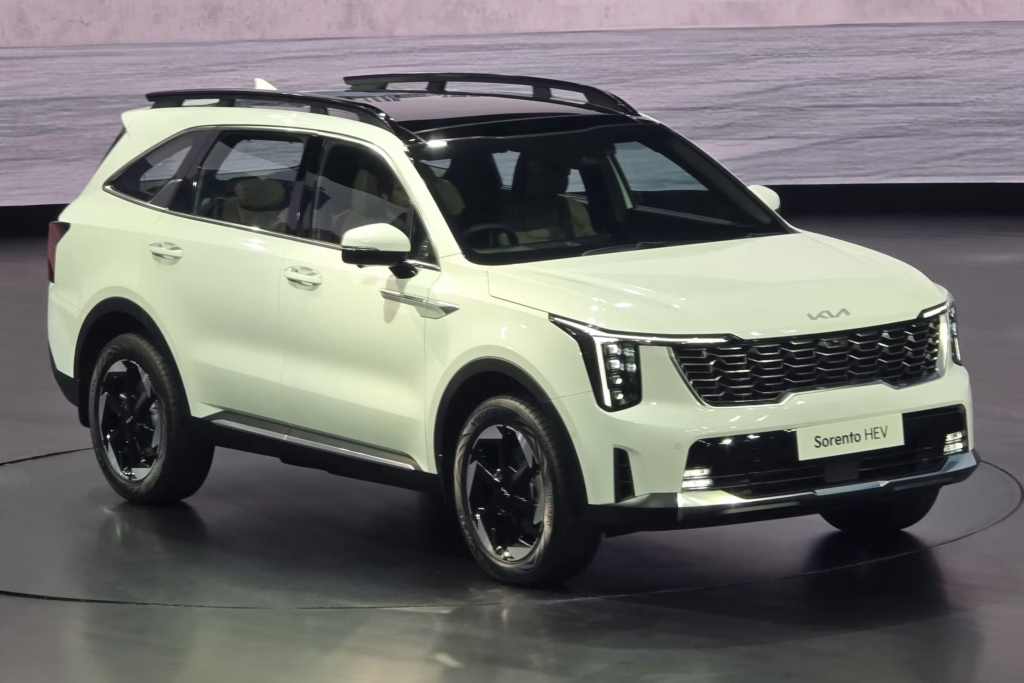
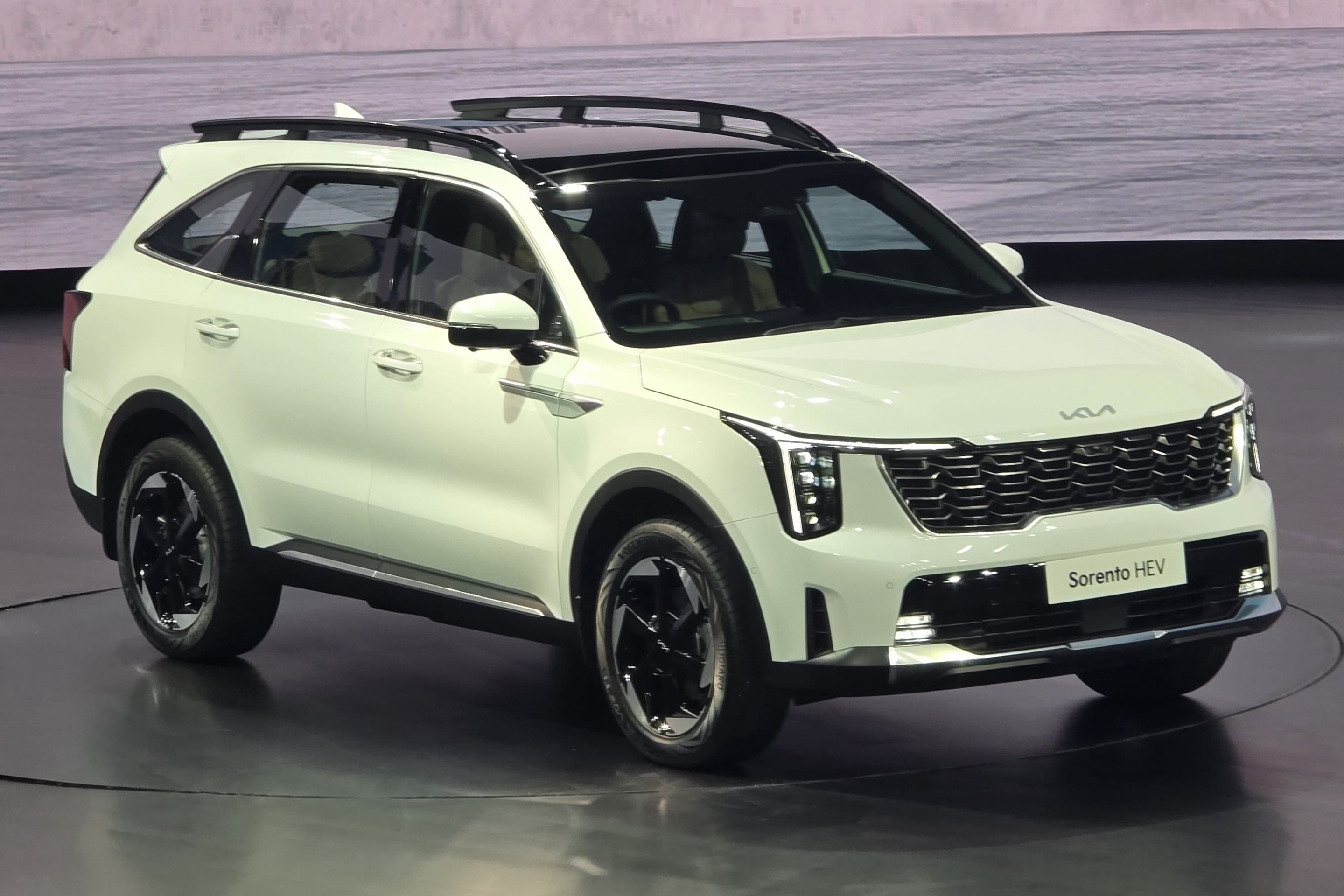
Kia has a new flagship ICE SUV in India in the form of the Sorento. The Korean carmaker has thrown quite a lot at it, offering it with a wide variant lineup with strong-hybrid and diesel engines, front wheel drive and all-wheel drive configurations, and both 6- and 7-seater configurations. In the executive SUV space, the Sorento finds itself in the company of the Skoda Kodiaq, Volkswagen Tayron and Jeep Meridian, and uniquely, it’s the only one to come with a strong-hybrid powertrain. If you have your eyes set on the Sorento, here’s everything you need to know about Kia’s latest three-row SUV.
1. What’s the price range of the Kia Sorento?
2026 Kia Sorento variant-wise prices (in Rs lakh, introductory, ex-showroom)
Diesel 7-str
Diesel 6-str
Strong-hybrid 7-str
Strong-hybrid 6-str
HTE
27.99
–
29.49
–
HTE(O)
29.49
–
30.99
–
HTK
32.49
32.69
33.99
34.19
HTK(A)
33.49
33.69
34.99
35.19
HTX (AWD)
37.49
37.69
38.99
39.19
HTX(A) (AWD)
38.49
38.69
39.99
40.19
The Kia Sorento is priced between Rs 27.99 lakh and Rs 40.19 lakh (ex-showroom), and is available in as many as 20 different variants. More specifically speaking, the diesel range starts at Rs 27.99 lakh and goes up to Rs 38.69 lakh for the top-spec AWD variant. Meanwhile, the strong-hybrid range is priced from Rs 29.49 lakh and Rs 40.19 lakh (ex-showroom).
On-road prices for the Sorento hybrid range between Rs 37.68 lakh and Rs 51.30 lakh in Delhi. Meanwhile, the diesel’s on-road price in Delhi ranges between Rs 35.81 lakh and Rs 49.42 lakh (ex-showroom). Do note on-road prices can vary depending on the city.
2. What powertrains are available with the Kia Sorento?
The Sorento is available with two powertrain options – a 1.6-litre turbo-petrol strong hybrid and a 2.2-litre diesel engine. In the turbo-petrol strong hybrid version, the combustion engine produces 180hp and 265Nm while an electric motor produces an additional 65hp and 264Nm. Kia has, however, not revealed the battery size or the combined total output for this powertrain. The diesel, meanwhile, produces 193hp and 442Nm. The Sorento is, in fact, just one of two SUVs in this segment to offer a diesel engine, while the strong-hybrid is its novelty.
Both powertrains are offered only with an automatic gearbox – 6-speed AT for the strong-hybrid and 8-speed DCT for the diesel. Both also get the option of front-wheel drive and all-wheel drive. Kia has, however, not revealed specific fuel efficiency figures for either powertrain yet.
3. How big is the Kia Sorento
Kia Sorento vs rivals: Powertrain options
Kia Sorento
Volkswagen Tayron
Skoda Kodiaq
Jeep Meridian
Length (mm)
4,815
4,792
4,758
4,769
Width (mm)
1,900
1,866
1,864
1,859
Height (mm)
1,785
1,665
1,679
1,698
Wheelbase (mm)
2,815
2,789
2,791
2,782
Ground clearance (mm)
TBC
TBC
192
214
Wheel size (inch)
18-19
19
18
18
The Sorento is the largest SUV in its segment in every parameter, which lends it quite an imposing stance on the road. It also has the longest wheelbase in its class, and offers the option 18-inch and 19-inch alloy wheels, depending on the trim. For
4. What are the exterior and interior colour options available on the Sorento?
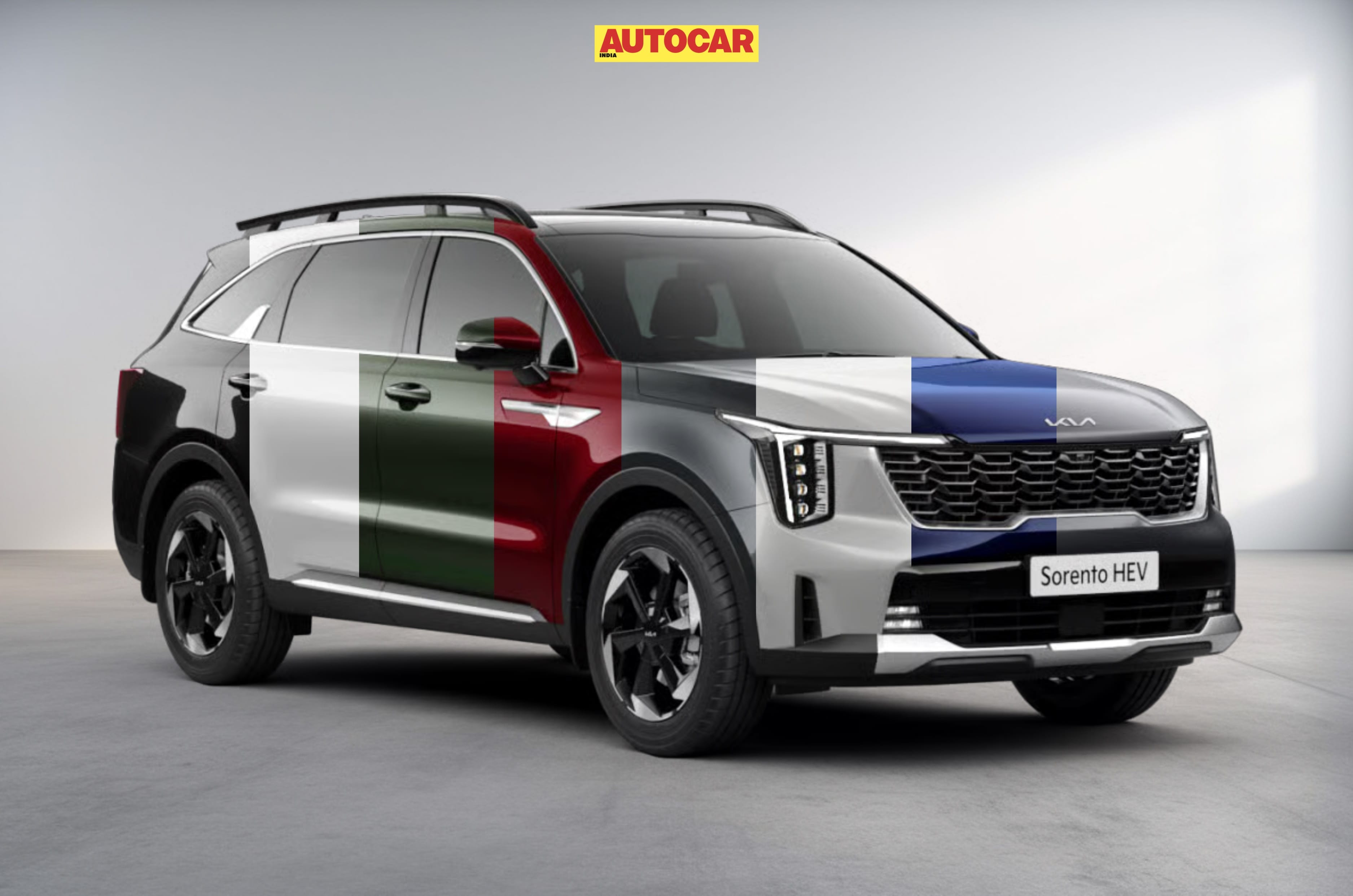
The Kia Sorento is offered with eight exterior colour options, including Aurora Black Pearl, Glacier White Pearl, Magma Red, Ivory Silver, Gravity Grey, Imperial Blue, Pewter Olive, and Dark Gun Metal. Among these, the Dark Gun Metal colour is offered on the top-spec HTX and HTX(A) trims, while all other options are available across the range.
On the inside, Kia is offering two colour schemes: Smoky Black and Grey, and Premium Black and Olive Brown. The former is offered with the lower-spec HTE, HTK, HTE (O), HTK(A) trims, while the latter is available with the higher-spec HTX and HTX(A) trims.
5. What are some of the standout features on the Sorento?
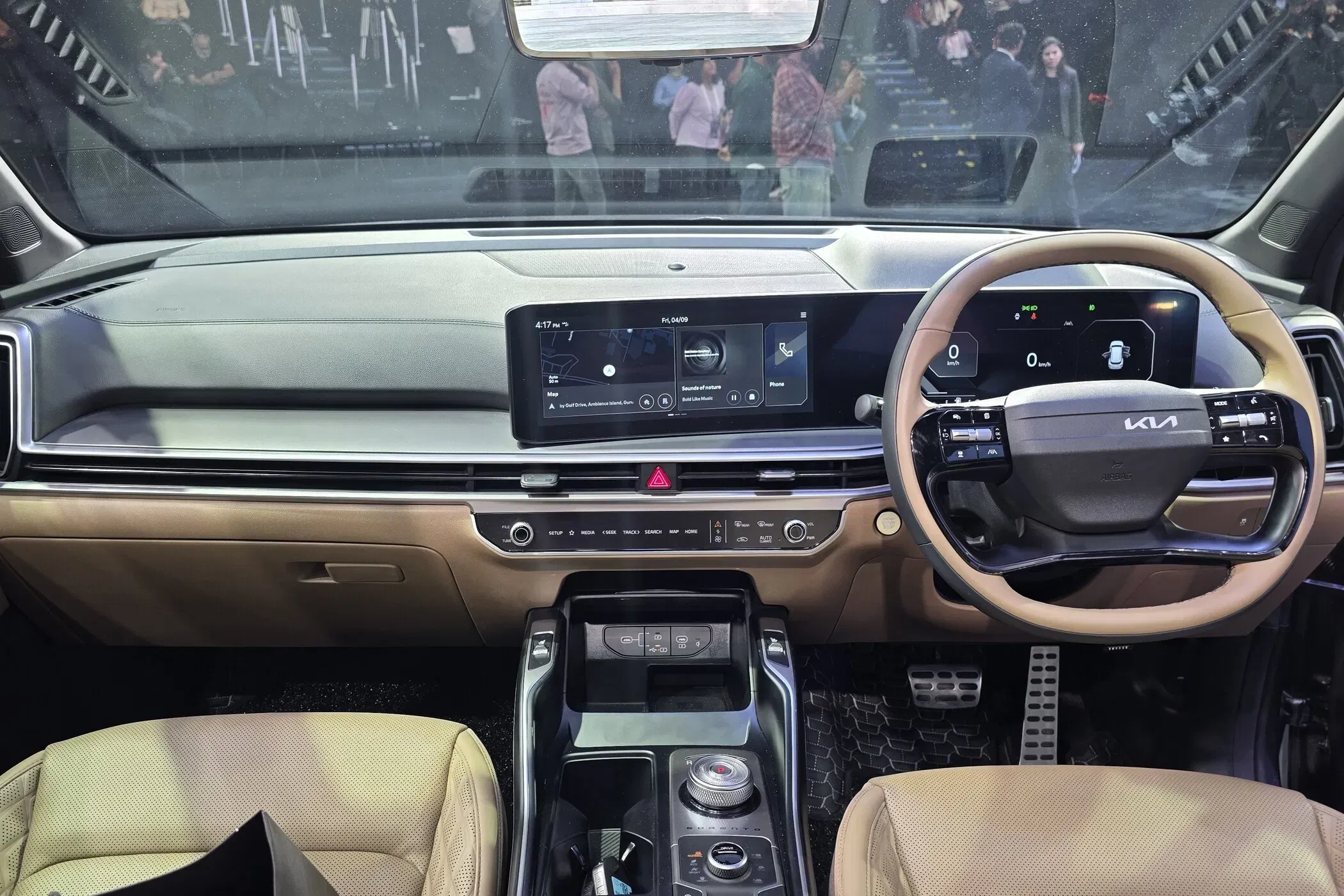
Like most Kia, the Sorento is absolutely loaded to gills, with the India-spec model even debut some features for the Sorento nameplate globally. There are two 12.3-inch screens for instrumentation and infotainment, the front seats are ventilated, have 10-way power adjustability and offer adjustable lumbar support. The co-driver’s seat has a boss mode to extend the middle-row space. The middle-row seats can be electronically folded, and the 6-seater version further offers middle-row seat ventilation.
Other features include a 12-speaker Bose sound system, a panoramic sunroof, dual-zone climate control, a head-up display (HUD) and a powered tailgate. Real-time generative AI is a first for any Sorento available globally. Safety features include 10 airbags, a digital inside rearview mirror (IRVM), a 360-degree camera, auto parking assistance, front and rear dashcams, a tyre-pressure monitoring system (TPMS) and Level 2+ advanced driver assistance systems (ADAS).
6. Which variant of the Kia Sorento should you buy?
With over 20 variants to choose from, the Sorento stretches a very wide price band across both its powertrain options. However, we’d recommend the mid-spec HTK variant which offers the most for your money. It misses out on the AWD system, but packs all the niceties such as the dual 12.3-inch screens, 12-speaker Bose sound system, 360-degree camera with blind-spot monitor, 64-colour ambient lighting, 19-inch alloys, leatherette upholstery, panoramic sunroof, powered tail gate, ventilated front seats and more.
It does miss out on a digital IRVM, HUD, more electronic adjustment levels for the front seats, ventilated second-row seats and boss mode but none of these is a deal breaker. However, if you are on a budget, the one-over-base HTE(O) is the best value-for-money variant, offering a decently equipped feature suite for its price.
Kia has launched the Sorento in India as the brand’s contender for the premium three-row SUV segment. The Sorento is also Kia’s first hybrid offering for the Indian market, sporting a 1.6-litre direct-injection turbo-petrol strong hybrid setup. A 2.2-litre diesel engine is on offer for the Sorento too. Both powertrains can be had with either front-wheel drive (FWD) or all-wheel drive (AWD).
The Sorento is sold in six trim levels, namely HTE, HTE(O), HTK, HTX. Ex-showroom prices for the three-row Kia SUV start at Rs 27.99 lakh and top off at Rs 40.19 lakh. If you’re interested in bringing a Sorento home, we’ve listed its on-road prices in major cities below.
Kia Sorento on-road price range
Kia Sorento on-road price range in top Indian cities (Rs, lakh)
New Delhi
Mumbai
Bangalore
Chennai
Hybrid FWD 7-seater
35.08-41.79
35.25-42.06
36.72-43.82
37.31-44.52
Hybrid AWD 7-seater
46.26-47.67
46.60-48.03
48.55-50.04
49.33-50.85
Hybrid FWD 6-seater
40.61-42.02
40.86-42.30
42.57-44.07
43.26-44.77
Hybrid AWD 6-seater
46.50-47.91
46.84-48.27
48.80-50.29
49.58-51.10
Diesel FWD 7-seater
33.89-40.71
34.01-40.94
34.85-41.95
35.41-42.62
Diesel AWD 7-seater
45.26-46.70
45.56-47.01
46.68-48.18
47.43-48.95
Diesel FWD 6-seater
39.51-40.95
39.72-41.18
40.71-42.02
41.36-42.88
Diesel AWD 6-seater
45.50-46.94
45.80-47.26
46.93-48.42
47.68-49.20
Disclaimer: On-road prices may vary based on city-specific registration charges and other cost components, including insurance, FASTag and RTO fees. Please check with your nearest Kia dealership for the exact figures.
Of the cities listed, Delhi is the easiest on the pocket for Sorento buyers, followed by Mumbai, Bangalore, and Chennai. The base Sorento hybrid variant is over Rs 2.2 lakh cheaper in Delhi than it is in Chennai, whereas the diesel one has a price gap of over Rs 1.5 lakh between the two cities. Coming to top-spec variants, the Sorento hybrid’s most expensive configuration is over Rs 3 lakh more affordable in Delhi compared to Chennai, while the equivalent diesel version is Rs 2.26 lakh cheaper.