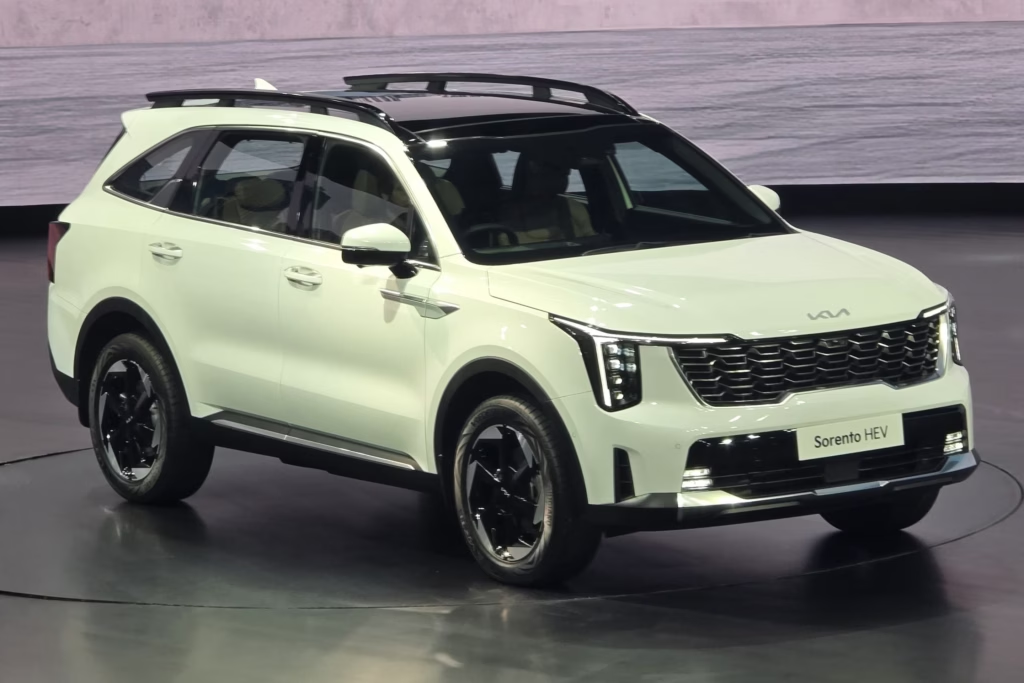
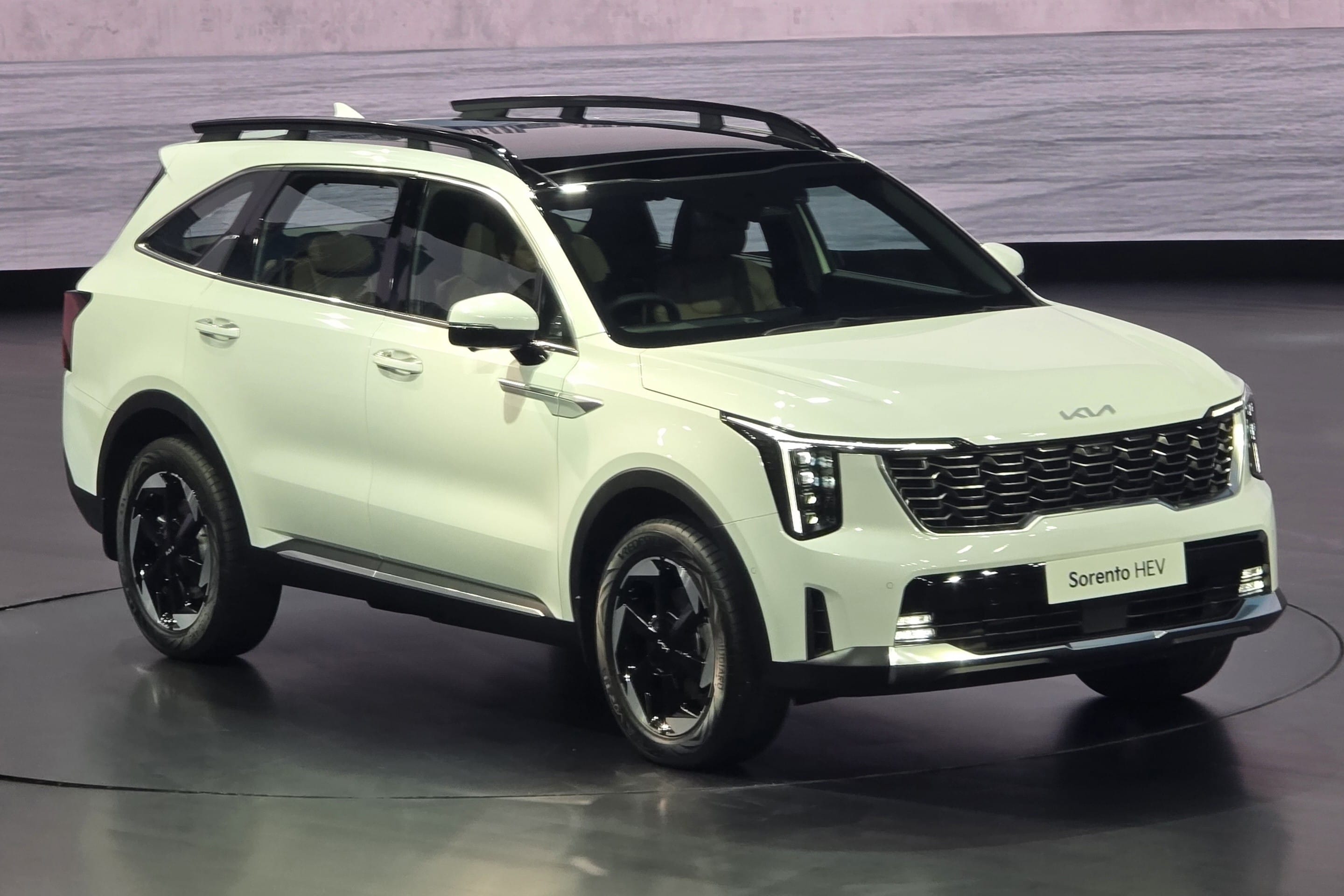
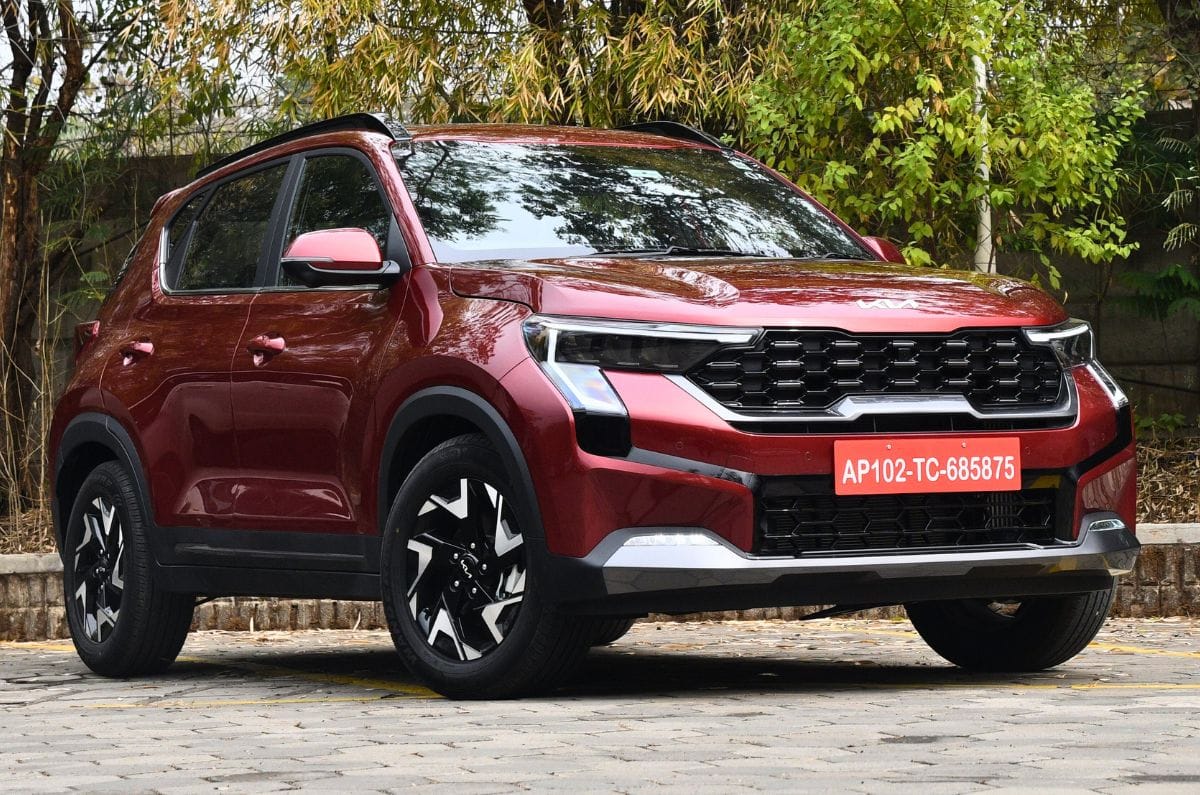
Kia has launched the Sorento in India as the brand’s contender for the premium three-row SUV segment. The Sorento is also Kia’s first hybrid offering for the Indian market, sporting a 1.6-litre direct-injection turbo-petrol strong hybrid setup. A 2.2-litre diesel engine is on offer for the Sorento too. Both powertrains can be had with either front-wheel drive (FWD) or all-wheel drive (AWD).
The Sorento is sold in six trim levels, namely HTE, HTE(O), HTK, HTX. Ex-showroom prices for the three-row Kia SUV start at Rs 27.99 lakh and top off at Rs 40.19 lakh. If you’re interested in bringing a Sorento home, we’ve listed its on-road prices in major cities below.
Kia Sorento on-road price range
Kia Sorento on-road price range in top Indian cities (Rs, lakh)
New Delhi
Mumbai
Bangalore
Chennai
Hybrid FWD 7-seater
35.08-41.79
35.25-42.06
36.72-43.82
37.31-44.52
Hybrid AWD 7-seater
46.26-47.67
46.60-48.03
48.55-50.04
49.33-50.85
Hybrid FWD 6-seater
40.61-42.02
40.86-42.30
42.57-44.07
43.26-44.77
Hybrid AWD 6-seater
46.50-47.91
46.84-48.27
48.80-50.29
49.58-51.10
Diesel FWD 7-seater
33.89-40.71
34.01-40.94
34.85-41.95
35.41-42.62
Diesel AWD 7-seater
45.26-46.70
45.56-47.01
46.68-48.18
47.43-48.95
Diesel FWD 6-seater
39.51-40.95
39.72-41.18
40.71-42.02
41.36-42.88
Diesel AWD 6-seater
45.50-46.94
45.80-47.26
46.93-48.42
47.68-49.20
Disclaimer: On-road prices may vary based on city-specific registration charges and other cost components, including insurance, FASTag and RTO fees. Please check with your nearest Kia dealership for the exact figures.
Of the cities listed, Delhi is the easiest on the pocket for Sorento buyers, followed by Mumbai, Bangalore, and Chennai. The base Sorento hybrid variant is over Rs 2.2 lakh cheaper in Delhi than it is in Chennai, whereas the diesel one has a price gap of over Rs 1.5 lakh between the two cities. Coming to top-spec variants, the Sorento hybrid’s most expensive configuration is over Rs 3 lakh more affordable in Delhi compared to Chennai, while the equivalent diesel version is Rs 2.26 lakh cheaper.
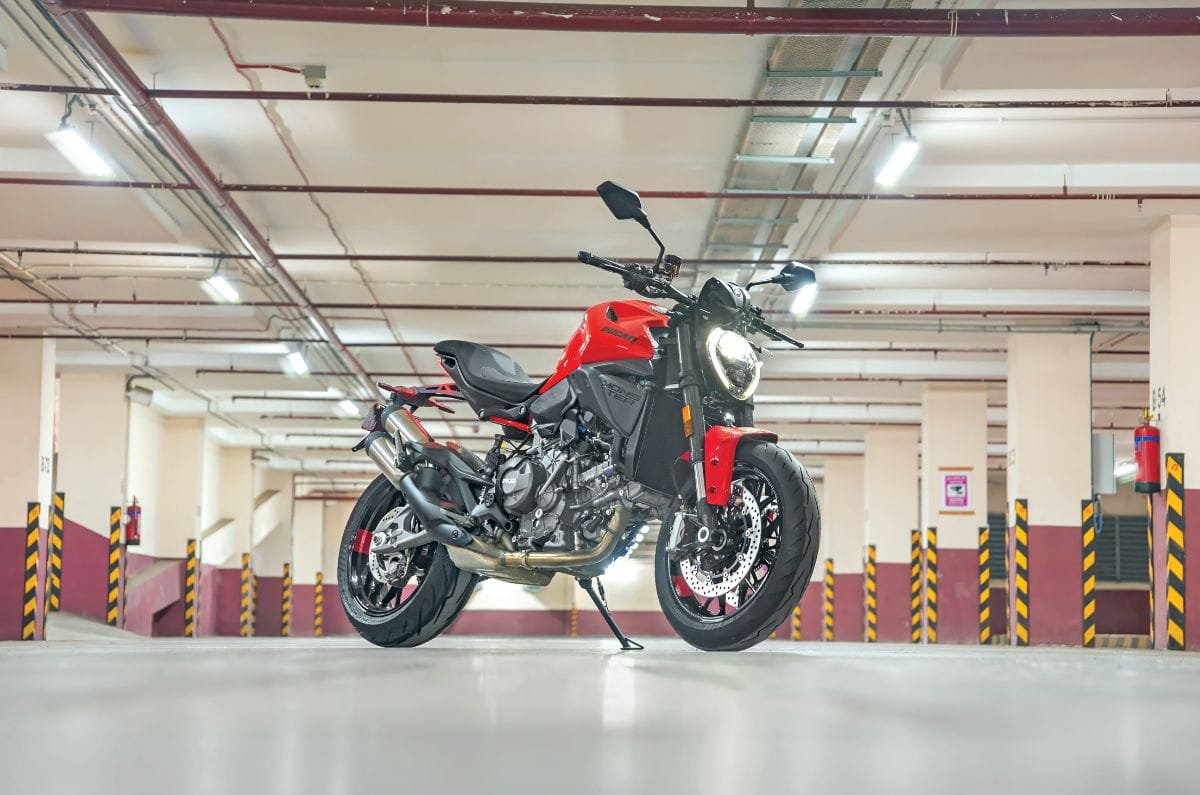
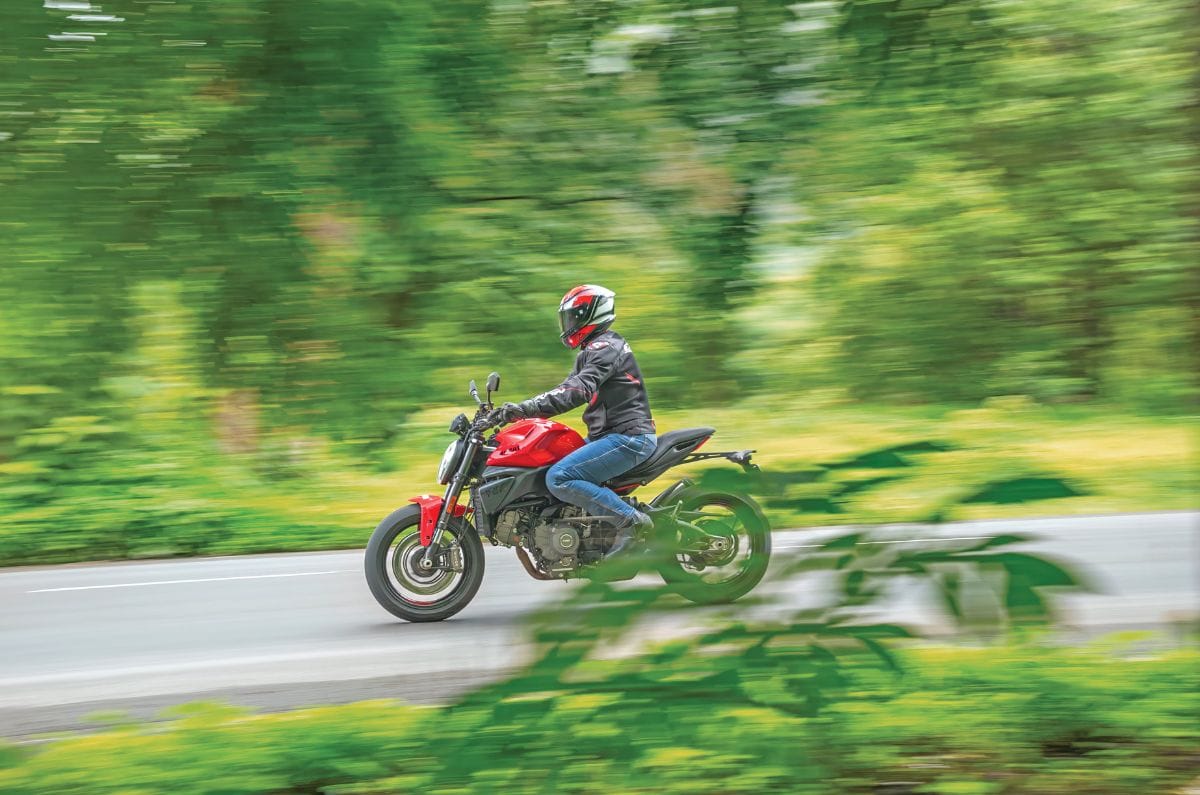
The Monster was perhaps the world’s first ‘parts bin special’, created using a smattering of different parts from various Ducatis of the late ‘80s and early ‘90s. It was a resounding success for the company and remains one of its strongest sellers in India. Today, the Monster is in its fifth generation and is now powered by the company’s new 890cc spring valve V-twin.
Design and Quality – 9/10
Hey, good lookin
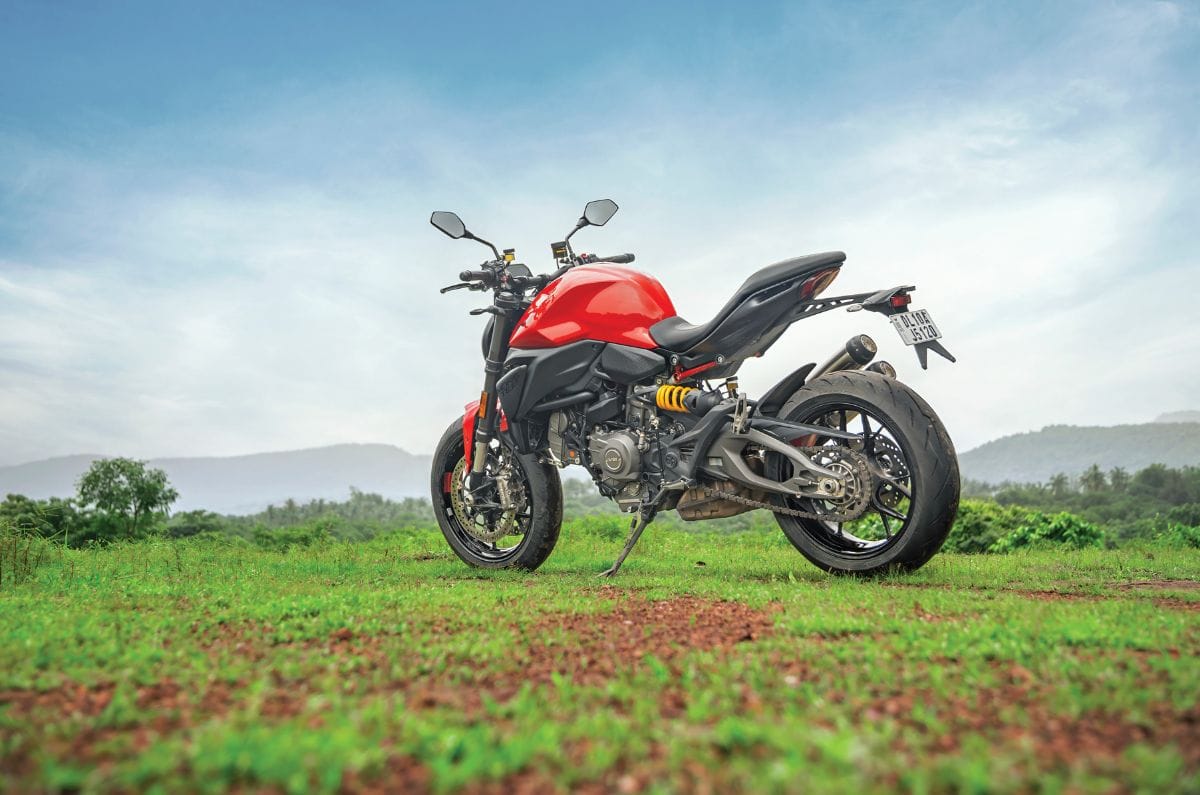
Traditionally, the Monster was known for its butch stance, clean lines and round headlight and the fifth-gen V2 has two of those three attributes. The earlier 937 drew some flak for being too thin so for the V2, Ducati has reverted to a big tank look albeit, at 14L, the capacity is quite small for an engine of this size and the same as before. In an era where most sporty bikes have sprouted winglets and sharp edges galore, the Monster’s textbook, elemental lines are a breath of fresh air. However, it’s definitely not as chunky-looking as the older trellis-frame Monsters – not a complaint to our eyes but purists could be put off.
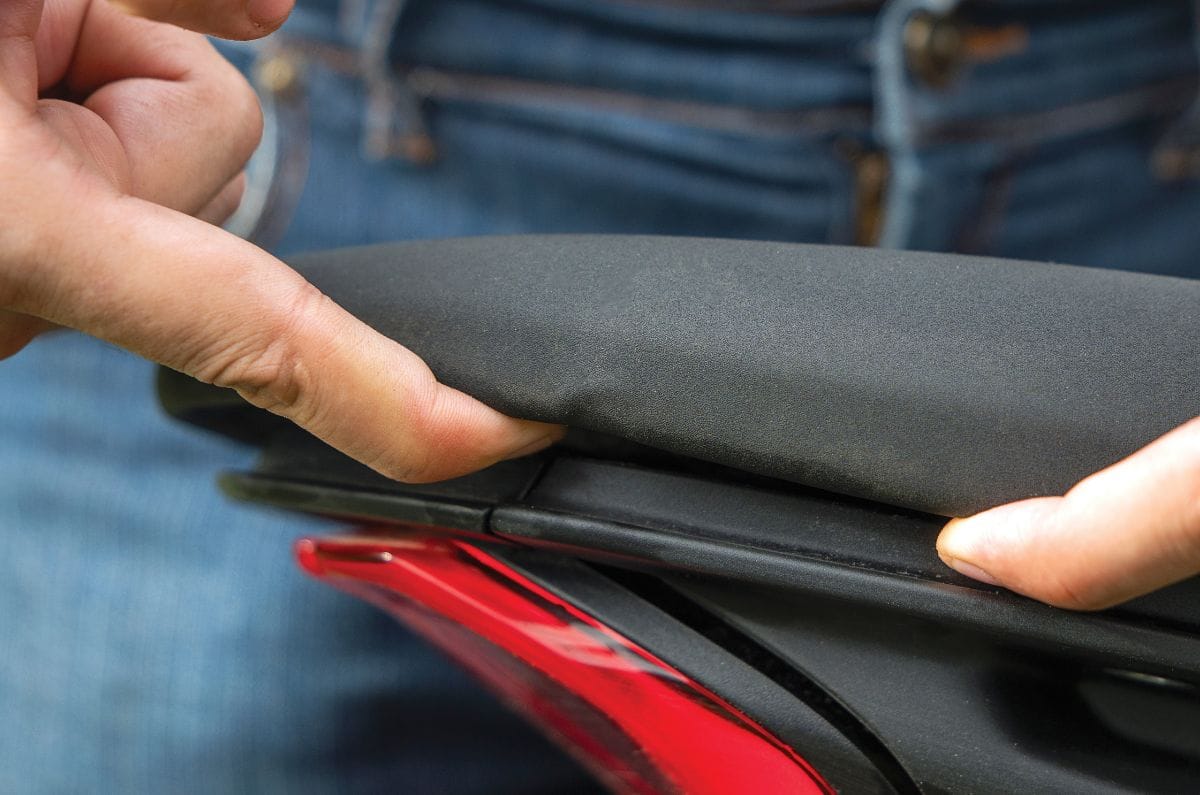
Too big a gap between seat and subframe
Typical of Ducati, quality is high all around and just about everything in sight and touch is well put together. I say ‘just about’ because the mirror housings & stalks feel very budget for a bike of its price and also, the gap between the seat and the subframe is a bit much. On a rainy day, a lot of filth gets kicked into this crevice and to clean it, you need to remove the seat. These are nitpicks but on a bike at this price, something to bear in mind.
Performance and fuel economy – 9/10
Unique and playful heart
Specifications
Values
Max Engine Power
111 hp @ 9000 rpm
Max Engine Torque
91.1 Nm @ 7250 rpm
Transmission Type
Manual
Fuel Type/ Propulsion
Petrol
Engine Type
2 cylinder
Expensive it might be, but the Monster is still the most attainable way to get your hands on Ducati’s new 890cc V-Twin. In a world increasingly populated with parallel-twin engines, Ducati has commendably stuck to its guns and is giving you an authentic V-Twin experience.
In this application, the V2 is tuned to make 111hp (it’s lowest yet) and this number is on the lower side for the segment, but the 91.1Nm of torque it makes, is conversely, one of the higher numbers in the class. Not just that, Ducati claims that from 3,000rpm you have 70 percent of that available and it definitely charges forward with gusto above that threshold. It’s enthralling fun to chase the rather high – for a big twin – 11,750rpm redline and the butter smooth quickshifter ensures you have to wait but a few milliseconds before the next gear brings you the next wave of adrenaline. The exhaust note is a bit muted (Euro5+ will do that) but there’s an enticing intake roar and even lovelier pops and bangs on the overrun, which all add to the theatricity of it.
Yet, for all its zest and verve, Ducati’s latest V2 benefits from the company’s learnings over the years. No longer do you have to fear exorbitant Desmo services or overheating in traffic. Valve clearance checks are now at 45,000km and the cooling system works superbly to ensure the engine never boils over.
However, while the engine doesn’t overheat, being stuck in traffic does result in the rider’s legs slowly being done medium rare. Since you’re sitting right on the top of the rear cylinder, there’s not much that can be done but to build your tolerance and wear motorcycle-appropriate clothing. Its hydraulic clutch too is properly weighty but what annoys more is its grabby nature causing you to lurch forward in traffic.
Ride and Handling – 8/10
On a dime
Specifications
Values
Seat height
815 mm
Front Suspension Type
Showa Ø 43 mm usd fork
Rear Suspension Type
Showa monoshock with adjustable preload. Aluminum double-sided swingarm
Fuel Tank Size
14 L
Chassis type
Aluminum monocoque frame
Front Tyre Size
120/70 – ZR17
Rear Tyre Size
180/55 – ZR17
Kerb Weight
186 kg
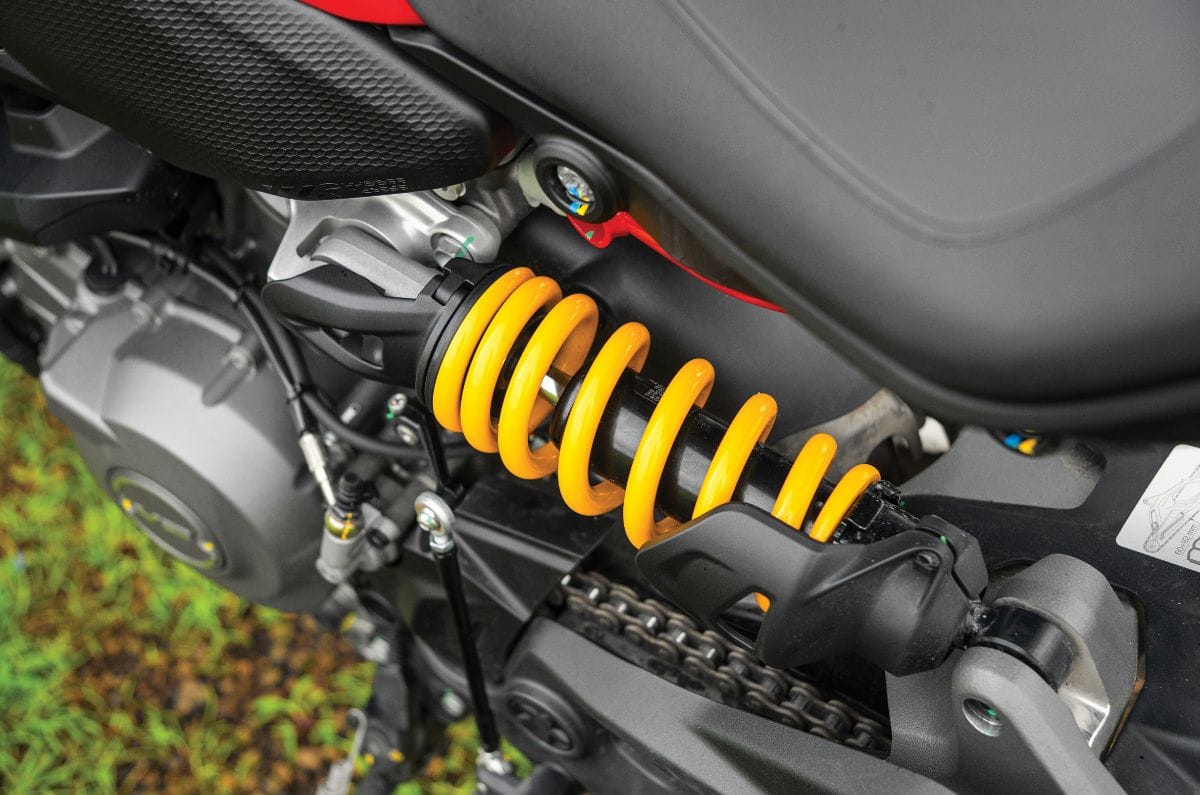
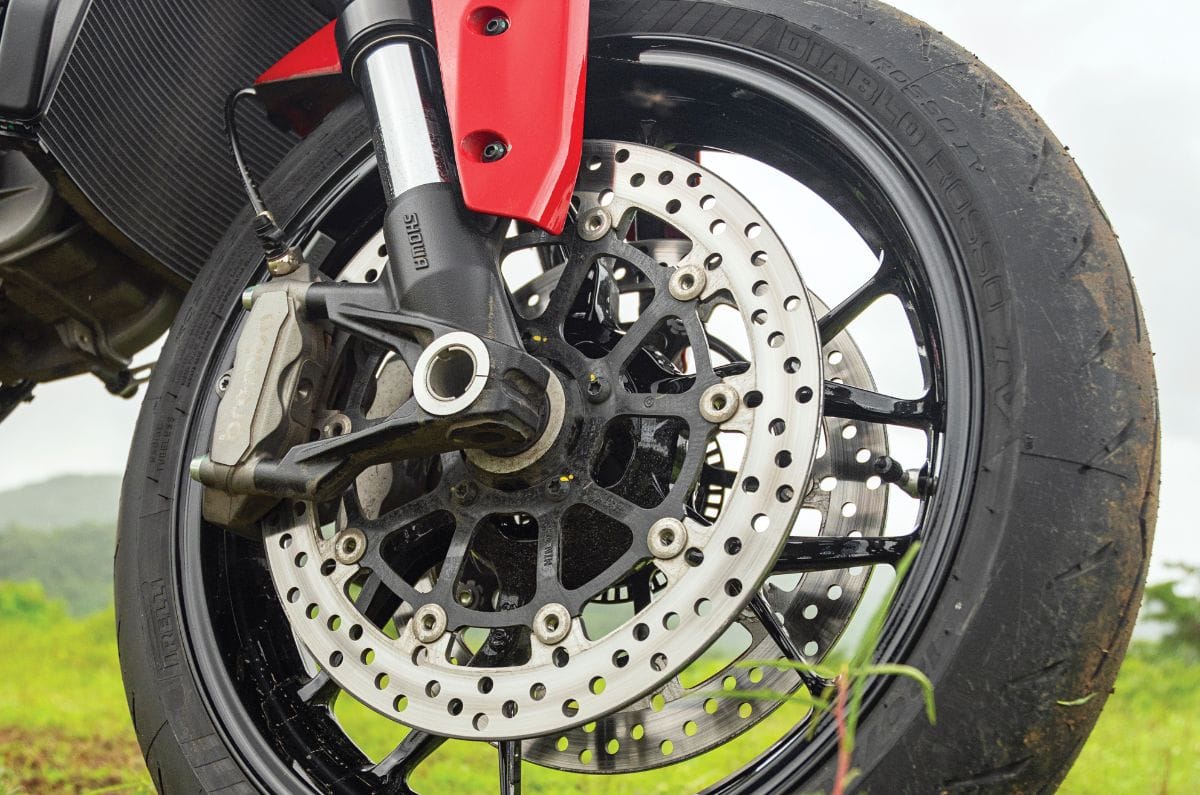
Happily, once you find some nicely laid tarmac roads, these quibbles fade away and the Monster makes up for it with its surefooted and energetic handling. On paper, the chassis components may feel a bit budget (for an 18L rupee machine) but in practice, they work very well. The non-adjustable Showa fork and Sachs monoshock have good poise when you want to attack corners but simultaneously also provide an air of suppleness over bumps, striking a nice balance. Brembo’s M4.32 calipers may have been around for well over a decade now but they bring the Monster to a halt seriously quickly and the radial master cylinder too is bristling with feedback.
What also helps the Monster tip into corners and come to a halt exceedingly well is its weighs just 186kg fully fueled – similar to a RE Guerrilla 450, which has half the displacement! Not only is the Monster one of the lightest bikes in the class, it also has a friendly 815mm perch (in the context of big, sporty machines). The rider’s triangle too is not overly committed and strikes a nice balance between being engaging yet comfortable. These attributes mean that the Monster is one of the friendliest big bikes you can buy.
Suspension has a decent level of pliancy to it
Features and safety – 8/10
There when you need them, mostly
Brembo M4.32s have great stopping power and good feel at the lever
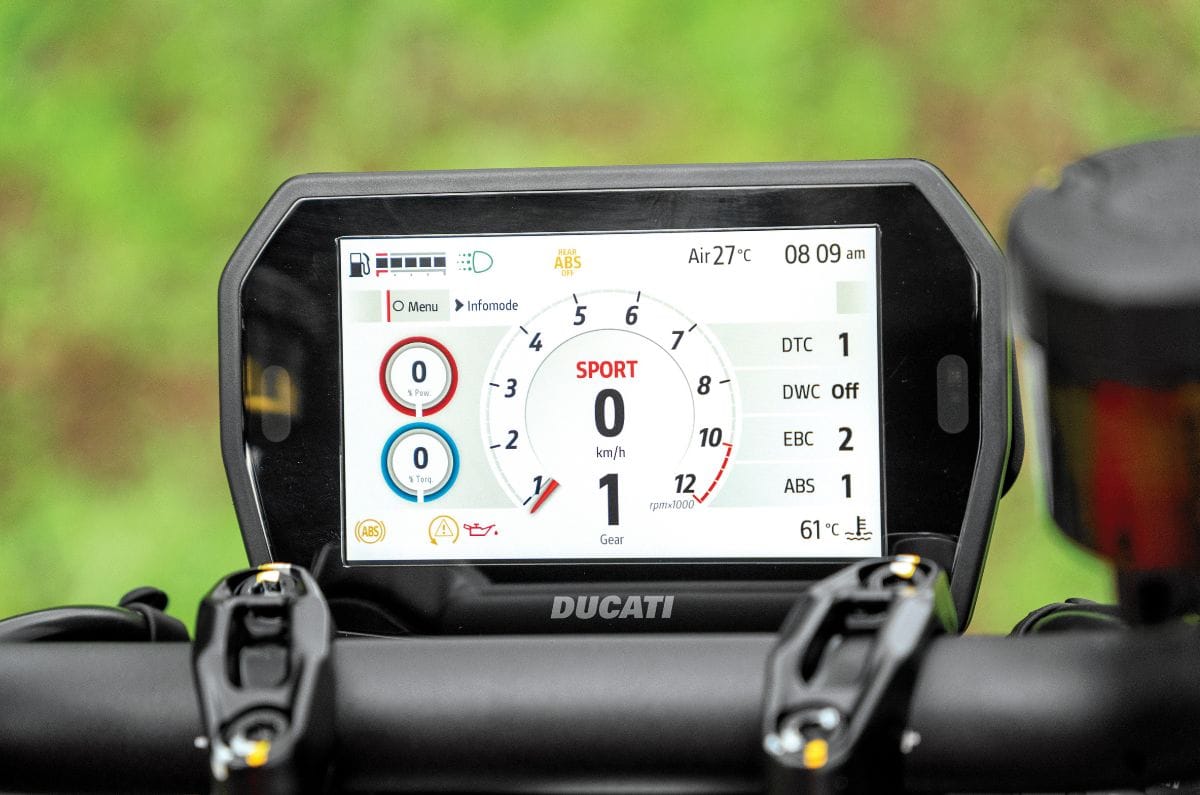
What further reinforces the Monster’s approachability (especially to someone who’s buying their first big bike) is its array of electronic rider aids. There are four riding modes (Sport, Road, Urban and Wet) with dedicated settings for power levels, traction control, wheelie control, engine brake control and ABS intervention. These work exceptionally well when you need them to and fade into the background when having fun – just the way it should be! Typical of Ducati, you can go into each mode and adjust everything to your preference, giving you complete control over the electronics – an appreciable touch.
Specifications
Values
Anti-Lock Brakes (ABS)
Dual channel
Front Disc/Drum Size
320 mm
Rear Disc/Drum Size
245 mm
Calliper Type
Front – 4 Piston, Rear – 2 Piston
Traction control
Yes
Riding Modes
Yes
Cruise Control
No
Quickshifter
Yes
TFT colour Instrument cluster
Yes
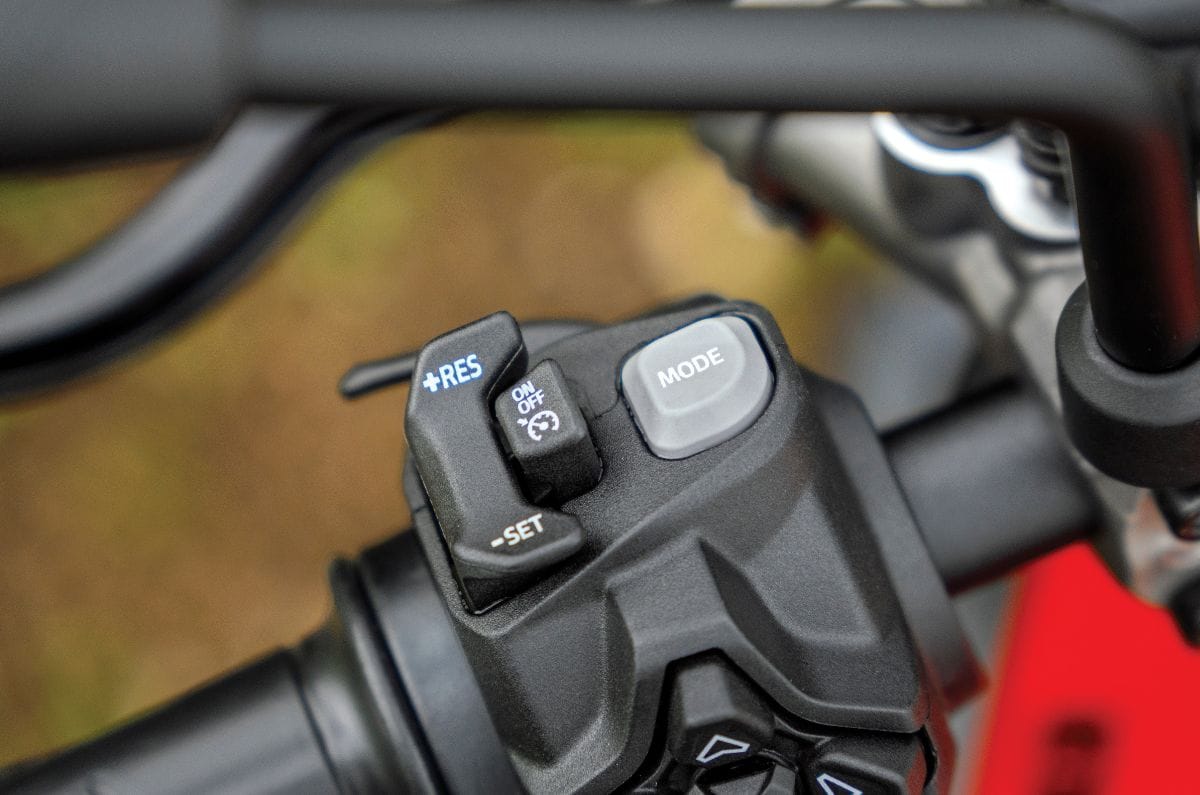
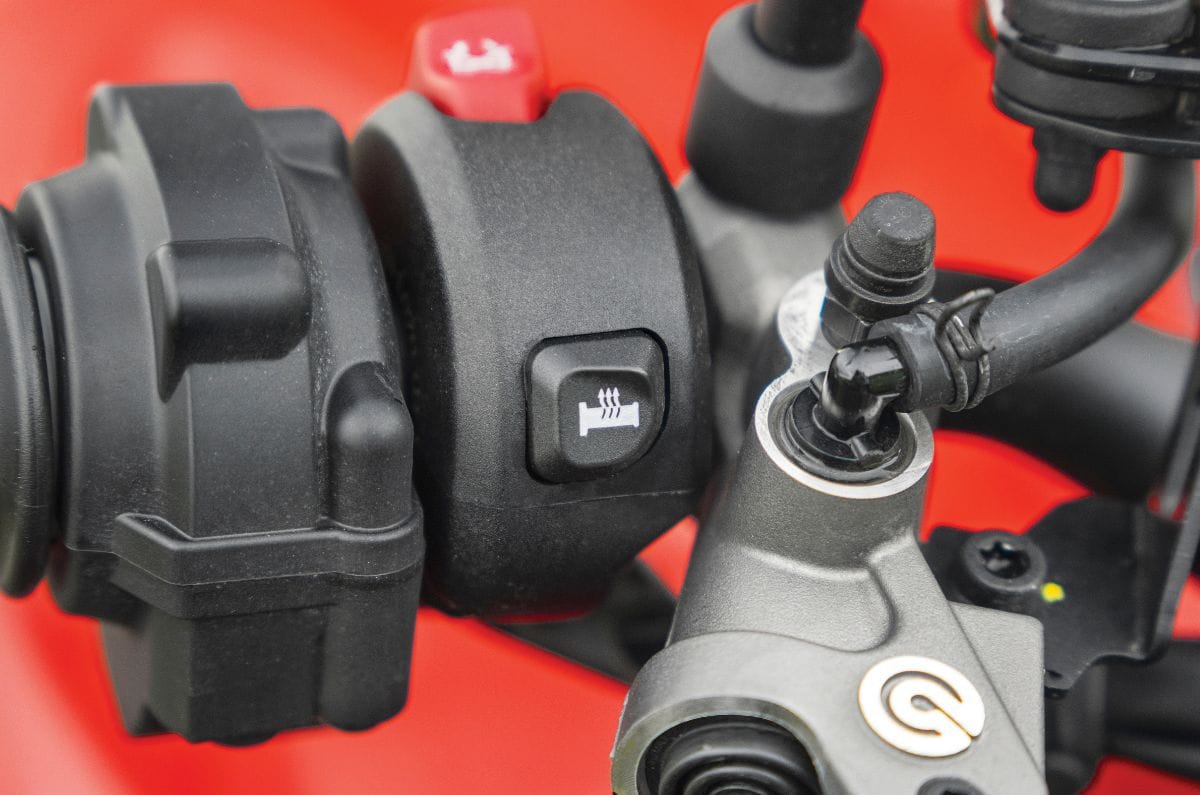
However, what I certainly don’t appreciate is the fact that Ducati has provided you the switchgear and wiring for the cruise control and heated grips on the bike but is deliberately gatekeeping the software in lieu of princely sums of Rs 40,009 and Rs 41,013, respectively. This trend of locking valuable features already present on the expensive machine you buy until you pay an additional sum needs to be abdicated promptly before it becomes commonplace.
5-inch TFTs shared with other Ducati V2s and has intuitive functionsActivating the existing Cruise Control functionality costs Rs 40,009 extra!Activating heated grips will set you back by Rs 41,013
Price and verdict – 7/10
Pretty penny
The words above are apt to describe the new Monster V2, which starts at Rs 13.99 lakh (ex-showroom, India) and the price only goes northward for different colours and if you opt for the Plus variant, with the flyscreen and pillion seat cowl. There’s no justifying the very large price delta to its European and Japanese counterparts, which are accomplished machines in their own right.
What are strong points on the Monster are that it is a desirable, good-looking and exciting machine that gives you access to the alluring world of Ducati. Plus, today’s V2 Ducatis now have ownership costs that are more or less in line with their peers and the company’s aftersales is a particularly strong highlight for customers. If all that sounds like something you are looking for, the Monster V2 should be on your radar.
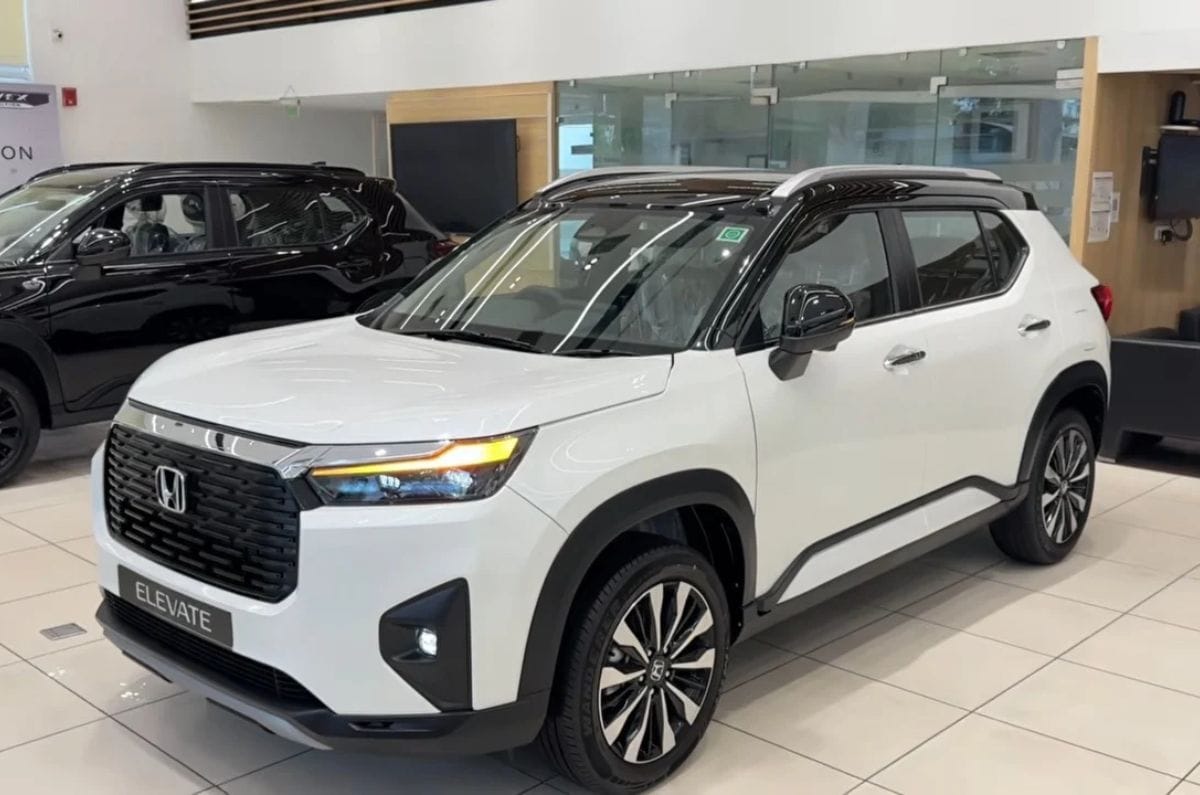
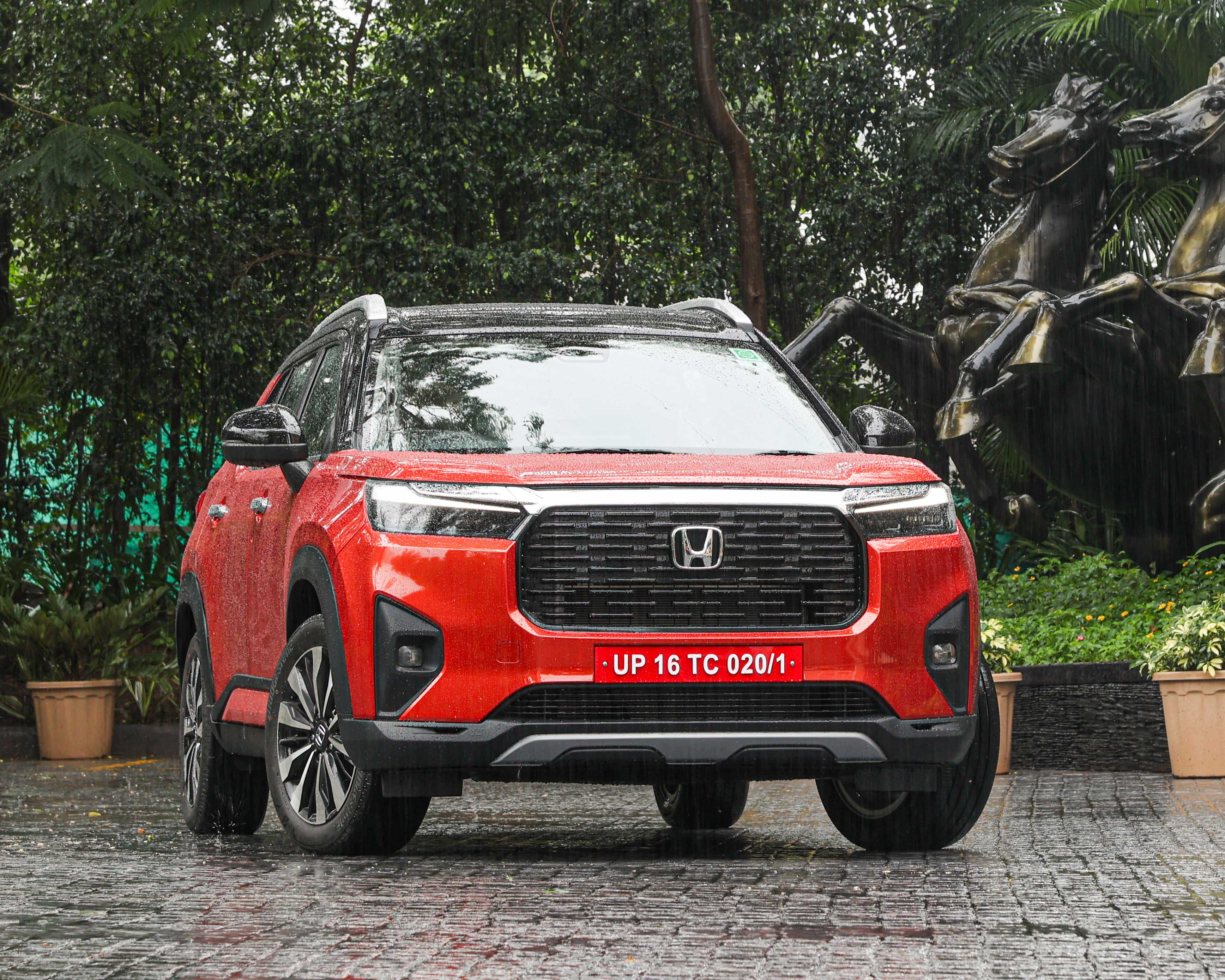
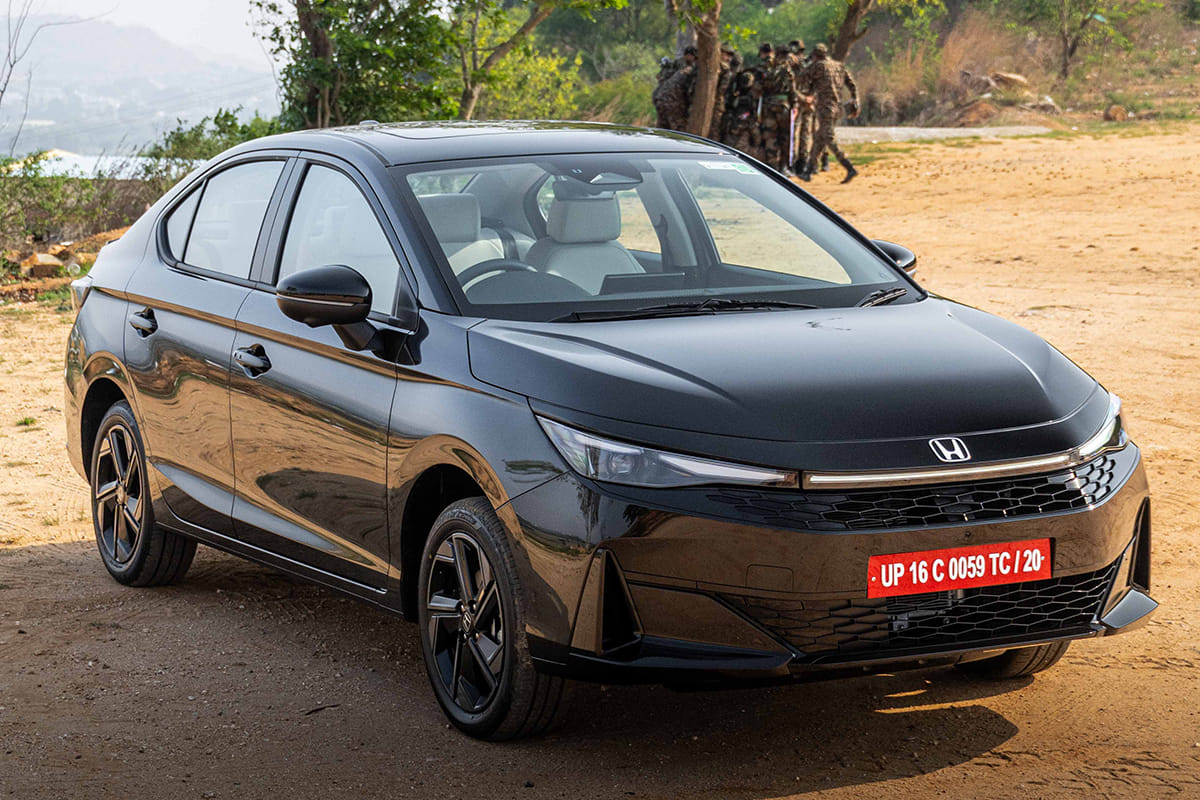
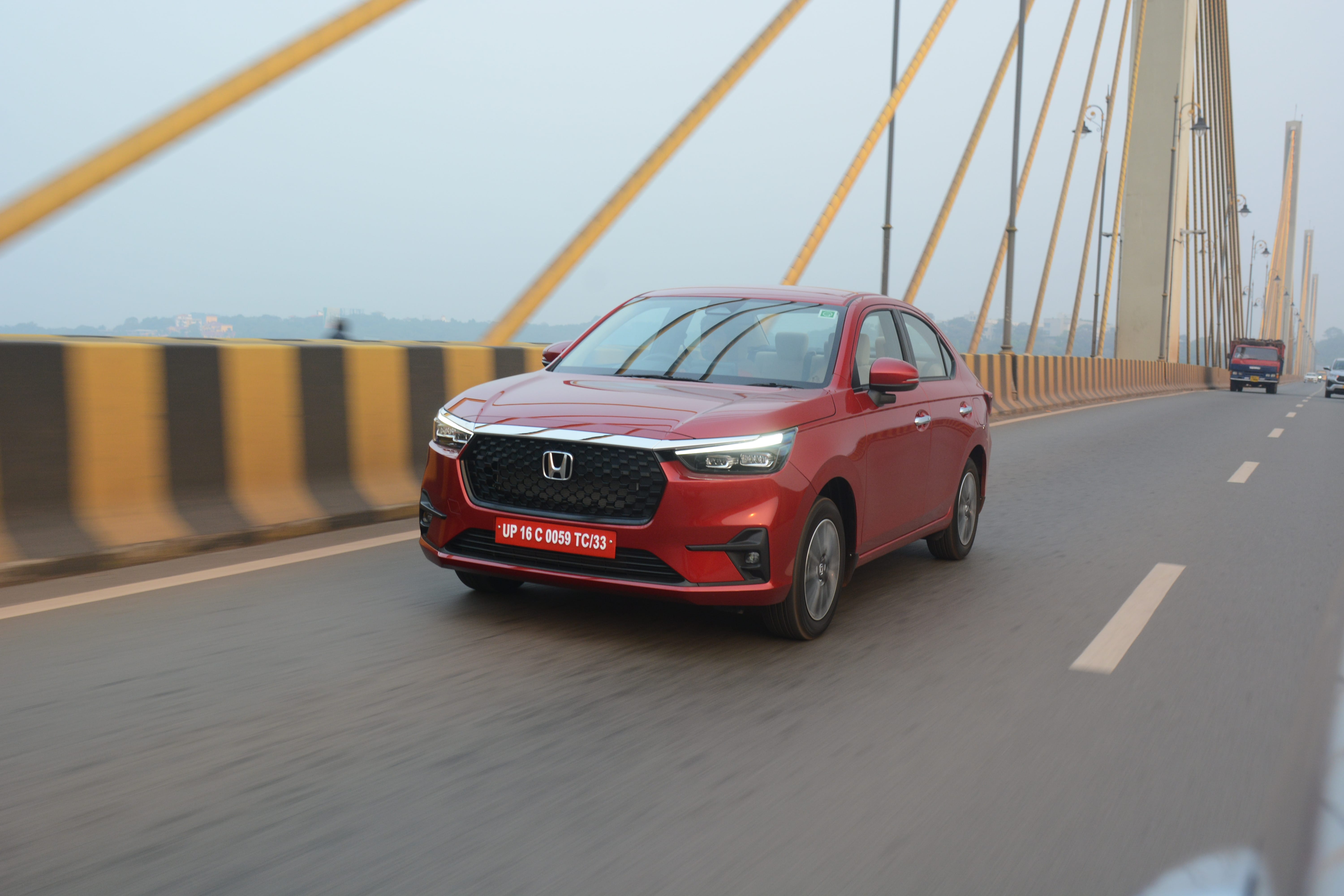
Honda has rolled out discounts for the Amaze, City and Elevate models for September 2026. Of the three, the schemes being offered on the Amaze and Elevate remain more or less the same compared to August 2026. That said, the Japanese automaker is providing higher discounts on the City than it did last month. Note that the offers mentioned here are valid from September 1 to September 30, 2026.
Loyalty and corporate benefits are the same for all three cars
50 percent discount on Honda’s extended 7-year warranty
The City is available with higher discounts this month
Disclaimer: Offers/benefits may vary by city and are subject to stock availability. Buyers are advised to check with their local dealer for exact figures.
Honda Elevate offers in September 2026
Benefits of up to Rs 1.79 lakh
The Honda Elevate is available with discounts worth up to Rs 1.79 lakh this September, applicable for both MY25 and MY26 cars. These come in the form of cash discounts of up to Rs 60,000, loyalty benefits of Rs 4,000, corporate benefits of up to Rs 10,000 and exchange offers worth up to Rs 1.05 lakh. Honda is also providing buyers of the Elevate with an extended 7-year warranty at up to Rs 18,600, which is inclusive of a 50 percent discount. The price of the Honda Elevate ranges from Rs 11.81 lakh to Rs 16.78 lakh.
Honda City offers in September 2026
Benefits of up to Rs 1.30 lakh
The top-spec variants of the Honda City are being offered this month with discounts amounting to Rs 1.30 lakh. Customers can avail cash discounts worth up to Rs 60,000 and loyalty incentives of Rs 4,000. There are also exchange benefits worth up to Rs 56,000, while corporate discounts can go up to Rs 10,000. There’s also a 50 percent discount on the extended 7-year warranty, now costing Rs 16,900. The Honda City is priced from Rs 12.08 lakh to Rs 21.44 lakh.
Honda Amaze offers in September 2026
Benefits of up to Rs 50,000
Honda is offering discounts similar to those available last month on both the second-gen and third-gen Amaze in September 2026. Those opting for the former can avail consumer benefits worth up to Rs 40,000, alongside the brand’s extended 7-year warranty with a 50 percent discount, i.e., at Rs 14,600.
Select variants of the third-gen Amaze come with cash discounts of up to Rs 15,000, loyalty benefits of Rs 4,000 and corporate offers of up to Rs 10,000. Exchange bonuses of up to Rs 21,000 are also available. Meanwhile, the extended 7-year warranty is the same as that of the second-gen model. The price of the Honda Amaze second-gen model is from Rs 5.99 lakh to Rs 7.80 lakh while that of the third-gen Amaze is between Rs 7.65 lakh and Rs 10.00 lakh.
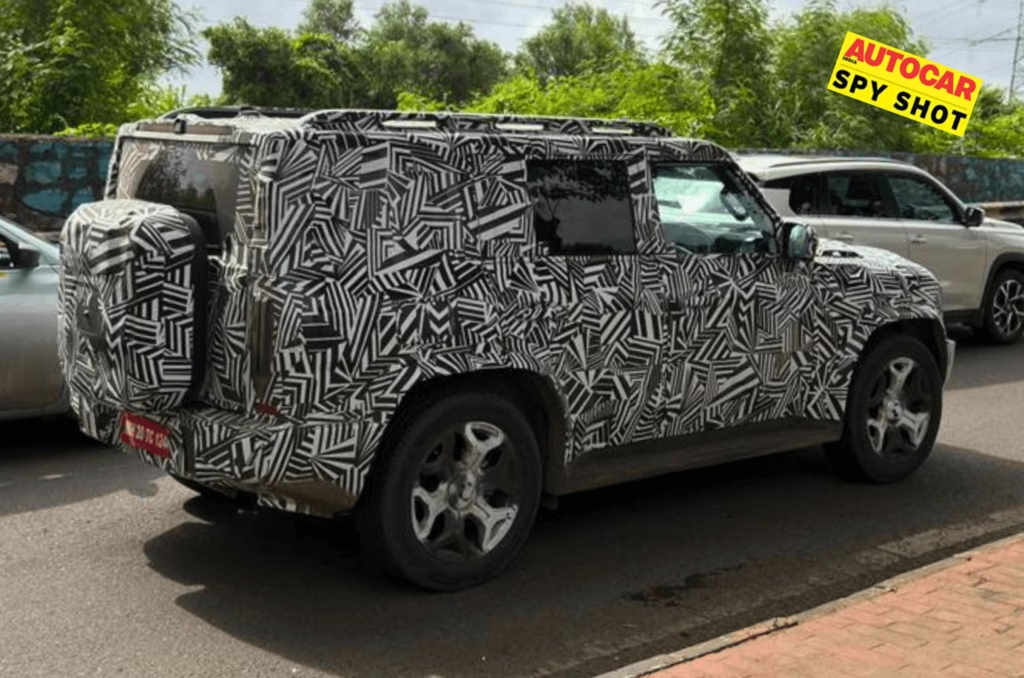
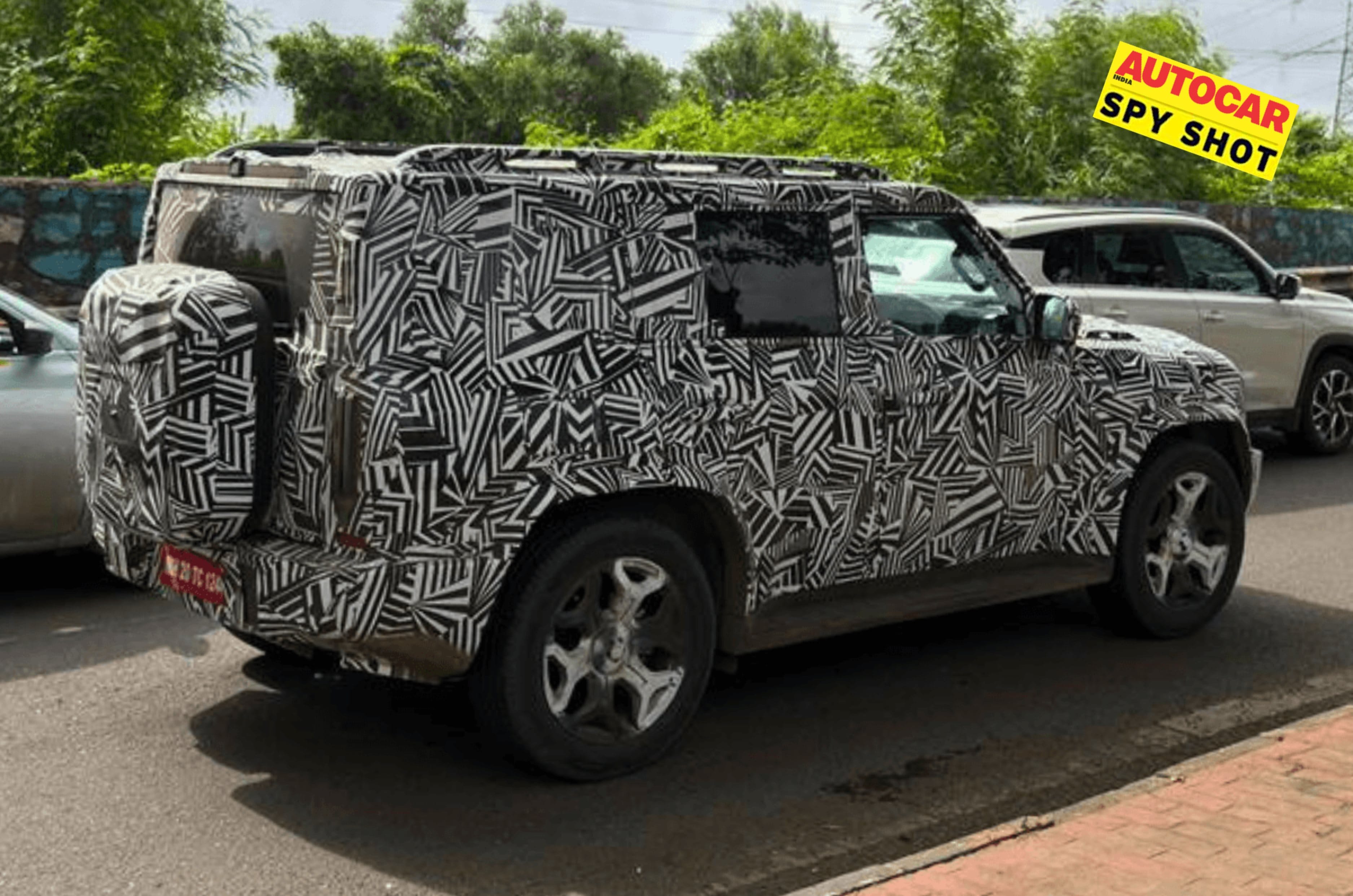
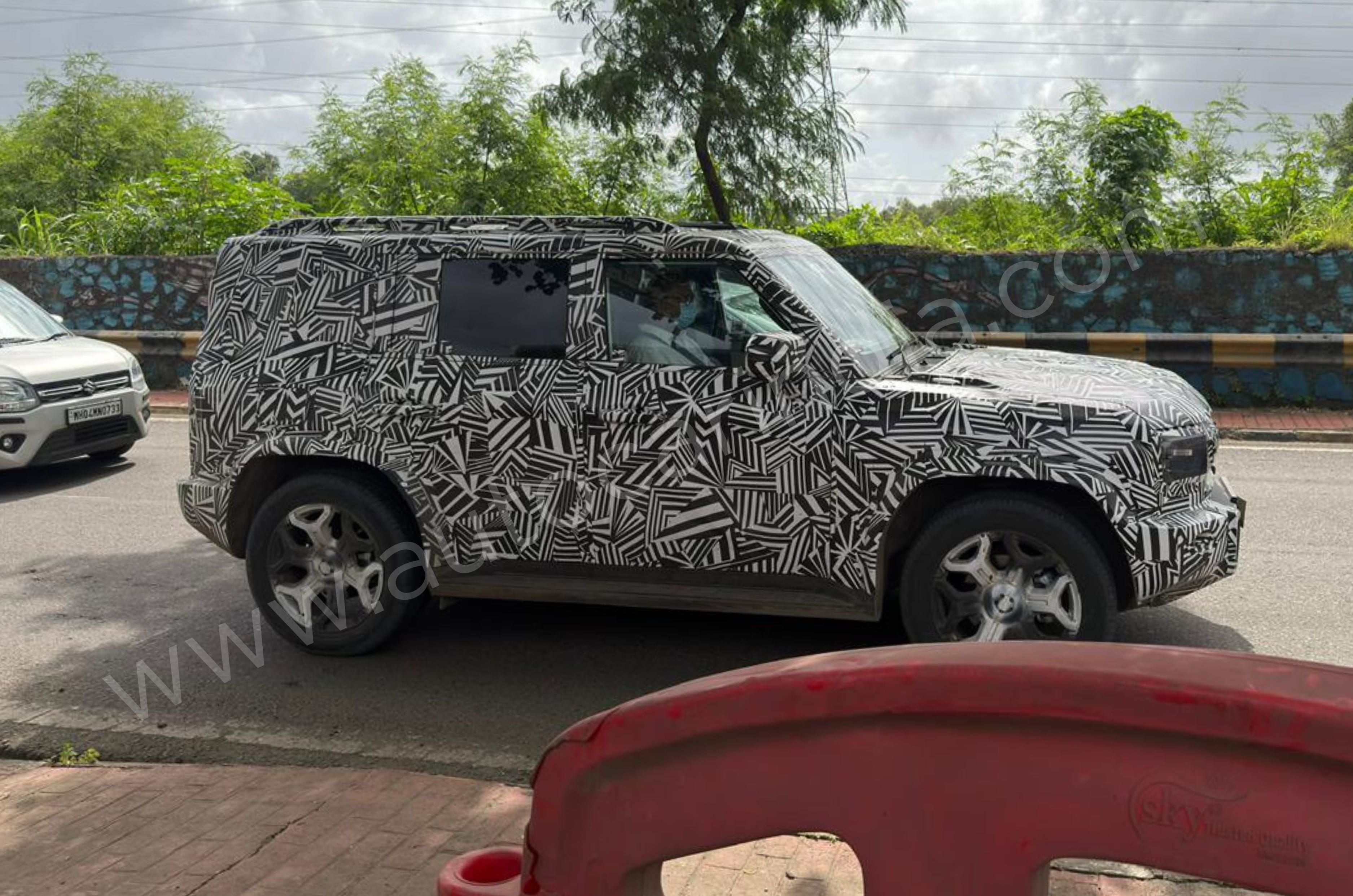
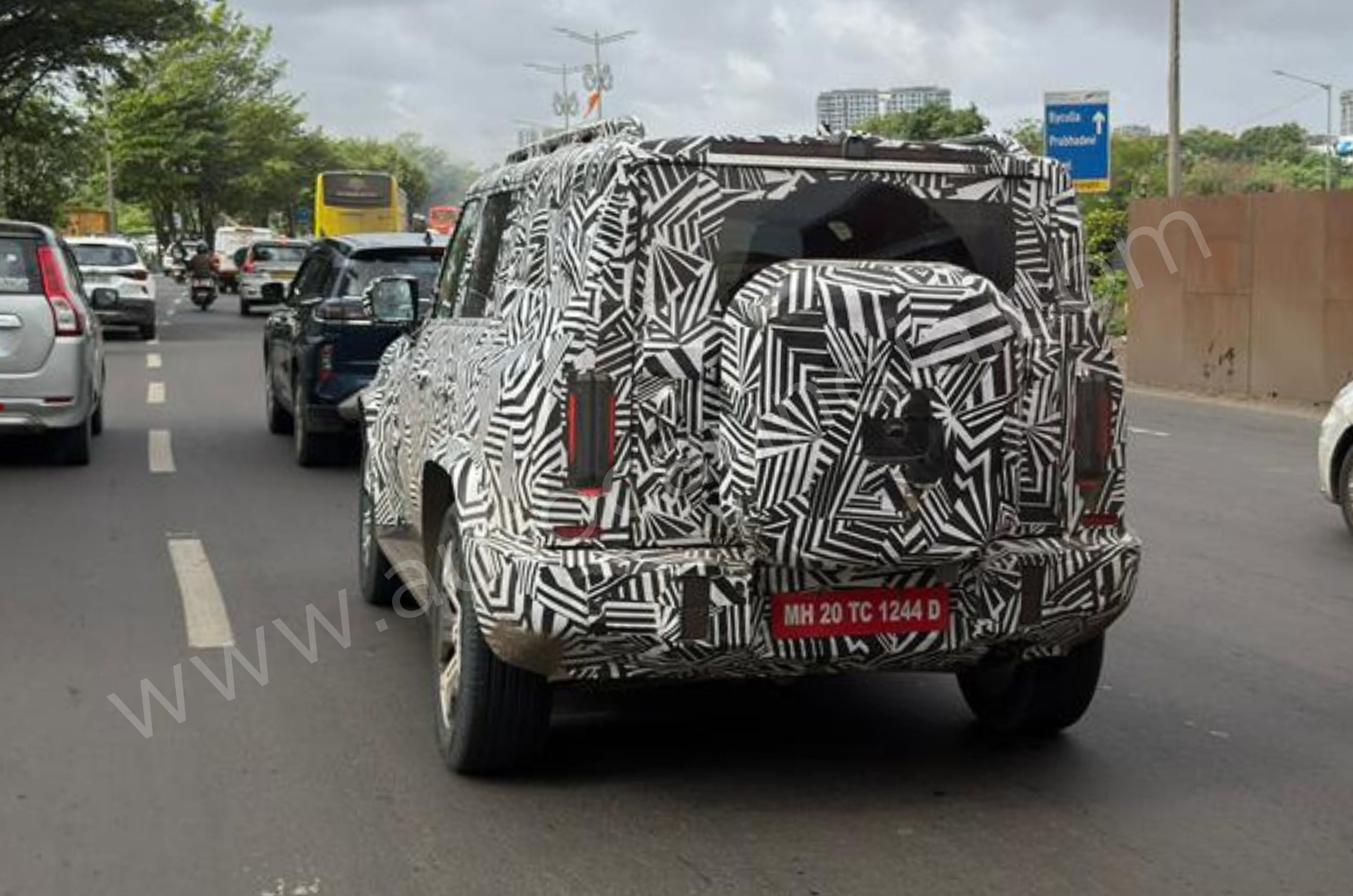
A camo-clad test mule of JSW Motors‘ upcoming SUV based on the Jetour T2 was recently spied on our roads. The T2-based model will be JSW Motors’ debut offering, and it will be offered with a plug-in hybrid powertrain. It will be assembled at JSW Motors’ Chhatrapati Sambhajinagar (formerly Aurangabad) plant in Maharashtra.
Going by the spy shots, the design resembles that of the T2 sold overseas. Even the design for the tail-lights, roof rails and wheels look similar. A design patent filed in India earlier this year suggests the JSW SUV could retain most of the T2’s design elements, while replacing the Jetour branding with the carmaker’s own.
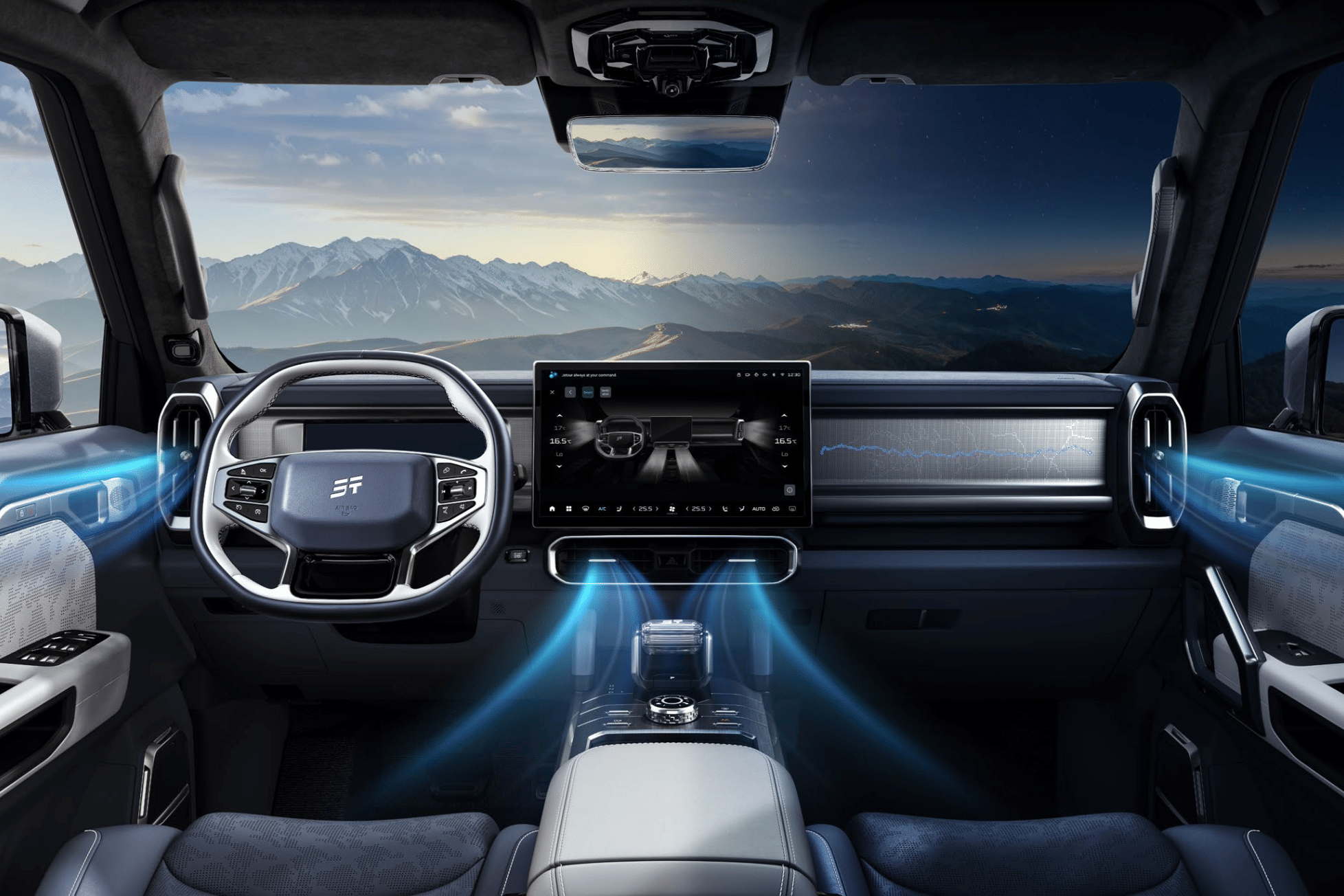
The SUV’s interior was not seen, and specifics around the feature list are currently unknown. The global-spec Jetour T2, for reference, gets a massive 15.6-inch touchscreen, a 540-degree camera, Level 2 ADAS, a panoramic sunroof, a Sony surround-sound system, ambient lighting, a wireless charging pad, a powered tailgate and more.
International-spec Jetour T2’s interior shown for representation.
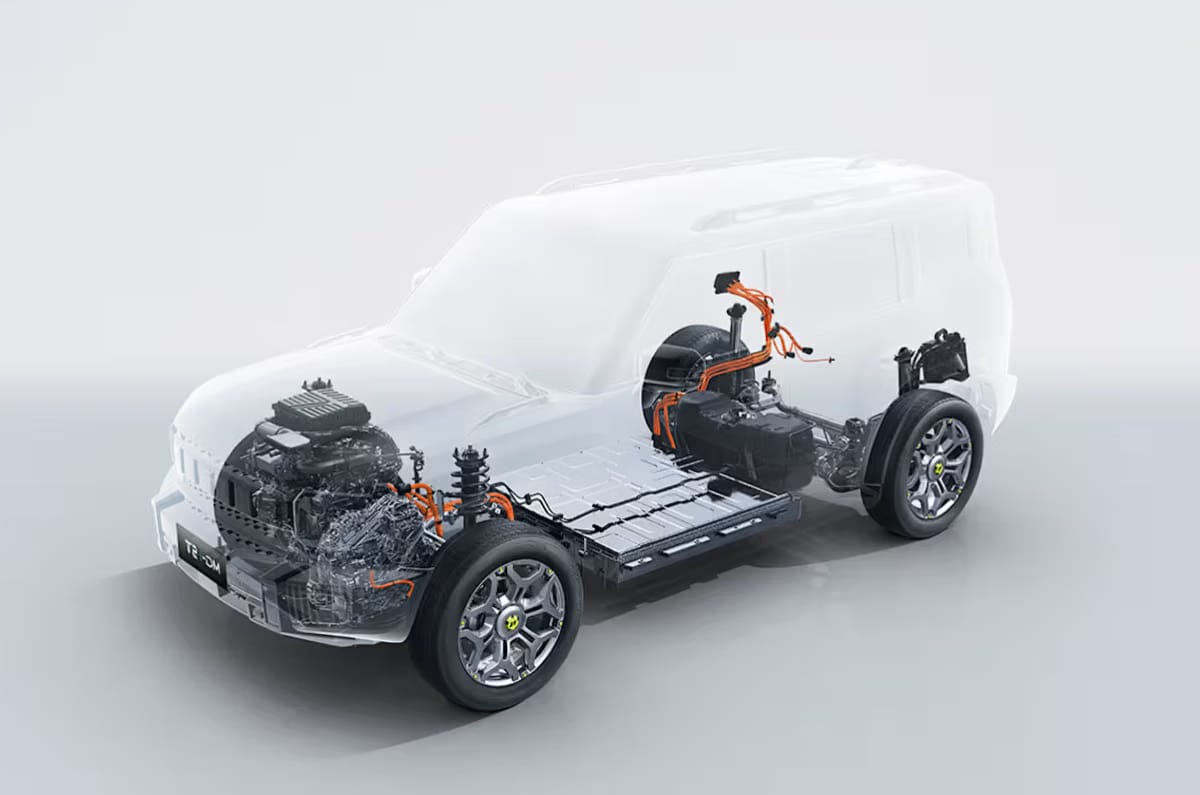
The JSW SUV is expected to use the Jetour T2 i-DM’s plug-in hybrid powertrain, which features a 1.5-litre direct-injection turbo-petrol engine, and a 26.7kWh battery pack which powers two electric motors. One of the motors is placed on the front axle and can drive the wheels. The other motor, meanwhile, is integrated into the gearbox to provide assistance during engine starting and torque fill during gear shifts.
The Jetour T2 plug-in hybrid’s combined output stands at 381hp and 610Nm and transmission duties are handled by a 3-speed dedicated hybrid transmission (DHT). The global-spec T2 i-DM has an NEDC-rated electric-only range of 139km, while the combined range is over 1,000km (brand claimed figure). As of now, the range figures for the JSW Motors SUV are not known.
JSW Motors’ Jetour T2-based SUV: Estimated price and rivals
We expect JSW Motors’ Jetour T2-based SUV to be priced between Rs 38 lakh and Rs 40 lakh, ex-showroom. At this price, it will find itself in the company of the Skoda Kodiaq and Volkswagen Tayron. However, among ICE SUVs in this price range, the T2-based SUV is expected to offer significantly more power and torque than its rivals.
As for the launch, our sources had earlier indicated a September timeline, but JSW Motors has not yet made any official announcement. Recent reports, meanwhile, suggest that the company will launch its first passenger vehicle in January 2027.
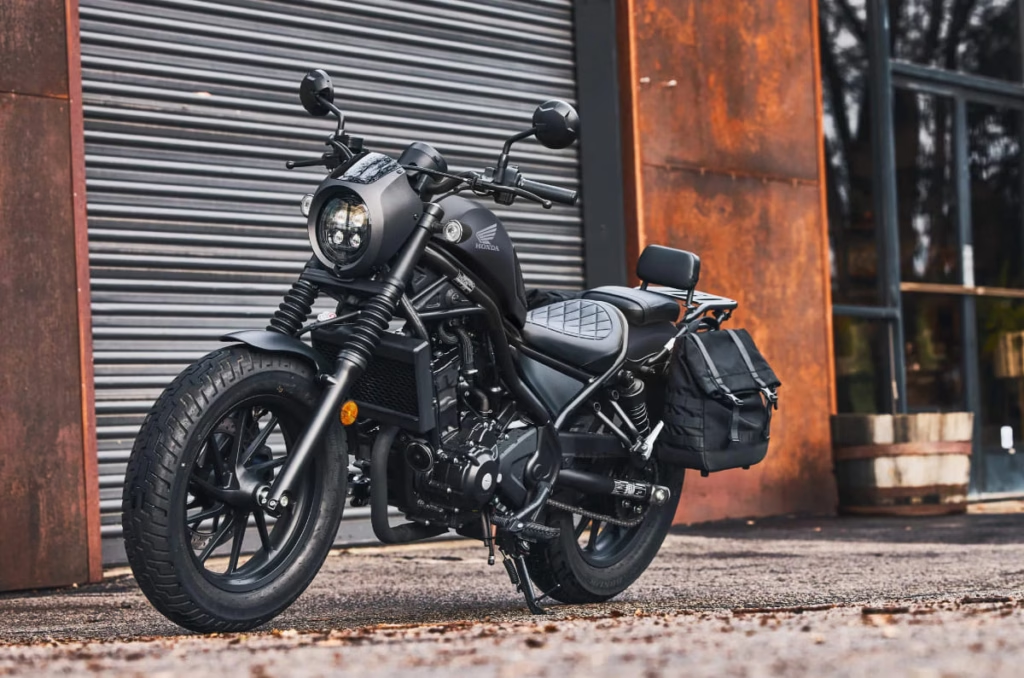
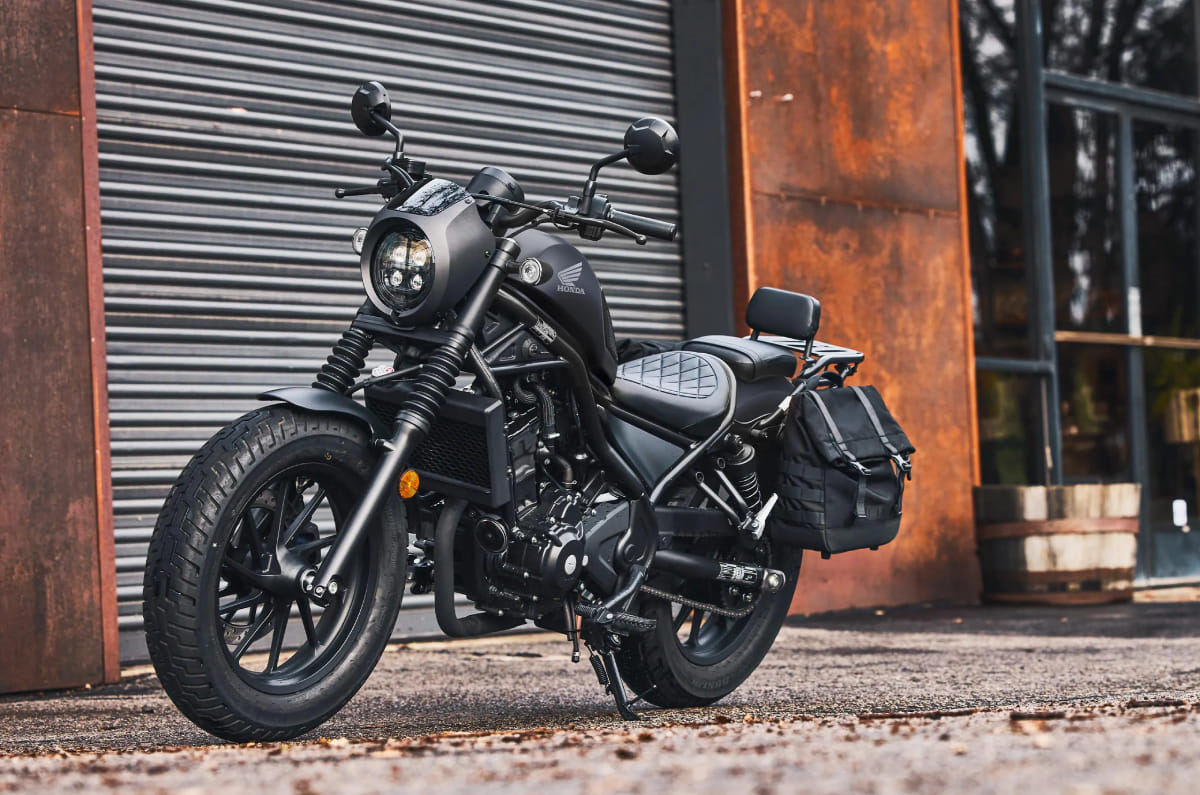
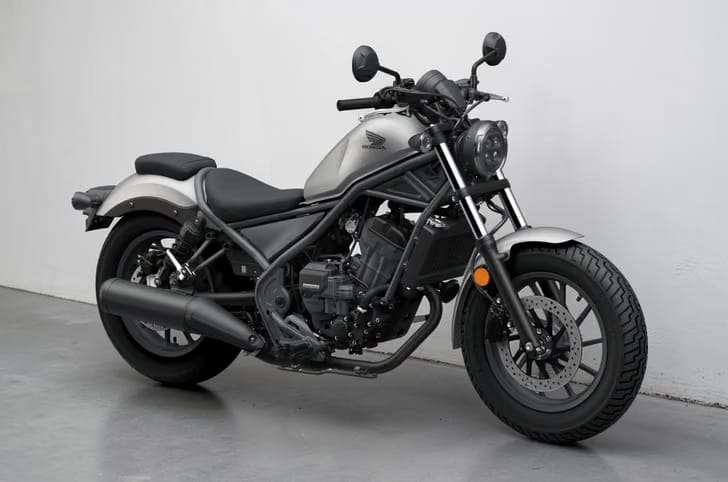
The Honda Rebel 300 is available in two variants – Standard and E-Clutch – both of which share the same 286cc liquid-cooled single-cylinder engine, chassis, styling and feature set.
Honda Rebel 300 variant breakdown
Standard
The Rebel 300 Standard is powered by a 286cc liquid-cooled single-cylinder engine producing 30hp and 27.5Nm, paired with a 6-speed gearbox and a conventional hydraulic clutch operated via a handlebar lever. Features include a circular TFT display with Honda RoadSync connectivity and turn-by-turn navigation, full LED lighting with a projector headlamp and dual-channel ABS. The Standard variant is priced at Rs 2.22 lakh (ex-showroom, Bengaluru).
E-Clutch
The E-Clutch variant is mechanically and visually identical to the Standard, with one addition – Honda’s E-Clutch automated clutch system. The E-Clutch uses actuators to automatically operate the clutch, allowing the rider to change gears without using the clutch lever. It does not make the Rebel 300 a fully automatic motorcycle – the rider still selects gears manually using the gear lever – but the system handles clutch engagement and disengagement on its own.
Crucially, the clutch lever is retained and can be used manually whenever the rider chooses, retaining the conventional usability of the clutch lever. The E-Clutch variant is priced at Rs 2.62 lakh (ex-showroom, Bengaluru) – a substantial Rs 40,000 premium over the Standard.
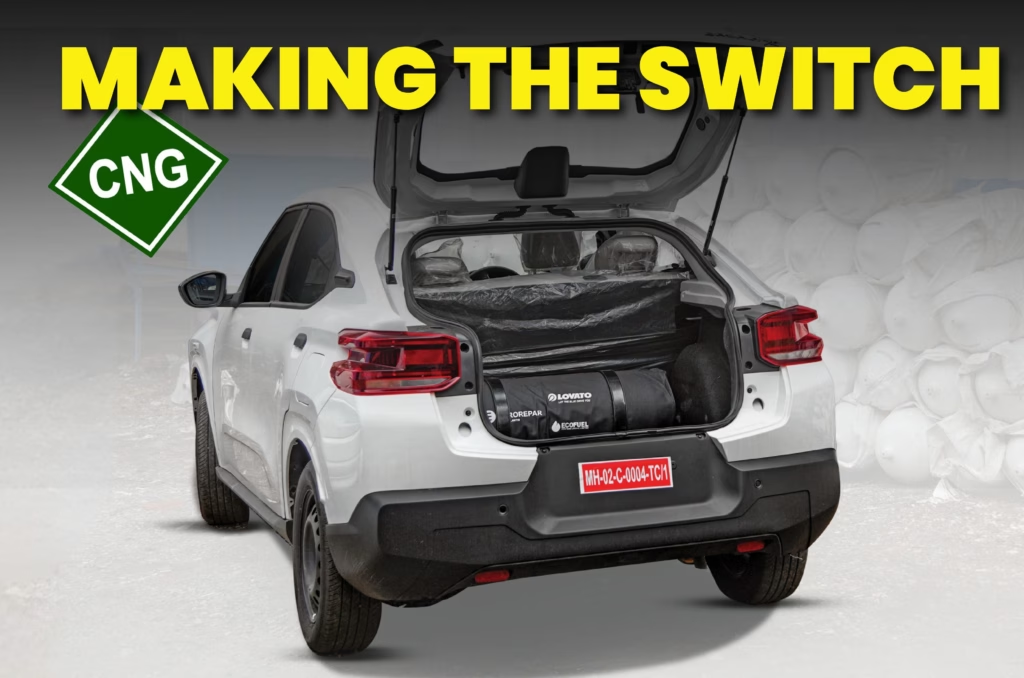
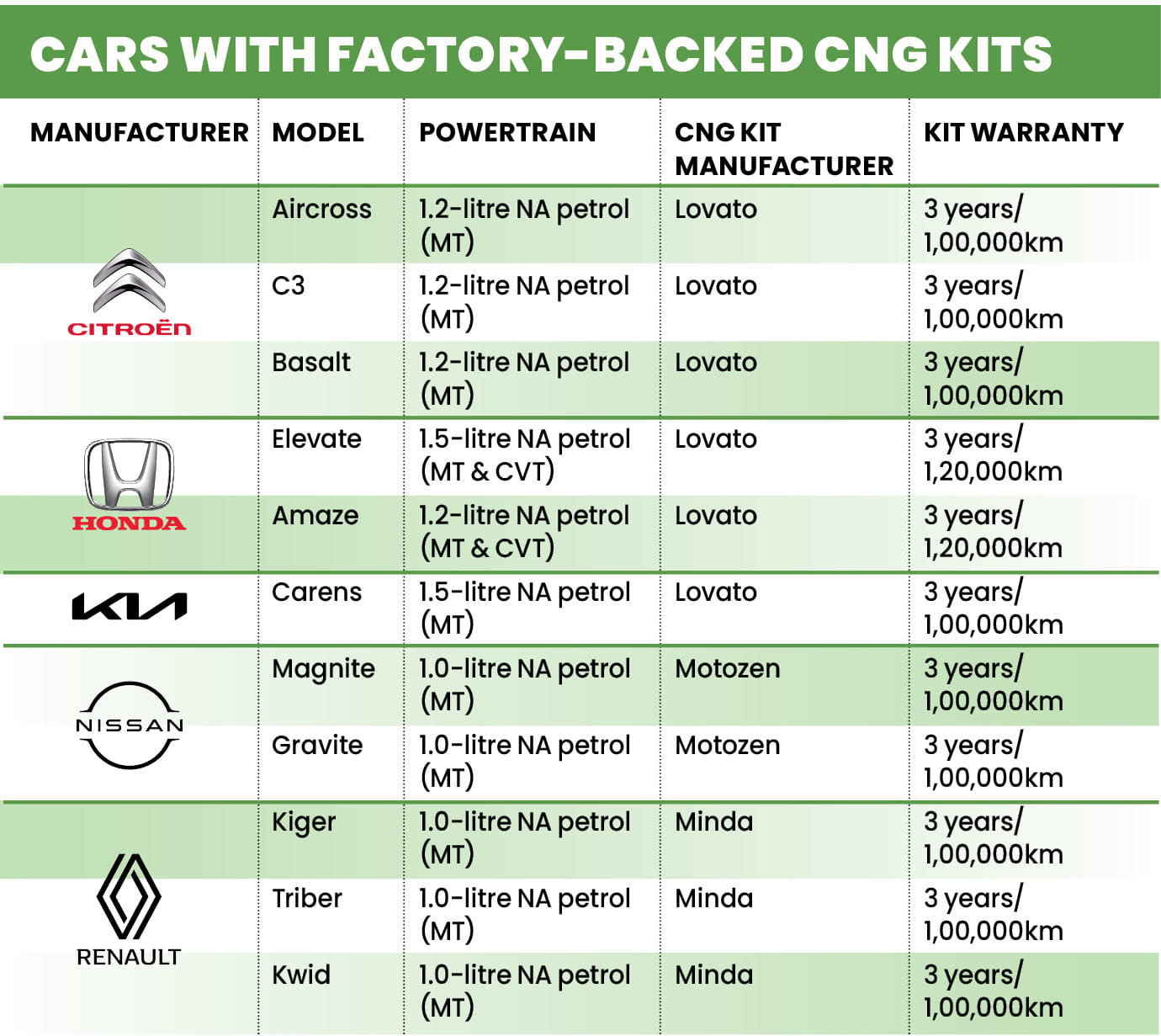
While aftermarket CNG conversions are not new, with the rise in fuel prices, there has been a noticeable spike in interest surrounding them. Although there are more factory-fitted CNG cars on the market than ever before, several models still do not give you the option. Not to mention, existing car owners are increasingly looking to convert their cars to CNG to reduce running costs.
Naturally, this increased interest brings up several questions about the technology, the installation, the legalities and more. We thus teamed up with Lovato CNG’s authorised distributor in Maharashtra, Blue Drive Traders, as well as Lets Go CNG and its authorised installer in Mumbai, M.S Motors, to answer questions about CNG conversions.
Know your CNG kit
There are three broad types of kits available on the market today. The oldest is the Venturi type, typically used for cars that are Bharat Stage 3-compatible and older. These use a Venturi mixer, similar to a carburettor, that mixes CNG with air before it is injected into the intake manifold. They are the most affordable, usually costing between Rs 30,000 and Rs 40,000, including installation and registration, but they are not the most efficient and bring a significant drop in performance. Since the cars they are compatible with are also reaching the end of their lifecycle, these kits are gradually being phased out.
Modern naturally aspirated MPFI cars require a sequential type kit. These use individual injectors that inject CNG directly into the intake manifold and feature their own ECU that controls timing, volume and other parameters based on RPM and driver inputs. These are much more fuel-efficient, and the drop in performance is nominal in everyday driving conditions. Like the older Venturi kits, these too require the car to be started on petrol before switching over to CNG. However, they automate the process by making the switch once a certain engine temperature is reached. Prices vary depending on the manufacturer and the specifications of each kit, ranging from Rs 40,000-Rs 50,000 for older BS4 cars, to Rs 50,000-Rs 65,000 for smaller BS6 cars, stretching to Rs 70,000-Rs 75,000 for larger cars that require an eight-injector kit.
The newest type of kit to hit the market is the direct-injection kit, used for cars with direct petrol injection. Like sequential kits, these too inject CNG into the intake manifold. However, direct-injection engines cannot run purely on CNG. The fuel injectors in a DI engine sit within the combustion chamber, so to prevent them from overheating, a small amount of petrol still needs to be injected through them even when running on CNG. Therefore, a turbocharged direct-injection engine can only run on a maximum 80:20 ratio of CNG and petrol. As a result, fuel efficiency gains are not quite as high as with a naturally aspirated engine, and kit prices range from Rs 1 lakh to Rs 1.5 lakh, thus pushing the breakeven point further away.
What’s in the box?
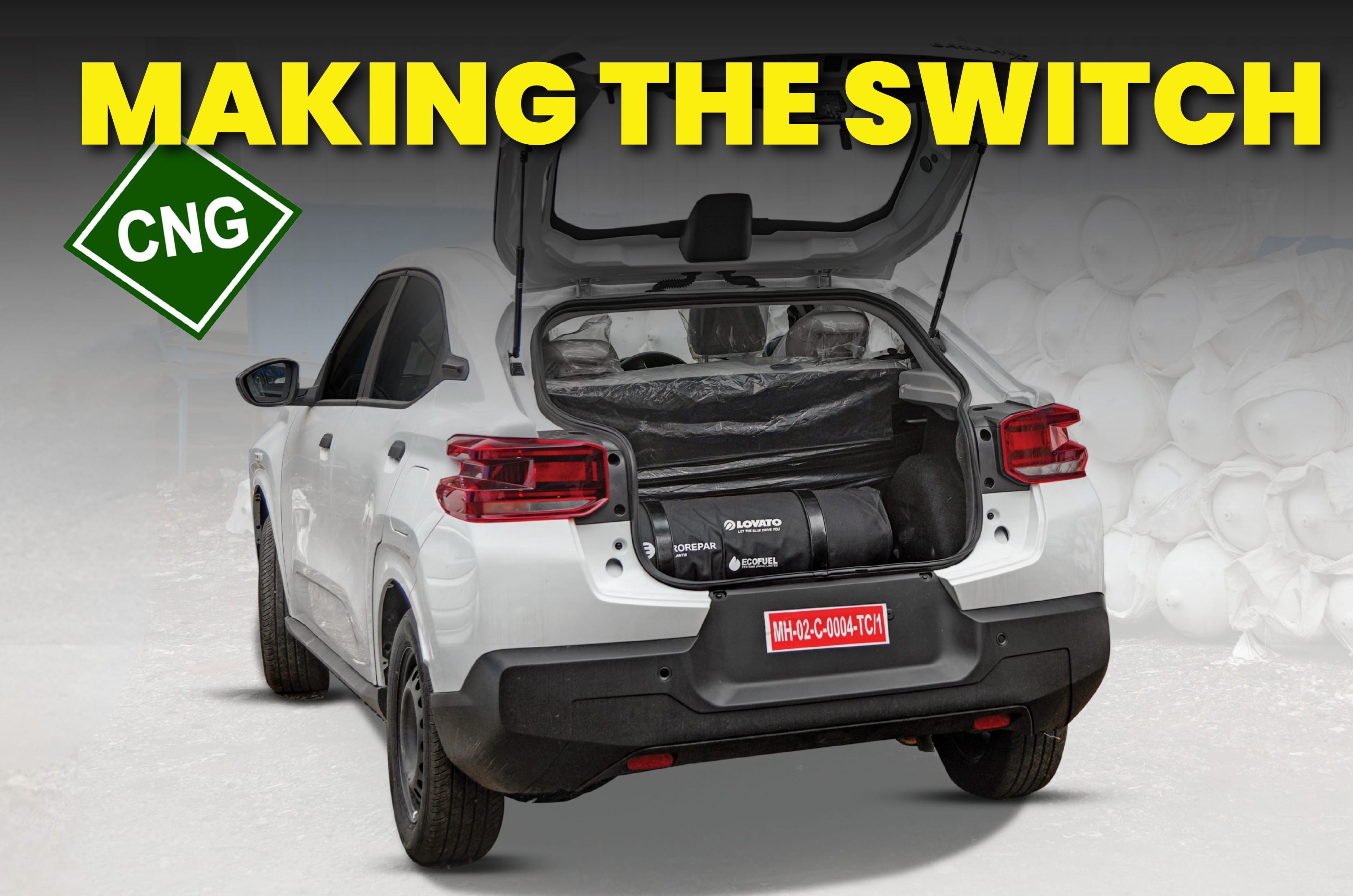
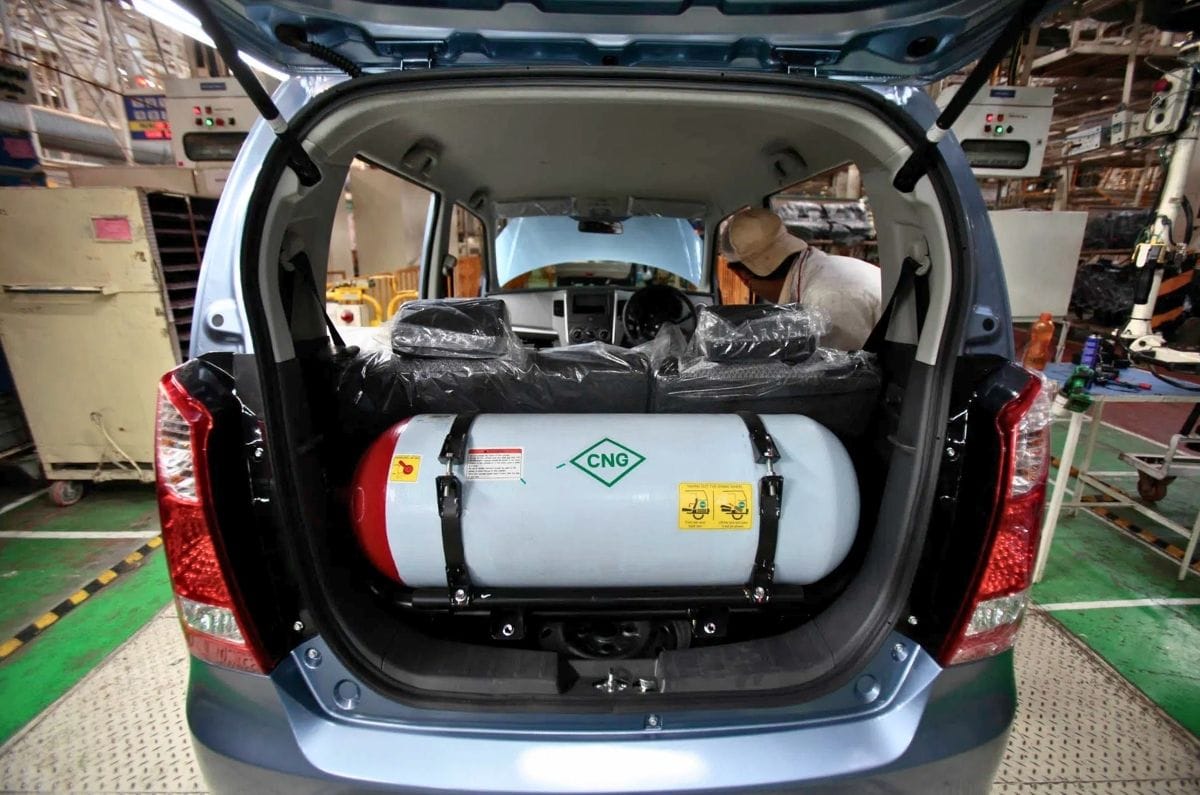
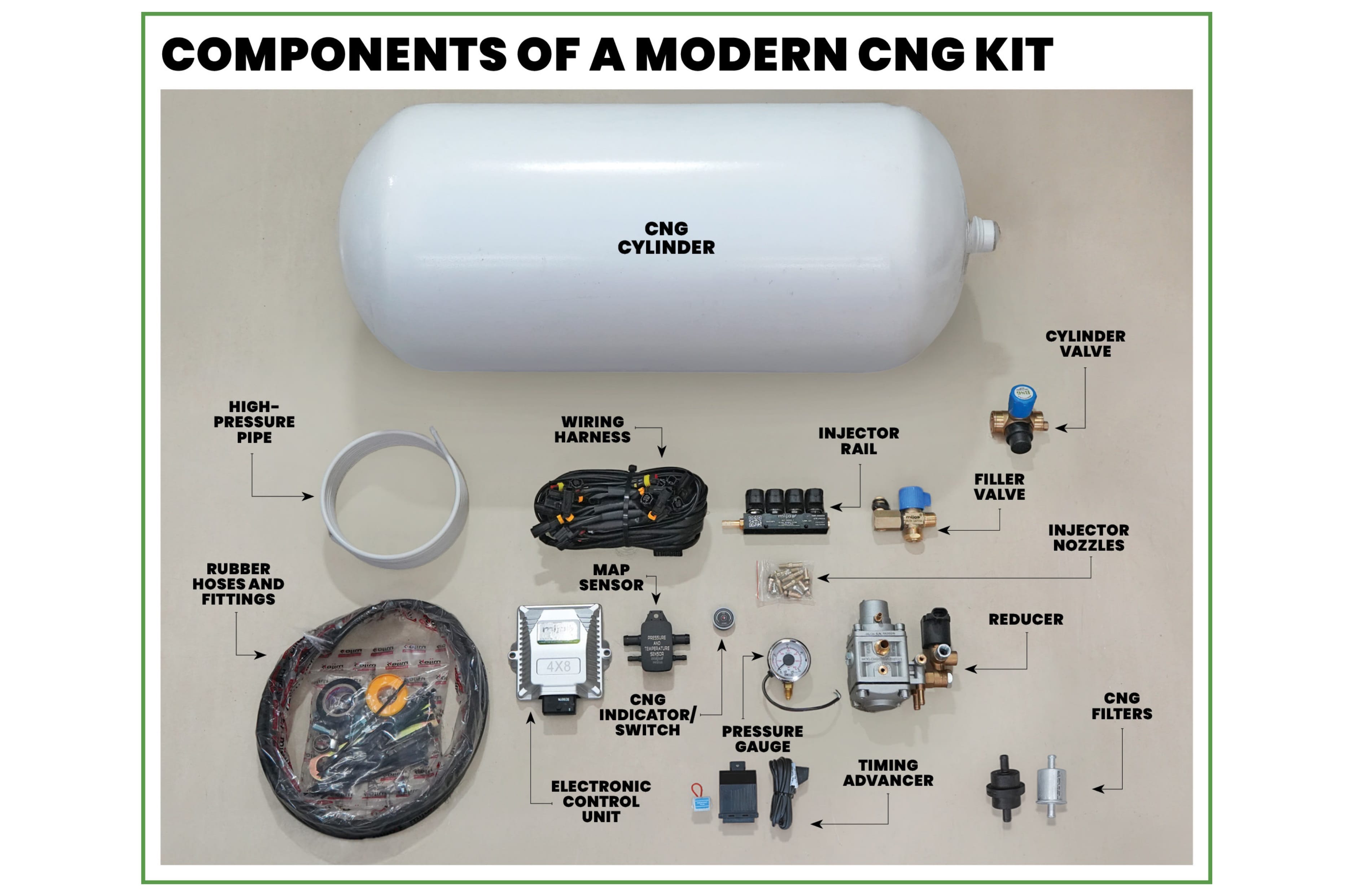
The largest and heaviest component of a typical CNG kit is the tank itself. Made from seamless steel, these can weigh close to 70kg empty, with volumetric capacities ranging from 60 to 65 litres. Metal-lined composite cylinders and carbon fibre-reinforced plastic cylinders are also now available, and while they are significantly lighter, they usually cost two or three times more. Attached to the tank is a valve with a manual shut-off.
The filling valve, through which CNG is filled, can either be placed under the bonnet or beside the petrol filler cap, depending on the vehicle. Transporting the gas from the tank to the pressure reducer under the bonnet is high-pressure tubing made from carbon steel and coated in polymers. The reducer has a pressure gauge and lowers gas pressure from about 200bar in the tank to a manageable 2-3 bar. From here, the gas is routed to the injector rail that sits atop the engine, which further distributes it to nozzles drilled into the intake manifold via reinforced rubber hoses. Between the reducer and the injector rail sits a Manifold Absolute Pressure (MAP) sensor to measure the pressure as well as the temperature of the gas. There is also an optional filter to remove any impurities in the line.
Controlling the injector rail is an Electronic Control Unit (ECU) that uses signals from the MAP sensor and communicates with the car’s original ECU to dictate the amount of CNG being injected and the timing. Modern kits also come with a comprehensive wiring harness that can plug into the car’s original wiring via OBD connectors. Older pre-BS6 cars, however, may require some wire splicing. Optionally available is an Advancer, which advances ignition timing when running on CNG and negates some of the power loss, particularly on smaller-capacity engines. Some sedans and hatchbacks also require a rear coil spring spacer to compensate for the added weight of the tank in the boot.
How a CNG kit is installed
A professional CNG installation takes around 4 to 5 hours to complete. Here’s what happens behind the workshop doors.
Health check
The engine is inspected to ensure it’s suitable for CNG conversion. A basic service is performed if required, with spark plugs and ignition coils replaced as needed and the throttle body cleaned.
Components positioned
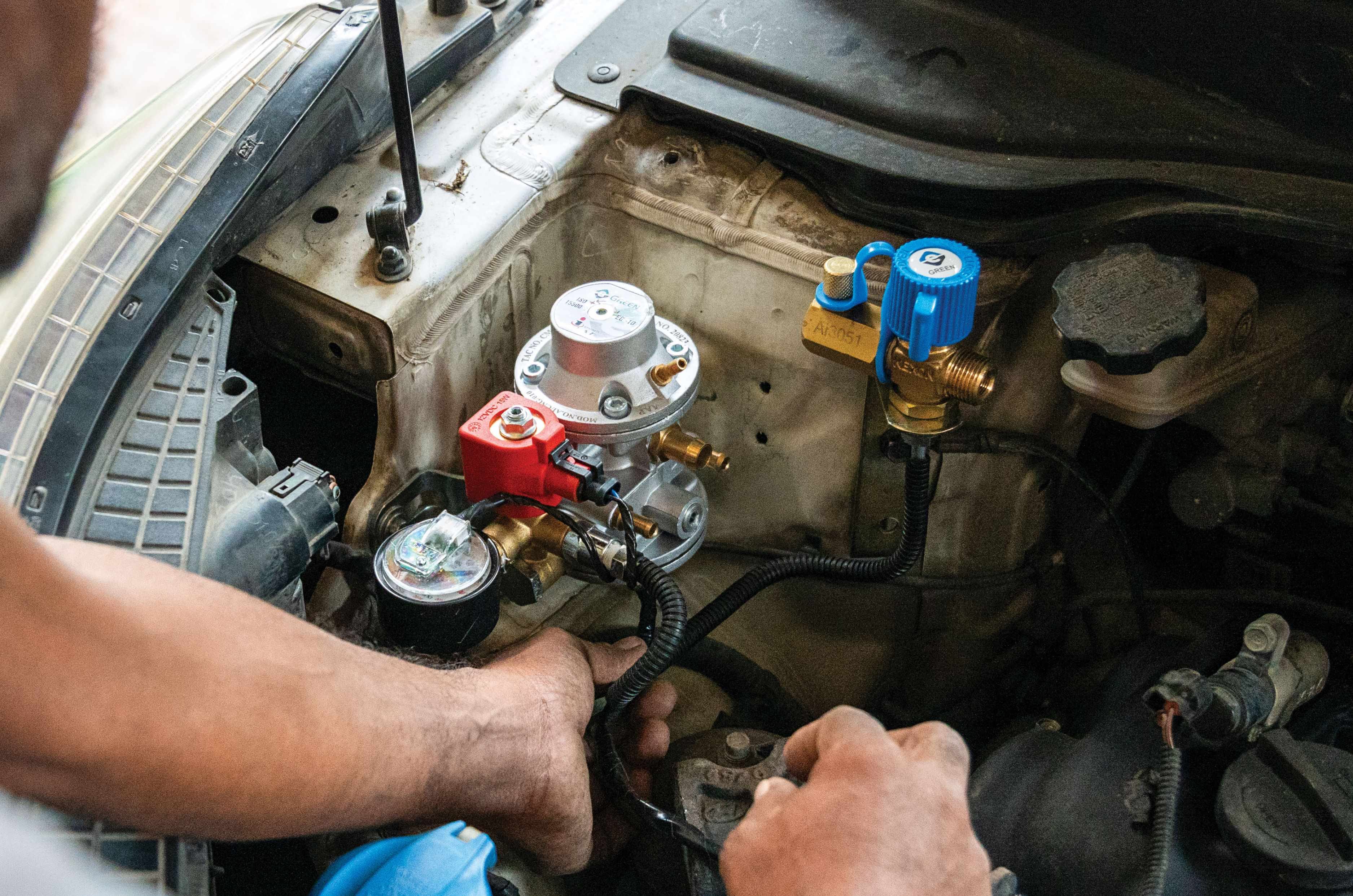
The reducer and its pressure gauge are mocked up in the engine bay before mounting points are marked and drilled. The filler valve may be located alongside them or next to the petrol filler cap, depending on the vehicle.
Injectors installed
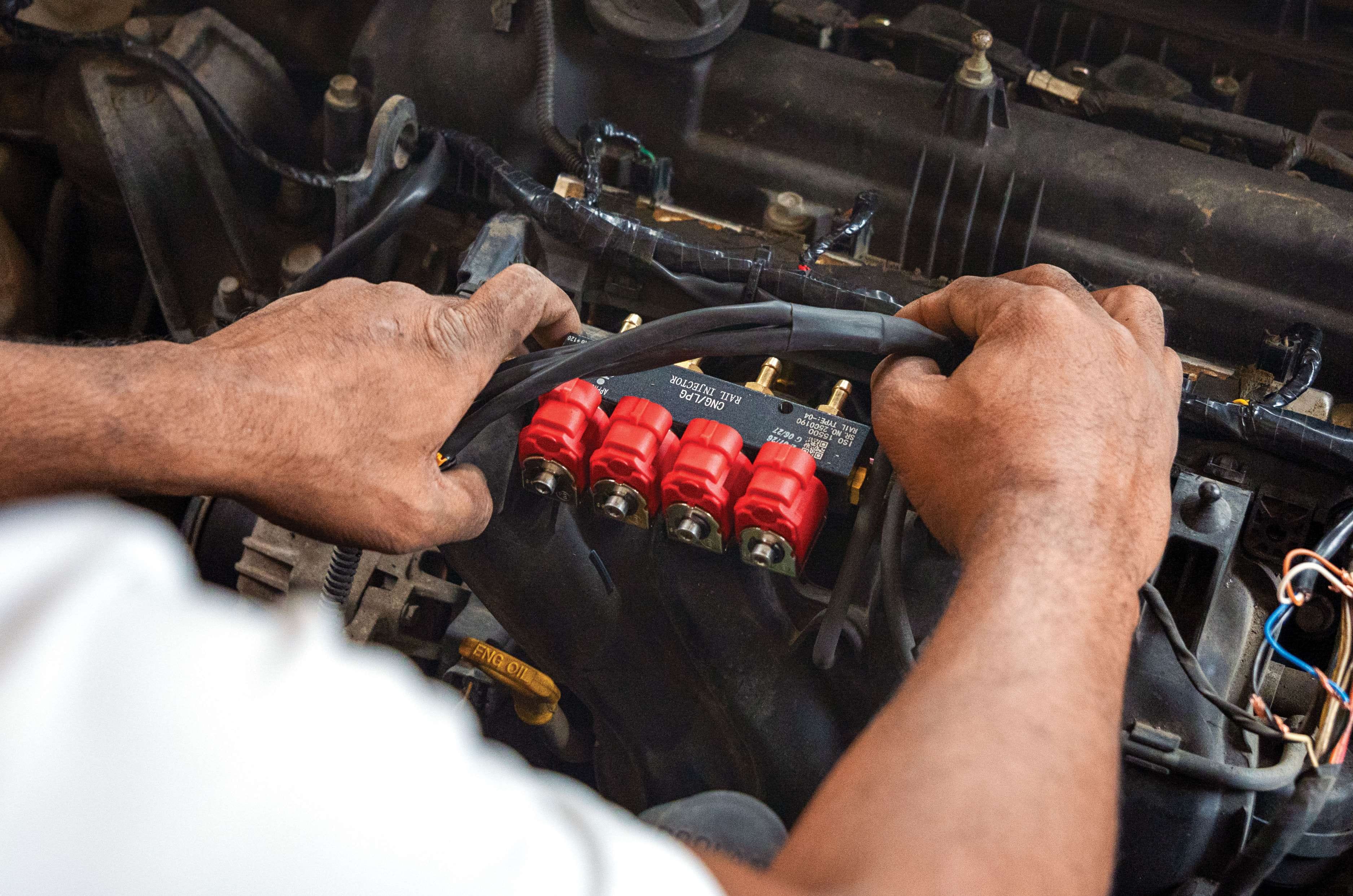
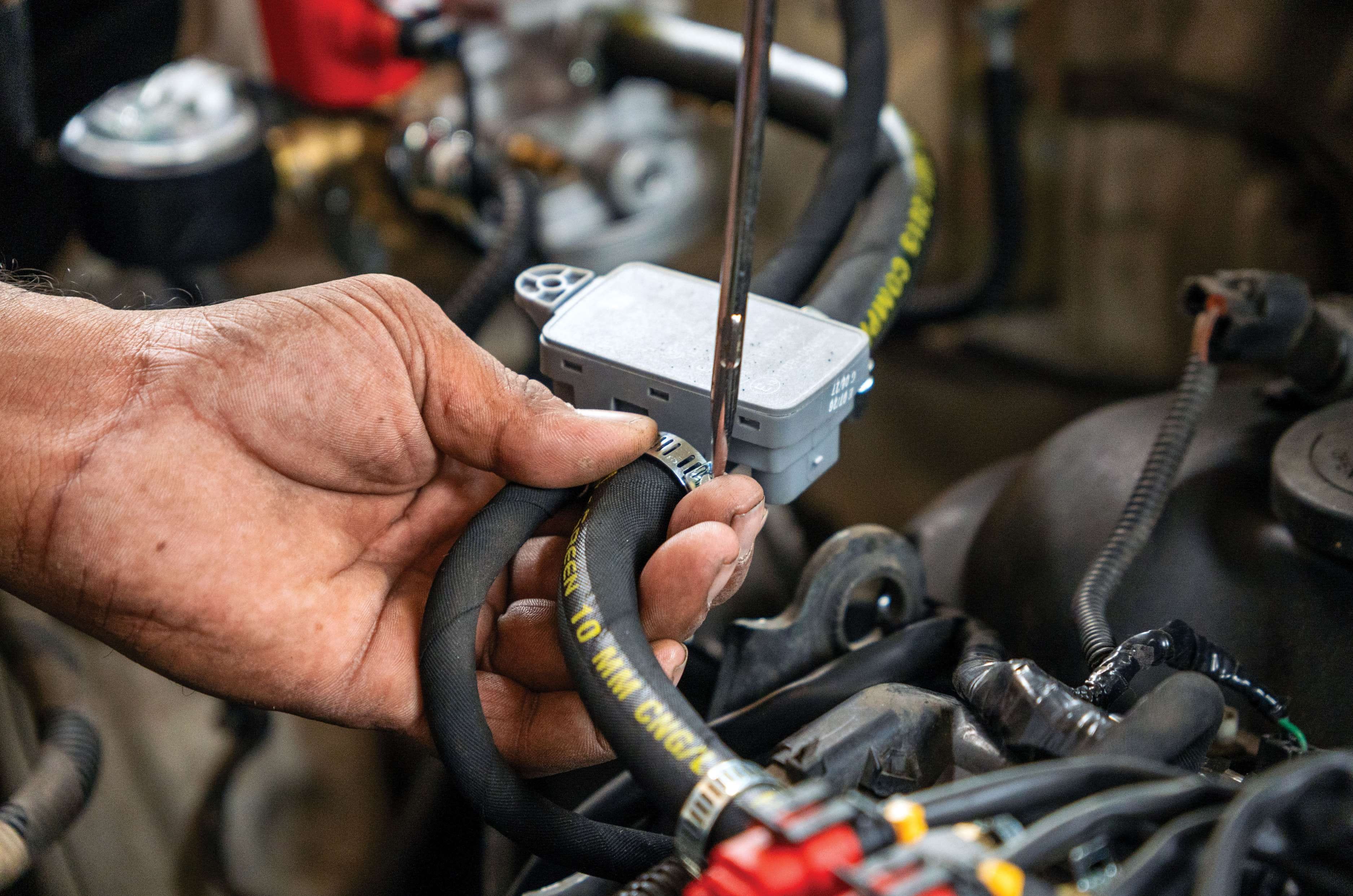
The CNG injector rail is mounted on its dedicated bracket close to the petrol injectors. This will send CNG to corresponding nozzles that are drilled and fitted into the vehicle’s plastic intake manifold.
ECU wired in
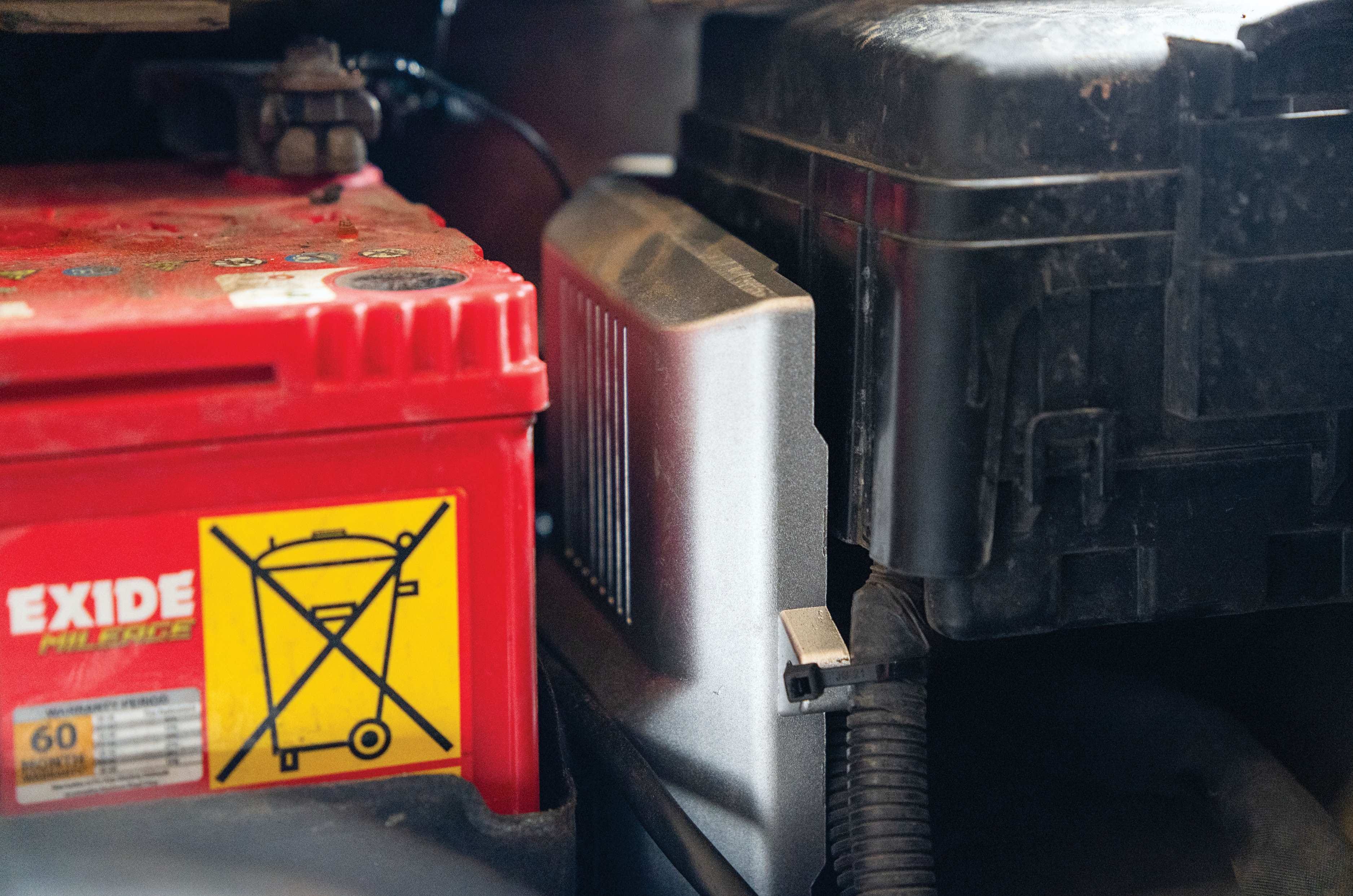
The CNG ECU is mounted alongside the factory ECU and connected to the vehicle’s wiring loom. The harness is neatly routed and secured away from heat and moving parts.
Plumbing completed
Reinforced rubber gas hoses are cut to length and connected between the reducer, injector rail and the intake manifold. A MAP sensor and a filter are also installed as part of the system.
Tank prepared
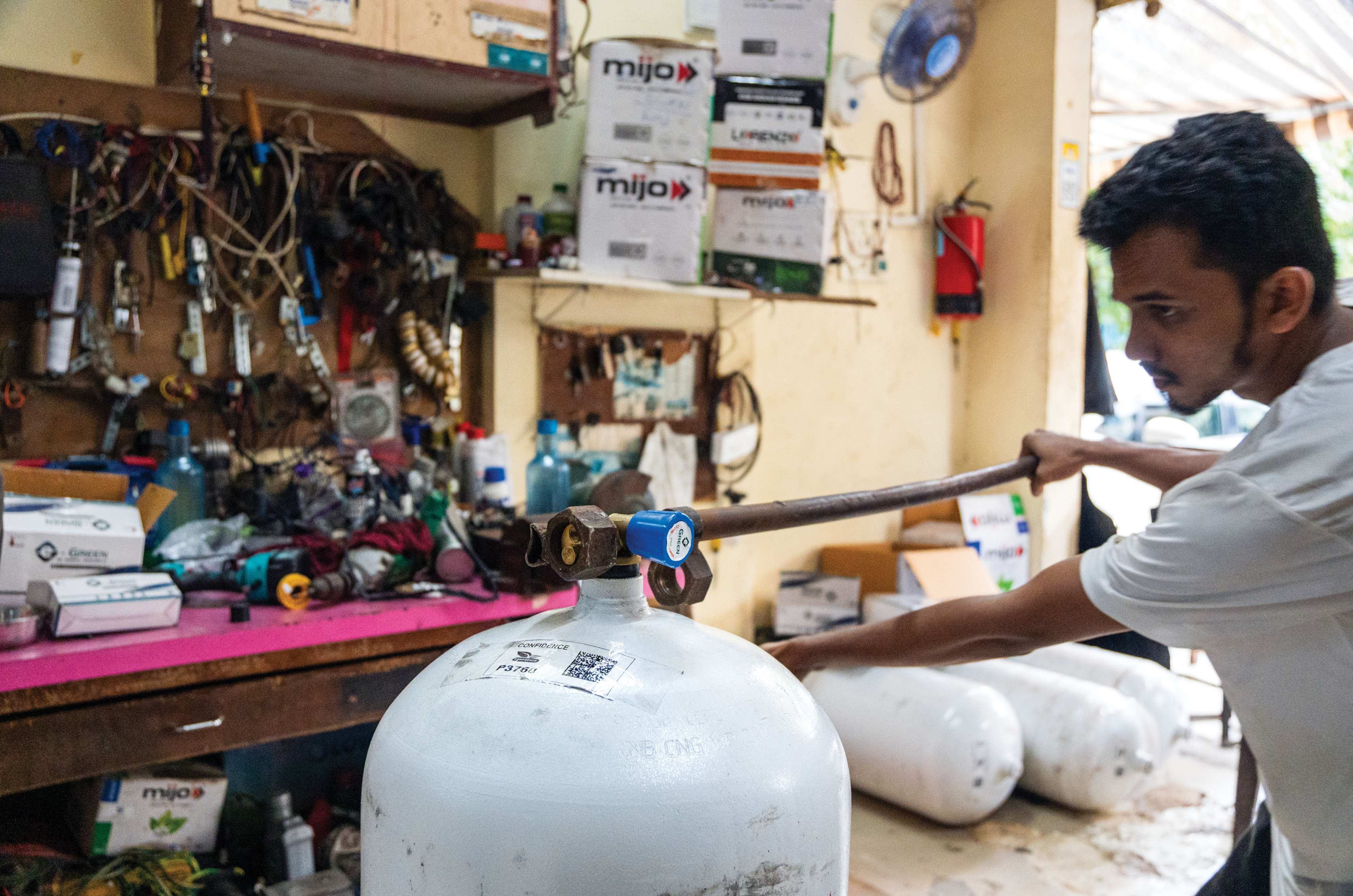
The CNG tank is temporarily mounted to a rig that holds it in place while the shut-off valve and associated fittings are installed before everything is torqued down.
Tank frame installed
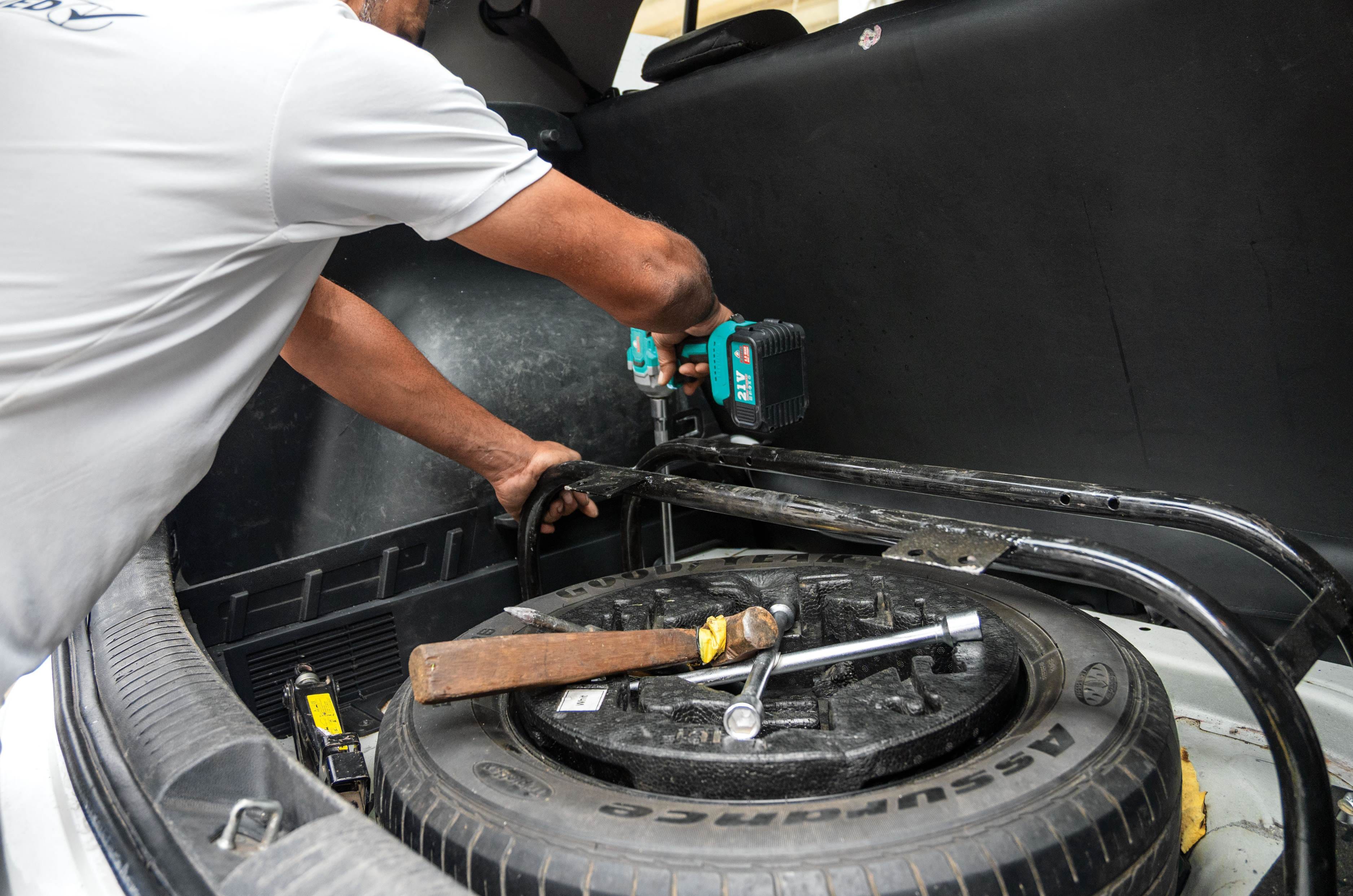
The mounting frame is positioned inside the boot, holes are drilled through the floor, and reinforced brackets securely bolt it to the vehicle’s structure.
Tank fitted
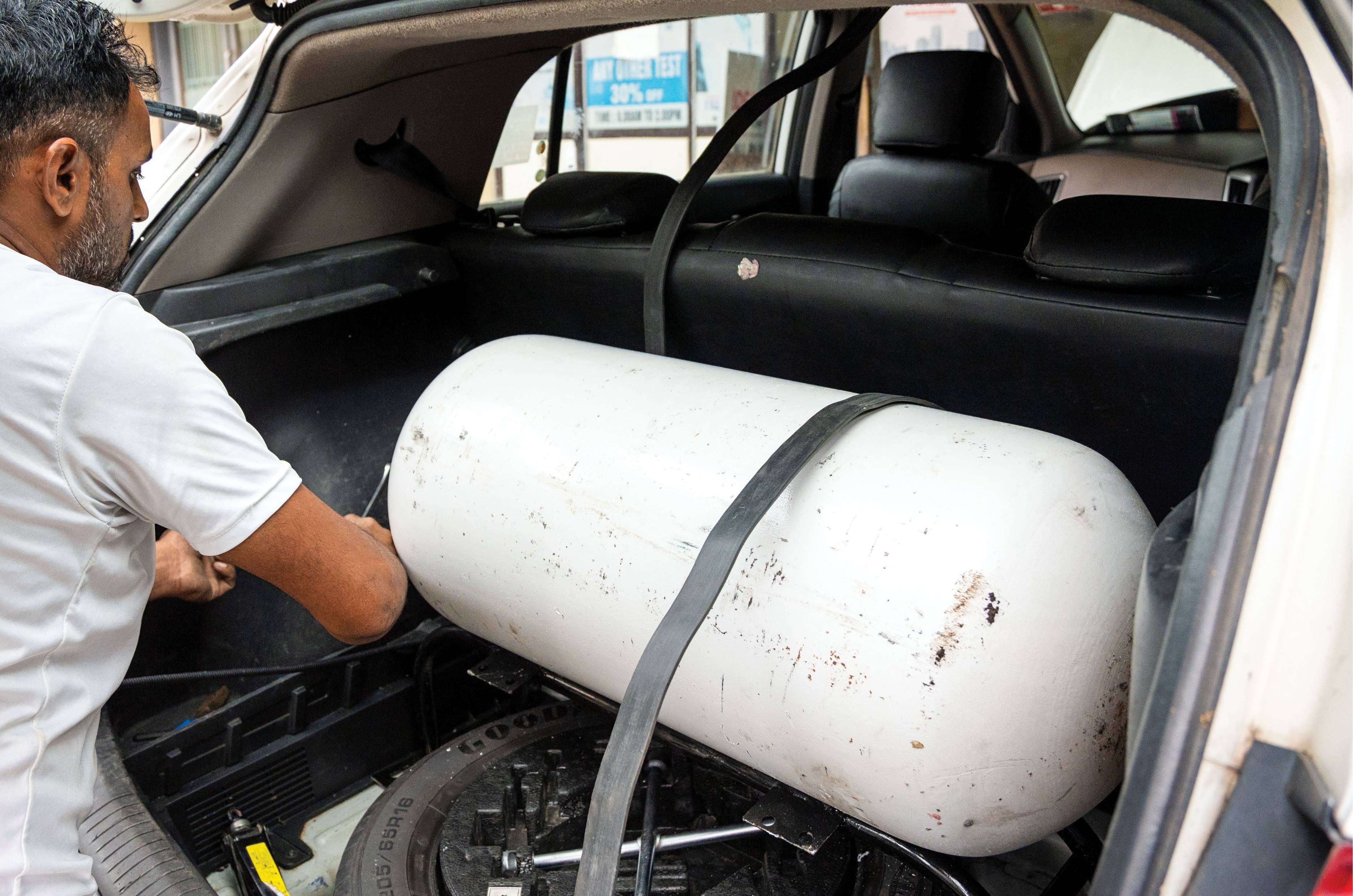
The CNG cylinder is secured to the frame using heavy-duty metal straps and bolts before being covered with a carpeted shroud for a neat factory-like finish.
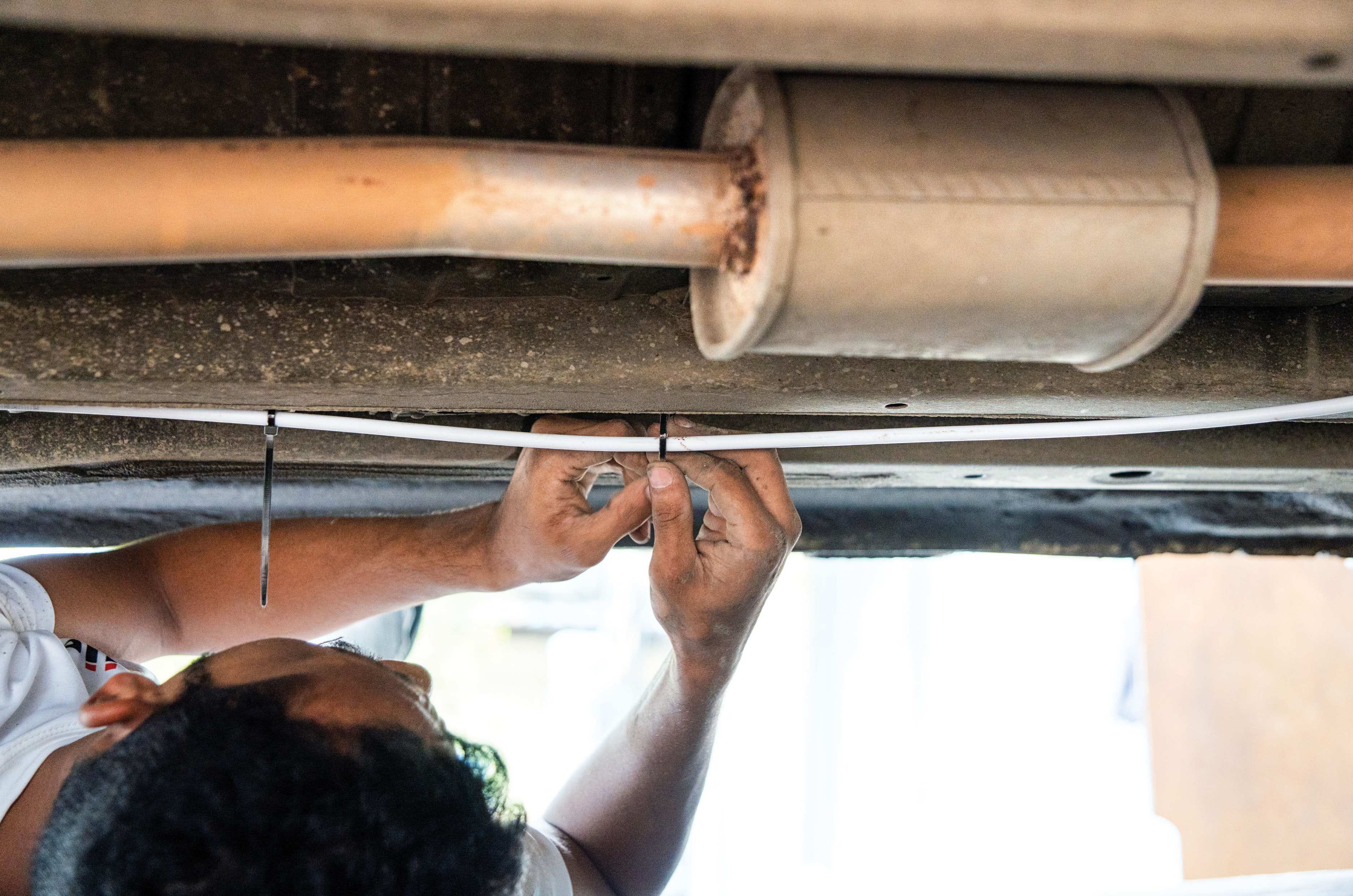
High-pressure line routed
Polymer-coated steel high-pressure pipes are routed beneath the car, connecting the CNG filler valve, the tank and the reducer under the bonnet.
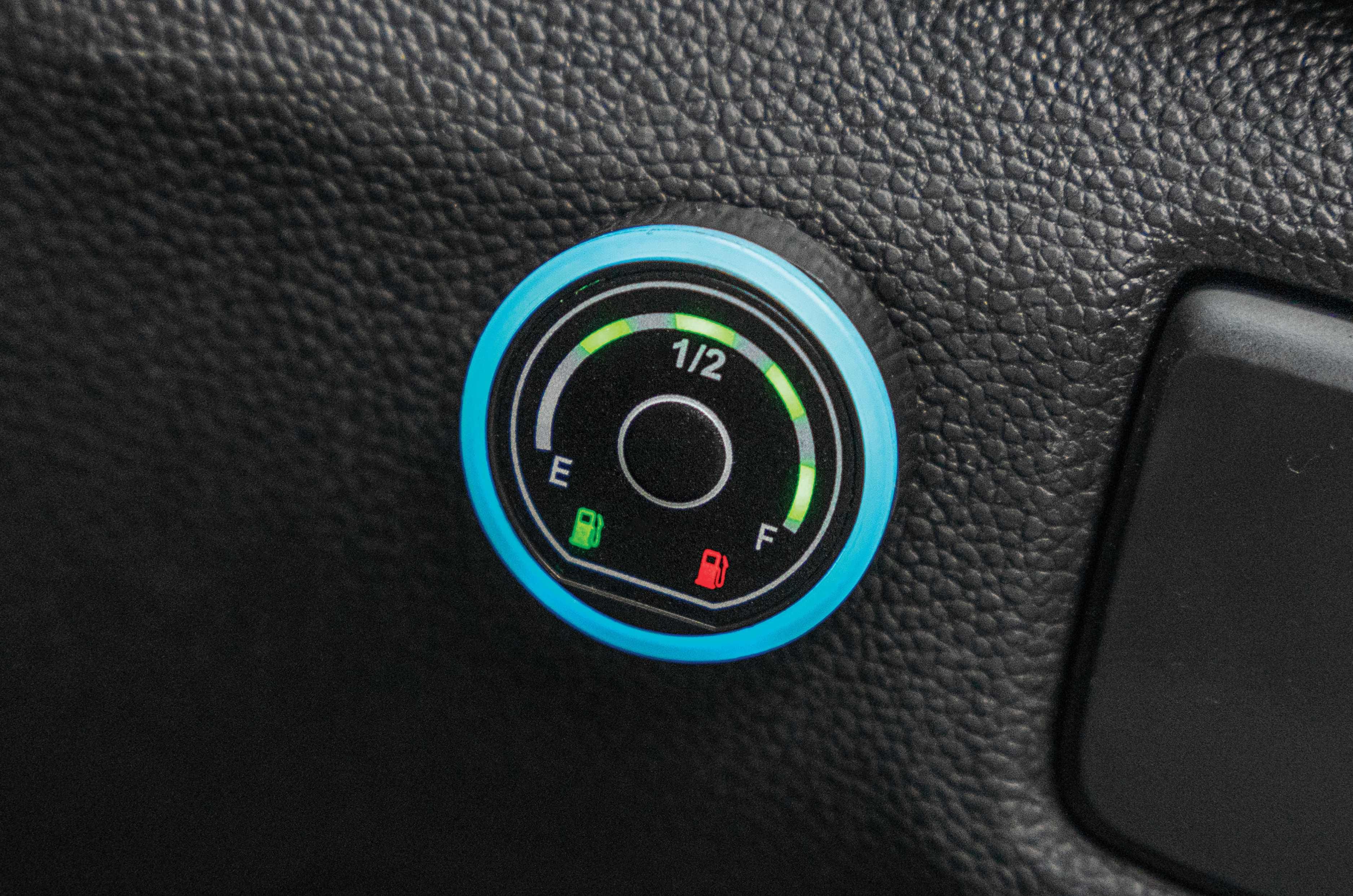
Electrical connections
The remaining wiring is completed and a dashboard-mounted CNG switch is installed, allowing the driver to monitor fuel level and switch between petrol and CNG.
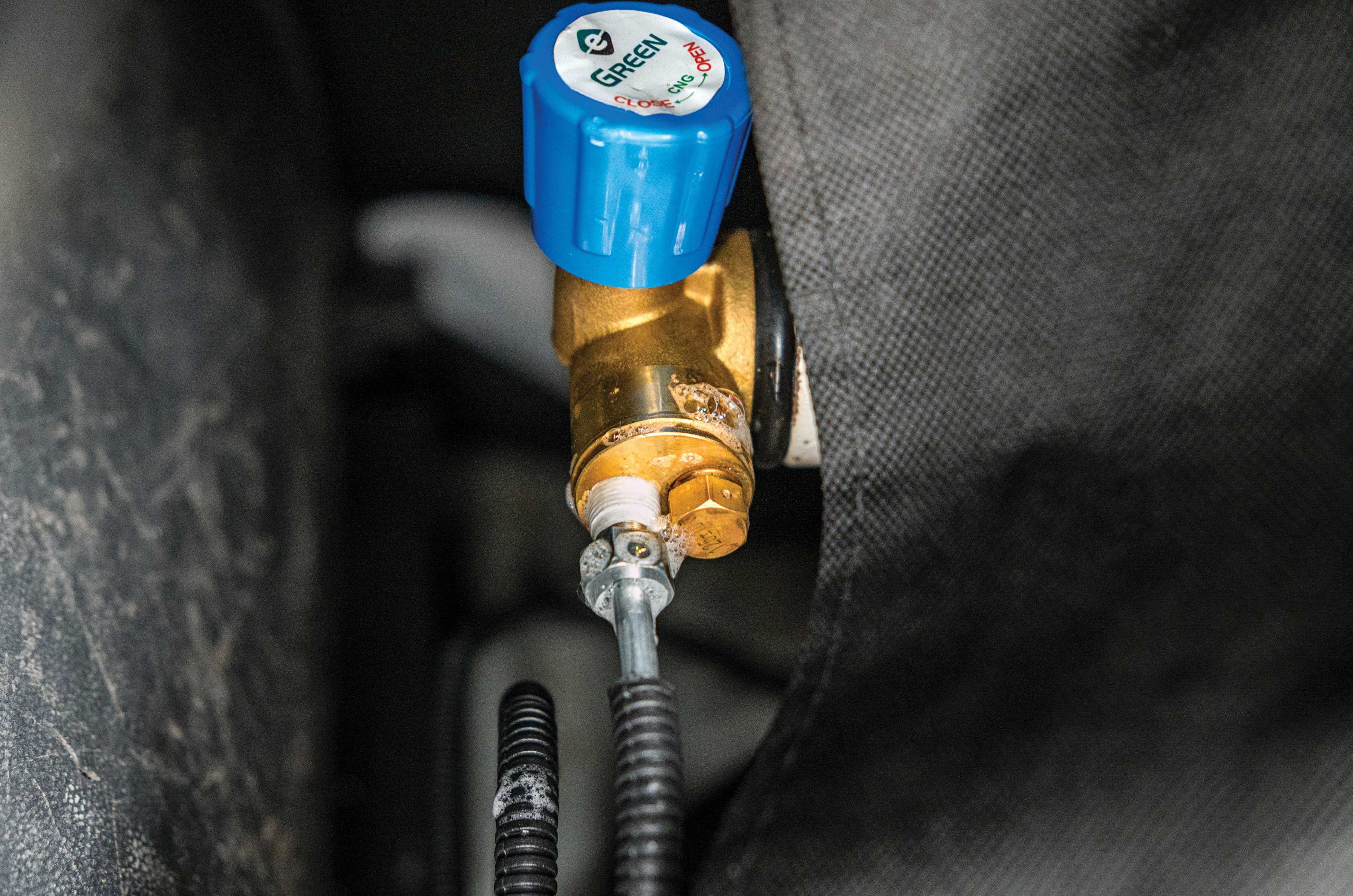
Leak test
Around 2kg of CNG is added and every connection is checked using an electronic gas detector and good old-fashioned soap solution to ensure the entire system is leak-free.
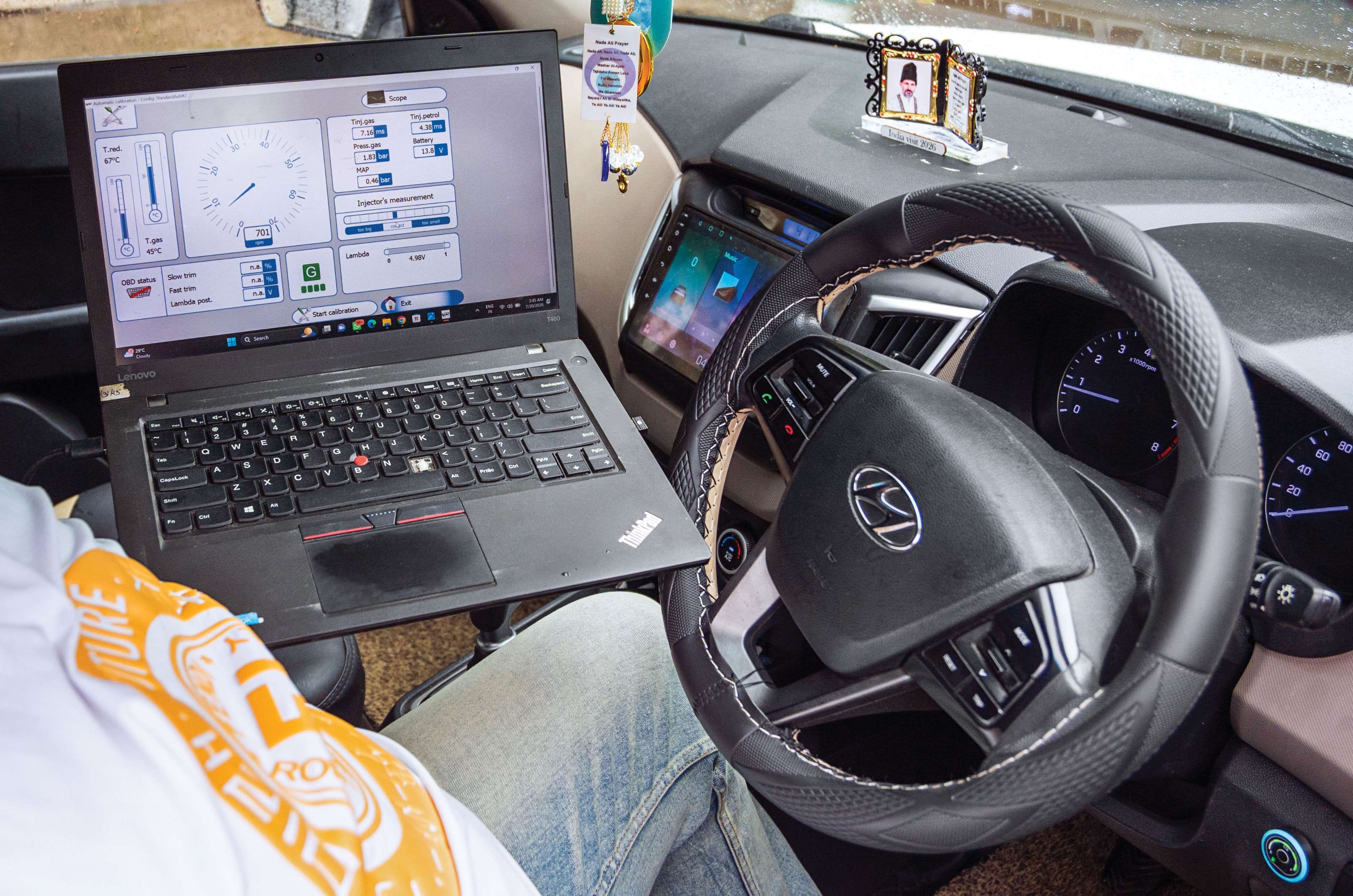
Calibration and road test
The system is calibrated using dedicated software to optimise fuel delivery and switchover settings. A final road test confirms performance before the vehicle is delivered to the customer.
Why go aftermarket?
On average, an aftermarket CNG installation costs around 25 to 30 percent less than the premium a factory-fitted CNG variant commands over its petrol counterpart. However, this alone is not enough to swing the scales in favour of the aftermarket due to the disadvantages we will get into later. The bigger advantage the aftermarket holds is the ability to convert models or variants that do not come with a CNG option. For instance, Maruti Suzuki only offers its factory-fitted CNG cars with a manual transmission, so if you want one with an automatic, an aftermarket CNG kit is your only option.
Similarly, popular SUVs like the Hyundai Creta and Kia Seltos are not available in CNG guise, which leads many owners to turn to the aftermarket. Owners of older cars, or those buying used cars, can also convert them to CNG for a fairly affordable price and enjoy significantly lower running costs. CNG is spark-ignited, thus only petrol cars can be converted to run on the gas. Since diesel cars use compression-ignition, they would need far too many modifications to make this possible. Strong hybrids are also not recommended for conversions, as here, the engine keeps switching on and off too often, which makes CNG calibration complex. Cars that are not in good mechanical shape should also not be converted to CNG, as the conversion can take a toll on the overall engine health.
For a car in generally good shape, aftermarket kits are proving to be reliable in the long run, provided they are well maintained. Most modern sequential kits from brands like Lovato and Mijo are also comparable in quality to OEM systems, and reputed, authorised installers are able to achieve near-OEM levels of fitment.
The catch
Fitting an aftermarket CNG kit – even if it is government-approved and fitted by an authorised installer – is grounds for the manufacturer warranty to be voided. While some brands may still honour warranty claims that are unrelated to the powertrain, it remains a grey area. Some dealer-fitted CNG kits do retain the factory warranty, while others provide a third-party warranty in its place.
Aftermarket installers have also begun offering third-party warranties in collaboration with insurance companies to provide coverage in place of the factory warranty. This, however, is in addition to the cost of the CNG kit. The kits themselves generally come with a warranty ranging from one to two years.
Packaging is also one area where the aftermarket trails OEMs. While Maruti, Tata and Hyundai are now offering underbody and dual-tank setups to retain a usable boot, the aftermarket still largely uses larger single tanks that take up more space.
Staying fit
As per law, any CNG tank – aftermarket or OEM fit – must be hydrotested every three years. For this, the tank must be removed from the vehicle and sent to a dedicated facility. While the process itself takes only a couple of hours, hydrotesting facilities are usually located outside major cities, adding transport time to the process. A hydrotest typically costs around Rs 3,000 per tank.
The CNG filter should also be replaced at the same three-year or 10,000km interval, whichever comes first. This typically costs under Rs 1,000 and is fairly straightforward. It is also recommended to drive on petrol at least 10 percent of the time to keep the fuel system healthy. Finally, it is important that the engine’s service schedule is strictly followed.
The legal bit
Aftermarket CNG installations are legal as long as the kit is government-approved, fitted by an approved installer and the registration certificate (RC) is updated accordingly. Most approved installers will handle the RC update at the Regional Transport Office (RTO) as part of the service. Once this is complete, the owner must also update the insurance provider.
The verdict
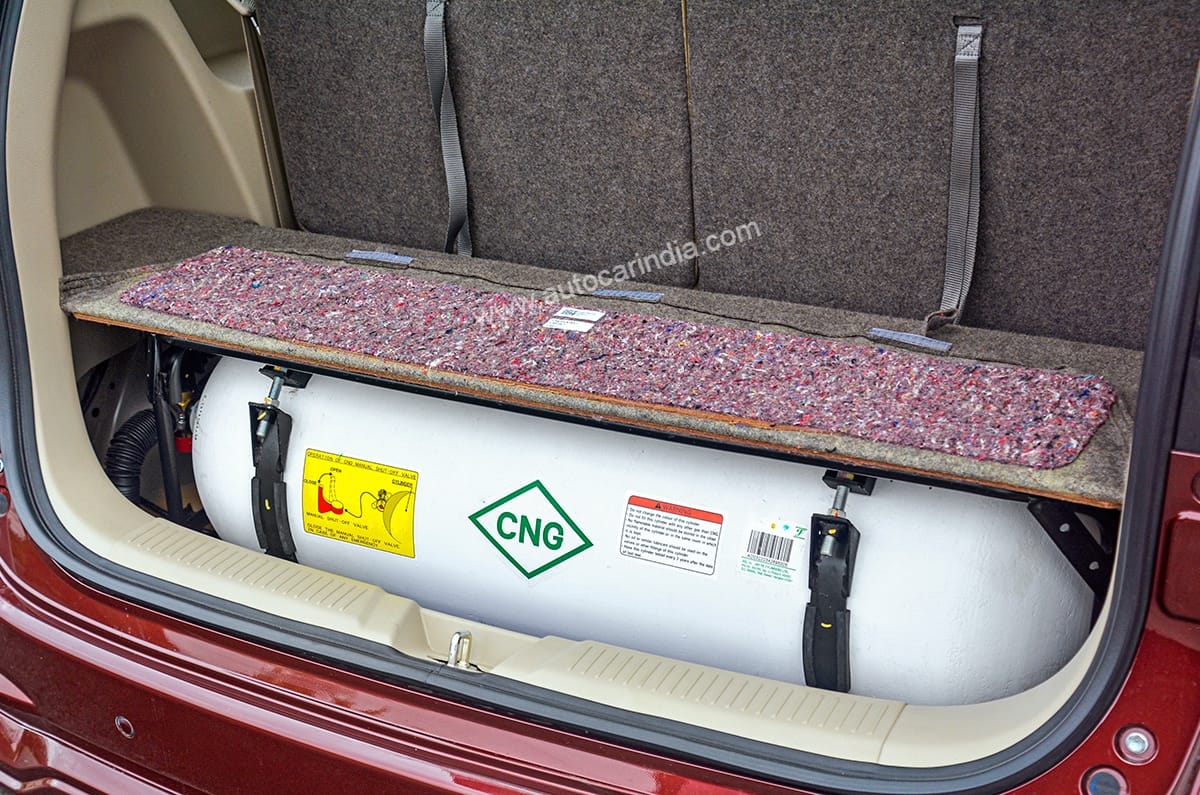
Maruti Ertiga’s factory-fitted CNG tank shown for representative purposes only.
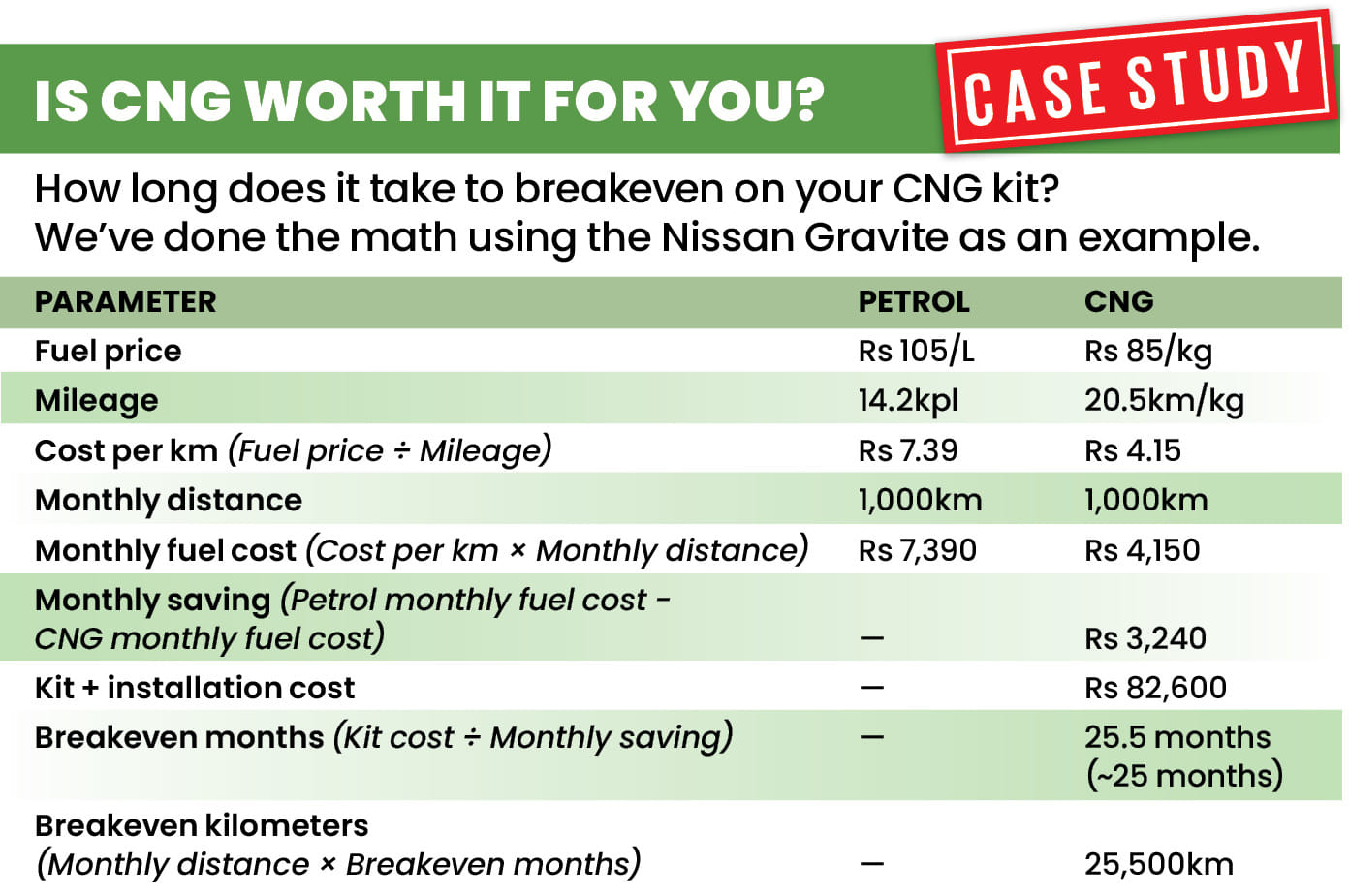
There is no denying the running cost advantage that CNG provides. However, when buying a brand-new car, a factory-fitted CNG version is still preferable to an aftermarket conversion simply because of the peace of mind. Once a car is out of warranty, though, a CNG conversion makes a great deal of sense. In most cases, the cost of the kit can be recouped within a couple of years, even with an average monthly running of around 1,500km.
However, the installer is just as important as the kit. Always opt for government-approved kits installed by approved installers with a strong reputation. Wherever possible, insist the installation is carried out without splicing into the original wiring and follow the recommended service schedule to ensure your car stays reliable.
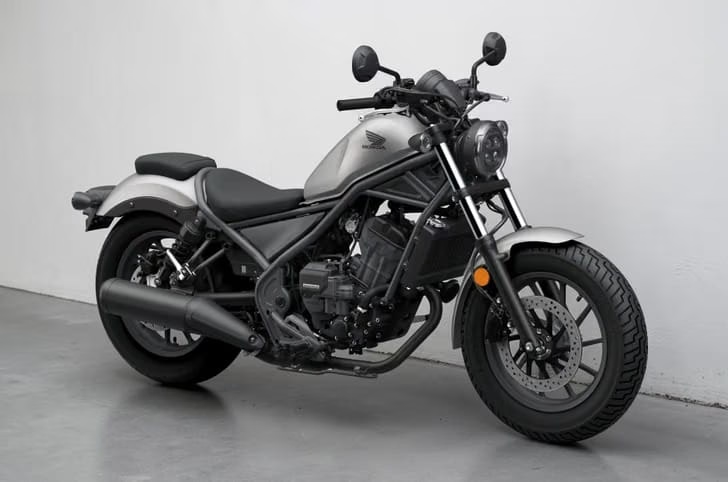
The Honda Rebel 300 is the first model in the Rebel family to be manufactured locally and acts as the brand’s most accessible cruiser motorcycle here. Built around a bobber-style design with a teardrop fuel tank, round LED headlamp and short exhaust, it is sold exclusively through Honda BigWing dealerships. Here are answers to some of the most commonly asked questions about it.
What is the price of the Honda Rebel 300?
The Honda Rebel 300 is available in two variants. The Standard variant is priced at Rs 2.22 lakh and the E-Clutch variant at Rs 2.62 lakh – a Rs 40,000 premium for the automated clutch system. At Rs 2.22 lakh, the Standard variant undercuts the Royal Enfield Goan Classic 350 (Rs 2.25-2.28 lakh, ex-showroom, Chennai), one of the few other bobber-styled motorcycles currently on sale in India.
What engine does the Honda Rebel 300 use?
The Honda Rebel 300 is powered by a 286cc single-cylinder, liquid-cooled engine producing 30hp and 27.5Nm of torque, paired with a 6-speed gearbox. This is the same engine that powered the CB300R previously sold in our market.
What features does the Honda Rebel 300 have?
Both variants of the Rebel 300 get a circular TFT instrument display with Honda RoadSync connectivity and turn-by-turn navigation, full LED lighting and dual-channel ABS. The E-Clutch variant additionally allows the rider to configure the clutch system via the TFT display.
What is the Honda Rebel 300 E-Clutch and how does it work?
Honda’s E-Clutch is an electronically automated clutch system that uses actuators to operate the clutch automatically, allowing the rider to change gears without using the clutch lever. It does not make the Rebel 300 a fully automatic motorcycle, as the rider still selects gears manually using the gear lever. However, the system handles clutch engagement and disengagement on its own.
Importantly, the clutch lever is retained and can be used manually whenever the rider chooses. The system is designed to reduce rider fatigue in stop-and-go traffic while making the bike more accessible for those who find operating a clutch lever demanding.
What is the seat height and weight of the Honda Rebel 300?
The Honda Rebel 300 has a seat height of 690mm, making it one of the lowest motorcycles currently on sale in our market. This uld make it exceptionally accessible for a wide range of riders. The upright handlebar and forward-set footpegs complement the low t to create a relaxed, unhurried riding position. Kerb weight is 172kg and fuel tank capacity is 11 litres.
Mahindra is offering discounts across much of its ICE line-up in August 2026. The Thar Roxx and Scorpio N receive the highest benefits among the brand’s mainstream SUVs this month, while offers are also available on the Scorpio Classic, Thar, XUV 3XO, Bolero Neo and Bolero Neo Plus. Offers are valid until August 31 and may vary depending on the region, dealer and stock availability.
Disclaimer: Offers may vary by region, dealer, stock availability and customer eligibility. Please check with your nearest authorised Mahindra dealership for exact details.
Mahindra Scorpio N discounts in August 2026
Up to Rs 1.25 lakh off
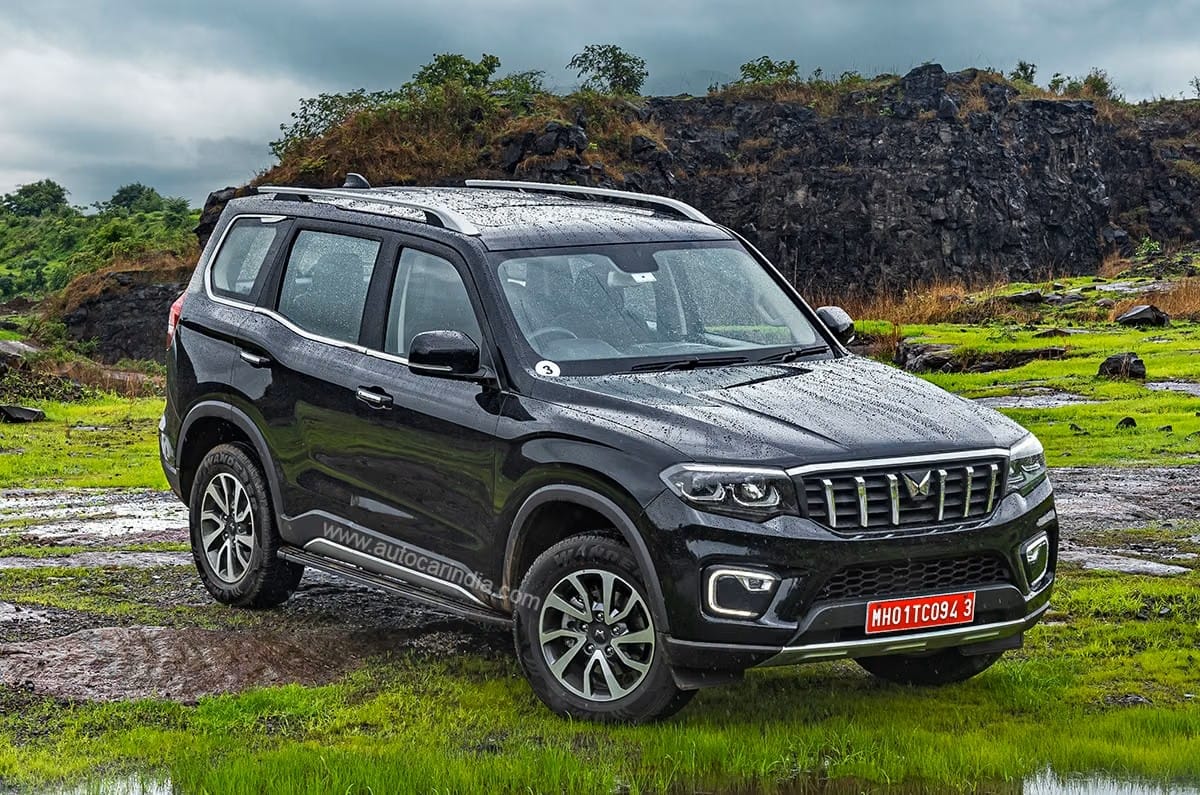
The Scorpio N is available with benefits of up to Rs 1,25,000. These include a cash discount of Rs 1,00,000 and accessories worth Rs 25,000. These discounts apply to existing pre-facelift stock available with dealers.
The Scorpio N is priced between Rs 13.69 lakh and Rs 25.49 lakh (ex-showroom). It rivals the Tata Safari and Thar Roxx. It impresses with its smooth petrol and diesel engines and off-road capability, although the third-row seats and luggage space are not great.
Mahindra Thar Roxx discounts in August 2026
Up to Rs 1.20 lakh off
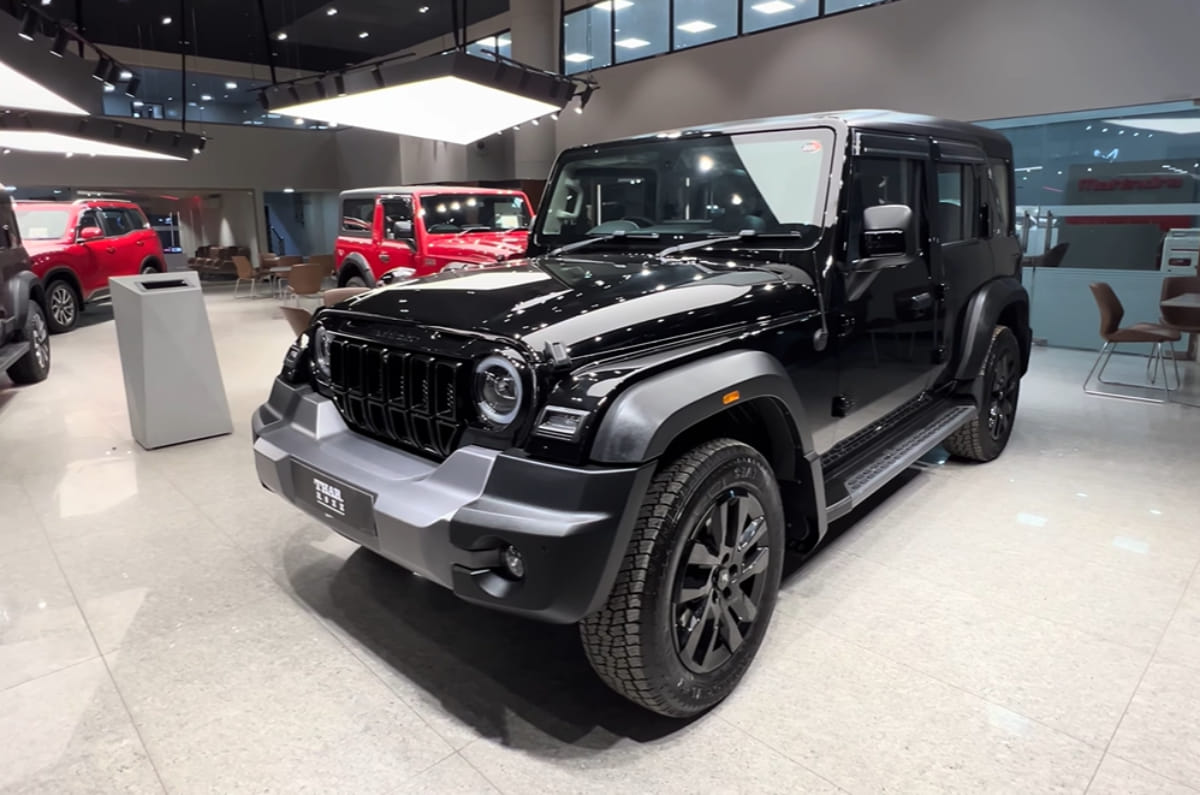
The Thar Roxx receives benefits of up to Rs 1.20 lakh this month. This comprises a cash discount of Rs 92,000 along with a ceramic coating package worth Rs 28,000. Priced between Rs 12.52 lakh and Rs 23.52 lakh, the Thar Roxx rivals the Force Gurkha 5-door and serves as a more practical alternative to the three-door Thar. It combines the Thar’s off-road capability with a more practical cabin, better refinement and stronger road manners.
Mahindra Scorpio Classic discounts in August 2026
Up to Rs 75,000 off
Mahindra is offering benefits of up to Rs 75,000 on the Scorpio Classic. The offer comprises a cash discount of Rs 50,000 and accessories worth Rs 25,000. Priced between Rs 13.37 lakh and Rs 17.40 lakh, the Scorpio Classic continues to appeal with its refined diesel engine and rugged character, although it lacks the features and driving sophistication of newer rivals.
Mahindra Thar discounts in August 2026
Up to Rs 50,000 off
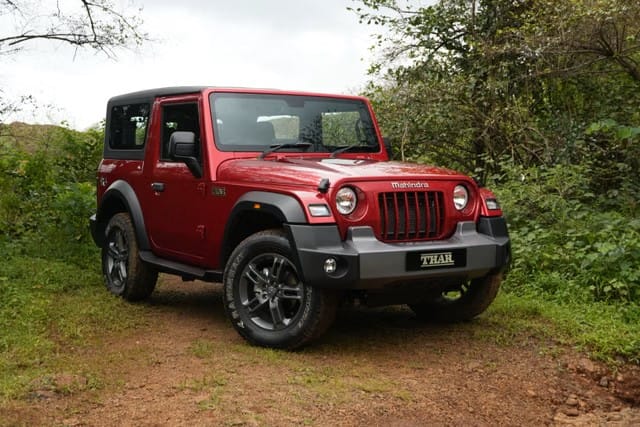
The three-door Thar is available with a cash discount of up to Rs 50,000 this month. Priced between Rs 10.32 lakh and Rs 18.00 lakh, the Thar rivals the Force Gurkha and Maruti Suzuki Jimny. It offers great off-road capability and is offered with refined and punchy petrol and diesel engine options, although luggage space is limited and access to the rear seats can be cumbersome.
Mahindra Bolero Neo and Bolero Neo Plus discounts in August 2026
Up to Rs 45,000 off
The Bolero Neo and Bolero Neo Plus receive cash discounts of up to Rs 45,000. The Bolero Neo is priced between Rs 8.99 lakh and Rs 10.79 lakh, while the Bolero Neo Plus costs Rs 11.39 lakh to Rs 12.49 lakh. Both SUVs are built to withstand rough roads and heavy use, although they are not as refined or as well equipped as newer compact SUVs.
Mahindra XUV 3XO discounts in August 2026
Up to Rs 40,000 off
The XUV 3XO is available with a cash discount of up to Rs 40,000 this month. Priced from Rs 7.79 lakh to Rs 15.04 lakh (ex-showroom), the XUV 3XO rivals the Maruti Brezza, Tata Nexon, Hyundai Venue, Kia Sonet, Skoda Kylaq and Nissan Magnite. It offers strong petrol and diesel engines along with a feature-rich cabin, although its boot is smaller than several rivals.
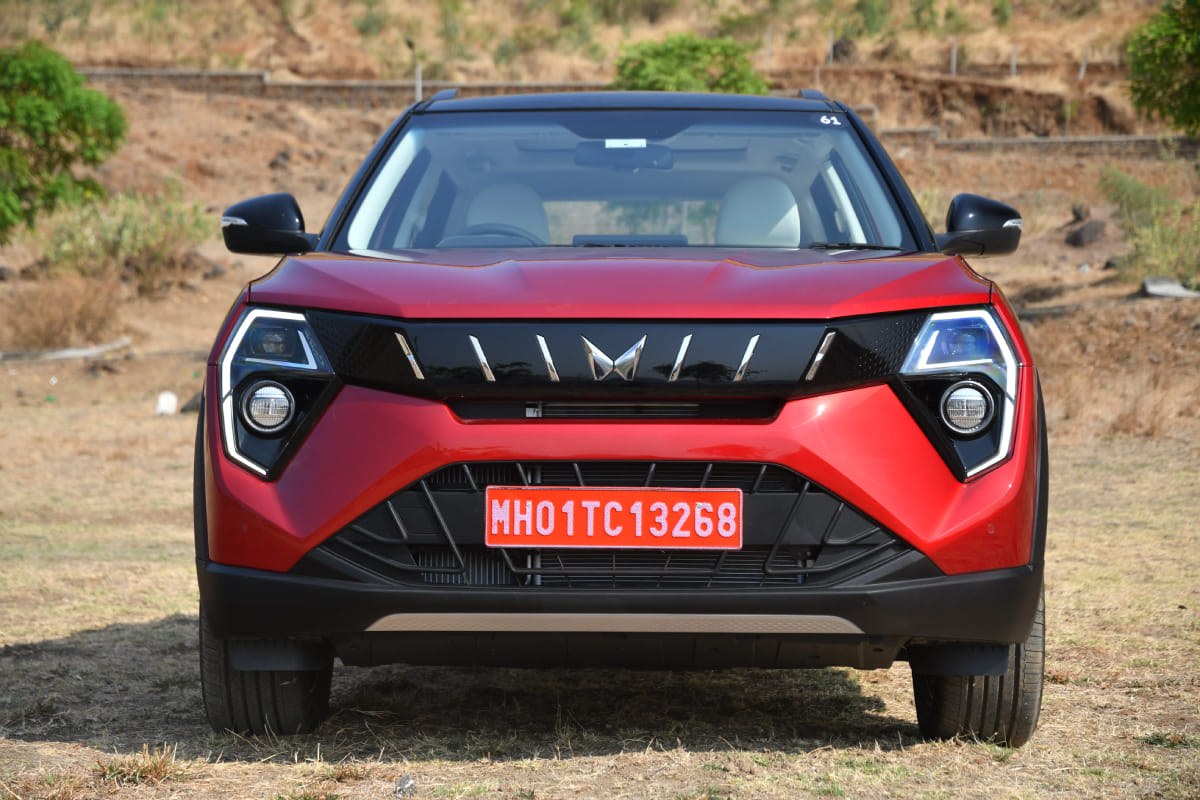
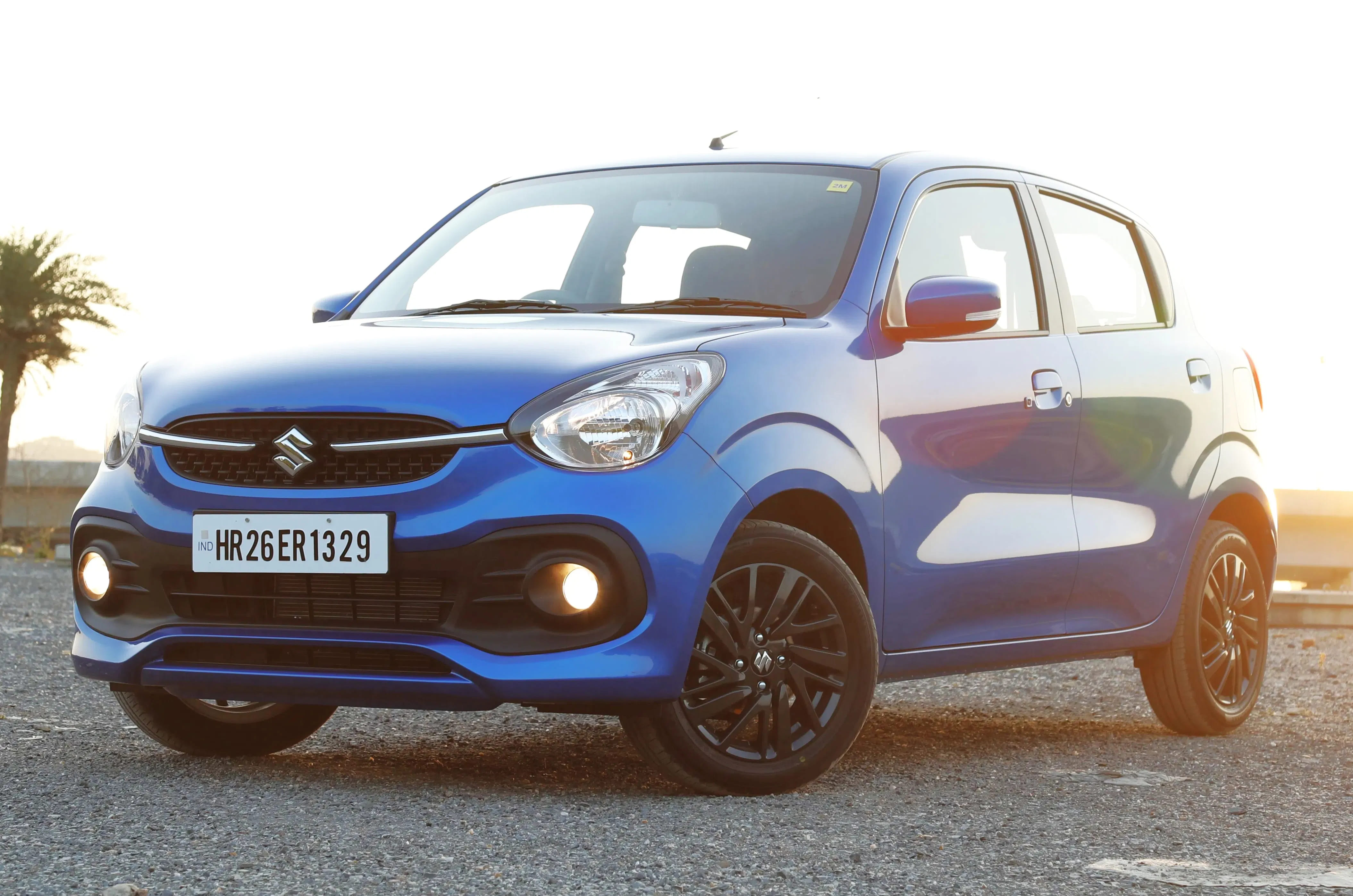
Maruti Suzuki is offering discounts across much of its Arena line-up, including the Victoris, Swift, Wagon R, Alto K10, Celerio, S-Presso and Eeco, in August 2026. The highest benefits are available on the Victoris, with savings of up to Rs 1.35 lakh. These offers comprise cash discounts, exchange or scrappage bonuses, loyalty benefits and institutional discounts, depending on the variant.
Disclaimer: Offers may vary by city and are subject to stock availability. Check with your nearest dealer for exact details.
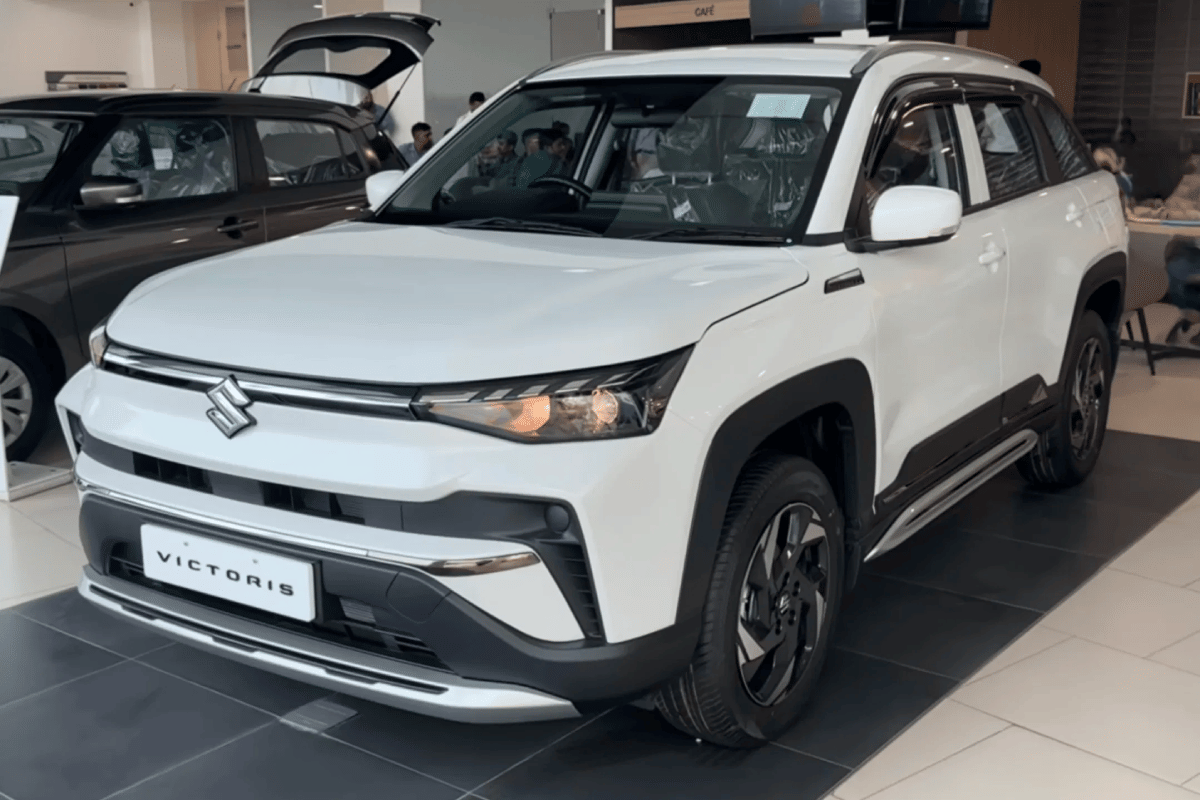
Maruti Victoris discounts in August 2026
Up to Rs 1.35 lakh off
The Victoris strong hybrid attracts the highest benefits this month, with total discounts of up to Rs 1.35 lakh. These include a Rs 20,000 cash discount, an exchange bonus of up to Rs 75,000 or a Rs 45,000 scrappage bonus, a Rs 30,000 loyalty upgrade bonus and a Rs 10,000 institutional discount.
Petrol and CNG variants, meanwhile, are available with benefits of up to Rs 85,000. Both are eligible for an exchange bonus of up to Rs 55,000, while customers opting for the scrappage scheme can avail of benefits of up to Rs 25,000 on petrol variants and Rs 20,000 on CNG variants. These variants also receive a Rs 20,000 loyalty upgrade bonus and a Rs 10,000 institutional discount.
Priced between Rs 10.50 lakh and Rs 19.99 lakh, the Victoris rivals the Hyundai Creta, Kia Seltos, Tata Sierra and Honda Elevate.
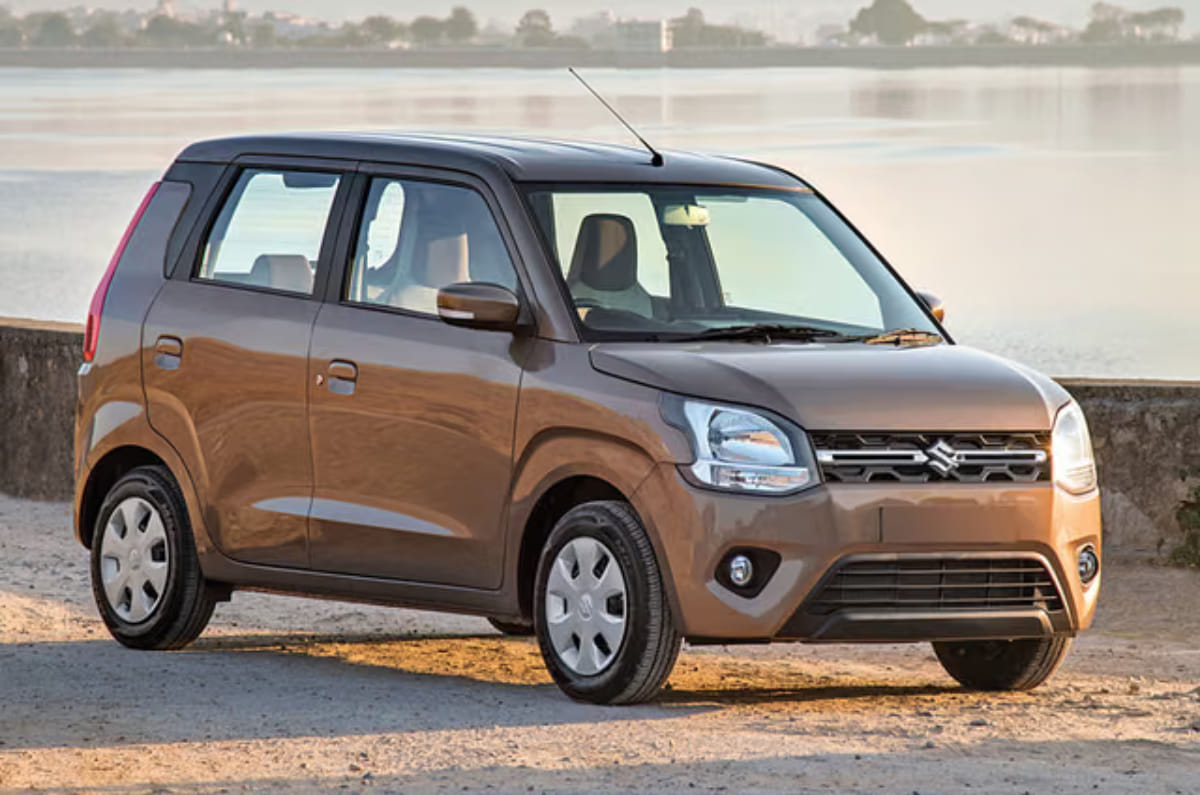
Maruti Wagon R discounts in August 2026
Up to Rs 52,500 off
The Wagon R is available with benefits of up to Rs 52,500 across its petrol and CNG range. Buyers can avail of a Rs 25,000 cash discount, an exchange bonus of up to Rs 25,000 or a Rs 10,000 scrappage bonus, along with a Rs 2,500 institutional discount.
Priced between Rs 4.99 lakh and Rs 7.24 lakh, the Wagon R rivals the Tata Tiago and Citroen C3.
Maruti Alto K10 discounts in August 2026
Up to Rs 52,500 off
In the Alto K10 line-up, the LXi petrol variant gets the highest benefits of Rs 52,500, while other petrol variants are available with discounts of up to Rs 42,500. Benefits on CNG variants are capped at Rs 37,500.
Depending on the variant, buyers can avail of a cash discount of up to Rs 25,000, an exchange bonus of up to Rs 25,000 or a Rs 10,000 scrappage bonus, and a Rs 2,500 institutional discount. This rival to the Renault Kwid is priced between Rs 3.70 lakh and Rs 5.45 lakh.
Maruti Celerio discounts in August 2026
Up to Rs 42,500 off
Benefits of up to Rs 42,500 are available across the Celerio range this month. The offer includes a Rs 15,000 cash discount, an exchange bonus of up to Rs 25,000 or a Rs 10,000 scrappage bonus, along with a Rs 2,500 institutional discount. A rival to the Tata Tiago and Renault Kwid, the Celerio has a starting price of Rs 4.70 lakh and costs Rs 6.73 lakh for the top-spec variant.
Maruti Eeco discounts in August 2026
Up to Rs 42,500 off
Petrol variants of the Eeco receive benefits of up to Rs 42,500, while CNG versions are eligible for discounts of up to Rs 32,500. Petrol models get a Rs 15,000 cash discount, whereas CNG variants receive Rs 5,000. Both are offered with an exchange bonus of up to Rs 25,000, along with a Rs 2,500 institutional discount. The Eeco is priced between Rs 5.23 lakh and Rs 6.41 lakh.
Maruti Swift discounts in August 2026
Up to Rs 40,000 off
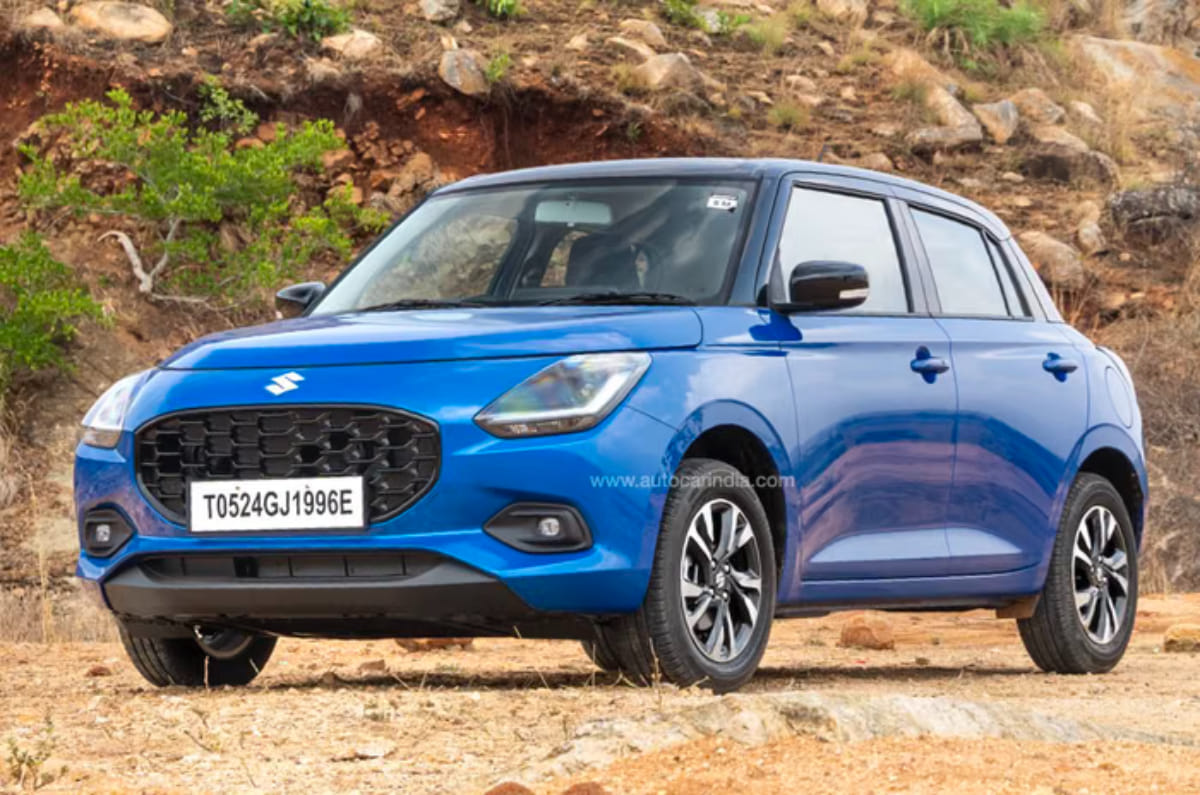
Petrol variants of the Swift are available with benefits of up to Rs 40,000, including a Rs 10,000 cash discount, an exchange bonus of up to Rs 25,000 or a Rs 10,000 scrappage bonus, and a Rs 5,000 institutional discount. CNG variants receive lower benefits of up to Rs 30,000, as they are not eligible for a cash discount this month.
The Swift is priced between Rs 5.79 lakh and Rs 8.69 lakh and rivals the Hyundai Grand i10 Nios and Tata Tiago.
Maruti S-Presso discounts in August 2026
Up to Rs 37,500 off
All variants of the S-Presso are being offered with benefits of up to Rs 37,500. Buyers can avail of a Rs 10,000 cash discount, an exchange bonus of up to Rs 25,000 or a Rs 10,000 scrappage bonus, and a Rs 2,500 institutional discount. Maruti’s most affordable offering currently, the S-Presso is priced from Rs 3.50 lakh to Rs 5.25 lakh and rivals the Renault Kwid and its stablemate Alto K10.
With the newly launched Syros EV and the flagship Sorento SUV inbound, Kia India has been strengthening its presence in our market. At the same time, the Korean carmaker is providing appealing offers on select models currently across its lineup in August 2026. Except for the EV6 and EV9, the remaining models in Kia’s portfolio get cash discounts, exchange or scrappage offers, and corporate benefits.
Disclaimer: Offers/benefits may vary by city and are subject to stock availability. Buyers are advised to check with their local dealer for exact figures.
Kia Carens Clavis offers in August 2026
Benefits of up to Rs 1.2 lakh
The Carens Clavis MPV is available with benefits of up to Rs 1.2 lakh. MY26 models get a cash discount of Rs 10,000, a loyalty benefit of Rs 20,000, a corporate offer of up to Rs 15,000 and either an exchange or scrappage bonus of up to Rs 30,000.
However, MY25 models of the Clavis get up to Rs 75,000 cash discount, and have the same loyalty, exchange/scrappage benefits as the MY26 models, but miss out on a corporate offer. Moreover, only MY25 turbo-petrol variants of the MPV get free extended warranty coverage. Priced from Rs 11.27 lakh to Rs 21.67 lakh, it rivals the likes of the Maruti XL6.
Kia Carnival offers in August 2026
Benefits of up to Rs 1.5 lakh
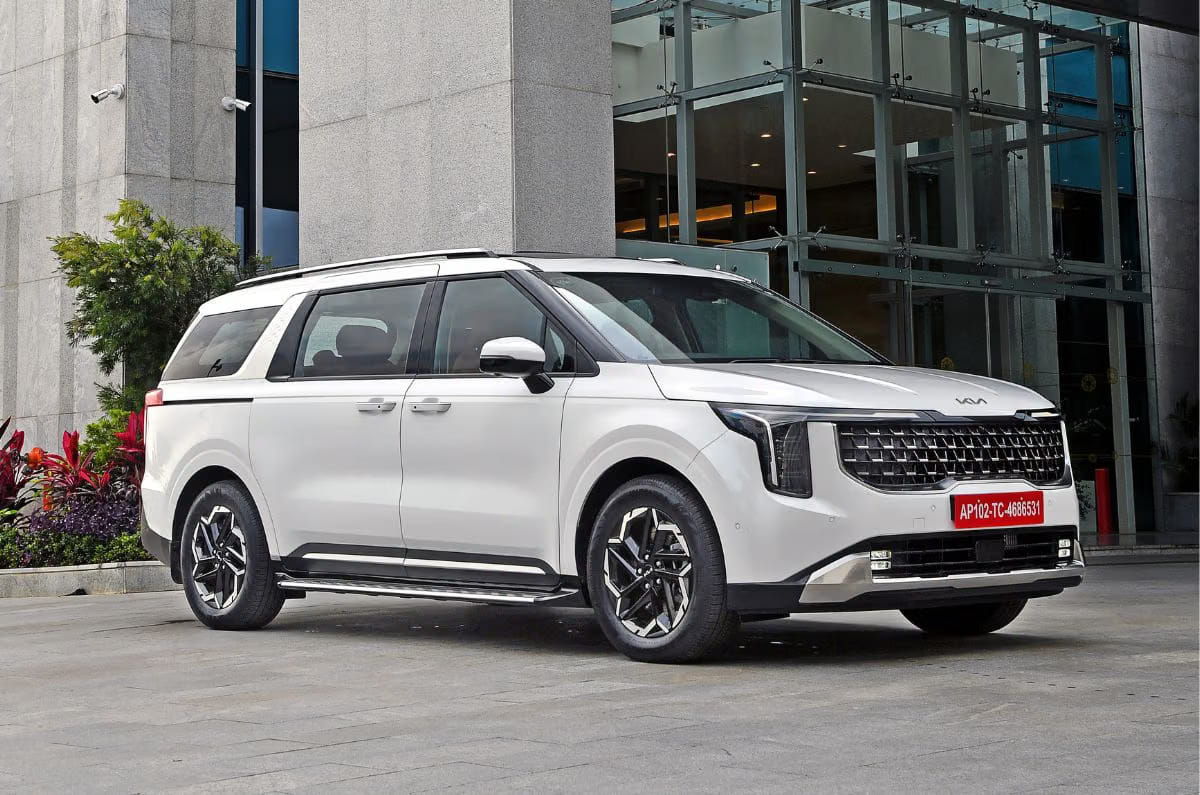
At up to Rs 1.5 lakh, the Carnival receives the highest benefits among all Kia models this month. MY26 versions either an exchange or scrappage offer of up to Rs 1 lakh, and a corporate offer of up to Rs 50,000, while MY25 versions get only a scrappage offer of Rs 20,000. The Carnival is Kia’s most expensive ICE model in our market and is priced at Rs 59.65 lakh.
Kia Carens Clavis EV offers in August 2026
Benefits of up to Rs 55,000
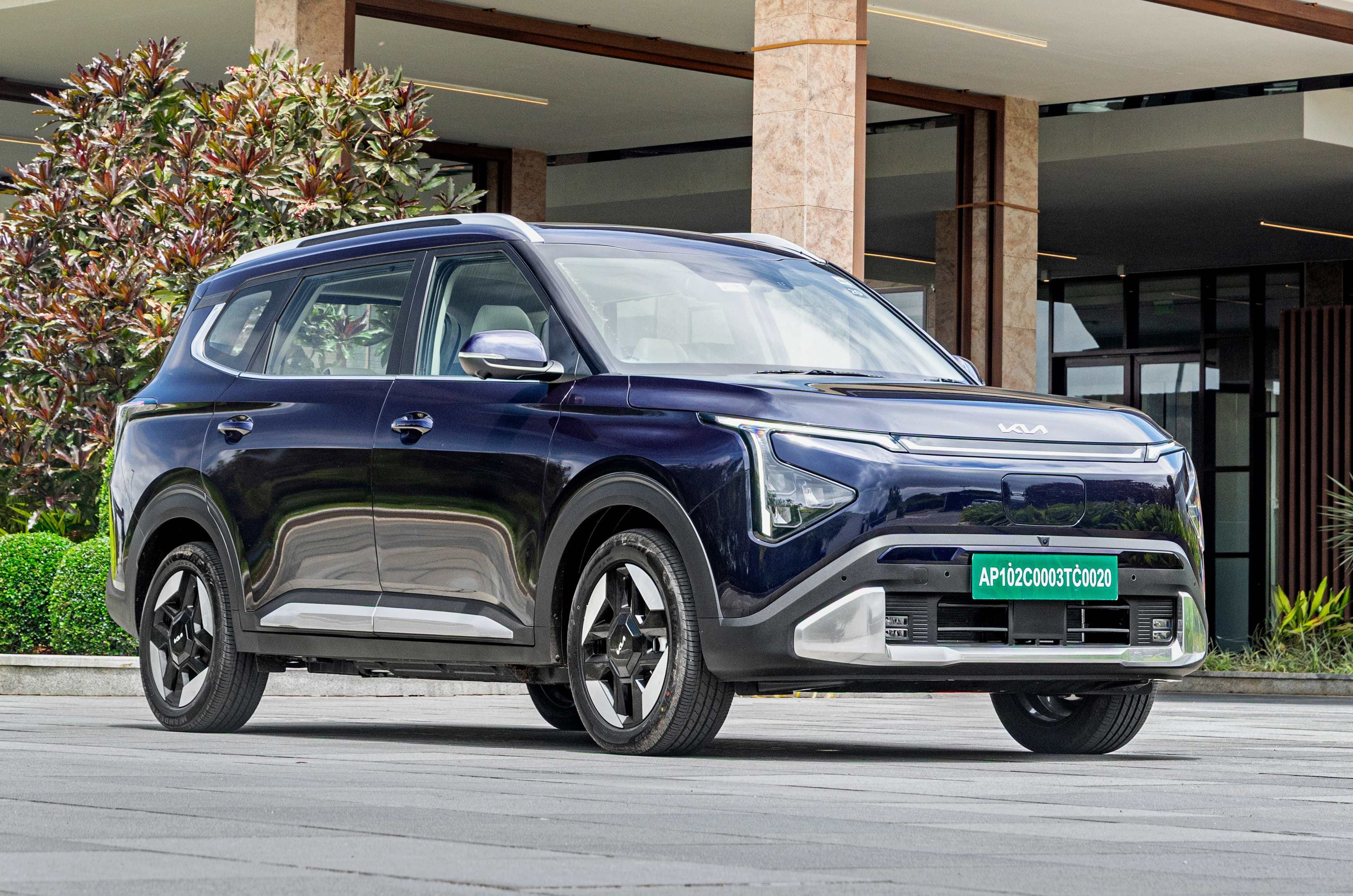
The all-electric counterpart of the Carens Clavis is offered with benefits of up to Rs 55,000. MY26 versions of the Carens Clavis EV are eligible for a loyalty benefit and corporate offer of Rs 20,0000 and up to Rs 15,000, respectively. Additionally, it’s also available with either a scrappage or exchange offer of Rs 20,000. For MY25 models, only the extended range (ER) variants come with loyalty and scrappage benefits of Rs 20,000 each. Currently, the most affordable electric MPV in our market, it has a price range of Rs 18.04 lakh to Rs 25 lakh. It is Kia’s answer to the BYD e MAX 7 and an MPV alternative to the likes of the Mahindra XEV 9S.
Kia Syros offers in August 2026
Benefits of up to Rs 50,000
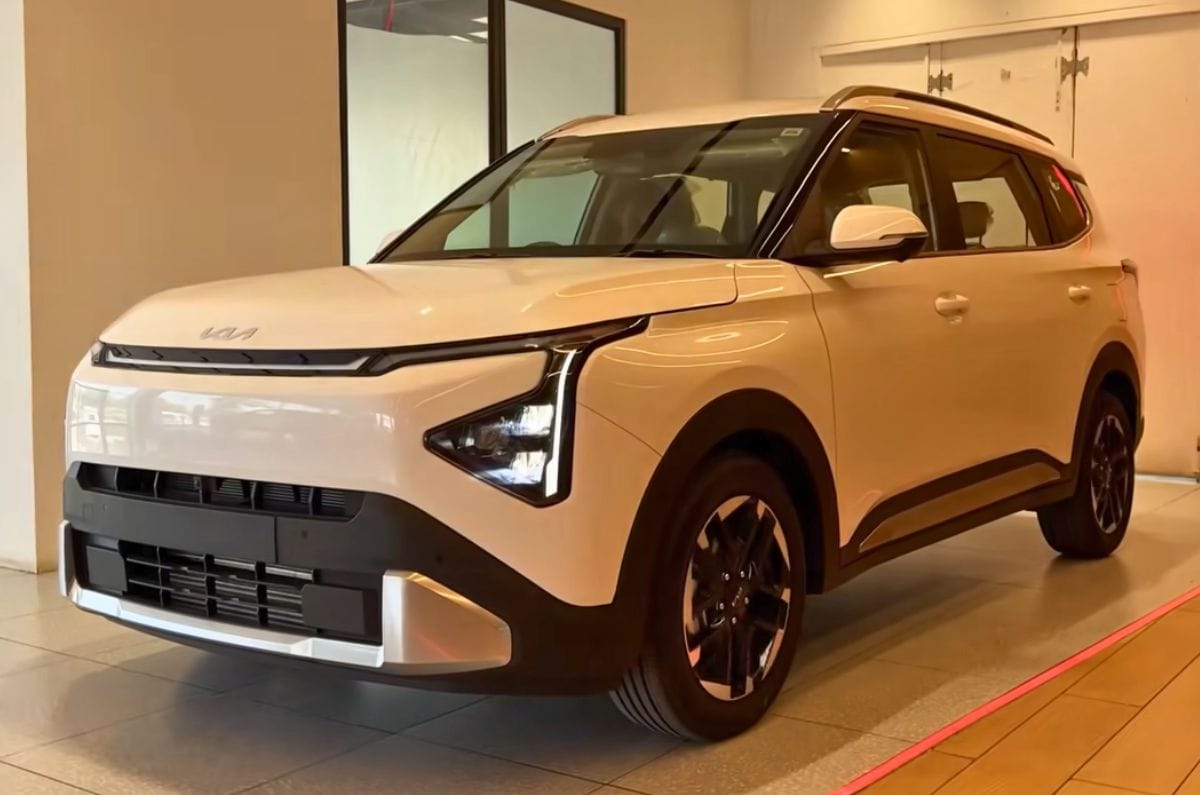
The Syros compact SUV is available with benefits of up to Rs 50,000. The new MY26 model gets a cash discount of up to Rs 10,000, a corporate offer of up to Rs 15,000 and either an exchange or scrappage offer of Rs 20,000. On the other hand, MY25 versions get an exchange or scrappage offer of up to Rs 50,000. Like the Carens Clavis, even the Syros gets free extended warranty. It has a price range of Rs 8.42 lakh to Rs 15.82 lakh, and takes on the likes of the Mahindra XUV 3XO, Hyundai Venue, and Maruti Brezza.
Kia Sonet offers in August 2026
Benefits of up to Rs 45,000
The most affordable Kia offering in India, the Sonet is offered with benefits of up to Rs 45,000. For MY26 models, you get a cash discount of up to Rs 10,000, a corporate offer of up to Rs 15,000, and either an exchange or scrappage benefit of up to Rs 20,000, while MY25 versions of the Sonet only get a scrappage offer. Priced from Rs 7.41 lakh to Rs 14.37 lakh, it takes on rivals like the Skoda Kushaq, Tata Nexon, and contenders alongside the Syros.
Kia Seltos offers in August 2026
Benefits of up to Rs 40,000
The second-generation Seltos, which was introduced earlier this year, is available with benefits of up to Rs 40,000. These include a loyalty benefit and scrappage bonus of Rs 20,000 each.
Meanwhile, the first-generation Seltos only gets a scrappage offer. The second-generation Seltos is priced from Rs 11 lakh and up to Rs 21.82 lakh. The Seltos is Kia’s contender in the mid-size SUV space, which consists of rivals like the Hyundai Creta, Volkswagen Taigun, Renault Duster, Tata Sierra, Skoda Kushaq, MG Astor, Citroen Aircross, Maruti Victoris and Grand Vitara.
Kia Carens offers in August 2026
Benefits of up to Rs 35,000
The budget Kia Carens MPV is offered with benefits up to Rs 35,000. MY26 models get a corporate offer of up to Rs 15,000 and either a scrappage or exchange bonus of up to Rs 20,000. On the other hand, MY25 versions get only a scrappage offer. The Carens rivals the Maruti Ertiga and Toyota Rumion, while its price ranges between Rs 11.02 lakh and Rs 12.88 lakh.