Top 10 bestselling cars in August 2026: Punch back on top spot

Top 10 bestselling cars in August 2026: Punch back on top spot
Bestselling cars in August

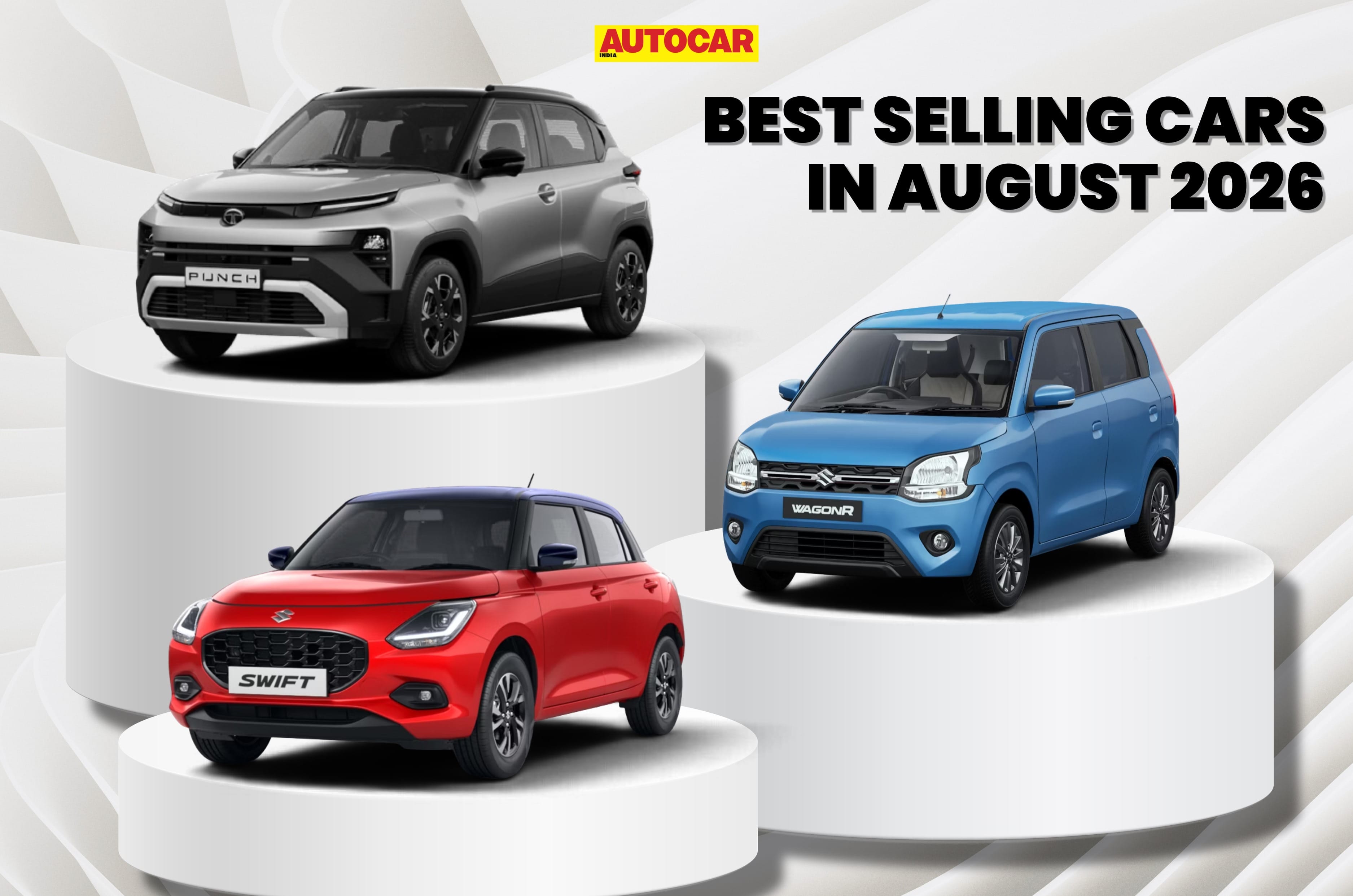
The Tata Punch was India’s best-selling car in August 2026, with 21,320 units sold, ahead of the Maruti Suzuki Wagon R and Swift. The top 10 models together recorded 1,83,037 units, up from 1,37,334 units in August 2025. Nine of the 10 models recorded year-on-year growth, with Maruti Suzuki accounting for six models in the list.

The year-on-year increase came against a lower base in August 2025, when buyers deferred purchases and manufacturers moderated dealer dispatches amid expectations of GST changes announced that month.

RankModelAugust 2026 sales (units)August 2025 sales (units)YoY growth (percent)
1Tata Punch21,32010,70499
2Maruti Suzuki Wagon R20,18014,55239
3Maruti Suzuki Swift19,83212,38560
4Maruti Suzuki Fronx18,73012,42251
5Maruti Suzuki Ertiga18,51618,4450
6Tata Nexon18,43114,00432
7Maruti Suzuki Dzire18,41816,50912
8Hyundai Creta16,28815,9242
9Maruti Suzuki Baleno15,74612,54925
10Mahindra Scorpio

15,576

9,84058
 Total

1,83,037

1,37,334

33

1. Tata Punch

Sales: 21,320 units

The Tata Punch topped the August 2026 sales rankings with 21,320 units, almost double the 10,704 units sold in August 2025. Its sales increased 99 percent year on year, the highest growth among the 10 models.

Tata’s smallest SUV is offered with multiple powertrain options, while its compact dimensions and ride and handling balance remain key strengths. The Punch rivals the Hyundai Exter and Citroen C3 and is priced from Rs 5.75 lakh to Rs 10.77 lakh.

2. Maruti Suzuki Wagon R

Sales: 20,180 units
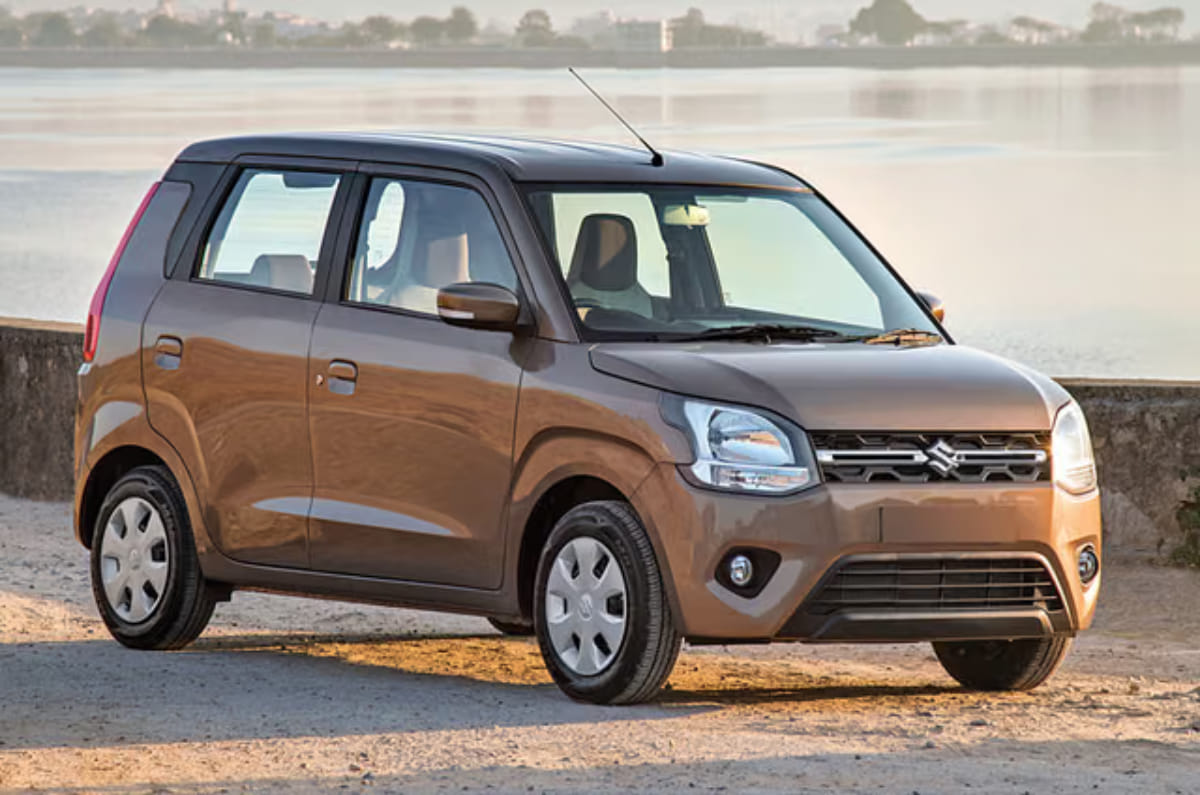
The Maruti Suzuki Wagon R finished second in August 2026 with 20,180 units, up from 14,552 units in August 2025. Its sales increased 39 percent year on year, putting it 1,140 units behind the Tata Punch. 

Its spacious cabin, ease of driving and low running costs remain key strengths, although its light build and limited highway ability are drawbacks. The Wagon R rivals the Tata Tiago and Citroen C3 and is priced between Rs 4.99 lakh and Rs 7.24 lakh.

3. Maruti Suzuki Swift

Sales: 19,832 units

The Maruti Swift ranked third in August 2026 with 19,832 units, compared with 12,385 units in August 2025. Its sales increased 60 percent year on year, leaving it 348 units behind the Wagon R.

Its high fuel efficiency, light controls and easy-to-drive nature continue to support demand, although the top variants are priced close to the more premium Baleno. The Swift rivals the Hyundai Grand i10 Nios and Tata Tiago and is priced between Rs 5.84 lakh and Rs 8.74 lakh.

4. Maruti Suzuki Fronx

Sales: 18,730 units
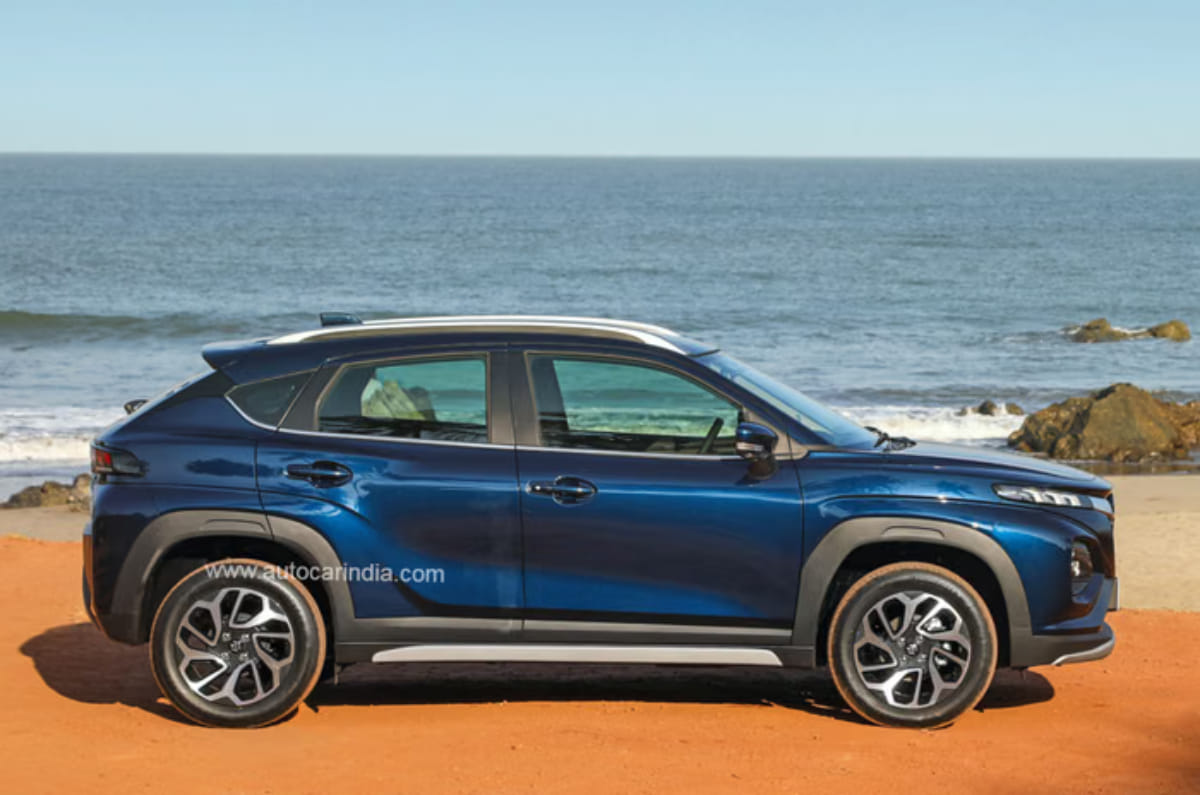
The Maruti Suzuki Fronx was fourth in August 2026 with 18,730 units, compared with 12,422 units in August 2025. Its sales increased 51 percent year on year, leaving it 1,102 units behind the Swift.

The Fronx’s crossover styling, comfortable cabin and fuel-efficient powertrains continue to support demand, although it lacks some popular features. It rivals the Nissan Magnite and Renault Kiger and is priced between Rs 6.85 lakh and Rs 11.84 lakh.

5. Maruti Suzuki Ertiga

Sales: 18,516 units

The Maruti Suzuki Ertiga finished fifth in August 2026 with 18,516 units, almost unchanged from the 18,445 units sold in August 2025. Its sales were effectively flat year on year.

The Ertiga continues to hold the title of India’s highest-selling MPV. Its practical cabin, strong fuel efficiency and value-for-money positioning attract both private and fleet buyers, although it misses out on some features offered by rivals. It is priced from Rs 8.90 lakh to Rs 13.04 lakh and rivals the Kia Carens and Toyota Rumion.

6. Tata Nexon

Sales: 18,431 units
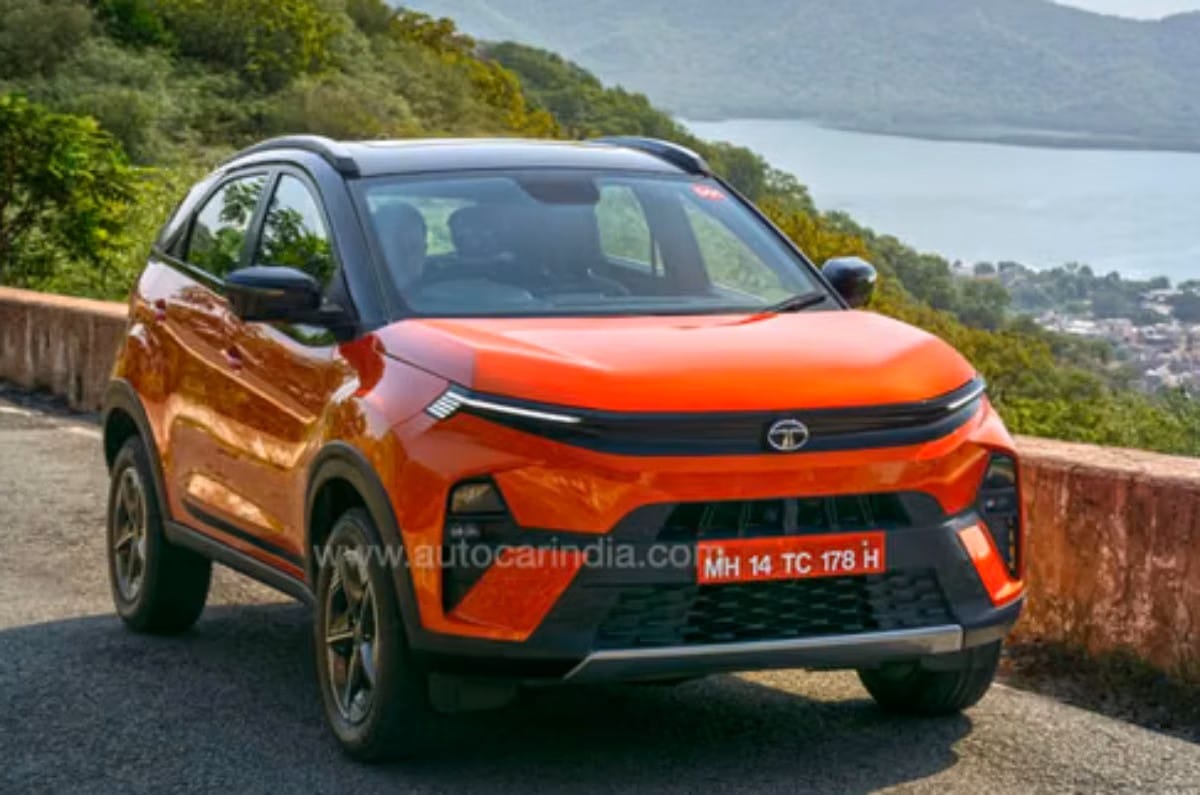
The Tata Nexon, including the ICE and EV versions, recorded 18,431 units in August 2026, up from 14,004 units in August 2025. Its sales increased 32 percent year on year, making it the sixth best-selling model in the month.

The Nexon is offered with petrol, diesel, CNG and EV powertrain options, along with a feature-rich cabin. However, its fit and finish are not as polished as some rivals. It competes with the Maruti Suzuki Brezza, Hyundai Venue, Kia Sonet and Mahindra XUV 3XO and is priced from Rs 7.40 lakh to Rs 14.52 lakh.

7. Maruti Suzuki Dzire

Sales: 18,418 units

The Maruti Dzire was seventh in August 2026 with 18,418 units, compared with 16,509 units in August 2025. Its sales increased 12 percent year on year, with the Dzire being the only sedan in the top 10.

Strong fleet demand, fuel efficiency and a well-balanced ride and handling setup continue to support the compact sedan’s volumes. The Dzire rivals the Hyundai Aura, Honda Amaze and Tata Tigor and is priced between Rs 6.31 lakh and Rs 9.41 lakh.

8. Hyundai Creta

Sales: 16,288 units
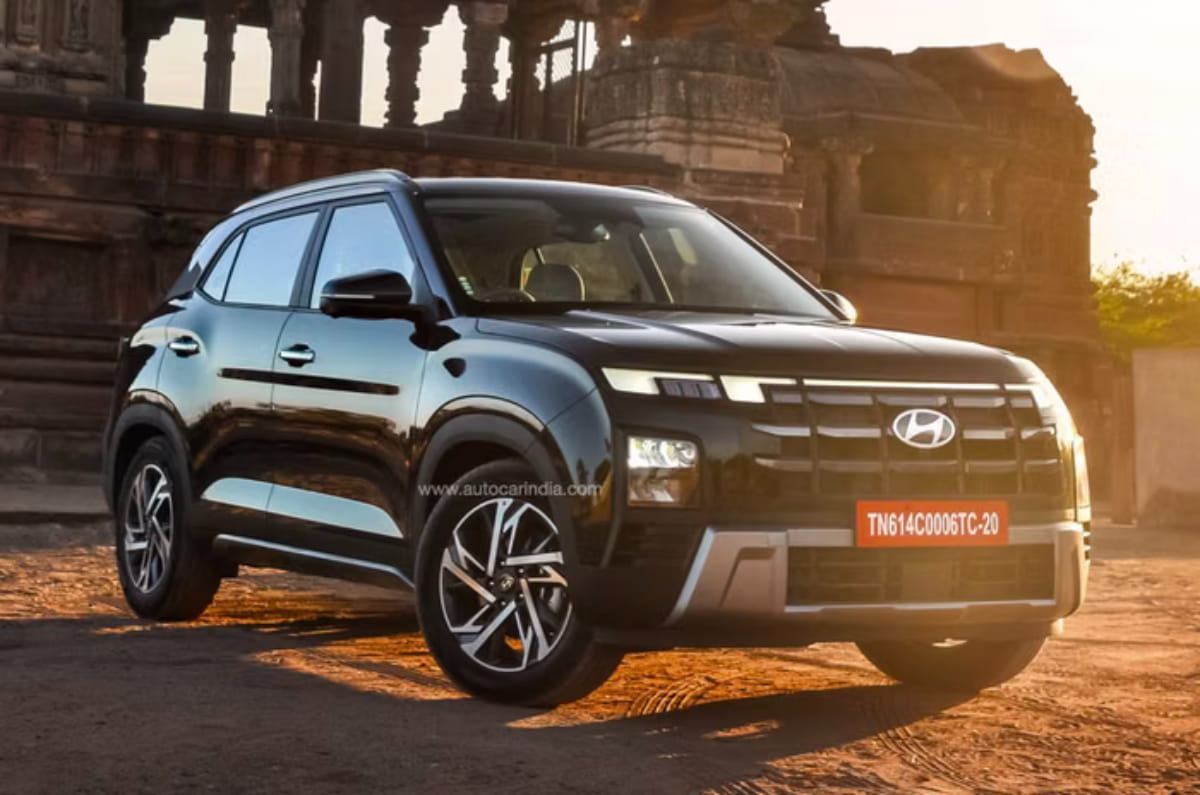
The Hyundai Creta finished eighth in August 2026 with 16,288 units, up from 15,924 units in August 2025. Its sales increased 2 percent year on year, making it the only Hyundai model in the top 10.

A roomy cabin and long feature list continue to attract buyers, although the top variants are expensive and some interior plastics could be better. The Creta rivals the Kia Seltos, Maruti Suzuki Grand Vitara, Toyota Urban Cruiser Hyryder, Honda Elevate and Tata Sierra. It is priced between Rs 10.91 lakh and Rs 20.11 lakh.

9. Maruti Suzuki Baleno

Sales: 15,746 units

The Maruti Suzuki Baleno ranked ninth in August 2026 with 15,746 units, compared with 12,549 units in August 2025. Its sales increased 25 percent year on year, making it the third Maruti Suzuki hatchback in the top 10.

The premium hatchback has recently received a facelift and rivals the Hyundai i20, Tata Altroz and Toyota Glanza. The Baleno is priced between Rs 5.99 lakh and Rs 9.99 lakh.

10. Mahindra Scorpio

Sales: 15,576 units
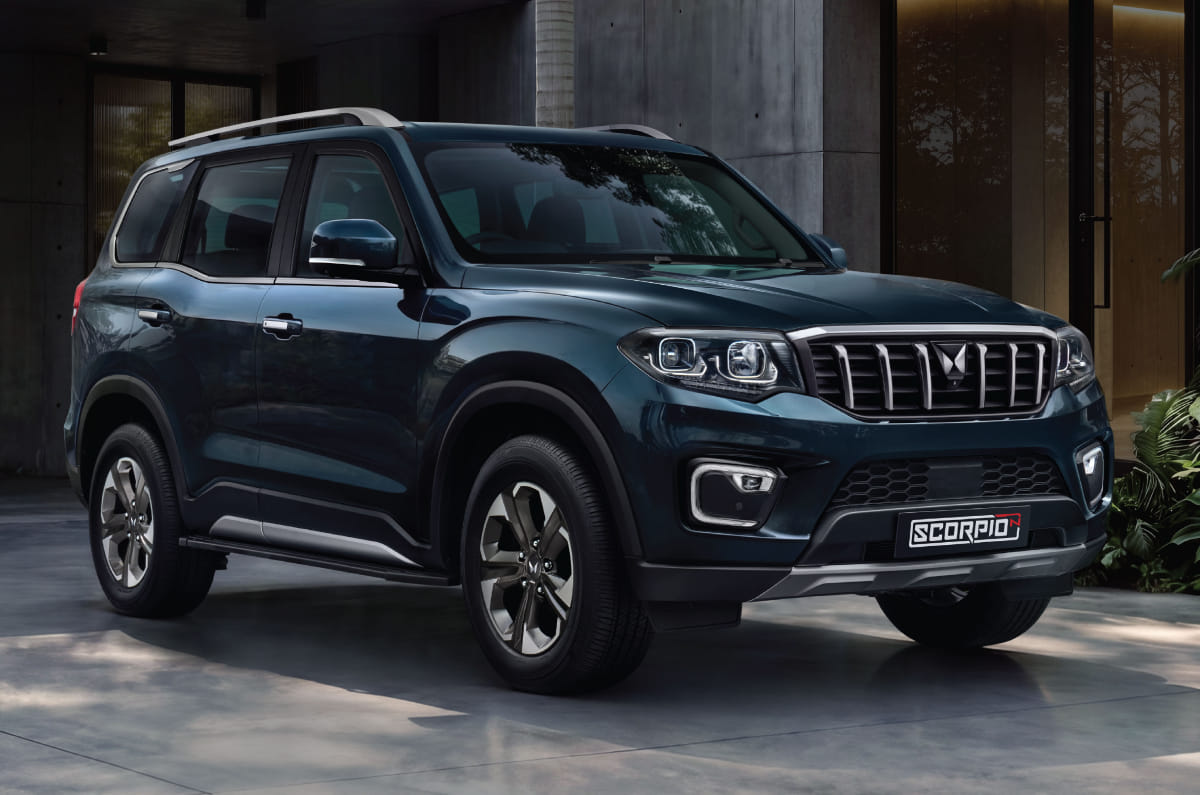
The Mahindra Scorpio, comprising the Scorpio N and Scorpio Classic, completed the August 2026 top 10 with 15,576 units, up from 9,840 units in August 2025. Its sales increased 58 percent year on year, the third-highest growth rate among the top 10 models.

The Scorpio nameplate remains popular for its strong engines, rugged character and off-road ability. However, the third-row seating is cramped and the luggage area is not particularly practical. The Scorpio N rivals the Tata Safari, Hyundai Alcazar and Mahindra XUV 7XO and is priced from Rs 13.69 lakh to Rs 25.49 lakh.

Buying a used Maruti Brezza: What to look out for

Buying a used Maruti Brezza: What to look out for
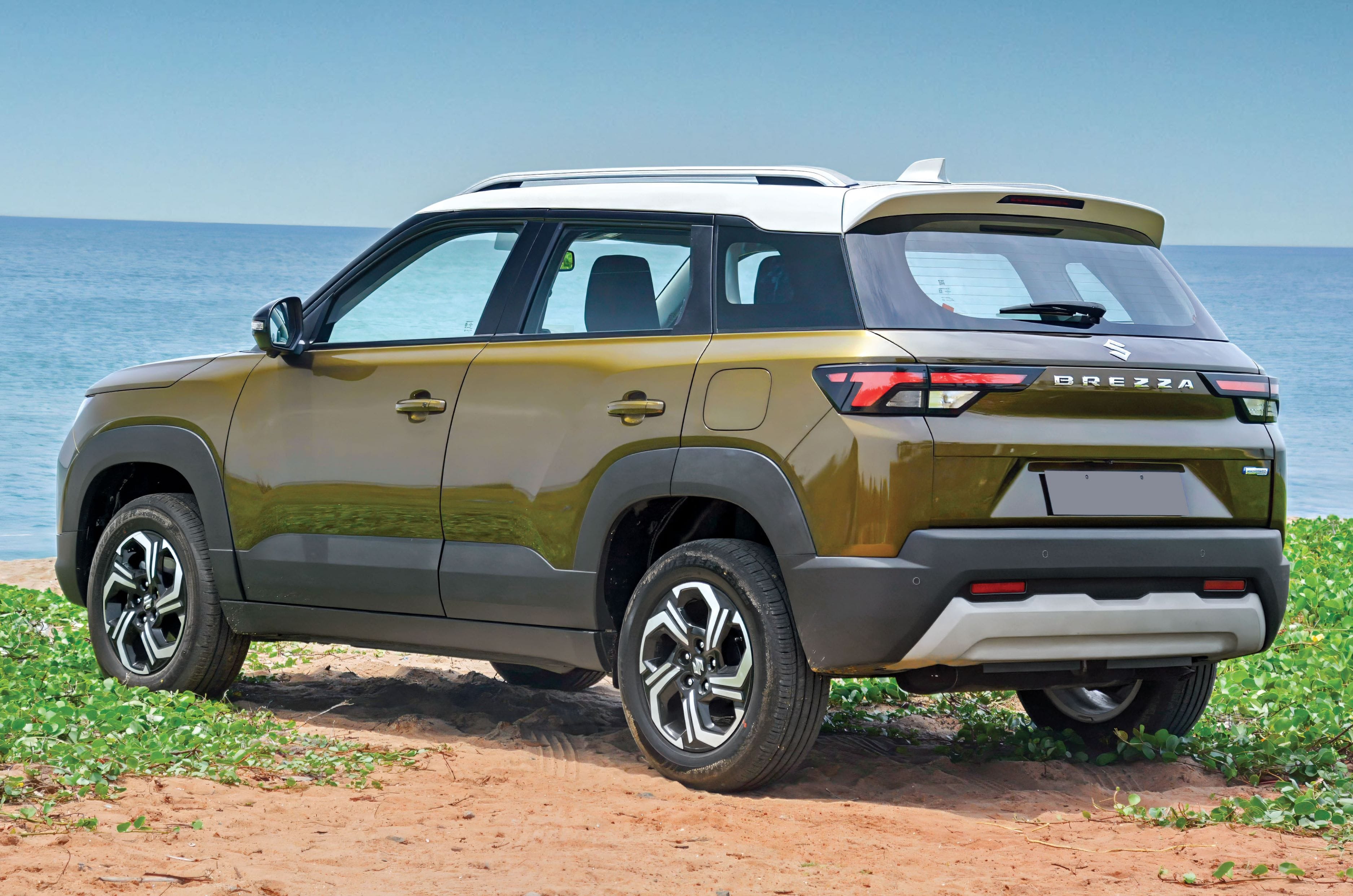
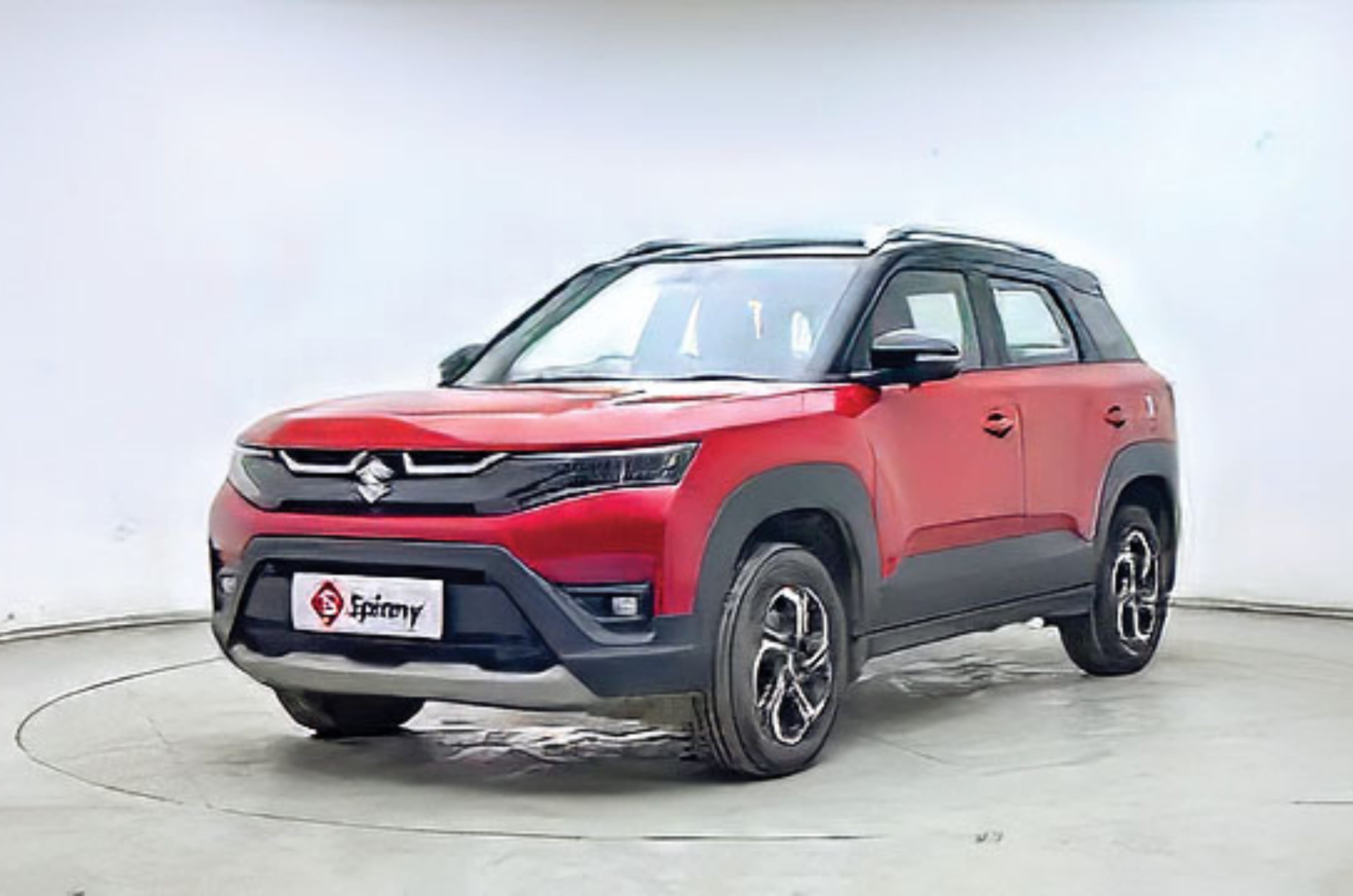
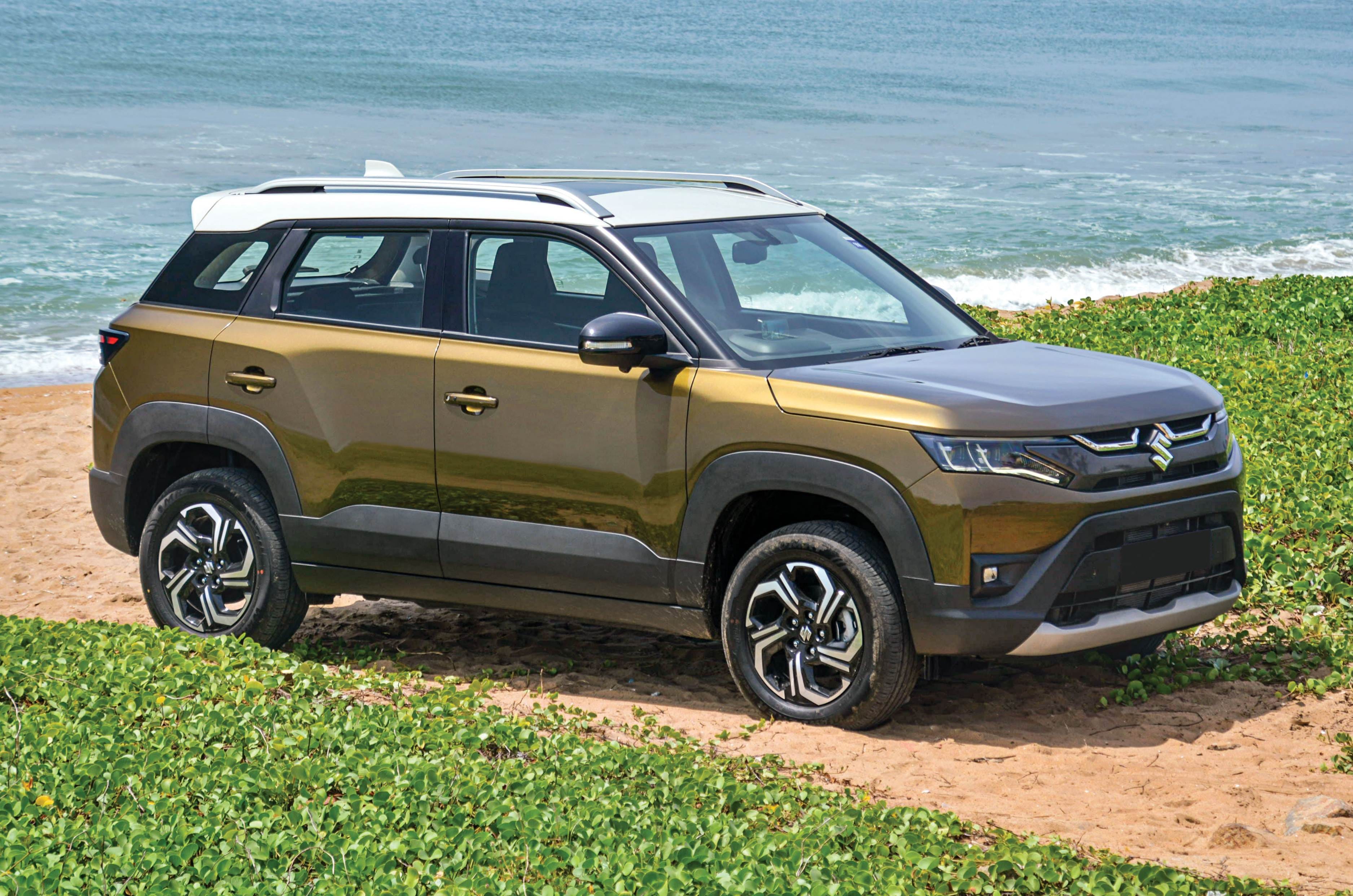
2022 Maruti Suzuki Brezza front quarter static

GOOD FOR: Comfort, Practicality, Easy to drive 

LOOK OUT FOR: Suspension wear, Infotainment issues

The Maruti Brezza has long been one of the most sensible choices in the compact SUV segment, and the 2022 update made it considerably more desirable. It brought a sharper design, a more efficient petrol engine, a new automatic gearbox and a substantial increase in equipment. Being comfortable, practical and relatively inexpensive to run, the Maruti Brezza makes a strong case as a used buy. Here’s all you need to know when looking for one.

In terms of cosmetics, the 2022 Brezza was a complete reskin with new sheet metal all around and a new grille and bumpers, slimmer LED headlamps, new LED tail-lights and fresh 16-inch alloy wheels. The rear number plate was moved down onto the bumper, while the sharper surfacing and revised lighting gave it a more contemporary appearance. Dual-tone colour options were also offered, giving it a more upmarket look.

Check out used Maruti Brezza models.

Maruti Brezza powertrain and mileage

Petrol and CNG powertrains; up to 20.15kpl claimed mileage

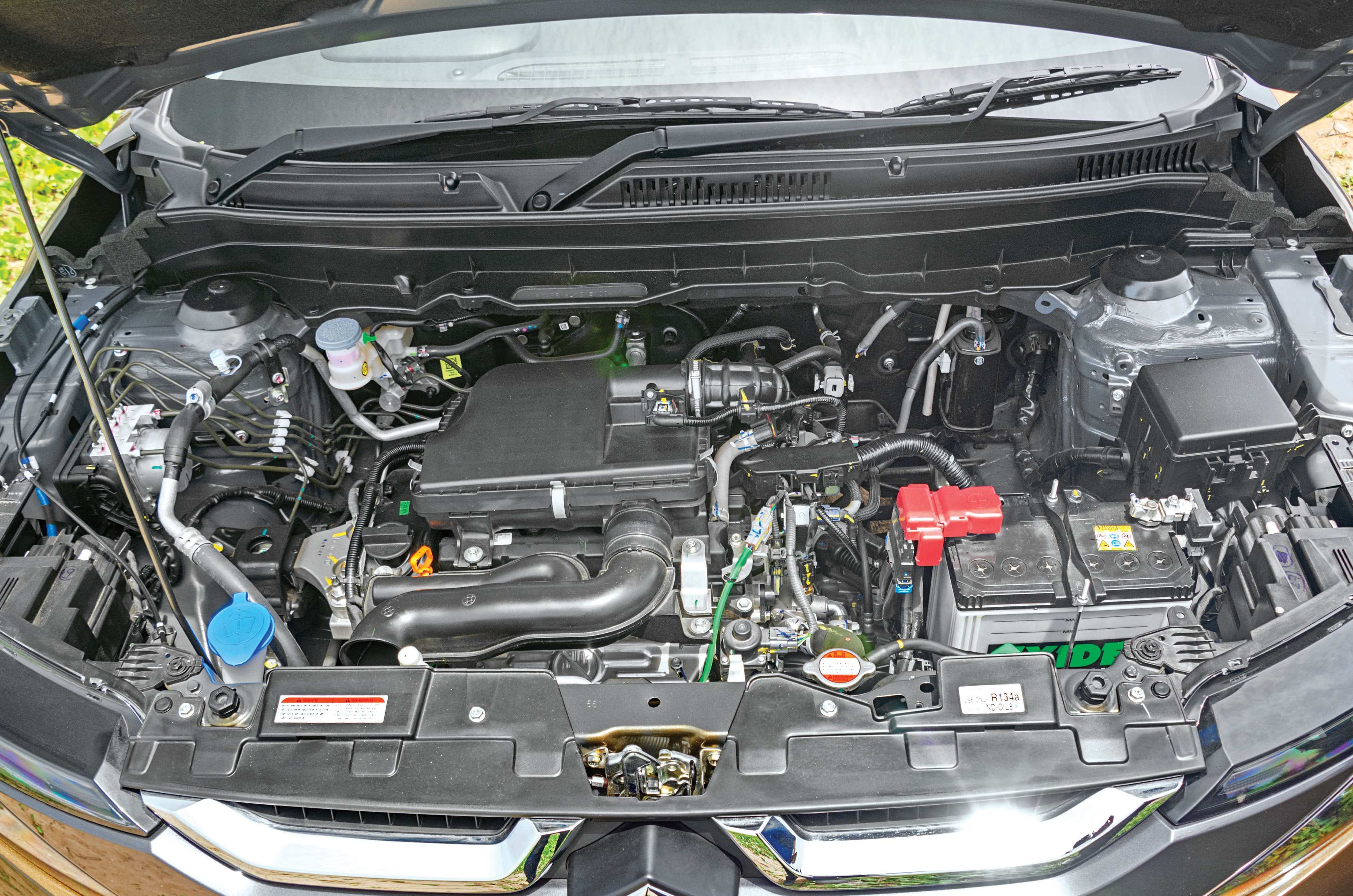
The biggest change was under the hood, with the Brezza receiving Maruti’s 1.5-litre K15C DualJet petrol engine. It uses two injectors per cylinder and, together with the Smart Hybrid system, puts out 103hp and 137Nm. The other major change was the new 6-speed torque-converter automatic gearbox with paddle shifters, replacing the older 4-speed unit. The standard 5-speed manual gearbox was carried over. The updated Brezza also got auto start-stop and a lithium-ion battery as part of its mild-hybrid system. Maruti claimed fuel efficiency of 20.15kpl for the manual and 19.80kpl for the automatic.

In 2023, Maruti also launched the Brezza CNG, which used the same 1.5-litre engine that put out a lower 88hp and 121.5Nm on CNG and came with the manual only. The Brezza CNG was offered in three trims, and Maruti claimed a fuel economy of 25.51km/kg.

The petrol manual is ideal for most users as it’s easy to drive, reasonably efficient and generally the most affordable version to buy. Those doing most of their running in the city should consider the automatic, which is smooth and far more convenient in traffic. Meanwhile, the CNG makes sense for high-mileage users. The 1.5-litre engine isn’t punchy, so don’t buy the Brezza expecting strong performance, especially when overtaking at highway speeds. 

Maruti Suzuki Brezza variants and features 

9-inch infotainment system, 360-degree camera, head-up display and more

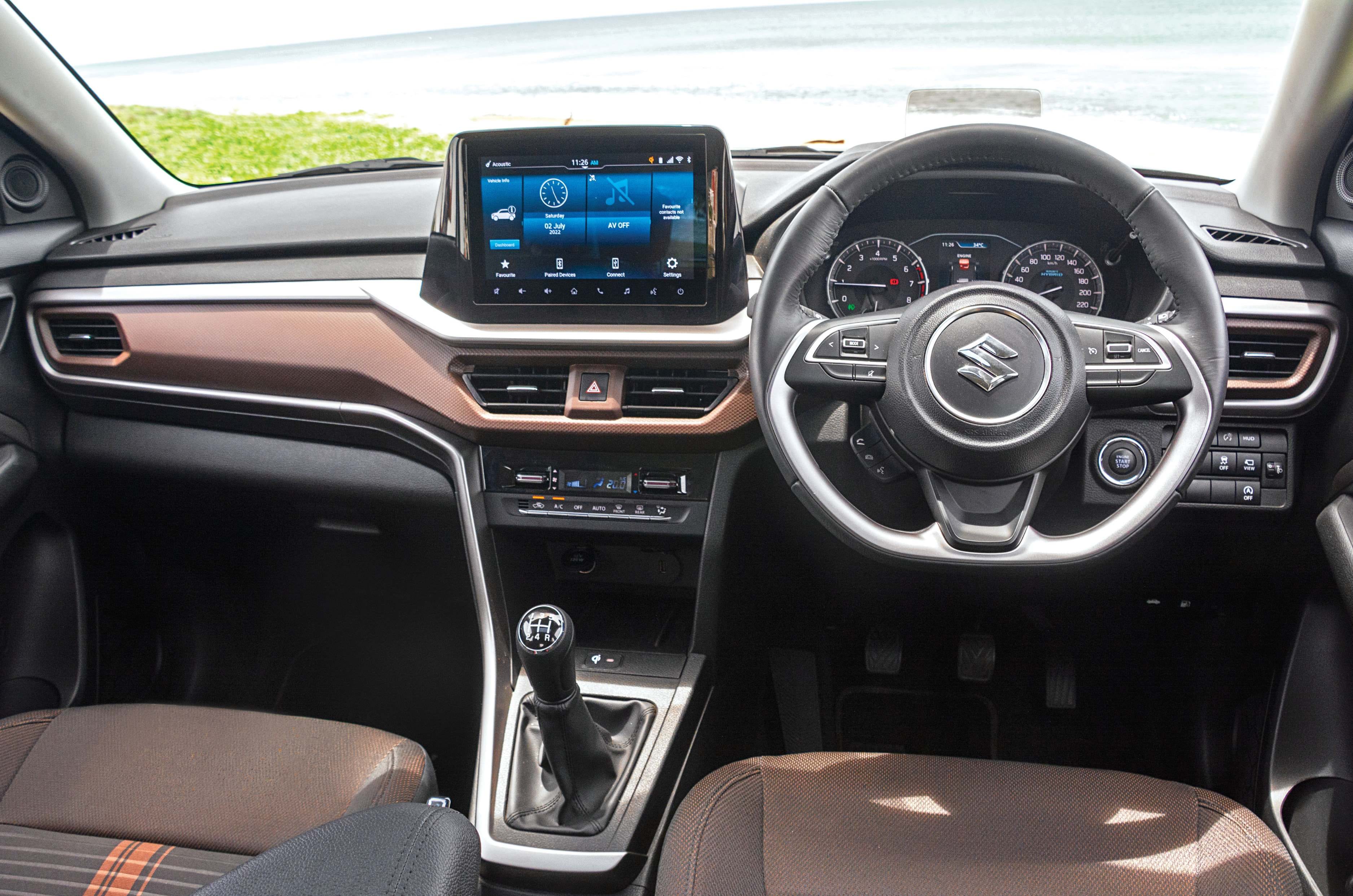
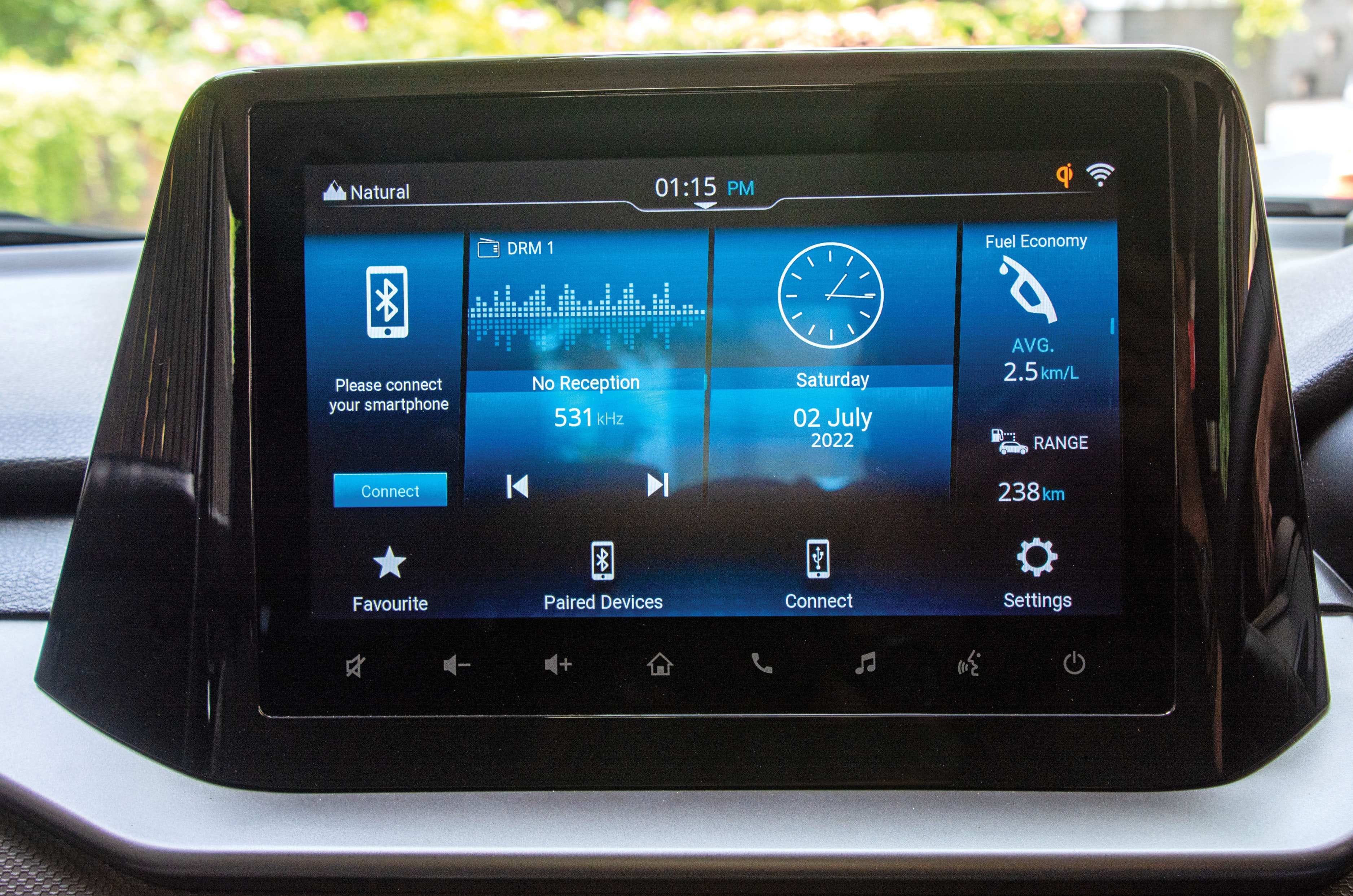
As for variants, there were four main trims – LXi, VXi, ZXi and ZXi+. The top-spec ZXi+ packs in features such as a 9-inch SmartPlay Pro+ touchscreen with Android Auto and Apple CarPlay, a 360-degree camera, head-up display, sunroof, connected-car tech, cruise control, auto climate control, LED lighting and six airbags. Lower variants are reasonably well equipped too, so it’s worth choosing the car based on condition and service history rather than simply chasing the highest trim.

Brezza aftersales details

Being a Maruti product, the Brezza is easy to maintain and spare parts are widely available. Maruti’s extensive service network is another advantage, particularly for buyers intending to keep the car for several years. The Brezza also has strong resale demand, which helps lower depreciation. It’s worth looking for an example with a complete service history and, where applicable, an extended warranty.

What to look out for in a used Maruti Suzuki Brezza

Suspension wear

Brezza owners have reported of noises or looseness from the suspension as the car ages. Drive the car over uneven roads and speed breakers, and listen for any noises or excessive crashing. Also check the condition of the tyres, as uneven wear can point towards alignment or suspension issues.

Infotainment issues

The Brezza gets a 9-inch touchscreen, 360-degree camera and head-up display. While the screen is generally responsive, owners have reported glitches, including camera display problems and phone disconnections. Before buying, test the touchscreen thoroughly, connect Android Auto/Apple CarPlay and make sure the 360-degree camera and HUD work correctly.

Potential defect in front seatbelts and airbag

Brezza units manufactured between November 2 and November 28, 2022, were recalled over a possible defect in a child part of the front seatbelt shoulder height adjuster assembly. Later, Brezza’s manufactured between December 8, 2022 and January 12, 2023, were included in another recall involving a possible airbag-controller defect. Make sure any car from these periods has had the relevant recall work completed.

Second-hand Maruti Suzuki Brezza price and resale value

Rs 7 lakh-11 lakh

The Brezza continues to command a healthy price in the used market. Current listings show examples spanning a wide range depending on variant, mileage and condition. However, be careful about paying too close to the price of a new Brezza. A low-mileage, single-owner example with a full service history is worth paying a little extra for, but condition should remain the priority.

Maruti Suzuki Brezza fact file

Years produced 2022-2026
Price when new Rs 8 lakh-13.96 lakh (ex-showroom, India)
Engine 4 cyls, 1462cc, petrol / 4 cyls, 1462cc, petrol+CNG
Power 103 / 88hp
Torque 137 / 121.5Nm
Ground clearance198mm
Boot space 328 litres

Top 6 Petrol rivals to the Ather Konarc

Top 6 Petrol rivals to the Ather Konarc
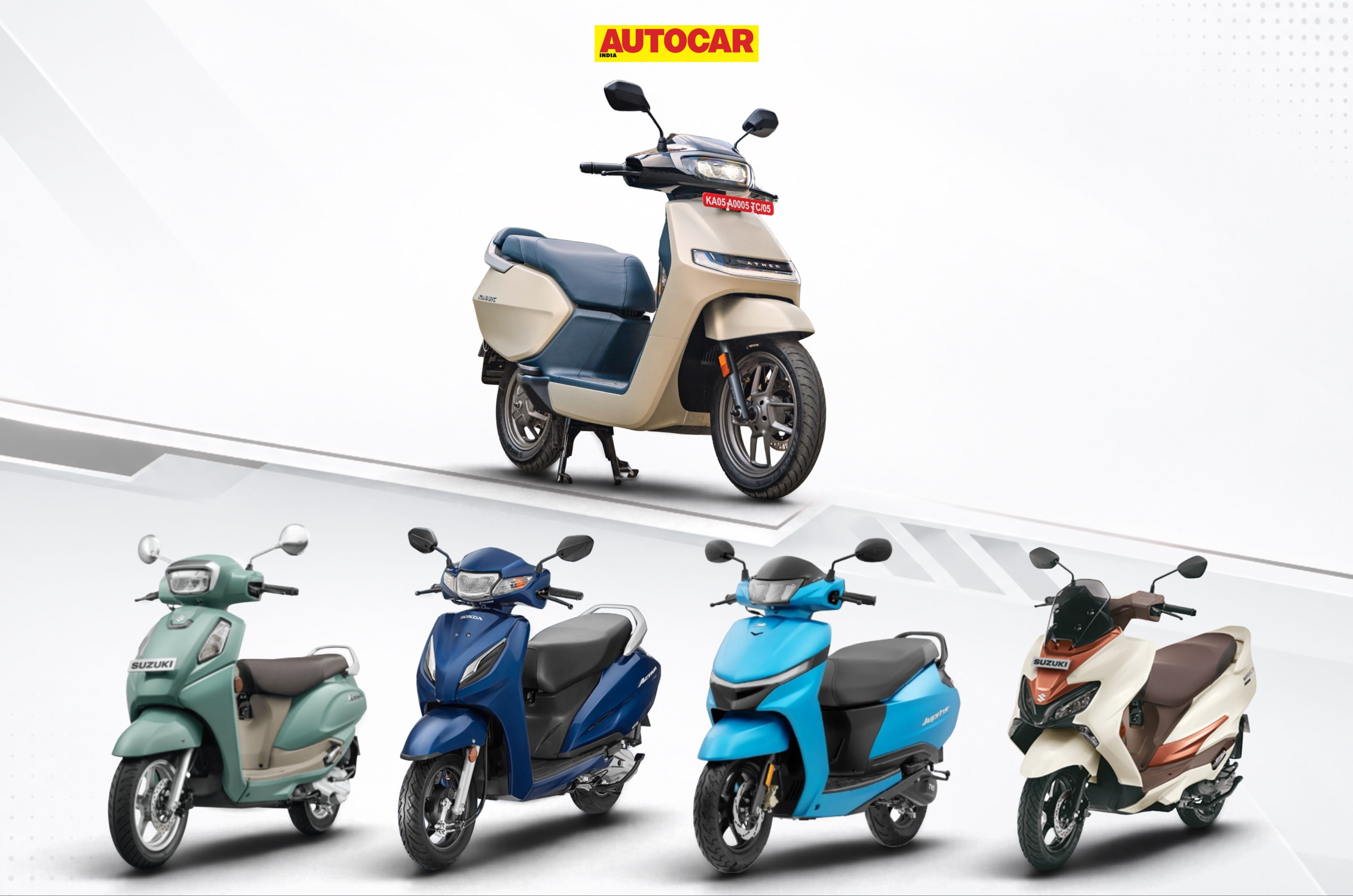
An inside render showing the Ather Konarc at the top; Suzuki Access, Honda Activa 6G, TVS Jupiter, and Suzuki Burgman Street at the bottom.

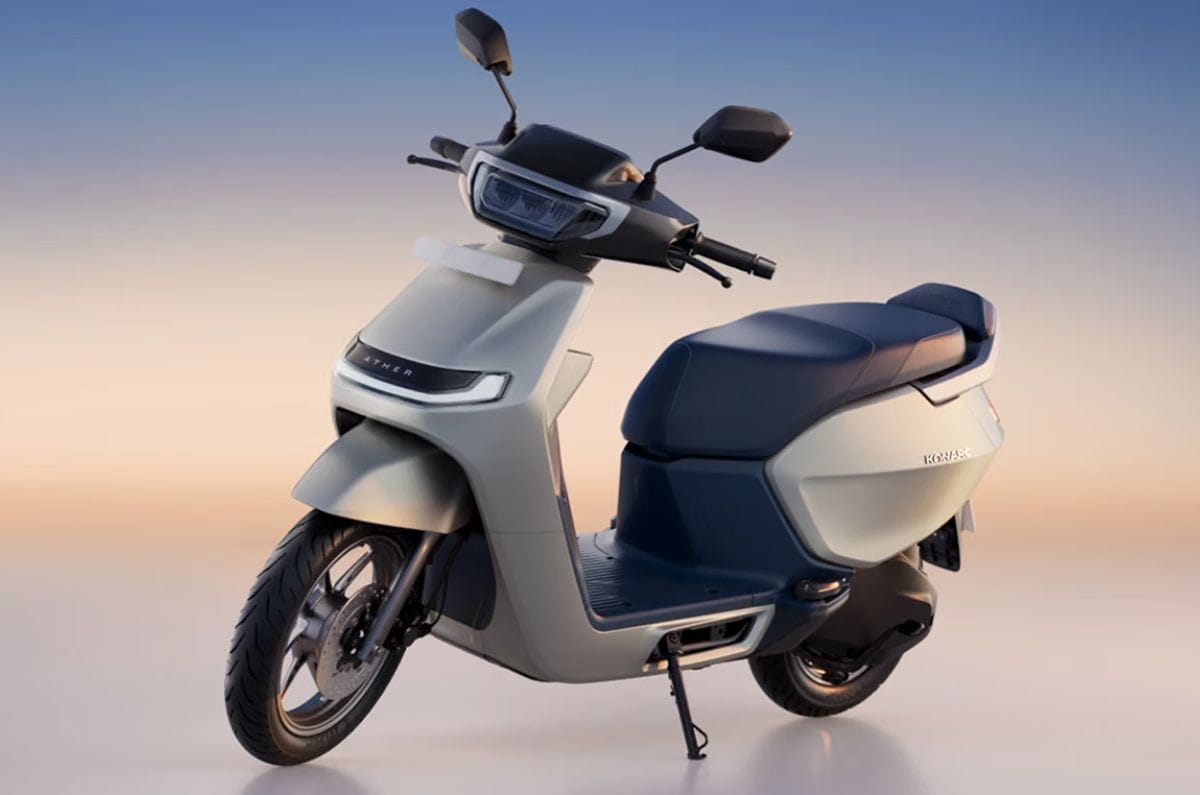
Family scooter. As soon as you read that, probably one specific scooter comes to your mind, summing up how the scooter industry has functioned the past two decades. However, over the past few years, EVs like the TVS iQube, River Indie, and the Ather Rizta have shown that they can go toe-to-toe with petrol scooters. The brand-new Ather Konarc is poised to add to that arsenal. However, if you aren’t quite convinced yet, here are some internal combustion engine (ICE) scooters you can look at instead.

All scooters are being compared to the Ather Konarc S 100, priced at Rs 99,999 (ex-showroom, Bengaluru). For Konarc, we haven’t considered features that require Ather StackPro subscription. All the other scooter prices mentioned are ex-showroom, Delhi.

Honda Activa

Rs 76,083 onwards

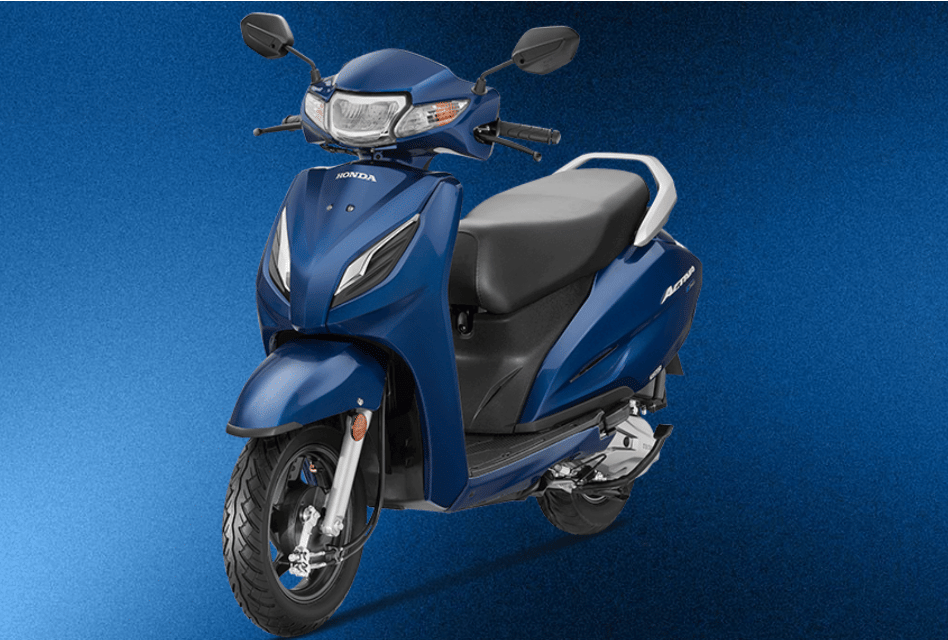
Honda Activa 6G in Decent Blue Metallic colour

The default family scooter and the one your mind reminded you of when you started reading this. You cannot go wrong with the Activa’s reliable 110cc engine and the trust the brand brings you. However, this and the 125 have a lean feature set compared to the other ICE scooters here. The Activa 110 gets a 4-inch TFT instrument cluster with turn-by-turn navigation, smartphone connectivity, a silent start and stop-start system via an Integrated Starter Generator (ISG), and a smart key on the top variant. With the Activa’s 54.4kpl fuel economy, you’re looking at a 270km range before coming to a standstill. The Activa’s prices tops out at Rs 91,082 which makes it close to the entry-level variants of the Ather Konarc and the Simple Wave.

By paying Rs 9,000 more for the Konarc, you’ll get 100km IDC range, 70kph top speed, two ride modes, bigger 14/12-inch front/rear wheels, a bigger 31L under seat storage.

Honda Activa 125

Rs 91,178 onwards

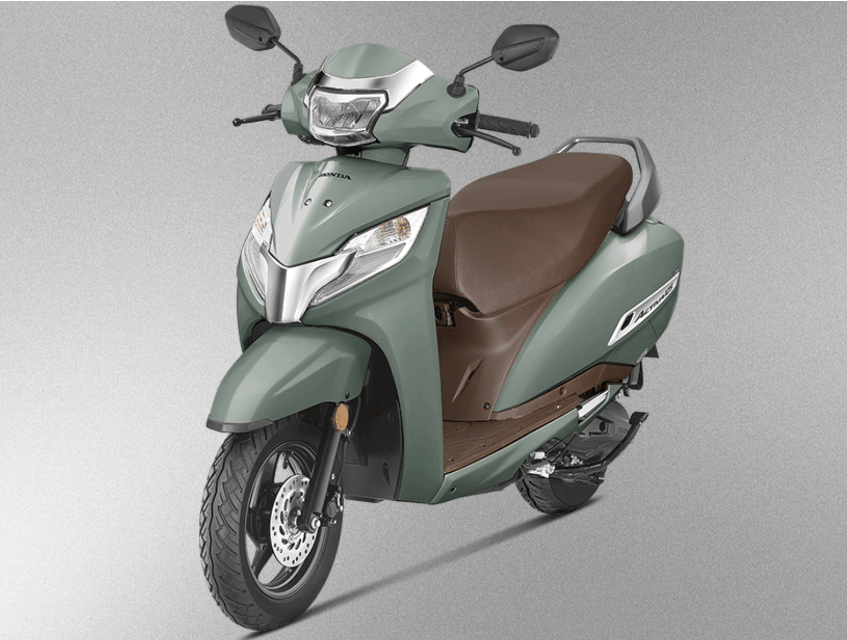
Honda Activa 125 in Pearl Deep Ground Gray colour

The bigger Activa bumps up the cubic capacity to 124cc and increases the power by 0.4hp to 8.3hp and increases the torque by 1.4Nm to 10.5Nm compared to the 110, but is otherwise almost exactly the same as the 110. For that extra power and torque, the Activa 125 bumps up the prices and tops out at Rs 95,622. As such, the extra features you gain by switching to the Konarc also remain the same.

TVS Jupiter (110)

Rs 74,125 onwards

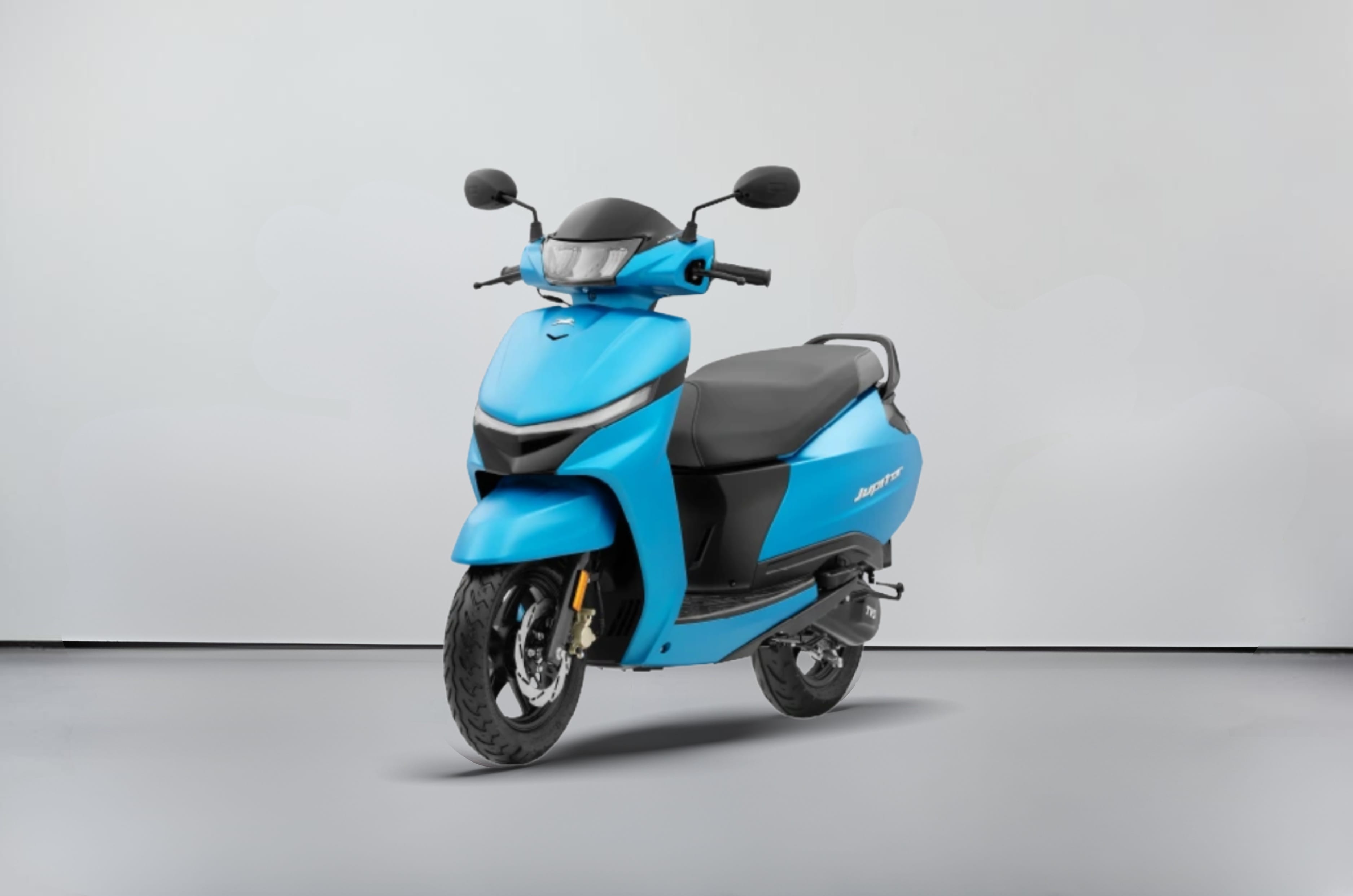
TVS Jupiter 110 in Dawn Matte Blue colour

The Activa’s biggest competitor is the Jupiter which received a comprehensive upgrade in 2024. TVS gave it an all-new 113.3cc engine with 7.9hp and 9.8Nm of torque (with 0.6Nm from the ISG). It also received a much sleekier design over its predecessor. As things stand today, the Jupiter has perhaps the largest feature set of any ICE scooter. Thanks to sharing the platform with its bigger brother, the new Jupiter gets a front fuel tank, 33L under seat storage (that’s still the largest on an ICE scooter). It also gets a wide floorboard, more storage on the front apron storage, an ISG, smartphone connectivity, 12-inch wheels at both ends, a front disc brake on higher variants, and a design that’s much more modern than any of its peers. With its 57kpl fuel economy, the Jupiter also has the Activa beat with a higher 285km range. The Jupiter starts at Rs 74,125 and tops out at Rs 89,825 for the dual-tone variant.

By stepping up to the Konarc by paying an additional Rs 10,174 over the top-most variant, you gain a larger 14-inch front wheel.

TVS Jupiter 125

Rs 81,700 onwards

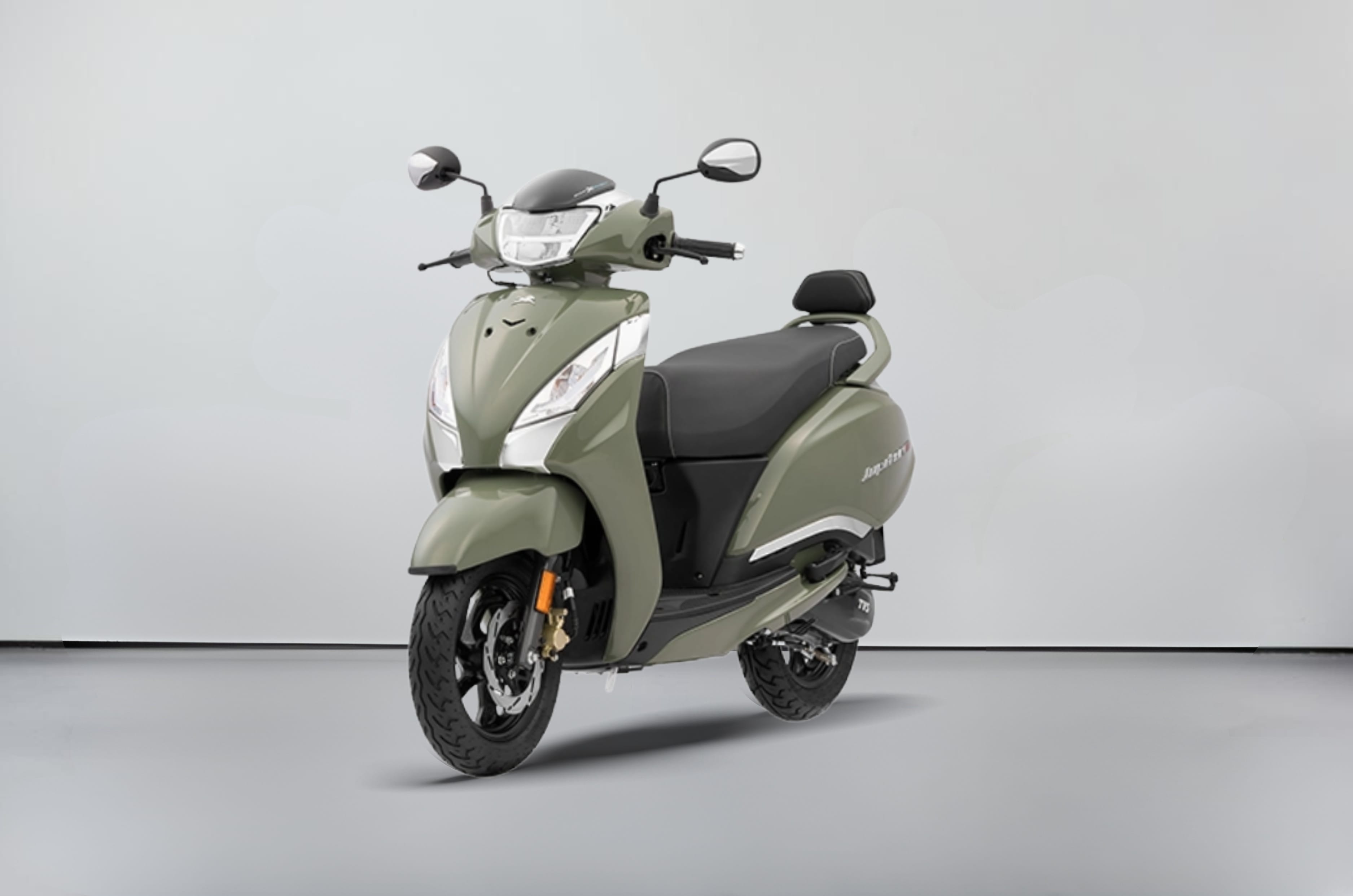
TVS Jupiter 125 in Elite Green colour

The bigger Jupiter unfortunately didn’t quite get the rejuvenation. It’s stuck to essentially the same design from its debut in 2021. With the larger 124.8cc engine, you get 0.5hp extra power and 1.3Nm extra torque over the 110, with the ISG’s assistance; without it, they become 0.1hp and 0.7Nm extra, respectively. Sharing the same platform means that the new 110 has caught up to most of the 125’s features. Though, you do get a TFT display on the 125’s cluster, but it isn’t adding any real value. The Jupiter 125 starts at Rs 81,700 and tops out at Rs 89,935.

By stepping up to the Konarc for approximately Rs 10,000 extra, you gain a larger front tyre.

Suzuki Access (125)

Rs 82,185 onwards

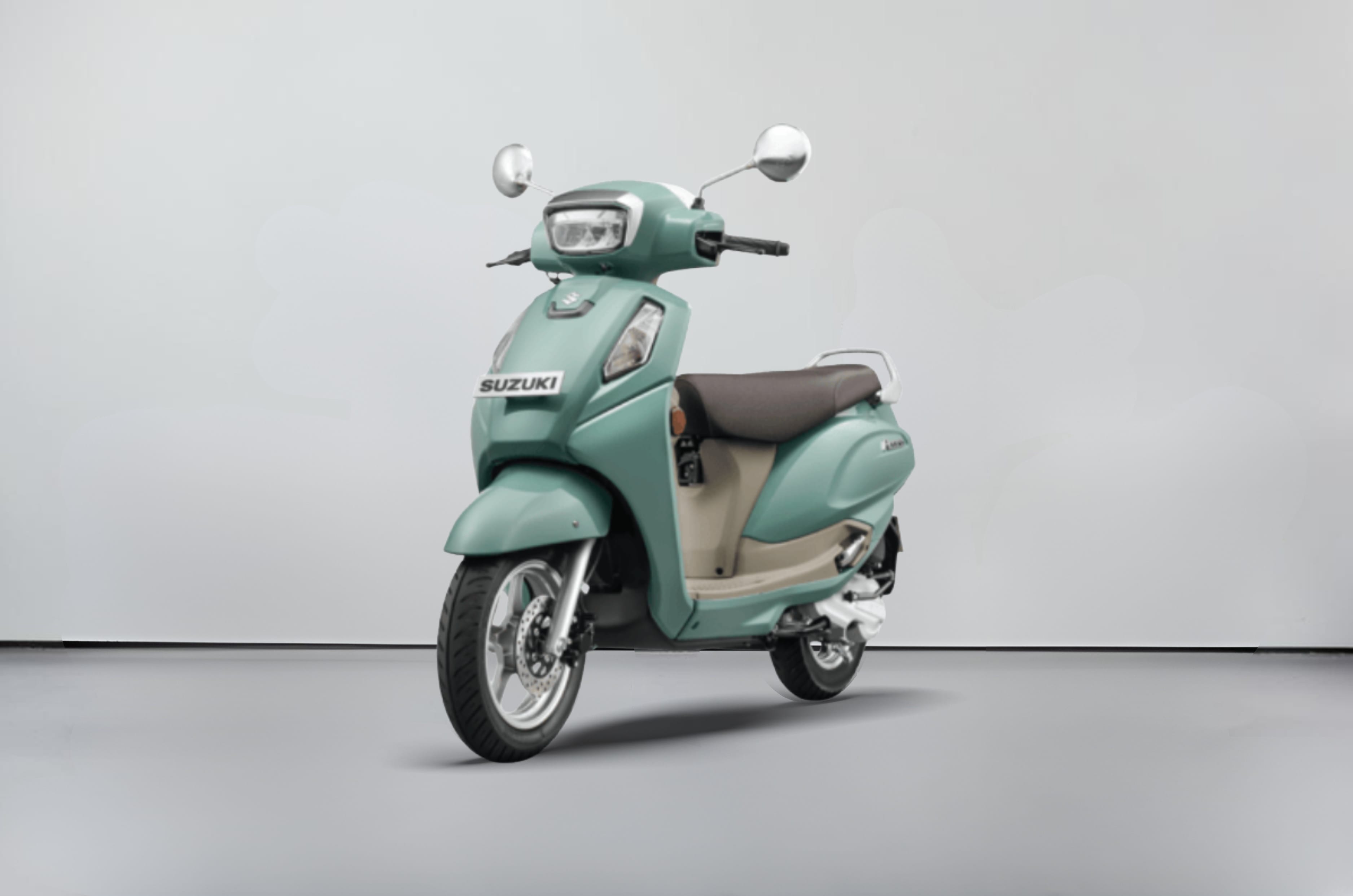
Suzuki Access 125 in Solid Ice Green colour

The Suzuki Access has silently been one of the best-selling scooters in the family scooter segment and it received a comprehensive upgrade in early 2025. While there wasn’t a brand-new engine, Suzuki gave it a new frame and made scores of minute improvements to the engine that added up to make it a comprehensively better scooter. However, that also means there aren’t any new features to help the Access’ case. It sticks to a 12/10-inch front and rear wheel setup, a 24.4L under seat storage that now feels measly even for the ICE world. Suzuki did give it a TFT instrument cluster and single-channel ABS on the highest variant, but that’s about it. The Access starts at Rs 82,185 and will set you back by Rs 1.02 lakh for the TFT-ABS variant.

With the Ather Konarc, you will end up paying Rs 3,000 less and gain a larger 14/12-inch front and rear wheels, two ride modes, and a considerably larger 31L under seat storage but the Access is the only scooter here that offers the safety net of an ABS system.

Suzuki Burgman Street

Rs 1.03 lakh onwards

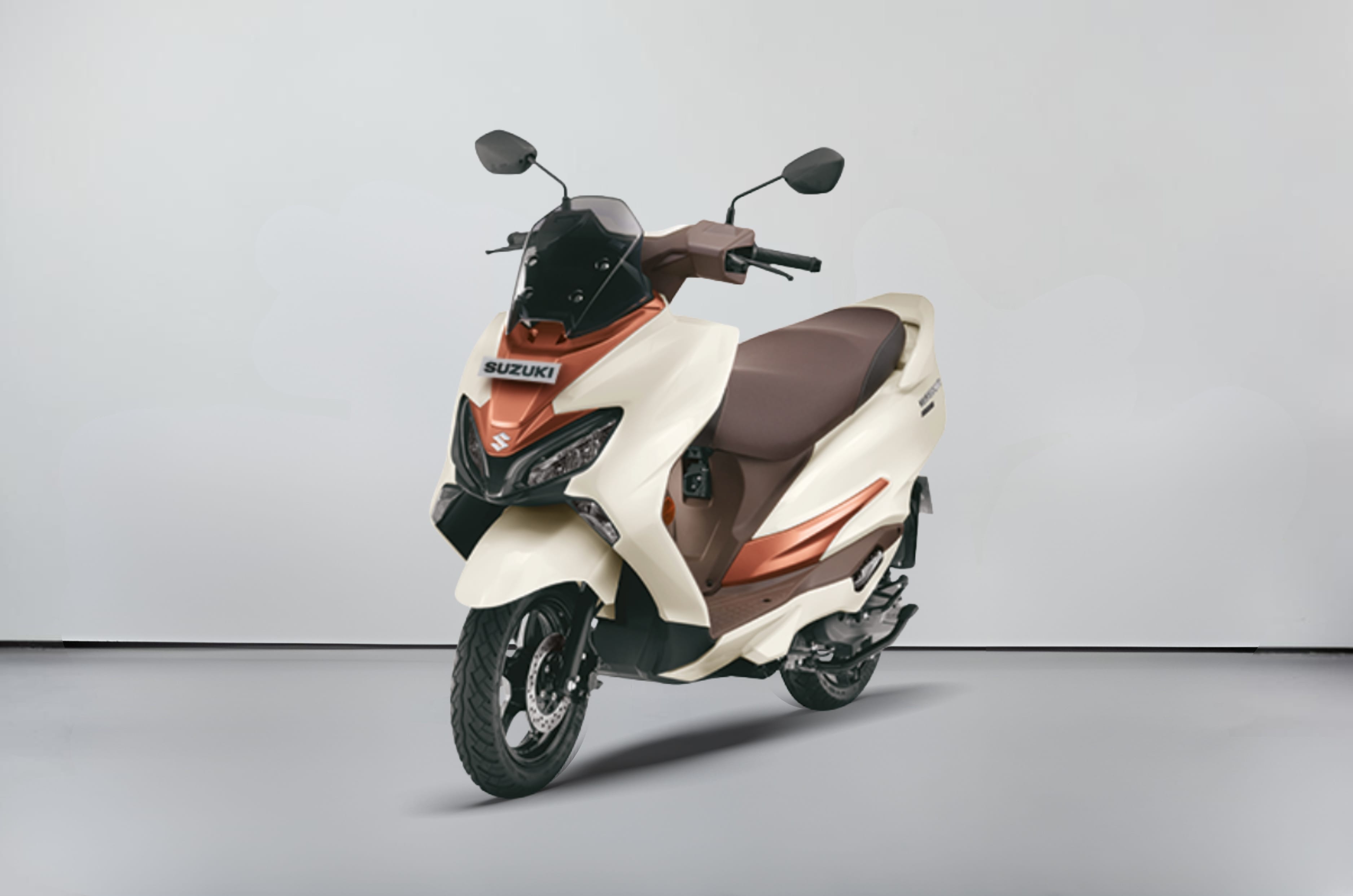
Suzuki Burgman Street in Grace White/Copper colour

The Burgman received most of the same upgrades as the Access in early 2026, with the maxi-scooter stance as its biggest differentiation. The Burgman Street exclusively gets a keyless system on the top-variant, but loses out on the single-channel ABS compared to the Access. On the dimensions front, it gets a 25mm longer wheelbase, 7kg additional weight, and 0.2 litres larger fuel tank compared to the Access. It’s also one of the two Suzuki scooters to have a 12/12-inch front and rear wheel setup in India; the older Burgman Street EX being the other one. Except for these differences and a different design, the Burgman Street shares its mechanicals and convenience features with the Access. The Burgman Street starts at Rs 1.03 lakh and the top TFT variant with the keyless system costs Rs 1.15 lakh.
By getting the Konarc instead, you end up saving about Rs 4,000 (Rs 12,000 compared to the top variant) and you gain a larger 14-inch front wheel, two ride modes, and of course, the larger 31L under seat storage.

Summary and conclusion

Ather Konarc in Celestial Gold colour

We understand that this article makes it seem like there’s no point in choosing the Ather Konarc in most cases; that’s not quite true. Getting an EV scooter might be the best decision for some people, especially ones with a fixed daily travel distance, living in either their own house, or a housing society that’s generous with setting up a home charger, and all the tech enthusiasts who would like to see how far EVs have come in the past few years. Just the novel riding experience of an EV might be enough to choose the Konarc for you. So, take a test ride of the Konarc S 100 when it becomes available. We’d like you to be aware of the closest ICE options, if you end up deciding the Konarc isn’t for you.

With Ather StackPro and Ather Connect subscription, the Konarc S can offer more smart features that none of the others here can hope to match, but there’s an additional price to be paid for them. Hence, if you’re after the most value for your money, there’s no question that ICE vehicles still offer more for their asking price.

BMW M4 Competition review: No competition?

BMW M4 Competition review: No competition?
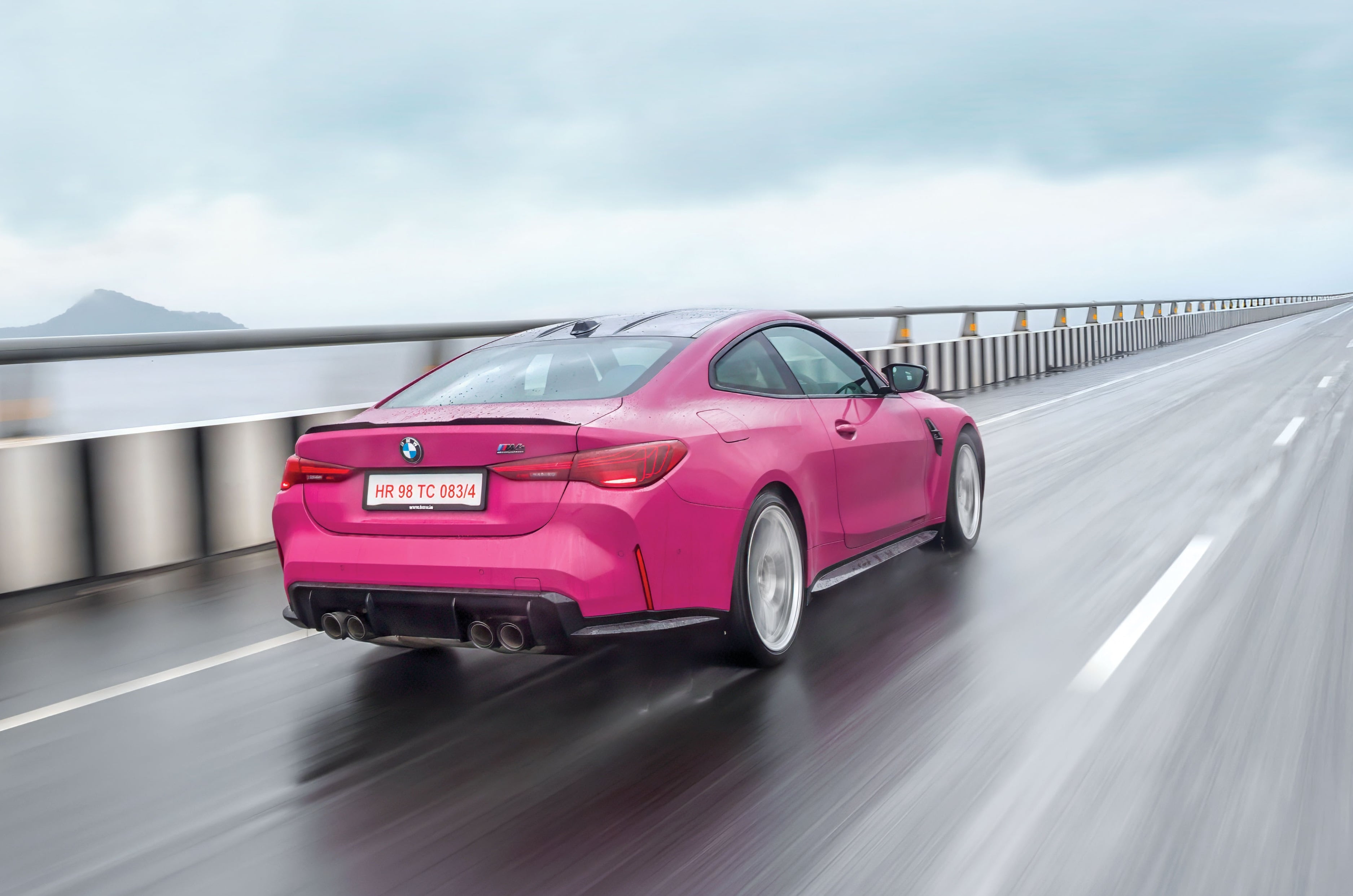
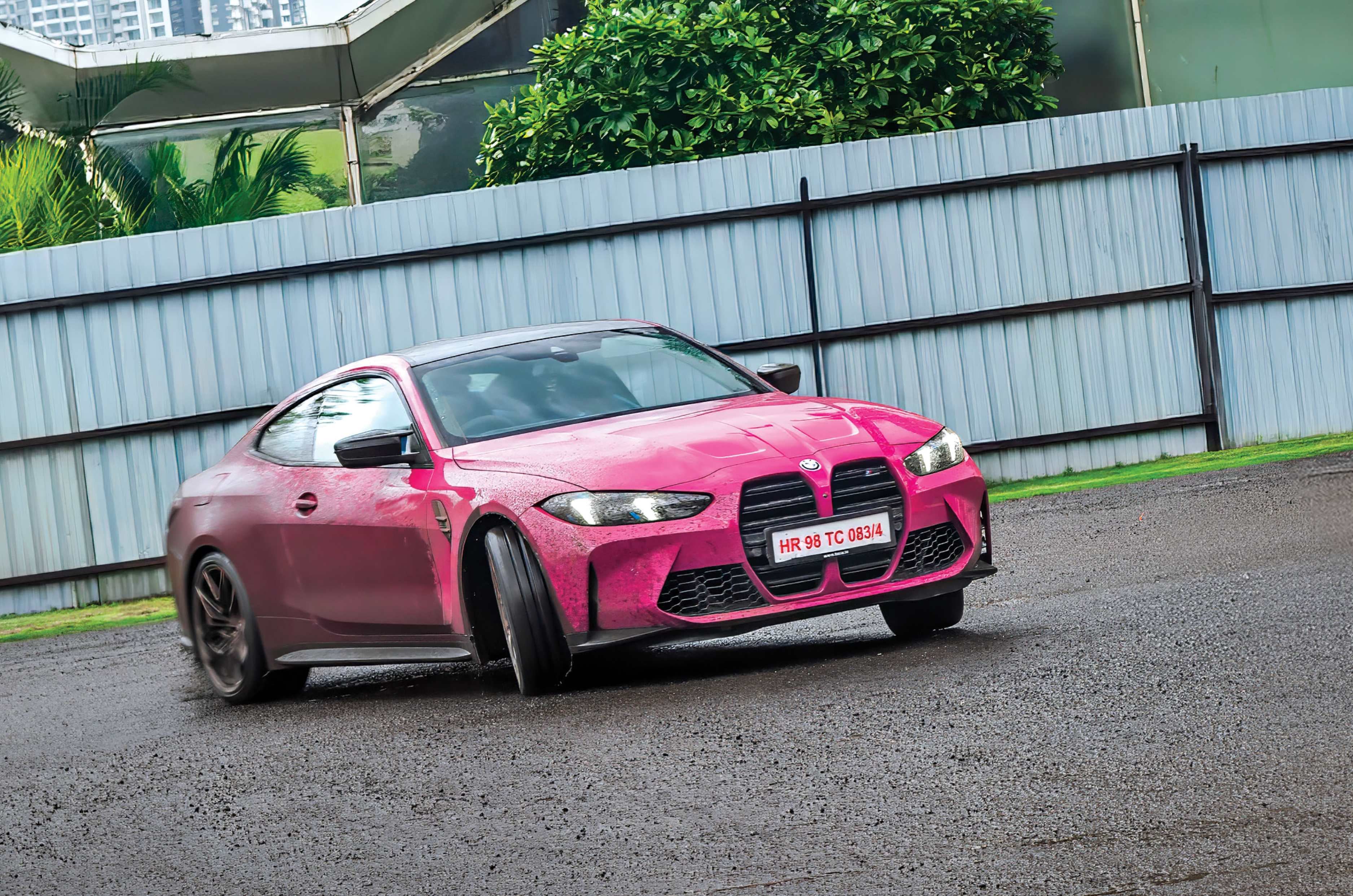
BMW M4 Competition driving

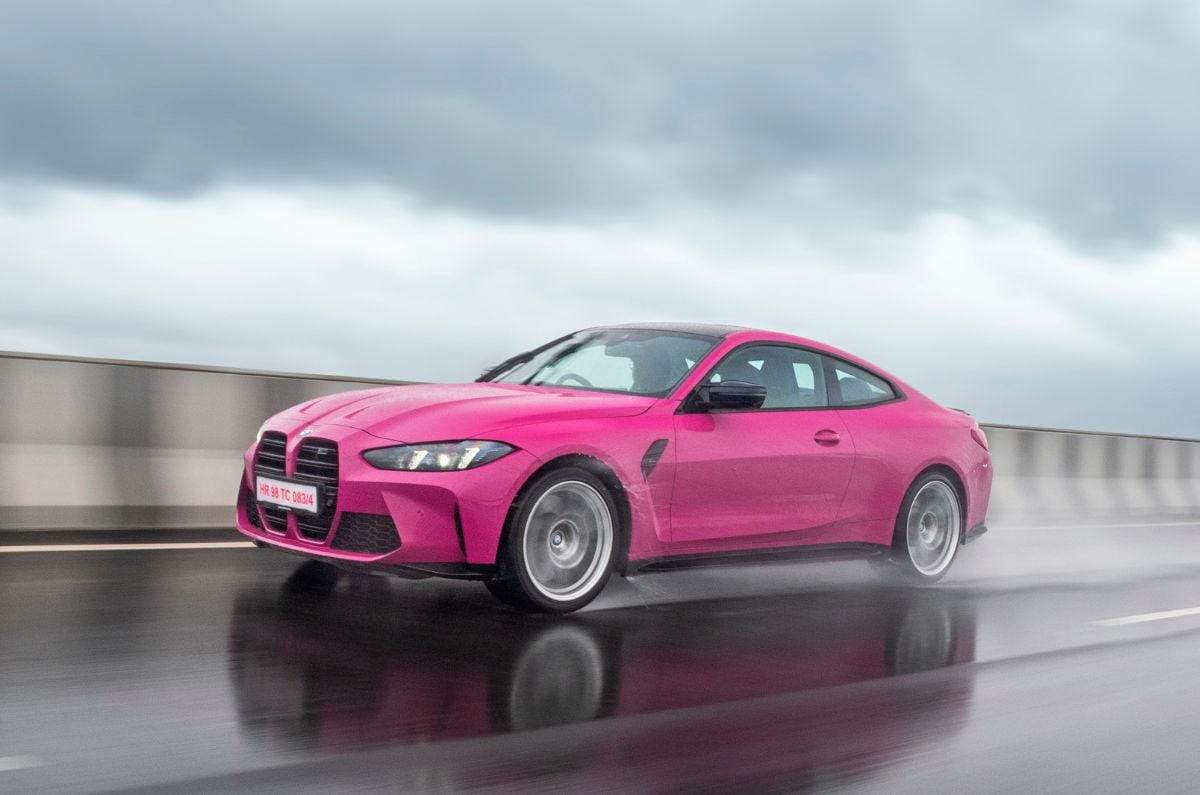
This G82-gen BMW M4 that you see has been on sale internationally since 2020, it came to India in 2022, and it even received a facelift (LCI or Life Cycle Impulse in BMW speak) a few years back. Yet, somehow, we never got a chance to drive it on Indian tarmac all these years. Now, however, we’ve finally spent some meaningful time with the BMW M4 Competition on home turf to see what it’s like.

BMW M4 Competition exterior design and engineering – 8/10

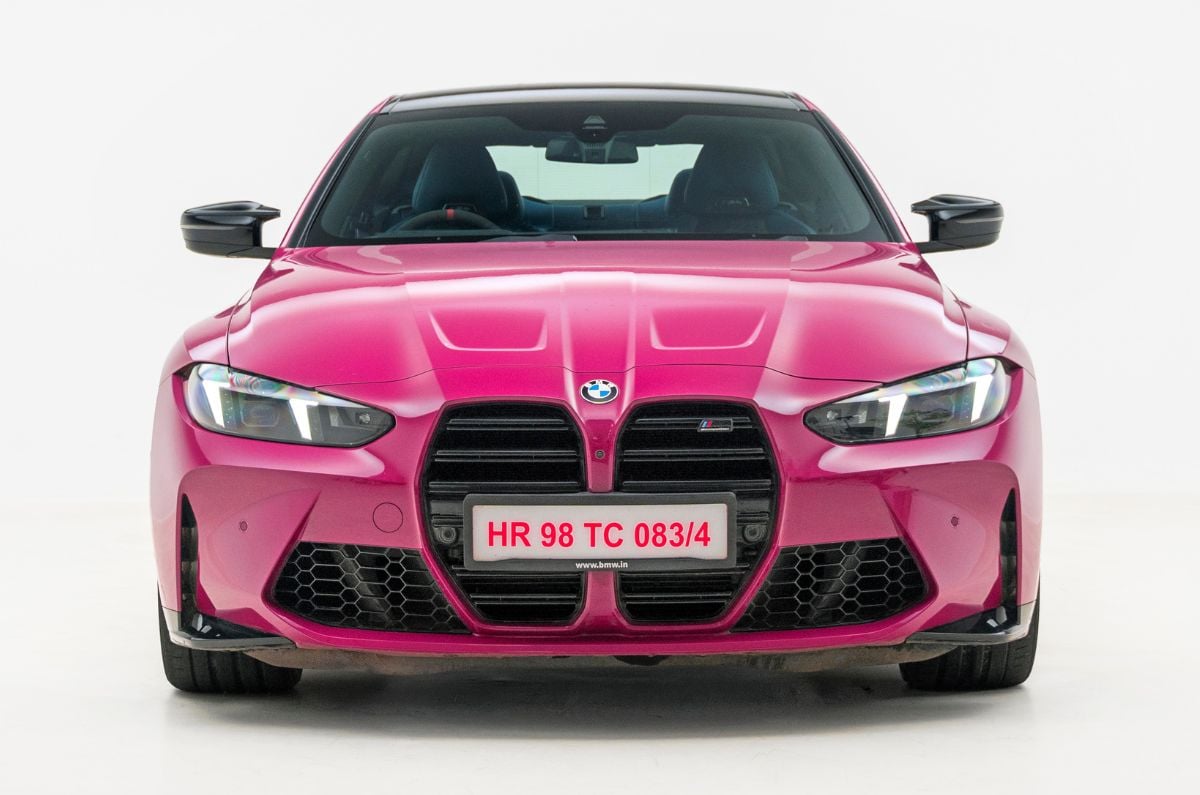
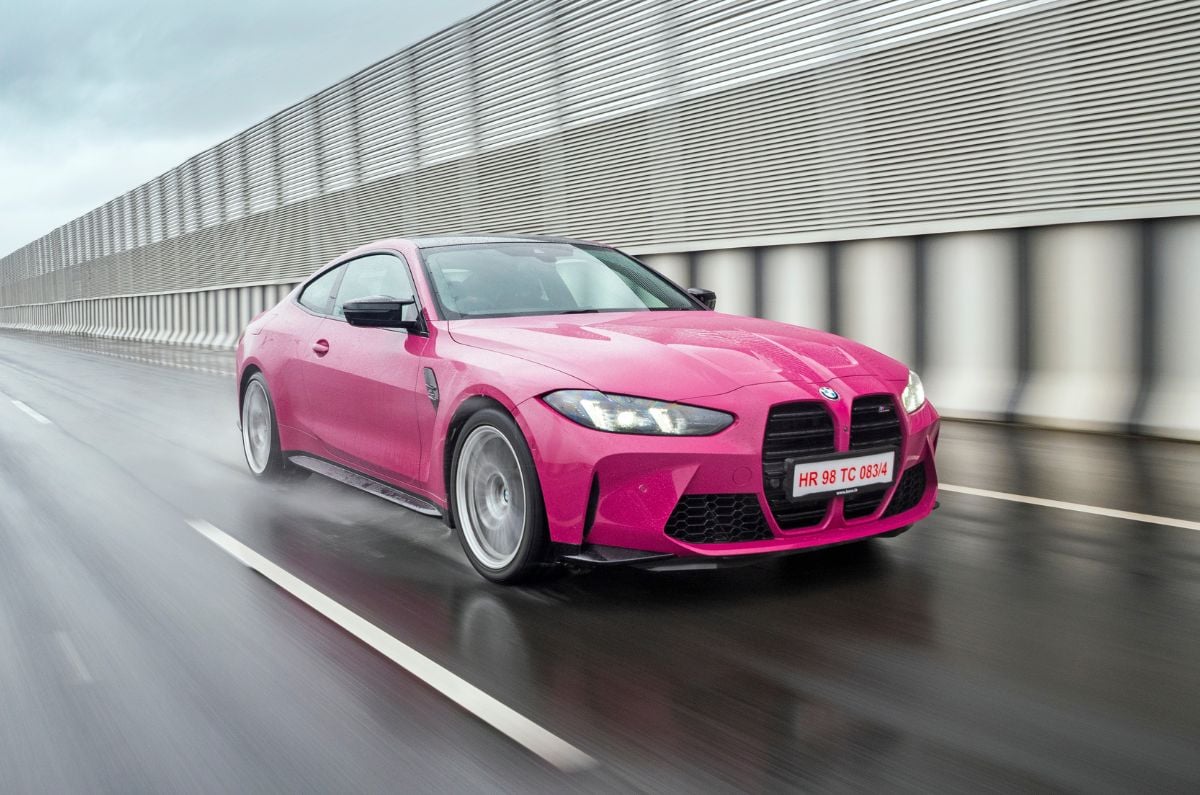
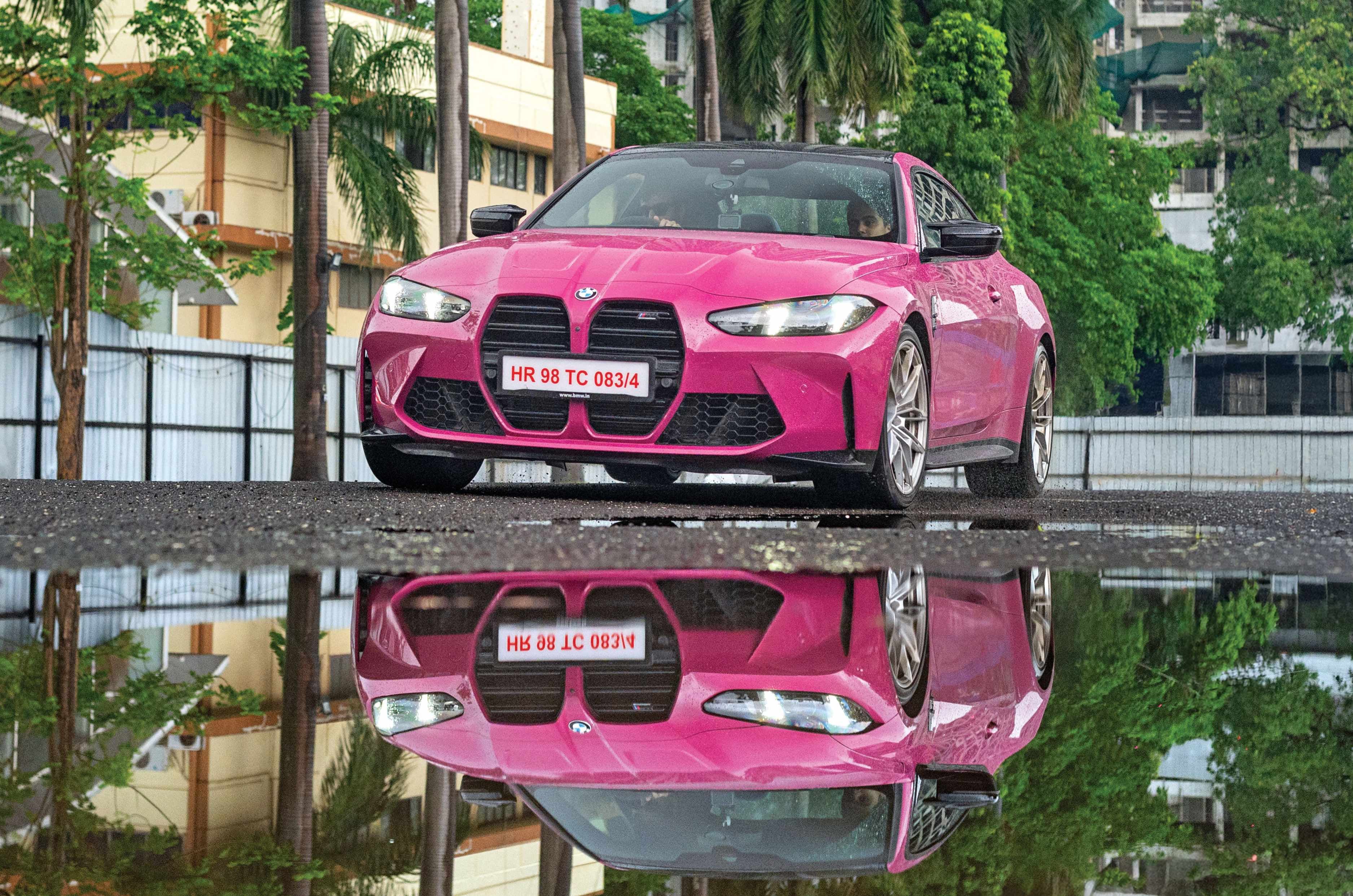
Whether you like it or not, the huge kidney grille gives it an imposing road presence.

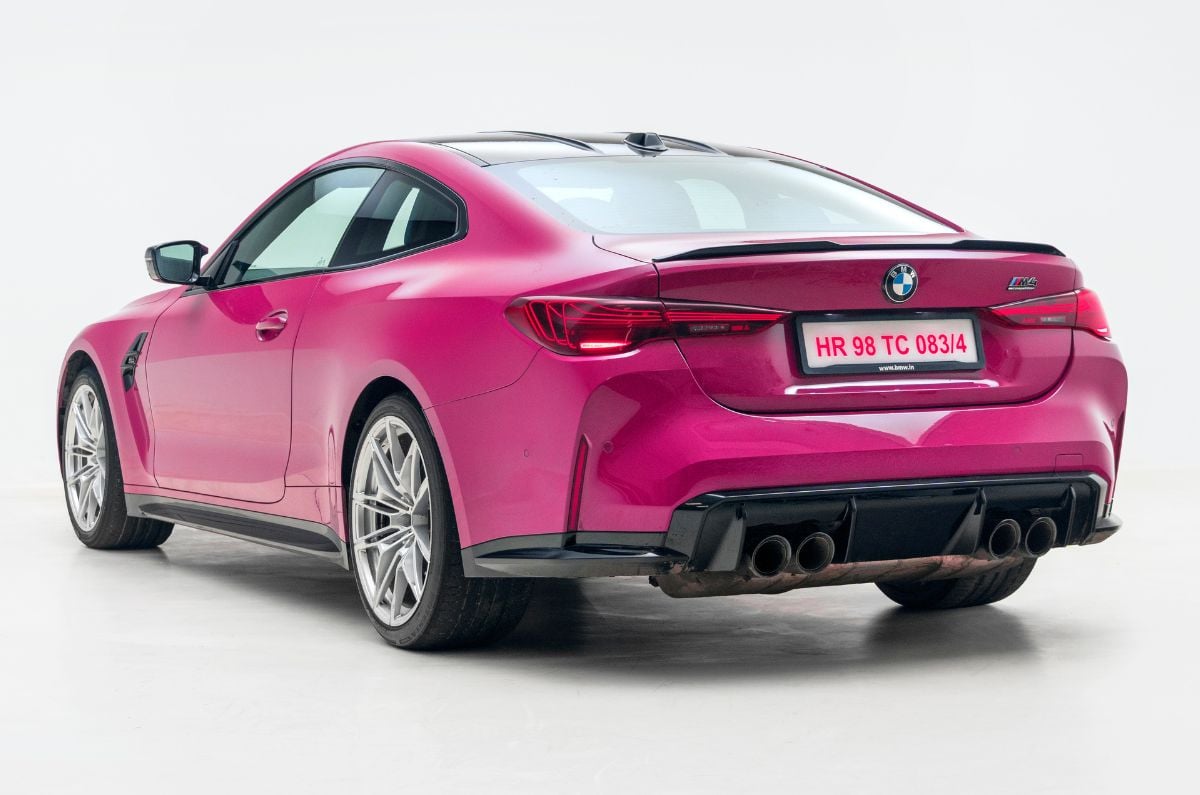
The BMW M4 Competition remains one of those cars that gets people talking before they’ve even heard it start. The enormous kidney grille is still the defining feature, and whether you like it or not, it gives the M4 a face that is impossible to mistake for anything else. The rest of the design is far more cohesive, with a long bonnet, heavily sculpted surfaces, flared wheel arches and a low, wide stance. At the rear, the quad exhausts, bootlip spoiler and prominent diffuser just add more drama to the design.

There’s serious engineering behind the visual drama, too. The M4 gets M-specific suspension hardware and aluminium suspension components, while the near-50:50 weight distribution helps give it the balance expected of an M car. And unlike all previous M3s and M4s, this one gets BMW’s M xDrive all-wheel-drive system, and it rides on staggered 19-inch front and 20-inch rear wheels.

Quad exhausts is an M signature and this LCI also gets beautifully detailed Laser LED taillights.

At 4,801mm long and 1,887mm wide, it’s a substantial car, and at 1,850kg, it’s certainly not light. But BMW has worked hard to keep the mass low and central, like with the use of a carbon-fibre roof, for example.

BMW M4 Competition interior space and comfort – 8/10

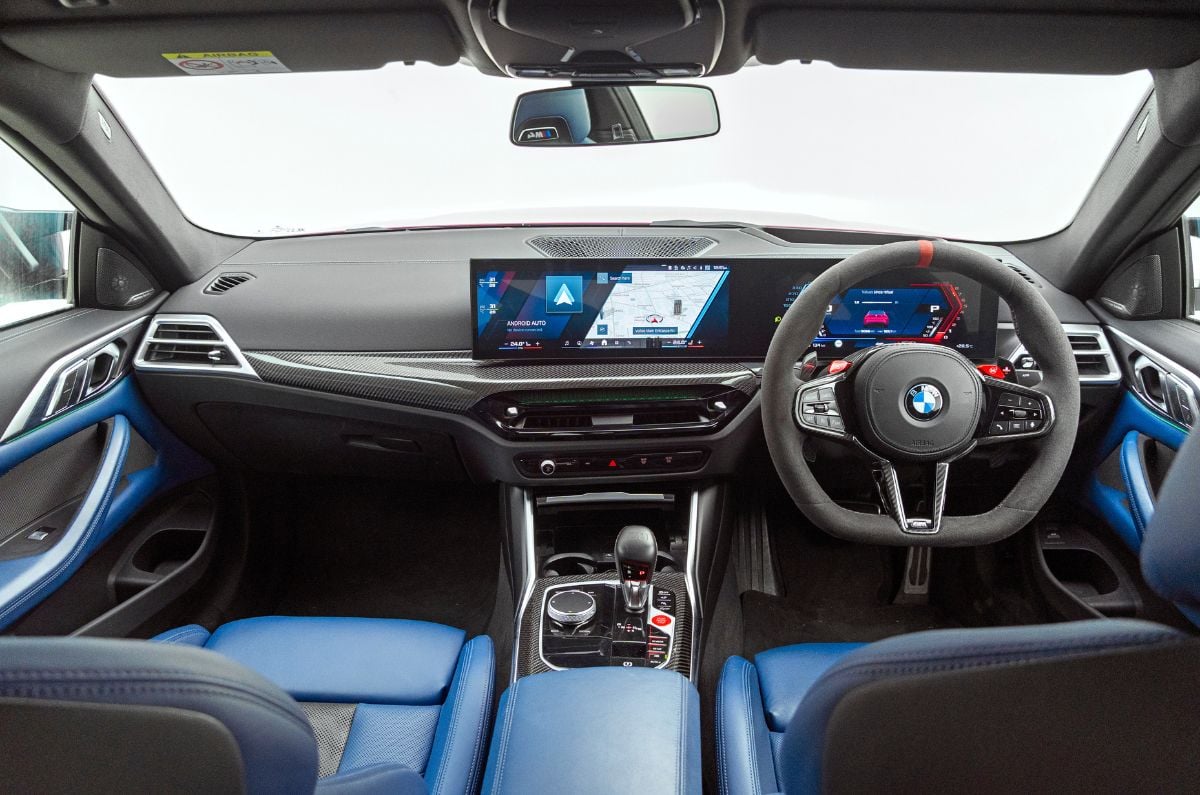
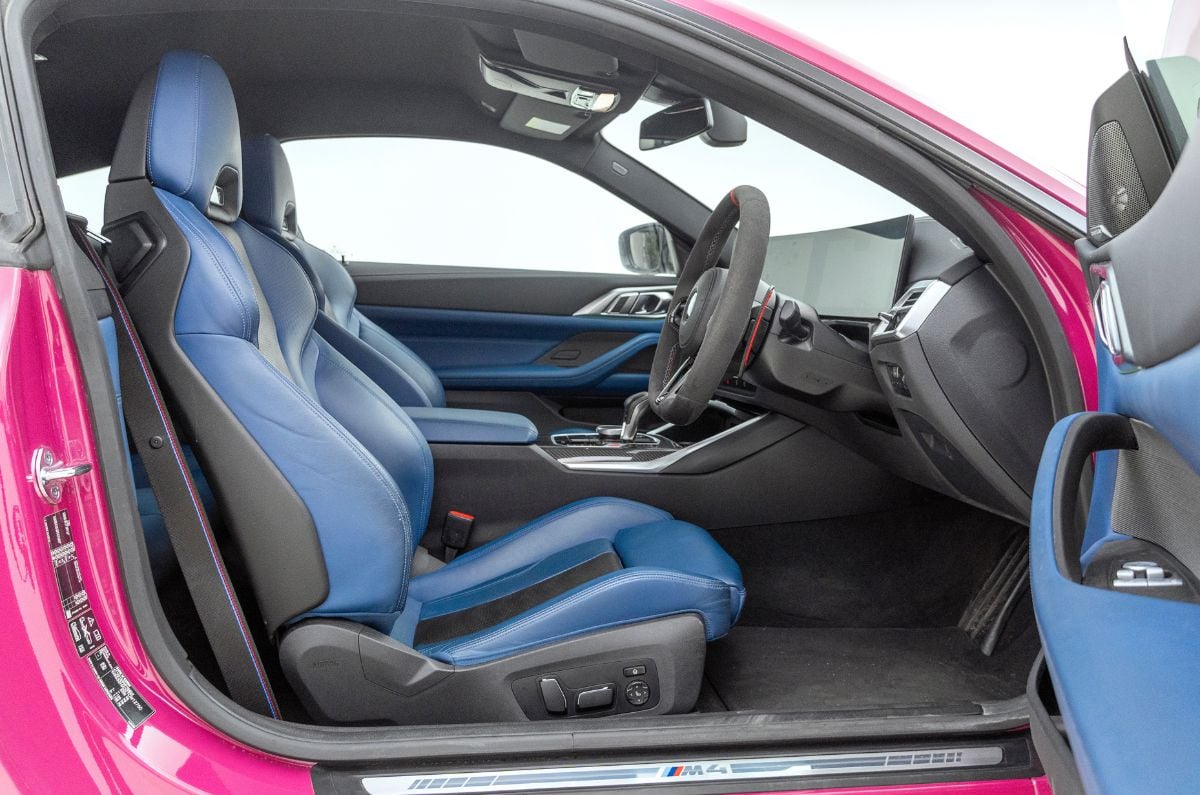
High-quality, driver-focused cabin is a mix of leather, carbon fibre and Alcantara.

The M4’s cabin is a good example of how far modern M cars have moved from being purely performance machines. There’s plenty of everyday usability here, but the driving position still feels special. You sit low, the steering wheel is perfectly positioned, and the large front seats are supportive and comfortable, and hold you securely when you start driving enthusiastically.

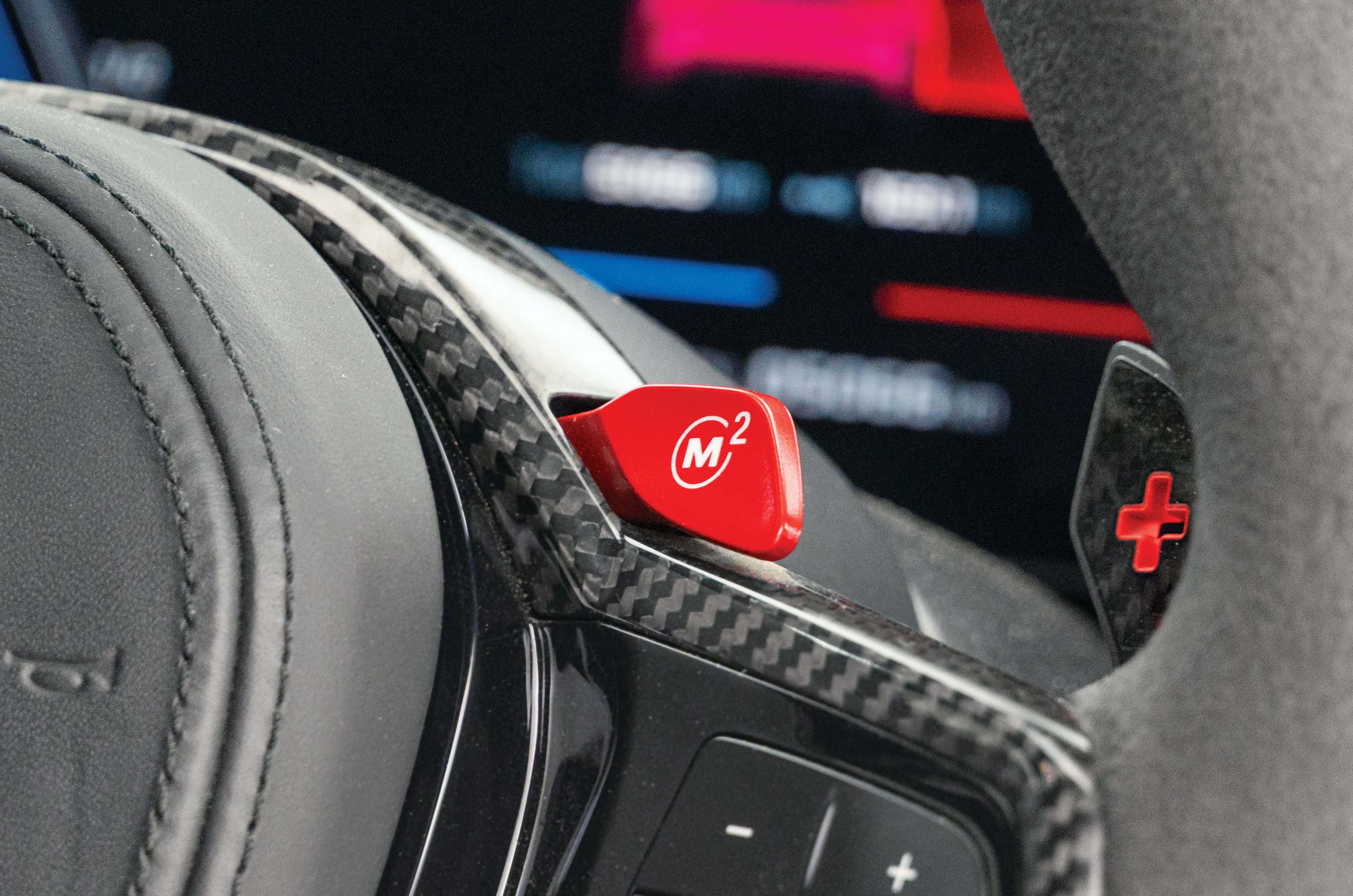
The dashboard follows BMW’s familiar layout, dominated by the curved display, while M-specific details like carbon-fibre trim throughout, M colours on the seatbelts and the red M1 and M2 buttons give the cabin enough visual distinction.

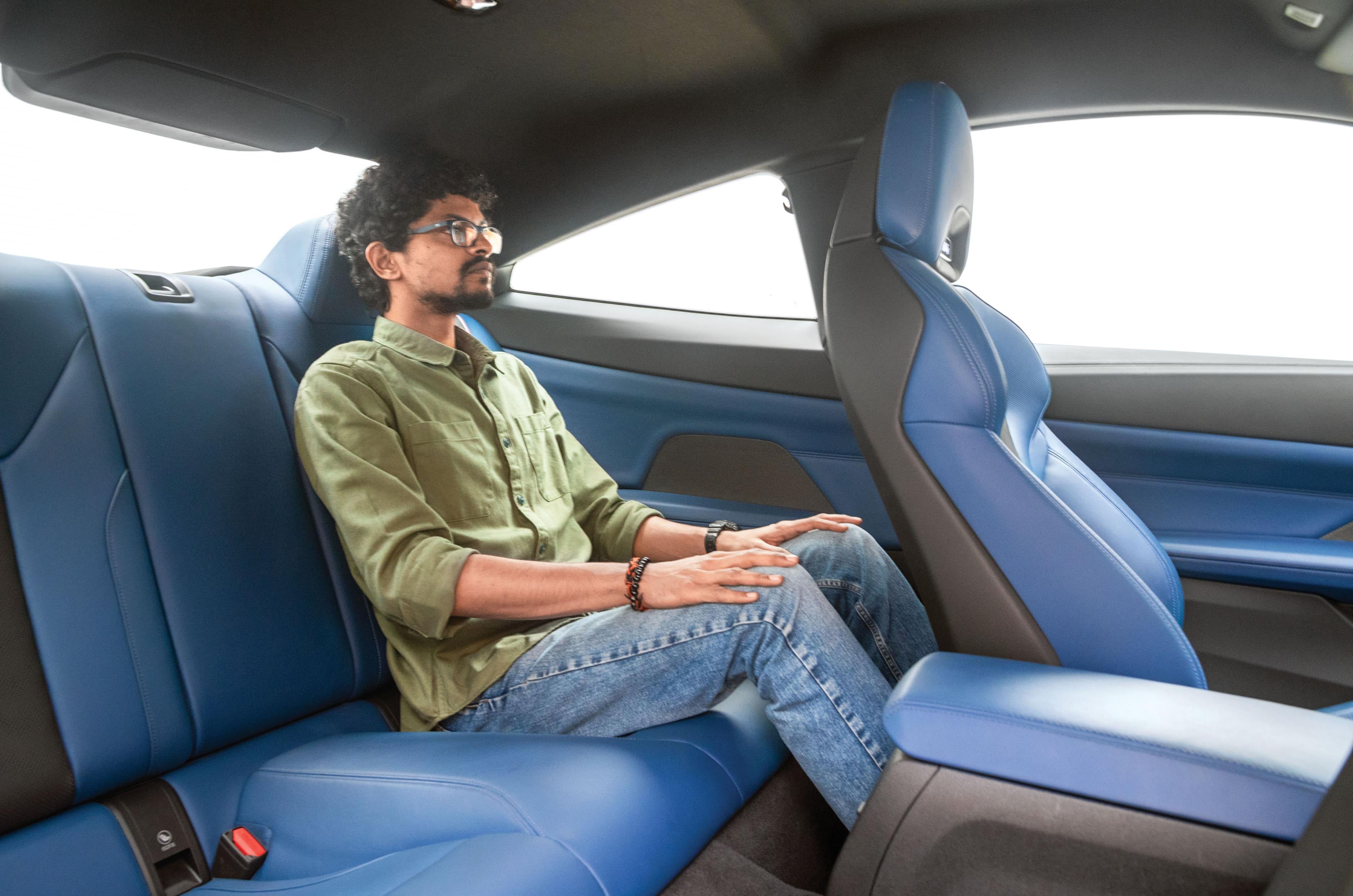
Access to the rear is tricky, though it’s a reasonably spacious place to be.

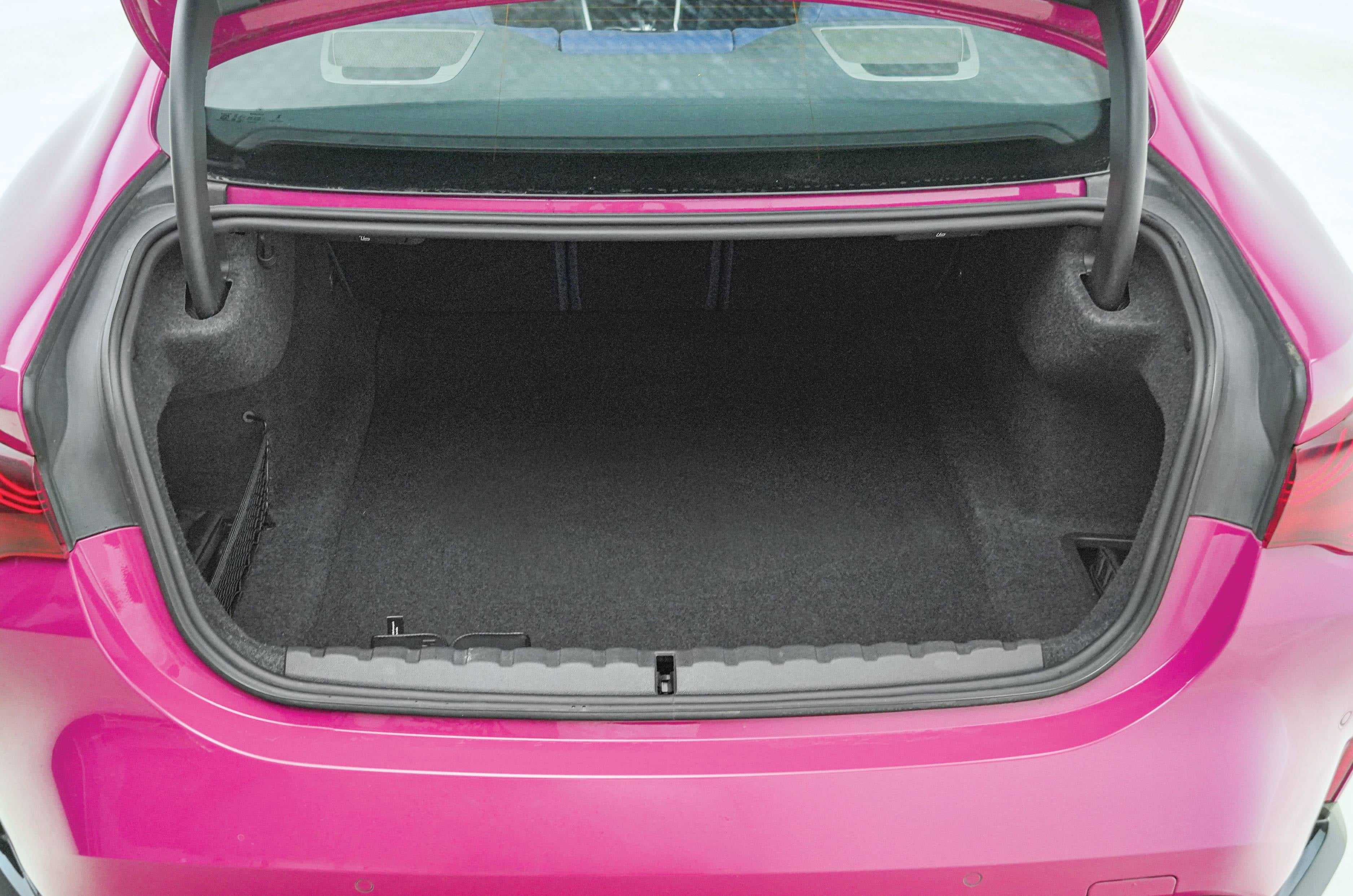
The coupe body does limit rear-seat access and space, but the back seats are still surprisingly usable, and not merely for show. There’s also a 440-litre boot, which means the M4 can manage luggage for a weekend away without too much hassle. That combination of usable cabin room and decent boot space is one of the car’s biggest strengths; very few cars with this level of performance are this practical.

440-litre boot can easily swallow up your luggage for the weekend.

It’s also relatively easy to live with in everyday conditions. The visibility is manageable, the controls are familiar and, at low speeds, the M4 is far more relaxed than its appearance suggests.

BMW M4 Competition features and safety – 8/10

The M4 Competition gets the technology expected of a modern BMW, but the really interesting equipment is the hardware and software designed to make its performance accessible.

M1 and M2 buttons are shortcuts for your preferred, pre-selected drive settings. 

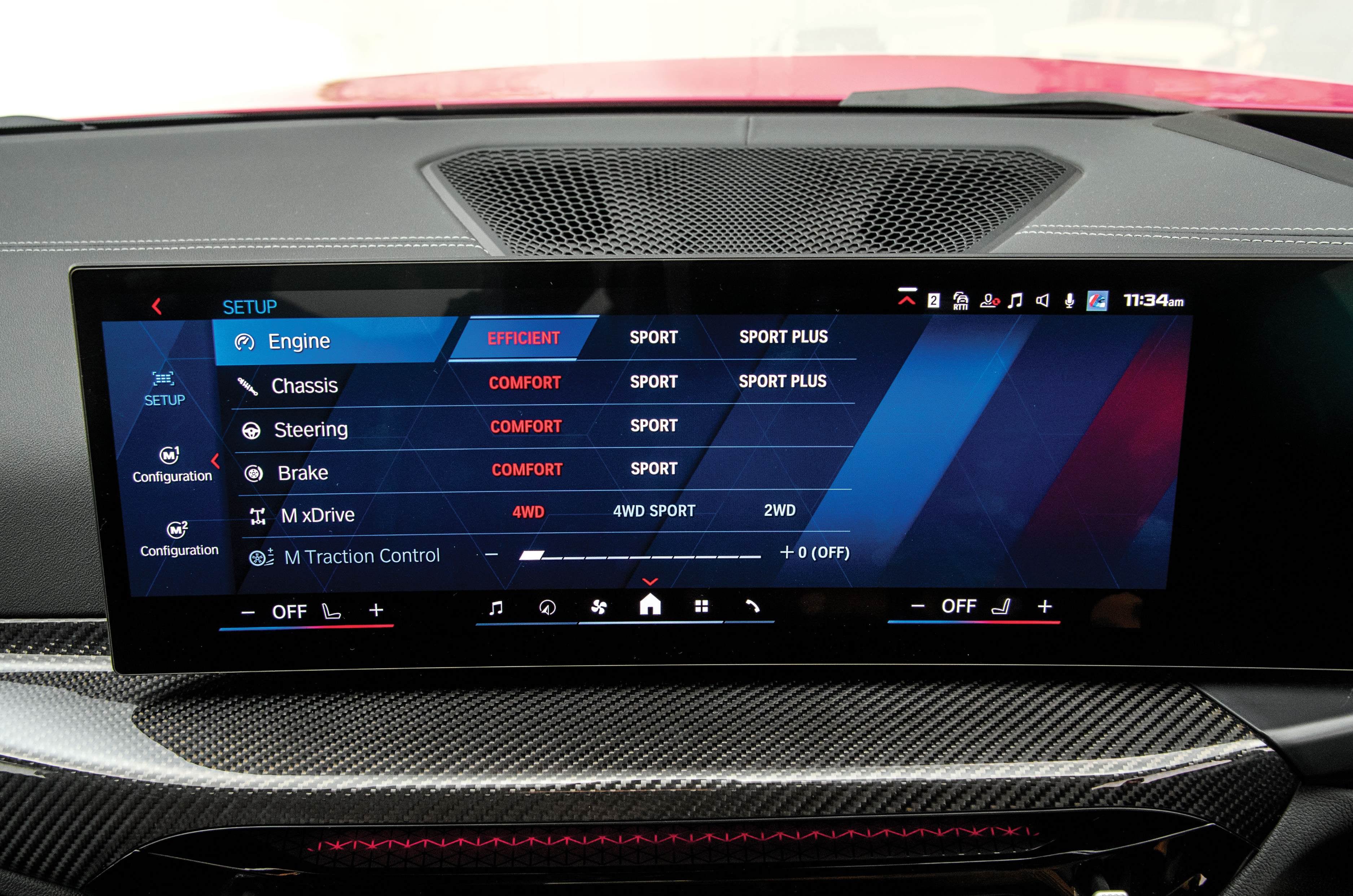
The adaptive M suspension can be adjusted through Comfort, Sport and Sport Plus settings, allowing the car to switch between everyday usability and sharper responses. M Drive lets you save preferred combinations of chassis, steering, engine and transmission settings, and these preferred settings can be designated to the M1 and M2 buttons on the chunky steering wheel.

Then there’s the more serious performance tech. The M4 gets a selectable rear-wheel-drive mode, which essentially allows you to turn the all-wheel-drive M4 into a rear-driven machine, while the M Drift Analyser adds another layer of entertainment for those inclined to explore the car’s limits in a controlled environment. While it’s nice to have this level of customisation, some may find configuring it a bit too confusing and overwhelming.

The screen is crisp, but navigating through the sub-menus gets confusing.

And that’s the case with the touchscreen as well. It’s super-crisp, slick to the touch and has M-coloured themes, which look quite cool, but the myriad apps and sub-menus are confusing to operate, to say the least. And that problem is amplified when you’re trying to make adjustments on the move.

Front seats are large, supportive and feature ventilation too. 

There’s a three-zone climate control, powered and ventilated front seats, a HUD, a Harman/Kardon sound system, wireless smartphone integration, a wireless charger, a curved display, and so much more. So, the M4 isn’t lacking in the areas that matter for everyday use.

As for safety, there are multiple airbags, ADAS tech, stability and braking systems and electronic assistance systems working in the background, although in a car like this, it’s the multiple drive modes and traction systems that are arguably the more important features.

BMW M4 Competition powertrain and performance – 9/10

530hp, twin-turbo, straight-six pulls relentlessly and sounds good too.

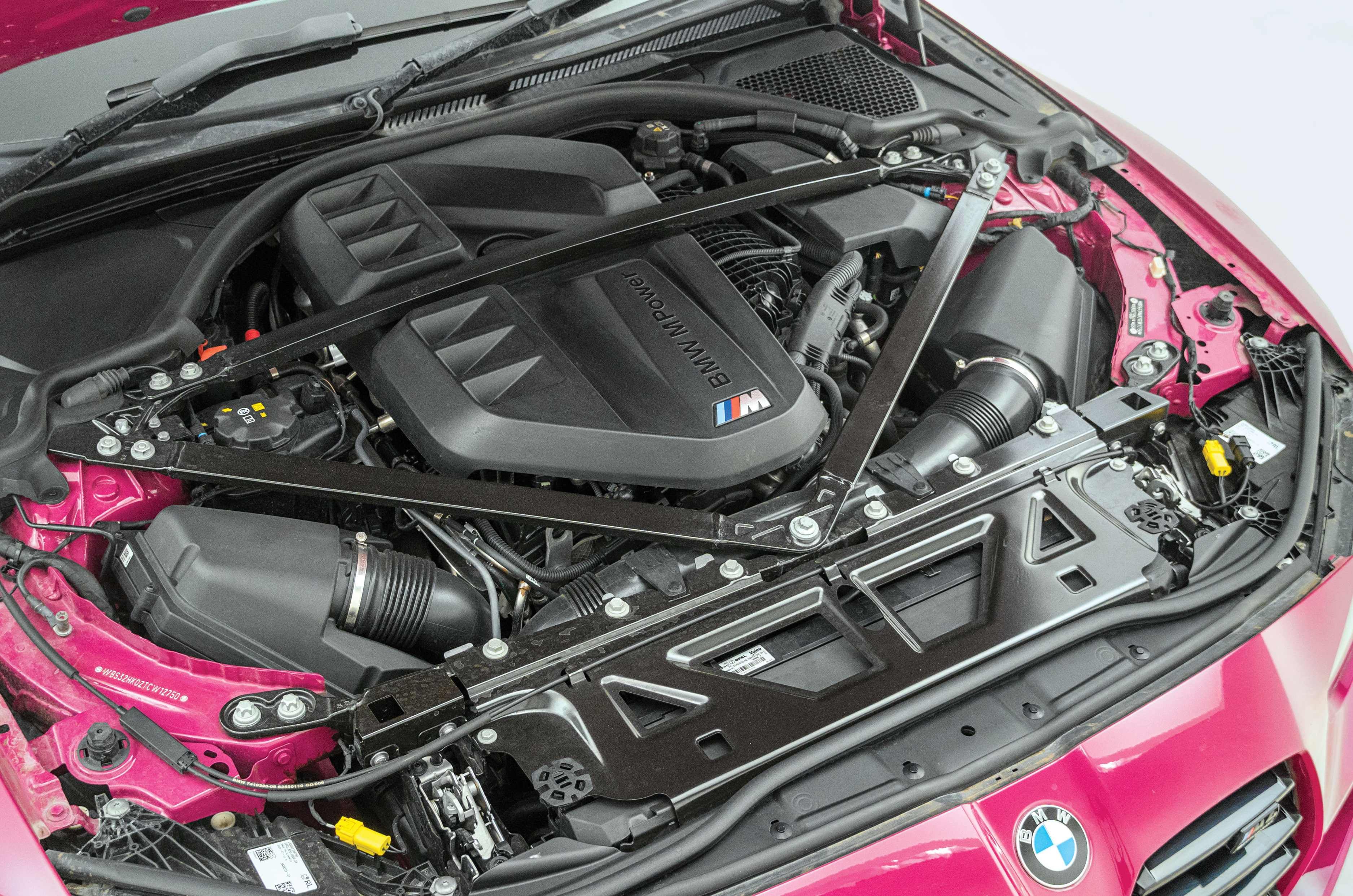
The M4 Competition’s 3.0-litre twin-turbocharged S58 straight-six is the real star of the show, however. In this form, it develops 530hp and 650Nm and sends power through an 8-speed torque converter automatic to all four wheels, and BMW claims 0-100kph in 3.5sec.

What makes the engine so impressive isn’t just the numbers, but the way it delivers them. There’s almost none of the old-fashioned turbo lag here. Instead, power builds in an almost naturally aspirated fashion, with the engine pulling strongly through the rev range. It’s linear, responsive and keeps pulling hard all the way till the redline.

Be it drifting or touring, the M4 is up for both.

The gearbox is smooth when left to its own devices and can be calibrated to shift much more aggressively when you start driving harder. It can occasionally feel less urgent than you might expect, especially in comparison to the last-gen M4’s DCT, but the sheer performance of the engine means there’s never any shortage of pulling power.

The all-wheel-drive setup also makes it devastatingly effective when you have the space to exploit it, and it doesn’t scare you like the older rear-wheel-drive M4. The best part is that it doesn’t feel like a car that needs to be driven at ten-tenths to be entertaining. More importantly, the M4 doesn’t compromise everyday usability simply because it is so performance-focused. Driven gently, the drivetrain can be remarkably civilised.

The ride is compliant enough to make long distance travel feasible.

There’s also a pleasing authenticity to the engine note. It may not have the theatrical soundtrack of some older M cars, but the straight-six’s sound is sufficiently characterful without relying heavily on artificial enhancement.

BMW M4 Competition fuel efficiency – 6/10

Fuel economy, expectedly, isn’t the M4’s strongest suit, but the 59-litre fuel tank gives it enough range to be usable as a long-distance car, although enthusiastic driving will inevitably bring that figure down considerably.

BMW M4 Competition ride comfort and handling – 8/10

At city speeds, the M4 can be surprisingly subdued. The steering is light, and there’s little indication of the aggression that lies underneath. The ride, though, even with the adaptive dampers set to Comfort, is firm, and sharp bumps do filter through to the cabin.

What’s impressive is how effectively BMW disguises the M4’s 1,850kg mass. It is a heavy car, but it rarely feels unwieldy when you’re attacking a sequence of corners. There is a bit of understeer, but there’s virtually no body roll, making it feel agile. The M4’s grip is immense, and the xDrive system allows you to put down its considerable power remarkably effectively. Yet, it isn’t simply a point-and-shoot machine. The adjustable traction control and rear-wheel-drive mode (or even the semi-lenient ‘AWD Sport’ mode) allow considerably more freedom, revealing the car’s playful side that isn’t immediately apparent in normal driving.

Rear wheel drive mode and adjustable traction settings allow for some proper tail out fun. 

The electric power steering isn’t as feelsome as the hydraulic-steering M cars of old, but the accuracy is excellent. The M4 goes precisely where you point it, and the chassis remains composed even when you begin to carry serious speed. It’s decently capable at dealing with speed breakers too, as long as you take them slow and the large ones at an angle. Road noise, however, does become apparent at higher speeds over concrete surfaces.

The M4 really has a dual personality. Around town, it can be relaxed and relatively easy to live with; on an open road, it becomes seriously fast and agile. The ride is not plush or comfy, but it is compliant enough to make long-distance driving feasible.

BMW M4 Competition value for money and verdict – 8/10

As far as fast, versatile coupes go, there’s few better than the M4 Competition.

At Rs 1.60 crore (ex-showroom, before options), the M4 Competition is a difficult car to categorise, with no real direct rivals, and that is precisely why it works so well. It has the performance to keep up with exotic sports cars, yet it retains usable rear seats, a decent boot, and it is easy enough to be driven every day.

The polarising styling remains subjective, the ride quality is stiff and the infotainment interface is unintuitive. But once you find an open road, those shortcomings simply melt away. What you’re left with is a very capable all-rounder. The 530hp straight-six provides devastating performance without being difficult to manage, the all-wheel-drive system provides great traction and a useful safety net, and it has enough adjustability to keep even the most experienced driver entertained. Fast, practical, hugely capable and remarkably usable, that versatility is ultimately what makes the M4 Competition such a compelling performance car.

SCOOP: BYD’s Denza to launch 1000hp+ Z9 GT in India

SCOOP: BYD's Denza to launch 1000hp+ Z9 GT in India
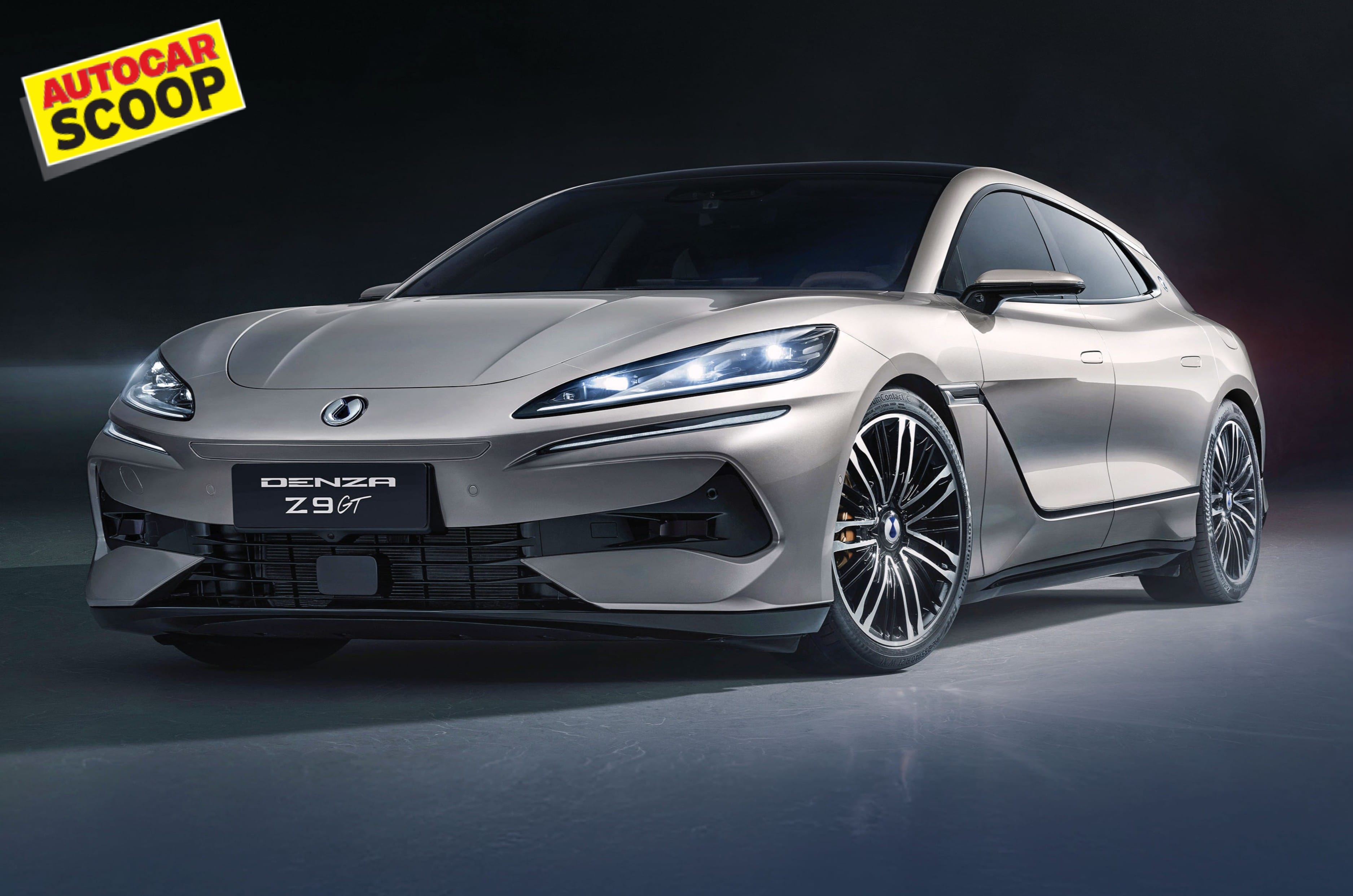
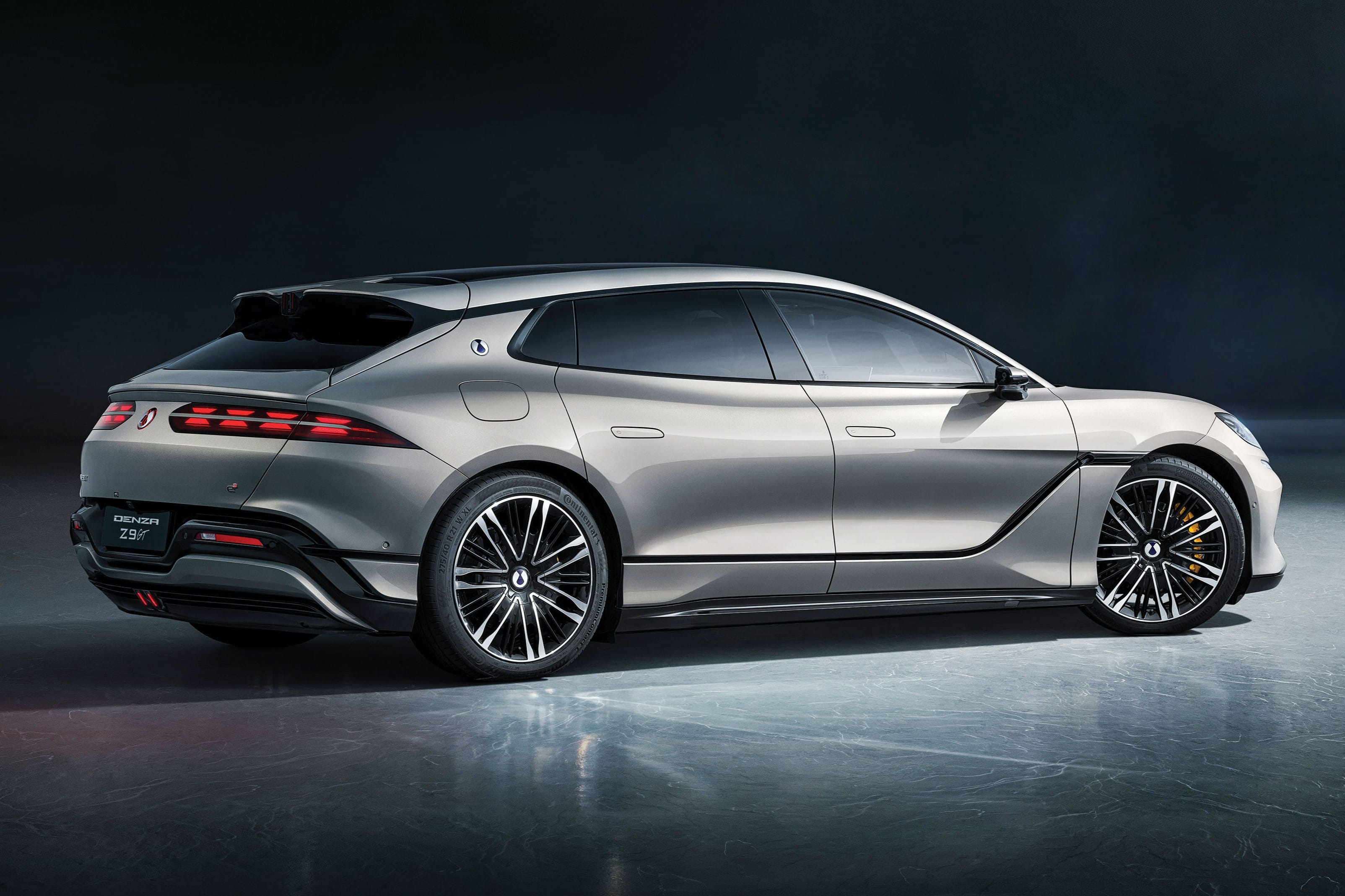
Denza Z9 GT front quarter static

It’s not every day that a new brand enters the Indian market, but by the end of this year, we’ll have two – JSW and Denza. Last month, we exclusively reported on Denza’s intention to enter India, and now we bring you all the additional juicy details.

A little bit about the brand first. Founded in May 2010 as a joint venture between BYD and Daimler AG (now Mercedes-Benz Group AG), the company announced its brand name ‘Denza’ two years later. Mercedes has since exited the partnership, and in 2022, BYD repositioned the brand and is generally concentrating its efforts at the higher end of the market. 

In India, Denza will be positioned above BYD’s existing portfolio, with products at around Rs 80 lakh and above, while BYD will occupy the Rs 20 to Rs 80 lakh space. Leading Denza’s charge will be two models, the  Z9 GT high-performance fastback and the D9 luxury MPV. Both will be brought in as completely built-up units.

Denza Z9 GT: Enormously powerful yet practical fastback

The Z9 GT is Denza’s take on a fastback or, as the company puts it, a shooting brake with four-door practicality. It has both EV and PHEV options globally, but for India, we’ll get just the electric version, and its numbers are staggering. It weighs 2.9 tonnes, puts out a colossal 1,156hp from three electric motors (one at the front and two at the rear),  that propel it from 0-100kph in 2.7sec and on to a top speed of 270kph. The only modest number is the range, which stands at 600km on the combined WLTP cycle. Charging, though, is super quick, with the company’s 1,500kW Flash ultra-fast charging that can take the GT’s 122.5kWh battery from 10 to 97 percent in just nine minutes. It stops at 97 percent to preserve the life of the battery. Expect to pay premium pricing for this level of performance, though; the GT would retail in India somewhere in the Rs 1.2 to 1.5 crore mark.

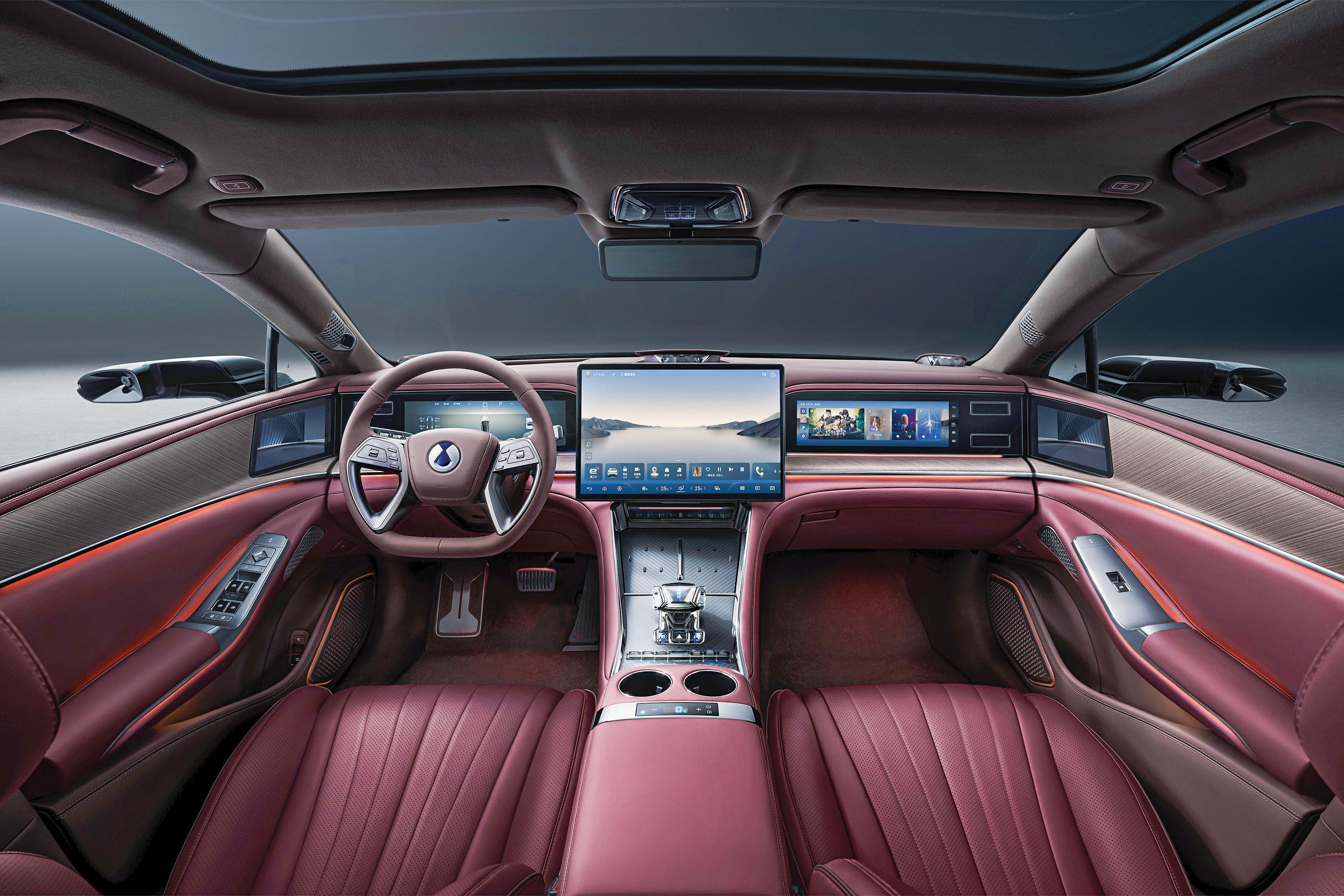
Five screens dominate dash; flank screens are for outside rear-view camera feed.

Here too, there’s a cell-to-body construction that integrates the blade cells directly into the vehicle structure, plus rear-wheel steering with a sideways crab-crawl ability, buttons to open and close power doors and, of course, Level 2+ ADAS. Inside, the GT seats five and pampers the four outer passengers with adjustable under-thigh support, heating, cooling, and massage functions, and the rear seats also recline. As with so many EVs today, the dashboard is dominated by screens, five in total, with two on the flanks for the outside rear-view ‘mirror’ camera feed.

Denza D9: Vellfire Challenger

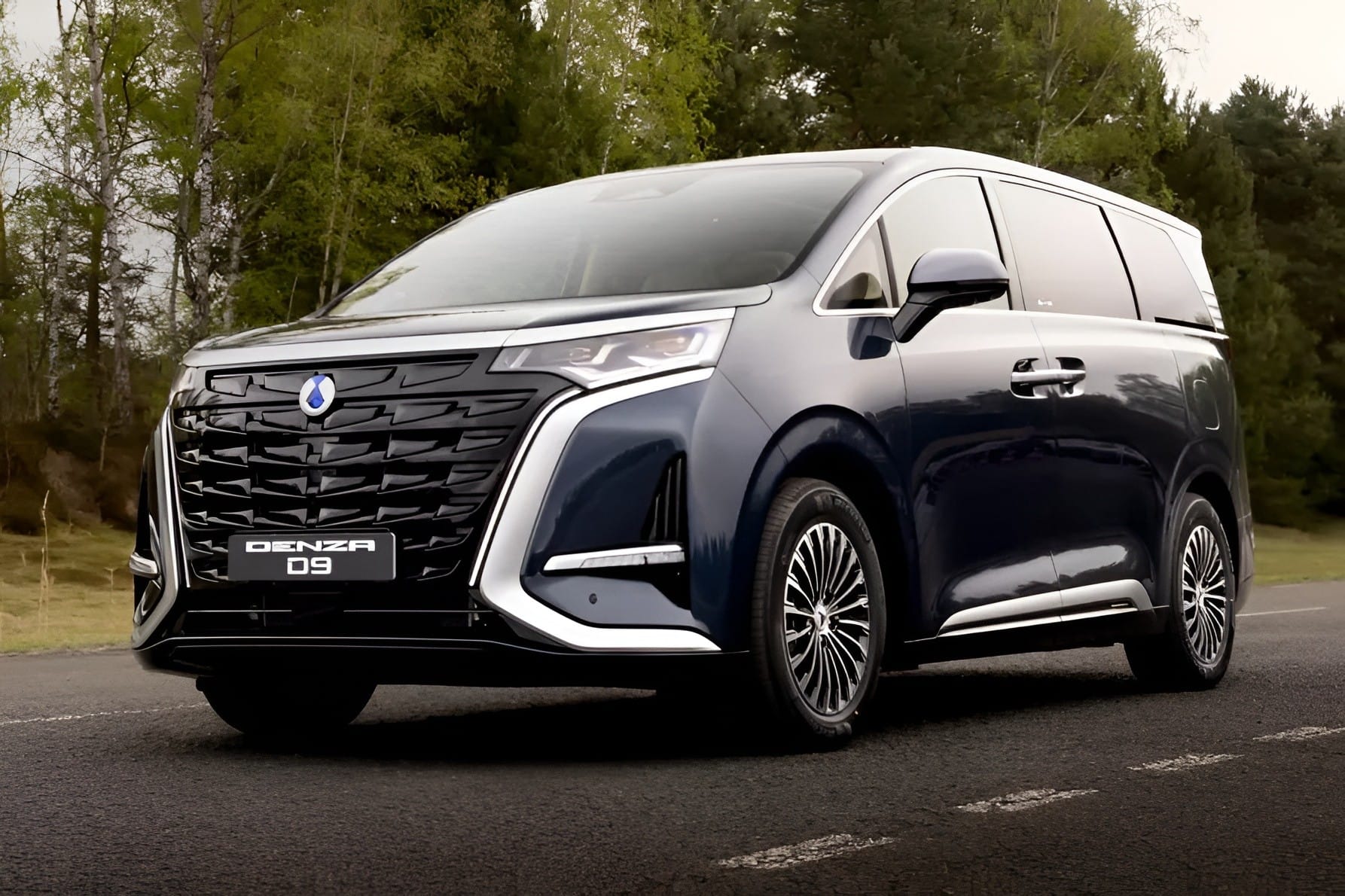
The D9 MPV is available with electric or plug-in hybrid power globally too. For India, it’s the EV that will arrive, and in front-wheel-drive form. Expect prices at around the Rs 80 lakh mark, positioning the D9 above the MG M9 but below the Toyota Vellfire.

Power stands at 313hp and 360Nm of torque, and it’s fed by a 103kWh blade cell battery. Claimed range is 520km on the combined WLTP cycle, while charging speed peaks at 200kW on a DC fast charger. 

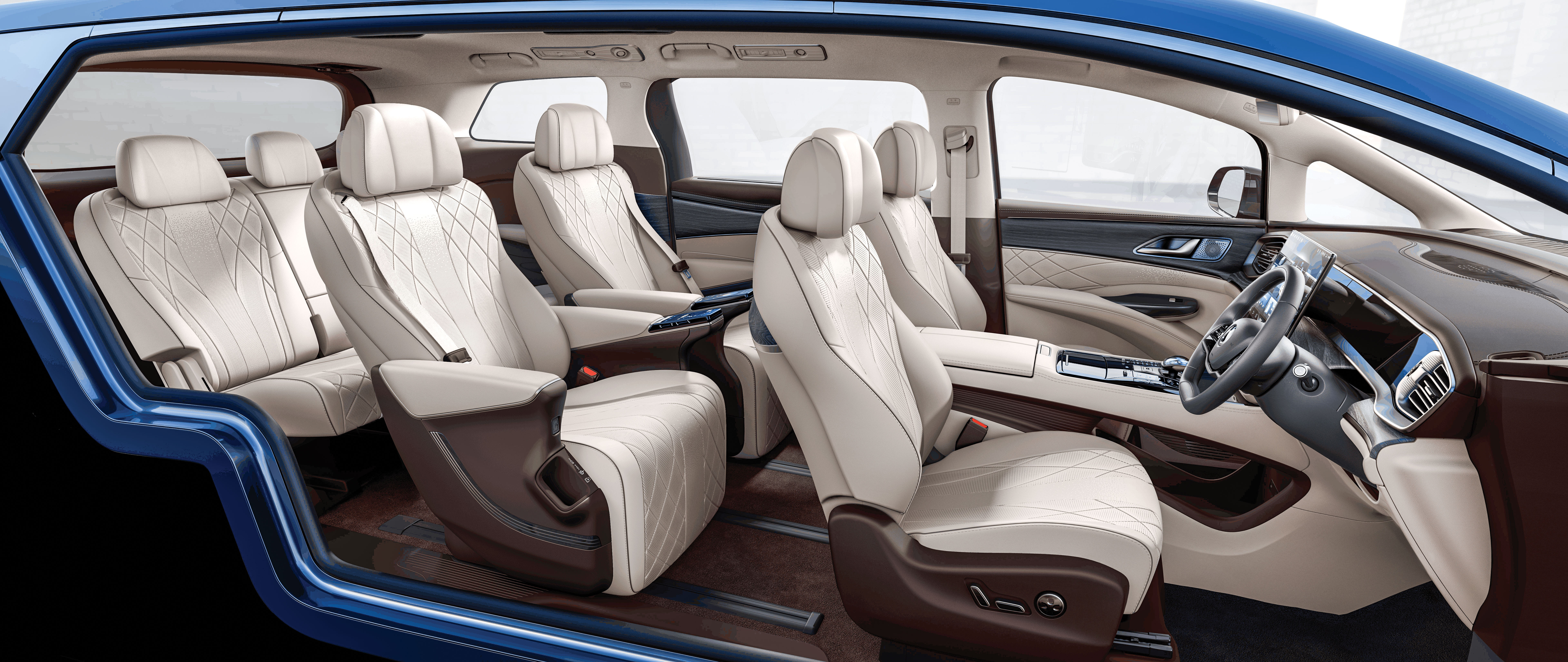
The seating configuration is 2+2+3 with the centre captain seats offering full power adjustment, heating, ventilation and massagers, along with armrest-integrated control pads. Middle-row occupants also enjoy fold-out tables and extendable leg-rests. Other creature comforts include a three-zone climate control, premium Dynaudio sound system and full leather upholstery. 

Middle row the place to be with fully powered individual loungers that feature heating, ventilation, massagers, leg rests, and a fold-out table.

The D9 also features BYD’s cell-to-body construction that helps reduce weight and increase body rigidity. The luxury MPV also comes with an active body control system that, the company says, eliminates fore-aft pitching motion to keep the cabin flat during “nose-up” acceleration and “nose-down” braking forces. 

Where does Denza fit in India’s automotive landscape?

The name Denza is an invented one and loosely translates to ‘rising power’ or ‘gathering momentum’, and that is what BYD will be hoping for in India. Hamstrung by the Indian government’s restrictions around Chinese investments, BYD – the world’s largest EV manufacturer – has not been able to grow. Its proposed $1 billion investment, along with a local partner, to scale up its small semi-knocked-down (SKD) plant in Tamil Nadu has been slowed by Press Note 3 – a 2020 policy that requires foreign investments from countries sharing a land border with India to get prior state approval. 

Thus, given the limited playing field it’s been put into, getting into niches like luxury MPVs is a smart move from BYD. The segment accounts for about 2,000 units a year and is seeing rising customer interest and growth, attracting players like the Toyota Vellfire, the Lexus LM and Mercedes V-Class. The D9, then, has competitors to contend with, while the Z9 GT sits in a smaller niche, with just the Porsche Taycan as a similar rival. It’s likely to sell fewer numbers but will serve as a technology showcase and a brand shaper. 

Interestingly, Denza will be retailed through exclusive showrooms separate from BYD. This may seem odd given the limited volumes, at least in the short term, but our sources tell us the company wants to provide Denza customers with a highly personalised shopping experience. The premium positioning will limit its network to larger cities; launch likely to be in the Delhi-NCR and Mumbai regions only. For BYD, though, it plans to scale up, thus keeping the two brands separated allow each to focus on their distinct goals. 

So far, BYD India has managed a decent start and enjoys an awareness much higher than its actual market volume, enviable for a new brand. That’s all thanks to products that deliver consistently, with innovative tech like the famed blade cells. For Denza, though, the company also needs to build a high level of desirability, because at the upper end of the luxury spectrum, badge value accounts for nearly as much as, if not more than, engineering prowess itself, and that is what the company seems to be setting out to do. 

Android फोन हो गया है स्लो? ऐसे करें Factory Reset, जानें स्टेप-बाय-स्टेप गाइड

स्मार्टफोन में अक्सर कई तरह की सॉफ्टवेयर से जुड़ी दिक्कतें आ सकती हैं। इसके अलावा, लंबे समय तक इस्तेमाल करने से जमा हुआ कैशे (Cache) और दूसरी रुकावटें आपके Android फोन को धीमा कर सकती हैं। अगर ऐसी समस्याएं लगातार बनी रहती हैं और सामान्य तरीके से उन्हें ठीक करना मुश्किल हो जाए, तो Android फोन को फैक्ट्री रीसेट करने की सलाह दी जाती है।

इसके अलावा, अगर आप अपना स्मार्टफोन बेचने वाले हैं, तो उसे फैक्ट्री रीसेट करना जरूरी है। इससे फोन में मौजूद आपका निजी डेटा और दूसरी पहचान से जुड़ी जानकारी डिलीट हो जाती है।

Android यूजर्स अपने फोन को दो तरीकों से आसानी से फैक्ट्री रीसेट कर सकते हैं। पहला तरीका है फोन को Recovery Mode में जाकर रीसेट करना और दूसरा तरीका Settings के जरिए फोन को रीसेट करना है।

अगर आप सोच रहे हैं कि ऊपर बताई गई किसी भी वजह से अपने Android स्मार्टफोन को फैक्ट्री रीसेट कैसे करें, तो हमने आपकी मदद के लिए एक स्टेप-बाय-स्टेप गाइड तैयार की है। हालांकि, आगे बढ़ने से पहले, यह पक्का कर लें कि आपने अपने सभी कॉन्टैक्ट्स और दूसरी लोकल तौर पर सेव की गई जानकारी का बैकअप अपने Google अकाउंट या किसी बाहरी हार्ड ड्राइव में ले लिया है।

Settings से Android फोन को Factory Reset कैसे करें

  1. सबसे पहले अपने Android फोन को अनलॉक करें।
  2. इसके बाद फोन में Settings खोलें।
  3. अब नीचे स्क्रॉल करके System Settings में जाएं।
  4. यहां स्क्रीन के नीचे दिखाई दे रहे Reset options पर टैप करें।
  5. इसके बाद Erase all data (factory reset) के विकल्प पर क्लिक करें।
  6. अब स्क्रीन के नीचे दाईं ओर दिए गए Erase all data बटन पर टैप करें।
  7. फैक्ट्री रीसेट की पुष्टि करने के लिए अपने फोन का PIN दर्ज करें।
  8. कुछ सेकंड बाद आपका Android फोन रीस्टार्ट होना शुरू हो जाएगा और फोन में मौजूद सभी डेटा डिलीट हो जाएगा।

Recovery Mode के जरिए Android फोन को Factory Reset कैसे करें

  1. सबसे पहले अपने Android फोन को बंद करें।
  2. अब Recovery Mode में जाने के लिए Power और Volume Down बटन को करीब 5 सेकंड तक एक साथ दबाकर रखें। ऐसा करने पर Fastboot मेन्यू दिखाई देगा।
  3. अब Volume Up और Volume Down बटन की मदद से Recovery Mode विकल्प पर जाएं।
  4. इसके बाद अपनी पसंद की पुष्टि करने के लिए Power बटन दबाएं।
  5. अब स्क्रीन पर “No command” लिखा दिखाई देगा। यहां Power बटन को दबाकर रखें और तुरंत Volume Up बटन को दबाकर छोड़ दें। इससे Recovery Menu खुल जाएगा।
  6. इसके बाद फिर से Power बटन को दबाकर रखें और उसी समय Volume Up बटन को दबाकर छोड़ दें।
  7. अब Volume बटन की मदद से Wipe data या Factory reset विकल्प पर जाएं और इसे चुनने के लिए Power बटन दबाएं।
  8. कुछ सेकंड इंतजार करें। इसके बाद आपका Android फोन रीस्टार्ट होगा और फैक्ट्री रीसेट की प्रक्रिया शुरू हो जाएगी।

यह भी पढ़ें: Croma सेल में iPhone 17 Pro Max पर बंपर छूट, जानिए कीमत और ऑफर्स की पूरी डिटेल

Bajaj Pulsar 150 review: Familiar yet very different

 Bajaj Pulsar 150 review: Familiar yet very different

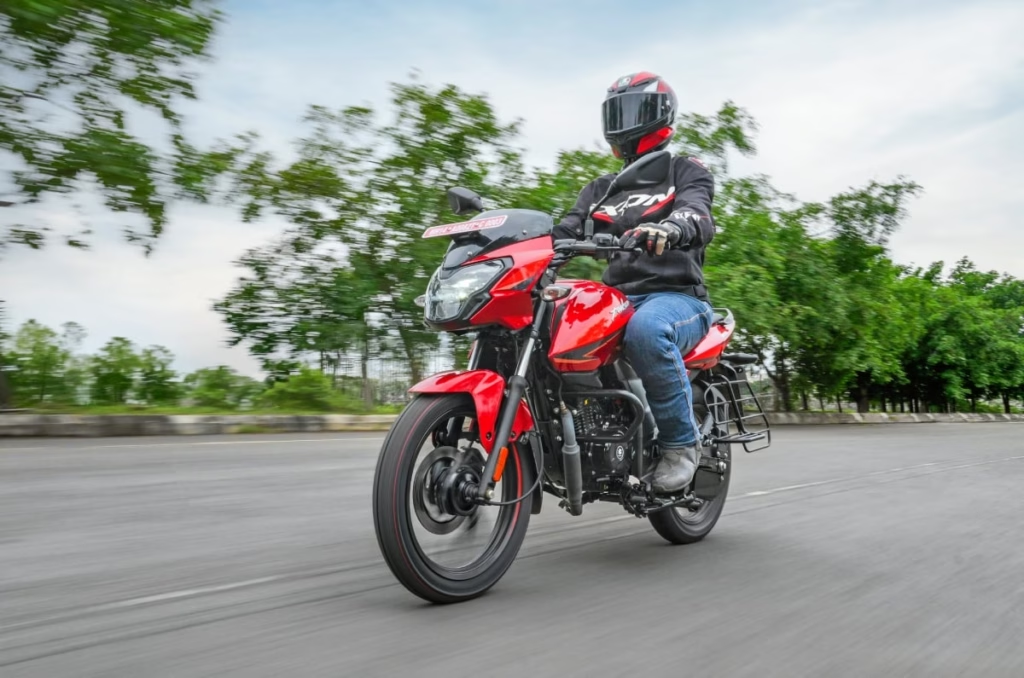
When the first Bajaj Pulsar 150 broke onto the scene in 2001, it shattered the mould of what was expected of an accessible yet sporty commuter motorcycle. This recipe saw such widespread success that nothing Bajaj brought out since has been able to replace it. Therefore, the company went back to the drawing board and has now brought out a new generation of Classic Pulsars, spearheaded by the 125 and 150. In this review, we’ll share what the larger one was like to ride. 

Bajaj Pulsar 150: What’s changed compared to before?

From the mechanicals to the tech, it is all-new

To start with, gone are the double-cradle frame and twin shock absorbers, replaced by a lighter and stiffer diamond frame and monoshock, respectively. Complementing the new chassis is a brand new motor. This engine started life as an engine from a similar displacement N model, but Bajaj has made certain changes to suit this application. The state of tune, various internals and the exhaust system are all different over here. 

The Pulsar 150, understandably, has the sprightlier performance of the two.

Unlike before, the motor is now used as a stressed member of the chassis, and Bajaj has also peppered in the learnings it has made from the N range. For starters, the gearbox now has shorter, more tractable ratios, and there’s also a low rpm assist function, which raises engine rpm slightly to reduce stalling when you’re crawling at a higher gear at low speeds. Furthermore, higher variants of the 150 also come equipped with an Integrated Starter Generator (ISG), which brings in silent start and a reasonably quick start/stop system. 

Pulsar 150 design and quality – 8/10

Looks uncannily similar to the older bike; feels very similar to sit on, too

Considering how much has changed underneath, it’s especially commendable that the Pulsar 150 looks this similar to before. Bajaj’s design team has deliberately gone to great lengths to package everything neatly and retain the bike’s instantly recognisable silhouette. Pulsar hallmarks that people appreciate, like a ‘wolf eye’ headlight, a chunky tank, sharp tank extensions and a pointy tail, all continue, and you won’t be mistaking it for anything other than a classic Pulsar. There are no complaints when it comes to quality, and it’s as well-finished as you’d expect from a commuter bike today. 

Top variants come with a split seat.

Just like the near-unchanged design, the Pulsar 150’s ergonomics are almost the same as before – but that’s a good thing. You’re sat very neutrally, and the riding position is that of a textbook commuter with only slightly rearward pegs for the sporty touch that a Pulsar is known for. With a perch that’s just 795mm off the ground, the 150 strikes a nice chord by being friendly and approachable for both shorter folks and 6’1 Rishaad. To cater to the wants of different riders, Bajaj will sell you a Pulsar equipped with either a single piece seat or split seats. Both options are spacious – the single piece seat understandably more so – and decently padded, capable of accommodating two full-size people without them getting acquainted with each other too intimately. 

Pulsar 150 performance – 8/10

Has enough pep for city and highway duties, engine stalls a little too easily, though 

City traffic is where most Pulsar riders spend most of their time, so we did the same and found that the bike behaves exactly as you’d expect from a commuter. The motor has good low- and mid-range torque, and paired with the super light clutch, wading through the drudgery of traffic doesn’t feel too taxing. 

The new engine is also super smooth, and should you choose to venture out onto the highway, the Pulsar can do that as well. The upper limit of the 150’s comfortable cruising speed is 90-95kph in its top 5th gear, which is par for the course in this class. 

Engine

149.5cc, single-cylinder, air-oil cooled

Power

14hp at 8,000rpm

Torque

14.1Nm at 6,500rpm

Gearbox

5-speed

However, for all its strengths, the engine in the Pulsar 150 unit we were allotted displayed a tendency to stall a little too easily, and this happened on multiple occasions to both myself and Rishaad, who rode the bike. 

Pulsar 150 ride and handling – 8/10

Behaves predictably and handles all situations well

While the chassis is largely the same between the 125 and 150, one noteworthy difference is that the bigger one uses a fatter 33mm fork, compared to the 31mm unit on the smaller bike. Also, unlike the 125, the Pulsar 150 comes with the government-mandated safety net of single-channel ABS. All variants come with a 260mm disc brake at the front, paired with either a 230mm drum brake on the lowest variant or a 230mm disc on the higher two variants. 

Pulsar 150 behaves neutrally and predictably when subjected to a variety of riding conditions.

The best way to describe the new Pulsar 150’s handling is neutral and predictable. Neither does it feel as vague as the previous-gen model, nor does it feel as responsive as the N / NS models. The Classic Pulsar 150 retains its surefootedness in a straight line while introducing a newfound taut feeling when taking a corner. Its demeanour is predictable at all times, which is sure to inspire confidence in the varied sort of riders it will cater to. The brakes work well and bring the Pulsar to a stop in a quick fashion without much drama, although overenthusiastic usage will result in the rear locking up.

Fuel tank

14 litres

Seat height

785mm

Ground clearance

165mm

Kerb weight

141kg

Wheelbase

1,320mm

However, for all its strengths, the Pulsar 150 is not perfect, and there are some areas of improvement. The rear suspension feels slightly underdamped and springy, throwing you off the seat over larger road imperfections. The gearshifts, too, felt a little rubbery and vague, lacking a snick feel. 

Pulsar 150 features and safety – 8/10

Comes with a lot of tech-y features on the top two variants

Following today’s market trends, even a humble commuter like this one now packs a dollop of tech. This includes a USB-C charging port, 4 riding modes (Sport, Tour, Road and Rain), Bluetooth connectivity for the dash via Bajaj’s app, which brings in a host of functions, and you can even cast your phone’s screen onto the TFT display, although some of these functions are still not available yet and will be rolled out at a later date. 

Top variants also come with a colour TFT display and riding modes

To control the TFT display’s functions and switch between the riding modes on the top variants, you also have more comprehensive switchgear whereas the colour LCD dash on the lower variants is paired with a simpler switch cluster. Both displays are informative and well laid-out and bring an air of premiumness from the rider’s POV. Admittedly, most of these features aren’t going to add much value for most everyday riders but for the few that want their motorcycle to double up as a gadget, they’re there. 

Pulsar 150 price and verdict – 8/10

It suits its intended purpose quite well

Aside from a few small misses, the new Pulsar 150 is a lovely commuter, which comes in at a price point that is more or less in line with the competition today. Prices start at Rs 1.15 lakh and go up to Rs 1.23 lakh (ex-showroom, Delhi). Compared to the last-gen 150, this latest-gen Pulsar’s prices have gone up by Rs 4,000-Rs 6,000, which is a digestible amount considering the sheer scale of new components in use here. 

Given the huge demand for a bike that looks like a Classic Pulsar and the fact that this new-gen model is such a quantum leap ahead compared to the old ones while costing just a few thousand rupees more, Bajaj seems to have a winner on its hands.  

Bajaj Pulsar 125 review: VFM Pulsar reinvented

Bajaj Pulsar 125 review: VFM Pulsar reinvented
Bajaj Pulsar 125 tracking shot

The classic Pulsar 125 has always been the most affordable way into Bajaj Pulsar ownership and while the 2026 model might look largely the same as before, underneath, it is actually all new.

Bajaj Pulsar 125 what’s changed under the skin?

Everything from stem to stern is all-new

To start with, gone are the double-cradle frame and twin shock absorbers, replaced by a lighter and stiffer diamond frame and monoshock, respectively. Complementing the new chassis is a brand-new motor. This engine started life as an engine from an N model of a similar displacement, but Bajaj has made certain changes to suit this application. For instance, the new 124.58cc engine on the smaller Pulsar has the lightest crank inertia among its peers– claims Bajaj– and the company has saved 1.2kg here alone, compared to before. Speaking of weight, the 125 weighs 131kg with its 11 litre fuel tank brimmed.

Despite all under-the-skin changes, the Pulsars retain their traditional styling to cater to market demand.

The new engine is also used as a stressed member of the chassis, and Bajaj has also peppered in the learnings it has made from the N range over here. For starters, the gearbox now has shorter, more tractable ratios and there’s also a low-rpm assist function, which raises engine rpm slightly to reduce stalling when you’re crawling at a higher gear at low speeds. Furthermore, the Pulsar 125’s higher variants also come equipped with an Integrated Starter Generator (ISG) which brings in silent start and a reasonably quick start/stop system.

Bajaj Pulsar 125 Design and seating comfort – 8/10

Looks uncannily similar to the older bike; feels very similar to sit on too

Considering how much has changed underneath, it’s especially commendable that the Pulsars look so similar to before. Bajaj’s design team has deliberately gone to great lengths to package everything neatly and retain the bikes’ instantly recognizable silhouette.

Pulsar hallmarks like a ‘wolf eye’ headlight, chunky tank, sharp tank extensions and a pointy tail, all continue and you won’t be mistaking them for anything other than a classic Pulsar. Overall quality is quite nice for the price that the Pulsar 125 commands.

Lower variants come with a single-piece seat.

The seating position also echoes the near-unchanged design and you’re sat very neutrally with the riding position best described as that of a textbook commuter.The only difference is that the pegs are set slightly rearward for the sporty touch that Pulsars are known for. With a perch that’s just 795mm off the ground, the Pulsar 125 feels friendly and approachable for shorter folks as well as 5’11 me. 

Engine

124.6cc, single-cylinder, air-cooled

Power

12.1hp at 8,500rpm

Torque

11.4Nm at 6,500rpm

Gearbox

5-speed

To cater to the needs of different riders, Bajaj will sell you a bike equipped with either a single-piece seat or split seats, depending on the variant you buy. Both options are spacious and decently padded, capable of accommodating two full-size people without them getting acquainted with each other too intimately.

Bajaj Pulsar 125 Performance – 8/10

Engine is smooth and responsive; gearshifts can feel a little vague though

City traffic is where a majority of Pulsar riders spend their time, so we did the same and found that the bike behaves exactly as you’d expect from a commuter. The new engine is smooth with good low- and mid-range torque and paired with the super-light clutch, wading through the drudgery of traffic demands very little effort from the rider.

The Pulsar 125 behaves neutrally and predictably when subjected to a variety of riding conditions.

Even at highway speeds, the engine retains its smooth characteristics, and should you choose to venture out onto the highway, the Pulsar 125 is up for it. The upper limit of the 125’s comfortable cruising speed is 80-85kph in its top 5th gear, which is quite respectable considering the displacement.

The monoshock feels a little springy and underdamped; it can kick you off the seat over sharper and larger bumps.

Bajaj Pulsar 125 ride and handling – 8/10

Feels trustworthy and neutral

Coming to how the Pulsar behaves on the side of the tyre, the best way to describe it is neutral and predictable. Neither does it feel as flaccid as the previous-gen model, nor does it feel as agile as the N / NS models. The bike has a good sense of surefootedness, both around a corner as well as in a straight line, which is sure to inspire confidence in the varied sort of riders it will cater to.

Two full-size adults will fit comfortably.

The lowest variant of the 125 comes with a 130mm drum front brake whereas higher variants come with a 260mm disc brake, although there’s no ABS on offer here. All variants of the 125 come with a 130mm rear drum brake. The braking power is more than sufficient for the power on tap and the drum brake also works predictably.

Tyres (F/R)

80/100-17 / 100/90-17

Brakes (F/R)

260mm disc / 130mm drum

Suspension (F/R)

Telescopic fork / monoshock

However, for all its strengths, the Pulsar 125 is not perfect and there are some areas of improvement. The rear suspension feels slightly underdamped and springy, throwing you off the seat over larger road imperfections, and the gearshifts, too, felt a little rubbery and vague, lacking a snick feel.

With this generation change, the Pulsar 125 is now a substantial 15 kilos lighter than before.

Bajaj Pulsar 125 Features – 8/10

Higher variants have a lot of tech

Following today’s market trends, humble commuters like these now also pack a dollop of tech. This includes a USB-C charging port, 4 riding modes (Sport, Tour, Road and Rain), Bluetooth connectivity for the dash via Bajaj’s app, which brings in a host of functions, and you can even cast your phone’s screen onto the TFT display, although some of these functions are still not available yet, and will be rolled out at a later date.

Lower variants feature a negative colour LCD display.

To control the TFT display on the top variants, you also have more comprehensive switchgear, whereas the colour LCD dash on the lower variants is paired to a simpler switch cluster. Both displays are informative and well-laid-out and bring an air of premiumness to the rider’s POV. Admittedly, most of these features aren’t going to add much value for most everyday riders, but for the few that want their motorcycle to double up as a gadget, they’re there.

Bajaj Pulsar 125 Price and verdict – 8/10

It’s an accomplished commuter with very few misses

Aside from a few foibles, the new Pulsar 125 is a good commuter which comes in at a price point that is more or less in line with the competition today. Prices start at Rs 92,990 and top out at Rs 1.04 lakh (ex-showroom, Delhi). Compared to the bargain basement Pulsar 125 Neon, the 2026 bike’s price has risen quite significantly, but if you were to compare the actual Pulsar 125 base model, the increment is much smaller.

Given the huge demand for a bike that looks like a Classic Pulsar, and the fact that this new-gen model is such a quantum leap ahead compared to the old ones while costing just a few thousand rupees more, Bajaj seems to have a winner on its hands. 
 

Tata Nexon petrol vs diesel vs CNG vs EV: Different strokes

Tata Nexon petrol vs diesel vs CNG vs EV: Different strokes
So Tata Nexon petrol vs diesel vs CNG vs EV: Different strokes

Car buyers today are pretty spoilt for choice. Beyond a multitude of brands, body styles and variants, there are now more fuel options than ever before. Petrol, diesel, CNG, hybrid, electric, and soon even ethanol-powered vehicles are all vying for attention, making the decision increasingly complicated. So, which powertrain makes the most sense for you?

Tata Nexon models
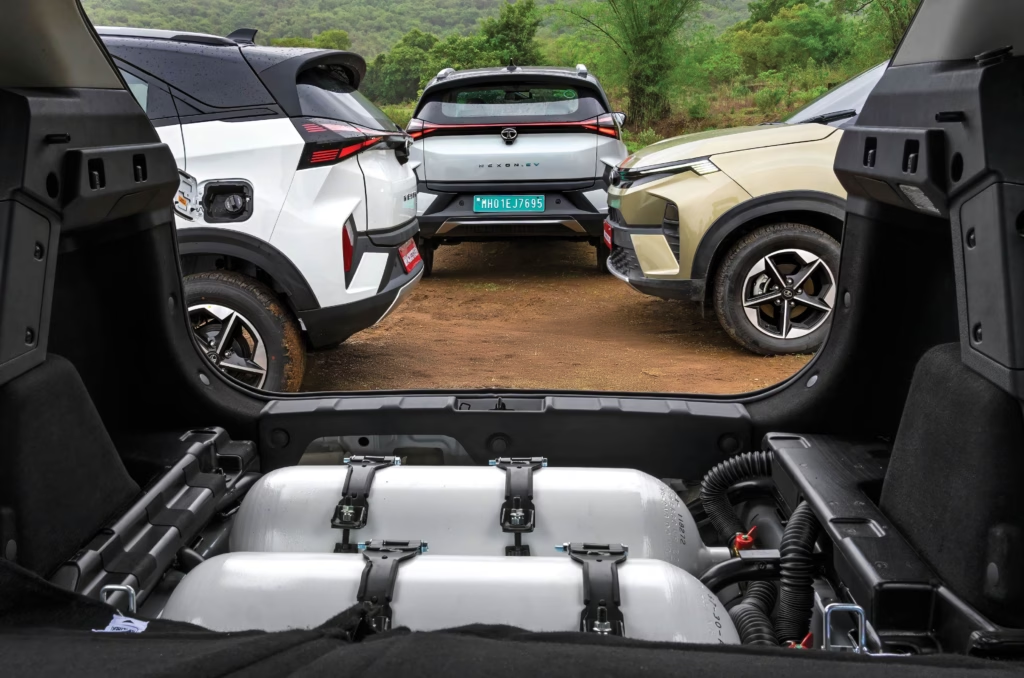
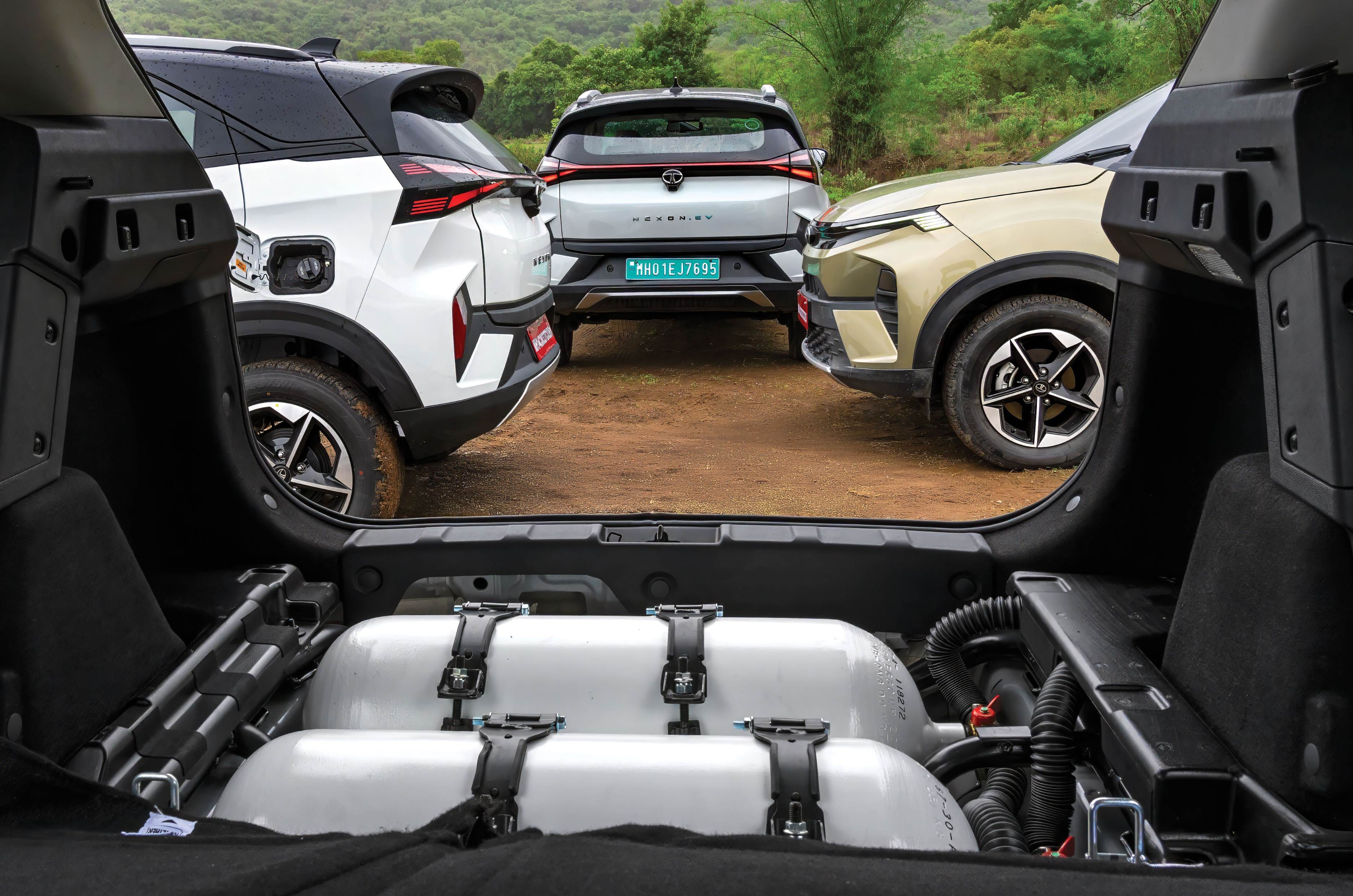
Tata Nexon models (left to right): Petrol, diesel, petrol-CNG and EV.

To answer that question, we turned to one of the most versatile models on sale in India – the Tata Nexon. Few vehicles offer such a broad range of powertrain choices, and with design, space, practicality, safety and features remaining largely consistent across the range, the Nexon provides the perfect platform to isolate the one key variable – the fuel itself. So, we got together the turbo-petrol, CNG, diesel, as well as the EV to find out each fuel’s pros and cons, and thus, which would best fit your needs. 

Disclaimer: Fuel prices vary from state to state.

Tata Nexon turbo-petrol: Fuss free

Tata’s 1.2-litre, three-cylinder ‘Revotron’ turbo-petrol engine debuted with the Nexon in 2017 and received a power bump in 2020, taking outputs to 120hp and 170Nm. Today, it is offered with an unusually wide range of transmission choices – a 5-speed manual, 6-speed manual, 6-speed AMT and a 7-speed dual-clutch automatic.

Prices start at Rs 7.40 lakh and extend up to Rs 13.90 lakh, ex-showroom (excluding dual-tone, Dark and Red Dark editions). Its broad variant spread and attractive pricing are key reasons why the turbo-petrol accounts for 42 percent of all Nexon sales. 

The engine offers decent driveability and benefits from selectable Eco, City and Sport drive modes. But outright performance, refinement and smoothness aren’t class-leading and not what you get from other turbo-petrols.

Within the range, the 7-speed DCA stands out as the most desirable option. Despite accounting for less than 4 percent of total Nexon sales, it is arguably the nicest ICE-powered Nexon on sale. The wet-clutch dual-clutch transmission prioritises smoothness over sportiness and suits the engine’s character well. While downshifts can occasionally feel a touch hesitant, the overall experience is noticeably more polished than the manual and AMT alternatives. Notably, the top-spec Turbo DCA is the best-equipped ICE version and is also the only version to offer ADAS.

Fuel efficiency, however, remains this powertrain’s weakest area. In our tests, the turbo-petrol DCA returned 7.7kpl in the city and 13.9kpl on the highway, translating to an average running cost of Rs 9.46 per kilometre – the highest among all Nexon powertrains.

To put that into perspective, even though a fully loaded Fearless + A PS DCA is Rs 2.65 lakh more affordable than a top-spec Empowered + A 45 EV, the EV’s significantly lower running costs (of Rs 1.03 per km using home charging) allow owners to recover that initial price difference in roughly 32,000km.

Tata Nexon diesel: Highway star

The diesel range starts at Rs 9.15 lakh and extends up to Rs 14.40 lakh for the top-spec AMT. Interestingly, while the diesel once outsold the petrol version in the Nexon’s early years, buyer preferences shifted following the BS6 transition, causing diesel sales to gradually decline to 13 percent. Despite this, Tata has persisted with the fuel, and today remains one of the few carmakers still offering diesel engines in its portfolio.

Instead of adopting a conventional SCR setup with a urea tank, AdBlue injection system and additional electronic controls, Tata developed a Lean NOx Trap system for the 1.5-litre, four-cylinder turbo-diesel engine. Despite this relatively low-cost passive emissions-control system, the price premium over an equivalent turbo-petrol variant remains around Rs 1 lakh – broadly in line with what rivals charge. The only tangible benefit for buyers is that, unlike many competitors, there is no urea tank requiring periodic top-ups, resulting in marginal savings over time and a bit less hassle.

Like the turbo-petrol, refinement isn’t this diesel’s strongest suit. And even though turbo lag is more perceptible than in the petrol iteration, performance flows in a rather strong manner, making it well-suited for highway drives. Its tall fuel efficiency also makes it ideal for those who cover long distances frequently. In our tests, the diesel-manual delivered an impressive average of 17.95kpl, resulting in a running cost of just Rs 5.30 per kilometre – significantly lower than the turbo-petrol.

Tata Nexon EV: Smooth operator

As India’s first widely accessible electric SUV from a domestic manufacturer, the Nexon EV played a pivotal role in democratising EV ownership. Combining brisk performance, usable real-world range and a relatively accessible price point, it opened up the Tata brand to an entirely new set of buyers. For a long time, it was India’s bestselling EV. Within the Nexon range, it accounts for 14 percent of total sales.

Today, the Nexon EV range spans Rs 12.49 lakh to Rs 17.49 lakh, with buyers able to choose between two battery packs – 30kWh and 45kWh. The line-up itself is relatively straightforward, with three trims available for each battery option.

In the real world, the 30kWh version can deliver a little over 200km on a charge, while the larger 45kWh battery can comfortably manage around 350km. For buyers seeking the smoothest and most refined driving experience, nothing quite matches the seamlessness of an EV. Acceleration feels brisk, and its zippy yet seamless performance makes for a hushed, enjoyable drive experience.

The two battery versions differ in more ways than just capacity. The 45kWh version uses Tata’s newer Gen 2 motor, which is lighter, more compact and more efficient than the Gen 1 unit used in the 30kWh variant. The long-range version’s more modern architecture also enables significantly faster DC charging. To put it into perspective, the 30kWh version takes about an hour to charge from 20-80 percent using a DC fast charger, whereas the 45kWh variant achieves the same in just 29 minutes. Not only does the larger battery offer greater range, but it is also quicker to recharge despite its higher capacity, making it the more suitable choice for longer highway journeys.

Interestingly, the EV also enjoys a feature advantage over the best-equipped turbo-petrol DCA, gaining a larger 12.3-inch touchscreen, rear disc brakes, and an electronic parking brake with auto-hold functionality.

Coming to the 45kWh version’s running cost, using a home charger (at an average cost of Rs 8 per unit of electricity), buyers can enjoy driving around at just Rs 1.03 per km. Even if users opt for public DC fast-charging, the rates of which range between Rs 24 and Rs 28 per unit, still, average running costs work out to merely Rs 3.34 per km, which is almost a third of the petrol-automatic’s number and about sixty percent of a diesel-manual’s cost per km.

Tata Nexon CNG: Jack of all trades

There’s a lot Tata has got right with the Nexon CNG. For starters, prices range from Rs 8.35 lakh to Rs 13.60 lakh, positioning it neatly between the petrol and diesel alternatives.

Under the bonnet is the same 1.2-litre, three-cylinder turbocharged engine found in the petrol Nexon. Not only is it India’s first turbo-petrol CNG SUV, but it is also the most powerful, producing 100hp and 170Nm when running on CNG. Impressively, peak torque remains identical to the petrol version, although it is available across a narrower band. As a result, driveability feels remarkably similar to the turbo-petrol, and users are unlikely to find themselves wanting for performance, whether in urban conditions or on the highway.

Being a turbocharged CNG engine, efficiency in city driving can take a hit. In our real-world city test involving frequent stop-start traffic, the Nexon CNG returned 15.1km/kg. Out on the highway, however, flowing traffic and the presence of a sixth gear helped it achieve close to 24km/kg. The end result is an average running cost of just Rs 4.28 per kilometre, making it the most economical option in the ICE line-up.

With driveability that’s remarkably close to the turbo-petrol, lower purchase and running costs than the diesel, and very few compromises in practicality or equipment, the Nexon CNG presents perhaps the strongest all-round case in the range. Its only notable drawback is the limited CNG infrastructure. While station availability continues to improve, rising CNG adoption often leads to longer queues and wait times at many outlets.

Unlike many CNG vehicles, the Nexon CNG doesn’t feel like a stripped-down, budget-focused alternative. It remains spacious, practical and generously equipped while delivering the lowest running costs of any ICE Nexon. Small omissions, such as cruise control, connected-car technology and JBL-branded speakers, are unlikely to be deal-breakers for most buyers.

Viewed through the lens of value, usability and cost of ownership, the Nexon CNG strikes perhaps the most convincing balance of the lot. Which perhaps explains why, despite being offered with just one engine and a manual gearbox, it now contributes more than a third of all Nexon sales.

Tata Nexon petrol vs diesel vs CNG vs EV: Verdict

The turbo-petrol’s lowest starting price, as well as the widest choice for buyers, is the reason behind its popularity. Our pick of the range, however, is the priciest 7-speed DCA, which delivers the smoothest and most polished Nexon ICE driving experience. That said, performance and efficiency aren’t exactly class-best. 

The diesel’s impressive fuel efficiency and thus low running costs make it an ideal choice for those who rack up high annual mileages. Performance is the strongest among all ICE versions, and its torquey nature makes it an excellent highway companion, perfect for those who regularly cover long distances.

For buyers with reliable home charging, a predominantly urban usage pattern and high annual running, the EV is the one to pick. The 45kWh model has a genuinely usable real-world range and is also the most advanced version with a rich feature list, making it a very well-rounded option.

The Nexon CNG retains the petrol’s drivability, offers low running costs, a long range, and buyers aren’t forced to compromise features or practicality either. It thus strikes a convincing balance between price, performance and real-world usability, emerging as the sweet spot of the line-up.

2026 BMW 7 Series vs old model: Differences explained

2026 BMW 7 Series vs old model: Differences explained
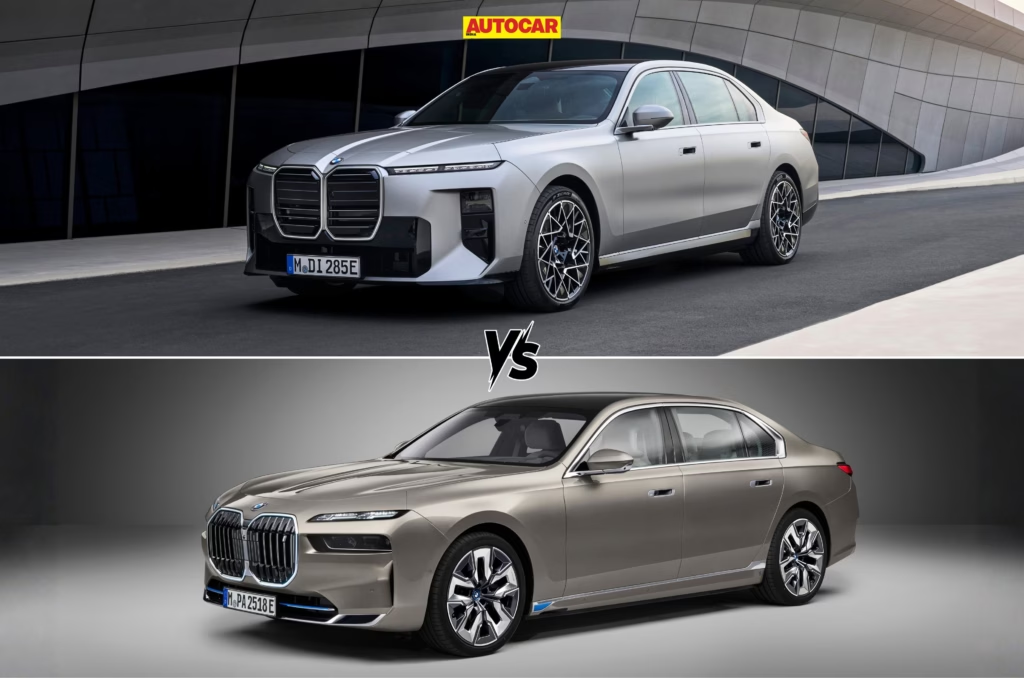
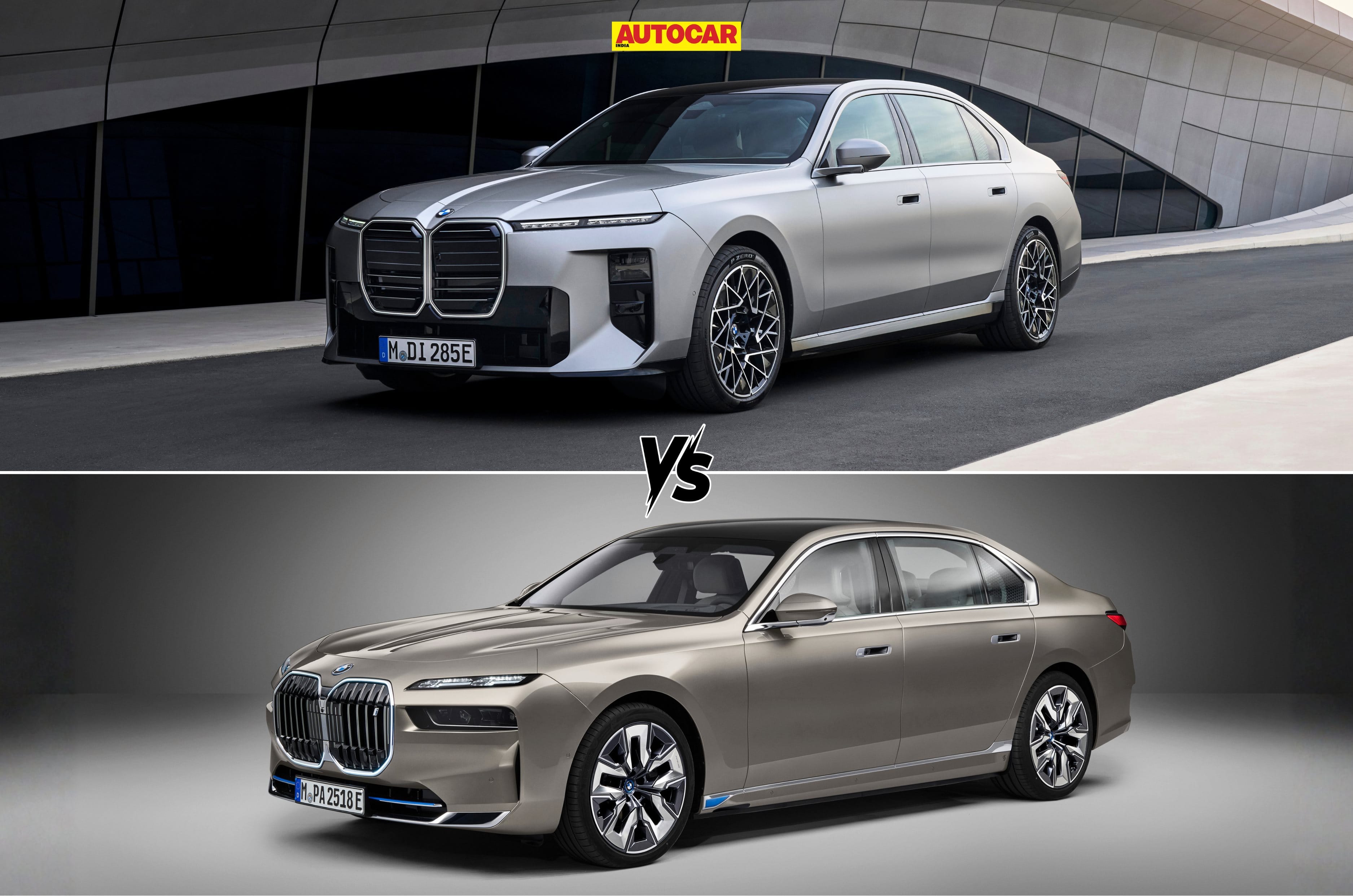
BMW 7 Series vs old model

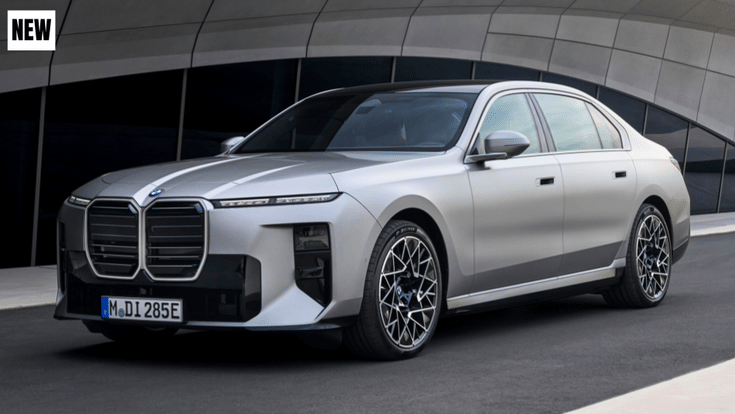
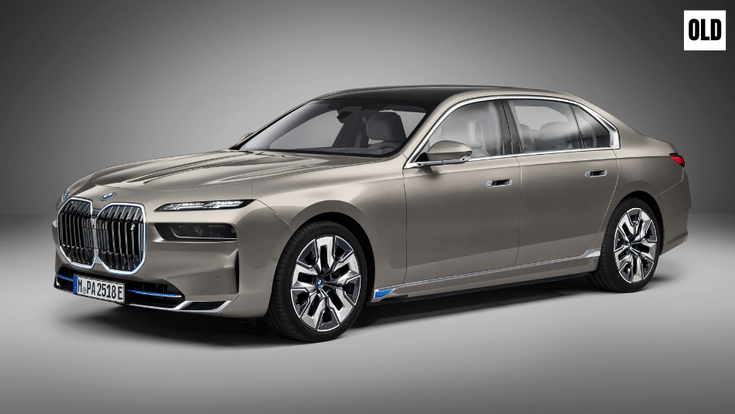
BMW has revealed the facelifted 7 Series, along with its electric counterpart, the i7. This mid-lifecycle update brings subtle changes to the exterior, but the bigger updates are inside, inspired by the brand’s latest Neue Klasse flair. There are also gains across powertrains, with improved outputs across the range. Here is a closer look at what has changed and how the updated BMW 7 Series compares with the outgoing model. 

Disclaimer: The image sliders below feature global-spec BMW i7 models.

2026 BMW 7 Series vs old model: Exterior design

BMW 7 Series facelift new
BMW 7 Series facelift old
 

Unlike the predecessor that had the M-Sport package on certain variants, the 2026 7 Series gets it as standard. The facelifted 7 Series gets a much cleaner front end than the outgoing model. The biggest change is the updated illuminated kidney grille, which is now slimmer and more upright, and it also gets a new horizontal light graphic. While a split headlamp setup is carried over, the DRLs get a slimmer look, while the main headlamp units are now vertically stacked as opposed to the predecessor’s horizontal ones. The BMW badge on the bonnet is also new, larger, and finished in matte. BMW says the radar, camera, sensors, and washer nozzles are hidden inside the grille area, which helps keep the front uncluttered.

BMW 7 Series facelift side new
BMW 7 Series facelift old
 

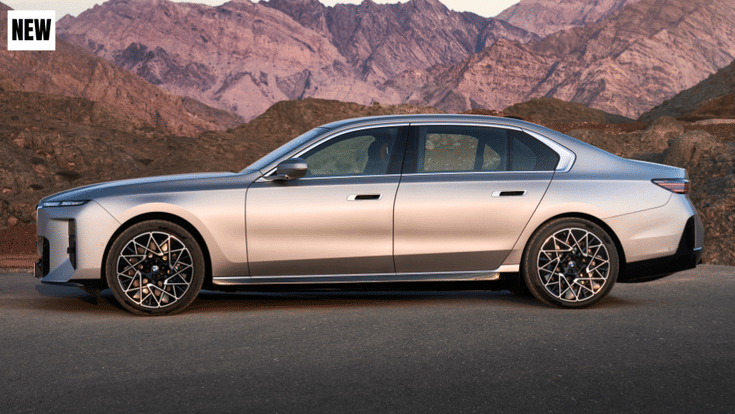
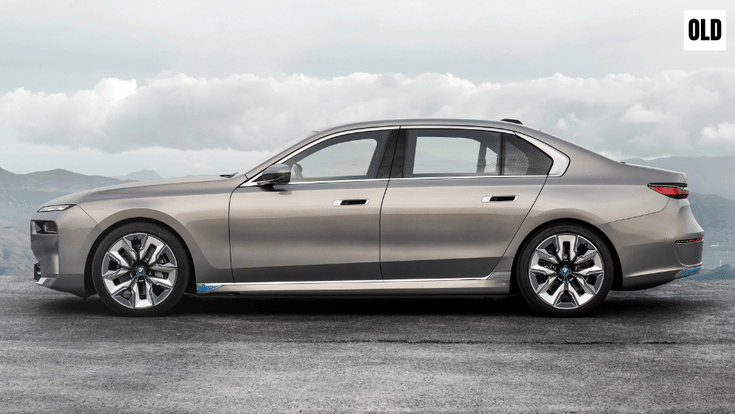
In profile, the facelift retains the clean and simple design. The door handles continue to be flush with the body, giving the surface a clean look. The trim around the handles is finished in Satin Aluminium, and the wheel design has been reworked. The B-pillar also has a visible embossed “7” when both doors on one side are opened. 

BMW 7 Series facelift new
BMW 7 Series facelift old
 

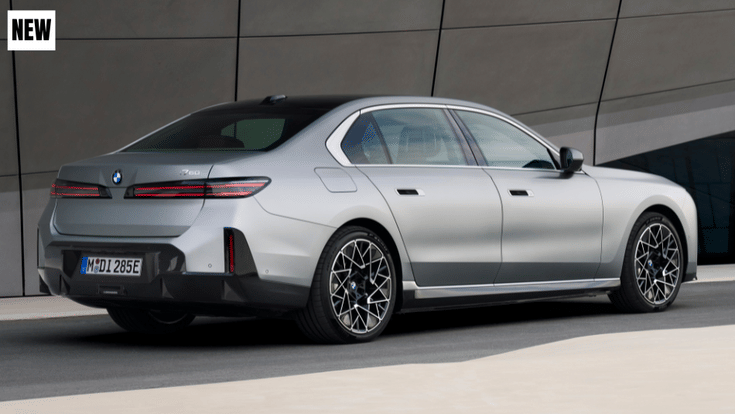
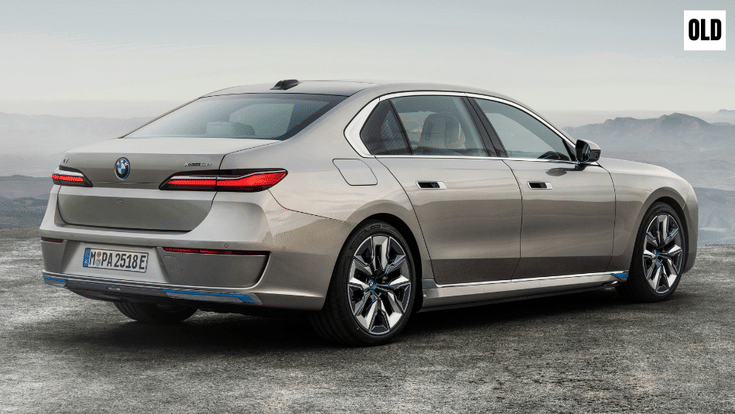
The rear gets new taillights, and this is one of the most obvious changes compared to the old model. They are slimmer, stretched further into the body, and give the car a wider look. BMW has also used chrome detailing inside the lamps and smoked glass for a darker finish. Like at the front, many of the technical bits, such as the boot release, rear camera, and washer nozzle, are tucked away. The rear bumper also gets a diffuser-like trim for a more modern look.

2026 BMW 7 Series vs old model: Interior and features

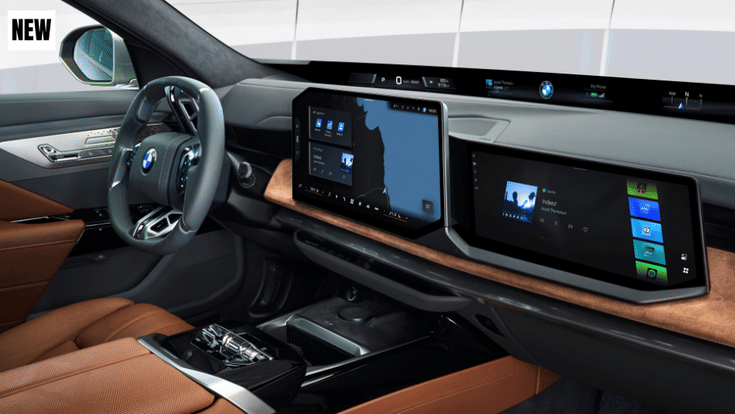
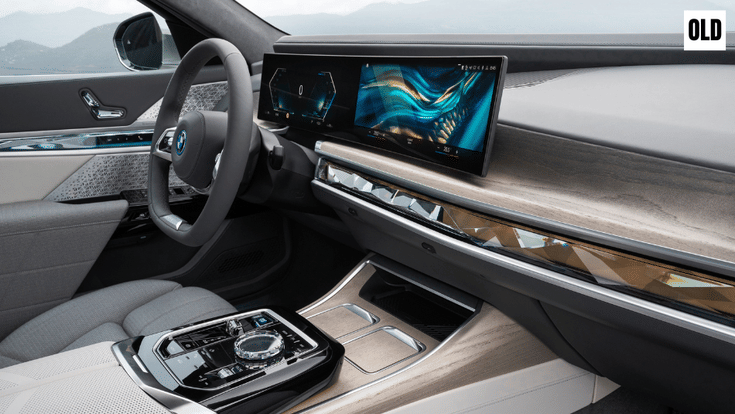
The facelifted 7 Series gets a 17.9-inch central touchscreen, a 14.6-inch front passenger display, and a projection across the full width of the windscreen’s base in contrast to its predecessor’s dual-screen setup. The touchscreen runs BMW’s Operating System X and supports over-the-air updates, wireless Apple CarPlay and Android Auto, and improved voice control. The four-spoke steering wheel is also new, inspired by classic BMW cars. The centre console has crystal-type controls for the engine start/stop button, gear selector, and volume control. There is also an illuminated cup holder and a smartphone tray with wireless charging.

BMW 7 Series facelift interior new
 

The 2026 7 Series comes with a Bowers & Wilkins Diamond Surround Sound System as standard, 4D audio, and Dolby Atmos. The carmaker has added a new lighting setup inside the car. There is a full-width ambient light strip across the cabin, lighting elements behind the front seats, illuminated rear-door speaker covers, and extra reading lights in the back. The optional panoramic glass roof also gets LED lighting with a graphic pattern. As per BMW, the lighting changes with the selected driving mode. 

As for interior trim choices, the regular 7 Series models come standard with a fine oak wood trim and are available with either a black-and-brown or black-and-white theme with leather-upholstered seats. Other options include carbon-fiber and cashmere trims. 

BMW 7 Series facelift interior new
BMW 7 Series facelift interior old
 

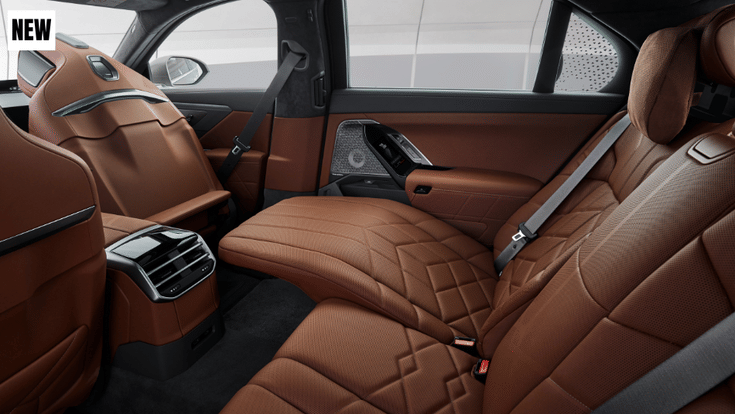
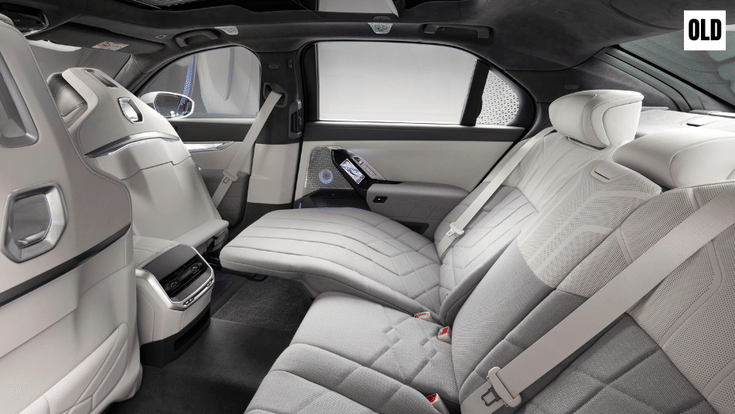
Standard seats come with electric adjustment, heating, massaging, armrest heating, lumbar support, and active ventilation. At the rear, BMW offers Executive Lounge Seating with a leg rest, a heated centre armrest and a more relaxed seating position. The front passenger seat can move fully forward to create more room for the rear passenger behind it. The rear gets a major update, too. The optional Theatre Screen is now a 31.3-inch 8K touchscreen and can be used for video calls, streaming, and gaming.  

The rear doors get updated screens that let passengers move these units, change the viewing angle, and control other functions. The facelift also brings new automatic doors with better-placed open and close buttons. BMW says they work with a touch of the flush-fitting handles and can even be operated through the My BMW app or voice commands. 

2026 BMW 7 Series facelift vs old model: Powertrains

7 Series petrol and diesel

7 Series old vs new: Powertrains

Variant740i M Sport (old)740 M Sport (new)
Engine3L inline-6 + 48V3L inline-6 + 48V
Power381hp400hp
Torque520Nm540Nm
Transmission8AT8AT
Drive layoutRWDRWD

With the facelift, the ICE-powered 7 Series has dropped the diesel engine and is now a petrol-only model. The new 740 does without the ‘i’ suffix and now makes 400hp and 540Nm, which is up by 19hp and 20Nm over the outgoing car. 

i7 EV

i7 old vs new: Powertrains

Variant50 eDrive (old)50 xDrive (new)M70 xDrive (old)M70 xDrive (new)
Battery101.7kWh112.4kWh101.7kWh112.4kWh
Motor power449hp455hp650hp680hp
Torque650Nm660Nm1,015Nmup to 1,100Nm
Drive layoutRWDAWDAWDAWD

For the electric i7, the biggest change is at the entry point. The old rear-wheel-drive 50 eDrive is gone, and BMW now offers a 50 xDrive with all-wheel drive instead. That variant now gets a bigger 112.4kWh battery, up from 101.7kWh, while power has risen only slightly from 449hp to 455hp and torque has gone up by 10Nm to 660Nm. The M70 xDrive also gets a similar battery upgrade. Power has increased by 30hp, from 650hp to 680hp, while torque has climbed from 1,015Nm to up to 1,100Nm.