McLaren is planning to discontinue the GTS and Artura models by the end of 2028, which are two of its core models. The decision comes as McLaren seeks to introduce new models to its line-up, which will also include the brand’s first-ever SUV.
GTS to go first, followed by the Artura.
McLaren working on new hybrid powertrain options.
Upcoming SUV’s platform could be used for other future models.
Two McLaren models to be axed in two years
McLaren GTS
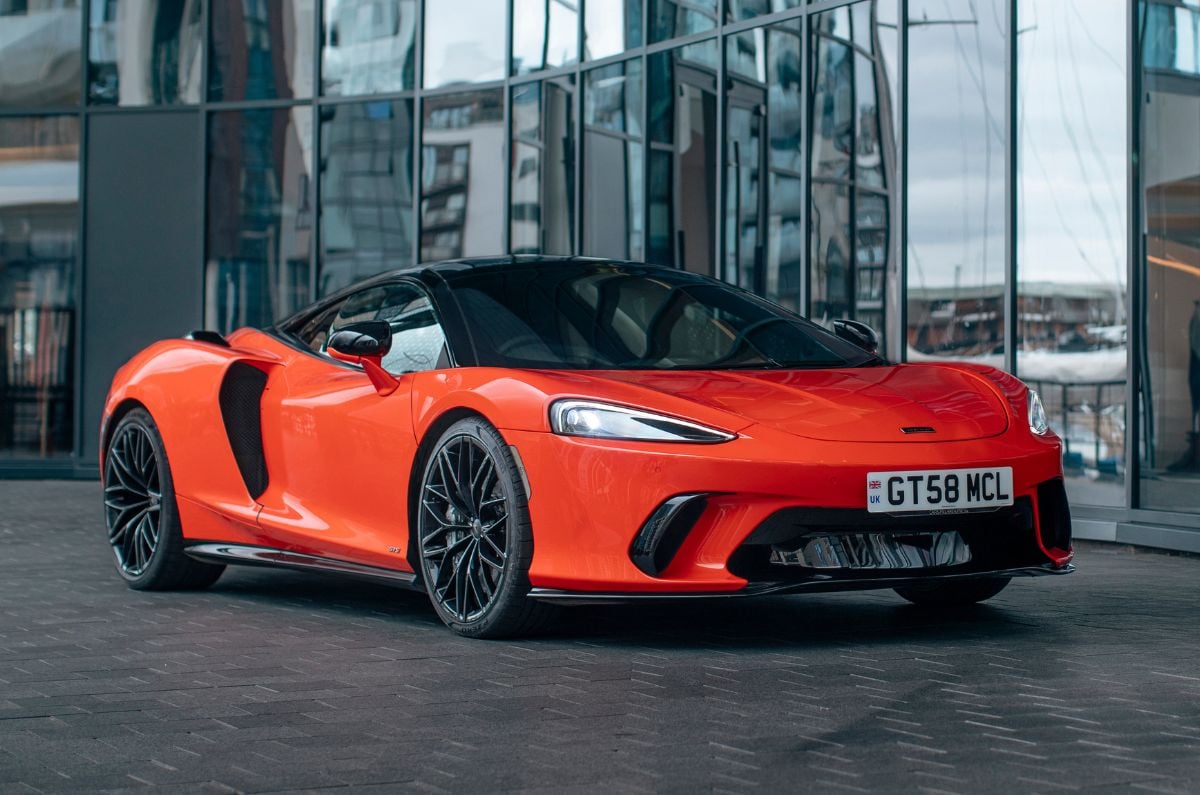
First arriving in December 2023, the GTS was the facelifted McLaren GT. The Ferrari Amalfi and Aston Marti DB12 rival is powered by a 4.0-litre twin-turbo V8 producing 635hp and 630Nm of torque. This will be the first of the company’s core models to be discontinued, possibly in 2027.
McLaren Artura
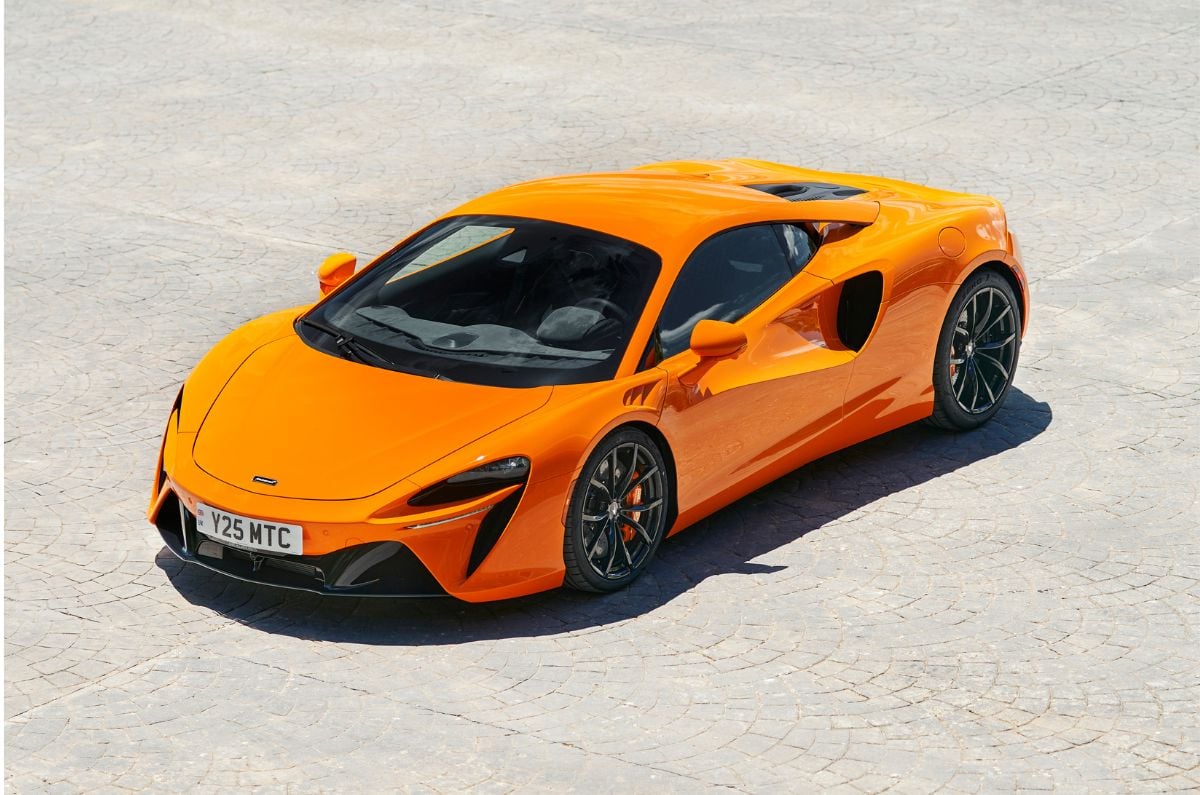
The GTS is to be followed by the Artura, whose 3.0-litre twin-turbo V6 is paired with an electric motor for a combined output of 700hp and 720Nm. The Ferrari 296 rival was revealed globally in February 2021 during the COVID-19 pandemic, resulting in semiconductor shortages and supply-chain-related issues that impacted the development of the hybrid supercar. While the Artura has been one of McLaren’s most popular models, it is to bow out by the end of 2028.
Upcoming McLaren models
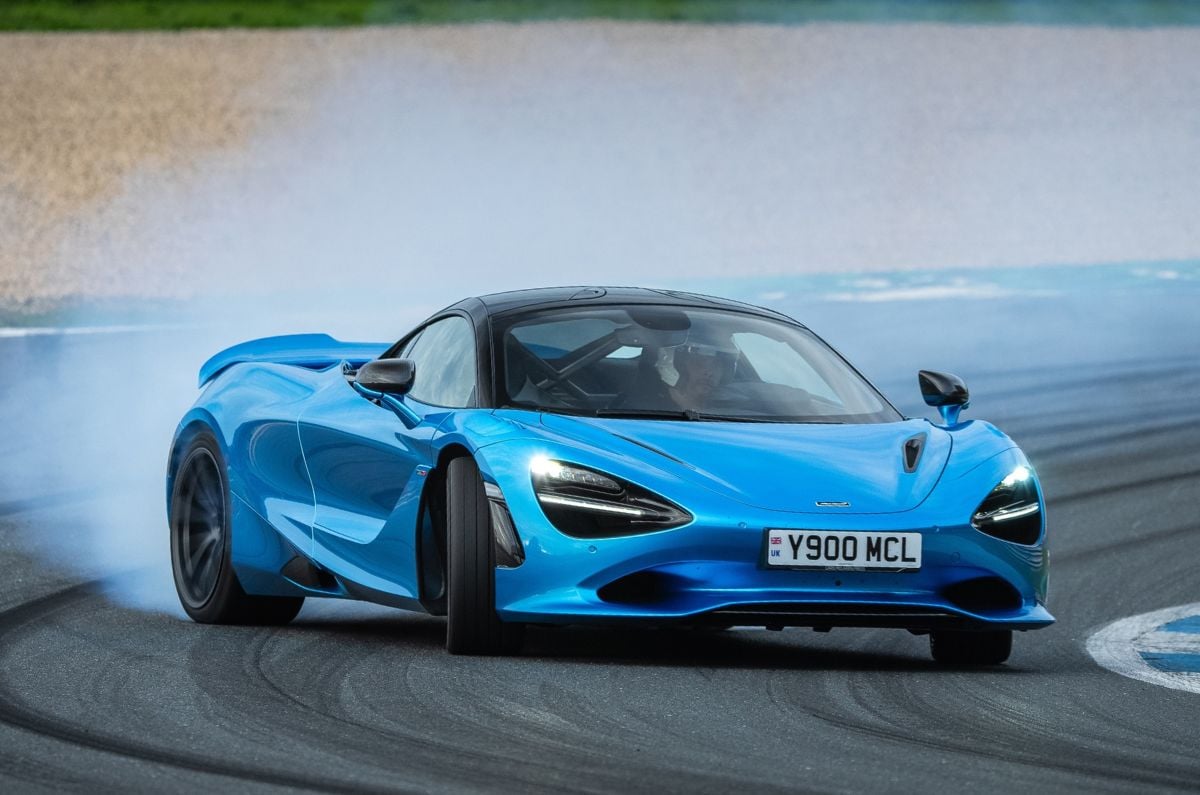
Successor to the venerable 720S, the 750S is another one of McLaren’s core models in its current line-up. However, it could be gone in 2027 as the recently unveiled limited-run 788HS being the last iteration of this supercar. McLaren is not expected to stray away from the concept of a rear-engine supercar as it embarks on expanding its line-up, though. Powering these upcoming models will be a range of new hybrid powertrains, though further details on them are unavailable as of now.
McLaren 750S
The British automaker will develop its own powertrain for these new models. “No longer will we be only rear-engined, rear-wheel-drive cars. There’s going to be front-engined and either four-wheel drive or perhaps rear-wheel drive in the future. We don’t have to be constrained by a V6 and a V8 in the future”, McLaren Chief Operating Officer Michael Straughan said in a statement.
Meanwhile, a new McLaren supercar is slated to break cover by 2028, though the brand is yet to clarify if this would be an Artura successor or an entirely new addition to the line-up. It is to be powered by a twin-turbo V6 hybrid setup capable of developing 1,085Nm of torque, Automotive News reported citing insider information. The front-engine platform used for the first-ever McLaren SUV, meanwhile, could make its way into several of the brand’s upcoming models, including a four-seat grand tourer.
Mahindra will be launching the Thar facelift on September 22, 2026 – barely a year after the first update broke cover. As is customary for the Indian automaker, Mahindra has released a couple of teasers of the upcoming Thar 3-door facelift via its official social media channels, giving us glimpses of what this body-on-frame SUV will look like.
1. What has changed on the outside with the Mahindra Thar facelift?
Differences over the pre-facelift model include a revised front fascia and new wheels
The first teaser revealed a revised front fascia that now features new LED elements for the headlamps with a stylish projector setup and C-shaped daytime running lights, an updated air intake grille and redesigned alloy wheels. The boxy tail-lamps also get C-shaped DRL elements, while Mahindra is expected to have tweaked the front and rear bumpers as well. New colour options are also likely on the cards.
2. How different is the interior of the Mahindra Thar facelift?
The interior design and layout mostly retain the familiarity of the pre-facelift model
The second trailer reveals some of the interior bits and pieces of the upcoming Thar facelift. These include the familiar-looking touch-infotainment unit with physical shortcut keys, button placement on the centre console, circular AC vents and manually operable climate control. Mahindra may offer leatherette upholstery on select trims for a more premium feel, while the brand’s signature ‘Twin Peaks’ logo on the steering wheel now appears to be finished in gloss black.
3. Will the Mahindra Thar facelift get mechanical updates?
Minor tweaks to improve overall ownership experience could make their way with this facelift
The Thar facelift is expected to retain the engines offered with the pre-facelift model. These will include the familiar 2.0-litre direct-injection turbo-petrol (mStallion) mill, along with the base 1.5-litre diesel and the range-topping 2.2-litre diesel (mHawk) engine options. Depending on the variant, the 6-speed manual and 6-speed torque-converter automatic transmissions are expected to be carried over. While Mahindra hasn’t confirmed any of this yet, the 3-door Thar facelift could feature improved ride quality and cabin insulation for a better ownership experience.
4. What is the expected price of the Mahindra Thar facelift?
Feature additions could lead to a price hike over the pre-facelift model
Styling revisions and the likelihood of an updated feature set could lead to the prices of the upcoming Mahindra Thar facelift to go up. For reference, the pre-facelift Thar 3-door is priced between Rs 10.32 lakh to Rs 18.00 lakh (ex-showroom). The facelifted model will continue to compete against the Force Gurkha and Maruti Suzuki Jimny.
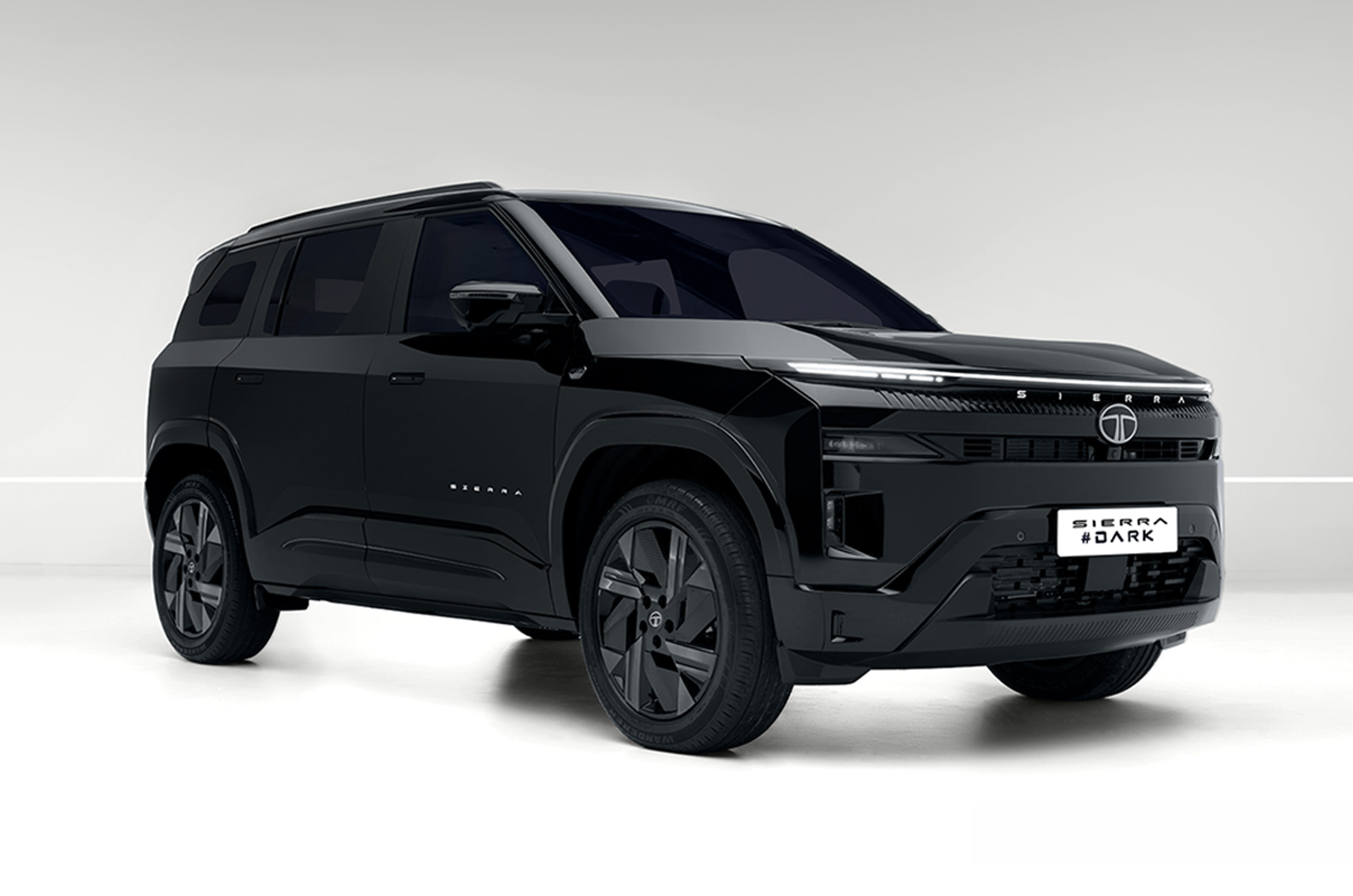
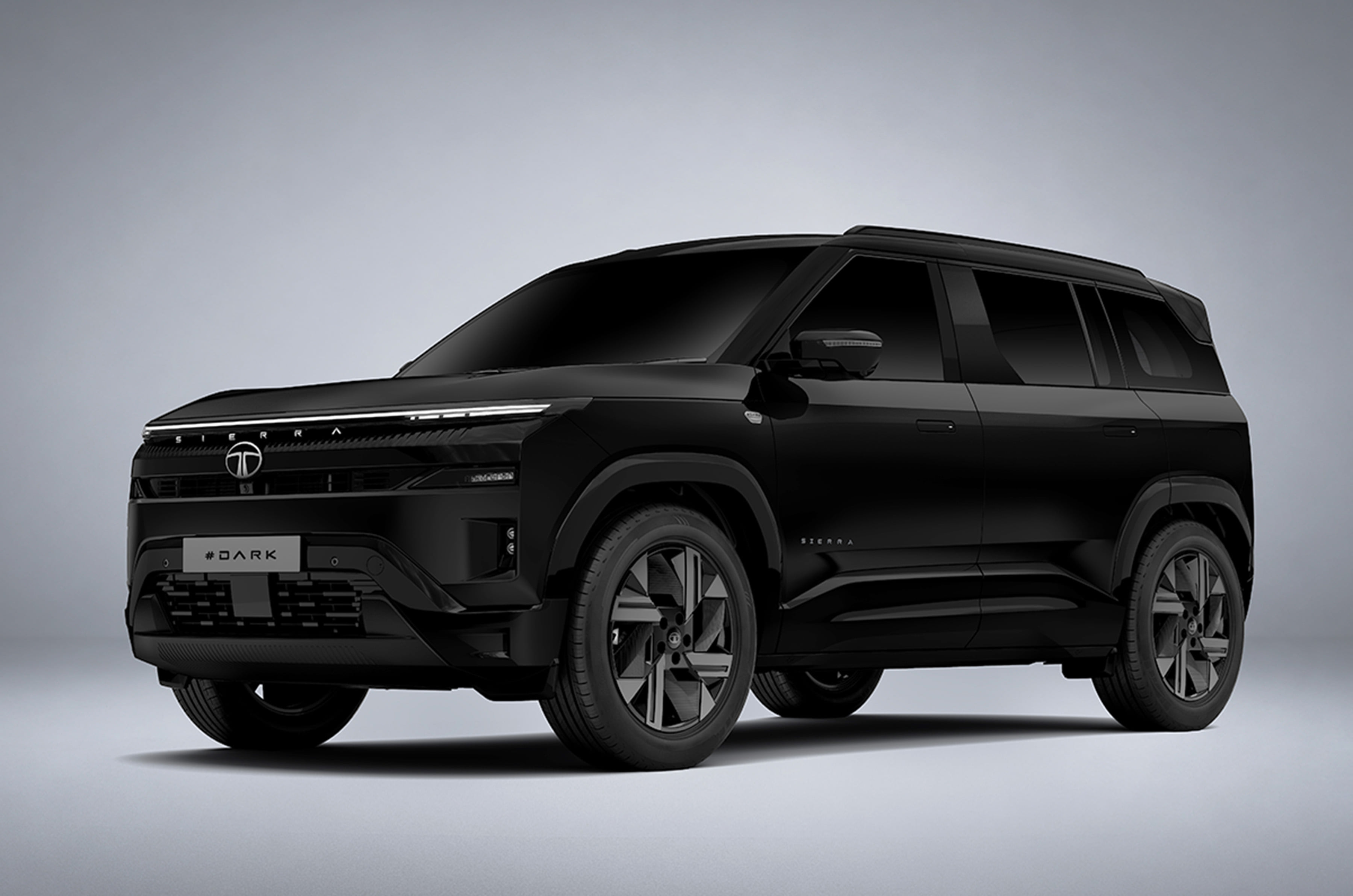
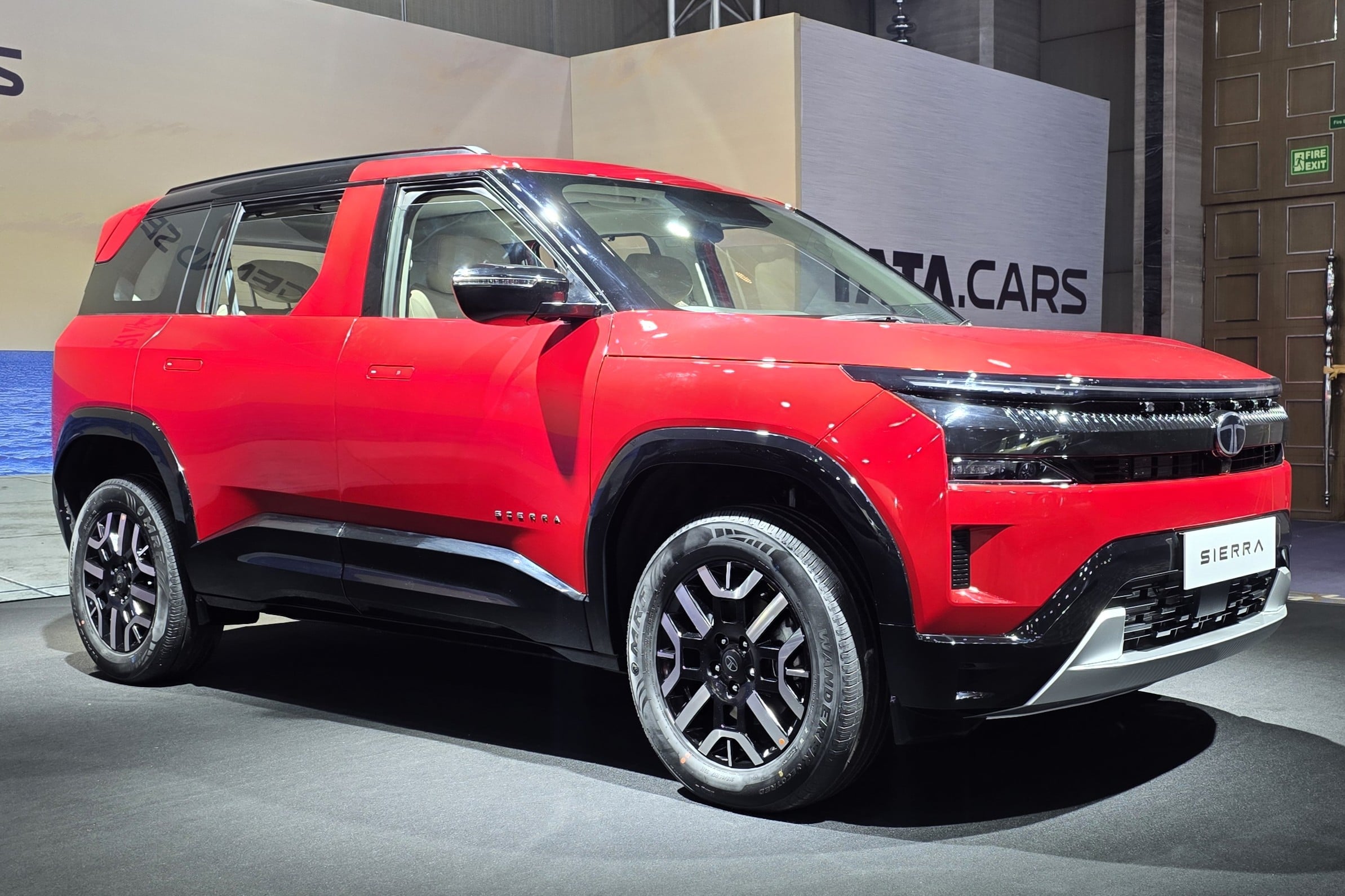
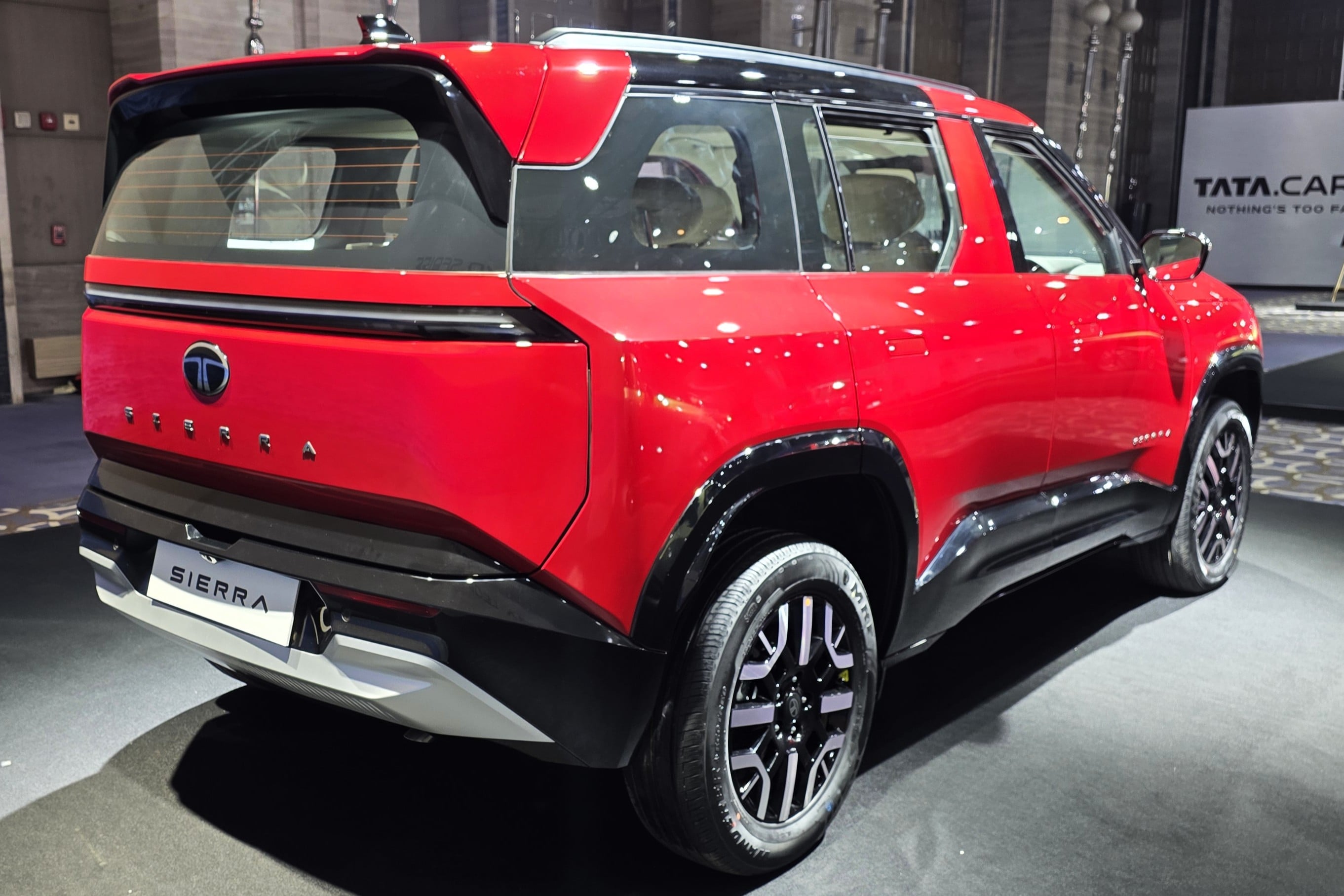
Like many of Tata’s other SUVs, the Sierra can now be had with a blacked-out Dark Edition cosmetic package. The Sierra Dark Edition is available from the Pure L trim onwards, where it commands a premium of Rs 20,000 over the standard version. For all succeeding trims, the Sierra Dark Edition costs Rs 30,000 extra. Pricing for the Sierra Dark Edition starts at Rs 13.99 lakh for the Pure L trim, and at Rs 21.59 lakh for the top-spec Accomplished+ trim.
Sierra Dark Edition gets new Friesian Black paint finish
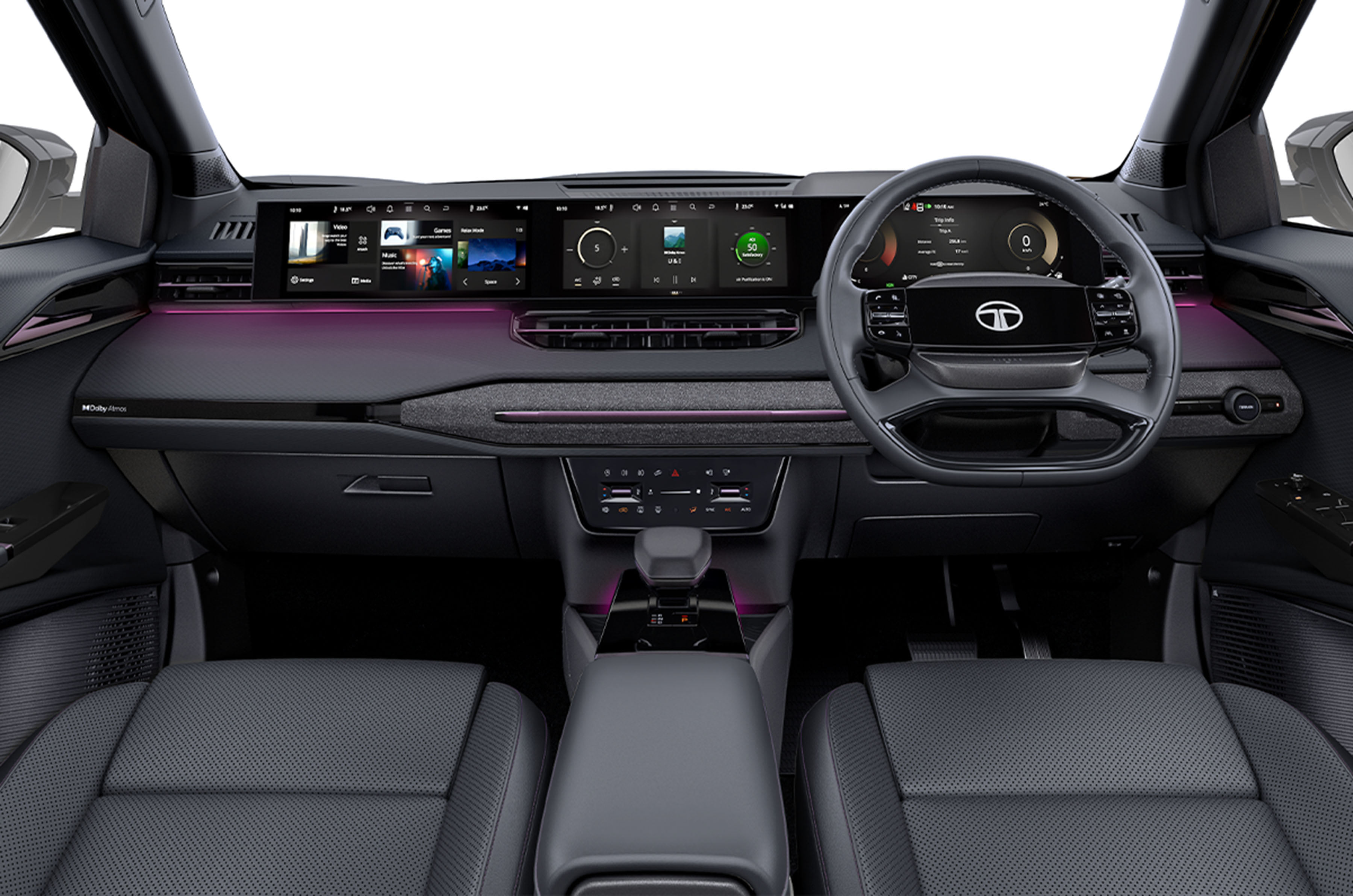
Interior gets blacked-out treatment with violet and purple highlights
Available with all powertrain options of the Sierra
Here’s a look at the full price list of the Tata Sierra Dark Edition:
Tata Sierra Dark Edition price (ex-showroom)
Trim
Petrol-MT
Petrol-DCT
Turbo-petrol AT
Diesel-MT
Diesel-AT
Pure L #Dark
Rs 13.99 lakh
Rs 15.29 lakh
–
Rs 15.44 lakh
–
Pure L (O) #Dark
Rs 14.59 lakh
Rs 15.89 lakh
–
Rs 16.04 lakh
Rs 17.34 lakh
Pure+ L #Dark
Rs 15.29 lakh
Rs 16.59 lakh
–
Rs 16.74 lakh
Rs 18.04 lakh
Adventure+ L #Dark
Rs 17.29 lakh
Rs 18.59 lakh
Rs 19.29 lakh
Rs 18.49 lakh
Rs 19.79 lakh
Accomplished #Dark
Rs 18.29 lakh
–
Rs 20.29 lakh
Rs 19.29 lakh
Rs 20.29 lakh
Accomplished+ #Dark
–
–
Rs 21.29 lakh
Rs 20.59 lakh
Rs 21.59 lakh
Tata Sierra Dark Edition exterior and interior
As you’d expect, the Sierra Dark Edition comes finished in Friesian Black on the outside as standard. Much of the exterior trim is black instead of chrome, and the Tata emblems and alloy wheels have been darkened as well. Lastly, this stealth-spec Sierra gets ‘#DARK’ badging on the front fenders.
The blacked-out finish extends to the Sierra’s cabin as well, but Tata has added a pop of colour by way of violet metallic trim pieces in areas like the AC vent bezels, door handles, front armrest, front seatbacks, and more – even the seat stitching is purple. There are otherwise no changes to the interior layout or features list over the standard versions of the Sierra, so depending on the variant, you get goodies like a triple-screen setup, ventilated front seats, a panoramic sunroof, dual-zone climate control, a powered tailgate, connected car tech, Level 2 ADAS, a 360-degree camera, a 12-speaker JBL Black sound system, among others.
Tata Sierra Dark Edition engine and gearbox
There are no changes to the powertrain offerings for the Sierra Dark Edition. It offers the same configurations found in the trim it’s based on. That means depending on the variant, you get a 106hp 1.5-litre naturally aspirated petrol engine with either a 6-speed manual or 7-speed DCT, a 118hp 1.5-litre diesel mill with either a 6-speed manual or 6-speed torque converter, or a 160hp 1.5-litre direct-injection turbo-petrol motor mated solely to a 6-speed torque converter.
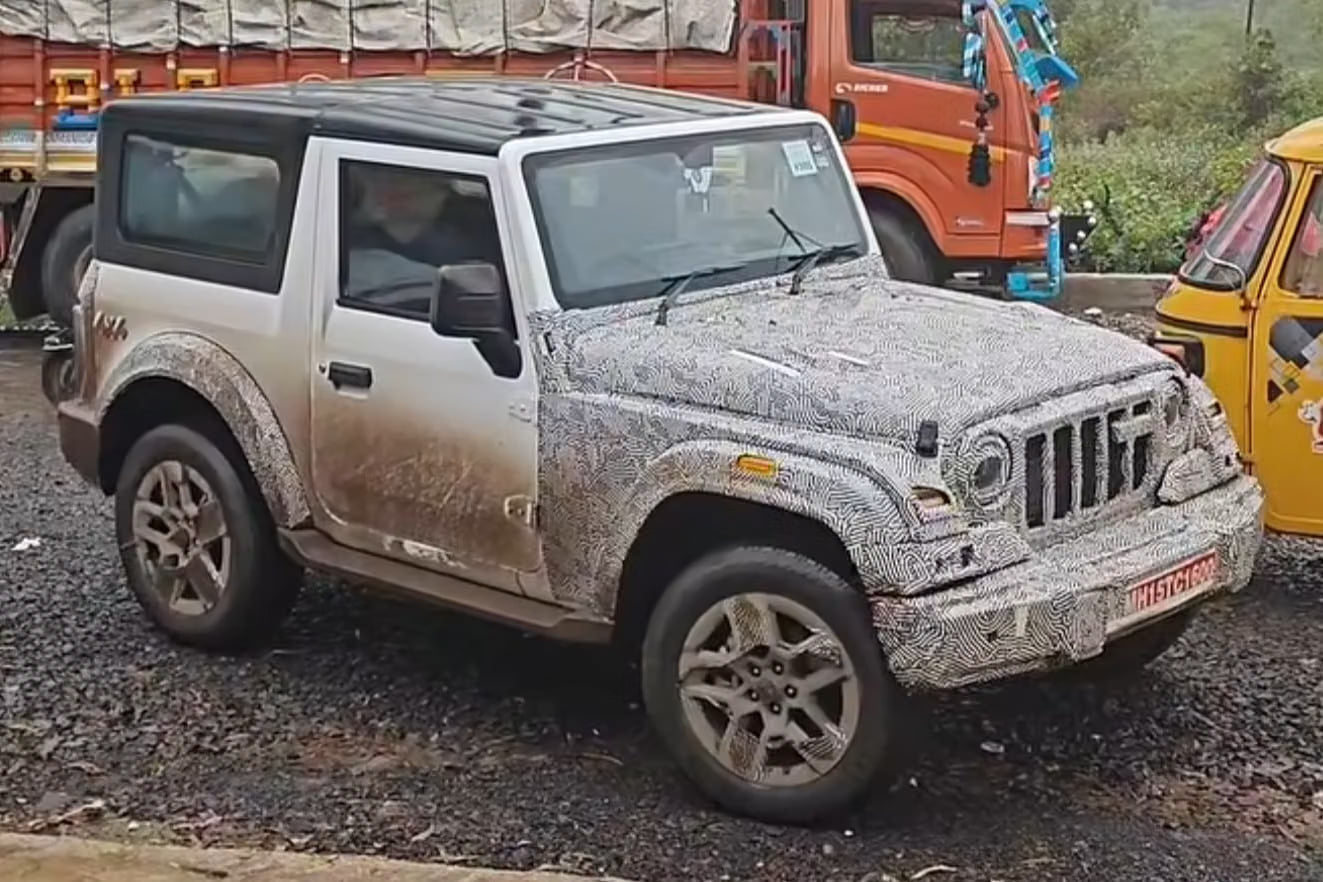
Less than a year after its 2025 update, Mahindra is introducing another facelift for the Thar. In the months leading up to its arrival, camouflaged prototypes of the SUV have been spied on our roads, and Mahindra recently shared teasers too. Here’s what you can expect from the 2026 Mahindra Thar facelift, likely to launch on September 22.
What will the Mahindra Thar 3 door facelift look like?
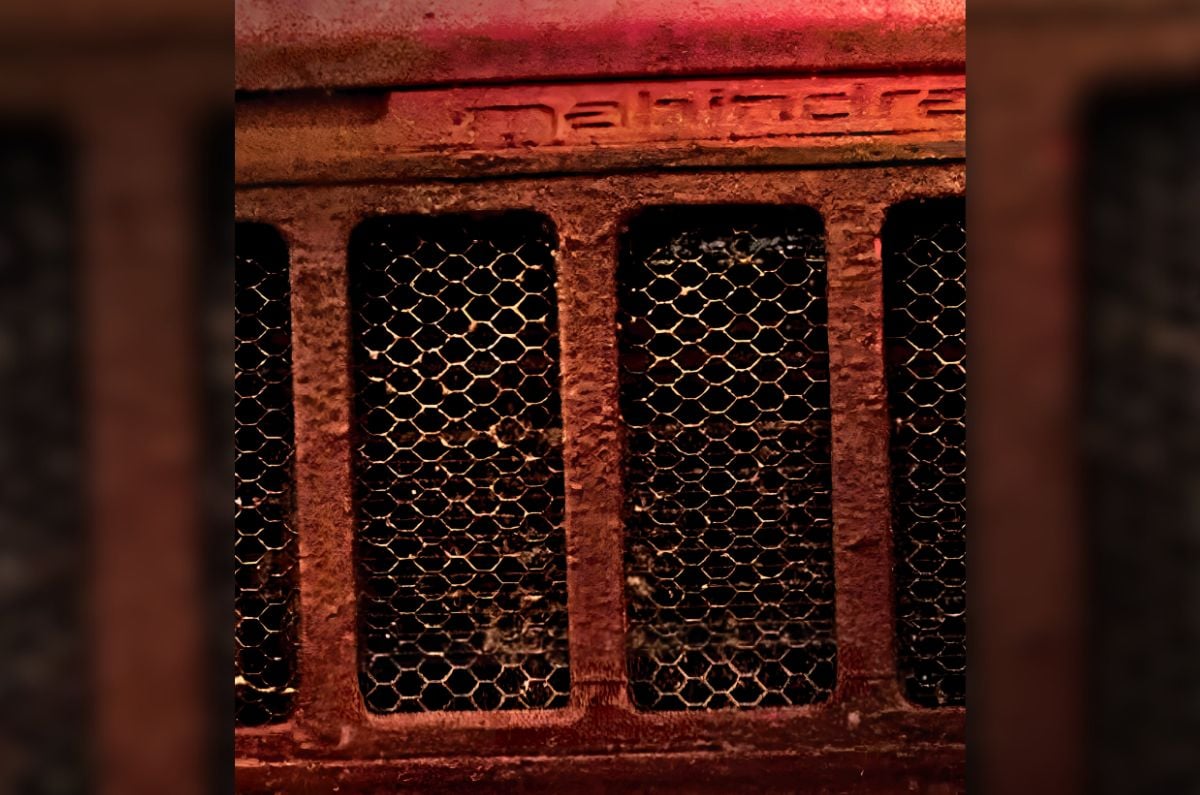
Teasers of the Mahindra Thar facelift provide a glimpse of what it would look like. There’s a new look for the grille with a honeycomb pattern and possibly a revised design for the alloy wheels. Spy shots of the Thar facelift hint at Thar Roxx-borrowed design elements such as projector LED headlamps with C-shaped daytime running lamps (DRLs), revisions to the bumpers and tail-lamp detailing.
What will the Mahindra Thar 3 door facelift interior look like?
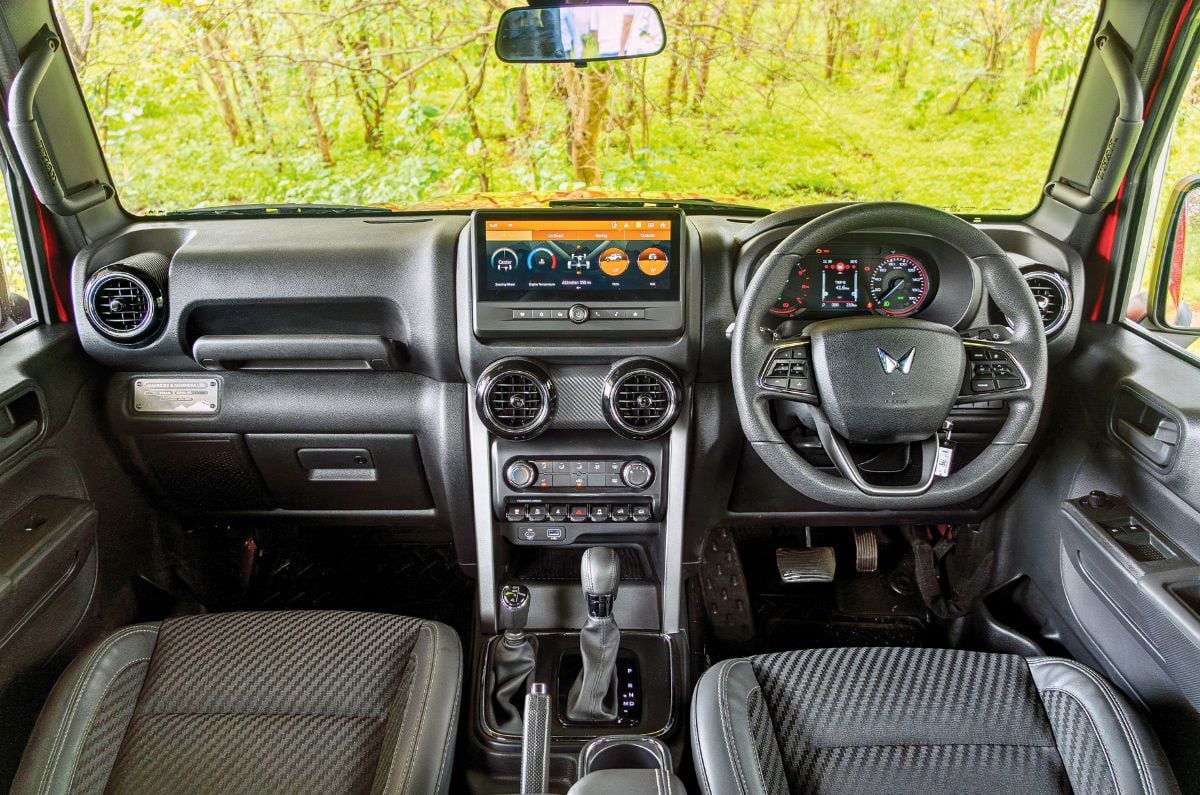
The Thar facelift is expected to retain the current version’s cabin layout. However, Mahindra could likely bring leatherette seat upholstery and newer trim materials throughout the interior to keep it fresh.
Will the Mahindra Thar 3 door facelift get new features?
Current Mahindra Thar 3 door interior used for representational purposes.
Although the 2025 update for the Thar brought a 10.25-inch infotainment display, rear AC vents, a rear wiper and washer and a rearview camera, many modern niceties were still missing at its price. Mahindra is likely to fix that with this year’s update by possibly introducing features such as a digital driver’s display, a 360-degree camera, front-seat ventilation, a wireless phone charger and auto AC.
Will the Mahindra Thar 3 door facelift retain the engines of the current version?
Current Mahindra Thar used for representational purposes.
Yes, the Mahindra Thar facelift is likely to retain the engine options powering the version currently on sale. These include a 119hp, 300Nm 1.5-litre diesel engine, a 132hp, 300Nm 2.2-litre diesel engine and a 152hp, 300Nm (320Nm AT) 2.0-litre turbo-petrol. All come with a 6-speed manual as standard, while the latter two also offer a 6-speed automatic gearbox. The 1.5-litre and 2.2-litre diesel engines come solely with RWD and 4×4 configurations, respectively, while the 2.0-litre turbo-petrol mill offers both drive layouts.
What is the Mahindra Thar 3 door facelift’s expected price?
The Mahindra Thar facelift is expected to come at a slight premium over the current version. For reference, the current Thar has a starting price of Rs 10.32 lakh and goes up to Rs 18 lakh (both ex-showroom). It will continue to rival the likes of the Maruti Jimny and Force Gurkha 3 door.
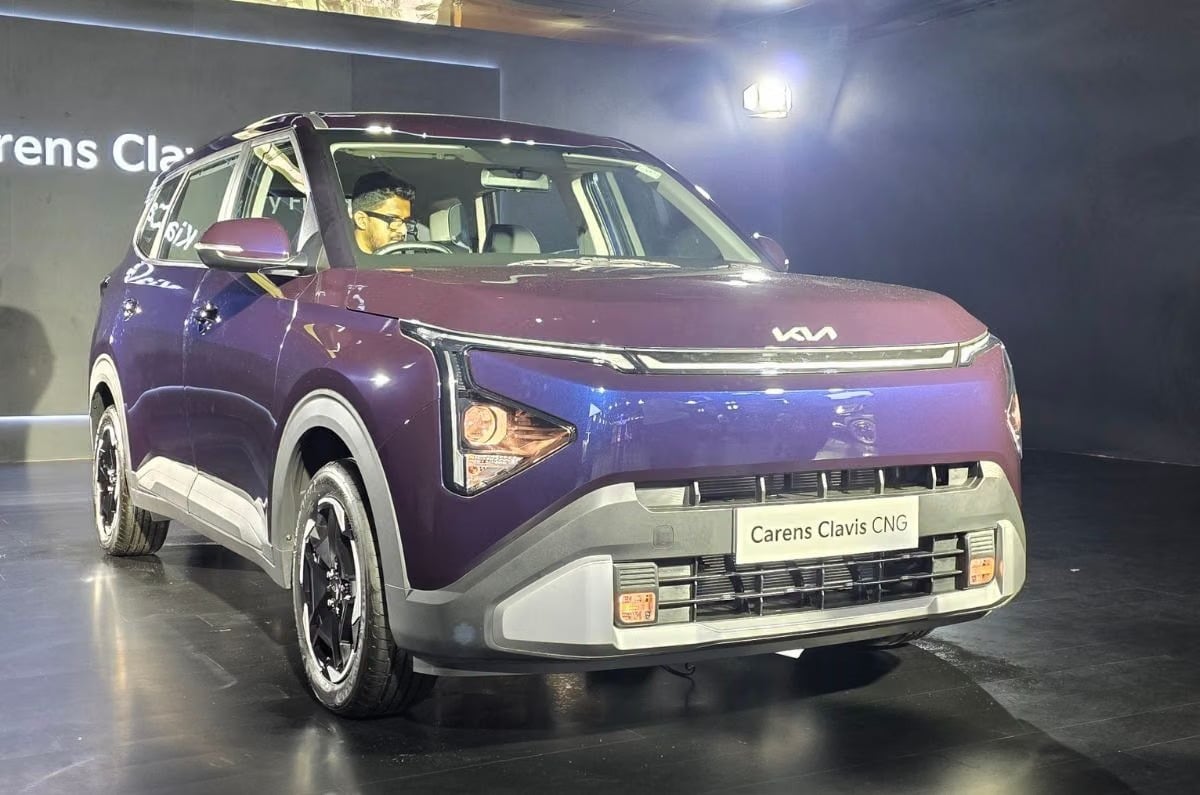
Kia has launched factory-fitted CNG versions of the Carens and Carens Clavis at Rs 12.12 lakh and Rs 12.39 lakh, respectively, days after unveiling them alongside the Sorento’s India launch. The Carens gets the CNG option exclusively on its Premium (O) trim, while the Carens Clavis offers it on the mid-spec HTE and HTE (O) trims. Both command a Rs 1 lakh premium over their petrol-MT counterparts and are powered by a 96hp, 1.5-litre engine paired with a 6-speed manual gearbox.
Fuel efficiency is estimated to be 22km per kg to 25 km per kg
60-litre CNG tank is placed under the boot floor; gets 116-litre boot space
Interestingly, the CNG option is not new to the Carens, although it was previously available only as a dealer-fitted kit.
Kia Carens CNG, Carens Clavis CNG prices
CNG-MT variants command a premium of Rs 1 lakh over petrol-MT variants
Kia Carens, Carens Clavis CNG-MT prices compared with petrol-MT (ex-showroom)
CNG MT price
Petrol MT price
Price difference
Carens Premium (O)
Rs 12.12 lakh
Rs 11.12 lakh
+ Rs 1 lakh
Carens Clavis HTE
Rs 12.39 lakh
Rs 11.39 lakh
+ Rs 1 lakh
Carens Clavis HTE (O)
Rs 13.35 lakh
Rs 12.35 lakh
+ Rs 1 lakh
For comparison, the Maruti Ertiga’s CNG variants are priced between Rs 10.94 lakh and Rs 12 lakh, while the Toyota Rumion CNG is priced at Rs 11.69 lakh and the Maruti XL6 CNG is priced at Rs 12.61 lakh.
Kia Carens CNG, Carens Clavis CNG: Engine specifications
CNG variants produce 19hp, 21Nm less than the petrol variants
The CNG versions of the Carens and Carens Clavis are powered by a 1.5-litre naturally aspirated engine producing 96hp and 123Nm, down by 19hp and 21Nm, respectively, compared with the petrol version. It comes paired with a 6-speed manual transmission, while the petrol variants are also available with a clutchless manual (iMT) and dual-clutch automatic (DCT) options.
Kia has not yet revealed the certified fuel-efficiency figure for the CNG variants, although it is expected to be around 22-25km per kg.
Kia Carens CNG, Carens Clavis CNG: Other details
CNG tank in the boot only enables 116 litres of boot space
The factory-fitted CNG tank is mounted beneath the boot floor in the Carens and Carens Clavis, reducing boot capacity from 216 litres to 116 litres. Like the other variants, the CNG versions get an underbody-mounted spare wheel. Kia claims it has retuned the suspension and upgraded the front disc brakes to account for the additional weight of the CNG tank and new components. The manufacturer also says the engine has been recalibrated for CNG use to minimise the impact on performance.
Everything else on the CNG variants is the same as their petrol counterparts.
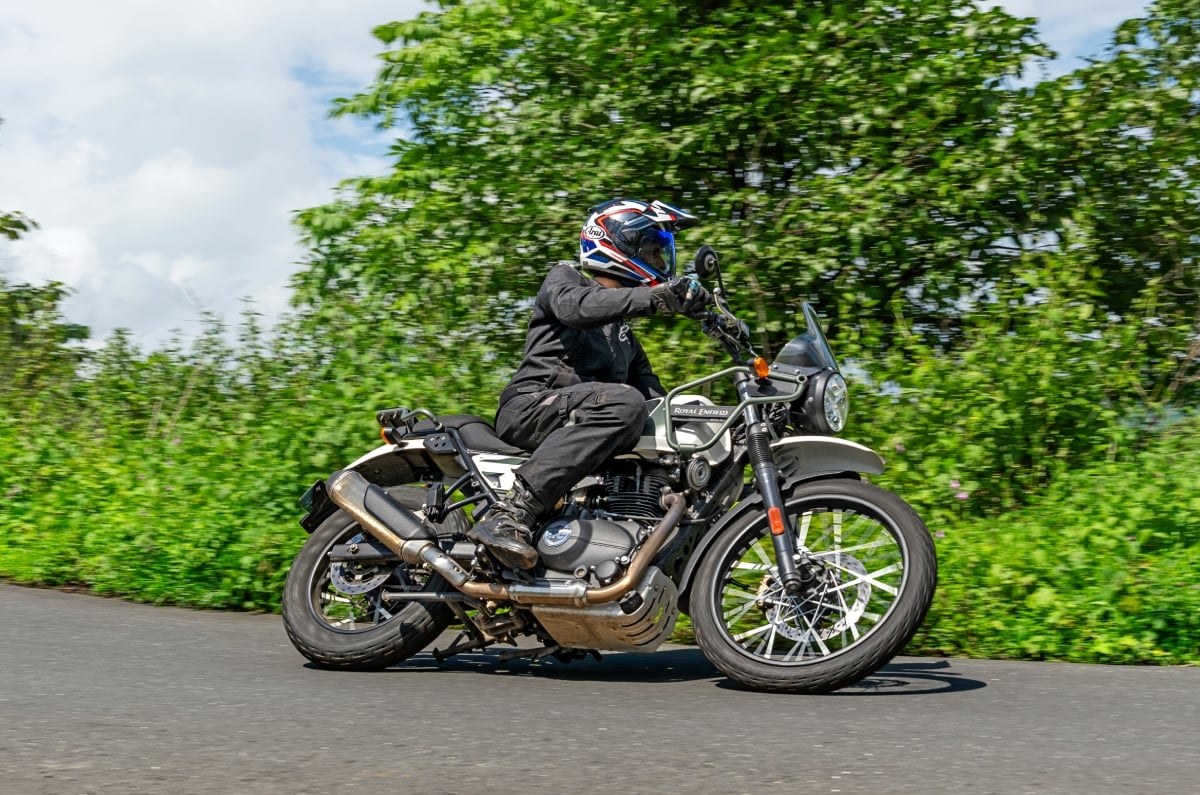
A lot can change in three years, as it turns out. Back in October 2023 at the Himalayan 450 launch, I would have confidently told you that the older Himalayan’s 411 time was up and that the 450 served as a fitting replacement. Fast forward to 2026 and I will now willingly concede that there is very much a place for the new Himalayan 440 in this market.
What’s new and why is it back?
A tempting price as well as meaningful improvements
Price plays a big role behind this change in reasoning. 3 years ago, the entry level 450 was about Rs 40,000 more than the top 411 – a not insignificant, but justifiable increase . Today that gap has nearly doubled thanks to the agonizingly short-sighted new GST policy that levies a brutal 40 percent tax rate on motorcycles that use engines bigger than 350cc. RE is clearly feeling the heat from the new wave of sub 350cc competition because the reborn 440 is priced super aggressively. In fact, at 2.29 lakh ex-showroom Chennai, it costs exactly the same as the top 411 did in 2023, despite packing significant improvements. Beyond the price, it’s those very improvements that have convinced me that this bike has earned its return in 2026.
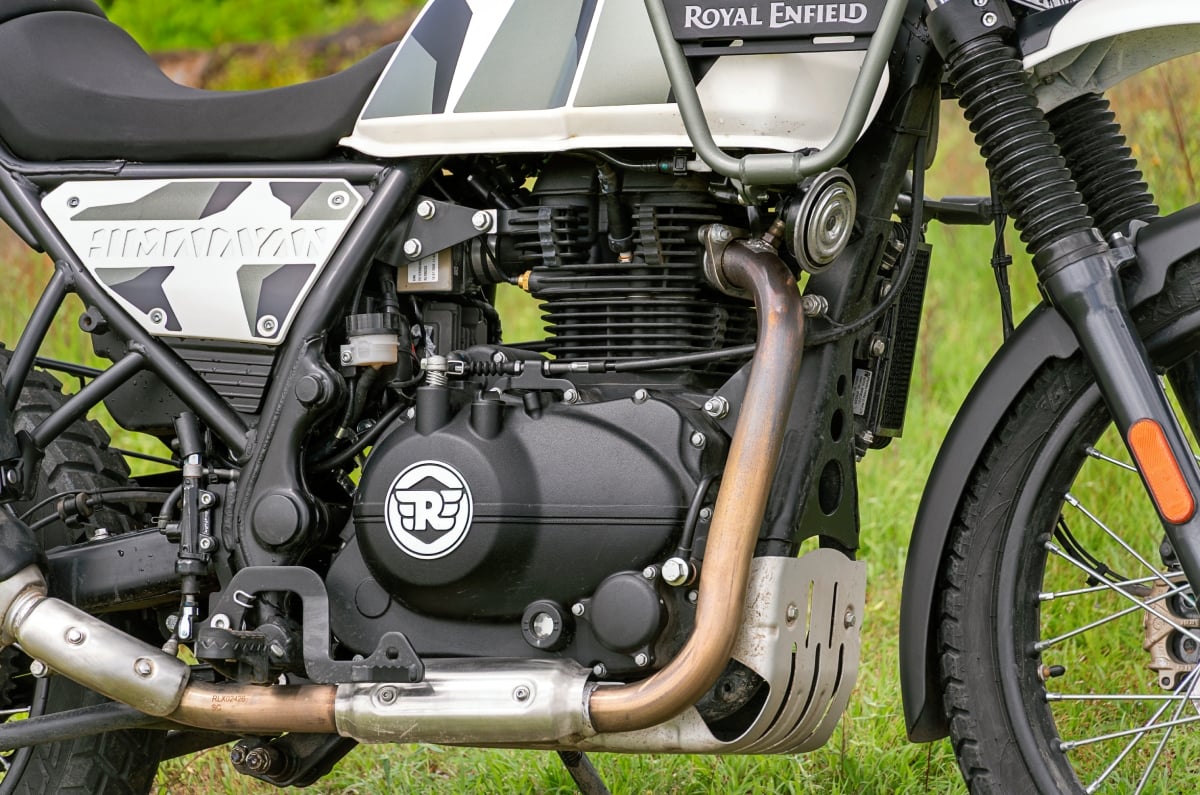
The Himalayan 440 is based on the Scram 440 and it brings in the same improvements we saw there last year. The oil-cooled single has been bumped up to 443cc and RE has also strived towards increasing the refinement. An added 6th gear and as well a lighter clutch lever increase the bike’s appeal on the highway and in the city. Work has also been put into improving braking performance and feel.
Himalayan 440 Design and Style – 7/10
New colours, but familiar design
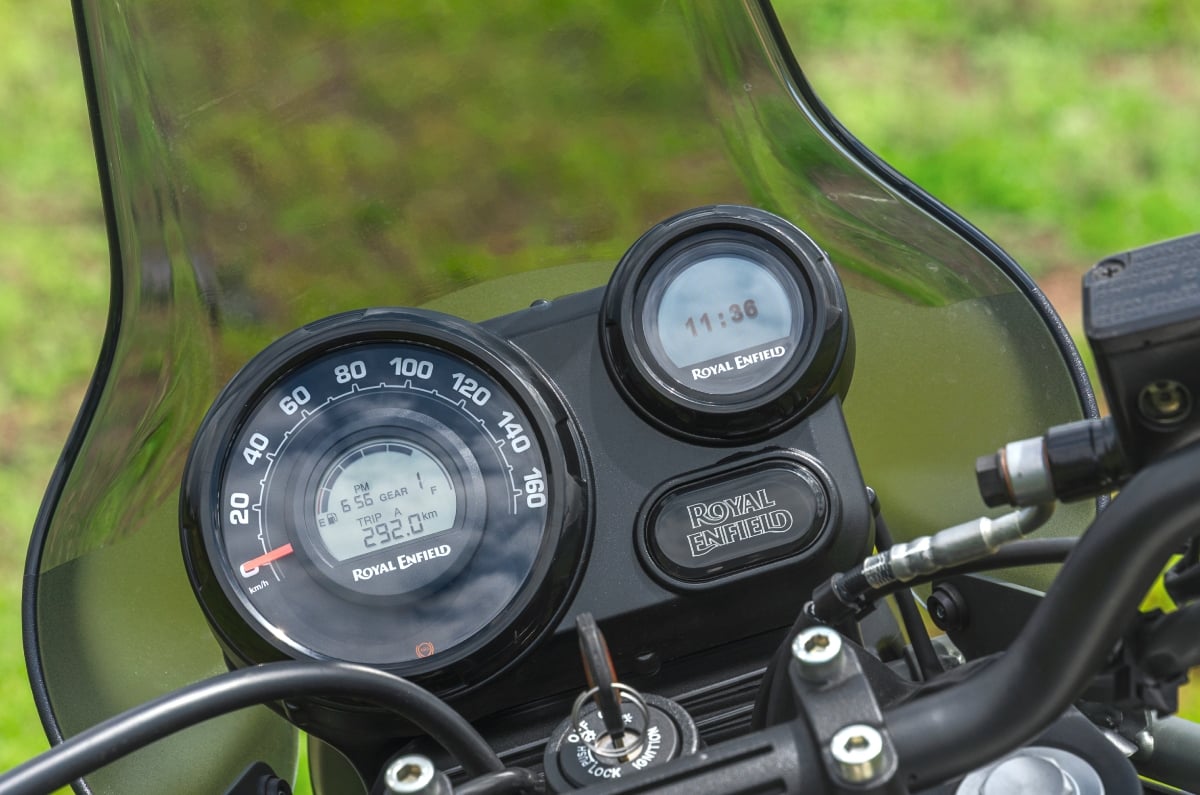
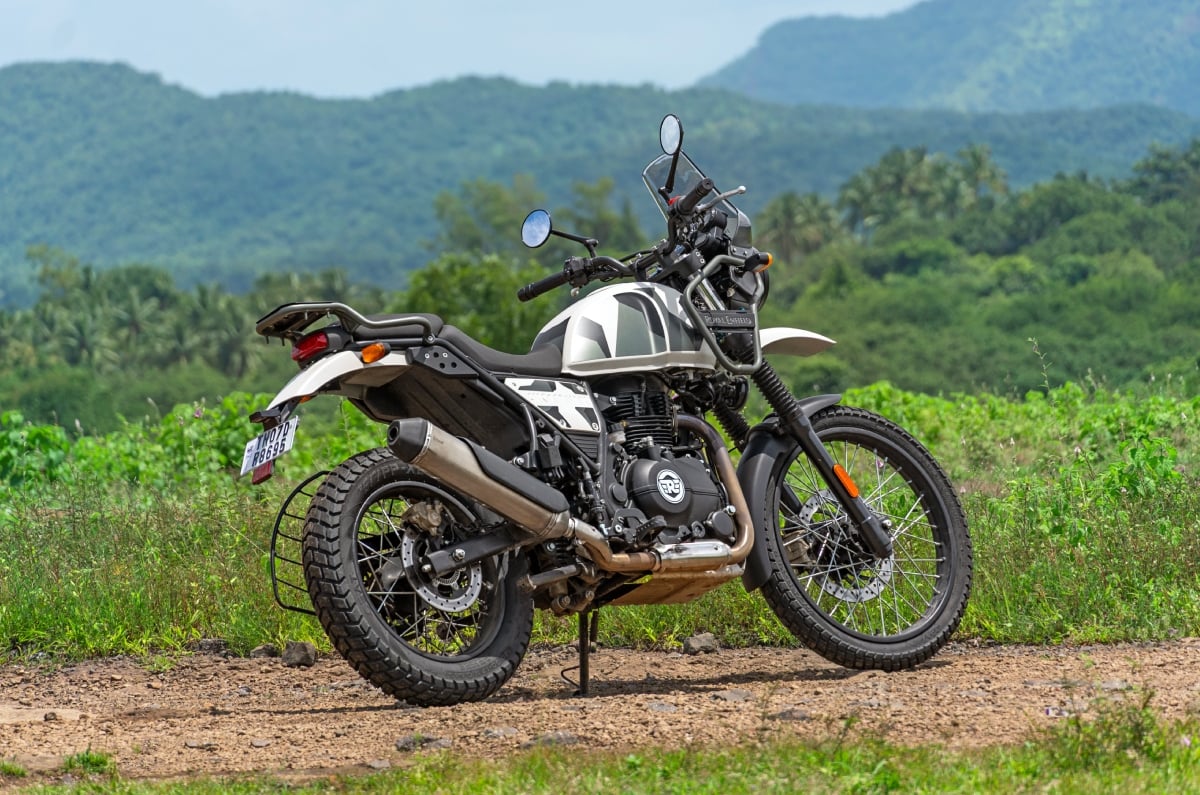
There are three new colour schemes as well, but beyond that, the bike retains its quirky oddball styling, although it does gain a new (average at best) LED headlamp and an updated instrument cluster based on the Scram 440.
Gets an updated instrument cluster based on the Scram 440.
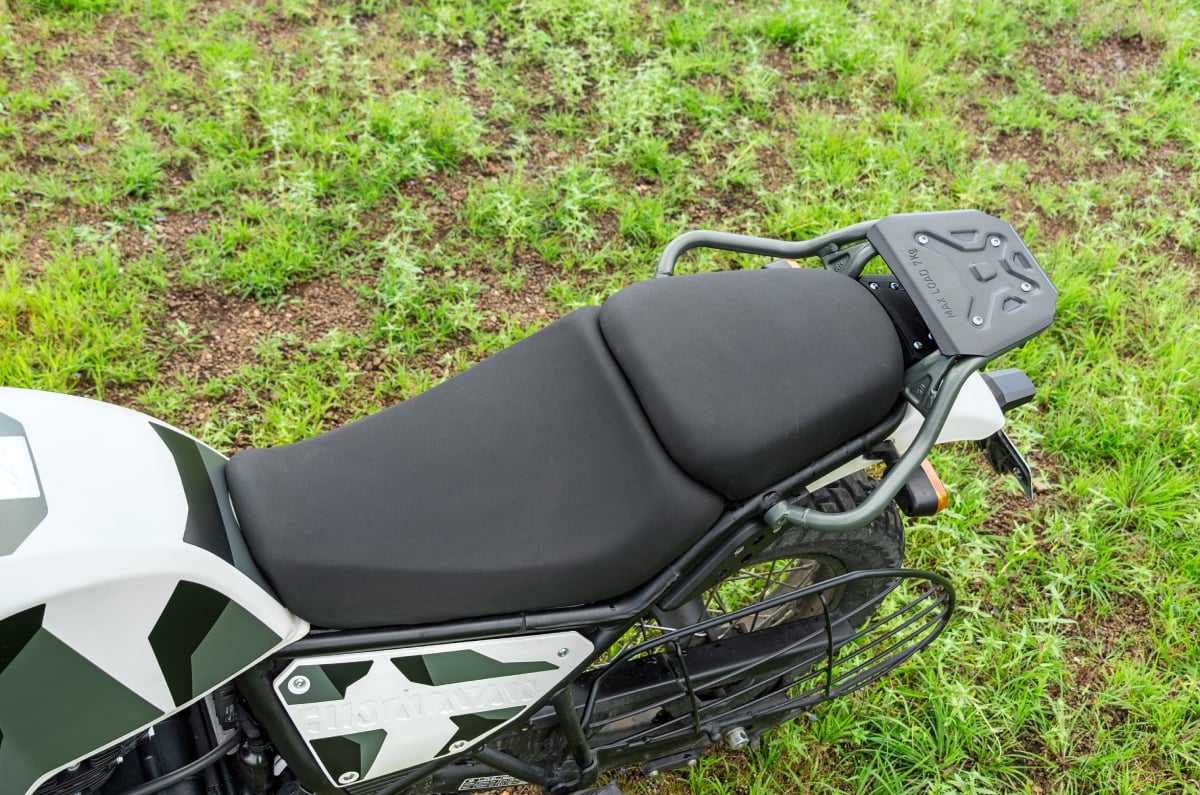
Hopping onto the Himalayan 440 after all these years is like being re-acquainted with an old friend. It more or less looks the same and also feels the same to sit on. The low 800mm seat height in particular is one of the biggest appeals with this bike and it brings back some of the short rider accessibility that was sacrificed by the Himalayan 450.
Himalayan 440 Engine and performance – 8/10
A smooth and characterful engine brimming with torque, but it’s not about speed
The engine retains that same relatively slow thump as its predecessor, but there is certainly an improvement in refinement. You can very much hear and feel the engine through the entire bike, but there are no intrusive vibrations until you build the revs quite high. Unfortunately, the Himalayan no longer has a rev counter so I can’t tell what rpm it starts to feel stressed at, but peak power comes in at just 6250rpm, so the number isn’t that high.
Nevertheless, with this improved vibration control as well as the added 6th gear, a 100kph cruise is now a smooth and stressfree affair. You can stretch that up to about 110kph before the engine’s discomfort starts to become apparent. Top speed is around an indicated 130kph, but this is not the bike’s happy place.
Our performance and efficiency test revealed numbers that you would expect and while this Himalayan is certainly not a fast bike, it’s not slow either. That being said, the 440 is an absolute joy when ridden at a sedate pace. The new-found smoothness, dialed-in throttle connection and oodles of torque make it one of the nicest bikes at this price point to calmly explore the great outdoors. Its 25.4hp power figure is on par with many rivals in the class, but the 34Nm of torque is what makes the difference to the riding experience – as well as the pleasing exhaust sound that occasionally includes loud pops on deceleration. Then again, its 199kg kerb weight is an equally big differentiator to the rest of the segment.
Himalayan 440 comfort, handling and off road – 7/10
Welcoming to short riders and decently capable, but feels its age
The chassis is pretty much unchanged and that means that the Himalayan 440 is very similar to the 411 in terms of dynamics. This is where you become aware that the 440 feels more like a refined version of an old motorcycle, rather than an all new one. It can carry a decent pace on or off road, but it doesn’t appreciate being ridden fast. The main stand starts to scrape at lean on road – or when you land it with some conviction off road – which serves as a reminder to ease off. Keep pushing and you’ll realise that the chassis doesn’t have the same composure as more modern rivals and the suspension certainly doesn’t come anywhere close to the lofty standards set by the 450.
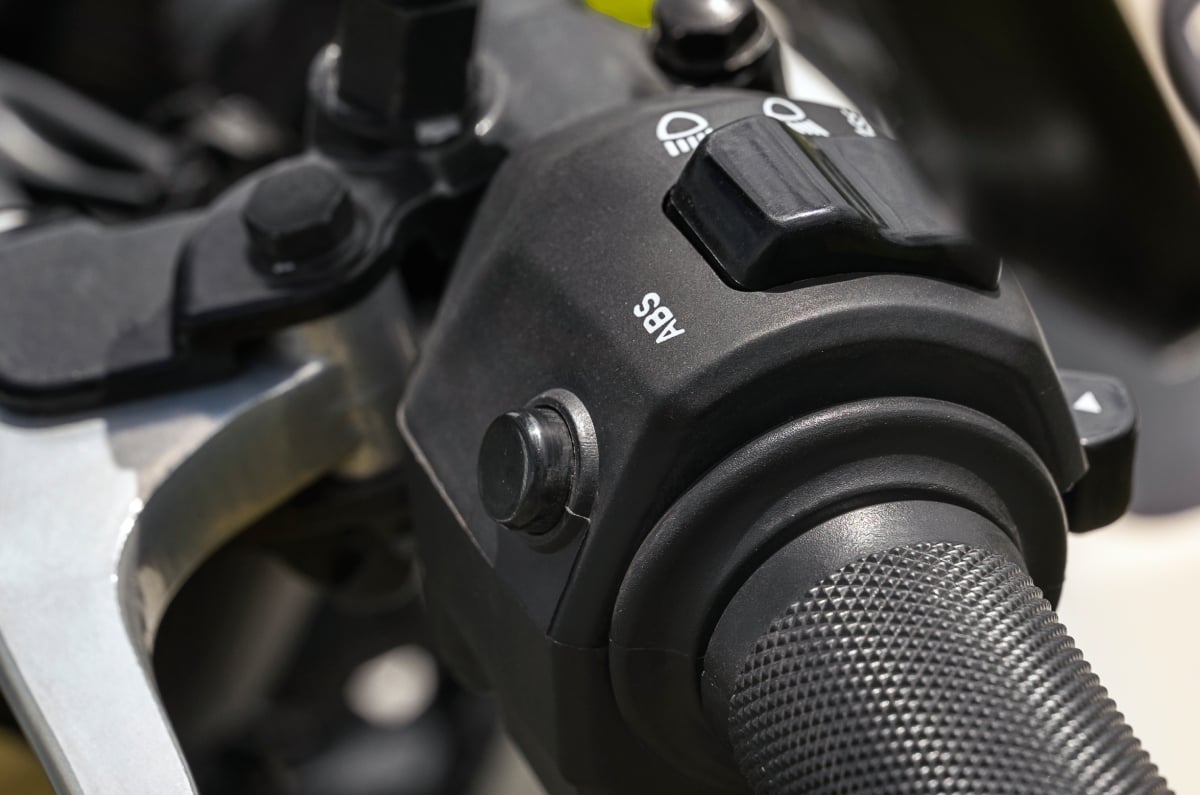
Over normal roads, suspension comfort is good. However, the 440 did not isolate me as well as I’d have liked from the incessantly bumpy concrete surfaces that now sadly snake across large parts of Maharashtra. After an 8-hour ride over mostly concrete roads at highway speeds, I returned home with a slightly sore back. If absolute comfort is a priority, bikes like the Xpulse 210 or Himalayan 450 are where you want to look. As for braking, it is by no means outstanding, but the 440 gets the job done and there is switchable ABS, which is nice.
Himalayan 440 Features and Safety – 7/10
It’s a simple bike but provides most of the essentials
The Himalayan 440 retains its original identity as a rugged, go anywhere, yet simple and basic motorcycle. In terms of features, you get a USB C port, RE’s Tripper navigation display and the aforementioned switchable ABS. Compared with most rivals, it does have fewer frills, but the only real ‘luxury’ that I miss is tubeless tyres. It would be nice to have the option of paying extra for them like you can on the Himalayan 450.
Himalayan 440 Price and verdict – 8/10
Well priced and a unique riding experience
Essentially, this is a back to basics motorcycle and it feels that way in person. If maximum bang for your buck is what you’re after, then the TVS Apache RTX will completely outdo the 440 in nearly all parameters for similar, if not less money. The same goes for speed and aggression – there are better options at this price point. However, if you want a gentle, well-mannered and characterful motorcycle that makes for a convincing travel partner at a reasonable price, then the new 440 definitely packs genuine appeal.
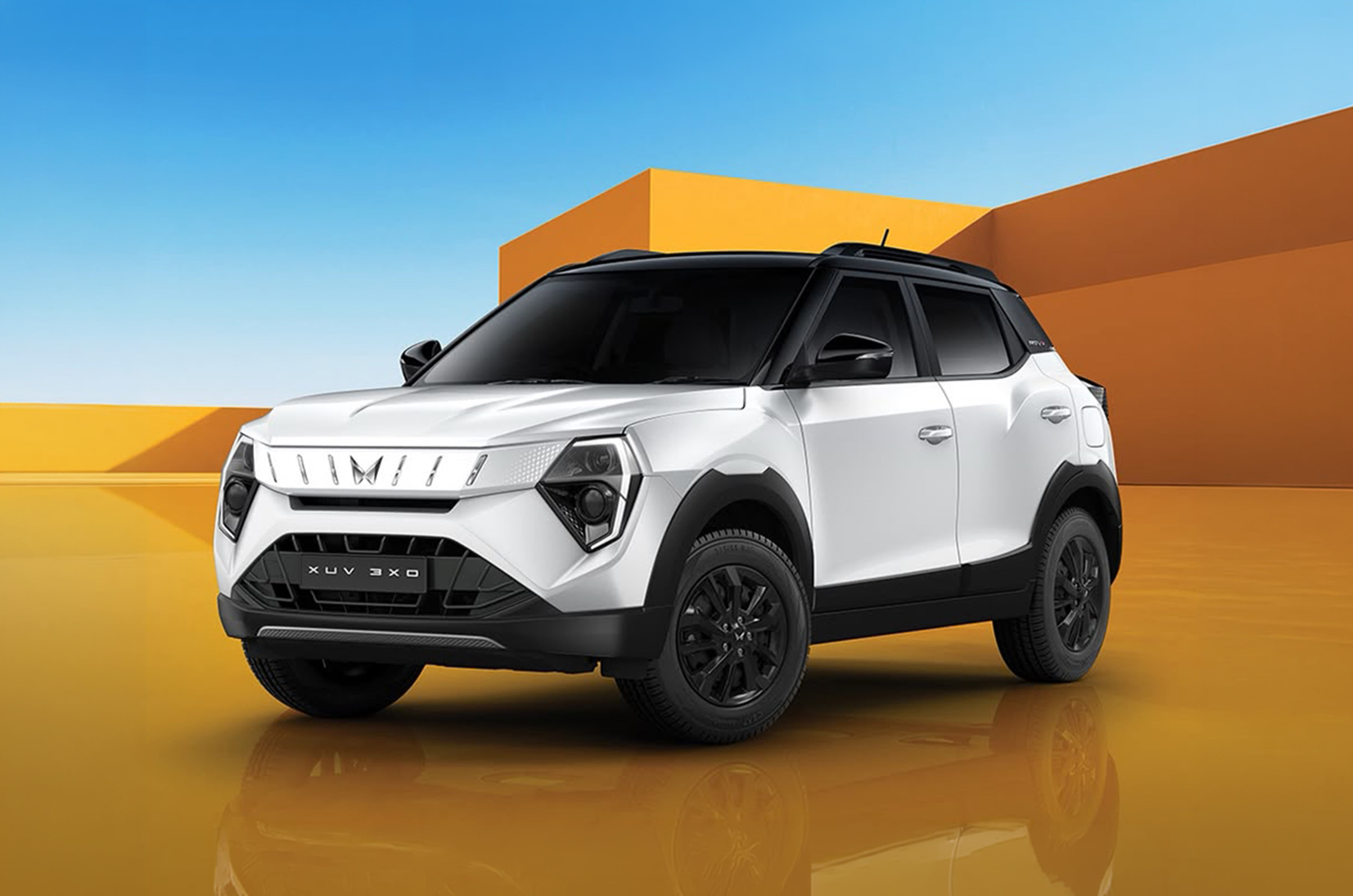
Mahindra has expanded the XUV 3XO RevX line-up with a new RevX Edge trim. Priced from Rs 9.39 lakh (ex-showroom), the RevX Edge essentially makes a few features more accessible from higher up in the trim lineup. Mahindra has also expanded the powertrain lineup on the RevX range, now offering it with a diesel engine and a more affordable 1.2-litre turbo-petrol automatic variant. Let’s look at all the updates in closer detail.
Here’s a look the prices (ex-showroom) of the newly introduced variants:
Trim
Petrol-MT
Petrol-AT
Diesel-MT
Diesel-AMT
RevX M(O)
Rs 9.99 lakh
RevX Edge
Rs 9.39 lakh
Rs 10.59 lakh
Rs 10.59 lakh
RevX Edge (O)
Rs 9.89 lakh
Rs 11.09 lakh
Rs 11.09 lakh
Rs 11.91 lakh
Mahindra XUV 3XO RevX Edge: what’s new?
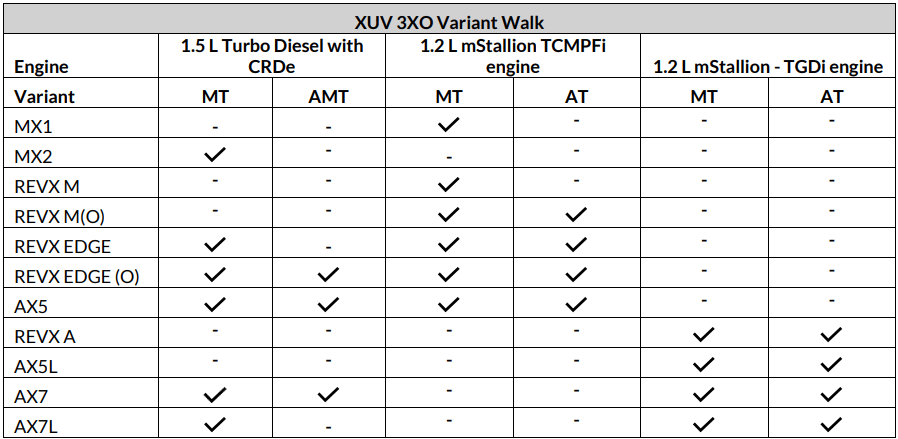
The new RevX Edge and RevX Edge (O) trims sit above the previously launched RevX M and RevX M (O) trims. Overall, the new Edge trims are positioned bang in the centre of the XUV 3XO lineup. The XUV 3XO is now available in a total of 11 trims: MX1, MX2, RevX M, RevX M (O), RevX Edge, Rev X Edge (O), AX5, RevX A, AX5L, AX7, AX7L. Meanwhile, the previously available MX2 Pro, MX3 and MX3 pro trim have been discontinued.
Over the RevX M (O) trim, the new RevX Edge adds 10.25-inch touchscreen with wireless Apple CarPlay and Android Auto, a rearview camera, a Type C USB port and cruise control. The Rev X Edge (O) further adds a panoramic sunroof, roof rails, electrically foldable ORVMs, auto headlamps and wipers, remote entry and push button start.
As before, the RevX trims continue to be set apart from the regular trims with a dual-tone paint shade, a body-coloured grille and blacked-out alloy wheels.
Safety features such as 6 airbags, ESC, ISOFIX child-seat mounts, reverse parking sensors, three-point seat belts and seat-belt reminders for all passengers are standard across the entire XUV 3XO range.
Mahindra XUV 3XO RevX Edge powertrain options
When the RevX trims were introduced last year, it was made available with the 111hp, 1.2-litre turbo-petrol and the 131hp, 1.2-litre TGDi turbo-petrol engines. Now, Mahindra has expanded the powertrain lineup to also include the 117hp, 1.5-litre diesel engine with manual and AMT gearboxes, but the RevX trims are no longer with the 131hp, TGDi turbo-petrol engine.
Here’s a look at the full variant spread of the updated XUV 3XO lineup
Tata has introduced a Legend Series trim line for the Sierra, with prices starting from Rs 11.99 lakh. The Legend Series adds a total of 18 variants to the Sierra range, spread across five trim levels: Smart+ L, Pure L, Pure L(O), Pure+ L and Adventure+ L. These are largely based on existing lower- and mid-spec Sierra trims and are denoted by an ‘L’ suffix in the name.
Tata Sierra Legend Series prices
The Sierra’s Legend Series trims command a premium of Rs 50,000-70,000 over the trims they are based on. Here’s the full price list for the Sierra Legend Series:
Petrol MT
Petrol DCT
Diesel MT
Diesel AT
Turbo-petrol AT
Smart+ L
11.99
–
13.49
–
–
Pure L
13.79
14.99
15.24
–
–
Pure L(O)
14.29
15.59
15.74
16.99
–
Pure+ L
14.99
16.29
16.44
17.74
–
Adventure+ L
16.99
18.29
18.19
19.49
18.99
Tata Sierra Legend Series trims explained
Tata Sierra Pure+ L
The Legend Series essentially democratises many feel-good features previously exclusive to higher-spec Sierra trims, affording a more premium experience to buyers on tighter budgets. For instance, the Sierra Pure+ L gets ventilated front seats and a 6-way powered driver’s seat, both of which were available only in the SUV’s one-below-top Accomplished trim. It also comes with dual-zone climate control, a manual Boss mode, a thigh support extender and a full leatherette finish for the interior.
Tata Sierra Pure+ L interior
In the base Smart+ L trim, you get leatherette seats and interior trim, wheel covers, auto-folding outside rearview mirrors (ORVMs), steering-mounted controls and roof rails over the standard Sierra Smart+. Move up to the Pure L, and the equipment list adds a 10.25-inch infotainment touchscreen, wireless Apple CarPlay and Android Auto, a rear camera, an 8-speaker sound system, cruise control, a tyre-pressure monitoring system, a rear wiper/washer, 17-inch alloy wheels and more.
Tata Sierra Pure L(O) interior
There’s a new Pure L(O) version on offer too, serving as the mid-spec Legend Series trim. It adds a panoramic sunroof, automatic headlamps and rain-sensing wipers over the Pure L. Finally, the top-spec Legend Series trim is the Adventure+ L, which packs a 360-degree camera, frequency-dependent dampers, terrain modes, dual 12.3-inch screens, front parking sensors, a reclining rear seat, ambient lighting, a cooled glove box and a wireless charging pad.
Tata Sierra Legend Series powertrains
Compared to the trims they are based on, powertrain options are mostly unchanged in the Legend Series. The only outliers are the Pure+ L, which additionally gets the 160hp 1.5-litre direct-injection turbo-petrol AT powertrain, and the Adventure+ L, which offers the 106hp 1.5-litre petrol DCT option. Notably, the Pure+ L is now the entry point to the Sierra’s turbo-petrol engine option.
Aside from the Legend Series, the standard Sierra Adventure+ trim can now be had with the 1.5-litre petrol DCT powertrain as well.
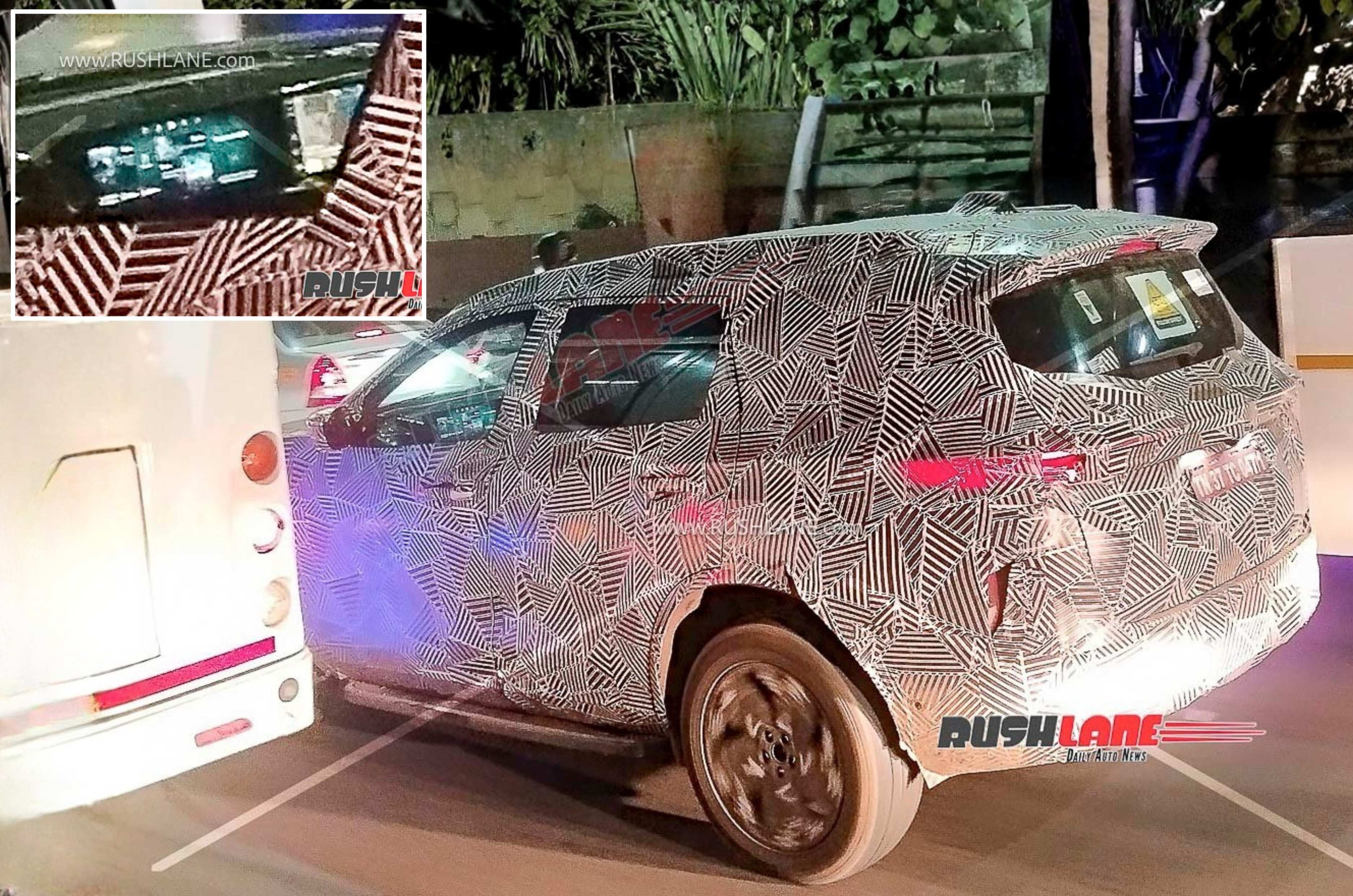
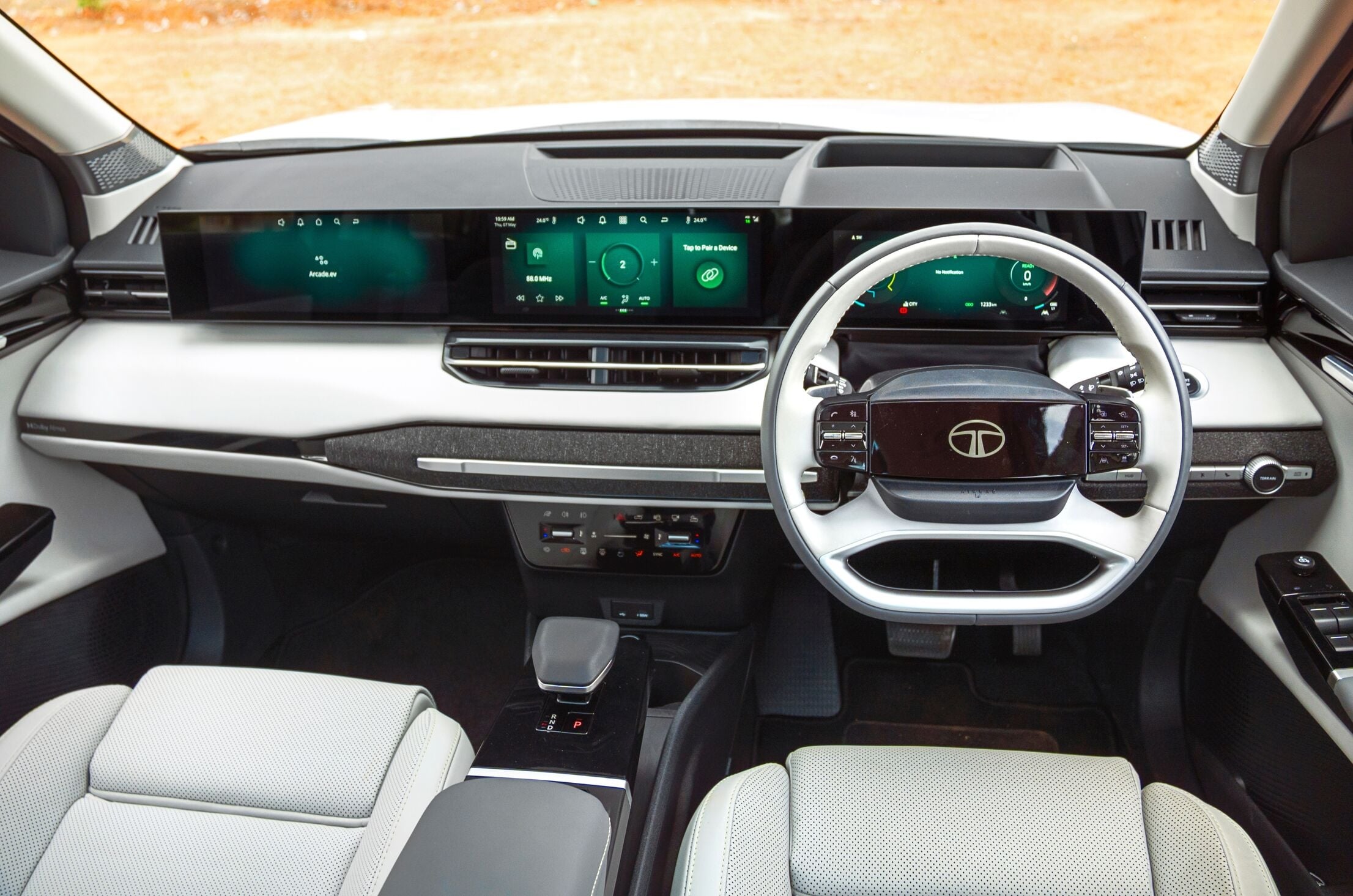
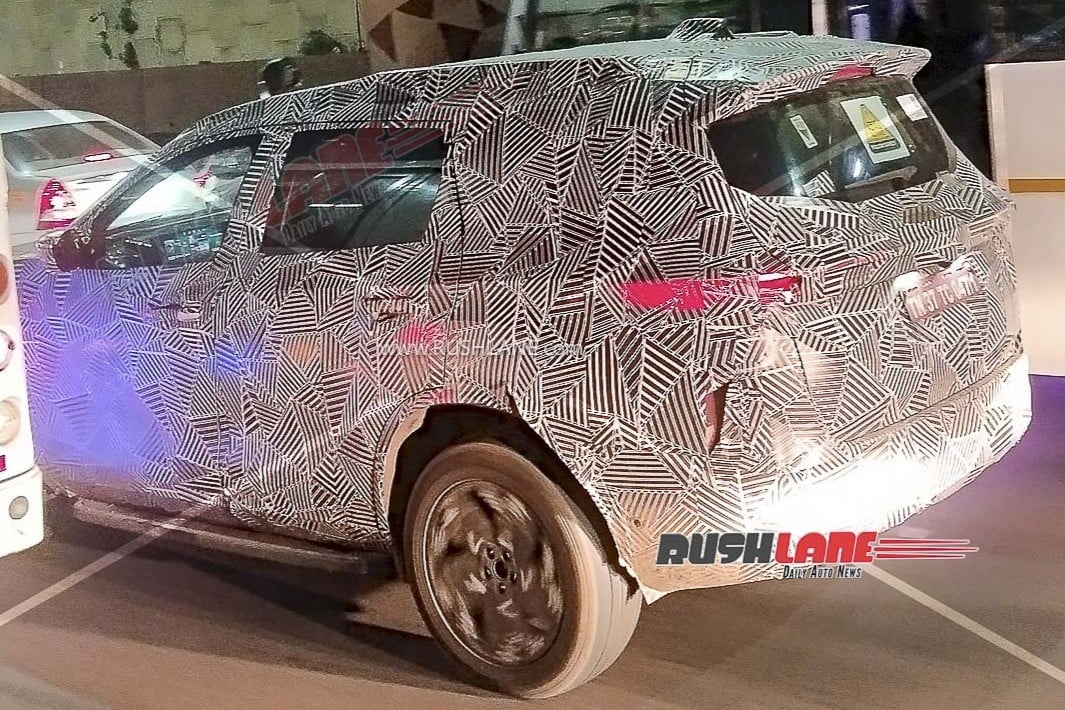
Newly surfaced spy shots of a Tata Safari EV test mule indicate that the electric three-row SUV will offer a triple-screen layout on the inside. The current ICE-powered Tata Safari does not get this feature, which implies that the electric version will be more feature-rich, at least at launch. Speaking of which, the Safari EV is expected to go on sale during the festive season of 2026.
Tata Safari EV may borrow Sierra EV’s triple screens
Credit: Rushlane
At present, the only electric Tata to come with a triple-screen setup is the Sierra EV – the ICE Sierra is also the only combustion-powered Tata to offer the feature. With the Safari EV set to arrive in a few months as Tata’s flagship electric car, though, it appears the SUV will be fitted with a triple-screen setup to reflect its positioning. This will also help the Safari EV better compete with its direct rival, the Mahindra XEV 9S, which offers a triple-screen setup from the base variant itself.
Tata Sierra EV triple-screen setup. Image used for representation only.
The Sierra EV’s triple-screen setup comprises a 10.25-inch digital driver’s display, a 12.3-inch central touchscreen, and a 12.3-inch passenger display. The driver’s display and central touchscreen handle instrumentation, infotainment, and navigation, while the passenger display allows the co-driver to stream TV shows and movies, or play a selection of games either by using their smartphones as controllers or by directly pairing a gamepad to the screen via Bluetooth. Expect the Safari EV’s triple-screen setup to function similarly. It remains to be seen if Tata could also bring the triple-screen setup to the ICE-powered Safari.
Tata Safari EV battery and range
Credit: Rushlane
We expect the Safari EV to retain the Harrier EV’s 65kWh and 75kWh battery options. In the Harrier EV, both batteries are paired with a single rear-mounted motor (RWD) as standard, developing 238hp and 315Nm. The 75kWh battery additionally offers a dual-motor AWD layout that generates a combined 313hp and 504Nm. As for MIDC-certified range, the Harrier EV claims 538km for the 65kWh RWD, 622km for the 75kWh AWD, and 627km for the 75kWh RWD versions. The larger and heavier Safari EV is likely to feature slightly lower range figures.
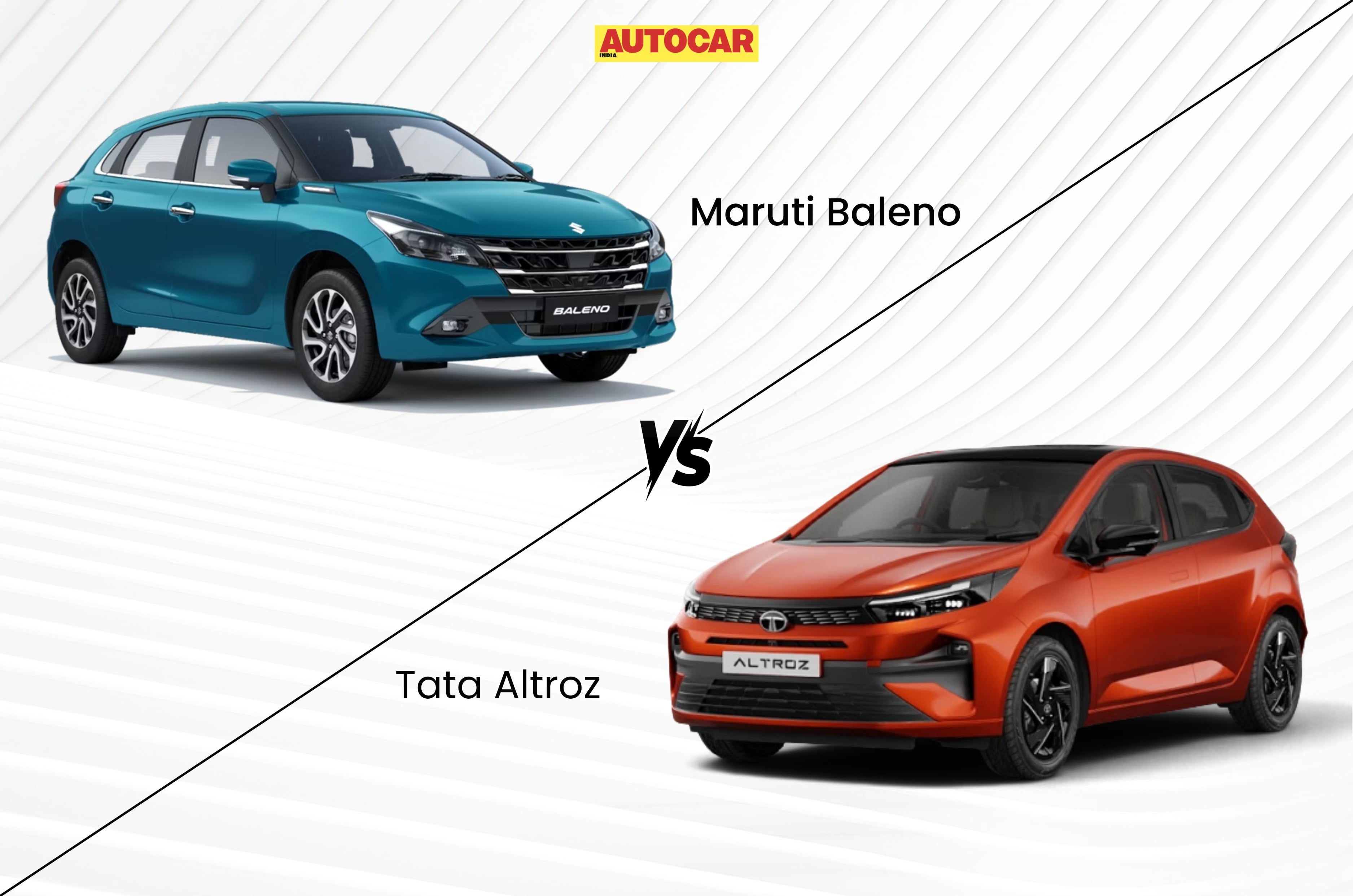
The Maruti Suzuki Baleno and Tata Altroz offer a wide range of features in their respective top variants. The Baleno Alpha(O) is available with both a 1.2-litre three-cylinder petrol engine with a 5-speed manual or 5-speed AMT, while the Altroz Accomplished+S is offered only with the 1.2-litre turbo-petrol engine paired with a 6-speed DCA automatic. Here, we compare the two top-spec variants on features and equipment.
Maruti Baleno vs Tata Altroz: Exterior features
Both get LED lighting and 16-inch alloy wheels
Exterior features
Maruti Baleno Alpha(O)
Tata Altroz Accomplished+S
Headlamps
LED projectors
LED projectors
LED DRLs
Yes
Yes
LED fog lamps
Yes
Yes
LED tail-lamps
Yes
Yes
Alloy wheels
16-inch
16-inch
ORVMs
Electrically adjustable and folding
Electrically adjustable and folding
Door handles
Pull-type
Flush-fitting
Rear wiper and washer
Yes
Yes
Shark-fin antenna
Yes
Yes
Dual-tone roof
No
Yes
Both hatchbacks get LED lighting, 16-inch alloy wheels, folding ORVMs and rear wipers, so the basic exterior equipment is broadly similar. The Altroz gets flush-fitting door handles and a dual-tone roof, while the Baleno gets UV-cut glass and pull-type door handles with chrome garnish. The differences here are largely limited to styling and exterior detailing rather than major differences in functionality.
Maruti Baleno vs Tata Altroz: Interior features
Altroz gets larger screens; Baleno has ventilated seats and a head-up display
Interior features
Maruti Baleno Alpha(O)
Tata Altroz Accomplished+S
Infotainment screen
9-inch
10.25-inch
Instrument cluster
Analogue dials with TFT MID
10.25-inch digital
Head-up display
Yes
No
Front ventilated seats
Yes
No
Sunroof
No
Yes
Wireless Android Auto/Apple CarPlay
Yes
Yes
Wireless charger
With active cooling
Yes
Automatic climate control
Yes
Yes
Rear AC vents
Yes
Yes
Audio system
Clarion, 4 speakers + 2 tweeters
4 speakers + 4 tweeters
Cooled glovebox
No
Yes
Rear armrest
No
Yes
Upholstery
Leatherette
Fabric + Leatherette
Cooled glovebox
No
Yes
The Altroz has the larger 10.25-inch infotainment screen and a 10.25-inch digital instrument cluster, giving it more screen area than the Baleno’s 9-inch touchscreen and analogue dials with a TFT MID. The Baleno instead offers features such as ventilated front seats and a head-up display, which are not available on the Altroz. The Altroz gets a sunroof, rear armrest and cooled glovebox, which the Baleno misses.
Both cars have wireless Android Auto and Apple CarPlay, automatic climate control, rear AC vents and wireless charging. The Baleno adds active cooling for the wireless charger and leatherette upholstery, while the Altroz has two additional tweeters, with both cars using four speakers.
Maruti Baleno vs Tata Altroz: Technology and convenience
Baleno gets adaptive cruise control; Altroz adds more cabin technology
Technology and convenience
Maruti Baleno Alpha(O)
Tata Altroz Accomplished+S
Adaptive cruise control
Yes
No
Air purifier
No
Yes
Blind-spot monitor
No
Yes
360-degree camera
Yes
Yes
Auto-dimming IRVM
Yes
No
Rain-sensing wipers
No
Yes
Voice assistant
Yes
Yes
Remote vehicle functions
Suzuki Connect
iRA
SOS calling
No
Yes
The Baleno’s adaptive cruise control works as part of its Level 2 ADAS package, while the Altroz gets features such as a blind-spot monitor, rain-sensing wipers, air purifier and SOS calling. The Baleno also gets an auto-dimming inside rear-view mirror, which is not offered on the Altroz.
Both cars have a 360-degree camera and voice assistant. Their connected-car systems also allow remote vehicle functions, with Suzuki Connect on the Baleno and iRA on the Altroz.
Maruti Baleno vs Tata Altroz: Safety features
Baleno gets Level 2 ADAS; both get six airbags
Safety features
Maruti Baleno Alpha(O)
Tata Altroz Accomplished+S
Level 2 ADAS
Yes
No
Airbags
6
6
TPMS
Yes
Yes
Electronic stability control
Yes
Yes
Hill-hold assist
Yes
Yes
ABS with EBD
Yes
Yes
ISOFIX mounts
Yes
Yes
Both cars get six airbags, TPMS, electronic stability control, hill-hold assist, ABS with EBD and ISOFIX mounts. The key difference is ADAS: the Baleno gets Level 2 ADAS with Lane Keep Assist, Lane Departure Warning, Advanced Emergency Braking, Forward Collision Warning and High Beam Assist, while the Altroz does not offer Level 2 ADAS.
Maruti Baleno vs Tata Altroz: Price and verdict
Maruti Baleno Alpha(O)
Tata Altroz Accomplished+S
Price (Rs, lakhs)
9.50 – 9.99
10.75
At Rs 9.50 lakh-Rs 9.99 lakh, the Baleno is Rs 1.25 lakh to Rs 76,000 cheaper than the Altroz. The Altroz, meanwhile, has its own advantages, including a larger 10.25-inch touchscreen and digital instrument cluster, along with features such as a sunroof and cooled glovebox.
Between the two, we would recommend the Baleno. Along with the lower price, it offers segment only features, such as ventilated front seats, a head-up display and Level 2 ADAS. The combination of these features, its two gearbox options and lower top-spec pricing gives the Baleno a broader equipment package for the money.