Tata Aeris launched at Rs 5.29 lakh

Tata Aeris launched at Rs 5.29 lakh
Tata Aeris launched in India

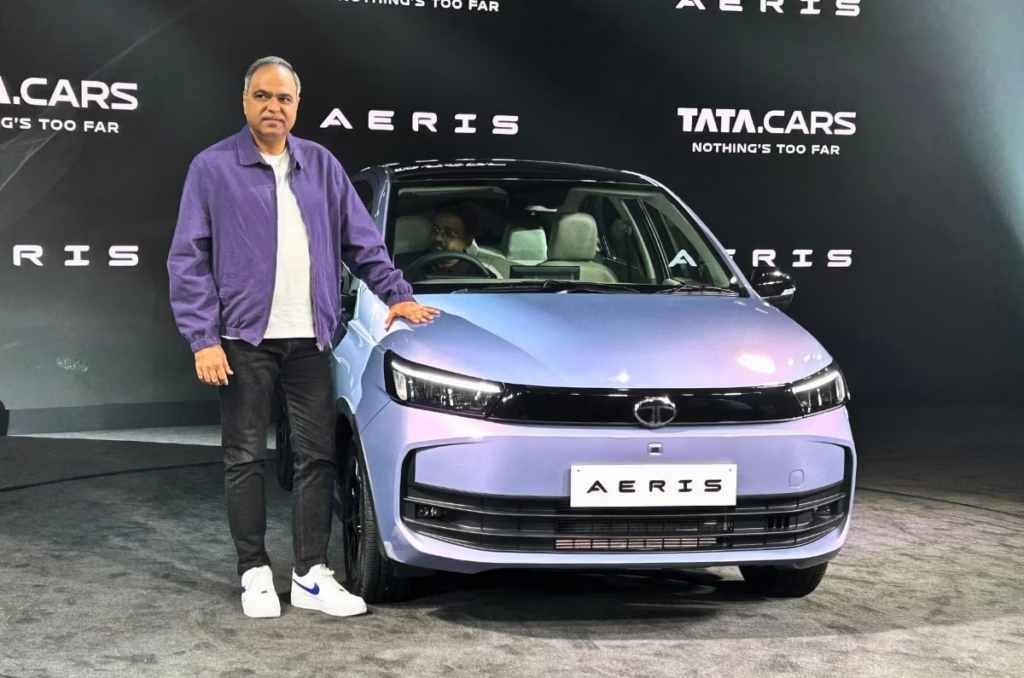
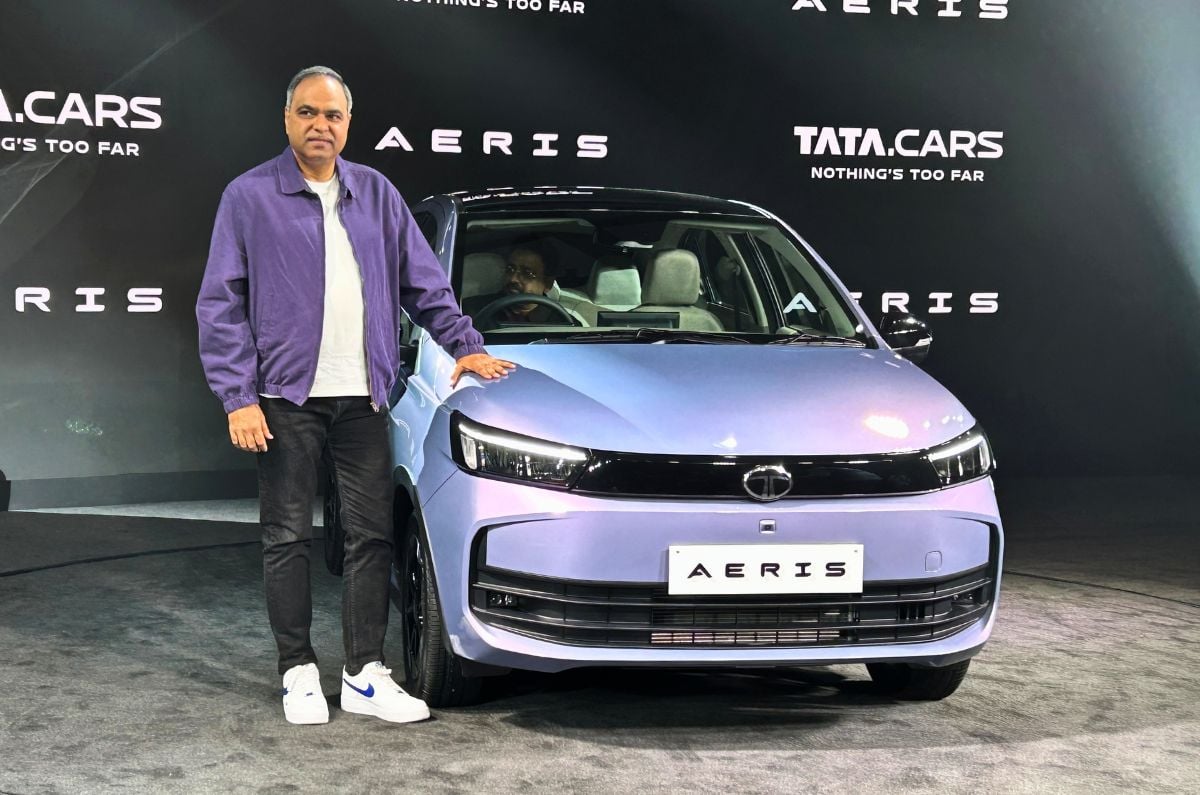
The Tata Aeris has been launched in India at Rs 5.29 lakh (introductory, ex-showroom). It is essentially a facelifted version of the outgoing Tigor compact sedan. It features a Tiago-like exterior and interior design while retaining the mechanicals. Tata is offering the Aeris in five trims: Smart, Pure, Pure+, Creative and Accomplished. Official bookings for the sedan have begun, and deliveries will commence from October 11. 

  1. Both 86hp petrol and 76hp CNG are available with manual and AMT options.
  2. Gets sleeker LED lighting elements, fresh bumpers and 15-inch alloy wheels. 
  3. New features include a wireless charger and ventilated seats.

Tata Aeris variant-wise prices

Tata has yet to reveal AMT prices for both the petrol and CNG engines

Tata Aeris variant-wise price list (in Rs, lakh)


Petrol MT

CNG MT

Smart

5.29

6.29

Pure

6.14

7.14

Pure+

6.74

7.74

Creative

7.49

8.49

Accomplished

8.19

9.19

Prices for the petrol-AMT and CNG-AMT versions are expected to be announced soon. An AMT option will be available with both engines across all trims, except the base-spec Smart trim.

Tata Aeris exterior design

Borrows a lot of its design from the Tiago hatchback
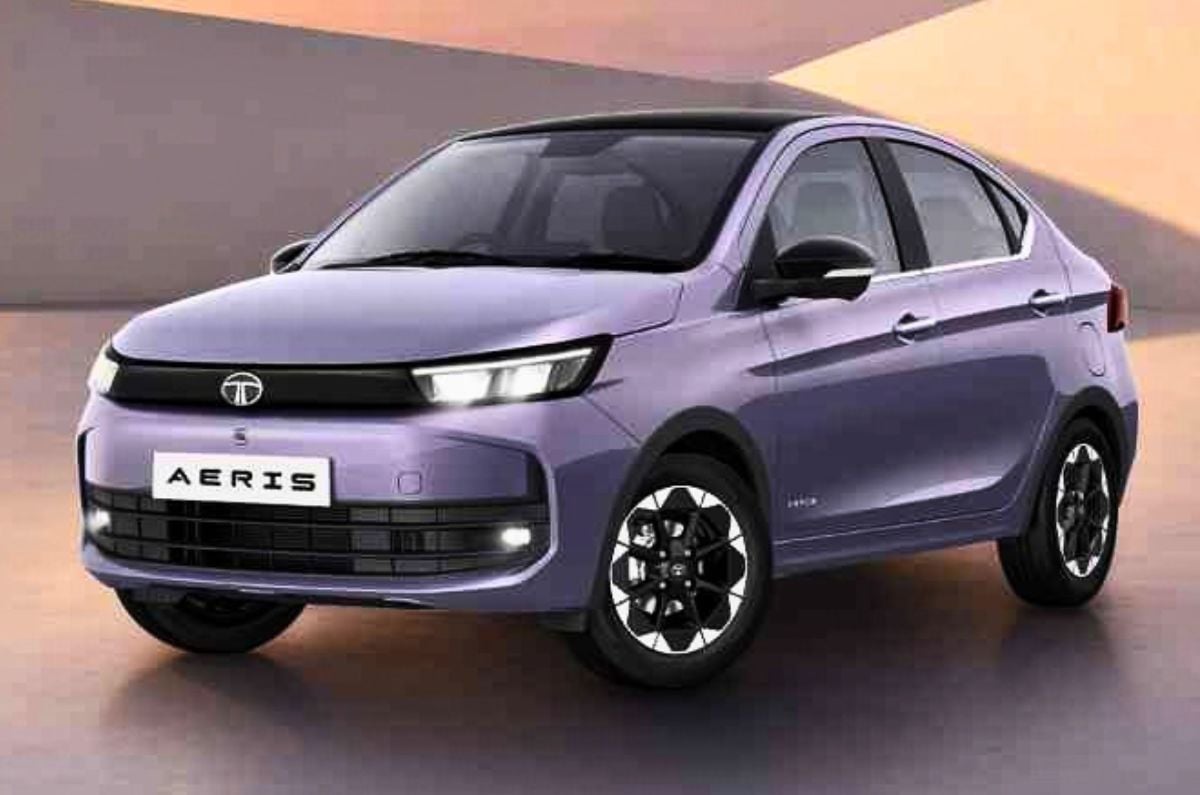
The Tata Aeris gets a sharper look that borrows a lot from the smaller Tiago. It gets sleeker LED headlights with eyebrow-like LED DRLs, and a gloss black grille. The front bumper features black elements with pixel-shaped LED fog lamps.

In profile, the Aeris gets 15-inch dual-tone alloy wheels. Lower-spec (Smart and Pure) and all CNG variants get smaller 14-inch wheels. Like the Tiago, the Aeris gets slim cladding on the wheel arches, chrome door handles and a chrome trim on the window line. 
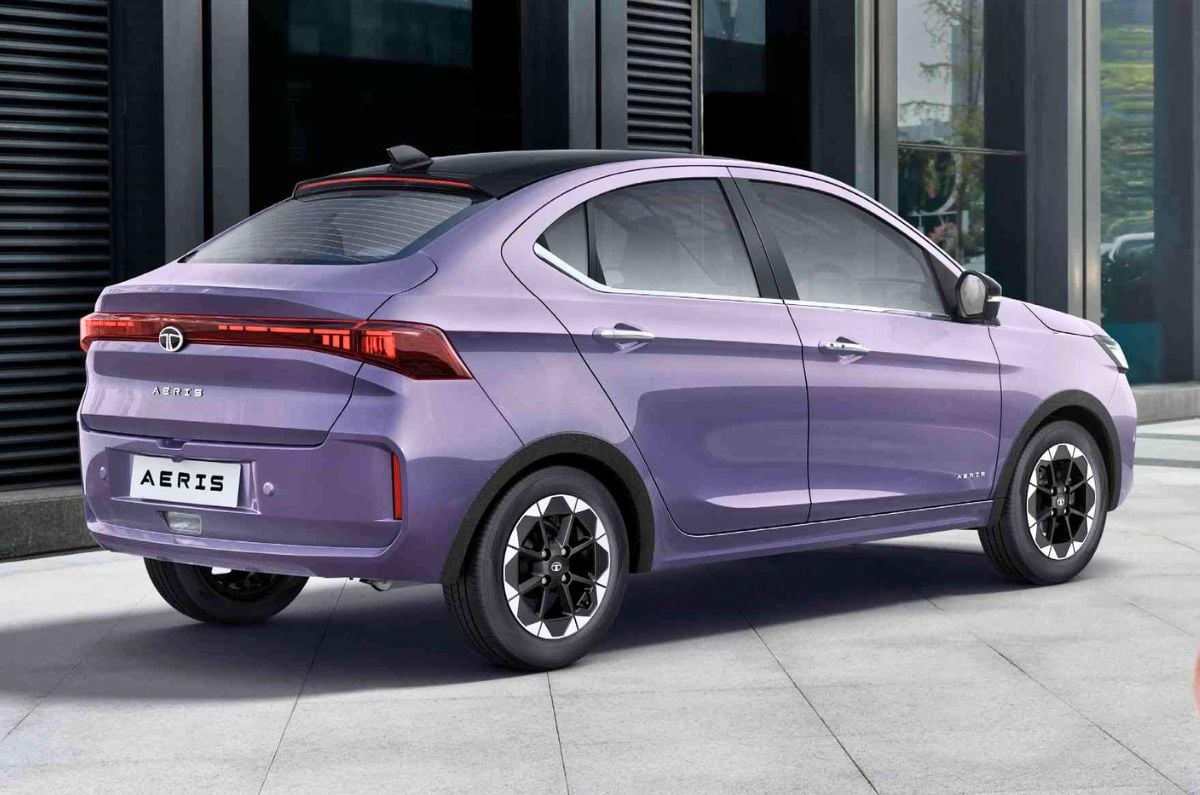
At the rear, it gets slimmer LED taillights connected via a red trim. Like the older Tigor, the high-mounted stop lamp stretches the length of the rear windscreen. The rear bumper is simpler now and features a reverse parking light in the centre. 

The Aeris is being offered in six exterior shades: Nitro Crimson, Pure Grey, Dandeli Drizzle, Pristine White, Daytona Grey, and Dune Glow. 

Here are the dimensions and other specifications of the Tata Aeris:
Tata Aeris dimensions and other specifications

Length

3,995mm

Width

1,684mm

Height

1,532mm

Wheelbase

2,450mm

Ground clearance

170mm

Boot space

419 litres (petrol)

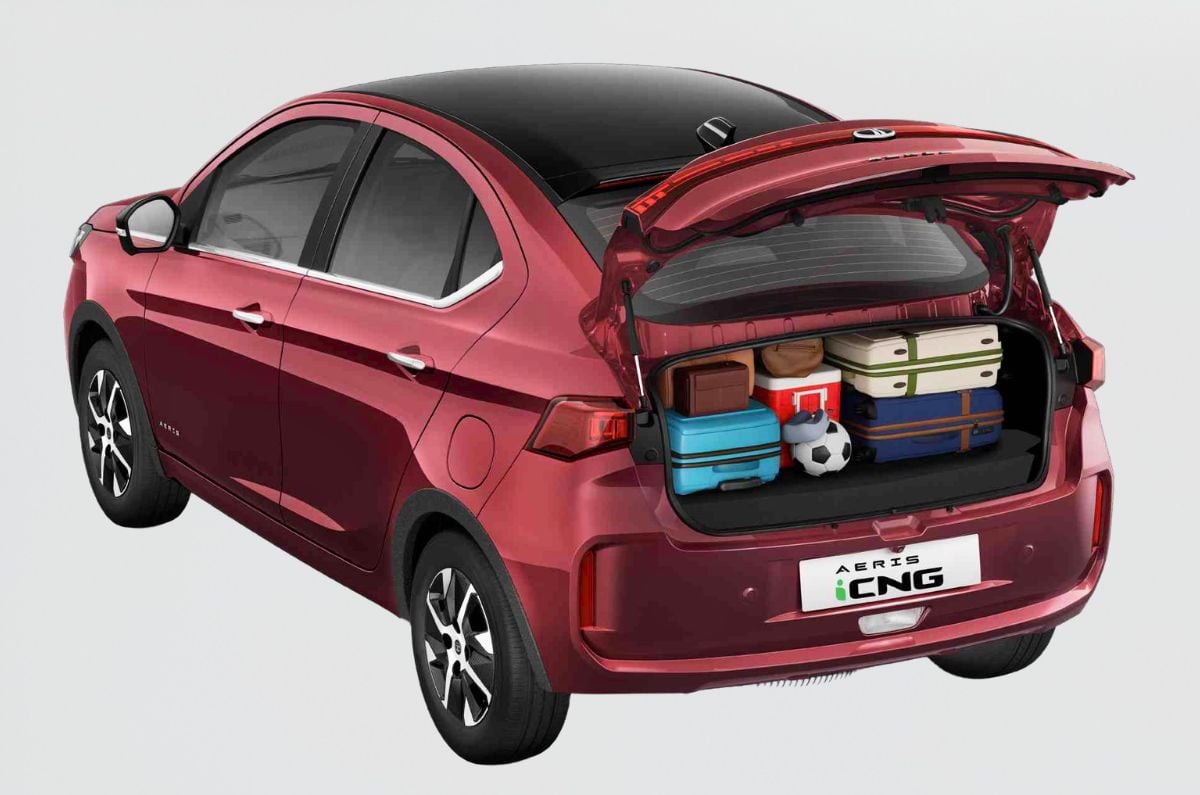
The Tata Aeris CNG has dual cylinders, while all its rivals have a single CNG tank. This setup enabled a 227-litre boot space on the Tigor, which is expected to be the same on the Aeris, making it the largest for a CNG-powered sedan in the segment. The petrol version’s 419-litre boot space is similar to the Amaze (416 litres) but larger than the Dzire (382 litres) and Aura (402 litres).

Tata Aeris interior design and features

Gets a Tiago-like dashboard and is offered with more features
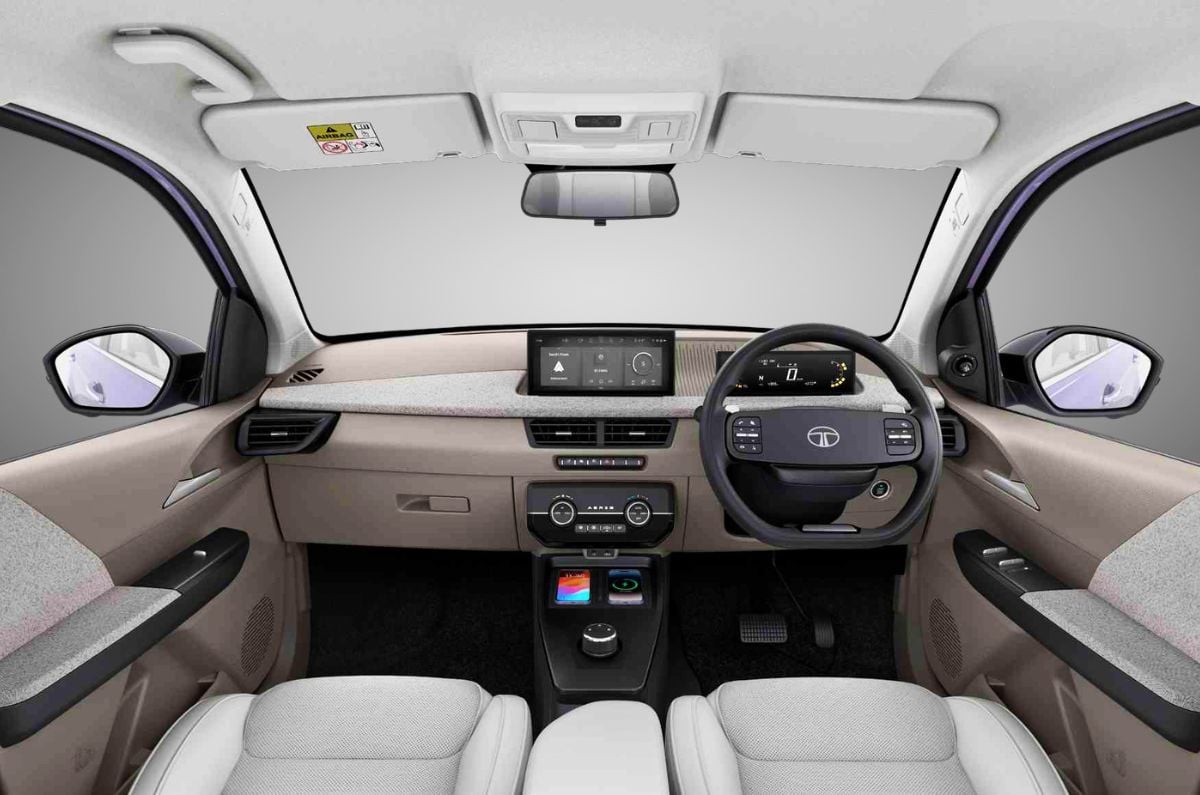
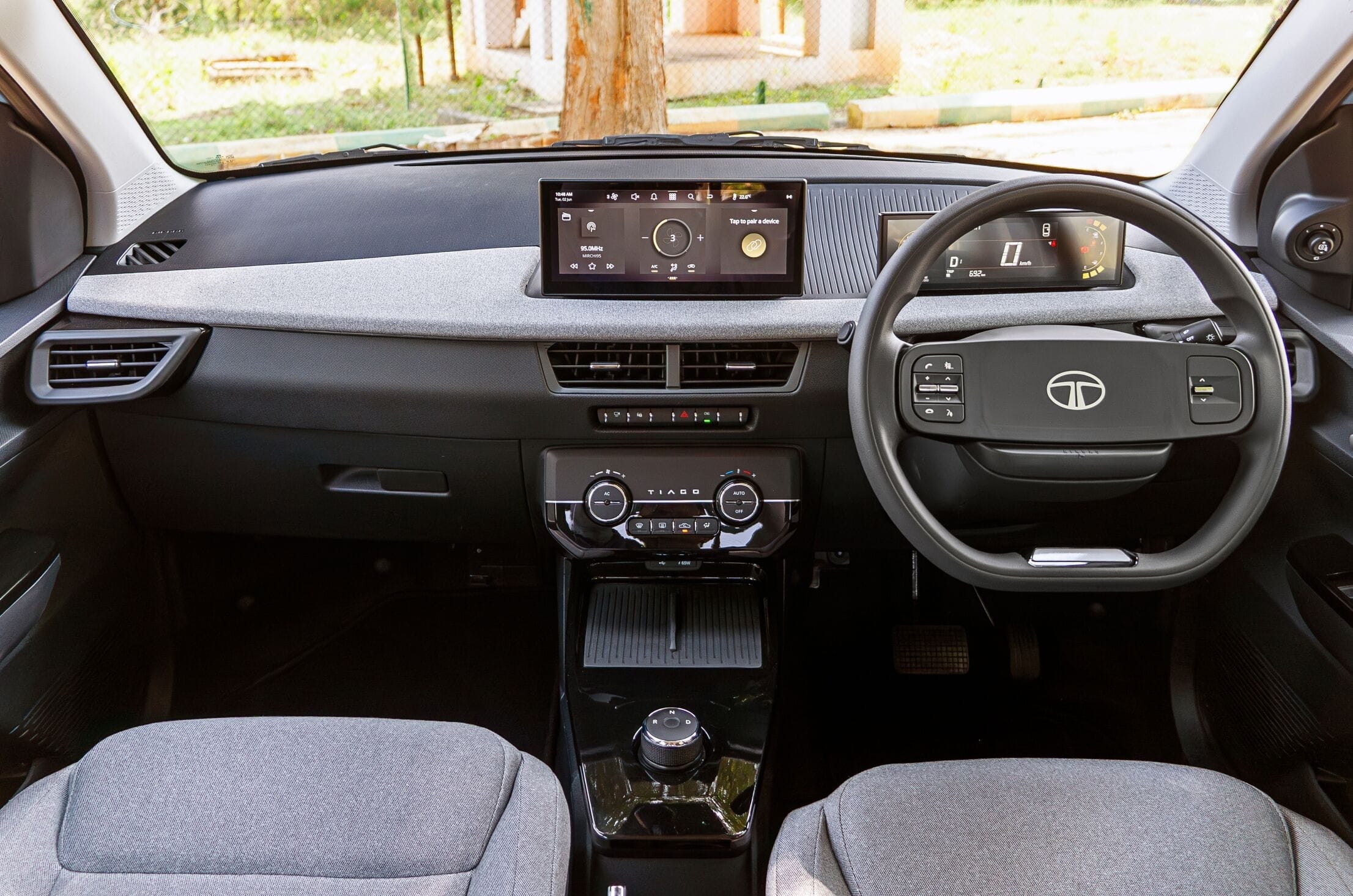
Like the exterior, the Aeris’ interior design is similar to the Tiago, but it gets a lighter cabin theme. The dashboard features a free-standing semi-digital driver’s display, a 10.25-inch infotainment touchscreen and a 2-spoke steering wheel with physical buttons. New features include a wireless phone charger, ventilated front seats and leatherette seat upholstery. The Aeris also gets a ‘DashCam Recorder’ function, which uses the surround view cameras as a dashcam. However, a 6-speaker sound system is a downgrade from the previous model’s 8-speaker audio system. 
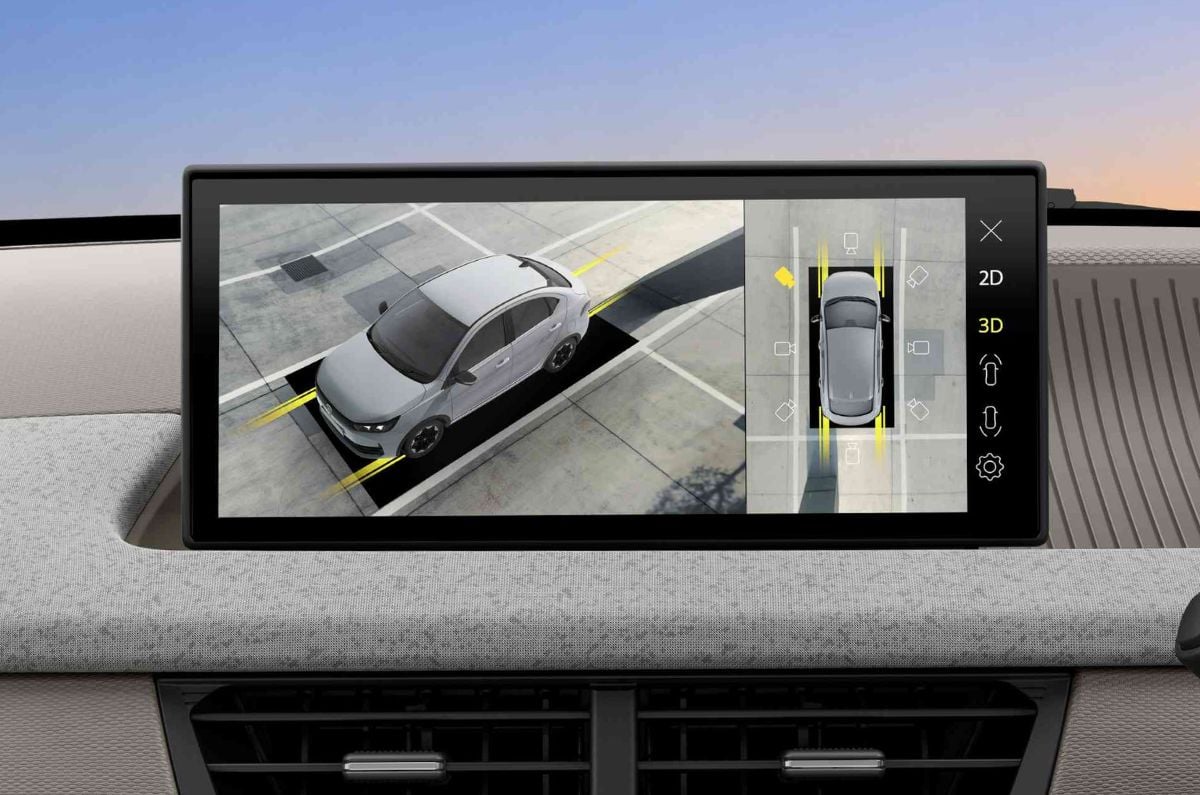
In terms of safety, the Aeris comes with 6 airbags as standard, a 360-degree camera with a blind-spot monitor, a tyre pressure monitoring system (TPMS), hill hold control and ISOFIX child seat anchorages.

Tata Aeris powertrain options

Gets petrol and CNG engine options with manual and AMT choice

The Tata Aeris is powered by a 1.2-litre 3-cylinder naturally aspirated petrol engine that produces 86hp and 113Nm. It is offered with either a 5-speed manual or a 5-speed automated manual transmission. This engine is also available with a CNG powertrain, with both manual and AMT options, producing a lower output of 76hp and 97Nm. These are the same powertrains offered with the pre-facelift Tigor and the current Tiago. 

The Tata Aeris rivals the Maruti Dzire (Rs 6.31 lakh to Rs 9.54 lakh), Honda Amaze (Rs 7.65 lakh to Rs 10 lakh) and Hyundai Aura (Rs 6 lakh to Rs 8.67 lakh). 

Prices are ex-showroom, India. 

Royal Enfield Himalayan 440 Performance Tested And Explained

Royal Enfield Himalayan 440 Performance Tested And Explained
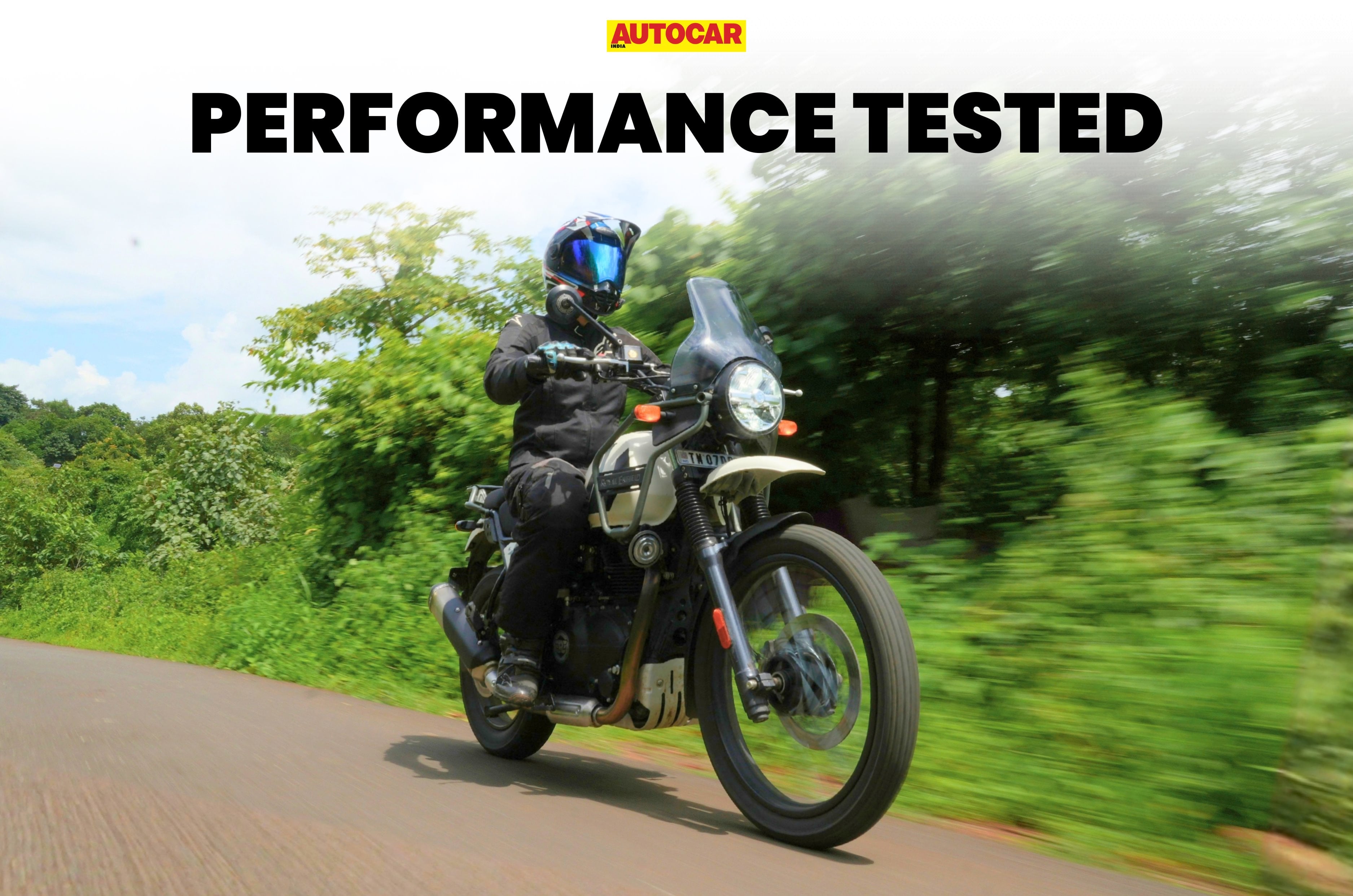
An outside image showing the Royal Enfield Himalayan 440's front right quarter profile.

The Royal Enfield Himalayan 440 shares the 443cc air/oil-cooled single-cylinder engine with the Scram 440, on which it was first introduced in 2025. This engine is now paired with a 6-speed gear box. The major difference between the both is the front wheel size, the Himalayan gets a 21-incher whereas the Scram uses a 19-inch front wheel. Considering its adventure bike persona, it is only available in spoked wheels and has 10mm more suspension travel at the front. Here is what our performance tests revealed about the Himalayan 440.

Royal Enfield Himalayan 440: Acceleration

The Royal Enfield Himalayan 440 was tested on dry roads

Acceleration

Time (seconds)

0-60kph

3.99s

0-80kph

6.73s

0-100kph

11.04s

The engine is torquey in nature and pulls effortlessly from lower speeds in higher gears, as the 34Nm of peak torque is available from as low as 4,000rpm. In our test, it took 3.99 seconds to get to 60kph, 6.73 seconds to get to 80kph, and a leisurely 11.04 seconds to get to 100kph, which was to be expected from a bike that weighs 199kg and makes just 25.4hp. This is a bike that prefers being ridden at a calm pace and munching miles without any sweat, so this relaxed nature of the engine suits its purpose. The added 6th gear makes the bike feel more relaxed at 100-110kph, and this makes it a better tourer as well.

Royal Enfield Himalayan 440: Roll-on acceleration

The 443cc air/oil-cooled single-cylinder engine produces 25.4hp at 6,250rpm and 34Nm of peak torque at 4,000rpm

Roll-on acceleration

Time (seconds)

20-50kph (2nd gear)

2.81s

30-70kph (3rd gear)

5.07s

50-80kph (4th gear)

5.36s

The wide spread of torque helps the bike in being effortless in the city as well as the highways. With good low- and mid-range performance, the bike performed as well as you’d expect and while it was quicker than the erstwhile 411, newer 300-400cc ADVs will surely pack in significantly sprightlier performance.

Royal Enfield Himalayan 440: Braking

Decent brakes, get the job done

60-0kph Braking Test

Distance

60-0kph

18.15 metres

The Royal Enfield Himalayan 440 offered decent braking performance and in our tests,it took 18.15 metres to come to a full stop from 60kph.

Royal Enfield Himalayan 440: Specifications and price

The bike is priced at Rs 2.29 lakh (ex-showroom Chennai)

Engine

443cc, single-cyl, air/oil-cooled

Power

25hp at 6,250rpm

Torque

34Nm at 4,000rpm

Gearbox

6-speed

Fuel capacity

15 Litres

Kerb weight

199kg

Seat height

800mm

Brakes (F/R)

300mm disc / 240mm disc

Tyres (F/R)

90/90-21 / 120/90-17

The Royal Enfield Himalayan 440 is priced at Rs 2.29 lakh ex-showroom for all the three colour  options Nelong White, Sela Black and Mustang Brown, which makes it Rs 3,371 more affordable than the top variant of the Scram 440 at Rs 2.32 lakh. The Himalayan 440 remains an accessible and less intimidating motorcycle than the Himalayan 450, thanks to its lower 800mm seat height, simpler feature set and significant price saving over the liquid-cooled Himalayan. It is likely to appeal to those who are looking for a bike with less frills and electronics, with an old school and purposeful mindset.

Taking a look at 20 years of the Hyundai Verna in India

Taking a look at 20 years of the Hyundai Verna in India
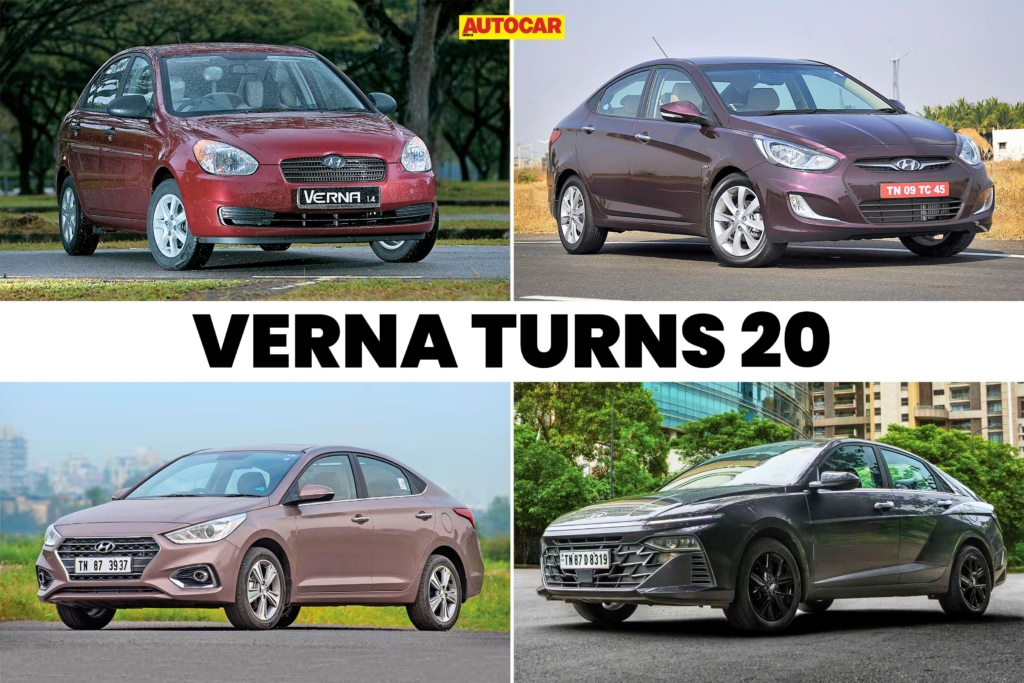
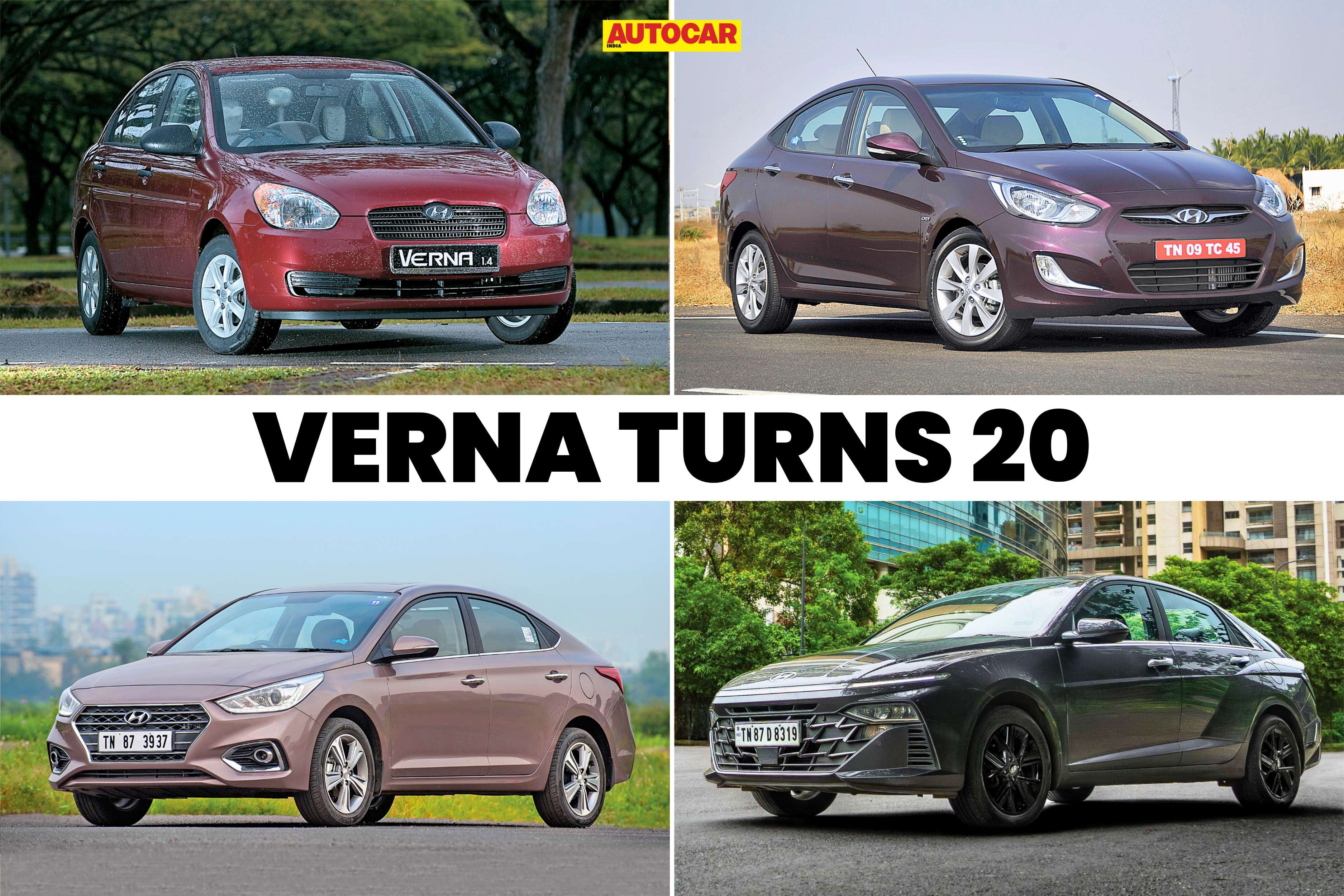
hyundai verna 20th anniversary

Hyundai is currently all-in on SUVs thanks to the persistent success of the Creta and Venue, but not many people know that the Korean carmaker’s longest-running nameplate in India belongs to a sedan: the Verna. Launched on September 25, 2006 as the successor to the Accent, the Verna is the longest-standing rival to the venerable Honda City in the midsize sedan segment.

Competitors like the Maruti Suzuki SX4 and Ciaz, Toyota Yaris, Fiat Linea, and Nissan Sunny came and went from this space, but the Verna continues to survive, pushing the segment forward and helping keep the midsize sedan alive – more important than ever given buyers’ increasing preference for high-riding form factors. On the Verna’s 20th anniversary, let’s take a look at how this beloved sedan has evolved with each generation.

First-gen Hyundai Verna (2006-2011)

The one that started it all

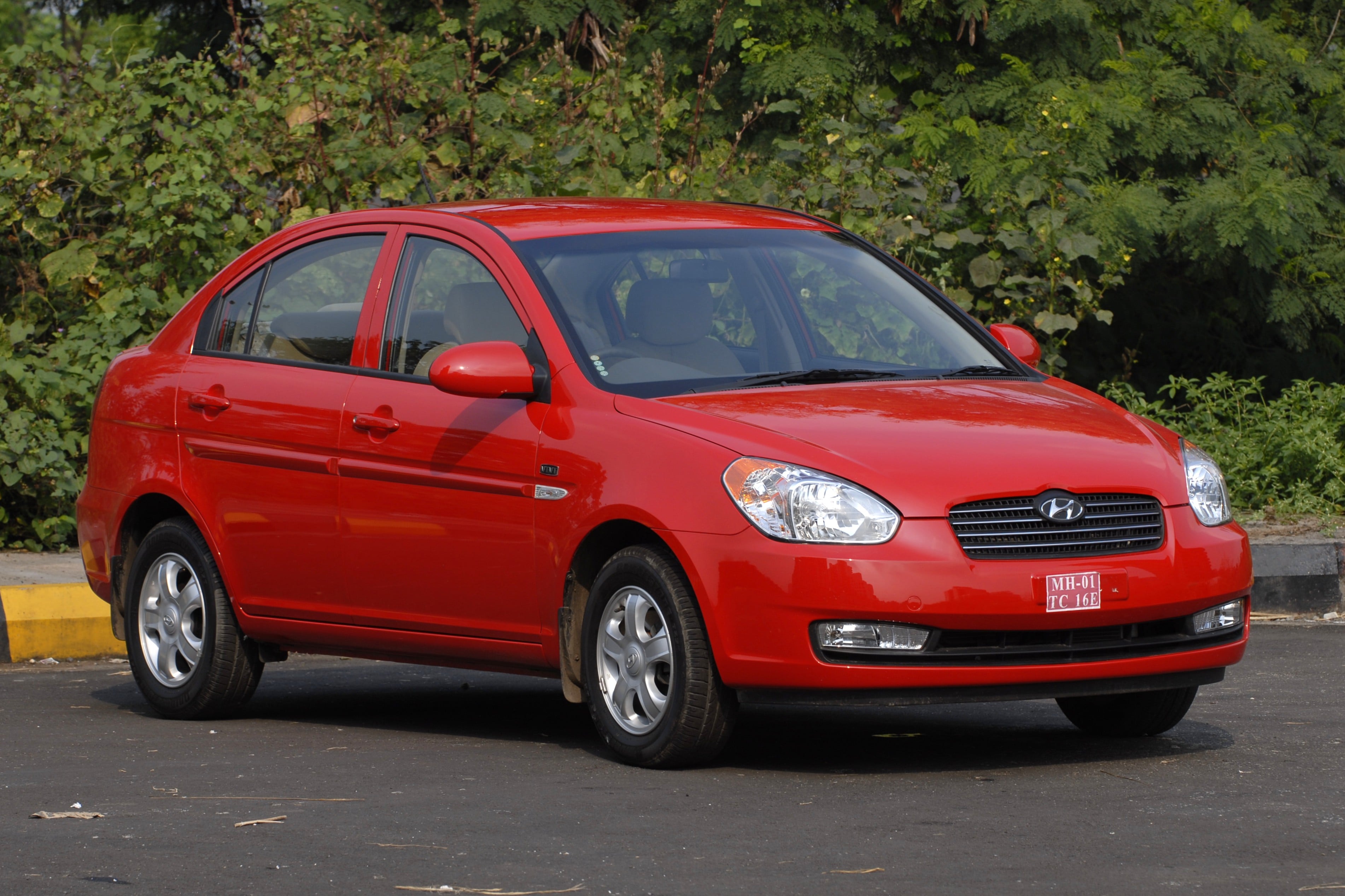
In 2006, Hyundai launched its Accent replacement under the Verna name because it wanted to sell both midsize sedans concurrently. The first-gen Verna featured a straightforward three-box design and was just over 4.3 metres long. Inside, the Verna was much more premium than the Accent, offering features like keyless entry, automatic climate control, a 4-speaker sound system, and more.

Under the bonnet, the first-gen Verna came with 103hp 1.6-litre naturally aspirated petrol and 110hp 1.5-litre diesel engine options, both of which were mated solely to a 5-speed manual gearbox – the diesel was later available with a segment-first 4-speed automatic transmission. The diesel Verna was particularly lauded for its strong power delivery and excellent fuel efficiency. Prices ranged from Rs 6.21 lakh-7.35 lakh, which was quite reasonable for the time. Needless to say, sedan buyers flocked to the Verna in droves, and it even won the 2007 Autocar India Value for Money award, among several others.

2010 facelift (Verna Transform)

The Verna’s very first facelift arrived in 2010 with a ‘Transform’ suffix attached to its name, and priced from Rs 6.56 lakh-9.22 lakh. While the engine options were unchanged, the Verna Transform was given a sharper-looking redesign on the outside, with revisions to the headlamps, grille, bumpers, wheels, and tail-lamps. The interior was fitted with blue LED illumination and a new instrument cluster, but was largely identical to the prior Verna.

Second-gen Hyundai Verna (2011-2017)

The one remembered as the ‘Fluidic’

The second-generation Verna is the one many Indians still picture when they think of the nameplate. Adopting Hyundai’s ‘Fluidic Sculpture’ design language, the second-gen Verna was larger and lower-slung than its predecessor, featuring more sculpted body lines, wing-shaped tail-lamps, and distinctive ‘eagle-eye’ headlamps. It was a sensational design at the time, and the engine options further sweetened the deal.

This generation of the Verna had the widest powertrain spread of them all. Buyers could choose between two naturally aspirated petrol engines – a 107hp 1.4-litre and a 124hp 1.6-litre – and two diesel engines – a 90hp 1.4-litre and a 128hp 1.6-litre. The petrol engines came with a 5-speed manual as standard, with the 1.6-litre unit additionally offering a 4-speed automatic. Similarly, the diesel mills got a 6-speed manual, with the larger engine available with a 4-speed automatic as well.

Combine all of the above with a much more modern interior equipped with segment-first goodies like a rear camera, 6 airbags, a cabin air purifier, and a cooled glovebox, along with very competitive pricing (Rs 6.99 lakh-10.74 lakh), and it’s no surprise that the Fluidic Verna was a major success.

2015 facelift (Verna 4S)

2015 marked the arrival of the second-gen Verna’s mid-lifecycle facelift, with prices starting at Rs 7.74 lakh and topping off at Rs 12.20 lakh. The styling grew more mature, with reshaped headlamps, updated bumpers, new wheels, and more, while the broad powertrain line-up was unchanged. However, the diesel engines came with a new low-friction piston coating that improved fuel efficiency and refinement. There were no changes to the interior layout, but Hyundai added rake adjust for the steering wheel, rain-sensing wipers, and even a manual Boss mode.

Third-gen Hyundai Verna (2017-2023)

The one with the Audi-like grille

Underpinned by Hyundai’s newer K2 platform, the third-gen Verna was longer and wider than its Fluidic predecessor, and featured styling cues inspired by the larger and more upmarket Elantra. These included swept-back headlamps, L-shaped DRLs, an Audi-like hexagonal grille, and sleek tail-lamps. On the inside, the third-gen Verna yet again pushed the envelope with features like ventilated front seats (a segment-first), a sunroof, a 7-inch infotainment touchscreen, a 6-speaker sound system, cruise control, and more.

Engine options were simplified to just one per fuel type at launch: a 123hp 1.6-litre naturally aspirated petrol and a 128hp 1.6-litre diesel, both available with 6-speed manual and 6-speed torque converter automatic gearbox options. The third-gen Verna went on sale at a starting price of Rs 7.99 lakh, climbing to Rs 12.61 lakh at the top end.

2020 facelift

Hyundai launched a comprehensive facelift of the third-gen Verna in 2020, bringing compliance with Bharat Stage 6 emission norms by way of fresh 1.5-litre diesel and naturally aspirated petrol engines with manual and automatic gearboxes. This was also the first generation of the Verna to offer a turbo-petrol engine, specifically the 120hp 1.0-litre 3-cylinder direct-injection unit from the Venue, paired with a 7-speed dual-clutch automatic.

The 2020 Verna facelift also introduced significantly sharper styling changes, like a wider grille, larger headlamps, redesigned bumpers, new alloy wheels, and more. Inside, the midsize sedan saw upgrades like a larger 8-inch touchscreen, an Arkamys sound system, connected car tech, and a digital driver’s display. Pricing for the 2020 Verna facelift ranged from Rs 9.31 lakh to Rs 15.10 lakh – a considerable uptick over the prior model.

Fourth-gen Hyundai Verna (2023-present)

The one with the lightbar

The current-gen Verna went on sale in India in 2023, and unlike its predecessors, the styling immediately split opinions. Hyundai’s ‘Sensuous Sportiness’ design language introduced a split-headlamp setup with a full-width LED light bar on the fourth-gen Verna’s front end, lots of cuts and creases all around the bodywork, a sloping fastback-esque roofline, and connected LED tail-lamps. Another point of contention was the absence of a diesel engine in the line-up – a first for the Verna.

Only two petrol engines are available for the fourth-gen Verna, particularly a 115hp 1.5-litre naturally aspirated and a 160hp 1.5-litre direct-injection turbo-petrol unit. Both engines get a 6-speed manual as standard, with the naturally aspirated motor additionally offering a CVT and the turbo-petrol a 7-speed dual-clutch automatic. On the inside, though, the fourth-gen Verna has an impressively clean and contemporary layout, equipped with segment-first features like heated front seats, Level 2 ADAS, and an 8-speaker Bose sound system.

2026 facelift

Most recently, Hyundai launched a facelift of the fourth-gen Verna. Styling updates were limited to revised bumpers and fresh alloy wheel designs, while the interior got a new three-spoke steering wheel, a 10.25-inch full-digital instrument cluster, and additional segment-first features like Boss mode, a 360-degree camera, and 7 airbags. Powertrains remain unchanged, and prices start at Rs 10.99 lakh and extend all the way up to Rs 18.31 lakh.

All prices are ex-showroom, India.
Invest ₹10 Lakh: हाथ में हैं ₹10 लाख? जानें पैसा बढ़ाने की 5 सबसे सेफ और स्मार्ट स्ट्रेटेजी

₹10 Lakh Investment Options & Strategies: जीवन में ₹10 लाख का फंड बनाना हर किसी के लिए एक बड़ा फाइनेंशियल माइलस्टोन होता है। चाहे यह रकम वर्षों की कड़ी मेहनत और सैलरी की बचत से जुड़ी हो, सालभर के परफॉर्मेंस बोनस, बिजनेस के मुनाफे या फिर किसी पुश्तैनी जायदाद को बेचकर मिली हो। हाथ में ₹10 लाख आते ही सबसे पहला विचार यही आता है कि इस पैसे को कहां लगाया जाए ताकि बिना बड़ा जोखिम उठाए इससे ज्यादा से ज्यादा रिटर्न और बड़ी वेल्थ बनाई जा सके।

वित्तीय सलाहकारों और वेल्थ मैनेजर्स का स्पष्ट मानना है कि निवेश की दुनिया में ‘वन साइज फिट्स ऑल’ यानी एक ही नियम सभी निवेशकों पर लागू नहीं होता। हर व्यक्ति का रिस्क लेने का सामर्थ्य, उम्र और वित्तीय लक्ष्य अलग-अलग होते हैं।

अगर आपके पास भी ₹10 लाख की बड़ी रकम है और आप उसे सही जगह निवेश करना चाहते हैं, तो जानिए वे 5 सबसे सेफ और स्मार्ट स्ट्रेटेजी जो आपके पैसे को सुरक्षित रखते हुए तेजी से बढ़ा सकती हैं:

1. निवेश की शुरुआत से पहले: निपटाएं ये 3 बेहद जरूरी काम

₹10 लाख को सीधा शेयर बाजार या किसी म्यूचुअल फंड में लगाने की जल्दबाजी कभी न करें। किसी भी सफल पोर्टफोलियो की नींव तीन बुनियादी बातों पर टिकी होती है:

इमरजेंसी फंड तैयार करें: क्या आपके पास अपने और परिवार के कम से कम 6 महीने के अनिवार्य खर्चों (किराया, राशन, ईएमआई) के बराबर फंड मौजूद है? अगर नहीं, तो ₹10 लाख में से एक हिस्सा निकालकर सेविंग्स अकाउंट, लिक्विड म्यूचुअल फंड या बैंक एफडी में सुरक्षित रख लें।

पर्याप्त हेल्थ इंश्योरेंस लें: परिवार के लिए कम से कम 10 से 15 लाख रुपये का फैमिली फ्लोटर हेल्थ कवर जरूर लें। किसी अचानक आई मेडिकल इमरजेंसी में आपकी सालों की जमा-पूंजी और निवेश को डूबने से बचाने के लिए बीमा बेहद जरूरी है।

महंगे कर्जों से मुक्ति पाएं: अगर आप पर क्रेडिट कार्ड का बकाया, पर्सनल लोन या कोई अन्य अधिक ब्याज (12% से 24%) वाला लोन चल रहा है, तो निवेश से पहले उस कर्ज को चुकता करें। कर्ज का ब्याज आपके निवेश के रिटर्न से हमेशा ज्यादा महंगा पड़ता है।

2. एकमुश्त पैसा न लगाएं: STP का स्मार्ट जरिया अपनाएं

शेयर बाजार में लगातार उतार-चढ़ाव बना रहता है। ऐसे में अगर आप पूरा ₹10 लाख एक ही दिन में इक्विटी मार्केट या म्यूचुअल फंड में लगा देंगे और अगले ही दिन बाजार गिर गया, तो आपको भारी नुकसान का सामना करना पड़ सकता है।

क्या है स्मार्ट तरीका: अपने पूरे ₹10 लाख को सबसे पहले किसी सुरक्षित लिक्विड फंड या आर्बिट्राज फंड में जमा करें।

सिस्टमैटिक ट्रांसफर प्लान(STP) चालू करें: वहां से हर महीने एक तय राशि (जैसे ₹50,000 या ₹80,000) को अगले 6 से 12 महीनों के दौरान चुनिंदा इक्विटी म्यूचुअल फंड्स में ट्रांसफर करने का निर्देश दें।

फायदा: इससे आपको बाजार के हर चढ़ाव-उतार का औसतन लाभ मिलेगा और आपका रिस्क काफी हद तक घट जाएगा।

3. टाइम होराइजन के हिसाब से पैसों का बंटवारा करें

₹10 लाख का निवेश करते समय अपने वित्तीय लक्ष्यों की समय सीमा तय करना बहुत आवश्यक है:

A. शॉर्ट टर्म गोल्स (1 से 3 साल): अगर आपको अगले 2-3 सालों में बच्चे की स्कूल/कॉलेज फीस देनी है, कार खरीदनी है या घर की डाउन पेमेंट करनी है, तो पैसे को बिल्कुल भी हाई-रिस्क एसेट में न डालें। इसके लिए ये विकल्प सबसे सुरक्षित हैं:

  • बैंक फिक्स्ड डिपॉजिट (FD) / कॉर्पोरेट एफडी
  • डेट म्यूचुअल फंड्स (Short Duration or Banking & PSU Funds)
  • आर्बिट्राज फंड्स (Arbitrage Funds)

B. लॉन्ग टर्म गोल्स (5 साल या उससे अधिक): रिटायरमेंट, बच्चों की उच्च शिक्षा या बड़ी वेल्थ बनाने जैसे दूरगामी लक्ष्यों के लिए जोखिम लिया जा सकता है और लंबी अवधि में इक्विटी से बेहतर रिटर्न कोई एसेट क्लास नहीं देता। इसके लिए चुनें:

  • फ्लेक्सी कैप और लार्ज/मिड कैप इक्विटी म्यूचुअल फंड्स
  • नेशनल पेंशन सिस्टम (NPS)
  • डायरेक्ट इक्विटी या इंडेक्स फंड्स (Nifty 50 / Sensex)

4. एसेट एलोकेशन और डाइवर्सिफिकेशन का सुनहरा नियम

वित्तीय विशेषज्ञ हमेशा सलाह देते हैं, ‘अपने सभी अंडे एक ही टोकरी में न रखें।’ ₹10 लाख का सही इस्तेमाल करने के लिए एसेट क्लास (Equity, Debt, Gold) में पैसे को बांटना अनिवार्य है।

एसेट एलोकेशन तय करने के लिए ‘100 माइनस ऐज’ का सीधा फॉर्मूला अपनाएं:

जैसे अगर आपकी उम्र 30 साल है, तो 100 – 30 = 70%। यानी आप अपने ₹10 लाख का 70% हिस्सा (₹7 लाख) इक्विटी/म्यूचुअल फंड्स में लगा सकते हैं।

बाकी 20% से 25% हिस्सा (₹2 लाख से ₹2.5 लाख) सुरक्षित डेट इंस्ट्रूमेंट्स (FD, PPF, Debt Funds) में रखें।

शेष 5% से 10% हिस्सा (₹50,000 से ₹1 लाख) हेजिंग के लिए गोल्ड (Sovereign Gold Bond या Gold ETF) में निवेश करें।

5. पोर्टफोलियो की रेगुलर समीक्षा और रीबैलेंसिंग

₹10 लाख का निवेश करने के बाद रोज-रोज न्यूज चैनलों के हेडलाइंस देखने या बाजार के रोजमर्रा के उतार-चढ़ाव से पैनिक होने की कोई जरूरत नहीं है।

SIP जारी रखें: अगर आपकी कोई पुरानी एसआईपी चल रही है, तो उसे बंद न करें और अनुशासन बनाए रखें।

सालाना समीक्षा: साल में सिर्फ एक या दो बार अपने पोर्टफोलियो की समीक्षा करें।

रीबैलेंसिंग: मान लीजिए कि बाजार में भारी तेजी की वजह से आपके पोर्टफोलियो में इक्विटी का हिस्सा 70% से बढ़कर 80% हो गया है, तो एक्स्ट्रा प्रॉफिट को निकालकर सुरक्षित डेट फंड या गोल्ड में शिफ्ट कर दें। इससे आपका तय एसेट एलोकेशन हमेशा संतुलित रहेगा।

₹10 लाख का फंड एक बेहतरीन मौका है जो आपकी आर्थिक स्थिति को एक नई मजबूती दे सकता है। इसे सिर्फ बैंक के बचत खाते में पड़ा न रहने दें, क्योंकि महंगाई आपके पैसे की ताकत को धीरे-धीरे कम कर देती है। सही रणनीति, अनुशासित एसेट एलोकेशन और सिस्टमैटिक ट्रांसफर प्लान (STP) के रास्ते पर चलकर आप इस ₹10 लाख से भविष्य में करोड़ों रुपये का फंड आसानी से तैयार कर सकते हैं।

Disclaimer: यहां मुहैया जानकारी सिर्फ सूचना के लिए दी जा रही है। यहां बताना जरूरी है कि मार्केट में निवेश बाजार जोखिमों के अधीन है। निवेशक के तौर पर पैसा लगाने से पहले हमेशा एक्सपर्ट से सलाह लें। मनीकंट्रोल की तरफ से किसी को भी पैसा लगाने की यहां कभी भी सलाह नहीं दी जाती है।

Mahindra Thar OG vs rivals price, spec comparison

Mahindra Thar OG vs rivals price, spec comparison

Mahindra launched the Thar OG in September 2026 with several hardware, styling and safety upgrades over the outgoing model. The Mahindra Thar OG competes with the Maruti Suzuki Jimny and Force Gurkha 3-door in the relatively niche mass-market off-roader segment. Let us look at how the changes and improvements in the Thar OG help the model take on its rivals.

Mahindra Thar OG vs rivals: Dimensions

Thar and Jimny are longest here

Mahindra Thar OG vs Maruti Jimny vs Force Gurkha dimensions
 Thar OGJimnyGurkha 3 door
Length (mm)3,9953,9853,965
Width (mm)1,8701,6451,865
Height (mm)1,8551,7202,080
Wheelbase (mm)2,4502,5902,400
Ground clearance (mm)232210233
Approach angle (degree)403639
Departure angle (degree)364637
Rampover angle (degree)26.42428
Water wading depth (mm)650310 (estimated)700
Wheel size (inch)18/ 191518

All three models trade punches in the size department. The Thar OG and Jimny are longer than the Gurkha 3-door, with the Jimny’s wheelbase being the longest. However, the Maruti off-roader is the narrowest and shortest one here. The Gurkha rides the highest off the ground, followed closely by the Thar OG with its 226mm clearance. Both of them offer 18-inch wheels, though the top-spec Thar OG ZXT trim rides on 19-inch units. The Jimny, on the other hand, comes with 15-inch wheels only.

The Thar OG has a 40-degree approach angle, while the Gurkha and Jimny have 39 degrees and 36 degrees, respectively. The Jimny has the highest departure angle at 46 degrees, followed by the Gurkha at 37 degrees and Thar at 36 degrees. The Gurkha has the best rampover angle at 28 degrees, compared to 26.4 degrees for the Thar and 24 degrees for the Jimny. The Gurkha also has the highest water-wading depth at 700mm, followed by the Thar at 650mm and the Jimny at an estimated 310mm.

Mahindra Thar OG vs rivals: Engine and gearbox

Mahindra Thar OG vs Maruti Jimny vs Force Gurkha powertrains
 Thar OGJimnyGurkha 3 door
Engine1.5D | 2.0P | 2.2D1.5P2.6D
TurbochargedYesNoYes
Power (hp)119 | 162 | 152105140
Torque (Nm)300 | 330134.2320
Gearbox6MT | 6MT or 6AT5MT or 4AT5MT
Drive layoutRWD | RWD or 4WD4WD4WD

The Mahindra Thar OG offers the widest choice of powertrains here, with three engines, while the Jimny and Gurkha 3-door get only one engine each. Thar’s 162hp 2.0-litre petrol is the most powerful here. Its 2.2-litre diesel engine makes the highest torque output here.

The stronger turbo-petrol and diesel engines of the Thar OG can be had with either a 6-speed manual or a 6-speed automatic gearbox. These also offer the choice between rear-wheel drive and four-wheel drive (4WD) layouts. Whereas, the 1.5-litre diesel engine is available in the rear-wheel drive guise, and transmission duties are handled solely by a 6-speed manual gearbox.

The Jimny offers 5-speed manual and 4-speed automatic options with 4WD as standard, whereas the Gurkha has a 5-speed manual gearbox with 4WD.

Mahindra Thar OG vs rivals: Off-roading features

Mahindra Thar OG vs Maruti Jimny vs Force Gurkha Off-roading hardware
 Thar OGJimnyGurkha 3 door
Front suspensionIndependent double wishbone3-link rigid axleIndependent double wishbone
Rear suspensionPentalink with Watt’s link3-link rigid axleMulti-link with track bar
Terrain modesIn 4WDNoNo
Locking differentialElectronic; in 4WDElectronic; in 4WDManual

The Thar OG and Gurkha 3-door both use independent double-wishbone front suspension, while the Jimny gets a 3-link rigid-axle setup at both ends. At the rear, the Thar uses a five-link setup with a Watt’s link, while the Gurkha gets a multi-link setup with a track bar. 

In terms of off-road equipment, the Thar has an advantage with terrain modes available in 4WD, a feature that the Jimny and Gurkha do not offer. Both the Thar and Jimny use electronic locking differentials in 4WD, while the Gurkha gets a manual locking differential.

With its September update, the Thar OG also gains Mahindra’s DaVinci dampers, which is standard fitment across the range. The range-topping ZXT trim goes a step further by adding frequency dependent damping (FDD) to this setup. 

Mahindra Thar OG vs rivals: Price

Mahindra Thar OG vs Maruti Jimny vs Force Gurkha prices
 Thar OGJimnyGurkha 3 door
Price range (Rs, lakh)10.32-17.7512.59-14.5216.26

When it comes to base trims, the Thar OG is the indisputable winner. Prices start at Rs 10.32 lakh with the Thar OG AXT diesel 2WD MT, which is Rs 2.27 lakh more affordable than the base-spec Jimny Zeta Pro MT and a whopping Rs 5.94 lakh lower than the Gurkha (sold in one trim only).

Coming to the top trims, the Thar OG ZXT diesel 4WD AT trim is the most expensive here at Rs 17.75 lakh, pricier by Rs 1.49 lakh than the Gurkha and Rs 3.23 lakh than the Jimny Alpha AT.

All prices are ex-showroom, India.
Nissan reveals the Pixo for Europe with up to 259km range

Nissan reveals the Pixo for Europe with up to 259km range
Nissan Pixo EV revealed for Europe

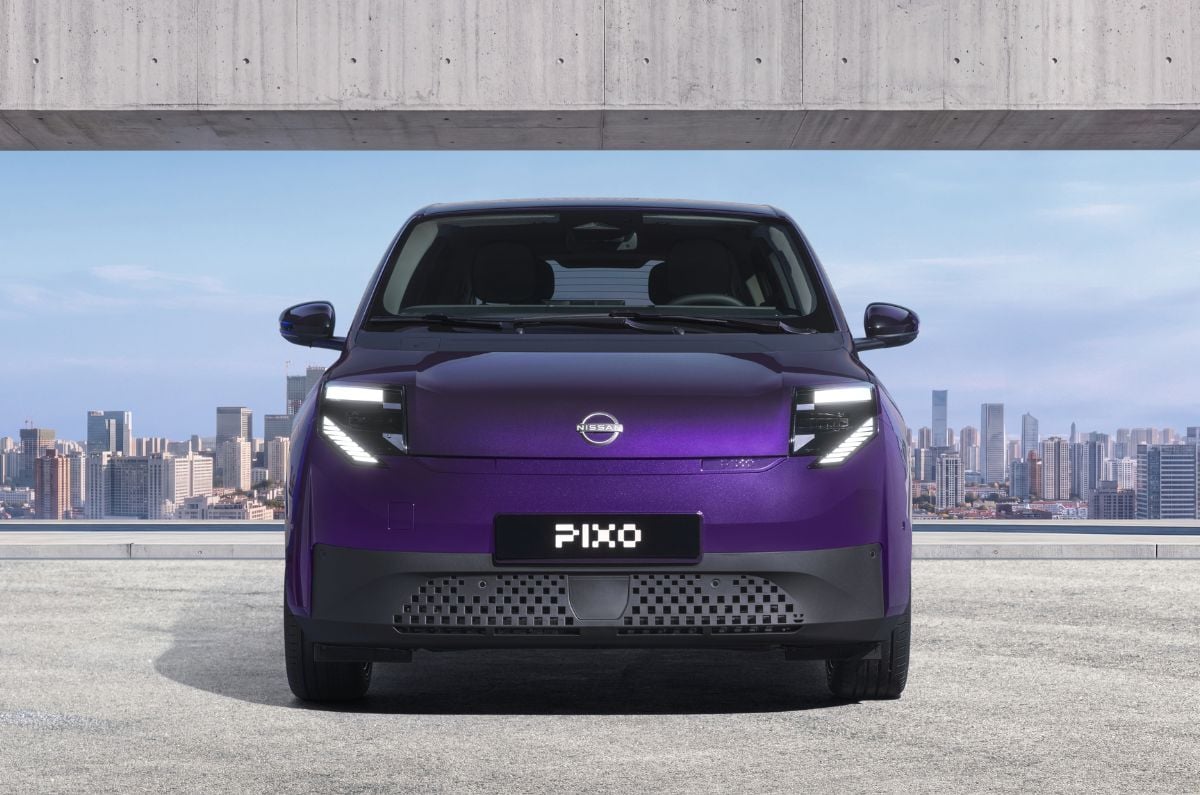
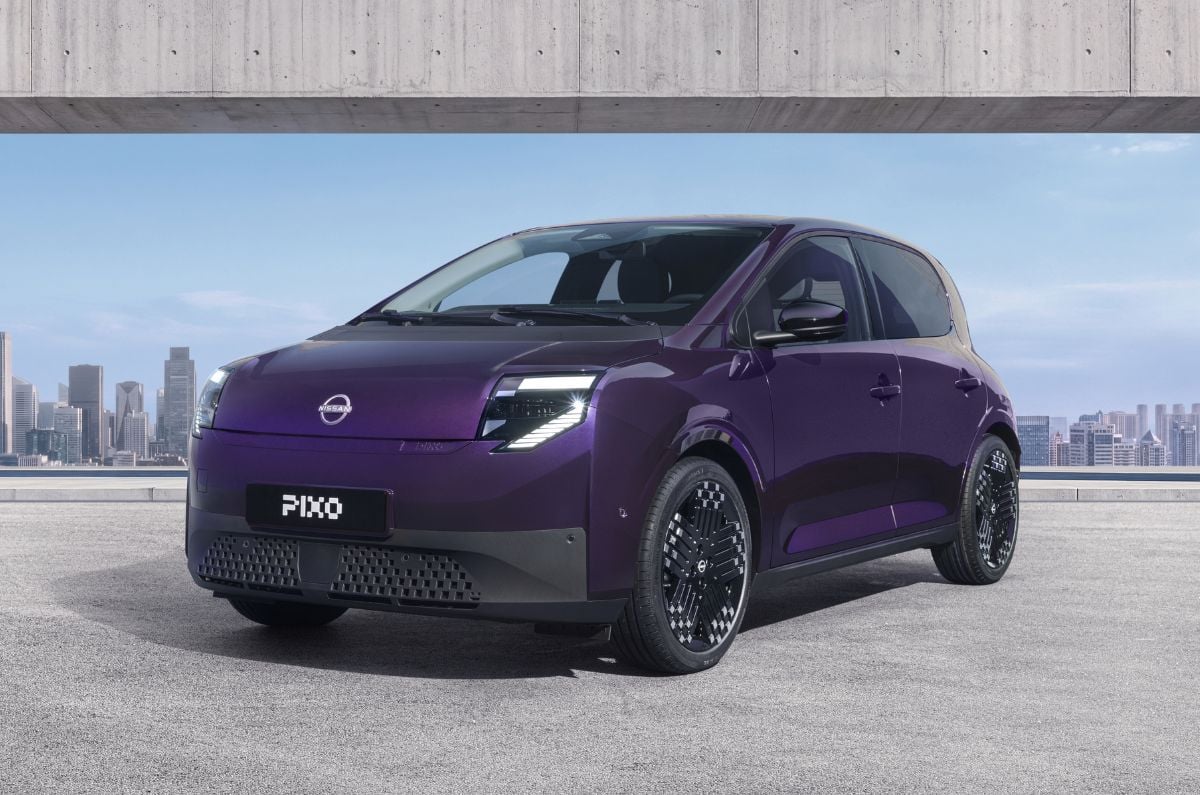
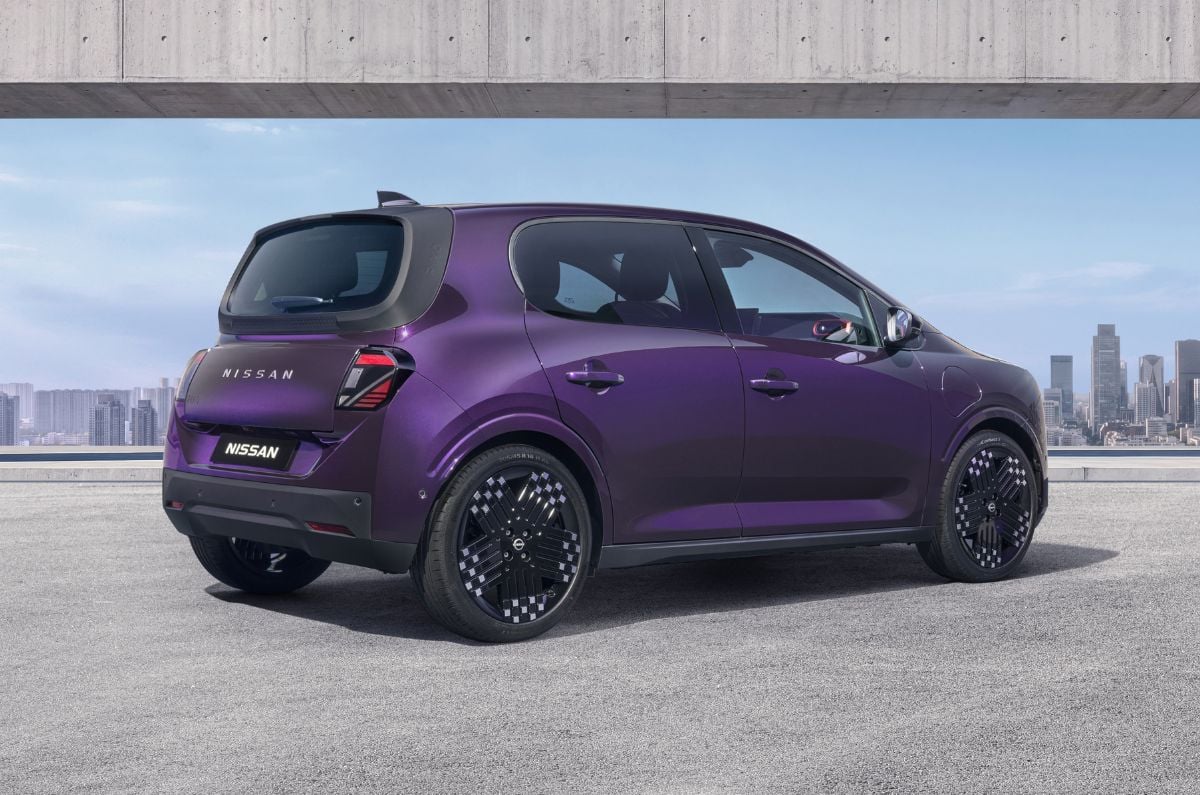
Nissan has pulled the covers off the Pixo, which is an A-segment EV specifically meant to cater to the urban buyer in Europe, according to the automaker. The Pixo is the result of a collaboration between NDE (Nissan Design Europe) and alliance partner Renault, and is manufactured at the latter’s Novo Mesto facility in Slovenia.
  • Design highlights include pixel-inspired lighting and “robot face” front bumper.
  • 3,796mm long, 1,790mm wide and seats up to four adults.
  • Sliding rear seats, 10-inch touchscreen, Google built-in, ADAS and more.
  • 27.5kWh battery, 82hp motor and up to 259km WLTP range.

Nissan Pixo exterior and dimensions

The Pixo features striking colour options and cube-inspired proportions

Nissan Pixo front quarter

The Nissan Pixo features the Japanese brand’s latest design language meant specifically for EVs. The cube-inspired proportions of the Pixo are accompanied by what the brand says are pixel-inspired lighting and a “robot face” front bumper. ‘Pixo’ lettering aside, there are also ‘2-3’ markings to denote ‘Ni-San’ in Japanese. There are pixel-like highlights on the 18-inch wheels, while ‘Nissan’ is spelled out on the tailgate.

Nissan Pixo rear quarter

Nissan says that the Wonder Purple and Gear Blue paint options are meant to reinforce the Pixo’s youthful urban character, and these striking colours are contrasted by black trim bits on select surfaces. At 3,796mm long and 1,790mm wide, Nissan claims that the Pixo’s dimensions are specifically meant to fit European cities without compromising space on the inside. Meanwhile, it has a 9.9-meter turning circle.

Nissan Pixo interior design and features

This EV has been designed to carry up to four adults and sports a vertically stacked dashboard

Nissan Pixo interior

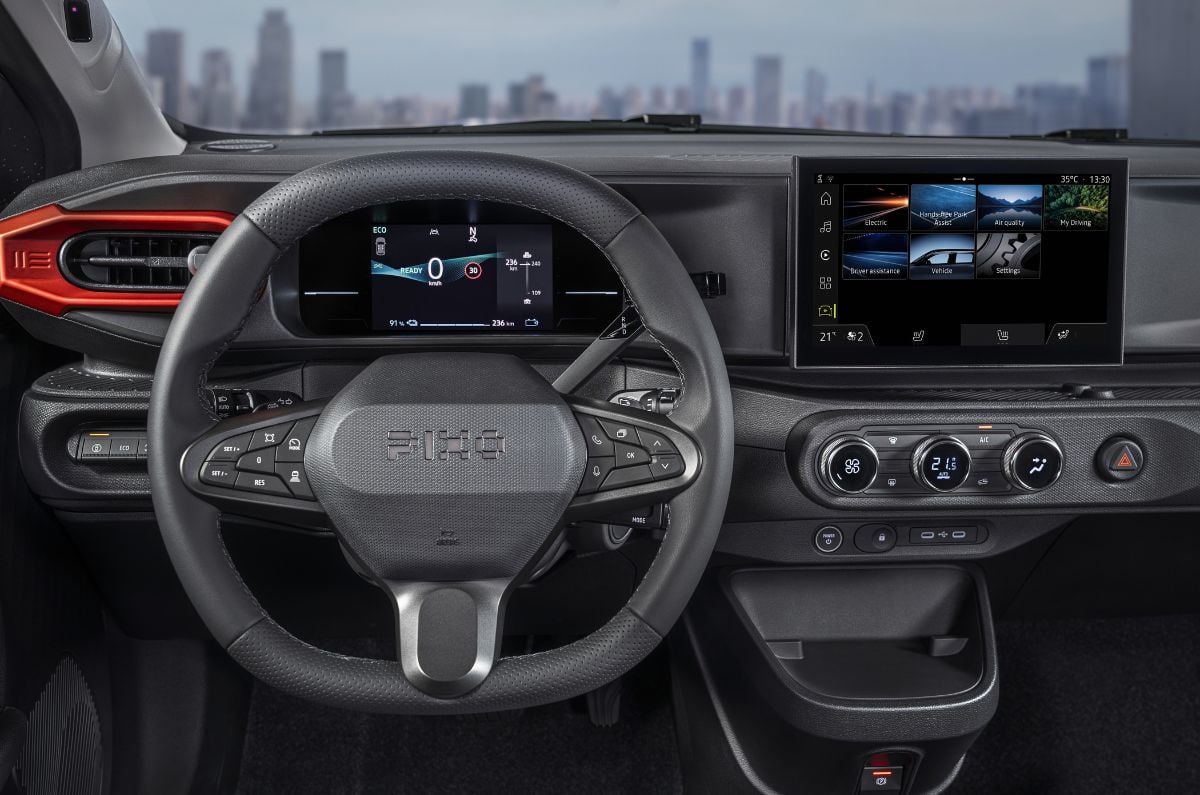
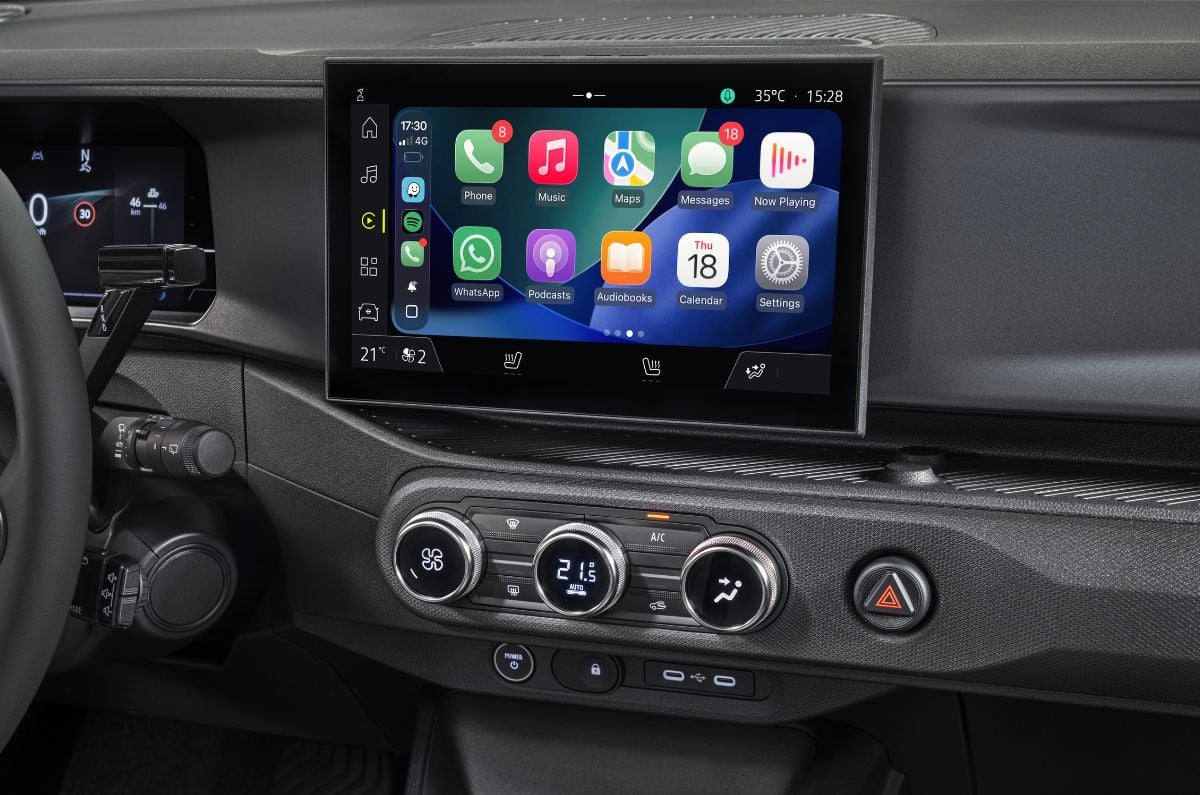
The Nissan Pixo has a relatively modern but simple-looking interior. However, it does get a vertically stacked dashboard with a textured finish and orange accents around the AC vents. There are physical buttons and dials to control the automatic climate control system, with a large drive-selector stalk behind the steering wheel. The dash also integrates a 7-inch digital driver’s display and a tablet-style 10-inch touch-infotainment screen.

Nissan Pixo dashboard

Equipment highlights of the Nissan Pixo include Google Gemini, which the brand claims is ‘first-in-segment’ and that it will be offered in 16 languages and dialects. Adding to this list will be Google built-in features, MyNissan app and Face ID with the capability of recognising different drivers and remembering their personalised settings. The Nissan Pixo will be available with ADAS (advanced driver assistance systems), integrating adaptive cruise control, lane-departure warning and ‘Hands-Free Parking’.

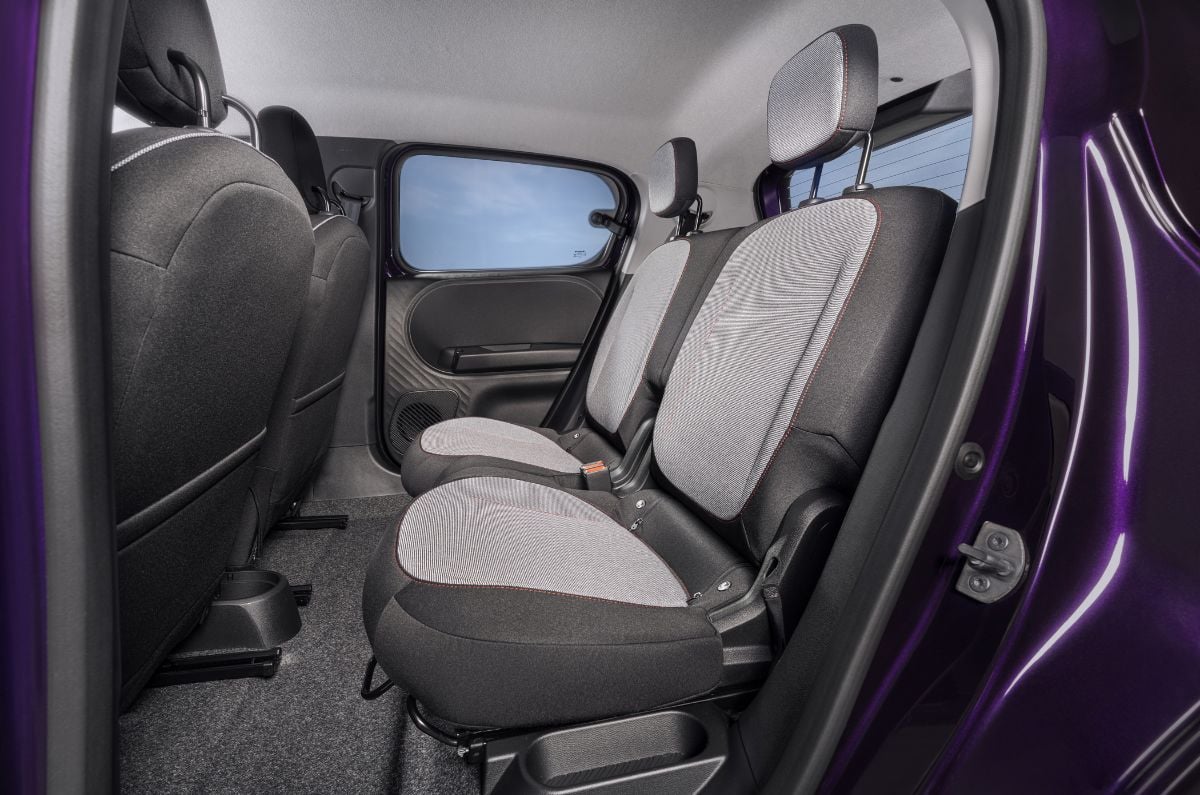
Nissan Pixo rear seats

There are dual-tone fabric seats that look simple, and there’s enough space to carry four adults, with the rear units capable of being individually slid forward or backward based on cargo-space requirements. Nissan says that the Pixo can accommodate up to 356 litres of cargo in the boot – out of which 50 litres is taken up by the charging cable. “We’ve worked hard to maximise the space within the Pixo’s compact dimensions, creating a cabin that feels open, practical and surprisingly roomy,” said Masato Koyama, Lead Exterior Designer at Nissan Global Design.

Nissan Pixo powertrain and charging

This electric powertrain comprises a lithium iron phosphate battery and a single electric motor

The Nissan Pixo is equipped with a 27.5kWh lithium iron phosphate (LFP) battery pack, which energises a single electric motor capable of producing 82hp. While Nissan hasn’t released torque or performance figures of the Pixo yet, it does claim a WLTP range of 259km on a full charge.

Nissan Pixo charging

The Pixo supports DC fast-charging at up to 50kW, which the brand says can take the state of charge from 15-80 percent in around 28 minutes. The Nissan Pixo also supports bi-directional AC charging of 11kW. Nissan is yet to announce the price of the Pixo, though customer deliveries in Europe are scheduled start in early 2027.

All you need to know about Tata Aeris ahead of launch tomorrow

All you need to know about Tata Aeris ahead of launch tomorrow
Tata Aeris exterior teased

Tata Motors is set to launch the Aeris on September 25, 2026, both in internal combustion (ICE) and fully electric (EV) avatars. The Aeris is essentially a rebranded Tigor facelift, and the upcoming sub-4-metre sedan has already been previewed through official teasers and design patent filings. Here’s all you need to know about the Tata Aeris before it breaks cover tomorrow.

1. How will the Tata Aeris look?

The Aeris gets a sleeker face and new lighting without losing the Tigor’s notchback profile 

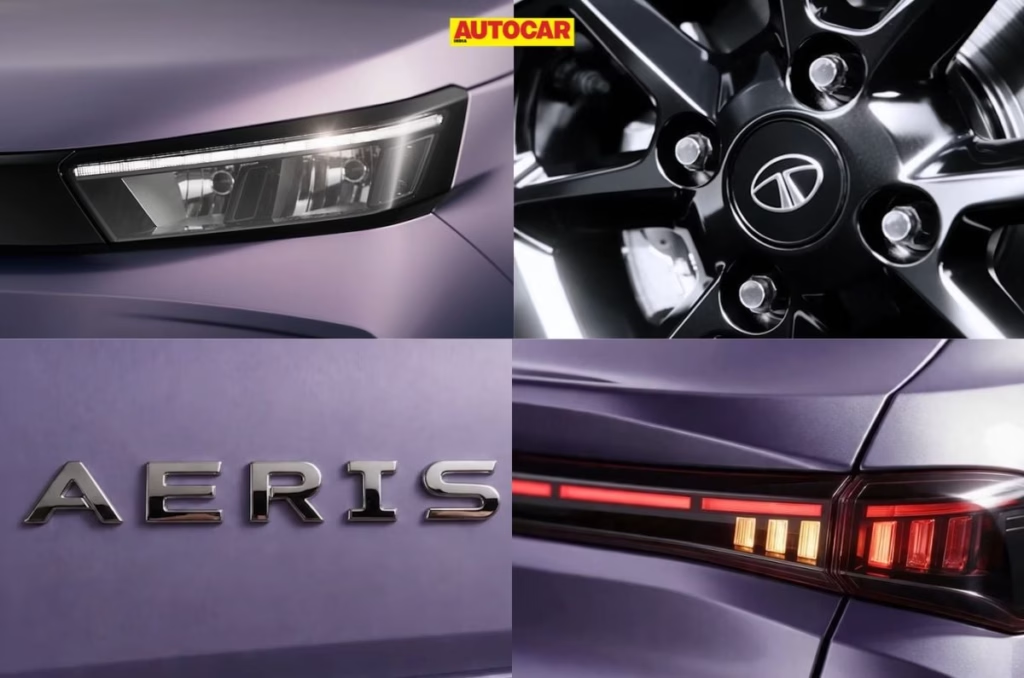
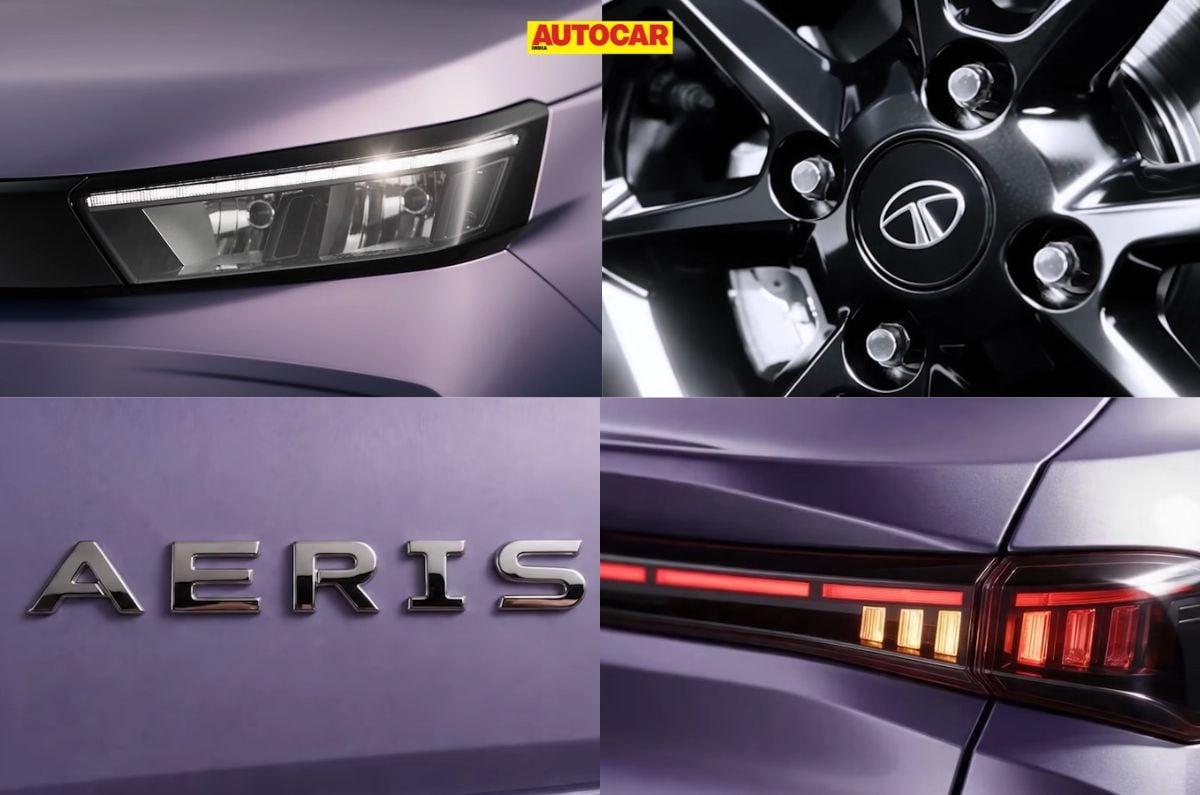
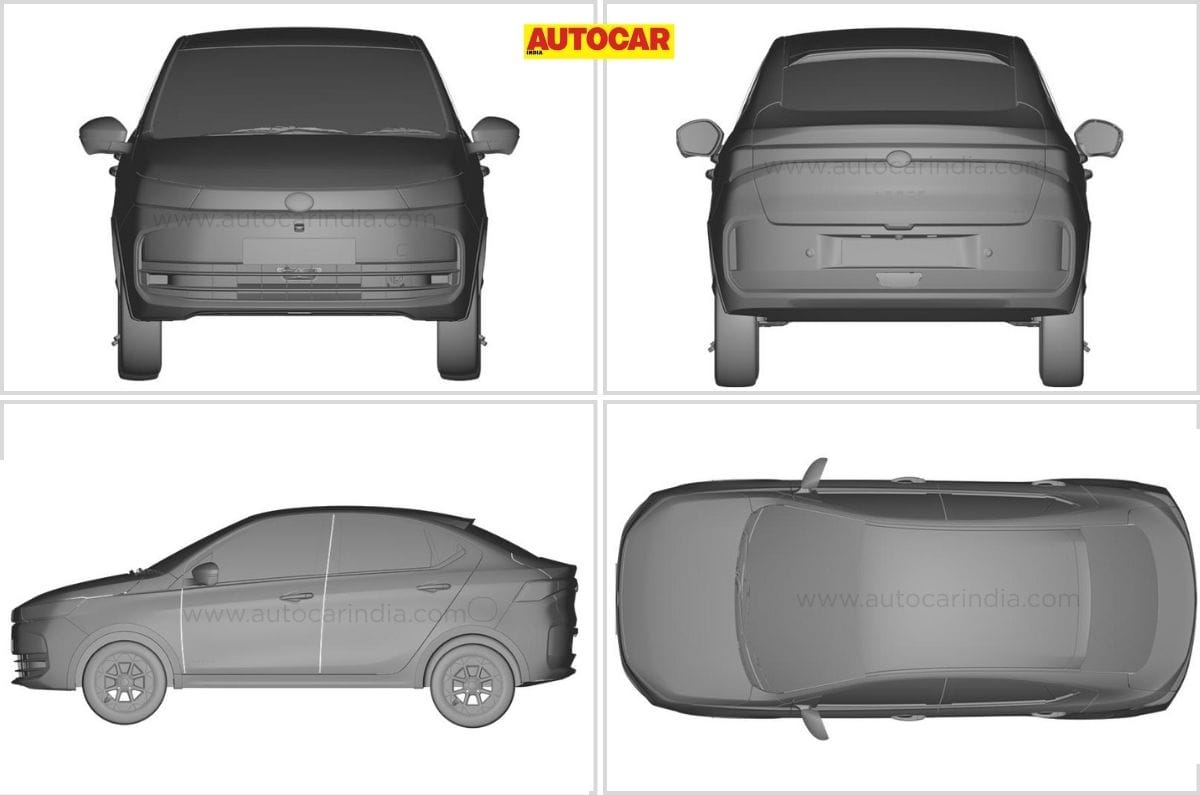
Compared to the Tigor, the new Tata Aeris will sport a sleeker front fascia featuring slim LED headlamps and thin LED DRLs. The official teaser also confirms LED fog lamps and C-shaped elements in the front bumper. Patent images suggest sharper-looking connected tail-lamps, with the number plate having been moved from the bootlid to the bumper.

Tata Aeris patent images
Design patent of the Aeris as filed by Tata Motors.

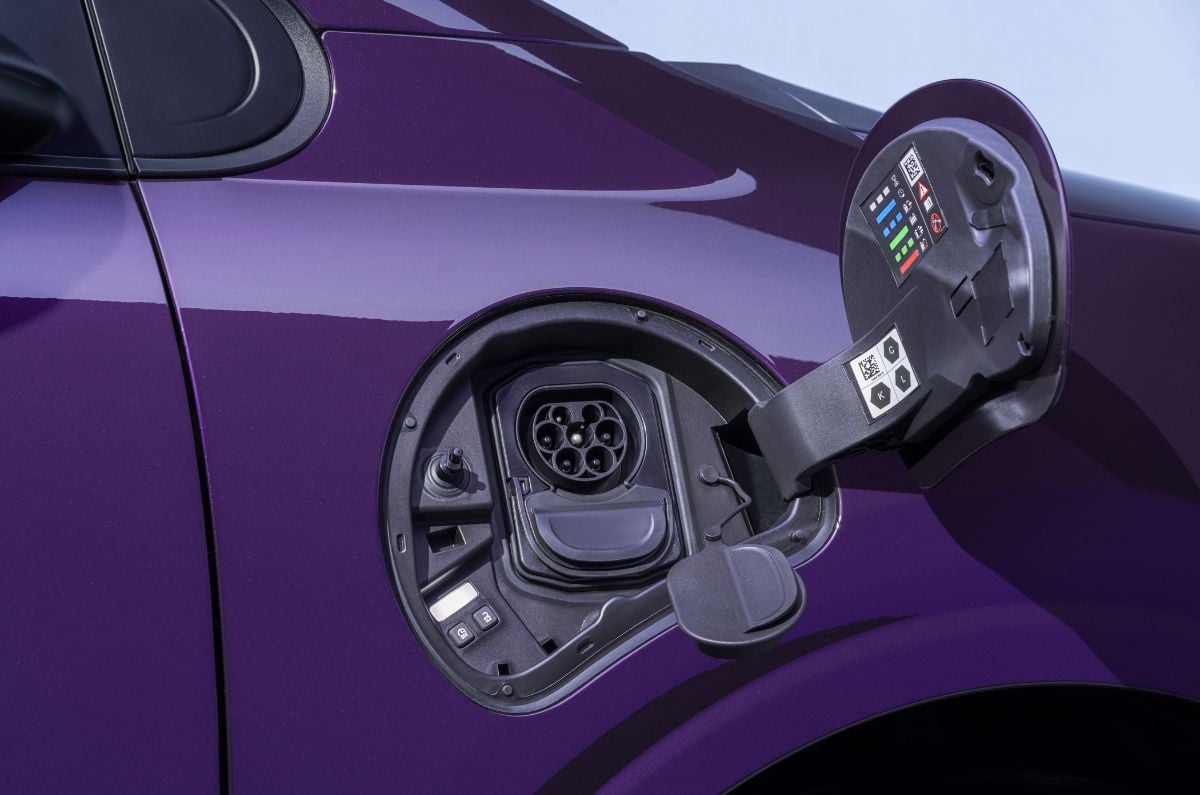
Other changes expected include a new shoulder line and wheel designs, plus a new purple colour. The Aeris EV should share much of the ICE version’s overall design language, with a few tweaks as seen in Tata’s other ICE-to-EV models. The notchback roofline of the outgoing Tigor will be carried over, as shown in the patent filings.

2. How different will the interior of the Tata Aeris be?

The Aeris will get a more modern-looking and feature-rich cabin over the Tigor

Tata hasn’t teased the cabins of the Aeris yet, but they are expected to be similar to those of the new Tiago and Tiago EV. This means a modern-looking dual-tone theme with piano-black accents and a layered dashboard design with two free-standing digital displays, plus Tata’s new two-spoke steering wheel and an array of physical buttons and dials.

Tata Tiago interior
Tata Tiago’s interior shown for representational purposes only.

The Tata Aeris is also expected to share the feature set that’s available with the updated Tiago. Wireless charging, automatic climate control, rear AC vents, a 10.25-inch touchscreen, a digital driver’s display, wireless Apple CarPlay & Android Auto, connected car tech, a 360-degree camera, 6 airbags and electronic stability control could all be offered with select variants of the Aeris as well.

3. What powertrain options will the Tata Aeris get?

The ICE version could get the same setup as the Tigor; the pure-electric option may get the Tiago EV’s battery packs

On the powertrain front, the Aeris ICE variants could carry on with the existing Tigor’s engine and gearbox options. The latter’s 1.2-litre naturally aspirated three-cylinder engine produces 86hp and 113Nm when on petrol, and 76hp and 97Nm when running on CNG. Its gearbox choices are a 5-speed manual and a 5-speed AMT (automated manual transmission).

As for the Aeris EV, it may borrow the Tiago EV’s 19.2kWh and 24kWh battery packs. Alternatively, Tata could equip it with the larger 26kWh battery that currently powers the Tigor EV. Both setups utilise a permanent magnet synchronous motor producing up to 75hp/114Nm and 75hp/170Nm, respectively. The Tata Aeris EV is likely to offer a multi-mode regenerative braking system and multiple drive modes as well.

4. What is the expected price of the Tata Aeris?

Tata could offer the Aeris EV with BaaS to lower upfront costs 

A slew of updates could potentially bump up the price of the Tata Aeris when compared to the Tigor. For reference, the combustion-powered Tigor is priced between Rs 5.70 lakh and Rs 9.10 lakh, while the Tigor EV is priced from Rs 12.49 lakh to Rs 13.75 lakh – both ex-showroom. Tata could offer the Aeris EV with a Battery-as-a-Subscription (BaaS) option on the EV to lower upfront costs, as it has done with the Tiago EV. The Tata Aeris will rival the Honda Amaze, Maruti Dzire and Hyundai Aura, while the Aeris EV doesn’t have any direct competitors.

Mahindra Thar OG colours gallery

Mahindra Thar OG colours gallery
Mahindra Thar OG color options

The Mahindra Thar OG comes with a stiffer platform, new suspension setup, more features and two new colour options over the old model. Buyers get a choice of three engines – an 119hp 1.5-litre diesel, a 152hp 2.2-litre diesel and a 162hp 2.0-litre direct-injection turbo-petrol. Transmissions include a 6-speed manual and a 6-speed automatic, while RWD and 4WD options are available depending on the variant. The Mahindra Thar OG is priced between Rs 10.32 lakh and Rs 18.99 lakh (ex-showroom).

Bajaj Pulsar NS400Z spotted with TFT screen spotted ahead of launch

Bajaj Pulsar NS400Z spotted with TFT screen spotted ahead of launch
An outside image showing the updated Bajaj Pulsar NS400Z with a TFT screen.

Just a month after Bajaj updated the Pulsar N160 and the Pulsar 125 and 150s with a TFT instrument cluster, the company appears to be preparing to give it to the NS400Z with it as well. An updated version of the motorcycle was spotted at a dealership, sporting the new cluster indicating that a launch is likely imminent.

  1. Expected to retain the 349.13cc engine with 40.6hp and 33.2Nm of torque
  2. Deliveries could start soon

Bajaj Pulsar NS400Z to get more features

Unlikely to receive any other mechanical or feature changes

A quick recap of the TFT cluster’s journey so far. Bajaj first introduced it on the top SS variant of the Pulsar N160; and subsequently rolled it out to both the Pulsar 125 and the Pulsar 150 as well. We then spotted updated versions of the Pulsar NS200 and N250 being tested both featuring a similar unit. And now, the Pulsar NS400Z seems to be getting it next. Even the dualsport bike that Bajaj is readying has been seen previously with this screen indicating that a lot of Bajaj bikes will soon have the 5-inch TFT dash.

Besides the new cluster, the NS400Z looks to be getting slightly refreshed colour options, but is unlikely to change otherwise. We expect it to retain the downsized 349.13cc single-cylinder, liquid-cooled engine with 40.6hp and 33.2Nm of torque.

While the NS400Z has been spotted with this more sophisticated display it doesn’t get the WP fork seen on an NS200 test mule recently – this has been a KTM and Husqvarna staple so far. While the Pulsar NS200 and N250 were spotted during testing, the NS400Z has reached dealerships already. We can expect a price announcement (with a small increase) as well as commencement of deliveries soon.

Image: venom__400z (Instagram)

Mahindra Thar OG vs Thar: Differences and similarities explained

Mahindra Thar OG vs Thar: Differences and similarities explained
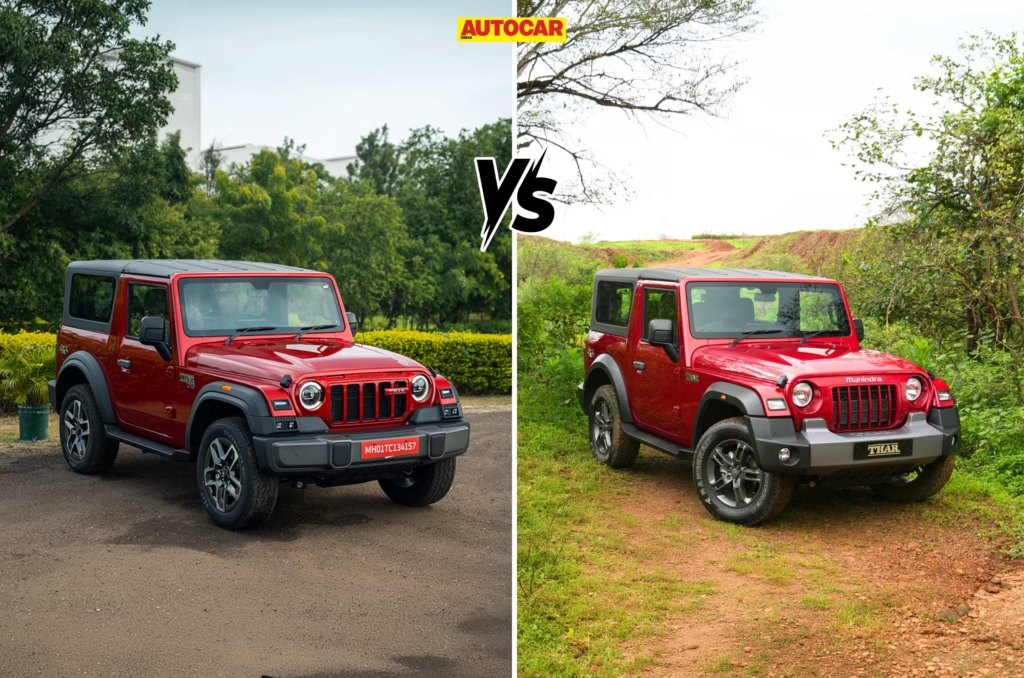
Mahindra Thar OG vs old Thar compared

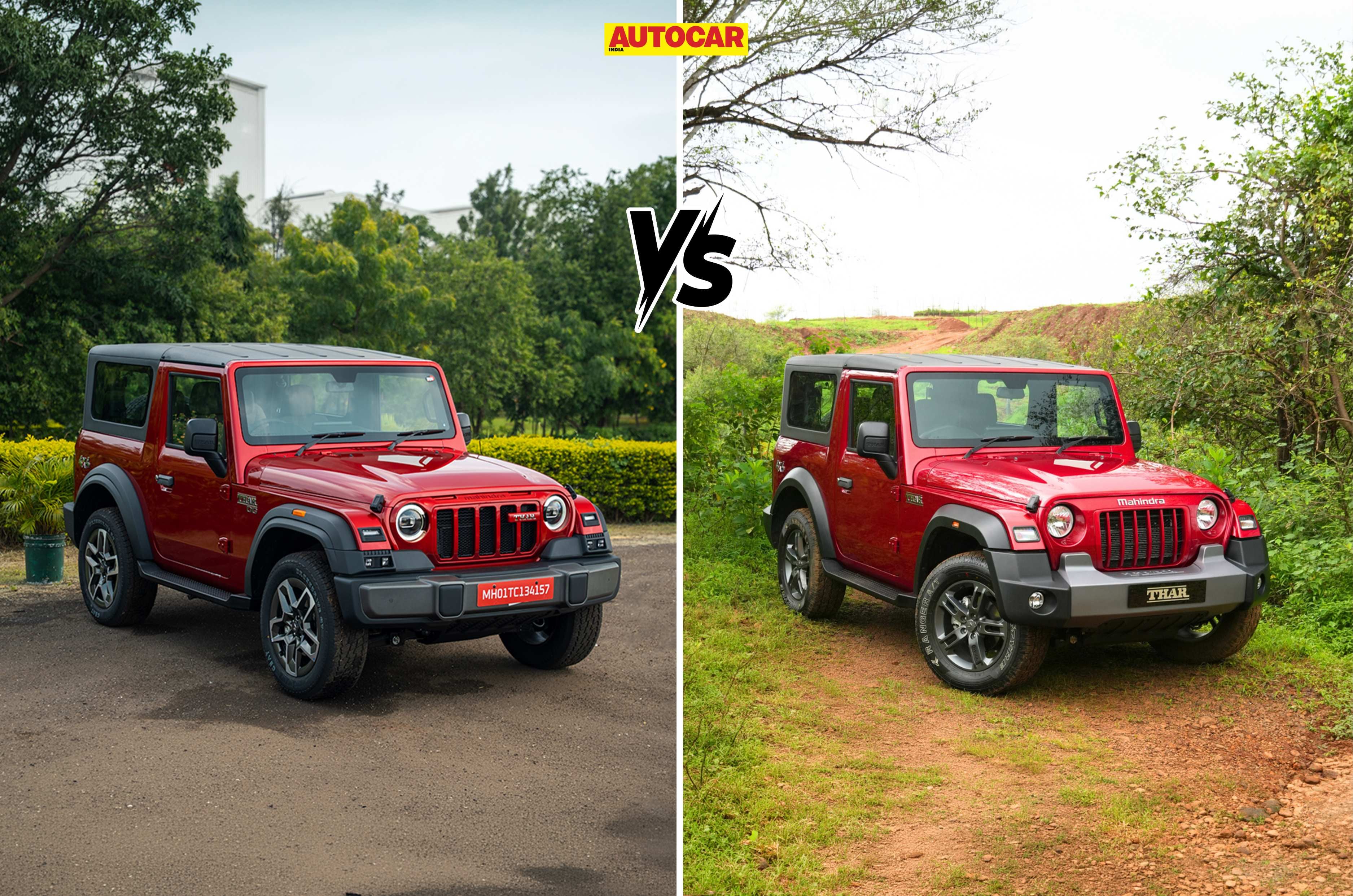
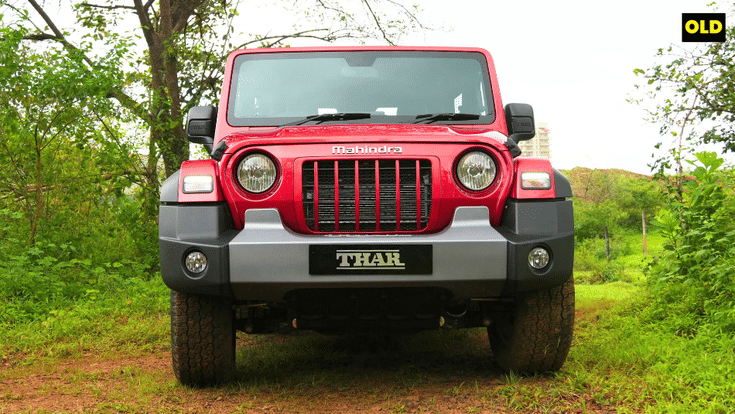
It’s been just over a year since Mahindra last updated the 3-door Thar, but the changes this time around are beyond just skin deep. The new Thar gets a new platform and suspension, more power to two of its three engines and a longer list of features. The Mahindra Thar OG continues to rival the Force Gurkha and Maruti Suzuki Jimny. Here’s how the new Thar compares with the model it replaces.

Mahindra Thar OG vs old Thar: Exterior design

Different lighting, a new grille design and bigger wheels headline the major changes

New Mahindra Thar OG front
Old Mahindra Thar front
 

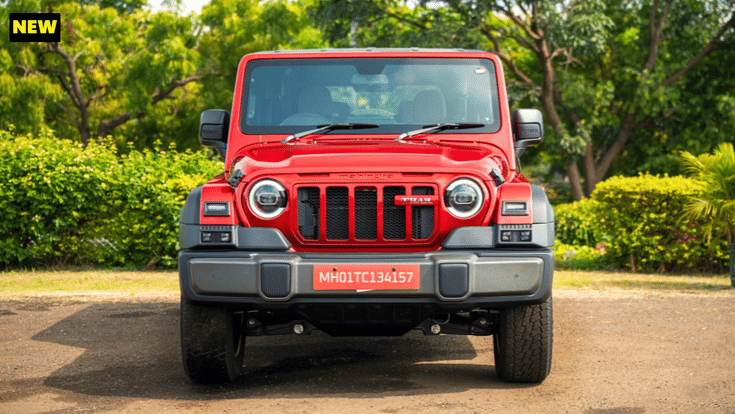
The Thar OG retains the same rounded design for the headlamps as its predecessor. However, its reprofiled front now gets new C-shaped LED daytime running lights (DRLs) and full-LED headlamps, alongside a body-coloured air-intake grille with ‘Thar’ branding at the front and a ‘Mahindra’ badge on top. The new top-spec ZXT trim also introduces ice-cube fog lamps with a cornering function, replacing the old Thar’s halogen units.

New Mahindra Thar OG side
Old Mahindra Thar side
 

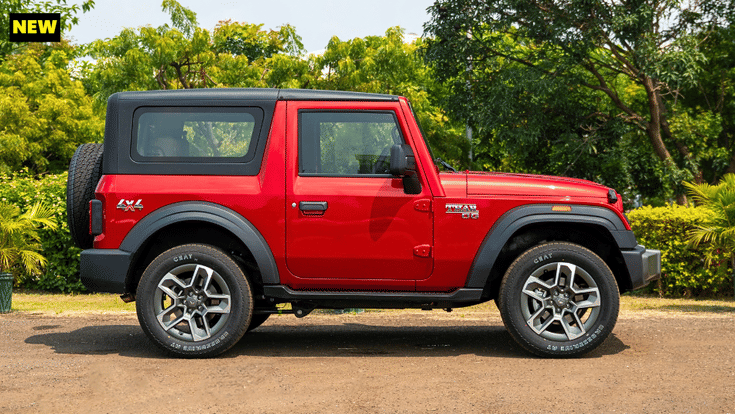
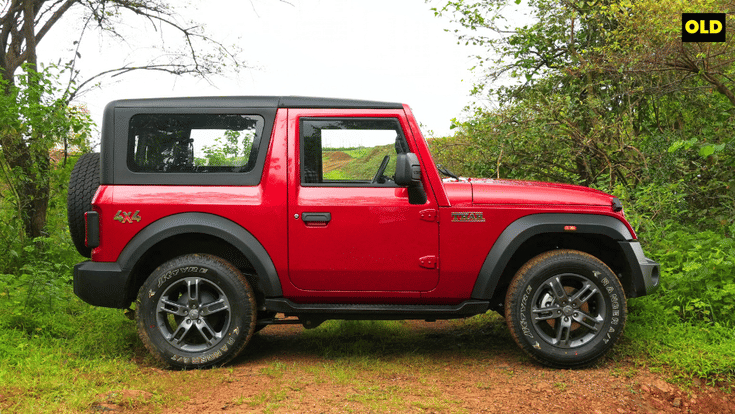
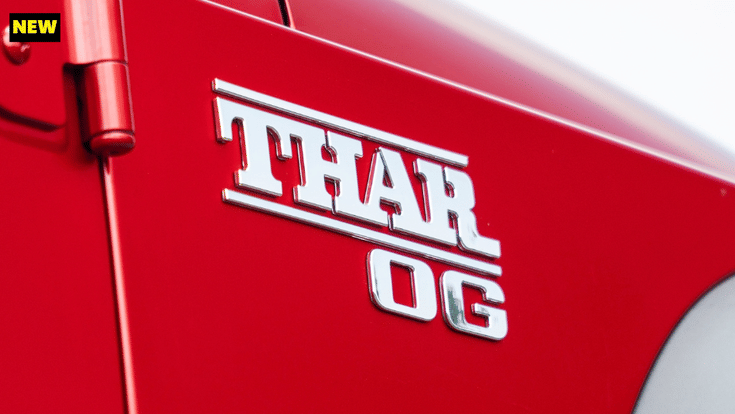
The lower AXT and LXT trims continue with 16-inch steel and 18-inch alloy wheels, respectively, while the ZXT is fitted with larger 19-inch diamond-cut alloys, instead of the 18-inch units on the old Thar. Whereas the latter only had ‘Thar’ written on the front-right side, the new model replaces it with ‘Thar OG’ branding.

New Mahindra Thar OG rear quarter
Old Mahindra Thar rear quarter
 

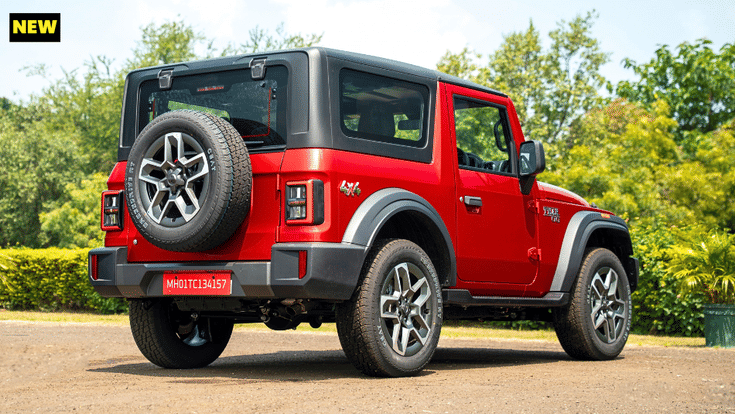
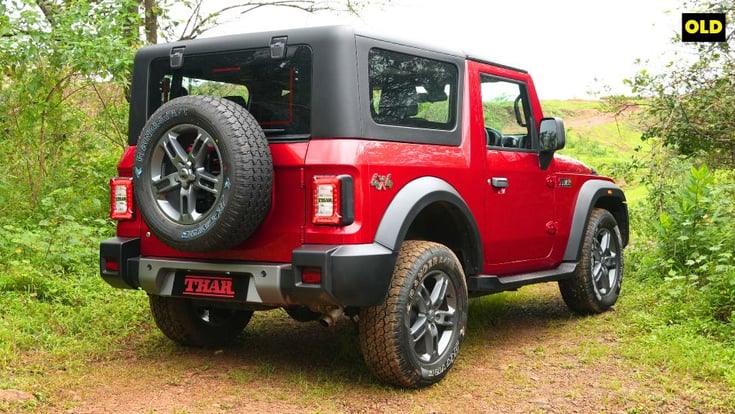
At the rear, the new Mahindra Thar features revised tail-lamps borrowed from the Thar Roxx, along with another ‘OG’ branding on the tailgate. While six exterior colours from the old Thar have been carried over, the Thar OG is also offered in new Artemis Silver and Jeans Blue colour options.

Mahindra Thar OG vs old Thar: Interior and features

General layout remains unchanged, but the Thar is now available with a few additional features

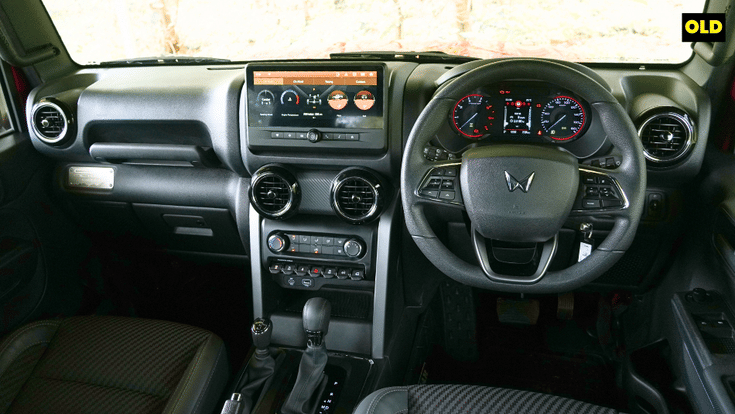
New Mahindra Thar OG interior
Old Mahindra Thar interior
 

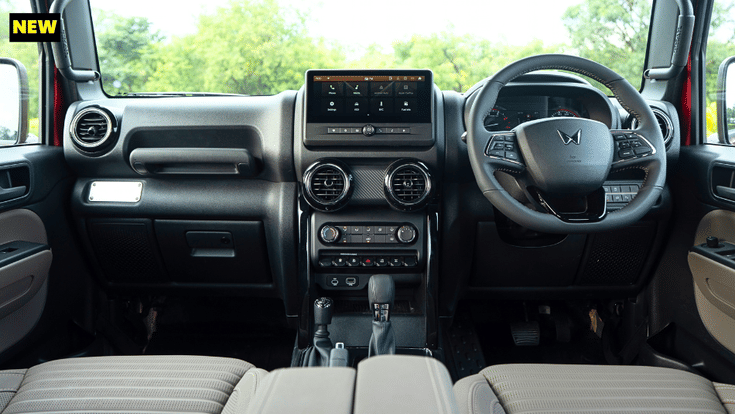
The overall dashboard layout has been carried over from the old Thar, including the 10.25-inch touchscreen and the analogue instrument cluster with a colour MID. There’s a new Truffle Brown leatherette upholstery option though, but it’s reserved for the top-spec ZXT trim, while lower trims stick with the old car’s vinyl and fabric options.

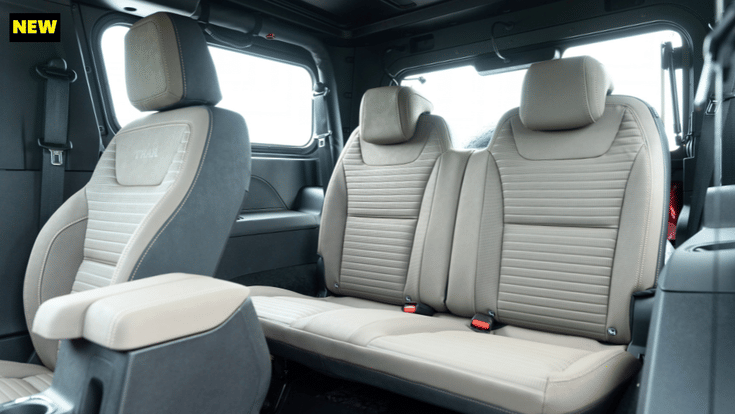
New Mahindra Thar OG rear seats
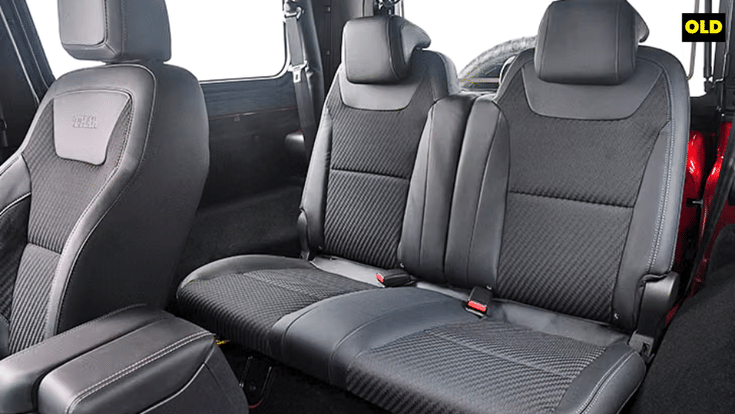
Old Mahindra Thar rear seats
 

New on the features front with the Thar OG are wireless charging and a rear USB Type-C port, neither of which were offered on the old Thar. There’s even dedicated lighting for the main luggage compartment. ‘Zip’ and ‘Zoom’ drive modes are new additions as well. Mahindra has also added a push-button start function and armrests at the back with built-in cup holders, though the manually operated AC and old-school analogue instrument cluster with a colour MID have been retained.

Mahindra Thar OG vs old Thar: Engine and transmission

More powerful engine options, a new platform and upgraded off-road and safety features

The base 1.5-litre diesel engine is unchanged, continuing to produce 119hp and 300Nm. However, the Thar’s other engines are now more powerful. The 2.2-litre diesel now makes 152hp and 330Nm, which is up from 132hp and 300Nm – a jump of 20hp and 30Nm. The 2.0-litre direct-injection turbo-petrol puts out 162hp and 330Nm, gaining 10hp and up to 30Nm over the old version’s 152hp and 300-320Nm. Meanwhile, gearbox options are the same 6-speed manual and 6-speed torque-converter automatic, and both engines are available with a choice between RWD and 4WD.

New Mahindra Thar OG badge
Old Mahindra Thar badge
 

The Thar OG gets a new Electronic Locking Differential and dedicated Mud, Sand and Snow terrain modes, none of which were offered with the old Thar. The Thar OG also switches to Mahindra’s M_Glyde 4G platform, first seen on the larger Thar Roxx, which the brand says is stiffer than the outgoing car’s underpinnings. The rear suspension gains a Watts Link, which the old Thar didn’t have, while ‘DAVINCI’ dampers with Frequency Dependent Damping (FDD) are also a first for the Thar 3-door. Ground clearance has gone from 226mm to 232mm, and the track is wider by 60mm. Finally, steering switches from hydraulic to electric, which should ease low-speed manoeuvring.