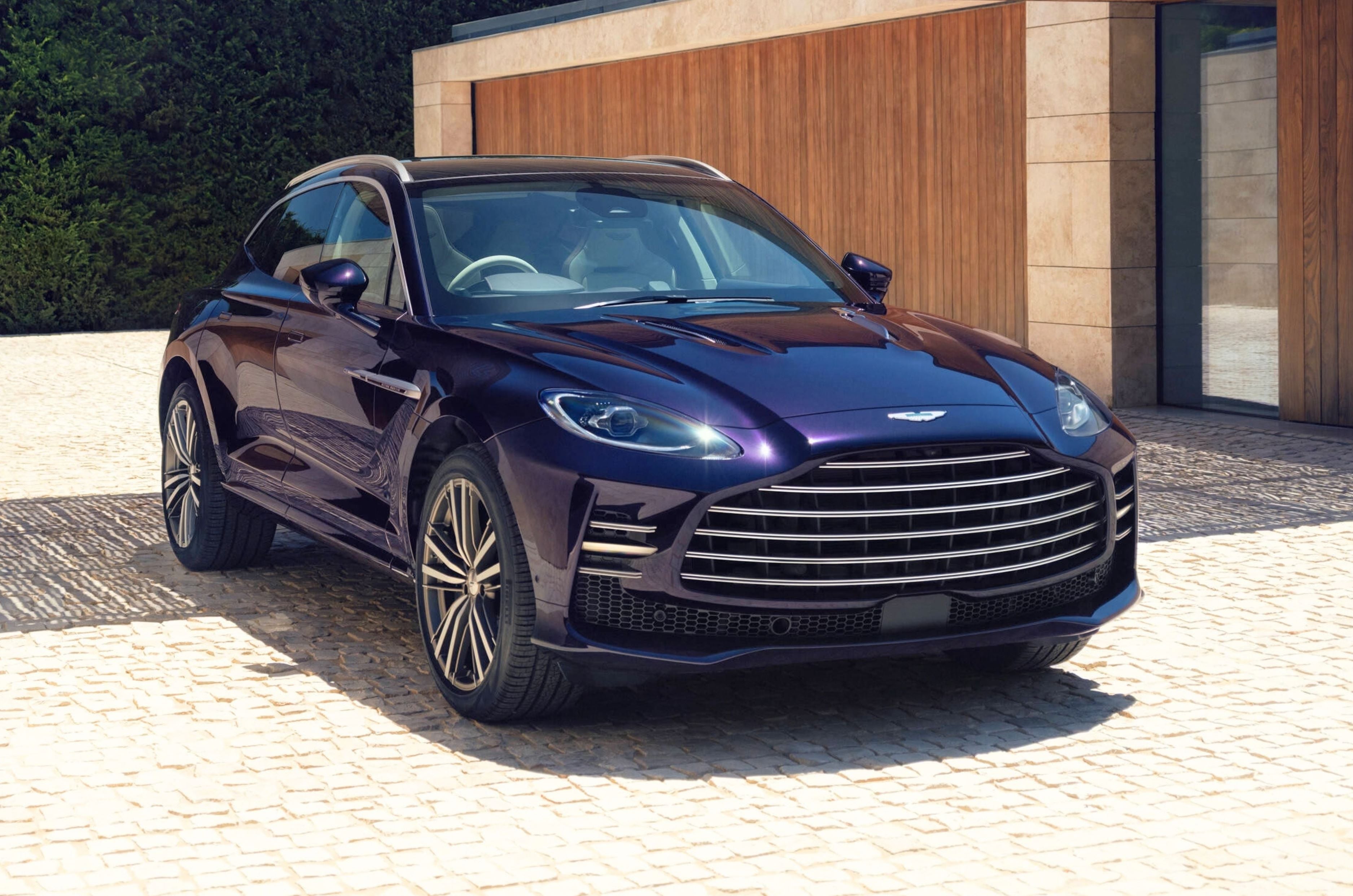
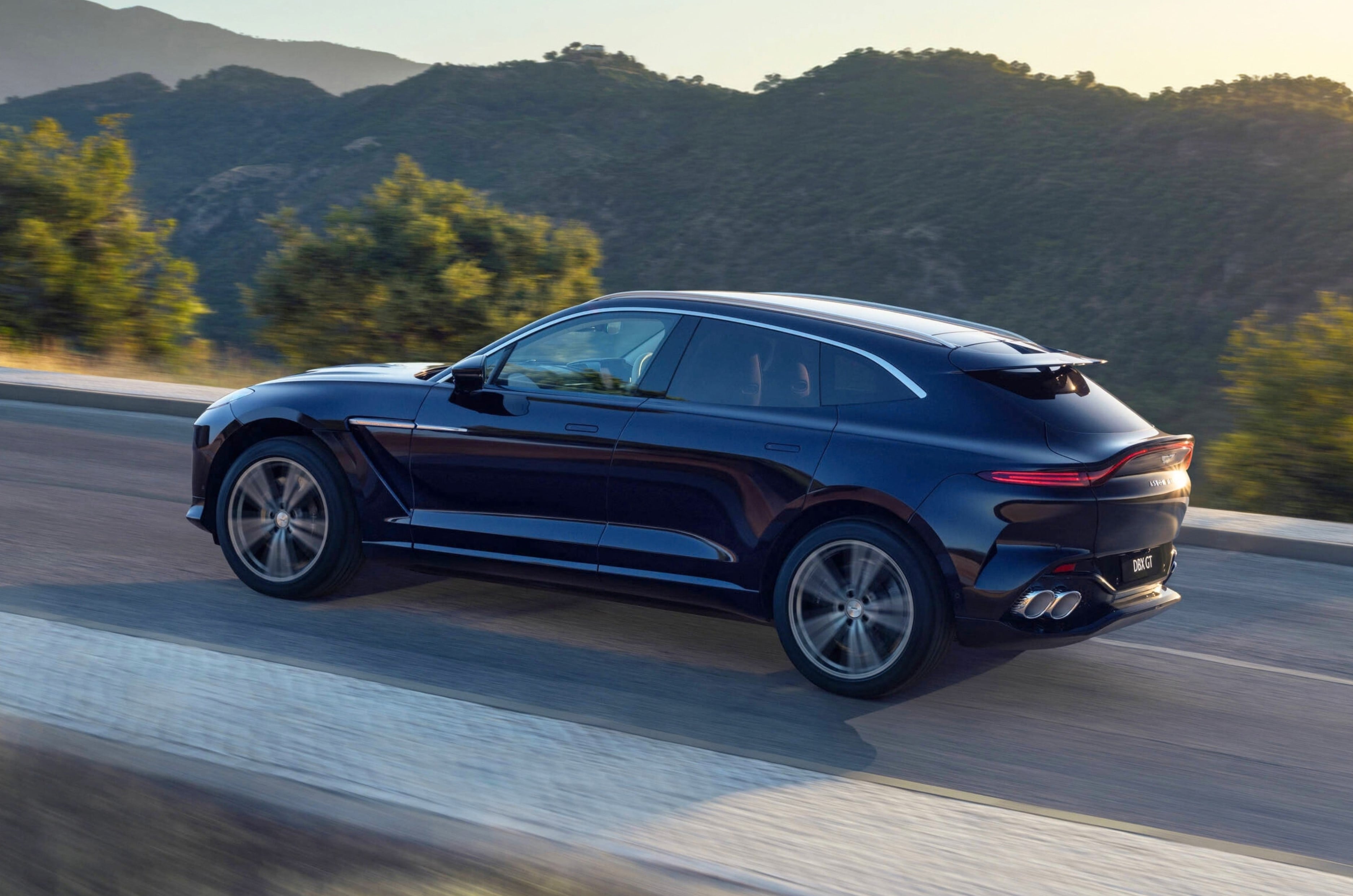
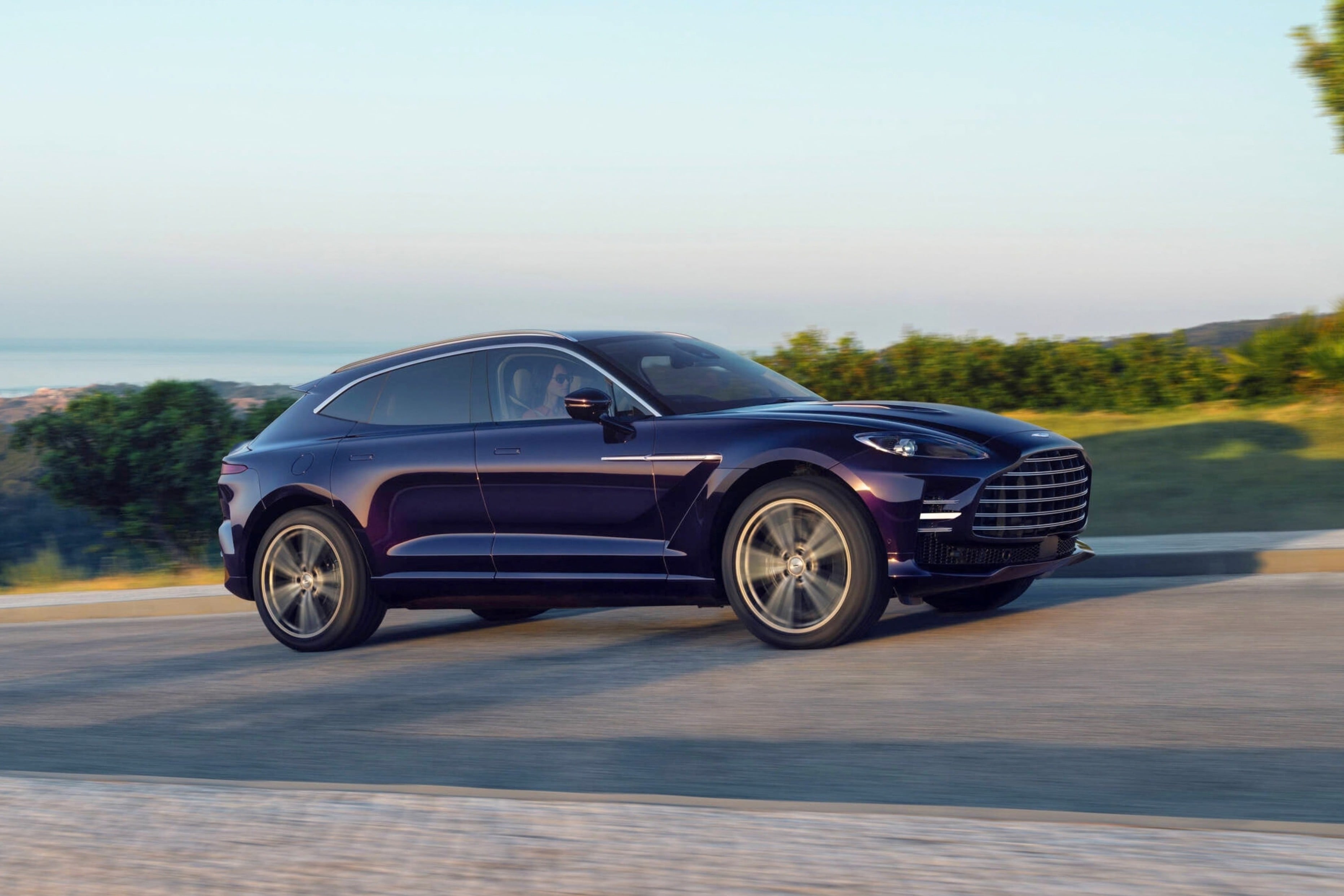
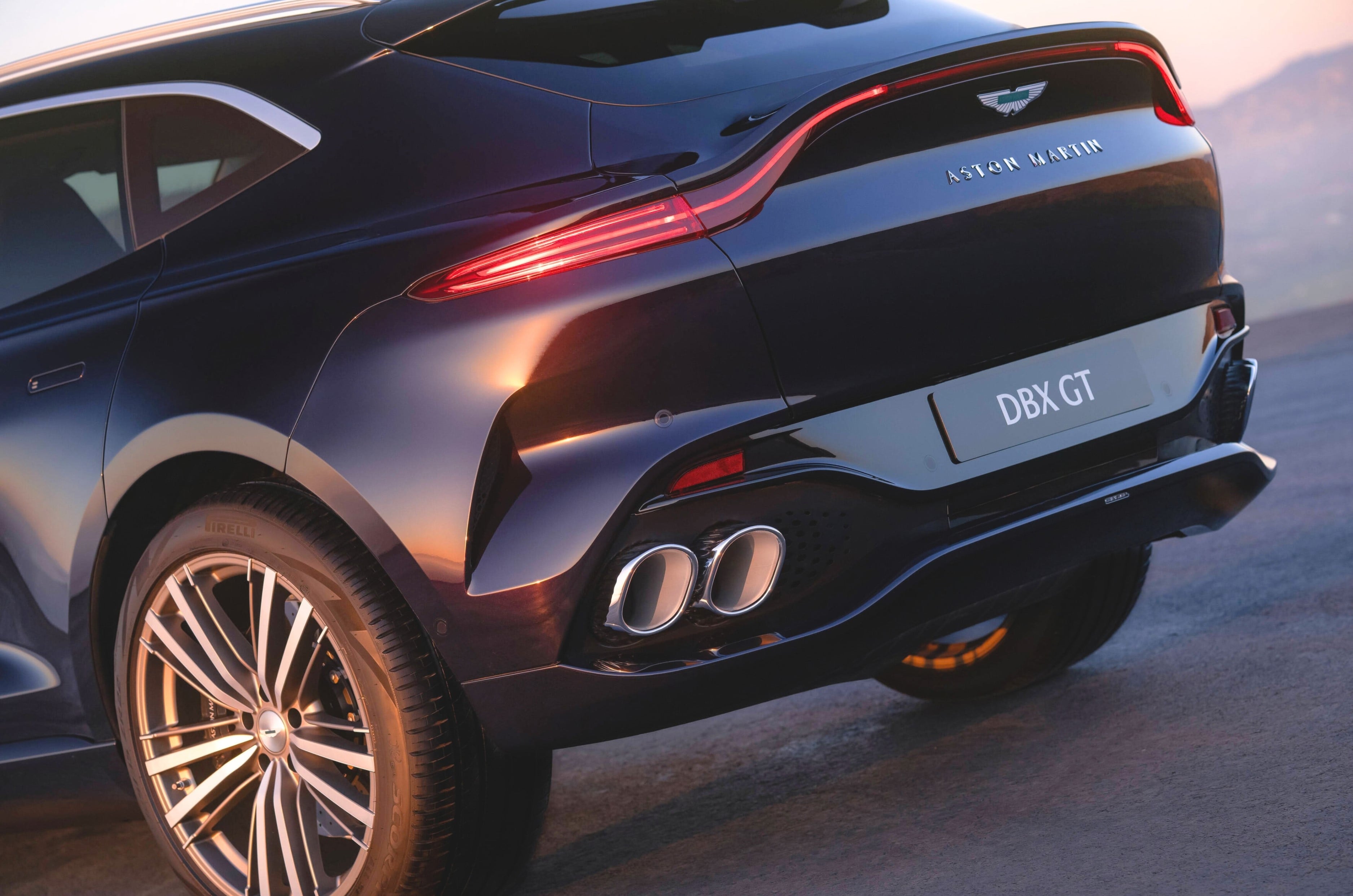
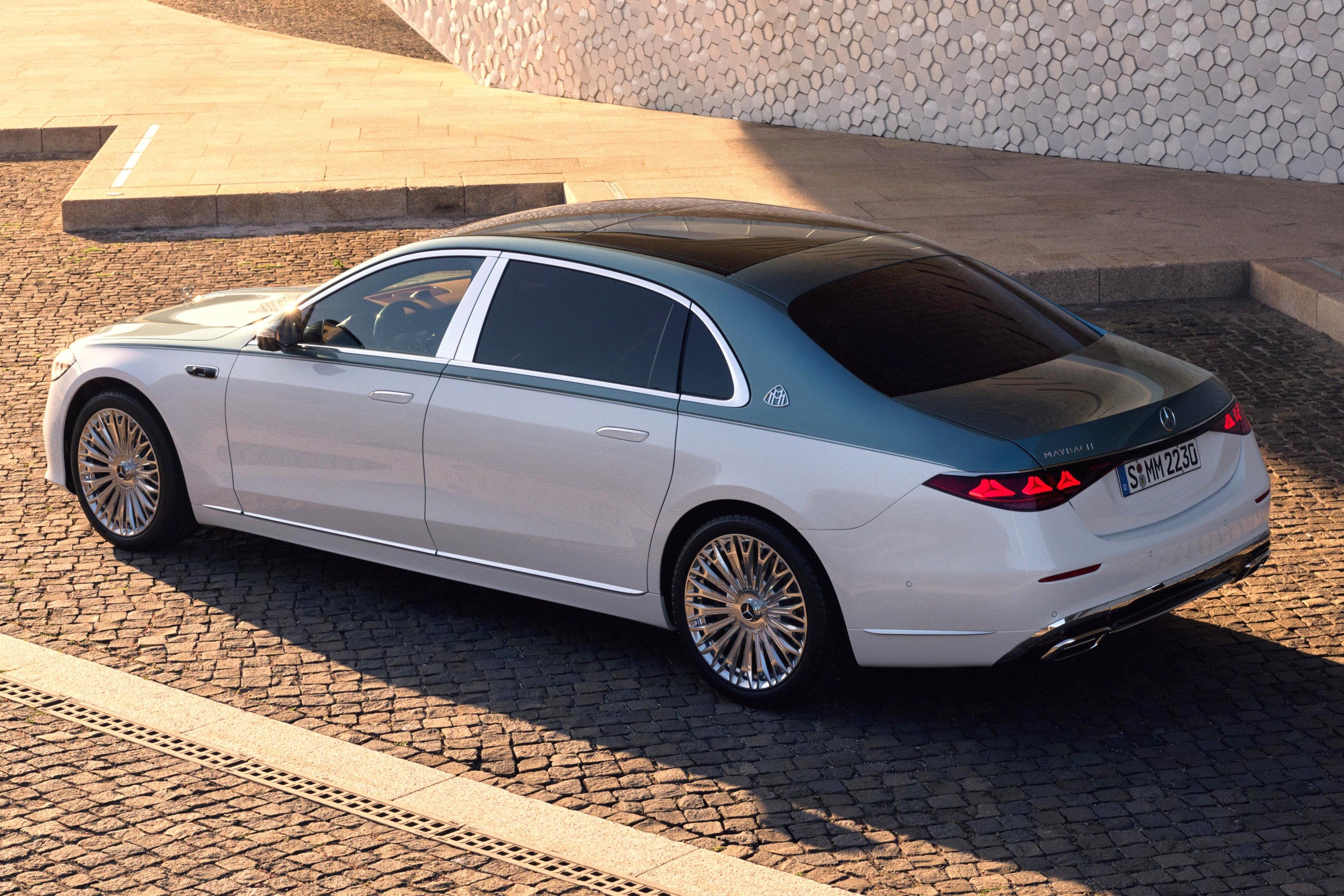
Aston Martin has added a new ‘GT’ variant to the DBX line-up. Positioned alongside the sportier DBX S variant, the GT places a much greater emphasis on luxury and comfort. Deliveries for the DBX GT commence in Q4 2026 across global markets.
Aston Martin DBX GT powertrain and performance
Under the bonnet, the GT retains the DBX S’s 4.0-litre twin-turbo V8 with no changes, which means an output 727hp and 900Nm. Also carried over from the DBX S is a 9-speed automatic gearbox that sends power to all four wheels, making for an identical 0-100kph time of 3.1 seconds (claimed) and a rated top speed of 310kph.
That said, Aston Martin has made subtle mechanical tweaks to reflect the DBX GT’s more comfort-oriented trappings. The throttle pedal and gearbox have been retuned to operate more smoothly, while the suspension has been revised to deliver a more pliant ride on bad roads. A pair of dampers has also been added between the body and rear sub-frame to keep movement in check, and the exhaust gets a dedicated tune that is touted to produce a “cleaner, richer tone.”
Aston Martin DBX GT exterior design
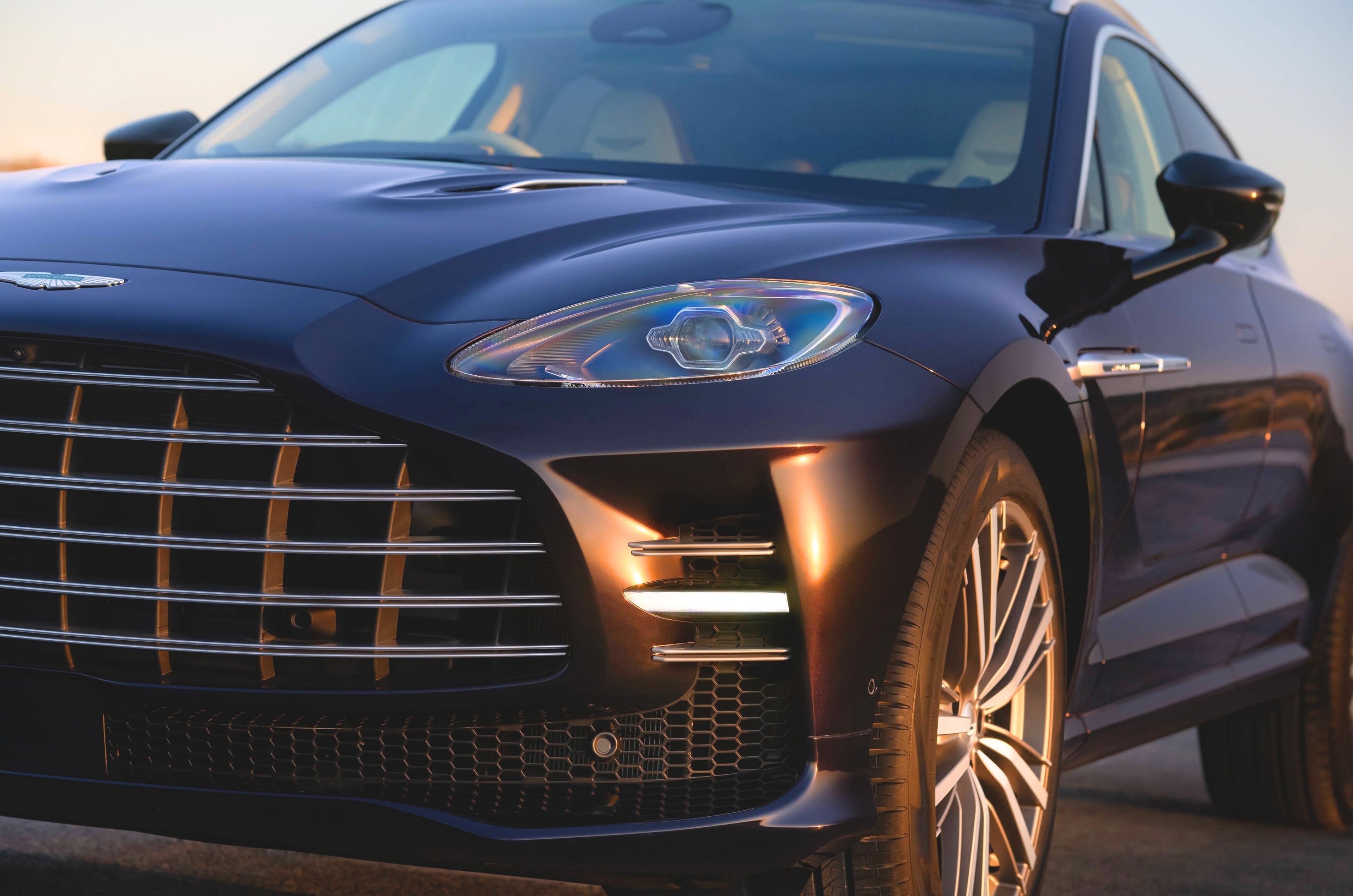
On the outside, the DBX GT features more polished styling elements. Up front, the bumper has a body-coloured finish and a cleaner look (no red accents like in the DBX S), while the redesigned grille gets horizontal slats instead of a mesh design.
Over to the side, the two-piece side strakes are finished in satin silver, and there are new 22-inch alloy wheels as standard – 23-inchers are available as an optional extra. The side sills are also body-coloured in the DBX GT as well, and so is the rear diffuser. Speaking of the rear, the only change here is a new quad-exhaust setup where the tips are aligned horizontally.
Aston Martin DBX GT interior
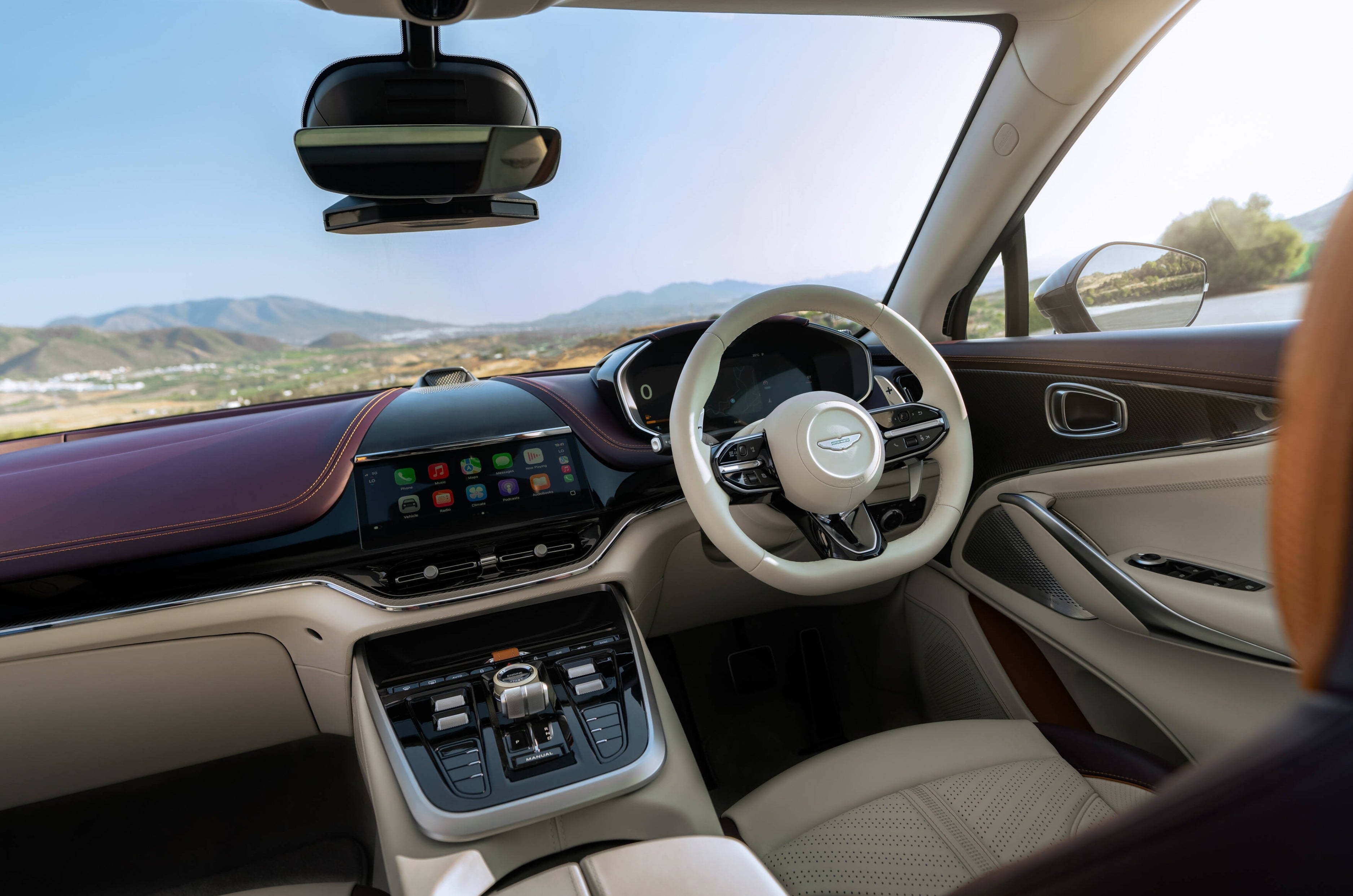
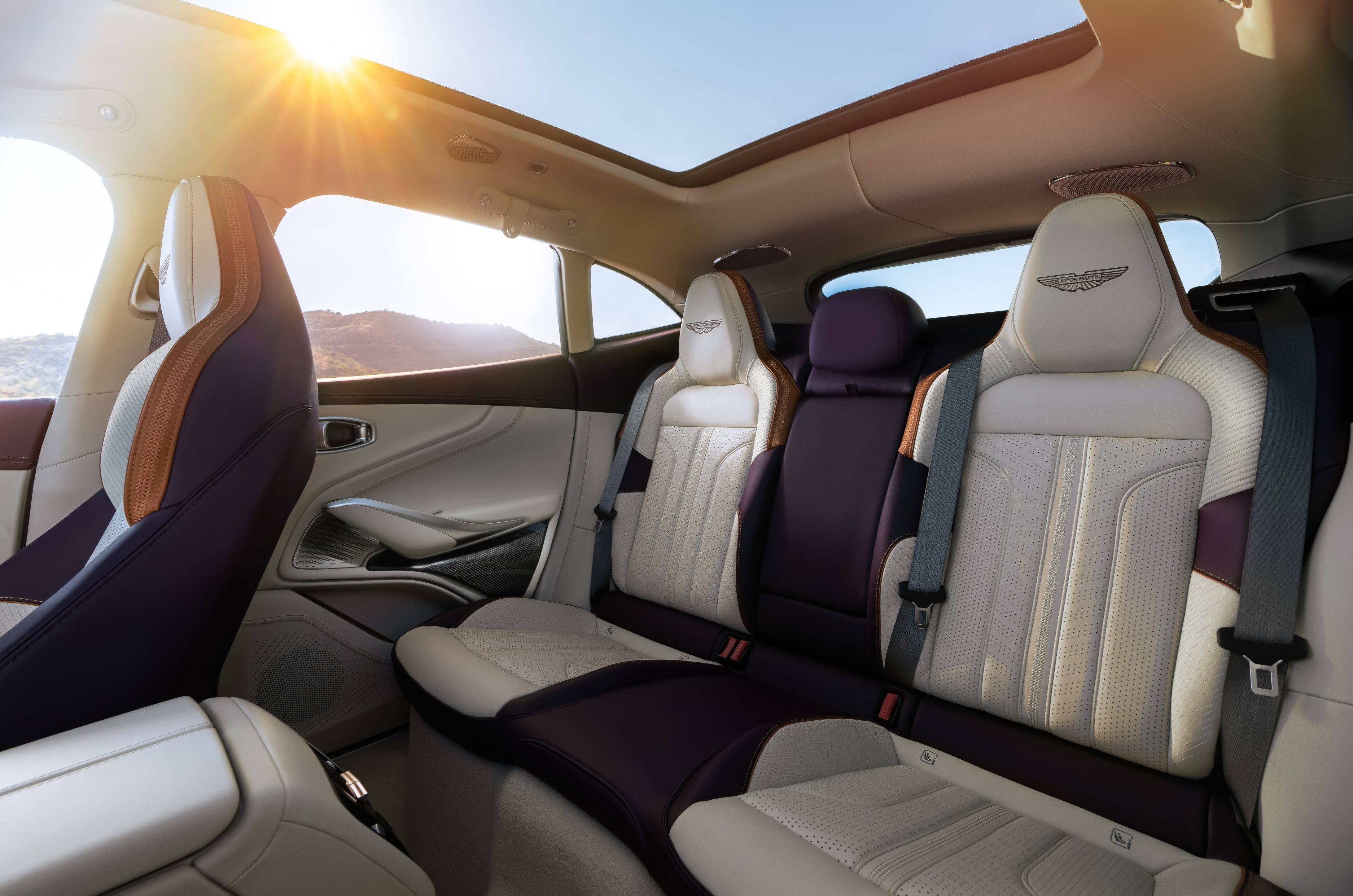
The interior layout of the DBX GT sees no major changes, but there are some updates to enhance comfort and opulence. For one, the seats are decked out in a new leather upholstery and get slightly thicker memory-foam cushions. Aston Martin has used more premium materials for the interior trim, such as anodised metal for the drive mode selector and surrounding rotary controls, as well as deep pile carpets. Buyers can, of course, choose from a plethora of colour schemes and interior upholstery options.
Sound deadening and window lamination have also been upgraded to better isolate occupants from the outside world. To bring in more natural light and increase the sense of airiness in the cabin, the DBX GT is equipped with a fixed panoramic glass roof as standard.
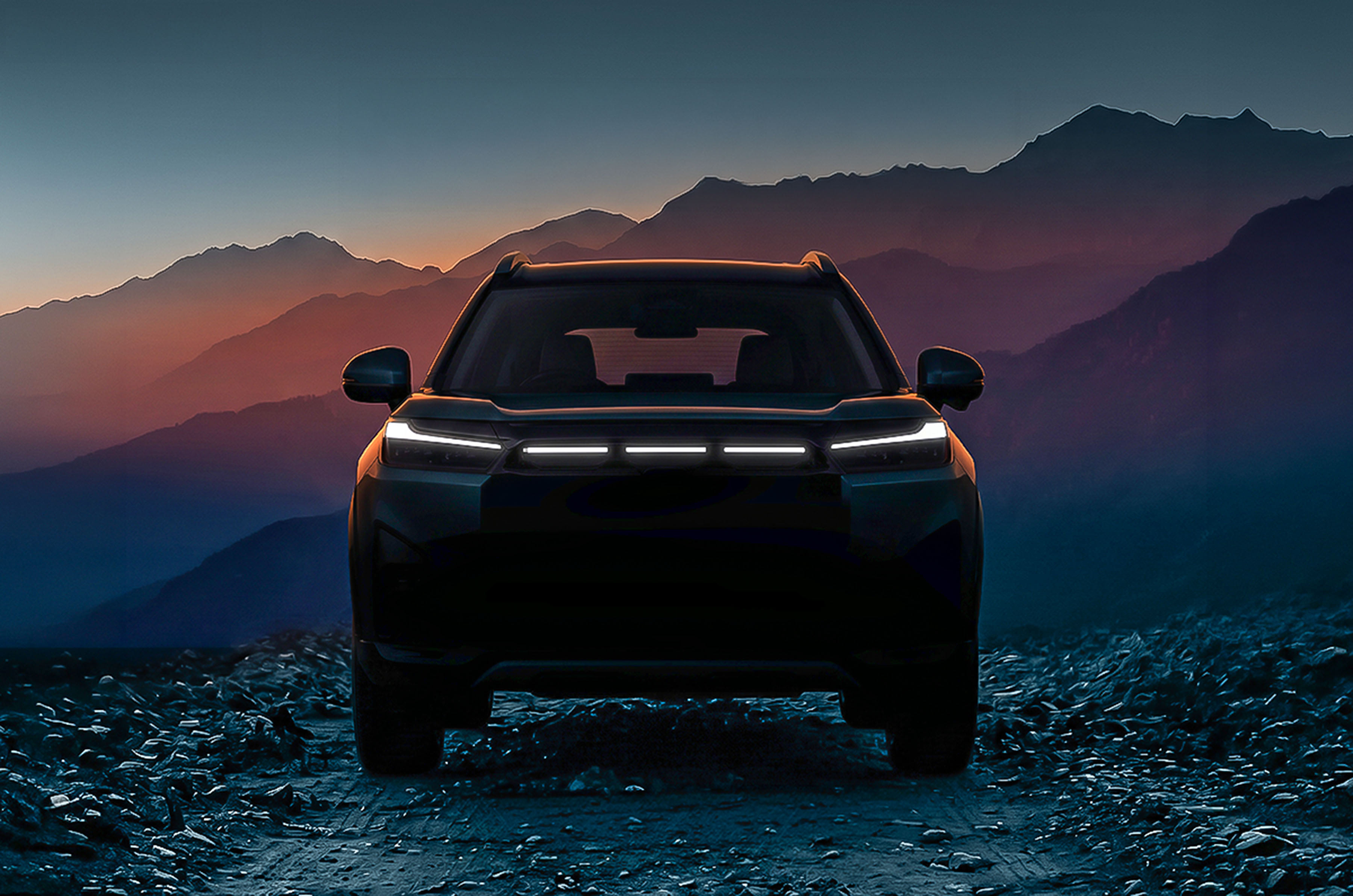
Honda has opened pre-bookings for the Elevate facelift at dealerships across the country, with a token amount of Rs 21,000, ahead of its October 6 debut. Along with the announcement, Honda shared a teaser of the facelifted Elevate, showcasing new exterior and interior design elements. The powertrain options, however, are expected to be the same as the outgoing model.
Teaser shows new grille, segmented LED DRLs, and connected LED taillights
Will get a revamped dashboard design and ambient lighting
Honda Elevate facelift teased: What could be seen?
New lighting elements and changes to the fascia
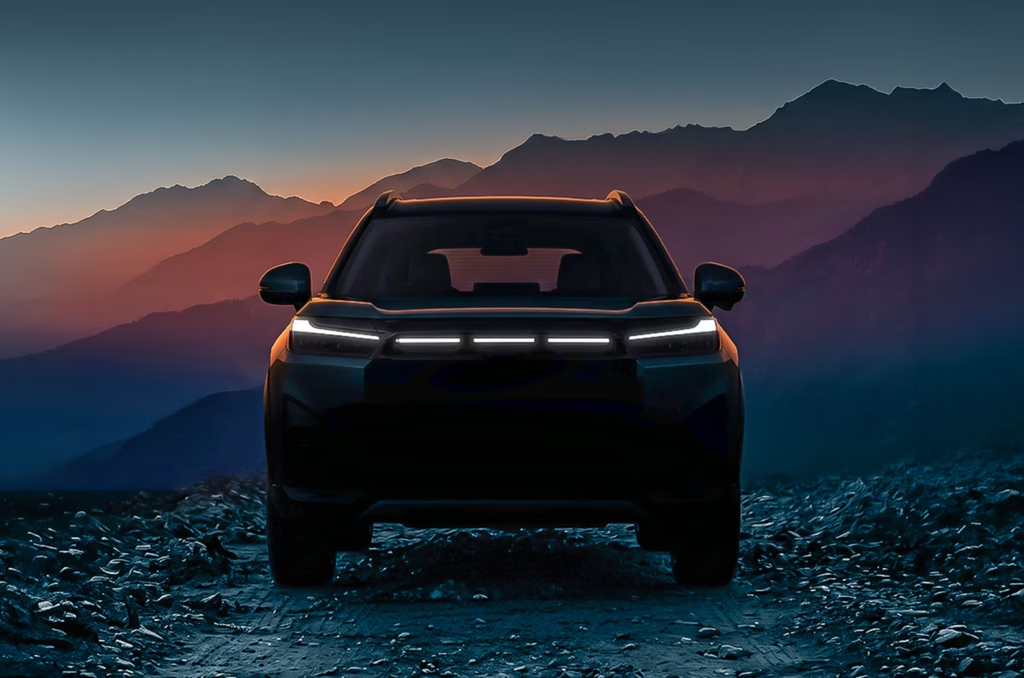
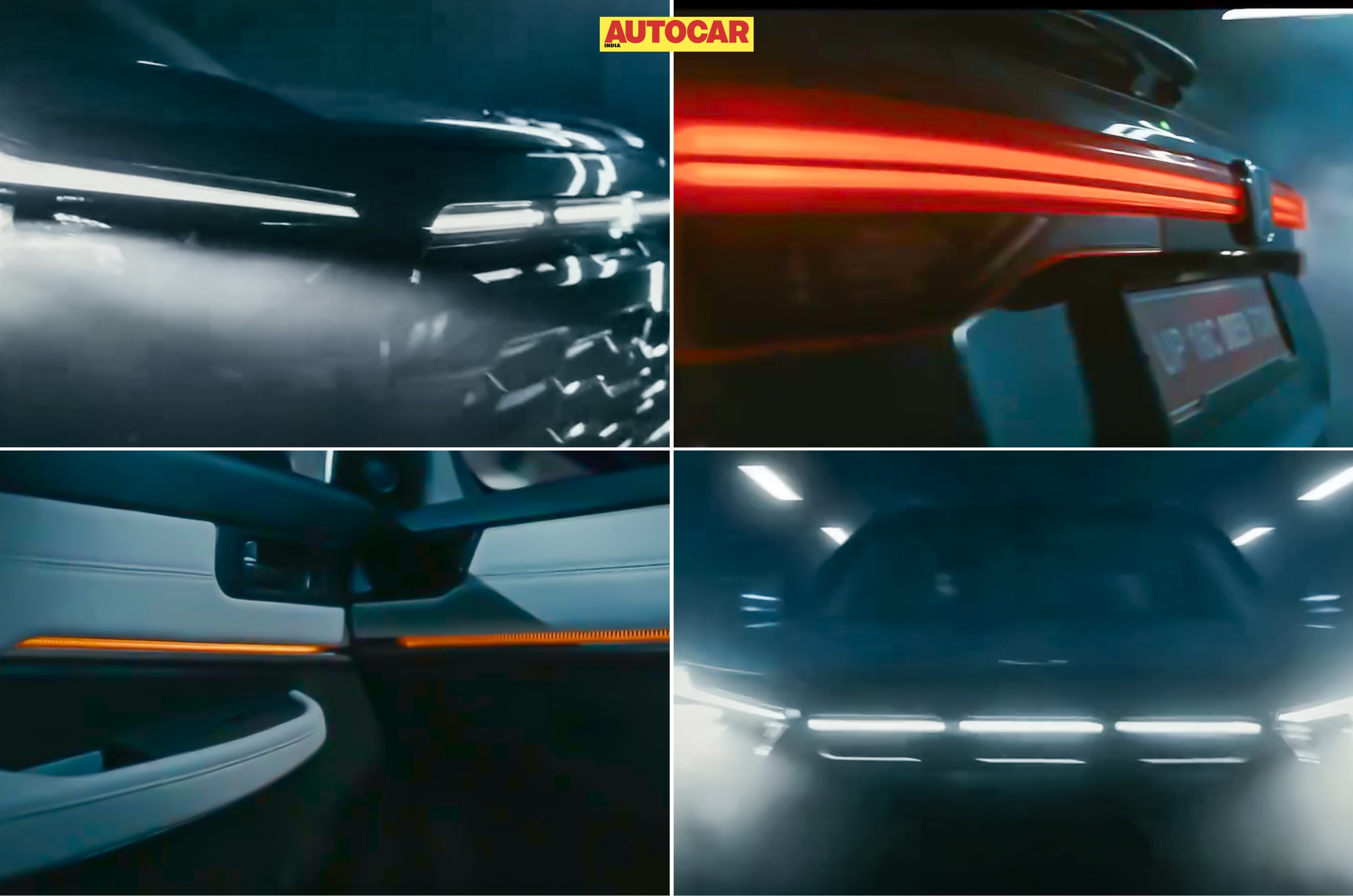
The teaser video shows a new grille design with glossy hexagonal design elements. The Honda logo has moved from the grille to the bonnet. Segmented LED DRLs, similar to the City facelift, are also seen. The headlights and fog lamp housing seem to be similar to the outgoing Elevate. Another new element is the connected LED taillight. Keen-eyed viewers can also spot a camera pod only on the left outside rearview mirror (ORVM), confirming that the Elevate facelift will continue with a Lane Watch camera system only.
Will have a revamped dashboard
While the interior was not shown as extensively as the exterior, a glimpse of the dashboard reveals a fresh design with more white leatherette padding and stitching. Amber-hued ambient lighting strips are also seen on the dashboard and door pads. Ambient lighting is offered as a dealership-level accessory fitment on the outgoing Elevate.
While changes to the feature suite are still under wraps, Honda could add several new features like a panoramic sunroof, dual-zone climate control, ventilated front seats, a powered co-driver’s seat and rear sunblinds to make the Elevate more competitive in the midsize SUV segment.
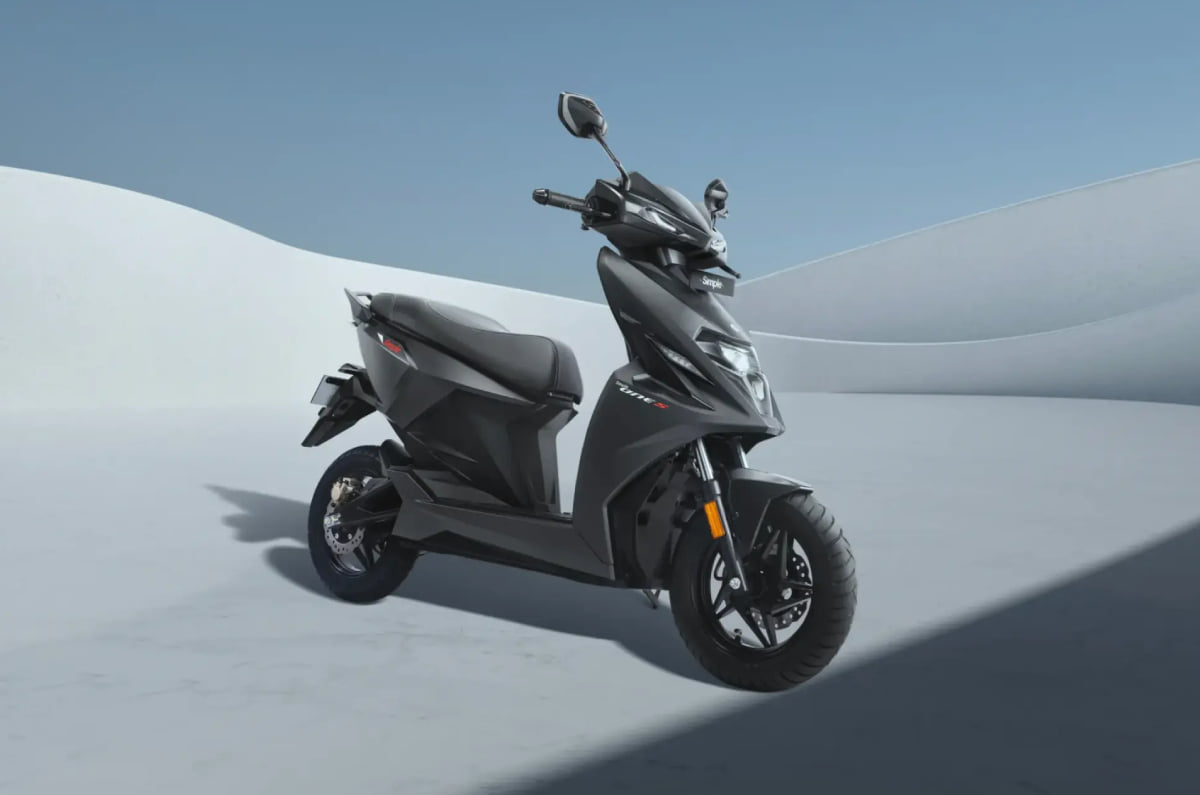
Simple Energy has discontinued the OneS electric scooter, phasing it out in favour of the recently launched Wave family scooter range. The company confirmed the decision, saying the Wave, which was launched last month with prices starting from Rs 1.10 lakh, is a purpose-built product for the segment the OneS served, and that buyers in that price band would naturally move towards it.
Simple OneS discontinued; Wave to serve the same buyer segment
OneS featured a 3.7kWh battery and 190km IDC range
Existing OneS owners will continue to receive full service, warranty and spare-parts support
Simple OneS discontinuation details
Company cites portfolio consolidation and Wave’s stronger fit for the segment
In its statement, Simple Energy said: “With the launch of the Simple Wave, we now have a product purpose-built for the segment OneS served, one where most buyers are families looking for a practical, reliable everyday scooter. Our market research showed that Wave meets those needs more completely, and that customers in this price band would naturally move towards it. Consolidating our portfolio around Wave lets us focus our engineering, manufacturing and retail efforts where they deliver the most value to our customers. Existing OneS owners will continue to receive full service, warranty and spare-parts support across our network.”
The OneS was launched as part of the Simple One Gen 2 range at the start of the year at Rs 1.40 lakh, using a 6.4kW motor producing 52Nm and a 3.7kWh battery offering a claimed IDC range of 190km. At the time, it was the most accessible model in the Simple lineup, sitting below the One and Ultra variants. The Wave, which effectively now takes its place, starts at Rs 1.10 lakh for the base Wave S 2.2 variant and goes up to Rs 1.90 lakh for the Wave+, offering a wider range of battery and feature options across six variants.
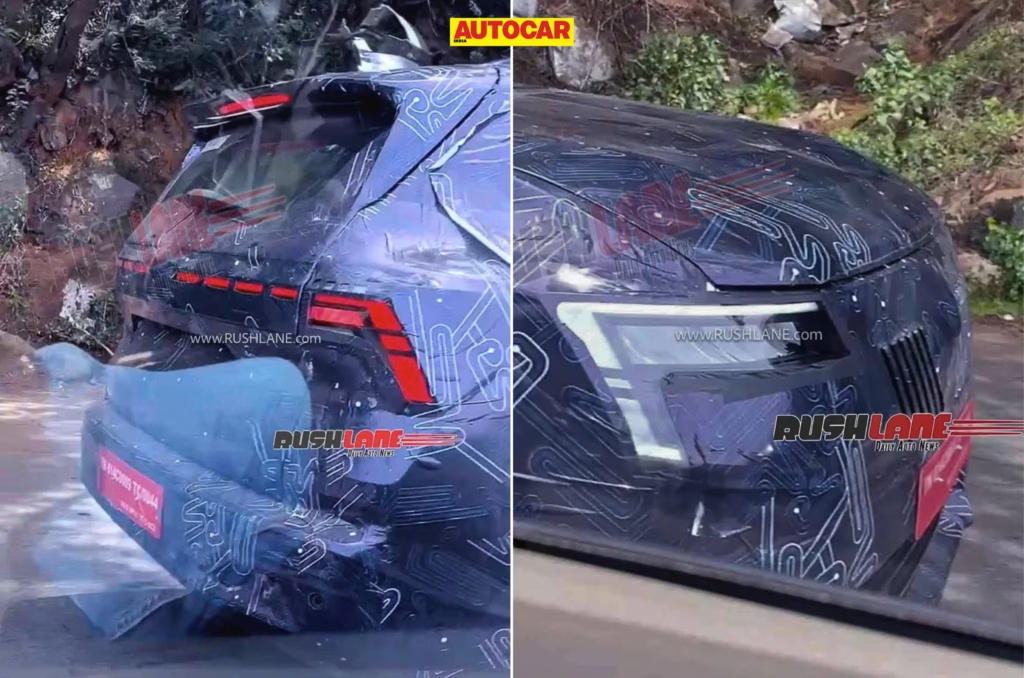
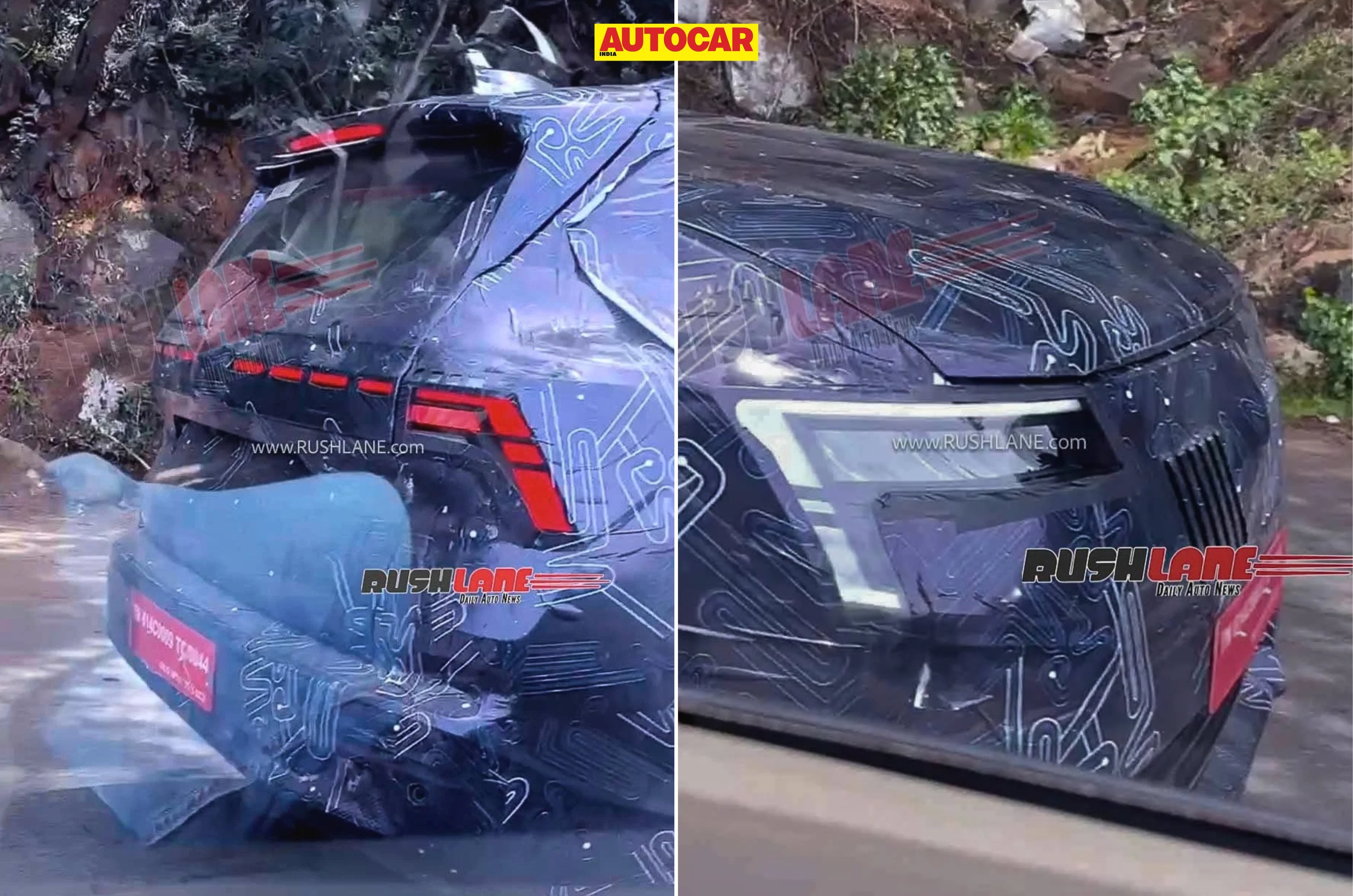
Nissan has been spotted testing a 7 seat SUV based on the Tekton. The three-row SUV has been spied with revised lighting elements, which will distinguish it from the five-seat model. It will be Nissan’s second seven-seat SUV in India, following the X-Trail, which was sold as a CBU import.
Nissan had previously confirmed that its seven-seat SUV will arrive in 2027. Speaking to Autocar India, Nissan’s India’s managing director, Saurabh Vatsa, said, the model would be “completely different, not just an extension of the Tekton”, despite sharing the CMF-B platform with the five-seat SUV.
Nissan 7-seater SUV exterior and dimensions
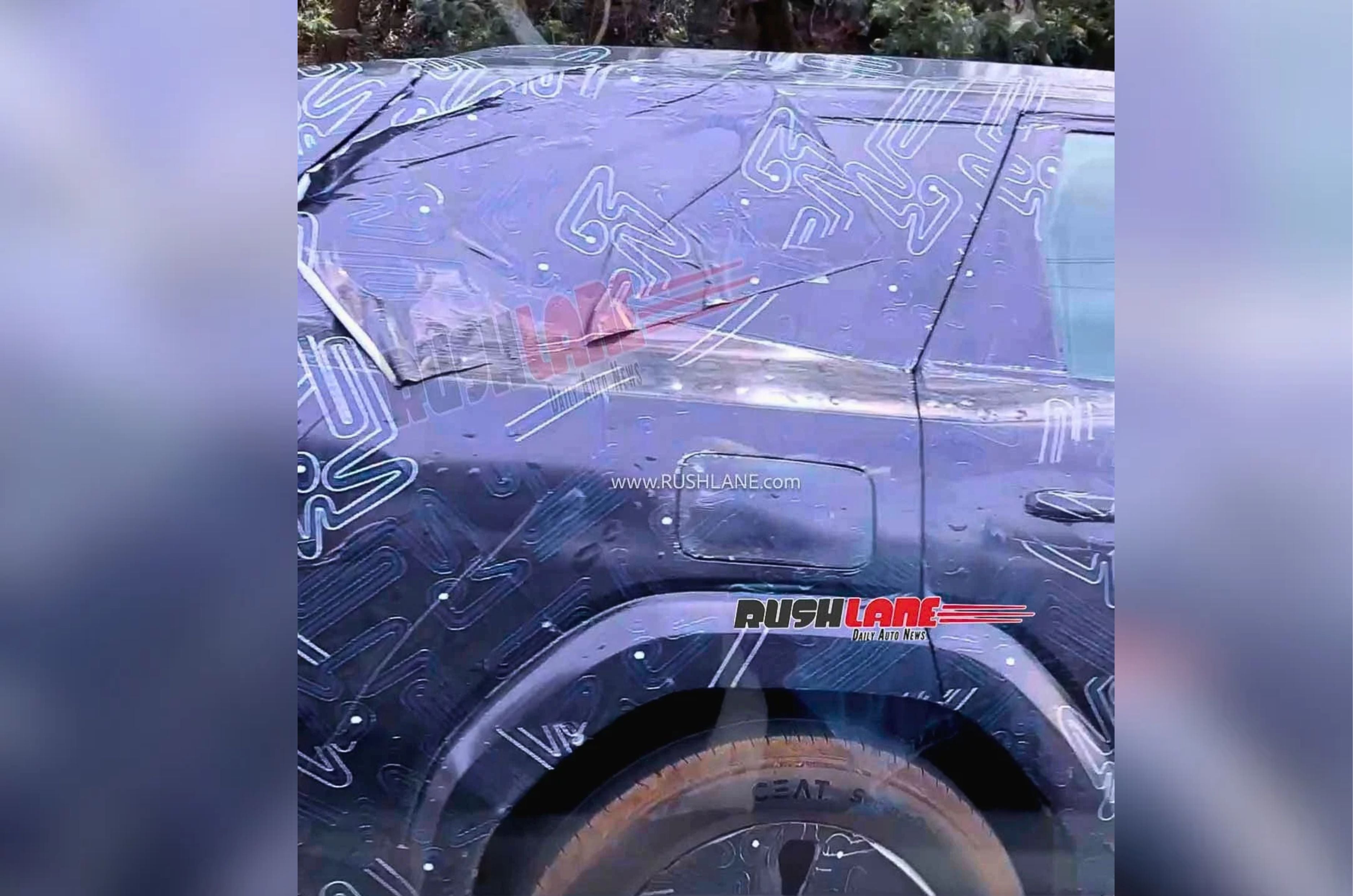
The test vehicle is heavily camouflaged, but the seven-seater appears to be significantly longer than the five-seat Tekton. The additional length is visible behind the rear wheels with a longer rear quarter-panel and a larger rear quarter glass. At the front, the SUV retains the Tekton’s inverted-L-shaped LED DRLs and LED headlights. The camouflage hides the rest of the front-end changes, although the 7-seater is expected to get a revised grille and bumper.
The rear gets a more significant lighting change. The C-shaped LED tail-light signature seen on the Tekton is replaced by a boomerang-shaped design that extends downwards. The SUV also gets a thicker-looking LED light bar connecting the two tail-lights along with a flatter rear windshield.
Nissan 7-seater SUV interior and features
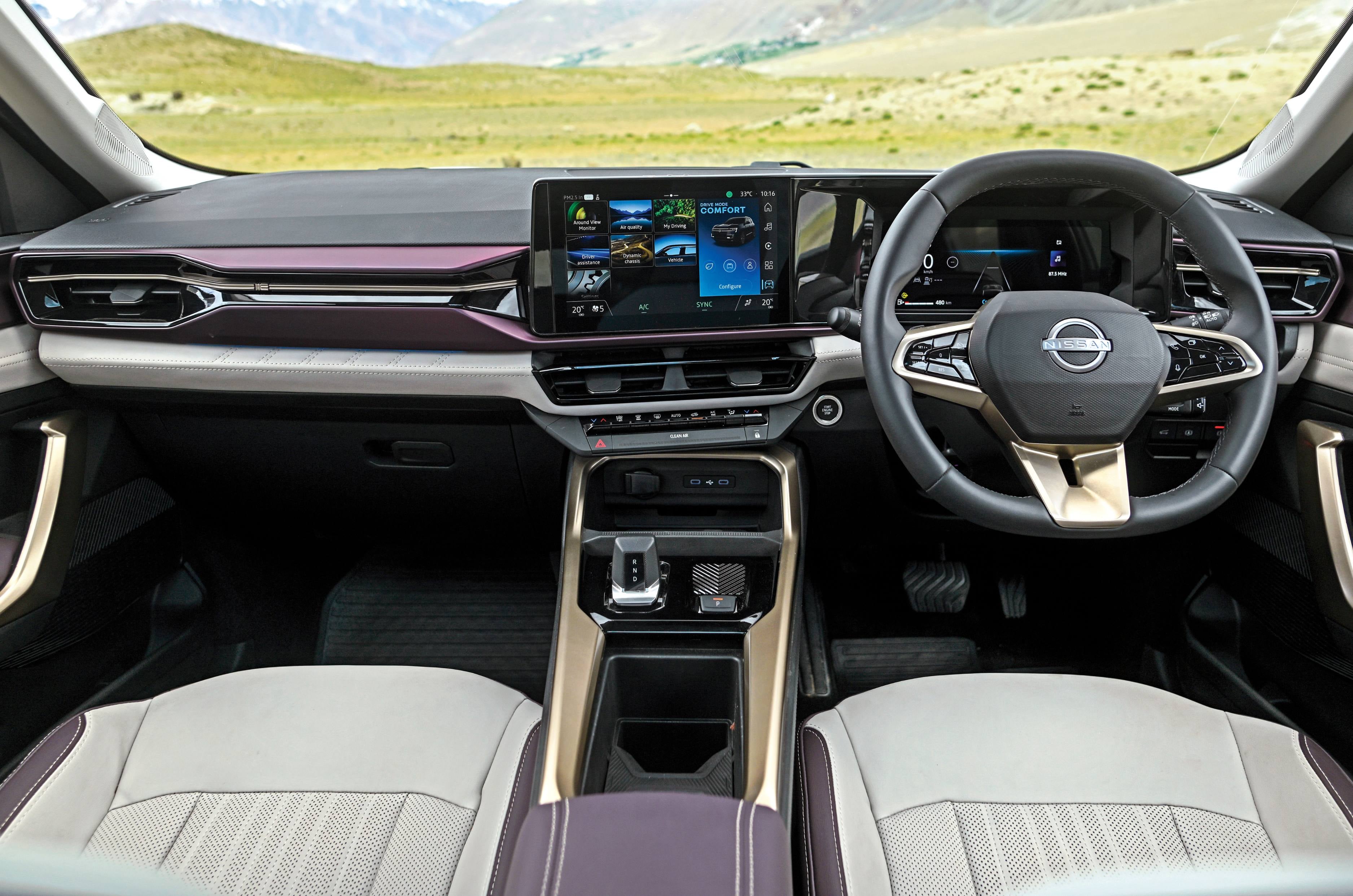
Current Nissan Tekton interior image used for representation only.
The seven-seat Tekton will have three rows of seats, although we do not have details of the cabin and equipment. The third row is expected to follow a 5+2 layout and Nissan is also expected to add features over the Tekton, suited to the larger SUV.
Nissan 7-seater SUV engine and gearbox
Current Nissan Tekton 1.3-litre engine image used for representation only.
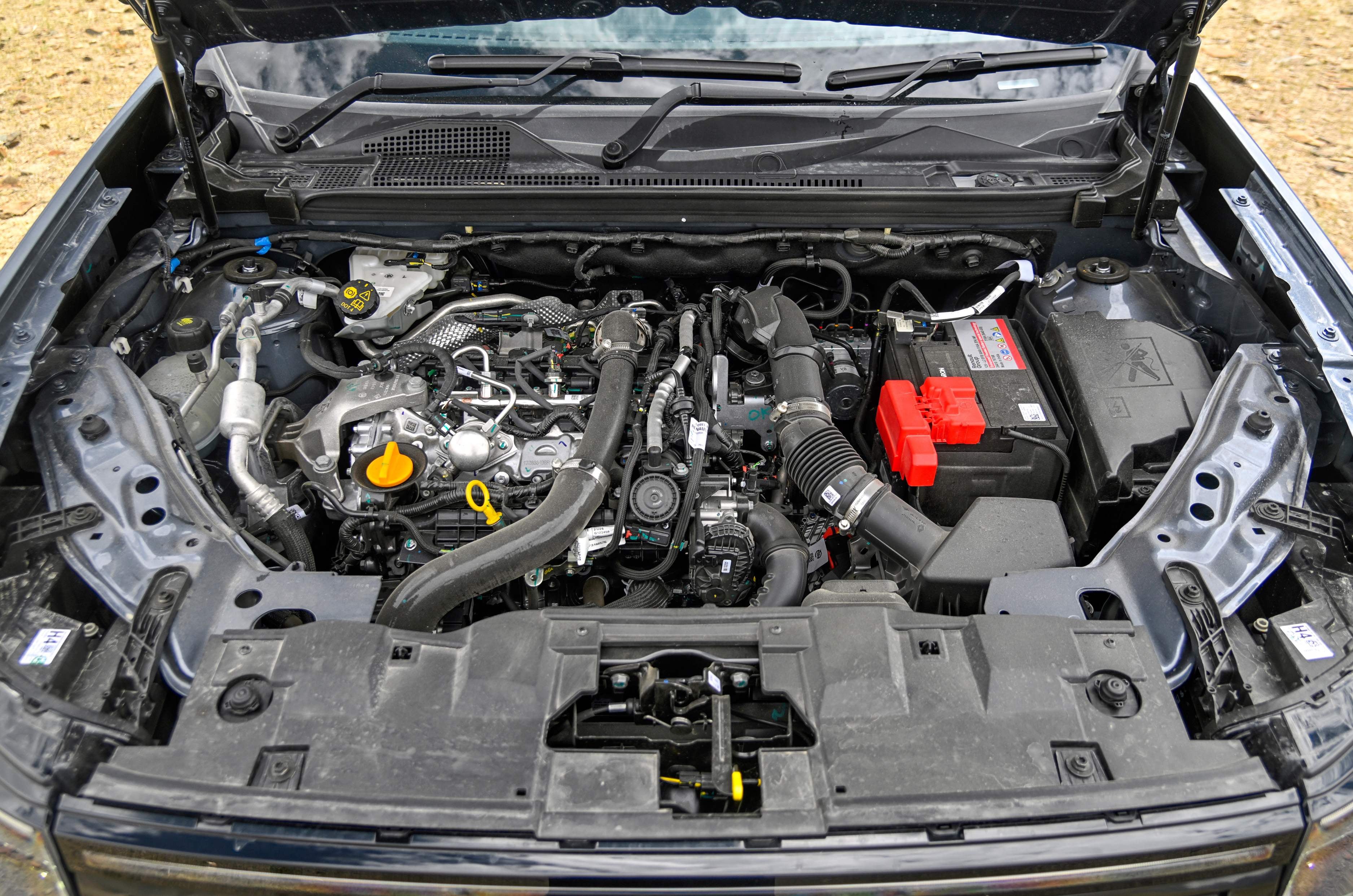
The larger SUV is expected to use the 1.3-litre four-cylinder direct-injection turbo-petrol engine also offered on the Tekton, skipping out on the five-seater’s 1.0-litre turbo-petrol engine. The SUV is likely to use front-wheel drive layout, with six-speed manual and six-speed wet dual-clutch automatic gearbox options.
The seven-seat SUV is expected to be priced between Rs 18 lakh and Rs 22 lakh (ex-showroom) when it arrives. It will rival other three-row SUVs such as the Mahindra XUV 7XO, Tata Safari and Hyundai Alcazar.
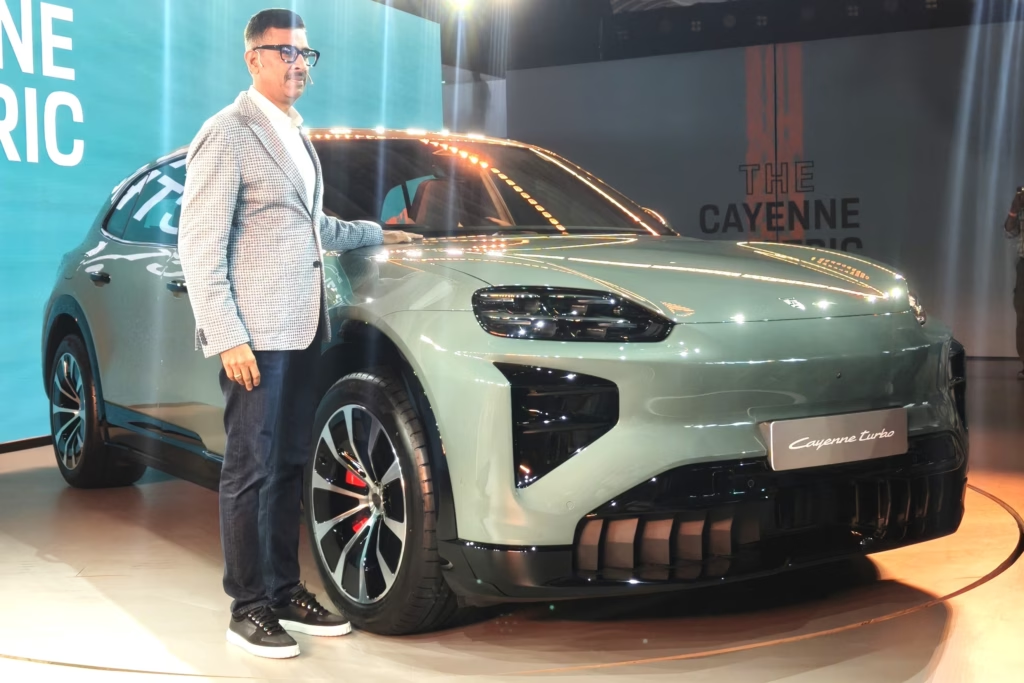
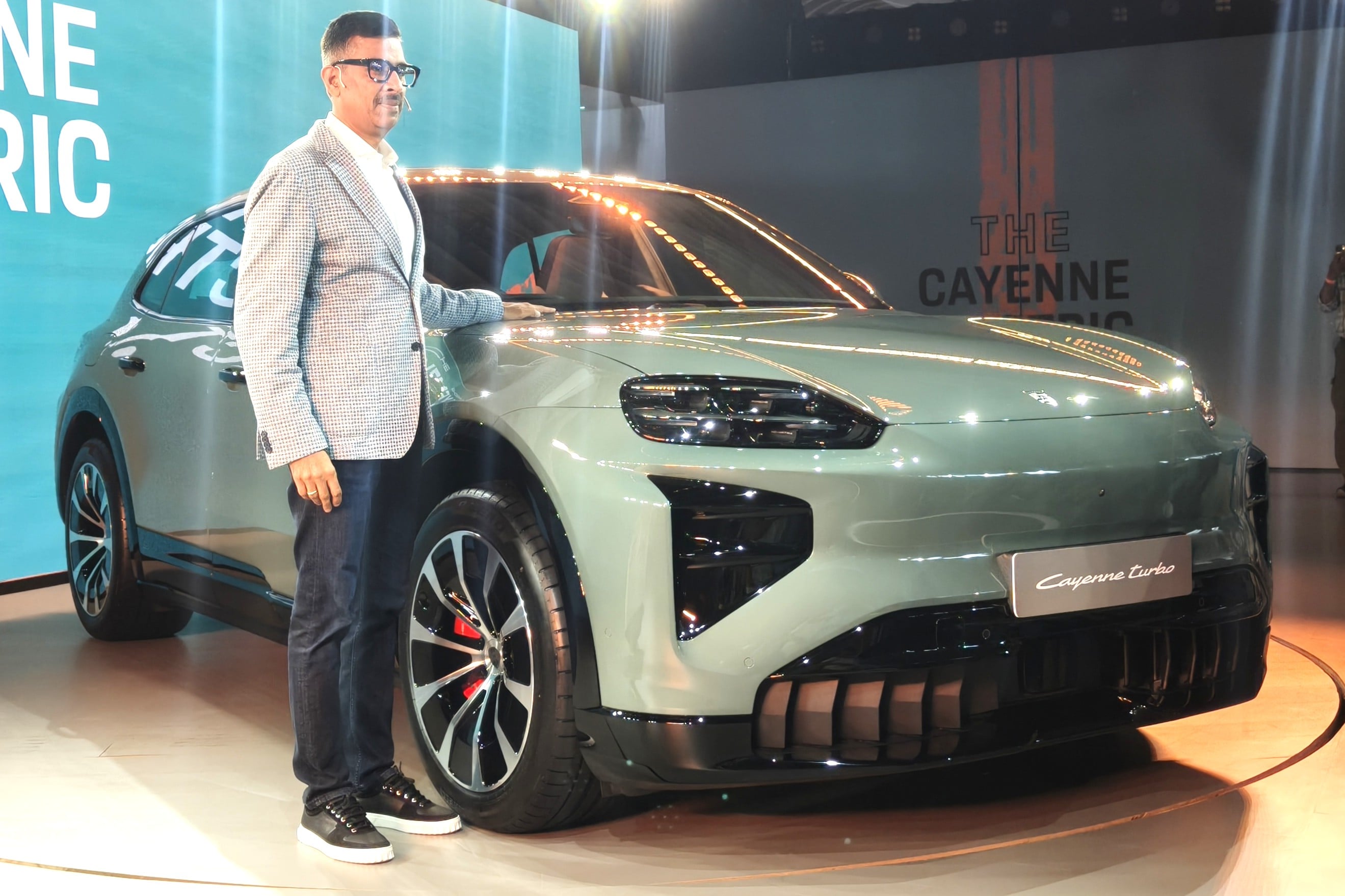
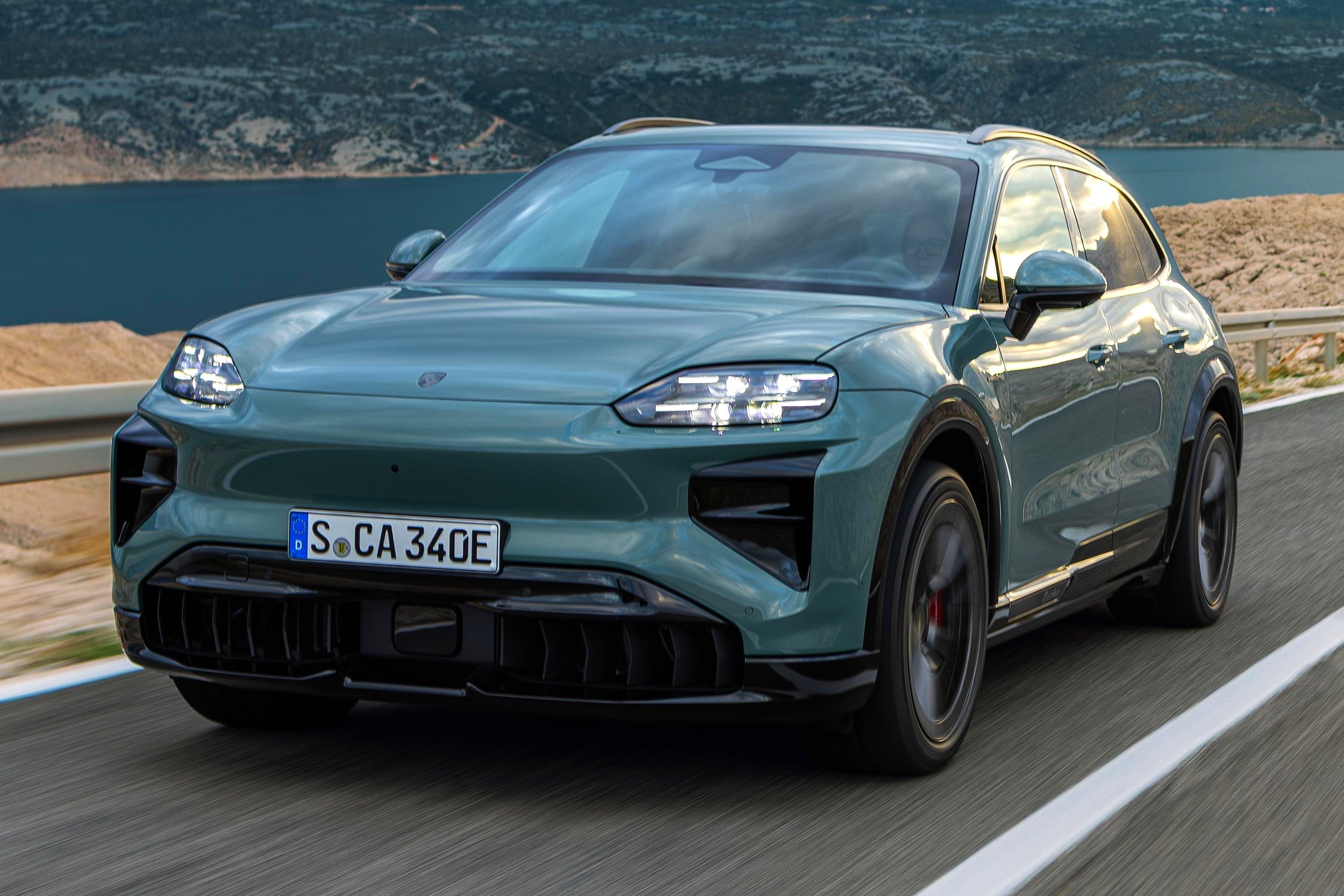
Following the India price reveal of the Cayenne Electric in late 2025, Porsche has formally showcased the electric SUV here for the first time. It’s positioned as Porsche’s flagship electric SUV globally and is available in India in two variants: Cayenne Electric and Cayenne Turbo Electric. These are priced at Rs 1.77 crore and Rs 2.28 crore (before options), respectively.
Porsche Cayenne Electric powertrain and performance
Underpinned by the Volkswagen Group’s 800V Premium Platform Electric (PPE) architecture, the Cayenne Electric comes with a 113kWh battery pack and dual motors (AWD) as standard. The base state of tune is 408hp and 750Nm (442hp and 835Nm with Launch Control engaged), while the range-topping Turbo belts out 857hp and 1,360Nm (1,156hp and 1,500Nm with Launch Control engaged).
With Launch Control, the base Cayenne Electric claims a 0-100kph time of 4.8 seconds, while the Turbo achieves the same in a supercar-baiting 2.5 seconds. The former is good for a top speed of 230kph, with the Turbo upping it to 260kph.
As for WLTP range, the base version is rated at 642km and the Turbo at 623km. Thanks to its 800V architecture, the Cayenne Electric can charge at DC wattages of up to 390kW, which can juice the battery from 10-80 percent in just 16 minutes – a 10-minute charge can net you up to 324km of range. AC charging at up to 22kW is also supported, with a 0-100 percent charge said to take 5.75 hours.
Porsche Cayenne Electric exterior design
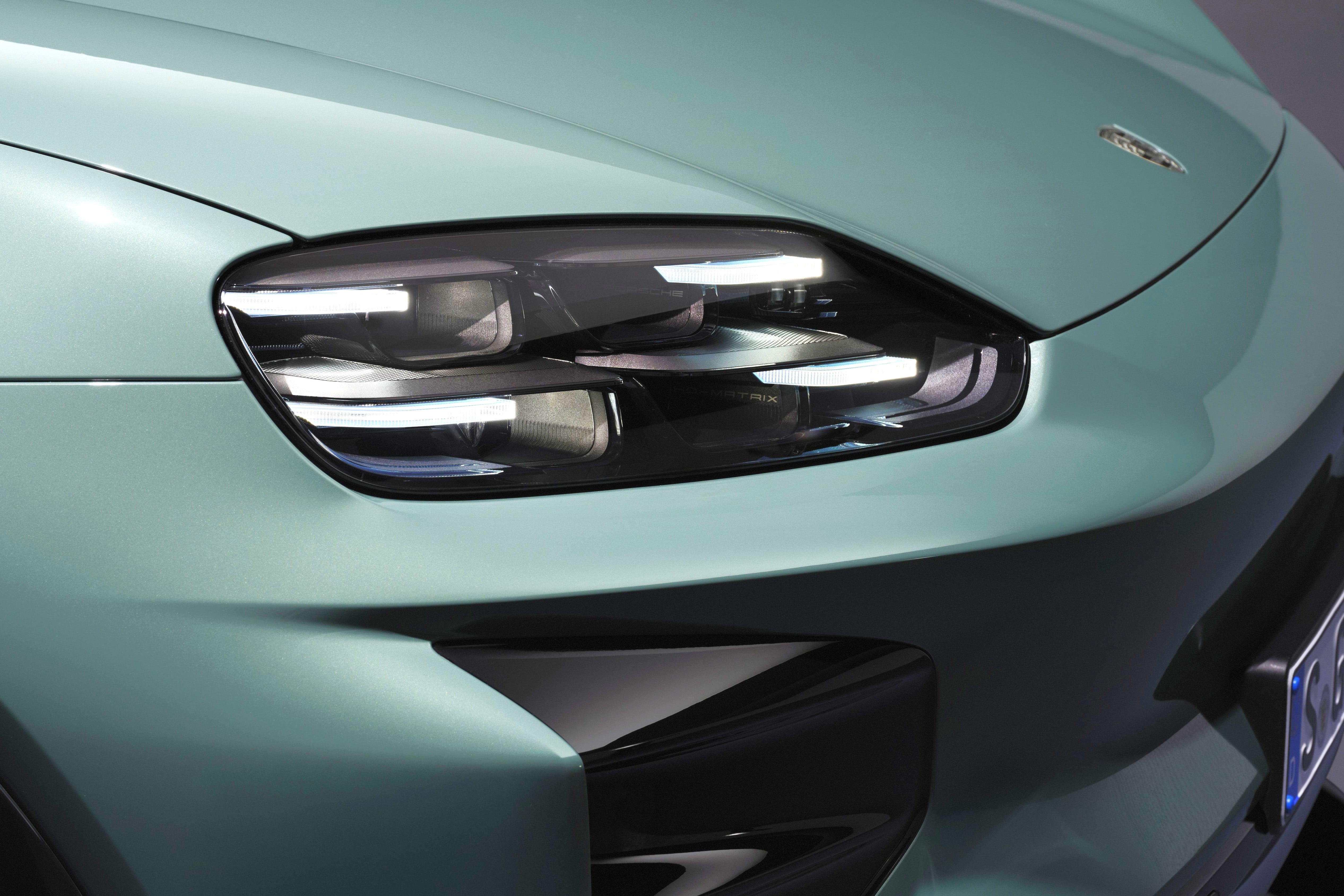
The Cayenne Electric features an evolution of the design language seen on the smaller Macan Electric. Up front, the SUV sports oblong-shaped Matrix LED headlamps housing four individual daytime running lights (DRLs) each. The clean-looking front bumper has a wide air dam flanked by vertically oriented air intakes, along with some relatively discreet black cladding. Under the bonnet, there’s a 90-litre frunk.
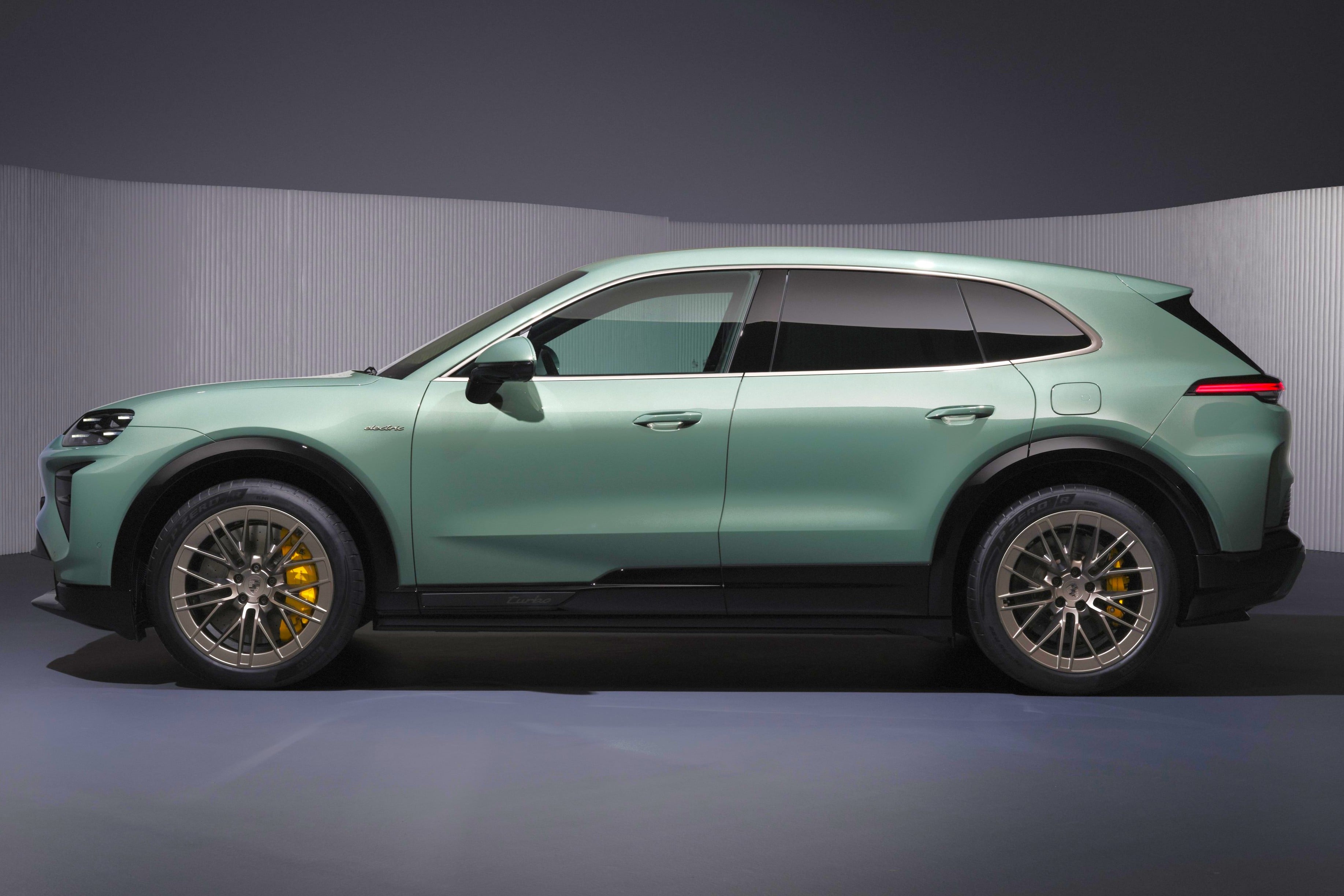
Over to the side, the Cayenne Electric is 55mm longer than its ICE-powered counterpart, measuring 4,985mm in length, 1,980mm in width and 1,674mm in height, with a wheelbase of 3,023mm. 20-inch alloy wheels are standard fit for the Cayenne Electric, which can be optioned up to 22 inches. The SUV comes with soft-close doors as standard too.
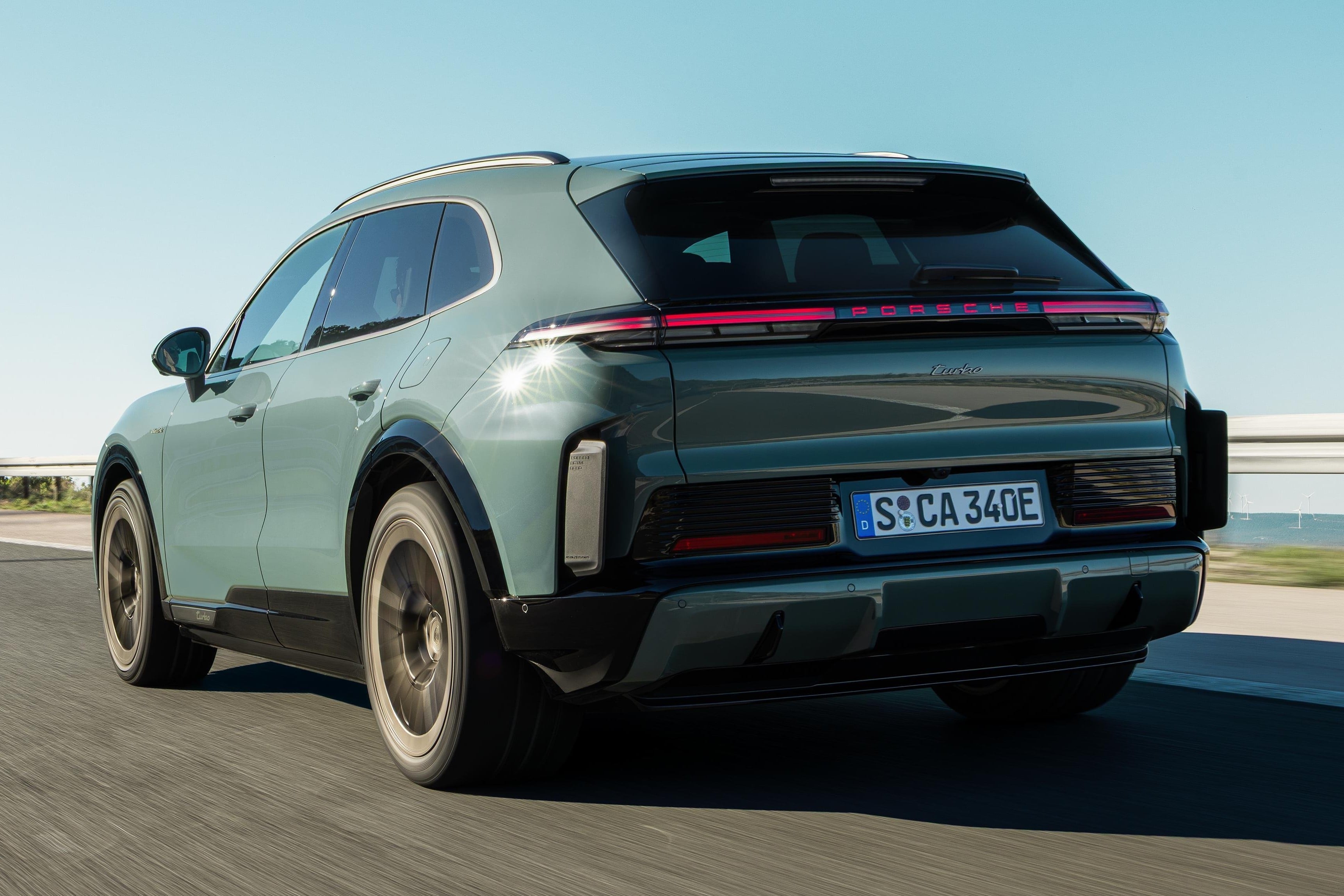
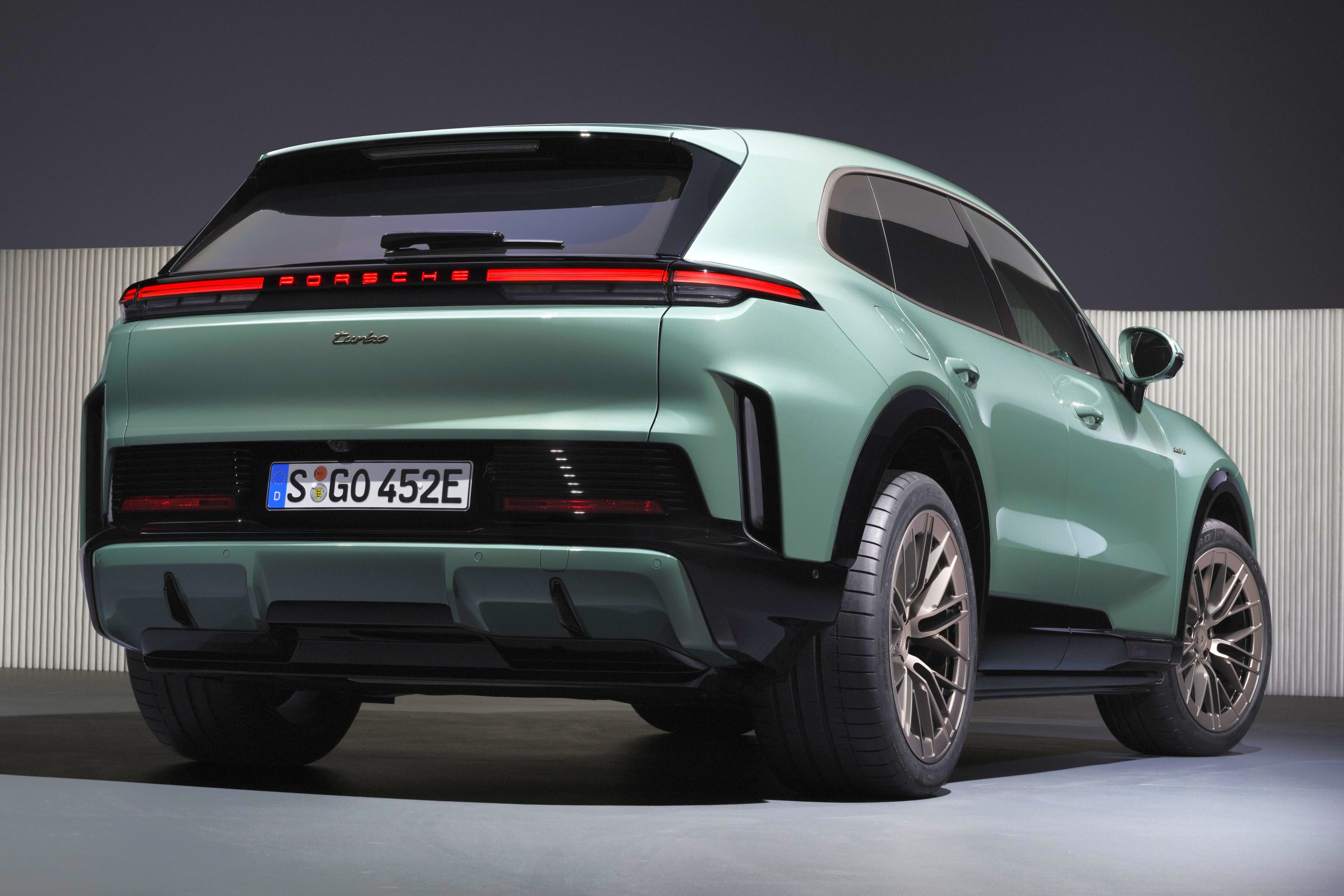
The rear end of the Cayenne Electric features a sporty raked roofline, though not as much as that of its coupe-SUV sibling, the Cayenne Coupe Electric. A wraparound clear-lens LED light bar with an illuminated Porsche wordmark takes prominence here, and there’s a sizeable roof spoiler as well. The rear bumper is quite chunky, and above it lies a blacked-out section with horizontal slats and reflectors.
Porsche Cayenne Electric interior and features
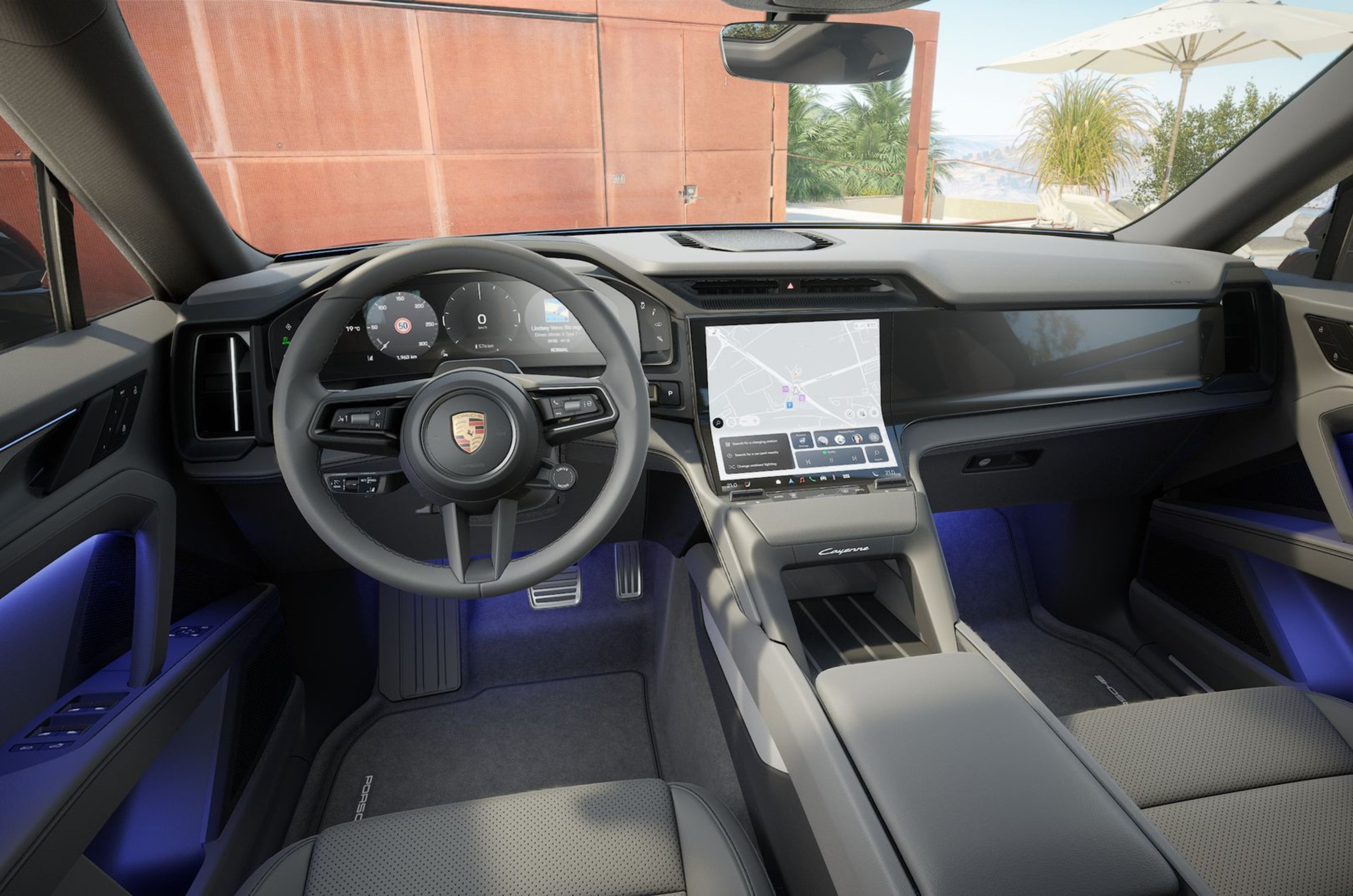
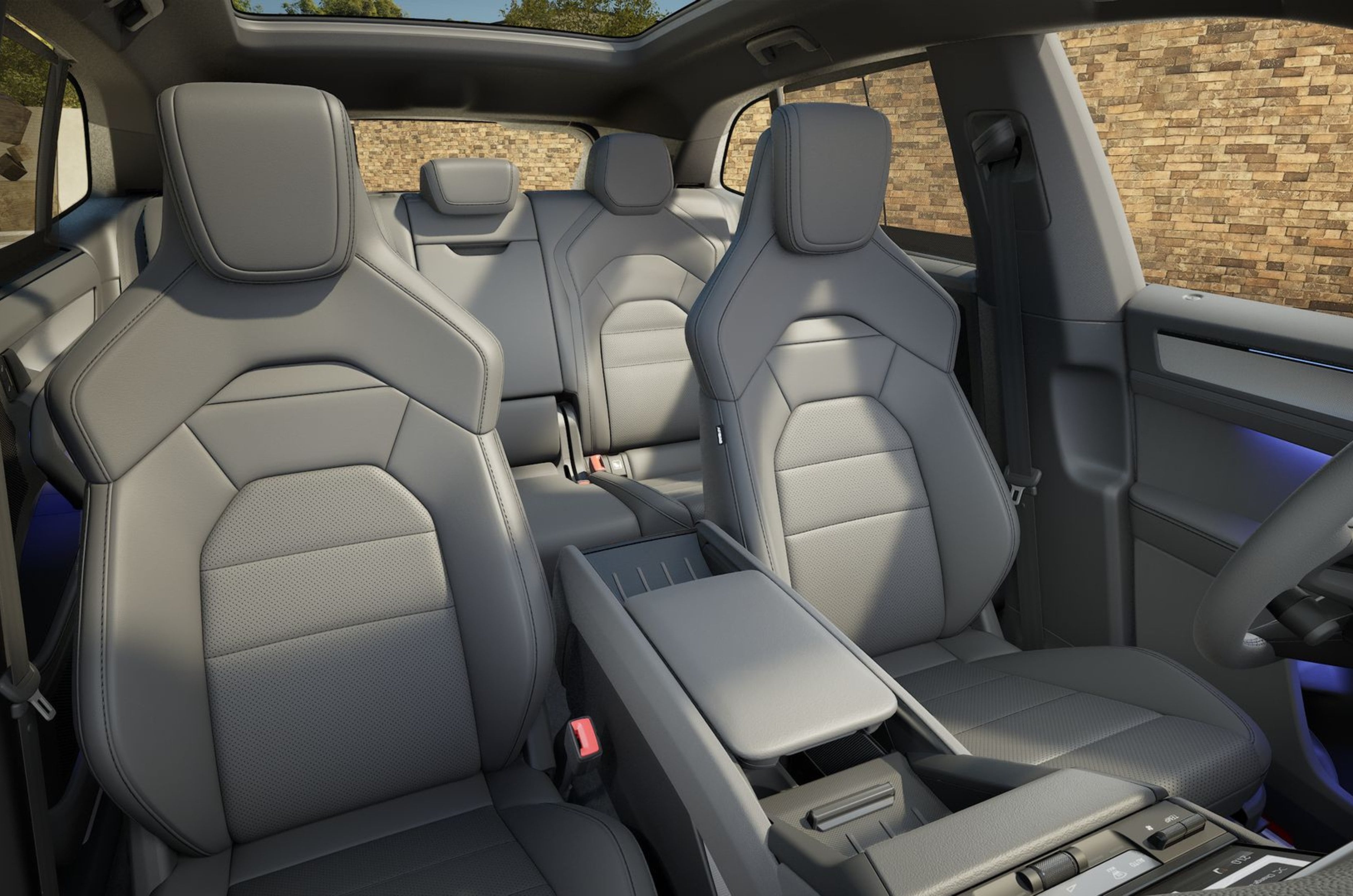
As standard, the interior of the Cayenne Electric is finished in black, and so are many of the controls. The dashboard gets a unique-looking 14.5-inch curved OLED touchscreen in the centre, and there’s a 14.25-inch OLED driver’s display and a three-spoke steering wheel to the side – a 14.9-inch passenger screen is available as an optional extra. The centre console has a pass-through design, allowing for some storage space and a wireless charging pad underneath, and there’s a fairly high central tunnel separating the front seats. Ambient lighting bathes the footwells and door liners in one of 30 configurable colours.
Being a Porsche, the Cayenne Electric offers lots of customisation potential and optional features. Speaking of which, standard equipment for the Cayenne Electric includes a 10-speaker sound system, 8-way powered and heated front seats, a memory function for the driver’s seat, a panoramic sunroof, four-zone climate control, a cabin air purifier, a powered boot lid, powered rear sunshades, a 360-degree camera, advanced driver assistance systems (ADAS), and more. Boot space is rated at a whopping 781 litres.
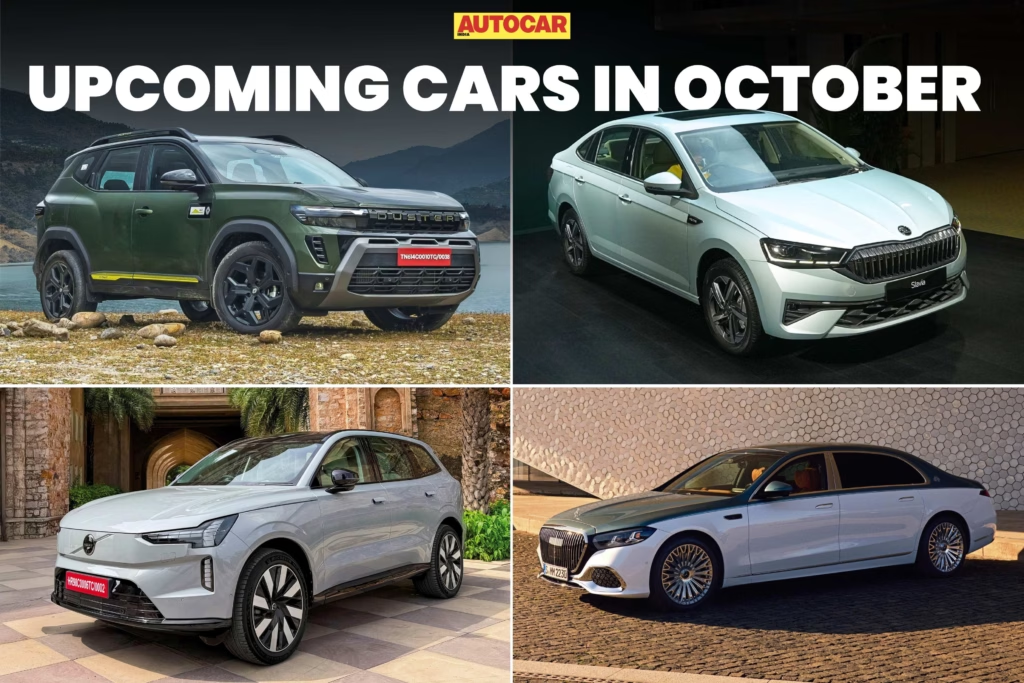
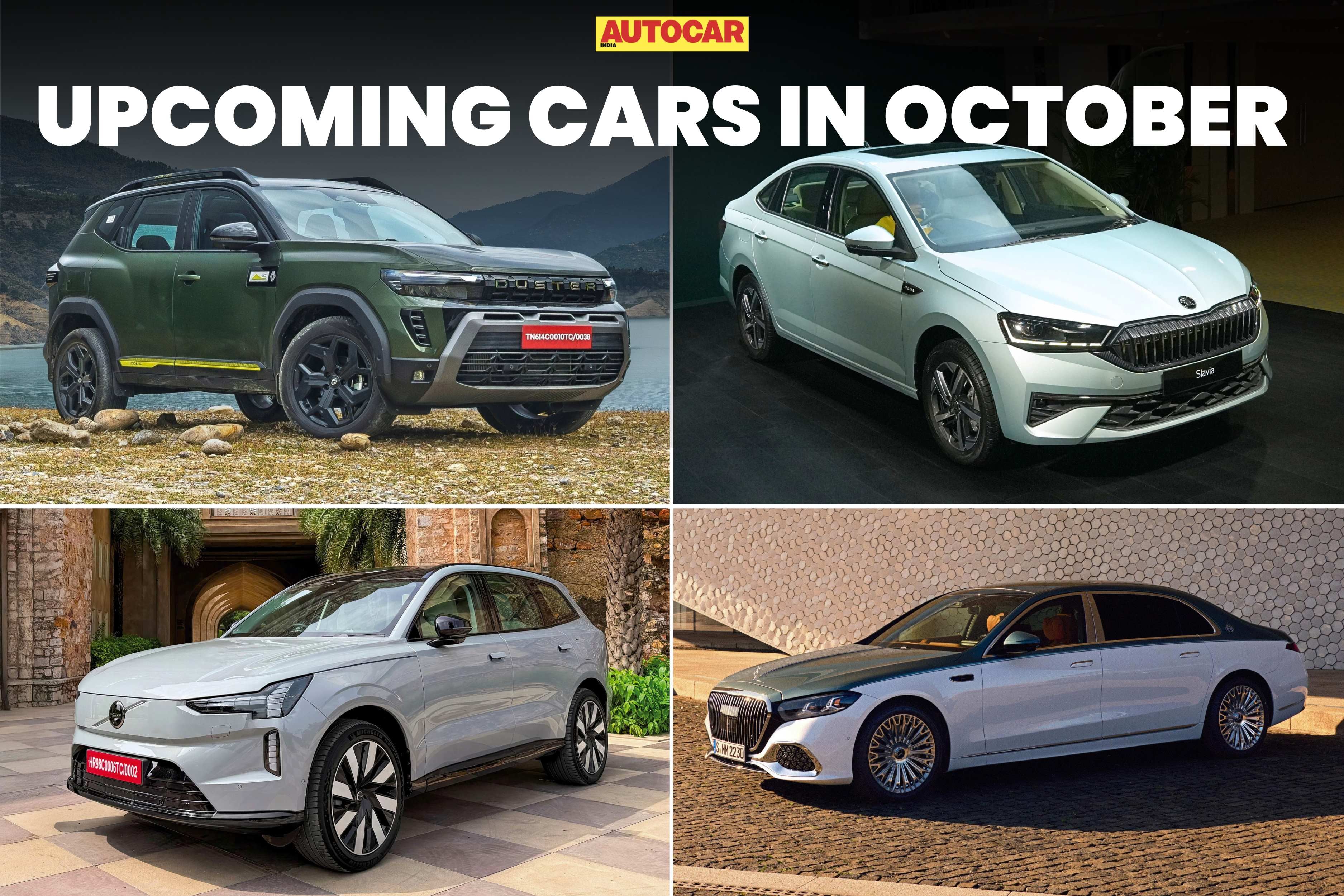
October marks the onset of the festive season in India, which means manufacturers line up a barrage of new car launches and debuts for prospective buyers to consider. It’s no different this year, with October 2026 looking quite stacked with fresh launches and debuts, especially during the first half of the month. Let’s delve into every new car that will either go on sale or debut in India next month.
Mercedes-Benz Maybach S-Class facelift
Launch: 5 October
Following the launch of the 2026 S-Class facelift back in June, Mercedes-Benz India will bring the sedan’s longer and more luxurious Maybach derivative in October. Compared to its standard version, the Maybach S-Class facelift continues to be 180mm longer, but carries styling differentiators like a vertically-slatted grille adorned with a ‘Maybach’ wordmark, mildly revised bumpers, bespoke wheel designs, lots of Maybach logos peppered across the bodywork, and the signature dual-tone exterior finish.
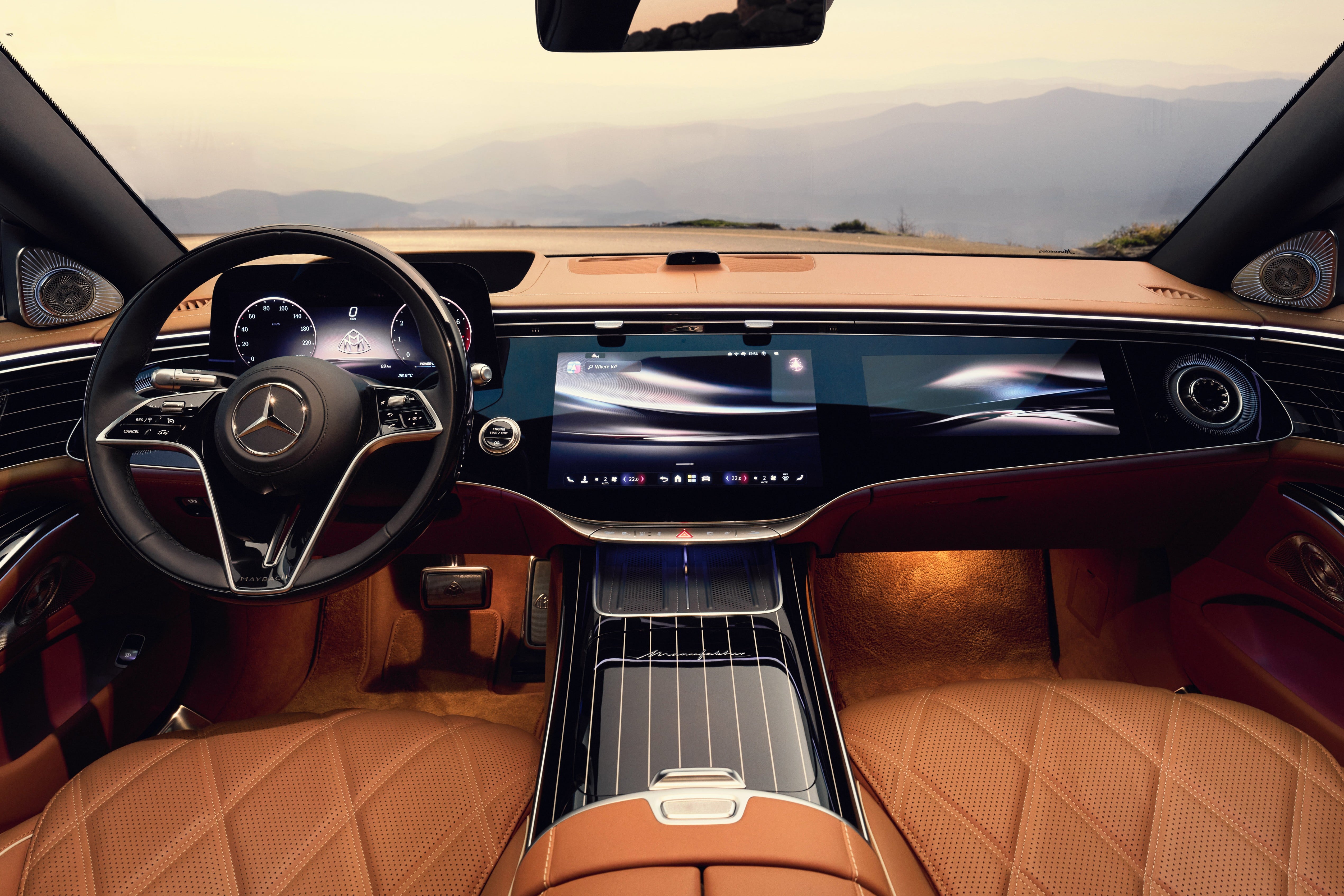
Inside, the Maybach prominently retains the standard S-Class’s Superscreen setup, comprising a 12.3-inch digital driver’s display, a 14.4-inch central touchscreen, and a 12.3-inch passenger display. New upholstery choices include extended leather and a leather-free vegan option. The rear seats remain largely unchanged, offering up to 43 degrees of recline, along with heating, ventilation, and massage functions. Globally, the Maybach S-Class can be had with either a 4.0-litre twin-turbo mild-hybrid V8 (S 580), a 4.0-litre twin-turbo V8 plug-in hybrid (S 580e), or a 612hp 6.0-litre twin-turbo V12 (S 680). Mercedes-Benz India is likely to offer the updated Maybach S-Class in S 580 or S 580e spec.
Honda Elevate facelift
Launch: 6 October
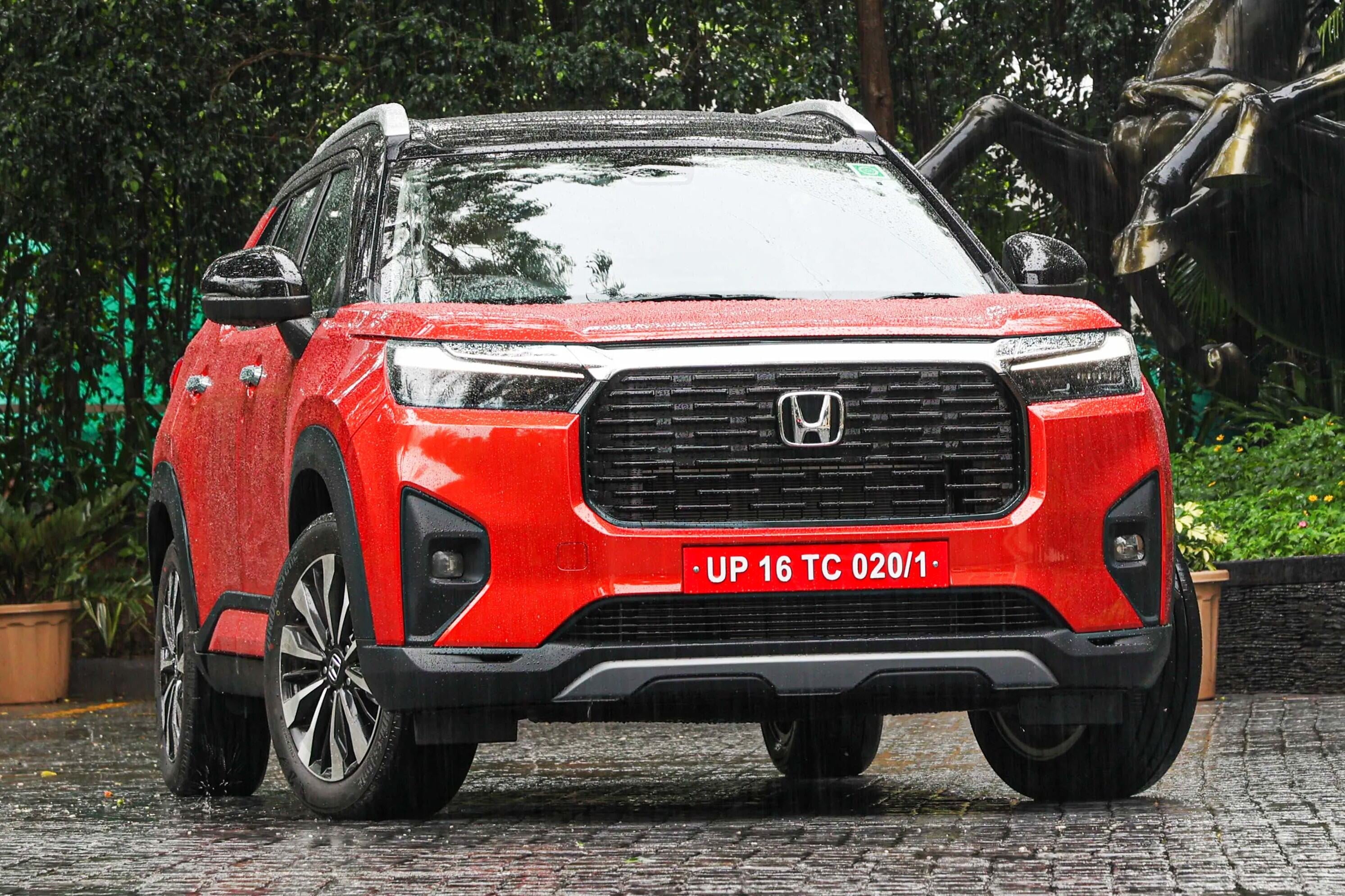
Current Honda Elevate. Image used for representation only.
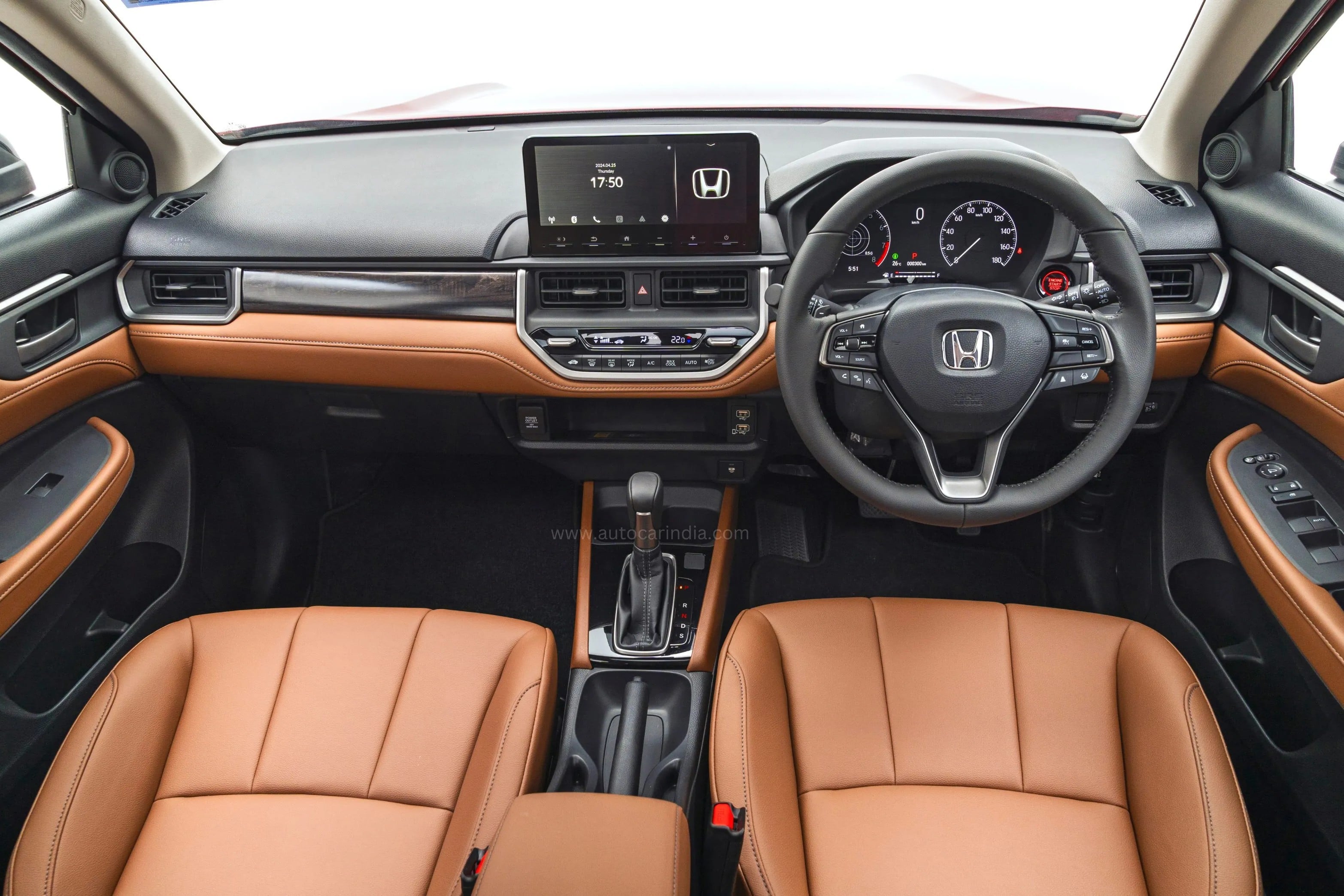
Following in the footsteps of the 2026 City facelift, Honda will launch an updated version of the Elevate SUV in October. Expect the Elevate facelift to sport revised styling cues, including the headlamps, tail-lamps, bumpers, grille, and wheels. The interior is anticipated to see changes like a larger infotainment touchscreen and revised colour schemes, along with feature upgrades like ventilated front seats, a 360-degree camera, ambient lighting, and more.
Current Honda Elevate interior. Image used for representation only.
The facelifted Elevate is likely to retain the current model’s 121hp 1.5-litre four-cylinder naturally aspirated petrol engine, and its 6-speed manual and CVT automatic gearbox options. It remains to be seen if Honda will additionally offer the Elevate facelift with the City e:HEV’s 126hp 1.5-litre four-cylinder petrol-hybrid powertrain, which is solely mated to an e-CVT automatic. A strong hybrid version of the Elevate would allow it to compete directly with established hybrid midsize SUVs like the Maruti Grand Vitara, Victoris, and Toyota Hyryder, as well as the upcoming Renault Duster hybrid – also slated for launch next month.
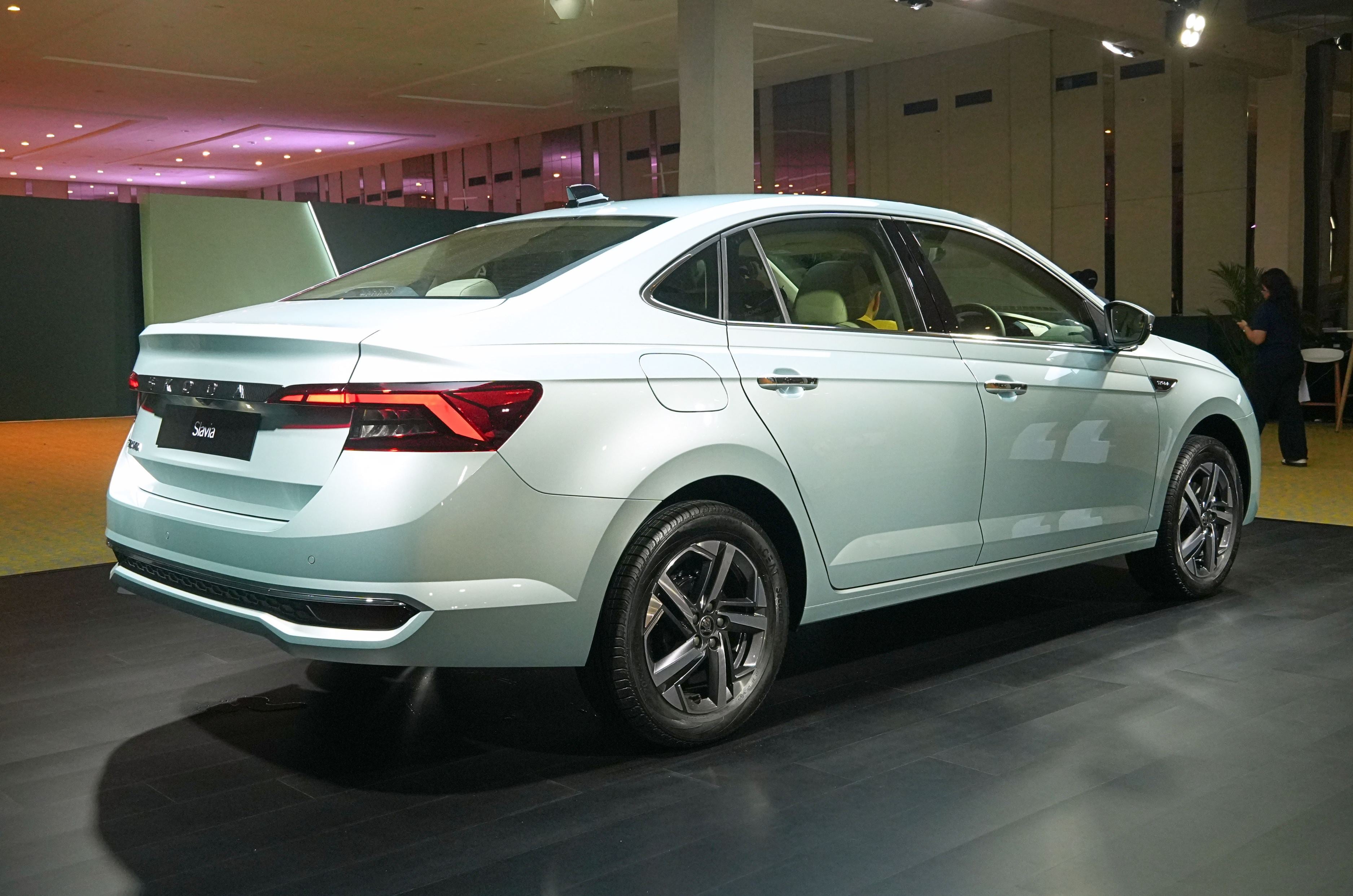
Skoda Slavia facelift
Launch: 6 October
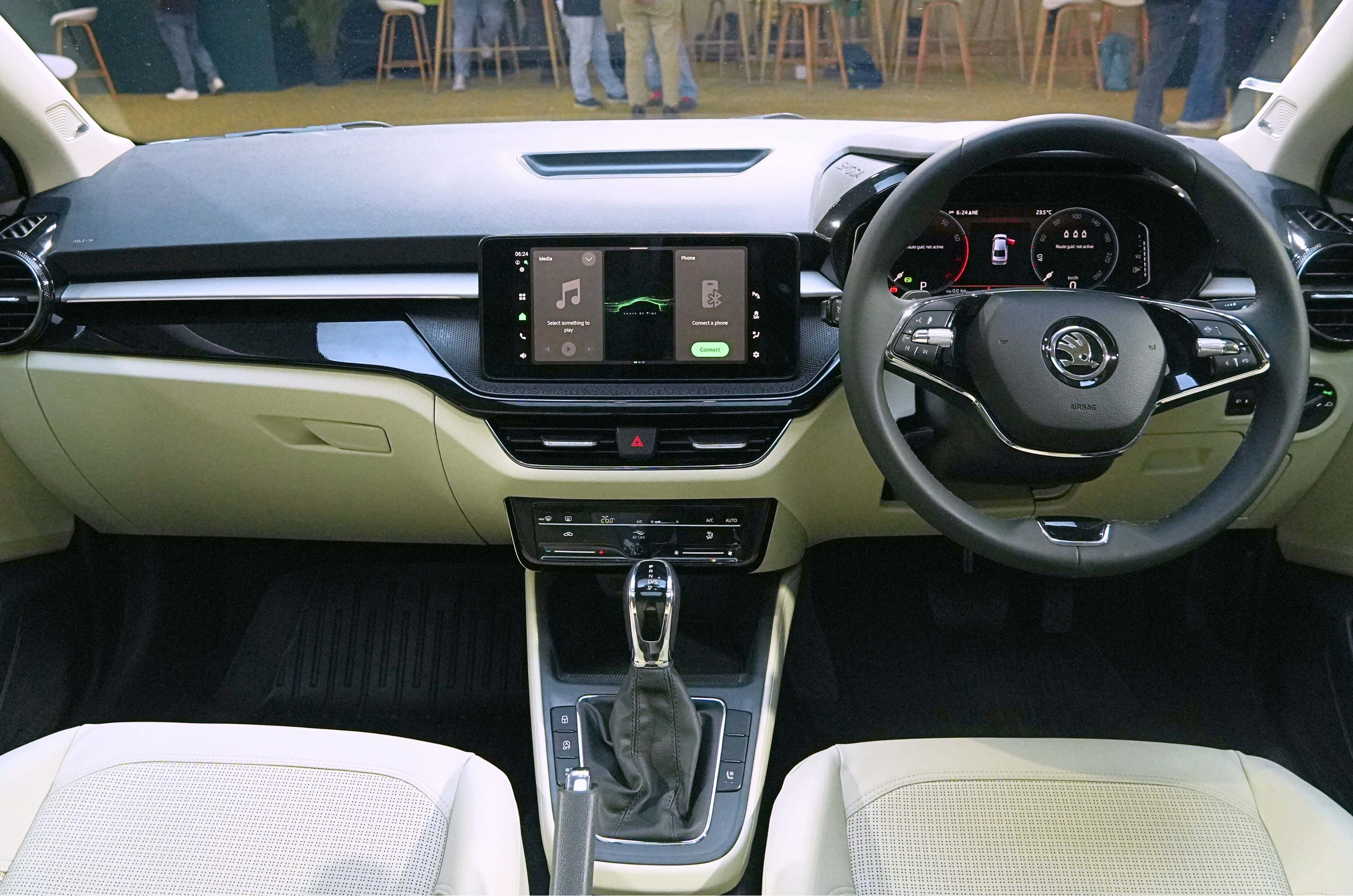
Having debuted back in August, the facelifted Skoda Slavia’s prices will be announced next month. The Slavia facelift brings a host of exterior tweaks, like new DRL signatures for the headlamps, an updated grille, redesigned bumpers, and fresh alloy wheels. Not much has changed on the inside, but there are new colour schemes on offer. Skoda has also added features like a 360-degree camera, a massage function for the outboard rear seats, a larger 10.25-inch digital driver’s display, a Google-based AI assistant, an upgraded variable-geometry AC compressor, and front parking sensors.
Under the bonnet, the Slavia facelift retains its 115hp 1.0-litre three-cylinder direct-injection turbo-petrol and 150hp 1.5-litre four-cylinder direct-injection turbo-petrol engines. The big change here is that the 6-speed torque converter automatic that was previously available for the 1.0 TSI has been swapped with an 8-speed unit, which should deliver better fuel efficiency on the highway. A 6-speed manual gearbox is also available for the 1.0 TSI, whereas the 1.5 TSI continues to be paired exclusively with a 7-speed dual-clutch automatic. The 1.5 TSI will be offered with rear disc brakes too – a much-requested upgrade.
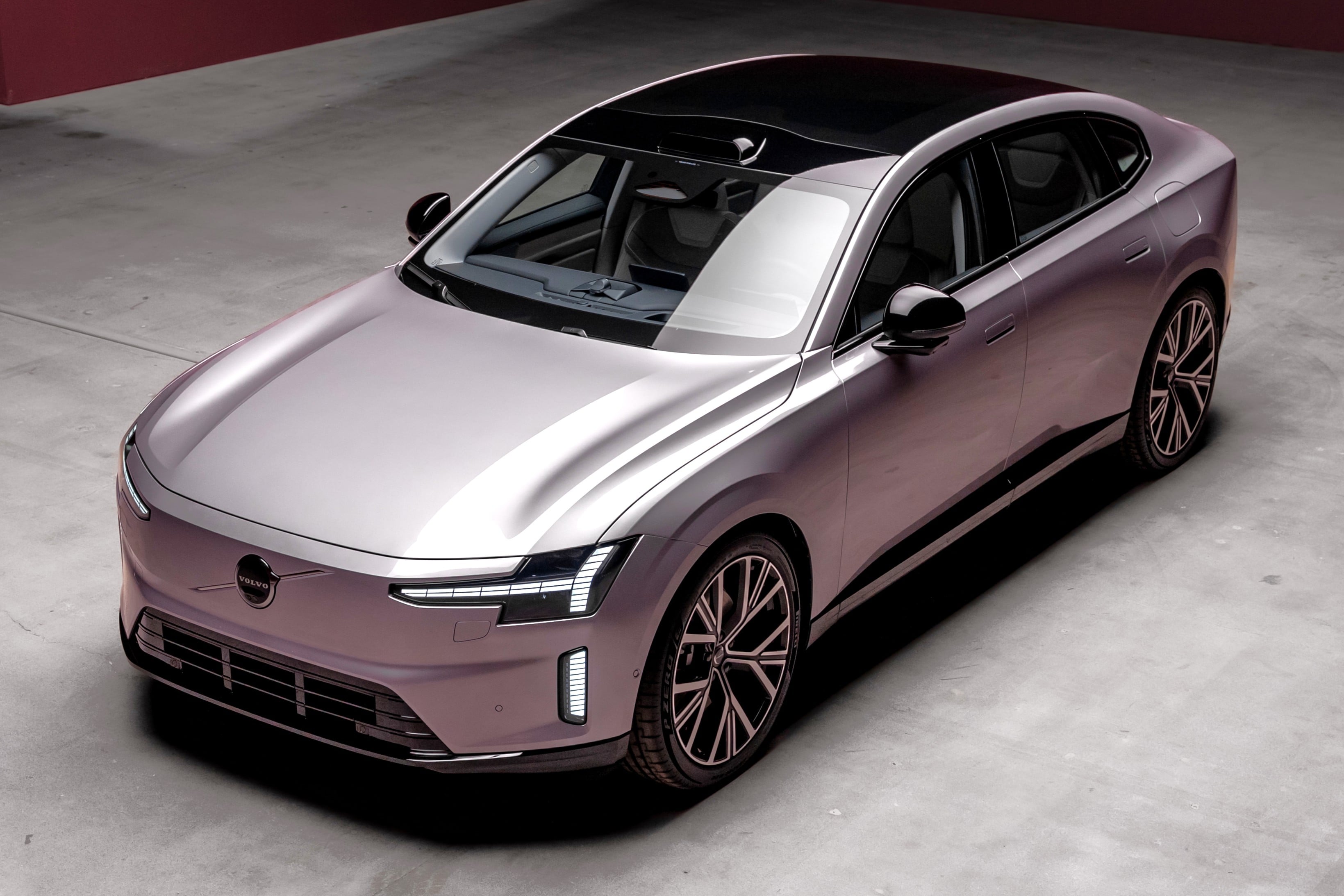
Volvo ES90
Launch: 12 October
Volvo will return to the luxury sedan space next month with the launch of the all-electric ES90. It’s based on Volvo’s 800V SPA2 platform, and is likely to be offered with a 106kWh battery, dual-motor AWD setup in India. Combined output is pegged at 456hp and 670Nm, which is good for a claimed 0-100kph time of 5.3 seconds. As for WLTP range, the ES90 is rated at 696km, and the sedan can charge at up to 350kW DC, taking 22 minutes for a 10-80 percent top-up.
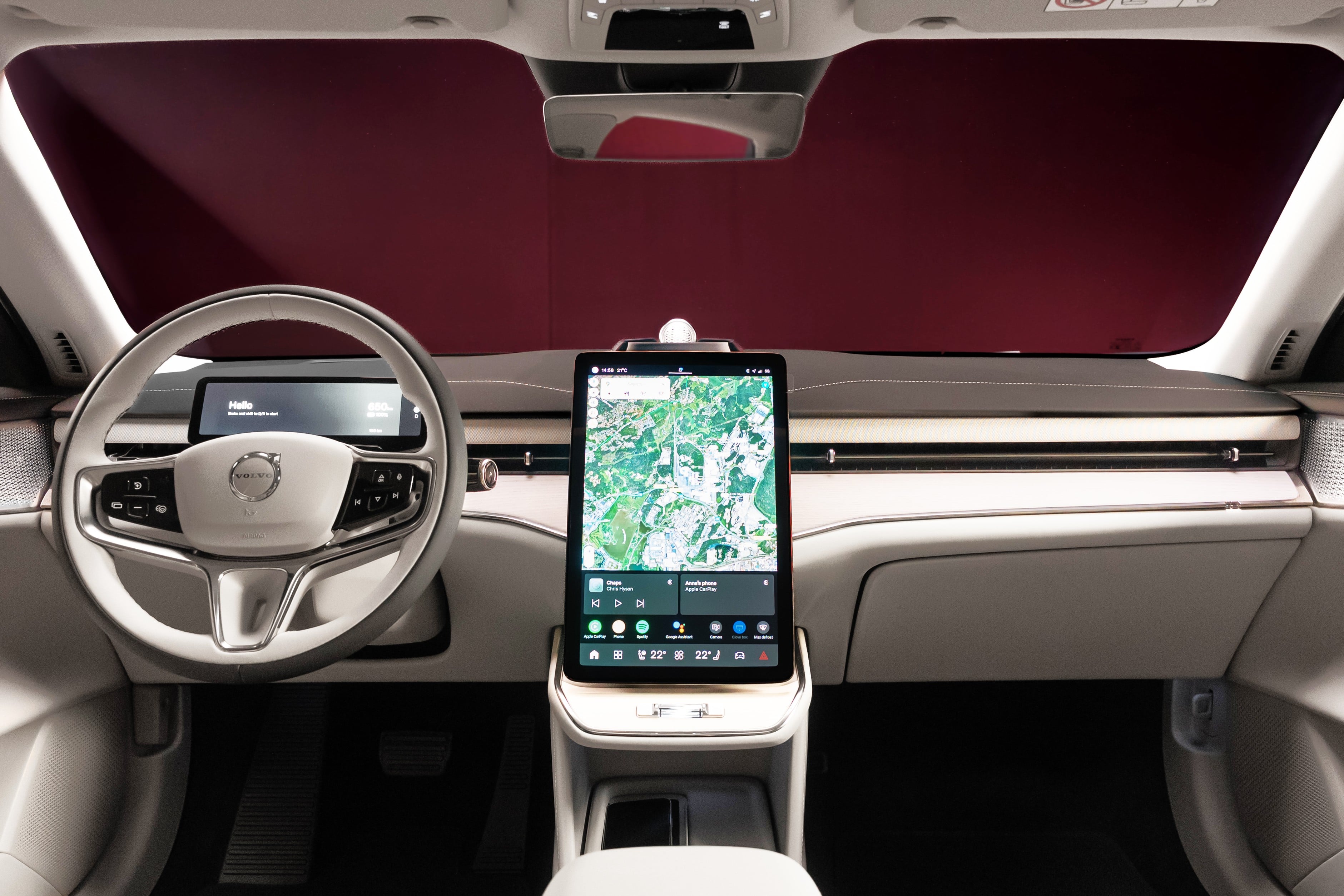
On the outside, the ES90 looks sleek and quietly aggressive, with T-shaped LED headlamps, vertically oriented front fog lamps, clean panelling, and C-shaped tail-lamps. Moreover, it has a drag coefficient of 0.25, making it the most aerodynamic Volvo car yet. Inside, the ES90 packs a 14.5-inch Google-based portrait touchscreen, a floating centre console, a three-spoke steering wheel, a slim 9-inch digital driver’s display, a 13.2-inch head-up display, a panoramic glass roof, four-zone climate control, powered front seats, Level 3 ADAS, and a Bose sound system.
Volvo EX90
Launch: 12 October
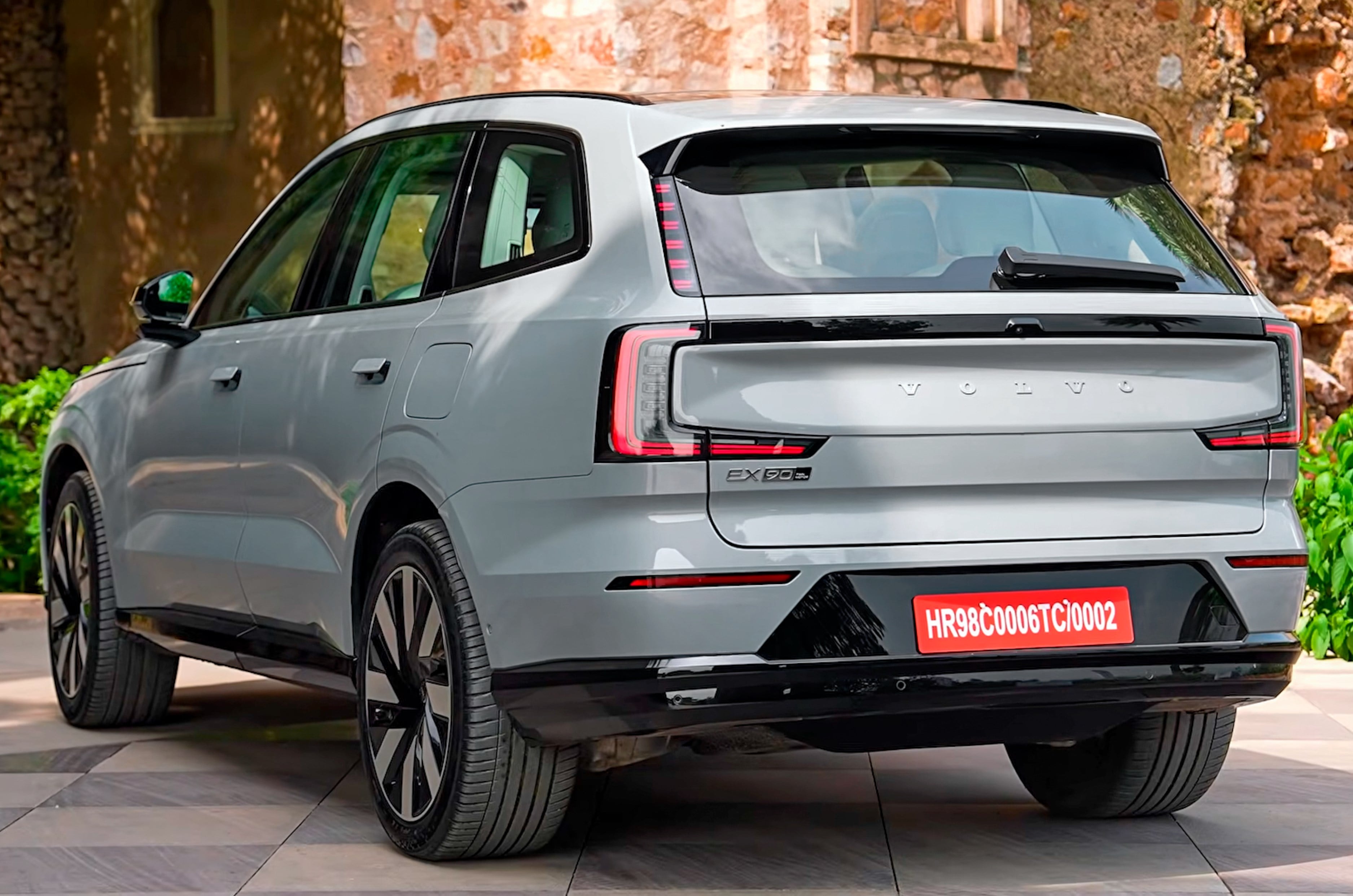
Alongside the ES90, Volvo will launch its SUV counterpart, the EX90. The electric SUV is also based on the SPA2 platform and is expected to offer the same 106kWh dual-motor AWD powertrain. Owing to its higher-riding stance, the EX90’s WLTP range is slightly lower at 625km, but the SUV impressively claims the same 5.3sec 0-100kph time.
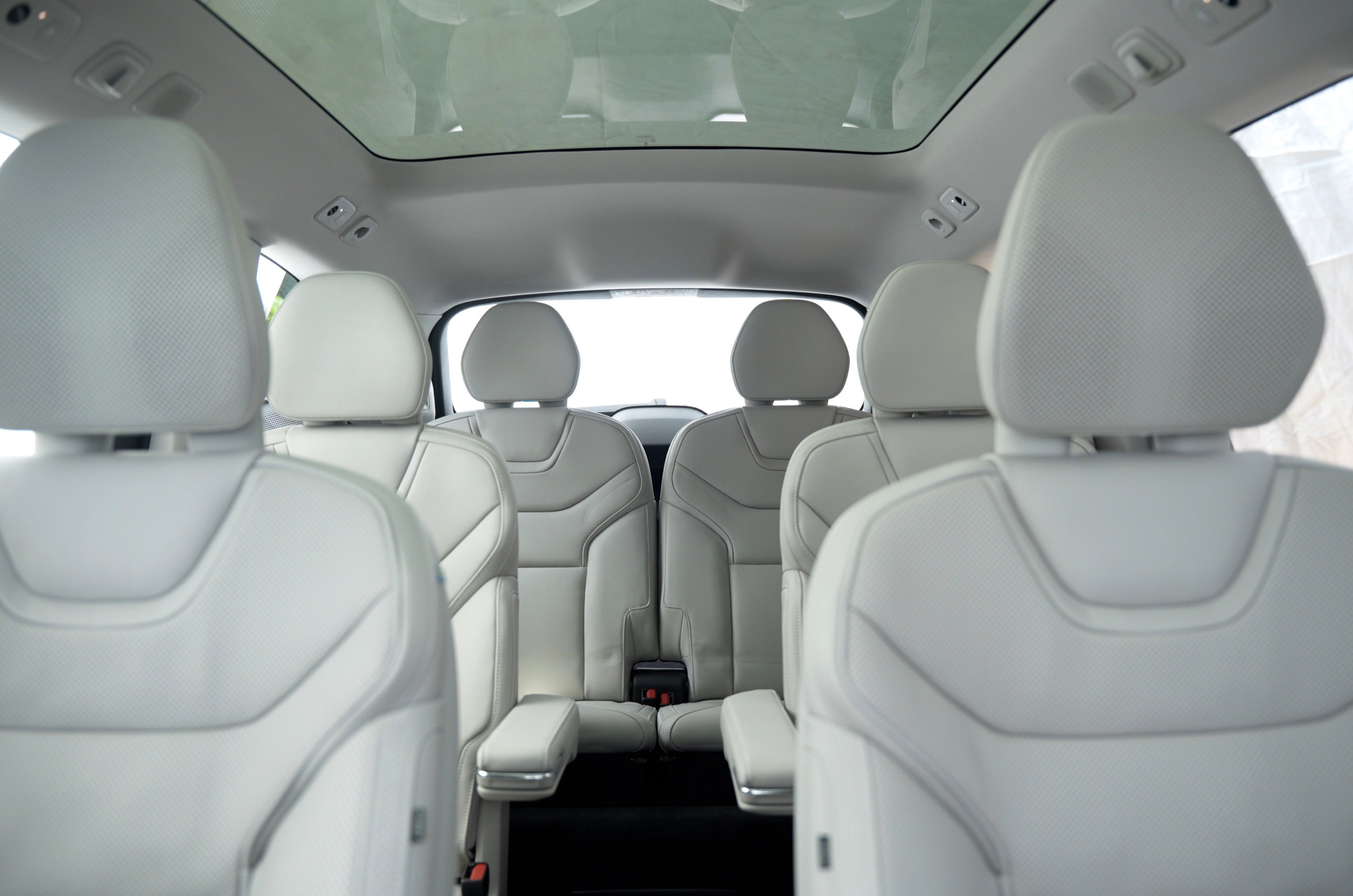
Even in terms of exterior design, the core elements are quite similar between the EX90 and ES90. The same holds true for the interior and equipment list as well, with the only major difference being that the EX90 can seat up to six occupants and gets second-row captain’s chairs.
Toyota Glanza facelift
Debut: 14 October
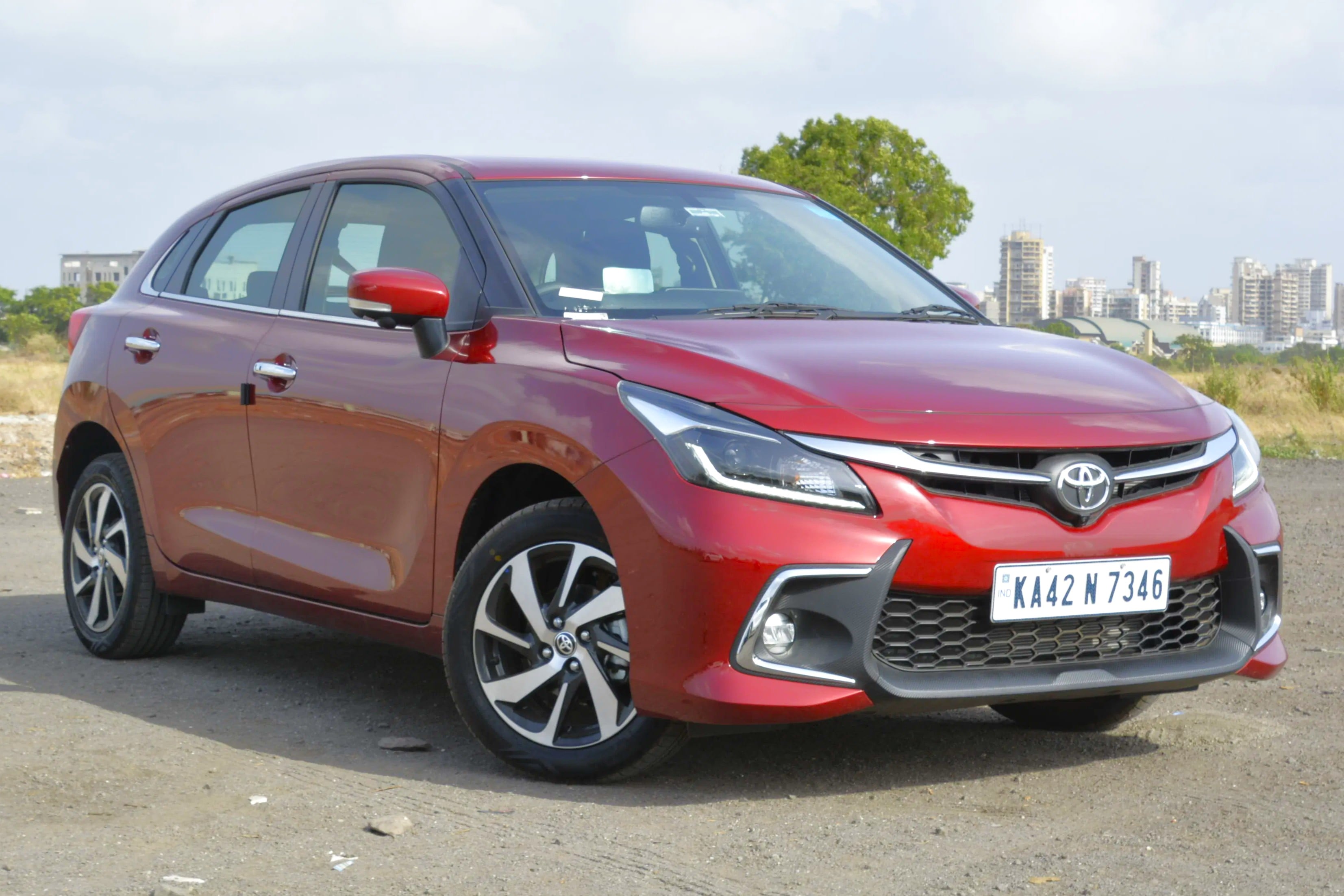
Current Toyota Glanza. Image used for representation only.
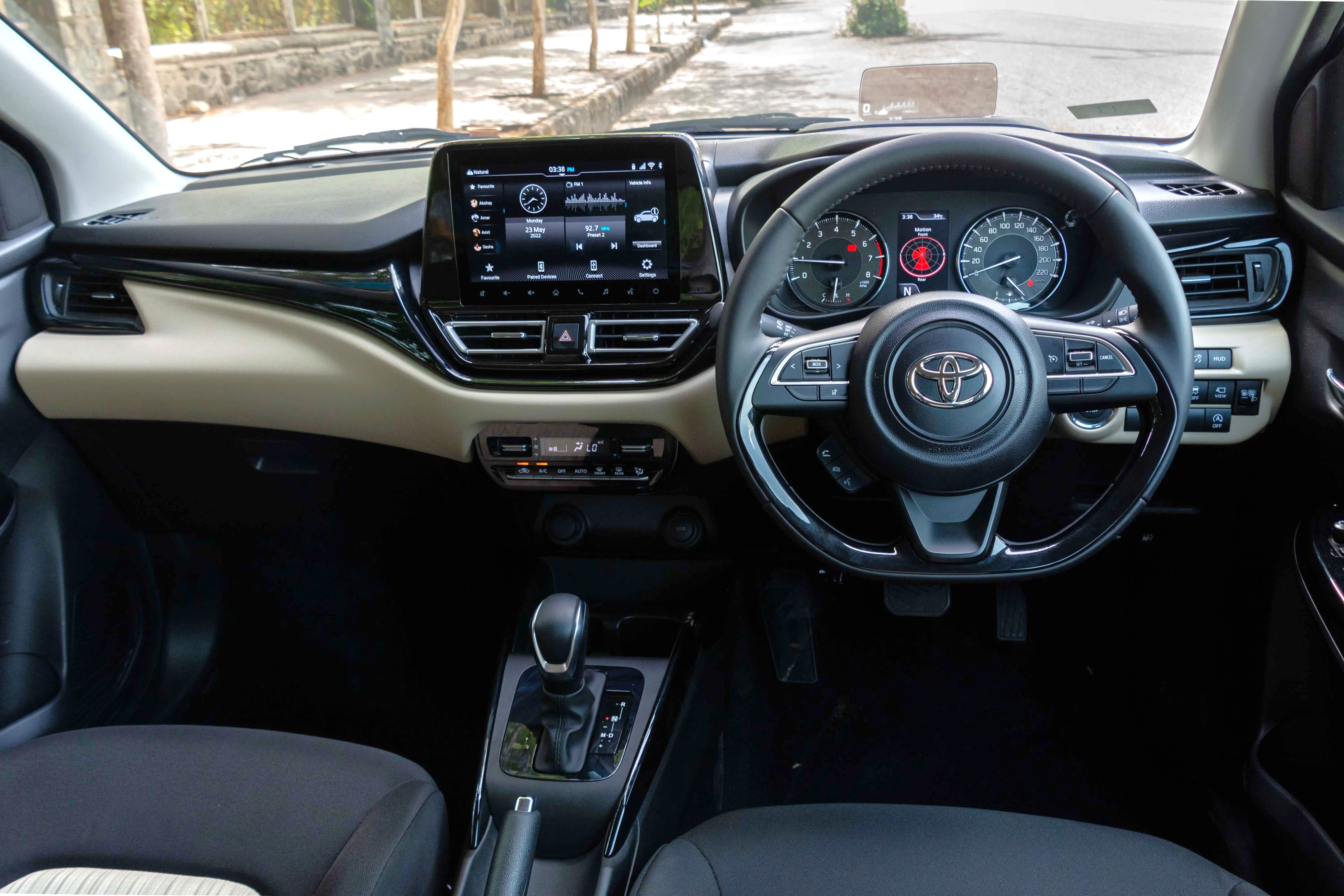
Just a month after the launch of the Baleno facelift, the updated form of its Toyota-badged counterpart, the Glanza, will be revealed. The Glanza facelift is likely to feature styling revisions similar to those of the updated Baleno, like a larger grille, redesigned bumpers, and new alloy wheel designs. Inside, the Toyota hatchback’s dashboard layout is expected to be largely unchanged, save for fresh seat upholstery. New creature comforts are likely to include Level 2 ADAS, a wireless charging pad, and ventilated front seats.
Current Toyota Glanza interior. Image used for representation only.
Under the bonnet, the Glanza facelift is anticipated to mirror the Baleno in dropping its current 90hp 1.2-litre four-cylinder K12N petrol engine in favour of the 83hp 1.2-litre three-cylinder Z12E mill. Like in the Baleno facelift, this engine is expected to be offered with either a 5-speed manual or 5-speed AMT in the updated Glanza, along with a 70hp CNG option.
Third-gen Audi Q3
Launch: 16 October
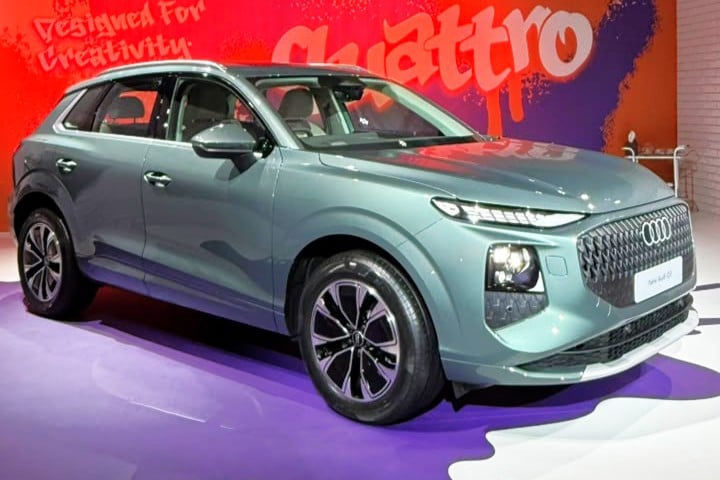
Audi India will launch the latest generation of its entry-level SUV, the Q3, next month. The India-spec third-gen Q3 was unveiled back in August, and will continue to rival the BMW X1 and Mercedes-Benz GLA. On the outside, the new Q3 is larger than its predecessor in every dimension and bears a sharper design language, which includes split LED headlamps, a wide grille, 18-inch alloy wheels, and a rear light bar with an illuminated Audi emblem.
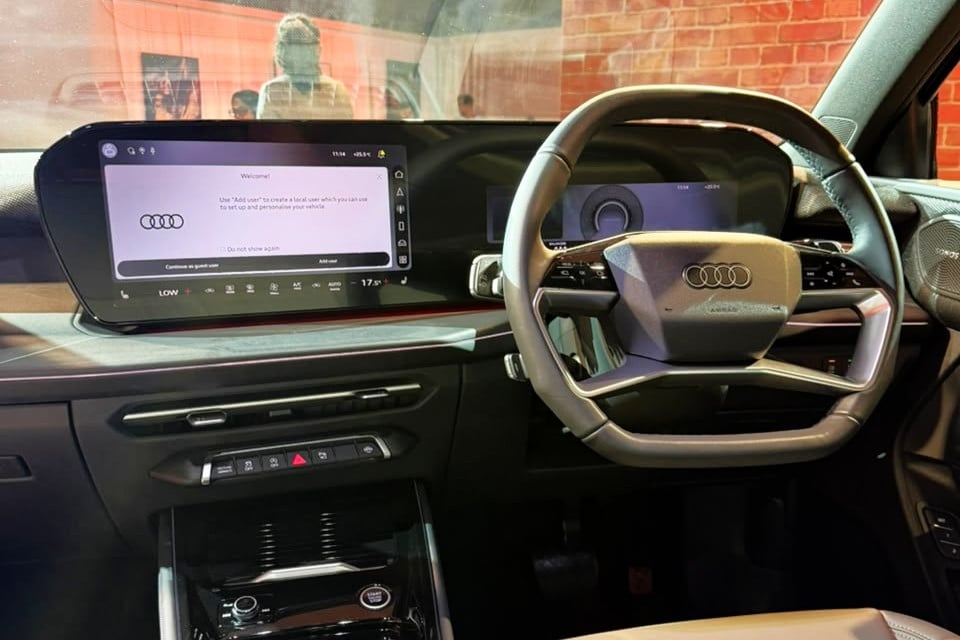
The interior of the third-gen Q3 is more modern and feature-loaded too, offering a 12.8-inch touchscreen, an 11.9-inch digital driver’s display, a new squircle-shaped four-spoke steering wheel, ambient lighting, a Sonos sound system, a panoramic sunroof, ambient lighting, a 360-degree camera, dual-zone climate control, among others. Under the bonnet, the Q3 continues to get a 204hp 2.0-litre four-cylinder direct-injection turbo-petrol engine, mated to a 7-speed dual-clutch automatic and Audi’s Quattro AWD system. 0-100kph comes up in a claimed 7.1 seconds, and the top speed is rated at 229kph.
Renault Duster hybrid
Launch: 17 October
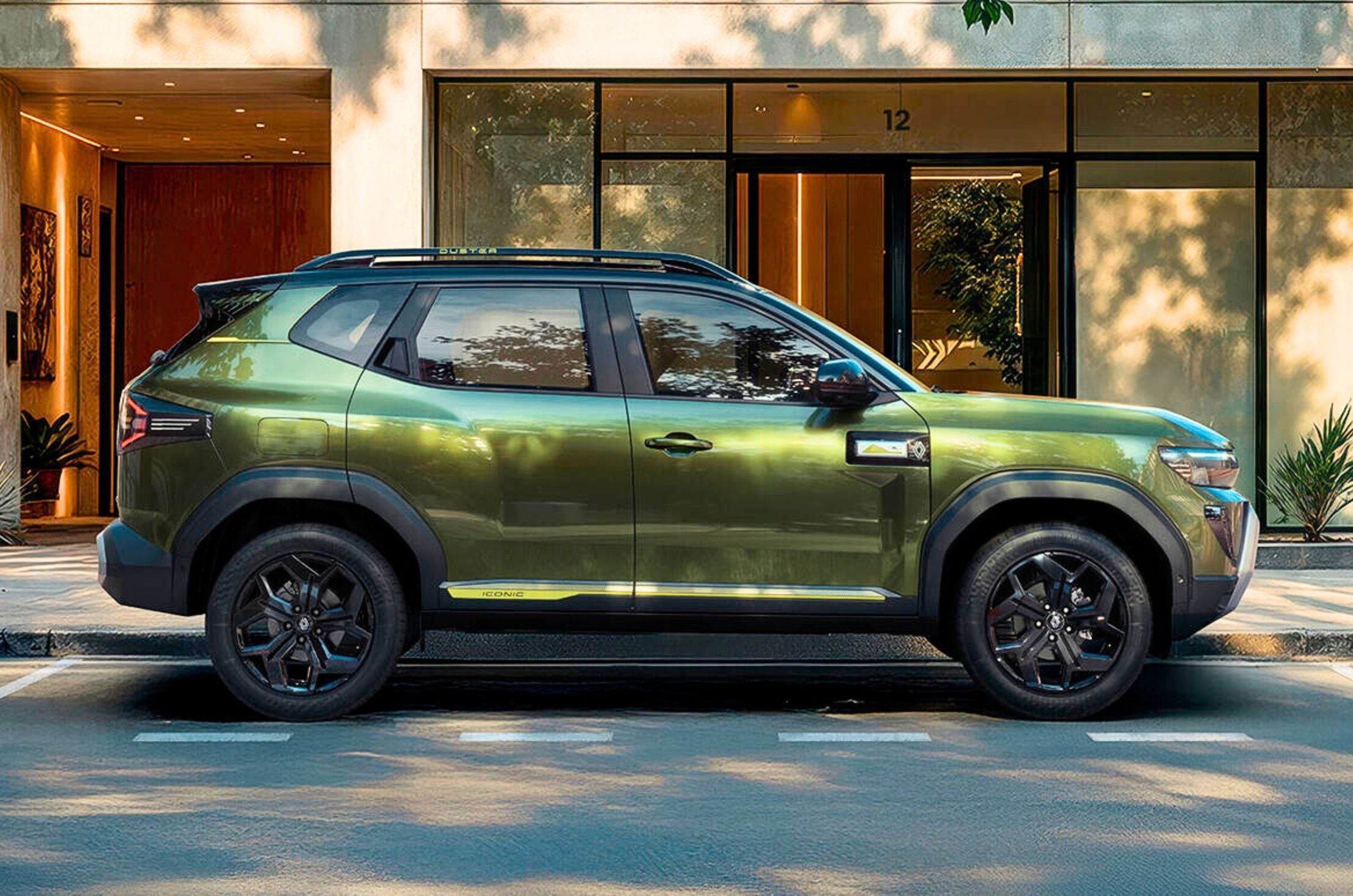
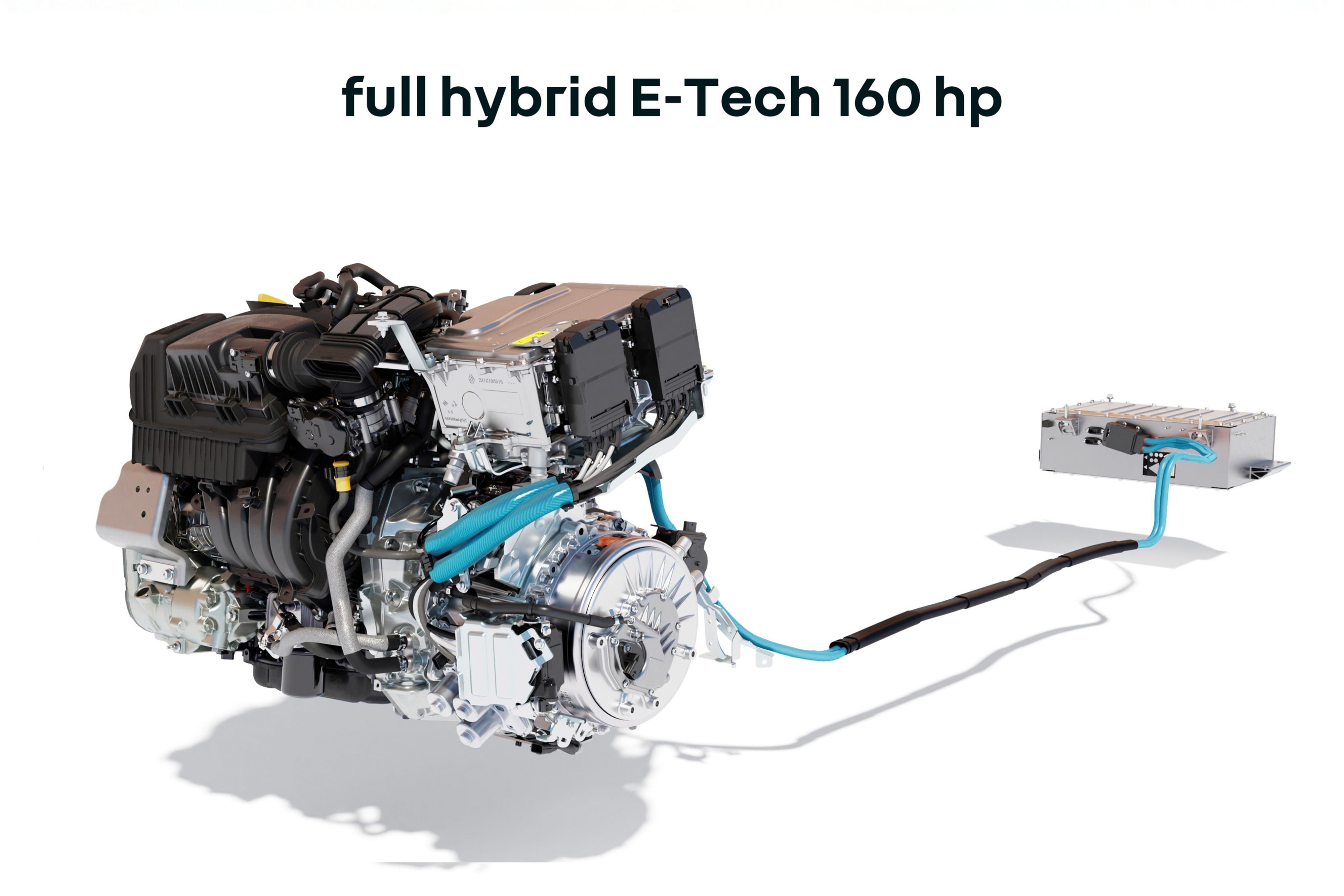
Since its launch earlier this year, the Renault Duster has been available with a couple of turbo-petrol engines only, but that will change come October 17. Renault will bolster the Duster’s line-up with a strong hybrid powertrain dubbed the E-Tech 160. It pairs a 1.8-litre four-cylinder naturally aspirated petrol engine with two electric motors and a 1.4kWh battery pack, developing a combined 160hp and 172Nm.
This setup will be paired with a segment-first 8-speed dedicated hybrid transmission (DHT) that uses fixed gear ratios, unlike the e-CVTs seen in hybrid SUV rivals like the Grand Vitara, Victoris, and Hyryder. The DHT should therefore enable a more natural driving feel to the Duster hybrid. Thanks to its 1.4kWh battery, the E-Tech 160 is also claimed to deliver 80 percent of urban driving in all-electric mode, which should help the Duster hybrid achieve great fuel efficiency.
Hyundai Bayon
Launch: Mid to late October
Hyundai’s second midsize SUV for India, the Bayon, is expected to be fully revealed and launched next month – bookings commenced on 23 September. The Bayon will slot between the Venue and Creta, offering the latter’s 1.5-litre naturally aspirated engine in petrol and CNG guises. Gearbox options are likely to include a 6-speed manual and CVT automatic. On the outside, the Bayon will feature Hyundai’s ‘Art of Steel’ design language, with styling cues like L-shaped front and rear LEDs, rakish proportions, an upward-sloping window line, and more. It’s also expected to be the first Hyundai car to come with an underbody CNG tank.
The interior of the Bayon is likely to offer a curved dual-screen setup, a three-spoke steering wheel bearing Hyundai’s four-dot motif, and a vertically oriented centre console – the dashboard layout will resemble that of the fourth-gen i20, which was revealed for the Brazilian market a few months ago.
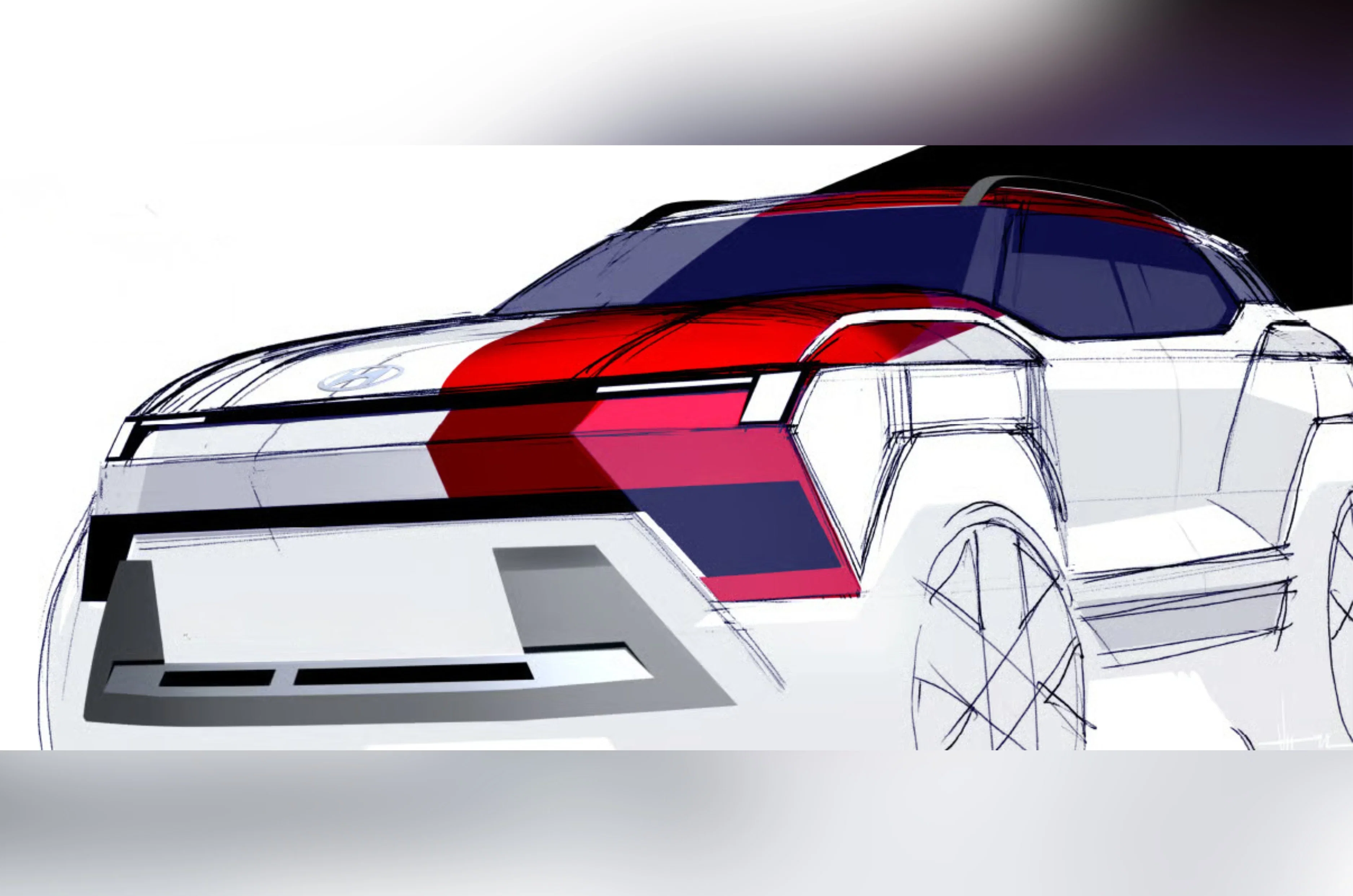
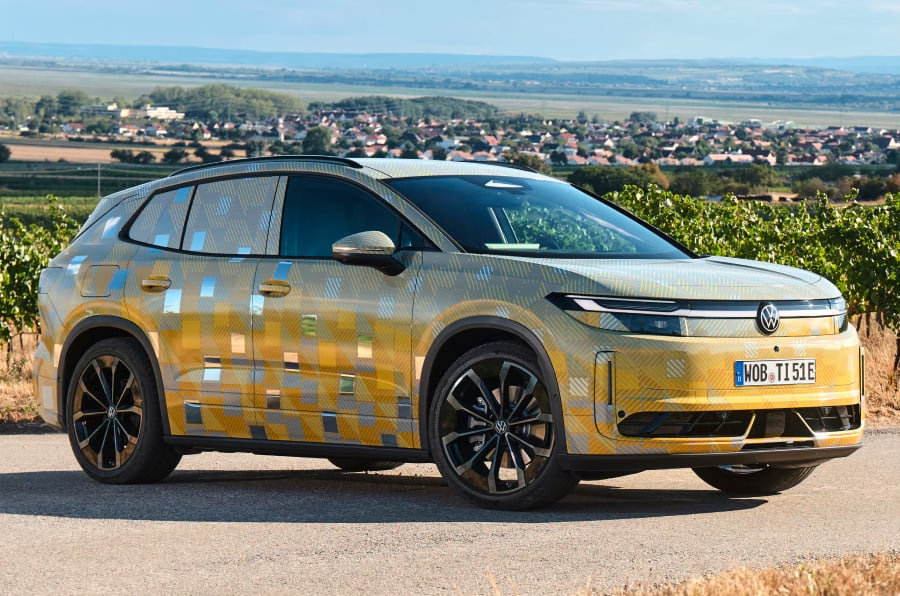
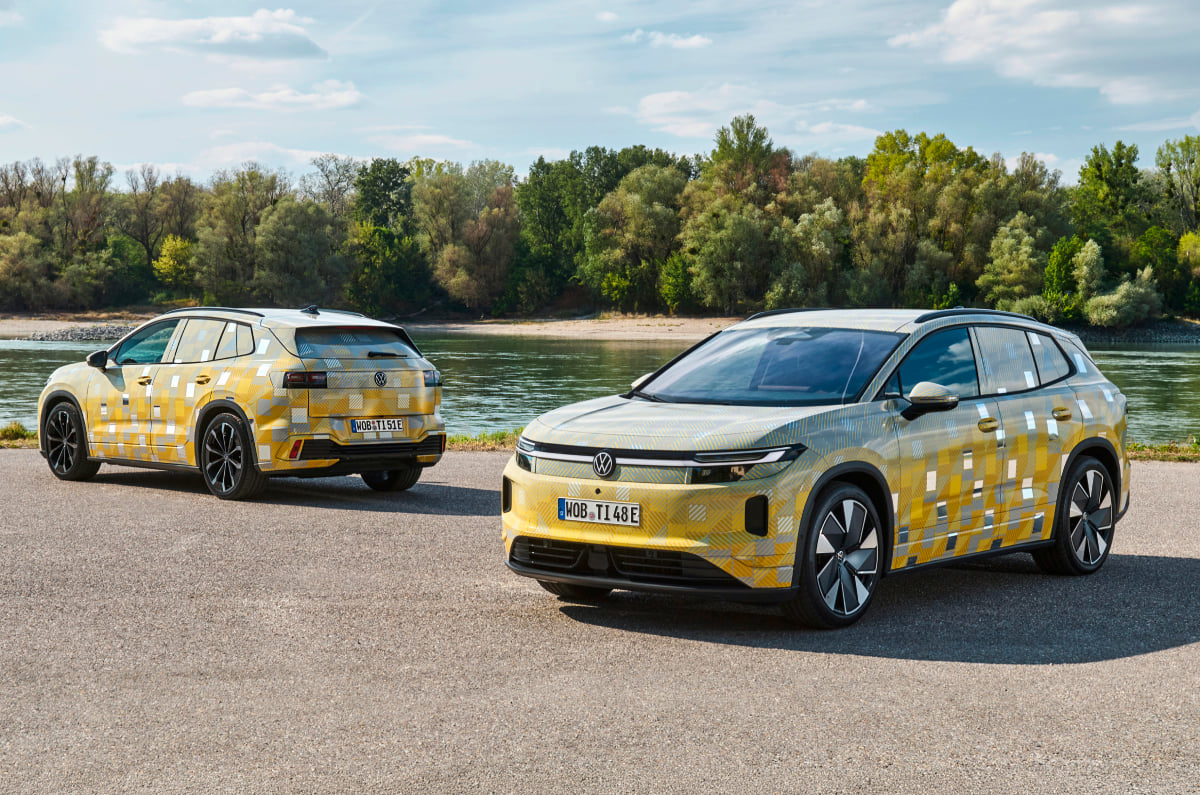
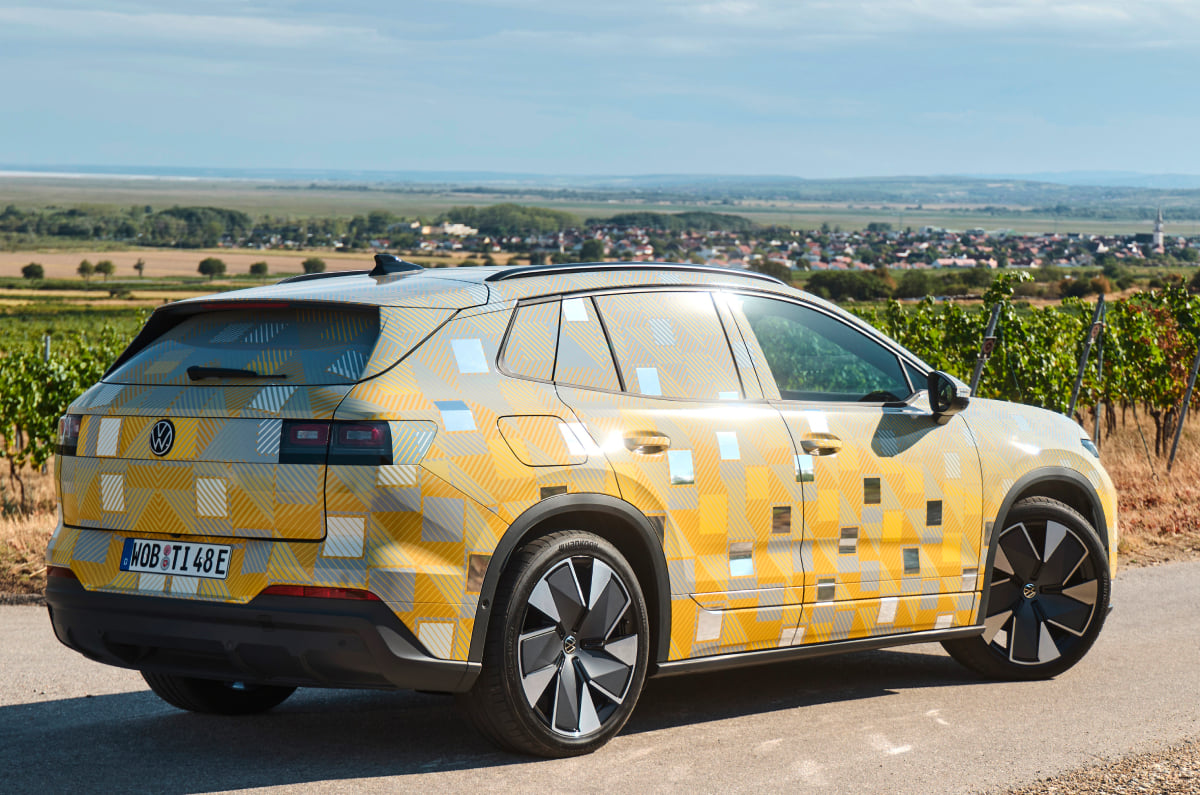
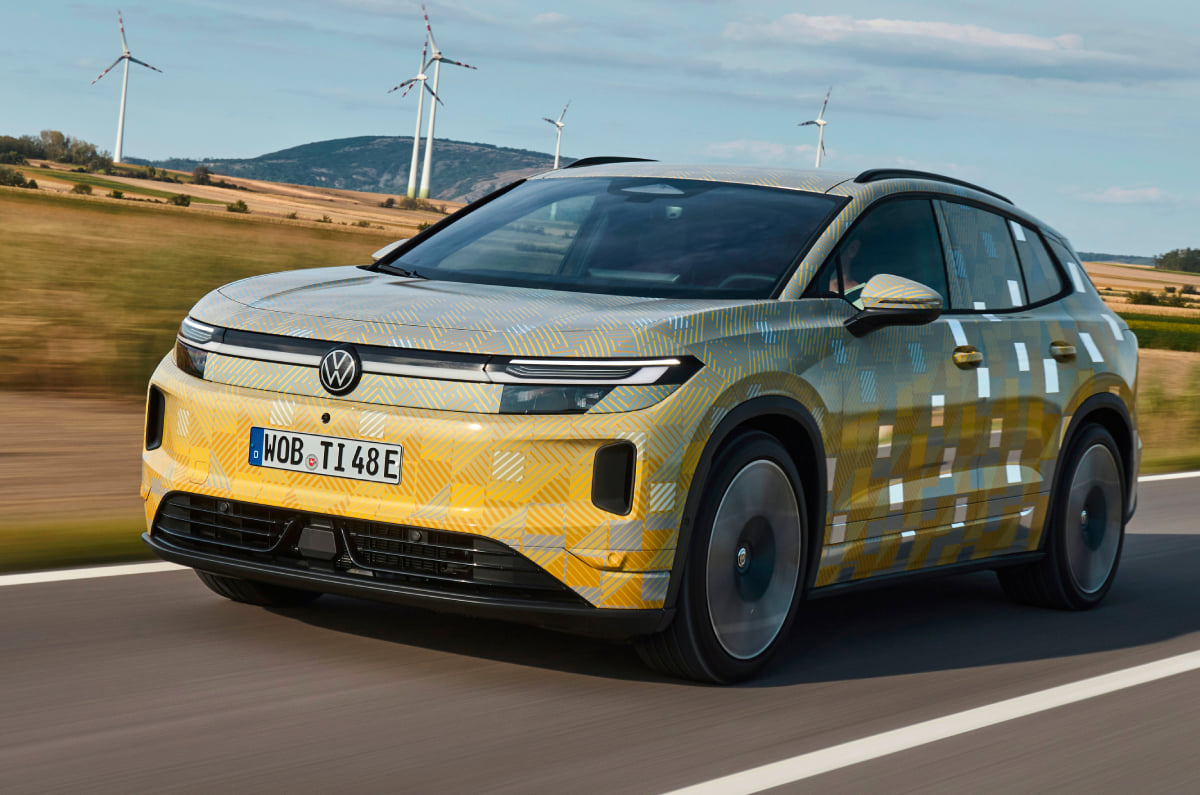
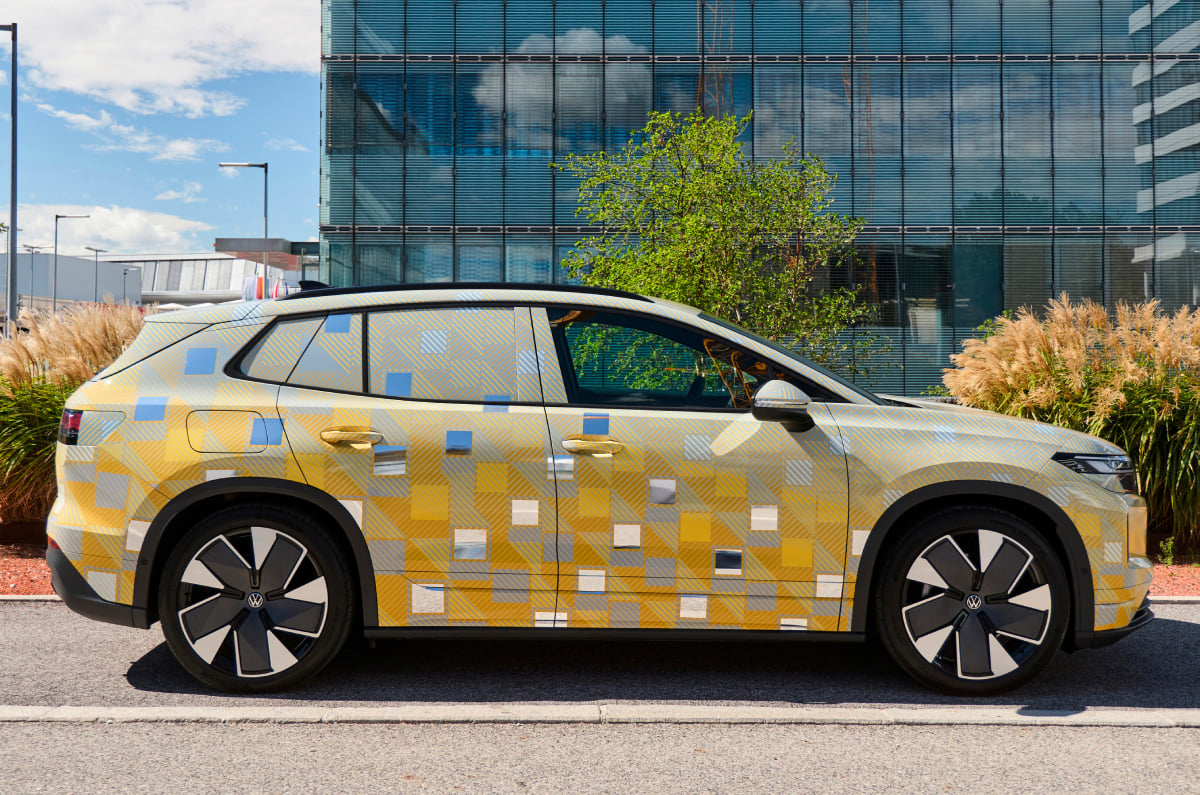
Volkswagen will unveil the all-electric ID Tiguan in early October, with the SUV set to reach international markets in early 2027. The new model will join the existing Tiguan, which will continue to be offered with combustion and hybrid powertrains globally. The ID Tiguan will replace the ID 4 and ID 5 in Volkswagen’s electric SUV range.
ID Tiguan will succeed the ID 4 and ID 5
New electric SUV gets a more spacious interior
Expected to retain 58kWh and 77kWh battery packs
Volkswagen ID Tiguan design and dimensions
The ID Tiguan will get a completely new exterior look, with slimmer headlights and a new rear light design. It will also be available with alloy wheels sized up to 21 inches. The SUV is 44mm longer than the ID 4, which should provide more space inside the cabin. For reference, the ID 4 is 4,584mm long, 1,852mm wide and 1,639mm high, with a 2,765mm wheelbase.
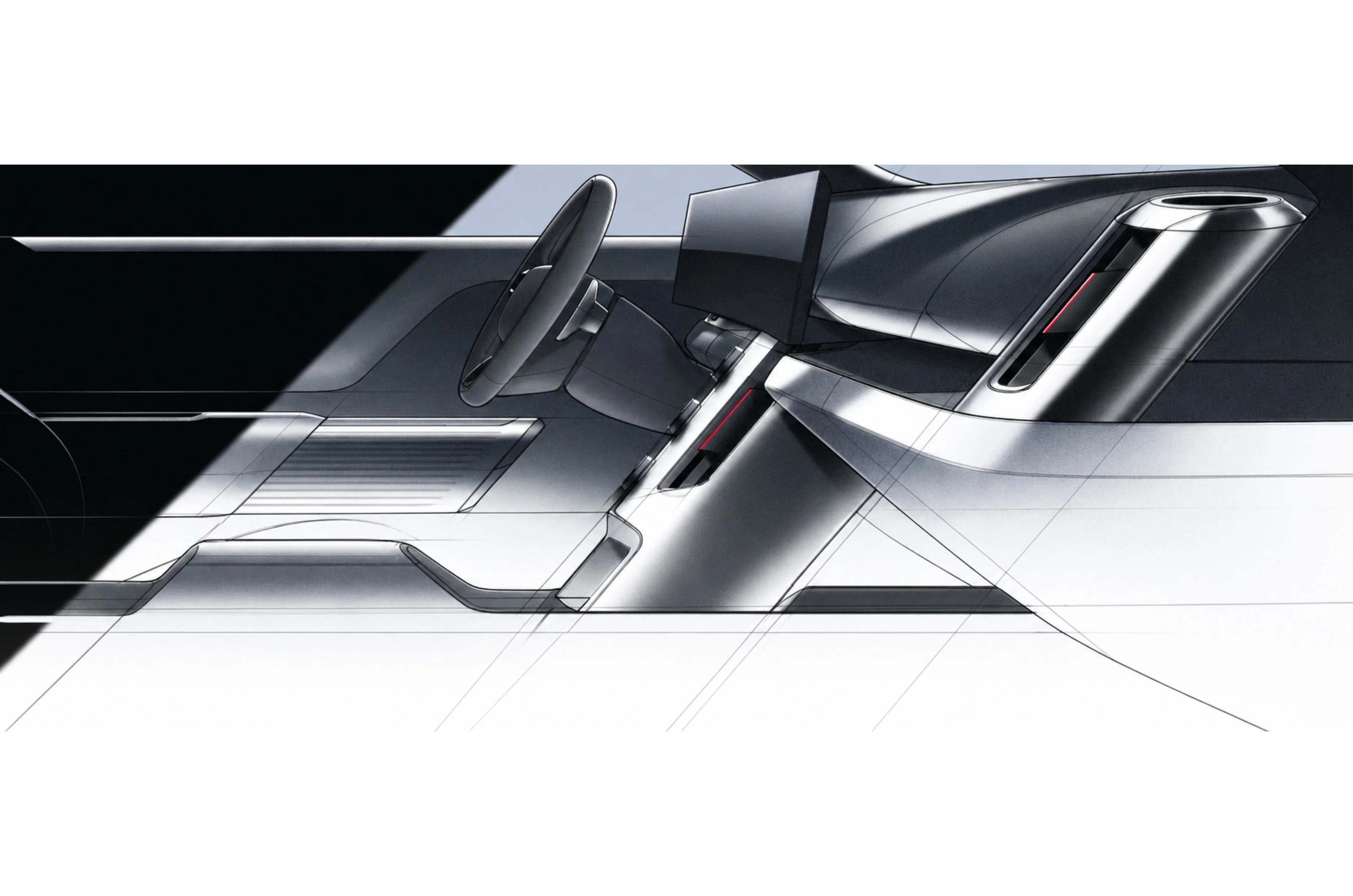
Volkswagen has not revealed the full interior yet, but it says the ID Tiguan will have a more spacious cabin and new technology. The cabin is also expected to bring back physical controls for some functions, including buttons on the steering wheel and a separate set of controls on the dashboard.
Volkswagen ID Tiguan battery and range expectations
The ID Tiguan will be based on Volkswagen’s MEB+ platform, which also underpins the ID Polo and Skoda Epiq. The SUV is expected to retain the 58kWh lithium-iron-phosphate and 77kWh nickel-manganese-cobalt battery options from the ID 4, with the smaller battery likely in the entry-level version and the 77kWh pack in the Pro and dual-motor Pro 4Motion variants.
For reference, the ID 4’s 58kWh battery has a claimed WLTP range of up to 364km, while its larger 77kWh battery offers between 512km and 572km, depending on the version. Power outputs across the ID 4 range span 170-340hp, depending on the battery, motor and variant.
Volkswagen has yet to confirm the final specifications for the production-spec ID Tiguan, including the claimed range and peak output figures.
Instagram आज सबसे ज्यादा इस्तेमाल किए जाने वाले सोशल मीडिया प्लेटफॉर्म में से एक है। शुरुआत में इस पर सिर्फ फोटो पोस्ट करने का फीचर था, लेकिन समय के साथ इसमें कई नए फीचर्स जुड़ गए। अब यूजर्स Instagram पर रील्स के रूप में वीडियो और ऐसी फोटो-वीडियो भी शेयर कर सकते हैं, जो कुछ समय बाद अपने आप गायब हो जाती हैं।
वहीं, कई बार हम Instagram पर फोटो या वीडियो पोस्ट करने के बाद फोन की स्टोरेज खाली करने के लिए उन्हें डिलीट कर देते हैं। लेकिन क्या आप जानते हैं कि Instagram आपको अपनी फोटो और वीडियो को दोबारा फोन कैमरा रोल में डाउनलोड करने की सुविधा भी देता है? आप उन Instagram स्टोरीज को भी डाउनलोड कर सकते हैं, जिन्हें आपने पोस्ट किया है या करने वाले हैं।
फोन में Instagram पोस्ट की फोटो और वीडियो कैसे डाउनलोड करें
सबसे पहले अपने फोन में Instagram खोलें।
इसके बाद स्क्रीन के नीचे दाईं ओर दिखाई दे रही अपनी प्रोफाइल फोटो पर टैप करके अपनी प्रोफाइल पर जाएं।
अब जिस फोटो या वीडियो को डाउनलोड करना चाहते हैं, उसे चुनें और उस पर टैप करें।
इसके बाद Share बटन पर टैप करें।
यहां Download ऑप्शन ढूंढकर उस पर टैप करें।
इसके बाद फोटो या वीडियो अपने आप आपके फोन की गैलरी में सेव हो जाएगा।
अगर आप चाहते हैं कि Instagram पर पोस्ट की जाने वाली फोटो और वीडियो अपने आप फोन की गैलरी में सेव हों, तो अपनी प्रोफाइल पर ऊपर दाईं ओर दिए गए More Options मेन्यू पर टैप करें।
अब नीचे स्क्रॉल करके Your App and Media सेक्शन में जाएं।
यहां Archiving and downloading ऑप्शन पर टैप करें।
इसके बाद Saving to camera roll ऑप्शन को ऑन कर दें।
फोन में Instagram Story की फोटो और वीडियो कैसे डाउनलोड करें
सबसे पहले अपने फोन में Instagram खोलें।
Story सेक्शन में स्क्रीन के ऊपर बाईं ओर दिखाई दे रही अपनी प्रोफाइल फोटो पर टैप करें।
स्क्रीन पर तब तक टैप करते रहें, जब तक वह Story न आ जाए जिसे आप फोन की गैलरी में डाउनलोड करना चाहते हैं।
अब स्क्रीन के नीचे बाईं ओर दिए गए तीन डॉट वाले मेन्यू पर टैप करके More ऑप्शन खोलें।
इसके बाद Save बटन पर टैप करें।
आपकी Instagram Story फोन की गैलरी में सेव हो जाएगी।
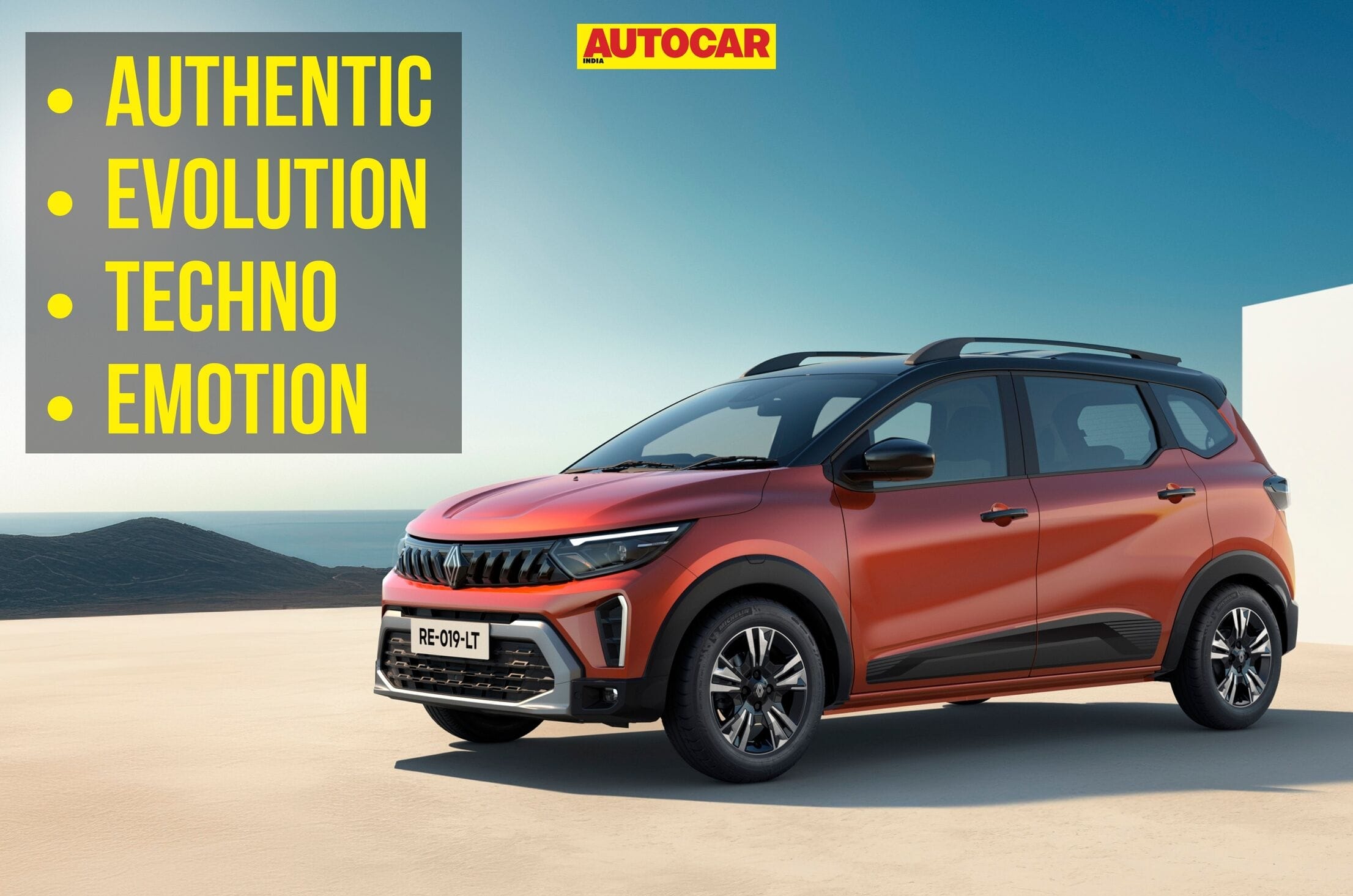
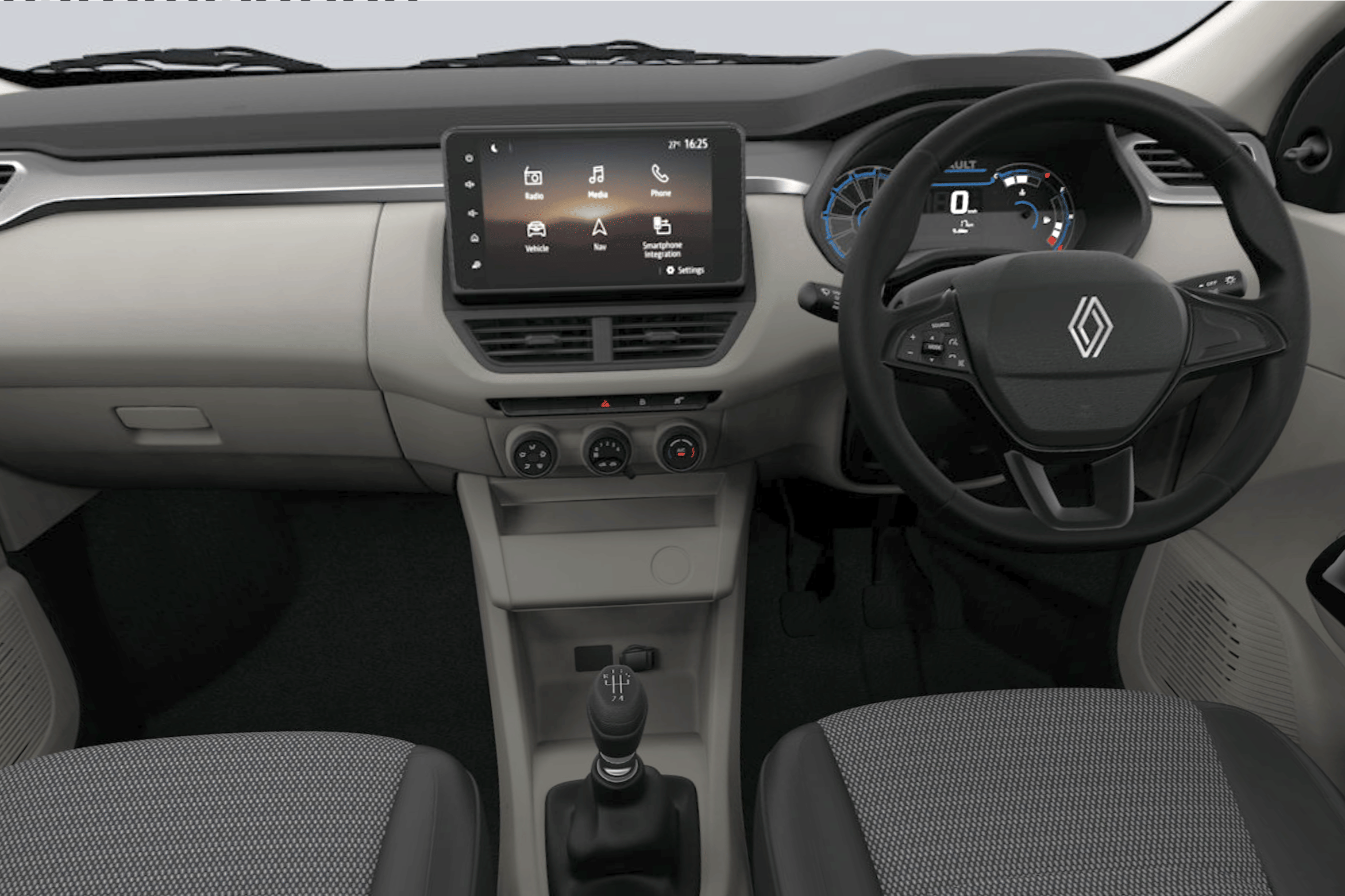
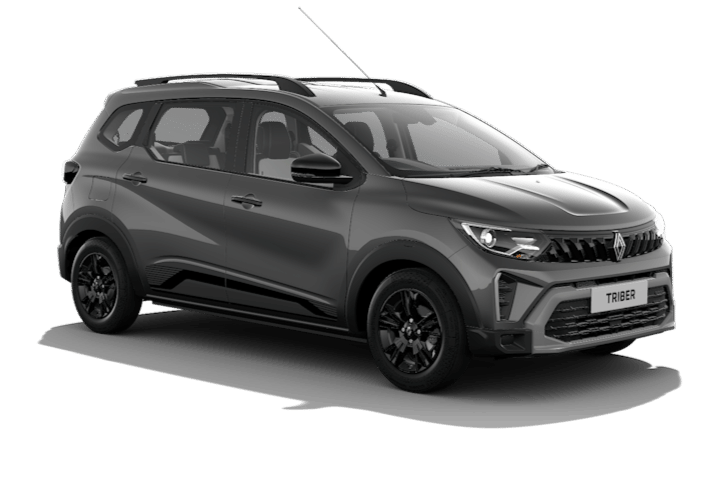
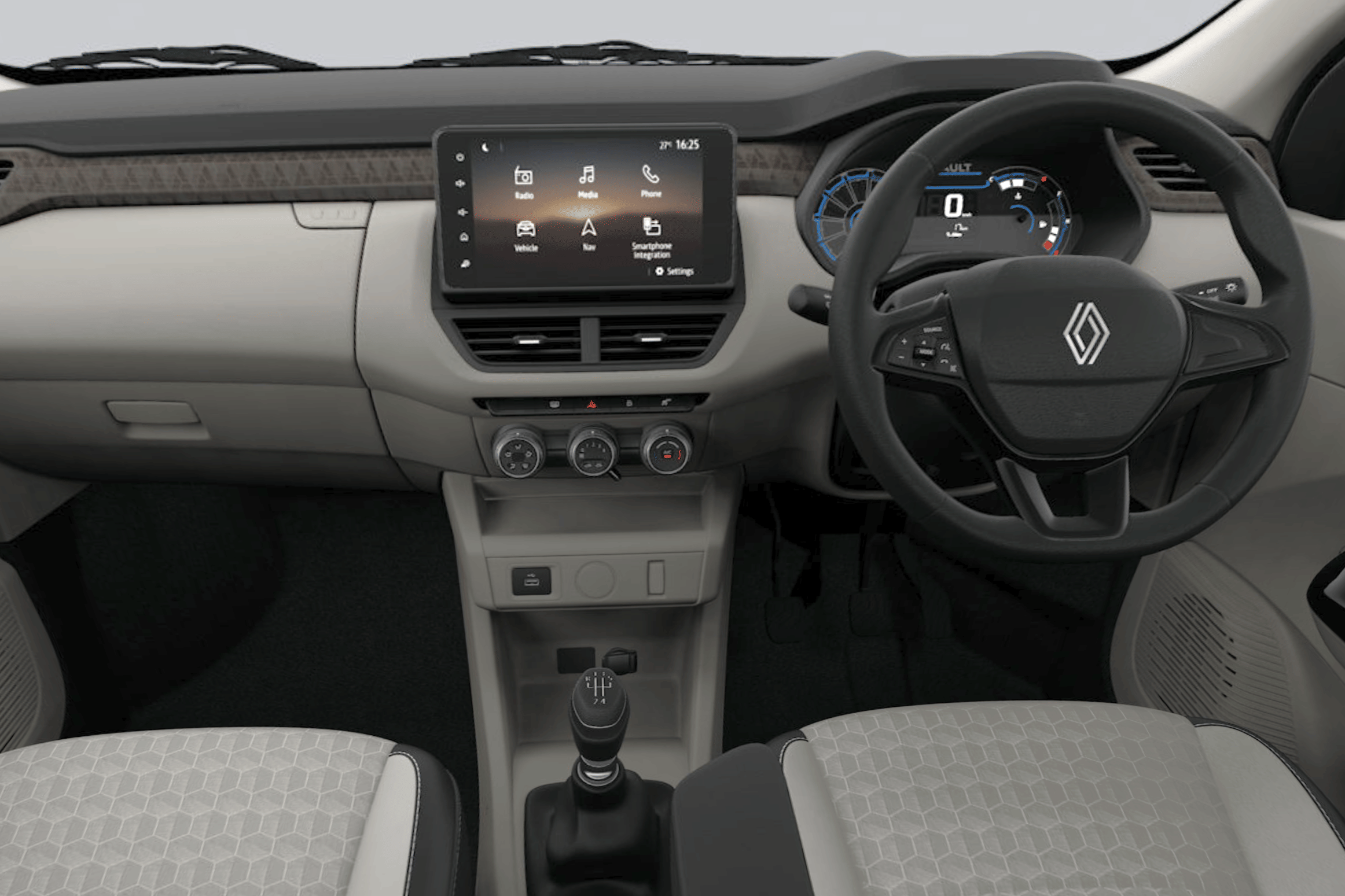
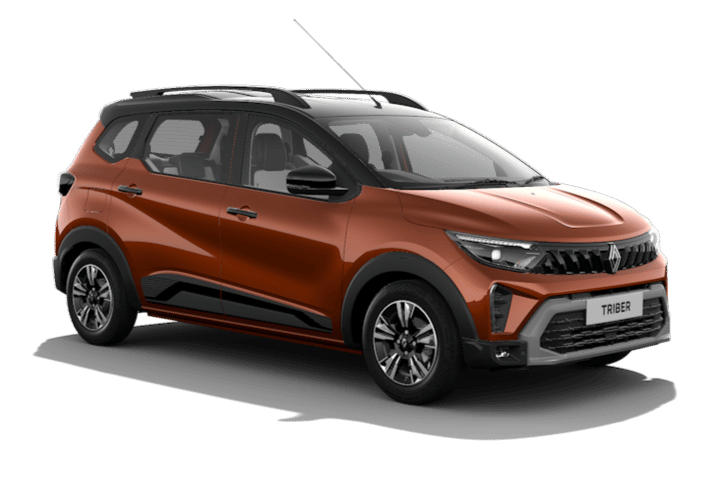
The Renault Triber facelift was launched in India in 2025, bringing a bevy of exterior and interior updates, along with a new variant nomenclature. The Triber comes in four trim levels, available with both naturally aspirated and turbo-petrol engine options. Let’s have a look at the prices, powertrains, colours and features available with each variant of the Triber.
Renault Triber price list and powertrains
Trim
MT
AMT
Authentic
5.80
–
Evolution
6.73
–
Evolution Turbo
7.84
–
Techno
7.44
–
Techno Turbo
8.53
–
Emotion*
8.05
8.52
Emotion Turbo*
8.99
–
*Dual-tone paint option available at an additional cost of Rs 21,000.
The naturally aspirated 1.0-litre three-cylinder petrol engine produces 72hp and 96Nm and is paired with a five-speed manual or, in the top-spec Emotion, a five-speed AMT. The 1.0-litre turbo-petrol produces 100hp and 180Nm and is available only with a five-speed manual.
Renault Triber colour options
Nine colour options, three of which are dual-tone
Renault Triber variant-wise colours
Authentic
Evolution
Techno
Emotion
Ice Cool White
Yes
Yes
Yes
Yes
Stealth Black
Yes
Yes
Yes
Yes
Moonlight Silver
Yes
Yes
Yes
Yes
Shadow Grey
No
Yes
Yes
Yes
Zanskar Blue
No
Yes
Yes
Yes
Amber Terracotta
No
No
Yes
Yes
Ice Cool White with black roof
No
No
No
Yes
Shadow Grey with black roof
No
No
No
Yes
Amber Terracotta with black roof
No
No
No
Yes
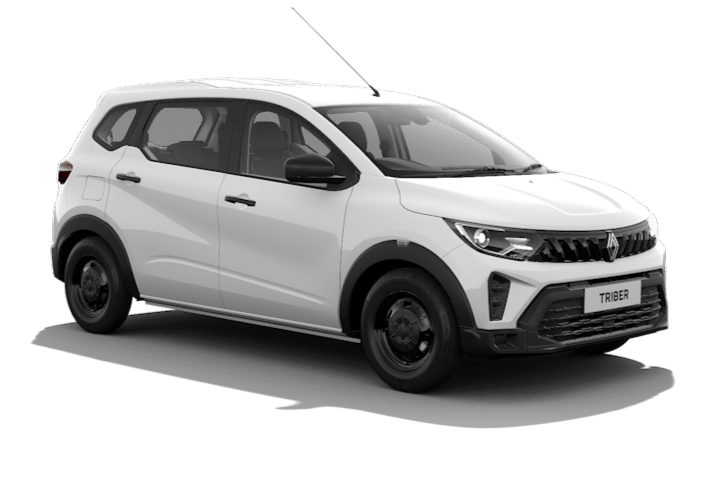
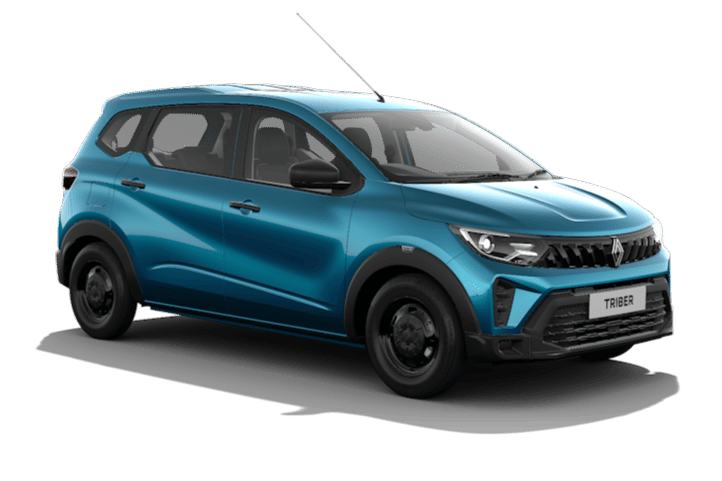
The Triber colour options include six monotone shades. There are three dual-tone finishes, but these are available only with the range-topping Triber Emotion trim and command a Rs 21,000 premium. The entry-level Triber Authentic comes only in three colours – Ice Cool White, Stealth Black and Moonlight Silver. In addition to those, the mid-spec Triber Evolution is available in Shadow Grey and Zanskar Blue. Lastly, the one below the top Triber Techno also gets the option of an Amber Terracotta colour.
LED daytime running lamps (DRLs), projector headlights, fog lamps
Dual-tone wheel covers
Smart access card
Cooled lower glove box
Push-button start/stop
Wireless Android Auto and Apple CarPlay
Wireless charging pad
7-inch TFT digital instrument cluster
Automatic climate control
Third row 12V socket
Auto headlights with follow me home function
Rain-sensing wipers
Cruise control (MT only)
Front parking sensors
Which Renault Triber variant should you consider buying?
Techno Turbo offers the best balance of features and performance
With the 2026 update, Renault has moved several features down to the Triber’s lower variants. The Techno gets equipment including six airbags, an 8-inch touchscreen, steering-mounted controls, a rear-view camera, height adjustment and an armrest for the driver’s seat, electrically foldable ORVMs, a rear wiper and defogger, and two front tweeters.
The Techno Turbo, priced at Rs 8.53 lakh, also gets the new 100hp, 180Nm turbo-petrol engine, paired with a five-speed manual gearbox. It costs Rs 1.09 lakh more than the naturally aspirated Techno, with the extra cost going towards the more powerful engine. For buyers who want the turbo engine, the Techno Turbo offers the key equipment without the additional cost of the top-spec Emotion.
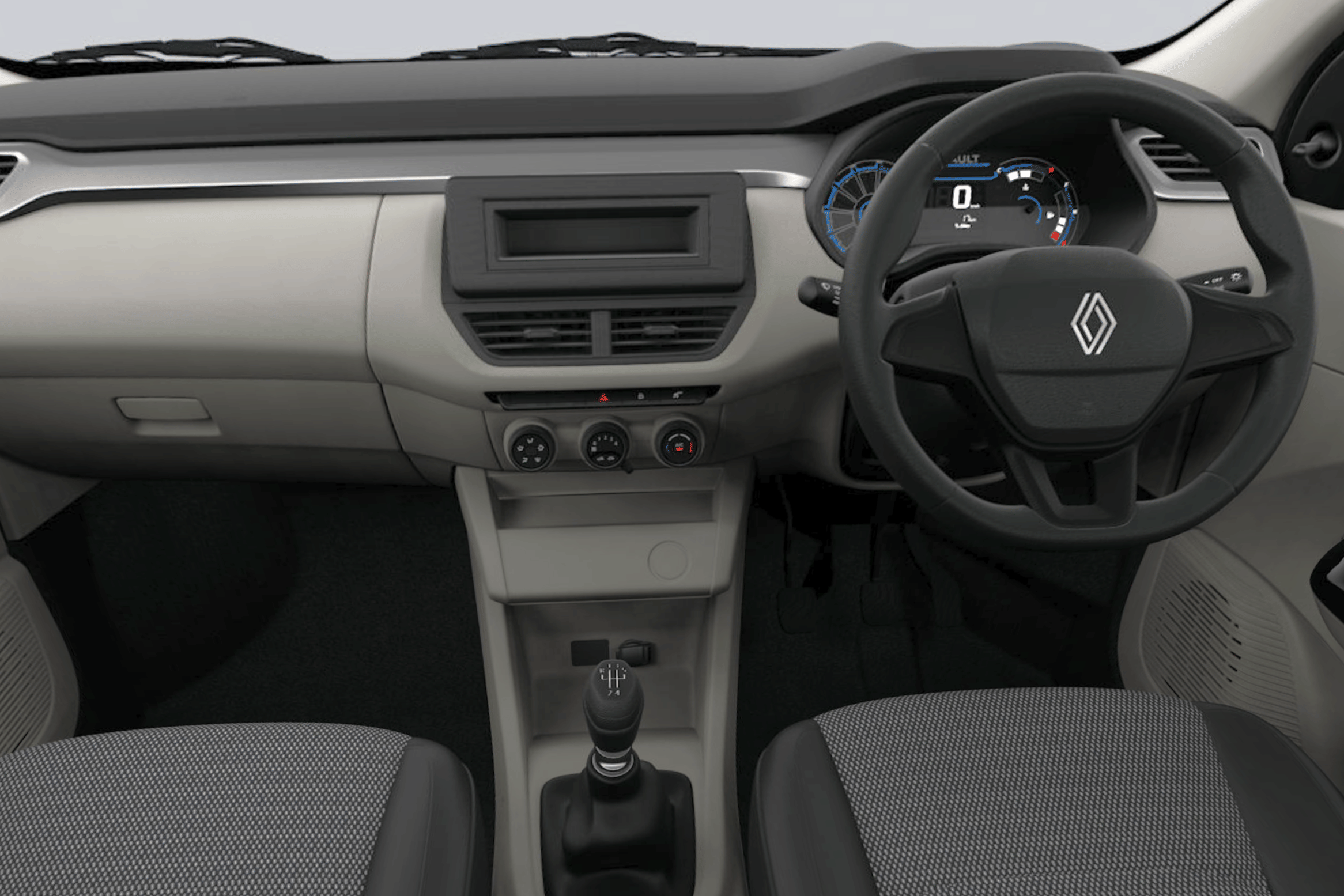
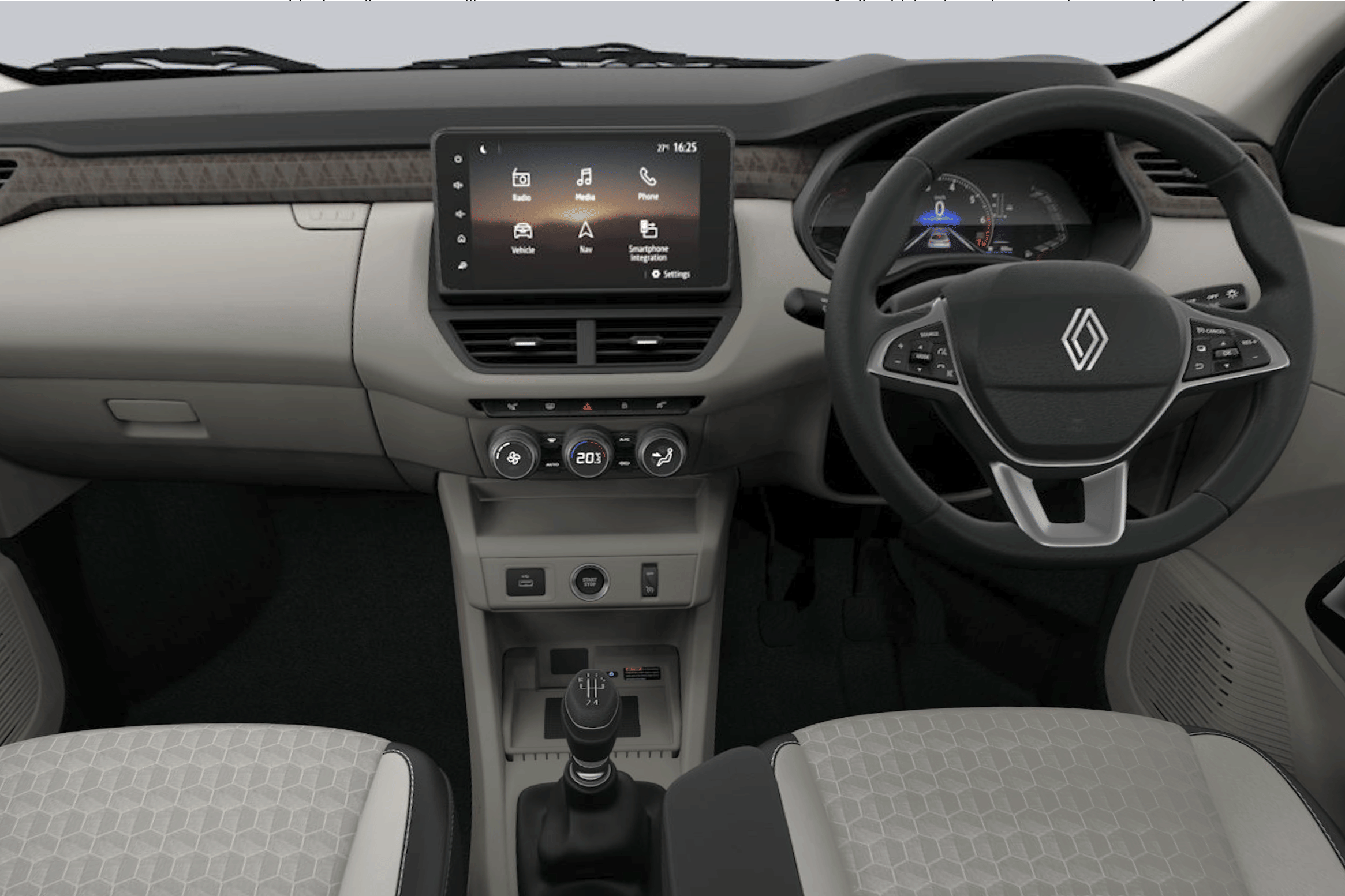
The Emotion adds features such as automatic climate control, wireless Android Auto and Apple CarPlay, wireless charging, automatic headlights, rain-sensing wipers, cruise control and front parking sensors. It is also the only variant available with the naturally aspirated engine and an AMT.
Bajaj, like we predicted, appears to be bringing a slew of updates across their line-up. Only a few days after the Pulsar NS400Z was spotted with the new TFT display, now the entry-level NS125 looks to be next in line. Just like the NS400Z, the update seems to be centred around colours and an updated display.
There could be a higher variant with a TFT display; same as the one from the all-new Pulsar 125 etc.,
Updated colour options also expected, mechanical changes unlikely
Updated Pulsar NS125 could launch soon
New colours and an instrument cluster are the main changes
Just last week, we spotted the NS400Z – the apex NS – with an updated TFT display and colour schemes. Bajaj had first introduced the display with the SS variant of the N160, later giving it to the top variants of the classic Pulsar 125 and 150 as well. The headlining feature of the display was the ability to mirror Google Maps navigation on the bike. Later, updated versions of the N250 and the NS200 were also spotted testing, sporting the new display. Now, the entry-level NS125 looks to be getting an updated display too.
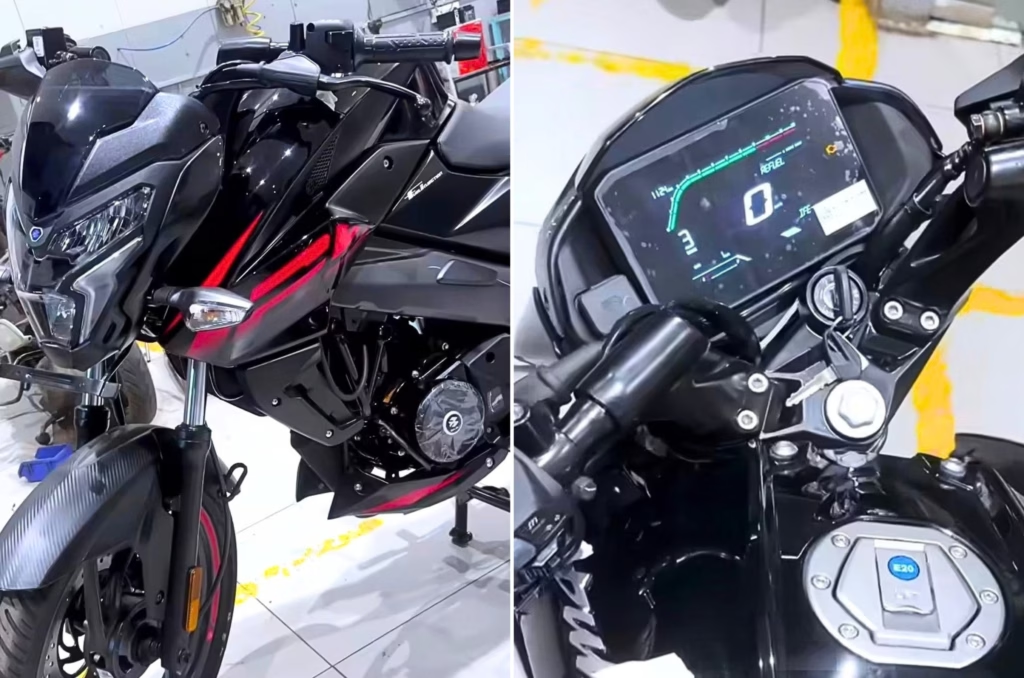
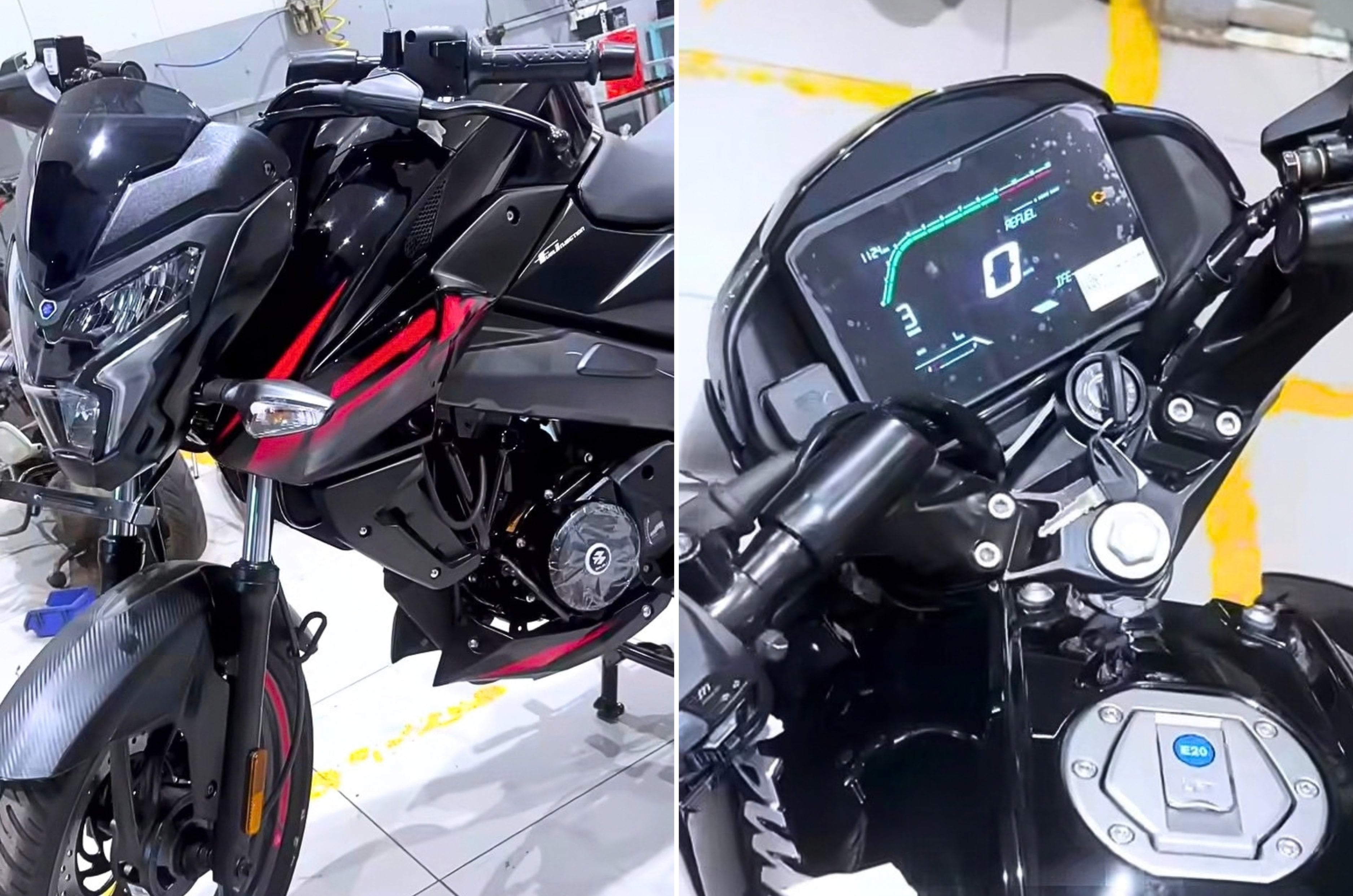
The production-looking version of the Pulsar NS125 was spotted with a new LCD screen, replacing the negative LCD unit on the current version. While the images give us a look at the model with an LCD screen (also available on lower variants of the 125, 150, and N160), there will likely be a higher variant with the same TFT display as the aforementioned siblings. Bajaj appears to have slightly updated the colours too, bringing the palette closer to the recently updated Pulsars. The images show us the bike in black/red, black/neon green, and black/grey.
Besides these two changes, the baby NS is expected to remain unchanged. Which means, it’ll hang on to its 124.45cc engine delivering 12hp and 11Nm of torque. For context, the updated classic Pulsar 125 has a 124.38cc engine that makes 11.8hp and 10.8Nm of torque. TVS Raider, the current best-seller of the sporty 125s, has a 124.8cc engine making 11.38hp and 11.2Nm of torque (11.75Nm on ISG variants). Since the motorcycle appears to have reached dealerships already, deliveries will likely start soon as well. Currently, the Bajaj Pulsar NS125 starts at Rs 99,622 and it remains to be seen if that increases with these updates.