Télécharger 1xbet nouvelle version : aperçu et options

Télécharger 1xbet nouvelle version – Guide complet pour les joueurs français

Pourquoi passer à la nouvelle version de 1xbet ?

La dernière mise à jour de 1xbet apporte une interface plus fluide, des temps de chargement réduits et un accès direct aux paris en direct. Les développeurs ont également renforcé le chiffrement SSL, ce qui rend les transactions plus sûres pour les joueurs français. En plus de l’esthétique revisitée, la version propose de nouvelles fonctionnalités comme le “Cash Out” instantané et un tableau de bord personnalisable.

Pour les habitués, cela signifie moins de bugs lors des paris sportifs ou du casino en direct, et pour les nouveaux venus, une prise en main plus intuitive. En bref, la mise à jour vise à améliorer l’expérience mobile, à accélérer les dépôts et à offrir un support client plus réactif.

Comment télécharger et installer la version 1xbet sur Android et iOS

Le processus de téléchargement diffère légèrement selon le système d’exploitation. Sur Android, il faut autoriser les sources inconnues, puis télécharger le fichier APK depuis le site officiel. Sur iOS, l’application est disponible via le magasin d’applications interne de 1xbet, accessible après connexion à votre compte.

Suivez ces étapes simples :

  1. Ouvrez le navigateur de votre smartphone et rendez‑vous sur la page de téléchargement officielle.
  2. Cliquez sur « télécharger 1xbet nouvelle version » pour Android ou « Installer sur iOS » pour Apple.
  3. Acceptez les autorisations demandées (stockage, notifications).
  4. Une fois le fichier installé, lancez l’application et connectez‑vous avec vos identifiants.

Pour ceux qui préfèrent éviter le téléchargement manuel, vous pouvez également cliquer sur le lien suivant : 1xbet dowloand. Cette option redirige directement vers la version la plus récente, prête à être installée.

Inscription et vérification d’identité – Ce que vous devez savoir

L’inscription sur la nouvelle version de 1xbet reste rapide : il suffit de renseigner votre adresse e‑mail, choisir un mot de passe sécurisé et accepter les conditions générales. Une fois votre compte créé, vous recevrez un e‑mail de confirmation à valider.

La vérification d’identité (KYC) est obligatoire pour lever les limites de dépôt et de retrait. Vous devrez fournir une copie d’une pièce d’identité officielle, un justificatif de domicile récent et, parfois, une preuve de paiement. Le processus est généralement finalisé en 24 à 48 heures, mais il peut varier selon le volume de demandes.

Les bonus d’accueil et exigences de mise (wagering requirements)

1xbet propose un bonus de bienvenue attractif, souvent sous forme de 100 % du premier dépôt jusqu’à 200 € plus 50 % sur le deuxième dépôt. Toutefois, chaque bonus est soumis à une condition de mise : généralement 30 fois le montant du bonus.

Voici les principaux éléments à retenir :

  • Le bonus doit être utilisé dans les 30 jours suivant le dépôt.
  • Les jeux de casino et de sport comptent différemment dans les exigences de mise.
  • Les gains provenant du bonus sont retirables uniquement après avoir satisfait aux conditions.

Options de paiement et rapidité des retraits

La nouvelle version de 1xbet accepte de nombreux moyens de paiement adaptés aux joueurs français : cartes bancaires, portefeuilles électroniques et virements bancaires. Les dépôts sont instantanés, alors que les retraits varient selon la méthode choisie.

MéthodeDépôt min.Retrait min.Délai de traitement
Visa / Mastercard10 €20 €Instantané / 1‑3 jours ouvrés
Skrill10 €30 €Instantané / 24 heures
Virement bancaire100 €100 €Instantané / 2‑5 jours ouvrés

Pour les joueurs qui souhaitent des gains rapides, les portefeuilles électroniques comme Skrill offrent les délais les plus courts, tandis que les virements bancaires sont recommandés pour les gros montants.

Sécurité, licence et jeu responsable

1xbet opère sous licence de Curaçao, reconnue dans l’industrie du jeu en ligne. La plateforme utilise le cryptage AES‑256 pour protéger les données personnelles et financières. De plus, le site propose des outils de jeu responsable : limites de dépôt, de mise et d’auto‑exclusion.

En France, la réglementation impose aux opérateurs de fournir un accès facile aux organismes d’aide au jeu problématique. La nouvelle version intègre un lien direct vers l’AFJ (Association Française des Jeux) et permet de suspendre temporairement votre compte en un clic.

Utilisation de l’application mobile : expérience et fonctionnalités

L’application mobile 1xbet, désormais mise à jour, offre un design responsive qui s’adapte à tous les écrans. Vous pouvez placer des paris sportifs en direct, accéder aux tables de live casino, et gérer vos fonds depuis le tableau de bord.

Parmi les fonctionnalités les plus utiles, on trouve :

  • Le “Cash Out” instantané pour sécuriser vos gains.
  • Le fil d’actualités sportives en temps réel.
  • Le mode “Dark” pour jouer dans des environnements peu éclairés.

Les temps de chargement sont généralement inférieurs à deux secondes, même sur connexion 4G, ce qui rend le jeu sur mobile très fluide.

Support client et assistance en français

Le service client de 1xbet est disponible 24/7 via chat en direct, e‑mail et téléphone. Un support dédié en français garantit des réponses rapides aux questions les plus fréquentes, comme les problèmes de dépôt ou les demandes de vérification.

En cas de litige, le centre d’aide propose une section “Résolution de conflits” où vous pouvez suivre l’état de votre ticket. Les réponses sont généralement fournies dans les 30 minutes suivant la soumission.

FAQ rapides sur le téléchargement de la nouvelle version

Q : La nouvelle version est‑elle compatible avec les anciens appareils Android ?
R : Oui, la version minimale requise est Android 5.0, mais les performances sont optimales sur Android 8.0 et plus.

Q : Puis‑je jouer sans créer de compte ?
R : Non, la création d’un compte est obligatoire pour accéder aux paris et aux bonus.

Q : Combien de temps faut‑il pour vérifier mon identité ?
R : En général, entre 24 et 48 heures, mais cela dépend du volume de demandes.

Ces réponses vous aideront à démarrer rapidement avec la nouvelle version de 1xbet et à profiter pleinement de toutes les possibilités offertes.
Porsche plans new halo supercar above 911, Macan-sized ICE SUV

Porsche plans new halo supercar above 911, Macan-sized ICE SUV
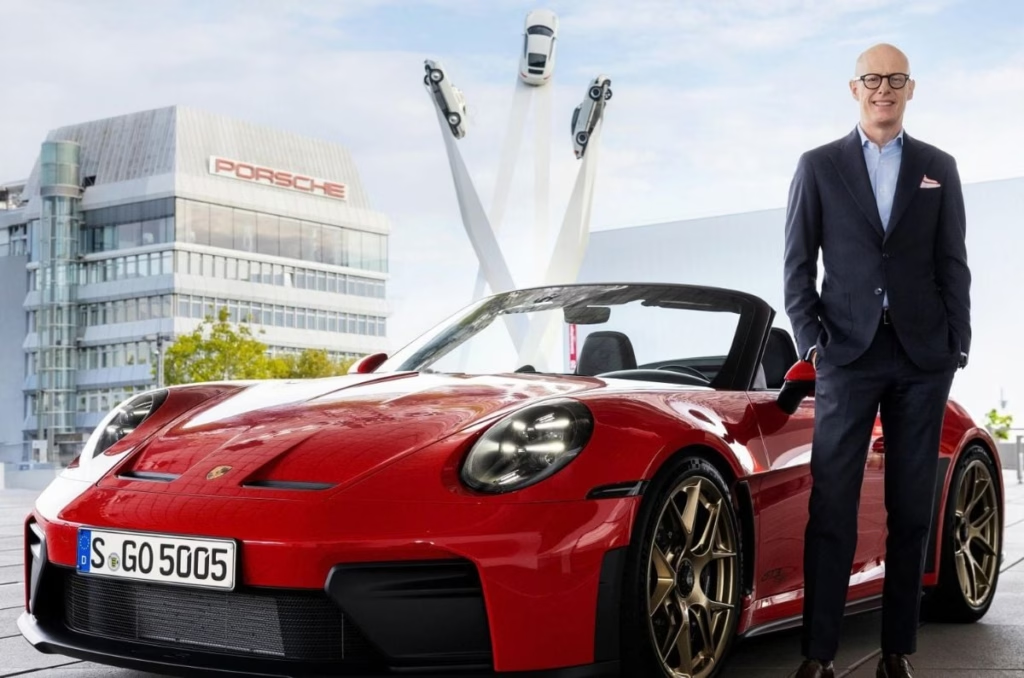
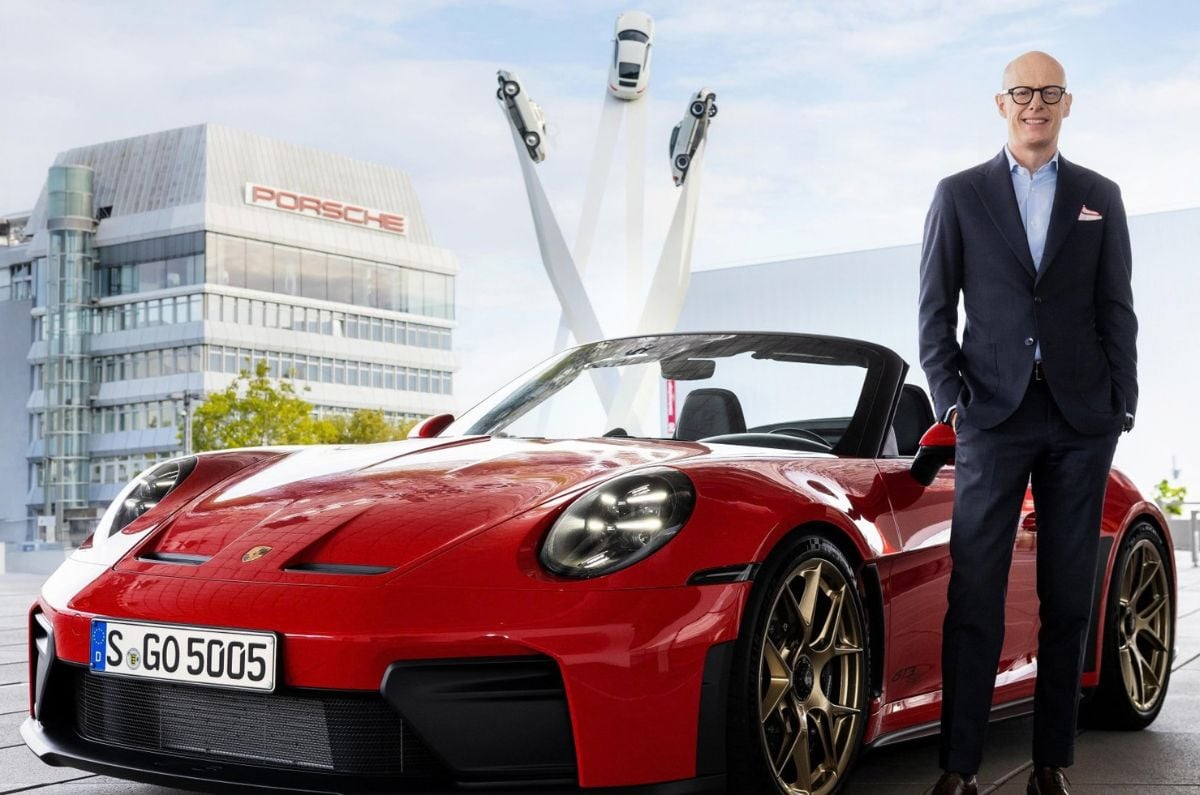
Porsche CEO Michael Leiters

Porsche has outlined a new line-up of models under its Sportwagenschmiede ‘35 strategy, which was presented by the German luxury marque at the Capital Markets Day in Weissach. The strategy, which means ‘sports car forge’ in German, includes a new halo supercar positioned above the 911, a new internal combustion-powered (ICE) SUV and an all-electric 718 line-up. Porsche stated that it will also be expanding its ‘special request’ offerings.

  • Mission S concept to preview the new supercar on October 15.
  • New ICE and PHEV SUV to join the Macan Electric in 2028.
  • Next-gen 718 Boxster and Cayman to be all-electric.

New Porsche halo supercar

This upcoming model is to be previewed as the Mission S concept on October 15

Under its new Sportwagenschmiede ‘35 strategy, Porsche has announced plans for a new mid-engined super sports car platform that will underpin a model above the 911. “We are developing a super sports car platform,” Porsche CEO Michael Leiters told the media present at the Capital Markets Day event.

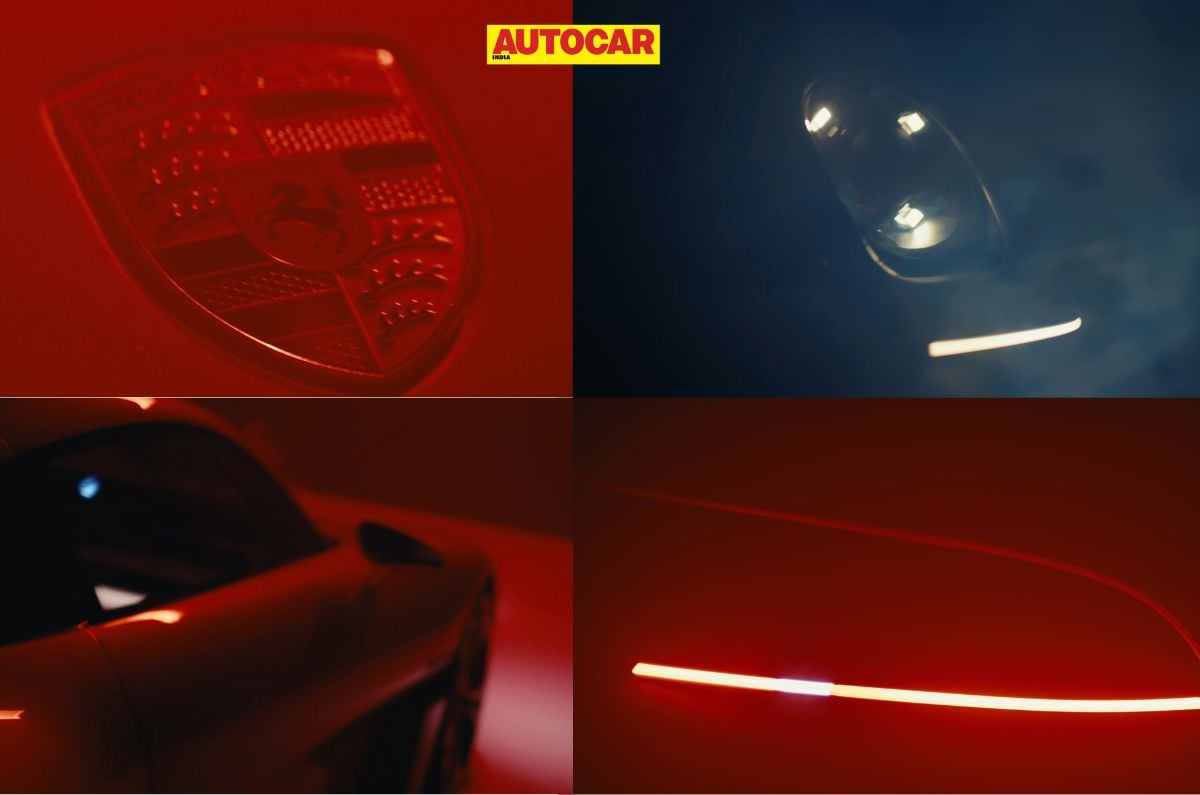
Porsche Mission S teaser
Porsche Mission S official teaser

The brand said that it will be previewing this new model on October 15 by way of a concept called ‘Mission S’. This would be Porsche’s first range-topping supercar since the 918 Spyder and could serve as its spiritual successor. This upcoming mid-engined supercar, along with the other upcoming models announced by Porsche, could share parts with Volkswagen Group models, the company stated.

New Porsche SUVs in the works

This new combustion-powered SUV is set to join the Macan Electric in 2028

Joining the all-electric Macan in 2028 will be a similarly sized SUV, the brand confirmed. It also said that this new SUV will be offered with a range of combustion and plug-in hybrid (PHEV) powertrain options. Autocar UK previously reported that this SUV will be based on the PPC platform and be twinned with the Audi Q5.

Porsche is also exploring a new flagship SUV, which would be placed above the Cayenne. Codenamed the ‘K1’, it is reportedly set to launch with combustion power first, with an all-electric version expected at a later stage. The brand has committed to deepening its collaboration with Audi on the PPE and PPC platforms, which it hopes will lower development costs and improve efficiency. Porsche added that the unique character of each brand will be maintained through brand-specific technology and features.
Porsche confirms all-electric 718 models

Boxster and Cayman to move away from combustion power

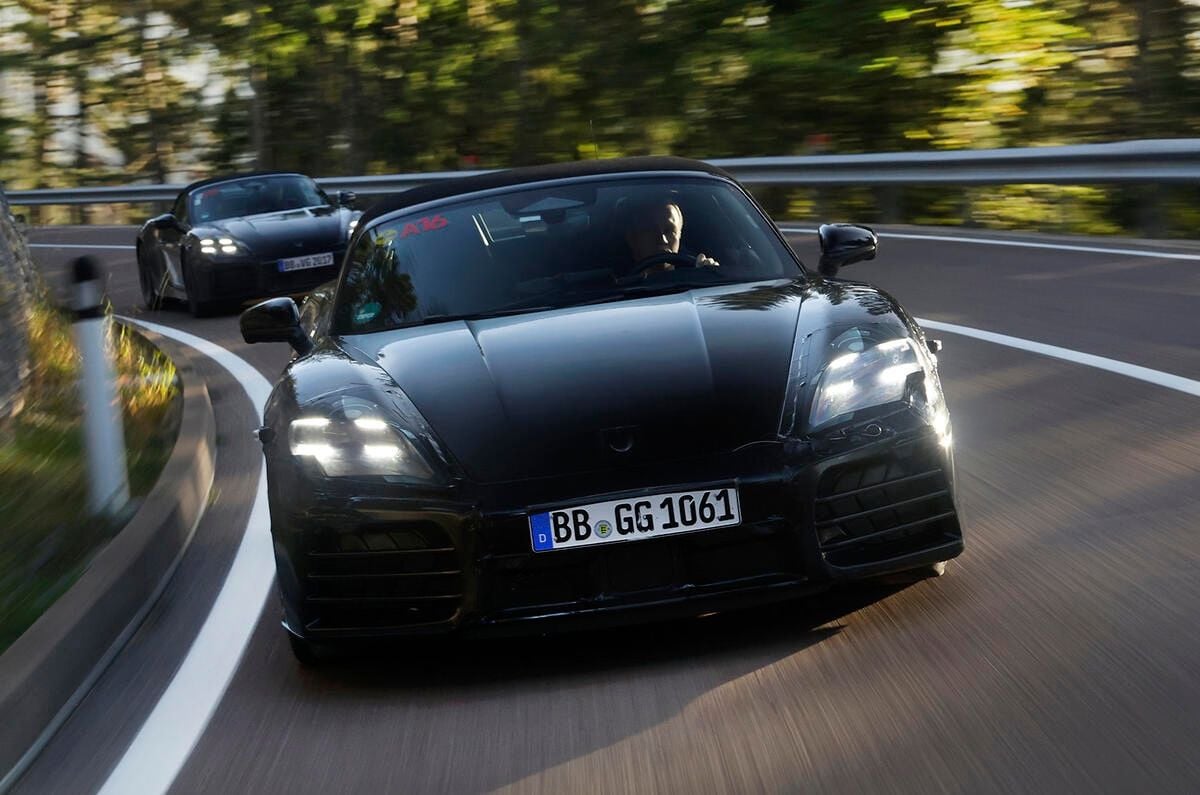
Porsche 718 Boxster EV
Porsche 718 Boxster EV image by Autocar UK

The next-gen 718 duo will be moving to an all-electric platform, with 2028 set to be their first full year of production, Porsche confirmed. This is in contrast to what the luxury marque was earlier expected to do, with plans to equip the next-gen 718 range with a platform compatible with both combustion and pure-electric powertrains.
Porsche to ramp up its exclusive offerings

Focus on individualised examples from Sonderwunsch, Exclusive Manufaktur and Manthey to strengthen

Porsche has showcased several one-off models in recent months. These include the Flachbau RS, which is a road-legal one-off based on the 911 GT2 RS, and three one-of-one 911s that were displayed at the Monterey Car Week in August 2026.
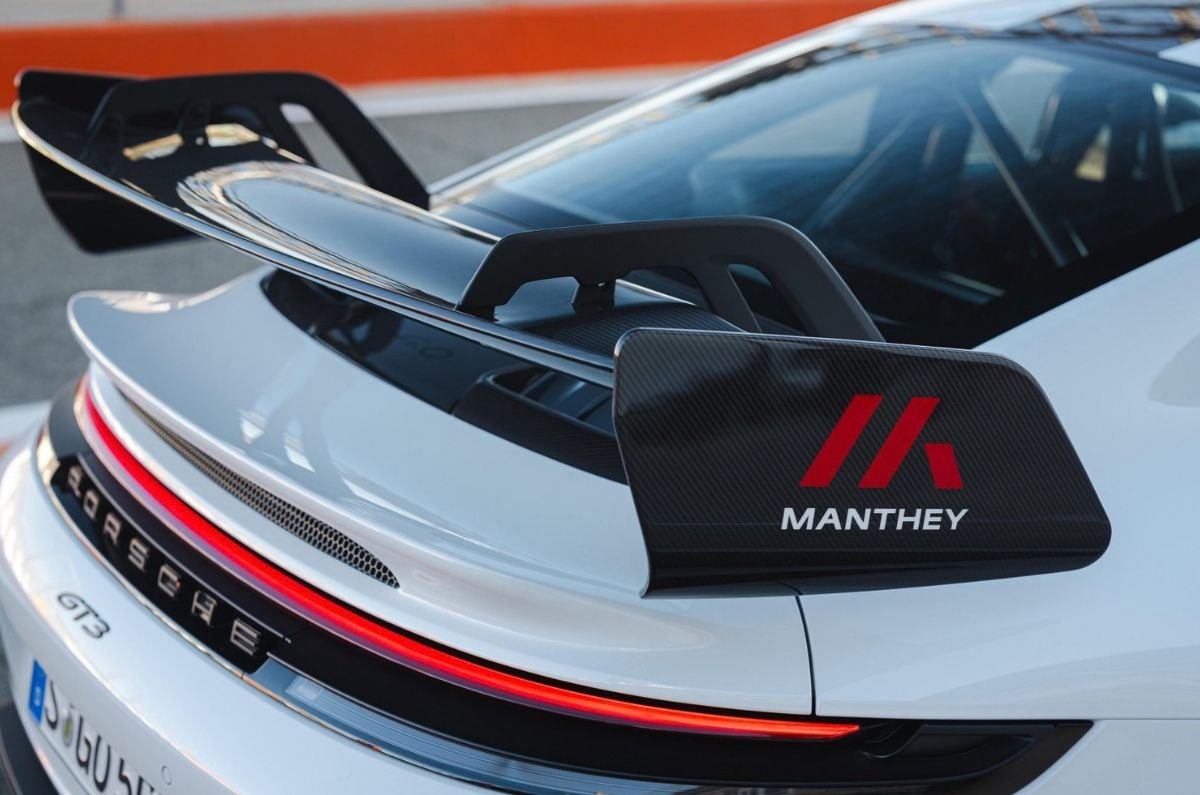
Porsche Manthey 911 GT3

Porsche is now aiming to grow the sales from its Sonderwunsch personalisation division sixfold in the medium term. It has also increased its stake in Manthey Racing to 67 percent, with the aim to offer customers performance kits, exclusive track-side experiences and complete few-off concepts. These individualised examples are likely to carry much higher profit margins than regular series-production models. Porsche revealed that the highest price ever paid for a fully bespoke Sonderwunsch example was north of EUR 13 million.

Measures to boost profitability

Porsche is working on increasing profitability after profits fell by over 90 percent in 2025

Porsche saw its operating profit fall from EUR 5.64 billion to EUR 413 million in 2025, a drop of over 90 percent compared to 2024. Porsche expects the upcoming 718 electric range to support sales in 2028, with the new Macan-sized ICE SUV contributing from 2029. More models in the higher-margin D and E segments will follow, as per Porsche.

Porsche is also cutting model variants by about 20 percent to reduce complexity, and expects sales per variant to rise by about 30 percent as a result. As reported earlier, Porsche may also merge the Panamera and Taycan nameplates into a single model to curb unprofitable expenses. By implementing its new Sportwagenschmiede ‘35 strategy, Porsche is aiming for a net cash flow margin of 9 to 12 percent in the medium term, and wants its break-even point to drop below 2 lakh units. The company is also set to reduce material costs by around 10 percent by way of parts sharing with the rest of the Group.

BMW iX4 image gallery

BMW iX4 image gallery
bmw iX4 in studio

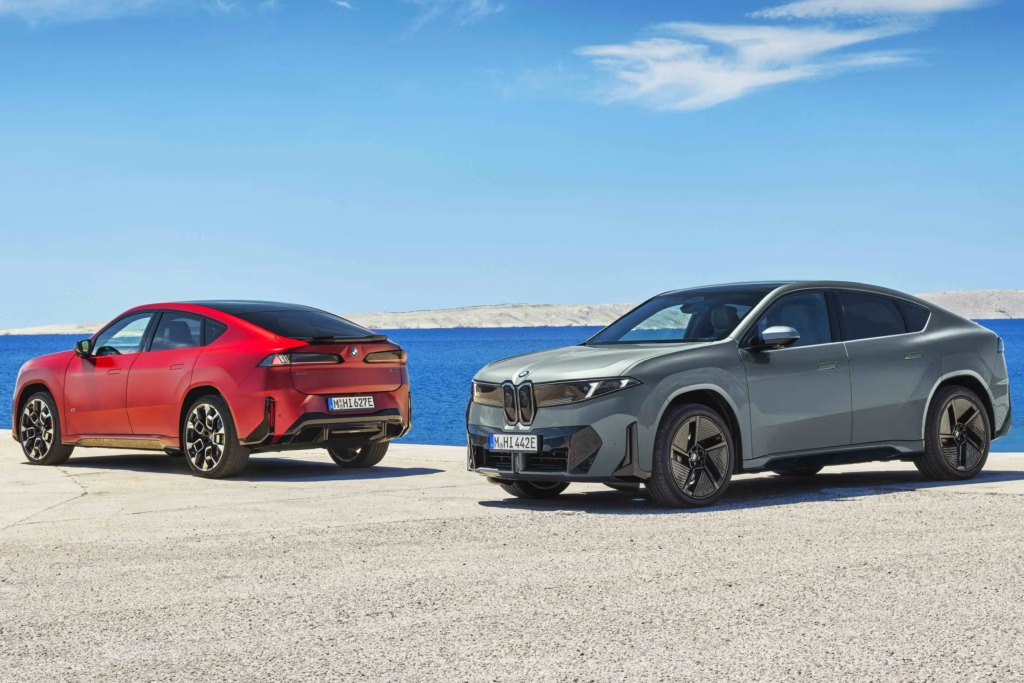
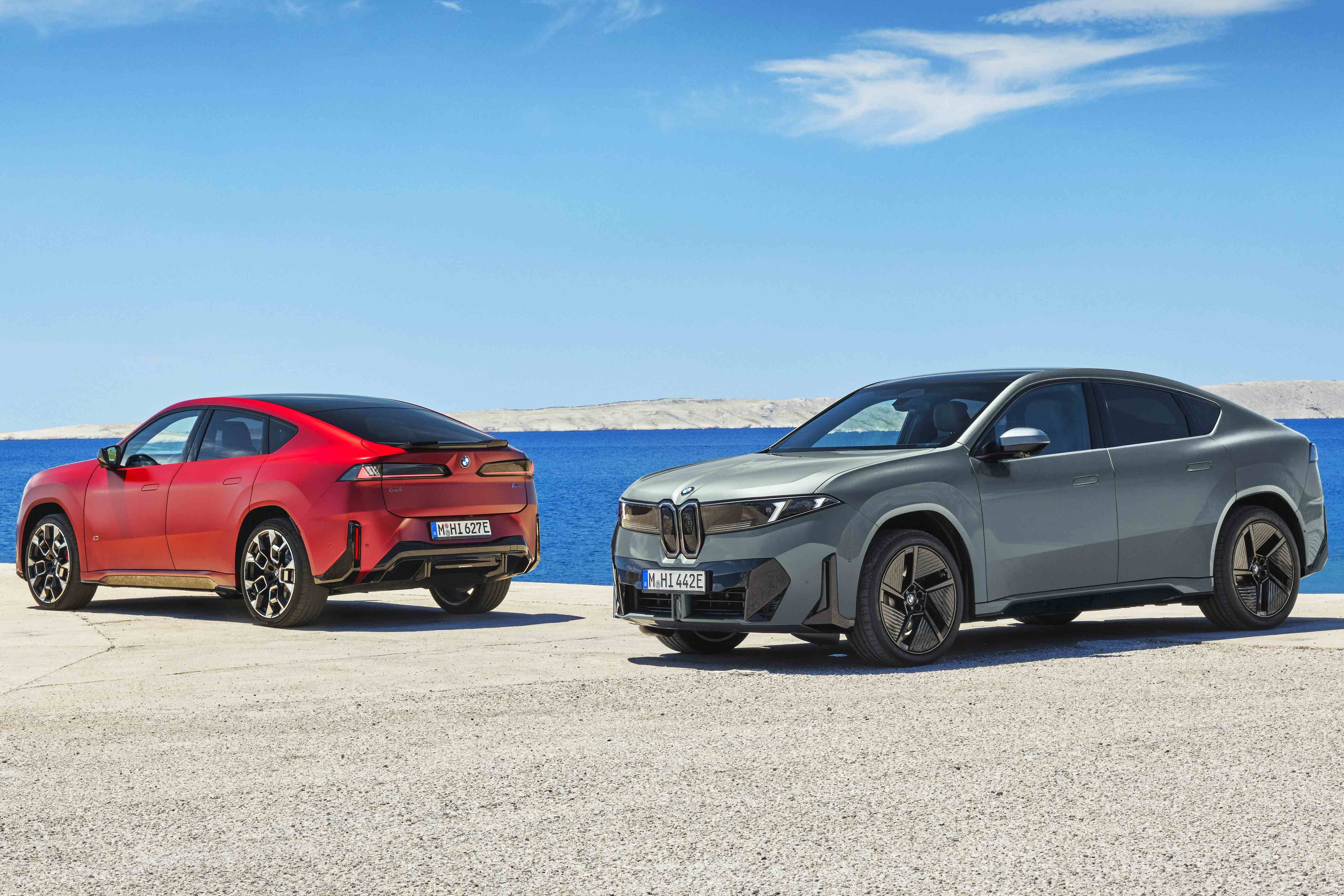
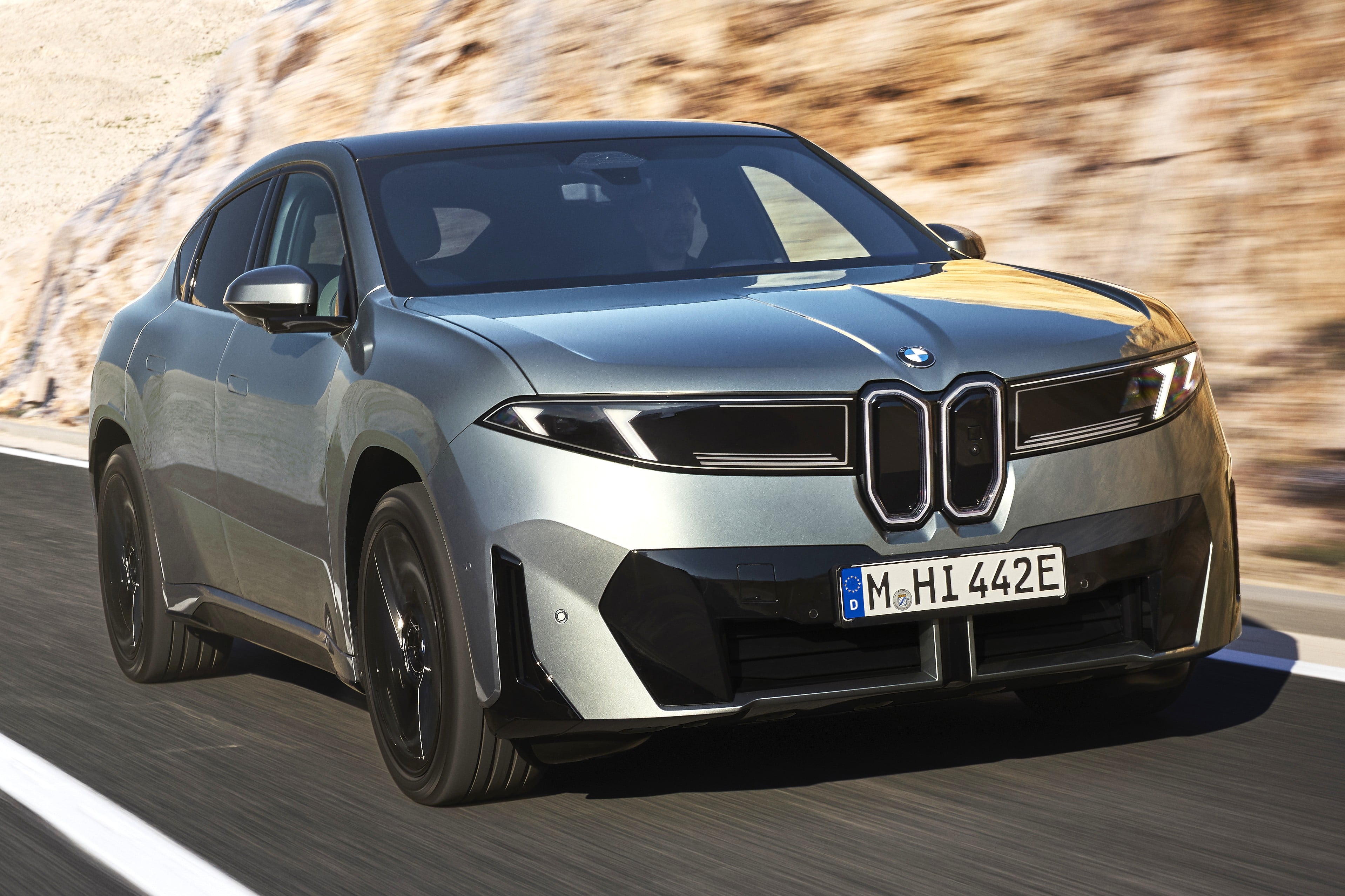
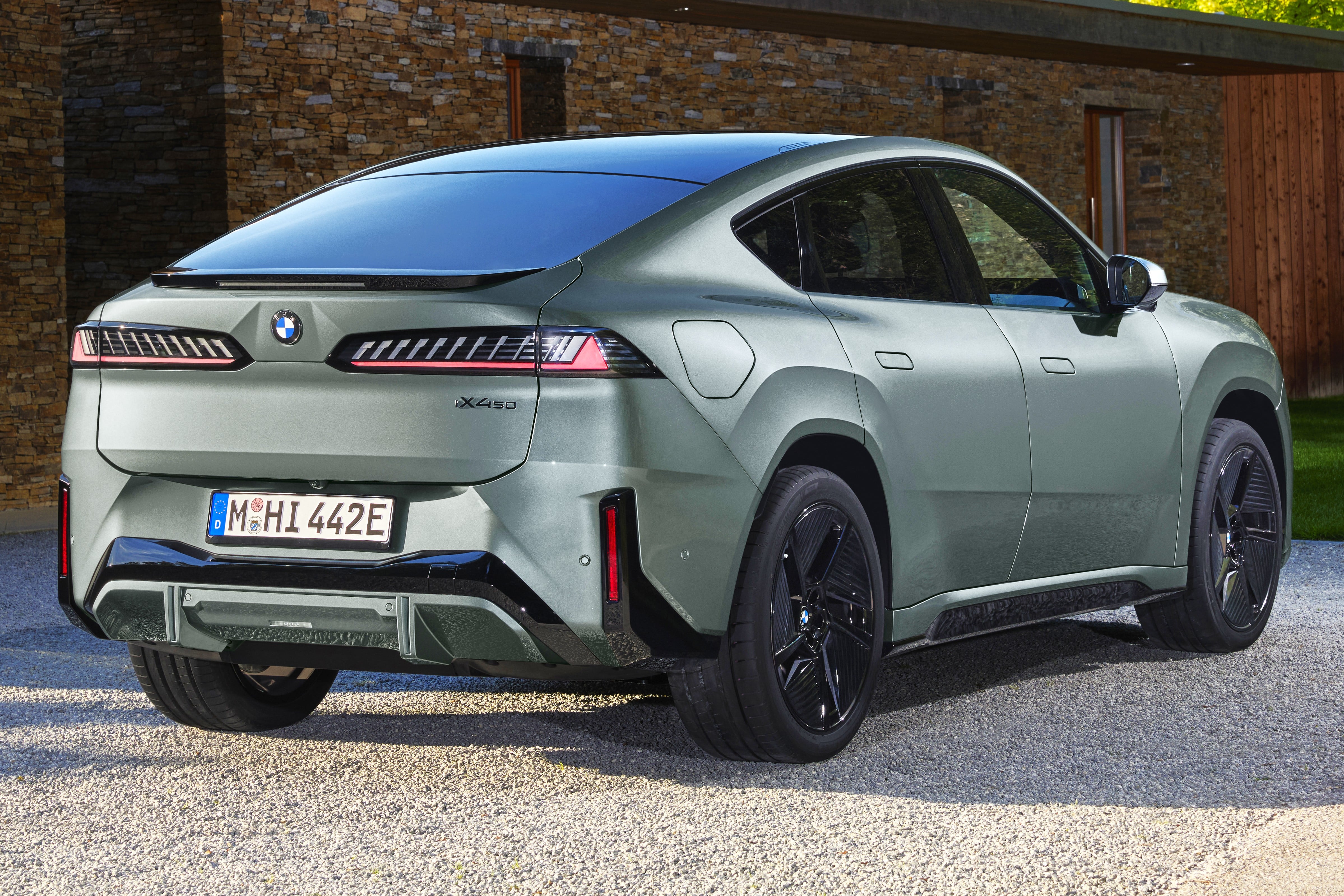
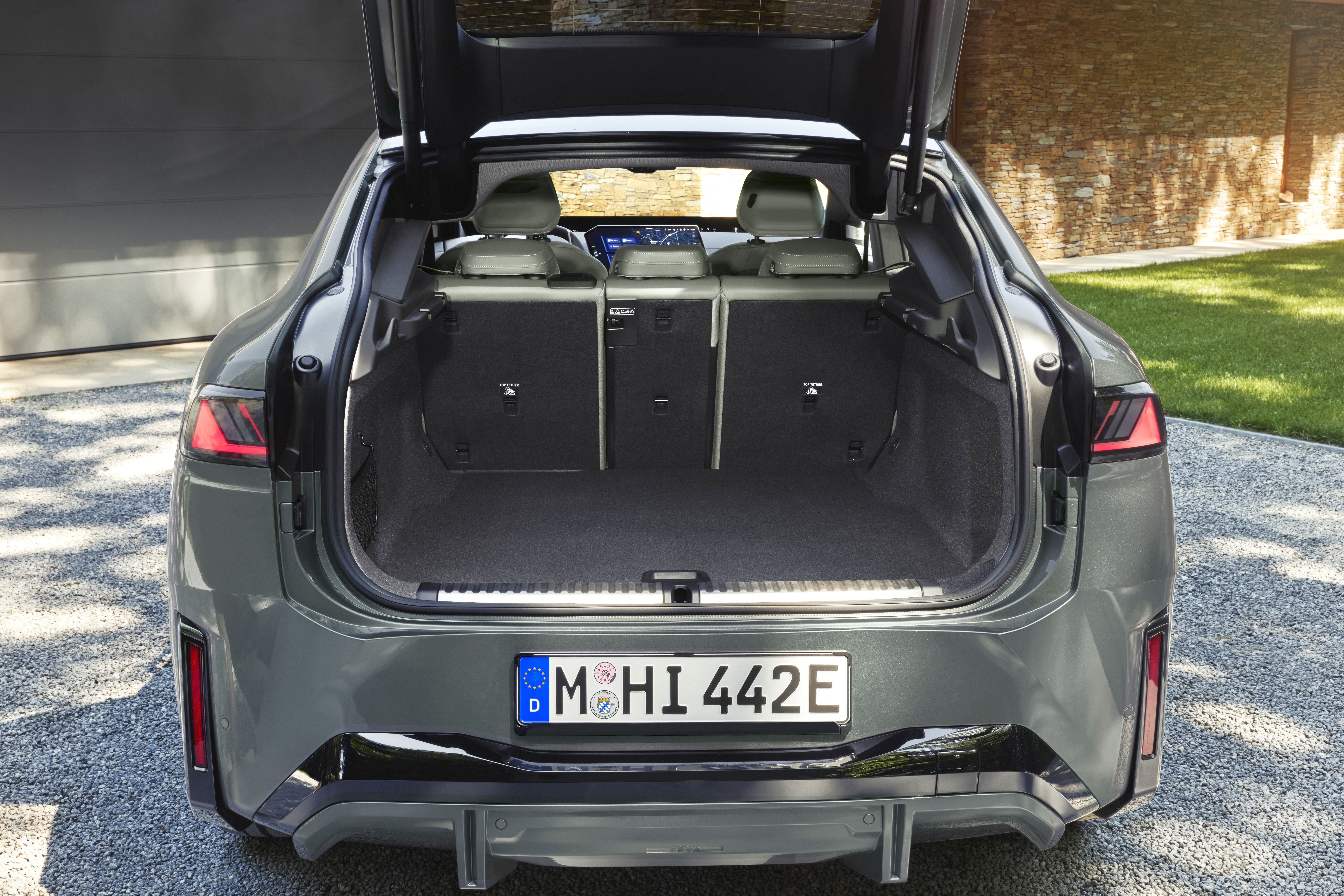
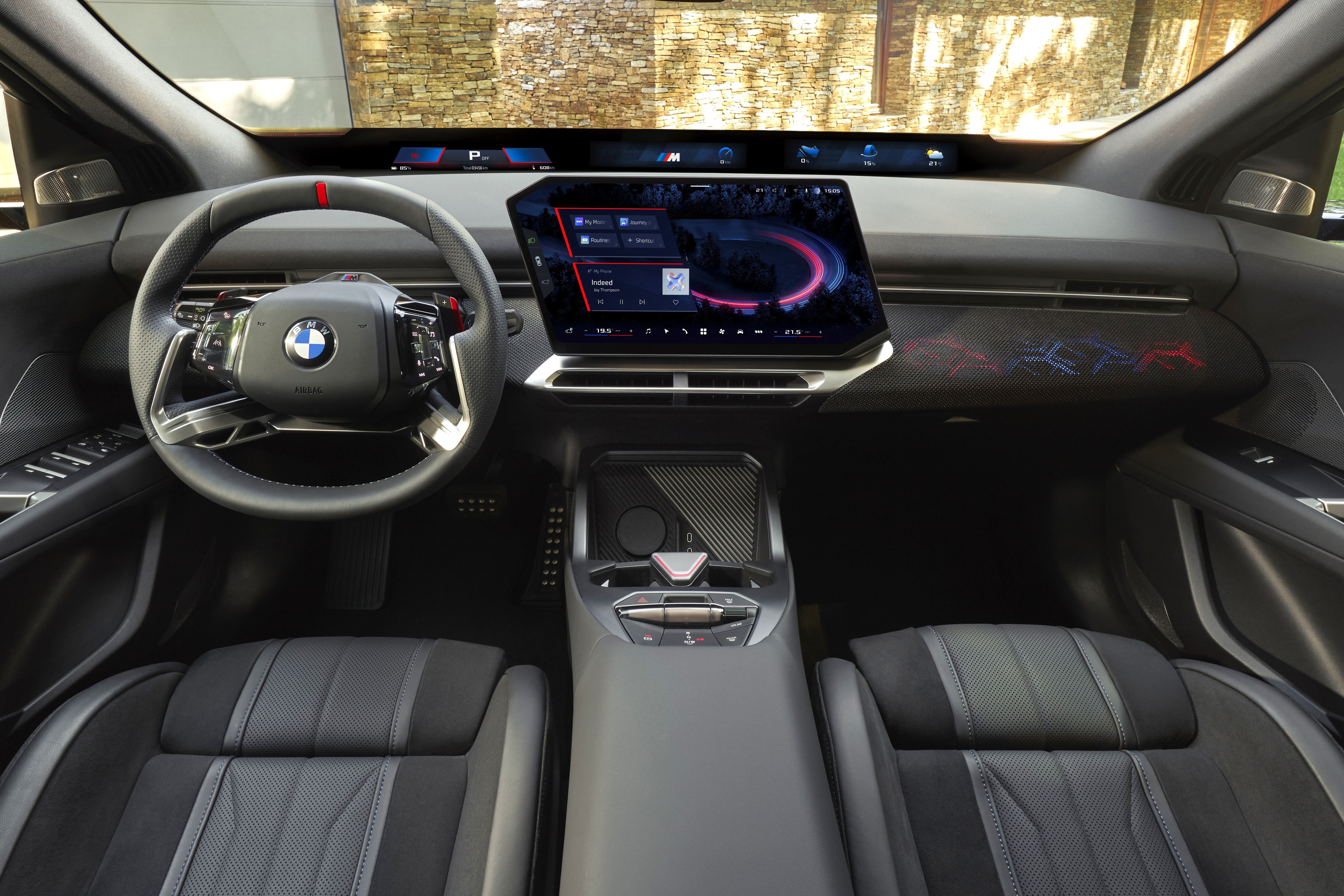
BMW has revealed the iX4 as the coupe-SUV version of the iX3, which was unveiled in 2025. As it’s based on the iX3, the iX4 uses BMW’s 800-volt Neue Klasse architecture, and offers the same 82.6kWh and 108.7kWh battery options. The iX4 looks similar to the iX3 right up until the C-pillar, where the roofline sharply rakes. Inside, the iX4 is identical to its regular-shaped SUV sibling, with a massive 17.9-inch infotainment touchscreen and a full-width Panoramic Vision display at the base of the windshield.

Bajaj Pulsar RS200 spotted with TFT display and USD fork

Bajaj Pulsar RS200 spotted with TFT display and USD fork
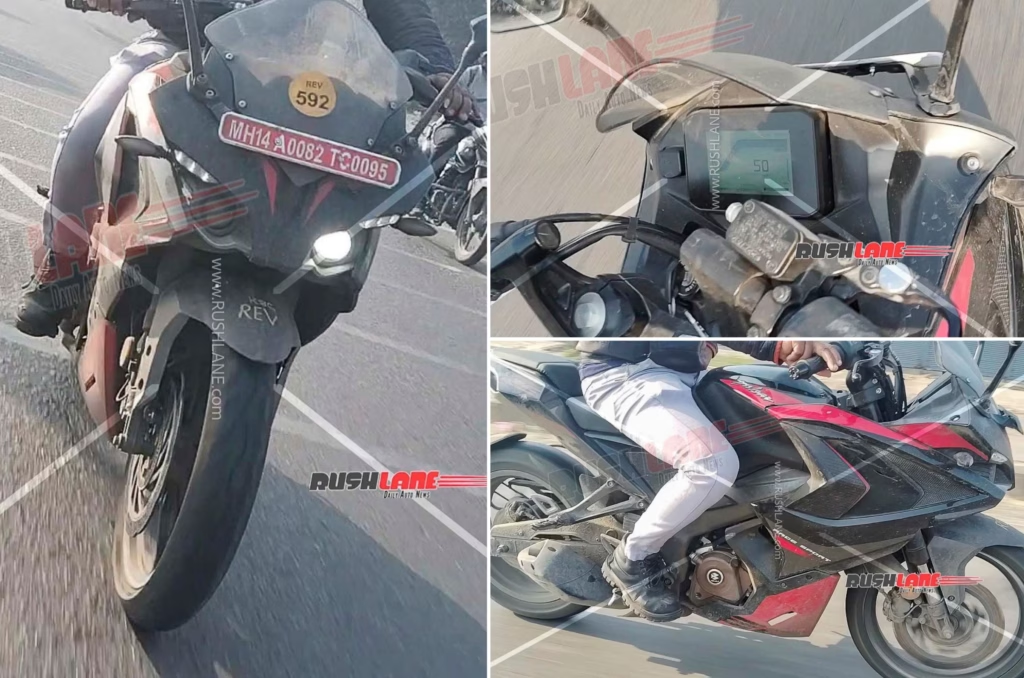
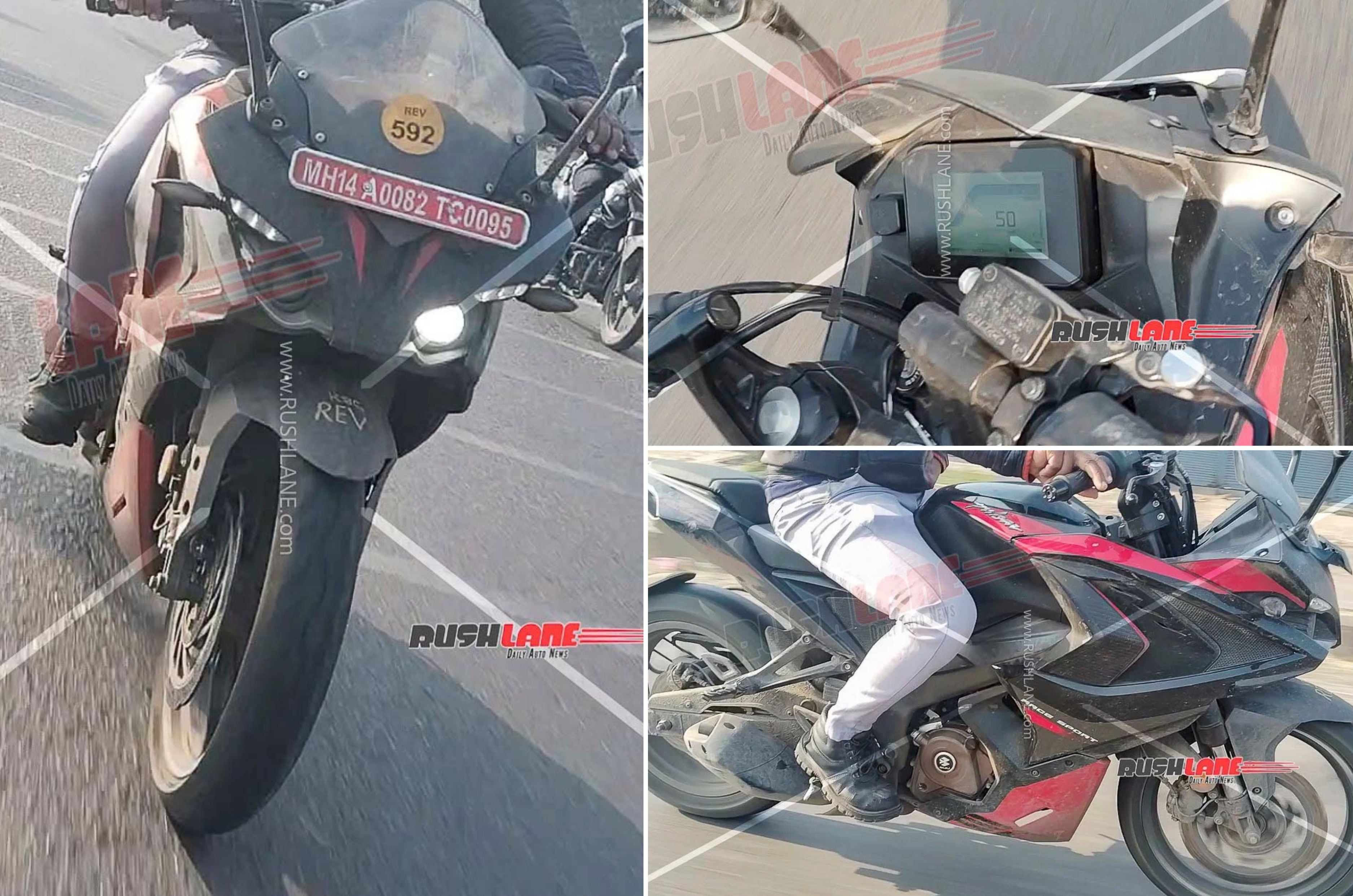
Bajaj Pulsar RS200's new 5-inch TFT screen, unchanged side profile and headlight in clockwise direction.

The Southwest monsoon may be over, but in Pune, it appears to be raining Pulsars. After updating the N160, 125, 150, and the NS400Z, the RS200 could be up next to get updated. If these images are anything to go by, it looks to be a pretty massive one as well. Bajaj’s only Pulsar with a fairing was spotted testing with two significant changes: an USD fork and the company’s new 5-inch TFT display that first debuted on the Pulsar N160 SS.

  1. Expected to stick to the same design and the 199.5cc engine with 24.5hp and 18.7Nm
  2. Likely to get new switch cubes and adjustable levers
  3. NS200 expected to get even more updates

Bajaj Pulsar RS200: The story so far

11 years of being in a class of one

Bajaj first introduced the RS200 in 2015, based on the NS200. The official Bajaj full form of RS is Race Sport versus the NS’ Naked Sport. At launch, it was the Pune-based automaker’s first fully-faired motorcycle and till date it remains the only one as well. In its current form, the RS200 has a 199.5cc, single-cylinder, liquid-cooled engine with 24.5hp and 18.7Nm. The standard rider aids on offer are dual-channel ABS and a slip-and-assist clutch which are expected to be carried over. The RS has largely been mechanically similar to the NS200, except of course the front suspension unit. The current RS200 has a right side up (RSU) telescopic fork compared to the NS200, which has had upside down (USD) units since 2023.

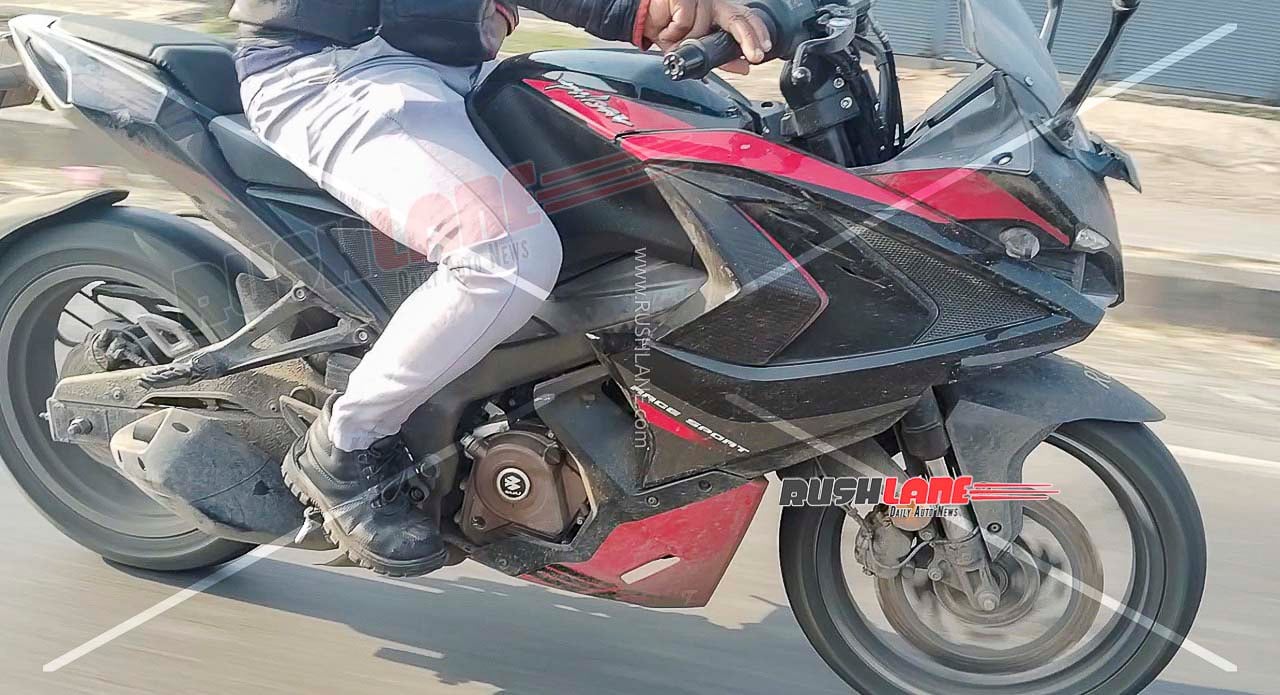
Bajaj Pulsar RS200 side profile

While this update is pretty substantial for the RS200, the NS looks poised to get even more upgrades, such as one extra hp, ride-by-wire, four ride modes, traction control, a quickshifter and radial rear tyre, besides the TFT display. It’s entirely possible that the RS200 will also get these features, and we should hear more about that closer to its launch. If that doesn’t end up being the case, the upcoming RS200 would still be a few beats behind its sport-naked sibling.

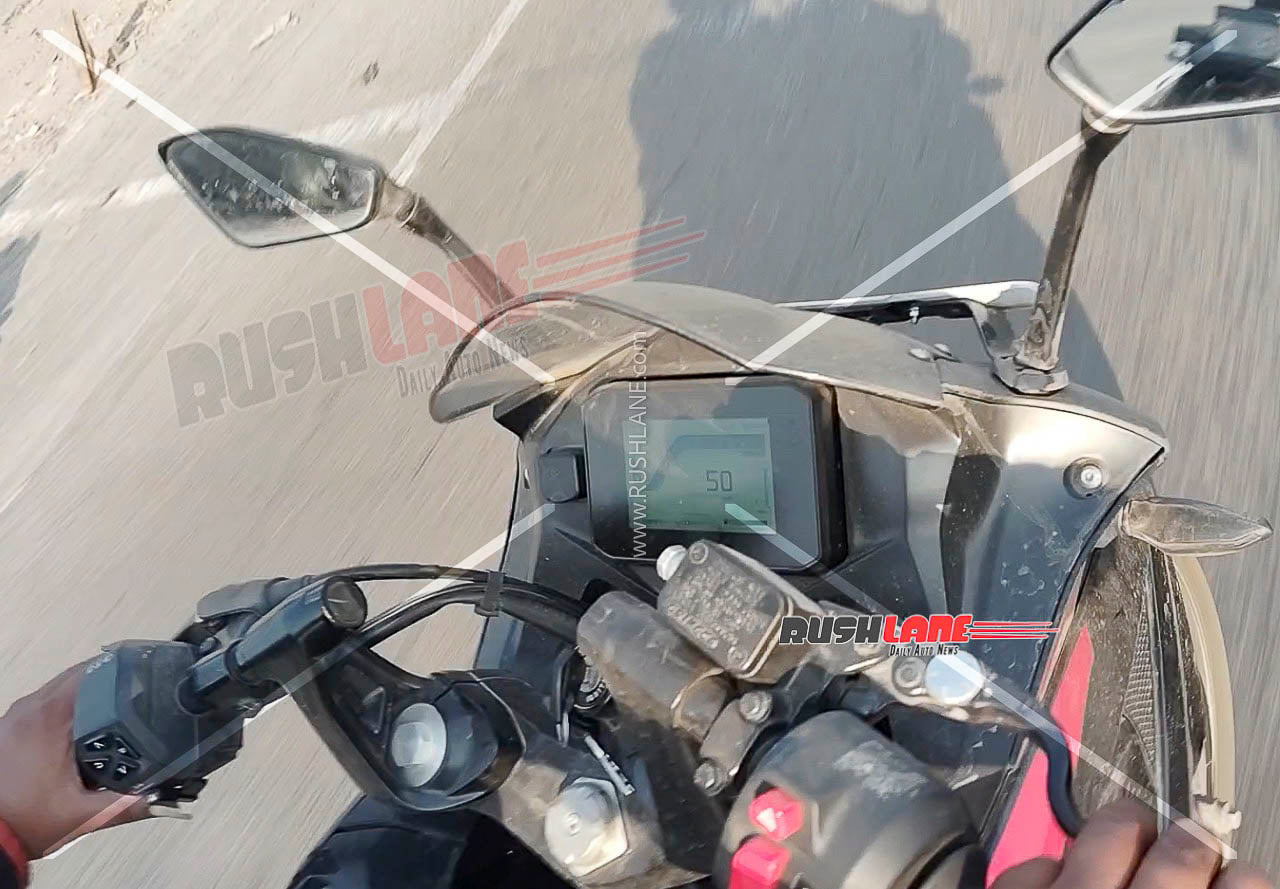
Besides giving the RS200 these two, admittedly major mechanical upgrades, Bajaj looks to be taking it easy elsewhere. The motorcycle in the images visually looks very similar to the current version, sharing even the design details on the bodywork. However, it’s possible that Bajaj will bring slight updates to the decals at launch. We do see upgraded switch cubes on both sides though, likely necessitated by the new display. Since the TFT display also supports Google Maps mirroring on the other Pulsars, it’s more than likely that the feature will be present in this RS 200 as well, possibly limited to a higher variant. Adjustable brake and clutch levers can also be seen – a nice touch from Bajaj.

Bajaj Pulsar RS200 with Bajaj's new 5-inch TFT display, USB-C port and updated switch cubes.

Excluding the Pulsars that have already been updated with the TFT display, the NS125 was spotted at a dealership with new colour options and an LCD screen. The NS200 and N250 were spotted testing with the same TFT unit and the upgraded switch cube. This leaves the NS160, Pulsar 180, and the 220F as the three Pulsars without any sort of upgrades thus far. Currently, the RS200 retails for Rs 1.81 lakh (ex-showroom, Delhi) for its single variant. It remains to be seen how much that changes when the upgraded version arrives. For context, all recently upgraded Pulsars have received price increases from Rs 5,000 to as high as Rs 14,000.

Source: Rushlane

Honda Elevate facelift mileage compared with rivals

Honda Elevate facelift mileage compared with rivals
Honda Elevate vs rivals mileage comparison

Honda has introduced the Elevate facelift, bringing it up to speed with the competition. It gets refreshed styling, mild interior changes, and several enhancements to its feature suite. However, it remains unchanged mechanically, retaining its 1.5-litre naturally aspirated petrol engine from its predecessor. The carmaker has also revealed the Elevate facelift’s claimed mileage figures, and we compare it against rivals to see how it fares.

Honda Elevate vs rivals: Claimed mileage 

Elevate’s claimed figures are among the lowest in the segment

Honda Elevate vs rivals: Claimed mileage (kpl)


Manual

Automatic

Honda Elevate

15.31

16.61

Kia Seltos

16.50

16.50

Tata Sierra

17.40

16.90

Hyundai Creta

17.40

17.70

Maruti Grand Vitara

21.11

20.58 | 19.20 (AWD)

Toyota Hyryder

21.12

20.58 | 19.39 (AWD)

Maruti Victoris

21.18

21.96 | 19.07 (AWD)

The Honda Elevate’s 1.5-litre naturally aspirated engine delivers 121hp and 145Nm, and is mated to either a 6-speed manual or CVT gearbox. Rivals like the Hyundai Creta and Kia Seltos come with the same gearbox options as the Elevate, whereas the Toyota Hyryder, Maruti Victoris and Grand Vitara offer a 5-speed manual and 6-speed torque converter automatic. Meanwhile, the Sierra naturally aspirated petrol is offered with a 6-speed manual and 7-speed DCT gearbox options. Because the Elevate offers only a naturally aspirated petrol engine, we’ve compared it only with rivals that offer this mill.

Honda claims that the new Elevate delivers 15.3kpl and 16.62kpl for its manual and automatic versions, respectively. But compared to the pre-facelift version, the new Elevate automatic’s mileage is 0.31kpl lower. Compared to the segment, the Elevate’s claimed mileage figures are among the lowest. It delivers the least fuel efficiency in manual guise but outranks the Seltos in automatic guise, albeit by a narrow margin. 

Rivals like the Tata Sierra and Hyundai Creta claim to deliver up to 18kpl. Meanwhile, the same-engine-powered Toyota Hyryder, Maruti Victoris and Grand Vitara breach the 20kpl mark, with the Victoris delivering the highest figures in manual guise. Interestingly, even in AWD automatic guise, the Toyota and Maruti SUVs claimed figures are higher than rivals equipped with a manual gearbox.

BMW iX4 electric coupe SUV revealed

BMW iX4 electric coupe SUV revealed
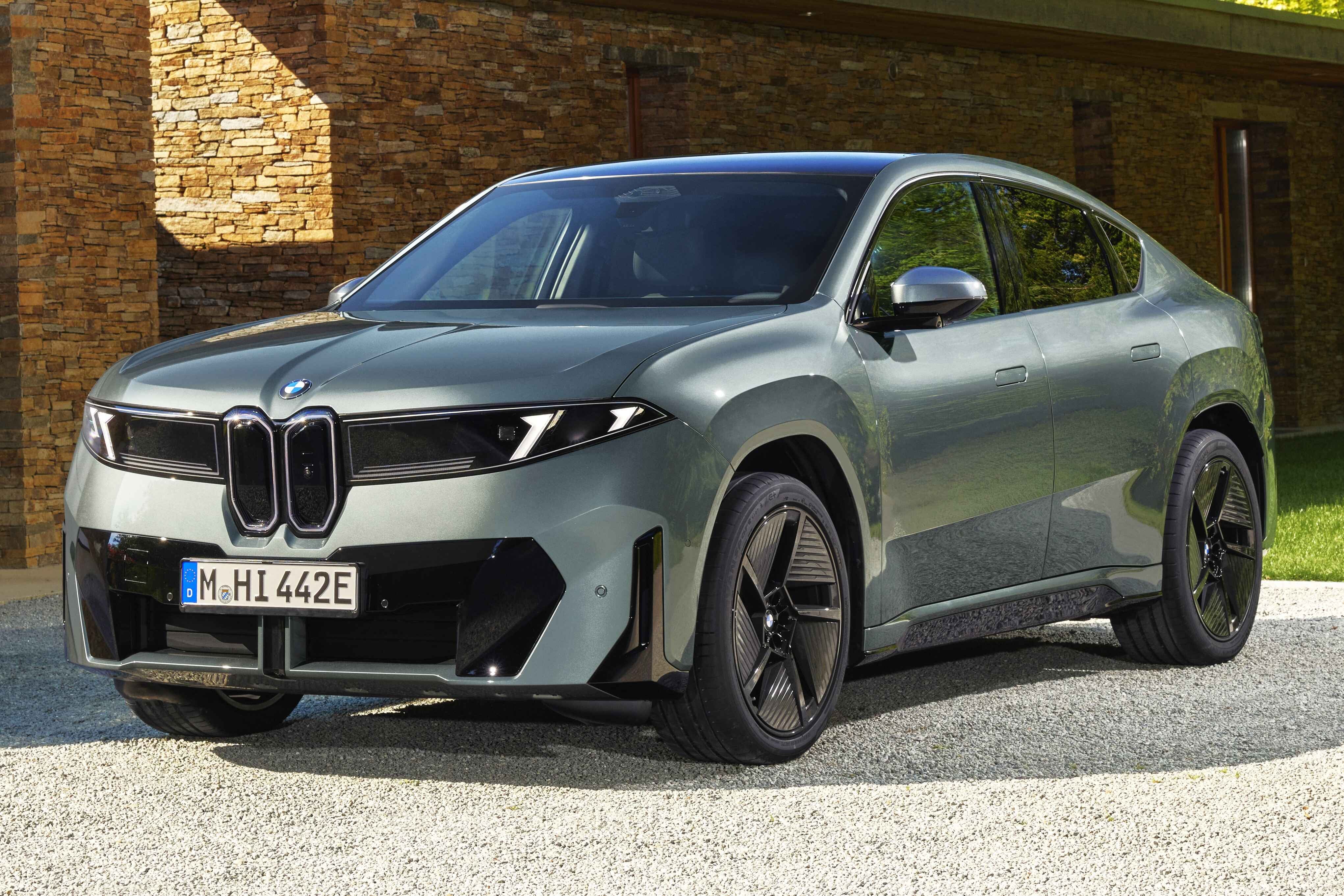
BMW iX4

BMW has pulled the wraps off the iX4, a coupe-SUV derivative of the iX3 and the third Neue Klasse offering from the German carmaker. The iX4’s global launch is scheduled for March 2027, and it will be available in two variants initially: 40 xDrive and 50 xDrive. A sportier, range-topping variant dubbed the M60 xDrive will join the iX4 line-up at a later date.

BMW iX4 powertrain and performance

iX4 50 xDrive

The iX4 rides on BMW’s 800-volt Neue Klasse platform and borrows the iX3’s battery options. Specifically, the iX4 40 xDrive comes with an 82.6kWh battery delivering a WLTP range of 526km-638km, while the 50 xDrive gets a 108.7kWh unit that’s good for a 680km-828km range. The iX4 M60 xDrive is likely to use the same 108.7kWh battery, but is rated for a maximum WLTP range of 777km.

iX4 M60 xDrive

All iX4 variants get a dual-motor all-wheel drive setup as standard, with the 40 xDrive developing 374hp and 520Nm, the 50 xDrive churning out 469hp and 645Nm, and the M60 xDrive producing 603hp and 875Nm. The 40 xDrive claims a 0-100kph time of 5.6 seconds and a 200kph top speed, the 50 xDrive is good for a 4.9-sec 0-100kph run and a 210kph top speed, and the M60 xDrive manages a 3.9-sec 0-100kph dash and a 240kph top speed. Adaptive sports suspension is also fitted as standard in the M60 xDrive, and is available as an option in the other variants.

iX4 50 xDrive

As for charging, all three iX4 versions can be charged at up to 22kW from an AC source, while DC fast charging is capped at 300kW for the 40 xDrive and 400kW for the 50 xDrive. A 10 to 80 percent DC charge takes 21 minutes for both variants. Furthermore, BMW claims that when charging at the maximum DC wattage, the iX4 40 xDrive can add up to 301km of range in 10 minutes, whereas the 50 xDrive delivers a range top-up of up to 387km in the same timeframe.

BMW iX4 exterior design

iX4 50 xDrive

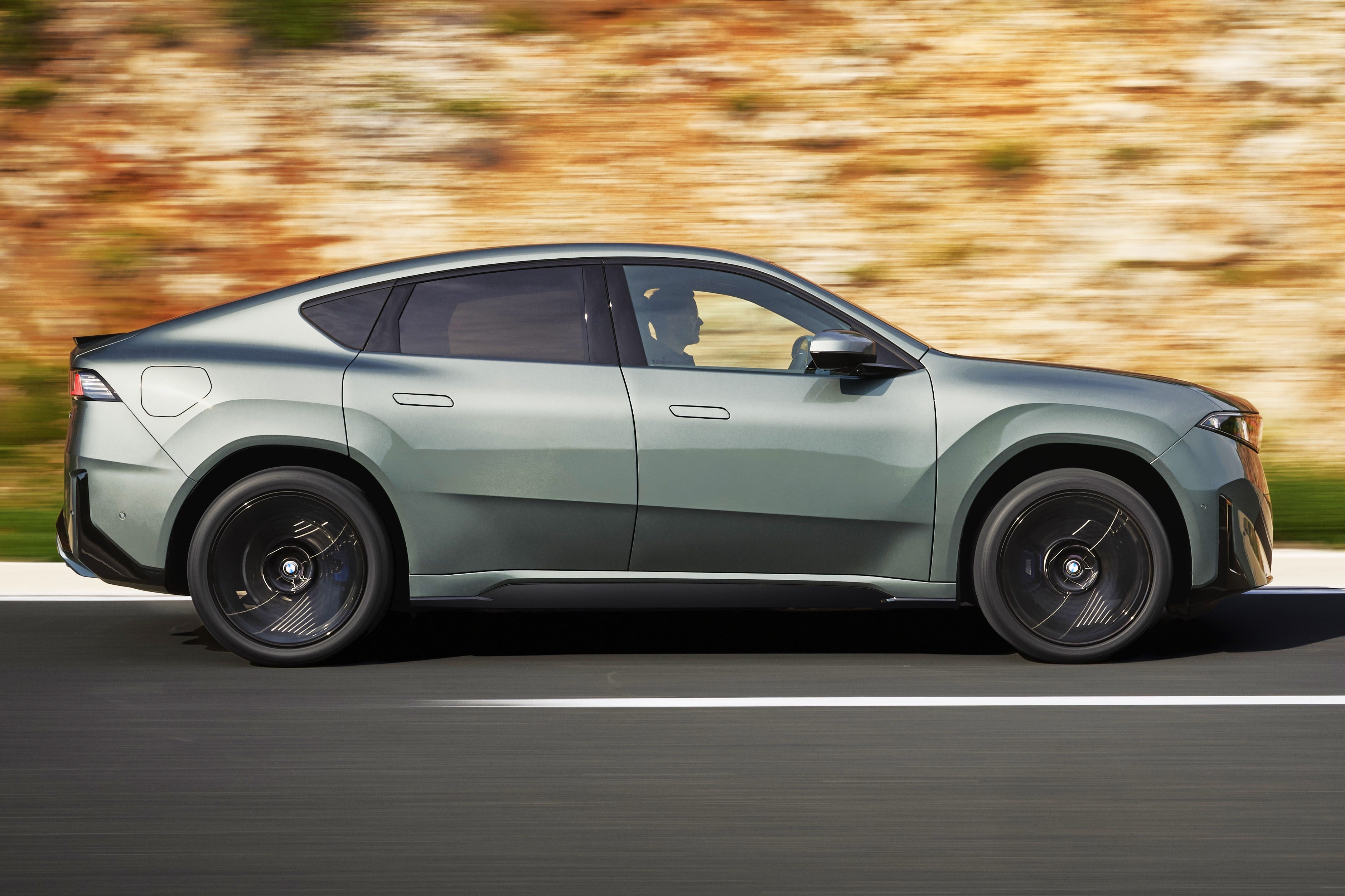
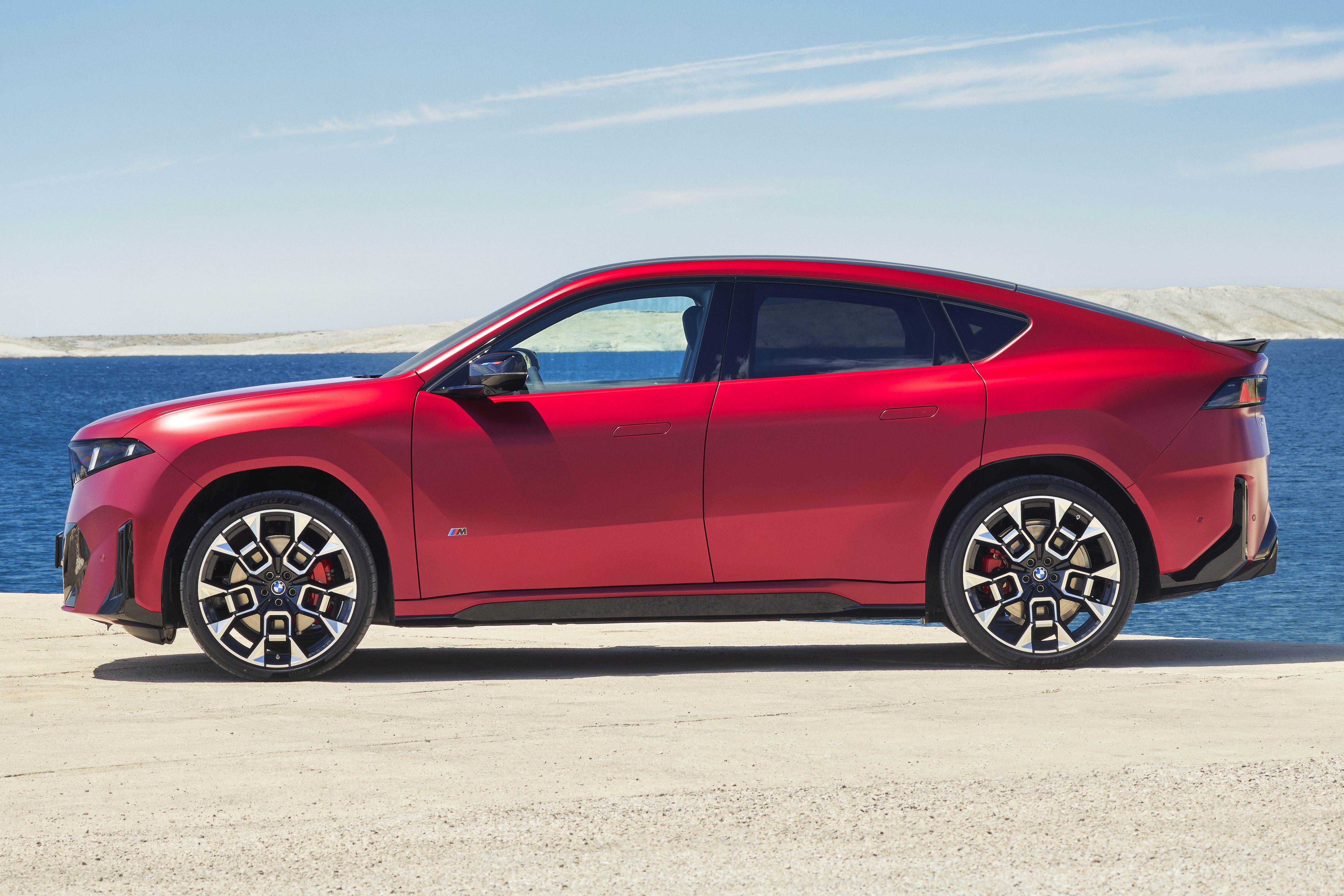
Measuring 4,782mm in length, 1,895mm in width, 1,595mm in height, and with a wheelbase of 2,897mm, the iX4 is 40mm shorter than the iX3. The iX4 retains many of the Neue Klasse styling cues seen on the iX3, but with distinctions like a steeply-raked roofline, unique alloy wheel designs (20-inchers are standard, which can be optioned up to 22 inches), clear-lens tail-lamps, a bootlid spoiler, and a slightly more sculpted rear bumper.

iX4 M60 xDrive

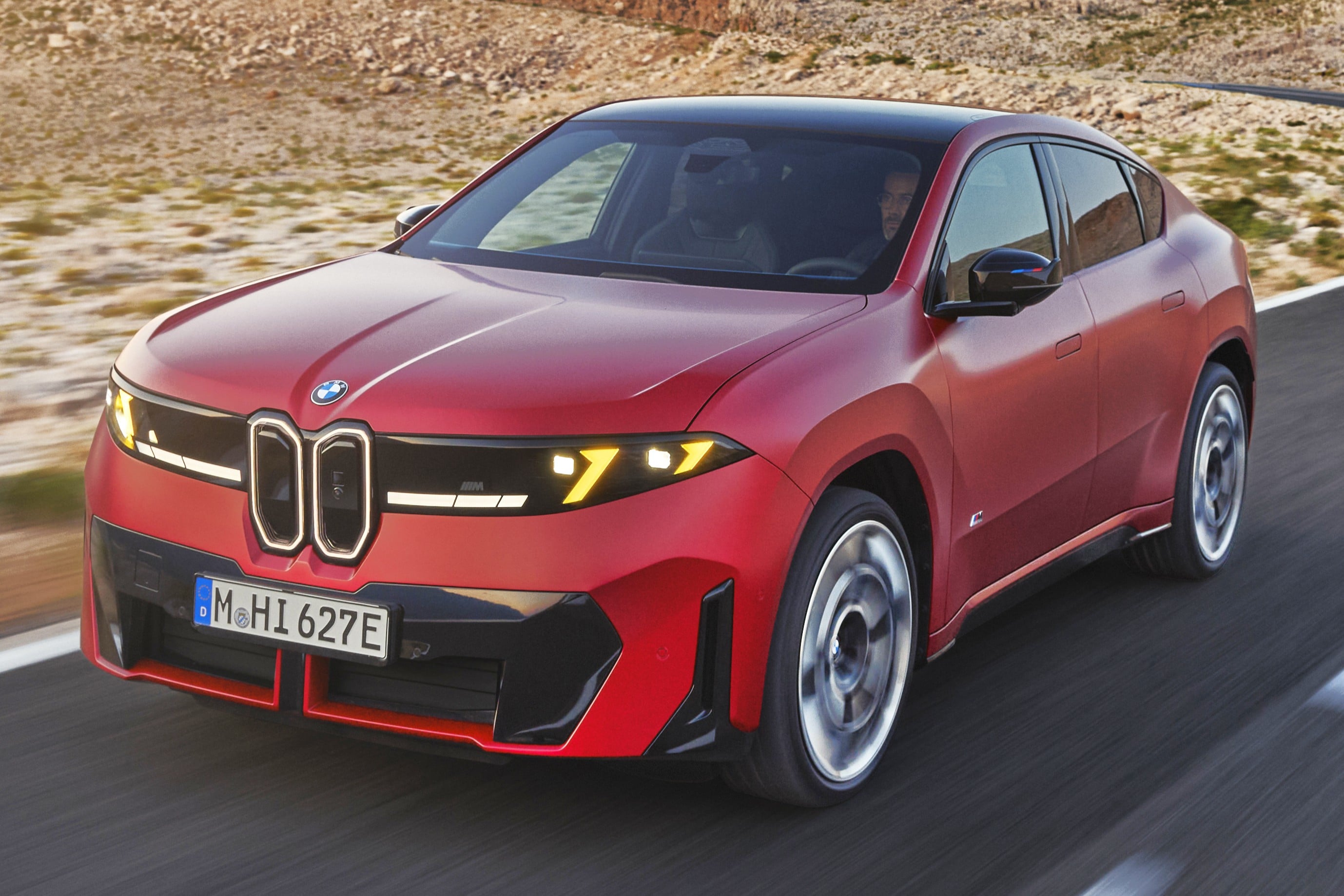
The iX4 M60 xDrive further differentiates itself with adaptive LED headlamps, unique lighting signatures in the grille area, yellow-coloured daytime running lights (activated only when the low-beams are on), larger 21-inch alloy wheels, M badging, M-spec ORVM housings, a bigger bootlid spoiler, and blacked-out exterior trim.

BMW iX4 interior and features

iX4 50 xDrive interior

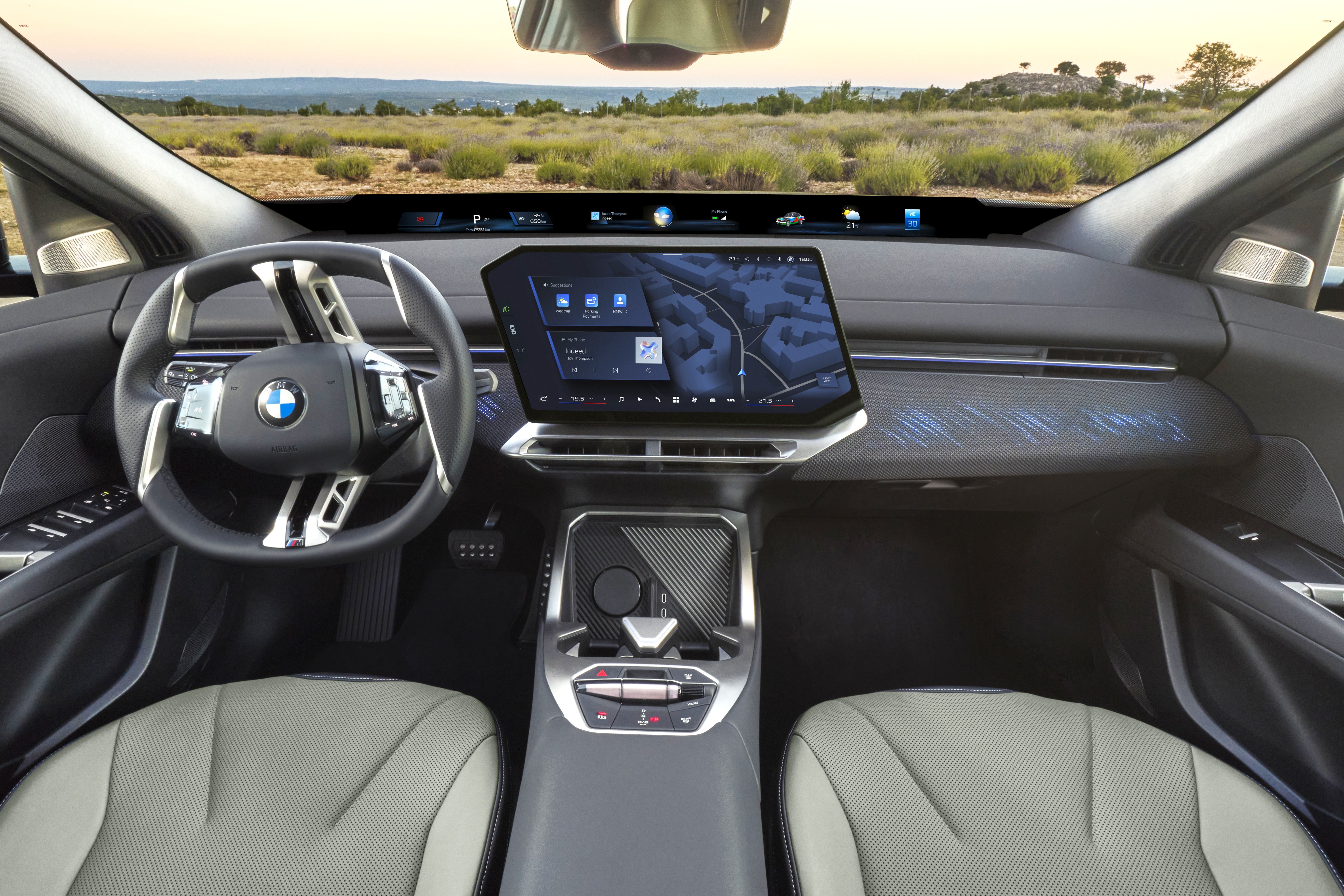
The interior of the iX4 is identical to that of the iX3, save for a bit less headroom in the second row on account of the sloping roofline, and a smaller 490-litre boot. A rhomboidal 17.9-inch infotainment touchscreen sits proud on the centre of the dashboard, while a pillar-to-pillar Panoramic Vision display can be seen at the base of the windshield. The unconventional-looking four-spoke steering wheel and high-set central tunnel are also retained from the iX3.

iX4 50 xDrive

As for standard features, the iX4 40 xDrive and 50 xDrive come with configurable ambient lighting, a panoramic sunroof, wireless Apple CarPlay and Android Auto, powered front seats with memory functions, Level 2 ADAS, a 7-speaker sound system, connected car tech, an AI-powered digital assistant, Veganza leatherette upholstery, a wireless charging pad, power-opening doors, among others.

iX4 M60 xDrive interior

The top-spec M60 xDrive’s cabin further differentiates itself with a black finish, M-spec steering wheel, M Sport seats with massage functions, a 13-speaker Harman Kardon sound system, and more.

Suzuki V-Strom SX gets a New Matte Grey Colour

Suzuki V-Strom SX gets a New Matte Grey Colour
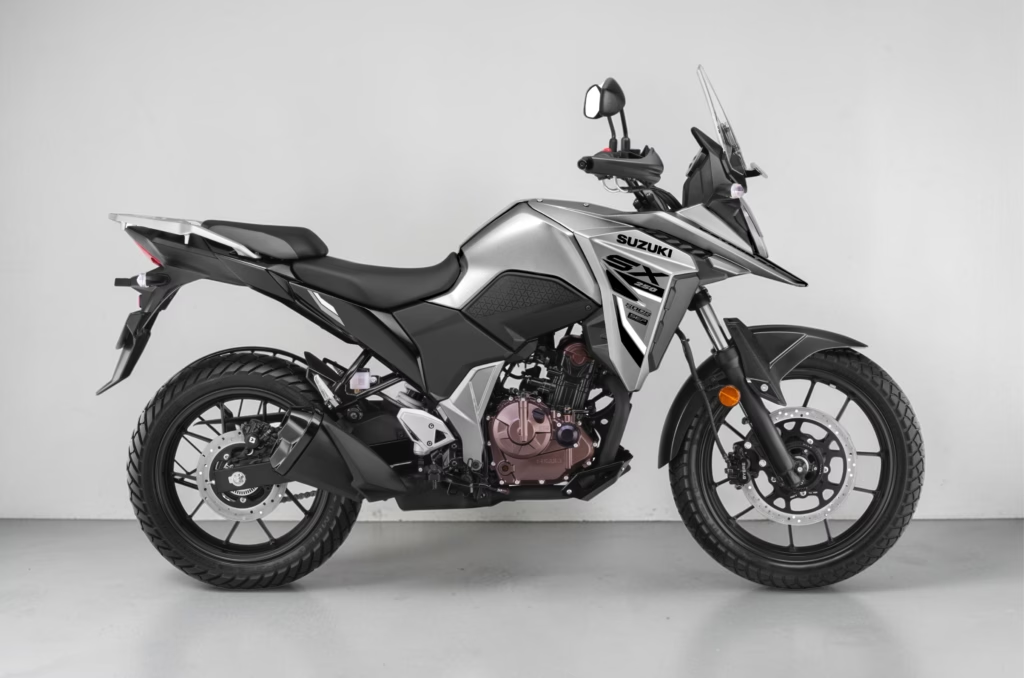
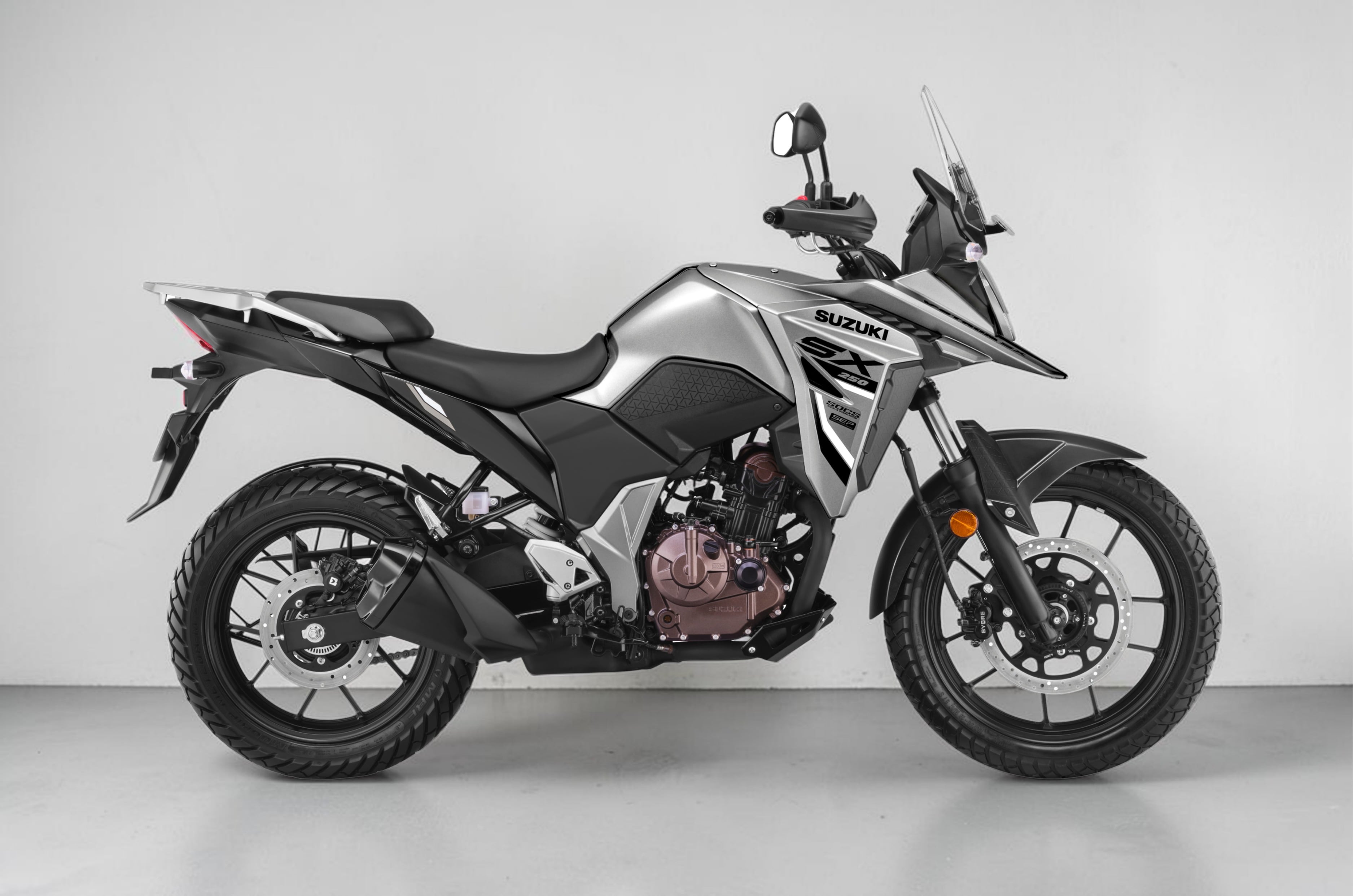
An indoor studio render showing the new Matte Grey colour option of the Suzuki V-Strom SX

Suzuki has launched a new matte grey colour for the V-Strom SX at Rs 2.02 lakh (ex-showroom, Delhi), the same price as the other colours. The new colour sits alongside the other colour options of the motorcycle. Besides the new colour, the motorcycle remains mechanically unchanged.

  1. Mechanically identical to the existing V-Strom SX
  2. No change in price
  3. Customers will receive a Rynox apparel voucher worth Rs 5,000

V-Strom SX gets a new colour but no changes otherwise       

Uses the same 249cc engine and features

As mentioned above, the Suzuki V-Strom SX uses the same 249cc oil-cooled single-cylinder engine, which delivers 26.5hp at 9,000rpm and 22.2Nm of torque at 7,300rpm paired with a 6-speed gearbox. The design, features and pricing remain the same as the existing model. Suzuki is now also offering a Rynox apparel voucher worth Rs 5,000 to the V-Strom SX customers, subject to terms and conditions.

At this price point the V-Strom SX is now competing against other popular offerings in the adventure segment like the Hero Xpulse 210 (Rs 1.68 lakh to Rs 1.77 lakh) and TVS Apache RTX 300 (Rs 1.99 lakh to Rs 2.39 lakh). For those in the market for a simple Japanese machine with an air/oil-cooled engine in this displacement bracket, there’s also the new Honda XR300L (Rs 1.83 lakh) and XR300 Rally (Rs 2.08 lakh) which will be factored in, although the Hondas are far more off-road capable than the Suzuki.

All prices are ex-showroom

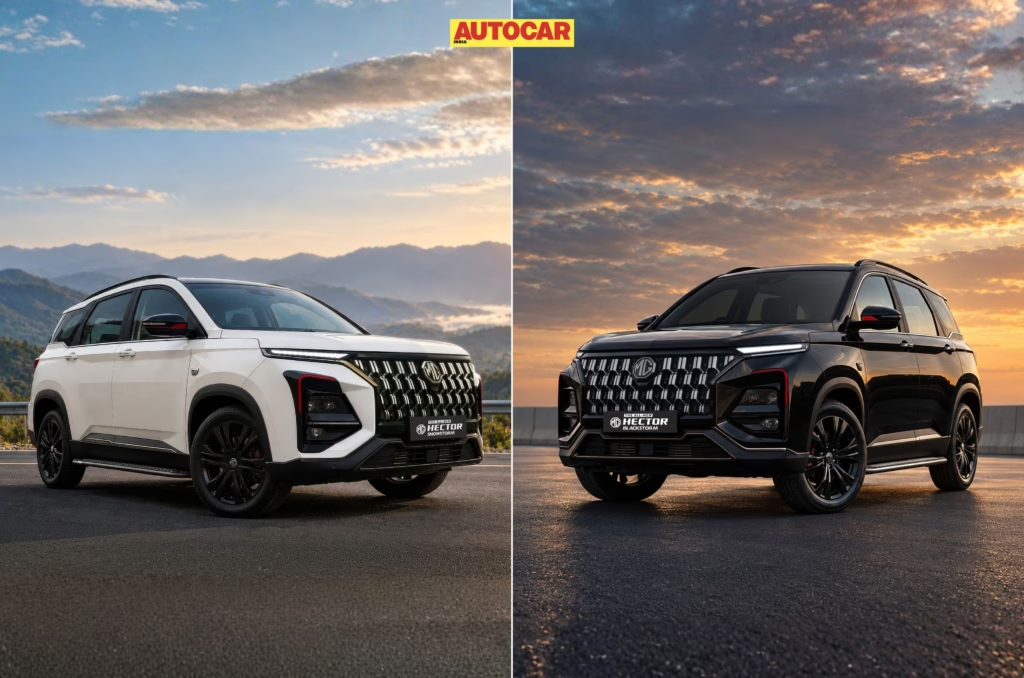
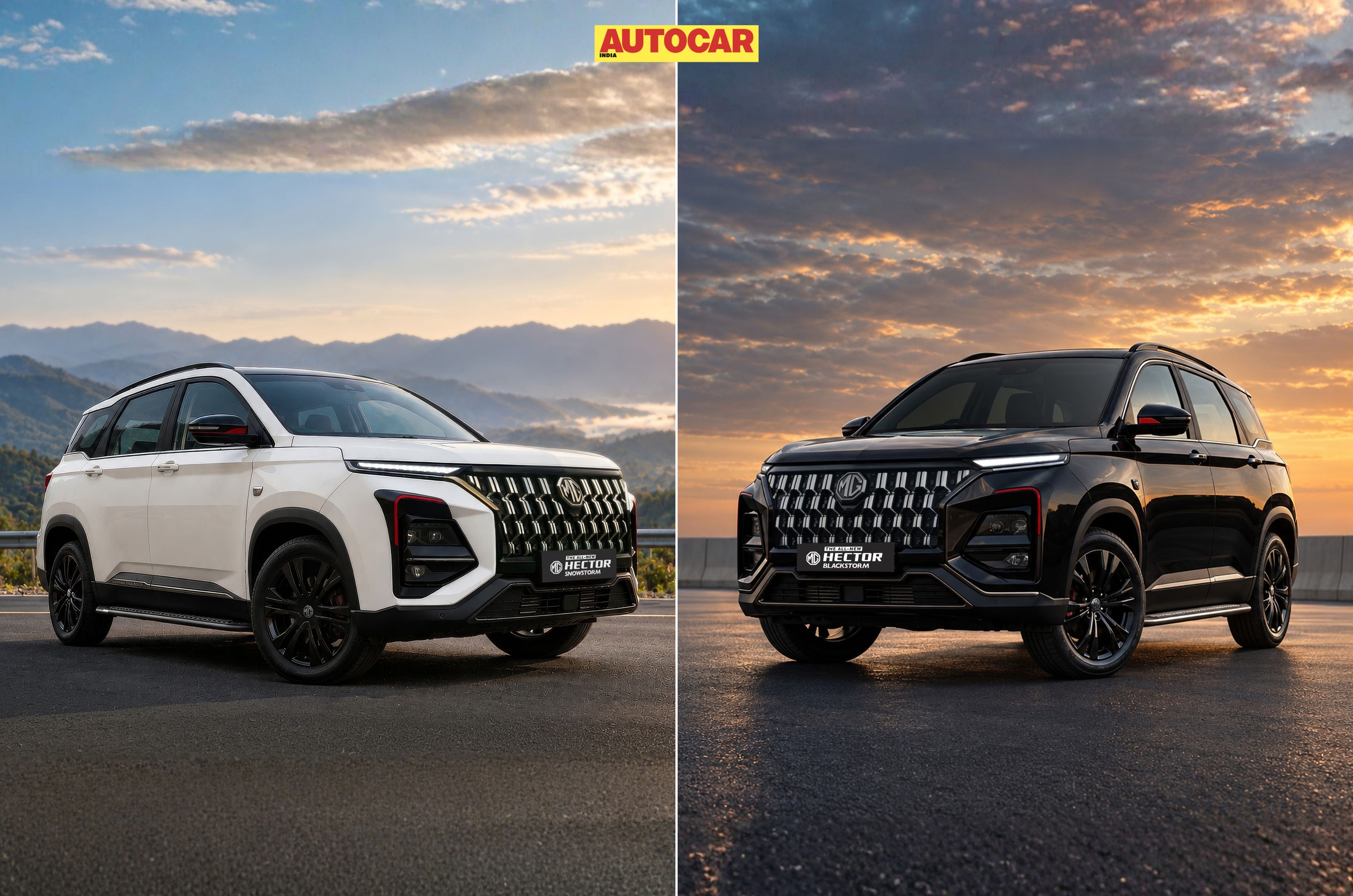
MG Hector Blackstorm and Snowstorm launched at Rs 20 lakh

MG Hector Blackstorm and Snowstorm launched at Rs 20 lakh
MG Hector Storm series

MG Motor India has launched new Hector Blackstorm and Snowstorm special edition SUVs, each priced at Rs 20 lakh (ex-showroom). These limited-run models get new exterior colour schemes, , dark-themed interiors, and edition-specific accessories. Both the Blackstorm and Snowstorm editions are only available with the 5-seater configuration and the 1.5-litre petrol-CVT powertrain. Compared to the top-spec Savvy Pro CVT variants, the Blackstorm and Snowstorm editions command a premium of Rs 35,000.  

  1. Hector Storm series carries a premium of 35,000 over the top-spec Savvy trim 
  2. Interior gets an all-black finish with edition name embossed on front headrests 
  3. Available only in a 5-seat configuration and 1.5-litre petrol-CVT powertrain

MG Hector Storm Series: what’s new?

As the name suggests, the Blackstorm Edition gets an all-black exterior finish while the Snowstorm gets a Pearl White exterior with a contrasting Starry Night finish for the roof. Both versions also get blacked-out alloy wheels with red brake callipers, a blacked-out grille and roof rails, and dark chrome accents on the logos, skid plates, tailgate accents, and body-side cladding. The LED headlamp bezels have also been blacked-out and the tail gate gets a new smoked effect. 

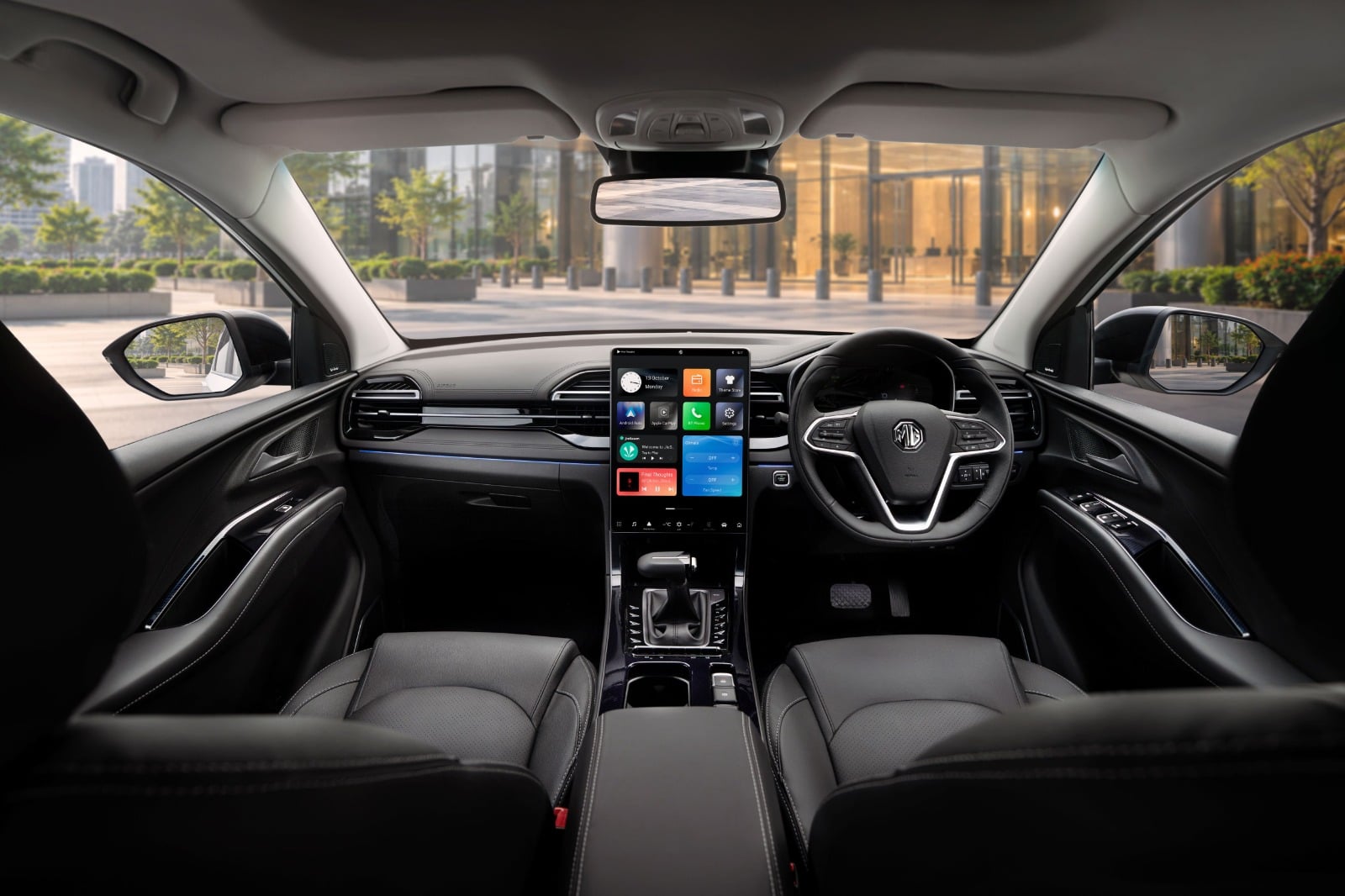
On the inside, the black theme continues for the dashboard and seat upholstery, and the edition name is also embossed on the front seat headrests. Customers can also avail for a Storm Series package comprising edition-specific logos, a red tailgate accent, fog lamp garnish and ORVM protectors with red accents and side step boards. Otherwise, the equipment suite remains unchanged from the top-spec Savvy trim. 

MG Hector Storm Series: powertrain options 

The Hector Blackstorm and Snowstorm editions are only available with the 1.5-litre, four-cylinder turbocharged petrol engine with the CVT gearbox; no manual gearbox option here. The engine produces 143hp and 250Nm. It is also only available in a 5-seater configuration, missing out on the 7-seat layout. 

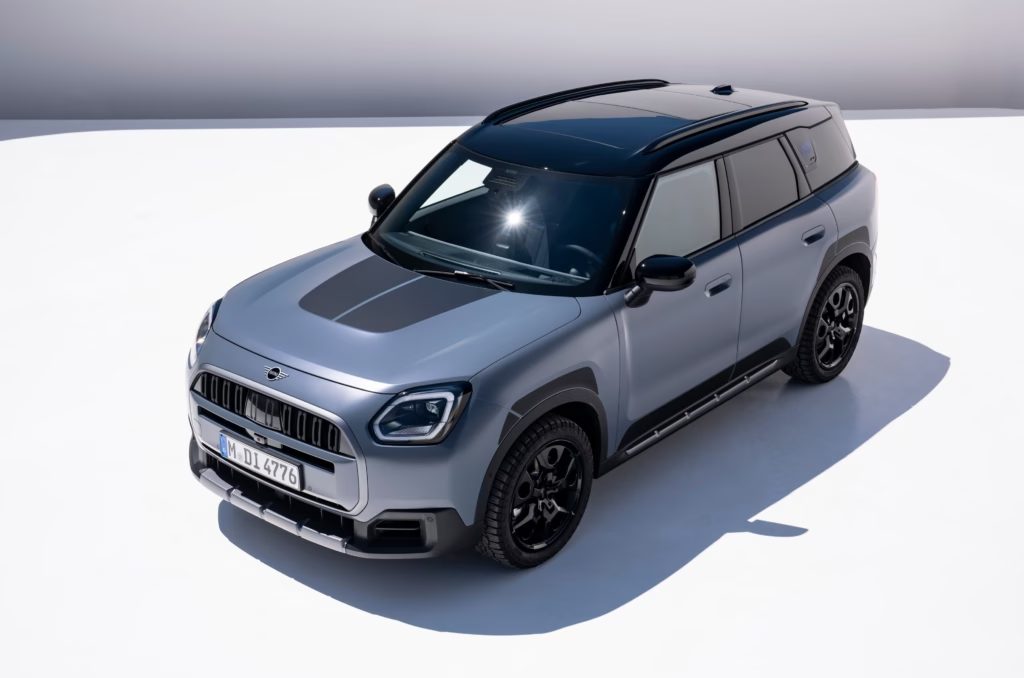
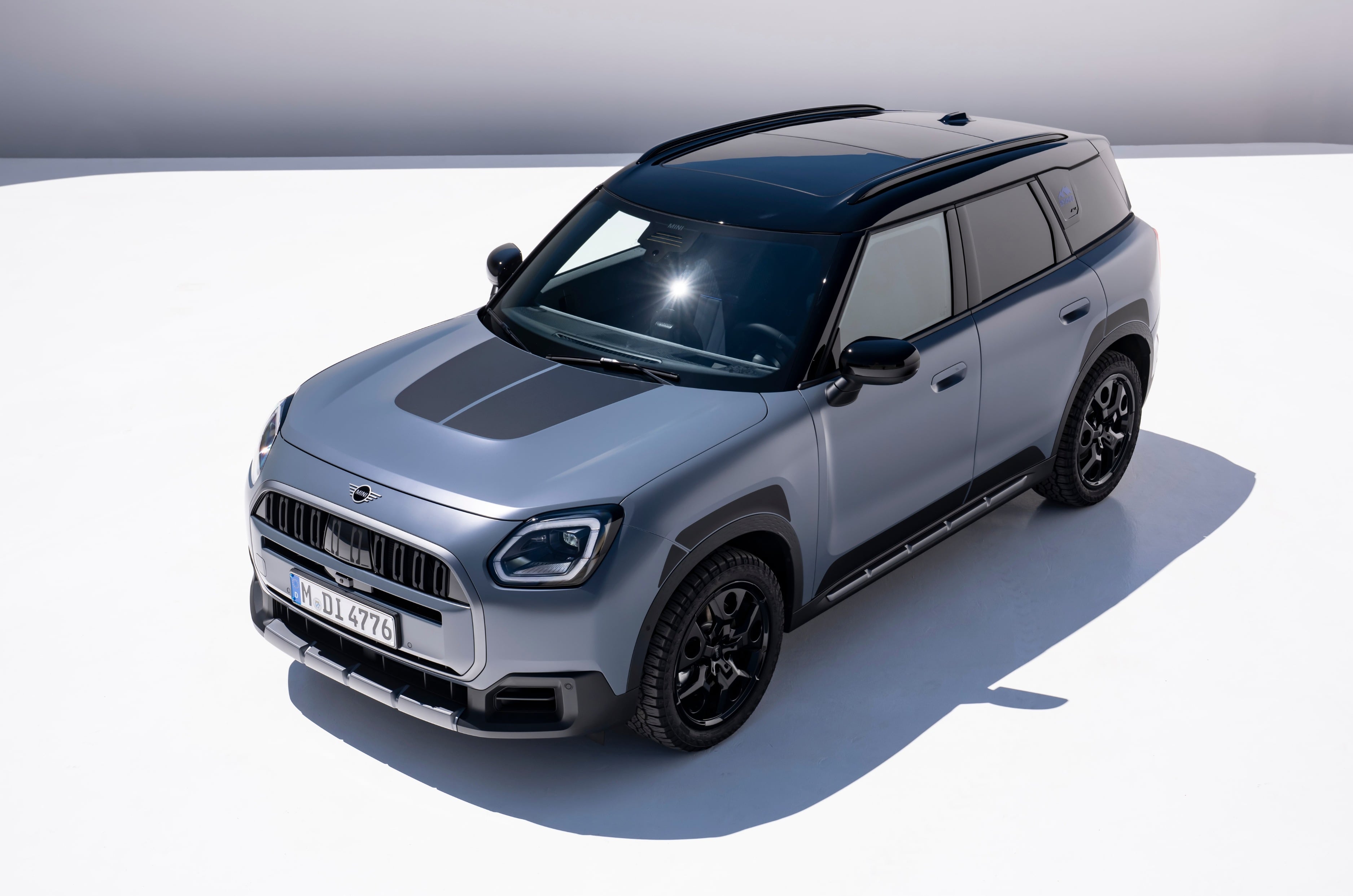
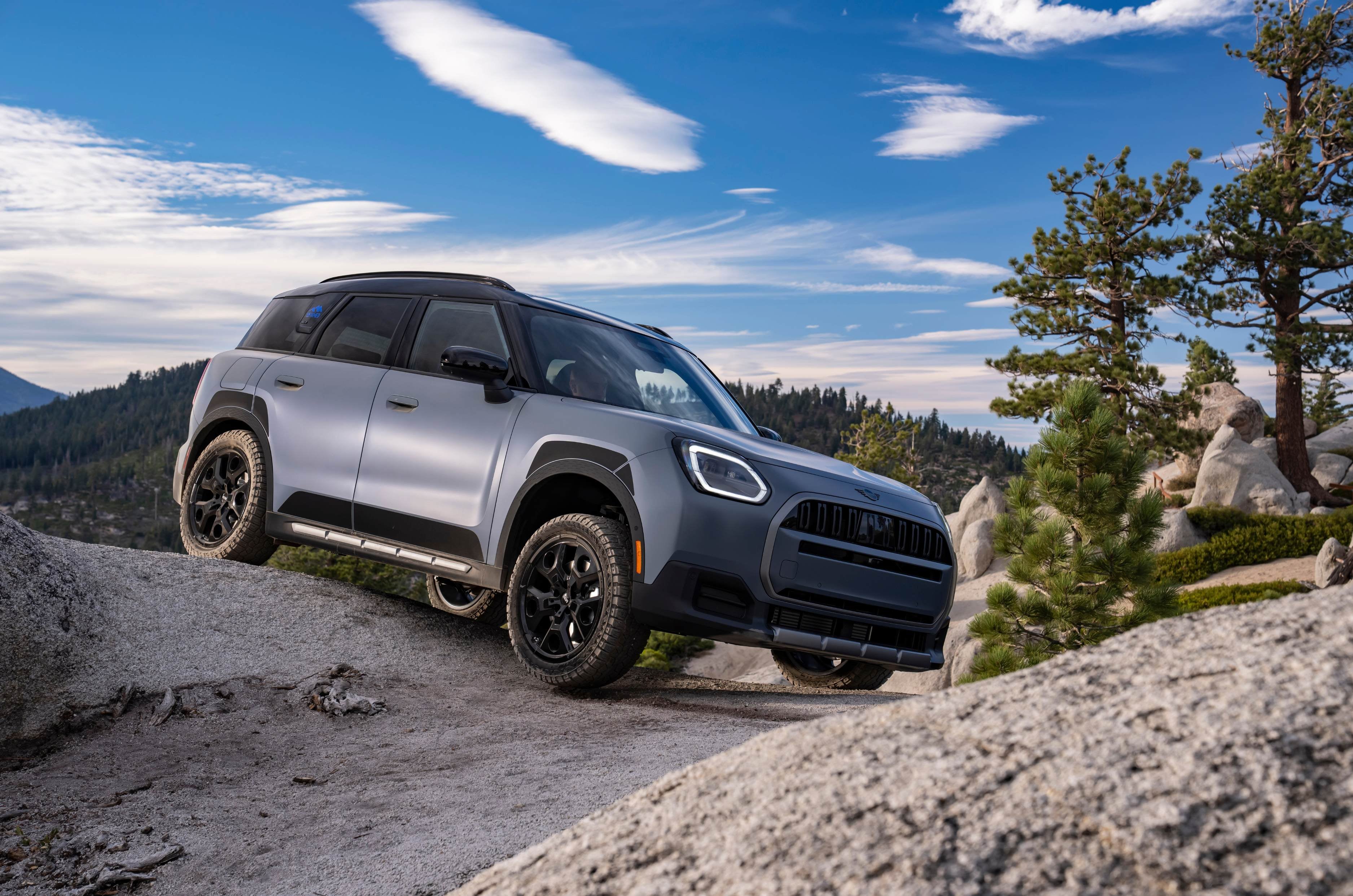
Mini Countryman gets new rugged Untamed Edition

Mini Countryman gets new rugged Untamed Edition
Mini Countryman Untamed Edition revealed

Mini has revealed the Countryman Untamed Edition, a more off-road focused version of the SUV. Depending on the market, it will be available with the C, D, S ALL4, E and SE ALL4 versions of the Countryman. Production of the Untamed Edition will begin in November 2026 at BMW Group’s Leipzig plant in Germany.

Mini Countryman Untamed Edition: Off-roading features

Mini Countryman Untamed Edition Off-roading features

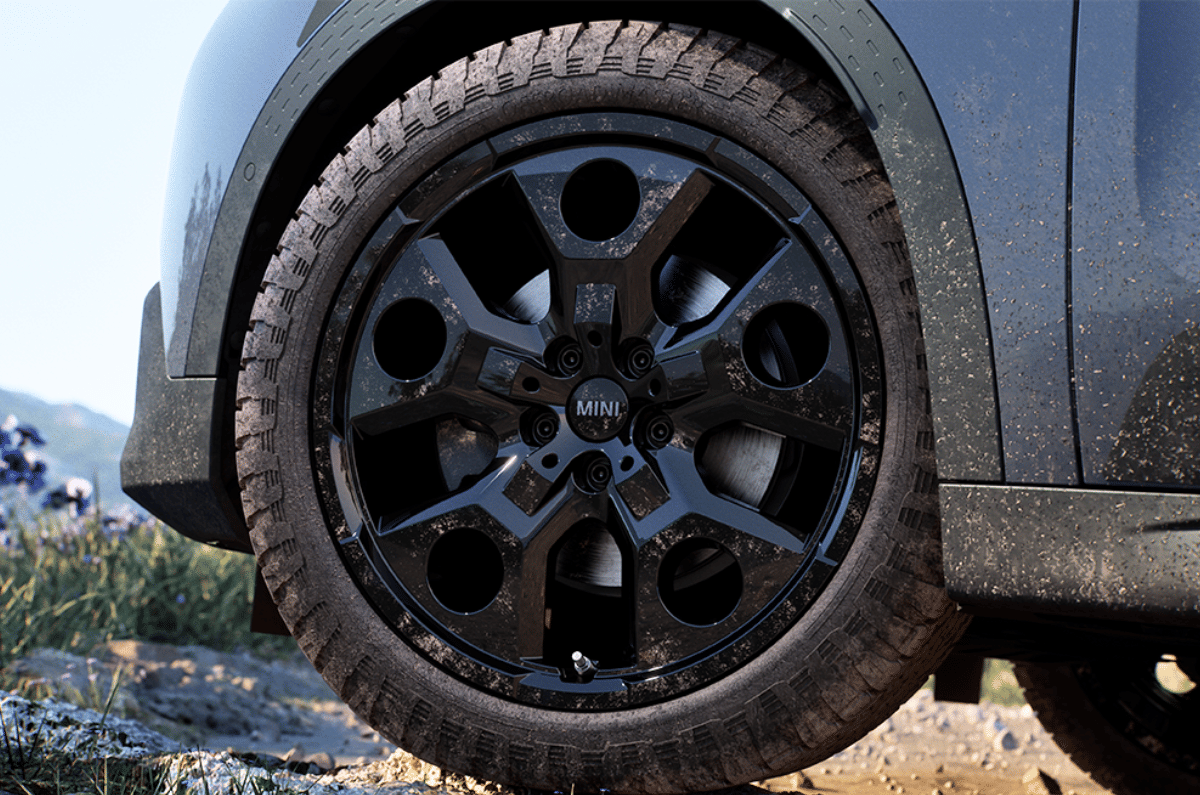
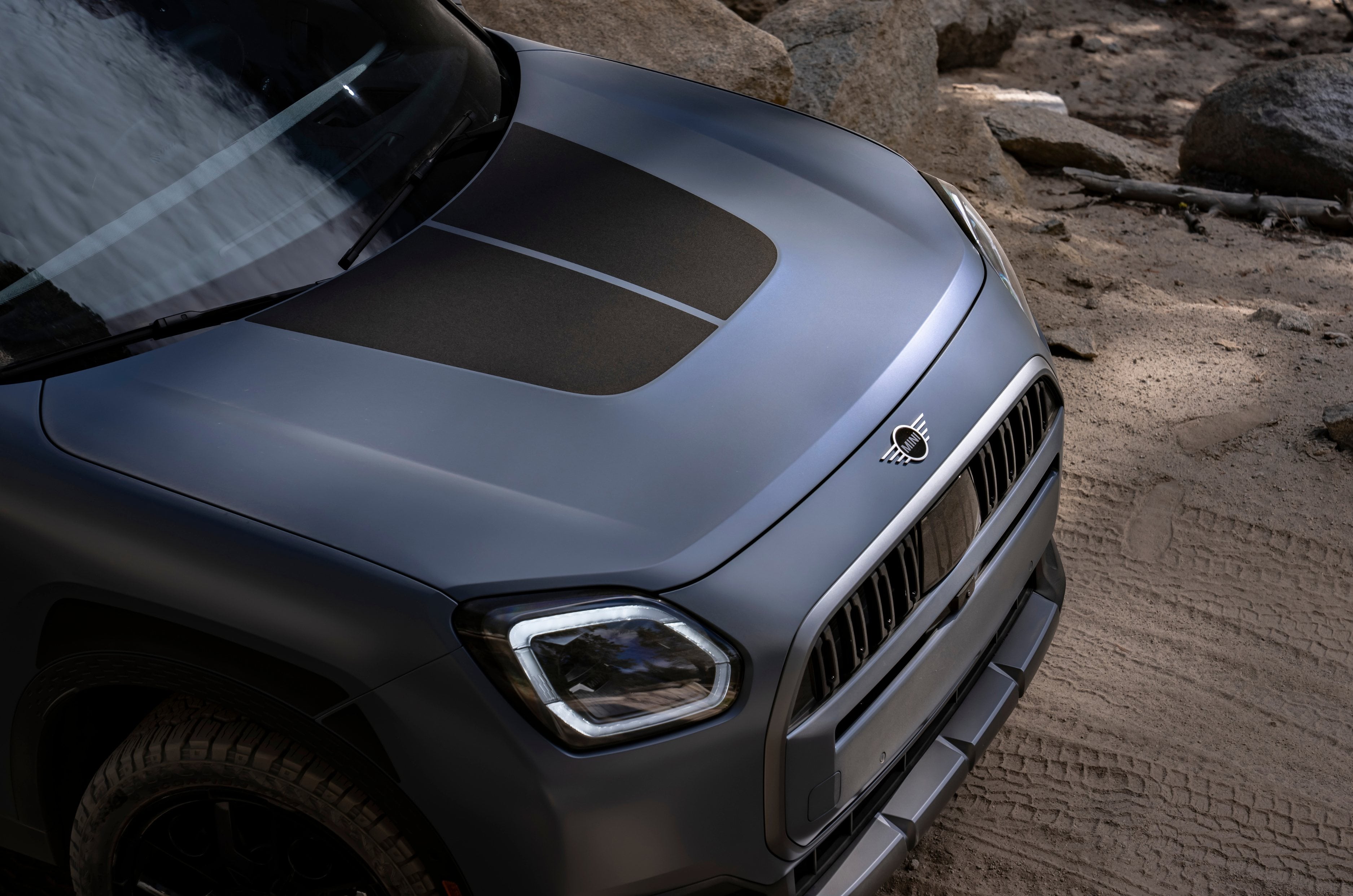
The Untamed Edition gets a 15mm suspension lift, which increases ground clearance by up to 19mm (depending on market and variant). Mini claims that the higher ride height also improves its approach and breakover angles. It’s also fitted with bespoke 19-inch alloy wheels, shod in specially developed Pirelli Scorpion All Terrain Plus tyres.

Mini has also calibrated the ABS, dynamic stability control (DSC) and steering systems to work with the revised suspension and all-terrain tyres. The new edition can be had with an all-wheel-drive system (ALL4 in Mini speak), which is available on some of the Countryman models. 

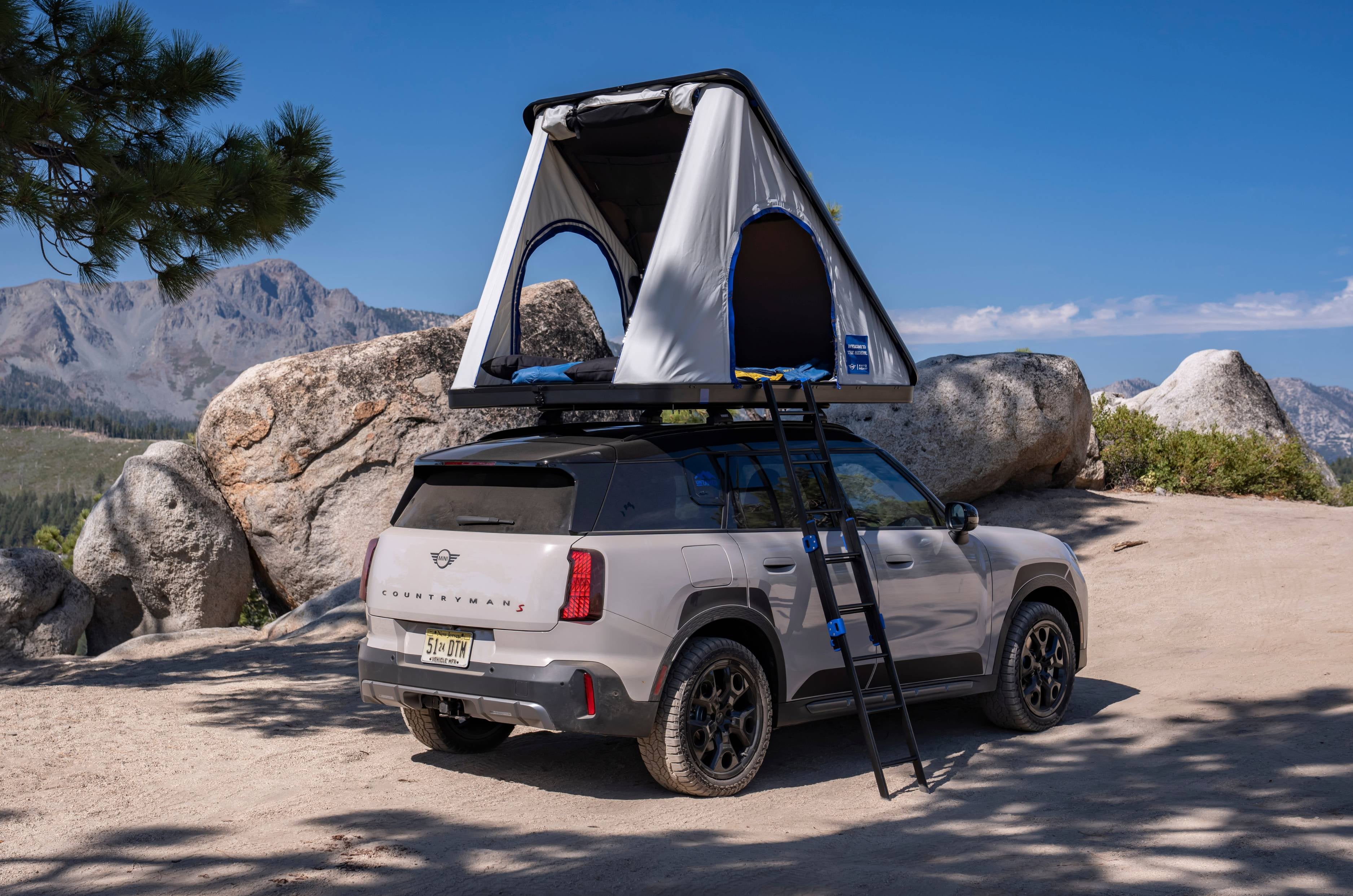
A tow bar is optional, which allows for a towing capacity of up to 2,000kg. The roof can carry up to 75kg while driving and up to 300kg when stationary. Mini has also developed a roof tent and other camping equipment for the Untamed Edition.

Mini Countryman Untamed Edition: Exterior design

Mini Countryman Untamed Edition Exterior design

It gets a redesigned front grille with angular inserts. It’s finished in Dark Steel shade, which is also used on the Mini badges, Countryman lettering, underbody protection and other exterior details. The edition is available in the following paint options: Hideaway Grey, Nomad Blue, Frozen Nomad Blue, Nanuq White and Midnight Black. 

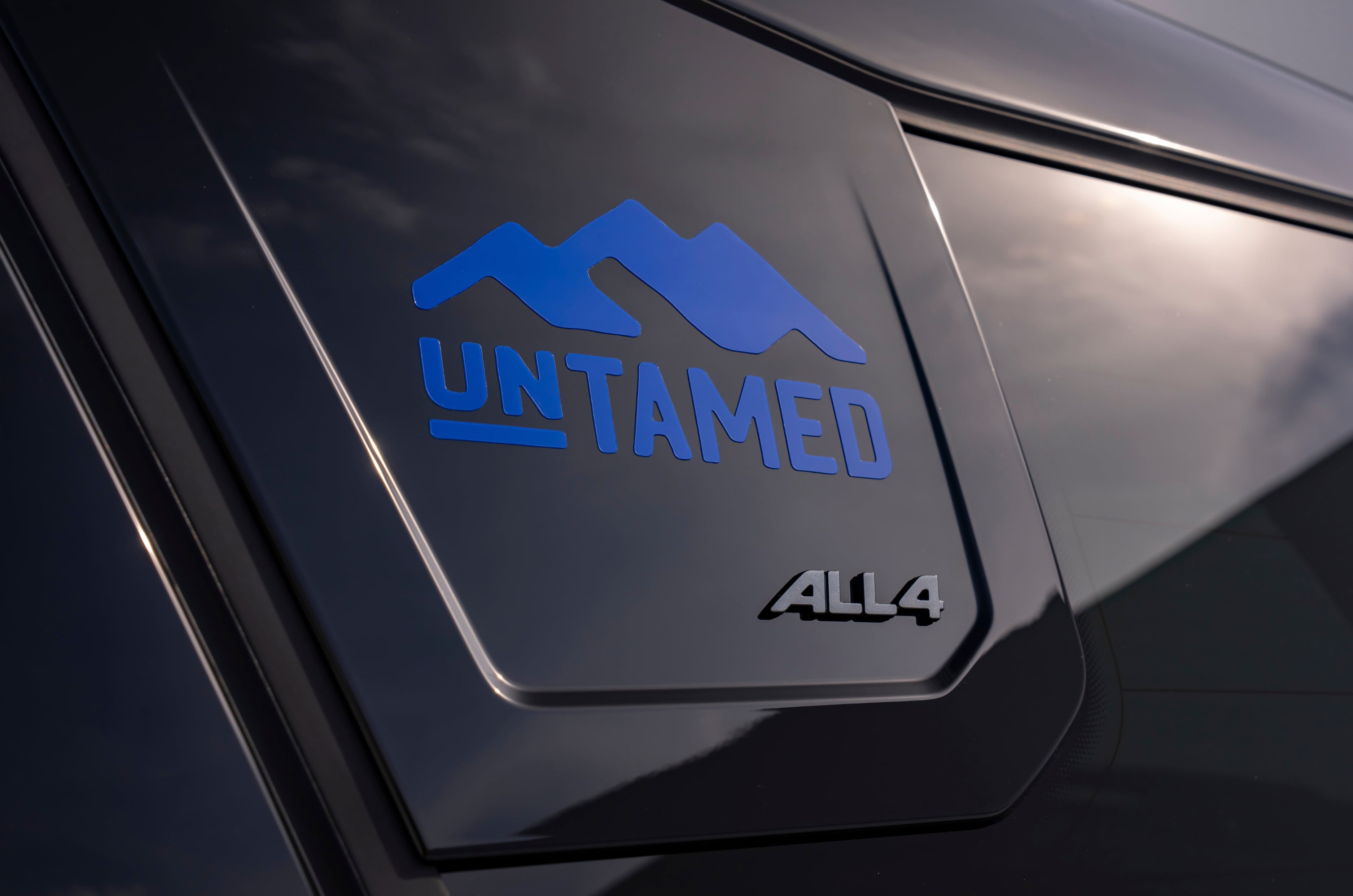
The roof can be finished in Glazed White or Jet Black. Decals have also been added above the wheel arches, and the Untamed logo, featuring a mountain motif, is placed on the C-pillar.

Mini Countryman Untamed Edition: Interior and features

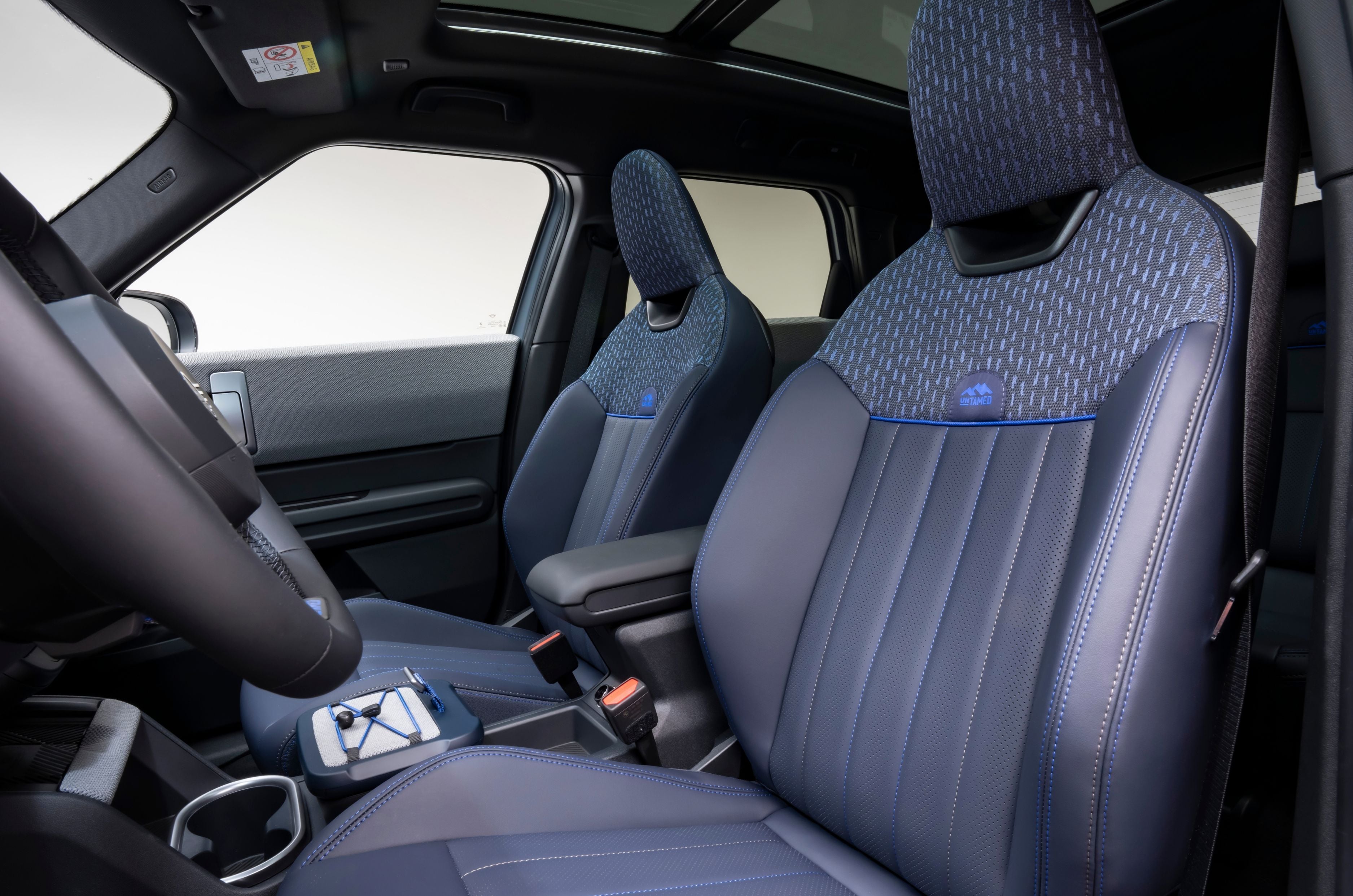
Inside, the Untamed Edition gets sports seats with perforated upholstery and knitted sections around the shoulders and headrest areas. The knitted surfaces on the dashboard and door panels use a Millennial Melange colour scheme, combining dark grey and blue. 

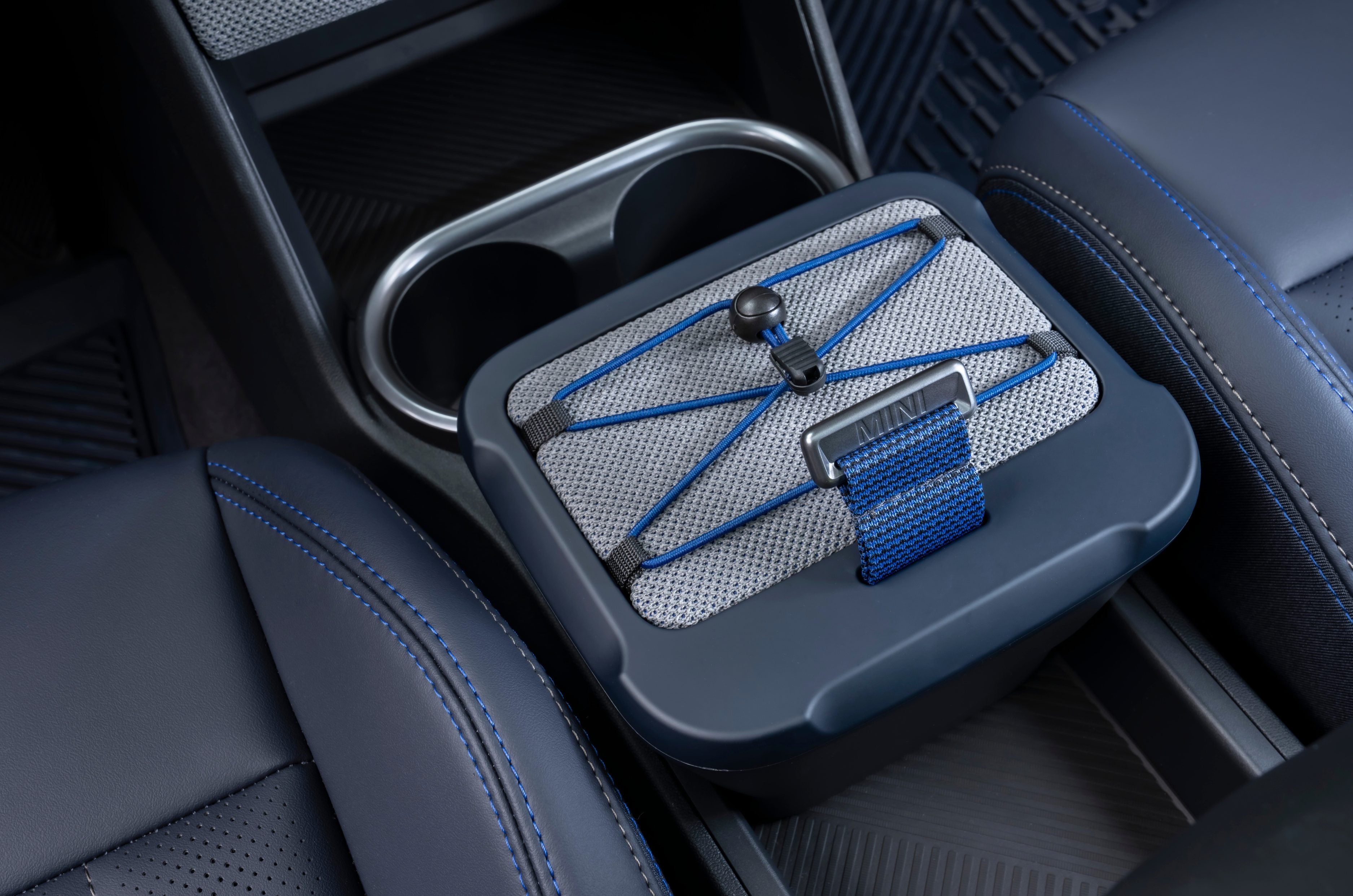
Its centre console storage compartment has a redesigned shape, and it also features elastic straps. Rubber floor mats and a matching luggage compartment mat are part of the package as well.

Mini Countryman Untamed Edition: Powertrains

Depending on the trim, the Untamed Edition can be had in either petrol or electric guise. For reference, Mini sells the Countryman’s C, JCW ALL4 and E versions in India. The Countryman C uses a 1.5-litre 3-cylinder direct-injection turbo-petrol engine, producing peak outputs of 156hp and 240Nm. Whereas, the JCW ALL4 features a 2.0-litre 4-cylinder turbo-petrol mill, belting out 300hp and 400Nm.

The Countryman E, meanwhile, has a 64.6kWh battery pack, powering a single motor at the front. This motor makes 204hp and 250Nm. Mini claims a range of up to 462km on the WLTP cycle for the all-electric Countryman.

The Mini Countryman Untamed Edition will launch in international markets in early 2027. It remains to be seen whether the brand will bring this edition to India.

Triumph Bonneville T40 vs Bonneville T4: Price and differences explained

Triumph Bonneville T40 vs Bonneville T4: Price and differences explained
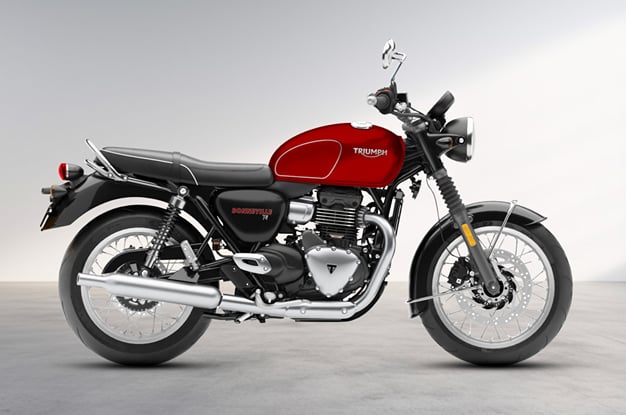
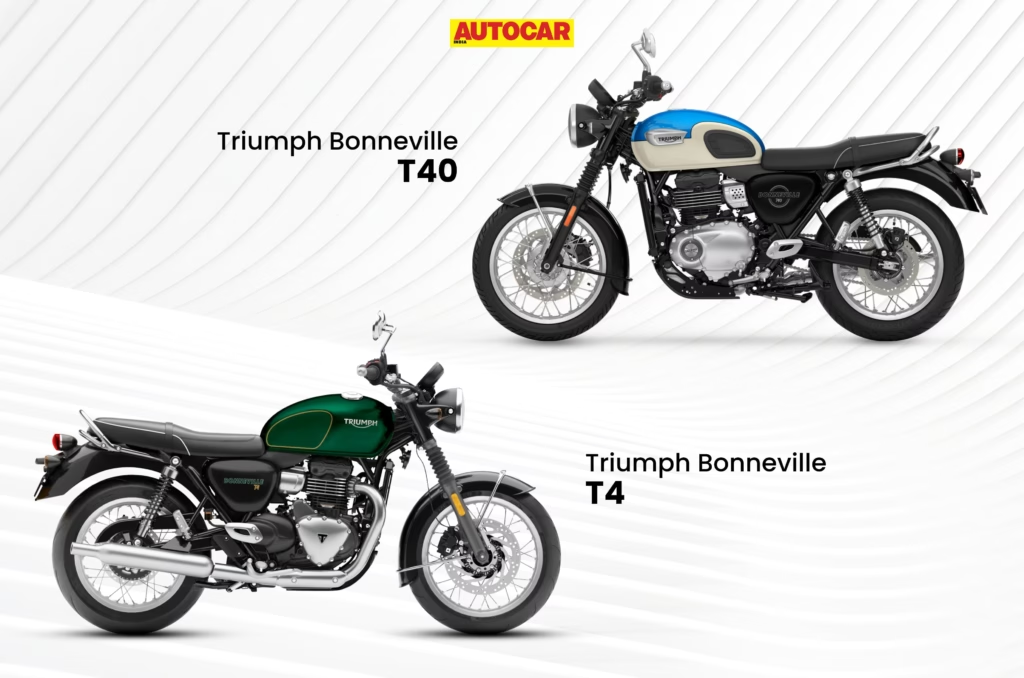
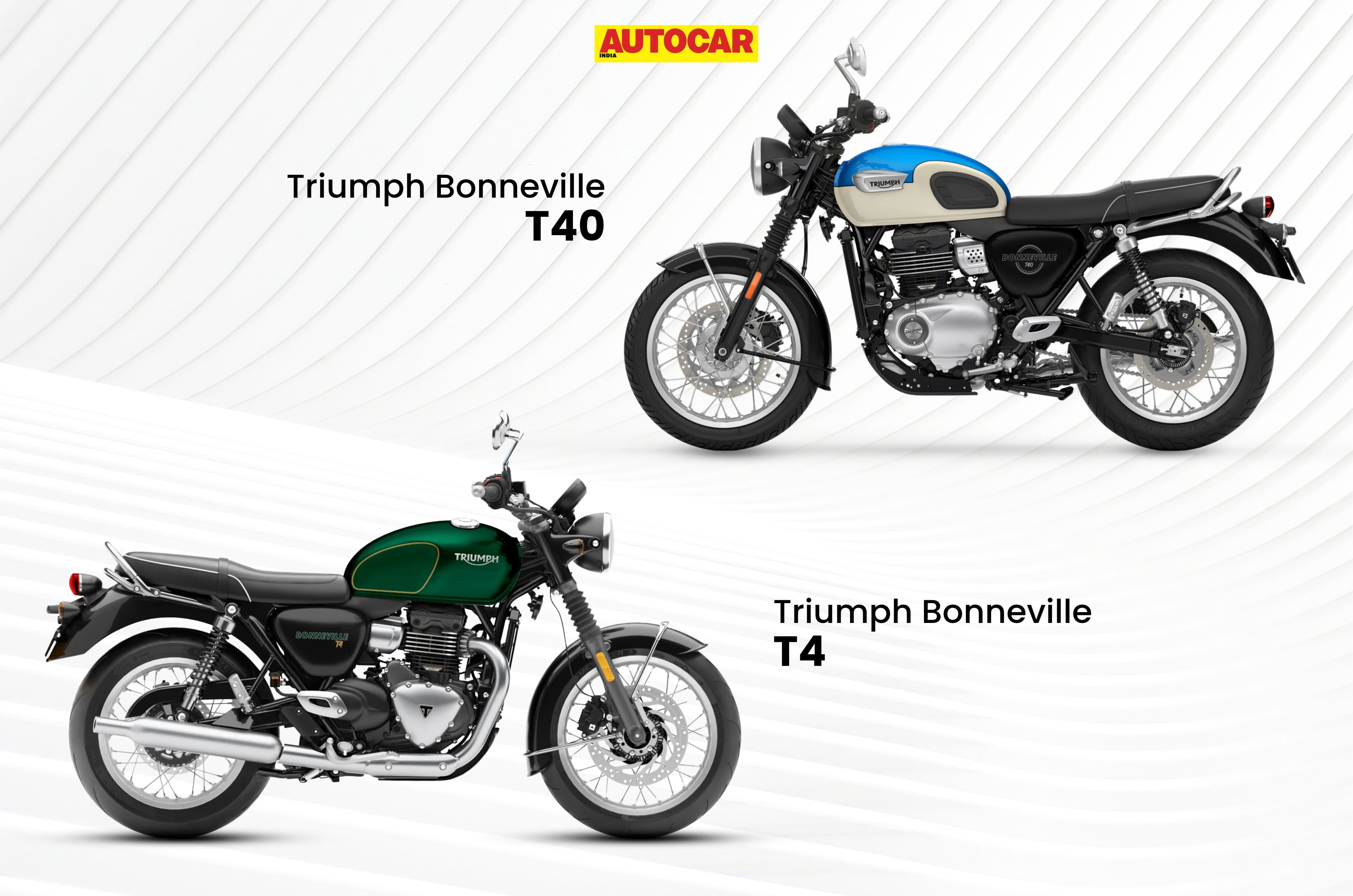
Triumph Bonneville T40 and Bonneville T4 in clockwise direction.

The latest Triumph 400s – the Bonneville T40 and the Bonneville T4 – are perhaps the most important ones yet, since they carry Triumph’s most storied nameplate. While the T40 has debuted internationally, the Bonneville T4 is an India-specific motorcycle, owing to our sensitivity to value. It’s also worth noting that the Bonneville T40 gets a downsized 349cc engine in India (like with the rest of the range) – one that it shares with the Bonneville T4. If you’re thinking about one of them, what do you gain (or lose) with the other? That’s what we are here to help you with.

Triumph Bonneville T40 vs Bonneville T4: What’s the same?

Mechanically identical

Like we mentioned, both the motorcycles share the same 349cc engine with 29hp and 31.2Nm of torque. On paper, these numbers sound close to the Triumph Speed T4 but Triumph categorically denies any similarities to the T4. The Bonnie gets a new camshaft, cylinder head, and narrower throttle bodies; the engine is also tuned to prioritise low-end performance, in line with what’s expected for the segment. Elsewhere, both Bonnies share the same 6-speed transmission, a 14.5-litre fuel tank, slip-and-assist clutch, ride-by-wire technology, 195kg kerb weight, 790mm seat height, as well as 165mm ground clearance.

Triumph Bonneville T40 vs Bonneville T4: Design and colours

T40 gets more intricate colour options

Triumph Bonneville T40 in Fusion White/Phantom Black.
Triumph Bonneville T4 in Carnival Red.


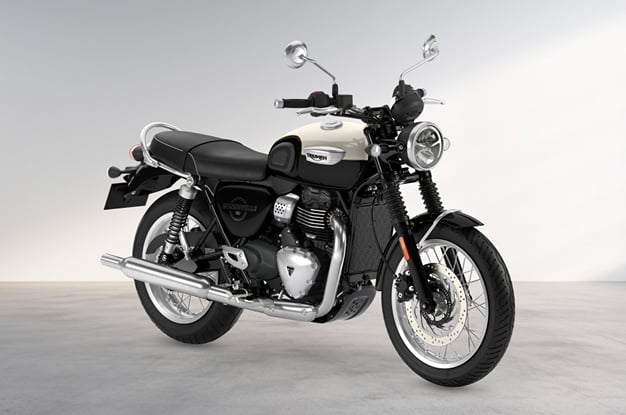
Colours will be the most obvious way to tell the two Bonnevilles apart. Being the more expensive one, the T40 gets an understated Black colour. If that isn’t to your taste, you get three more colour options to choose from: Blue/Tangerine, Dark Blue/White and White/Black. The Bonneville T4, in contrast – or lack thereof – gets three single-colourways: Black, Green and Red. Both motorcycles do get hand finished details, but the more intricate details are reserved for the T40.

Triumph Bonneville T40 vs Bonneville T4: Features

T40 gets more features and rider aids

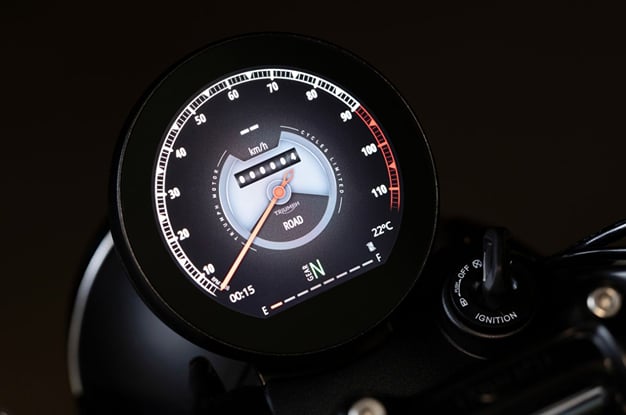
Triumph Bonneville T40's 4-inch TFT display.
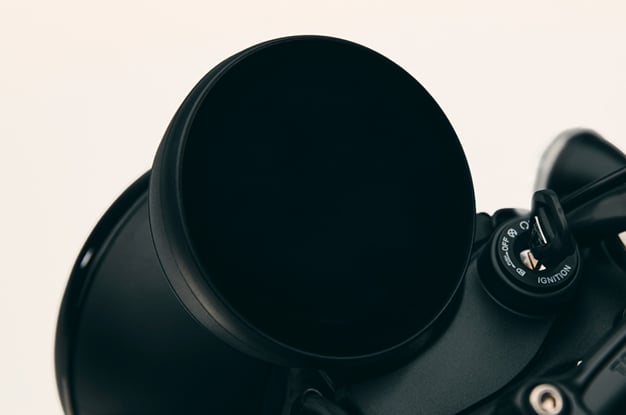
Triumph Bonneville T4's 4-inch LCD screen.


Triumph debuted a new, circular 4-inch TFT display on the Bonneville T40; it also gets a host of new rider aids such as, five ride modes, an inertial measurement unit (IMU) that enables cornering ABS and traction control, Triumph-powered turn-by-turn navigation, and cruise control as standard. The new TFT display, alongside the advanced electronics, sets the T40 apart not only from the Bonneville T4, but also from every other Triumph 400 on the market.

Speaking of, the Bonneville T4 also gets a new, circular 4-inch display, but it’s an LCD unit. It doesn’t have an IMU and hence loses out on corner-sensitivity for ABS and traction control, and cruise control. It’s not all bad news though, for the Bonneville T4 still gets three ride modes, non-Triumph-powered turn-by-turn navigation, dual-channel ABS, and traction control.

Triumph Bonneville T40 vs Bonneville T4: Price

The T40’s extra features come at a cost


Triumph Bonneville T40

Triumph Bonneville T4

Price (ex-showroom, Delhi)

Rs 2.80 lakh

Rs 2.55 lakh

For all the additional features on offer, Triumph charges Rs 25,000 extra for the Bonneville T40. The T40 gets a single variant with four aforementioned colours at Rs 2.80 lakh. The Bonneville T4, on the other hand, is priced at Rs 2.55 lakh for its single variant and three colours. If you’re planning to go for the T40, Triumph has promised that deliveries will start in November 2026. If you have decided that you’re better off with the Bonneville T4 though, you can make a booking now, but deliveries are set to begin only in the second week of January 2027, so that’s at least a two-month wait.